The AMC Spirit AMX – The Gremlin’s Handsome Younger Brother

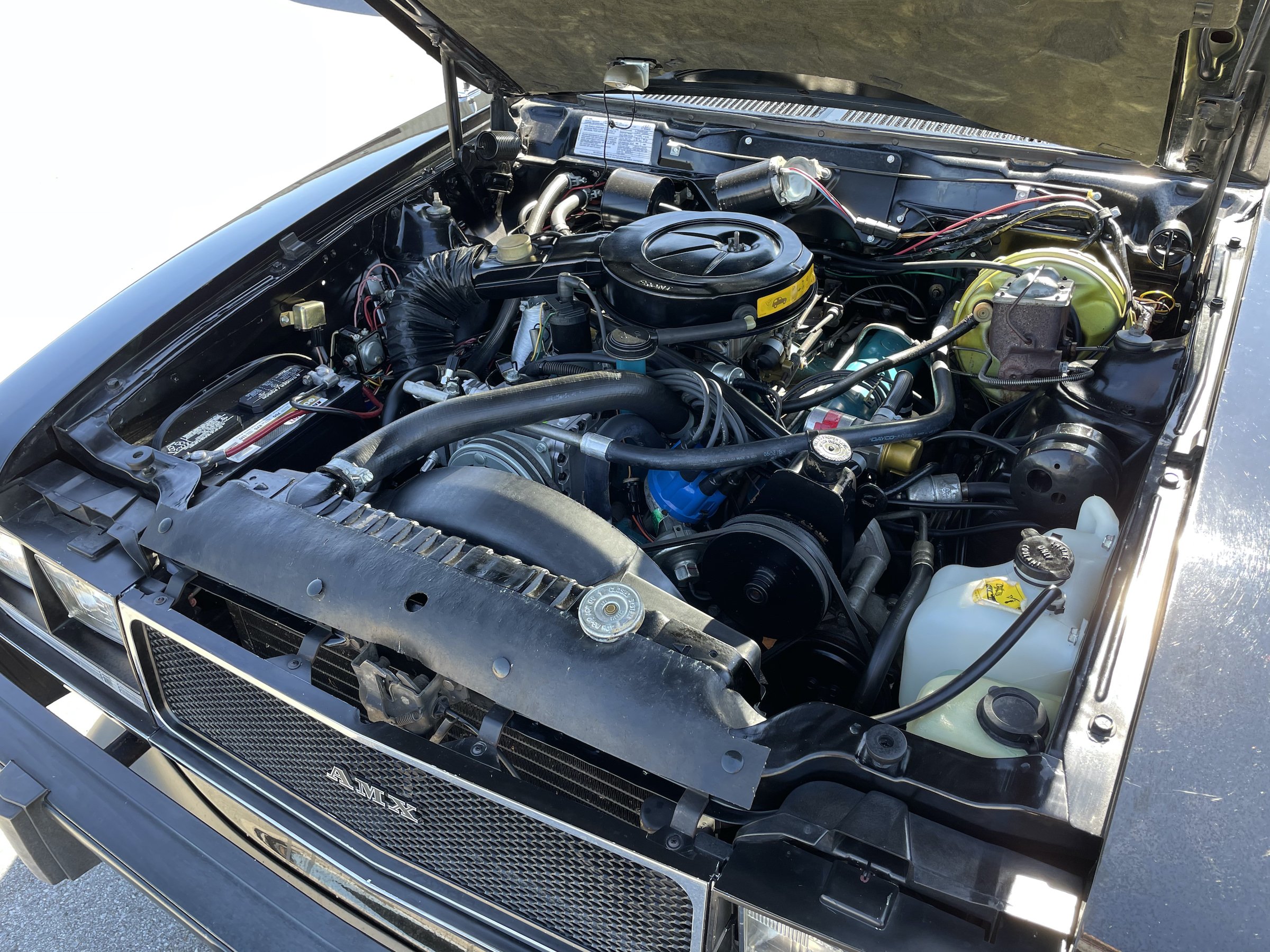
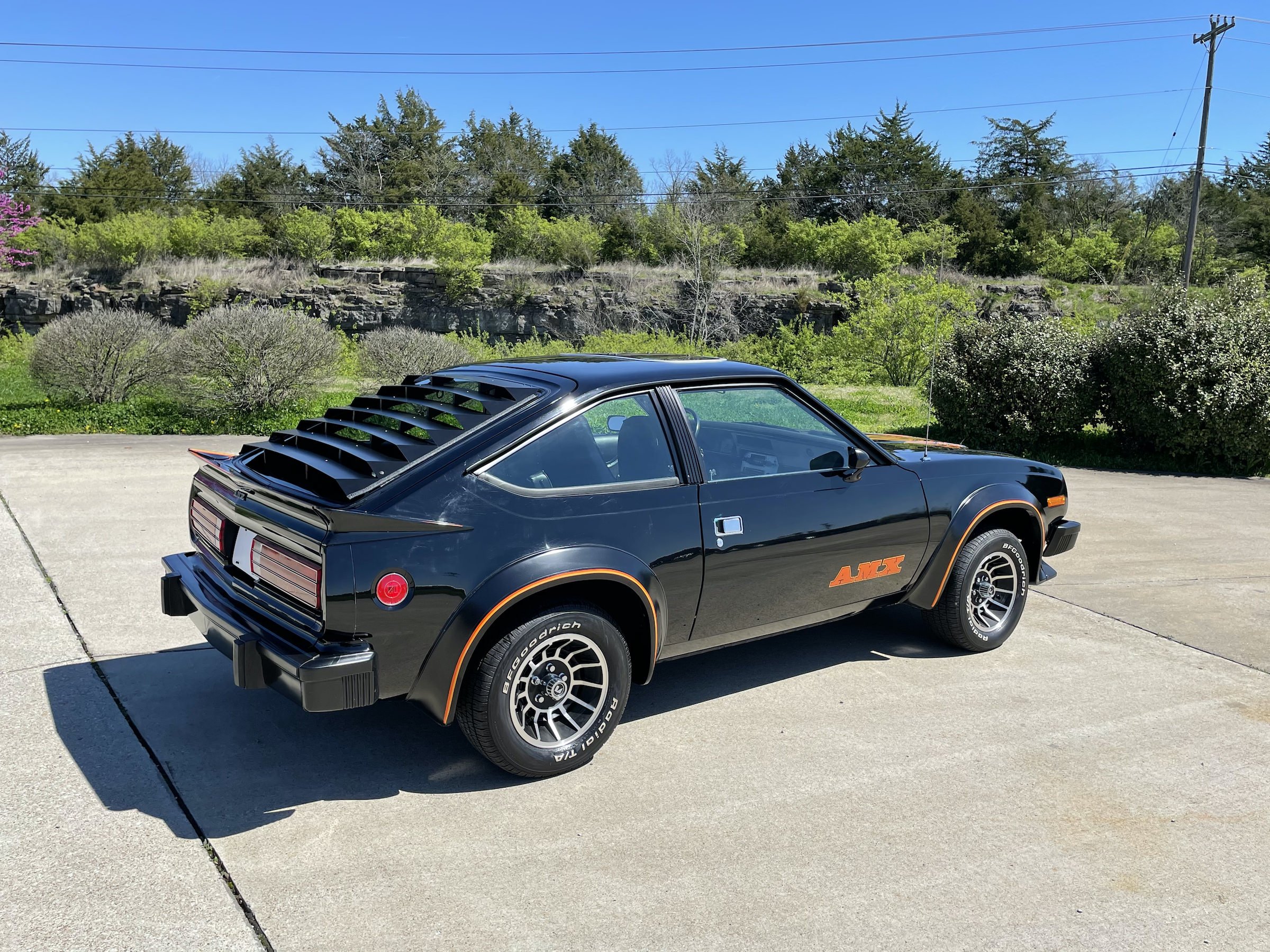
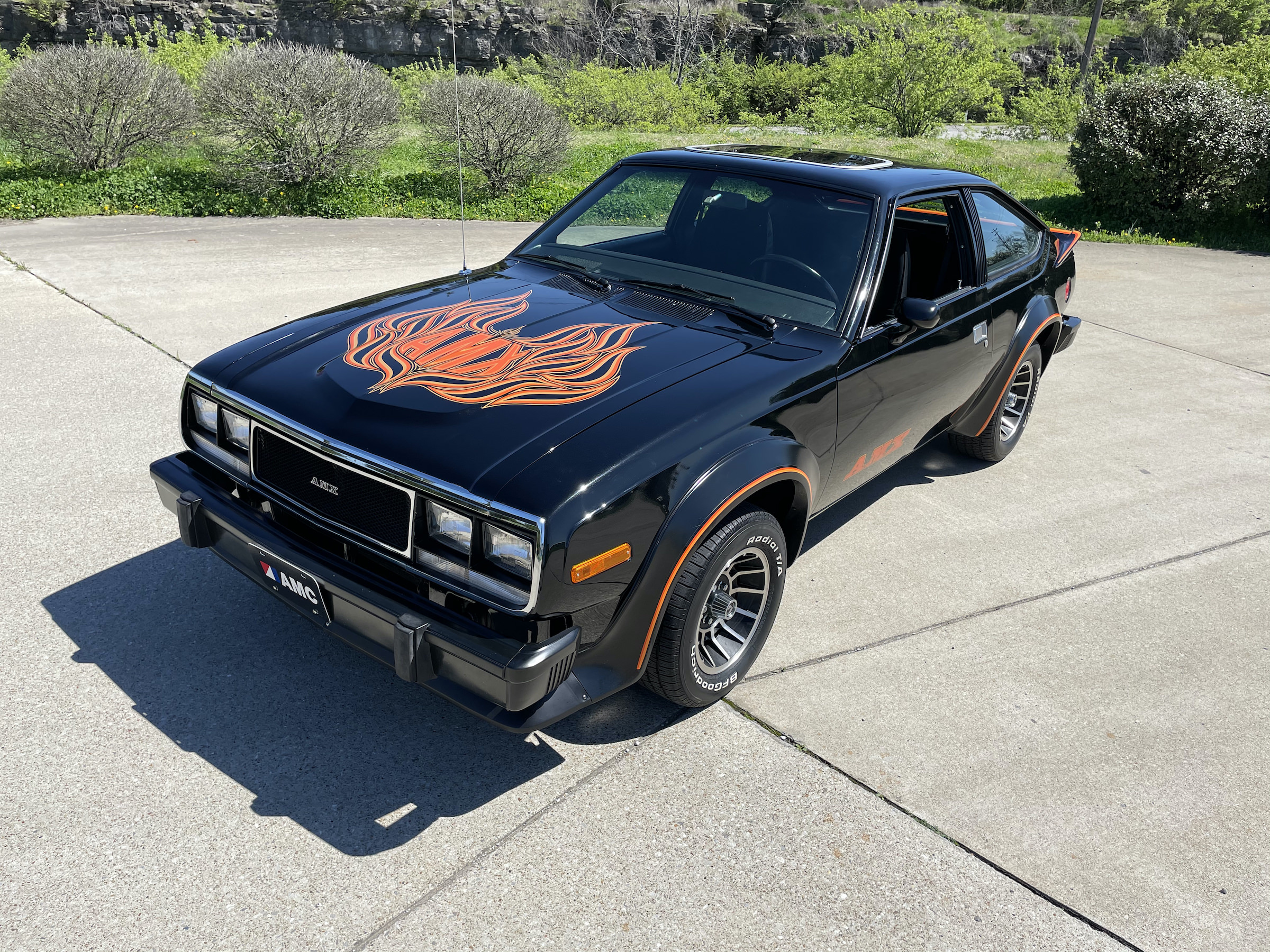
This is a first year AMC Spirit AMX from 1979, this was the high-performance version of the then-new AMC Spirit – a compact car capable of good fuel efficiency that could still fit the company’s 304 cu. in. V8 under the hood.

Although it wasn’t originally intended as a race car the AMC Spirit , and the AMC Spirit AMX in particular, proved remarkably competitive as both circuit and drag racing cars. The Spirit AMX famously won its class at the 1979 Nürburgring 24 Hour endurance race, taking 1st and 2nd in class from a field of 120 cars.

The team’s drivers included A-list actor James Brolin as well as AMC drivers Amos Johnson and Dennis Shaw, factory Mazda driver Jim Downing, Lyn St. James (who would become the first woman to win the Indianapolis 500 Rookie of the Year award), and motoring journalist Gary Witzenburg.

Other AMC Spirits were also raced by privateers in International Motor Sports Association (IMSA) Champion Spark Plug Challenge and Racing Stock Class events, and due to their small size and ability to accommodate a V8 they became popular with drag racers.

Above Video: Watch the exploits of the AMX team including actor James Brolin that took 1st and 2nd in class at the 1979 Nürburgring 24 Hour endurance race.

When it was first released in 1979 AMC offered the Spirit the base engine was a 121 cu. in. (2.0 litre) inline-four supplied by Audi, fundamentally the same engine used in the Porsche 924 though with some modifications applied by AMC.

The car was built on a modified version of the AMC Gremlin platform, a car that had shown great promise but had struggled due to its rather unconventional looks.

Buyers could opt to upgrade the base engine to either AMC’s 232 cu. in. (3.8 litre) or 258 cu. in. (4.2 litre) straight-sixes, with the top engine option being the 304 cu. in. (5.0 litre) AMC V8. Transmission choices included both a 3-speed TorqueFlite automatic as well as both 4 and 5-speed manual transmissions over the life of the model.

The two most interesting cars that were based on the Spirit platform were doubtless the sporting Spirit AMX and the unusual AMC SX/4 – a four-wheel drive version with lifted suspension that many now consider to be decades ahead of its time.

Collector interest in these cars seems to have been increasing in recent years and it’s getting harder to find good examples that are original and rust free. Many were scrapped years ago when their values were low, sadly a common plight for cars like this.
AMC Spirit AMX 10

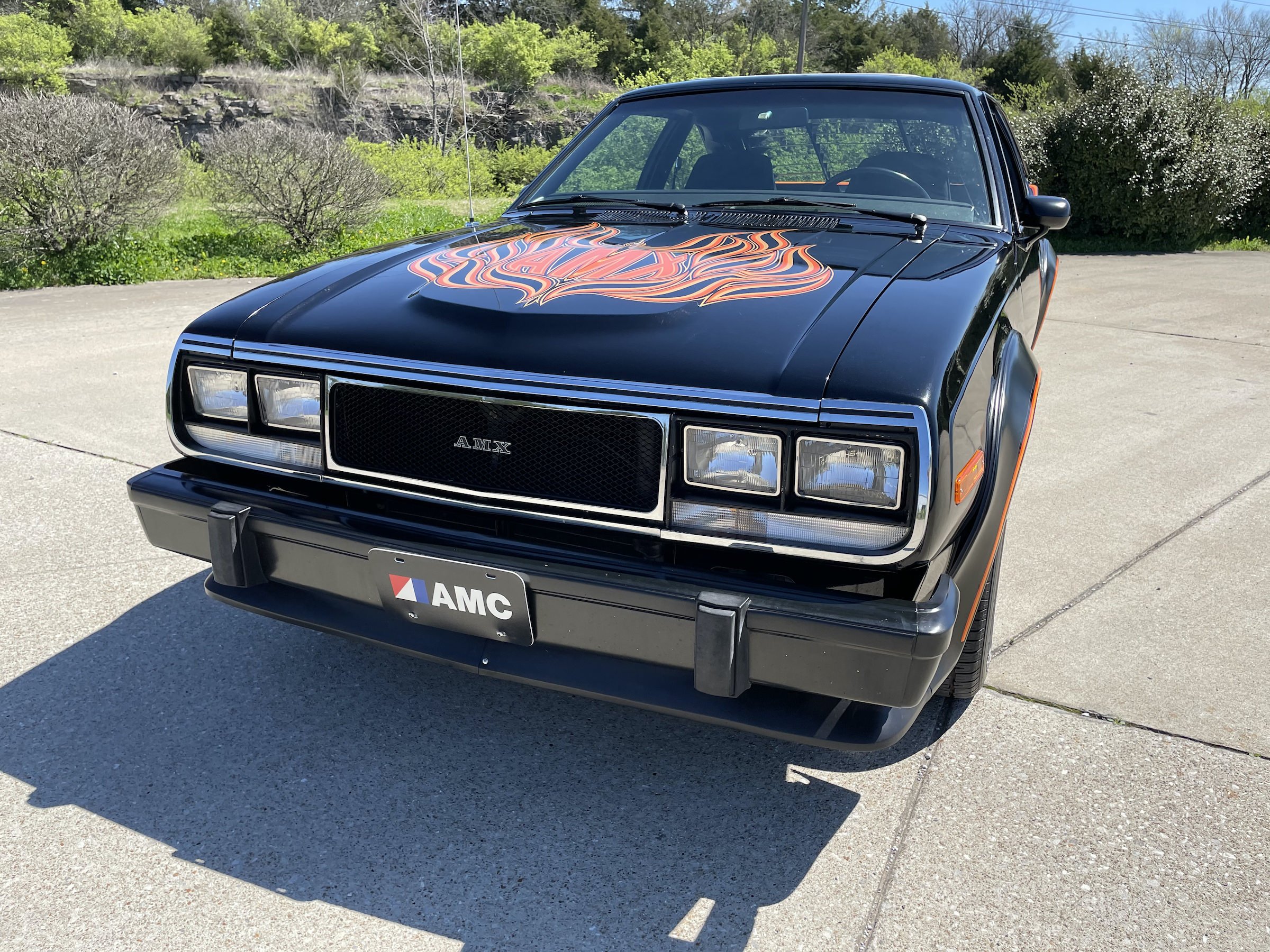
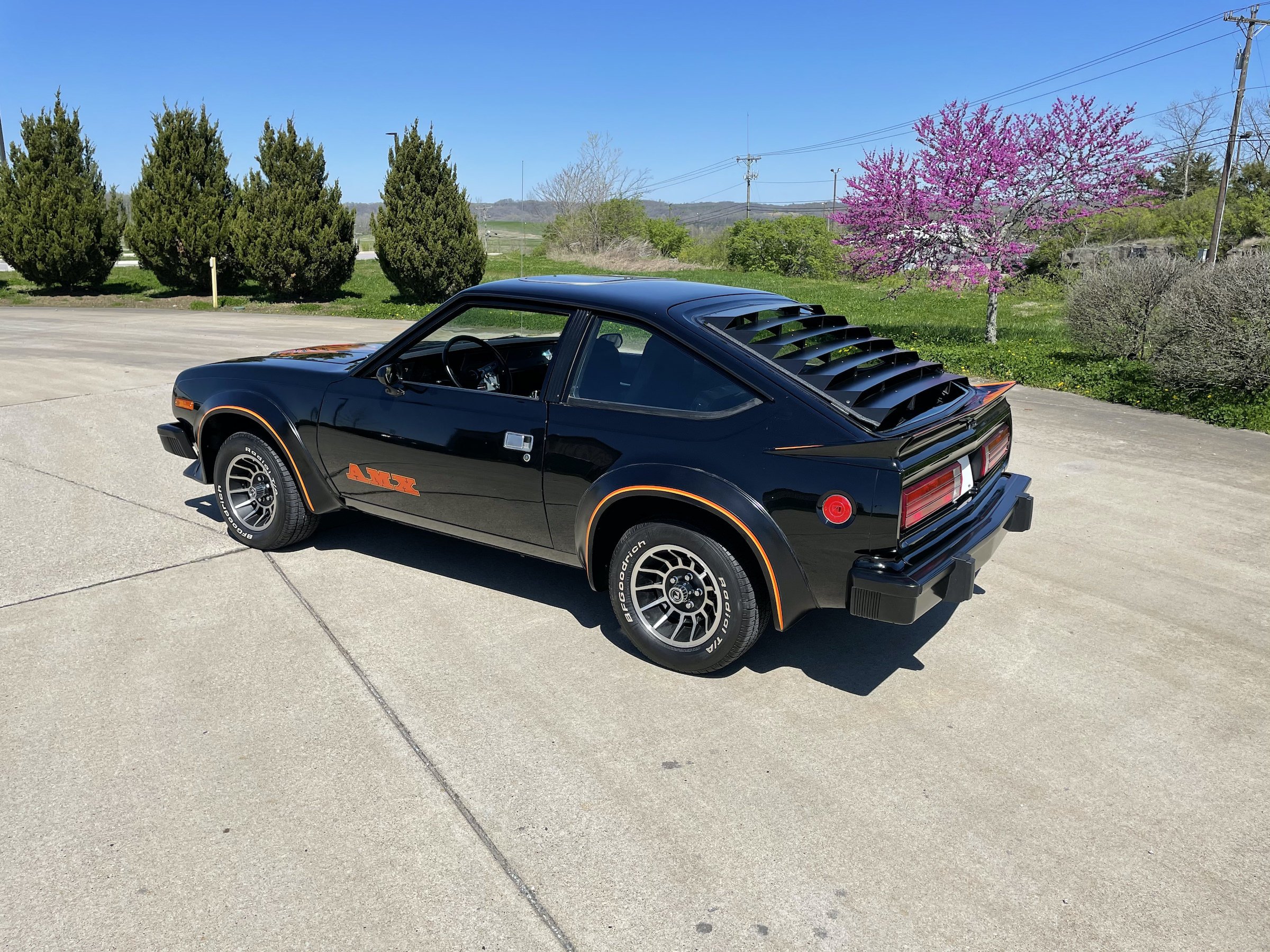
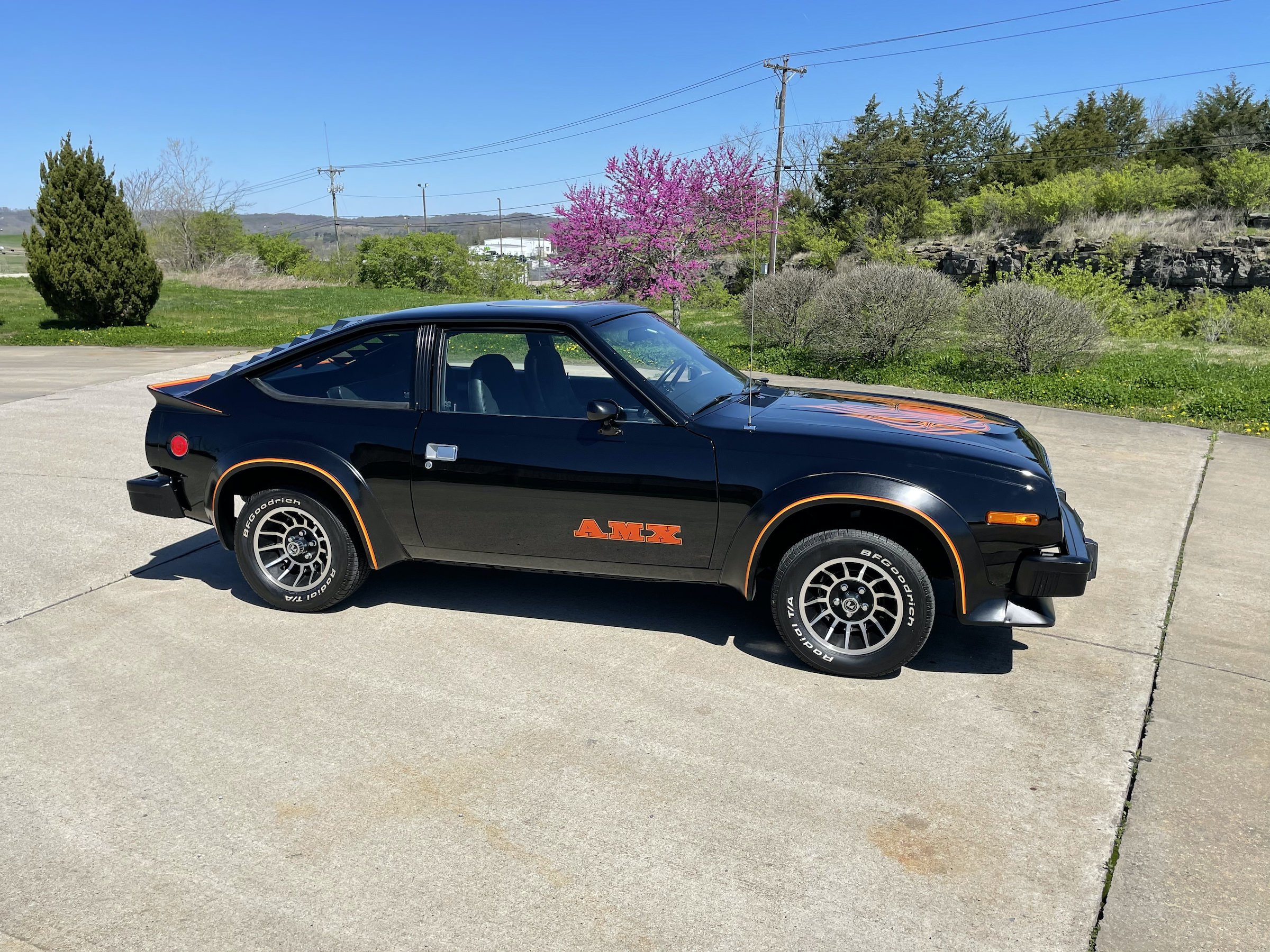
The 1979 AMC Spirit AMX Shown Here

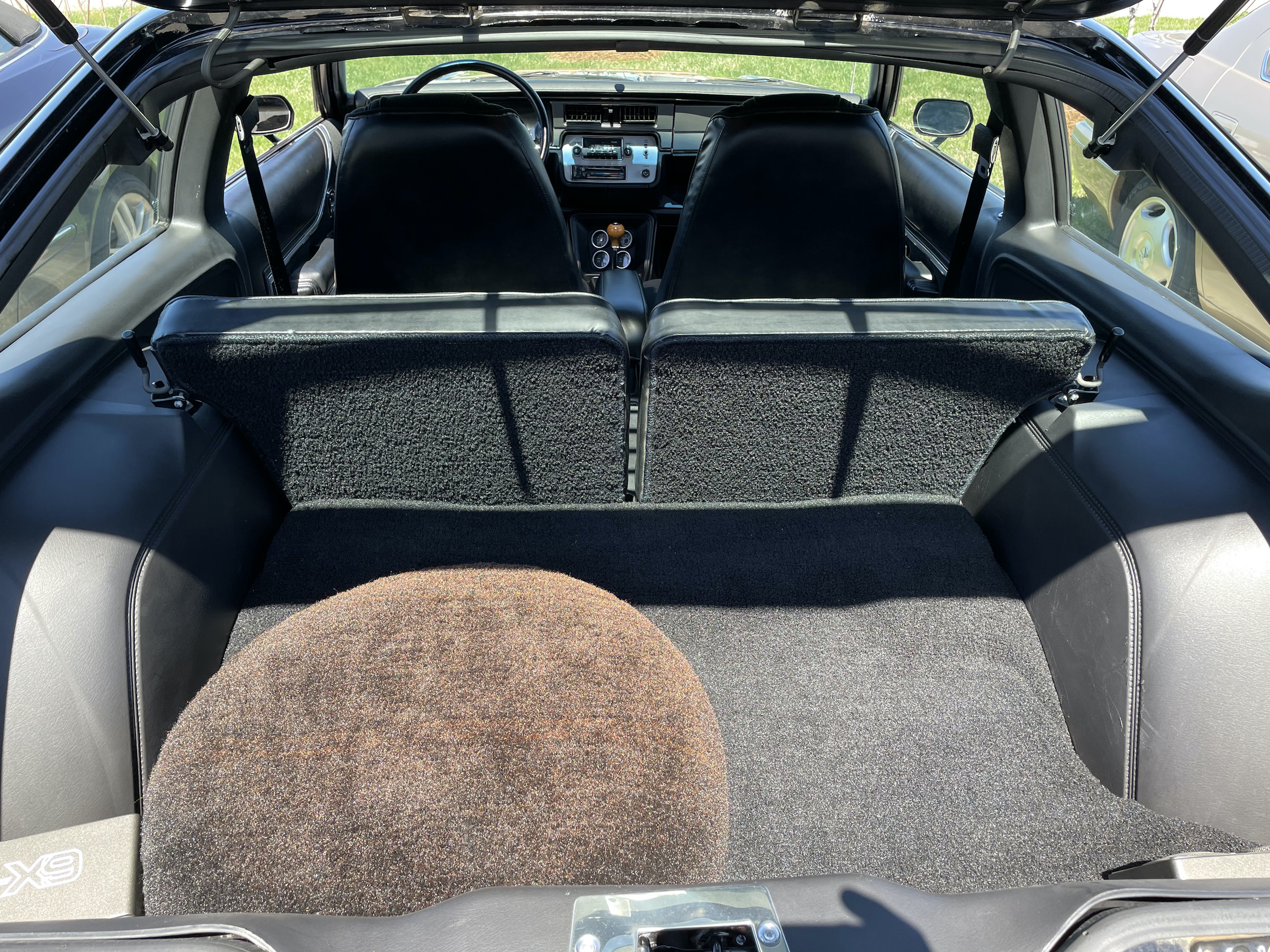
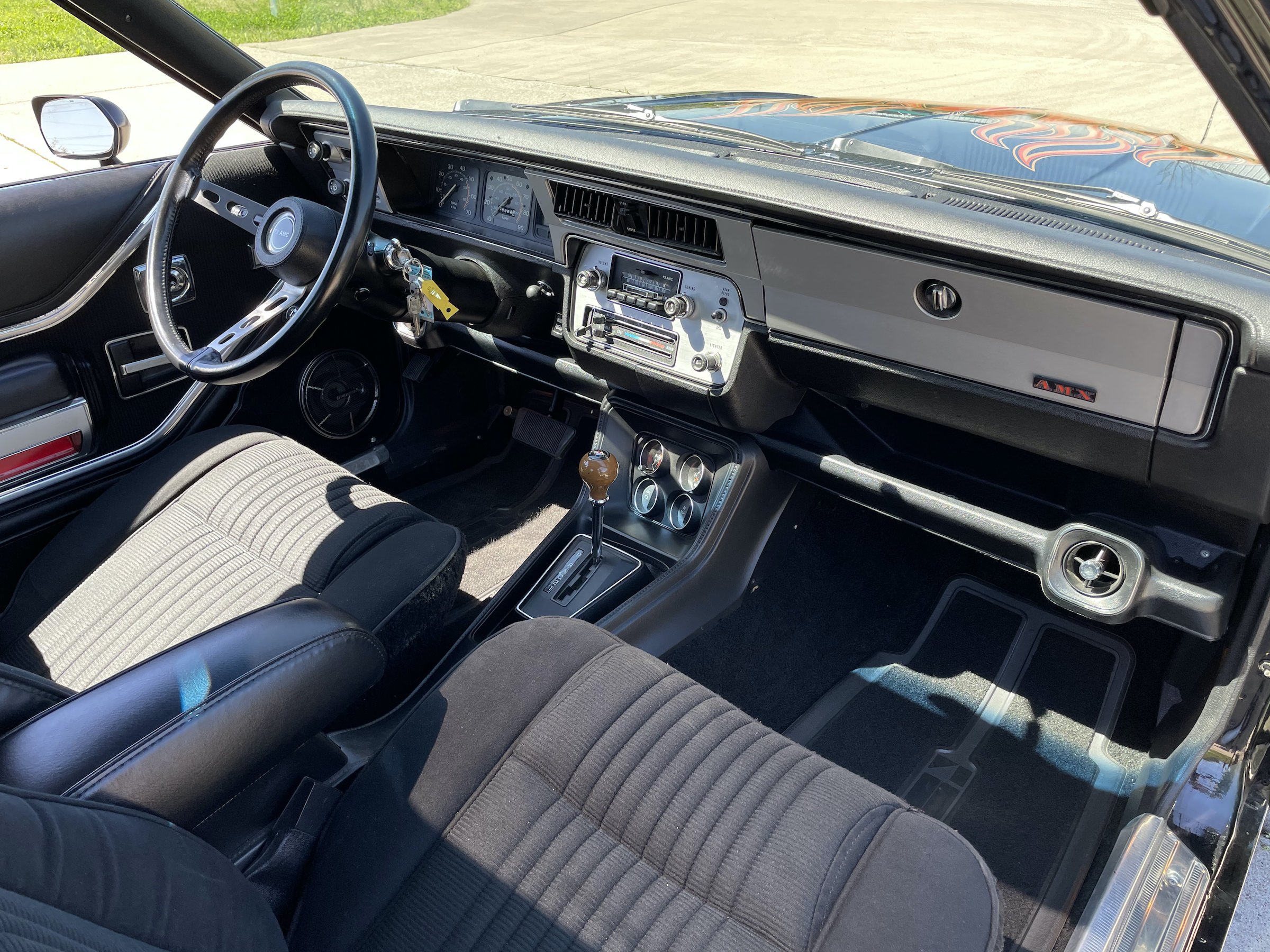
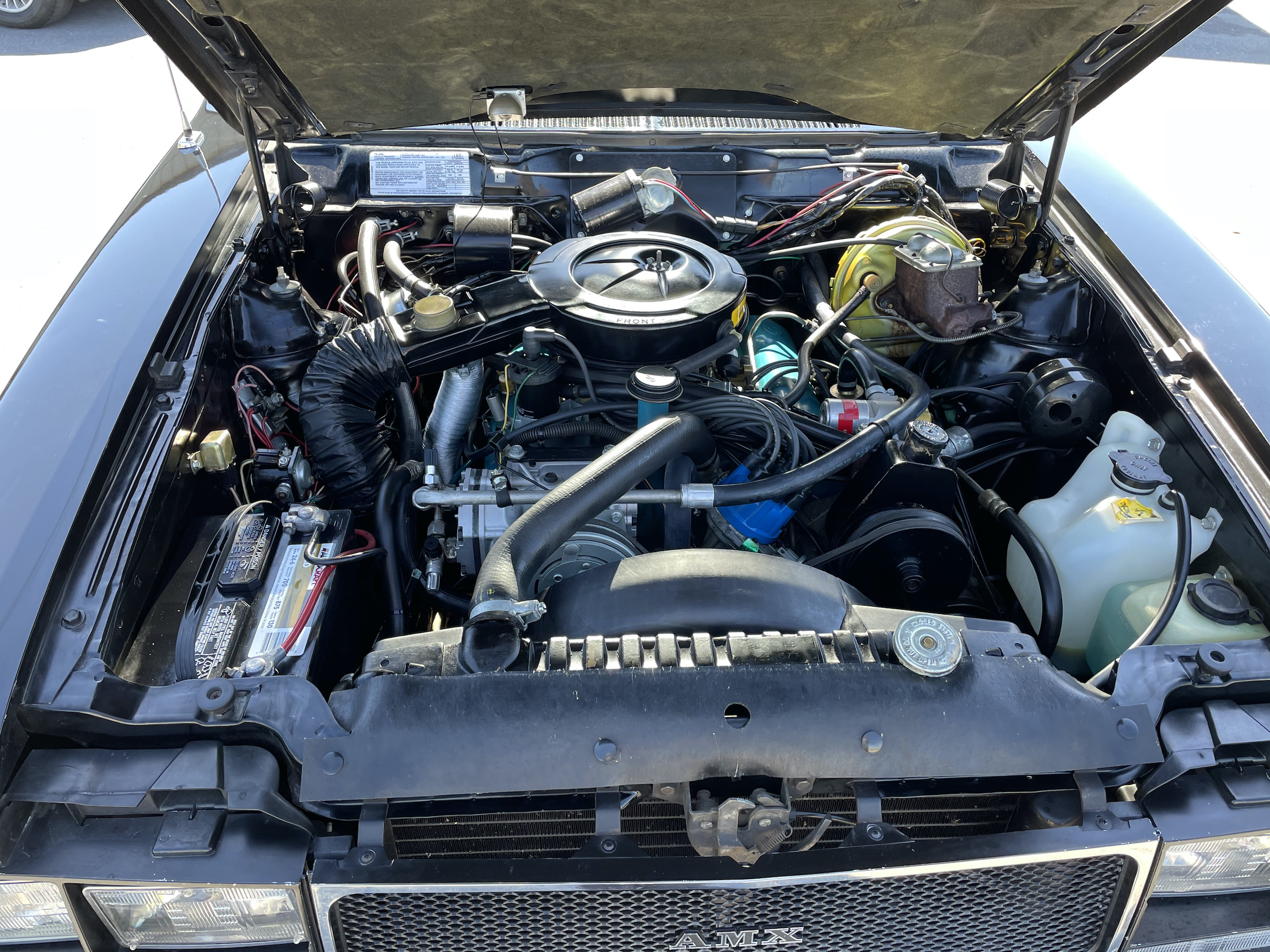
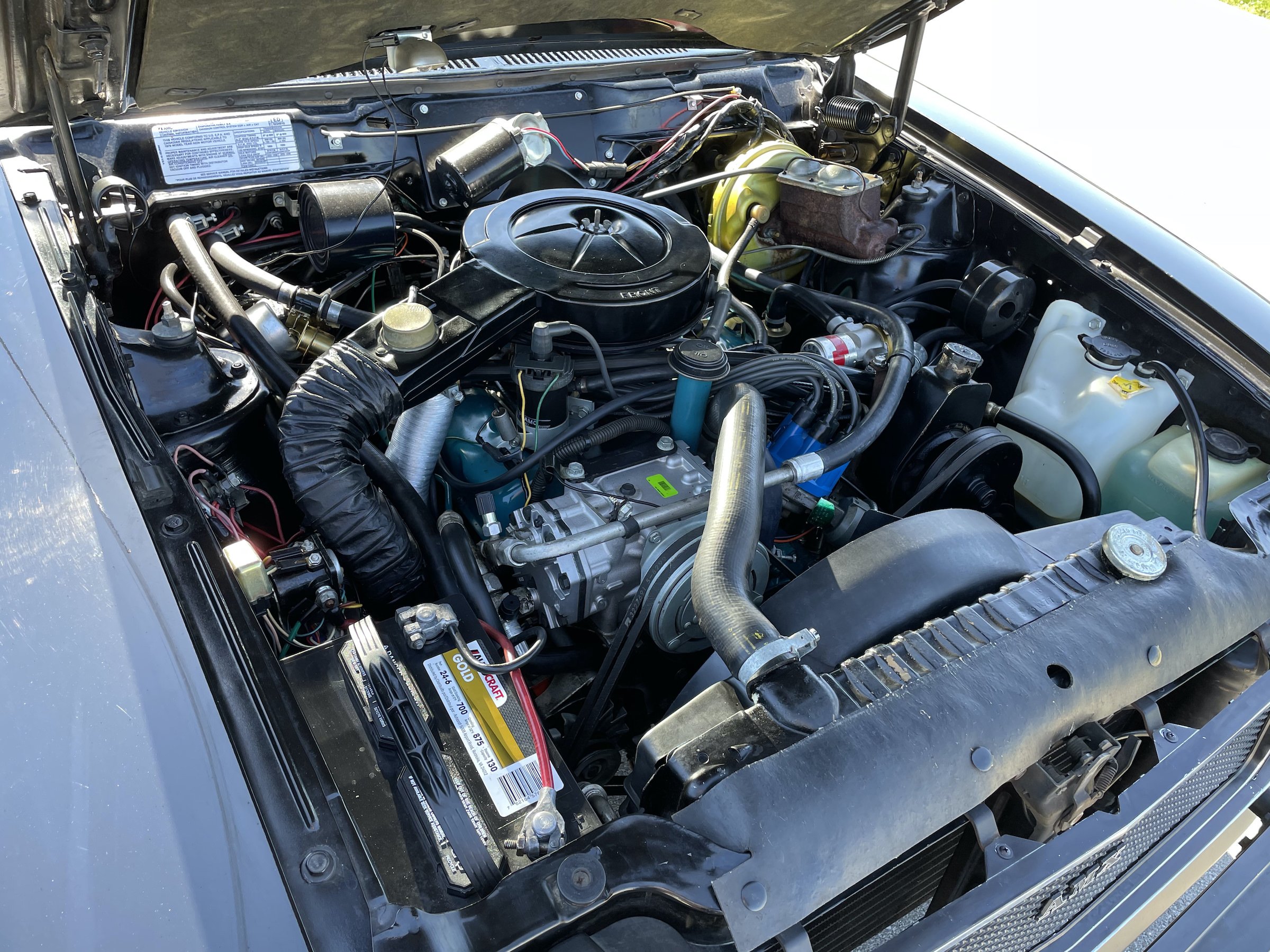
The car you see here is a first year model Spirit AMX, it’s fitted with the 304 V8 as you would expect, sending 125 hp to the rear axle through a TorqueFlite automatic transmission.

This amount of power from a 5.0 litre V8 seems a little low however this is mostly down to emissions requirements, owners have found a number of ways of increasing the power output to well over 200 hp relatively quickly.

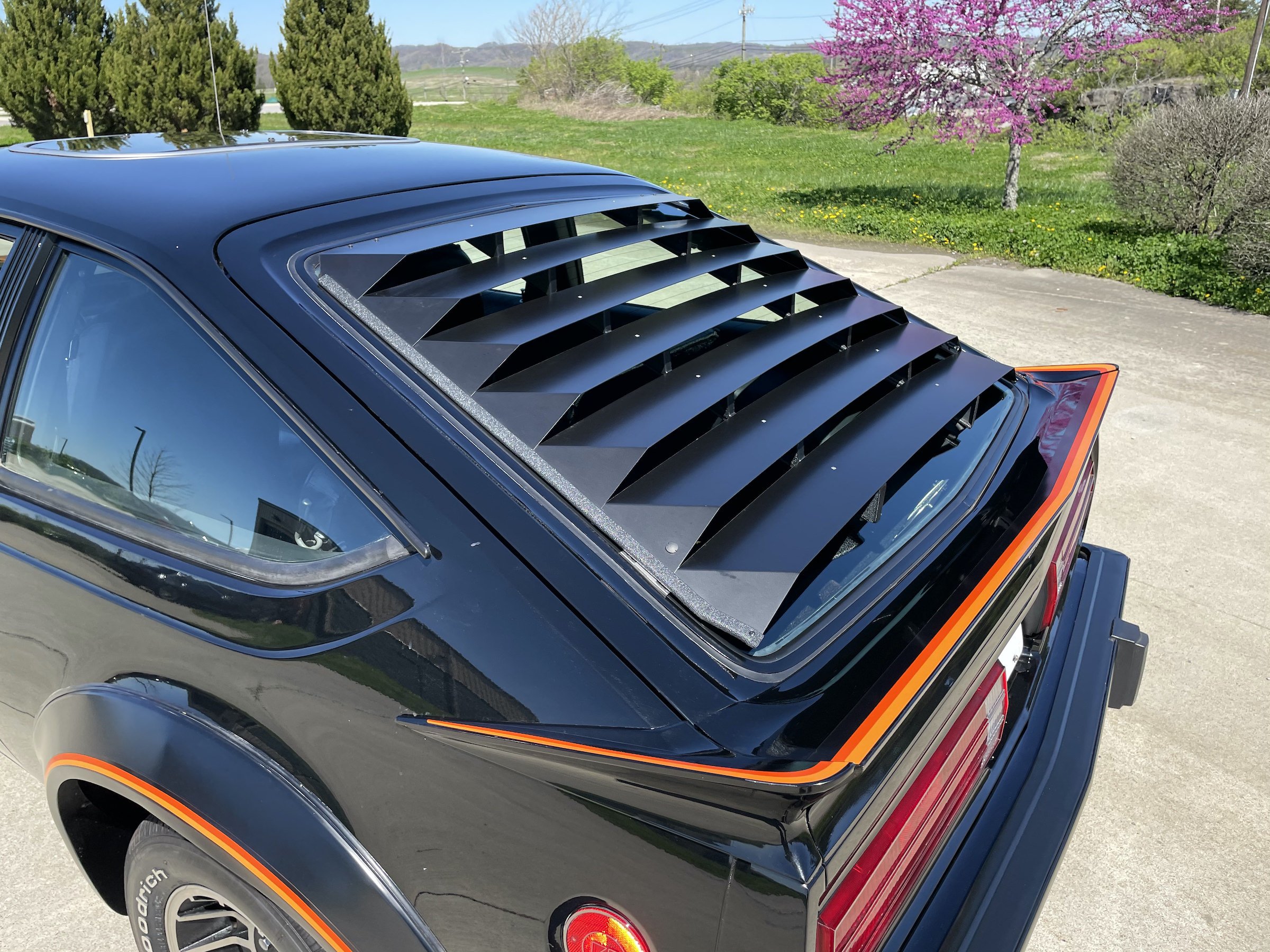
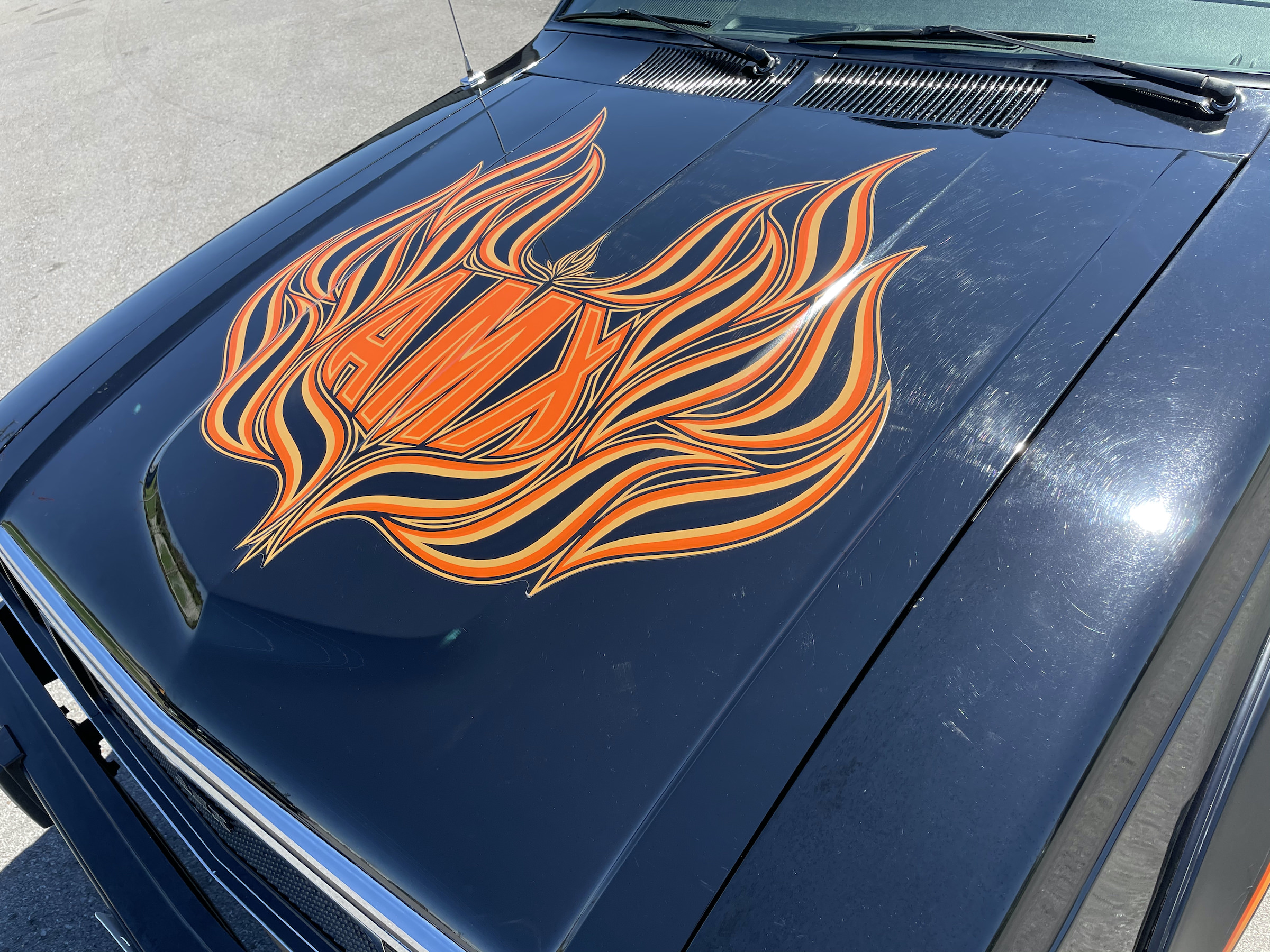
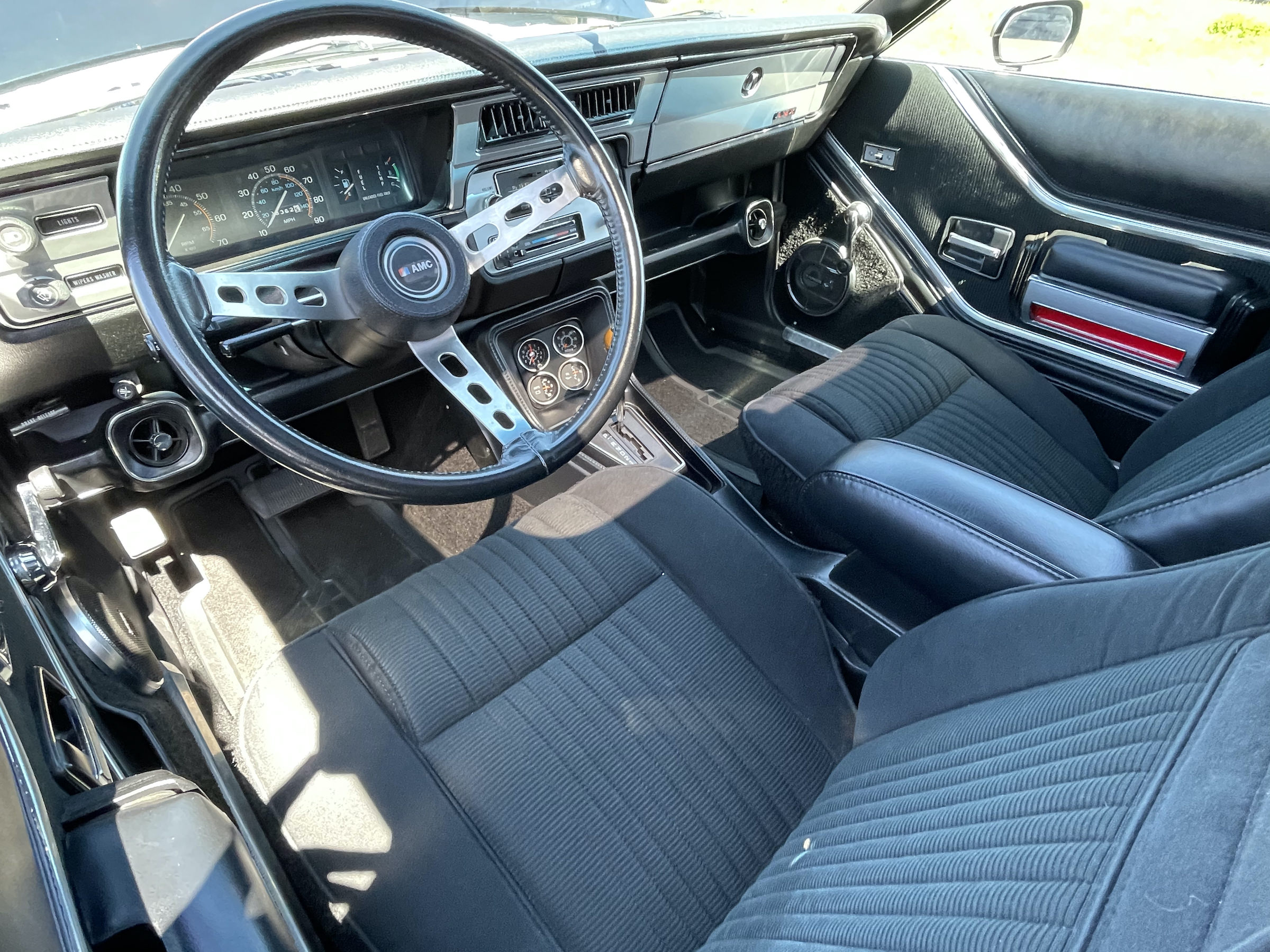
As an AMX this car has the popular decals installed over a black background, it’s currently showing fewer than 8,400 miles on the odometer, and it has air conditioning, power locks, power steering, and power brakes.

If you’d like to read more about this car or register to bid you can click here to visit the listing on RM Sotheby’s. It’s due to cross the auction block in late April with a price guide of $30,000 to $35,000 USD.
AMC Spirit AMX 13

AMC Spirit AMX 12

AMC Spirit AMX 11

AMC Spirit AMX 9

AMC Spirit AMX 8

AMC Spirit AMX 7

AMC Spirit AMX 6

AMC Spirit AMX 5

AMC Spirit AMX 4

AMC Spirit AMX 3

AMC Spirit AMX 2

AMC Spirit AMX 1

AMC Spirit AMX 14

Images: ©2021 Courtesy of RM Sotheby’s

The post The AMC Spirit AMX – The Gremlin’s Handsome Younger Brother appeared first on Silodrome.


from Silodrome https://silodrome.com/amc-spirit-amx-car/
via gqrds

For Sale: A Bombardier B7 – An Original V8-Powered 7 Person Snow Coach

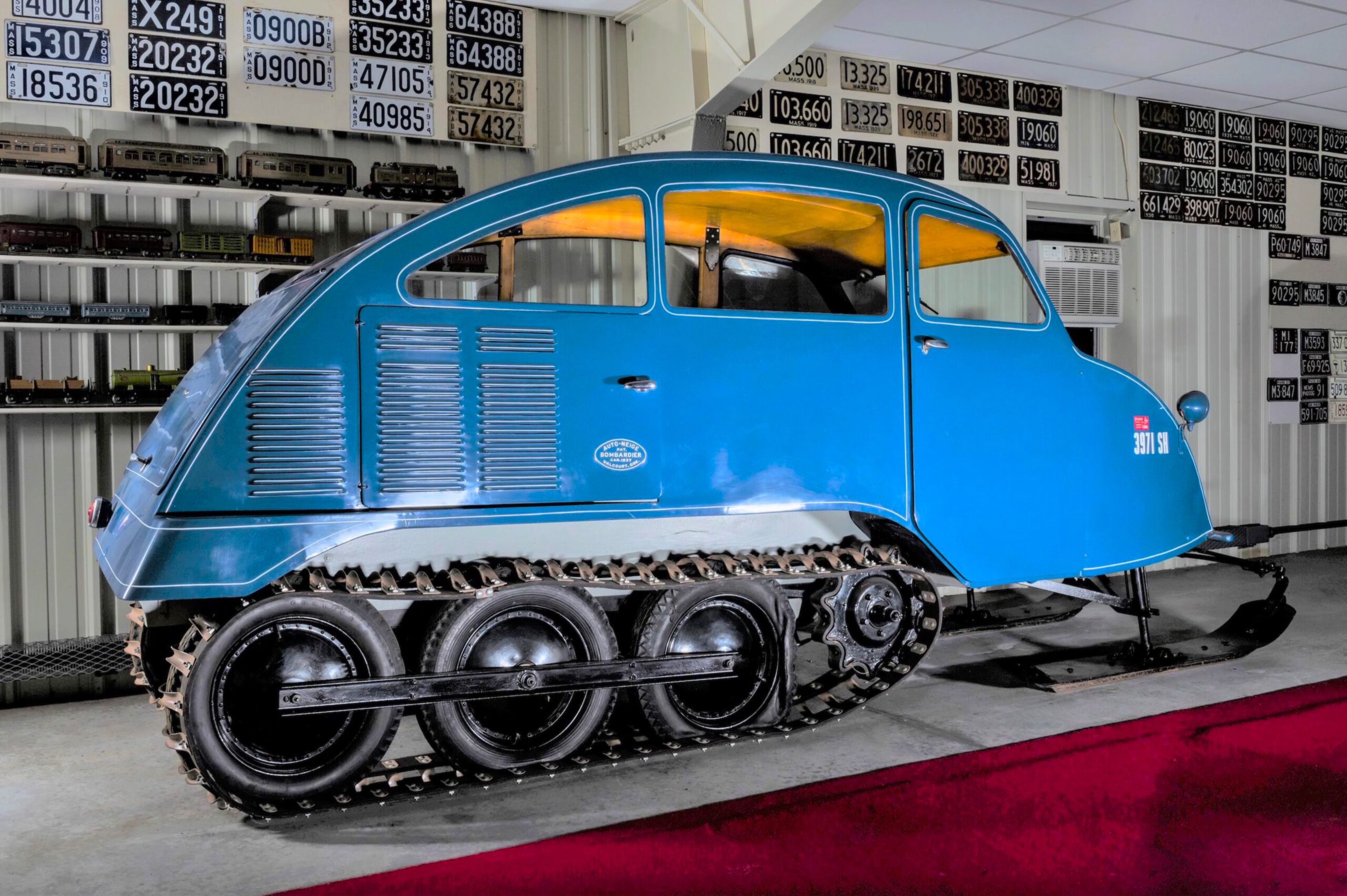
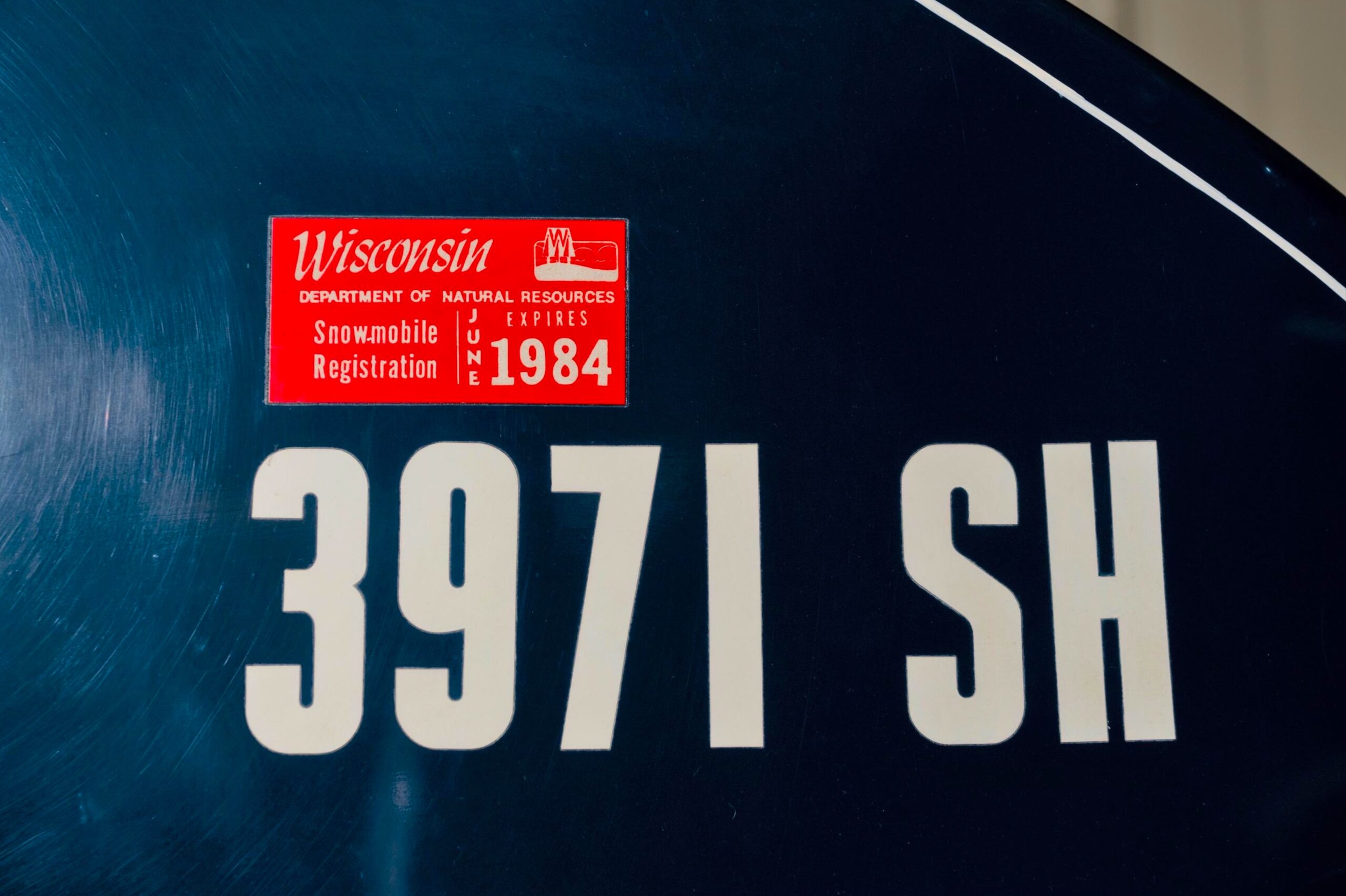
It’s not everyday you get the chance to buy a restored Bombardier B7, these were the world’s first dedicated production “snow coaches” able to carry groups of people, and this one is powered by a 221 cu. in Ford Flathead V8.

The Bombardier B7 was designed by mechanic and self-taught engineer Joseph-Armand Bombardier after his 2 year old son Yvon died during the winter because no vehicles could traverse the snow and get him to hospital.

Joseph-Armand was heartbroken by this loss, upon realizing it was a tragically common event, particularly for people in more remote Canadian communities, he set about creating a vehicle that would “float on snow” – allowing freedom of movement all year long.

The First Bombardier Snow Coaches

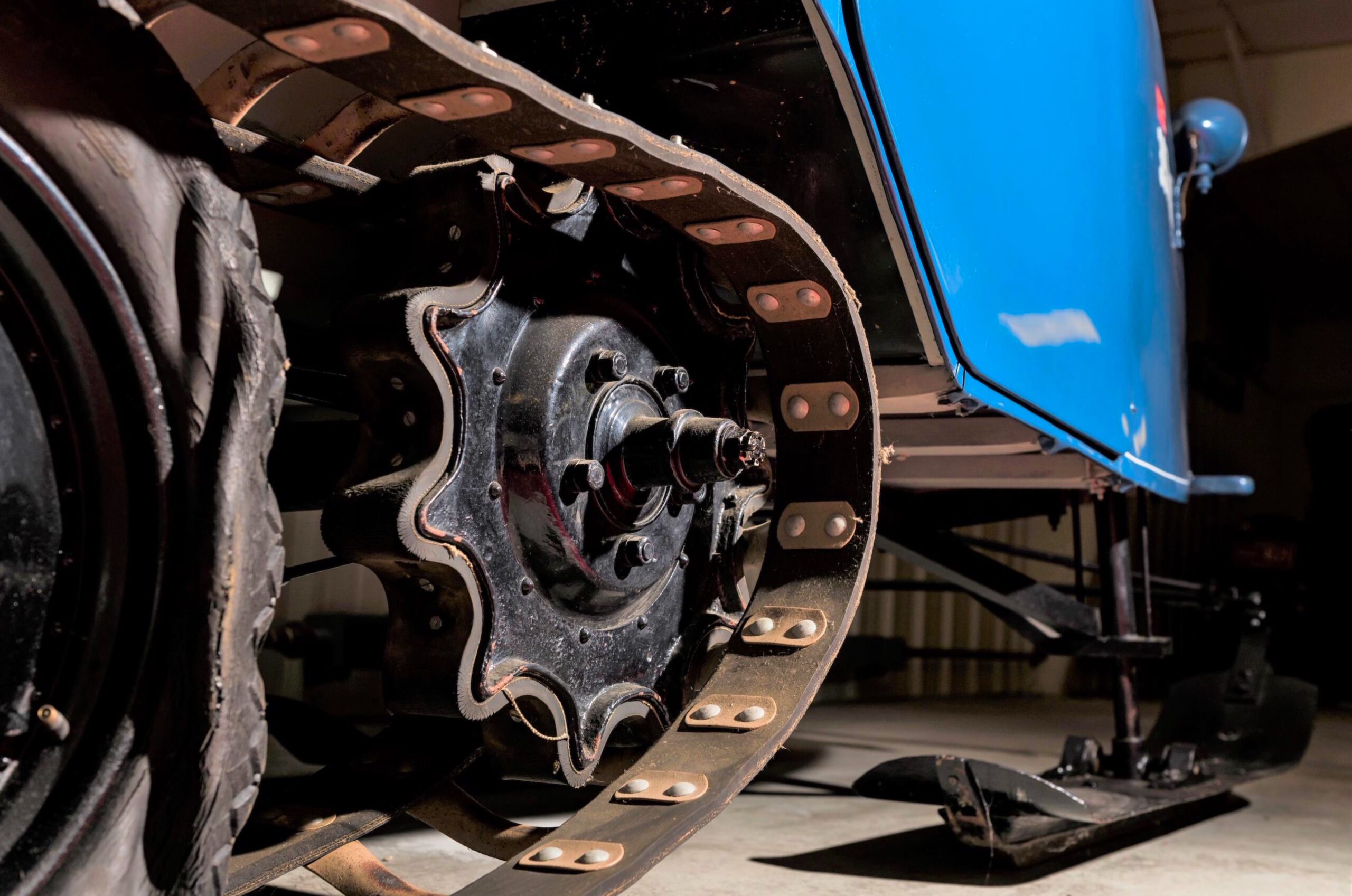
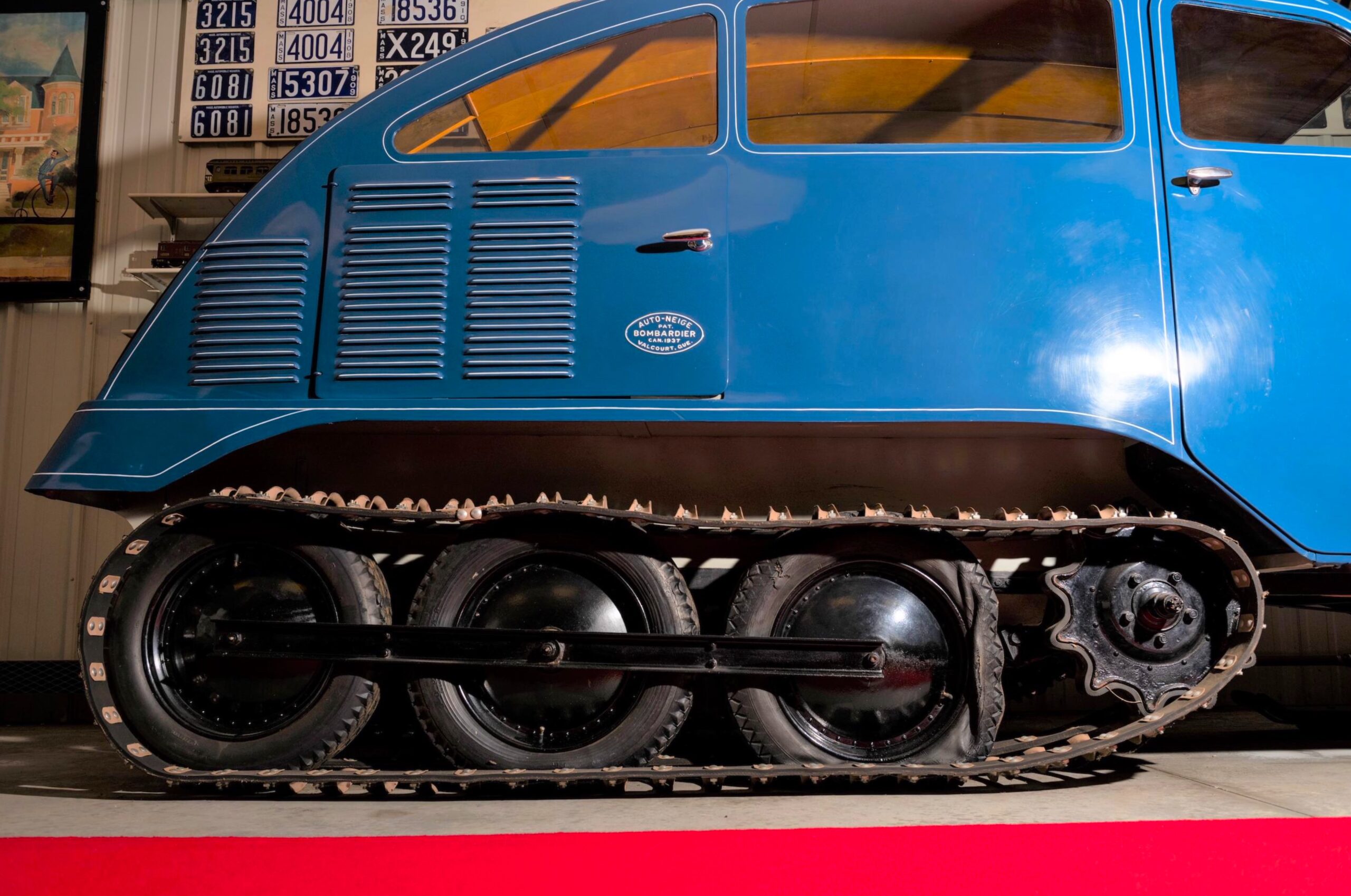
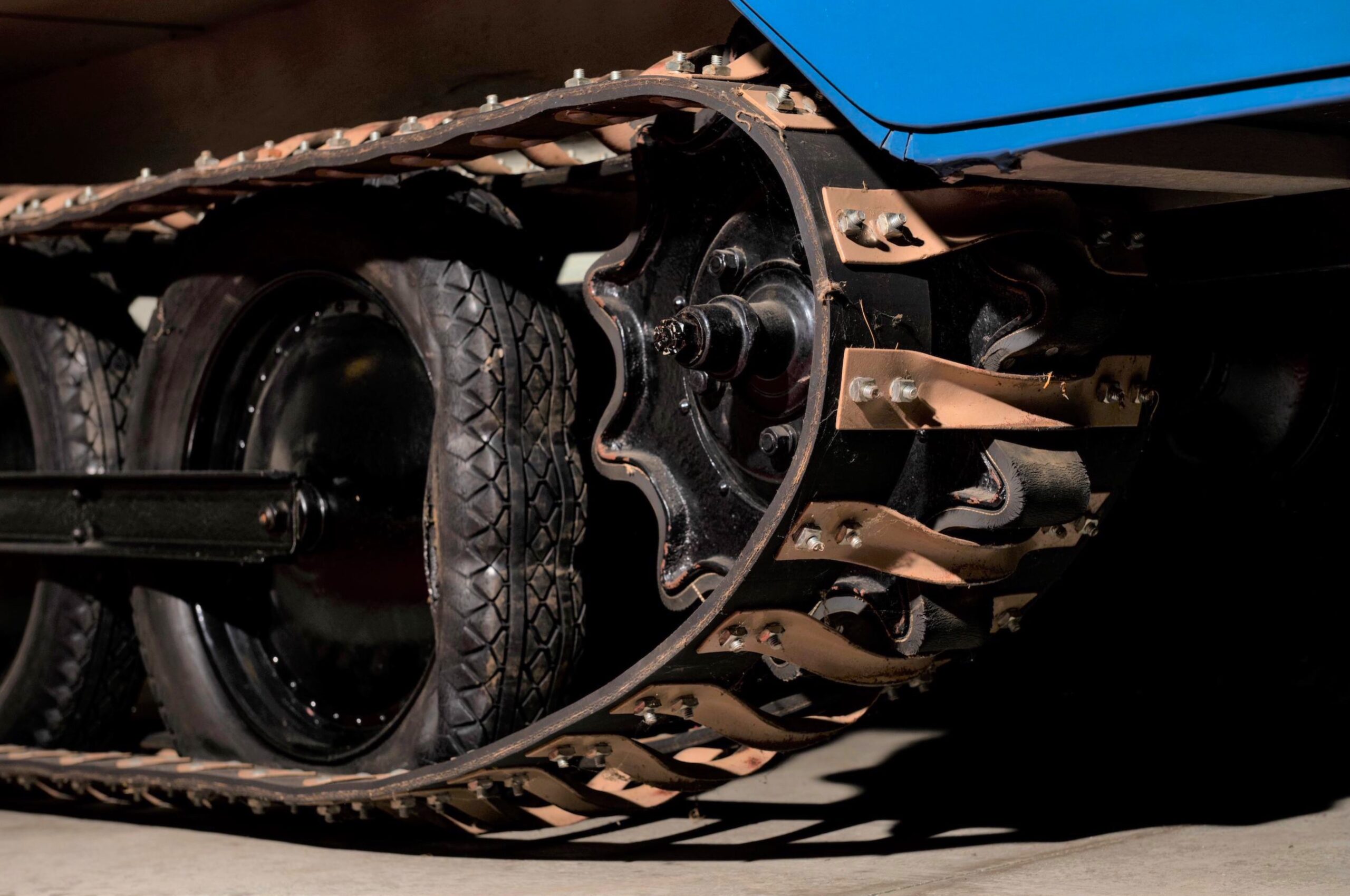
His first design was completed in 1935 and patented shortly thereafter, he called it the Bombardier B7 because it could carry seven people including the driver. The key to the success of the B7 was its clever tracked rear and its interchangeable front end – you could attach either wheels or skis depending on the surfaces you expected to encounter.

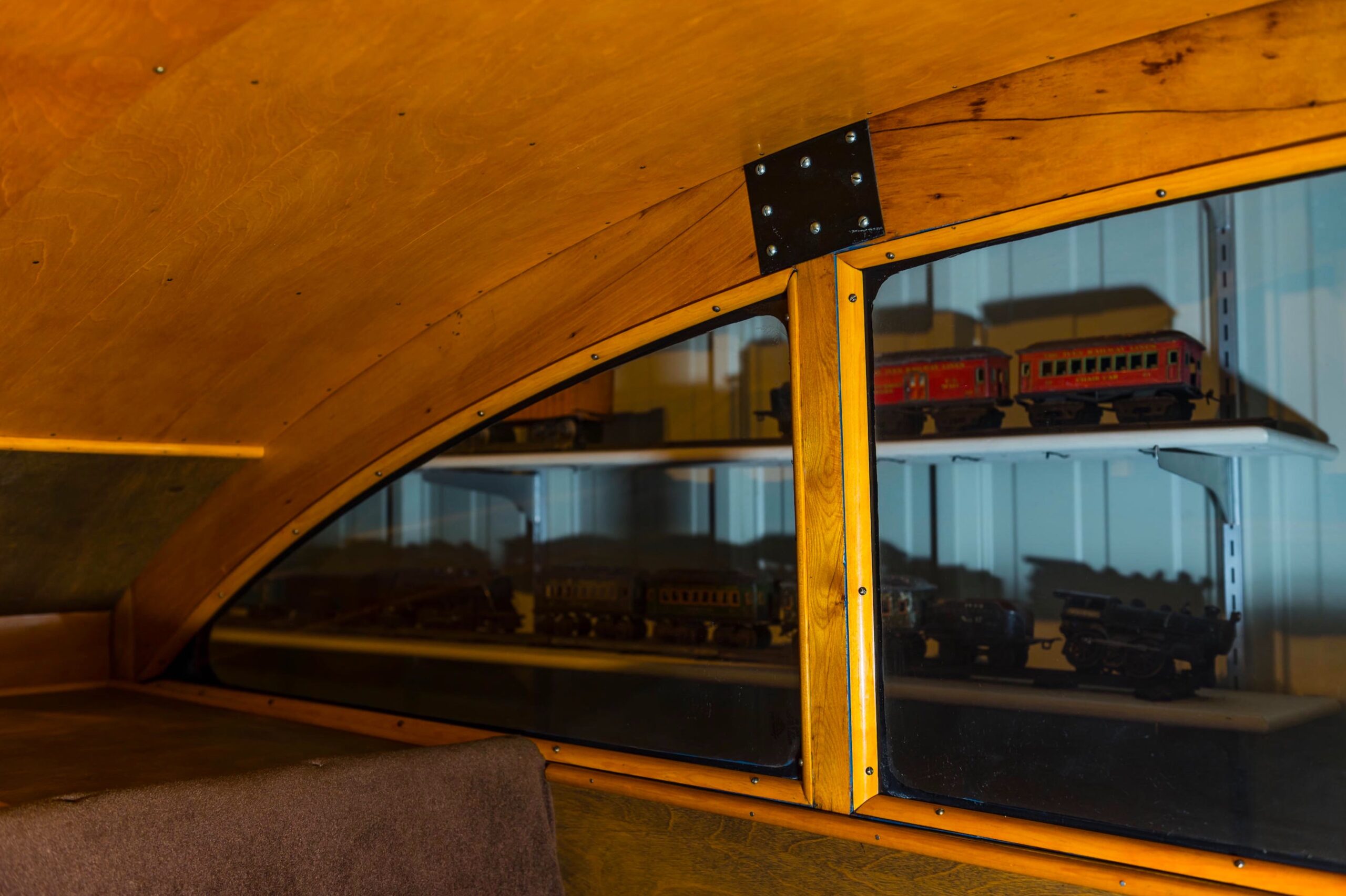
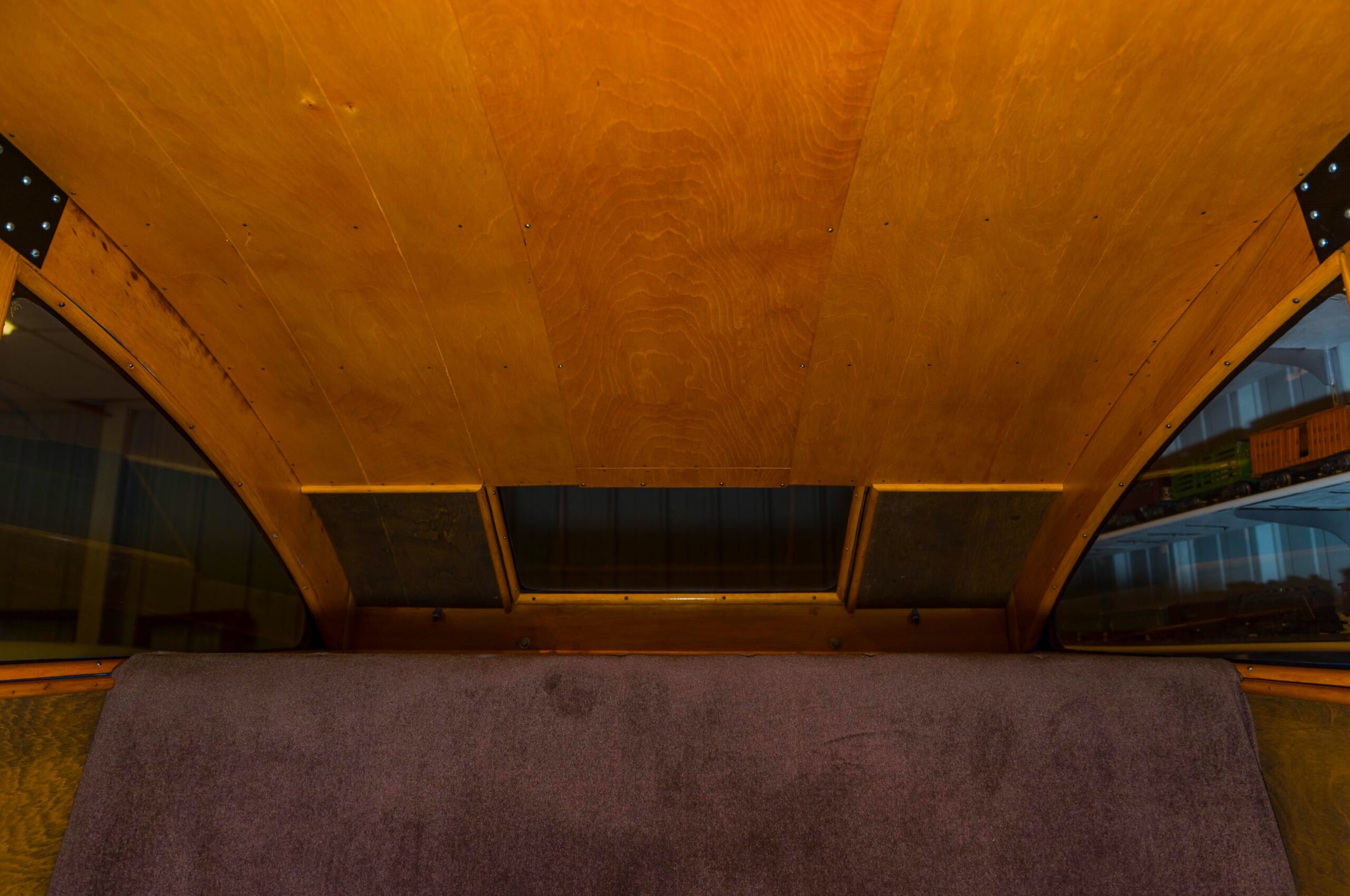
Due to the weight of steel it was decided to build the bodies from nature’s carbon composite, otherwise known as wood, which would provide a cabin structure without being excessively heavy. The vehicles proved reliable and capable of tackling terrain that was sometimes impassable even on foot, as a result the demand for them was strong and the first Bombardier factory was established in 1940.

Soon the B7 was joined by the B12, a similar vehicle able to carry 12. These were boom times for the company and even the outbreak of World War II hasn’t stopped production – customers just needed to prove to the government why they needed a snow vehicle.

In 1948 disaster struck for Bombardier when the Quebec government began clearing snow from secondary roads, this meant that many people no longer needed a snow-capable vehicle during winter and orders dropped off a cliff.

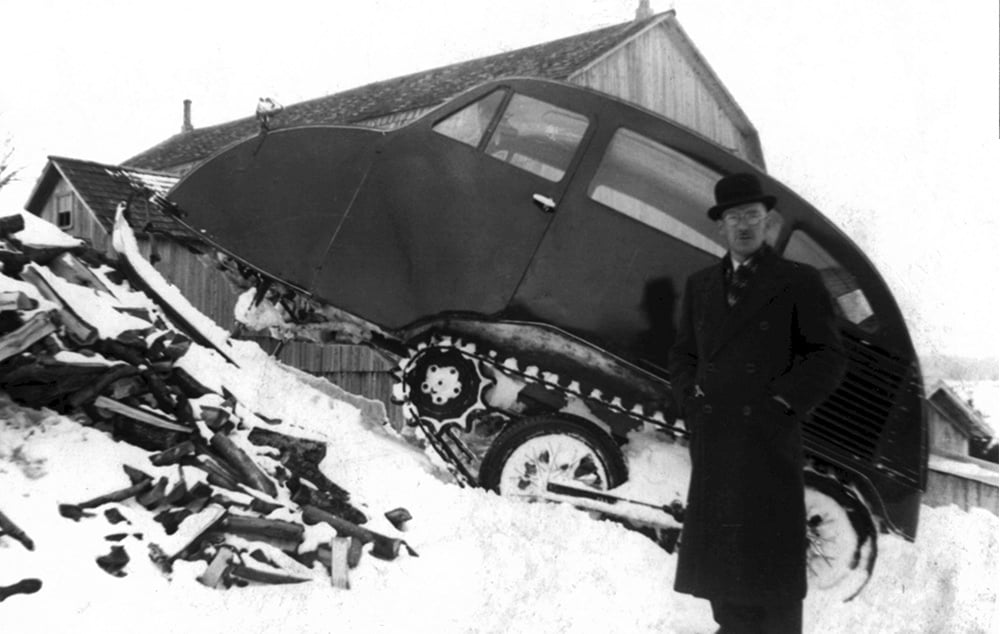
Joseph-Armand Bombardier

Above Image: Joseph-Armand Bombardier with an early B7 – Image courtesy of the J. Armand Bombardier Museum.

Led by Joseph-Armand Bombardier the company began to pivot, in the early 1950s a new kind of personal snow vehicle was created by Bombardier to replace sleds with dogs – they called it the Ski-Dog but due to a mix up at the printshop creating the first brochures the vehicle became known as the “Ski-Doo.”

Over the course of the company’s history it would produce everything from trains and planes to jet skis, snowmobiles, and motorcycles. Today the aerospace division is a separate entity, however it remains one of the largest manufacturers of business and private jets in the world.

The 1940 Bombardier B7 Shown Here

The 1940 Bombardier B7 you see here is a rare surviving example, largely thanks to the fact that it spent many years of its life in a museum. It benefits from an older restoration and the woodwork all presents well – most original B7s haven’t survived to the rigors of their environment and the challenging jobs they were frequently asked to do.

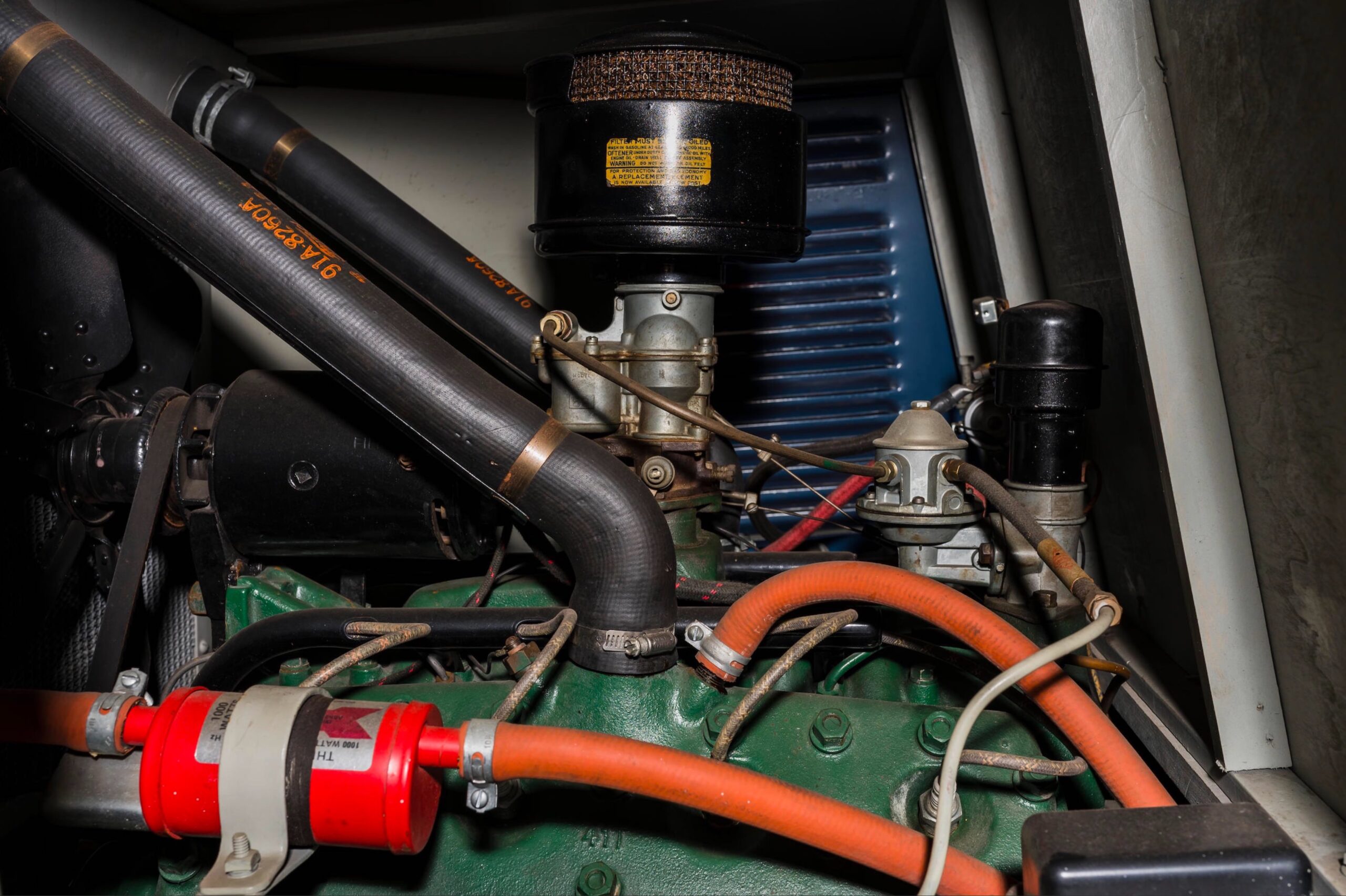
This B7 is powered by a Ford Flathead V8 with a swept capacity of 221 cu. in. (3.62 litres), though it isn’t mentioned if this is the original engine. It’s mated to a 3-speed manual transmission driving the rear tracks.

Clearly the top speed of vehicles like this is relatively low due to the fact that they weren’t built to go fast, they were built to go slowly over just about any terrain you could point them at. It’s believed that this Bombardier was originally used at a ski resort, as many were. It has now been recommissioned for use and the seller reports that it is once again in running and driving order.

If you’d like to read more about this Bombardier or register to bid you can click here to visit the listing on Bonhams, it’s due to roll across the auction block on the 20th of May at the Amelia Island Auction.

Bombardier B7 9

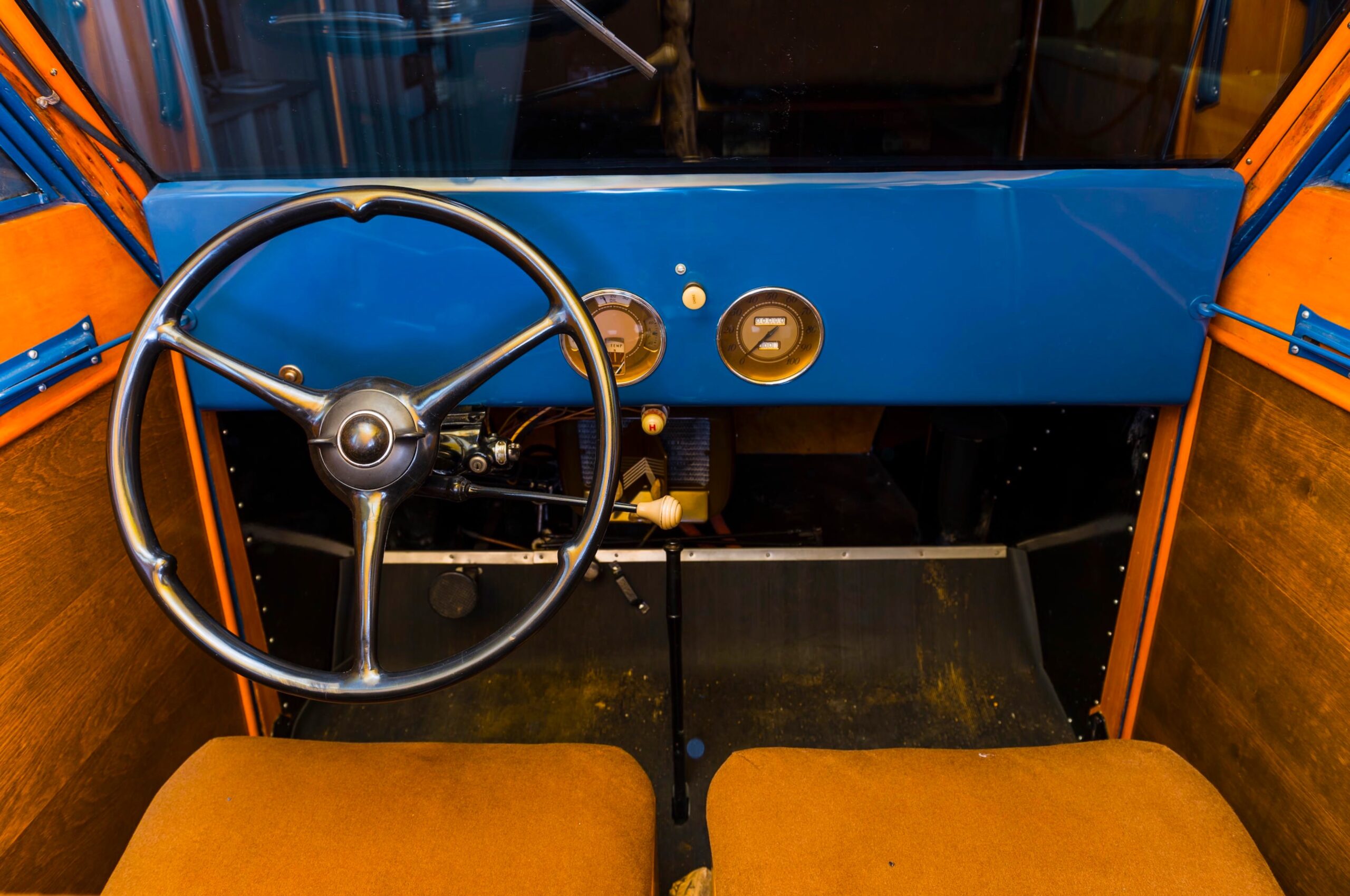
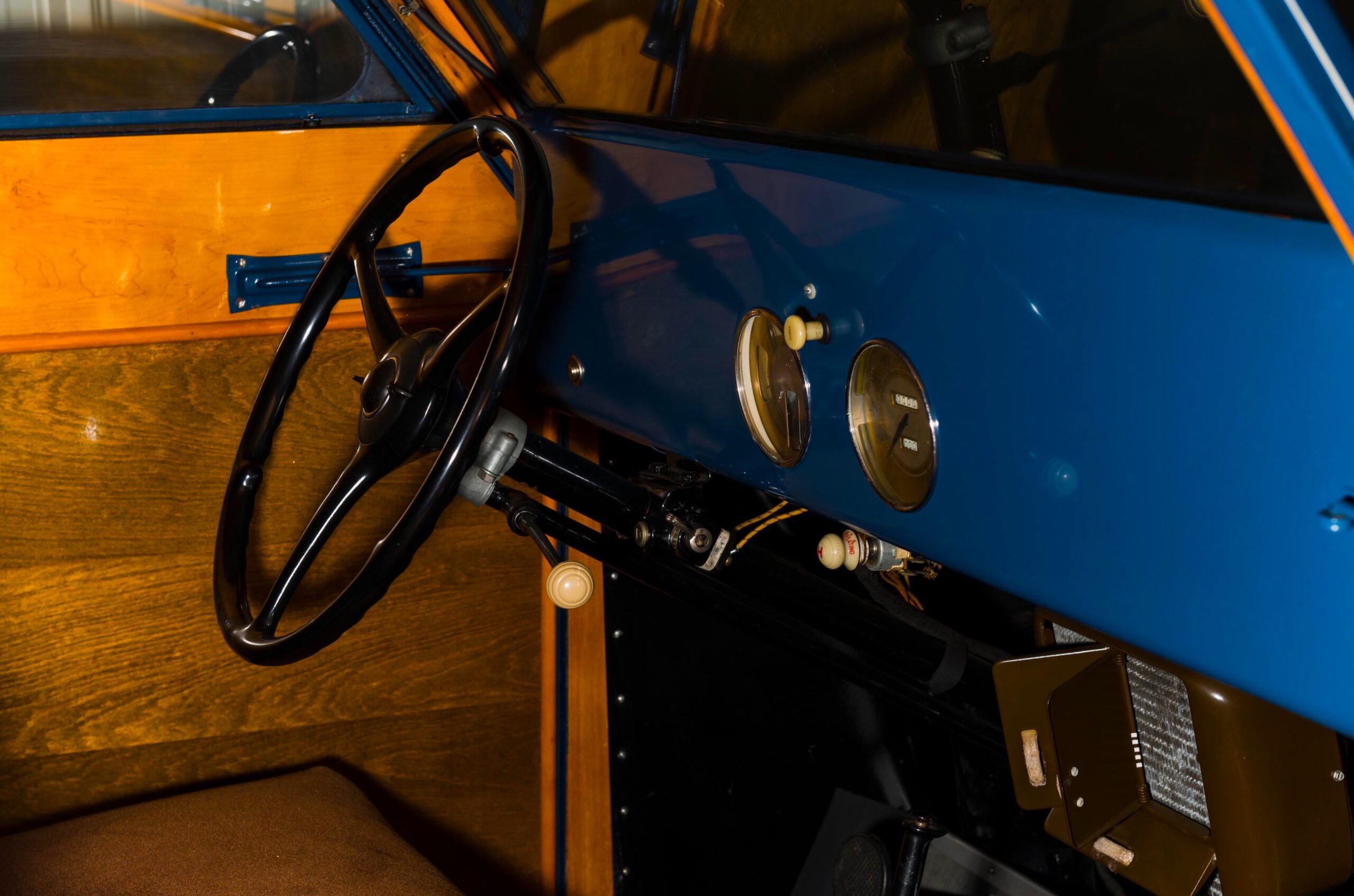
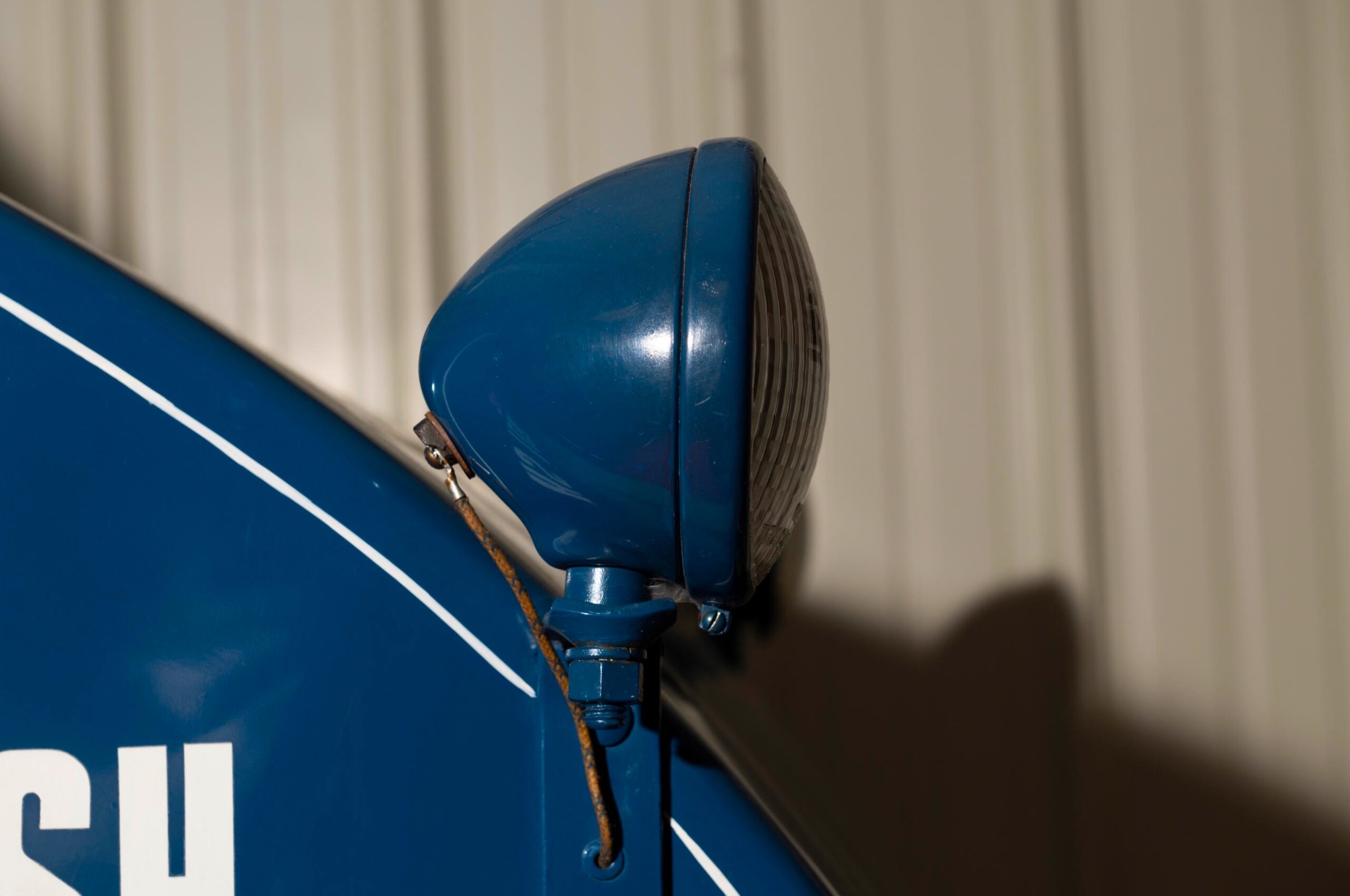
Above Image: The driver sits on the left and operates the transmission via a column shift, the B7 has both a heater and headlights, and it uses round portholes down the sides as they offer better strength in high winds.

Bombardier B7 11

Bombardier B7 V8

Bombardier B7 Tracks

Bombardier B7 Track

Bombardier B7 12

Bombardier B7 10

Bombardier B7 8

Bombardier B7 7

Bombardier B7 6

Bombardier B7 5

Bombardier B7 4

Bombardier B7 3

Bombardier B7 2

Bombardier B7 1

Images courtesy of Bonhams

The post For Sale: A Bombardier B7 – An Original V8-Powered 7 Person Snow Coach appeared first on Silodrome.


from Silodrome https://silodrome.com/bombardier-b7/
via gqrds
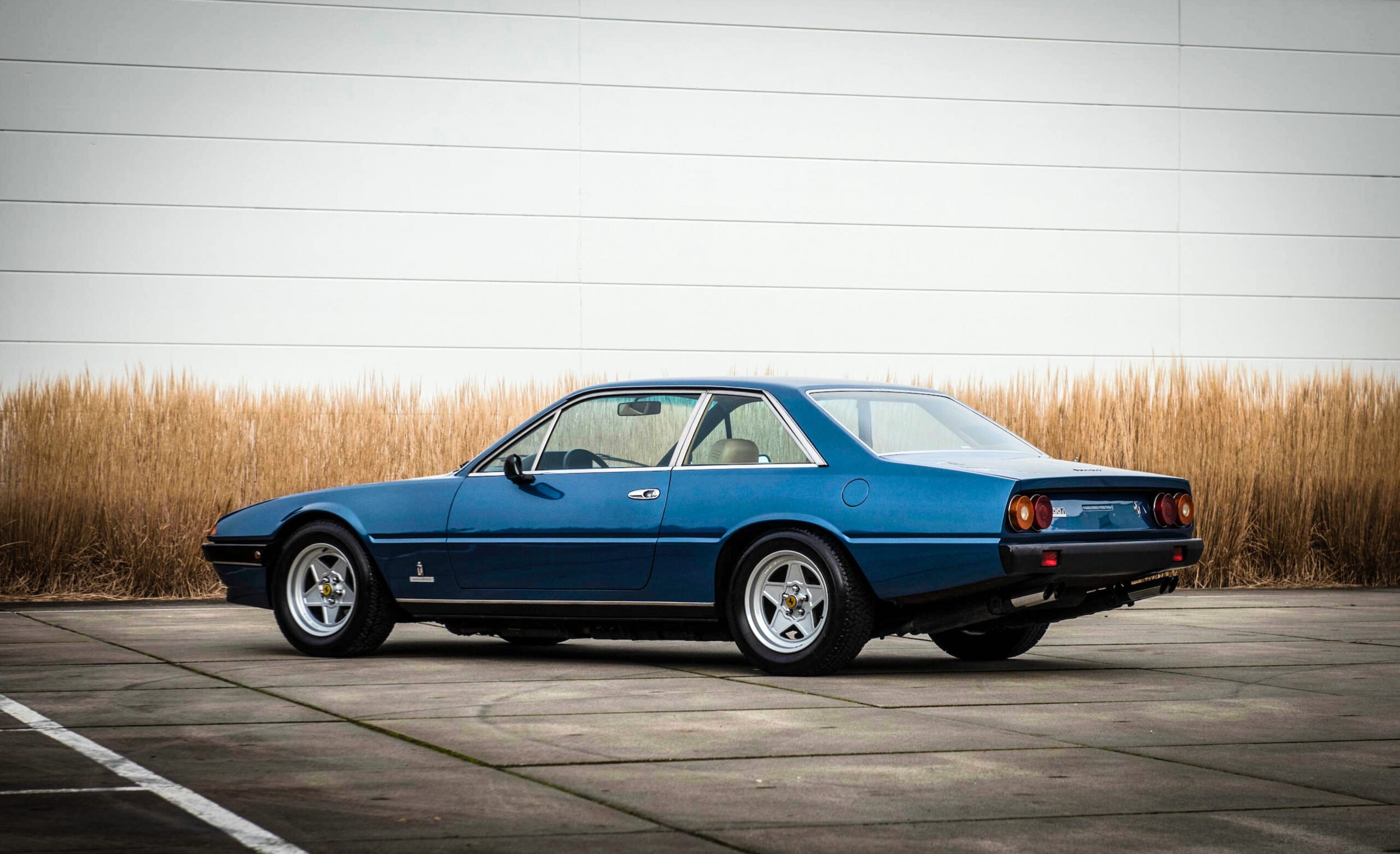
Ferrari 400 GTi – Originally Owned By Piero Ferrari

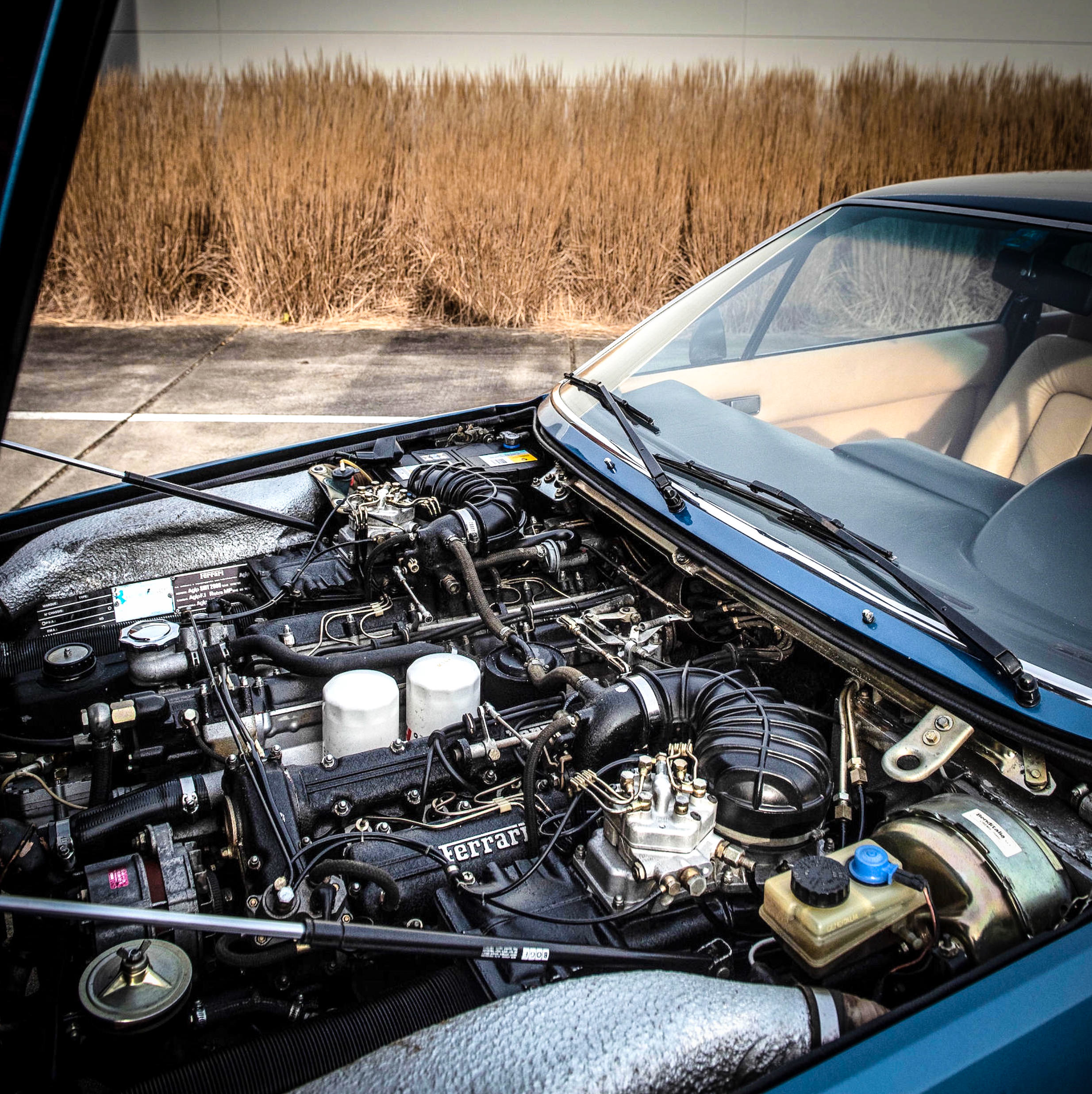
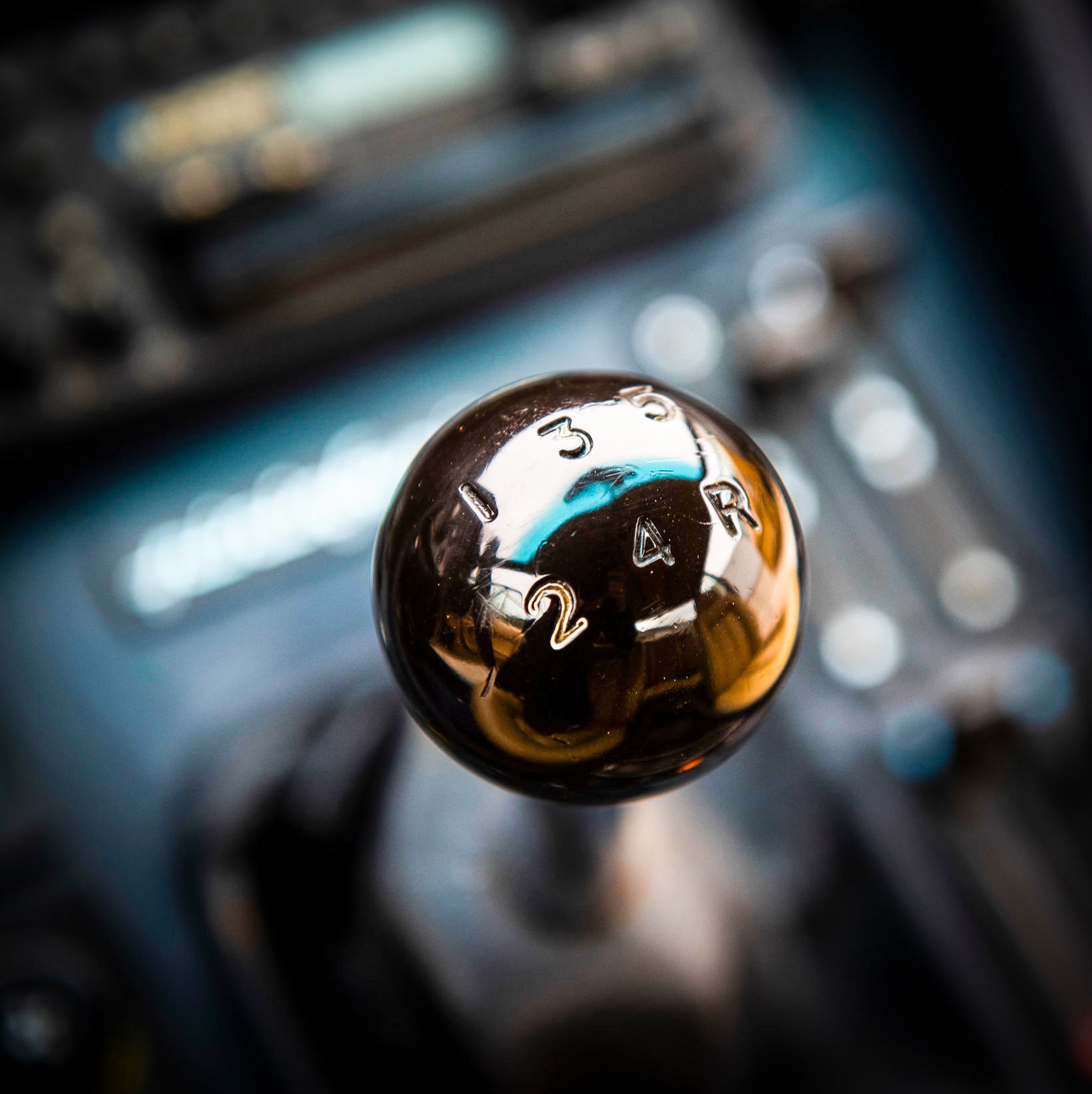
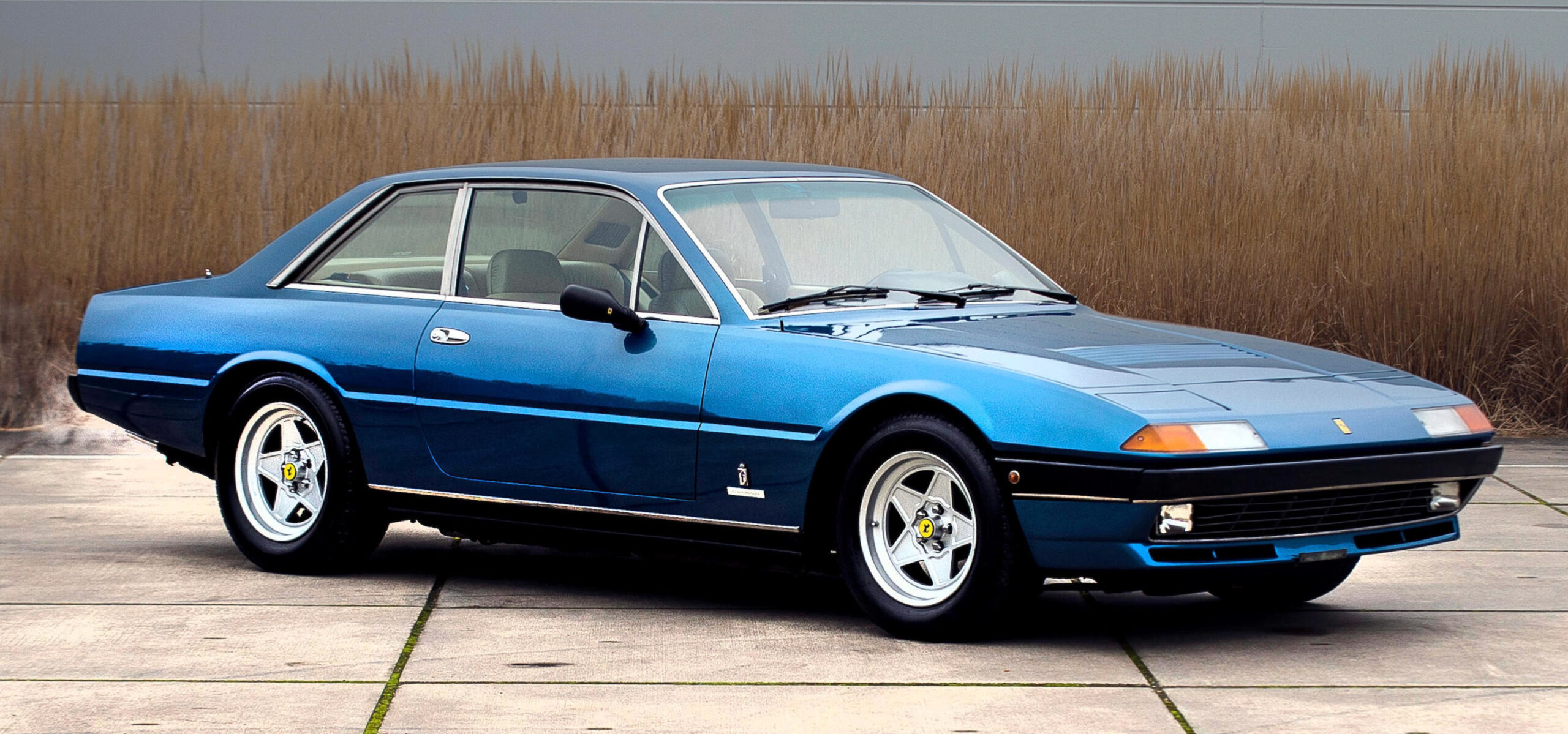
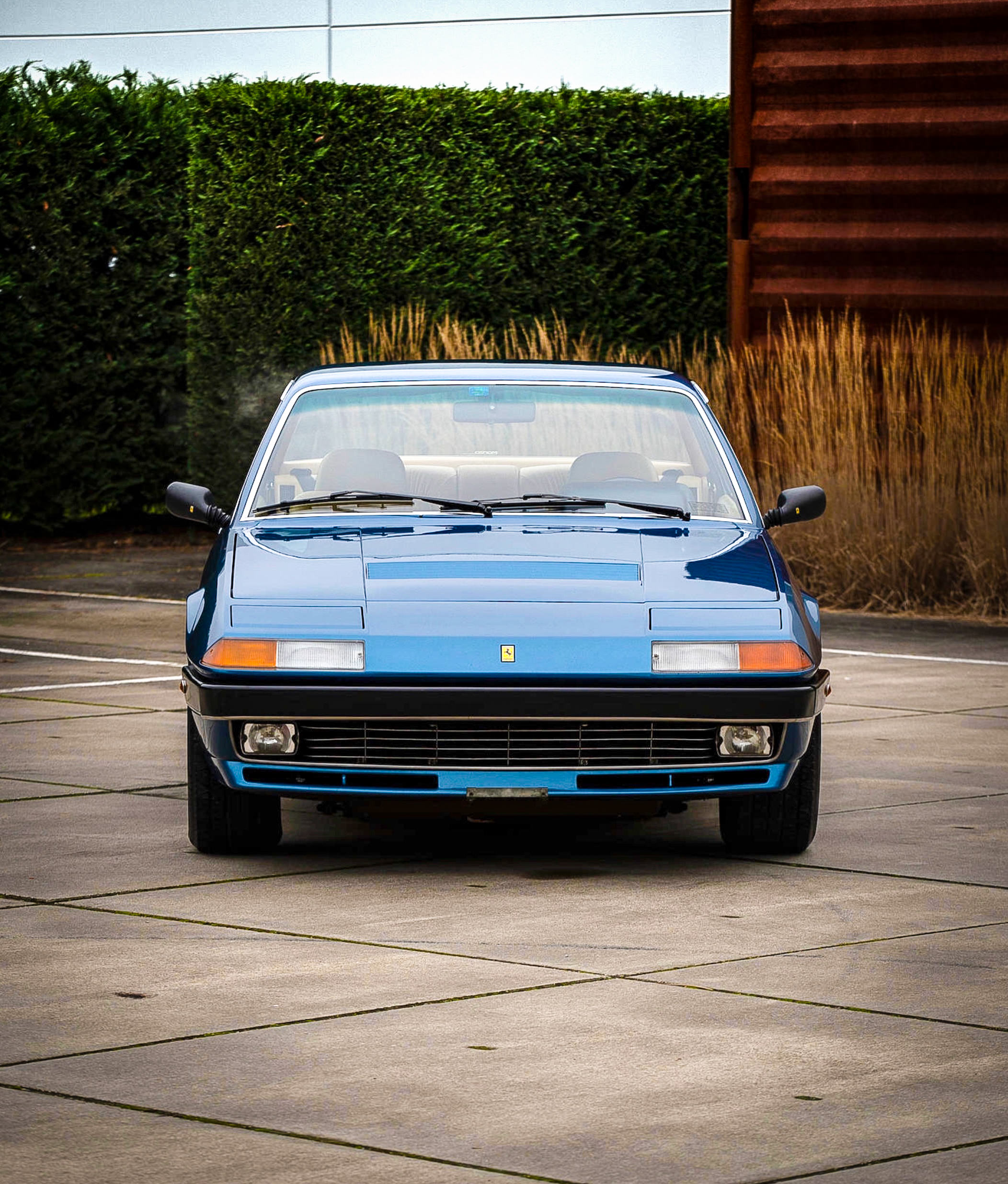
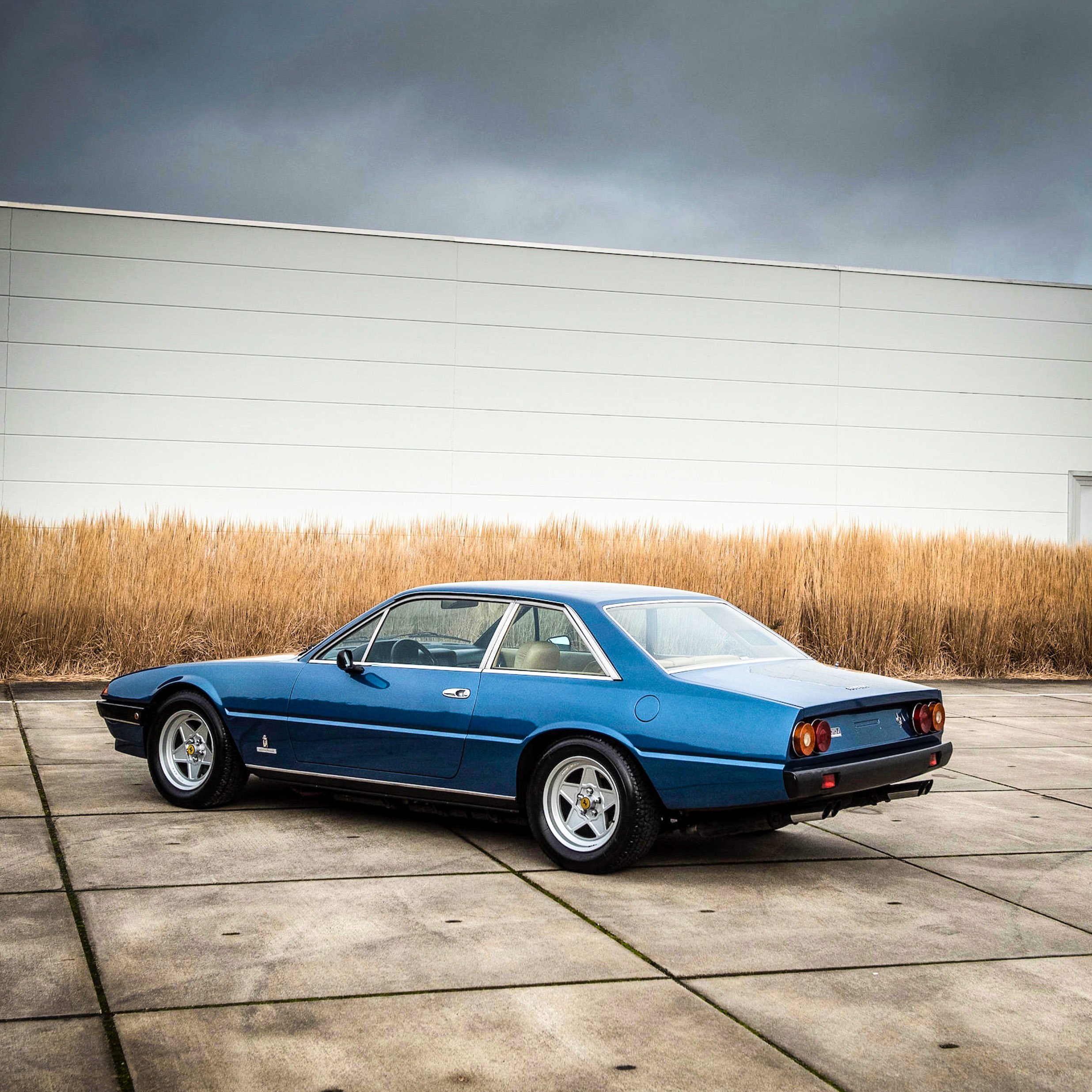
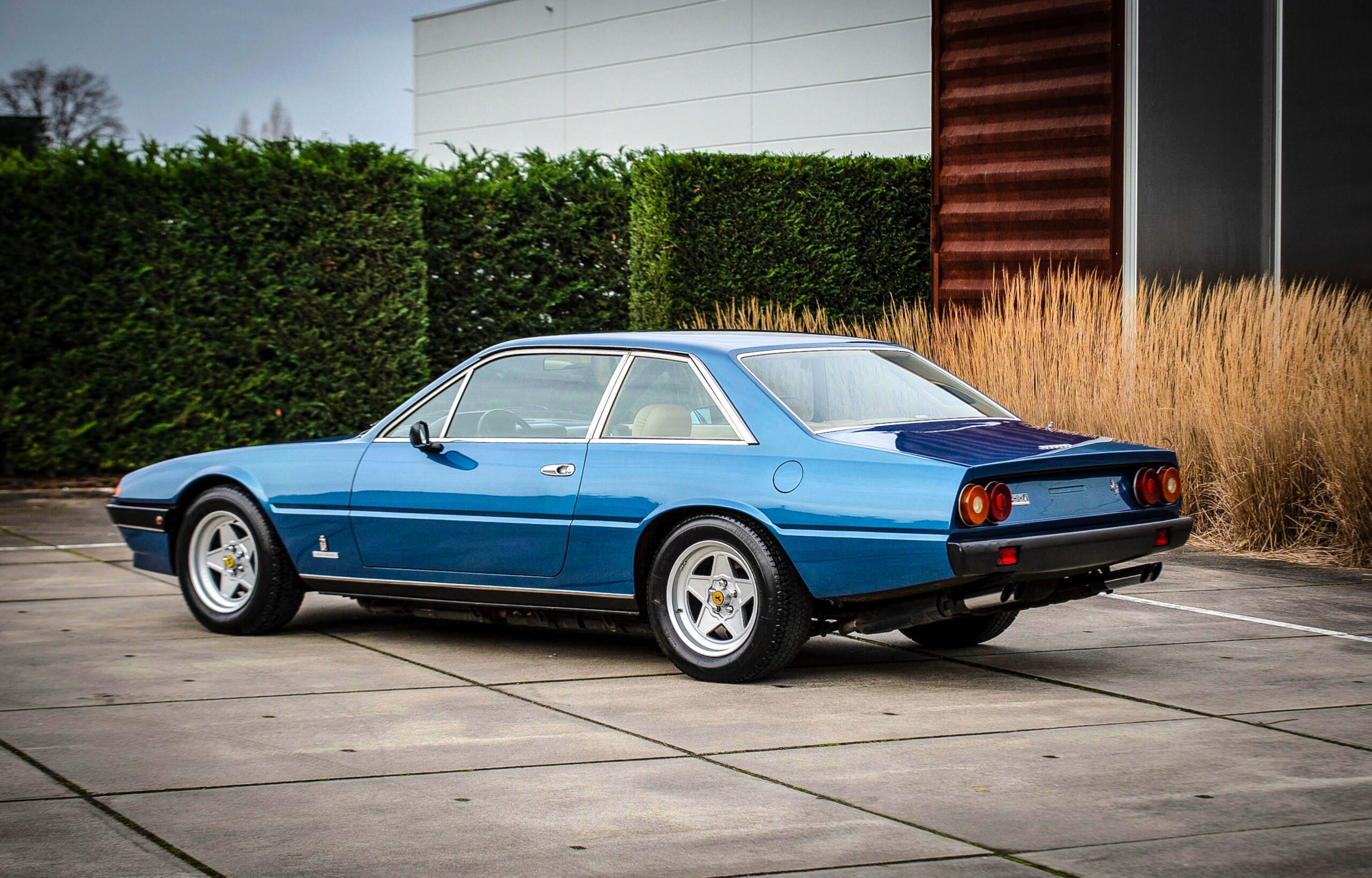
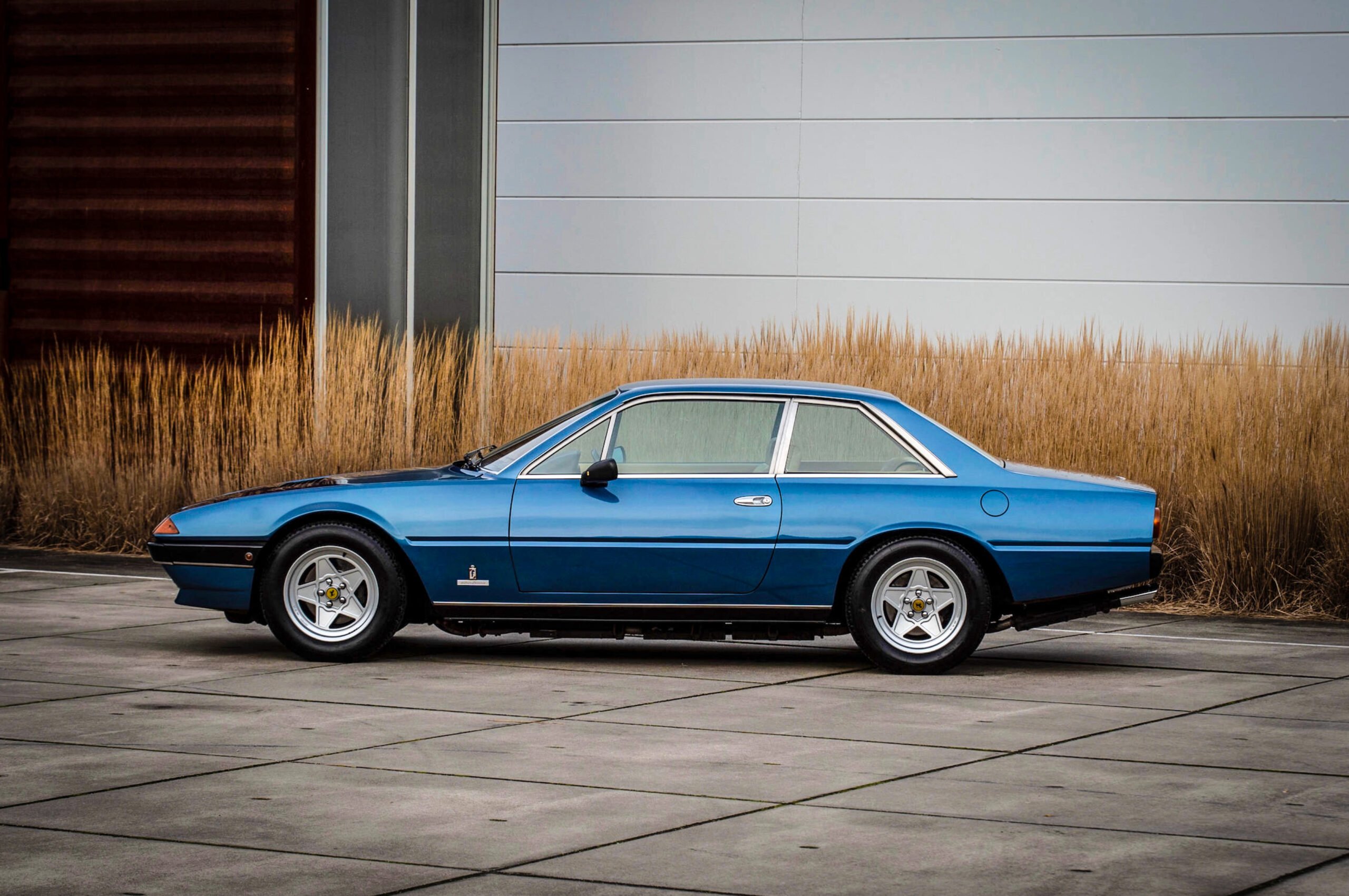
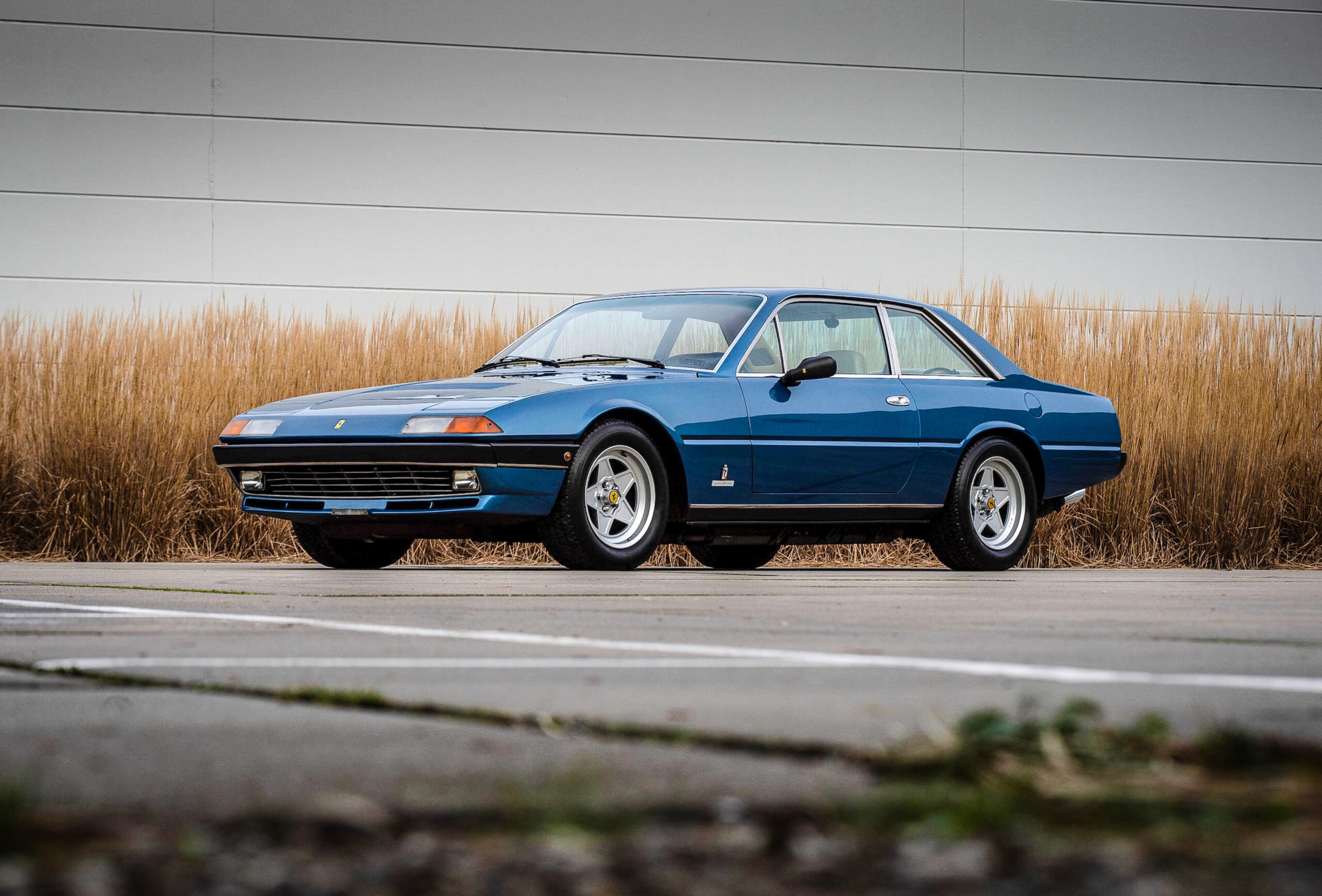
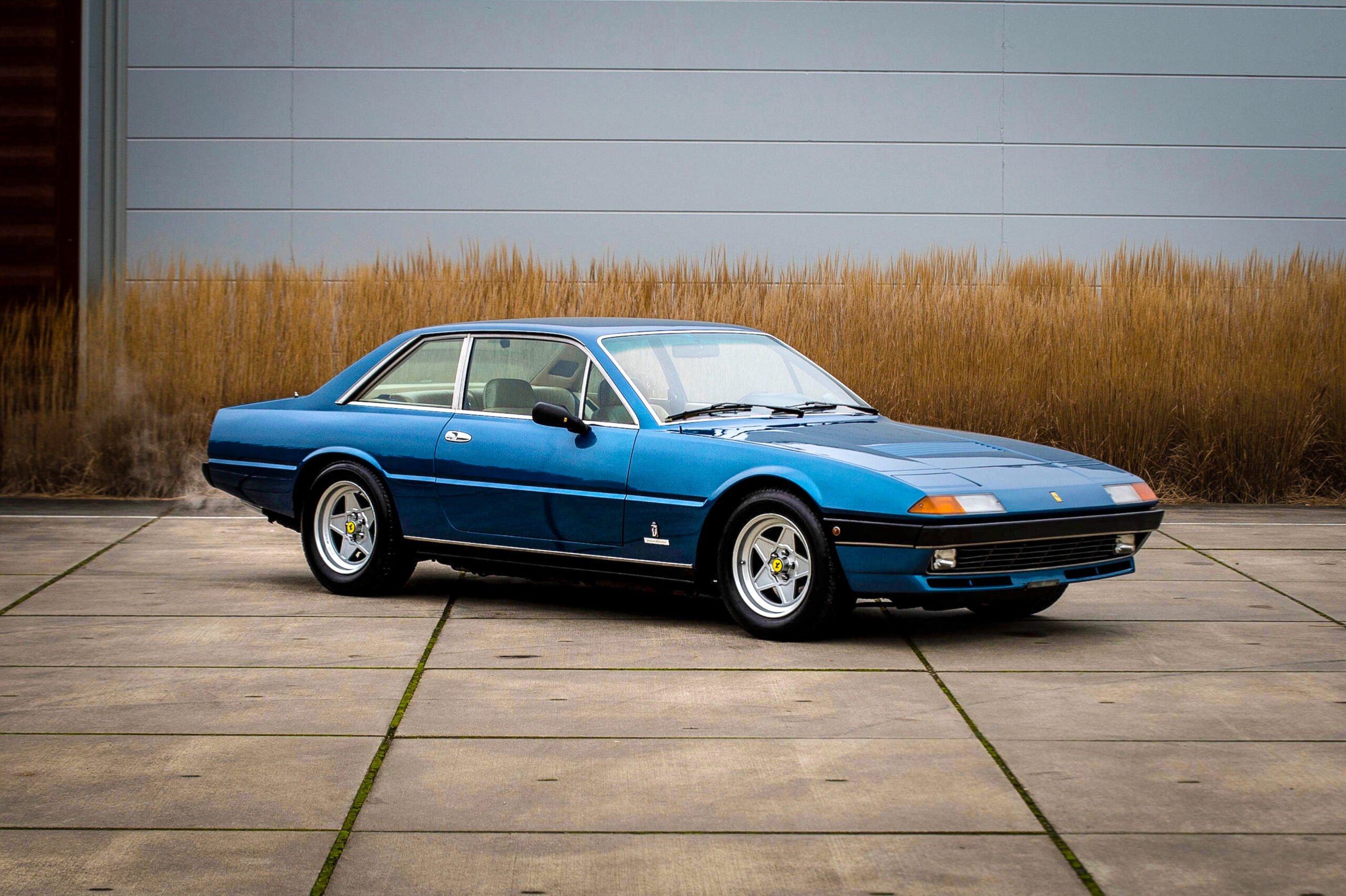
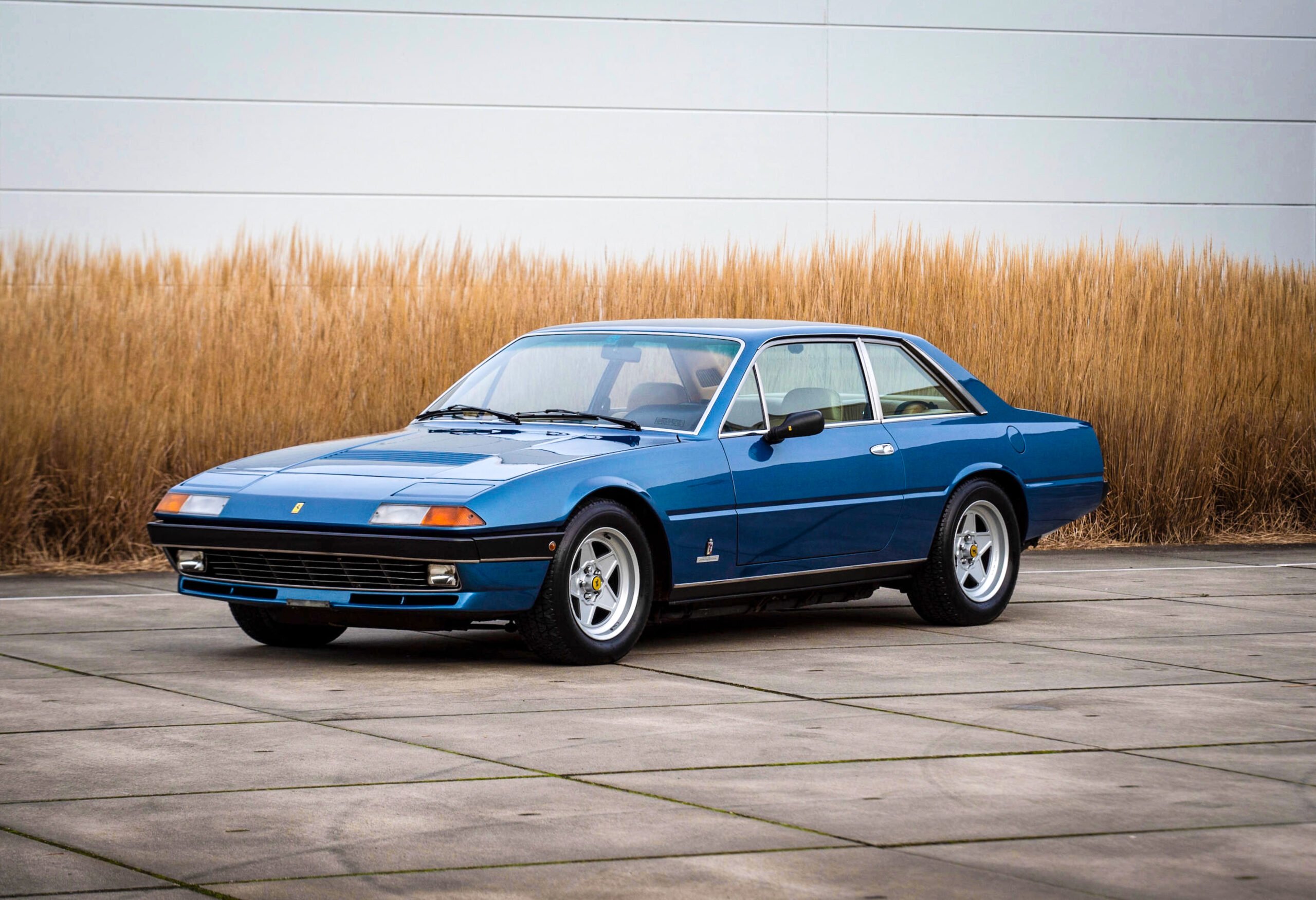
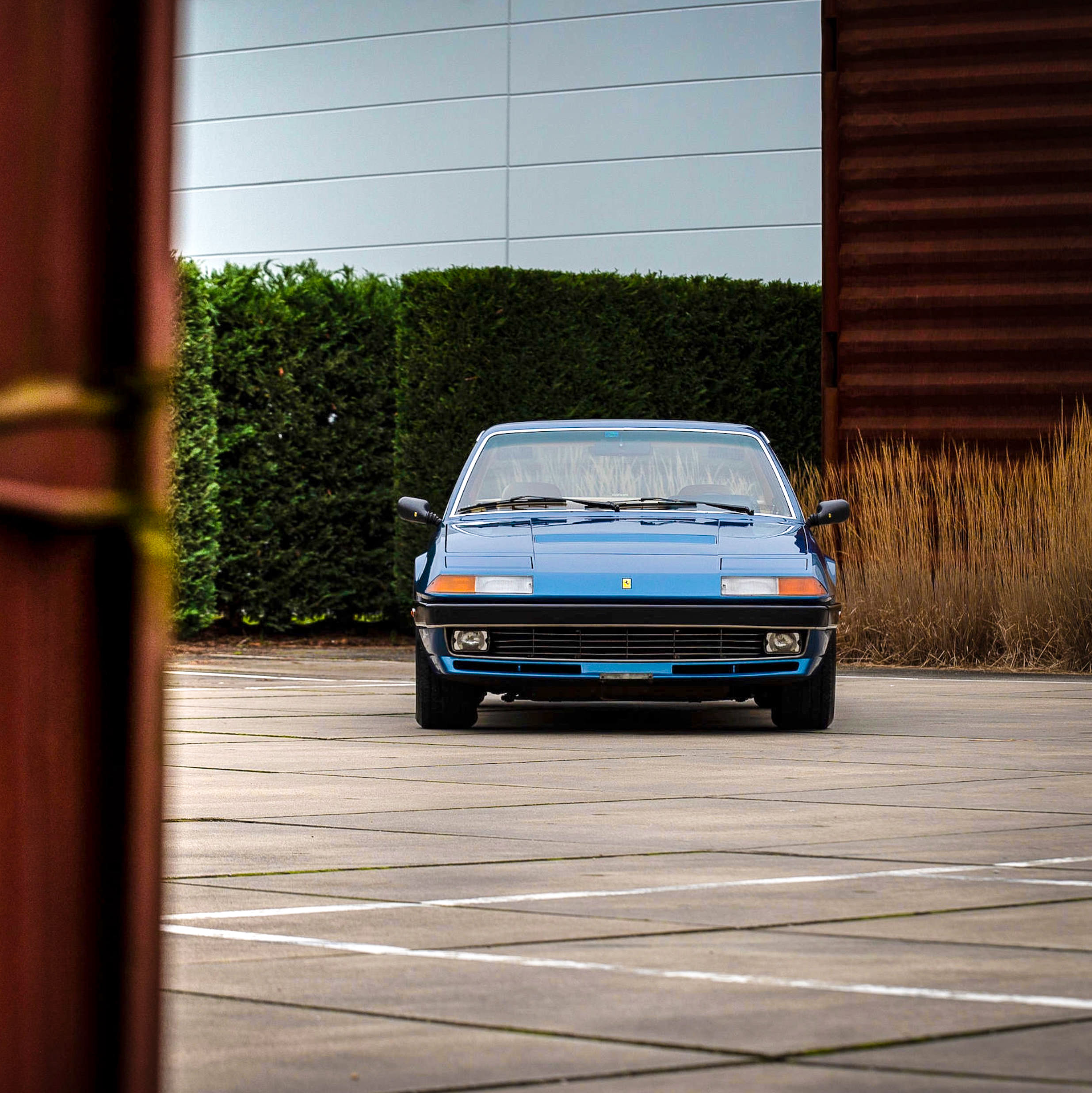
This 1983 Ferrari 400 GTi is unusual for a couple of reasons, it was ordered new with a 5-speed manual transmission (most were automatics), and the man who ordered it was Piero Ferrari – the son of Enzo Ferrari.

The Ferrari 400 GTi has never been the most beloved car to carry the racing horse, the styling was one step too far for many despite the fact it was designed by the great Leonardo Fioravanti at Pininfarina – the same man who penned the Ferrari 365 GTB/4 Daytona.

The model family that included the 400 GTi started with the Ferrari 365 GT4 2+2, which was then succeed by the 400, which itself was then succeeded by the Ferrari 412. The numerical model name is a reference to the approximate capacity of each cylinder in cubic centimeters, for example the 400 has a unitary displacement of 401.93cc.

When it was released in 1972 the Ferrari 365 GT4 2+2 was somewhat controversial. It was taking over from the beautiful Ferrari 365 GTC/4 which had been designed by Filippo Sapino at Pininfarina. By the early 1970s the car design world was becoming enamored with much sharper lines in automobile design, largely influenced by the work of designers like Giugiaro and Gandini.

The 365 GT4 2+2 was developed to appeal to this new world, at best it did it with mixed results however almost 3,000 were sold, an impressive figure given that the model was never officially imported into the United States.

Ferrari 400 GTi-19

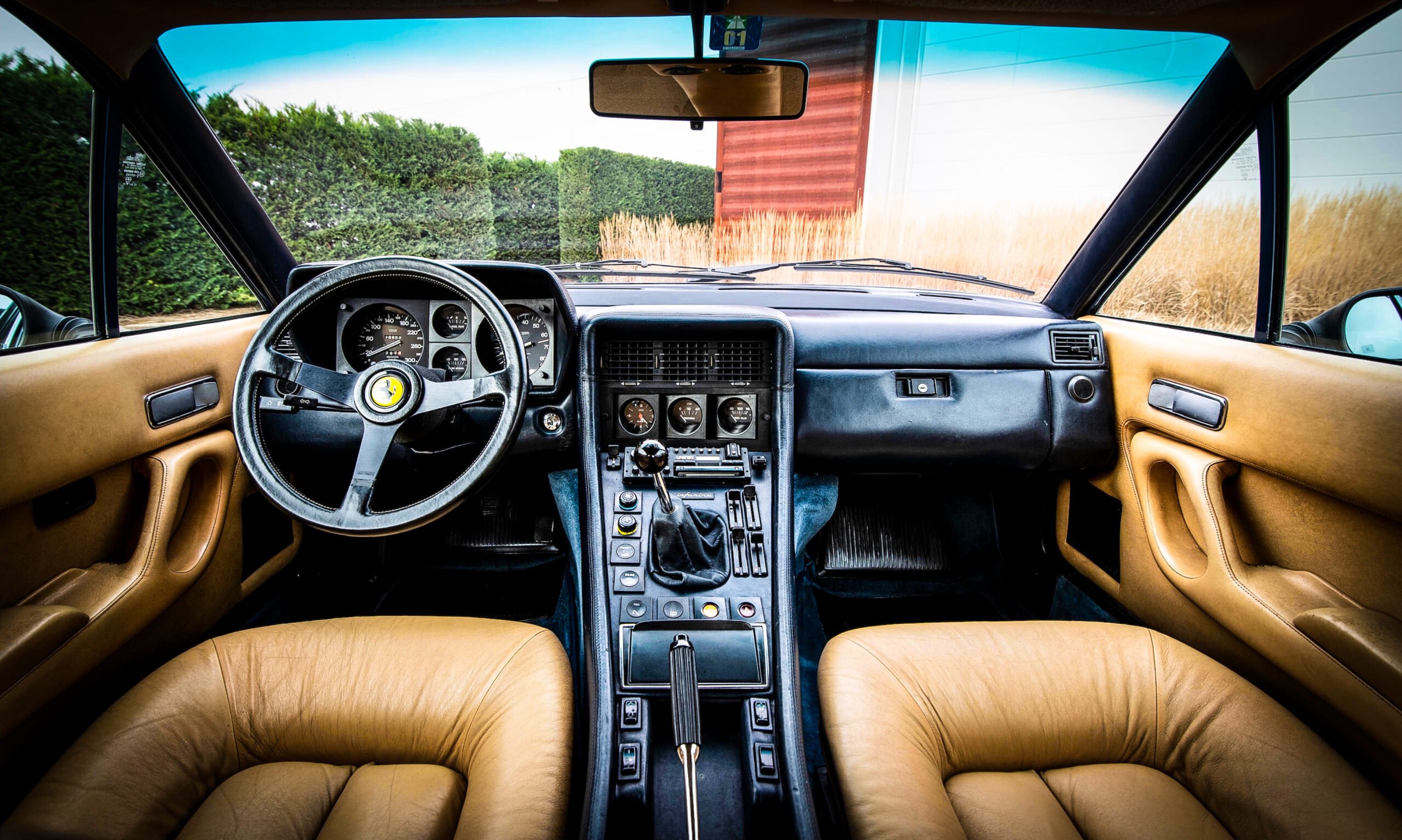
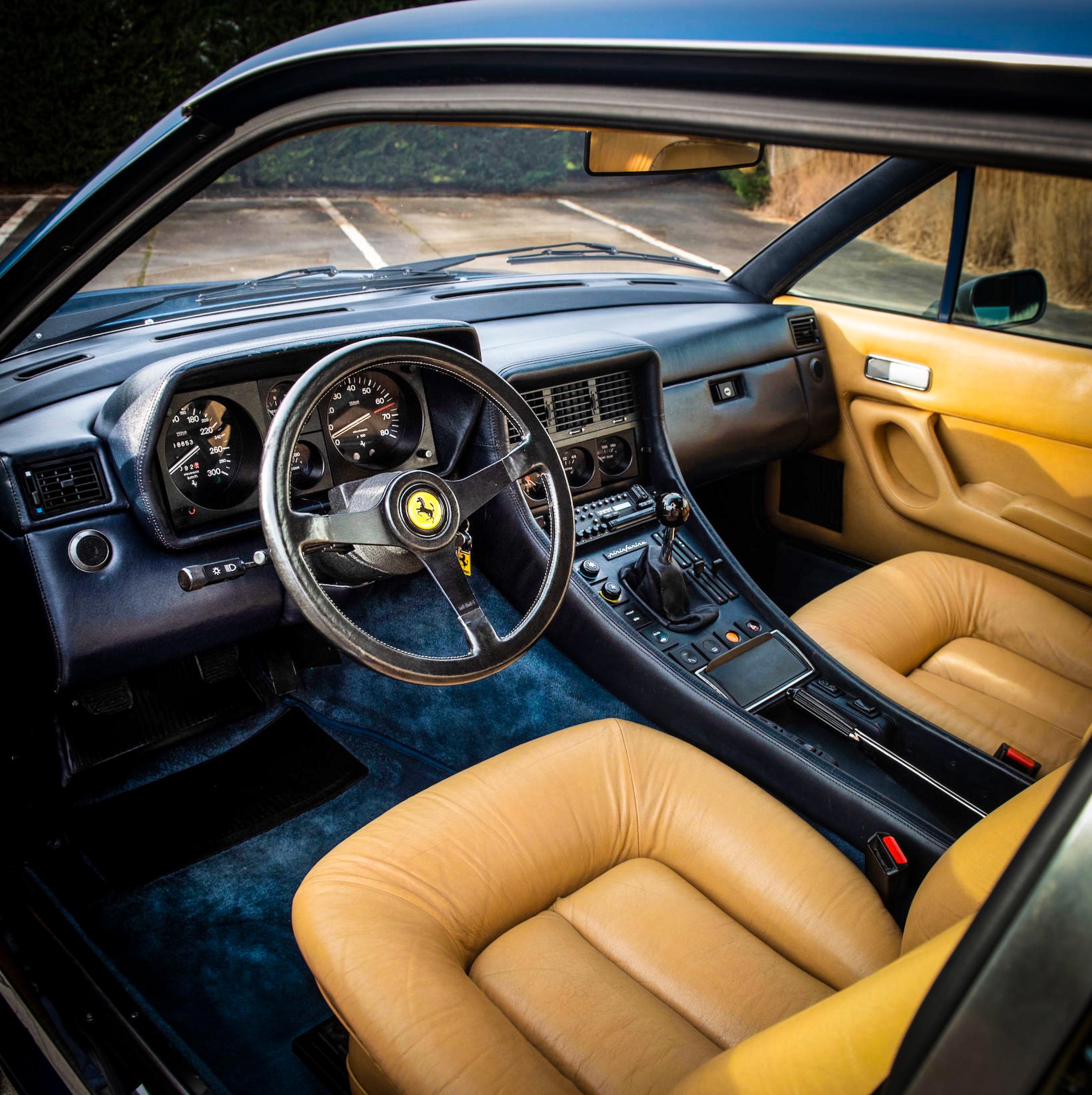
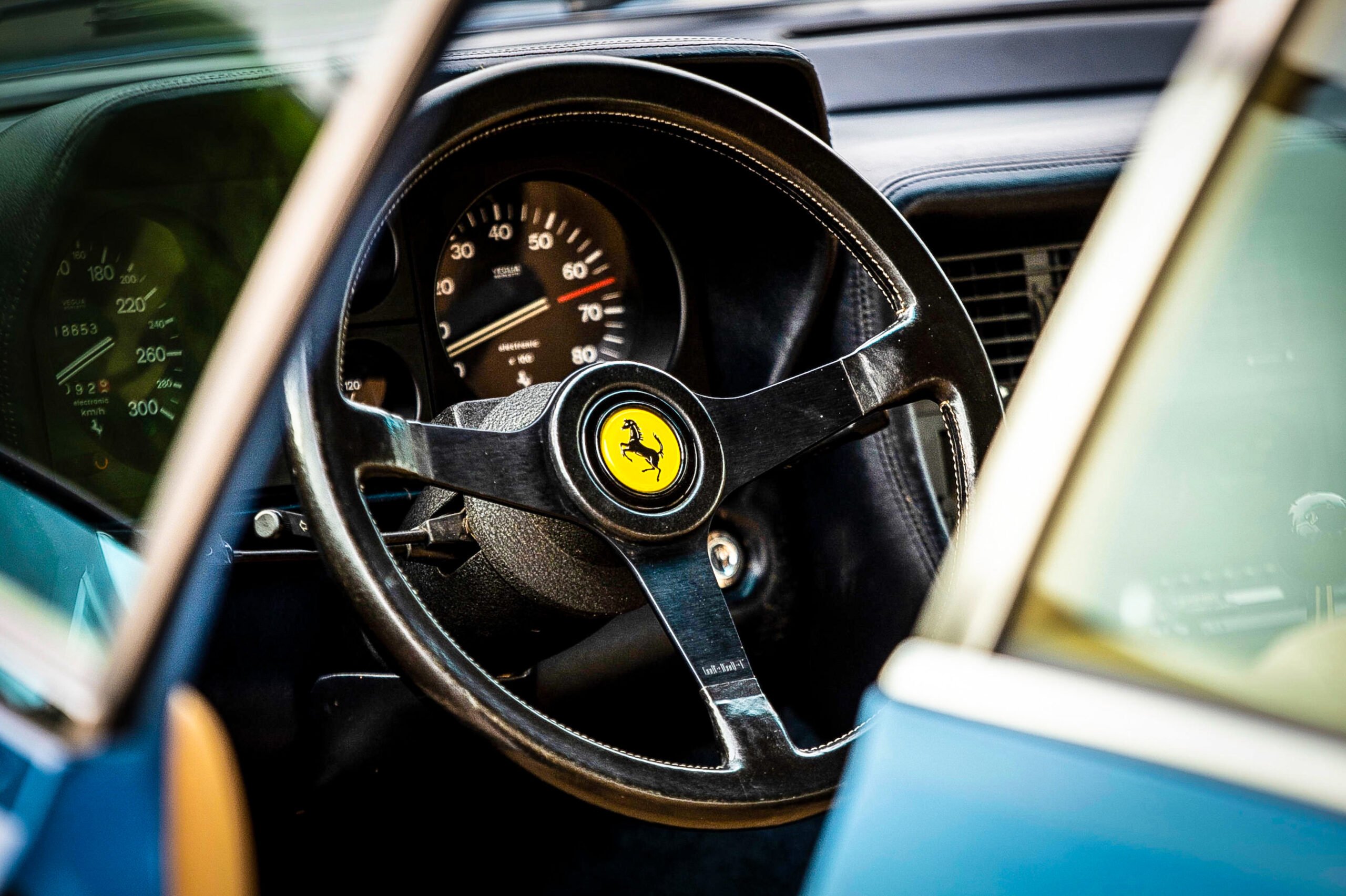
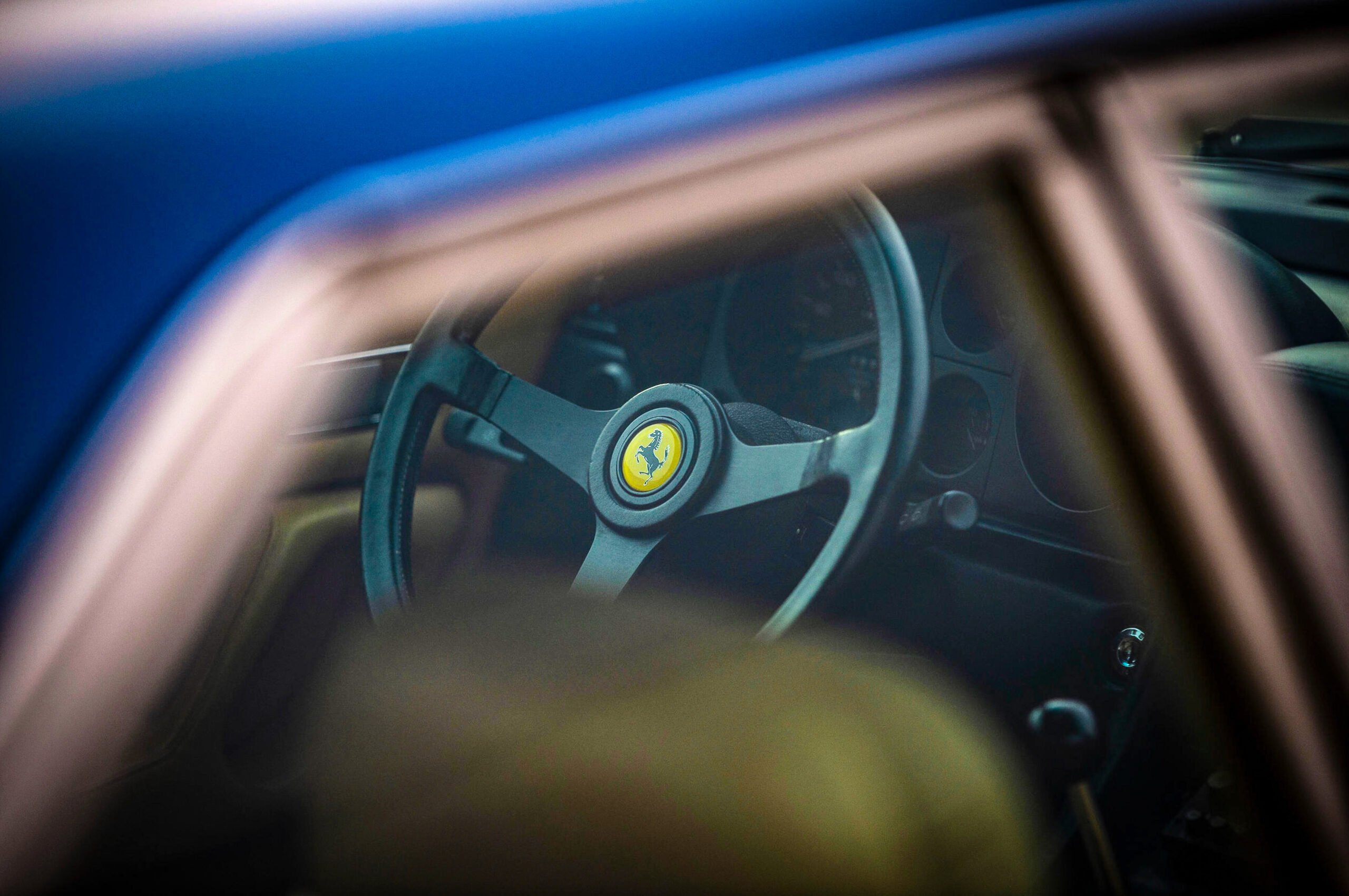
Above Image: The interior is as opulent as you would expect for a Ferrari grand tourer, with plush leather seats and a driver focussed dash.

Each model in the family was built with a tubular steel chassis was based on that of the GTC/4, but with a slightly extended wheelbase. They used a steel body and a fiberglass floor for weigher reduction, however the curb weight of the 400 GTi was still a little on the heavy side at 1,830 kgs (4,034 lbs).

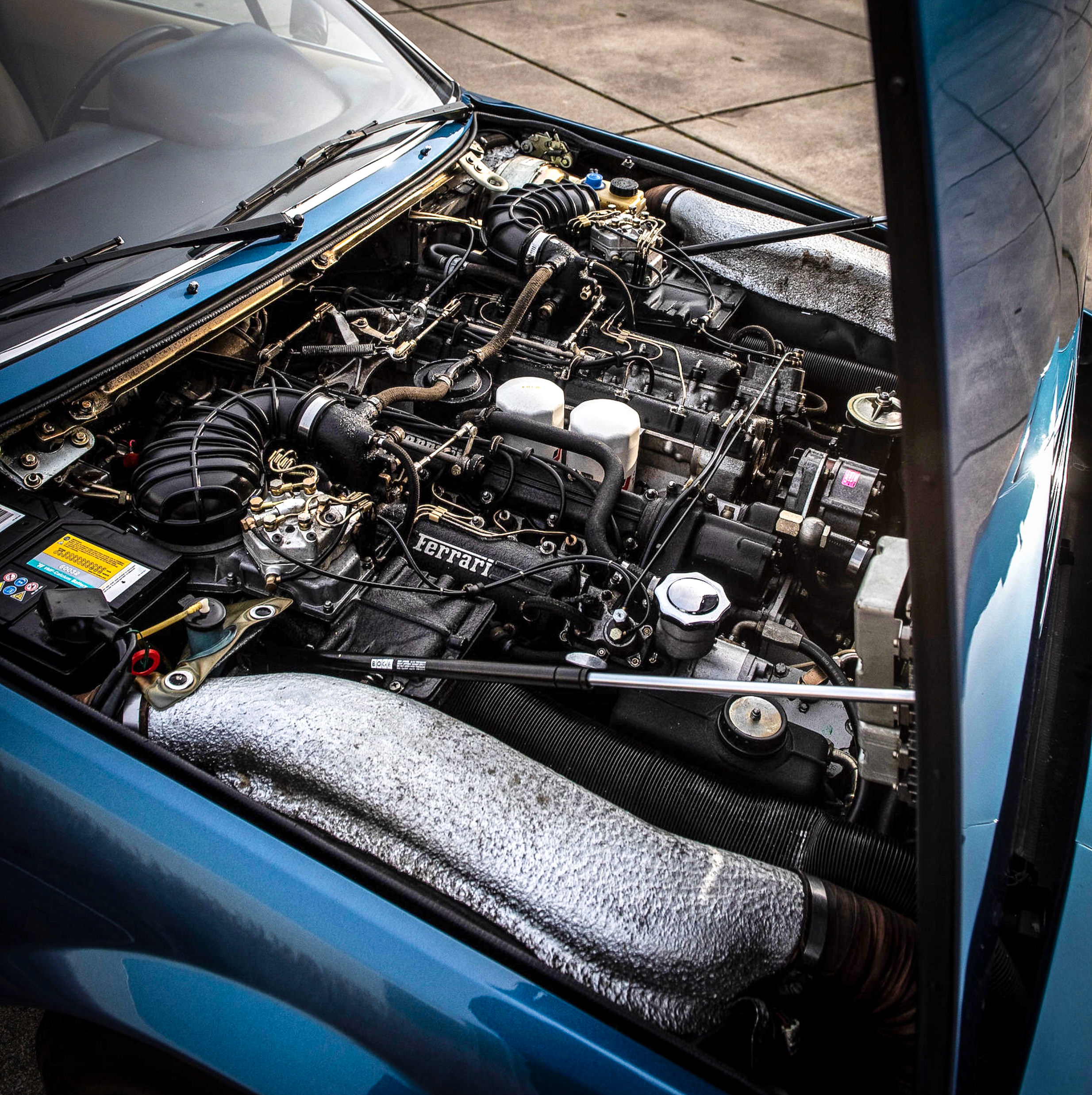
Power was provided by the venerable Colombo 60º V12 in Tipo F 101 form, with an alloy block and heads, double overhead cams per bank, 24 valves, with the intake coming via either a bank of carburetors or fuel injection.

Inside the cars were luxurious and well appointed, these were GT cars after all and not sports cars. Seating was 2+2 in all variants, with ample headroom, plenty of trunk space, and all the interior appointments you’d expect.

When the Ferrari 400 was introduced in 1976 it would be the first Ferrari to offer an automatic gearbox from the factory, a GM THM400 3-speed automatic transmission was used. After the introduction of the automatic as an option, most of the cars sold in this model line were automatics.

Today we’re seeing people look at the 365 GT4 2+2 and its descendants anew, the origami styling so emblematic of its era has become popular once again and for many, these cars represent a still-affordable route into Ferrari ownership.

Ferrari 400 GTi-8

Above Image: The angular styling hasn’t been historically popular with Ferrari fans, but these cars are aging well and becoming more valuable over time as a result.

The Ferrari 400 GTi shown here is more special than most, and not just for the fact that it’s fitted with the manual transmission option. This car was delivered new to Enzo Ferrari’s only surviving son Piero Ferrari, known at the time as Piero Lardi Ferrari.

Piero was born to Enzo Ferrari and his lifelong romantic partner Lina Lardi, the two became involved in the 1930s and remained so until Enzo’s passing in 1988. Enzo had a son named Dino with his wife, tragically Dino would die from muscular dystrophy in 1956.

Today Piero is an active and vocal supporter of the Centro Dino Ferrari, a medical research center for neuro degenerative and muscular diseases named for his brother and originally co-founded by his father.

Piero spent decades working his way up through the ranks at Ferrari, his father insisted on it, and today he carries on Enzo’s legacy as Vice Chairman at Ferrari as well as 10% shareholder in the company.

Piero Ferrari’s Ferrari 400 GTi is due to cross the auction block with Bonhams in April, the price guide is $78,000 to $110,000 USD. If you’d like to read more about it or register to bid you can click here to visit the listing.

Ferrari 400 GTi-22

Ferrari 400 GTi-21

Ferrari 400 GTi-20

Ferrari 400 GTi-18

Ferrari 400 GTi-17

Ferrari 400 GTi-16

Ferrari 400 GTi-15

Ferrari 400 GTi-14

Ferrari 400 GTi-13

Ferrari 400 GTi-12

Ferrari 400 GTi-11

Ferrari 400 GTi-10

Ferrari 400 GTi-9

Ferrari 400 GTi-7

Ferrari 400 GTi-6

Ferrari 400 GTi-4

Ferrari 400 GTi-3

Ferrari 400 GTi-2

Images courtesy of Bonhams

The post Ferrari 400 GTi – Originally Owned By Piero Ferrari appeared first on Silodrome.


from Silodrome https://silodrome.com/ferrari-400-gti/
via gqrds