Carroll Shelby’s Personal Shelby GT500 Is For Sale

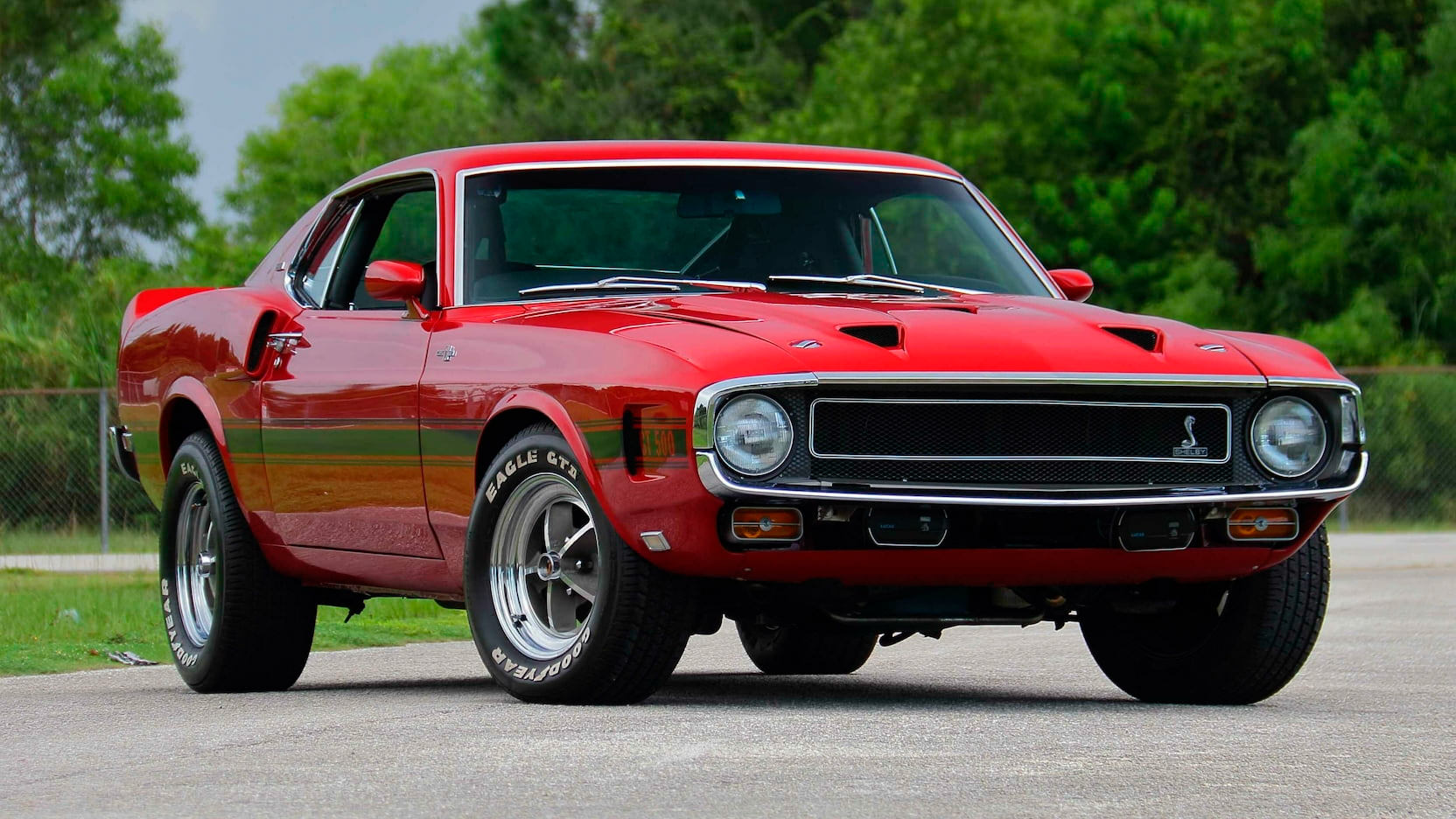
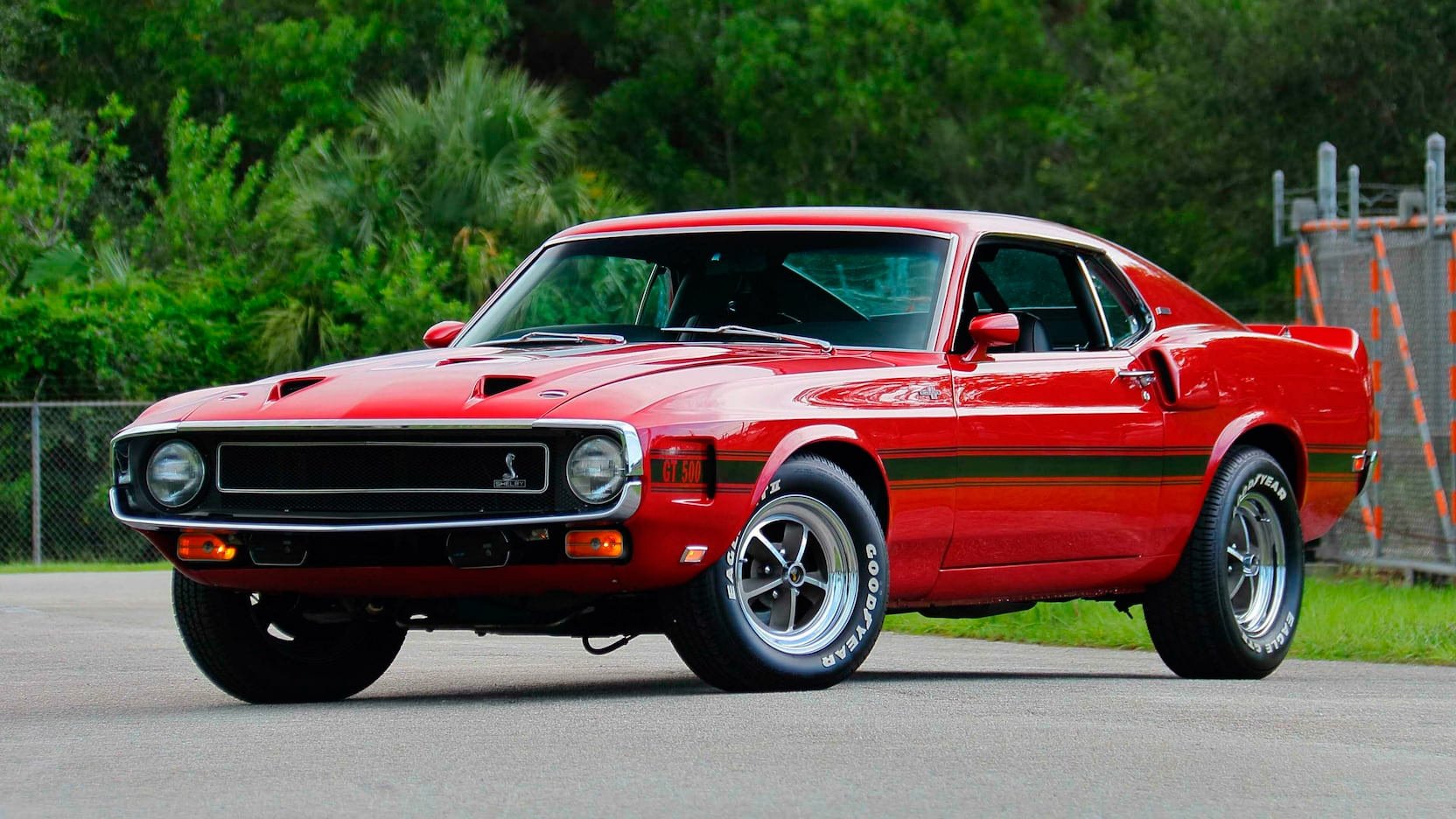
This Shelby GT500 belonged to the man responsible for its creation, race car driver turned high-performance automobile manufacturer Carroll Shelby.

Interestingly, Shelby wouldn’t be this car’s only famous owner, it also belonged to Academy Award-nominated actor and director Jackie Cooper for a number of years.

Fast Facts – The Shelby GT500

  • The Shelby GT500 was developed in 1966 and released in 1967 as the first production Shelby Mustang to be fitted with a big block engine, the “Ford Cobra” FE Series 428 cubic inch (7.0 liter) V8 producing 355 bhp.
  • The Shelby Mustangs had first appeared in 1965 with the release of the Shelby GT350 with its 289 cubic inch (4.7 liter) V8, it proved highly successful winning a slew of races and championships.
  • In 1967 with the release of the new slightly larger Mustang (with its more voluminous engine bay) Ford big block engines could be fitted to them for the first time – resulting in the development of the Shelby GT500.
  • The GT500 you see here has formerly belonged to both Carroll Shelby and Jackie Cooper, it’s been through a comprehensive restoration, and it’s now due to cross the auction block with Mecum in January.

The Shelby GT350 – A Bare-Knuckle Mustang

When the Mustang was first introduced in 1964 it proved to be an instant sales hit for Ford, they were selling them just as fast as they could built them, and the model established an entirely new market genre called the “Pony Car” after the wild mustang horse in the car’s emblem.
Shelby GT500

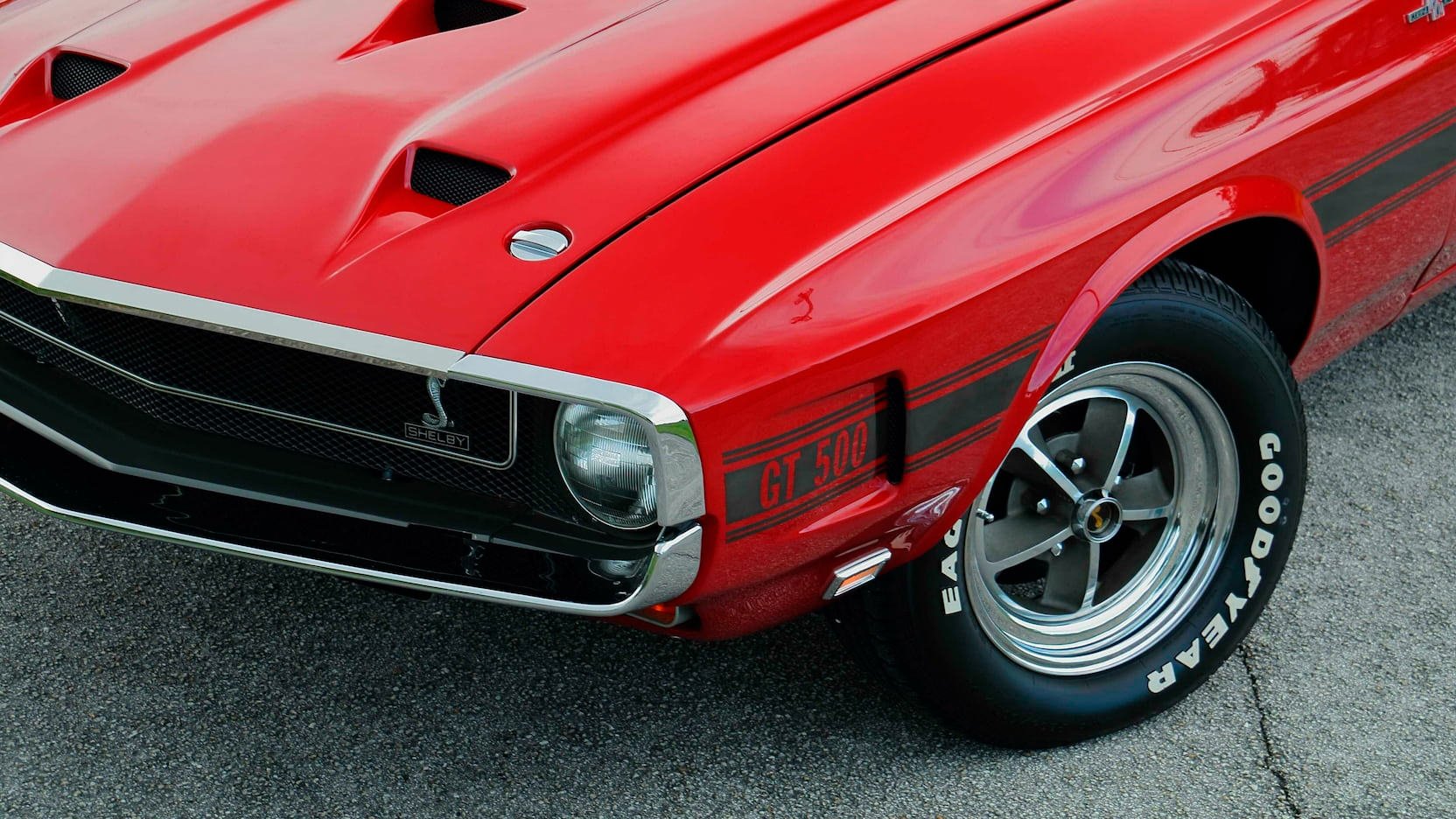
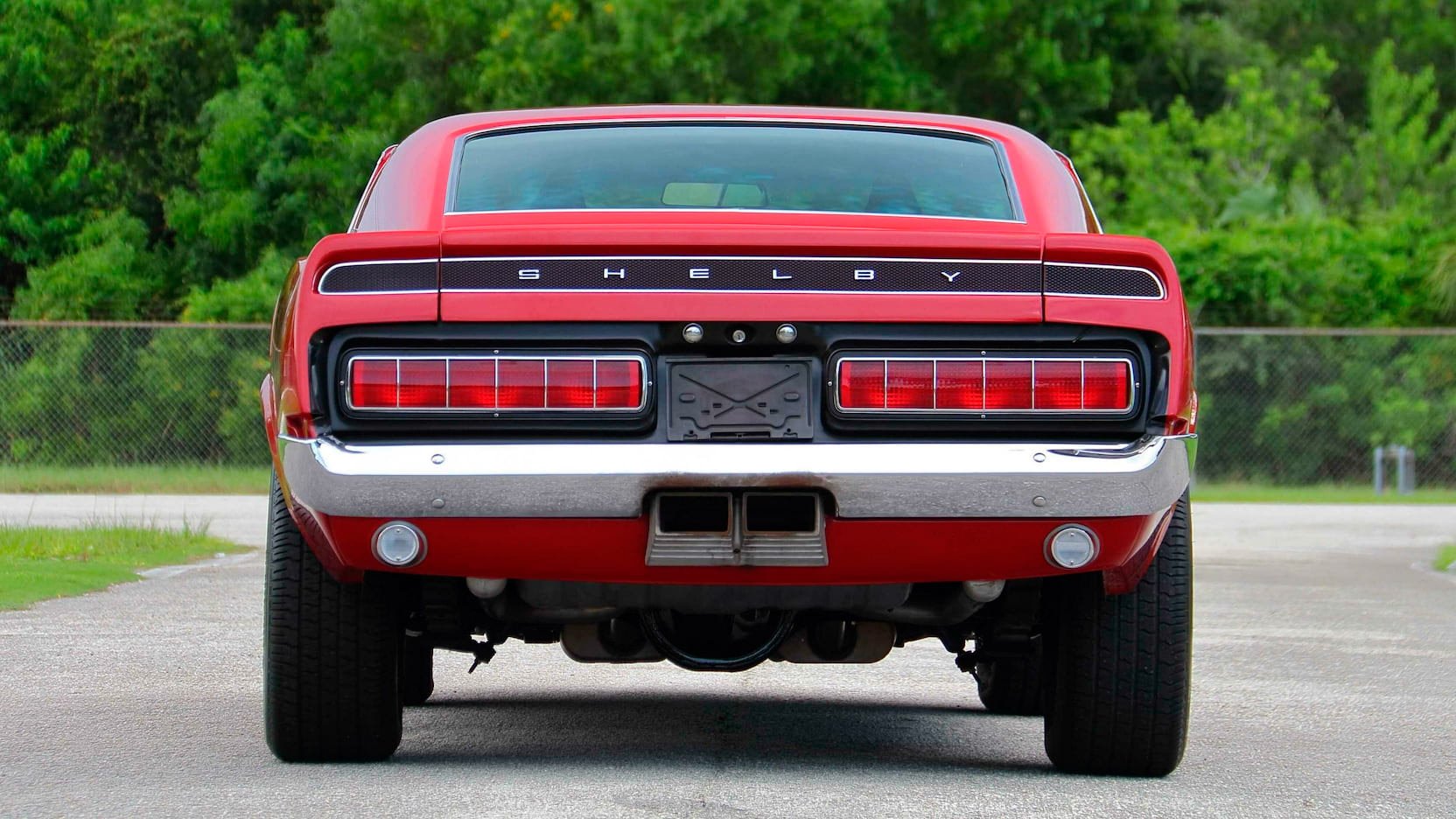
Stylistically the 1967 GT500 looked very different from earlier Shelby GT Mustangs, the front end in particular distinguished the car from other more run of the mill production Mustangs.

Despite this success, Lee Iacocca, the Ford Division General Manager, was concerned that as a sports car the Mustang didn’t actually have any race wins or motorsport heritage to its name – so he set about making it happen.

Ford and Carroll Shelby already had a friendly relationship thanks to the Shelby Cobra, a re-engined and modified AC Ace from England that was developed by Carroll Shelby and powered by Ford V8s.

Iacocca and Shelby struck a deal that would see Shelby and his team develop a high performance version of the new Mustang and take it racing – to win as many races as it possibly could. This new car would be called the Shelby GT350 and it would compete in the Sports Car Club of America’s (SCCA) B-Production Class against the dominant sports cars of the day – the Corvette, Jaguar XKE, Sunbeam Tiger, and number of Ferrari models.

The remarkable success of the GT350 was likely more than Iacocca expected. Rather than winning a few races here and there resulting in some good photo opportunities the new GT350 would dominate SCCA B-Production (BP) Class racing, winning a slew of races and winning the championship three years on the trot in 1965, 1966, and 1967.

Shelby GT500 – The Arrival Of The Big Block V8

In 1967 Ford unveiled an all-new Mustang that was slightly larger than its predecessor, offering more interior space, more cargo space, and perhaps most importantly, its engine bay was big enough to accommodate one of Ford’s big block V8s.
Carroll Shelby GT350

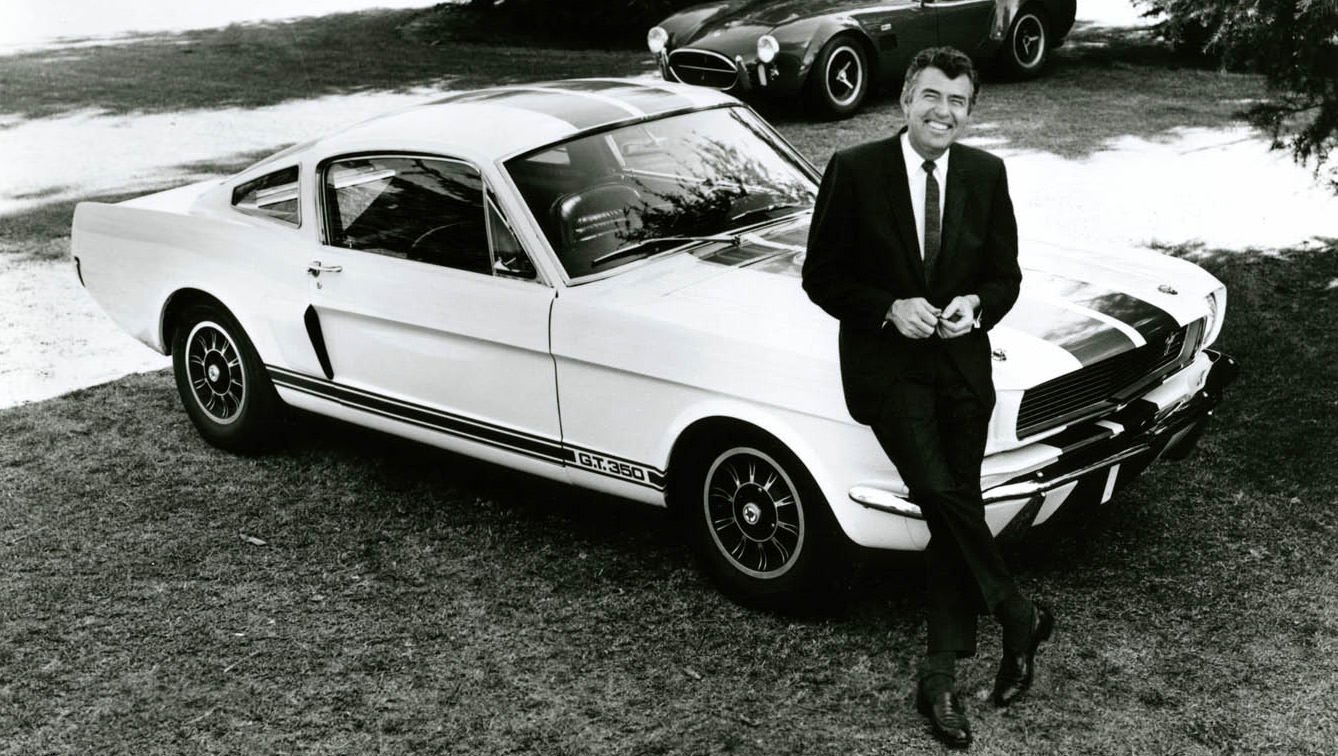
This is Carroll Shelby with one of his earlier GT350 models – note the Shelby Cobra parked in the background. Image courtesy of Shelby American Inc.

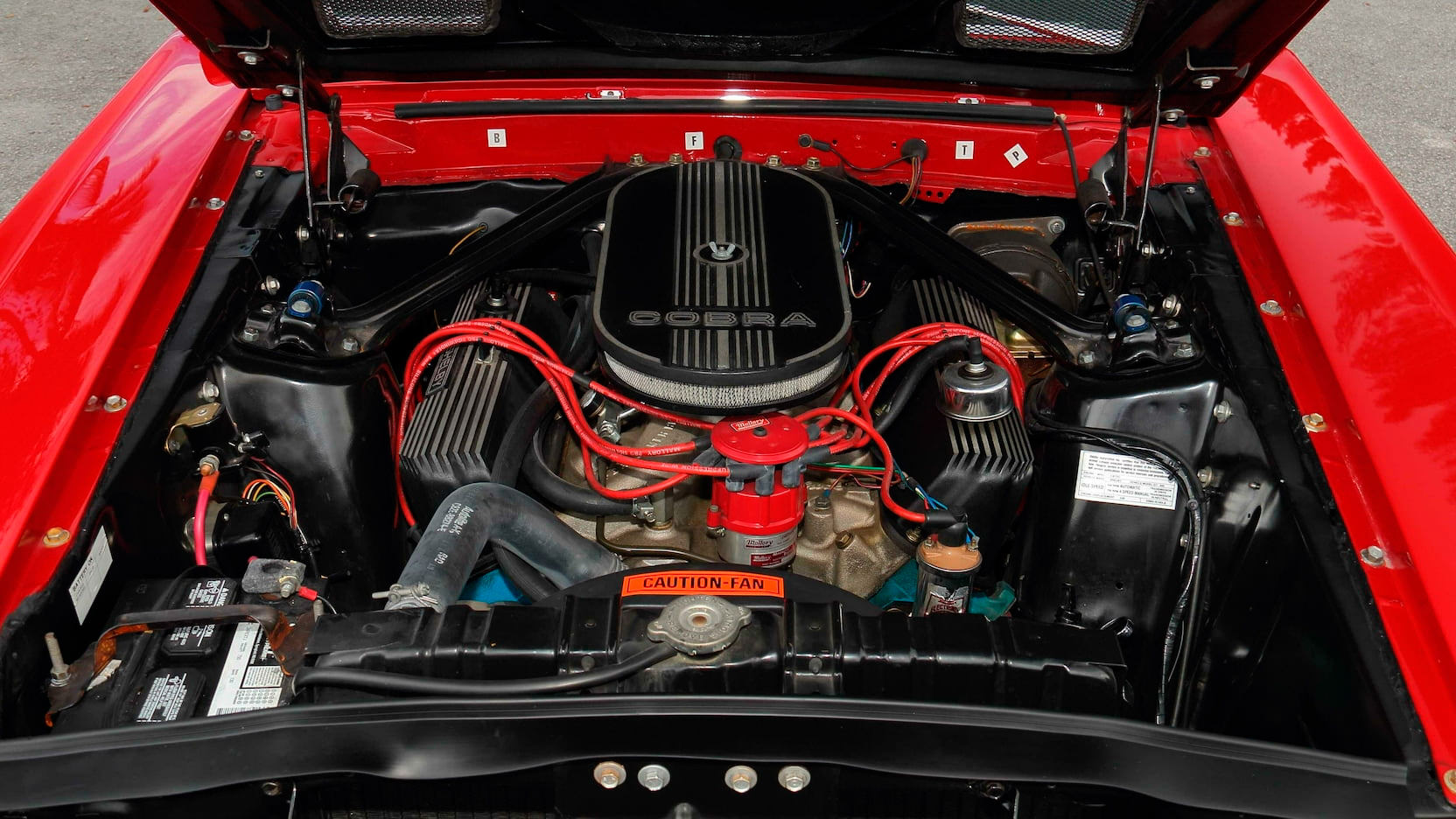
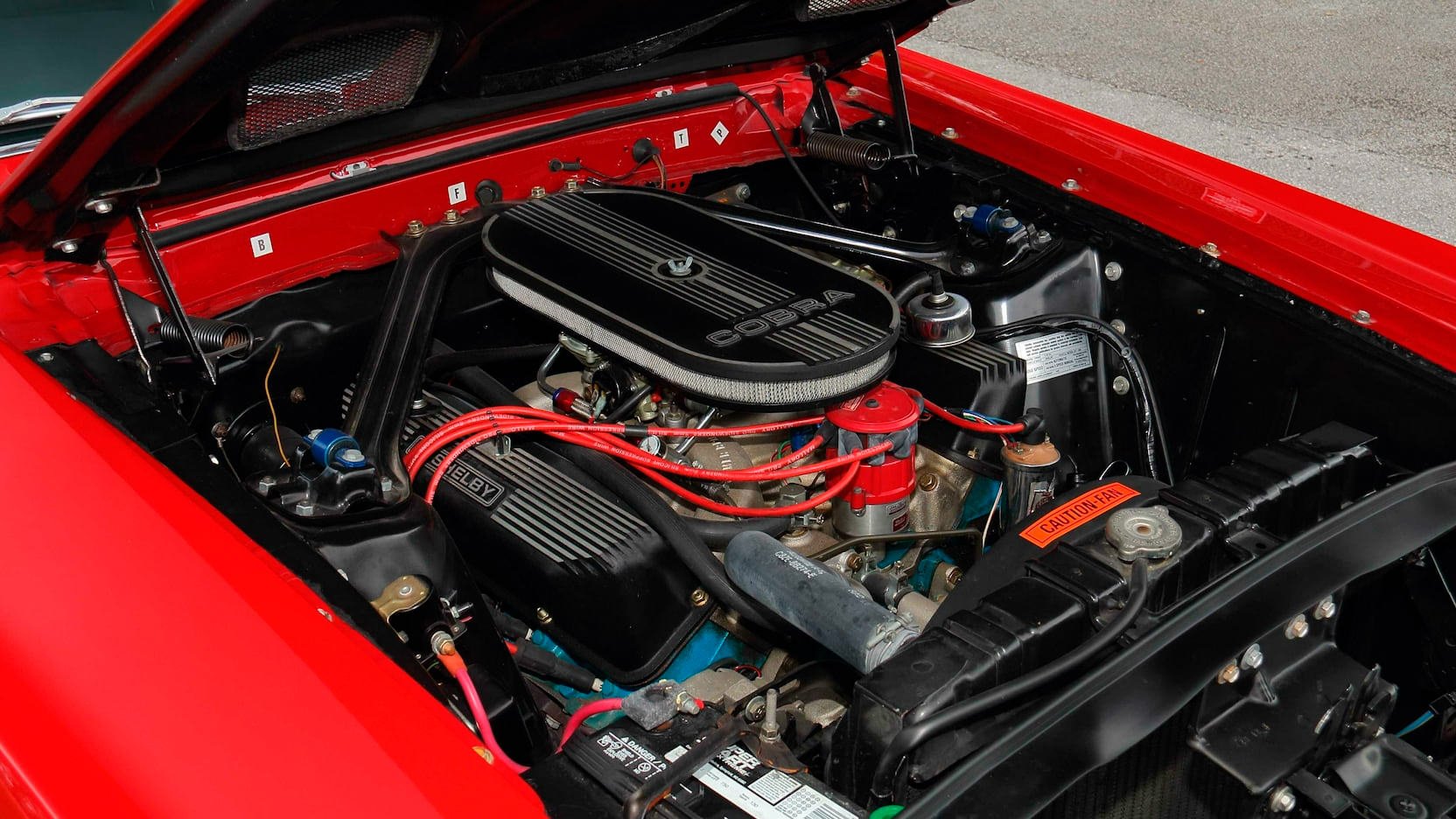
As a result of this change Shelby and his team developed a new version of the Shelby GT series called the GT500. It was powered by the “Ford Cobra” FE Series 428 cubic inch (7.0 liter) V8 that was fitted with twin 600 CFM Holley 4-barrel carburetors on a mid-rise aluminum intake manifold.

This engine was considerably more powerful than the K-Code 289 V8 fitted to the GT350, offering 355 bhp vs the 271 bhp of the smaller engine. Torque was much higher also, with the big block twisting out 420 lb ft vs the 329 lb ft of the 289.

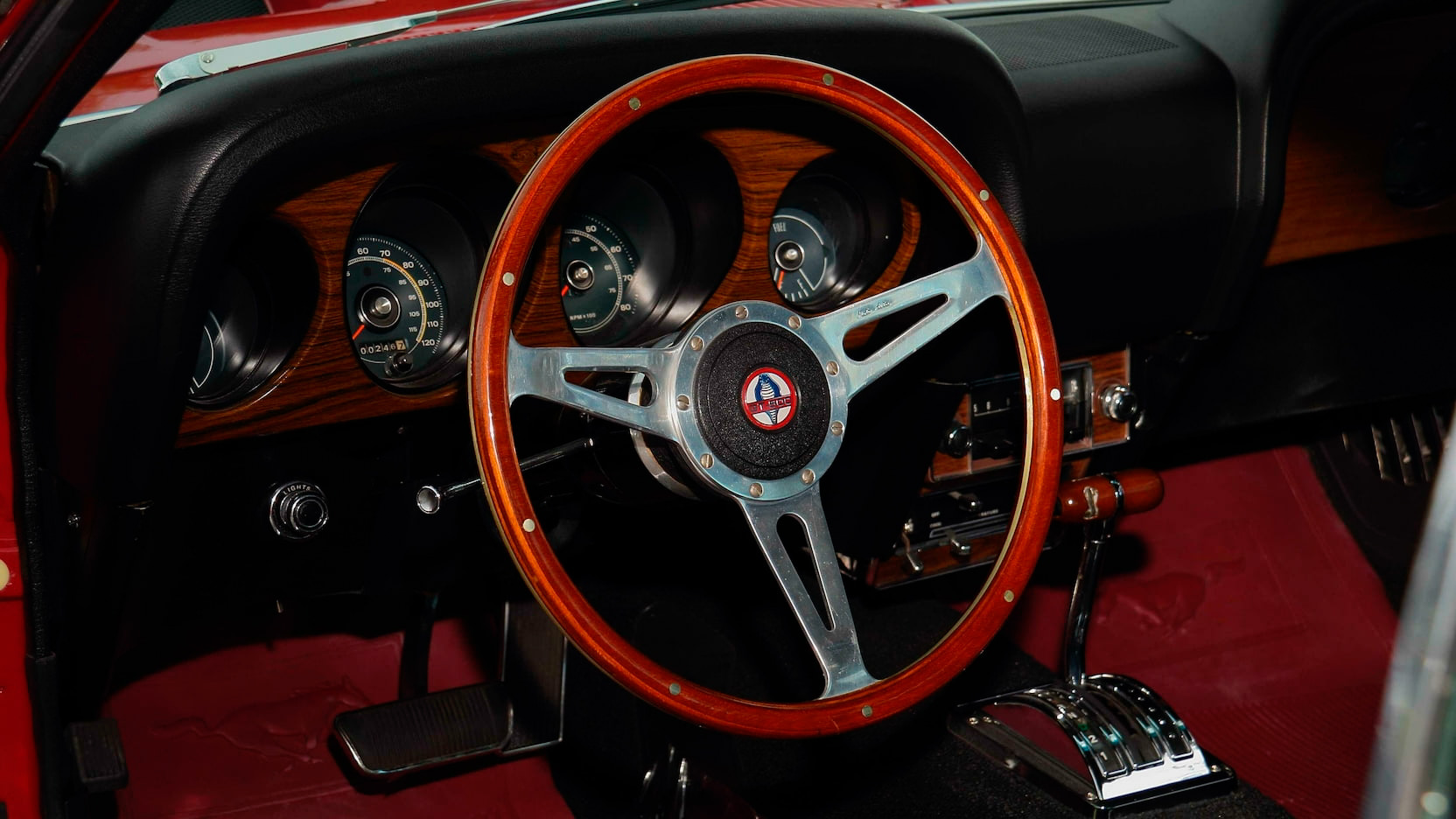
This power was sent back through either a 4-speed manual or a 3-speed automatic transmission to the live axle rear end and inside the car a roll bar was fitted for safety – perhaps an indication that there was concern about putting this much power in the hands of untrained drivers.

A number of other changes were made to the vehicle to help improve performance and better cope with the heavier new engine. The front coil springs were uprated as was the anti-roll bar, front disc brakes came as standard along with Gabriel shock absorbers.

Cobra badging was applied both inside and outside the car, just to make sure that passersby wouldn’t mistake it for a “normal” Mustang, and a year later in 1968 the GT500KR was released – “KR” stood for “King of the Road.”
Shelby GT500 5

The new body and the larger engine bay on the 1967 Mustang allowed the fitment of Ford’s big block V8s – in this case the 428 cubic inch FE V8 producing 355 bhp.

The Shelby GT500 series would remain on sale from 1967 until 1970 however this wasn’t the end for the badge – it would return due to popular demand in 2007 and remain in production over a number of sub-variants to the current day.

The 1969 Shelby GT500 Shown Here

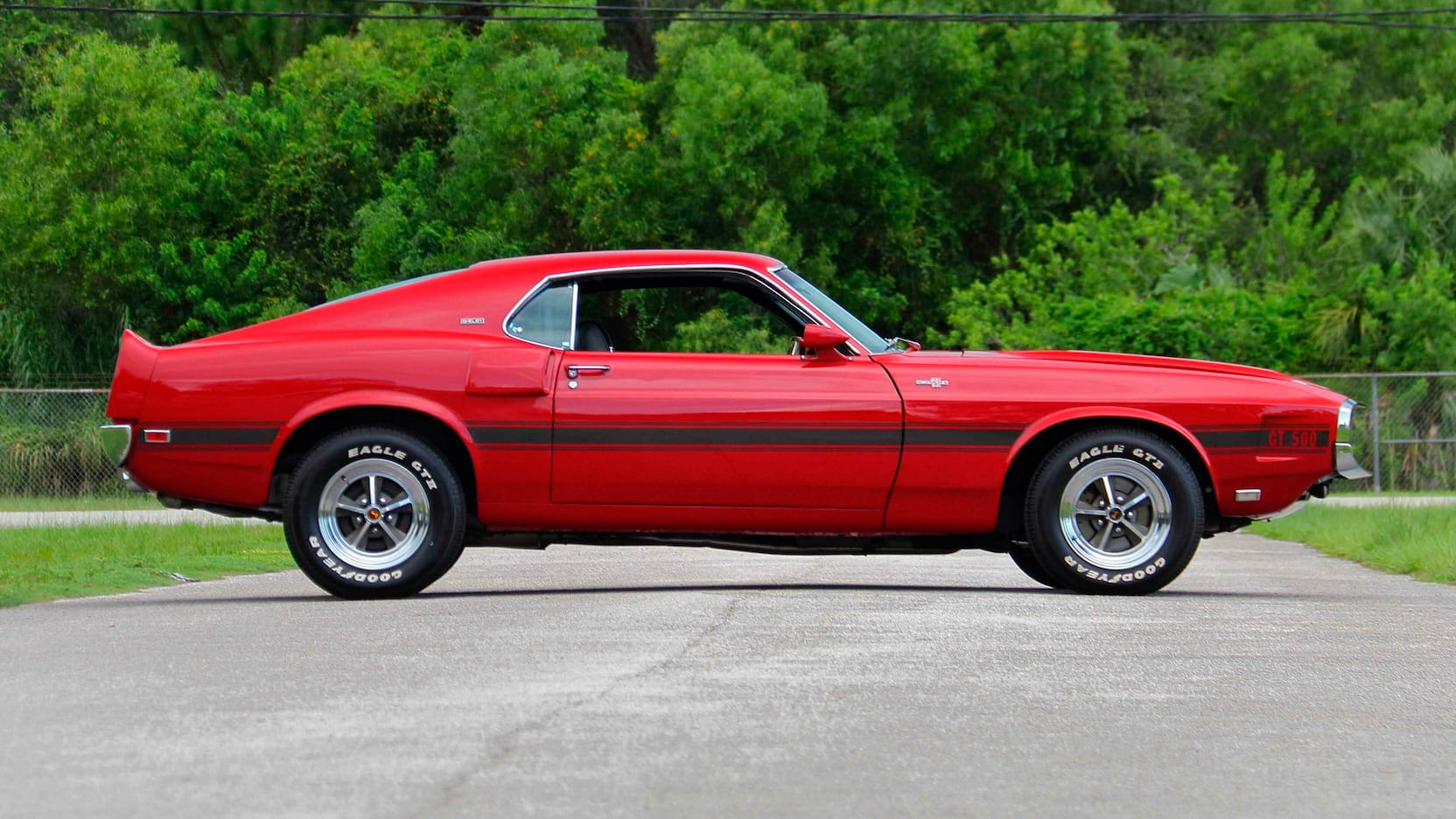
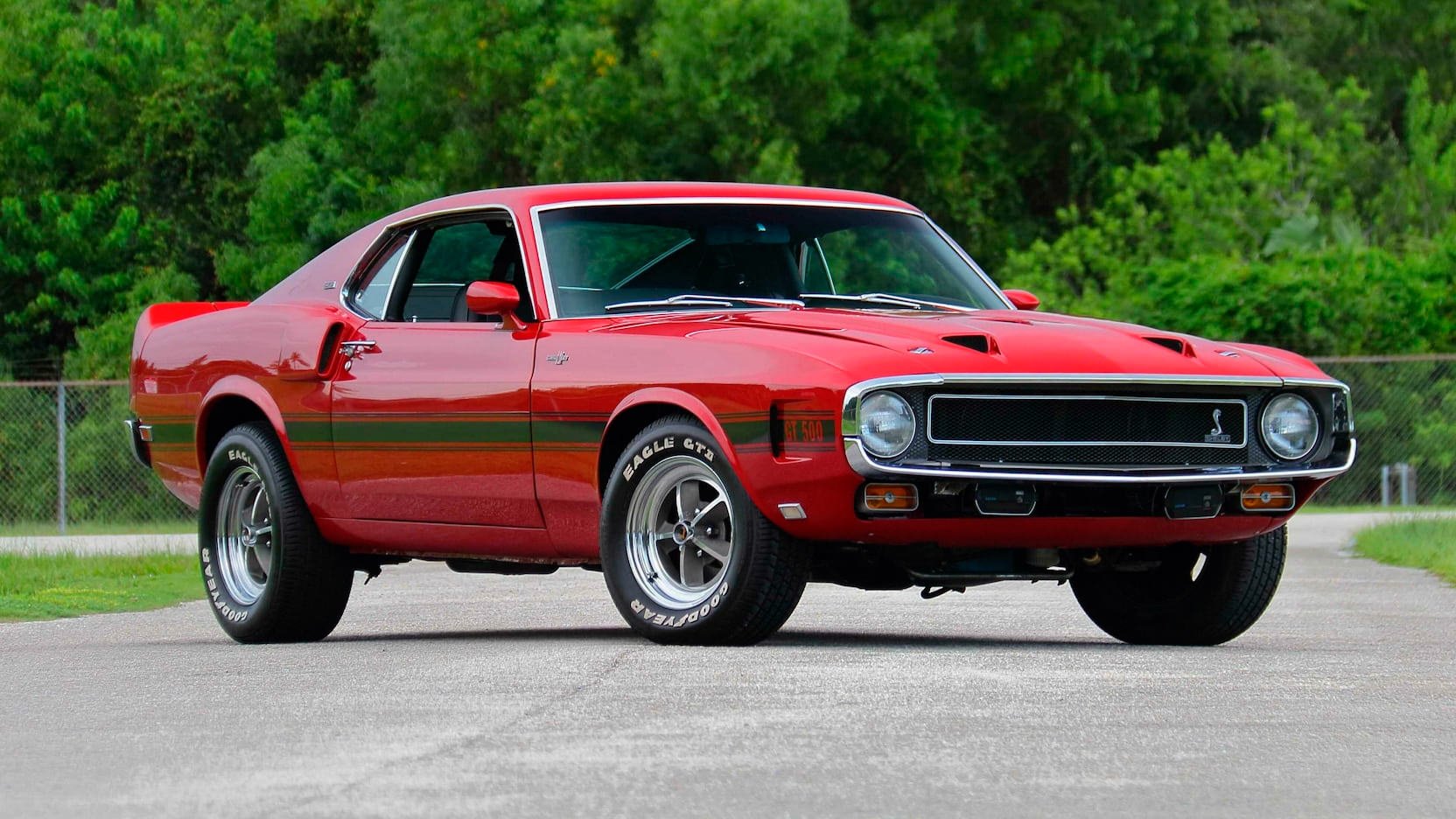
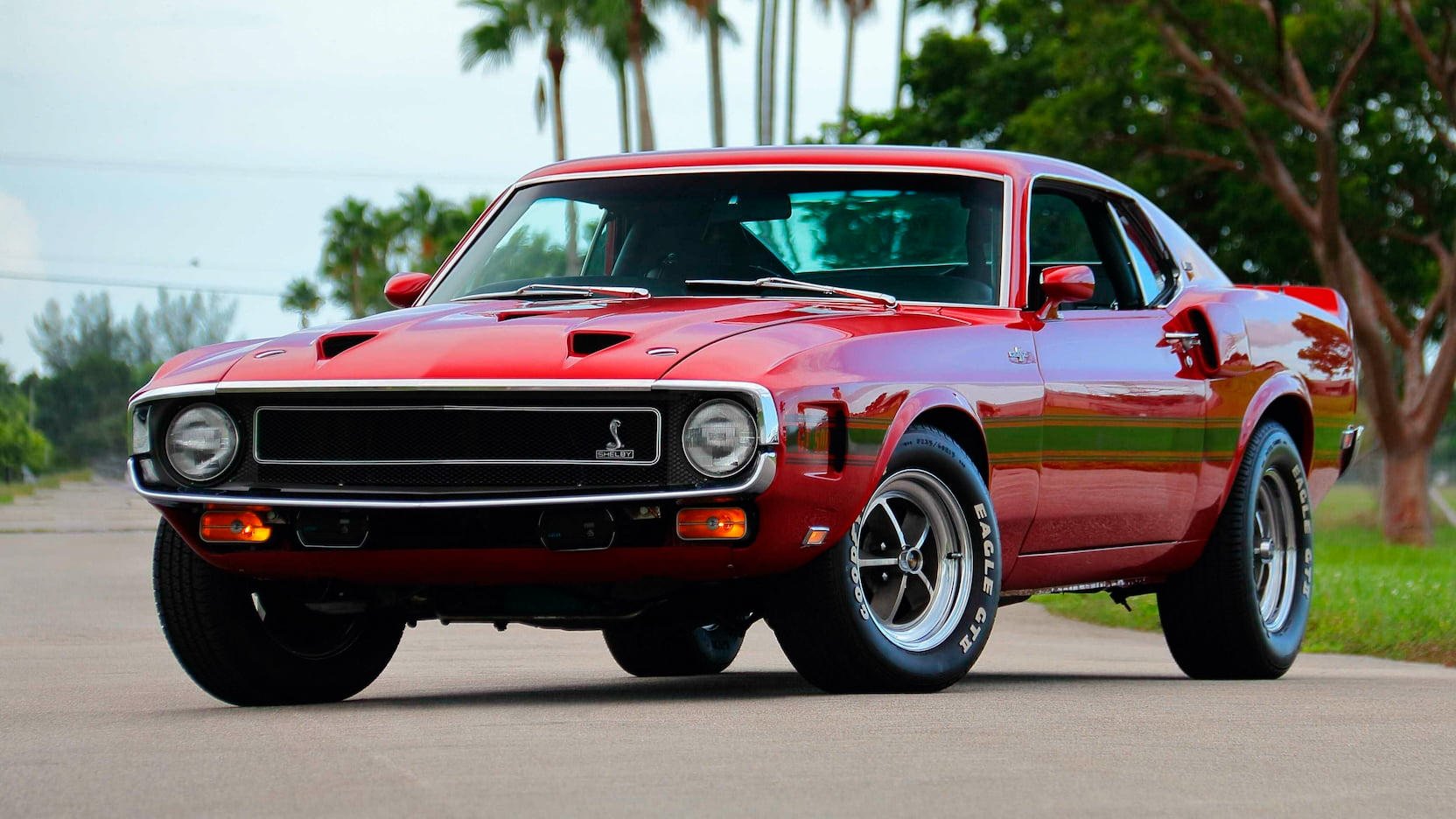
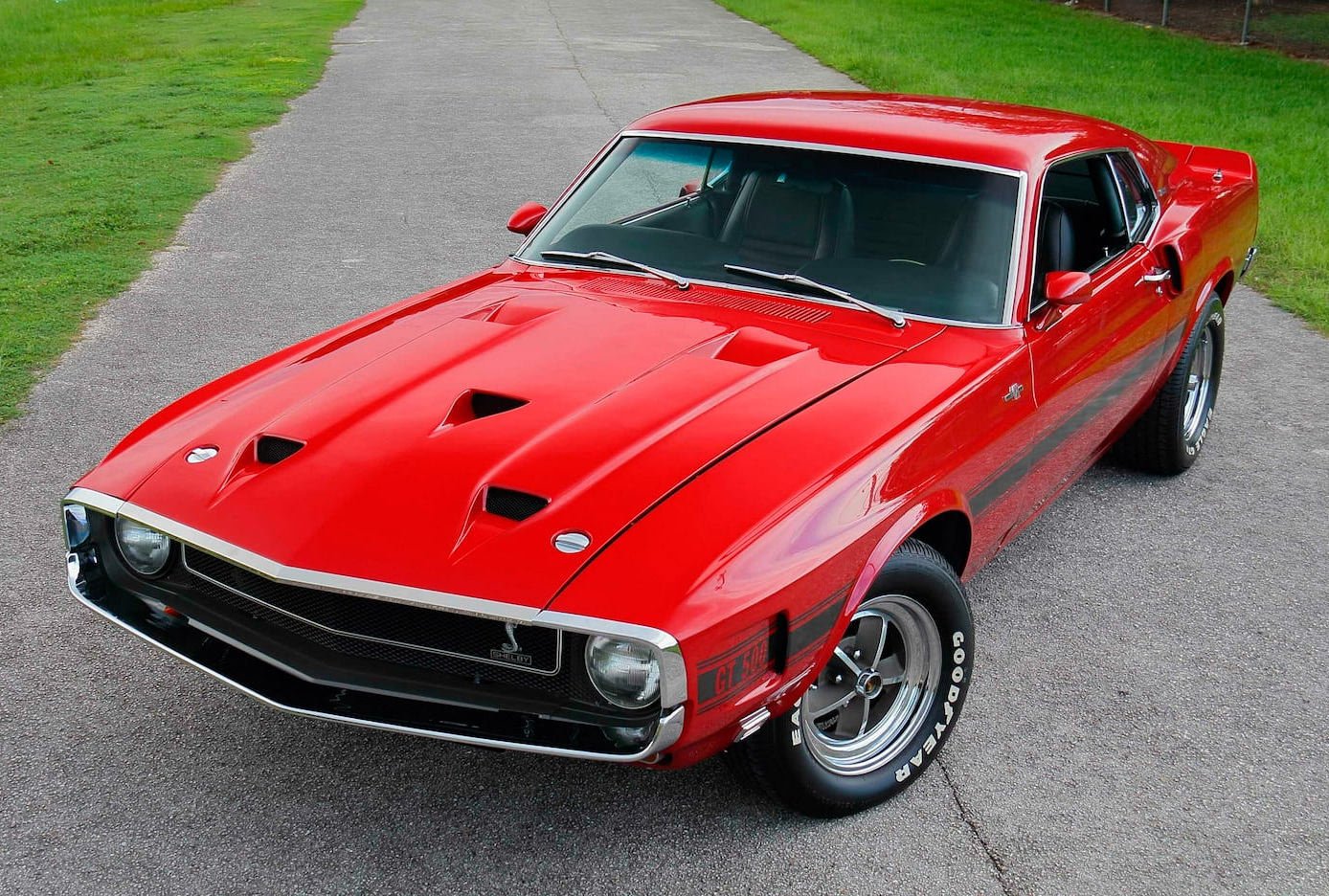
The GT500 you see here is undoubtably one of the more special examples extant due to the fact that, as mentioned up top, it belonged to Carroll Shelby personally. Shelby cars that belonged to Shelby himself always attract more attention when they come up for sale.

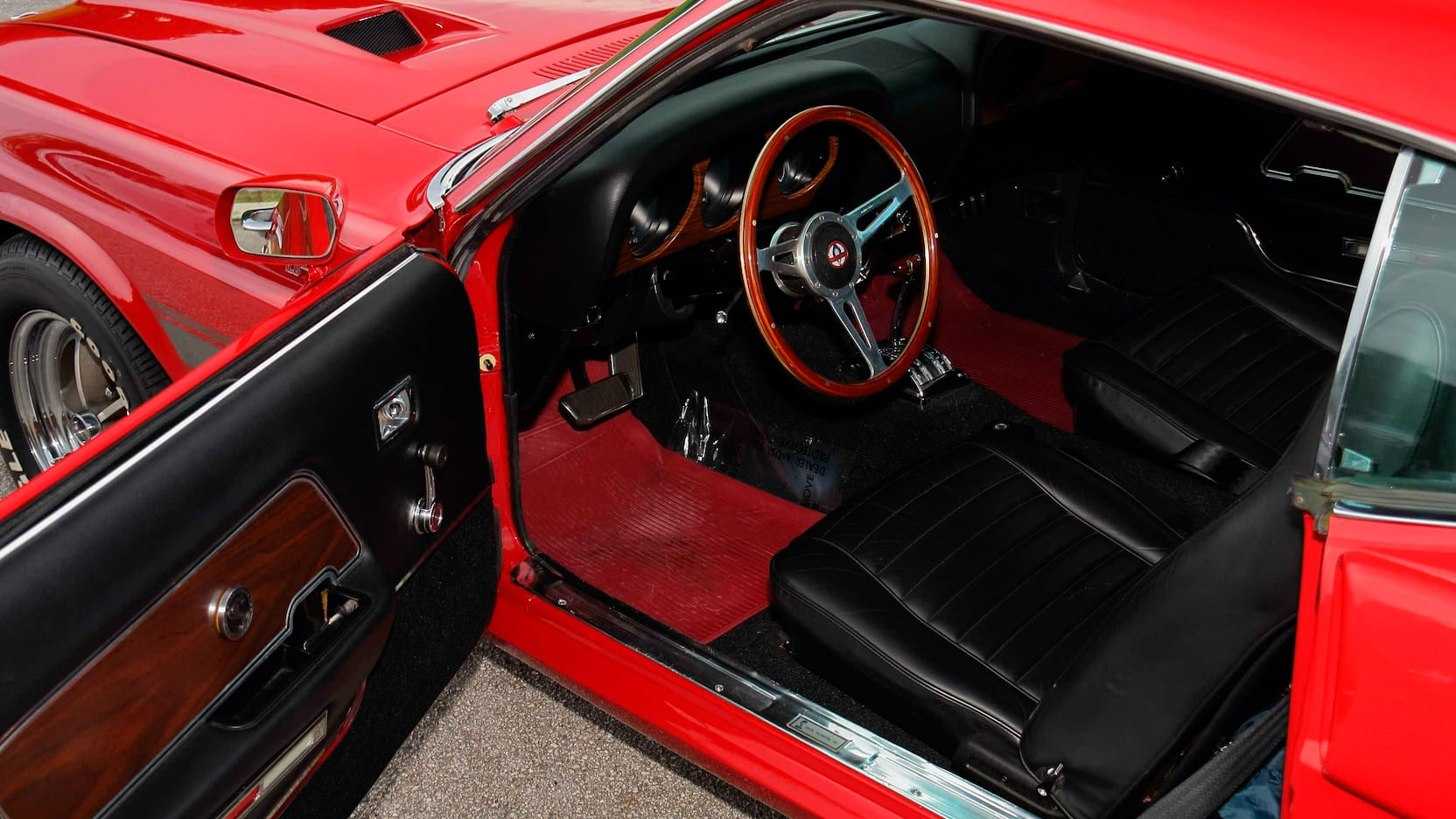
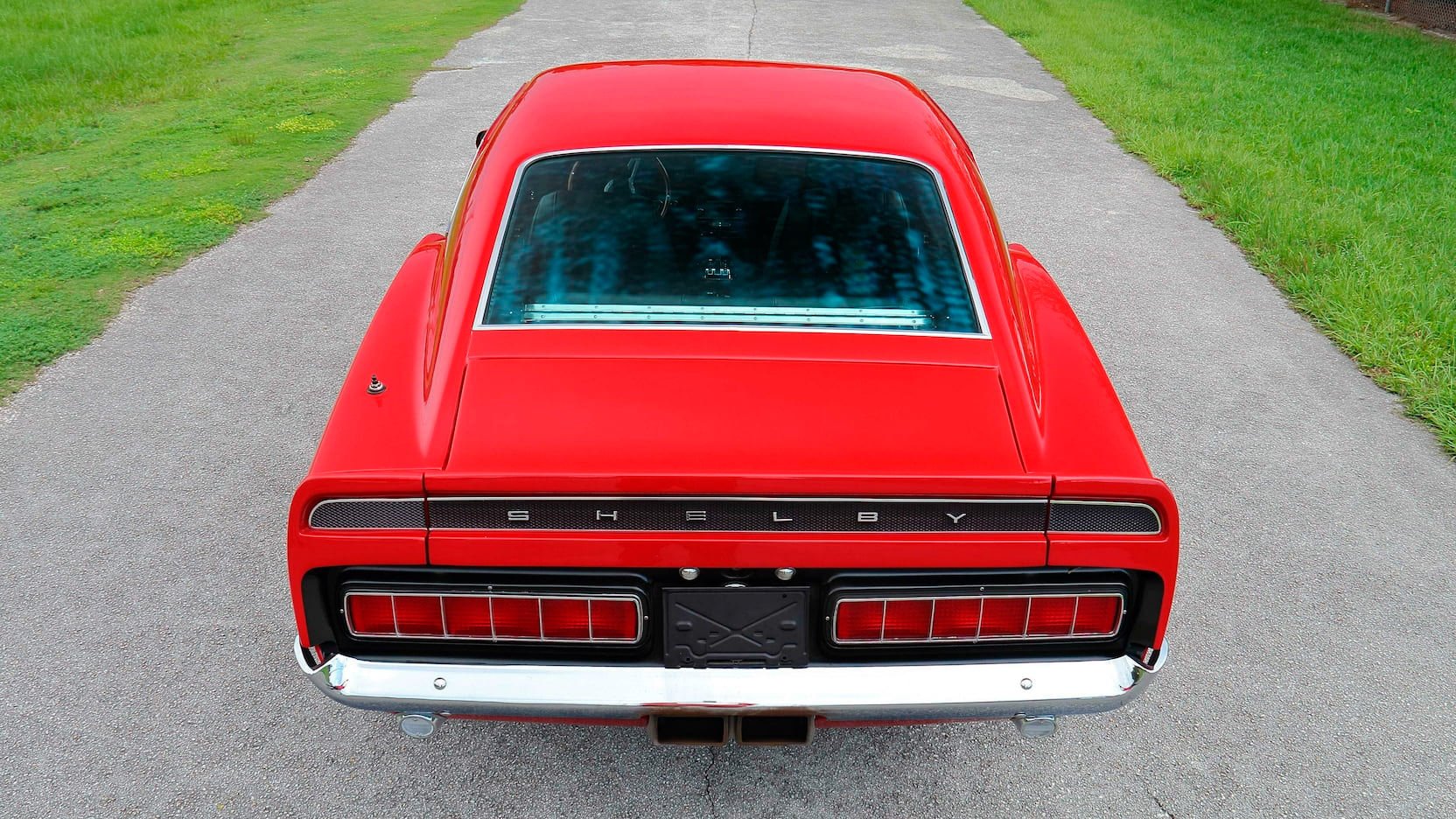
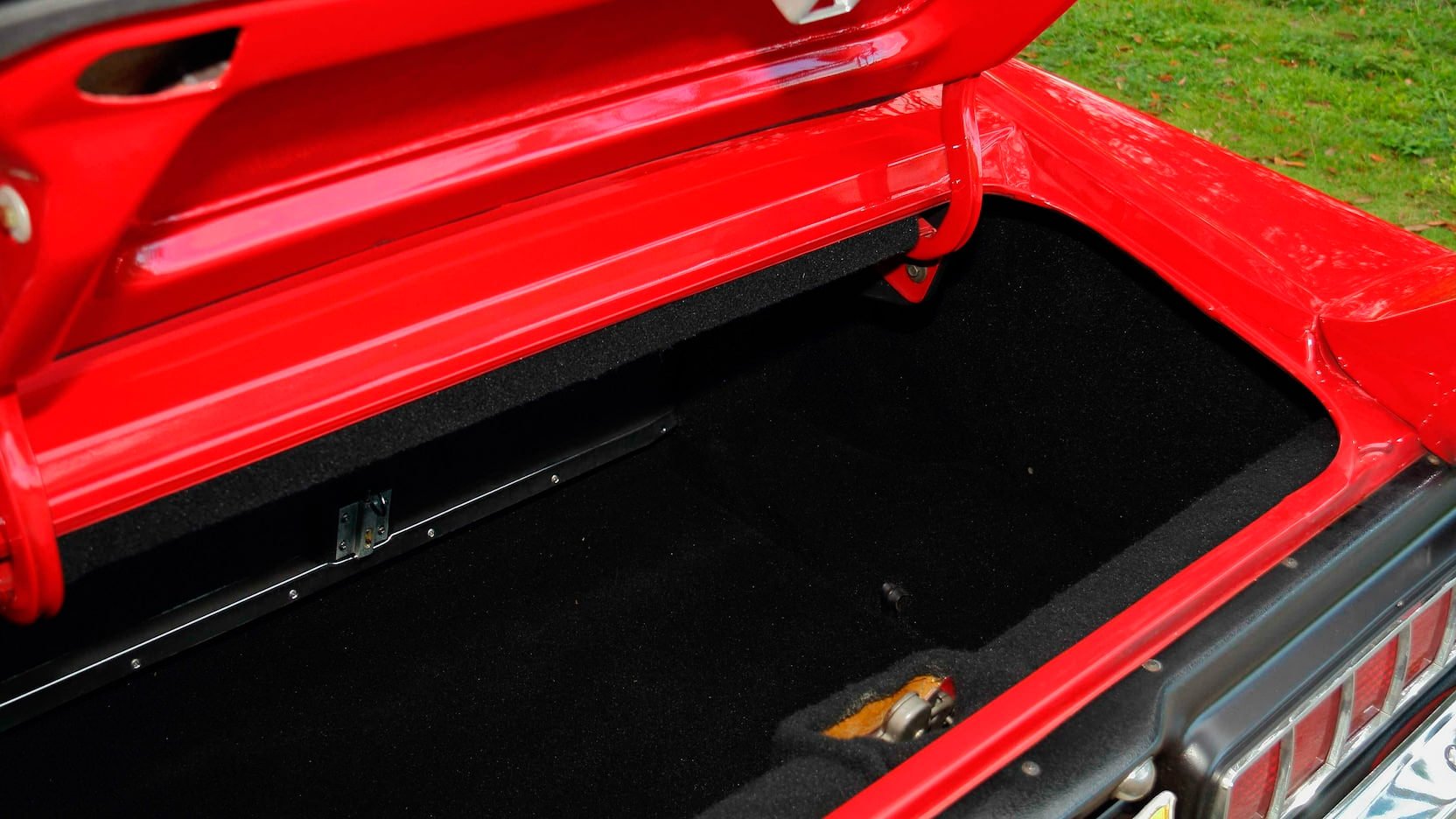
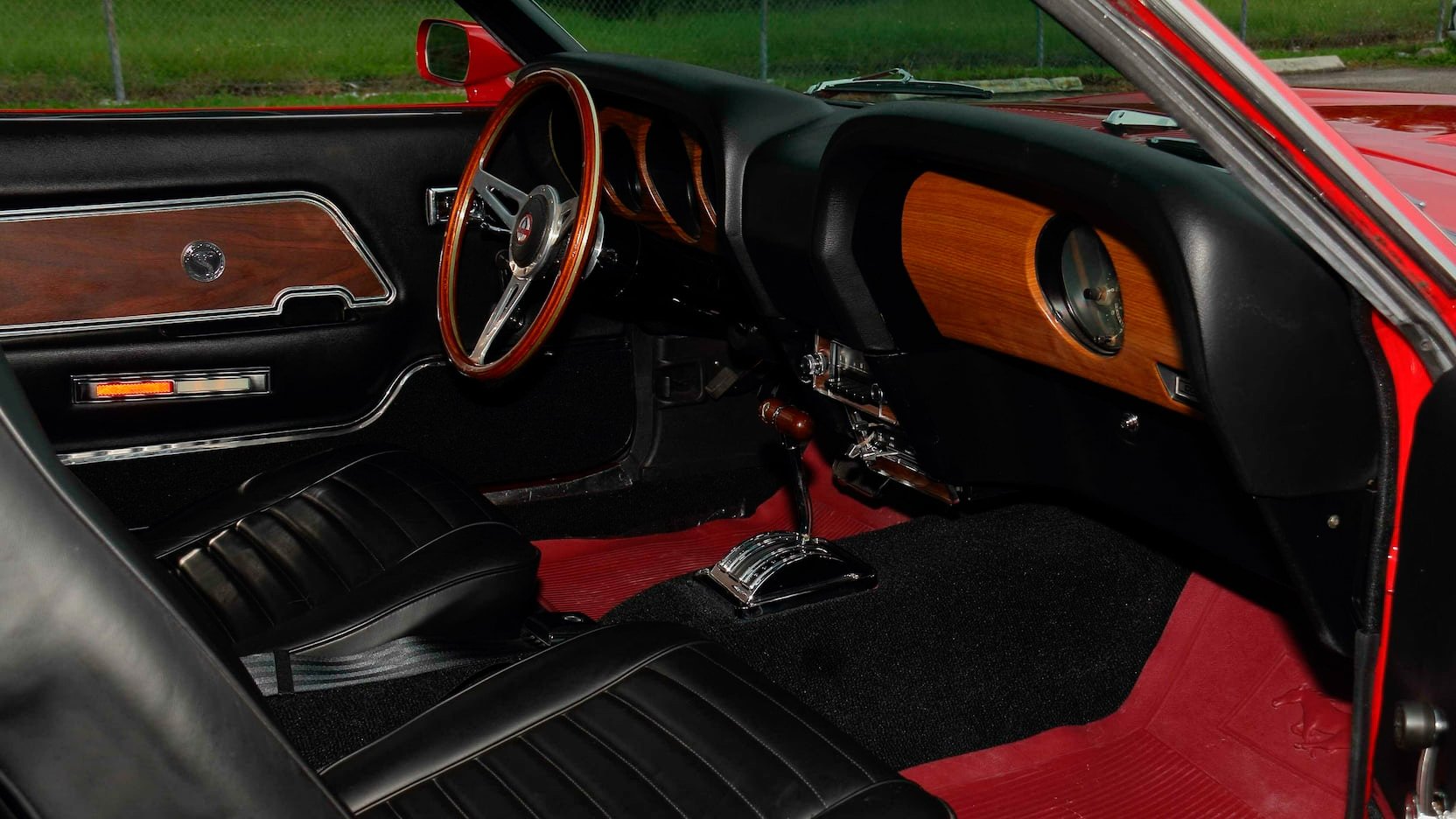
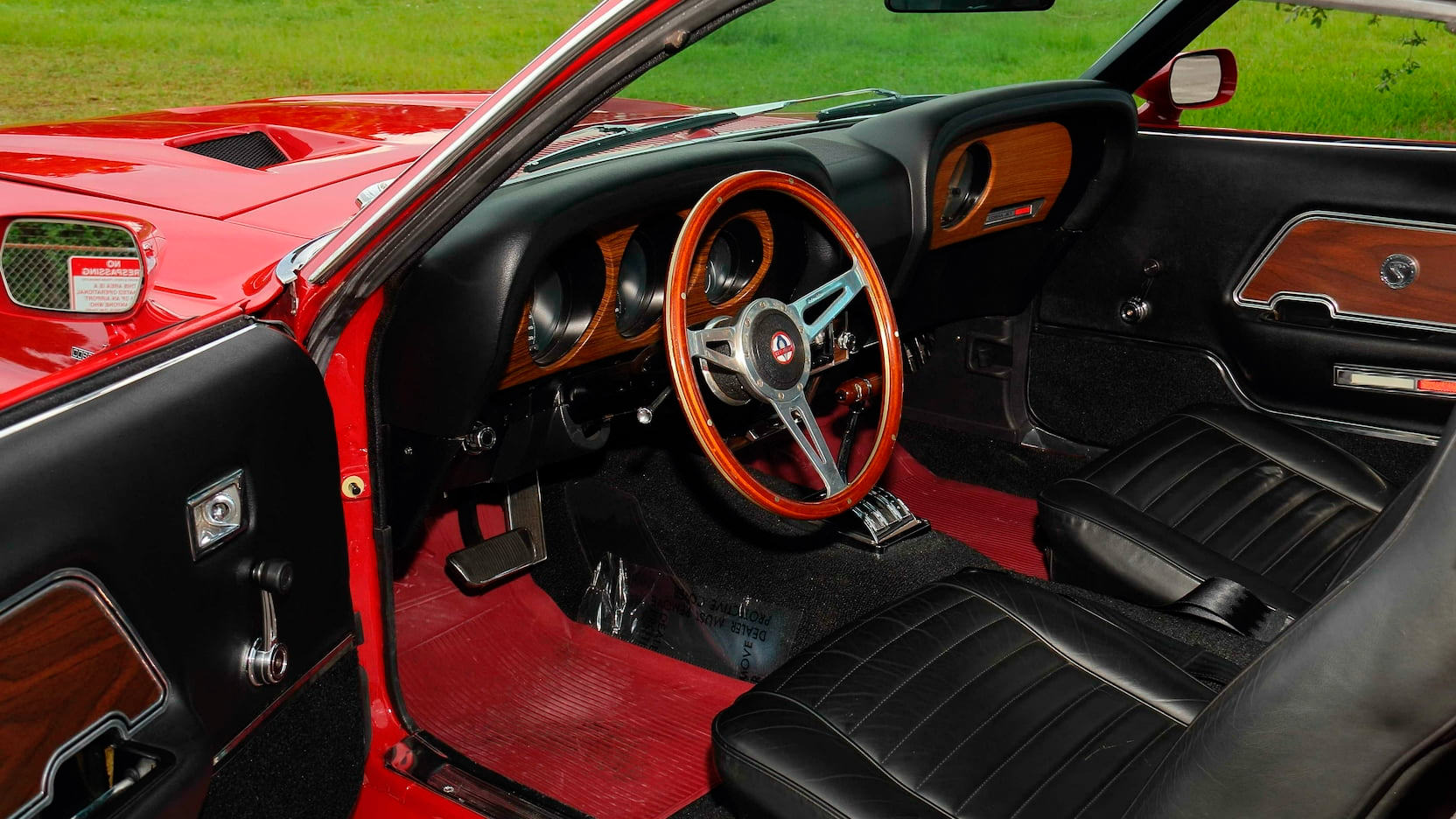
This car is fitted with the C6 automatic transmission and it’s finished in candyapple Red with a black interior, it has a Philco AM radio, a sport deck rear seat, power steering, a Traction-Lok differential, and it’s been through a comprehensive restoration.

If you’d like to read more about this GT500 or register to bid you can visit the listing here. It’s due to roll across the auction block with Mecum in January and at the time of writing there is no price guide listed.
Shelby GT500 3 Shelby GT500 19 Shelby GT500 18 Shelby GT500 17 Shelby GT500 16 Shelby GT500 15 Shelby GT500 14 Shelby GT500 12 Shelby GT500 10 Shelby GT500 9 Shelby GT500 8 Shelby GT500 7 Shelby GT500 6 Shelby GT500 4

Images courtesy of Mecum
The post Carroll Shelby’s Personal Shelby GT500 Is For Sale appeared first on Silodrome.


from Silodrome https://silodrome.com/carroll-shelby-gt500/
via gqrds

A Rare 6×6 “Lunar Jeep” – The Poncin VP2000

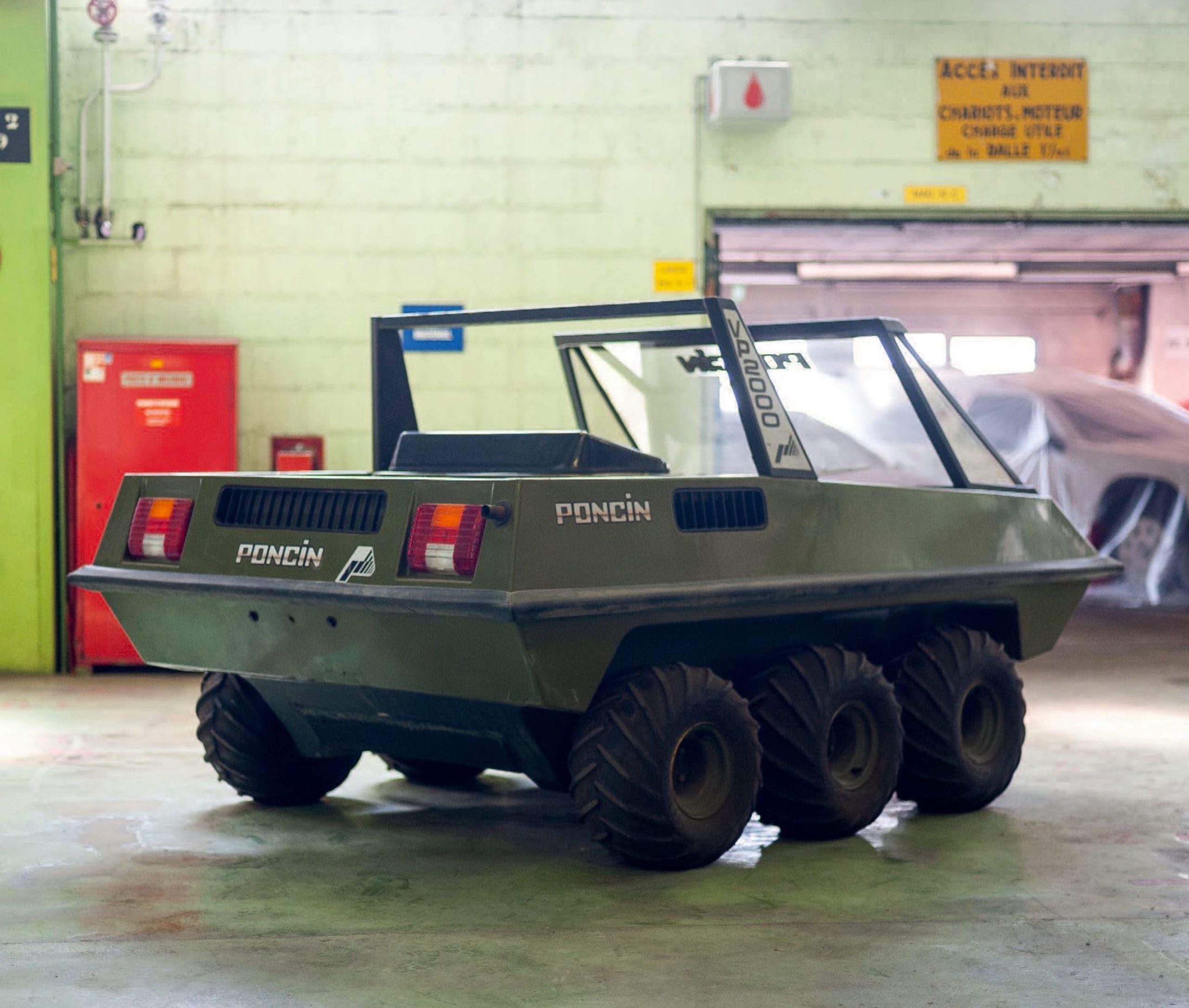
This is a Poncin VP2000, it’s a rare 6×6 amphibious vehicle developed in France in the 1970s. For obvious reasons it was nicknamed the “Lunar Jeep” and it quickly found favor in regions with difficult terrain – particularly ski resorts.

The 1970s sci-fi styling of the Poncin led to its nickname and it established the company as a respected manufacturer of 6×6 amphibious vehicles, a number of other models would follow in the VP line including tracked full-cab snow vehicles and Jeep-like 4x4s.

Fast Facts – The Poncin VP2000

  • The Poncin VP2000 was developed by Gilles Poncin after a 6×6 vehicle he had bought from America secondhand at auction turned out to be unusable. He created his own version with a slew of upgrades and released it in 1980.
  • The VP2000 has a fiberglass tub-like body and three axles turning six wheels, steering is accomplished by braking the wheels on one side which turns the vehicle like a tank.
  •  The engine used in the VP2000 was sourced from the Citroën 2CV, a simple air-cooled flat-twin with a displacement of 602cc and 29 bhp.
  • After the VP2000 Véhicules Poncin SA released the VP2025, VP2500, VP2600, 2800, VP3000, VP5000, and a series of 4×4 and 6×6 Jeep-like vehicles.

Véhicules Poncin SA

Véhicules Poncin SA was founded in 1974 after Gilles Poncin bought himself a 6×6 amphibious vehicle from the United States to drive around his property and have fun with his kids.

Poncin VP2000 3

The simple fiberglass body doubles as a watertight hull, allowing it to float and be used as a boat.

The vehicle was secondhand and it proved to be in poor condition, Poncin reverse engineered it and developed his own new-and-improved version using many locally-sourced French components.

Poncin would operate from 1974 until 1993 and their vehicles are now considered highly collectible by enthusiasts, with spare parts acquisition made somewhat easier by the use of many French parts, like the Citroën 2CV engine used in the original VP2000.

The Poncin VP2000

The Poncin VP2000 was the first production vehicle from Poncin, it was released in 1980 after years of development and a number of prototypes. The VP2000 is both a six-wheel drive and amphibious, making it capable of crossing almost any terrain.

Poncin VP2000 1

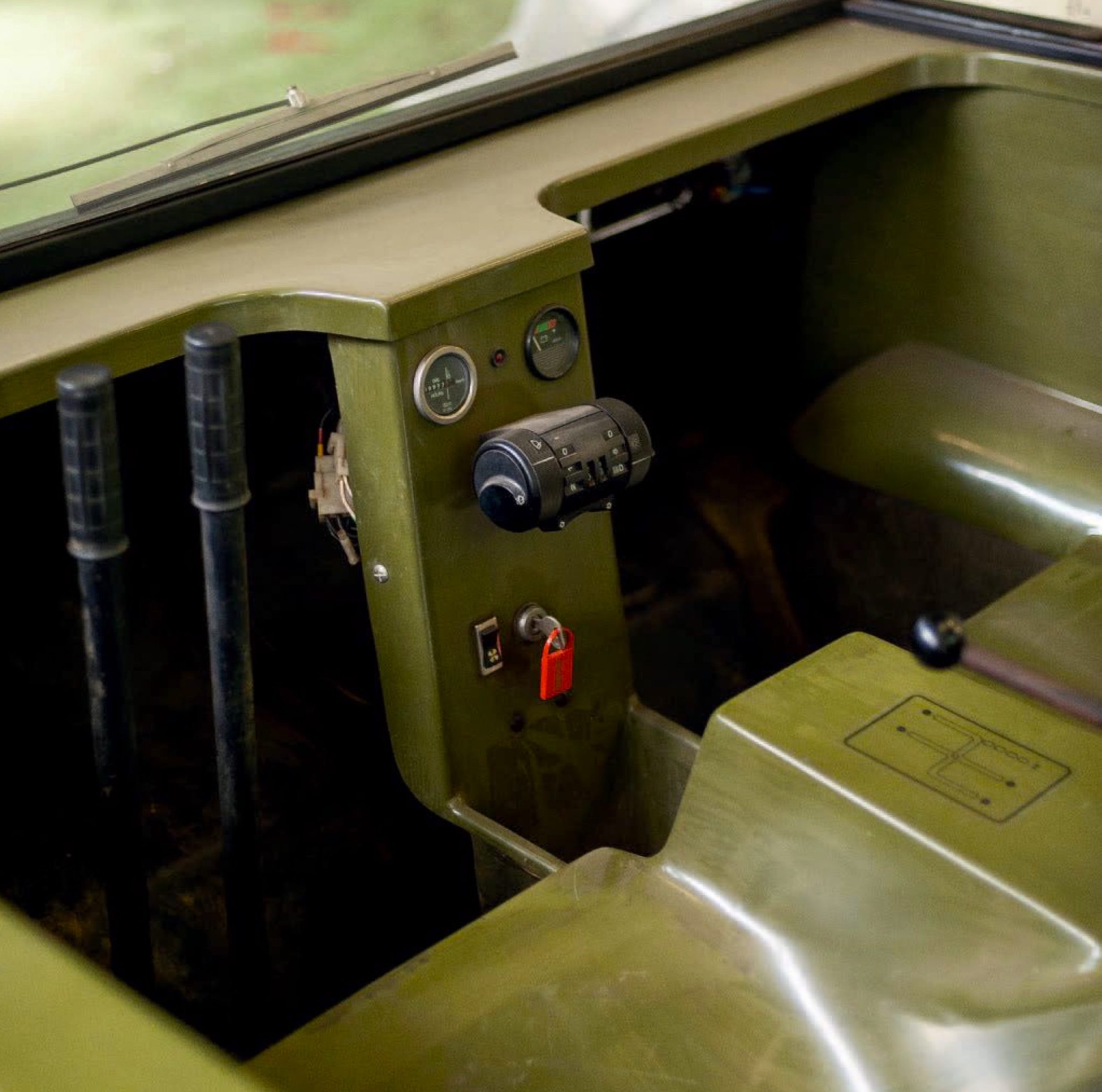
The controls consist of two sticks, you push them both forwards to go forwards, pull them both backwards to reverse and push one forward and one backward to turn.

Tracked versions of the VP2000 were made, they incorporated a rubber belt around the three wheels on each side similar to a tank, this gave the vehicle an increased footprint and made it usable on soft snow, deep mud, and other loose or challenging surfaces.

The fundamental design of the VP2000 used many pre-existing concepts, it has a watertight fiberglass tub-like body designed to double as a boat hull and three are three axles powering six wheels in total – three per side.

Turning is accomplished by driving one set of wheels forwards while the other set has a break applied, similar to the turning system used on a tank. This allows the VP2000, and other similar 6×6 vehicles, to turn 360º on the spot.

Power was provided by one of the toughest French engines ever designed, the air-cooled, flat-twin from the Citroën 2CV with 29 bhp and a displacement of 602cc. Though no powerful by any measure the 2CV engine was simple and lightweight, and with the appropriate gearing it was more than capable of moving the VP2000 along at a suitable pace.

Poncin VP2000 2

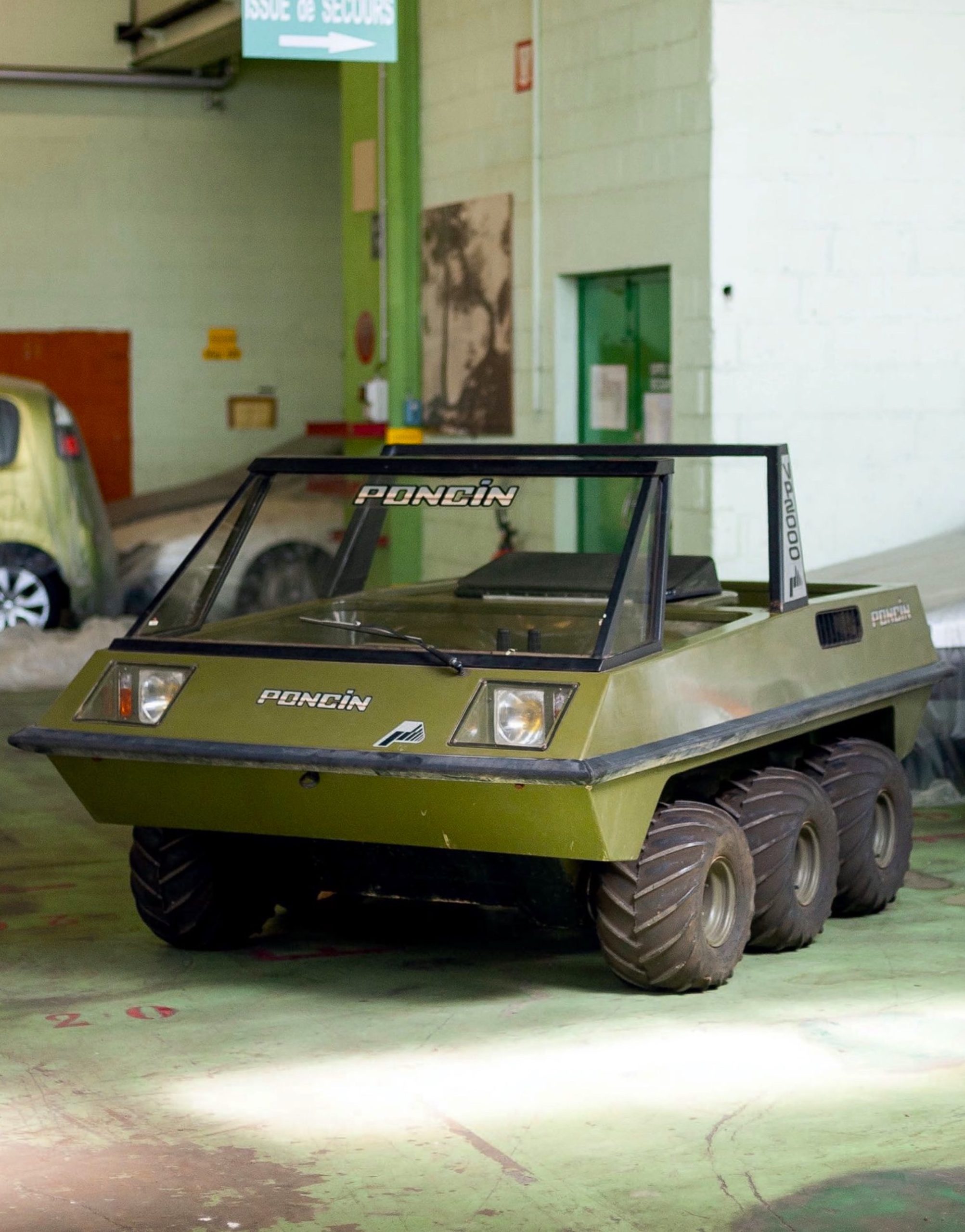
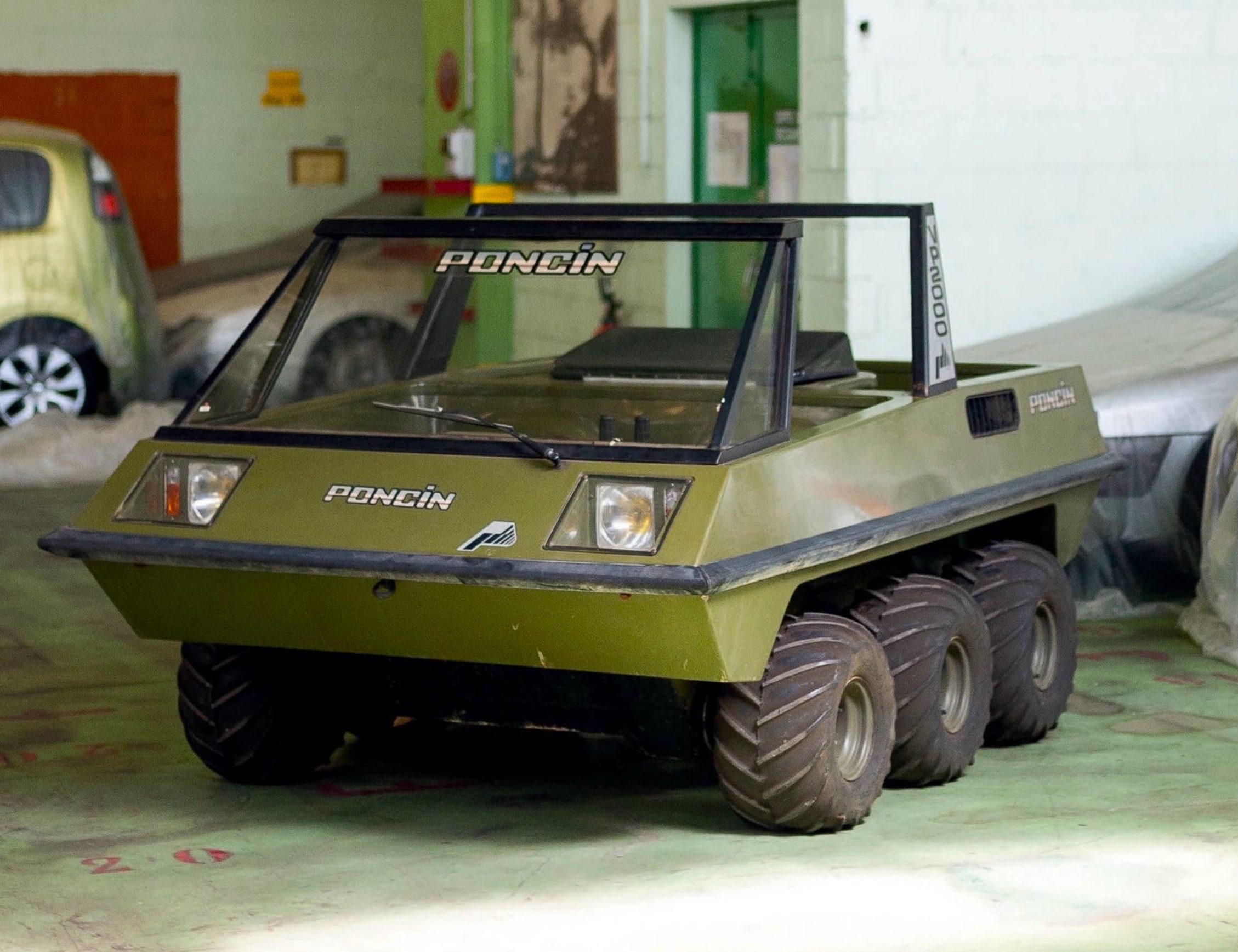
The angular design of the Poncin VP2000 led to it being nicknamed the “Lunar Jeep.”

The Poncin VP2000 would prove to be a great success for the fledgling company, it was soon followed by a slew of other similar vehicles including the VP2025, VP2500, VP2600, 2800, VP3000, VP5000, and a series of 4×4 and 6×6 Jeep-like vehicles.

The Poncin VP2000 Shown Here

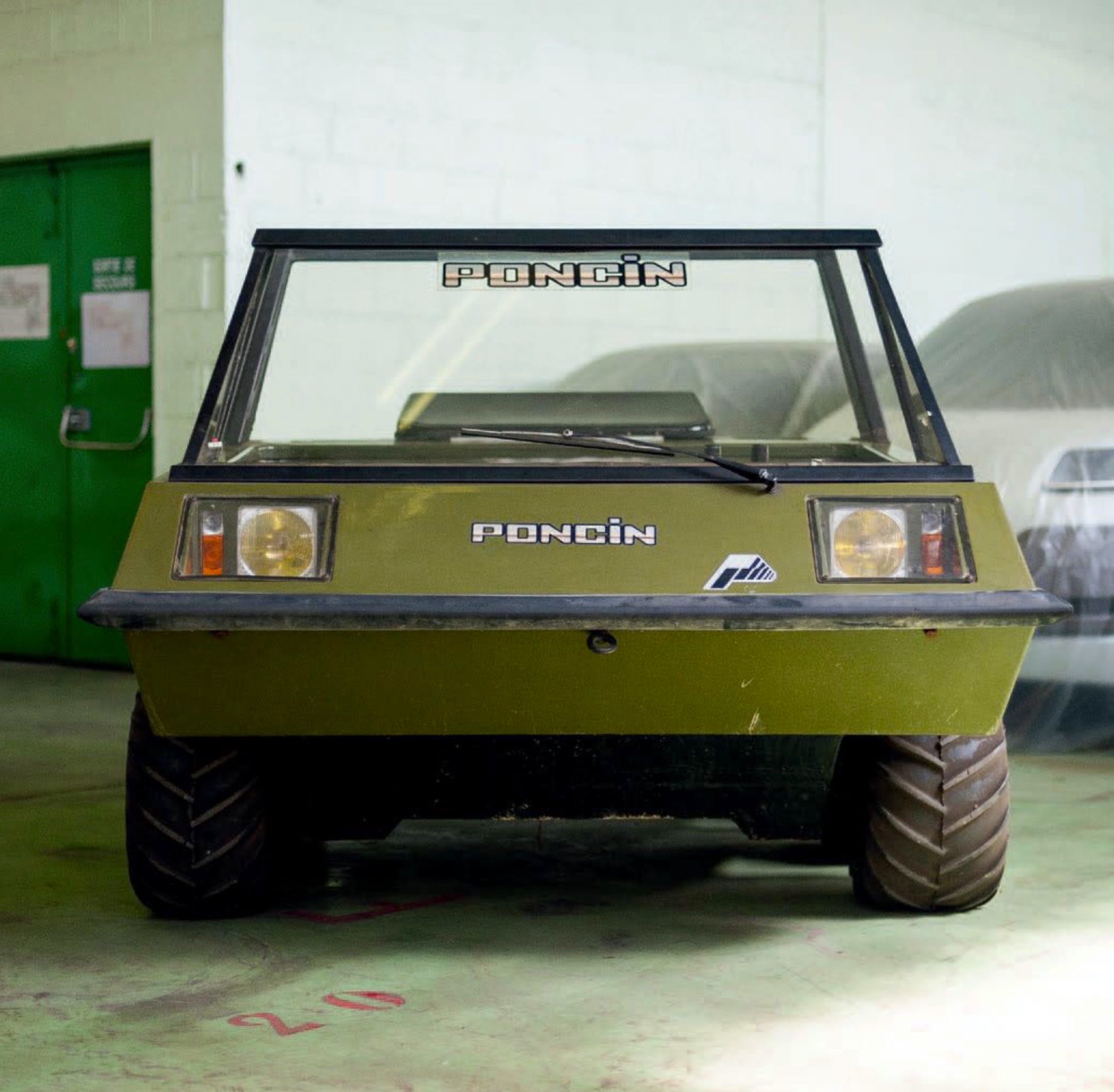
The Poncin VP2000 you see here is an original survivor, it’s finished in army green and comes in complete condition – though it obviously needs recommissioning.

It’s listed with 57 hours on the clock and it’s due to roll across the auction block with Aguttes on the 23rd of October with a price guide of €18,500 – €22,500 or approximately $18,160 – $22,080 USD.

If you’d like to read more about it or register to bid you can visit the listing here.

Poncin VP2000

Images courtesy of Aguttes

The post A Rare 6×6 “Lunar Jeep” – The Poncin VP2000 appeared first on Silodrome.


from Silodrome https://silodrome.com/poncin-vp2000-6x6/
via gqrds
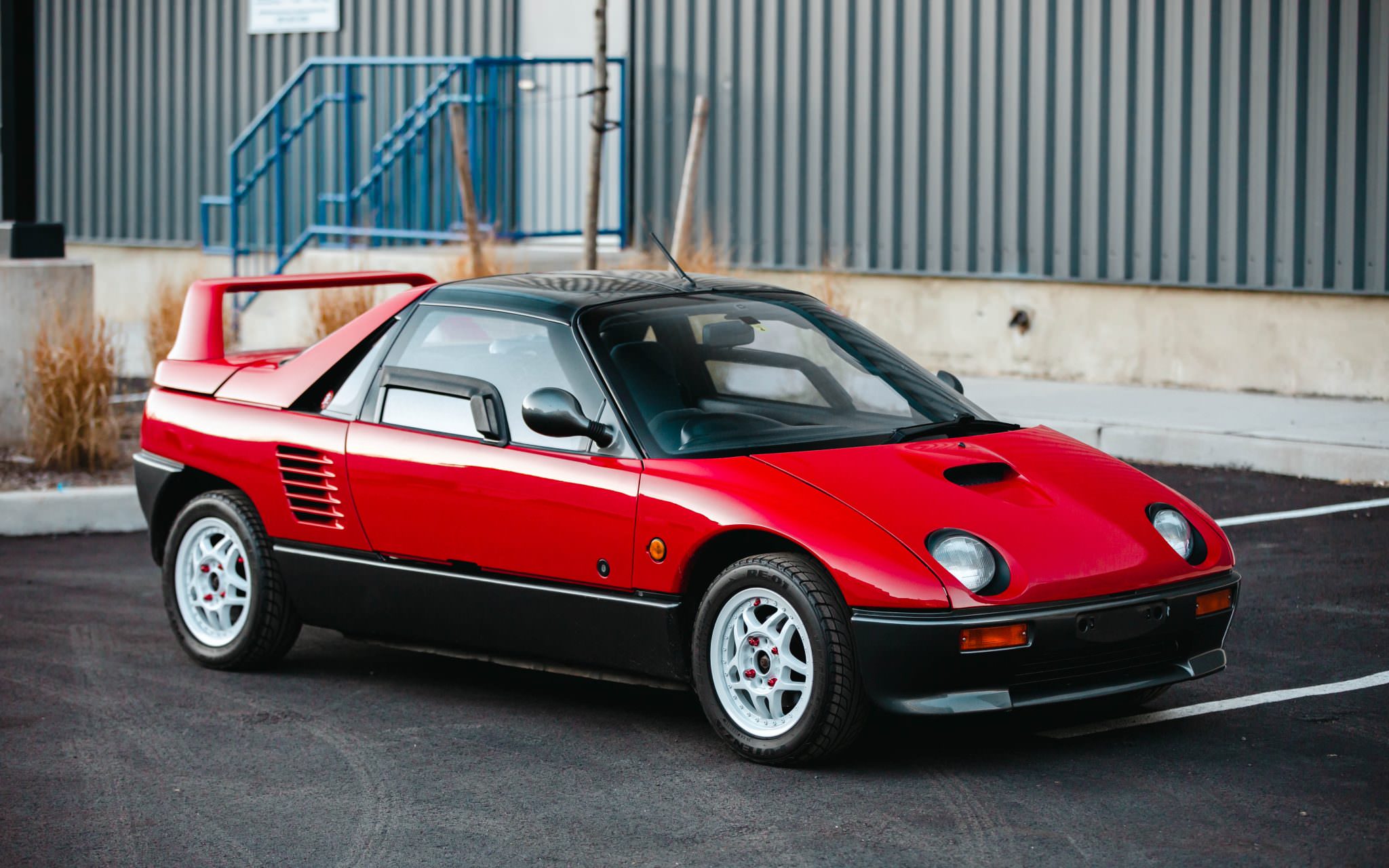
An Affordable Mid-Engined Gullwing Sports Car: The Autozam AZ-1

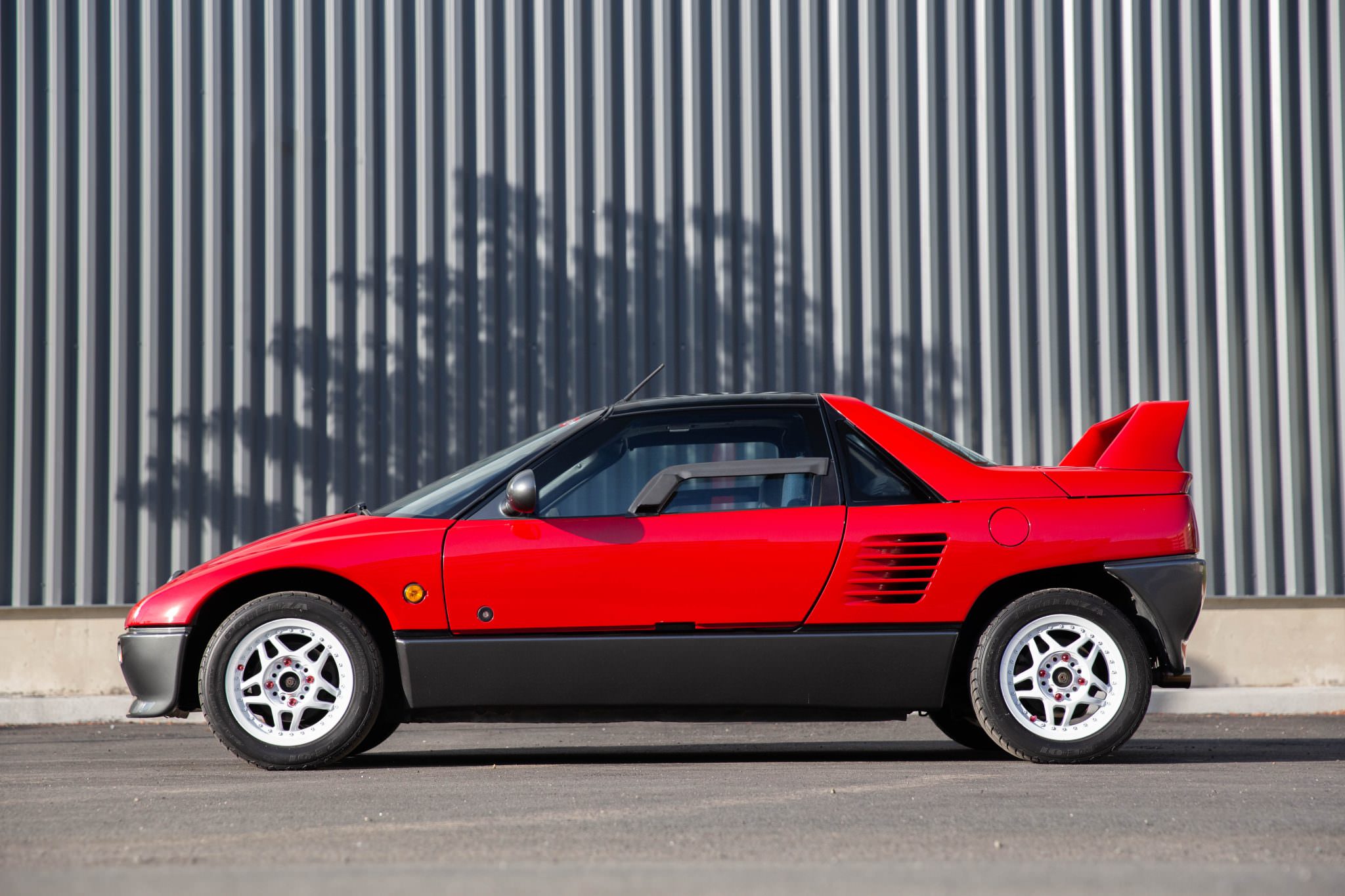
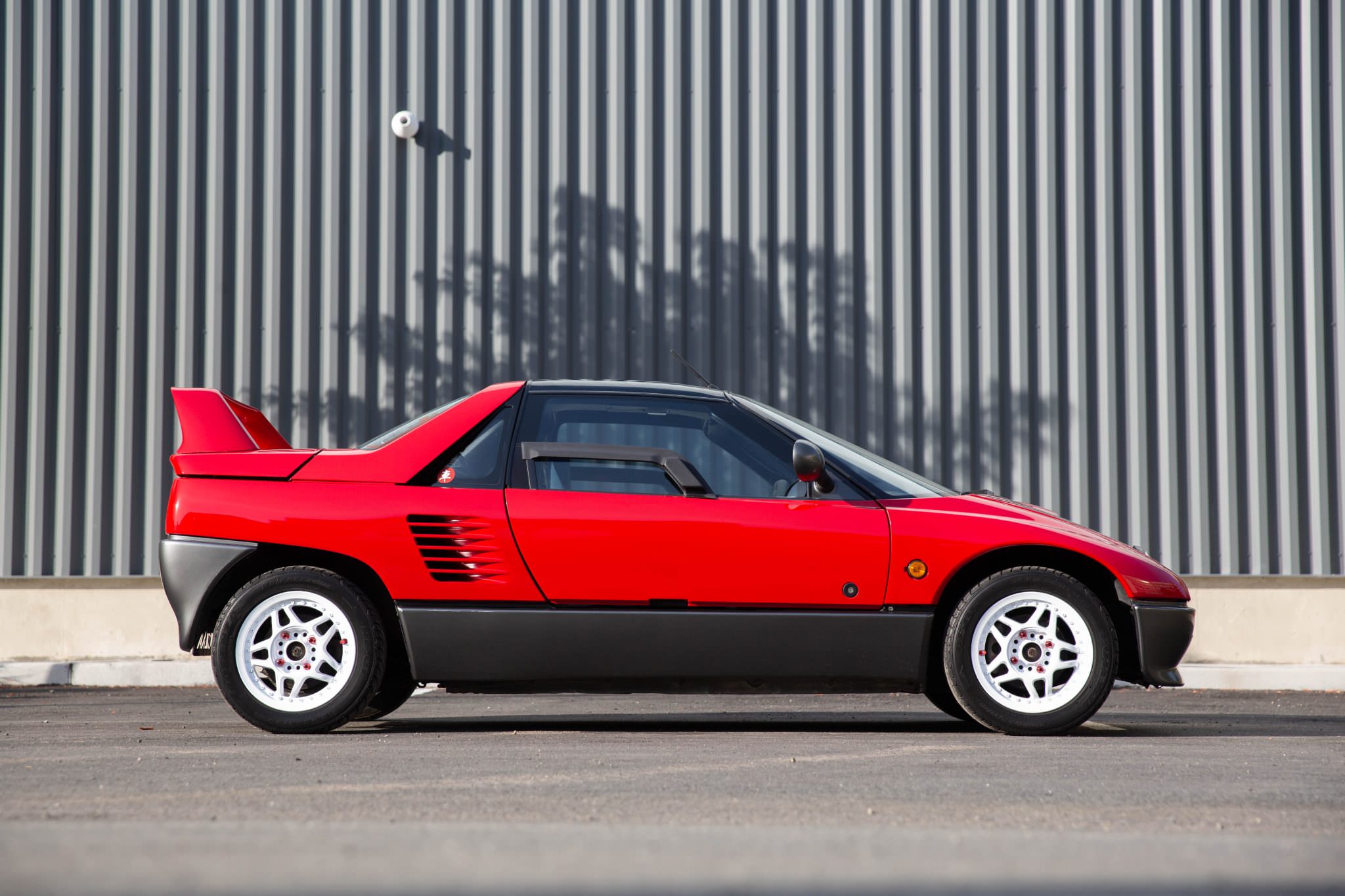
The Autozam AZ-1 is a car that even many die hard car guys have never heard of, largely because it was only ever offered in the Japanese domestic market.

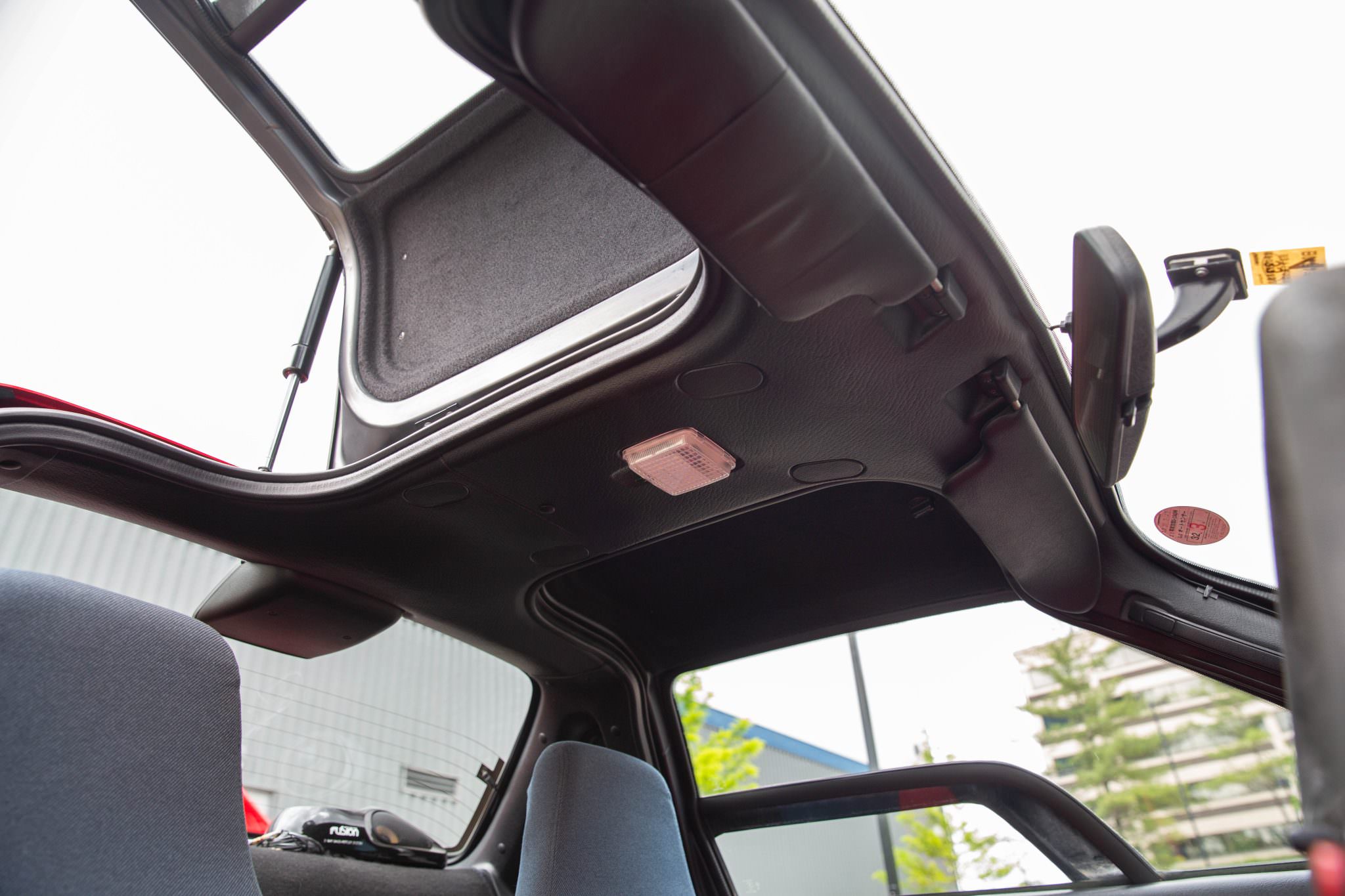
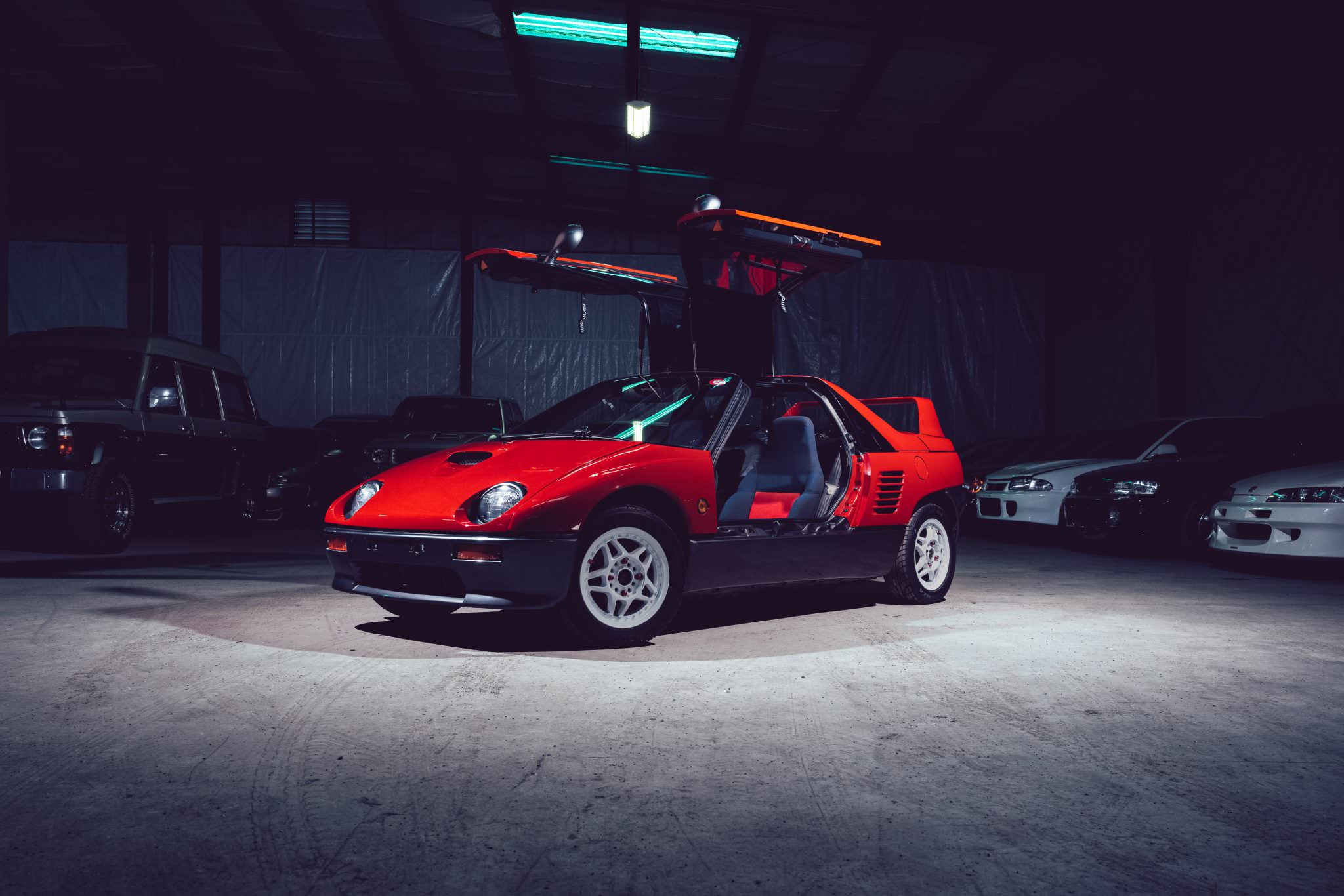
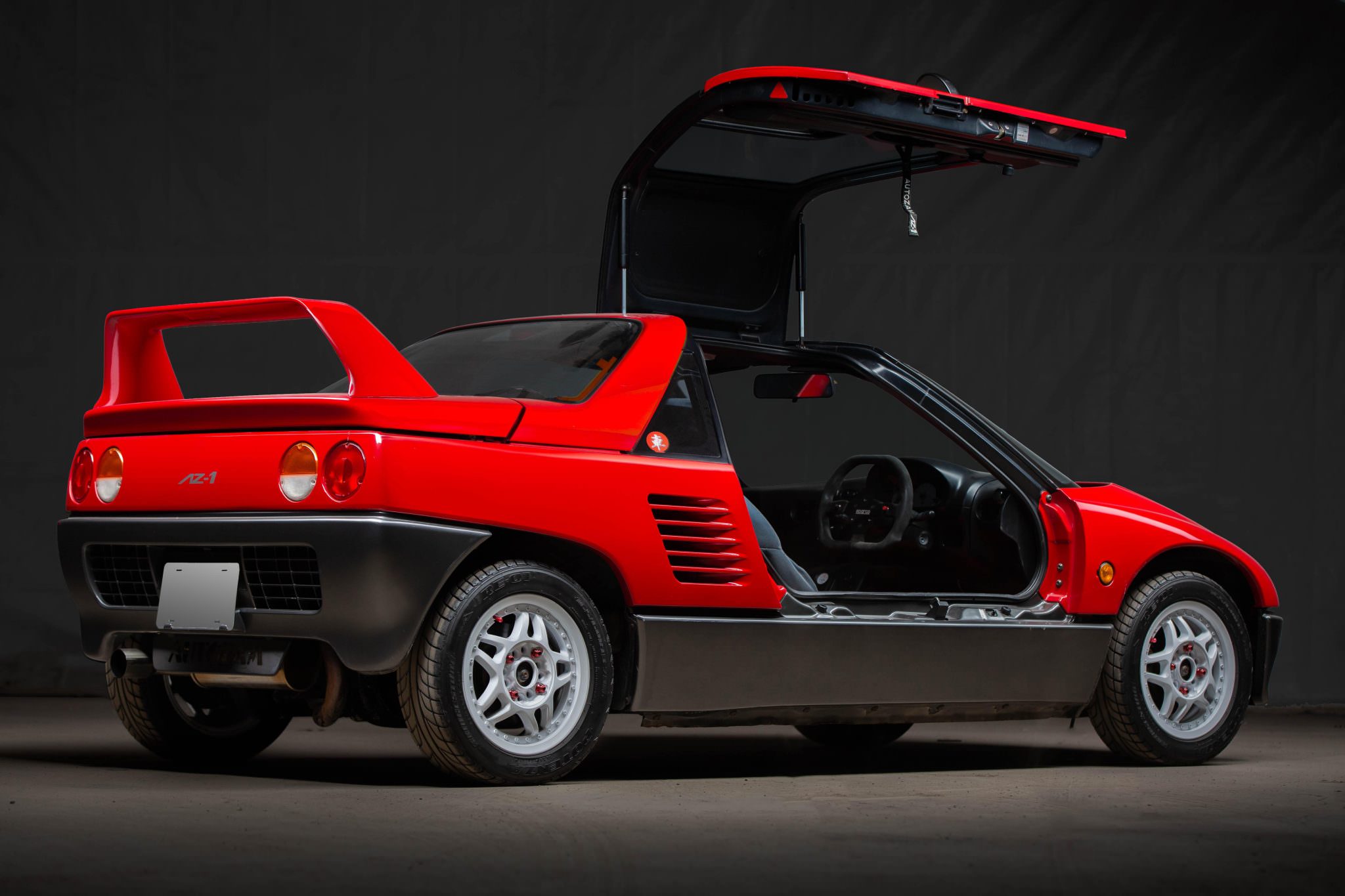
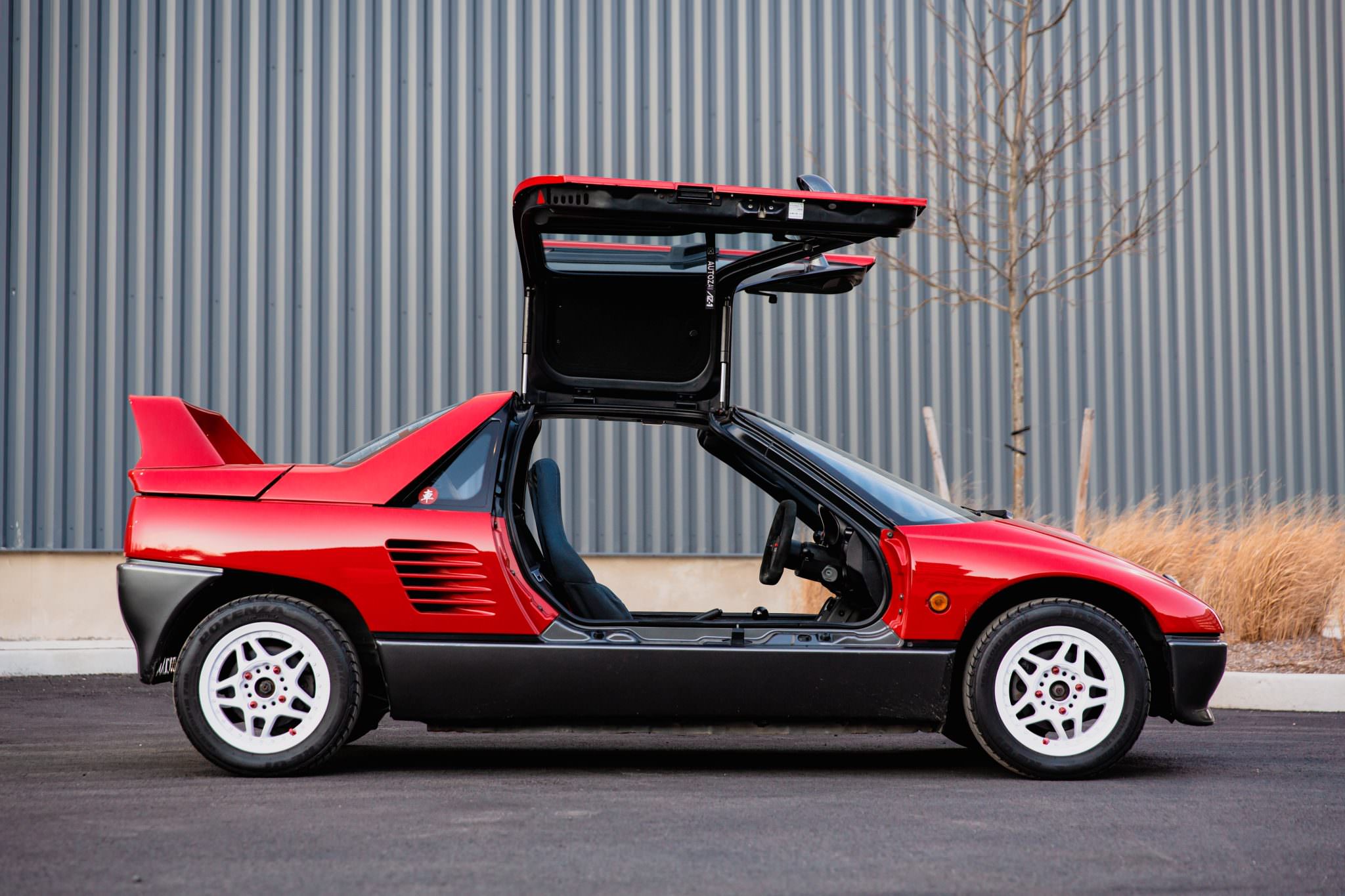
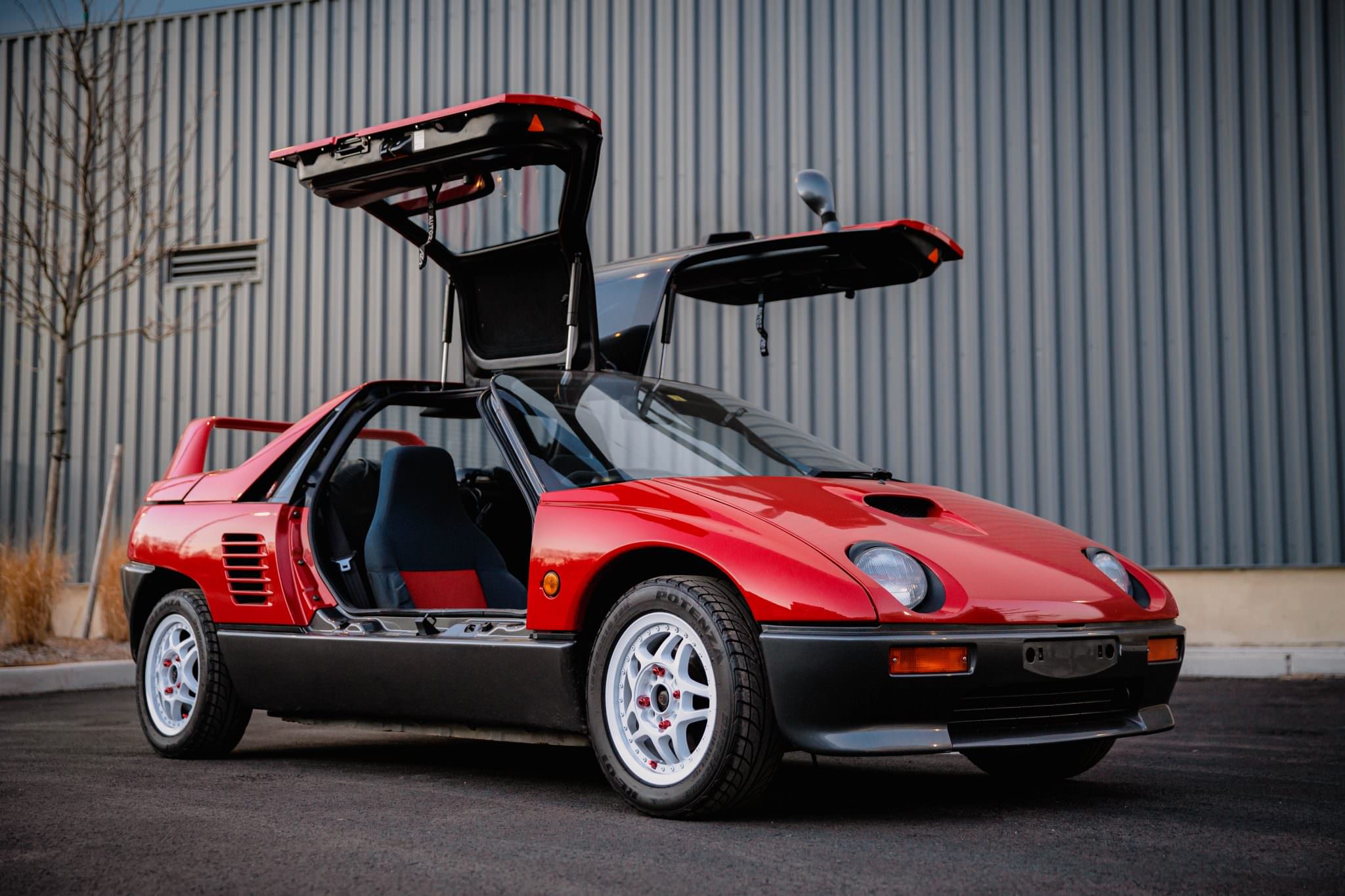
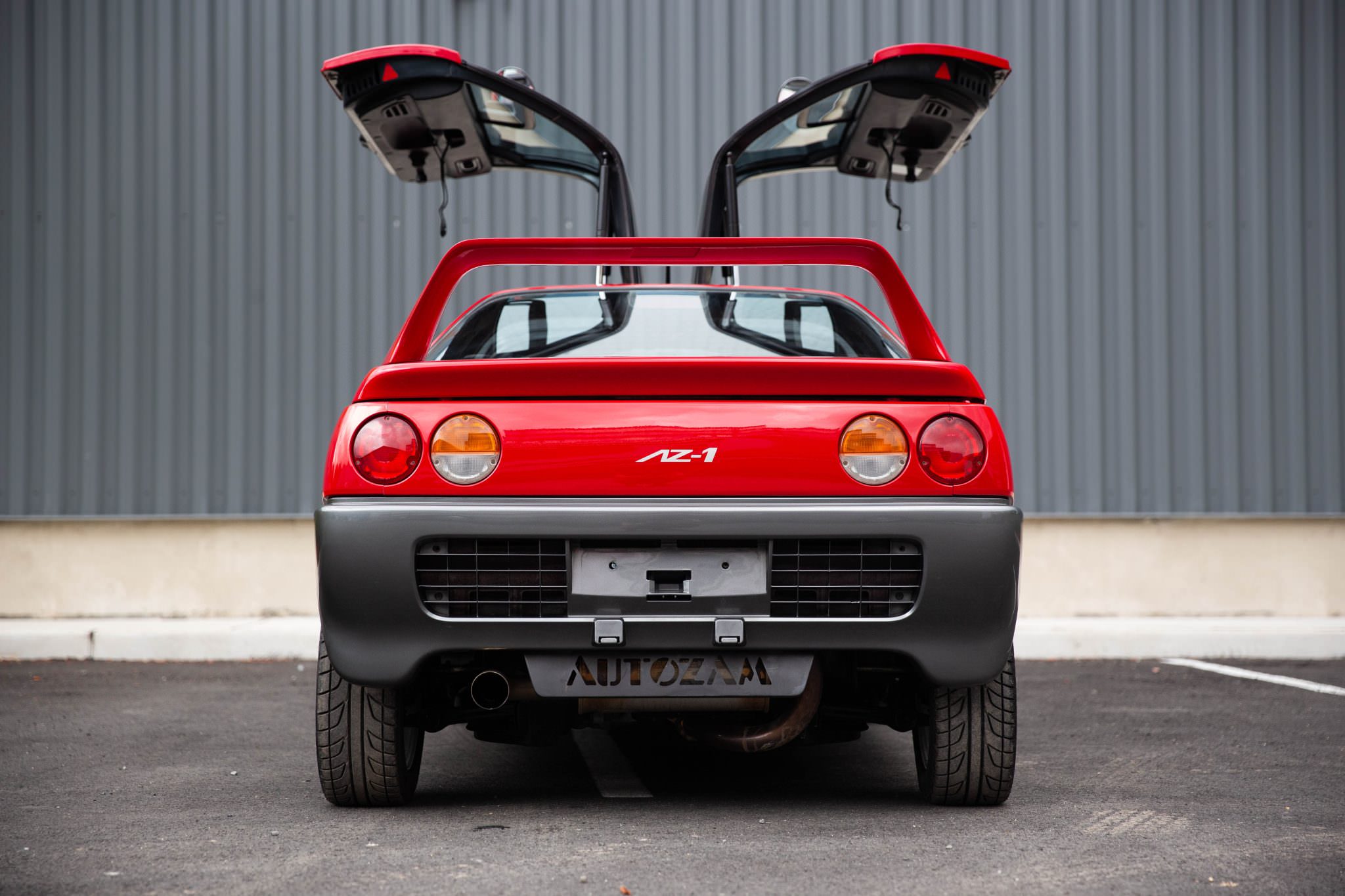
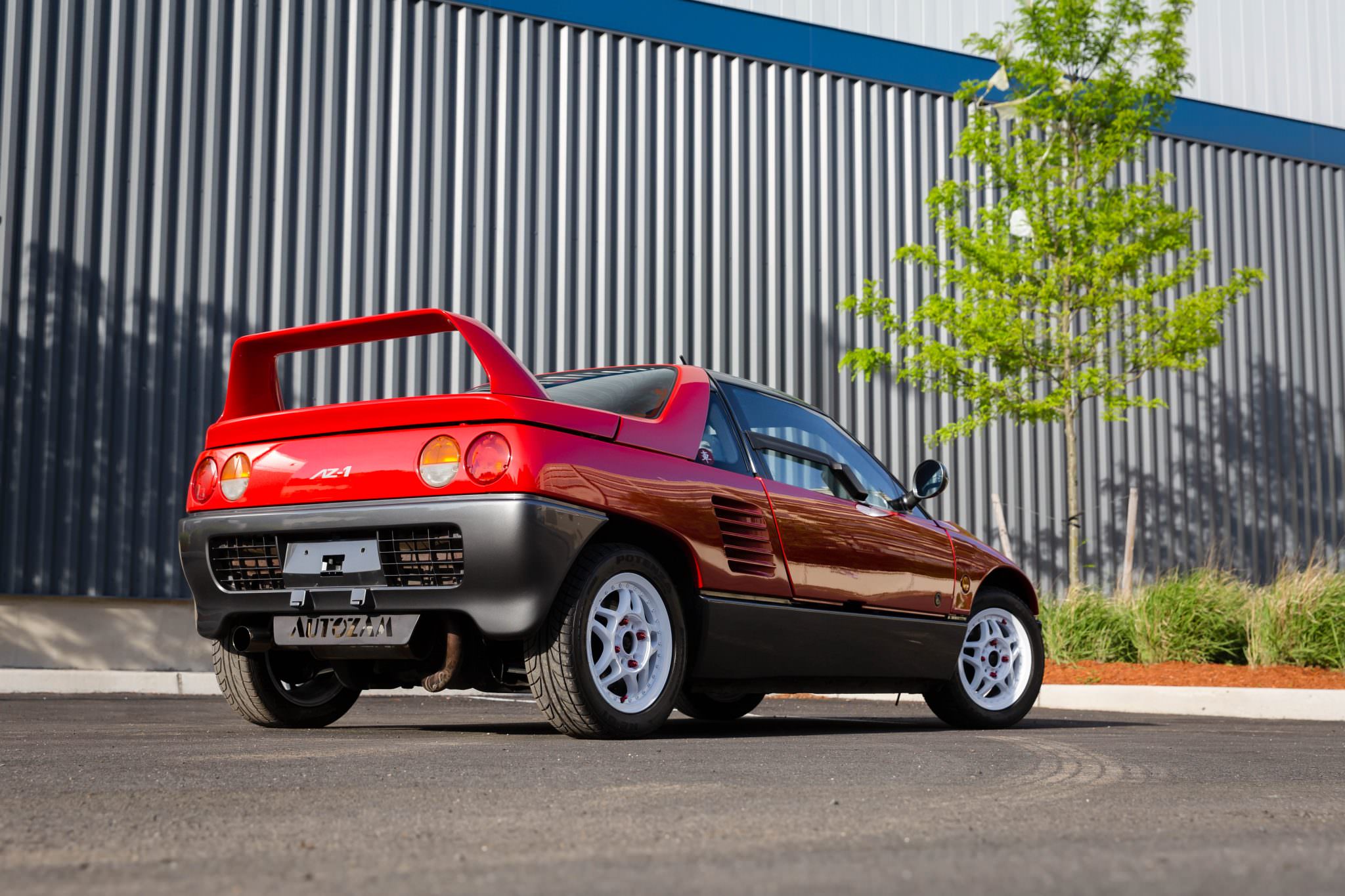
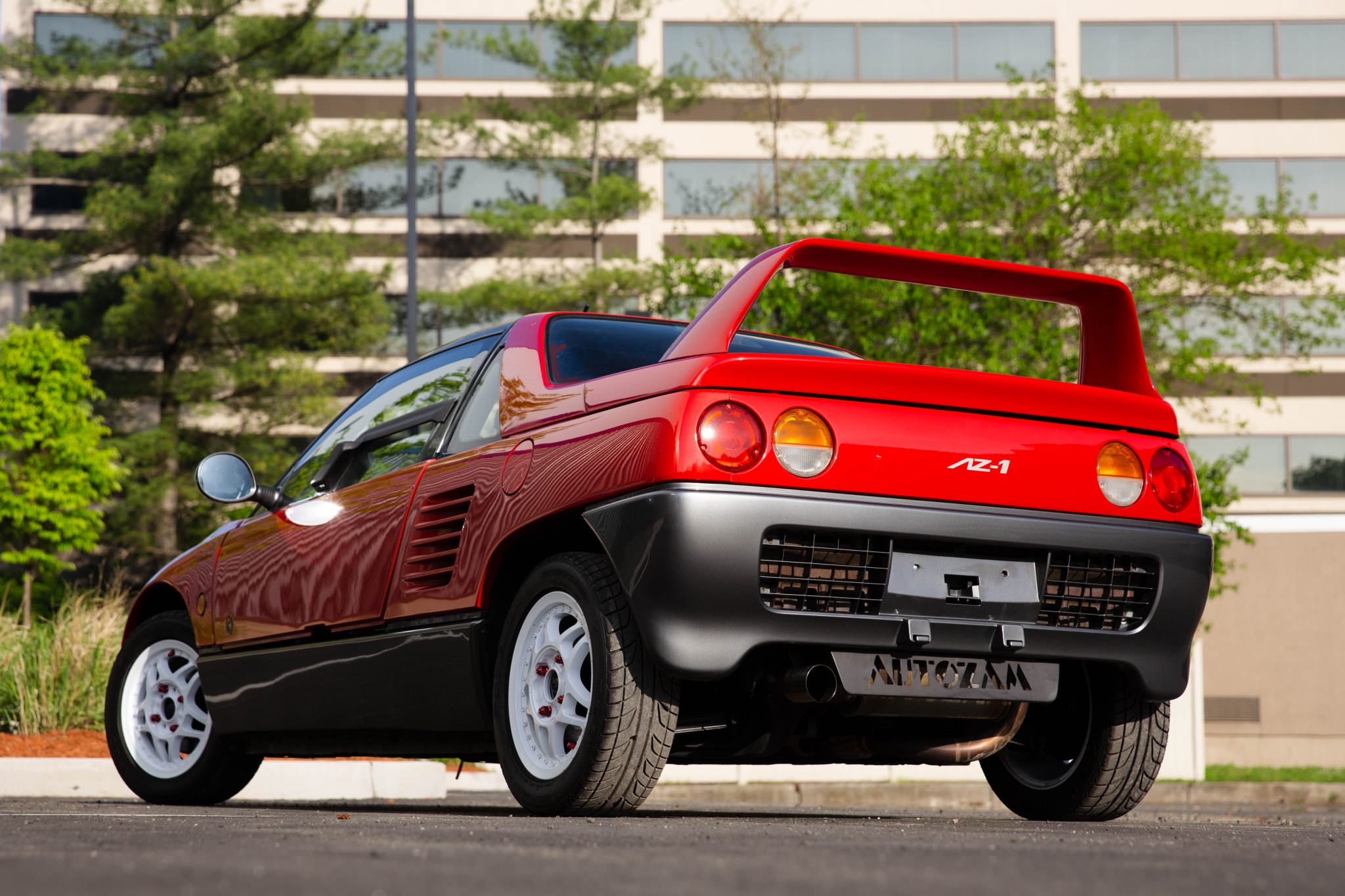
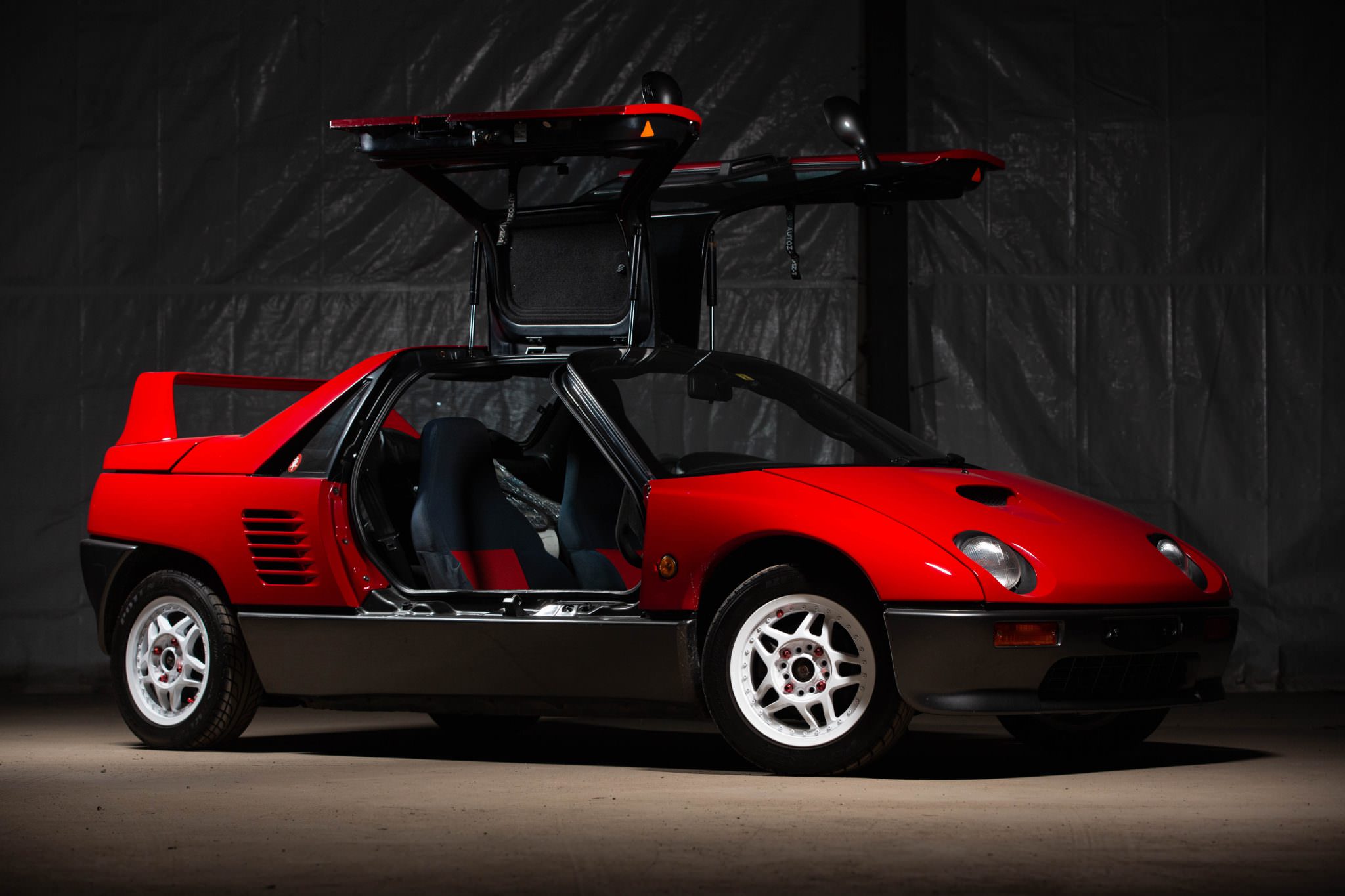
Originally developed in the 1980s, the Autozam AZ-1 carries styling cues from the era – like Ferrari Testarossa-inspired side strakes, DeLorean DMC-12-inspired gullwing doors and sectioned side windows, a side profile not entirely unlike the Fiat X1/9, and the two tone color scheme of the Ferrari 512BB.

Fast Facts – The Autozam AZ-1

  • The early prototypes of the Autozam AZ-1 were developed by Suzuki, the project was taken over by Mazda when Suzuki decided to concentrate on their Cappuccino Kei car.
  • The development work on the AZ-1 was led by Toshihiko Hirai who also developed the original Mazda MX-5 (known as the Miata in some markets).
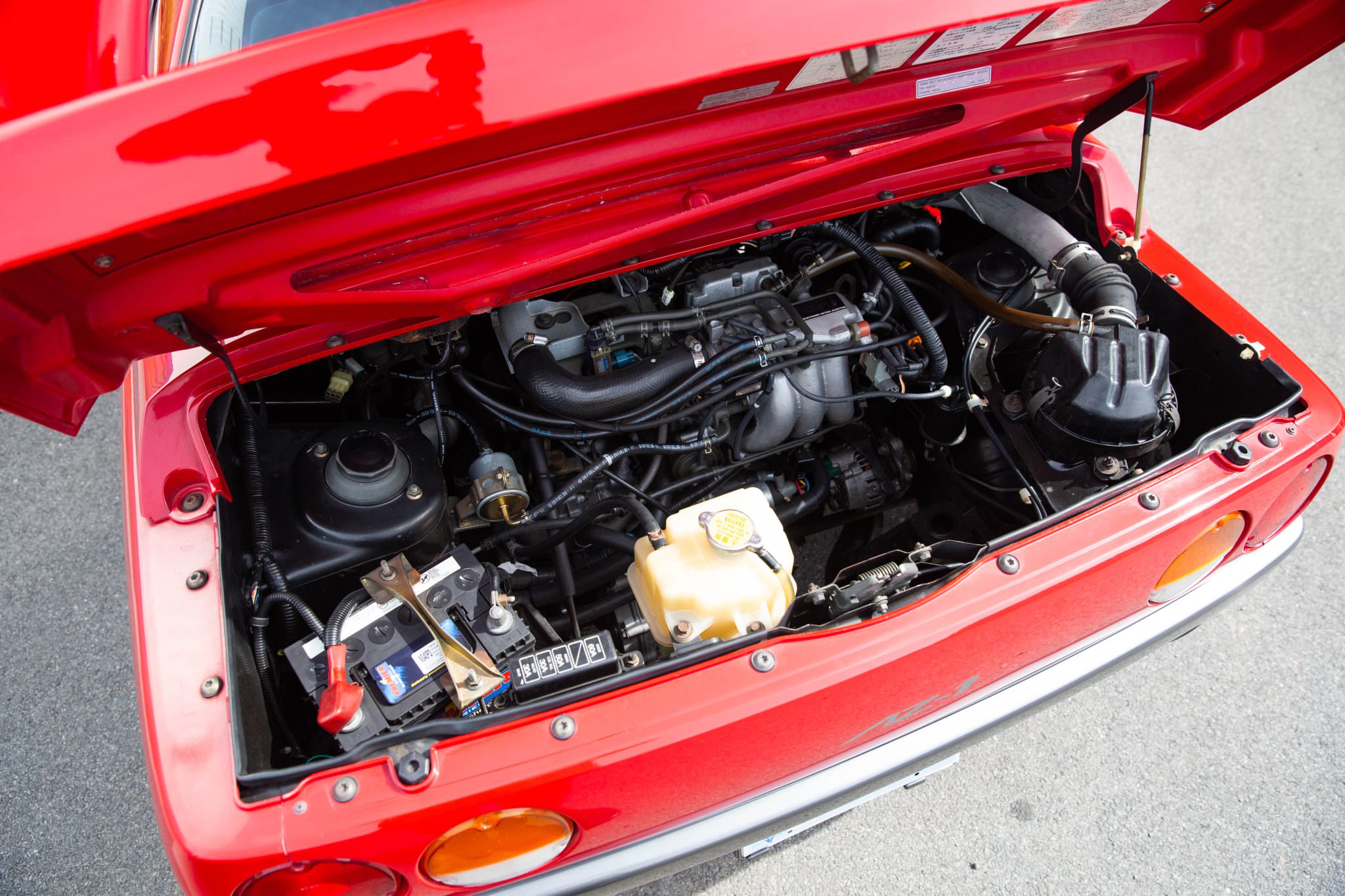
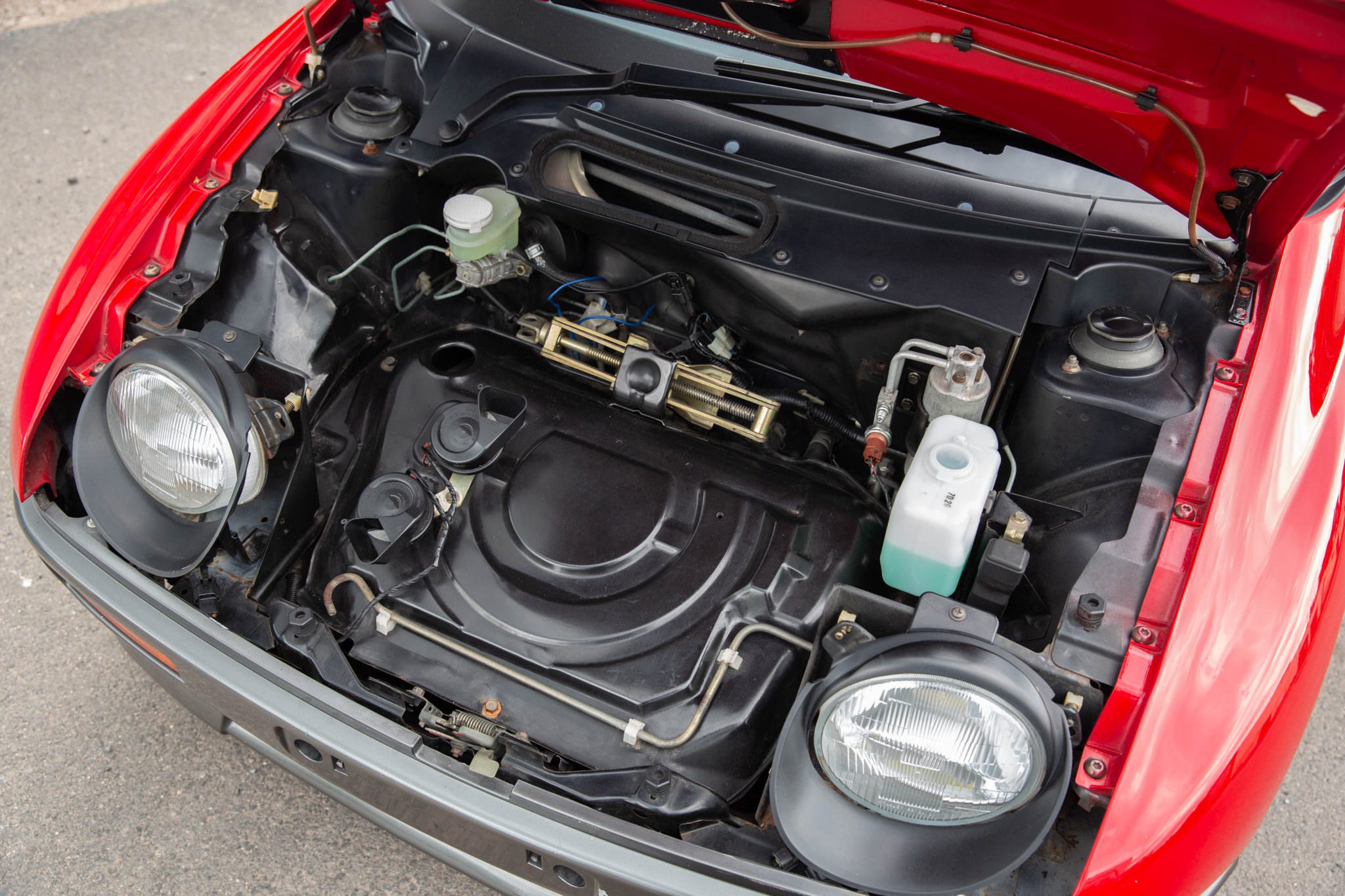
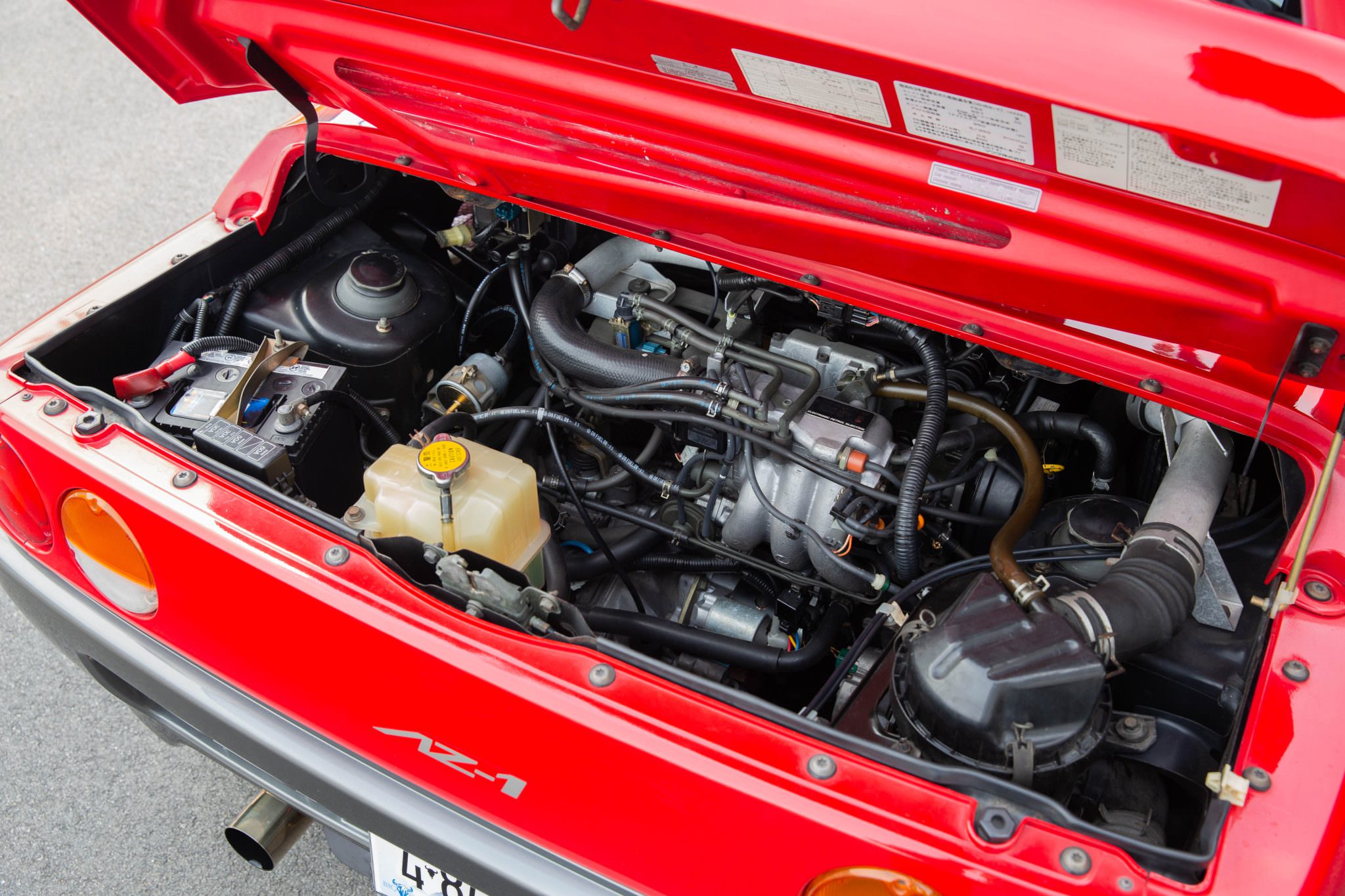
  • The mid-engined AZ-1 is powered by a turbocharged inline-three cylinder engine with a displacement of 657cc producing 66 hp, power is sent to the rear wheels via a 5-speed manual transmission.
  • By the time the car was released in early 1992 a recession was sweeping Japan, as a result fewer than 4,400 examples of the AZ-1 were built over three years, with production ending in 1994.

Almost A Suzuki: Autozam AZ-1 Development

Back in the mid-1980s Suzuki developed a small mid-engined sports car called the Suzuki RS/1 to meet Japan’s Kei class regulations. Kei class vehicles all have to be built to a certain size and there are strict limits on engine size and power – in turn they’re much cheaper to tax and insure.

Autozam AZ-1 Car 13

The diminutive size of the Autozam AZ-1 was designed to fit the car with Japan’s Kei car class, which resulted in lower taxes and running costs.

Suzuki displayed a fully-functional and almost production ready version of the RS/1 at the Tokyo Motor Show, a couple of years later in 1987 they showcased the RS/3 before abandoning the project and instead focussing on the car that would become the Suzuki Cappuccino.

Later in the 1980s a Mazda design team led by Toshihiko Hirai, the father of the MX-5, took over the project. Hirai and his team gave the car a tubular steel frame, the floors and the bulkhead were made from aluminum honeycomb, and the body was constructed from fiberglass.

By the time of the 1989 Tokyo Motor Show there were three prototypes ready for public display, they were called the Type A, Type B, and Type C respectively. Each had the same fundamental underpinnings with unique bodies and interiors, and they were released under Mazda’s Autozam sub-brand.

Ultimately it would be the Type A that would get the green light for production, the chassis was further updated as was the body and interior, with production commencing three years later in 1992.

The Autozam AZ-1

When the Autozam AZ-1 entered the Japanese market in 1992 it offered sports car thrills on a budget for local buyers, as a Kei car the taxes and insurance on it were both markedly more affordable, and it offered excellent fuel economy to boot.

Autozam AZ-1 Car 1

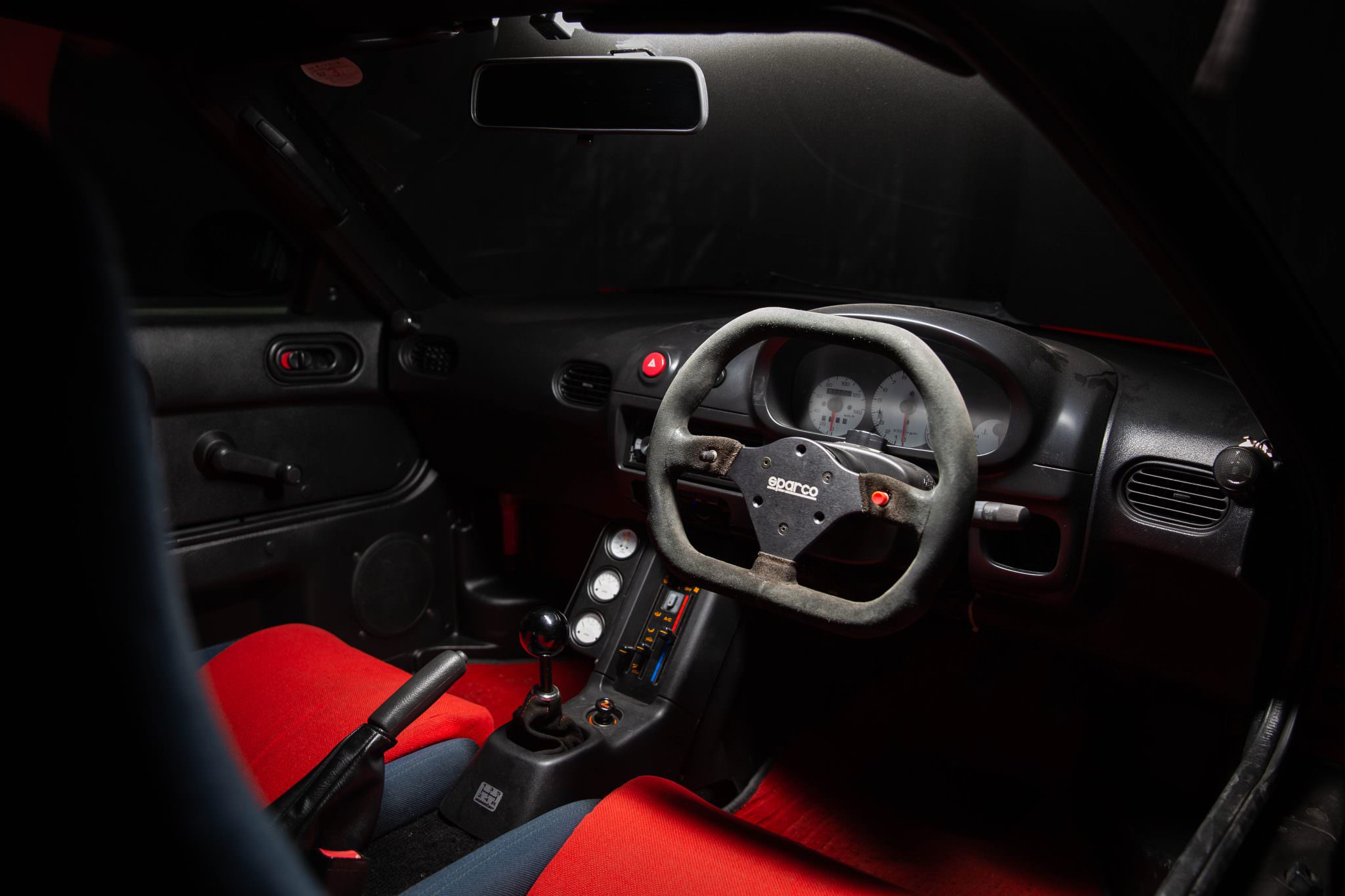
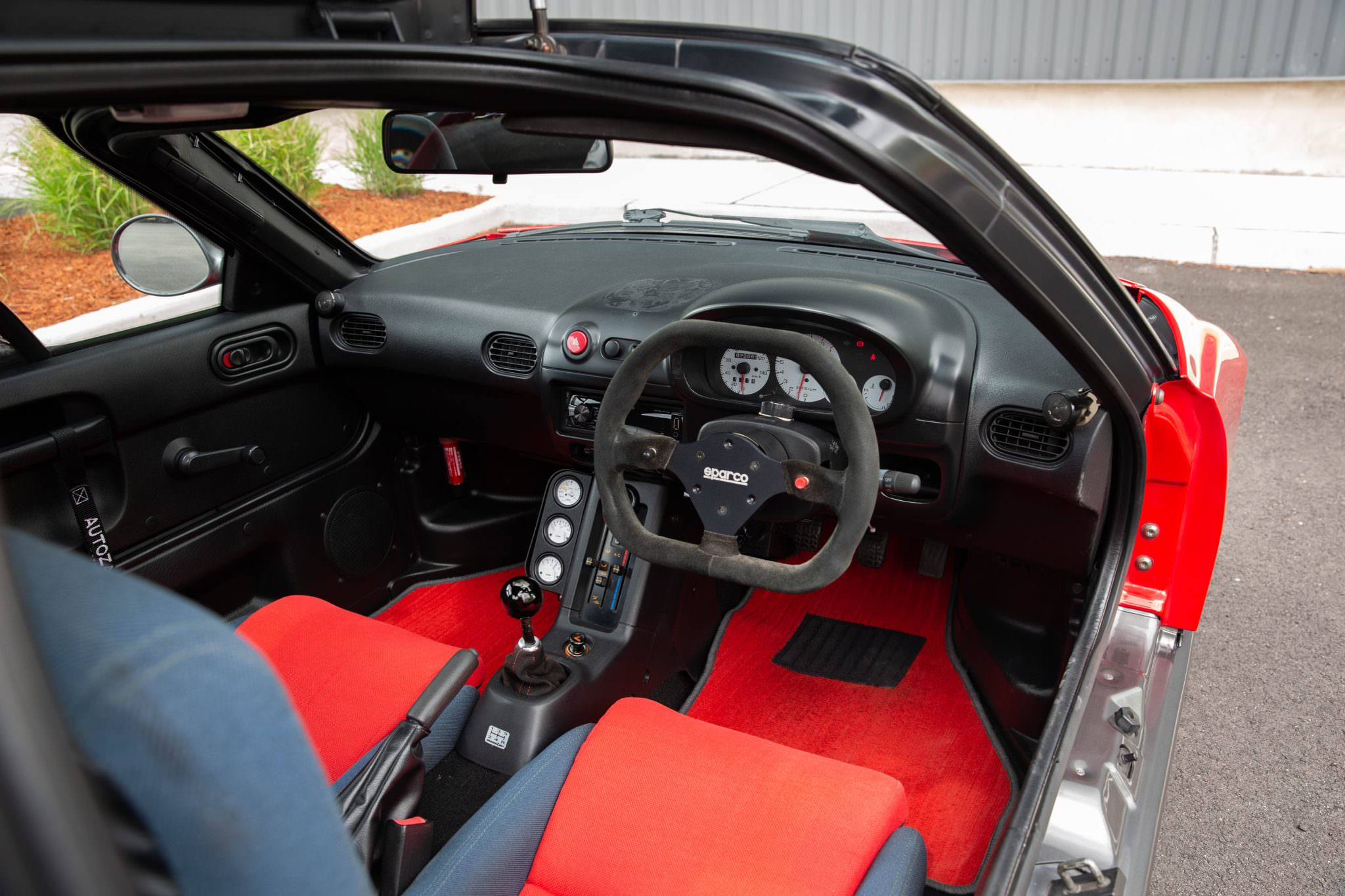
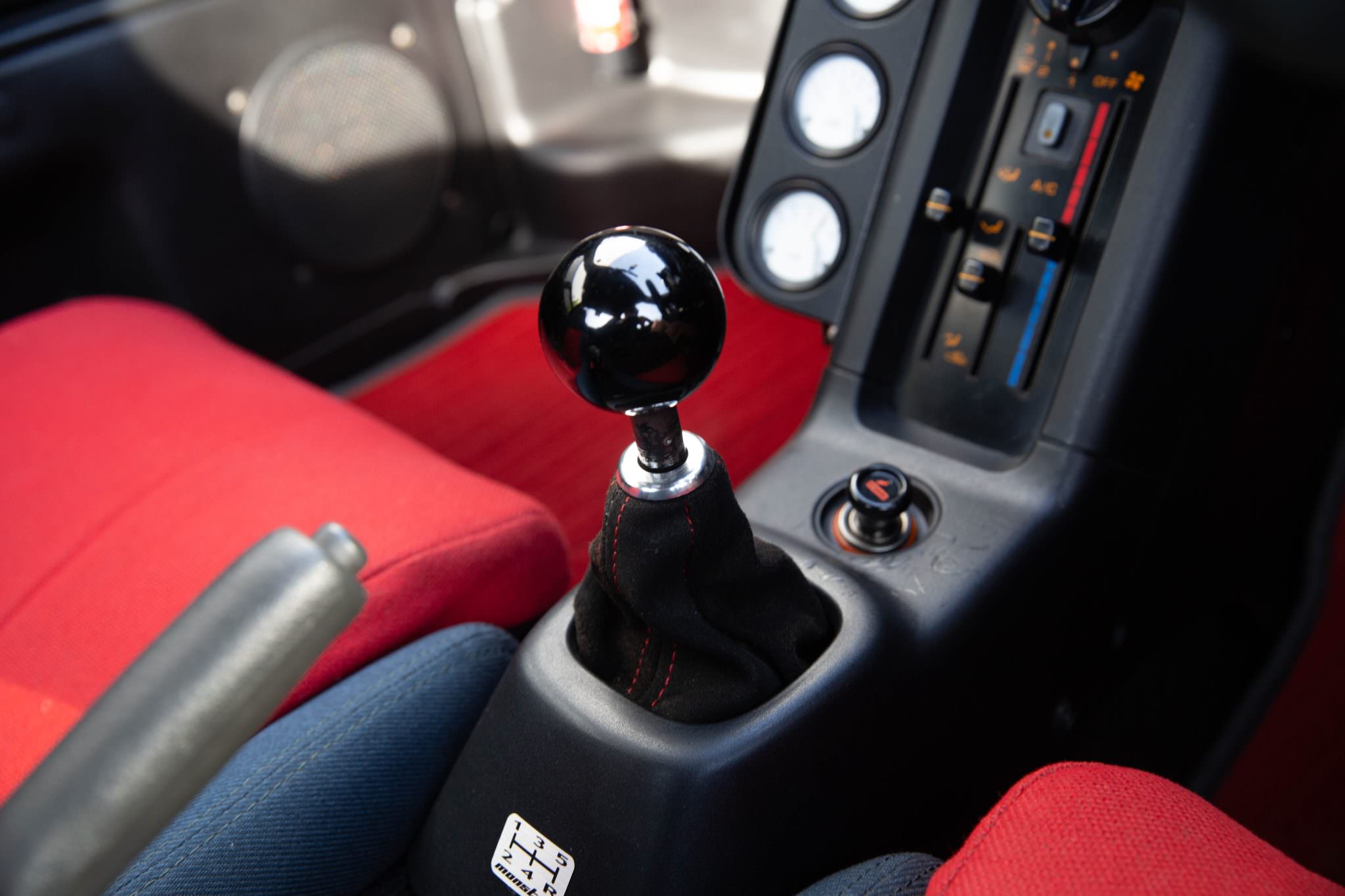
Once you open the gullwing doors you’d find seating for two inside, with a 5-speed manual transmission, a Sparco steering wheel, white faced gauges, and even air conditioning.

With curb weight of just 720 kilograms (1,587 lbs) and 66 bhp from its turbocharged inline-three cylinder 657cc engine the Autozam AZ-1 was a spritely performer.

Power was sent from the mid-mounted engine to the rear wheels via a 5-speed manual transaxle.

The primary competitors for the AZ-1 were the Suzuki Cappuccino and the Honda Beat – both Kei cars and both slightly cheaper than the Autozam. This combined with the Japanese economic recession that hit the economy at the same time led to limited demand for the car.

Despite optimistic initial predictions of 800 AZ-1s being built each month Mazda would produce just 4,392 between 1992 and 1994 when the model was cancelled. This is considerably less than the 28,010 Cappuccinos and 33,600 Beats that were produced.

Autozam AZ-1 Car 18

Power is provided by a turbocharged inline-three cylinder 657cc engine producing 66bhp at 6,500 rpm and 63 ft lbs of torque at 4,000 rpm.

Today the Autozam AZ-1 is one of the rarest and most desirable Kei class sports cars of its time, and thanks to their JDM status they’re sought after in many world markets outside Japan – particularly in the USA and Europe.

The Autozam AZ-1 Shown Here

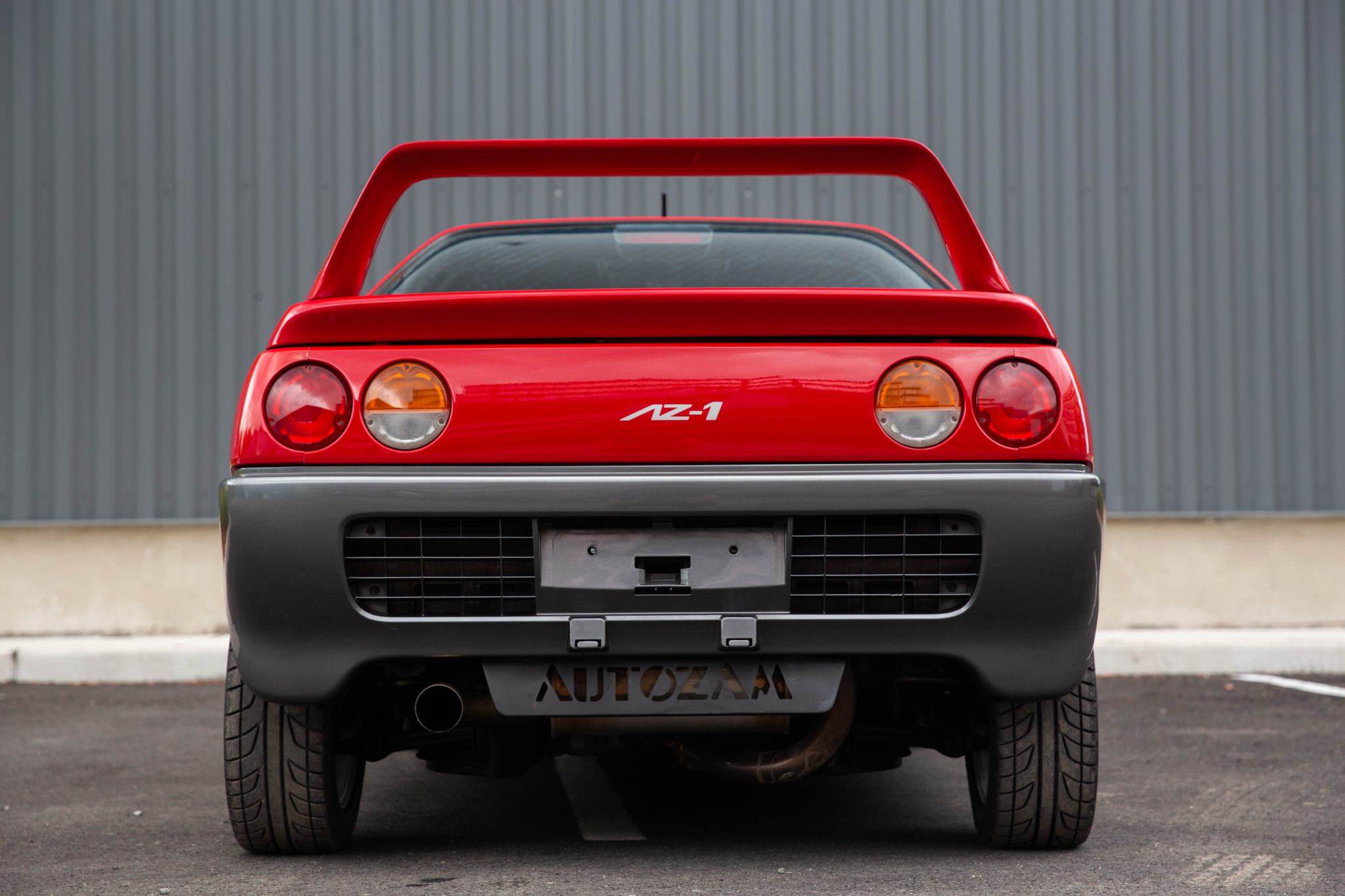
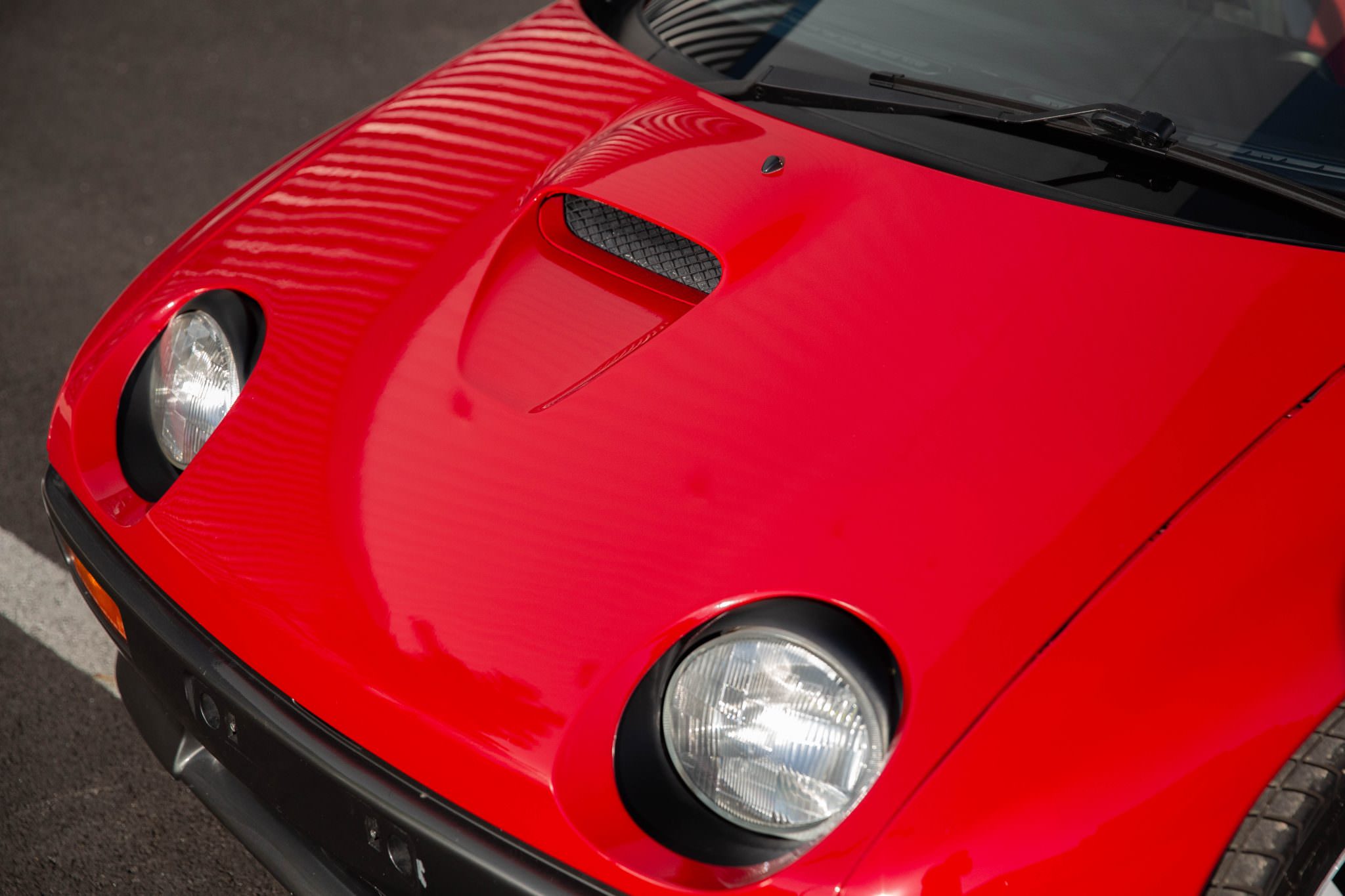
The car you see here is an Autozam AZ-1 from 1992 – the first year of production. It’s finished in red over black and red upholstery and it’s been fitted with a rear wing, 13″ multi-piece wheels, and a Sparco flat-bottom steering wheel.

Inside you’ll find air conditioning and a Kenwood CD player as well as traditional wind up windows and white-faced gauges.

The car is now being auctioned live online on Bring a Trailer by a seller out of Lyndhurst, New Jersey. If you’d like to read more about it or register to bid you can visit the listing here.

Autozam AZ-1 Car 25 Autozam AZ-1 Car 24 Autozam AZ-1 Car 23 Autozam AZ-1 Car 22 Autozam AZ-1 Car 21 Autozam AZ-1 Car 20 Autozam AZ-1 Car 19 Autozam AZ-1 Car 17 Autozam AZ-1 Car 16 Autozam AZ-1 Car 15 Autozam AZ-1 Car 14 Autozam AZ-1 Car 13 Autozam AZ-1 Car 12 Autozam AZ-1 Car 11 Autozam AZ-1 Car 10 Autozam AZ-1 Car 9 Autozam AZ-1 Car 7 Autozam AZ-1 Car 6 Autozam AZ-1 Car 5 Autozam AZ-1 Car 4 Autozam AZ-1 Car 3 Autozam AZ-1 Car 2

Images courtesy of Bring a Trailer

The post An Affordable Mid-Engined Gullwing Sports Car: The Autozam AZ-1 appeared first on Silodrome.


from Silodrome https://silodrome.com/autozam-az-1-car/
via gqrds
For Sale: A Crashed Ferrari F50 Front End

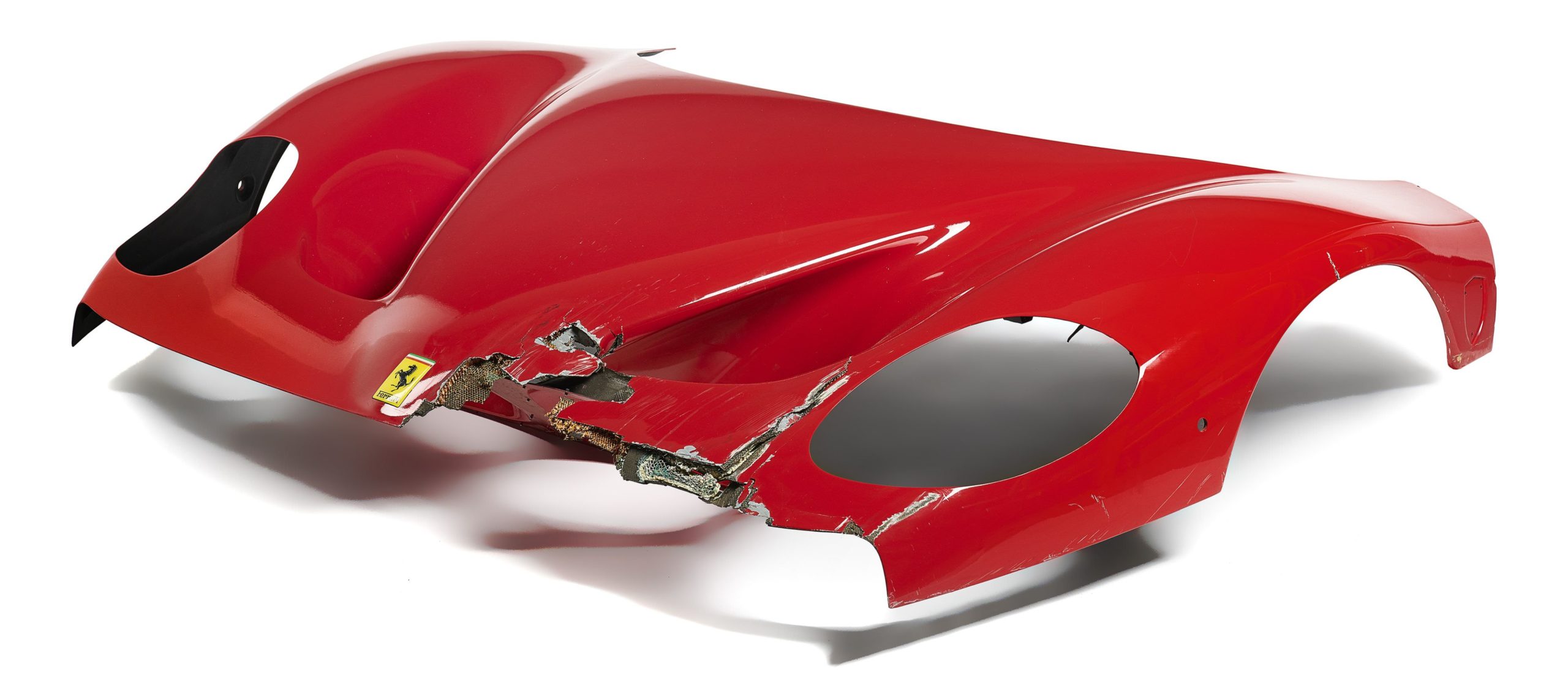
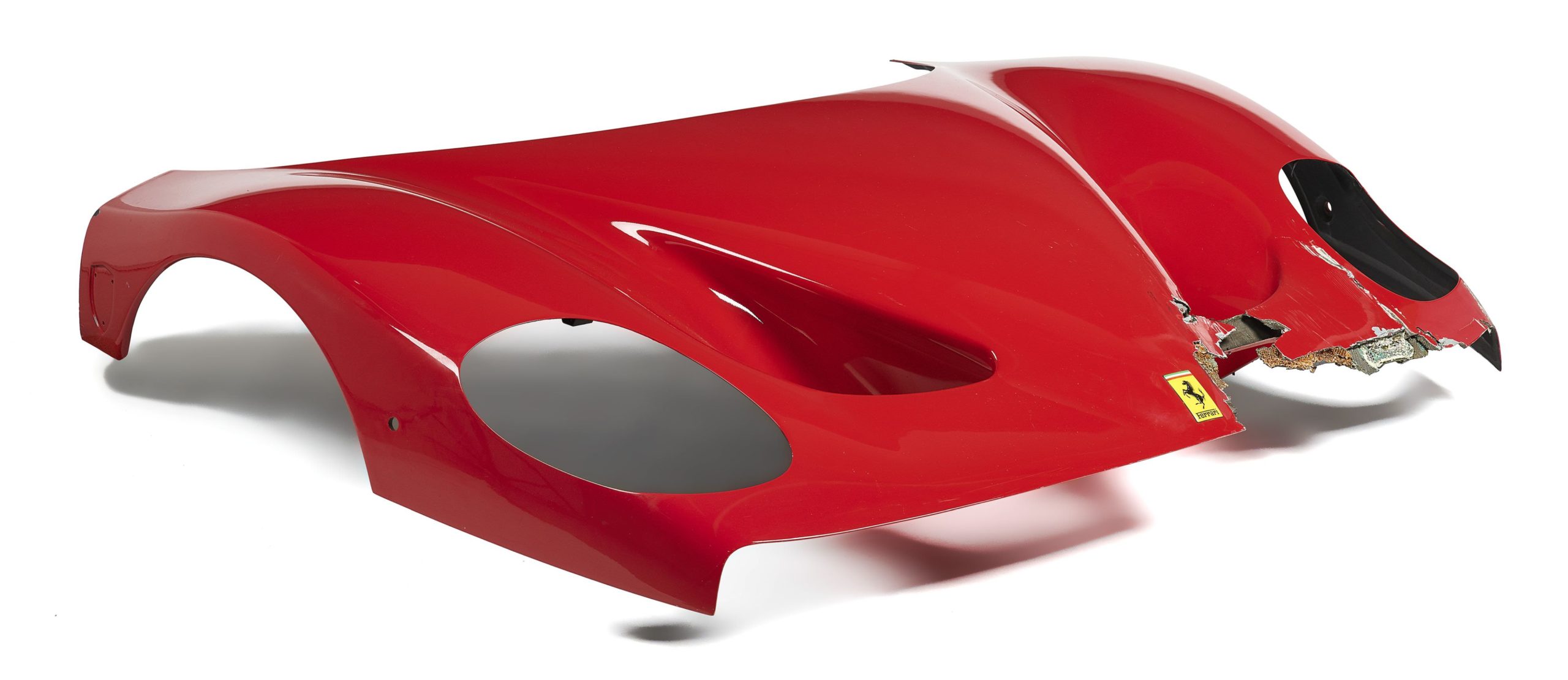
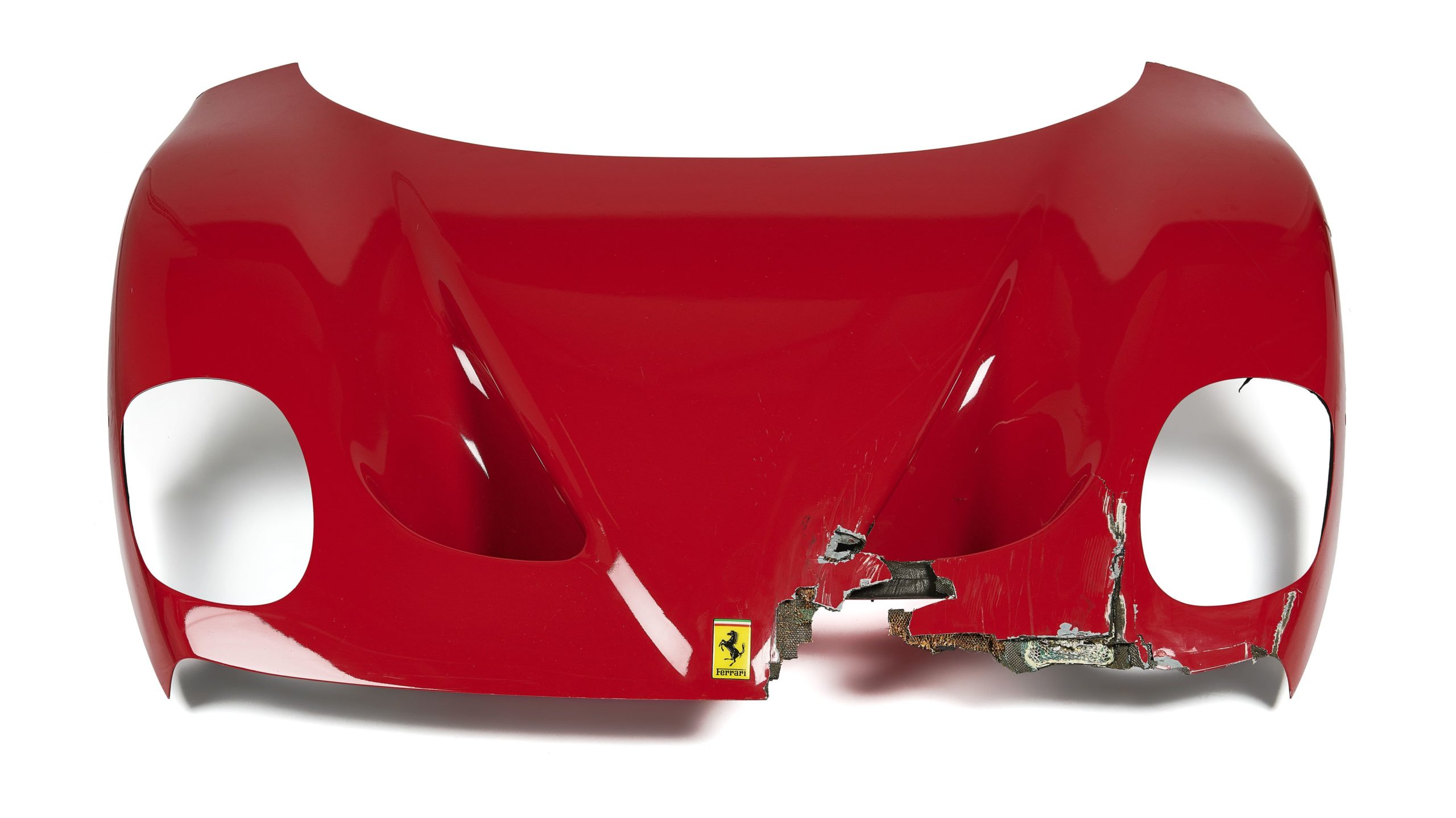
This is the front end bodywork from a Ferrari F50 that has obviously suffered a collision and it’s now being offered for sale either as a display piece or as a restoration project for an F50 owner who wants a spare nose.

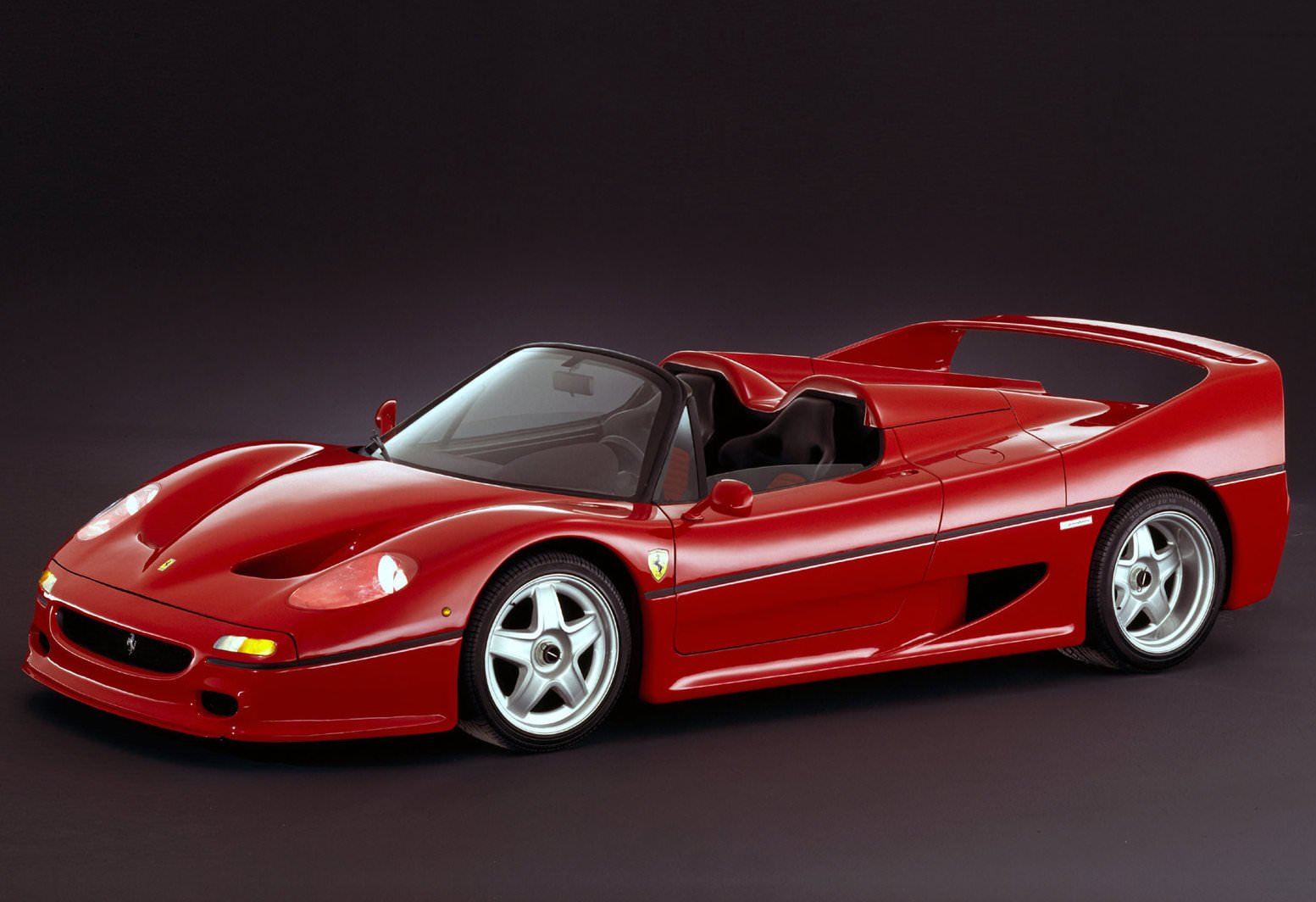
The Ferrari F50 is notable for a number of reasons, perhaps most notably because it was powered by a modified Formula 1 engine – sourced from the 1990 Ferrari 641 F1 car and then re-engineered for road use.

Ferrari F50

The Ferrari F50 was released in 1995 and sold until 1997, just 349 were made. Image courtesy of Ferrari.

A version of this engine was originally used in the Ferrari 333 SP that was raced in the American IMSA GT Championship, so Ferrari knew it well, and this would also mean that the engine was eligible as a stock engine in the World Sports Car category.

The Ferrari F50 would be one of the last truly analogue supercars, it had no power steering, no power brakes, and no ABS. It was developed to give the driver a direct connection with the road, with no interference from hydraulics or electronics.

The car has a carbon fiber tub with a body made from a combination of carbon fiber and Nomex. The engine is a mid-mounted 65° V12 with a displacement of 4,698.50 cc (4.7 liters), double overhead cams, four valves per cylinder, and fuel injection producing 512 bhp at 8,000 rpm and 347 lb ft of torque at 6,500 rpm.

Ferrari F50 Front End 4

The body of the F50 was made from a combination of carbon fiber and Nomex, ensuring that it would be as light and strong as possible to withstand speeds in excess of 202 mph.

Performance was understandably brisk, the 0 – 60 mph dash could be executed in 3.8 seconds, on to a top speed of 202 mph or 325 km/h.

The Ferrari F50 became one of the great supercars of the 1990s, just 349 of them were made and today they remain among the most collectible Ferraris on earth.

The front nose section of body work you see here is due to be offered for auction by Artcurial on the 16th of October with a price guide of $7,900 – $11,900 USD. If you’d like to read more about it or register to bid you can visit the listing here.

Ferrari F50 Front End 3 Ferrari F50 Front End 2 Ferrari F50 Front End 1

Images courtesy of Artcurial

The post For Sale: A Crashed Ferrari F50 Front End appeared first on Silodrome.


from Silodrome https://silodrome.com/ferrari-f50-front-end/
via gqrds