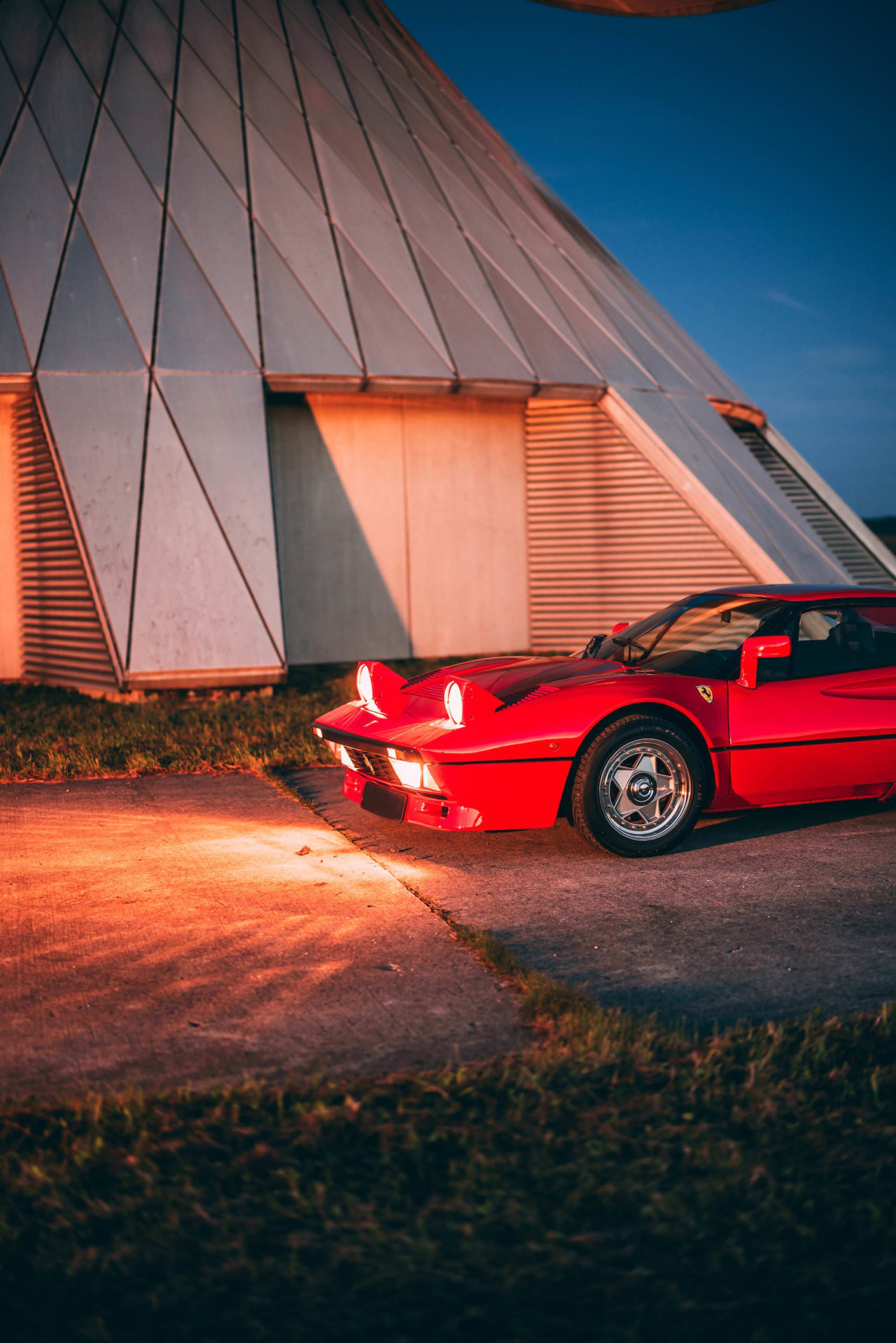
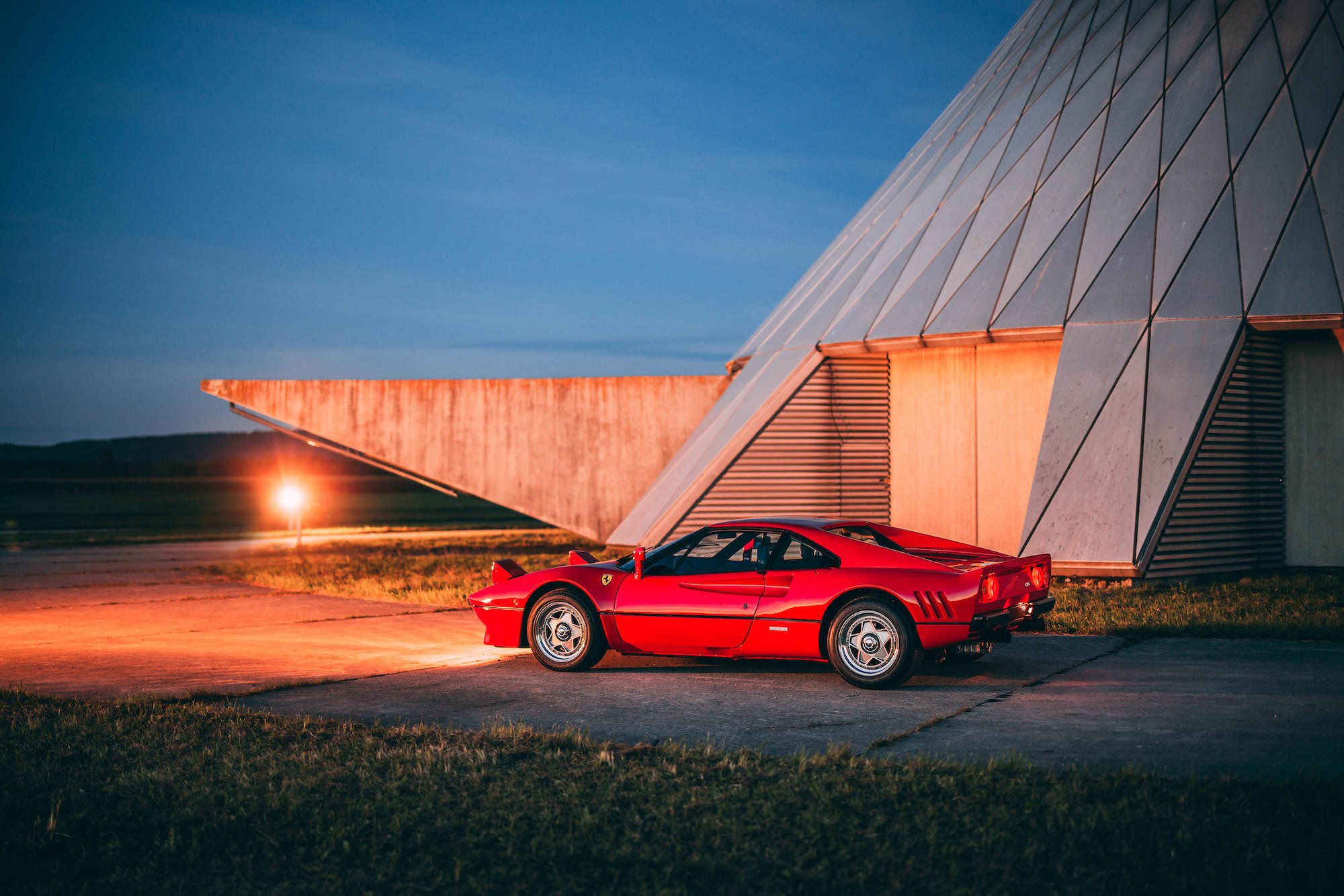
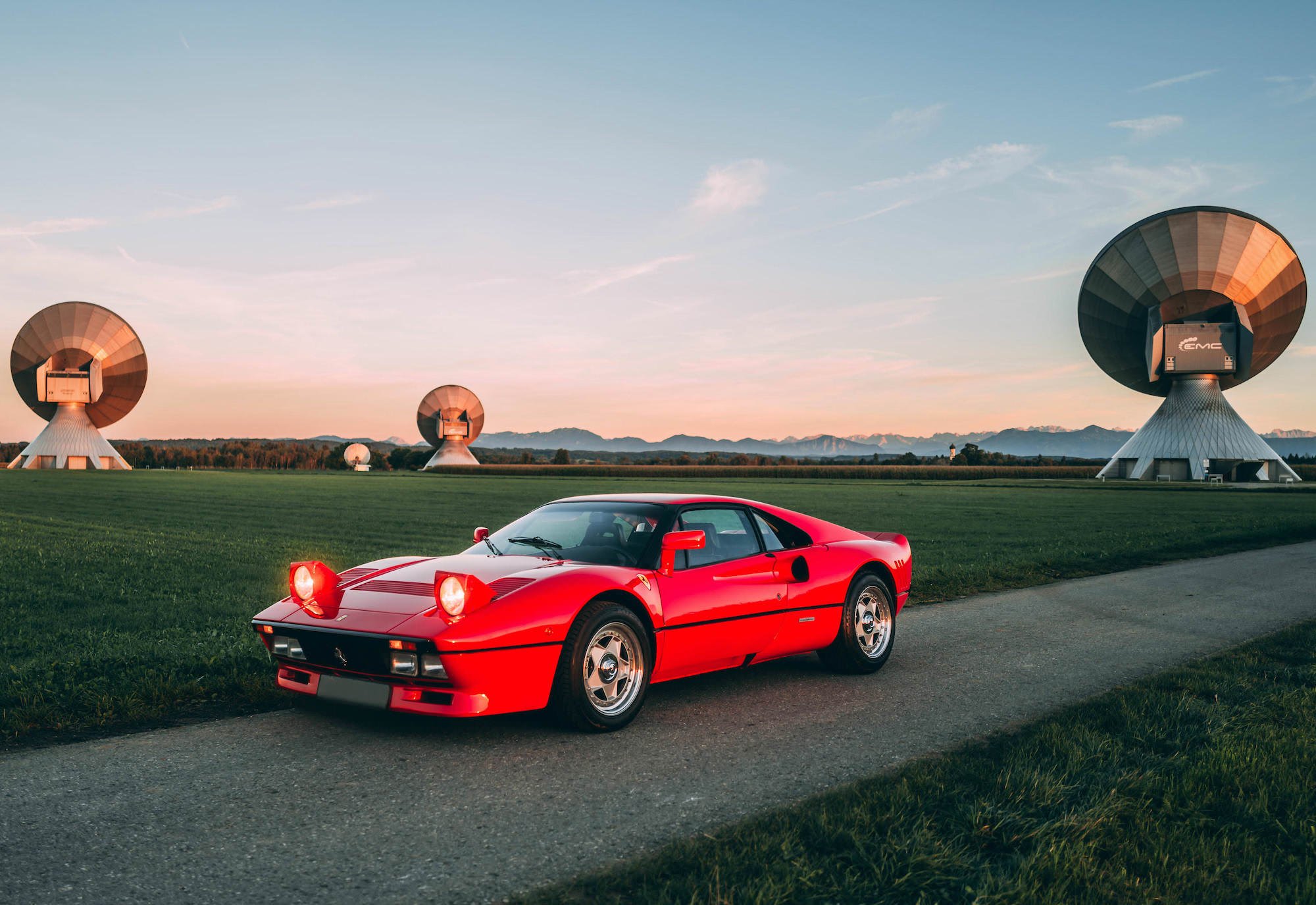
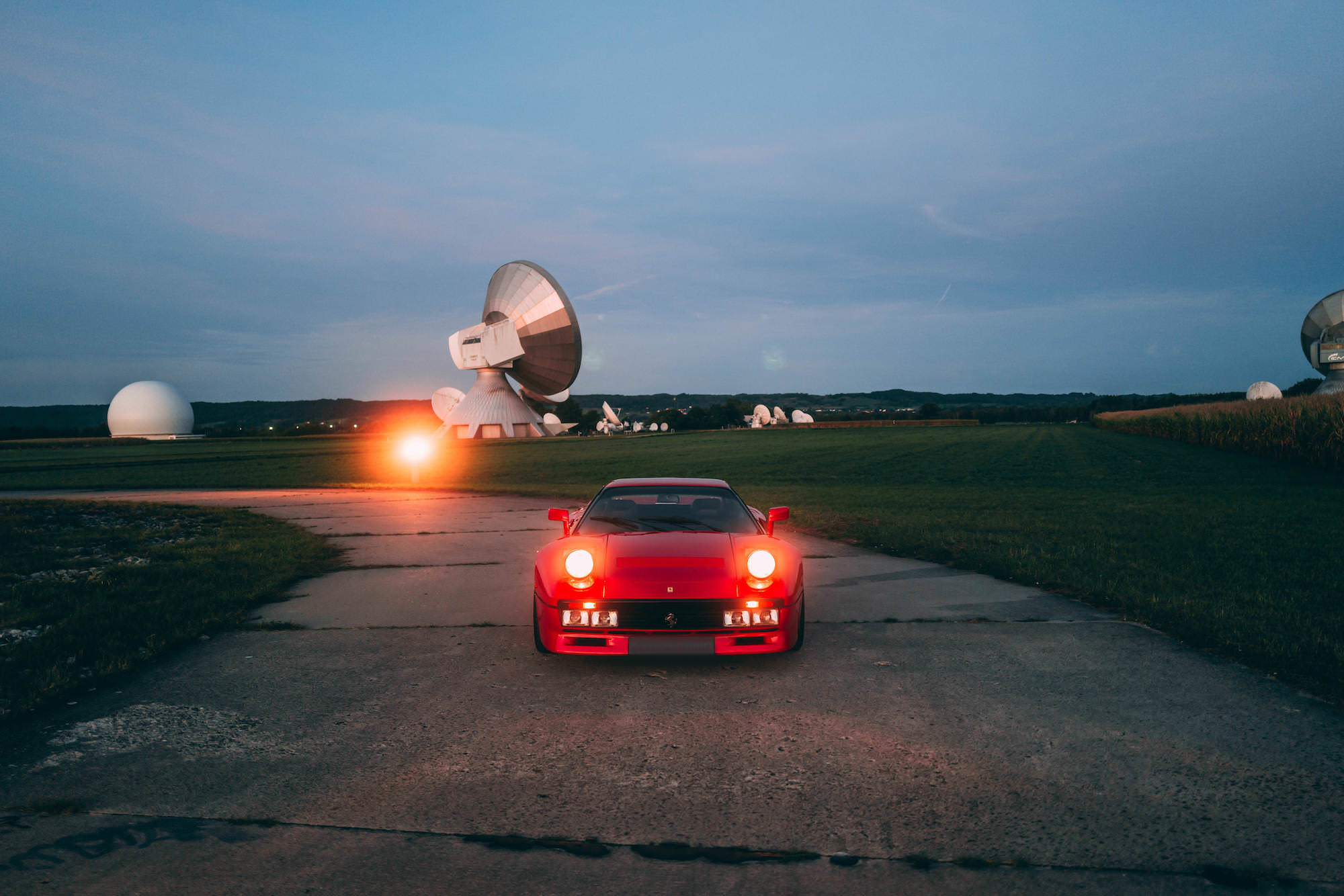
For Sale: A 1981 DeLorean DMC-12 “Time Machine”

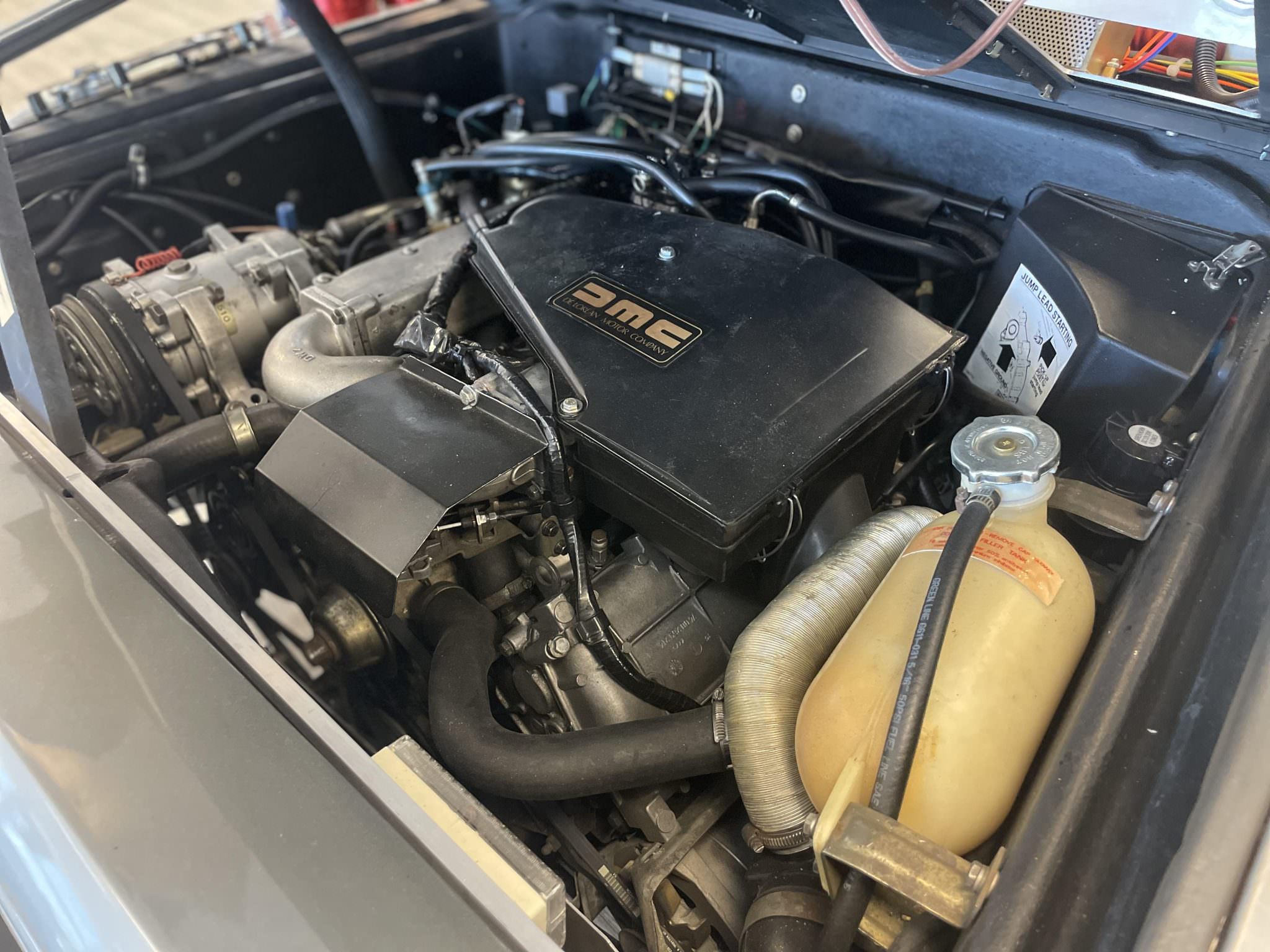
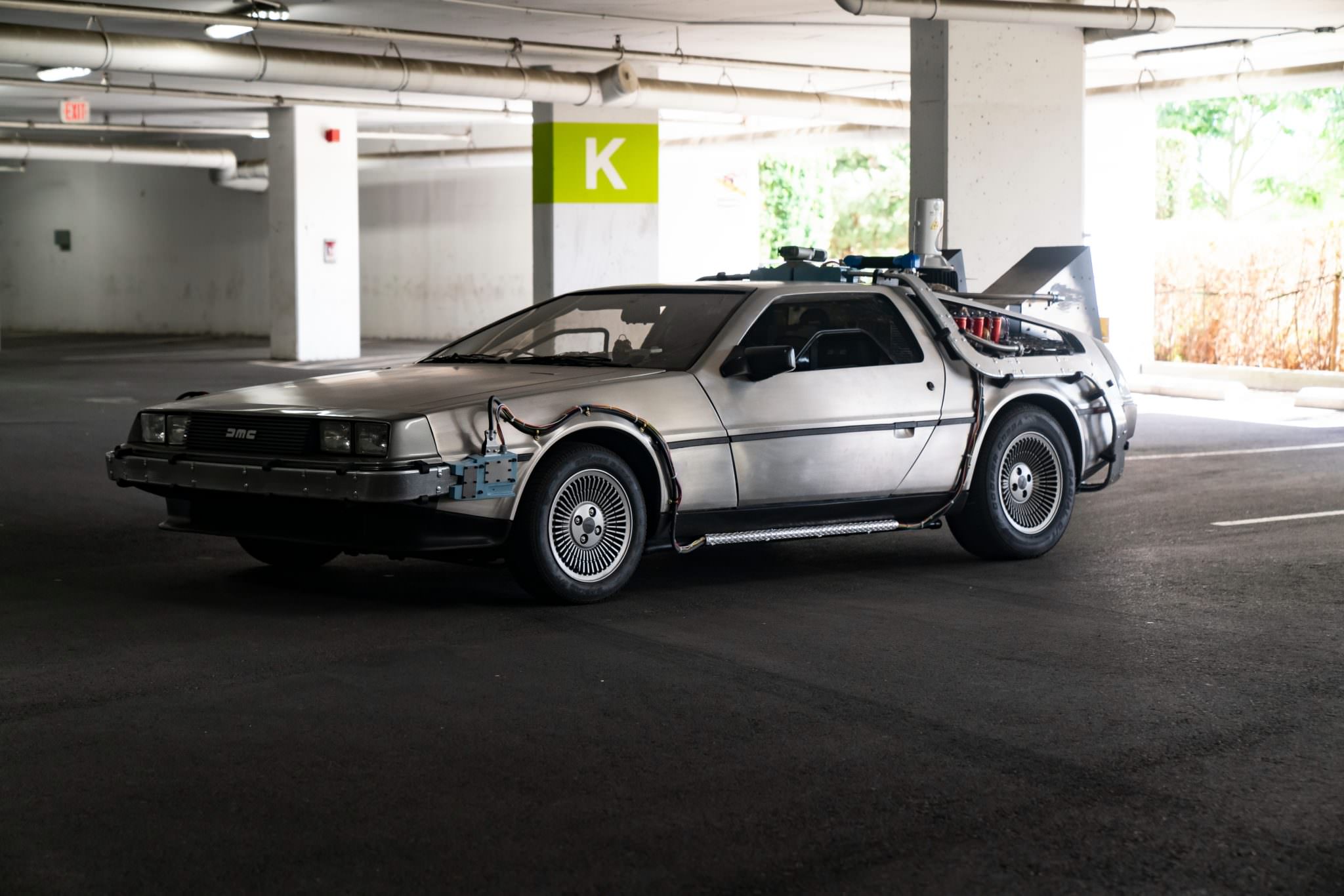
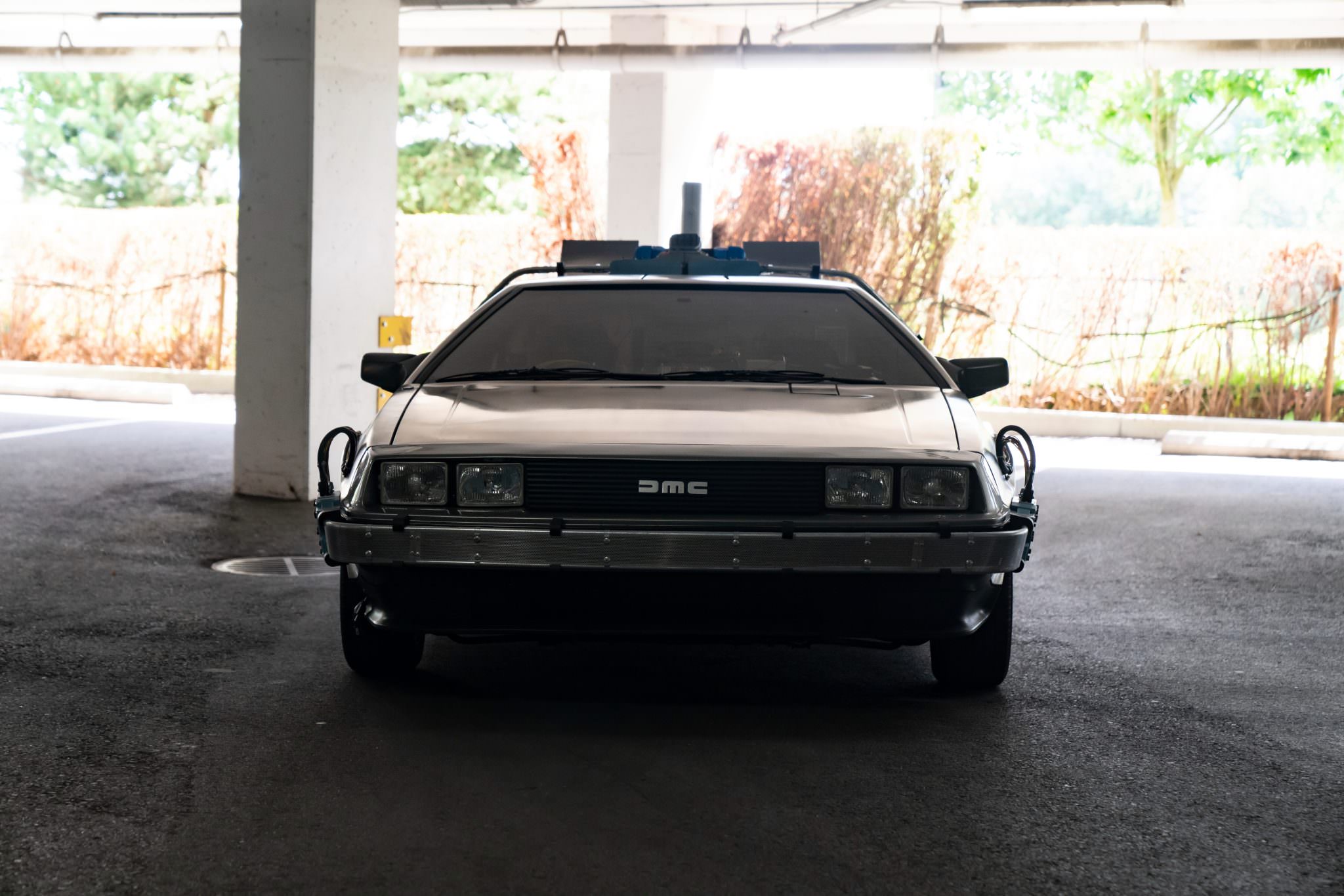
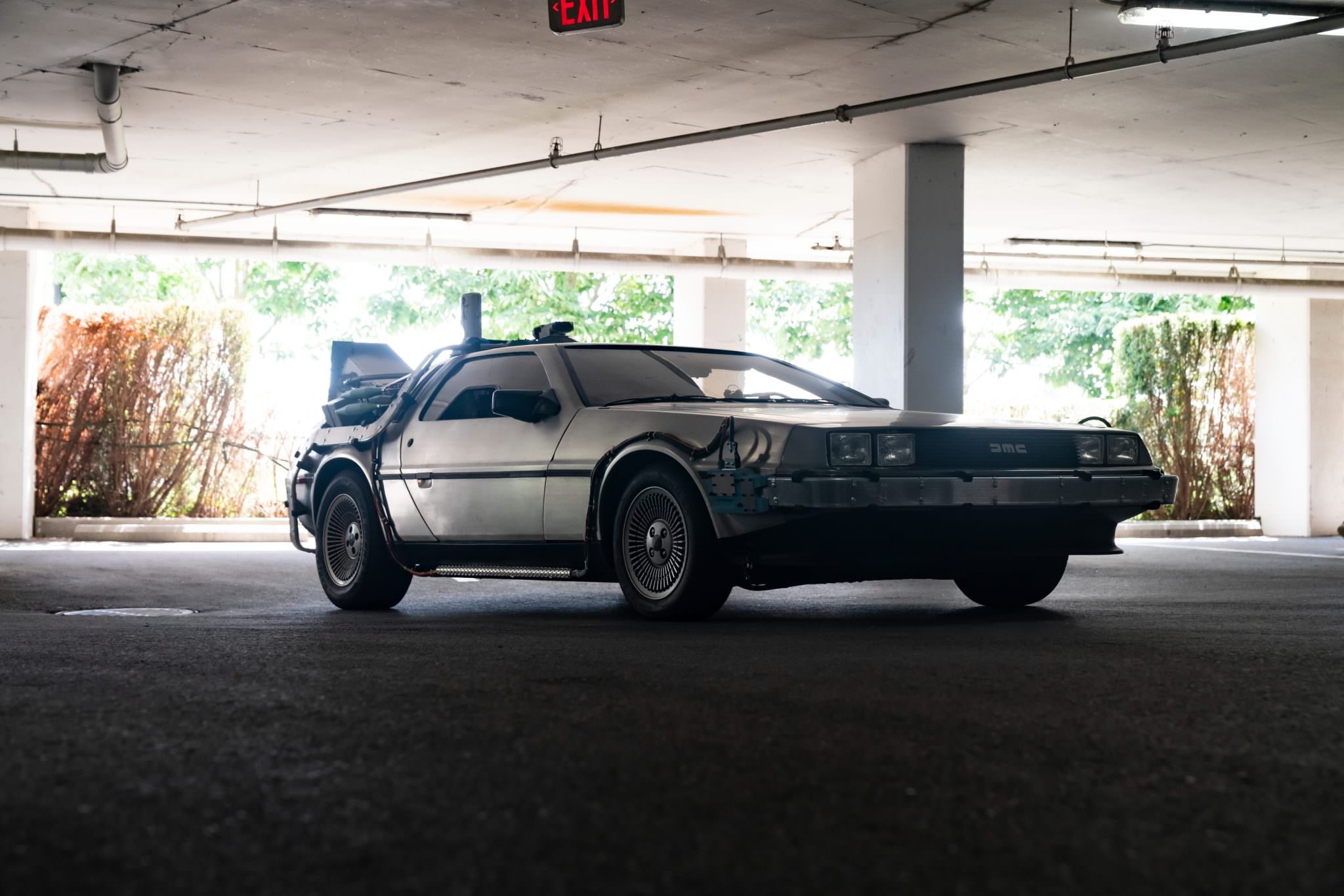
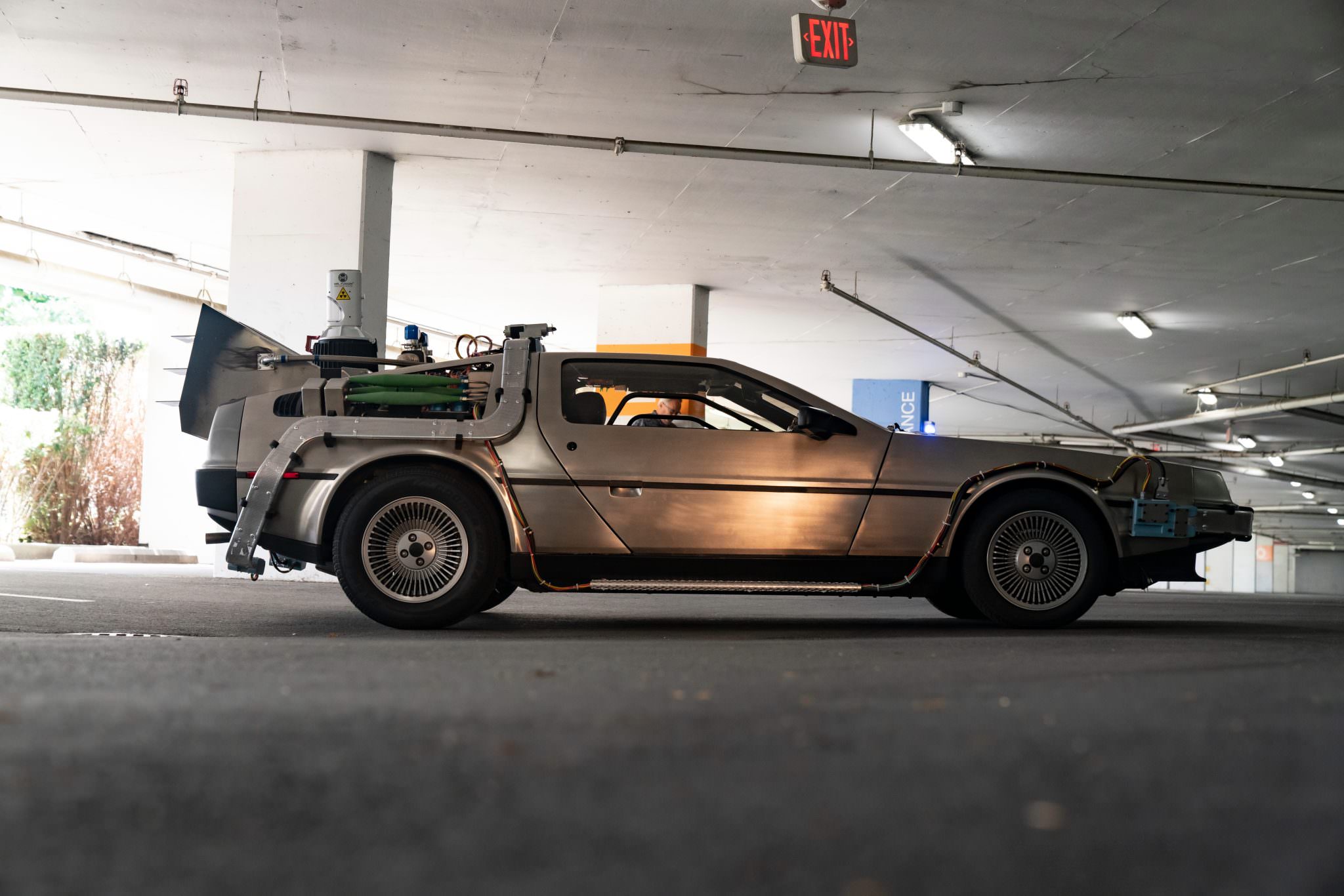
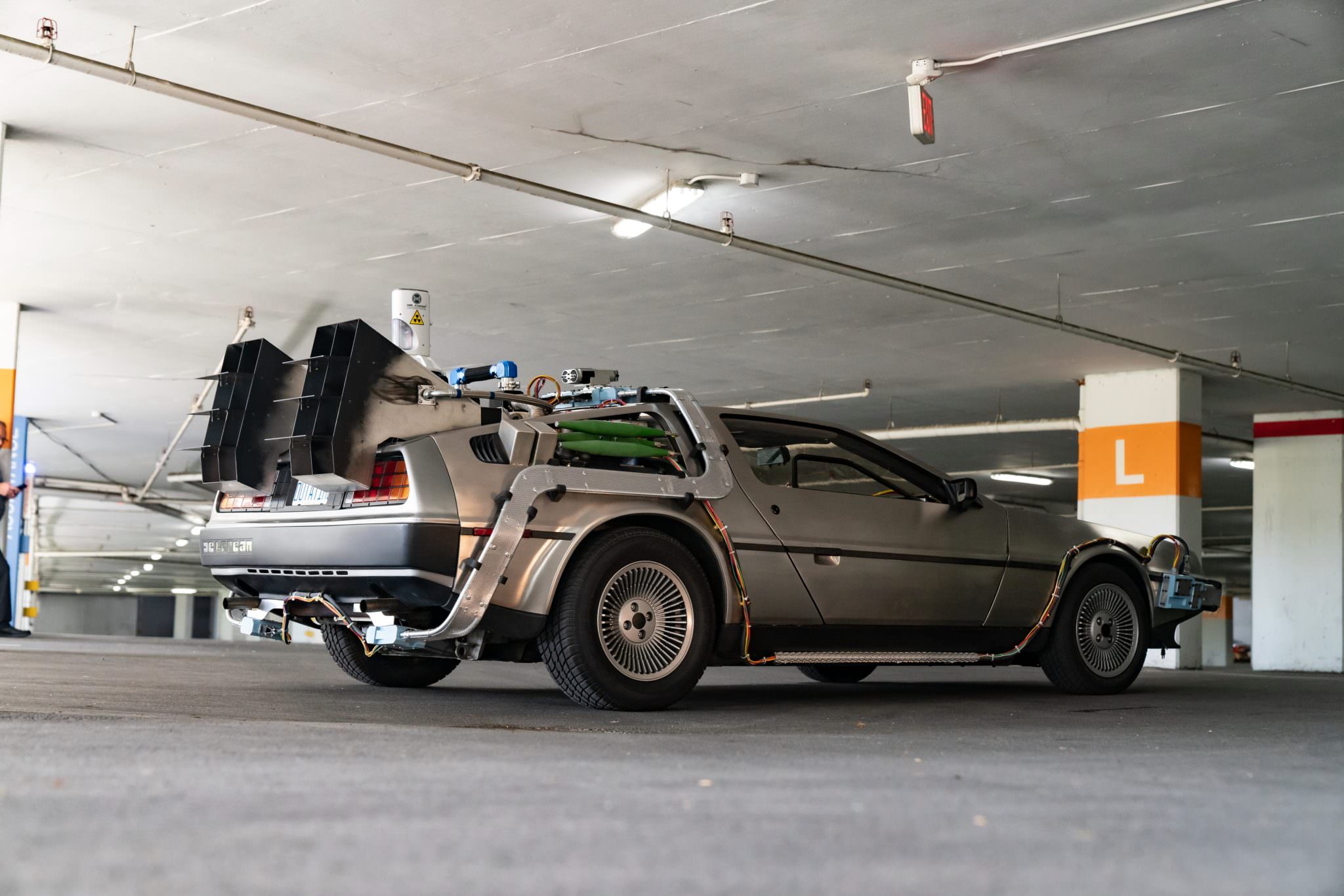
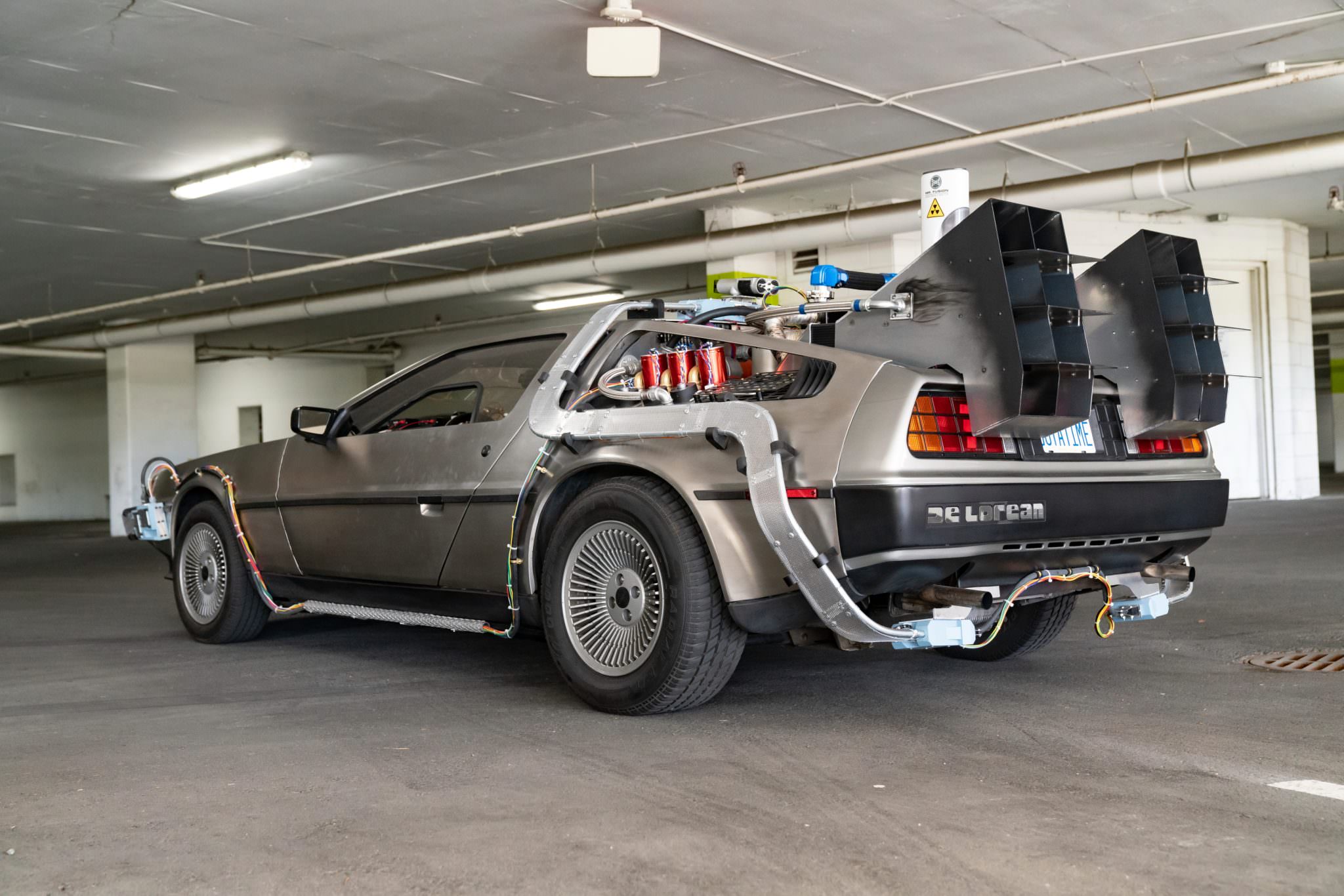
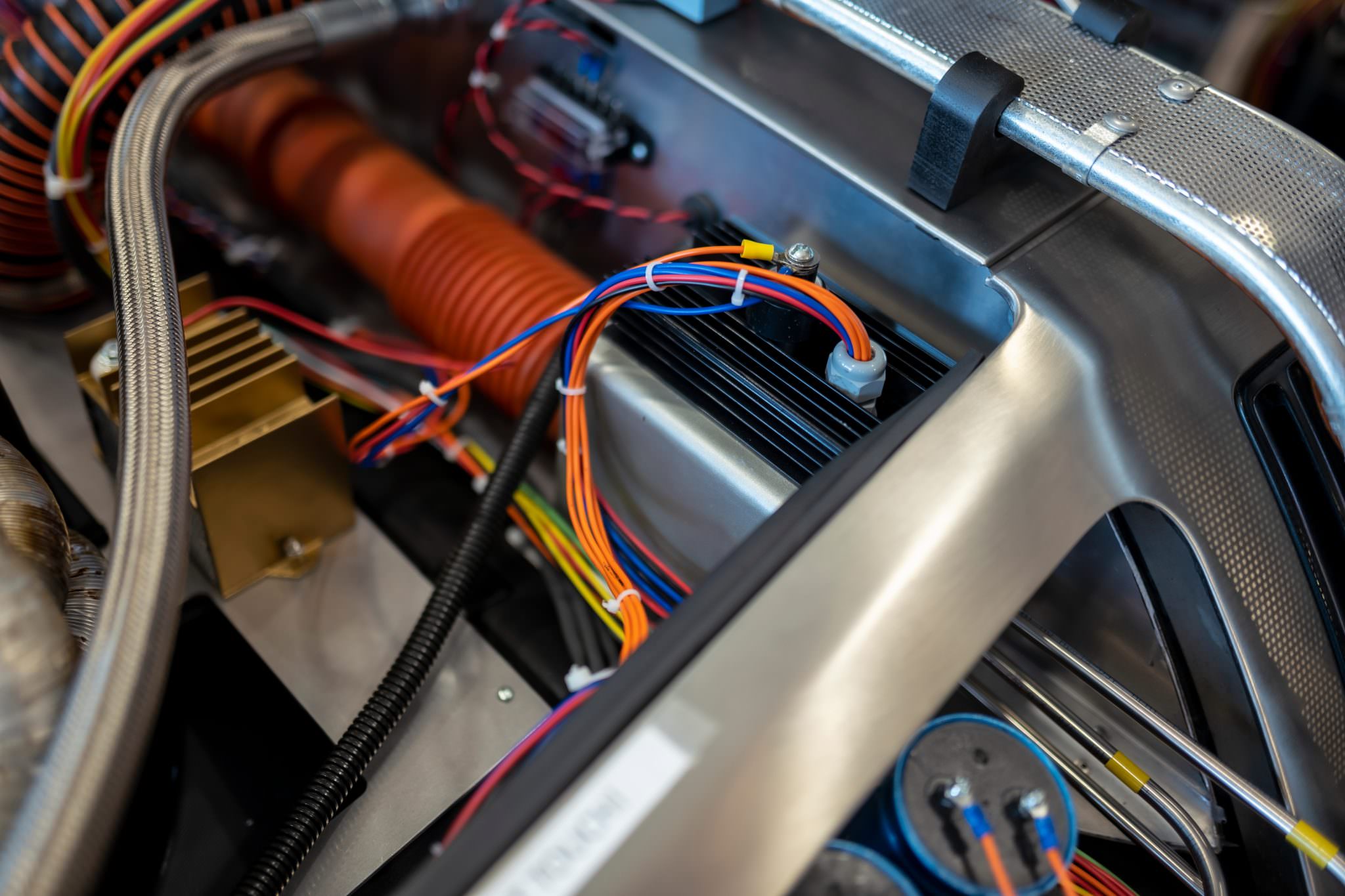
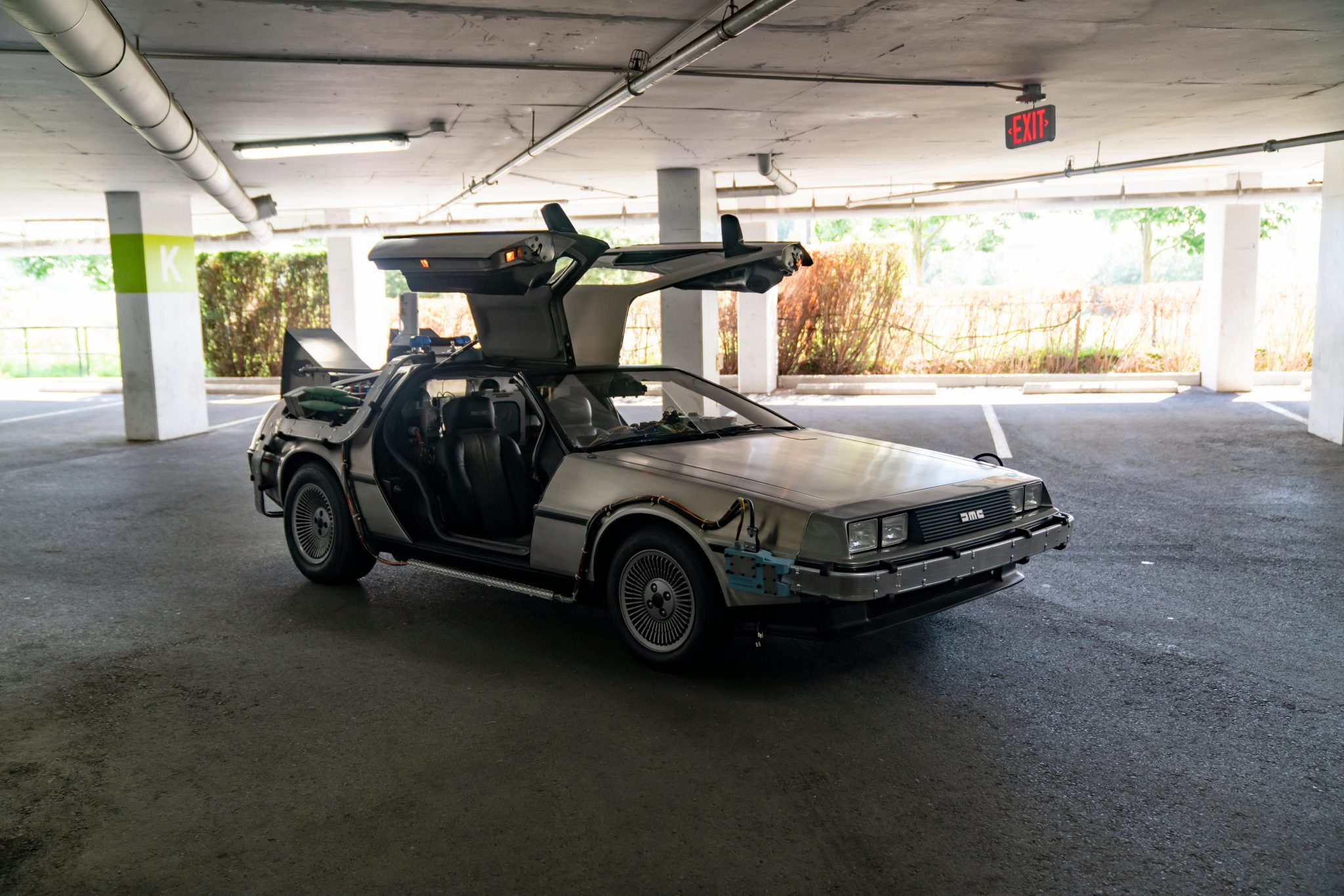
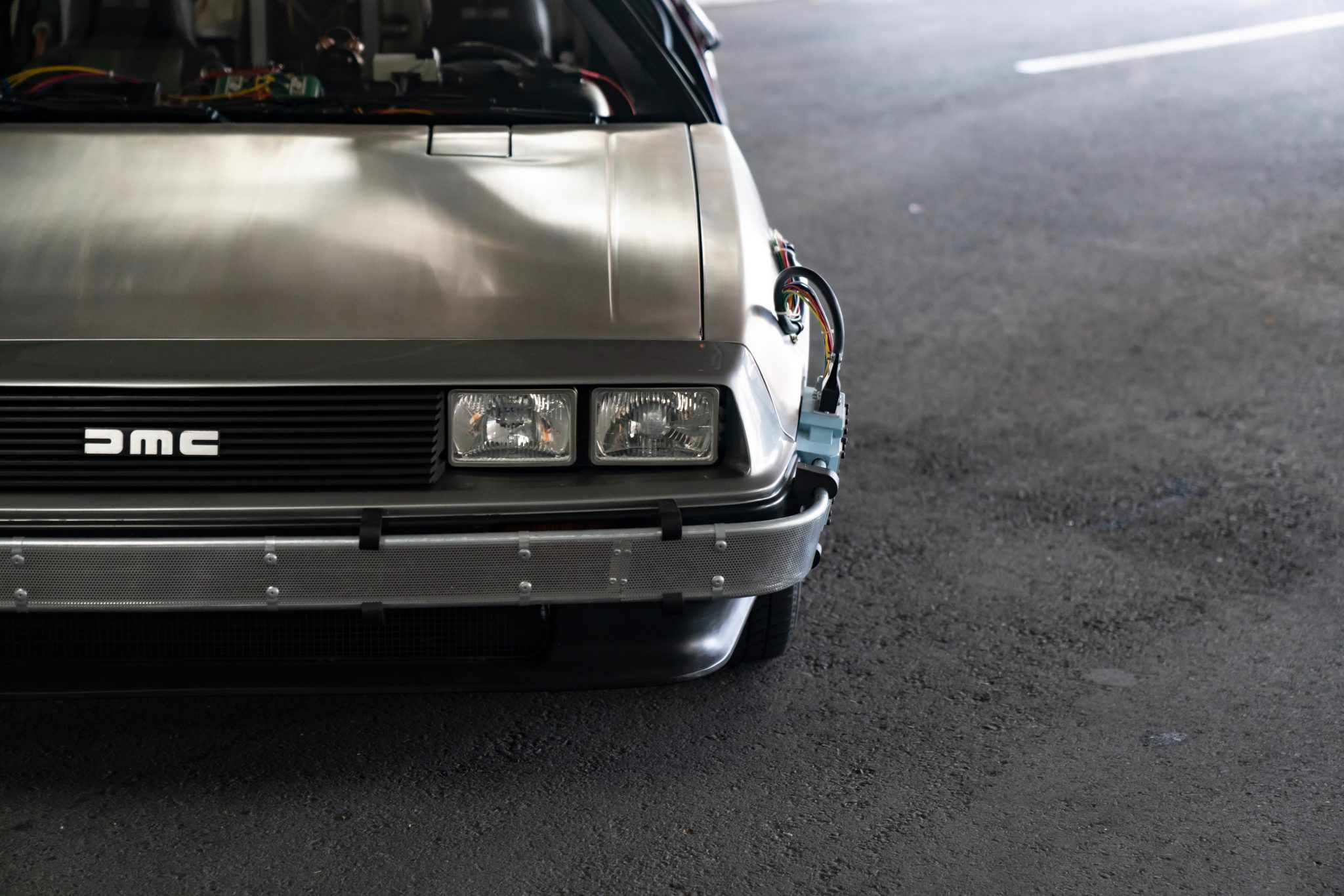
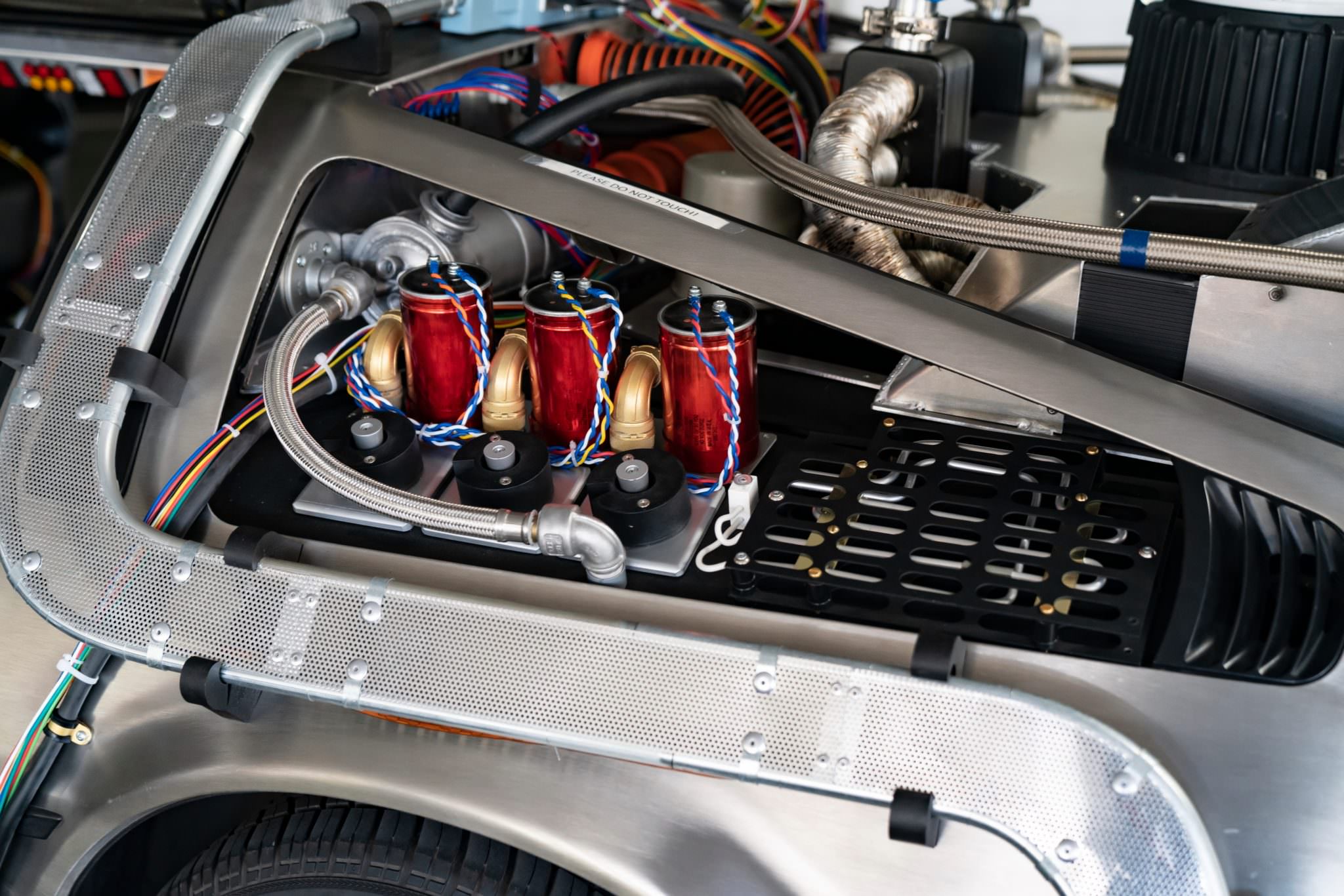
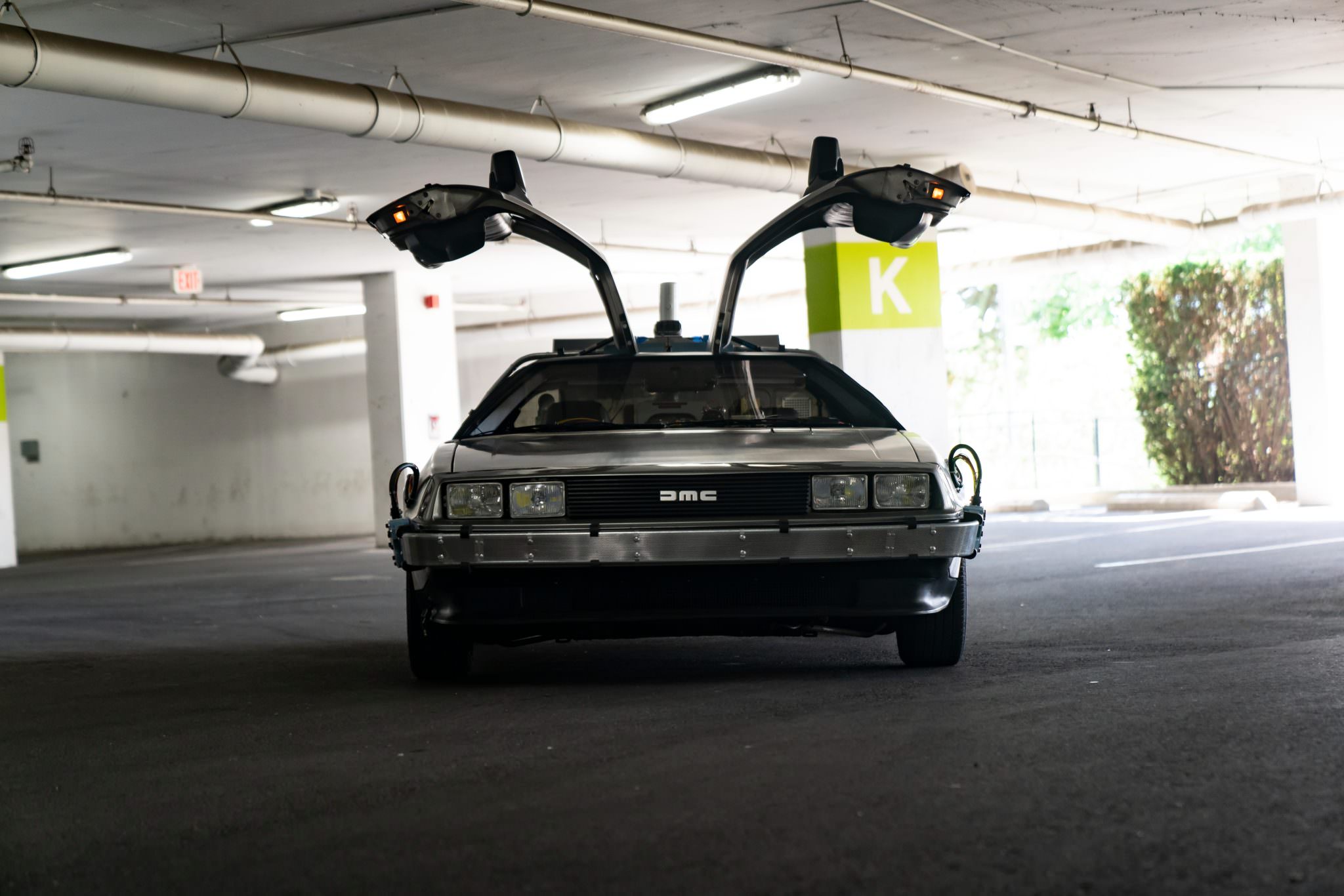
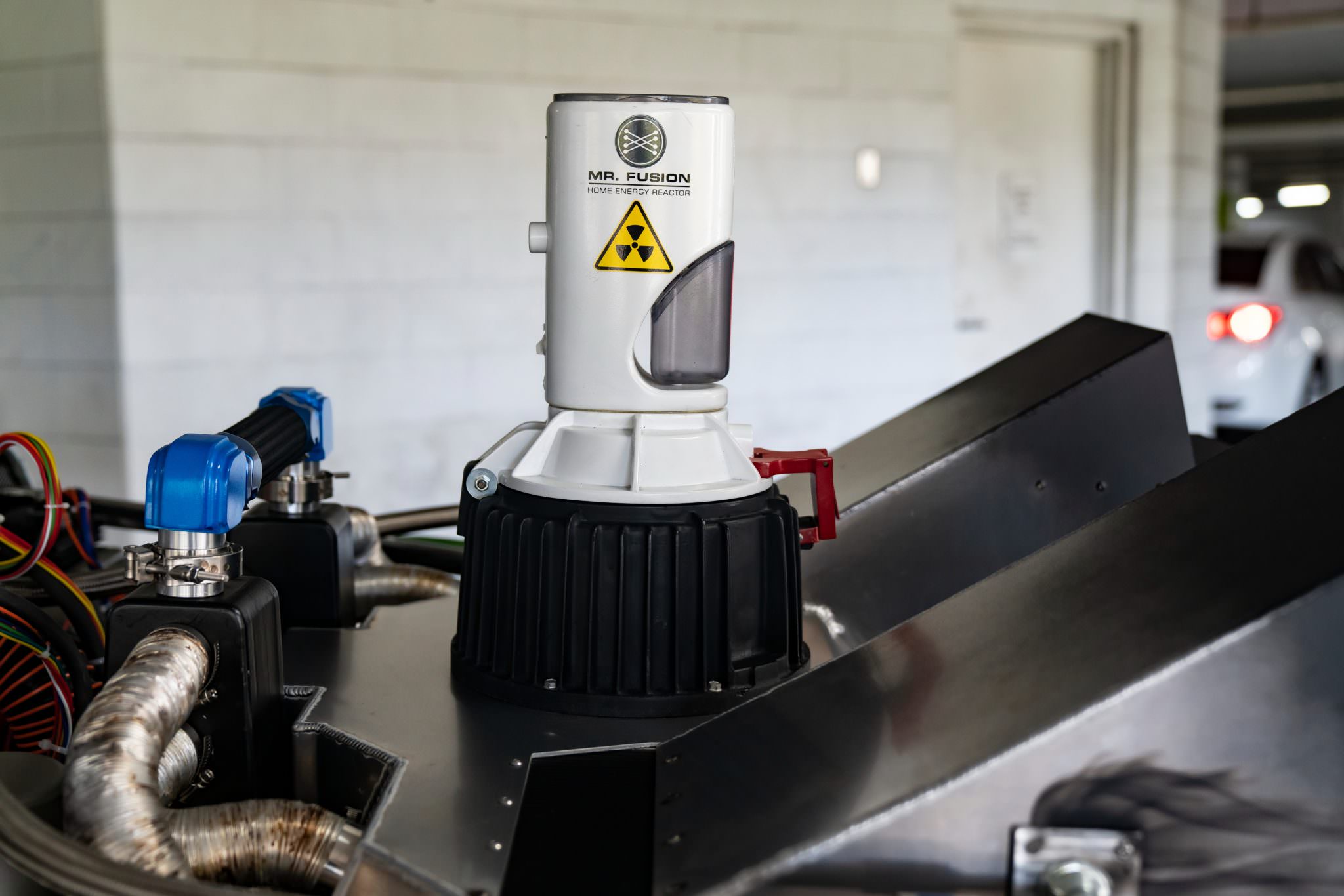
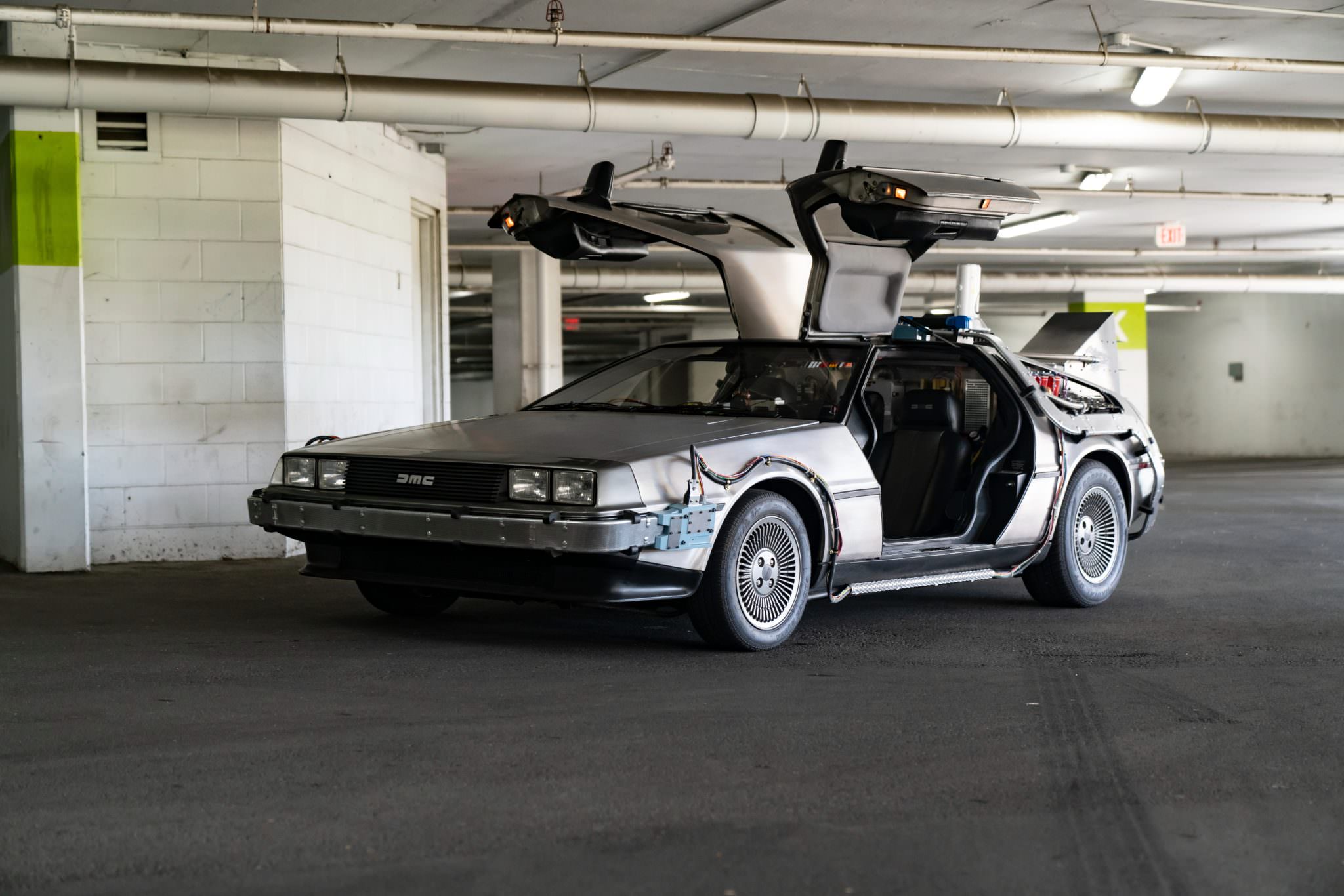
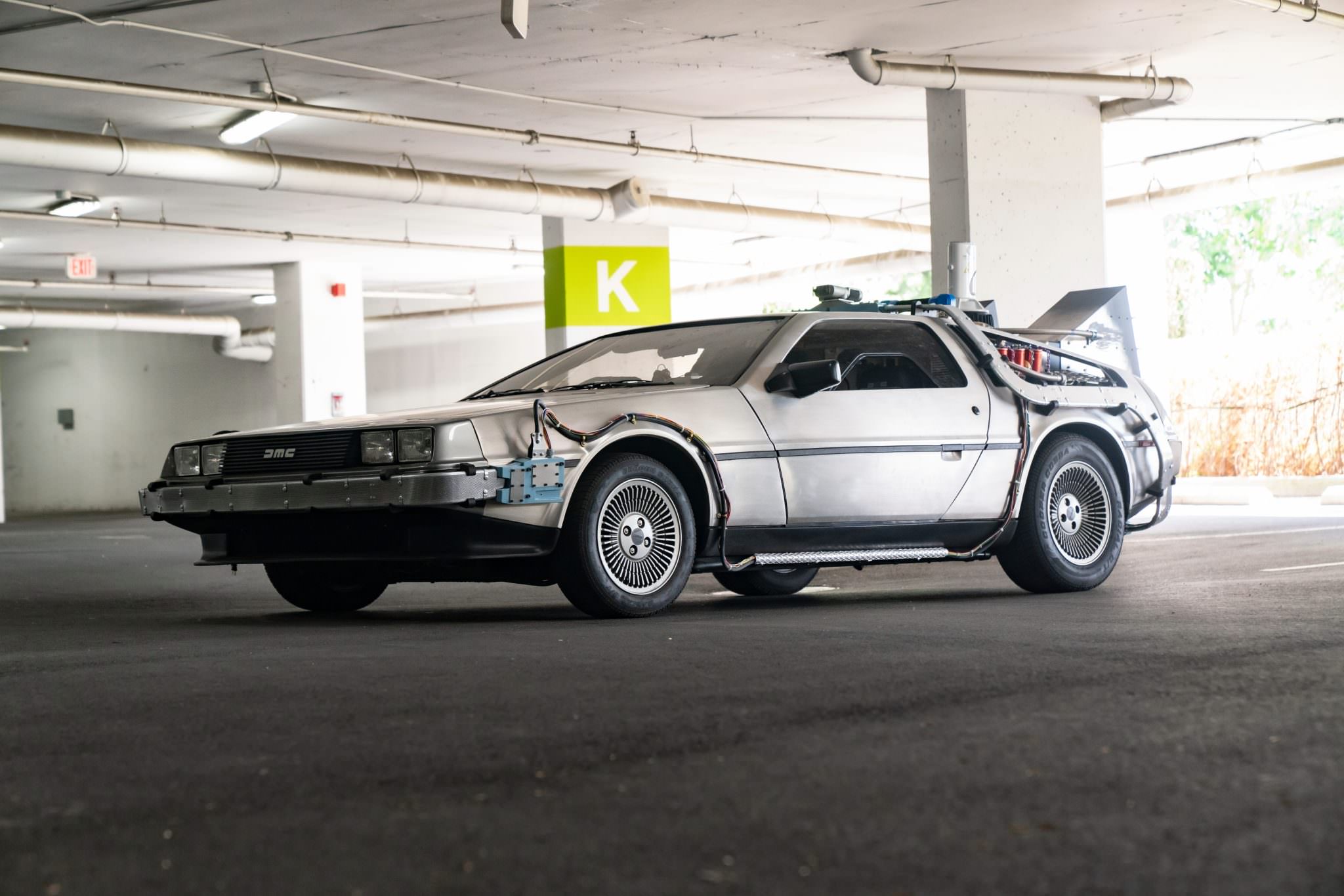
This DeLorean DMC-12 has been carefully modified into a Back to the Future-style time machine, including the addition of a Mr Fusion, a flux capacitor, external wiring, and many switches, circuits, and panels replicated from the original.

The use of the DeLorean in the film trilogy turned the car from a failure to one of the most famous automobiles on the face of the earth almost overnight. Even today almost 30 years after the first film in the series was released people on the street immediately recognize it from its role in the films.

Fast Facts – A DeLorean DMC-12 “Time Machine”

  • The DeLorean DMC-12 was destined to be a revolutionary vehicle, the prototype was initially known as the DSV-1, or “DeLorean Safety Vehicle,” and it was to incorporate a unit construction plastic chassis, a mid-engine layout, a driver’s airbag, and 10 mph bumpers.
  • The project was launched by John DeLorean, a veteran of the American automobile industry and the creator of the Pontiac GTO among many other vehicles.
  • The final production DeLorean would have the engineering done by Colin Chapman and his team at Lotus, with a body designed by Giorgetto Giugiaro at Italdesign.
  • Ultimately the DeLorean would be a failure, the company filed for bankruptcy in 1982 just two years after production began with approximately 6,500 built. The car would go on to become a pop culture icon thanks in no small part to its prominent use in the “Back to the Future” trilogy from 1985 to 1989.

The DSV-1 “DeLorean Safety Vehicle”

In the late 1970s John DeLorean set out to fulfill a lifelong dream and start his own car company. Little did he know that within a few short years his company would collapse and he would be arrested for the FBI for attempting to smuggle large quantities of cocaine on his private jet.
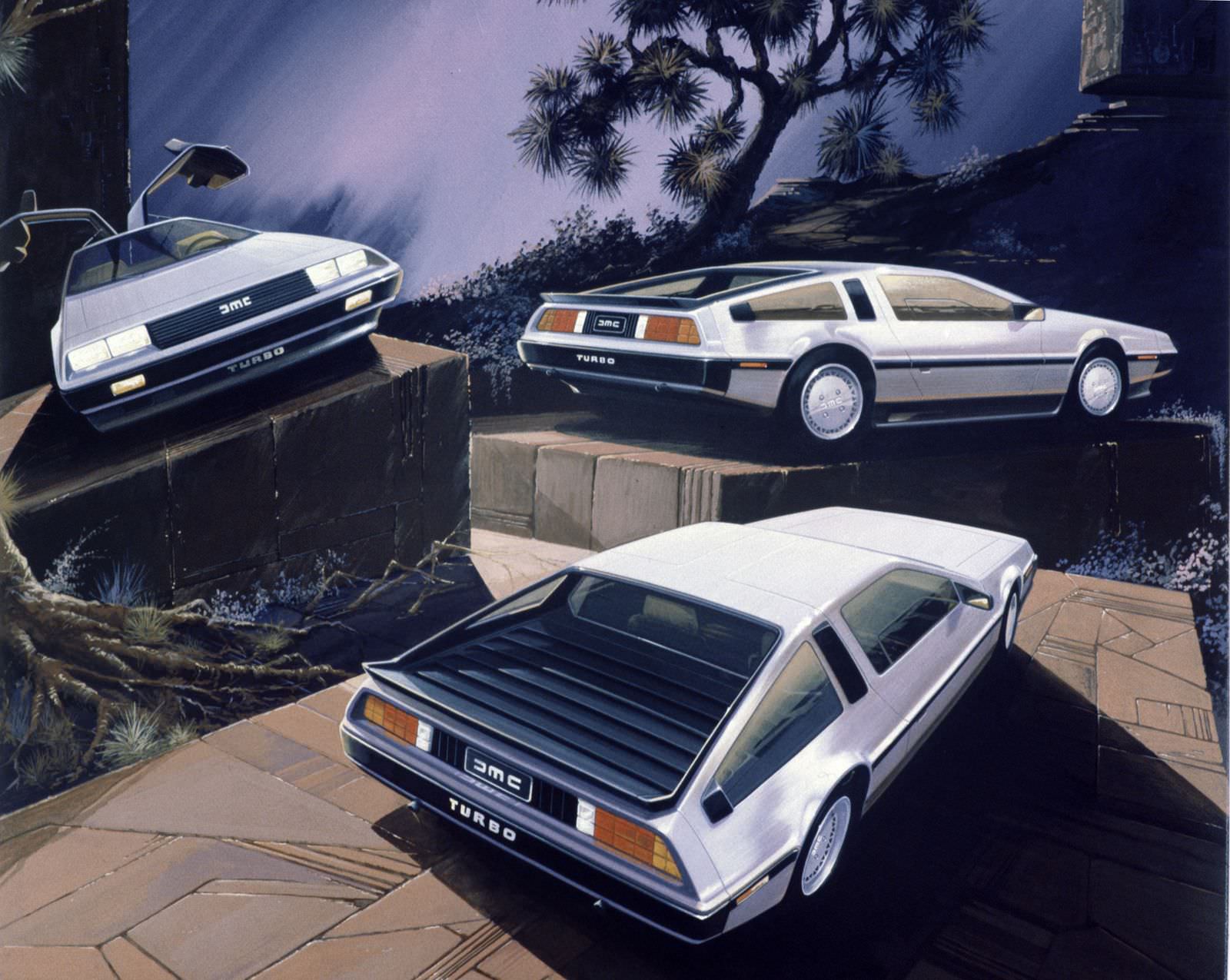
DeLorean Concept Car

This is an early design drawing of the DeLorean by celebrated automobile designer Giorgetto Giugiaro.

The DeLorean project started out with the best of intentions, he intended to build a futuristic car with state-of-the-art design and a slew of modern safety features using an all-new plastic unibody chassis using elastic reservoir moulding (ERM) technology.

The car was to be called the DSV-1 or “DeLorean Safety Vehicle,” it was planned to have a centrally-mounted Wankel rotary engine, a driver’s airbag, 10 mph bumpers, and a computerized central warning system that would check fluid levels and warn of issues like low brake pad thickness.

During the development and engineering process it became clear that ERM was never going to be suitable for this kind of automotive use, and many of the technologies proved too difficult to implement for production.

The engineering was turned over to Colin Chapman and his team at Lotus who did what they did best – they developed a lightweight fiberglass body over a steel backbone chassis with independent front and rear suspension and a mid-engine layout – fundamentally the same arrangement that they used on their own cars like the Esprit and the earlier Europa.

The DeLorean Safety Vehicle name was dropped in favor of the name DeLorean DMC-12 – the 12 was a reference to the planned US sales price of $12,000 USD. In the end this name would also be dropped and at the time of its release it was simply called the DMC DeLorean. That said, to this day it’s still most commonly referred to as the DMC-12.

John DeLorean with an early design prototype of the DeLorean DMC-12

John DeLorean resting on an early styling prototype of the DeLorean DMC-12.

The one thing the DeLorean did have going for it was its styling. It had been penned by Giorgetto Giugiaro at Italdesign, a man many consider to be the greatest automobile designer of the 20th century. Its fiberglass body was given a series of outer panels made from brushed stainless steel, which combined with its gullwing doors ensured that it looked like nothing else on the road.

The DeLorean DMC-12 + Back To The Future

By the time promotion of the DMC-12 began in 1980 the project was already in series financial trouble, and had been largely propped up by investment from the Irish government who were hoping to spur jobs grown in the region.

By the time of its release the car was underpowered thanks to its 2.85 liter V6 PRV engine and its anemic 130 hp output, and it was over twice as expensive as originally intended with a sticker price of $25,000 USD versus the original projected cost of $12,000 USD.

These two factors combined with a series of quality control issues resulted in very poor sales and production was shutdown in 1982 when the company entered bankruptcy with approximately 6,500 cars completed. John DeLorean was set up in an FBI sting operation to smuggle cocaine on his private jet and arrested – he was later found not guilty due to police entrapment.

This would have been the end of the DeLorean if it wasn’t for an unusual science fiction film released in 1985 called Back to the Future. The film’s original draft used a refrigerator as the time machine, however this was changed due to concerns by Steven Spielberg about children attempting to emulate the film by climbing into refrigerators and potentially suffocating.
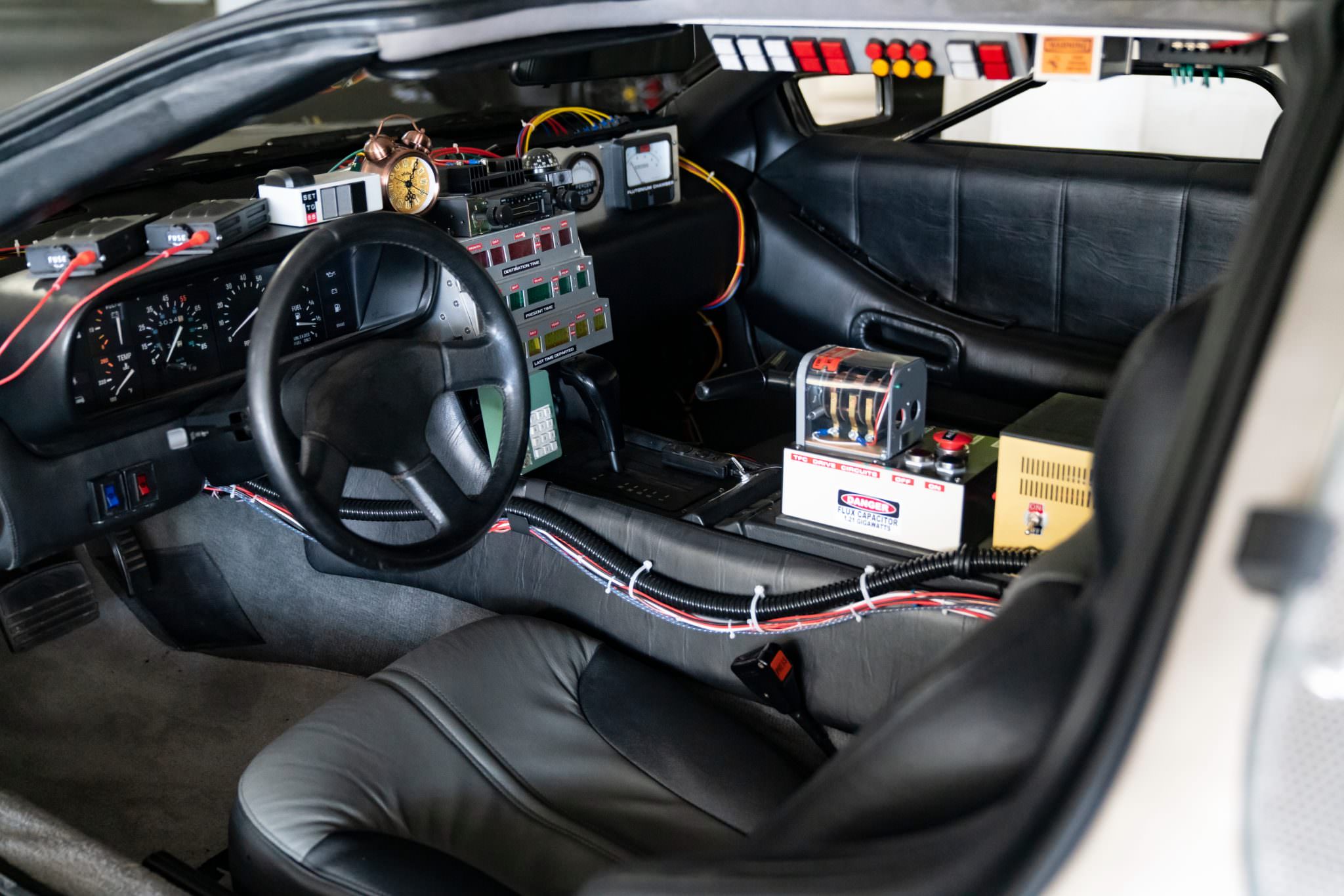
DeLorean DMC-12 Time Machine 8

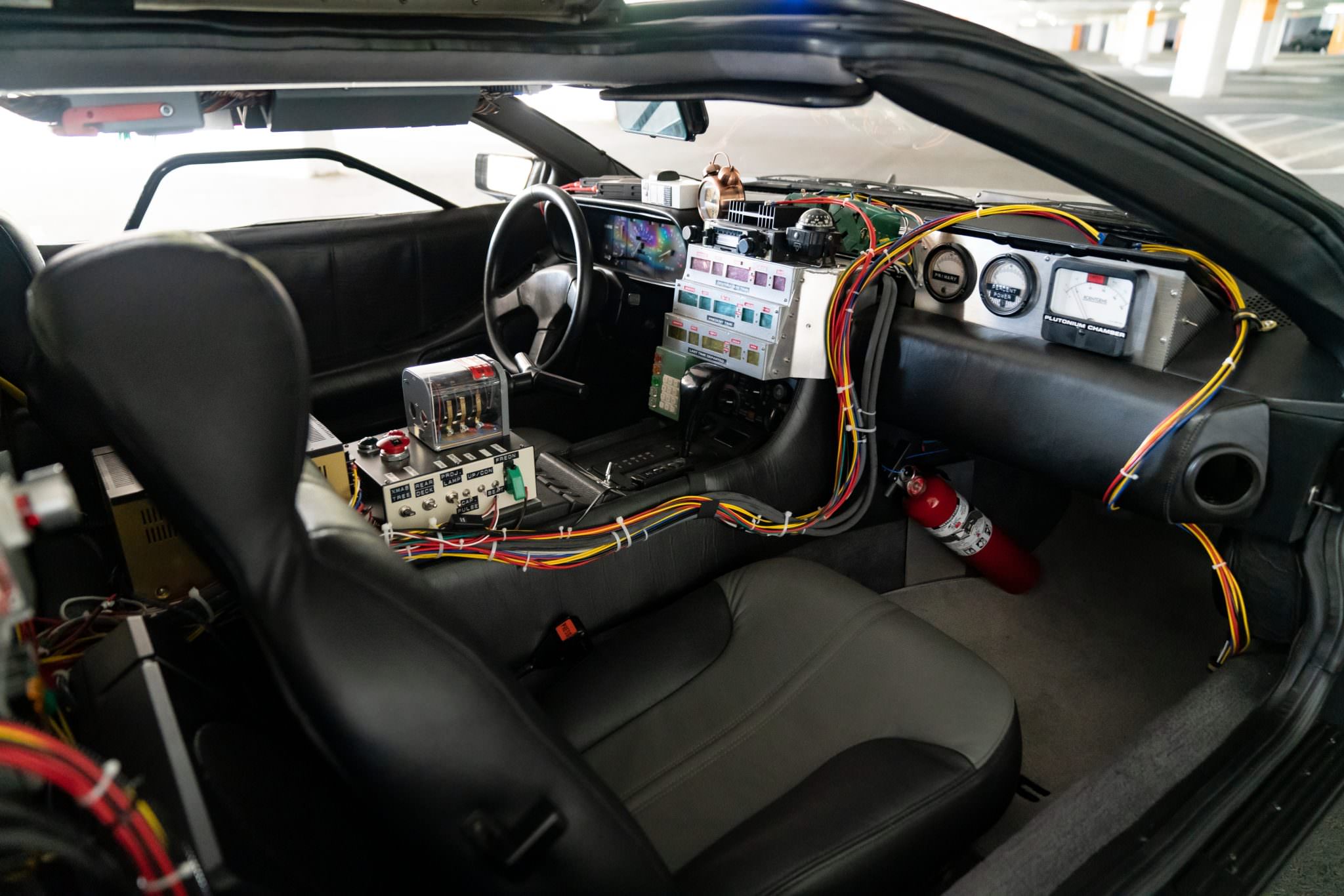
The DMC-12 in this article has all the Back to the Future time machine additions, including the date clocks, internal and external wiring, the flux capacitor, and the Mr Fusion on the back.

As a result of these concerns Robert Zemickis suggested a DeLorean, largely because it was so unique looking and would look like an alien spacecraft to a 1950s-era American family.

The DeLorean would play a pivotal role in all three films, turning the car from a quirky failure into a major 1980s pop culture icon in the process. If Back to the Future had been released back when the DeLorean was still in production it may very well have spurred sales and saved the company, for a time at least.

DeLorean was recently brought back with an all-new four-seat electric car slated for production, and the company explains that a number of cars are planned to follow.

The DeLorean DMC-12 “Time Machine” Shown Here

The car you see here is a 1981 DeLorean DMC-12 that’s been given a painstaking rebuild into a replica of the time machine from Back to the Future, specially the version used later in the series with the Mr Fusion reactor on the back.

This car features all the same external and internal wiring, inside you’ll find a flux capacitor, the date computer, and all the other bells and whistles.

The car it’s based on is the 3-speed automatic DeLorean and it has black and grey leather upholstery, air conditioning, and 23,000 miles on the odometer.

It’s currently being offered for sale on Bring a Trailer out of Abbotsford in British Columbia, Canada and you can visit the listing here if you’d like to read more about it or register to bid.
DeLorean DMC-12 Time Machine 13 DeLorean DMC-12 Time Machine 1 DeLorean DMC-12 Time Machine 21 DeLorean DMC-12 Time Machine 20 DeLorean DMC-12 Time Machine 19 DeLorean DMC-12 Time Machine 18 DeLorean DMC-12 Time Machine 17 DeLorean DMC-12 Time Machine 16 DeLorean DMC-12 Time Machine 15 DeLorean DMC-12 Time Machine 14 DeLorean DMC-12 Time Machine 12 DeLorean DMC-12 Time Machine 11 DeLorean DMC-12 Time Machine 10 DeLorean DMC-12 Time Machine 9 DeLorean DMC-12 Time Machine 7 DeLorean DMC-12 Time Machine 6 DeLorean DMC-12 Time Machine 4 DeLorean DMC-12 Time Machine 3 DeLorean DMC-12 Time Machine 2

Images courtesy of Bring a Trailer
The post For Sale: A 1981 DeLorean DMC-12 “Time Machine” appeared first on Silodrome.


from Silodrome https://silodrome.com/delorean-dmc-12-time-machine/
via gqrds

For Sale: Blak Douglas’ Rare Ford Falcon XY 4X4 Ute

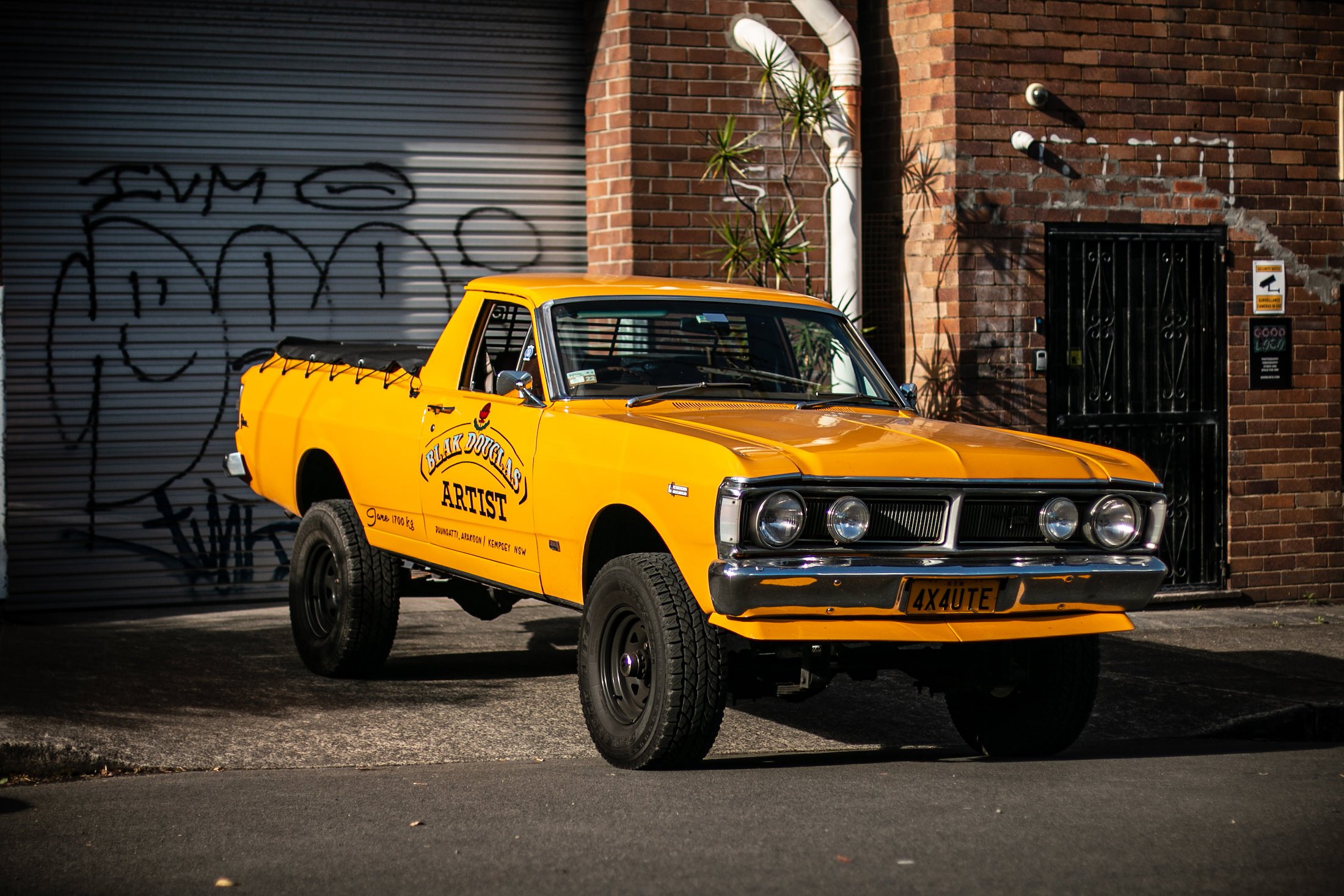
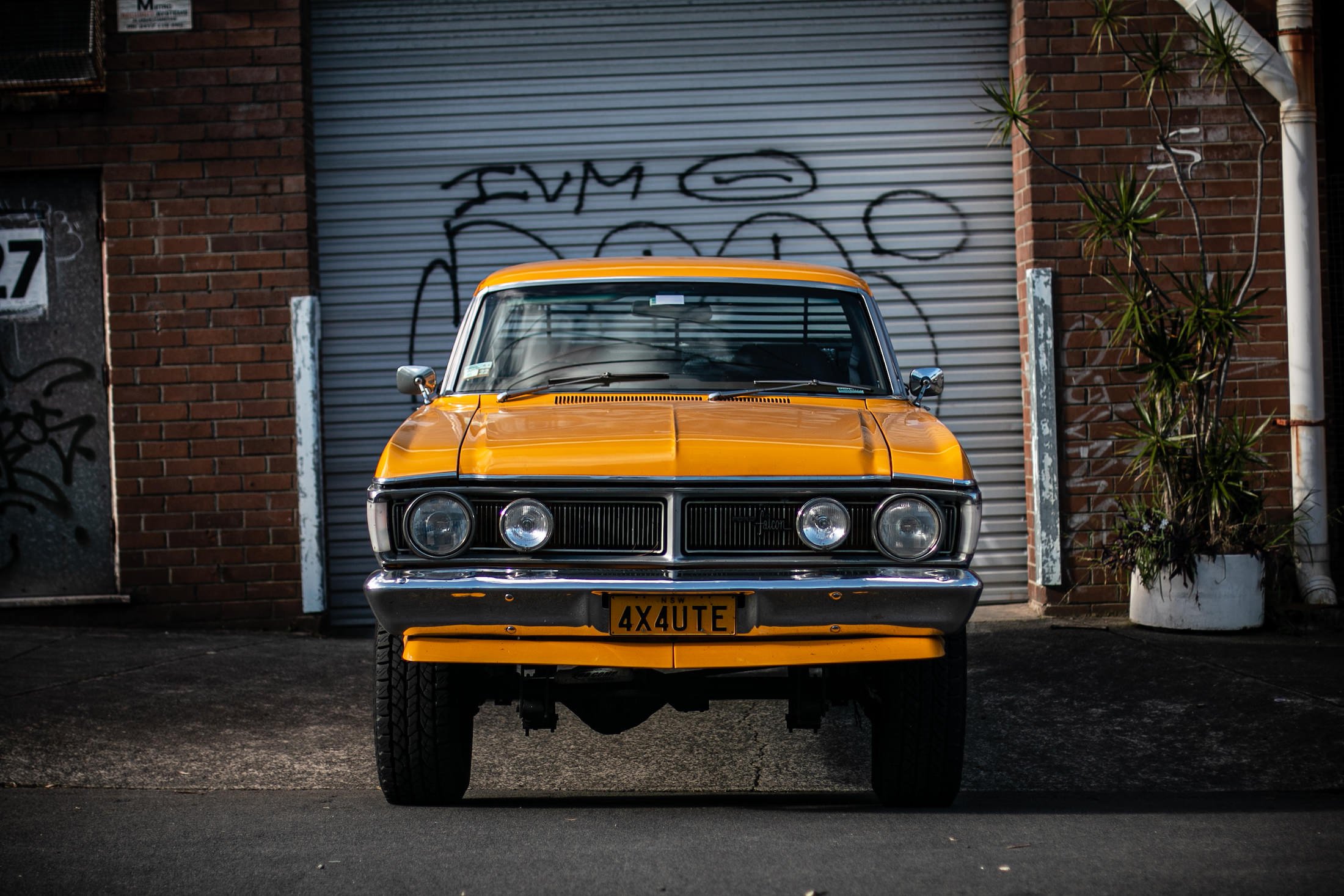
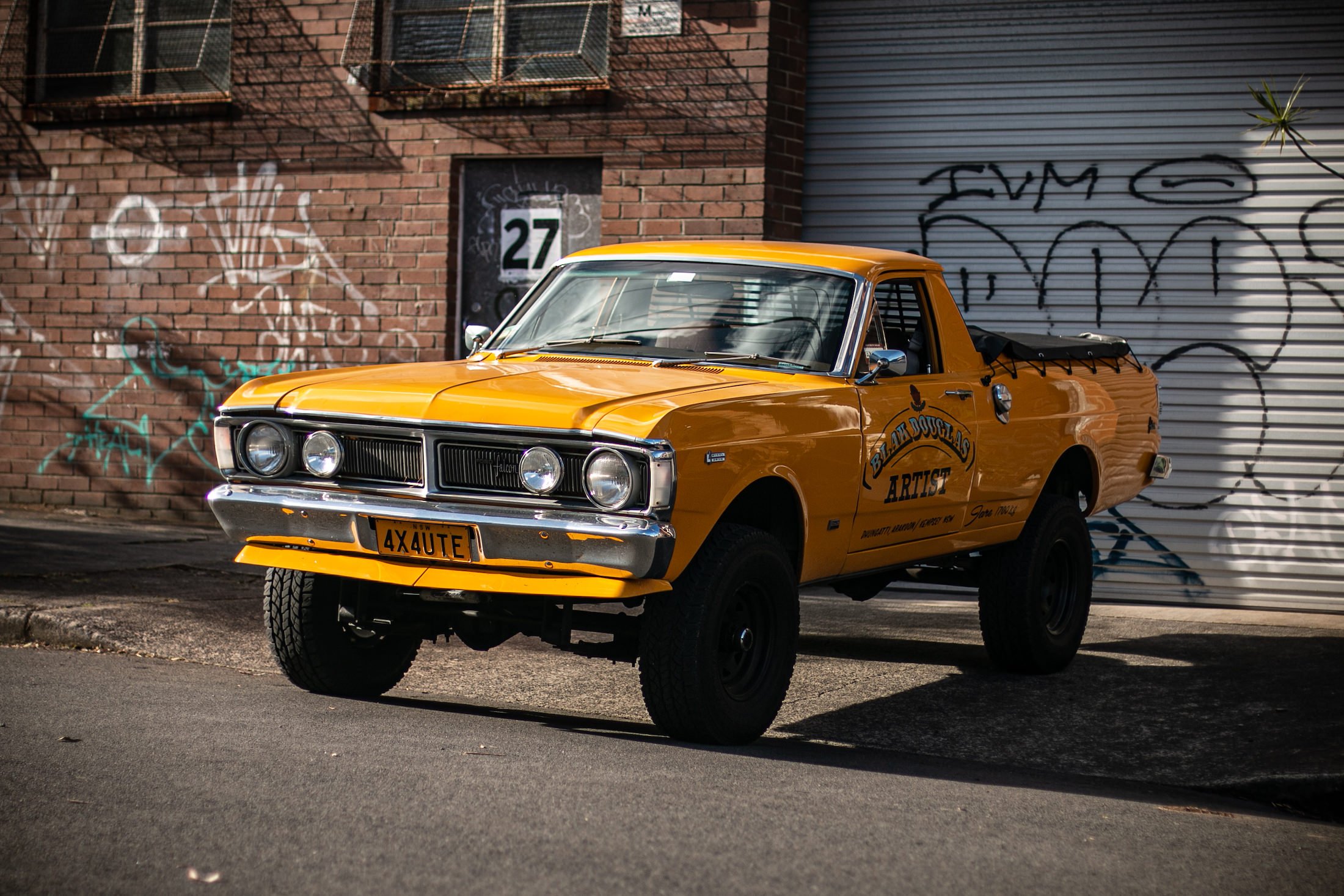
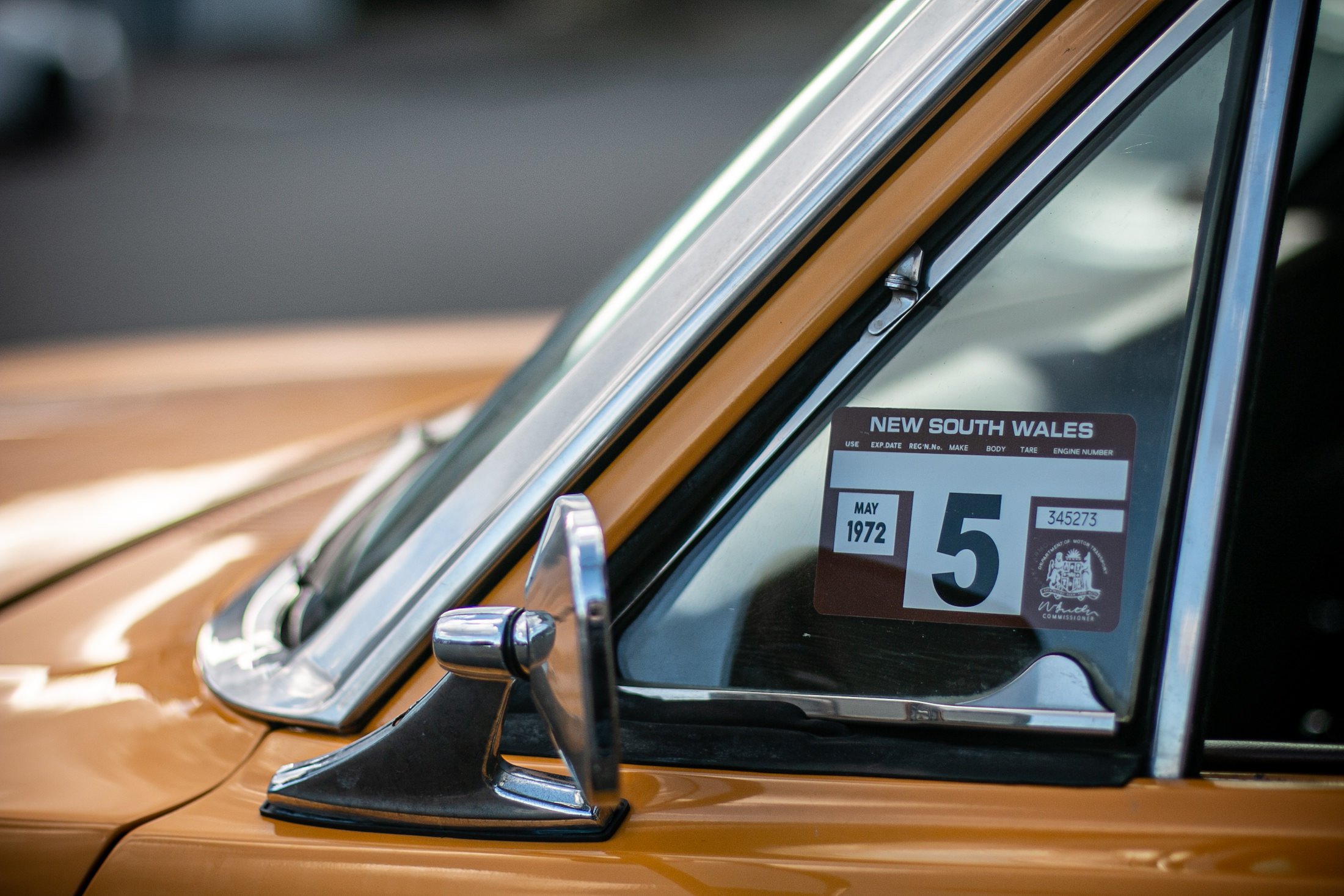
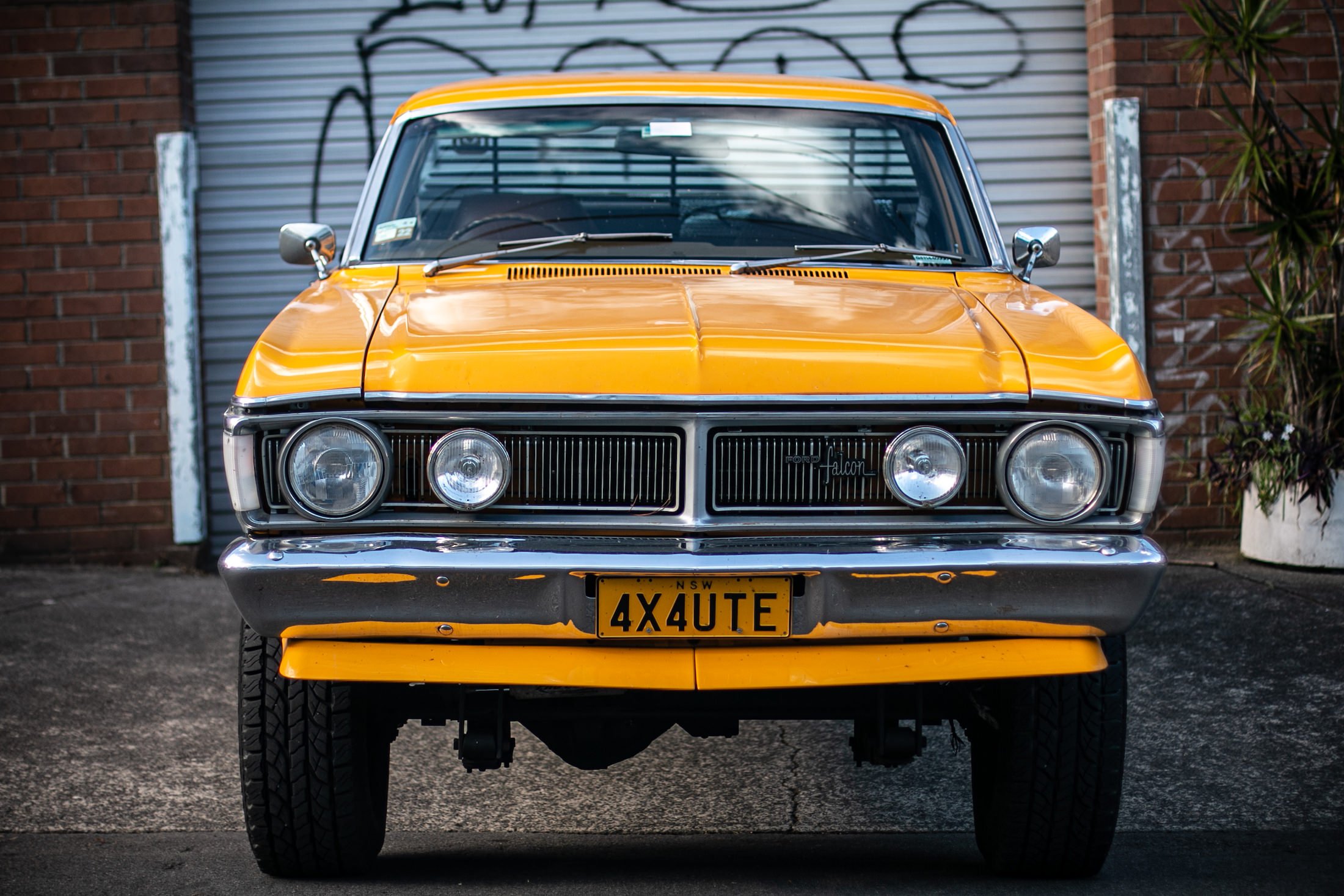
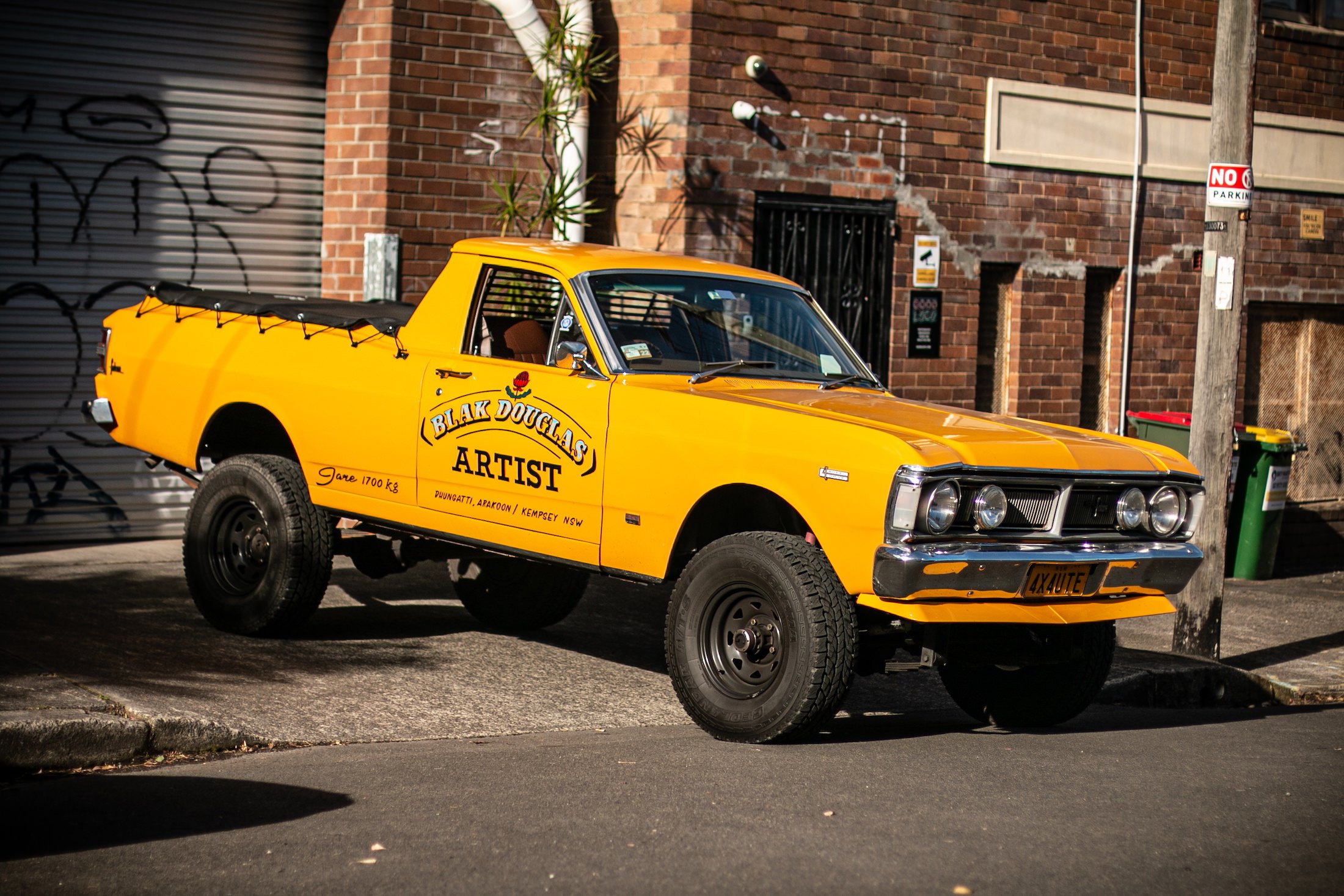
This is a rare Ford Falcon XY 4×4 Ute – if you’ve never seen one before that’s entirely understandable, just 432 of them were ever made and they were exclusively sold in the Australian market.

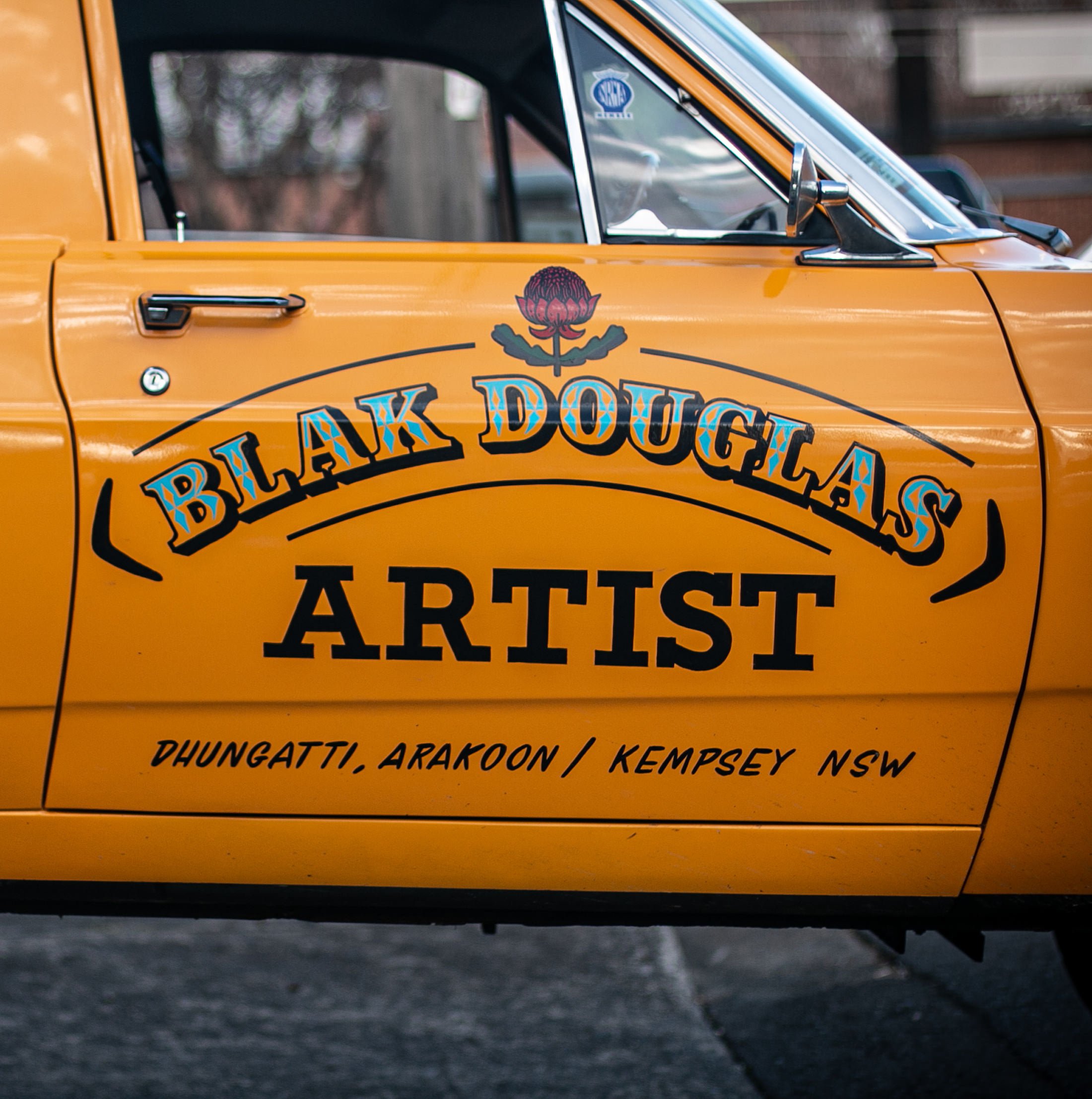
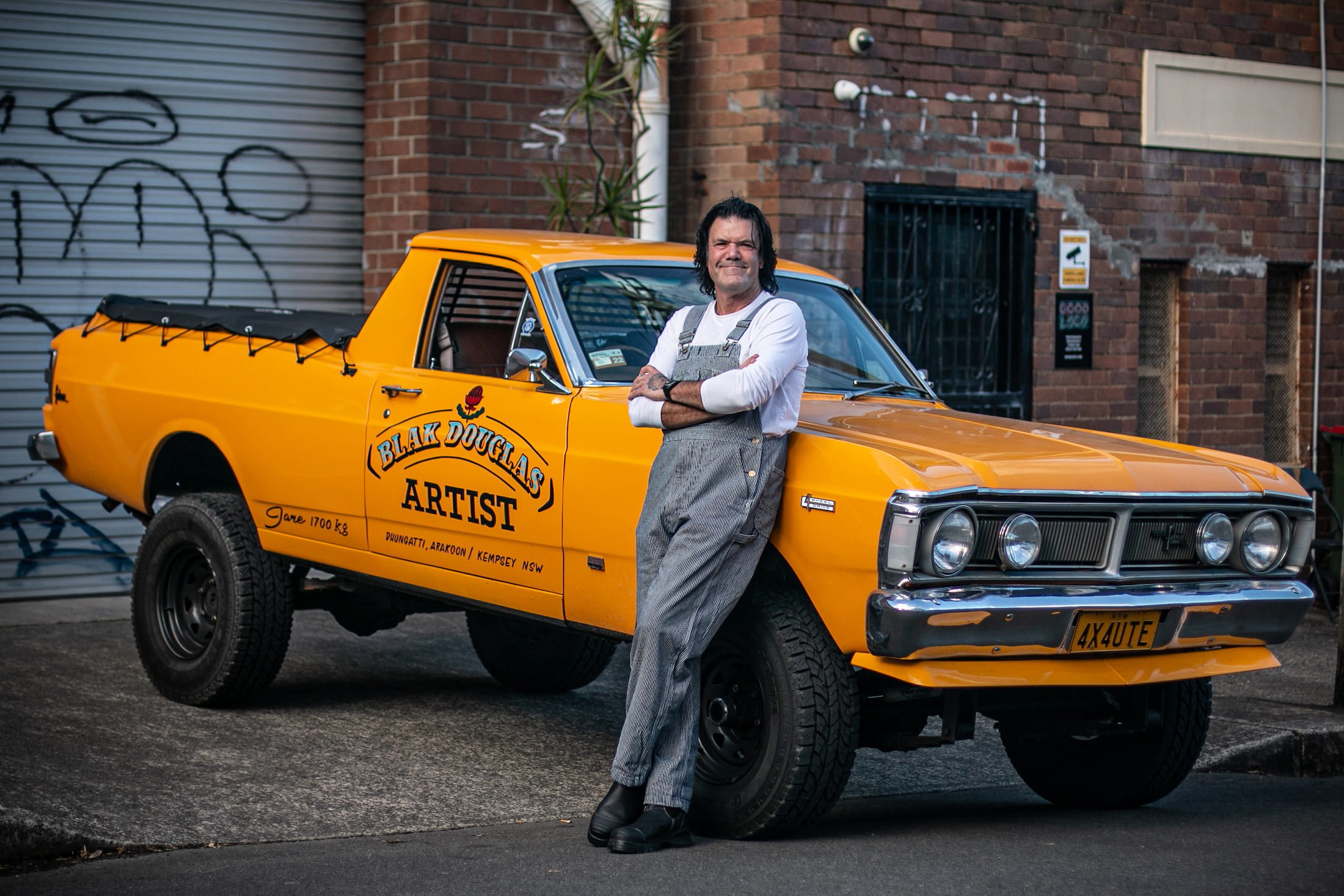
The example you see here is now being offered for sale by Blak Douglas, one of Australia’s most prominent artists and the winner of slew of awards including the prestigious Archibald Prize in 2022.

Fast Facts – The Ford Falcon XY 4X4 Ute

  • The Ford Falcon XY 4X4 Ute was developed in the late 1960s and early 1970s as a potential new 4×4 for the Australian armed forces.
  • The project showed a lot of promise, and there was a surge in interest in the vehicle from regular Australians after spy shots of an early prototype appeared in the press.
  • The military version of the XY 4X4 Ute would never see the light of day as the army opted to stick with more familiar body-on-chassis designs from Land Rover.
  • Due to public demand 432 XY Ute chassis were converted to full 4×4 and offered for sale in 1973 after significant delays, they all sold and today the vehicle remains one of the rarest of the Australian production Fords.

A New 4×4 For Australia’s Military. Almost.

In the late 1960s the Australian military was looking to acquire new four-wheel drive vehicles that would be a little more powerful than the four-cylinder Land Rovers they then had in service.

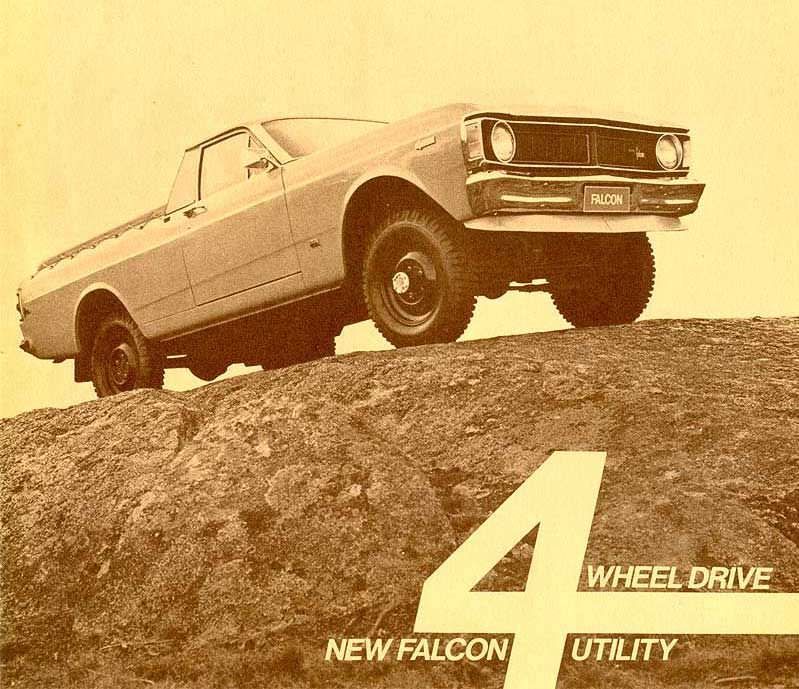
Ford Falcon XY 4X4 Ute Ad

Despite the fact that only 432 were made, Ford went all out creating advertising materials and brochures of the new XY 4×4 Ute.

Ford Australia got wind of this potentially lucrative new military contract and set to work developing a four-wheel drive version of their model XY ute, ute being a shortened form of “utility” which is used to describe single or double cab vehicles with a pickup or cargo tray rear in Australia and New Zealand.

As it happened, Ford was working closely with Willys at the time, the local importer of Jeeps, supplying them with engines and other parts from their Falcon model line to ensure that spare parts availability for Australian Jeep owners would be straight forward.

As a result of this connection Ford had access to Jeep’s highly respected drivetrain hardware – and they opted to use it on their prototype rather than develop a new system from scratch.

Sadly the XY 4×4 was never even tested by the military, they decided to stay with the rugged body-on-chassis Land Rover, but opted for the more powerful six-cylinder engine rather than the more common four-cylinder unit.

The Ford Falcon XY 4X4 Ute

Despite the significant setback of missing out on the military contract Ford executives decided to stay the course and develop a production version of the car – based largely on the fact that spy shots of a prototype had been published in the media and the public reaction had been overwhelmingly positive.

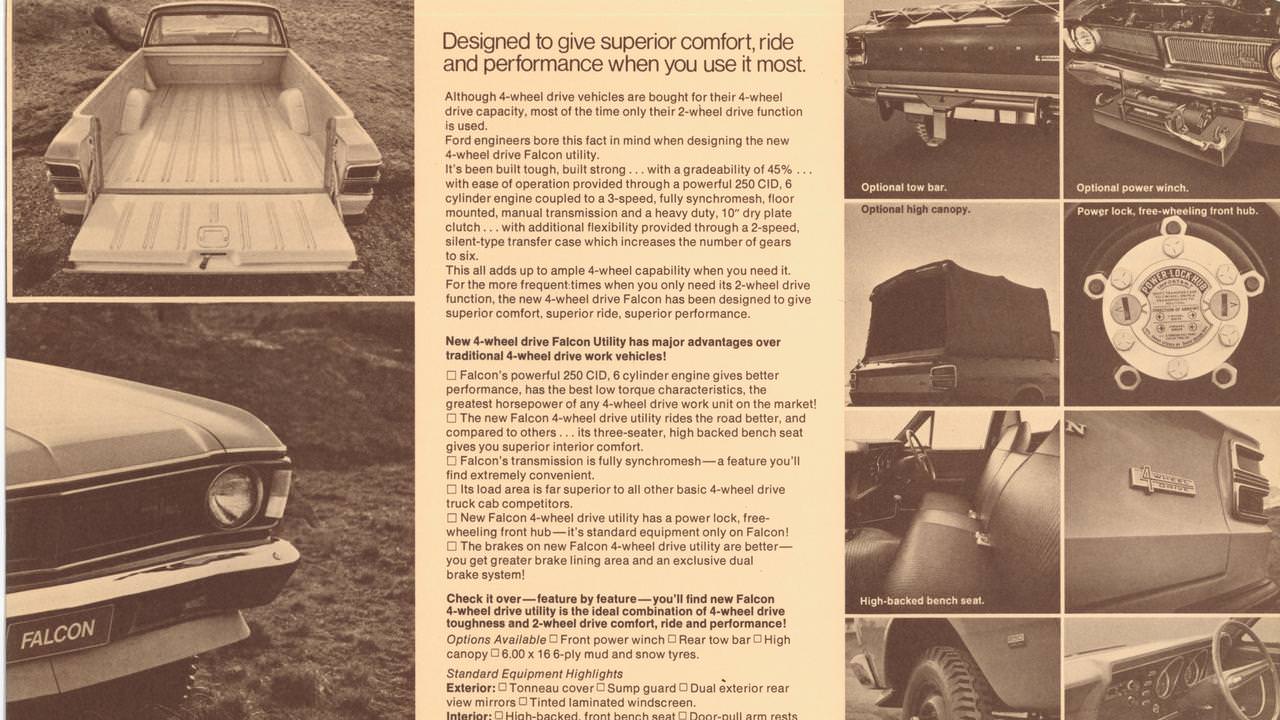
Ford Falcon XY 4X4 Ute Brochure

Utes with solid four-wheel drive underpinnings would become an Australian staple a few years after the XY 4×4 was discontinued. The best sellers in the Australian 4×4 market today are the Ford Ranger and the Toyota Hilux.

The biggest challenge faced by the engineering team was getting a leaf sprung front axle assembly under the front of the XY Falcon, a car that had been designed with independent front suspension on coil springs.

Significant strengthening and reinforcement was necessary front and back, particularly in the front where a new steel frames were added from the firewall forwards to better cope with the weight and loads of the live axle.

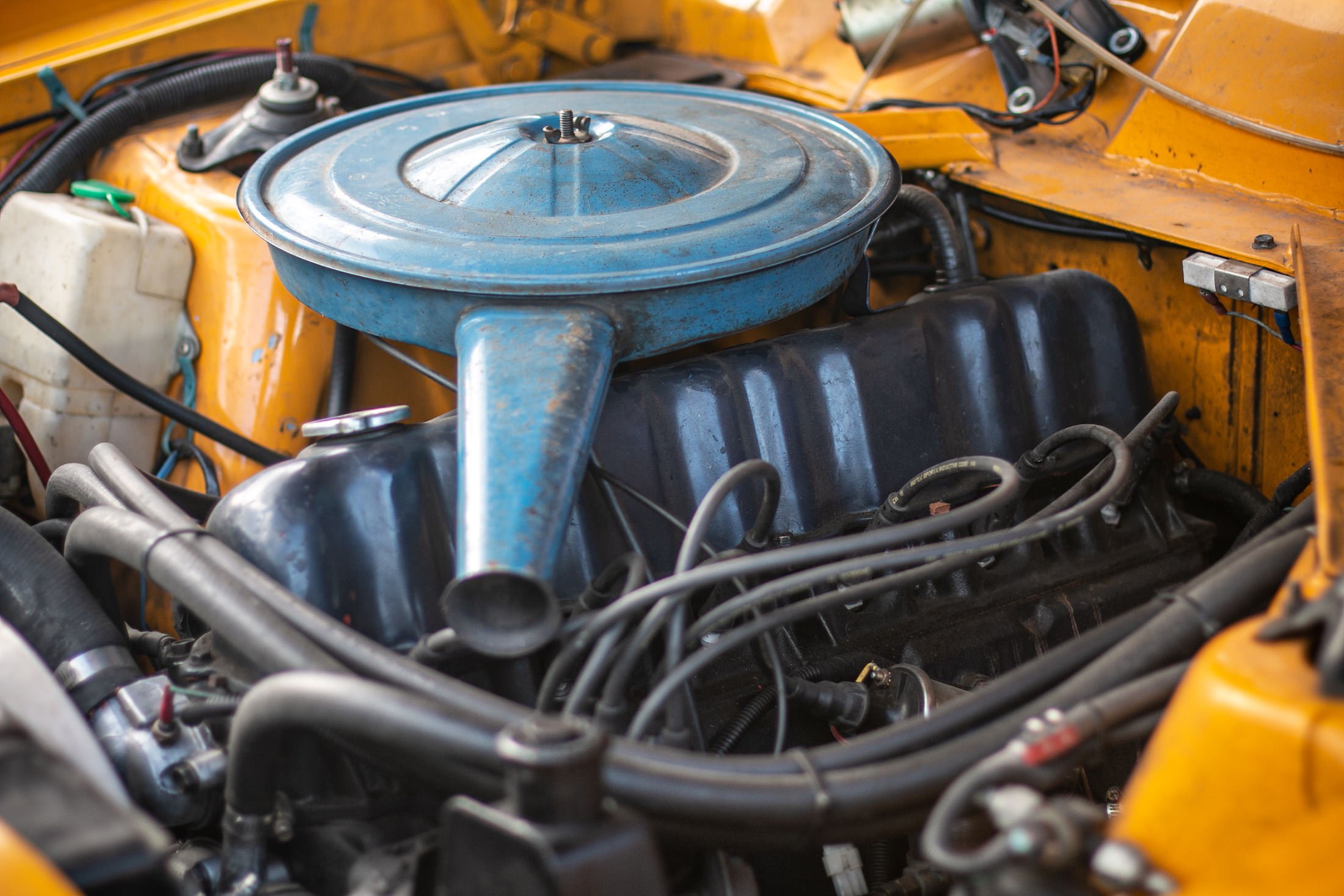
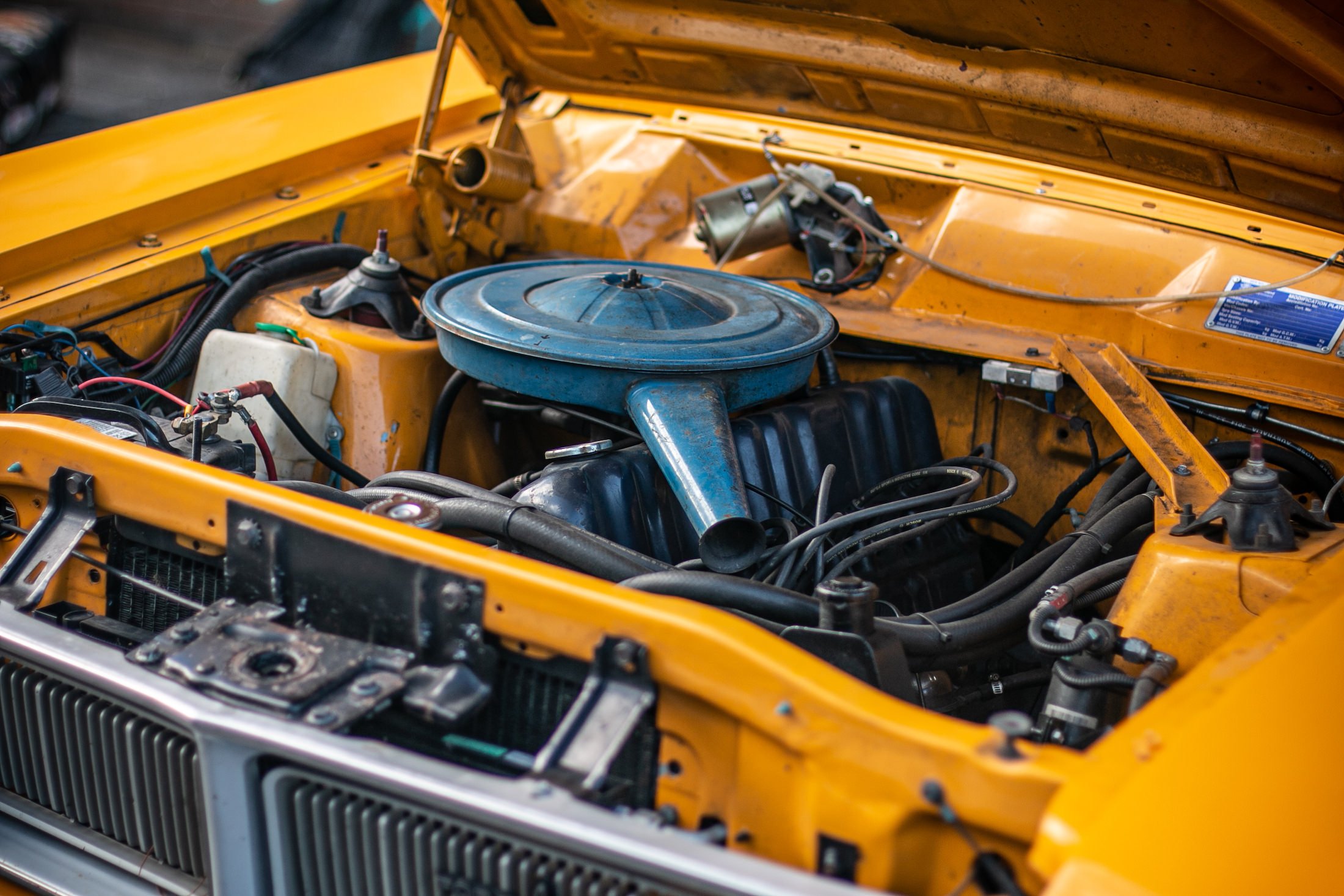
The inline-six cylinder engine needed to be tilted to one side to allow clearance between the sump and the front differential, this also required an angled adapter be fitted to the intake to keep the carburetor level.

Power was provided by the venerable Ford Falcon six-cylinder 4.1 liter overhead valve engine, it produced 155 bhp at 4,000 rpm and 240 ft lbs of torque at just 1,600 rpm making it ideal for off-road use.

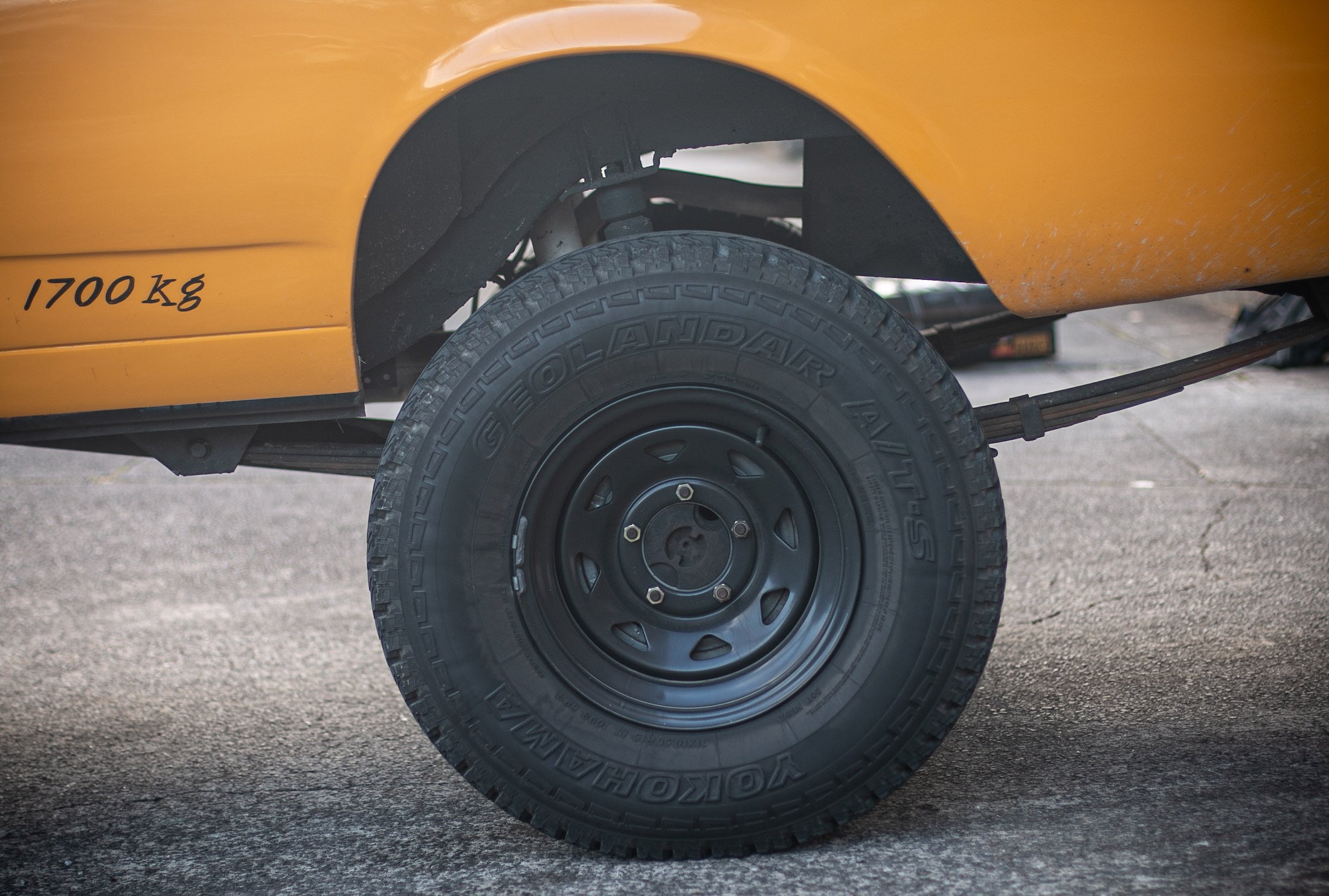
Power was sent back to a Borg Warner AS5 T15A three-speed synchromesh manual gearbox, and from there to a Spicer Model 20 two-speed transfer case. As was common in the era the brakes were drums front and back along with 16″ steel wheels and relatively slim 6.00 x 16″ all-terrain tires.

A production run of 432 vehicles was planned, no one is quite sure why this specific number was chosen, but production was delayed significantly due to the Dana front axles needing to be shipped across the Pacific from the USA.

Ford Falcon XY 4X4 Ute 2

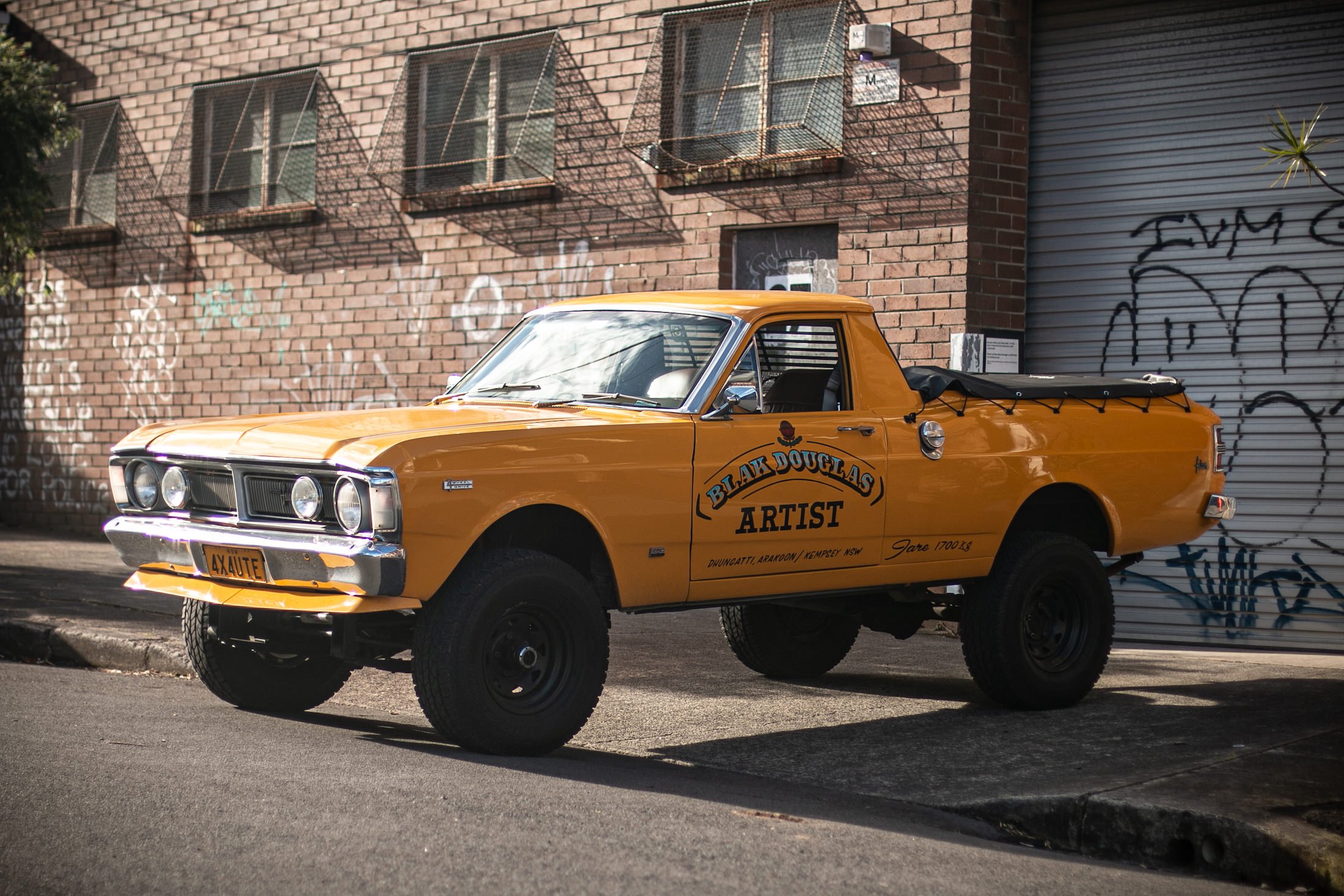
Blak Douglas’ XY 4×4 Ute is one of just four that left the factory in this color, called “Summer Gold.”

Ford developed a series of three options for the XY 4×4 which are now exceedingly rare, they included an 8,000 lb PTO winch (Power Take-Off, shaft-driven from the centrally-mounted transfer case), a heavy duty tow bar, and a steel-framed high canvas canopy for over the rear cargo area.

Due to the labor intensive nature of the build process of the Falcon XY 4×4 they were all essentially hand-built, with assembly needing to take place on weekends in order to avoid slowing down the main production line during the week.

Despite the incredible popularity of the XY 4×4 Ford opted to discontinue the program after the first 432 were built. In hindsight is seems like an off choice given the incredible popularity of the vehicle and the fact that it was potentially the beginning of a whole new market genre.

Looking forward four decades and Ford has now all but discontinued its regular car sales in Australia with just the small Puma left in production – the rest of the model range consists of SUVs, 4×4 pickup trucks, and commercial vehicles.

Blak Douglas

Blak Douglas was born Adam Douglas Hill in Blacktown, Sydney to a Dhungatti Indigenous Australian father and a Caucasian mother. He trained professionally in illustration and photography before becoming a self-taught painter.

As a classically trained Yidaki (didgeridoo) player Blak Douglas has performed both in Australia and around the world with the likes of Albert David, Christine Anu, Gondwanna Voices, Paul Jarman, Jessica Mauboy, Jane Rutter, Music Viva, and Peter Sculthorpe.

Blak Douglas Moby Dickens Karla Dickens Archibald Prize

This is Moby Dickens, the painting by Blak Douglas of Karla Dickens during the recent Lismore floods that won the 2022 Archibald Prize. Image courtesy of Art Gallery NSW.

Some of his most notable performances have been on Australian Idol, with the The Deadlys, the Rugby World Cup opening ceremony, and the welcome for Nelson Mandela.

It would be through his art that Blak Douglas would become a household name in Australia, he won the Blacktown City Art Prize in 2002 followed by two wins of the Mil-Pra Art Prize, Maria Locke Award, and most recently the Archibald Prize in 2022.

The Archibald Prize is Australia’s most prestigious portraiture art prize, first being awarded in 1921 and then every year since. Douglas won for his painting titled “Moby Dickens,” a portrait of Wiradjuri artist Karla Dickens from Bundjalung Country in Lismore (see it pictured above).

Blak Douglas’ Falcon XY 4X4 Ute

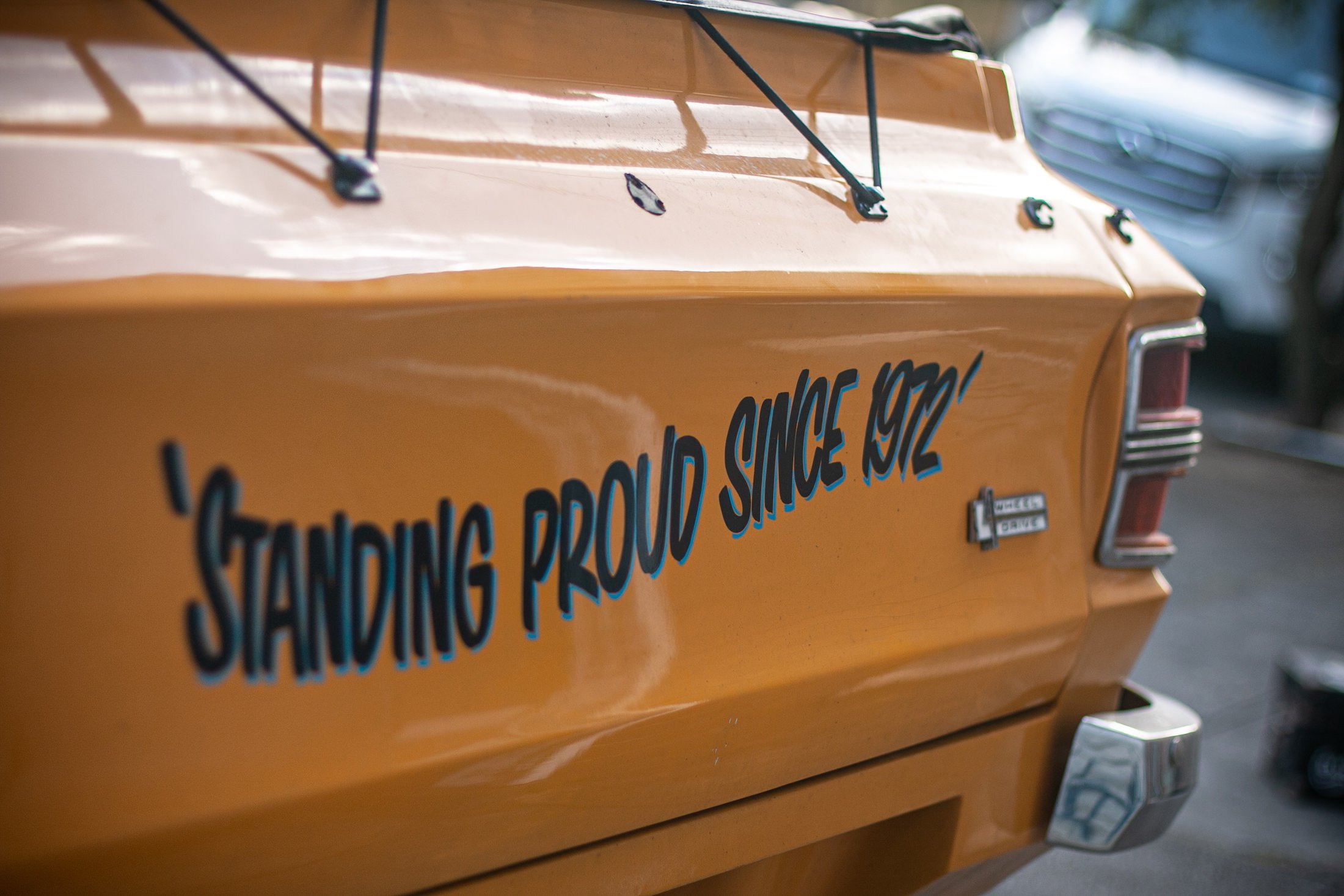
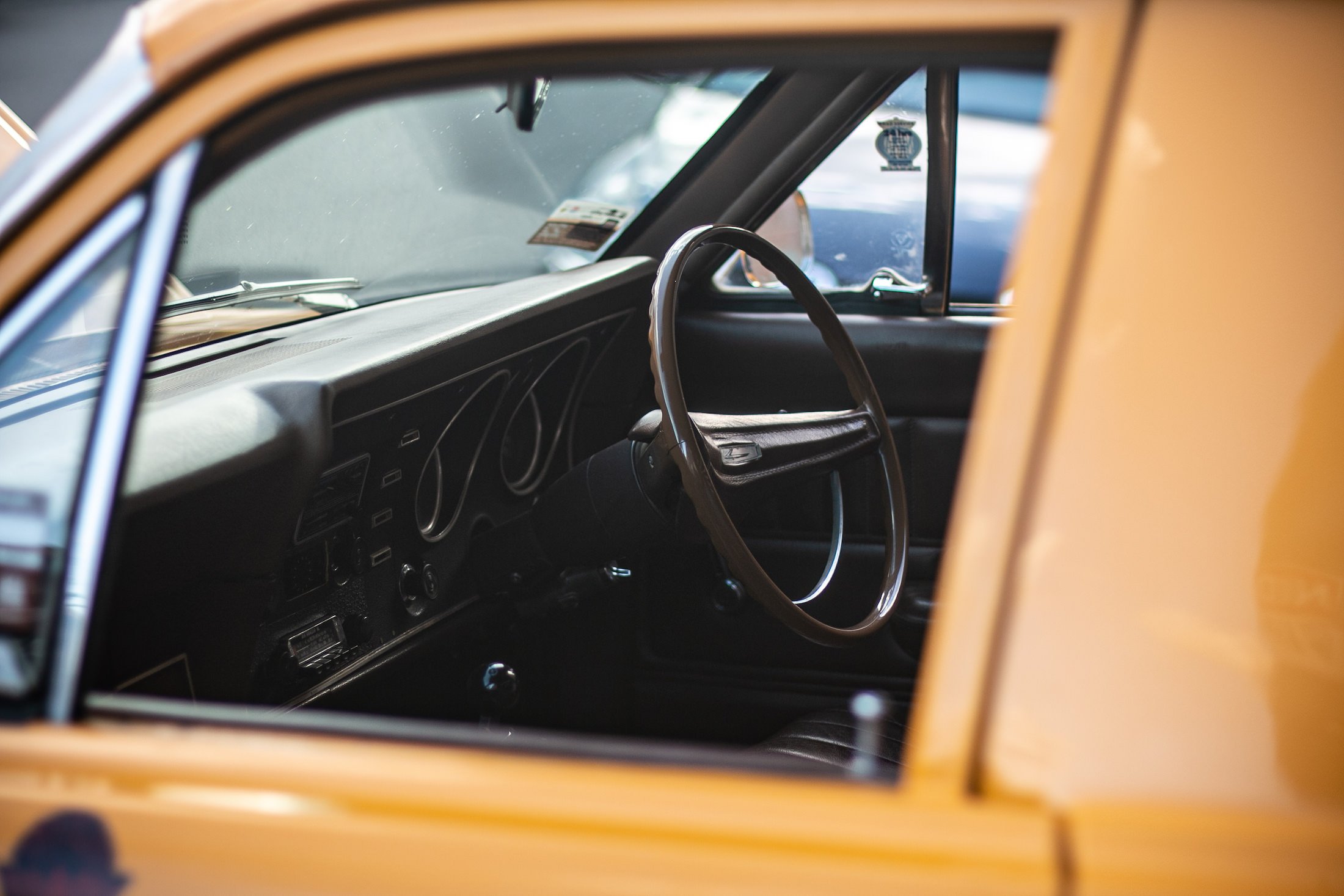
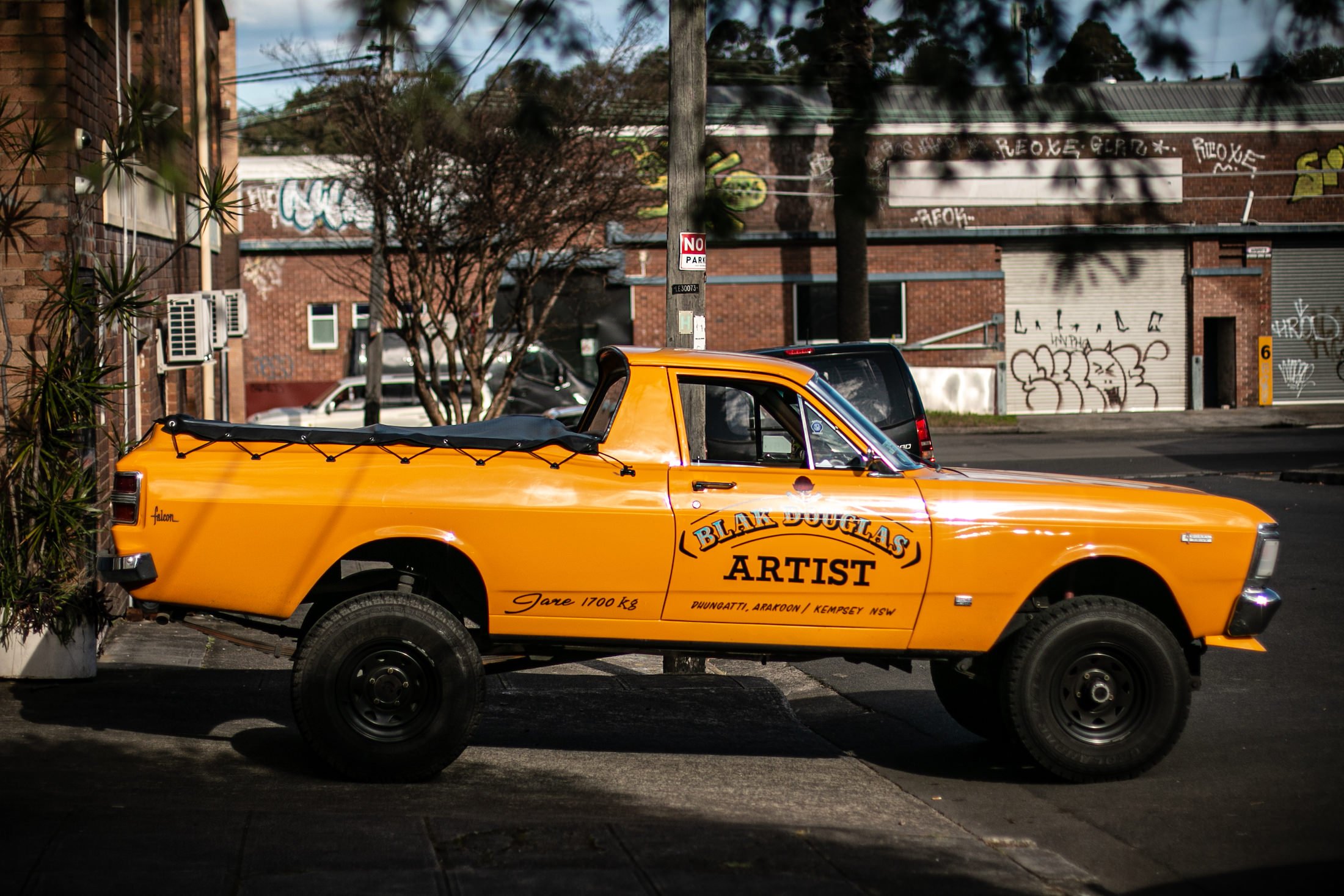
Blak Douglas bought this XY 4×4 Ute four years ago specifically to use it as a daily driver, he nicknamed it “Xanthia” and it’s often used to transport his paintings and supplies around Sydney thanks to the ample room in the rear for cargo.

The vehicle has become a regular at many Australian car meet ups, including Cars & Coffee events, where it always draws a crowd of curious onlookers – many of whom have heard of the almost mythical XY 4×4 but never actually seen one.

The bright yellow “Summer Gold” paintwork is rare on the XY 4×4, just four left the factory wearing this color, and when combined with the vehicle’s unusual looks it draws the eye of people as it’s driven around – becoming a drivable billboard for Douglas in the process.

With a new vehicle project in the works Blak Douglas has decided it’s time to part with his beloved ute, he’s selling it out of Sydney, Australia and you can contact him via the XY’s own dedicated Instagram account here if you’d like to enquire about buying it.

Ford Falcon XY 4X4 Ute Brochure 1

With its Jeep-derived underpinnings and its more comfortable sedan car-like body, the XY 4×4 filled a market niche that was almost entirely empty at the time.

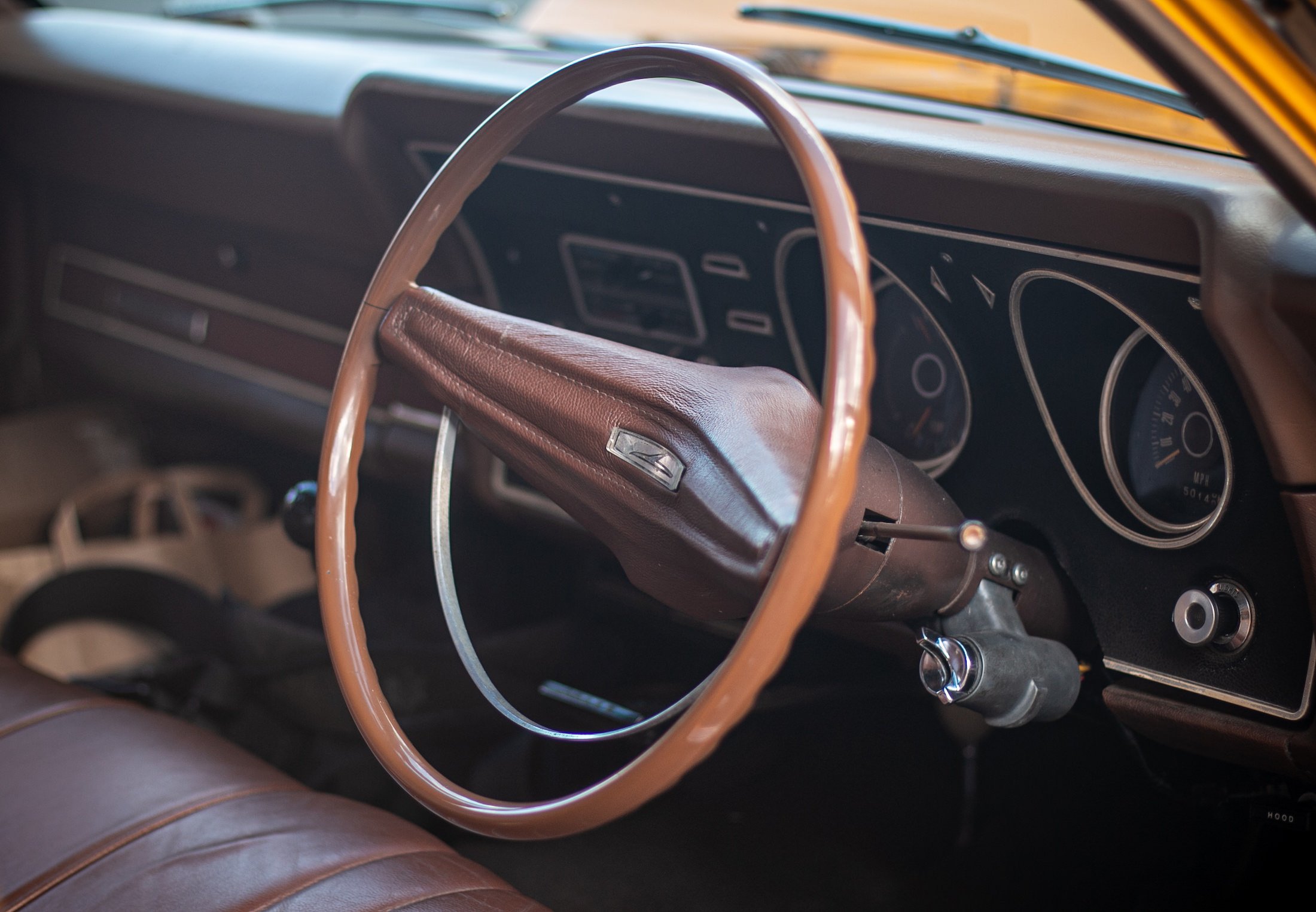
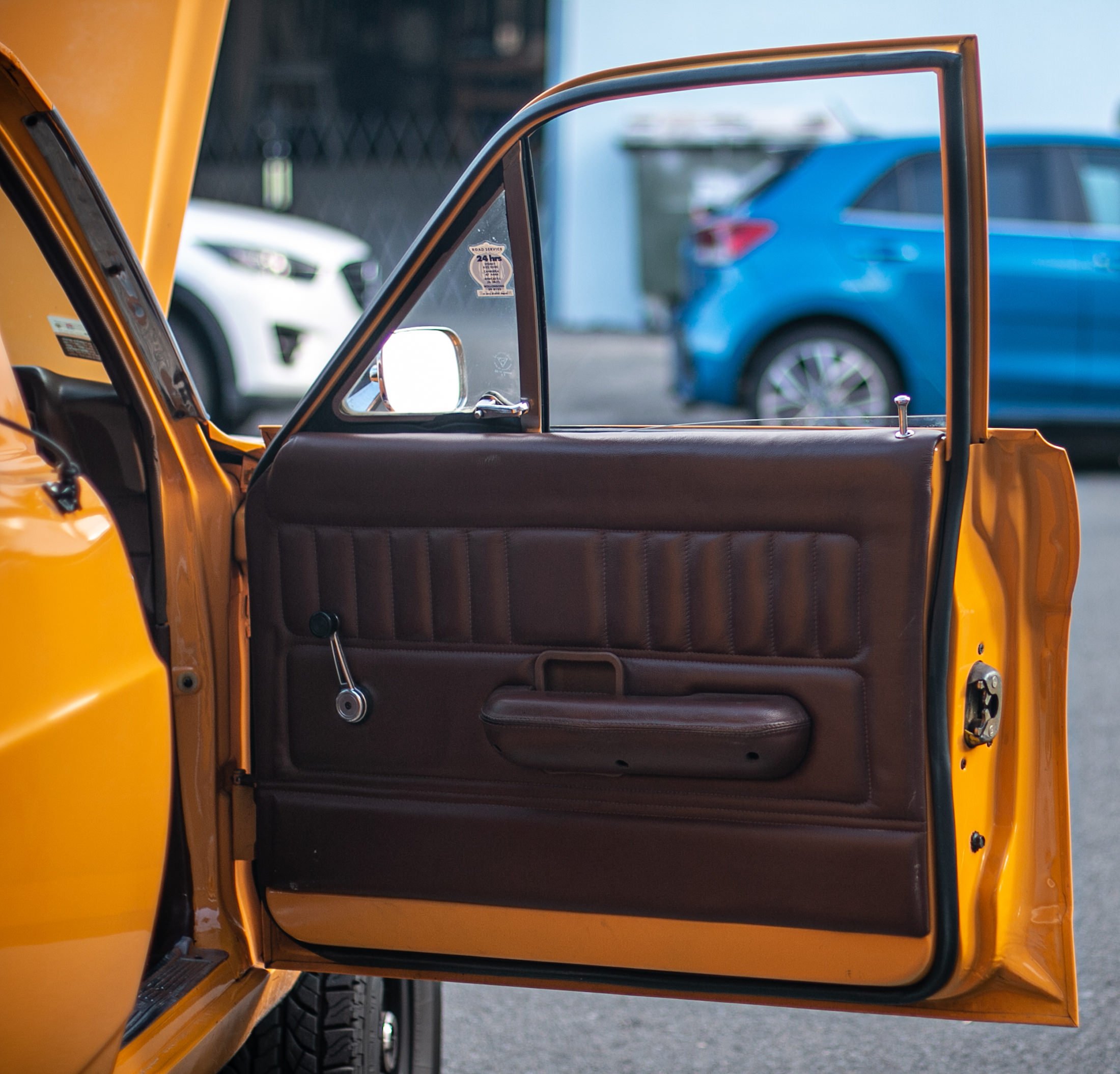
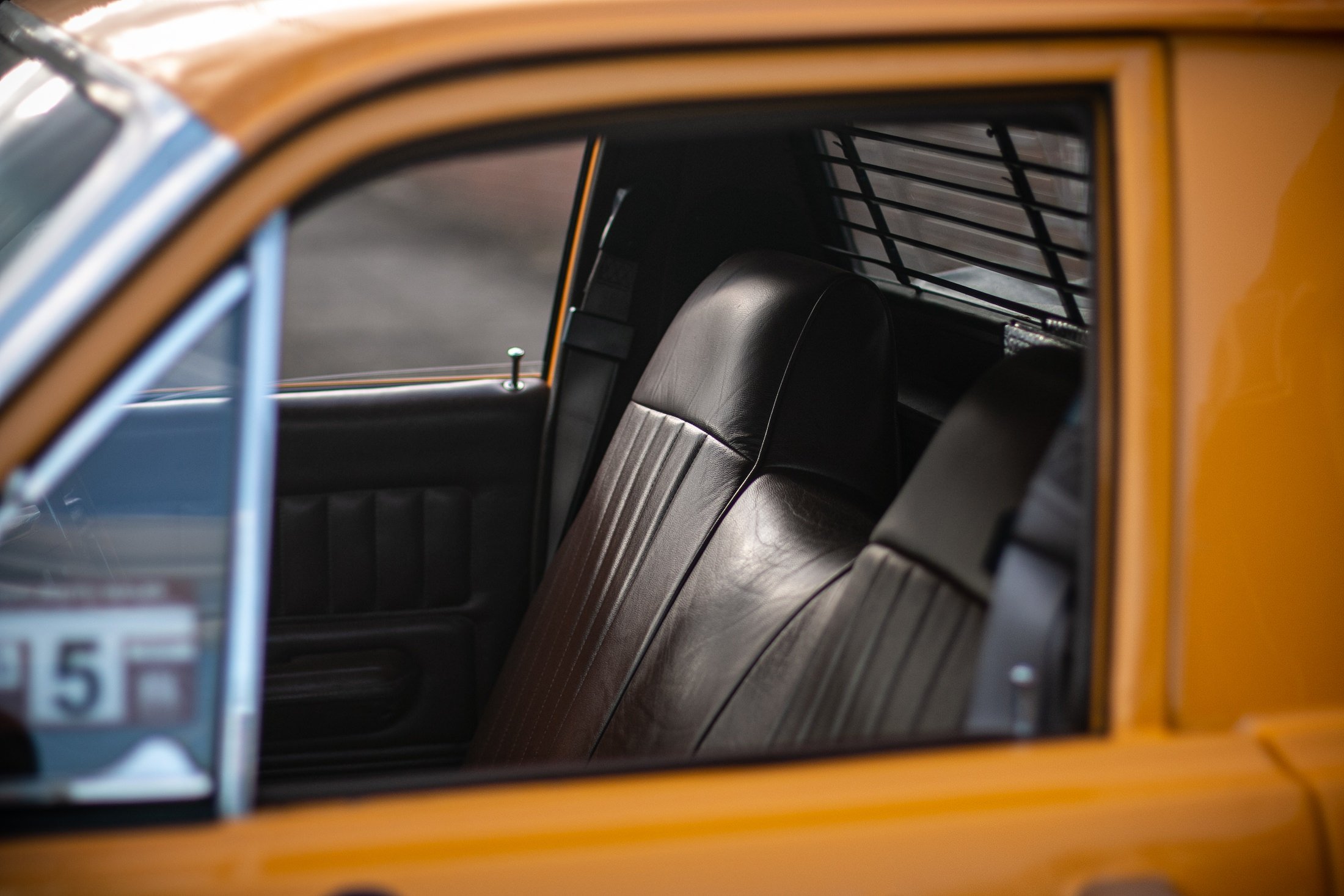
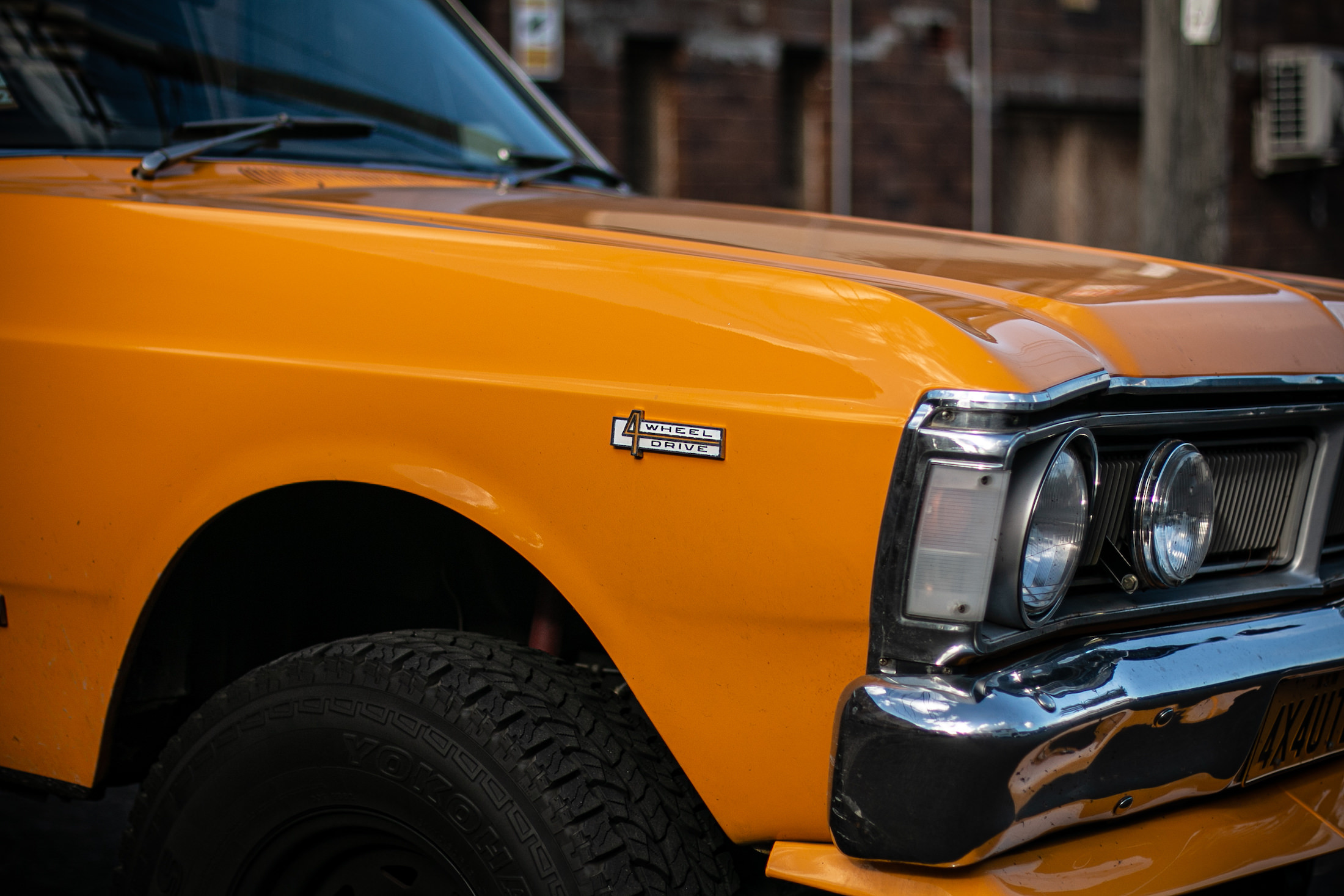
Ford Falcon XY 4X4 Ute 19 Ford Falcon XY 4X4 Ute 18 Ford Falcon XY 4X4 Ute 17 Ford Falcon XY 4X4 Ute 16 Ford Falcon XY 4X4 Ute 15 Ford Falcon XY 4X4 Ute 14 Ford Falcon XY 4X4 Ute 13 Ford Falcon XY 4X4 Ute 12 Ford Falcon XY 4X4 Ute 11 Ford Falcon XY 4X4 Ute 10 Ford Falcon XY 4X4 Ute 9 Ford Falcon XY 4X4 Ute 8 Ford Falcon XY 4X4 Ute 7 Ford Falcon XY 4X4 Ute 6 Ford Falcon XY 4X4 Ute 5 Ford Falcon XY 4X4 Ute 4 Ford Falcon XY 4X4 Ute 3 Ford Falcon XY 4X4 Ute 1 Ford Falcon XY 4X4 Ute

Images copyright – Benjamin Branch ©2022 – Silodrome

The post For Sale: Blak Douglas’ Rare Ford Falcon XY 4X4 Ute appeared first on Silodrome.


from Silodrome https://silodrome.com/ford-falcon-xy-4x4-ute/
via gqrds
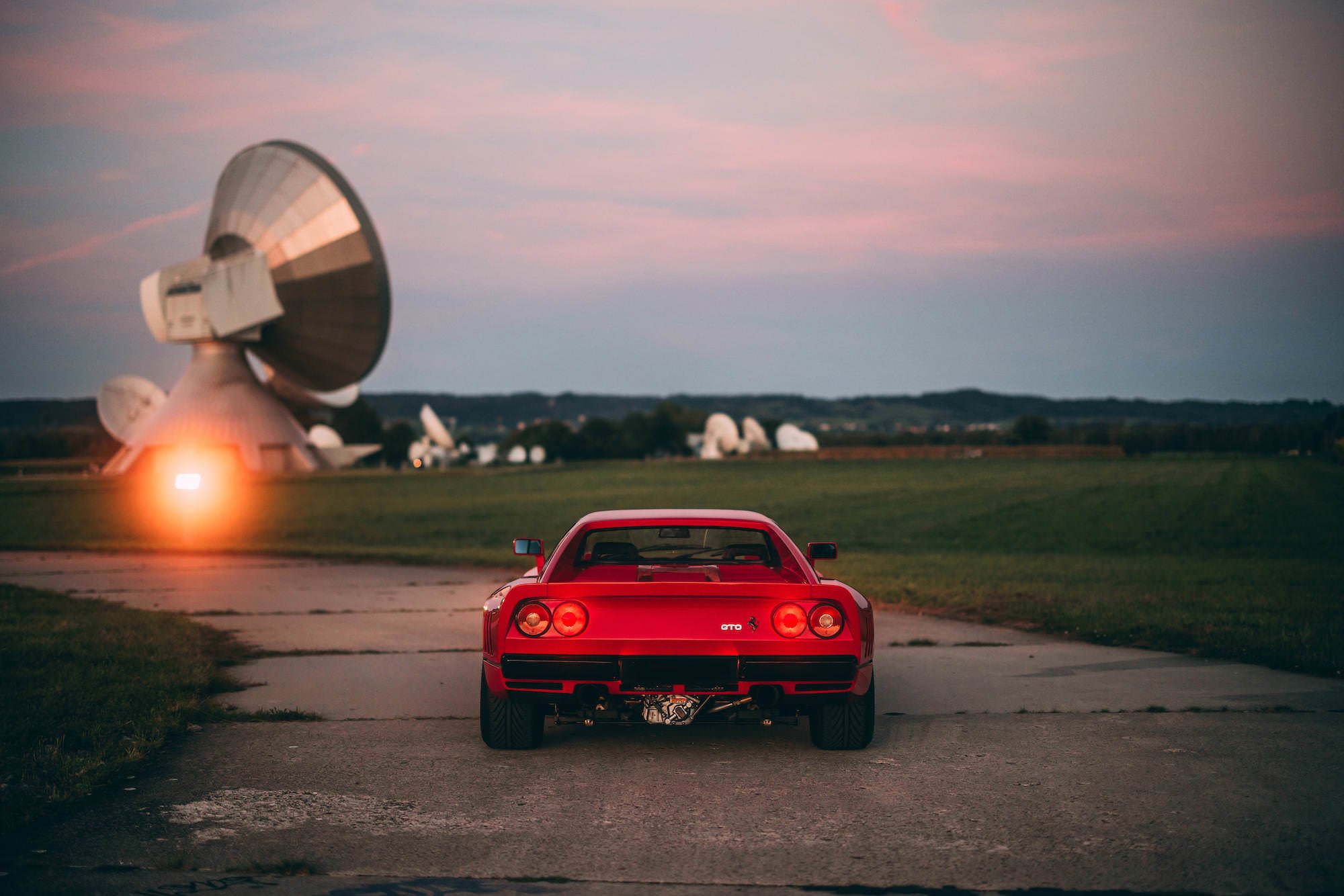
Walter Wolf’s Ferrari 288 GTO Is For Sale
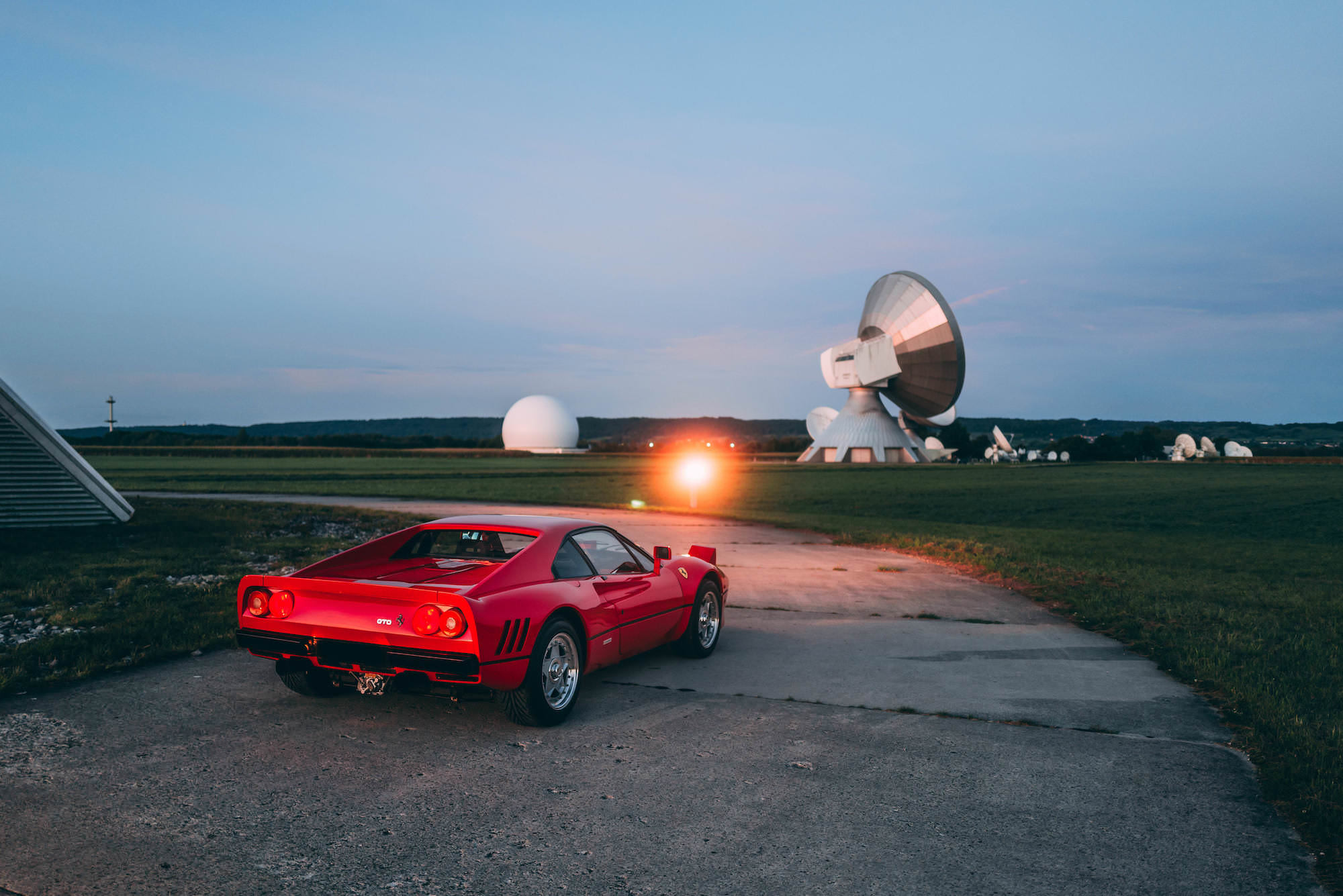
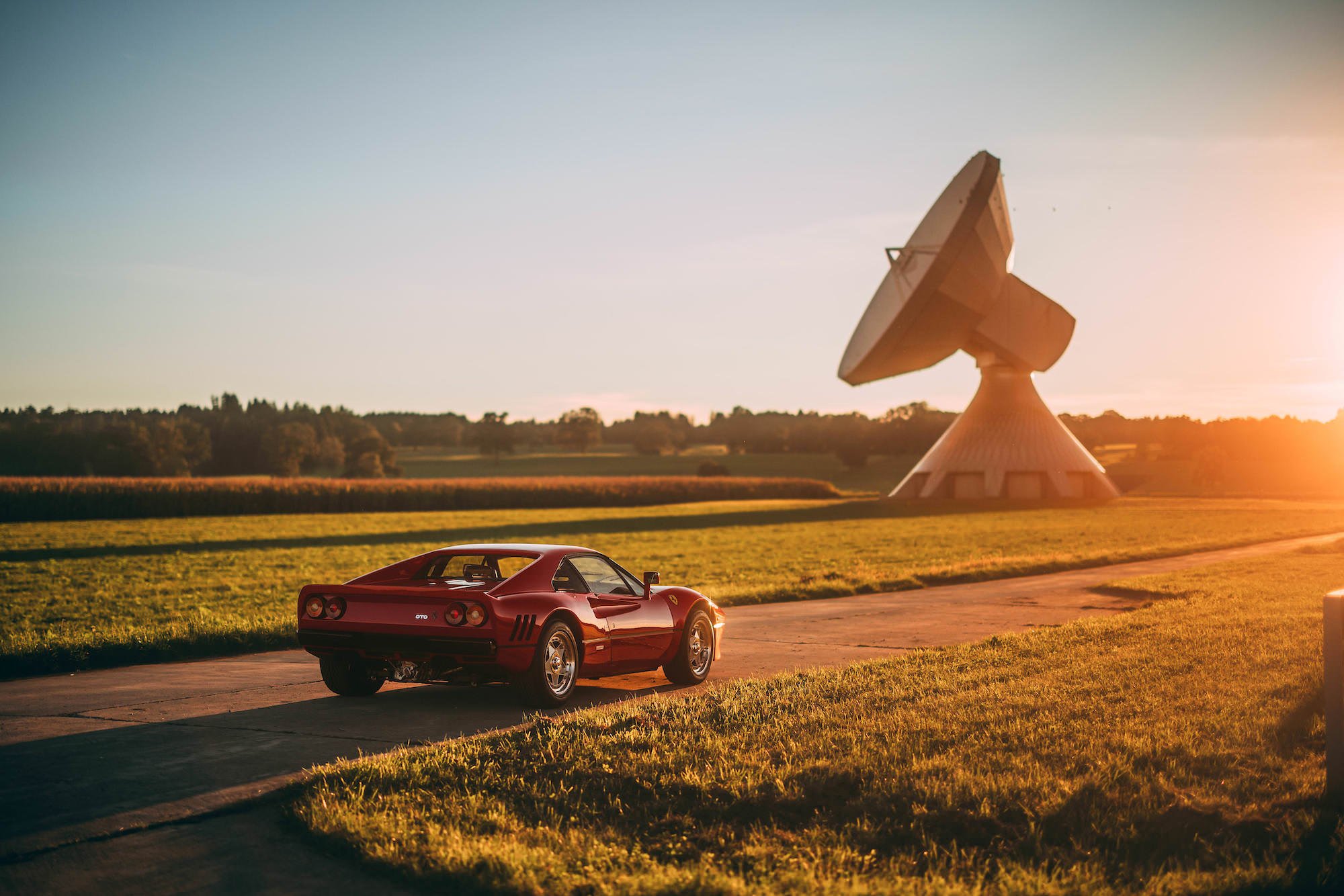
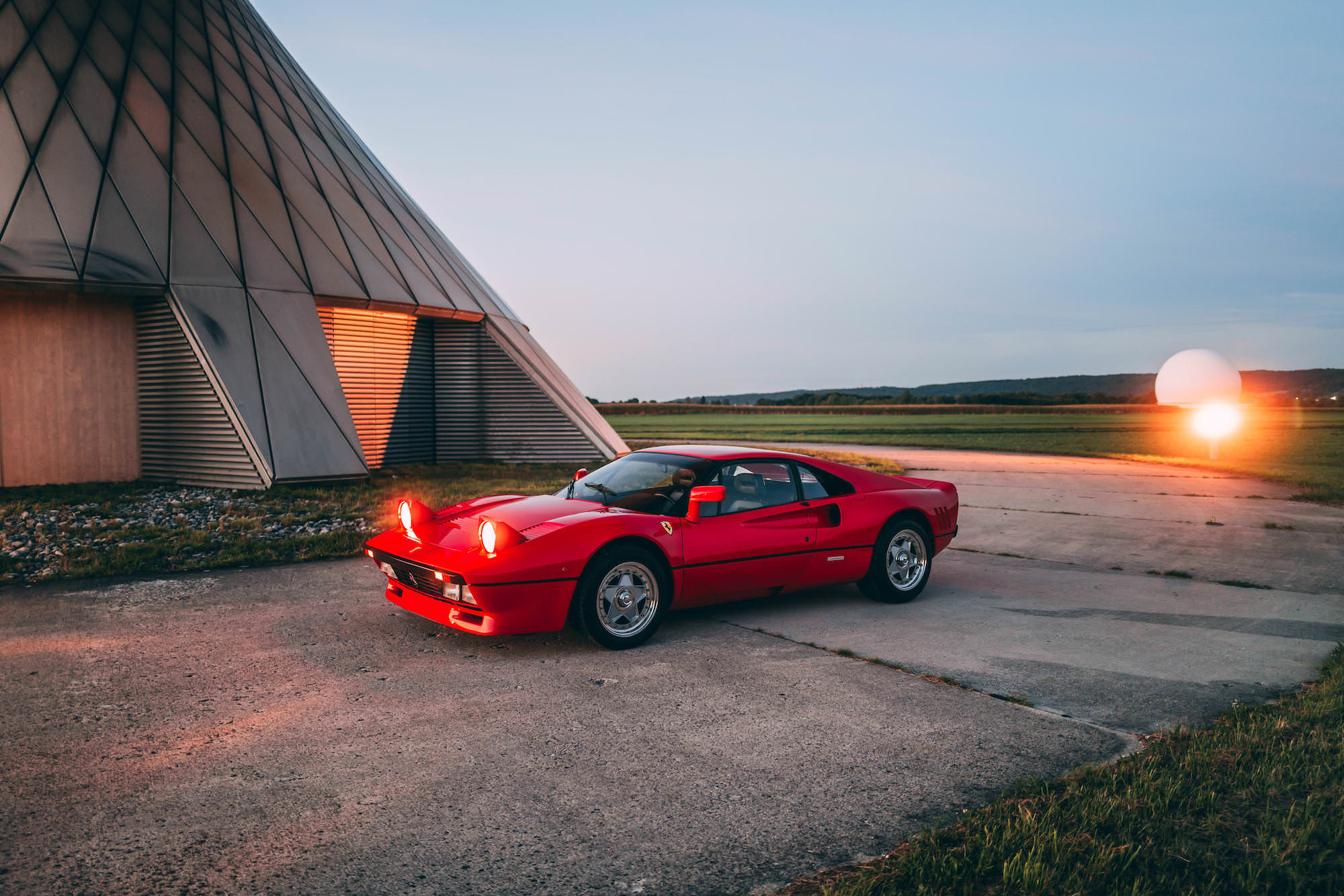
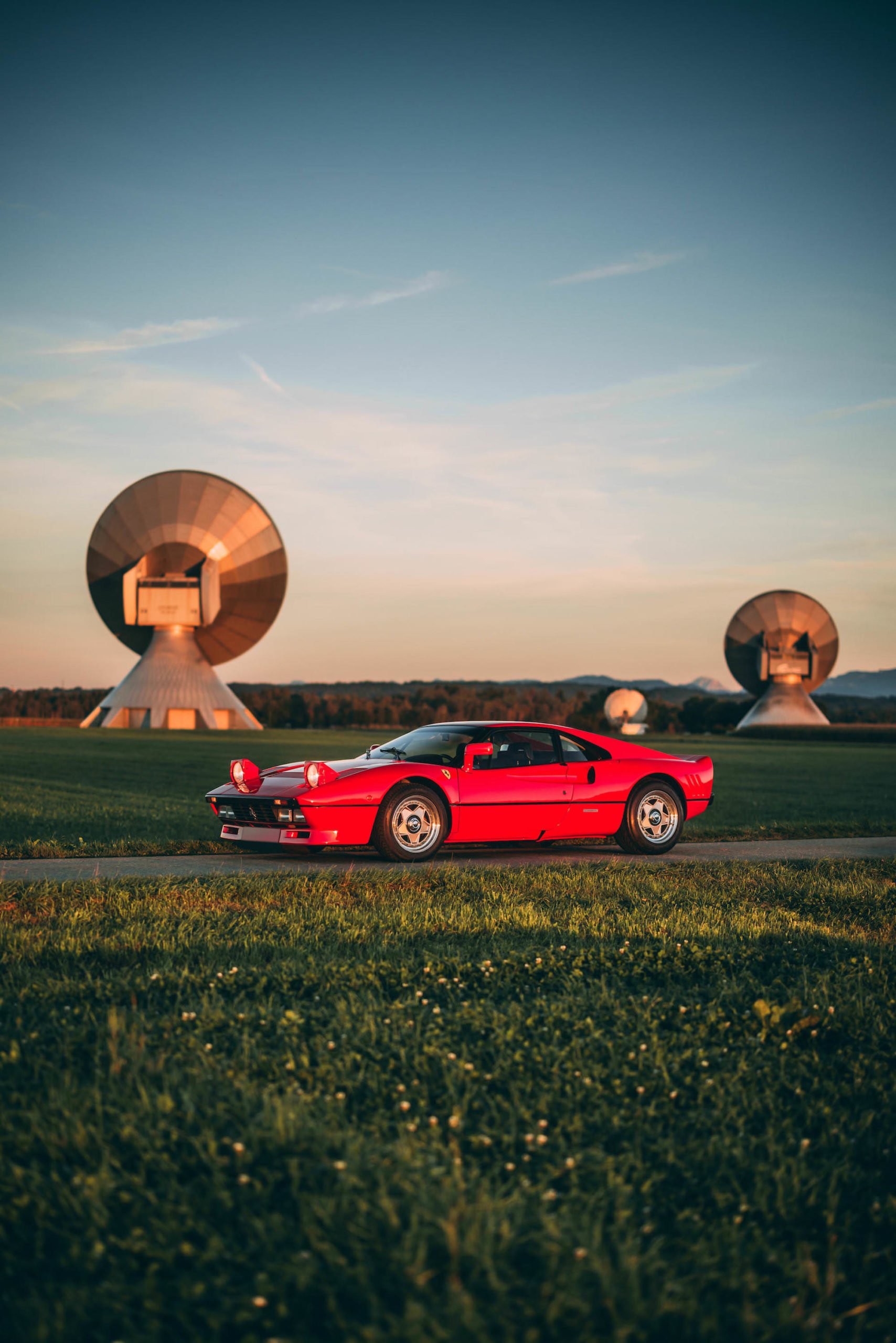
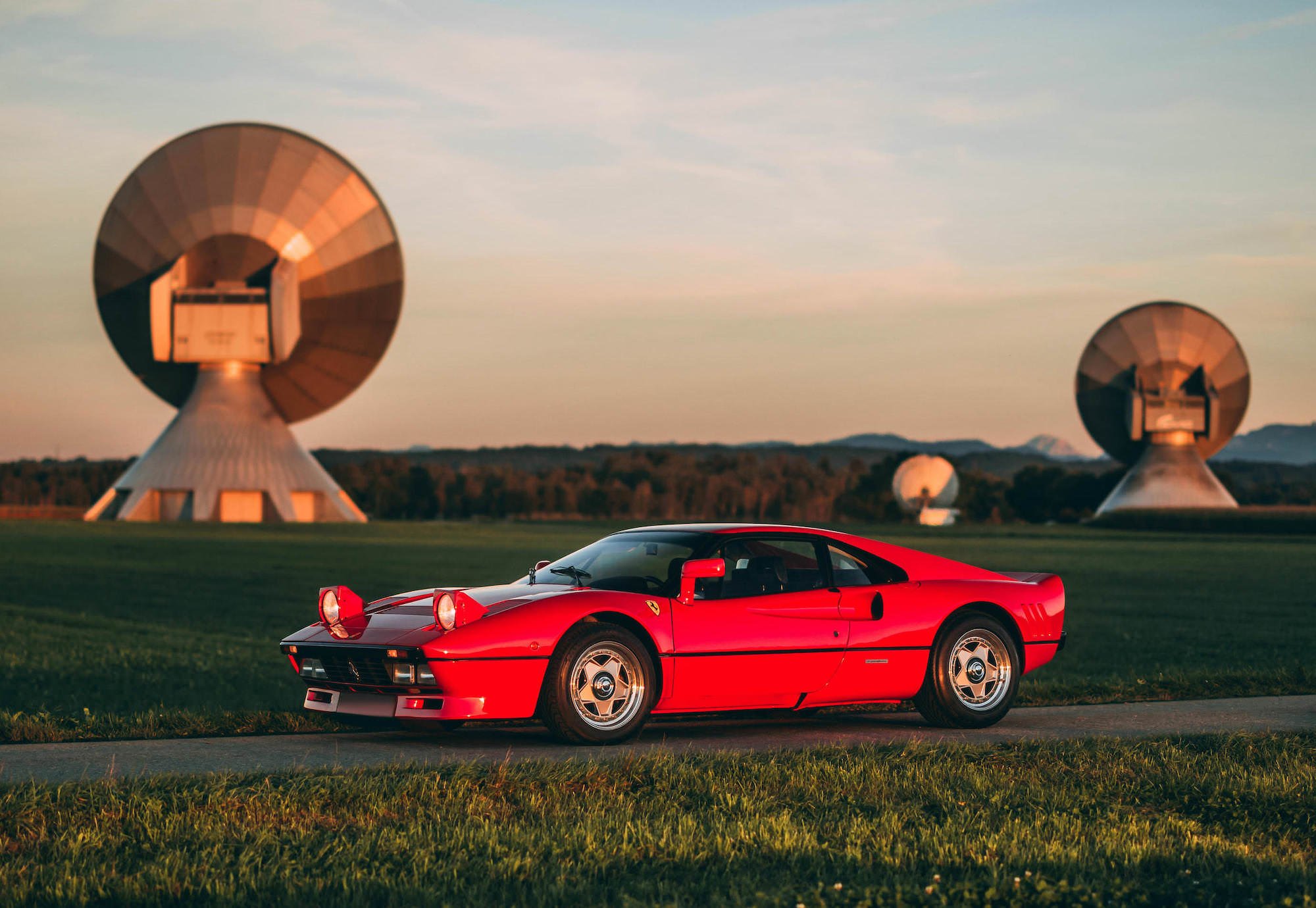
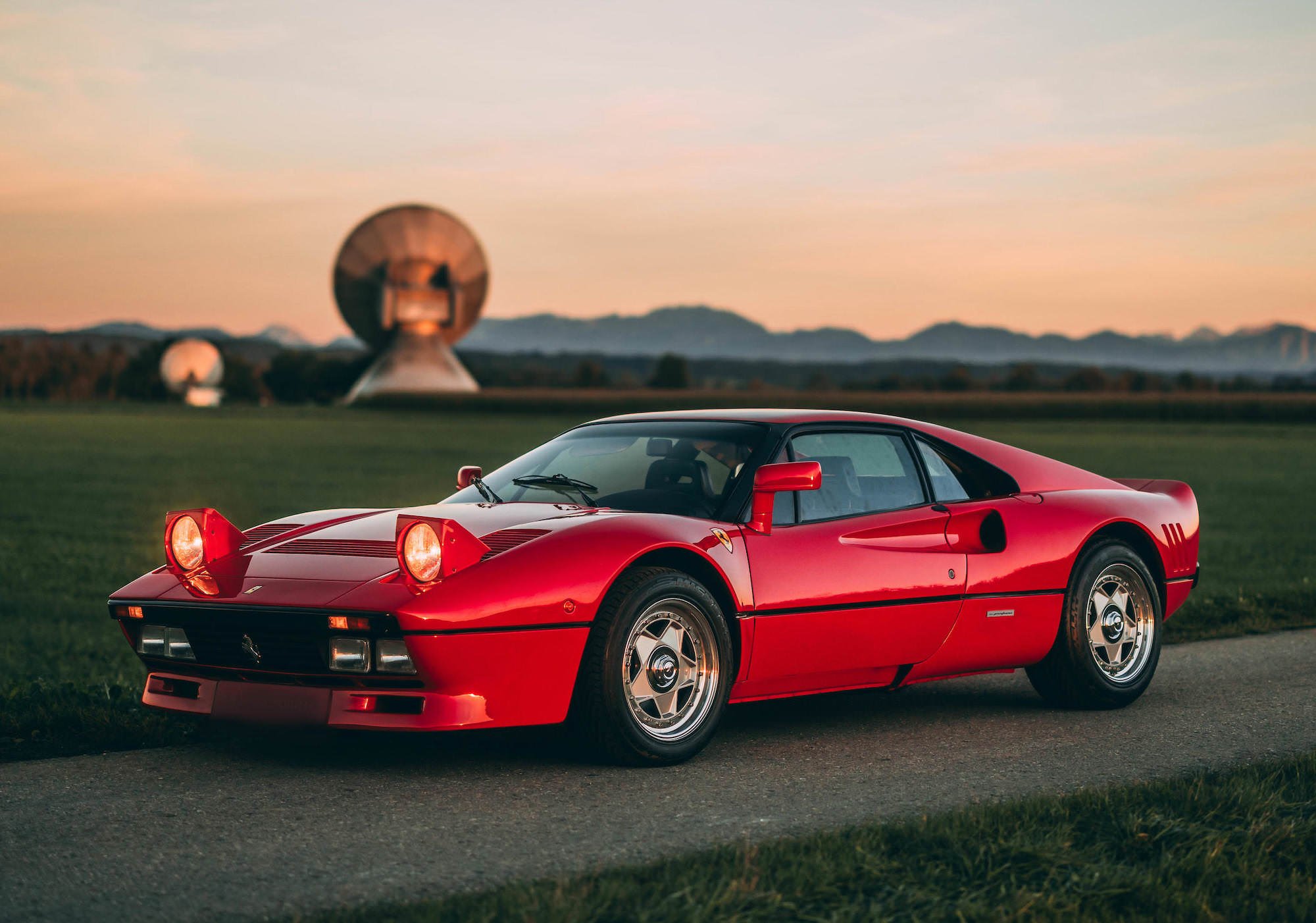
Every example of the Ferrari 288 GTO is special, but this one is perhaps a little more special than most due to the fact that its first owner was Walter Wolf – an oil industry magnate, founder of the Walter Wolf Racing F1 team, and a collector of some of the world’s most exotic supercars.

Wolf is most famous for that fact that his team won the first race they entered, with Jody Scheckter in the cockpit at the 1977 Argentine Grand Prix. Scheckter would finish the season in second place in the standings, an incredible result for the team.

Fast Facts – The Walter Wolf Ferrari 288 GTO

  • This Ferrari 288 GTO was bought new by Walter Wolf through the Garage Foitek AG in Zürich, Switzerland. Wolf had residences in Canada, Mexico, and Switzerland and liked to keep cars at each of them.
  • The Ferrari 288 GTO was the first Ferrari to carry the GTO badge since the mighty Ferrari 250 GTO of the early 1960s – a car that had been built for the FIA GT Championship and won the title in 1962, 1963, and 1964.
  • The 288 GTO was styled by Pininfarina’s Leonardo Fioravanti and intended, at least in part, to compete in Group B sports car racing. The car started out using the platform of the 308 GTB however it ended up being highly modified with little of the original car remaining.
  • Power is provided by a 2.8 liter V8 with double overhead cams, four valves per cylinder, twin IHI turbochargers, two Behr air-to-air intercoolers, and Weber-Marellifuel injection, Power was listed at 400 bhp with 366 lb ft of torque.

The Arrival Of The New GTO

Much has been written about the Ferrari 288 GTO, which perhaps isn’t surprising given that it is one of the most historically consequential Ferrari road cars ever made – even though it never actually raced in the FIA series that it was intended for.

Walter Wolf

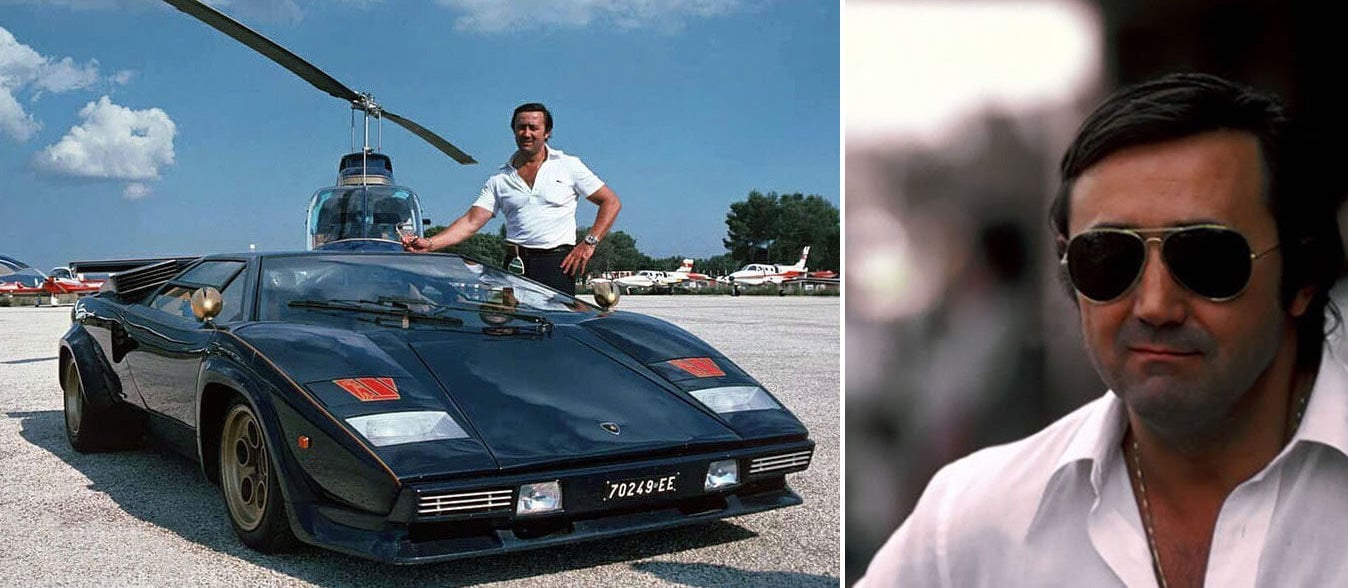
Walter Wolf has been known for his love for supercars and racing since the 1970s, his F1 team shocked the racing world by winnings its first ever Grand Prix race. Images courtesy of Walter Wolf Racing.

Ferrari explains that the 288 GTO was created and offered for sale to meet the minimum FIA homologation requirement of 200 cars to enter Group B sports car racing. The 288 got its name from the displacement of the engine and the number of cylinders – 2.8 liters and 8 cylinders.

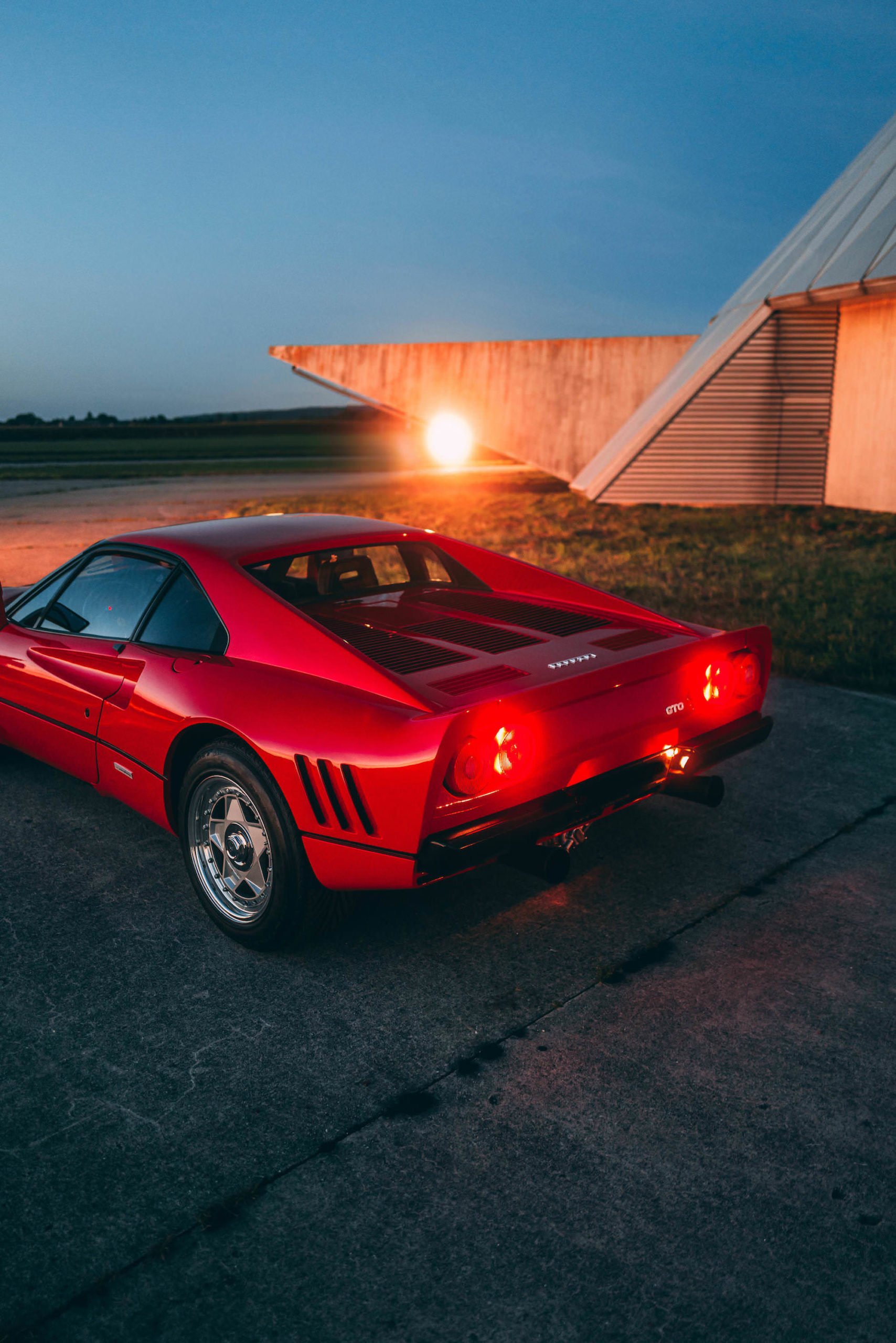
The styling of the car was done by Pininfarina’s Leonardo Fioravanti and it included a few small references to the original 250 GTO – like the triple air vents behind each of the rear wheels. The 288 GTO was first announced by Enzo Ferrari in September of 1983, then later unveiled at the Geneva Motor Show in March of 1984.

The FIA racing discipline for which it had been created would never materialize, however Ferrari had absolutely no problem selling them. Demand was such that 272 were built in total, and all were sold before their production had commenced.

The 288 GTO was built using lessons learned from the Ferrari Formula 1 team, including the use of state-of-the-art materials like Kevlar and Nomex, not to mention the turbocharged and intercooled engine. Many of these technologies would see extensive use on later Ferraris, including on the Ferrari F40 that followed shortly after the 288 GTOs release.

Ferrari 288 GTO – Specifications

The Ferrari 288 GTO initially started out using the pre-existing 308 GTB platform. A new tubular steel chassis was created in order to lengthen the car so that the V8 engine could be mounted longitudinally rather than transversely, this was to allow space for the twin turbochargers and their intercoolers on each side.

Ferrari 288 GTO 21

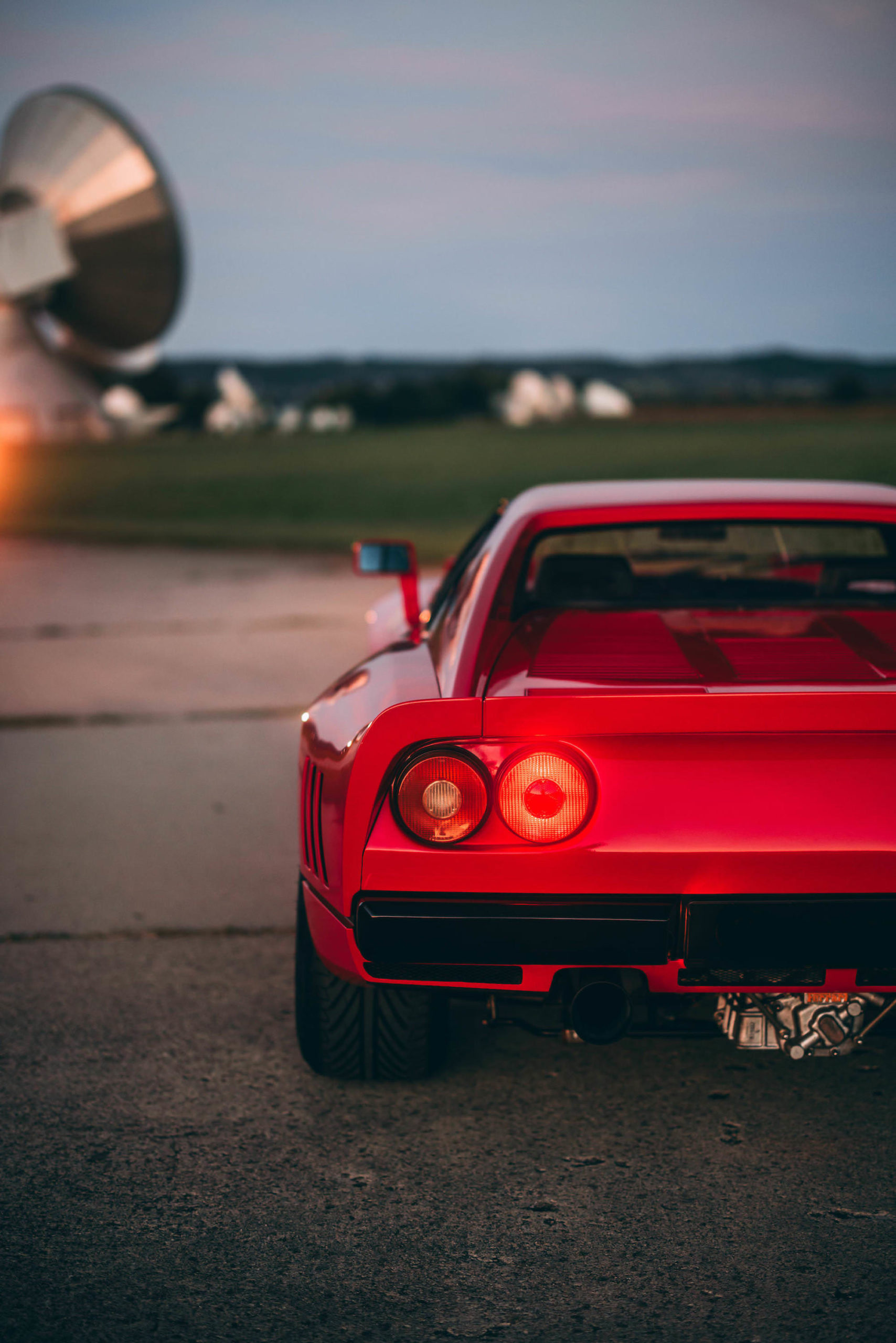
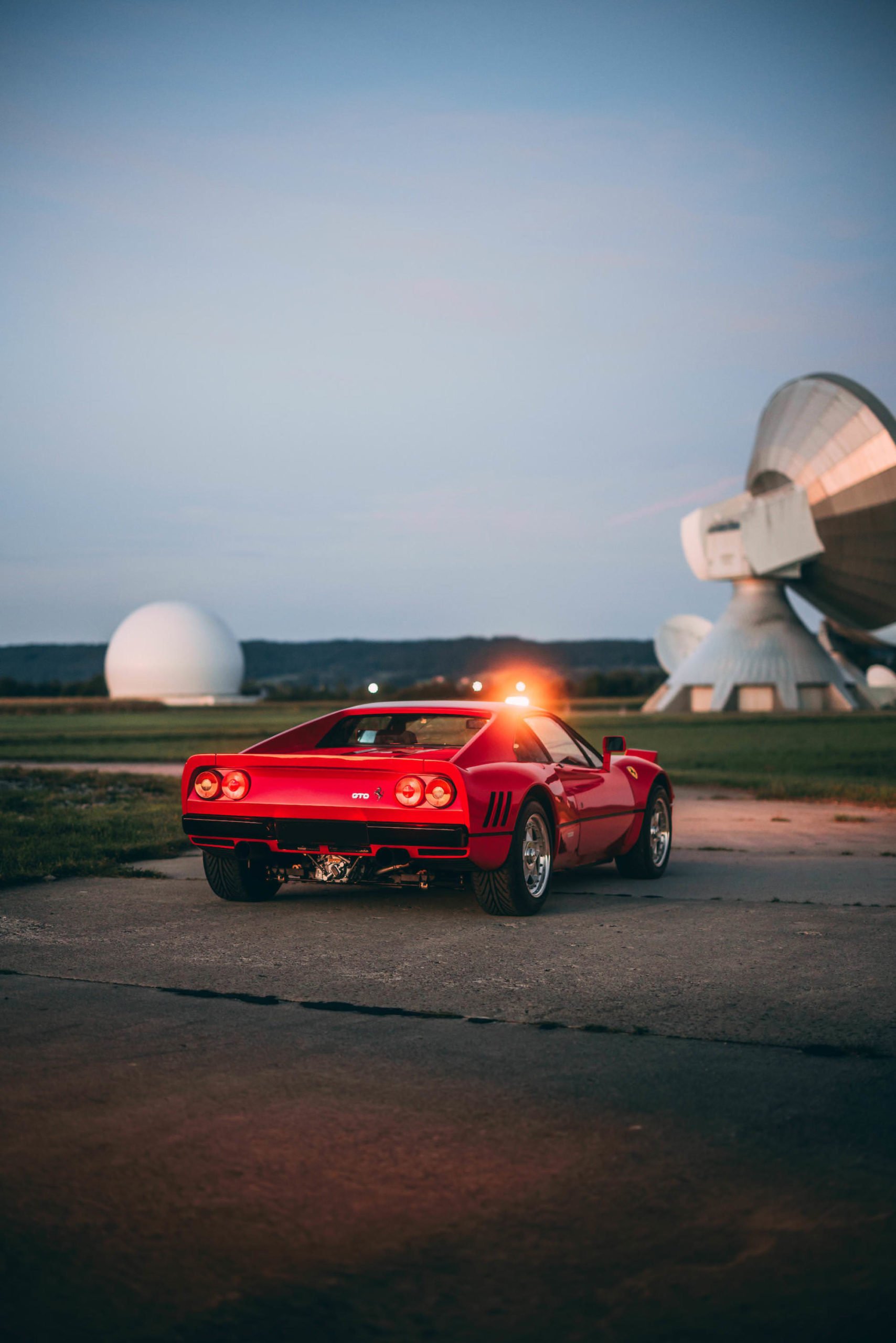
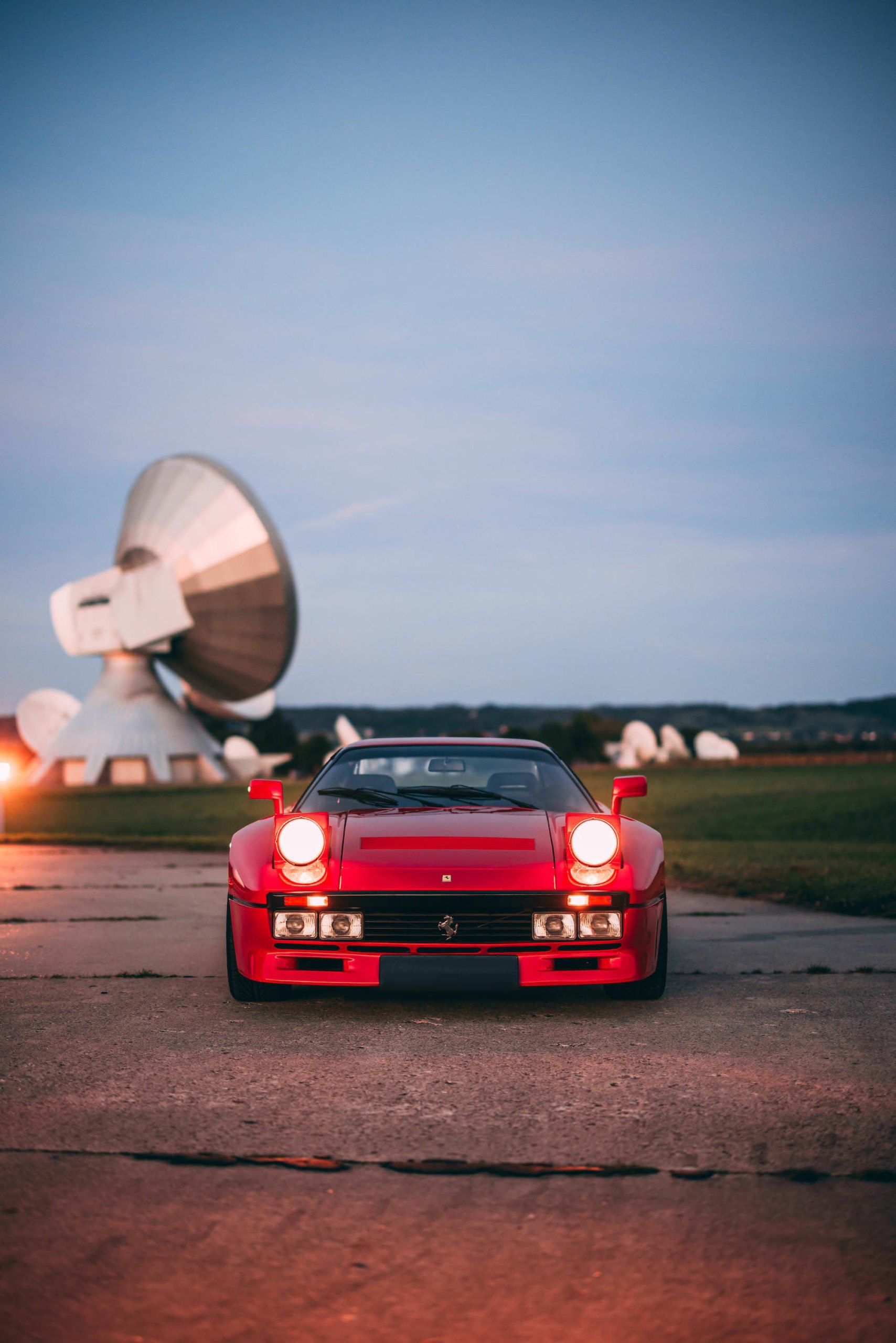
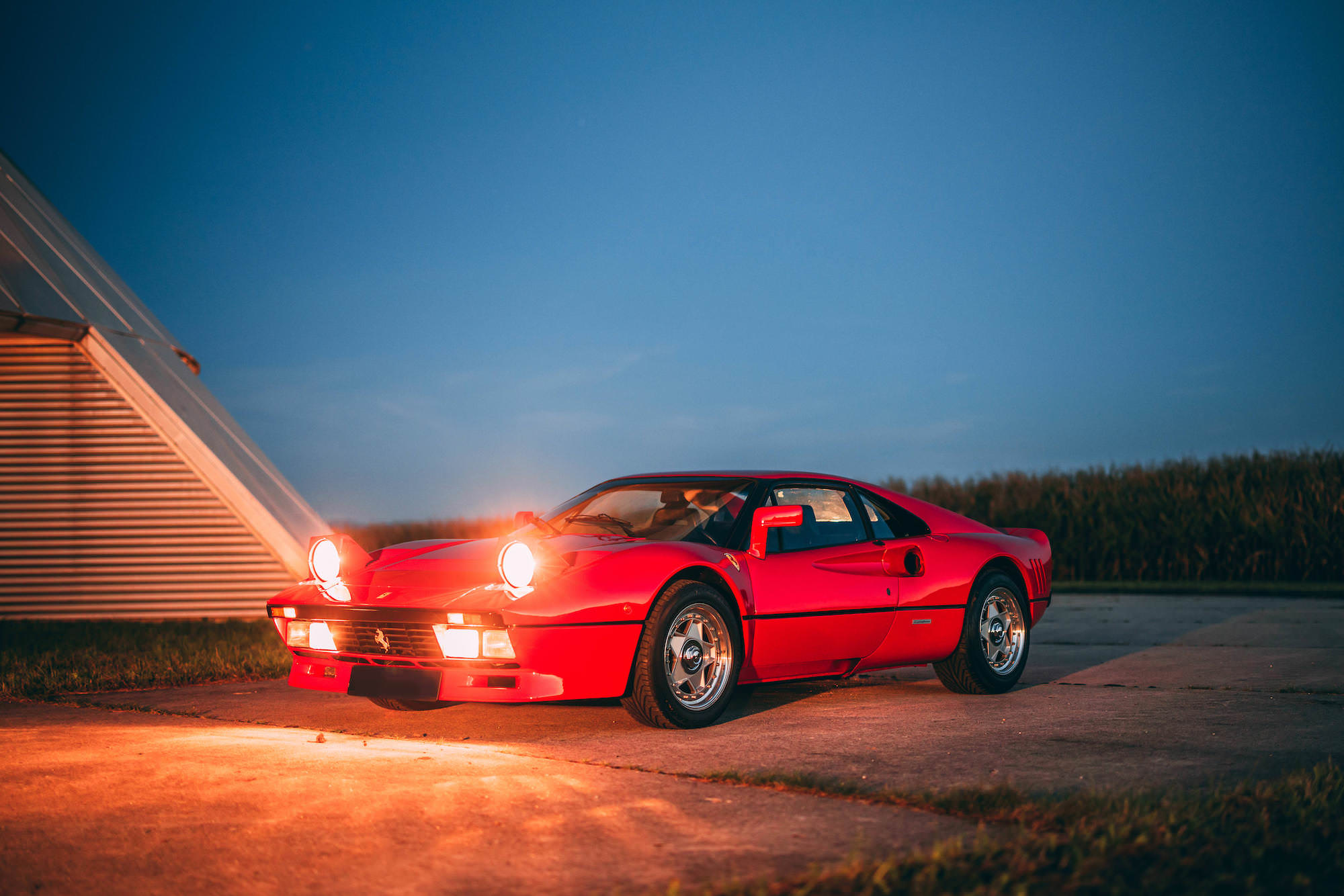
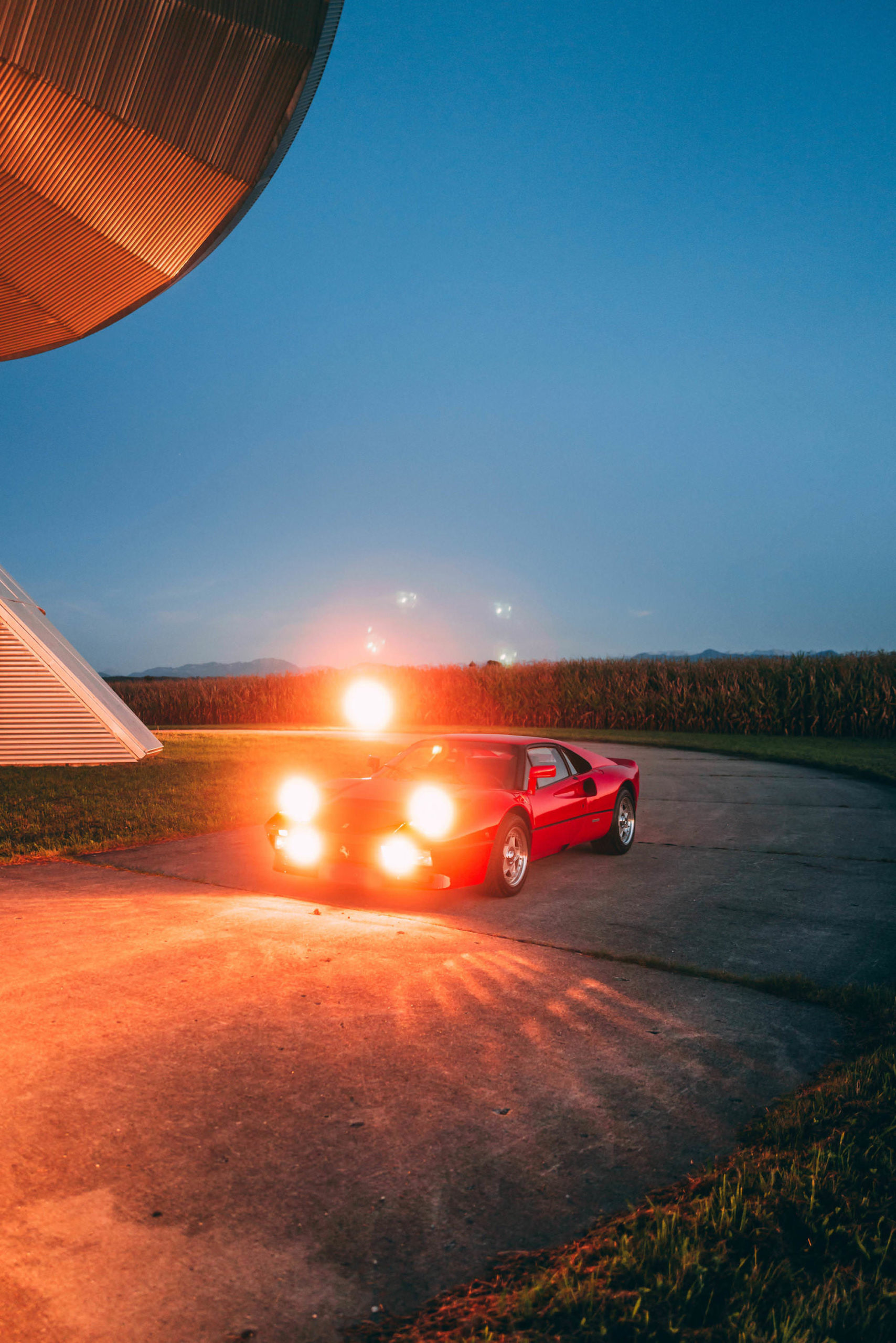
The 288 GTO is both wider and longer than the 308 GTB on which it’s partially based, it’s considerably faster too with a top speed just under 190 mph.

A new body was built using a combination of fiberglass, Kevlar, and Nomex – the 288 GTO was notably wider and longer than the 308 GTB with the wheelbase extended from 234cm to 245.1cm. A Kevlar and Nomex bulkhead was developed and fitted between the driver and engine to offer protection in racing applications.

The original quad cam, 32 valve 2,927cc 90º V8 was downsized to 2,855cc in order to comply with racing regulations and then paired with twin IHI turbochargers which were fed by two Behr air-to-air intercoolers, and a Weber-Marellifuel injection system.

Engine power was exceptional for the time, with 400 bhp at 7,000 rpm and 366 lb ft of torque at 3,800 rpm. This was all sent to the rear wheels via a 5-speed manual transmission, and the car sits on independent unequal-length wishbones with coil springs, telescopic shock absorbers, and an anti-roll bar front and back.

The dry weight of the Ferrari 288 GTO is 1160 kgs or 2,557 lbs and the top speed is listed by Ferrari as 305 km/h or 189.5 mph – the 0-62 mph time is 4.9 seconds.

Ferrari 288 GTO 16

The three vents behind each rear wheel are a stylistic throwback to the first Ferrari to carry the GTO badge – the mighty 250 GTO.

The Walter Wolf Ferrari 288 GTO Shown Here

As noted in the introduction, this 1985 Ferrari 288 GTO was bought new in Switzerland by Walter Wolf – an oil tycoon and larger than life figure who was one of the biggest figures in the world of Formula 1 in the mid-to-late 1970s.

Wolf first started appearing in F1 paddocks in 1976 when he bought a controlling stake in Frank Williams’ Formula 1 team – he also acquired the assets of Hesketh Racing. The new Wolf-Williams FW05 would be based closely on the Hesketh 308C.

Frank Williams left the team in 1977 and set up Williams Grand Prix Engineering, leaving Walter Wolf to establish Walter Wolf Racing. Despite the turmoil Walter Wolf Racing would make a name for itself in the history books by winning its first ever race thanks to the driving skill of Jody Scheckter and some good luck.

Wolf was a larger than life figure in the world of supercars, developing custom Lamborghinis and owning a number of exotics including the 288 GTO you see here. Interestingly when he owned this car in Switzerland he had a “Wolf” badge added to the rear and he registered the car on Mexican license plates but kept it in Europe.

It’s now due to roll across the auction block with Bonhams on the 9th of October and it has a listed price guide of €3,700,000 – €4,100,000, which is approximately $3,660,000 – $4,060,000 USD. If you’d like to read more about it or register to bid you can visit the listing here.

Ferrari 288 GTO 20 Ferrari 288 GTO 19 Ferrari 288 GTO 18 Ferrari 288 GTO 17 Ferrari 288 GTO 16 Ferrari 288 GTO 15 Ferrari 288 GTO 14 Ferrari 288 GTO 13 Ferrari 288 GTO 12 Ferrari 288 GTO 11 Ferrari 288 GTO 10 Ferrari 288 GTO 8 Ferrari 288 GTO 7 Ferrari 288 GTO 6 Ferrari 288 GTO 5 Ferrari 288 GTO 2 Ferrari 288 GTO 1

Images courtesy of Bonhams and WalterWolf.com

The post Walter Wolf’s Ferrari 288 GTO Is For Sale appeared first on Silodrome.


from Silodrome https://silodrome.com/ferrari-288-gto-walter-wolf/
via gqrds