Adventure Machine: A 327 V8 Swapped International Harvester Scout 80

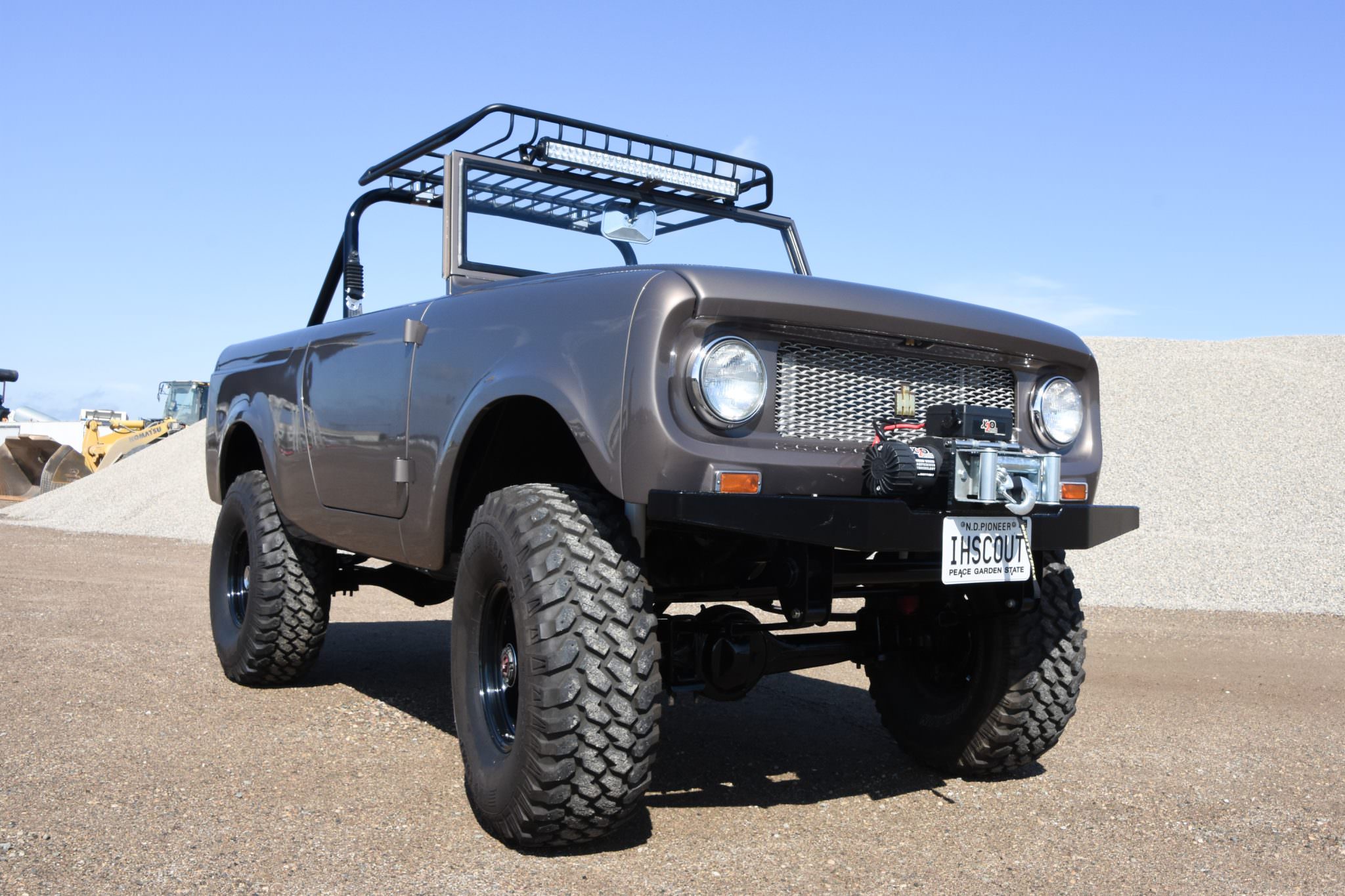
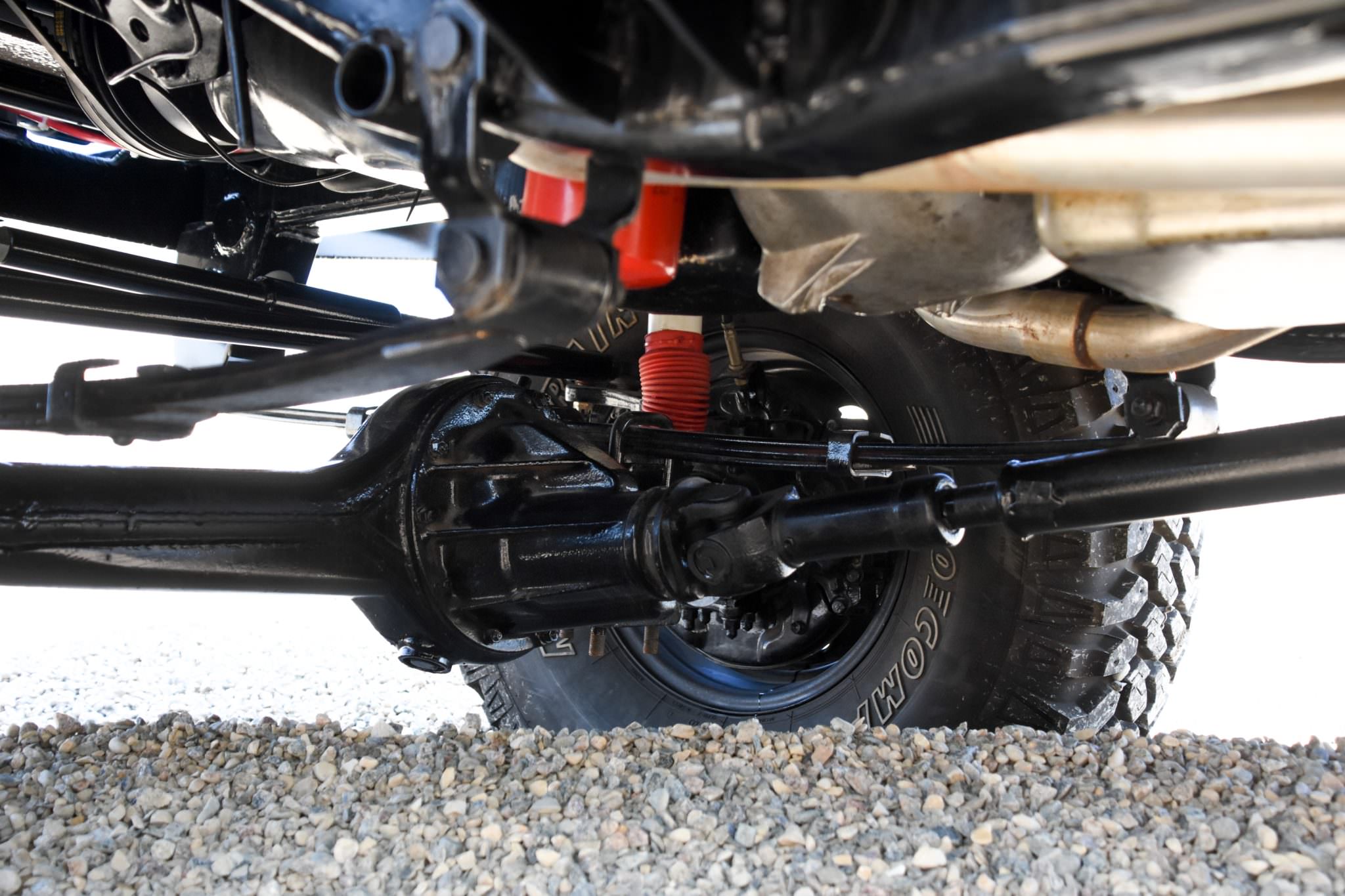
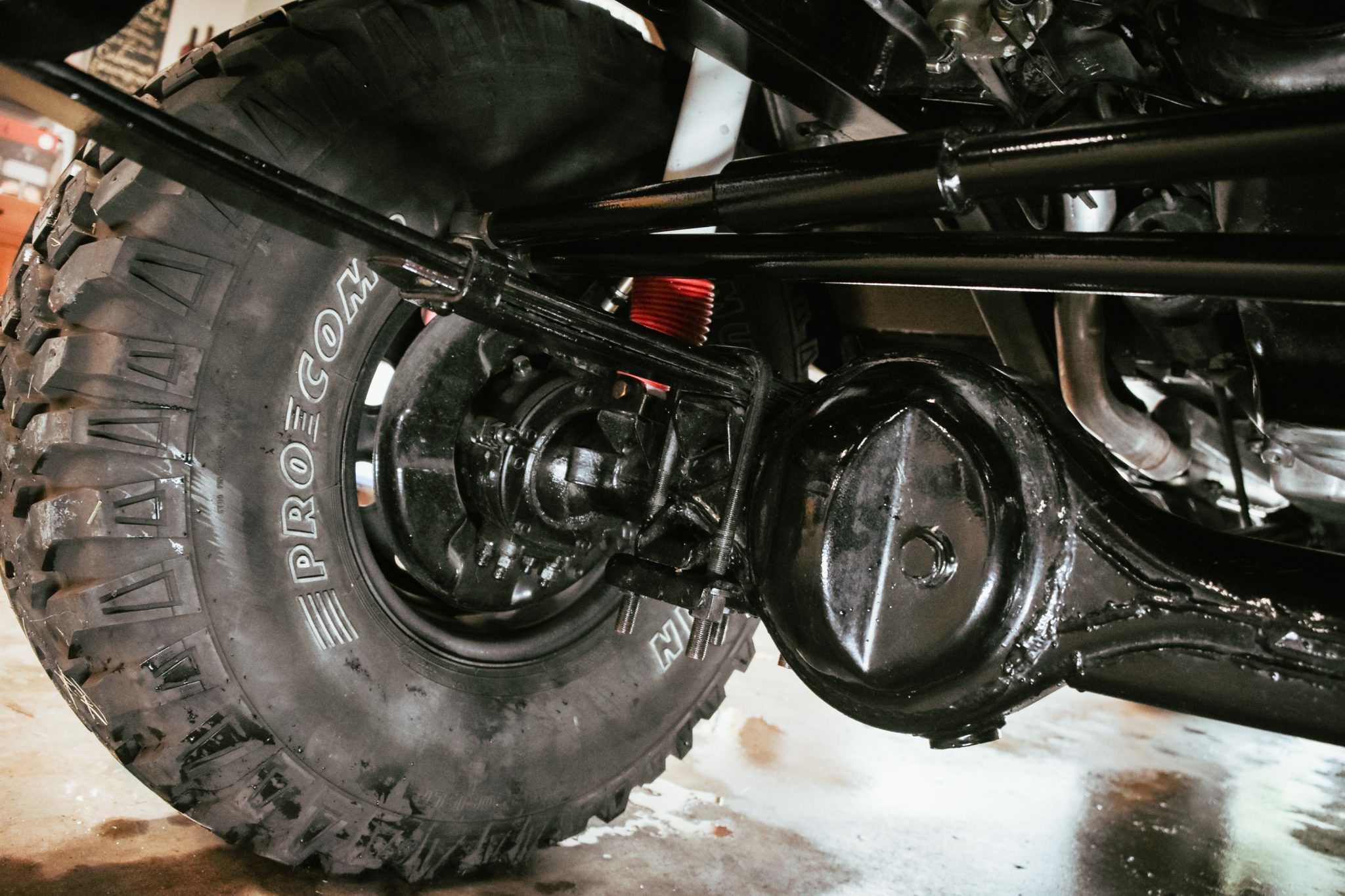
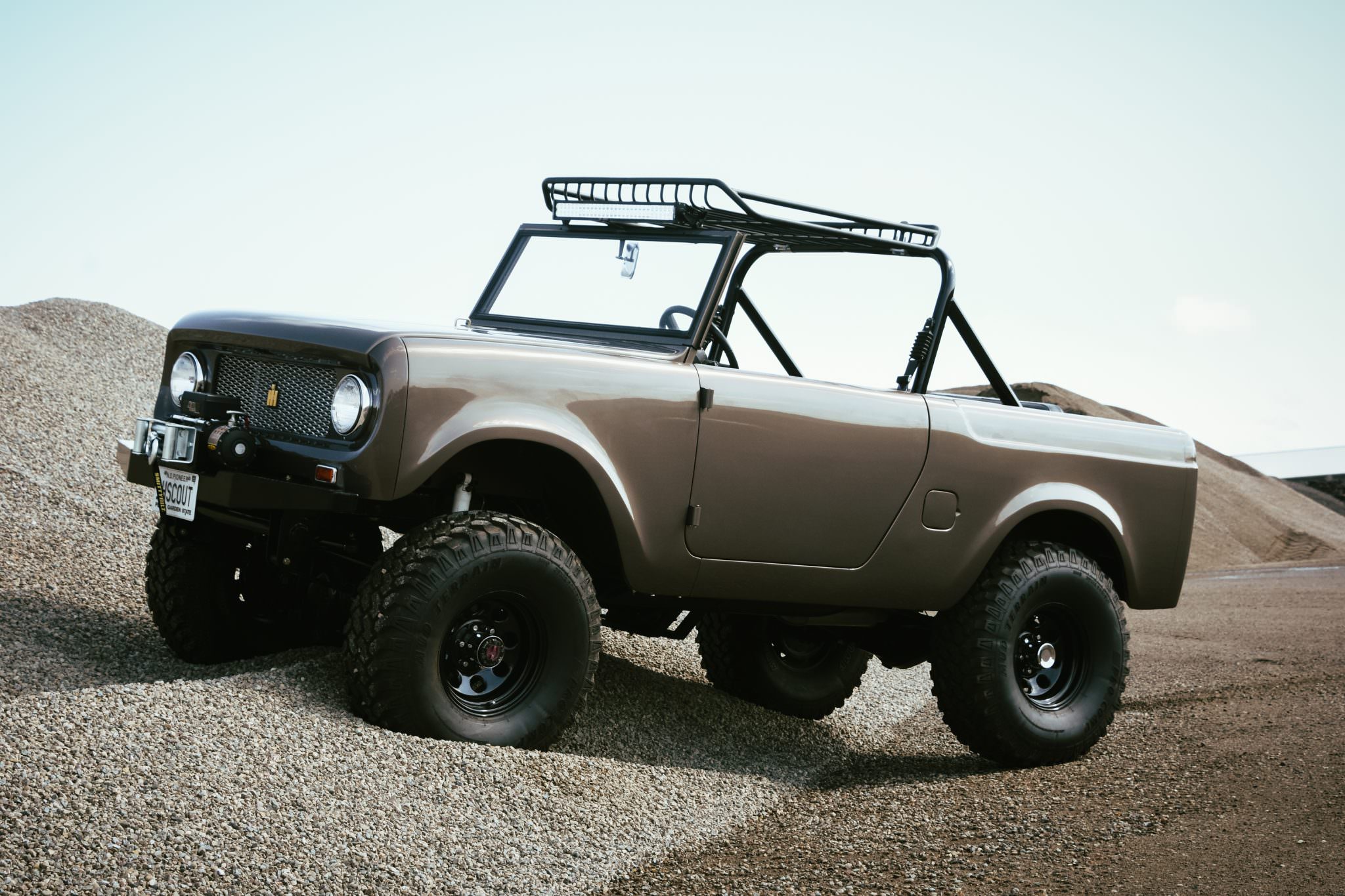
This is a 1963 International Harvester Scout 80 that’s been painstakingly rebuilt from the ground up to perform far better than the original. It now rides on Toyota axles and springs front and back, and it’s powered by a 327 cubic inch (5.4 liter) Chevrolet small block V8.

The International Harvester Scout 80 was released in 1961, it was the first generation of the Scout and some of the first real competition for the Jeep CJ5. The arrival of the Scout would trigger an arms race among manufacturers, resulting in the creation of the Ford Bronco and the Chevrolet Blazer.

Fast Facts – A Restomod International Scout 80

  • The International Harvester Scout 80 first appeared in 1961, it was a simple 4×4 with body-on-frame construction, live axles on leaf springs front and back, and a front-mounted engine sending power back through a manual transmission and a two-speed transfer case to the wheels.
  • The key competitor for the Scout was initially the Jeep CJ5, however the arrival of the Ford Bronco in 1965 and the Chevrolet Blazer in 1969 would give it a run for its money as the leisure 4×4 market continued to expand.
  • The first model in the series was the Scout 80, this was followed by the slightly more comfortable Scout 800 in 1965. Early Scout 80s are now highly sought after by collectors.
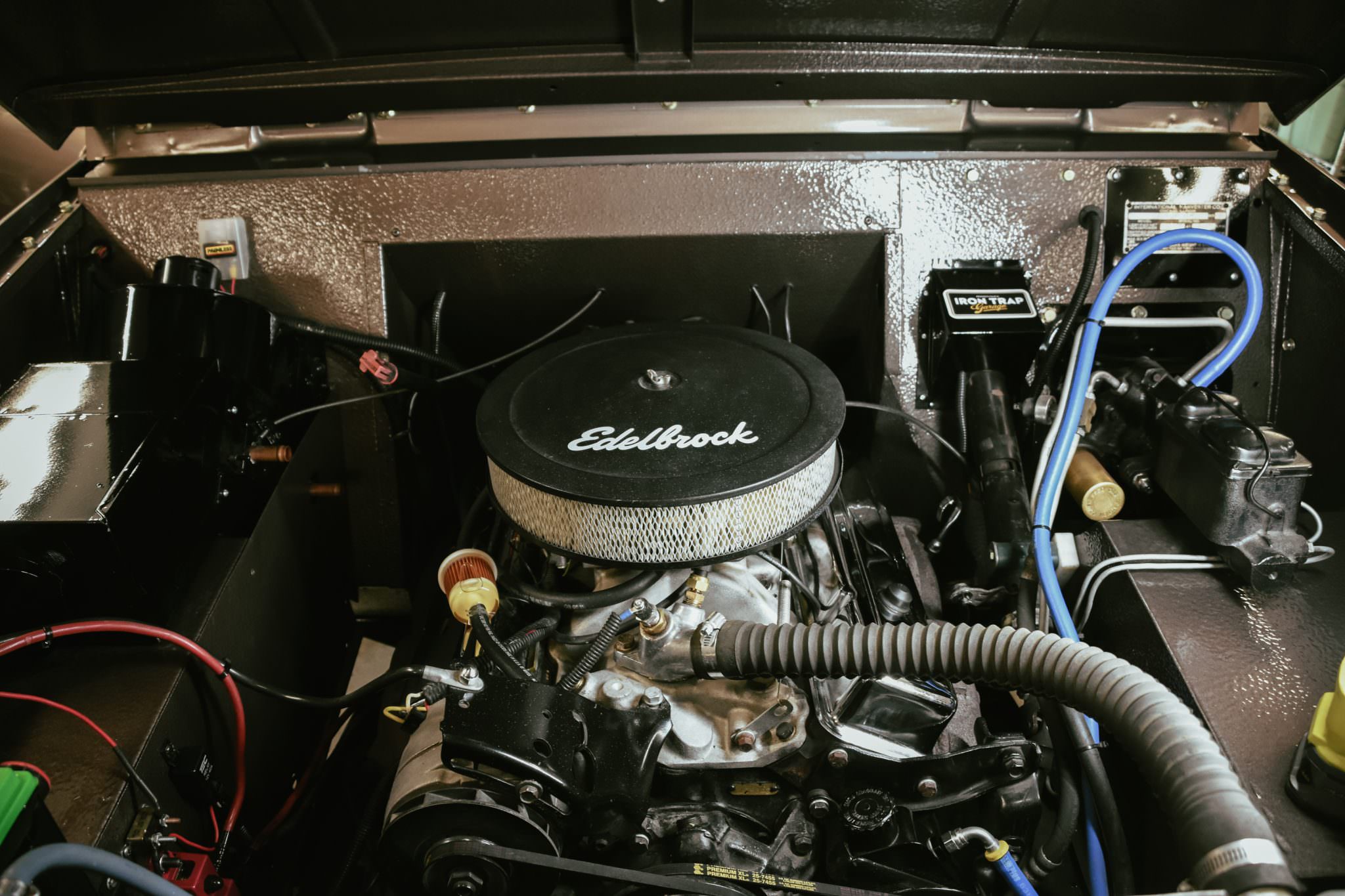
  • The Scout you see here is a 1963 80 model, it’s been comprehensively restored from the ground up, and it’s powered by a 327 Chevy small block V8 likely producing ~300+ bhp. A significant upgrade over the original 93 hp.

The Scout 80

The economic boom in the United States in the years after WWII resulted in many Americans having more disposable income and plenty of weekend leisure time – a recipe that led to an explosion in popularity of activities like off-road motorcycling, four-wheel driving, boating, and camping.
International Harvester Scout 80 Restomod 1

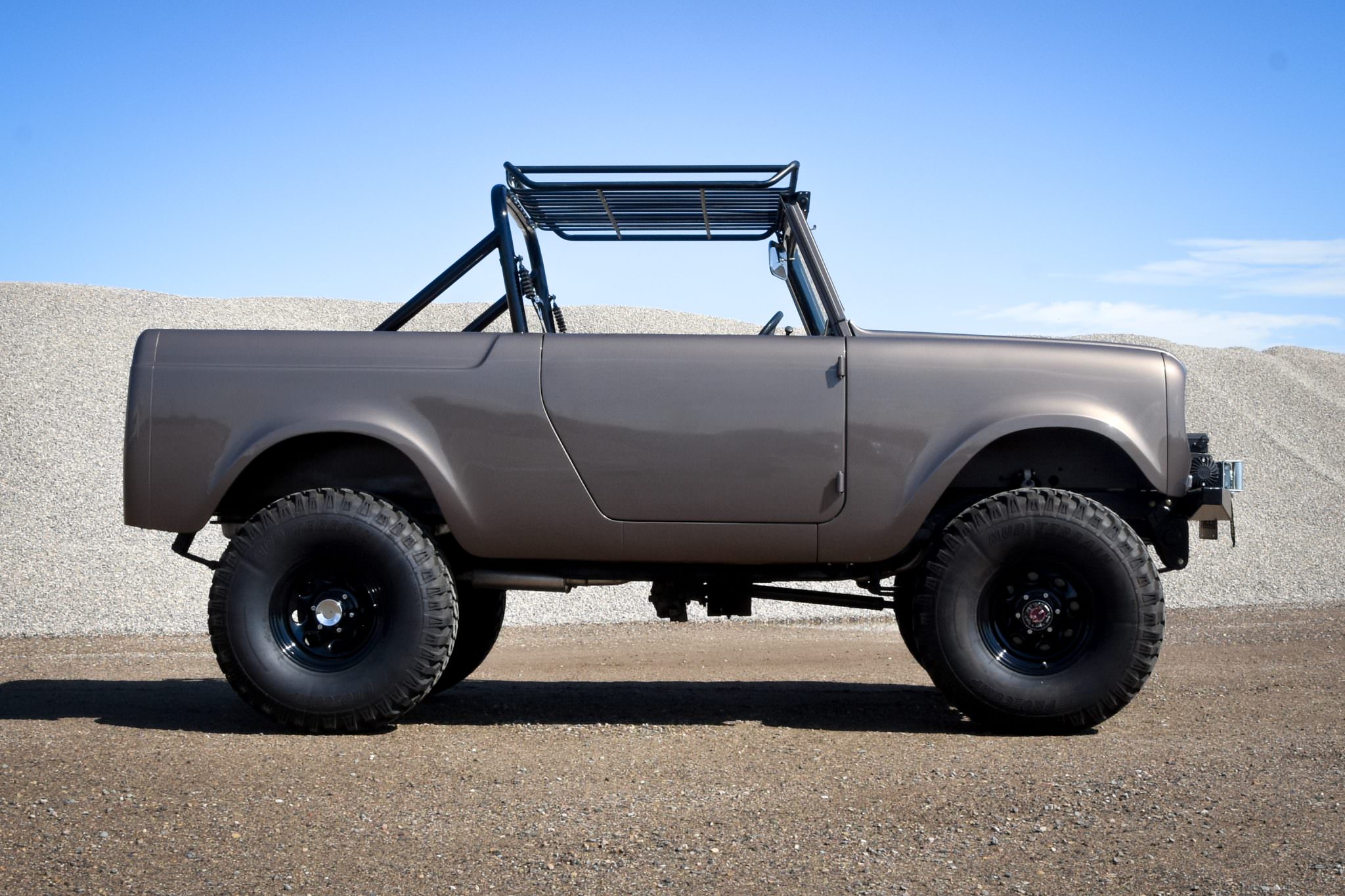
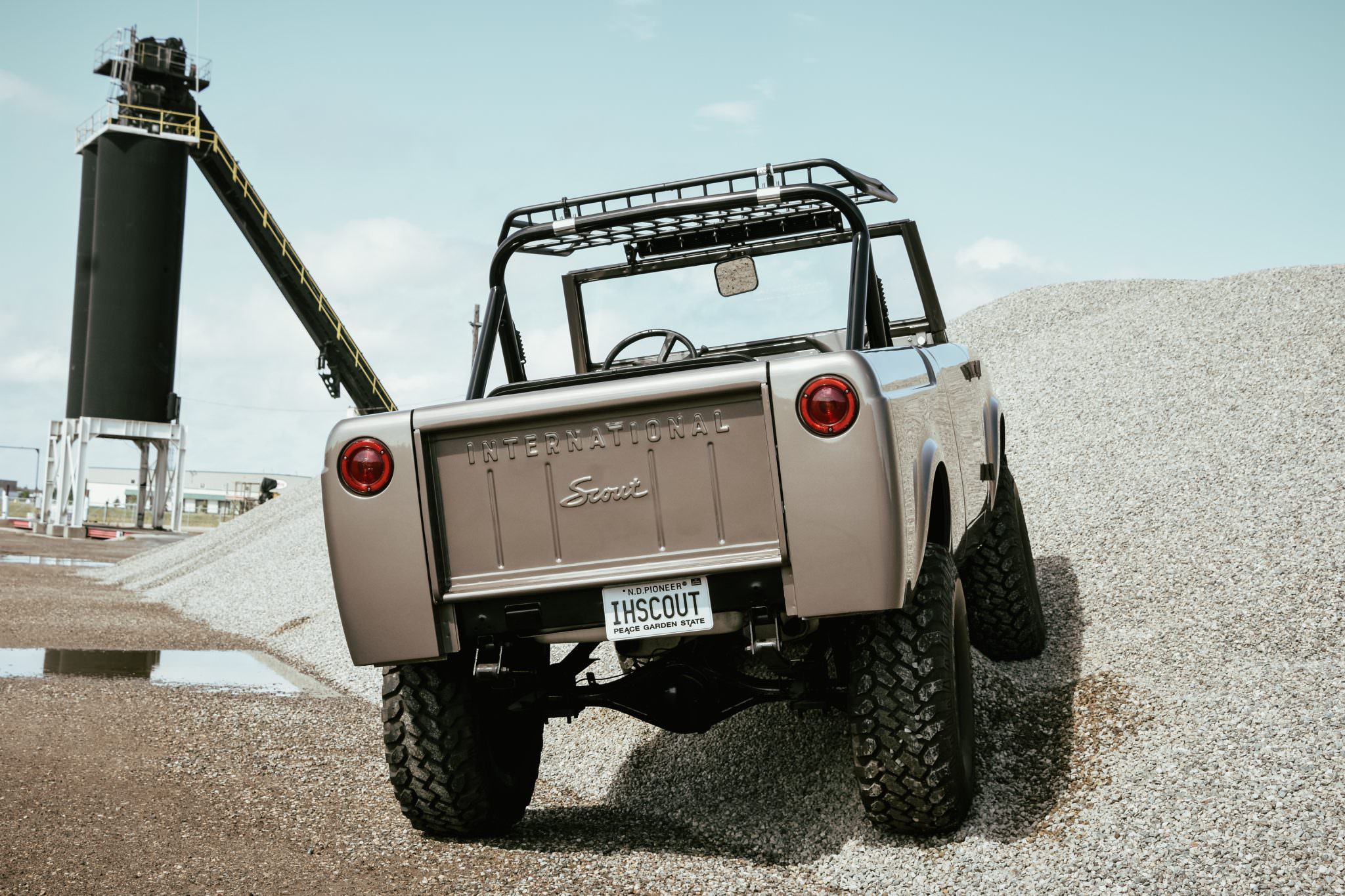
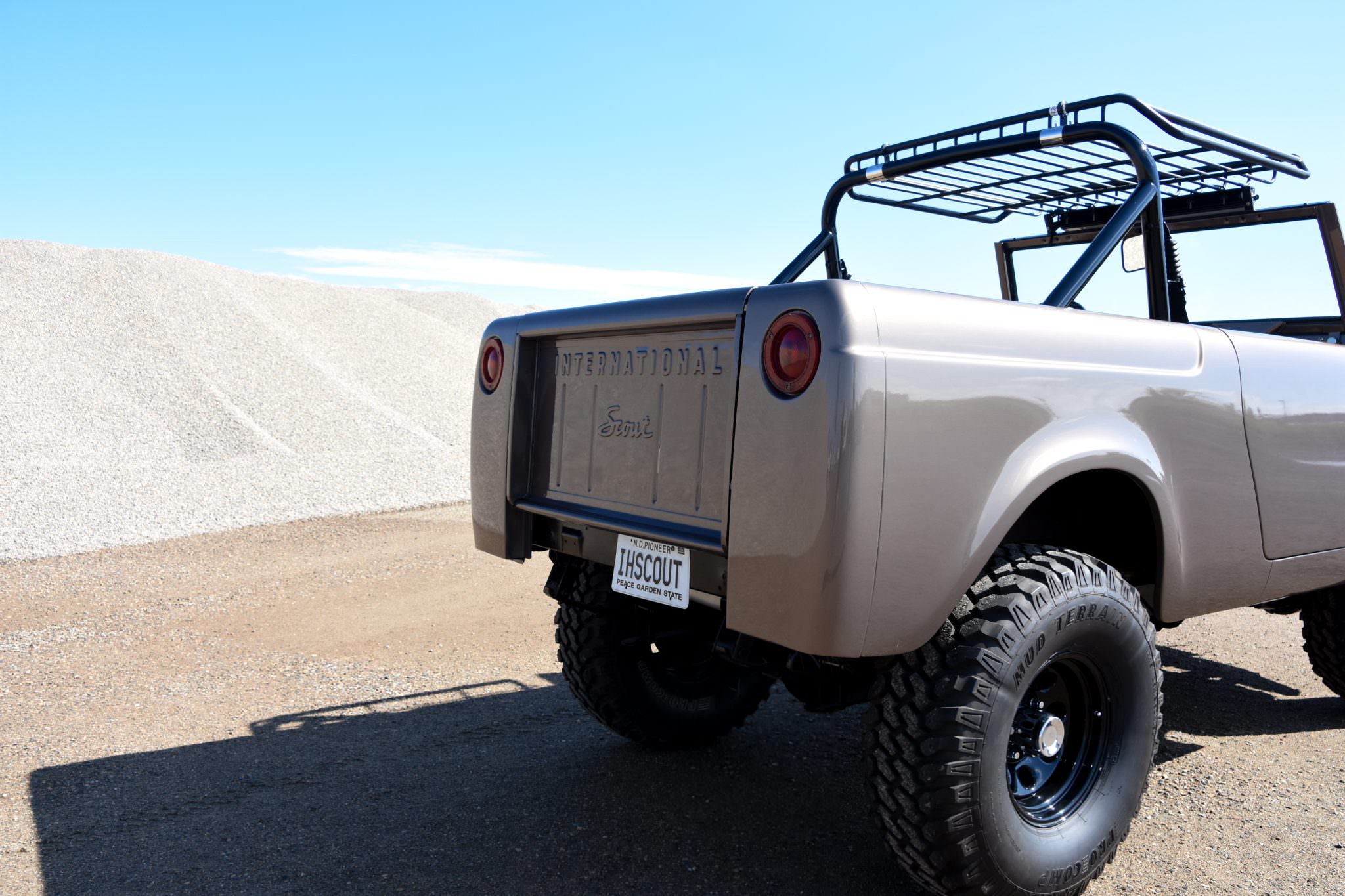
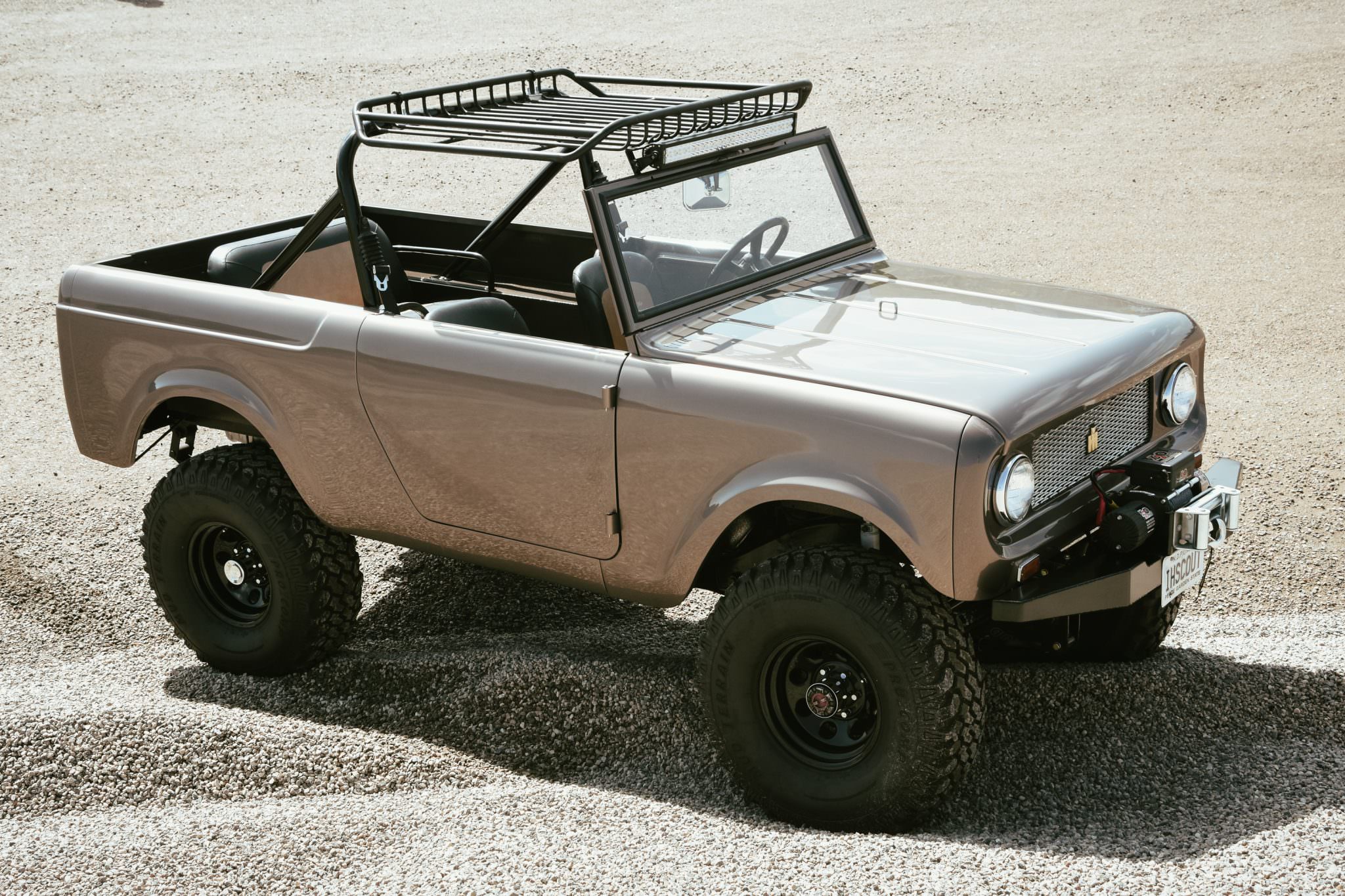
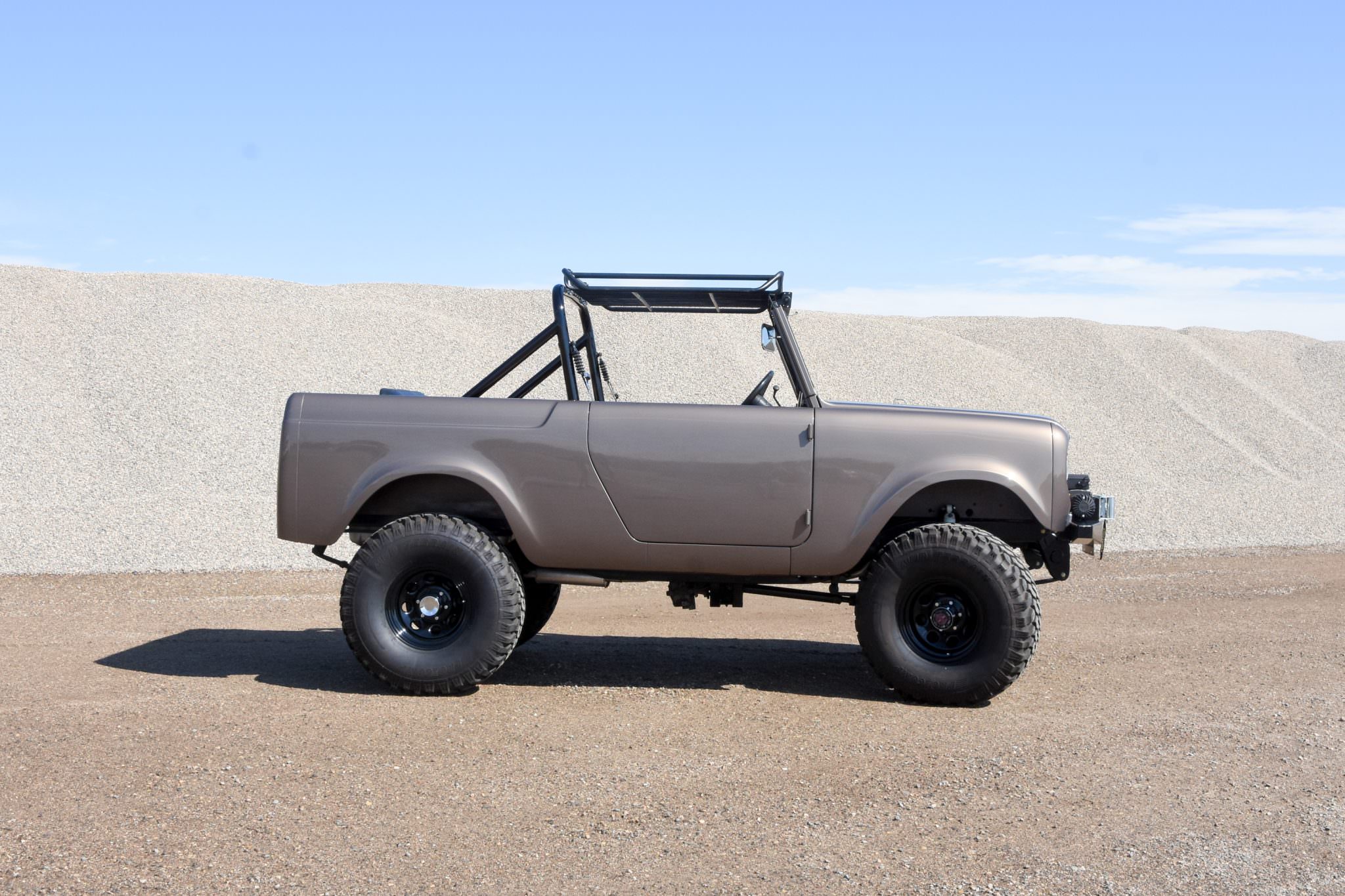
This Scout 80 has been vastly upgraded over the stock vehicle, it’s now powered by a Chevy small block V8, it rides on Toyota axles and 35″ tires, and it has a roll bar for safety.

The International Scout 80 was released near the beginning of the 1960s and its timing couldn’t have been better. Americans were clamoring for adventure and the Scout 80 promised it by the bucketload – it was an affordable 4×4 with excellent off-road ability.

Early Scouts were powered by the 152 cubic inch inline four-cylinder engine producing 93 hp and 137 lb ft of torque. Power was sent back through a 3-speed Warn T90 manual transmission and a Dana 18 transfer case to Spicer 27 axles.

By 1965 the new Scout 800 arrived, it was largely based on the 80 but had more concessions for comfort and it was offered with larger and more powerful engines – first the 196 cubic inch four-cylinder followed by the 266 cubic inch V8.

The Scout 80 and 800 would remain in production until they were replaced by the Scout II in 1971, exactly 10 years after the first Scout had appeared for sale on showroom floors.

The Restomod Scout 80 Shown Here

The Scout 80 you see here has been completely rebuilt and significantly upgraded over its original 1963 specification.

International Harvester Scout 80 Restomod 4

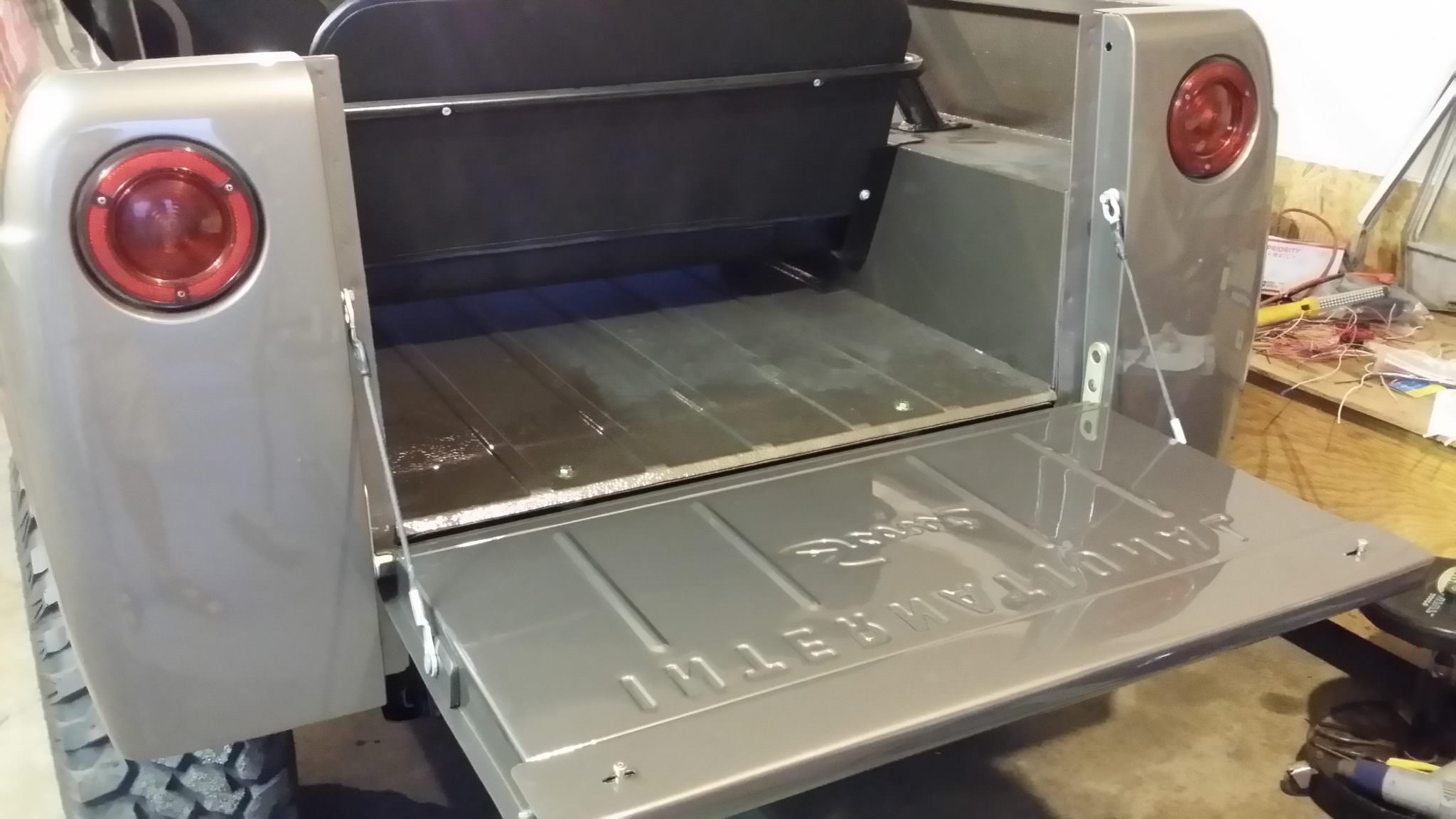
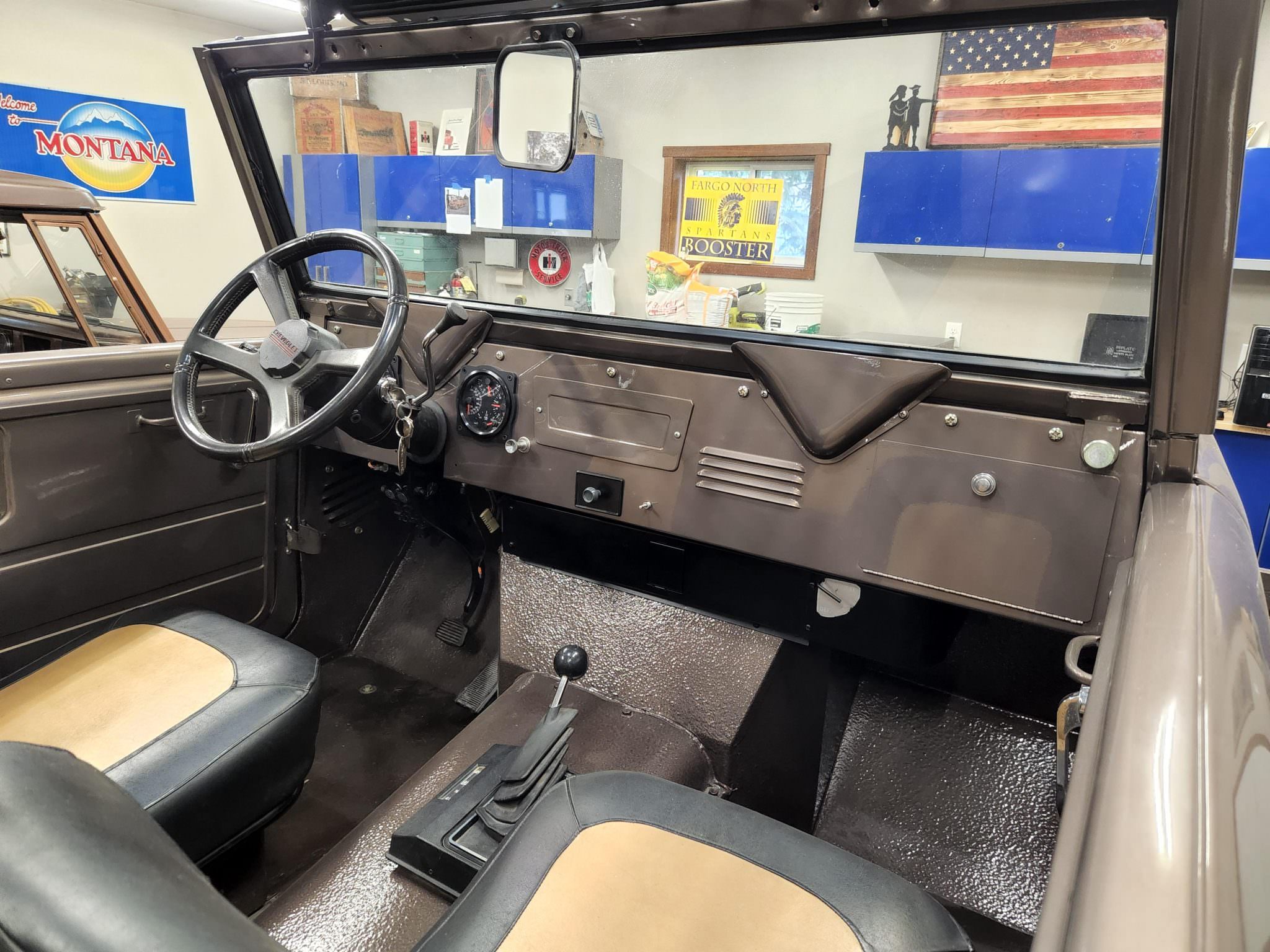
Inside there’s seating for two, with twin front bucket seats and a two-person bench seat in the rear.

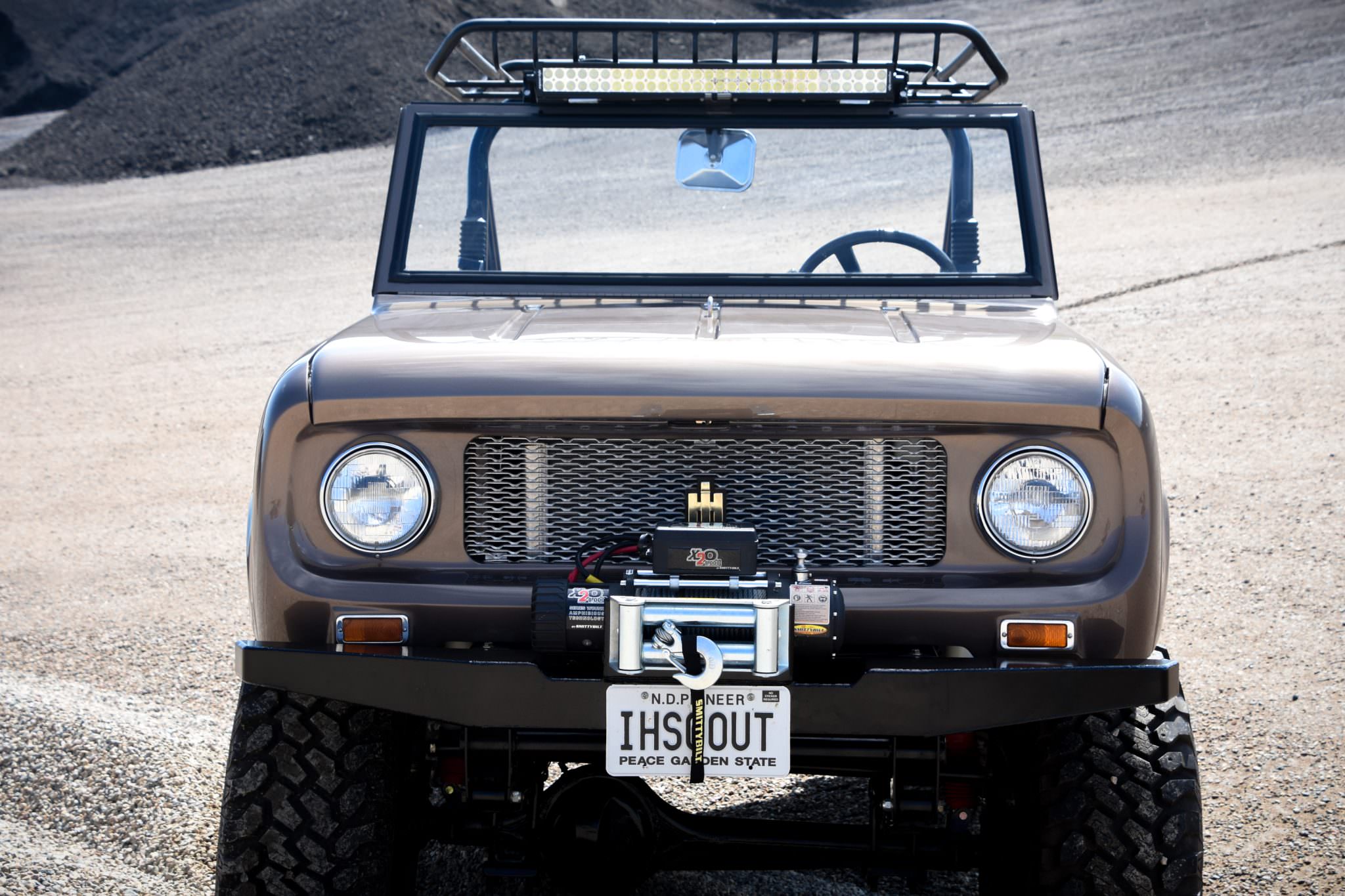
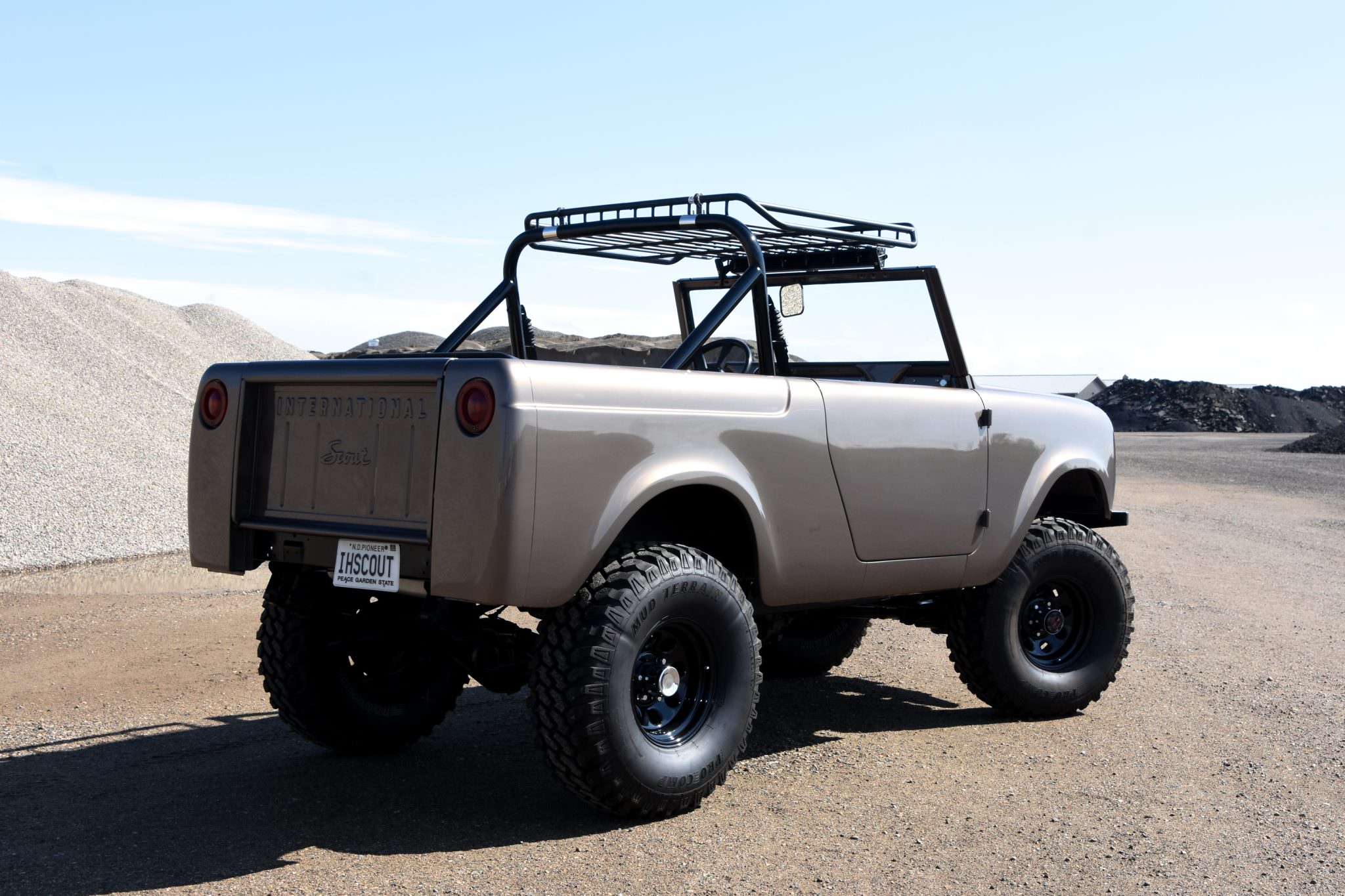
During the restoration the body was removed from the chassis, the door handles were shaved, rust repairs were carried out, and it was repainted in Woodland Brown Metallic.

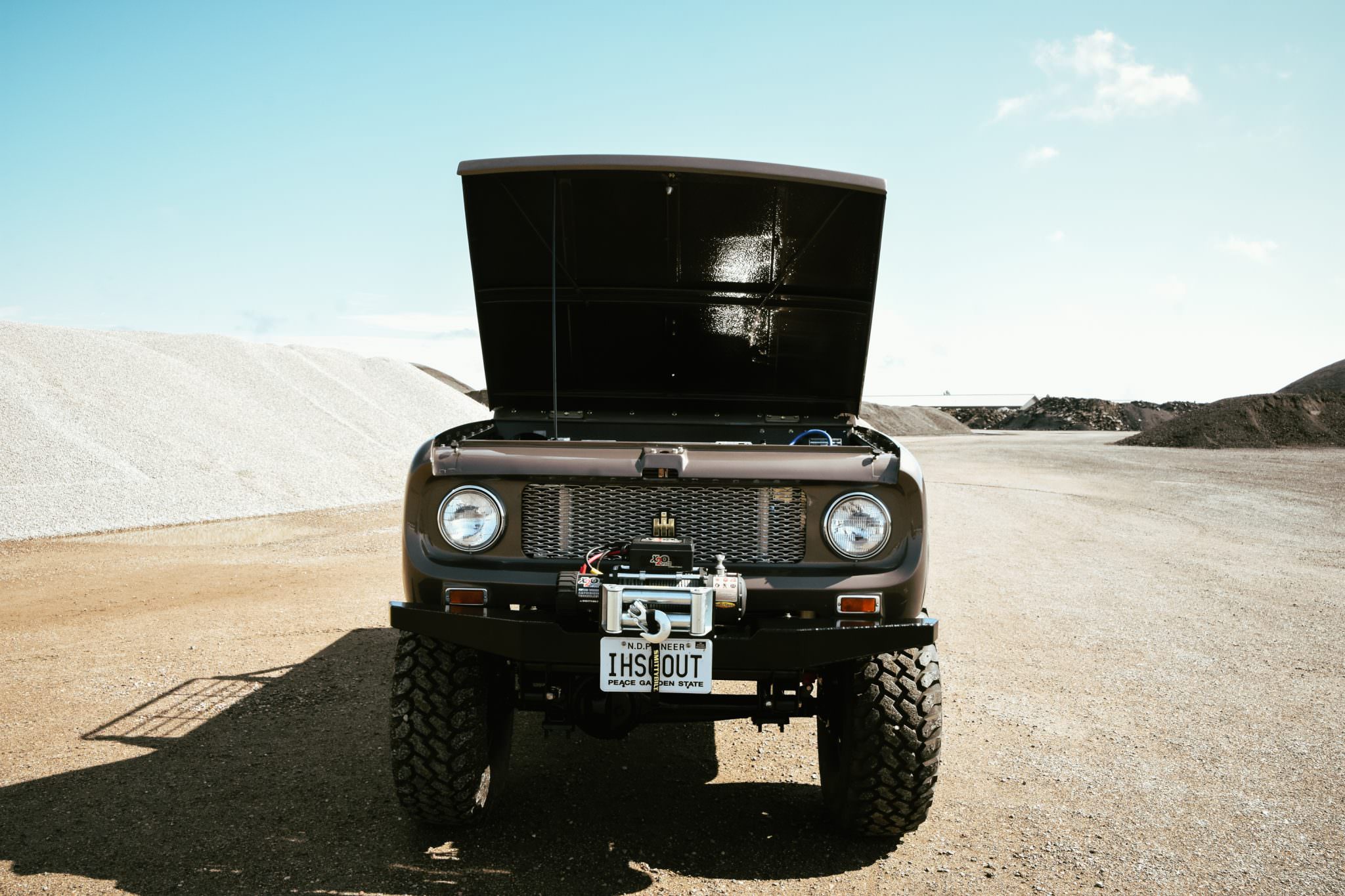
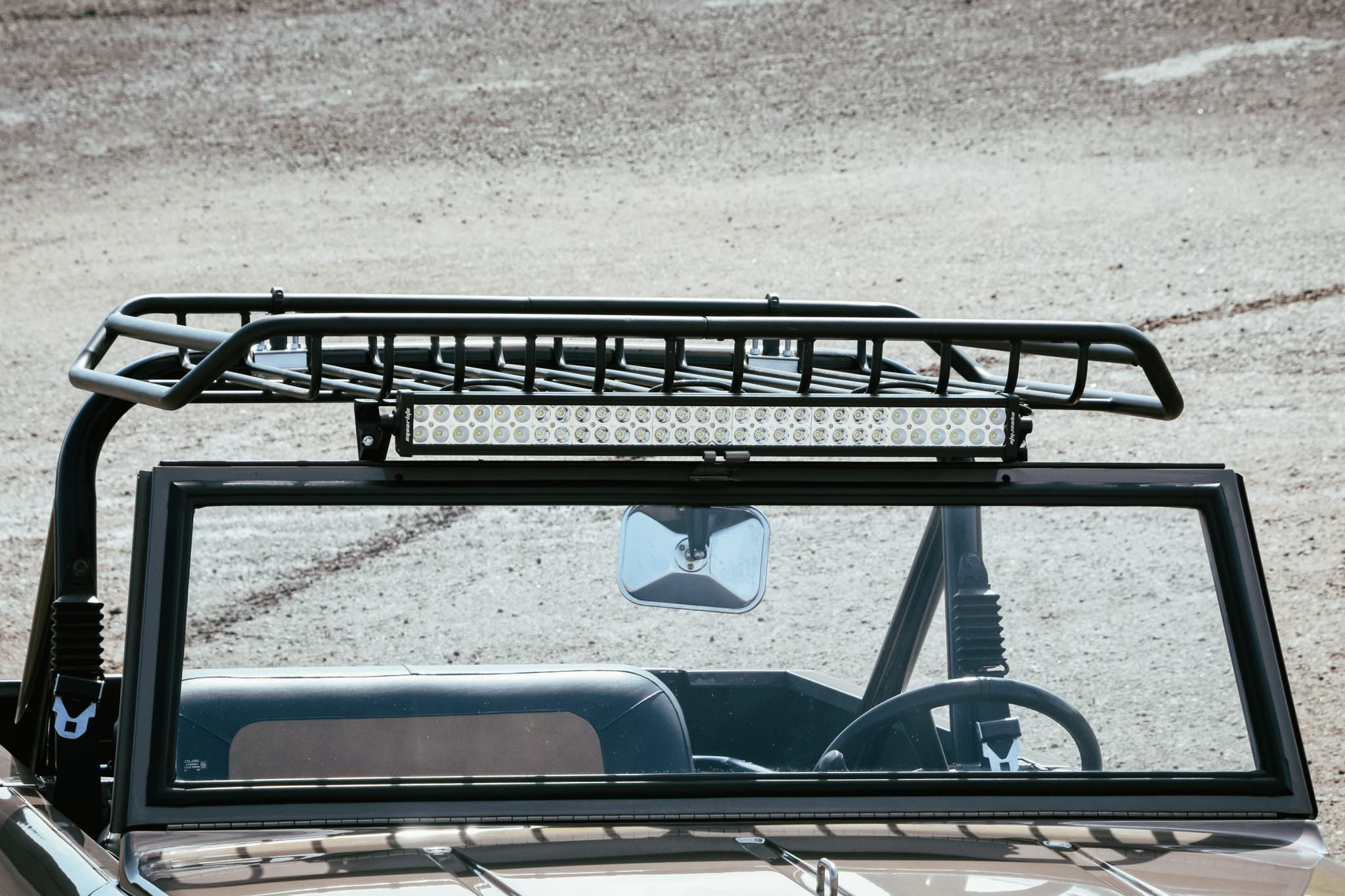
A Ford F100 fuel tank was added for improved range, and it was fitted with a steel front bumper with a Smittybilt winch, a fold-flat windshield, an LED light bar, a roll bar, and a roof basket.

15″ steelies have been fitted and shod with 35×12.5″ Pro Comp Mud Terrain tires, and it now rides on tougher Toyota axles and springs.

In the engine bay you’ll find a 327 cubic inch Chevy small block V8, likely producing somewhere in the region of 300 bhp, which is sent back through a 700R4 four-speed automatic transmission and a dual-range transfer case.

Inside you’ll find front bucket seats and a rear bench seat upholstered in black and tan vinyl. It has three-point front seat belts, power steering, and Speedhut instruments. The interior is finished in a textured bed-liner type paint finish for durability.

This Scout 80 is now listed for sale on Bring A Trailer out of Fargo, North Dakota and you can visit the listing here if you’d like to read more about it or register to bid.
International Harvester Scout 80 Restomod 11 International Harvester Scout 80 Restomod 10 International Harvester Scout 80 Restomod 9 International Harvester Scout 80 Restomod 8 International Harvester Scout 80 Restomod 7 International Harvester Scout 80 Restomod 6 International Harvester Scout 80 Restomod 5 International Harvester Scout 80 Restomod 3 International Harvester Scout 80 Restomod 2 International Harvester Scout 80 Restomod 22 International Harvester Scout 80 Restomod 21 International Harvester Scout 80 Restomod 20 International Harvester Scout 80 Restomod 19 International Harvester Scout 80 Restomod 18 International Harvester Scout 80 Restomod 17 International Harvester Scout 80 Restomod 14 International Harvester Scout 80 Restomod 13 International Harvester Scout 80 Restomod 12

Images courtesy of Bring A Trailer
The post Adventure Machine: A 327 V8 Swapped International Harvester Scout 80 appeared first on Silodrome.


from Silodrome https://silodrome.com/international-harvester-scout-80/
via gqrds

A Ford Model A “Rat Rod” – Built In Britain

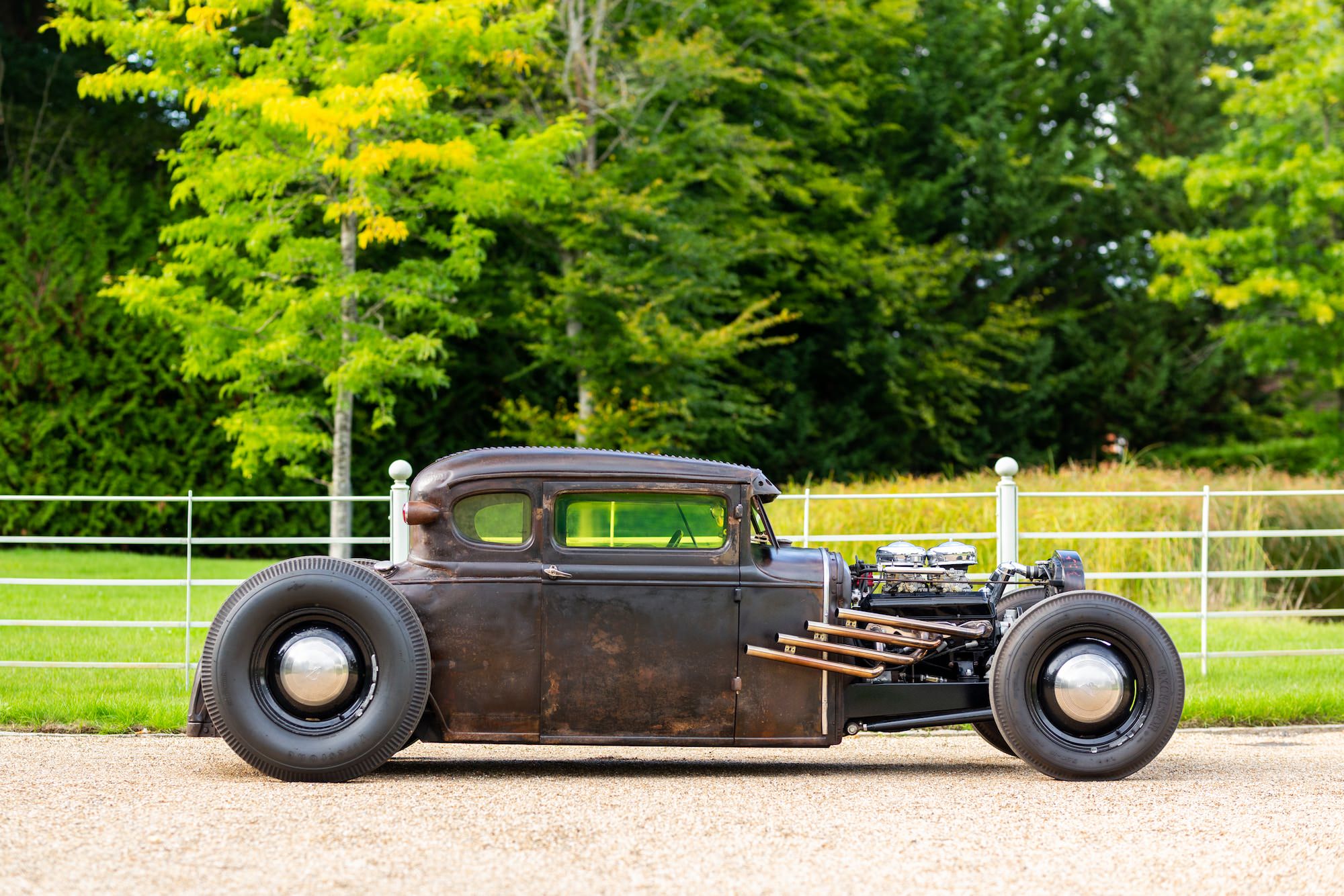
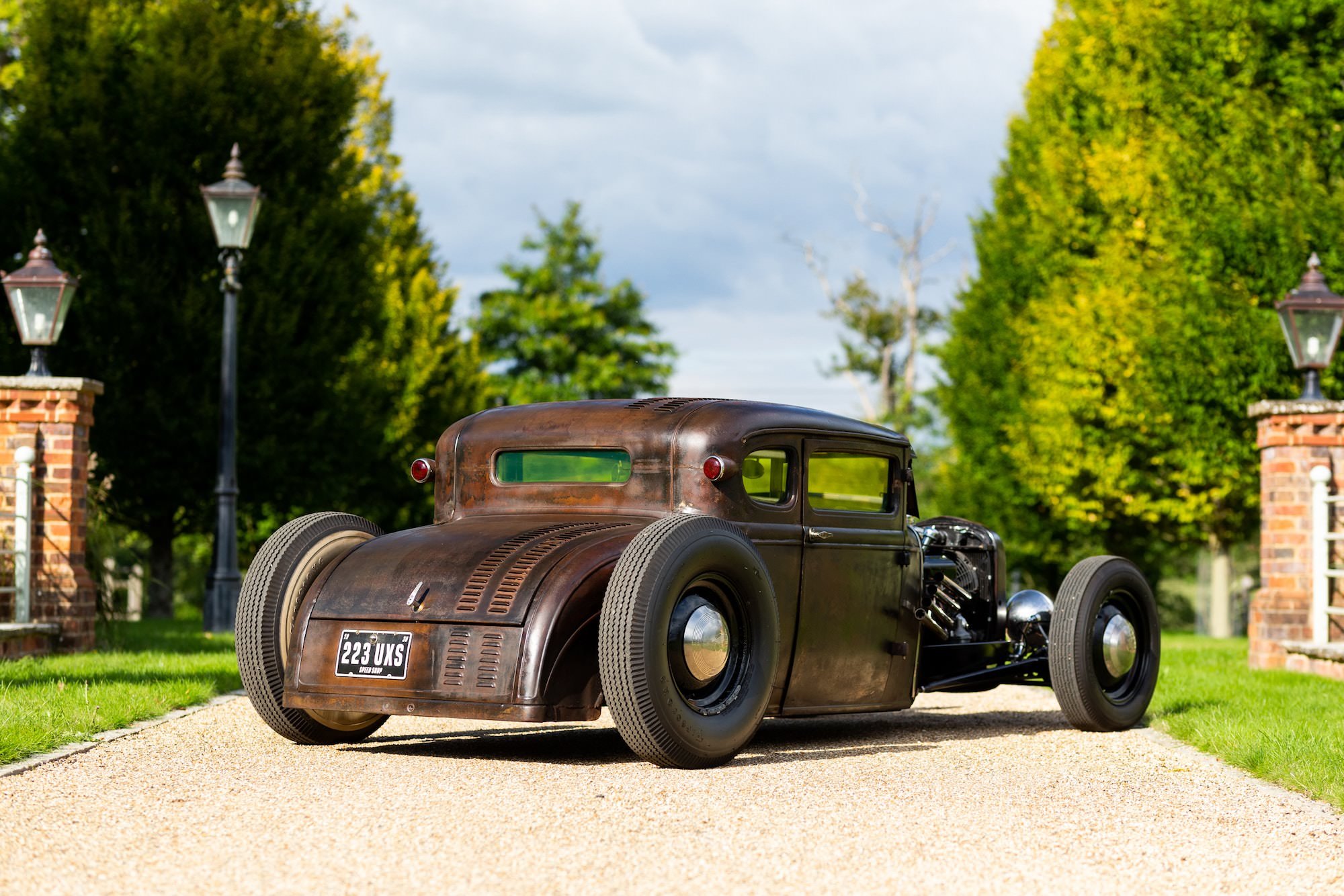
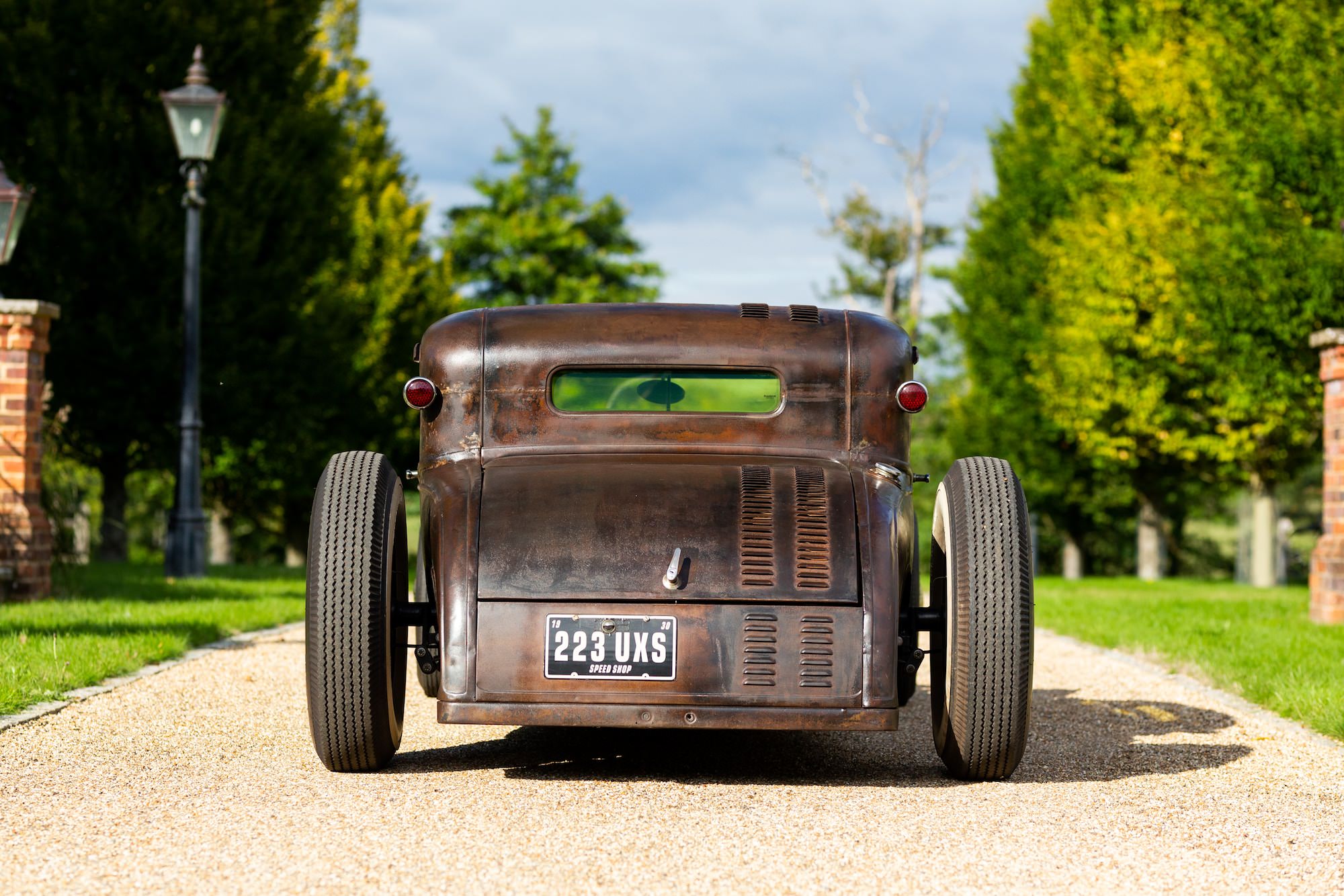
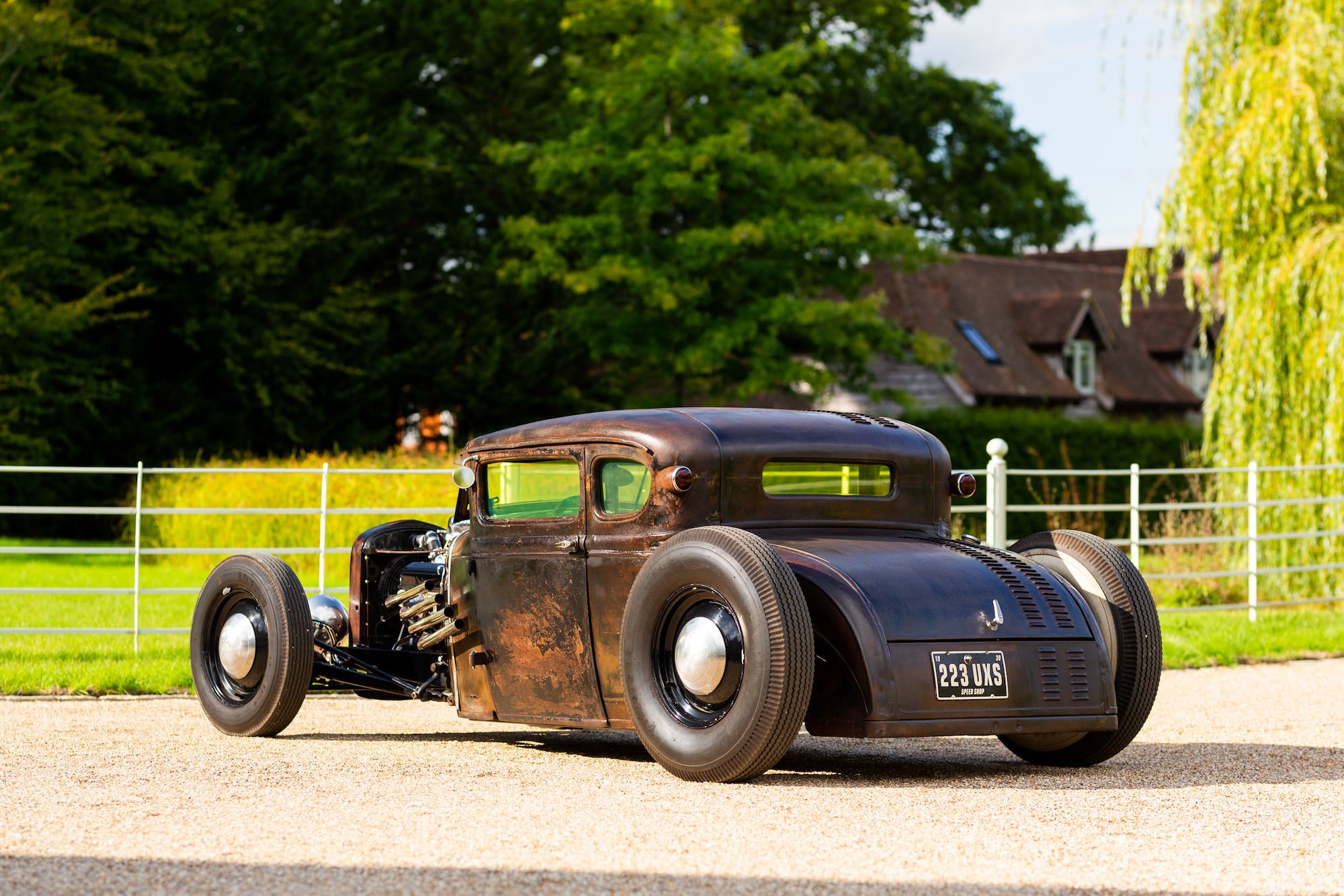
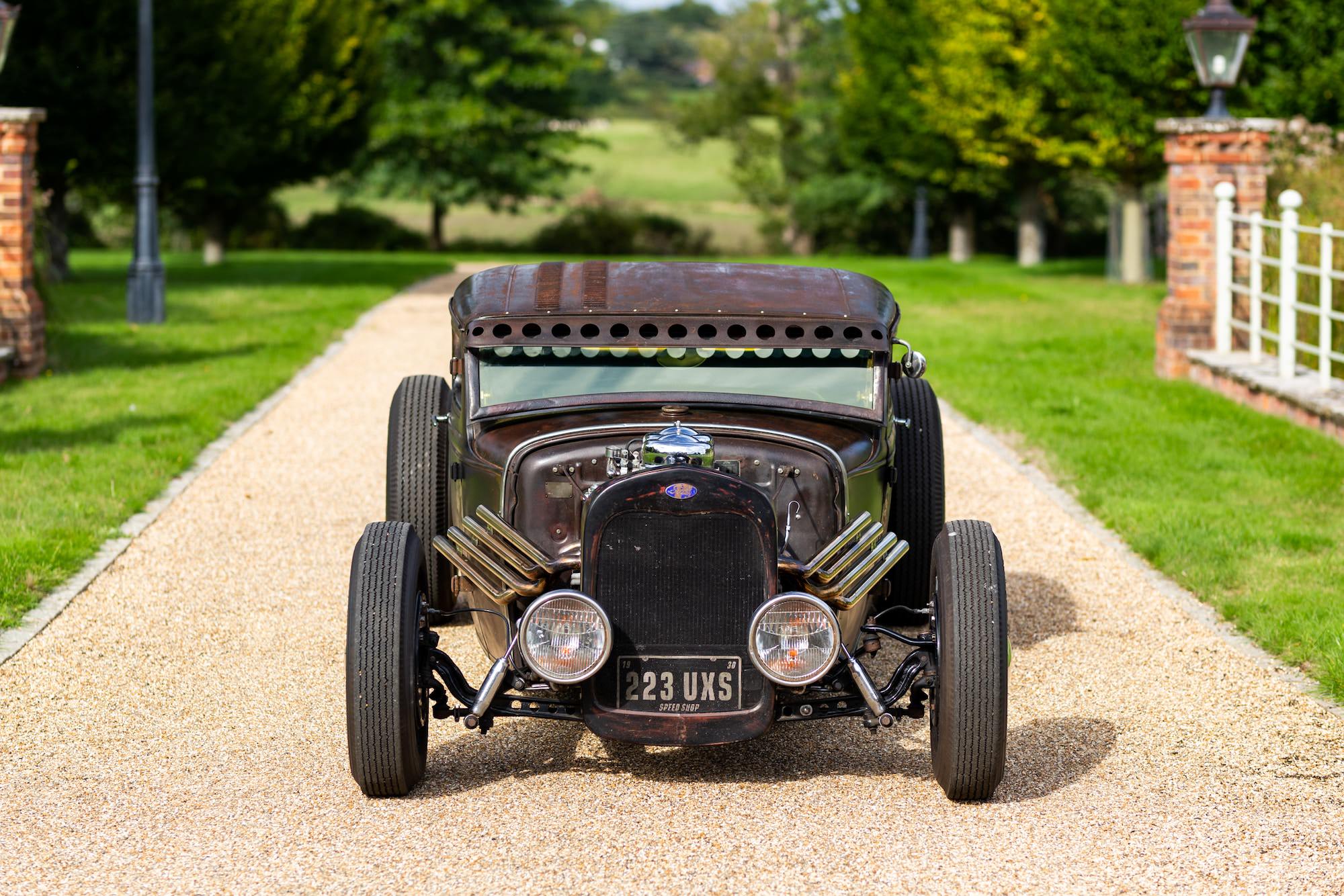
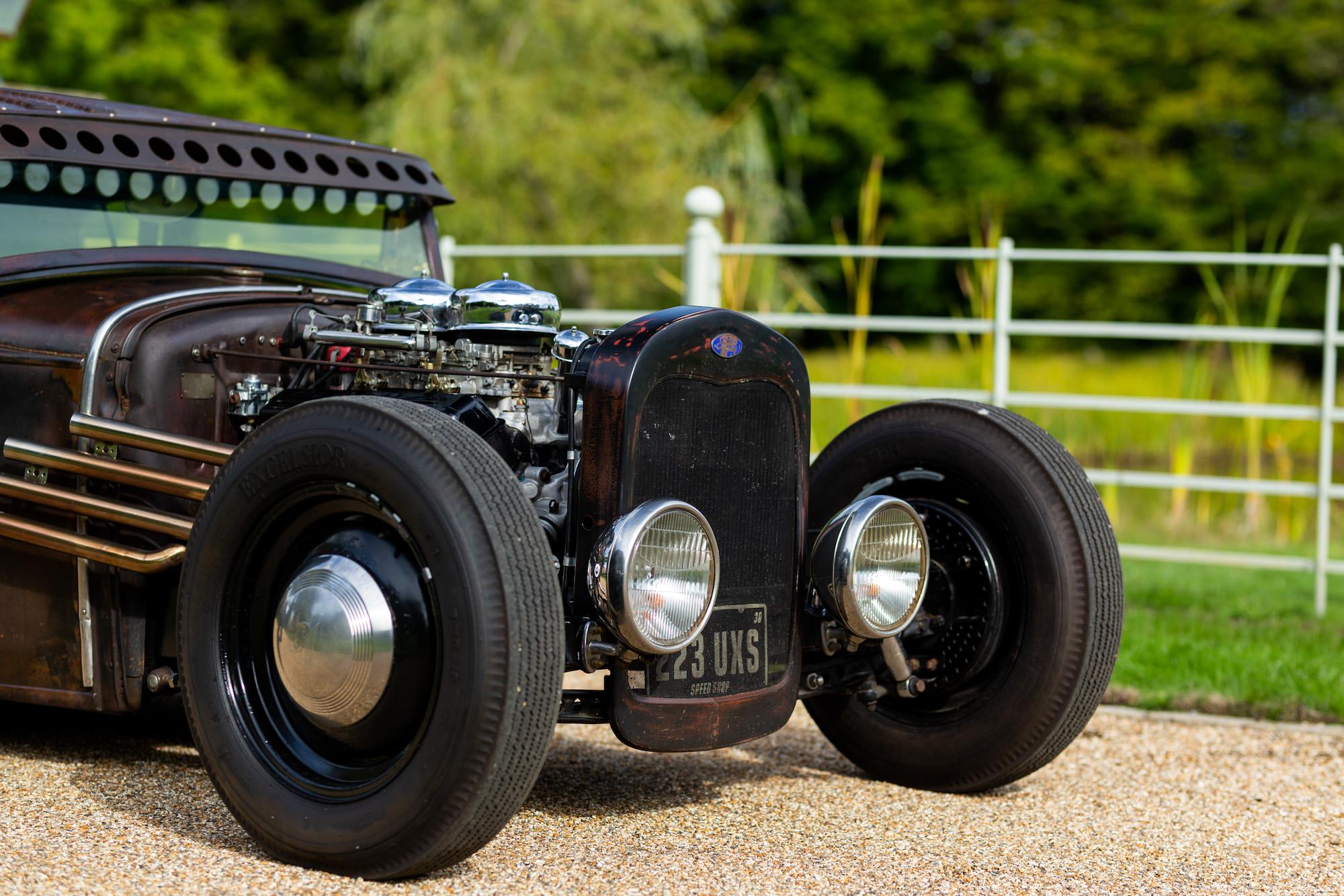
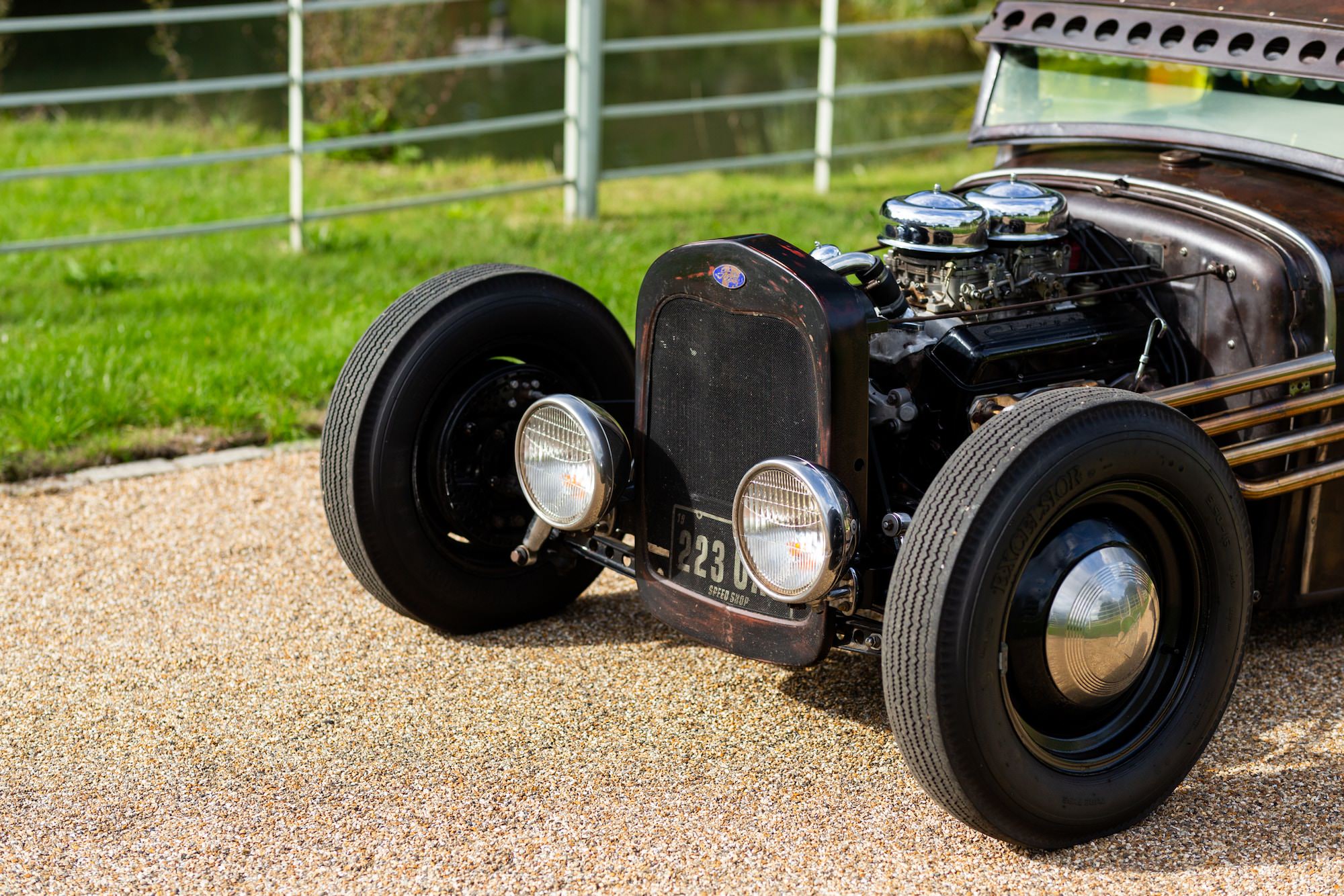
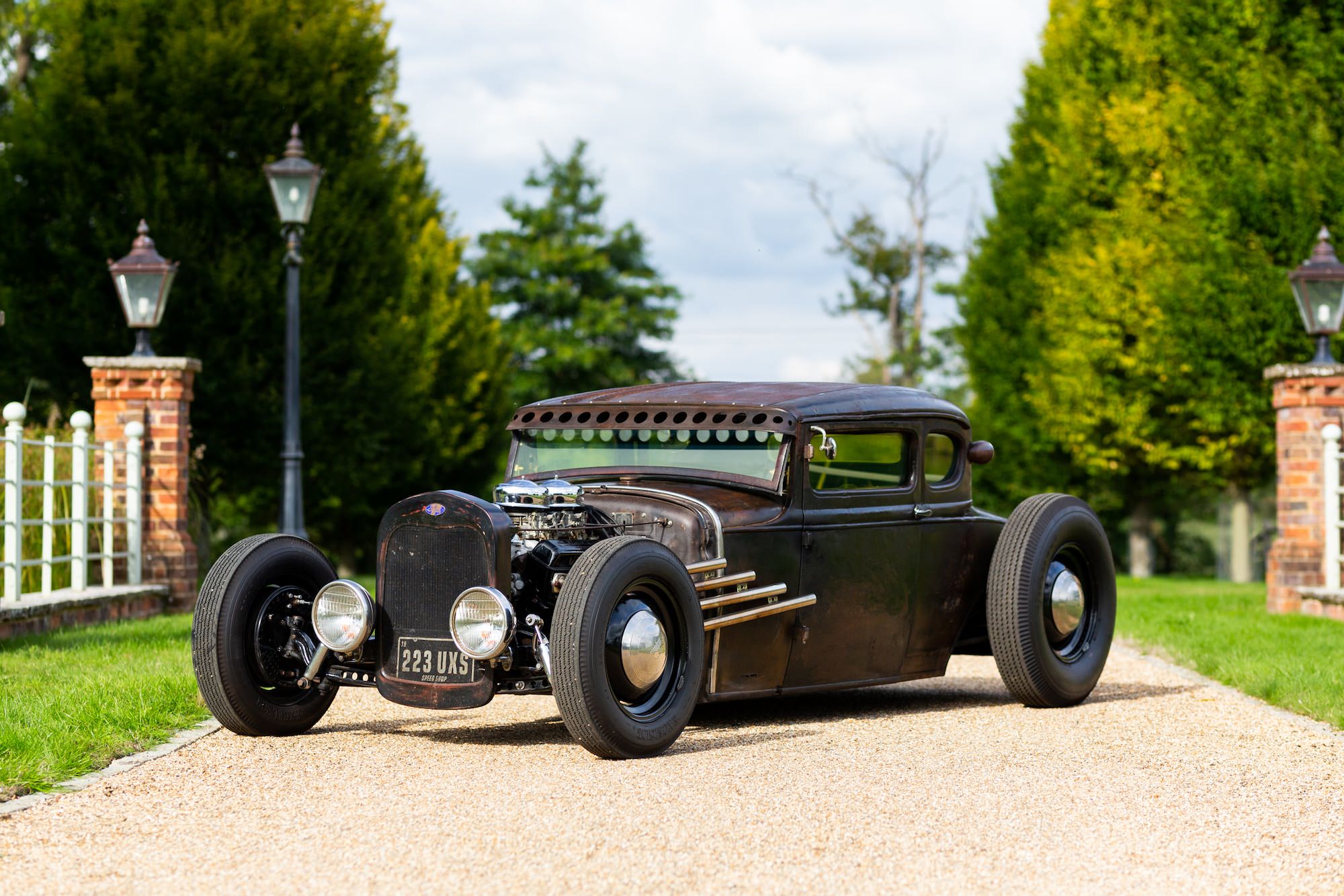
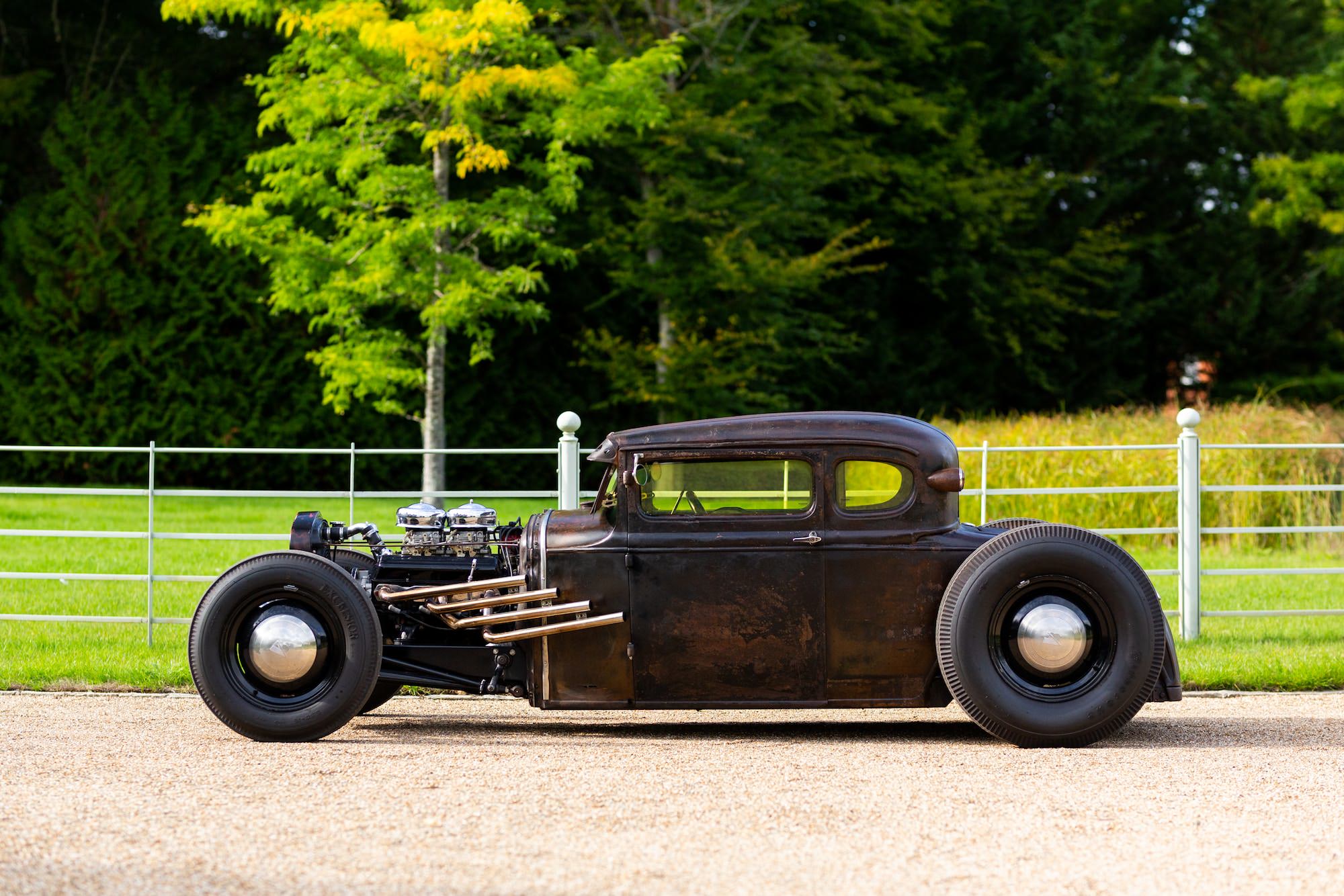
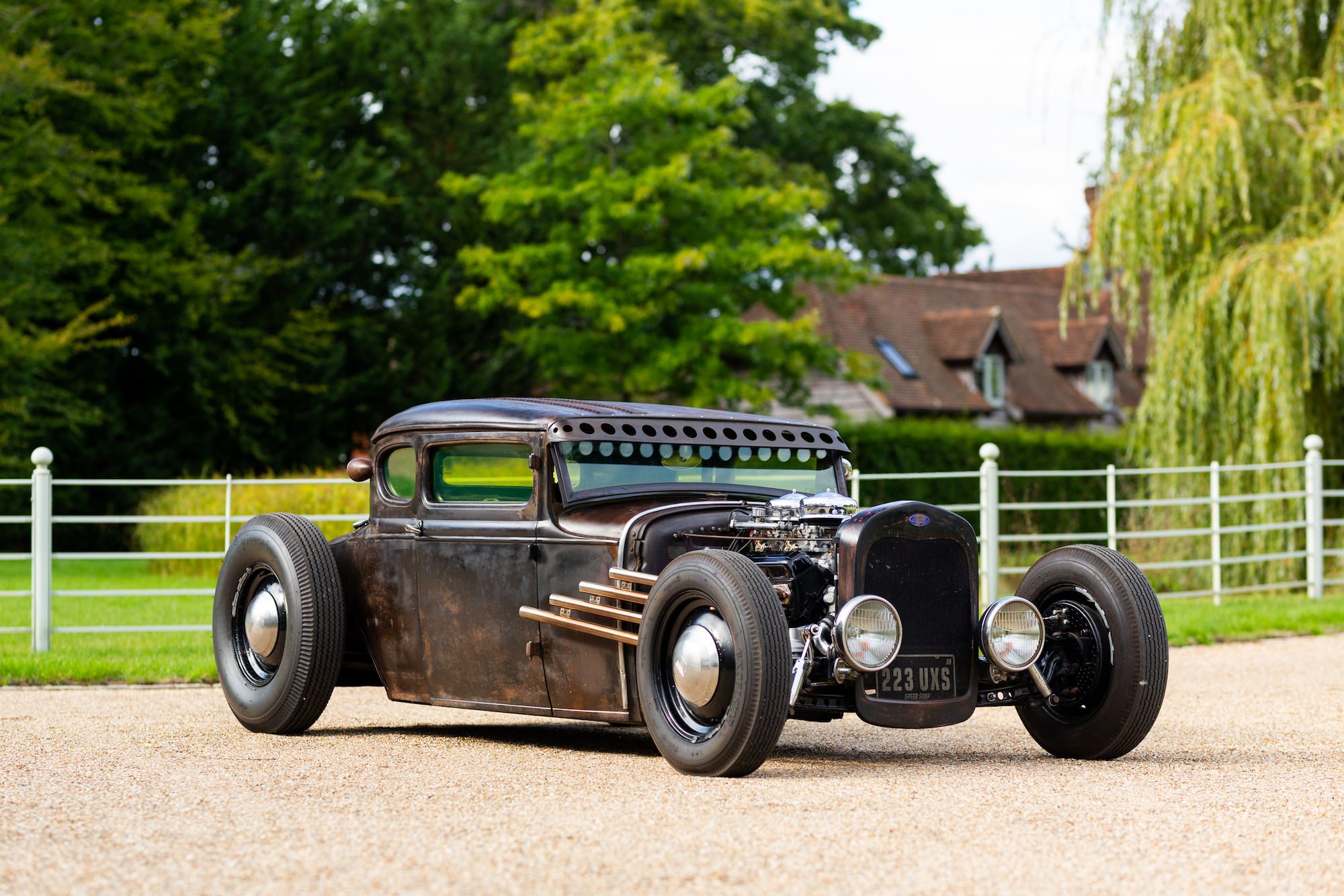
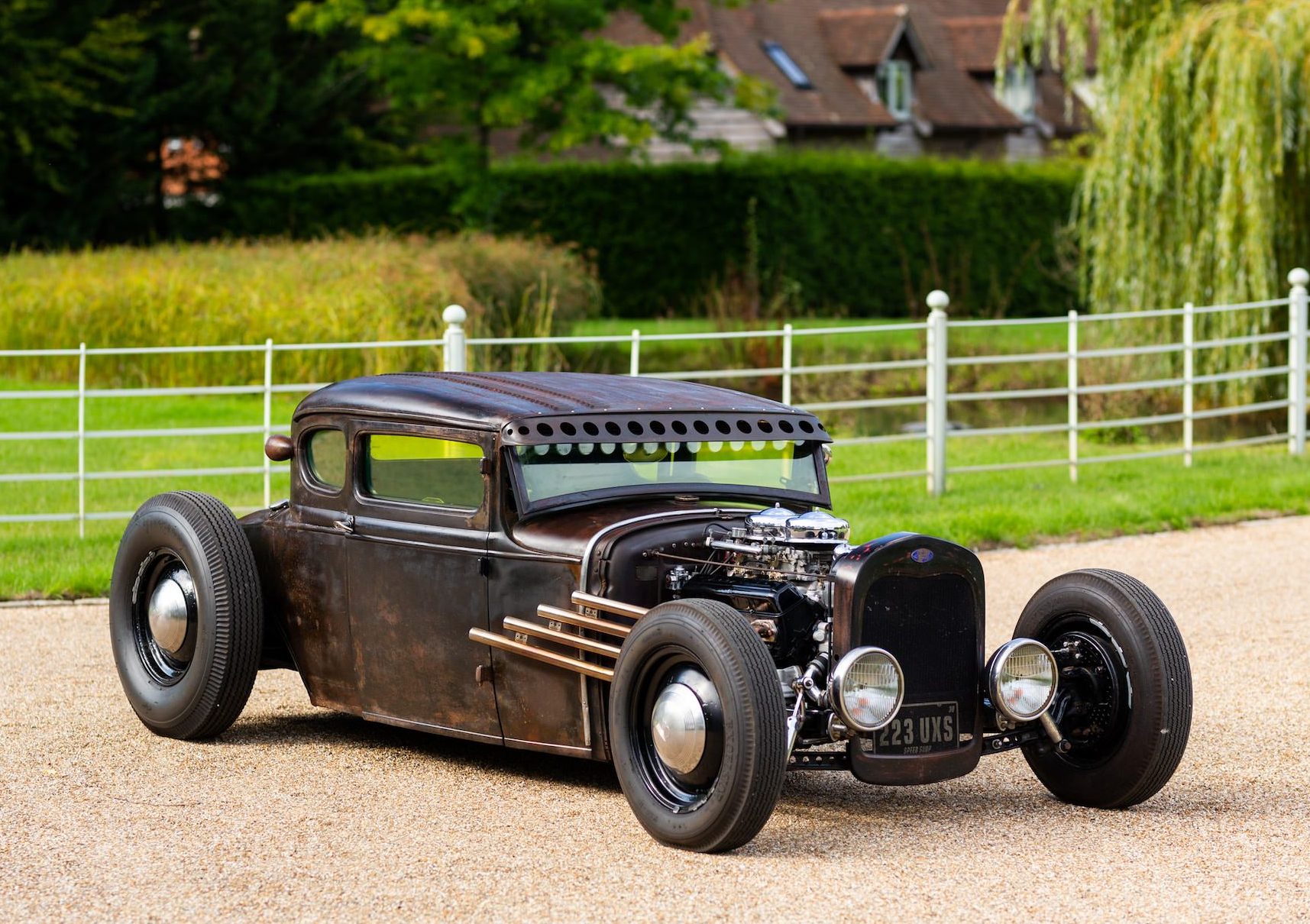
This Ford Model A “Rat Rod” was built in 2009 by the well-respected team at Bartley Wren Bespoke Fabrication in Temple Cloud, England. It’s powered by an early 283 cubic inch Chevy V8 and it’s based on a 1930 Ford Model A Standard Coupe all-steel body.

In a way, Rat Rods are a modern version of the very first hot rods – highly modified cars that started appearing in the 1930s for racing on dried lake beds. These cars were often hacked and welded together with little thought given to aesthetics – speed was all that mattered.

Fast Facts – A 1930 Ford Model A “Rat Rod”

  • The hot rod craze first kicked off in the years shortly before WWII, then after the war ended in 1945 the hot rodding world took off in popularity, with many returning GIs buying up old jalopies and modifying them for speed.
  • Many of these early hot rods were roughly built and made up of various parts sourced from junkyards. As time passed more highly polished hot rods became the norm, but in recent years the trend has reversed and rat rods are now wildly popular, not just in the USA but around the world.
  • The exact definition of what a rat rod is isn’t universally agreed on, typically rat rods are derelict-looking highly modified vehicles from the 1920s through to the 1950s. They often have visible rust, mismatched parts, and they’re usually powered by hefty American V8s.
  • The car you see here was built in England by Bartley Wren Bespoke Fabrication, it’s based on a 1930 Ford Model A and it was so well executed that it was invited to take part in the 2021 Goodwood Revival hot-rod track parade.

What Is A Rat Rod?

Rat rods are a modern homage to the true spirit of the first hot rods that were built back in the 1930s. They were usually junkyard specials designed for racing on quiet stretches of highway or dried lakebeds.

Ford Model A Rat Rod 14

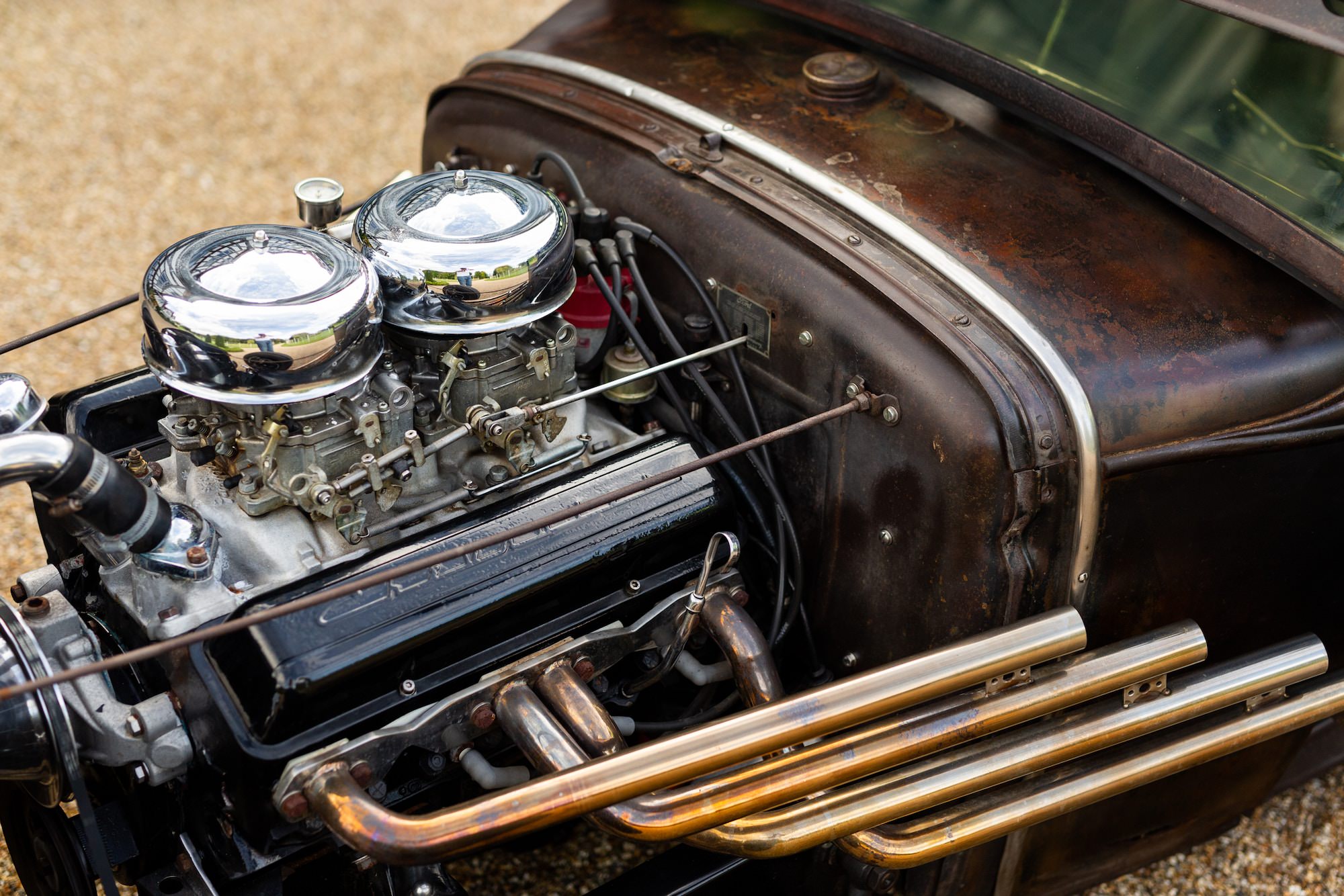
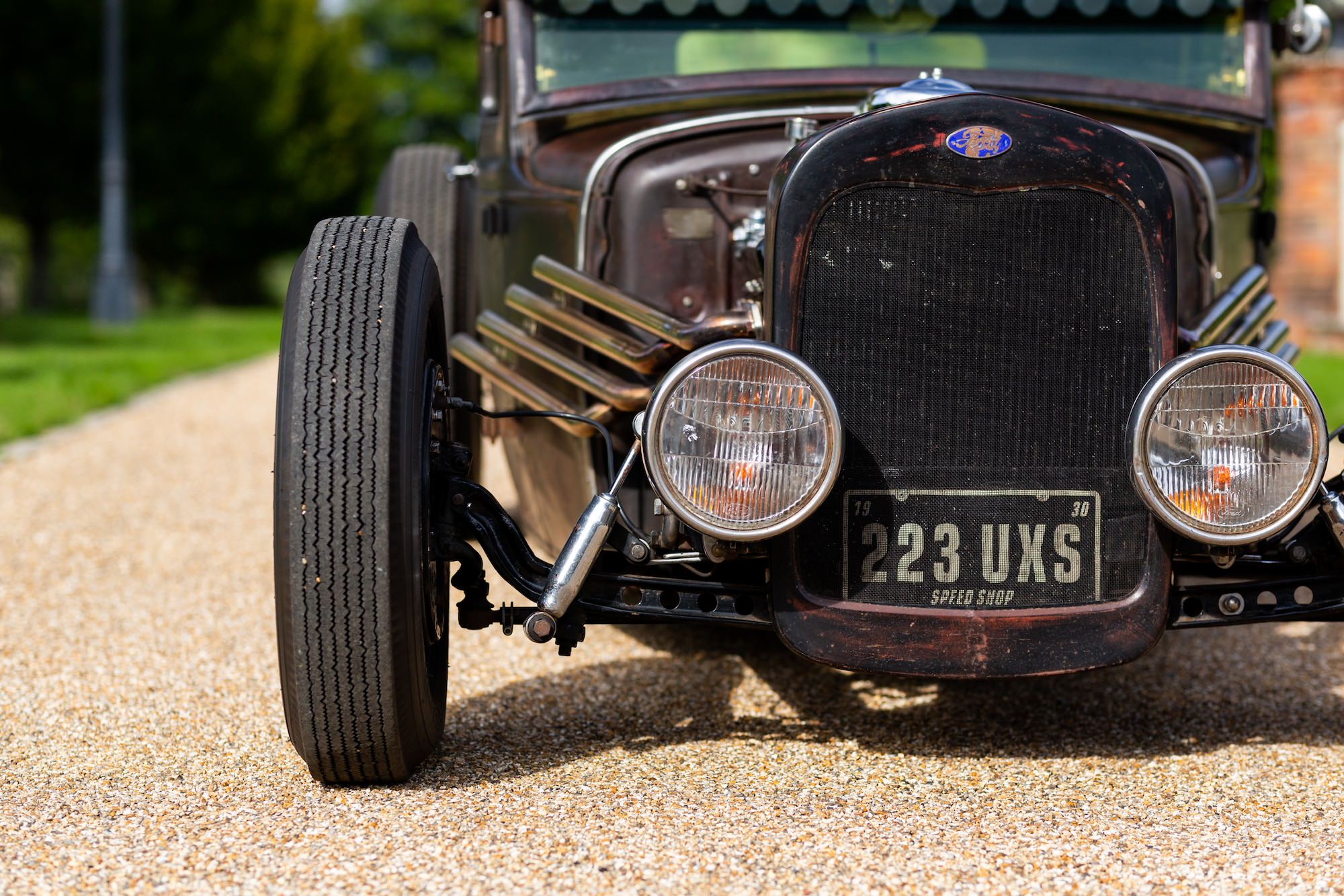
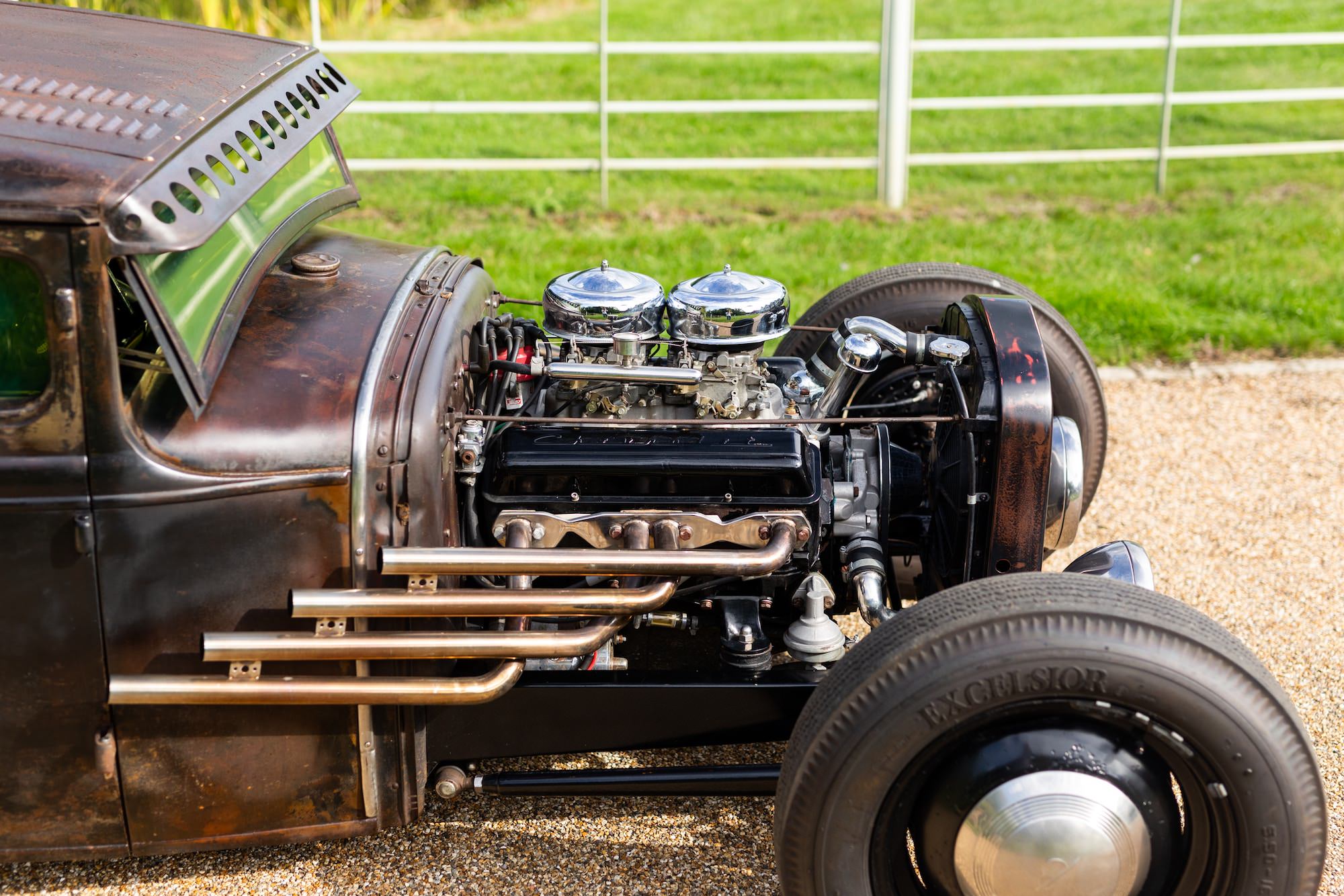
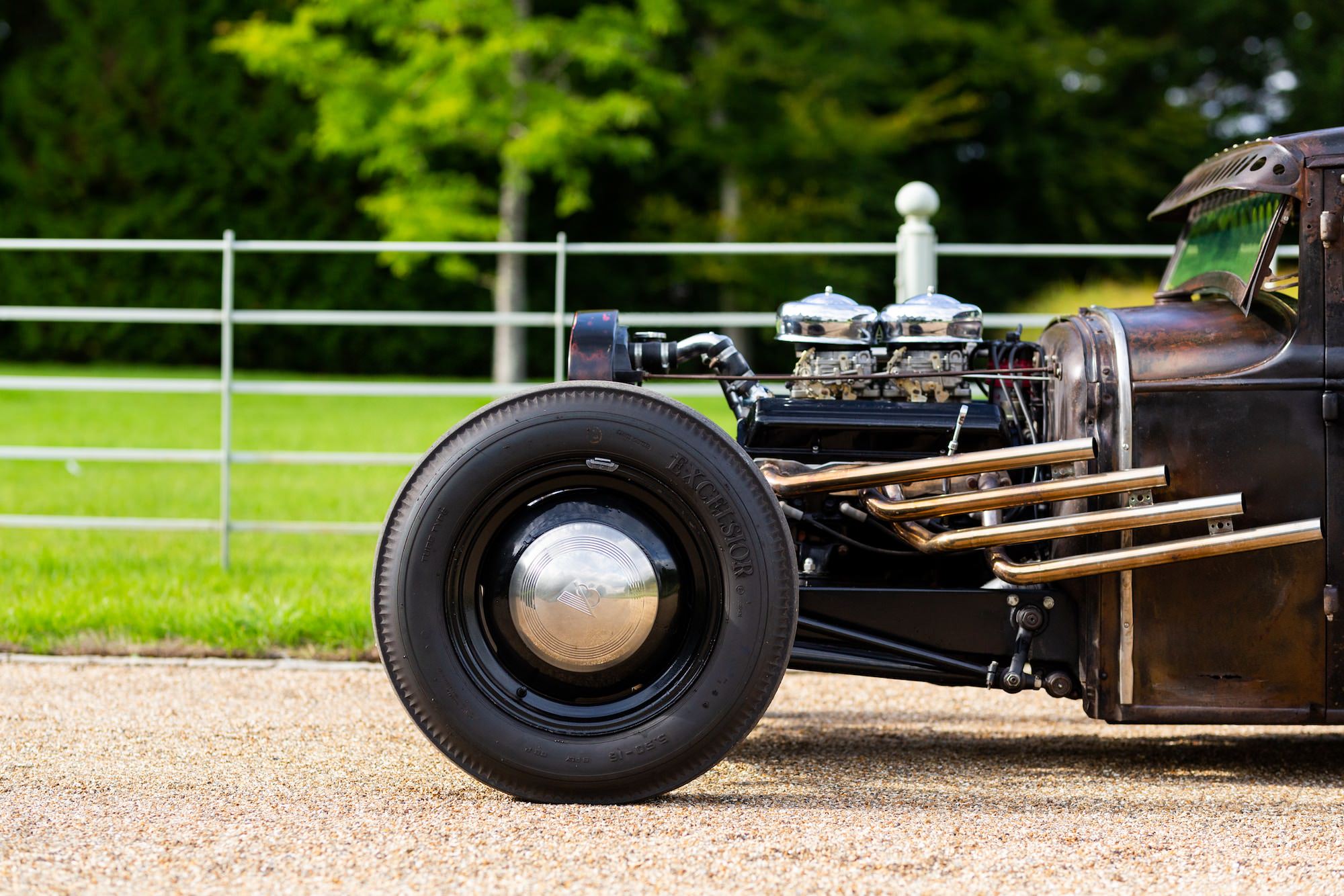
This 1930 Ford is powered by an early 283 cubic inch Chevy V8 with twin Edelbrock carburetors up top.

Rat rods are also a rebellion of sorts against the kind of chromed and highly-polished hot rods that have become popular over recent decades – evolving into cars that are often trailered show ponies that are rarely (if ever) actually driven on the road.

As an antithesis of this lawn chair hot rod world, rat rods are typically left unpainted or with much of their paint missing, steel body panels are allowed to develop some surface rust before often being given a layer of clear coat to preserve them and inhibit further corrosion.

Due to lower costs the barrier to entry into the rat rod world is relatively low, certainly when compared with modern hot rods, and as a result the rat rodding scene has exploded in popularity since the 1990s. And many in the mainstream hot rodding world aren’t that happy about it.

The Ford Model A Rat Rod Shown Here

The rat rod you see here was built in Britain by Bartley Wren Bespoke Fabrication – a company that sounds like they’d be more at home restoring Blower Bentleys or Brough Superiors.

The rat rod world has long since expanded past the borders of the United States, and there are thriving communities in the UK, Europe, Japan, Australia, New Zealand, South Africa, and further afield.

Ford Model A Rat Rod 19

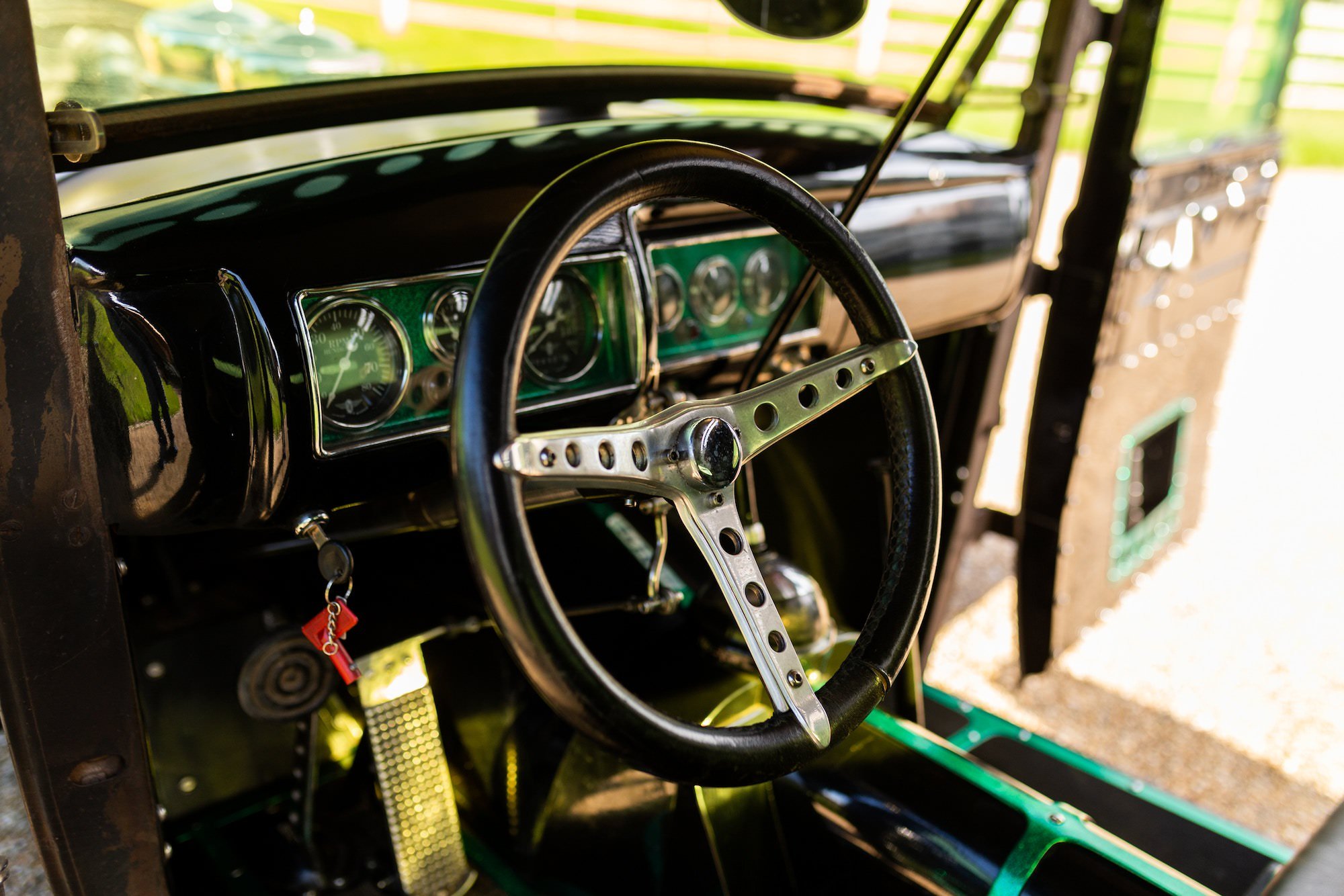
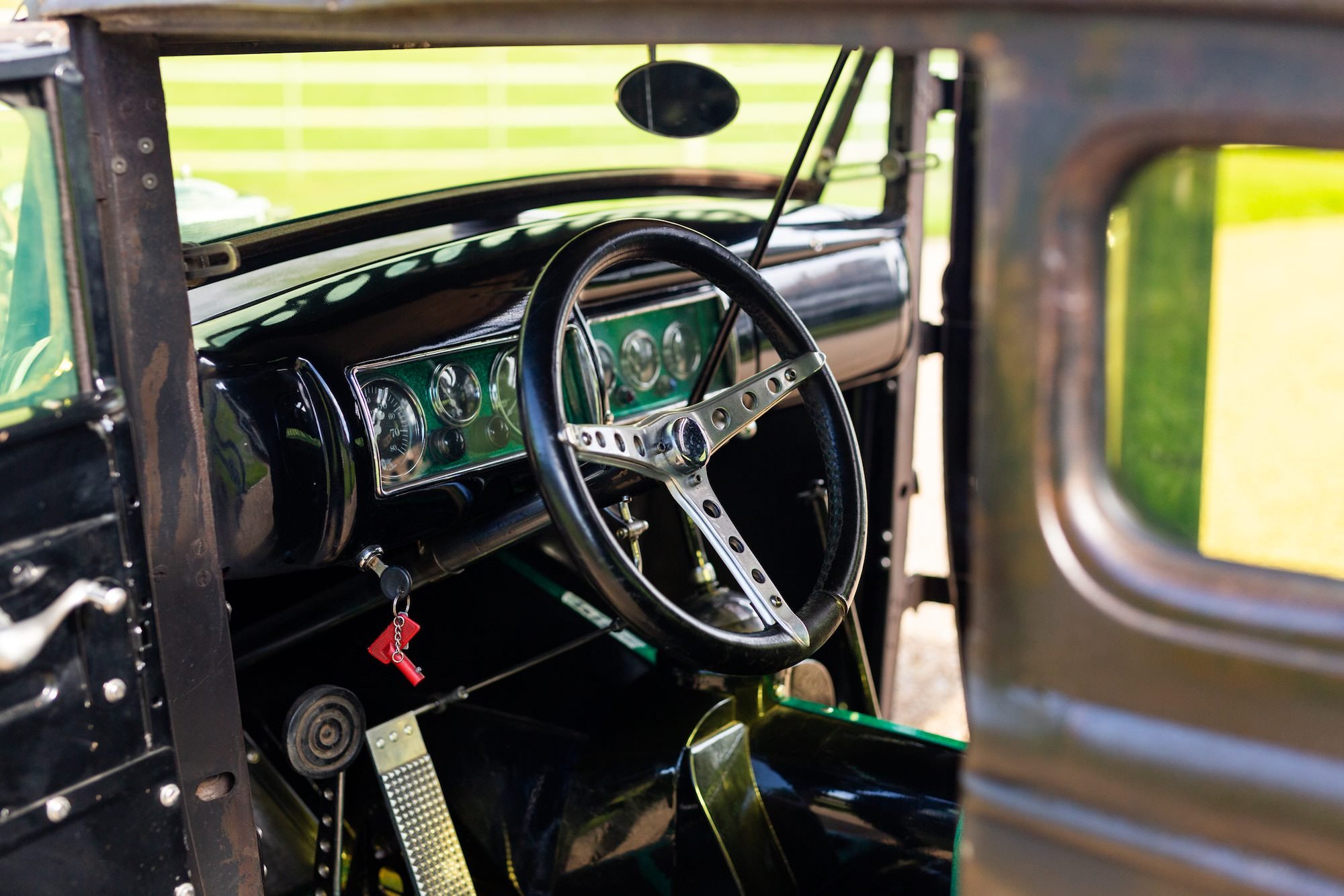
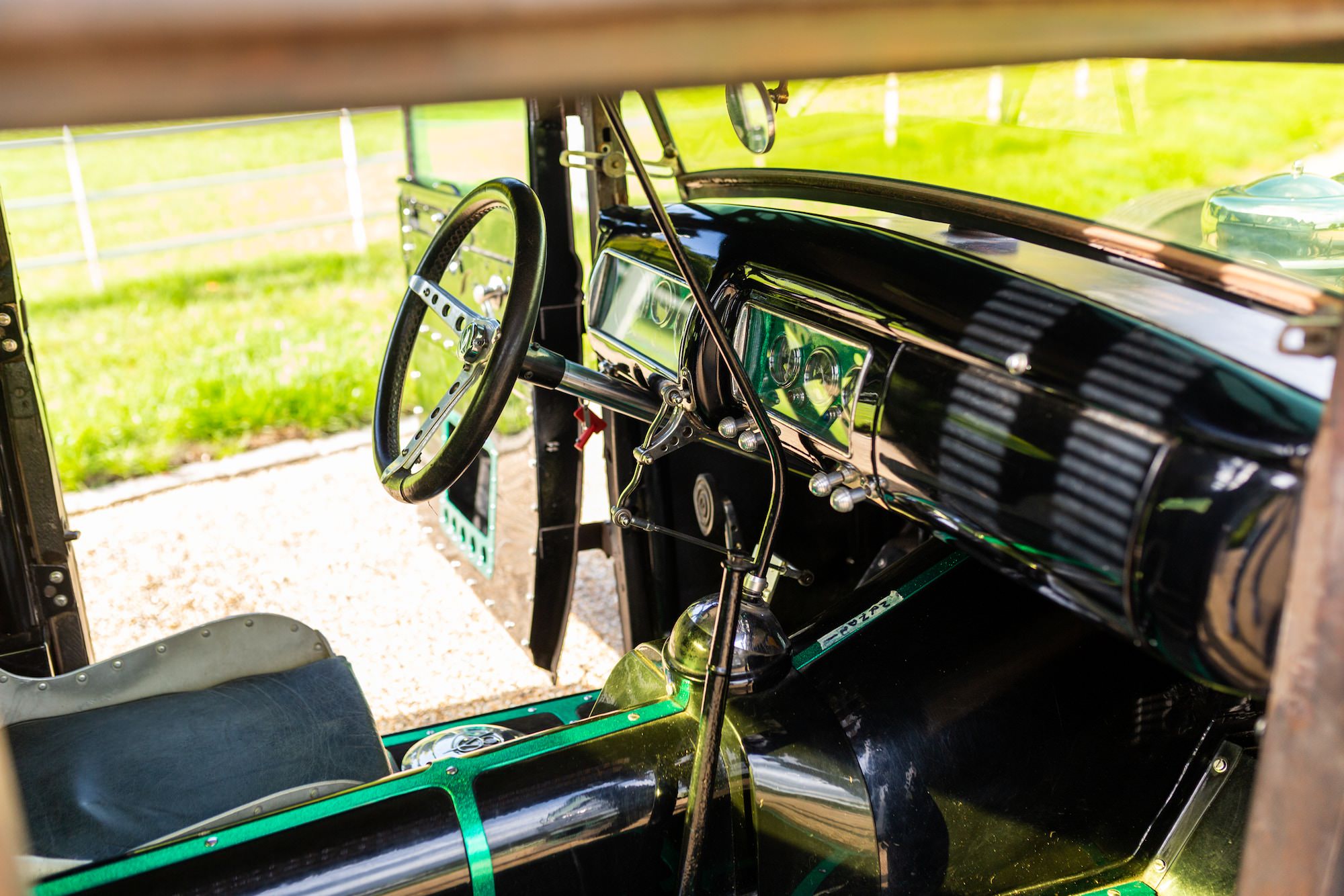
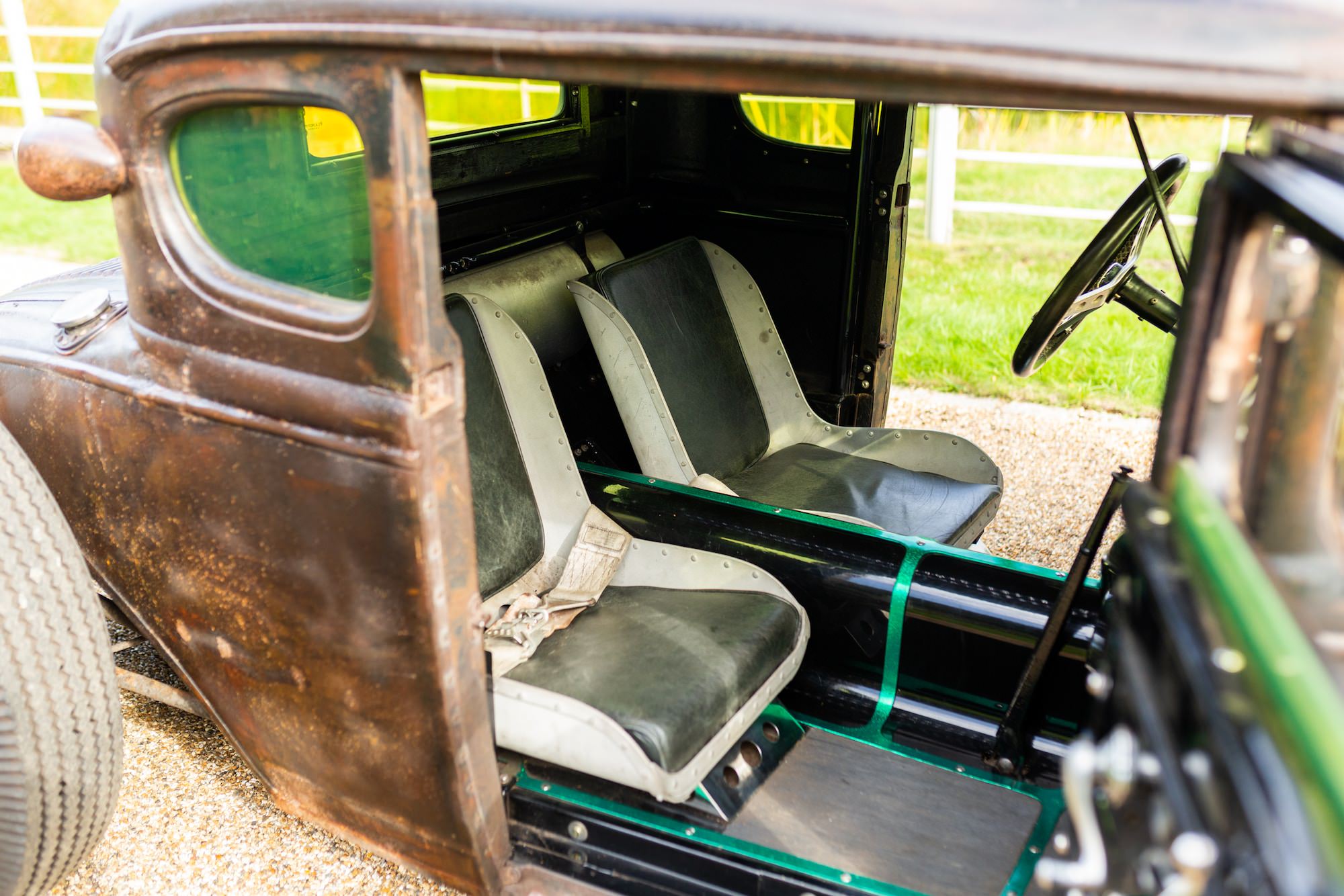
Inside the car you’ll find a TH350 three-speed automatic transmission, handmade aircraft-seats, Stewart Warner gauges, and a three-spoke leather-trimmed steering wheel.

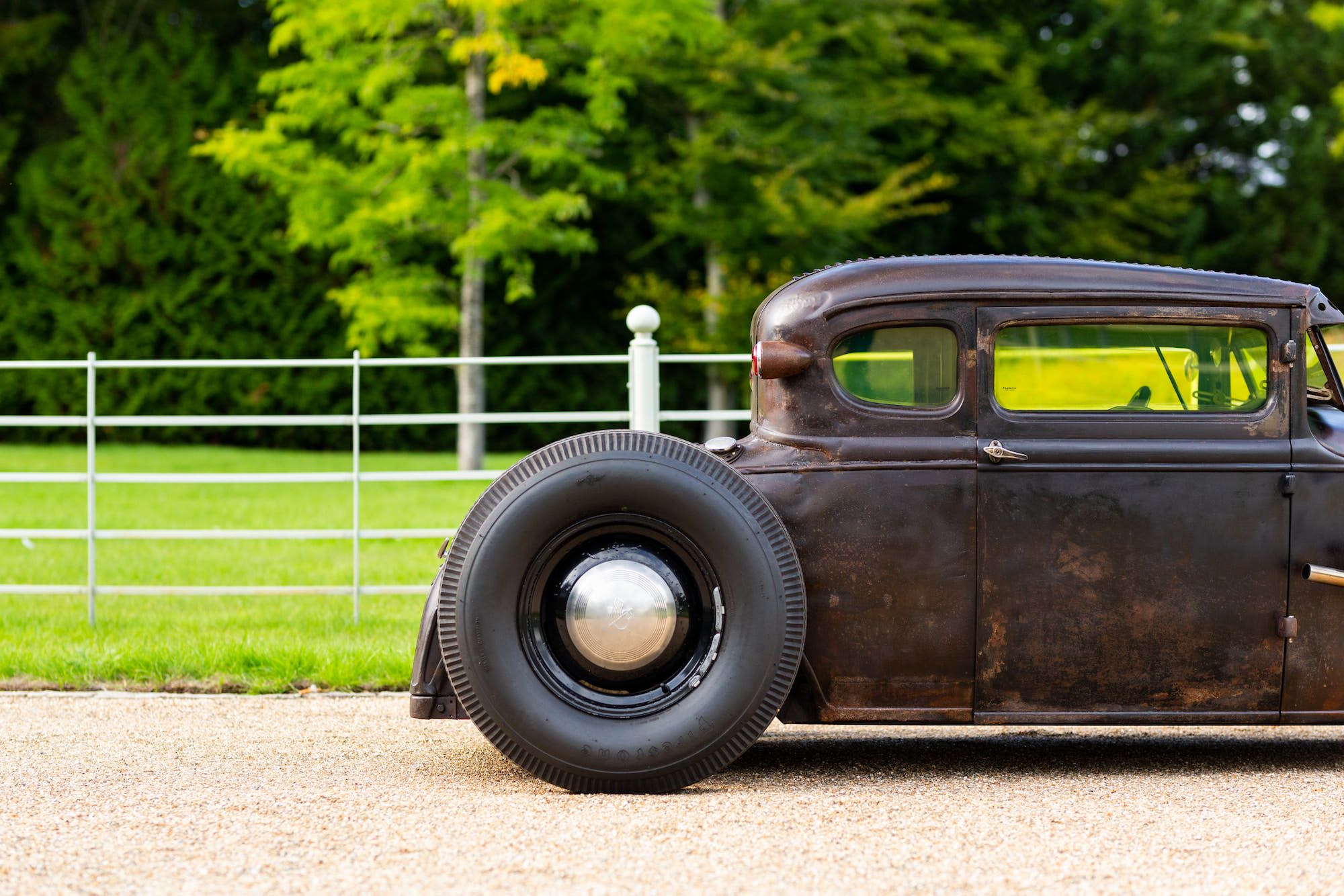
This build is based on a 1930 Ford Model A, specifically the Standard Coupe sub-model, with an all steel body that’s been channelled to allow it to sit noticeably lower on the chassis.

Body channeling has been commonplace in the hot rod world since the early days, in essence it involves cutting channels un the underside of the body for the chassis rails, the body then slots over the rails and sits closer to the ground.

Power is provided by a 283 cubic inch Chevy V8 topped with twin carburetors, and power is sent to the rear wheels via a TH350 three-speed automatic transmission which has been fitted with a shift improver kit and a B&M HoleShot torque converter.

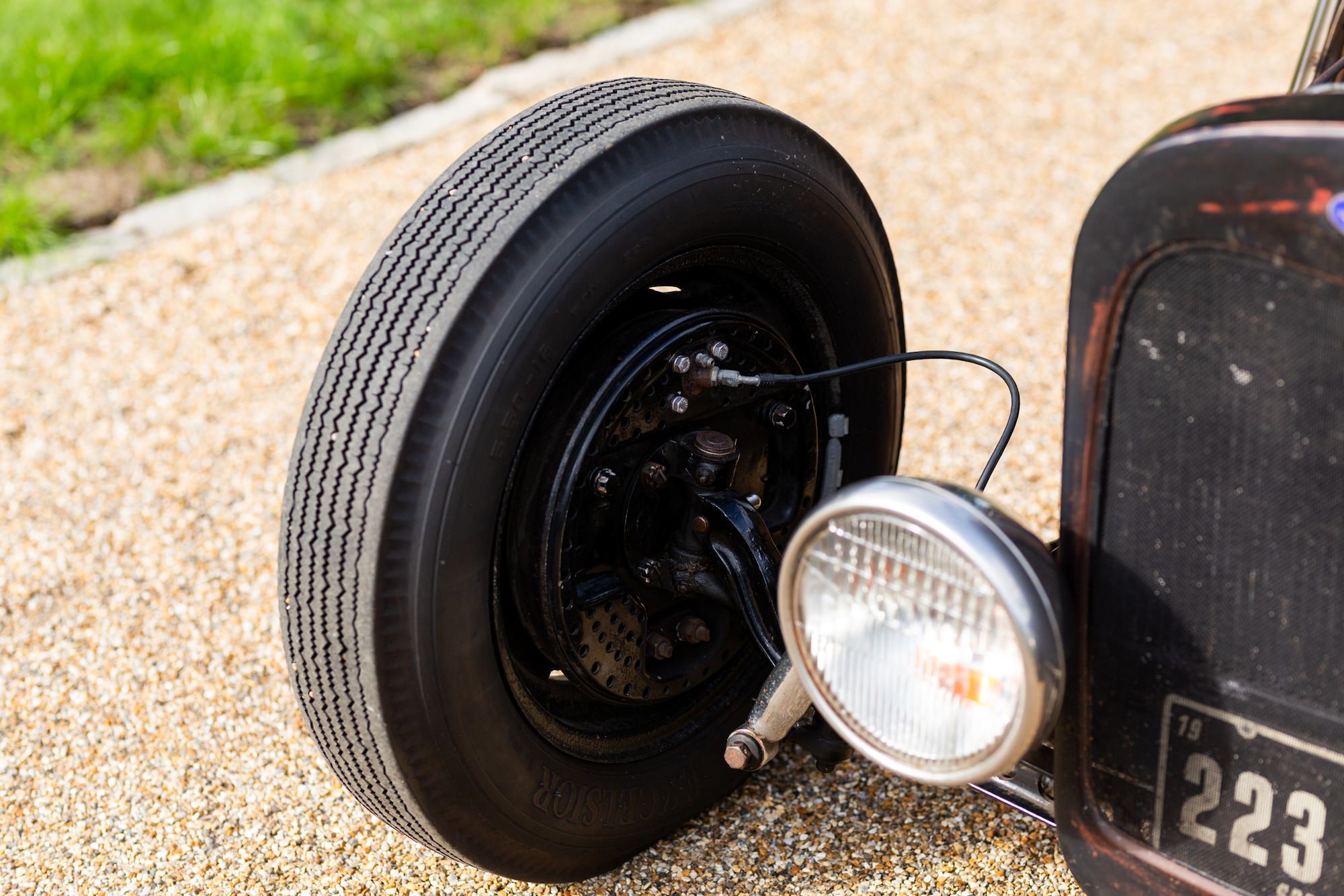
Braking power is provided by 1940s-era Ford drum brakes, a notable improvement over the units from 1930s, and it has a combination of Excelsior and Firestone tires in staggered sizes.

The roof has a six-inch chop, that is six inches has been taken out of the A, B, and C pillars to lower the roof line. Inside it has handmade “aircraft” seats, Stewart Warner gauges, and a handmade three-spoke leather-trimmed steering wheel.

It’s now being offered for sale on Collecting Cars out if Surrey in the United Kingdom, if you’d like to read more about it or register to bid you can visit the listing here.

Ford Model A Rat Rod 2 Ford Model A Rat Rod 23 Ford Model A Rat Rod 22 Ford Model A Rat Rod 21 Ford Model A Rat Rod 18 Ford Model A Rat Rod 17 Ford Model A Rat Rod 16 Ford Model A Rat Rod 15 Ford Model A Rat Rod 13 Ford Model A Rat Rod 12 Ford Model A Rat Rod 11 Ford Model A Rat Rod 10 Ford Model A Rat Rod 9 Ford Model A Rat Rod 8 Ford Model A Rat Rod 7 Ford Model A Rat Rod 6 Ford Model A Rat Rod 5 Ford Model A Rat Rod 4 Ford Model A Rat Rod 3 Ford Model A Rat Rod 1

Images courtesy of Collecting Cars

The post A Ford Model A “Rat Rod” – Built In Britain appeared first on Silodrome.


from Silodrome https://silodrome.com/a-british-built-ford-model-a-rat-rod/
via gqrds
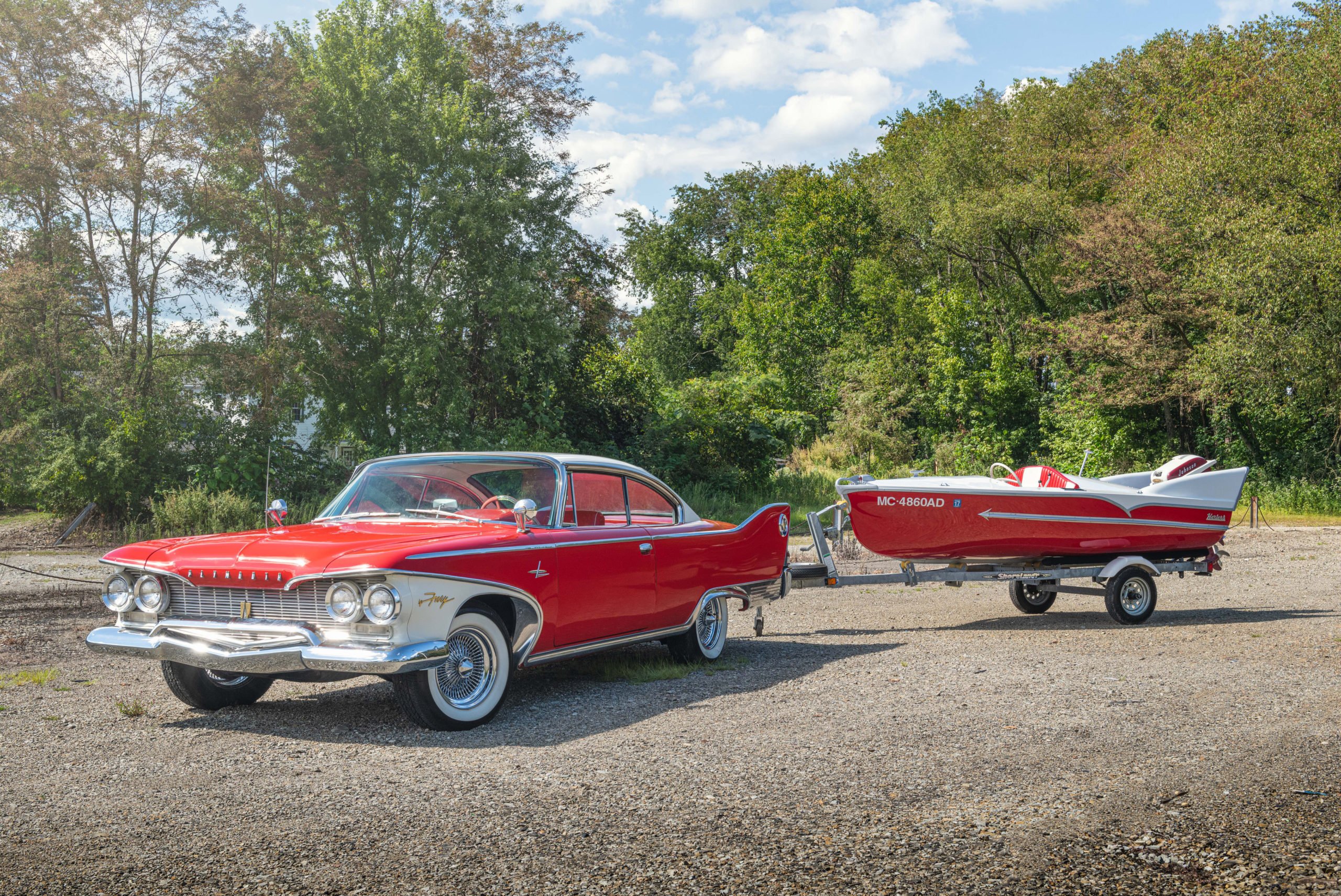
Two-For-One! A Plymouth Fury “Sonoramic Commando” With A Herters Duofoil Boat

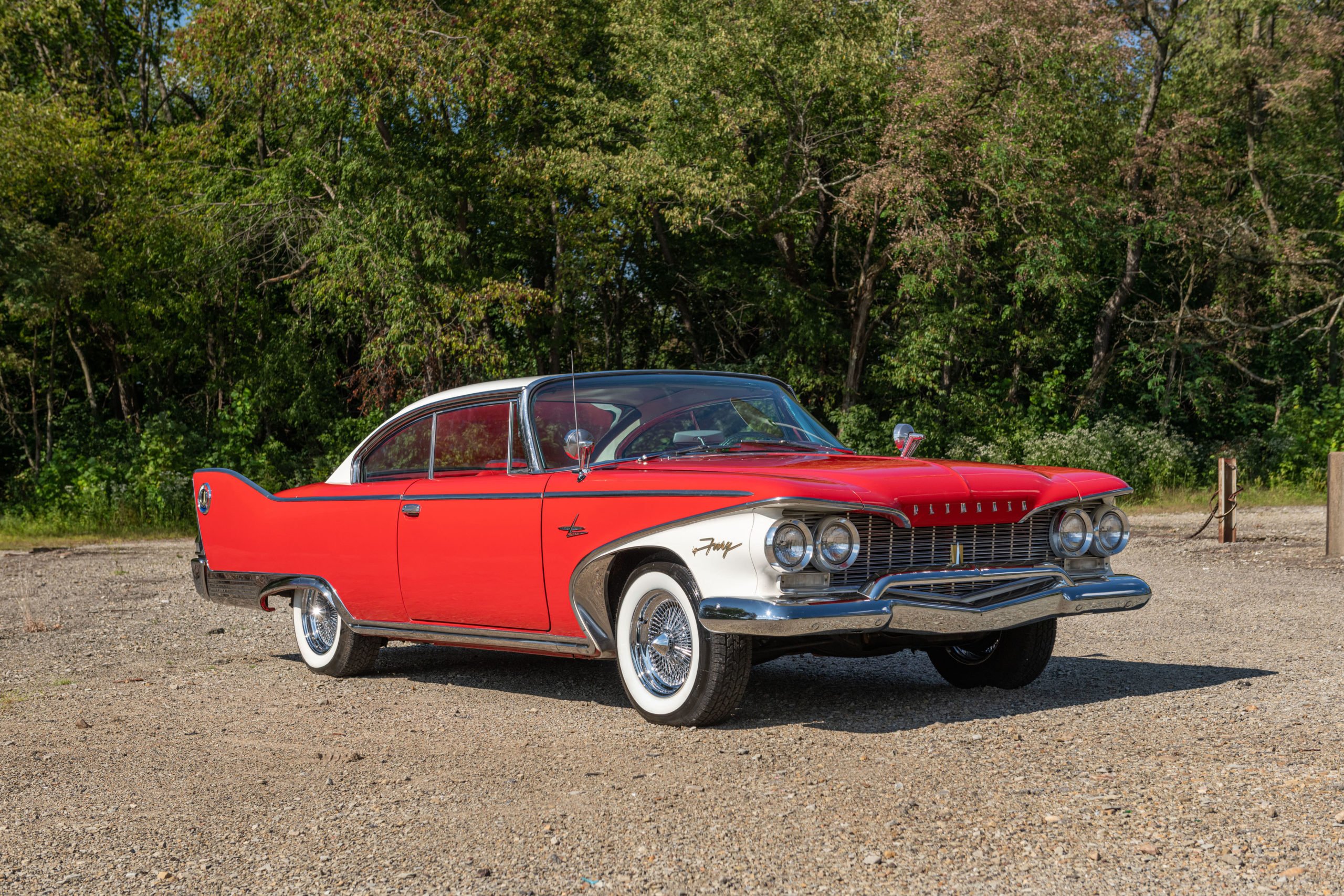
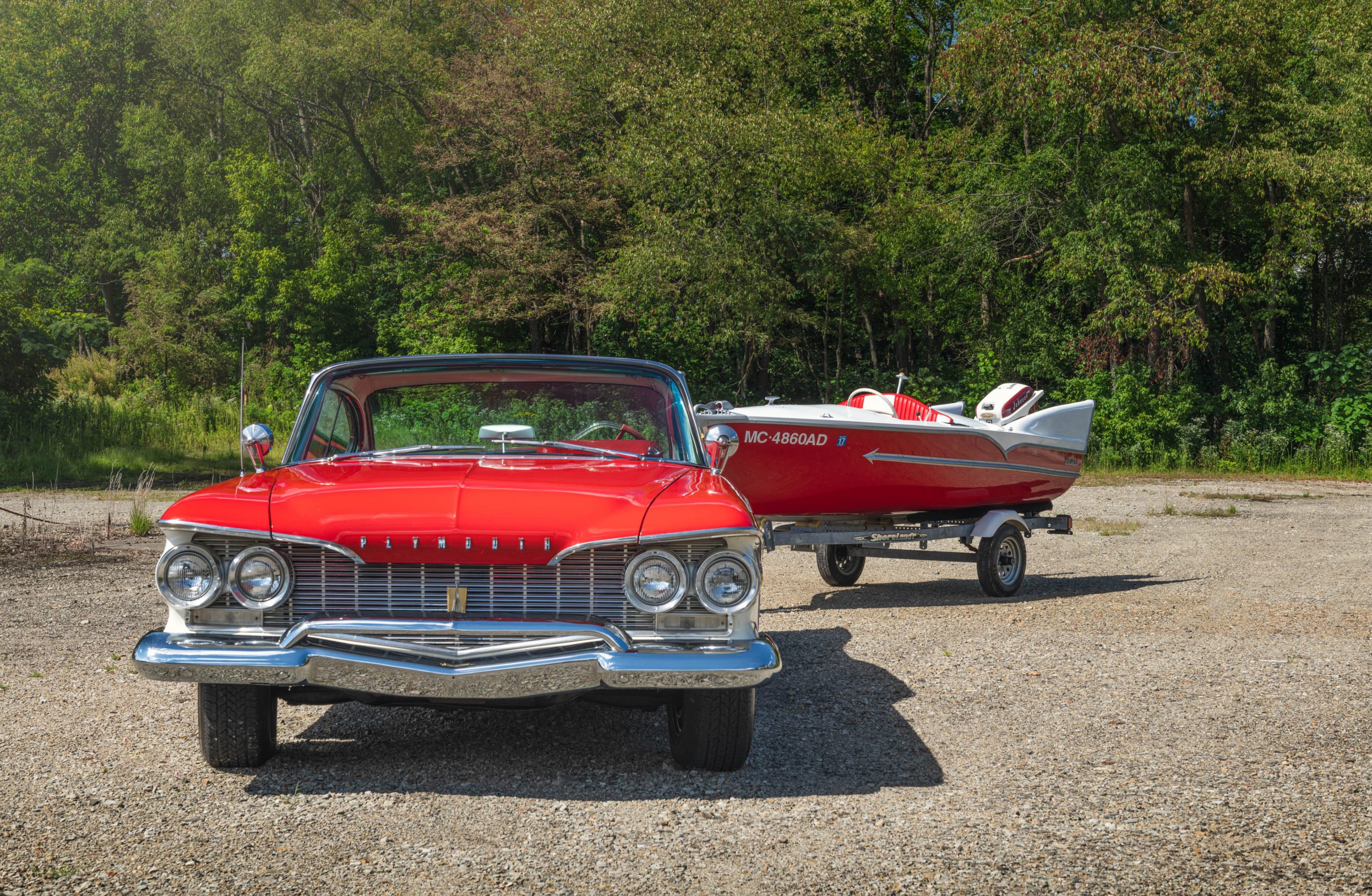
This is a 1960 Plymouth Fury fitted with the 310 hp “Sonoramic Commando” V8 engine that comes as a package with a color-matching Herters Duofoil Flying Fish Deluxe Boat powered by a period-correct 35 hp Johnson outboard engine.

The 1950s and 1960s saw an explosion in the popularity of powerful V8 coupes and leisure boats across the United States, as Americans enjoyed a booming economy – allowing plenty of money for luxuries and hobbies.

Fast Facts – The Plymouth Fury “Sonoramic Commando”

  • In 1960 the best Plymouth money could by was the Fury fitted with the 310 hp 361 cubic inch (5.9 liter) “Sonoramic Commando” V8 with its dual-carbureted cross-ram intake manifold and dual exhaust system.
  • The Plymouth Fury had originally been introduced in the 1956 model year as a special sub-series of the Plymouth Belvedere. It would carry on in this role until it became a stand alone model in 1959 one step above the Belvedere in the Plymouth model range.
  • The Fury (and later Gran Fury) would remain in production over eight generations from 1956 until 1989.
  • The Herters Duofoil Flying Fish Deluxe Boat you see here is a rare survivor from the Herters Company catalogue, they had originally started out building duck hunting boats but added some leisure boats to their model line in the mid-1950s.

The Plymouth Fury “Sonoramic Commando”

The Plymouth Fury is the car that set the path later followed by the Pontiac GTO, it was first released as a sub-series to the Plymouth Belvedere in 1956 before becoming a stand alone model one step above its Belvedere origins in 1959.

Plymouth Fury Sonoramic Commando 8

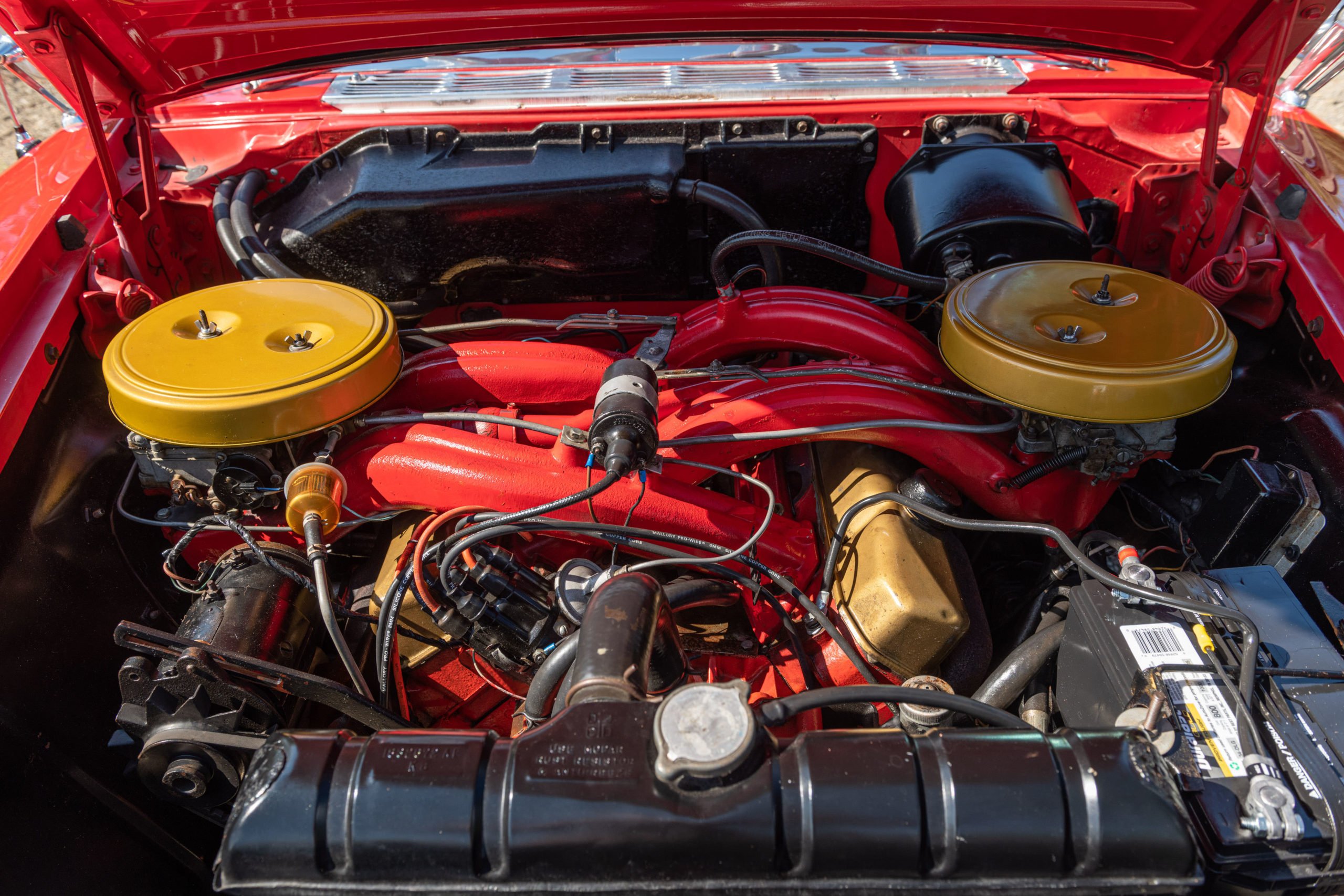
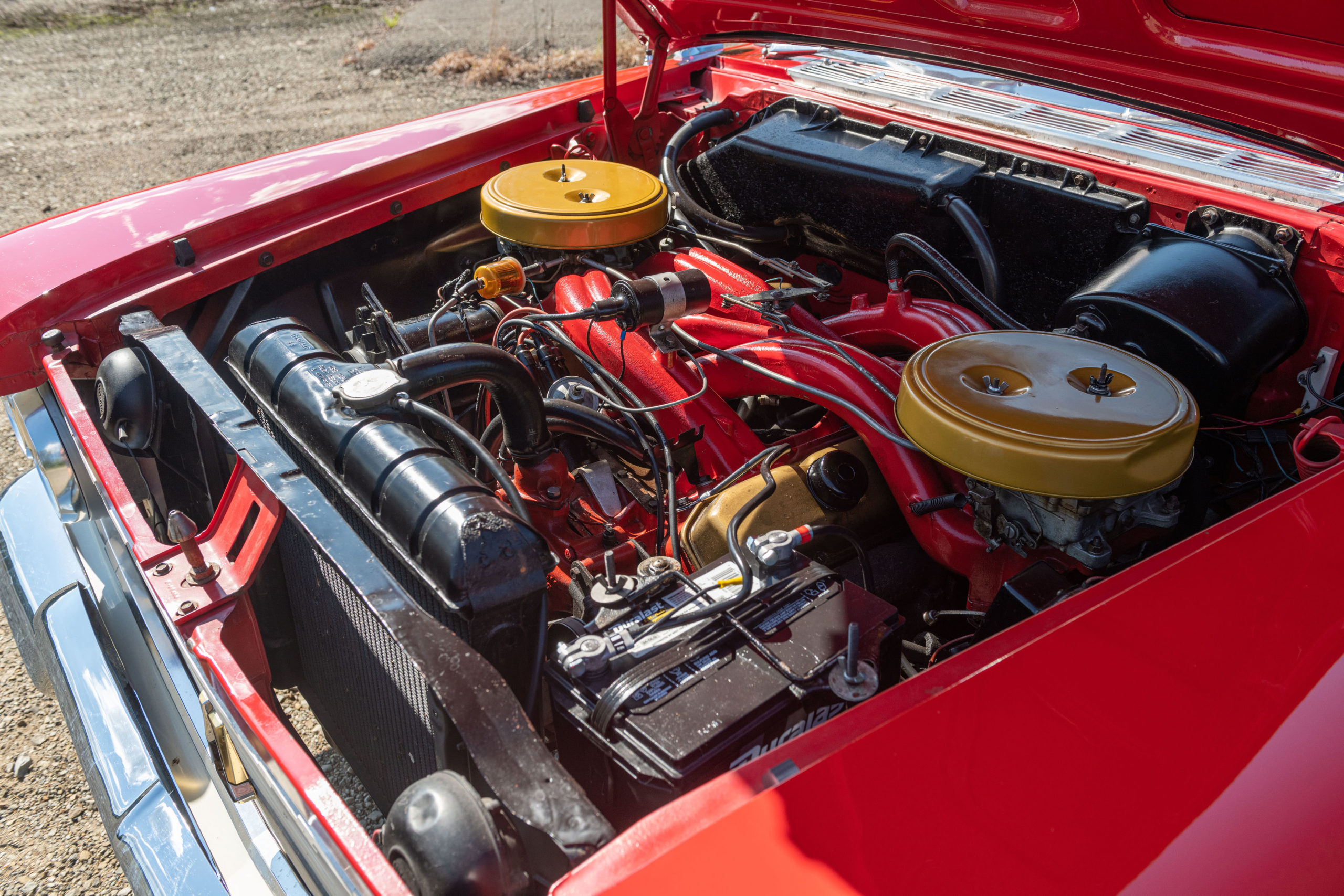
This is the 310 hp 361 cubic inch (5.9 liter) “Sonoramic Commando” V8 with its unusual dual-carbureted cross-ram intake manifold.

The GTO on the other hand had started out as an option package for the Pontiac LeMans in 1964 – a plan that had been dreamt up by John DeLorean. Following in the footsteps of the Fury, the GTO became its own standalone model in 1966, and rose to become far more famous than the car on which it was based.

The Plymouth Fury would never become as famous as the GTO, which seems unfair in a way, particularly when you remember just how genre-defining the Plymouth Fury “Sonoramic Commando” was when it was released, with its 310 hp V8 allowing it to beat almost anything in an impromptu traffic light drag race.

Once it became its own standalone model the Fury was offered in four-door and two-door hardtop variants as well as a two-door convertible and a Sport Suburban station wagon, though this last model wasn’t marketed as a Fury despite sharing its underpinnings – possibly to keep the performance appeal of the name.

Plymouth Fury Sonoramic Commando 6

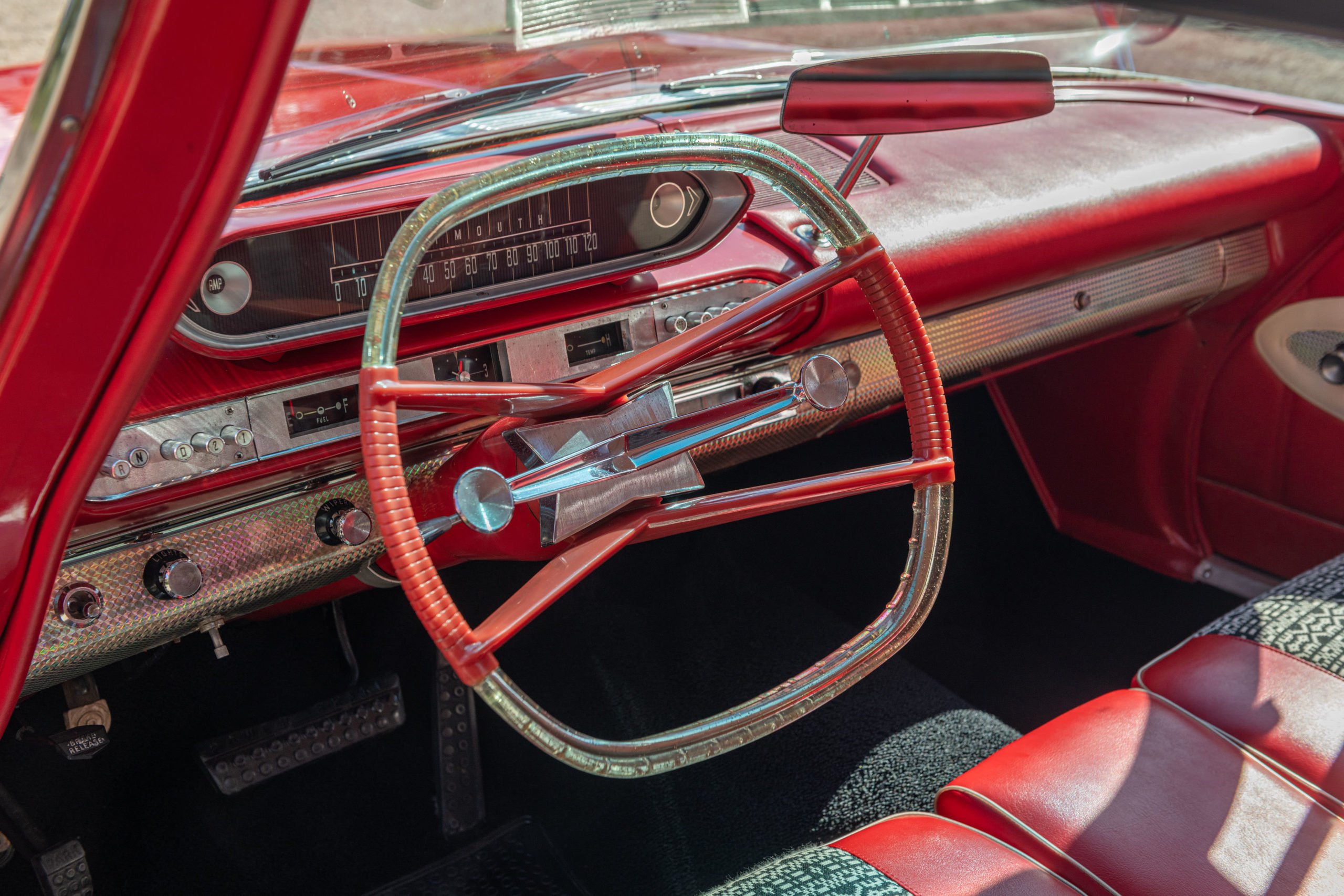
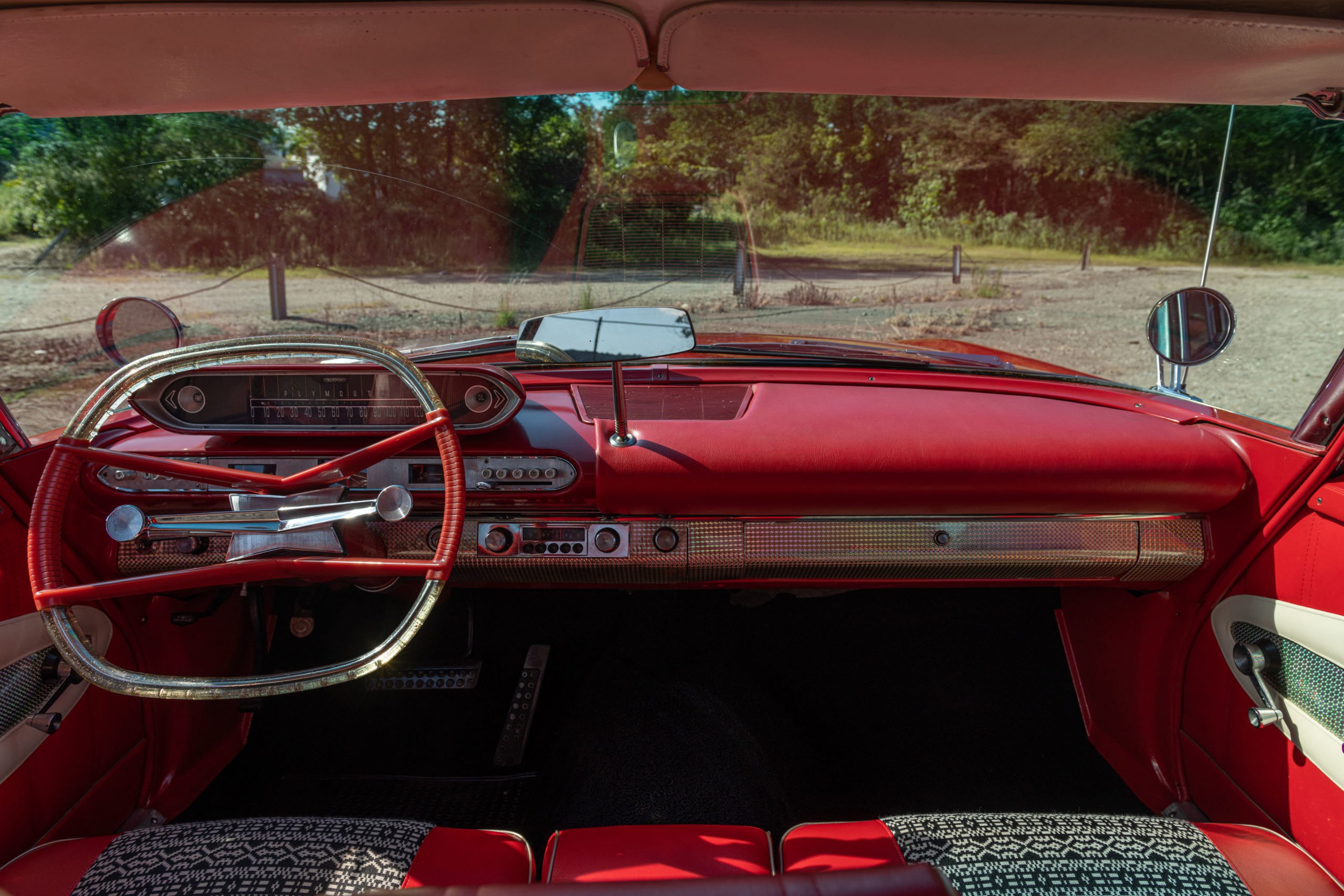
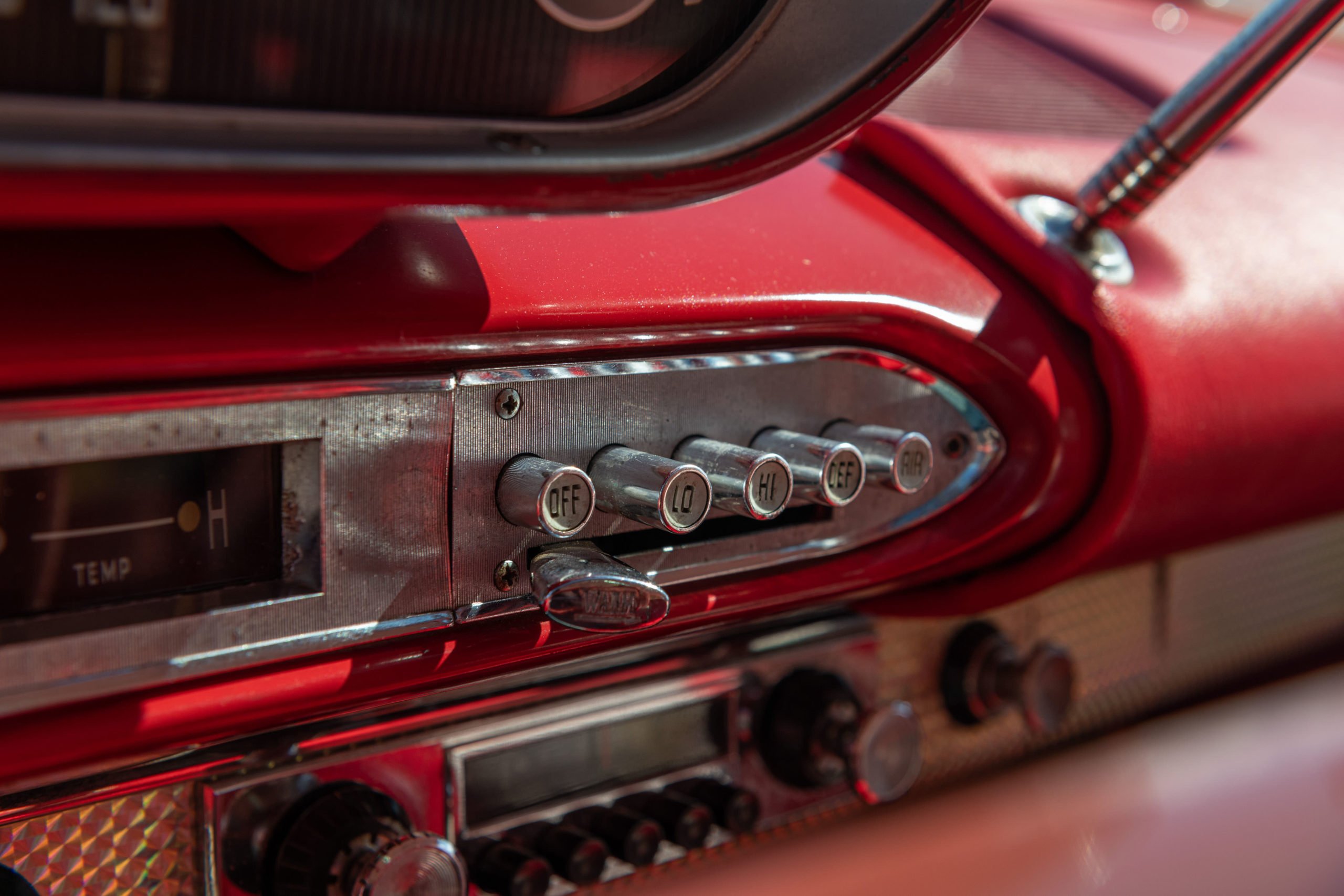
The interior of the car is classic 1950s Jet Age, power is sent to the rear wheels via a push-button three-speed automatic transmission.

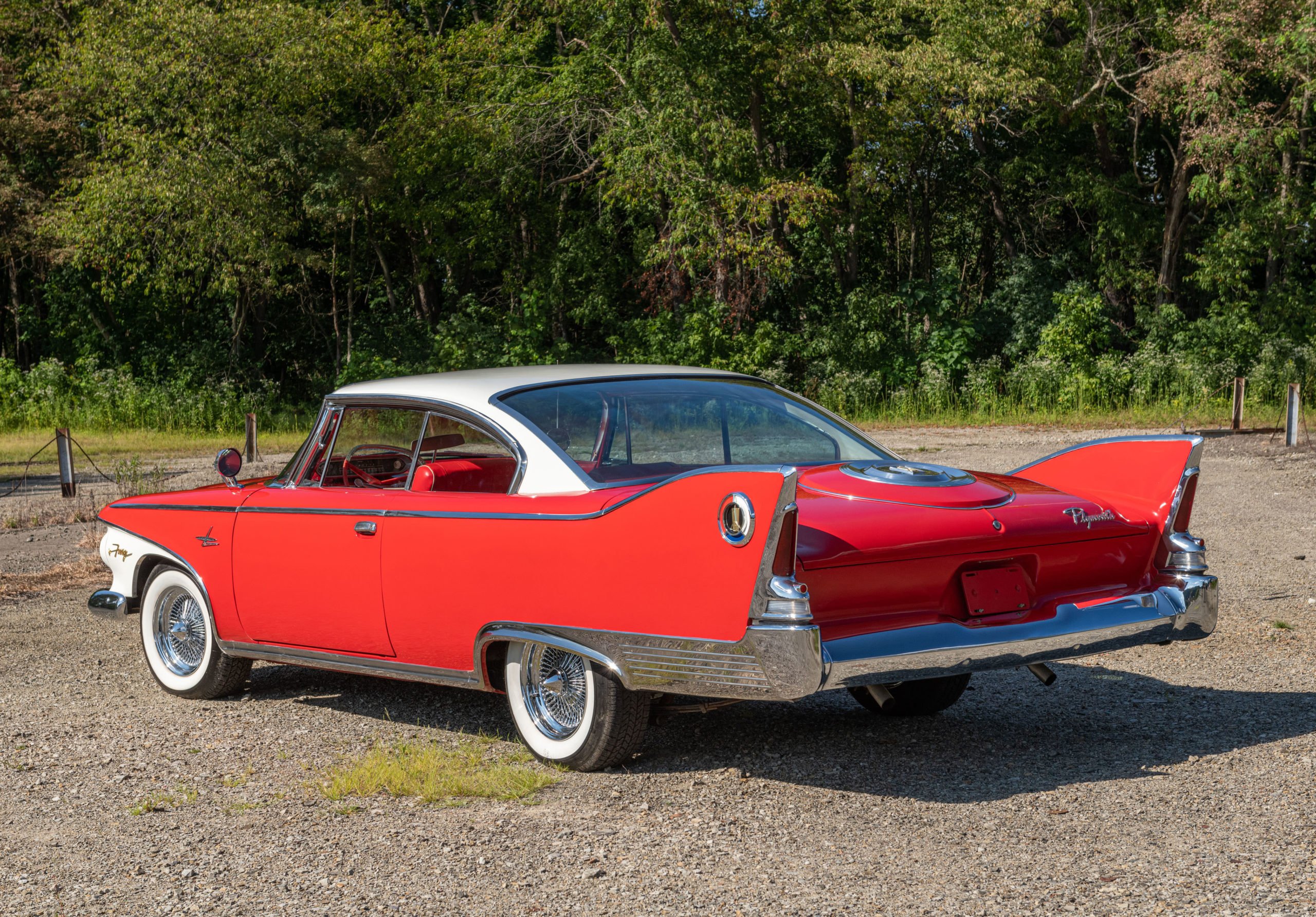
In 1960 the second generation Plymouth Fury was released, it now used unibody construction rather than body-on-chassis construction as with the earlier cars. This made them more rigid but externally they still had all the fins and chrome you’d expect from an American luxury car of the era.

The standard engine for the Fury was the 225 cubic inch (3.69 liter) slant-six with 145 bhp, one of the higher-end offerings was the 310 hp 361 cubic inch (5.9 liter) “Sonoramic Commando” V8 with its dual-carbureted cross-ram intake manifold and dual exhaust system.

The third generation Fury would appear in 1962 with vastly different styling as a mid-sized car, the model would remain in production over eight generations until 1989.

The Plymouth Fury And Herters Duofoil Boat Shown Here

For many Americans the 1950s were a time of unprecedented wealth, the middle class was becoming stronger by the year and their increasing disposable income led to a rapidly growing leisure industry.

Herters Duofoil Flying Fish Deluxe Boat 1

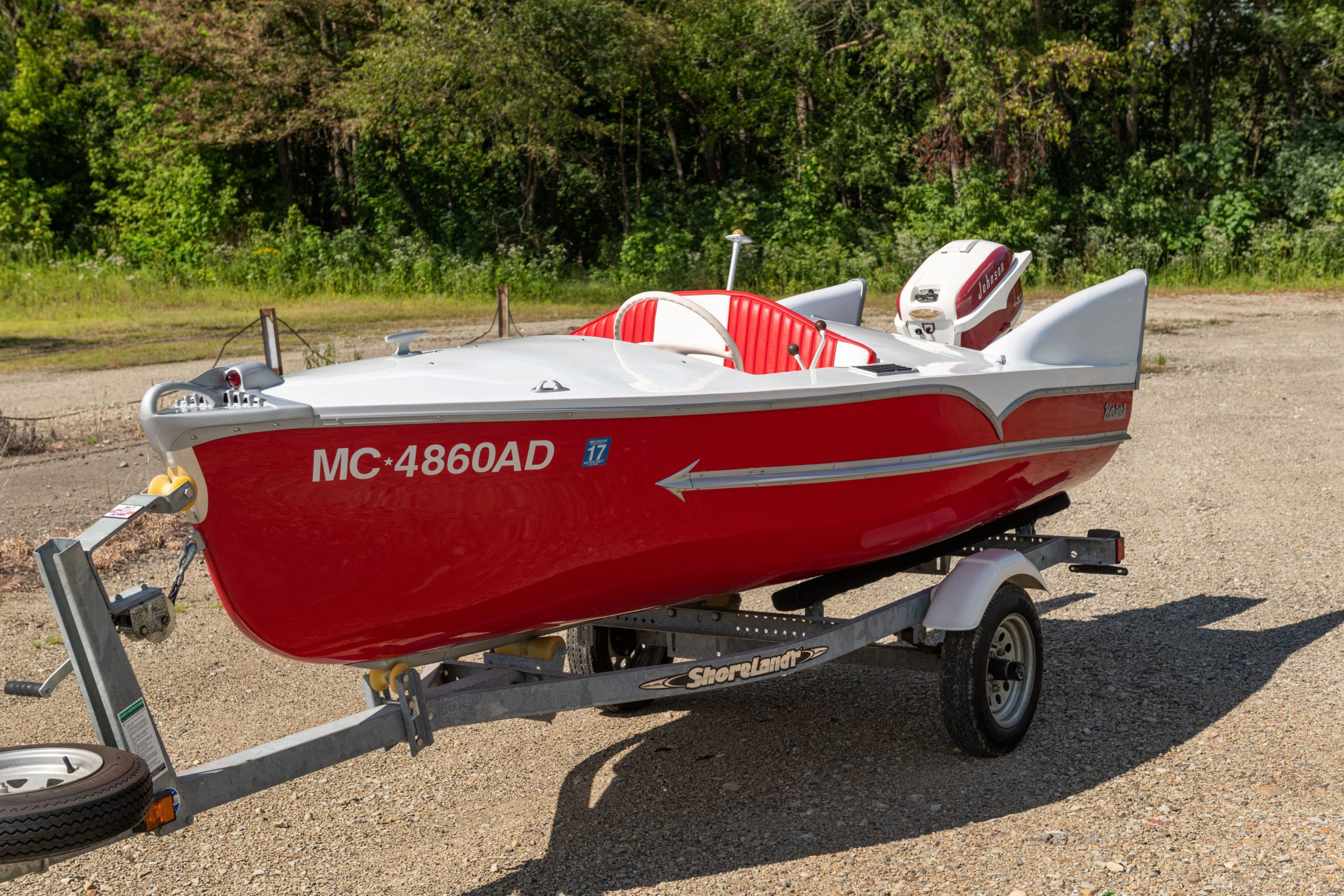
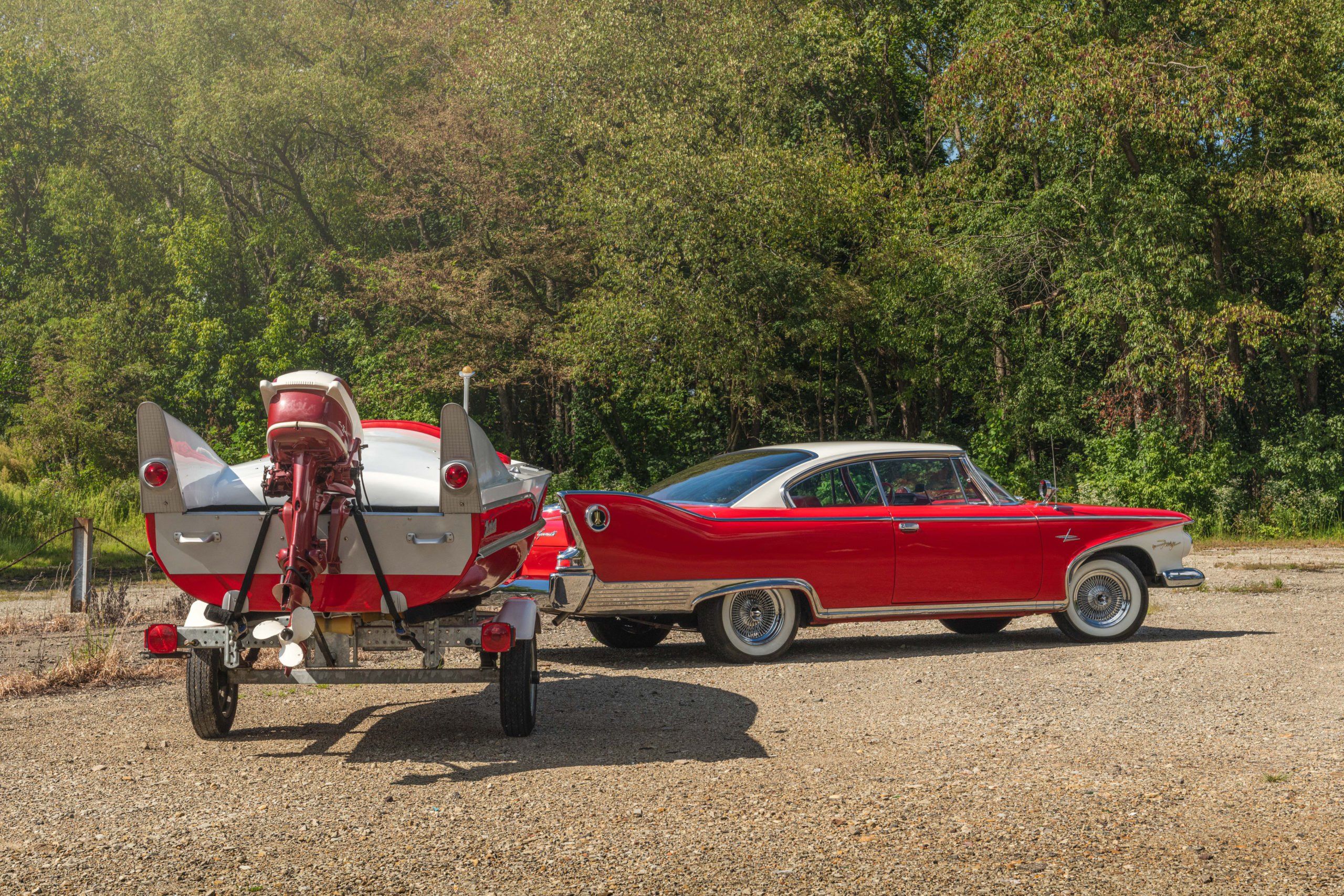
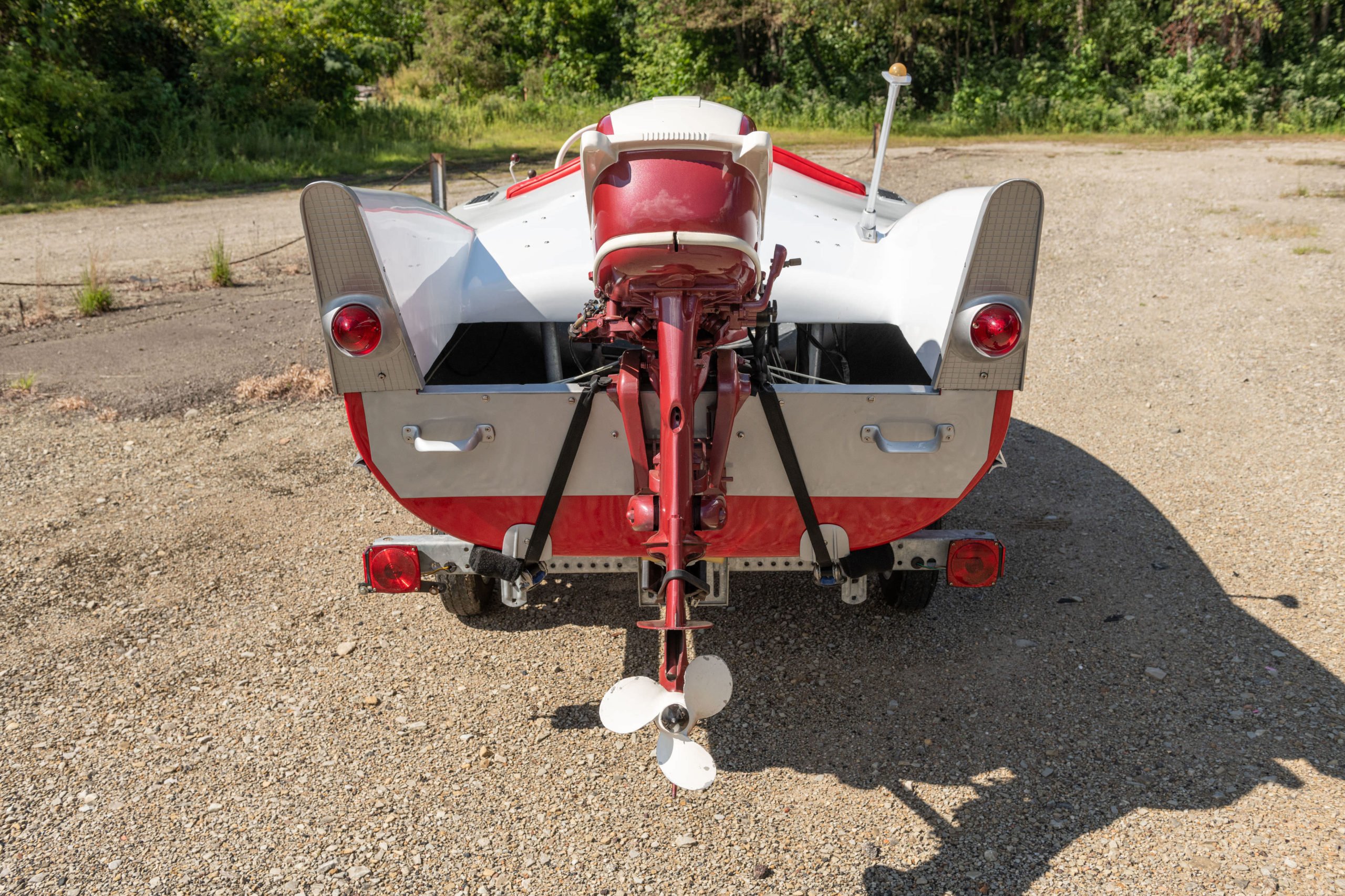
The beautifully designed Duofoil Flying Fish has fins to match the Fury.

The American automotive world of the 1950s was characterized by “Jet Age” styling, cars with chrome trim and fins inspired by both aircraft and the space race. One great example of is the Plymouth Fury coupe of the late 1950s, with its fastback roofline, hefty rear fins, and acres of chrome.

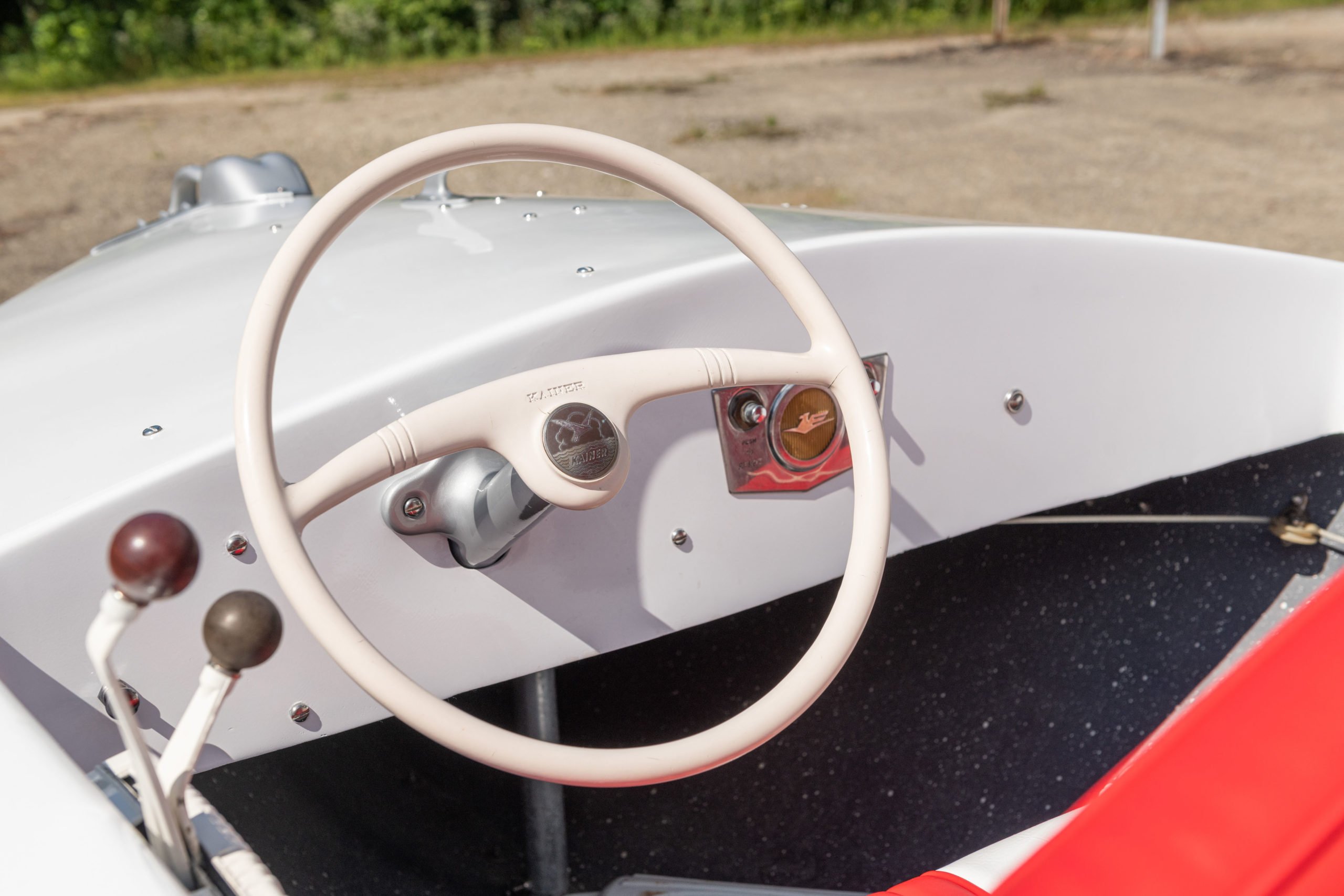
Boats hadn’t escaped the Jet Age stylist’s pen, many were designed with all the fins and chrome of their road-going counterparts, including the Herters Duofoil Flying Fish Deluxe Boat.

Herters was a catalogue-order sporting goods company that was popular in the USA at the time, they had been making fiberglass duck hunting boats for a while and so it made sense that they would pivot into building leisure boats as the market for them took off.
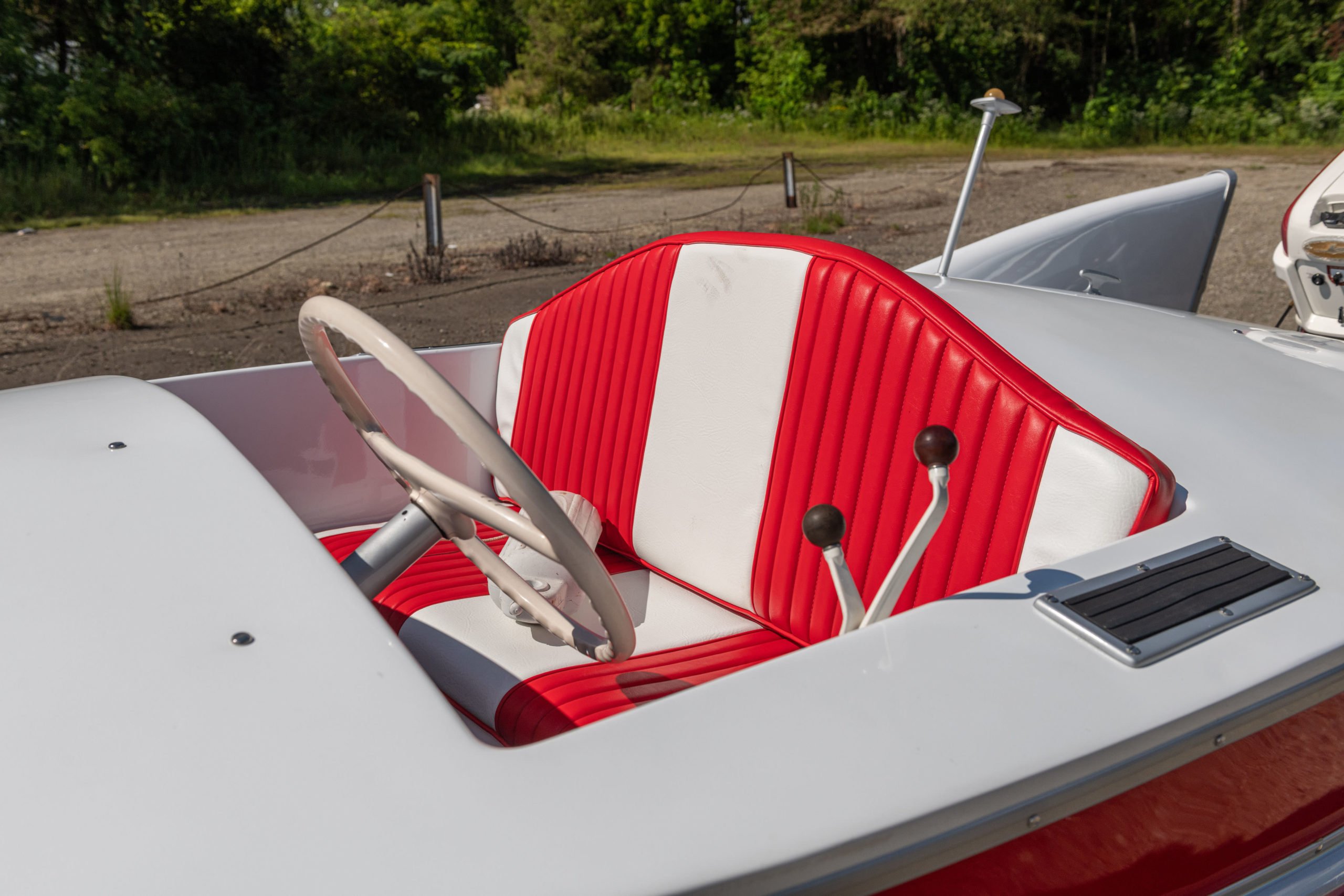
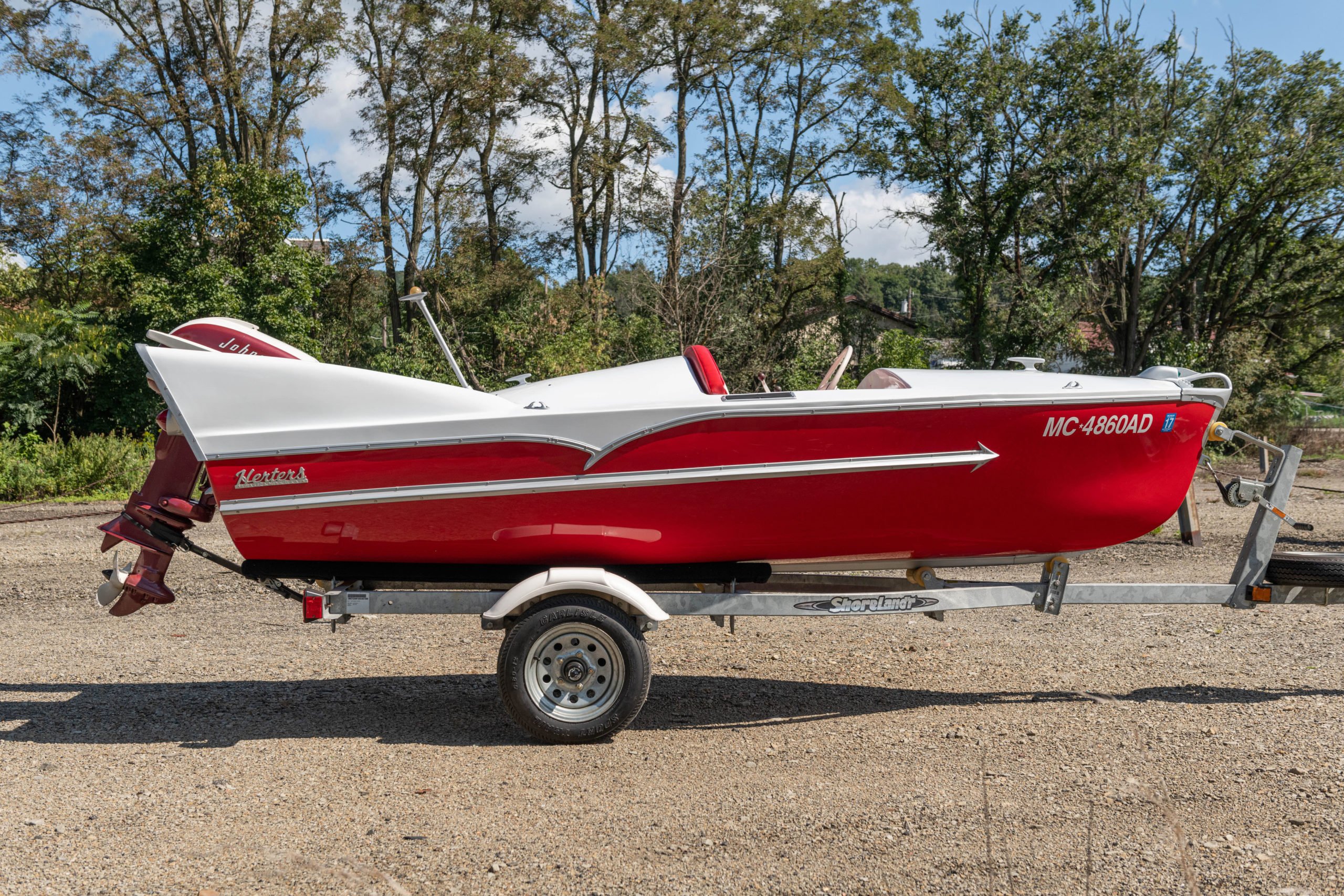
The example you see here is powered by a period-correct 35 hp Johnson outboard engine. During the restoration process that was completed back in the 1990s the boat was painted to match the car, they now look like they could have come from the factory together.

The pair are being offered as a single lot by RM Sotheby’s with no reserve price at the upcoming Hershey Lodge Auction due to be held on the 5th and 6th of October. If you’d like to read more about them or register to bid you can visit the listing here.

Plymouth Fury Sonoramic Commando 9 Plymouth Fury Sonoramic Commando 7 Plymouth Fury Sonoramic Commando 5 Plymouth Fury Sonoramic Commando 4 Plymouth Fury Sonoramic Commando 3 Plymouth Fury Sonoramic Commando 2 Herters Duofoil Flying Fish Deluxe Boat 7 Herters Duofoil Flying Fish Deluxe Boat 6 Herters Duofoil Flying Fish Deluxe Boat 5 Herters Duofoil Flying Fish Deluxe Boat 4 Herters Duofoil Flying Fish Deluxe Boat 3 Herters Duofoil Flying Fish Deluxe Boat 2

Images courtesy of RM Sotheby’s

The post Two-For-One! A Plymouth Fury “Sonoramic Commando” With A Herters Duofoil Boat appeared first on Silodrome.


from Silodrome https://silodrome.com/plymouth-fury-sonoramic-commando-herters-duofoil-boat/
via gqrds