1967 Porsche 911 S: “Quick” Vic Elford Monte Carlo Rally Specification

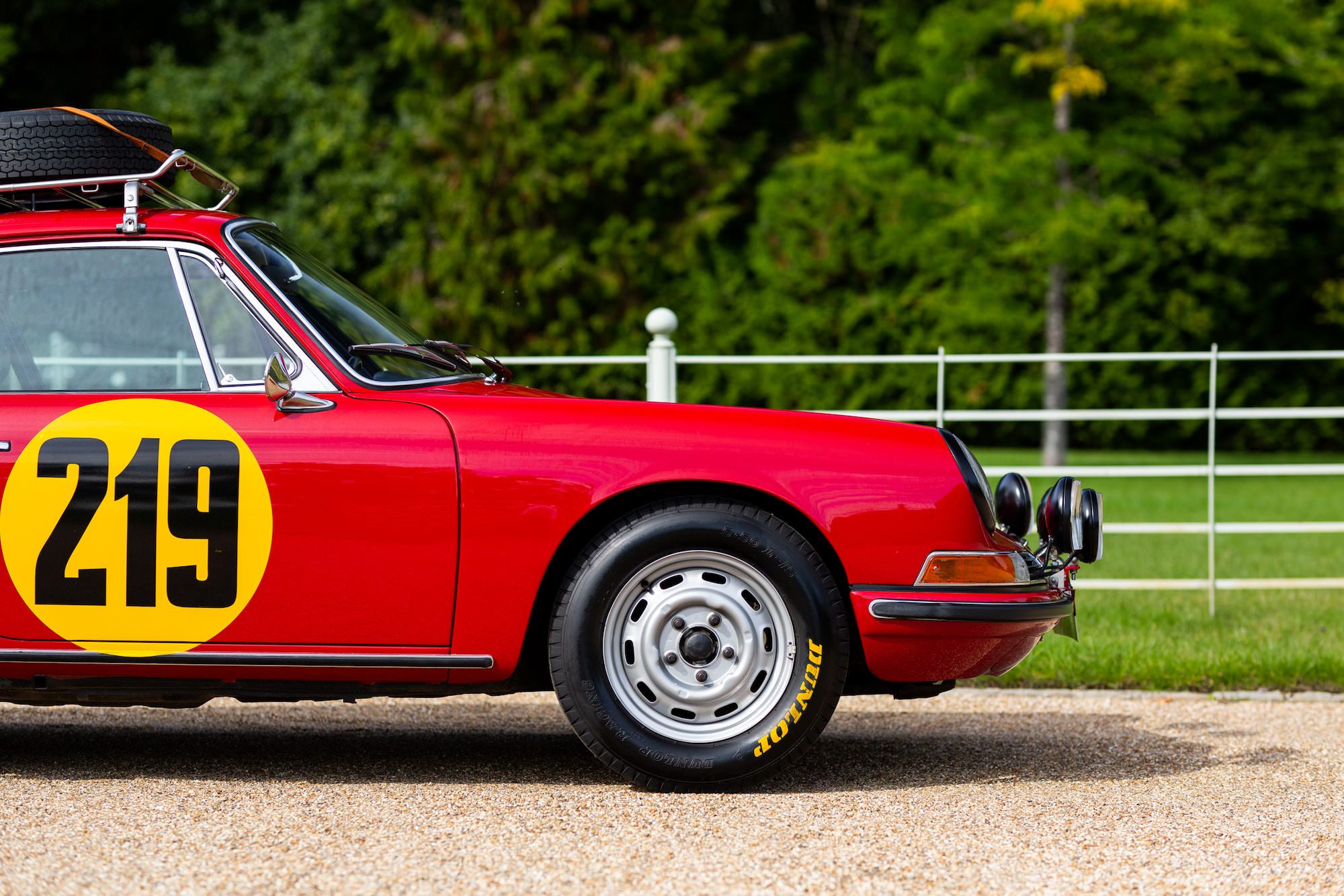
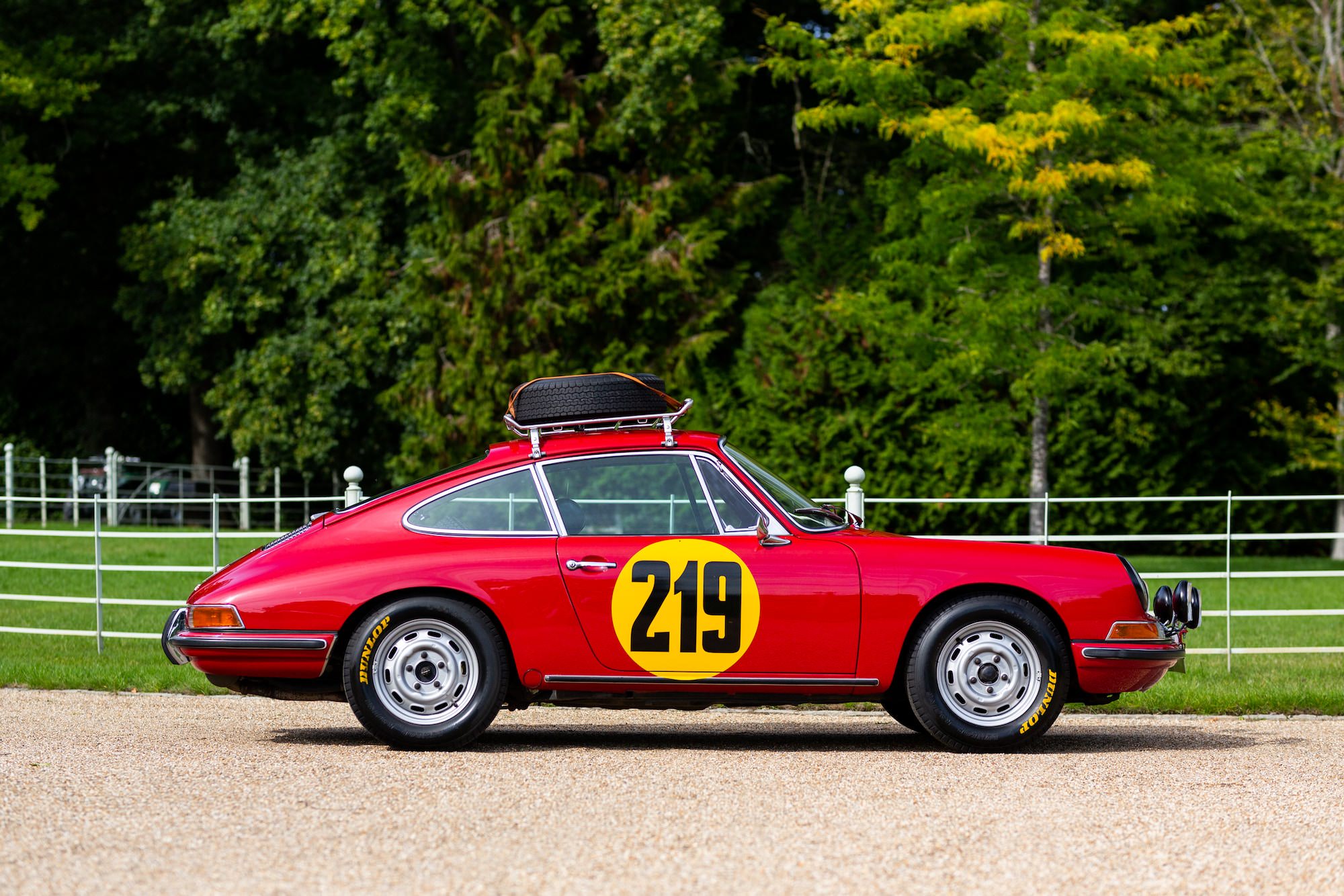
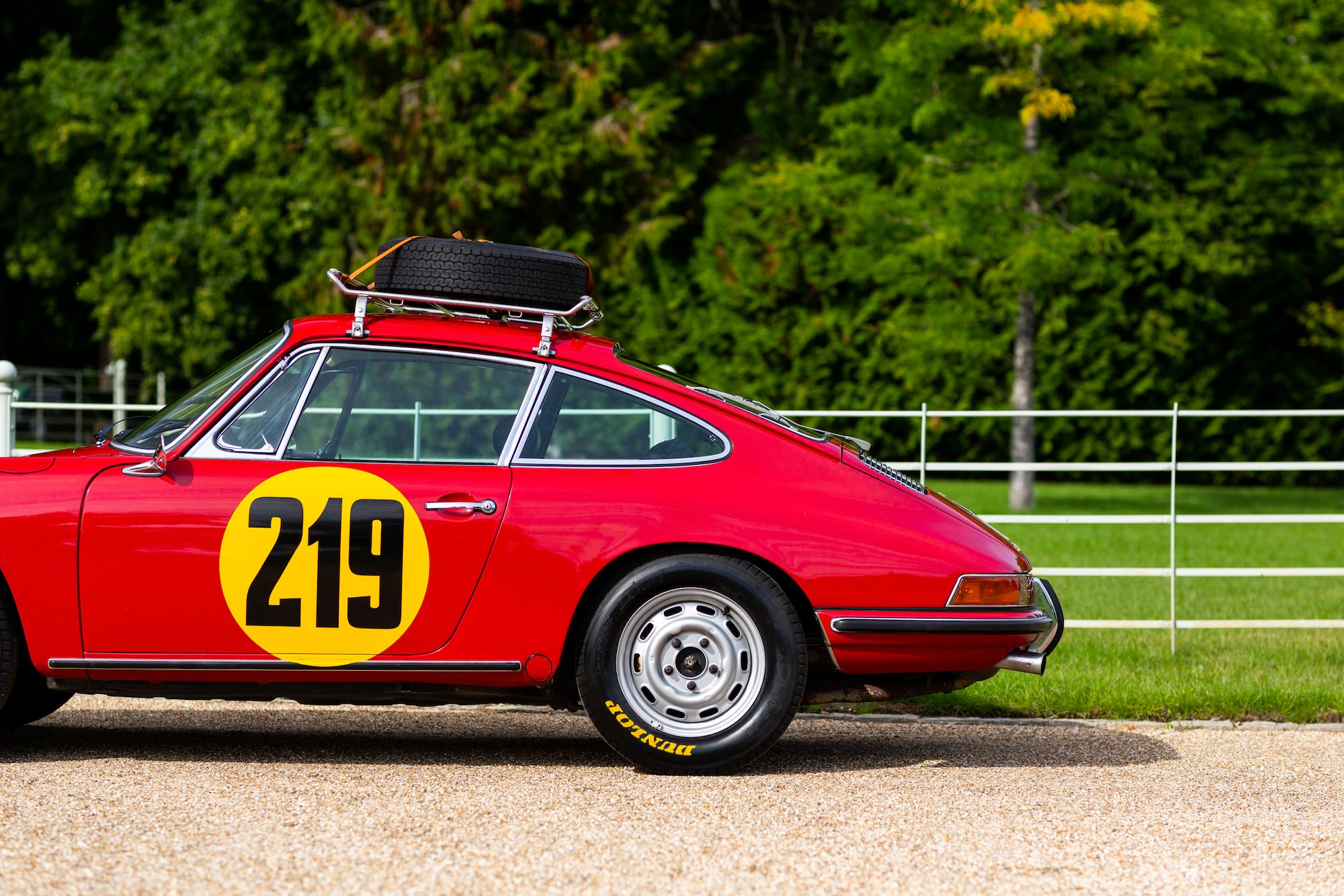
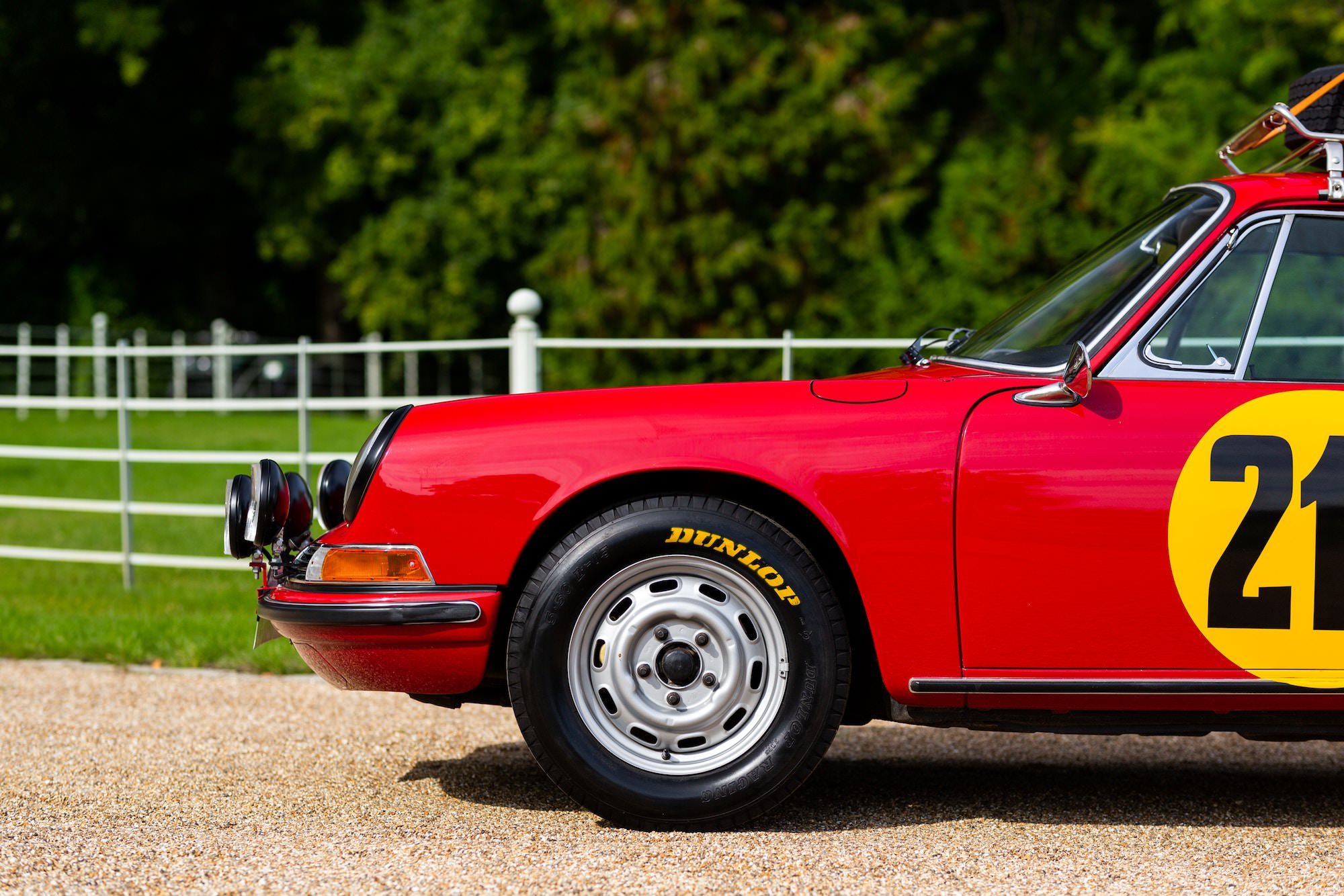
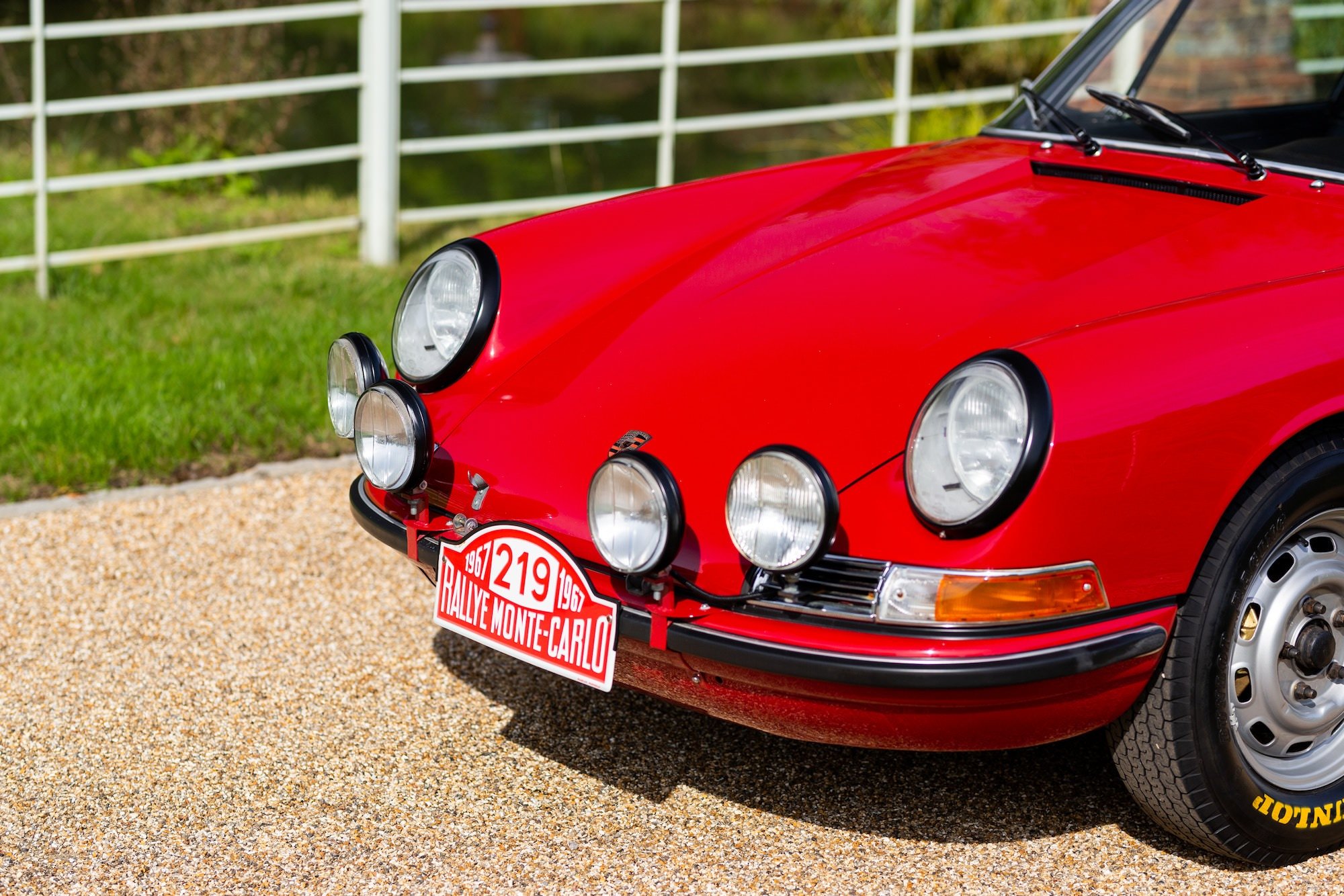
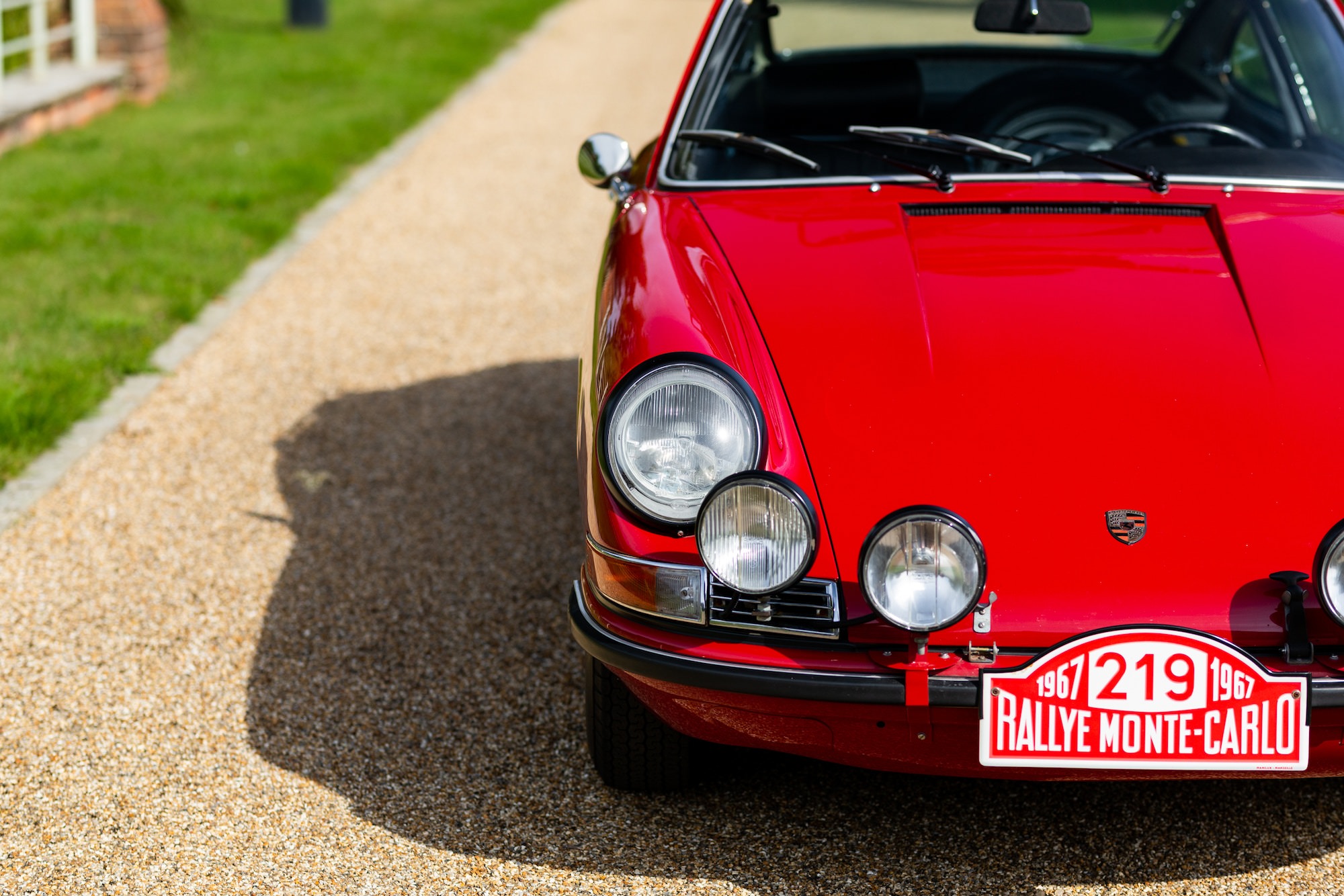
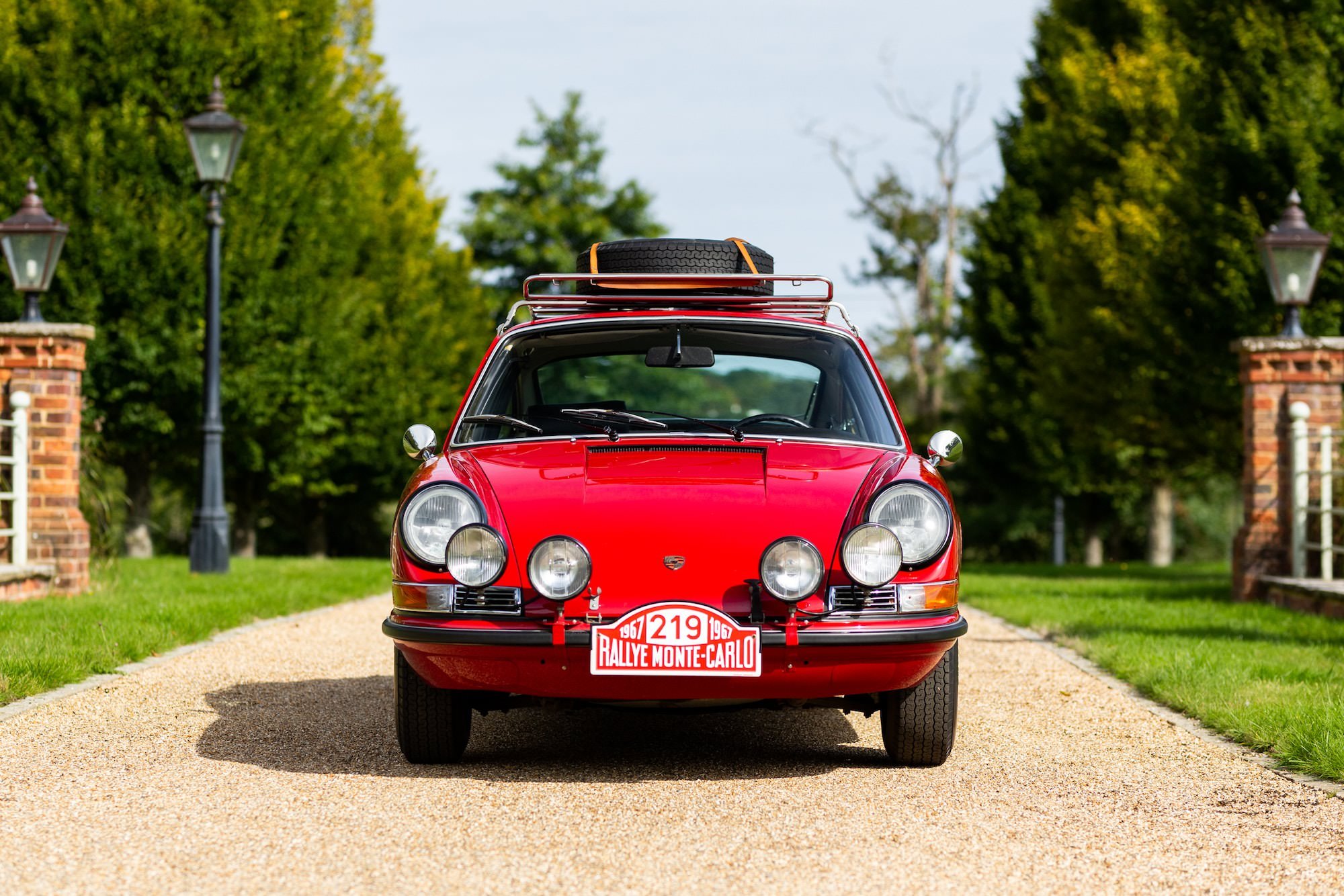
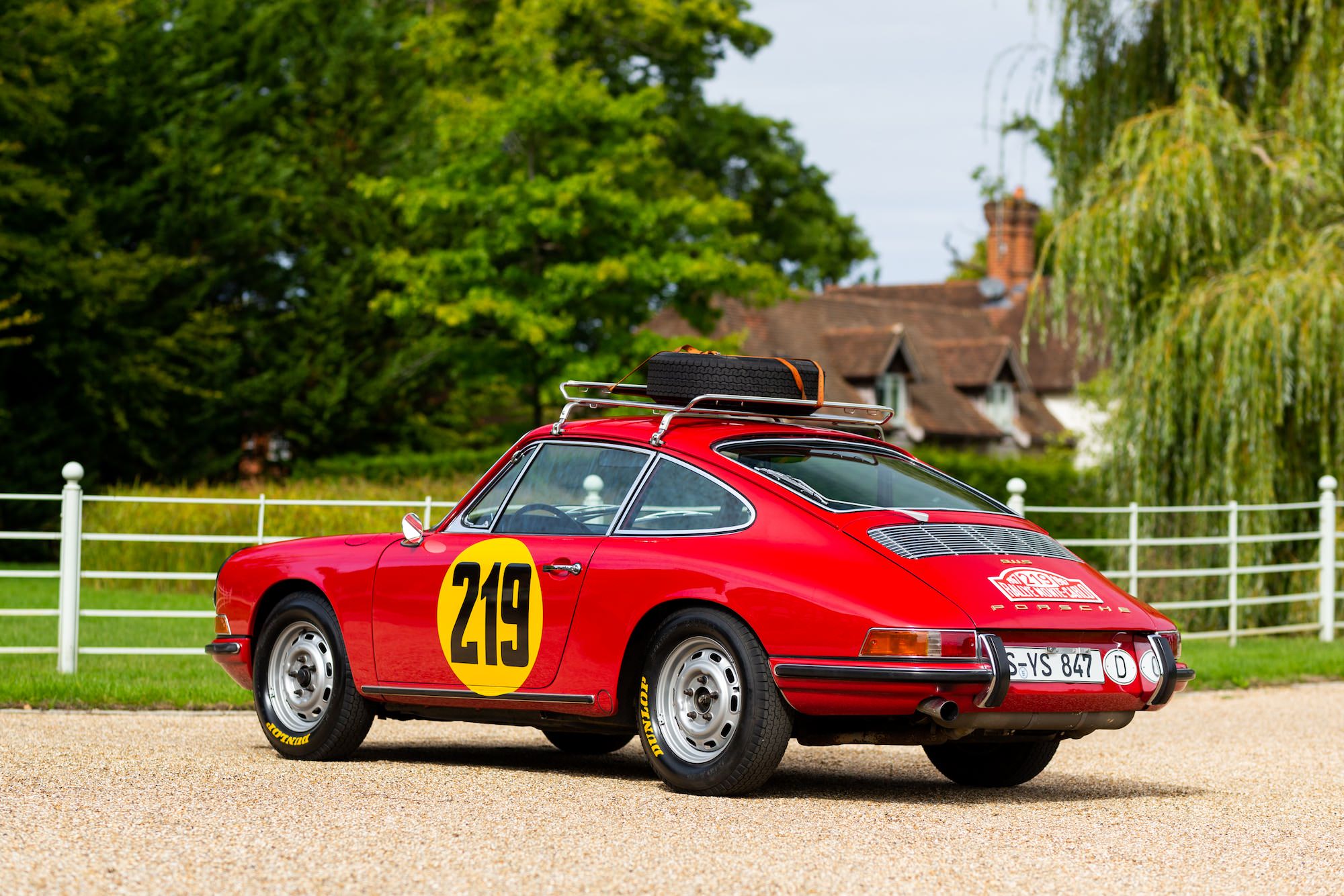
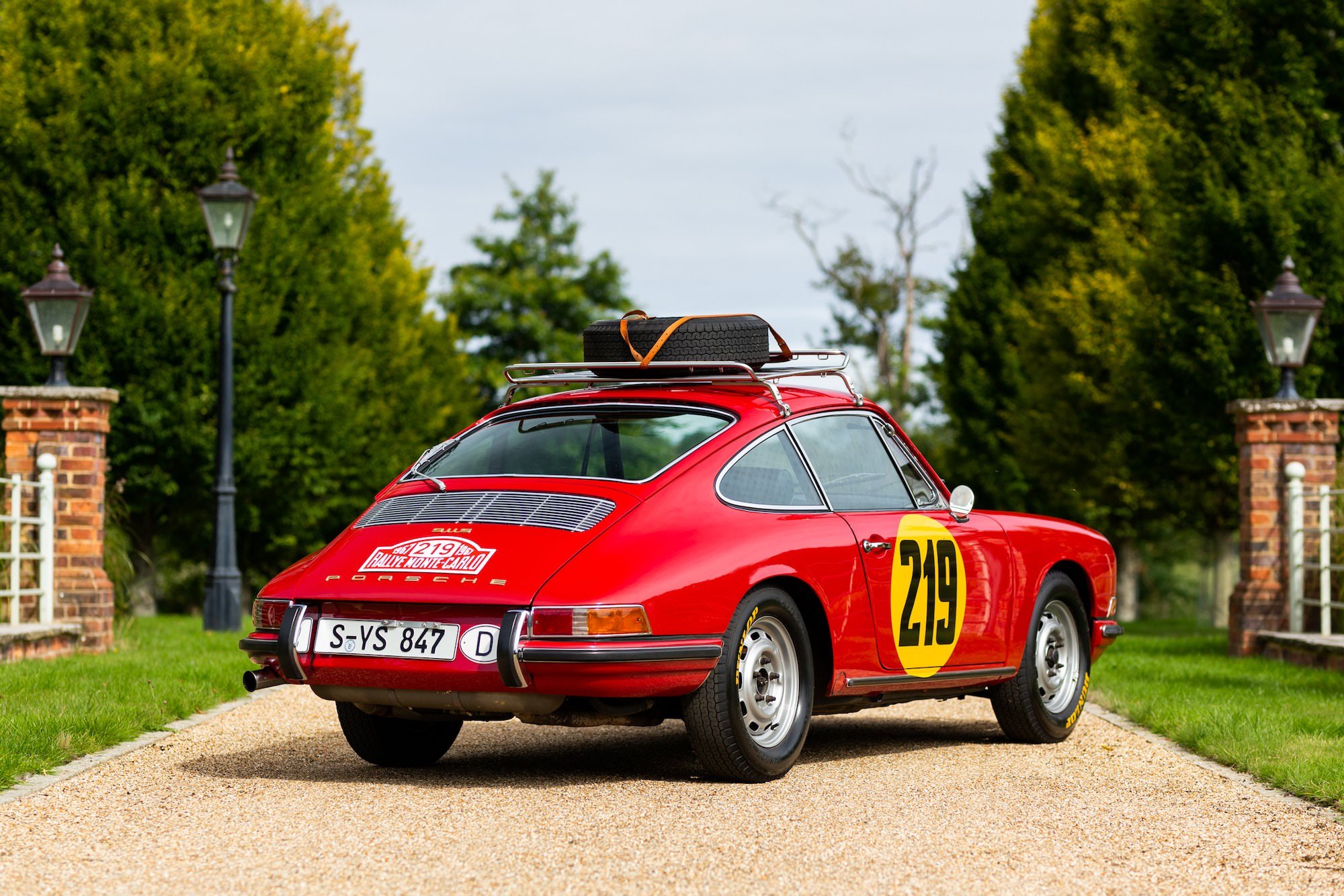
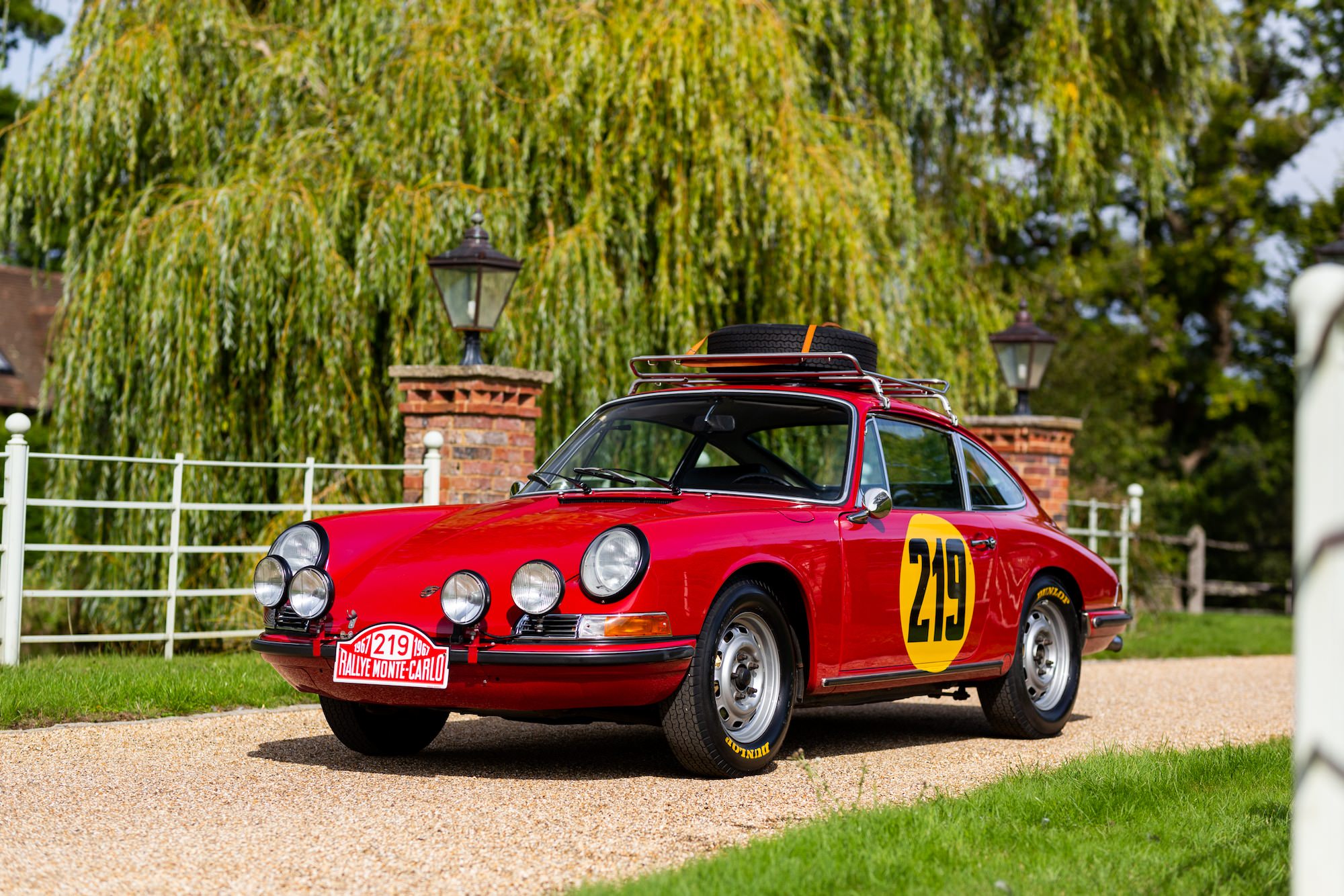
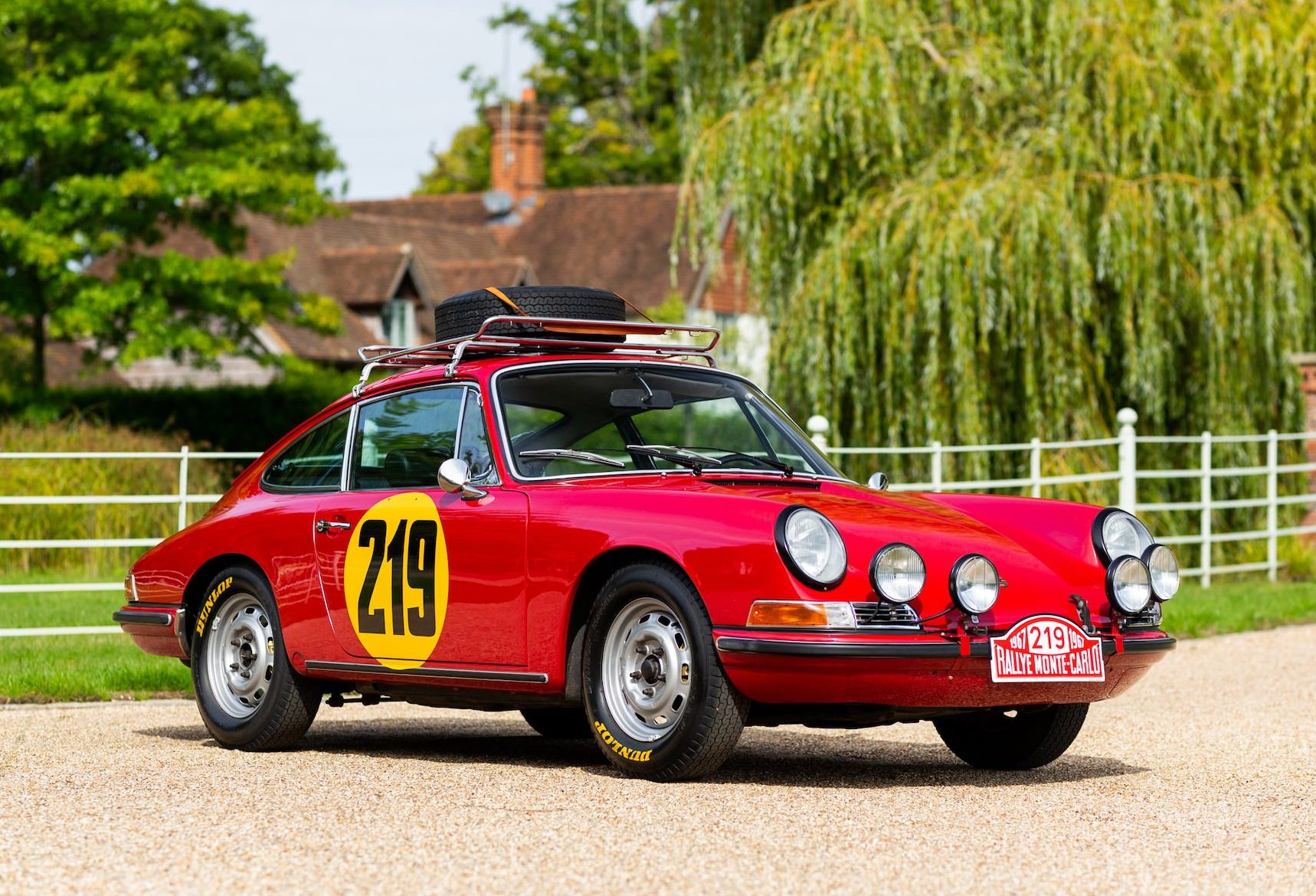
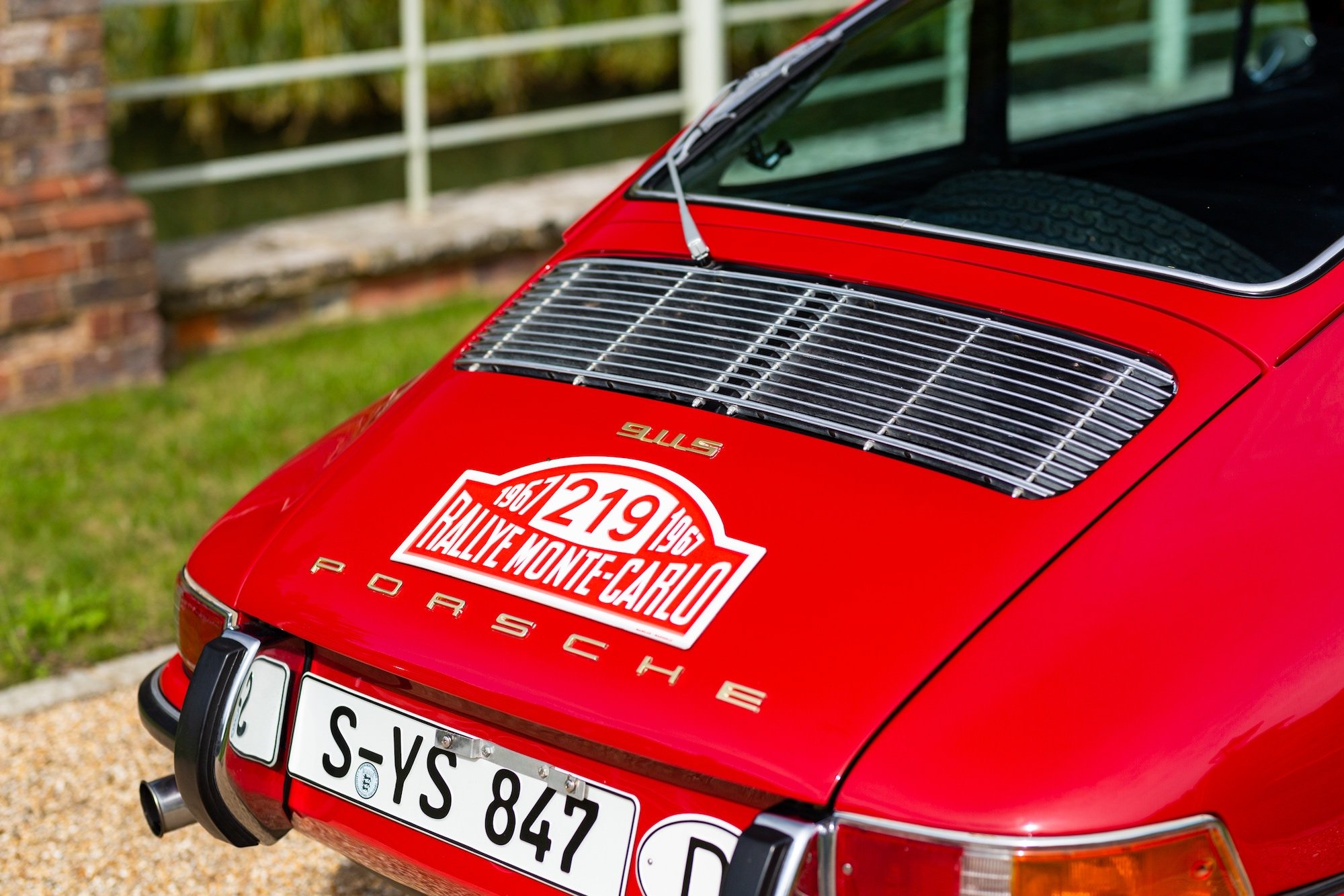
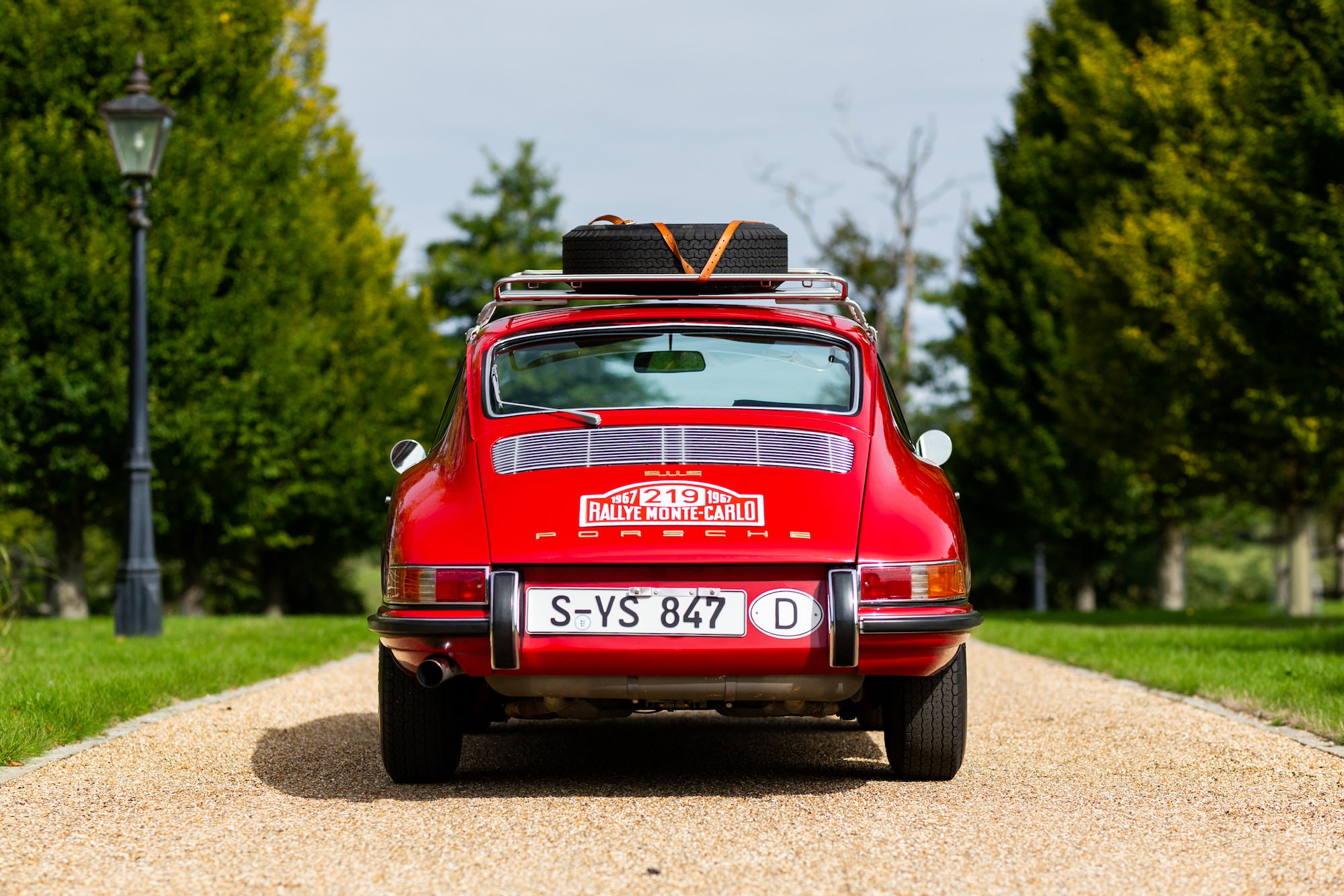
This 1967 has been built up to the same specification as the Porsche 911 S that was driven by “Quick” Vic Elford in the Rallye Monte Carlo in 1967. Elford drove this particular car not long after its rebuild and said that it was “a spectacular, exact nut-and-bolt recreation, exactly as we drove it.”

The Porsche 911 S has long been lauded as one of the most desirable examples of the German sports car from this era and they made quite an impact in the world of motorsport thanks to their excellent handling – when driven by experienced hands of course.

Fast Facts – The Porsche 911 S

  • The Porsche 911 S first appeared in 1966, just three years after the introduction of the 911 model at the Frankfurt Motor Show in 1963.
  • The 911 S came with a higher performance engine, producing 160 bhp vs the 130 bhp of the standard 911. The “S” stood for “Super” and along with the engine performance enhancements the car also came with adjustable Koni dampers on all four corners, a rear anti-roll bar (the front anti-roll bar was standard), and Fuchs wheels.
  • Today these early examples of the 911 S are among the most desirable of all 911 models, offering a simple analogue purity that was not always matched by later cars.
  • The 1967 911 S you see here was rebuilt by specialists Paterek Brothers into a replica of Vic Elford’s famous Monte Carlo Rally challenger.

The Porsche 911 S

The Porsche 911 S was a critically important car for Porsche when it was released in 1966. The Porsche 911, originally called the 901 until Peugeot objected, had been developed to replace the dated Porsche 356 that had been developed not long after WWII in the late 1940s. The 911 S took all that made the 911 great and made it just a little greater.
Porsche 911 S 14

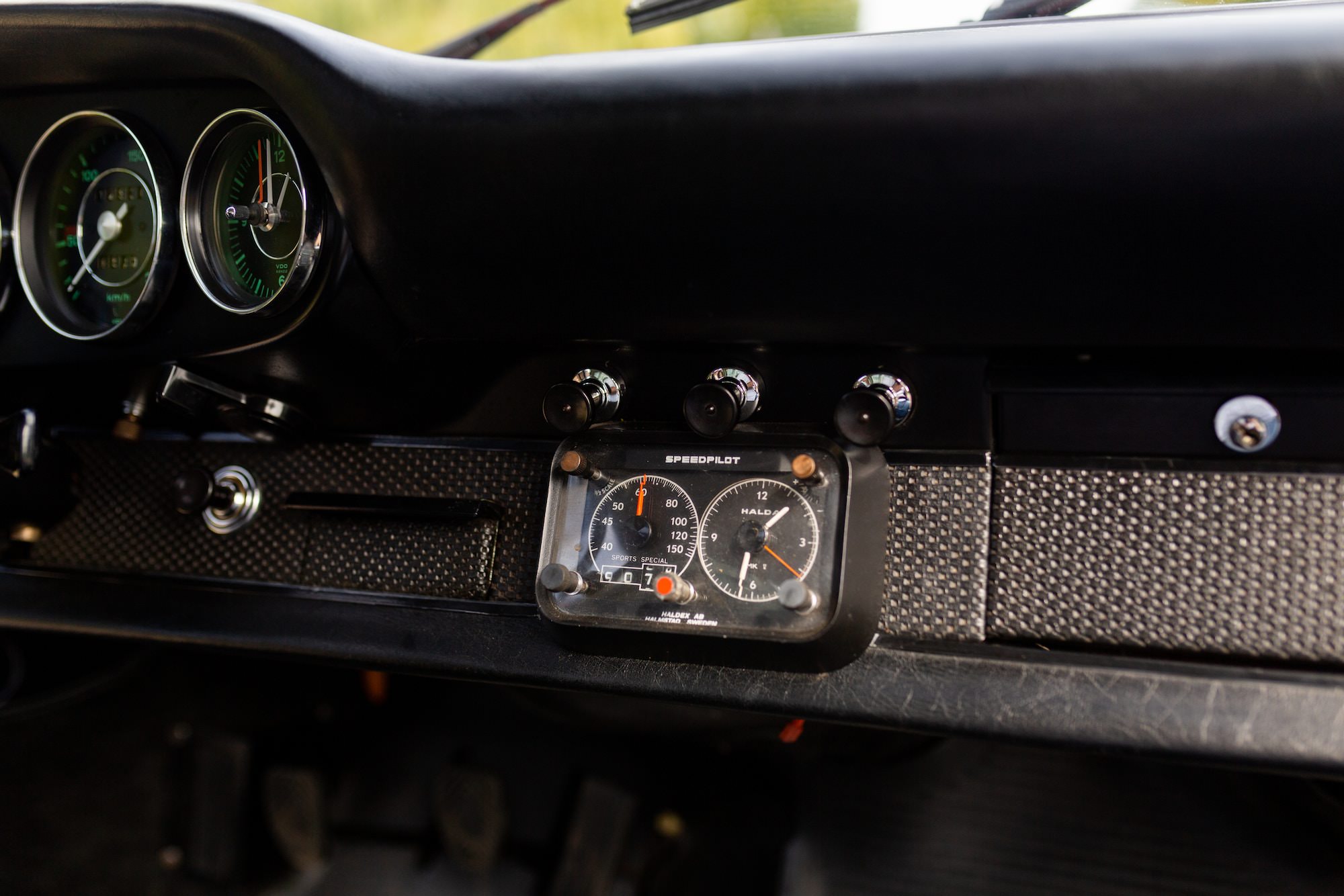
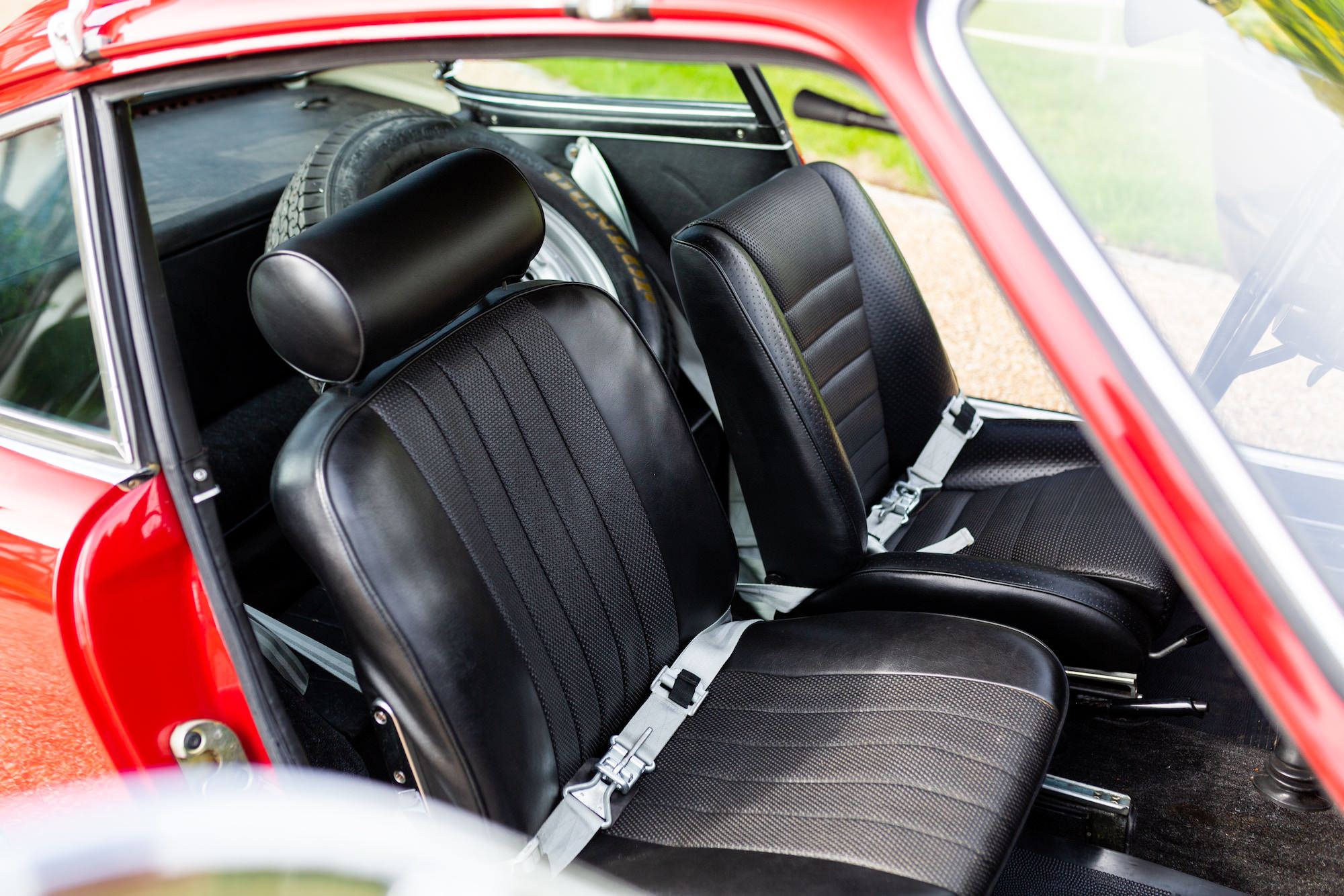
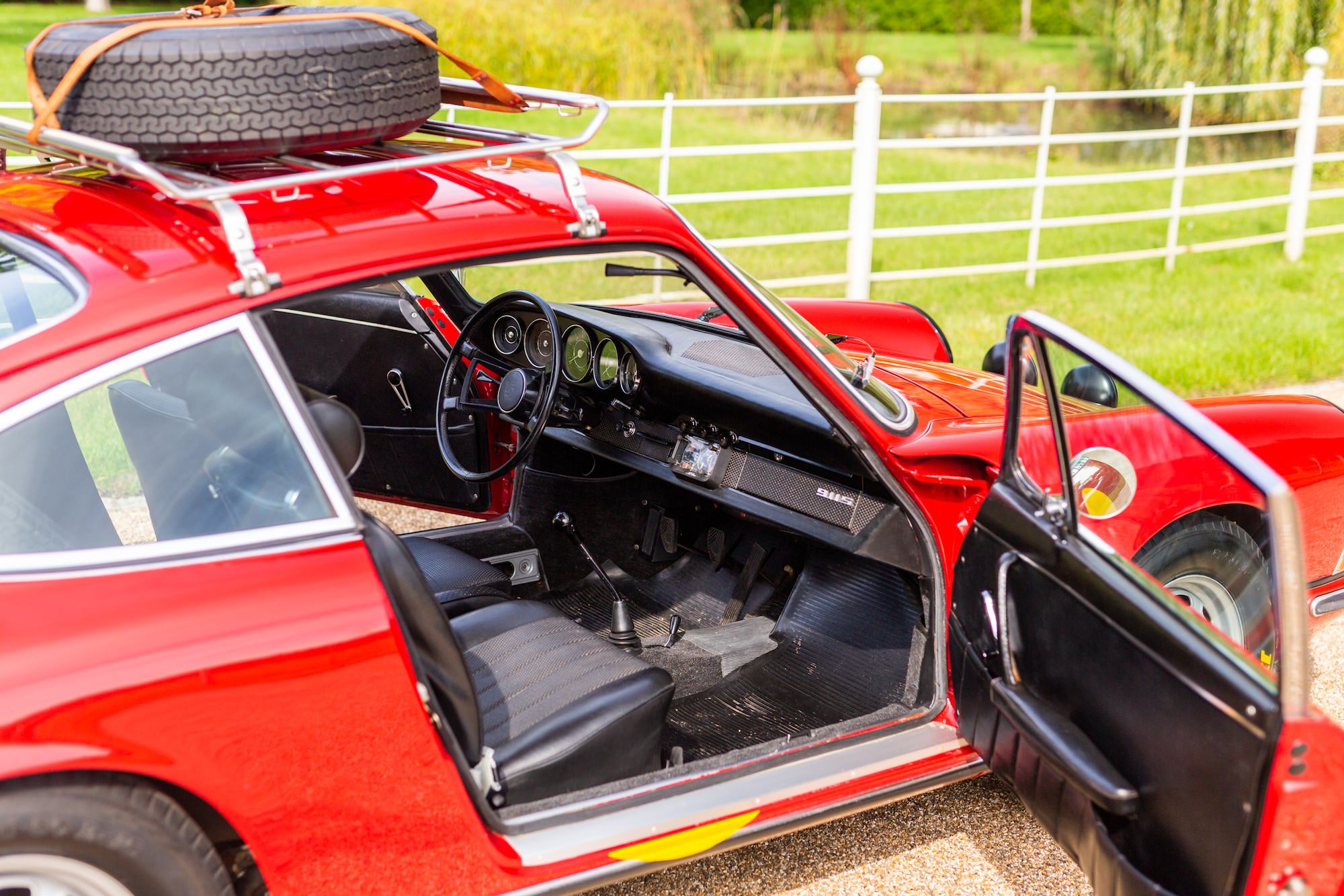
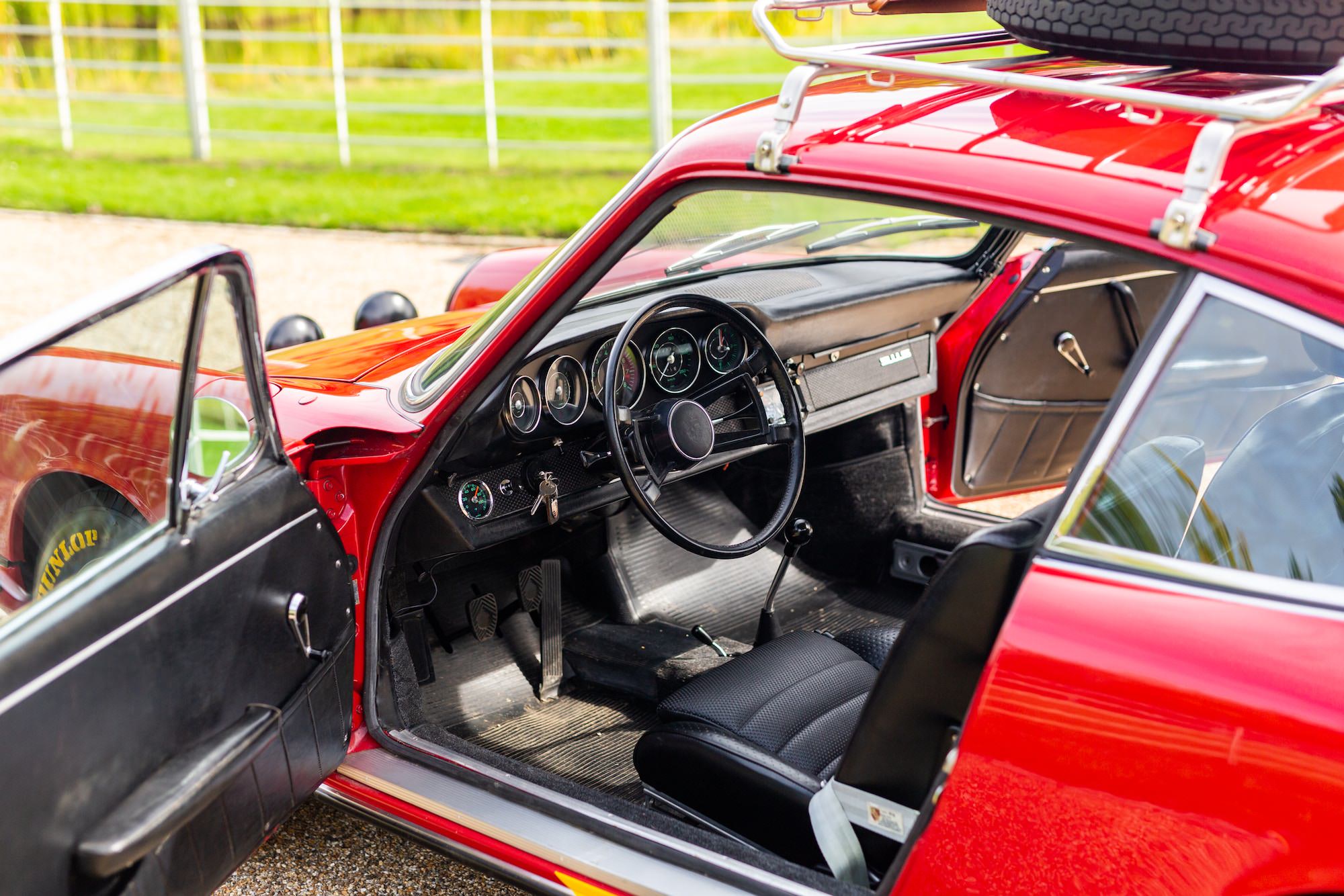
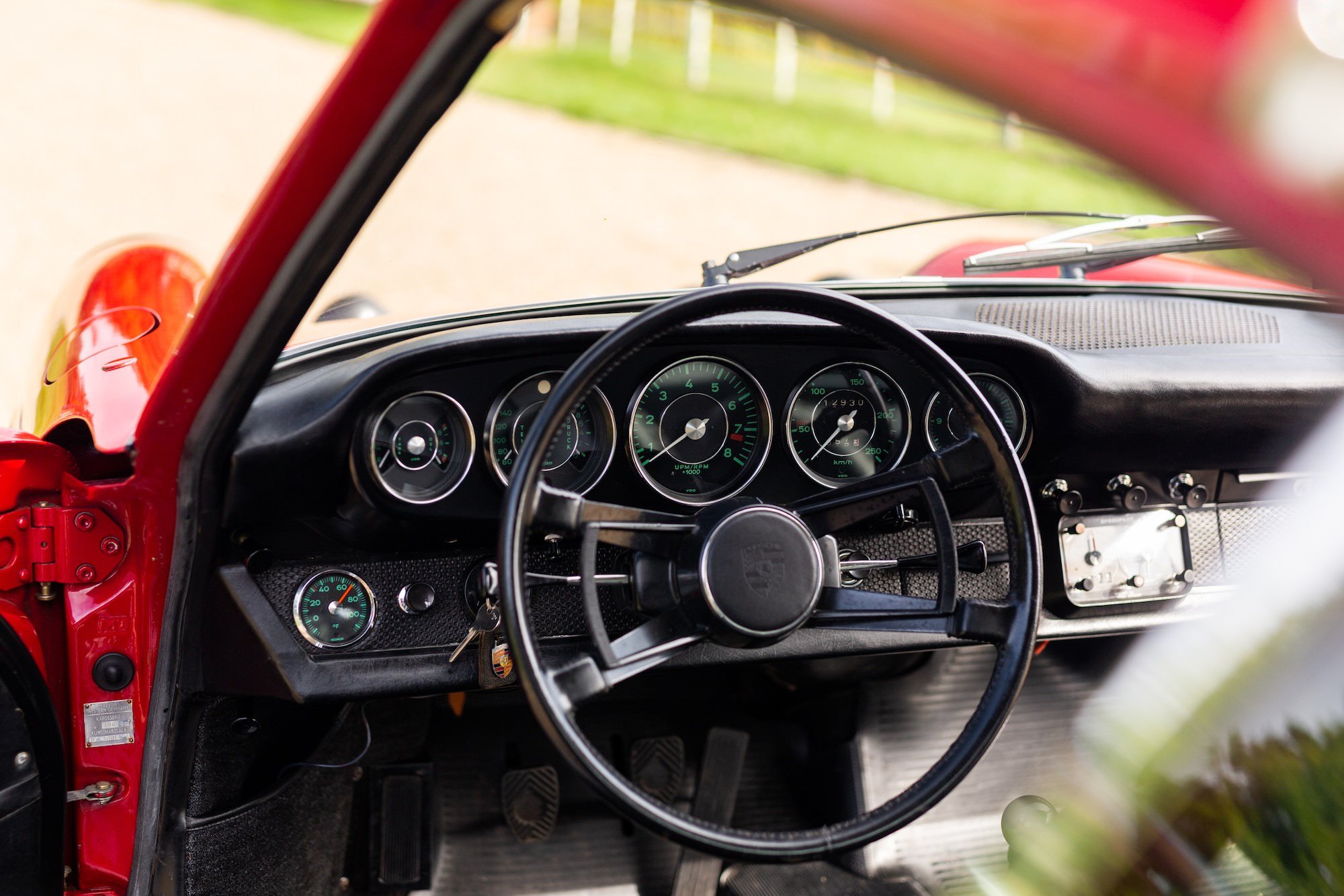
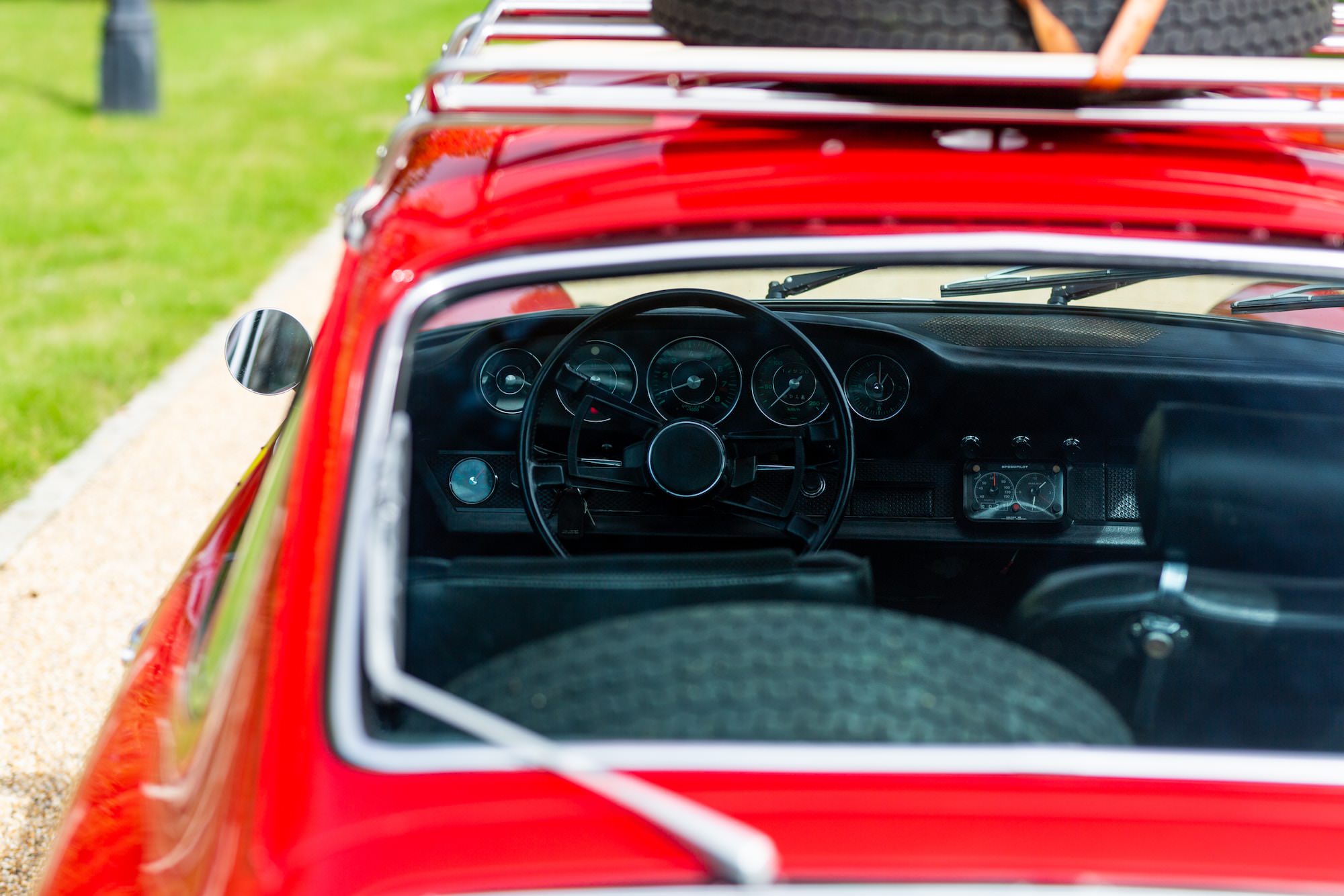
The interior of the car its largely original, with the exception of the period-correct Halda Speedpilot rally computer.

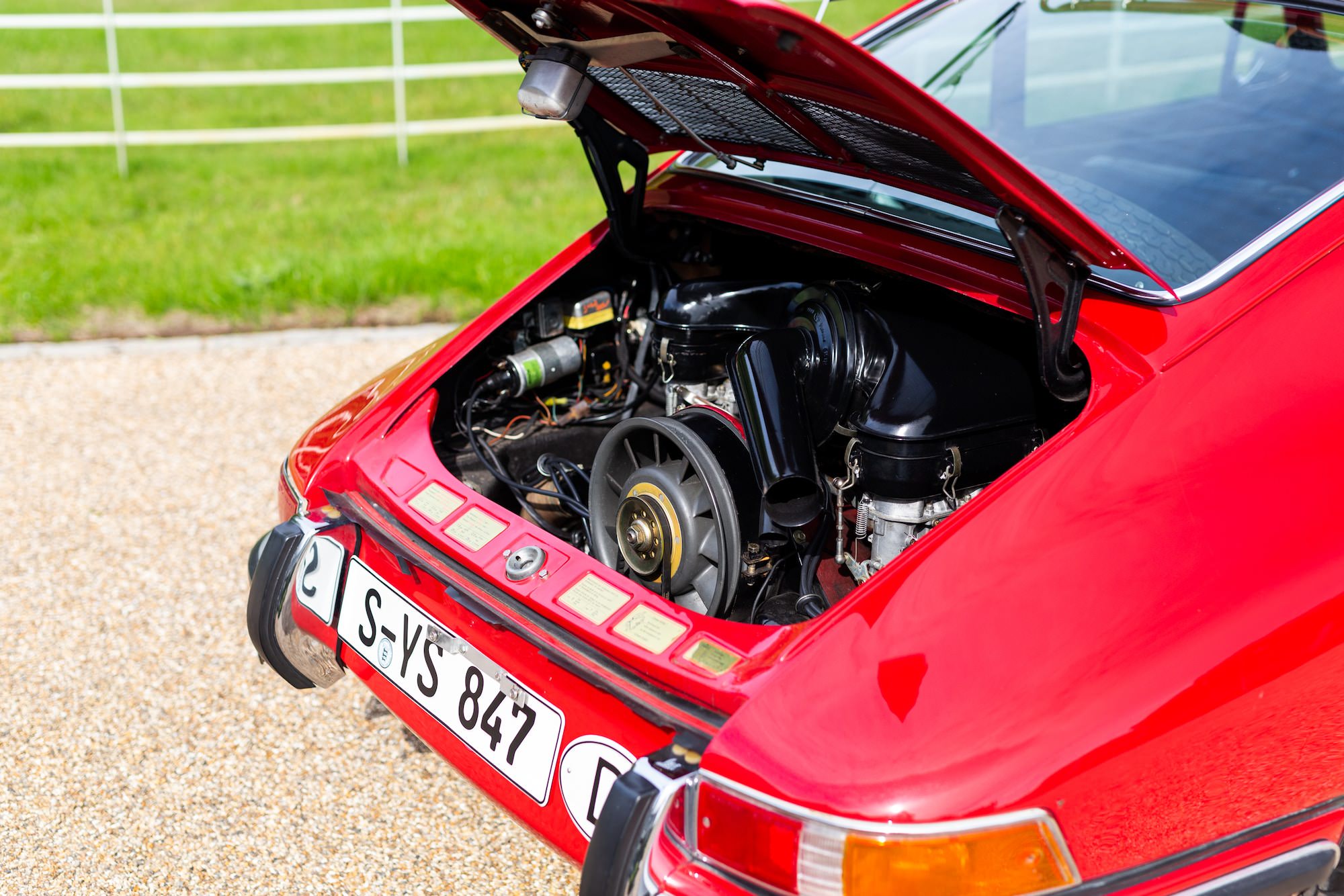
The 911 S used the same unibody shell as the 911 and much the same running gear. The 2.0 liter flat-six engine was tuned to produce 160 bhp at 5,000 rpm, up from the 130 bhp of the standard car. With a weight of just 1,080 kgs (2,381 lbs) the 911 S was a quick car by the standards of the time, with excellent handling for those who could correctly manage the rear weight bias.

Other enhancements over the regular 911 included adjustable Koni dampers, a rear anti-roll bar (to match the front), Weber carburetors, vented disc brakes, and “Fuchsfelge” five-leaf Fuchs wheels which were said to improve brake cooling.

The 911 S would be built by Porsche in various iterations until 1977, and intermittently thereafter. The “S” has often been added to the Carrera name to denote a higher performance version of the now liquid-cooled 911.

The Vic Elford-Spec Porsche 911 S Shown Here

As mentioned further up in the introduction, this car was built as a faithful replica of the 1967 Porsche 911 S piloted by Vic Elford in the Monte Carlo Rally of the same year. He finished the race in third overall before returning a year later in ’68 and winning it outright.
Porsche 911 S 18

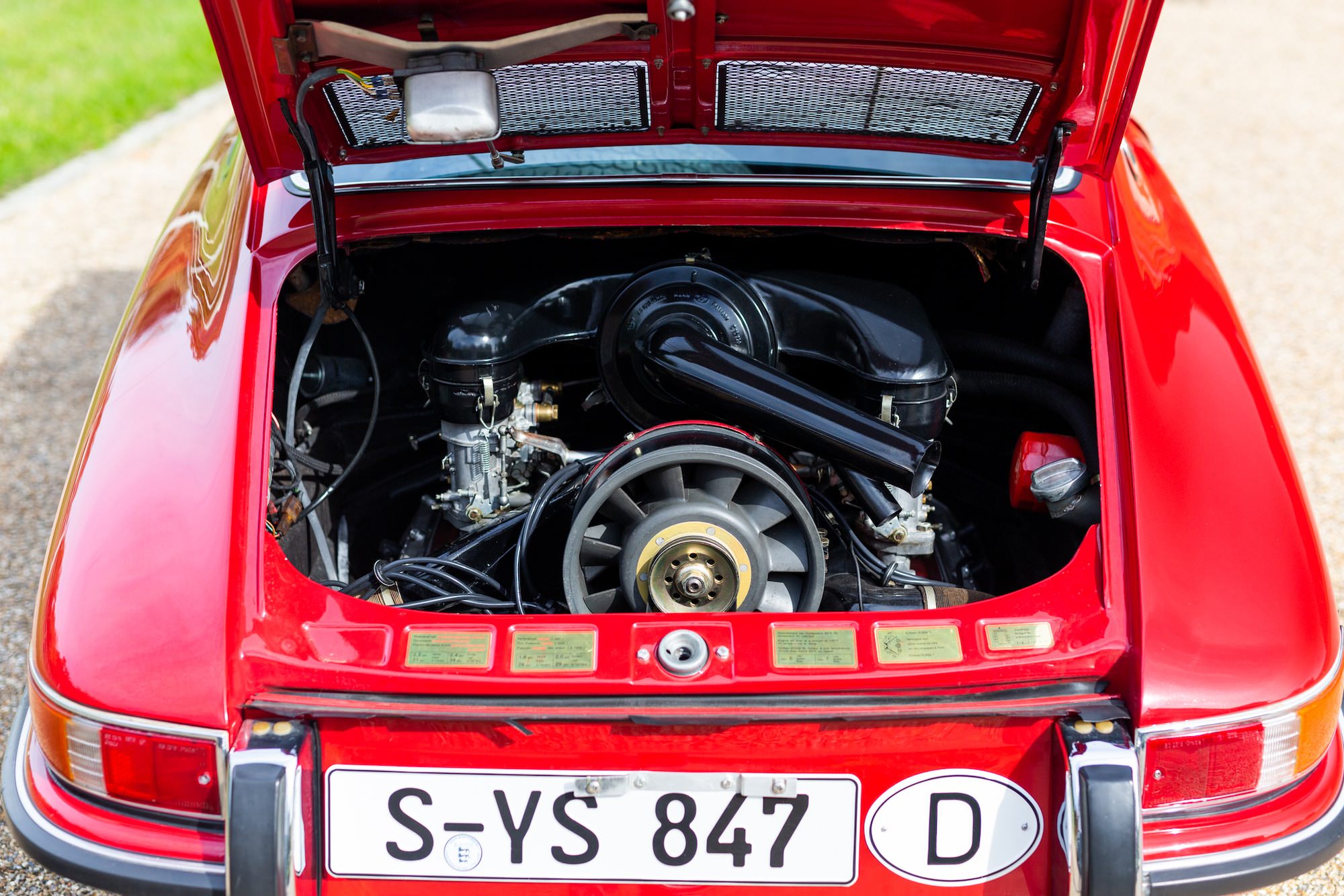
From the factory the single overhead cam flat-six engine was producing 160 bhp, up 30 bhp over the standard 911.

This car is an original 1967 Porsche 911 S, it was optioned with a factory limited-slip differential and it was painted by Porsche in Polo Red. Many years later it was restored in 2005 in Atlanta, Georgia and went on to win multiple awards before marque specialists Paterek Brothers converted the car to a replica of the Monte Carlo machine in 2009.

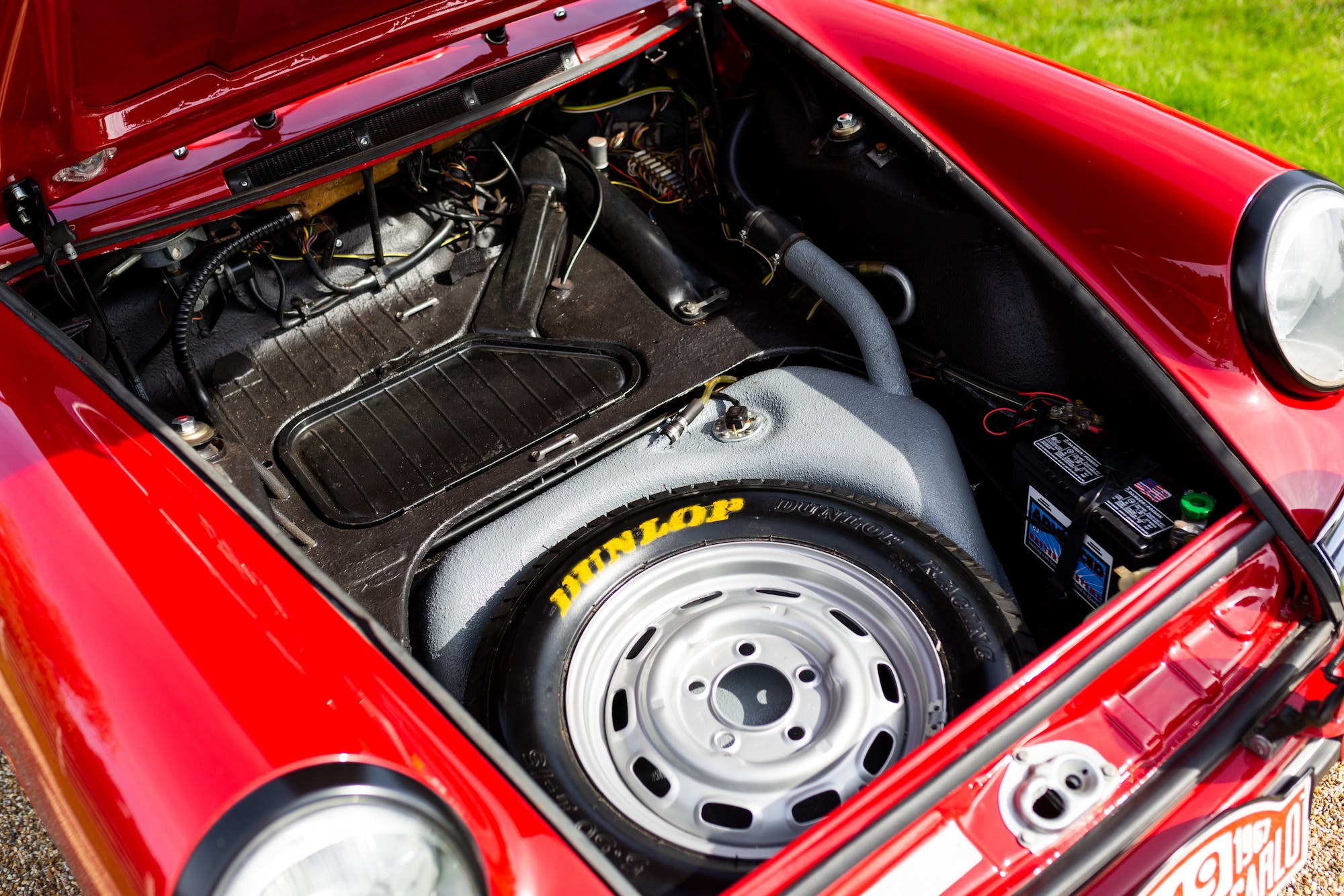
During this process the car was given racing roundels, a chrome roof rack, front and rear rally plaques, replica German numberplate and country ‘D’ plate, driving lights, an auxiliary temperature gauge, a period-correct Halda Speedpilot rally computer, and period intercom system.

After its conversion the car was seen and driven by Vic Elford himself who was quoted as saying that it’s “exactly as we drove it.”

It now being offered for sale by Collecting Cars out of Surrey in the United Kingdom. If you’d like to read more about it or register to bid you can visit the listing here.
Porsche 911 S 22 Porsche 911 S 21 Porsche 911 S 20 Porsche 911 S 19 Porsche 911 S 17 Porsche 911 S 16 Porsche 911 S 15 Porsche 911 S 13 Porsche 911 S 12 Porsche 911 S 11 Porsche 911 S 10 Porsche 911 S 9 Porsche 911 S 8 Porsche 911 S 7 Porsche 911 S 6 Porsche 911 S 5 Porsche 911 S 4 Porsche 911 S 3 Porsche 911 S 2 Porsche 911 S 1

Images courtesy of Collecting Cars

The post 1967 Porsche 911 S: “Quick” Vic Elford Monte Carlo Rally Specification appeared first on Silodrome.


from Silodrome https://silodrome.com/porsche-911-s/
via gqrds

Philadelphia Garage Discovery After 43 Years – A Rare 1957 BMW 507

The BMW 507 roadster is a car that’s historically significant for a number of reasons, it was the first production car to have an all aluminum V8, one was owned by Elvis Presley when he was stationed in Germany, oh, and it very nearly killed the company that created it.

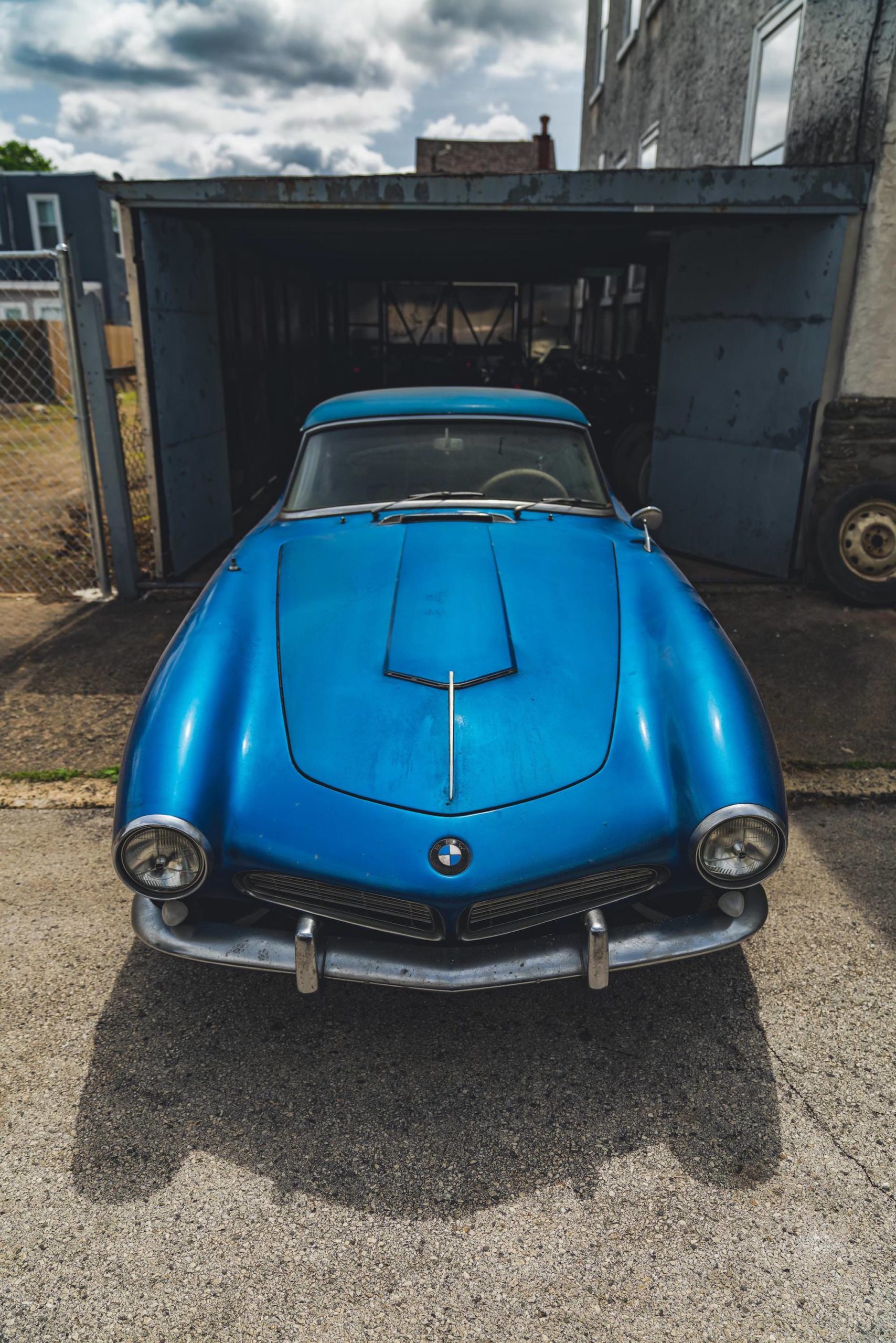
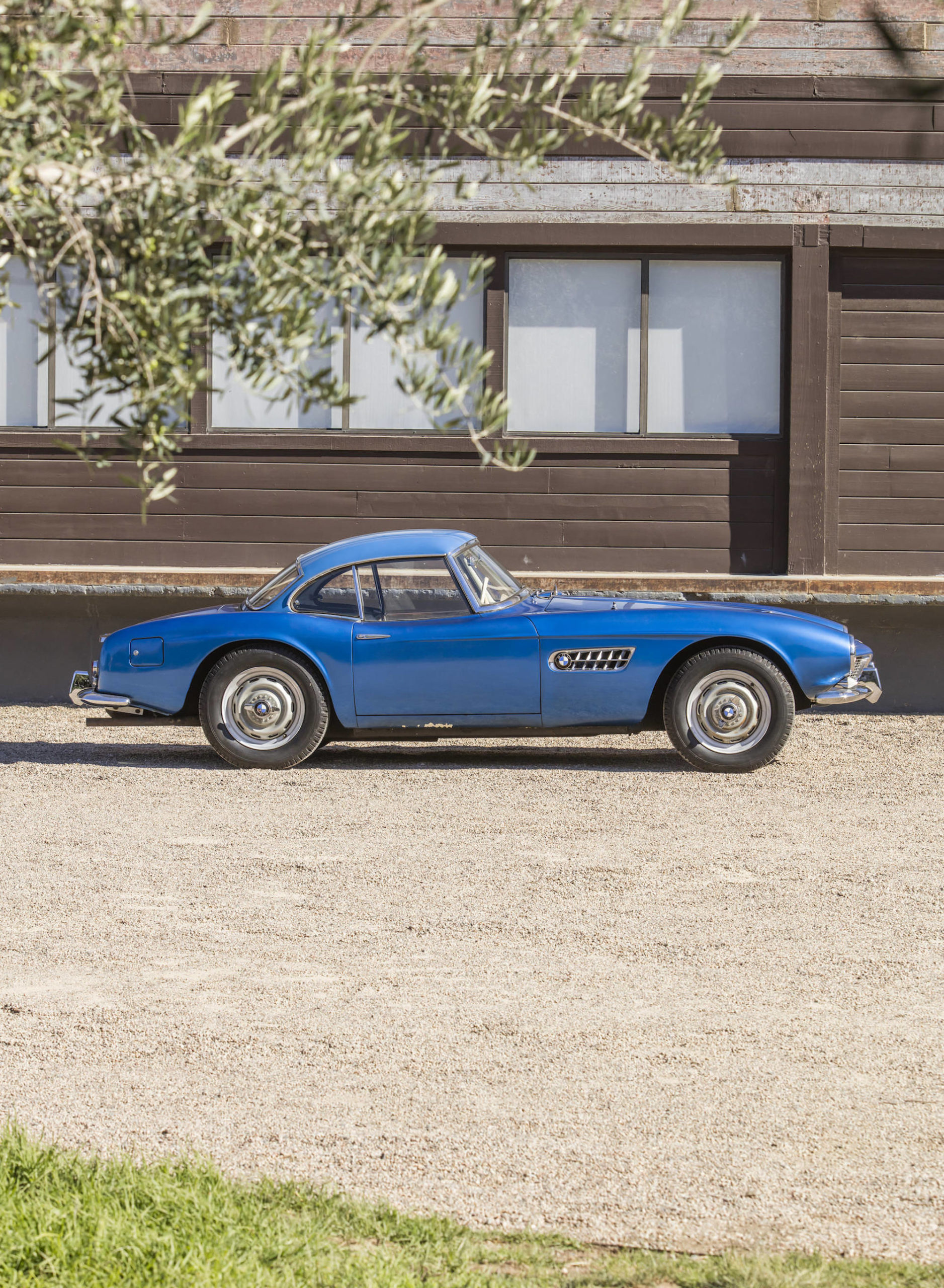
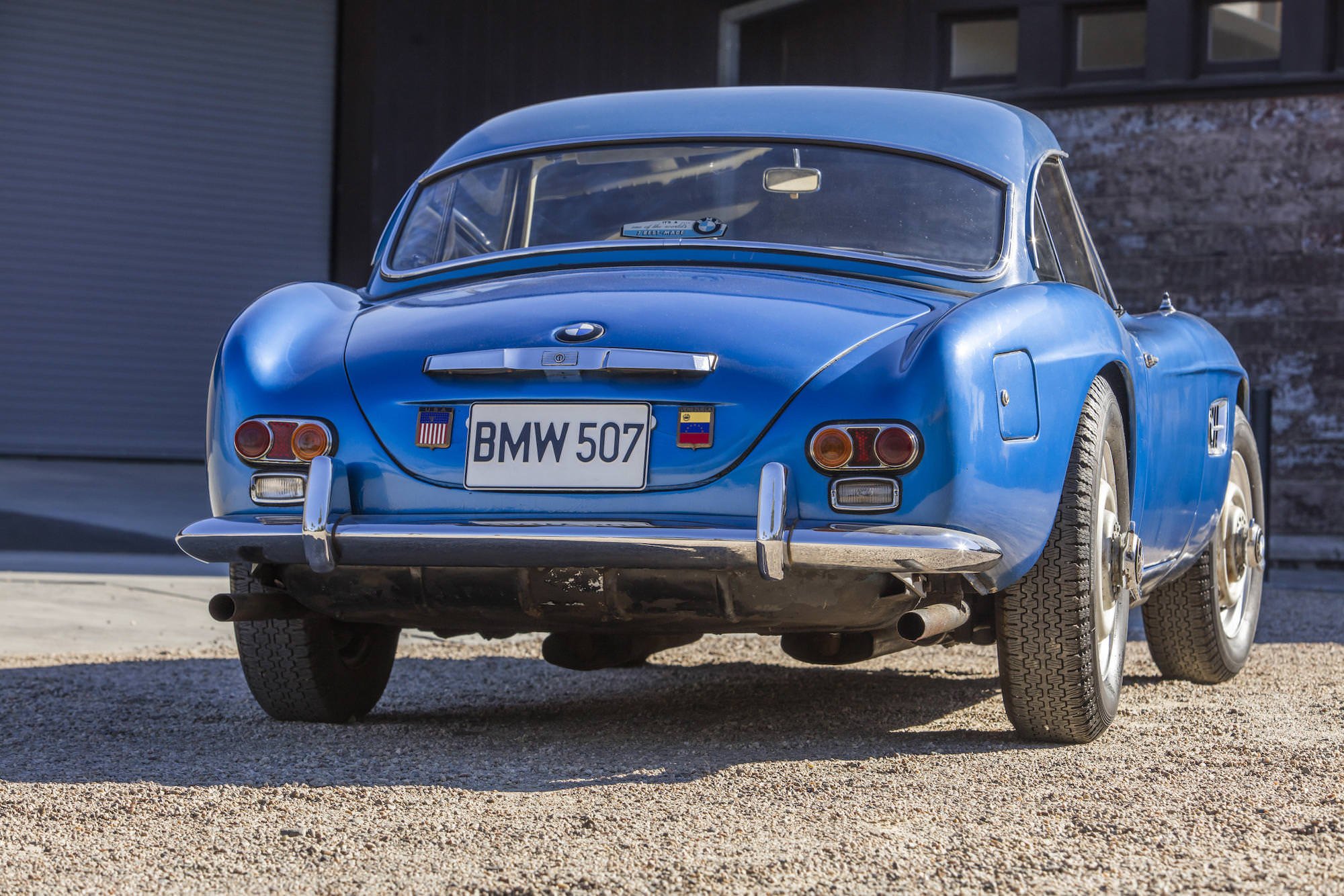
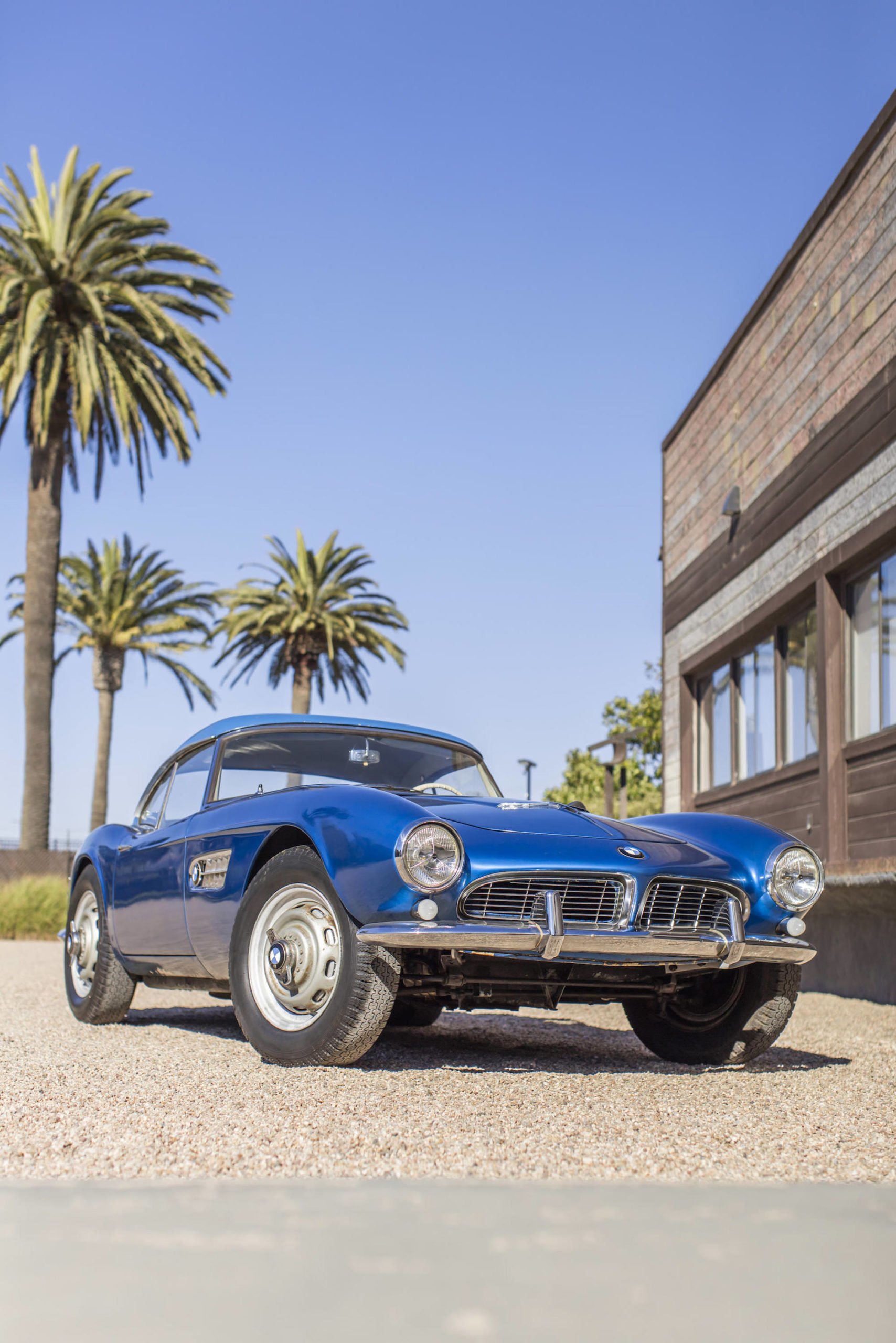
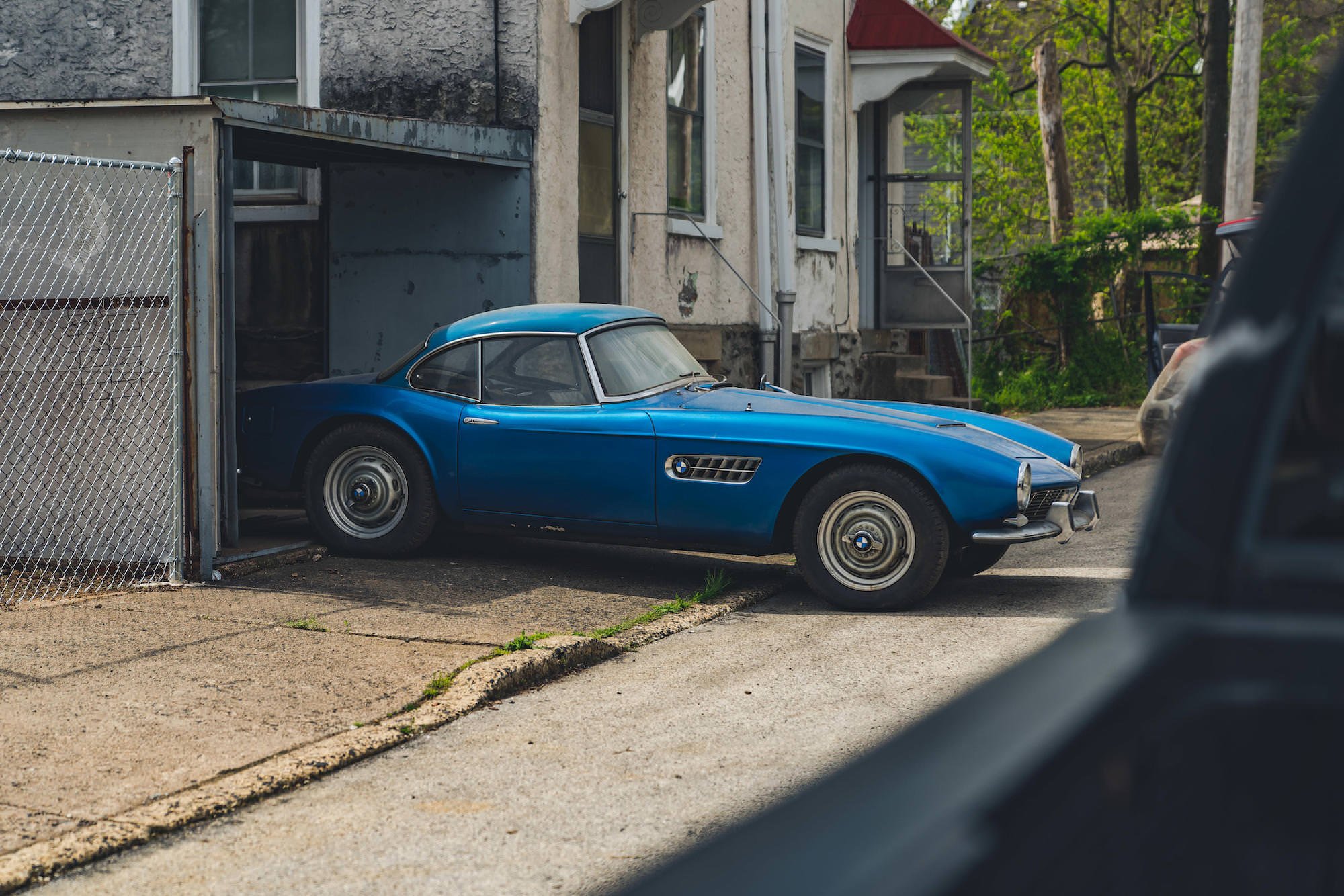
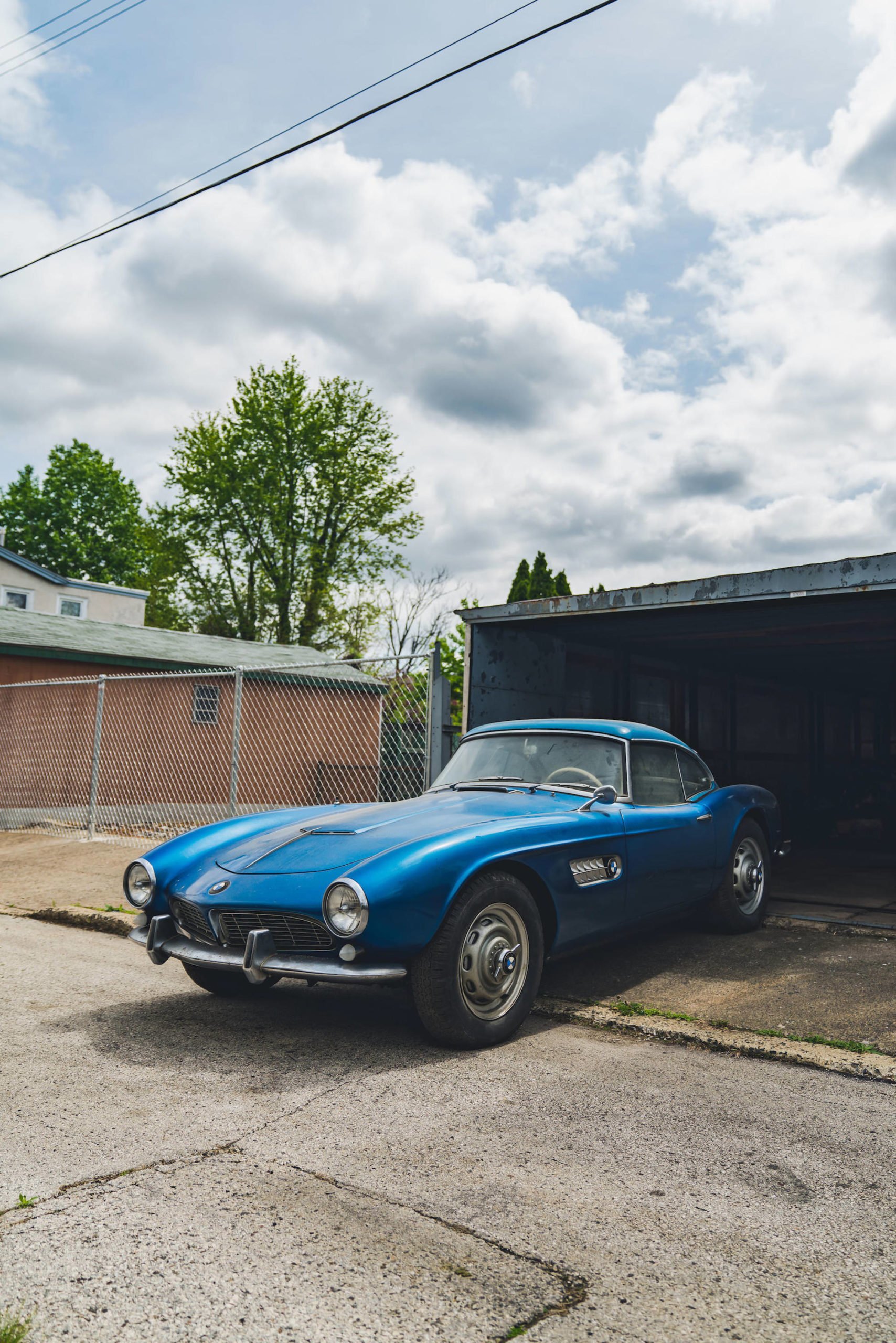
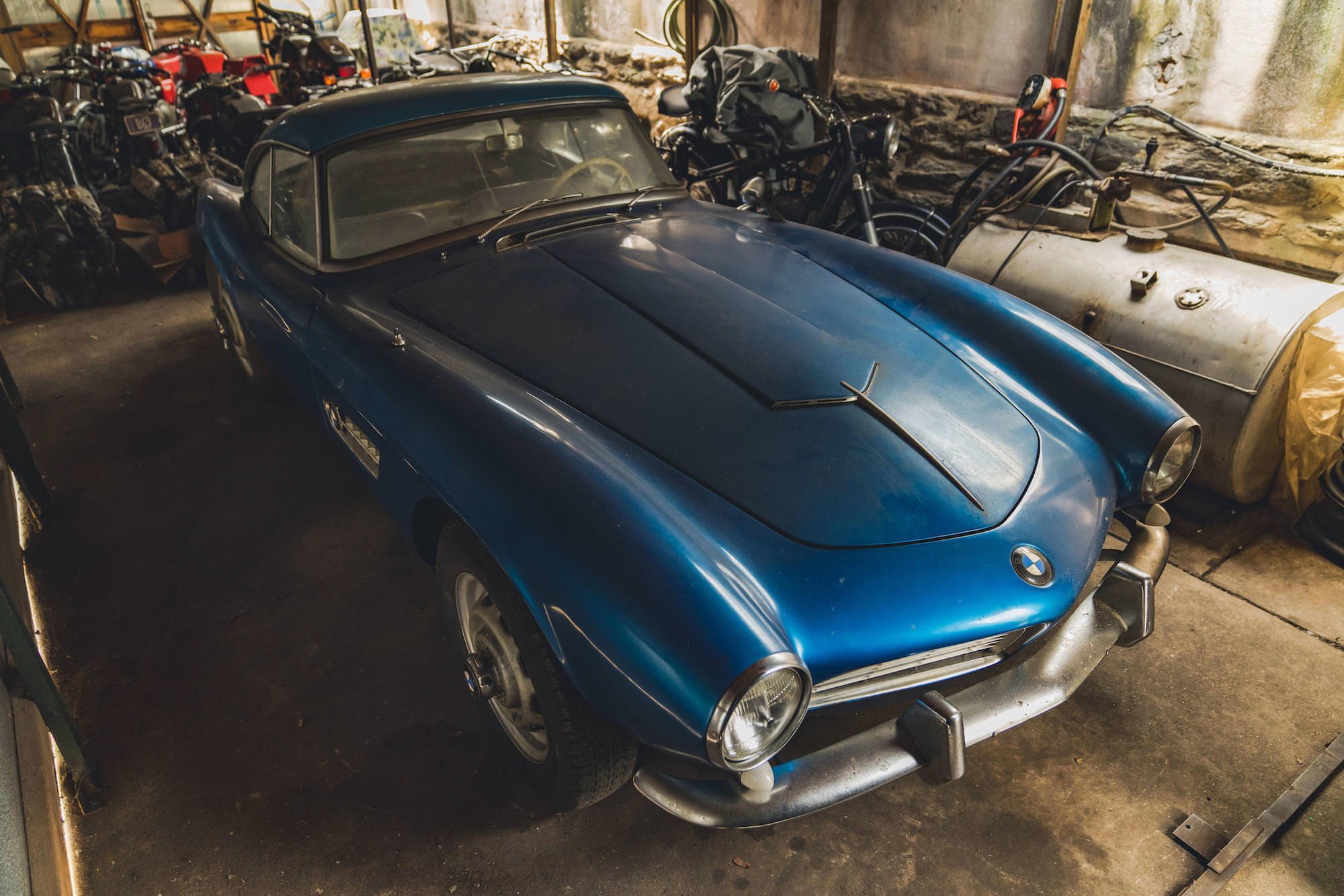
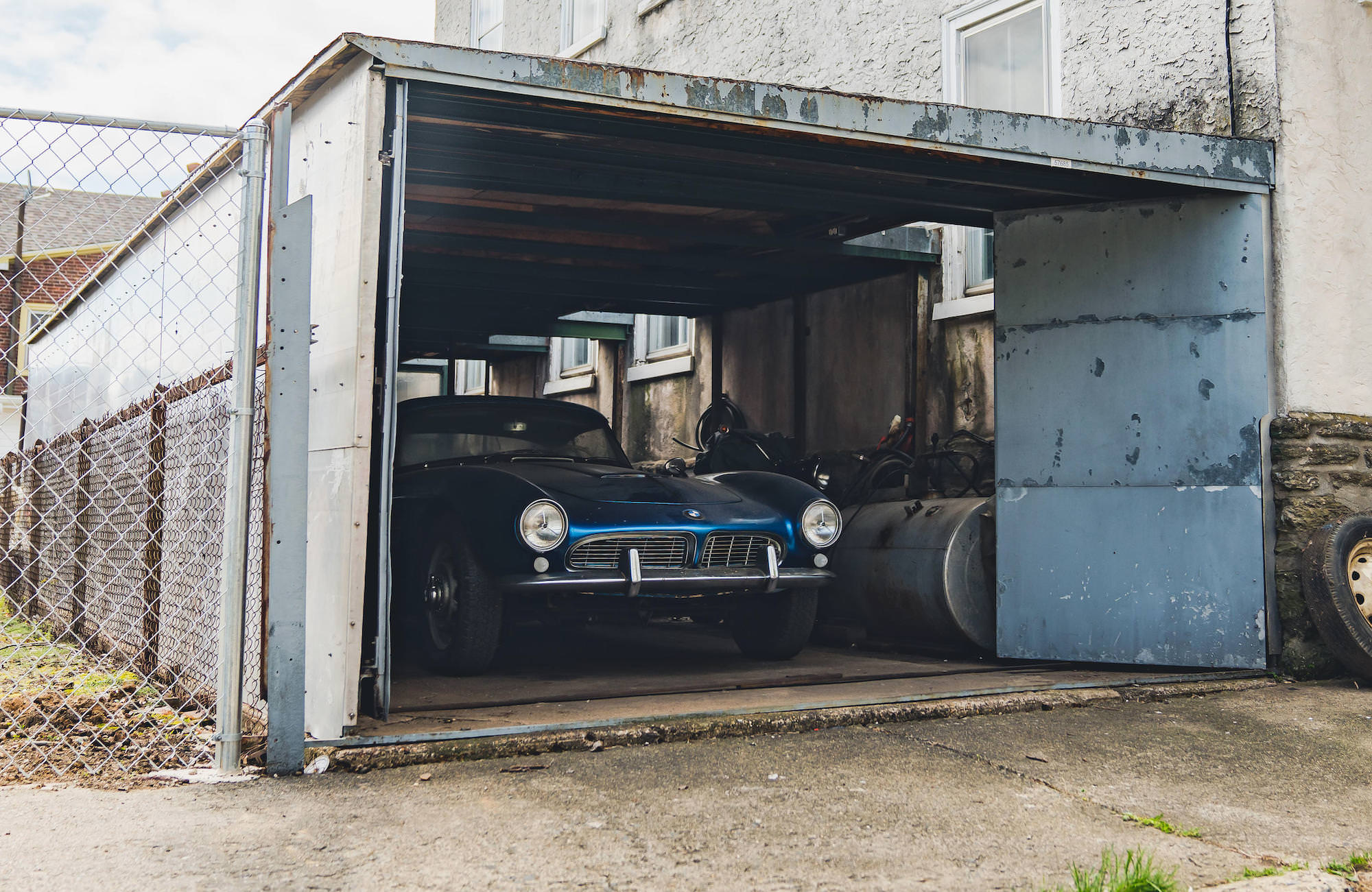
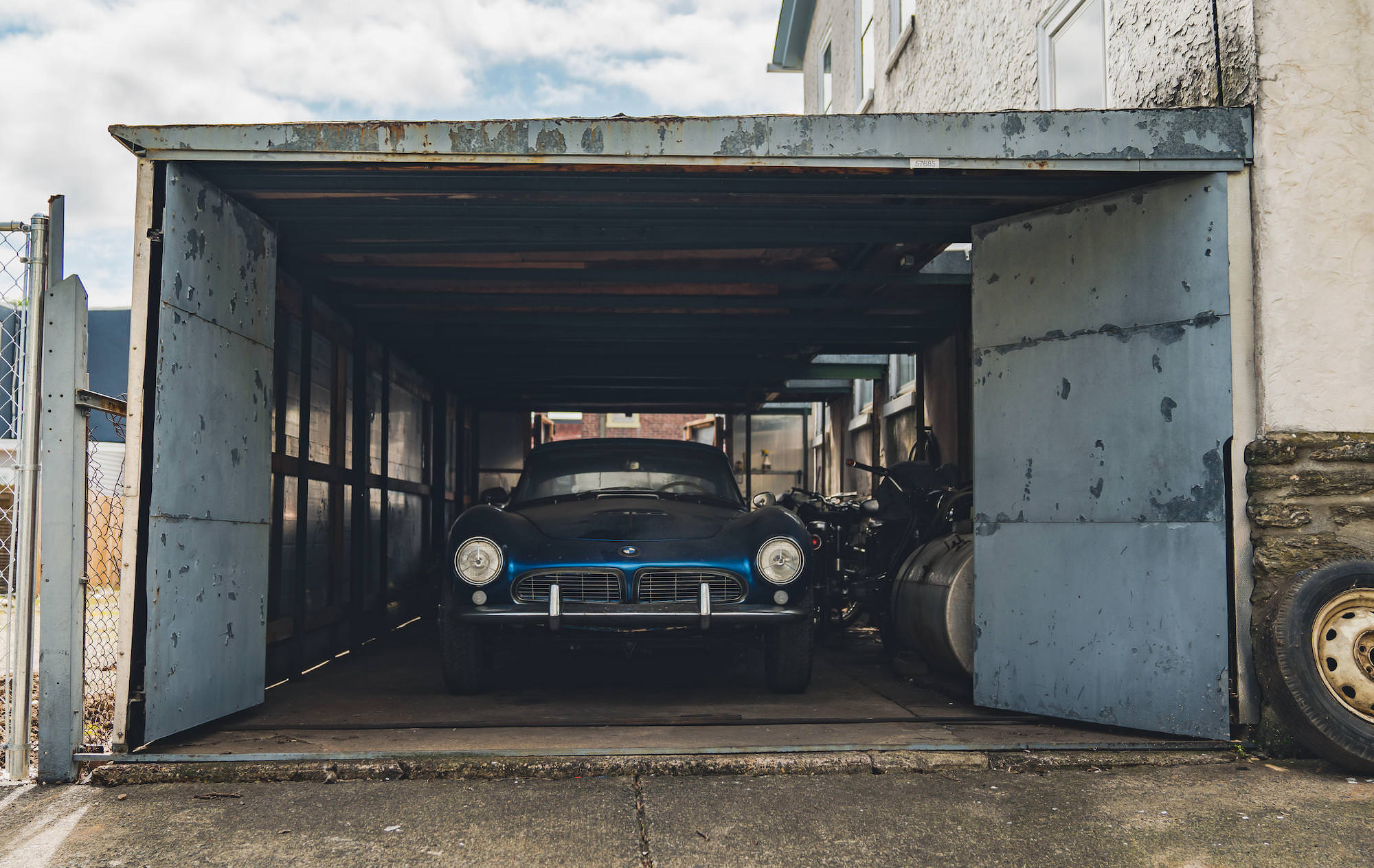
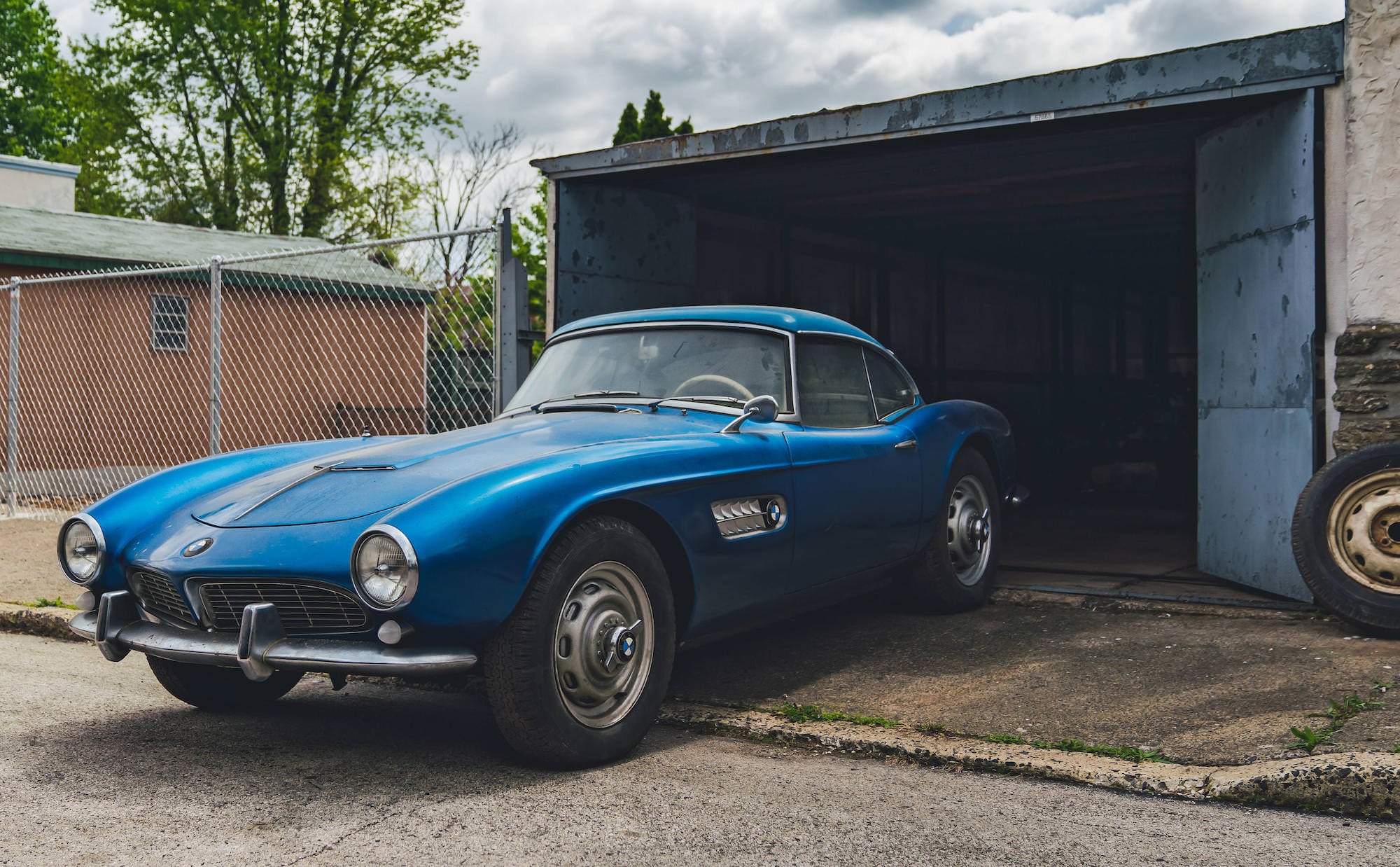
The 507 you see here has a fascinating backstory, it was delivered new to Venezuela and then taken home to Canada with its first owner. It passed through a small number of hands before being rolled into a Philadelphia garage in 1978 and left there. It was recently rediscovered by the classic BMW community and it’s now being offered for sale.

Fast Facts – The BMW 507

  • The BMW 507 is a roadster that was released in 1956 and sold until 1959 with just 252 made in total, in spite of the original plans to make 5,000 per year.
  • The concept for the 507 is credited to Max Hoffman, an influential NY-based auto importer, who planned to sell the car for $5,000 USD and create a new market niche between the more affordable British MGs and Triumphs and higher end cars like the Mercedes-Benz 300SL.
  • Due to runaway production costs the production BMW 507 would eventually cost over double the $5,000 amount at $10,500 USD. This severely limited its sales and very nearly bankrupted BMW.
  • The car you see here was delivered new to Venezuela before being taken by its owner to Canada. It eventually ended up parked in a Philadelphia garage for 43 years and largely forgotten, it’s now being offered for sale for the first time since the Carter administration.

The BMW 507 + Max Hoffman

The idea behind the BMW 507 was actually conceived by highly-influential US luxury and sports car importer Max Hoffman. He convinced the BMW board that an elegant open-top sports car based on the BMW 501 and 502 sedan cars would sell well in the United States if priced competitively.

BMW 507 Roadster 8

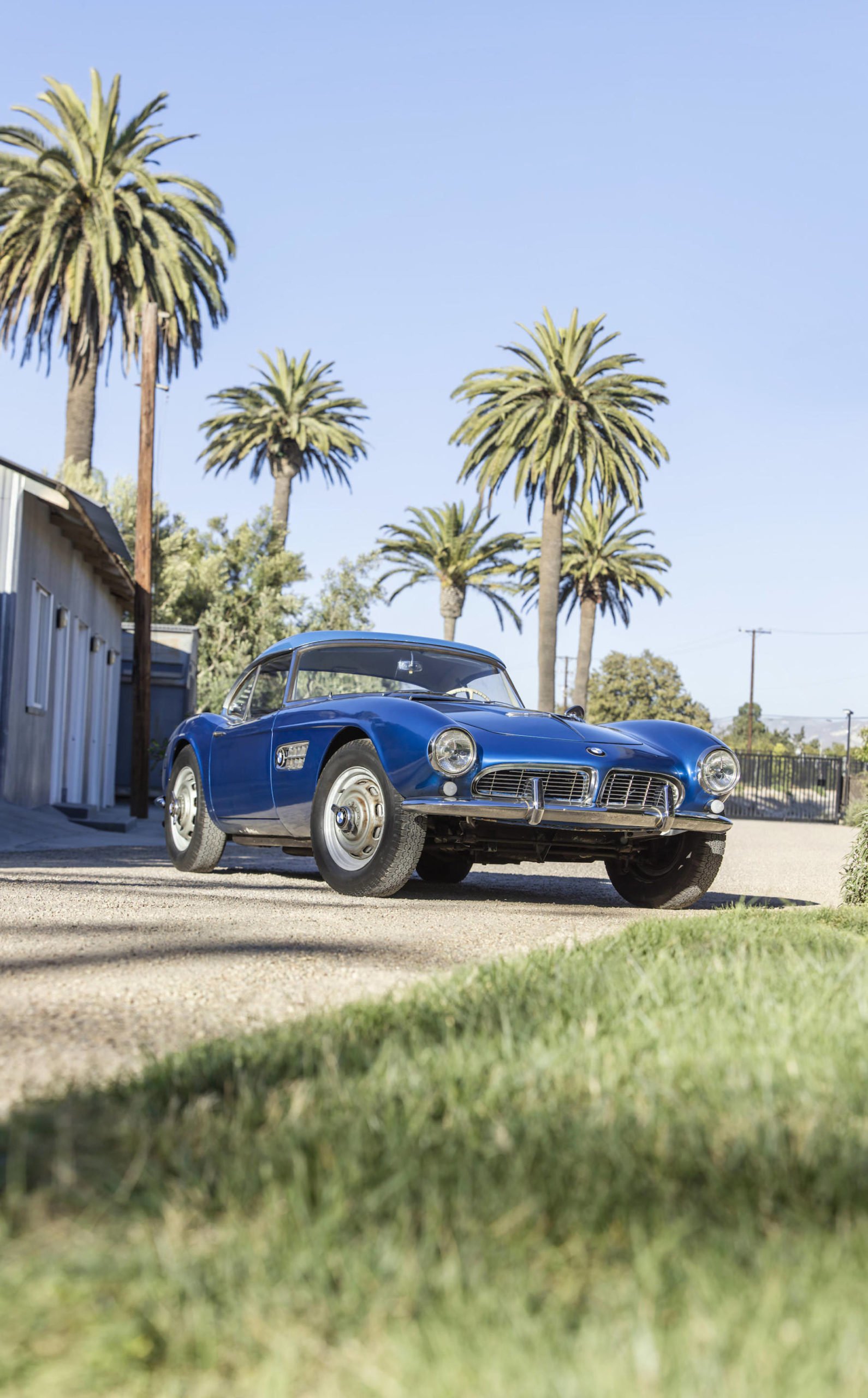
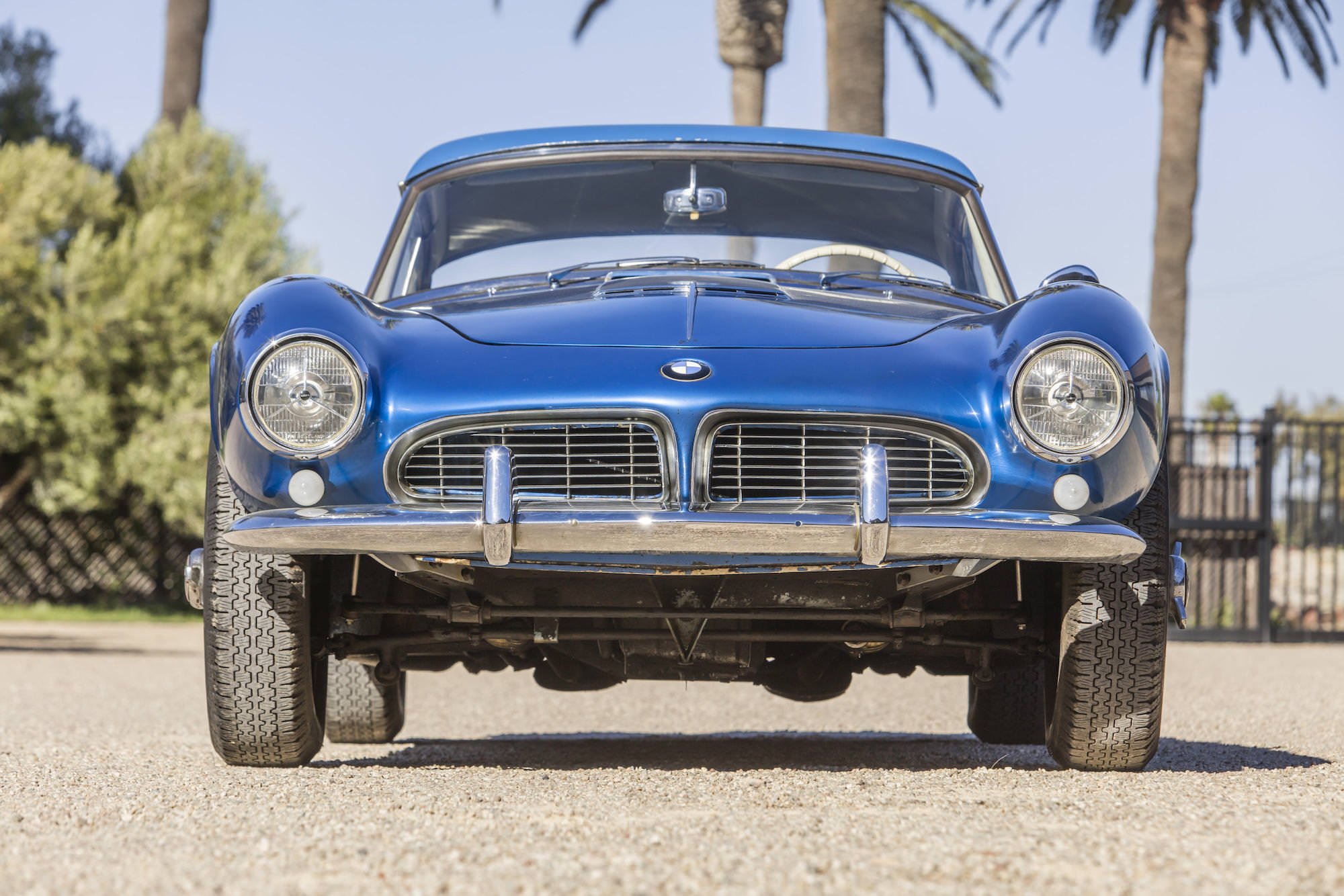
The beautiful design of the BMW 507 has been lauded as one of the best roadsters of the age, it was styled by Albrecht von Goertz on recommendation from Max Hoffman.

BMW liked the idea and assigned engineer Fritz Fiedler to develop the car, early body designs were penned by Ernst Loof however Hoffman didn’t like them, he instead recommended designer Albrecht von Goertz for the job and it would be von Goertz who styled the production car.

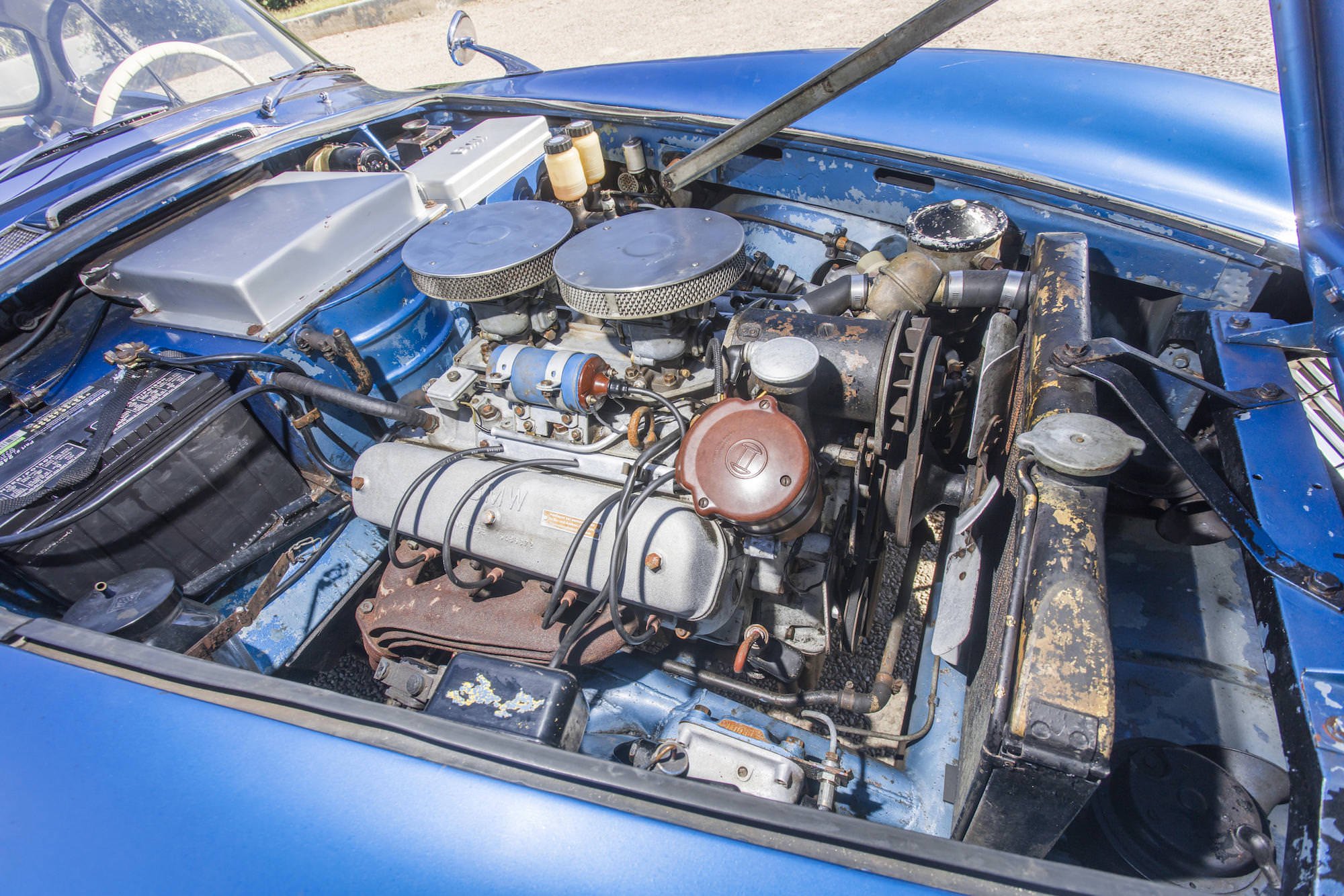
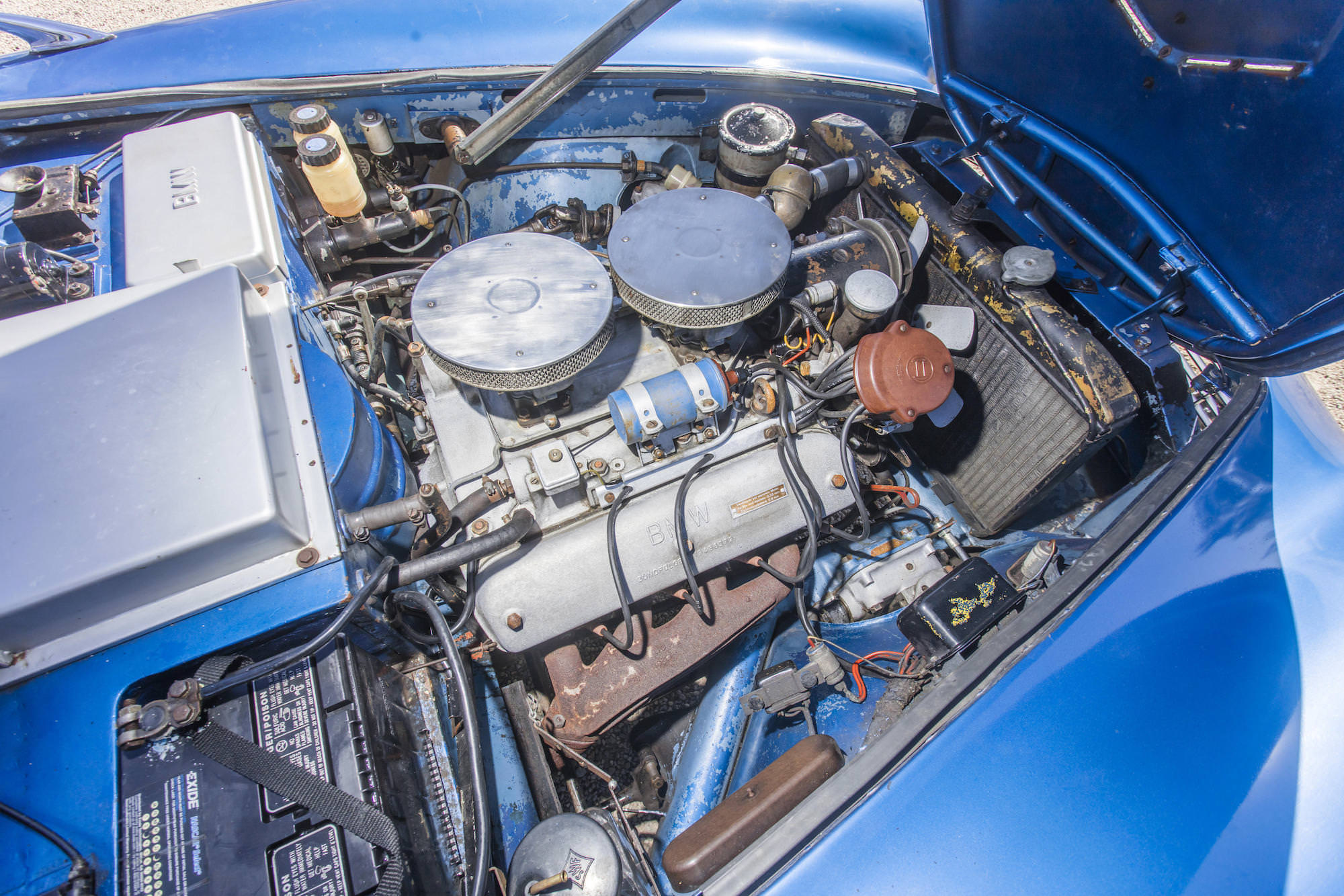
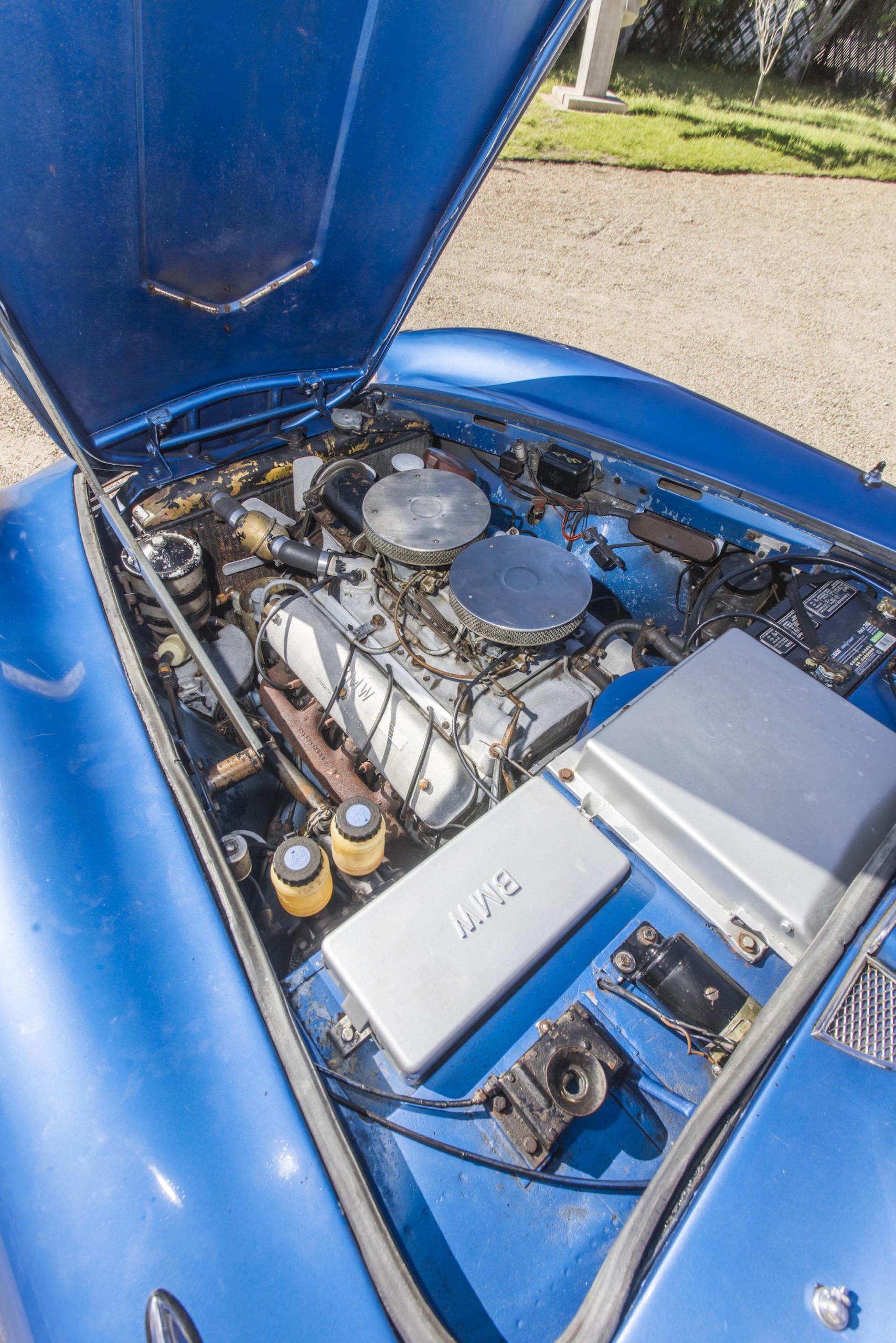
The car had a body-on-chassis design with an elegant roadster body formed from aluminum, it had a folding soft top, and a front-mounted 3.2 liter alloy-V8 producing 150 bhp sending power back through a 4-speed manual transmission.

The engine is of an overhead valve design with two valves per cylinder and two twin-choke Zenith carburetors.

Hoffman had originally specified that the BMW 507 should be priced at approximately $5,000 USD (in 1956 dollars) in order to slot in between the lower end British sports cars from MG and Triumph, and the higher end cars like the Mercedes-Benz 300 SL.

The Elvis 507 + The Lipstick Problem

Due to cost overruns at the factory, particularly the labour intensive hand-forming required for the body, the cost ballooned first to $9,000 then to $10,500 USD. Rather than selling 5,000 a year the total 1956 to 1959 production run totaled just 252 cars and very nearly bankrupted BMW.

BMW 507 Roadster 17

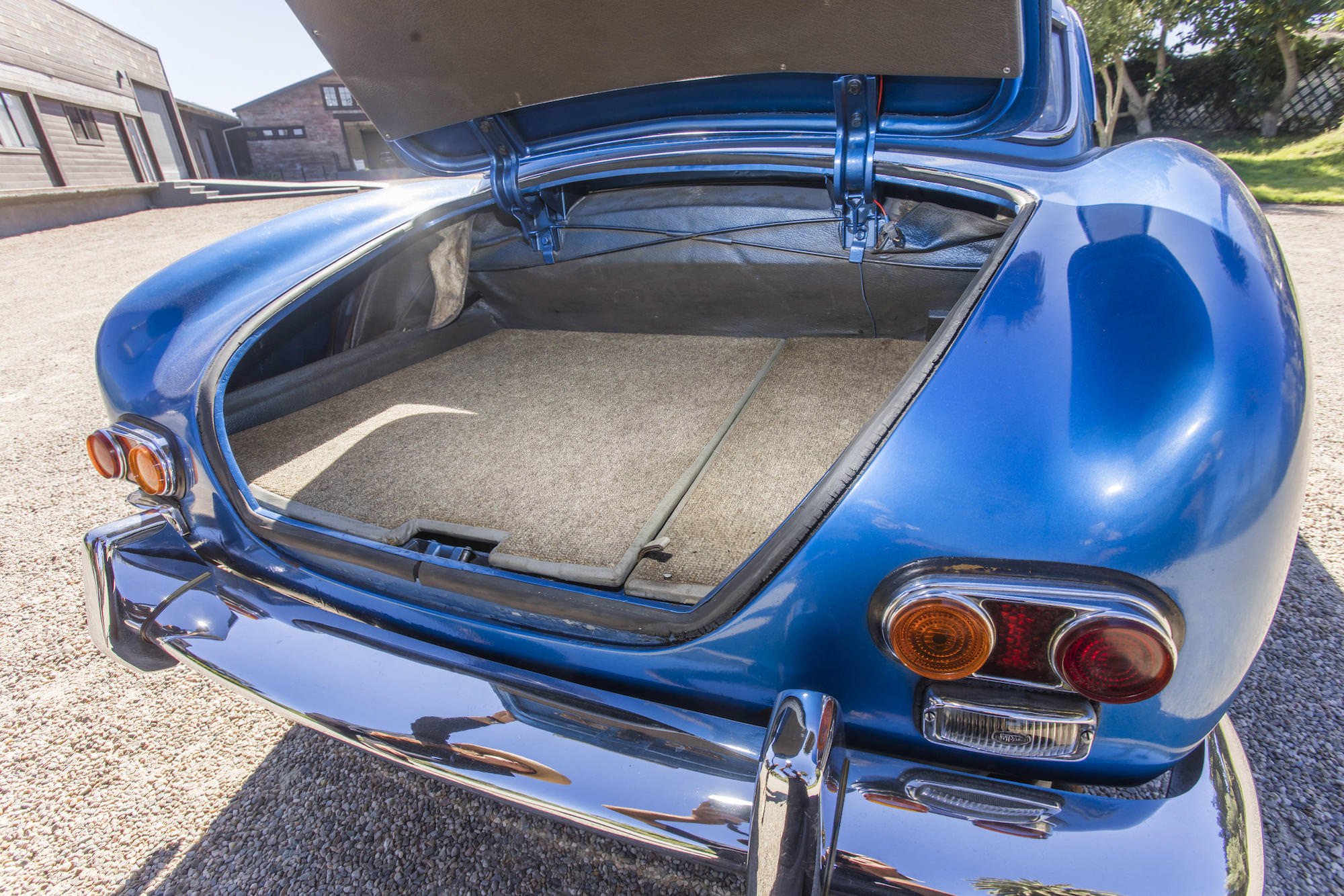
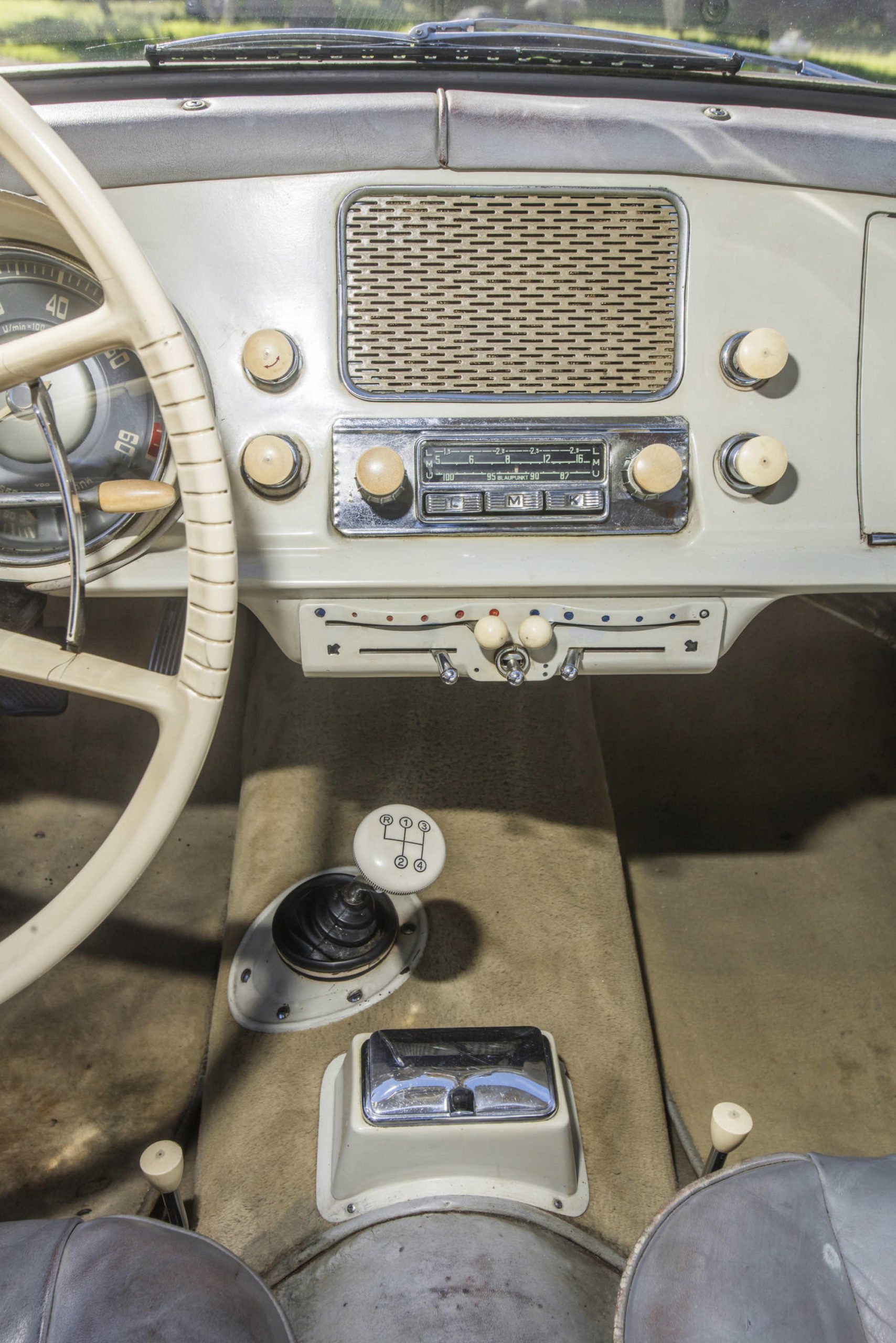
The interior of the car was very well appointed by the standards of the 1950s, and had BMW been able to offer it for the originally planned $5,000 sticker price it likely would have become a best seller.

Despite the staggering price increase (or perhaps because of them) there were a few notable buyers including Alain Delon, David Carradine, Prince Rainer of Monaco, King Constantine II of Greece, John Surtees, Ursula Andress, and Elvis who went on to own two of them.

The first 507 owned by Elvis was bought when he was serving on a US military base in Germany, it was finished in white paint and local girls had taken to leaving little love messages on the car penned in red lipstick.

This caused Elvis no end of embarrassment, particularly when driving onto the base, so he sent the car off and had it repainted in the same shade of red as the lipstick, to ensure that any future messages would be largely impossible.

Apparently the girls got around this problem by writing their messages on the windscreen instead.

The BMW 507 Shown Here

The car you see here is a 1957 BMW 507 Series II, It was originally finished in Silberblau (silver blue) over a matching Silberblau leather interior and delivered to its first owner in Venezuela – American expat Lester Stebbins.

BMW 507 Roadster 21

The V8 used in the 507 is the first production V8 in history to use an aluminum alloy block and heads to save weight.

Stebbins was a major figure in the motoring world of Venezuela at the time, the Chief Scrutineer and the Director of Automobile Racing of Venezuela, and he was part of the Franco-Venezuelan team that raced a Ferrari 250GT to 6th overall at the 24 Hours of Le Mans in 1956.

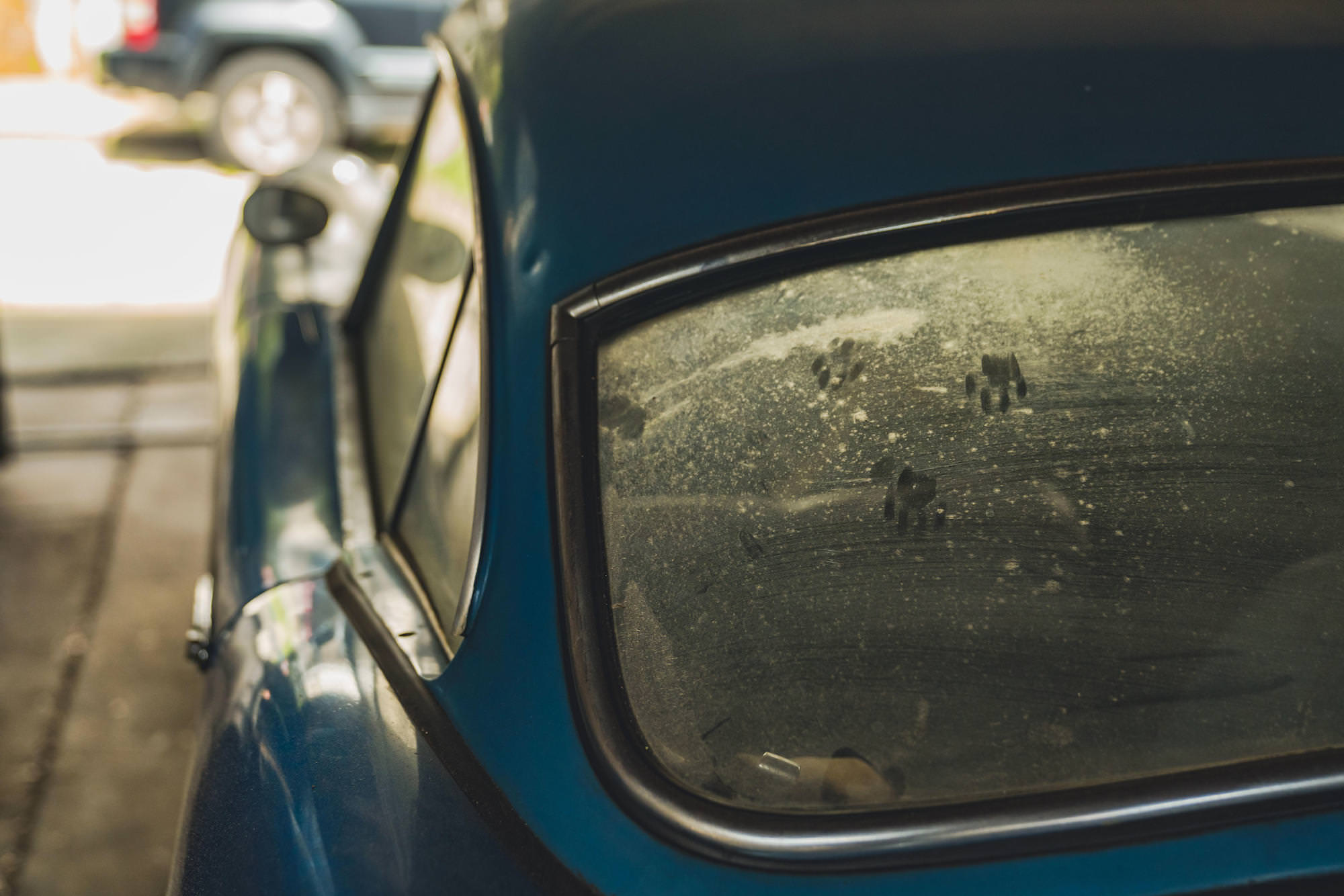
When he left Venezuela Stebbins took his 507 with him, it was said to be his favorite car, and he later sold it to another collector. As is sometimes the case the car ended up in a small private collection and was stored in a Philadelphia garage for 43 years – it was recently rolled out for the first time.

The car is now due to roll across the auction block with Bonhams on the 30th of September with a price guide of $1,800,000 – $2,200,000 USD. If you’d like to read more about it or register to bid you can visit the listing here.
BMW 507 Roadster 10 BMW 507 Roadster 22 BMW 507 Roadster 20 BMW 507 Roadster 19 BMW 507 Roadster 18 BMW 507 Roadster 16 BMW 507 Roadster 15 BMW 507 Roadster 14 BMW 507 Roadster 13 BMW 507 Roadster 12 BMW 507 Roadster 11 BMW 507 Roadster 9 BMW 507 Roadster 7 BMW 507 Roadster 6 BMW 507 Roadster 5 BMW 507 Roadster 4 BMW 507 Roadster 2 BMW 507 Roadster 1

Images courtesy of Bonhams

The post Philadelphia Garage Discovery After 43 Years – A Rare 1957 BMW 507 appeared first on Silodrome.


from Silodrome https://silodrome.com/bmw-507-garage-find/
via gqrds

A Chevy V8-Swapped 1969 Checker Marathon Taxi Cab

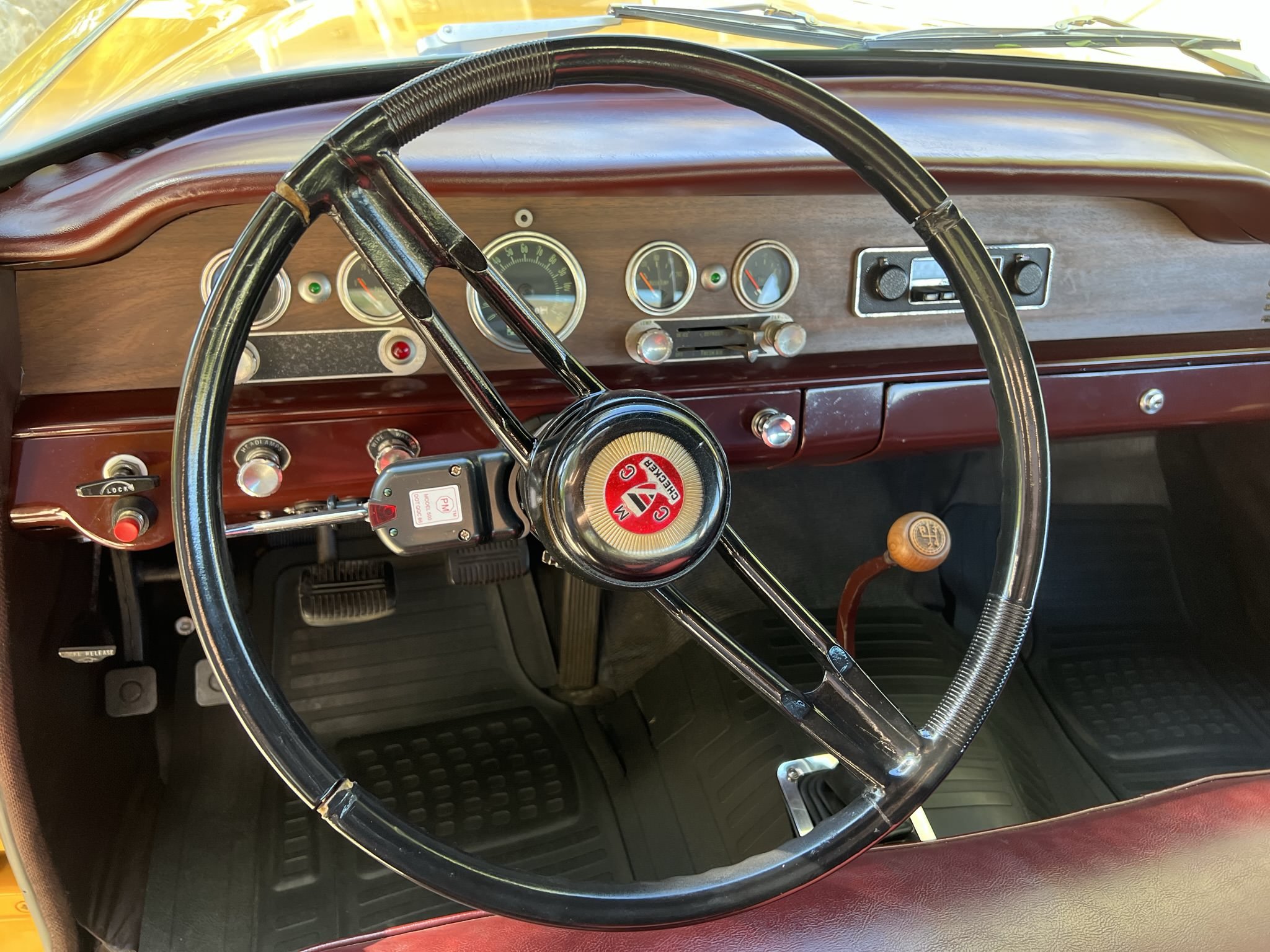
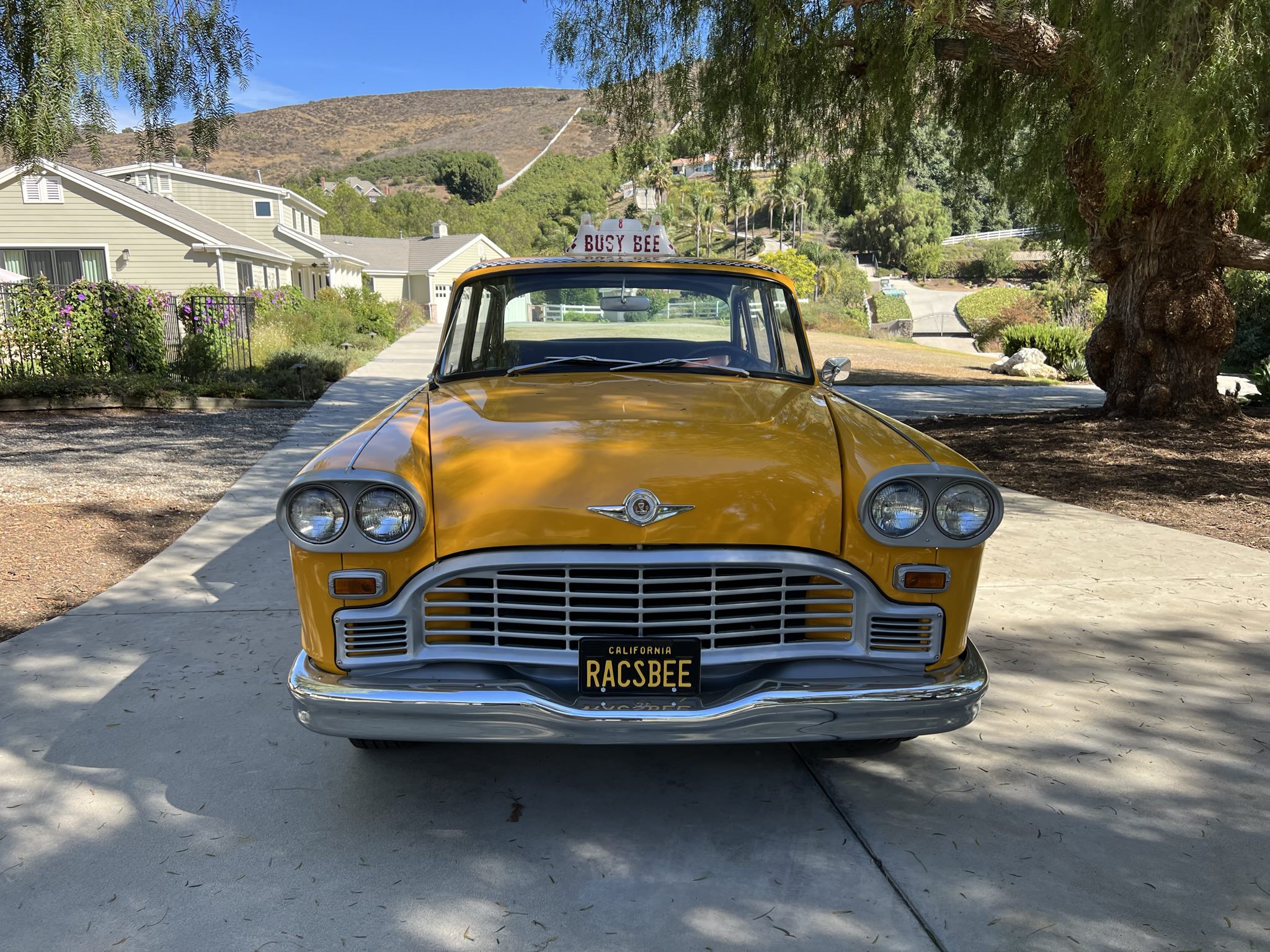
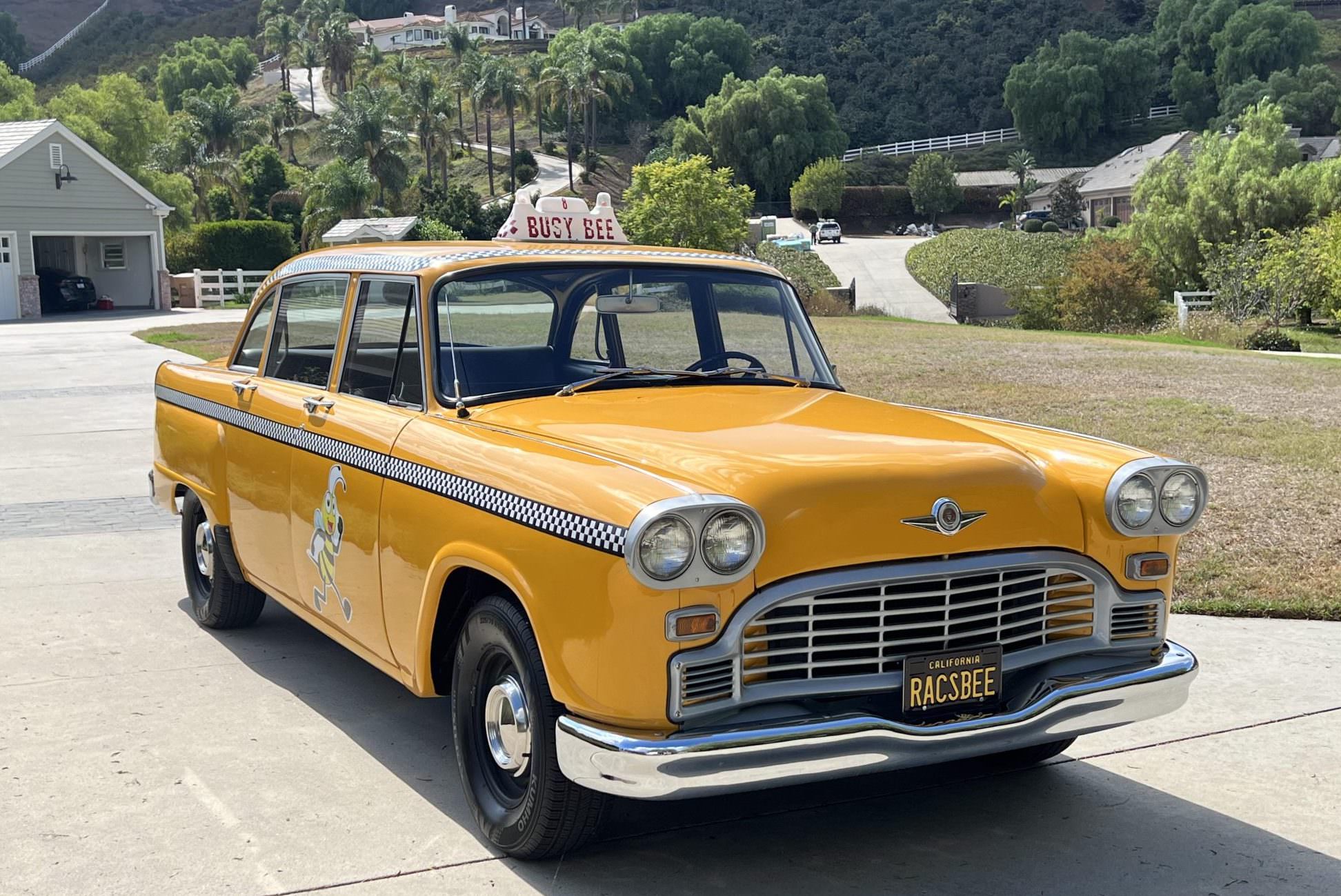
This 1969 Checker Marathon has been fitted with a 307 cubic inch Chevrolet V8, a 4-speed (on the floor) manual transmission, and a full exterior “Busy Bee” taxi livery including an illuminating roof light.

The Checker Marathon and the Checker Taxi were very closely related, in fact they’re essentially identical, with the Marathon intended for use by regular American families and the Taxi being destined for fleet taxi operators – mostly in New York.

Fast Facts – The Checker Marathon

  • The Checker Taxi is undoubtably one of the most famous taxis in the world, right up there with the London Taxi in terms of its global recognizability, despite the fact it left production in 1982.
  • Checker started out as a taxicab company based in Chicago. In the 1930s wealthy businessman Morris Markin combined his automobile manufacturing businesses with a controlling ownership in the Checker Taxi Company.
  • From the late 1950s and into the 1980s the sight of Checker Taxis on the streets of New York City became a familiar backdrop to countless Hollywood films and TV shows, searing the cars into the minds of viewers around the world.
  • The car you see here is a Checker Marathon that’s been given a period-correct taxi cab livery, a 307 cubic inch Chevrolet V8, and a 4-speed (on the floor) manual transmission.

The Arrival Of The Checker Taxi Cab

Motorized taxi cabs first began to appear on American city streets in the early 1900s and for many Americans at the time, a ride in one of these taxis would be their first ever experience in an automobile.

Above Film: This documentary takes a deep dive into the history of Morris Markin and the Checker Motors Corporation.

One of these early operators is the Checker Motors Corporation, a company with a fascinating history that dates all the way back to 1922.

Originally founded by Morris Markin in Chicago the company produced a slew of automobile designs both before and after World War II, but it would be the 1959 Checker Taxi that would make the company a globally recognized brand – even today 39 years after the model left production.

The styling of the Checker Taxi was largely left alone during its 20+ year production run, however there were small changes made here and there and marque experts can often identify the exact year of a car by its bumpers, lights, exterior trim, and other features.

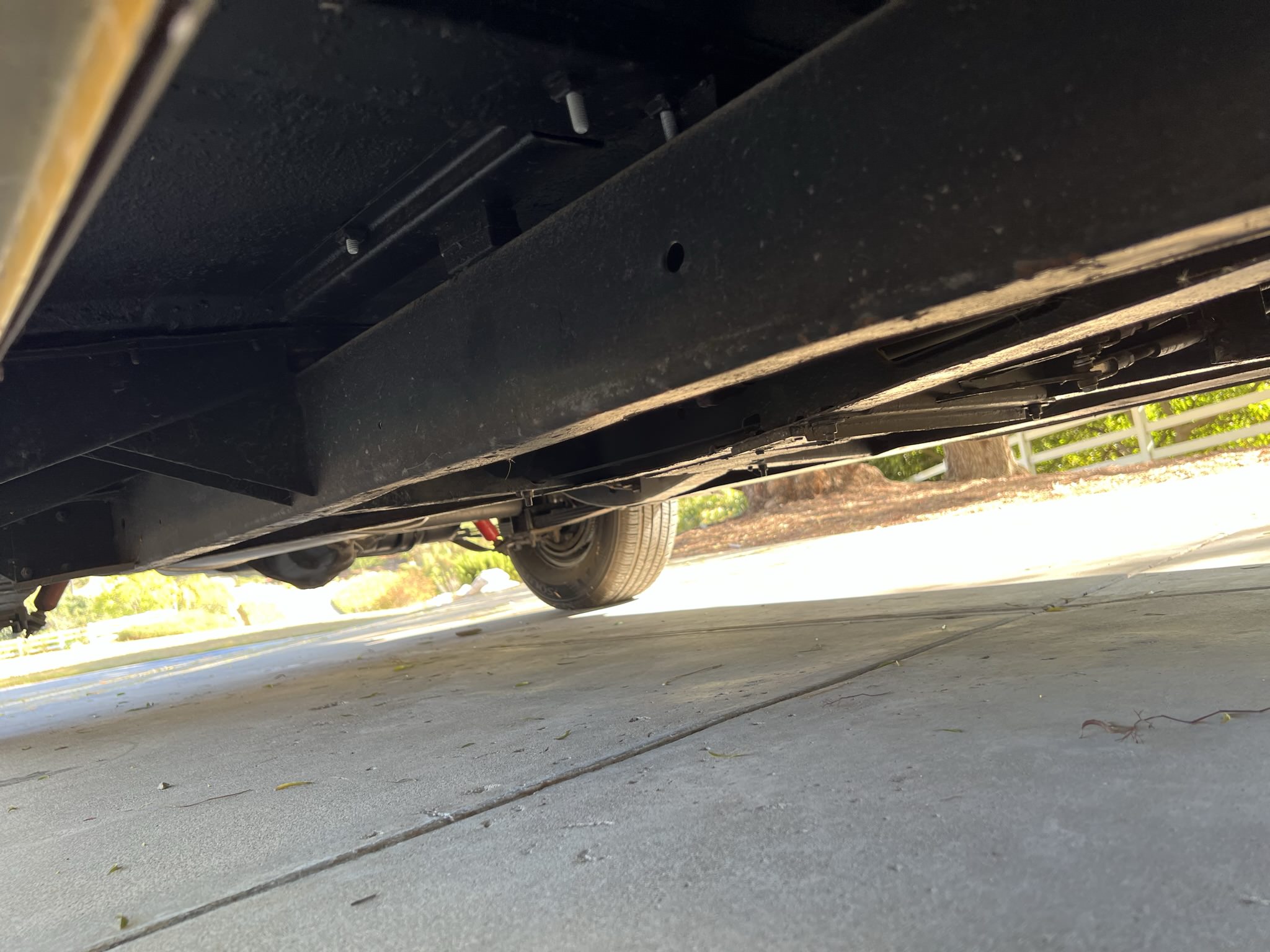
Construction was relatively straightforward, with a body-on-chassis design and a front-mounted engine sending power back to a live axle rear end. A significant number of engine and transmission options were offered over the years from inline-sixes up to larger capacity V8s, with both automatic and manual transmissions available depending on the model year.

The large doors, ample space in the rear passenger compartment, the ample trunk space, and the general tank-like toughness of the Checker Taxi endeared them to generations of cab drivers and passengers.

Checker Marathon Taxi Cab 6

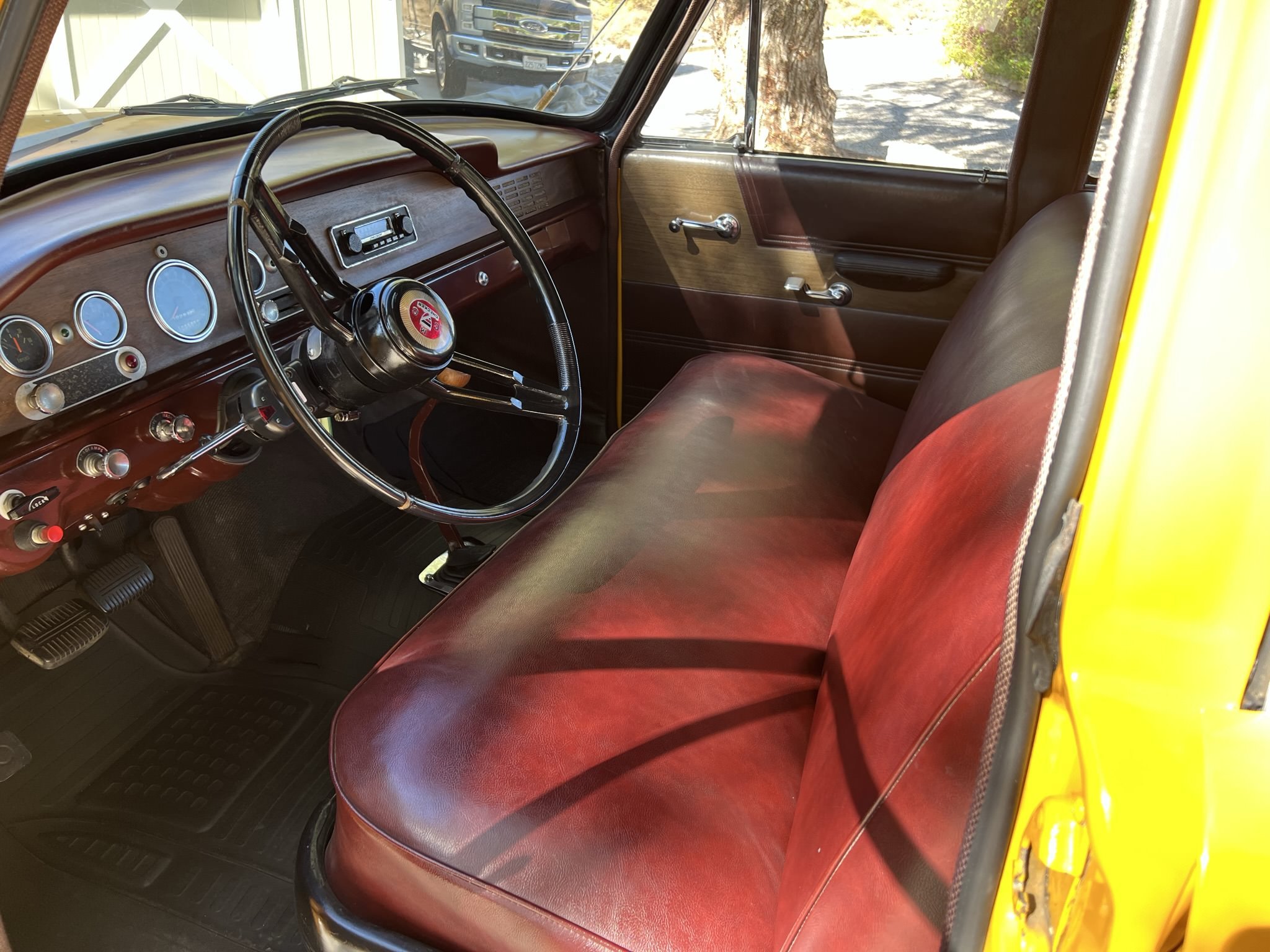
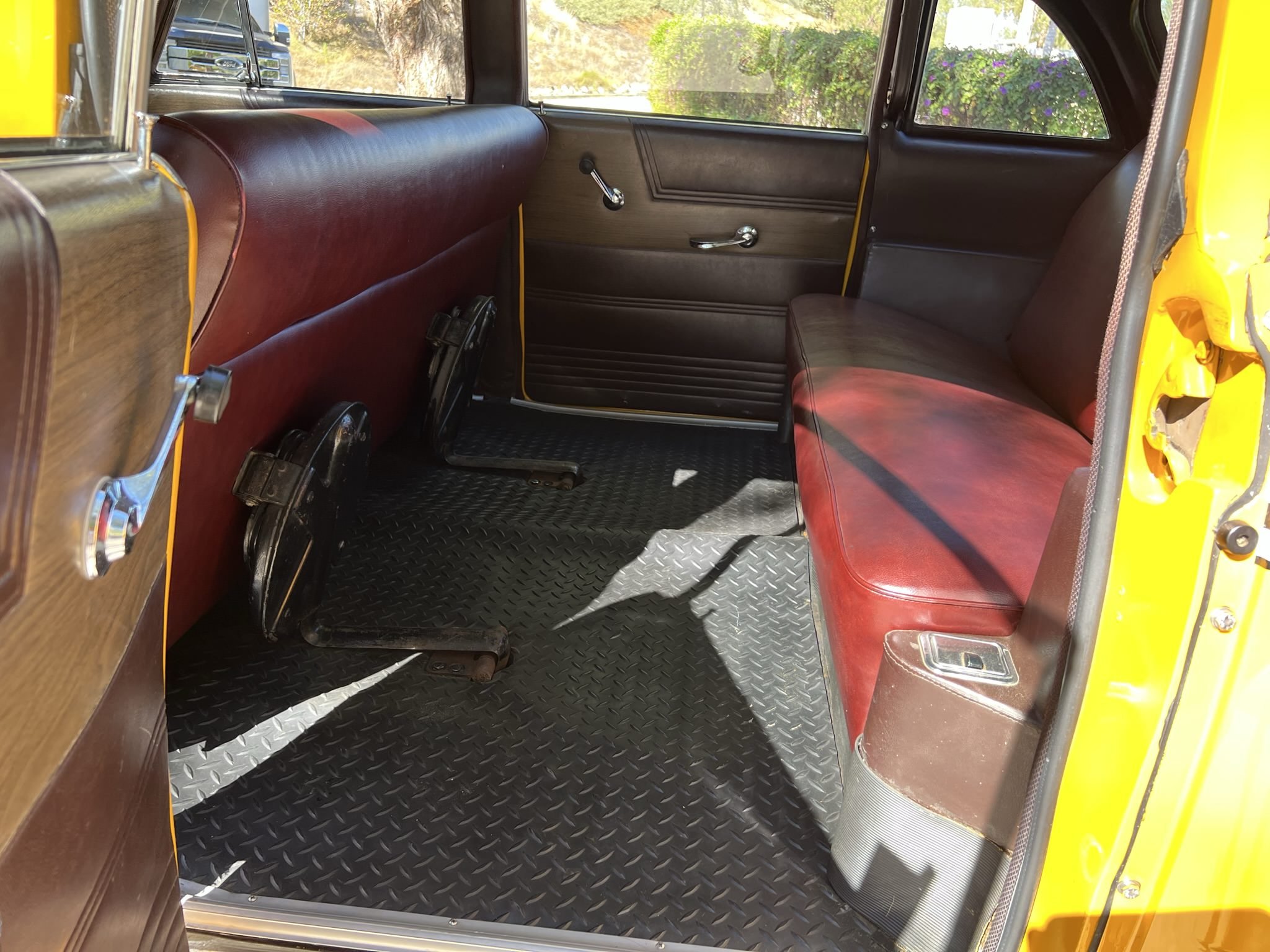
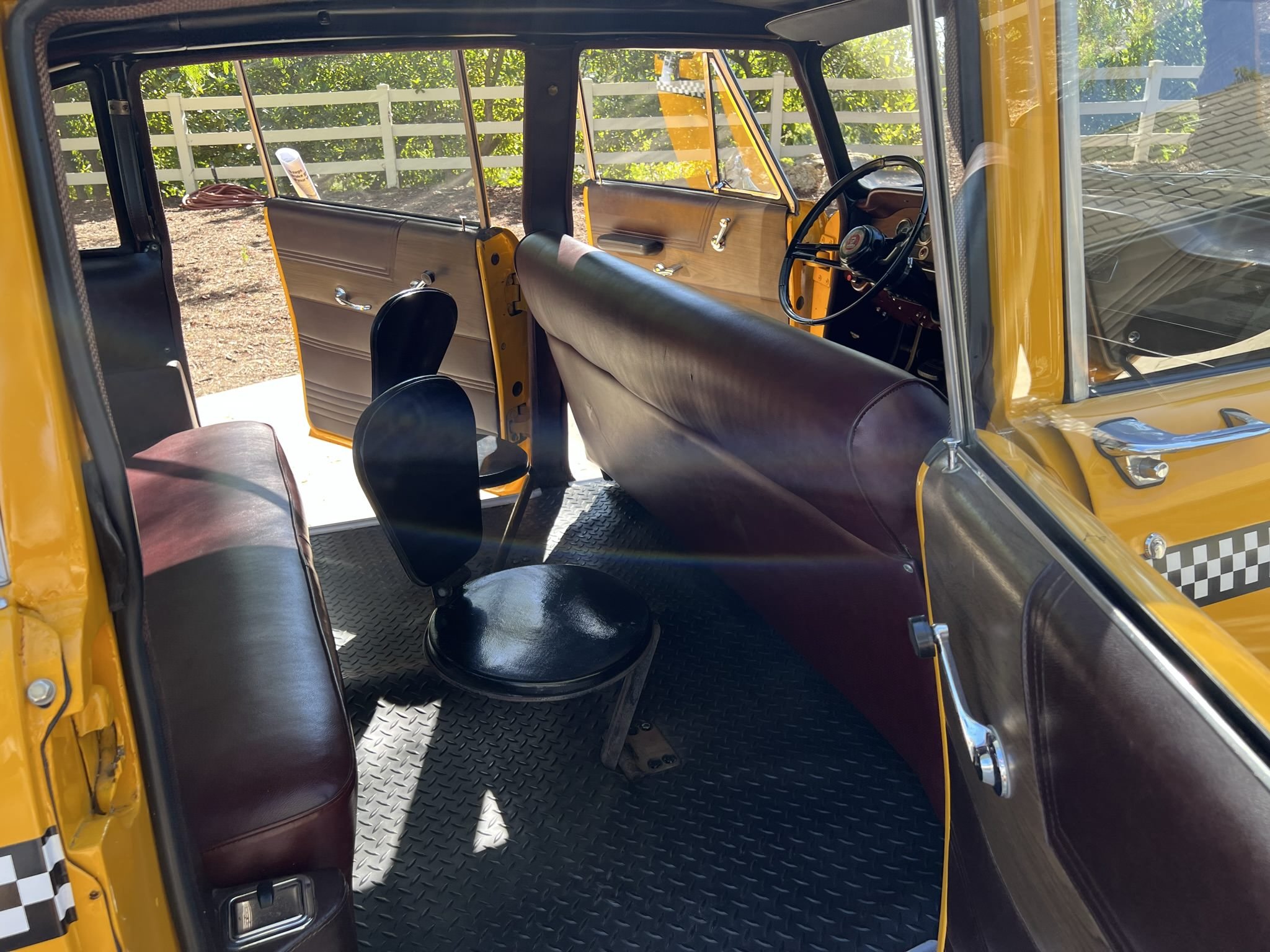
Inside you’ll find front and rear bench seats, with two additional folding jump seats which allowed for up to five to sit in the rear.

Today there are many surviving Checker Taxis and there’s a thriving enthusiast movement dedicated to them and their Checker Marathon siblings.

Prices on the open market can vary from $10,000+ on the lower end to $20,000+ for excellent examples, owners report that the only downside is being constantly stopped by people who want to take pictures.

The Checker Marathon

The Checker Marathon was directly based on the Checker Taxi, but it was aimed at regular Americans rather than fleet buyers. It was offered in both four door sedan and four door station wagon body styles, though there were some less common six-door 9-seat and eight-door variants, as well as the 12-seat “Aerobus.”

Despite the fact that many are unaware of the existence of the Checker Marathon as a standard passenger car they remained in production from 1960 until 1982.

The Marathon found a loyal base of buyers who liked the toughness of the design, as well as the fact that very few design changes were made over the years when compared with more common American passenger cars.

Checker Marathon Taxi Cab 12

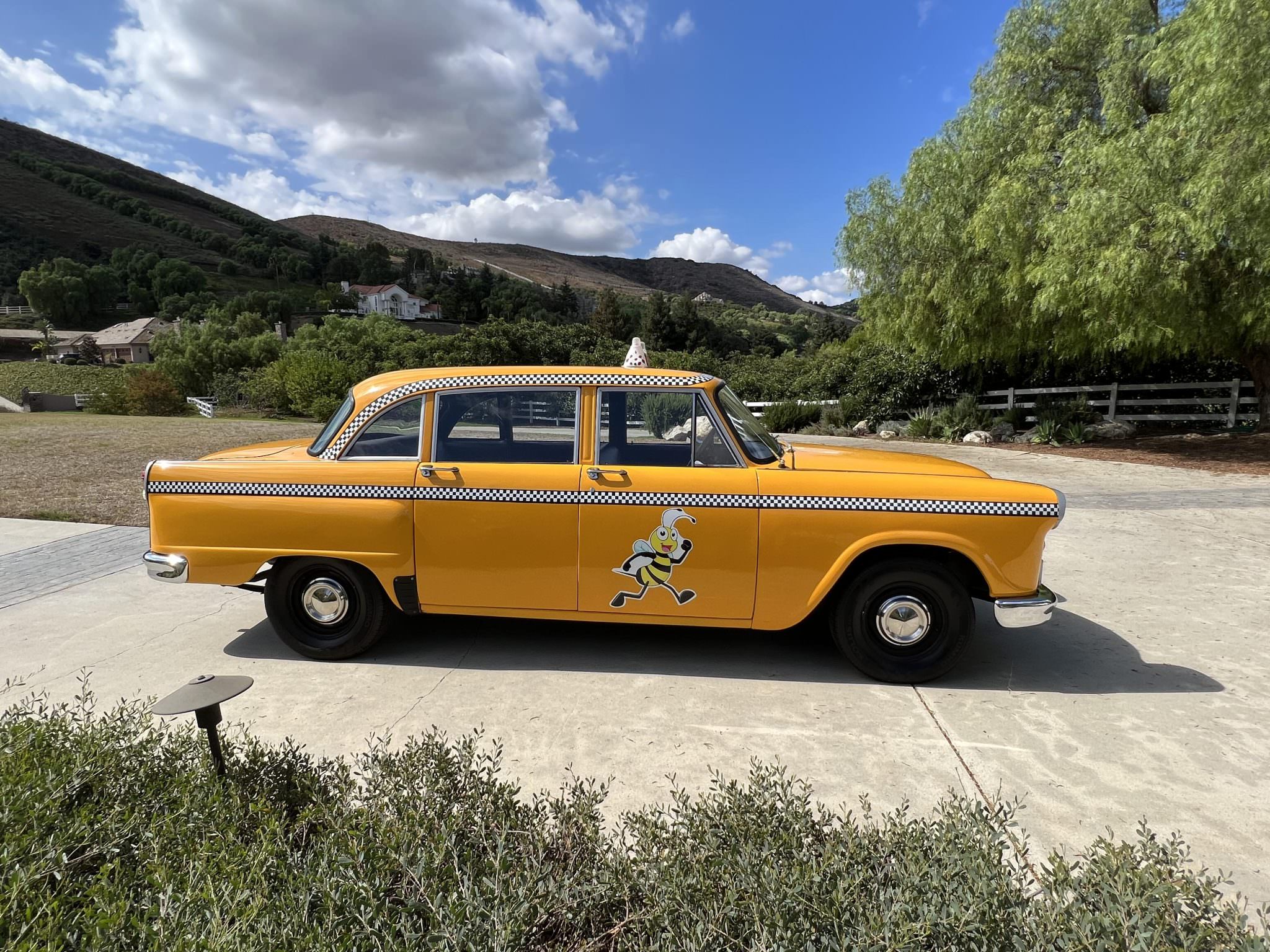
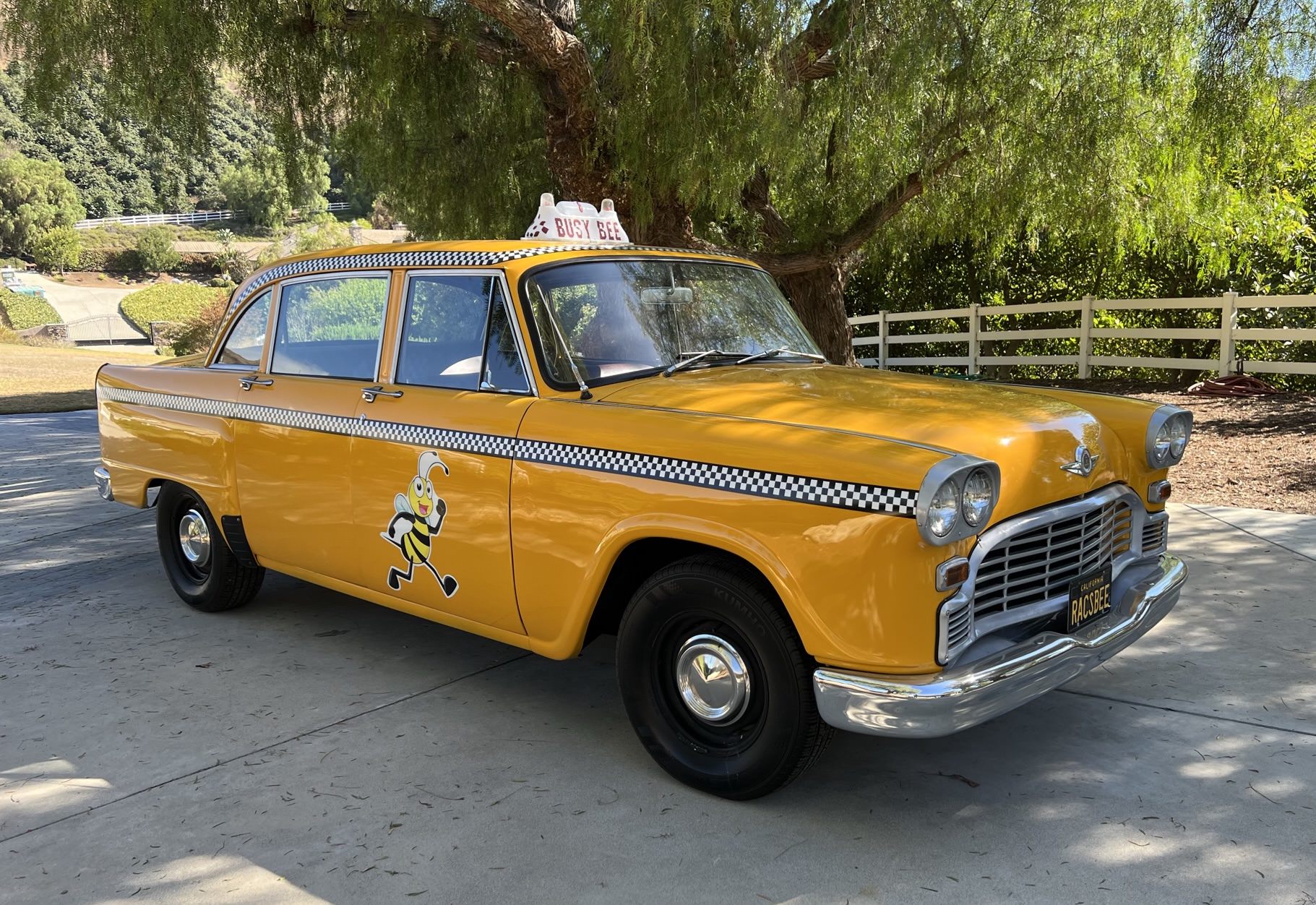
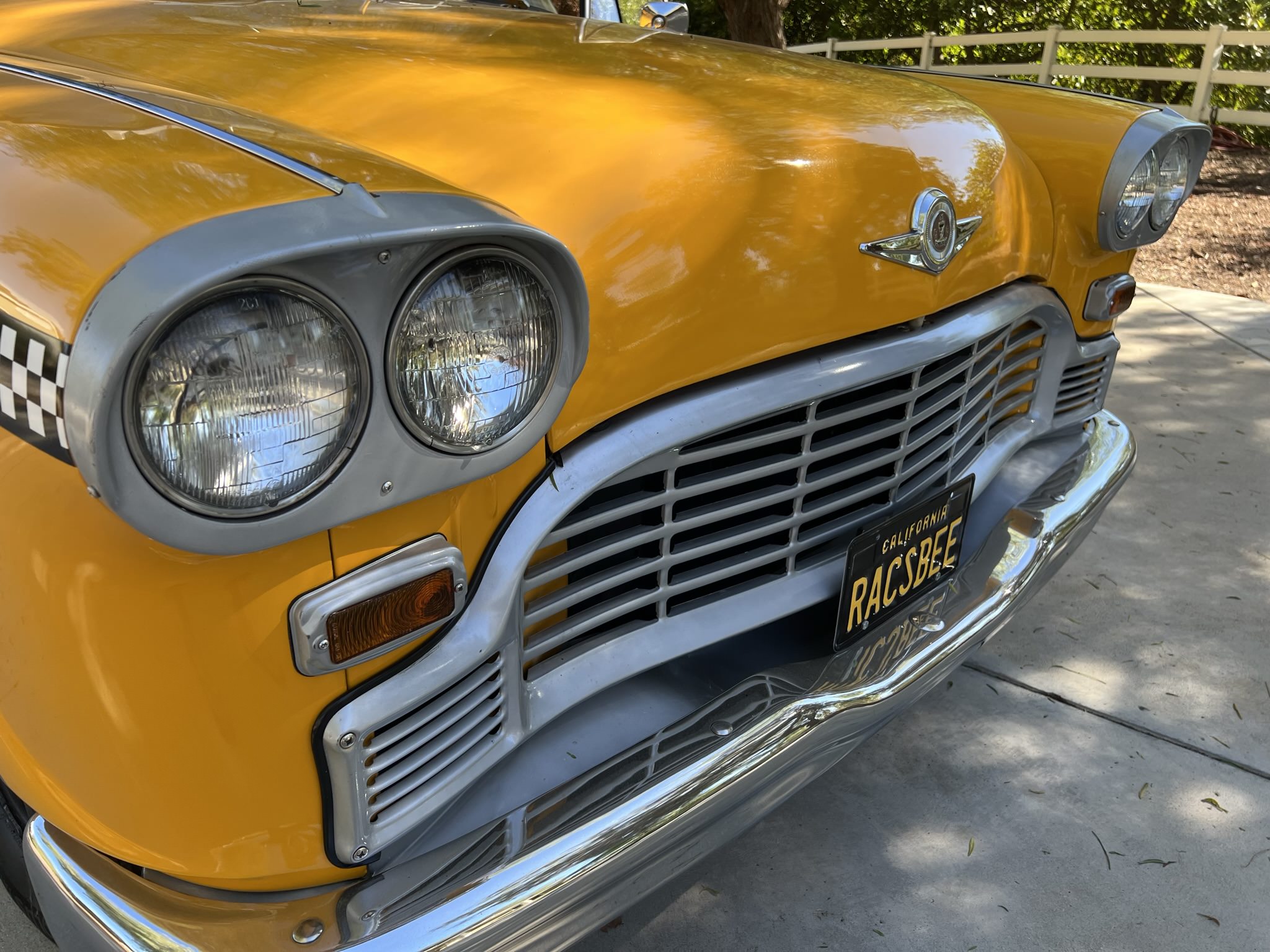
The car is finished in classic yellow with checker stripes down the sides, a “Busy Bee” logo on the door, and an illuminating roof light.

Earlier Marathons were fitted with Continental engines which were superseded by Chevrolet engines in 1969, these were then in turn superseded by Oldsmobile engines in 1980 near the end of production.

Due to the fact that Marathons were typically non-fleet operator owned they usually led much less brutal lives than their Taxi siblings and as a result quite a few of them have avoided the wrecker’s yard.

The Checker Marathon Taxi Cab Shown Here

As mentioned further up the Checker Marathon you see here has been given the full period-correct taxi cab treatment, in this case for the “Busy Bee” taxi company.

It’s finished in classic taxi yellow with the distinctive white and black checker pattern down the sides, it also has an illuminating roof light.

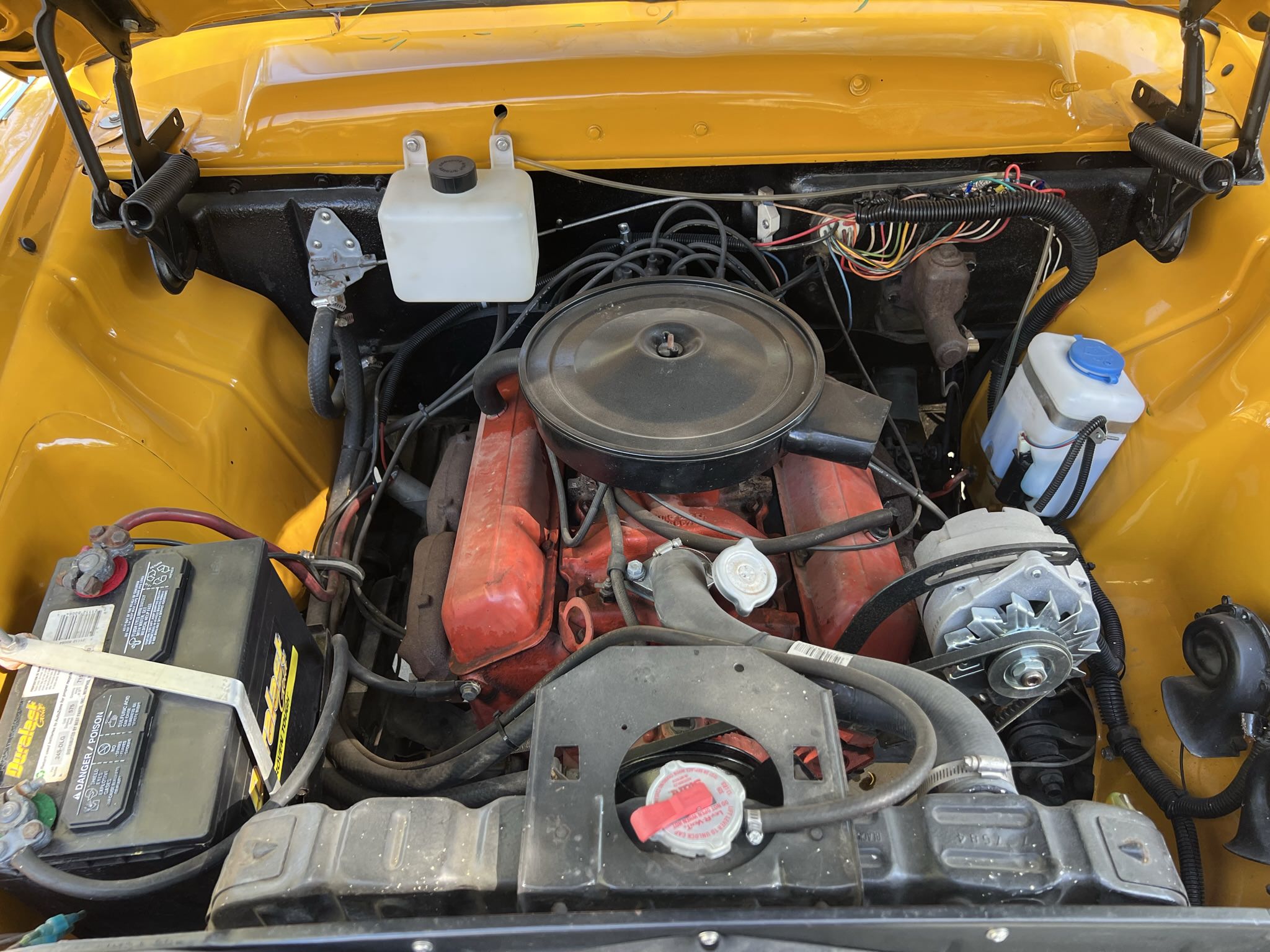
The listing notes that the previous owner swapped in a 307 cubic inch Chevrolet V8 and a 4-speed (on the floor) manual transmission, and it’s worth noting that the Chevy 307 is actually a period-correct choice for a 1969 Marathon – it’s the engine the Checker Taxis used as well.

If you’d like to read more about this Checker Marathon or register to bid you can visit the listing here. It’s being offered for sale on Bring A Trailer out of Camarillo, California and it comes with service records from current ownership and a clean California title in the seller’s name.
Checker Marathon Taxi Cab 13 Checker Marathon Taxi Cab 11 Checker Marathon Taxi Cab 10 Checker Marathon Taxi Cab 9 Checker Marathon Taxi Cab 8 Checker Marathon Taxi Cab 7 Checker Marathon Taxi Cab 5 Checker Marathon Taxi Cab 4 Checker Marathon Taxi Cab 3 Checker Marathon Taxi Cab 2 Checker Marathon Taxi Cab 1

Images courtesy of Bring A Trailer

The post A Chevy V8-Swapped 1969 Checker Marathon Taxi Cab appeared first on Silodrome.


from Silodrome https://silodrome.com/checker-marathon-taxi-cab/
via gqrds