For Sale: An Aston Martin-Built DB5 Stunt Car From James Bond’s “No Time To Die”

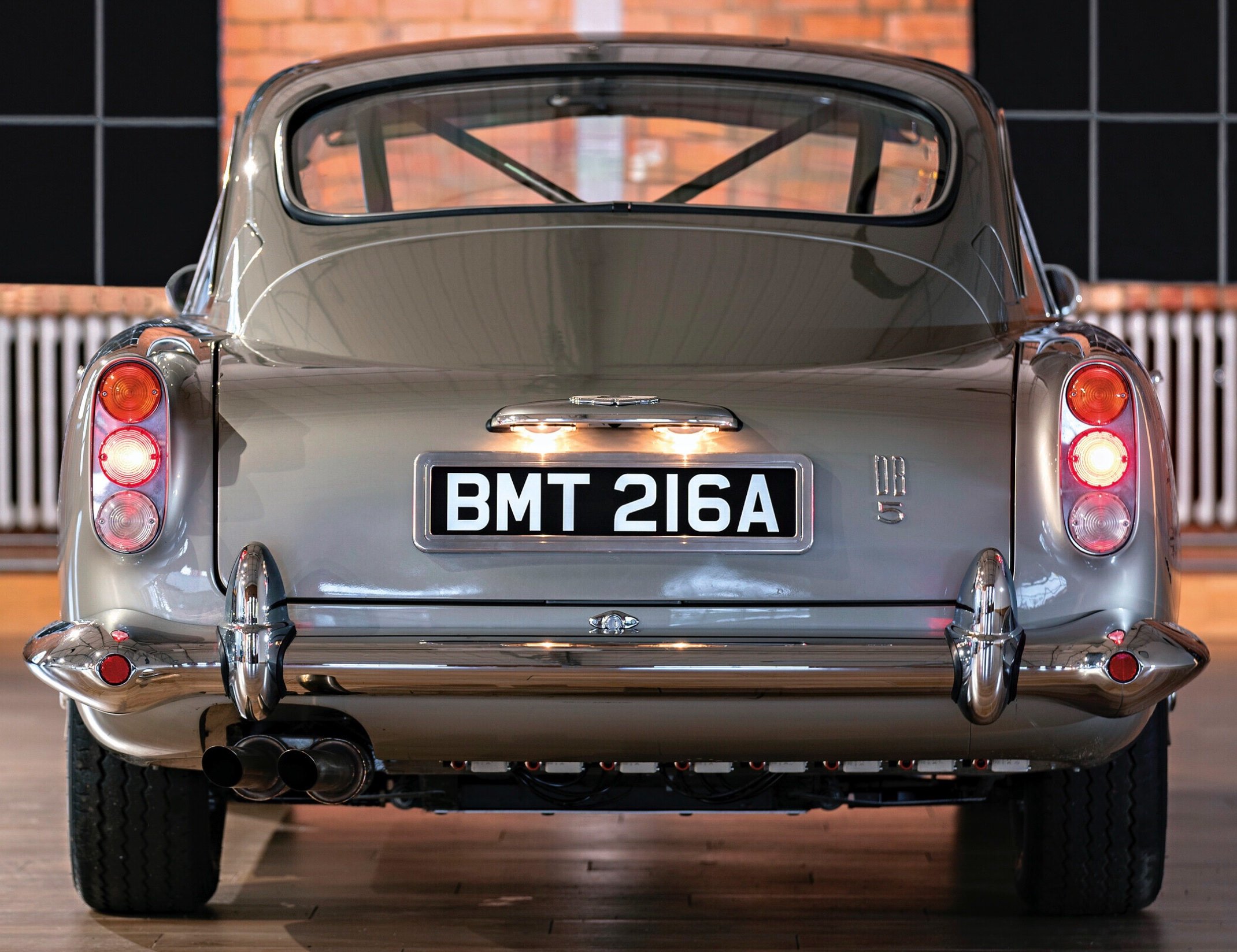
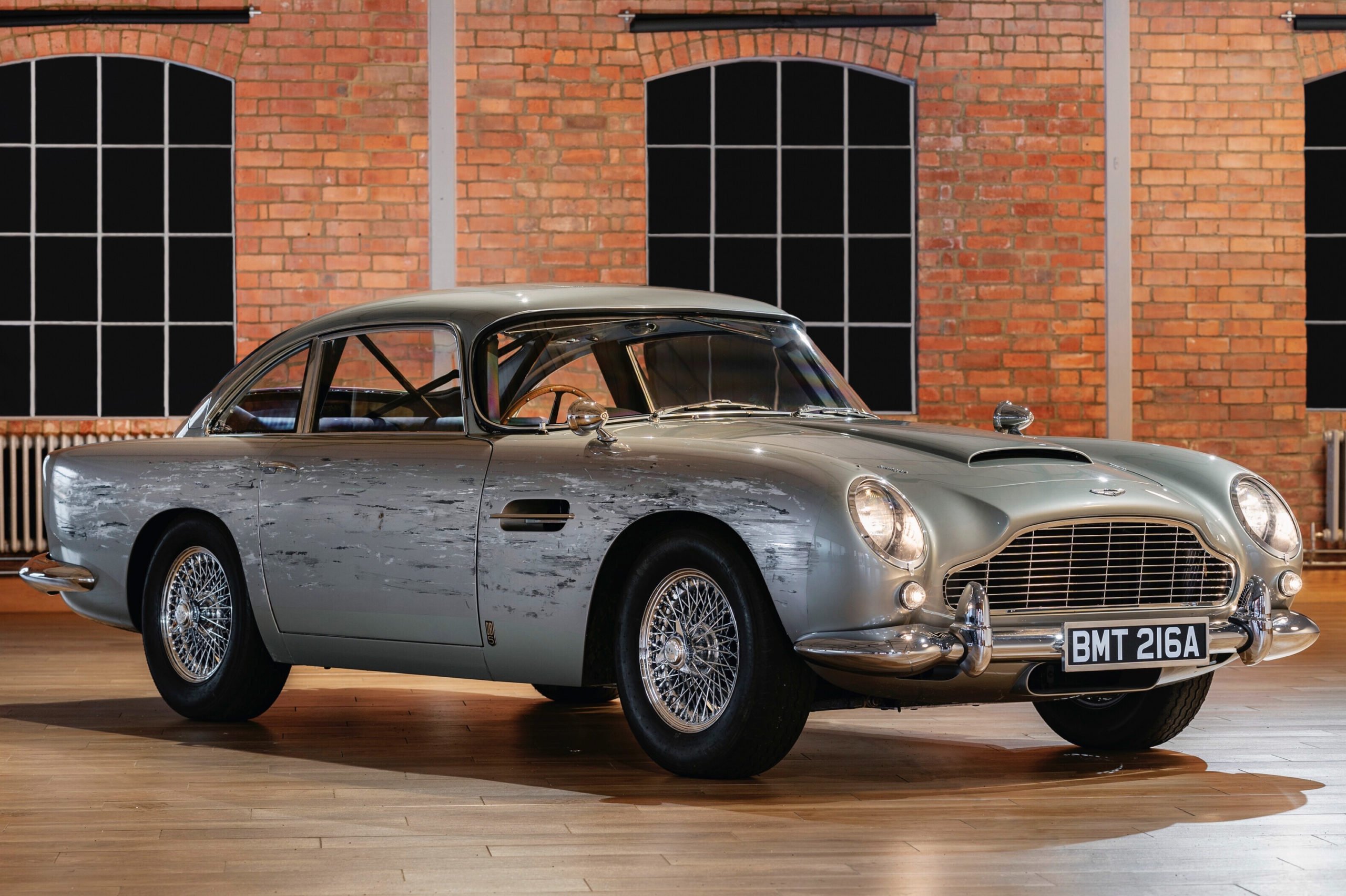
This Aston Martin DB5 isn’t actually an Aston Martin DB5, despite the fact that it was built by Aston Martin. It was developed as a stunt car for the James Bond film No Time To Die and used extensively in the film.

The car has a unique chassis with a carbon fiber body designed to look like the original DB5. The team at Aston Martin Special Projects developed all-new suspension and braking systems which allowed the car to be driven much quicker than an actual DB5.

Fast Facts – An Aston Martin-Built DB5 Stunt Car

  • When “No Time To Die” was in pre-production the team realized they would need 10 Aston Martin DB5s for filming. Given the cost of real DB5s and the likelihood that many wouldn’t survive filming, it was decided that they would buy two real DB5s and create 8 replicas.
  • The 8 replicas were carefully made to look identical to the real car by Aston Martin Special Projects, with bespoke chassis, carbon fiber bodies, modern engines, and modern suspension and braking systems.
  • Two of the cars were fitted with a driver pod on the roof for British Rally champion Mark Higgins to drive while interior shots of Daniel Craig and Léa Seydoux were filmed inside the car.
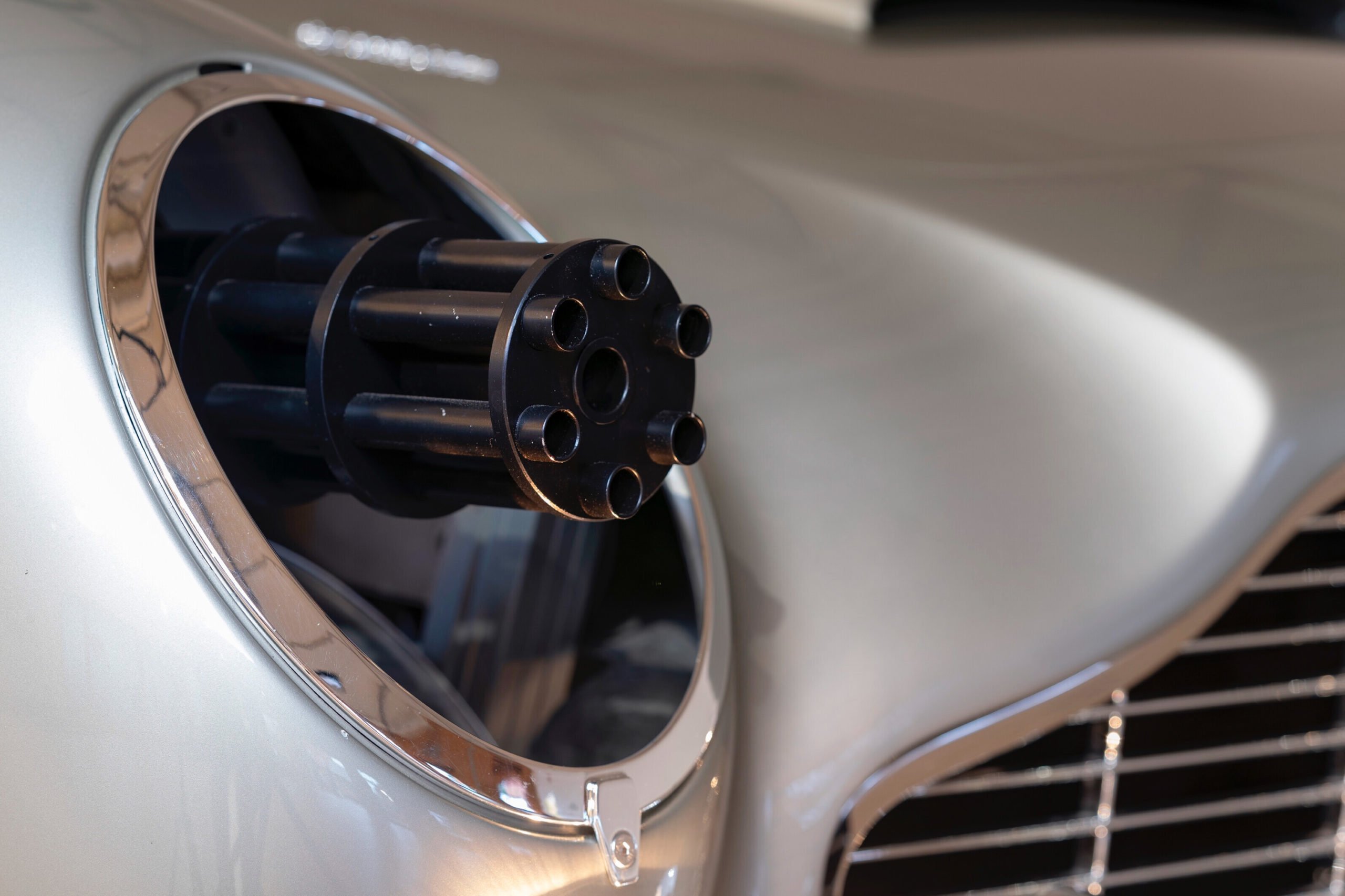
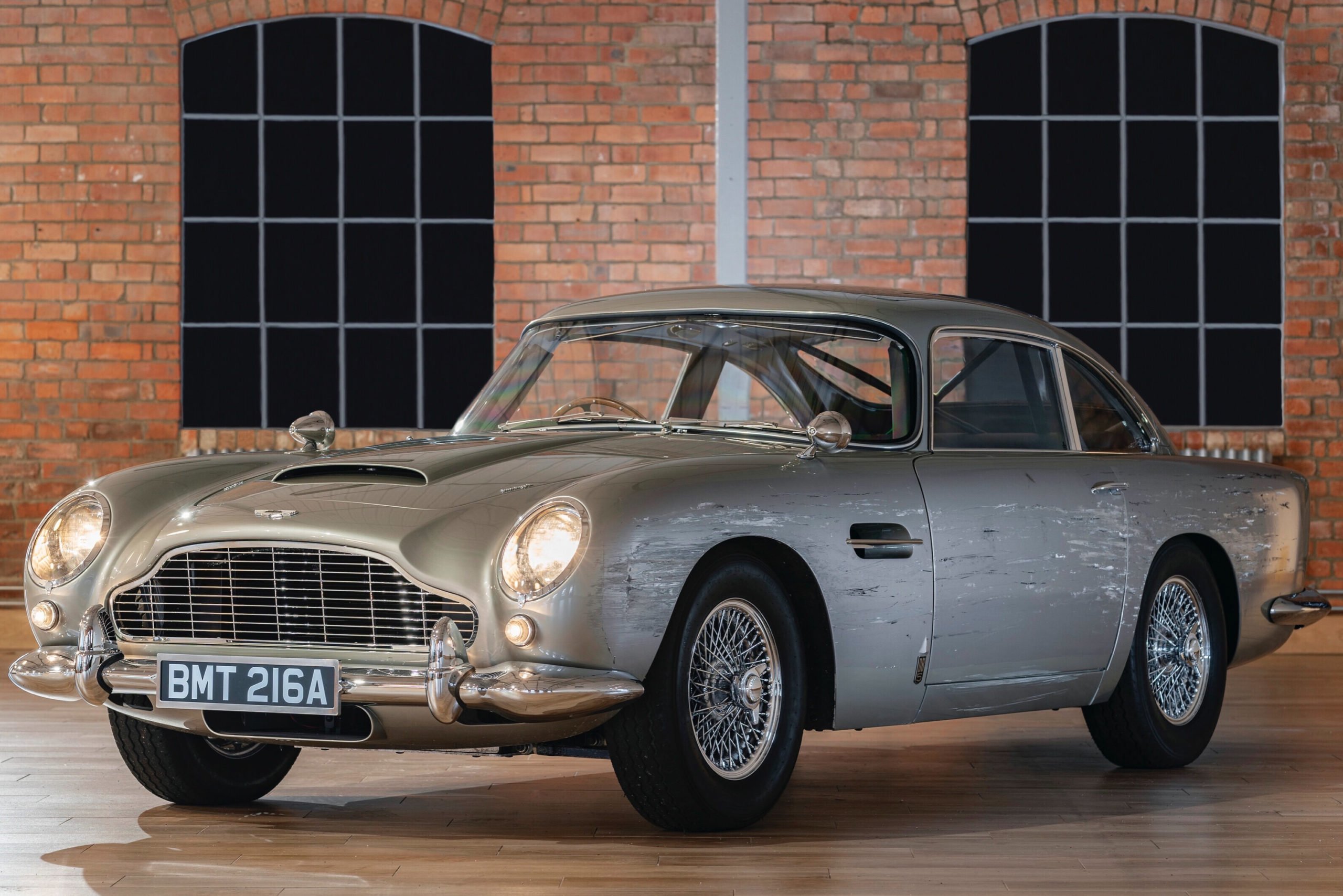
  • The DB5 stunt car you see here was equipped with all the Bond gadgets including machine guns behind the headlights, as well as the mock-up damage down the sides of the car for continuity while filming.

James Bond And The Aston Martin DB5

Truth be told, the Aston Martin DB5 would only be as famous as its siblings the DB4 and DB6 if it wasn’t for the fact that it was used as the Bond car in the 1964 film Goldfinger starring Sean Connery.

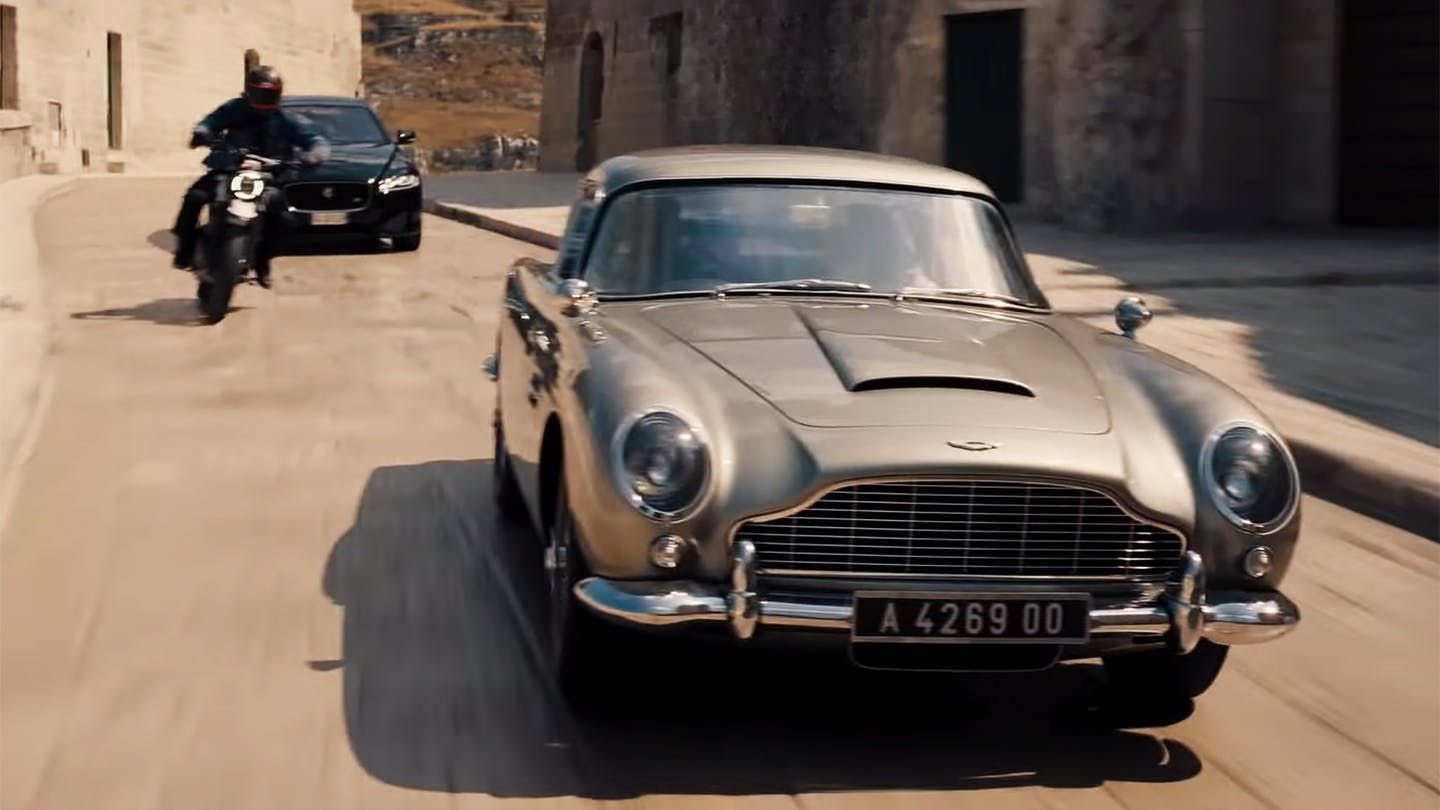
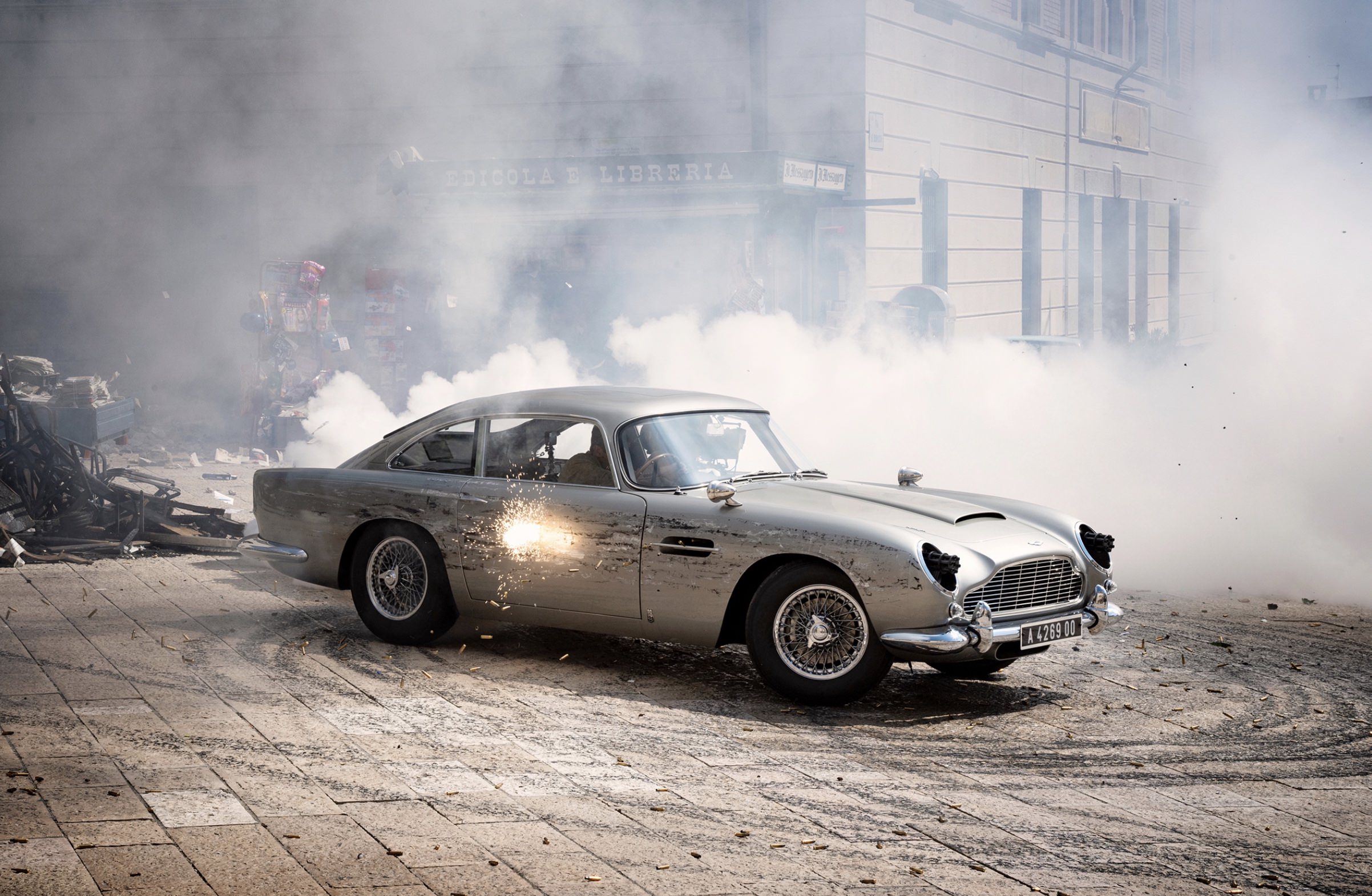
Above Video: This is the extended cut of the Aston Martin chase scene filmed in Matera, Italy. You can clearly see why they needed to build bespoke stunt cars for the sequences.

Series author Ian Fleming had Bond driving an Aston Martin DB Mark III in the original Goldfinger book, but special effects expert John Stears convinced Aston executives to make a DB5 prototype available for filming.

The fatefulness of this decision to send a DB5 off for use in a new spy film, the first in the James Bond series, wouldn’t be fully understood for decades. The Aston Martin name is now forever linked with the James Bond franchise, the DB5 in particular.

As a result of this, Aston Martin DB5s now command vastly more than DB4s or DB6s on the classic car market, and all of them sell for more than the Aston Martin DB Mark III even though it was originally the Goldfinger car, well in the novel at least.

The Aston Martin DB5 Stunt Car Shown Here

As mentioned in the introduction above, the car you see here was built by Aston Martin Special Projects specifically for use in No Time To Die.

No Time To Die Daniel Craig

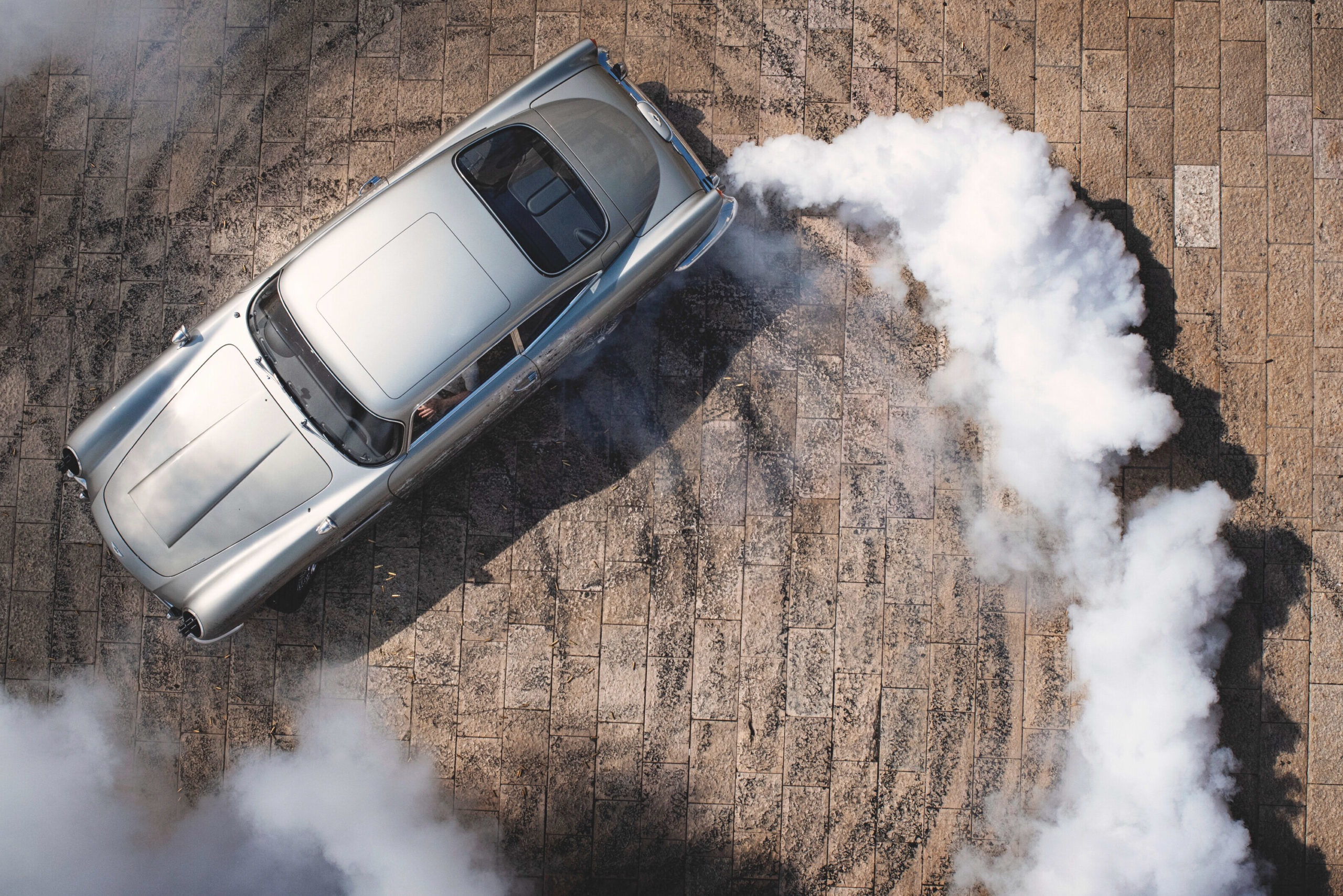
The chase scene through the streets of Matera, Italy is one of the most memorable parts of the film – helped along by the fact that the DB5 stunt cars performed so well.

Despite the fact that it was built by Aston it is of course not a “real” DB5, though they did make a continuation series of those recently with all the 007 gadgets on board.

As a stunt car this vehicle was built to withstand the extreme driving that would be required for the chase scene through the streets of Matera in Italy. Externally this car looks like an authentic DB5 however under the skin it’s a completely different car altogether.

“In Matera we built a whole rig that enabled us to make the car do a doughnut remotely, without Daniel doing a thing. Unfortunately, Daniel stole our thunder because he did the doughnut himself!” – Chris Corbould OBE – No Time To Die Special Effects Supervisor

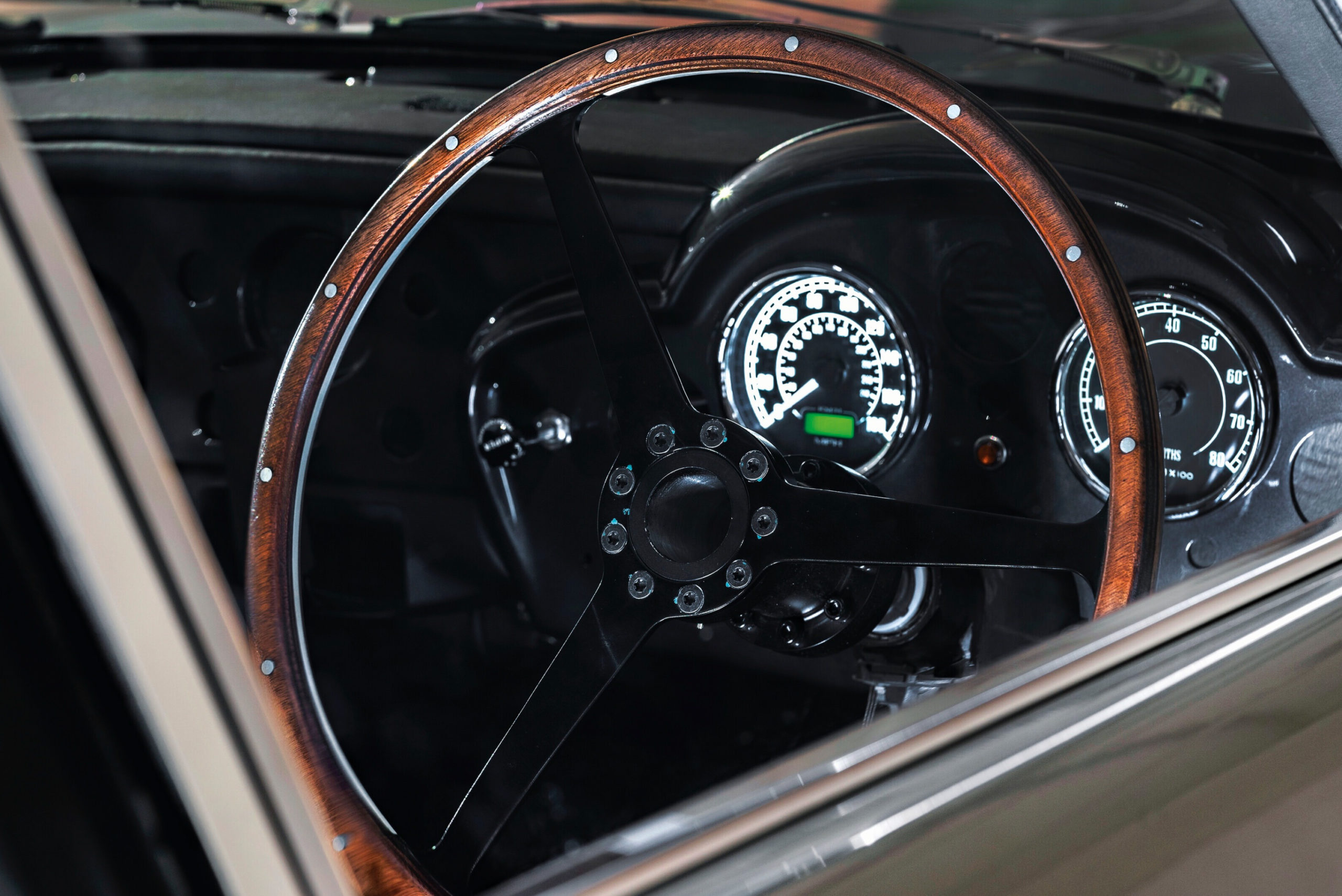
A bespoke chassis was developed and fitted with a strong, lightweight carbon fiber body. Modern suspension and brakes were added, and a modern 3.2 liter straight six would be fitted under the hood, mated to a 6-speed manual transmission.

Frustratingly there is no further information on exactly what engine it is, we do know it’s not an Aston engine, and there are no photographs under the hood to help solve the mystery.
Aston Martin DB5 Stunt Car James Bond No Time To Die 5

This stunt car is one of very few with all the functioning Bond gadgets – including the machine guns behind the headlights.

This car is one of very few that were fitted with all the Bond gadgets for filming, including the famous machine guns behind the headlights, and it has the faux continuity damage down either side for filming.

The car is now due to roll across the auction block with Christie’s as part of the Sixty Years Of James Bond event which will be held on the 28th of September. The price guide is £1,500,000 – £2,000,000 which works out to approximately $1.62 – $2.15 million USD.

Christie’s do point out that this car is not registered with the Driver Vehicle License Agency (DVLA) nor is it approved for use on any public roads or homologated, so it’ll likely be bought by a collector for display purposes.

This car is being sold directly by Aston Martin Lagonda Ltd who will be donating 100% of the proceeds to The Prince’s Trust, The Special Air Service Regimental Association, The Special Boat Service Association and The Special Reconnaissance Regimental Association, and The Prince of Wales’s Charitable Fund.

If you’d like to read more about this unusual piece of modern James Bond memorabilia you can visit the listing here.

No Time To Die Movie Poster

The car is a major part of the film, even appearing right on the primary movie poster under all the main characters.

No Time To Die No Time To Die James Bond Car No Time To Die Chase Scene Aston Martin DB5 Stunt Car James Bond No Time To Die 7 Aston Martin DB5 Stunt Car James Bond No Time To Die 6 Aston Martin DB5 Stunt Car James Bond No Time To Die 4 Aston Martin DB5 Stunt Car James Bond No Time To Die 3 Aston Martin DB5 Stunt Car James Bond No Time To Die 2 Aston Martin DB5 Stunt Car James Bond No Time To Die 1

Images courtesy of Christie’s, Danjaq LLC, and Metro-Goldwyn-Mayer Studios Inc.
The post For Sale: An Aston Martin-Built DB5 Stunt Car From James Bond’s “No Time To Die” appeared first on Silodrome.


from Silodrome https://silodrome.com/aston-martin-db5-james-bond-no-time-to-die/
via gqrds

For Sale: A Morgan Aero 8 – An Unusual British Supercar

When the Morgan Aero 8 was introduced at the Geneva International Motor Show in 2000 by Charles Morgan the world sat up and took notice. For the first time since 1964 Britain’s most traditional car company was unveiling an all new vehicle, and they were calling it a supercar.

The classic Morgan steel chassis with its ash wood body frame and hand formed alloy body panels had been replaced by a state-of-the-art pre-formed bonded aluminum chassis, it was powered by a 4.4 liter BMW V8 engine producing 286 bhp and it was capable of 160 mph (257 km/h).

Fast Facts – The Morgan Aero 8

  • The Morgan Aero 8 was developed in the late 1990s and first shown to the world in Geneva in the year 2000. The car was intended as a new model for a new millennium, and it surprised many as Morgan had not unveiled an all-new car since 1964.
  • The Aero 8 had a lightweight bonded aluminum chassis, all independent suspension with inboard shock absorbers, a flat floor, centre lock magnesium wheels, and a 4.4 liter BMW V8 engine capable of pushing the car to 160 mph (257 km/h).
  • The styling of the Aero 8 was clearly a modernization of the classic Morgan shape, it was designed by Chris Lawrence with input from Charles Morgan and members of the Morgan Engineering Team.
  • Ultimately the Morgan Aero 8 remained in production until 2018. The car played an invaluable role in modernizing the company and the public perception of the company, and today they remain much sought after by enthusiasts and collectors.

The Morgan Motor Company

Morgan was founded in 1910 by Henry Frederick Stanley Morgan in England to produce his designs for lightweight three-wheeled cars. By the outbreak of WWI in 1914 Morgan had built and sold almost 1,000 vehicles and the company had made a name for itself by winning a slew of races and endurance events.

Above Video: This was the first hot lap set by the Aero 8 on Top Gear, it gives you a good idea of just how quick this car is, despite the unceremonious reverse ending to the lap.

Early Morgan cars were all three-wheelers with two wheels at the front and one at the back. This was due to the fact that three-wheeled vehicles were classed as “cyclecars” in England at the time, and thus they avoided the taxes associated with more traditional four-wheeled automobiles.

Demand for these three-wheels cyclecars began to fade after the introduction of small, affordable cars like the Austin 7 and the Model T Ford. As a result Morgan developed their first four-wheeled automobile and offered it for sale starting in 1936, they called it the 4/4 as it had a four-cylinder engine and four wheels.

This car would shape the future of the company, it was followed by the +4 and a slew of other models that all used some variation of its styling cues – a trend that continues unabated today with Morgan’s production cars, almost 90 years later.

The Morgan Aero 8

The order books for Morgan are almost always full, waiting times can stretch from 18 months into the years, and the brand remains one of Britain’s best-loved automakers. Despite all of this it became clear to Morgan’s decision makers in the late 1990s that something new was needed to launch the company into the new millennium.

Morgan Aero 8 12

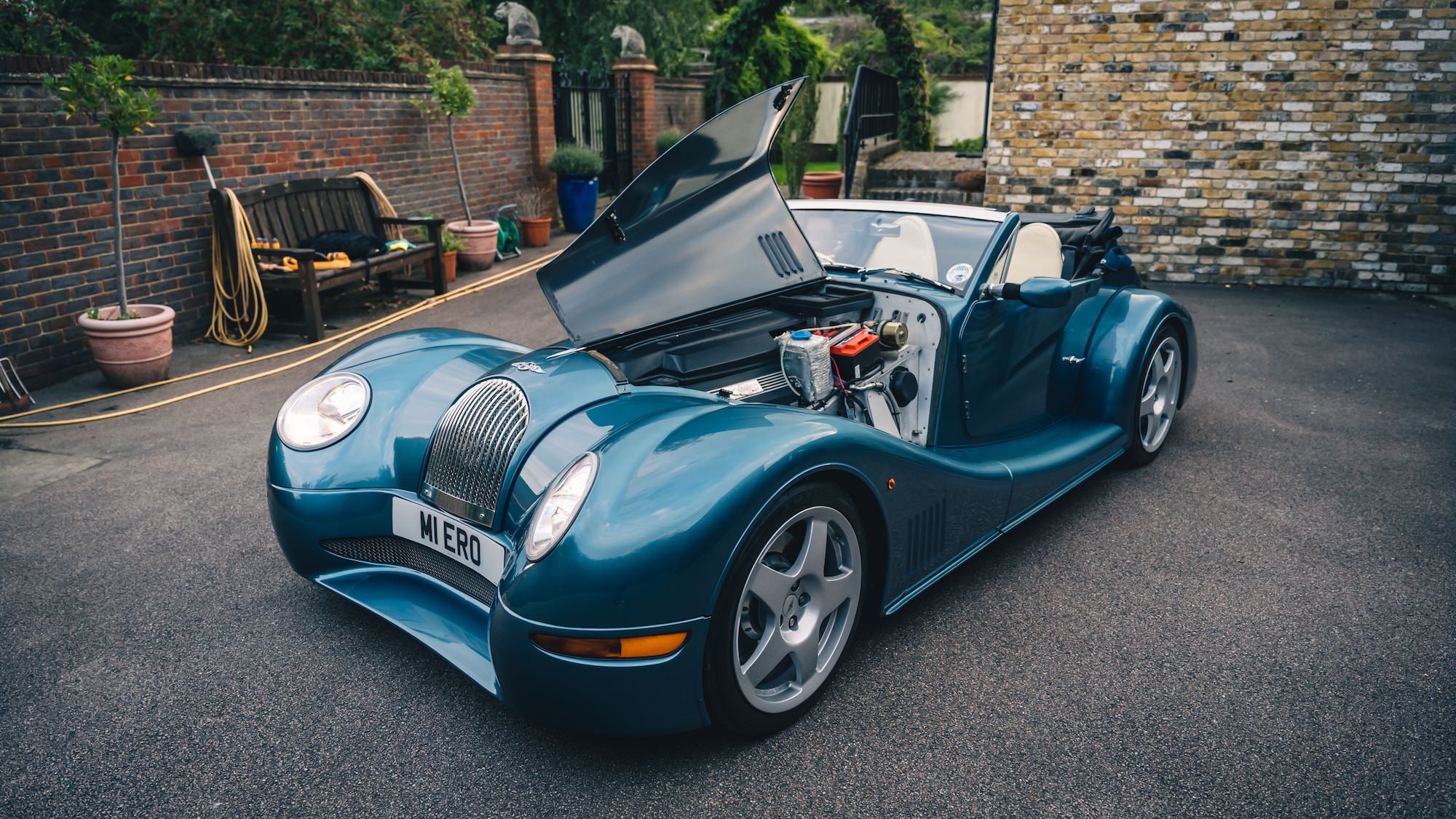
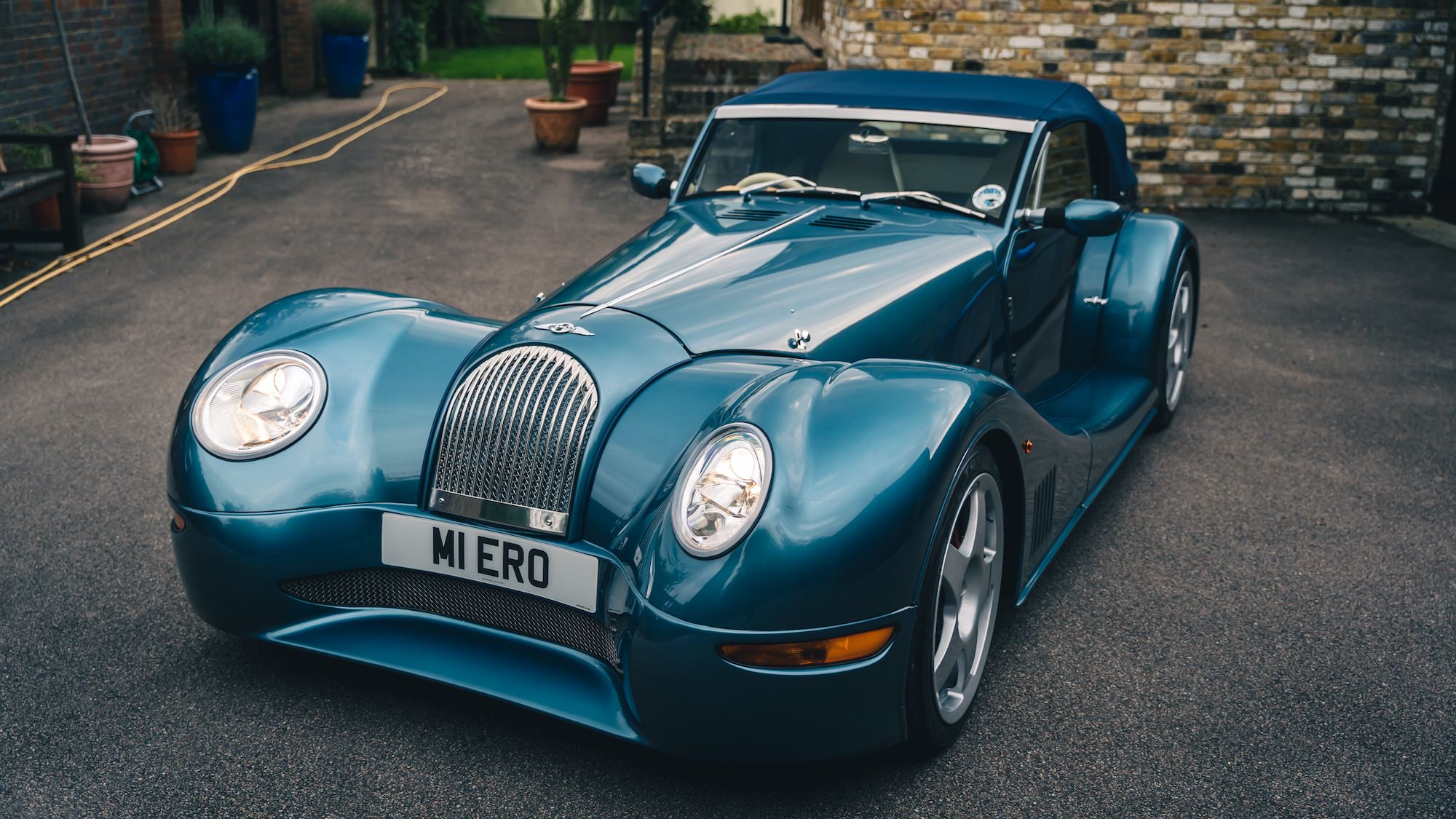
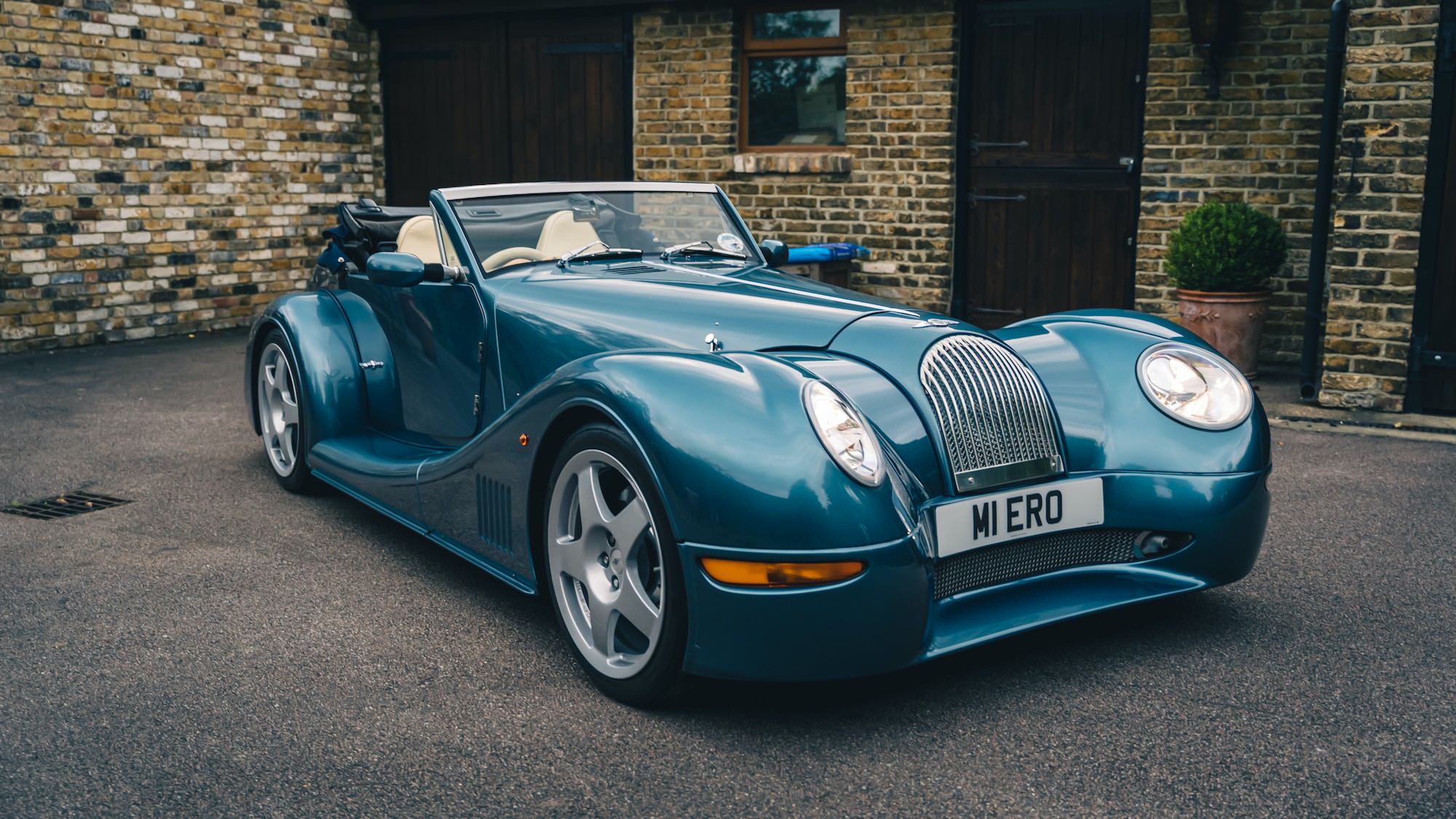
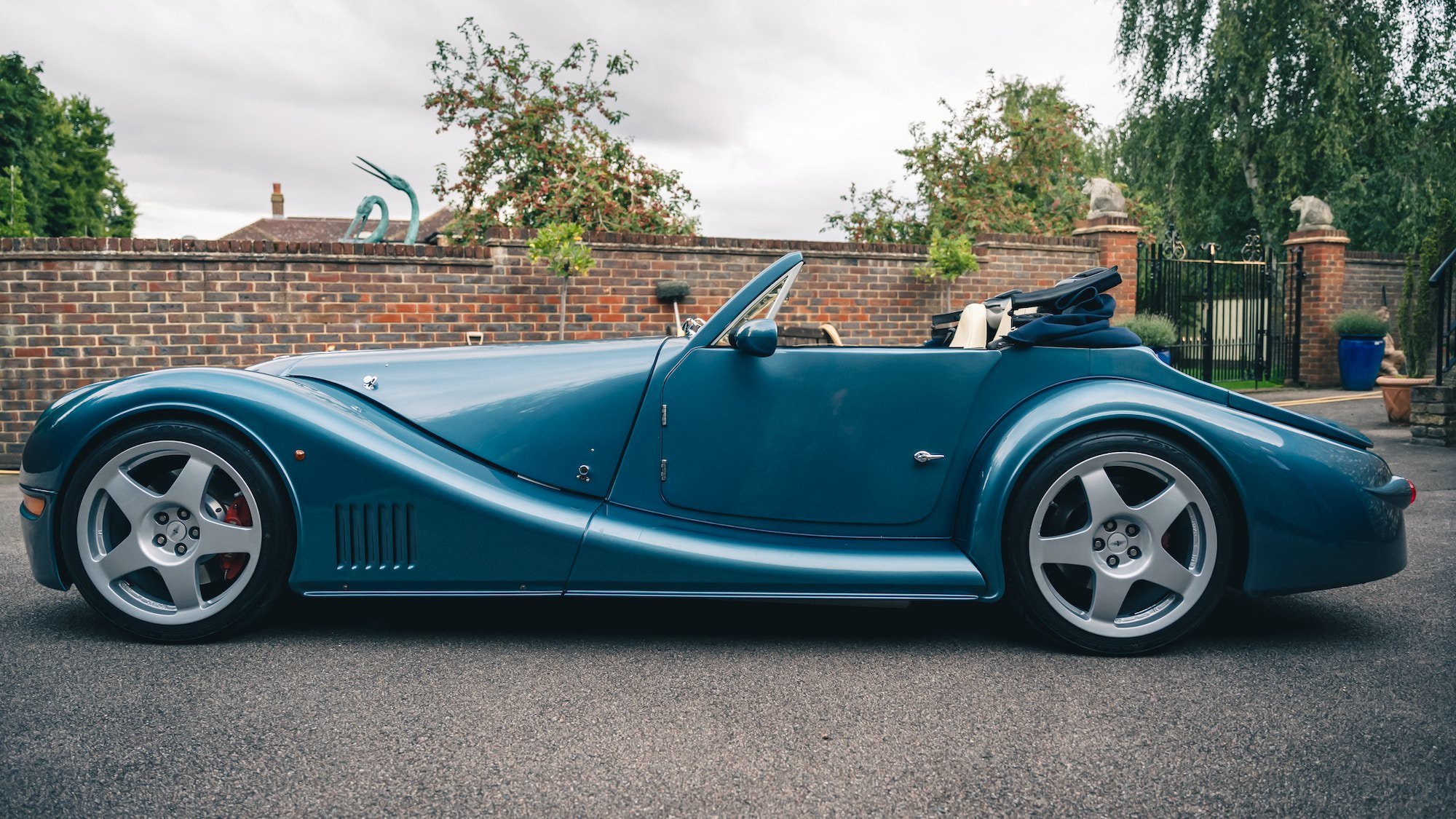
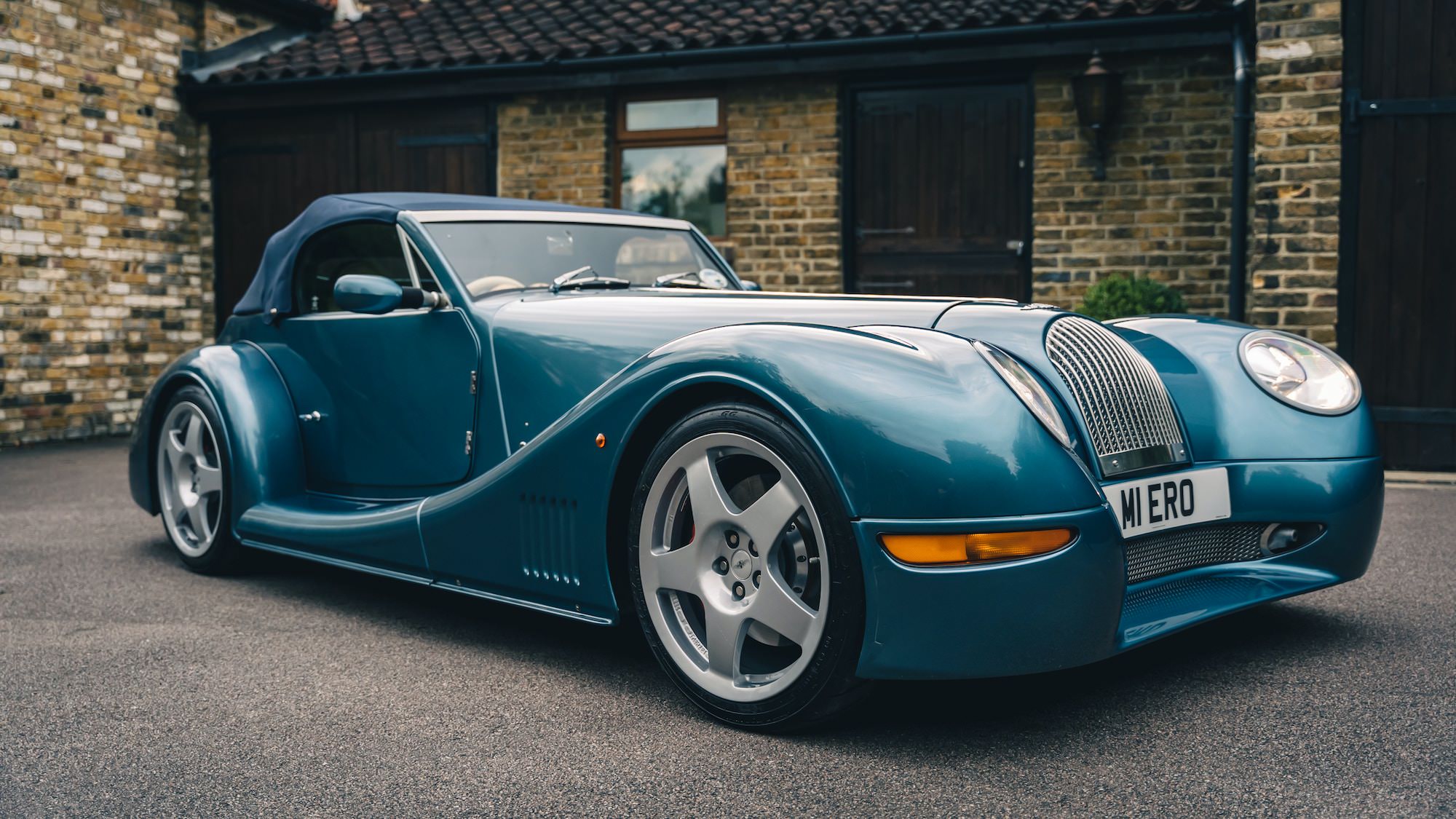
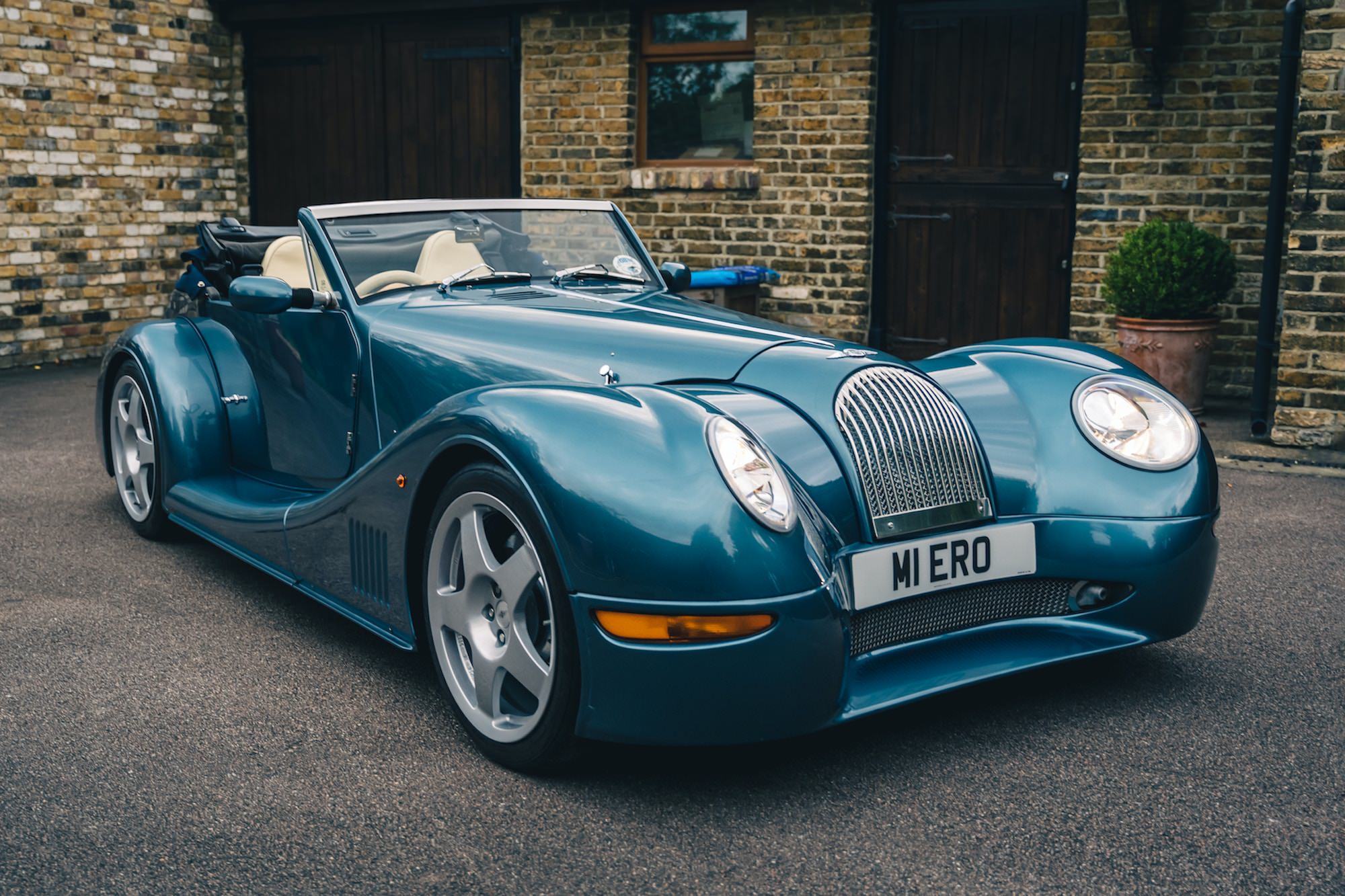
The styling of the Morgan Aero 8 is loved by many but it does have its detractors, including those who don’t love the headlights. They were designed like this for maximum aerodynamic efficiency.

The project to build the car that would become the Aero 8 started from a blank slate, no pre-exiting Morgan parts would be used.

An all-new pre-formed bonded aluminum chassis was created and fitted with motorsport-influenced inboard shock absorbers, unequal length double wishbone suspension front and back, a flat floor for better aerodynamics, centre lock magnesium wheels, rose-jointed suspension, and a body design that had been honed in a wind tunnel.

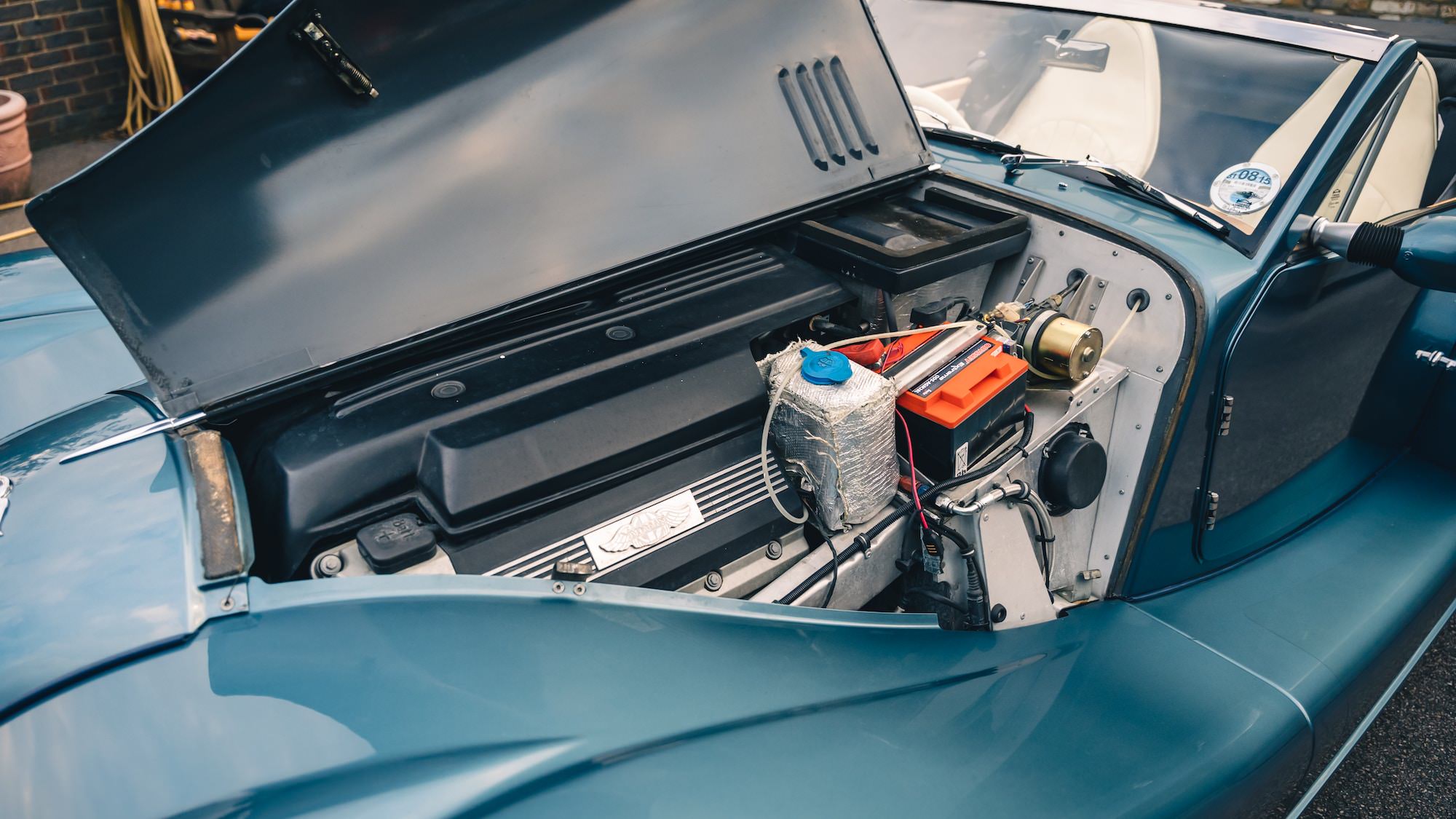
Power was provided by a 4.4 liter BMW V8 that made 286 bhp at 5,500 rpm and 322 lb ft of torque at 3,750 rpm. With a curb weight of just 1,180 kgs (2,596 lbs) the Aero 8 is capable of completing the 0 – 62 mph dash in 4.8 seconds and a top speed of 160 mph (257 km/h).

Interest in the new car was strong and the order book soon began to fill, including one order for Richard Hammond, one of the hosts of the wildly popular Top Gear TV show in the UK. Morgan called it their first supercar and although some questioned whether it really classified as a supercar, no one could deny that it was fast.

No car is ever without its detractors however and so it was for the Aero 8, the styling wasn’t to everyone’s tastes and the headlights in particular attracted plenty of derision. Some styling revisions were made over the production run of the car, and the headlights were changed in 2005 with the introduction of headlights taken from the modern Mini Cooper.

Morgan Aero 8 19

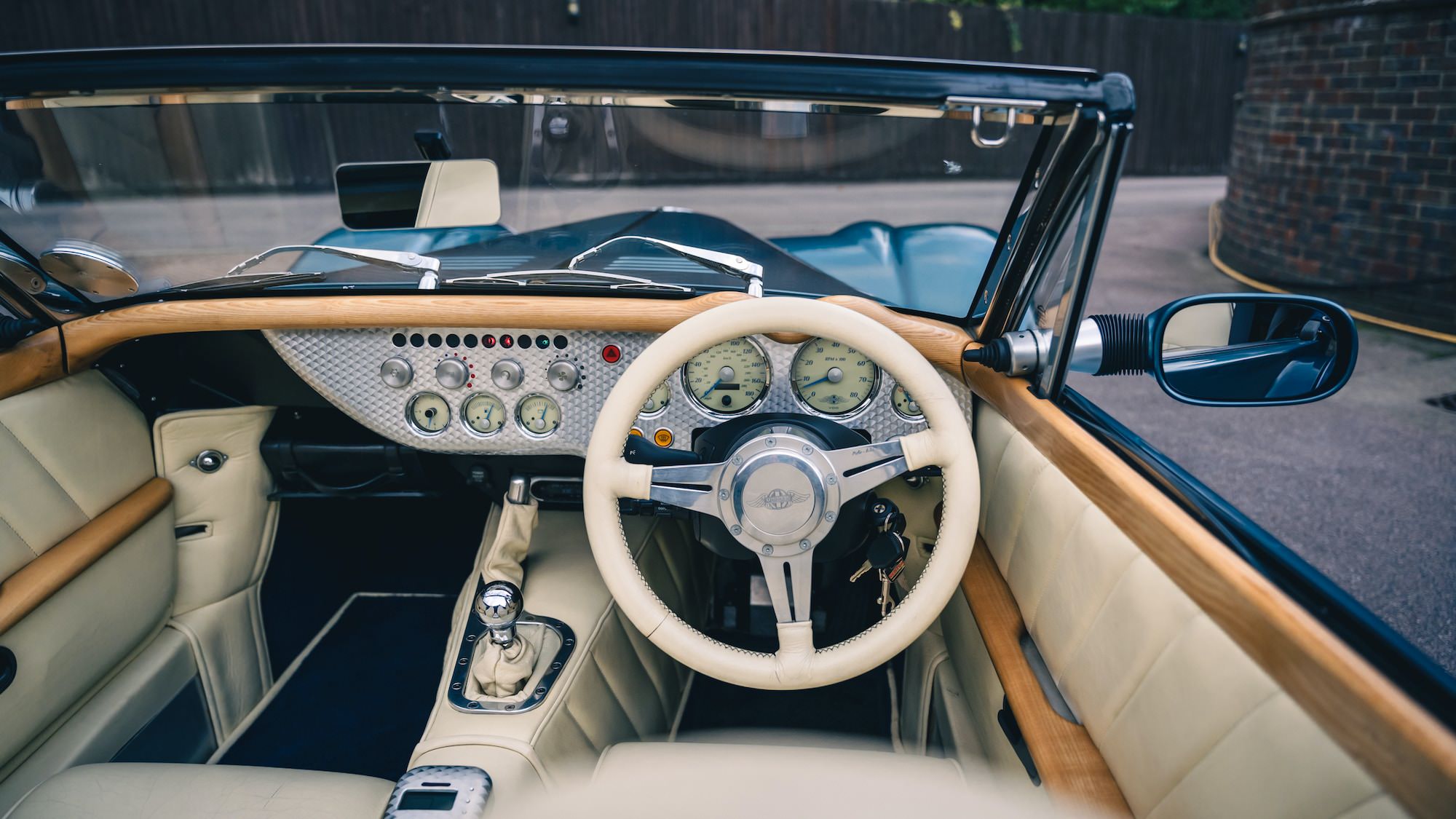
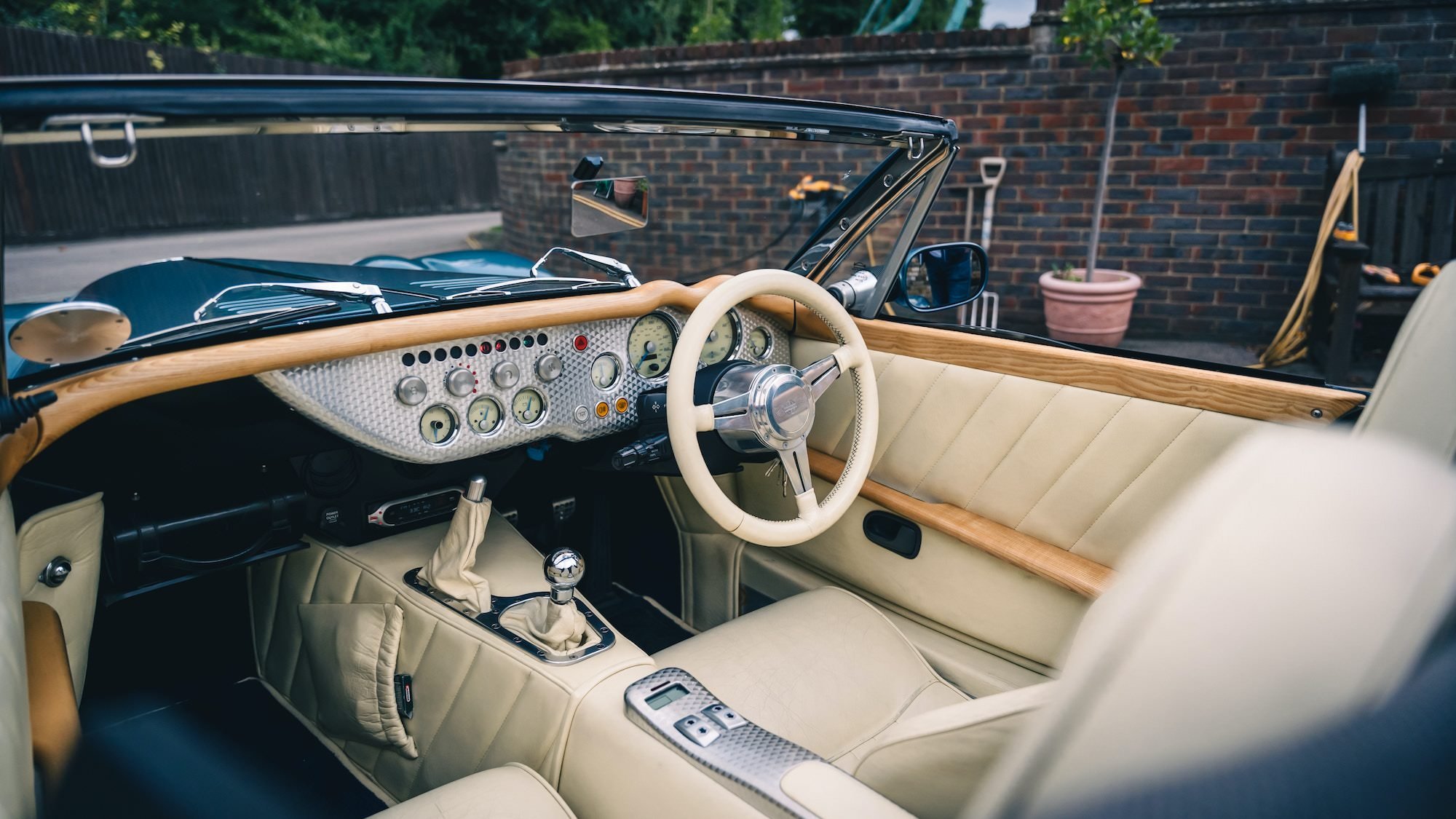
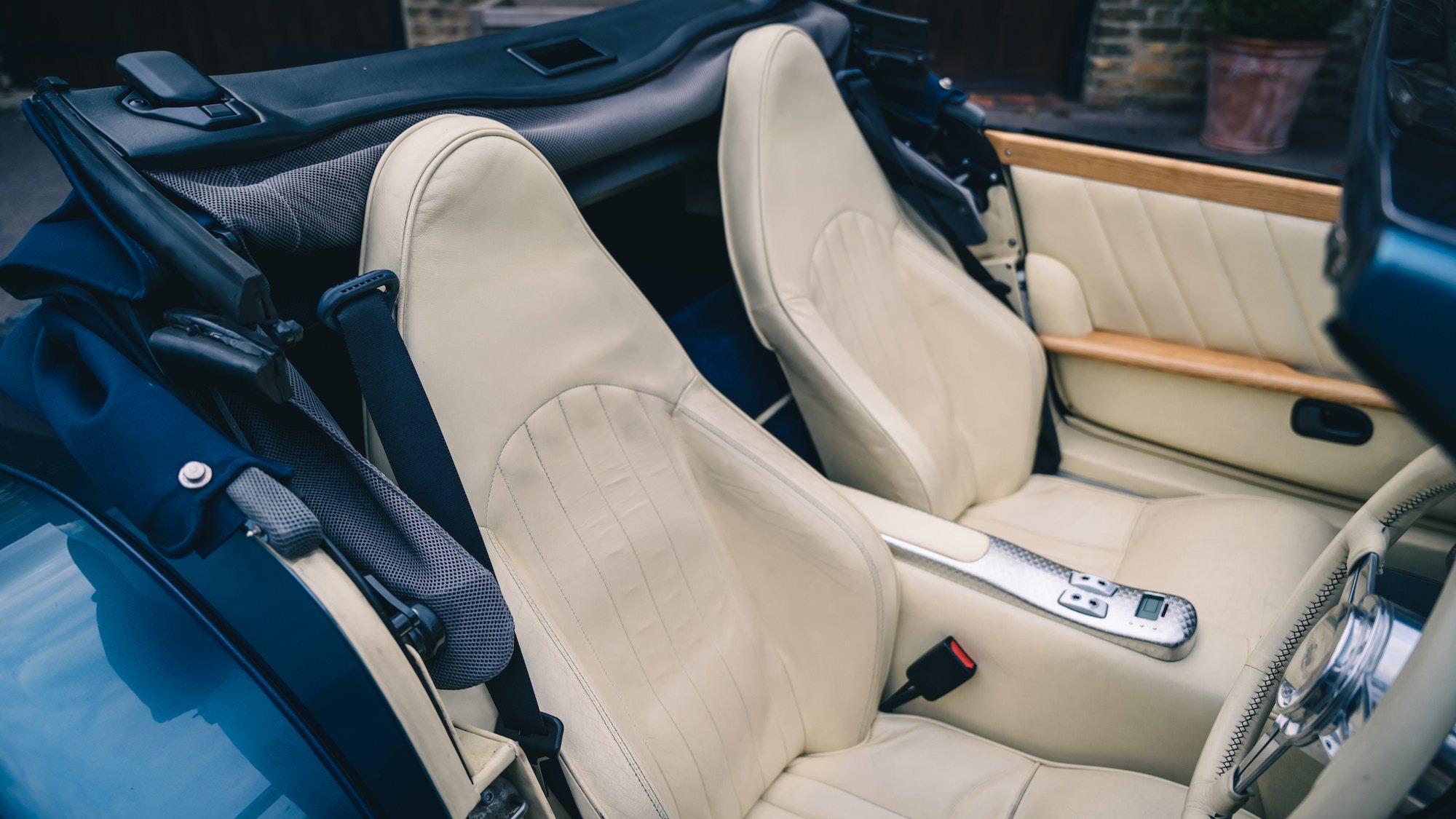
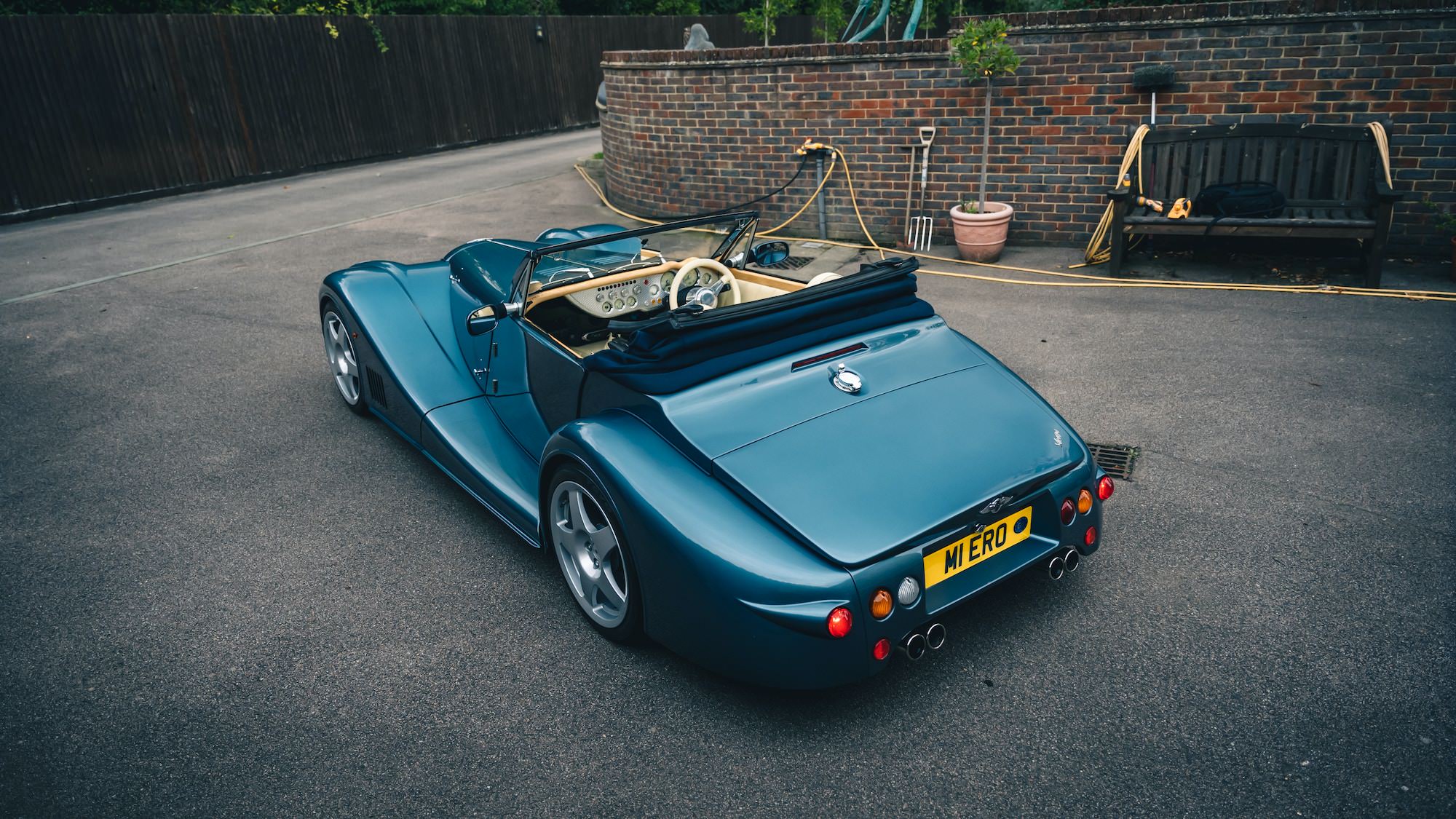
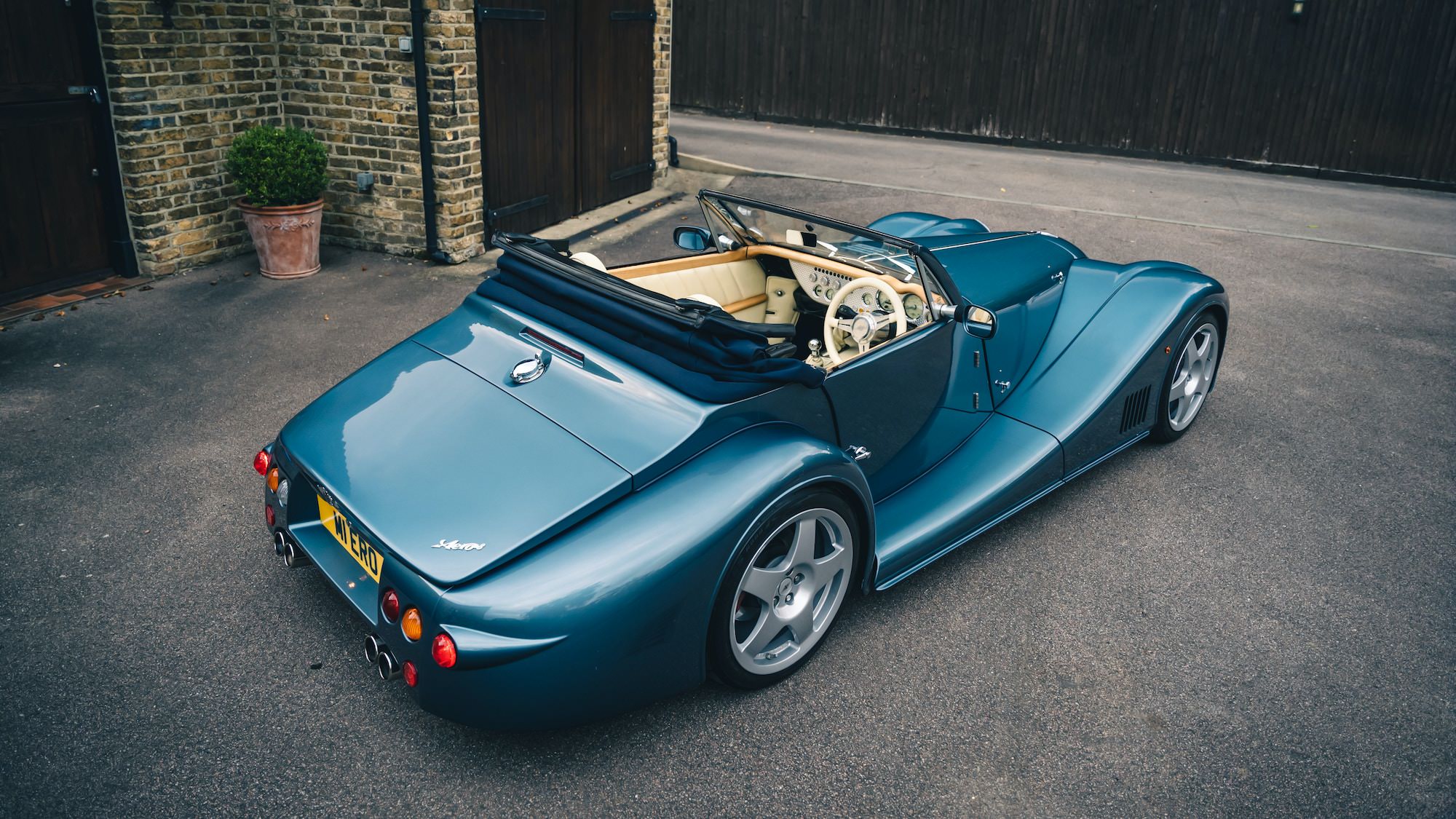
The interior of the car is beautifully appointed, taking styling cues from the classic Morgans of old but adding a number of hat tips to modernity.

Production of the Aero 8 ran from 2000 to 2018 and the cars are now highly sought after. Morgan has continued modernizing its model offerings and it now has an all-electric three-wheeler in production along with two more classic Morgan designs.

The Morgan Aero 8 Shown Here

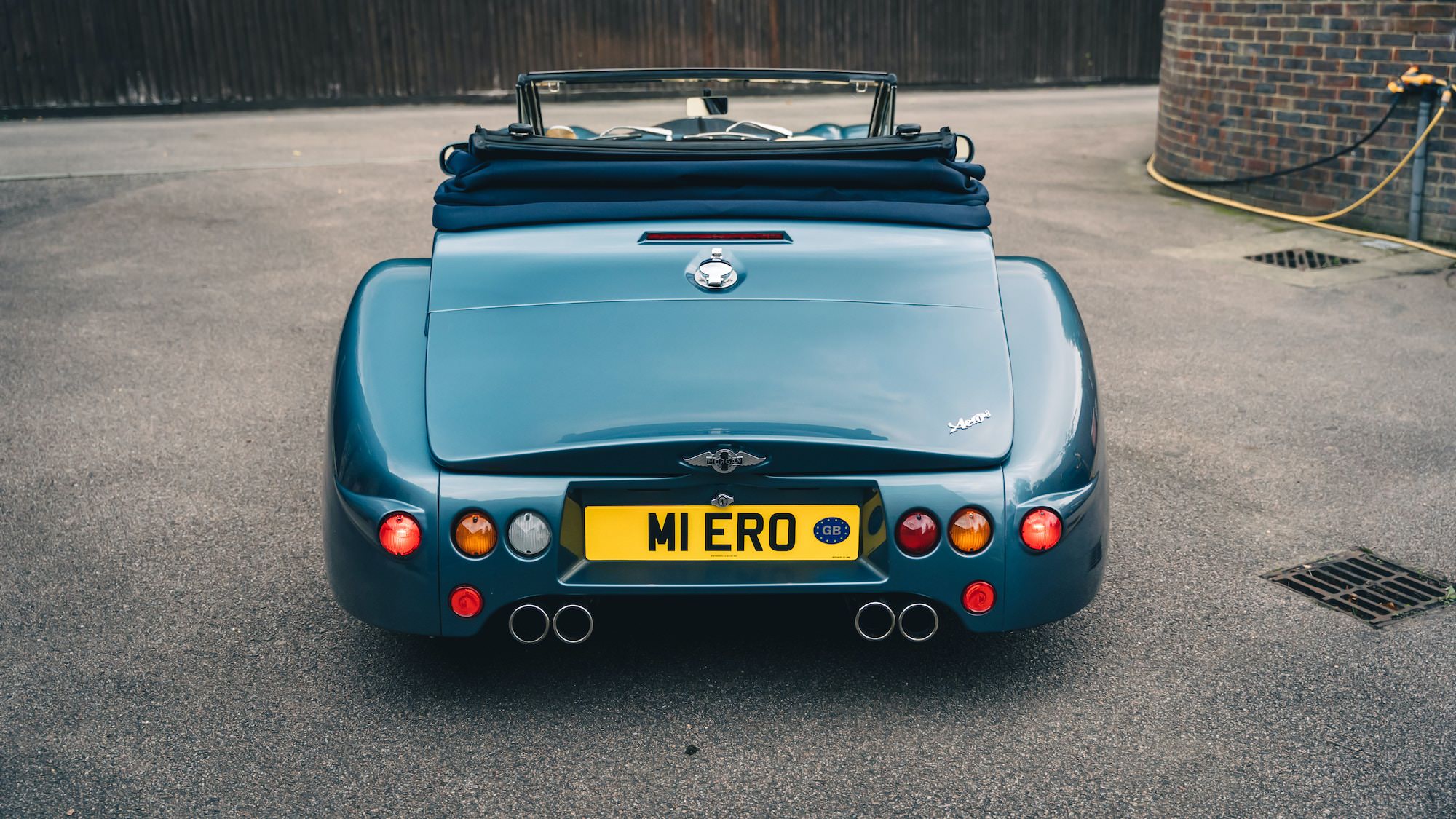
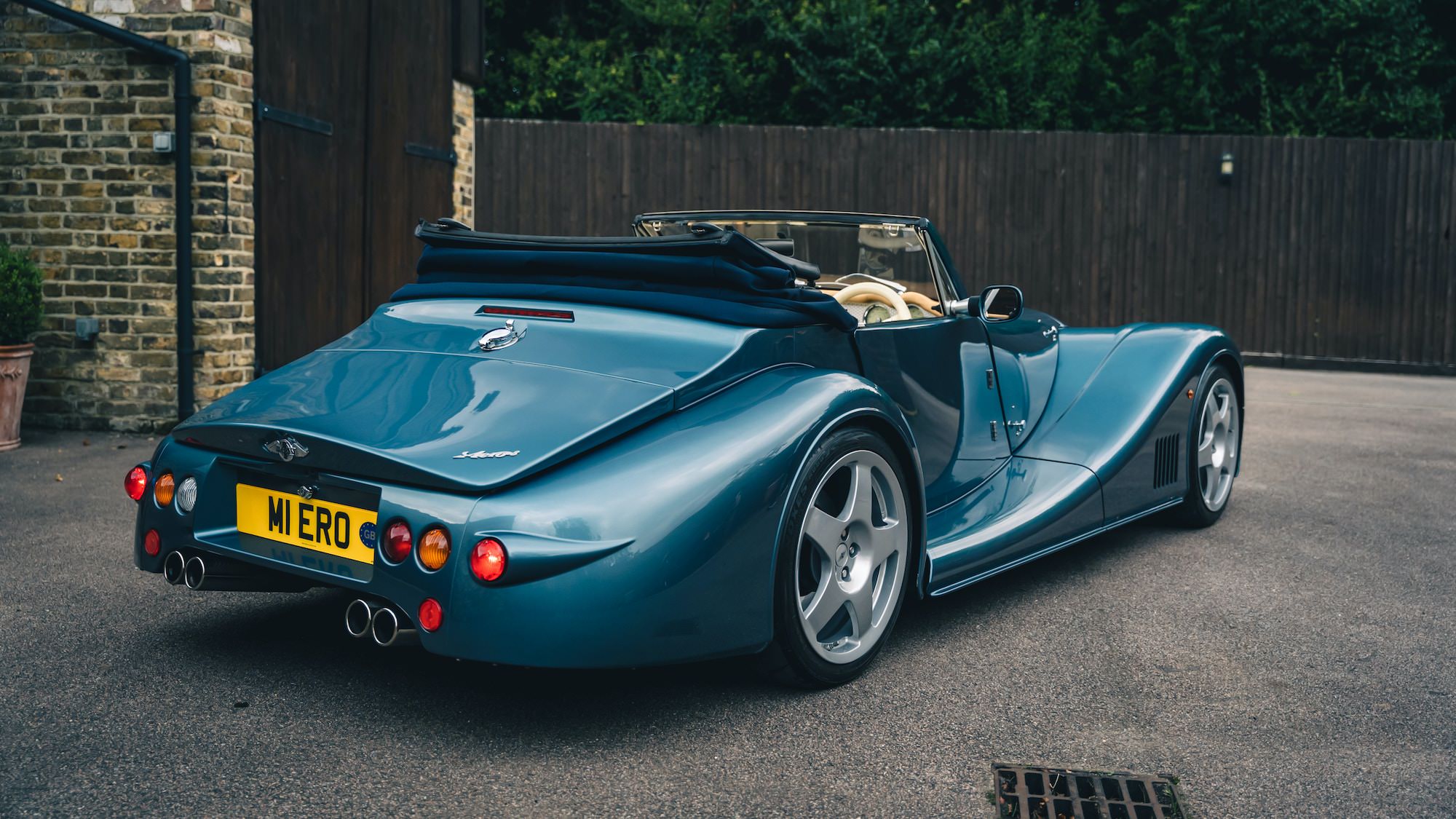
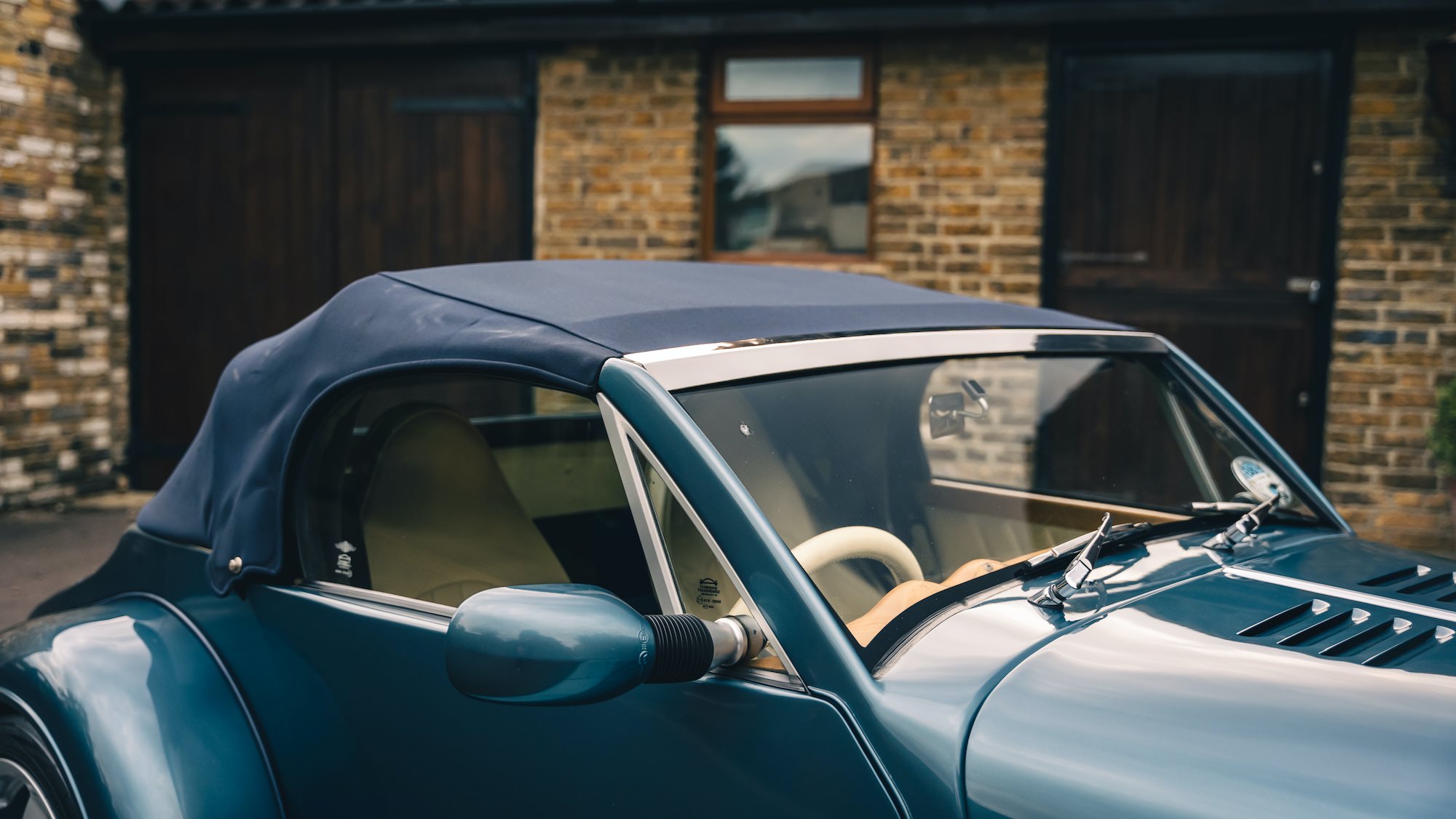
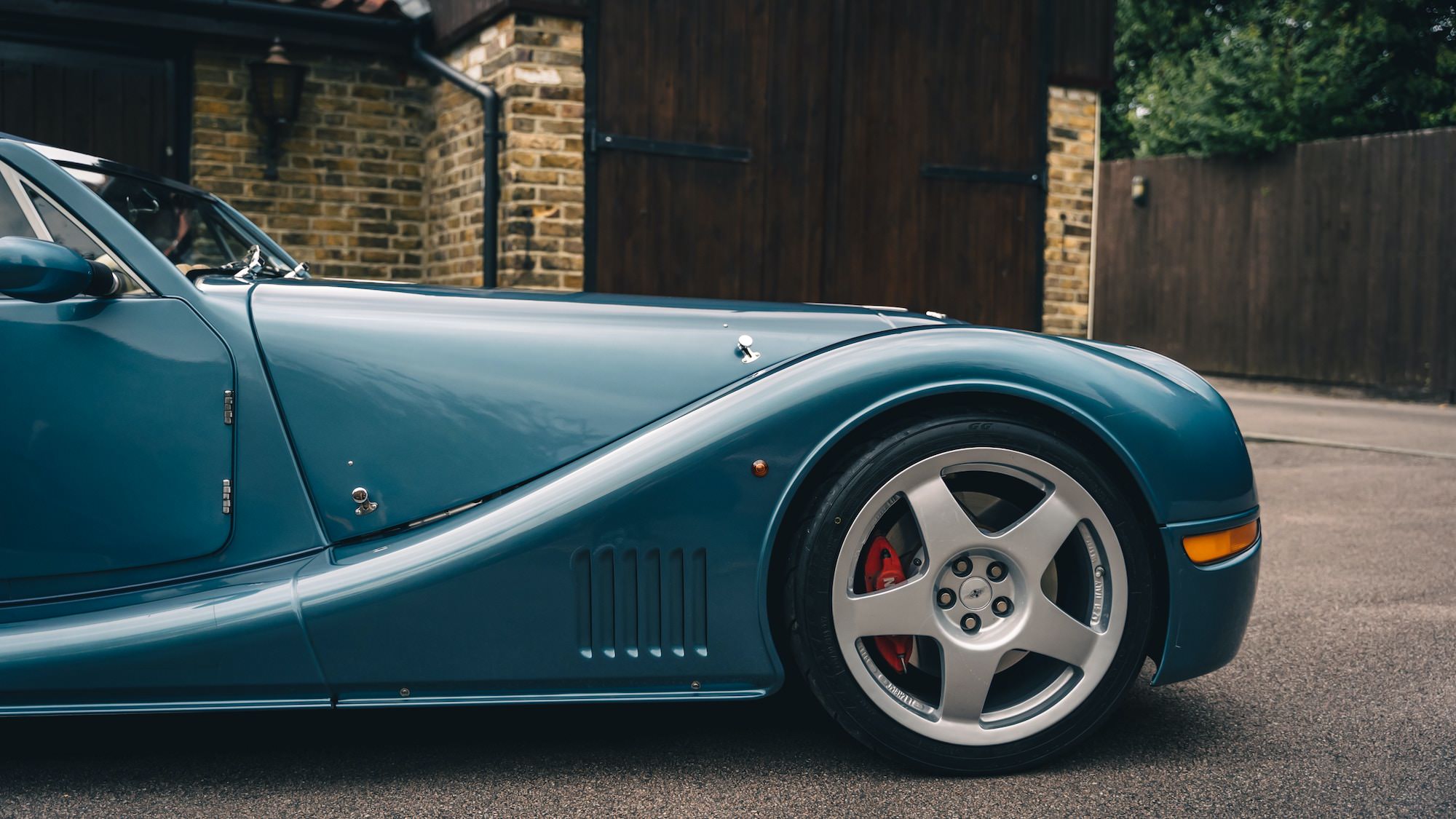
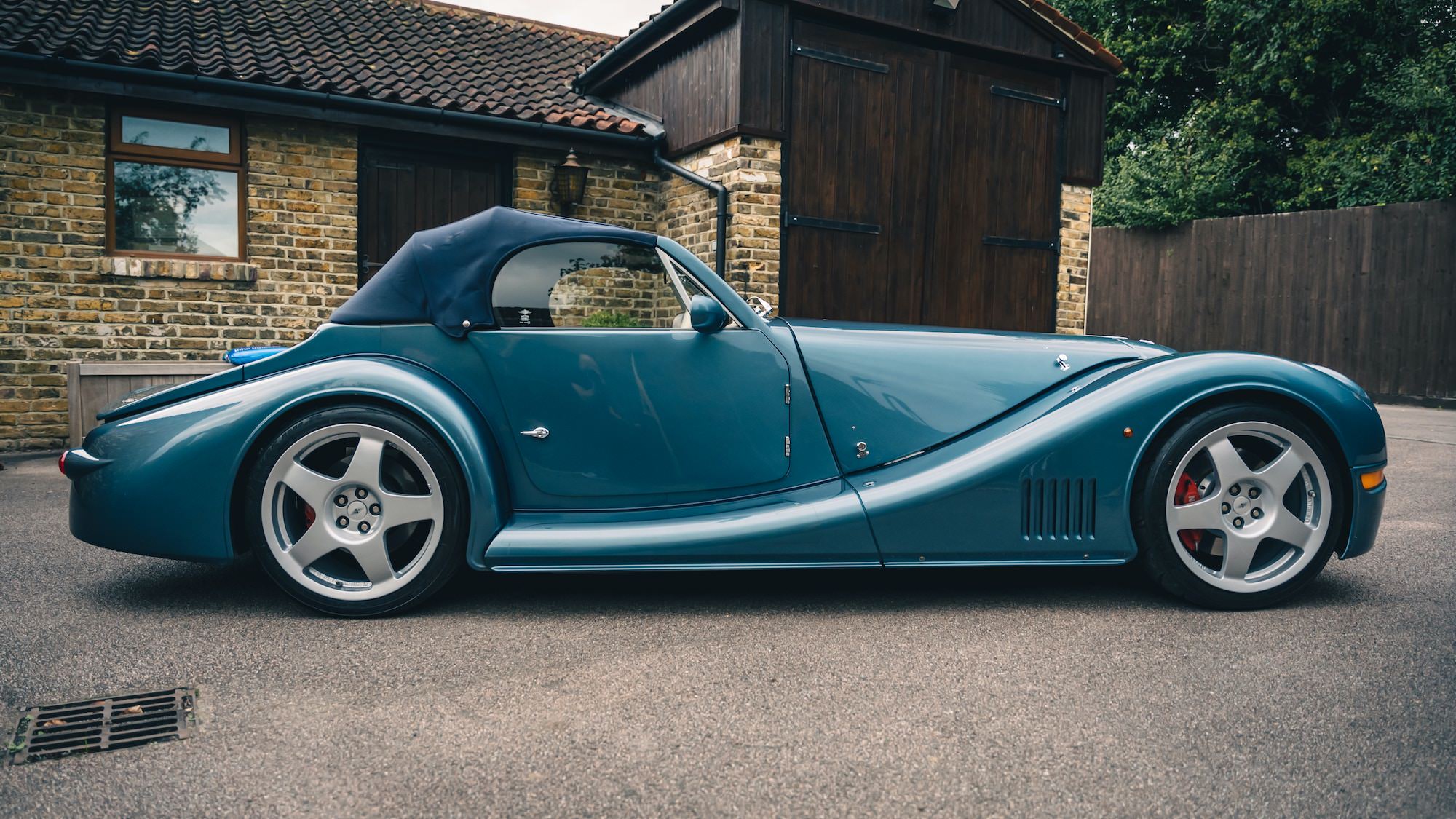
The Aero 8 shown here is a 2003 model, making it a member of the first generation. It has just 23,734 miles on the odometer and it has been serviced annually from new by the Morgan dealership at Brands Hatch in Kent, England.

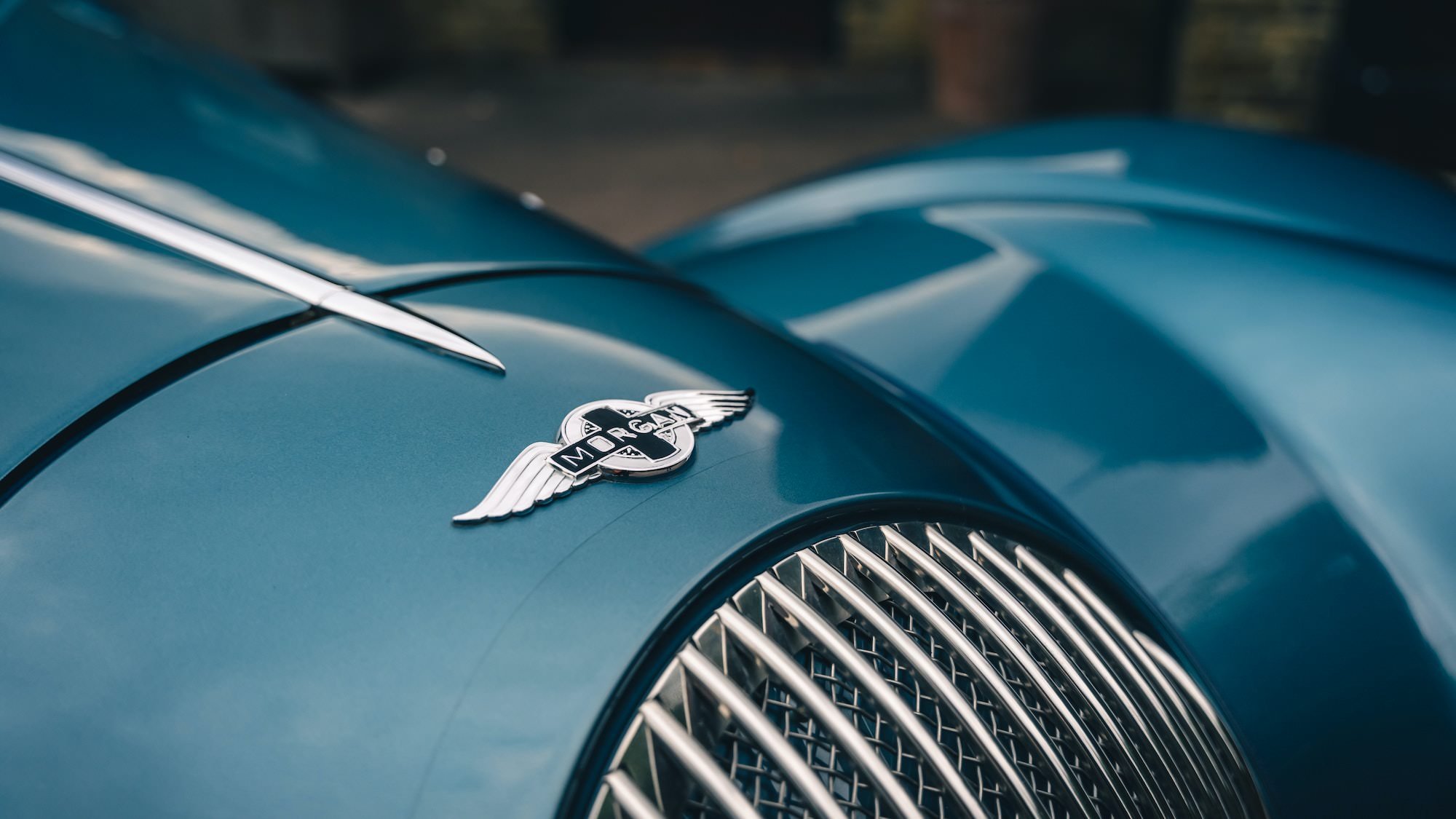
The car is finished in its original Light Blue Metallic with a Shetland Vanilla Leather interior, it has both air conditioning and cruise control, as well as electric windows, a Sony radio / CD player, steering column-mounted audio controls, and it rides on Toyo Proxes R888 R tires.

It’s now for sale on Collecting Cars out of Hextable in the United Kingdom, if you’d like to read more about it or register to bid you can visit the listing here.

Morgan Aero 8 21 Morgan Aero 8 Morgan Aero 8 20 Morgan Aero 8 18 Morgan Aero 8 17 Morgan Aero 8 15 Morgan Aero 8 14 Morgan Aero 8 13 Morgan Aero 8 12 Morgan Aero 8 11 Morgan Aero 8 10 Morgan Aero 8 9 Morgan Aero 8 8 Morgan Aero 8 7 Morgan Aero 8 6 Morgan Aero 8 5 Morgan Aero 8 4 Morgan Aero 8 3 Morgan Aero 8 2 Morgan Aero 8 22

Images courtesy of Collecting Cars

The post For Sale: A Morgan Aero 8 – An Unusual British Supercar appeared first on Silodrome.


from Silodrome https://silodrome.com/morgan-aero-8/
via gqrds
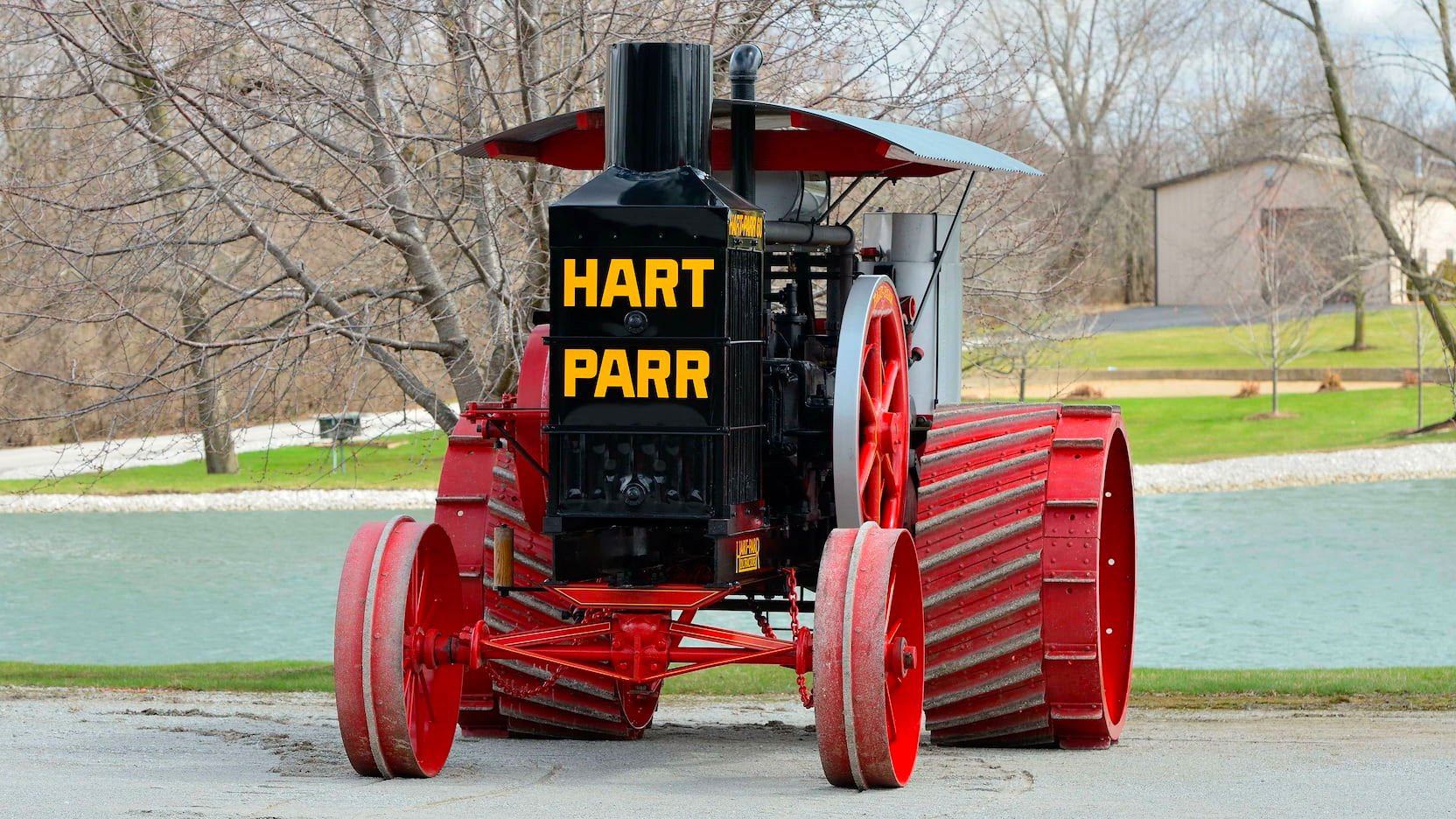
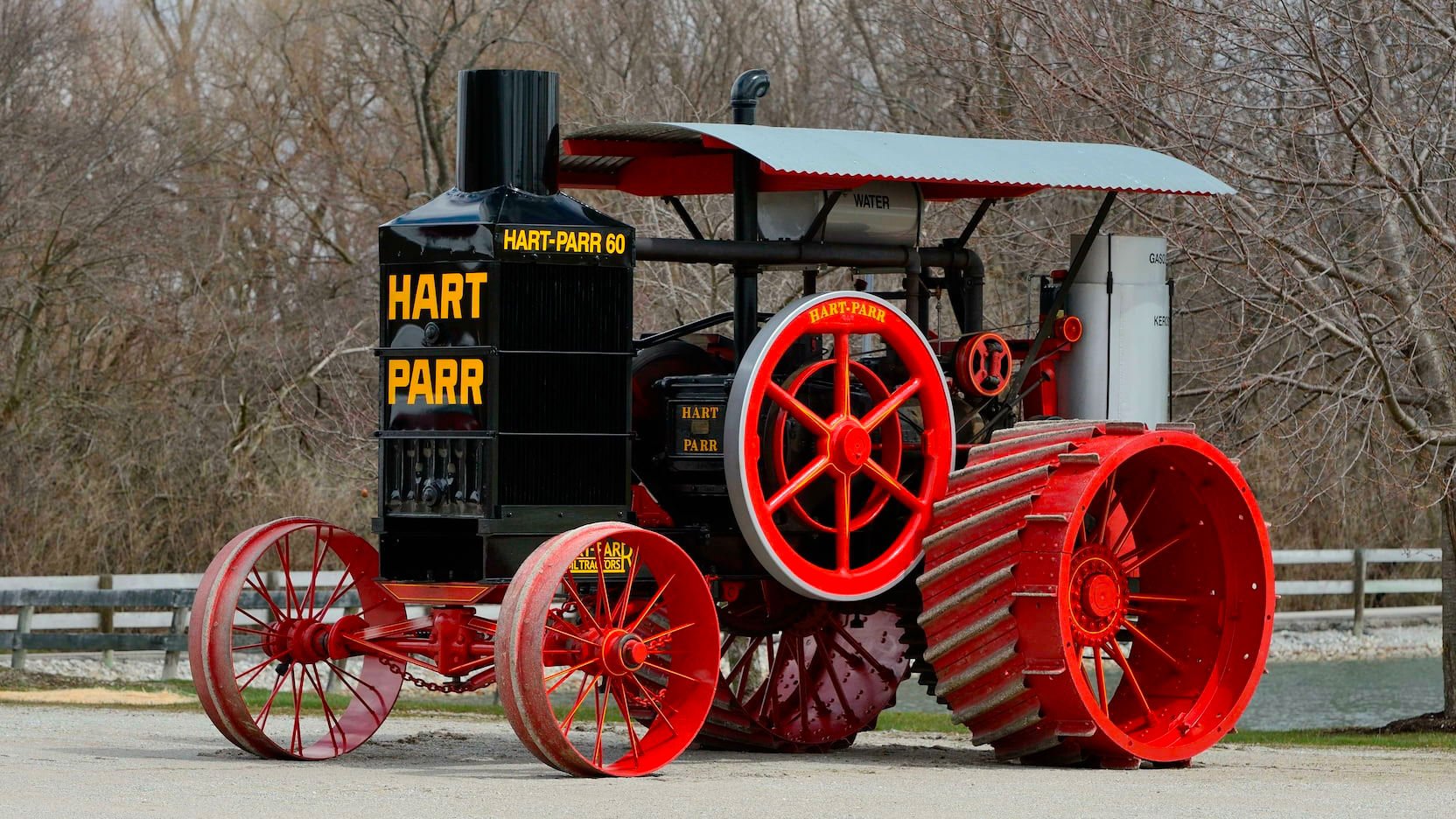
The Mighty Hart-Parr 30-60 – Powered By A 38.6 Liter Kerosene Engine

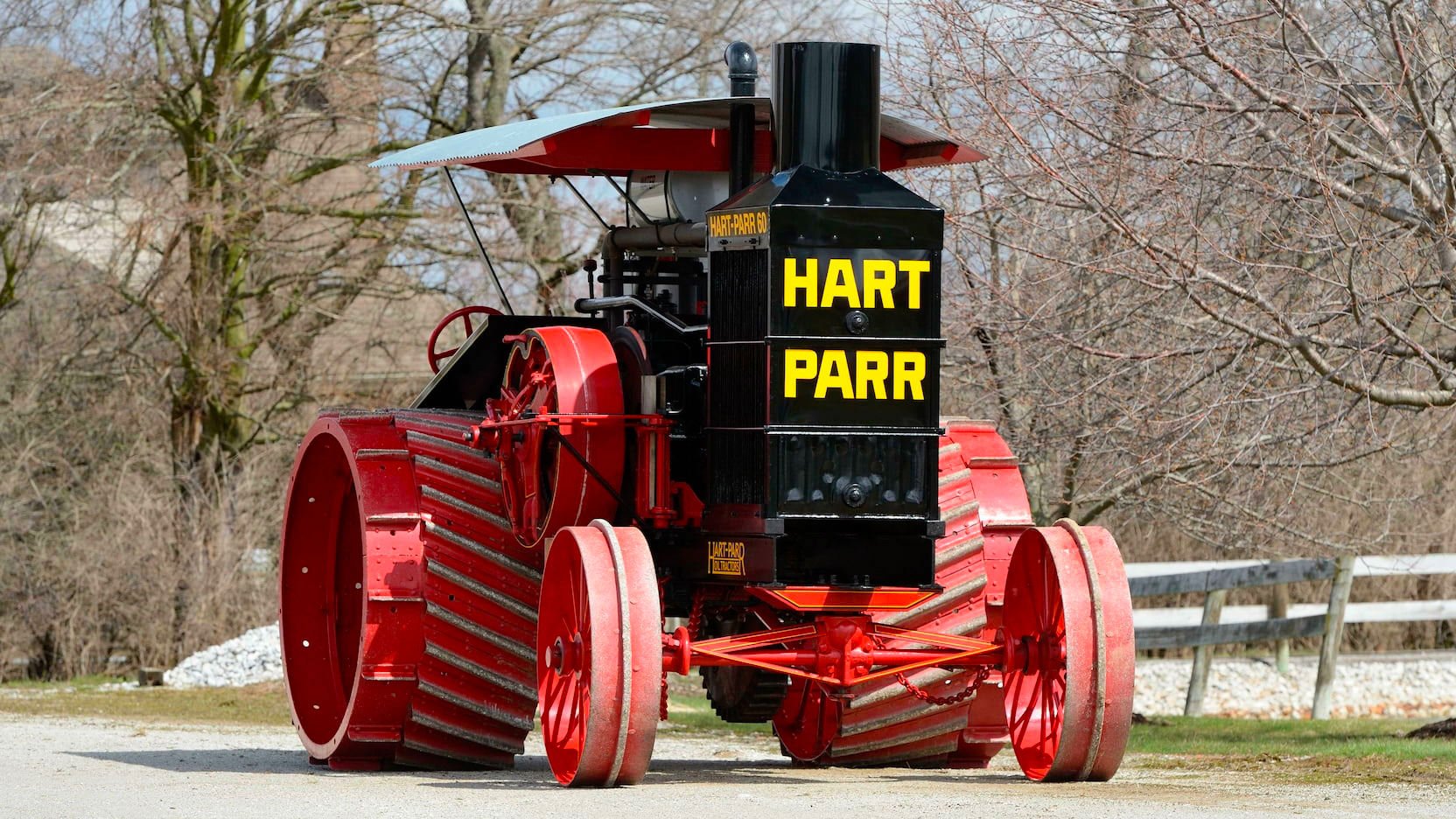
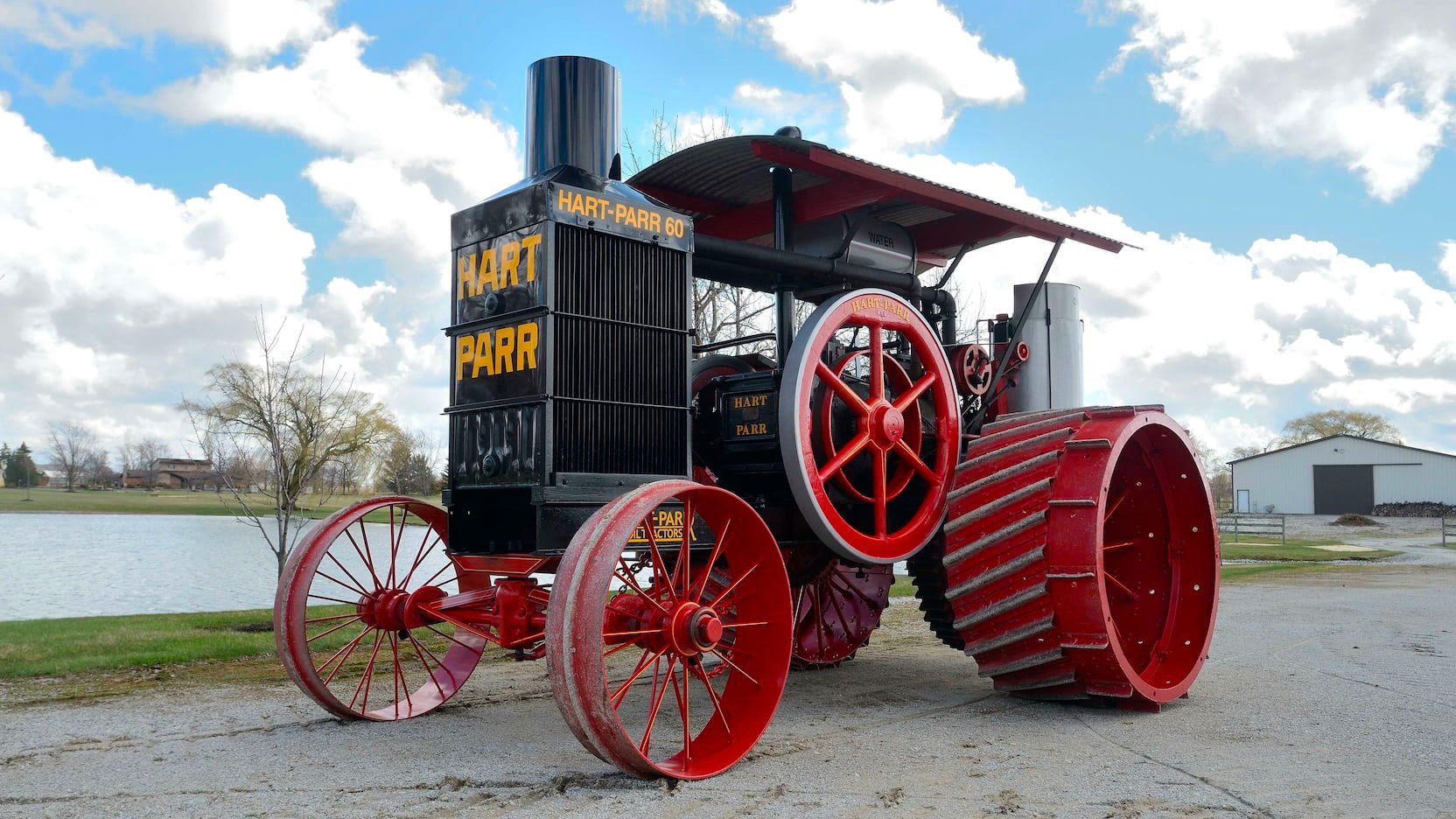
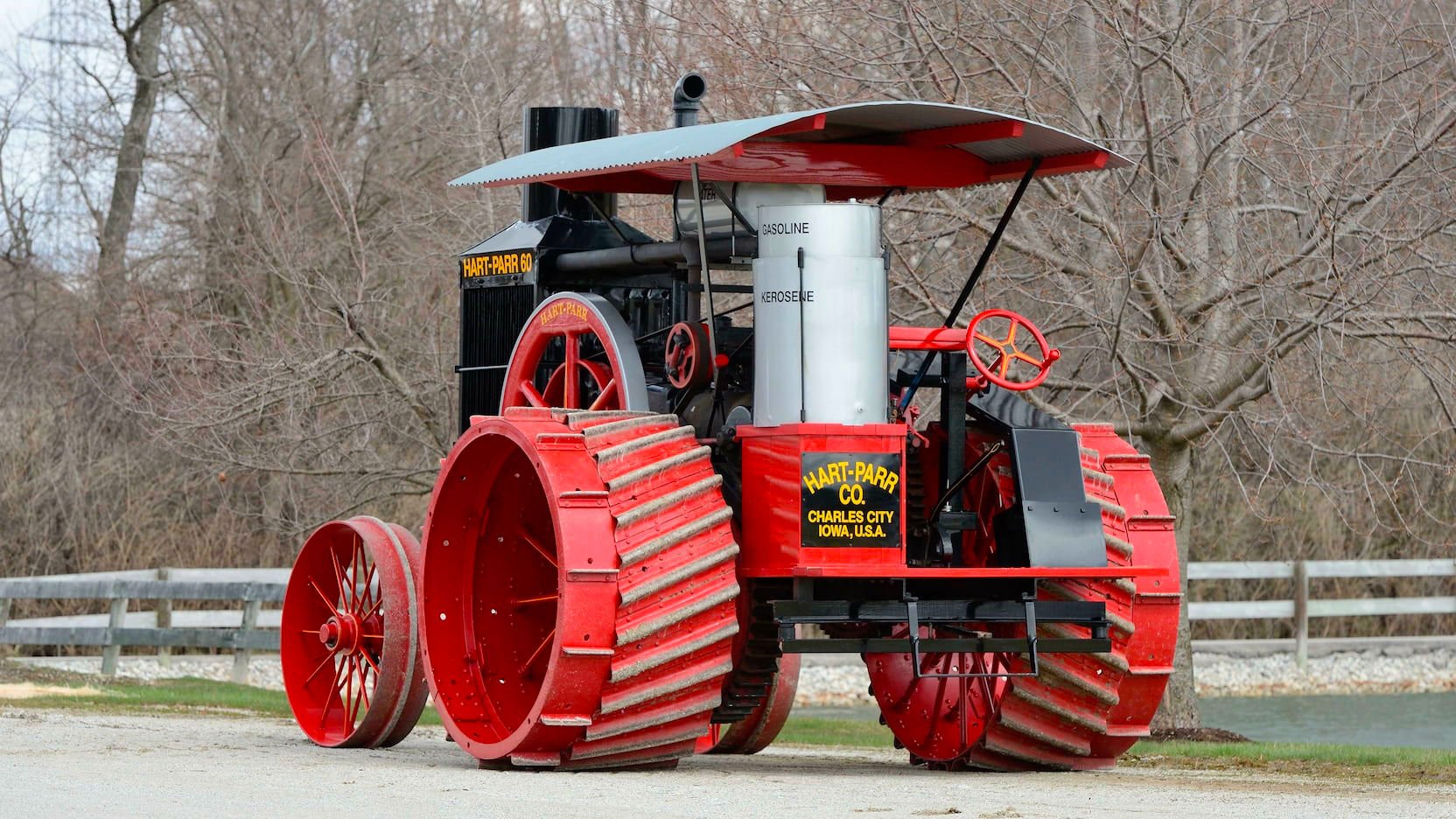
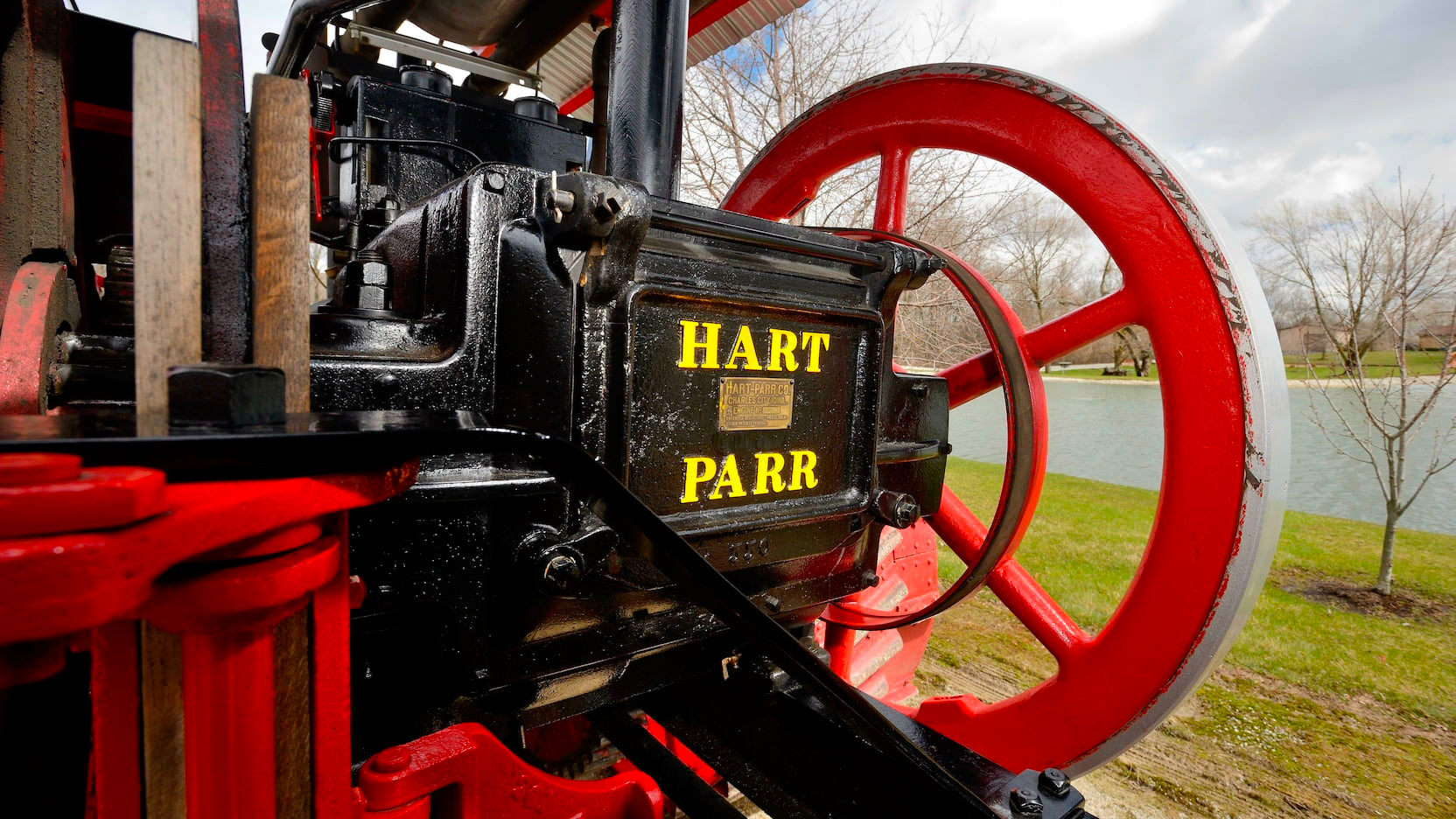
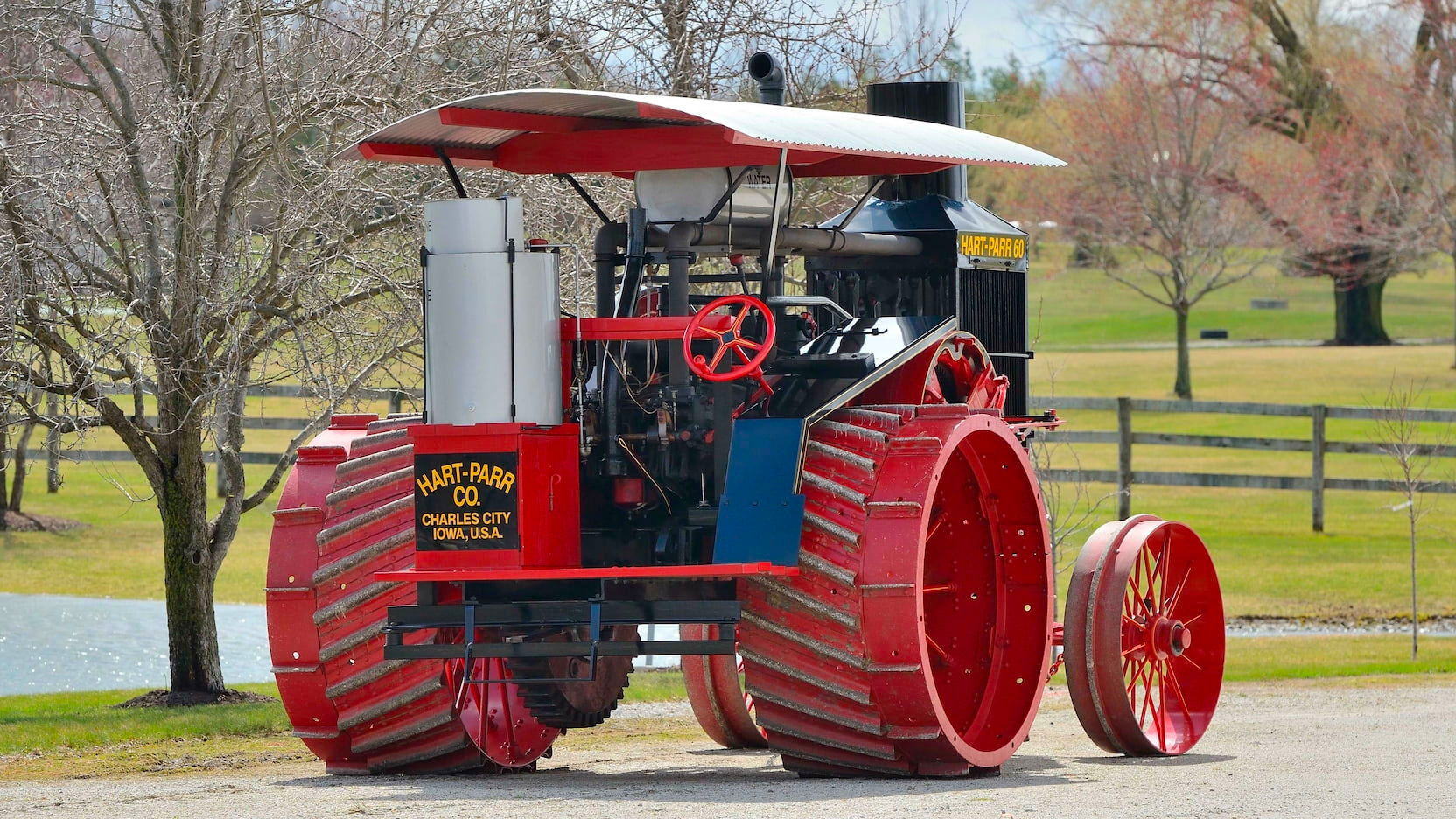
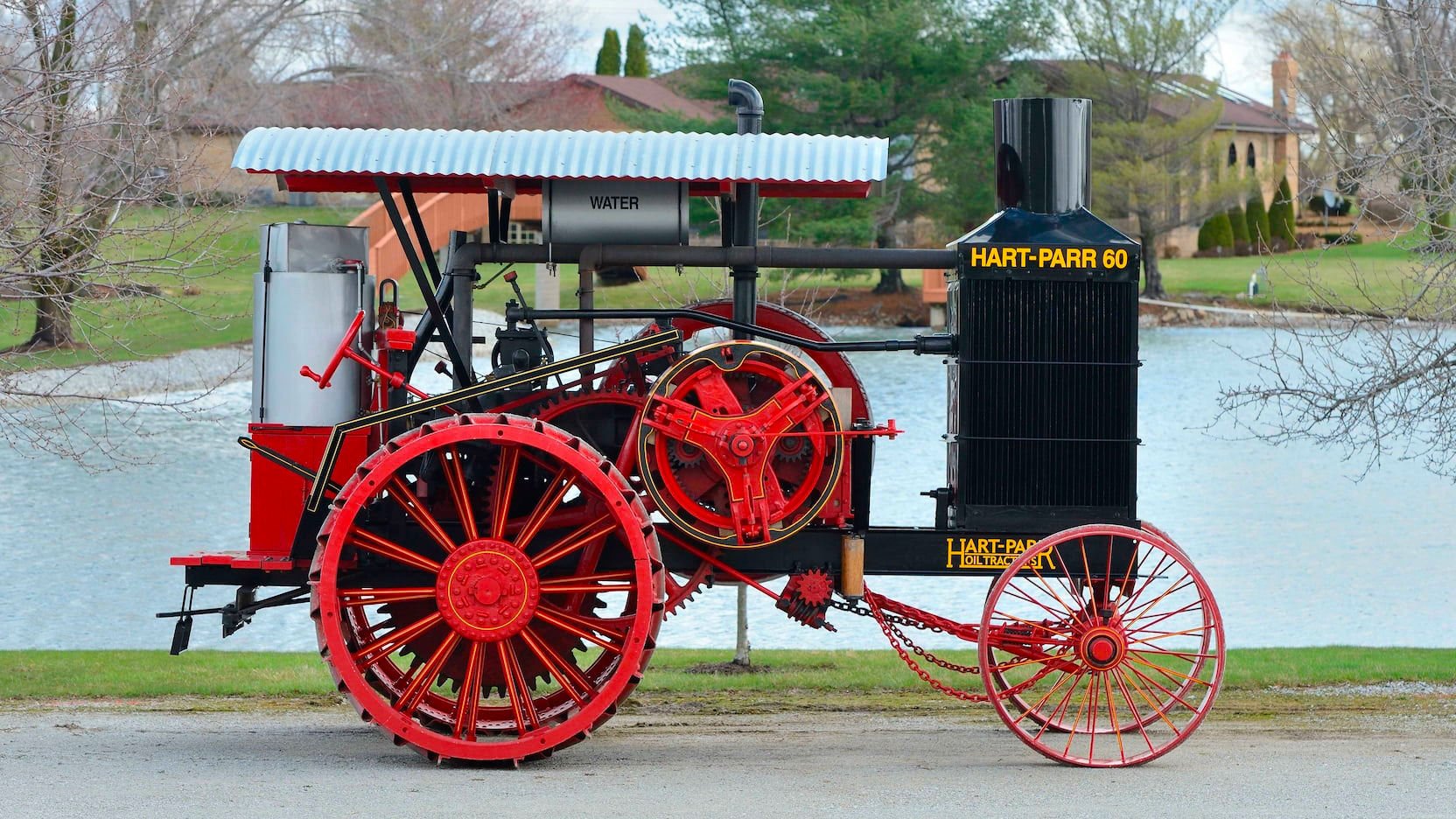
This is almost certainly the best surviving Hart-Parr 30-60 “Old Reliable” anywhere in the world, this model was one of the most important early tractor designs, and it helped kickstart the industrial revolution of the agricultural world in the early 1900s.

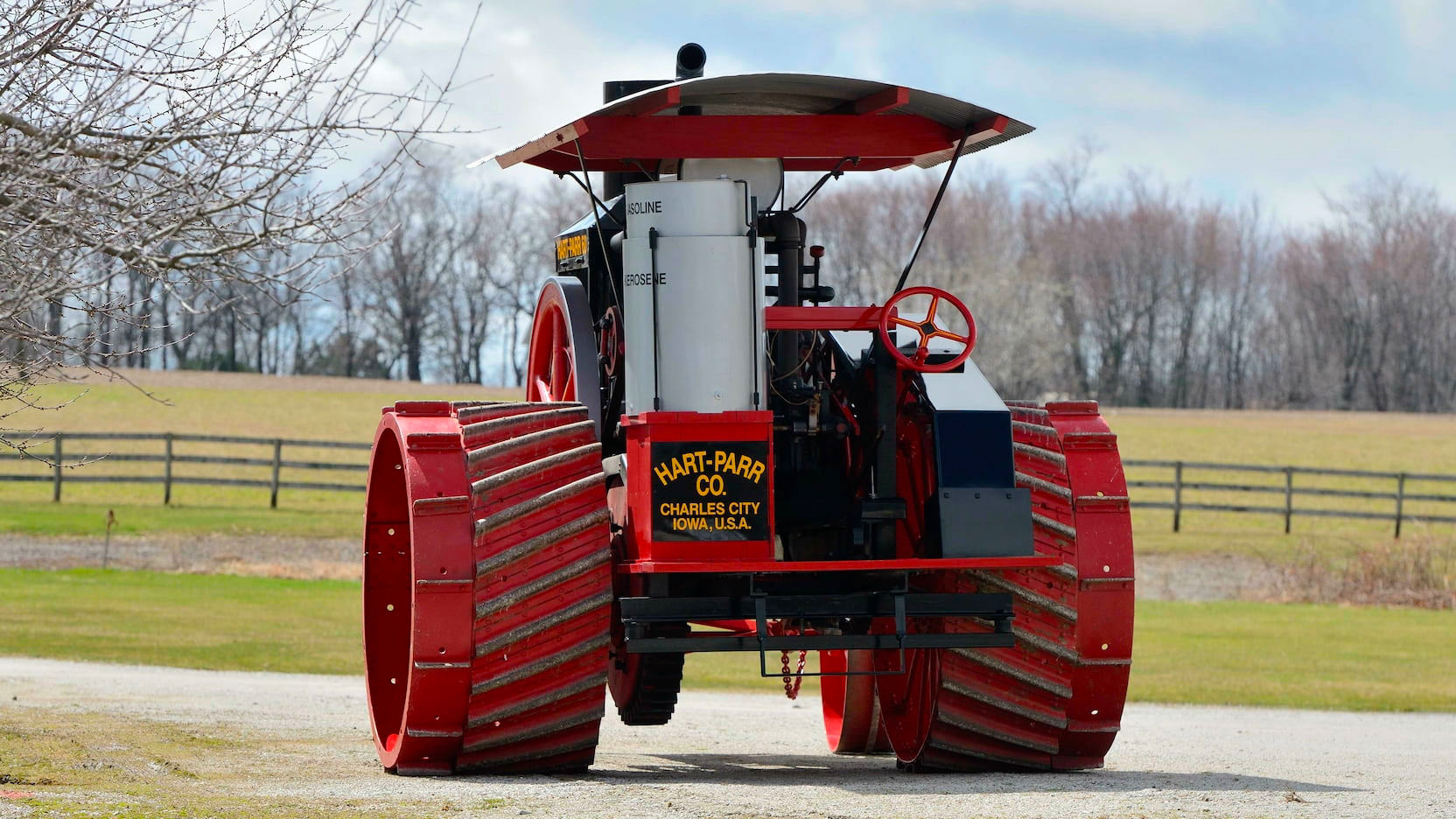
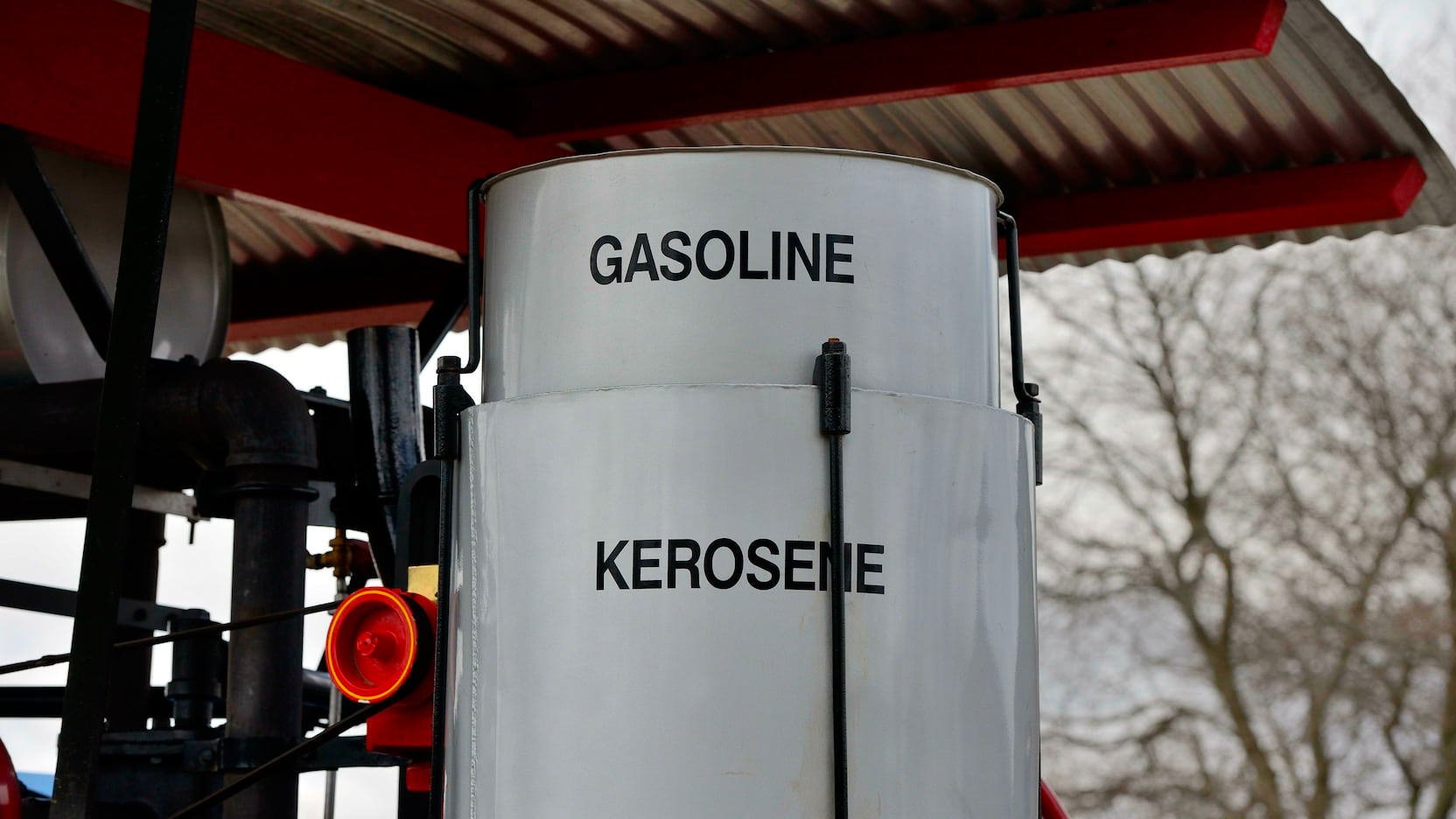
The Hart-Parr 30-60 is powered by a two-cylinder engine with a displacement of 38.6 liters. It would be started on gasoline and then switched over to kerosene, which was less costly. The engine was advanced for the time, with a single overhead cam design and hemispherical combustion chambers.

Fast Facts – The Hart-Parr 30-60

  • The Hart-Parr 30-60 was built from 1907 to 1918 in Charles City, Iowa. 3,798 of them would be built in total and Hart-Parr would grow to such a size that Charles City ran out of accommodation for their workers, so the company built a large hotel exclusively for its own use.
  • Hart-Parr was founded by Charles W. Hart and Charles H. Parr in 1897, they had met as engineering students at the University of Wisconsin.
  • The 30-60 would be the company’s most famous product, it was powered by a two-cylinder engine with a displacement of 2,355 cubic inches, and it had a bore and stroke of 10 x 15 inches.
  • The Hart-Parr 30-60 you see here has been painstakingly restored by George Schaaf and his team, it’s likely one of the finest examples in the world, if not the finest by quite a margin.

The Invention Of The Tractor

There are two competing stories about where the word “tractor” came from. On one side there are historians who believe it has its origins in the Latin word “trahere” which means “to pull.”

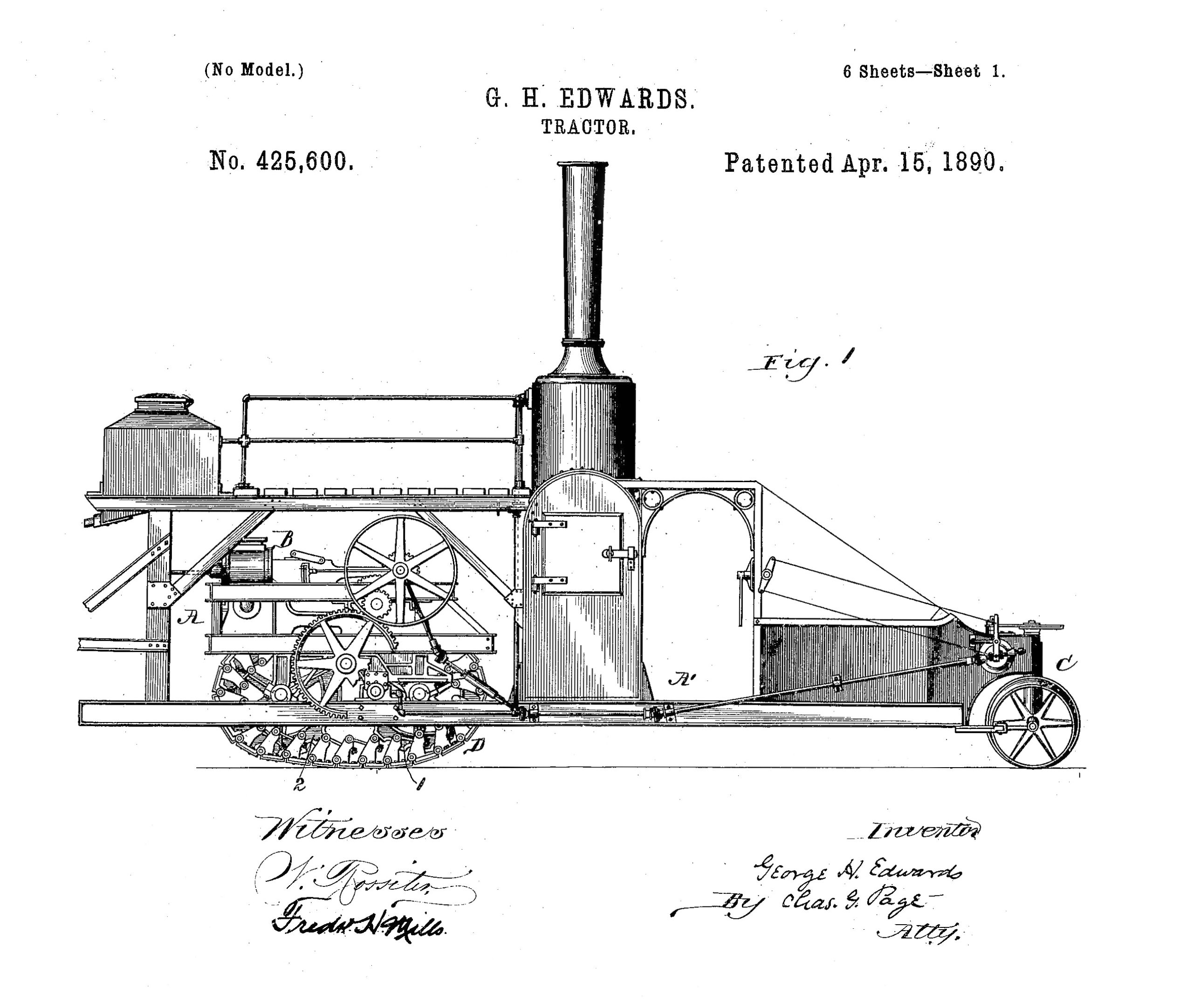
Tractor Patent

This tractor patent by G.H. Edwards from 1890 shows just how much the design of early tractors would change, as new layouts and fuel types were experimented with.

On the other side of the debate are those who point to Hart-Parr sales manager W.H. Williams who combined the words “traction engine” and “power” to create the word “tractor” which he used in advertising for Hart-Parr products.
Regardless of who invented the word, the tractor would become one of the most important inventions in the history of mankind, allowing a single person to farm vast swathes of land – feeding many thousands of others.
Early tractors were called traction engines, they were steam powered much like the trains of the era, and they first started appearing in the late 1800s.

These early examples were noisy, slow, and they required significant maintenance, but on the plus side they produced vastly more power than horses and they could be worked for long hours in any weather conditions that mother nature might throw at you.

The first gasoline-powered tractors were built in the United States by John Charter in Illinois in 1889. Gasoline engines were easier to start, run, and maintain when compared with steam engines, and over the next 20 years gasoline (and kerosene), then eventually diesel powered tractors would become the dominant type.

The Hart-Parr Gasoline Engine Company

The Hart-Parr Gasoline Engine Company was founded in 1897 by Charles W. Hart and Charles H. Parr, two men who had met while studying engineering at the University of Wisconsin.

Hart-Parr 30-60 Tractor 11

If you look closely you’ll see a water tank above the engine, this was used as part of the water-injection system when running on kerosene to avoid detonation in the cylinders.

Initially the company focused on the design and manufacturing of stationary internal combustion engines that were targeted at industrial and agricultural applications. By the early 1900s the company had begun offering simple traction engines, primordial tractors, with internal combustion engines.

Their most famous creation was the Hart-Parr 30-60 which was introduced in 1907. The 30-60 was named for the fact that it produced 30 hp at the drawbar and 60 hp at the belt, however the actual power being produced was slightly higher than this.

The two-cylinder engine used in the 30-60 relied on oil cooling, it had a single overhead cam, and hemispherical combustion chambers. Due to the higher cost of gasoline compared with kersosene the engine was designed to be started on gasoline and then switched over to kerosene.

Hart-Parr tractors became known for their quality and reliability, as a result the 30-60 was nicknamed the “Old Faithful.” One of the reasons for this good reputation was the almost all-steel construction philosophy that they used.

The majority of the parts that went into their tractors were steel, much stronger than the cast iron parts used by many of their competitors. This all-steel design extended inside the engine, where the crankshaft was made from forged steel to ensure it would last decades (or longer).

The engine’s displacement of 2,355 cubic inches (38.6 liters) and its bore x stroke of 10 x 15 inches. It has a maximum speed of 300 rpm, but most operations required significantly less than this.

Hart-Parr 30-60 Tractor 19

The 2,355 cubic inches (38.6 liters) engine displacement was needed due to the fact that fuel quality tended to be poor, so in order to get the required amount of power it was believed that bigger was better.

Due to the propensity for water to freeze in cooler climates an ingenious oil cooling system was developed for the 30-60 engine. Oil wouldn’t freeze of course, and it allowed hotter engine temperatures which favored running on kerosene.

In order to cool the oil Hart-Parr designed an induced draft radiator, this consisted of an exhaust system that was channeled through a tapered stack at the top of the oil cooler. The speed of the exhaust gasses would essentially suck in outside air over the oil radiator and create a cooling effect.

The Hart-Parr 30-60 sold in vast numbers by the standards of the time, it’s said that Hart-Parr occupied over 70% of the tractor market in the United States at one point in time. By the end of 30-60 production they had built 3,798 of them in total.

The Hart-Parr 30-60 Tractor Shown Here

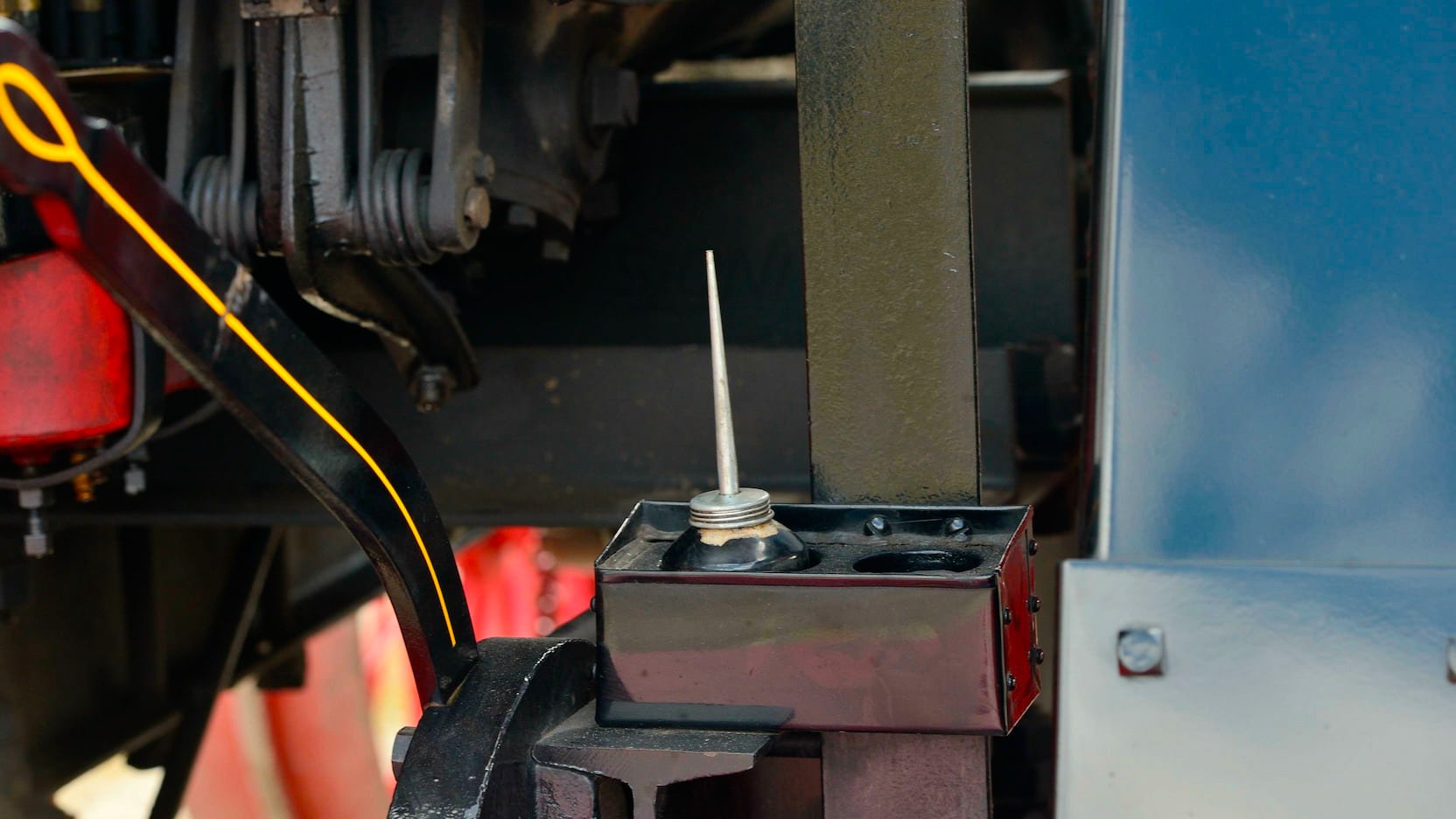
The tractor you see here now benefits from a comprehensive restoration by George Schaaf and his team.

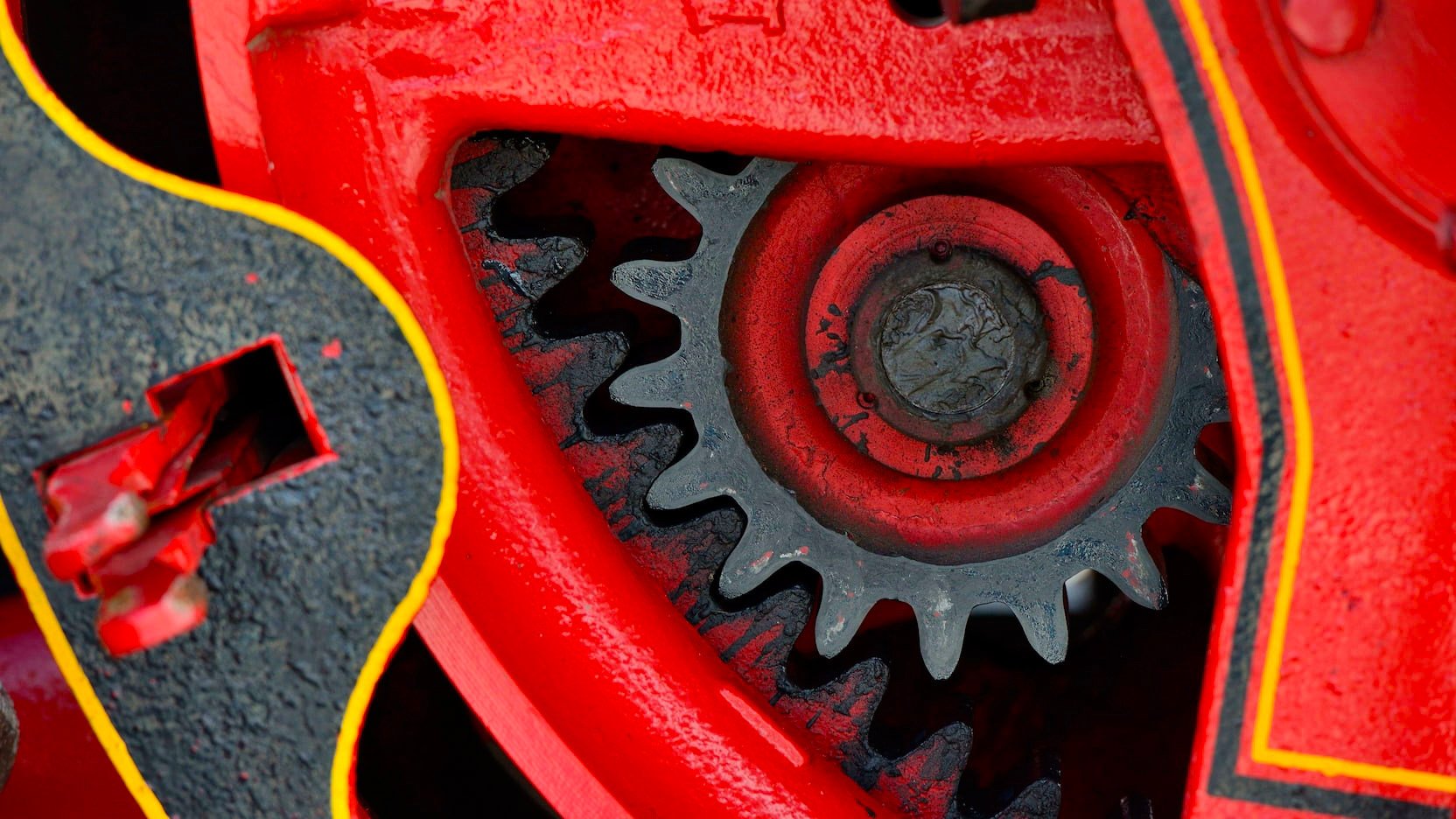
It’s now in fully operational condition and it was featured on the cover of Antique Power Magazine in the November/December issue in 2014. Inside the engine it has new valves, new pistons, a new camshaft, new rod bearings, and the planetary gear system was rebuilt.

The tractor is now due to roll across the auction block with Mecum in late September. If you’d like to read more about it or register to bid you can visit the listing here.

Hart-Parr 30-60 Tractor 20 Hart-Parr 30-60 Tractor 18 Hart-Parr 30-60 Tractor 17 Hart-Parr 30-60 Tractor 16 Hart-Parr 30-60 Tractor 15 Hart-Parr 30-60 Tractor 14 Hart-Parr 30-60 Tractor 13 Hart-Parr 30-60 Tractor 12 Hart-Parr 30-60 Tractor 10 Hart-Parr 30-60 Tractor 9 Hart-Parr 30-60 Tractor 8 Hart-Parr 30-60 Tractor 7 Hart-Parr 30-60 Tractor 6 Hart-Parr 30-60 Tractor 5 Hart-Parr 30-60 Tractor 4 Hart-Parr 30-60 Tractor 3 Hart-Parr 30-60 Tractor 2 Hart-Parr 30-60 Tractor 1

Images courtesy of Mecum

The post The Mighty Hart-Parr 30-60 – Powered By A 38.6 Liter Kerosene Engine appeared first on Silodrome.


from Silodrome https://silodrome.com/hart-parr-30-60/
via gqrds