A Handmade Shepherd’s Hut – For A Traditional Life Off The Grid

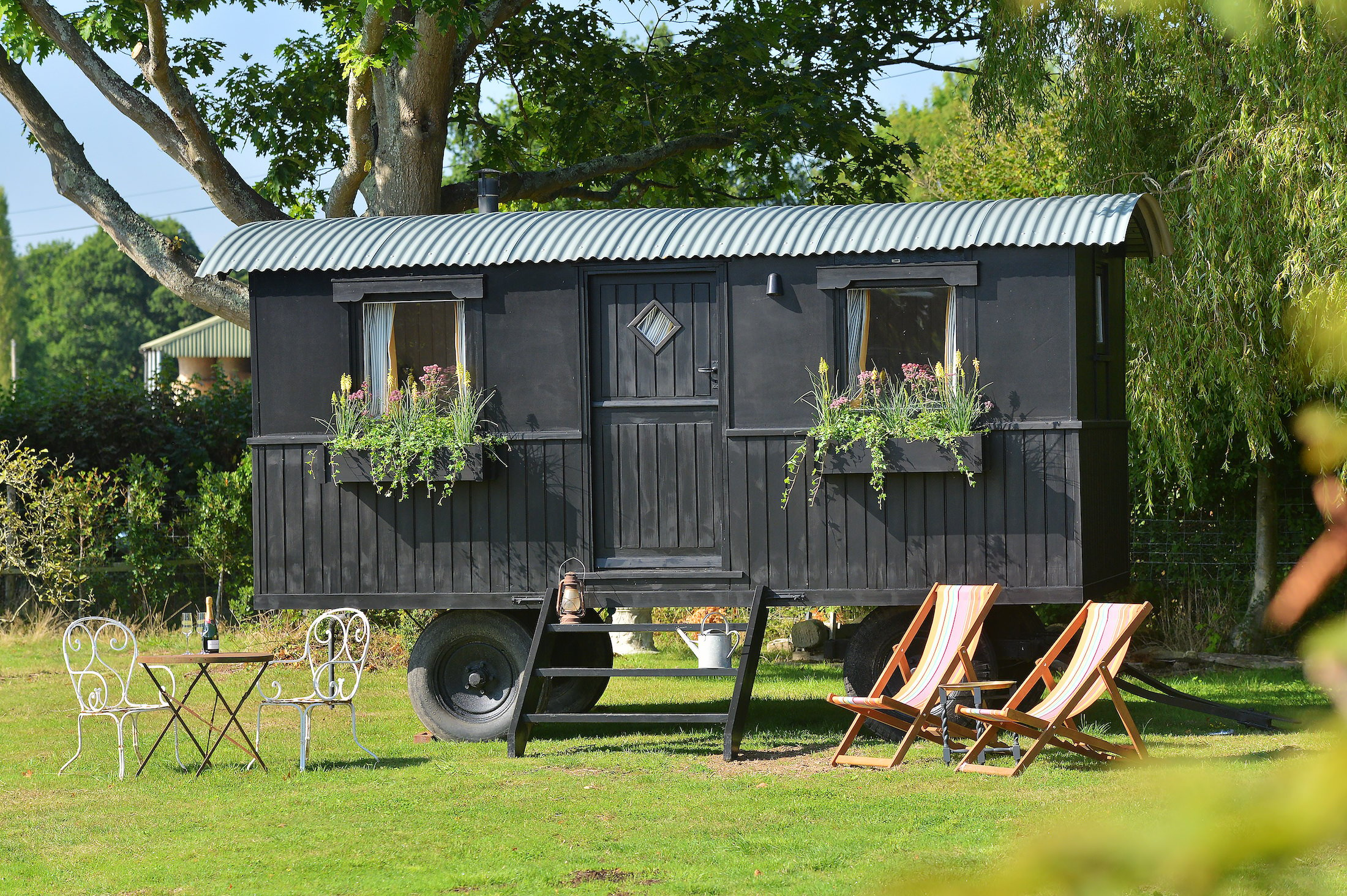
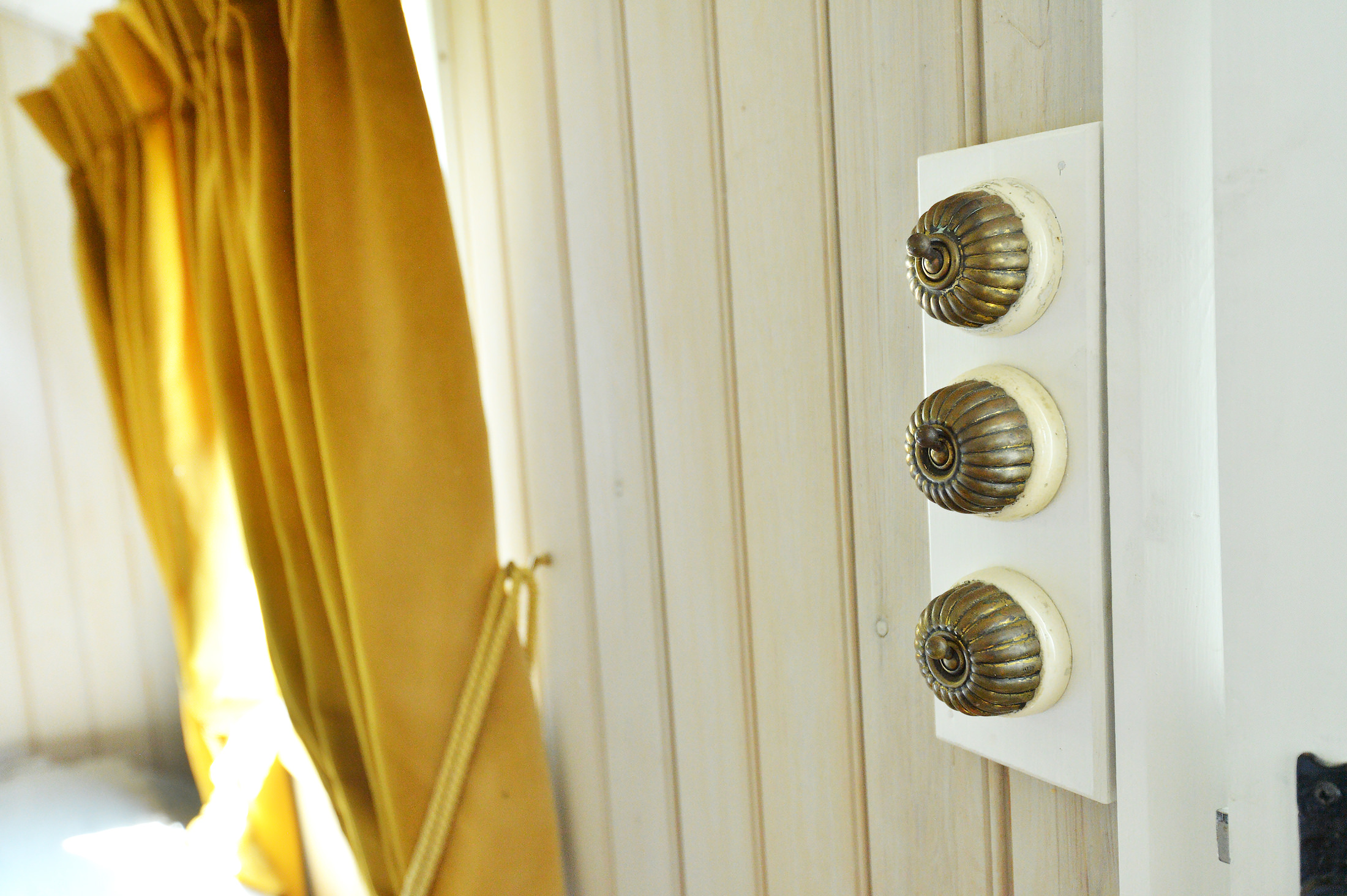
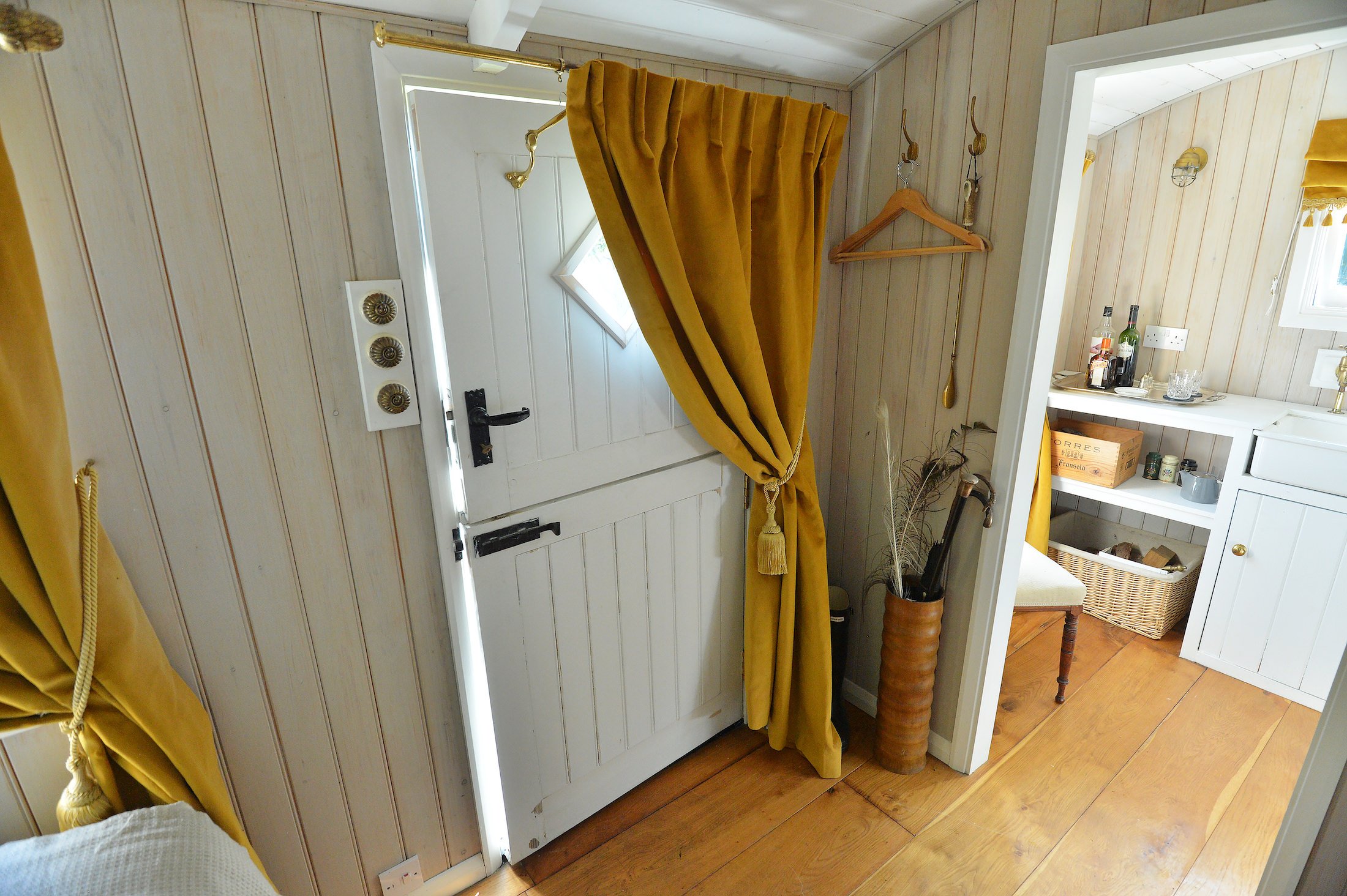
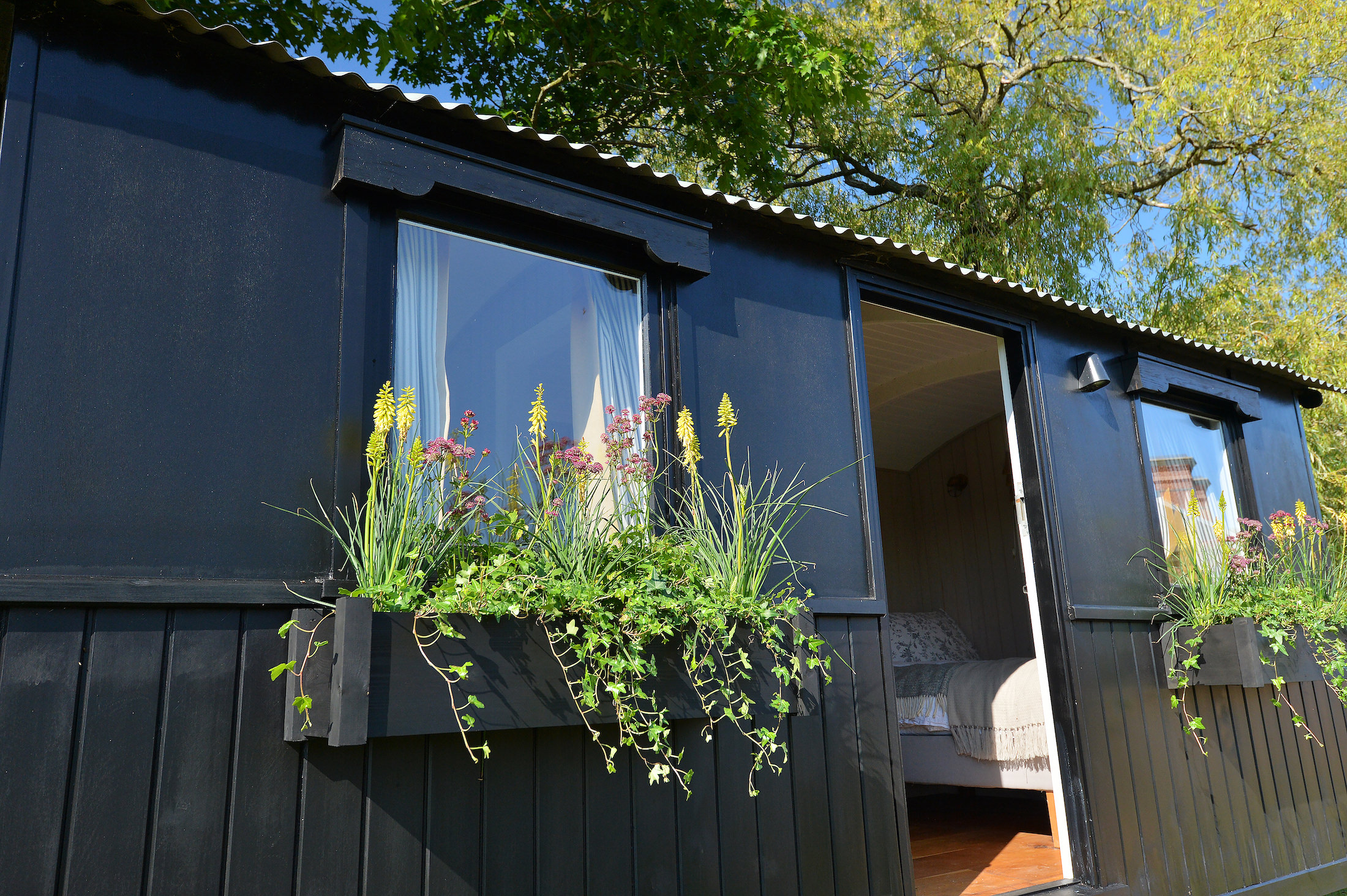
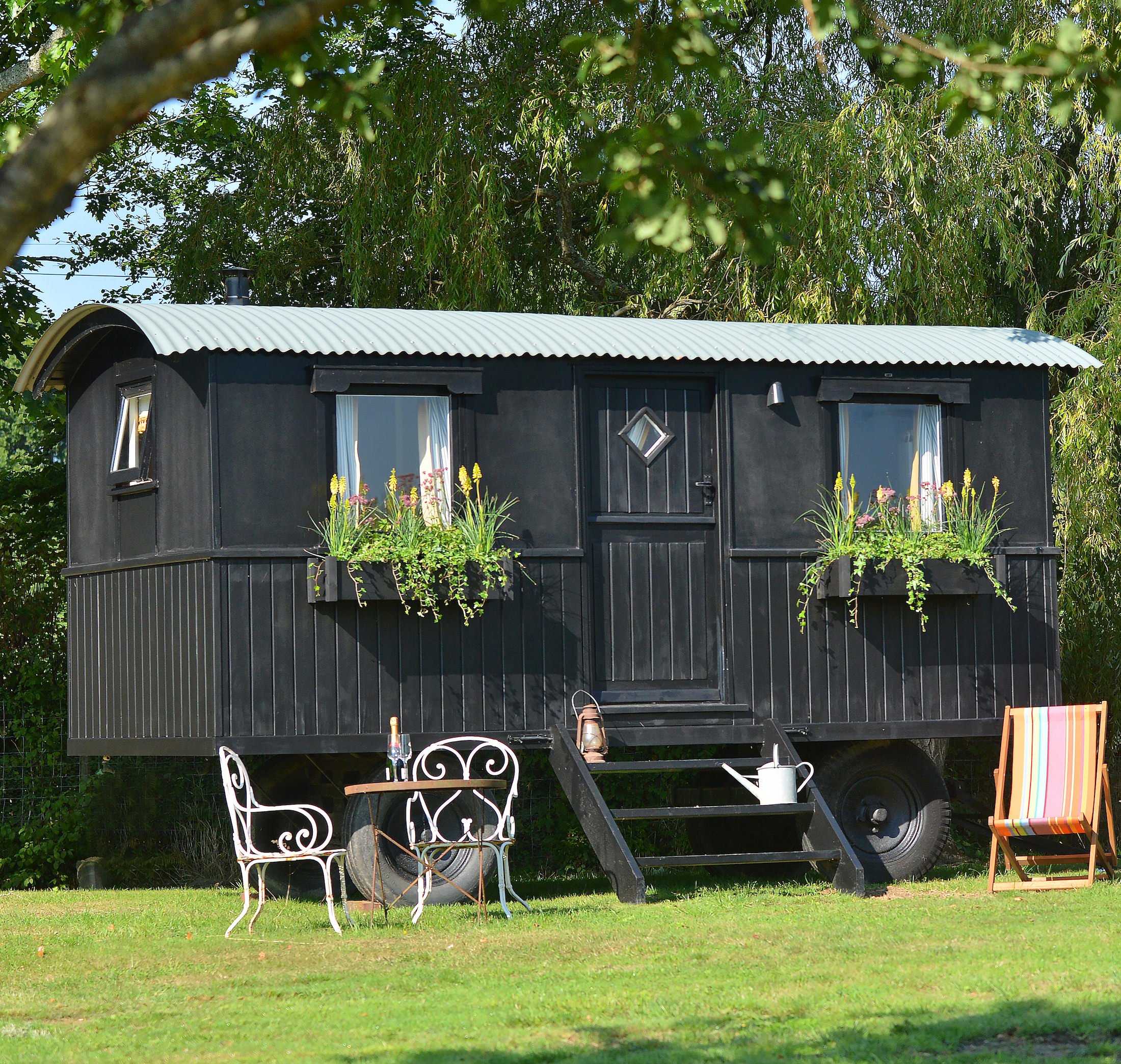
This shepherd’s hut was handmade by an English joiner working in his medieval barn workshop in Sussex. It has solid oak floors, a traditional corrugated iron roof, and fittings that were carefully selected for period correctness.

Traditional shepherd’s huts have become increasingly popular as they offer a way to quickly increase living space for people with backyards or farms, or estates. In many jurisdictions they’re also exempt from requiring council planning permission.

Fast Facts – Shepherd’s Hut

  • Shepherd’s huts have been used in Europe since the 15th century, typically during sheep raising and lambing seasons by farmers and shepherds who needed to be closer to their flocks.
  • Over time the concept of the shepherd’s hut was modified into what we now call the travel trailer or caravan, similar looking houses on wheels that are typically towed behind a car or SUV.
  • In recent years the classic shepherd’s hut has been making a comeback, particularly in the UK and Europe, as an additional living space or room for guests.
  • The shepherd’s hut you see here was handmade in England by a classically-trained joiner, it’s well detailed throughout and it’s due to cross the auction block with Historics Auctioneers. The price guide is £18,000 – £25,000 which is approximately $20,800 – $28,900 USD.

The Shepherd’s Hut

An early text from 1596 includes the sentence “the Shepheard hath his cabin going upon a wheel for to move here and there at his pleasure” – it’s believed to be the first ever reference to the existence of the shepherd’s hut.
Shepherd's Hut 12

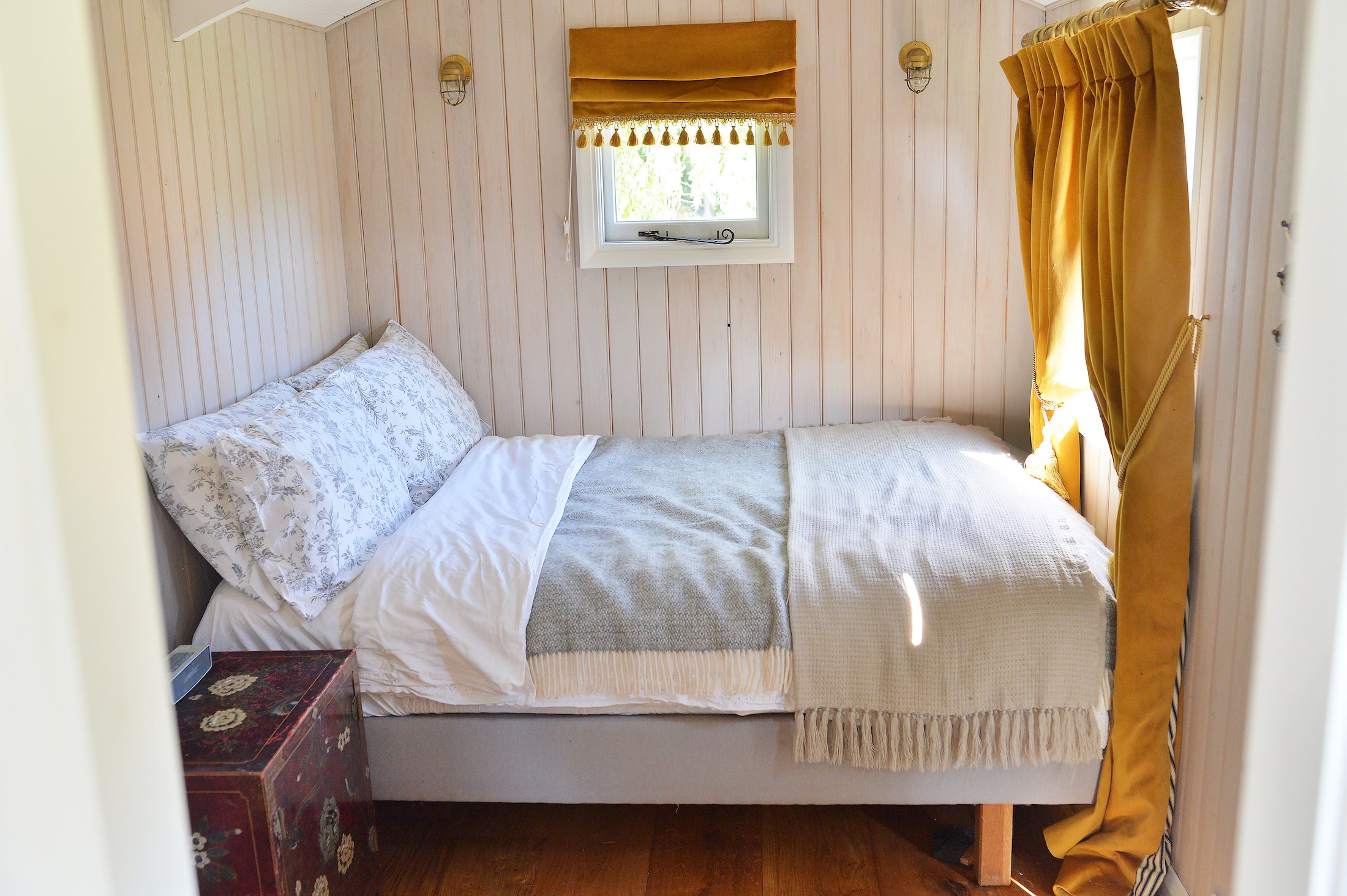
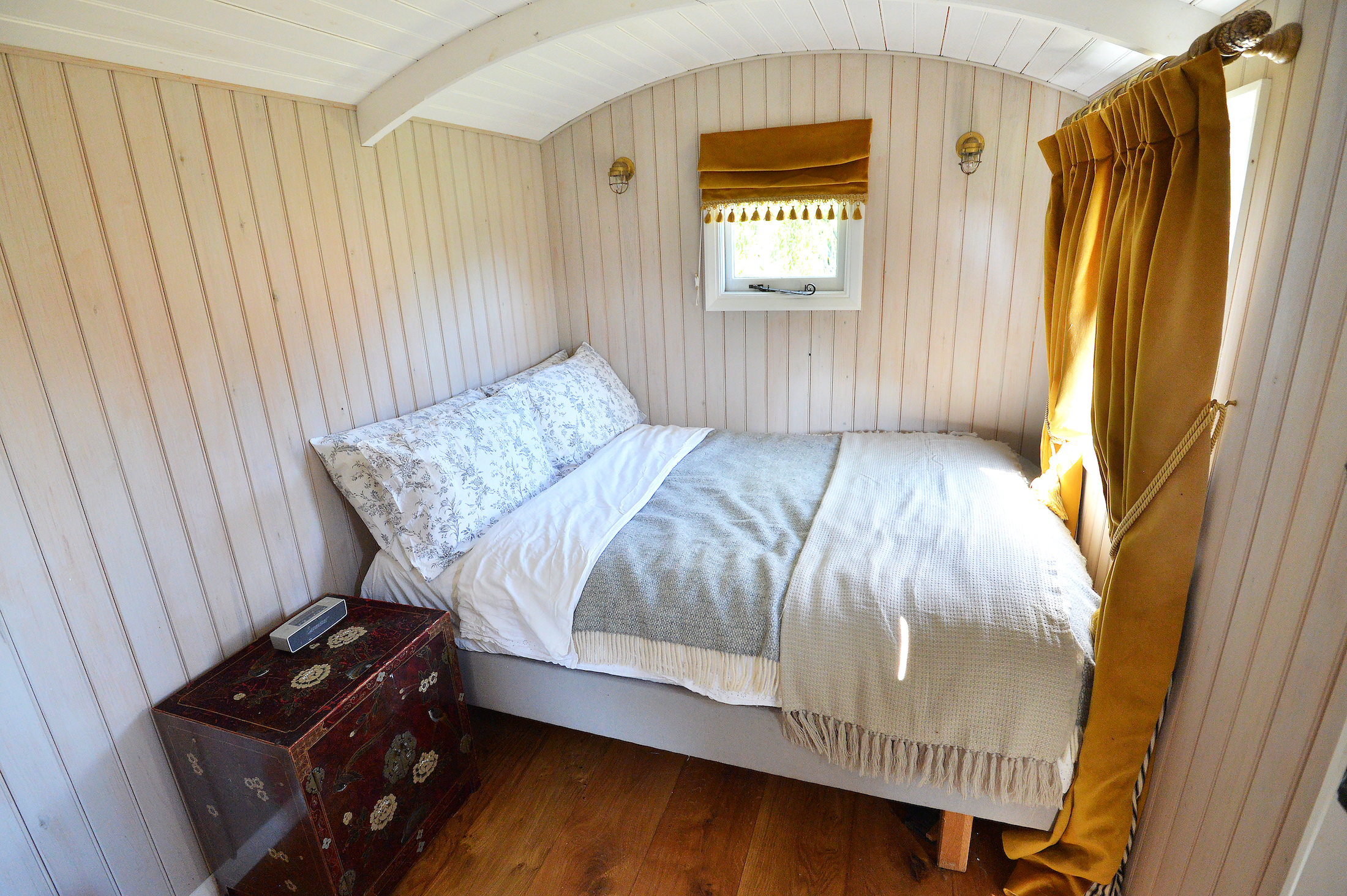
Inside this shepherd’s hut you’ll find a double bed that can comfortably sleep two.

Before long shepherd’s huts would be a common sight in the fields of sheep farms across England, Wales, and Scotland and across the channel in France. They were used by shepherds and farmers as a mobile home-away-from-home that allowed them to sleep out near their flocks.

Shepherd’s huts were particularly useful during sheep raising and lambing seasons, though they began to decline in popularity as the 20th century progressed and access to tractors and other means of transportation became more common.

Back in the 15th century shepherd’s huts were largely made from locally sourced wood, they were simple affairs that offered only the bare essentials, typically a bed or sleeping mat, a wood stove for warmth and cooking, a door, and a window on each of the four sides so the shepherd could see the flock.

As time went by the accommodations improved, more modern examples often have sinks with running water, some have toilets, and some even have air-conditioning and showers with hot water.
Shepherd's Hut 11

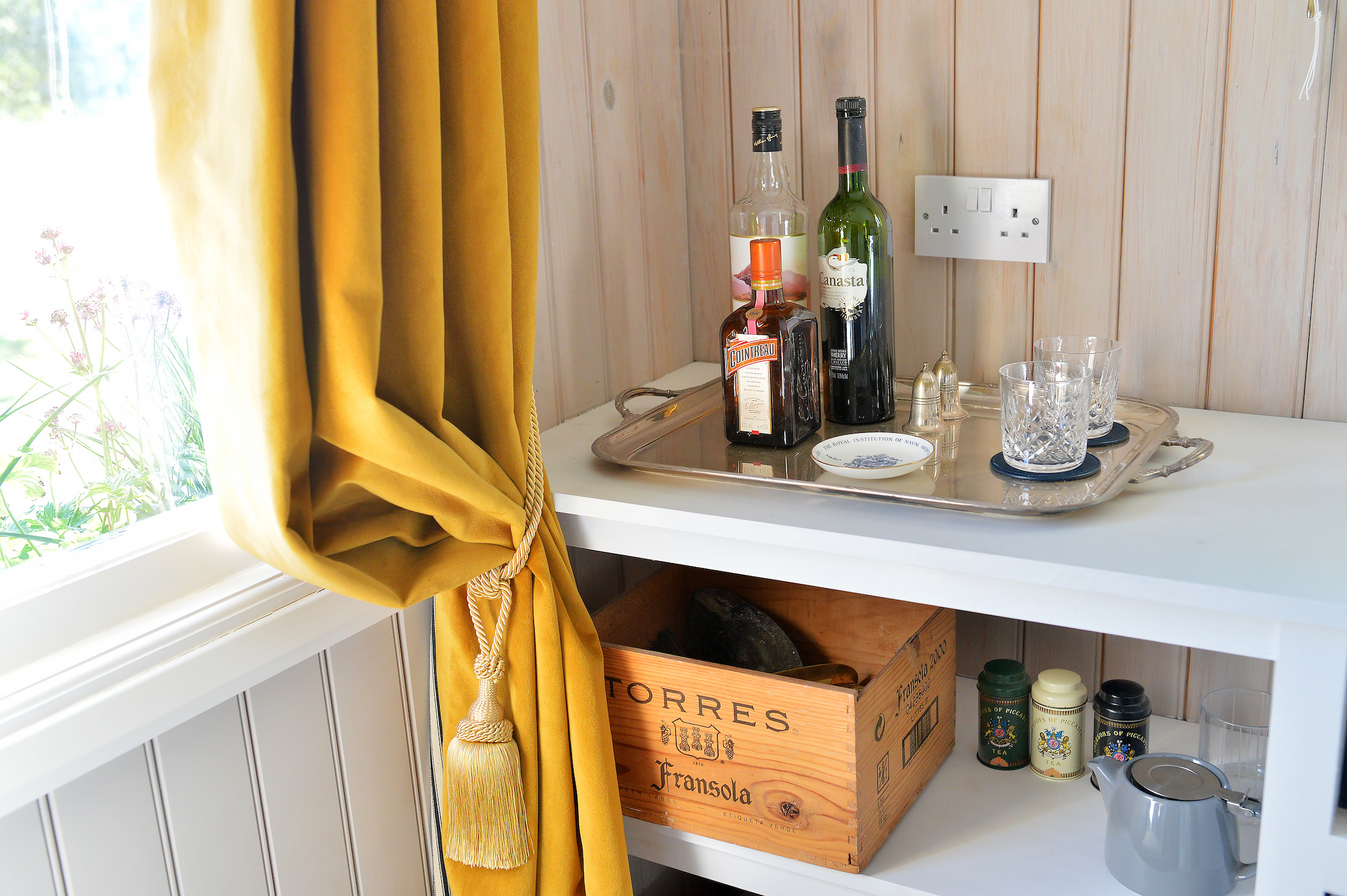
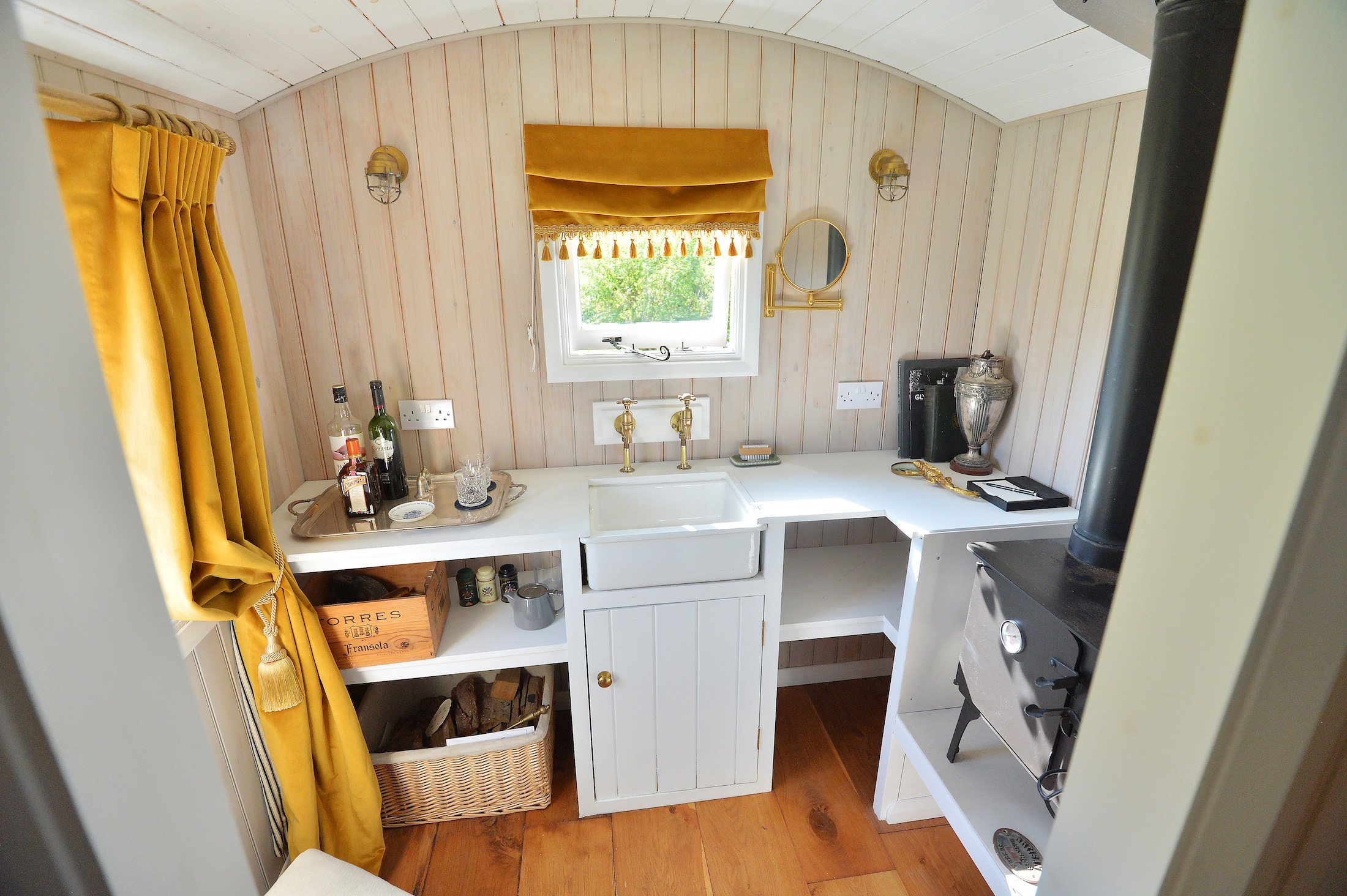
It has a nicely equipped kitchen with traditional taps flowing into a ceramic basin, and a wood burning stove.

These modern shepherd’s huts are rarely used by farmers, they’ve now become a favorite of the glamping crowd and many people use them as a way of expanding their home accommodation options – the shepherd’s hut essentially becomes a new bedroom in the backyard.

The Modern Shepherd’s Hut Shown Here

The shepherd’s hut you see here is the work of the appropriately named company Artisan Shepherds Huts based in a medieval barn/workshop in Sussex in southern England. The work is all done by the company founder and a highly skilled joiner who had previously been working on listed historic buildings and bespoke furniture.

Each of these shepherd’s huts is built using traditional materials and period correct parts where possible, some even receive wheels cast from molten iron using original patterns. The hut you see here was built on a classic four-wheeled farm trailer fitted with rubber tires, which may make it a little easier to move around.

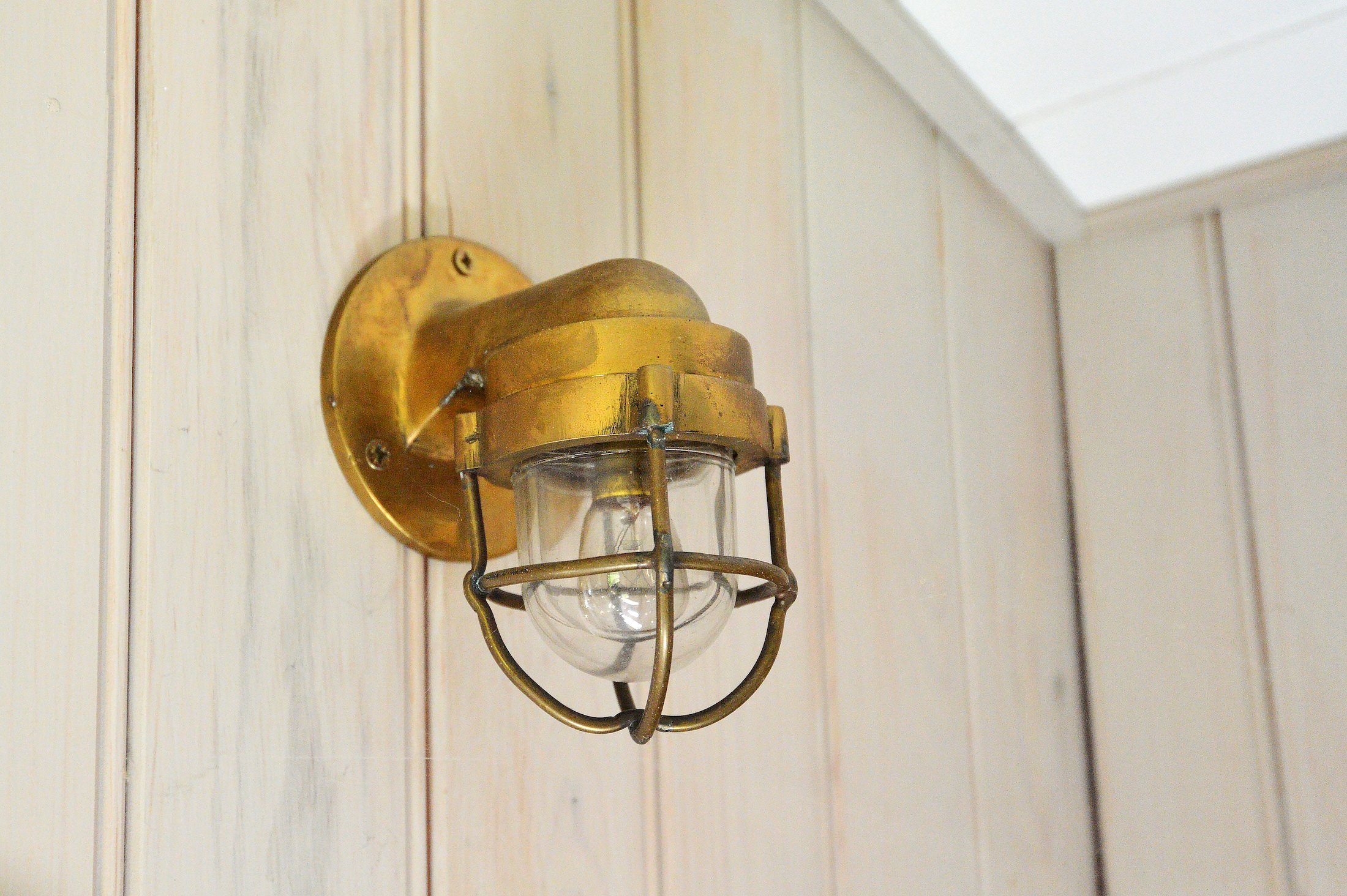
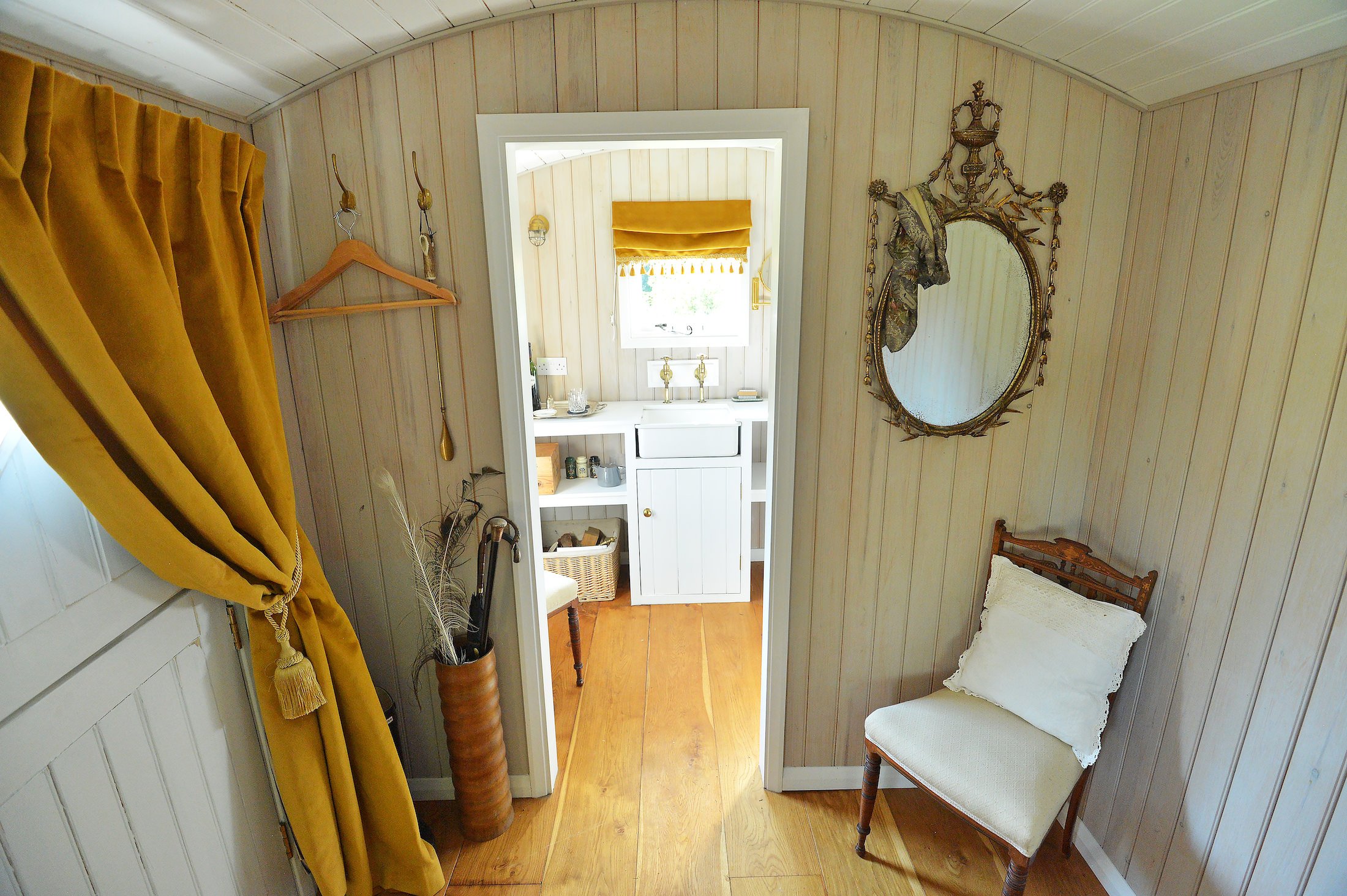
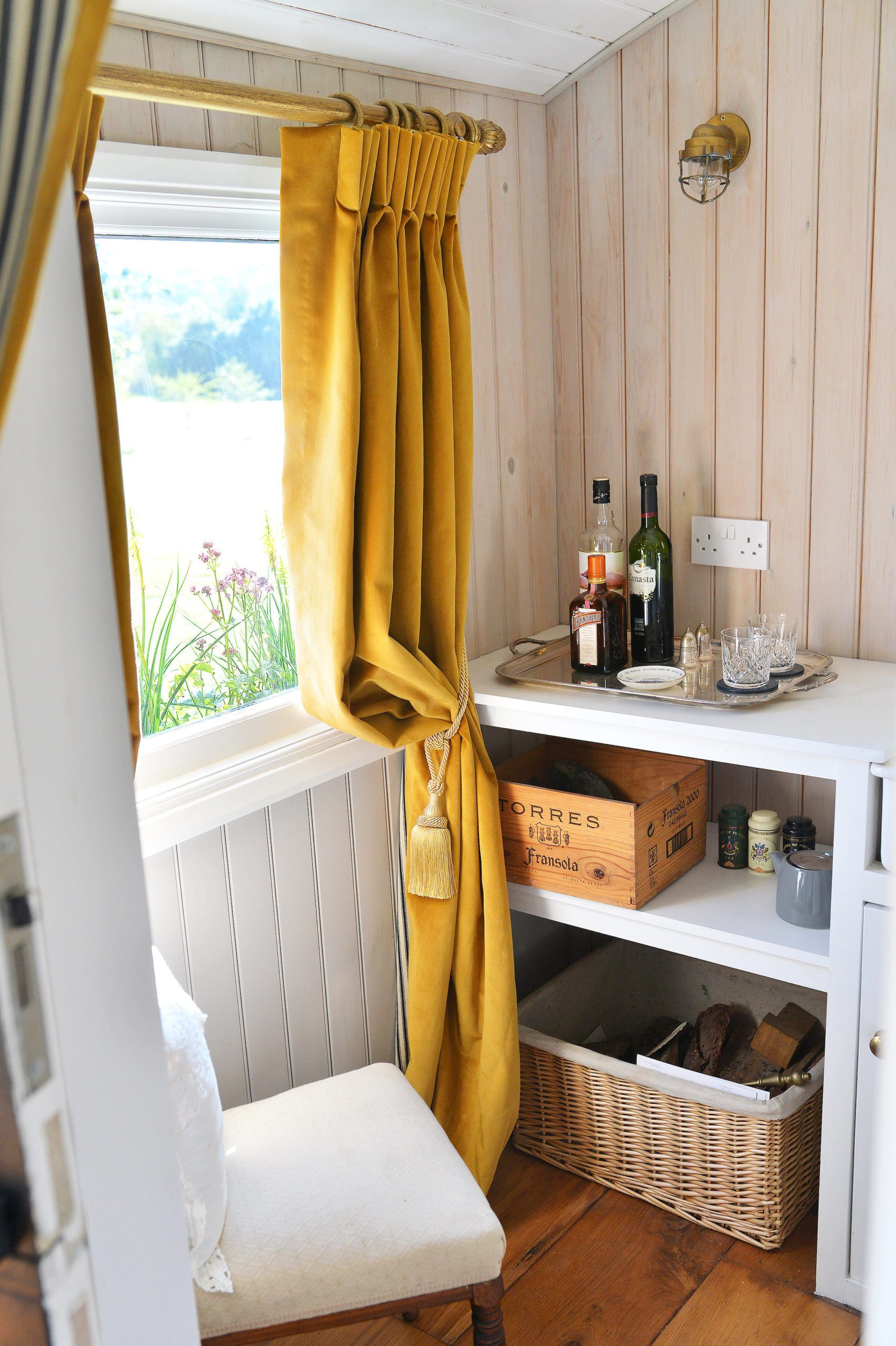
It has solid oak flooring, carefully chosen fixtures and fittings, a sink with brass taps, electrical outlets, a wood stove for warmth, electric lighting, and a double bed.

It’s due to roll across the auction block with Historics Auctioneers on the 24th of September with a price guide of $20,800 – $28,900 USD (£18,000 – £25,000). if you’d like to read more about it or register to bid you can visit the listing here.
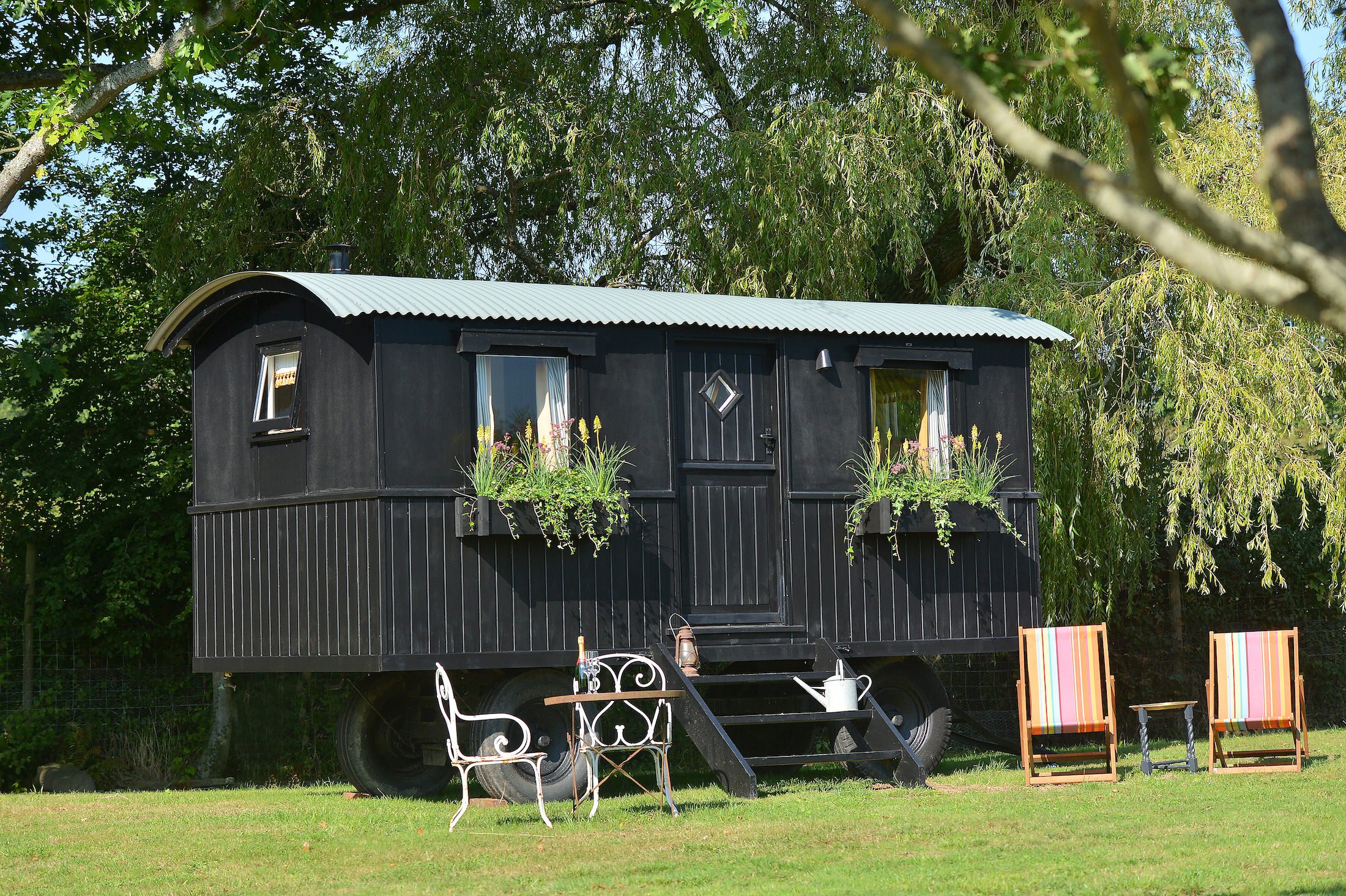
Shepherd's Hut 6 Shepherd's Hut 2 Shepherds Hut Shepherd's Hut Shepherd's Hut 14 Shepherd's Hut 13 Shepherd's Hut 10 Shepherd's Hut 8 Shepherd's Hut 7 Shepherd's Hut 5 Shepherd's Hut 4 Shepherd's Hut 3

Images courtesy of Historics Auctioneers

Photographer: Jake Darling Photography

The post A Handmade Shepherd’s Hut – For A Traditional Life Off The Grid appeared first on Silodrome.


from Silodrome https://silodrome.com/handmade-shepherds-hut/
via gqrds

The 170 MPH Callaway C8 SuperNatural: 1 Of 18 Ever Made

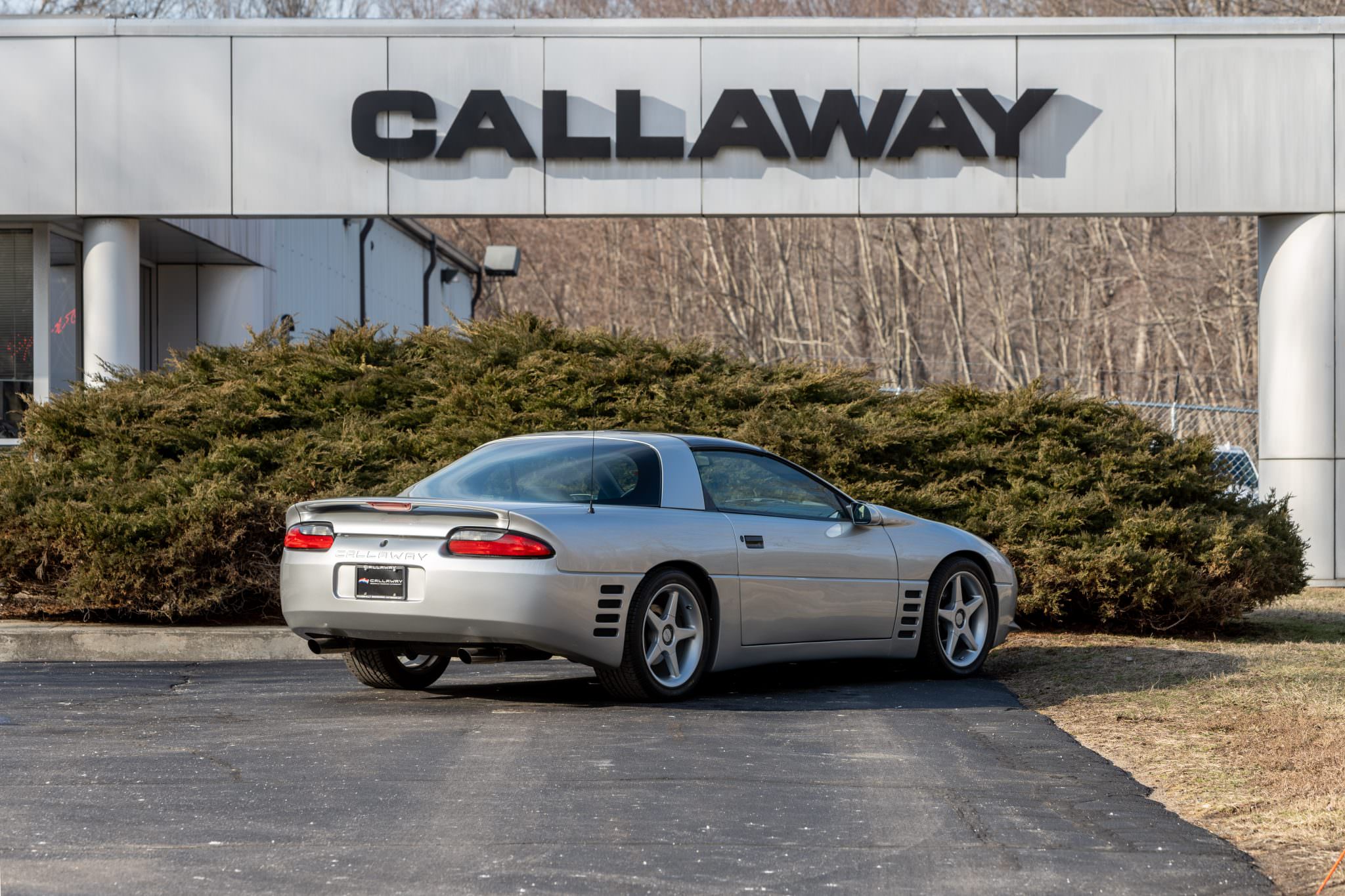
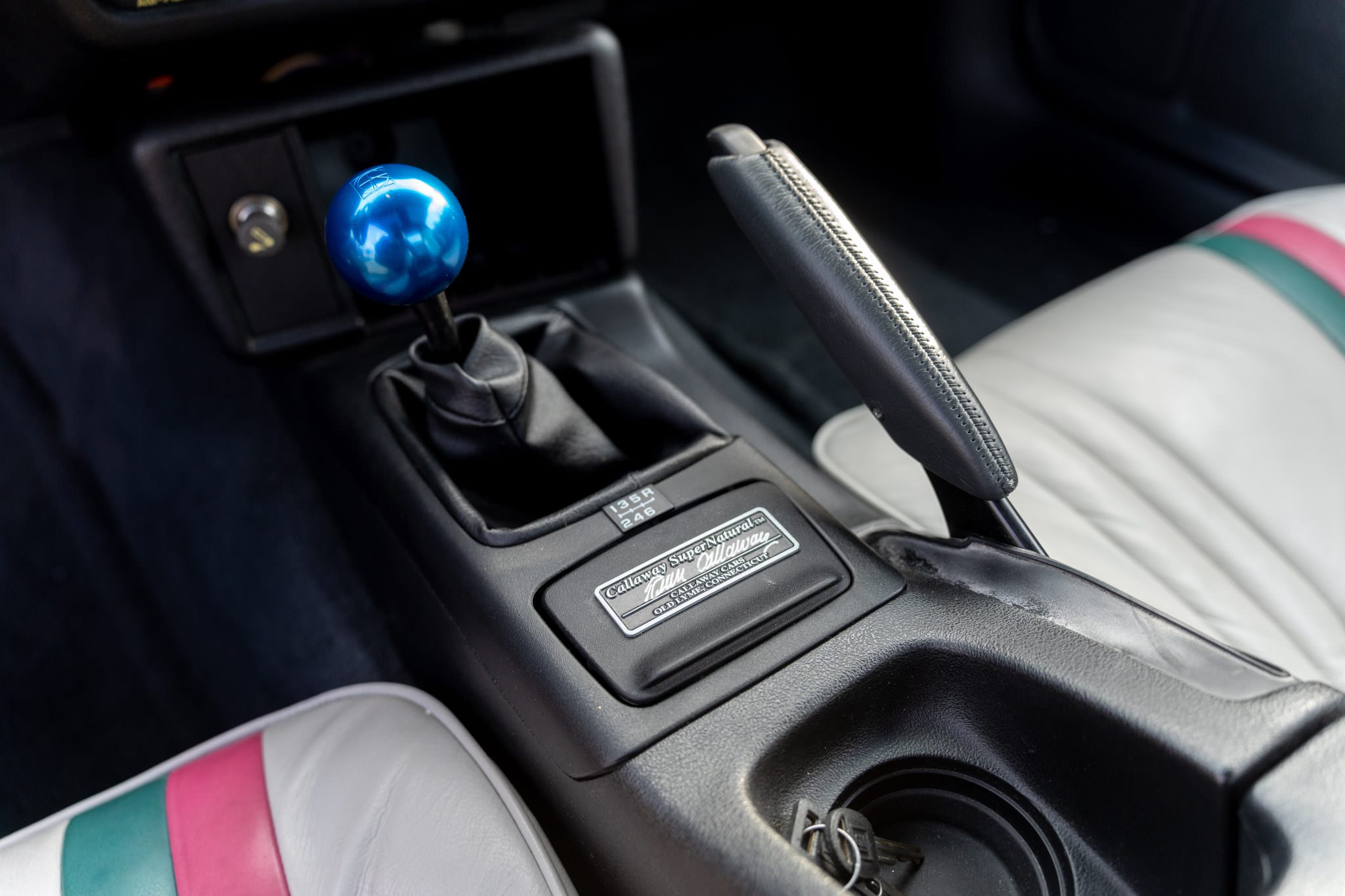
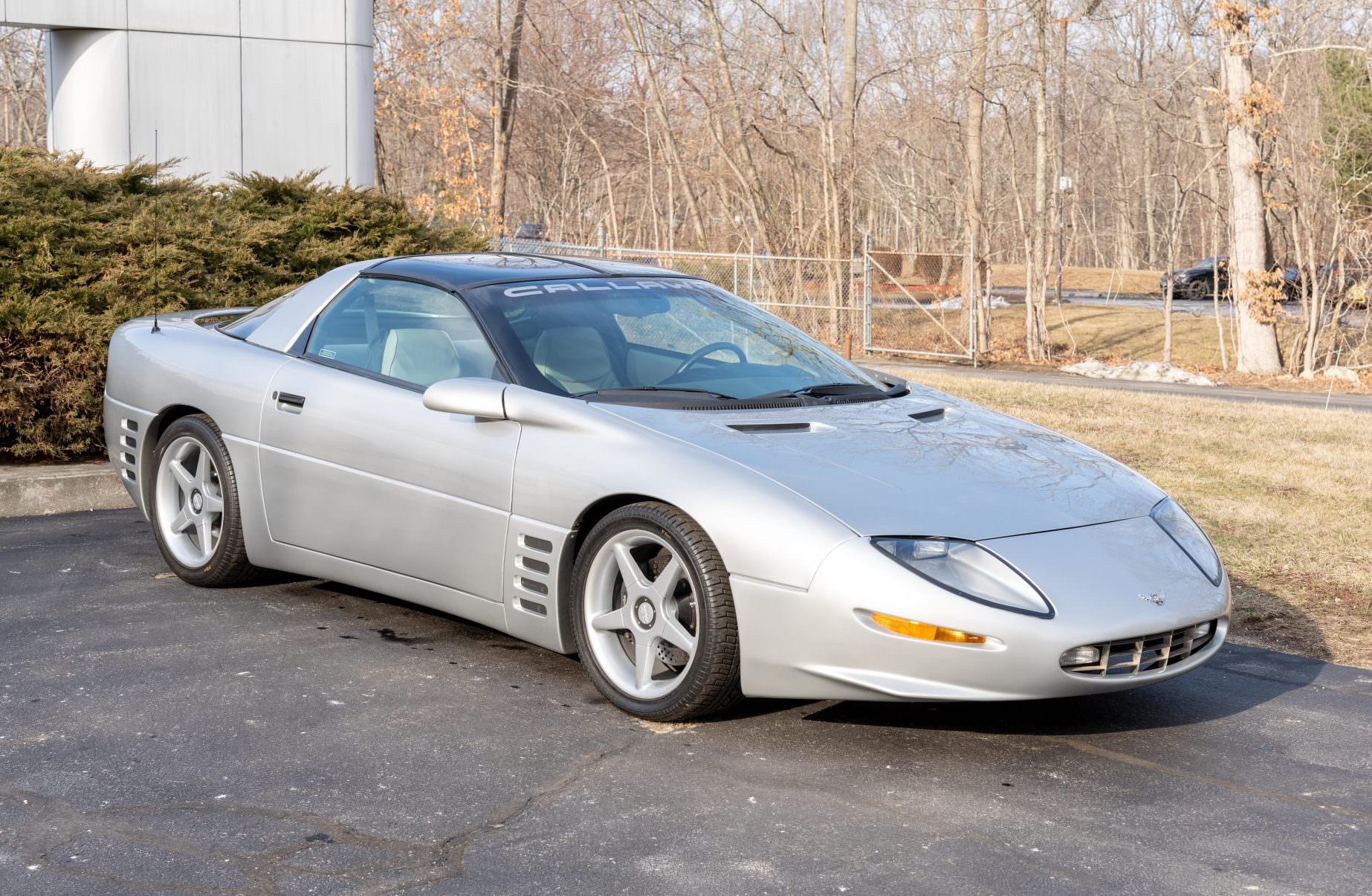
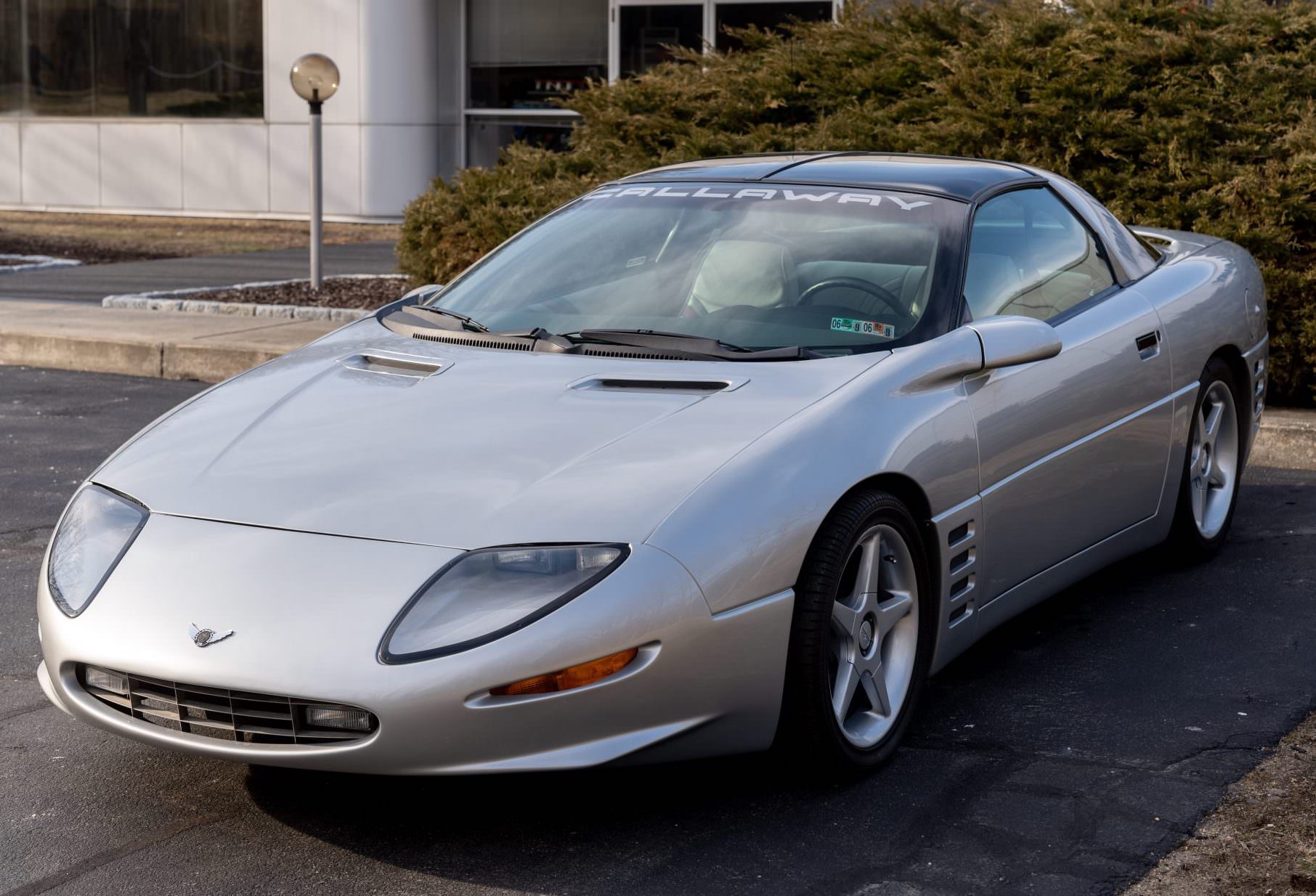
This is an original Callaway C8 SuperNatural, just 18 were made between 1994 and 1997, they were capable of 170 mph, and they were were based on the fourth generation Chevrolet Camaro platform.

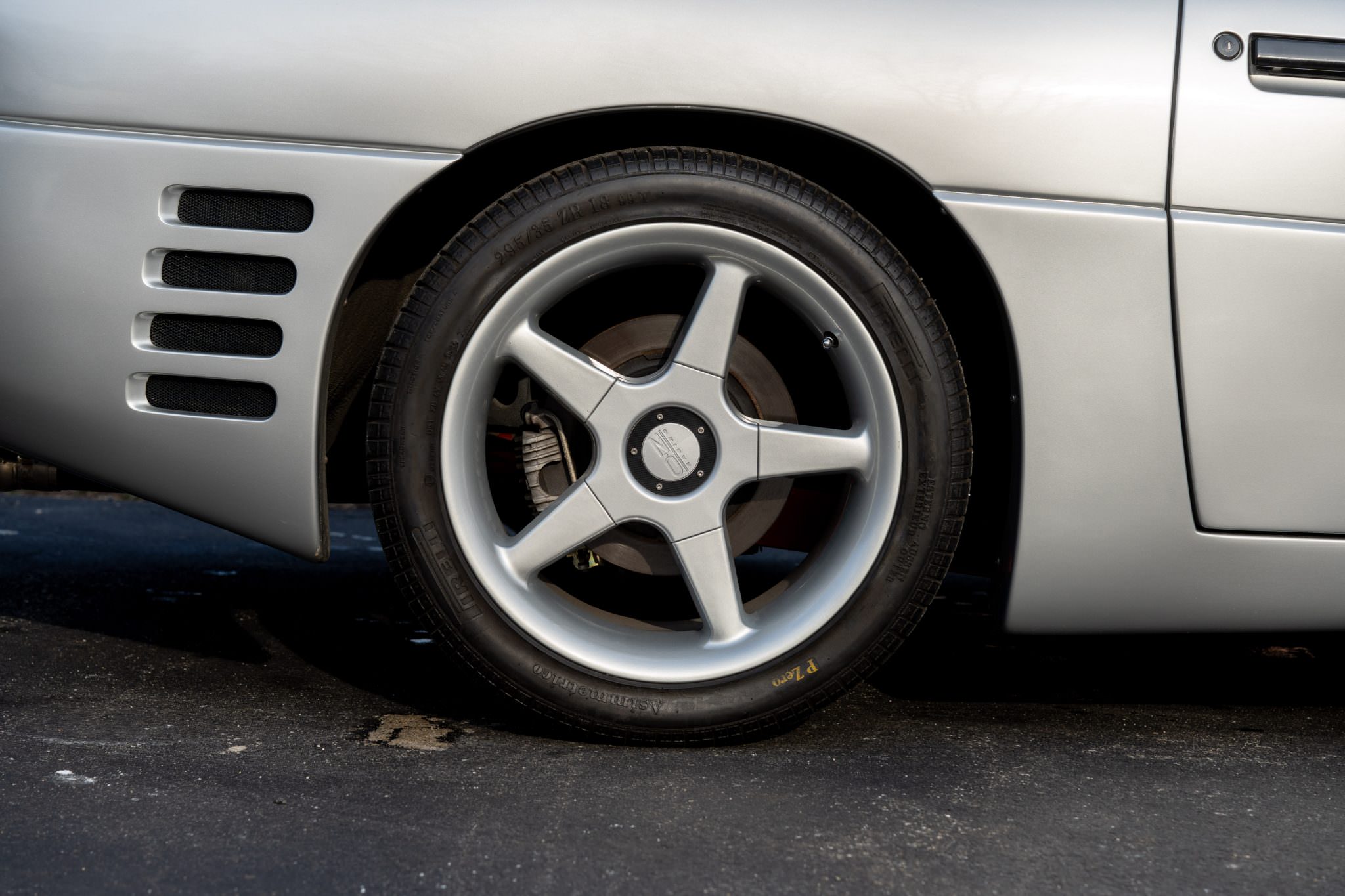
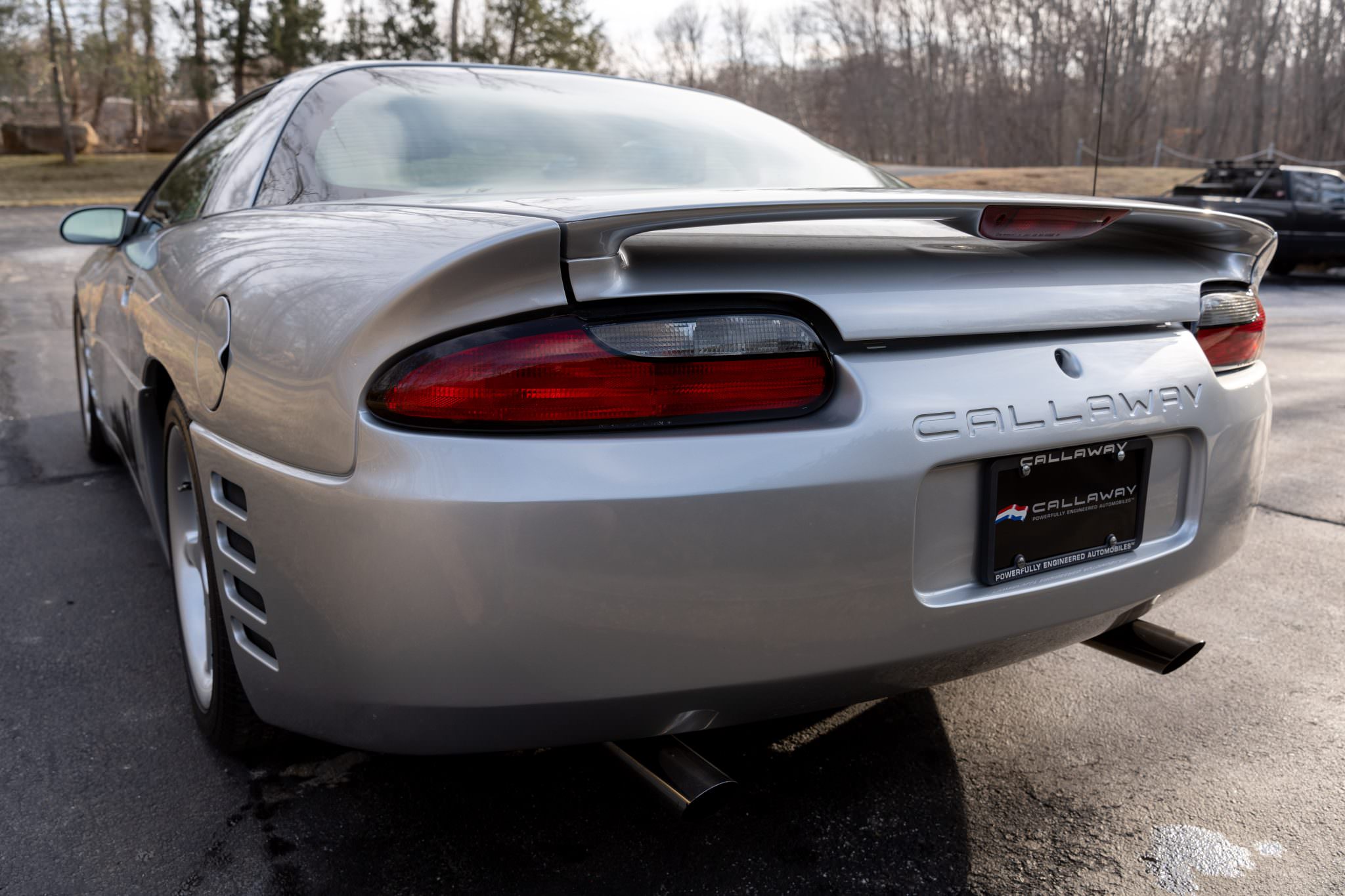
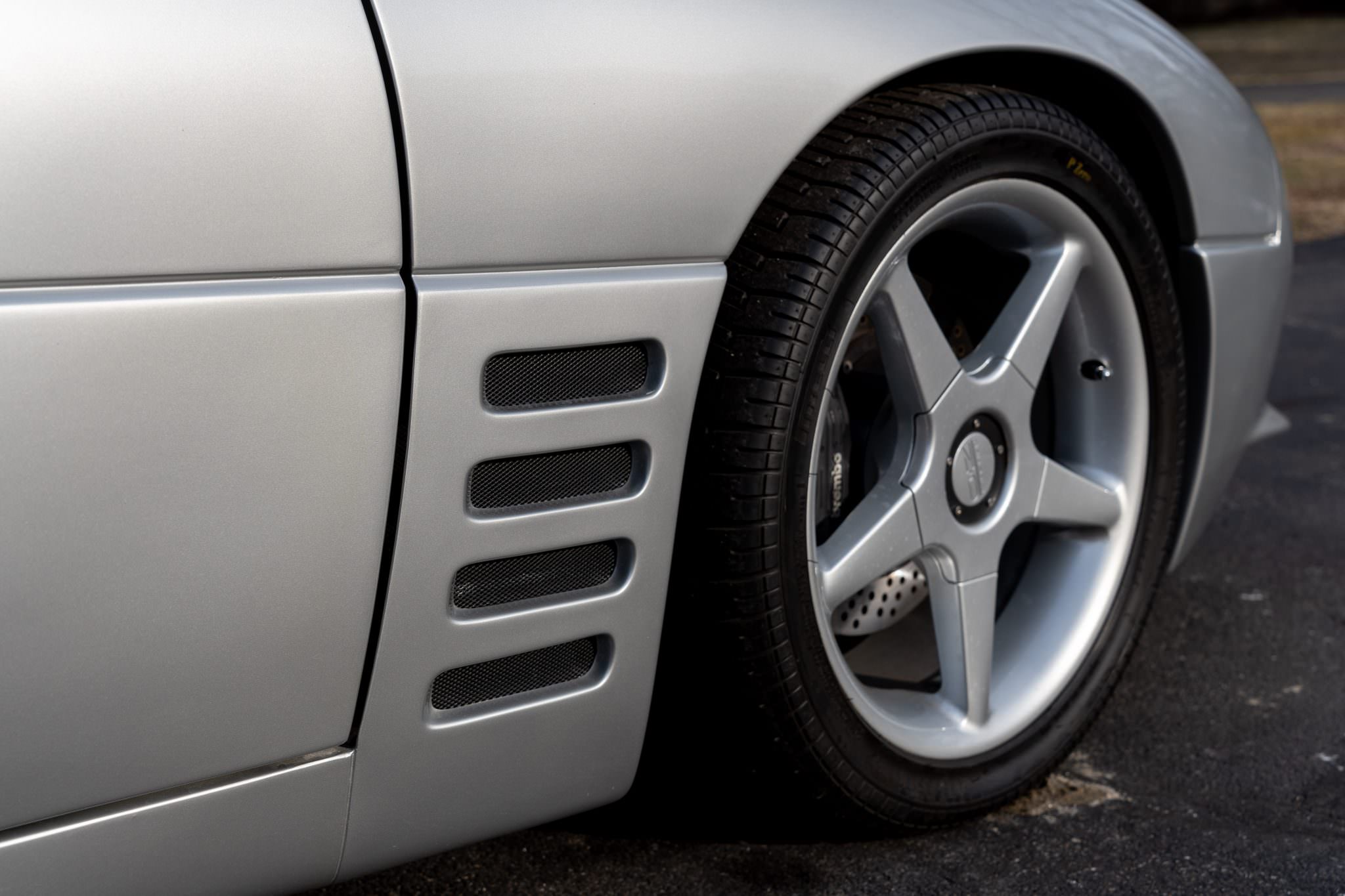
The series of upgrades applied to the Callaway C8 SuperNatural can be separated out into three main parts, the engine modifications, the suspension and brake upgrades, and the body upgrades that consisted of an aero kit called the “CamAerobody.”

Fast Facts – The Callaway C8 SuperNatural

  • The Callaway C8 SuperNatural first appeared in 1994, it was a heavily modified fourth generation Camaro with an engine tuned to produce 400 bhp, customers could later send their cars back for 425, 435, or 450 bhp upgrades.
  • Callaway engineers had plenty of experience working with the Chevrolet LT1 V8 as it was essentially the same engine used in the C4 Corvette, a car that Callaway had been modifying since 1987.
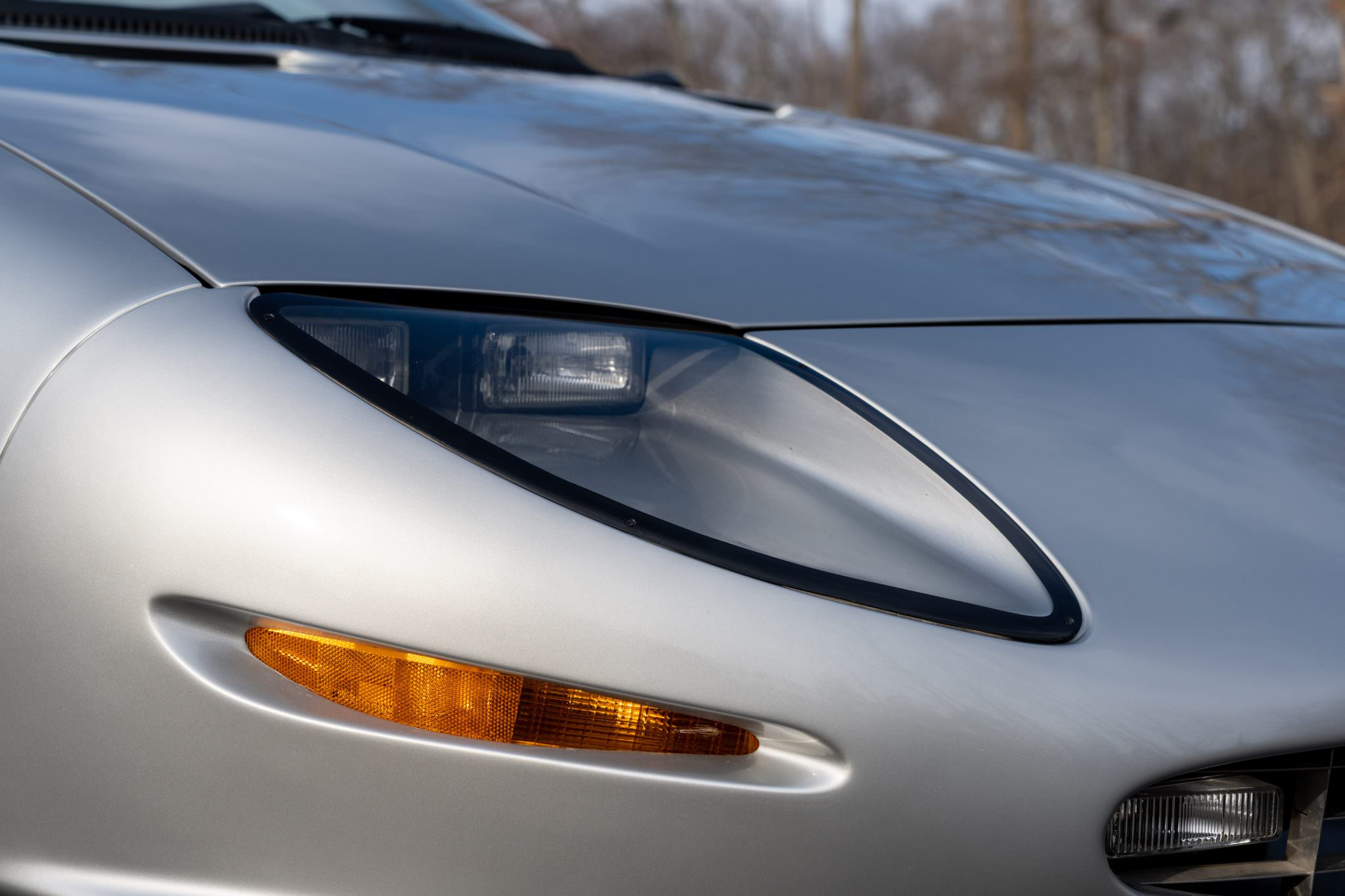
  • The most eye-catching change to the C8 SuperNatural was the aerodynamic body kit, it was called the CamAerobody and it was designed by Paul Deutschman.
  • With its 170 mph top speed, wild styling, and carefully tuned handling the C8 SuperNatural was a desirable car when new, but the $56,000+ USD MSRP limited the number of sales to just 18.

Reeves Callaway And The Beginning

In the early 1970s Reeves Callaway was a talented young racing driver who, like many others, struggled to afford to keep racing. As a result he took a job as an instructor at the famous Bob Bondurant Racing School.

Callaway C8 SuperNatural Camaro

The styling of the Callaway C8 SuperNatural Camaro has long divided critics, some love its aerodynamic body kit and compare it to earlier cars like the Superbird.

While working there he became familiar with the BMW 320i model as it was being used as a school car. He realized it had the potential for a lot more speed, and so he developed a turbocharger kit for it and then turned it over to Car and Driver journalist Don Sherman for feedback.

Sherman wrote a glowing article about the transformed BMW, and in so doing changed the course of Callaway’s life. Within a few short years Reeves was building turbo kits for a wide range of cars including vehicles from BMW, Volkswagen, Porsche, Audi, Alfa Romeo, and Mercedes-Benz.

The Callaway Camaro

The car that Callaway are most famous for modifying is the Corvette, the first was the Callaway Twin Turbo Corvette that arrived in 1987 based on the then-current C4 Corvette platform. The C4 Callaway Corvettes peaked in the late 1980 with the Callaway Sledgehammer – a twin-turbo C4 with 900 bhp and a top speed of 255 mph.

All of this experience working with the Corvette, particularly its LT1 Chevrolet V8, gave Callaway a serious head start with the new fourth generation Camaro debuted in 1993 making use of the same engine as the C4 Corvette.

Callaway C8 SuperNatural Camaro 16

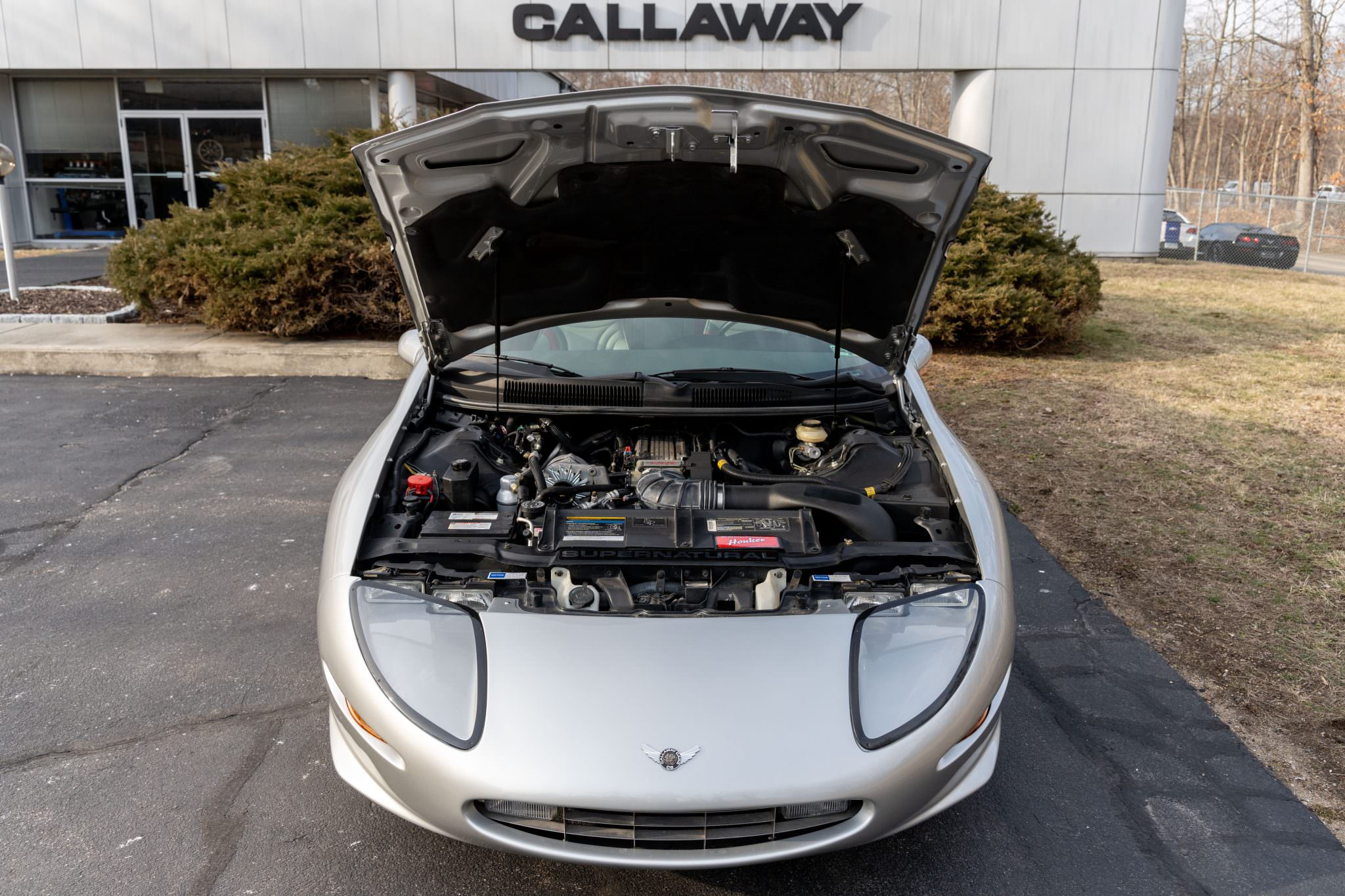
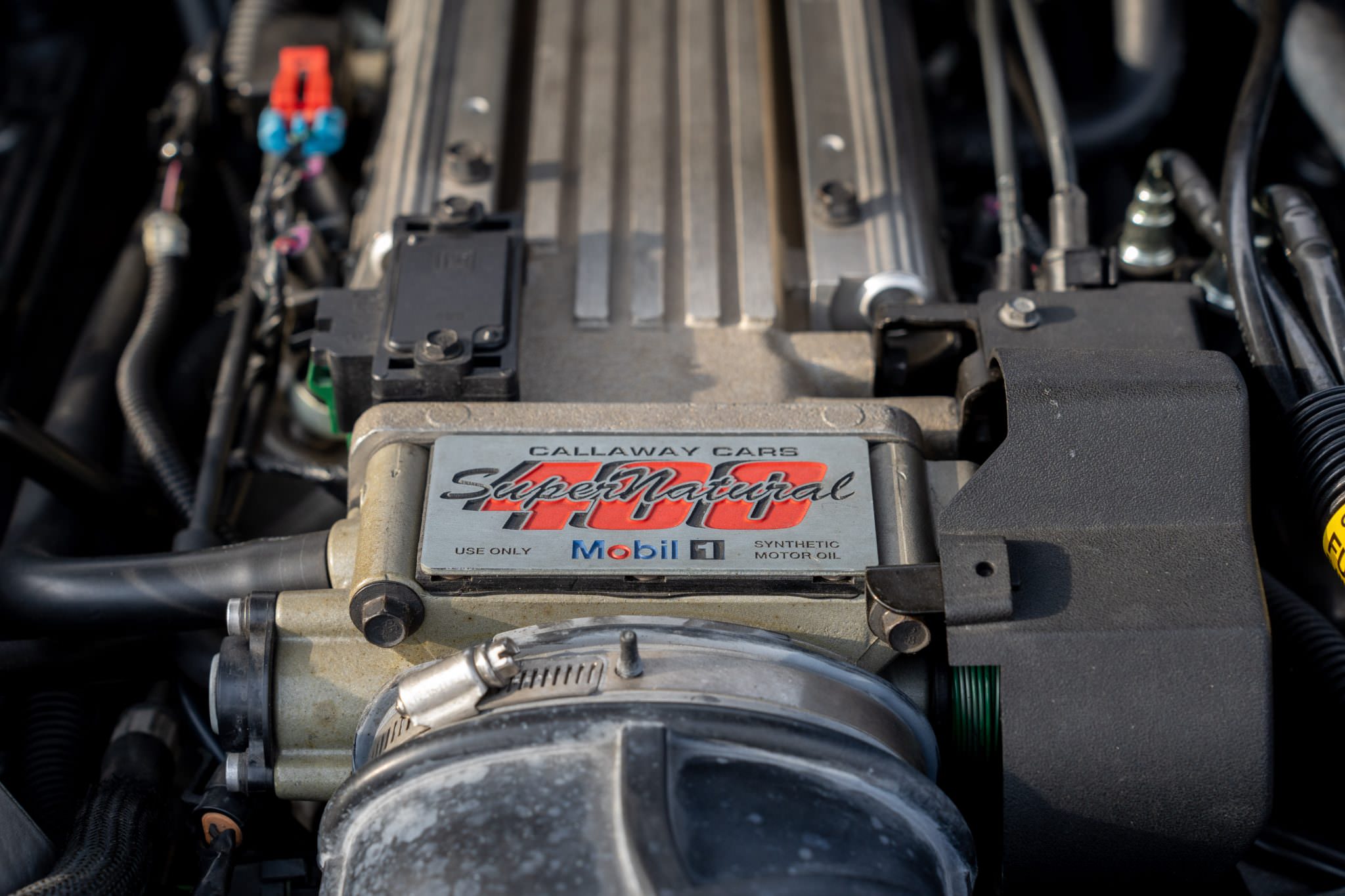
Under the hood you’ll find a 383 cubic inch “SuperNatural” Callaway V8 producing well over 400 bhp – a big jump up from the regular Camaro’s 275 bhp.

Whereas the Callaway Corvettes were unaffordable to all but the wealthiest of petrolheads, the Callaway Camaro would be a little less expensive – though still appealing to a very exclusive customer base up around the top of the American sports car market.

There is an important distinction between the Callaway SuperNatural Camaro (of which 55 were made) and the Callaway C8 SuperNatural Camaro (of which 18 were made.) In order for a car to qualify as a C8 it had to have both the engine upgrades and the body kit upgrades.

When ordering customers could specify engine output of 400 bhp which were vastly more than the 275 bhp that came with the standard car, customers could later send their cars back for 425, 435, or 450 bhp upgrades.

This combination of power with the CamAerobody bodykit (CamAero = Camaro) gave the car a claimed top speed of 170 mph or more – an astonishing rate of speed by the standards of the time and on par with supercars from the 1970s.

Callaway C8 SuperNatural Camaro 7

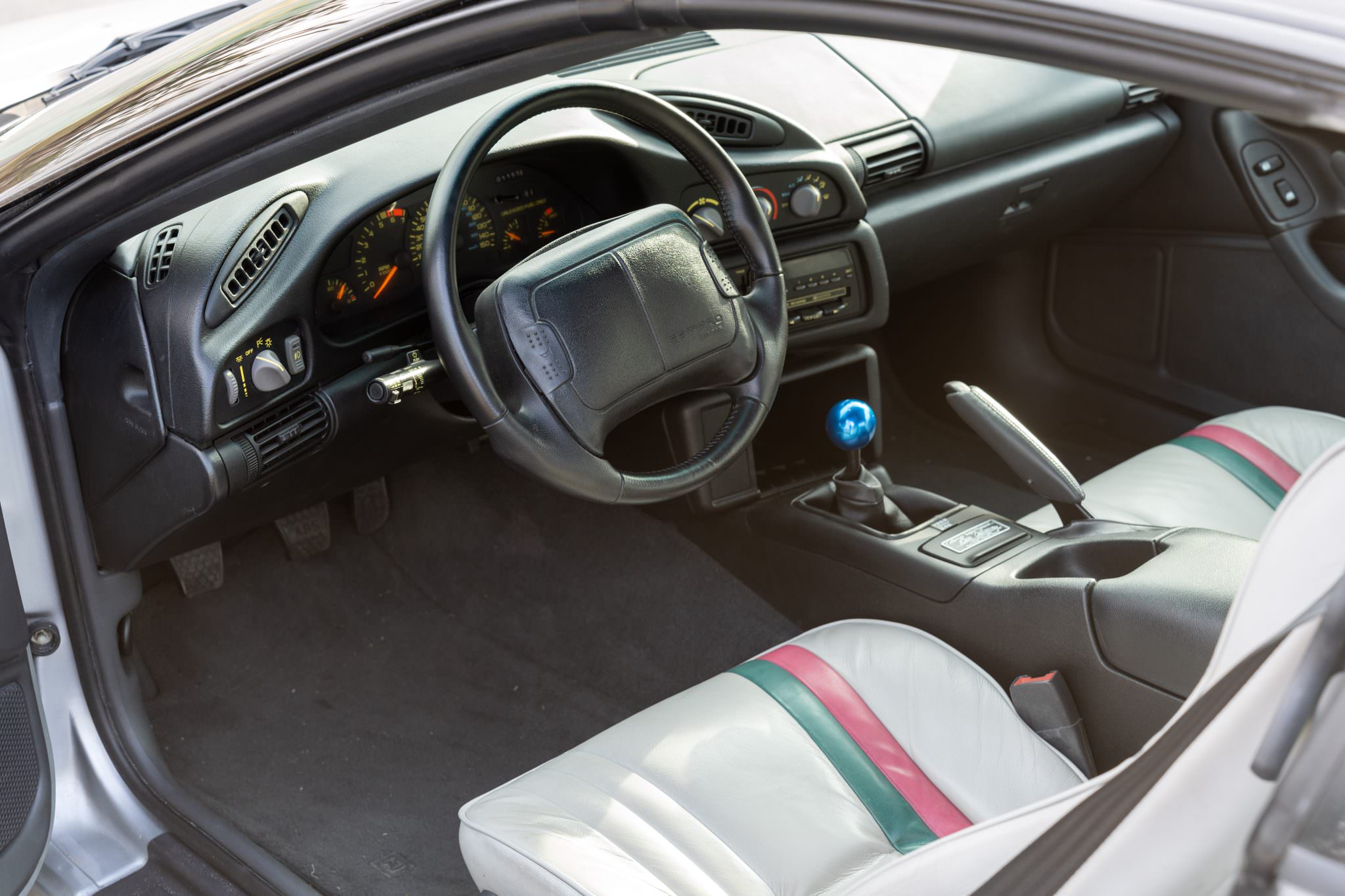
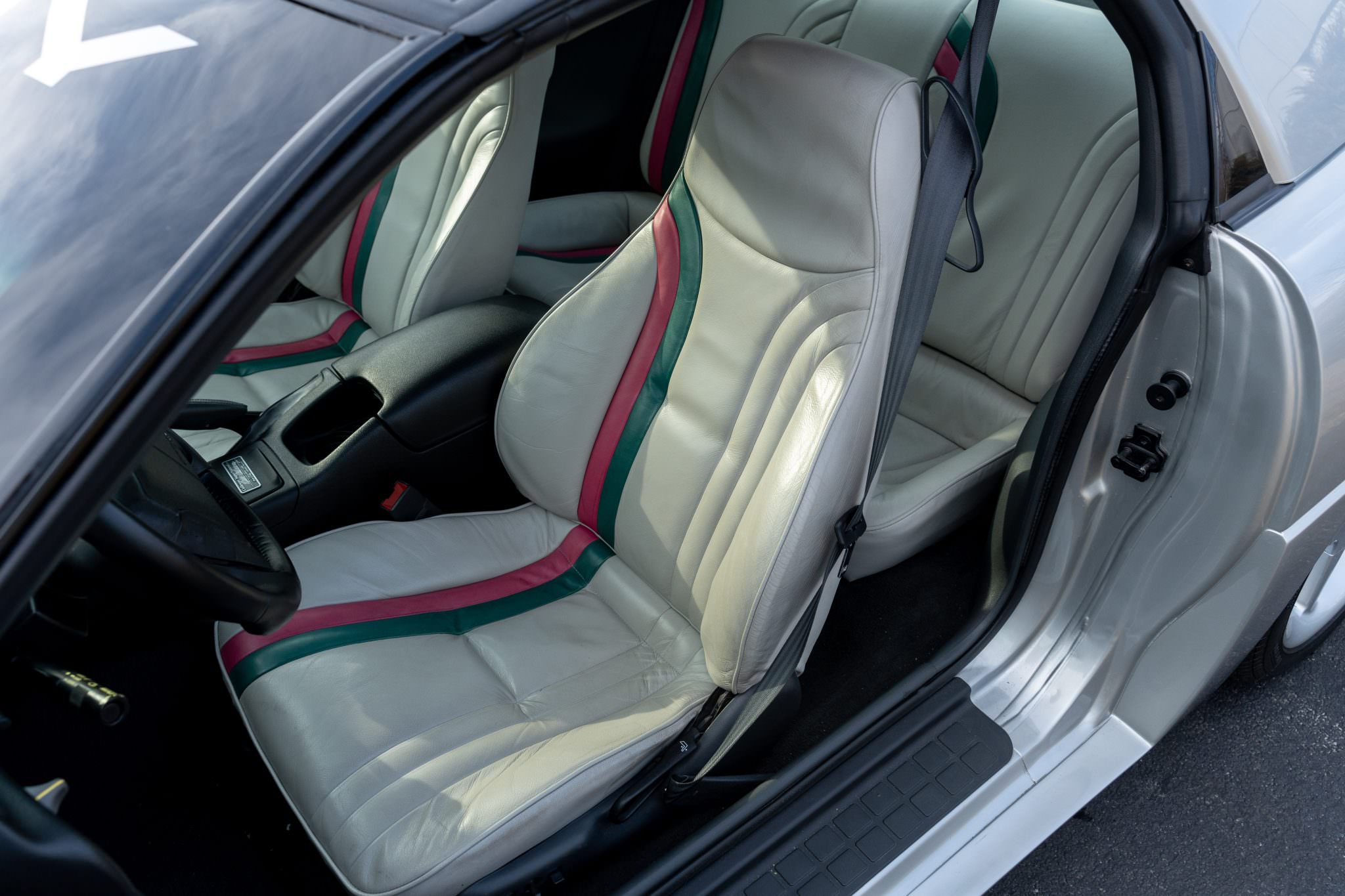
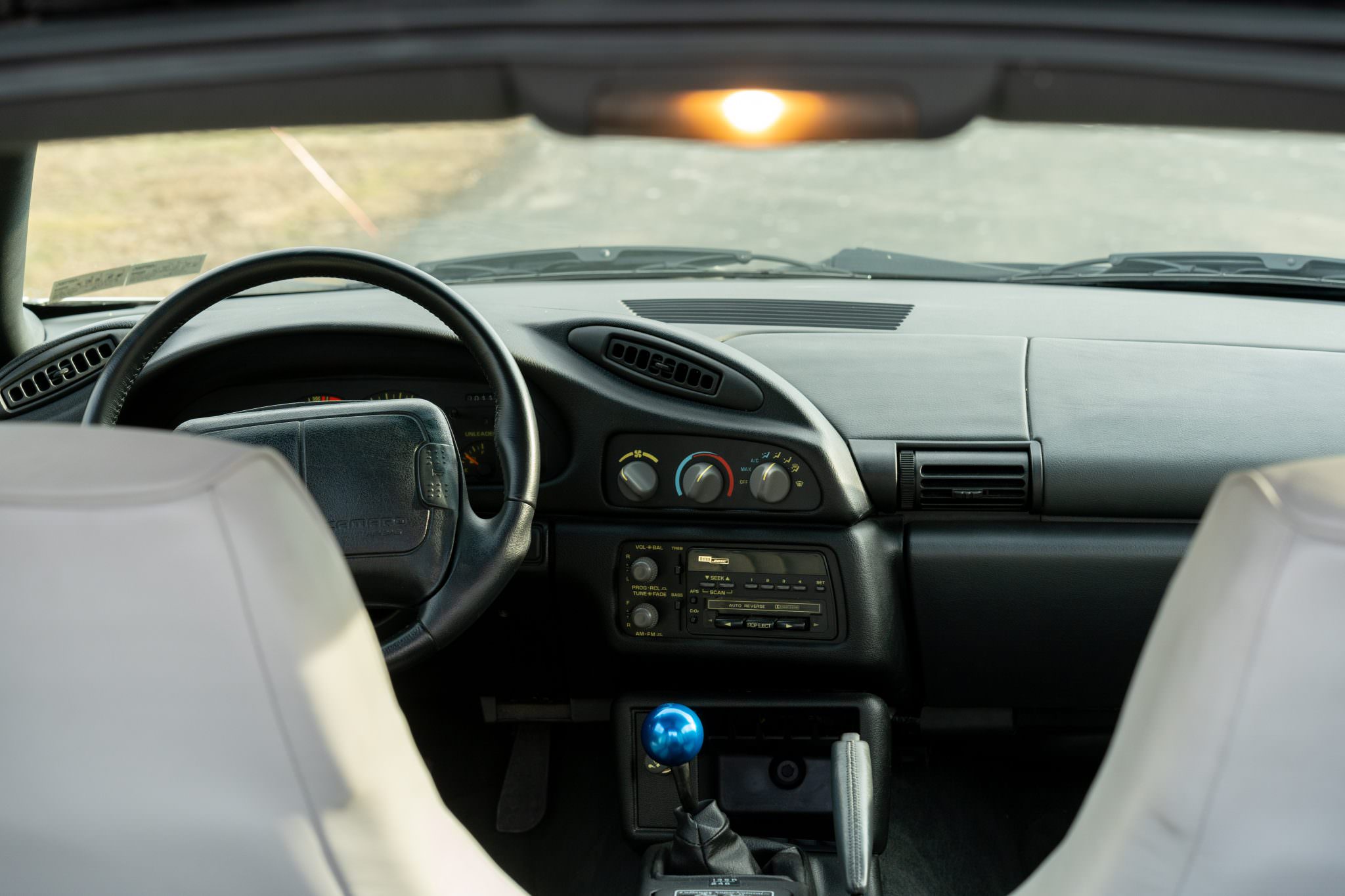
Though perhaps a little unusual by modern standards, the interior was cutting edge in the 1990s when the car was released.

The surviving examples of the Callaway C8 SuperNatural Camaro are now prized by a small but dedicated group of knowledgeable enthusiasts who liken their cars to icons like the the Baldwin-Motion Corvette or Yenko Stinger – an apt comparison.

The Callaway C8 SuperNatural Shown Here

The car you see here is a 1993 Callaway C8 SuperNatural Camaro with 1,200 miles shown on the odometer, a 383 cubic inch “SuperNatural” Callaway V8, and a 6-speed manual transmission.

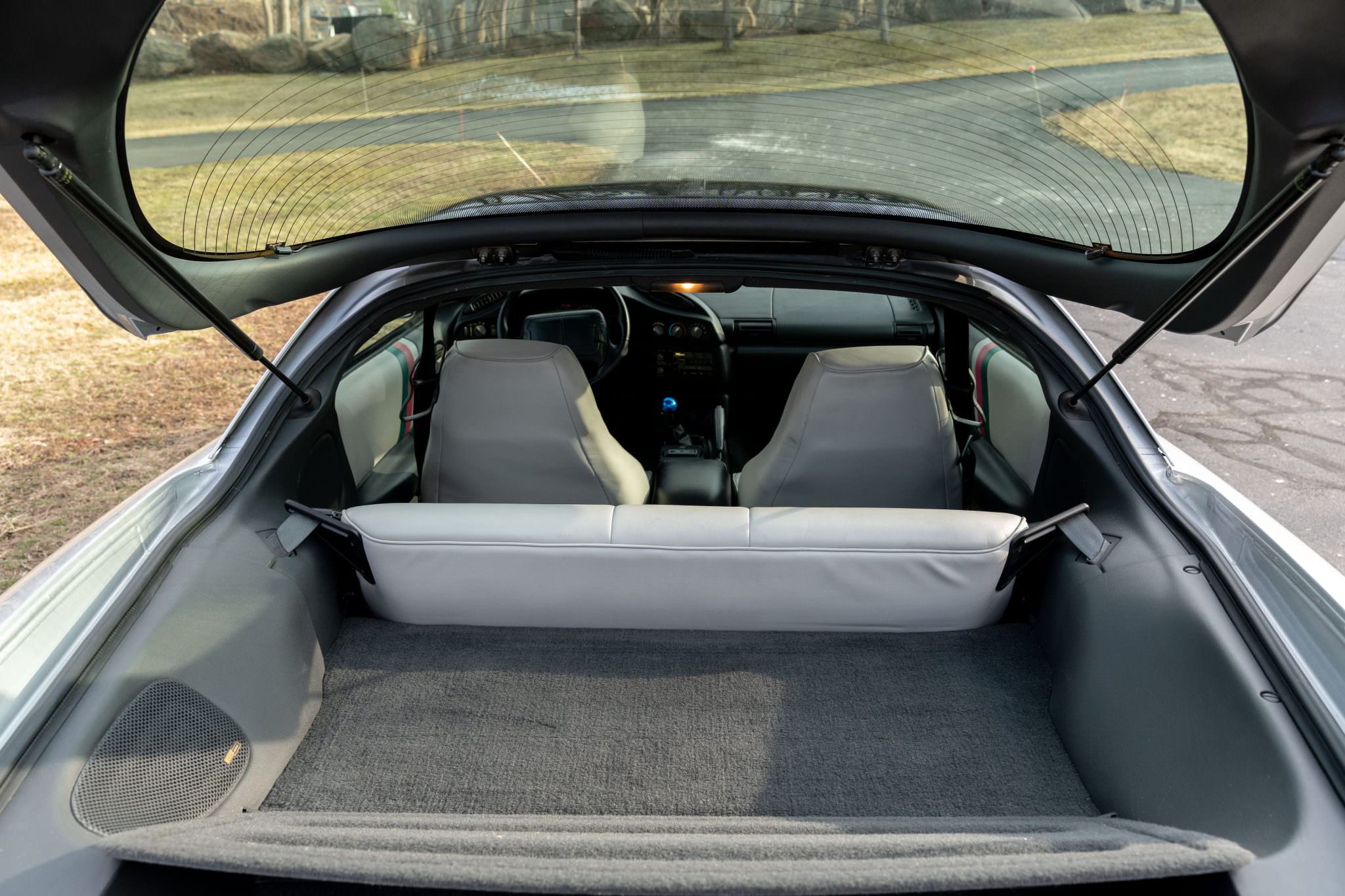
The car is finished in silver with white upholstery and removable roof panel sections – importantly it still has its original CamAerobody kit in place.

If you’d like to read more about this unusual car you can visit the listing here on Bring A Trailer, it’s being auctioned out of Fort Lauderdale, Florida.

Callaway C8 SuperNatural Camaro 18 Callaway C8 SuperNatural Camaro 17 Callaway C8 SuperNatural Camaro 15 Callaway C8 SuperNatural Camaro 14 Callaway C8 SuperNatural Camaro 13 Callaway C8 SuperNatural Camaro 12 Callaway C8 SuperNatural Camaro 11 Callaway C8 SuperNatural Camaro 10 Callaway C8 SuperNatural Camaro 9 Callaway C8 SuperNatural Camaro 8 Callaway C8 SuperNatural Camaro 6 Callaway C8 SuperNatural Camaro 5 Callaway C8 SuperNatural Camaro 4 Callaway C8 SuperNatural Camaro 3 Callaway C8 SuperNatural Camaro 1

Images courtesy of Bring A Trailer

The post The 170 MPH Callaway C8 SuperNatural: 1 Of 18 Ever Made appeared first on Silodrome.


from Silodrome https://silodrome.com/callaway-c8-supernatural-camaro/
via gqrds

The Weirdest Snow Mobile In The World: The Monarch Sno-Motor

This 1938 Monarch Sno-Motor is believed to be the last of its kind left on earth, it’s been comprehensively restored, and it’s now in 100% operational condition.

This Sno-Motor was originally used during the construction of the Mt Hood Ski Lodge, after it was complete it was used for hauling skiers up the slopes. It was later restored by the George Schaaf team and there’s a video of it working below.

Fast Facts – The Monarch Sno-Motor

  • The Monarch Sno-Motor was designed by T. P. Flynn, Senior Equipment Engineer at the US Forest Service of Portland, Oregon and originally used to haul lumber out of the dense forests of the North Western United States.
  • The vehicle was built by the Monarch Forge and Machine Works in Portland, Oregon in the late 1930s, not long before the outbreak of WWII in Europe.
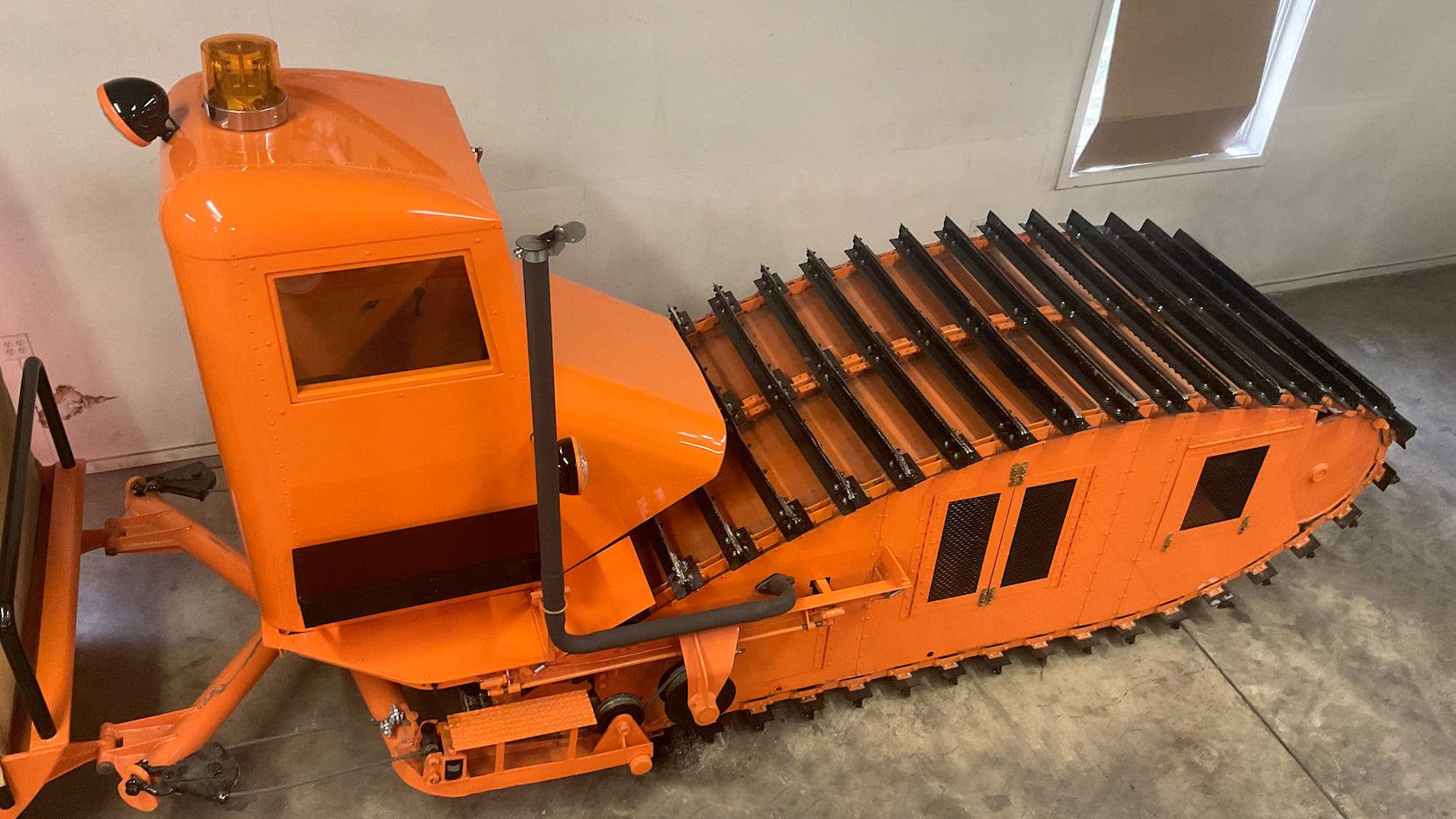
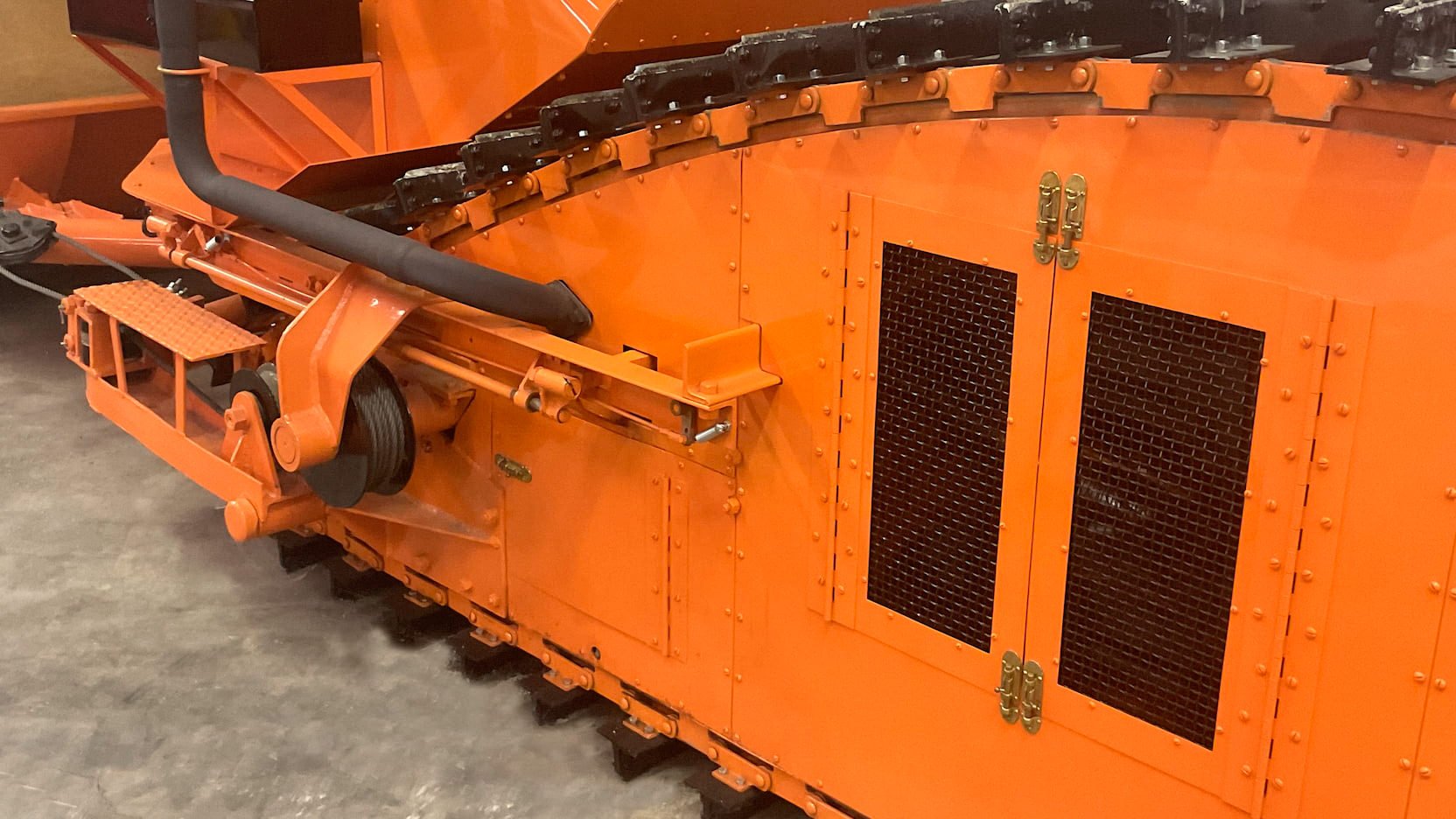
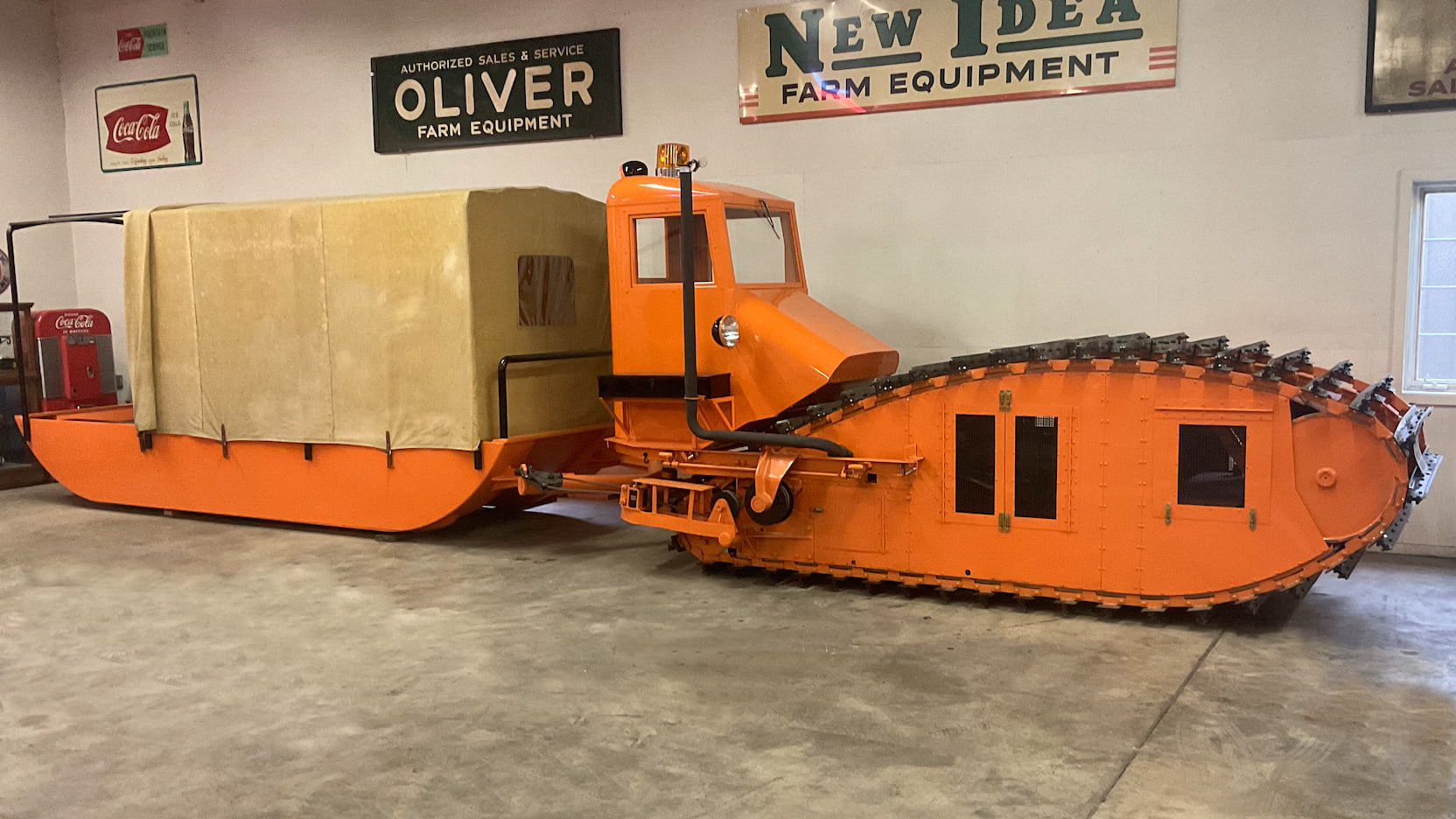
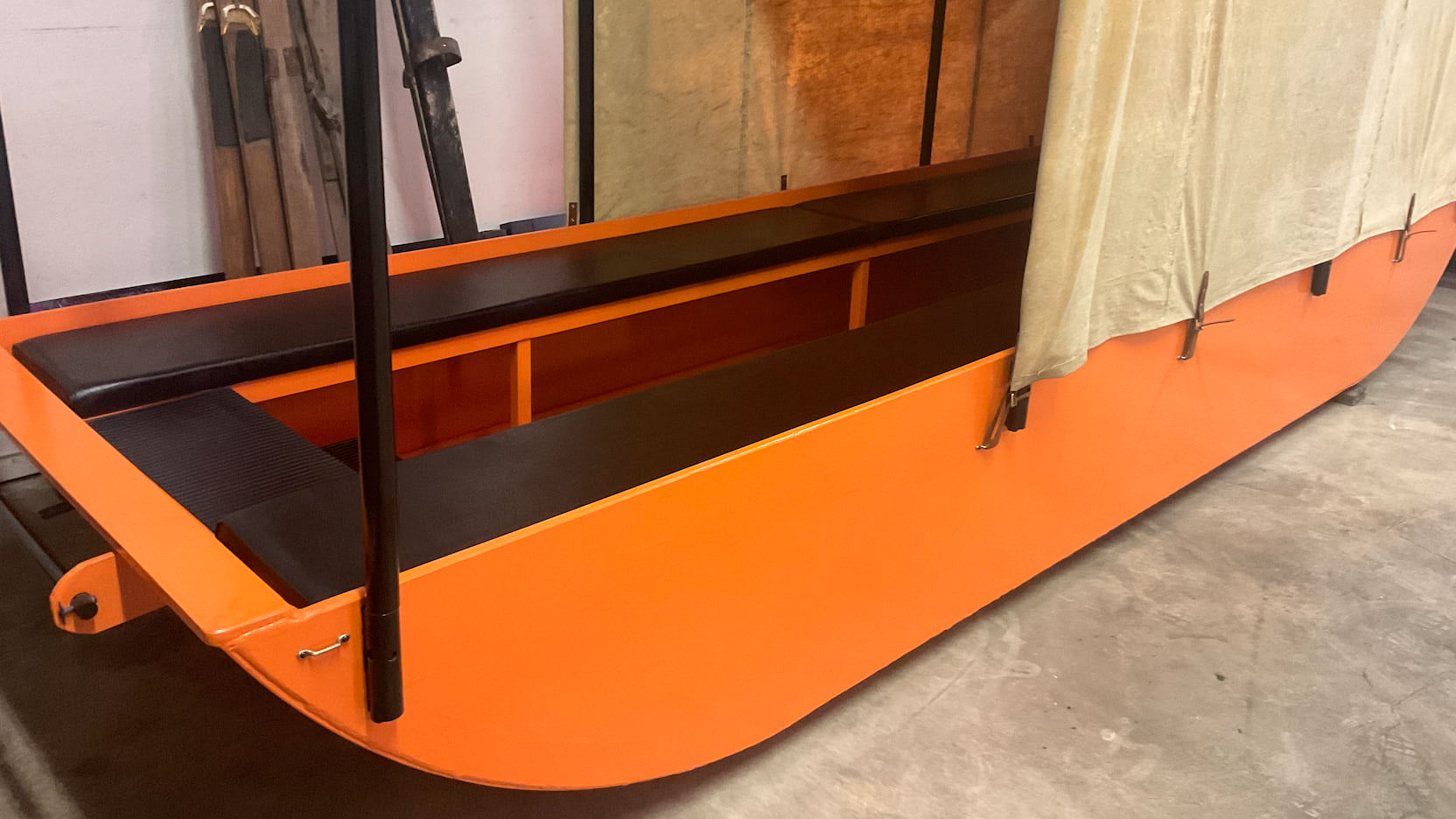
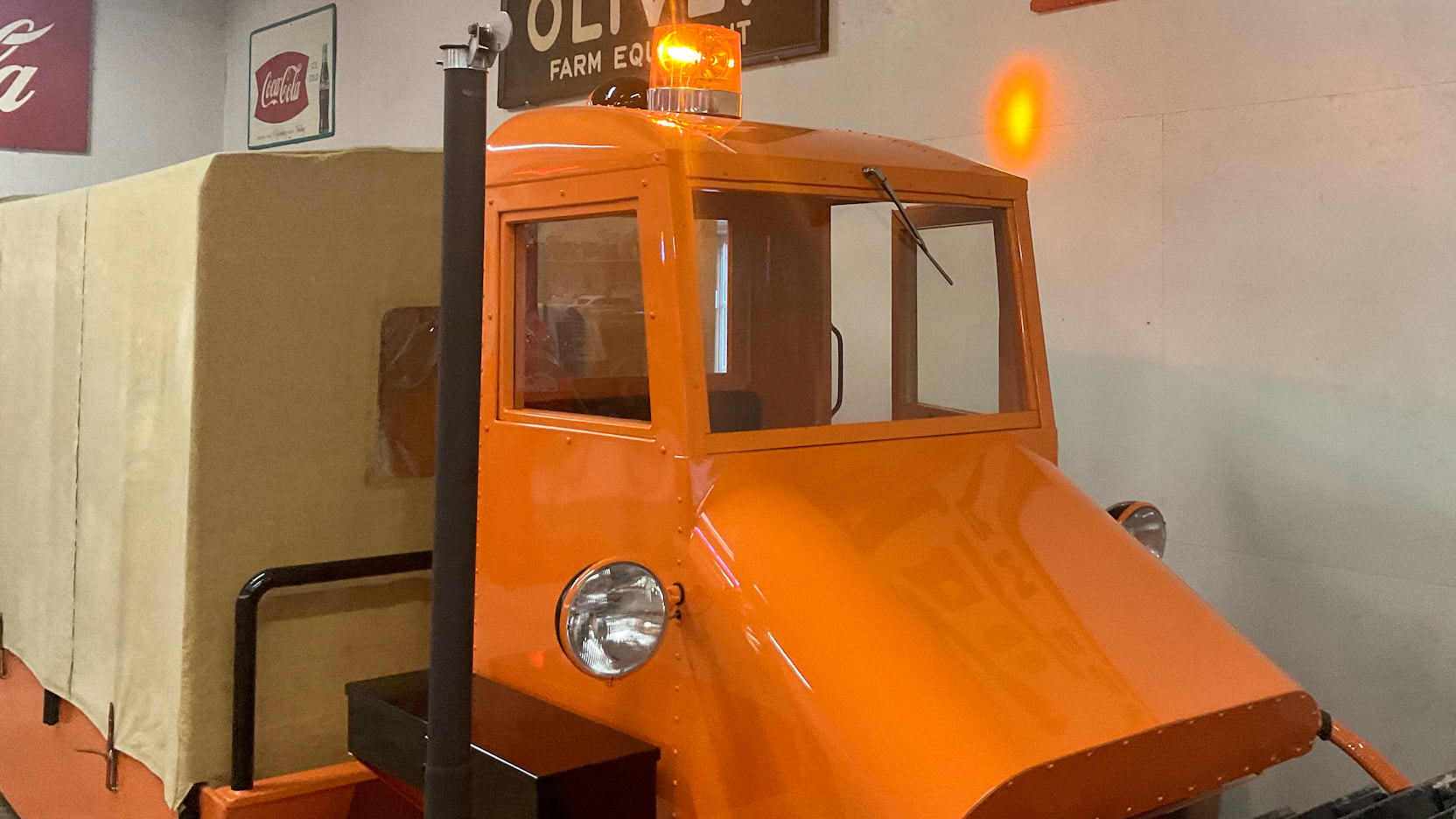
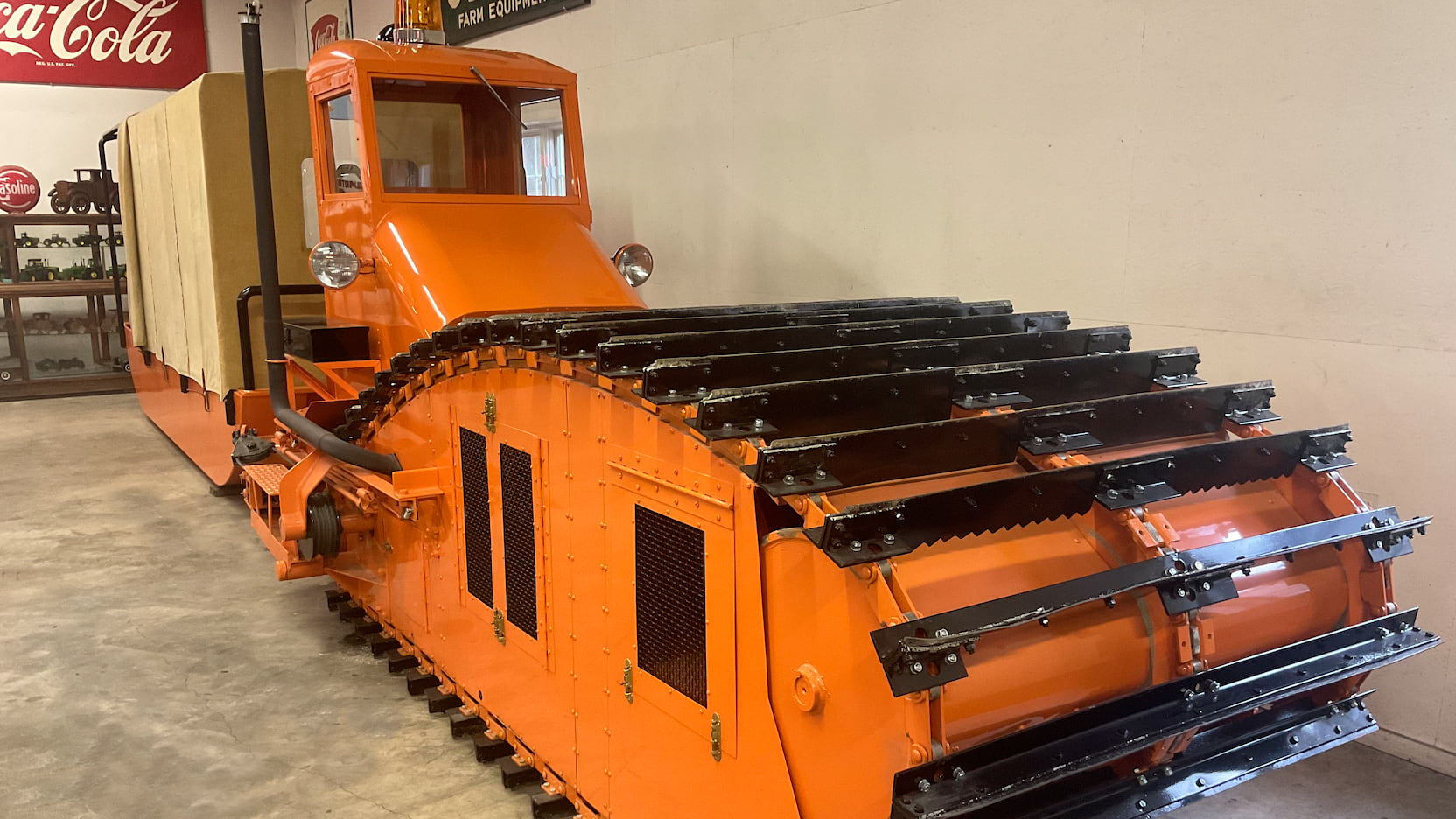
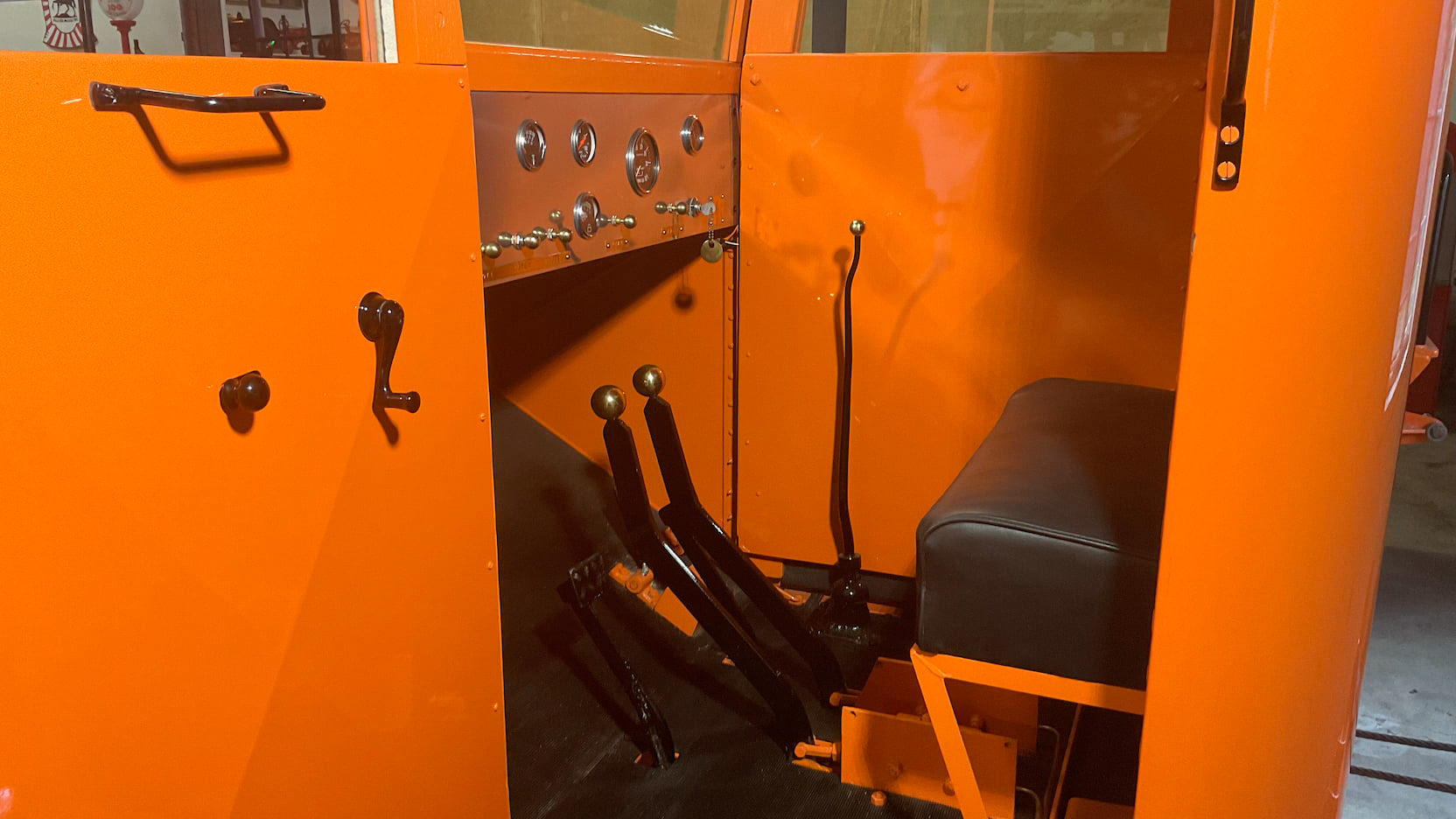
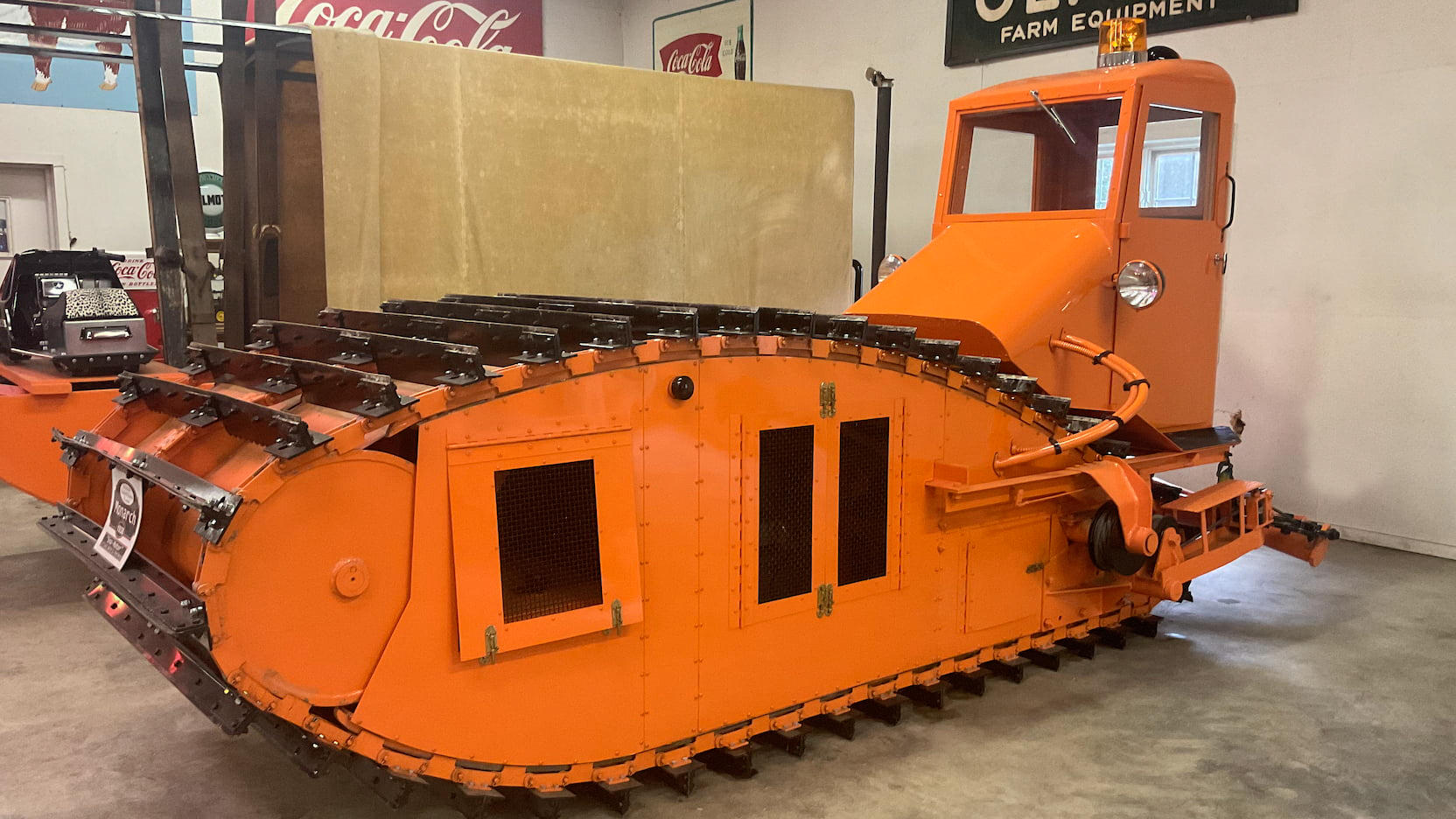
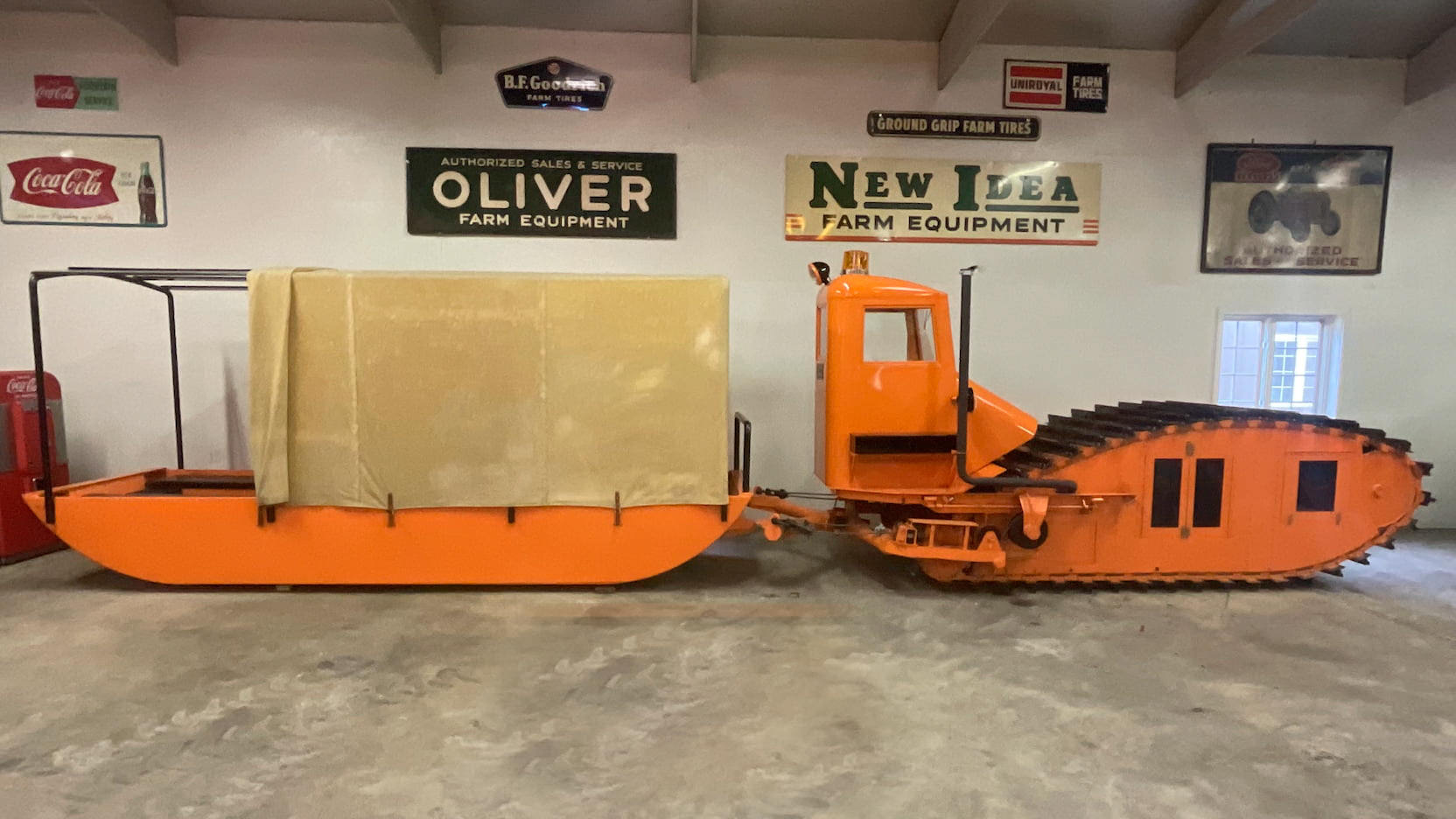
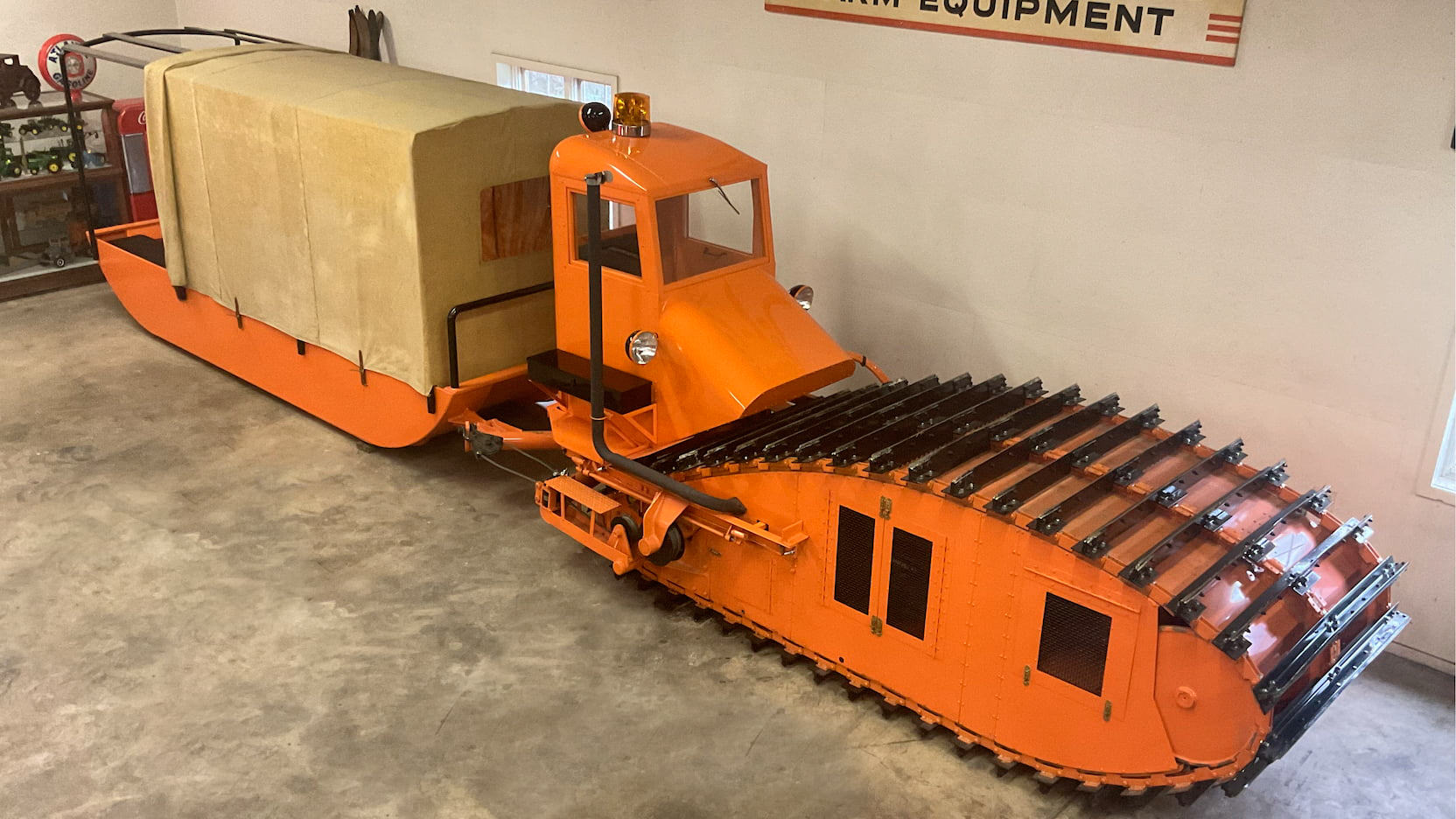
  • The design of the Sno-Motor is unique in that it has a forward tracked section that contains the engine and transmission. The driver’s cab is out the back, and there’s a trailer/sled behind it that also acts as a fulcrum point for turning/steering.
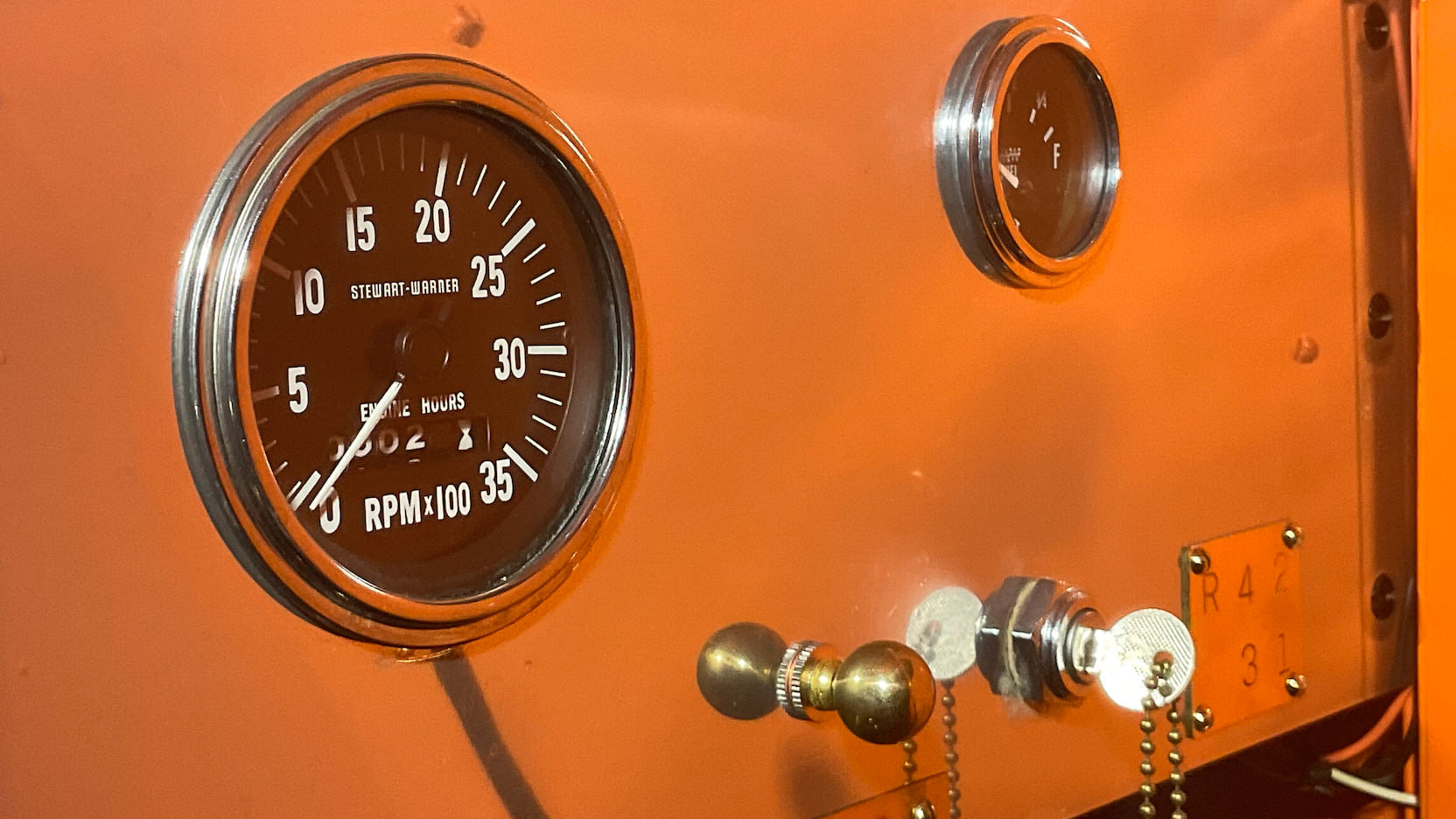
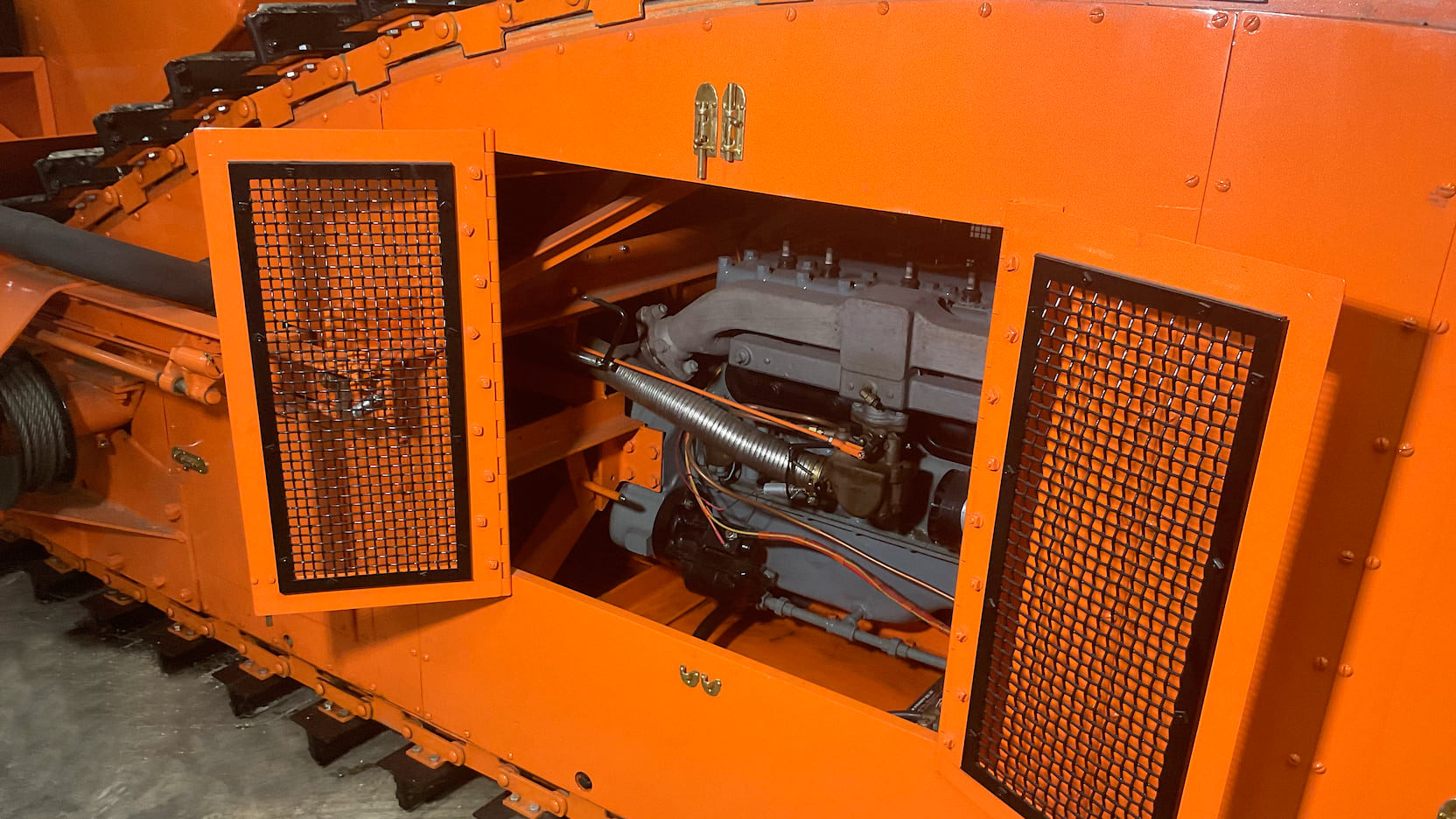
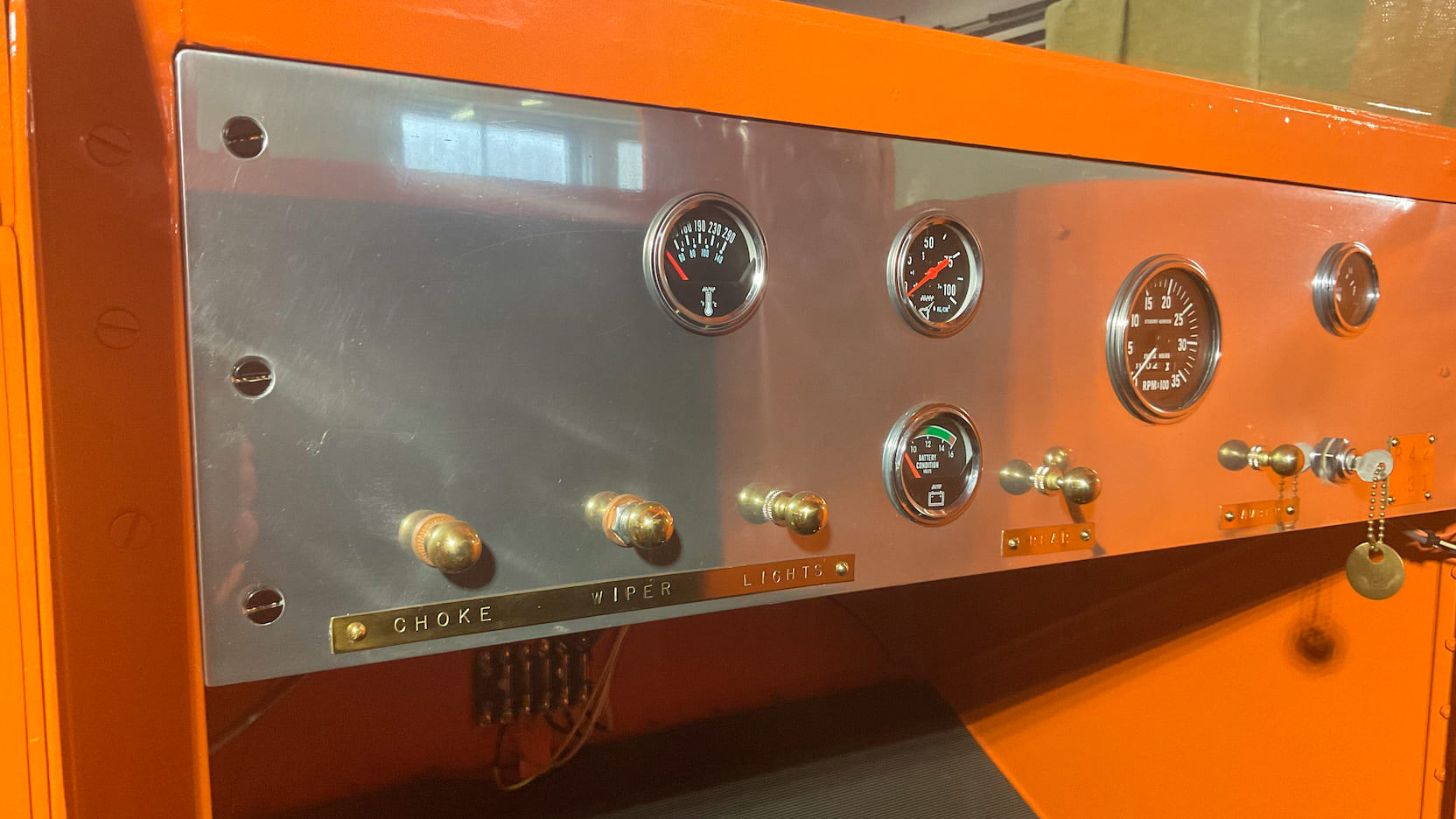
  • Power is provided by a 90 hp Hercules flathead six-cylinder engine which drives the tracks, the Sno-Motor is said to be able to climb slopes of over 40º, it can travel up to 25 mph, and it can carry up to two and a half tons.

The Origins Of The Monarch Sno-Motor

The 1920s and 1930s were the early days of machines designed for transportation on the snow and ice, engineers around the world came up with a vast array of different solutions including Joseph-Armand Bombardier who developed some unusual propeller-driven machines in the 1910s.

Above Video: this clip shows the Monarch Sno-Motor being driven in the snow, and it showcases both the propulsion and the unusual steering mechanism.

Bombardier would of course become a familiar name for this who lived in places with winters that featured heavy snowfalls. He developed a remarkable array of snow vehicles like the Bombardier B7 “Snow Coach” that helped to revolutionize the lives of people in the far northern and southern latitudes.

While Joseph-Armand was hard at work developing his designs in the 1930s another engineer on the other side of the continent was carefully developing his own unique design. His name was T. P. Flynn and he was working on a new vehicle that would be called the Sno-Motor.

The Sno-Motor: How It Works

Flynn’s design was remarkably different to the designs from Bombardier, rather than use twin front skis for steering with rear tracks for propulsion the Sno-Motor would use a wide single track front end, a rear mounted driver cabin, and it would have a sled towed behind.

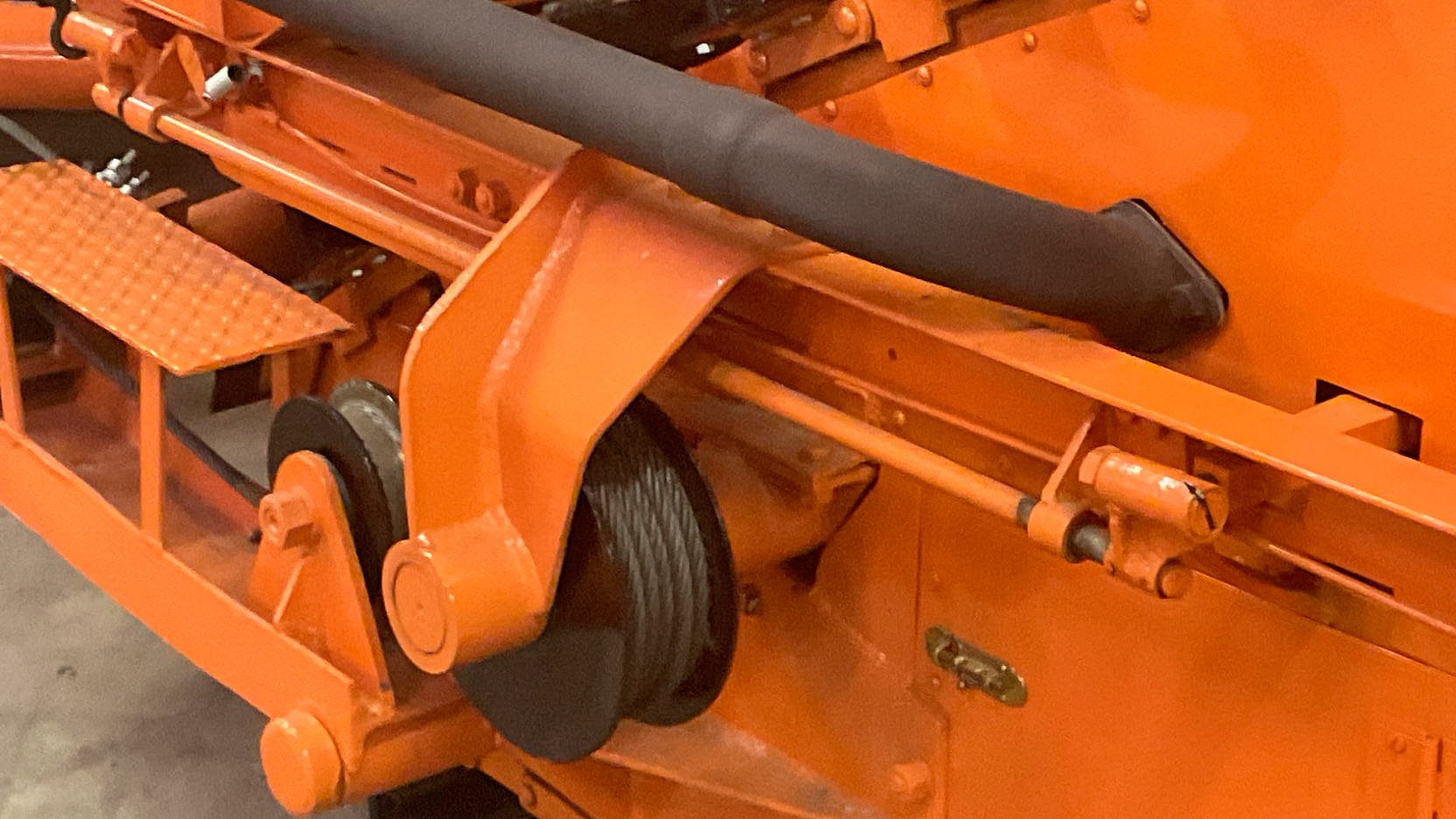
Interestingly, steering is accomplished by turning the sled relative to the front end, it acts as a fulcrum point to provide directional control whilst also being able to carry up to 2.5 tons of cargo or 18+ people.

Popular Mechanics Sno-Motor

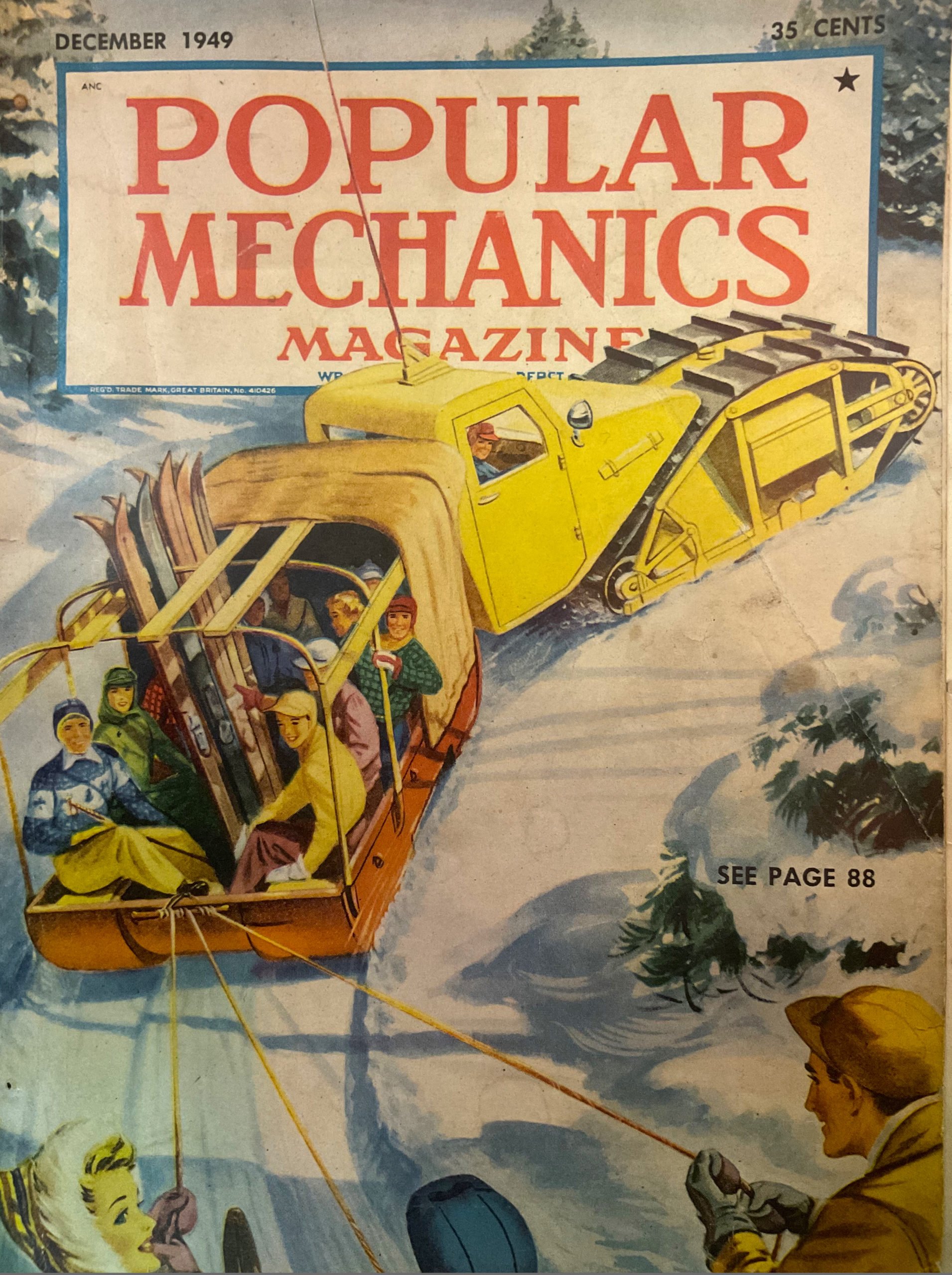
The Sno-Motor was so unusual it was featured in Popular Mechanics magazine twice, once in 1938 and again on the cover in 1949.

Power is provided by a 90 hp Hercules flathead six-cylinder engine which is contained within the front tracked section, its considerable weight also helps with traction on loose snow. There are access doors on either side of the tracked section to allow access for mechanics, so that checks and maintenance can be performed.

The front section is 56 inches wide, or 4.6 feet, and it has steel plates attached to the tracks to ensure good grip into the snow and ice. The Sno-Motor proved adept at crossing even deep fresh snow, some operators apparently learned to drive it back and forth over particularly soft sections to compact it and make crossing it easier.

A Working Life In The Mountains

The Sno-Motor was built by the Monarch Forge and Machine Works of Portland, Oregon to Flynn’s design. A number of different versions were built over the years and the example you see here is thought to be the last surviving Sno-Motor in the world.

This machine was initially used in the construction of the Mt Hood Ski Lodge, after which time it was used primarily for hauling skiers up the slopes and for rescuing injured skiers, bringing them back down the mountain where they could receive medical treatment and be transferred to hospital.

Monarch Sno-Motor 1

Here you can see the unusual steering control mechanism. The trailer sled is moved left and right by cables and pulleys to provide directional control.

One other, less common, usage was avalanche rescues. Due to the fact that the Sno-Motor could traverse almost any terrain it was used after avalanches to find survivors, recover bodies, and in 1949 it was used by scientists who were studying avalanches to better predict them.

The Monarch Sno-Motor Shown Here

The Monarch Sno-Motor in this article is a 1938 model that now benefits from a comprehensive restoration back to full working condition by the highly-regarded George Schaaf and his team.

It was purchased from a collection in Lake Tahoe and once the restoration was complete it was given a test run in the snow – you can see a video of it in action further up.

The vehicle is now due to be offered for sale by Mecum in late September, almost certainly a once in a lifetime opportunity to acquire what is believed to be the last surviving example of the Monarch Sno-Motor in the world.

If you’d like to read more about this unusual machine or register to bid you can visit the listing here.
Monarch Sno-Motor 16 Monarch Sno-Motor 15 Monarch Sno-Motor 14 Monarch Sno-Motor 13 Monarch Sno-Motor 12 Monarch Sno-Motor 11 Monarch Sno-Motor 10 Monarch Sno-Motor 9 Monarch Sno-Motor 8 Monarch Sno-Motor 7 Monarch Sno-Motor 6 Monarch Sno-Motor 5 Monarch Sno-Motor 4 Monarch Sno-Motor 3 Monarch Sno-Motor 2

Images courtesy of Mecum.

The post The Weirdest Snow Mobile In The World: The Monarch Sno-Motor appeared first on Silodrome.


from Silodrome https://silodrome.com/monarch-sno-motor/
via gqrds