“Gran Turismo Americano” – The 1988 Pontiac Firebird Trans Am GTA

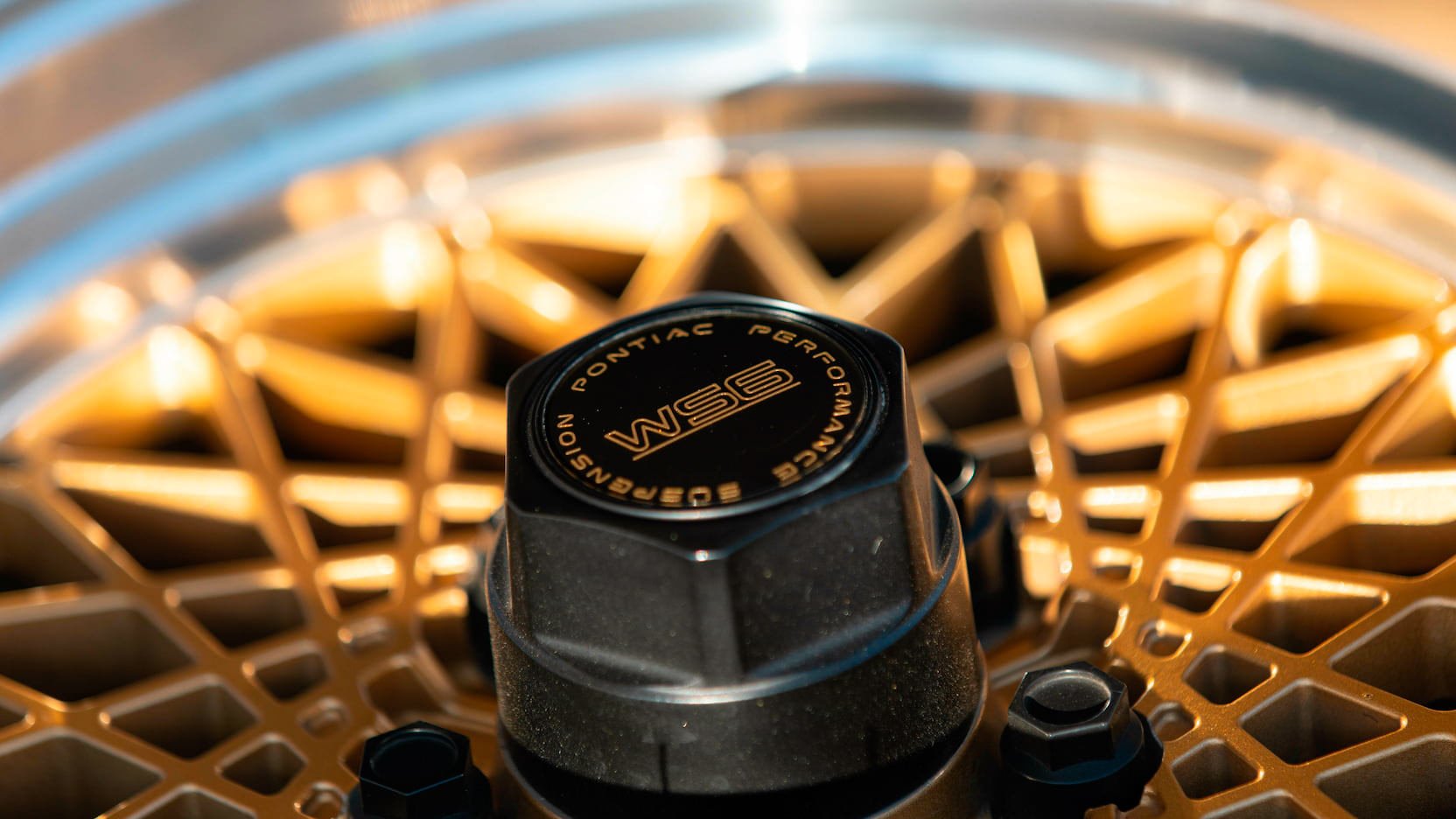
In 1987 the Pontiac Firebird Trans Am GTA was unveiled, it was the American automaker’s top-of-the-line sports car with an engine borrowed from the C4 Corvette and the WS6 high-performance handling package fitted as standard.

Americans looking for a sports car in the 1980s had a broad selection to choose from including models made in Japan, Germany, Italy, Britain, and the USA. The Firebird Trans Am would be a popular choice, helped along by the fact that the model was used as KITT in the “Knight Rider” TV series.

Fast Facts – Pontiac Firebird Trans Am GTA

  • Upon its release in 1987 the Pontiac Firebird Trans Am GTA was the halo car for the Pontiac marque with 250 bhp and 315 ft lbs of torque.
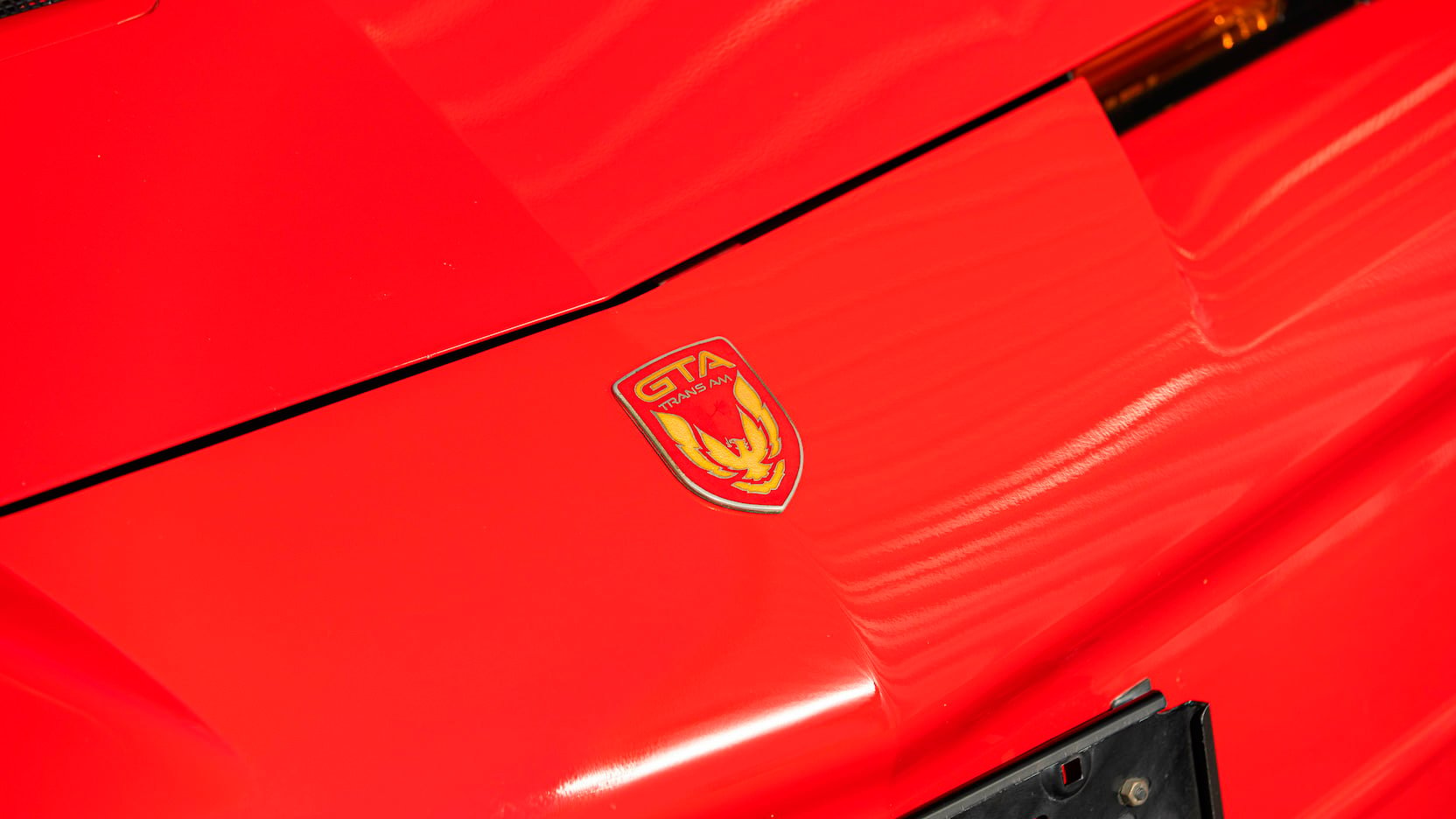
  • The name GTA” stands for “Gran Turismo Americano,” an indication that this was the car in the Pontiac model range intended to compete with the GT cars coming out of Europe.
  • The Pontiac Firebird model line first appeared in 1967, it was built through to 2002 over four generations and it initially shared its platform with the Chevrolet Camaro.
  • The most famous Pontiac Firebird Trans Am is undoubtably KITT, the distinctive black custom car used in the “Knight Rider” TV series starring David Hasselhoff that began airing in 1982.

“Gran Turismo Americano” – The Trans Am GTA

The mid-to-late 1970s has been called the “Dark Ages of Horsepower” by some, it was a time when increasing emissions restrictions resulted in significant drops in horsepower, but by the mid-1980s that power was being slowly clawed back.

Pontiac Firebird Trans Am GTA 22

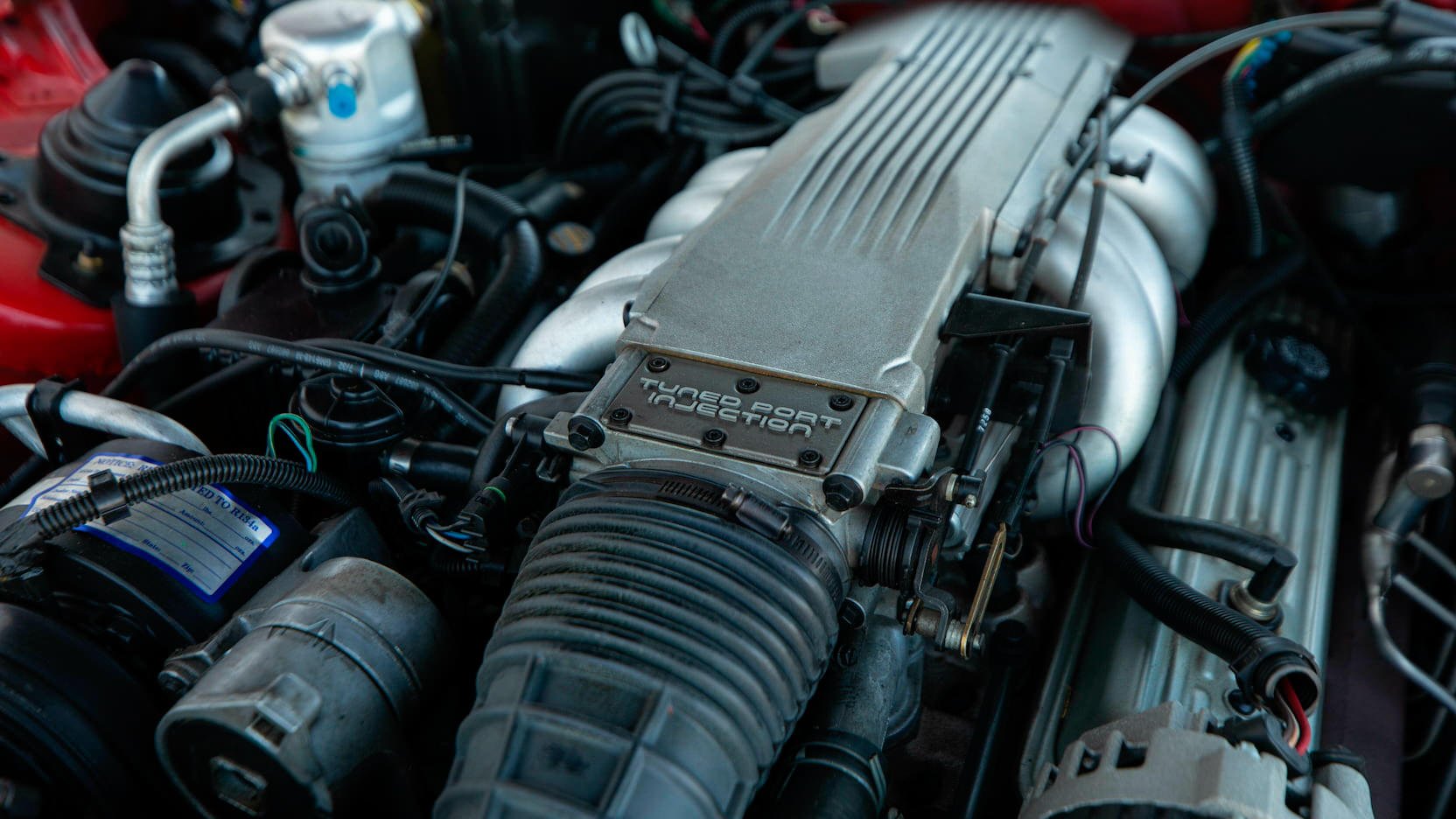
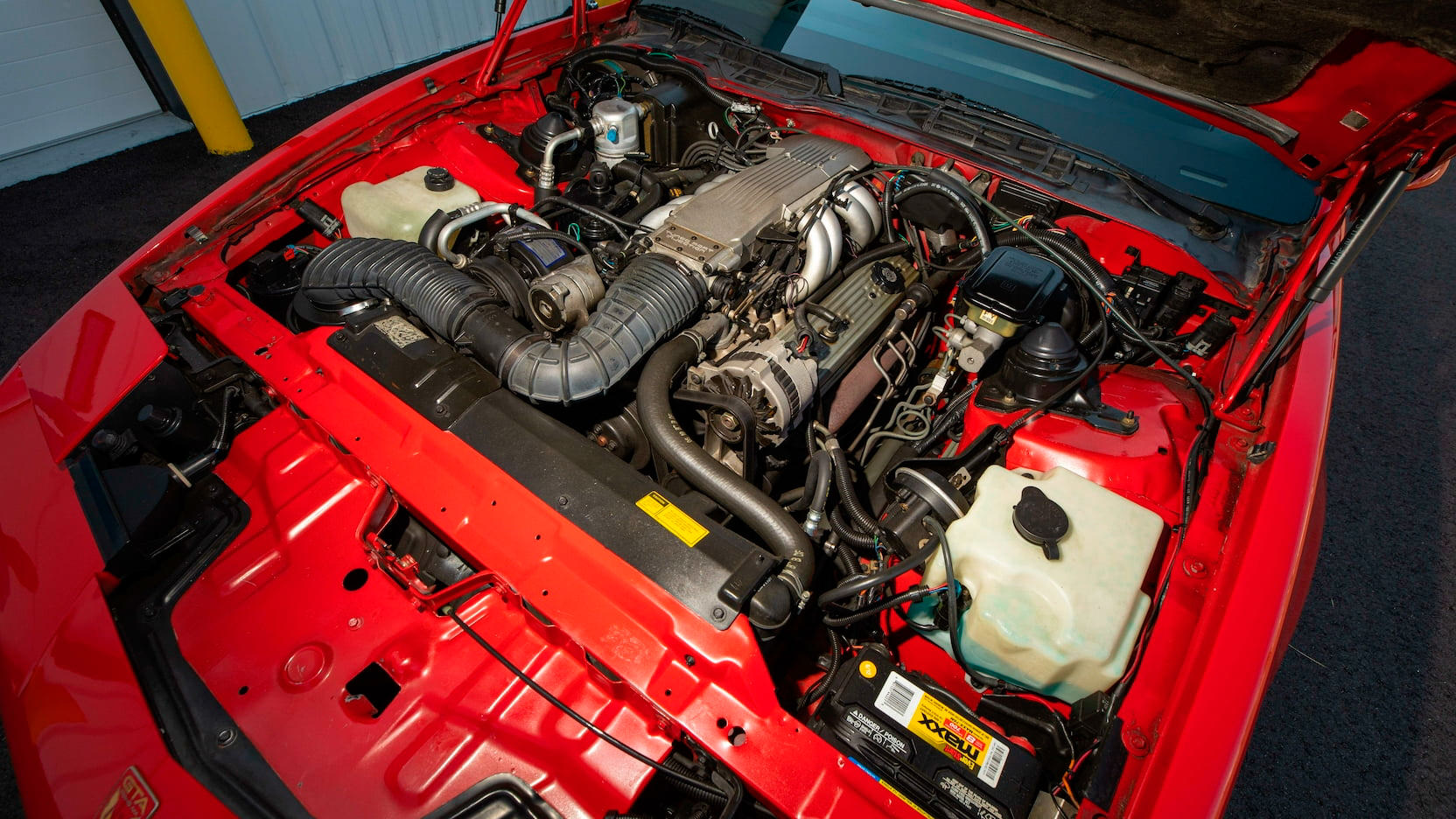
The GTA is powered by the 5.7 liter (350 cubic inch) Tuned Port Injection (TPI) V8, it’s very similar to the engine used in the C4 Corvette – the biggest difference being that the C4 got aluminum heads and the GTA got cast iron.

In 1987 Pontiac released the Firebird Trans Am GTA as their new halo model. It was based on the pre-existing Firebird Trans Am but it came with the 5.7 liter (350 cubic inch) Tuned Port Injection (TPI) V8 that was being used in the C4 Corvette.

The one key differences between the Corvette and Firebird versions was that the Corvette heads were aluminum and the Firebird heads were cast iron.

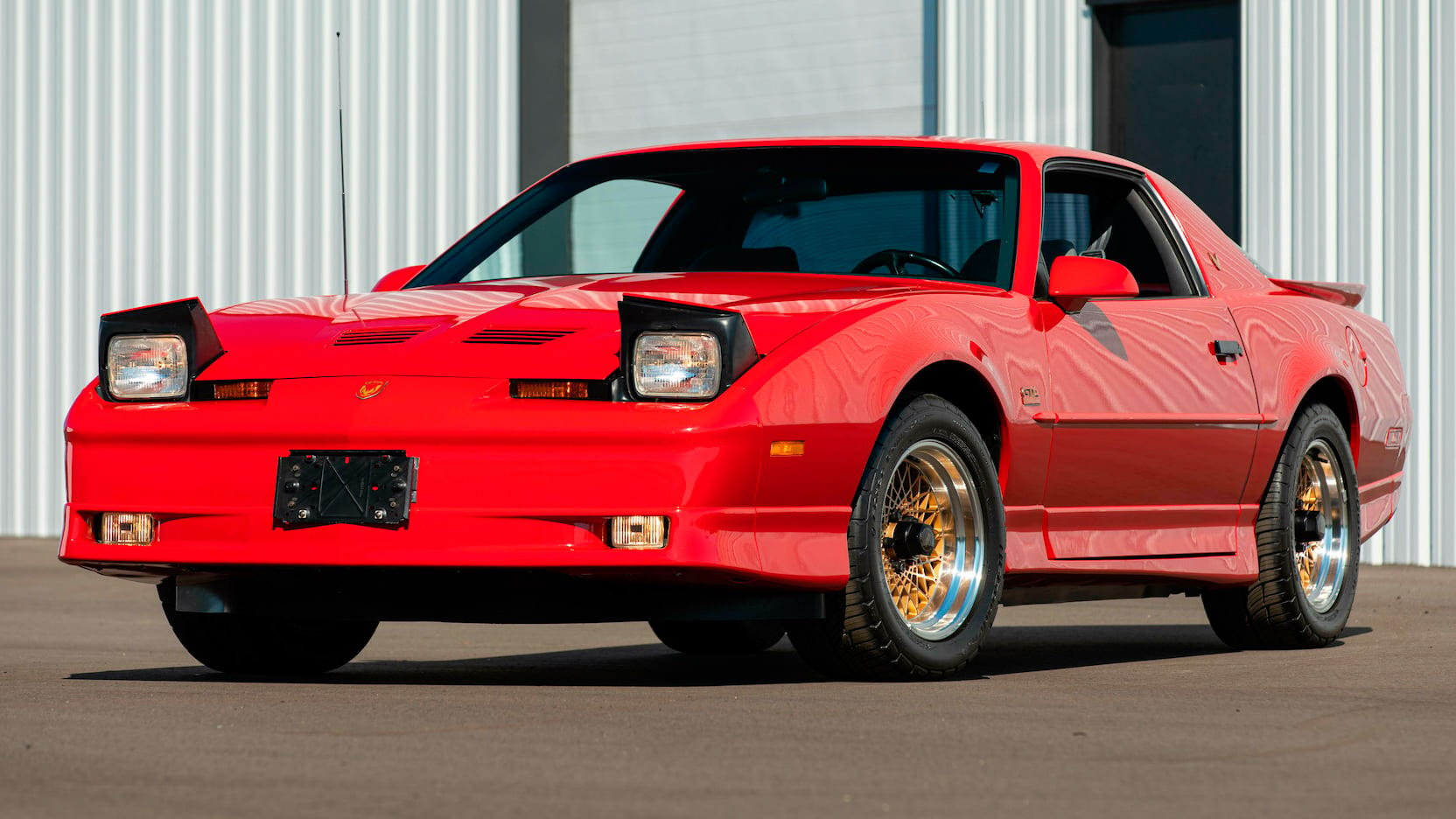
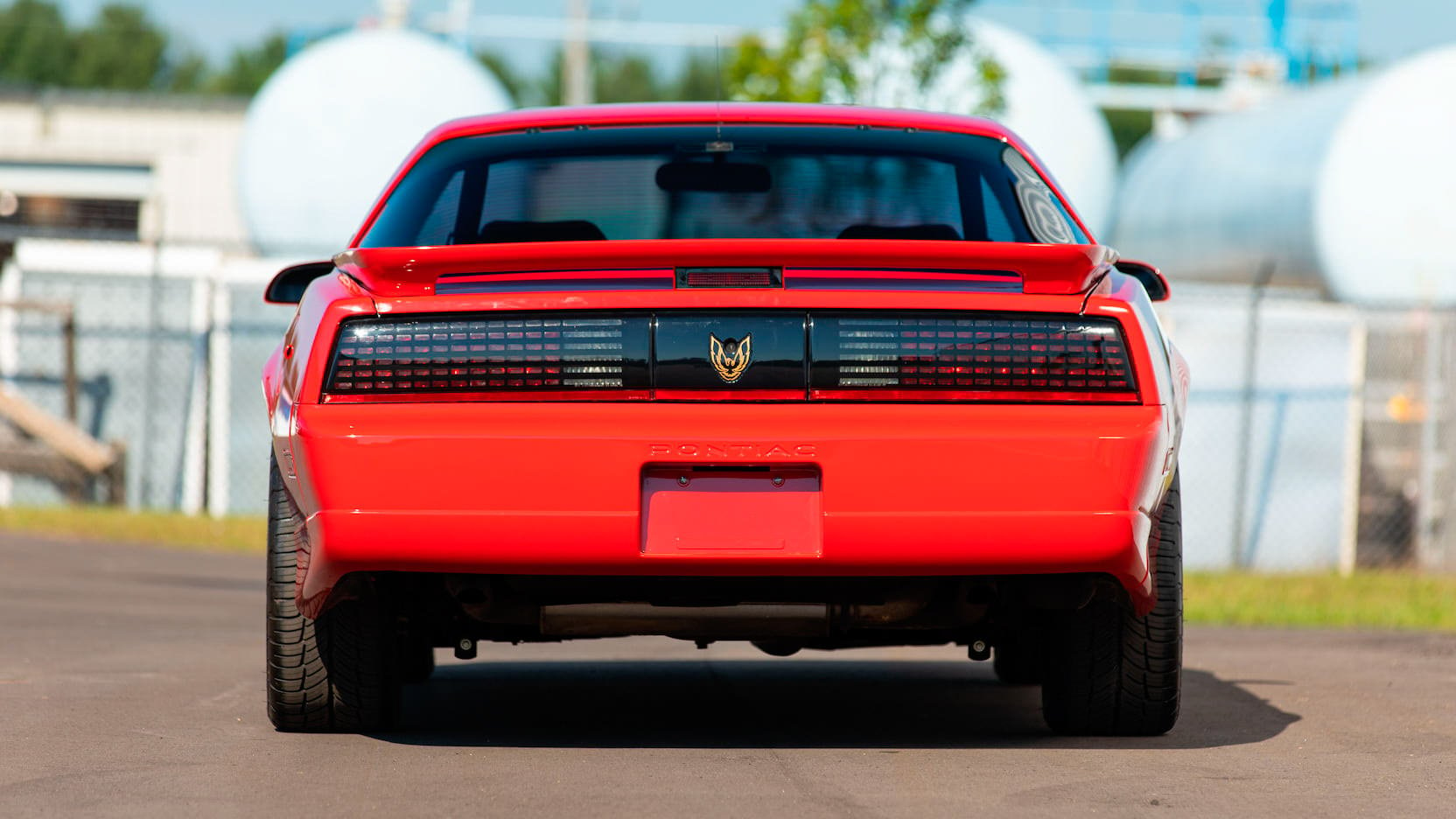
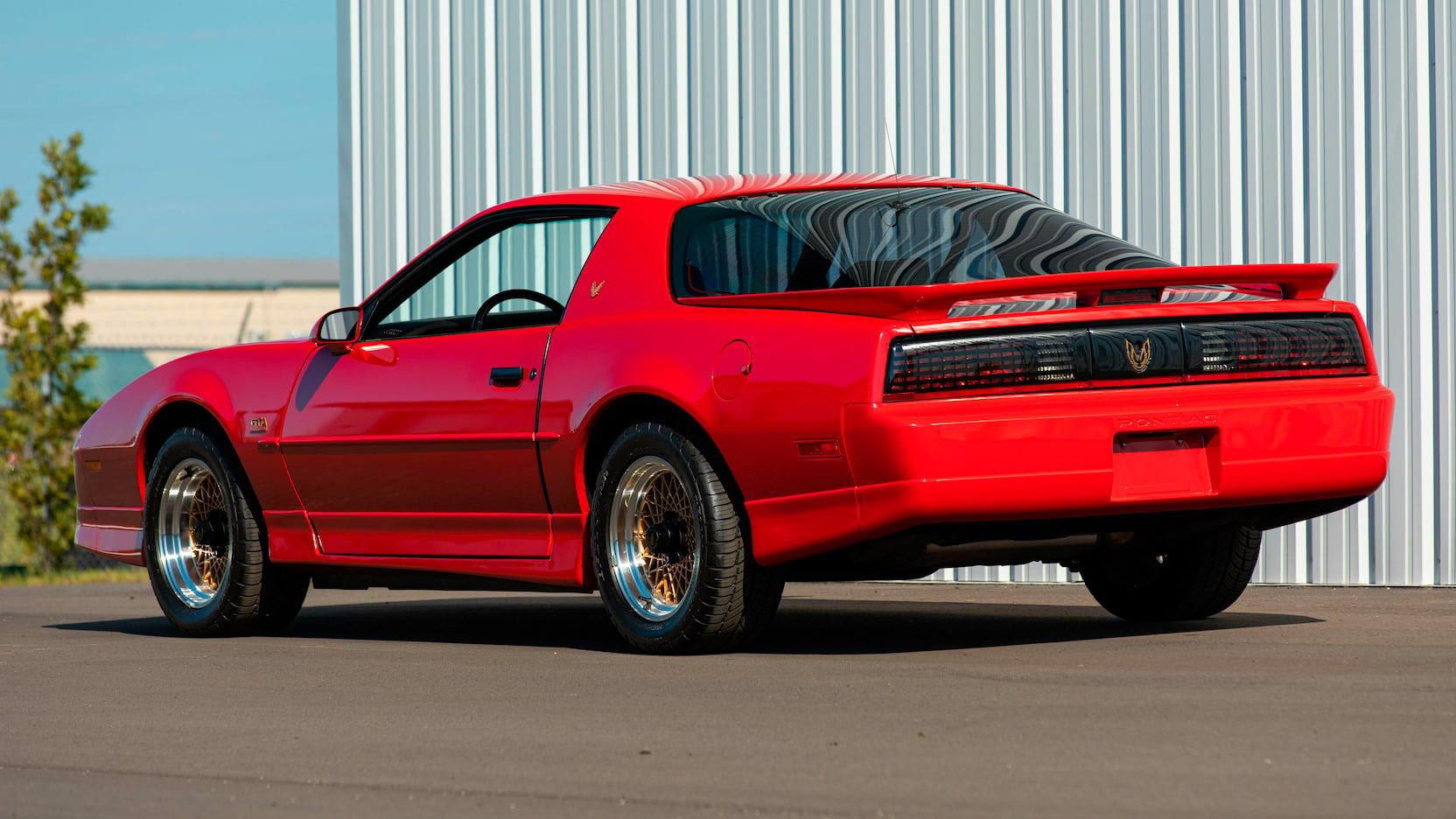
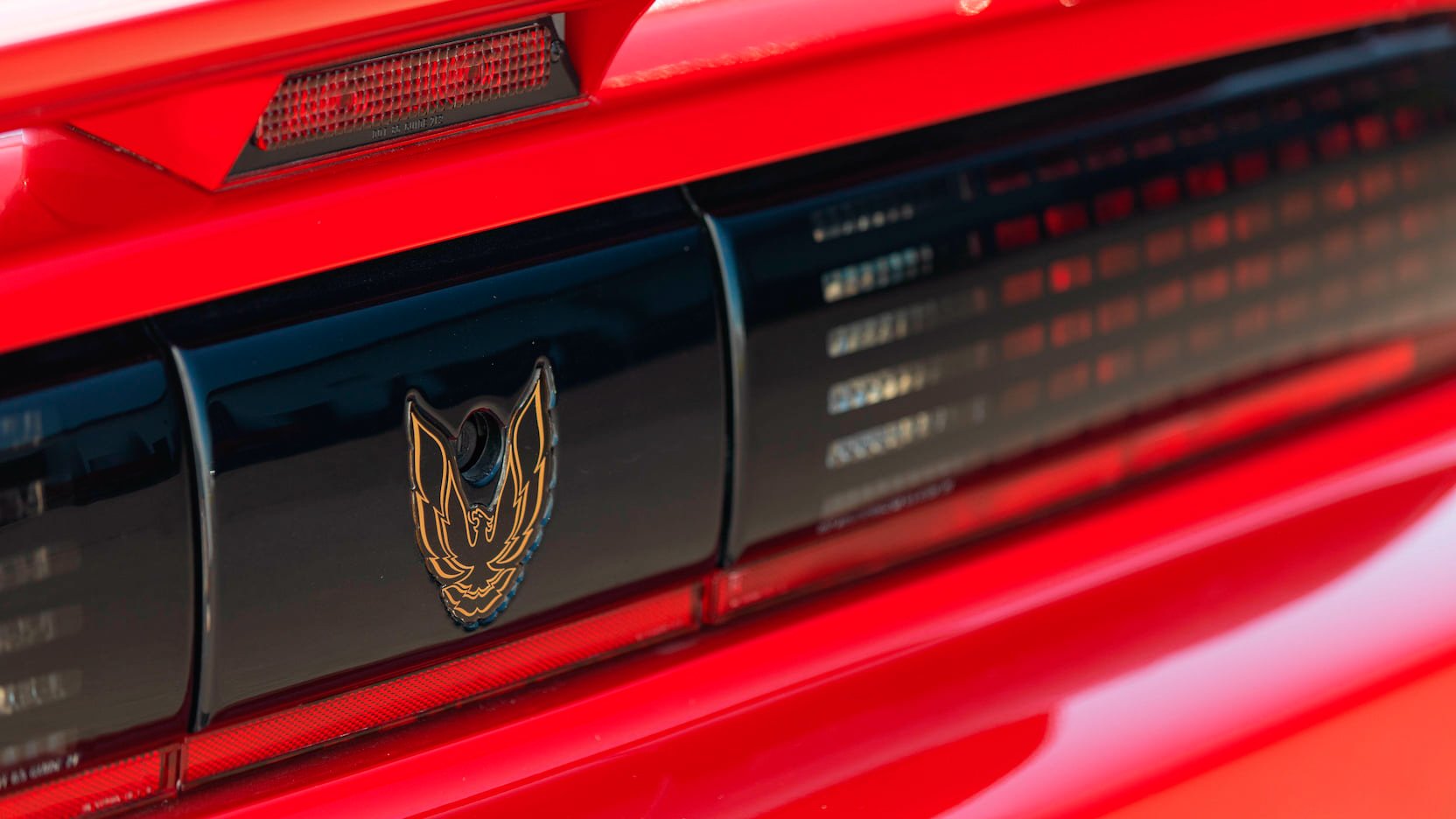
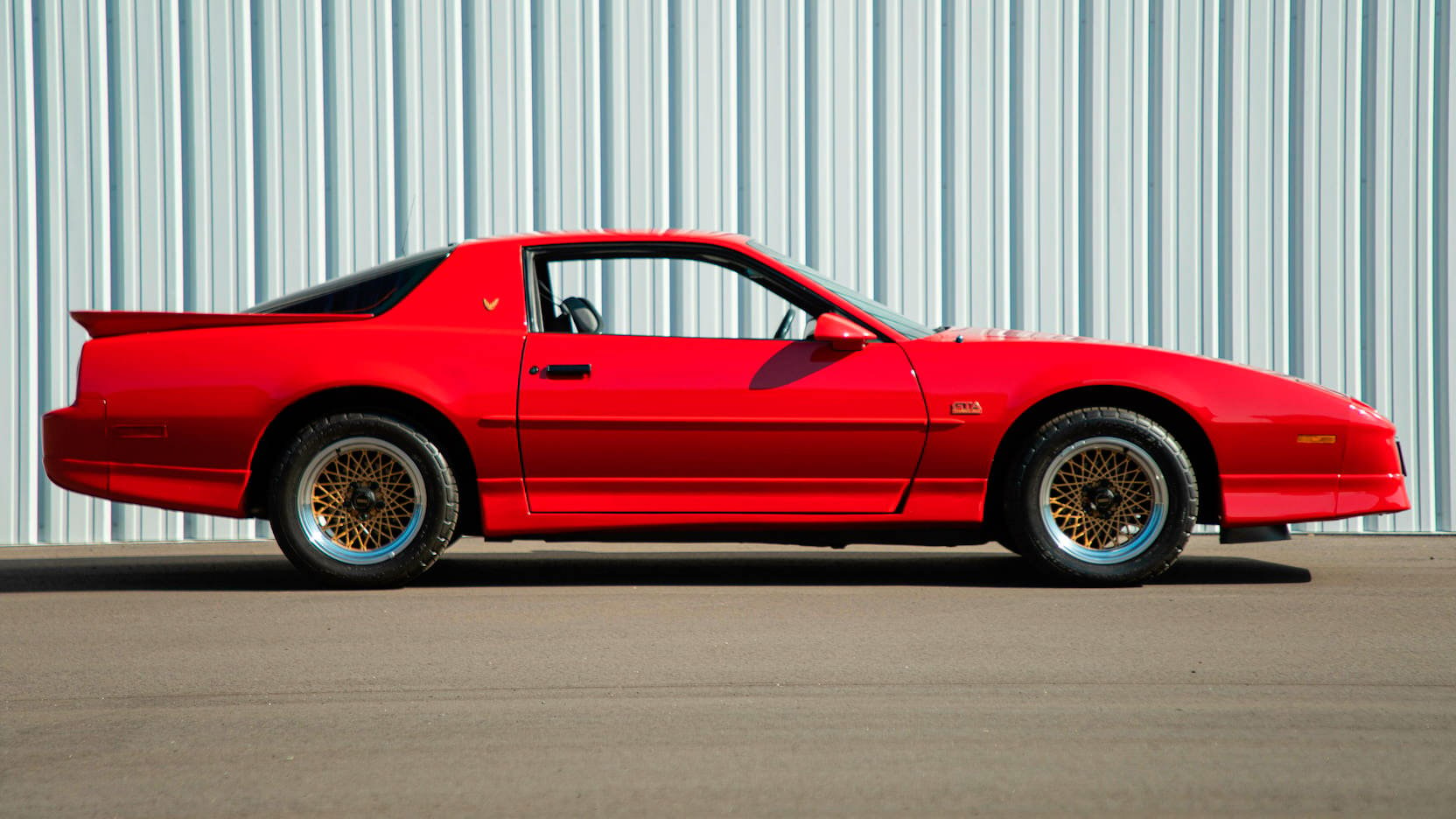
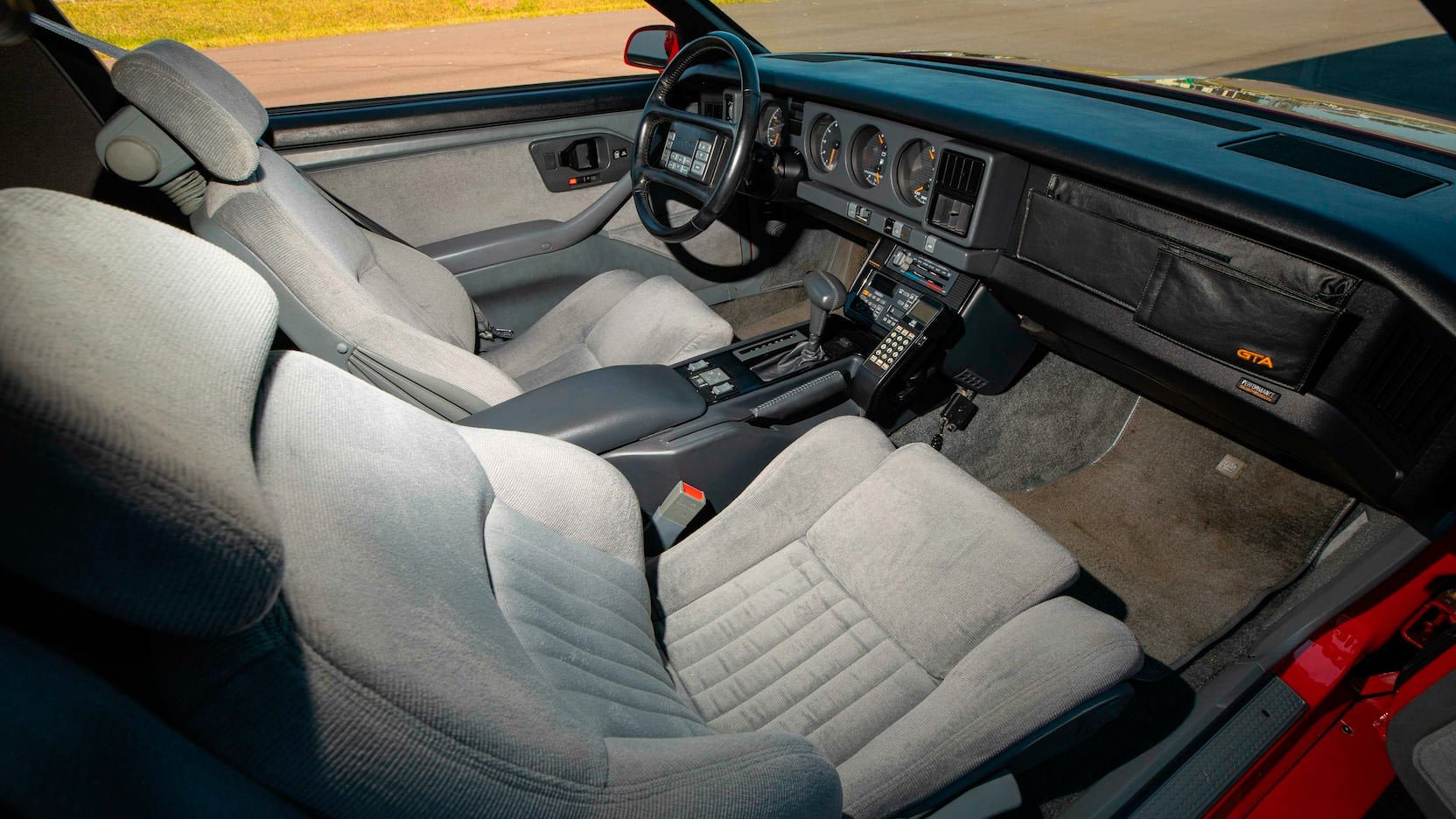
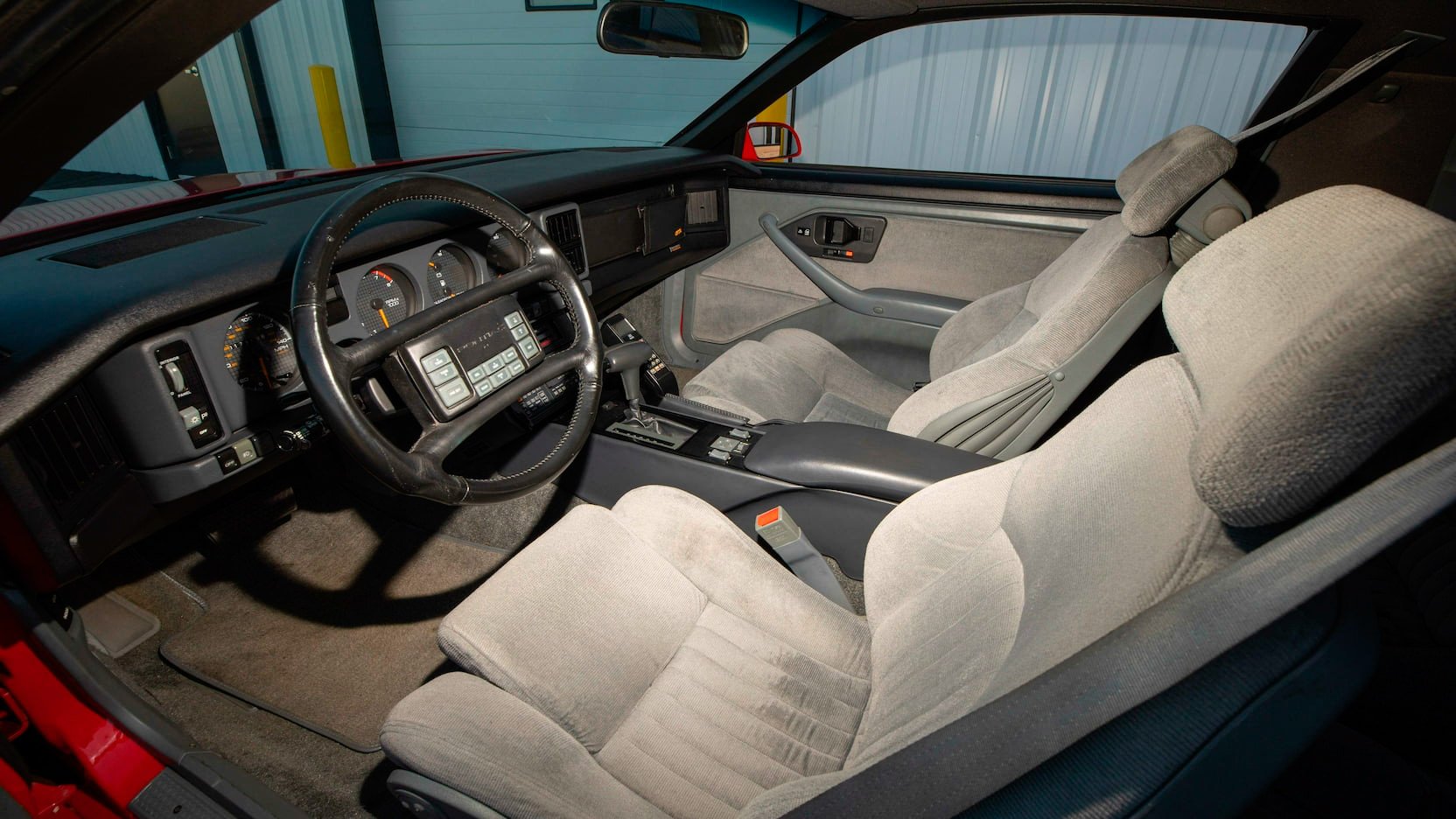
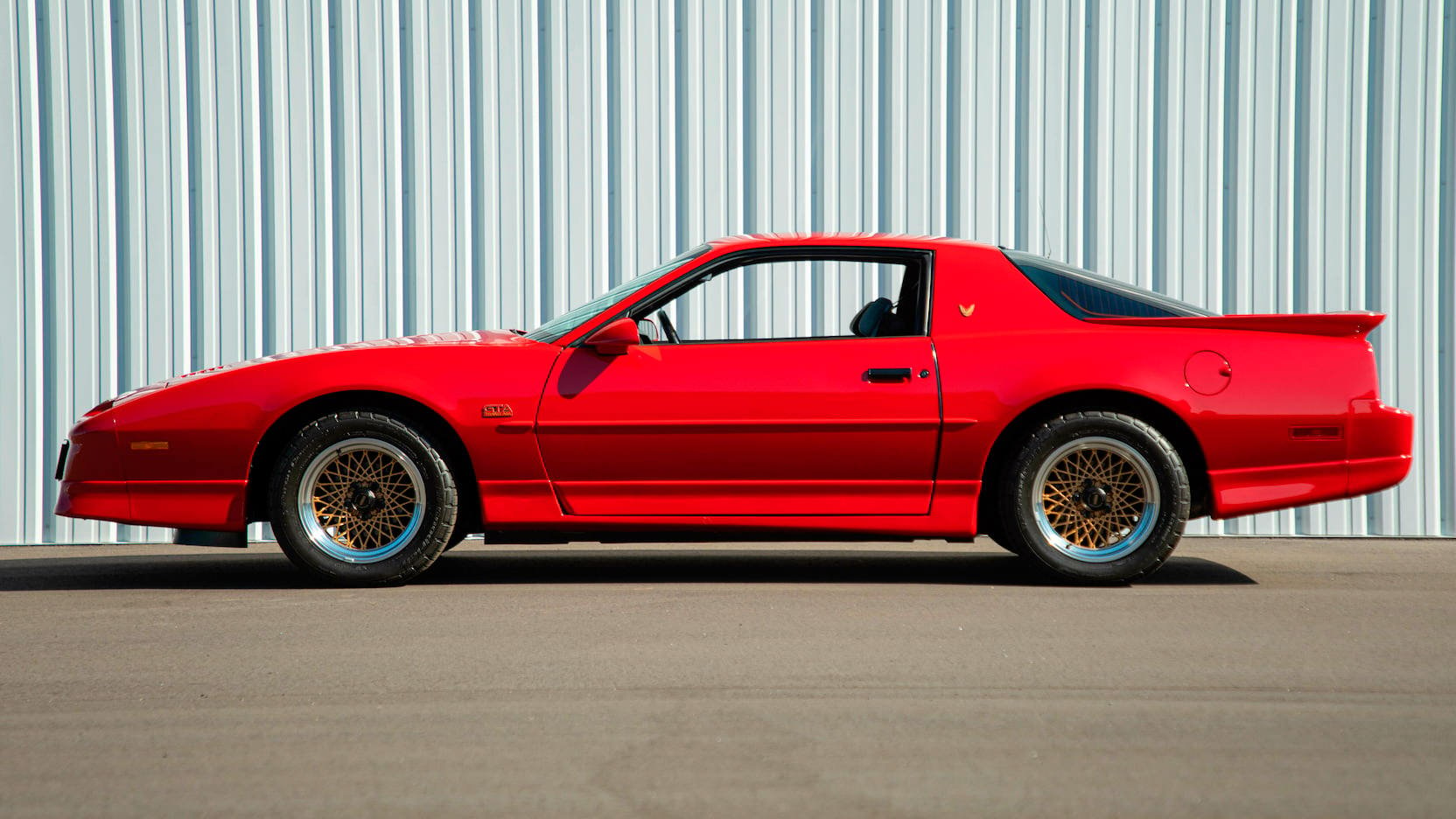
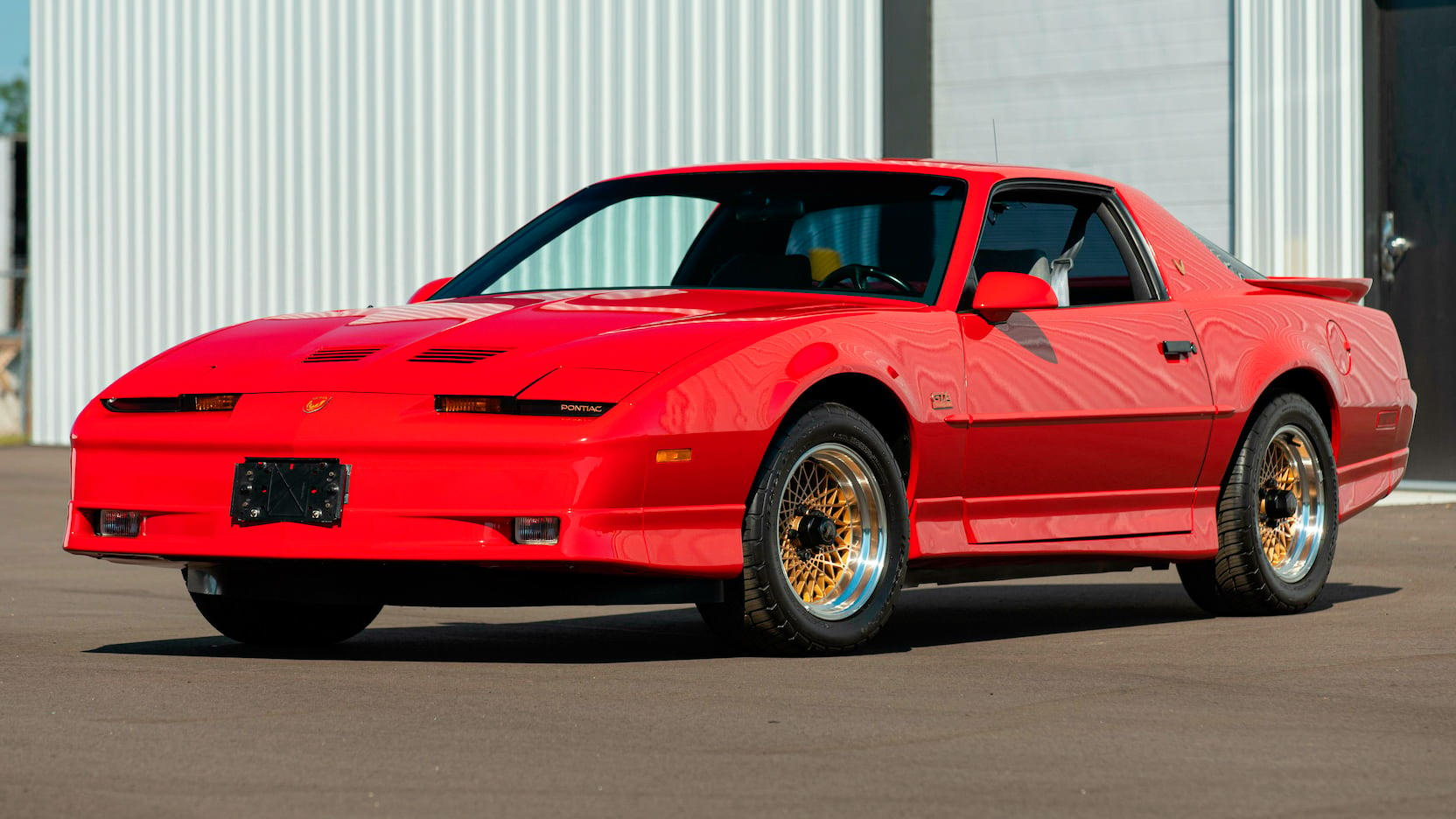
This engine would be mated to the TH-700R4 (4L60) automatic transmission which came as standard, air conditioning was included as were newly styled seats with inflatable lumbar and side bolsters, a GTA horn button, special badging, the WS6 performance handling package, and perhaps most noticeably, a color-colored body kit.

WS6 performance handling package included 36mm sway bars up front with 24mm sway bars in the rear, a quick ratio steering box, gas filled struts, and 16 inch wheels with 245/50R16 tires on all four corners.
Pontiac Firebird Trans Am GTA 21

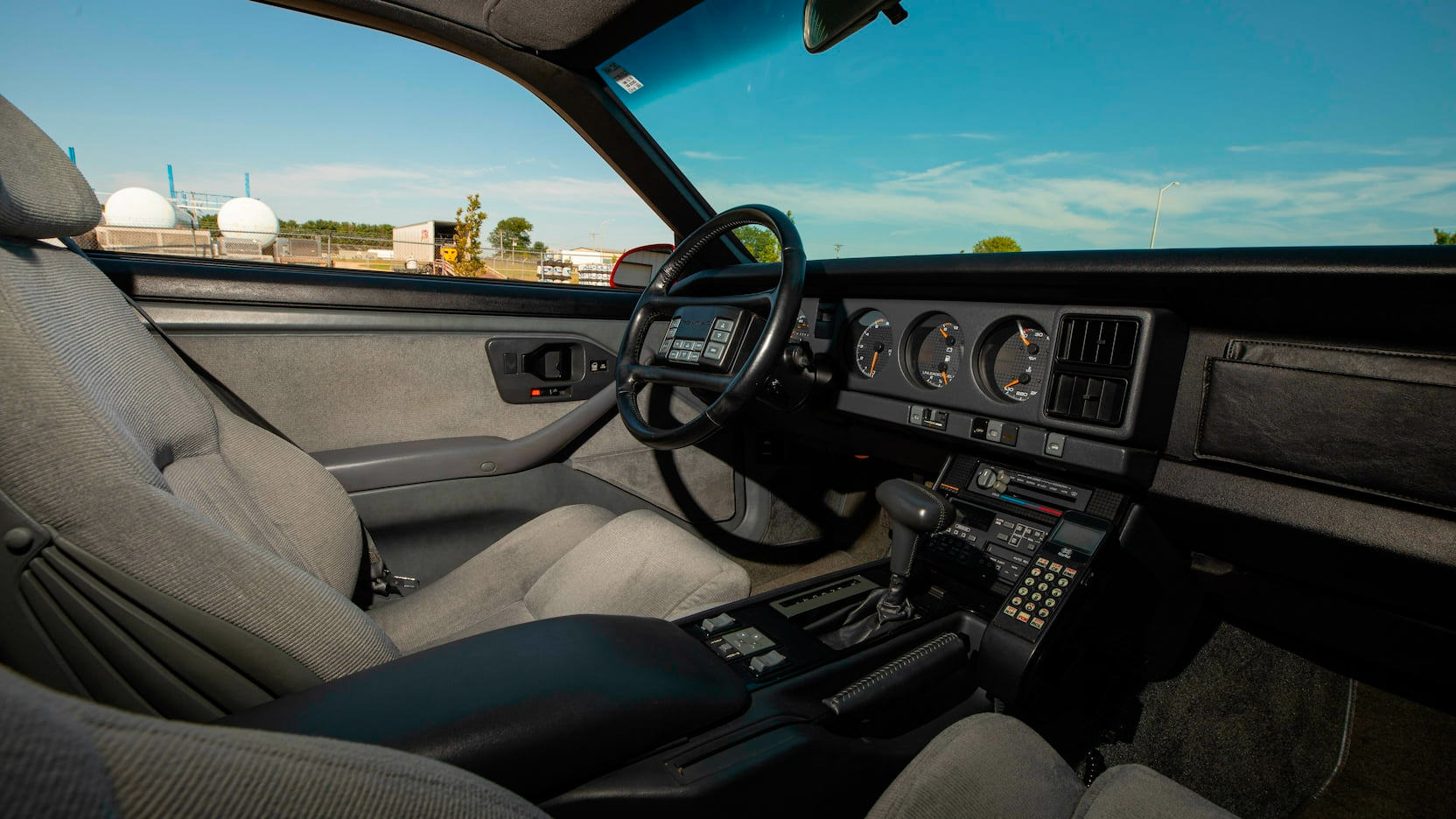
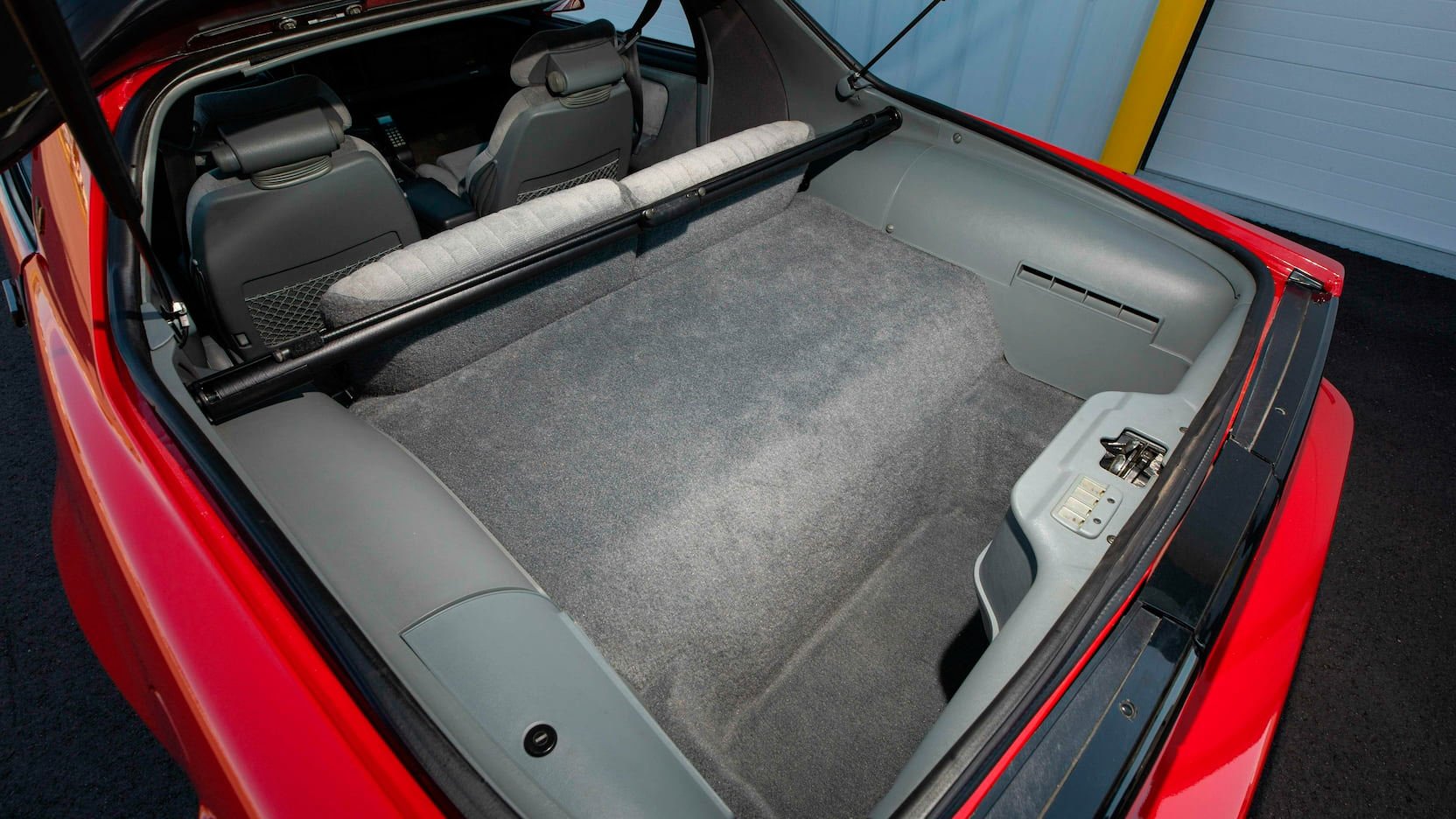
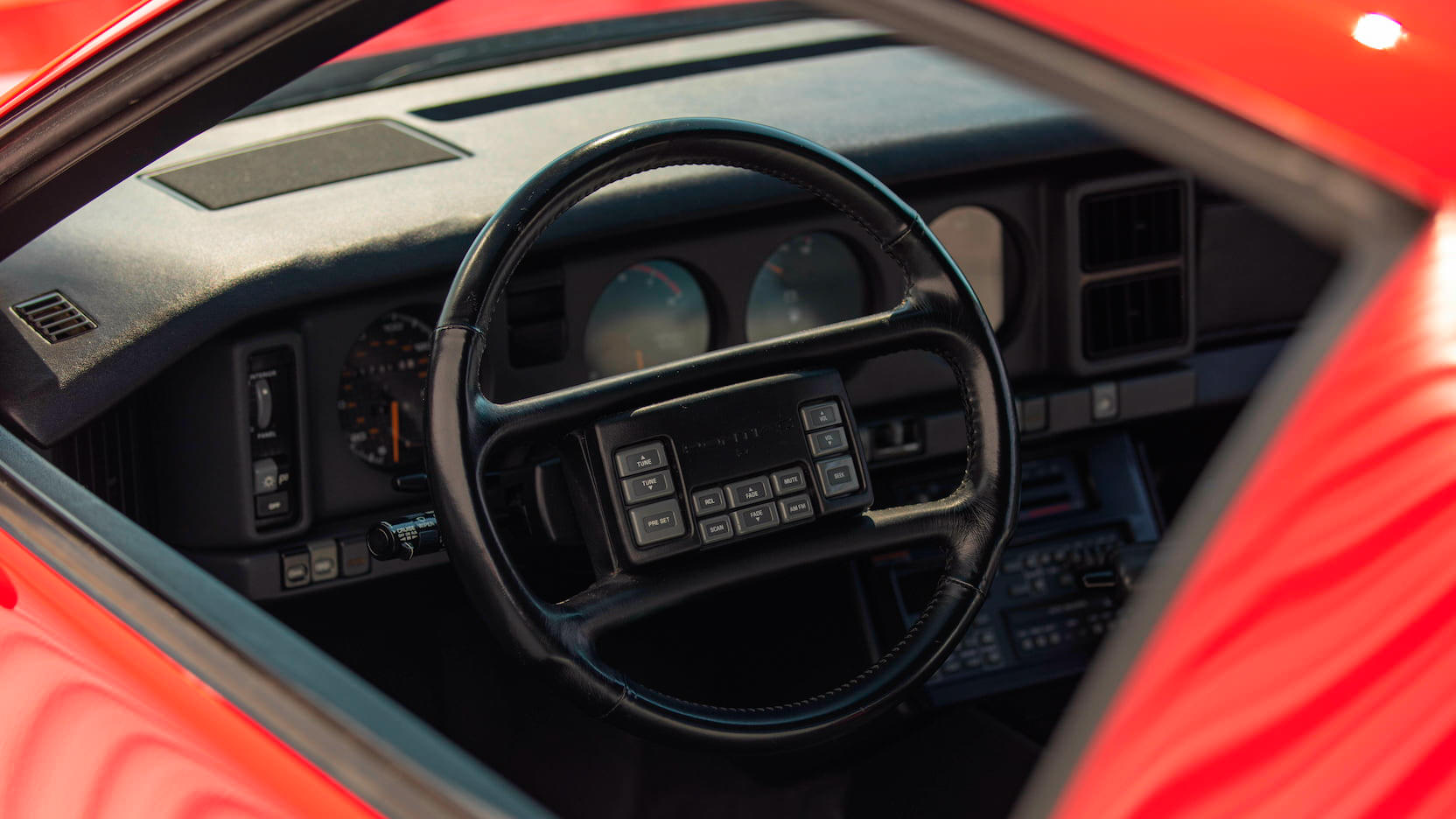
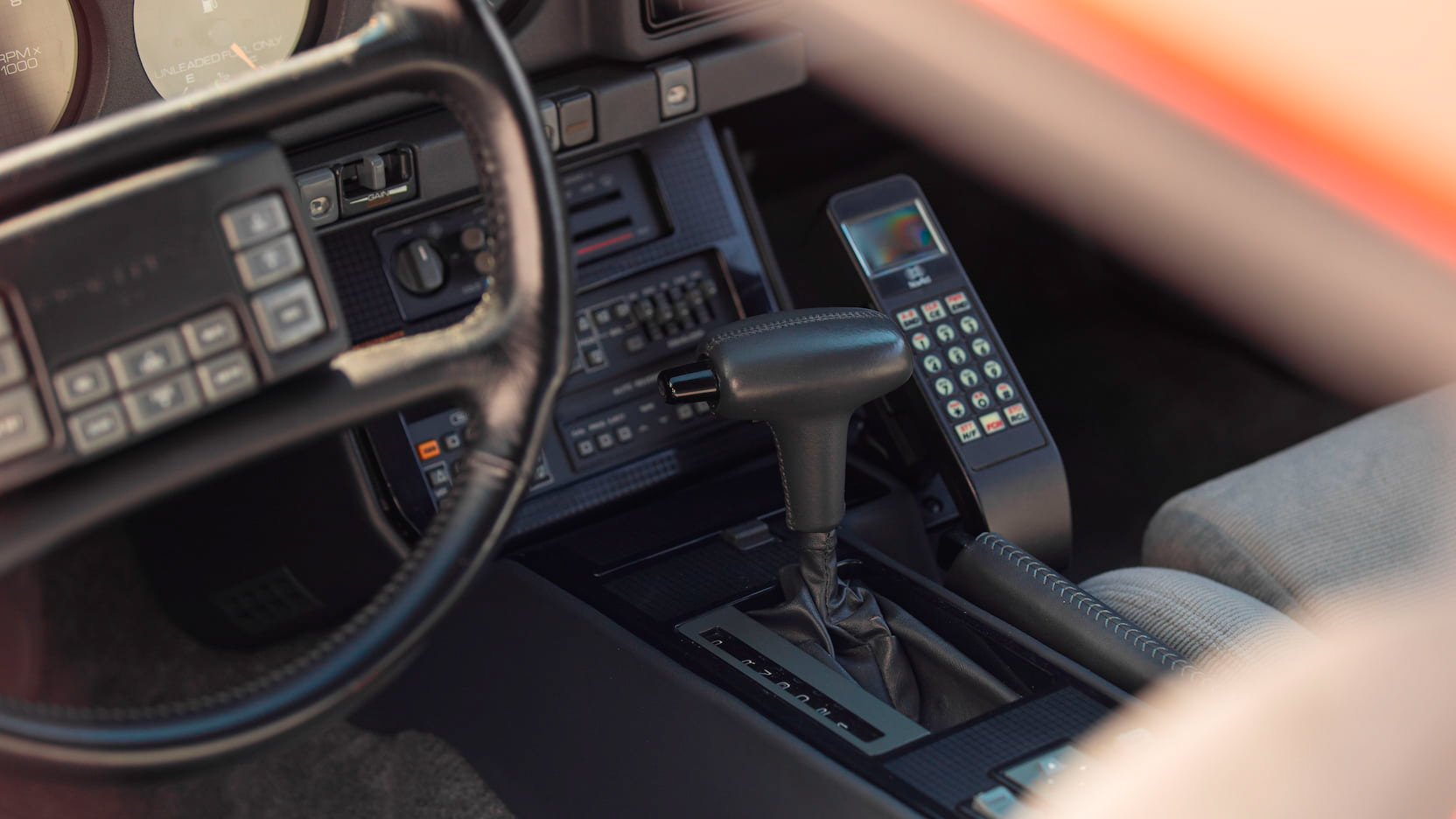
The interior of this car is a retro dreamscape, with plenty of 80s-style buttons, sliding graphic equalizer adjusters on the stereo, and even an early car phone.

With 250 bhp and 315 ft lbs of torque the Pontiac Firebird Trans Am GTA wasn’t a particularly powerful car by modern standards but in the 1980s, as the world recovered from the extreme emissions-related horsepower losses of the 1970s, the power must have seemed like a breath of fresh air.

The 1988 Pontiac Firebird Trans Am GTA Shown Here

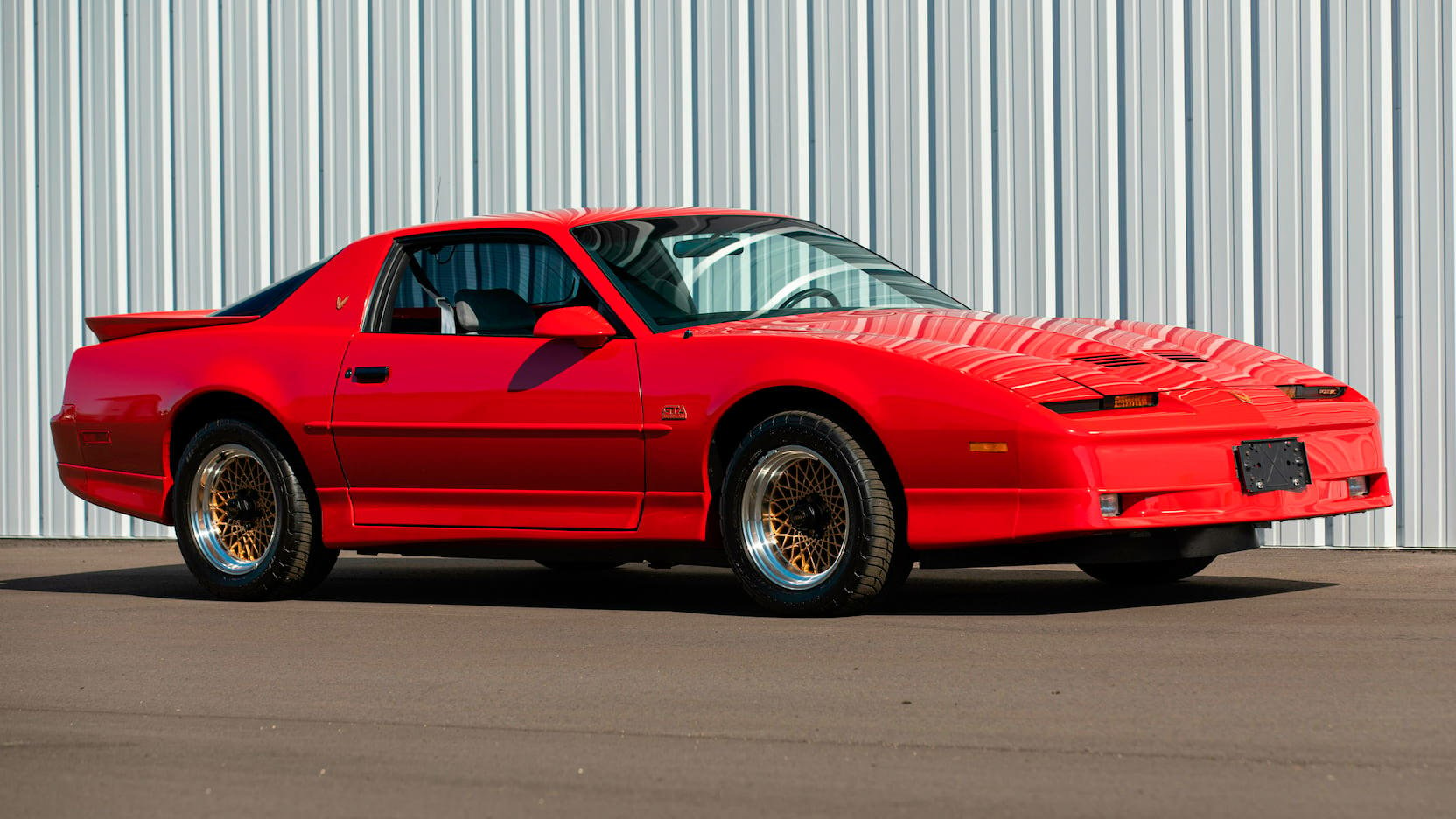
The car you see here is a Pontiac Trans Am GTA from 1988 – just the second year of production. t’s finished in red with a grey interior, two-piece gold/chrome wheels, and of course, that color-coded body kit.

This is a one-owner vehicle with 17,913 miles on the odometer and receipts to verify the mileage. It comes with the window sticker and it’s fitted with the automatic transmission – as most of them are.

If you’d like to read more about this GTA or register to bid you can visit the listing here. It’s due to cross the auction block with Mecum in mid-October in Chicago.

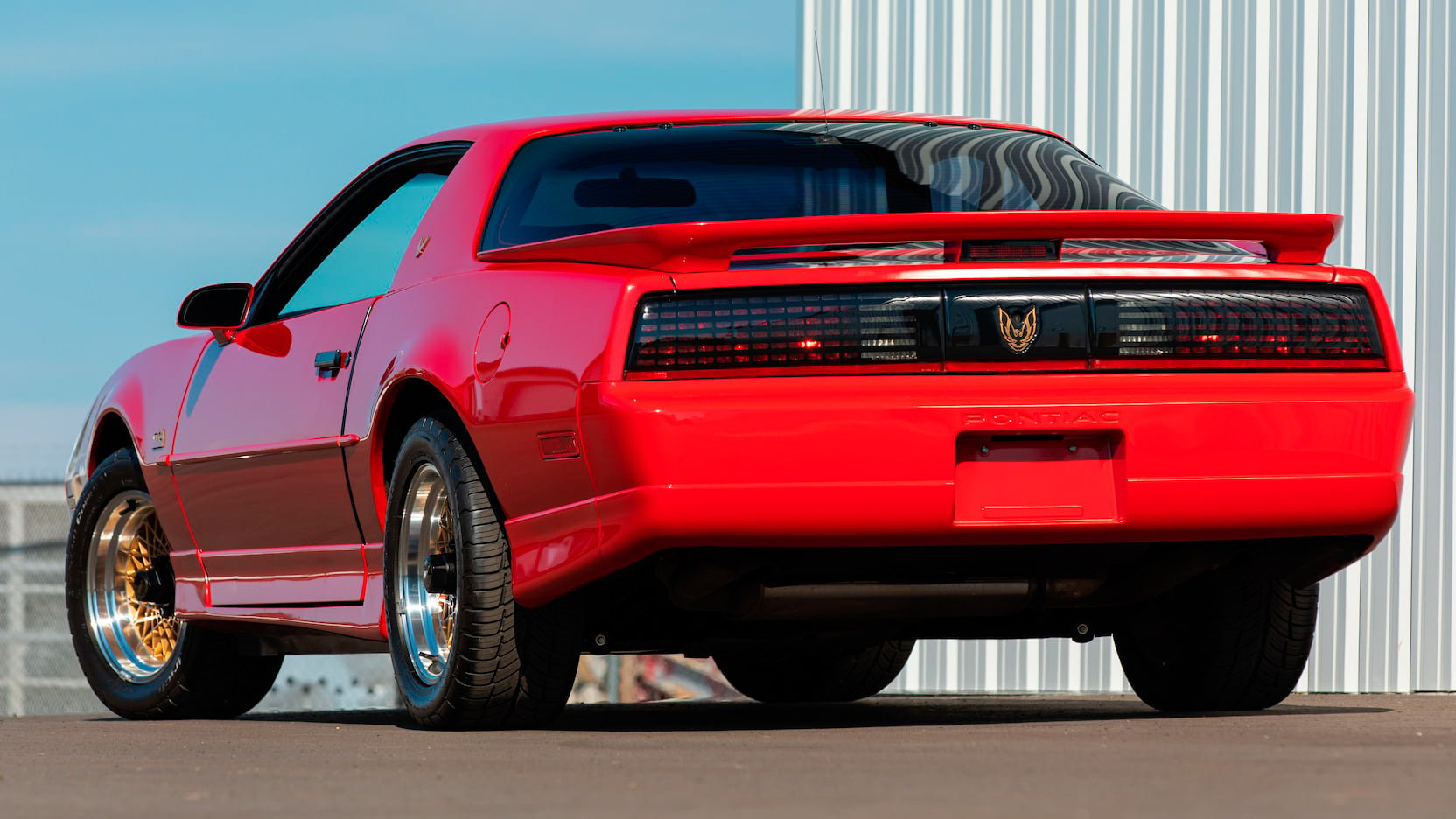
Pontiac Firebird Trans Am GTA 26 Pontiac Firebird Trans Am GTA 25 Pontiac Firebird Trans Am GTA 24 Pontiac Firebird Trans Am GTA 23 Pontiac Firebird Trans Am GTA 20 Pontiac Firebird Trans Am GTA 19 Pontiac Firebird Trans Am GTA 18 Pontiac Firebird Trans Am GTA 17 Pontiac Firebird Trans Am GTA 16 Pontiac Firebird Trans Am GTA 15 Pontiac Firebird Trans Am GTA 14 Pontiac Firebird Trans Am GTA 13 Pontiac Firebird Trans Am GTA 12 Pontiac Firebird Trans Am GTA 11 Pontiac Firebird Trans Am GTA 10 Pontiac Firebird Trans Am GTA 9 Pontiac Firebird Trans Am GTA 8 Pontiac Firebird Trans Am GTA 7 Pontiac Firebird Trans Am GTA 6 Pontiac Firebird Trans Am GTA 5 Pontiac Firebird Trans Am GTA 4 Pontiac Firebird Trans Am GTA 3 Pontiac Firebird Trans Am GTA 2 Pontiac Firebird Trans Am GTA 1

Images courtesy of Mecum
The post “Gran Turismo Americano” – The 1988 Pontiac Firebird Trans Am GTA appeared first on Silodrome.


from Silodrome https://silodrome.com/pontiac-firebird-trans-am-gta/
via gqrds

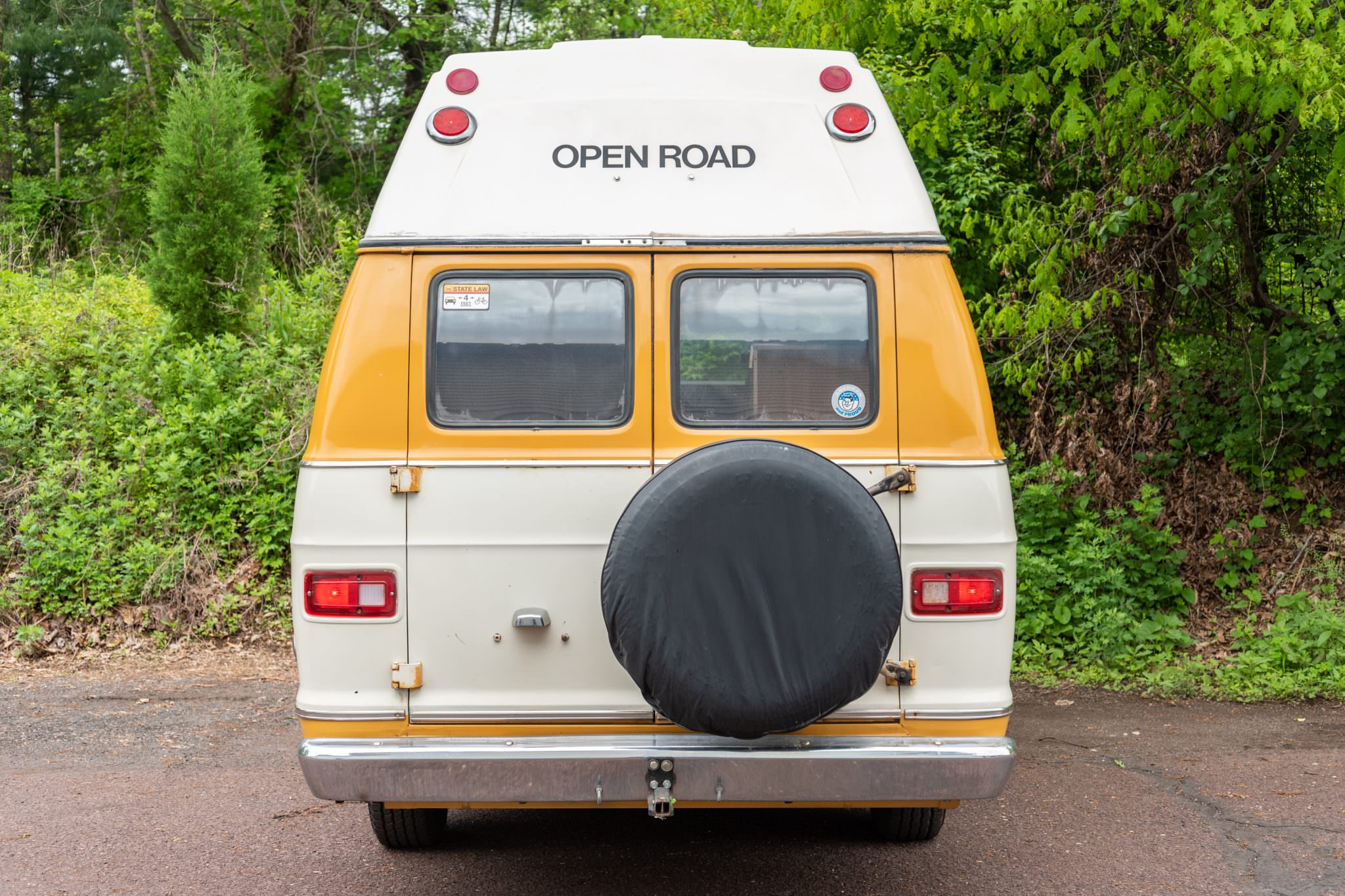
A Retro Home On Wheels: 1974 Dodge Tradesman B300 Camper Van

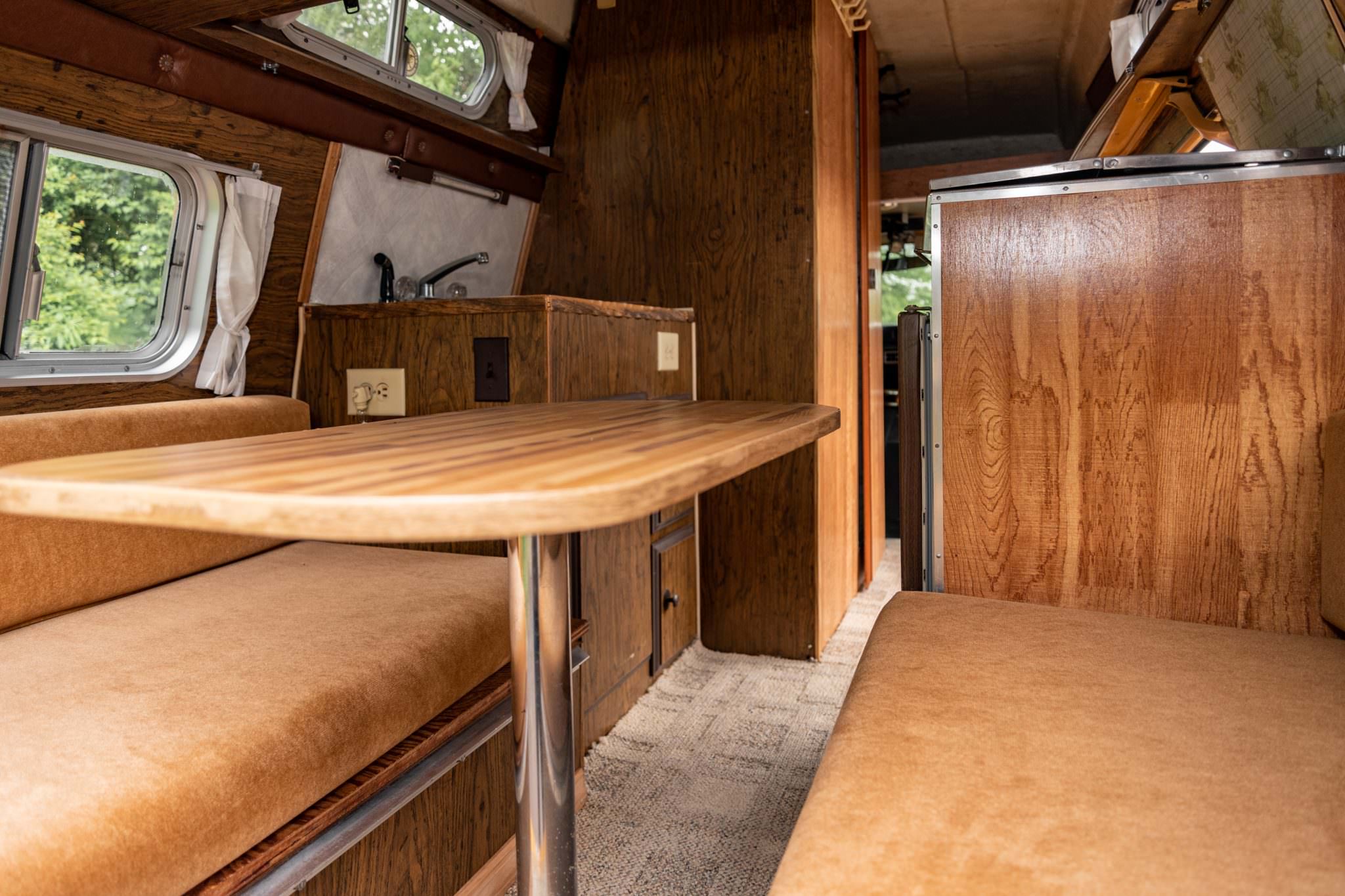
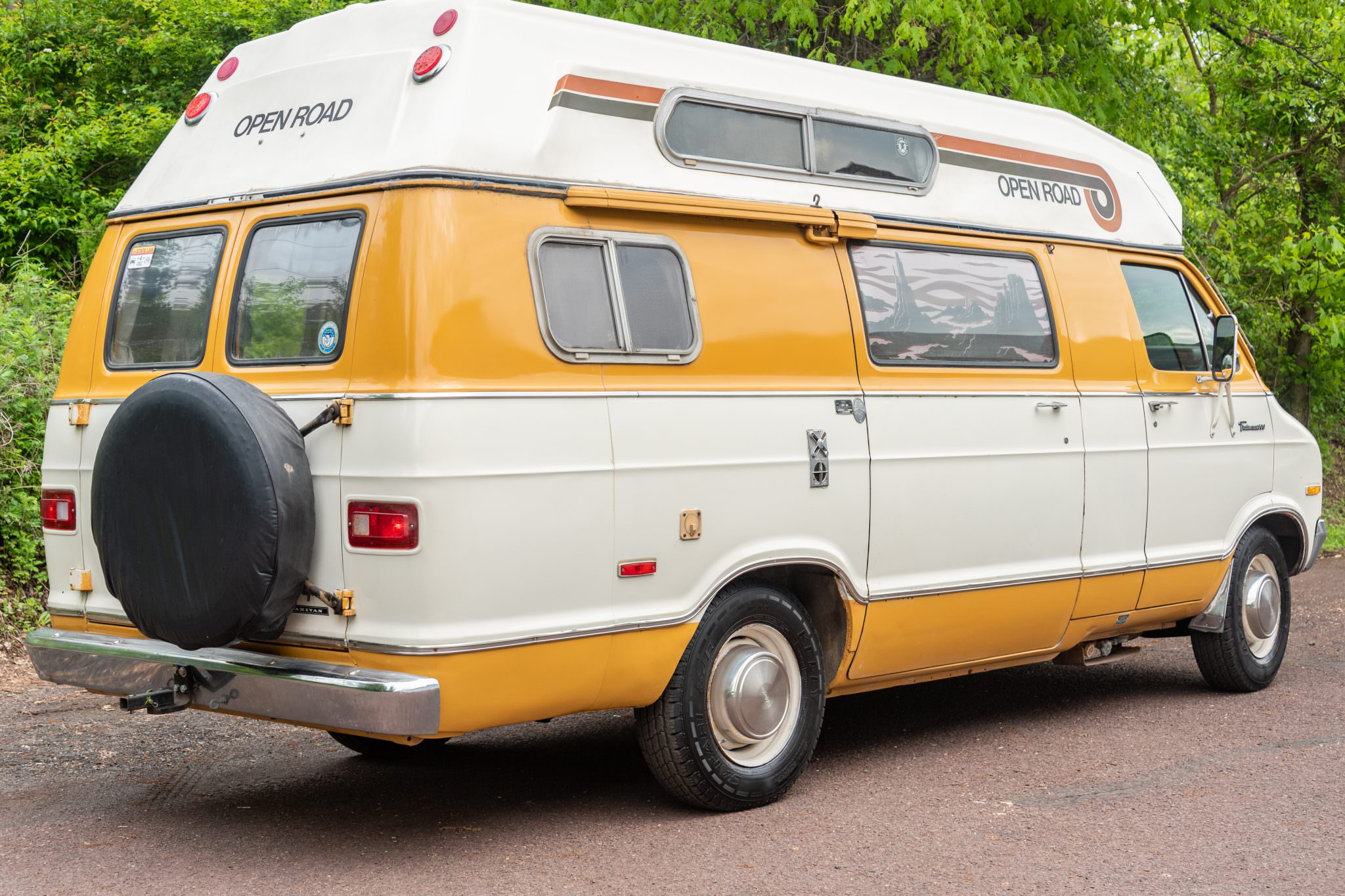
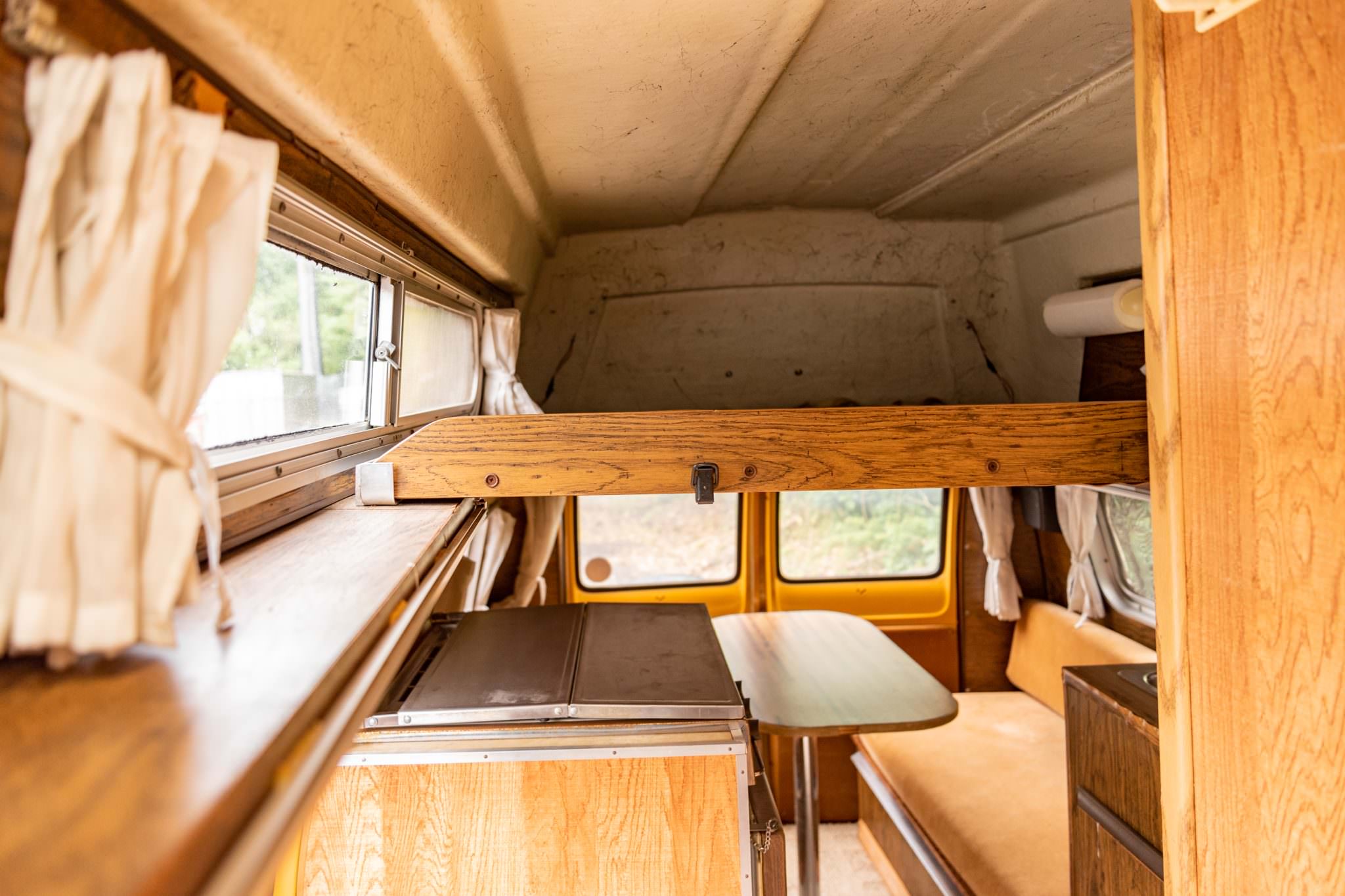
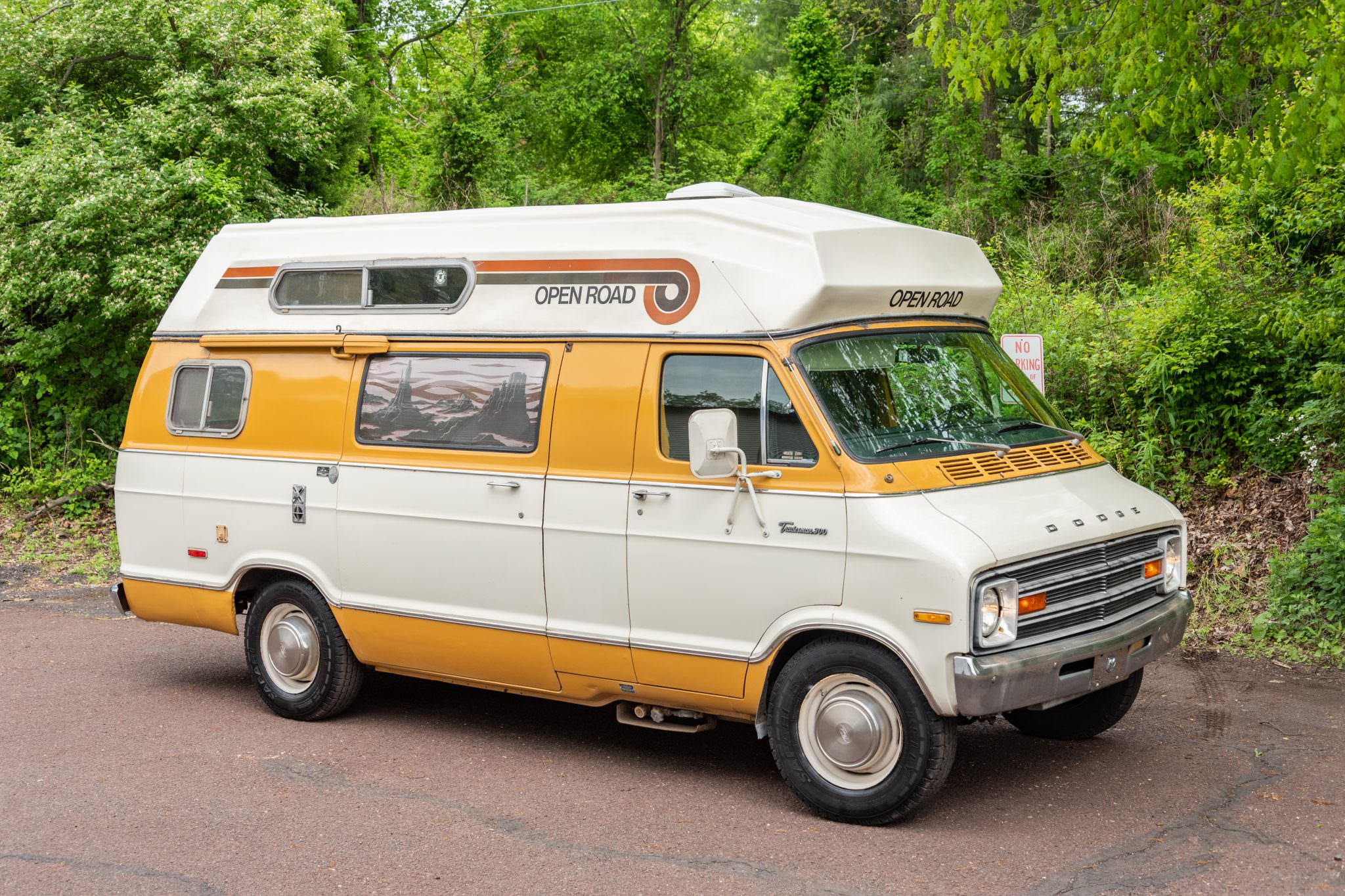
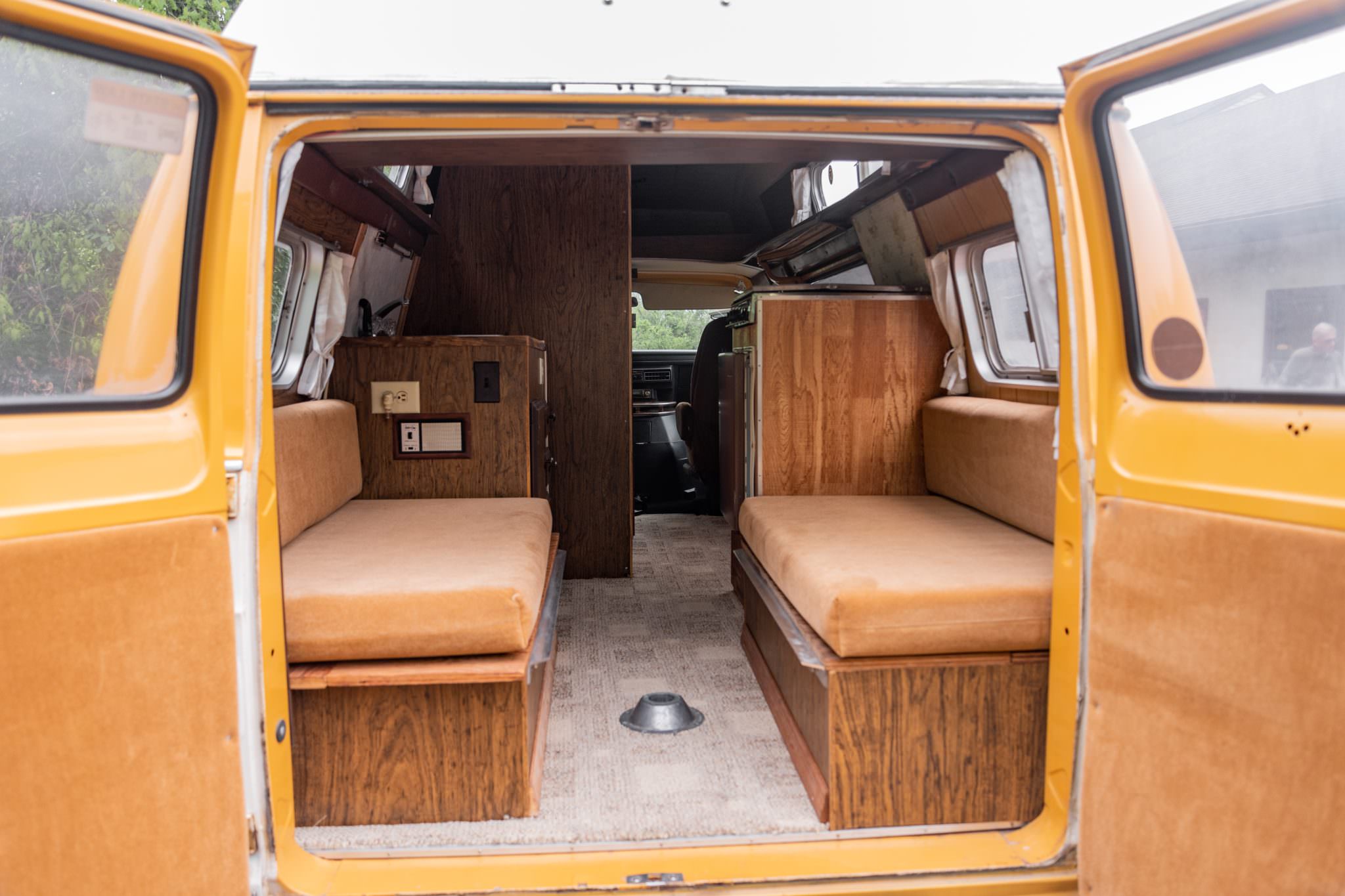
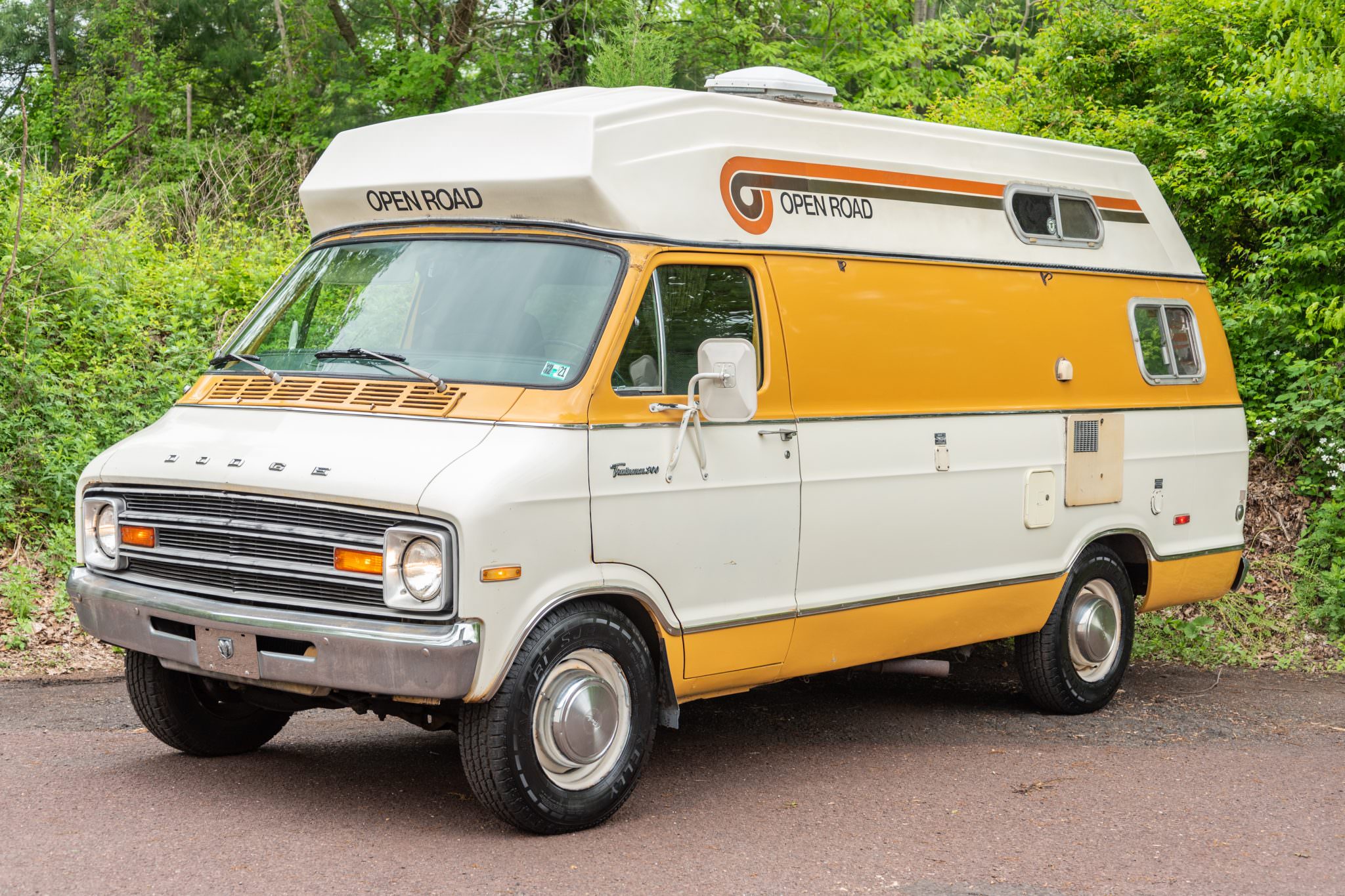
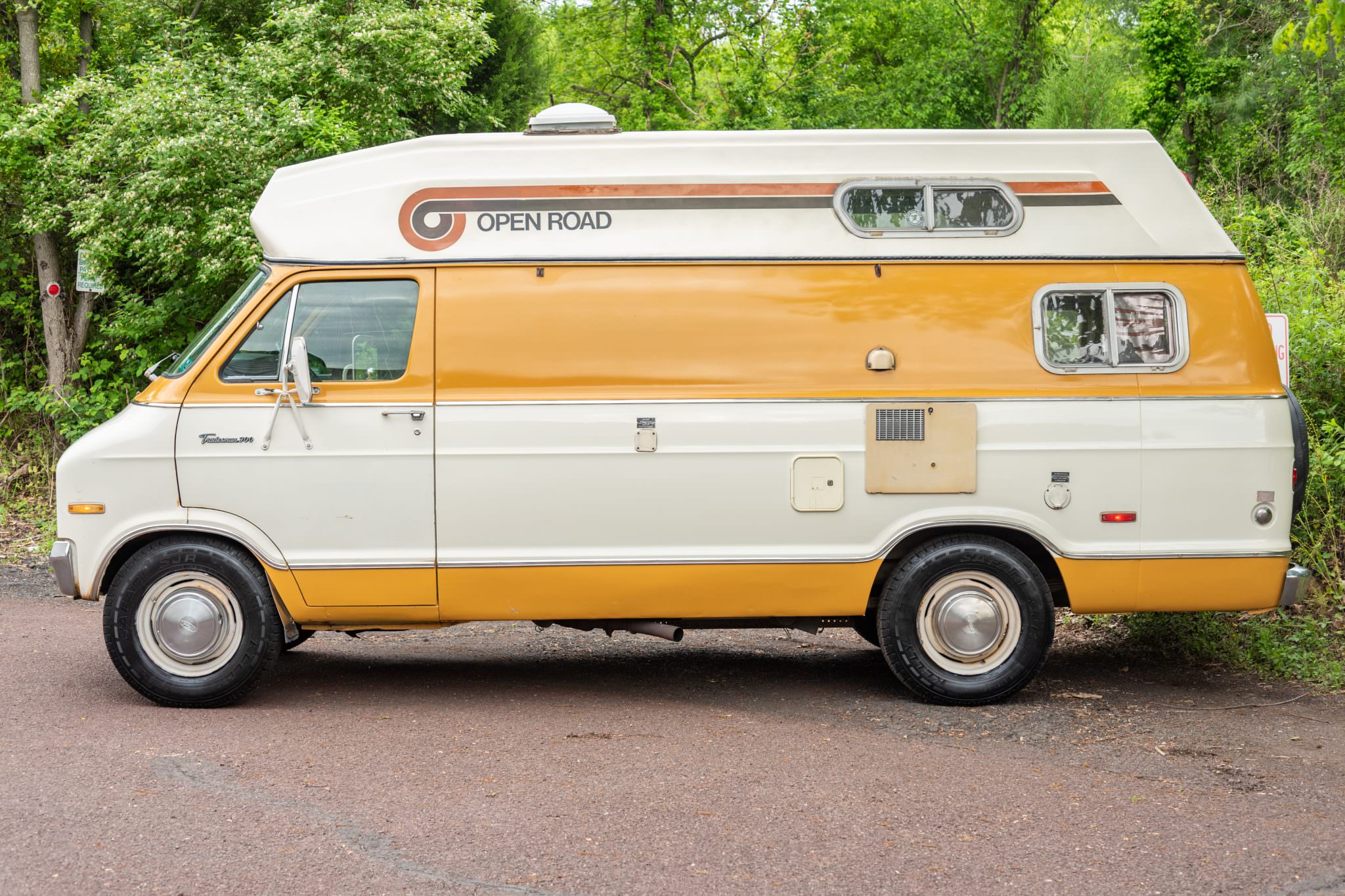
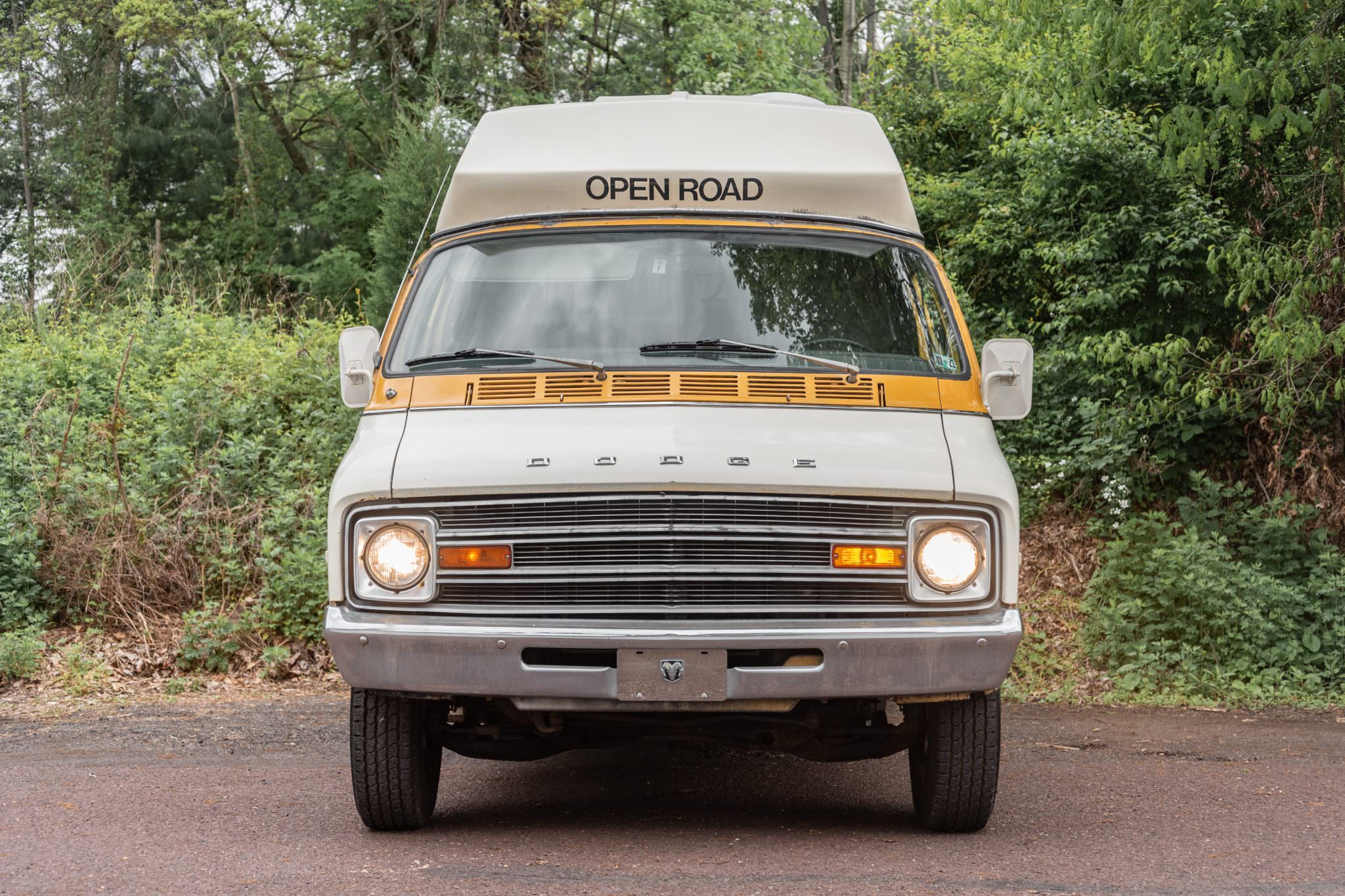
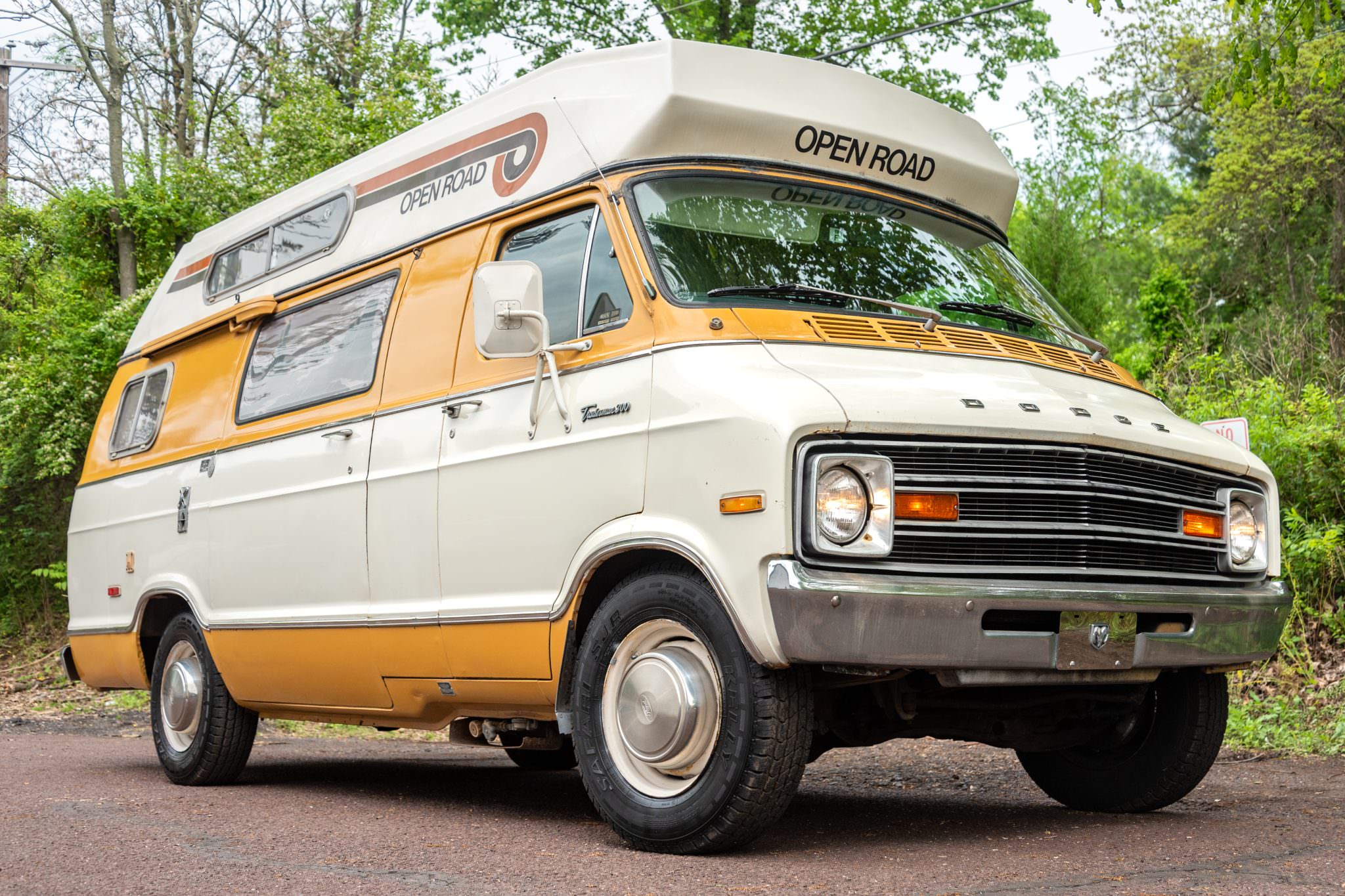
This 1974 Dodge Tradesman B300 Camper Van has been preserved with all of its classic 1970s retro charm intact. Inside you’ll find accommodation for two, a shower and toilet, a kitchenette, a dinette sofa area, and an expandable double bed platform.

Camper vans have been around since at least the 1910s, not long after the automobile first entered mass-production. The appeal of them is obvious – they allow you to hit the open road and travel indefinitely, well until the money runs out at least.

Fast Facts – A Dodge Tradesman B300 Camper Van

  • This camper van was built by Open Road Inc, one of many companies that was founded to build these homes on wheels that enjoyed skyrocketing popularity across America and much of the Western world throughout the 1960s, 1970s, and beyond.
  • It’s based on the Dodge Tradesman B300, a member of the B series of vans from the American manufacturer that was built between 1970 and 1978 before it was replaced by the second generation version.
  • This van is fully equipped for extended off-grid travel, with a double bed, kitchen, shower, toilet, and sofa/dining are. Up front there are captain’s seats for two, and it has air conditioning, heating, power steering, and power brakes.
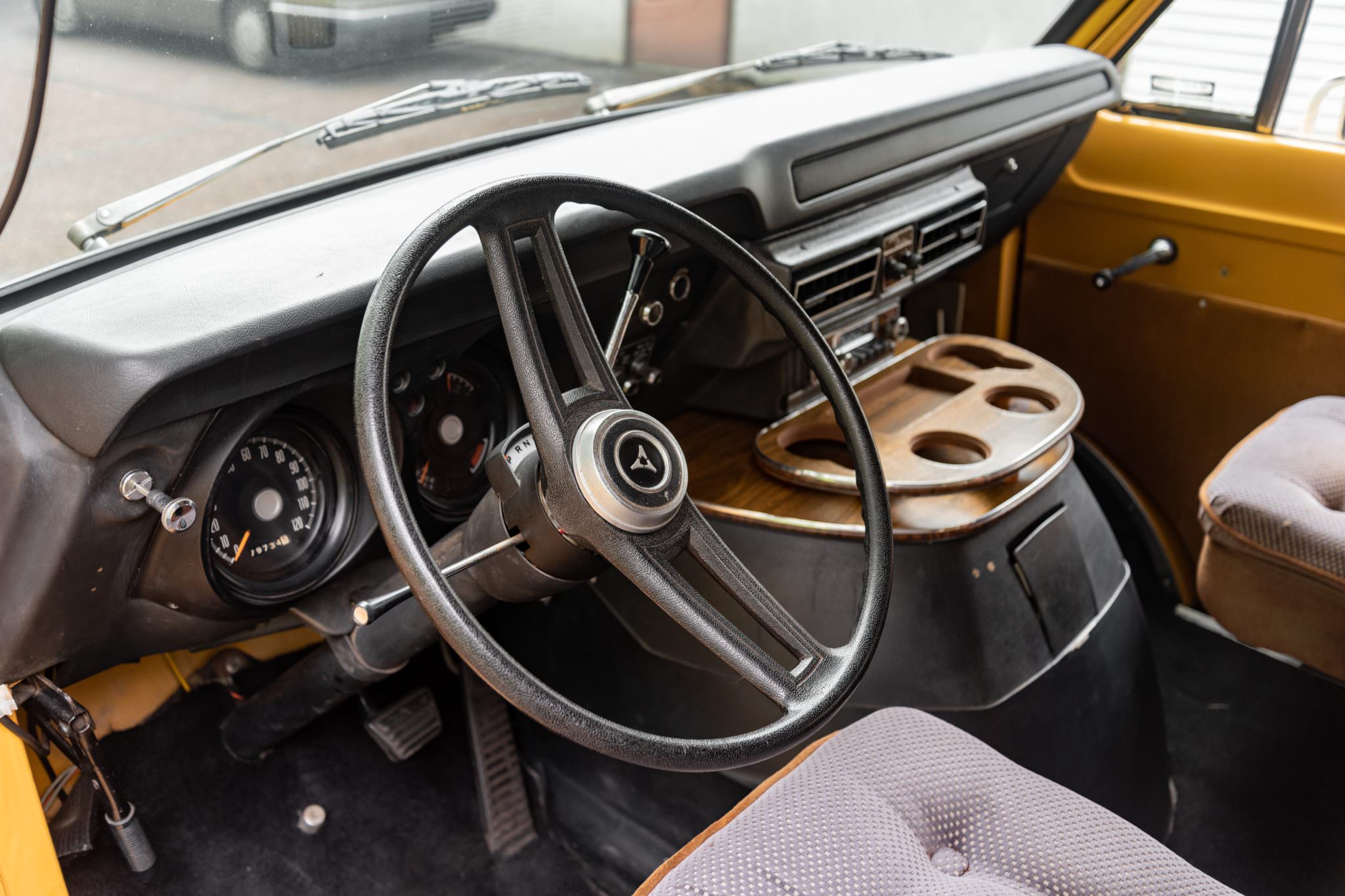
  • Power is provided by the original 360 cubic inch V8 which is mated to a 3-speed automatic transmission, there are 80,000+ miles on the odometer, and it has a rather optimistic 120 mph speedometer.

Van Life – Retro Edition

The modern day van life movement exploded in popularity a few years ago, with an entire genre now dedicated to it on social media, countless YouTube channels, and many companies that will build a van to your own specifications.

Dodge Tradesman B300 Camper Van 4

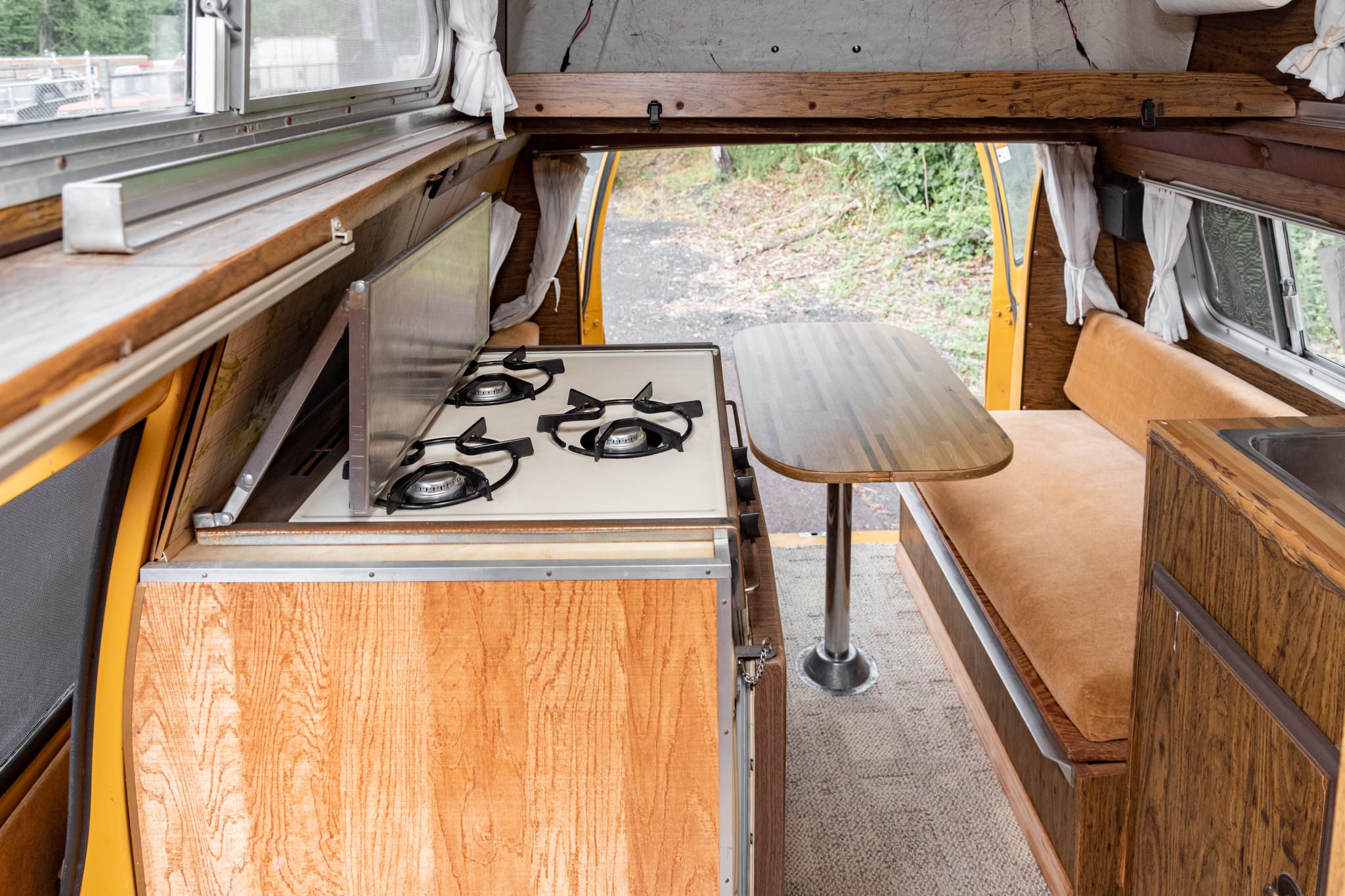
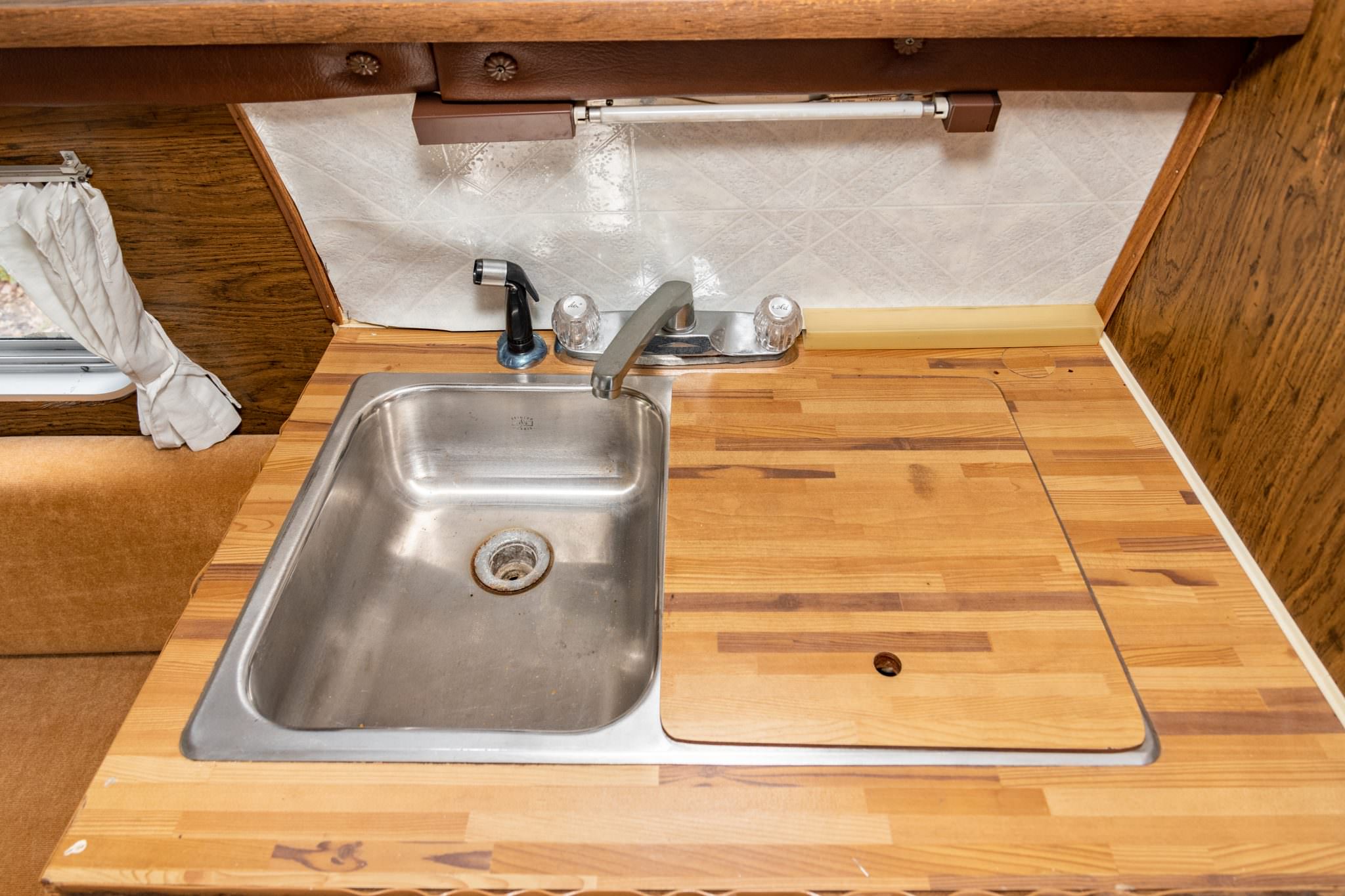
The kitchenette has three gas burners and a small fridge, there’s also a sink with running water and some cabinetry for storage.

Of course, this isn’t a new phenomena. People have been sleeping in the back of vans since shortly after the first van was invented, and bespoke camper vans followed soon after.

The truth of the matter is that humans have been sleeping in van-like vehicles going back hundreds, if not thousands, of years. These early “vans” were typically carts or wagons with simple roof structures and waxed cotton coverings, they were pulled by horses and famously used by American settlers in the days of the old Wild West as they migrated across the country.

Modern camper vans are vastly more advanced that this, many have fully functioning bathrooms with toilets and warm water showers, kitchens with ovens, hot plates, and sinks with running water, dinettes, sofas, and of course, bedrooms.

The 1970s were a time when camper vans began to grow in size and complexity, full-sized motorhomes became a more common sight on the highways and byways of the the country, and company names like Winnebago became well-known even among non-camping types.

Dodge Tradesman B300 Camper Van 10

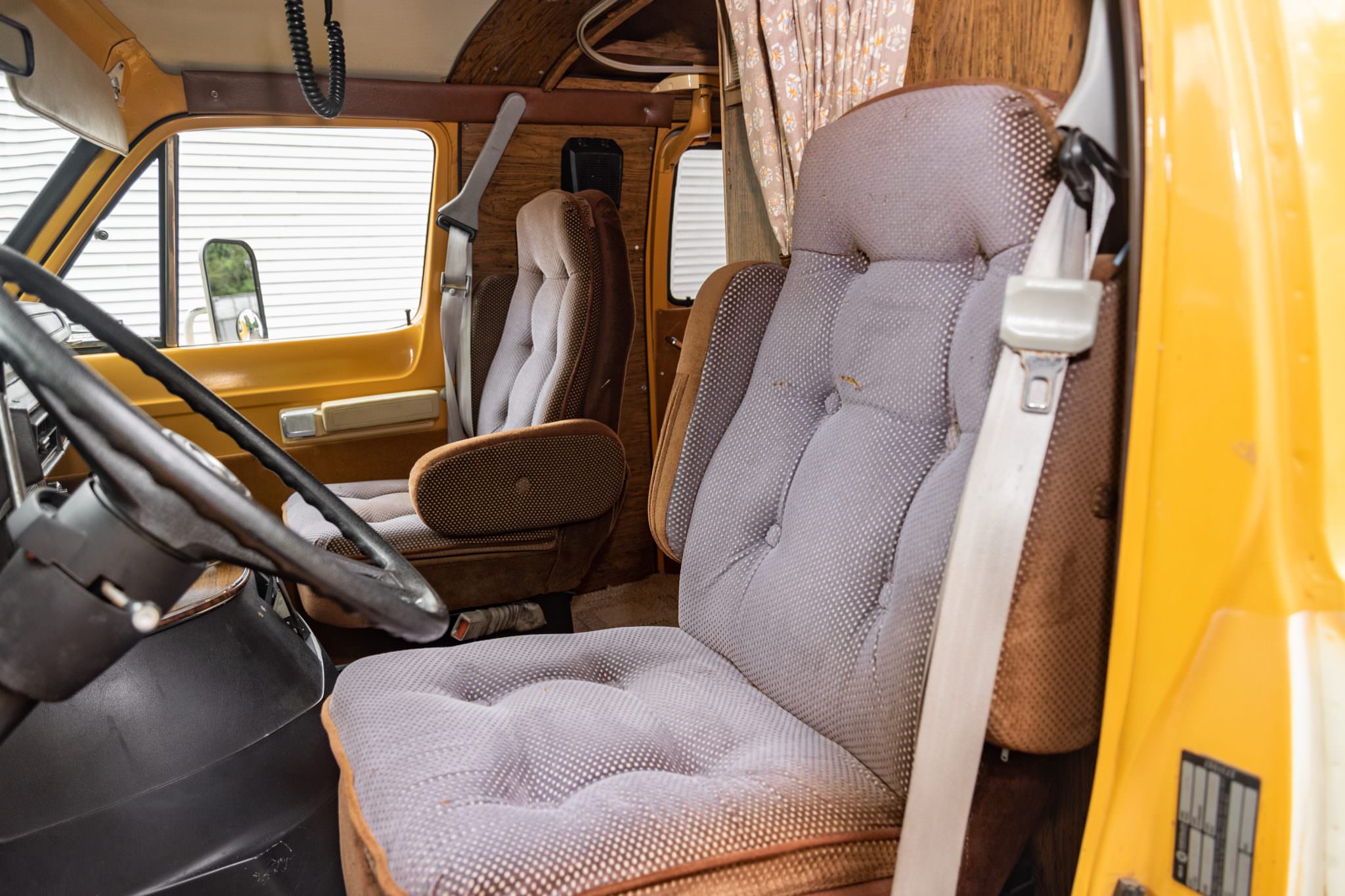
The two captain’s chairs up front provide a comfortable spot to watch the highway miles disappear under the wheels, and there are plenty of cupholders – an essential feature on any roadtrip vehicle,

In some respects the 1960s and 1970s are now looked back on as a golden age of camper vans, with many modern examples being built in the same style. There are still some well looked after original campers from this era around and every now and then they come up for sale – like this Dodge Tradesman.

A Classic Dodge Tradesman Camper Van

The van you see here is a survivor from 1974. It has over 80,000 miles on the clock and it has a few rust spots to fix, but it could make a great rolling project for the right person.

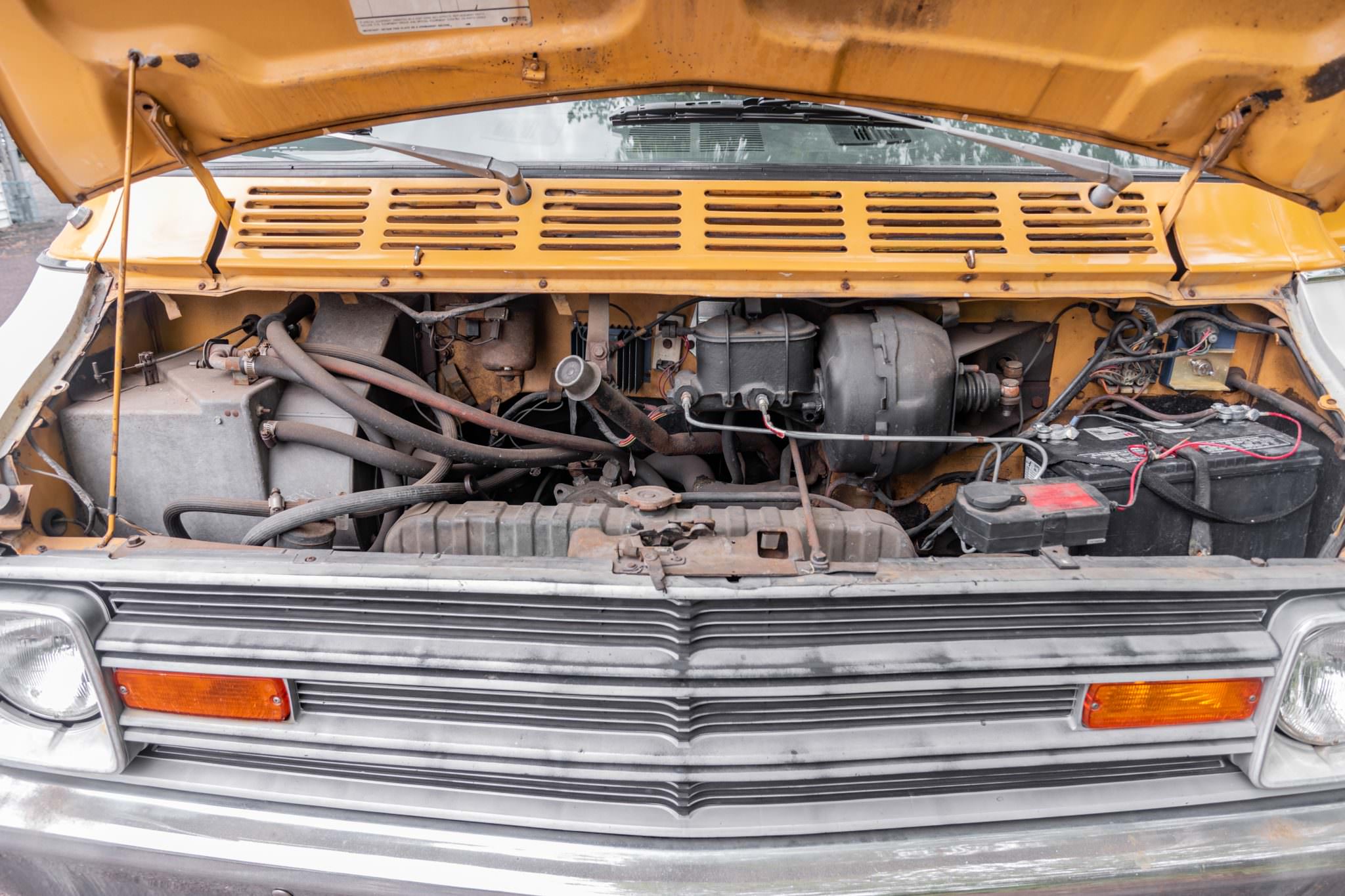
Power is provided by a 360 cubic inch V8 which sends power to the rear wheels via a 3-speed automatic transmission. Thanks in no small part to that engine this van has no trouble cruising at modern highway speeds, and it also has both air conditioning and a deluxe high-output heater.

There are two captain’s chairs up front as well as four cupholders which sit on the dog house that covers the engine. The camper has an intercom system and it’s set up with a kitchenette, dinette, a bathroom with a toilet/shower, and a slide out double bed platform.

It’s currently being offered for sale on Bring A Trailer out of Feasterville Trevose, Pennsylvania. If you’d like to read more about it or register to bid you can visit the listing here.

Dodge Tradesman B300 Camper Van 9 Dodge Tradesman B300 Camper Van 15 Dodge Tradesman B300 Camper Van 14 Dodge Tradesman B300 Camper Van 13 Dodge Tradesman B300 Camper Van 12 Dodge Tradesman B300 Camper Van 11 Dodge Tradesman B300 Camper Van 8 Dodge Tradesman B300 Camper Van 7 Dodge Tradesman B300 Camper Van 6 Dodge Tradesman B300 Camper Van 5 Dodge Tradesman B300 Camper Van 3 Dodge Tradesman B300 Camper Van 2 Dodge Tradesman B300 Camper Van 1

Images courtesy of Bring A Trailer

The post A Retro Home On Wheels: 1974 Dodge Tradesman B300 Camper Van appeared first on Silodrome.


from Silodrome https://silodrome.com/dodge-tradesman-b300-camper-van/
via gqrds
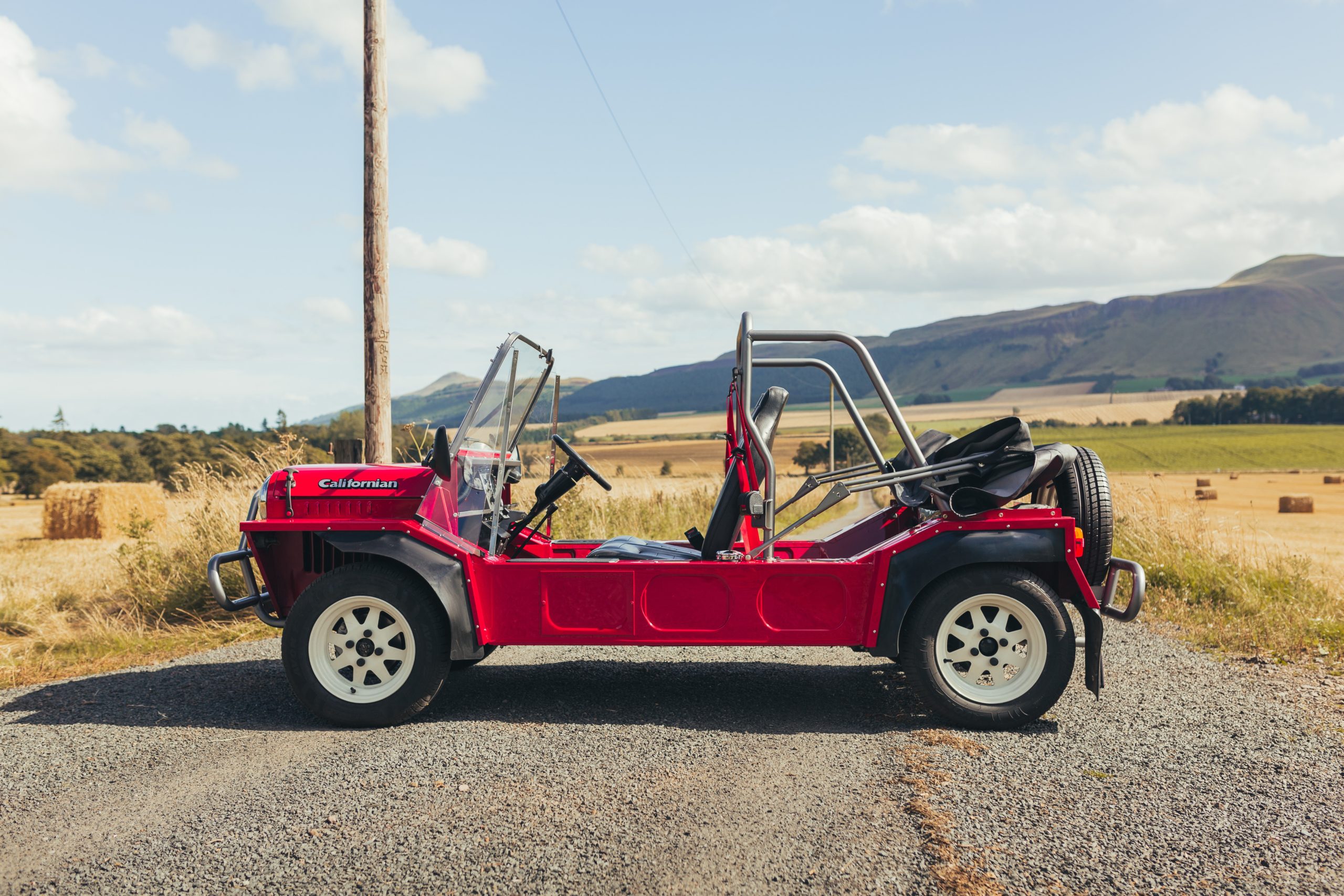
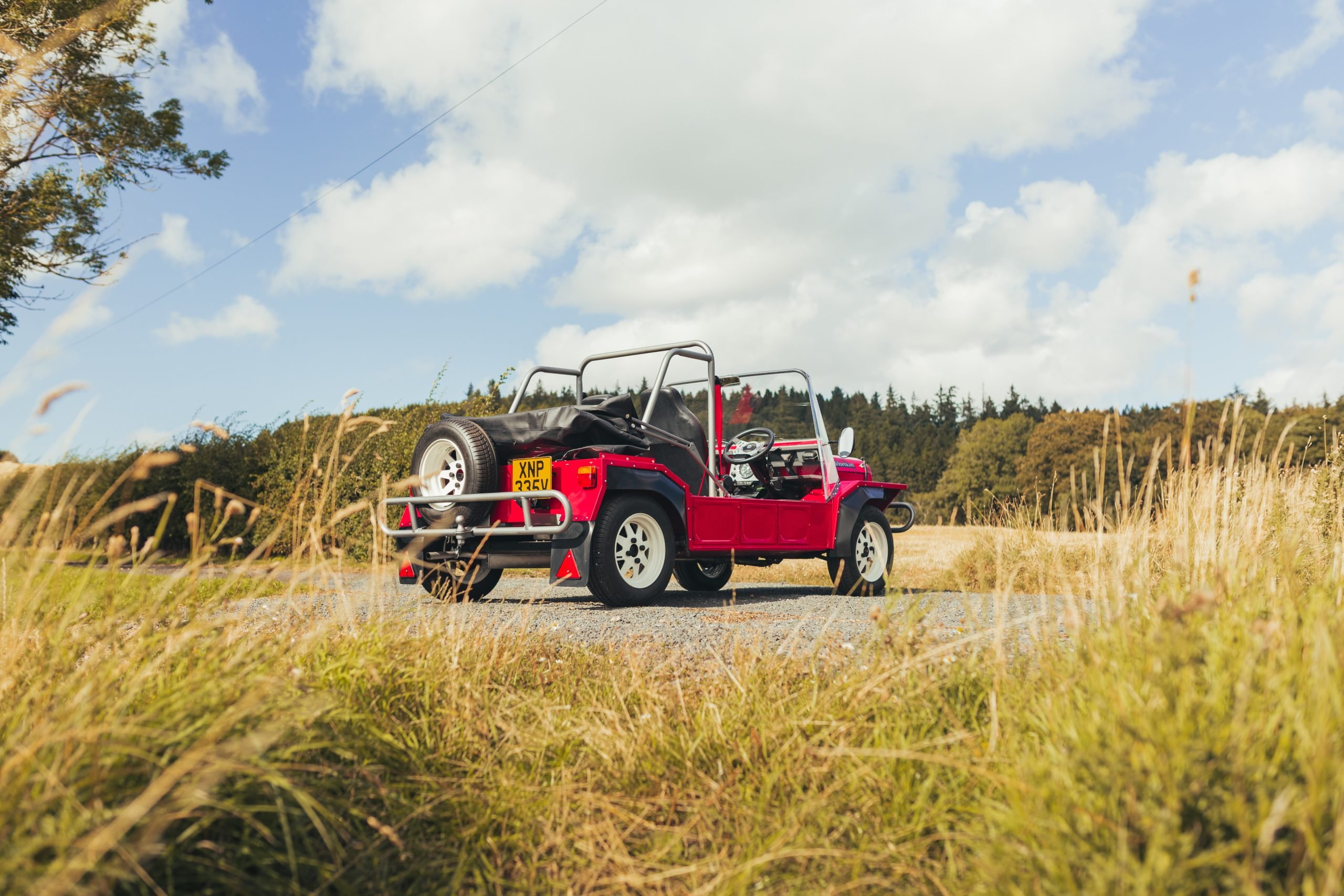
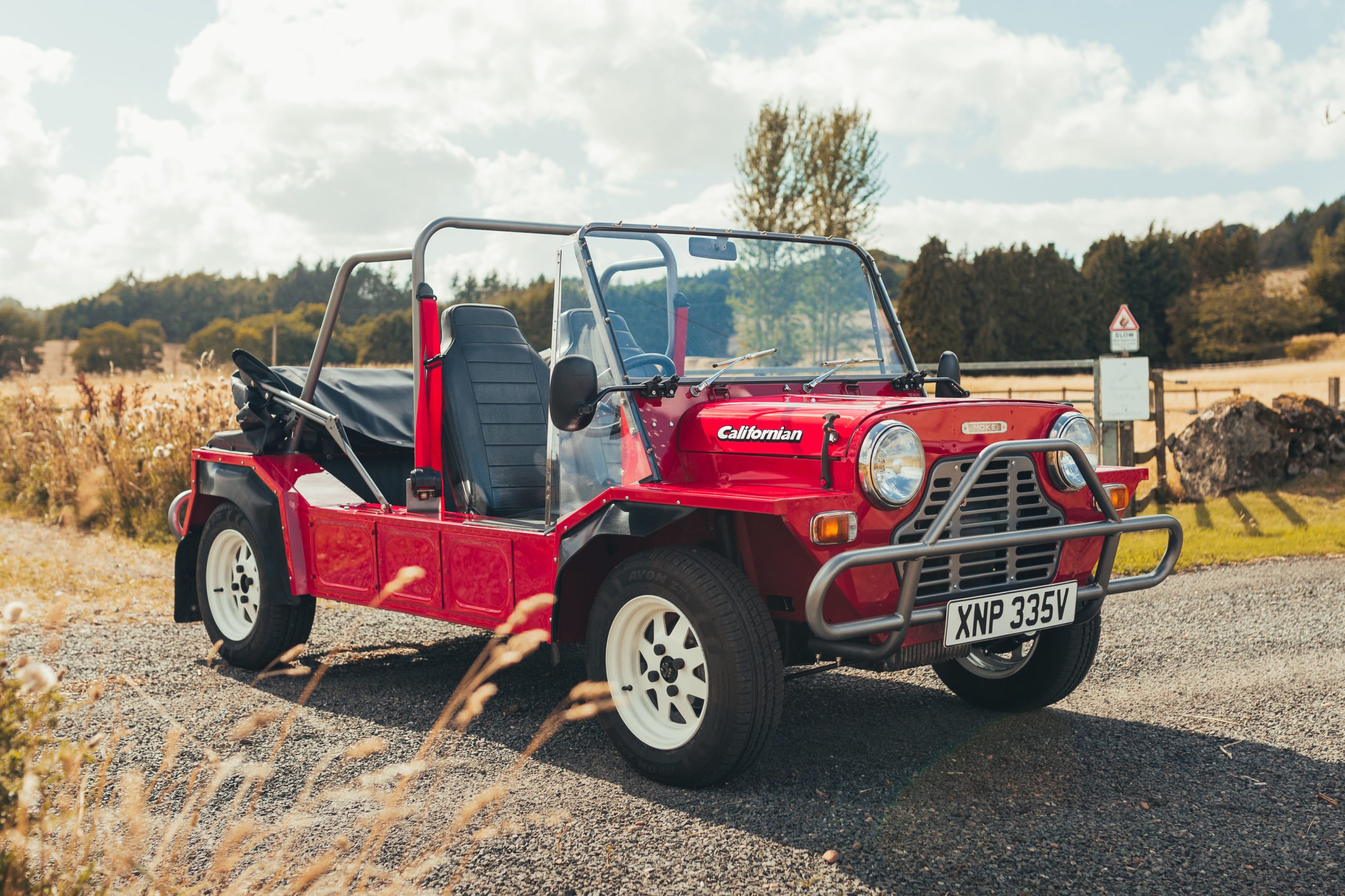
Mini Moke 1275 Californian – The Most Fun Car In The World

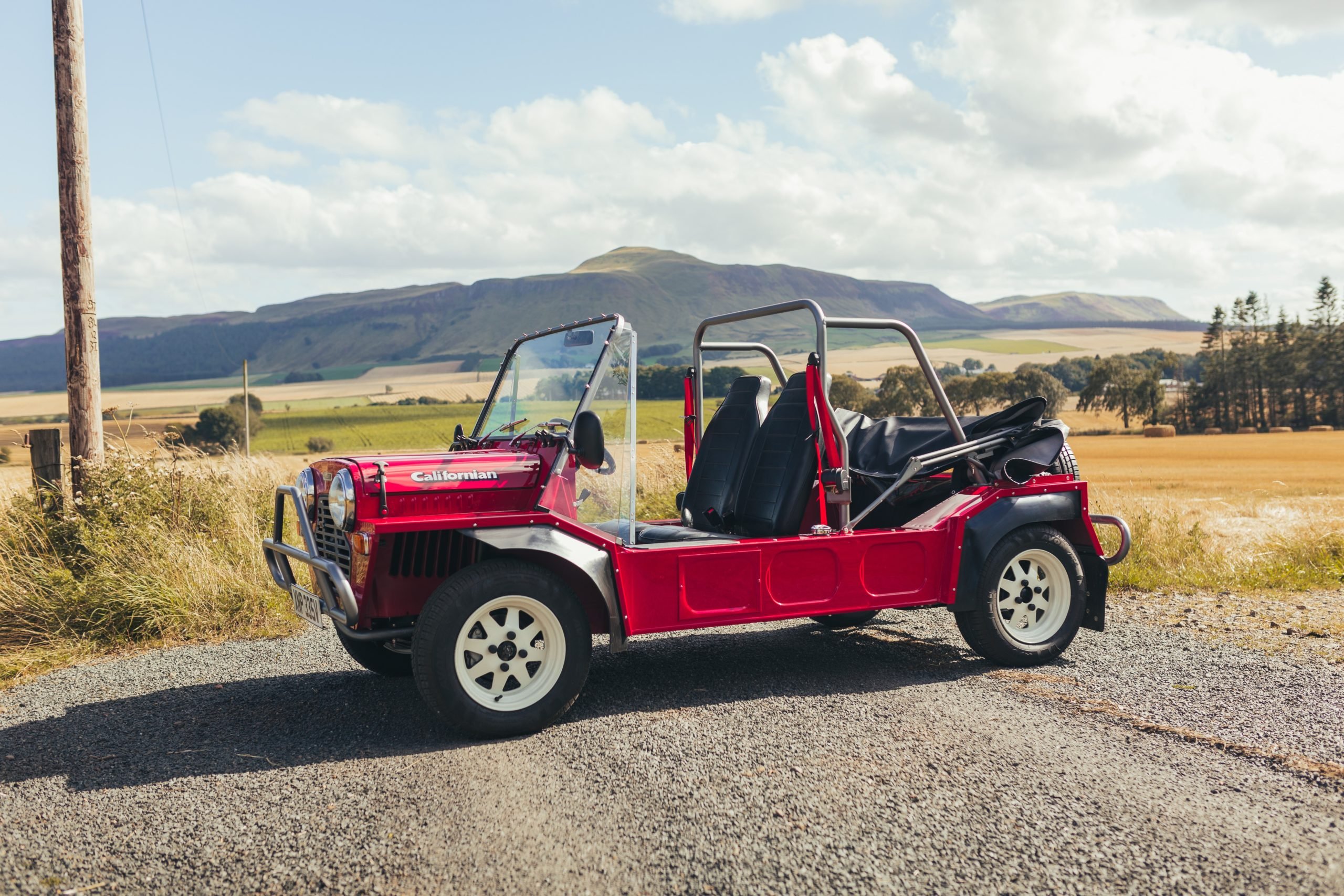
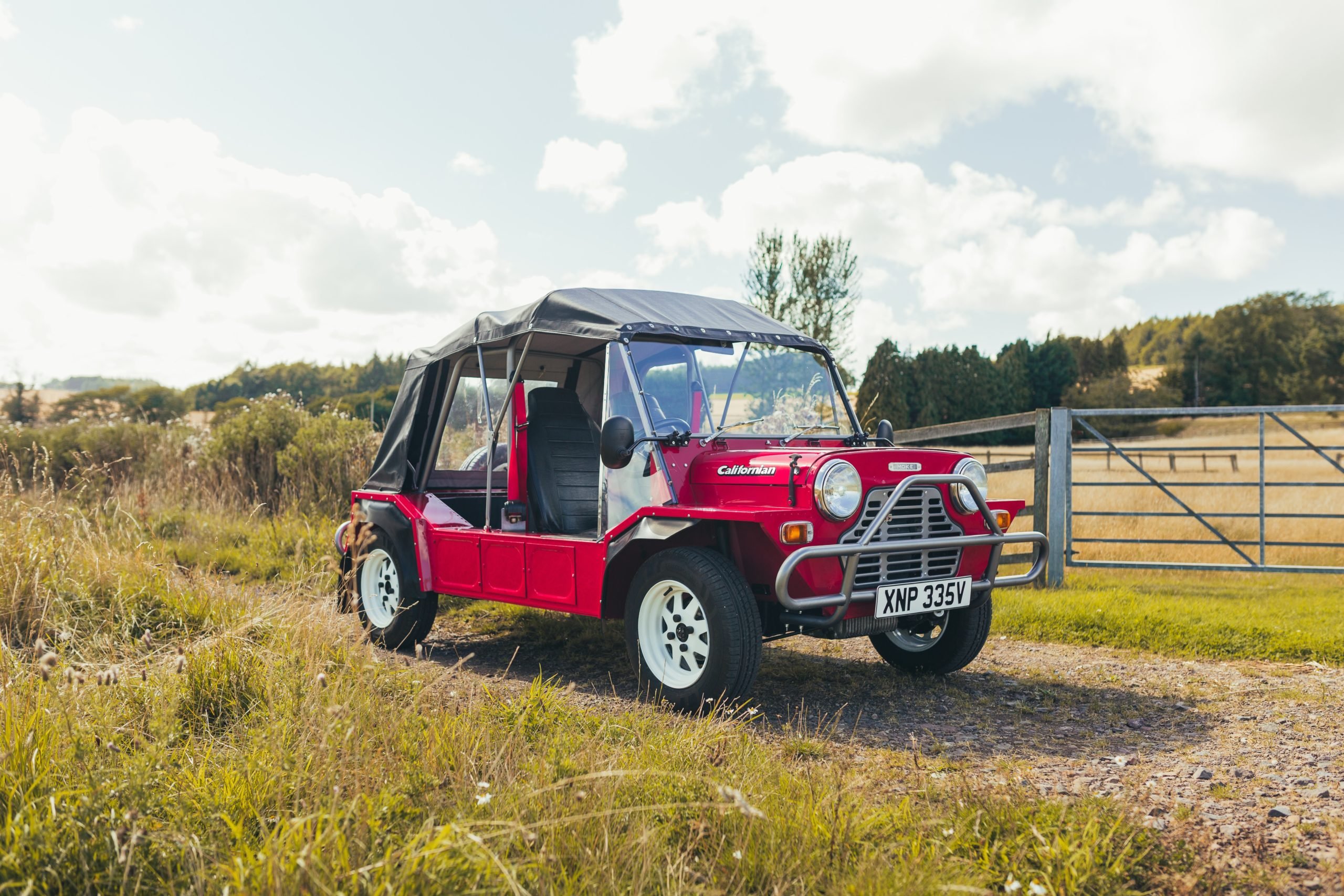
This is a Mini Moke 1275 Californian, and on a pound-for-pound basis, it might just be the most fun car in the world. Power is provided by a version of the 1,275cc Mini Cooper S engine, it has go kart-like handling, and it weighs just 578 kgs (1,274 lbs).

The Moke was originally developed on the Mini platform for military use, however its low ground clearance and front wheel drive layout made it unsuitable. It instead found a home in Australia and many tropical island holiday destinations as the perfect summer “beach car.”

Fast Facts – The Mini Moke 1275 Californian

  • The Mini Moke is directly based on the classic Mini, using the same engine, transmission, and suspension.
  • “Moke” was an old British slang term for a mule, and it was deemed the perfect name for the vehicle given its design.
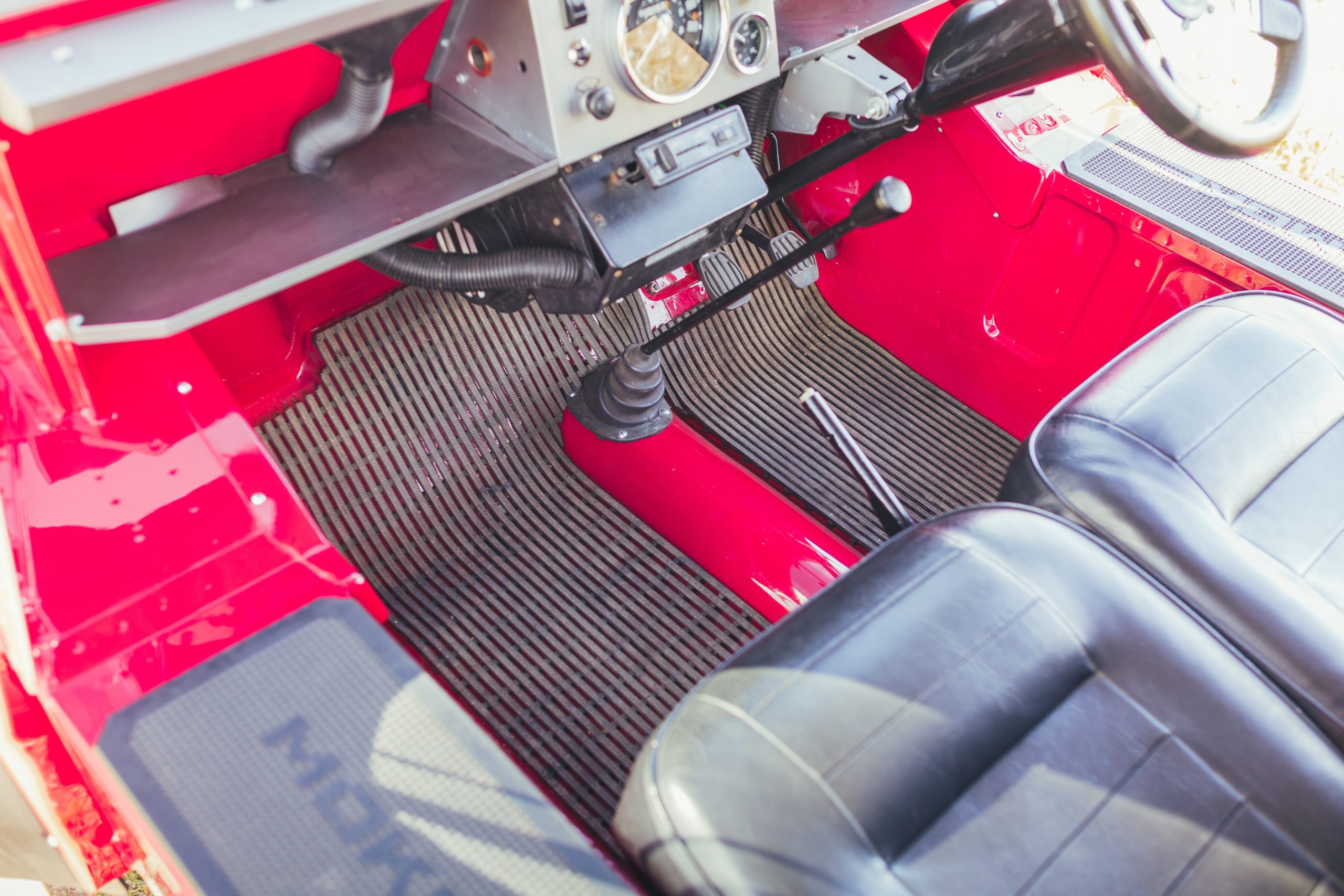
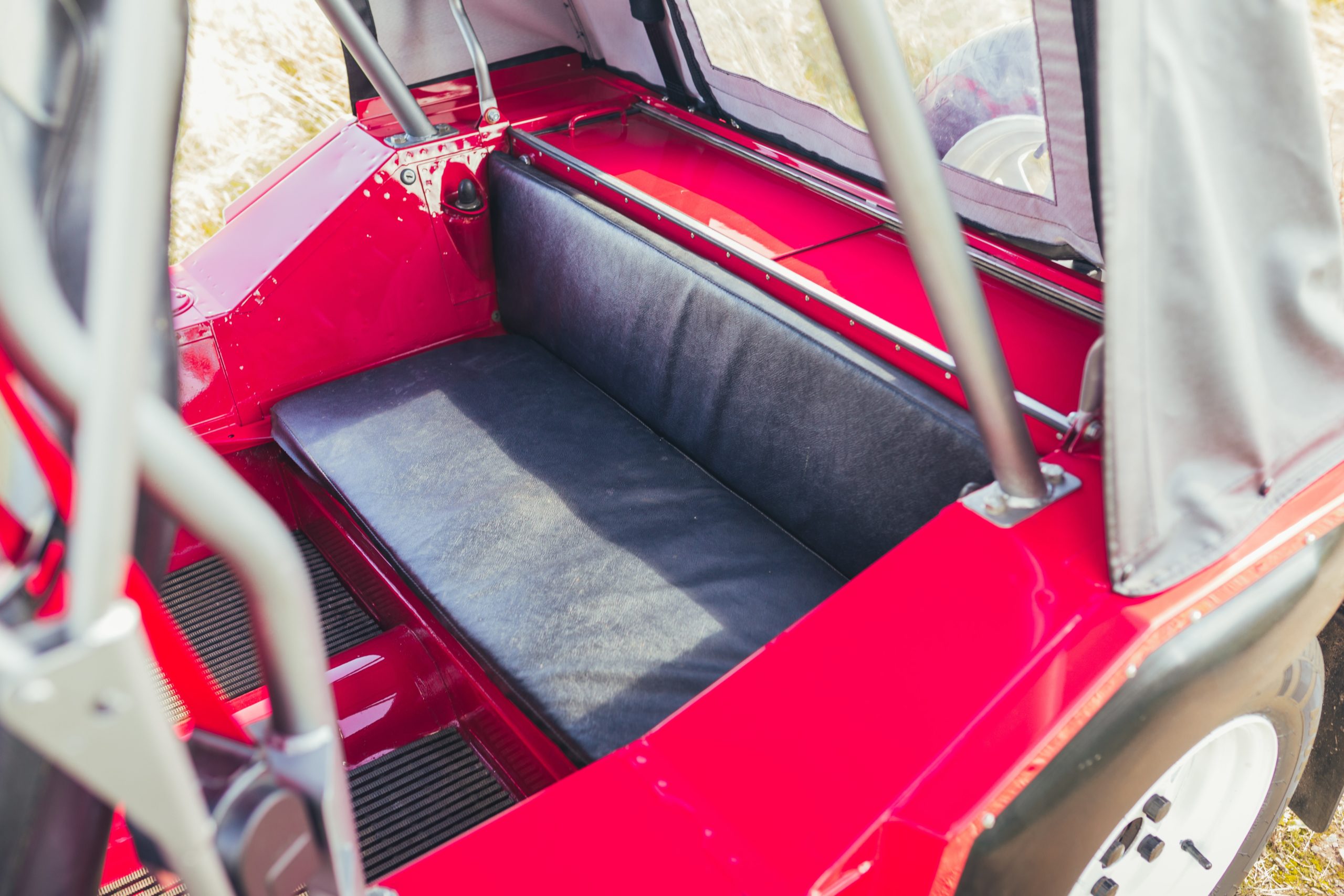
  • The Moke uses a steel platform chassis with box sections on each side to help with rigidity. The left side box contains the fuel tank (on most Mokes), and the right side box contains the battery and a lockable storage compartment.
  • Amazingly the Moke would remain in production from 1964 until 1993, and it was recently brought back with some design updates and an electric version.
  • The Mini Moke 1275 Californian was the fastest version of the car, with the engine from the Mini Cooper S – one of the most successful British rally and circuit racing cars of the 1960s.

The Mini Moke

In many respects the Mini Moke was a successful failure. It had originally been developed by Alec Issigonis and his team as a military vehicle to compete with the Land Rover and Jeep, but it was front-wheel drive and had limited ground clearance, and so no militaries were particularly interested in it.

Above Film: This episode from Hand Built Cars focusses on the Moke and tells the story of Jonny, his Dad, and their Austin Mini Moke.

With their military ambitions in tatters the British Motor Corporation turned instead to the civilian market, offering the Mini Moke as a fun, low-cost summer car in Britain from 1964 to 1968 with 14,518 produced.

Given Britain’s propensity for inclement weather the car wasn’t particularly successful – until manufacturing was shipped off to Australia.

Australia’s climate was far more conducive to Mini Moke ownership, the cars were made in the Nuffield Australia factory in Sydney from 1966 to 1981 with over 26,000 built in total. Cars were exported from Australia all over the world.

The Mini Moke 1275 Californian

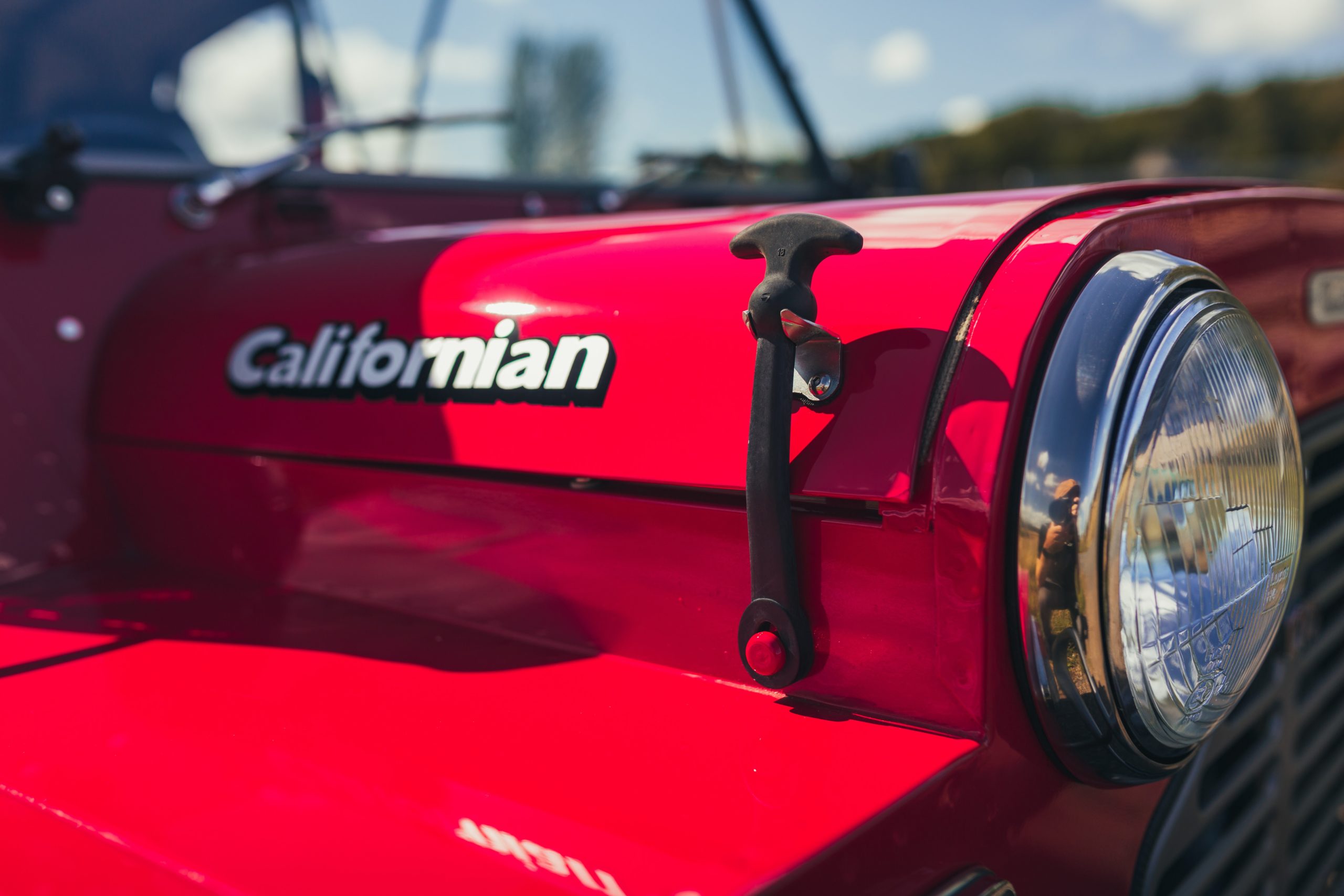
The most desirable Australian built Moke, and perhaps the most desirable of them all, is the Mini Moke Californian. It was equipped with the 1,275cc engine from the Mini Cooper S, 13″ wheels, and some other modifications to make it legal for the US market where it was exported.

With 76 bhp and 79 lb ft of torque the 1,275cc engine turned the Moke into a little sports car, particularly when you remember it only weighed in at 578 kgs (1,274 lbs) and that it had the handling and suspension of the Mini – which had been a dominant British rally and circuit racing car in the 1960s and into the 1970s.

Mini Moke 1275 Californian 16

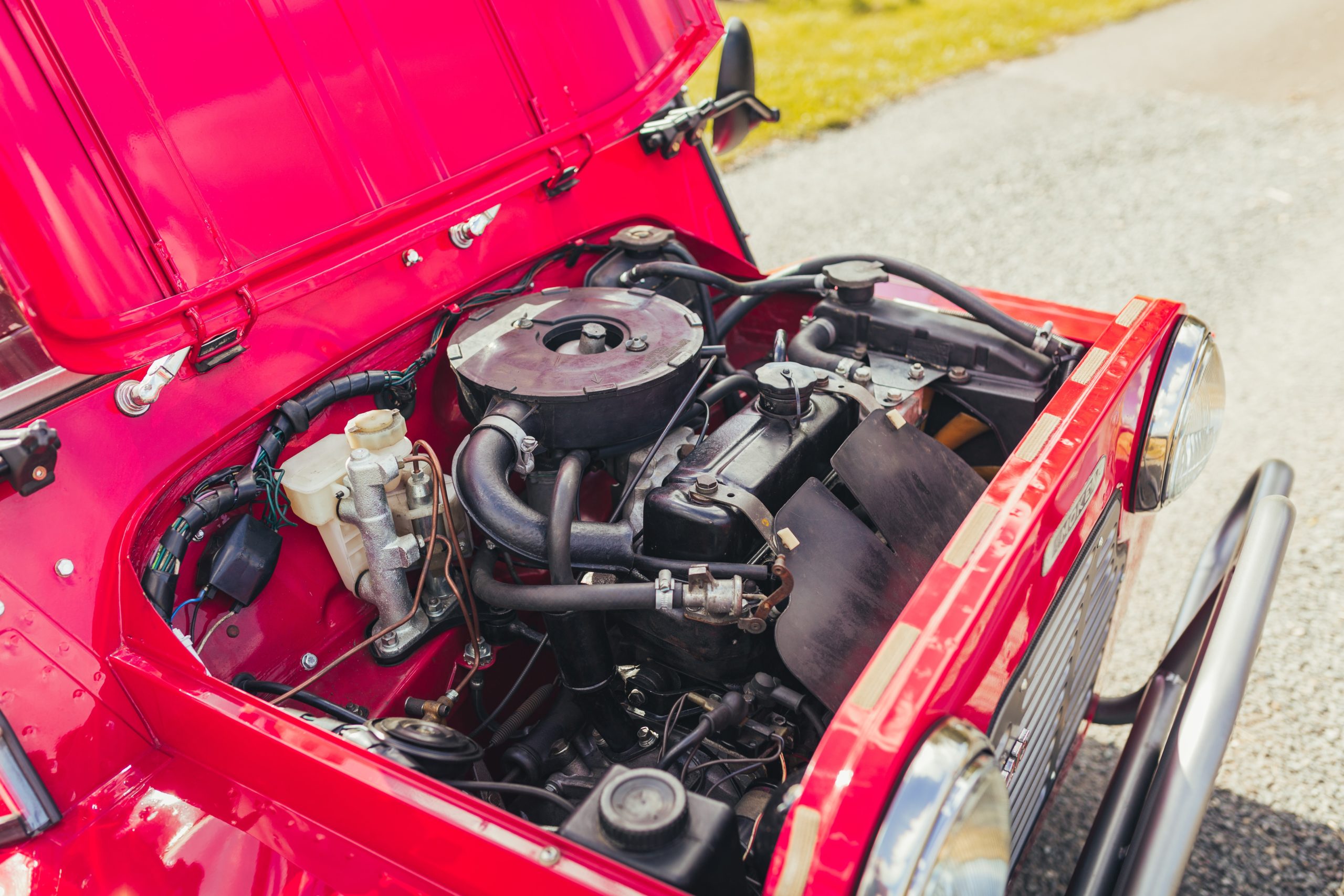
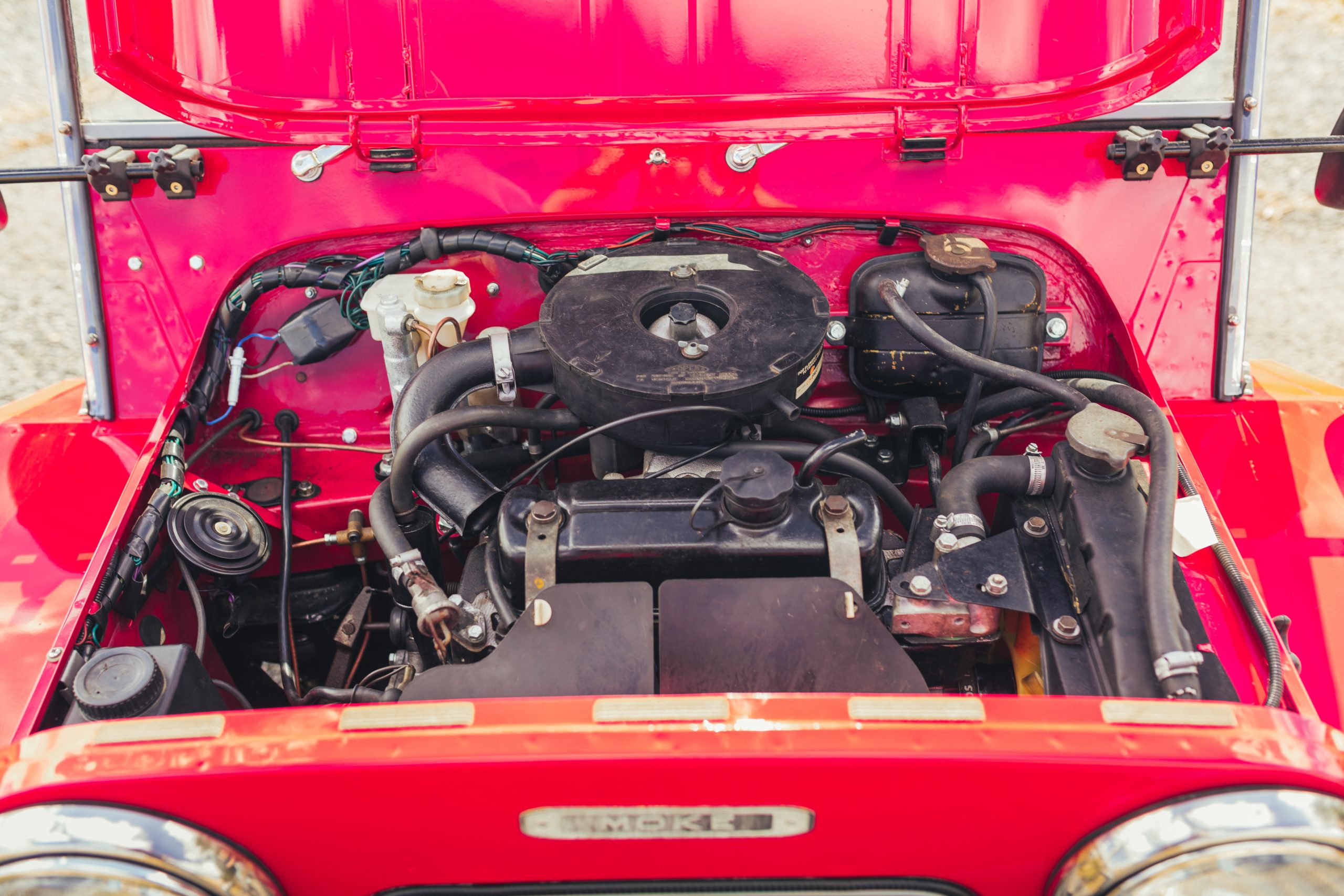
The Mini Moke 1275 Californian is powered by what is fundamentally the same 1,275cc inline-four cylinder engine as the race and rally winning Mini Cooper S.

There aren’t accurate production numbers for exactly how many 1275 Californians were built and more than a few convincing replicas have been made over the years, so it’s important to inspect any example you’re thinking about buying carefully using a guide like this.

After Australian production ended the Moke was built in Portugal until 1993. There were plans to shift production to Italy after this but they never materialized. This would have been the end of the Moke had it not been for a team of investors who brought the car back in 2012 – they’re now developing 100% electric versions of the car.

The 1979 Mini Moke 1275 Californian Shown Here

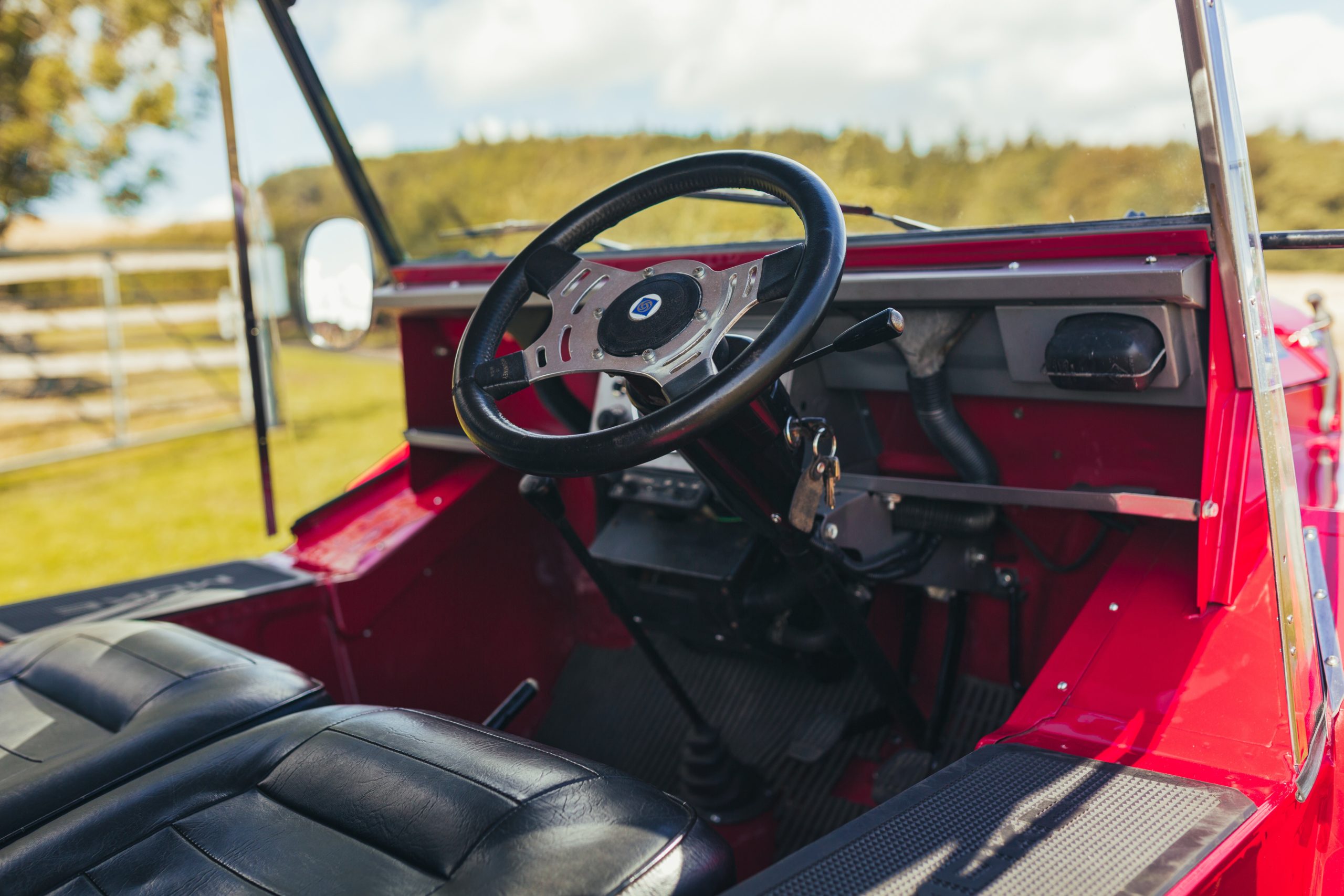
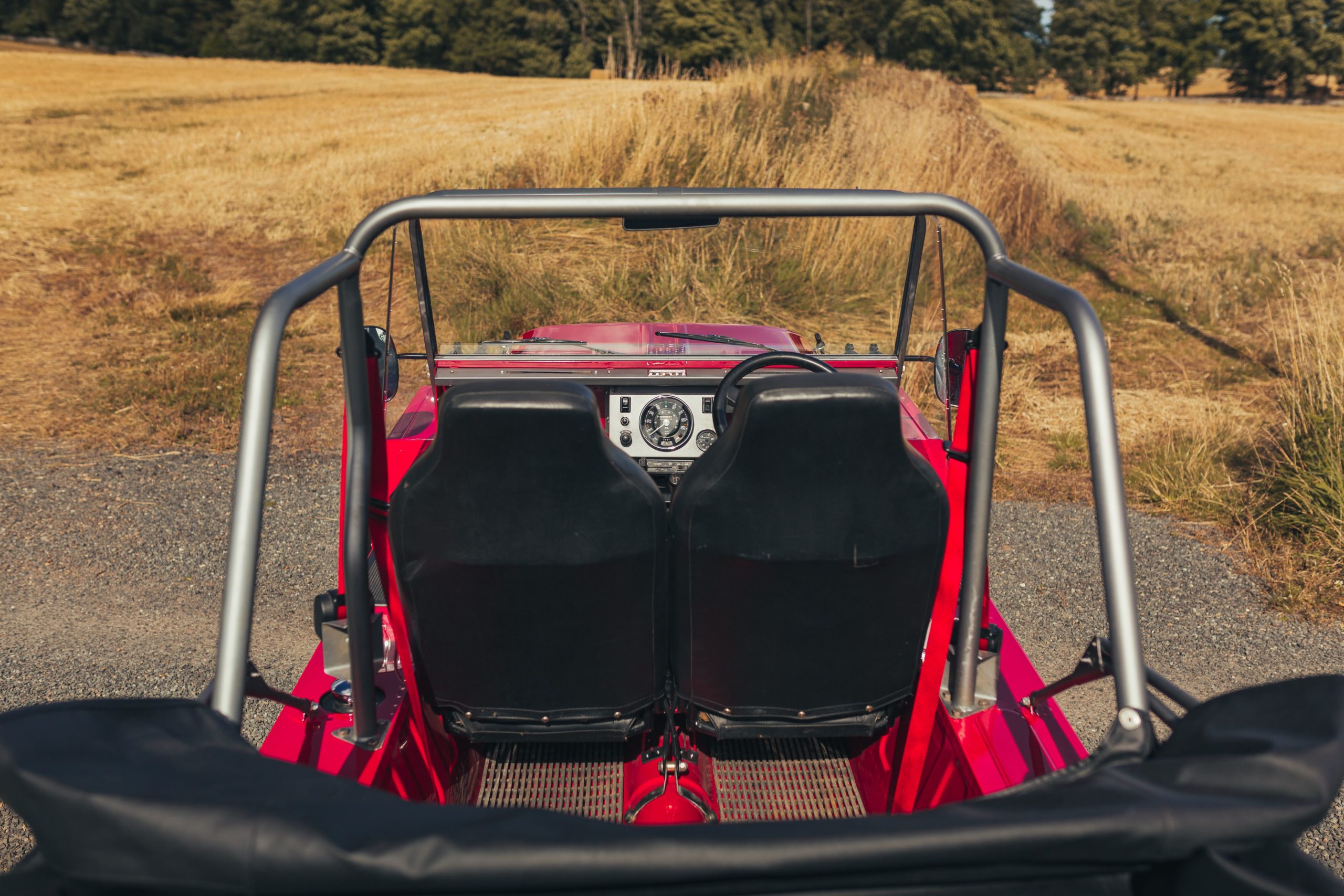
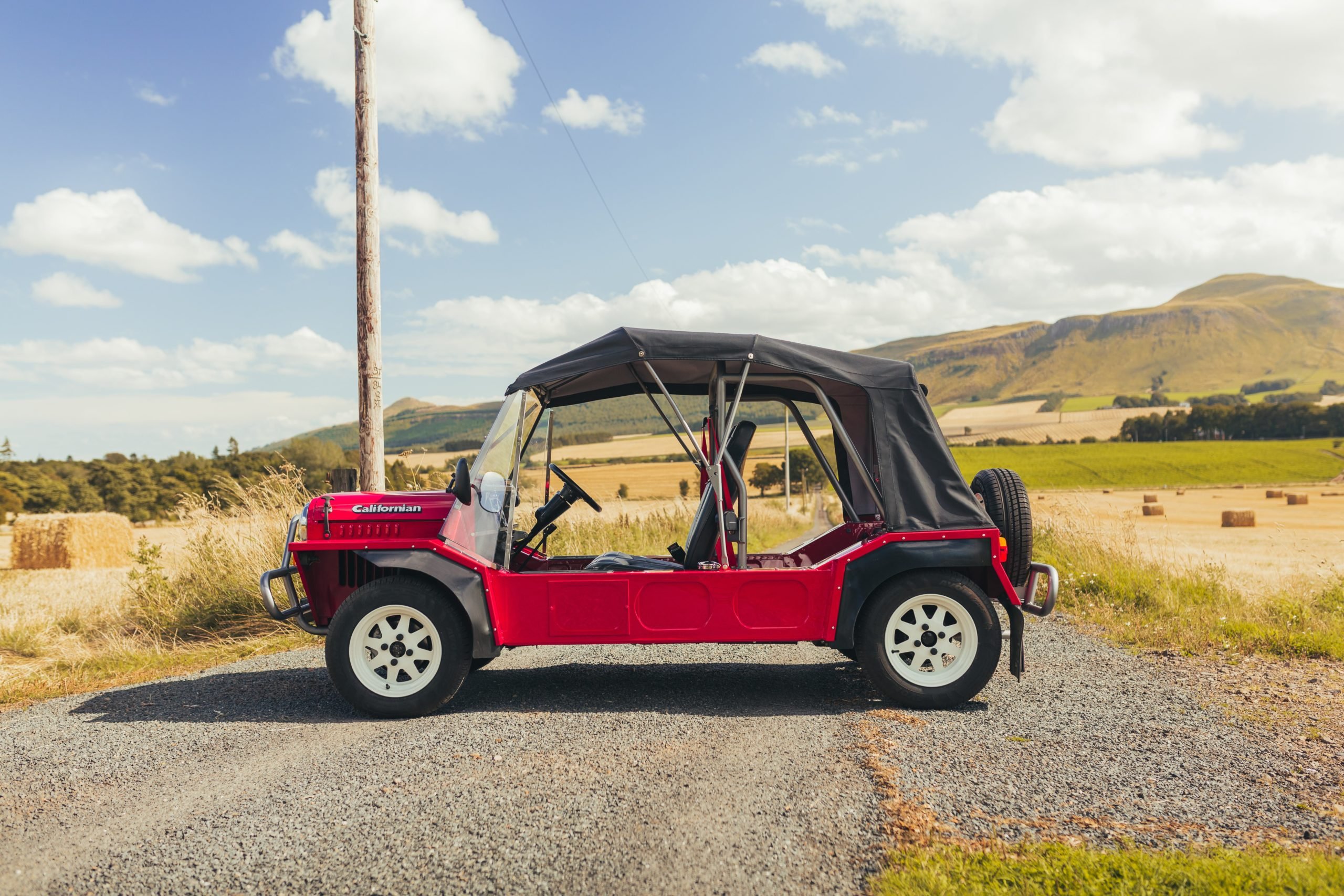
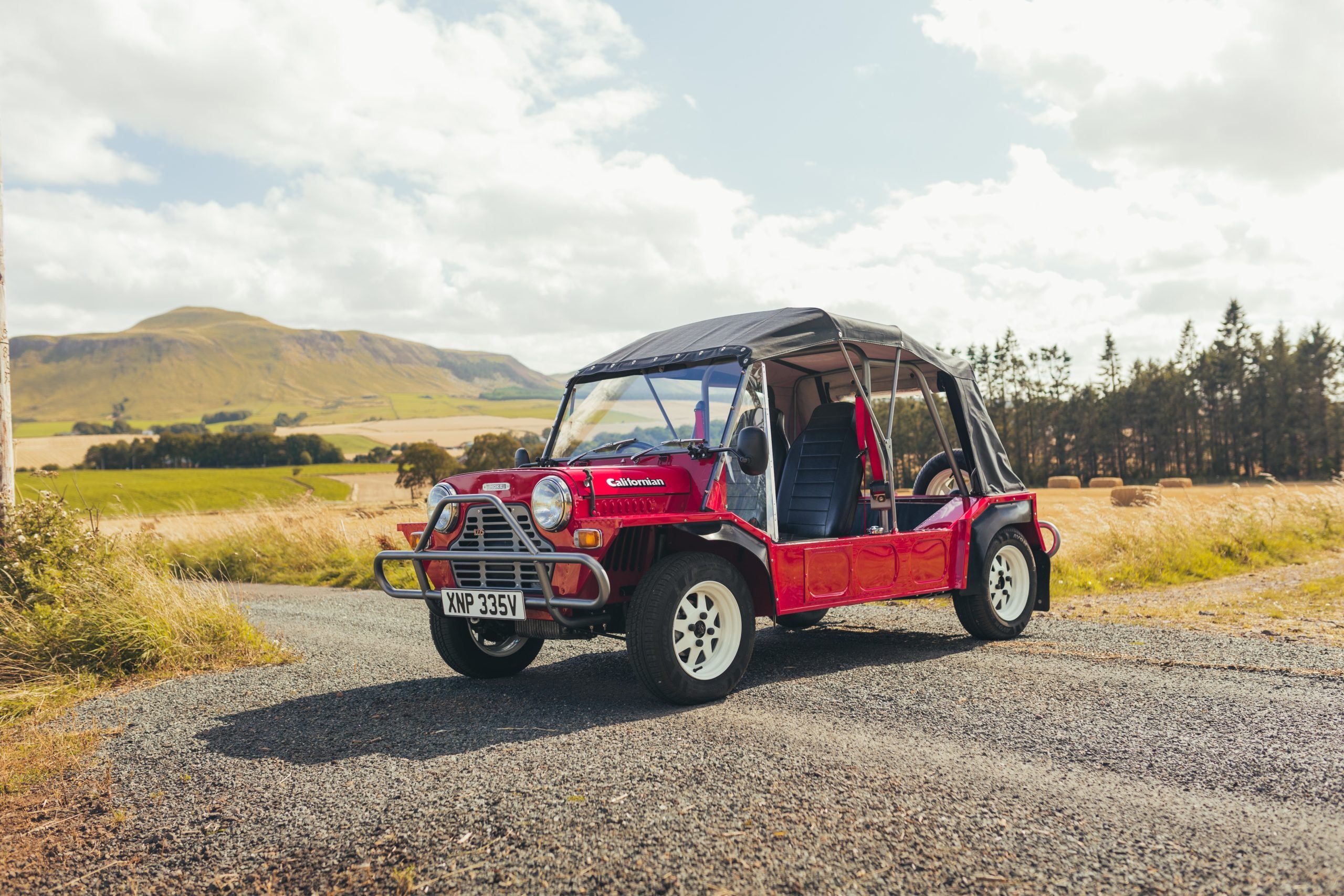
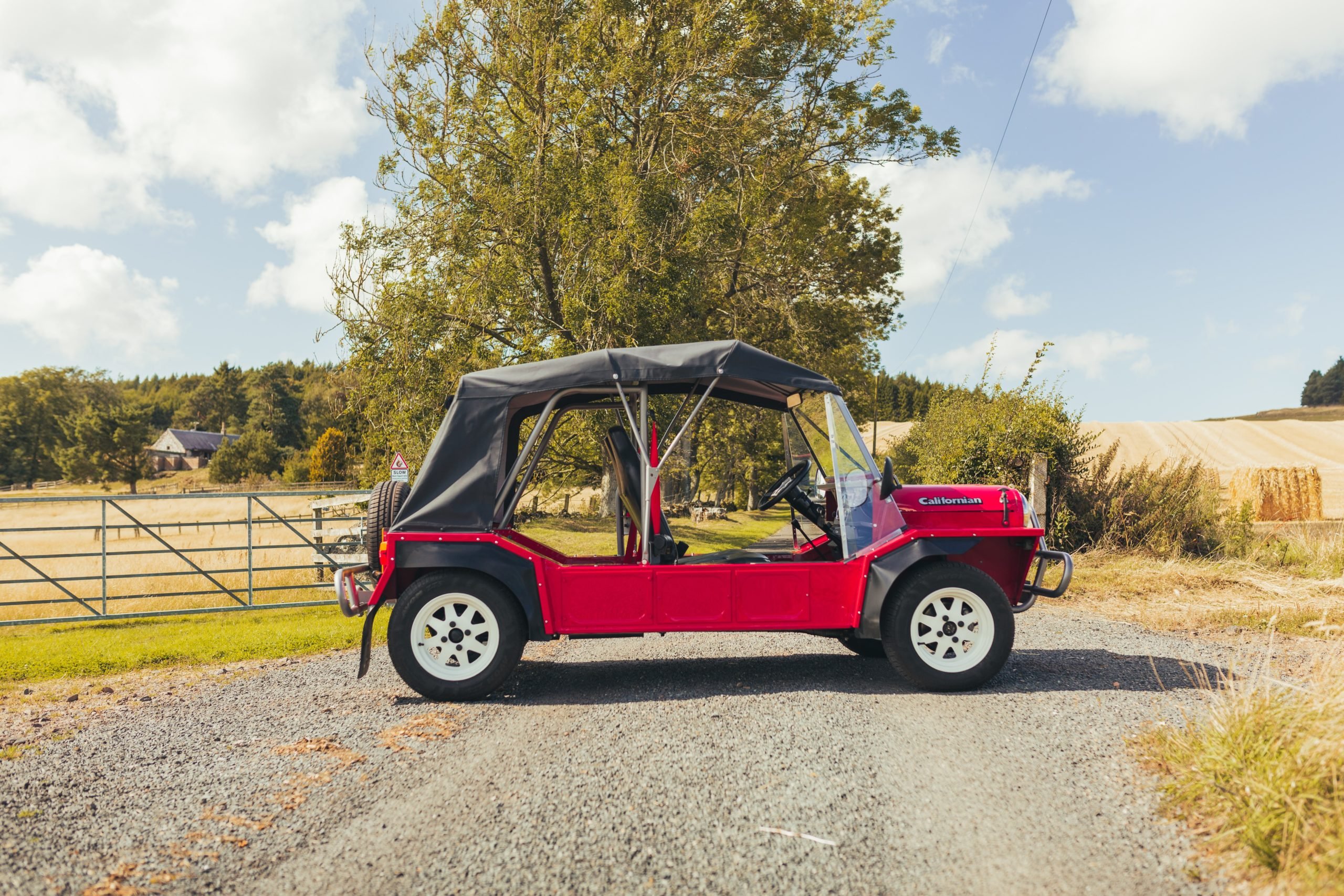
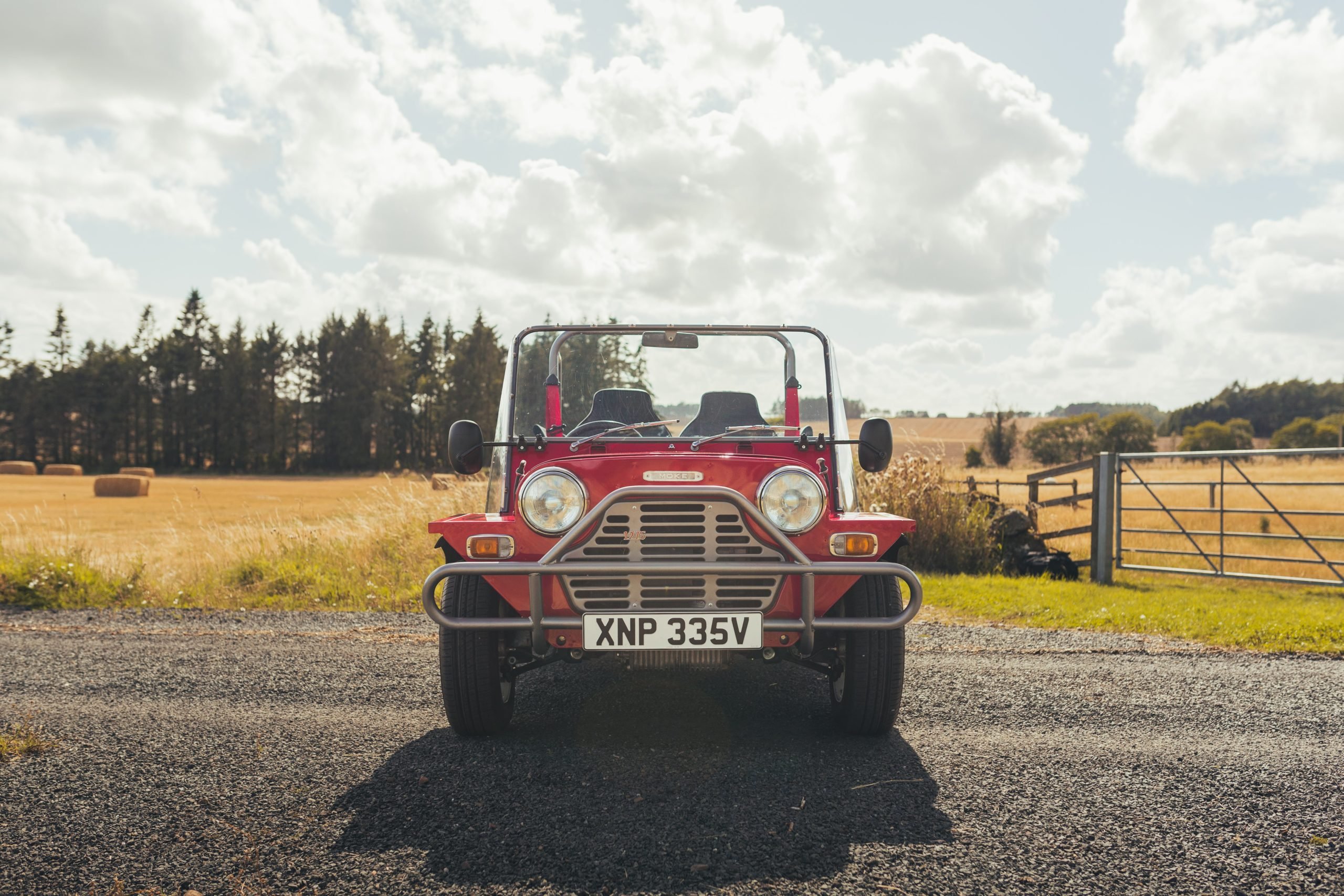
The car you see here is one of the Australian-built Mini Moke 1275 Californians from 1979, it was in single family ownership until 2019 and it’s had a recent nut and bolt rebuild.

As you would expect it’s powered by a 1,275cc A-series inline-four cylinder engine, with a single 1.5 inch SU carburetor, mated to a 4-speed manual gearbox.

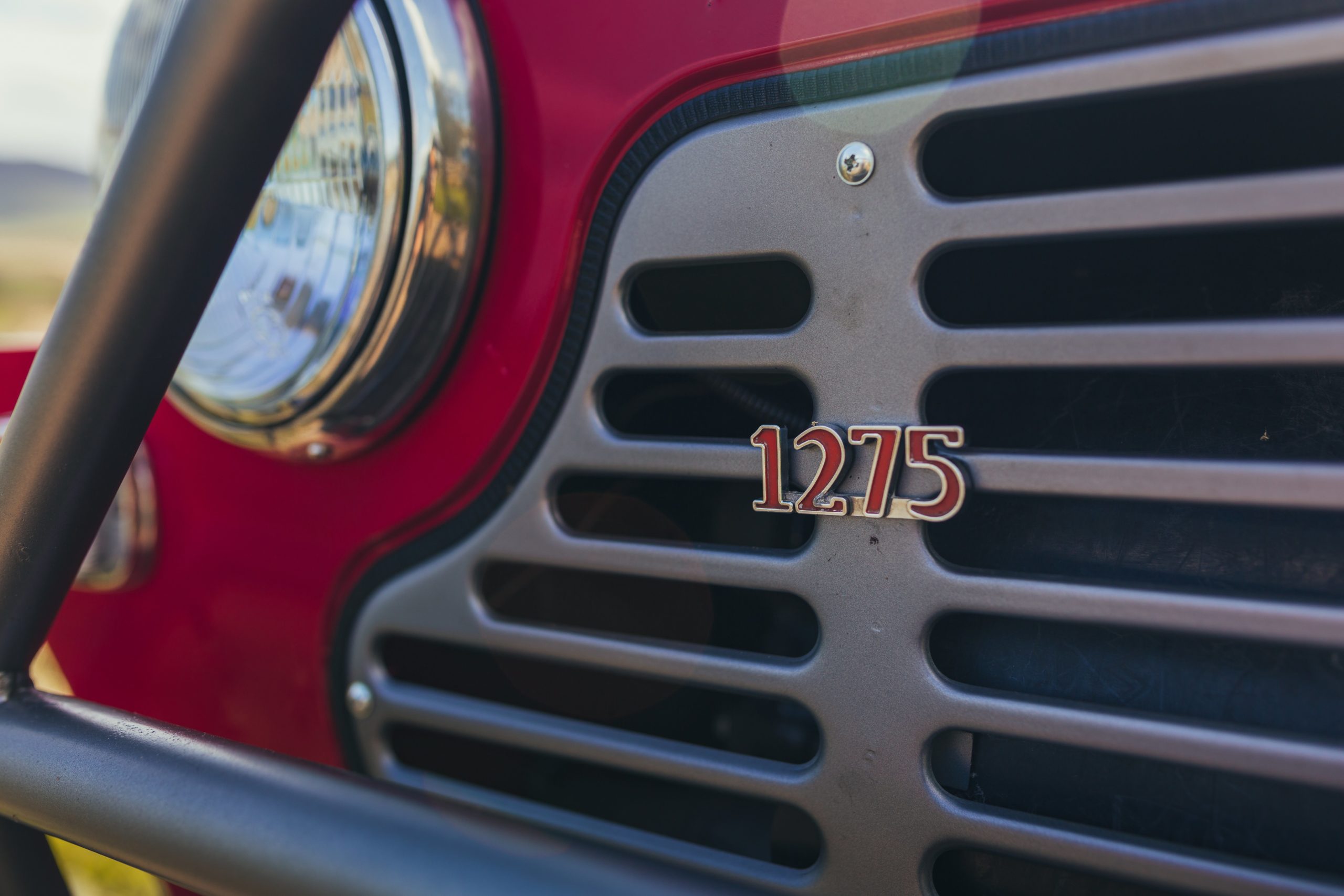
It also has California bonnet stickers, front and rear bull bars, Sunraysia 13-inch eight-spoke wheels, high-backed ‘Tombstone’ seats, roll bars and 1275 badging.

This car is being sold out of Fife in Scotland on Collecting Cars, if you’d like to read more about it or register to bid you can visit the listing here.

Mini Moke 1275 Californian 7 Mini Moke 1275 Californian 19 Mini Moke 1275 Californian 18 Mini Moke 1275 Californian 17 Mini Moke 1275 Californian 15 Mini Moke 1275 Californian 14 Mini Moke 1275 Californian 13 Mini Moke 1275 Californian 12 Mini Moke 1275 Californian 11 Mini Moke 1275 Californian 10 Mini Moke 1275 Californian 9 Mini Moke 1275 Californian 8 Mini Moke 1275 Californian 6 Mini Moke 1275 Californian 5 Mini Moke 1275 Californian 4 Mini Moke 1275 Californian 3 Mini Moke 1275 Californian 2 Mini Moke 1275 Californian 1

Images courtesy of Collecting Cars

The post Mini Moke 1275 Californian – The Most Fun Car In The World appeared first on Silodrome.


from Silodrome https://silodrome.com/mini-moke-1275-californian/
via gqrds

For Sale: A WWII-Era Stuart M5 Tank

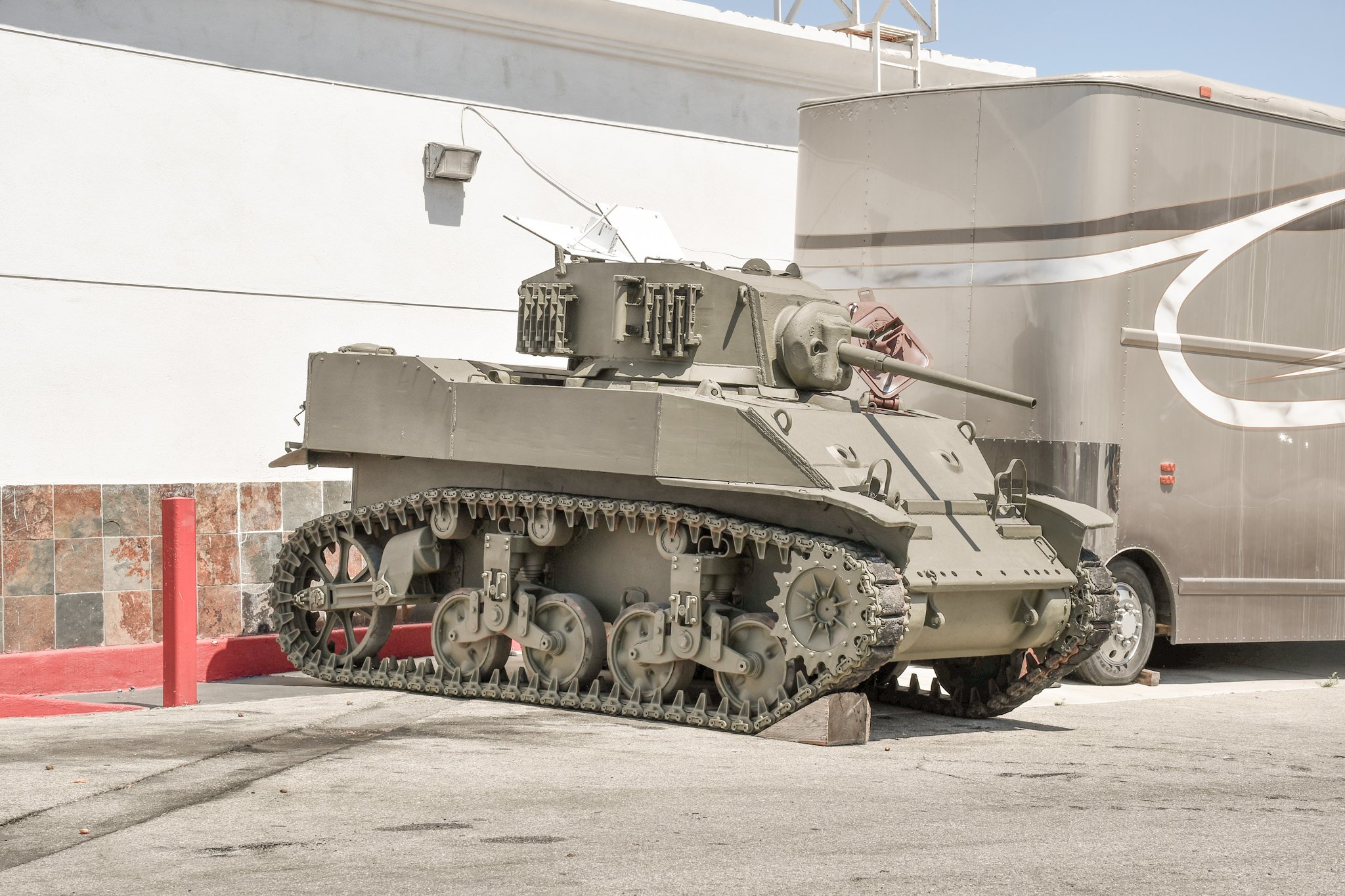
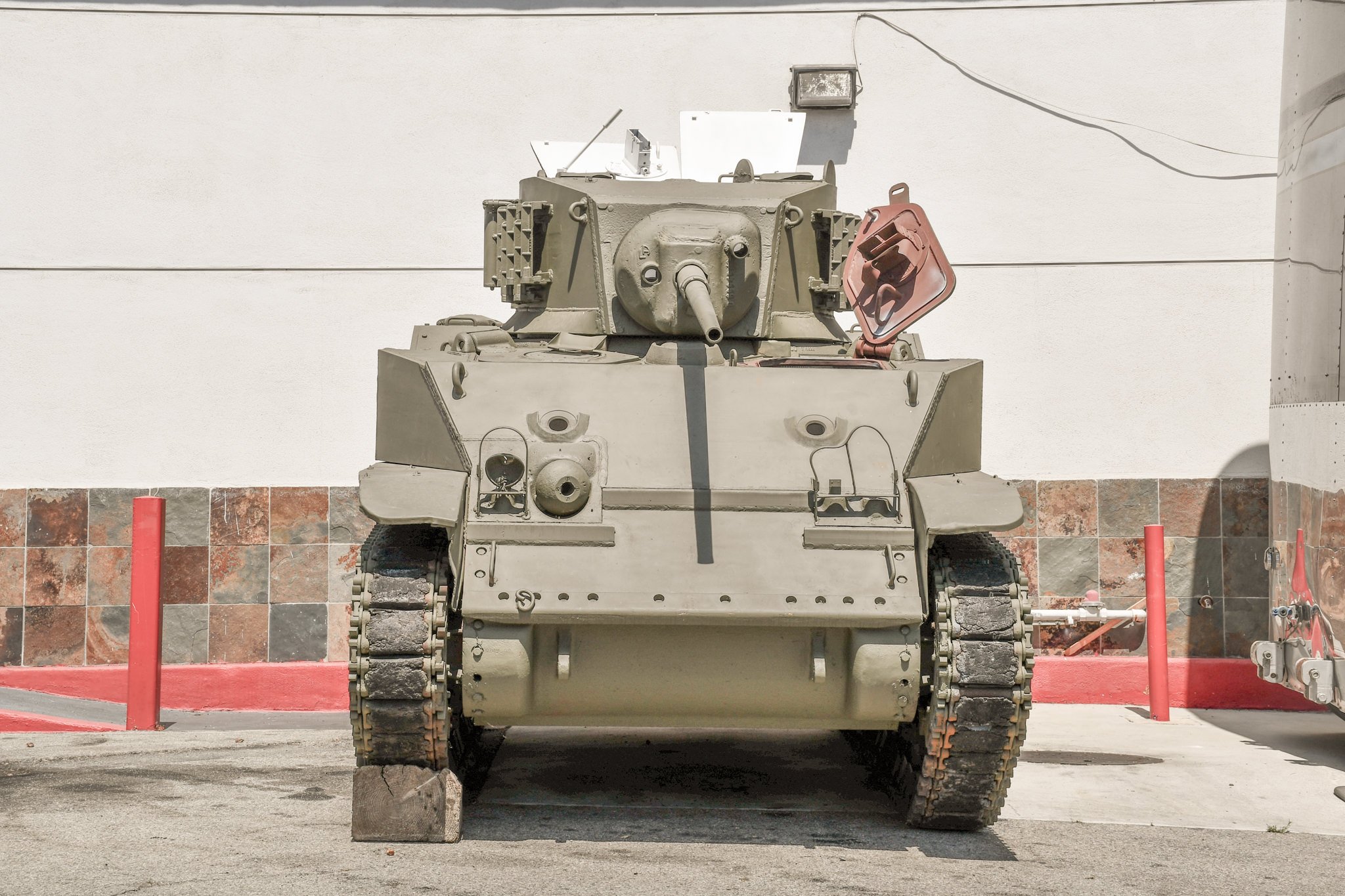
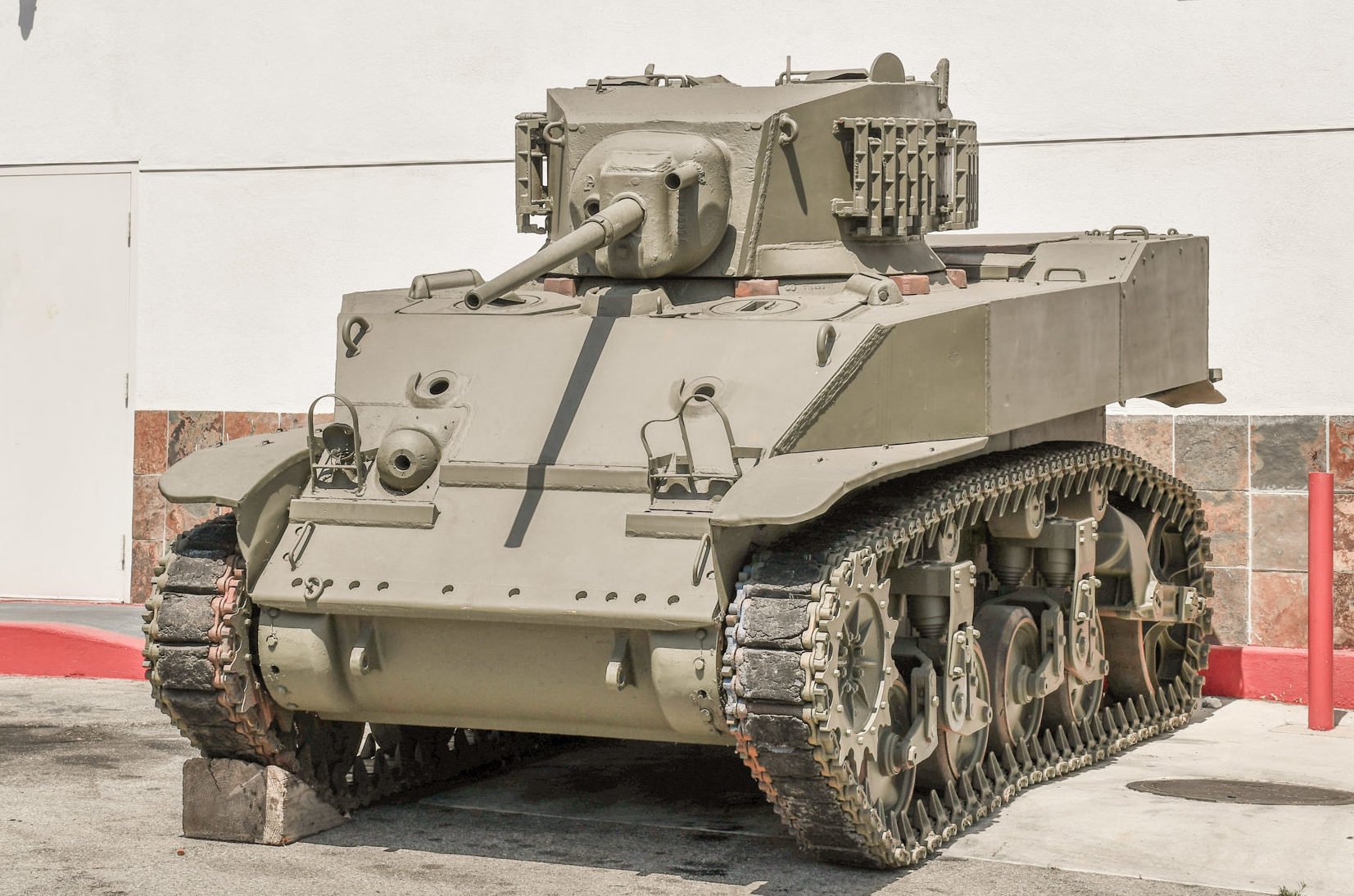
This is a Stuart M5 tank from 1943. It was built right in the middle of America’s involvement in World War II and interestingly it was originally powered by twin Cadillac V8 automobile engines.
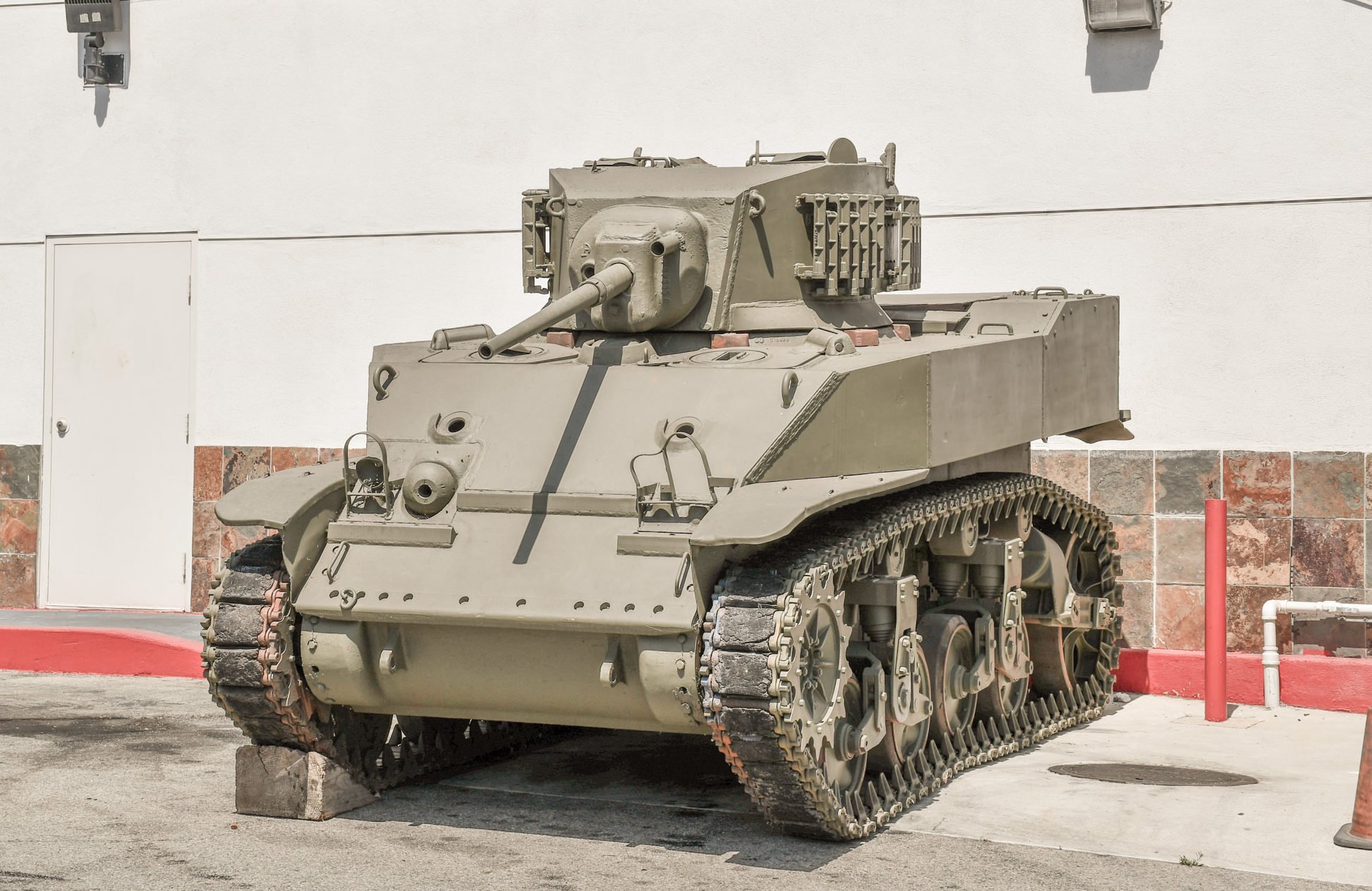
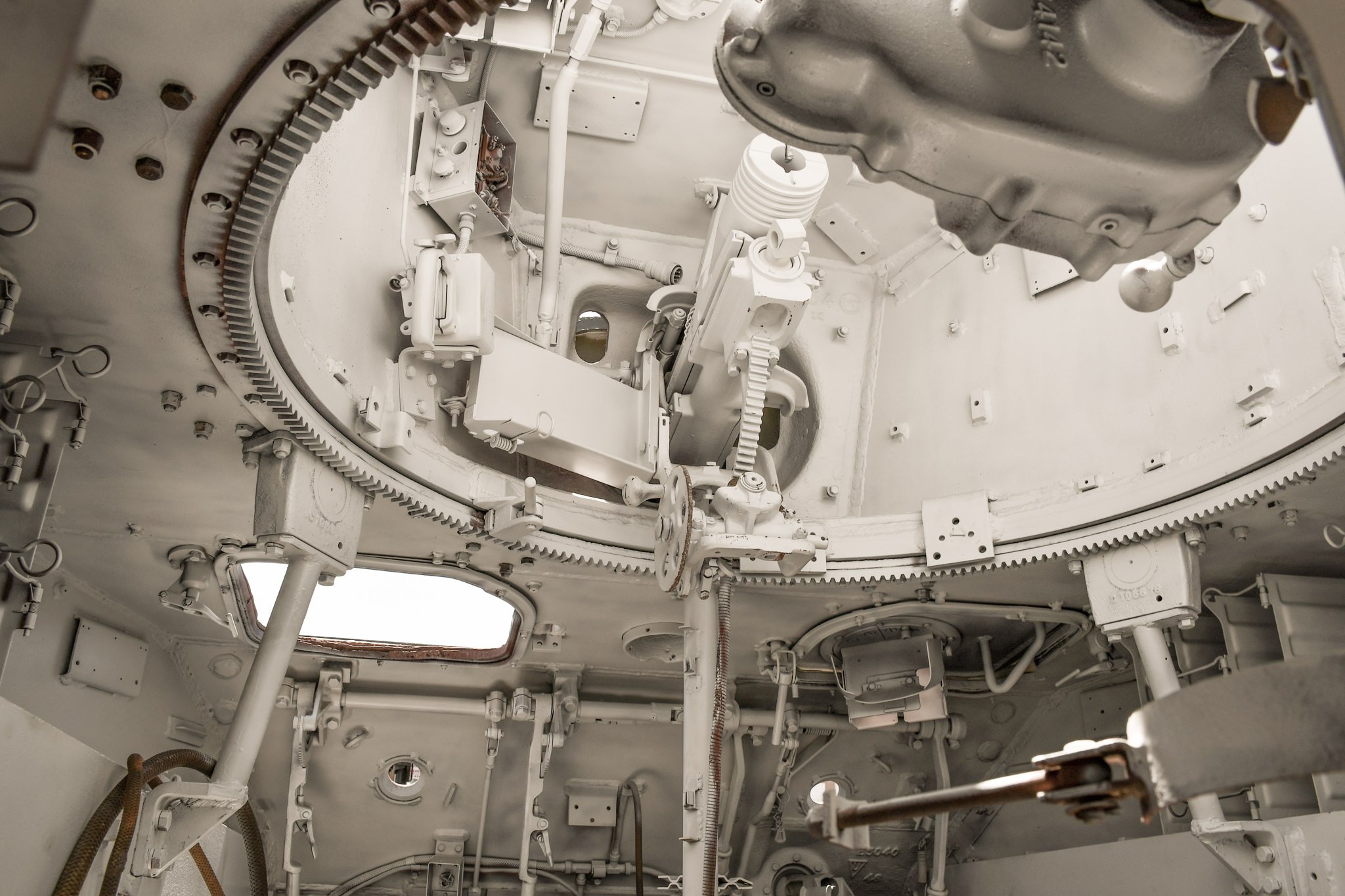
The example you see here is a project tank that requires some work to get it back into fully operational condition, for those with the skills, tools, and time it has the potential to be a great restoration project.

Fast Facts – The Stuart M5 Tank

  • The Stuart M5A1 Tank was based on the earlier M3 Stuart tank. It incorporated a number of improvements including the switch from a single large radial engine to twin Cadillac V8s.
  • The Stuart tanks were named by the British after American Civil War Confederate general J. E. B. Stuart, the official name was either “Light Tank M3” and “Light Tank M5” depending on the version.
  • Despite the fact that the M5 was introduced in 1943 it’s still in service today over 79 years later with the armed forces of Paraguay in South America.
  • The M5 is powered by twin Cadillac V8 automobile engines, each is mated to an automatic Hydra-Matic transmission and power is sent from there through a transfer case to the tracks on either side.

The Long-Lived Stuart M5 Tank Of WWII

In 1941 the Stuart M3 tank entered service in WWII, initially it was used only by British and other Commonwealth forces due to the fact that the United States had no yet joined the war. In fact, it would be the British who would name the tank “Stuart” after American Civil War Confederate general J. E. B. Stuart.

Above Video: This episode of Tank Chats is focussed on the Stuart M5 covering its engineering, history, and design.

The M3 was first deployed in the North African theatre of war by British forces as part of Operation Crusader. The M3 would later become the first American-crewed tank in World War II to engage the enemy in tank-versus-tank combat during a battle in the Philippines in 1941, not long after the Japanese attack on Pearl Harbor.

War almost always results in the rapid evolution of military vehicles and equipment, and things were no different for the Stuart M3. It was powered by a large radial aircraft engine, either the 7-cylinder Continental W-670 or the 9-cylinder Guiberson T-1020 diesel.

As the war went on it was clear that the use of radial engines wasn’t ideal, and the rapidly increasing production of aircraft meant that these engines were in short supply. As a result, the Stuart M5 was developed with a series of modifications including the switch to a new dual Cadillac V8 engine arrangement.

These Cadillac V8s were easy to source as they were already mass-produced automobile engines, this also meant that parts availability was good and that the engines had already been extensively tested and developed.

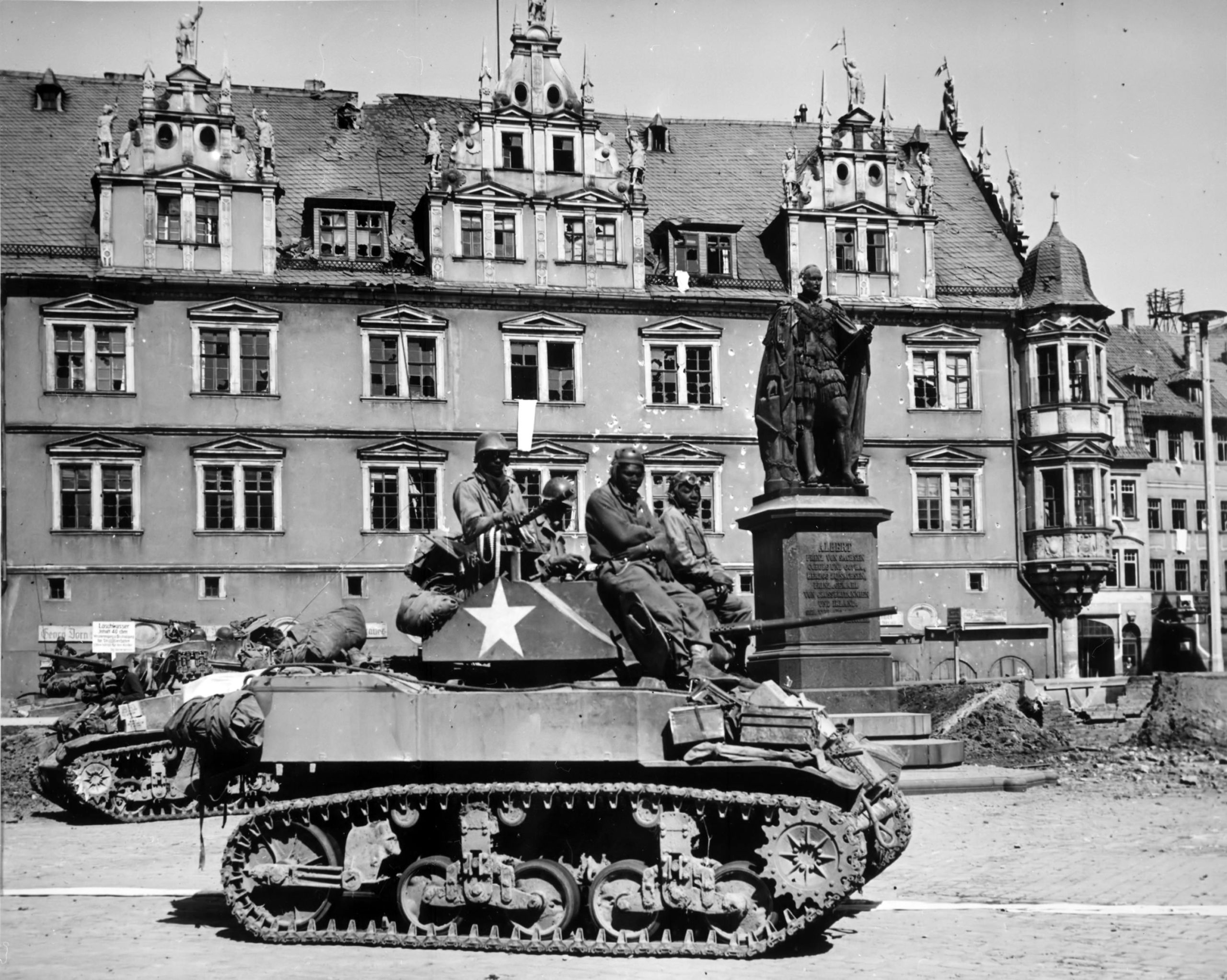
Crews of U.S. M5 Stuart light tanks from Company D, 761st Tank Battalion, stand by awaiting call to clean out scattered Nazi machine gun nests in Coburg, Germany

Crews of US M5 Stuart light tanks from Company D, 761st Tank Battalion, stand by awaiting call to clean out scattered Nazi machine gun nests in Coburg, Germany.

The two V8s fed power through twin automatic Hydra-Matic transmissions into a transfer case. As a result, the M5 tank was quieter, cooler, and more spacious inside – a great relief for the crews that operated them.

The M5 tank would see service in all three major theaters of WWII including North Africa, the Pacific, and Continental Europe, typically being used for armored assaults on enemy positions and reconnaissance purposes.

The M5 Stuart was used by dozens of militaries around the globe and remarkably it remains in service to the modern day in Paraguay.

The 1943 Stuart M5 Tank Shown Here

The Stuart M5 you see here is from the first year or production, 1943, right in the middle of America’s involvement of WWII which had begun in late 1941 and would conclude in 1945 with the surrender of Japan.

Stuart M5 Tank 1

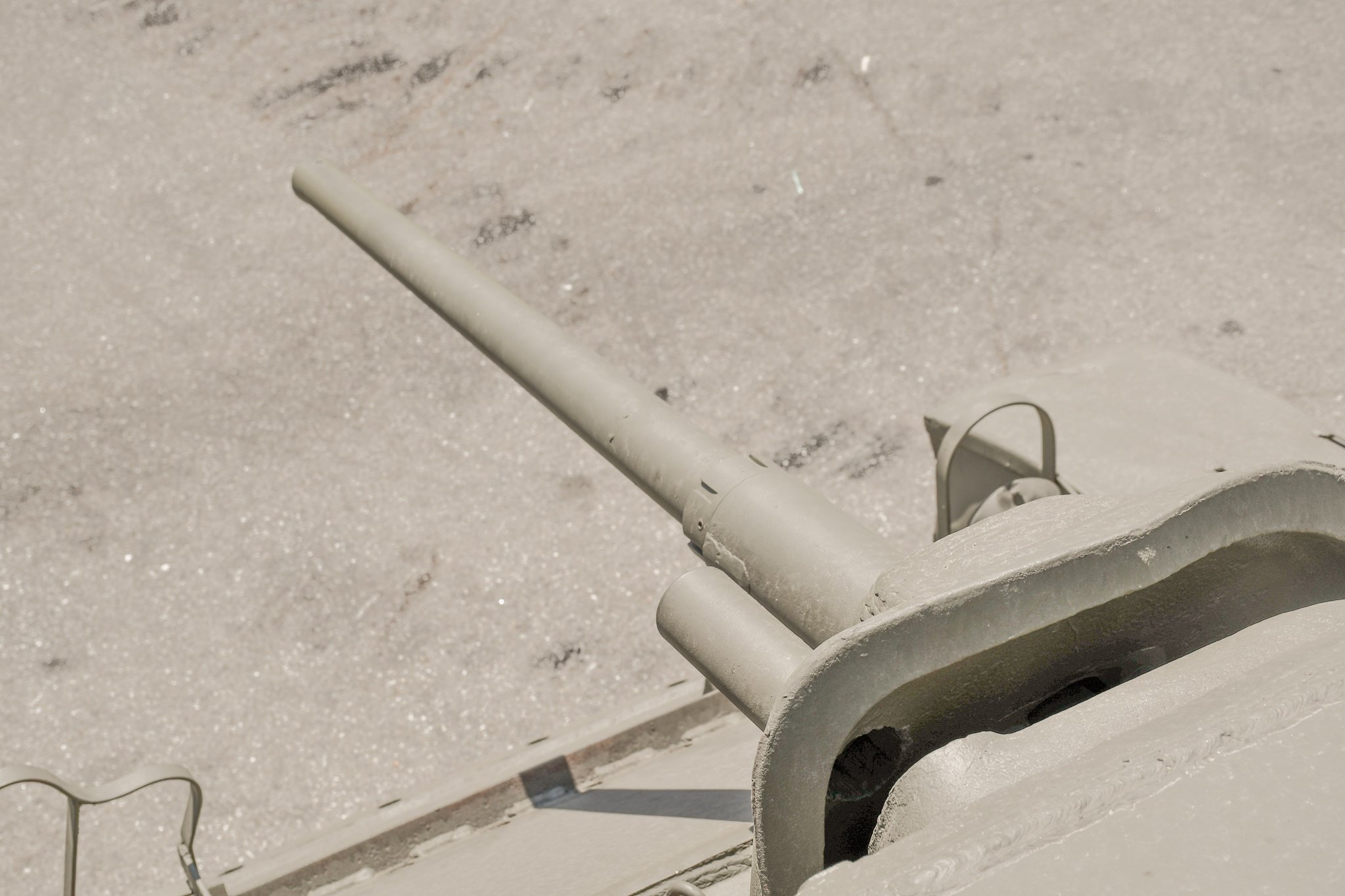
The M5 was equipped with a 37mm M5 gun and five .30-06 Browning M1919A4 machine guns – one coaxial with the main gun.

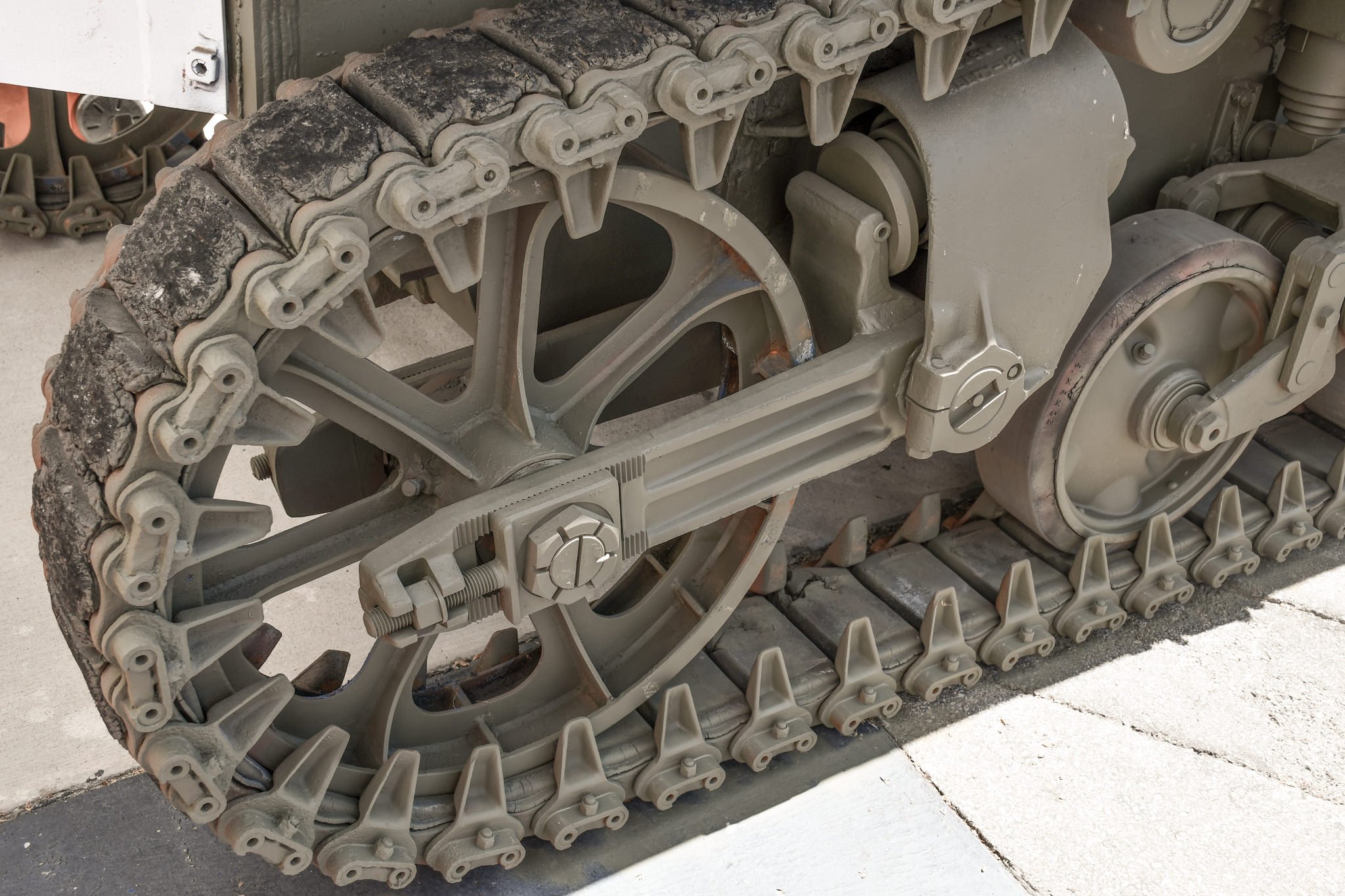
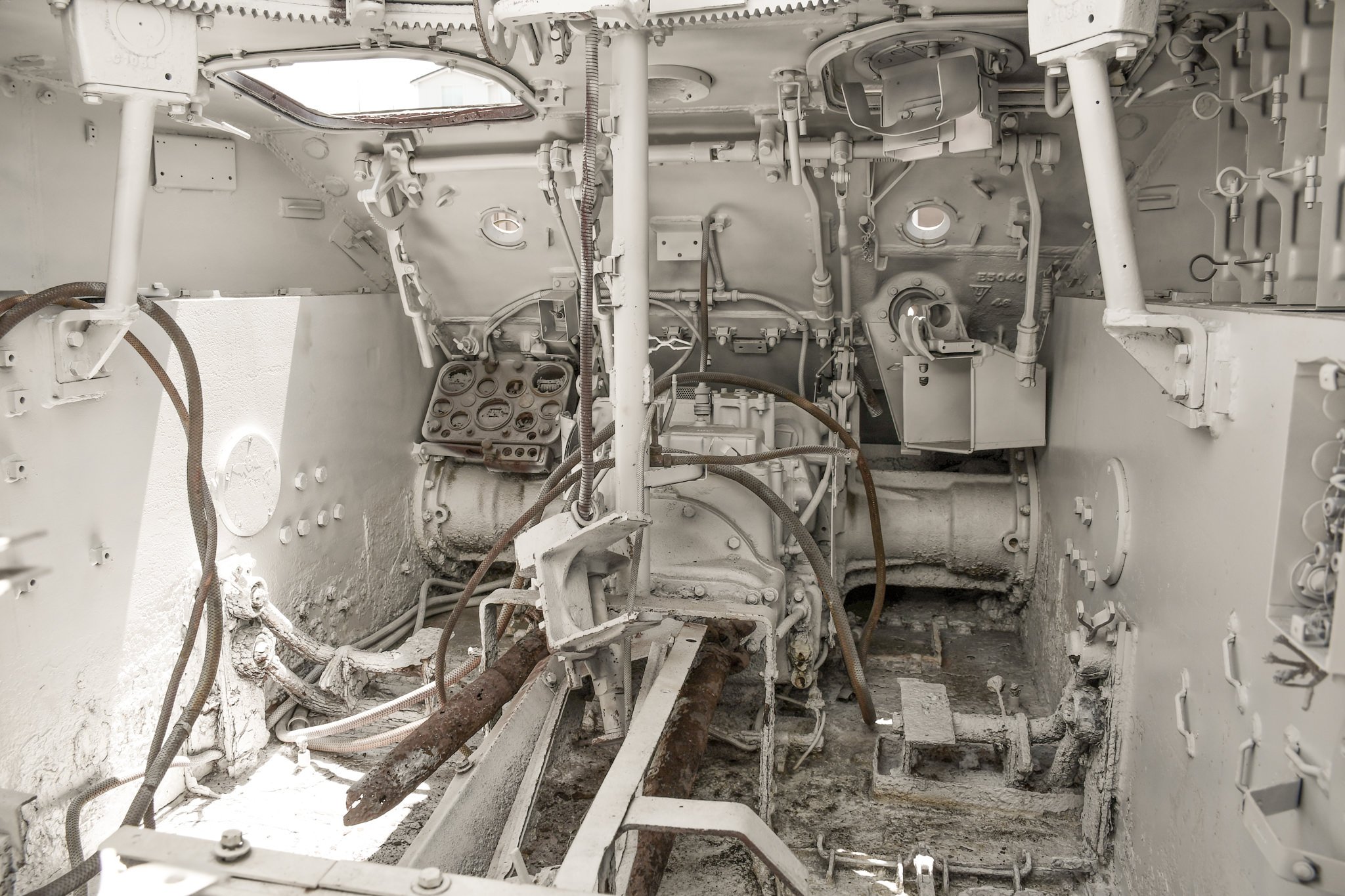
This tank is now a project of sorts, requiring a restoration and needing a few parts to be sourced for completion. In recent years this M5 was bead blasted before being repainted in olive drab, it has a de-milled M6 gun, and the turret bearings have been replaced.

It comes with no engines fitted, though one Cadillac V8 is included in the sale, the new owner will need to source an additional Cadillac V8 as well as the two transmissions and transfer case.

The tank is being sold out of West Los Angeles in California on Bring A Trailer and you can visit the listing here if you’d like to read more or register to bid.

Stuart M5 Tank 8 Stuart M5 Tank 7 Stuart M5 Tank 6 Stuart M5 Tank 5 Stuart M5 Tank 4 Stuart M5 Tank 3 Stuart M5 Tank 2 Stuart M5 Tank 9

Images courtesy of Bring A Trailer

The post For Sale: A WWII-Era Stuart M5 Tank appeared first on Silodrome.


from Silodrome https://silodrome.com/stuart-m5-tank/
via gqrds