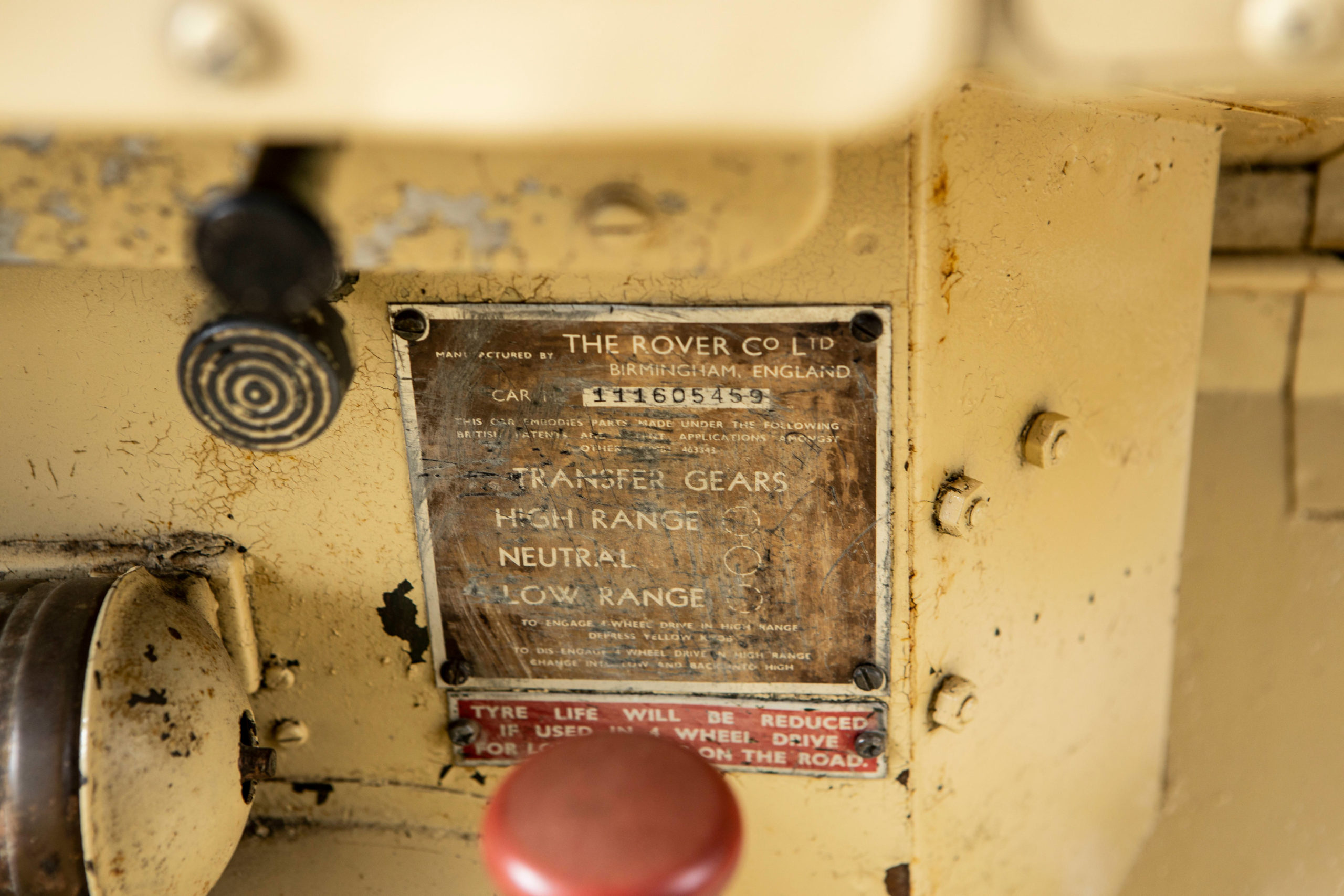
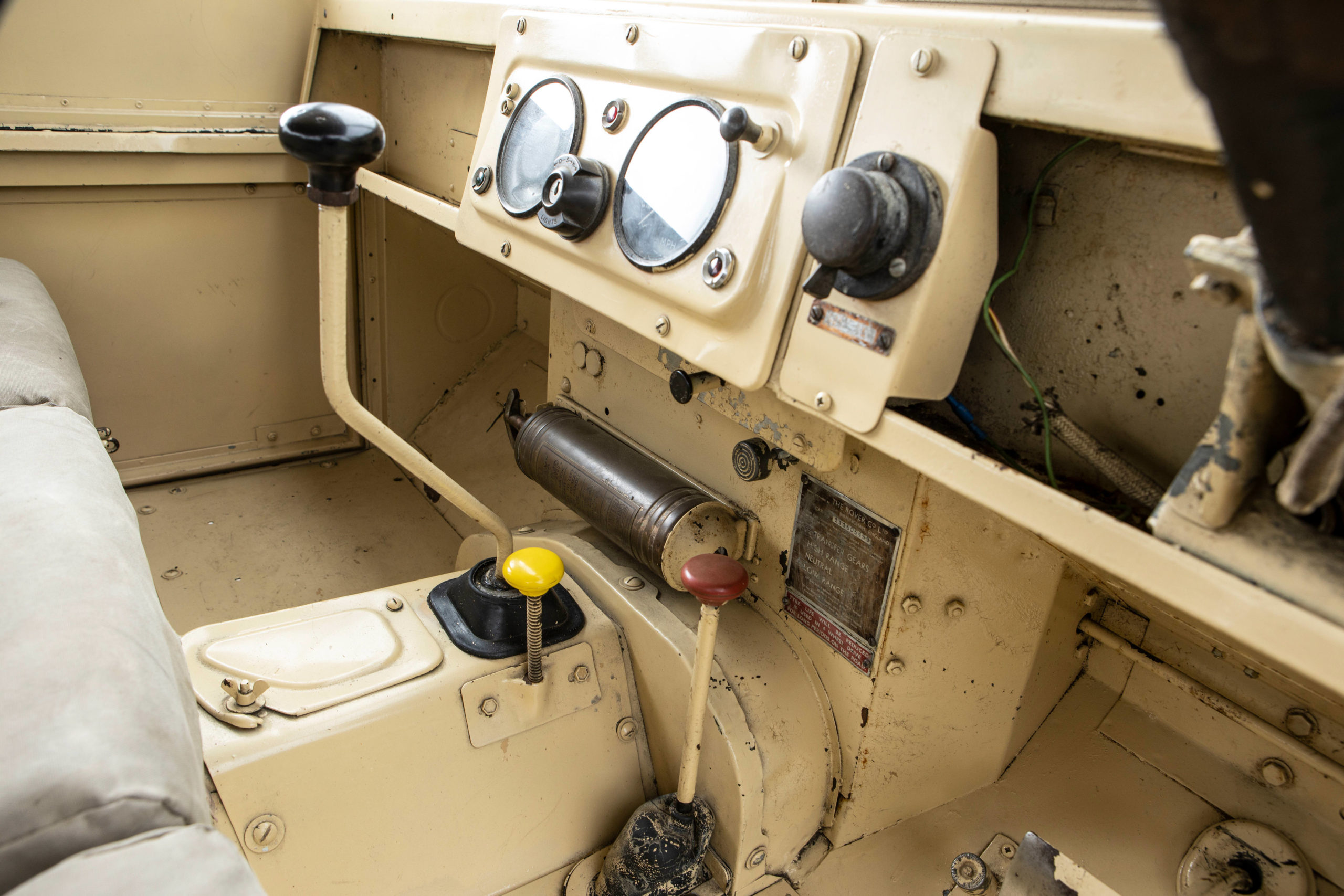
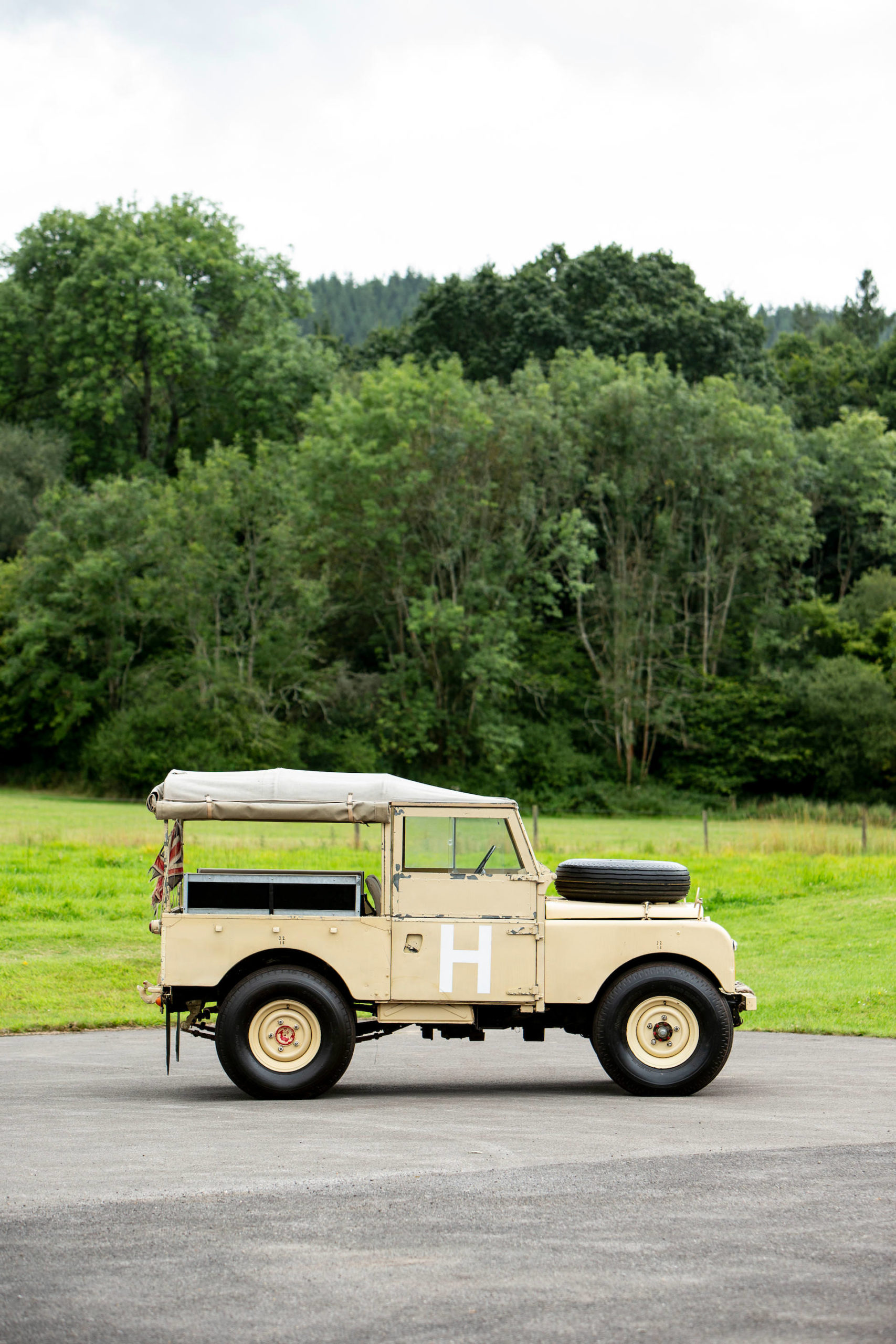
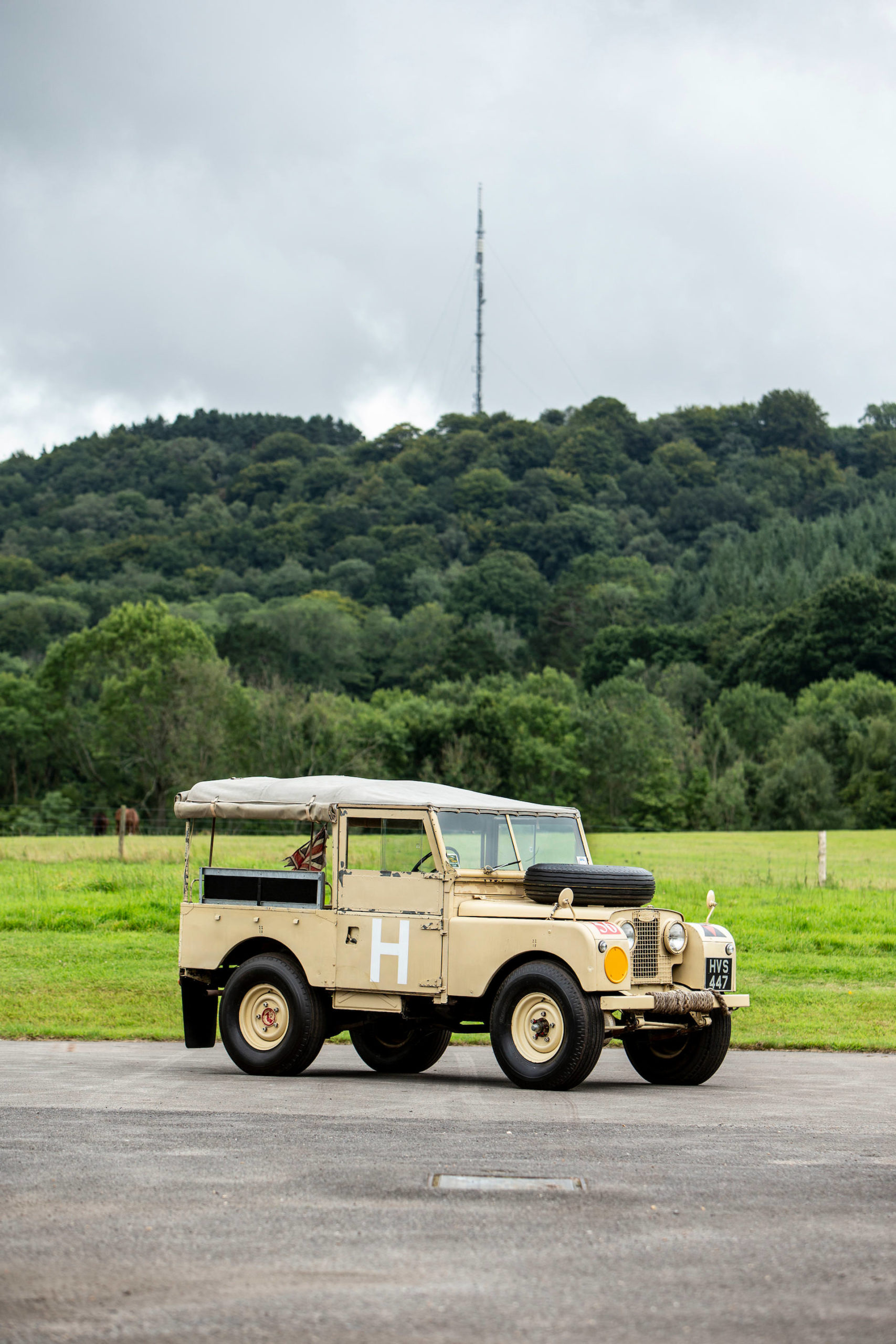
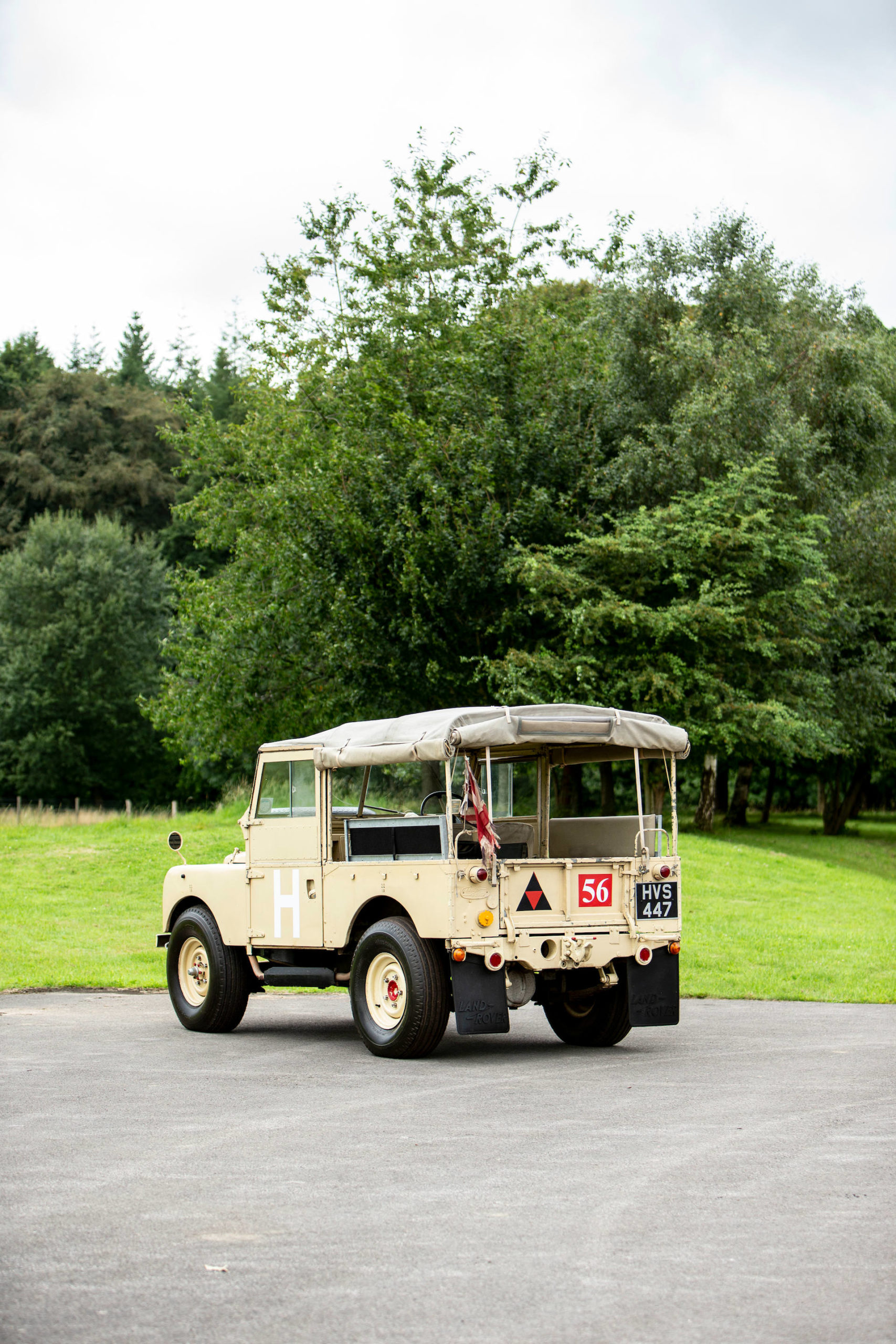
This Land Rover Series I was built in 1956 as part of a military contract for the British Ministry of Defence, then delivered to the 1st Battalion West Yorkshire Regiment for use in “Operation Musketeer.”
Operation Musketeer is now better known as the Suez Crisis, it was an invasion of Egypt by Israel, France, and Britain that had been launched with the goal of regaining control of the Suez Canal – which had been nationalized by Egypt in 1956.
Fast Facts – The Land Rover Series I
The Land Rover Series I was introduced in 1948, it had been conceived by Maurice Wilks, the Chief Engineer of the Rover Company to include the best features of the American Jeep, and the best features of a tractor.
In the years shortly after WWII materials were strictly rationed and money was in short supply. So the luxury cars Rover had been building before the war had fallen from favor.
Wilks had a Willys Jeep on his farm in England that he loved, it formed the basis of his idea to create a small, inexpensive four-wheel drive with a power takeoff like a tractor for agricultural use.
The Series I Land Rover would enjoy explosive popularity, it was in production from 1948 to 1958 and it was succeeded by multiple generations of increasingly modern Land Rovers.
The Suez Crisis
The Suez Crisis would become arguably the single largest military humiliation of the British, French, and Israeli armed forces of the of the 20th century.
Above Film: This short documentary tells the story of the Suez Crisis of 1956 in just four minutes.
The original objective was to remove Egyptian President Gamal Abdel Nasser from power and to regain operational control of the Suez Canal – one of the most important shipping canals in the world alongside the Panama Canal of Central America.
When he had come to power Nasser almost immediately nationalized the Suez Canal which had previously been owned largely by British and French shareholders. This loss of ownership, and the loss of control over such a critically important shipping route led to the invasion of Egypt by Israel, followed by France and Britain.
Egyptian forces sunk over 40 ships in the canal, rendering it useless, and a combination of Egyptian resistance and international condemnation for the invasion led to the withdrawal of Israeli, French, and British forces within just a few months.
Operation Musketeer
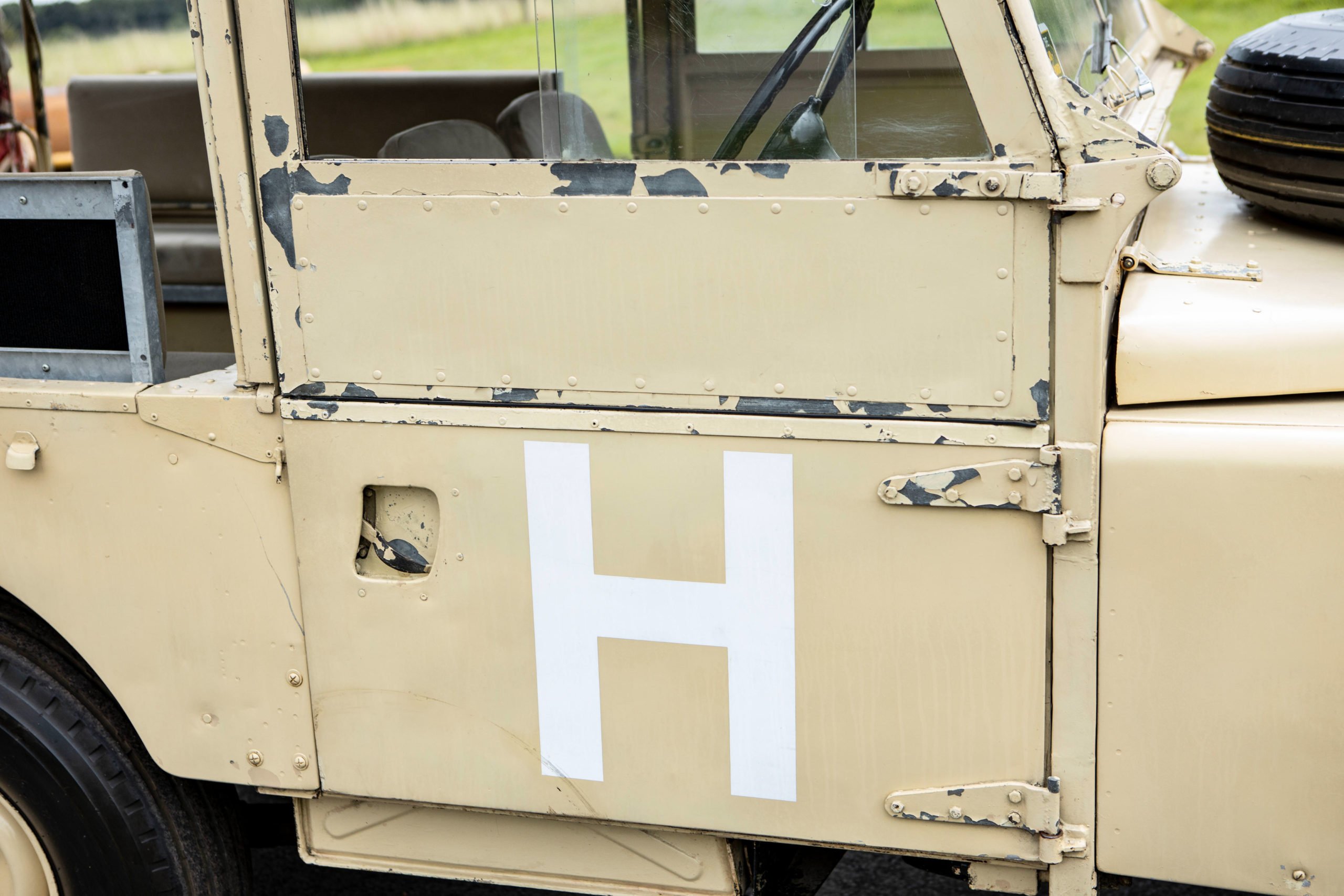
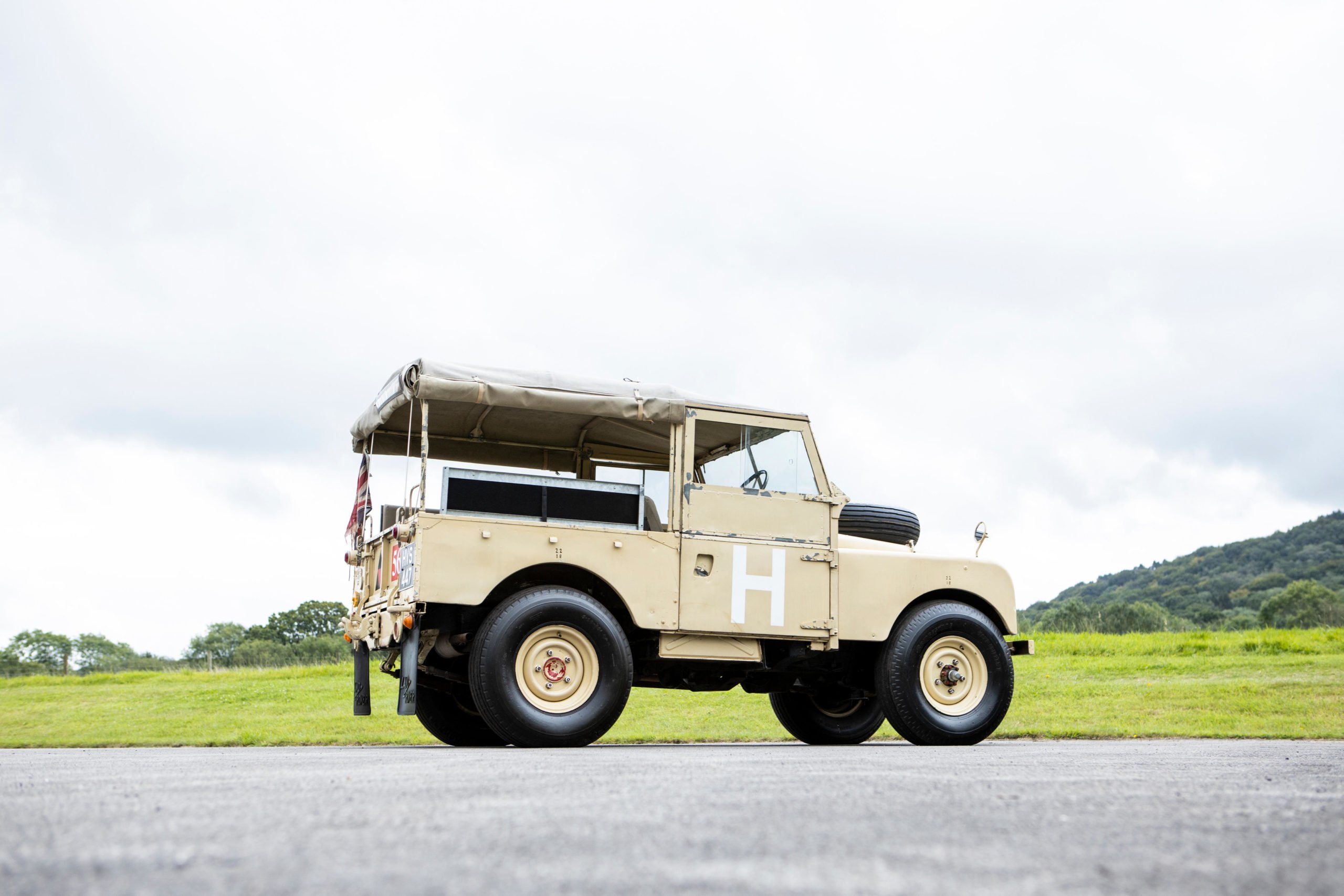
The Anglo-French plan to invade Egypt and seize control of the Suez had originally been called Project Hamilcar, and as a result British vehicles intended for the operation where painted with a large white letter “H” for identification purposes.
Due to linguistic differences the French spelled Hamilcar starting with the letter “A” – not including the “H” at all – and as a result their vehicles were all painted with a large white “A” for identification.
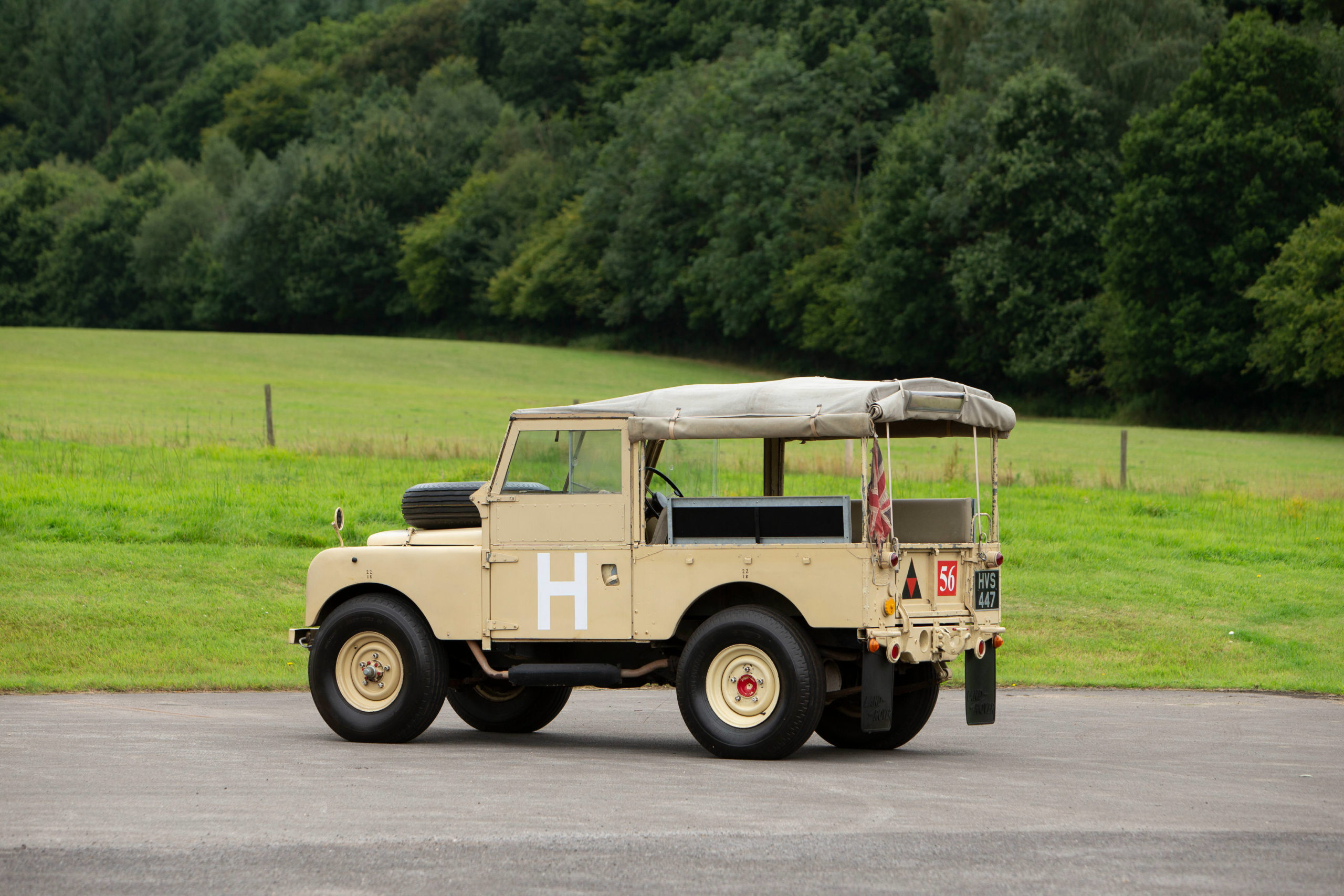
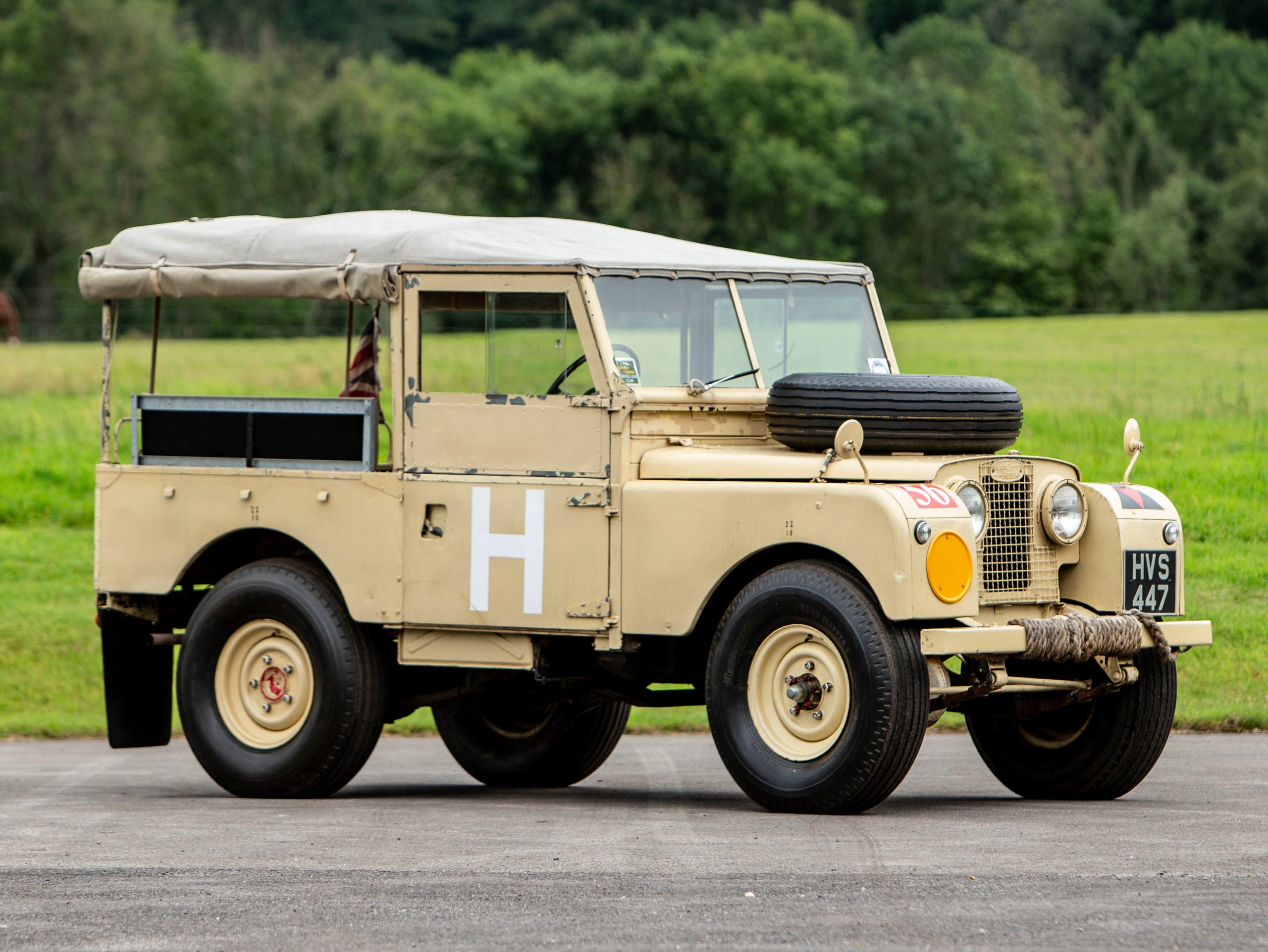
This is the infamous “H” that was applied to British military vehicles intended for Egyptian service.
This confusion led to the operation being renamed “Musketeer,” however by this time it was too late to repaint all the vehicles, and as a result the letters “H” and “A” remained on many of the vehicles used by the invasion force.
The Series I Operation Musketeer Veteran Shown Here
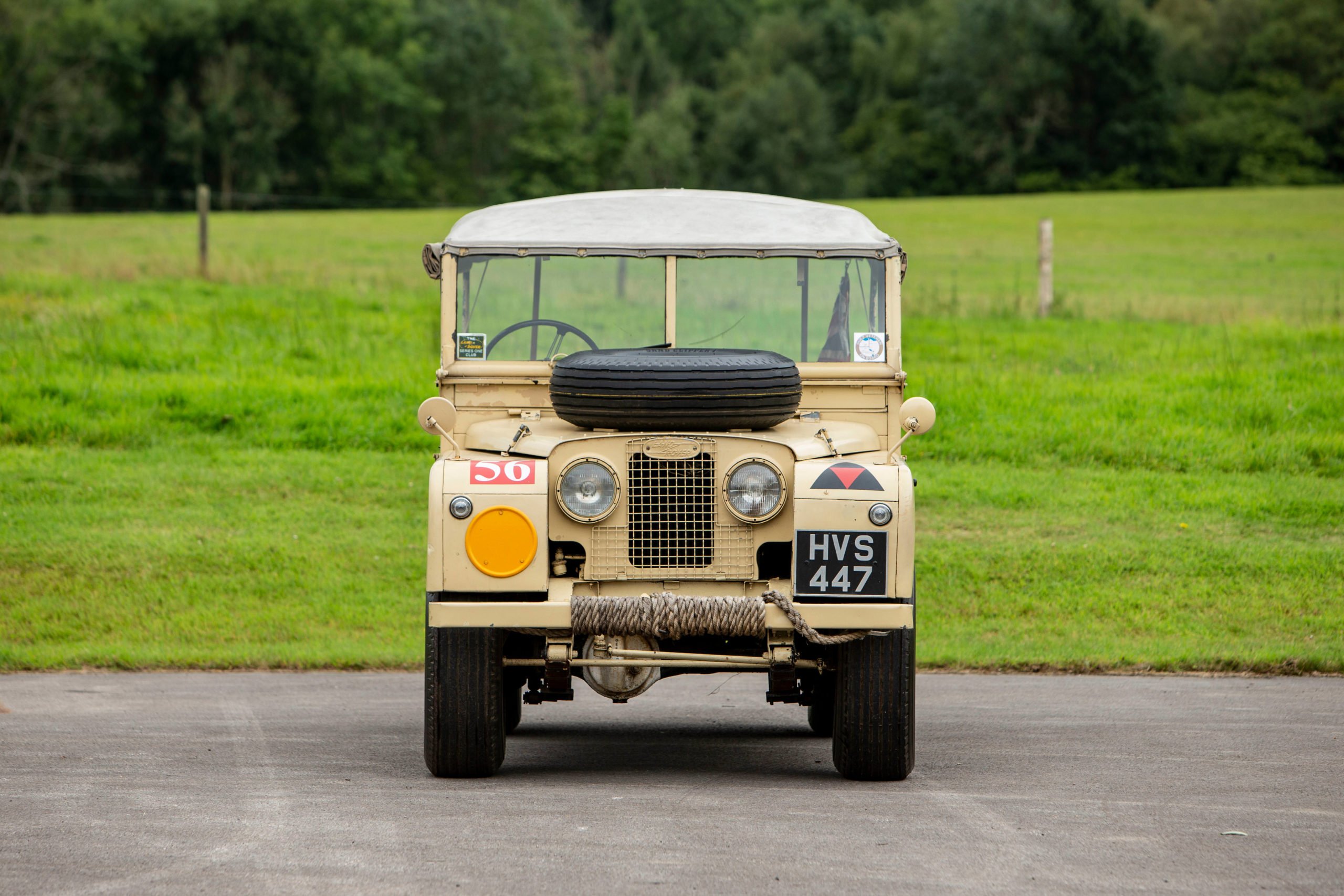
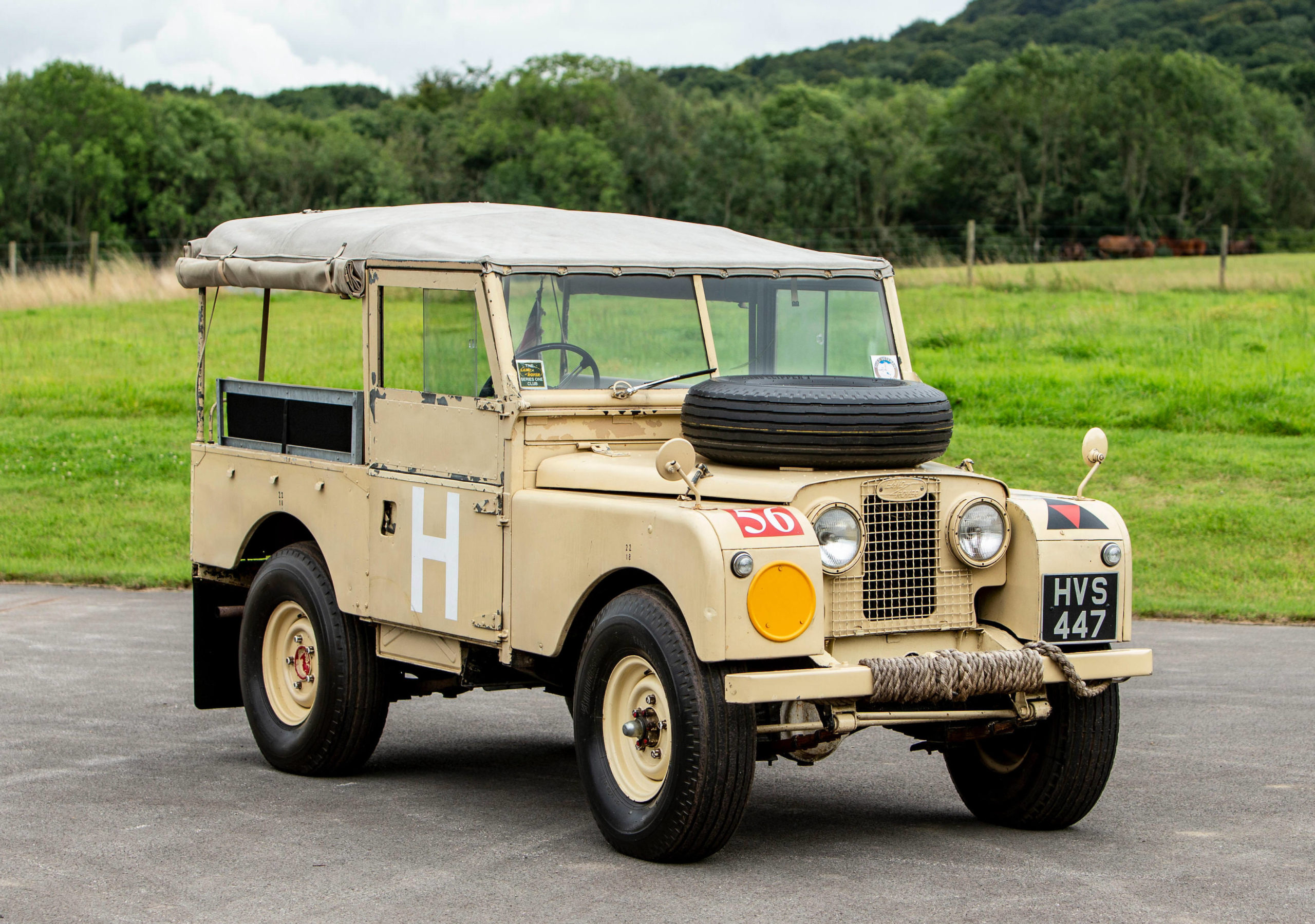
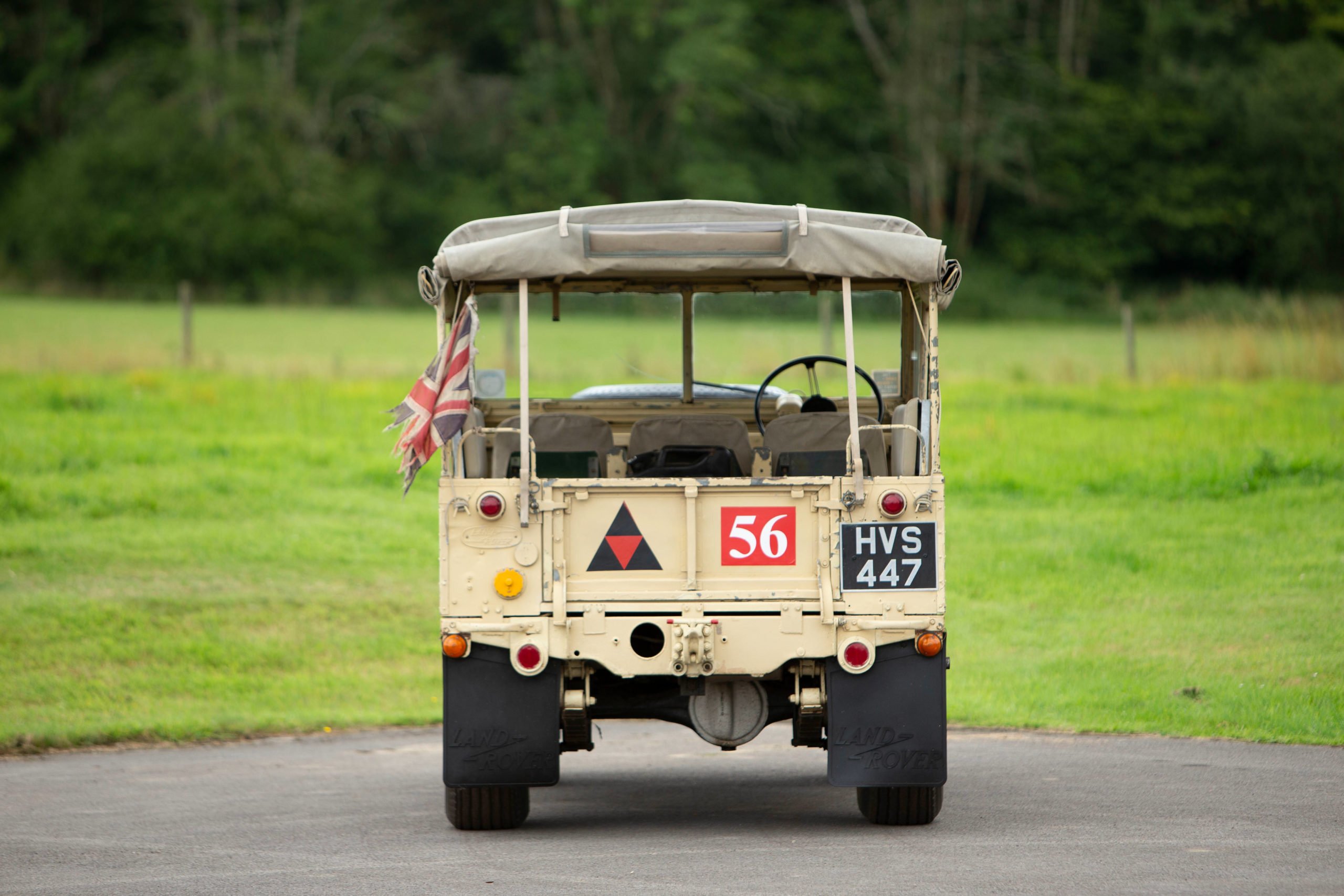
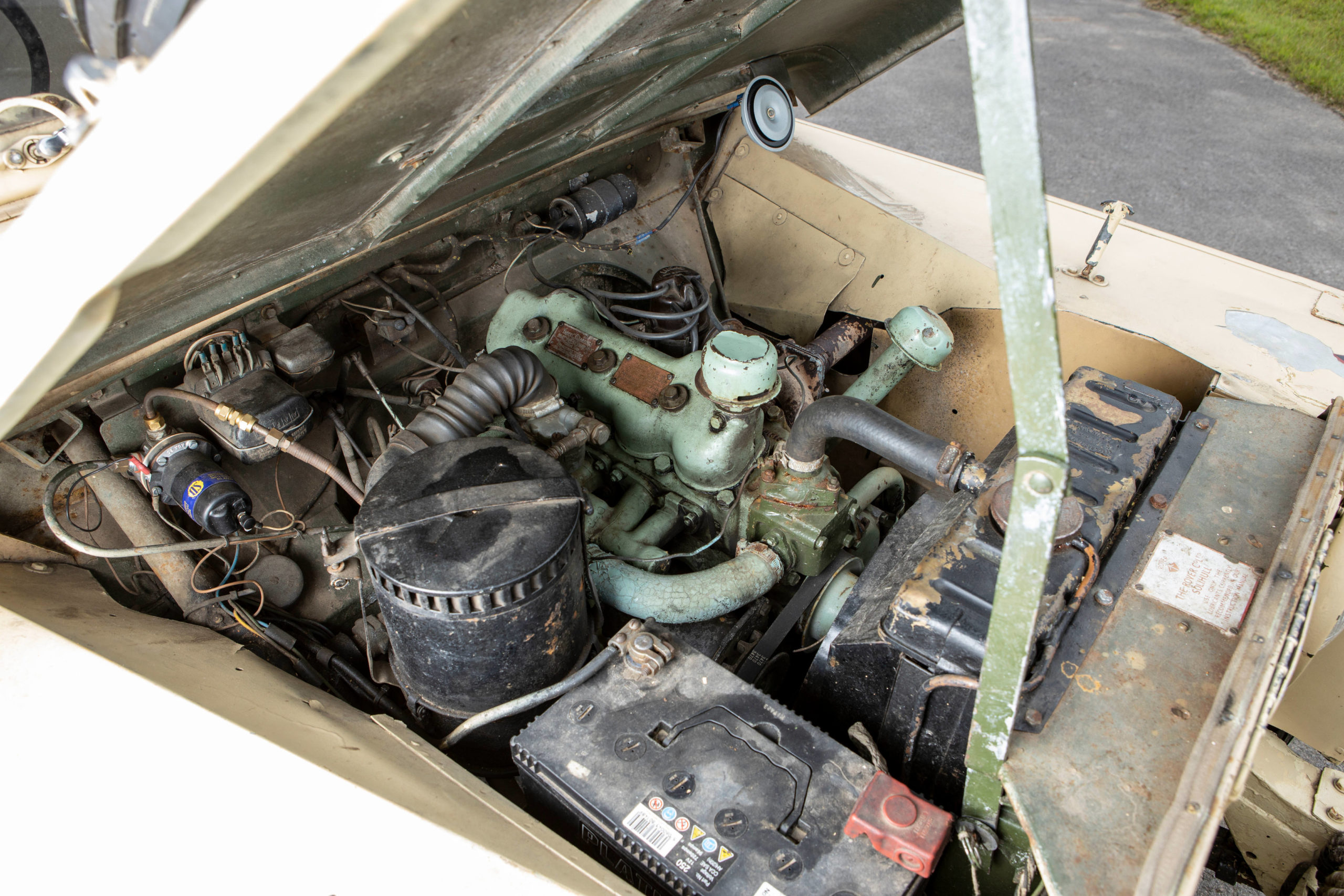
The Series I Land Rover you see here was built by the British automaker specifically for the Ministry of Defence, and as mentioned above, it was delivered to the 1st Battalion West Yorkshire Regiment, 19th Infantry Brigade, 3rd Infantry Division in November 1956.
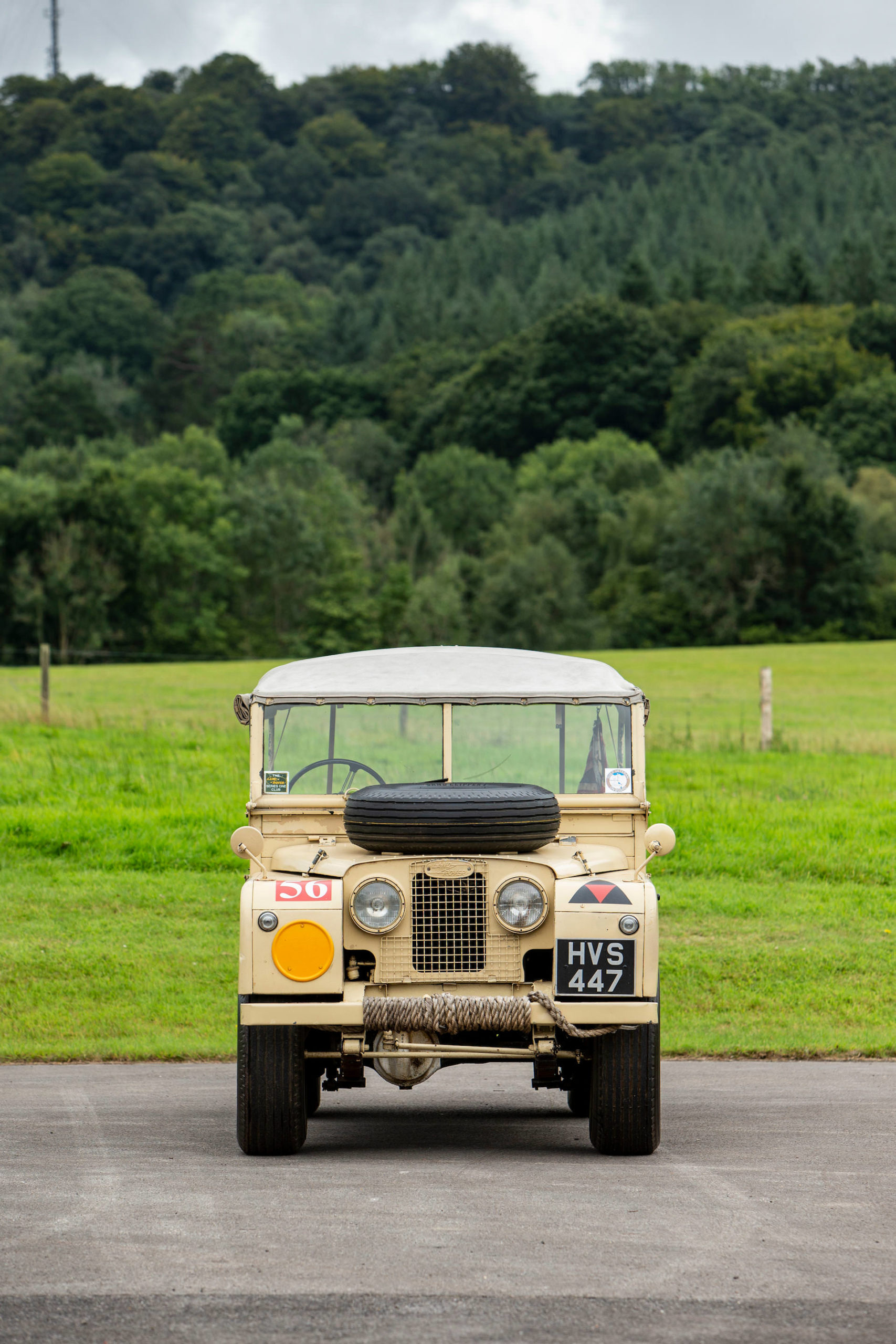
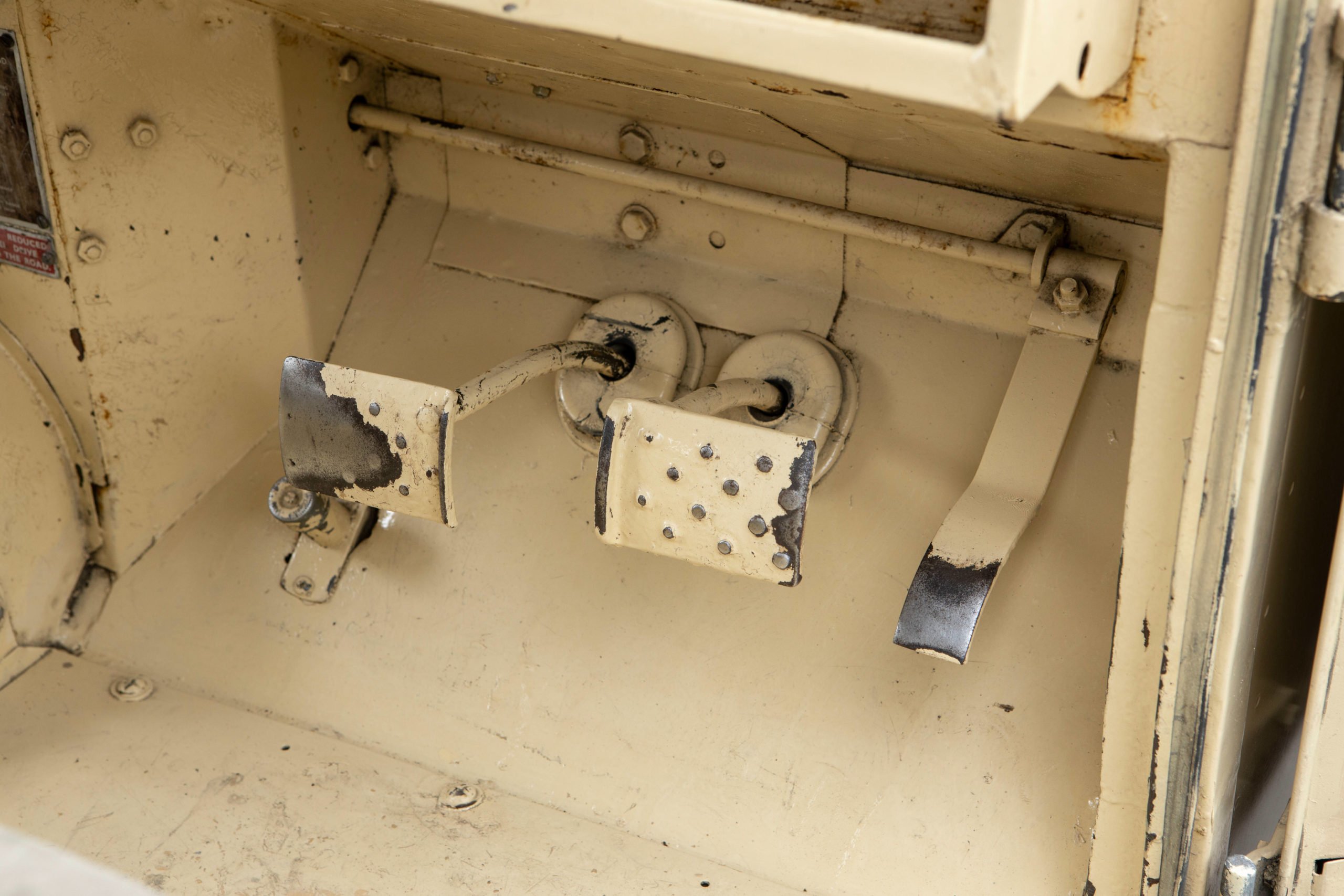
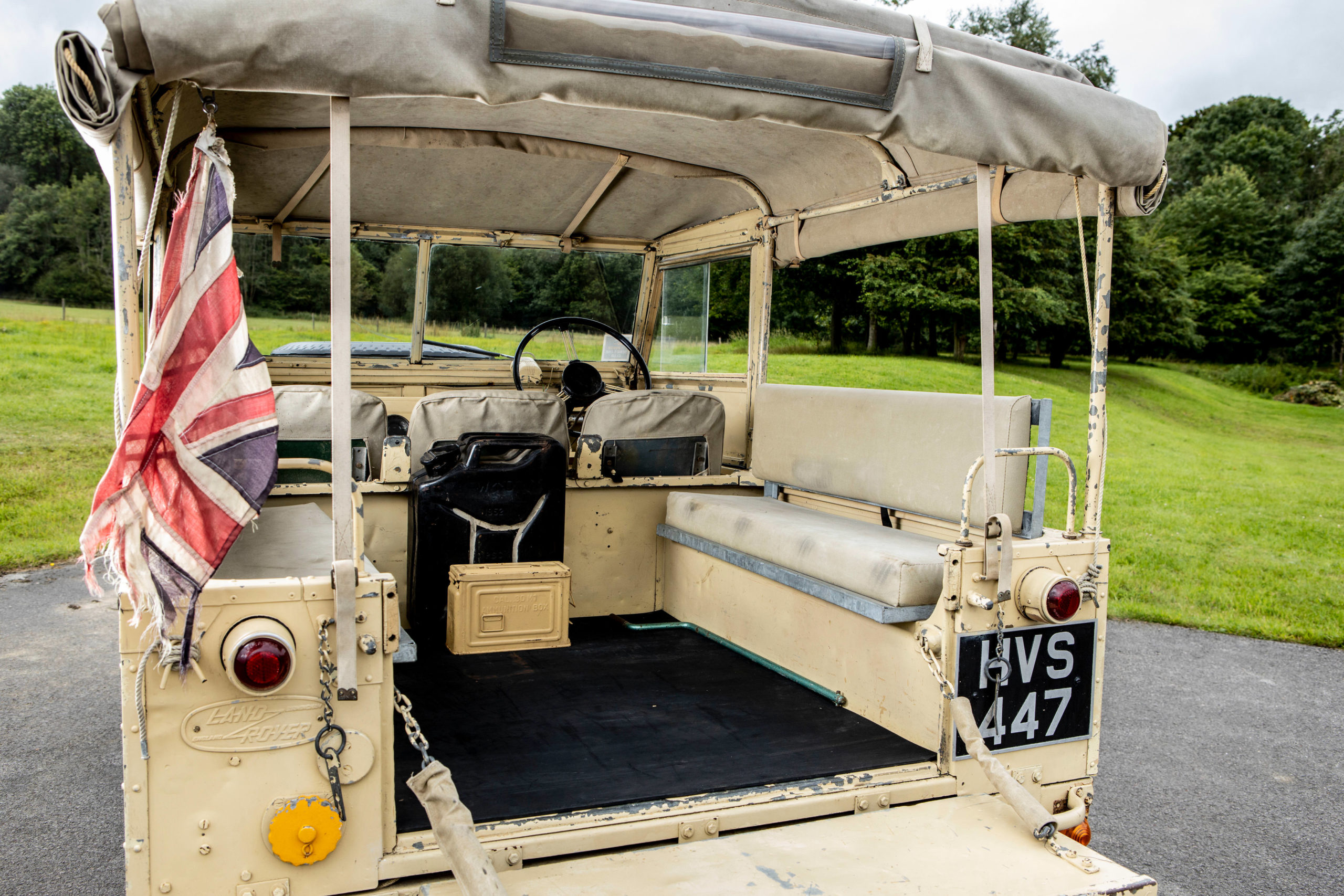
The vehicle was built with a canvas soft top and two rows of seats in the back for soldier transport. In total it could carry seven men, and up to nine in a pinch. It was finished in a light sand paint scheme and fitted with larger than normal tires for use on Egypt’s desert sand.
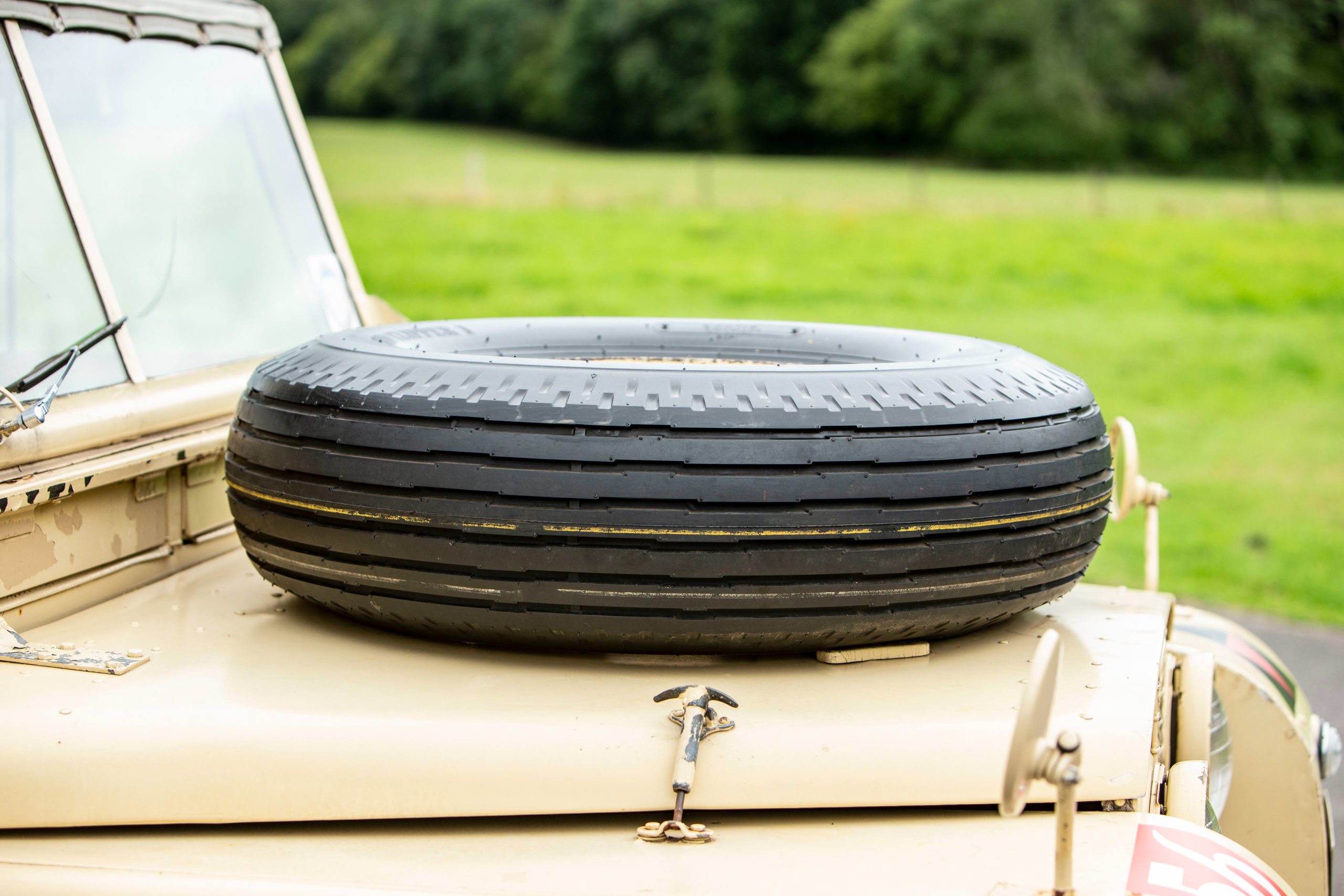
Military markings were applied including the now legendary “H” on either side, a spare tire was fitted to the hood, and hemp rope was wound around the front bumper – it was intended to be used for recovering vehicles that became bogged down in the sand.
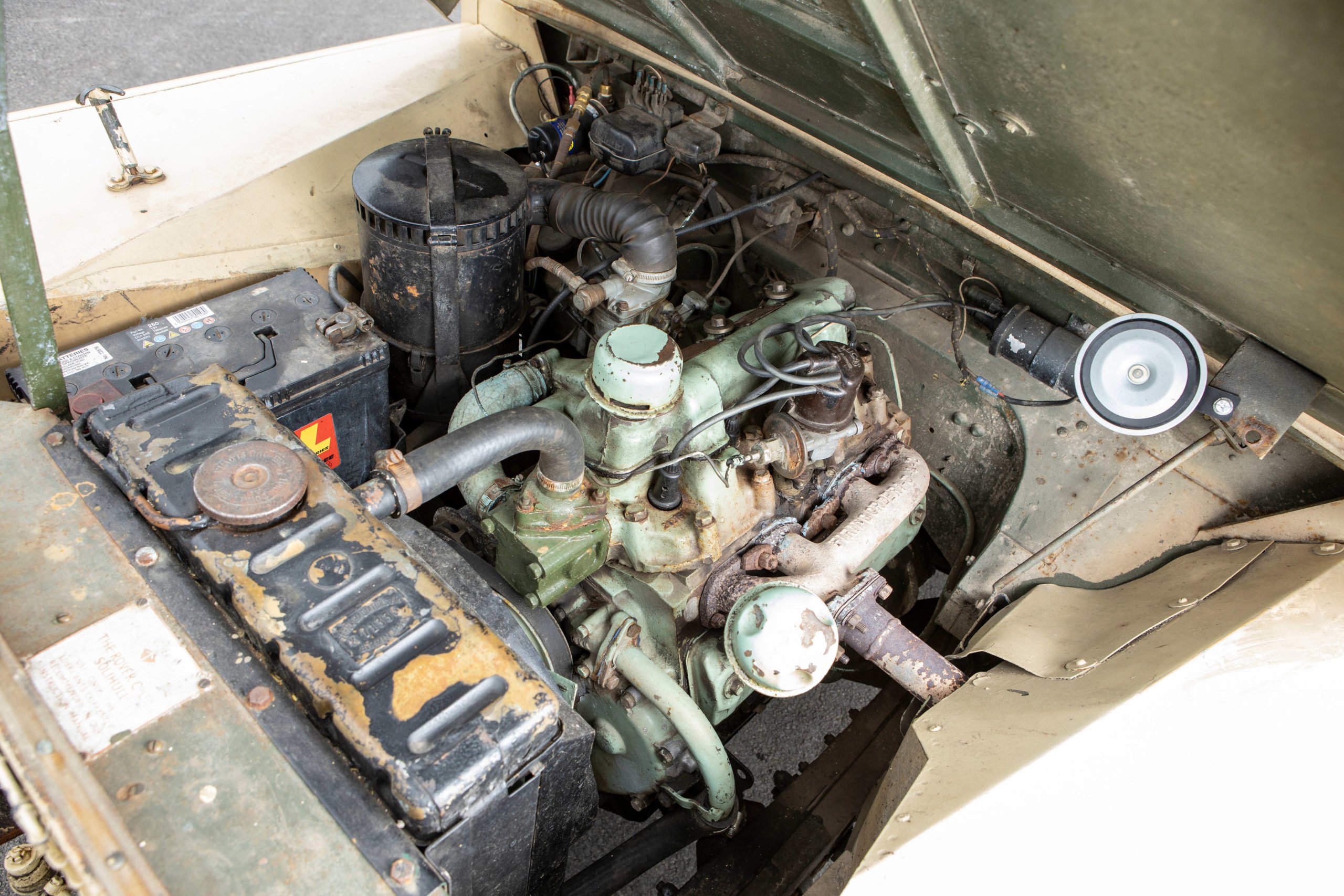
This vehicle was restored many years ago and it’s now showing some patina. It carries the correct military markings and equipment.
Interestingly the 1st Battalion West Yorkshire Regiment, of which this Land Rover was a part, would be the last unit to leave the Suez in late December after handing control over to the UN.
The Regiment, their vehicles, and supplies arrived back at the Southampton docks on the 2nd January 1957 and returned to their barracks in Colchester.
This wouldn’t be the vehicle’s last ride on a ship, the 19th Infantry was sent to Cyprus in mid-1958 and later to Kenya in 1961. In 1968 this Series I was sold as military surplus and bought by a farmer who used it for a few years before parking it in a barn.
It was later discovered by an enthusiast named John Banham who bought it and gave it a light restoration. Years later it was sold to Operation Musketeer veteran Edwin Robinson, and Banham later repurchased it from him.
Over the years this Series I was became well-known in British Land Rover circles, it was featured in James Taylor’s book “Original Land Rover Series I” and it has been made into a model by Oxford Diecast.
It’s now due to roll across the auction block with Bonhams on the 10th of September with a price guide of £20,000 – £30,000, which works out to approximately $23,300 – $35,000 USD.
The Aston Martin DB5 has become the iconic Aston, the classic for the gentleman or lady who aspire to owning and driving what is arguably the most famous classic British sports car ever, rivaled only by Jaguar’s E-Type.
The key to the DB5’s fame and desirability came, not just because it was an outstanding example of the best of British sports car engineering, which it was, but also because it was anointed with the fame that comes from being a movie star: in fact it would become “The most famous car in the world.”
Fast Facts – Aston Martin DB5 Vantage
The Aston Martin DB5 was the successor to the highly respected DB4.
The DB5 featured no less than 170 improved features over its predecessor including an engine enlarged to 4.0 liters capacity and revised styling which included covers over the headlights.
The DB5 was made in either standard version, or in the enhanced performance Vantage model.
Body styles were the 2+2 coupe, a soft top convertible, and the shooting brake made specially for David Brown, the owner of Aston Martin.
A Silver Birch Aston Martin DB5 2+2 coupe equipped with a range of spy gadgets featured in the 1964 James Bond movie “Goldfinger”, which catapulted the car to international stardom.
The DB5 is undoubtably the most famous Aston ever made, and this is one of just 17 high-performance Vantage models that were made in left-hand drive.
An Aston Martin DB5 painted in Silver Birch with red Connolly leather interior became a star of the 1964 James Bond movie “Goldfinger.”
Not only was it the car itself that was a thing of sophisticated high performance beauty, but it was the modifications done to the car in the film that made it the perfect 007 spy-mobile.
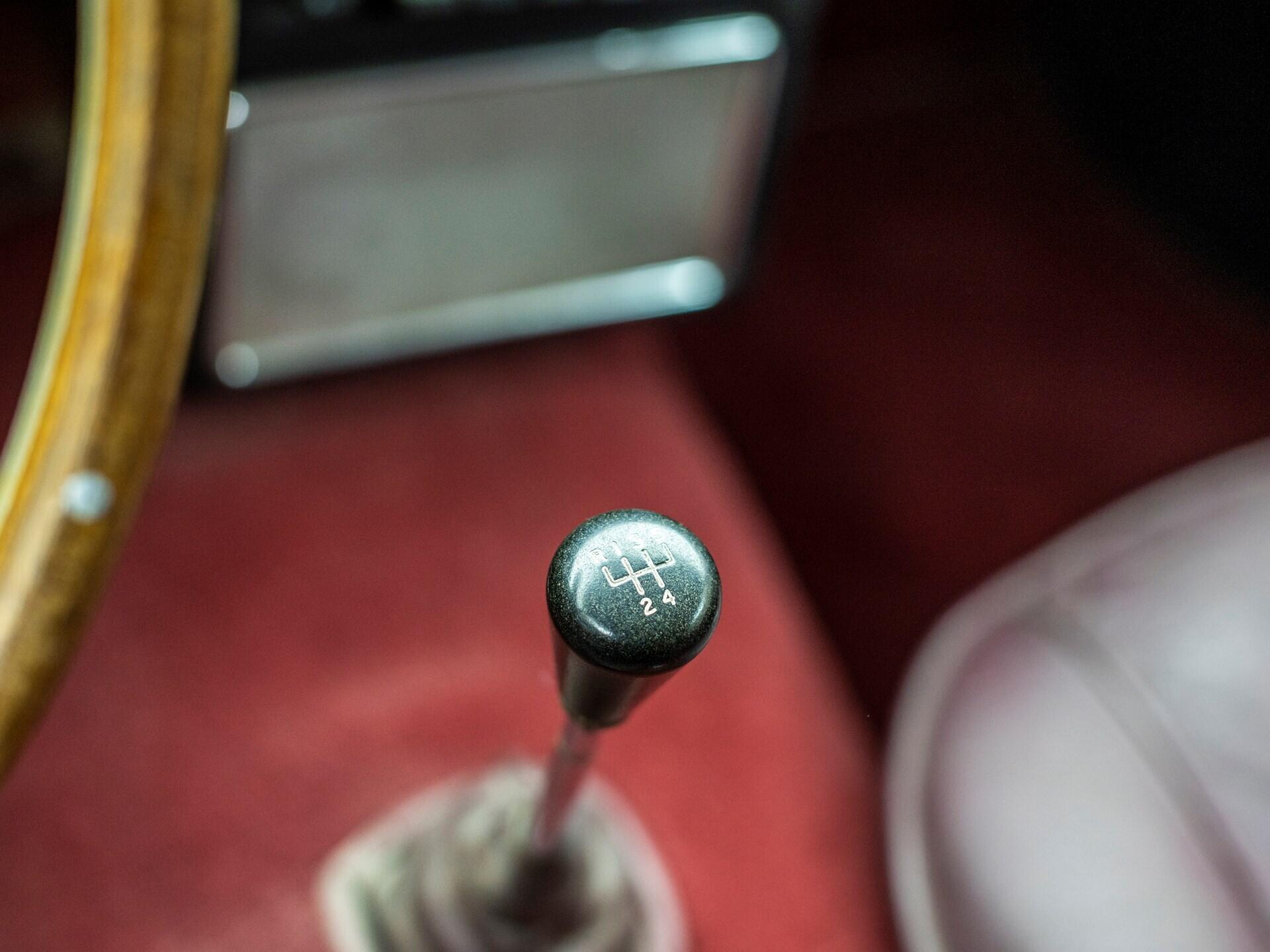
The DB5 of the movie was personalised for James Bond’s line of work. Modifications ranged from the bulletproof rear shield and oil slick device to the front mounted concealed machine guns, and the discreet little red button under the gearlever knob that controlled the passenger ejector seat with which Bond could eject an unwanted passenger.
Above Video: When he is shown this feature by “Q” Commander Bond says “Ejector seat – you’re joking.” to which “Q” responds “I never joke about my work 007.”
Thus it was that the “Goldfinger” James Bond Aston Martin DB5 acquired a whole unique personality, one that touches every Silver Birch DB5 in the world and gives it that extra cachet of desirability – even if it doesn’t have front mounted machine guns nor a passenger ejector seat like the “Goldfinger” car.
The Aston Martin DB5
The Aston Martin DB5 was originally created, not with James Bond movies in mind, but as an improved version of the brilliant DB4.
The DB4 used some of the engineering technology from the Aston Martin DB Mark III (which was the James Bond car in Ian Fleming’s original novel “Goldfinger”) but with a new method of body construction and a completely new look.
The DB5 body style is a revised version of that introduced on the DB4.
Instead of the tubular chassis of the DB Mark III the DB4 was given a platform chassis onto which a tubular frame was fixed to support the hand-shaped aluminum alloy bodywork. The alloy used was called “Birmabright” and it was used on the original Land Rovers, and the Jaguar XK120, as well as on Aston Martins.
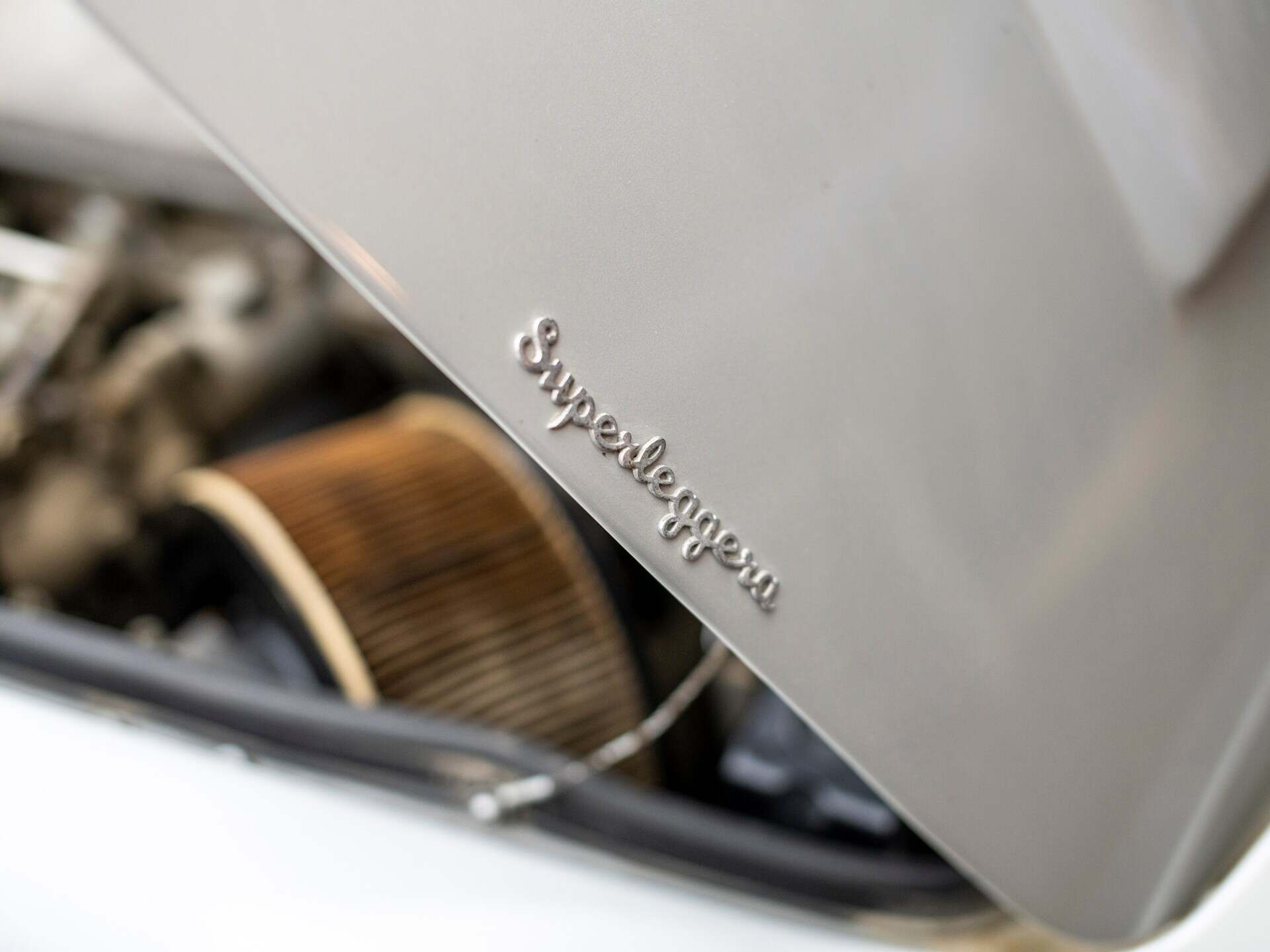
This method of body construction, with the aluminium panels fixed to a skeletal steel frame was called “Superleggera,” and it was used for both the DB4 and DB5.
The bodywork for both the Aston Martin DB4 and DB5 was of “Superleggera” type – a steel skeletal framework with an aluminium Birmabright sheet metal body attached to it.
This new method of construction heralded new styling by Carrozzeria Touring of Milan. Gone was the 1950’s conservative style of the DB Mark III and it was replaced with a body style that gave the new Astons a distinctly British look with Italian characteristics. Despite being conservative the DB4 was at once a thing of exquisite beauty, and a thing of uncompromised performance.
It was this new body style of the DB4 that was improved on and carried over onto the new DB5. The DB5 was made in two main versions: the standard and the high performance “Vantage” model.
The DB5 featured about 170 improvements over its DB4 sibling. It retained the same design engine, the Tadek Marek inline DOHC straight-six all aluminum unit, but its displacement was increased from 3.7 litres to 4.0 litres (3,995 cc).
This engine in standard form breathed through three SU carburettors and produced 282 bhp with 280 lb/ft torque, which enabled a standing to 100 km/hr in about 8 seconds and a top speed around 145 mph, yet it accomplished this while still making the car easy to drive on the road.
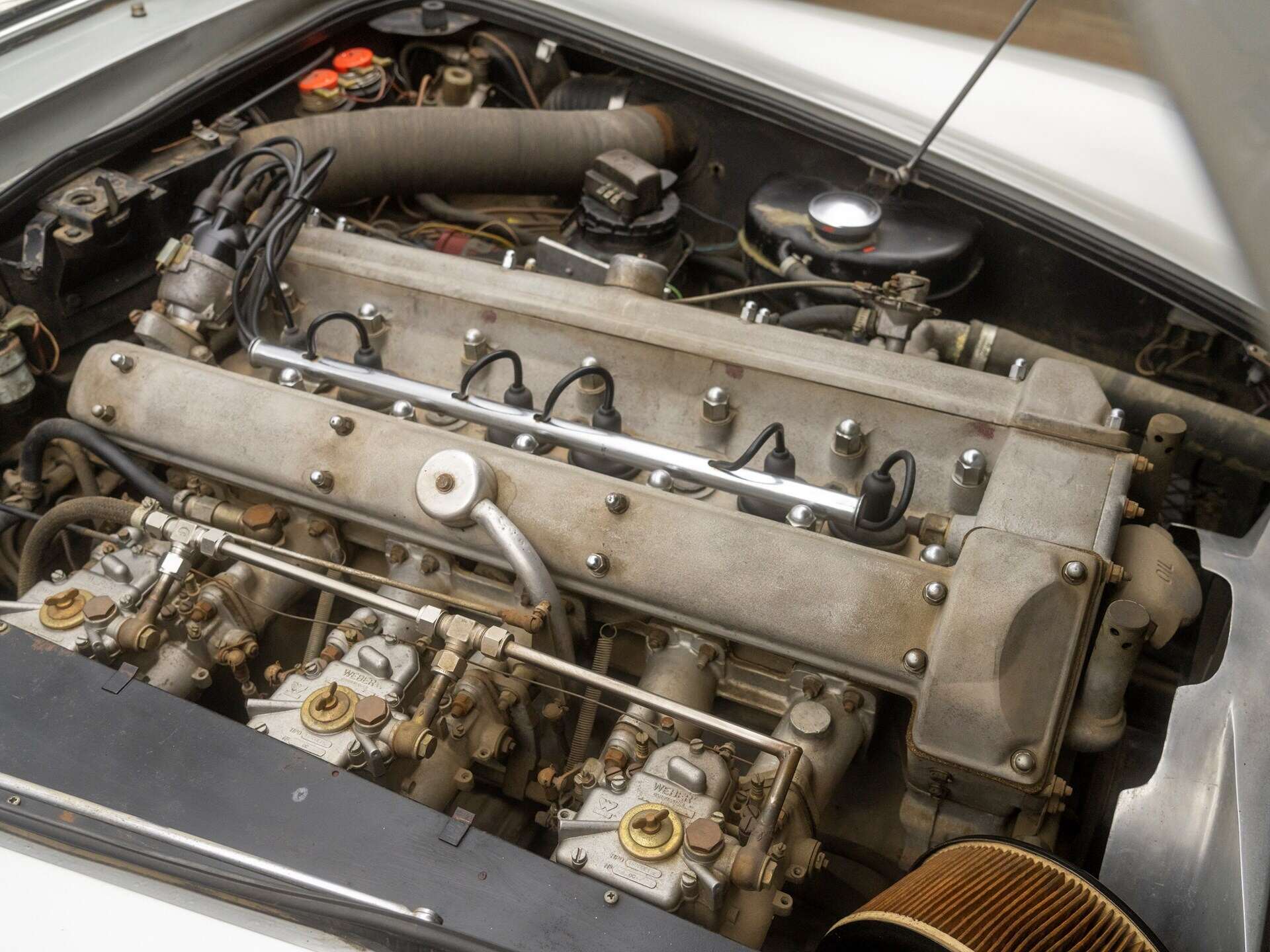
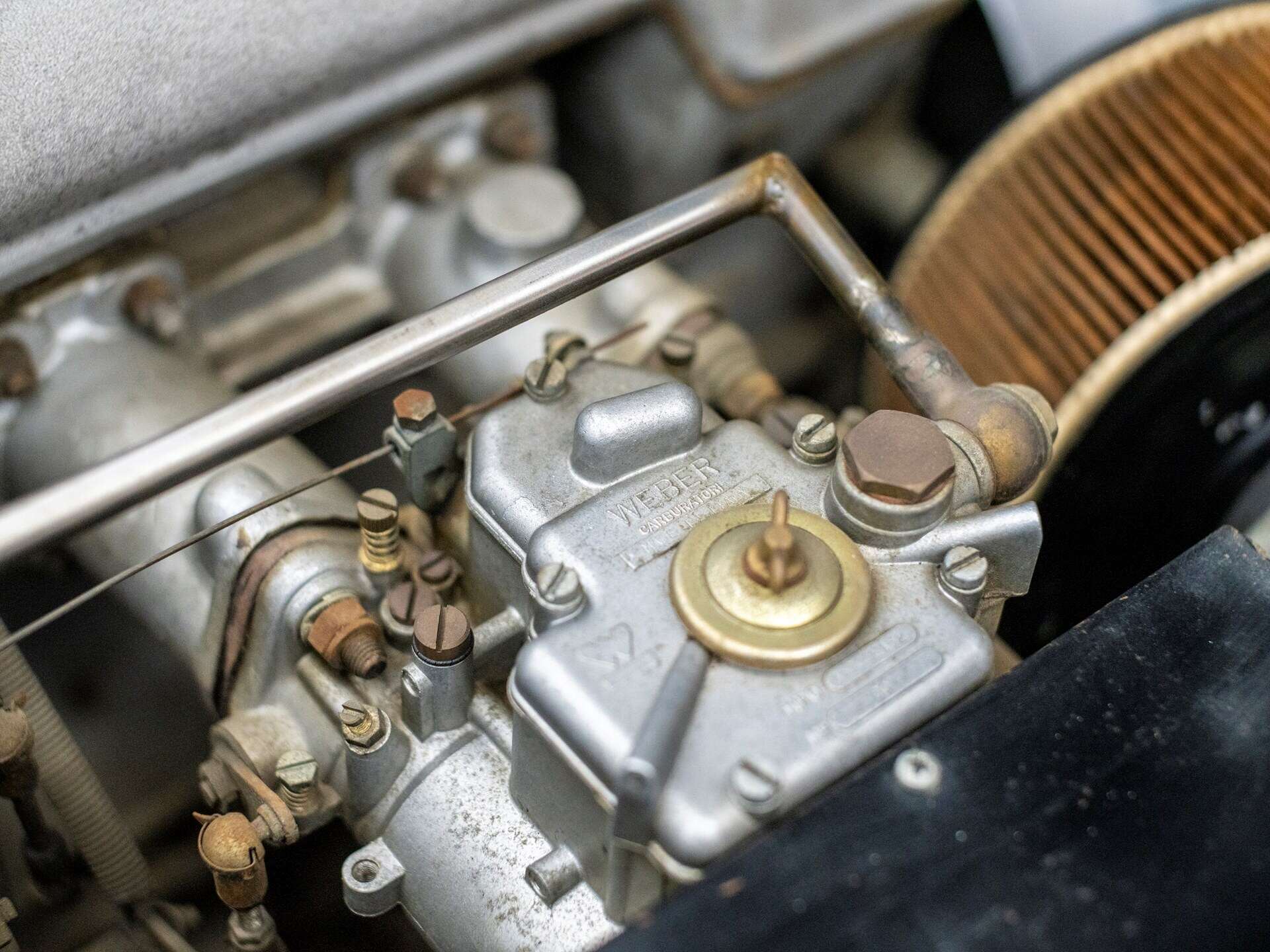
The all aluminium Tadek Marek inline DOHC 4.0 litre engine of the high performance DB5 Vantage was fitted with triple dual choke Weber carburetors and produced a healthy 325 bhp at a conservative 5,500 rpm with 288 lb/ft of torque at 4,500 rpm.
In high performance Vantage form this all aluminium engine was given a revised camshaft and breathed through three dual choke Weber carburetors and delivered power of 325 bhp at 5,500 rpm with torque of 288 lb/ft at 4,500 rpm.
This delivered a rather more “raw” sports driving experience which some drivers greatly appreciate, along with a higher top speed and a satisfying standing to 100 km/hr in the six second bracket.
When we say that the engine block and cylinder head were made of aluminium alloy that is a bit of an over-simplification.
The alloy was in fact a nickel-aluminium alloy called R.R. 50 Hiduminium: the name meaning “High Duty Aluminium“. This was one of a group of alloys developed by Rolls-Royce beginning in the 1930’s in the lead up to the Second World War.
The great advantage of the R.R. 50 alloy being its ability to retain its strength at high temperatures: making it a perfect choice for a high performance car engine.
The DB5 engine block and head was made of Hiduminium R.R. 50 alloy for the best durability under high heat conditions.
The engine drove the rear wheels via a dry plate clutch and on the first DB5 models a four speed manual gearbox, optionally with a Laycock de Normaville electric overdrive: this being the common transmission style used on most British sports cars of this era.
If you check the video clip from the James Bond movie “Goldfinger” you will see that the movie car is fitted with this transmission.
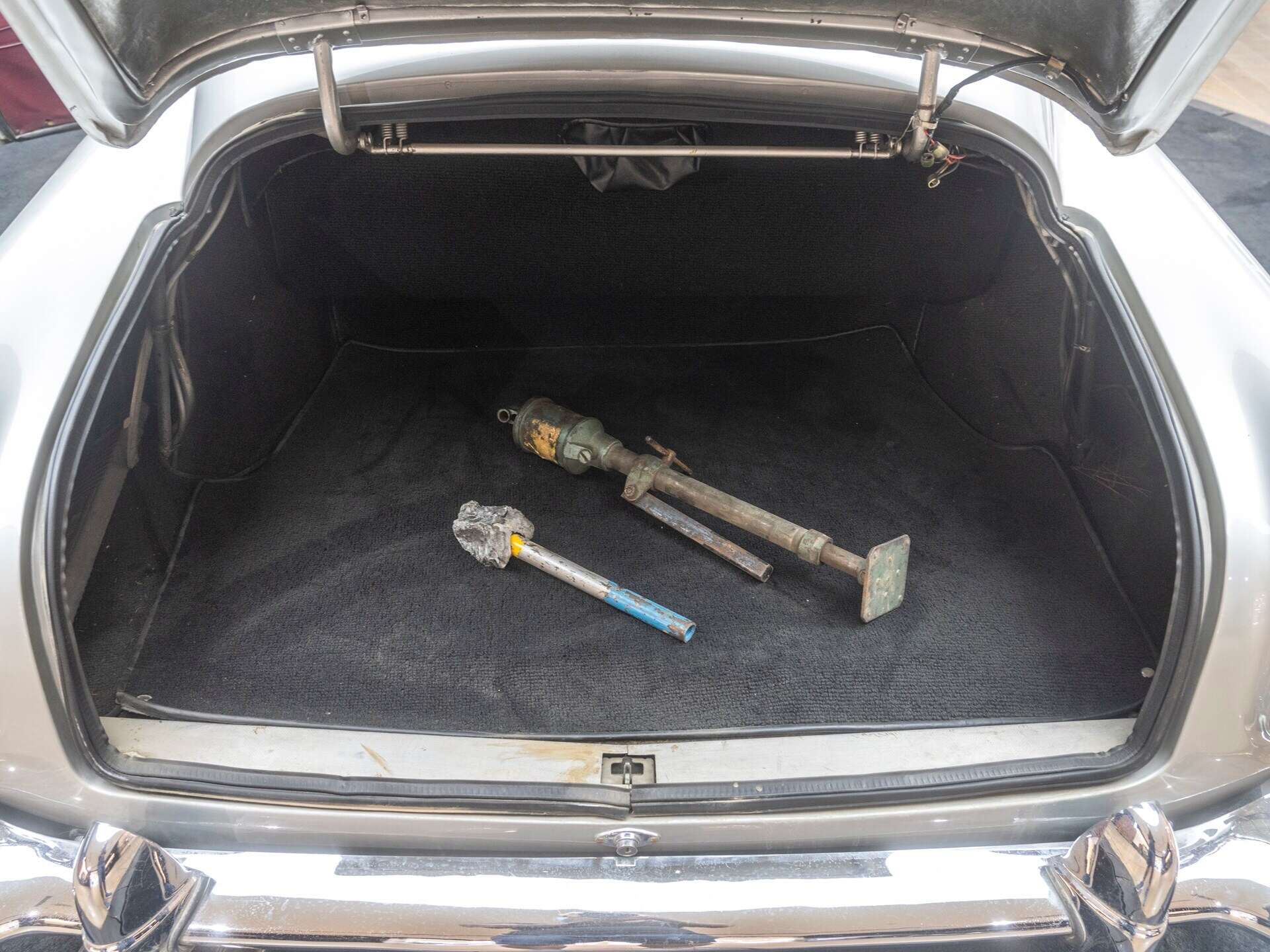
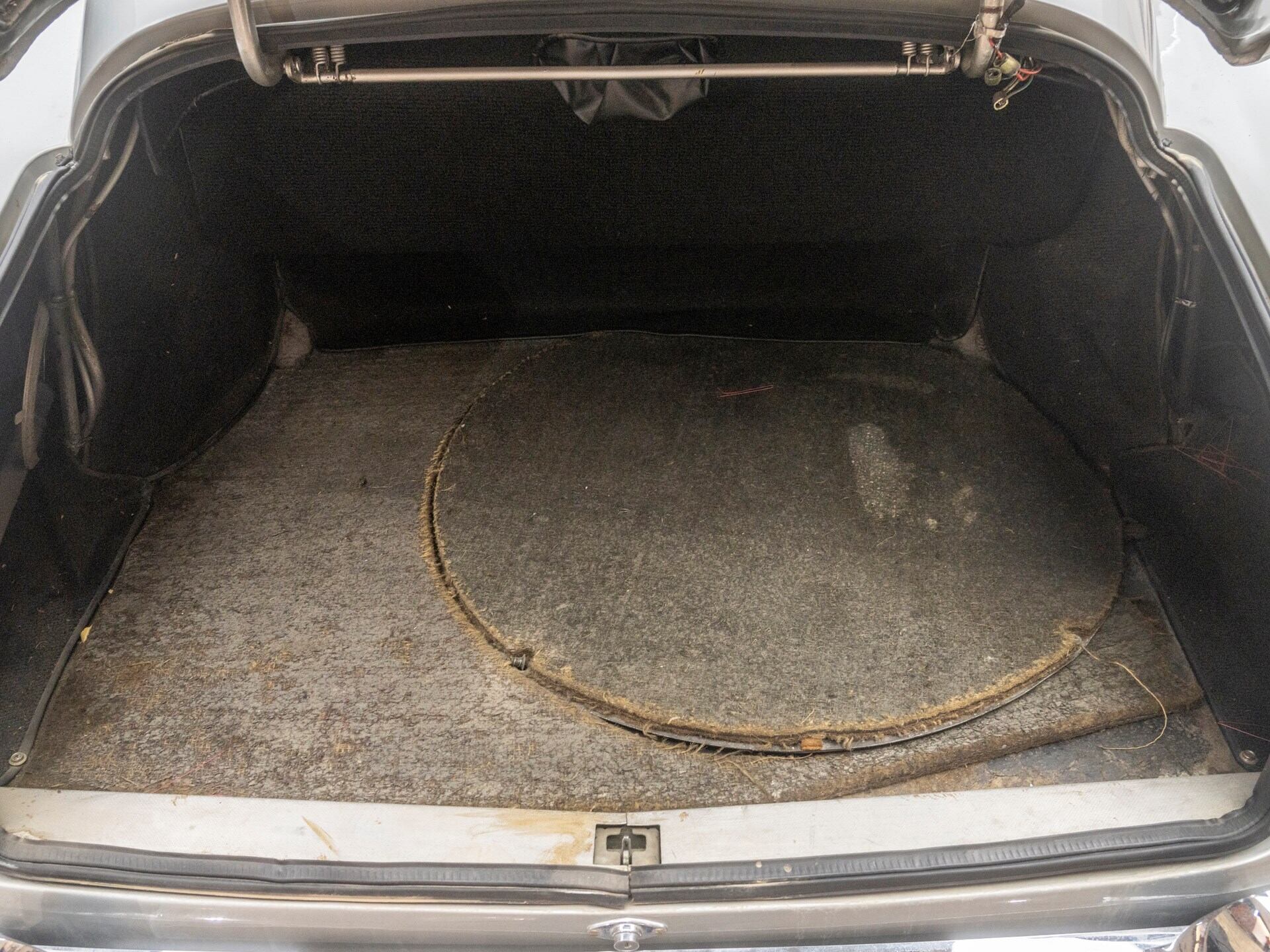
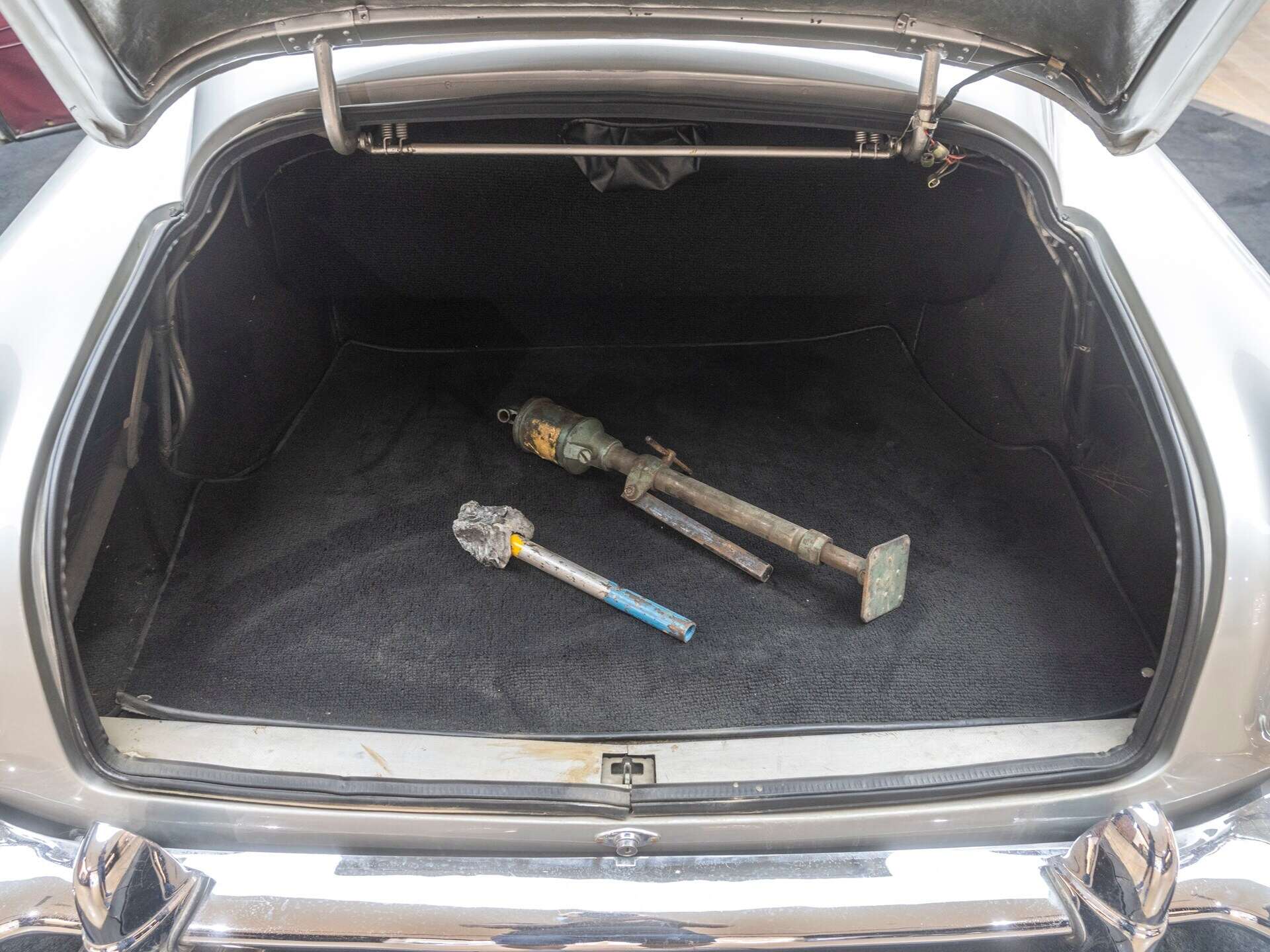
The elegant swept-back styling of the DB5 did a great job id integrating a trunk with ample space for luggage.
As production progressed it was decided to improve on the transmission by installing a five speed German ZF gearbox. This improved the driving experience and removed a layer of complexity for the driver.
For those who preferred it the DB5 was also offered with an optional Borg-Warner DG three speed automatic transmission, which was changed to the Borg-Warner Model 8 on late production cars.
The five speed German ZF gearbox was a new feature introduced shortly after production commenced.
The ZF five speed gearbox gave the DB5 long legs for comfortable and quiet motorway driving making the car a point to point long range touring car with few contemporaries to rival it.
This long range capability was enhanced by the car’s twin fuel tanks to ensure ample fuel capacity.
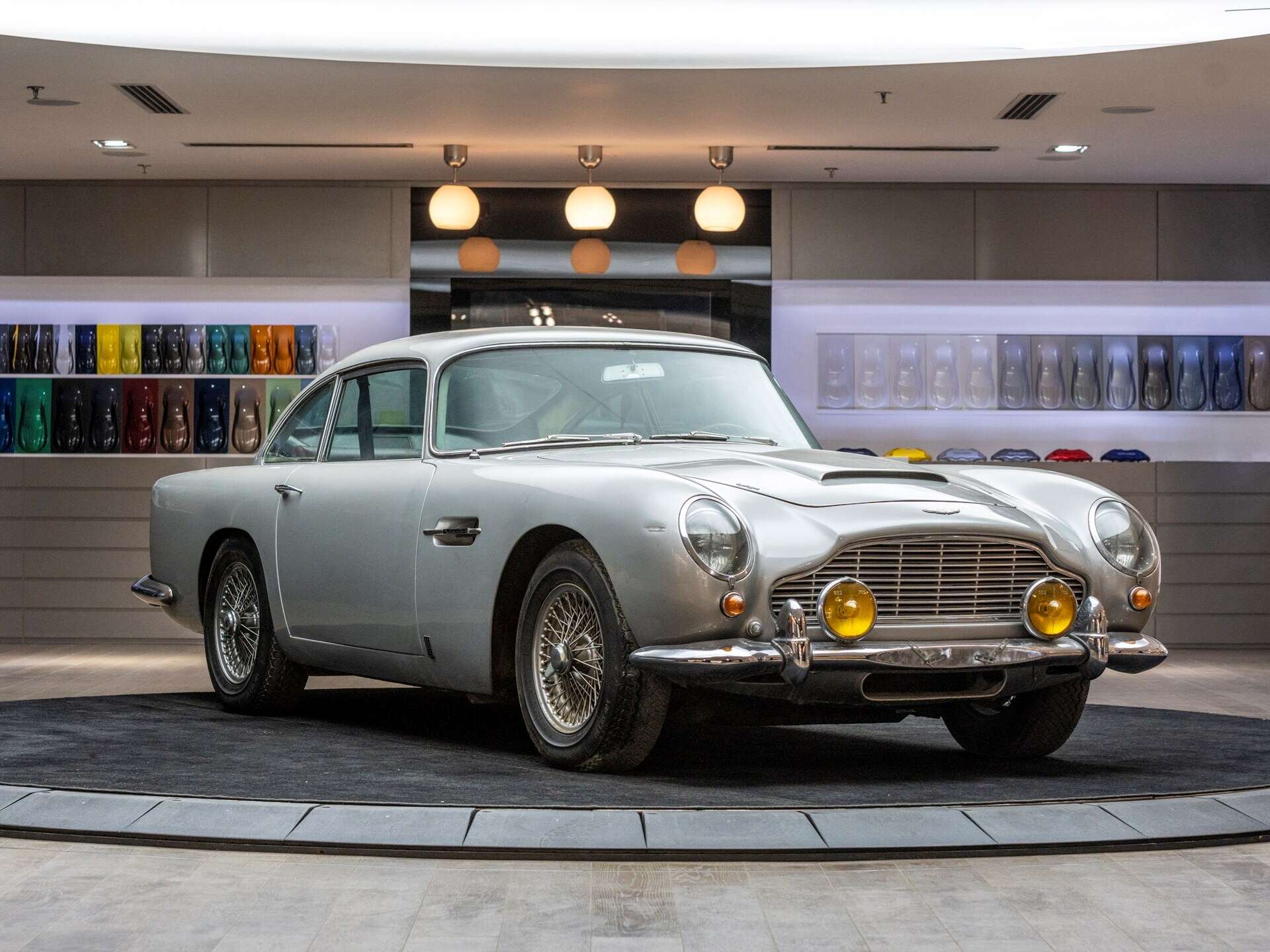
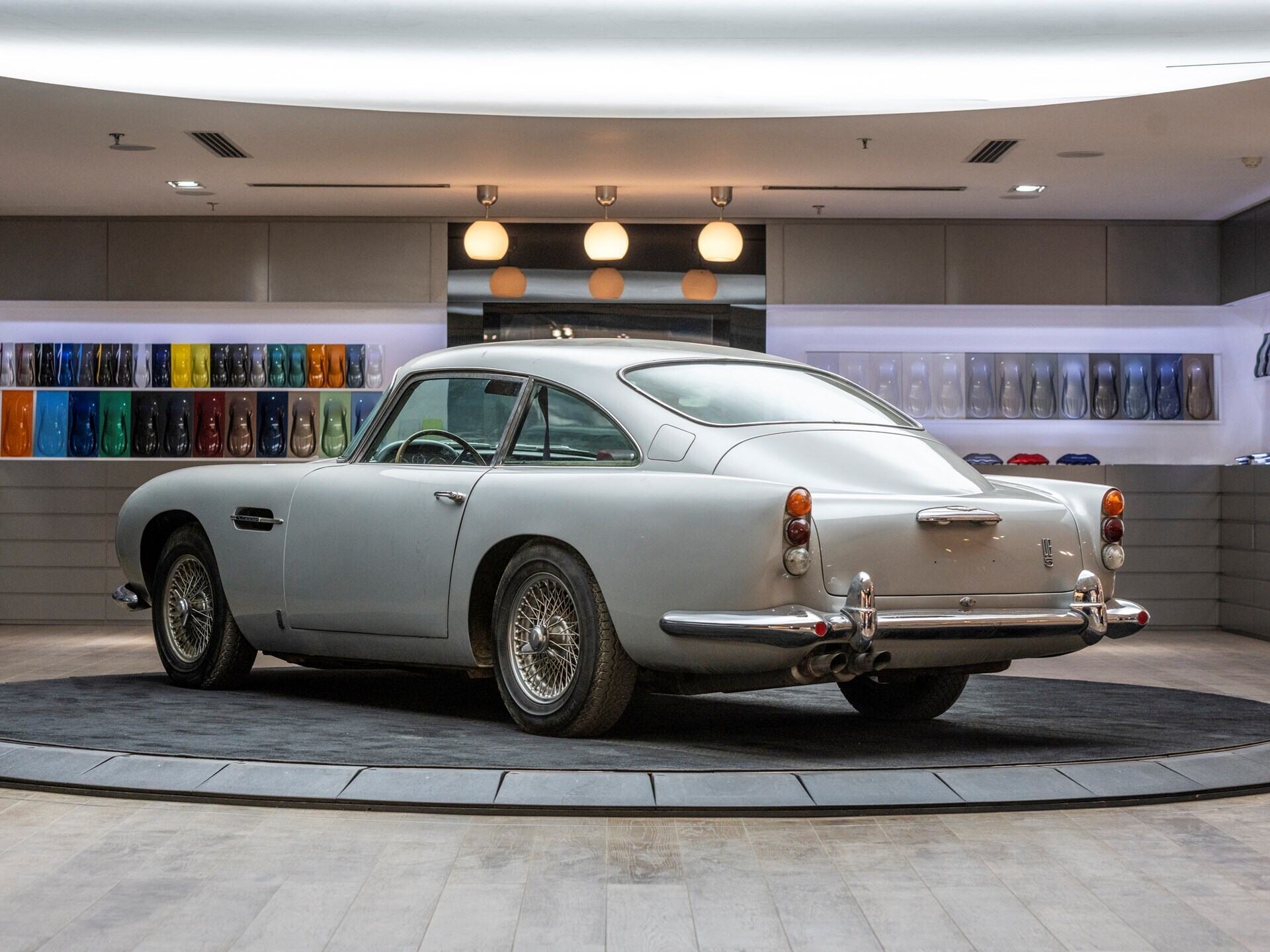
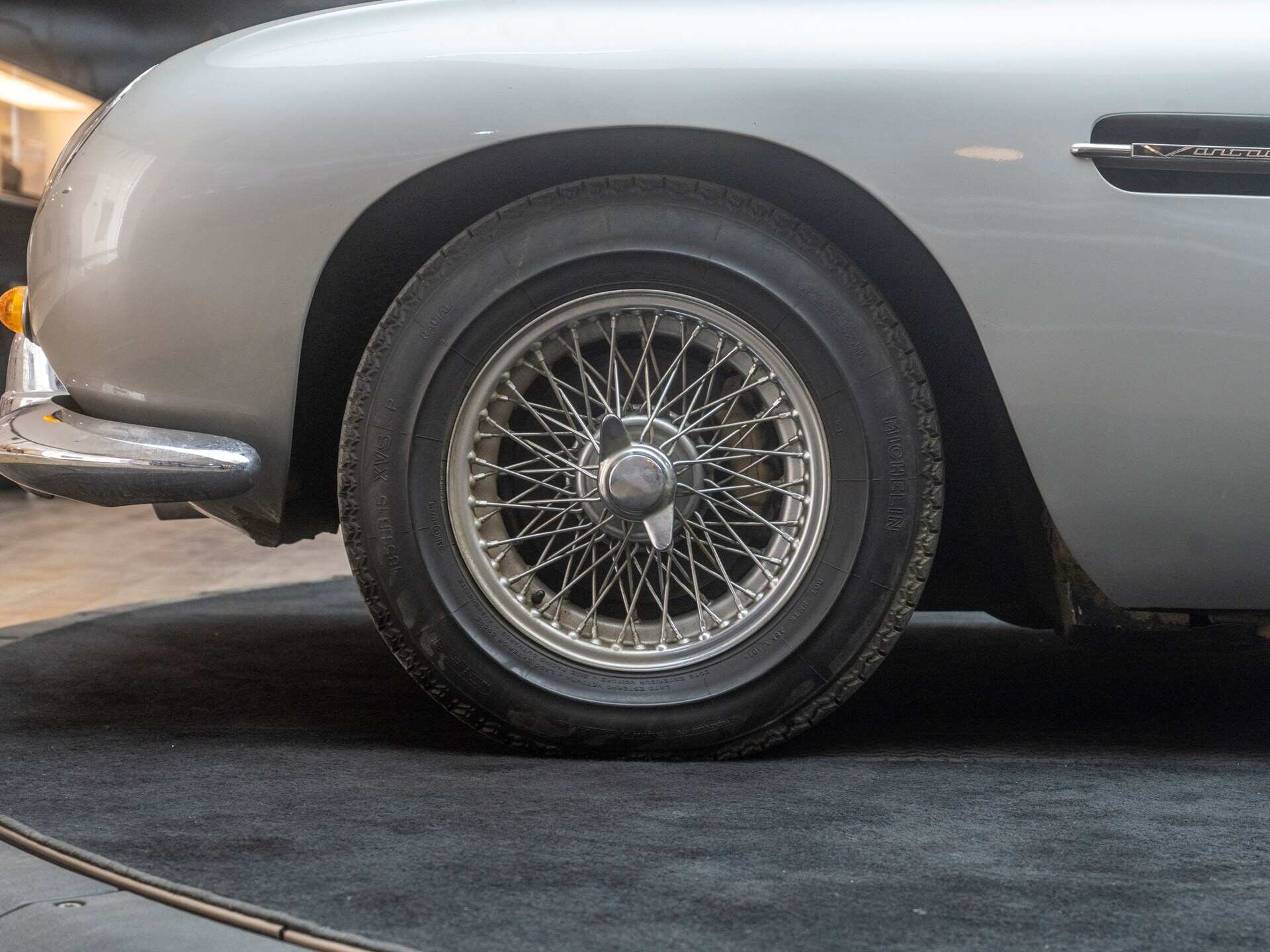
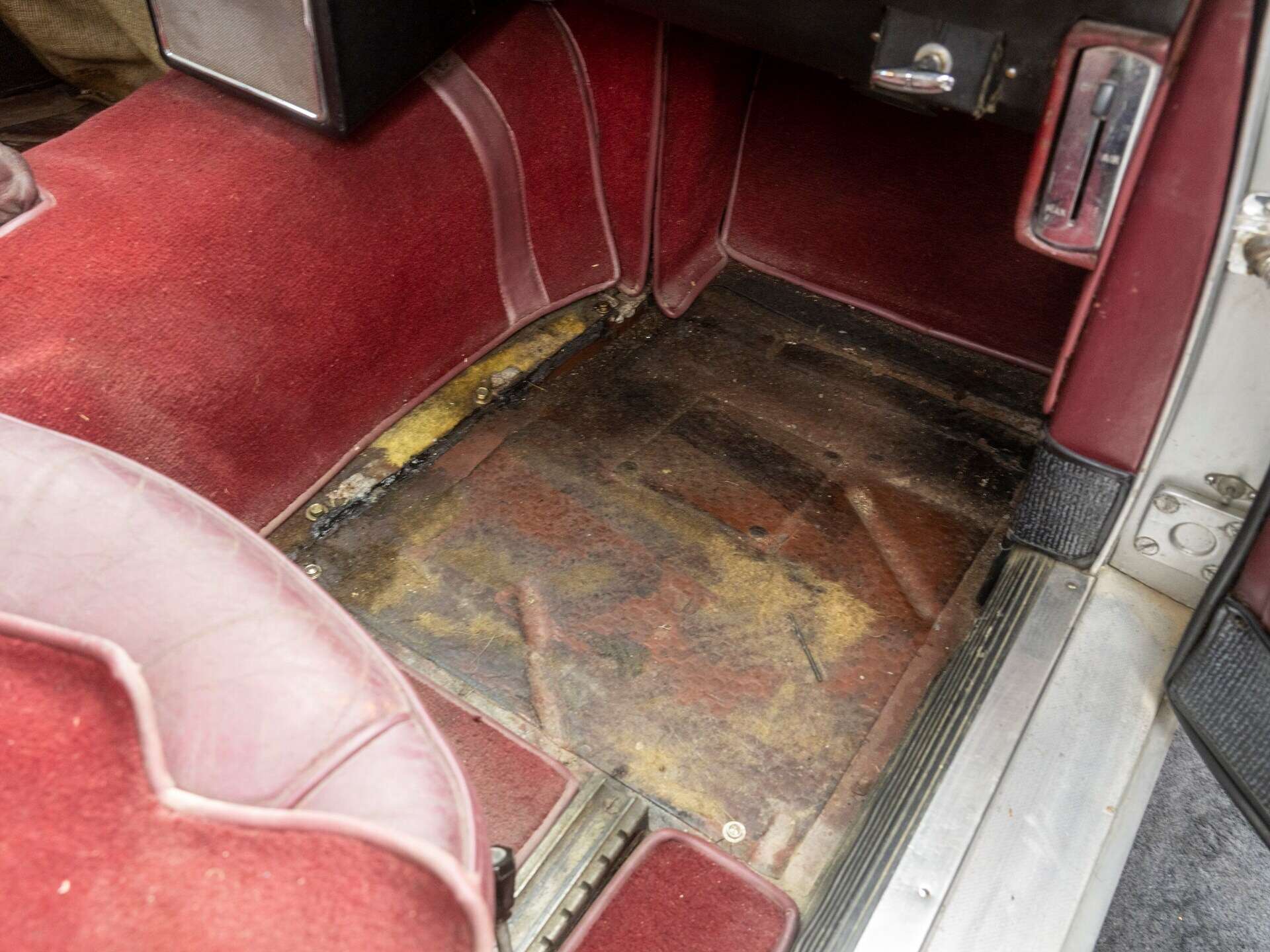
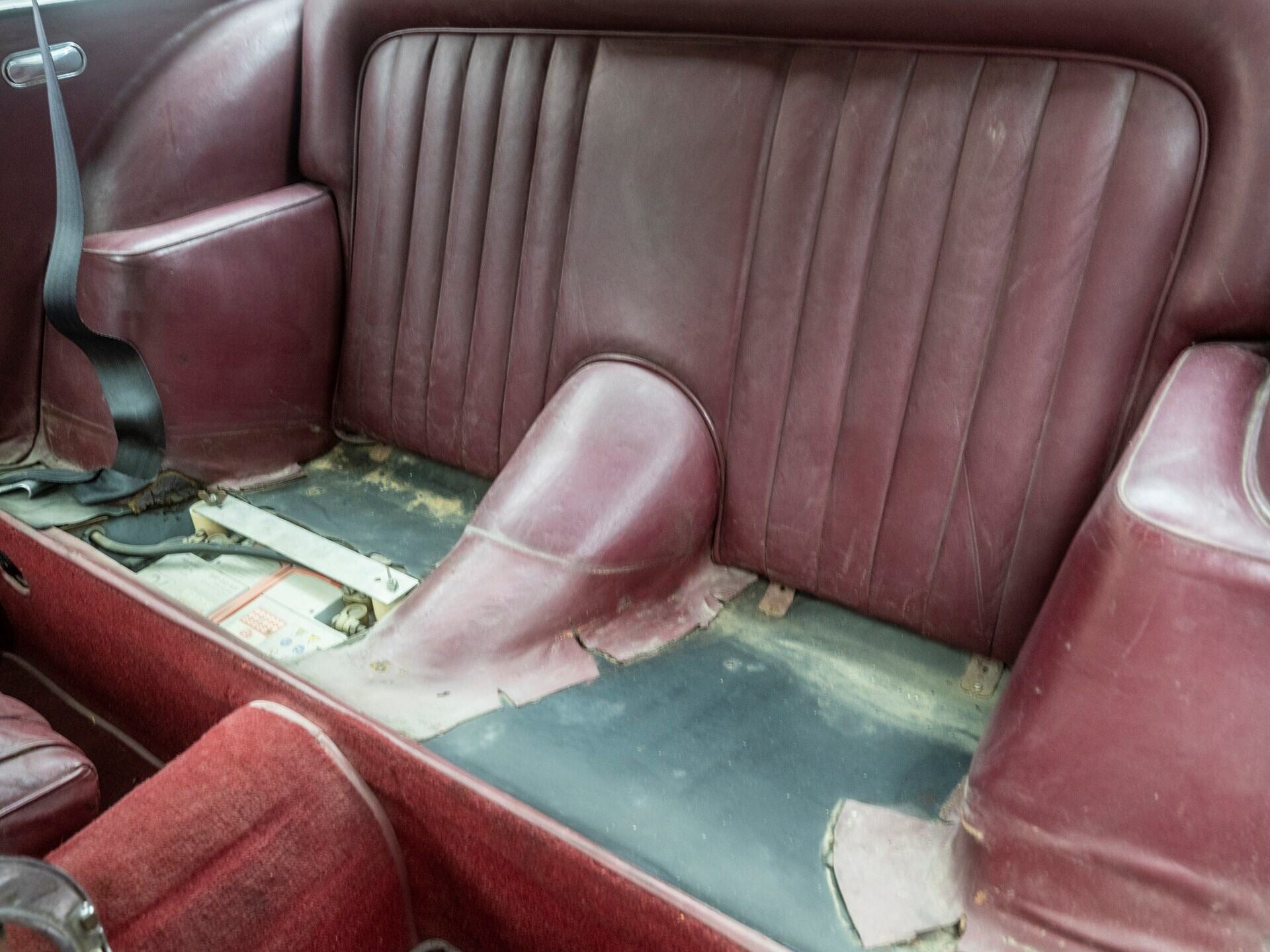
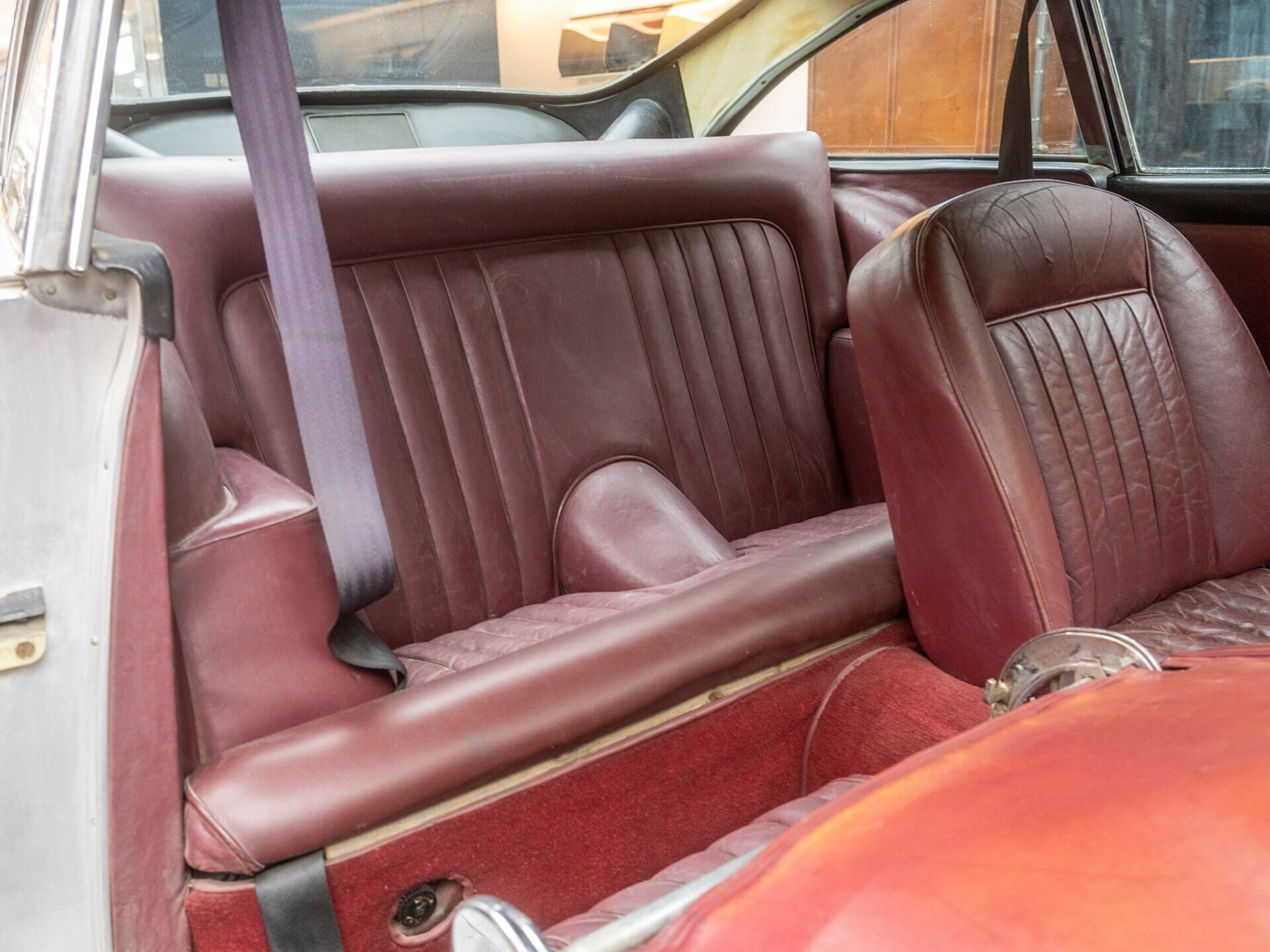
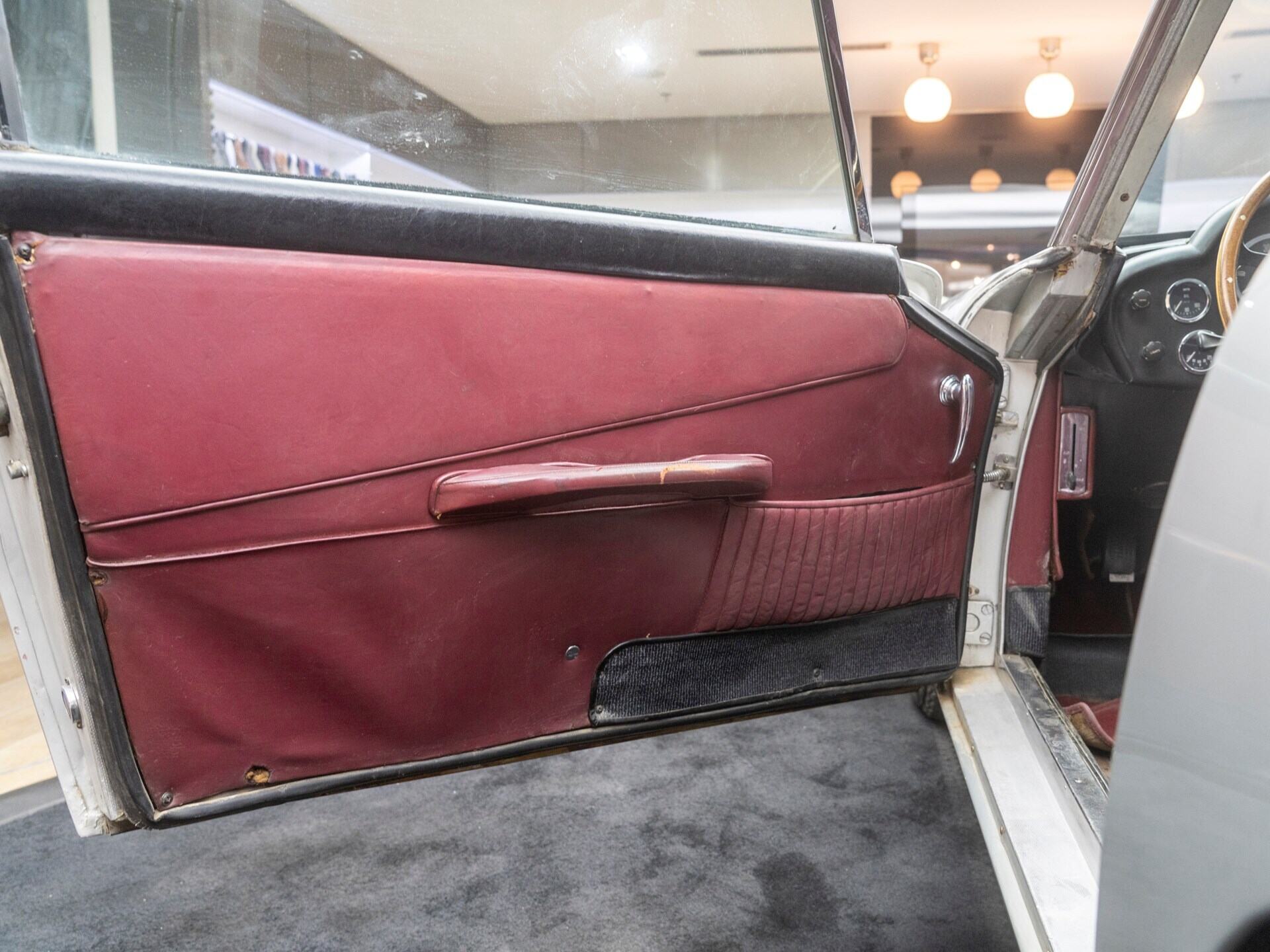
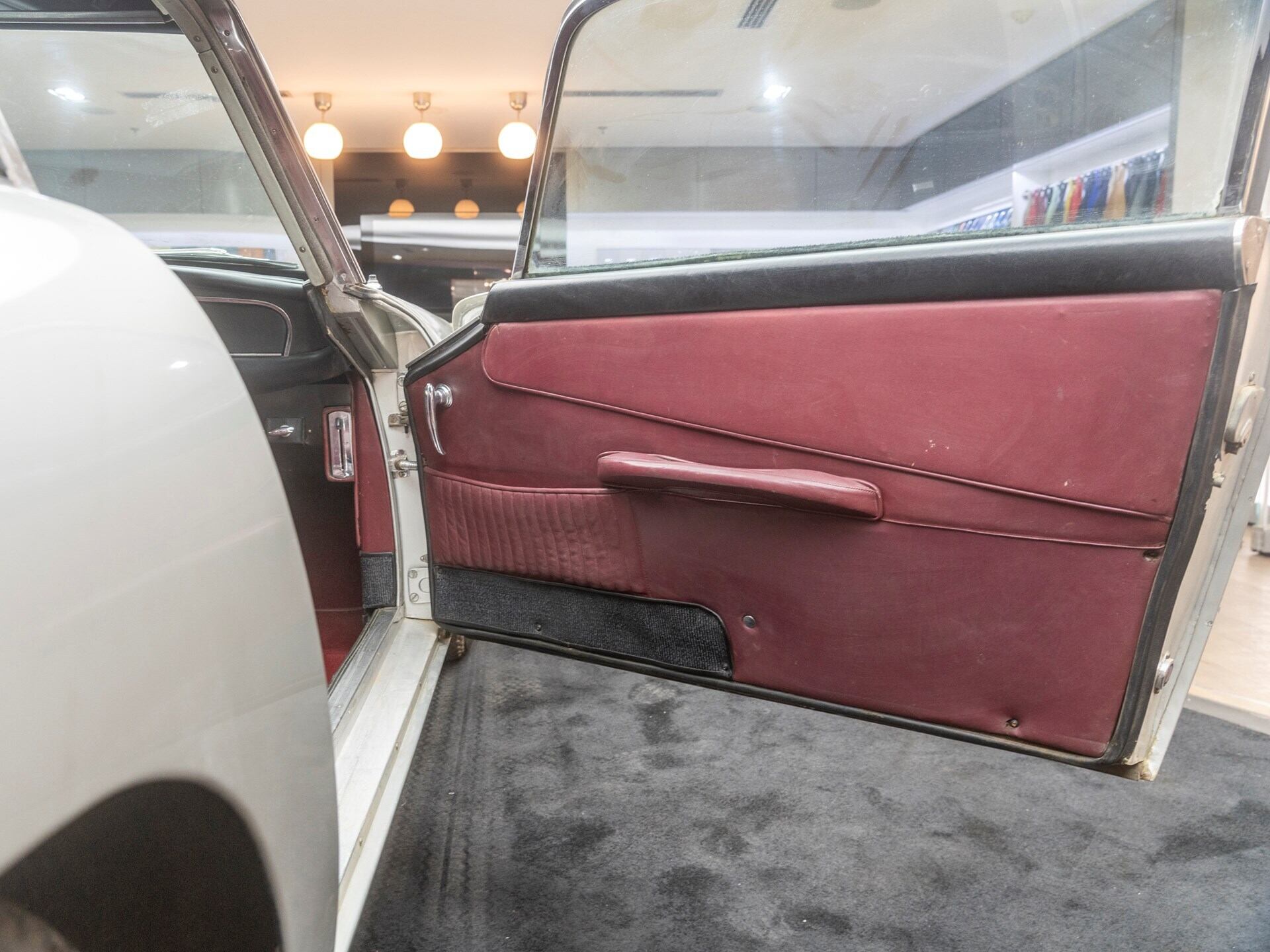
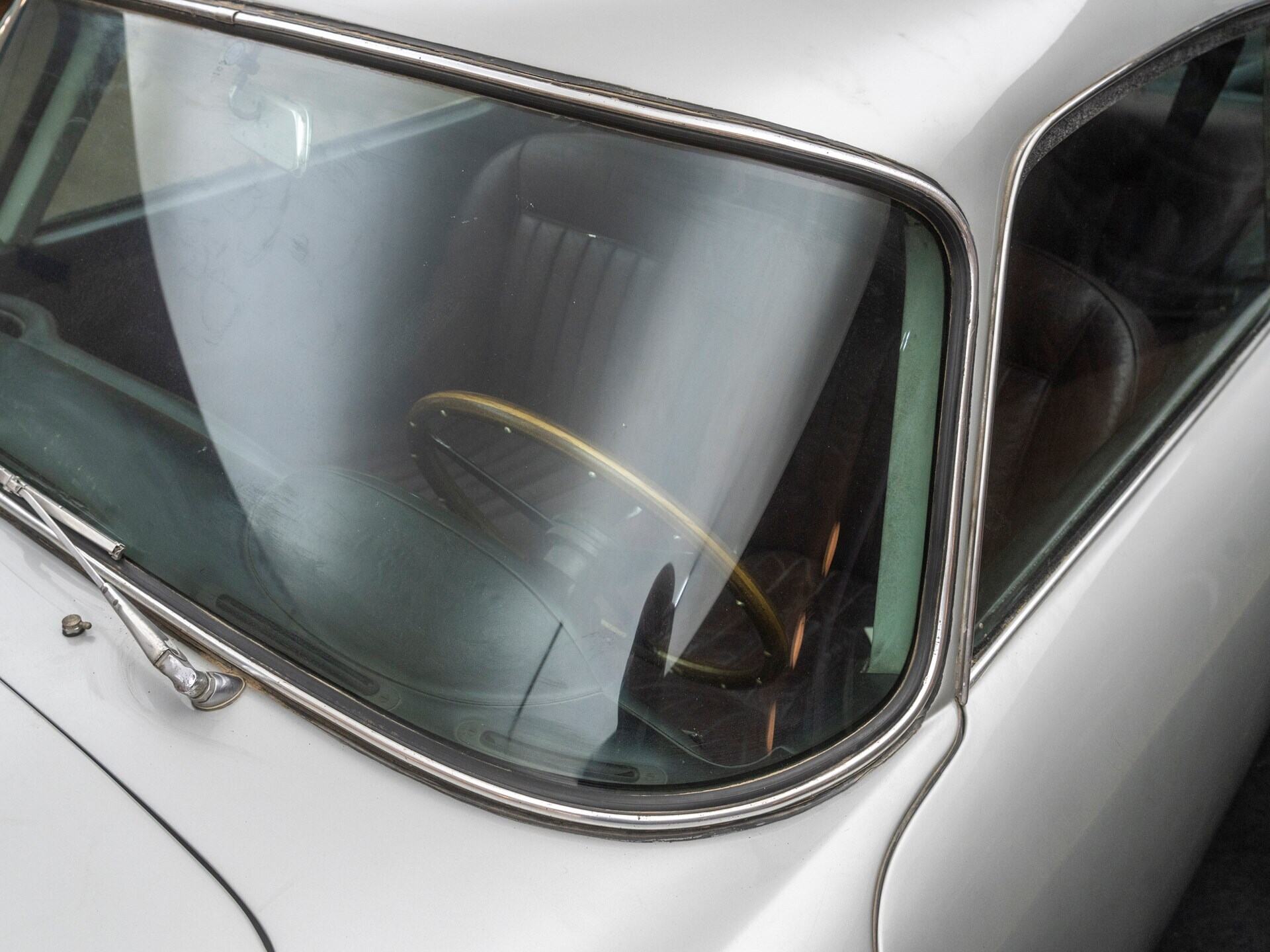
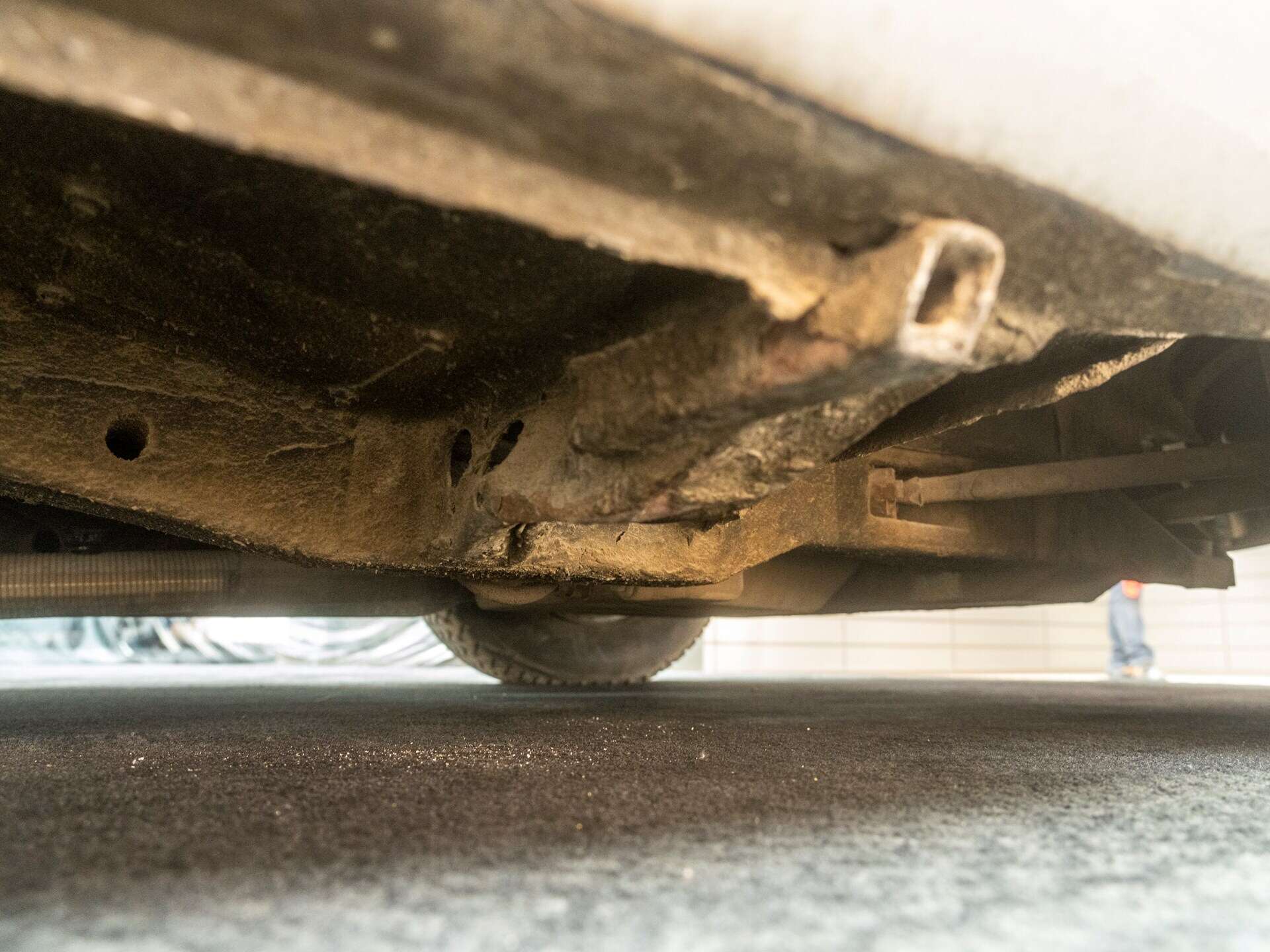
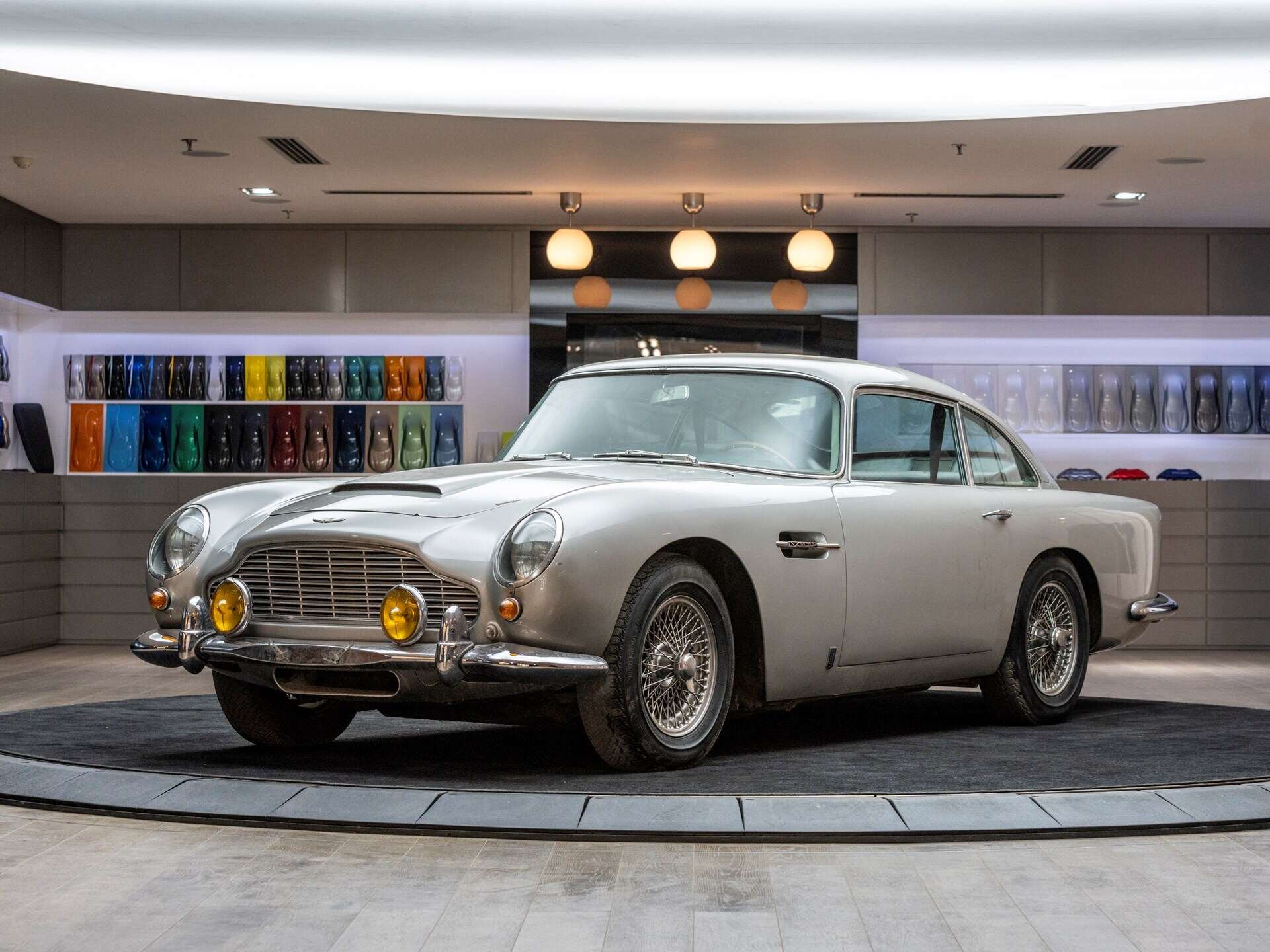
Having remained in storage for 12 years in Kuwait, this DB5 Vantage will require recommissioning prior to road use.
The suspension system for the DB5 is much the same as for the DB4. At the front were ball jointed upper and lower wishbones with anti-roll bar, coil springs and telescopic shock absorbers.
At the rear was a live axle – but not one using leaf springs, instead a far more sophisticated system using a Watt’s linkage and radius rods, with coil springs and telescopic shock absorbers.
For the steering system of a car of this quality rack and pinion was the “de rigueur” choice.
This is one of just 17 left-hand drive Aston Martin DB5 Vantages that were manufactured.
The brakes of the DB5 were servo assisted 11.5 inch (292 mm) Girling discs at the front and 10.79 inch (274 mm) discs at the rear. These were brakes that would bring the car to a swift stop from high speed over and over again – a fact that motor magazine reviewers of the time tested and affirmed.
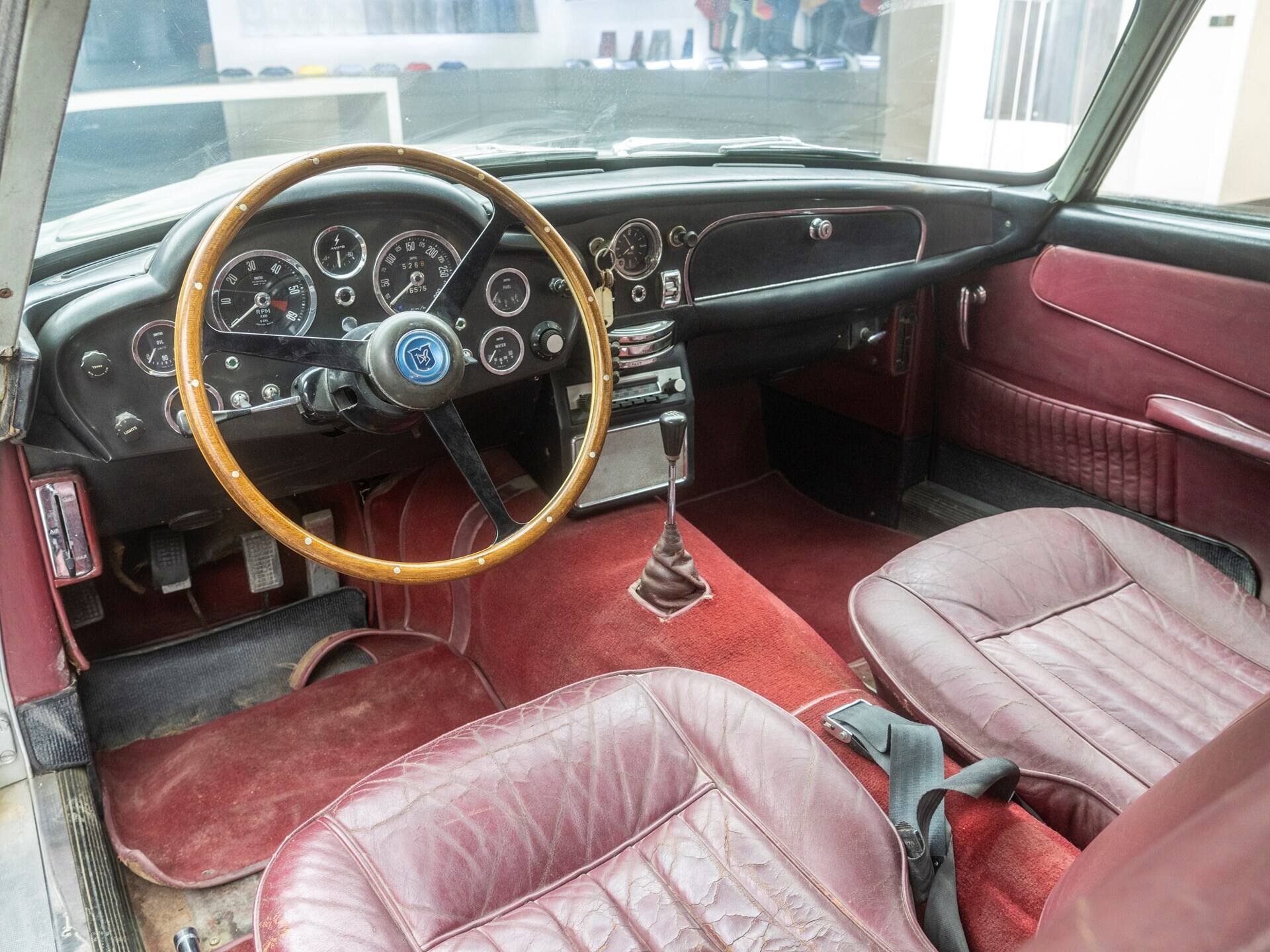
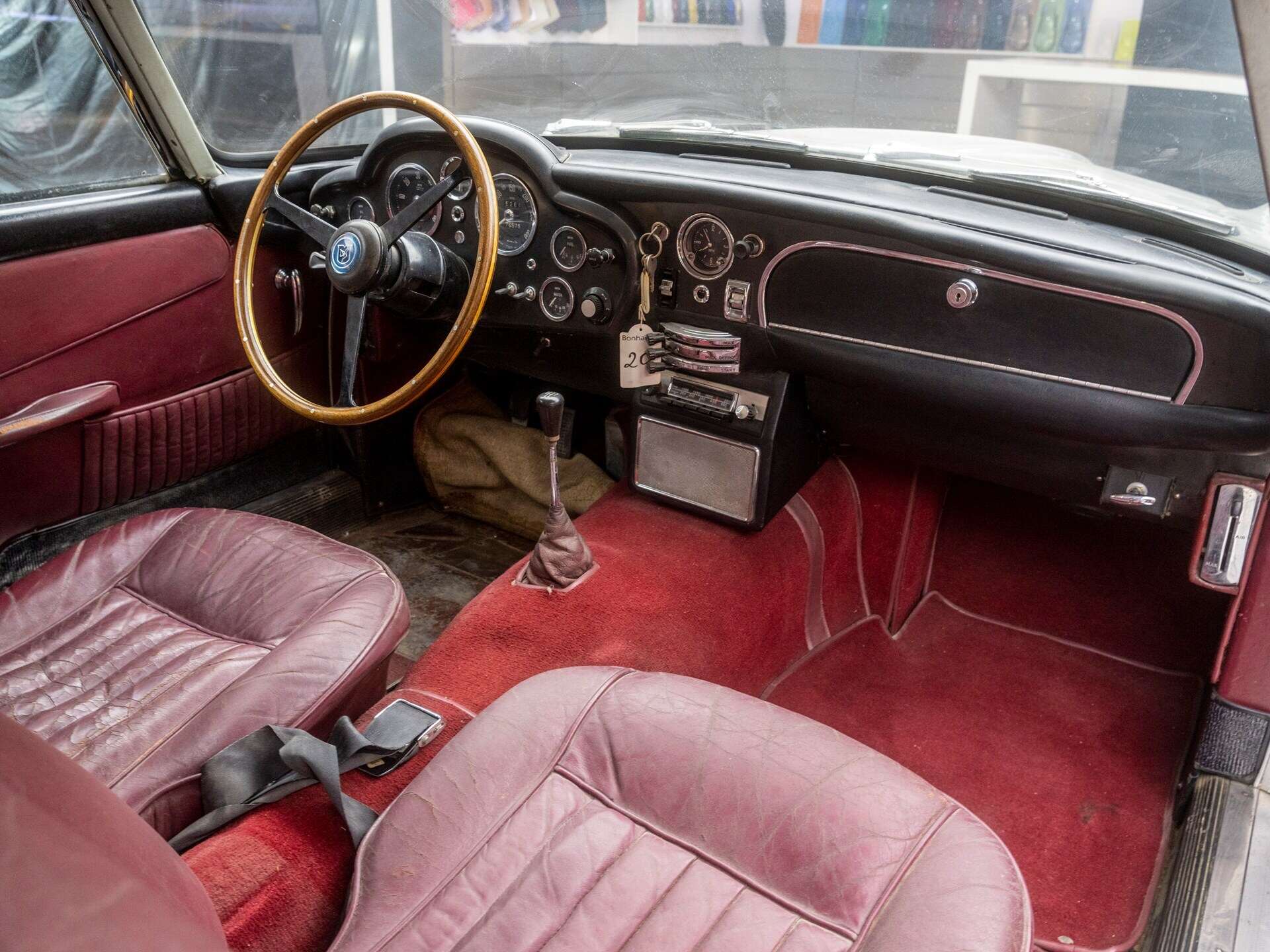
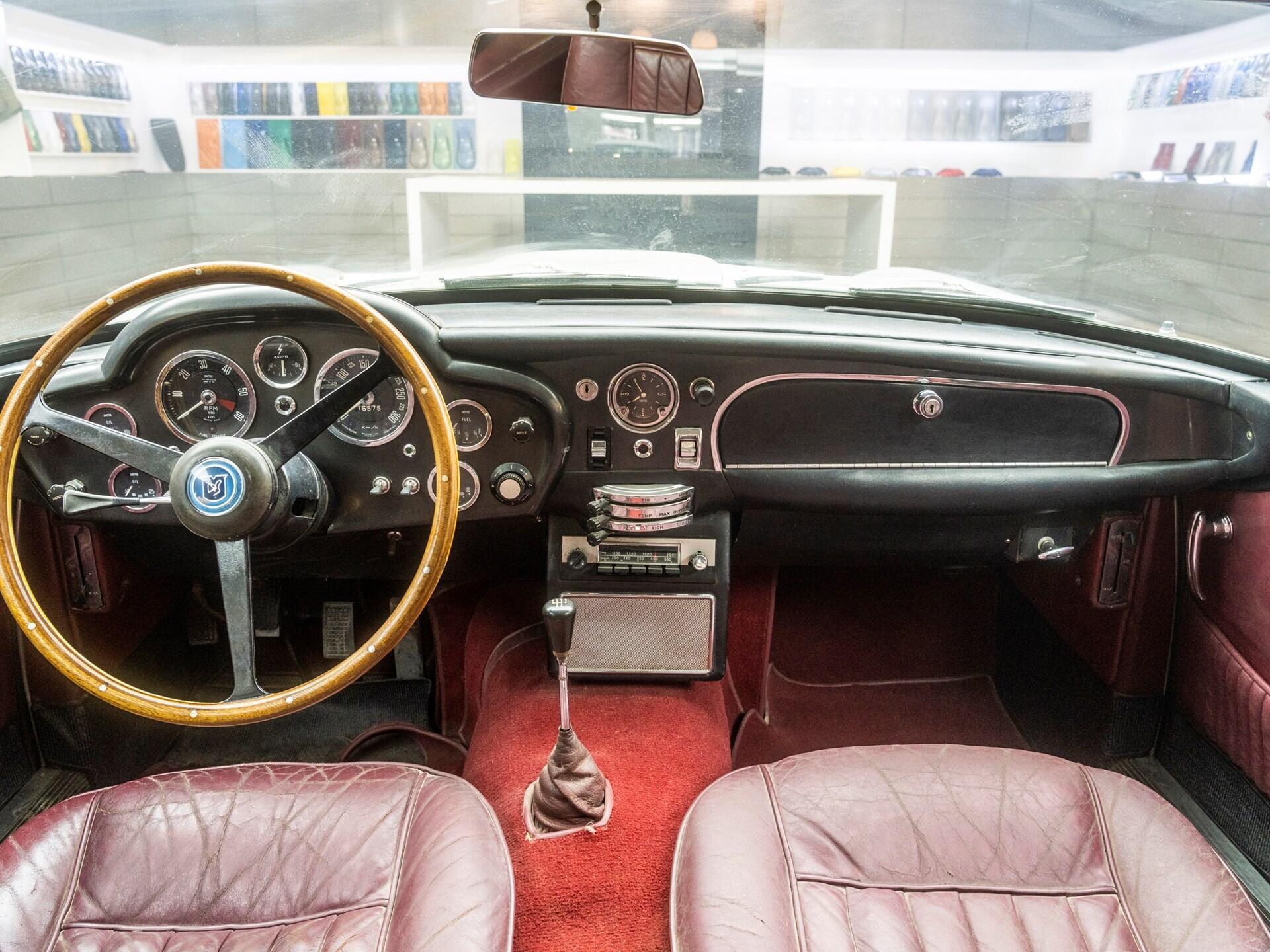
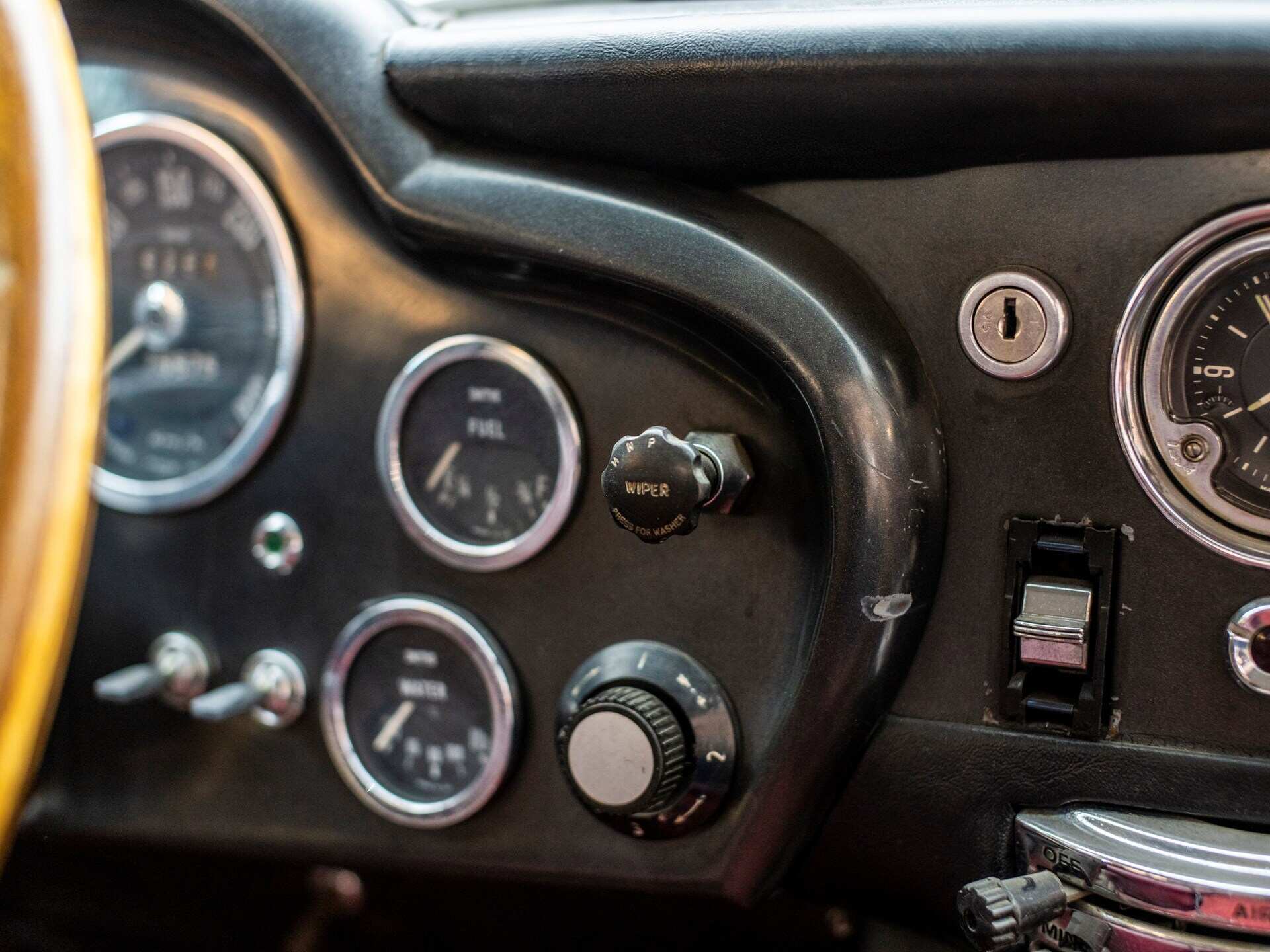
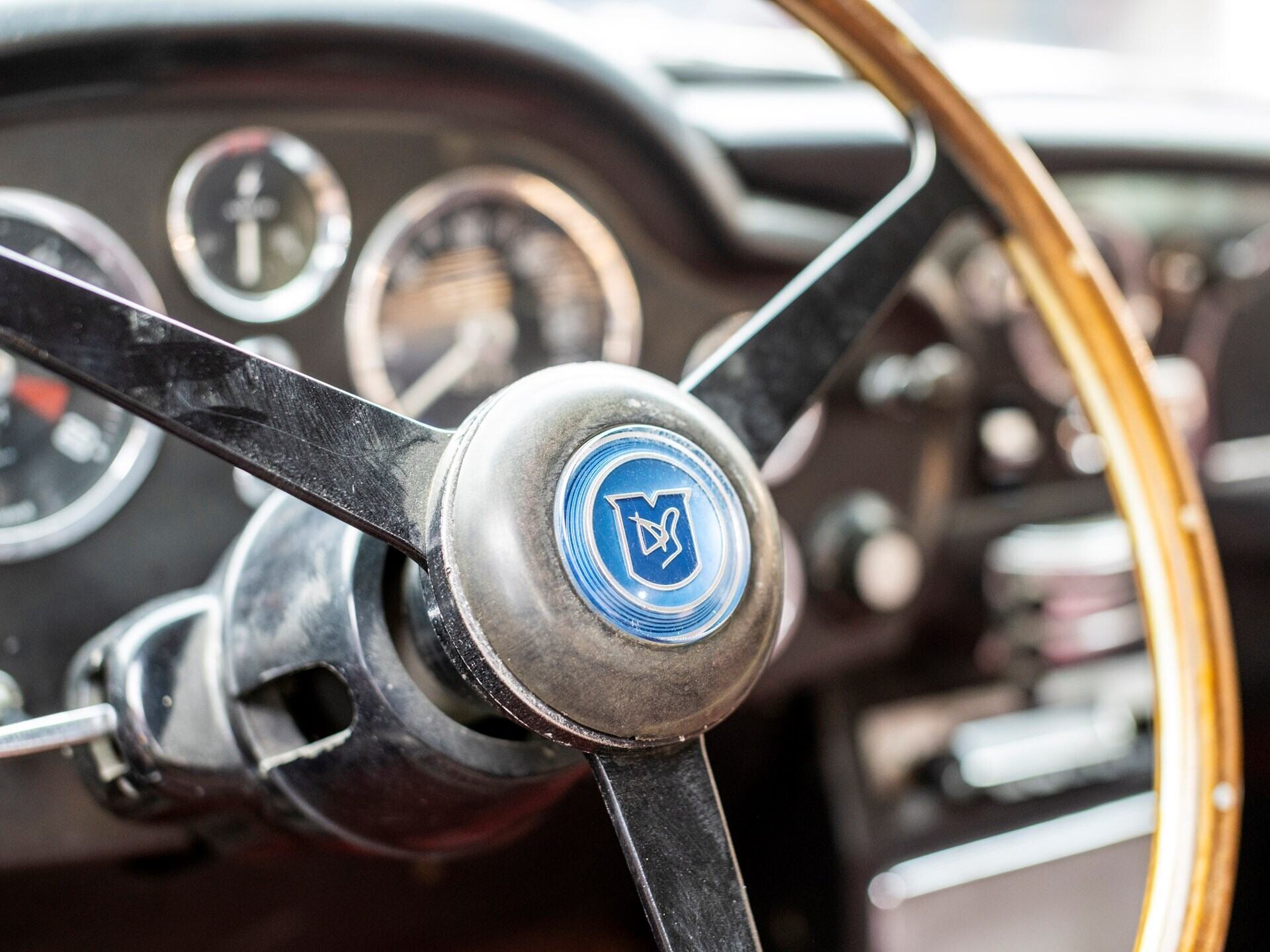
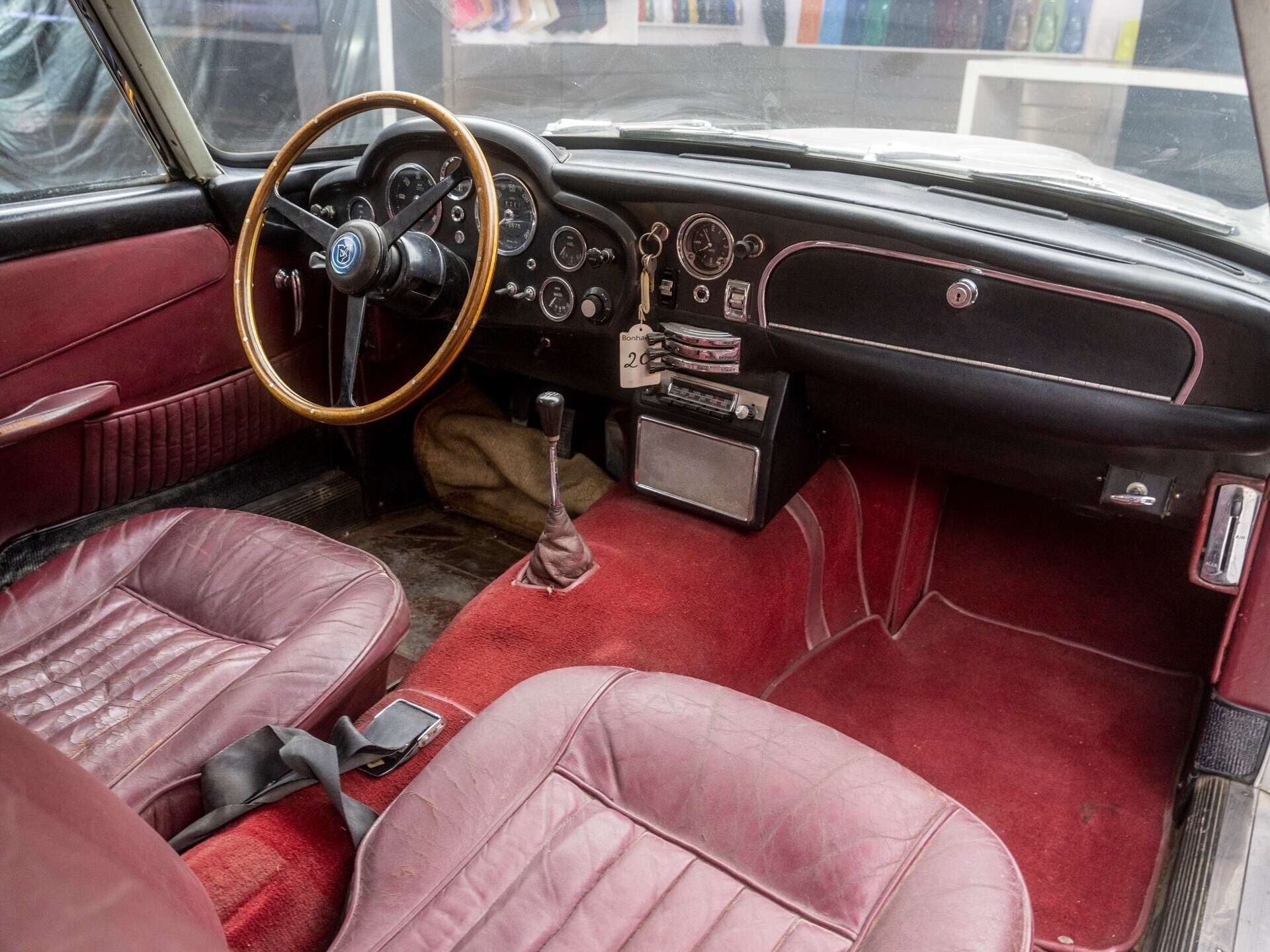
The DB5 was created to provide an exhilarating yet civilized driving experience. The instrumentation and controls exemplify ergonomics created by engineers who understood how to place instruments so they were easy to monitor even when driving at speed or in complex situations, and controls that were tactile, and in the best possible place to enable instinctive use.
The DB5 featured an intelligently created interior based on Aston Martin’s experience in building racing cars.
In addition to being made in standard and high performance Vantage models the DB5 was also offered as a convertible, and the factory made just one shooting brake for Aston Martin’s owner David Brown (the source of the “DB” initials in the model name DB5).
David Brown being a keen hunter and dog enthusiast the shooting brake enabled him to enjoy his sporting activities in style.
The twin choke Weber carburetors were the ultimate choice for performance cars of the 1960’s. They provide a boost to the car’s power and also help deliver a more spirited driving experience.
Rediscovered In Kuwait: An Aston Martin DB5 Vantage
There were only 1,059 Aston Martin DB5s made. When new a DB5 was roughly double the price of a Jaguar E-Type and so a lot more E-Types were made than Astons.
Of those 1,059 DB5s just 180 were made in left hand drive, and of the approximately 65 DB5 Vantage cars only around 17 were made in left hand drive. So a left hand drive DB5 Vantage that has survived to the present day is a rare bird indeed.
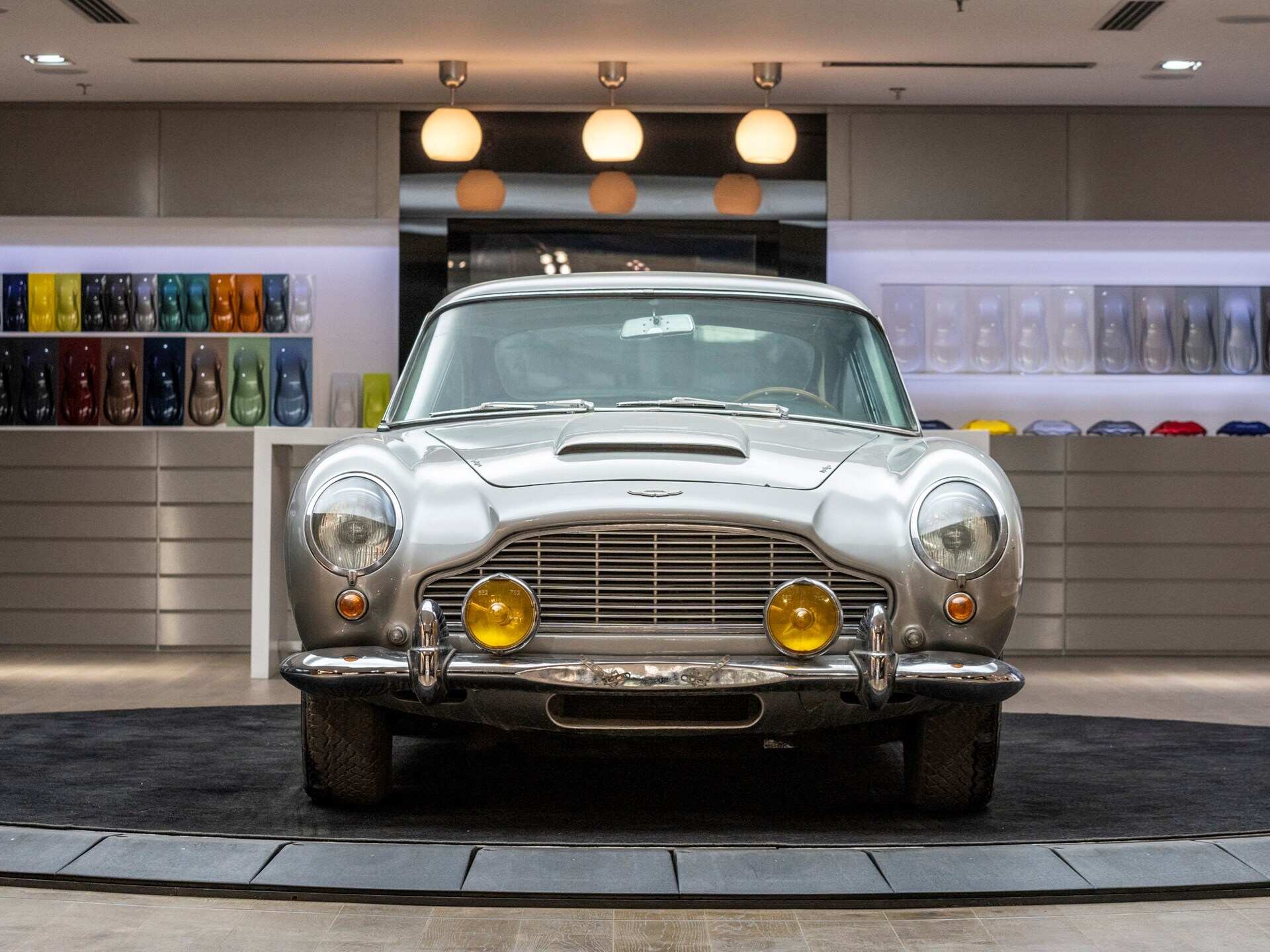
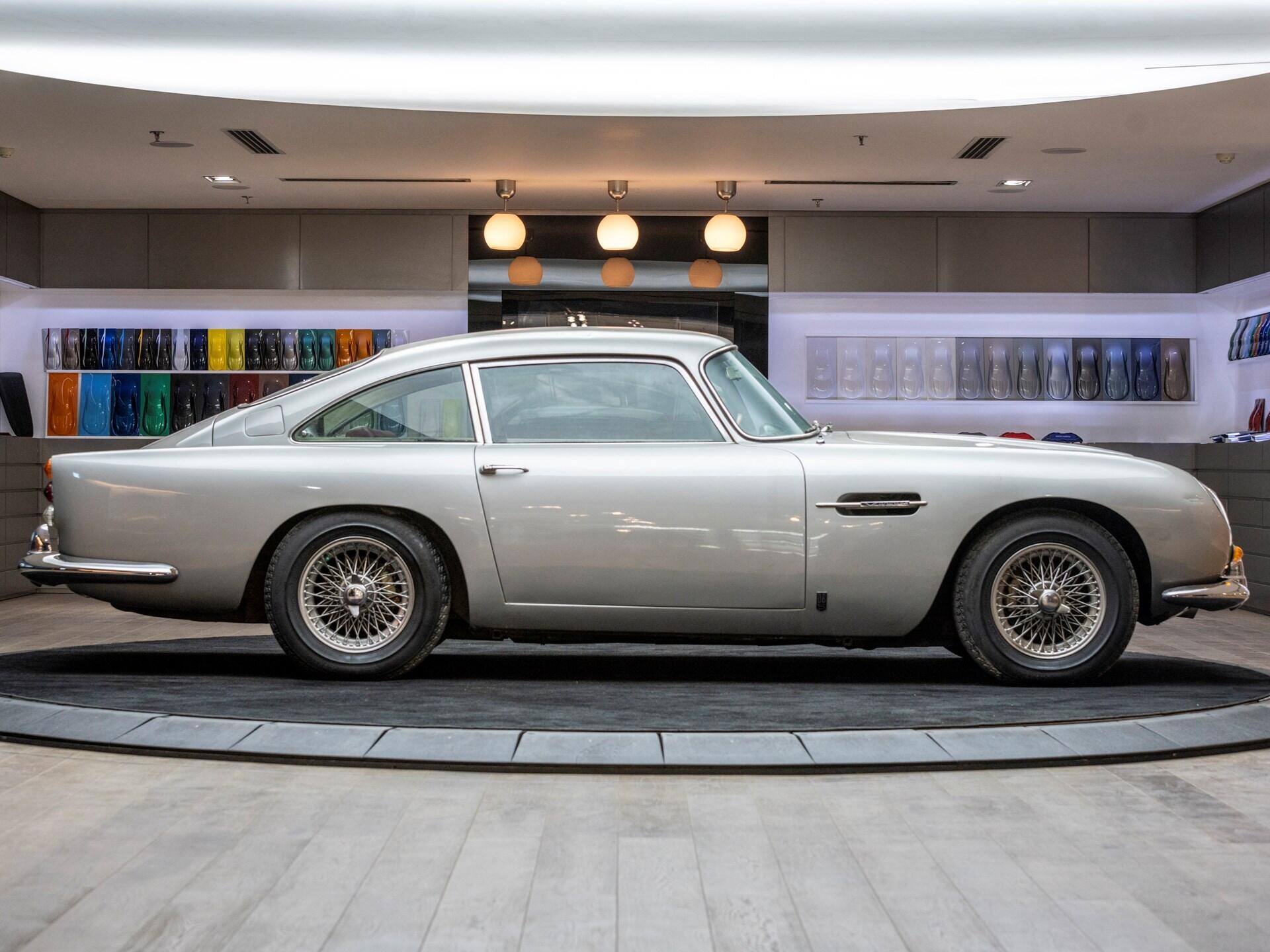
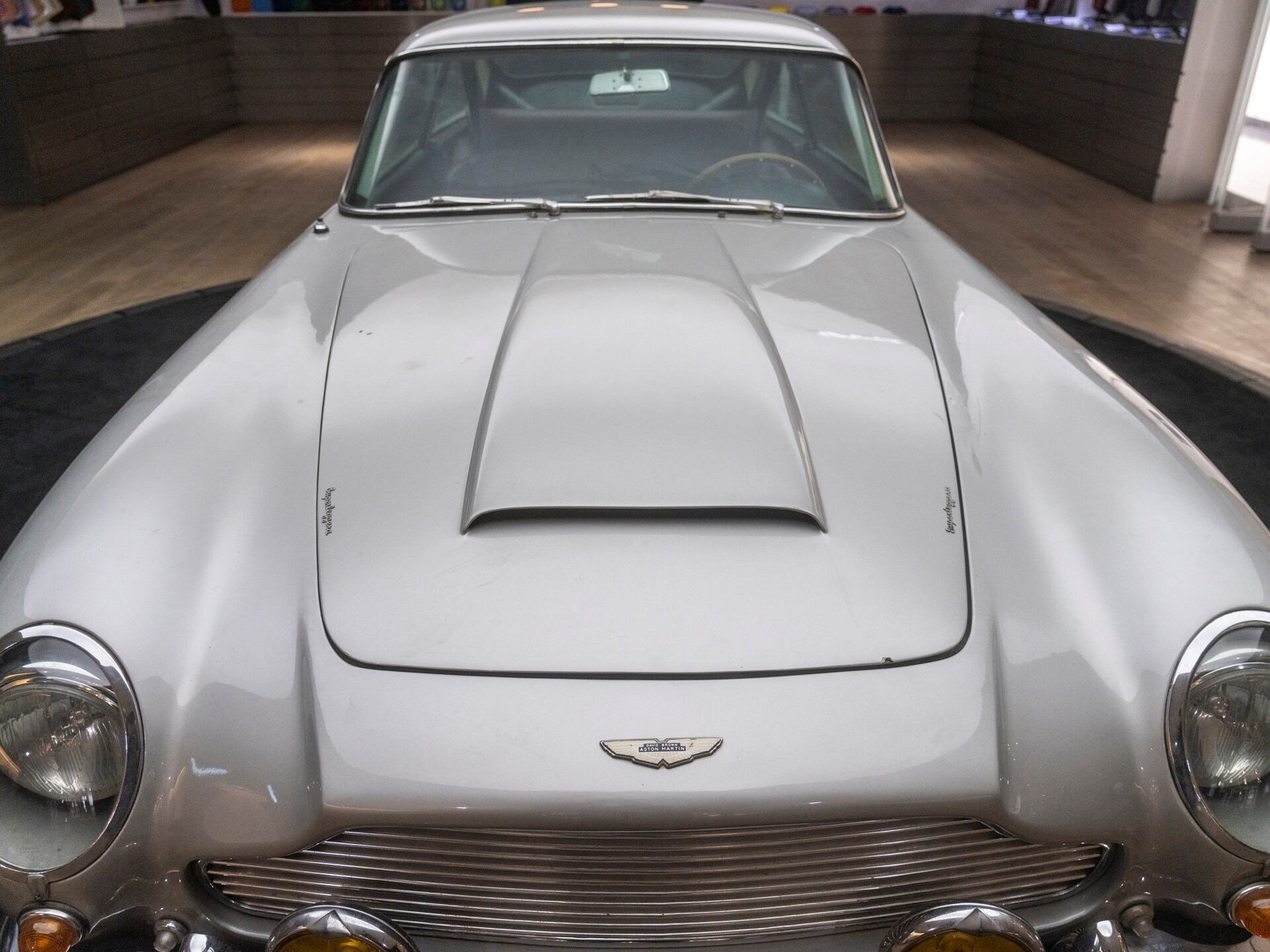
Adding to that scarcity remember that fifty seven years have passed since the 1965 left hand drive Silver Birch DB5 Vantage featured in our photographs rolled off Aston Martin’s factory floor at Newport Pagnell in the north of Buckinghamshire in Britain.
The vast majority of these cars have needed significant professional restoration work to bring them back to the “as new” condition most owners desire.
As a grand tourer, the DB5 had class leading trunk space which proved very useful when packing in your suitcases for a summer on the Continent.
So the car in our photographs is a valuable candidate for a professional recommissioning – being a left hand drive DB5 Vantage that will be coming up for sale by RM Sotheby’s at their St. Moritz auction, to be held at the Grand Hotel des Bains Kempinski St. Moritz, on 9th September 2022.
This car has an odometer reading of 76,575 km and has a known history, having had five owners since new, and its current owner had the car for twelve years.
This DB5 Vantage is complete and original with matching chassis and engine numbers. It comes with a data sheet and letter from the Aston Martin Heritage Trust, a certificate from the British Motor Heritage Trust, an instruction book, jack, and a spare wheel, so it is well documented.
The car was purchased by its current owner on 11 September 2010 and put into dry storage in Kuwait as a part of a large collection. The Contrôle Technique on the car states the odometer reading to have been 76,566 km the day prior to the sale.
This represents a rare opportunity to become the owner of a complete and numbers matching left hand drive Aston Martin DB5 Vantage documented in its original paint scheme of Silver Birch with red Connolly leather interior trim.
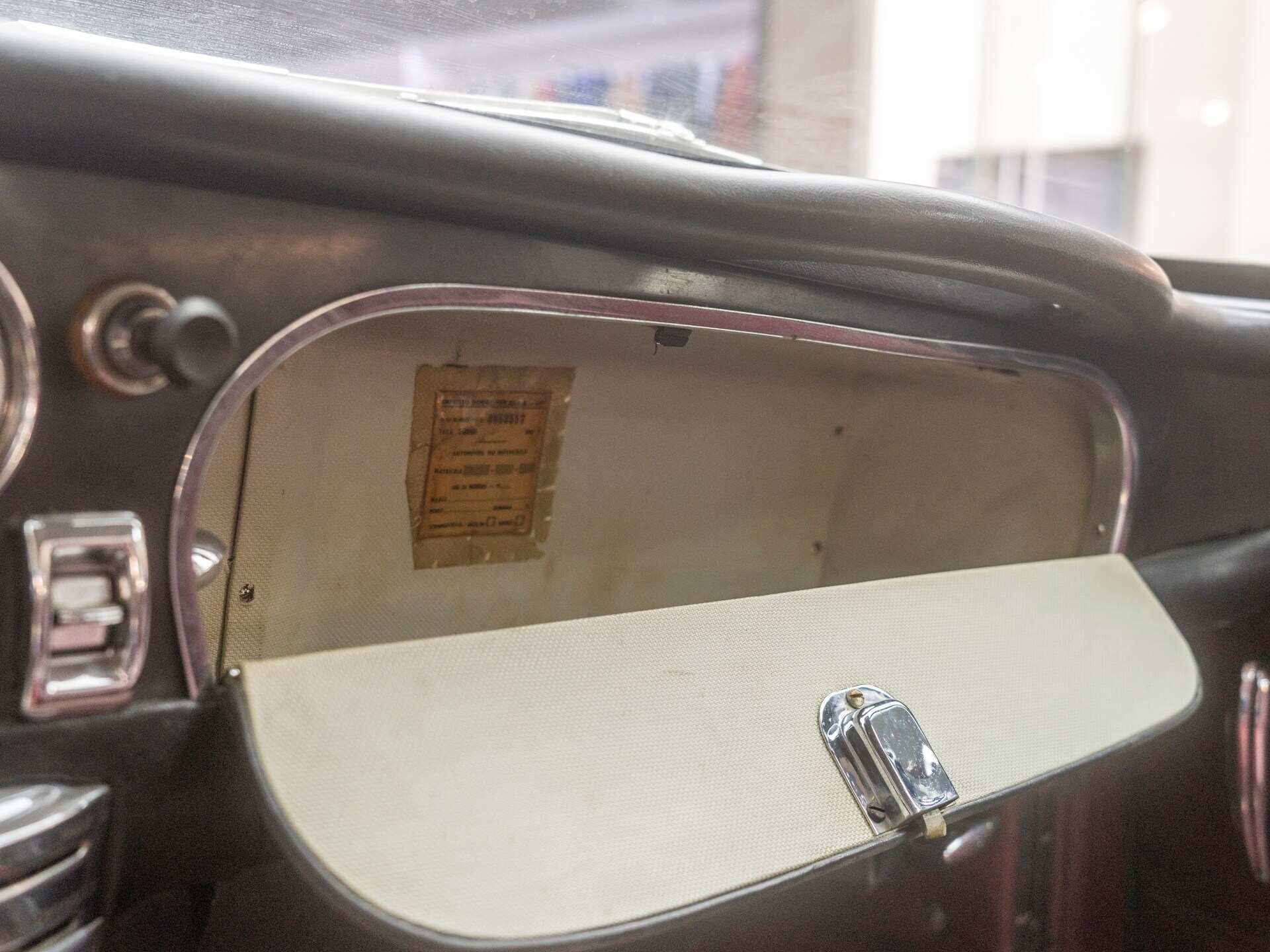
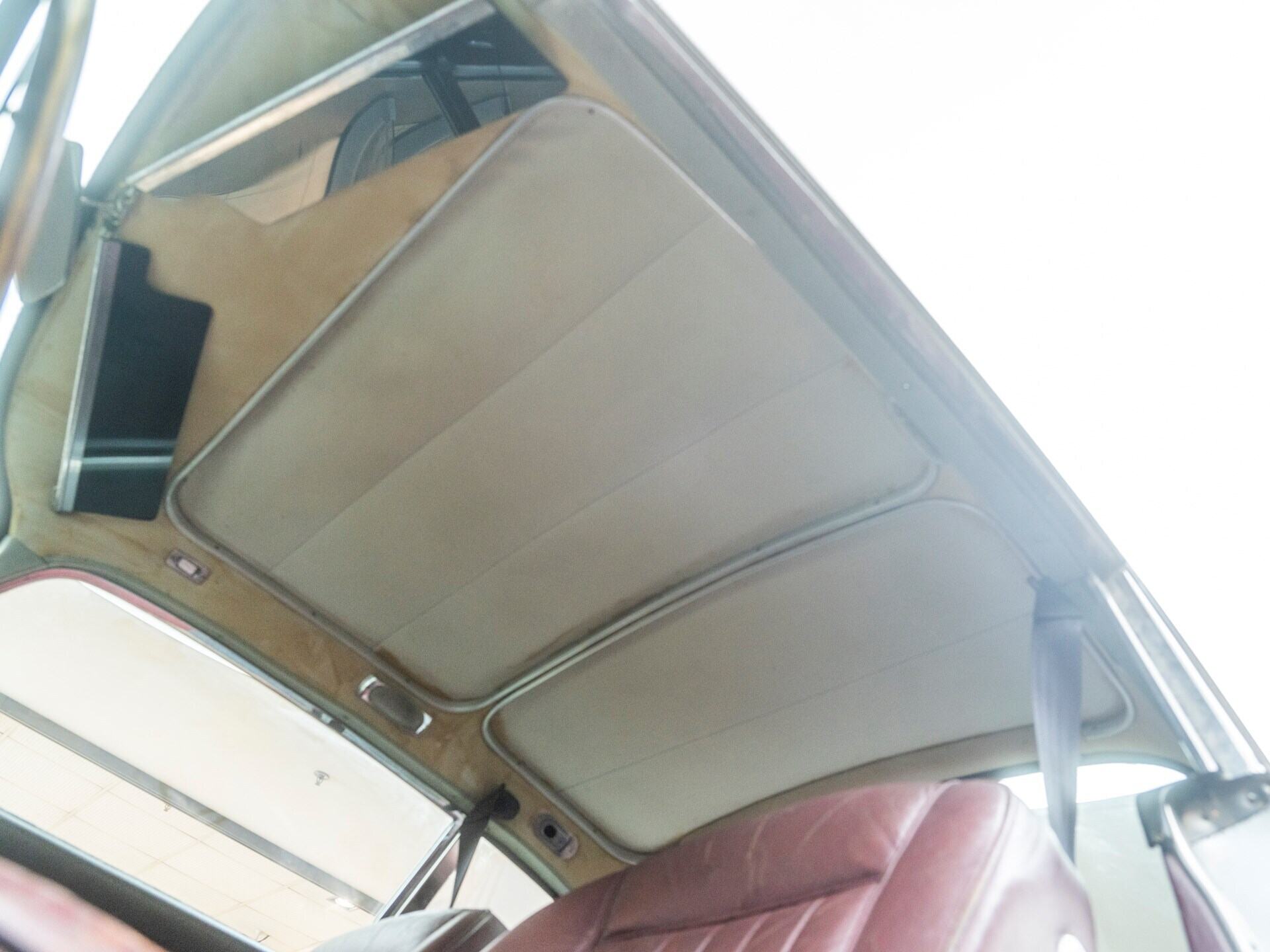
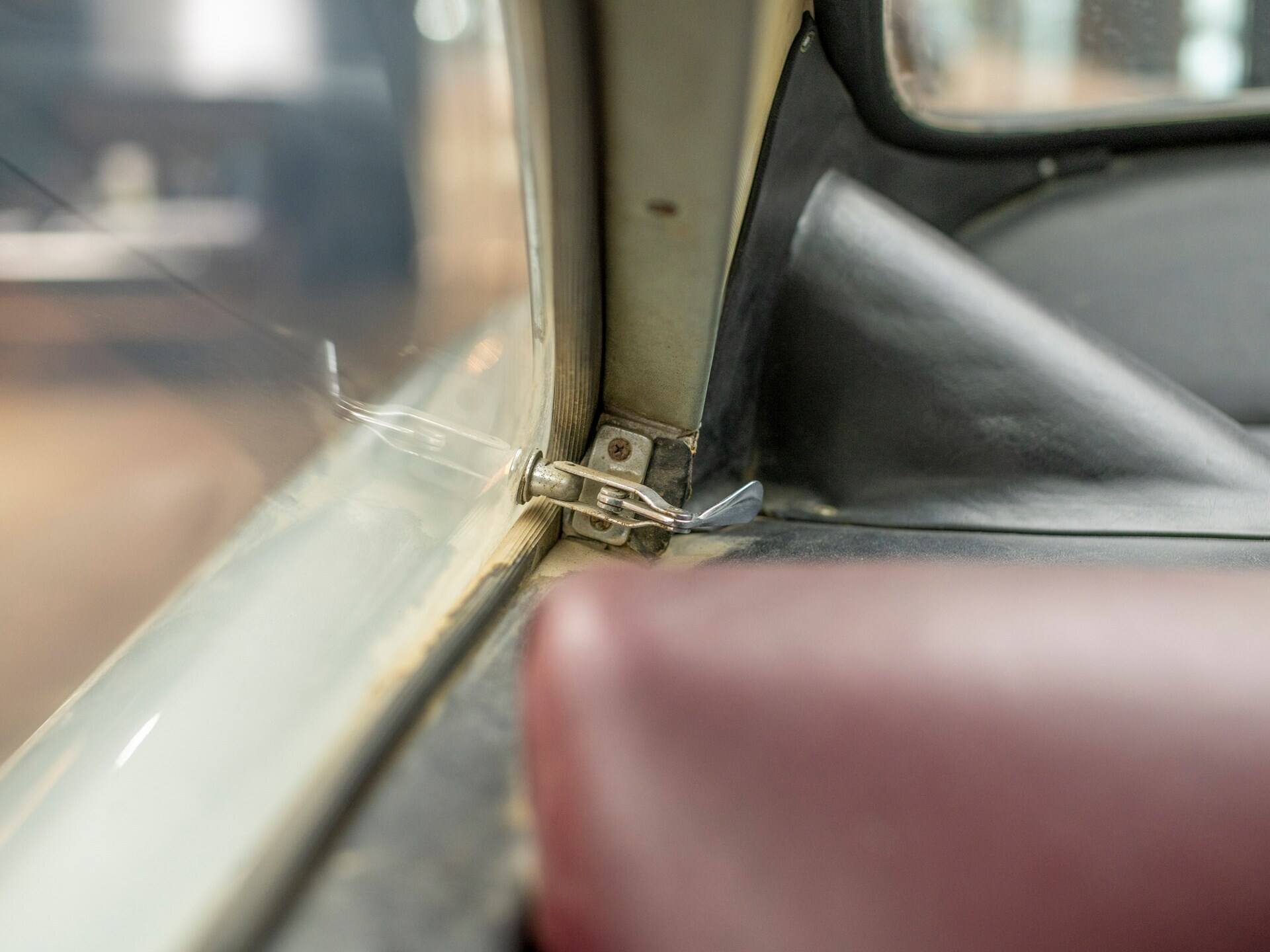
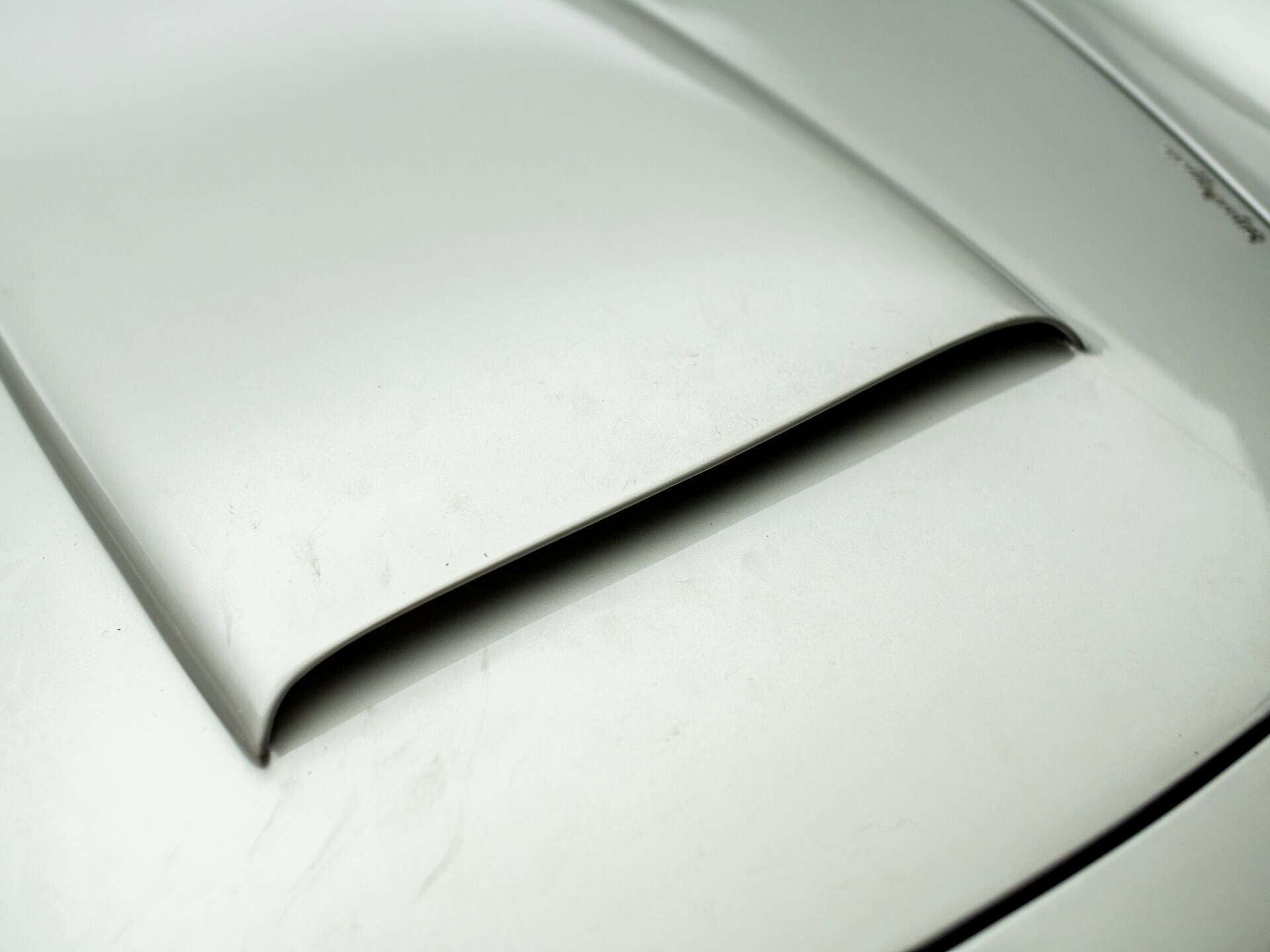
We have included a selection of photographs from RM Sotheby’s to illustrate the current condition of the car courtesy Ahmed Qadri-Pixelhaus Media, and you will find more photos detailing the car’s condition on the sale page.
The Aston Martin DB5 lays claim to being the most famous British sports car in the world. When sold it was twice the price of a Jaguar E-Type and it was hand built with hand-shaped aluminium body panels.
There can be no denying that this is a very rare example of one of the greatest Aston Martins made in the period.