1968 Lamborghini Miura P400 – The First Supercar

The Lamborghini Miura is recognized as the world’s first “supercar” providing not only race car performance but presenting that performance in a luxury car that delivered comfortable and safe high speed travel.

It was the car that re-defined the “Grand Touring” car and gave us the foundational vision for all the supercars that would follow.

Fast Facts – Lamborghini Miura P400

  • The Miura was not at first a car that Ferruccio Lamborghini was interested in creating – in fact it was too much like a racing car for his taste initially.
  • Ferruccio was slowly brought around to liking and supporting the car when the rolling chassis was shown at the 1965 Turin Salon and gained some orders – despite the fact that the buyers had not seen the bodywork on the car yet.
  • The Miura was not designed as a competition car and then converted to a road car as some high performance cars were – instead it was created from the get-go as a luxurious high performance Grand Touring car with the emphasis on comfortable, quiet, and effortlessly fast point to point motoring. This role if fulfilled exceptionally well.

Developing The First Supercar

The Lamborghini Miura was an undeniably visionary creation back in 1966. Ferrari were creating front-engined luxurious grand touring cars, Aston Martin had the gorgeous DB5 anointed with fame from its stardom in the James Bond movie “Goldfinger.”

Forward-thinking Colin Chapman of Britain’s Lotus Cars introduced the mid-engined Europa that year, but it was to be Lamborghini who exploded into the spotlight with their mid-engine supercar named the Miura: and not only was their new creation mid-engined, but they mounted the engine transversely enabling the car to be shorter, lighter, and endowed with tighter handling.

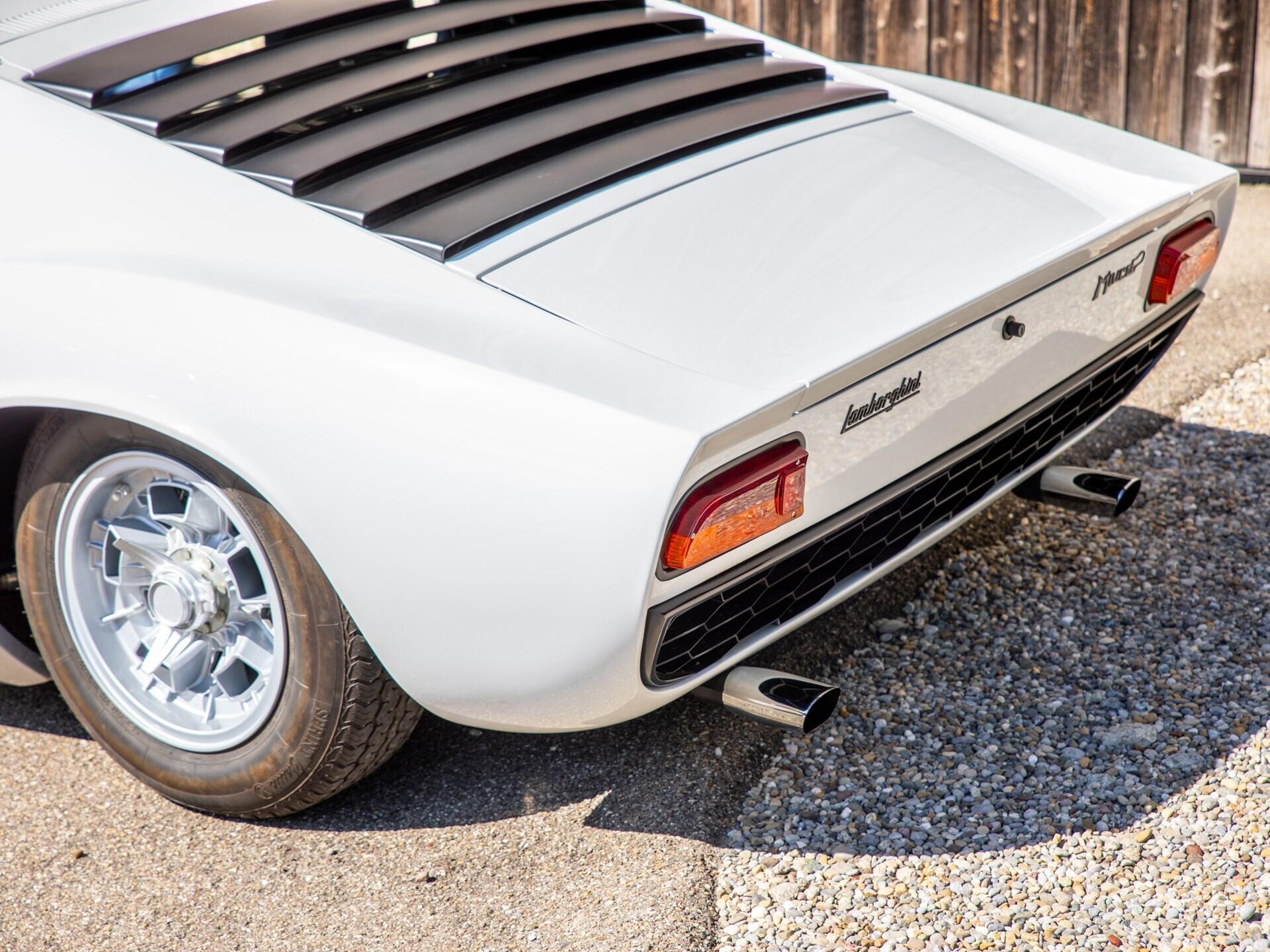
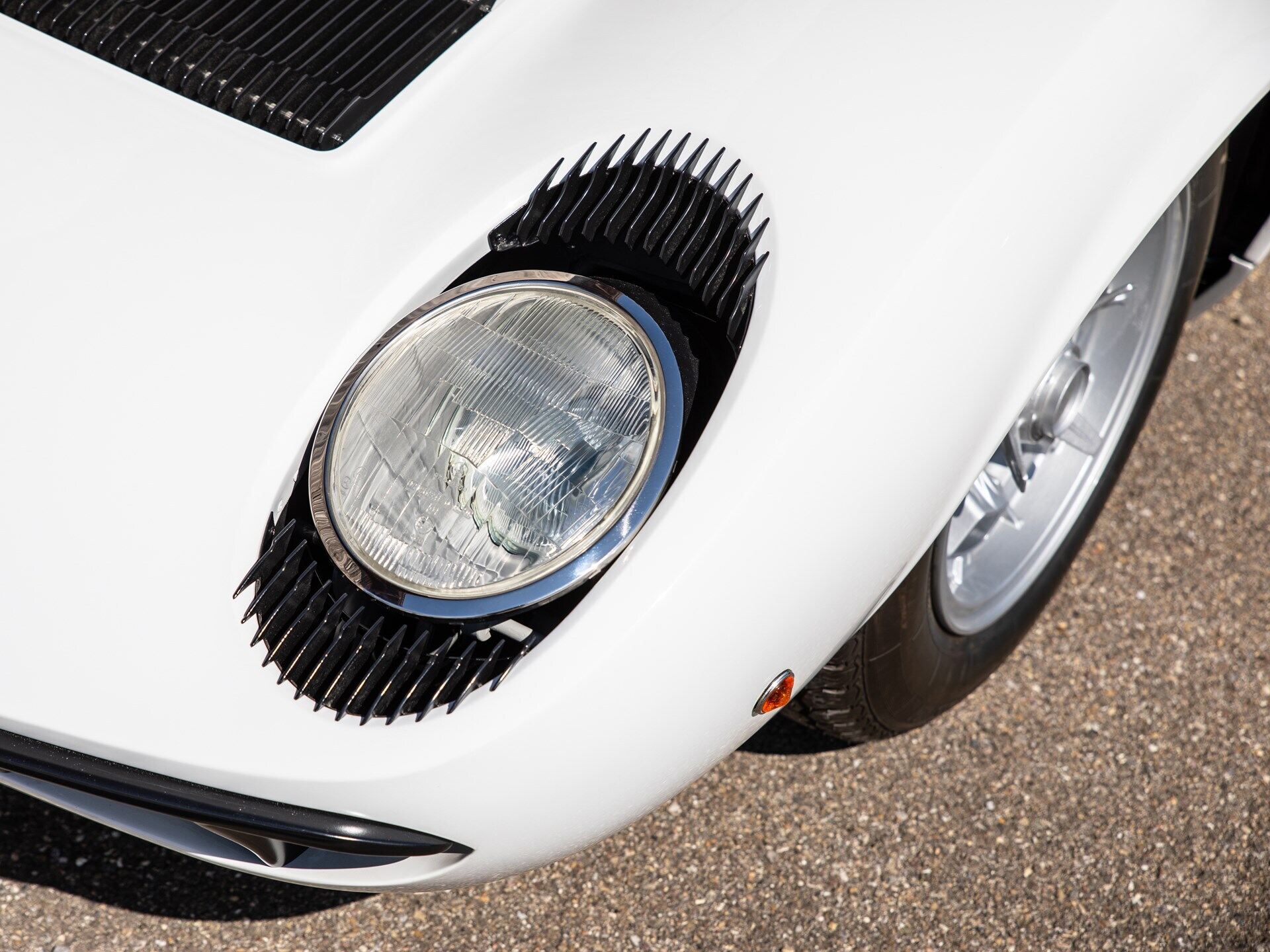
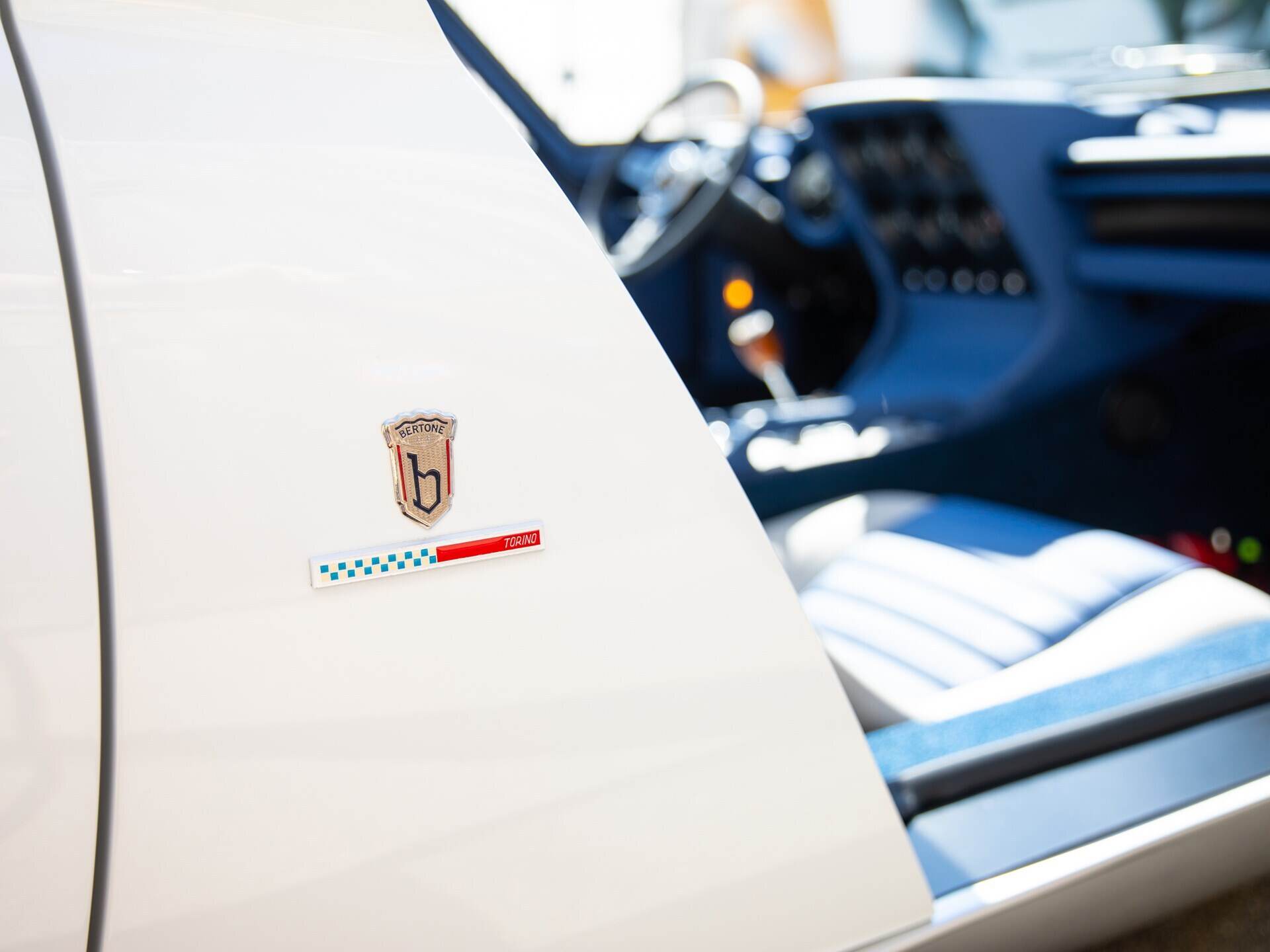
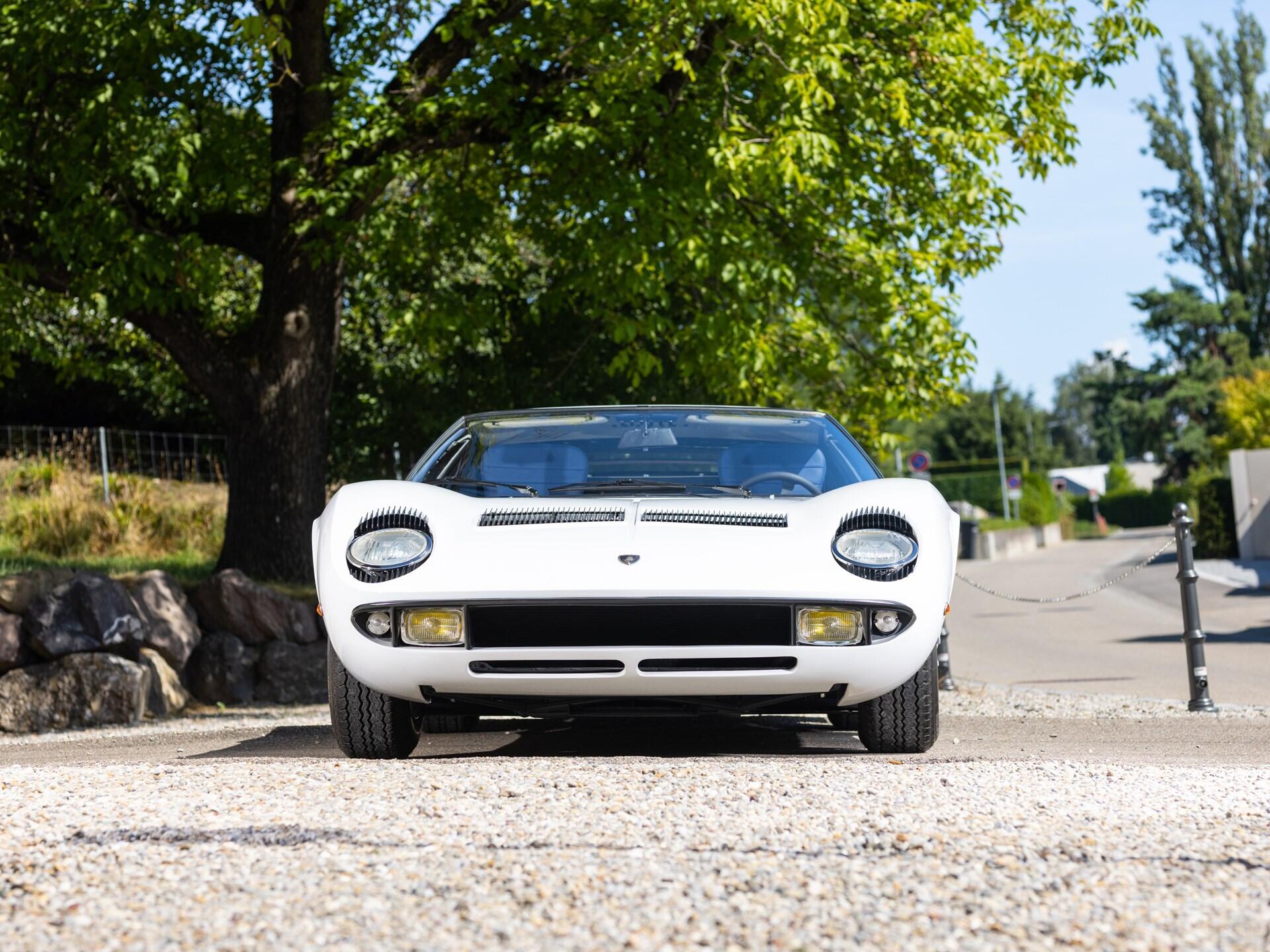
This was a first: an autobahn smoking luxury GT with a 3.9 litre V12 mounted sideways, and not only that, Marcello Gandini of Italian design house Bertone clothed this V12 machine with bodywork of beauty that even featured eyelashes around her headlights, and he somehow made it all work.
Lamborghini Miura P400 Bertone

The Miura’s headlight styling features vents that look rather like eyelashes, and yet Gandini somehow made this idea work.

Underneath that uniquely graceful body Lamborghini’s engineers Gian Paolo Dallara, Paolo Stanzani, and Bob Wallace had created the foundation for this car that would push other exotic car makers to play catch-up.

They were so motivated to make this car succeed that they did their work on it after working hours because Ferruccio Lamborghini was initially not interested in their idea for a mid-engine GT at all.
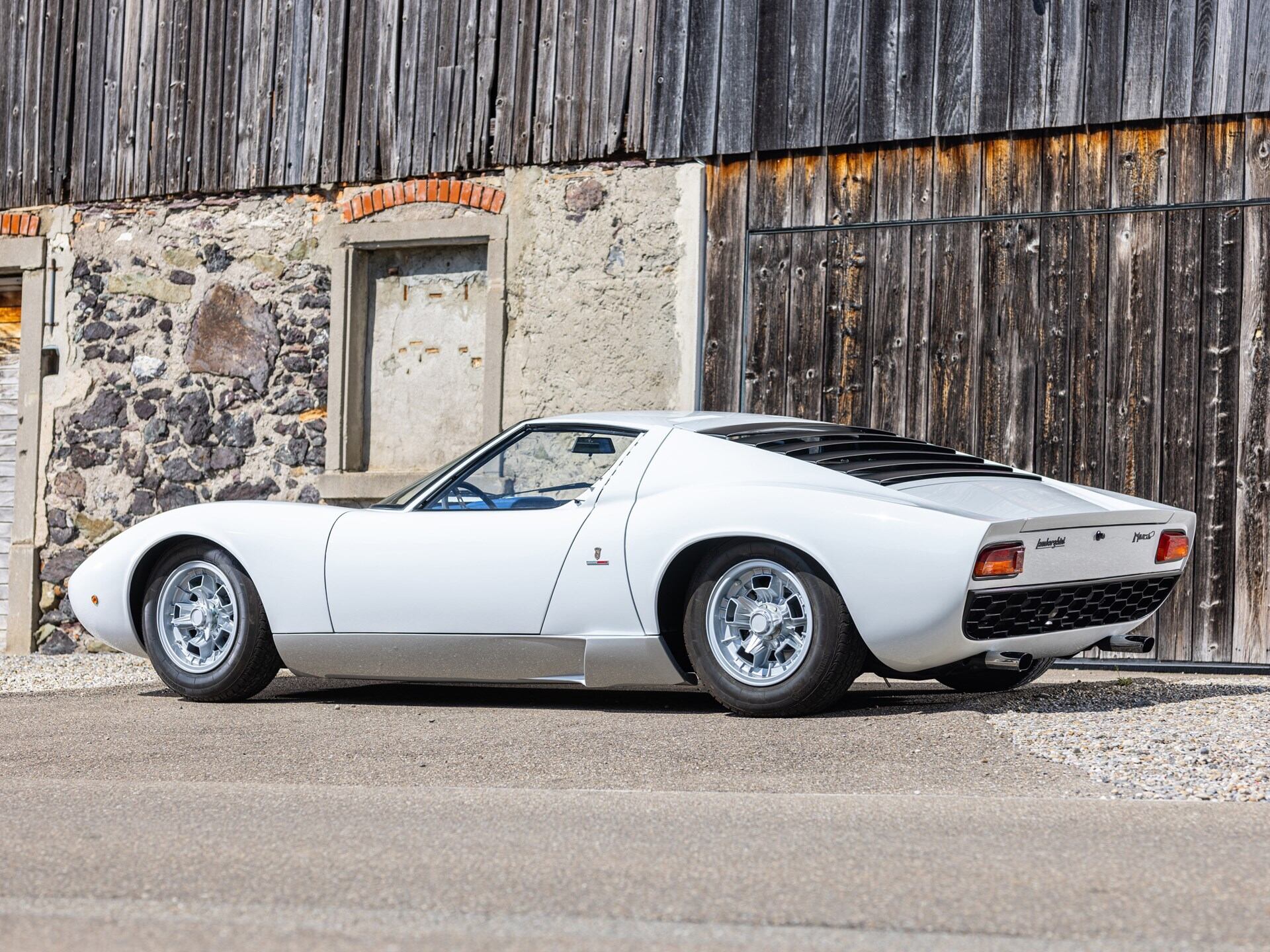
Lamborghini Miura P400 Bertone

The Miura combined style, beauty, performance and handling into one of the greatest driver’s cars ever created.

In Ferruccio Lamborghini’s mind rich people, including the likes of rock star John Lennon, were buying exotic luxury cars such as a Ferrari, or a Facel Vega (which is what Ringo Starr had purchased).

Mid-engined cars were racing cars in Lamborghini’s mind and he wasn’t interested in getting into motorsport: he wanted people to buy his cars because they offered the best in luxury high performance Grand Touring. But the team of Dallara, Stanzani and Wallace had a collective vision that would prove Lamborghini’s reluctance to be misplaced. It was a vision that would break the mould of what a luxury GT should be and created a new concept – the supercar.

When Ferruccio Lamborghini was finally shown the complete rolling chassis he was impressed, and interested enough to have the rolling chassis shown at the Turin Salon of 1965, which would serve as a reality check to gauge what the car buying public thought of it.
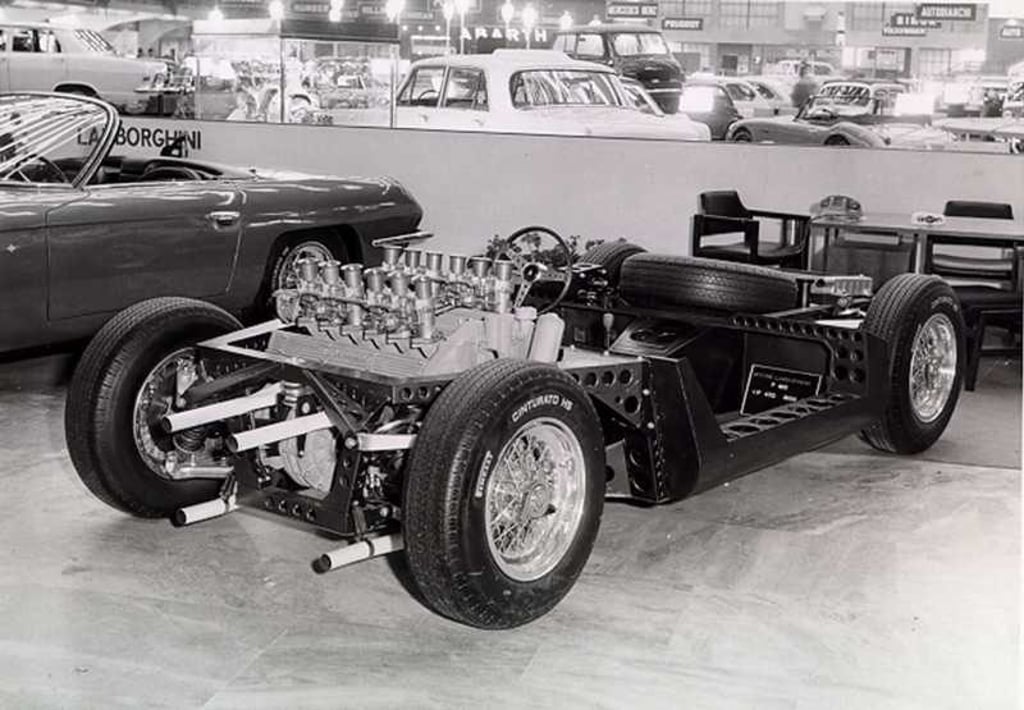
Lamborghini Miura P400 Bertone

The Miura rolling chassis was displayed at the Geneva Salon of 1965. (Picture courtesy Pirelli).

To Lamborghini’s surprise there were ten buyers putting in orders for the car even before it had a body or interior: this was clearly a concept for which a market existed.

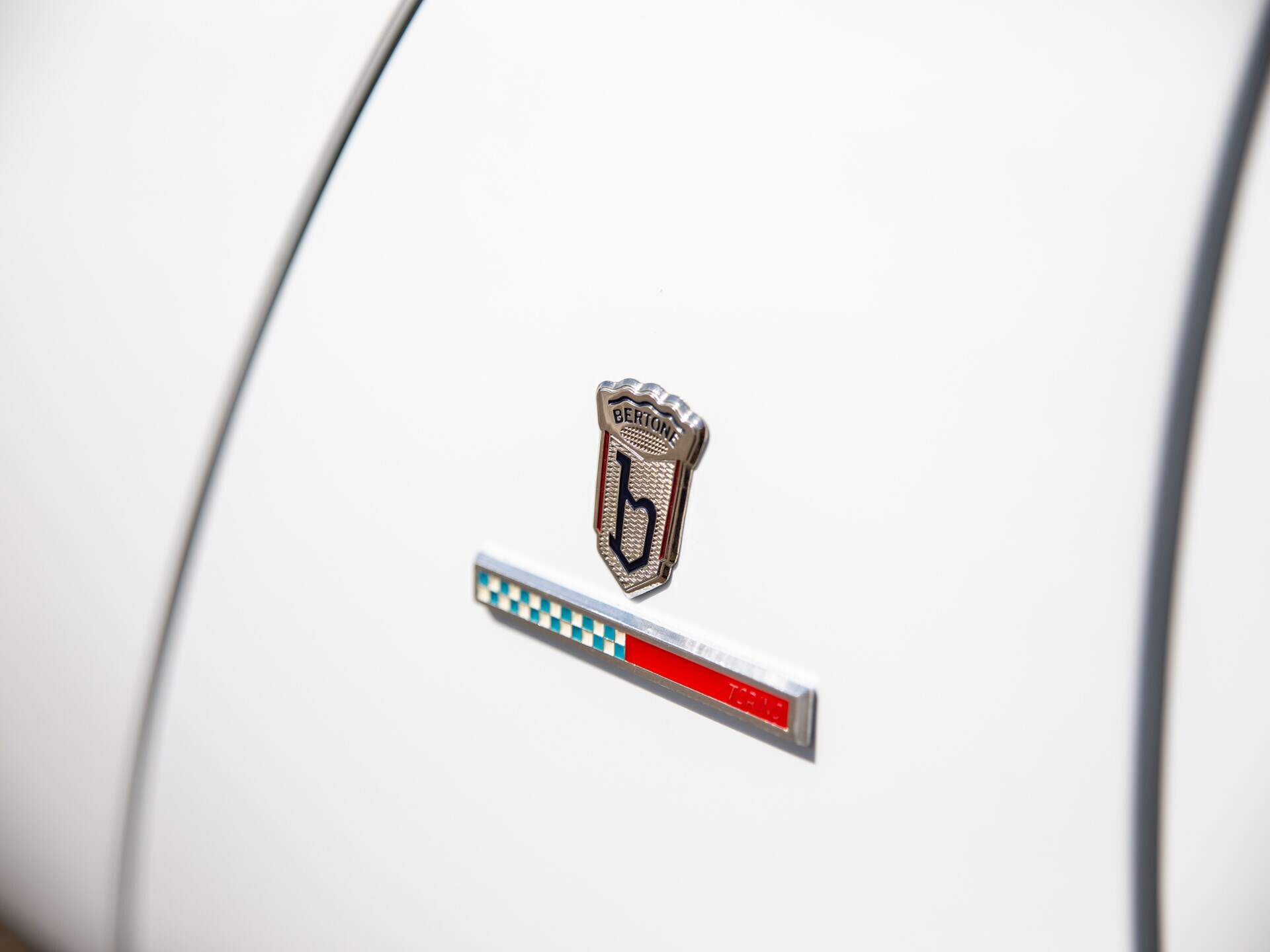
The commitment was made to have a body designed for the car and to bring it into production. Marcello Gandini of Italian design house Bertone was commissioned to do the design and the first “supercar” was born.
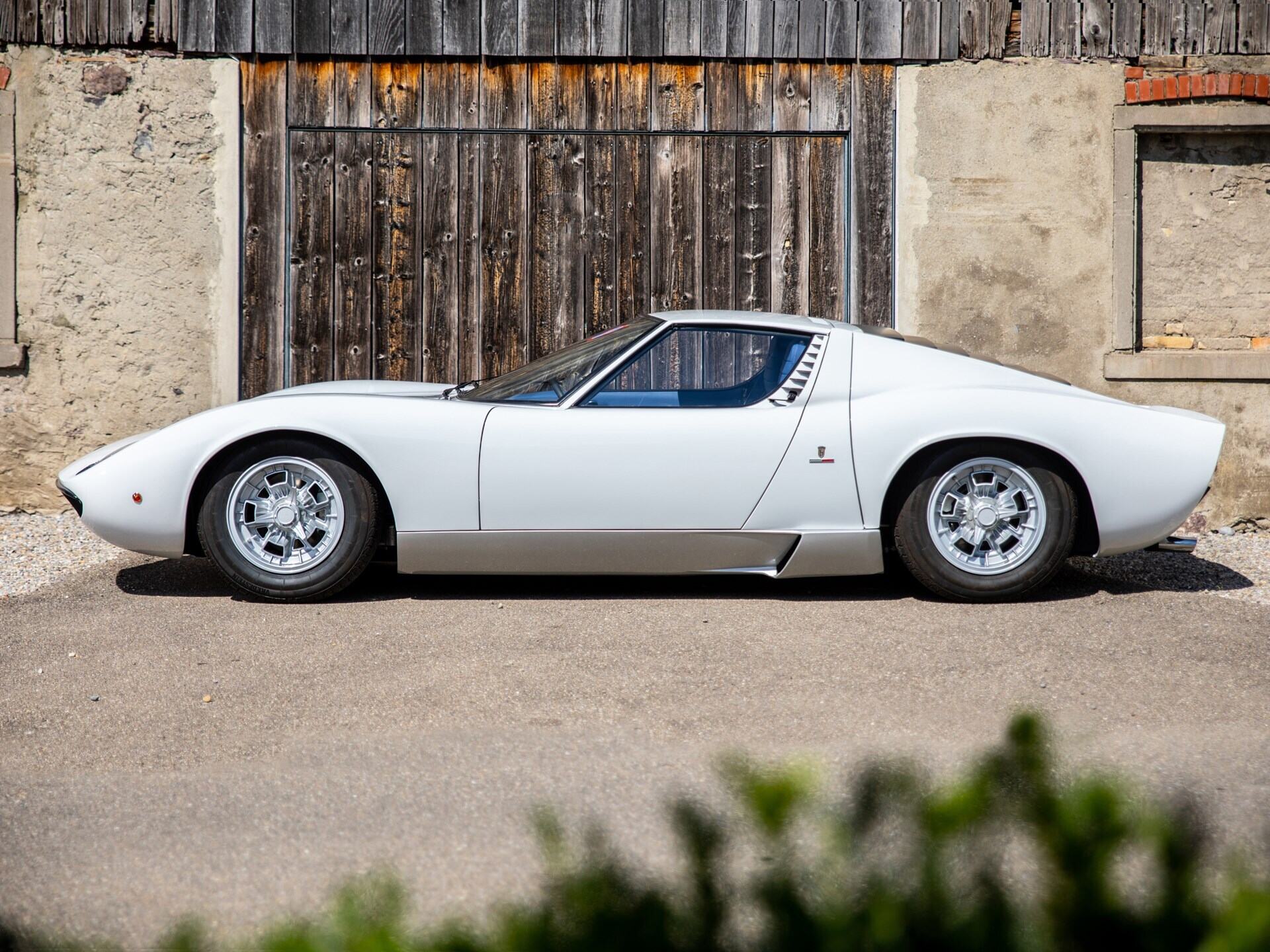
Lamborghini Miura P400 Bertone

Marcello Gandini of Italian design house Bertone was commissioned to create the bodywork and interior, and the first supercar was created.

The Miura was displayed the following year at the 1966 Geneva Motor Show and proved to be the star of the show. The car displayed was not at that point a complete production model but it was sufficient to garner great enthusiasm. The decision was made to enter production.
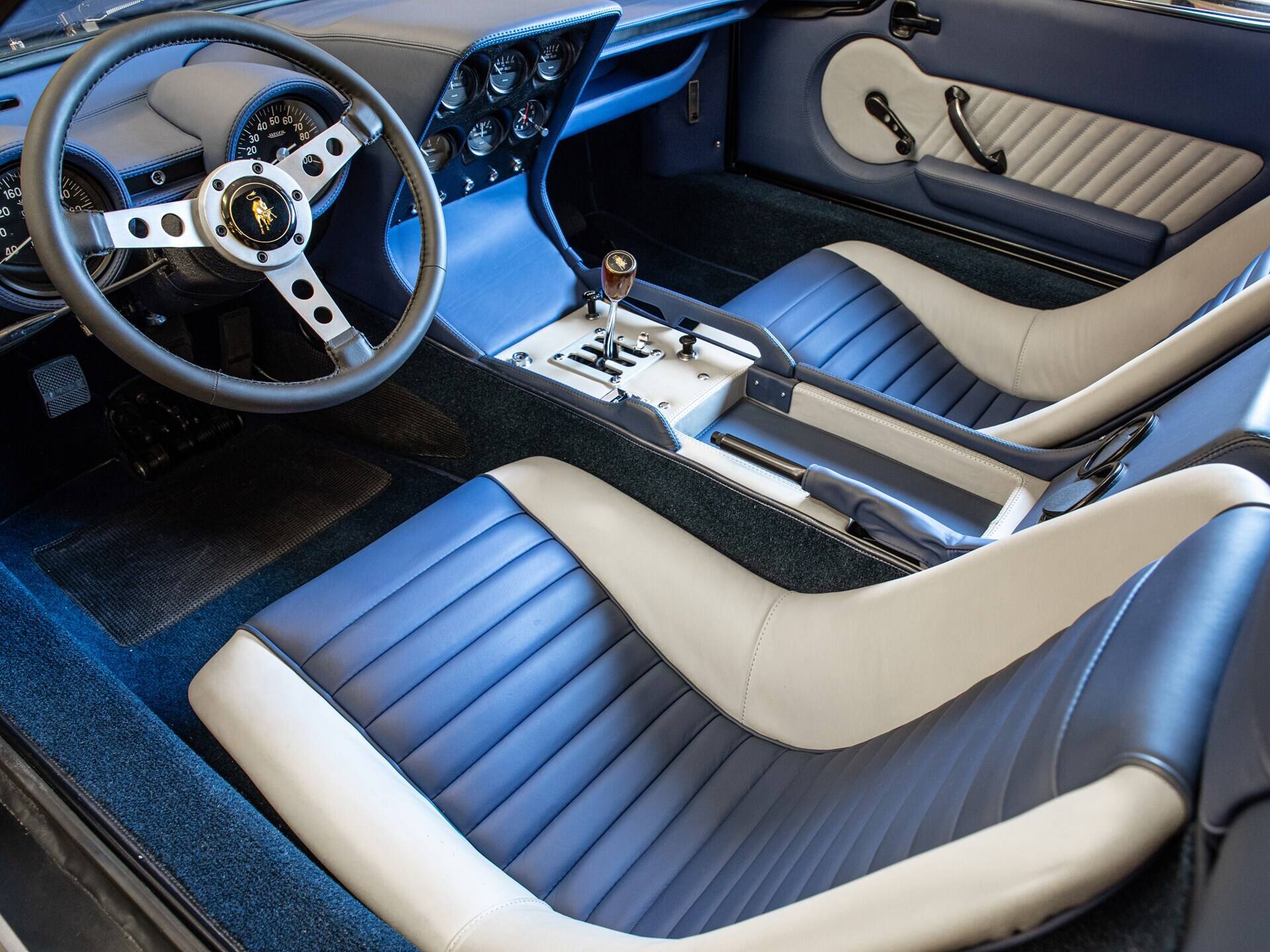
Lamborghini Miura P400 Bertone

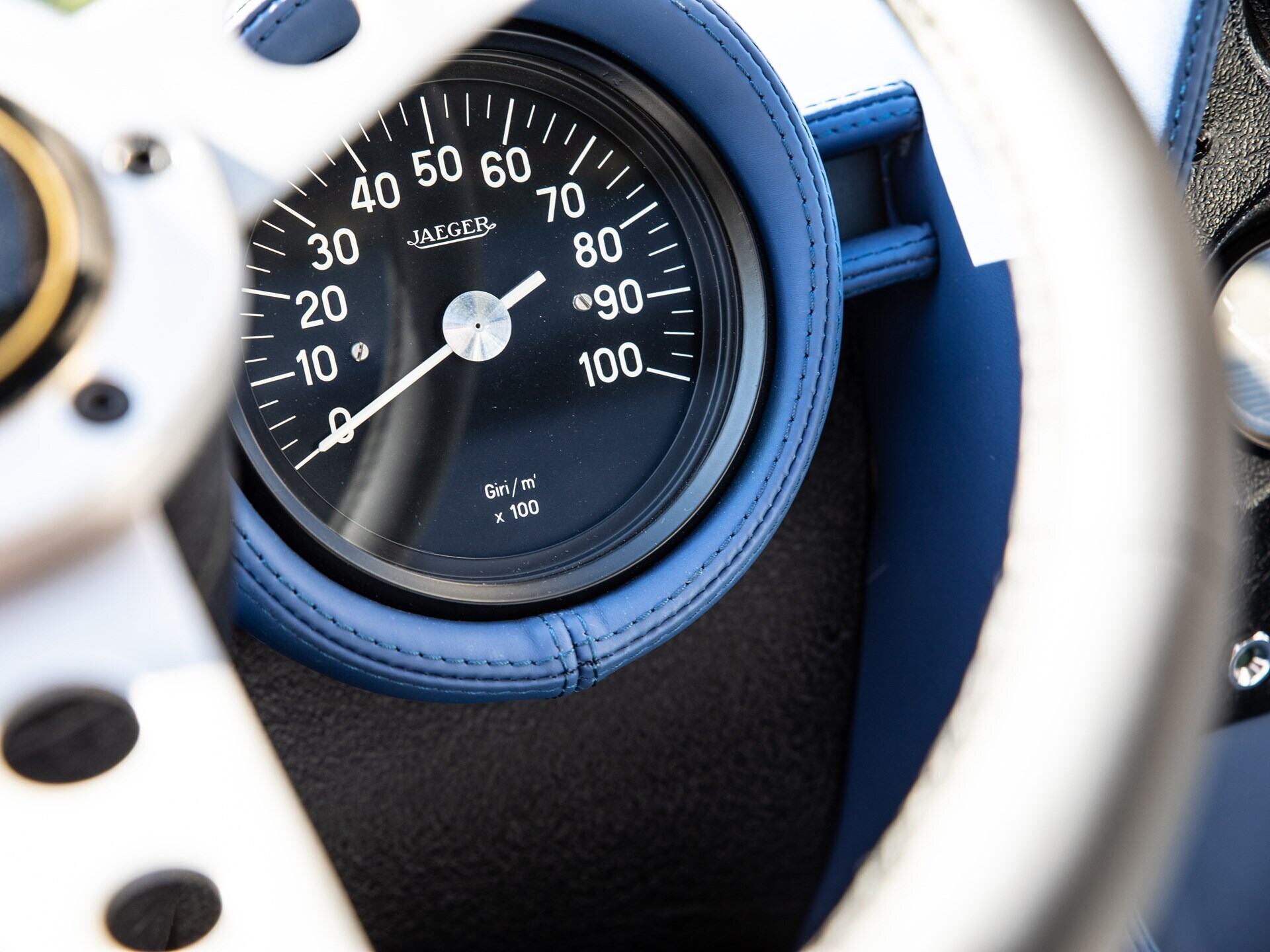
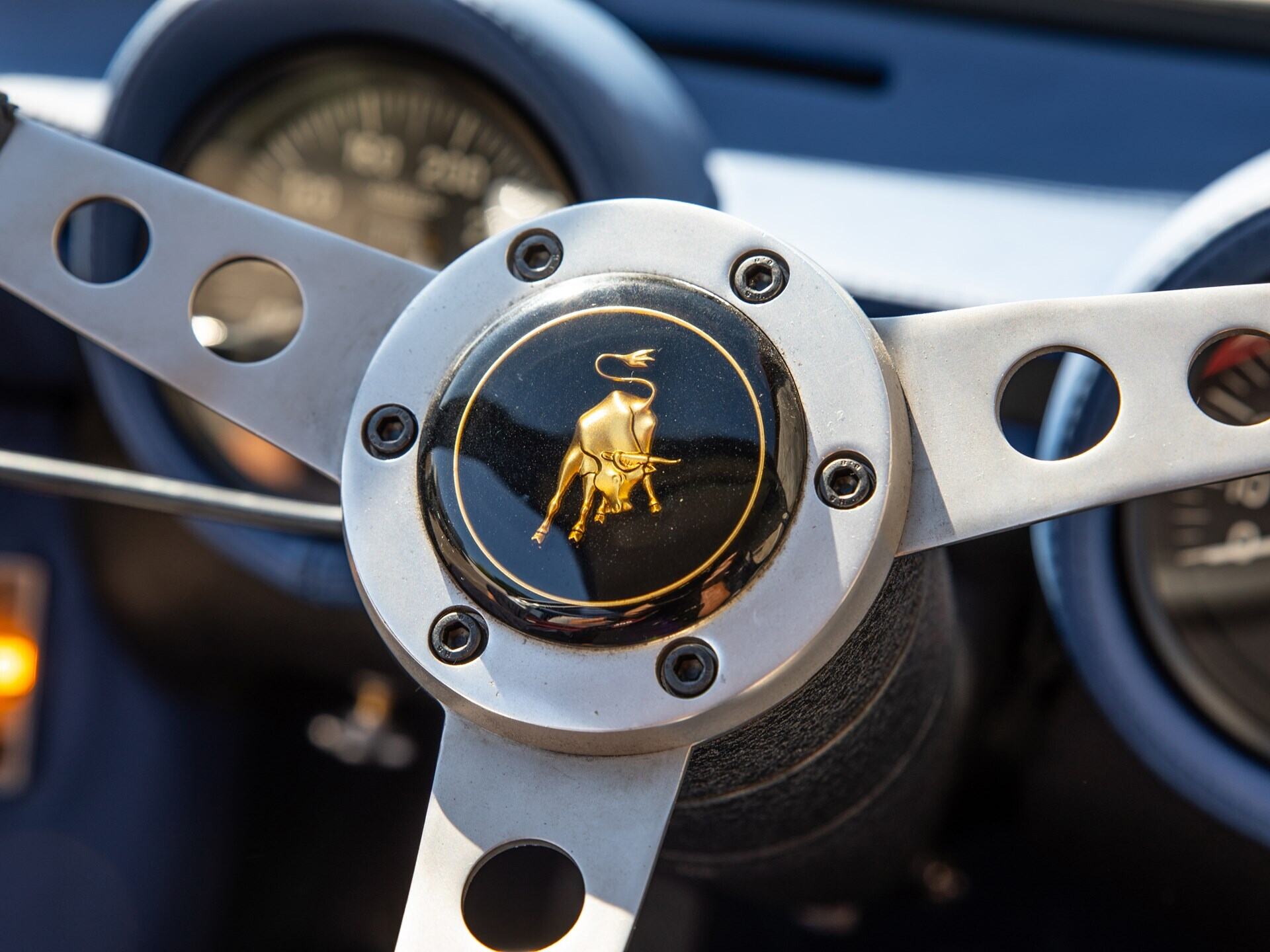
The interior of the Miura presents as comfortable: a blending of luxury and also of a driver’s car which not only makes a journey comfortable, but which makes it enjoyable.

The first model produced from 1966-1969 was the Miura P400 (standing for “Posteriore 4 Litri” – i.e. posteriore means at the rear (posterior) and 400 for the 4 litre engine capacity, of which 275 were made.

It was fitted with the Lamborghini 3,929 cc V12 engine with 24 valves and producing 345 hp @ 7,000 rpm and torque of 270 lb/ft @5,000 rpm. Compression ratio was 9.8:1 except in the US where it was upped to 10.2:1.

For the clutch Lamborghini originally experimented with a three plate unit but for production settled for a less complex single dry plate clutch.

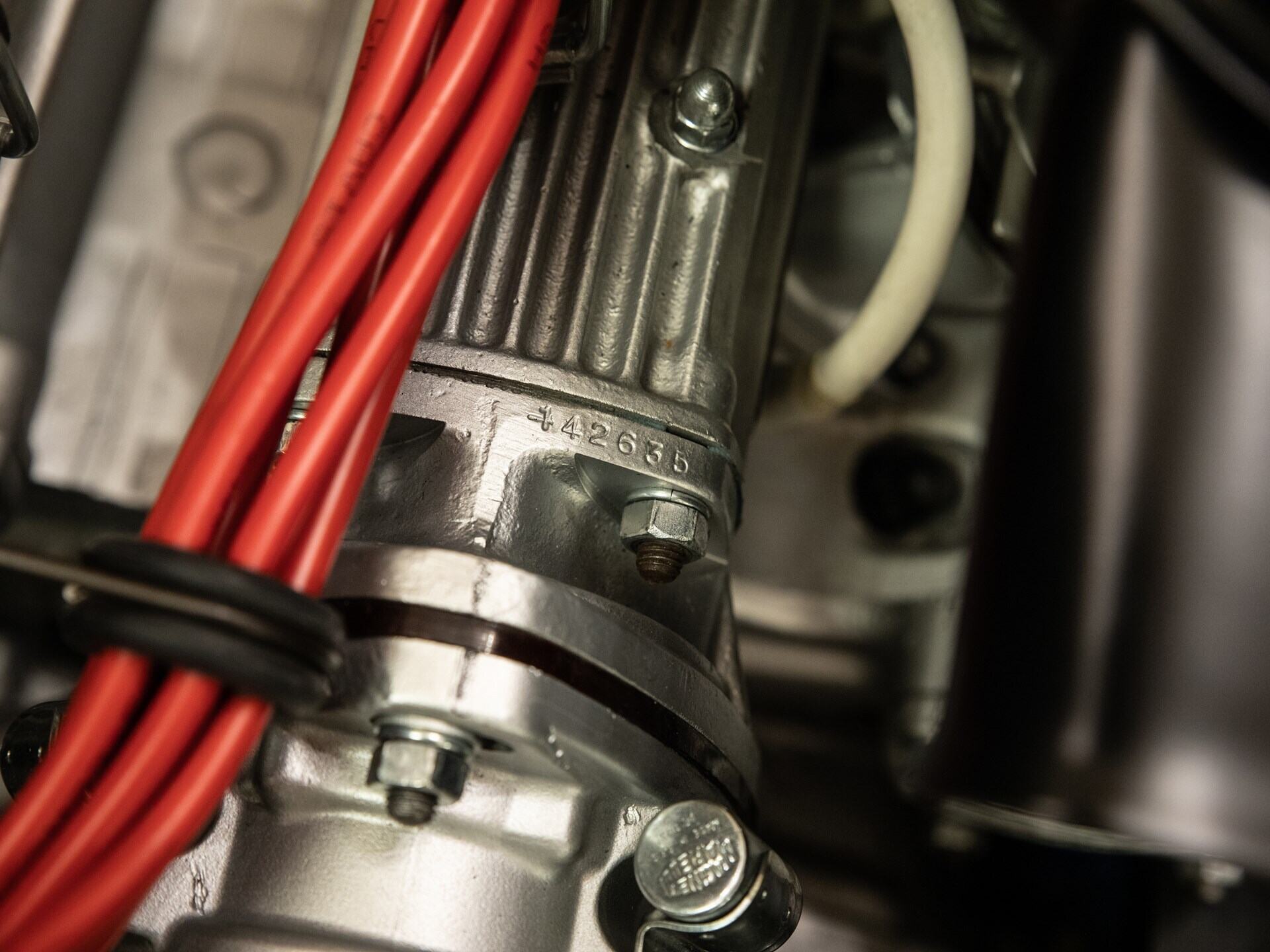
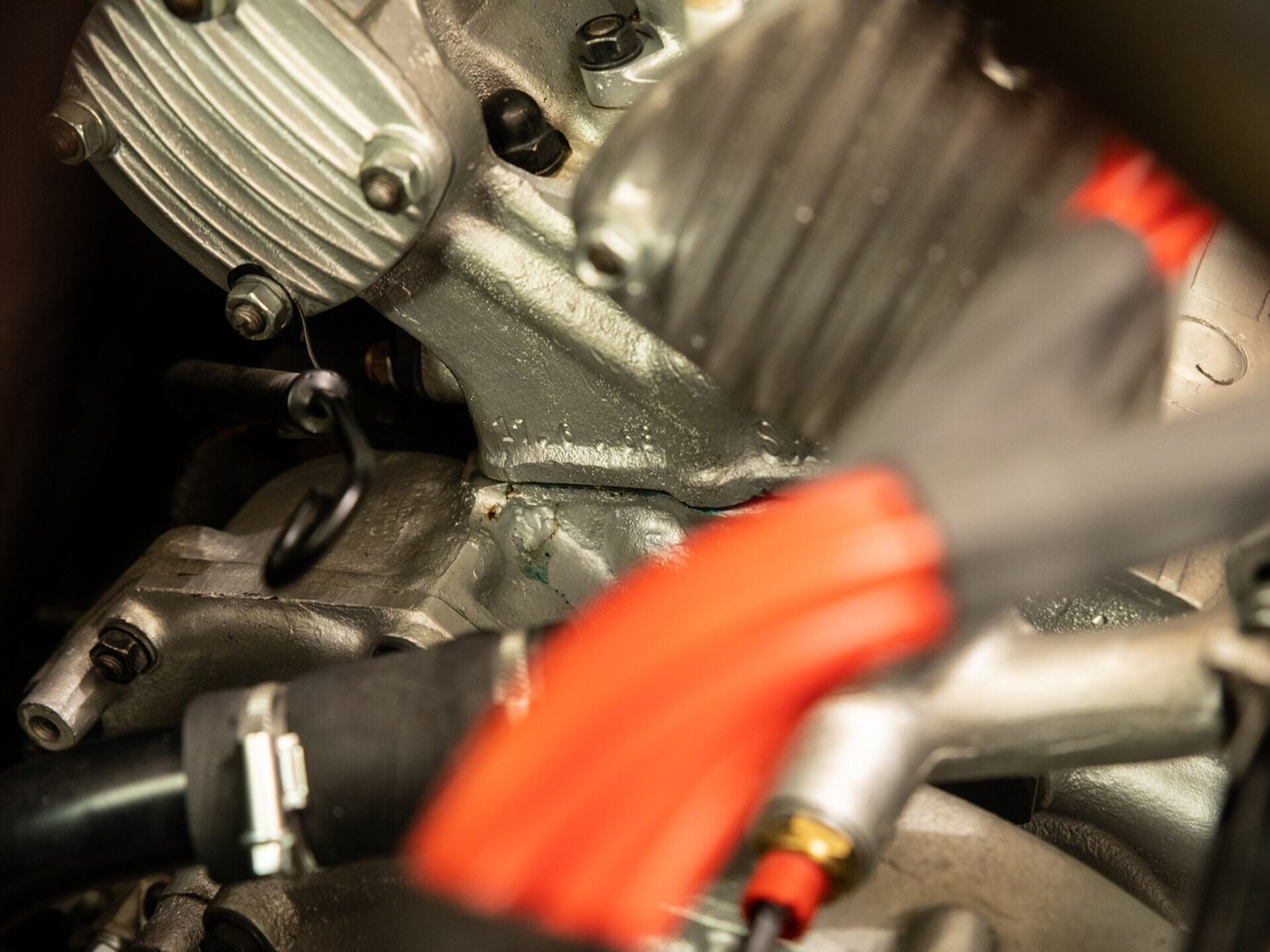
This engine was mated to a helical gear 5 speed all synchromesh manual gearbox which was integrated into the engine unit in much the same way as was done on Alex Issigonis BMC Mini and its siblings. The differential was limited slip, and the engine and transmission were cast together as one unit.

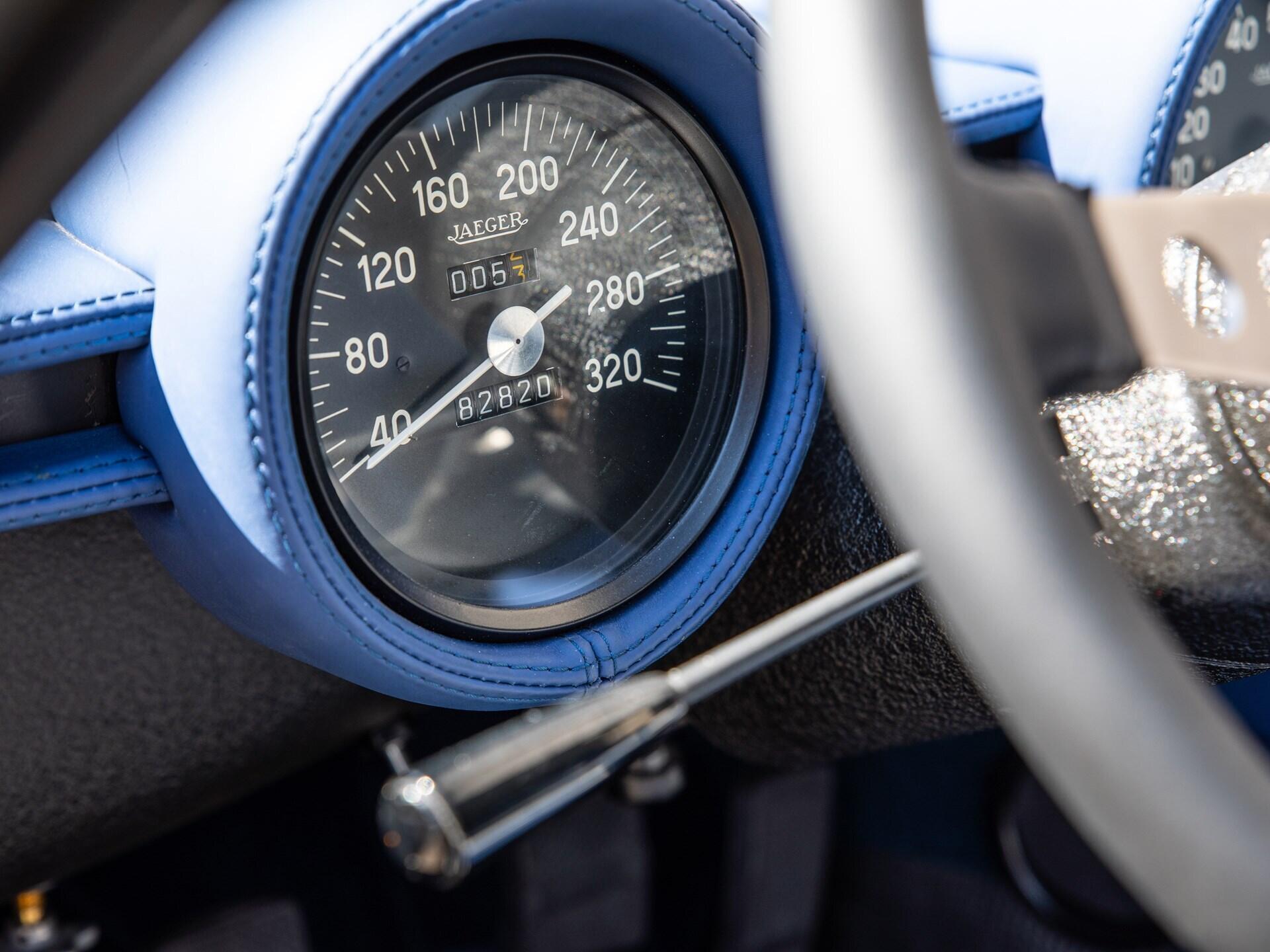
Top speed of this car was 172 mph (277 km/hr) with a standing to 60 mph time of 6.7 seconds.
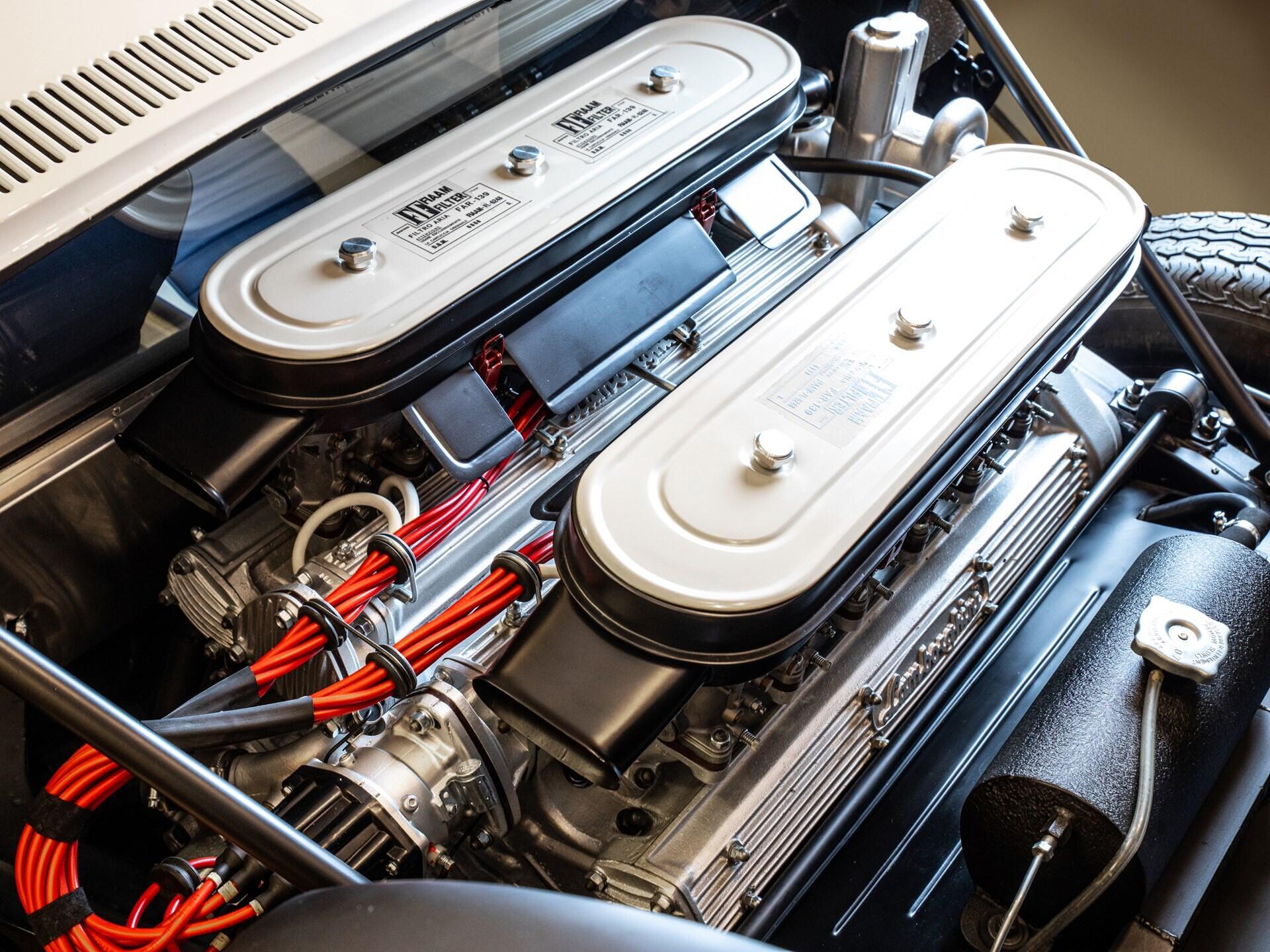
Lamborghini Miura P400 By Bertone

The Lamborghini V12 shared its oil reserve with the transmission on the P400 cars. The same concept as used on the BMC Mini and related models.

As with the BMC Mini and its family the Lamborghini Miura P400 series shared a common oil reserve for the engine, gearbox, and differential.

This of course meant that the transmission was not provided with oils that would have been the best choice for them. The system worked, but was changed to provide separate oil reserves on later models.

The V12 engine breathed via four, triple choke Weber 40 IDL3C carburettors.
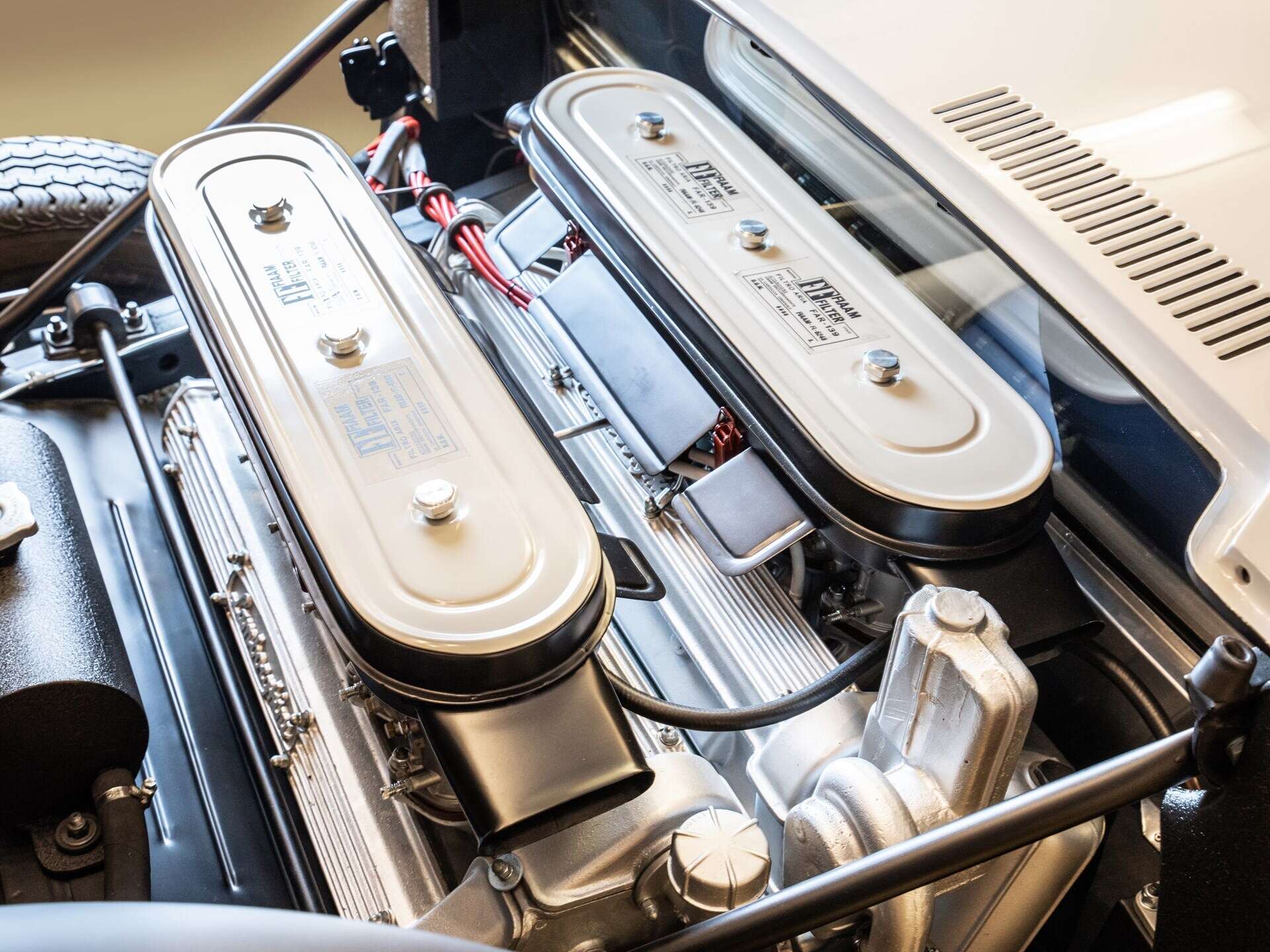
Lamborghini Miura P400 Bertone

The engine breathed via four Weber 40 IDL3C triple choke carburettors. This provided a very rapid throttle response yet kept the car easy to drive.

The steering was of course by rack and pinion with a tubular damper, and set up without power assistance to provide the best possible feel and direct control. With 3.45 turns lock to lock some reviewers initially thought it a bit slow – but changed their minds as they discovered just how fast this car would go and discovered that the designers had in fact used a steering ratio that was the perfect balance at high speed. The turning circle was 11 metres (36 feet).

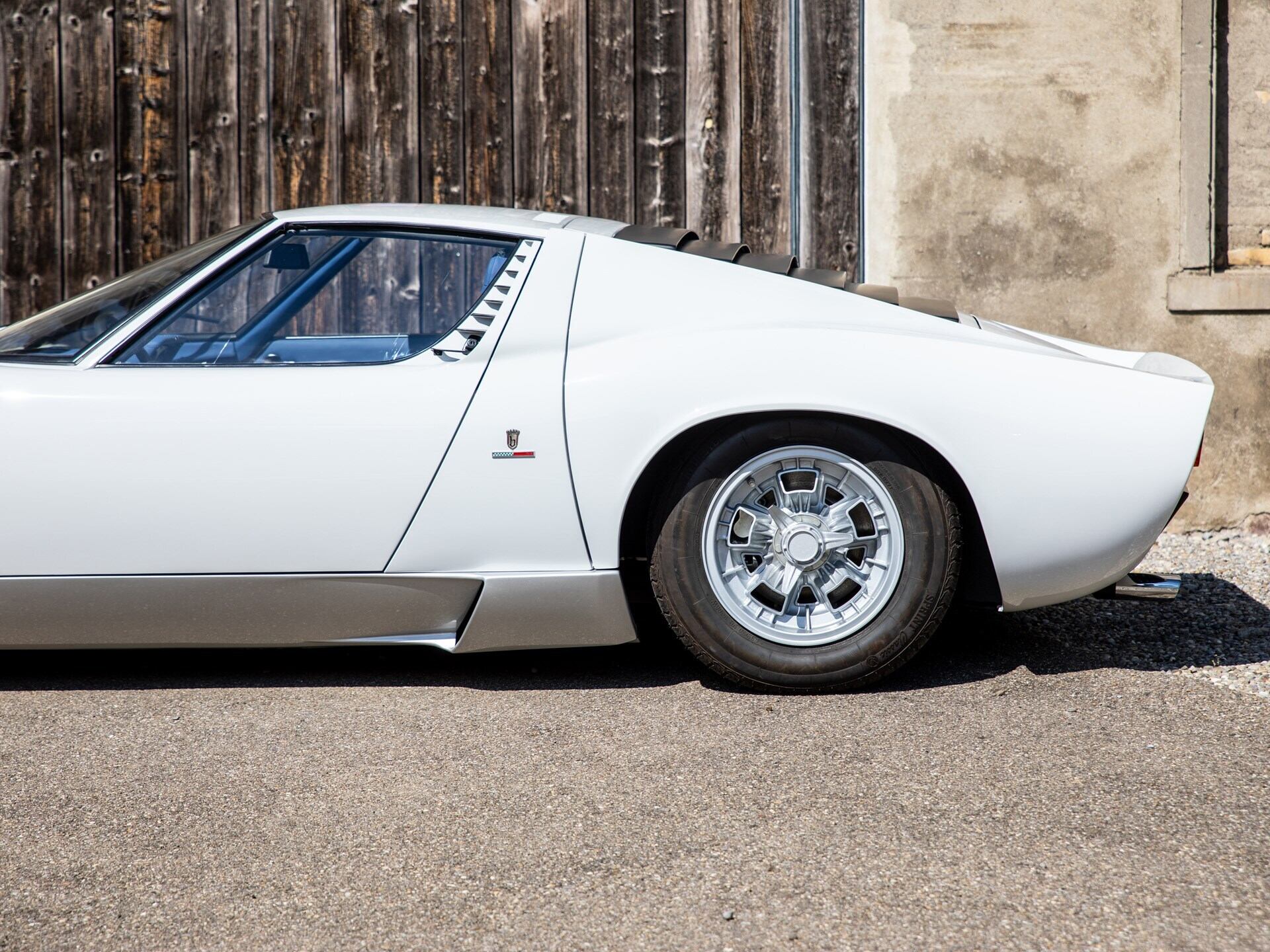
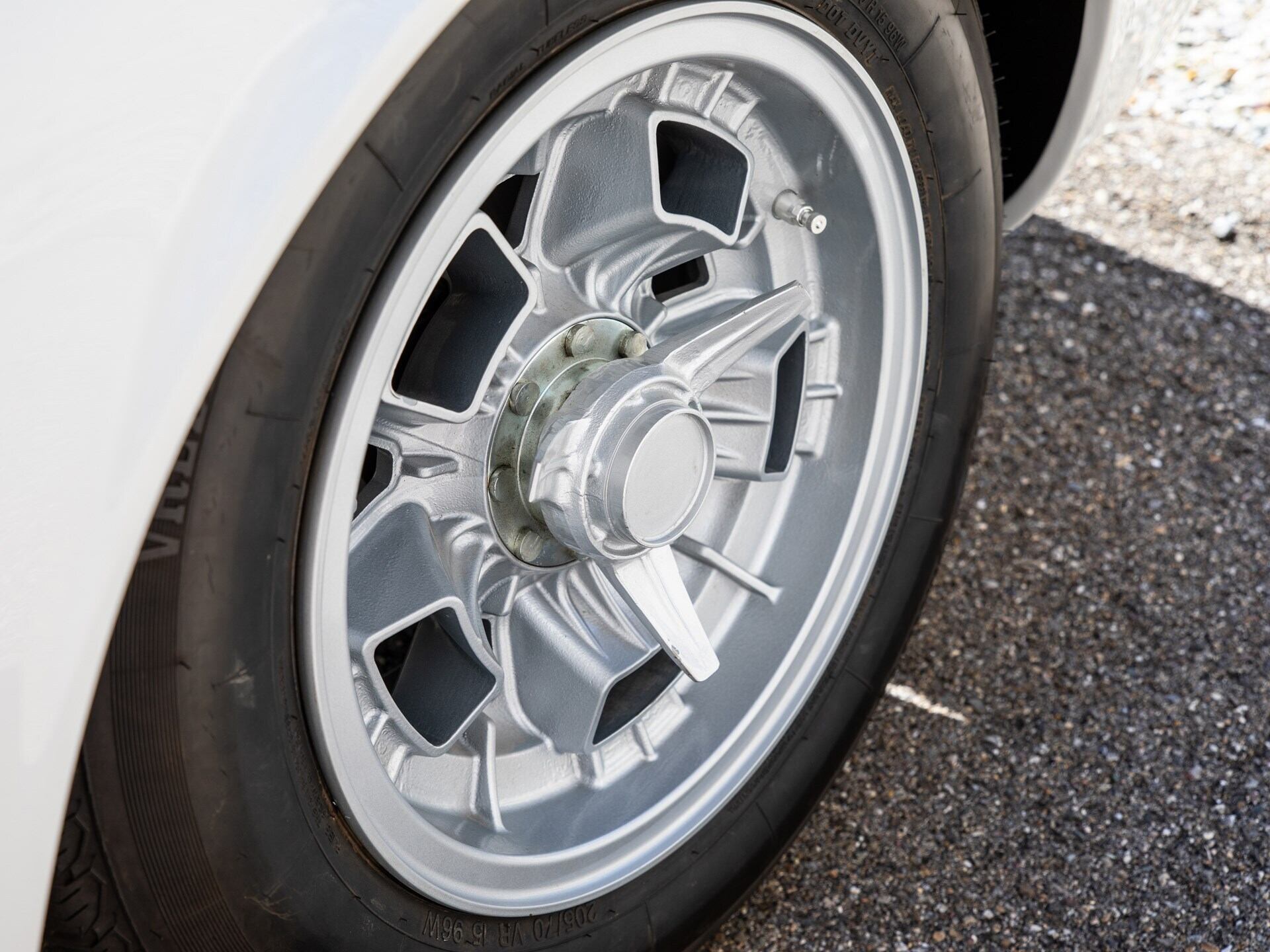
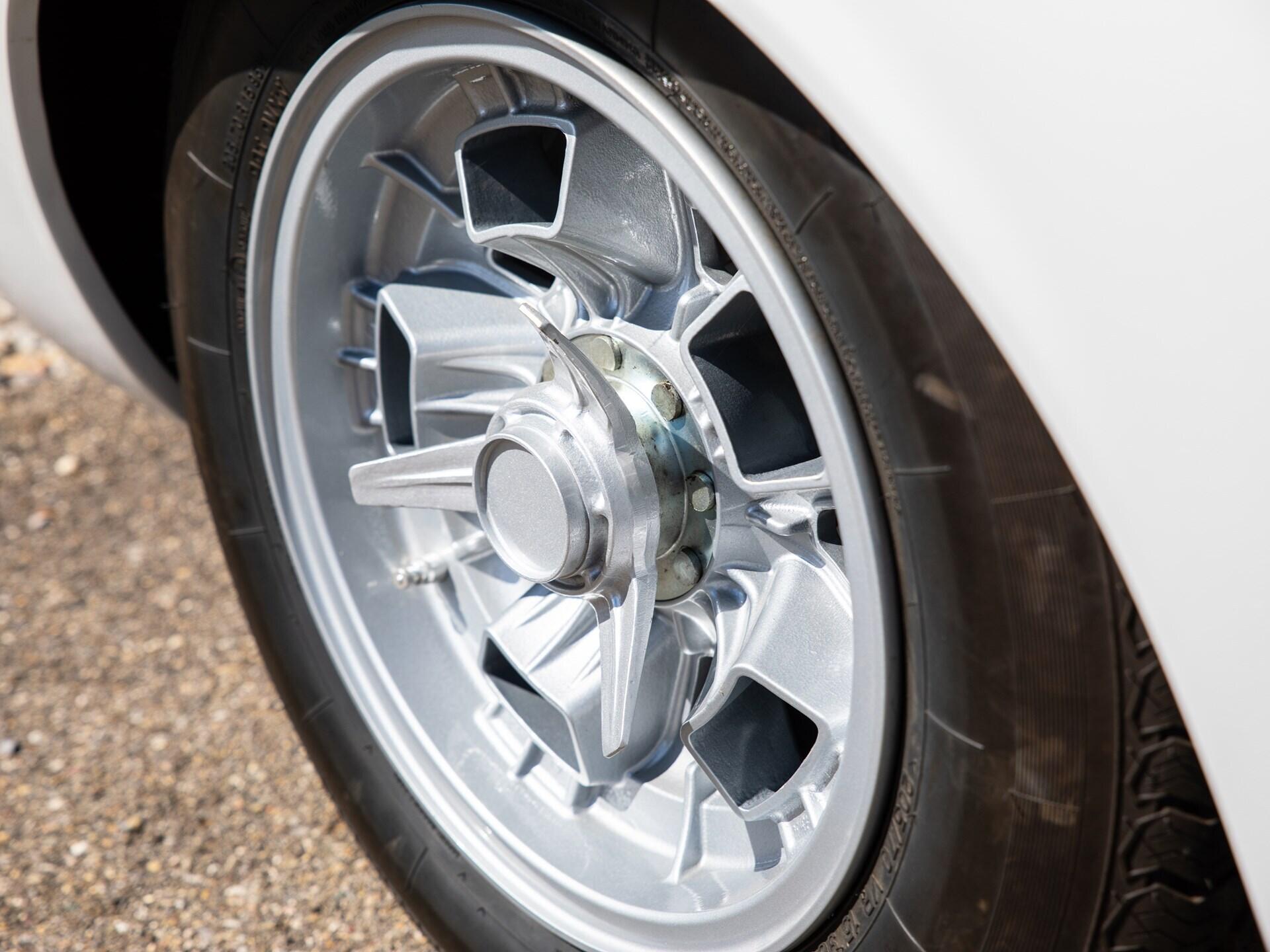
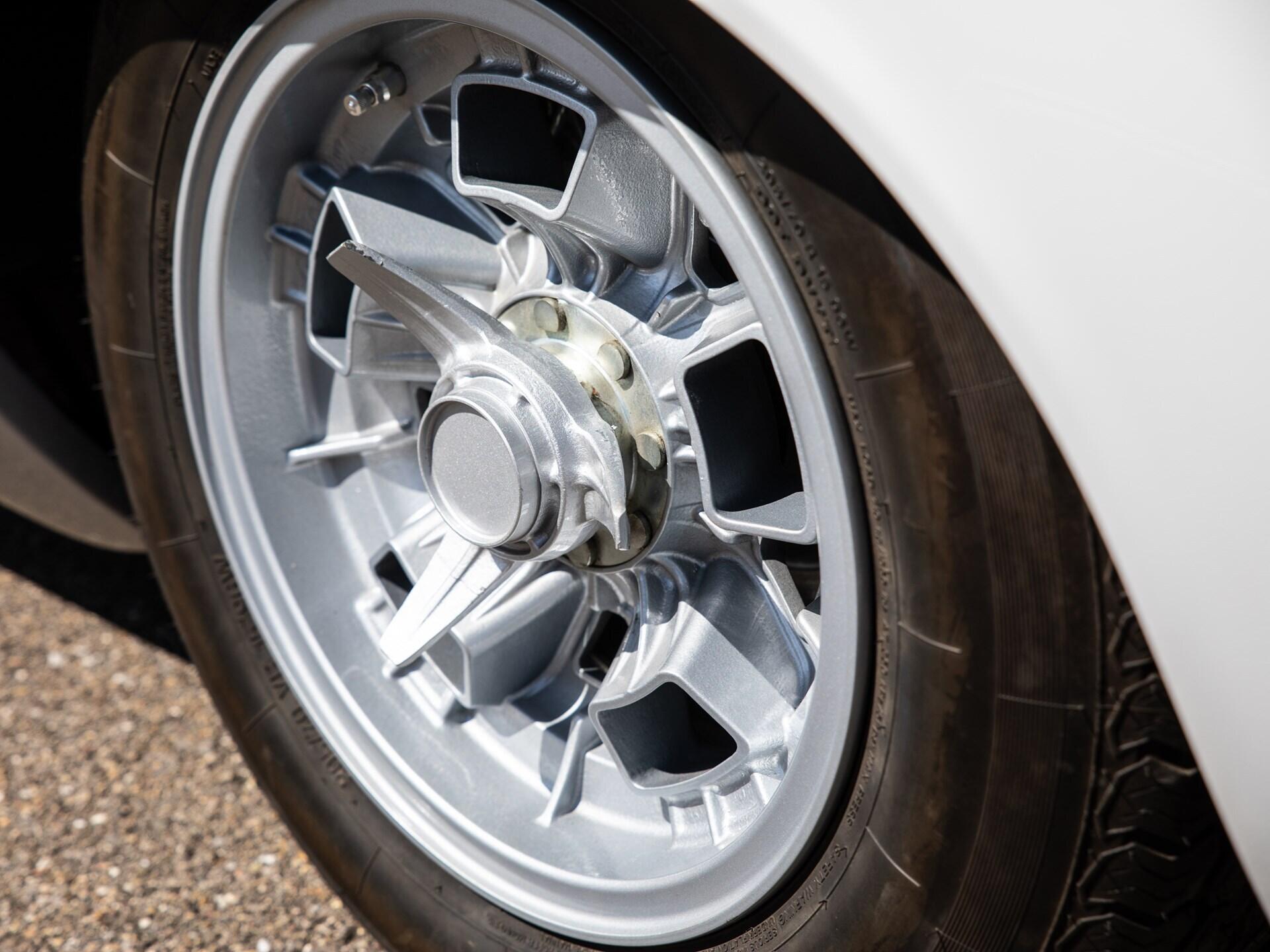
Tyres were Pirelli Cinturato HS 205 VR 15 – the VR indicating these tyres were good for continuous use up to 165 mph and intermittent use above that.

The suspension was independent font and rear with unequal length wishbones, coil springs and telescopic shock absorbers, with a 3/4 inch anti-roll bar at the front and 5/8 inch at the rear. Brakes were Girling solid 12 inch discs without servo assistance, which modern sports car aficionados might think strange.

The absence of a servo greatly improves on brake feel, and by careful choice of brake pads Lamborghini were able to provide a delightful braking system giving excellent feel and responsiveness.
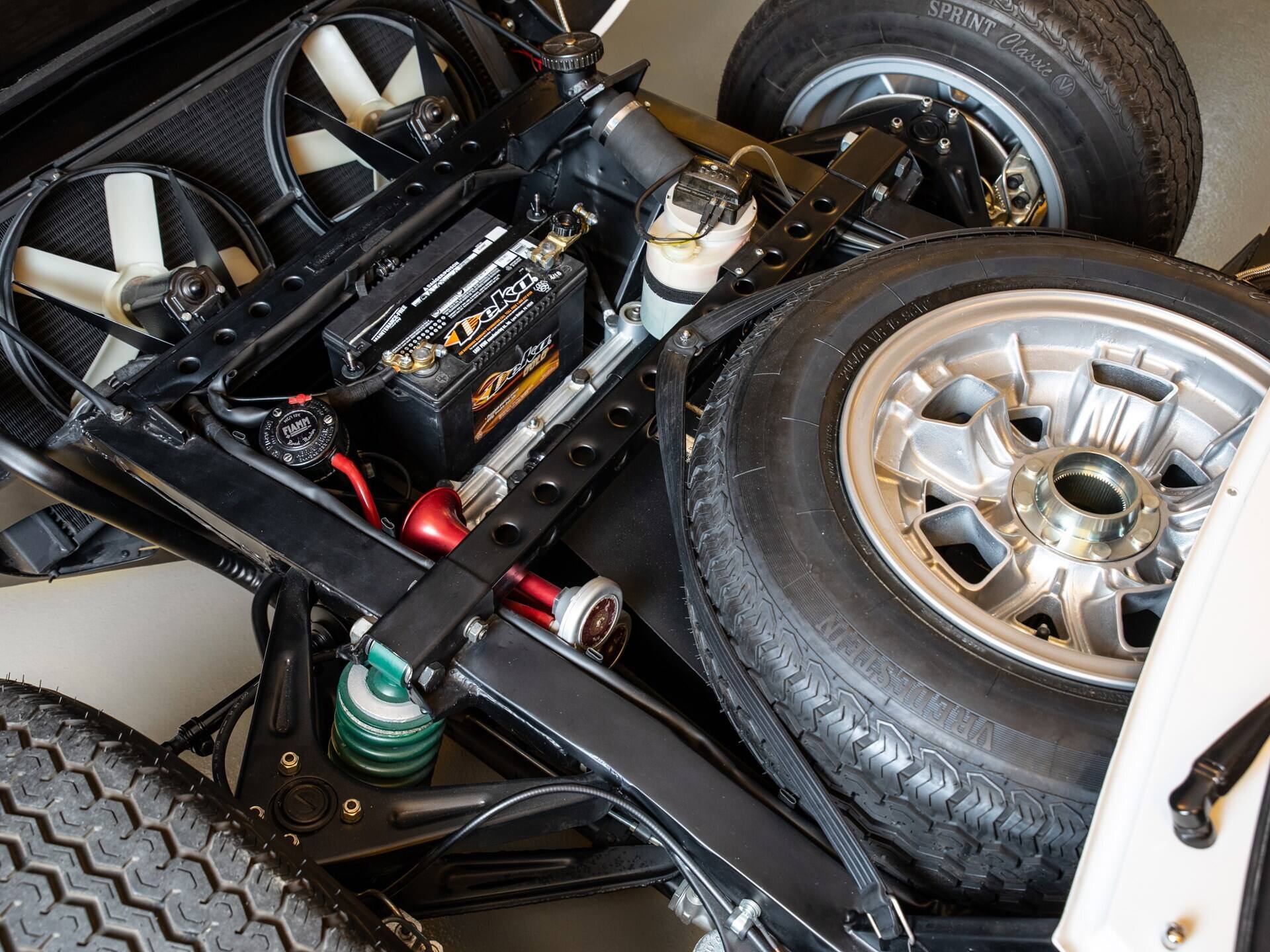
Lamborghini Miura P400 Bertone

The front of the car accommodated the radiator complete with twin electric cooling fans, battery and spare tyre. The Fiamm air horns able to announce the car’s presence if needed.

The fuel tank held 90 litres giving the car a range of approximately 294 miles (473 km) depending on driver technique and conditions.

Available cargo space was 140 litres – a decent amount for a car of this type.

Lamborghini Miura P400 By Bertone

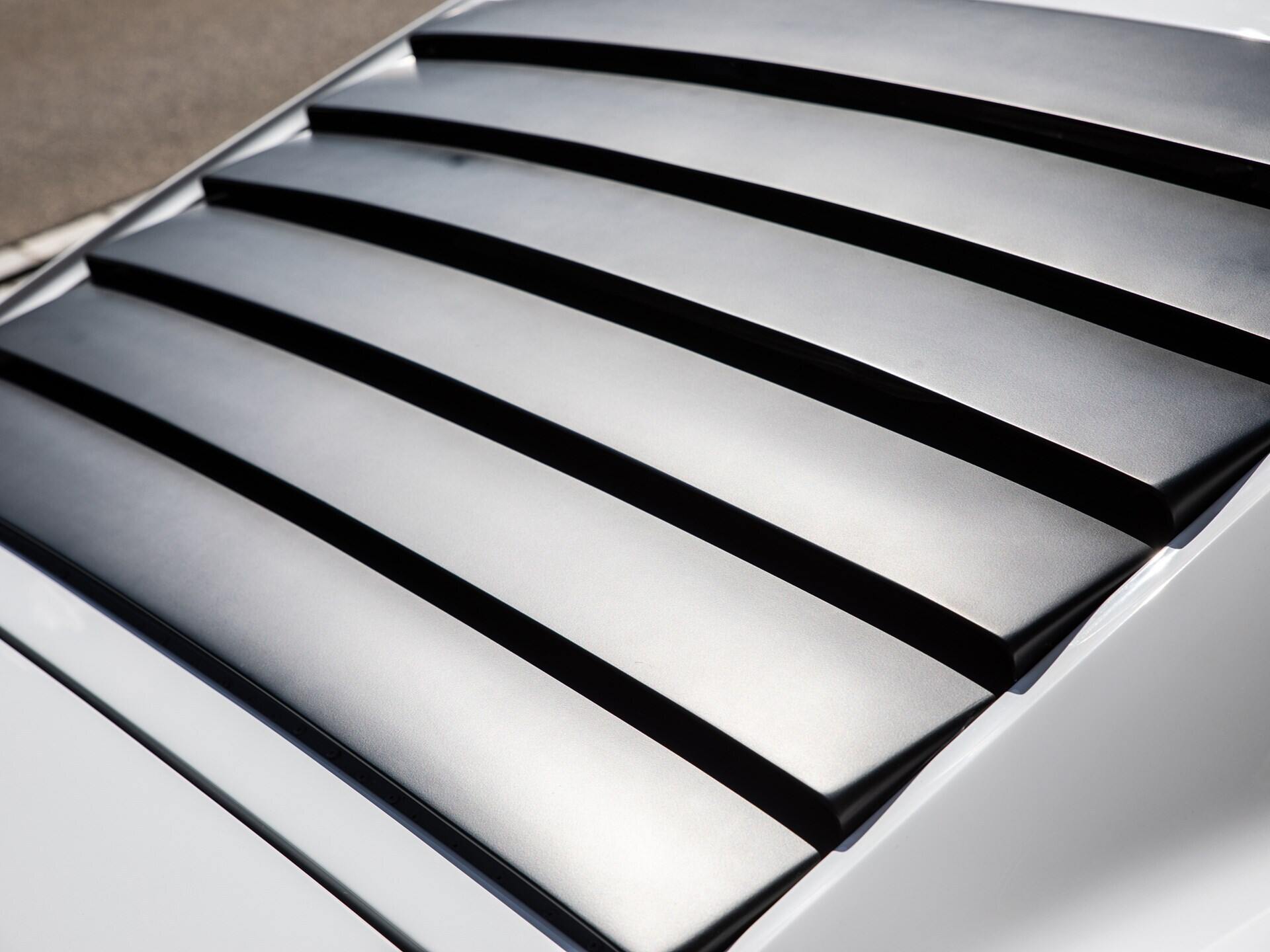
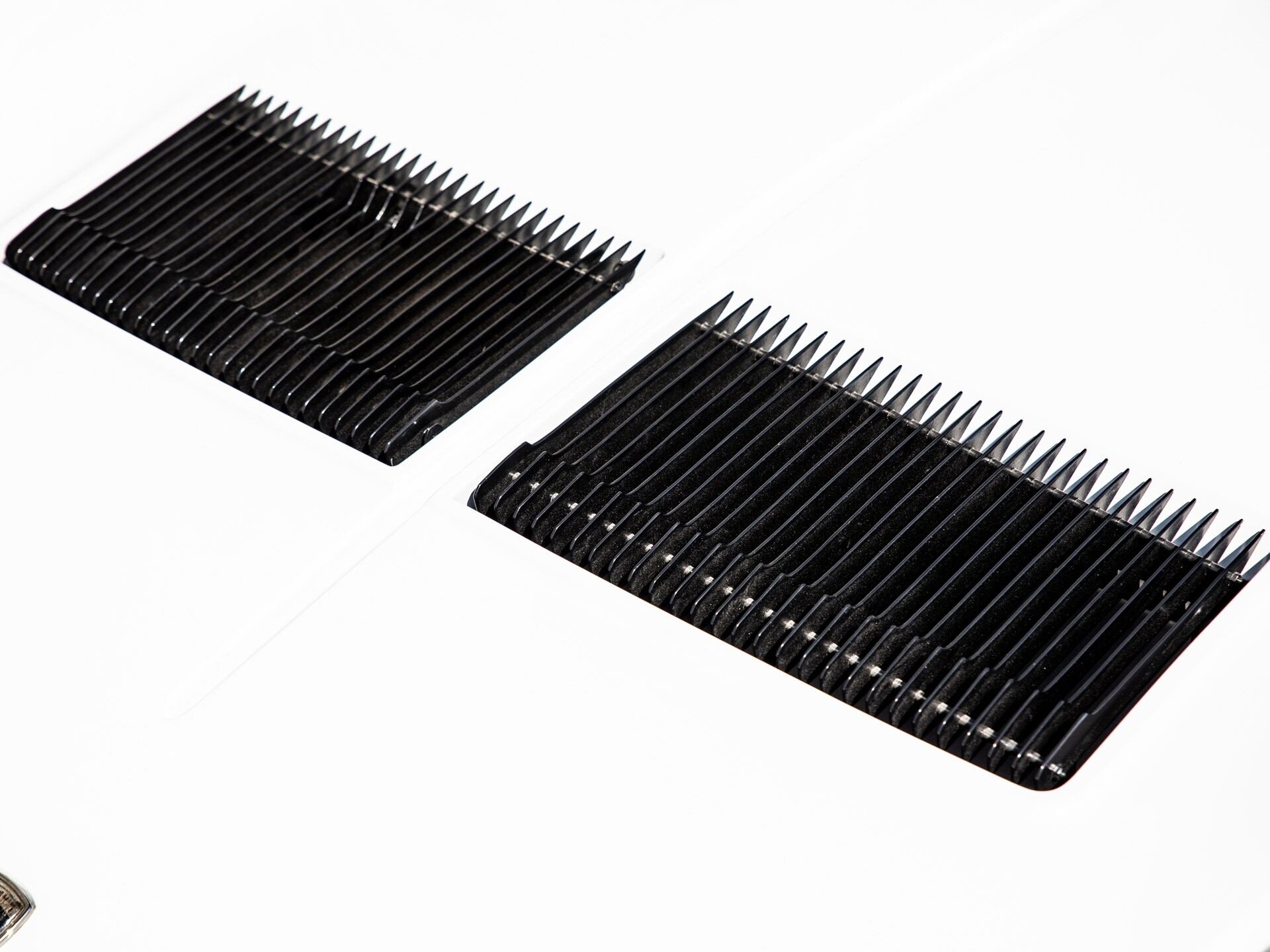
The engine compartment was directly behind the passengers, but effectively insulated and having a double glazed “Visarm” plexiglass panel to keep the sound level comfortably low.

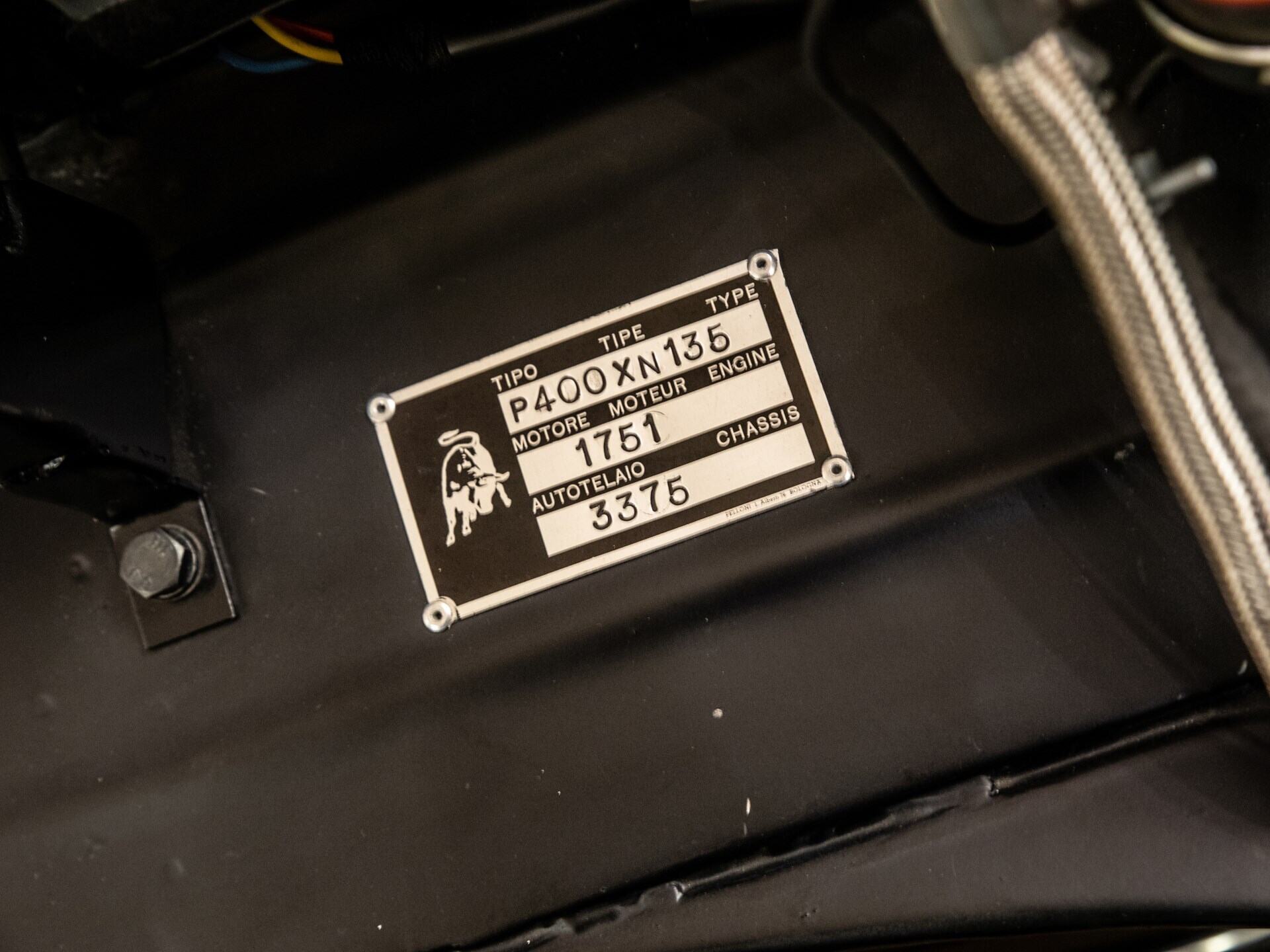
Lamborghini Miura P400, Chassis #3375, Production #135

This car which is coming up for sale by RM Sotheby’s at their St. Moritz auction to be held on 9th September 2022 is one of the earliest “thick chassis” cars. Early Miuras were made with a chassis of 0.9 mm to keep them as light as possible.

However by about production #125 a heavier gauge of steel was used to improve rigidity. The chassis was also treated to some design revisions to make it stronger. Public roads are not kept smooth and pothole free as are race-tracks and so the strengthening was deemed a wise idea.
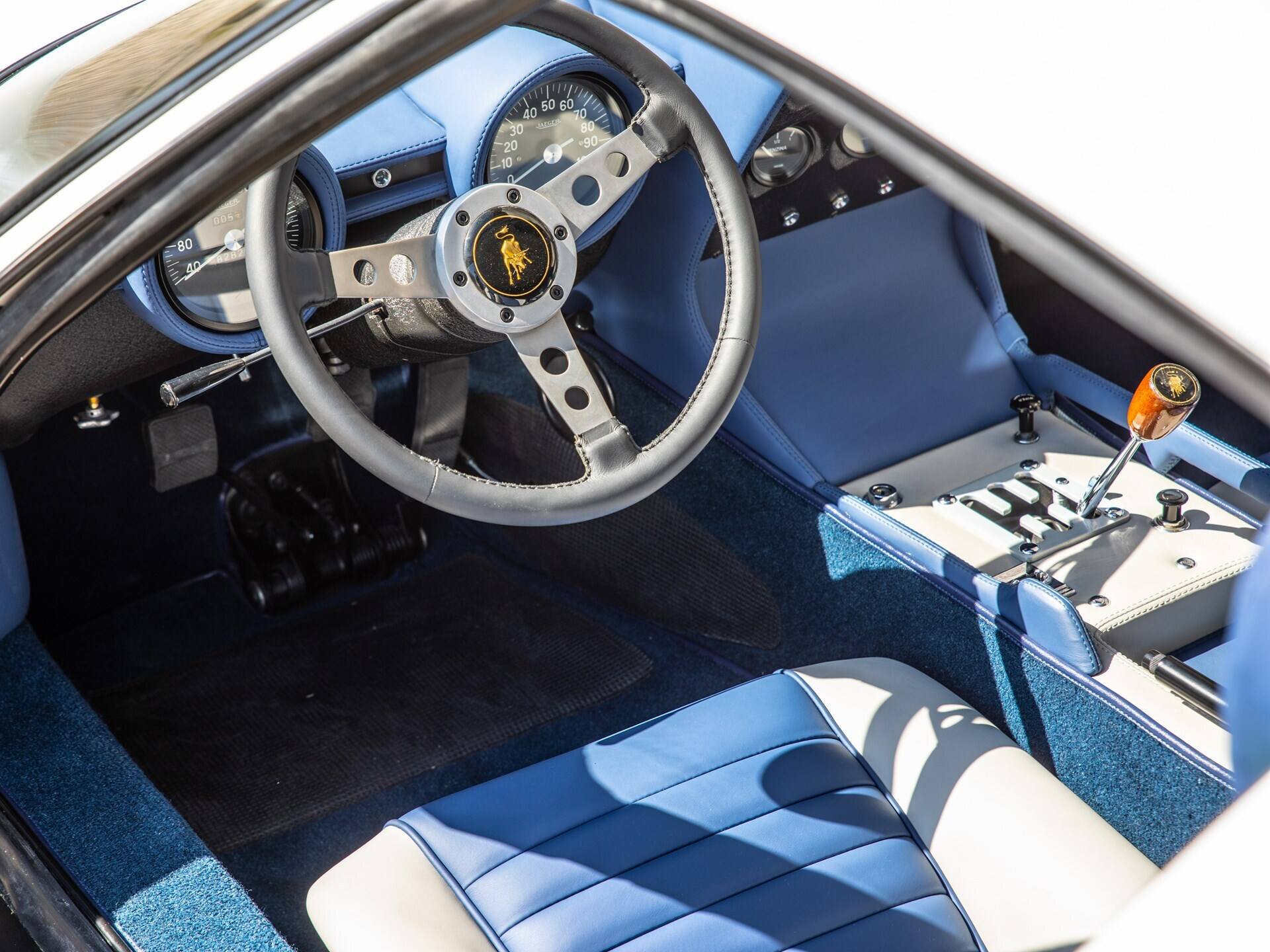
Lamborghini Miura P400 By Bertone

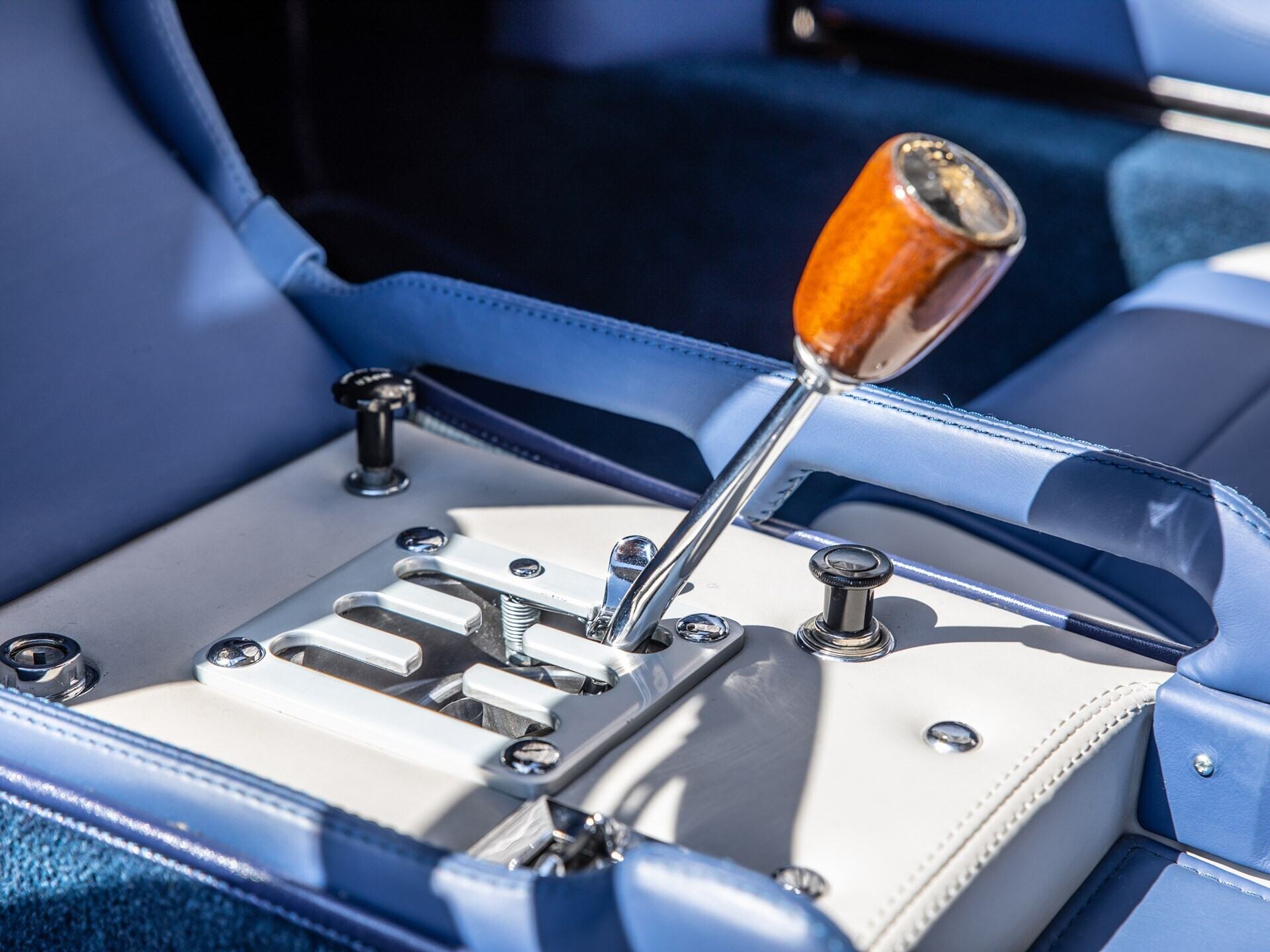
The driver’s cockpit is classic complete with a proper gate for the gear lever.

This car was first owned by a client in Milan, Italy, before being shipped to the United States where at one point its owner decided to squeeze a Chevrolet V8 into it mated to a ZF transaxle.

No doubt it both sounded and performed superbly, but it did not stay like that and a subsequent owner undertook a restoration to put the car back into completely original condition with a correct Lamborghini V12 engine and transmission – thankfully.

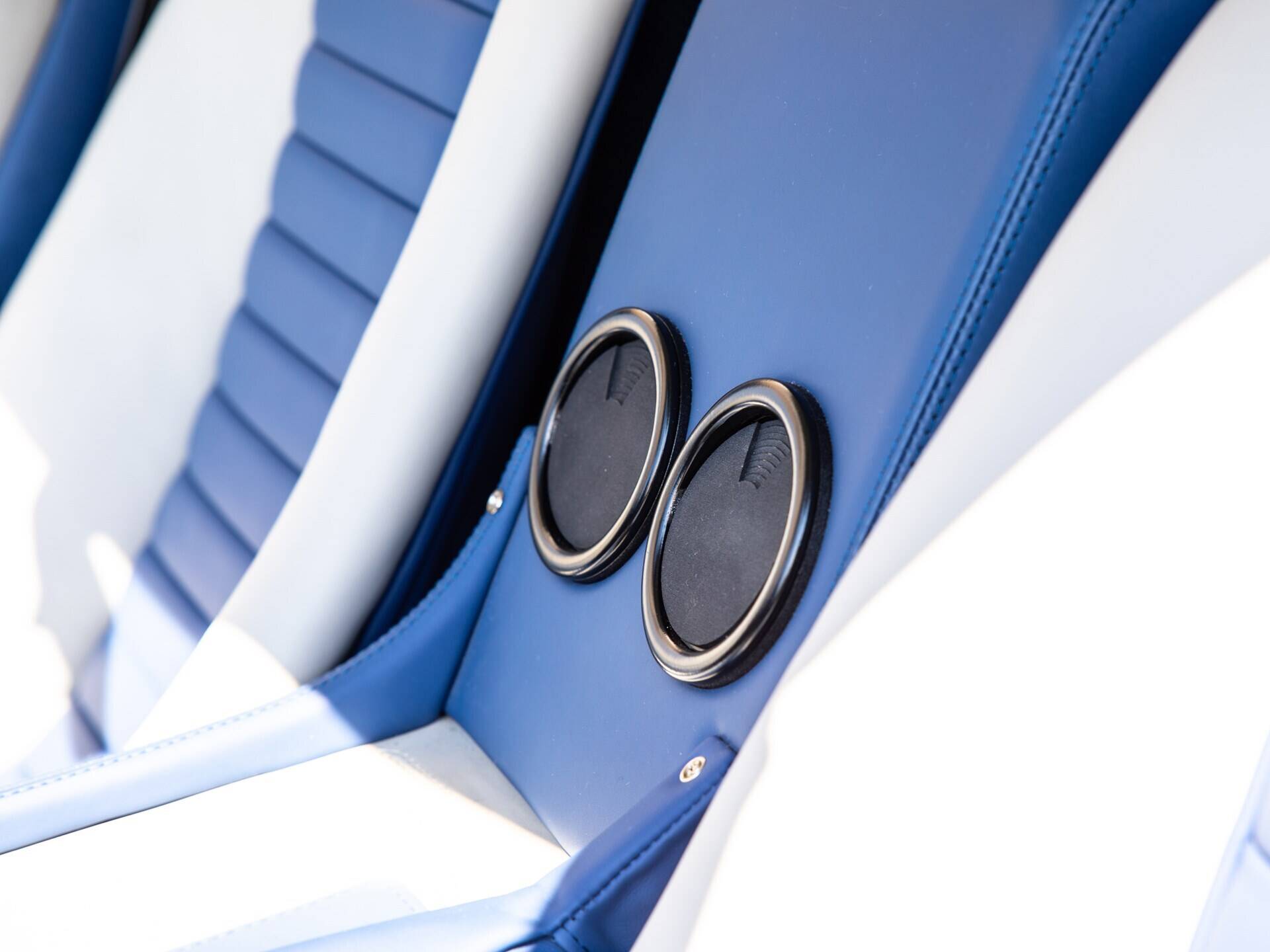
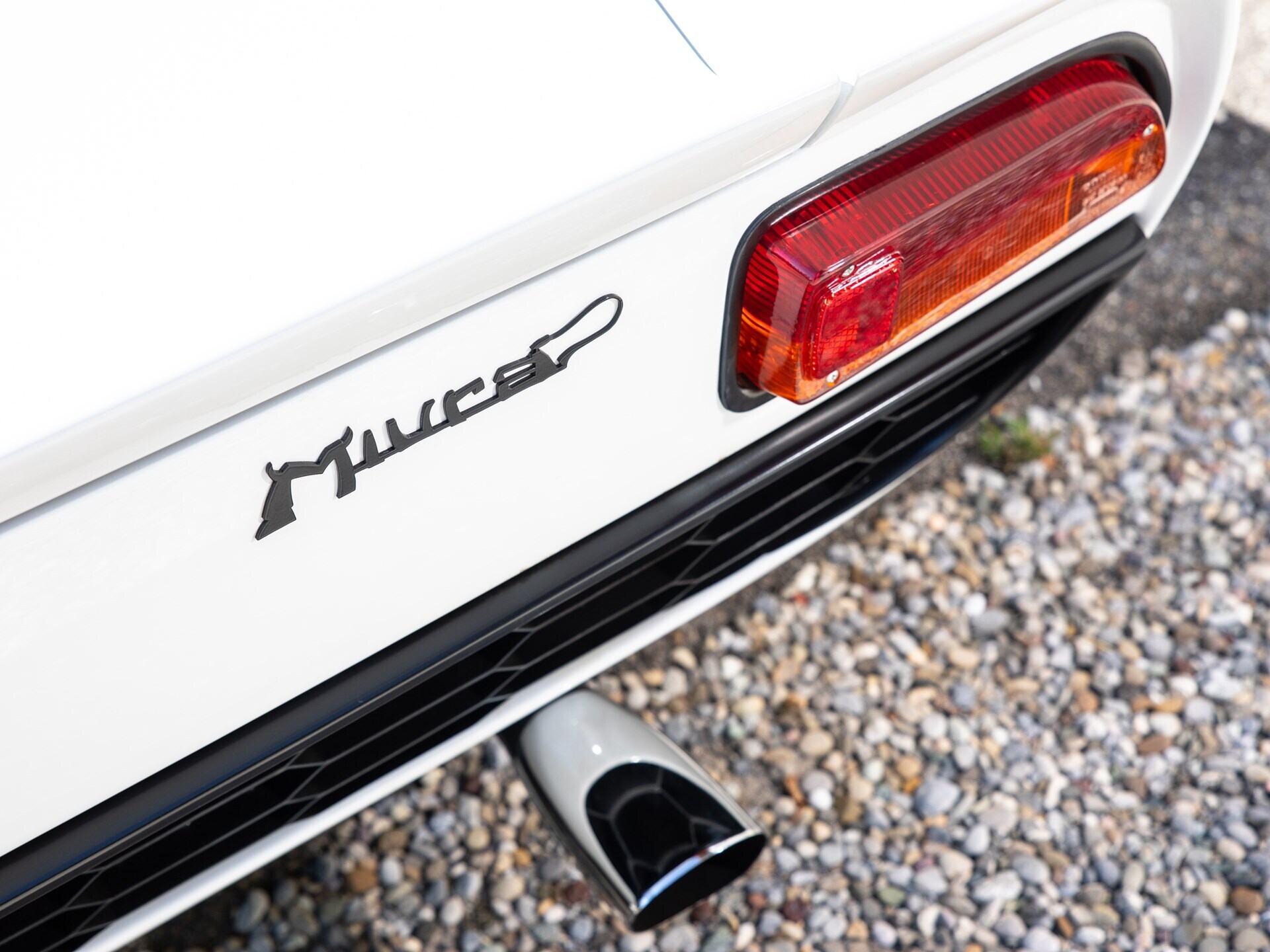
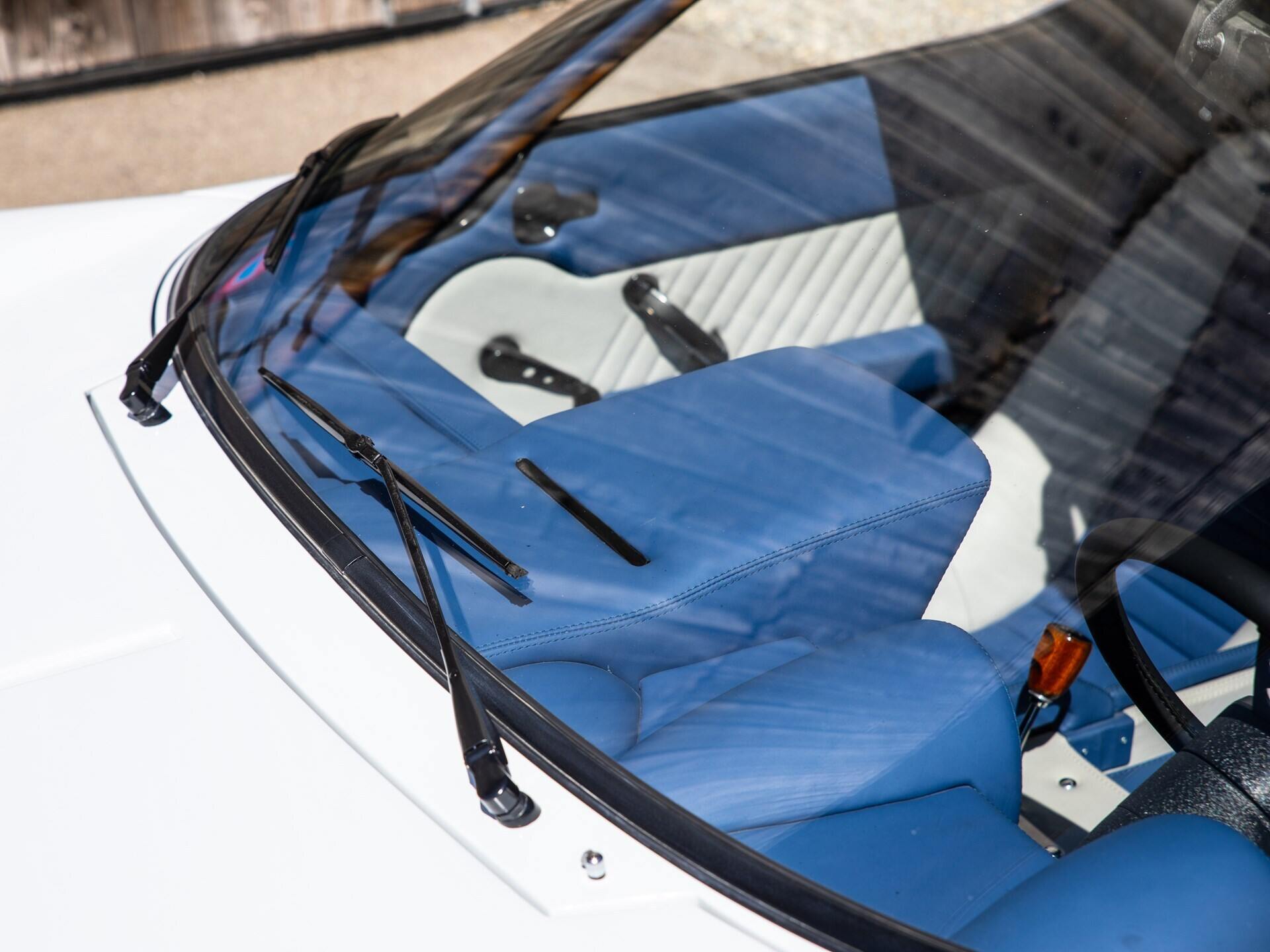
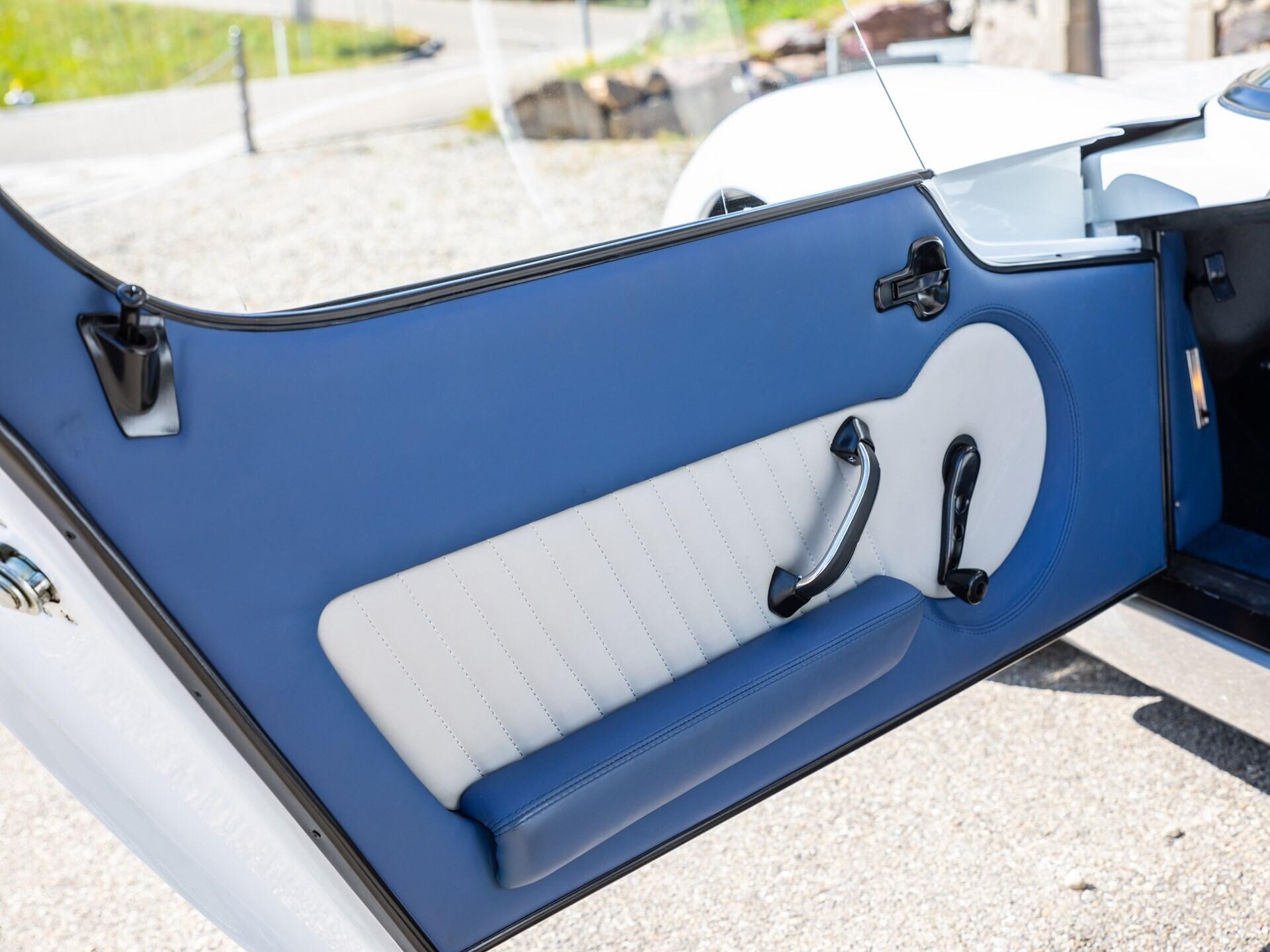
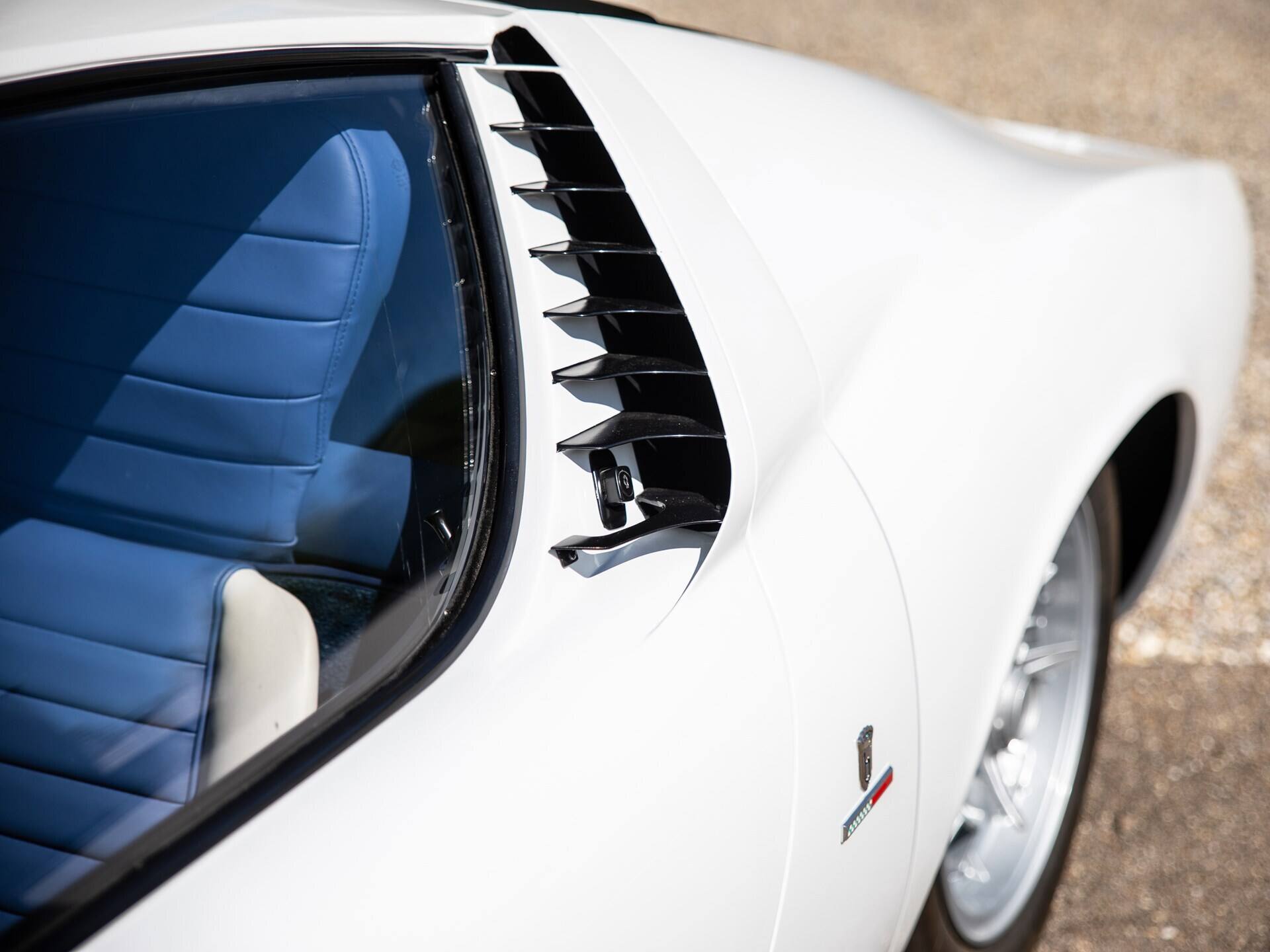
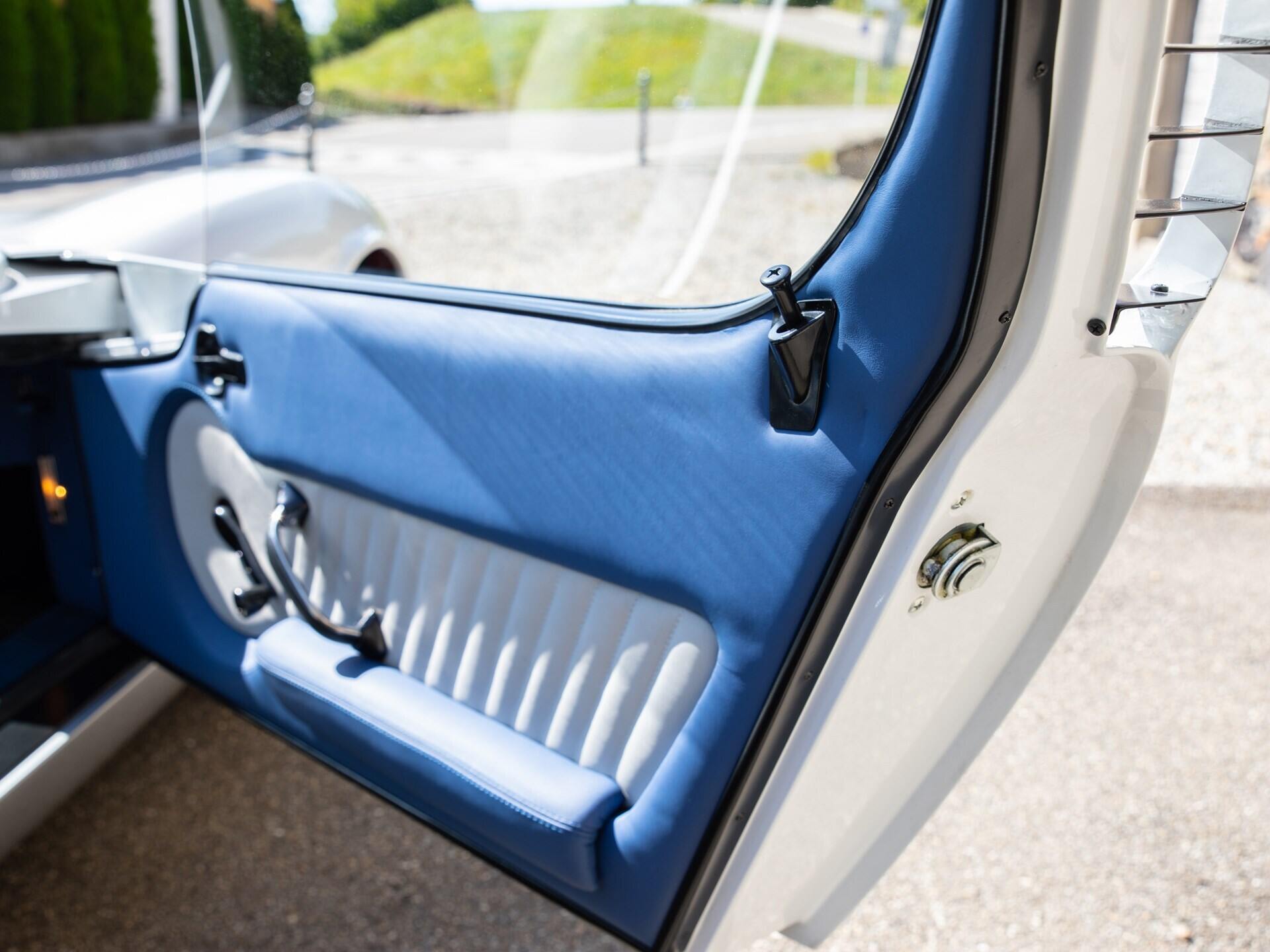
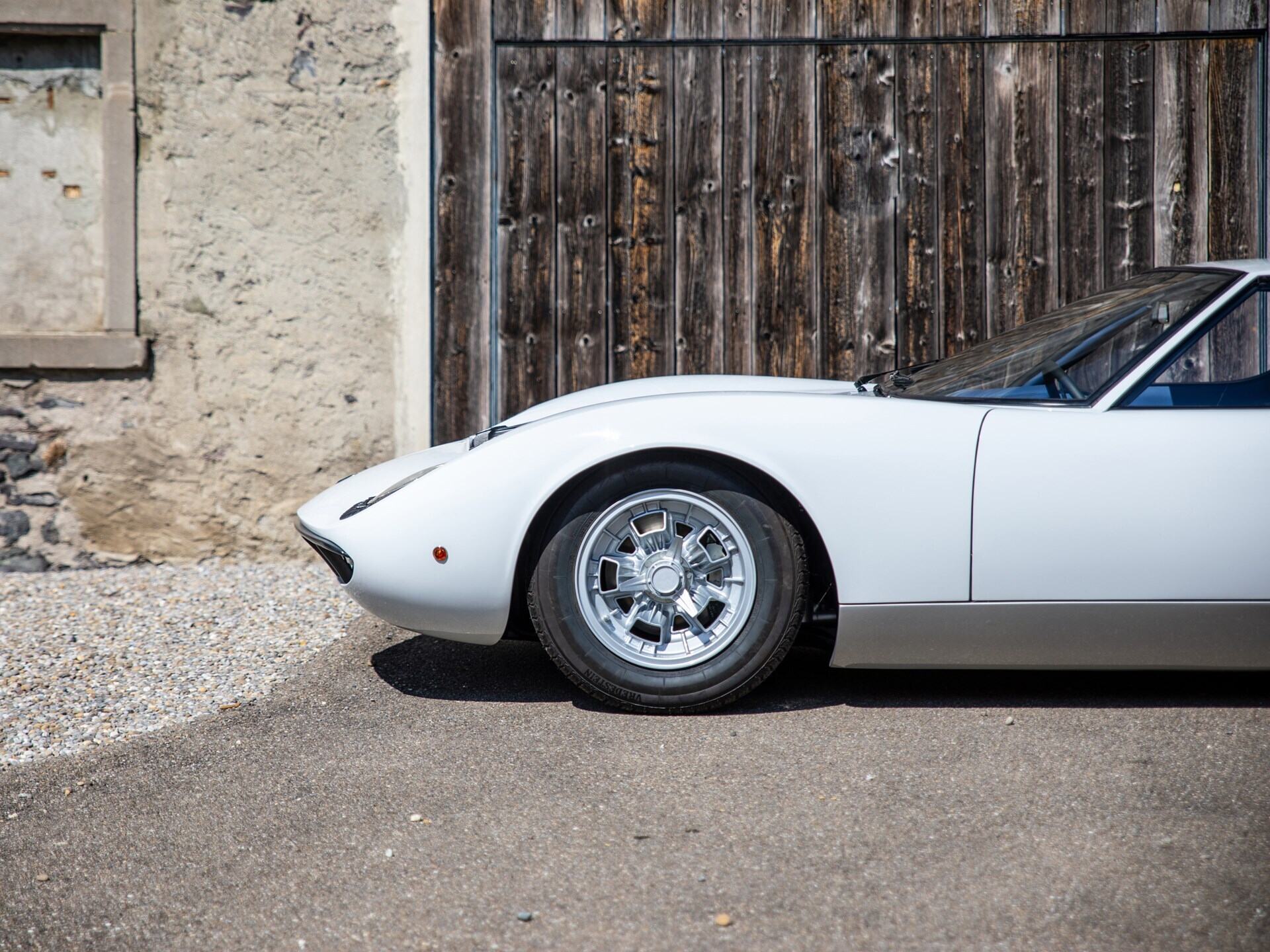
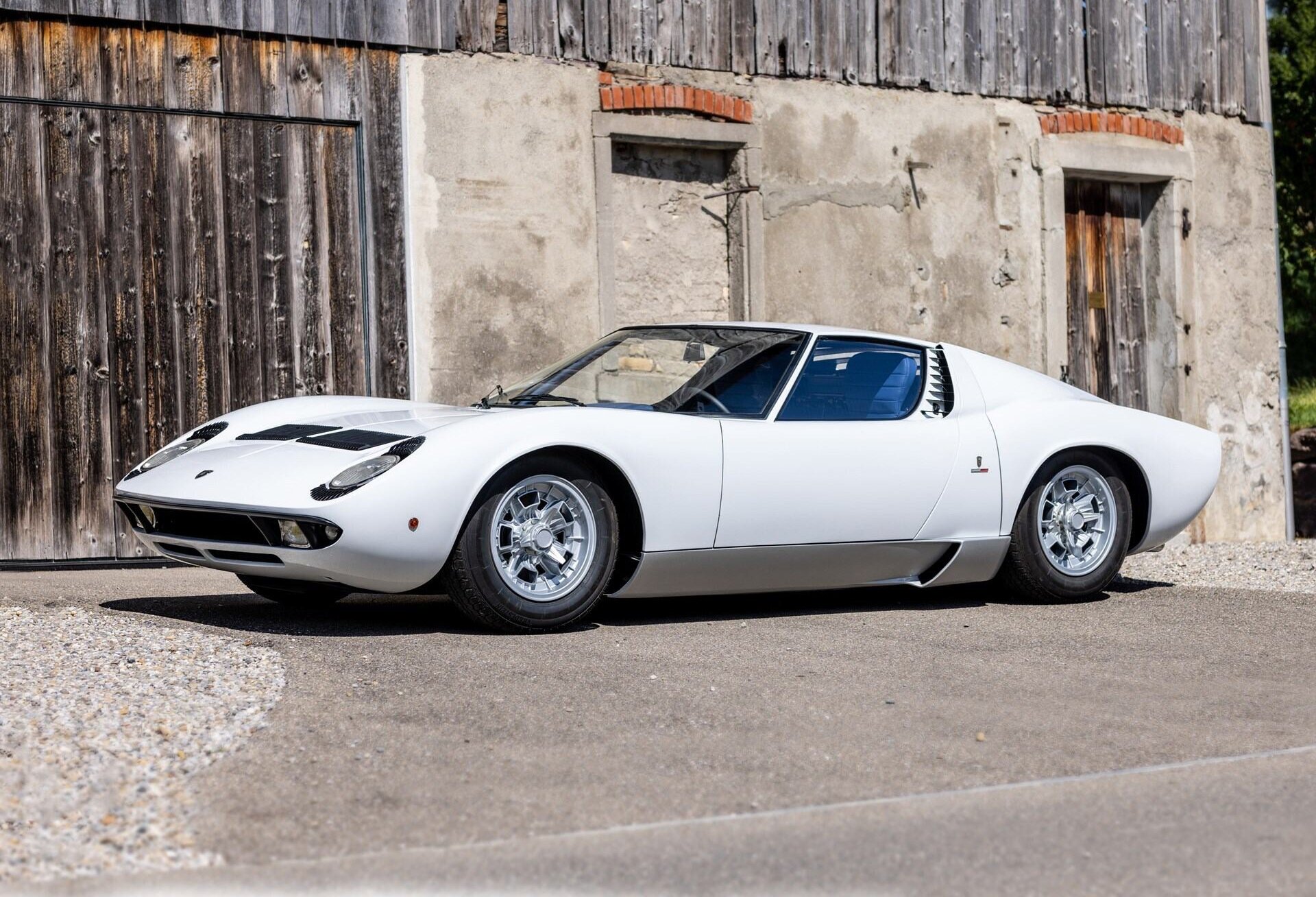
During that restoration the car was stripped back to bear metal and repainted “Bianco Miura” while the interior was re-done in blue and light grey leather.

The Lamborghini Miura was the car that created a whole new genre of grand touring car – which came to be known as the “supercar”. As a mid-engine touring car it had few predecessors, arguably the first being the Mercedes-Benz 150 Mid-engine Sports Car (W30) created by Hans Nibel with input from chassis engineer Max Wagner and introduced in 1934.

The Miura was and still is one of the most eye-catching cars ever created. It was also one that was brilliantly engineered.

You will find out more details of this car if you visit the RM Sotheby’s sale page here.

Photo credits: Neil Fraser ©2022 Courtesy of RM Sotheby’s except where otherwise marked.
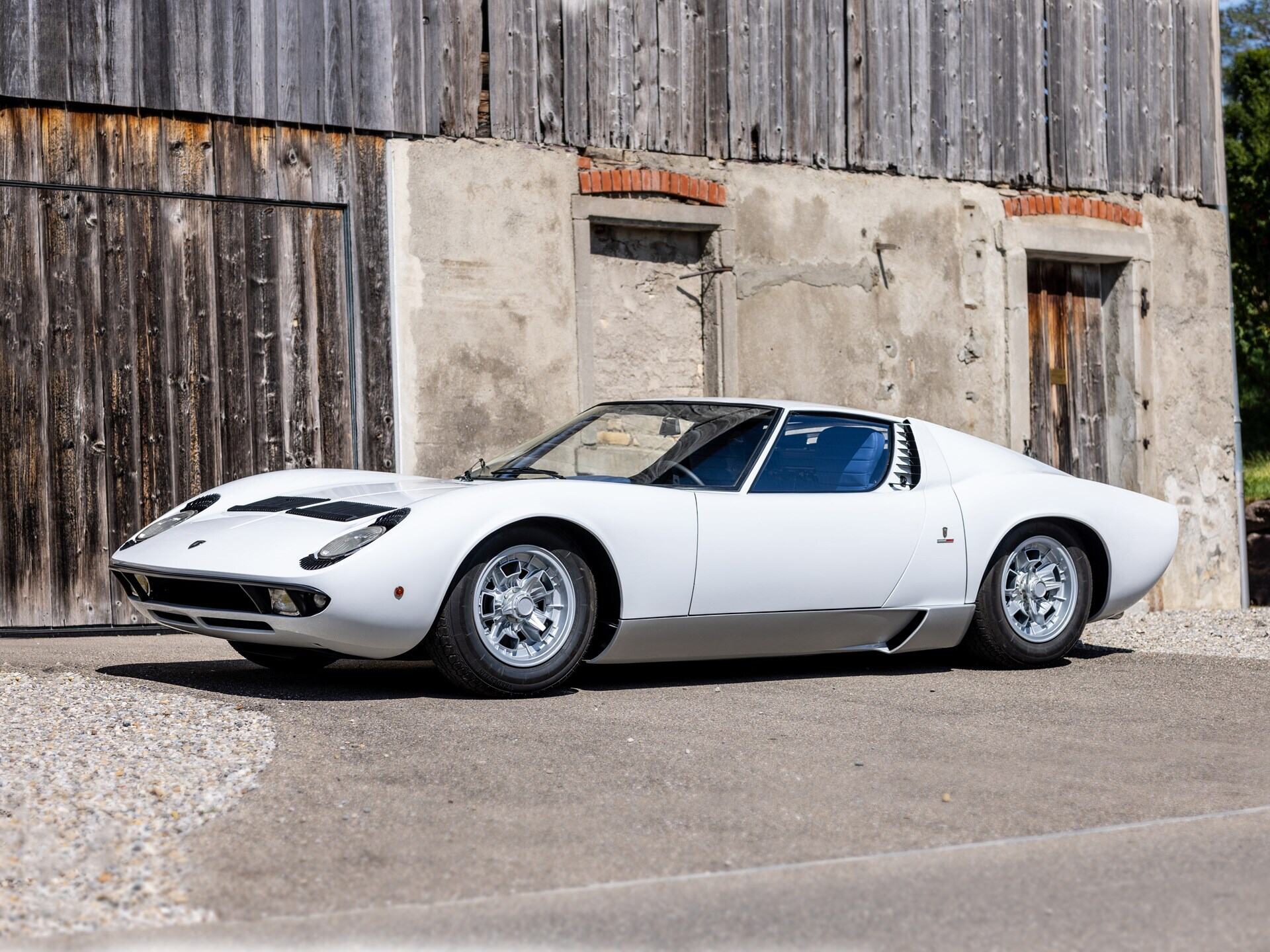
Lamborghini Miura P400 By Bertone Lamborghini Miura P400 By Bertone Lamborghini Miura P400 By Bertone Lamborghini Miura P400 By Bertone Lamborghini Miura P400 By Bertone Lamborghini Miura P400 By Bertone Lamborghini Miura P400 By Bertone Lamborghini Miura P400 By Bertone Lamborghini Miura P400 By Bertone Lamborghini Miura P400 By Bertone Lamborghini Miura P400 By Bertone Lamborghini Miura P400 By Bertone Lamborghini Miura P400 By Bertone Lamborghini Miura P400 By Bertone Lamborghini Miura P400 By Bertone Lamborghini Miura P400 By Bertone Lamborghini Miura P400 By Bertone Lamborghini Miura P400 By BertoneLamborghini Miura P400 By Bertone Lamborghini Miura P400 By BertoneLamborghini Miura P400 By BertoneLamborghini Miura P400 By BertoneLamborghini Miura P400 By BertoneLamborghini Miura P400 By Bertone Lamborghini Miura P400 By Bertone Lamborghini Miura P400 By BertoneLamborghini Miura P400 By BertoneLamborghini Miura P400 By BertoneLamborghini Miura P400 By Bertone Lamborghini Miura P400 By BertoneLamborghini Miura P400 By BertoneLamborghini Miura P400 By Bertone

The post 1968 Lamborghini Miura P400 – The First Supercar appeared first on Silodrome.


from Silodrome https://silodrome.com/lamborghini-miura-p400/
via gqrds

Puma GT – The Iconic Brazilian Sports Car Of The 1960s

The Puma GT is one of the best-known sports cars built by the Brazilians during a time when importing cars into the South American country had been made almost impossible – the government was hoping to build up a local automotive manufacturing industry.

Many of the sports cars built in Brazil over this timeframe where based on the VW Beetle platform, or the VW-based Karmann Ghia, as there was a major Volkswagen factory in the country producing vast quantities of cars for the local market.

Fast Facts – The Puma GT

  • Puma manufacturer Sociedade de Automóveis Lumimari Ltda was founded in Brazil in 1964 by Rino Malzoni, as well as Luiz Roberto Alves da Costa, Milton Masteguin, and Mário César de Camargo Filho.
  • Rino Malzoni was an Italian immigrant to Brazil, he was in charge of designing and engineering the vehicles, which he often did in a matter of just a few months working at a remarkable pace.
  • Malzoni’s designs have been lauded in Brazil and around the world for their elegance and timeless appeal, a feat made all the more impressive by the fact that he started out working by hand in a workshop in Sao Paolo with limited access to equipment.
  • The Puma GT was one of the company’s most important early designs, it was based on the Karmann Ghia platform with a fiberglass body, a 1500cc or 1600cc VW flat-four engine, a 4-speed gearbox, and it was built between 1967 and 1970.

Rino Malzoni – The Italian/Brazilian Maestro

Puma was essentially based around a series of successful racing cars built by Rino Malzoni, an Italian who had immigrated to Brazil as a child with his family who planned to farm coffee in Matão, in the state of São Paulo.

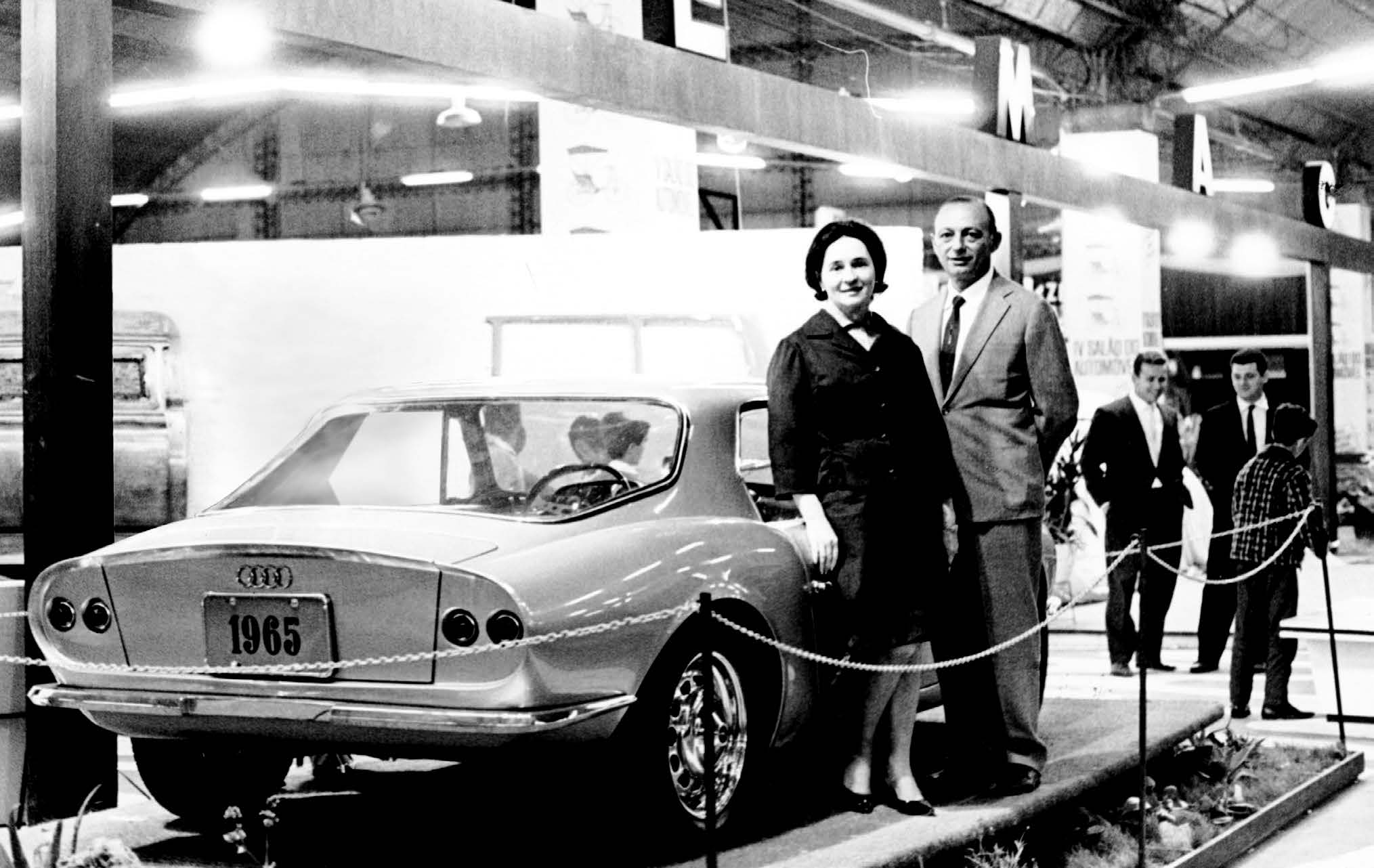
Rino Malzoni and his wife Anita at Salão do Automóvel in São Paulo, in 1964, where the Malzoni GT Type IV was shown

Rino Malzoni and his wife Anita at Salão do Automóvel in São Paulo, in 1964, where the Malzoni GT Type IV was shown.

Malzoni had initially become a lawyer however he soon discovered it wasn’t his true passion, he spent countless hours in his uncle’s automotive workshop in the local town and learned the ropes.

Before long his was customizing cars, like a Ford Model A and an Austin A90 Atlantic, he soon graduated to working on more illustrious cars like a BMW 328 and a 1952 Maserati coupé into which he transplanted the drivetrain of a Ferrari 250 Testa Rossa.

Malzoni developed his own sports car based on the chassis of a 1.0 liter DKW with 50 bhp, it may not sound like much but it was notably more than the ~30 bhp of the Volkswagens of the period. The DKW had a separate chassis and body, allowing a new body to be constructed and fitted – creating the Malzoni GT which was unveiled in 1963.

This was soon followed by the Malzoni GT Type II, the Type III, and the Type IV, all incorporating the many lessons that were being learned by Malzoni and his team along the way. The early steel bodied cars soon made way for fiberglass, as it was far cheaper and easier to work with.

Brazil’s Puma Car Company

Puma was originally founded as the Sociedade de Automóveis Lumimari Ltda in 1964, “Lumimari” came from combining the two first letters from the first names of the company founders: Luiz Roberto Alves da Costa, Milton Masteguin, Mário César de Camargo Filho, Rino Malzoni.

Puma Cars Company Logo

The Puma logo was certainly eye-catching, in fact it may be one of the most visually arresting company logos in automotive history.

Lumimari would further advance the designs of the Malzoni GT cars built earlier in the 1960s, still using the German DKW platform. Their first car was the Puma GT, it was unveiled in 1966 and it promptly won “Brazil’s Most Beautiful Car” by Quatro Rodas a popular Brazilian car magazine of the time – interestingly the jury included the lauded automotive designer Nuccio Bertone.

The Puma GT wasn’t just good-looking, it was quick. Various Puma GTs competed in at least 54 races taking 15 victories, 12 second places, and seven third places – phenomenal results for a brand new automaker.

One of the young drivers that would cut his teeth piloting a Puma GT was future Formula 1 World Champion Emerson Fittipaldi, who co-drove with Jan Balder in the 1966 Brazilian 1000 Mile race.

It was at this point in history that the Lumimari marque nearly collapsed, they had sold 135 examples of their new sports car and were enjoying their remarkable racing successes when news broke that DKW would be ceasing local operations in Brazil. This swept the legs out from under the still-new company as it removed the platform they used for the Puma GT.

Puma GT Car 4

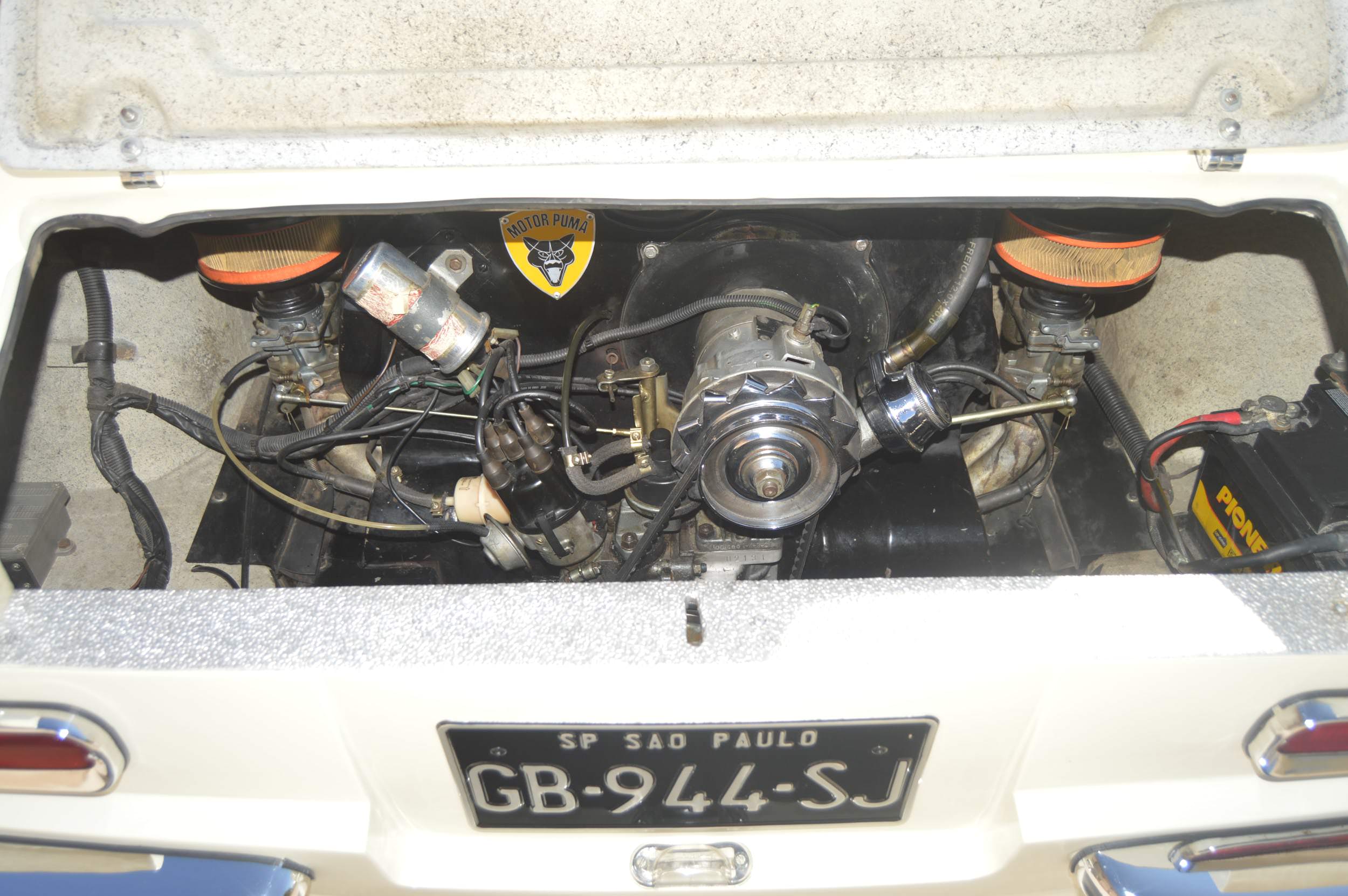
This car is powered by the 1.5 liter Volkswagen flat-four. Many owners applied various upgrades to give the cars better performance.

Rino Malzoni set to work developing a new car on a new platform. He would develop a fiberglass body that could be bolted to the Karmann Ghia platform – amazingly it took him just nine months.

The car would be called the Puma GT however it was now based on a new platform, with an all-new body.

The Puma GT “Volkswagen”

With the release of the Volkswagen-based Puma GT things really look off for Lumimari, they sold more than 23,500 cars in total and became Brazil’s pre-eminent sports car manufacturer.

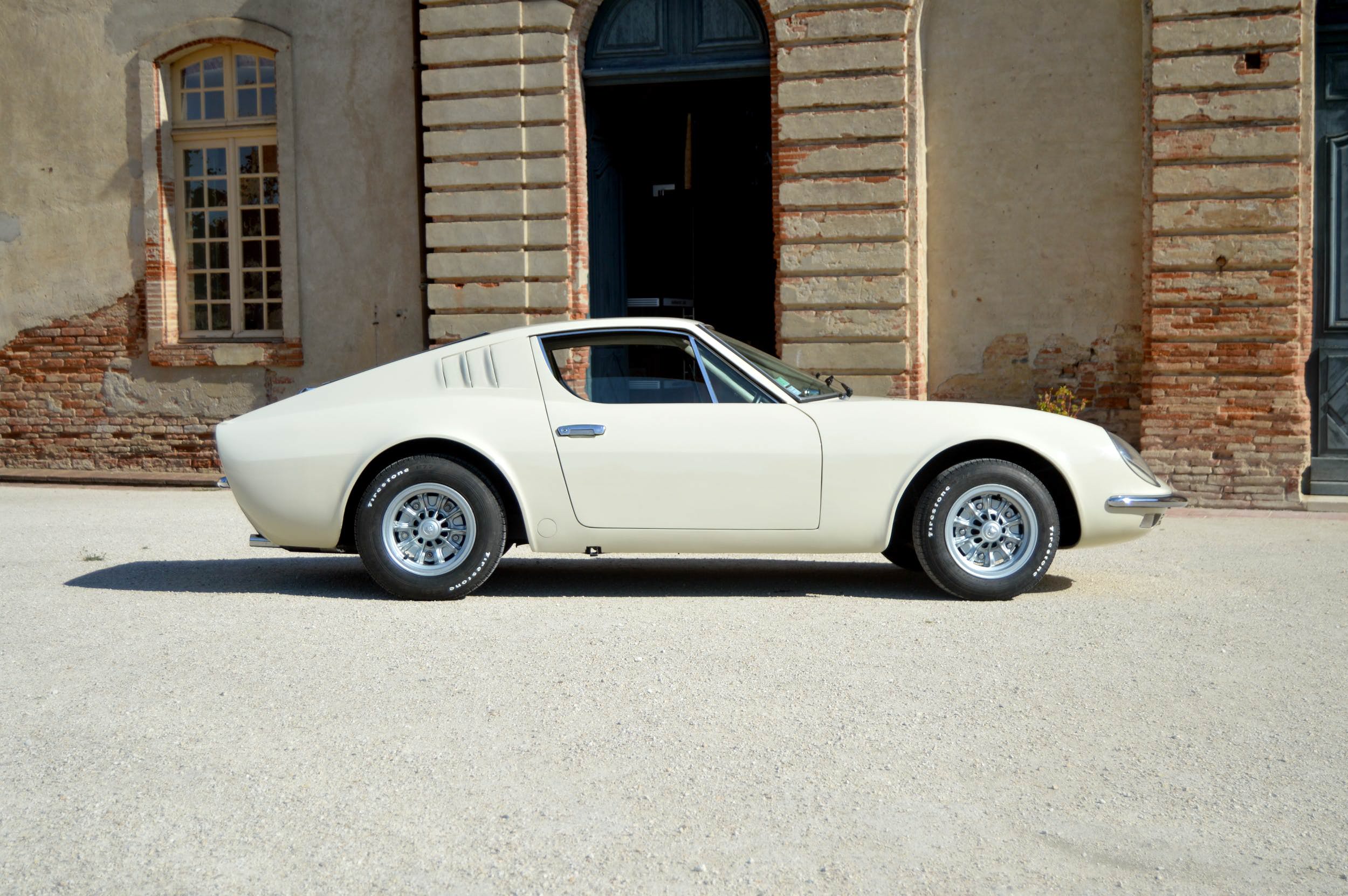
Based on the Karmann Ghia, the Puma GT featured an elegantly styled body made from lightweight fiberglass, seating for two, a rear parcel shelf area, and a front trunk. Both 1.5 and 1.6 liter flat-four VW engines were used depending on the year and specification.

As with the Karmann Ghia, the Puma GT had independent front and rear suspension, drum brakes front and back, and a 4-speed manual transmission. No one would accuse the car of being particularly fast but Brazilian’s are a famously inventive people, and highly tuned engines were soon taking to the streets.

Puma GT Car 9

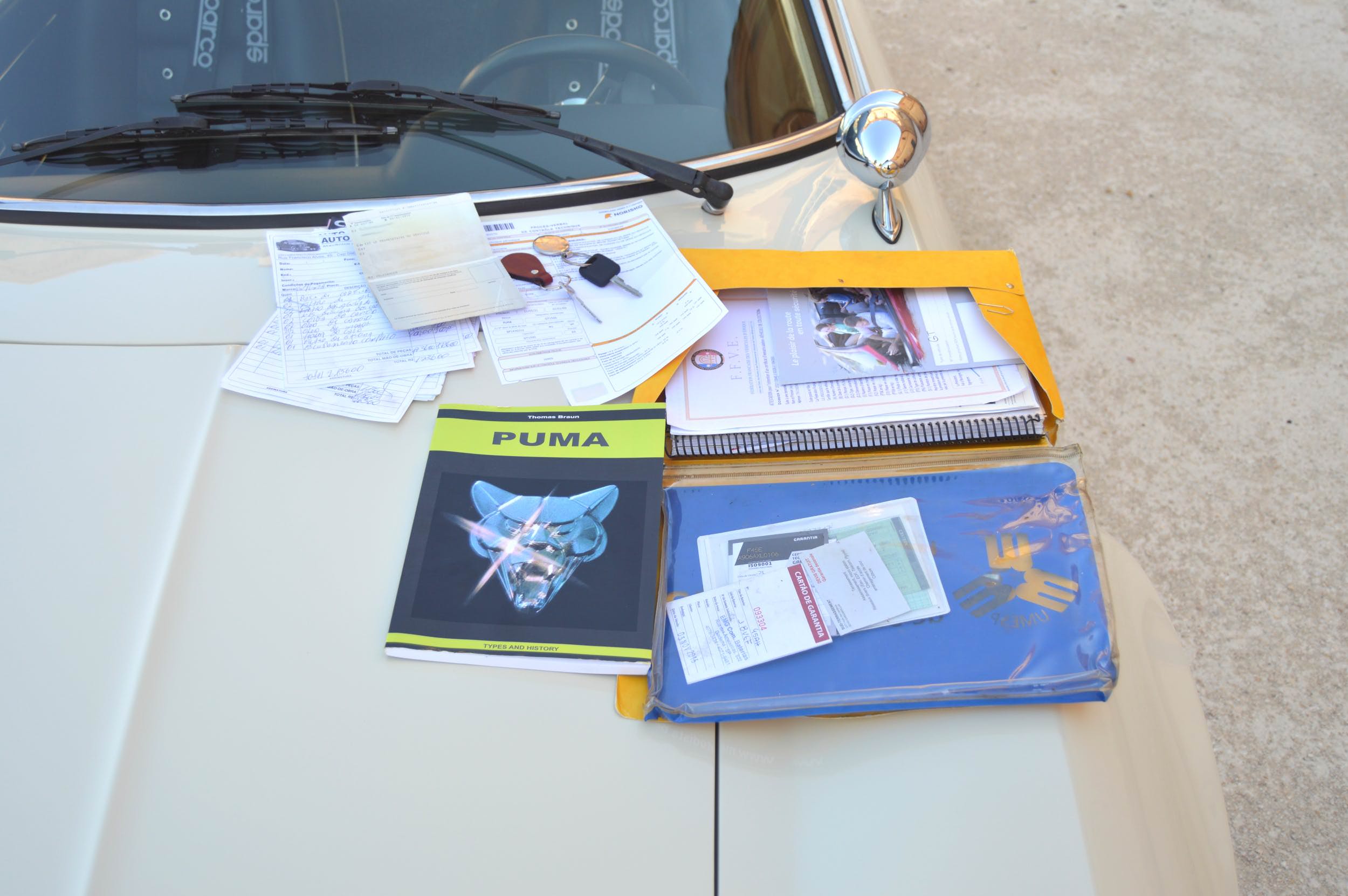
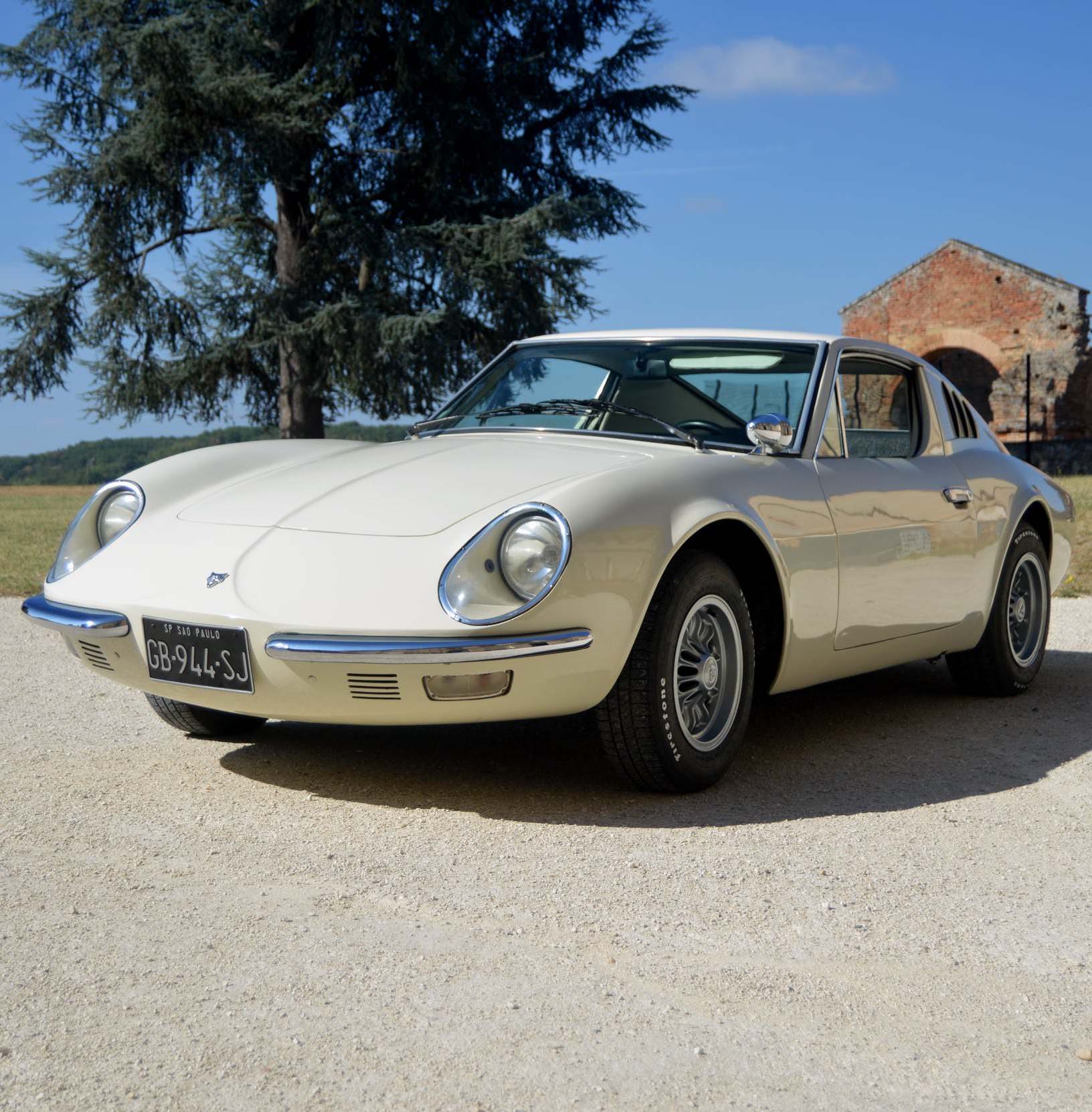
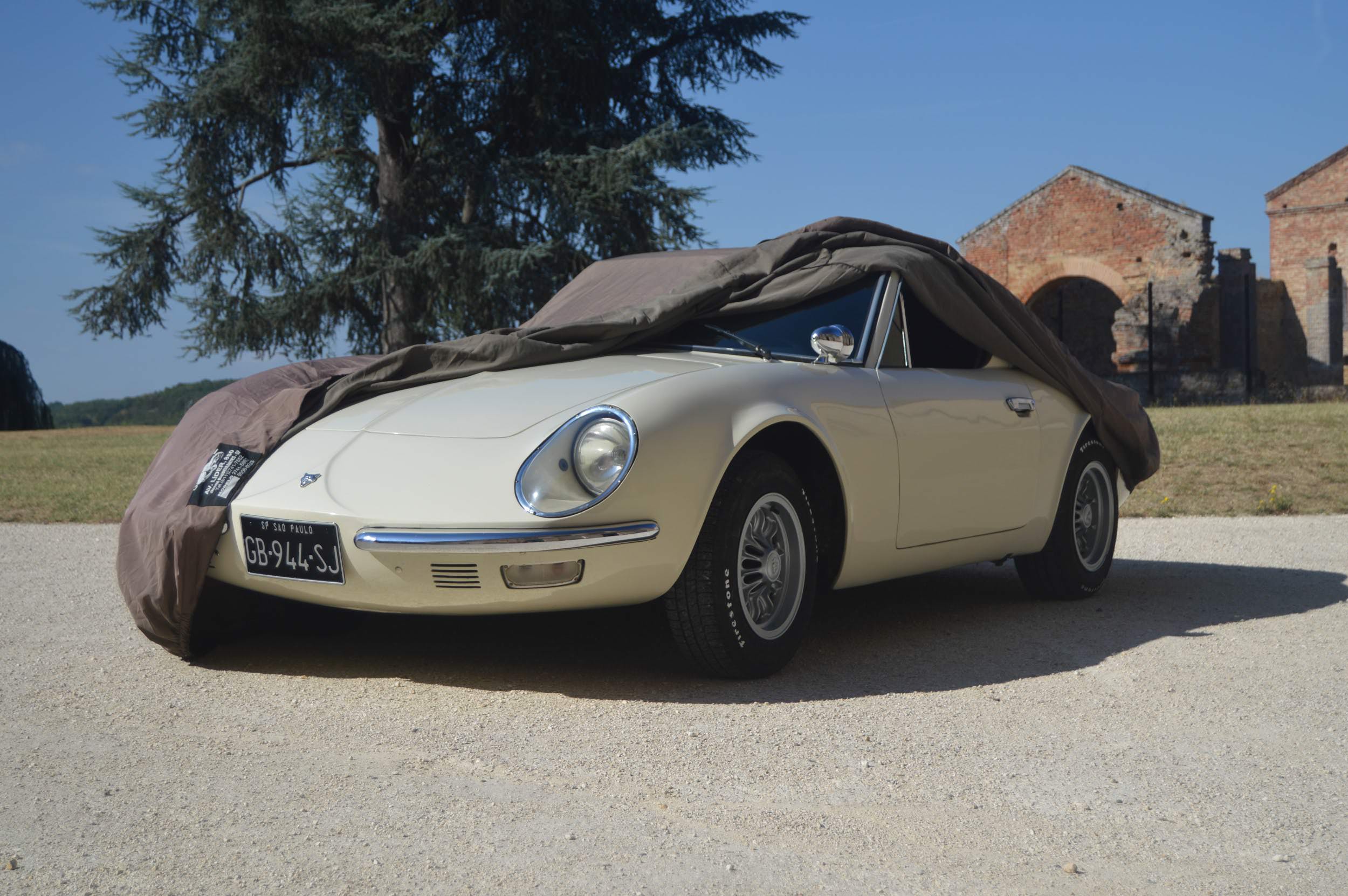
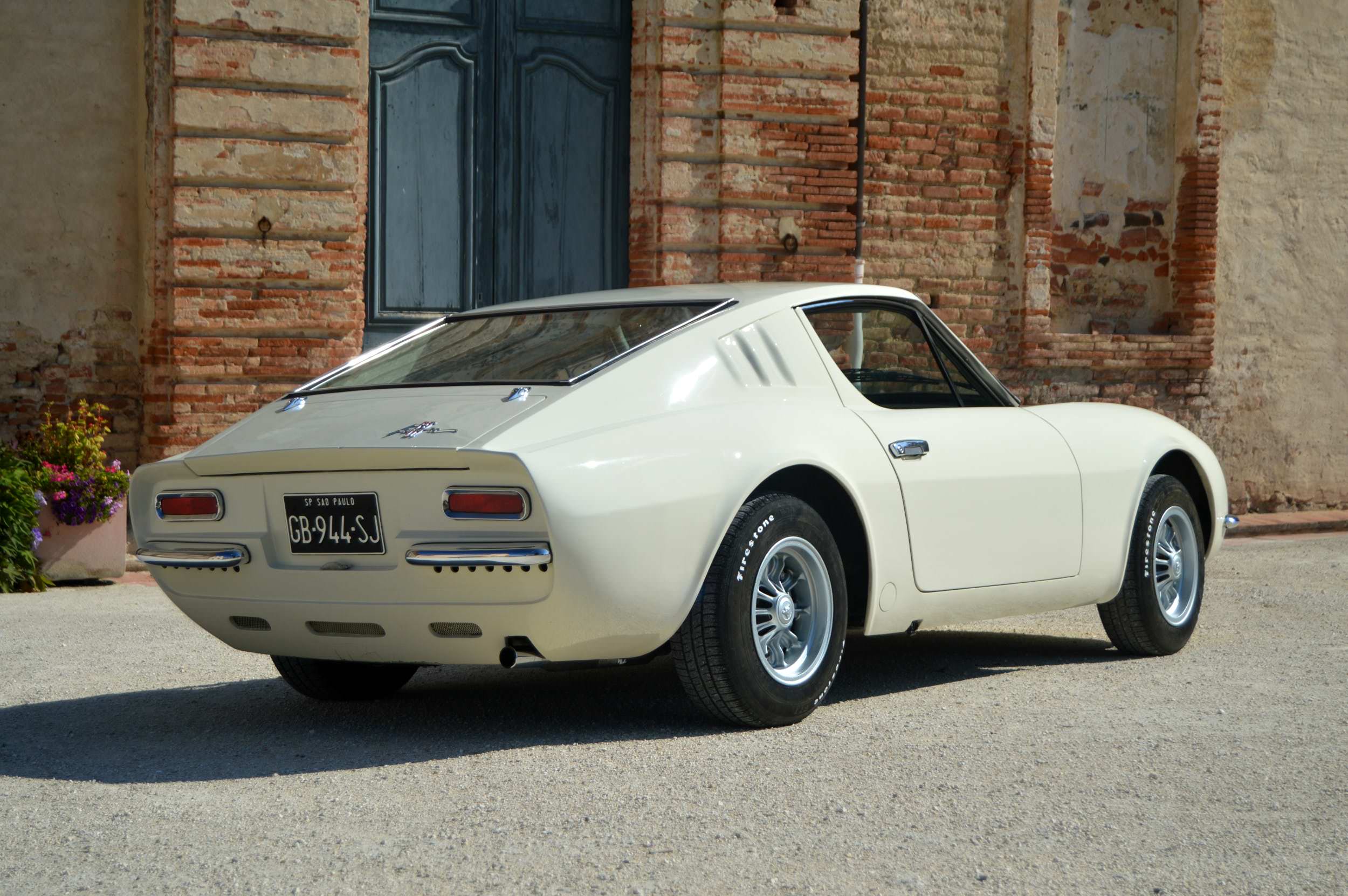
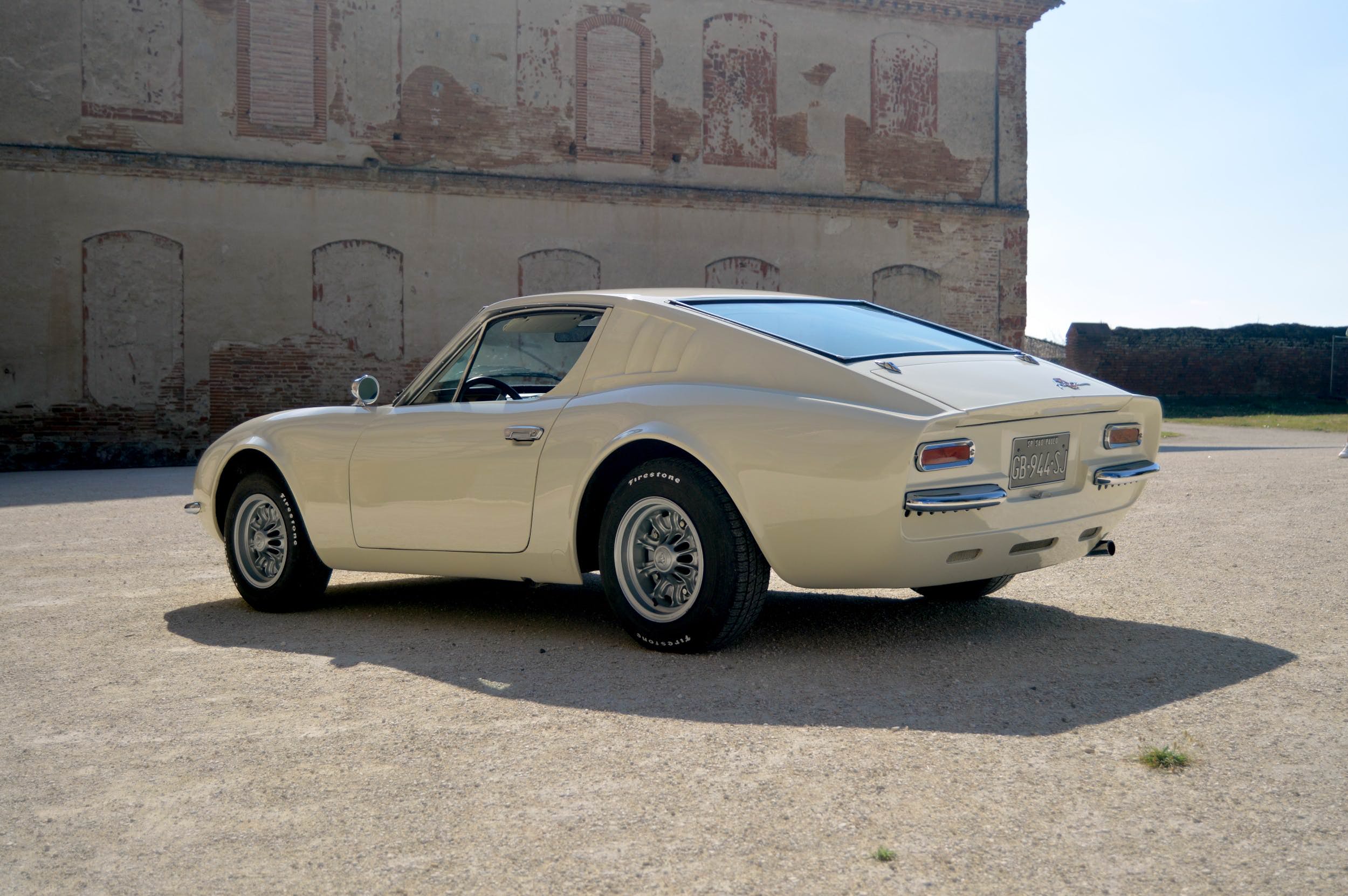
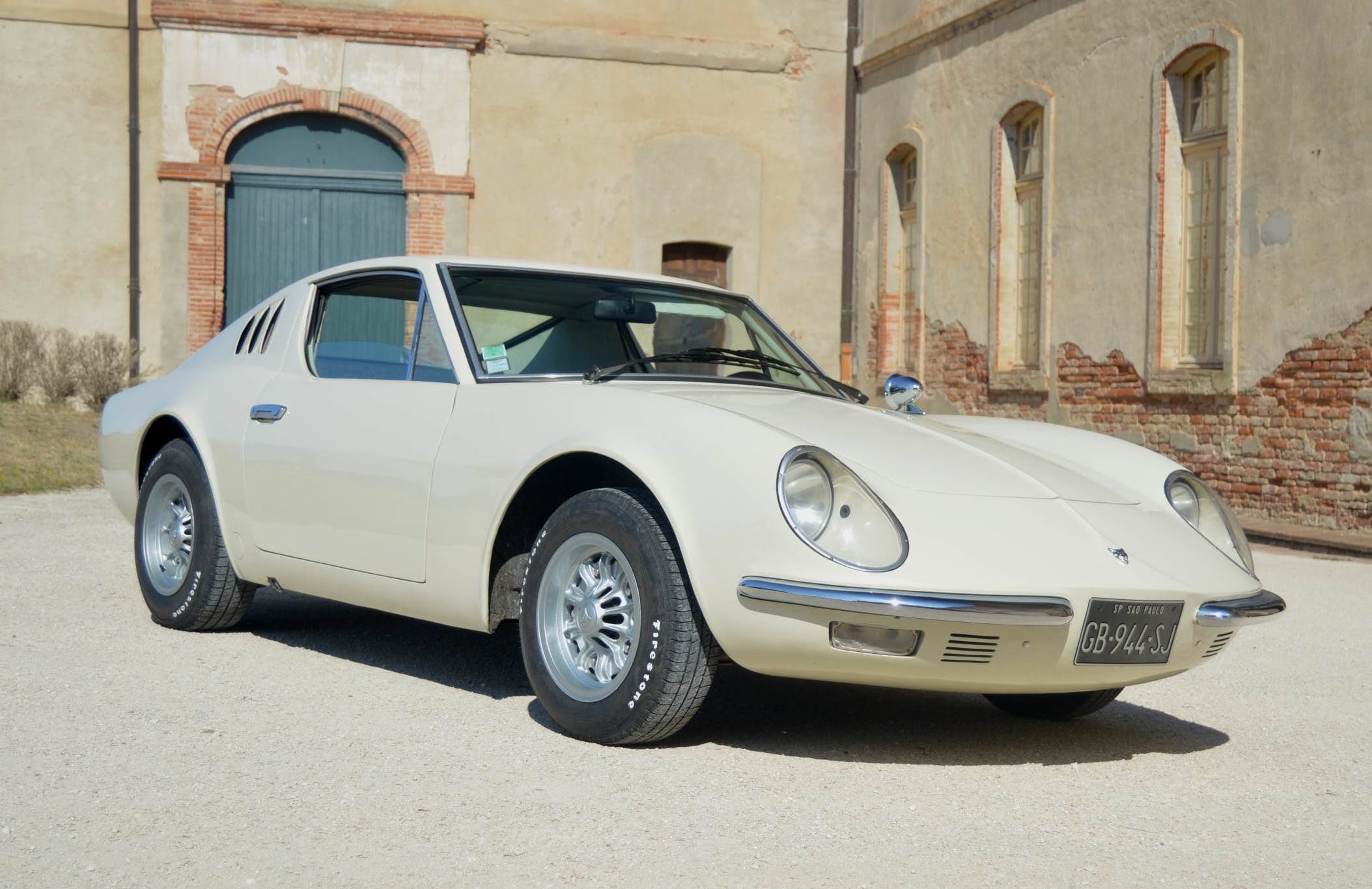
This Puma GT was part of a private collection in Brazil for decades before being restored in 2006 and eventually sold to a new owner in France in 2021. It comes with a slew of original invoices and documentation.

Lumimari themselves answered much of this demand by offering high performance cam shafts, higher compression pistons, dry sump kits, oil coolers, and other parts to help get the cars moving.

The Puma GT was eventually sold in over 50 countries, and a factory opened in South Africa to build them under license for the local market.

All examples of the Puma GT are now highly collectible in Brazil and their profile on the international classic car stage is rising as more and more people take an interest in the unusual automotive creations of men like Malzoni.

The Puma GT Shown Here

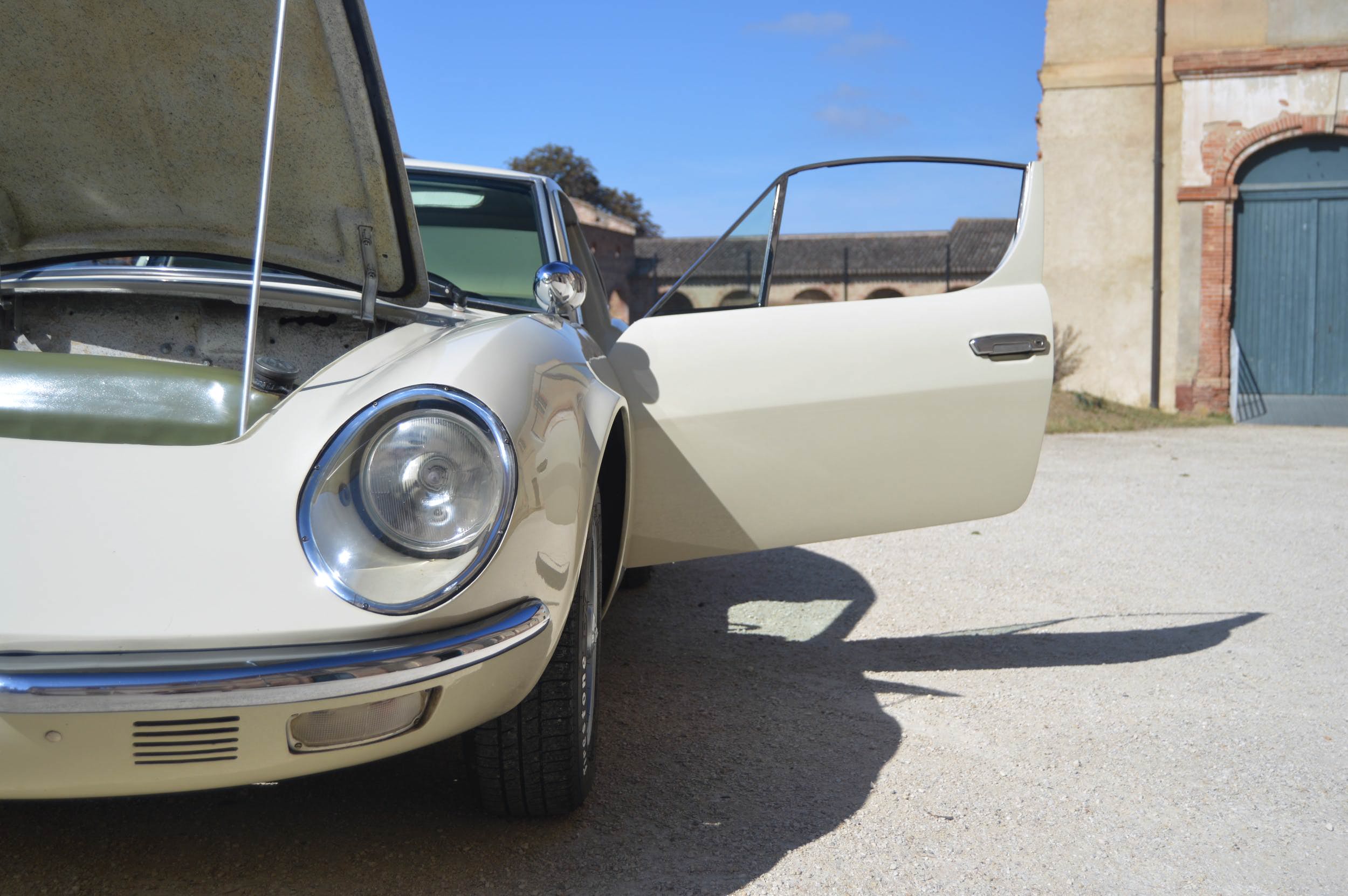
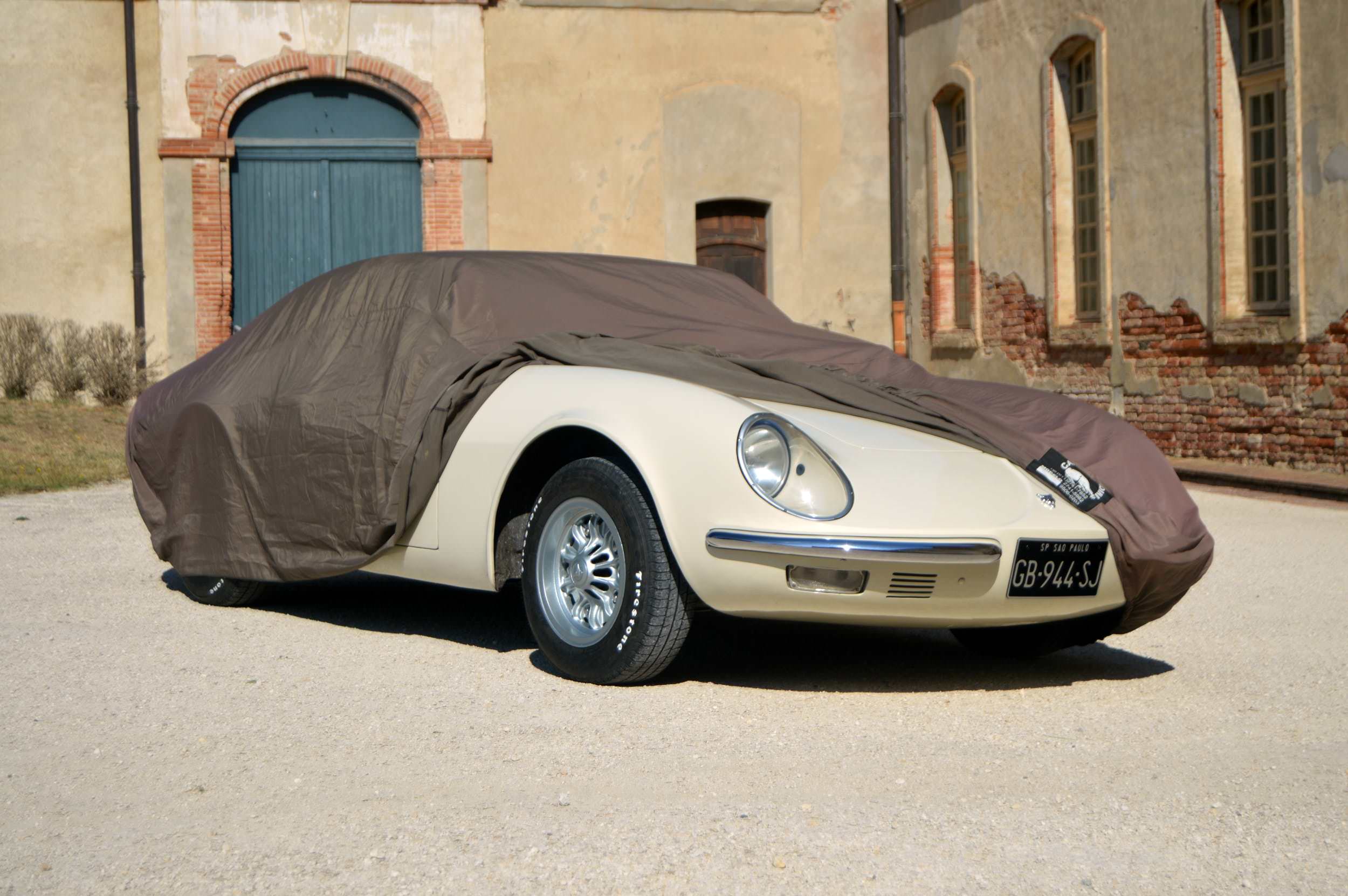
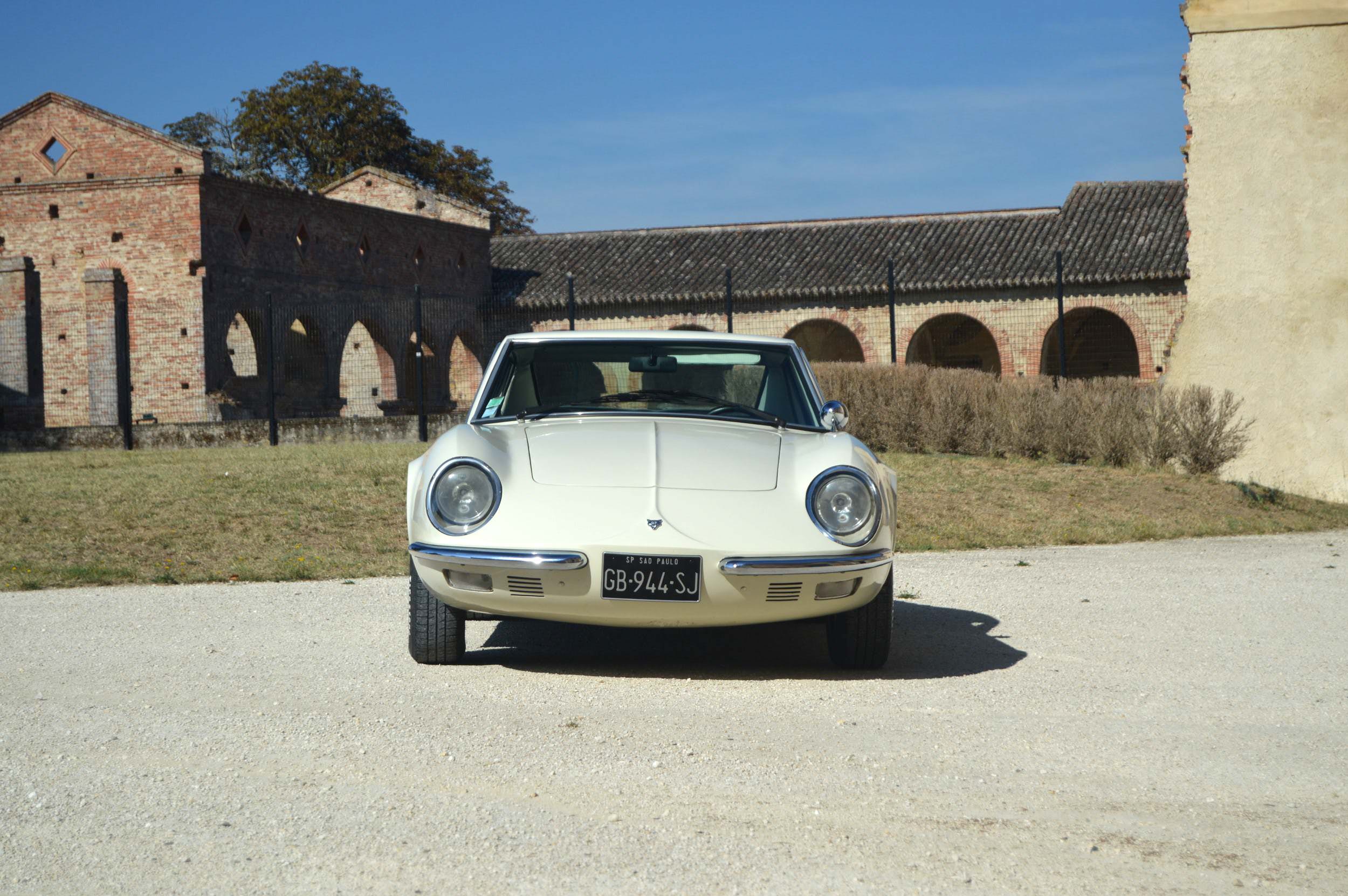
This Puma GT is a 1500 model, it’s said to have spent many decades in a private Brazilian collection being well cared for, before being sold and shipped to France in 2021.

Puma GT Car 5

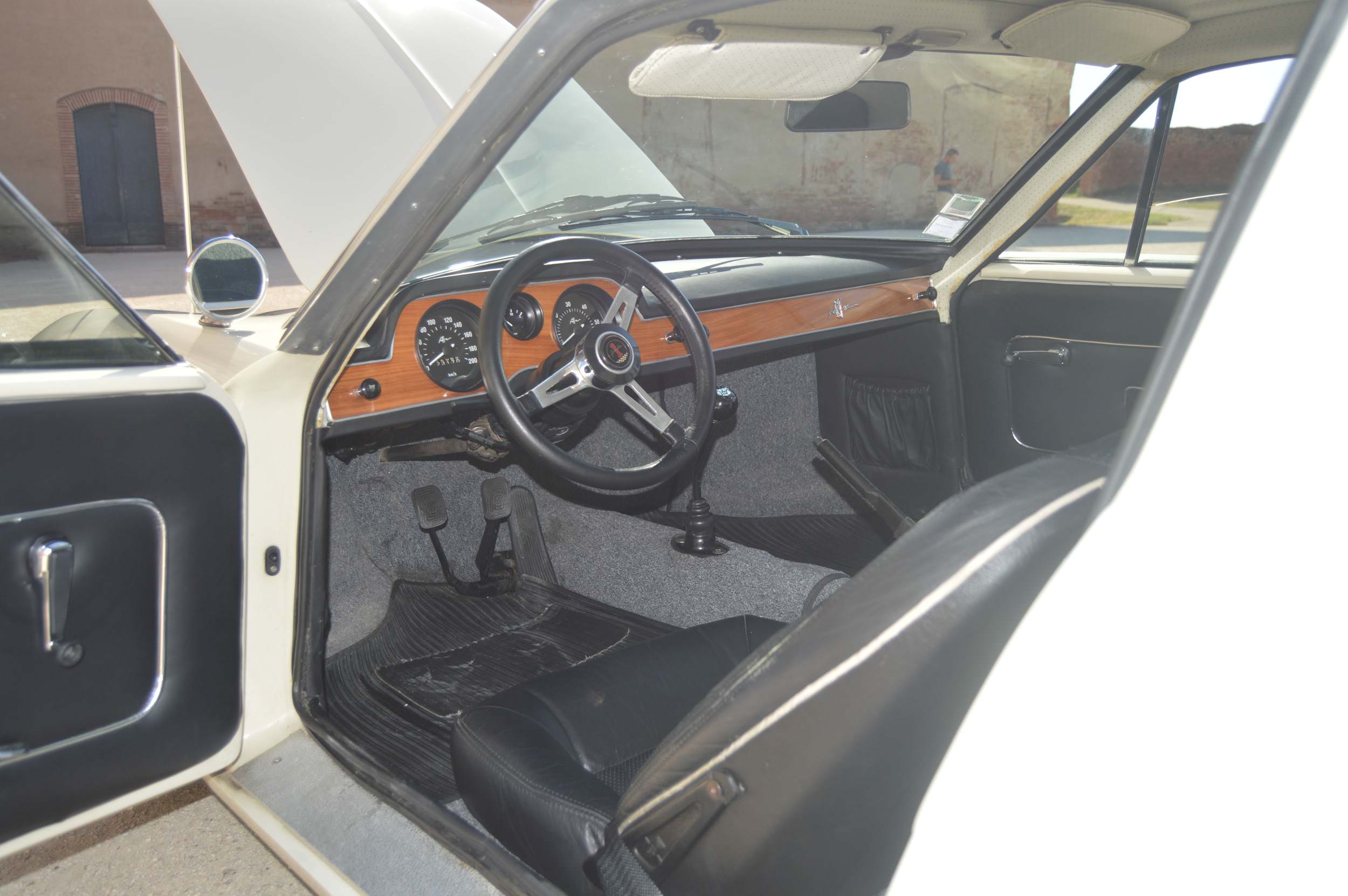
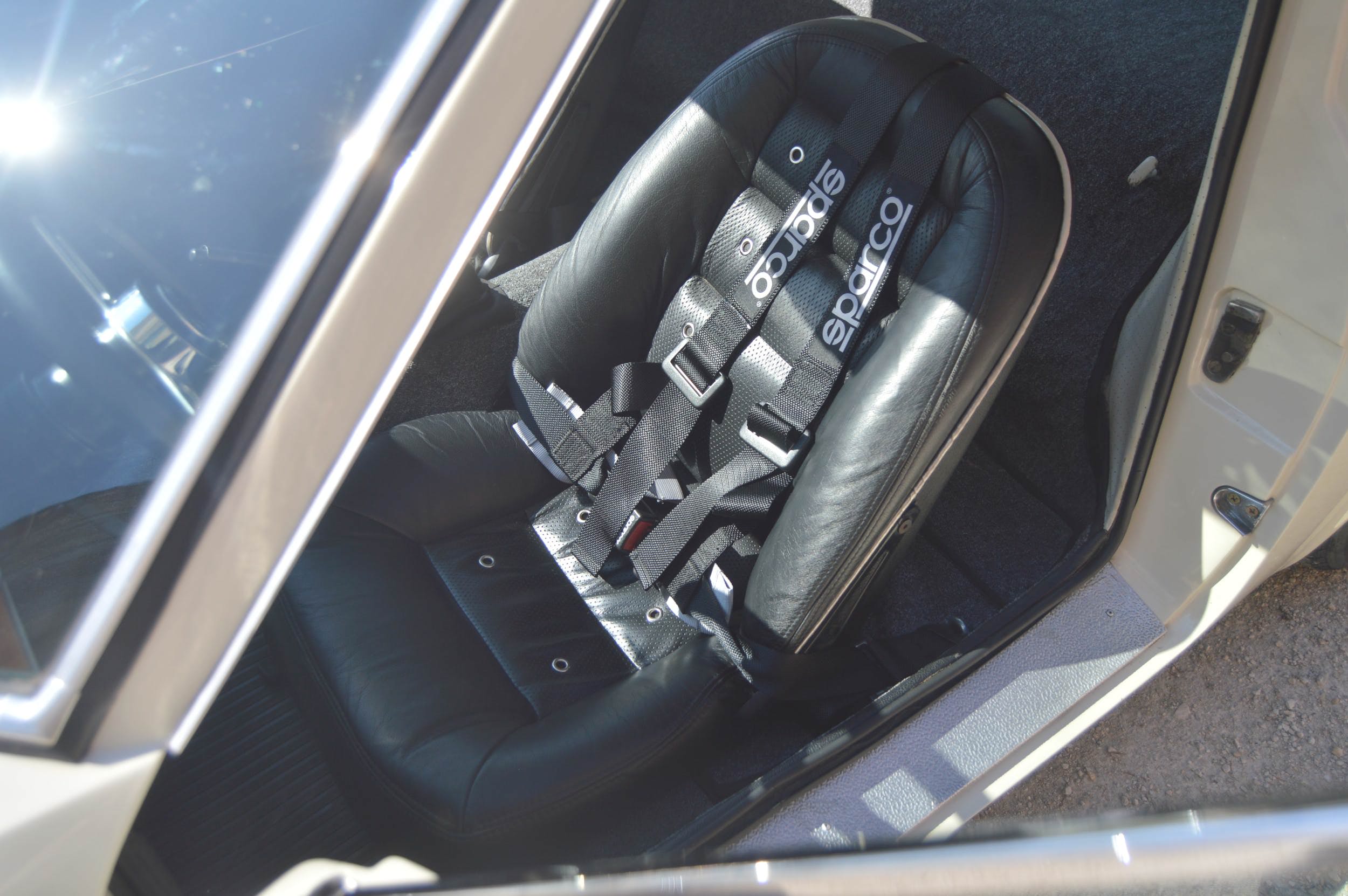
Inside there is seating for two, a wood trimmed dashboard, and sports car seats with Sparco harnesses.

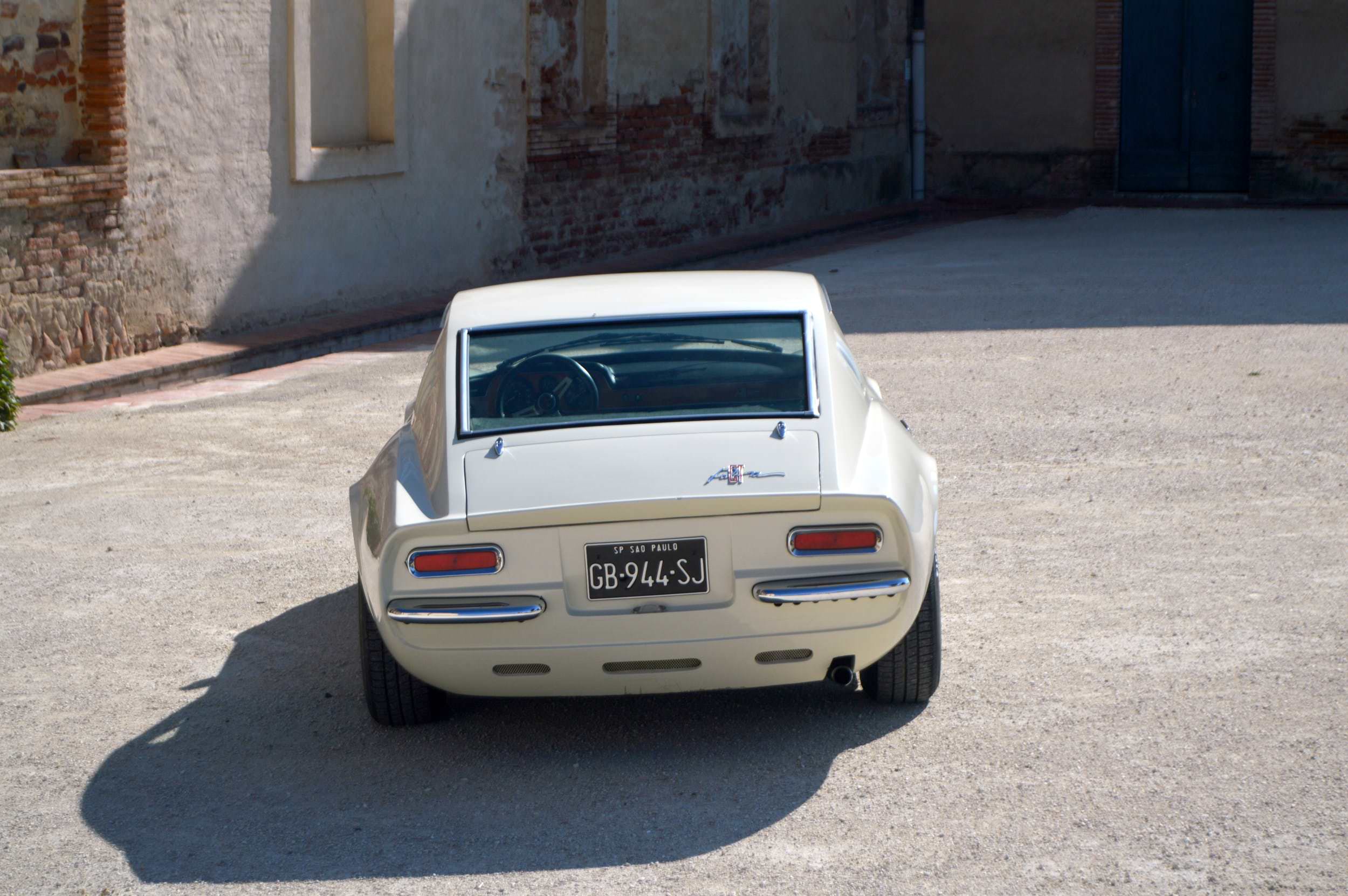
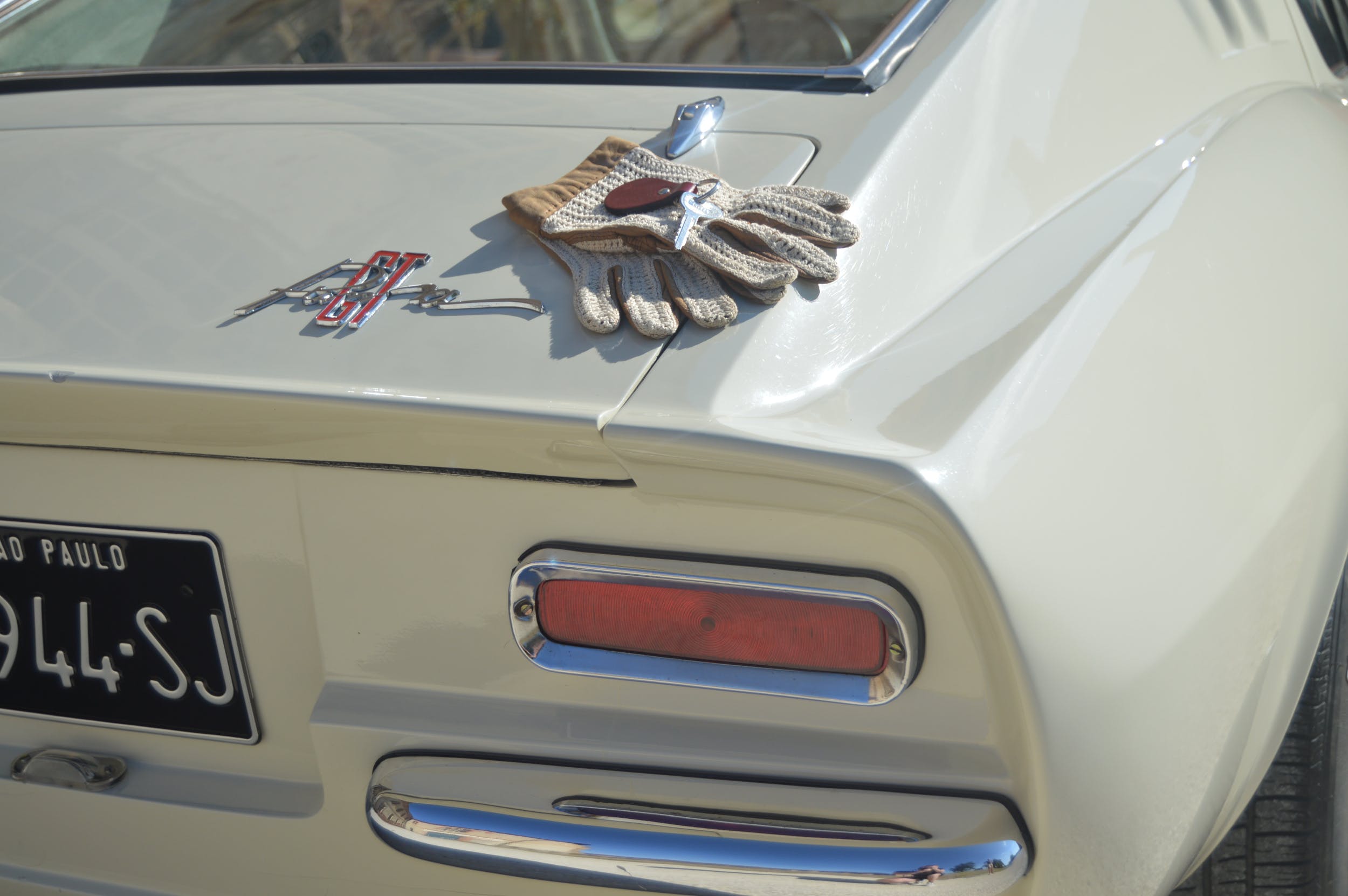
It was built in Brazil in 1969 and then restored in 2006, it carries its original numbered plaque showing that it’s car 143 of the 160 of this variant that were made.

Inside you’ll find original carpets, a partially retrimmed interior, and a pair of new Sparco three-point harnesses that were fitted in 2021 for safety.

The car is now being offered for sale on Car & Classic out of Castelsarrasin in France. If you’d like to read more about it or register to bid you can visit the listing here.

If you’d like to read more about the history of Puma and Rino Malzoni you can visit the exceptionally detailed history site here, including many photographs you won’t see anywhere else. Be sure to click the “Continue” button at the bottom of each page to see the whole story.

Puma GT Car 19 Puma GT Car 18 Puma GT Car 17 Puma GT Car 16 Puma GT Car 15 Puma GT Car 14 Puma GT Car 13 Puma GT Car 12 Puma GT Car 11 Puma GT Car 10 Puma GT Car 8 Puma GT Car 7 Puma GT Car 6 Puma GT Car 3 Puma GT Car 2

Images courtesy of Car & Classic

The post Puma GT – The Iconic Brazilian Sports Car Of The 1960s appeared first on Silodrome.


from Silodrome https://silodrome.com/puma-gt-car/
via gqrds
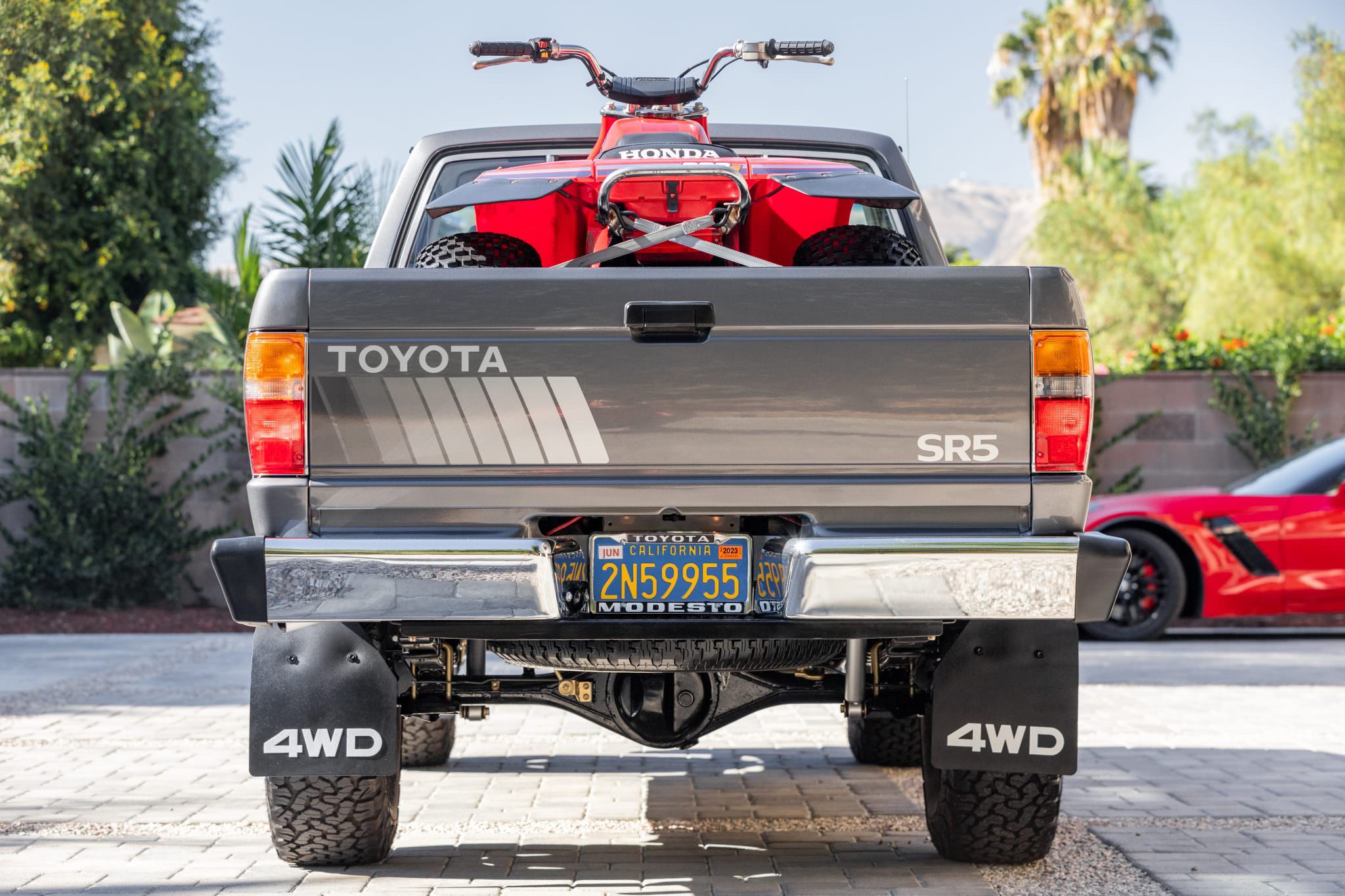
1980s Retro Dream Machine Package: A Toyota SR5 Pickup + A Honda ATC 3-Wheeler

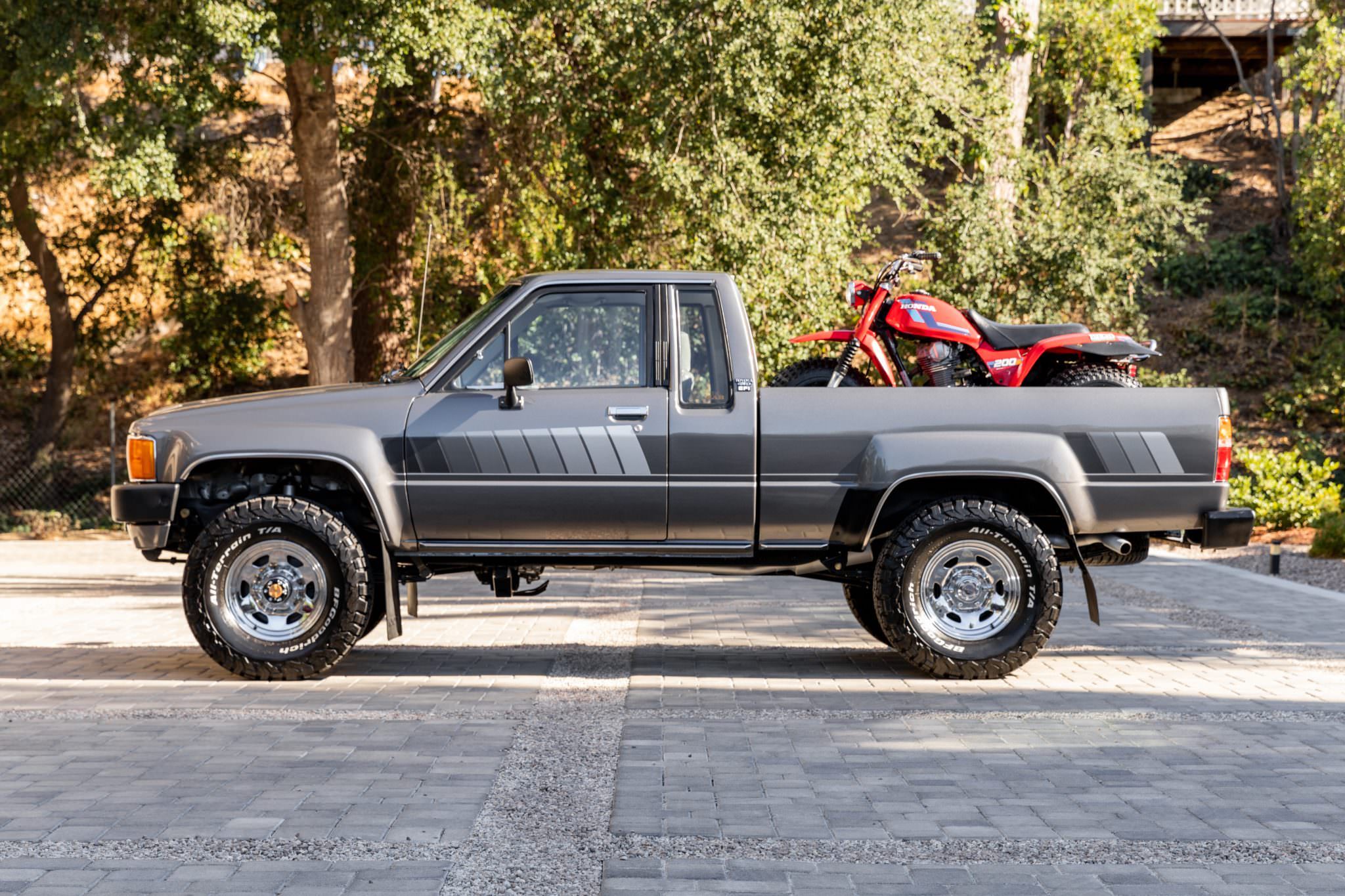
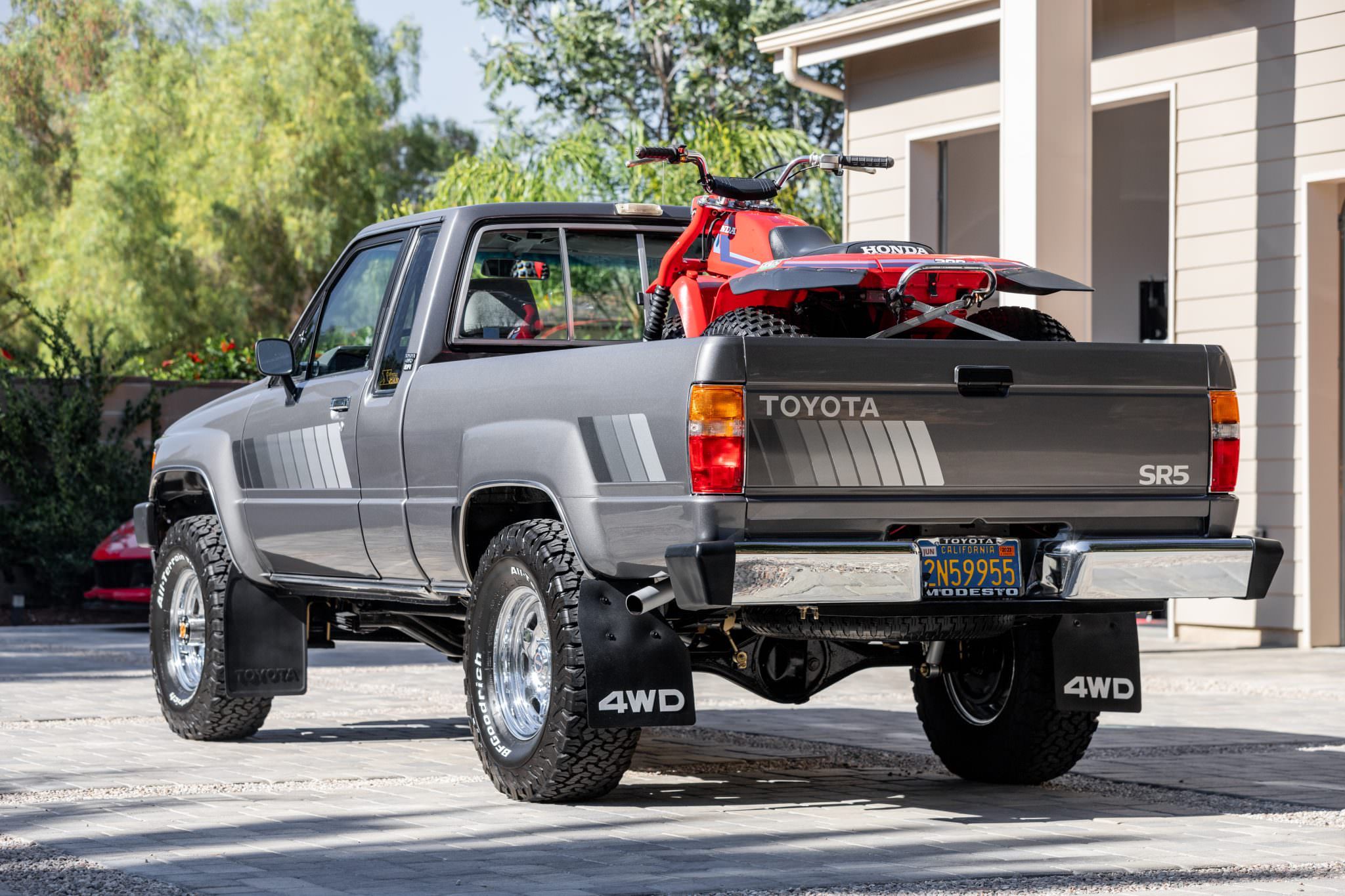
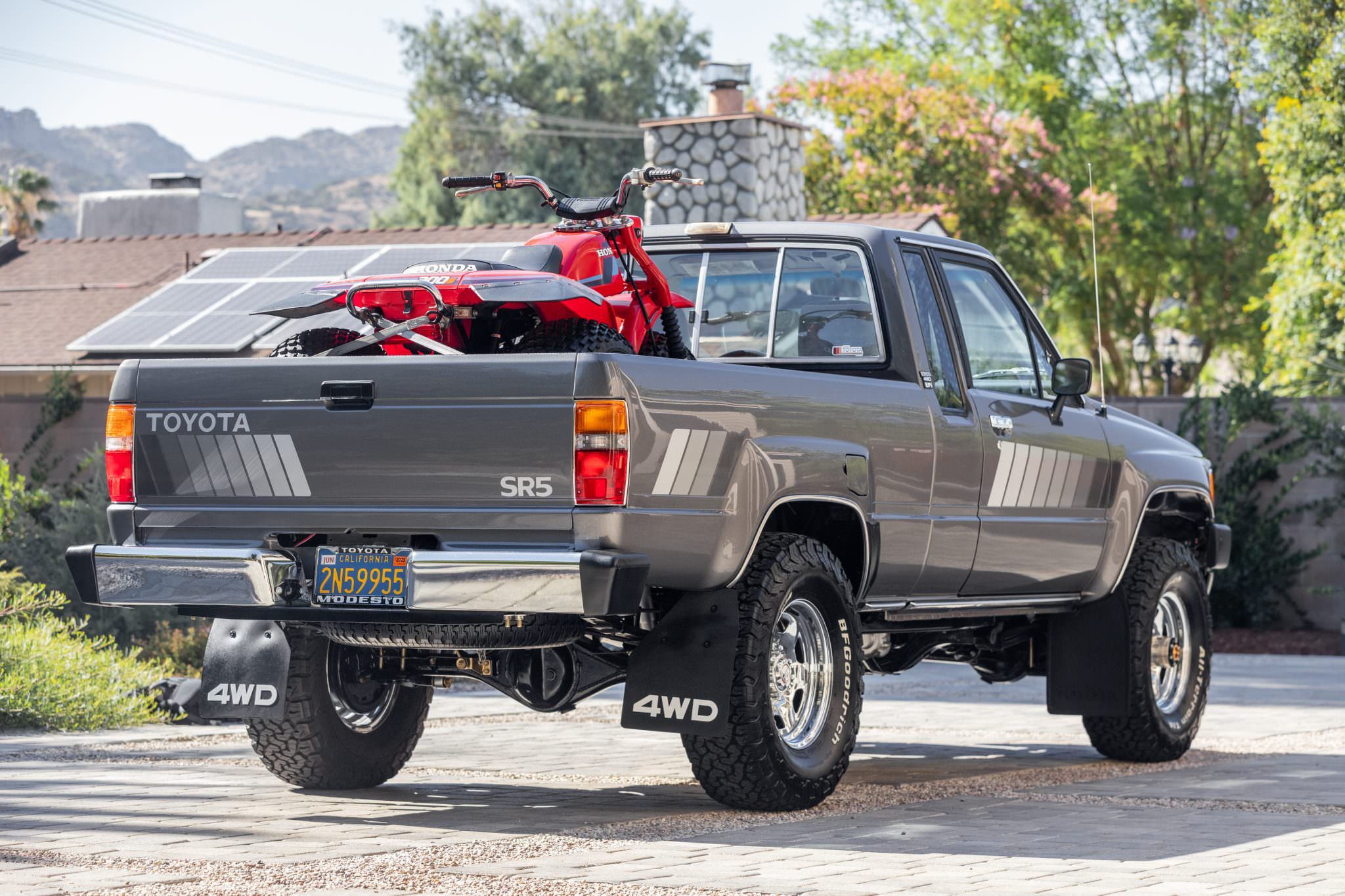
This may be an entirely unique opportunity for someone to take home one of the best 1980s 2-for-1 deals that we’ve seen in recent memory – a 1985 Toyota SR5 Pickup that comes with a 1984 Honda ATC 200S three-wheeler in the back.

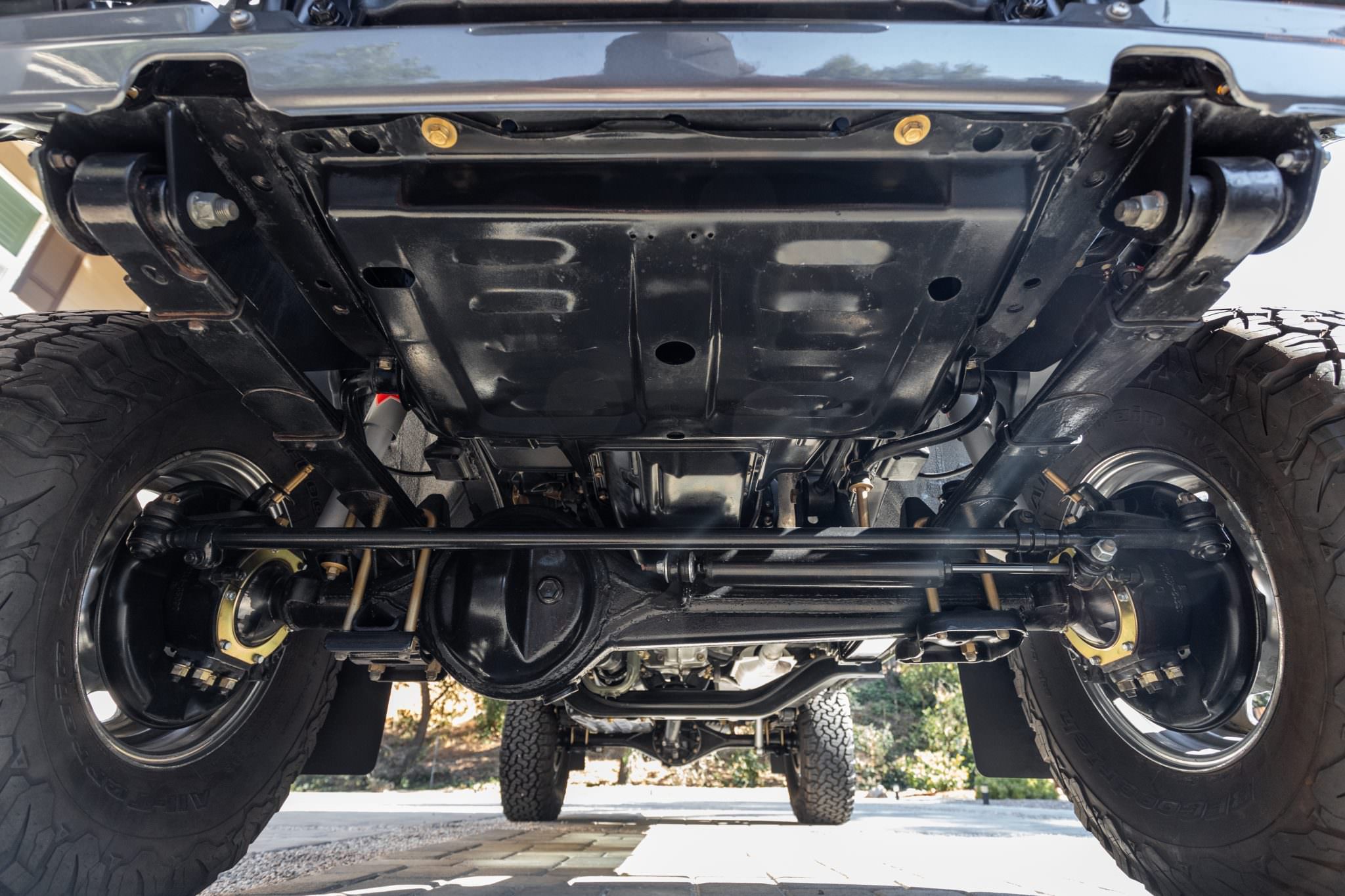
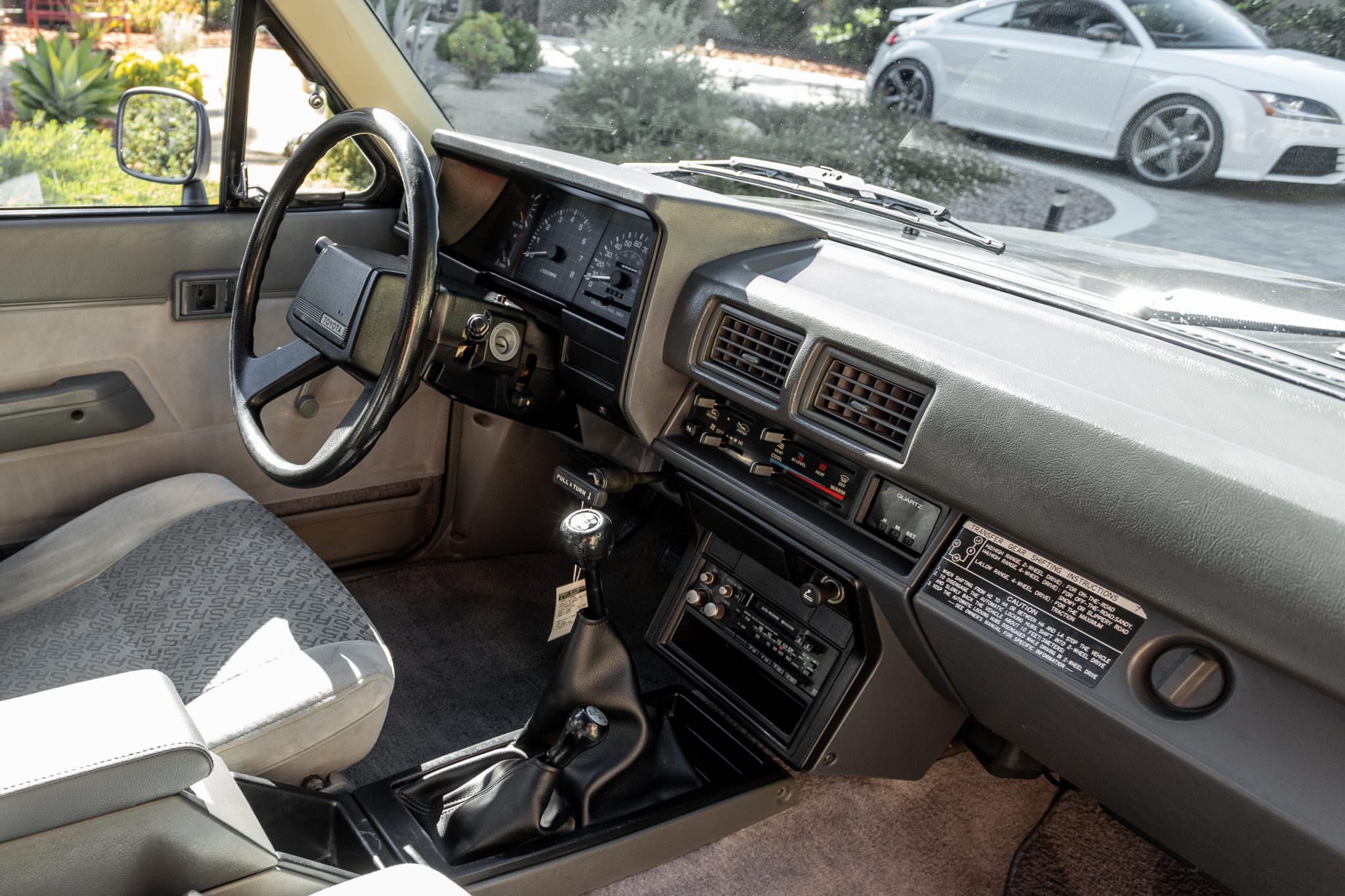
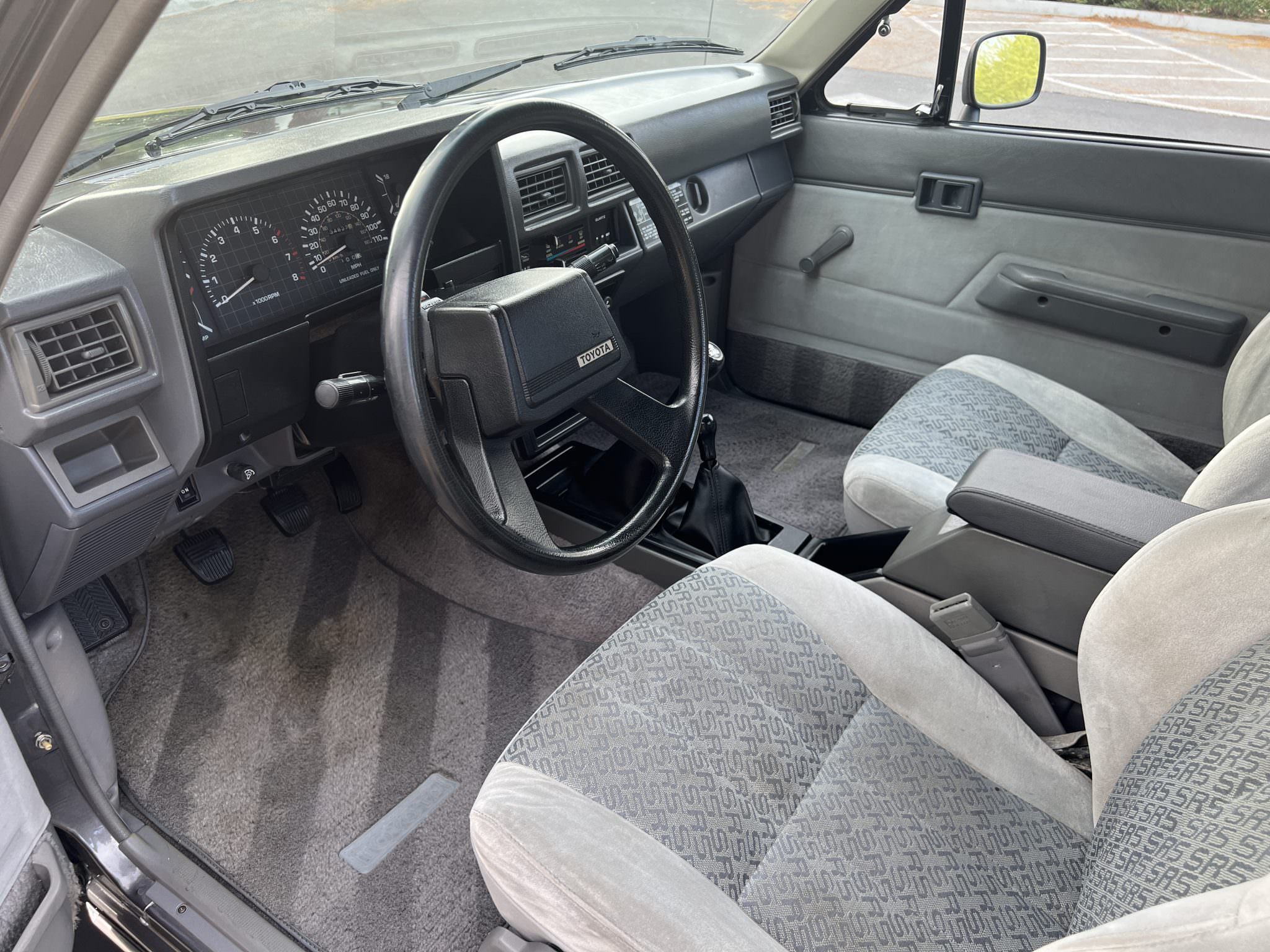
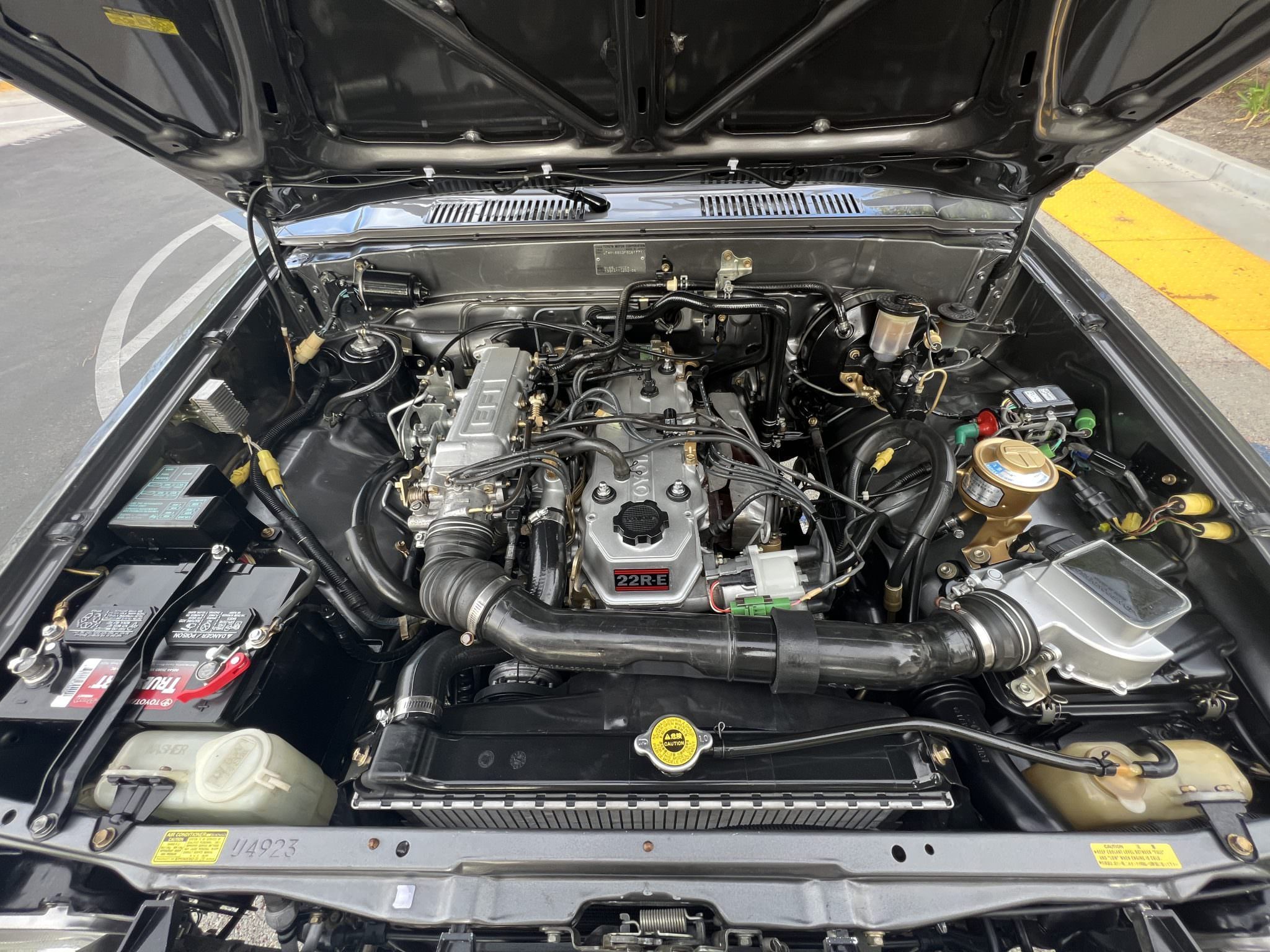
The 1985 Toyota SR5 Pickup is a particularly desirable model as it was the first year with fuel-injection and the last year with the live front axle – it was also the same year and spec used during the filming of Back To The Future.

Fast Facts – A Toyota SR5 Pickup + Honda 3-Wheeler

  • This two-vehicle package is a 1980s dream team – a 1985 Toyota SR5 Pickup and a 1984 Honda ATC 200S three-wheeler.
  • 1985 was the only year that offered both fuel-injection and line front and rear axles, from 1986 onwards (in the North American market) the model switched to independent front suspension.
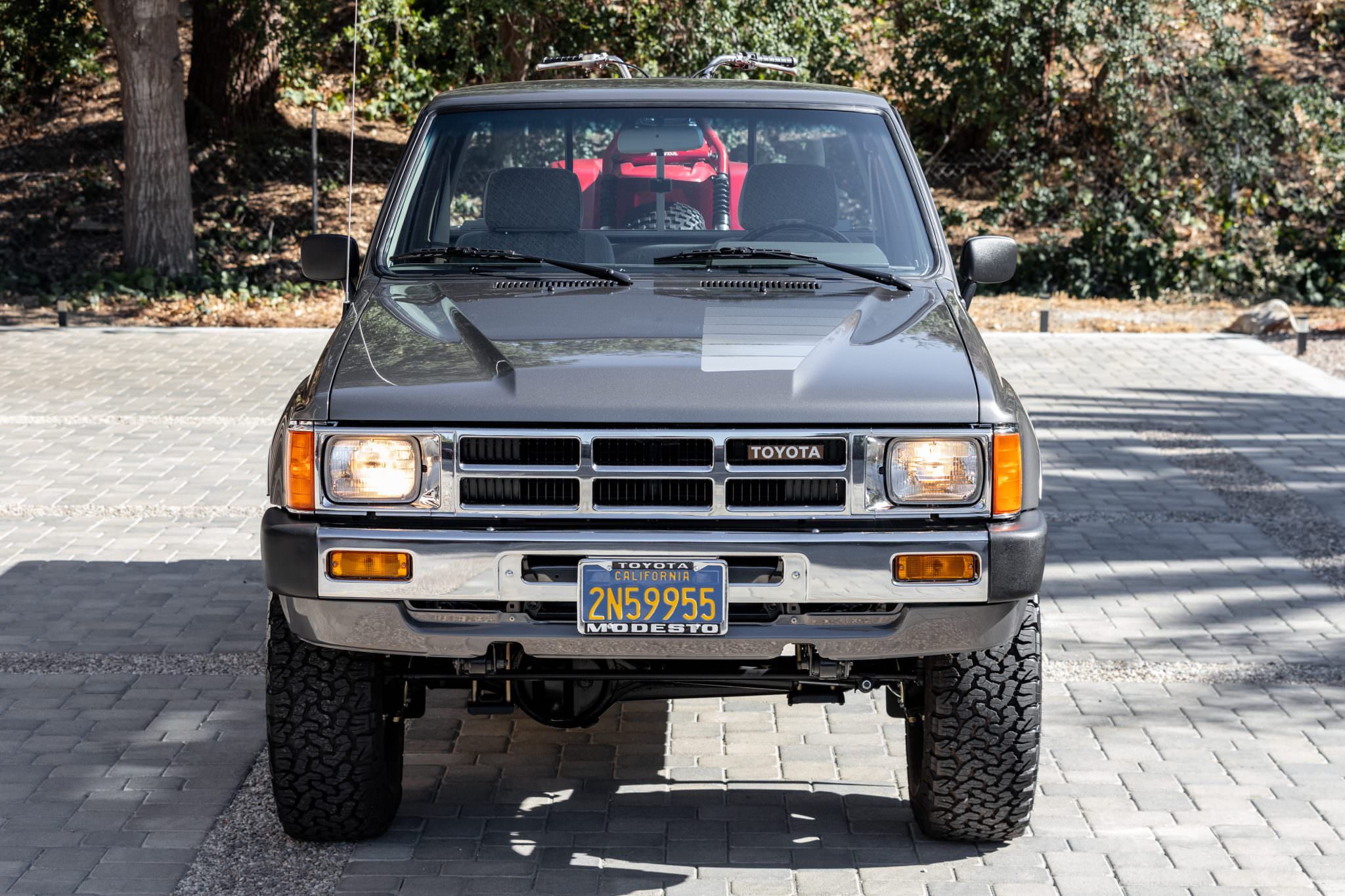
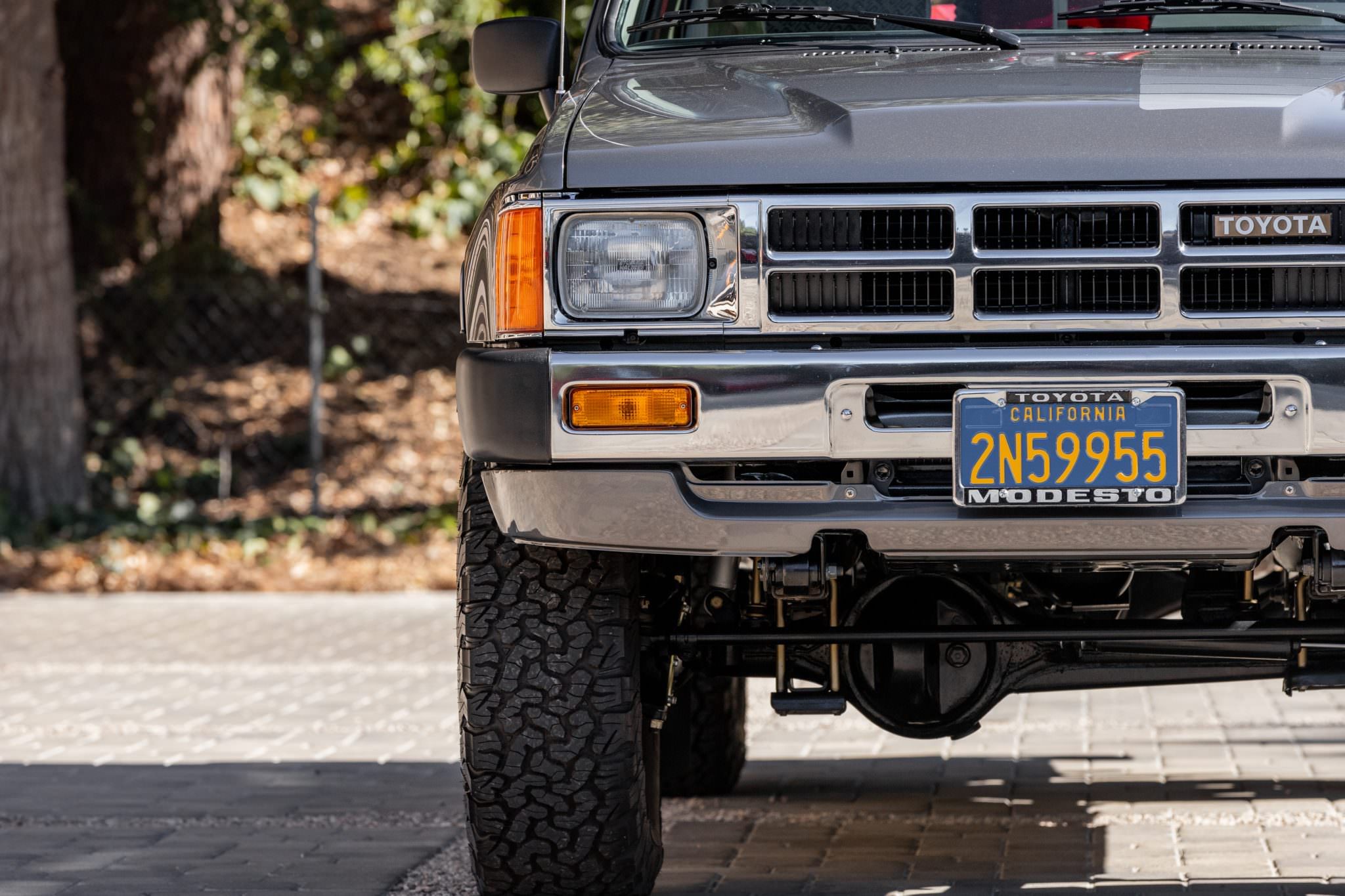
  • This Pickup has been thoroughly serviced and repainted in metallic gray with 1980s-style fade graphics, it also has chrome bumpers, SR5 graphics, 15″ chrome wheels, and BFGoodrich All-Terrain T/A K02 tires.
  • This two-vehicle package is currently being offered on Bring A Trailer out of Woodland Hills, California.

The Toyota Hilux Pickup Truck

When Toyota first introduced the Hilux back in 1968 the automotive landscape looked notably different to the modern day. Japanese automakers were still very much just bit players in the car market in the 1960s – a market that was dominated by the Americans, British, Italians, and Germans.

Toyota SR5 Pickup + A Honda ATC 3-Wheeler 12

Turning up at the beach with this pairing would have made you a king in the 1980s, and it probably still would today.

The first generation Toyota Hilux was a small rear-wheel drive pickup truck with engine options that ranged from 1.5 to 2.0 liters. It was intended to compete at the lower end of the market against the likes of the Datsun Truck.

Within 11 years the Hilux was a serious player in the North American pickup truck market, with both two and four-wheel drive versions on offer, as well as a range of engine, body, and transmission options.

The Hilux name was dropped in 1976 in the North American market, where it was instead called the “Truck” or “Pickup Truck.” The Hilux name would remain in use in most other world markets, and it remains so today.

In the 1980s the Toyota Pickup Truck became a movie star of sorts thanks to its inclusion in all three Back To The Future movies as Marty McFly’s dream truck. In more recent years modern replicas of this McFly truck have become wildly popular.

Toyota SR5 Pickup + A Honda ATC 3-Wheeler 14

1985 was the last year for the live axles front and back in the USA, from 1986 onwards they were fitted with independent front suspension for better road handling, but many four-wheel drive enthusiasts prefer the live axle set up.
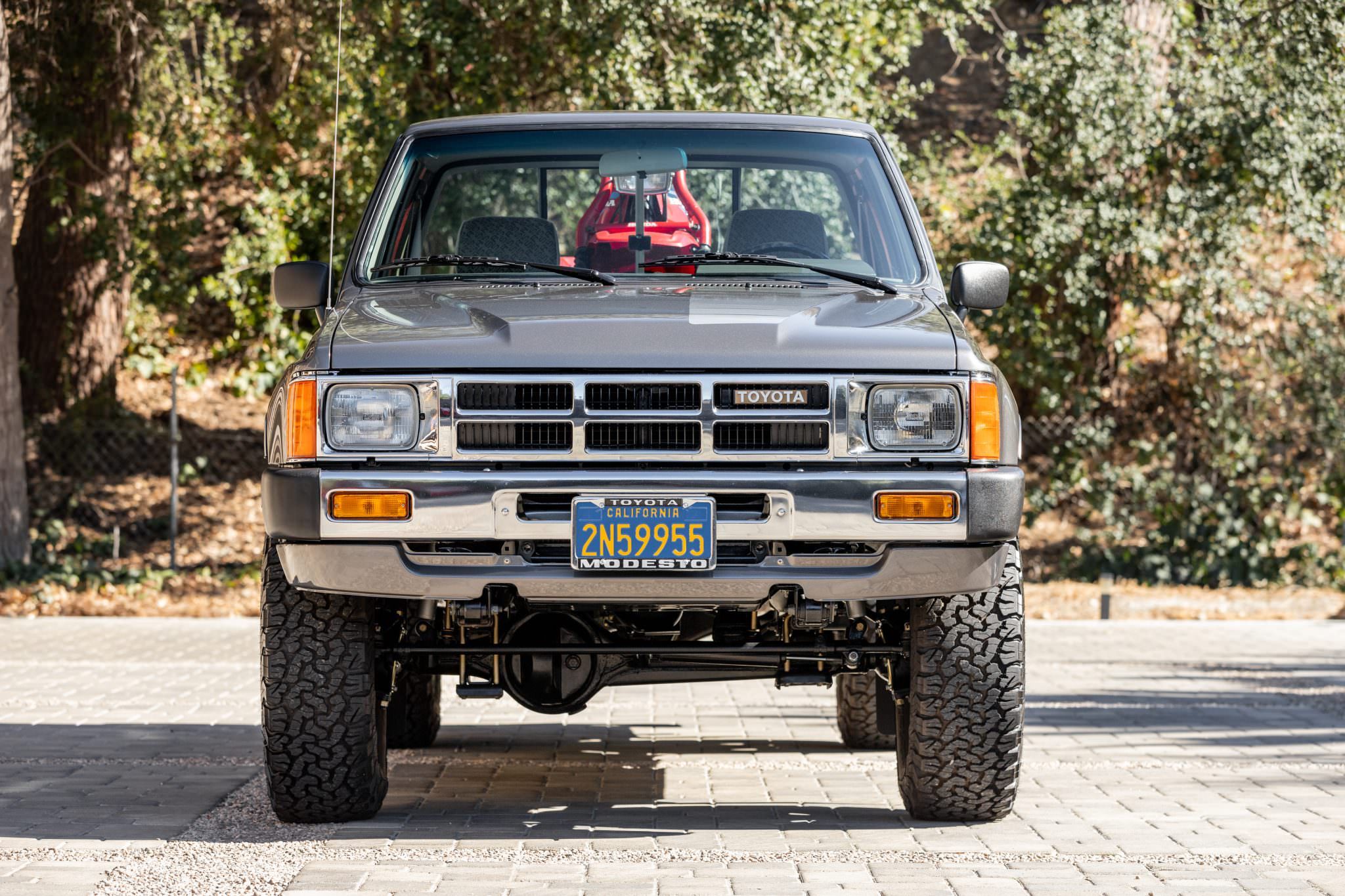
As of 2015 the Toyota Hilux is now in its 8th generation, it’s grown to become a global legend loved by everyone from South American rebels to soccer Moms, and just about everyone in between.

80s Package: A Toyota SR5 Pickup + Honda ATC 3-Wheeler

Back in the 1980s there were few things more desirable than a Toyota Pickup and a Honda ATC three-wheeler. As noted earlier the Toyota had become a cult classic after its appearances in the Back To The Future movies, with many preferring it to the DeLorean DMC-12.

The Honda ATC three-wheelers had become a common sight on the beaches, deserts, sand dunes, and forest trails of North America, an origin of the species that would soon evolve into the quad bike with its additional wheel and better stability.

This two-vehicle package is now being offered for sale on Bring A Trailer out of Woodland Hills, California and as you’ve probably guessed, there’s been plenty of interest.

If you’d like to read more about this two 80s icons or place a bid you can visit the listing here.

Honda ATC 3-Wheeler Toyota SR5 Pickup + A Honda ATC 3-Wheeler 16 Toyota SR5 Pickup + A Honda ATC 3-Wheeler 15 Toyota SR5 Pickup + A Honda ATC 3-Wheeler 13 Toyota SR5 Pickup + A Honda ATC 3-Wheeler 12 Toyota SR5 Pickup + A Honda ATC 3-Wheeler 11 Toyota SR5 Pickup + A Honda ATC 3-Wheeler 10 Toyota SR5 Pickup + A Honda ATC 3-Wheeler 9 Toyota SR5 Pickup + A Honda ATC 3-Wheeler 8 Toyota SR5 Pickup + A Honda ATC 3-Wheeler 7 Toyota SR5 Pickup + A Honda ATC 3-Wheeler 6 Toyota SR5 Pickup + A Honda ATC 3-Wheeler 5 Toyota SR5 Pickup + A Honda ATC 3-Wheeler 4 Toyota SR5 Pickup + A Honda ATC 3-Wheeler 3 Toyota SR5 Pickup + A Honda ATC 3-Wheeler 2 Toyota SR5 Pickup + A Honda ATC 3-Wheeler 1 Honda ATC 3-Wheeler 2 Honda ATC 3-Wheeler 1 Toyota SR5 Pickup + A Honda ATC 3-Wheeler

Images courtesy of Bring A Trailer

The post 1980s Retro Dream Machine Package: A Toyota SR5 Pickup + A Honda ATC 3-Wheeler appeared first on Silodrome.


from Silodrome https://silodrome.com/toyota-sr5-pickup-honda-atc-3-wheeler/
via gqrds