Dutch Barn Find: A Historically Significant Jaguar E-Type 2+2

This was the first left hand drive 2+2 E-Type ever made, it was presented to the press by Sir William Lyons to showcase the new model for the American market. After this it was delivered to its first owner – Gary Fairmont Filosa, the author of “The Surfer’s Almanac.”

The 2+2 version of the E-Type was introduced in 1966, it had a nine inch longer chassis and a higher roofline that allowed seating for four and some additional trunk space. Almost immediately the 2+2 became the most popular version, outselling the roadster and the coupe.

Fast Facts – The Jaguar E-Type 2+2

  • The original Jaguar E-Type is widely regarded by many as the most beautiful car ever made. It was offered over three series in three different forms, the roadster (convertible), the coupe, and the 2+2 coupe.
  • From early on in the E-Type’s production Jaguar boss Sir William Lyons had wanted a more practical version, with seating for four and more interior space. With the release of the 2+2 in 1966 he got his wish.
  • Some have complained about the looks of the 2+2 E-Type over the years, and the larger, longer roof isn’t quite as aesthetically pleasing as the regular coupe or the roadster. That said, the 2+2 outsold both its stablemates as it was more practical.
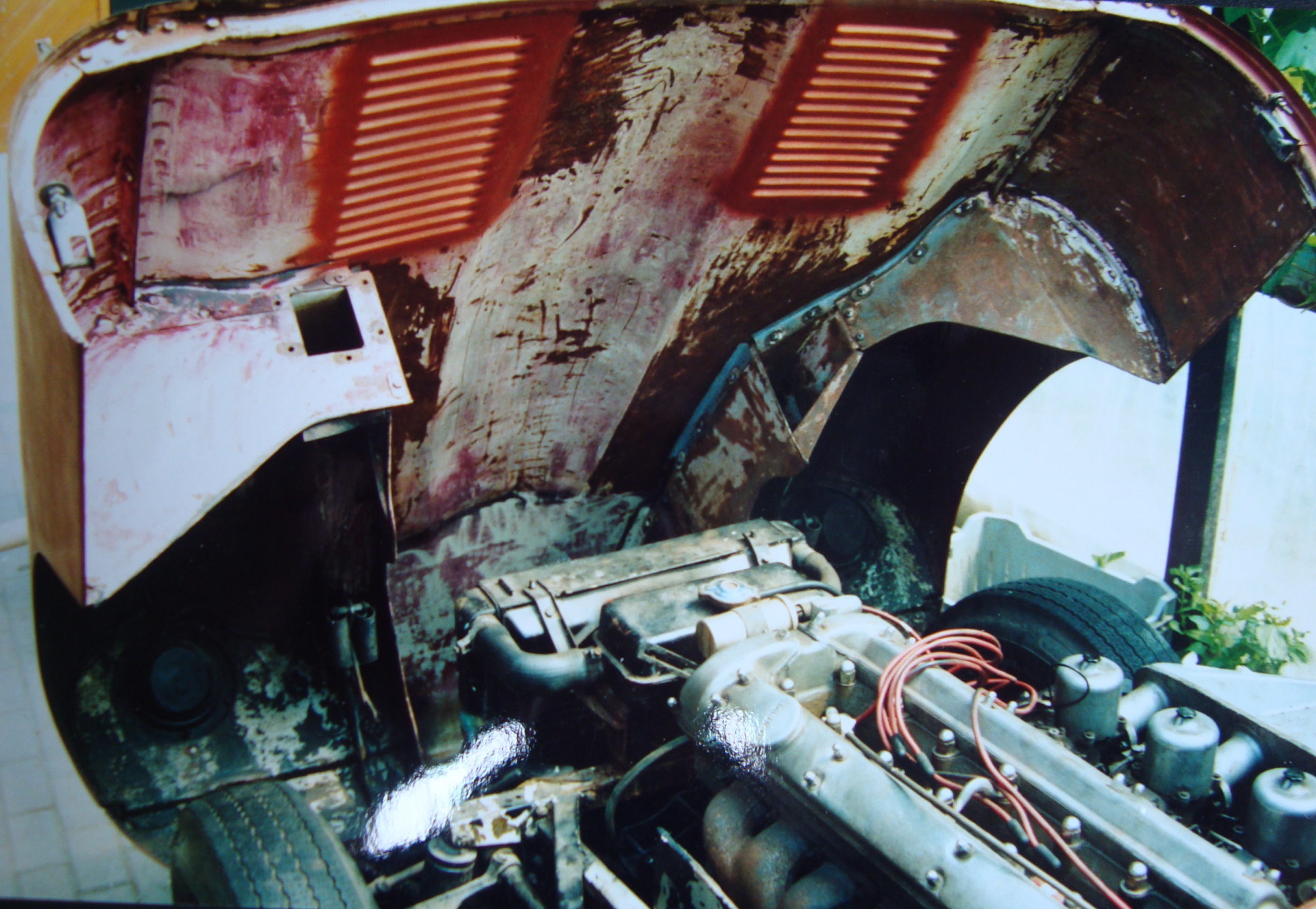
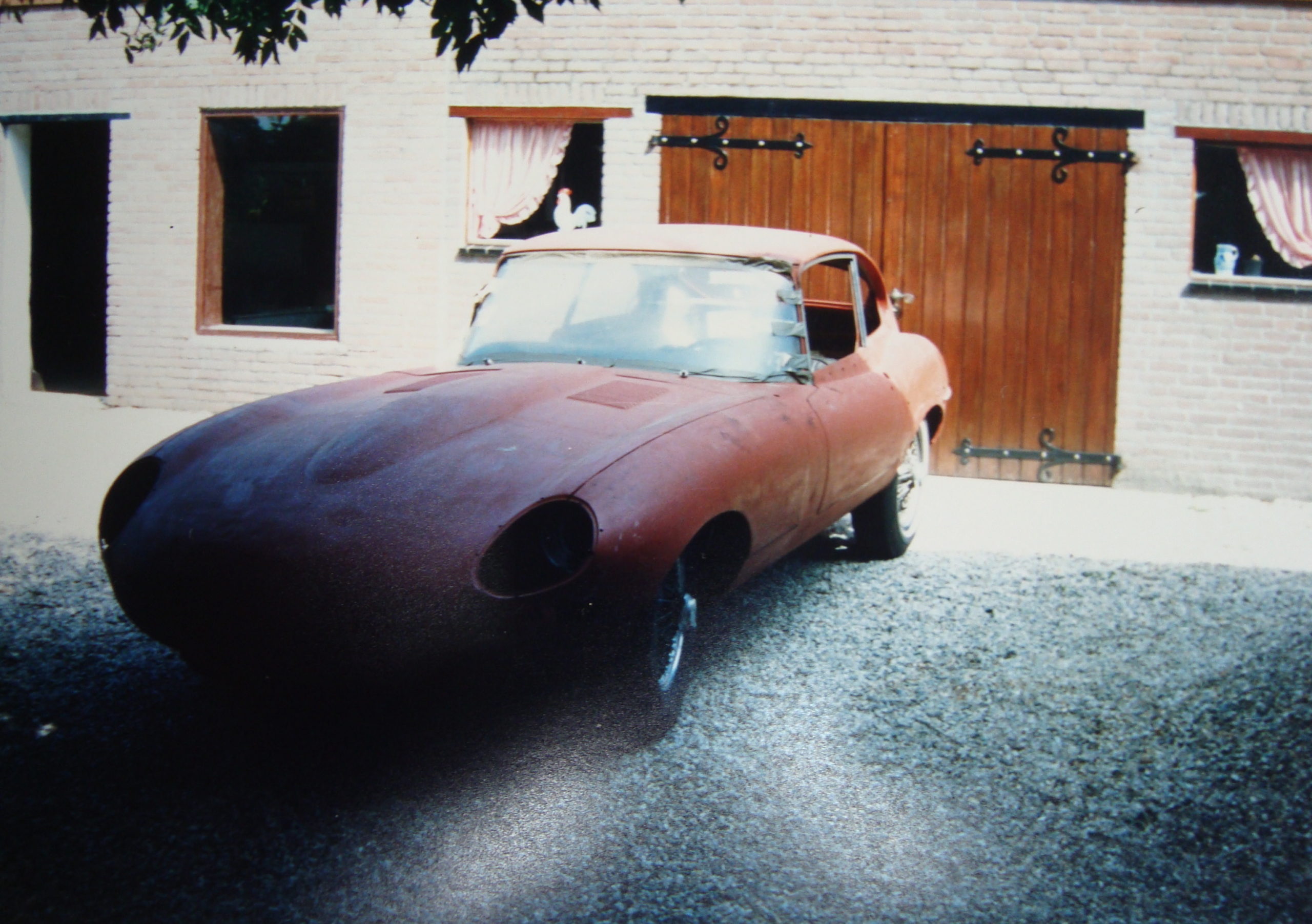
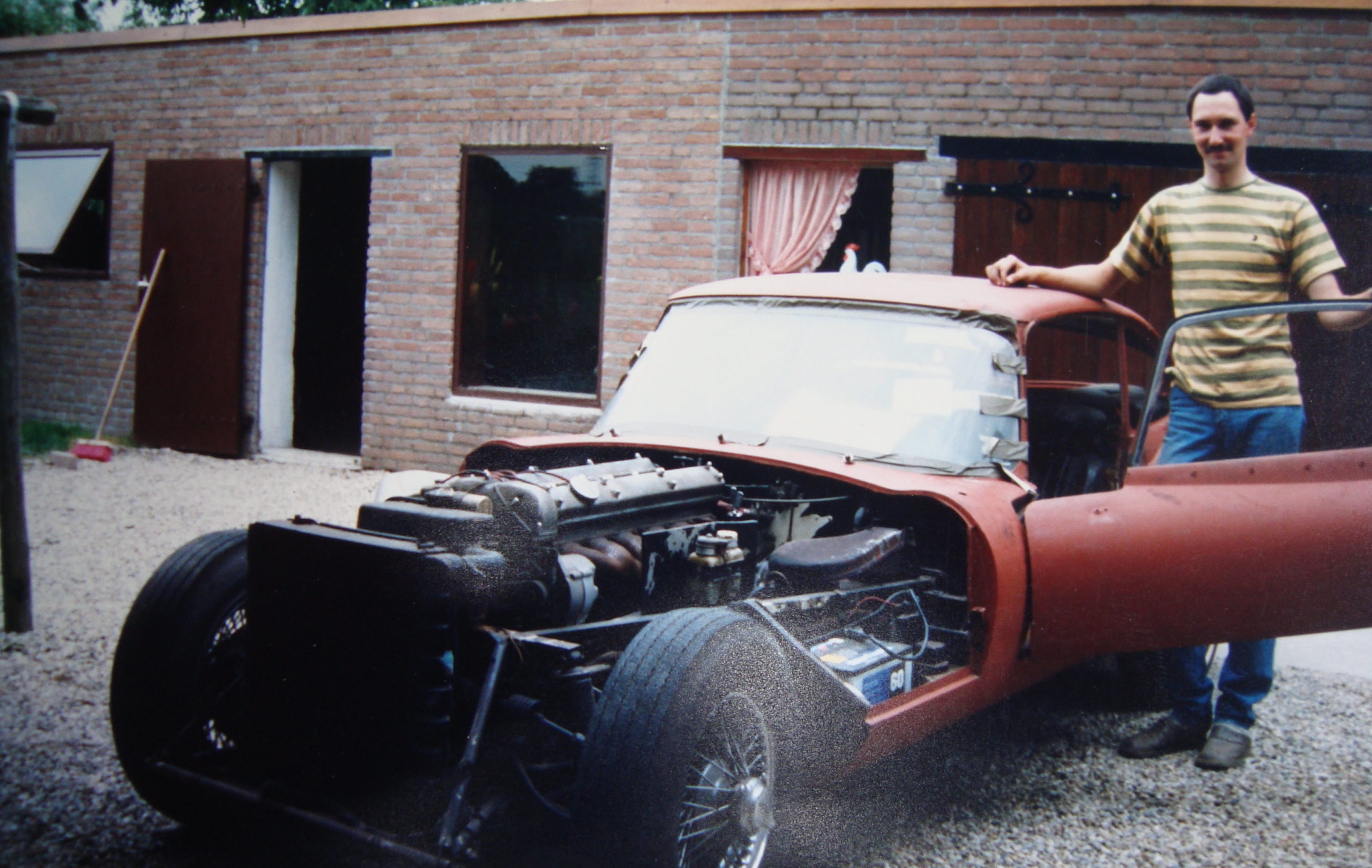
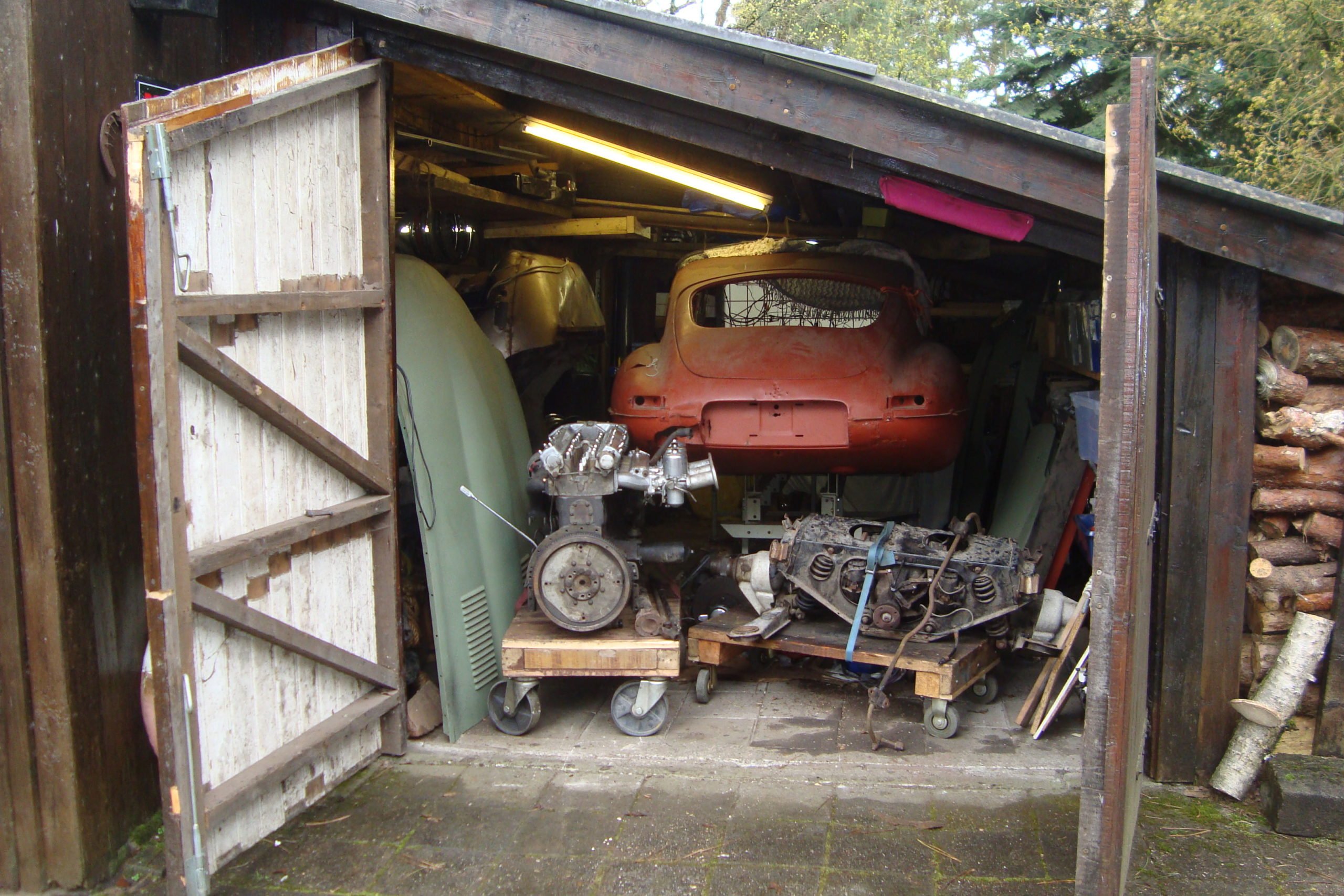
  • The car you see here is the first left hand drive 2+2 that was built, and one of the first extant. It was destined for the US market – Jaguar’s most important export market – and some how, many decades later, it ended up partially disassembled in a Dutch barn.

The Jaguar E-Type 2+2

The Jaguar E-Type, known as the Jaguar XKE in the North American market, was first shown to the world’s motoring press in 1961 at the Geneva Motor Show. The caused a sensation, it was one of the fastest production cars in the world and it was priced at just £2,097 – the equivalent of £32,882 ($38,900 USD) in 2022.

Above Video: This episode of Jay Leno’s Garage is all about the E-Type and it’s remarkable impact on the automotive world of the 1960s.

Upon seeing the new Jaguar Enzo Ferrari is said to have called it “the most beautiful car ever made” and a slew of celebrities placed their orders including Frank Sinatra, George Harrison, Roy Orbison, Tony Curtis, and Peter Sellers.

The secret to the extraordinary performance of the E-Type came from its sports racing car heritage, it was developed using lessons from the multiple Le Mans-winning C-Type and D-Type Jaguars, and it used a variant of the same Jaguar XK engine.

By the standards of the early 1960s the Jaguar E-Type was lightyears ahead of its competition, it had a steel monocoque body with a separate front subframe, fully independent front and rear suspension, disc brakes front and back, race car-bred handling, excellent aerodynamics, and a top speed of 150 mph.

The car proved to be a best-seller for Jaguar, they initially offered both roadster (convertible) and coupe versions of the car. Jaguar boss Sir William Lyons insisted that a larger and more practical version be developed, with two small rear seats for children and some additional trunk/rear cargo space.
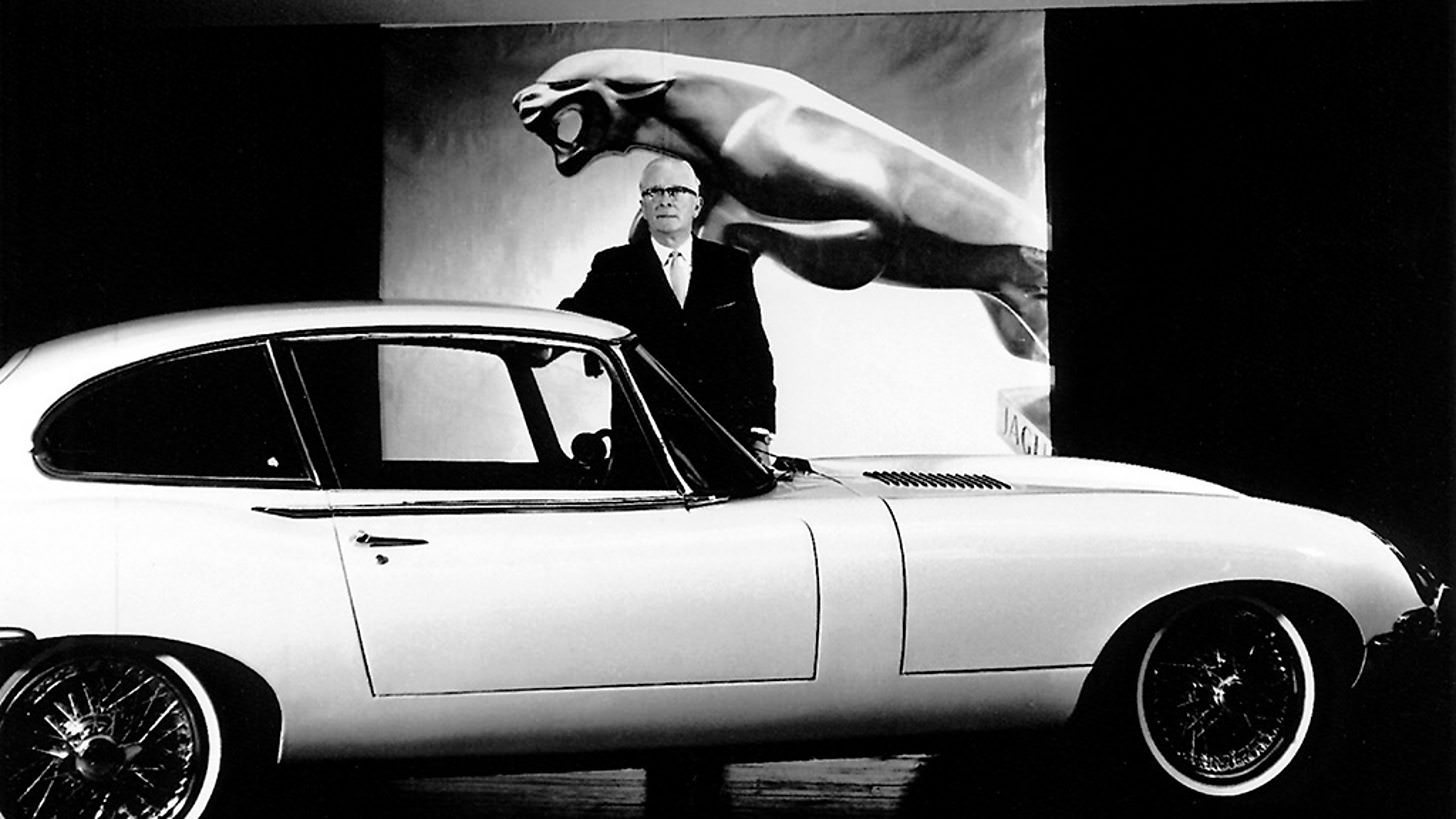
Sir William Lyons Jaguar E-Type

This is Sir William Lyons, known as “Mr Jaguar,” the man who co-founded the Swallow Sidecar Company in 1922, the company that became Jaguar after the Second World War when he initials “SS” had taken on a new and much darker meaning.

This car, called the E-Type 2+2 was introduced in 1966 and it immediately became the best-selling E-Type variant.

The 2+2 E-Type chassis was nine inches longer the windshield and roof were two inches higher, and longer than the standard coupe to make room for the rear seats. Though it wasn’t quite as aesthetically perfect as the roadster or coupe variant, the 2+2 more than made up for it in practicality, and it made the car an option for families with children.

By the time the Series 3 E-Type had been introduced in 1971 the 2+2 had completely replaced the coupe – Jaguar offered just the roadster or the 2+2 for the Series 3 production run that ended in 1974.

The Jaguar E-Type 2+2 Shown Here

The car you see here is undoubtably one of the most consequential 2+2 E-Types ever made. It’s the very first left hand drive version and one of the first production examples from late 1965.
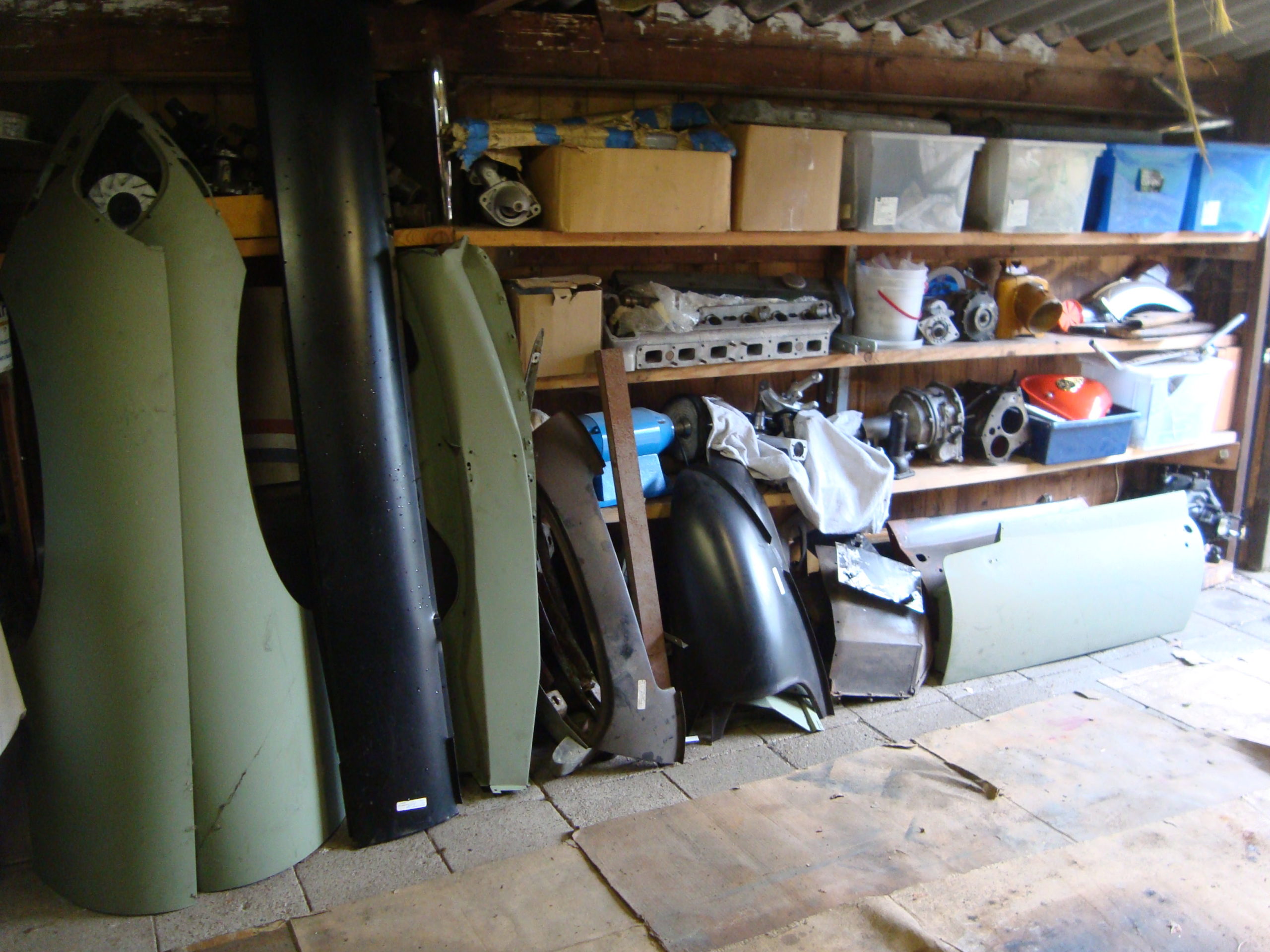
Jaguar E-Type 2+2 4

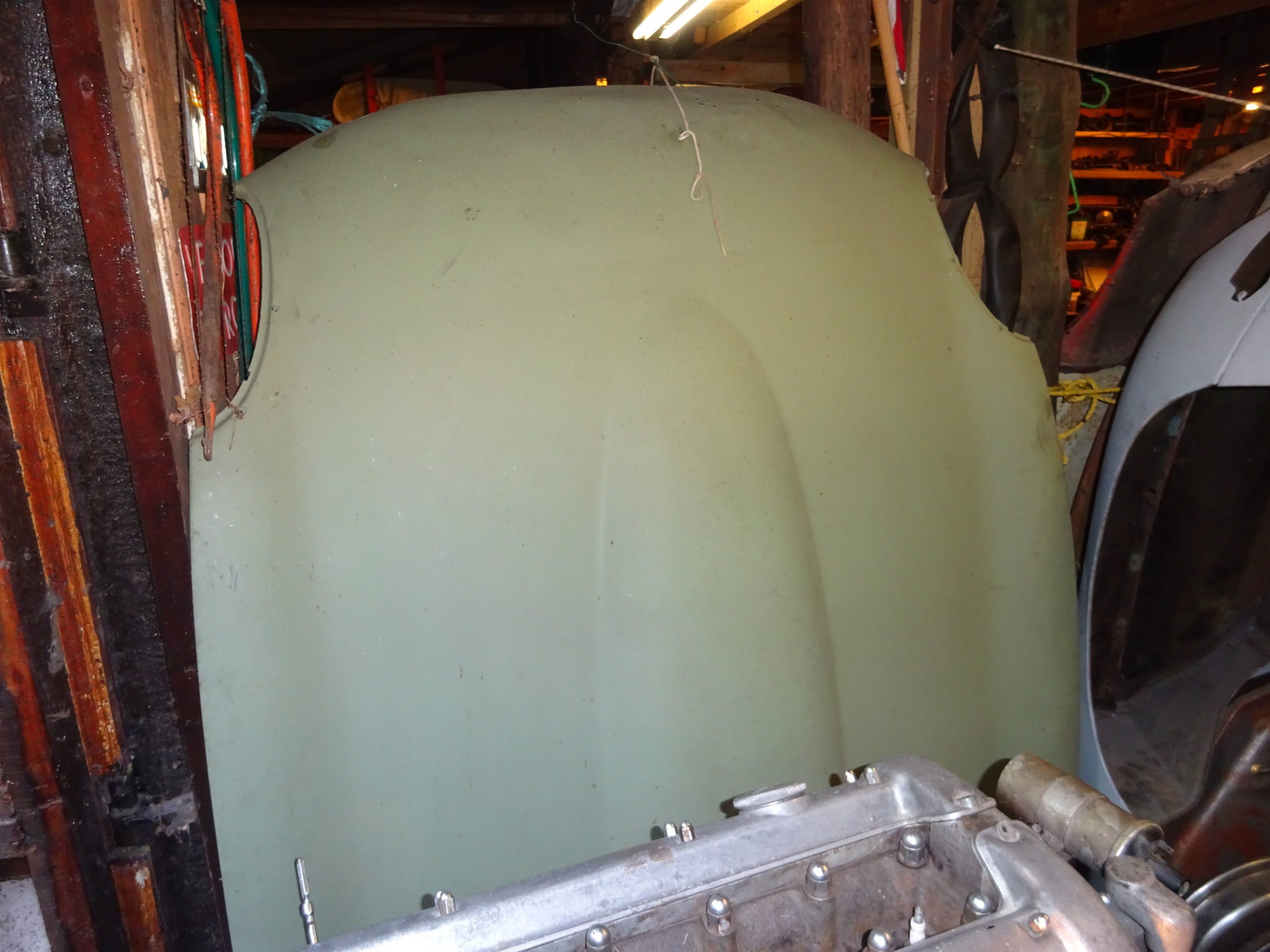
The car comes with a slew of parts for reassembly, both body parts and a number of boxes full of other miscellaneous bits and pieces.

This car was used by Sir William Lyons to demonstrate the new model variant in the USA, it was later sold to its first owner there, a well-known writer.

Over the years the car would change hands a few times and its historic significance was forgotten until the story was uncovered more recently due to research into the car’s VIN.

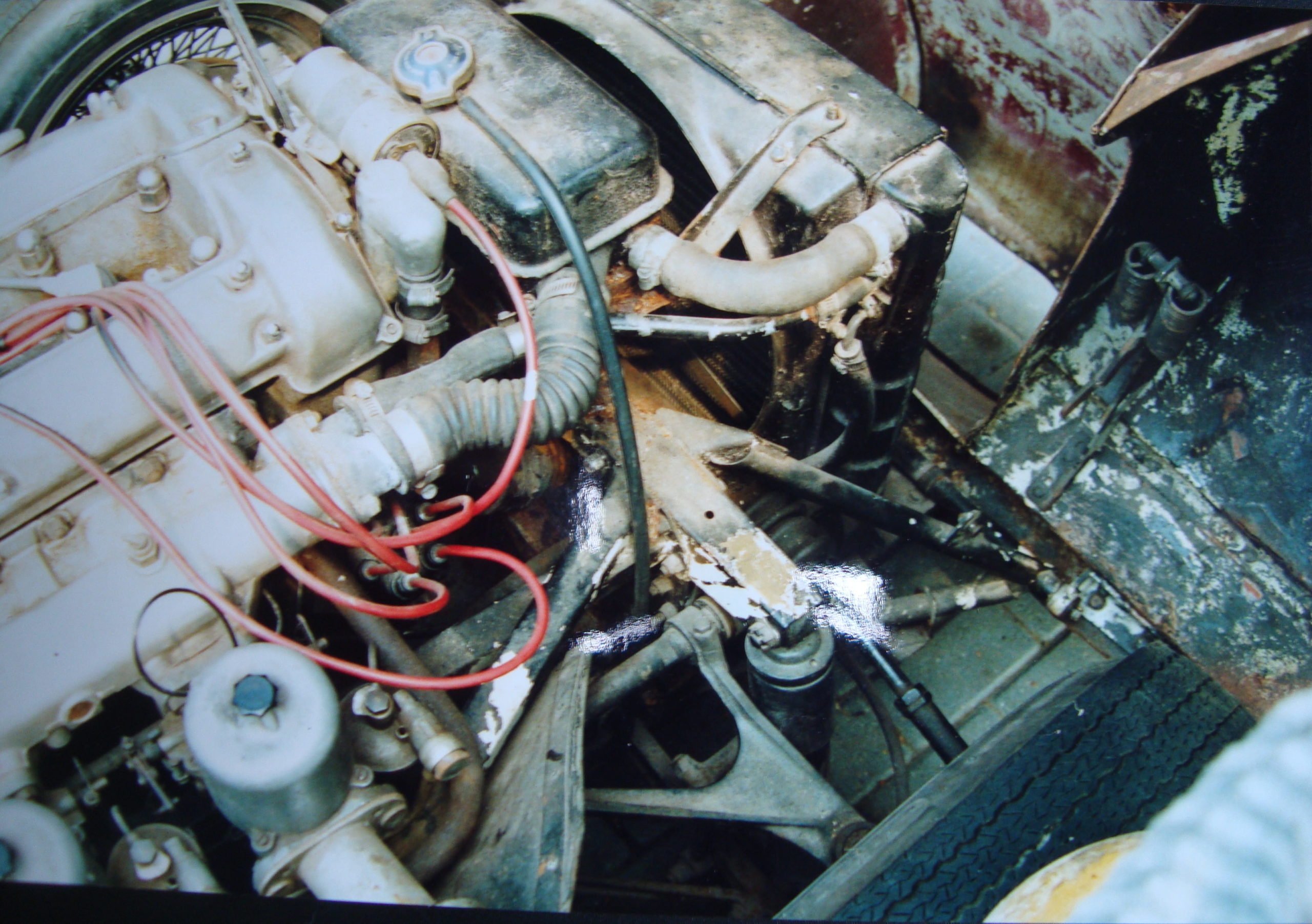
For many years this E-Type has been sitting in a partially restored state in a barn in the Netherlands, it’s now being offered for sale with its matching-numbers engine for €40,000 which is approximately $40,026 USD.

If you’d like to read more about this car or enquire about buying it you can visit the listing here. It’s being offered for sale out of Oirschot in the Netherlands.
Jaguar E-Type 2+2 7 Jaguar E-Type 2+2 5 Jaguar E-Type 2+2 3 Jaguar E-Type 2+2 2 Jaguar E-Type 2+2 1

Images courtesy of Car & Classic

The post Dutch Barn Find: A Historically Significant Jaguar E-Type 2+2 appeared first on Silodrome.


from Silodrome https://silodrome.com/barn-find-jaguar-e-type-2-plus-2/
via gqrds

Tom Cruise’s 1984 Nissan 300ZX Race Car Is For Sale

In 1987 a new driver arrived on the grid to compete in SCCA Showroom Stock competition, His name was Tom Cruise and against all the odds, he took 4 wins from 16 starts in his first season.

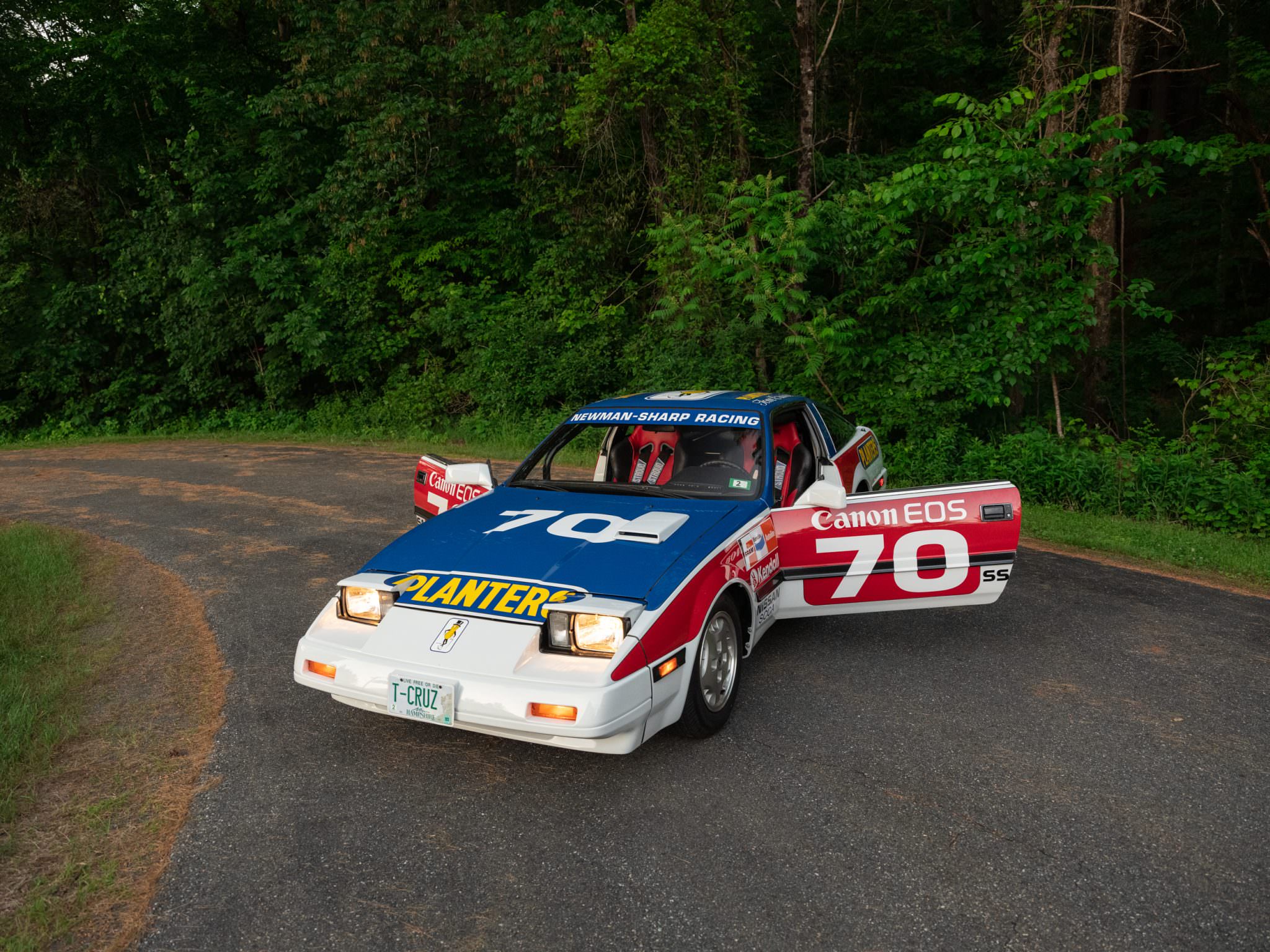
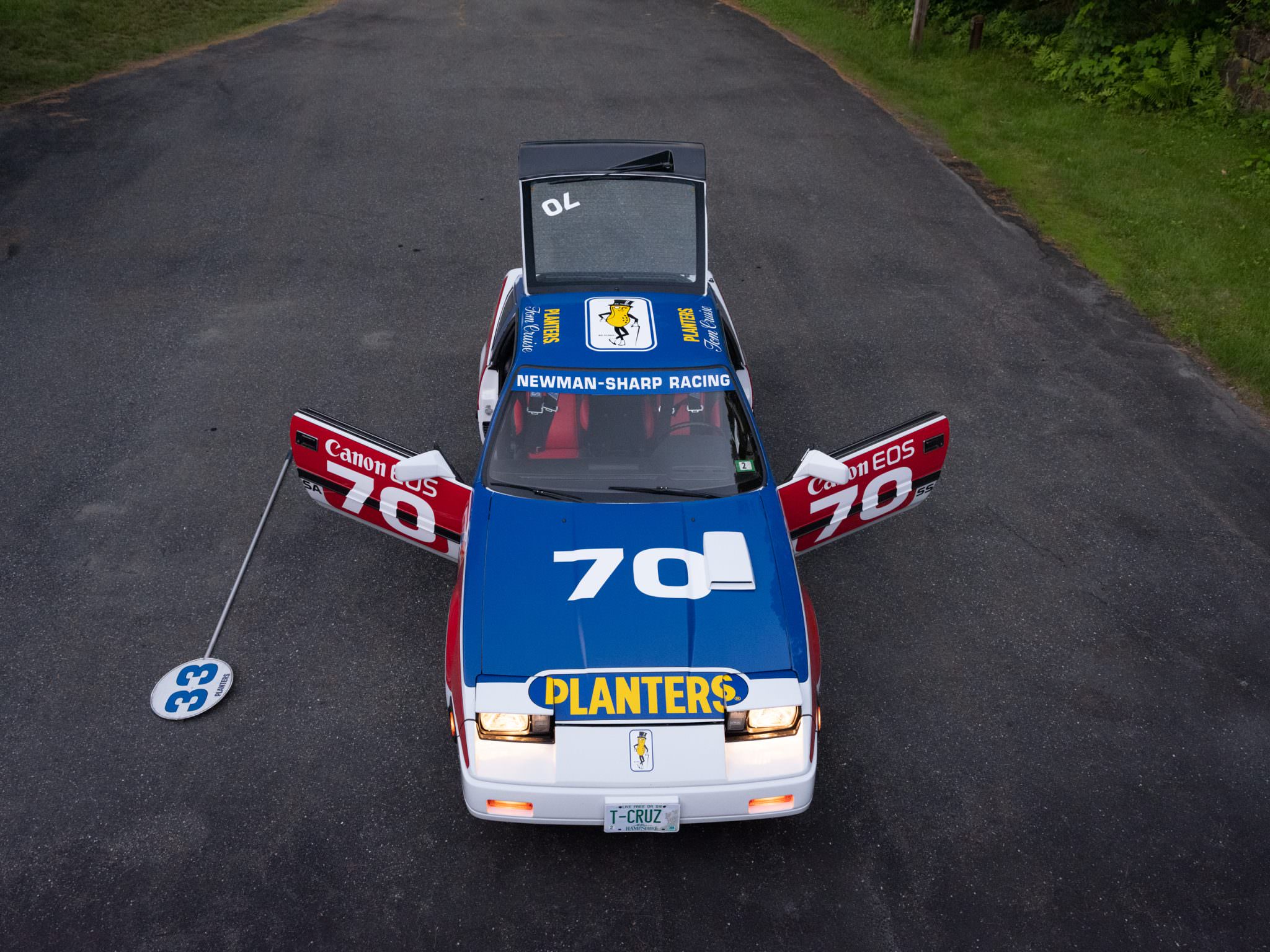
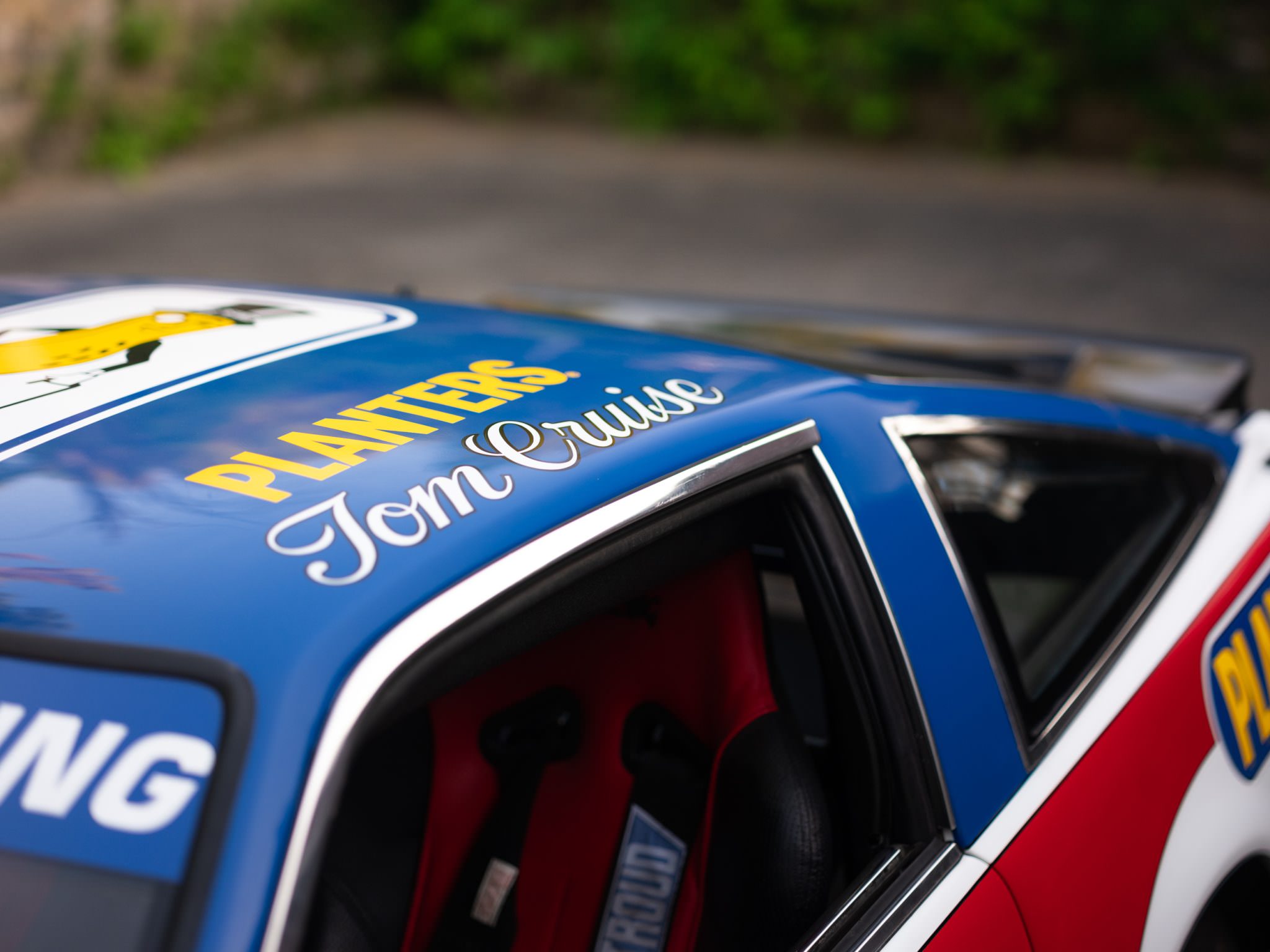
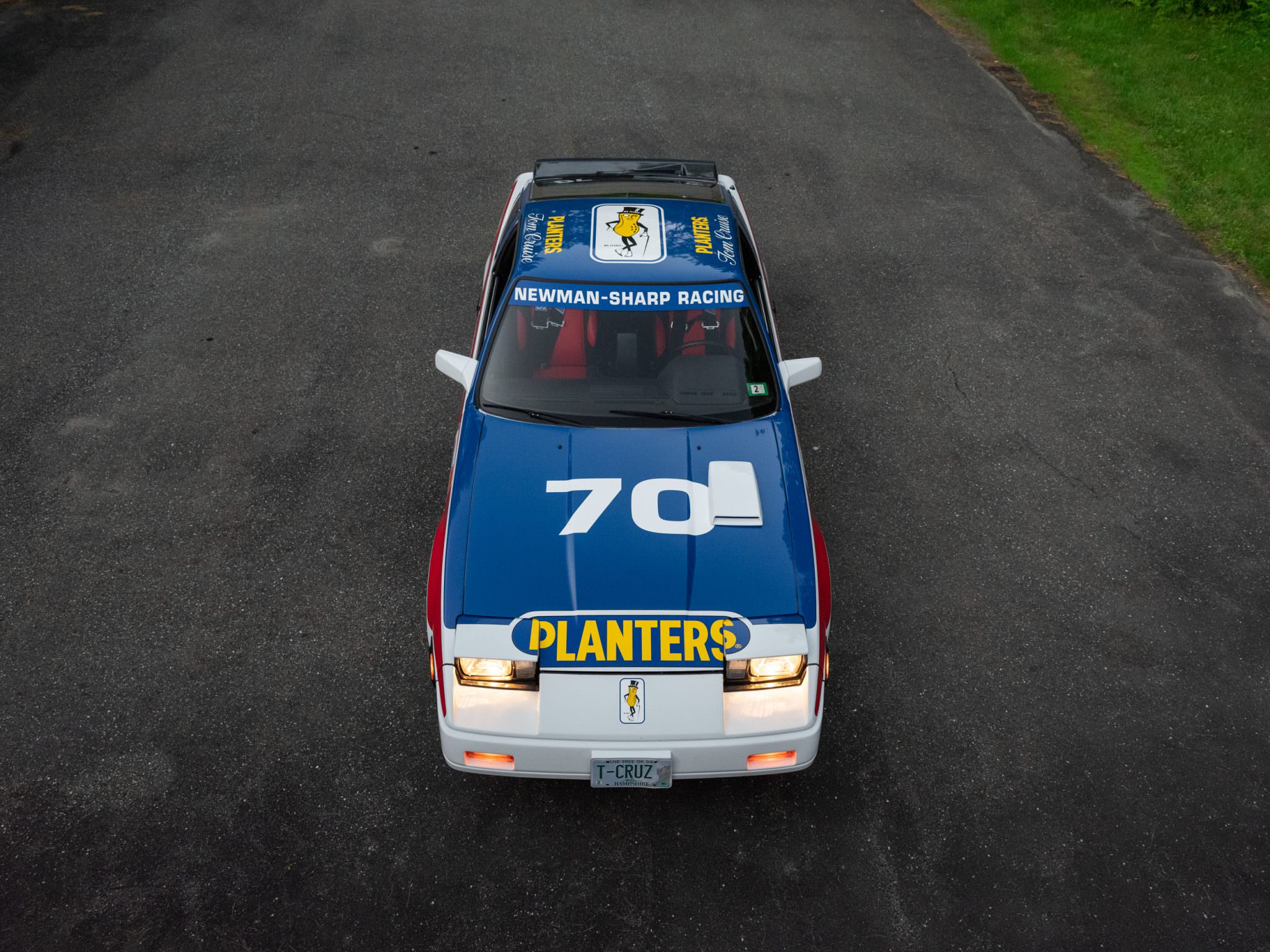
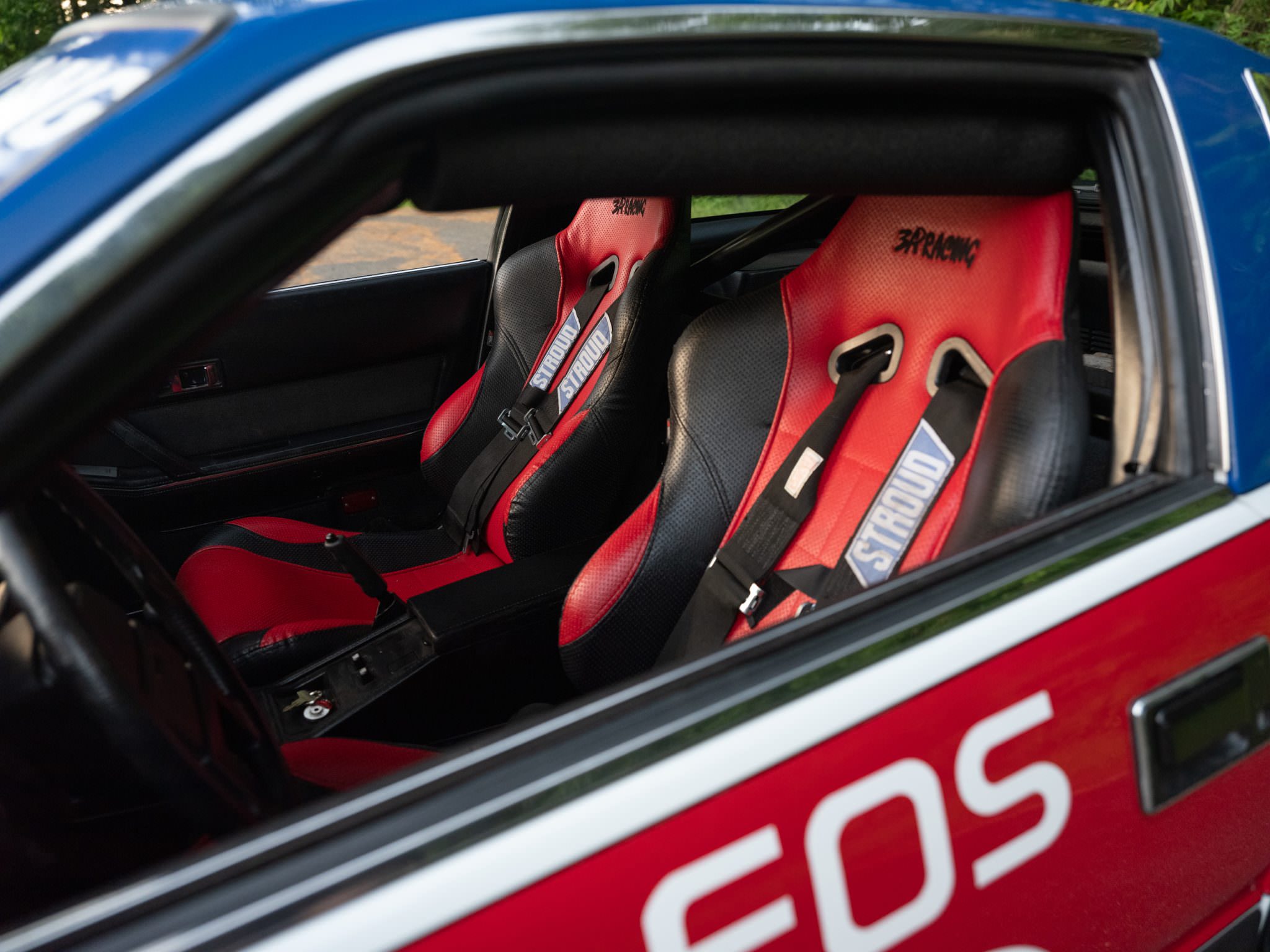
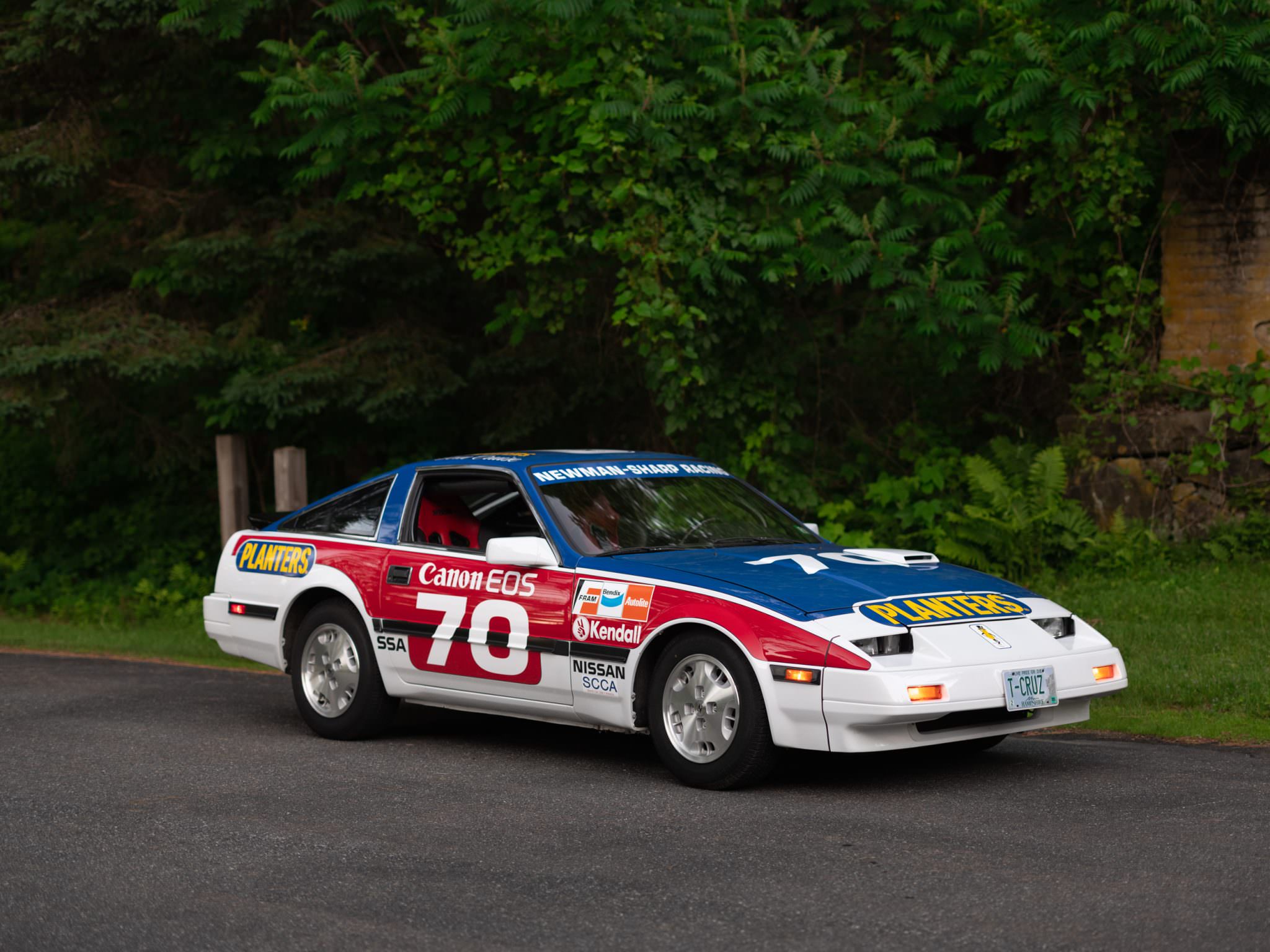
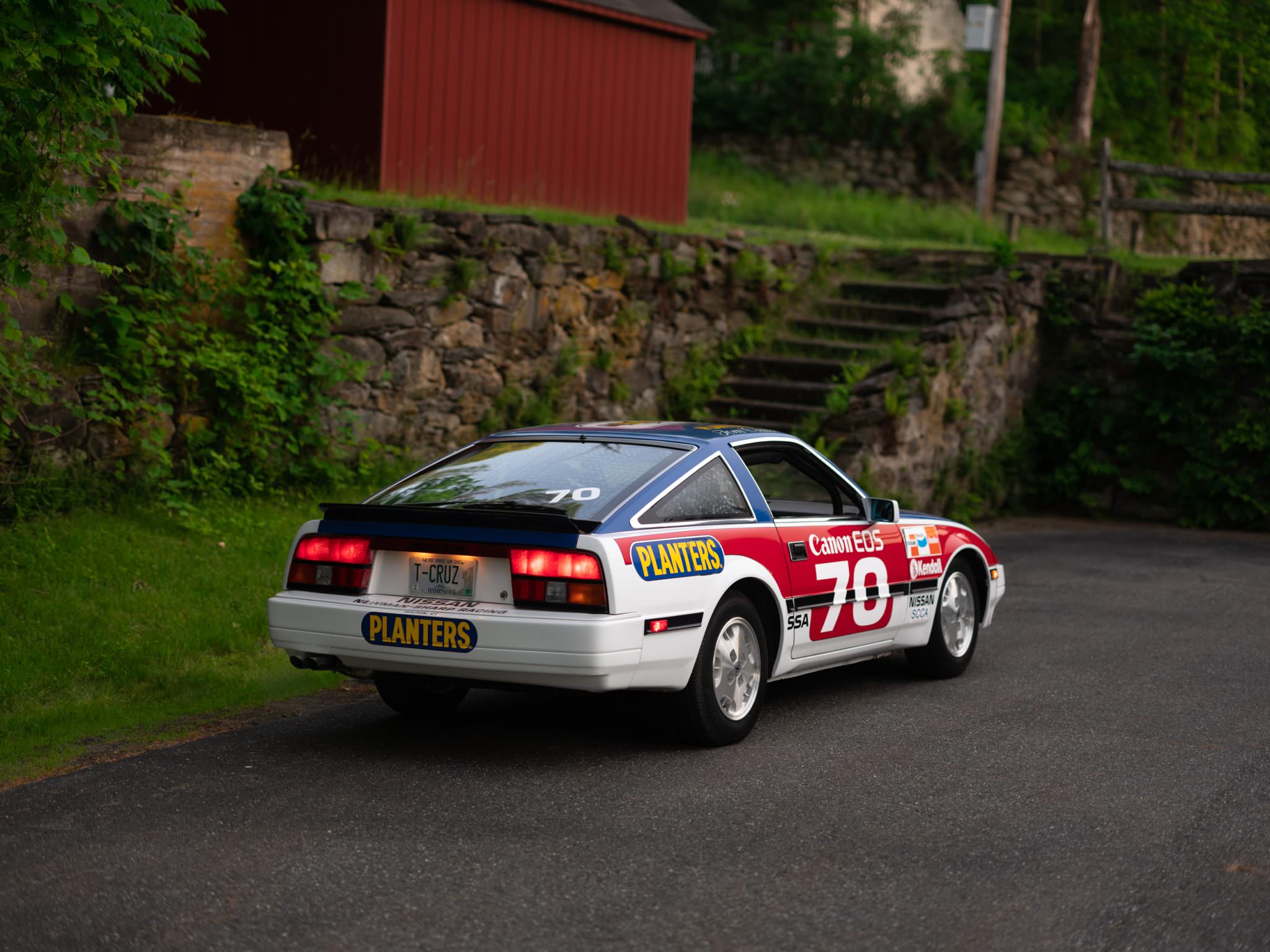
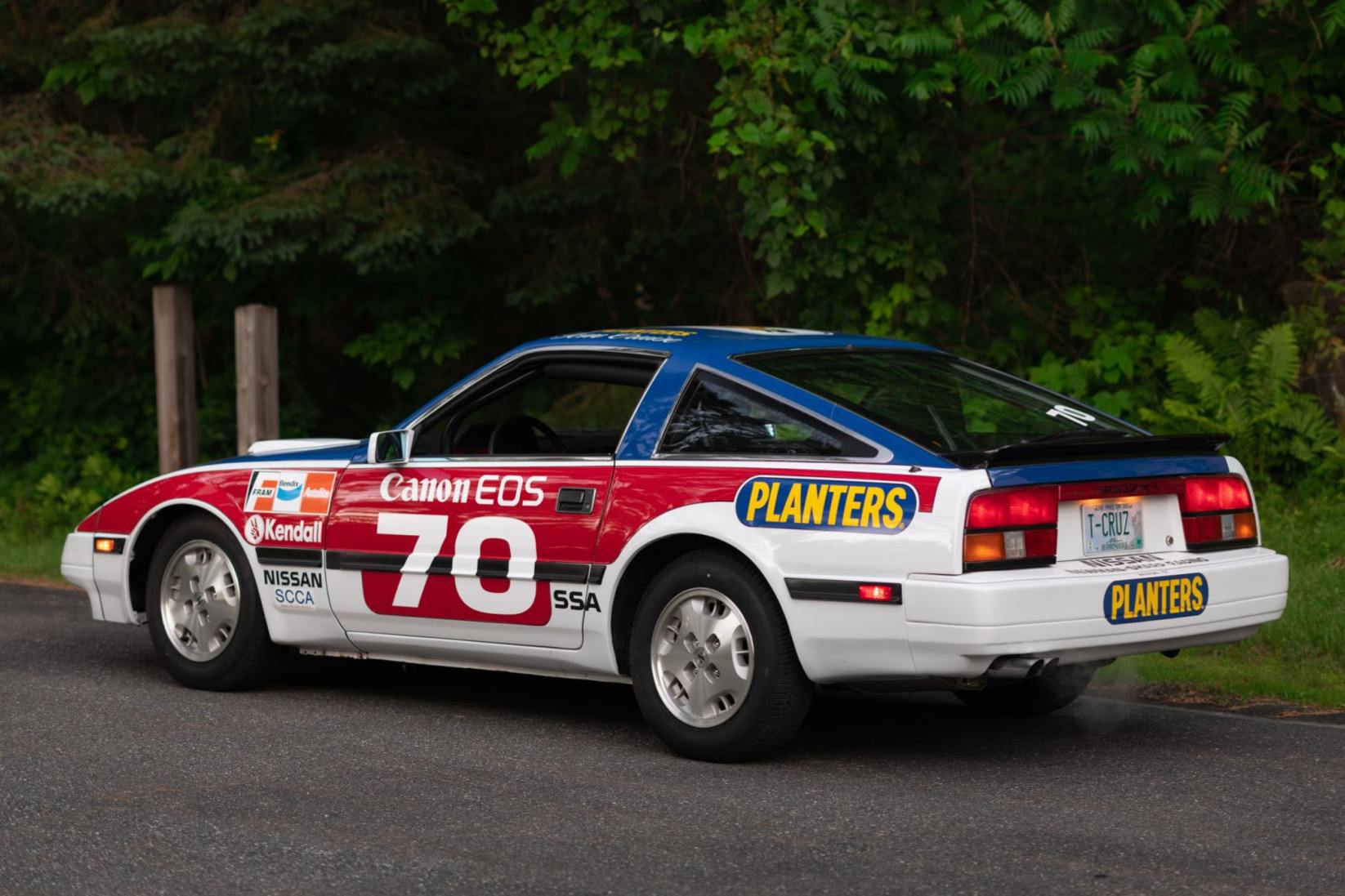
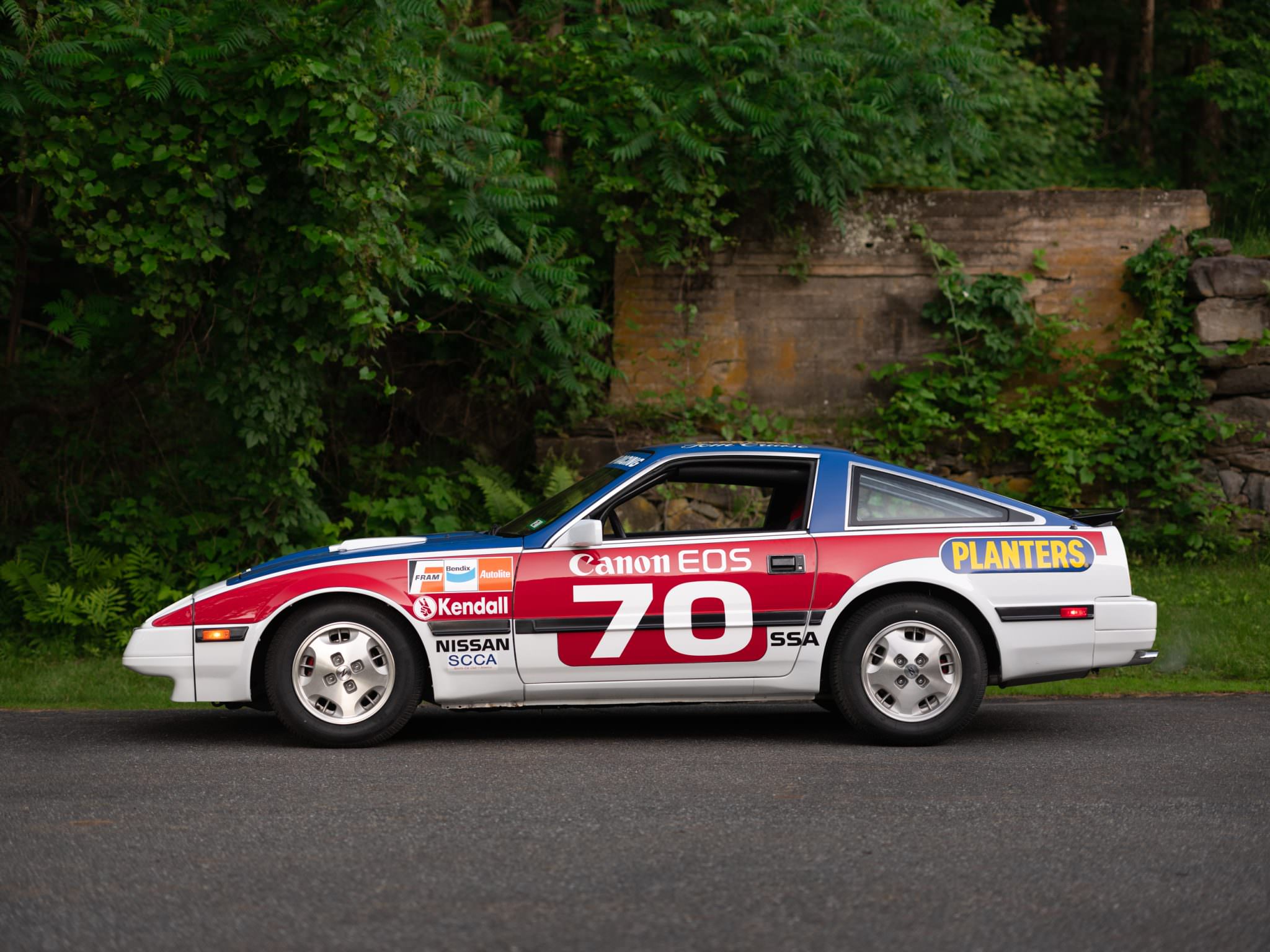
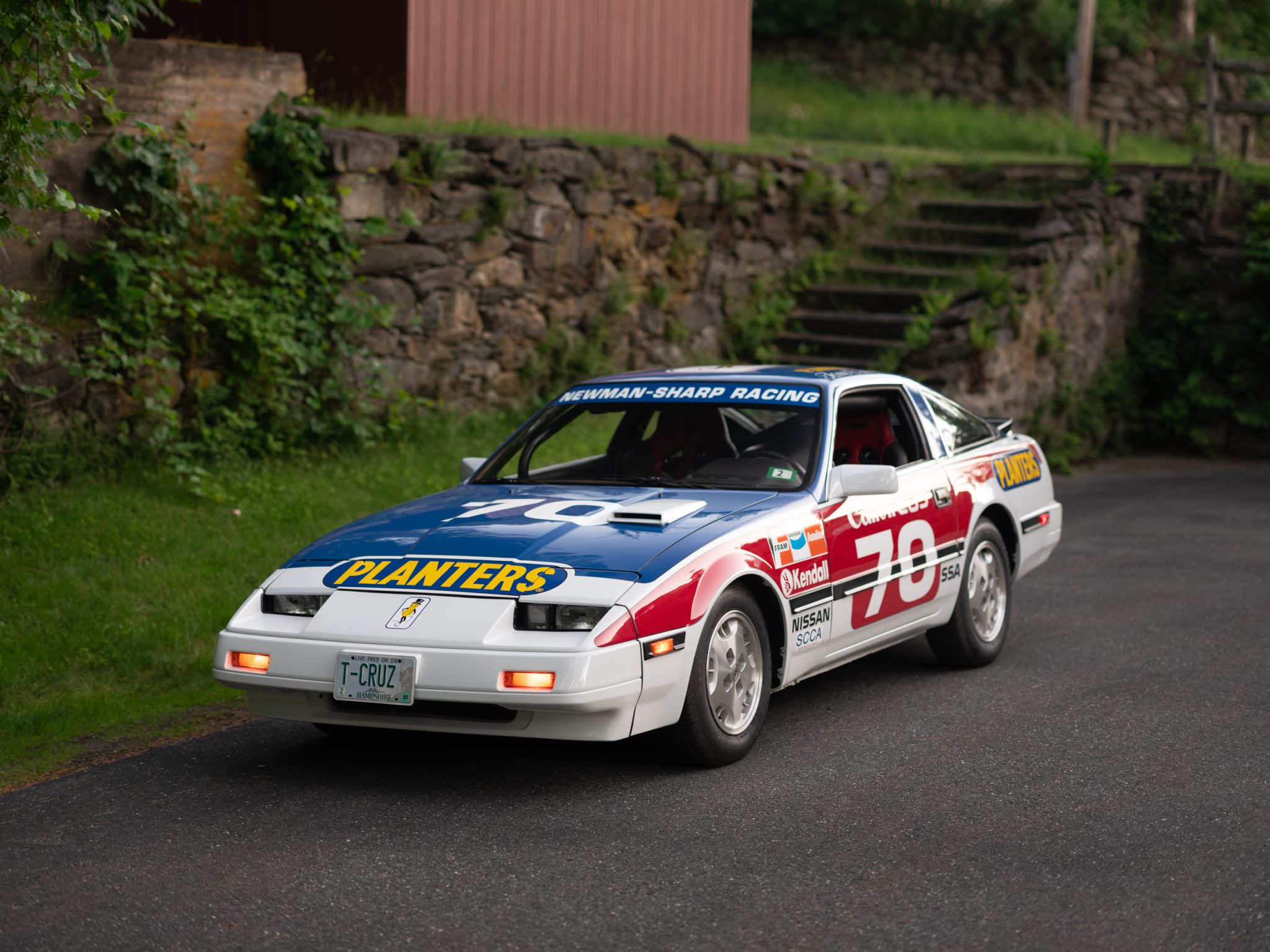
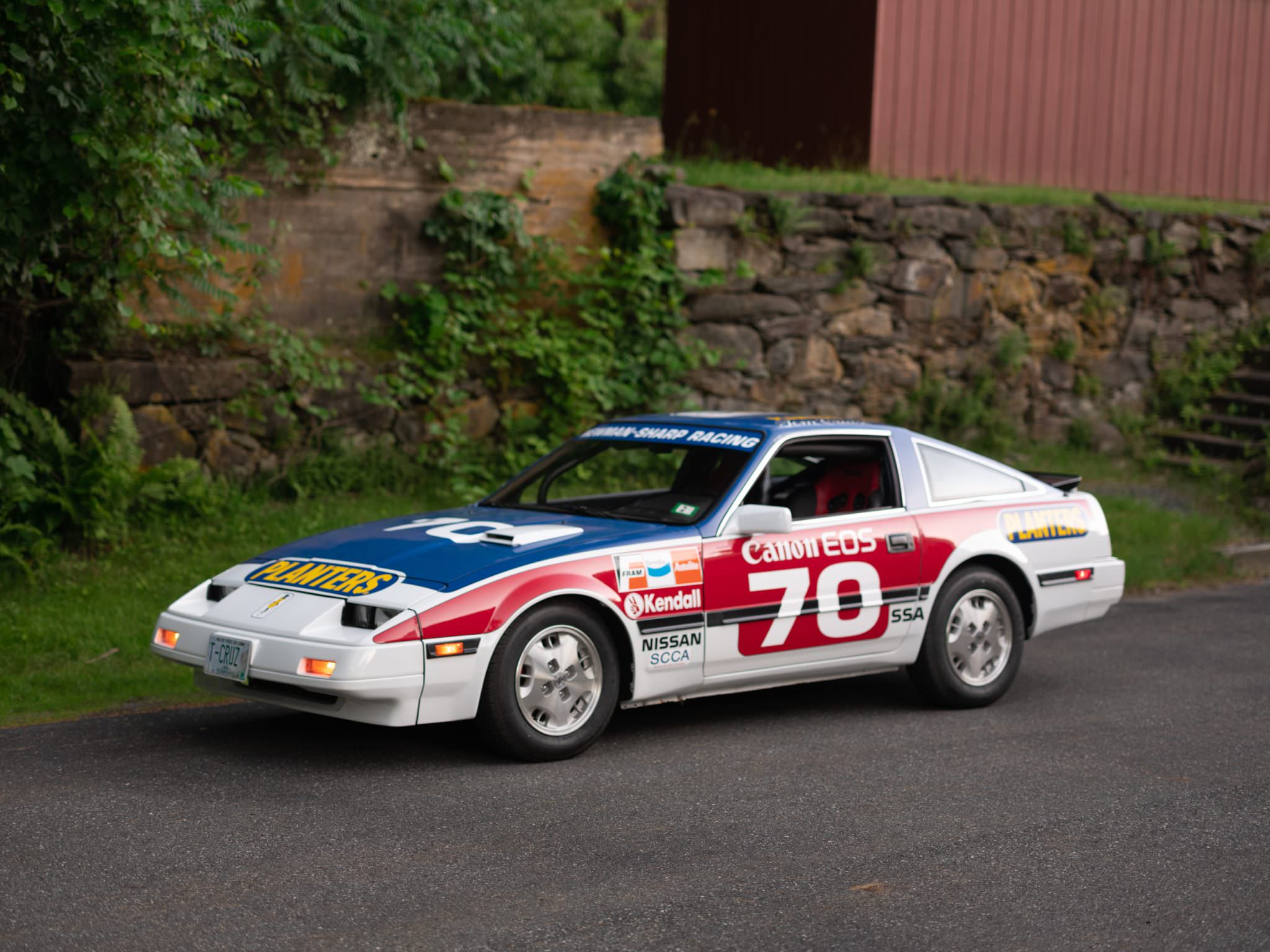
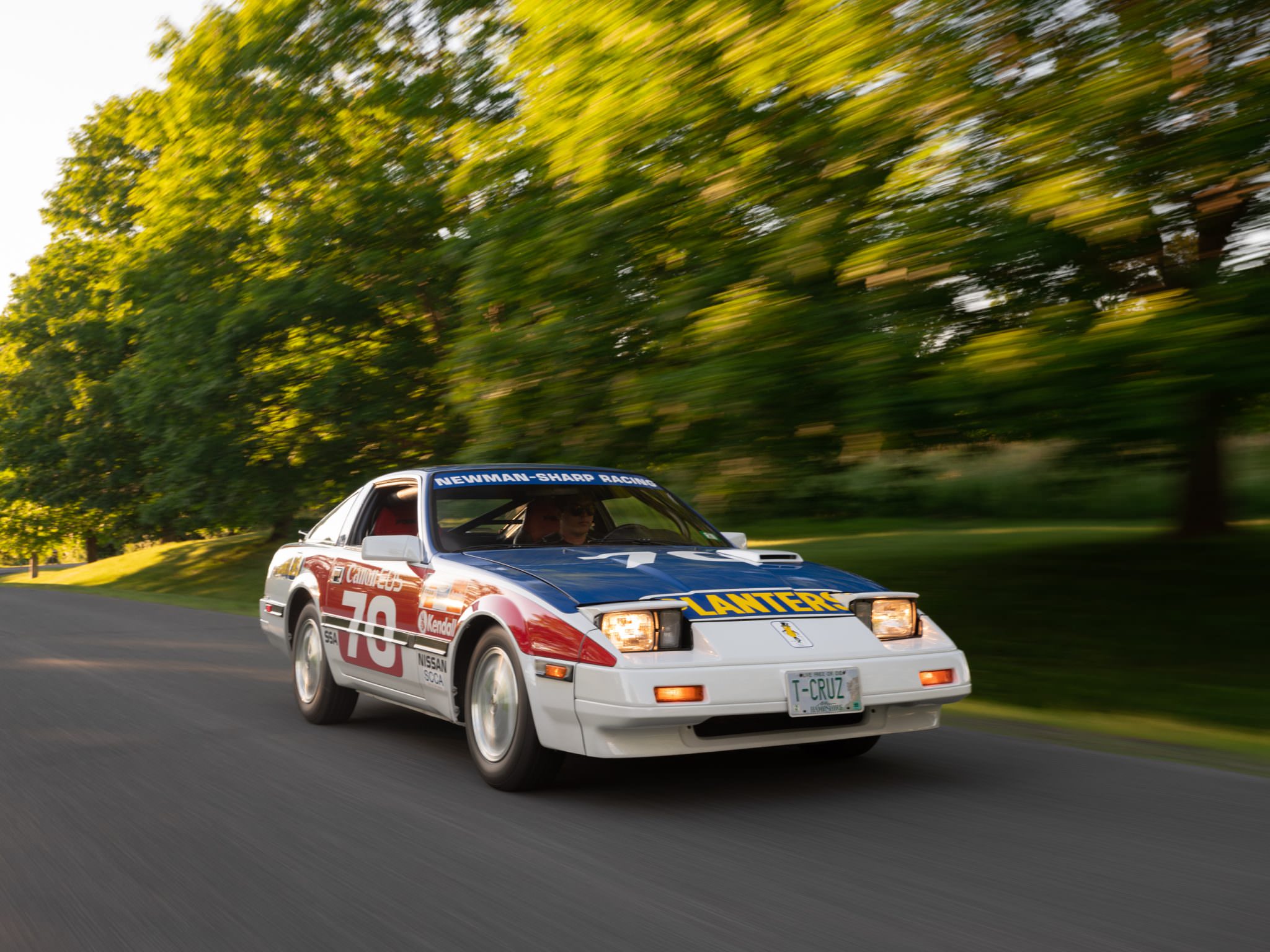
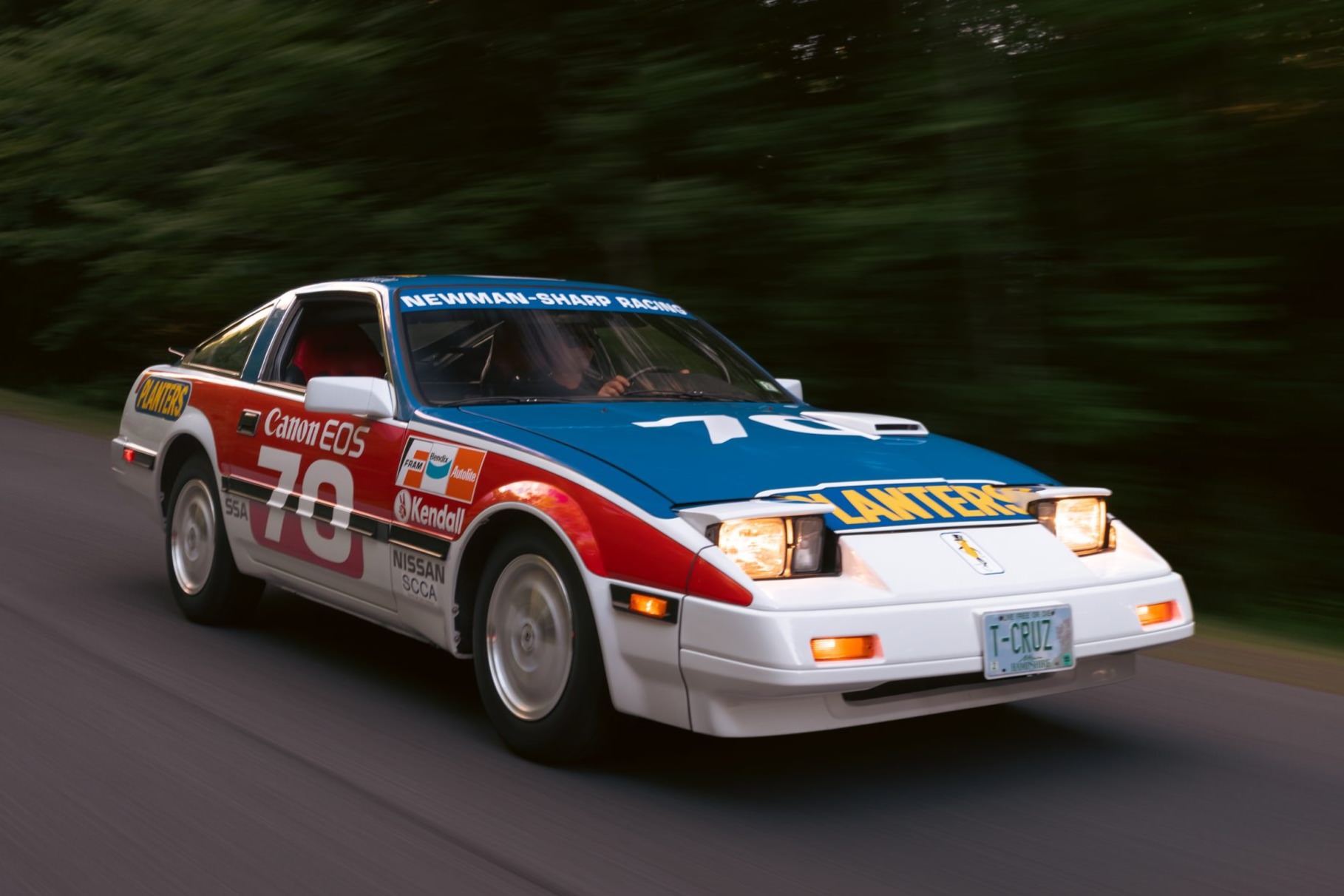
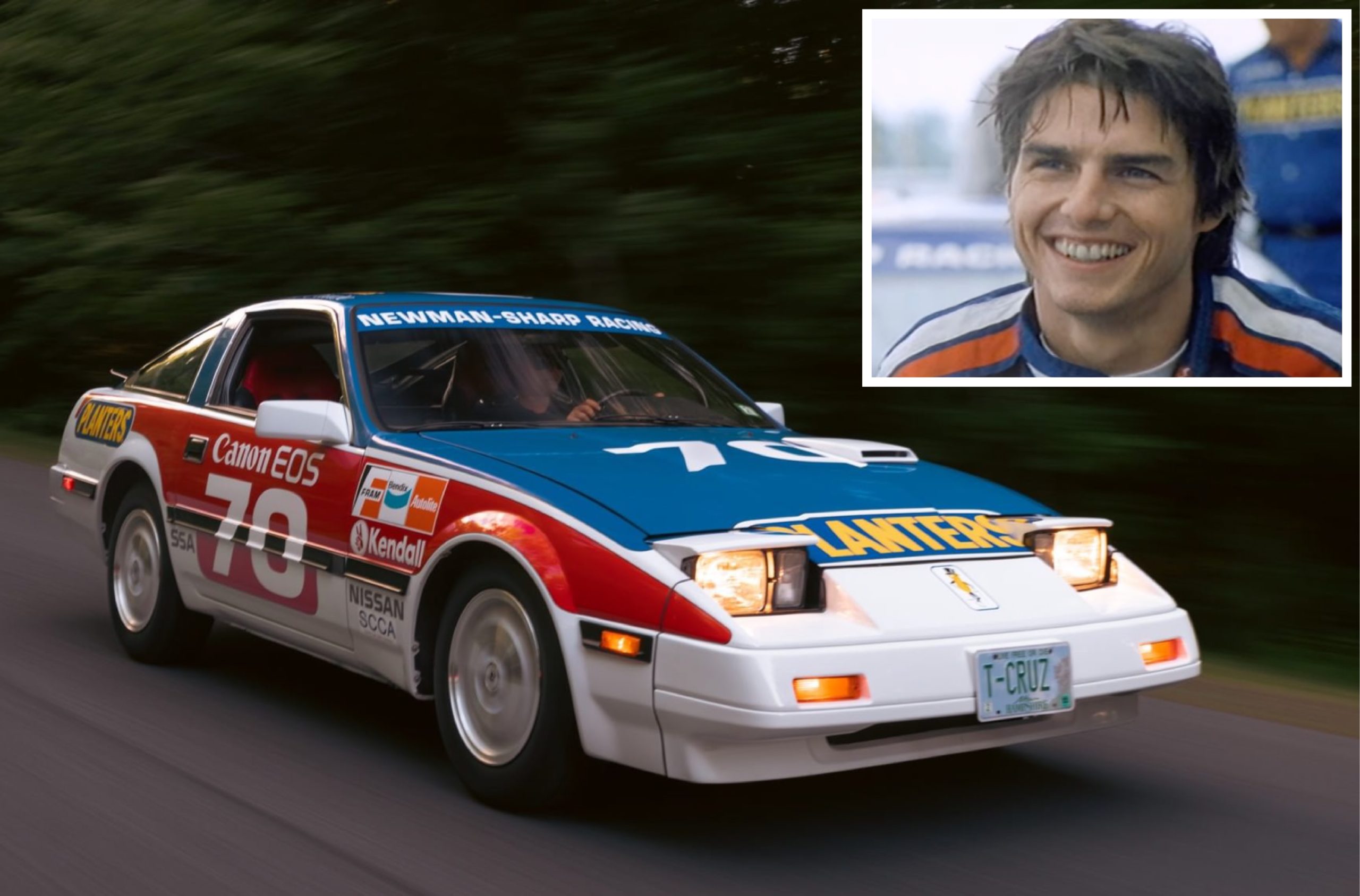
The car you see here is the Nissan 300ZX that Cruise was driving in 1987, it was lost to history before being rediscovered in a junkyard and restored with the racing livery it carried when it was in when driven by the movie star.

Fast Facts – The “Tom Cruise” Nissan 300ZX

  • When Tom Cruise and Paul Newman got to know each other on the set of The Color of Money” in 1986 no one could have guessed that Newman’s love of racing would rub off on the younger star.
  • Just a year later in 1987 Cruise was lining up on the grid for his first SCCA race in a Nissan 300ZX prepared by none other than the Newman/Sharp Racing Team.
  • In his first full season Cruise would win 4 of his 16 races, impressing his mentor, the mechanics, and the spectators.
  • In 1990 Cruise would appear in the cult classic film “Days of Thunder,” a film about a confident young racing driver seeking to make his mark on the world.

Tom Cruise, Paul Newman, And The Color of Money

In 1986 the film “The Color of Money” was released. It starred Paul Newman and Tom Cruise, and it was directed by Martin Scorsese. The film would be well-received by critics and audiences alike, and it would win Newman a Best Actor Oscar.

Original Video Caption: In 1988, Tom Cruise, was part of the racing team owned by fellow actor Paul Newman and Bob Sharp racing Nissan 200SX in the GT-3. A 300ZX would be in GT-2. He’s racing in the Sports Car Club of America event at Summit Point Raceway in West Virginia. Cruise didn’t win but he hung in there. It was good experience he could use when filming the racing film, “Days of Thunder.”

In between takes the two men chatted and became friends, Newman was already a successful racing driver by this time with several national championships as a driver in Sports Car Club of America road racing under his belt and a class win at Le Mans.

It seems that all this talk of racing got Cruise’s attention, as within a year he would be suiting up and racing for the Newman/Sharp Racing Team in a specially prepared Nissan 300ZX. In his first season he would claim four wins and he became popular with the team’s mechanics and his fellow drivers.

“Cruise is a good guy,” said one mechanic. “None of the Hollywood crap there.” – Washington Post

For the 1988 season Cruise would step up into the GT-3 class racing faster and more powerful machinery, though still not quite as fast as the F-14s he was in for Top Gun.

Original Video Caption: Actor Tom Cruise driving a Nissan 300 ZX won the pole position for the Newman Sharp Nissan Team in the GT-3 race. Before the race he talks about the team effort. He’d use what he learned in his role as a NASCAR driver in “Days of Thunder.” Cruise said his racing experience was a “good way to see America.”

Many years after Cruise had hung up his racing boots for the last time he went to England to appear on the world renowned TV show Top Gear starring Jeremy Clarkson, James May, and Richard Hammond.

During the show he took part in the “Stars in a Reasonably Priced Car” segment where he got the car up onto two wheels during his lap.

“He’s young and eager and tends to get in over his head,” said a top driver who has run with him in private race sessions.

“Cruise spun in a high-speed corner directly in front of me, and I nearly T-boned him,” he recalls. “I could visualize a dozen Hollywood film moguls committing suicide if I had nailed him.” – Washington Post

If you’d like to read more about the Newman/Cruise racing story you can visit the wonderful article by Brock Yates here in The Washington Post, it was written in 1987 right as the two men were starting to make waves in SCCA competition.

Original Video Caption: Paul Newman and Bob Sharp teamed up to create Newman Sharp Racing. Their car of choice was Nissan. In 1988, they invited Tom Cruise to come racing with them.

The “Tom Cruise” Nissan 300ZX Race Car Shown Here

This car is a little more special than most examples of the Nissan 300ZX, as mentioned above this car was prepared by Newman/Sharp Racing Team for Tom Cruise to take part in the 1987 SCCA Super Stock class.

Cruise showed great promise as a racing driver, regularly beating his much more experienced fellow drivers and claiming at least four wins.

It’s unknown what became of this car after this time, all we know is was that it was rediscovered in a junkyard in exceedingly rough condition. After the car’s true identity was uncovered it was carefully rebuilt back to the same condition it was in when it was raced by Cruise back in the mid-1980s.

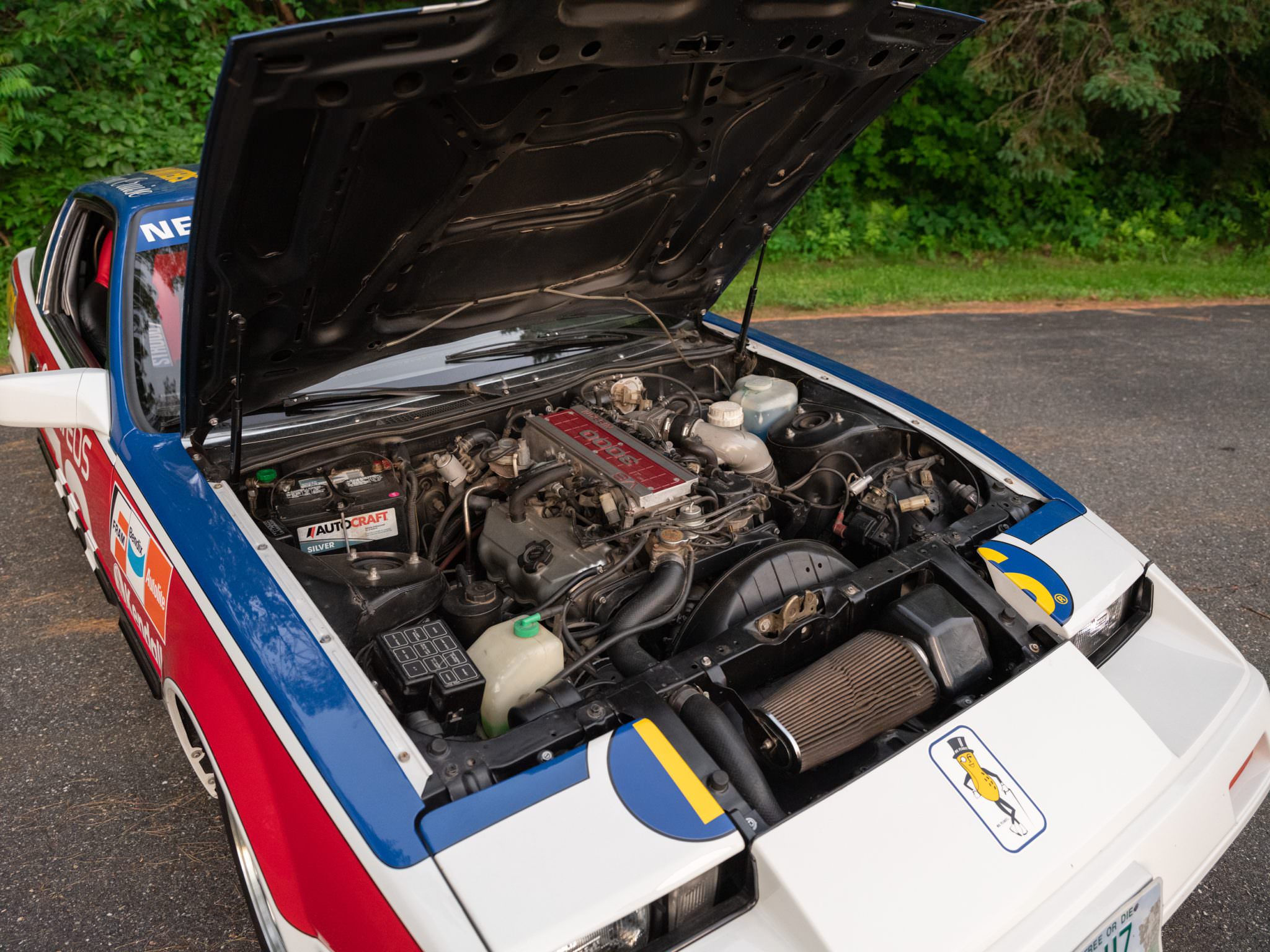
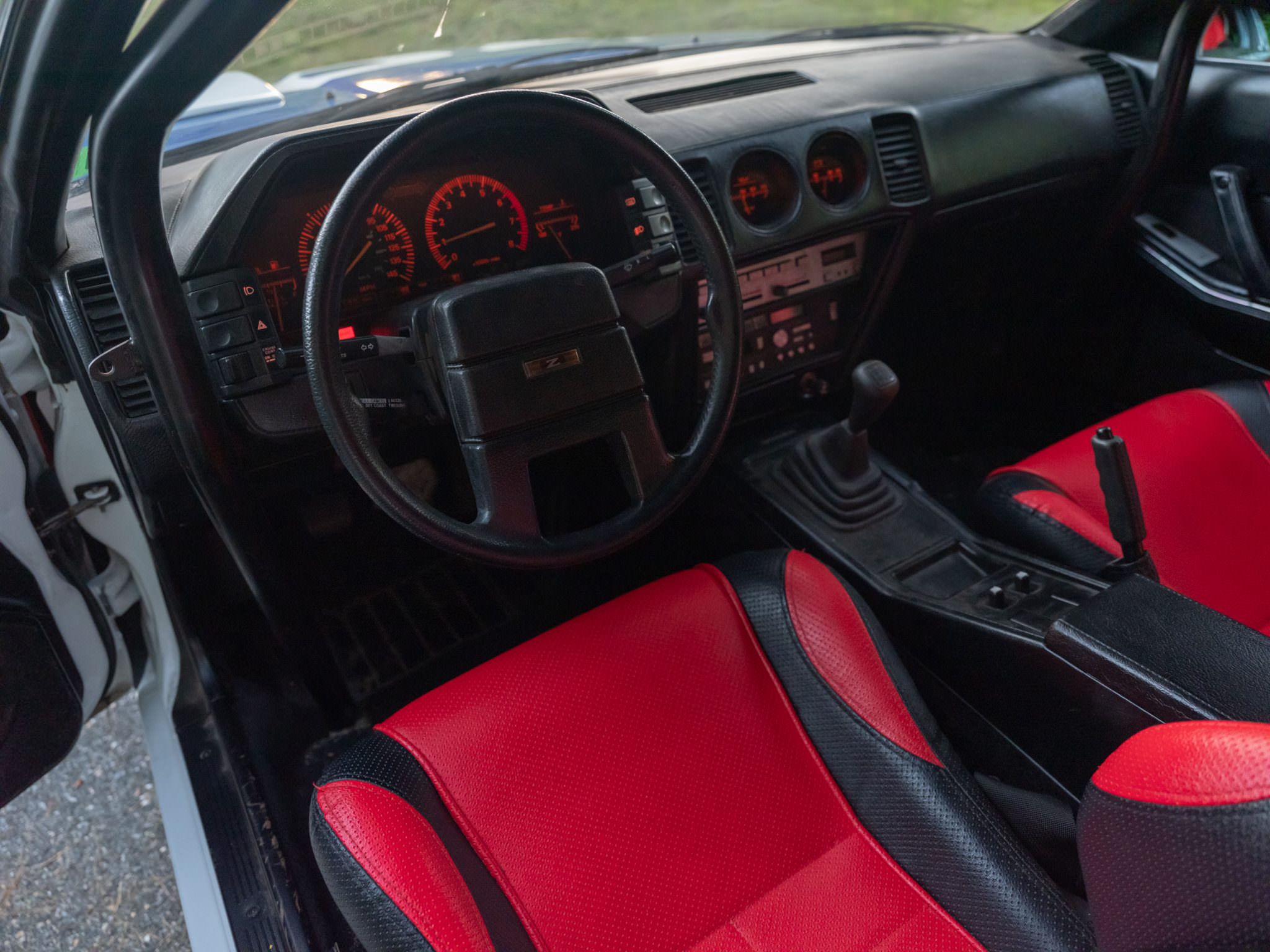
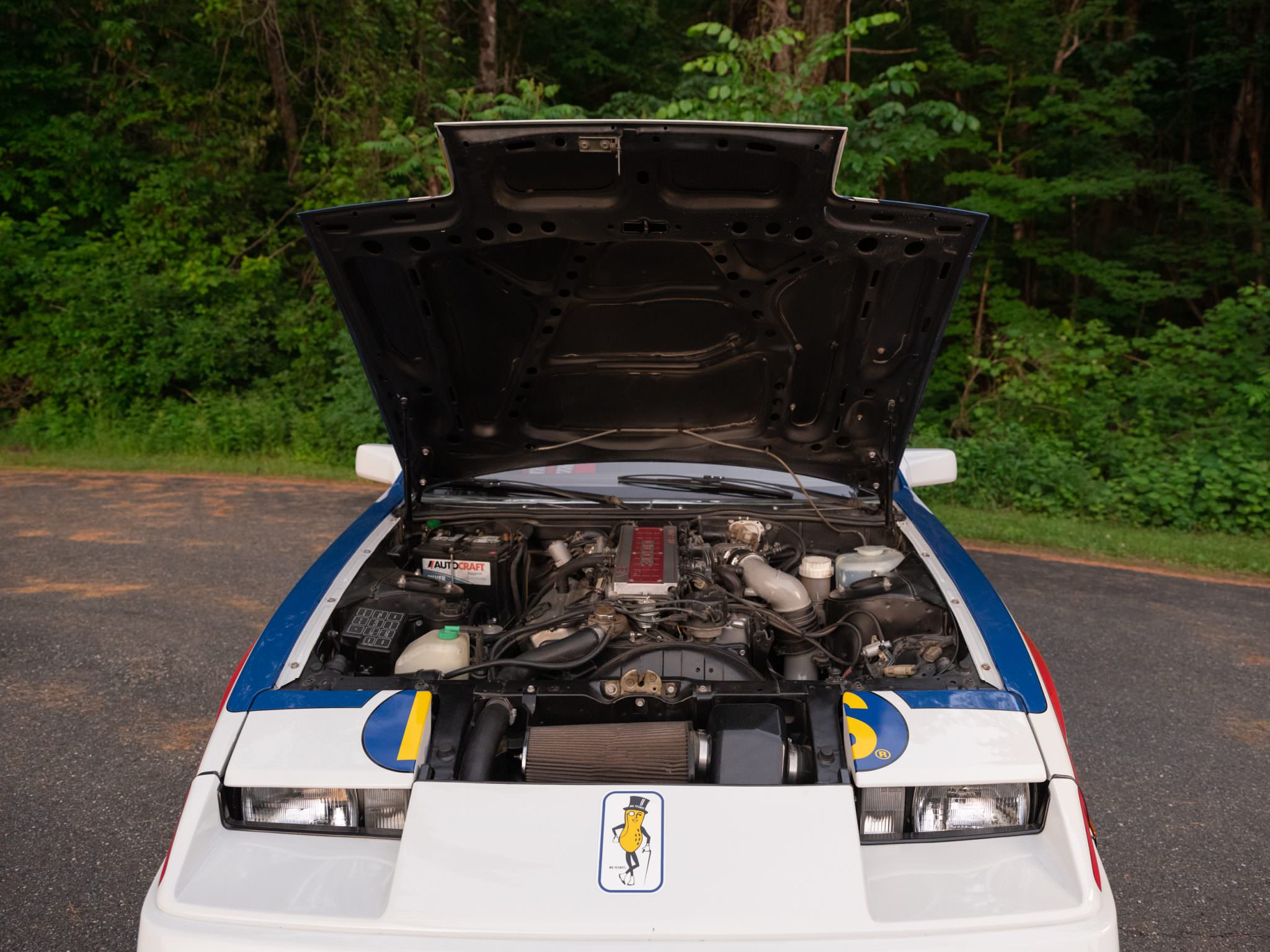
The car is powered by a 3.0 liter V6 modified with Jim Wolf Technologies camshafts, a pair of MSA headers and an MSA throttle body, and an HKS exhaust and ignition system. Power is sent to the rear wheels via a 5-speed manual transmission, and the car rides on Tokico springs and shock absorbers.

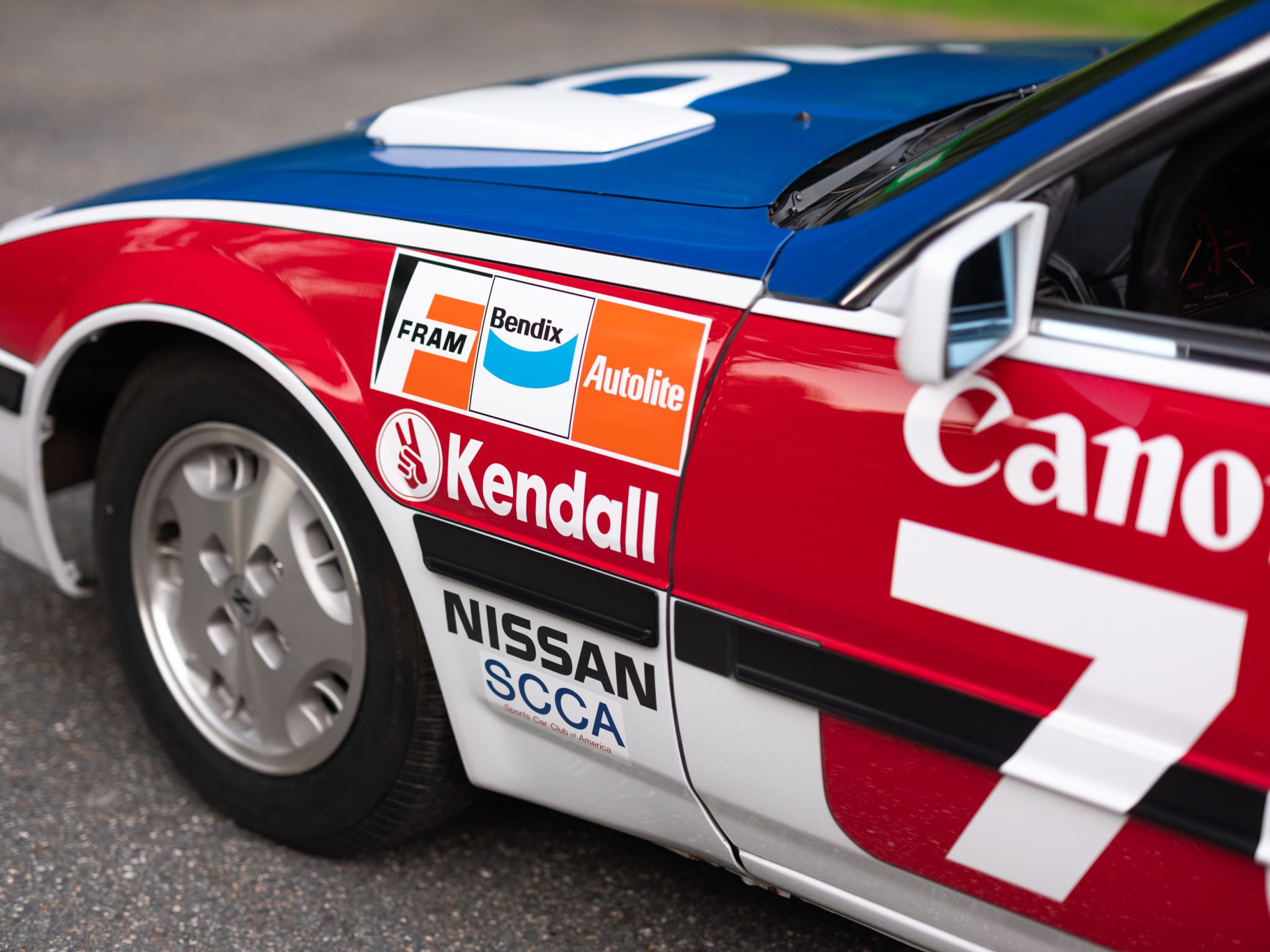
As you can see the car is also finished in its period-correct livery, including the paint scheme and sponsor’s decals it carried back in 1987.

This unusual piece of Hollywood and motorsport history is now being sold on Bring A Trailer out of Hanover, New Hampshire. If you’d like to read more about it or register to bid you can visit the listing here.

Nissan 300ZX Tom Cruise 19 Nissan 300ZX Tom Cruise 17 Nissan 300ZX Tom Cruise 14 Nissan 300ZX Tom Cruise 22 Nissan 300ZX Tom Cruise 21 Nissan 300ZX Tom Cruise 20 Nissan 300ZX Tom Cruise 18 Nissan 300ZX Tom Cruise 16 Nissan 300ZX Tom Cruise 13 Nissan 300ZX Tom Cruise 11 Nissan 300ZX Tom Cruise 9 Nissan 300ZX Tom Cruise 8 Nissan 300ZX Tom Cruise 6 Nissan 300ZX Tom Cruise 4 Nissan 300ZX Tom Cruise 5 Nissan 300ZX Tom Cruise 3 Nissan 300ZX Tom Cruise 2 Nissan 300ZX Tom Cruise 1

Images courtesy of Bring A Trailer

The post Tom Cruise’s 1984 Nissan 300ZX Race Car Is For Sale appeared first on Silodrome.


from Silodrome https://silodrome.com/tom-cruise-nissan-300zx-race-car/
via gqrds
Surf Shop Survivor: A 1966 Dodge A100 Van

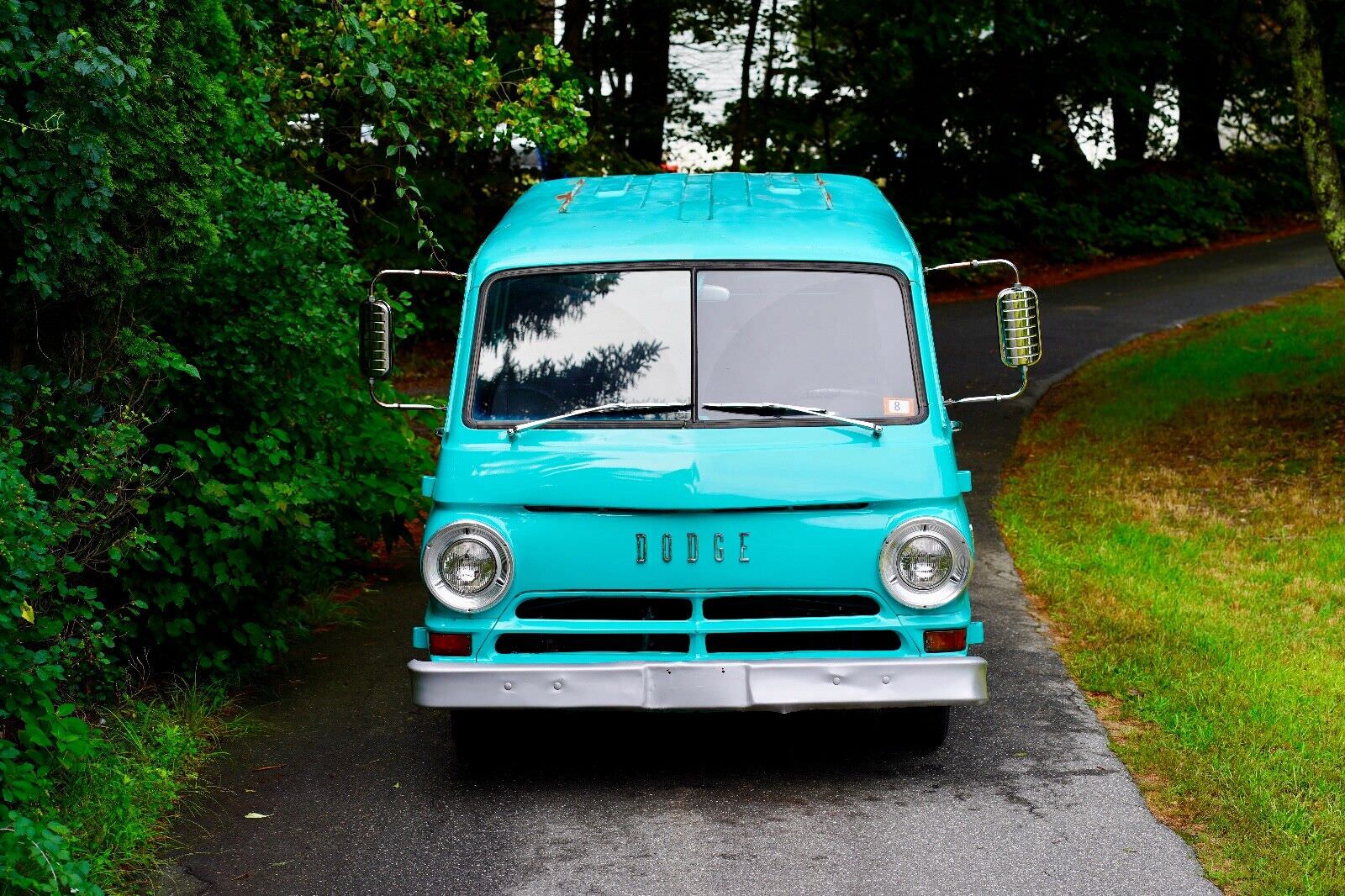
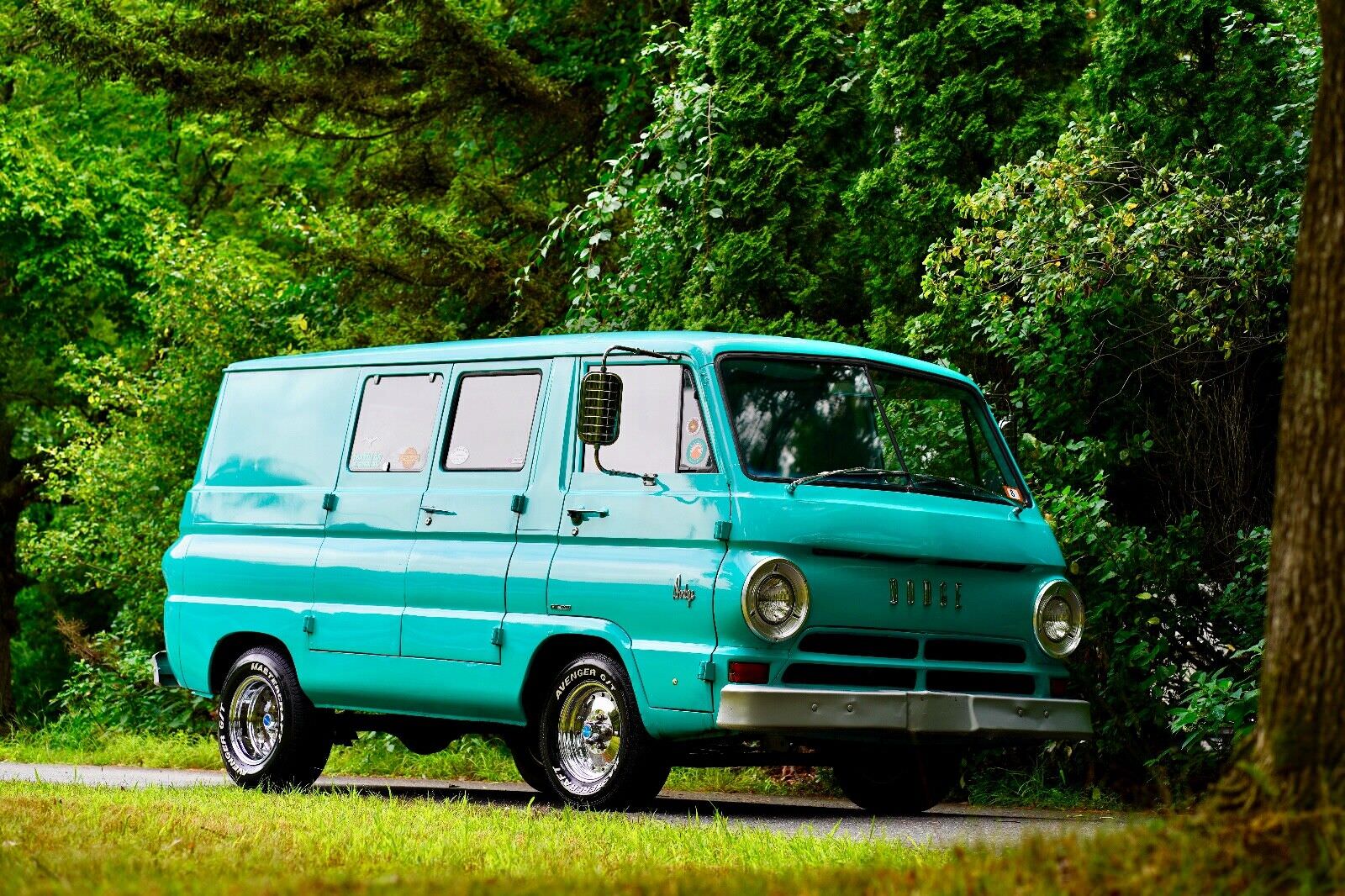
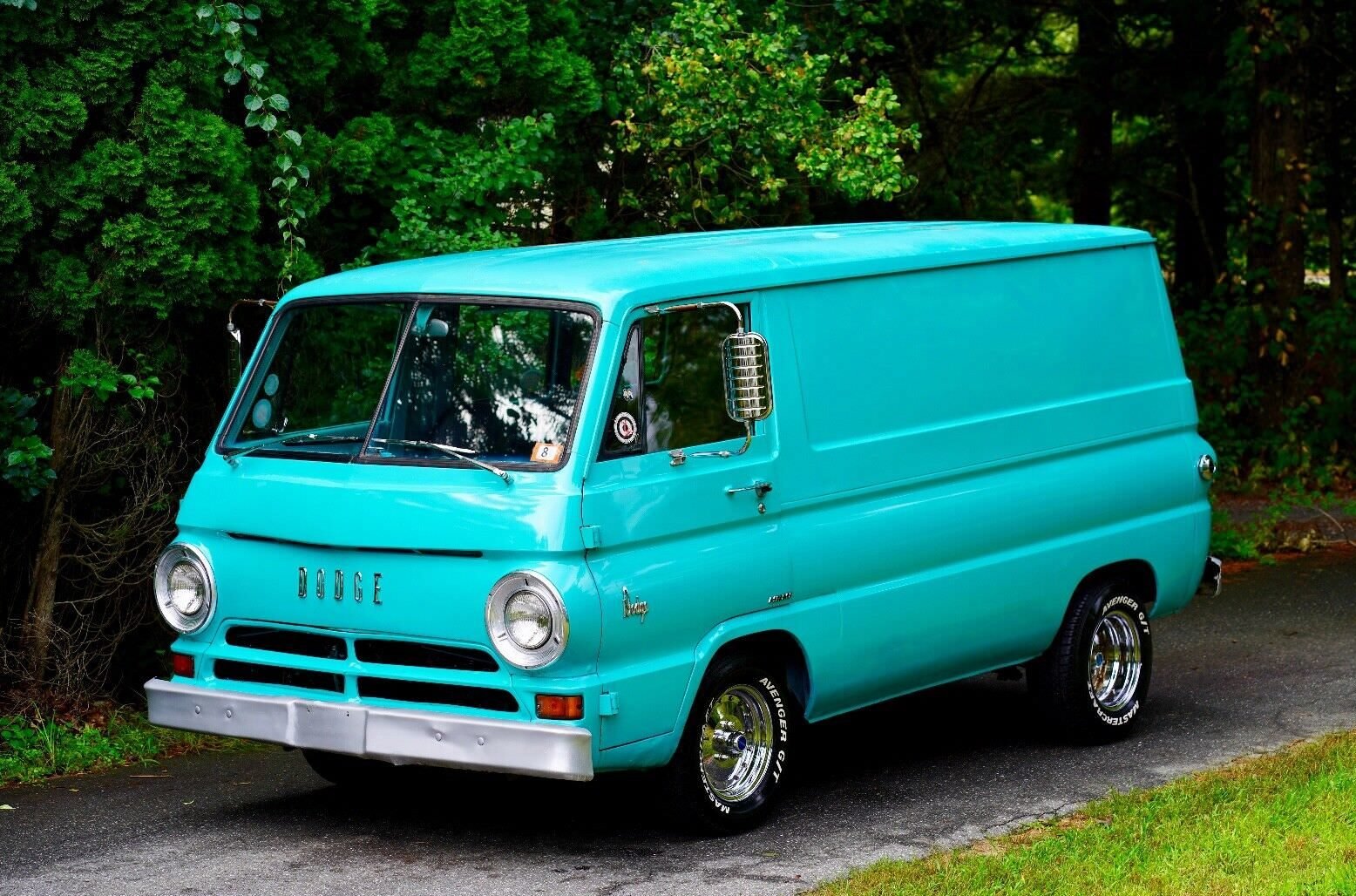
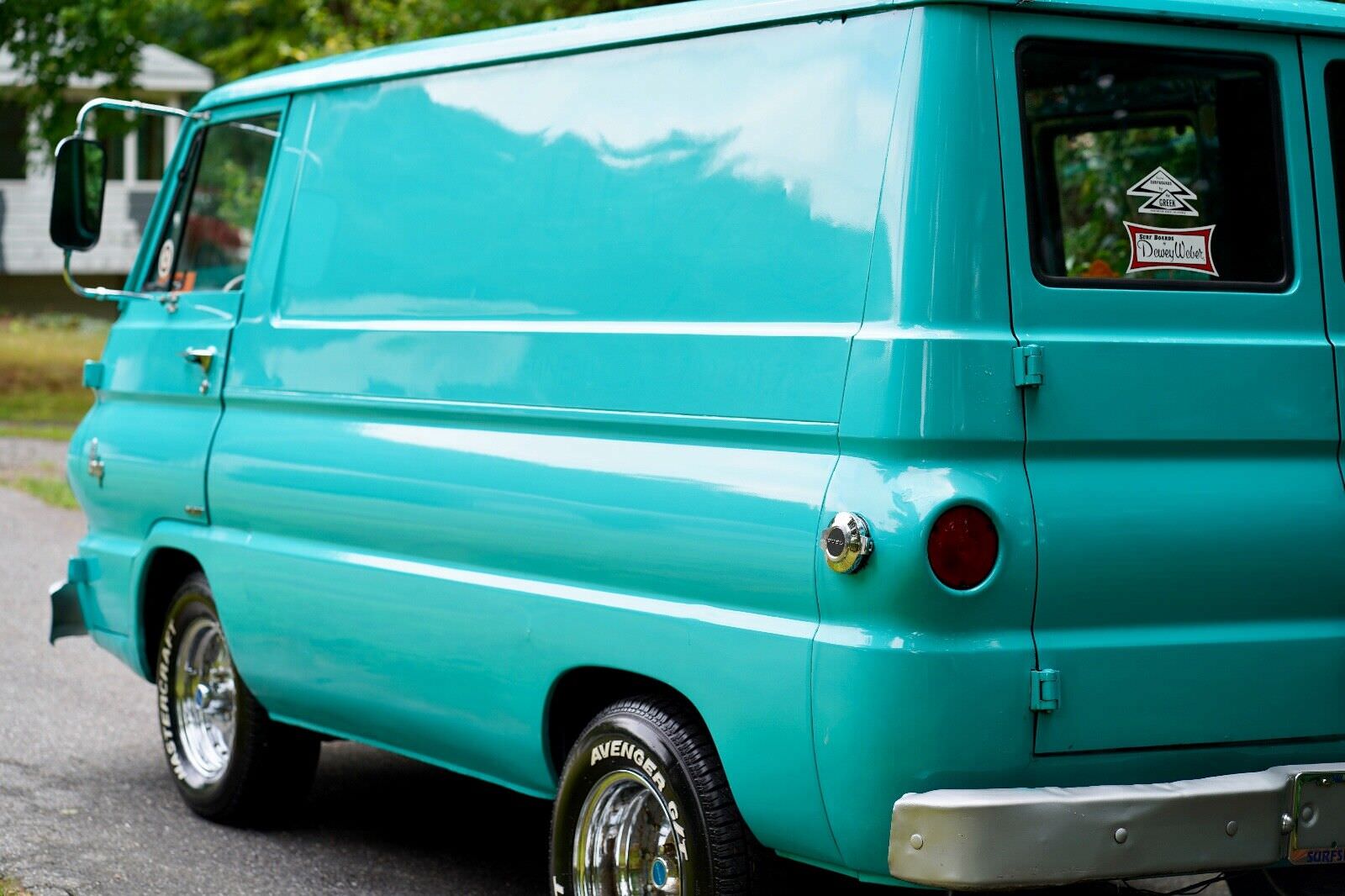
This 1966 Dodge A100 remains in largely original and working condition thanks to the fact that it spent most of its life safely tucked away in a surf shop in New Jersey, away from the rain, sun, and salted roads.

It’s now being offered for sale in matching-numbers condition, powered by its original 3.7 liter slat-six offering 145 bhp and sending power to the rear wheels via a 3-speed manual transmission.

Fast Facts – The Dodge A100 Van

  • The Dodge A100 series of vans and pickup trucks were released in 1964 and sold until 1970 by Chrysler under the Dodge brand in the USA, and under the Fargo brand in Canada.
  • The A100 was developed to compete with the likes of the Volkswagen Type 2, as well as the Ford Econoline, Chevrolet Van, and the Chevrolet Corvair Greenbrier.
  • The van was developed with a cab-over-engine (COE) layout, it had a unibody structure, rear wheel drive, and a choice of engines from a 101 bhp 2.8 liter slant-six up to a 5.2 liter V8 producing 210 bhp.
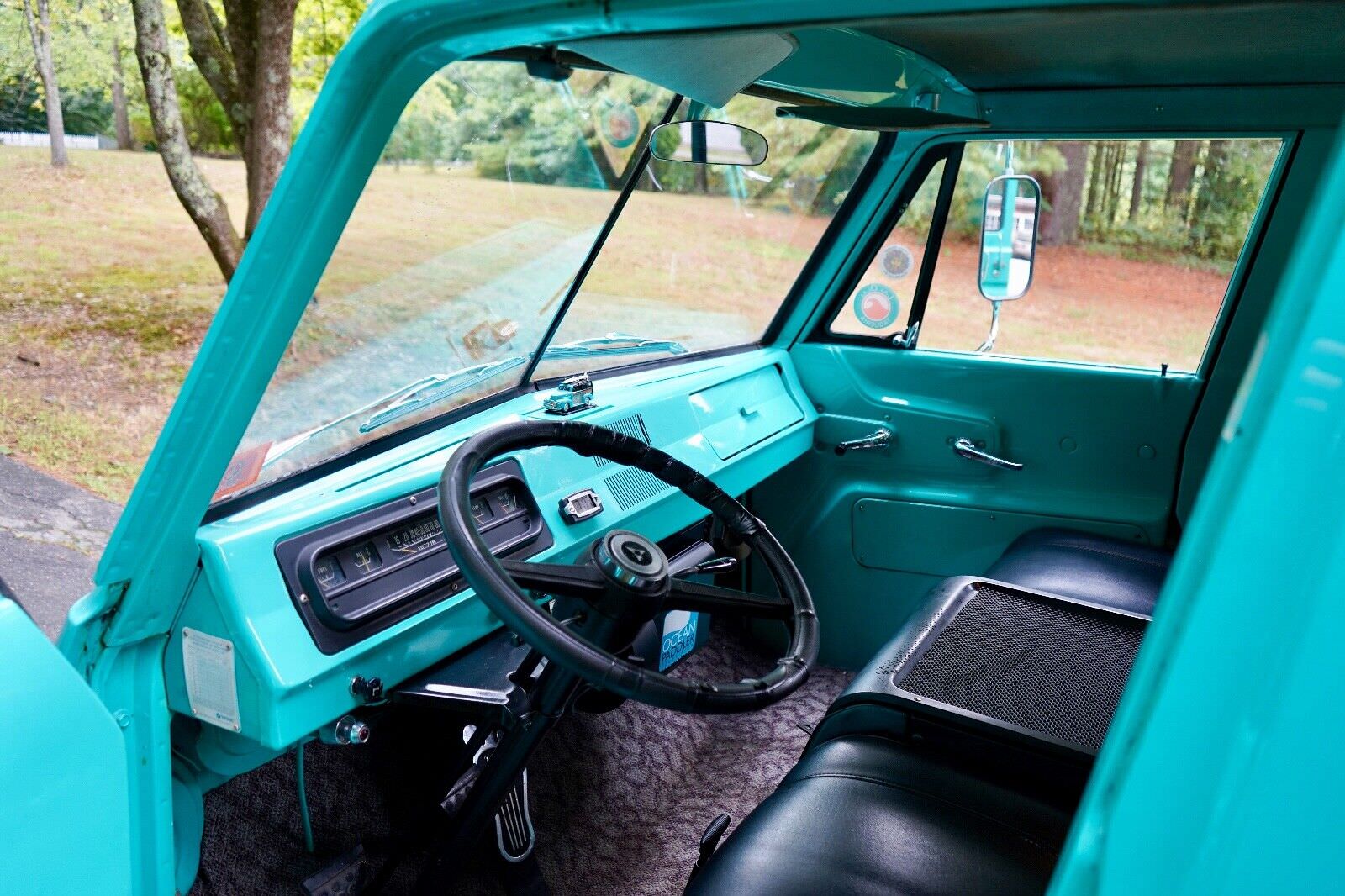
  • The 1966 Dodge A100 Van you see here was sold new in San Diego, California in desert turquoise with black interior. Early on its life it was sent to New Jersey where it was a feature in a surf shop, which is why it remains so well preserved today.

The Dodge A100 Van

The 1960s were the decade that the concept of the van really came into its own. Vans had been popular for commercial purposes before this time of course, but with the explosion of the Hippie movement vans became a favorite form of both transportation and accommodation.

Dodge A100 Van 11

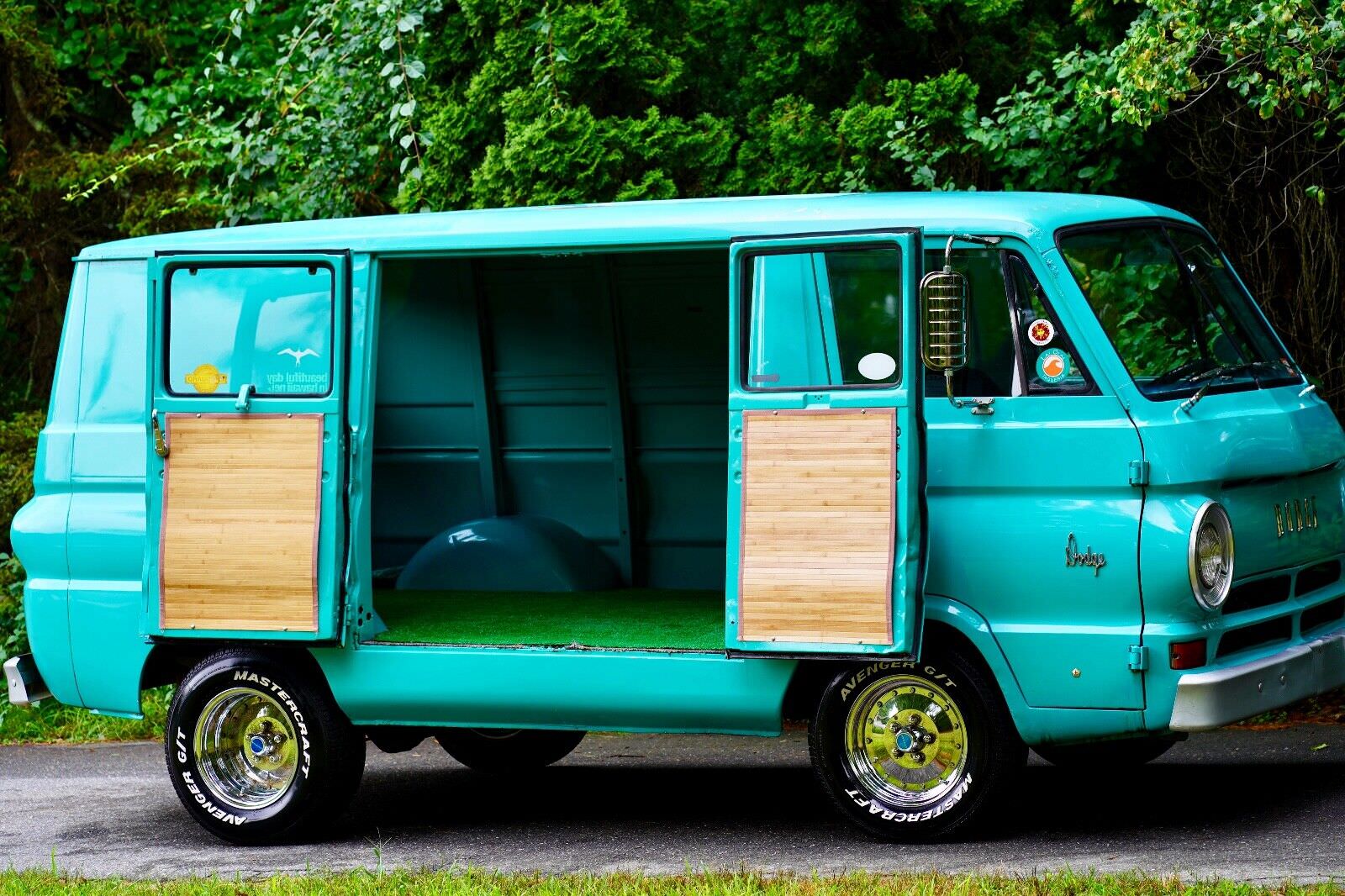
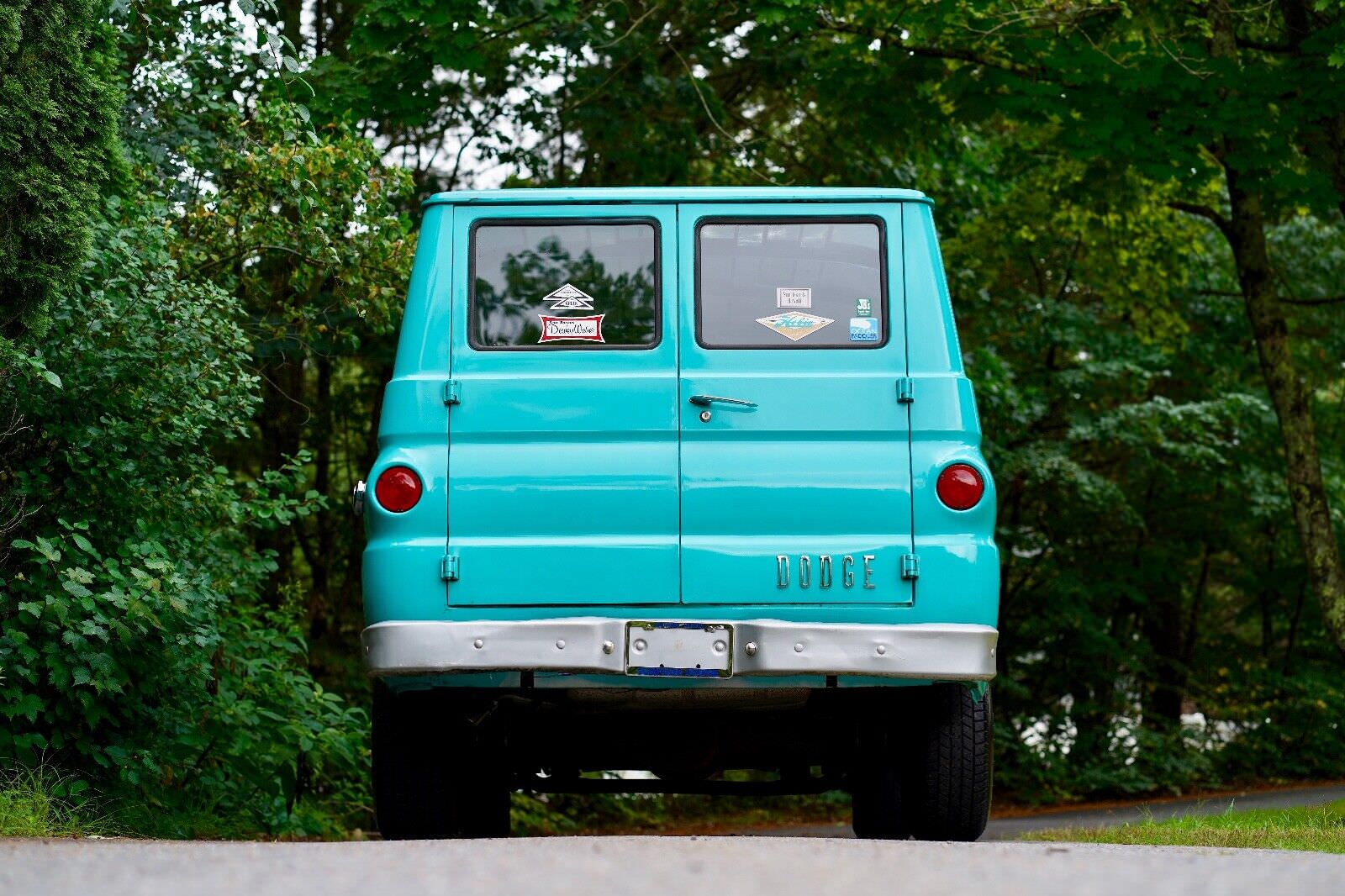
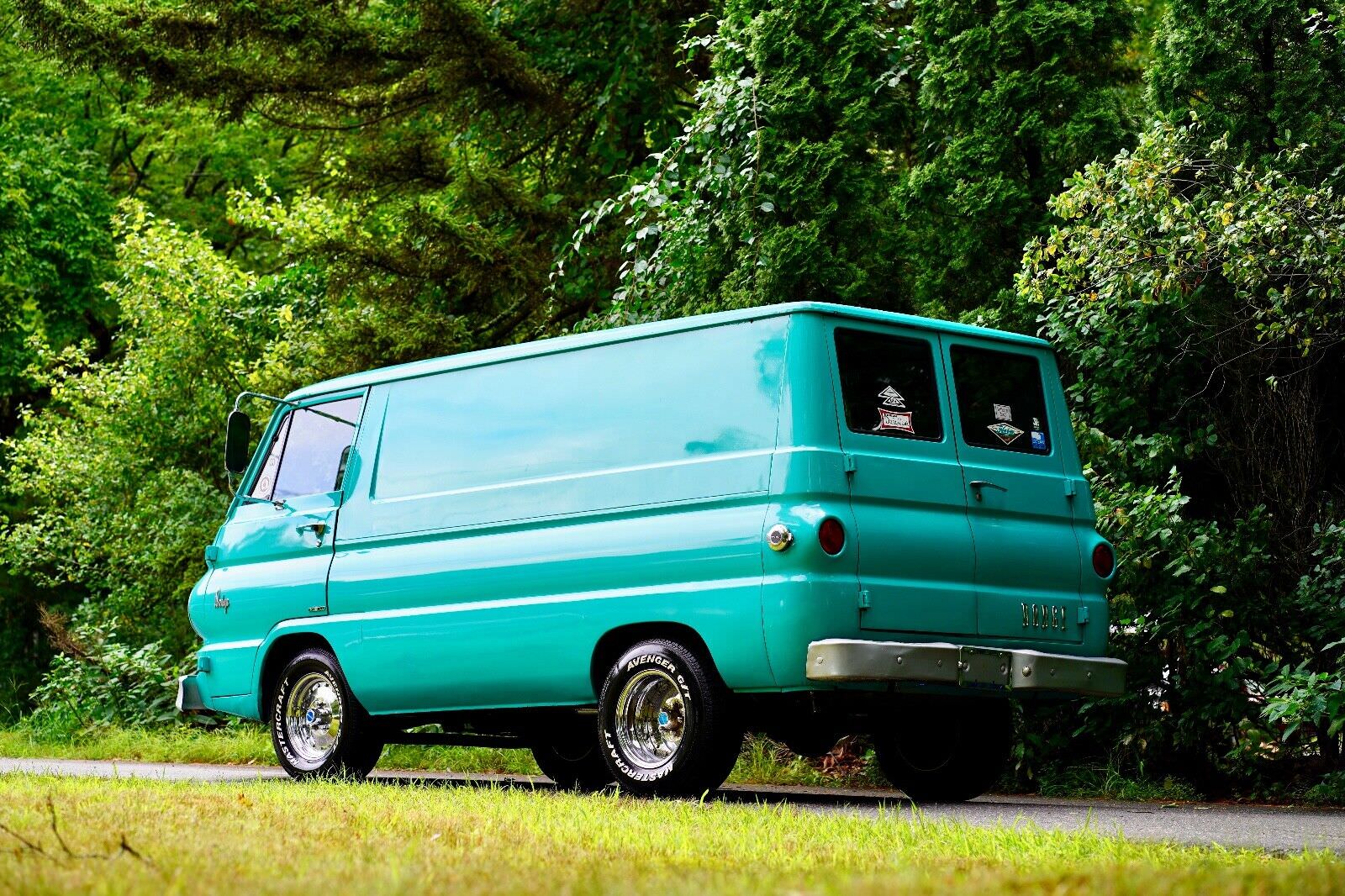
The van has side and rear opening doors for accessing the cargo area.

The Chrysler Corporation began developing the A100 in both van and pickup truck variants in the early 1960s specifically to compete with the likes of the Volkswagen Type 2, Ford Econoline, Chevrolet Van, and the Chevrolet Corvair Greenbrier.

The A100 was sold under the Dodge nameplate, and interestingly the cab would later be used on the large L-series medium-duty cabover engine Dodge trucks with a forward tilting mechanism to access the engine.

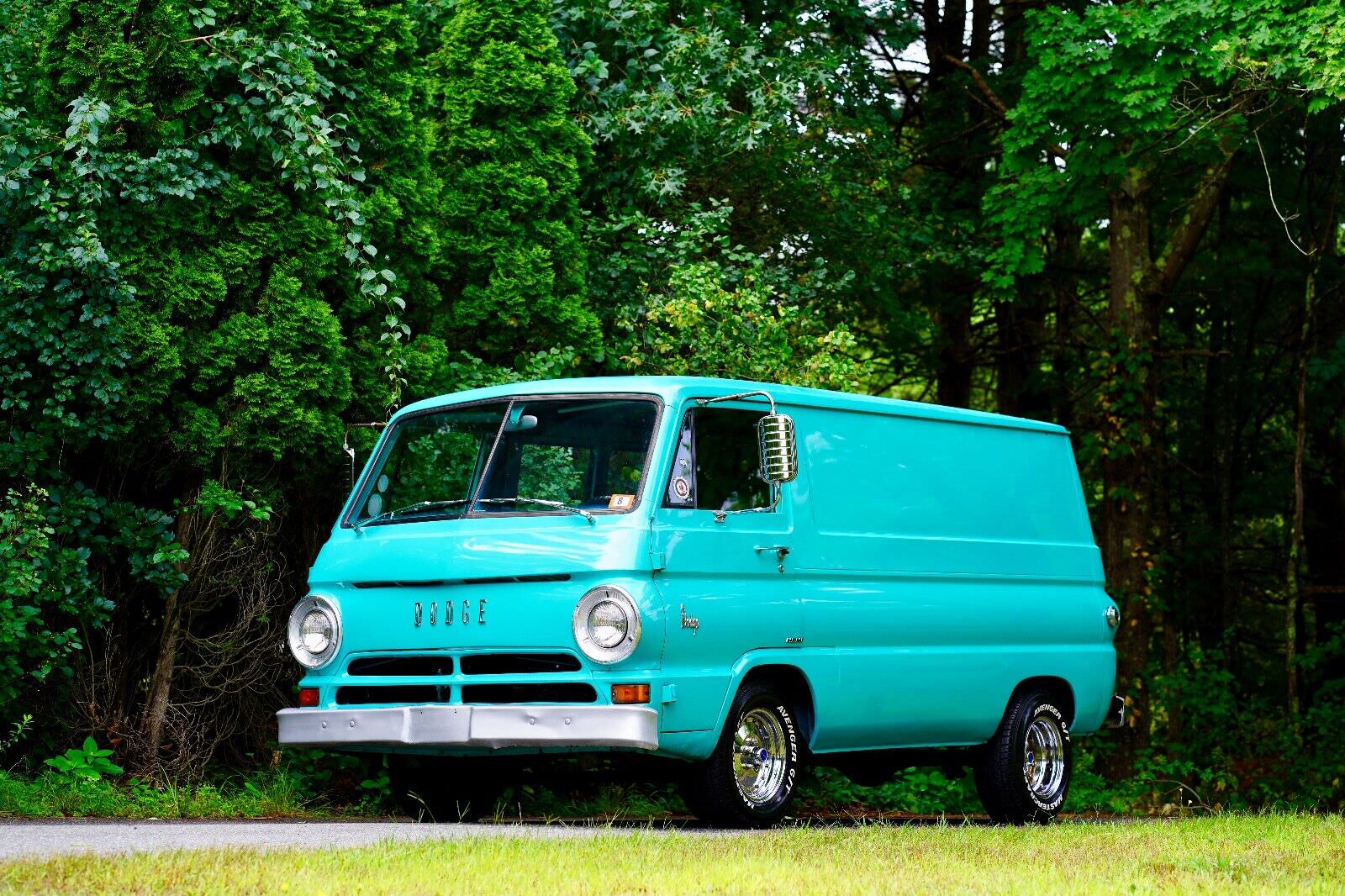
The design of the Dodge A100 was strongly influenced by other vans, particularly the VW Type 2 and the Ford Econoline. It had the same split windshield as the Type 2, similar dimensions, and body styling close to the early examples of the Ford.

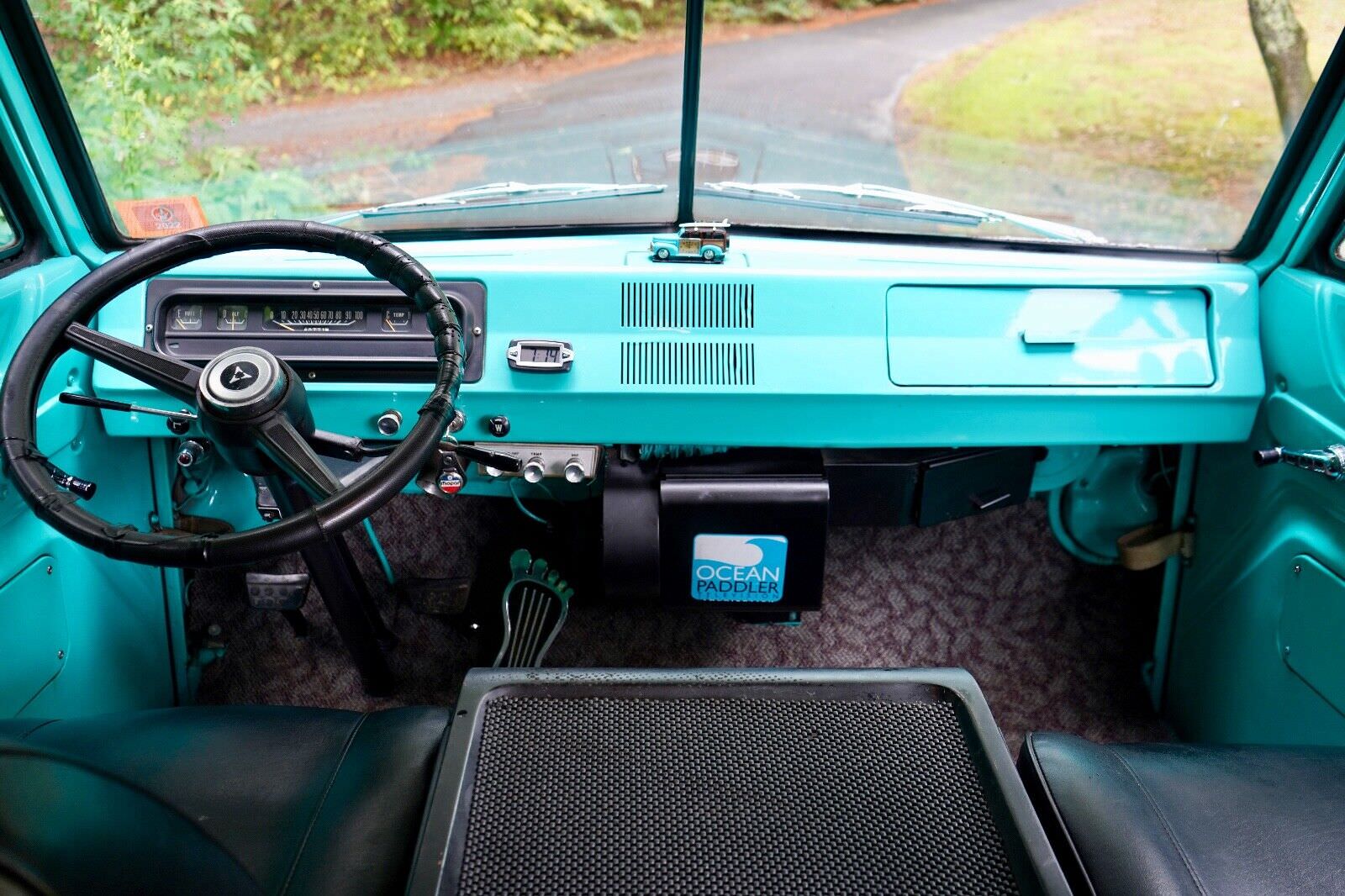
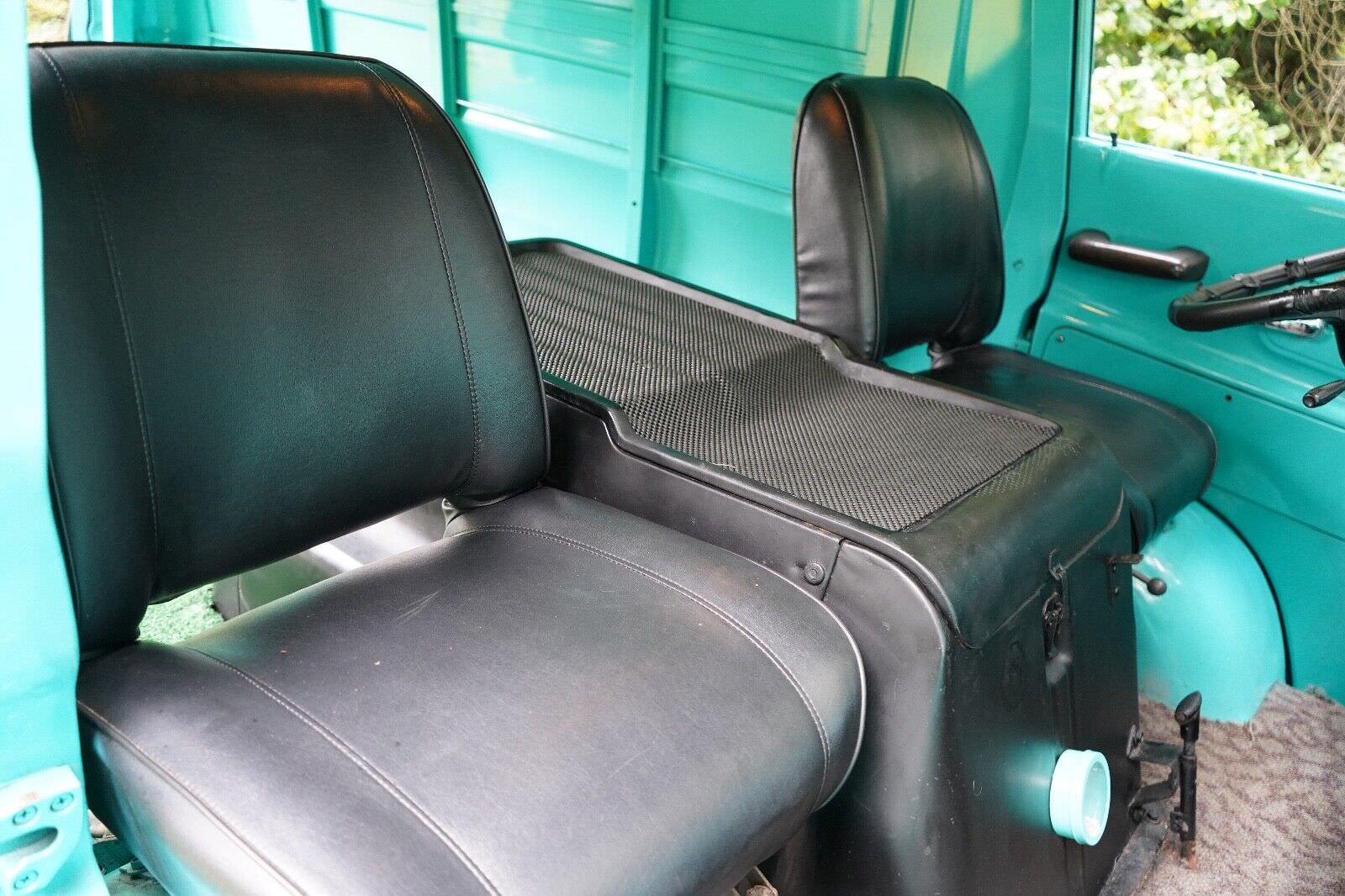
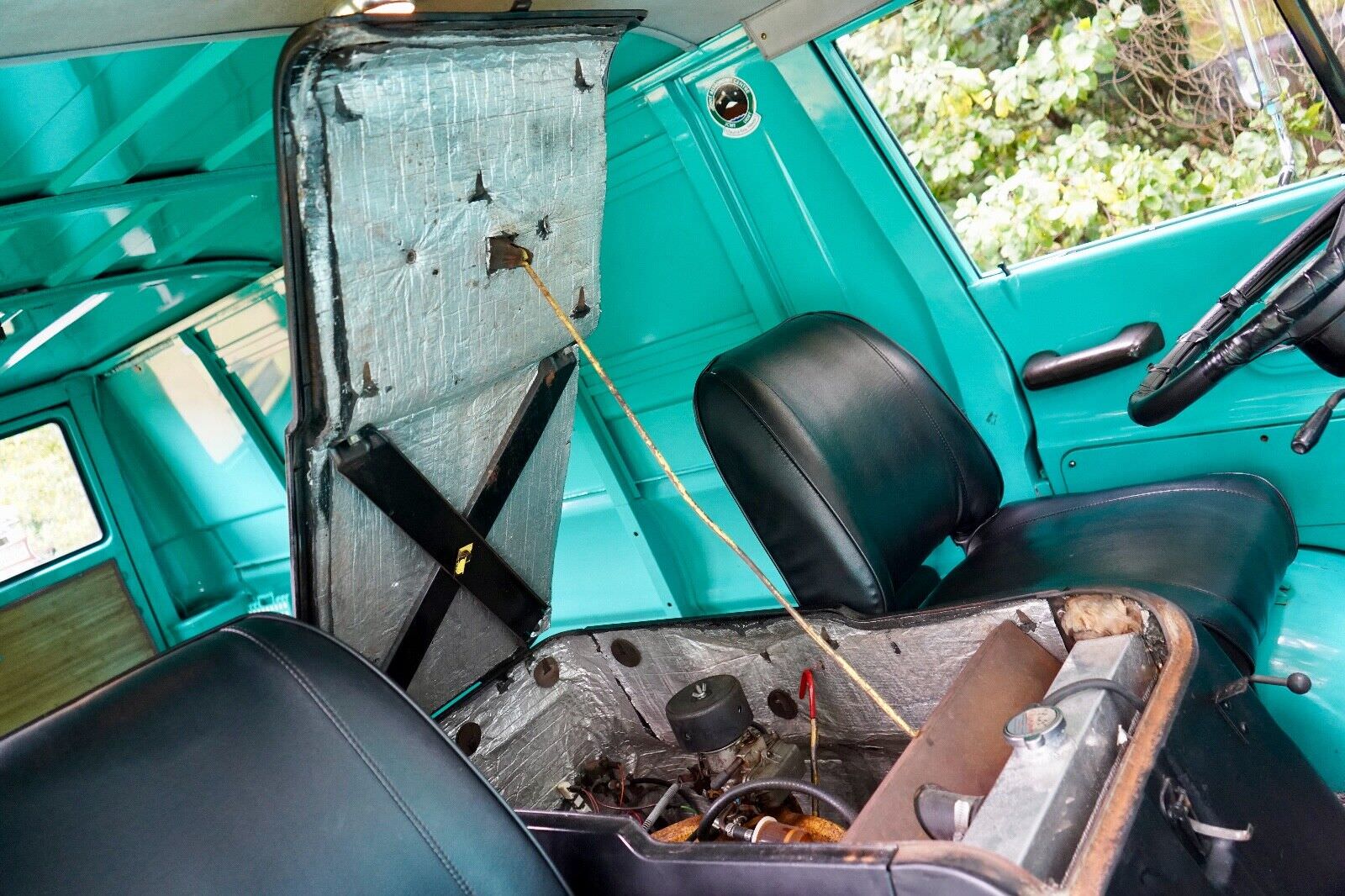
A simple steel unibody structure was used for the A100, with the driver and passenger positioned up front in a cab-over-engine layout with the engine between them. This afforded maximum space for cargo in the rear for both the van and pickup truck variants.

When ordering your A100 you had the option of choosing from five engine variants (depending on year), these included the 101 bhp 2.8 liter slant-six, the 125 bhp 3.2 liter slant-six, the 145 bhp 3.7 liter plant-six, up to the 210 bhp 5.2 liter V8. There were two transmissions on offer, a three-speed manual or a three-speed automatic.

Dodge A100 Van 12

As a COE or cab-over-engine design the engine is situated between the driver and passenger seats.

The Dodge A100 proved popular enough that the Dodge Sprinter van was developed to succeed it in 1970. The Sprinter was a larger van that would remain in production (with a  number of updates) from 1970 until 2003.

The 1966 Dodge A100 Van

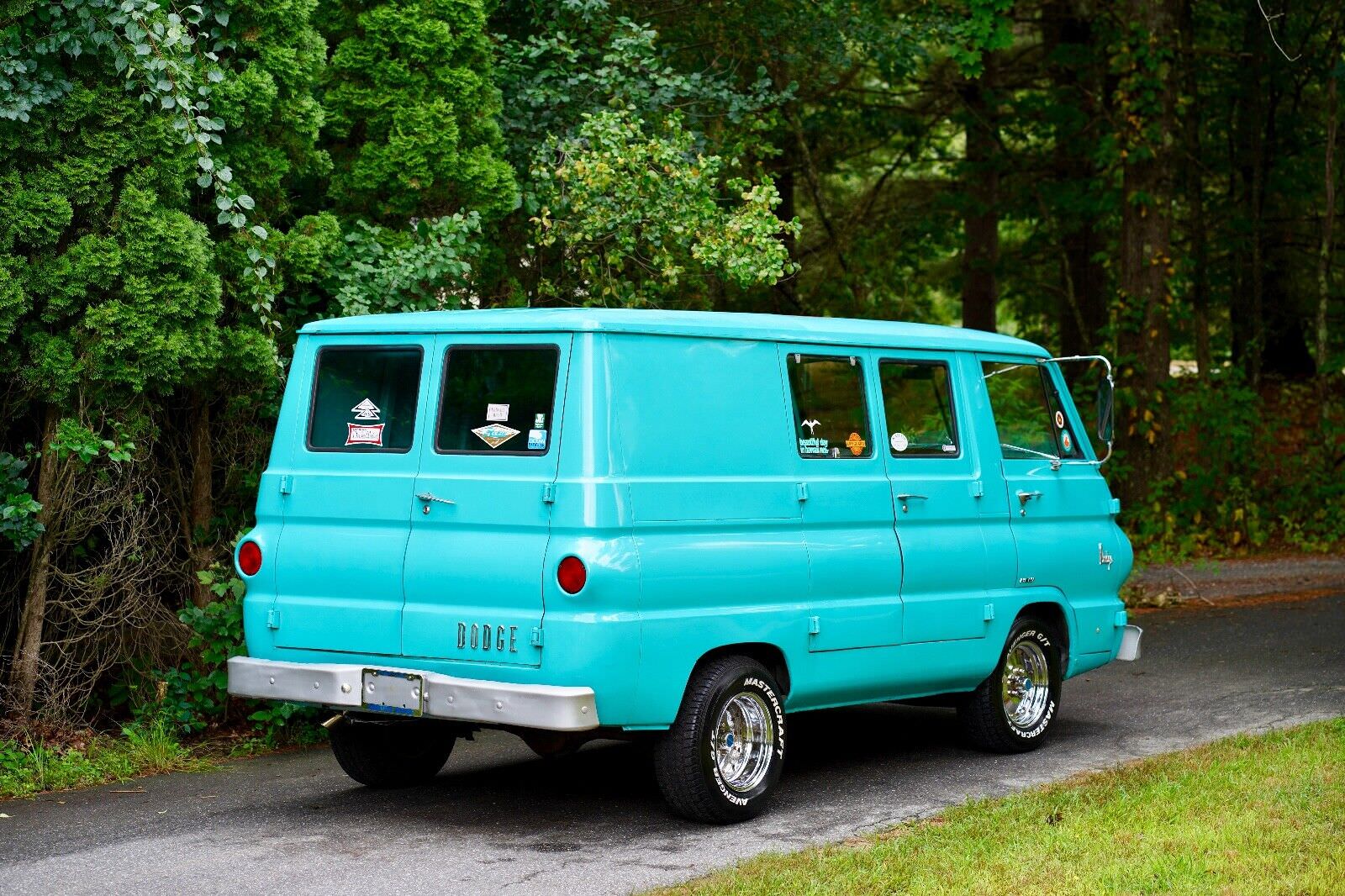
As noted in the introduction, this 1966 Dodge A100 has led a blessed life in a New Jersey surf shop, out of the rain and weather that caused the rusty demise of so many of its contemporaries.

It remains in largely original condition, including its eye-catching turquoise paint work and its black interior. It’s riding on period-correct chromed steel wheels fitted with staggered Mastercraft Avenger G/T tires – the fronts are 215/70/40 and the rears are 225/70/40.

This van is powered by the popular 3.7 liter slant-six sending power back through a 3-speed manual transmission, and it comes with two sets of keys, original owners manual and service manual, and the original spare wheel.

It’s currently being offered on eBay with a Buy It Now price of $24,900 USD out of Stow, Massachusetts and you can visit the listing here if you’d like to read more or make them an offer.

Dodge A100 Van 3 Dodge A100 Van 15 Dodge A100 Van 14 Dodge A100 Van 13 Dodge A100 Van 10 Dodge A100 Van 9 Dodge A100 Van 7 Dodge A100 Van 6 Dodge A100 Van 5 Dodge A100 Van 4 Dodge A100 Van 1 Dodge A100 Van 2

Images courtesy of Copper Creek Capital

The post Surf Shop Survivor: A 1966 Dodge A100 Van appeared first on Silodrome.


from Silodrome https://silodrome.com/dodge-a100-van/
via gqrds
Ferrari 250 GT V12 Engine + Gearbox For Sale

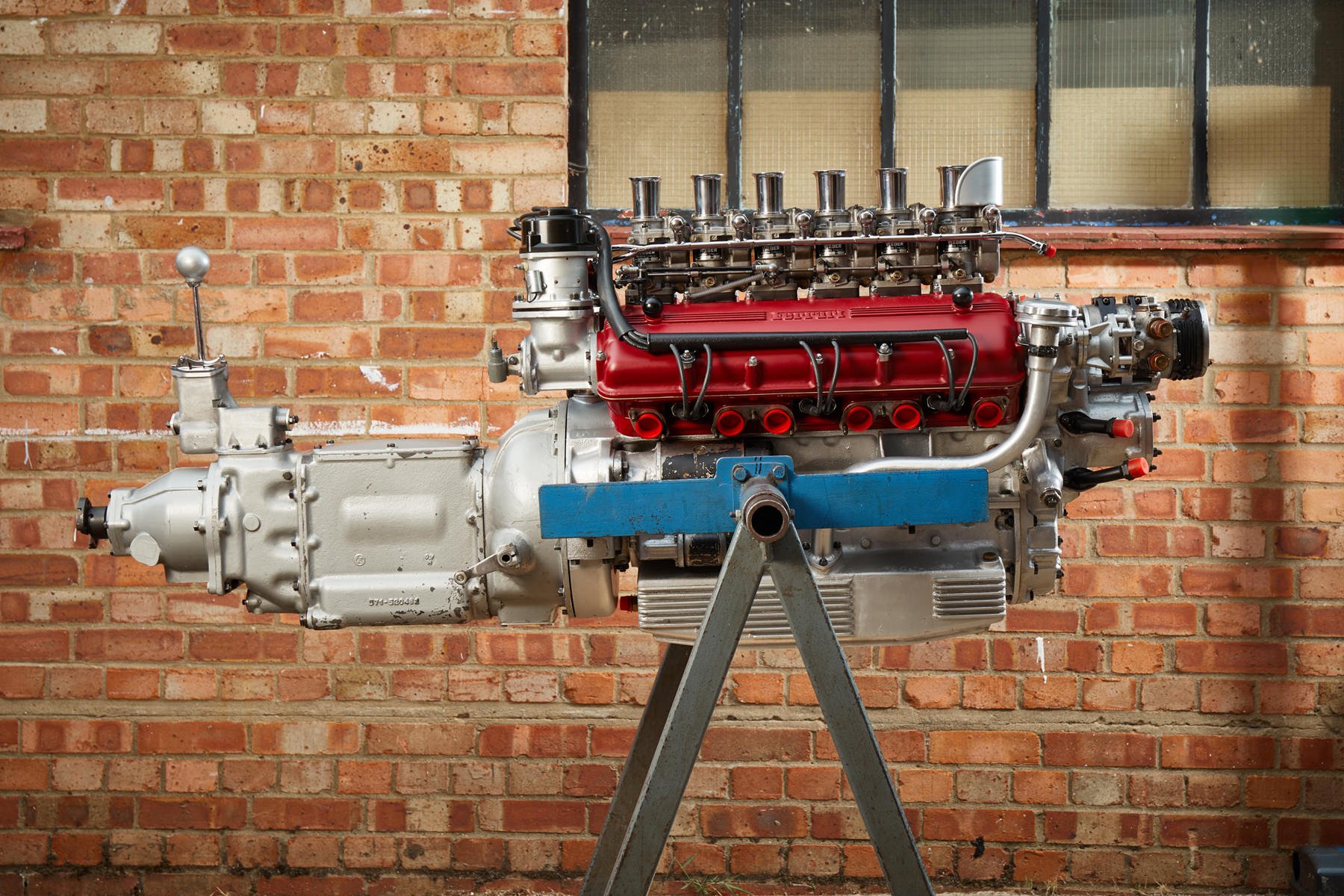
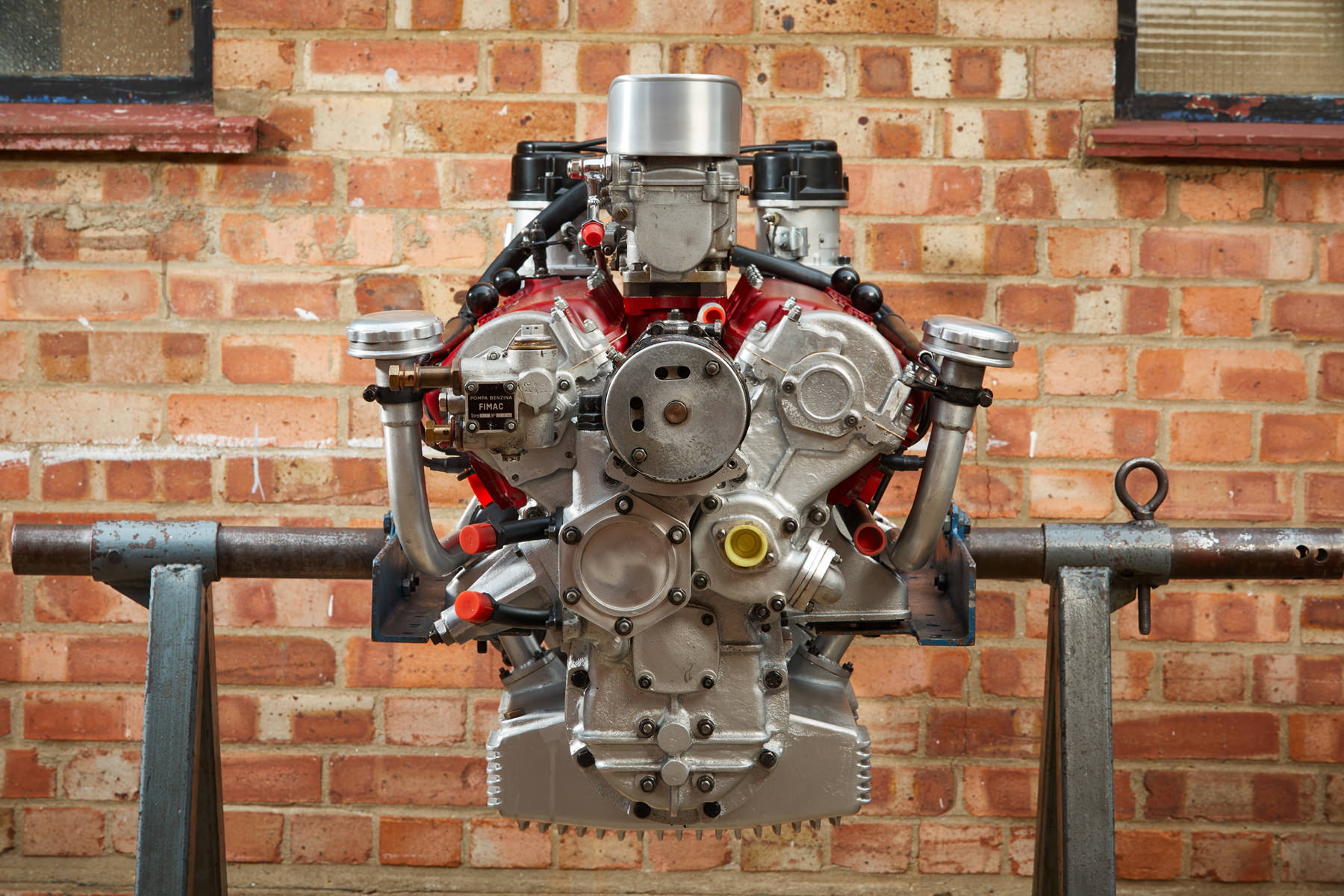
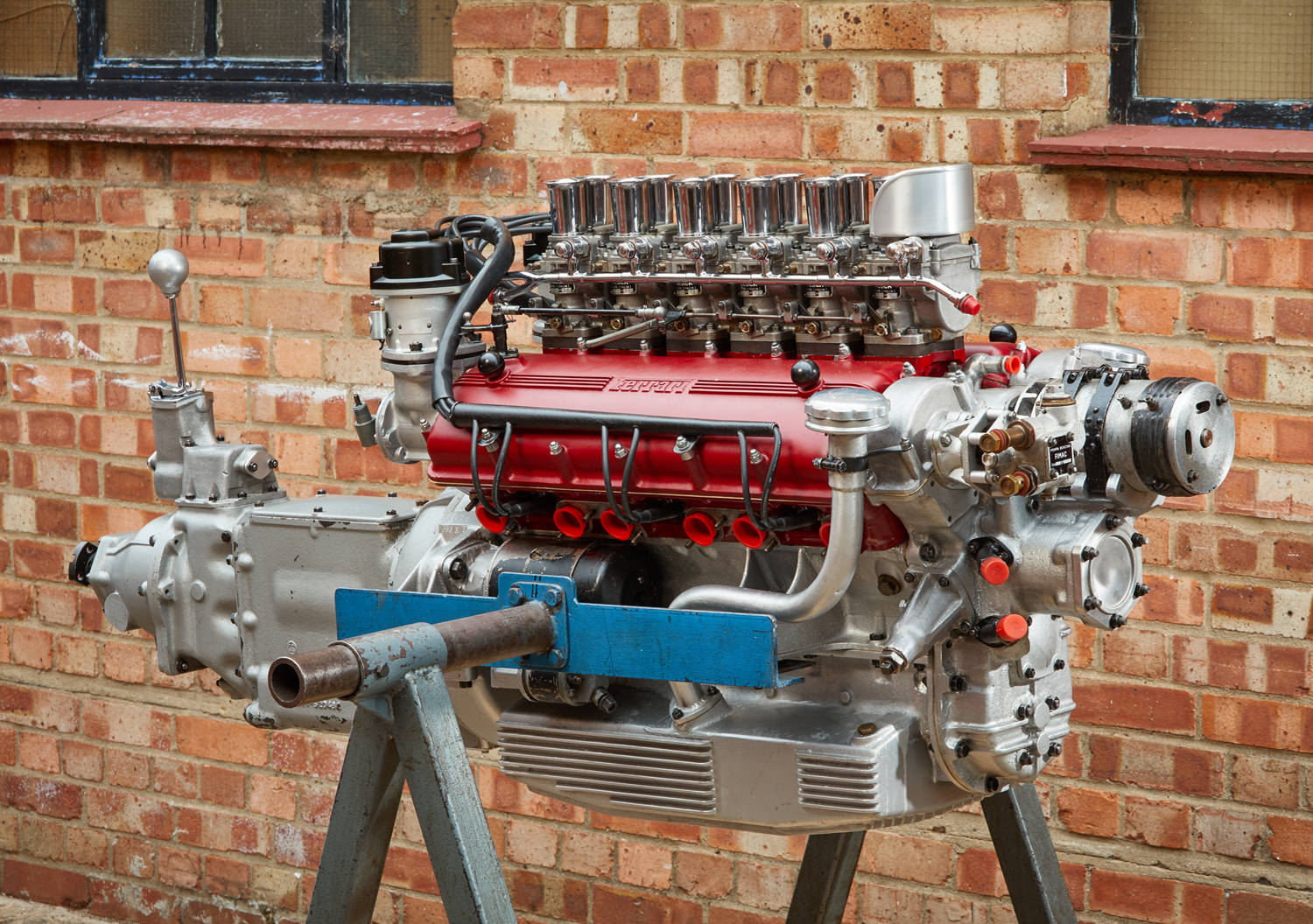
This Ferrari 250 GT V12 engine dates from the early 1960s, it was originally fitted to a Ferrari 250 GTE, but it was later fitted to a Ferrari 500 TRC in replacement of its original four-cylinder engine.

The Colombo V12

Ferrari’s Colombo V12 is one of the most famous engines in history, it was developed by Italian engineer Gioacchino Colombo for Enzo Ferrari in the late 1940s and it was originally built in 1.5 liter form.

Over the course of its 1947 to 1988 production run the Colombo V12 would be used in Ferrari Formula 1 cars, Ferrari production cars, and Ferrari sports racing cars including both the 250 TR “Testa Rossa” racing car and the Ferrari 250 GTO.

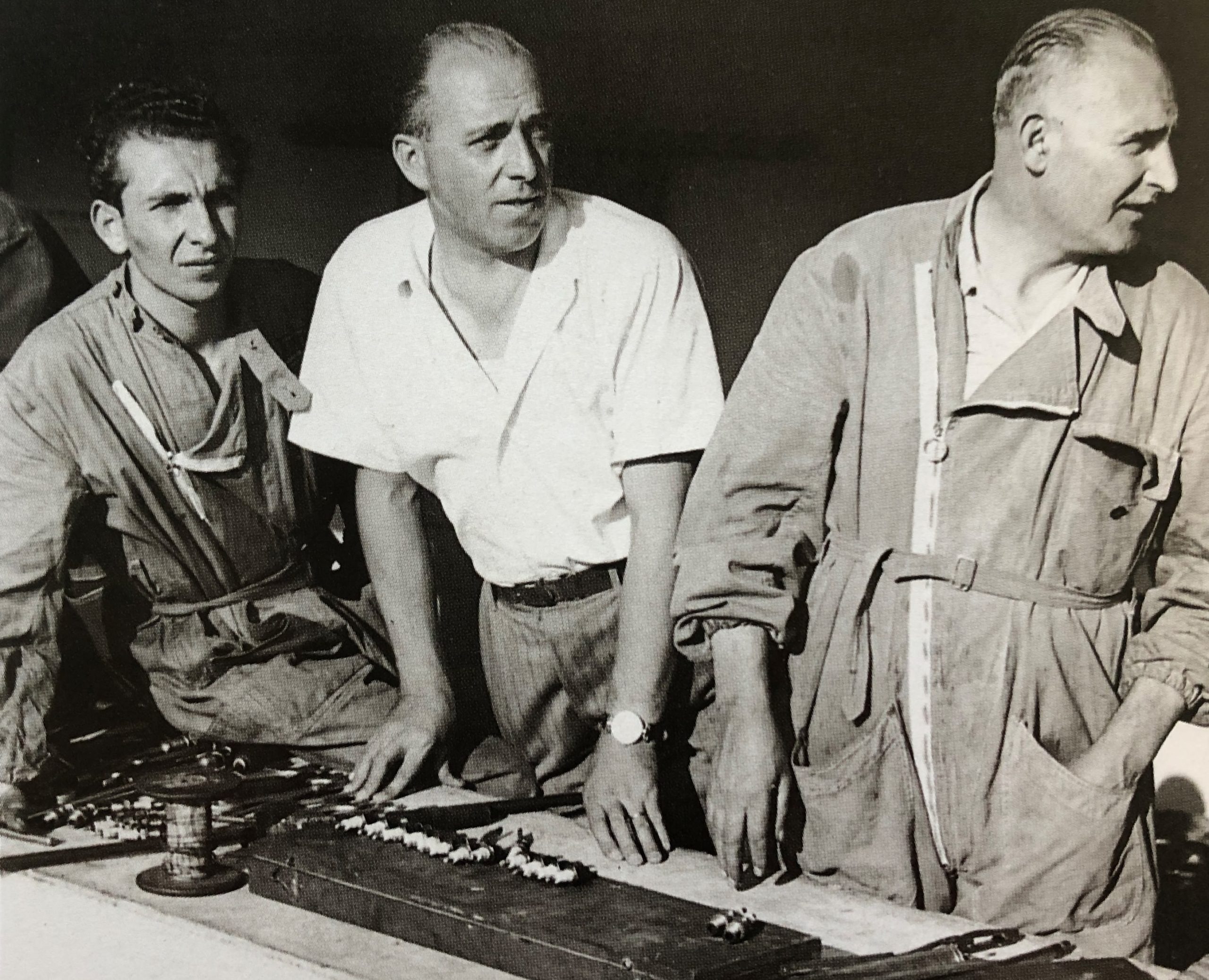
Gioacchino Colombo (center) with two Ferrari mechanics at the Monza Circuit in Italy. Image courtesy of Ferrari.

The displacement would increase from the original 1.5 liters all the way up to 4.8 liters, and the engine is today remembered as almost certainly the single most important Ferrari engine of all time.

By the standards of the 1940s, when it was first designed, the Ferrari Colombo V12 was an advanced engine. It was designed to be lightweight with an alloy block and heads, it had a single overhead cam per bank which increased to two cams in some applications by the 1950s.
The sheer variety of cars that various iterations of the Colombo V12 were fitted too was probably unique in automotive history, the engine powered everything from Formula 1 cars and Le Mans winners to 1980s-era GT cars like the Ferrari 412 and all manner of other cars in-between.

The Colombo V12 Engine Shown Here

As noted further up, the Colombo V12 you see here was originally fitted to a Ferrari 250 GTE in the early 1960s. The GTE was the slightly longer wheelbase car in the 250 GT series that was originally conceived because Enzo Ferrari needed a car that could accommodate himself, his driver, his wife, and their pet dog.

Ferrari Colombo V12 Engine 1

This engine has been upgraded to partial 250 Testa Rossa specification, including uprated heads, red cam covers, and correct-style carburetors.

As a result the 250 GTE has a more comfortable and spacious backseat and a slightly higher roofline. In Ferrari tradition the “250” model name came from the displacement of a single cylinder, in this case 250cc which when multiplied by 12 gives you 3,000cc – the displacement of the 250 GTE’s V12.

Although 250 GTE prices are now rising, in years past the model has often been seen as less sporting and therefore less desirable. As a result many were converted into 250 GTO replicas, and some were stripped for parts or to swap their engines into more collectible Ferraris.

This engine was pulled from the GTE it came in to be fitted to a Ferrari 500 TRC after its original four-cylinder engine was lost in Cuba in the 1950s. Before installation the engine was upgraded to partial 250 Testa Rossa specification, including uprated heads, red cam covers, and correct-style carburetors.

Ferrari Colombo V12 Engine 4

The Colombo V12 design was modified significantly over its 41 year production run, early versions were just 1.5 liters and later examples would have displacements of 4.8 liters.

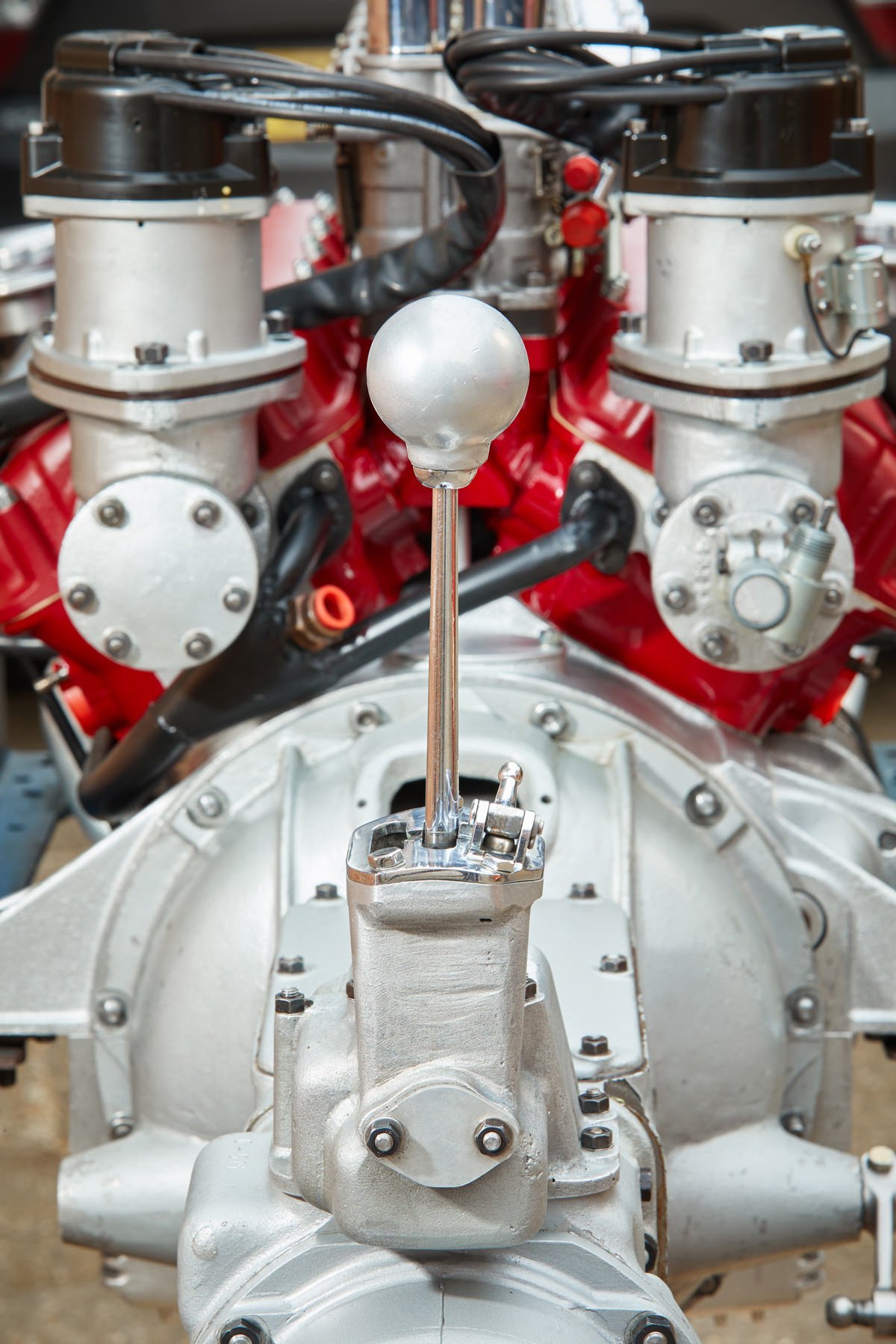
More recently it was rebuilt by Neil Twyman Ltd in 2017, it now produces 256 bhp at 7,000 rpm with 209 lbs ft of torque at 5,250 rpm and it comes with a 4-speed Ferrari 250 GT Lusso gearbox.

The Ferrari 500 TRC has now been given a period-correct four-cylinder engine and so this Colombo V12 is now looking for a new home.

It’s now due to be offered by Gooding & Company on September 3rd in London with a price guide of £100,000 – £120,000 which works out to approximately $117,000 – $140,600 USD. If you’d like to read more about it or register to bid you can visit the listing here.

Ferrari Colombo V12 Engine 3

It’s fitted with a 4-speed Ferrari 250 GT Lusso gearbox that comes with a gated-shifter.

Ferrari Colombo V12 Engine 5 Ferrari Colombo V12 Engine 2

All images copyright and courtesy of Gooding & Company. Photos by Matt Howell.

The post Ferrari 250 GT V12 Engine + Gearbox For Sale appeared first on Silodrome.


from Silodrome https://silodrome.com/ferrari-250-gt-v12-engine-for-sale/
via gqrds