The King Of 4x4s: A Mercedes-Benz Unimog 416 Doka

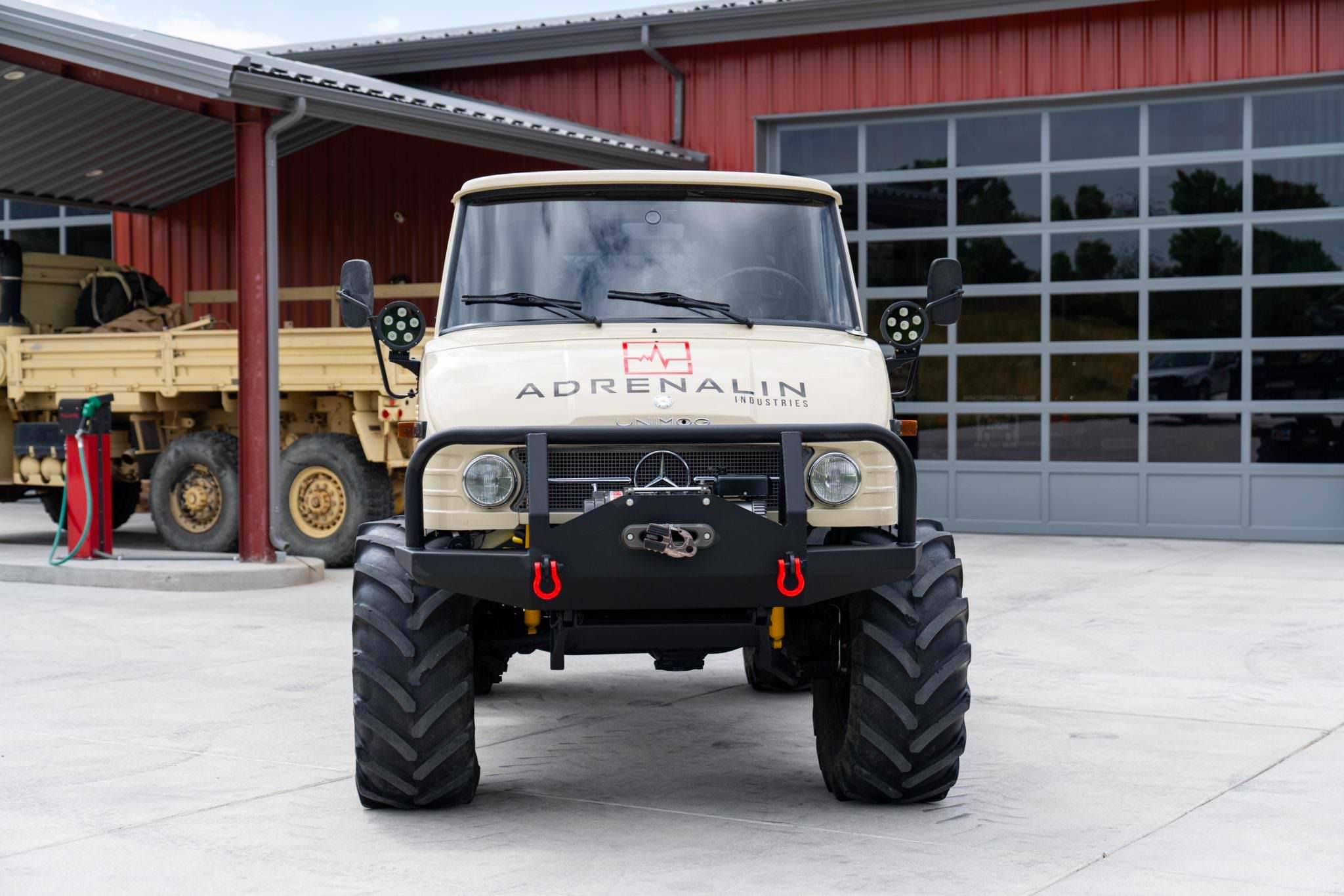
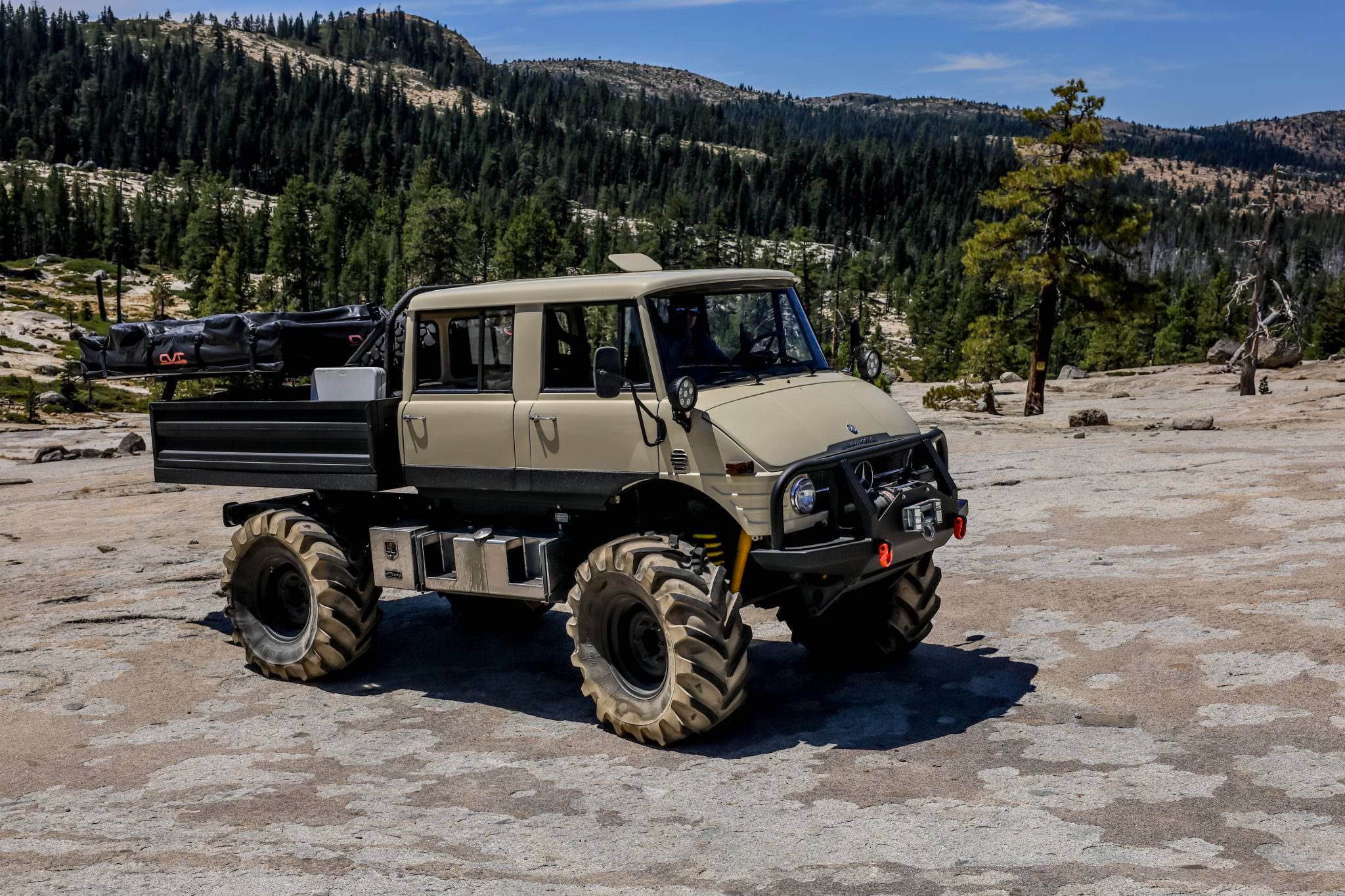
This is a Mercedes-Benz Unimog 416 Doka – “Doka” comes from the German word “doppelkabine” meaning double cab. The vast majority of Unimogs have single cabs, so the Doka is a desirable variant as it allows you to accommodate five passengers instead of there usual two.

This Unimog has a slew of features that’ll come in handy off road, things like four-wheel drive (of course), portal axles, three locking differentials, a body lift, a Warn winch, and a turbocharged 5.7 liter OM352 diesel sending power back through a 20-speed manual transmission.

Fast Facts – The Mercedes-Benz Unimog 416 Doka

  • The Unimog was developed in the years immediately after WWII by German company Boehringer, the name is an acronym of “UNIversal-MOtor-Gerät” – Gerät is the German word for a piece of equipment, like machine or apparatus.
  • The design of the Unimog was intended to provide farmers with a tractor that could also function as a truck or automobile, the same exact philosophy was being used by engineers in Britain at the same time to develop the Land Rover Series I.
  • The original track width of the Unimog was designed to be the same as two rows of potatoes in a field, so that the vehicle could be used for plowing.
  • The Unimog has remained in production since 1948 over a slew of model variations, and from 1951 onwards it was brought under the Mercedes-Benz brand.

The Mercedes-Benz Unimog 416

The Mercedes-Benz Unimog 416 was introduced in 1965 as the first long wheelbase variant of the popular Unimog 406. This longer wheelbase allowed the 416 to serve a multitude of roles from military and construction use to deployments in the service of park rangers, rural fire departments, and search and rescue operations.

Above Image: This short film from Daimler Trucks tells there story of the Unimog, from the earliest designs to the modern day.

Mercedes-Benz would keep the 406 family in production from 1963 until 1989, a remarkable 26 year production run. A slew of iterations and upgrades were introduced over the course of production of course, and many of them are still operational to this day.

As with essentially all Unimogs, the 416 is powered by a Mercedes-Benz diesel engine sending power back through a manual gearbox to the front and rear differentials.

Unimogs are famous for the fact that they have portal axles, essentially live axles with geared hubs that allow the axle to be located much higher offering more ground clearance.

A number of different cab options were offered including cabrio (open top), single cab, and of course the “doka” double cab.

A wide range of aftermarket conversions have been offered for the 406 and 416 Unimogs including bulldozer front ends, and backhoe rear ends for construction in hard to reach locales.

The Unimog 416 Doka Shown Here

The vehicle you see here is a Unimog 416 that benefits from a slew of upgrades applied over the years.
Mercedes-Benz Unimog 416 16

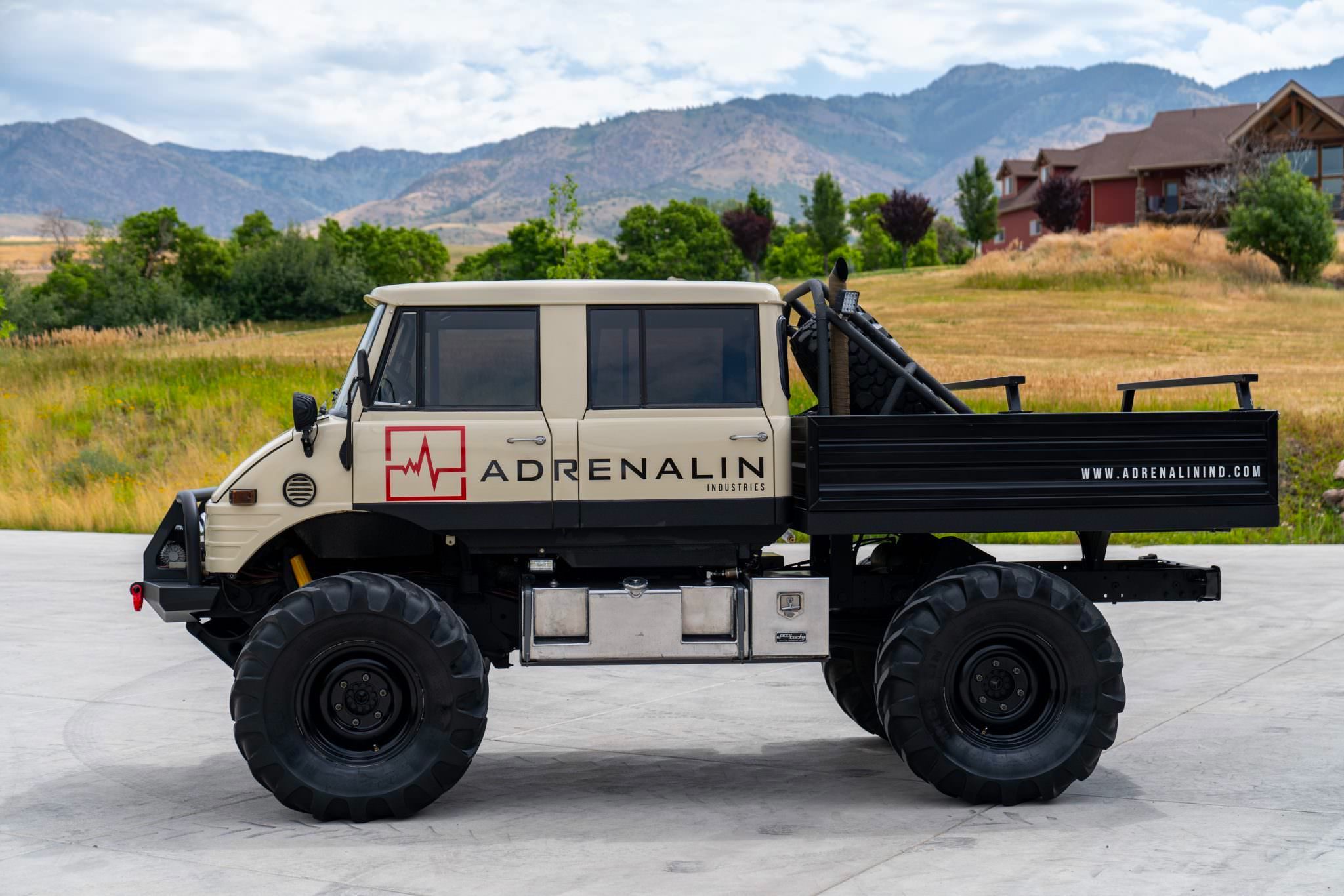
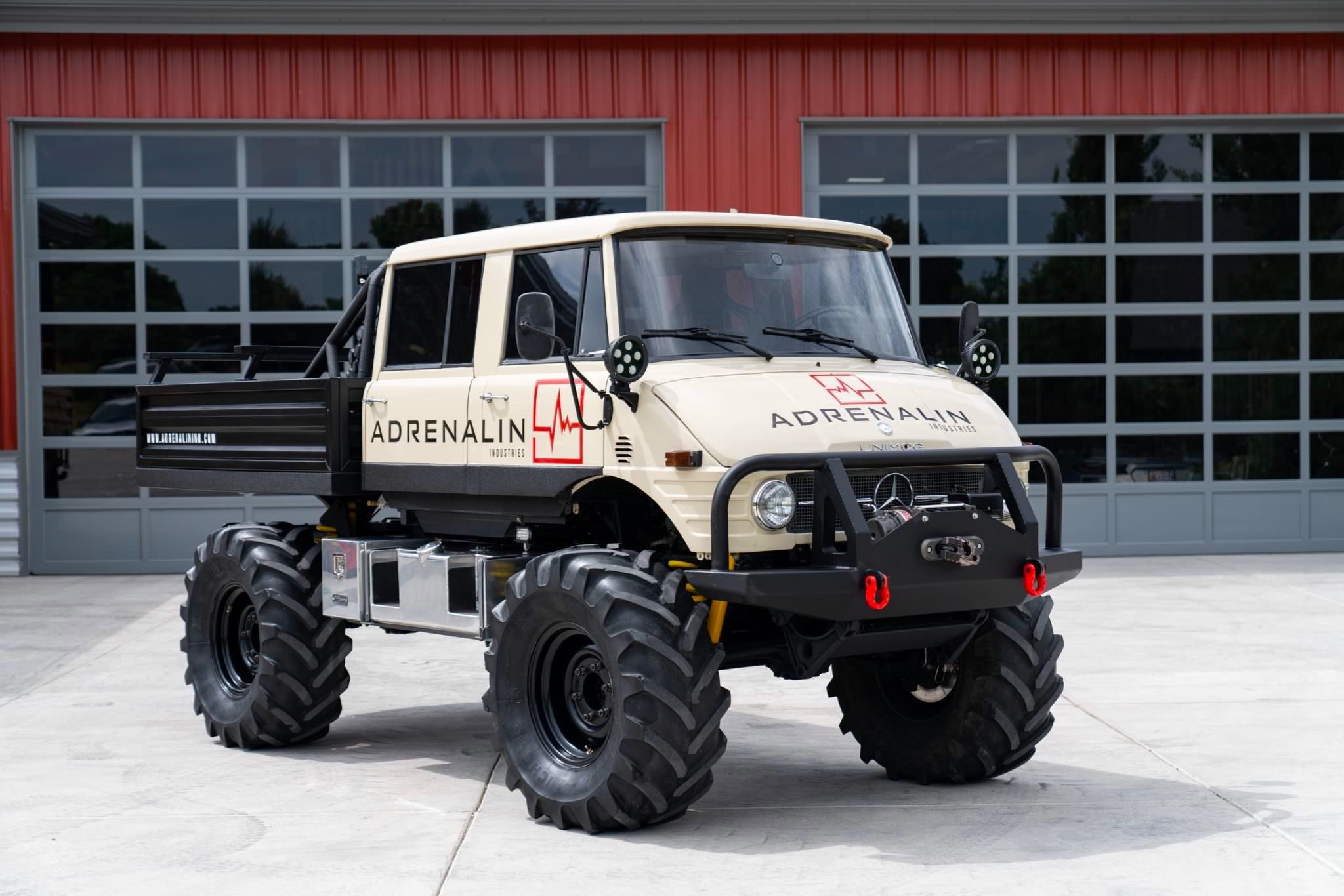
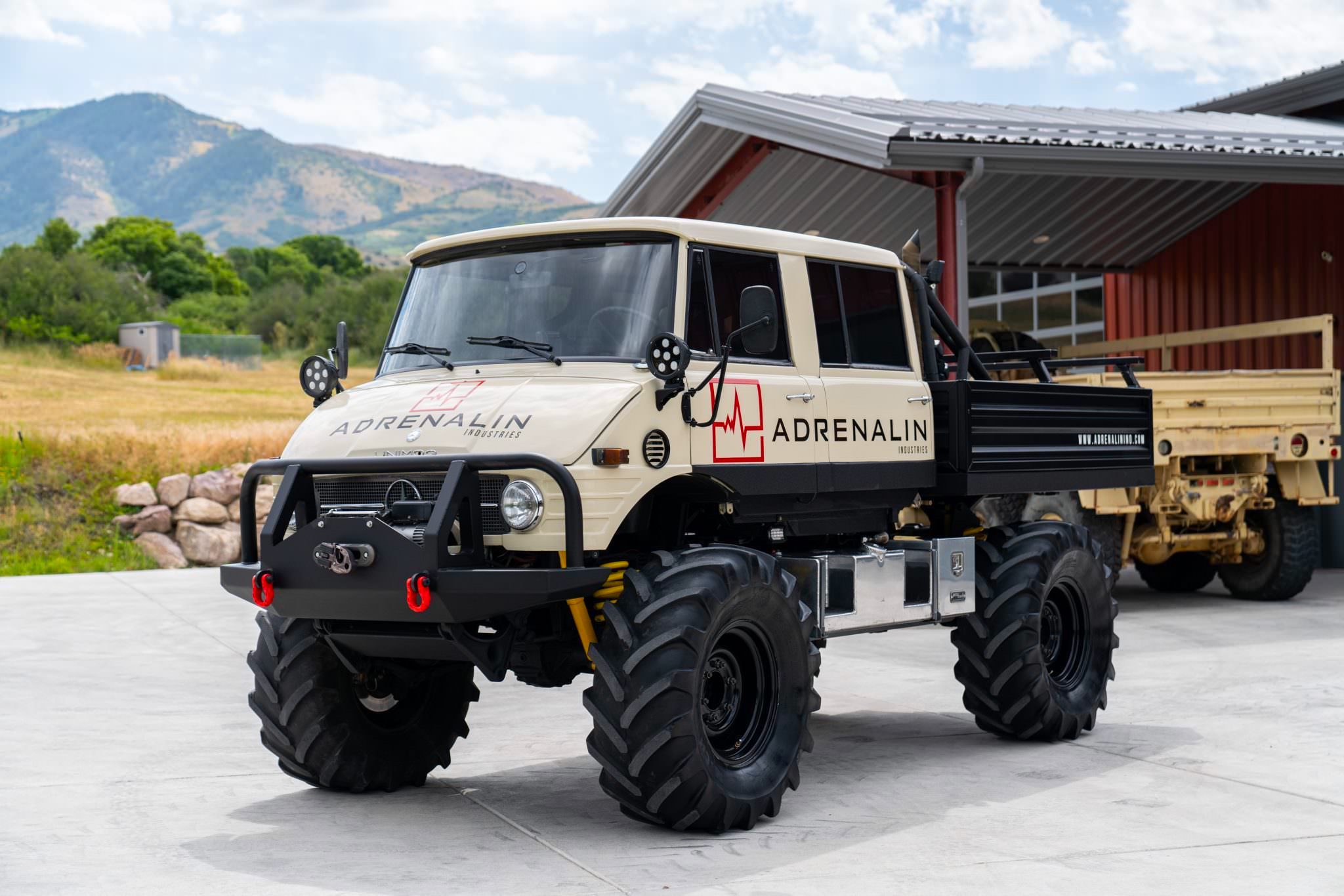
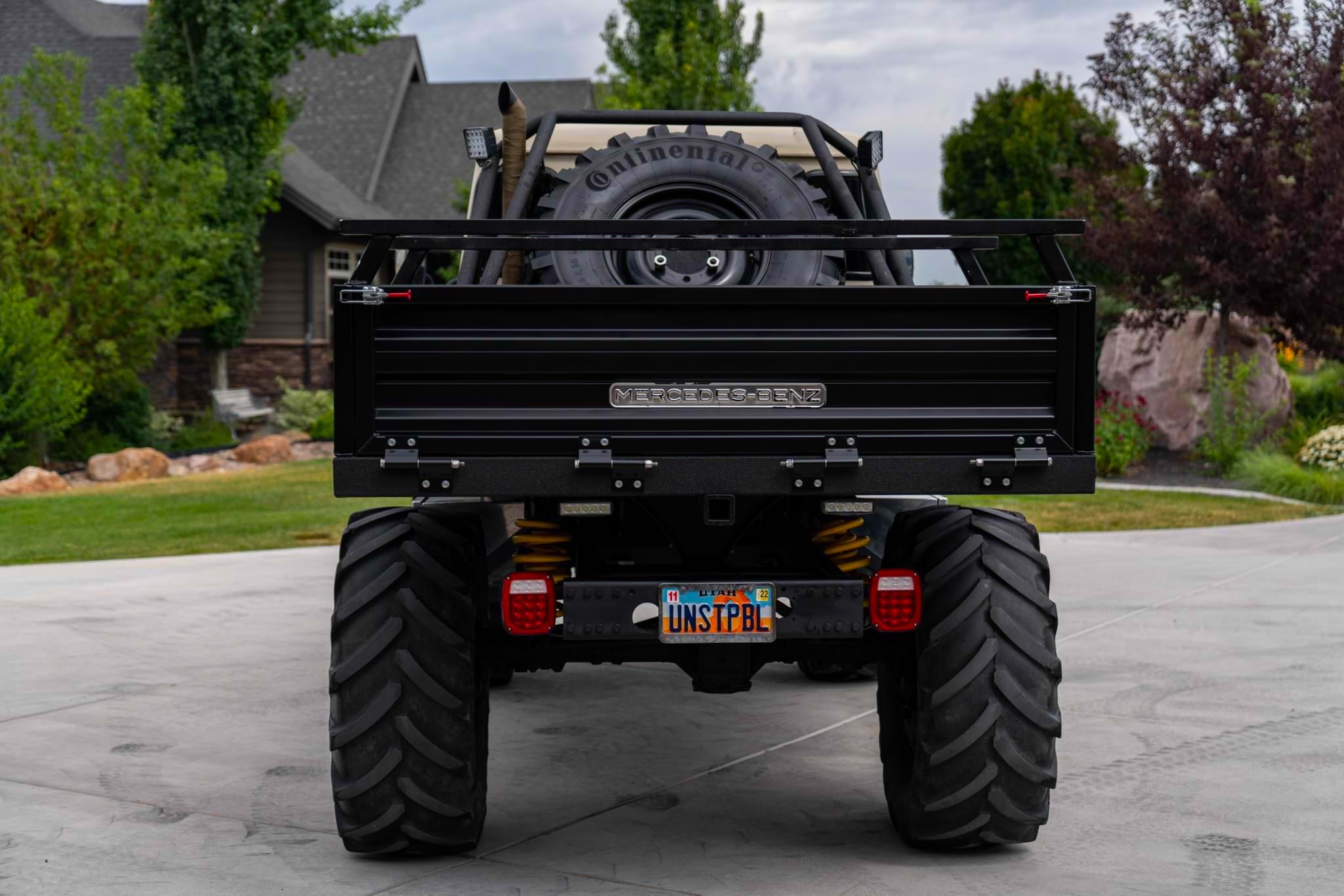
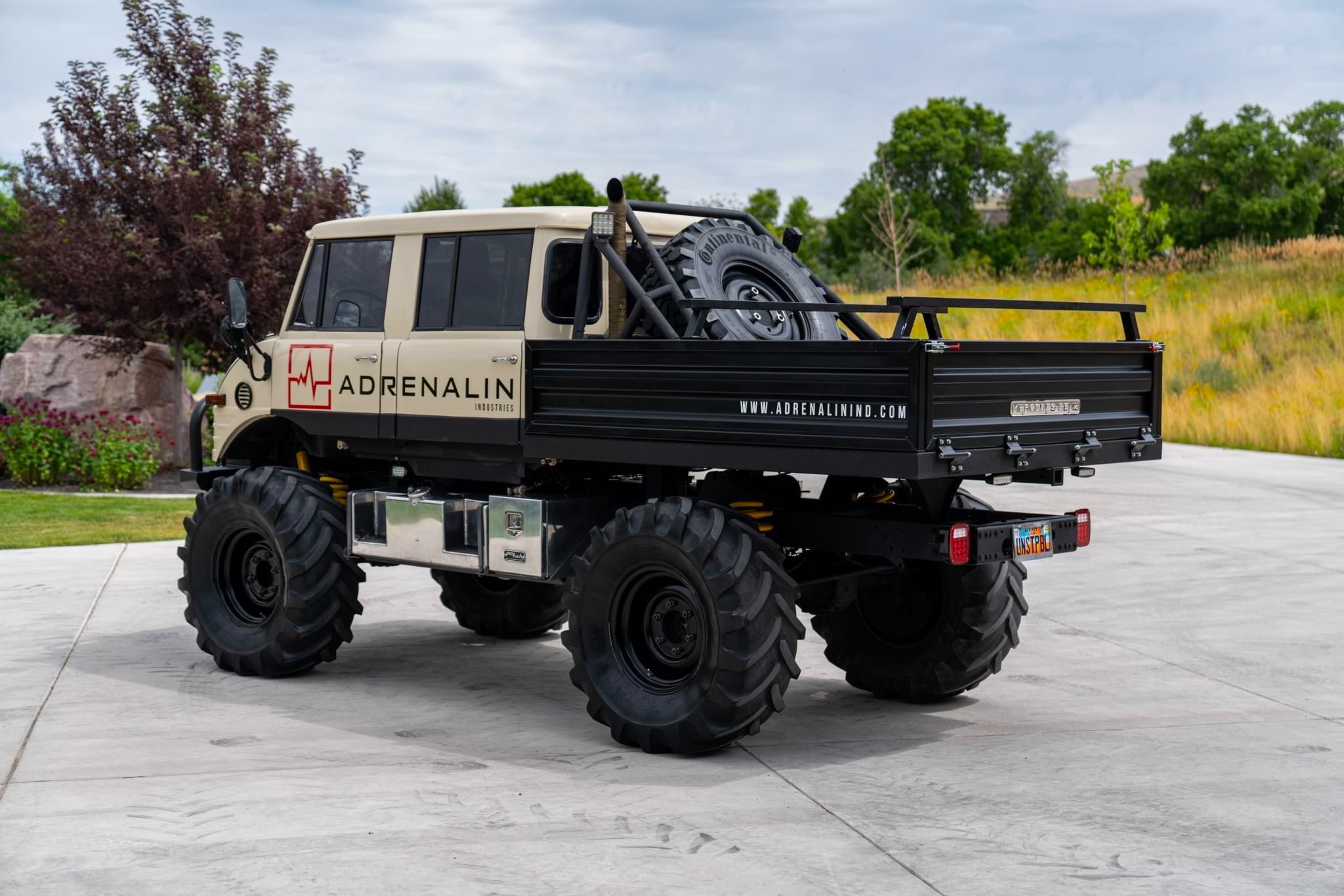
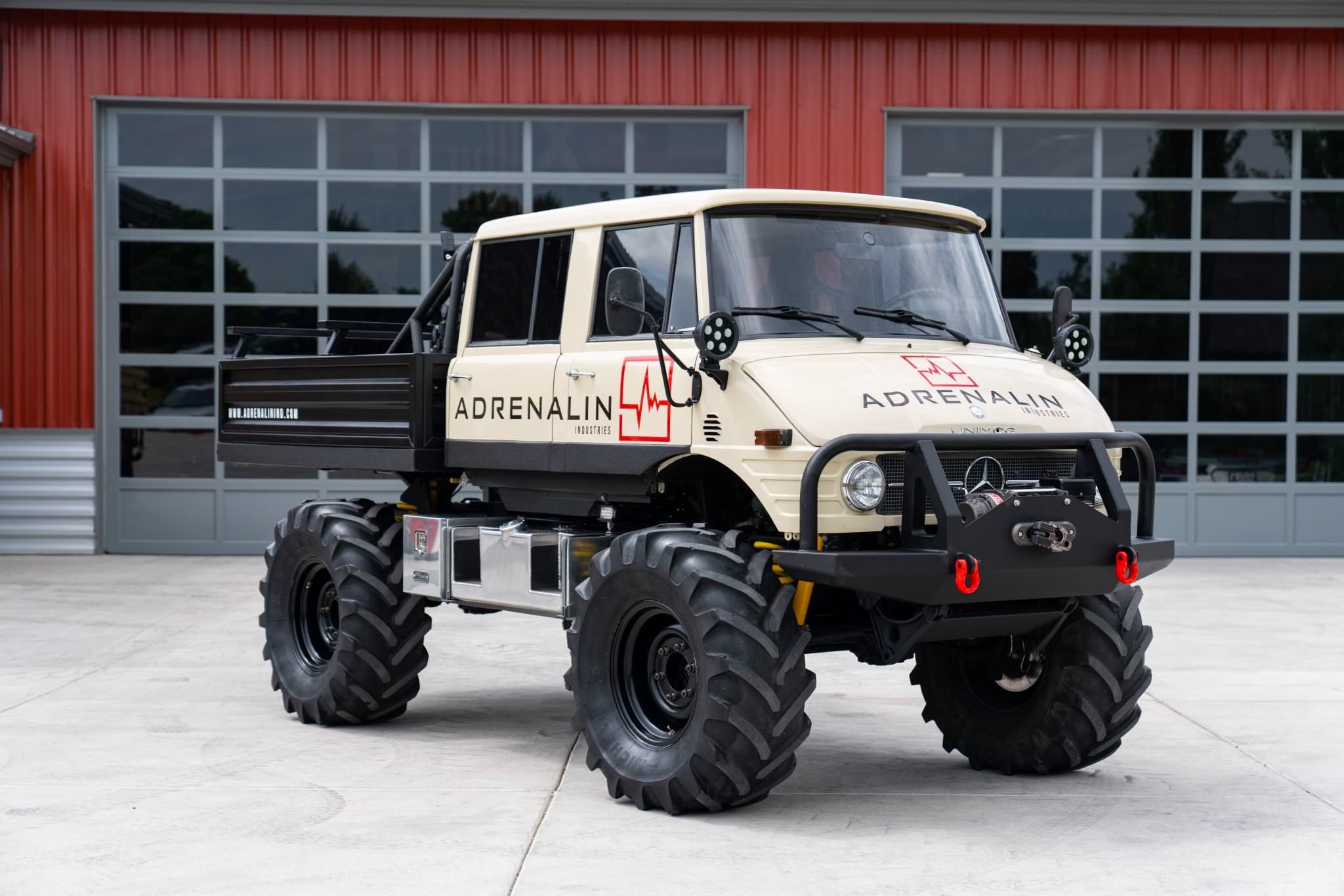
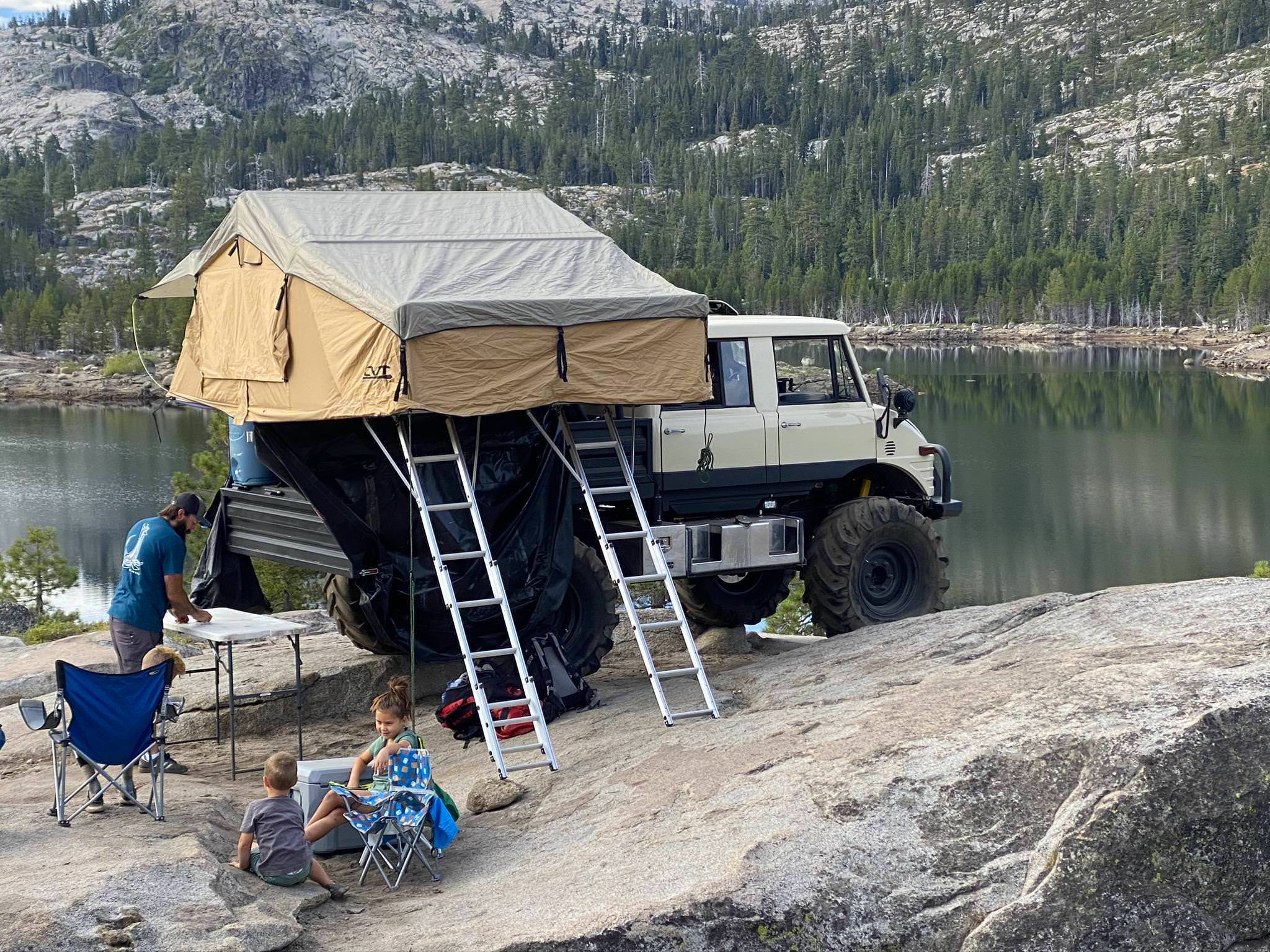
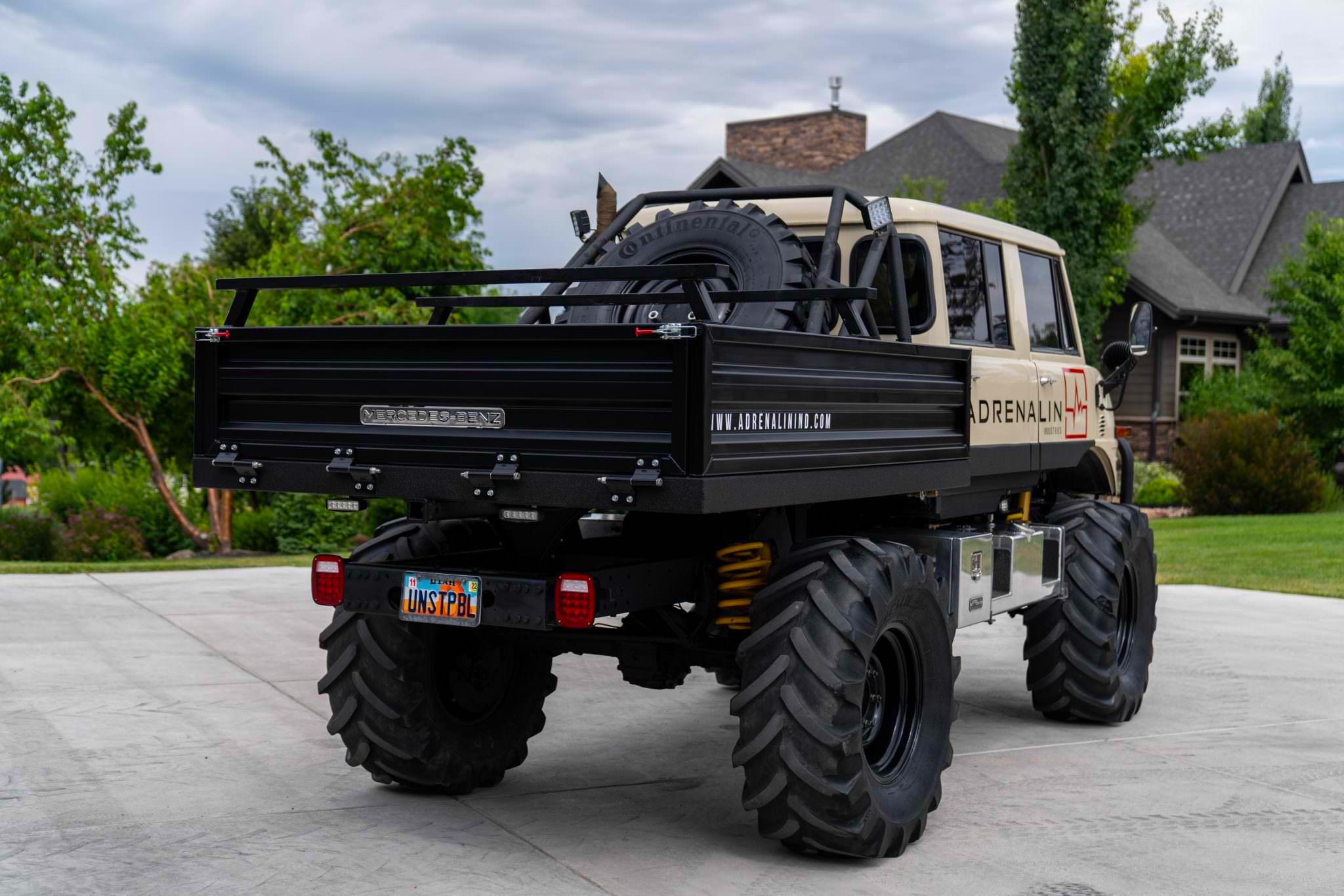
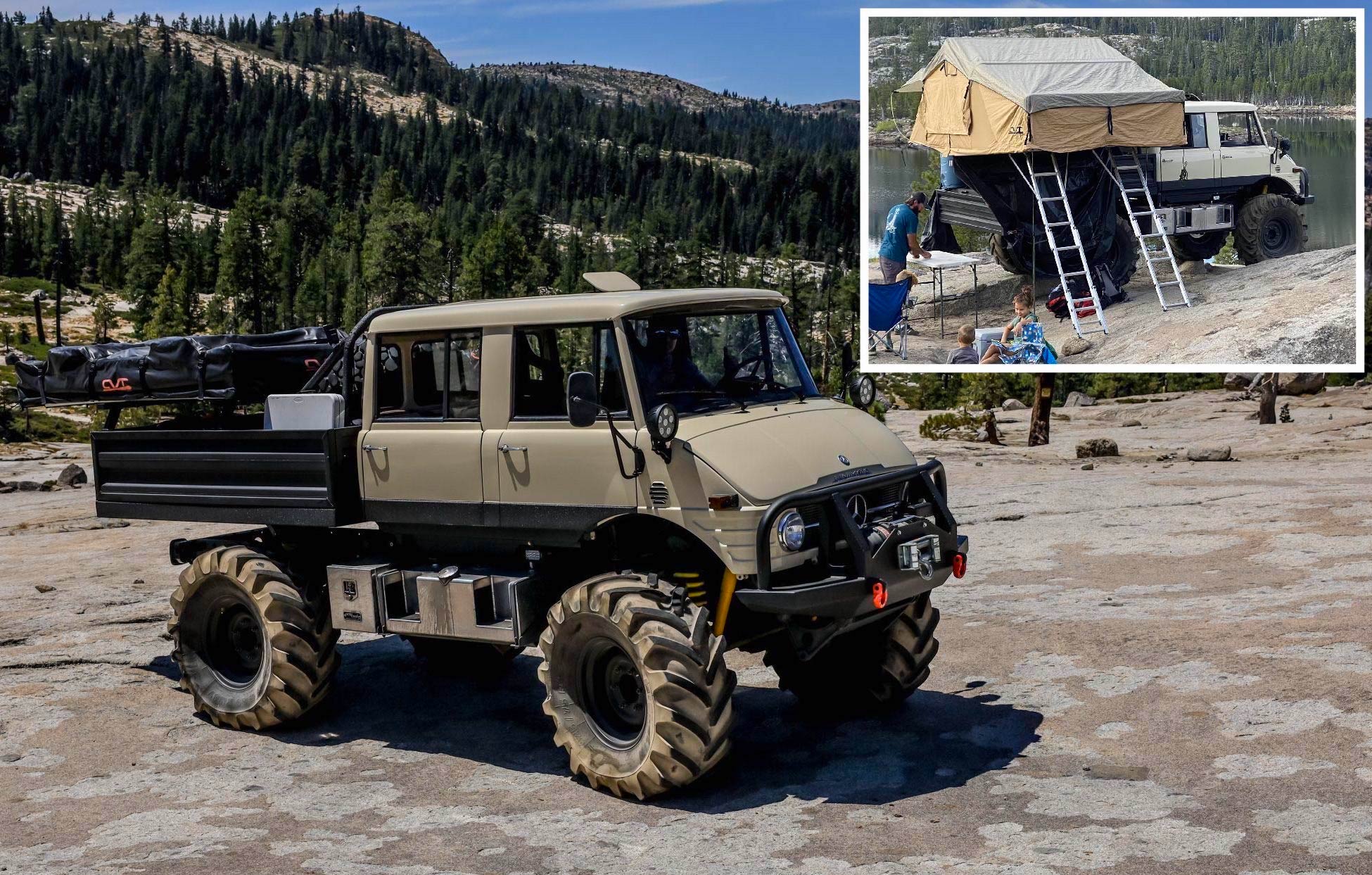
This is a Unimog 416 “Doka” – a double cab variant with seating for five and a tray back for cargo.

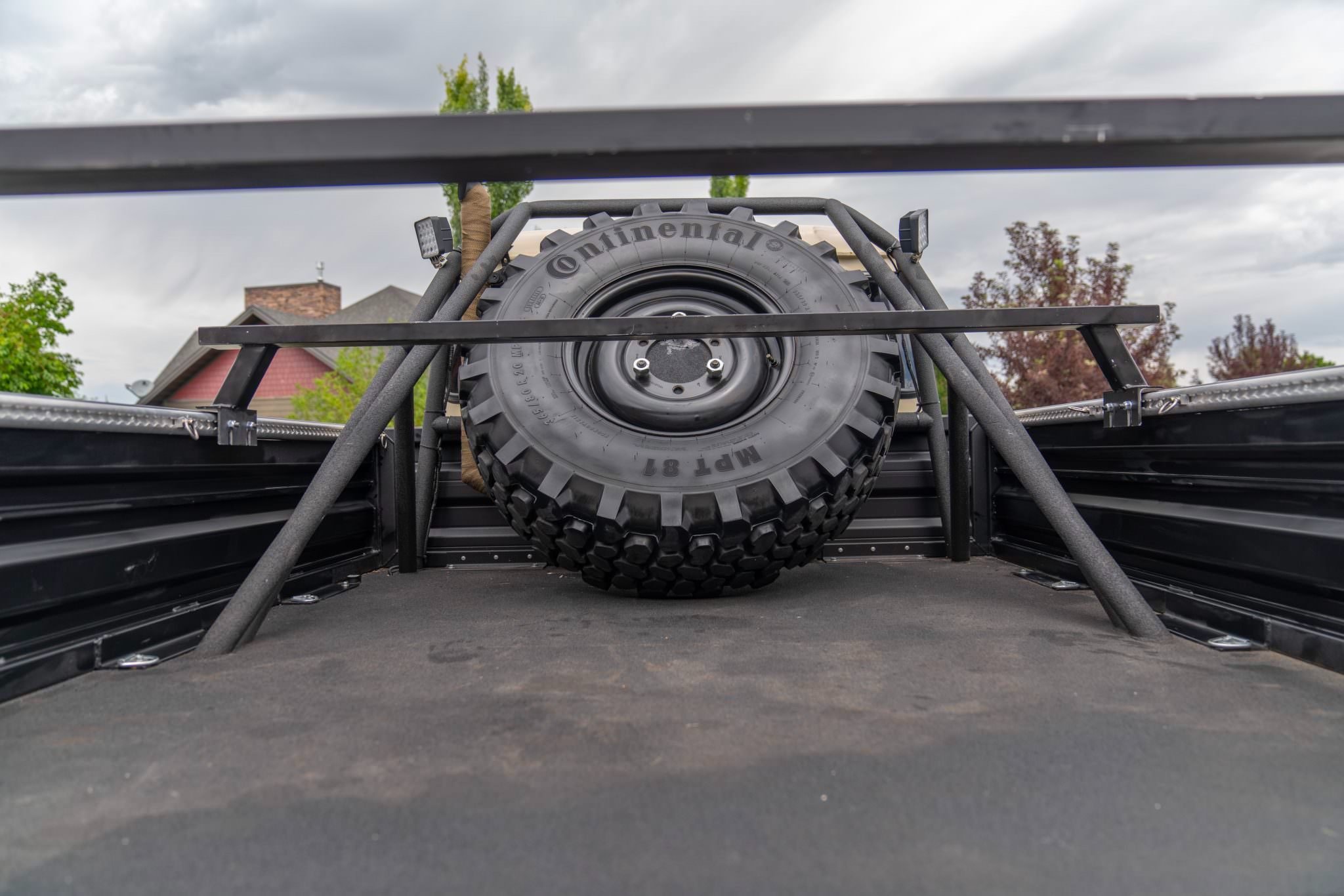
It now has “fast” axles, disc brakes, a body lift, a Warn winch up front and a custom front bumper, 20″ steel wheels, twin fuel tanks, a pickup truck bed with removable sides, stainless steel cargo boxes, LED driving lights, Corbeau racing seats up front, and a JVC CD stereo system.

Power is provided by a turbocharged 5.7 liter Mercedes-Benz OM352 diesel inline-six cylinder engine driving all four wheels through a 20-speed manual transmission, it has three locking differentials, and of course, portal axles front and back.

It’s currently being sold out of Utah on Bring A Trailer and you can visit the listing here if you’d like to read more about it or register to bid.
Mercedes-Benz Unimog 416 21 Mercedes-Benz Unimog 416 18 Mercedes-Benz Unimog 416 17 Mercedes-Benz Unimog 416 16 Mercedes-Benz Unimog 416 15 Mercedes-Benz Unimog 416 14 Mercedes-Benz Unimog 416 13 Mercedes-Benz Unimog 416 12 Mercedes-Benz Unimog 416 10 Mercedes-Benz Unimog 416 9 Mercedes-Benz Unimog 416 6 Mercedes-Benz Unimog 416 5 Mercedes-Benz Unimog 416 4 Mercedes-Benz Unimog 416 3 Mercedes-Benz Unimog 416 2 Mercedes-Benz Unimog 416 1 Mercedes-Benz Unimog 416 19 Mercedes-Benz Unimog 416 8 Mercedes-Benz Unimog 416 7

Images courtesy of Bring A Trailer
Mercedes-Benz Unimog 416

The post The King Of 4x4s: A Mercedes-Benz Unimog 416 Doka appeared first on Silodrome.


from Silodrome https://silodrome.com/mercedes-benz-unimog-416-doka/
via gqrds

A 13B Rotary Engine-Powered Formula Mazda Race Car

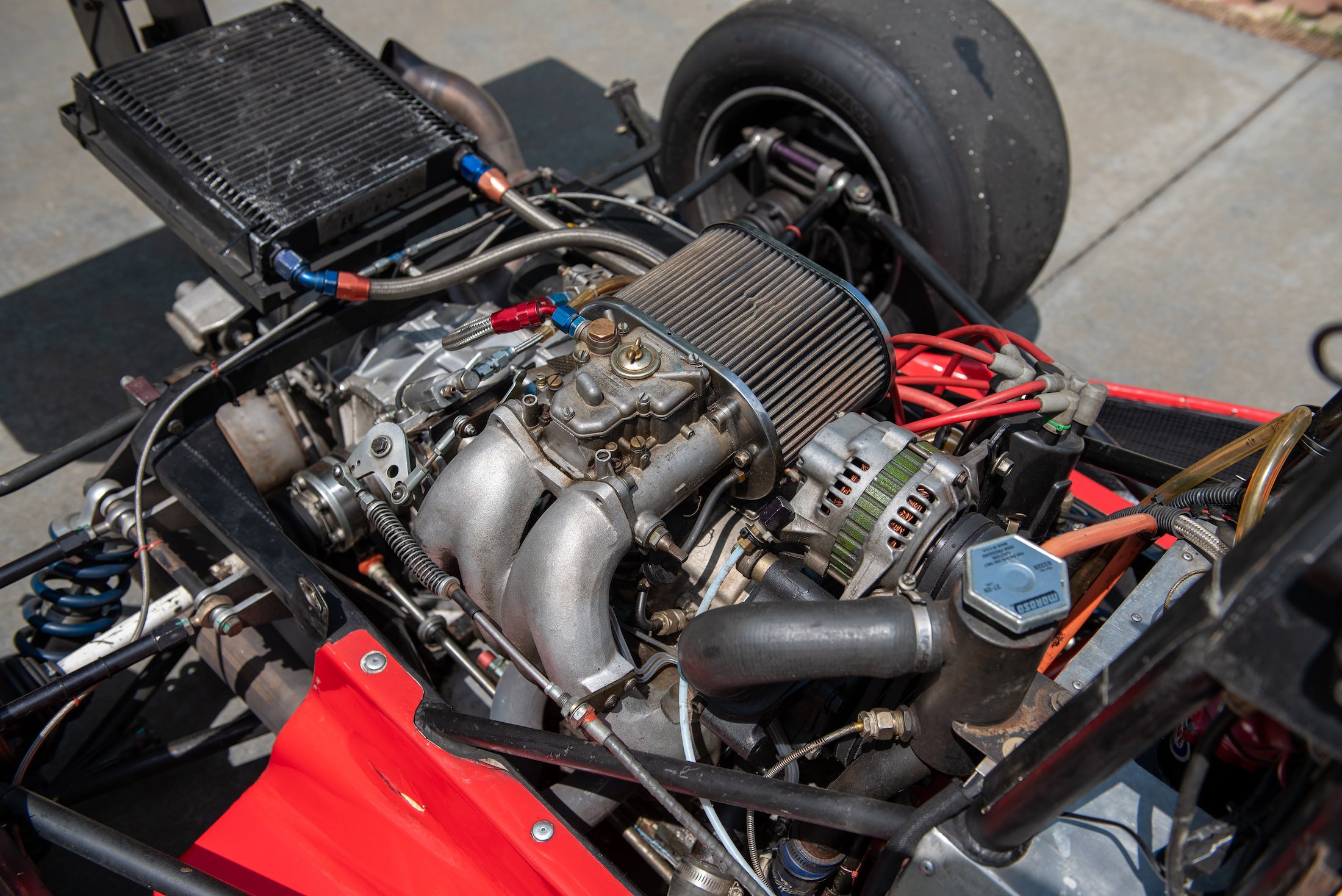
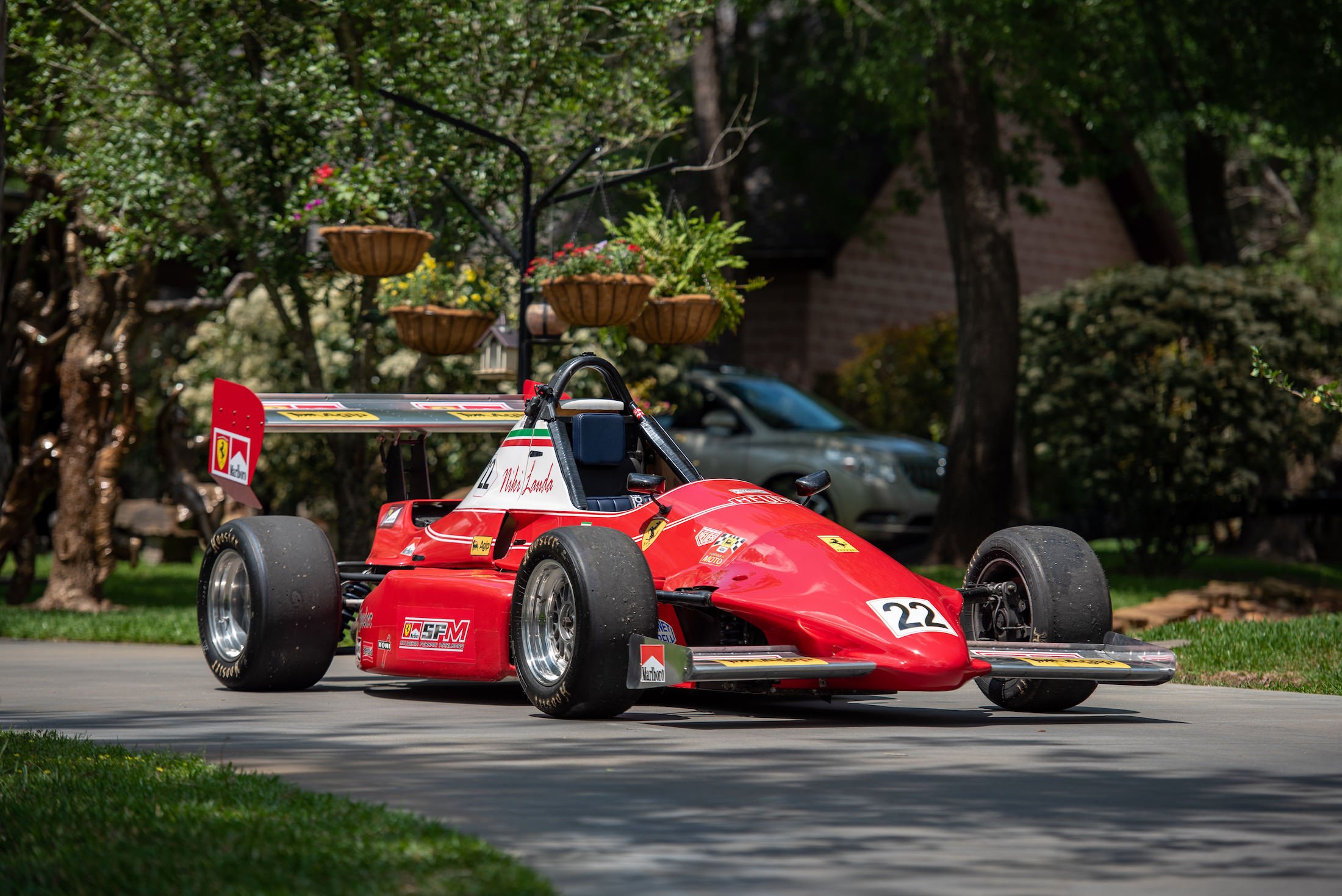
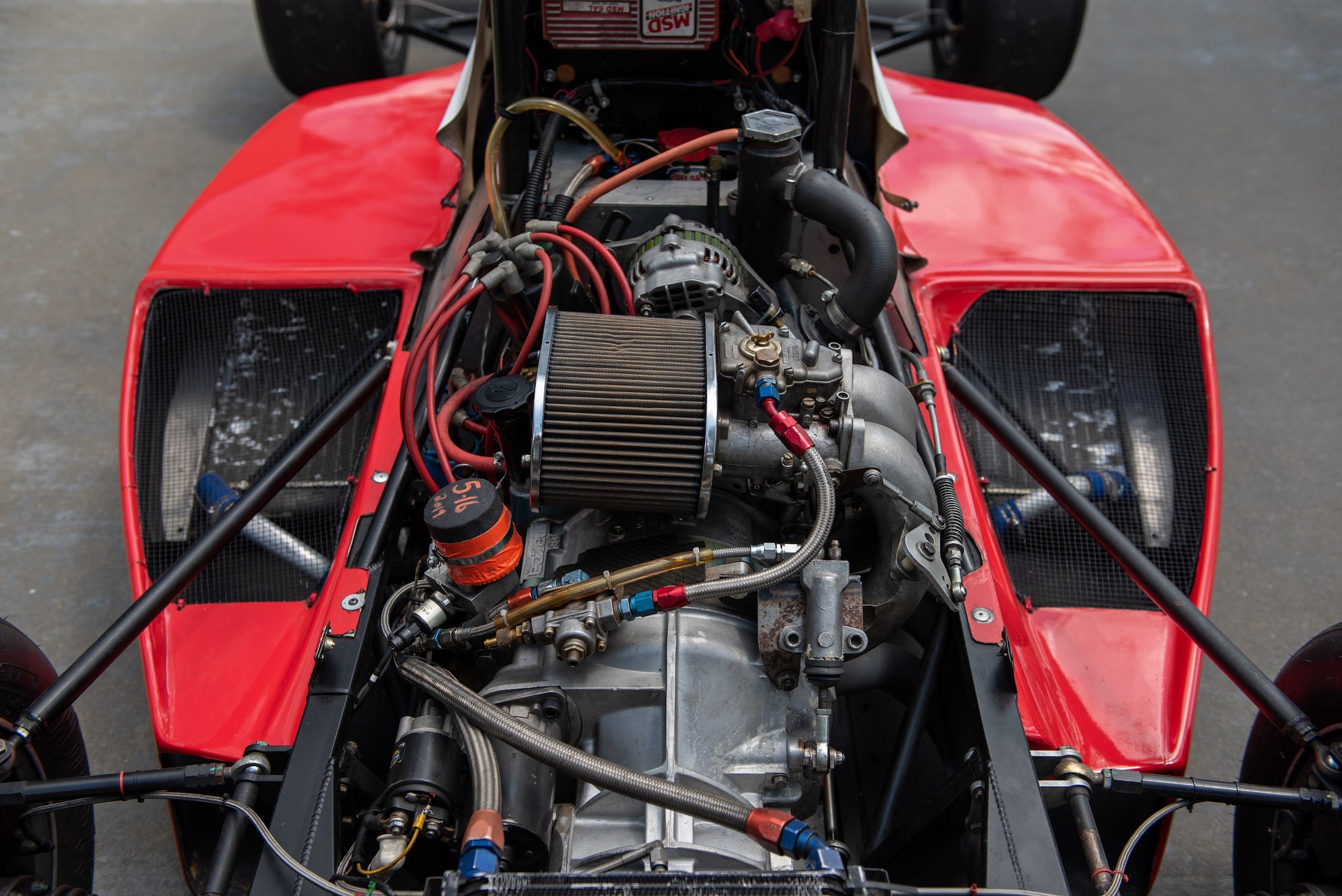
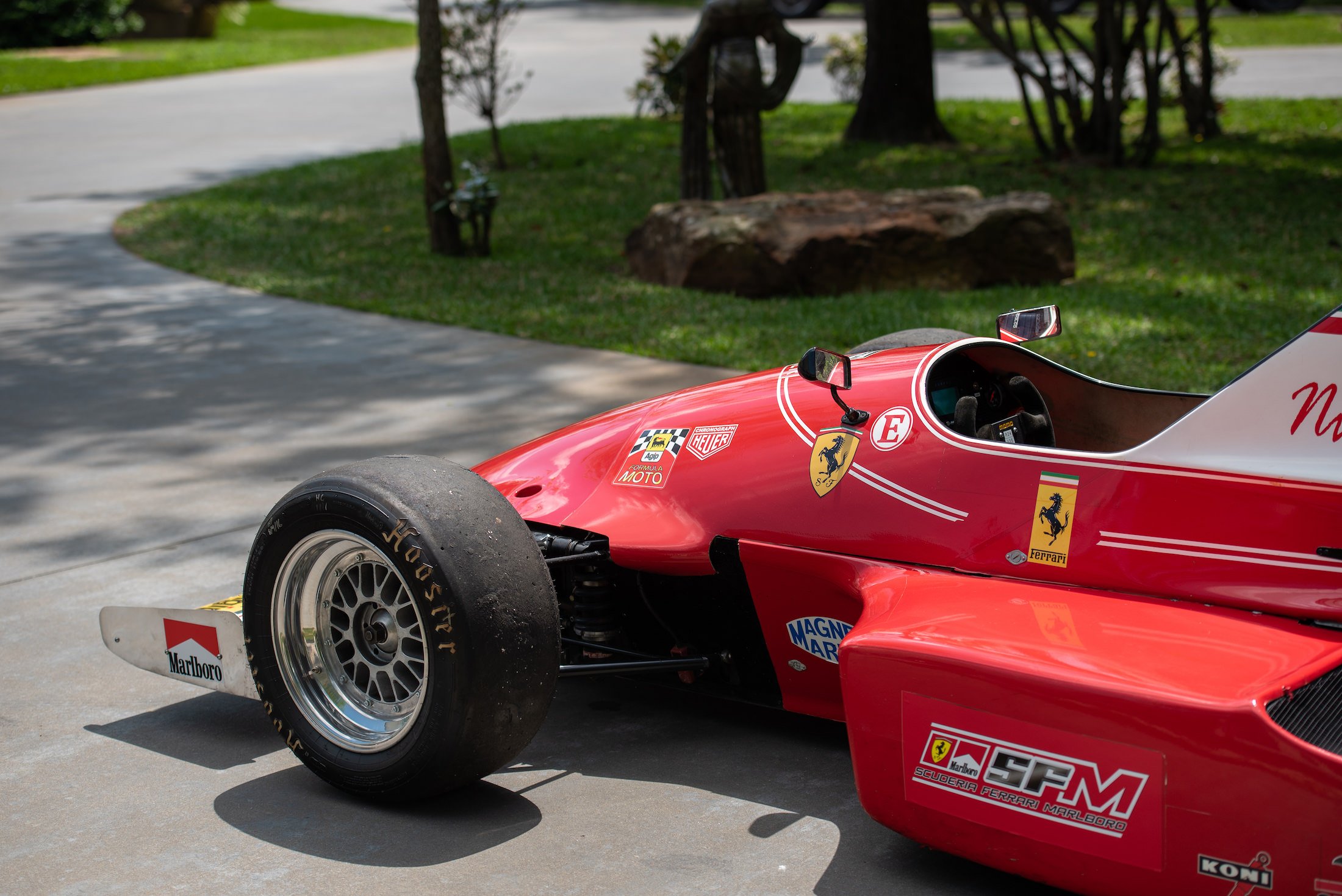
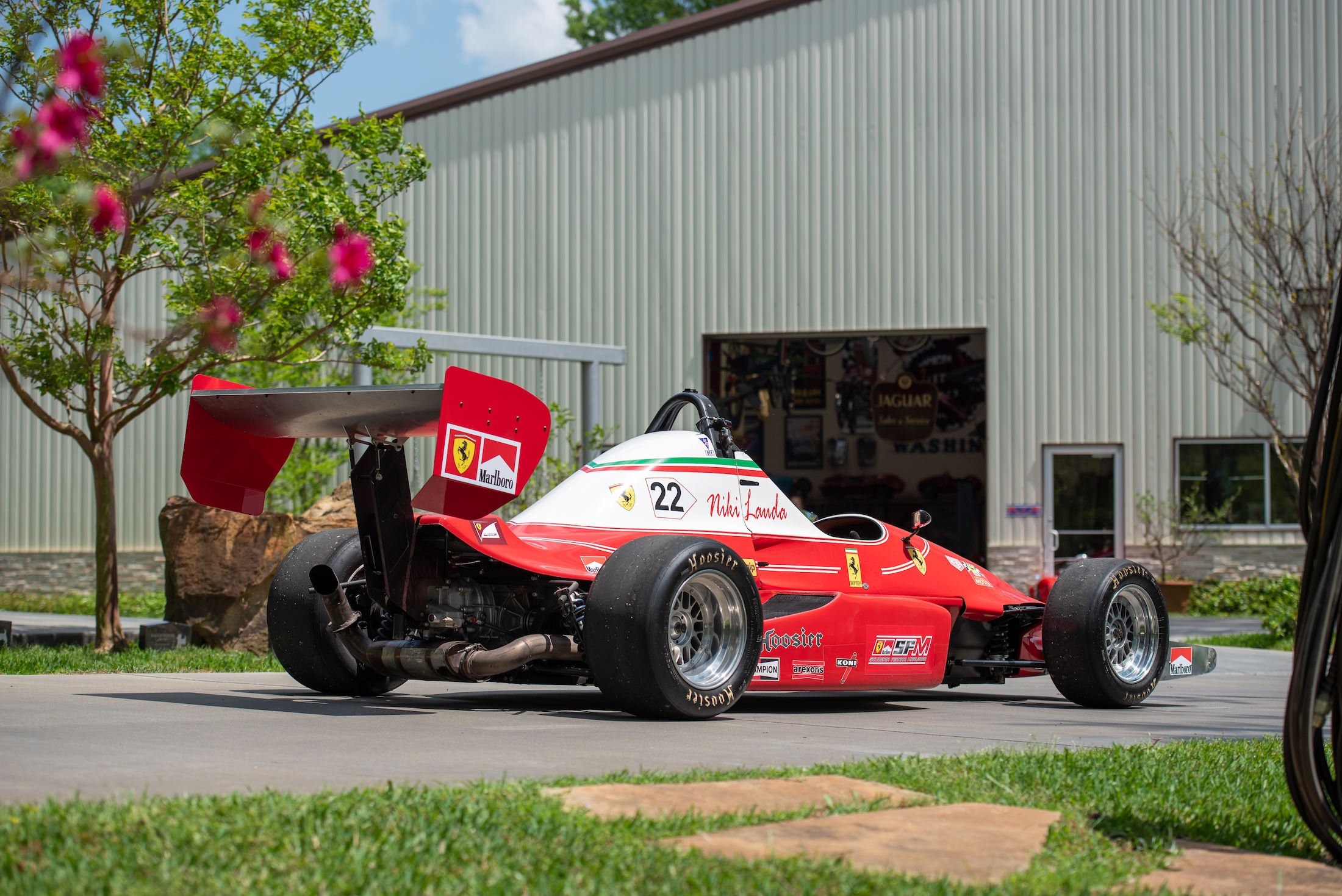
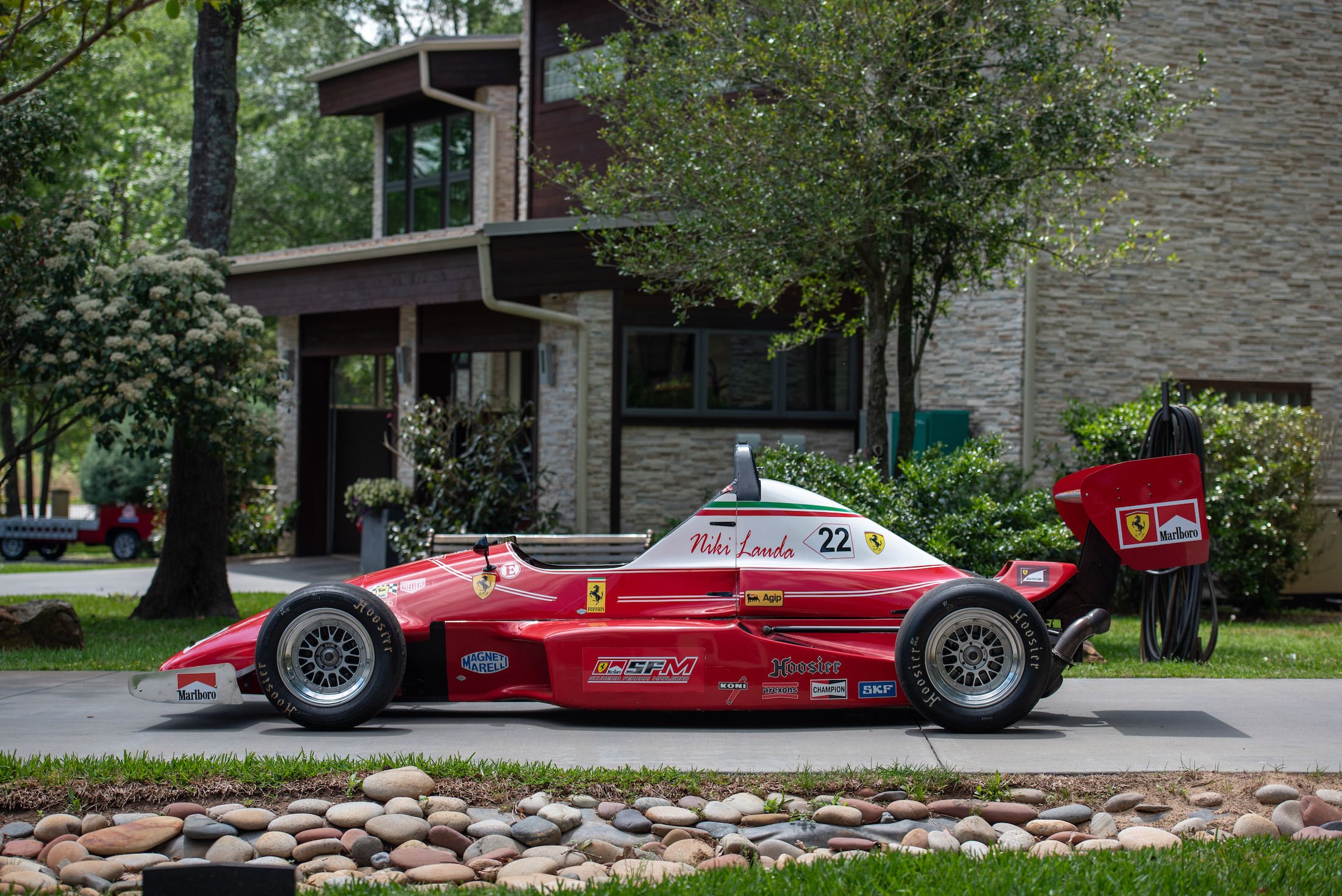
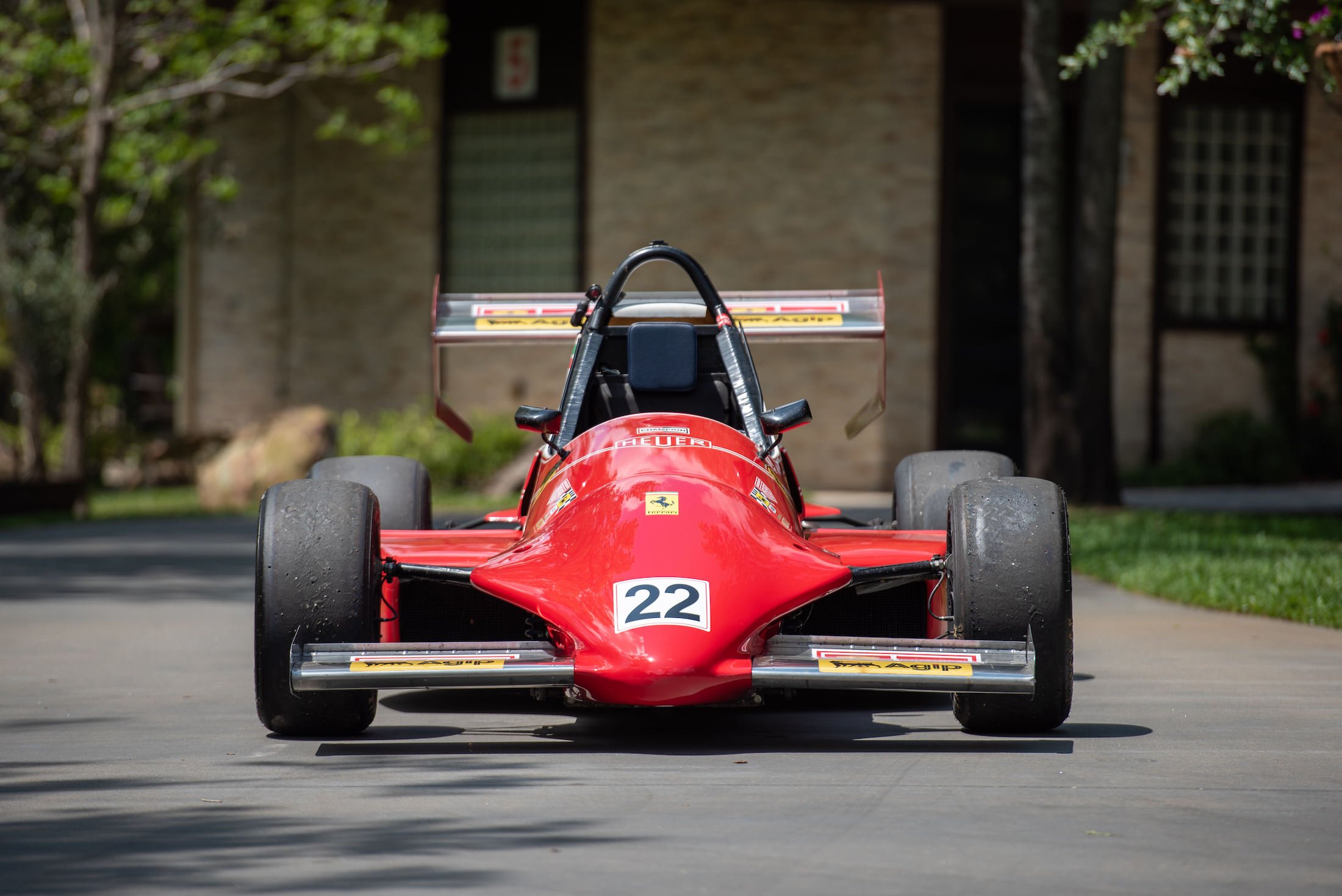
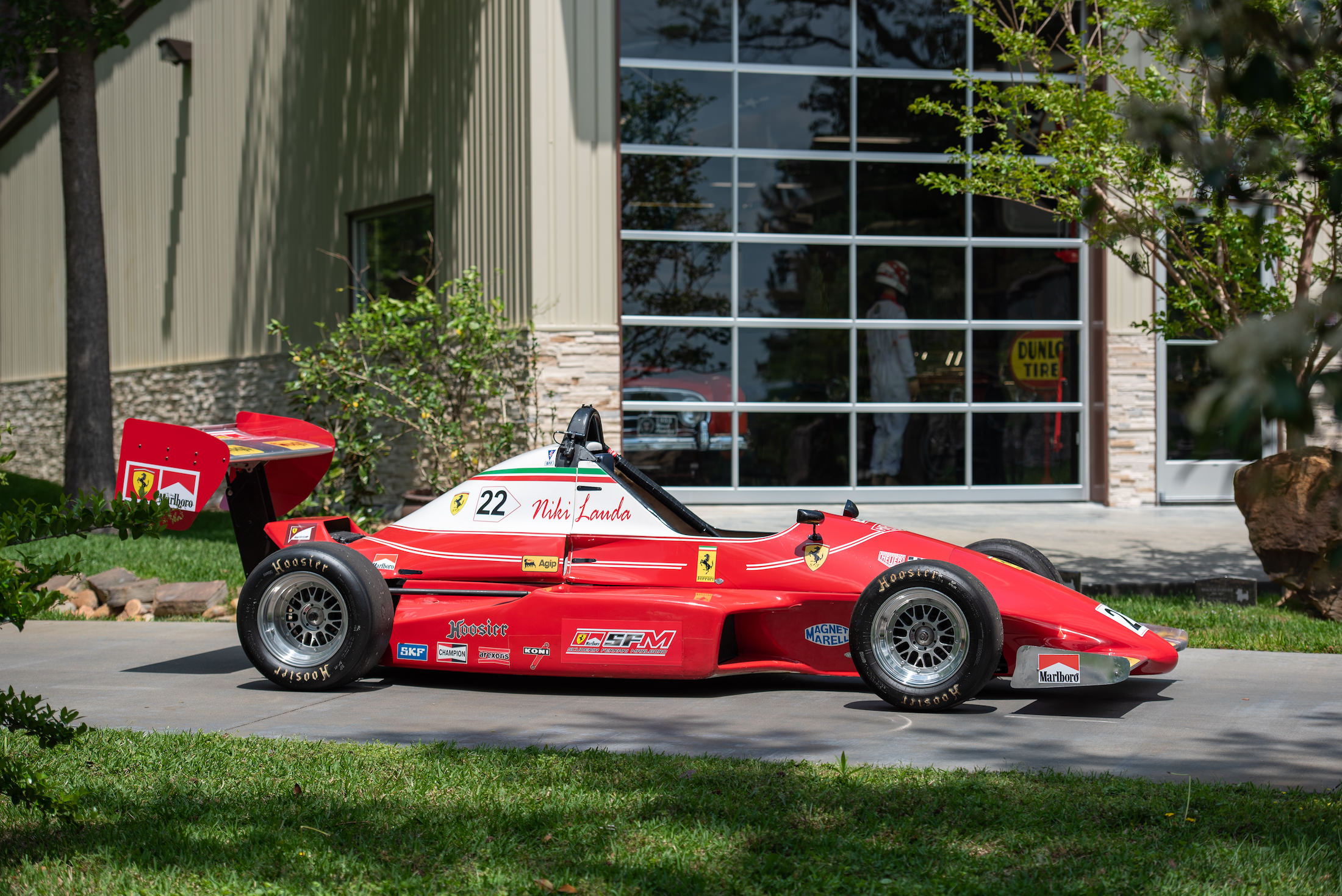
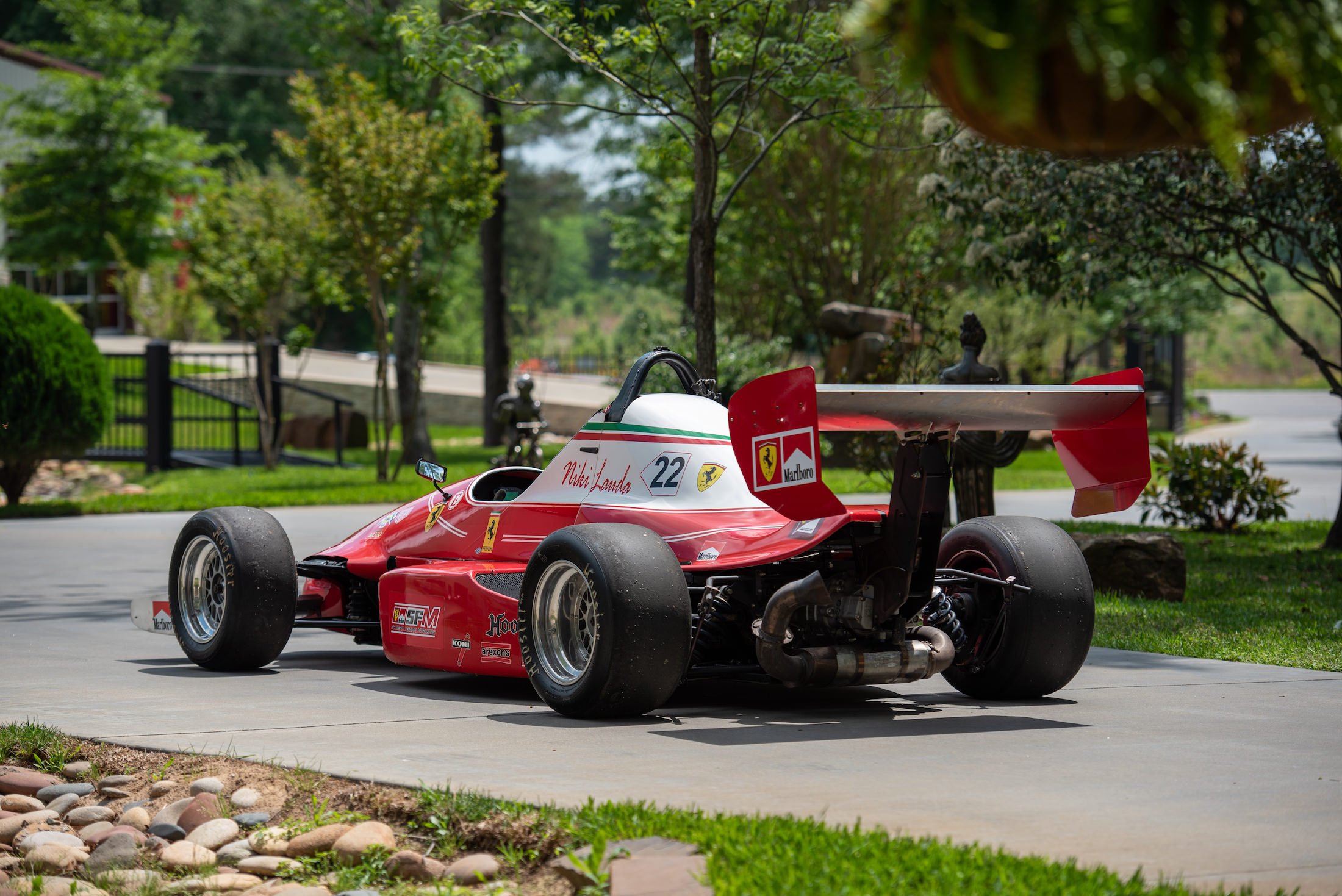
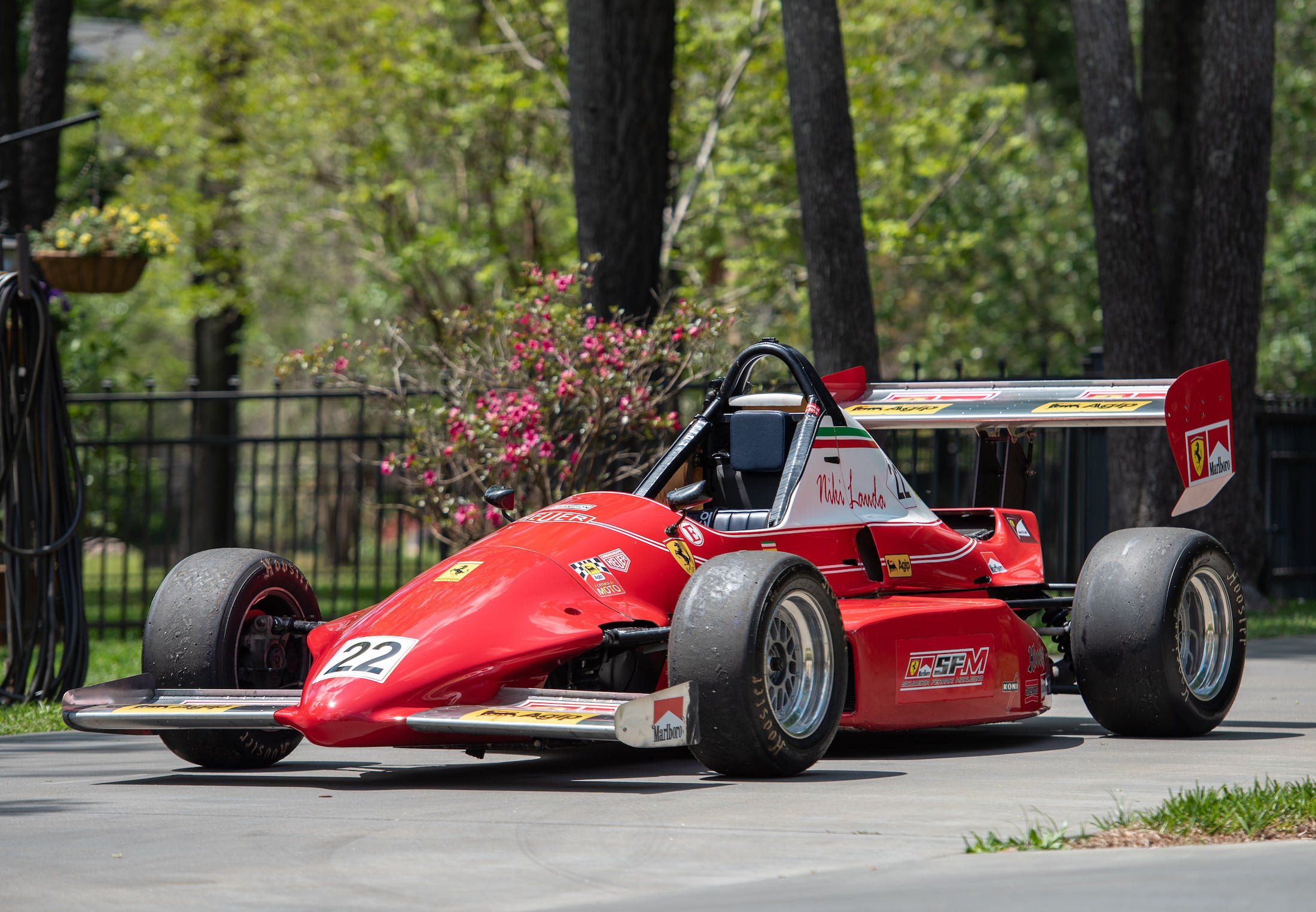
This is a 1996 Formula Mazda race car, it’s powered by the legendary 1.3 liter four-plug Mazda 13B Wankel rotary engine with power sent to the rear wheels via a 5-speed Hewland transaxle.

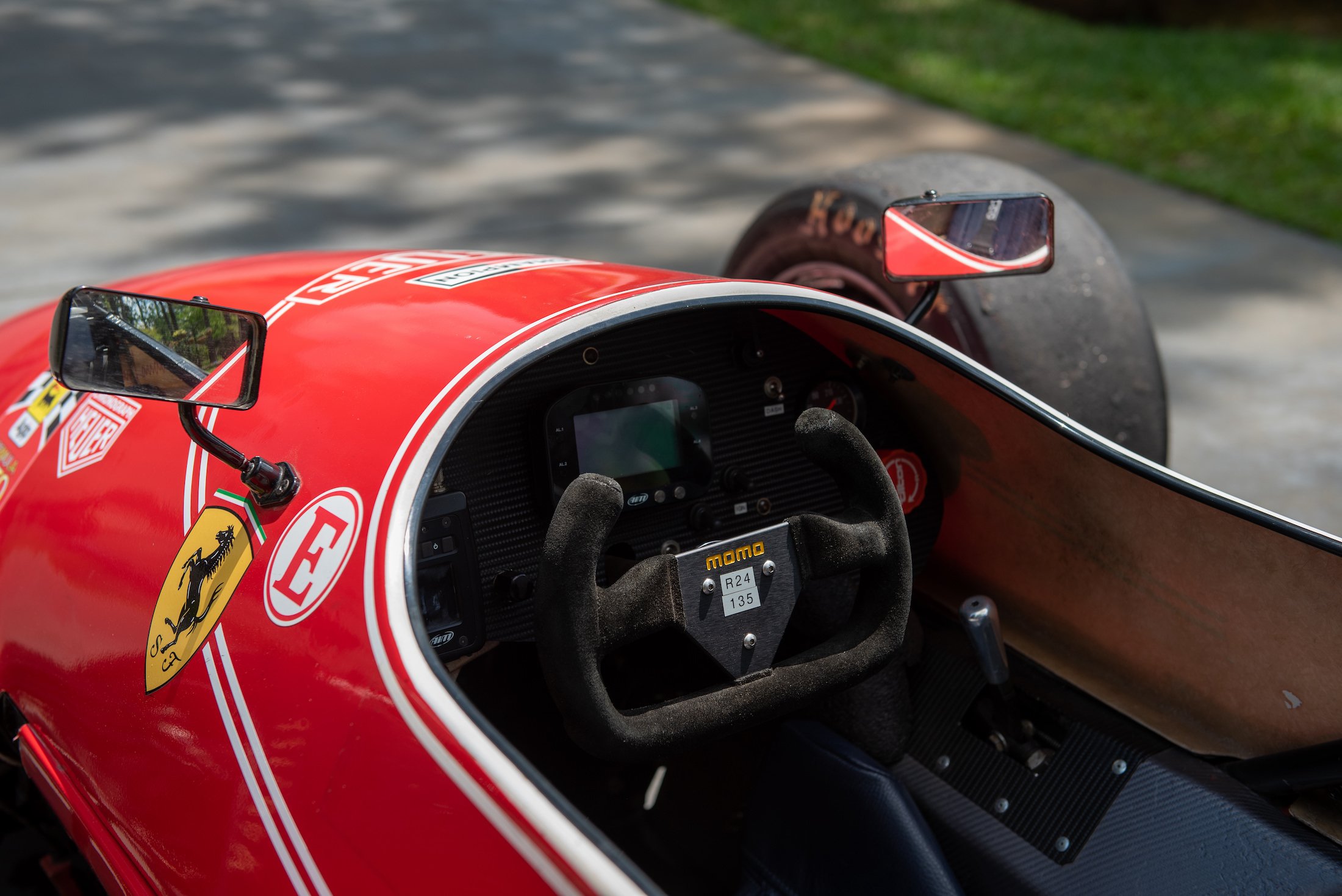
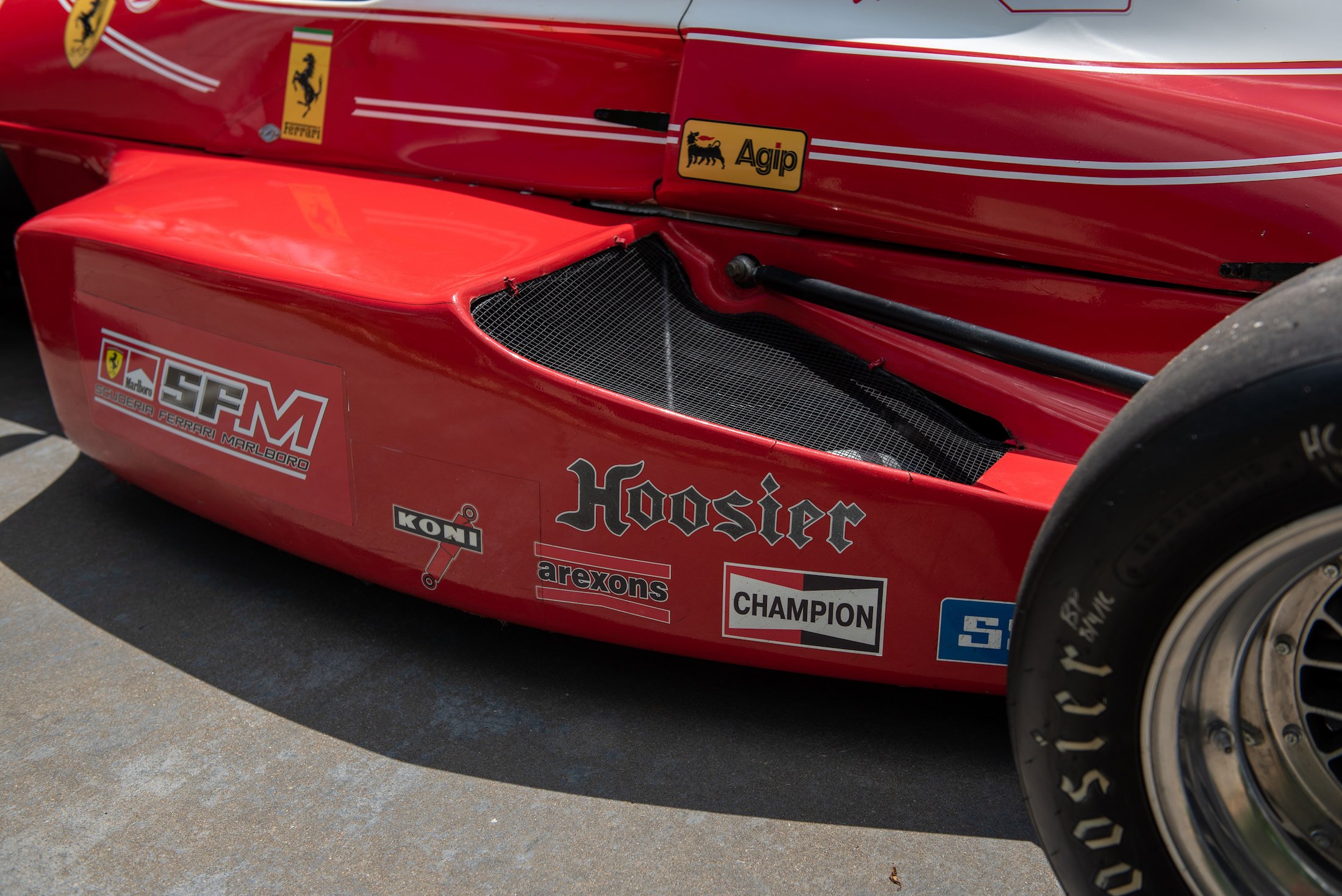
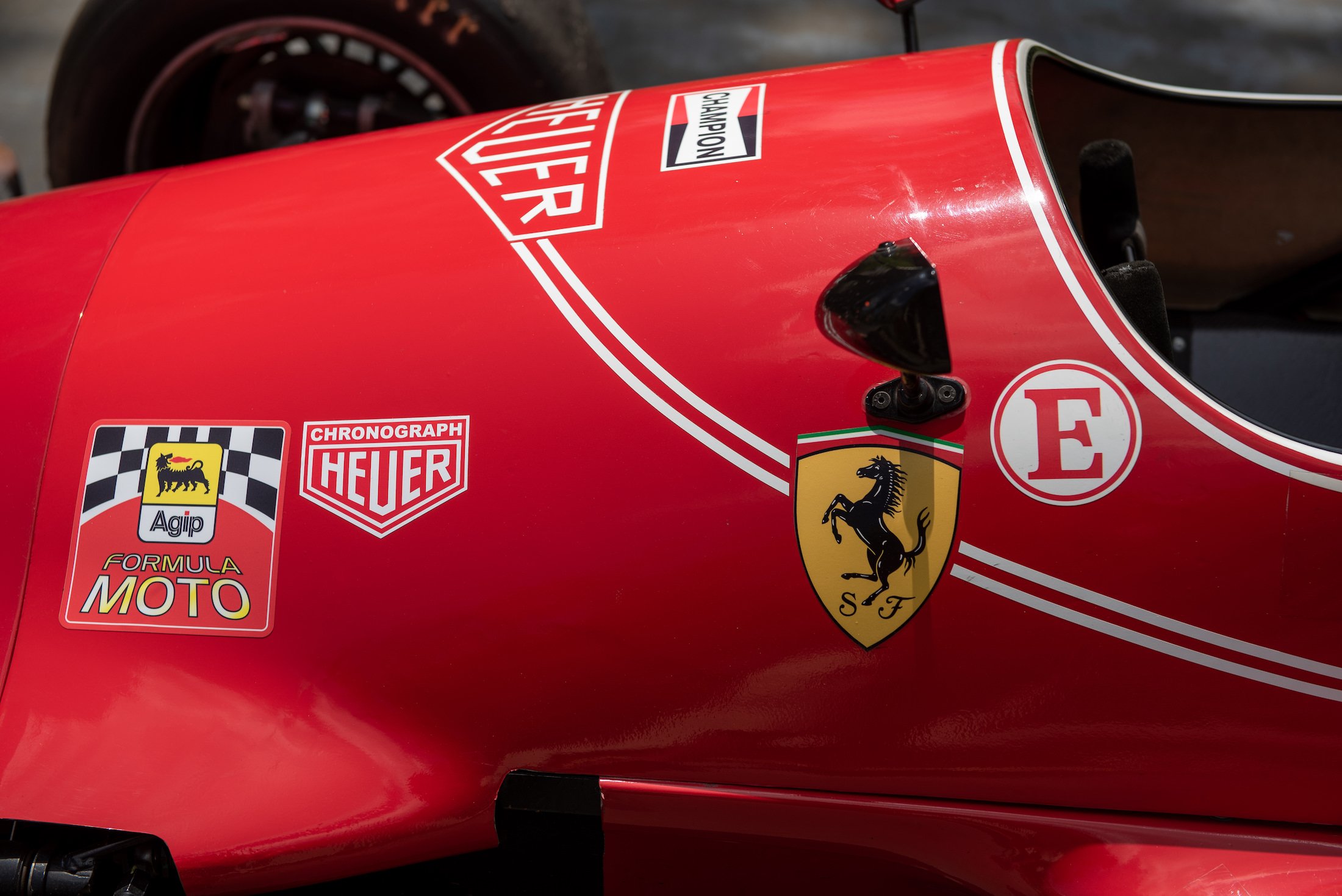
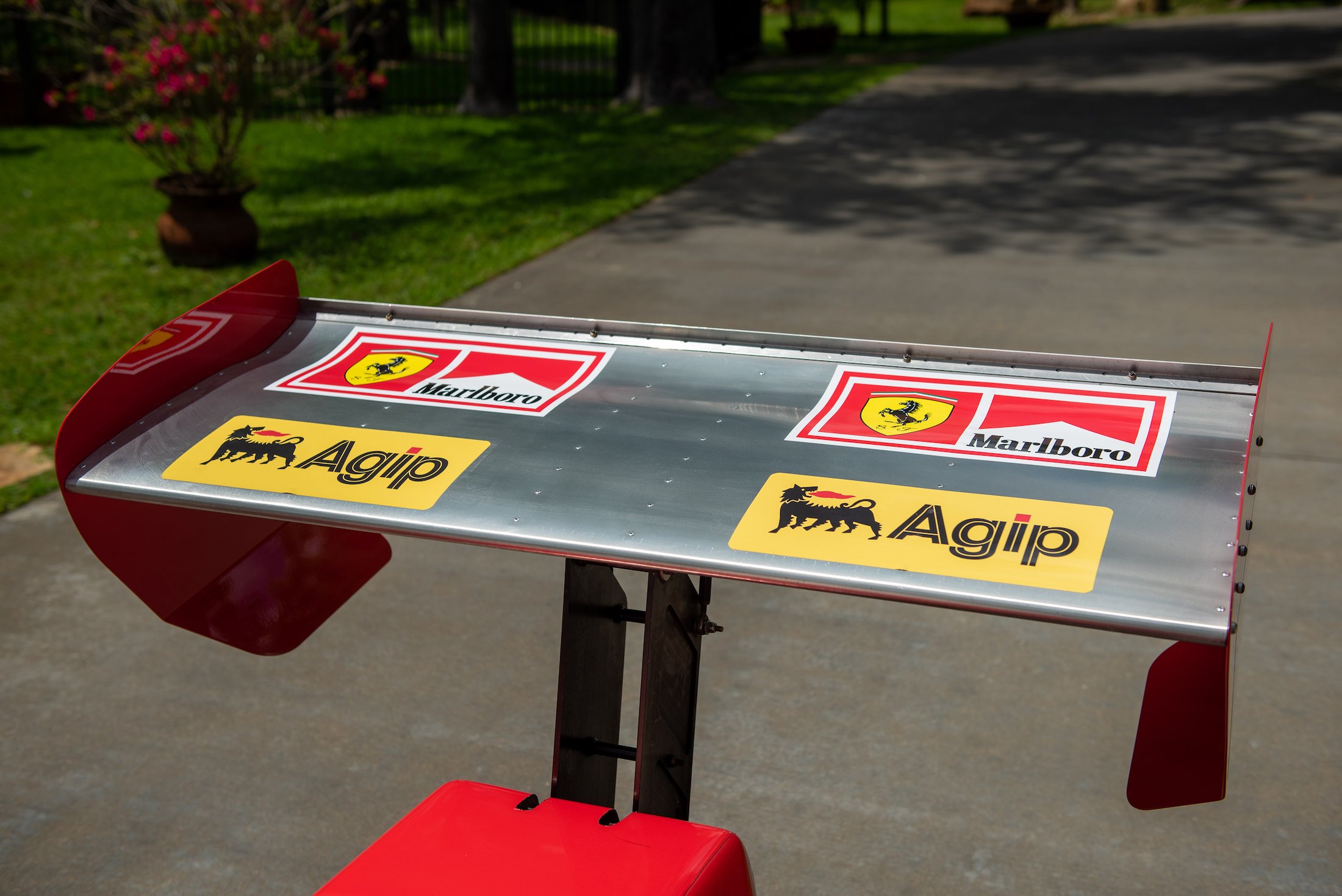
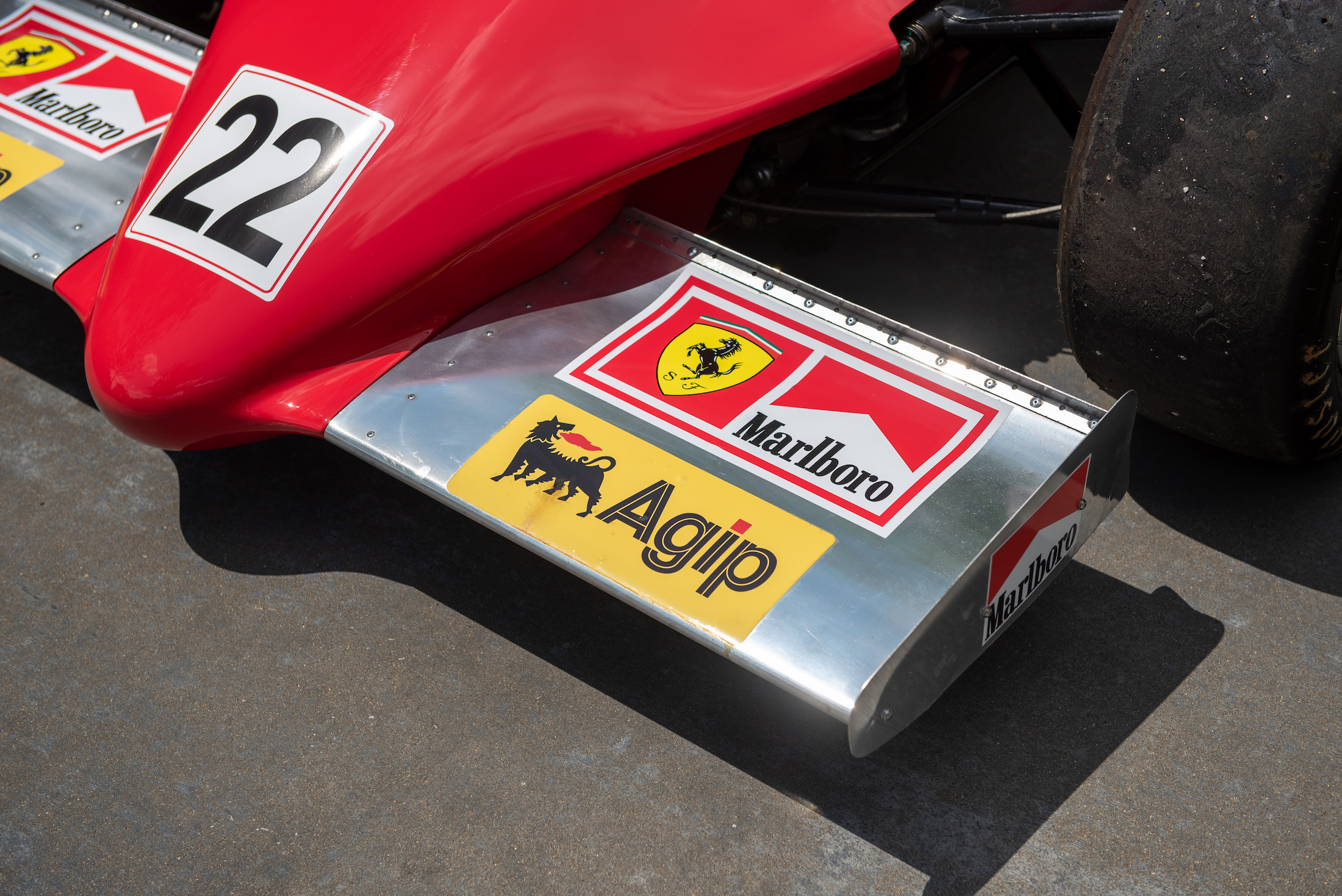
This car is also equipped with adjustable brake bias, coilovers on each corner, anti-roll bars front and back, 13 inch multi-spoke alloy wheels, an AIM digital dash display, and for reasons not explained it currently has decals applied to make it look like a Ferrari Formula 1 car.

Fast Facts – Formula Mazda

  • Formula Mazda was founded back in 1984 with the first race taking place at the 1984 Long Beach Grand Prix as a support event.
  • The cars have a welded steel tube frame chassis, fiberglass body panels, a 180 hp carbureted Mazda 13B rotary engine, and a 5-speed Hewland Mk 9 transaxle.
  • The engines are sealed and most modifications to the cars are banned, in order to keep the playing field as level as possible and to ensure that driver skill is showcased.
  • Many drivers who competed in Formula Mazda went on to compete in the highest levels of open-wheeled American racing, including both Scott Speed and Michael McDowell.

Formula Mazda

Formula Mazda began almost by accident. Mazda had agreed to develop five cars for the Jim Russell Racing Drivers School in California, these cars would all be identical open-wheeled racers powered by Mazda’s famous rotary engine.

Above Video: This footage from 2019 shows the car from this article being cold started, it shows you the procedure for turning it on and you can hear the unusual rotary engine note.

25 additional cars were then developed and build by Marc Bahner of Bahner Engineering, and it would be these cars that formed the grid for the first Formula Mazda race, which was held as a support event for the 1984 Long Beach Grand Prix.

These cars were built to be identical, with a welded steel tube frame chassis, lightweight fiberglass body panels, in-board front shock absorbers with double A-arms, and rear suspension consisting of twin trailing links, an upper link, and a lower A-arm.

Power was provided by a mildly-tuned Mazda 13B Wankel rotary engine producing 180 bhp, these engines were then sealed before the season began to ensure a level playing field. Power was sent back to the rear wheels via a 5-speed Hewland transaxle.

Formula Mazda quickly became known for its close racing, helped along by the fact that the cars were almost identical. It became an excellent showcase for up and coming driver talent, and a springboard up to the higher open-wheel formulas for many drivers.

In 2004 a new Formula Mazda car was introduced, it was a ground-up redesign that used the more advanced 13B-MSP Renesis Mazda rotary engine capable of 250 bhp. These cars were about three seconds a lap faster than their forbears, however both were permitted to race alongside one another.

Formula Mazda Car 2

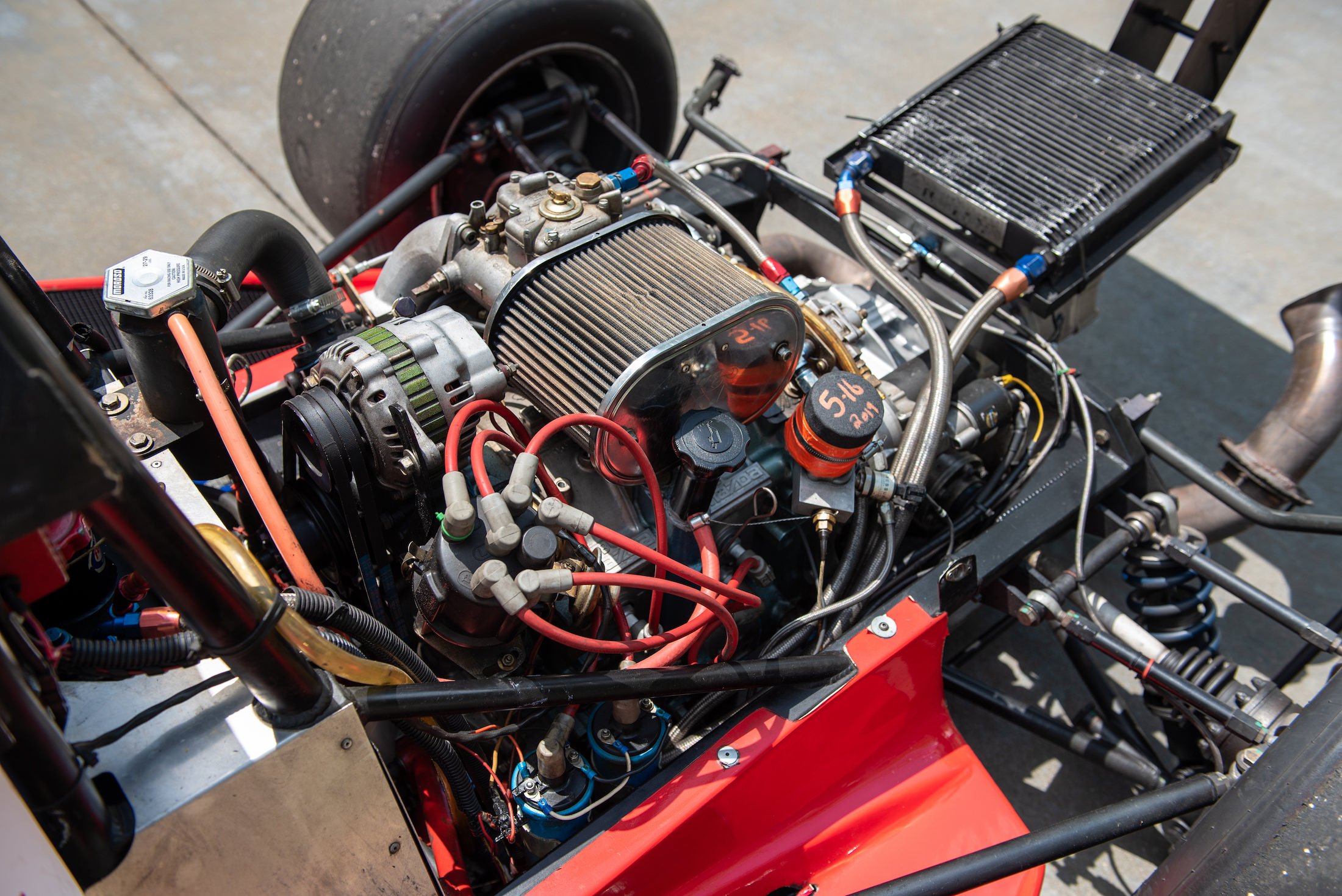
This is the tuned 180 bhp Mazda 13B Wankel rotary engine that powers the car, it’s a four-plug engine fitted with a Weber Tipo 8D carburetor.

In 2020 Formula Mazda was cancelled by the SCCA governing body and Formula X was introduced. Formula X was developed to open the field up to many kinds of open-wheeled racing cars of a similar speed, including Formula 4, Formula Mazda, and F2000 cars.

The 1996 Formula Mazda Car Shown Here

The car you see here is a Formula Mazda from 1996, it had a lengthy active life being raced from its year of birth up until 2019 by Juan “J.R.” Marchand.

This vehicle is powered by the original 180 bhp Mazda 13B four-plug rotary engine fitted with a Weber Tipo 8D carburetor. As mentioned further up it has a Hewland MK9 5-speed transaxle, adjustable brake bias, coilovers, anti-roll bars, 13″ multi-spoke alloy wheels, and an AIM digital dash display.

It’s not mentioned why the car has been finished with decals to make it look like one of Niki Lauda’s Ferrari Formula 1 cars, but it was almost certainly for display purposes. It will be up to the new owner whether they want to keep it like this or return it to a classic Formula Mazda livery.

If you’d like to read more about this car or register to bid you can visit the listing here on RM Sotheby’s. It’s due to roll across the auction block in late September and it’s being offered with no reserve.

Formula Mazda Car 3 Formula Mazda Car Formula Mazda Car 17 Formula Mazda Car 16 Formula Mazda Car 15 Formula Mazda Car 14 Formula Mazda Car 13 Formula Mazda Car 12 Formula Mazda Car 11 Formula Mazda Car 10 Formula Mazda Car 9 Formula Mazda Car 7 Formula Mazda Car 6 Formula Mazda Car 5 Formula Mazda Car 4 Formula Mazda Car 1

Images courtesy of RM Sotheby’s

Formula Mazda Car 8

The post A 13B Rotary Engine-Powered Formula Mazda Race Car appeared first on Silodrome.


from Silodrome https://silodrome.com/formula-mazda-car/
via gqrds
A Fascinating Cutaway Jaguar XK Engine

The Jaguar XK straight-six engine regularly features on lists of the top engines of the 20th century. It was an advanced design that had originally been conceived on the roof of the Jaguar factory by engineers on night fire-watch duty during the bombing raids of WWII.

The Jaguar factory was important for the Allied war effort, they were repairing military aircraft as well as supplying sidecars and trailers to the armed forces. The fire-watch on the roof regularly featured three of the company’s most important engineers: William Heynes, Walter Hassan, and Claude Baily.

Jaguar XK Straight-Six Engine

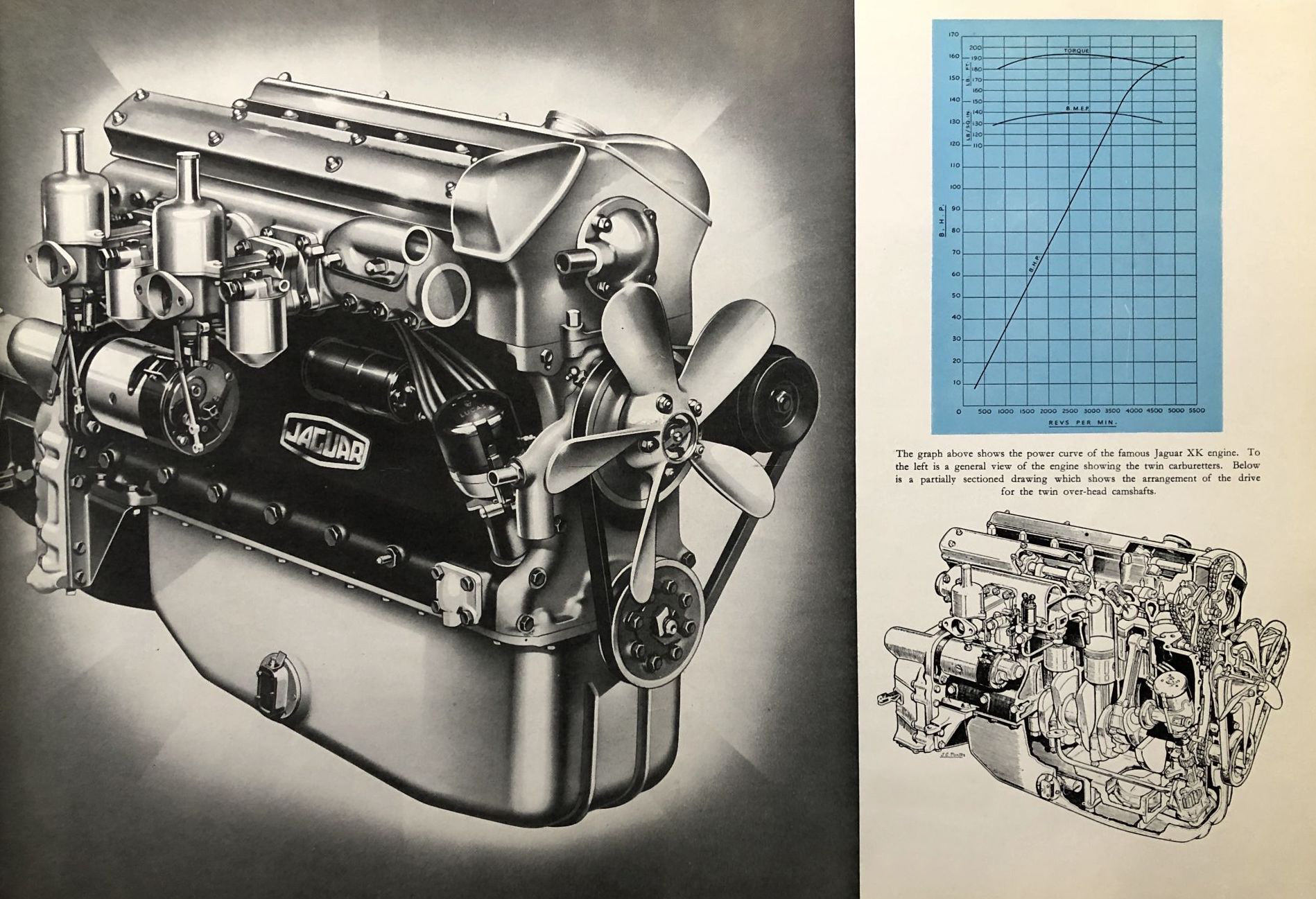
This 1950s illustration of the Jaguar XK engine shows both the complete engine on the left, and a cutaway of it on the right.

Developing The XK Engine

In what was an act of remarkable optimism during the dark early days of WWII, the three men began planning a line of engines for post-war production. The initial plan was to develop a small 2.0 liter inline-four and a larger straight-six for their most luxurious and sporting automobiles.

Ultimately the inline-four “XJ” was built and tested, followed by the straight-six “XK” which was immediately favored for its excellent power output and its smooth operation. Heynes, Hassan, and Baily knew they needed to develop a future proof engine that could remain in production for many years without needing redesigning or replacement.

With this in mind they designed both the XJ and the XK with double chain driven overhead cams, vee-opposed valves, hemispherical combustion chambers, and a lightweight, cast aluminum cross-flow head.

Jaguar XK Engines being tested on dynamometers at the Browns Lane plant in Coventry, England in 1956

This 1956 image shows Jaguar XK engines being tested on dynamometers at the Browns Lane plant in Coventry, England. Image courtesy of Jaguar Land Rover.

All-In On The Six

Ultimately the four-cylinder XJ engine would be dropped and a smaller six-cylinder version of the XK would be developed with a displacement of 2.4 liters, one liter under the 3.4 liters of the first larger XK engines.

Remarkably the XK engine would remain in production from 1949 until 1992, a 43 year production run that saw the displacement increase from 3.4 liters to 4.2 liters, and larger still in the hands of privateer racers.

In the 1950s racing versions of the XK engine would win countless races including the 24 Hours of Le Mans, which it won twice in the C-Type and three times in the later D-Type.

The XK engine would power many of Jaguar’s greatest post-WWII cars including the XK120/XK140/XK150. The aforementioned C-Type and D-Type as well as the famous E-Type, the Jaguar Mark 1 and Mark 2, the Jaguar S-Type, the XK6 and a number of others.

Jaguar XK120 Unveiling

This picture was taken at the 1948 London Motor Show – the car in the lower left of this image is the Jaguar XK120, sitting next to an open example of its own chassis and engine. Image courtesy of Jaguar Land Rover.

The XK Engine Cutaway Shown Here

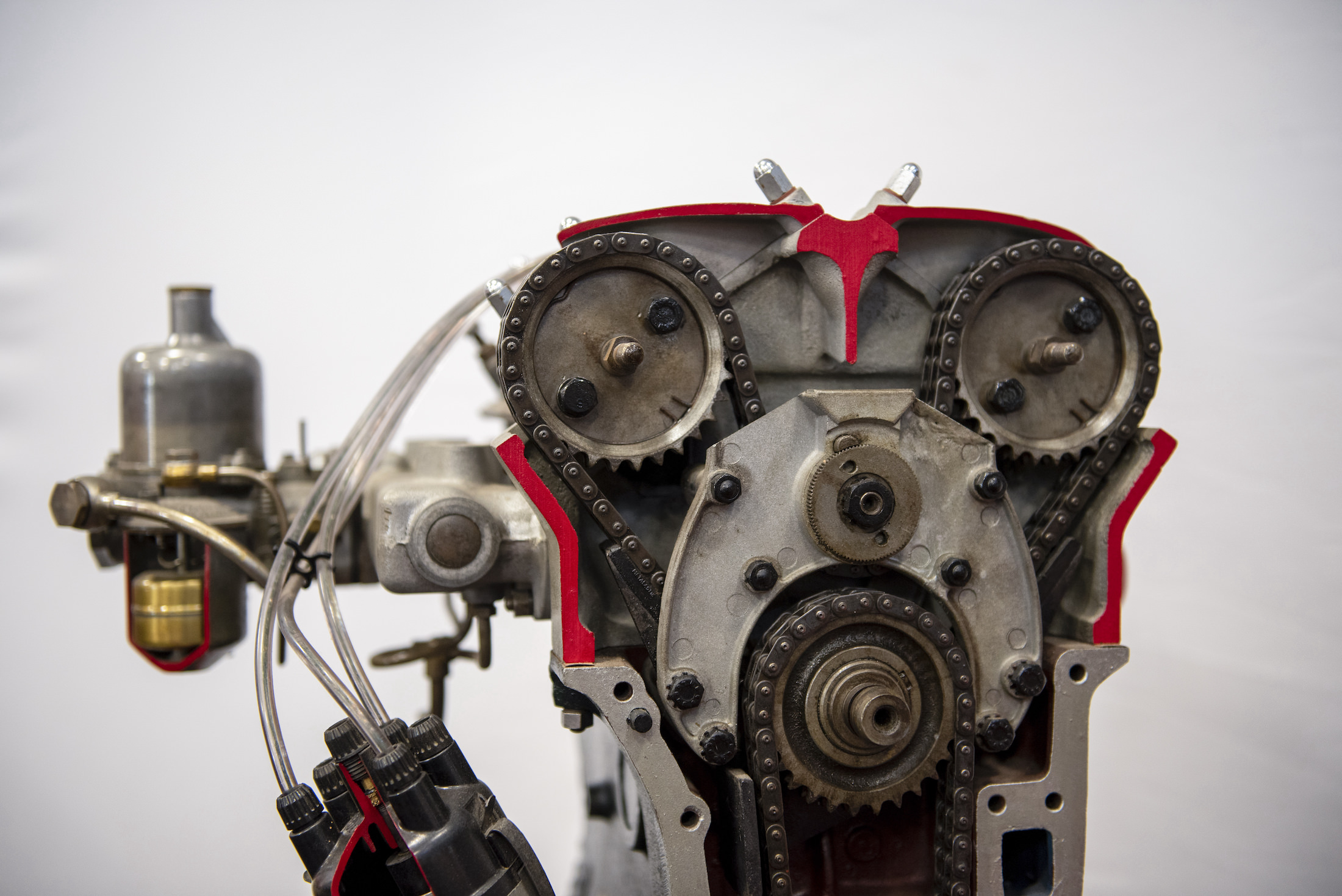
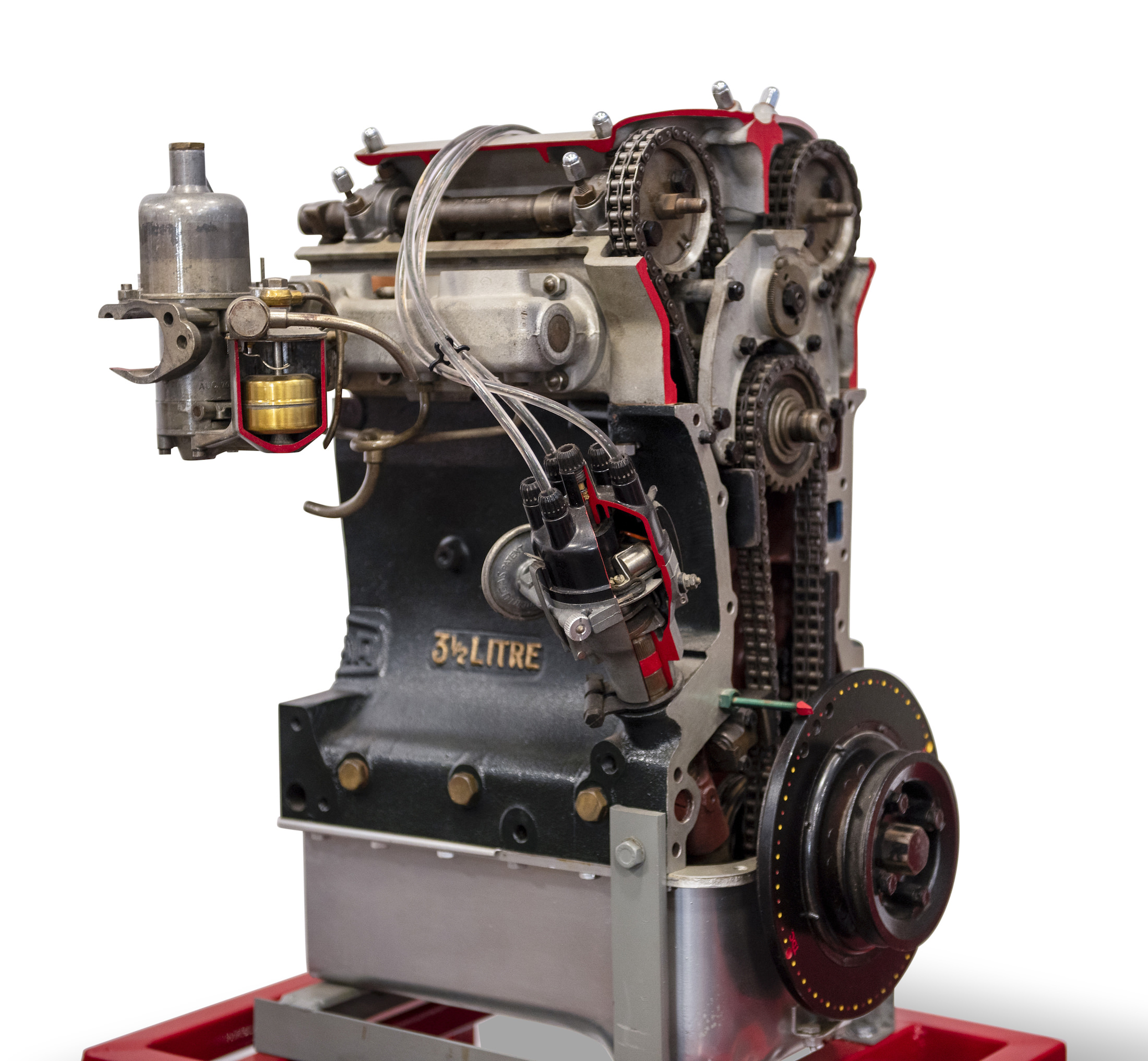
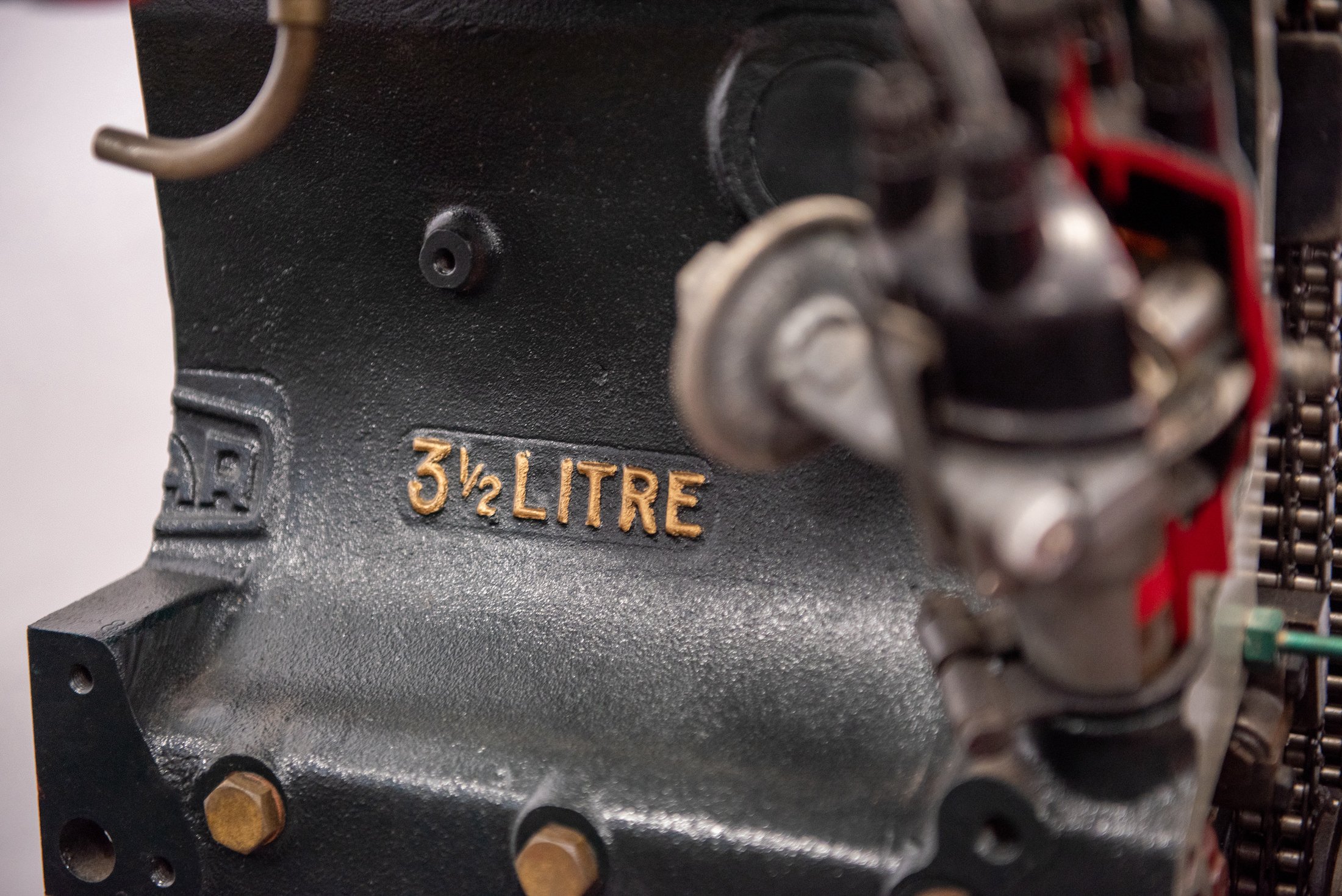
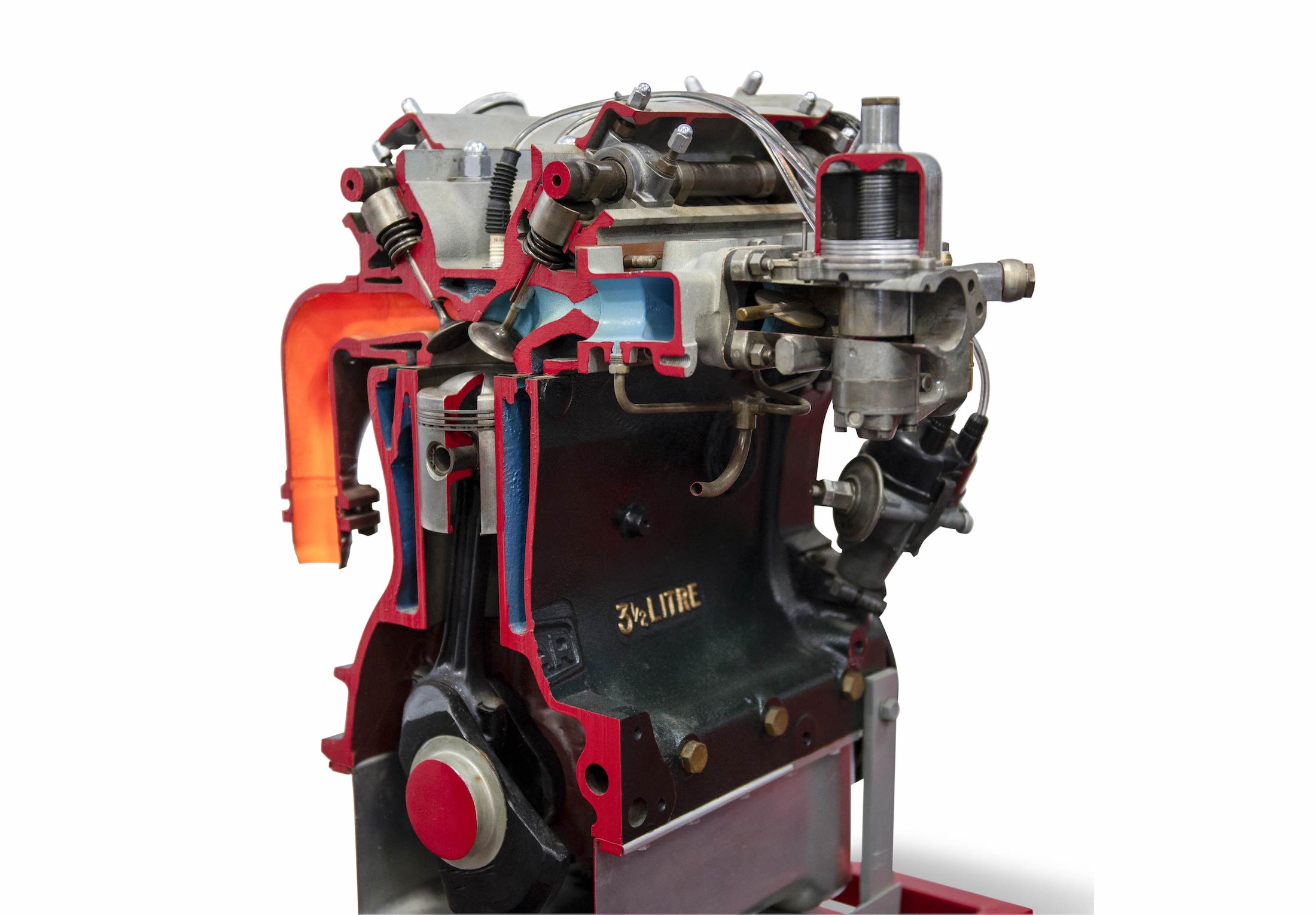
The XK engine you see here is essentially half and engine, cut after cylinder number three to show off the internal workings of Jaguar’s most famous engine.

The engine has been cut open in many sections and the interior has then been painted with color coding to help show the engine’s various functions. You can see directly into the SU carburetor, including into the float bowl.

You can also see into the distributor, into the cam covers, and perhaps most importantly into the cylinder itself with the valves, piston, connecting rod, and crankshaft.

This unusual display piece is now due to roll across the auction block with RM Sotheby’s in late September with no reserve. If you’s like to read more about it or register to bid you can visit the listing here.

Jaguar XK Cutaway Engine 2 Jaguar XK Cutaway Engine 1 Jaguar XK Cutaway Engine 3

Images courtesy of RM Sotheby’s

Jaguar XK Cutaway Engine

The post A Fascinating Cutaway Jaguar XK Engine appeared first on Silodrome.


from Silodrome https://silodrome.com/cutaway-jaguar-xk-engine/
via gqrds
The Blydenstein Vauxhall Viva HA From The “Salvage Hunters” TV Show

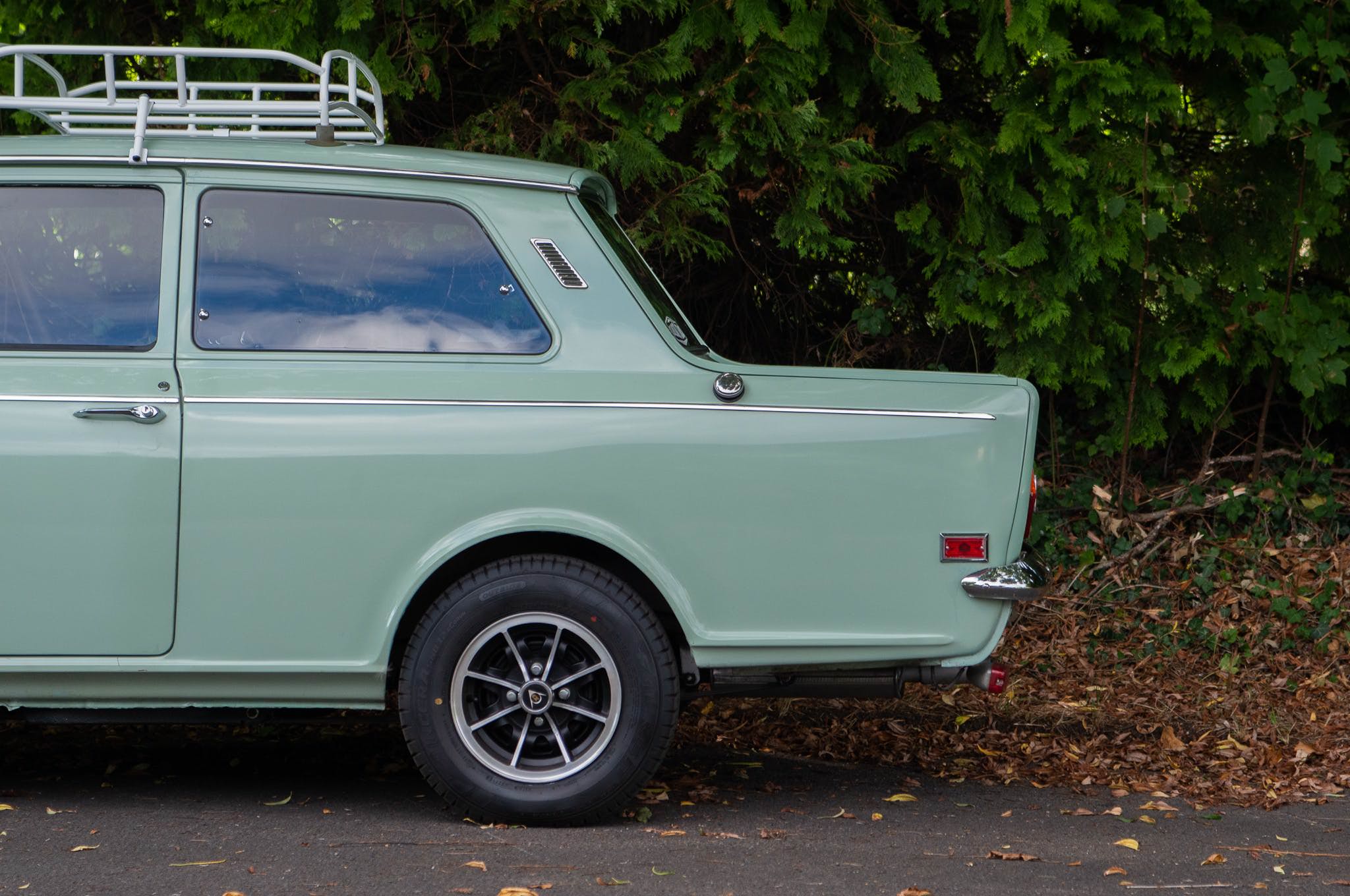
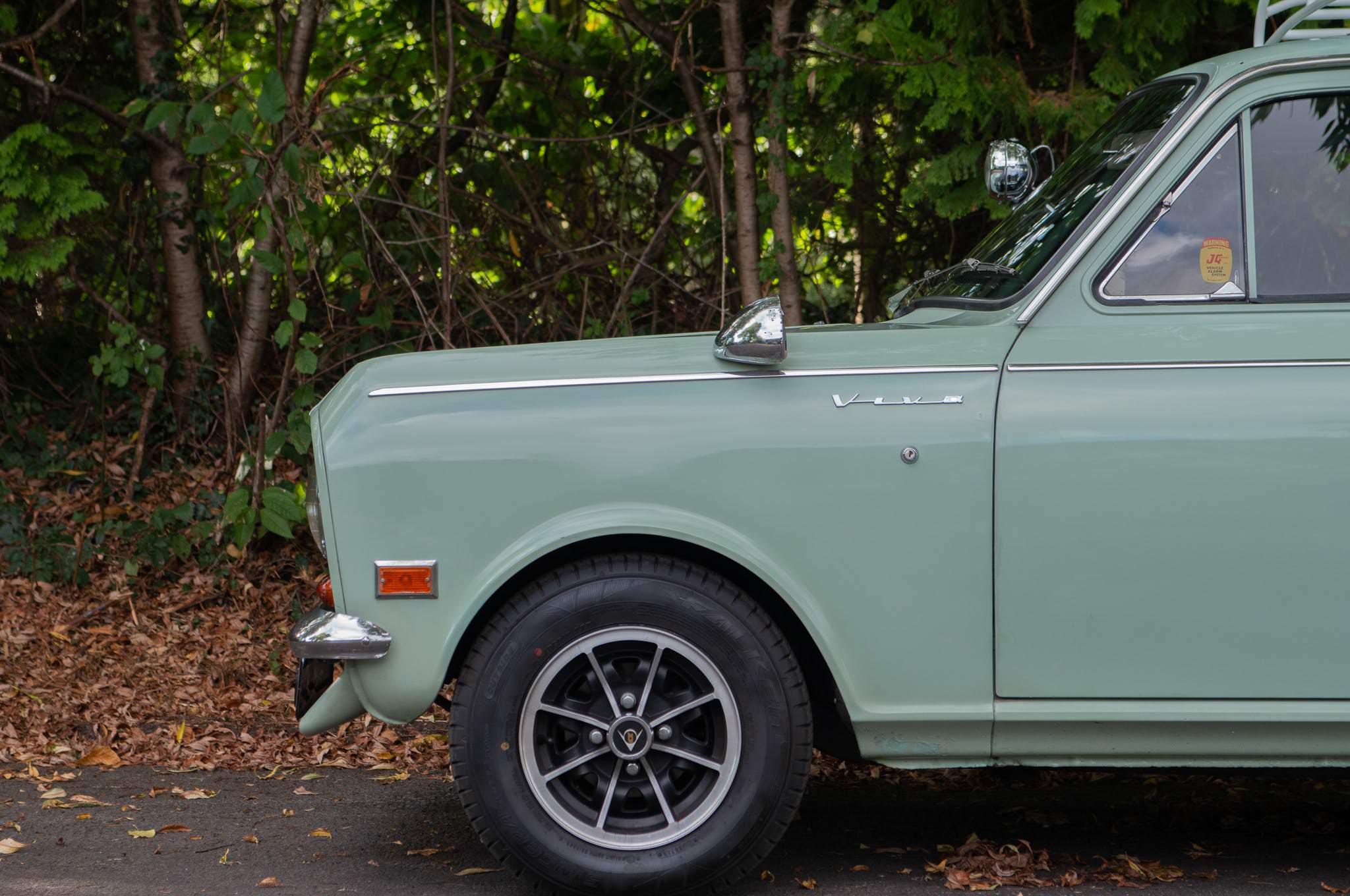
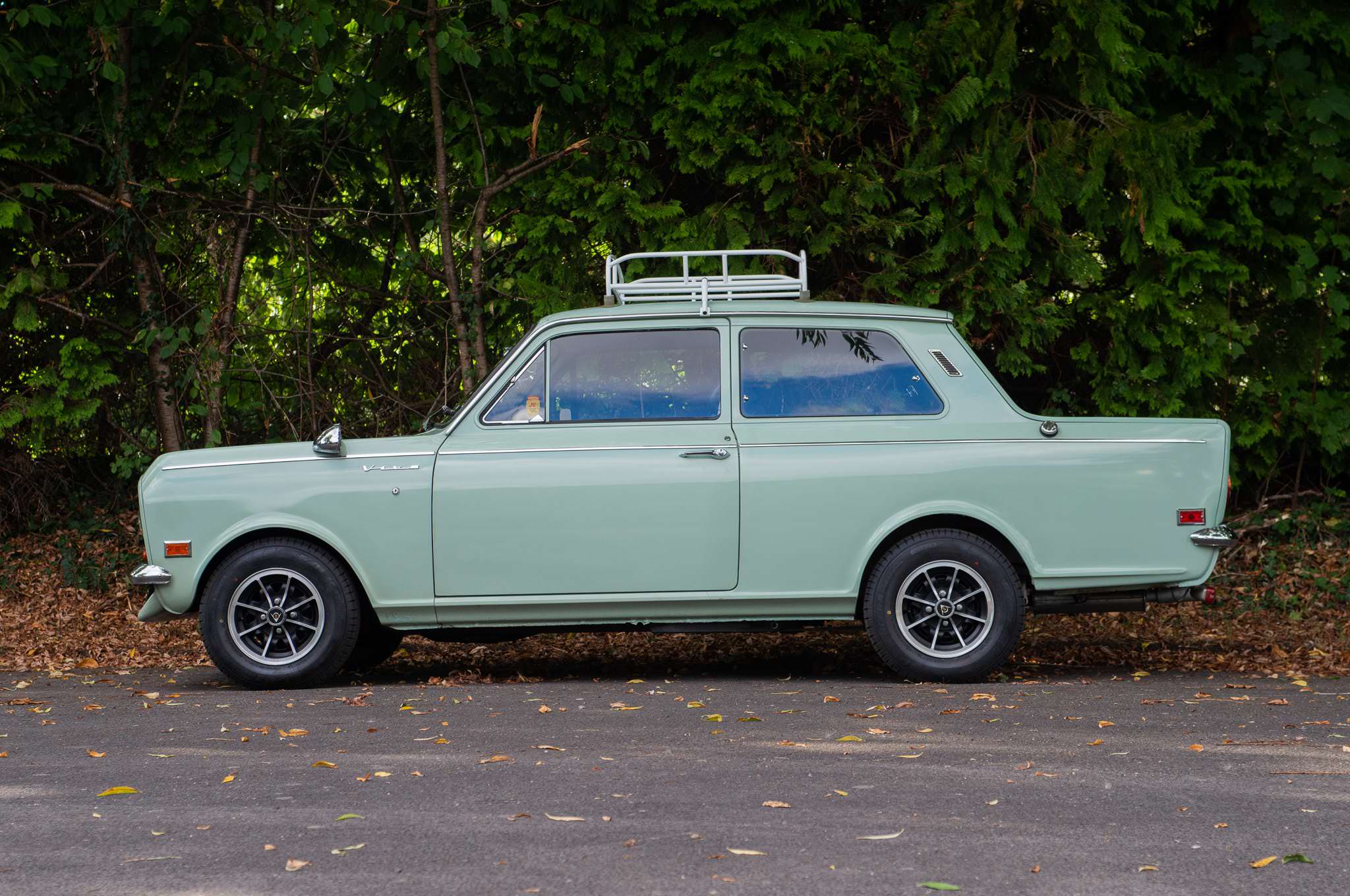
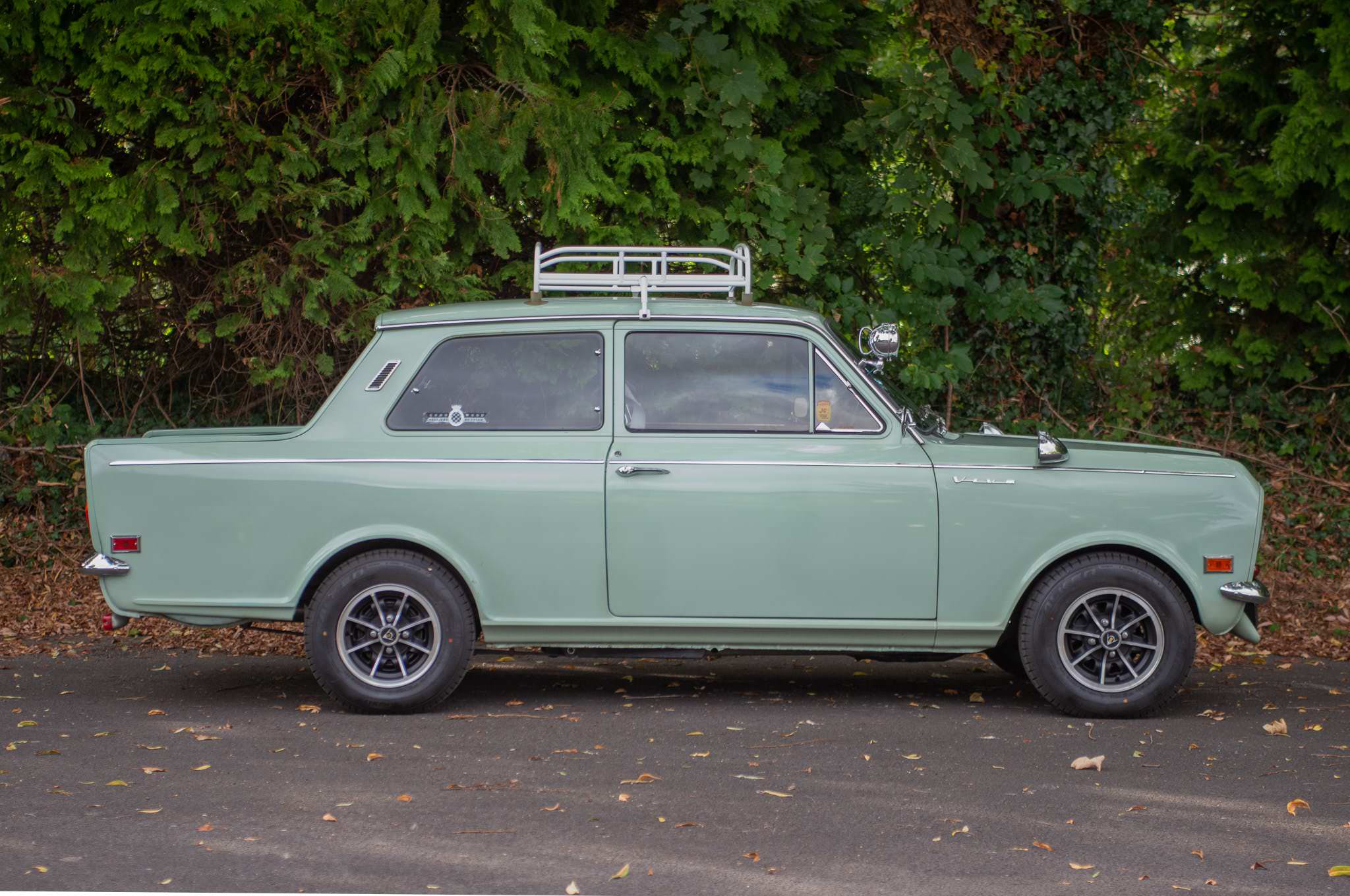
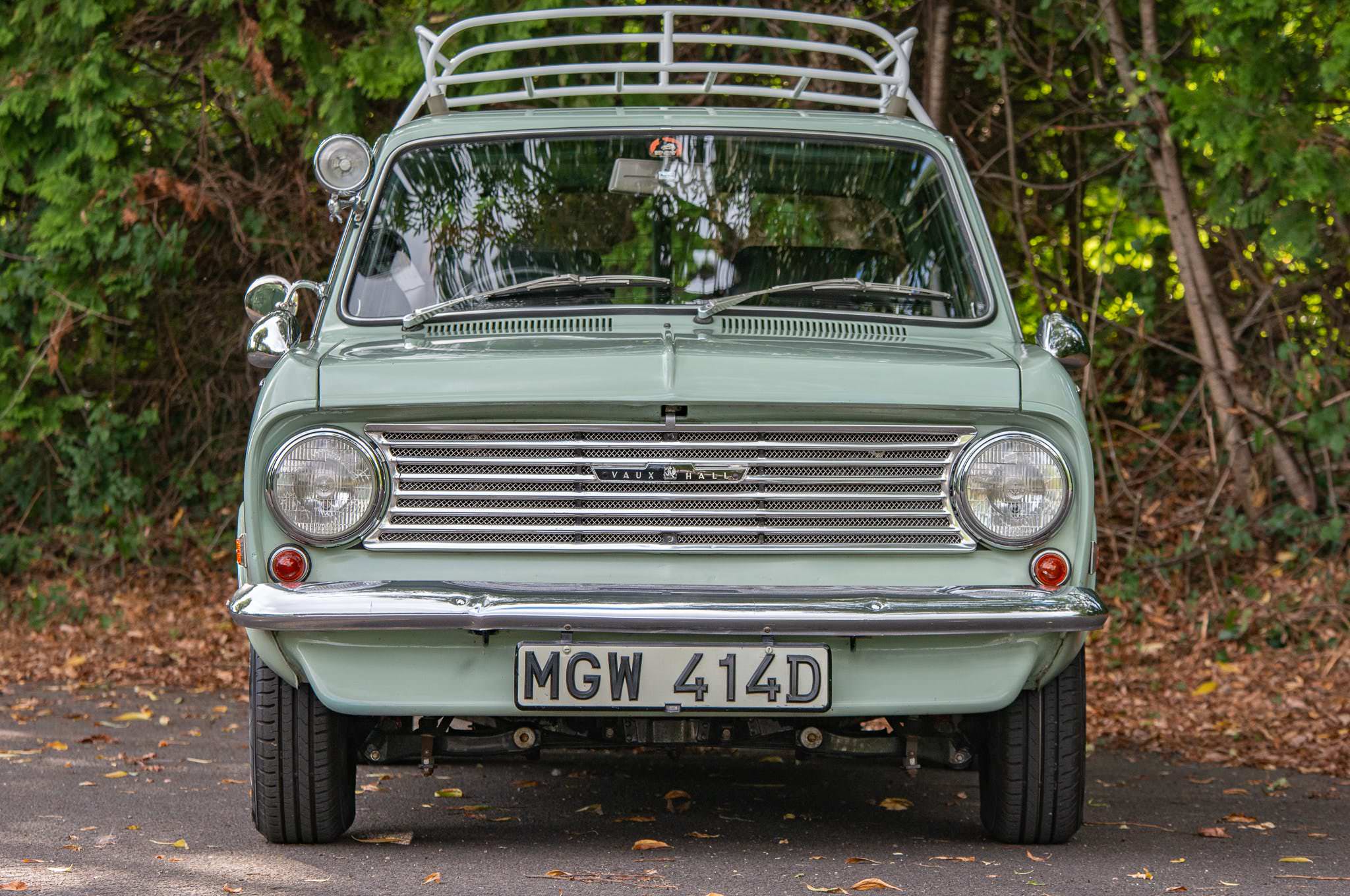
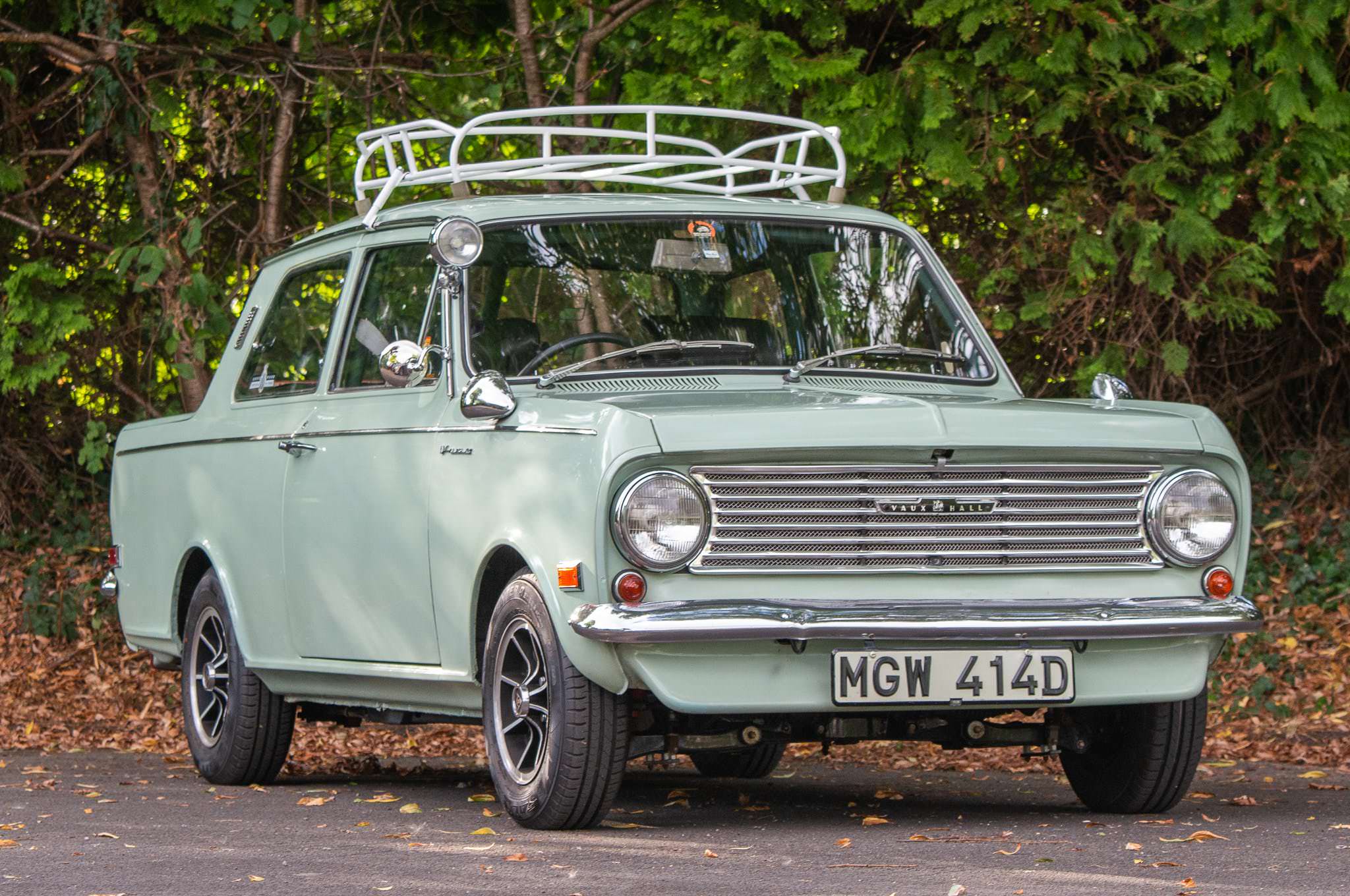
This Vauxhall Viva HA is now likely one of the most famous examples of its breed thanks to its appearance on the Discovery TV show Salvage Hunters starring Drew Pritchard and Paul Cowland.

The car isn’t just any old Vauxhall, it was fitted with genuine Blydenstein performance engine modifications in period, significantly improving performance over the standard car. It was also featured in the June 1974 edition of Custom Car magazine.

Fast Facts – A “Blydenstein” Vauxhall Viva HA

  • The Vauxhall Viva HA was released in 1963 as the first all new Vauxhall compact car since 1936. It was developed to compete with the likes of the Ford Anglia and the Morris Minor, and it shared a platform with the Opel Kadett A from Germany.
  • In all there would be three generations of the Viva sold from 1963 until 1979. Over 1.5 million of them would be sold in total, with 309,000 being the first generation HA model.
  • The Viva HA was powered by a 1,057cc (64.5 cubic inch) OHV inline-four cylinder engine with power sent back to a live axle rear end via a 4-speed manual transmission.
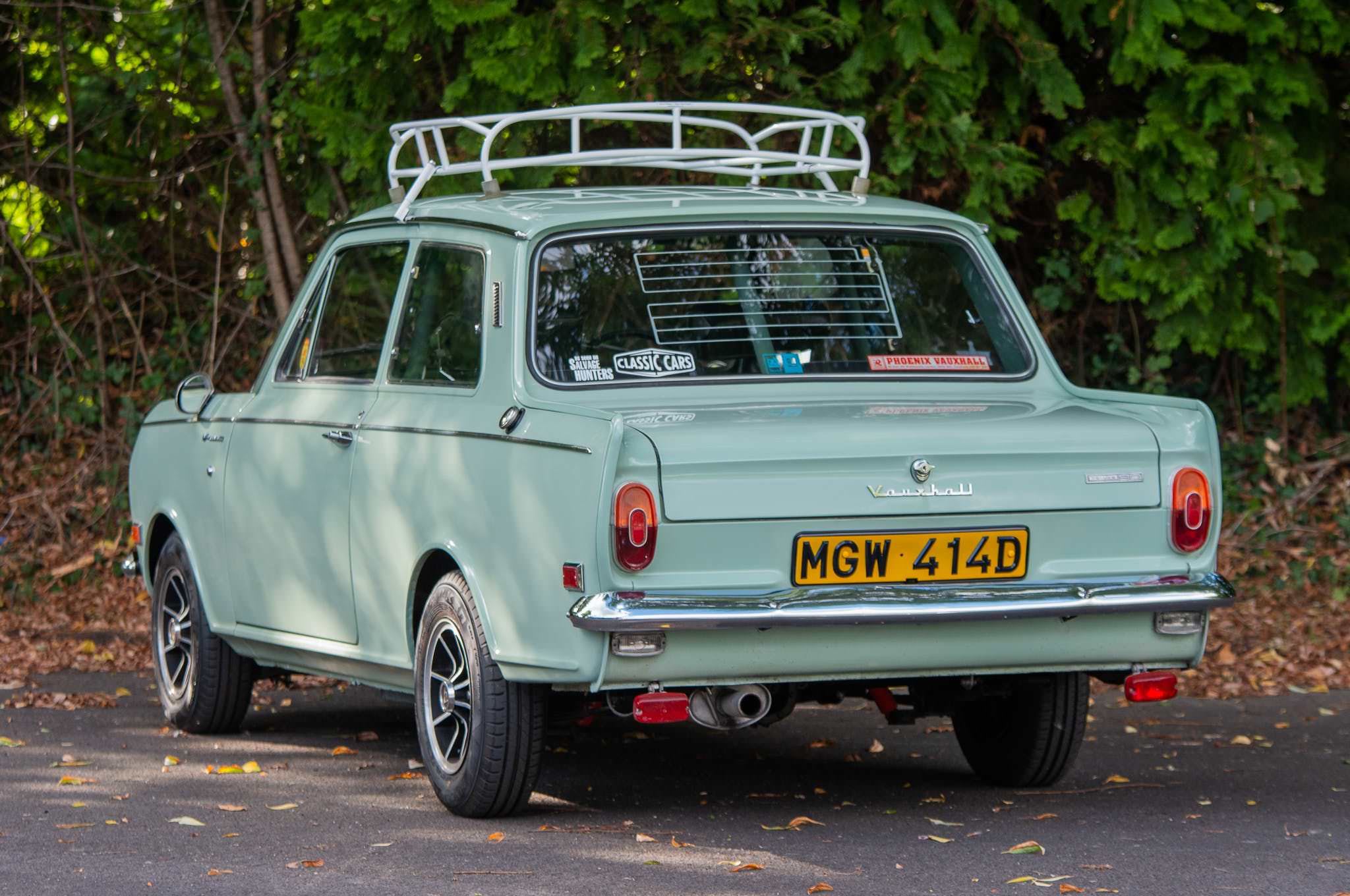
  • The car you see here is a Blydenstein Vauxhall Viva HA, it’s been fitted with an original high-performance Blydenstein engine and a slew of upgrades, making it one of the nicest HA Vivas we’ve seen come up for sale in recent memory.

The Vauxhall Viva HA

The Vauxhall Viva HA was developed in the early 1960s and released in 1963, it shared some of its platform with the Opel Kadett A, as both Vauxhall and Opel were owned by General Motors at the time.

Above Video: This clip from the British Discovery Channel TV series “Salvage Hunters” showcases the rediscovery of this Vauxhall Viva, the uncovering of its story, and its final presentation.

The HA Viva was targeted directly at Britain’s best-selling compact cars of the 1960s, vehicles like the Morris Minor, Mini, Ford Anglia, Austin A40, and the Triumph Herald. It would be the first Vauxhall compact car since 1936, three years before World War II, and they knew competition would be fierce.

Vauxhall Viva HA Specifications

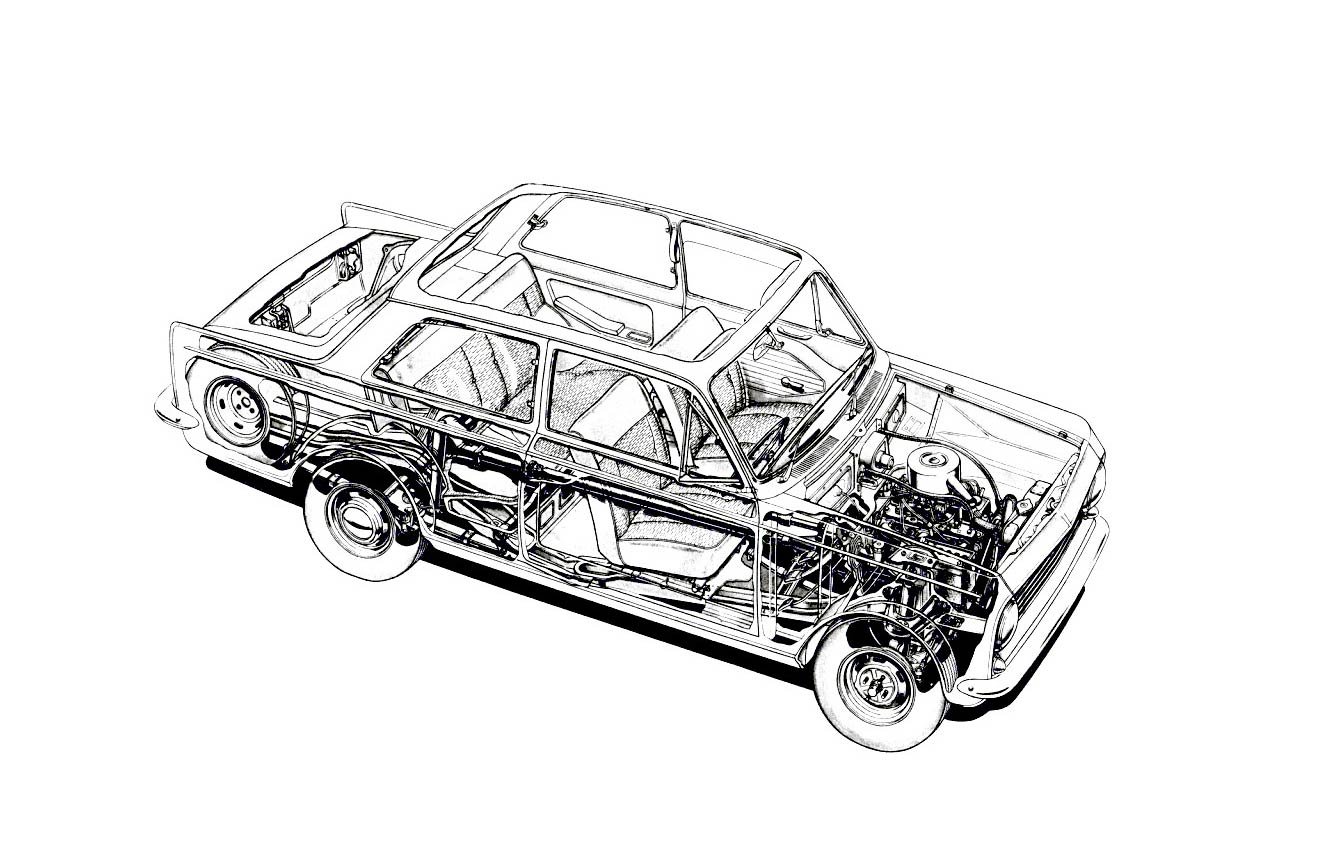
The HA Viva has a unibody design with a live axle rear end on leaf springs, independent front suspension with a transverse leaf spring, rack and pinion steering, seating for five, and a 1,057cc (64.5 cubic inch) OHV inline-four cylinder engine sending power back through an all-synchromesh 4-speed manual transmission.

At 709 kgs (1,564 lbs) the weight of the Viva was low enough that the 44 bhp engine could get it up to over 80 mph, and cruising on the motorway at speeds over 60 mph was entirely possible depending on how many passengers you happen to have with you.
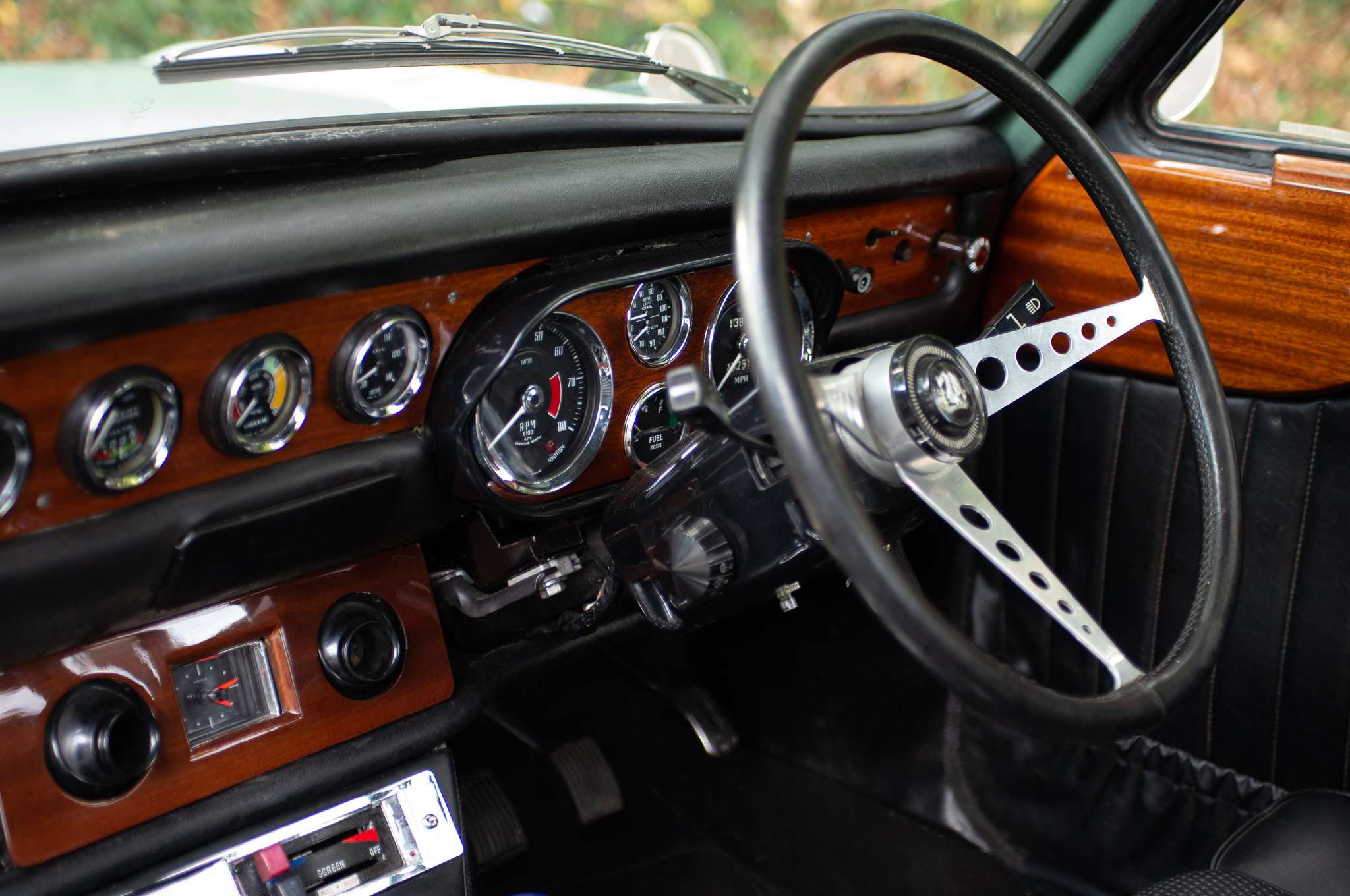
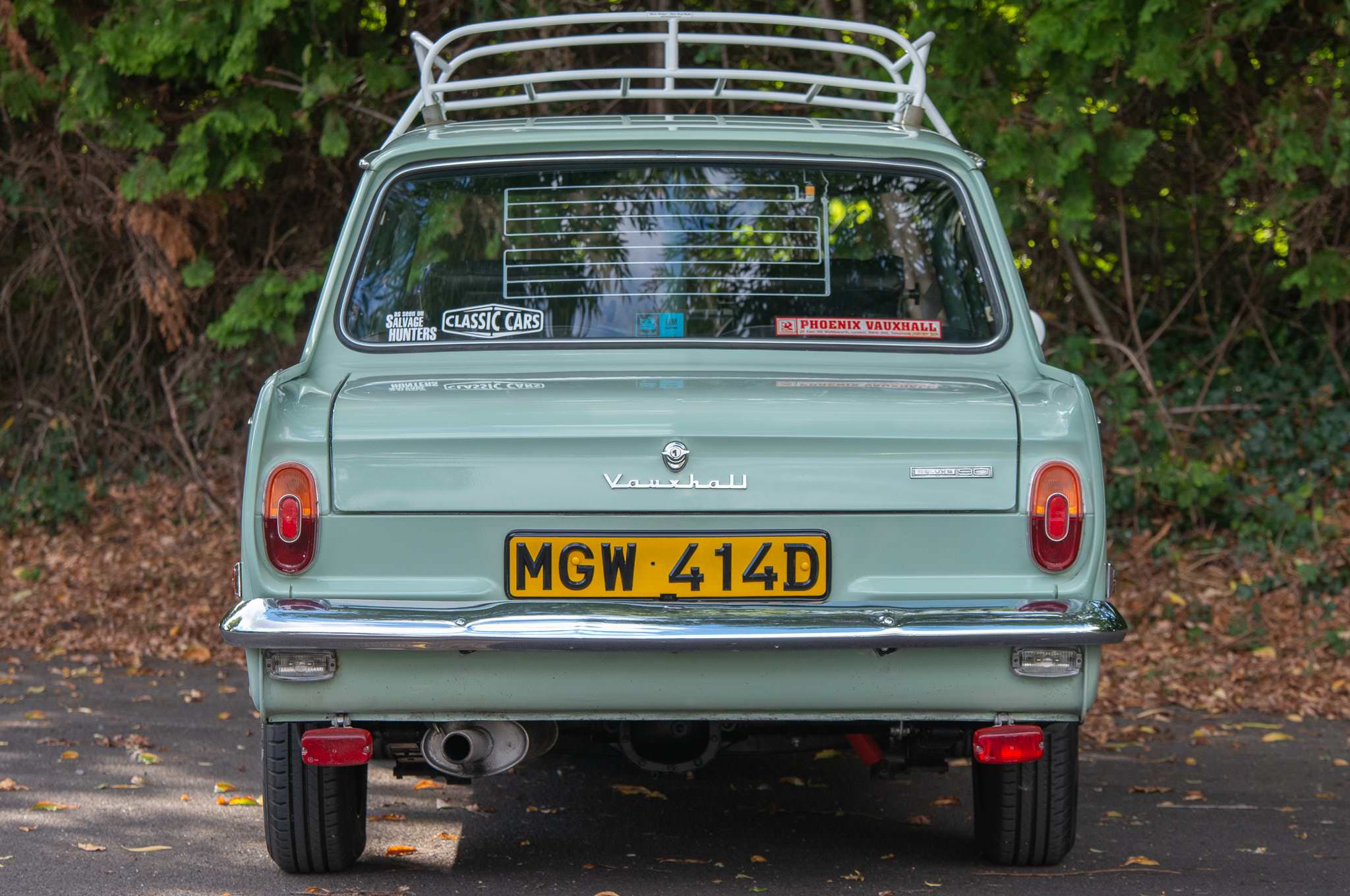
In 1965 the Vauxhall Viva 90 was introduced, it was powered by a modified engine now producing 54 bhp, thanks largely to a higher 9:1 compression ratio, it also came with came with front disc brakes and a number of other higher-end features.

Beyond the Viva HA

A year later in 1966 the HA would be discontinued and replaced by the new Vauxhall Viva HB, which would in turn be replaced by the Viva HC in 1970. In all, Vauxhall sold over 1.5 million examples of the Vauxhall Viva across all generations, including 309,000 examples of the Viva HA.

Vauxhall Viva HA 18

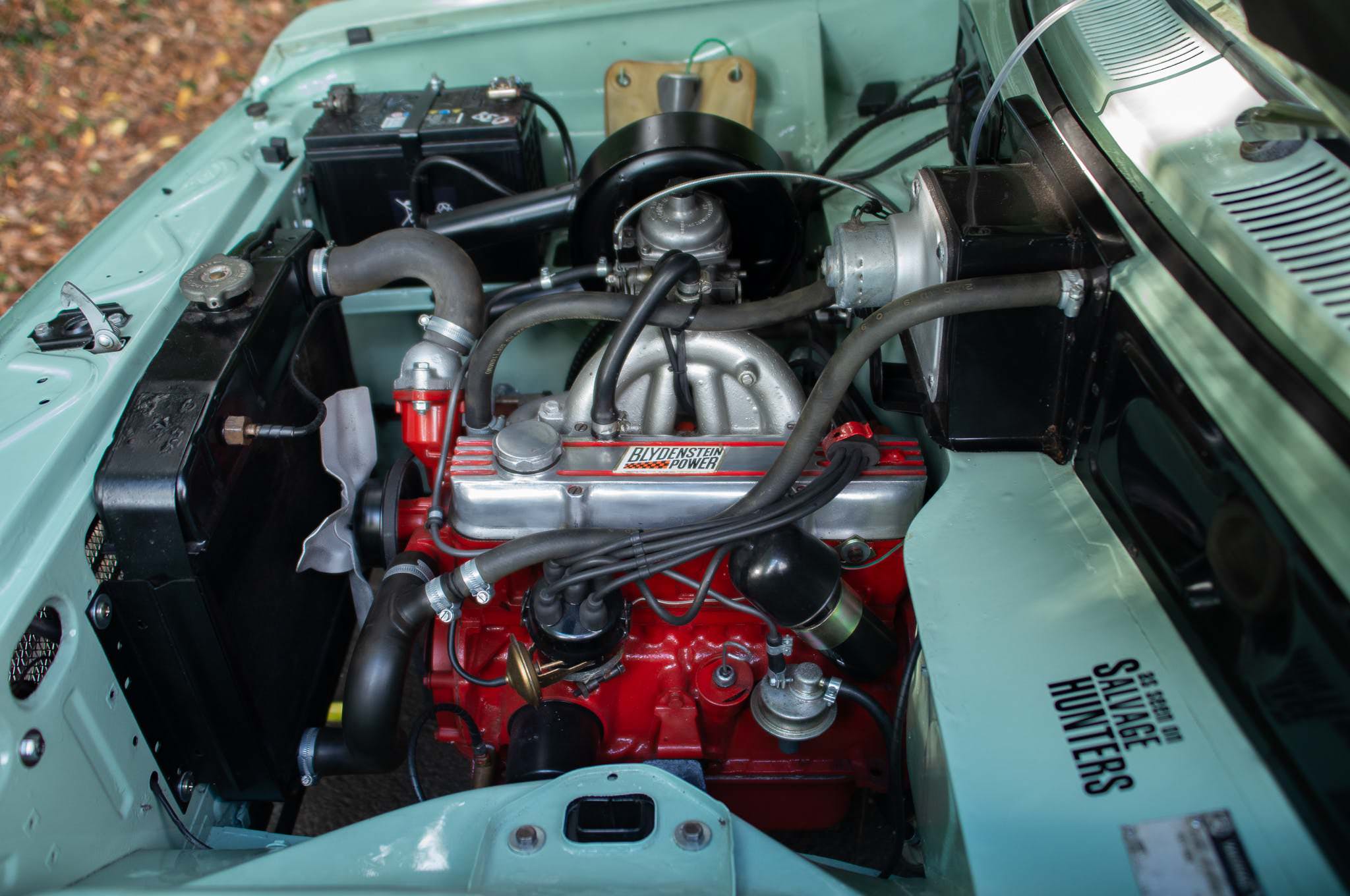
This is the Blydenstein engine, it has a new cam, bottom end work, top end work, a compression ratio of 11.5:1, and it can apparently rev up to 7,000 rpm.

Though they were exceedingly popular cars back in the 1960s very few have survived to the modern day. As with all cars of the era they were prone to rust, and the vast majority of them have slowly been consumed by corrosion in British junkyards.

Surviving examples are now becoming more desirable, particularly the Viva 90 and the Viva Deluxe models, or the much rarer Vivas fitted with Blydenstein performance parts.

Bill Blydenstein

Bill Blydenstein became the most famous Vauxhall performance expert in the world in the 1960s and 1970s. He was a Dutch-born aeronautical engineer who had started his motorsport career in the late 1950s as a driver, racing a Borgward Isabella TS that he had prepared himself.

By the early 1960s he was driving for the works Mini team before switching to Vauxhall in 1963 and racing their cars – including the then-new Viva HA. Over the years Blydenstein developed and raced a slew of race-winning Vauxhalls, and by the late 1960s he had switched to preparing the race cars full time for drivers like Gerry Marshall.

In 1971 the Dealer Team Vauxhall (DTV) was founded not by Vauxhall themselves but by a collective of Vauxhall dealers in the UK. They would see a remarkable array of successes including multiple championship wins and 63 outright victories.

Blydenstein also developed and sold a slew of performance parts for road-going Vauxhalls that owners could buy and fit themselves to make their cars quicker

The “Blydenstein” Vauxhall Viva HA Shown Here

The car you see here was customized by Mike Dodson in the 1960s and 1970s, then kept by him for the rest of his life.

Mike Dodson Vauxhall Viva HA

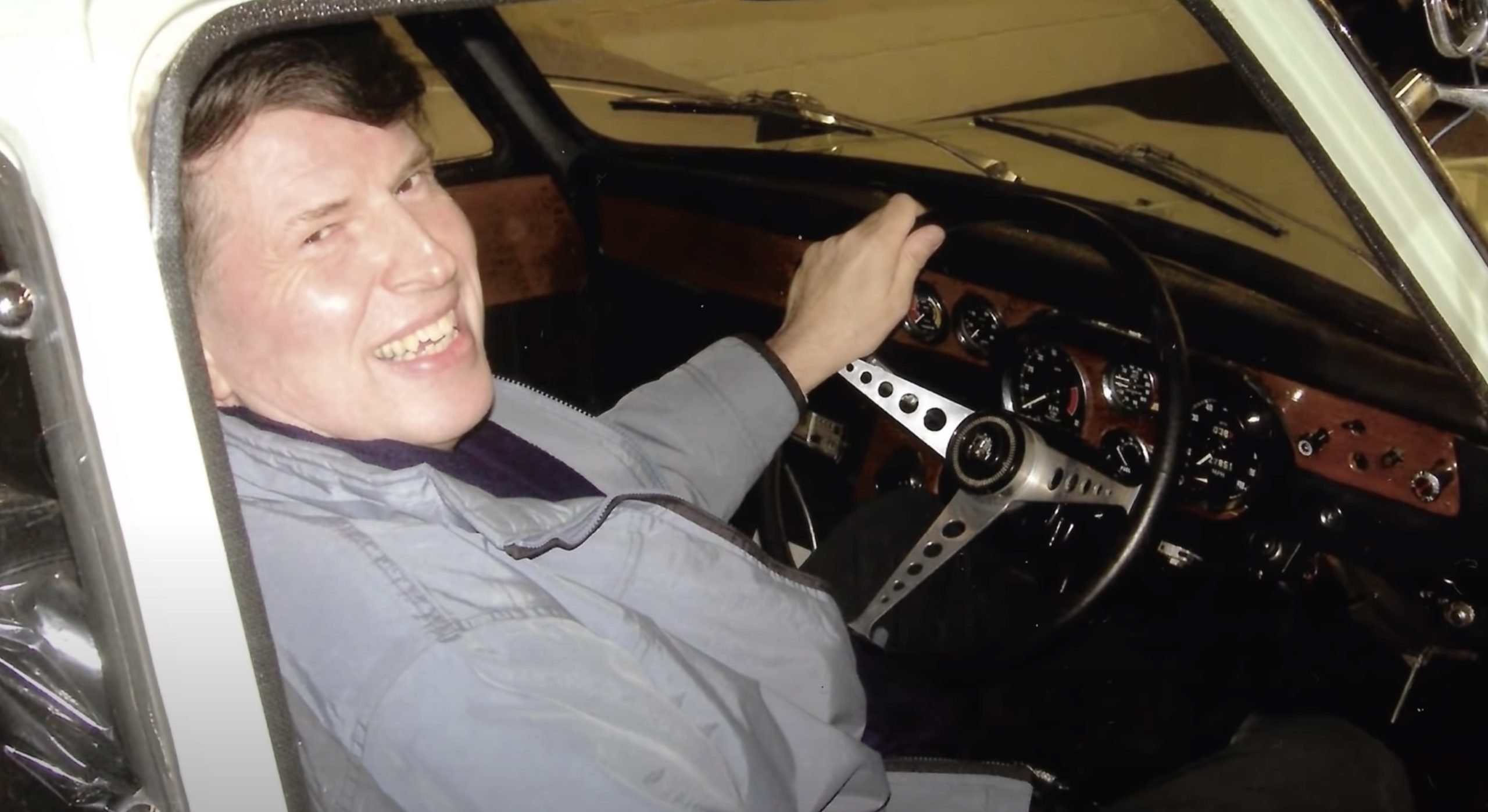
This is Mike Dodson, he was given this Viva HA when it was brand new in 1965 by his mother when he was just 17. It meant to much to him that he lavished it with love, and kept it for the rest of his life.

Perhaps the most important single change he made to the car was the fitment of a high-performance Bill Blydenstein head to the engine which increased the compression ratio to 11.5:1 – a remarkable figure for the time.

The engine is also said to have had balancing and gear/cam work, allowing it to rev to a reported 7,000 rpm and get the car up to over 105 mph – significantly quicker than the 80 mph it could manage in stock condition.

The engine has been fitted with an alloy Blydenstein rocker cover, a twin-branch manifold, and an Abarth twin free-flow exhaust.

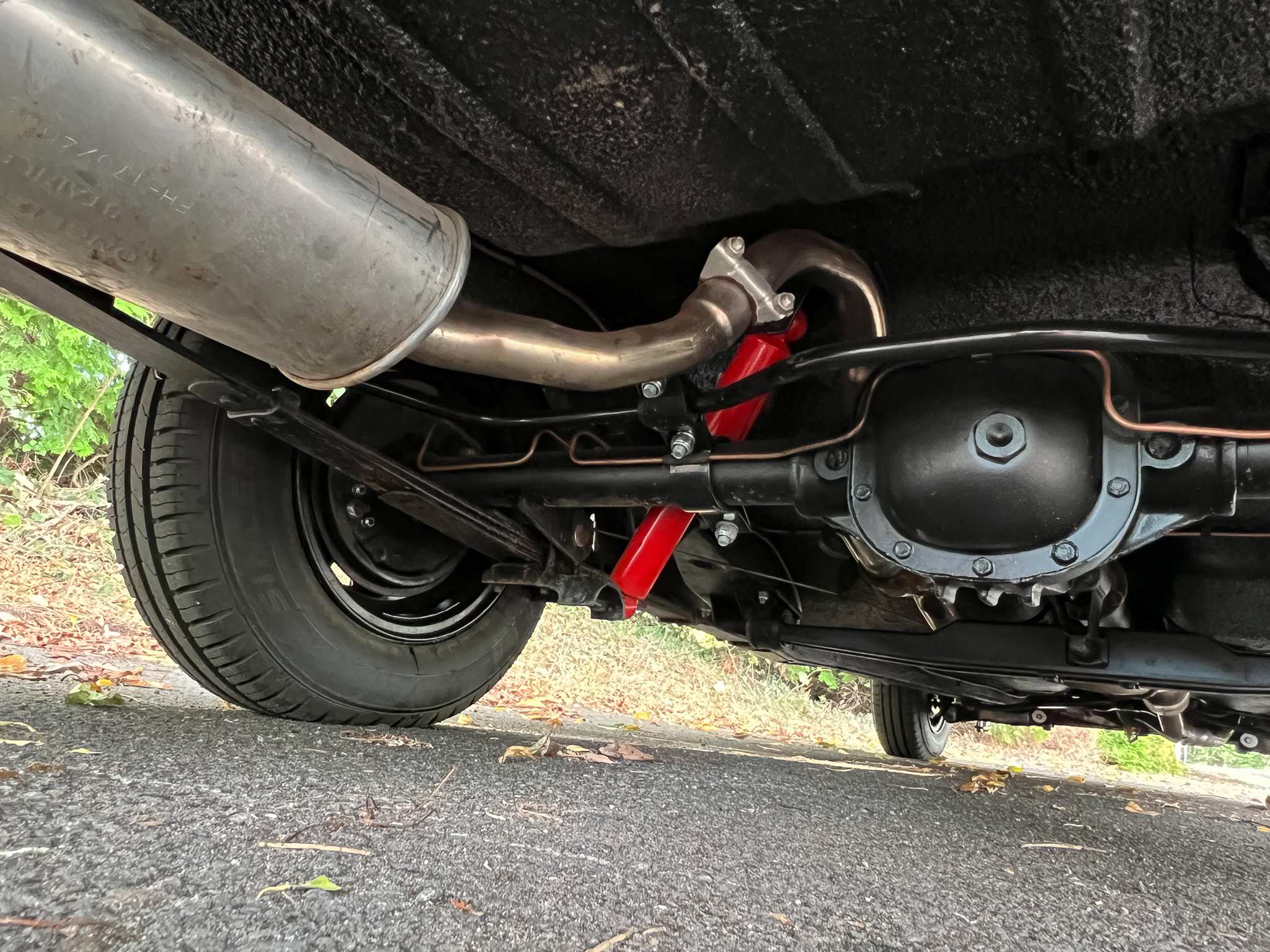
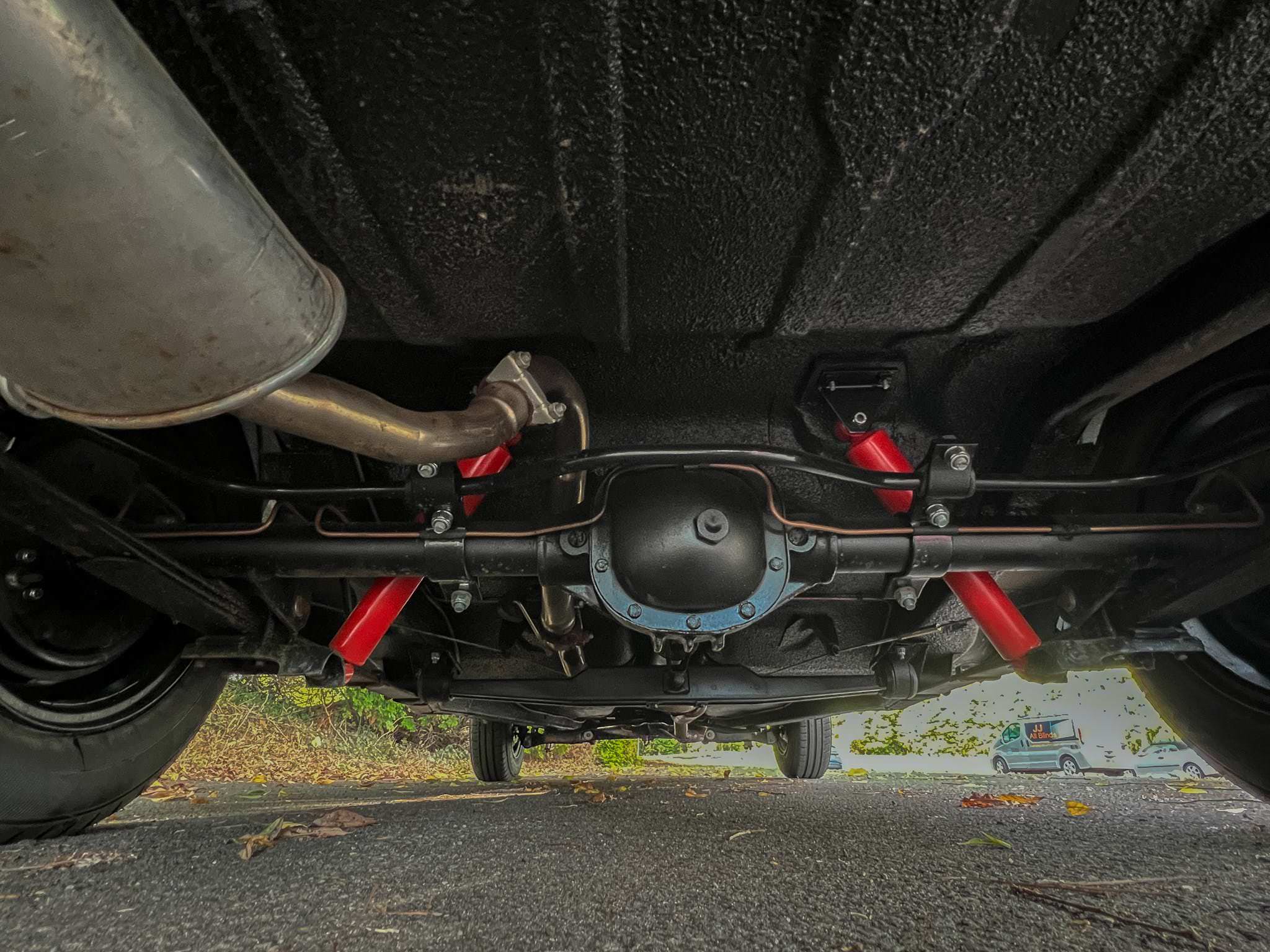
The front suspension was modified for performance, it now has negativized front wishbones and an anti-roll bar fitted. It has a custom made rear anti-roll bar fitted also, and it was originally given Koni shock absorbers front and back.

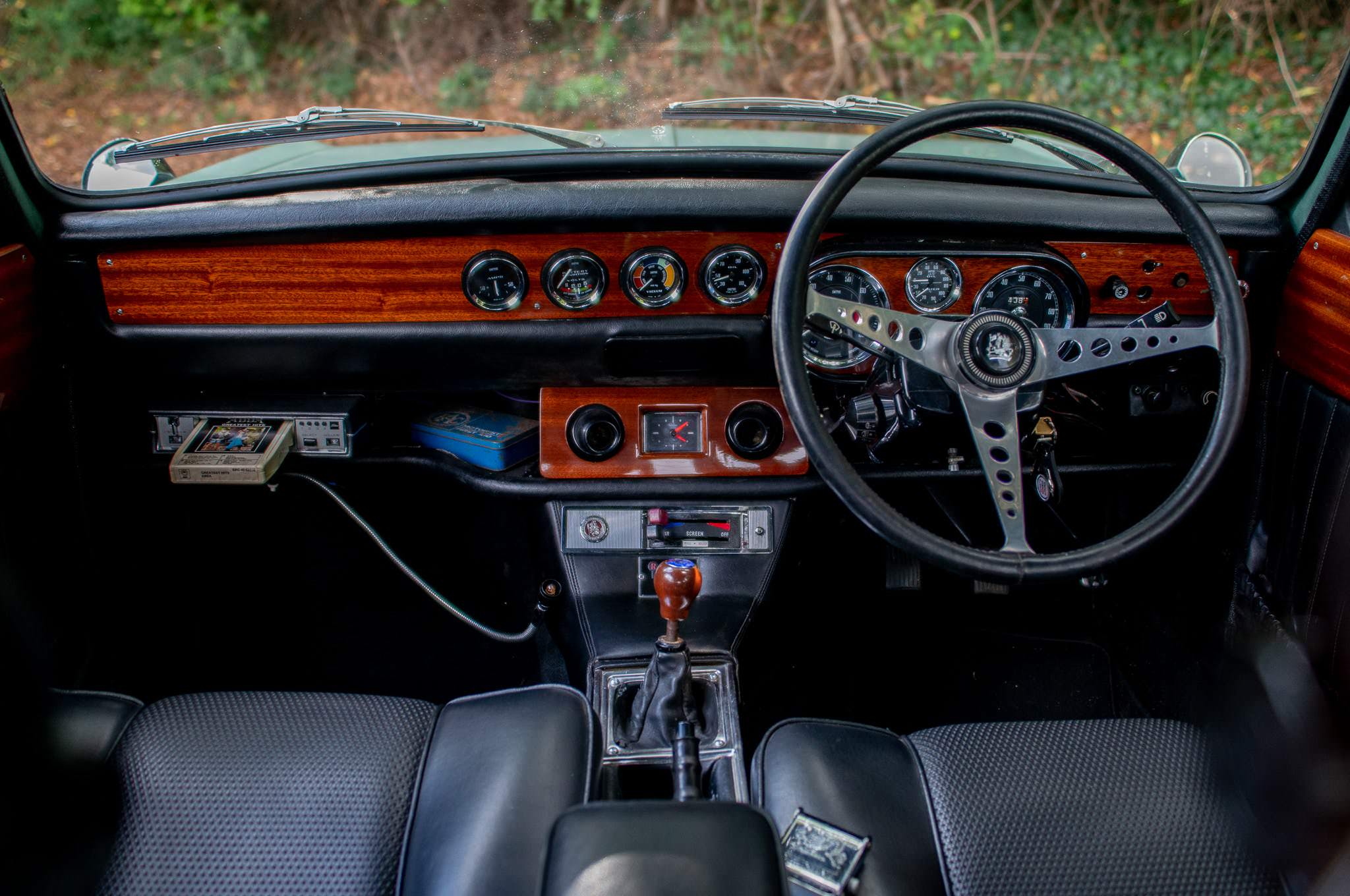
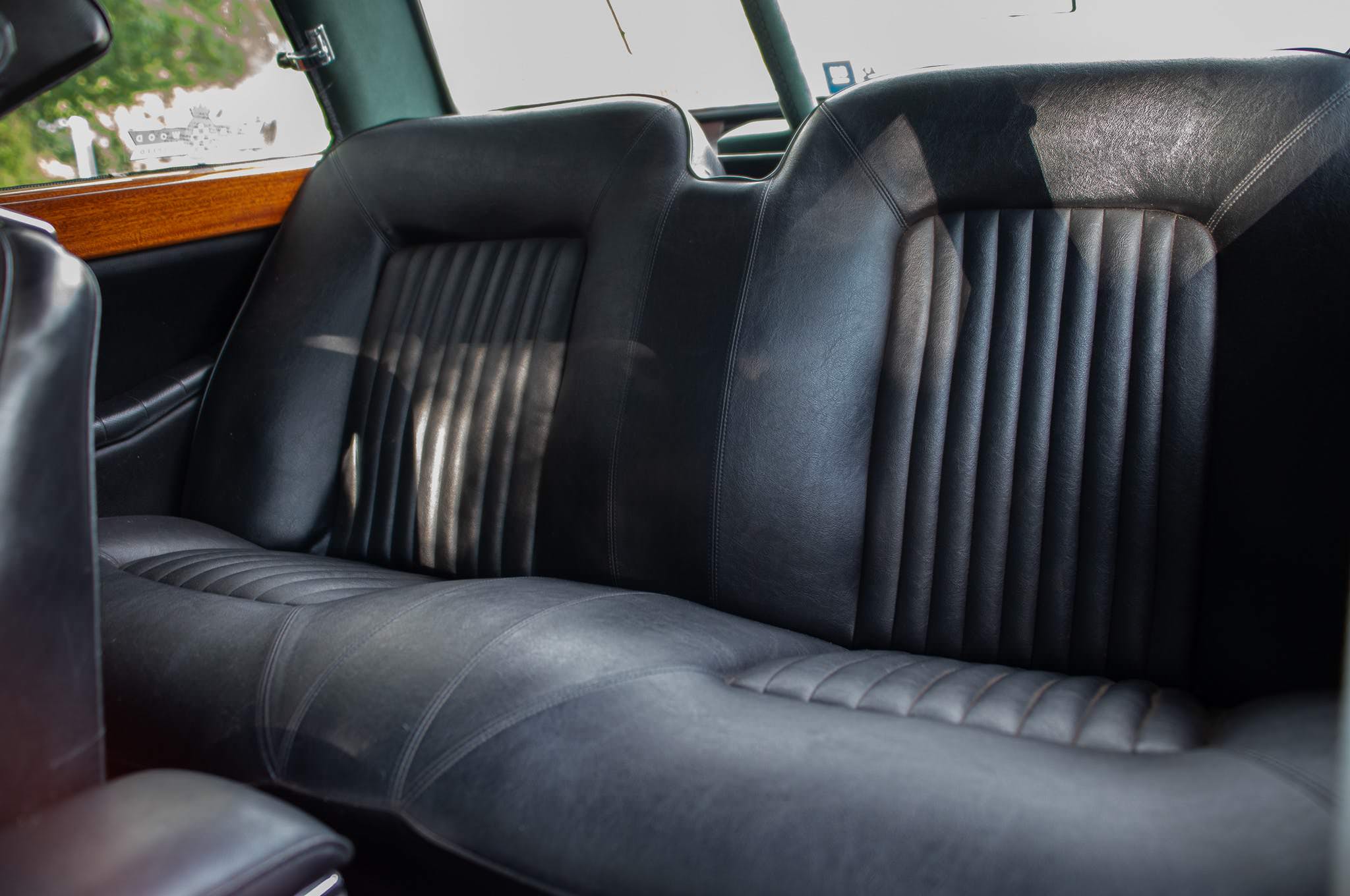
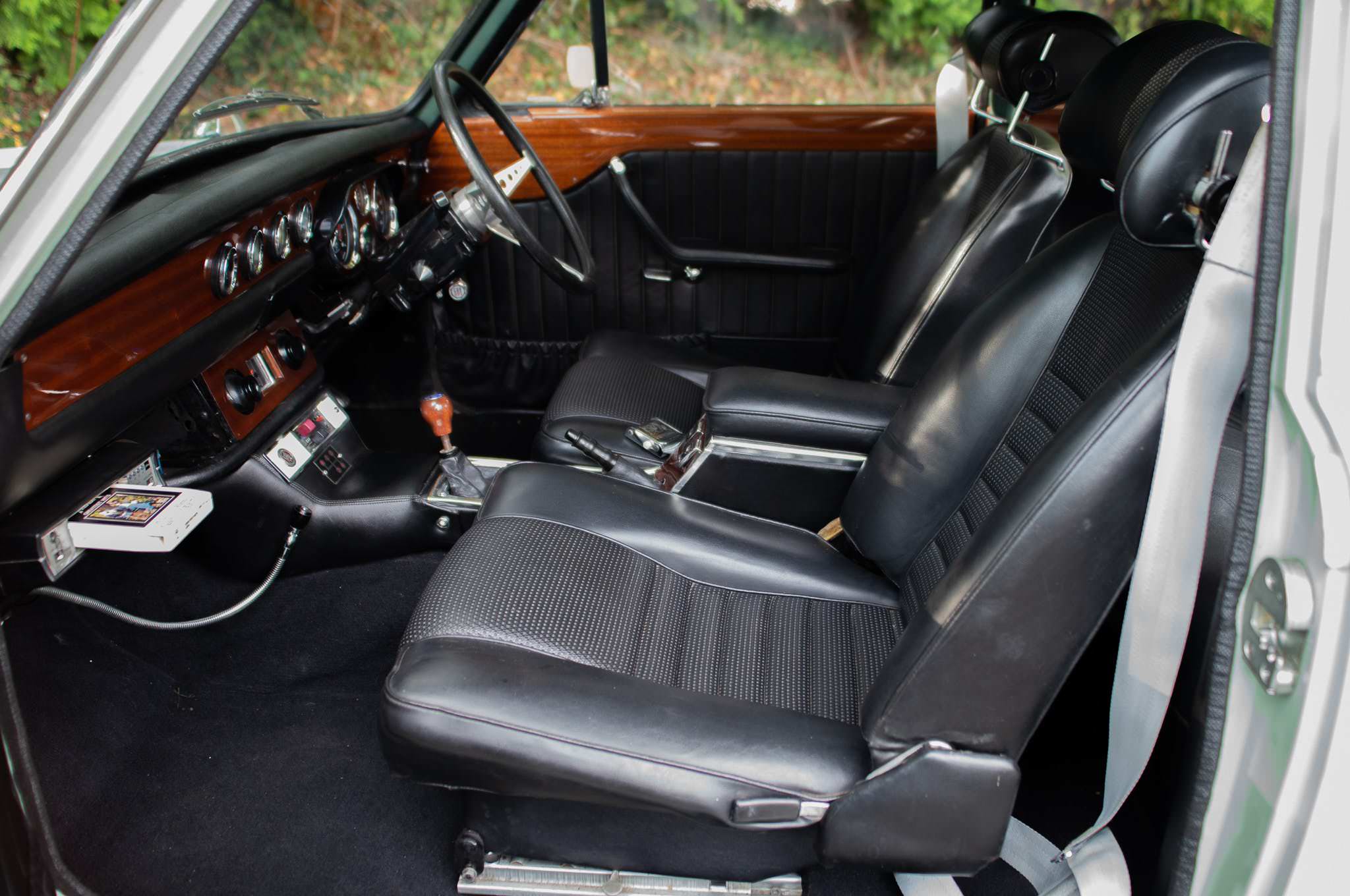
The front seats are fully-reclining Contour Microcell units with adjustable headrests, a motorsport steering wheel has been fitted, as well as a roll bar, mahogany wood trim, electric windows, and a slew of other nice touches.

The car appeared on the Discovery Channel show Salvage Hunters and although it was complete it did need a little work to bring it back up to the standard that Dodson had built it to back in the 1970s.

After the car was brought back to good condition by Drew Pritchard and Paul Cowland it was offered for sale, and it’s now being offered for sale in a live online auction on the site Car & Classic in the UK. If you’d like to read more about it or place a bid you can visit the listing here.

Vauxhall Viva Cutaway Vauxhall Viva HA 17 Vauxhall Viva HA 16 Vauxhall Viva HA 15 Vauxhall Viva HA 14 Vauxhall Viva HA 13 Vauxhall Viva HA 12 Vauxhall Viva HA 9 Vauxhall Viva HA 8 Vauxhall Viva HA 7 Vauxhall Viva HA 5 Vauxhall Viva HA 4 Vauxhall Viva HA 3 Vauxhall Viva HA 2 Vauxhall Viva HA 1 Vauxhall Viva HA 19

Images courtesy of Car & Classic and Salvage Hunters

Vauxhall Viva HA 6

The post The Blydenstein Vauxhall Viva HA From The “Salvage Hunters” TV Show appeared first on Silodrome.


from Silodrome https://silodrome.com/blydenstein-vauxhall-viva-ha/
via gqrds