This Is The “Modena Monster” – The Mighty 1955 Ferrari 410 Sport Spider

Nicknamed the “Modena Monster”, this was one of only two Ferrari 410 Sports racing cars that were campaigned by the Scuderia Ferrari factory team and fitted with the twin spark plug Lampredi “Long Block” 4,961 cc V12 engines.

The car went on from the factory to carve out for itself a place in history being driven by some of the greatest names in 20th century motorsport including both Juan Miguel Fangio and Carroll Shelby.

Fast Facts – The Ferrari 410 Sport Spider

  • The Ferrari 410 Sport Spider is a car custom-built by Ferrari for a race that never happened, but that didn’t stop it from carving out its place in the history of motorsport during the 1950s.
  • It was driven by some of the greatest drivers ever to sit behind the wheel, including Juan Miguel Fangio, Phil Hill, Richie Ginther, and Carroll Shelby, during that era when he raced with a nitro glycerin pill under his tongue to keep his heart condition in check.
  • The car raced in Cuba during the Communist Revolution of Fidel Castro – a time when Juan Miguel Fangio was kidnapped, and Stirling Moss came uncomfortably close to suffering the same fate.
  • Enzo Ferrari told Carroll Shelby that “This was the best Ferrari he ever built” and years later Shelby would inscribe that message on the car’s fuel tank.
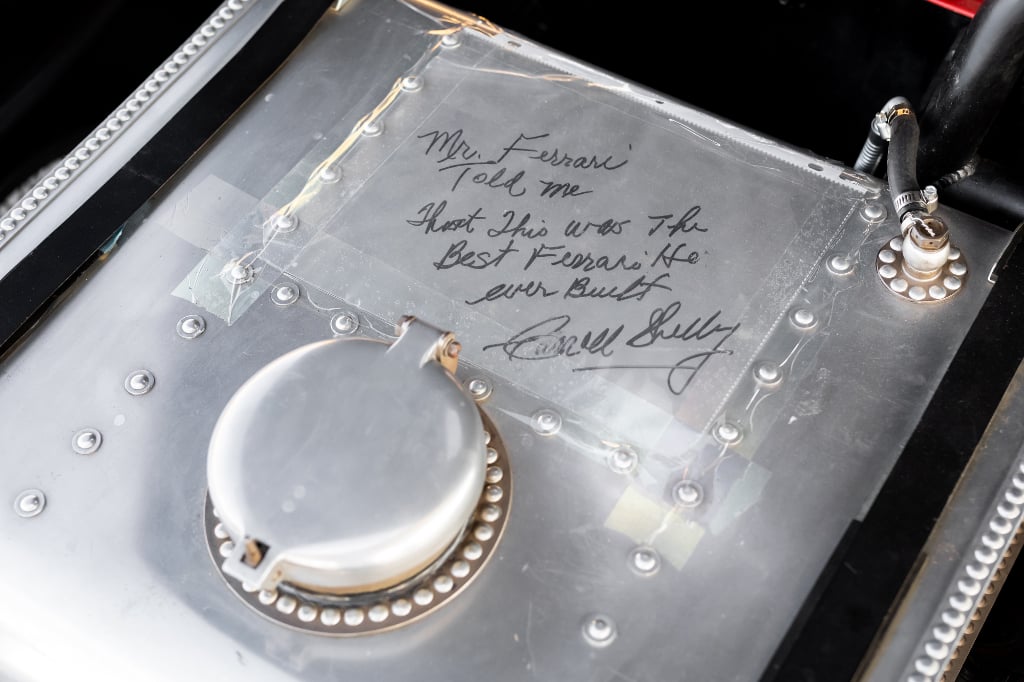
Ferrari 410S fuel tank

The caption on the car’s fuel tank written by Carroll Shelby reads “Mr. Ferrari told me that this was the best Ferrari he ever built.”

The Ferrari 410 Sport Spyder

Enzo Ferrari was a man passionate about motorsport and high performance cars.

He understood that one of the secrets to success for his young company was to obtain victories in high profile competition events, and an FIA World Sportscar Championship win would be a great feather in Ferrari’s cap – something that would make the motorsport world, and the sportscar buying public, to take notice.

Ferrari 410S racing car

A car built for a motor race that didn’t take place.

The final event for the 1955 season was to be the Carrera Panamericana, which was a road race that traversed Mexico to the border with Texas. It was known as the most dangerous motor race in the world with accident deaths being the norm each year among drivers and spectators.

Not only did the Carrera Panamericana have a nasty reputation for being dangerous to people, it was also predictably destructive on cars, a reputation that would bring extra kudos to a sports car maker whose car successfully completed the course and won the event.

In the years up to 1955 Ferrari campaigned in the event without success and so they went back to the drawing board, literally, and designed a car purpose built for that event. It was designated the type 519/C and the chassis numbers all ended with the initials “CM” which stood for “Carrera Messicana” for the event they were created for.

Ferrari 410S racing car

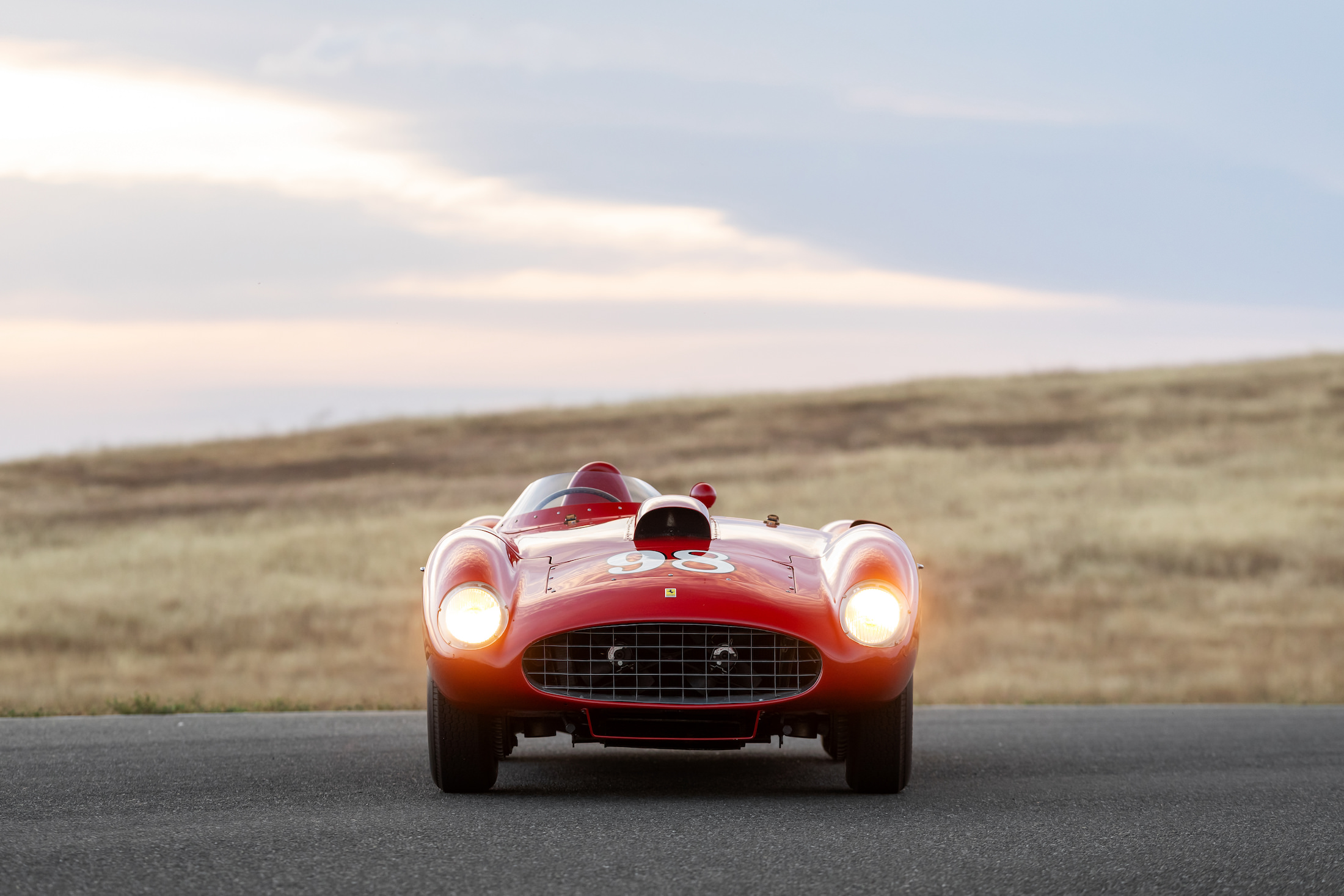
The view that Enzo Ferrari was hoping other racing car drivers would see.

This new car was the 410 Sport and the second two of the four to be made were fitted with a revised version of the Lampredi V12 engine with a capacity of 4,961 cc. This engine was given dual spark plugs per cylinder (i.e. twenty four in total), a quadruple distributor arrangement, combined with magneto ignition in the first car 0596 CM and coil ignition in the second car 0598 CM.

To feed in a healthy dose of fuel/air mix into those twelve thirsty cylinders three twin-choke Weber 46 DCF carburetors were bolted on in the middle of the “V.”
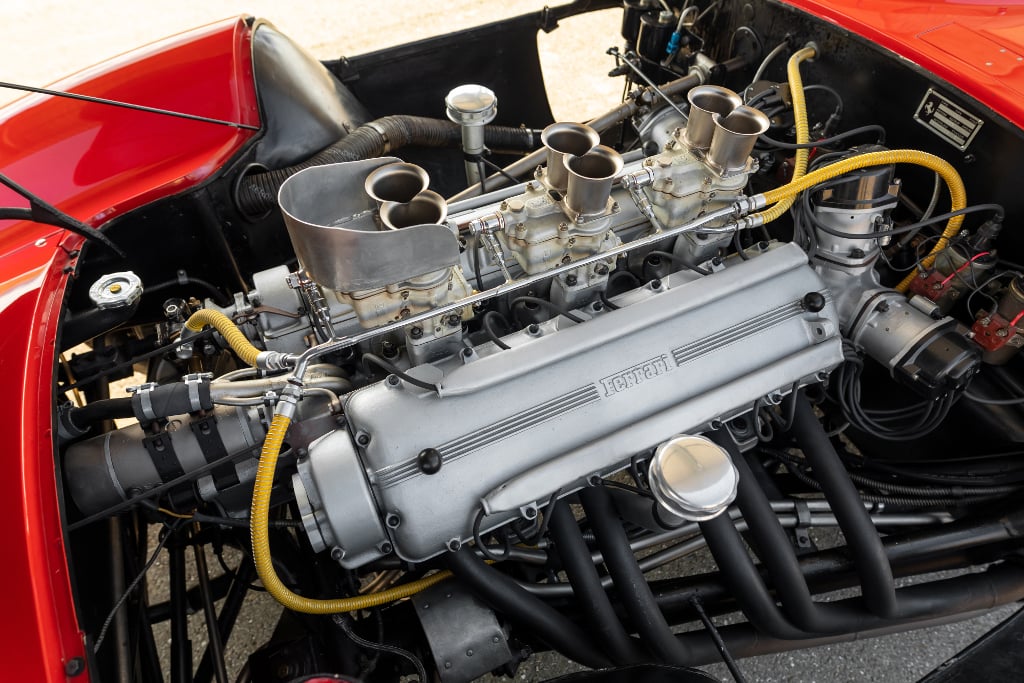
Ferrari Sport Spider racing car

To feed in a healthy dose of fuel/air mix into those twelve thirsty cylinders three twin-choke Weber 46 DCF carburetors were bolted on and twin spark plugs to every cylinder to make for reliable power.

The suspension system was designed to provide the best handling and durability the engineers could achieve, at the front a fully independent system with upper and lower wishbones, and at the rear a transverse elliptic spring built into a De Dion design.

The roads in Mexico were rough and the suspension was going to need to soak up some exceeding nastiness while keeping the car on course and providing the best ride possible to keep drivers from fatigue.
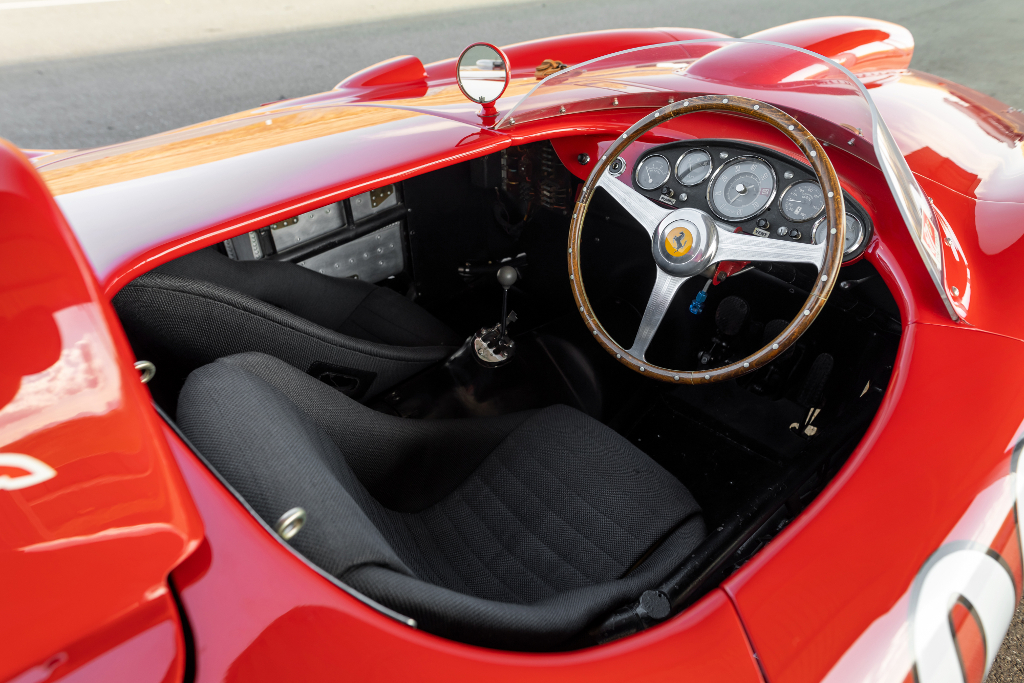
Ferrari Sport Spider racing car

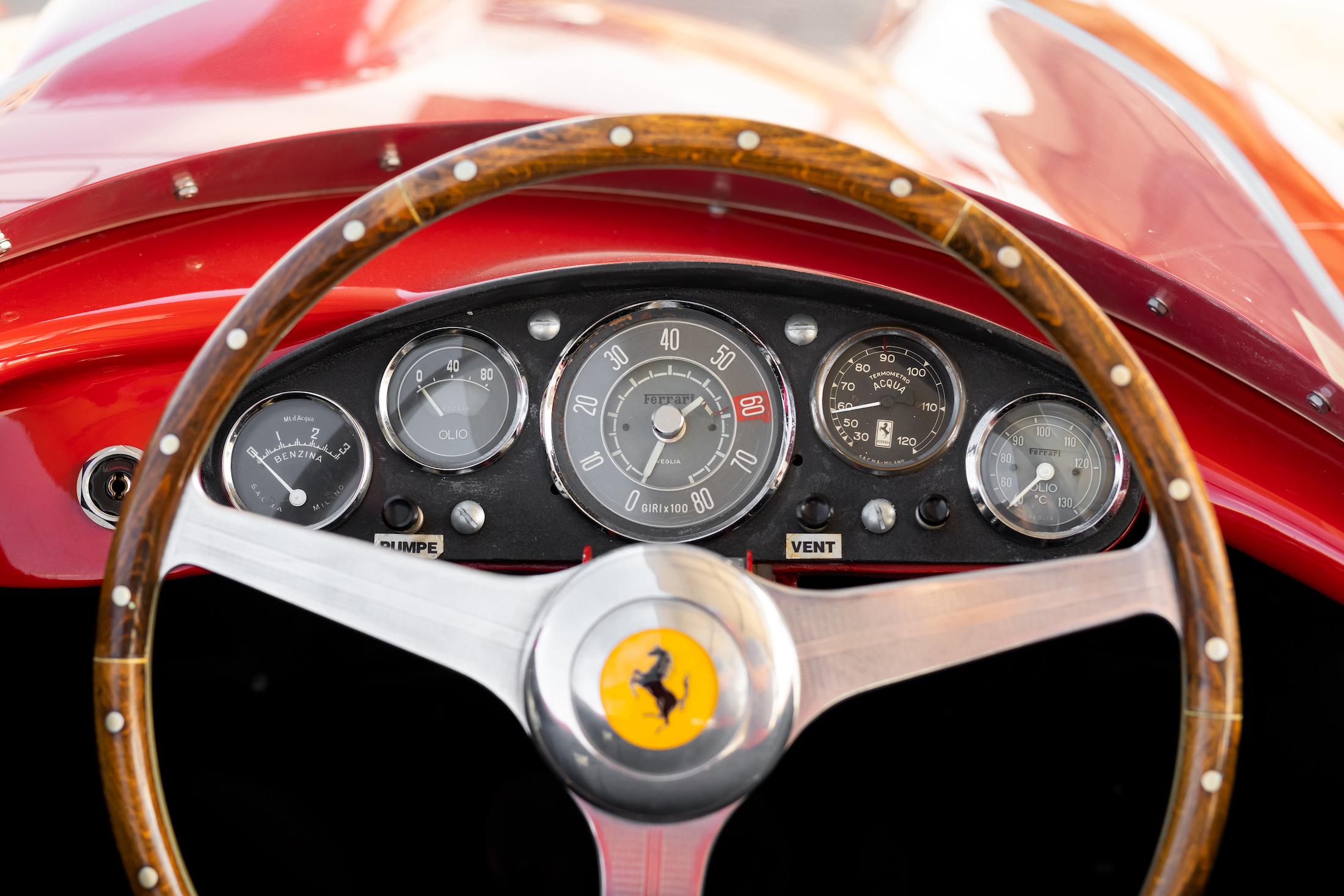
The cockpit of the 1955 Ferrari 410 S Sport Spider.

The chassis was a tubular space-frame set for low riding for optimum stability and, they hoped, for survivability over the destructive conditions of the race.

The power of the dual ignition engines was slightly short of 400 hp, which was very high for cars of the period, and it would be this cutting edge level of power that would prove to be the car’s Achilles heel, paradoxical though that might sound.
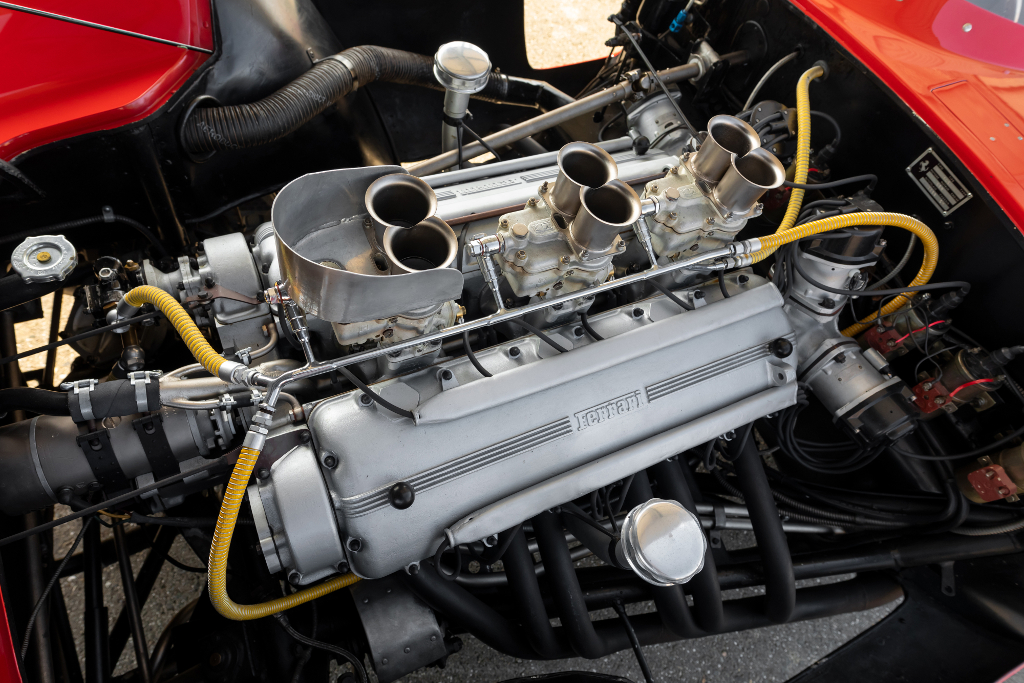
Ferrari 410S racing car Lampredi V12 engine

The Lampredi V12 dual ignition engine of the 410 S.

Even as Ferrari’s engineers were designing and building these four the notorious 1954 Le Mans crash took place. This saw a very lightly constructed Mercedes-Benz 300 SLR  crash at the end of Mulsanne Straight. With the car traveling at top speed it broke apart in a collision and sent pieces through the spectators at that location, killing 83 and the driver, and injuring about 180).

This caused the entire motor-sport fraternity to re-assess their participation in motorsport events, and the organizers cancelled the 1955 Carrera Panamericana. So the two cars Ferrari were working on suddenly did not have the race they were created for to compete in.

The Carving Out of a Place in Motor Sport History

The two double ignition 410 S were entered into the 1956 Buenos Aires 1,000 km race. 056 CM was to be driven by Peter Collins and Luigi Musso, while 058 CM was assigned to Juan Manual Fangio and Eugenio Castellotti.

Fangio preferred the pedals of his cars to be laid out in the old “C.A.B” layout. So from left to right the pedals were clutch, accelerator, and brake. This arrangement was not uncommon during the 1950s and 1960s. Some drivers, such as Fangio, preferred this arrangement for heel and toe gear-changing.

The two Ferrari’s faced stiff competition, especially in the person of British driver Stirling Moss who was so noted for his fast driving that he created the famous line uttered by British traffic policemen when they pulled you over for speeding “Who do you think you are – Stirling Moss?” Moss was driving a Maserati 300S – an extremely fast car – as long as it didn’t suffer a mechanical failure – something they tended to be prone to.
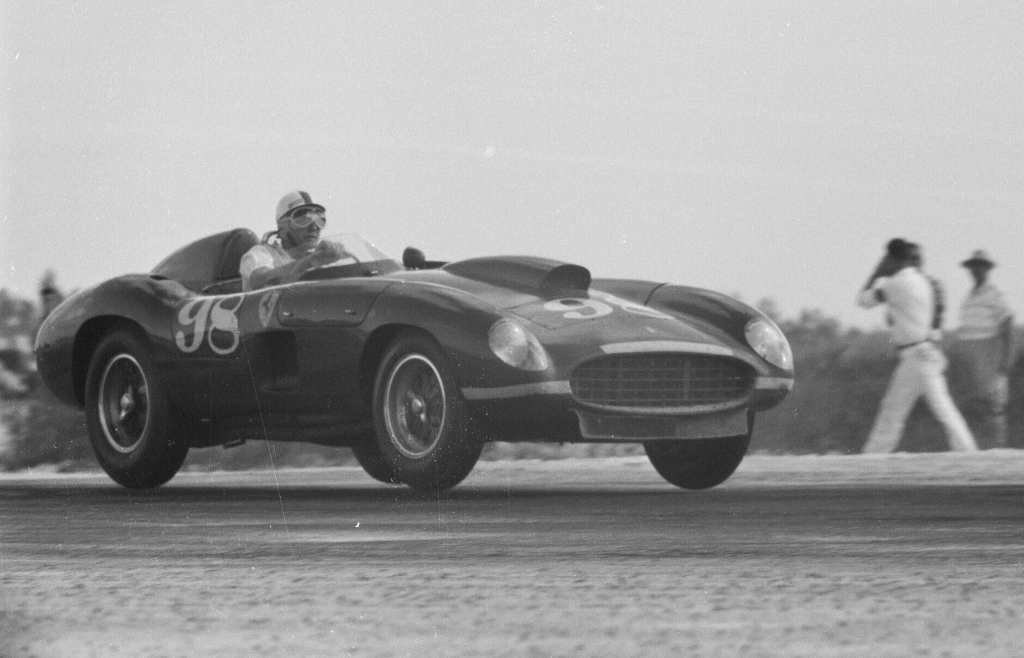
Carroll Shelby Ferrari 410S airborne

Carroll Shelby literally flying in the Ferrari 410S.

During the race the Fangio/Castellotti car suffered a tyre problem which required a pit stop – and then it was Fangio’s turn to catch up to Moss who had been happily storming ahead.

Fangio was driving in front of a home crowd of fellow Brazilians and he really wanted to win to please the crowd – so he drove using all his skills, talent, and ability and he closed the gap with some dramatic driving until he had Moss’s Maserati in his sights – and it was at that point that Murphy’s rule three reared its ugly head – “if anything can go wrong it will, and at the worst possible moment”

The transaxle failed bringing Fangio’s wild drive to a heart wrenching end. 400 hp had proved the car’s Achilles Heel – the engine was too much for the transmission. The transaxle of the other car, 0596 CM had failed on the 61st lap of the race – on the Fangio/Castellotti car it failed on the 89th lap.

No doubt there was much disappointment not only in the Ferrari pits, but also in the grandstand as the Brazilians mourned Fangio’s elimination from the race, although driving so hard that the car collapses under the strain is a pretty heroic way to withdraw.

Enter John Edgar and Carroll Shelby

Racing team owner John Edgar had taken note of the two Ferrari 410 S fitted with the dual spark plugs and quad distributors and had set his sights on getting one. He had also taken note of a young American driver who had given up his life as a chicken farmer to take up motor racing.

That ex-chicken farmer was of course none other than Carroll Shelby, and John Edgar wanted to recruit him to his racing team and put him in the driver’s seat of a 400 hp 410 S.
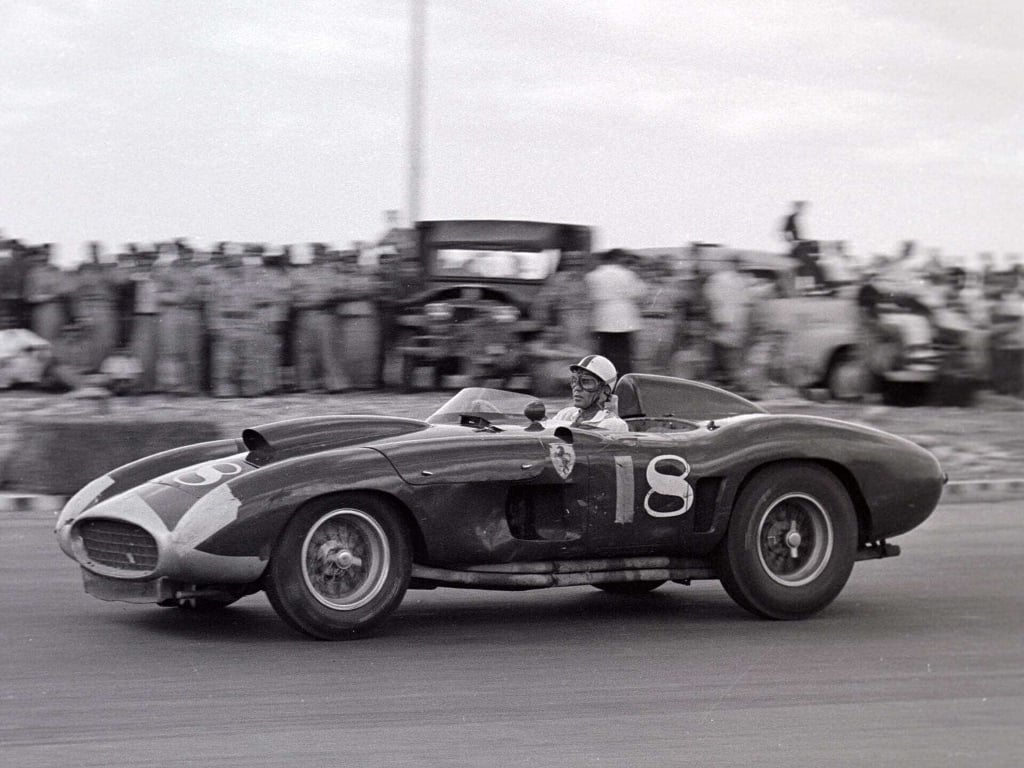
Carroll Shelby Ferrari Sports racing car

Carroll Shelby at the wheel of Ferrari 410 S in the 1957 Premio de Cuba.

John Edgar was able to purchase 058 CM, the Fangio/Castellotti car, and he was able to lure Carroll Shelby away from Scuderia Parravano with the promise of turning him loose in the Ferrari.

Shelby loved speed, so much that despite his heart condition he did as much high quality motor racing as he could get: even though he had to keep a nitro glycerin pill under his tongue to help with his heart condition.

It would be this heart condition would ultimately force him to stop racing – but Shelby was determined to get the maximum enjoyment in the sport before that happened.

The Shelby/Ferrari 410 S combination proved to be formidable – he won his inaugural race at the 1956 Bremerton, Washington Seafair event and followed it up with a number of victories. His successes in the car caught the attention of Enzo Ferrari who followed the car and driver’s progress with great interest.
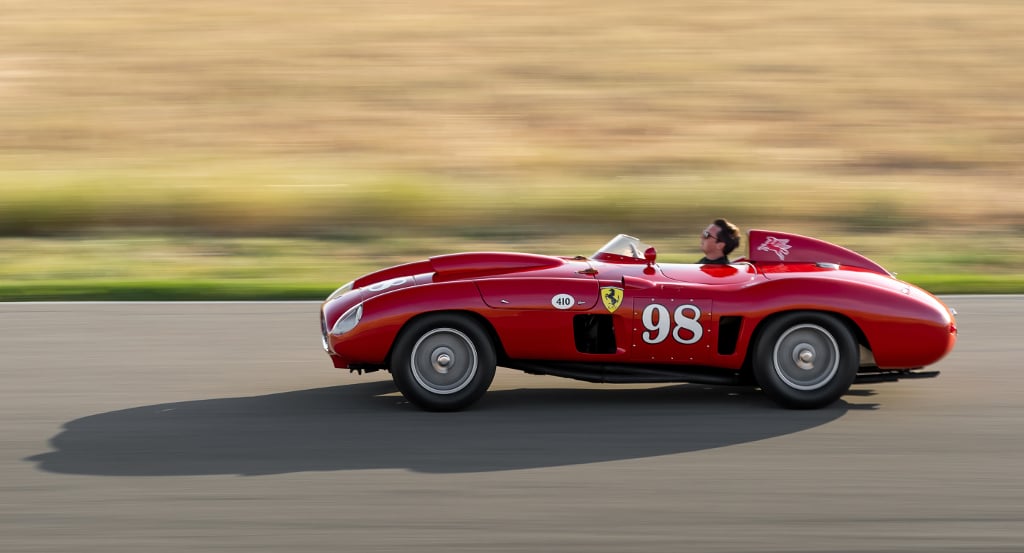
Ferrari 410S racing car

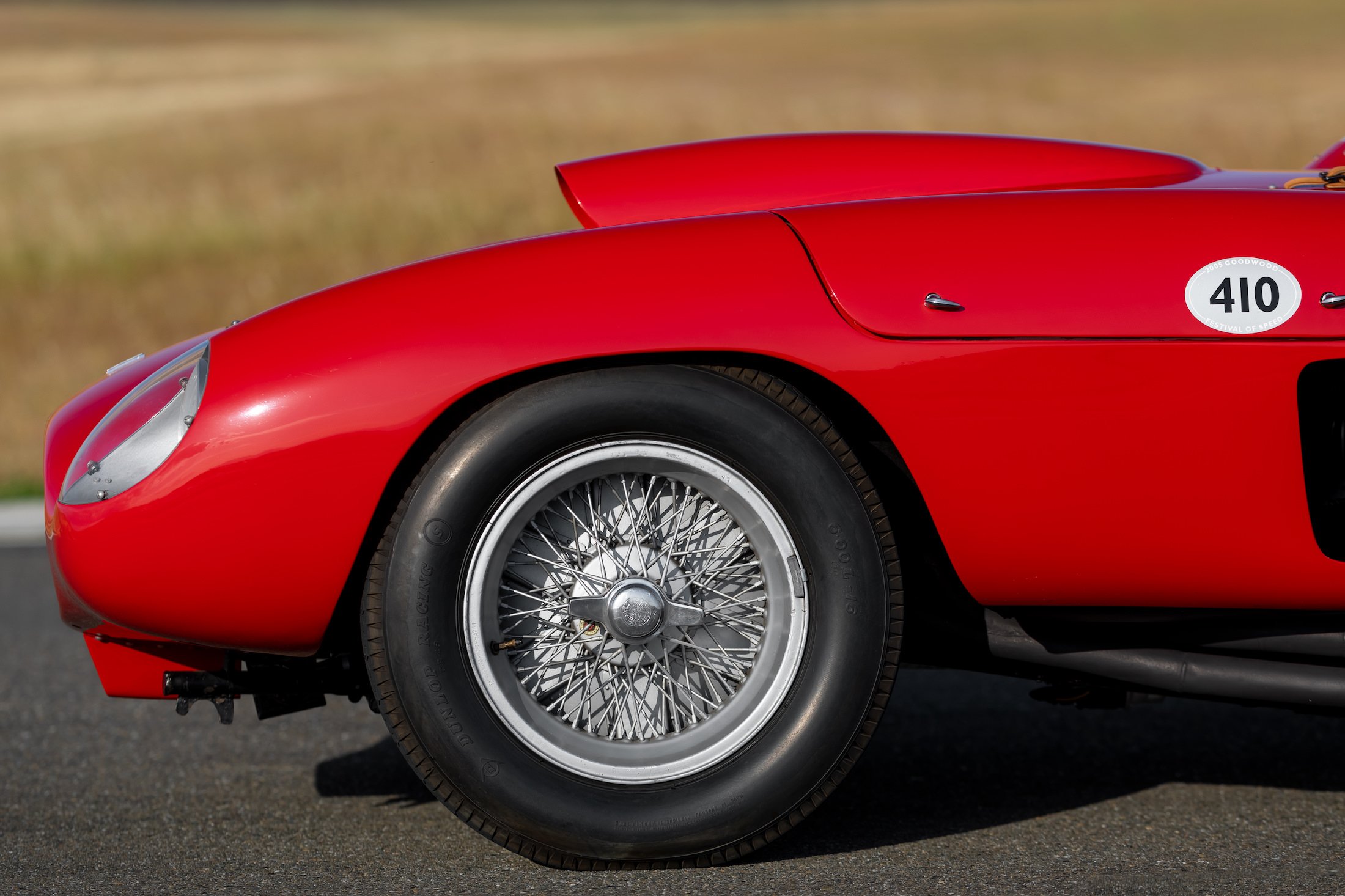
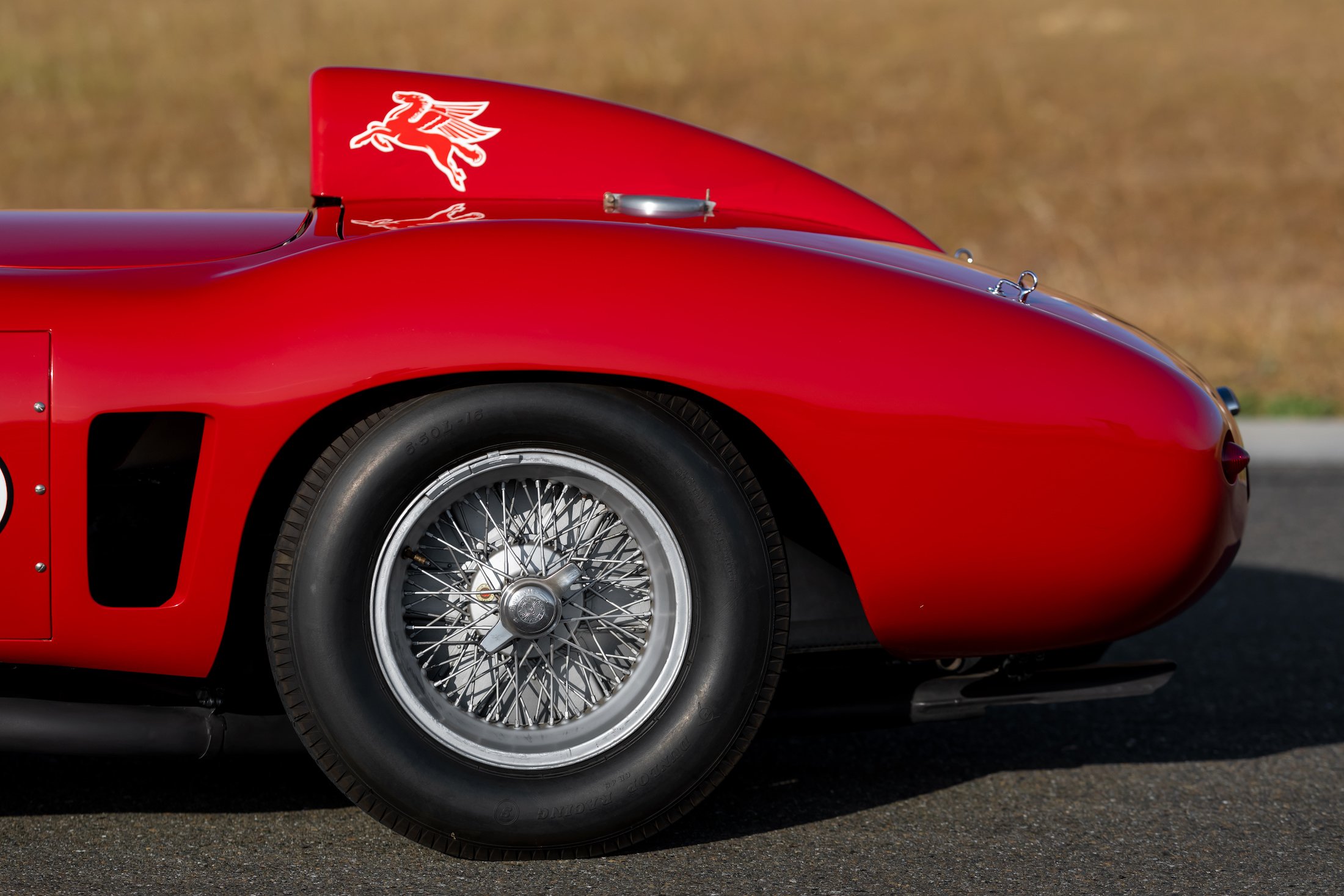
There are few sports racing cars ever made with a side profile more appealing than this.

Shelby went on to a number of victories in the 410 S that year, the crowning glory being his being declared 1956 US Sports Car Driver of the Year.

1957 saw the Shelby/410 S combination in Cuba while the Cuban revolution was in full swing, but of course sports car racing should happen regardless of mere revolutions and so the Gran Premio de Cuba was organized with the race to take over the streets of Havana and bring the un-muffled roar of racing engines along the beachfront at Malecón.
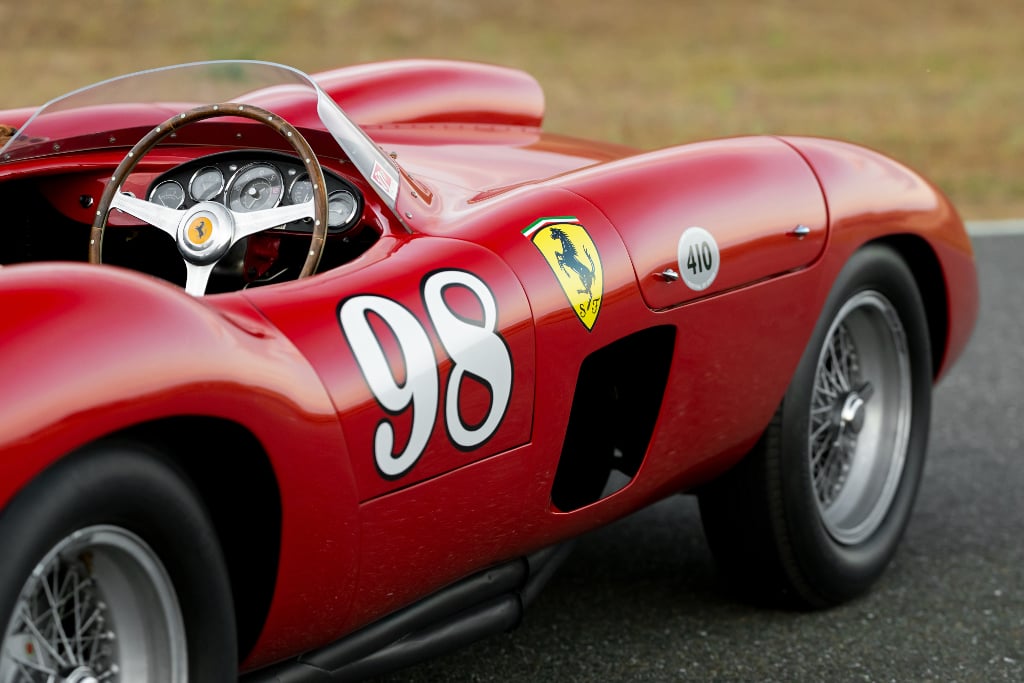
Ferrari 410S racing car

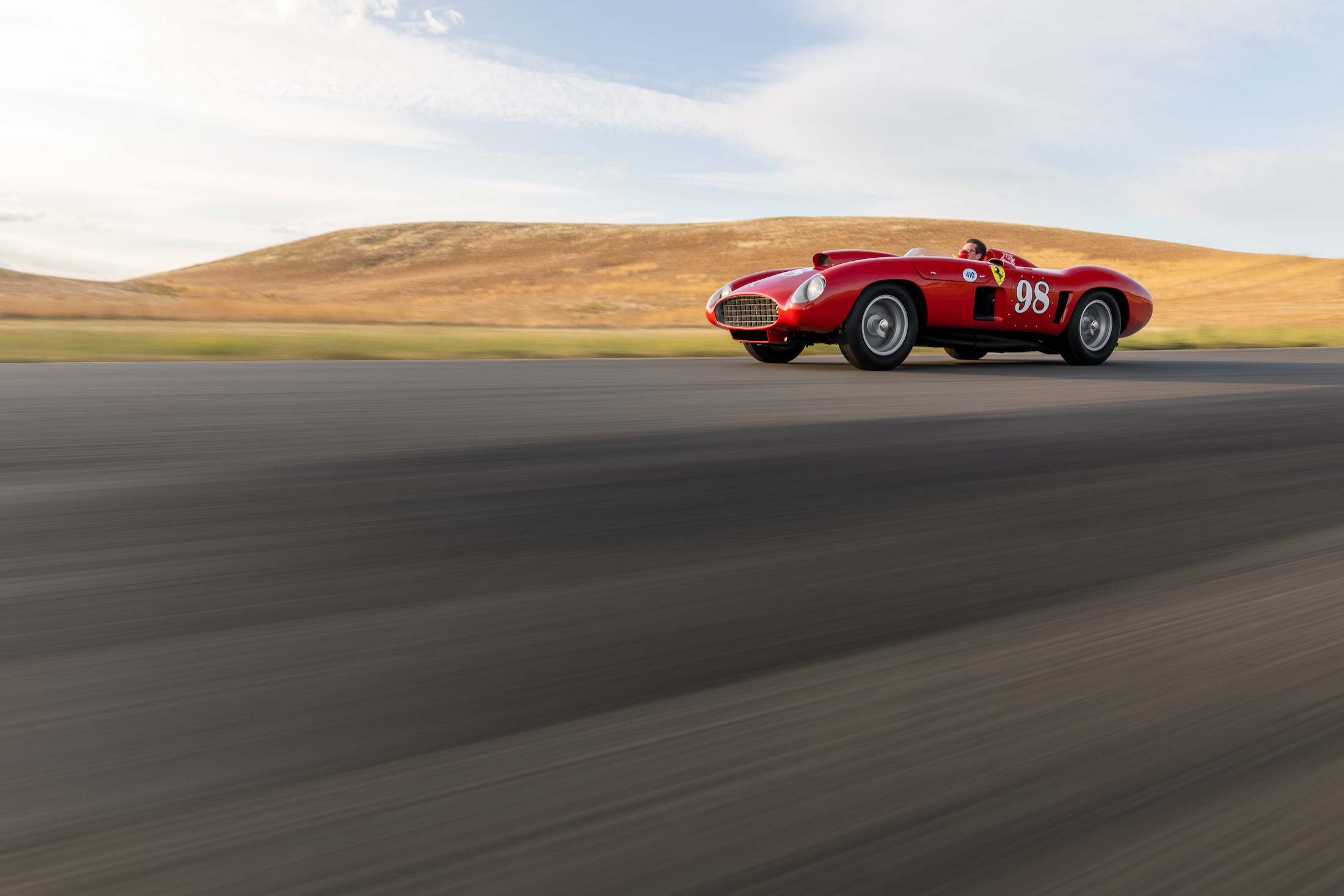
The Ferrari 410 S is a thing of beauty from every angle.

Ninety laps and 310 miles later the Shelby/410 S combination finished a respectable second behind Fangio in one of the very quick Maserati 300S.

It was during 1957 that Phil Hill was able to take the 410 S 0598 out for some excursions and with it giving him wings to fly and thus he flew to a third place at Santa Barbara.

Phil Hill Carroll Shelby Ferrari 410S

Phil Hill at the wheel and Carroll Shelby with Ferrari 410 S.

Carroll Shelby having been injured Richie Ginther was next to discover the joys of the “Modena Monster” as 0598 CM had come to be called, and in it he won the first feature race at the Riverside International Raceway. Ginther had a number of second place victories that year before 1958 arrived and with it a return to Cuba, still in the middle of a revolution. But last time the cigars were good and the enjoyment was fabulous – so what could possibly go wrong?

Juan Manuel Fangio was kidnapped by Cuban communists and Stirling Moss almost shared the same fate. Fangio was careful and diplomatic in his handling of his situation and formed a friendly relationship with his captors.

He was prevented from driving in the race – but was allowed to watch it on television. And was released without suffering harm. His communist kidnappers of course tried to convert him to their communist cause but he declined – motor racing is much more enjoyable than communism, and quite a bit safer to boot.

Carroll Shelby’s last race in the 410 S was at Palm Springs in April 1958. He took second place – a good finale for his man and machine team.

Carroll Shelby chicken farmer race car driver

Carroll Shelby wearing his trademark chicken farmer overalls in Ferrari 410 S.

From Racing Car to Collector’s Classic

The Ferrari 410 S 0598 CM was ultimately retired from active competition, and has enjoyed a pampered retirement over the decades since it earned itself the nickname the “Modena Monster.”

Carroll Shelby loved it as the best Ferrari he’d ever driven – and he’d had the opportunity to drive it in motor racing in the 1950s which he regarded as a golden age of motorsport by many.

This car – with its wealth of history and connection with some of the greatest names in motorsport is coming up for sale by RM Sotheby’s at their Monterey sale to be held from 18-22 August 2022.

If you’d like to read more about this car’s remarkable history or register to bid you can visit the listing here. The price guide is set at $25,000,000 – $30,000,000 USD.
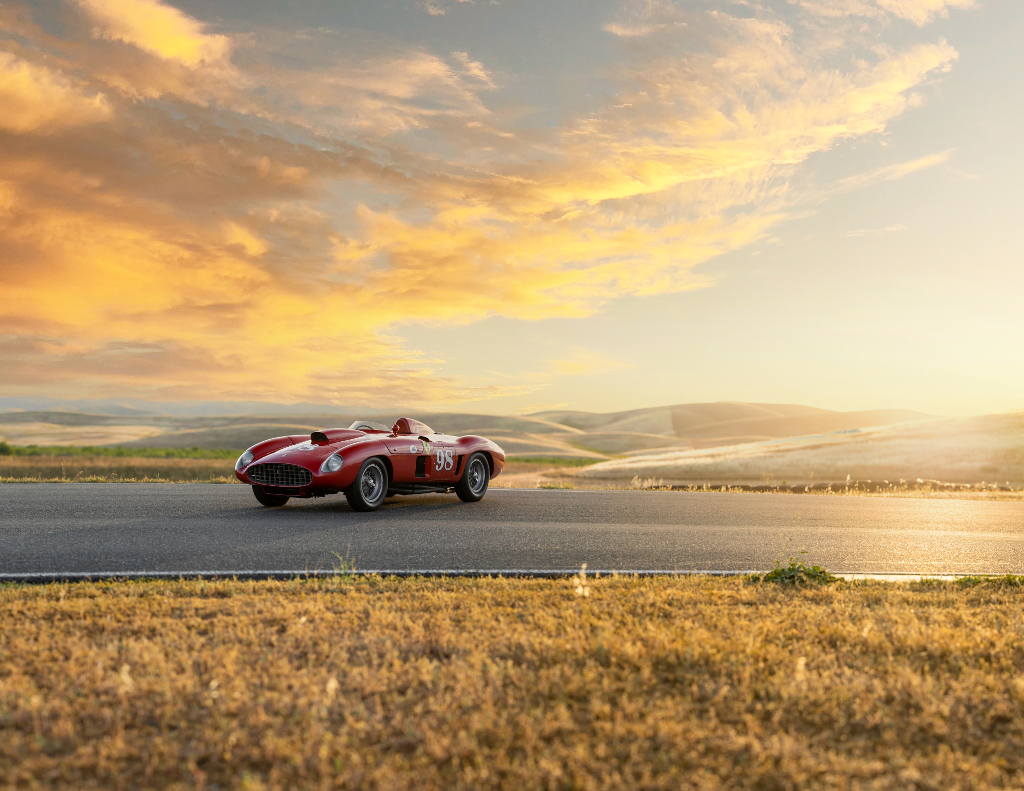
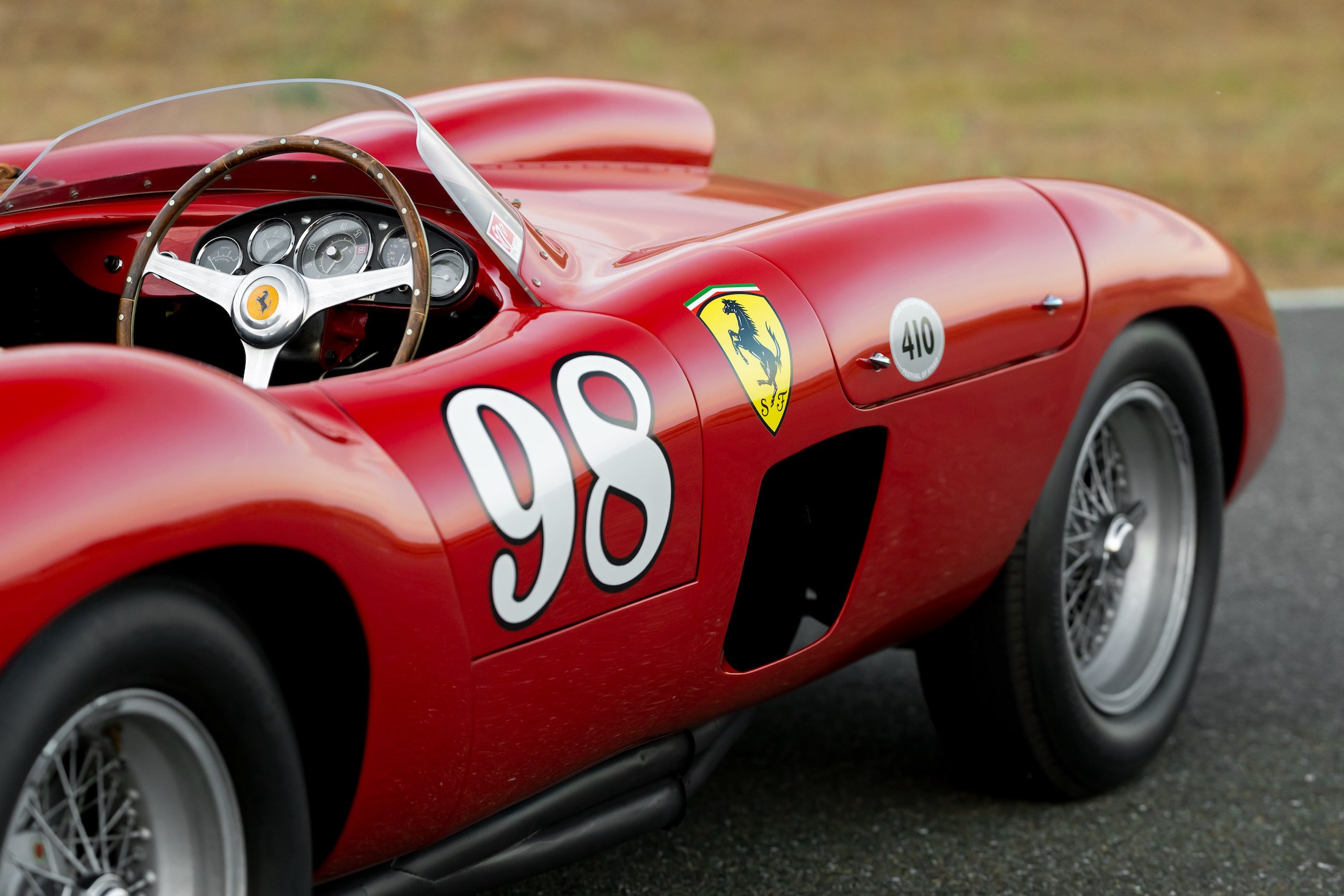
Ferrari 410S racing car Ferrari 410 Sport Spider 6 Ferrari 410 Sport Spider 5 Ferrari 410 Sport Spider 4 Ferrari 410 Sport Spider 3 Ferrari 410 Sport Spider 2 Ferrari 410 Sport Spider 1 Ferrari 410 Sport Spider Ferrari 410 Sport Spider 7 Ferrari 410 Sport Spider 8

Pictures Courtesy of RM Sotheby’s
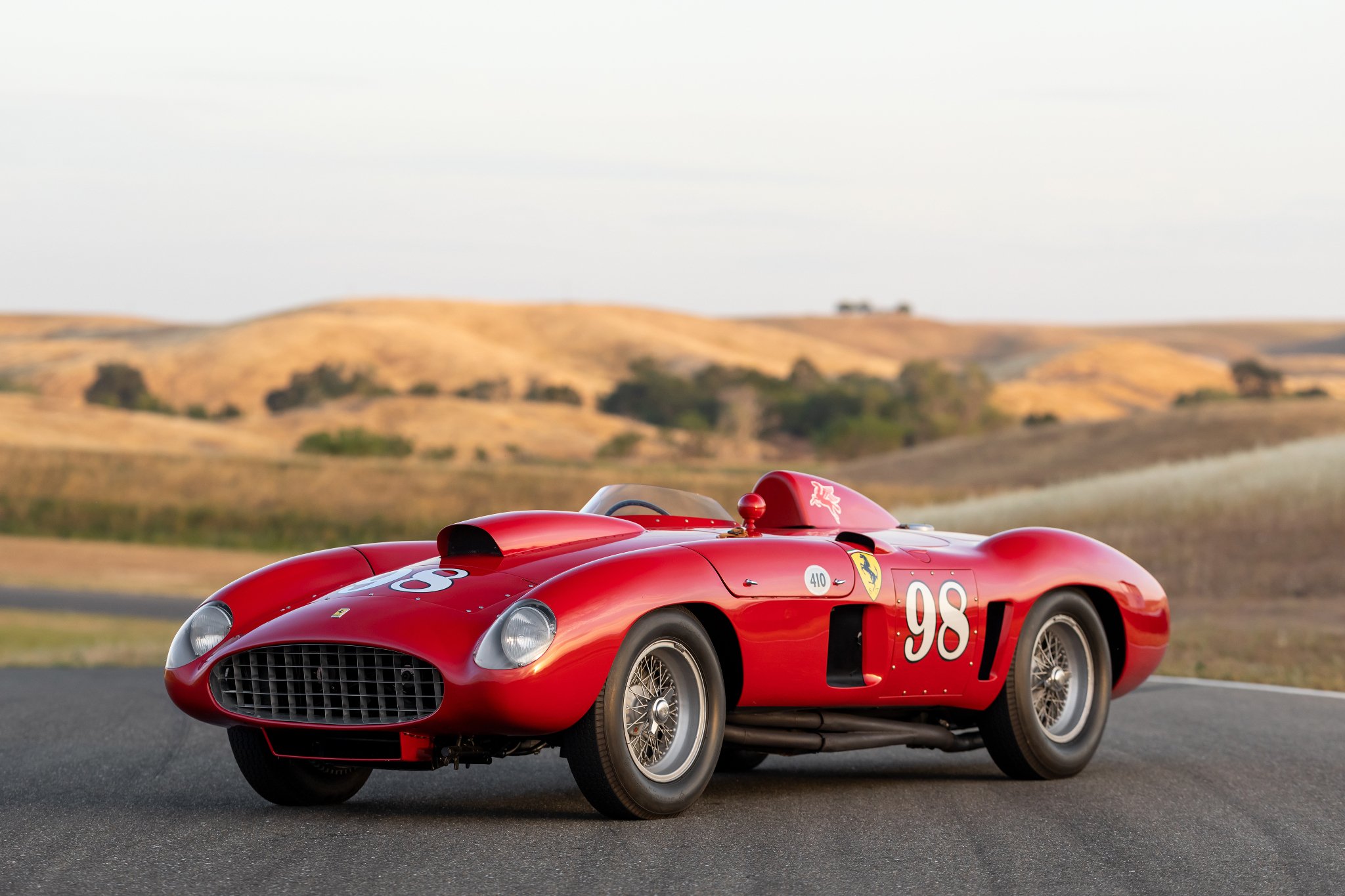
Ferrari Sport Spider racing car

The post This Is The “Modena Monster” – The Mighty 1955 Ferrari 410 Sport Spider appeared first on Silodrome.


from Silodrome https://silodrome.com/ferrari-410-sport-spider/
via gqrds

“The Who’s Magic Bus” – Volkswagen Type 2 Panel Van

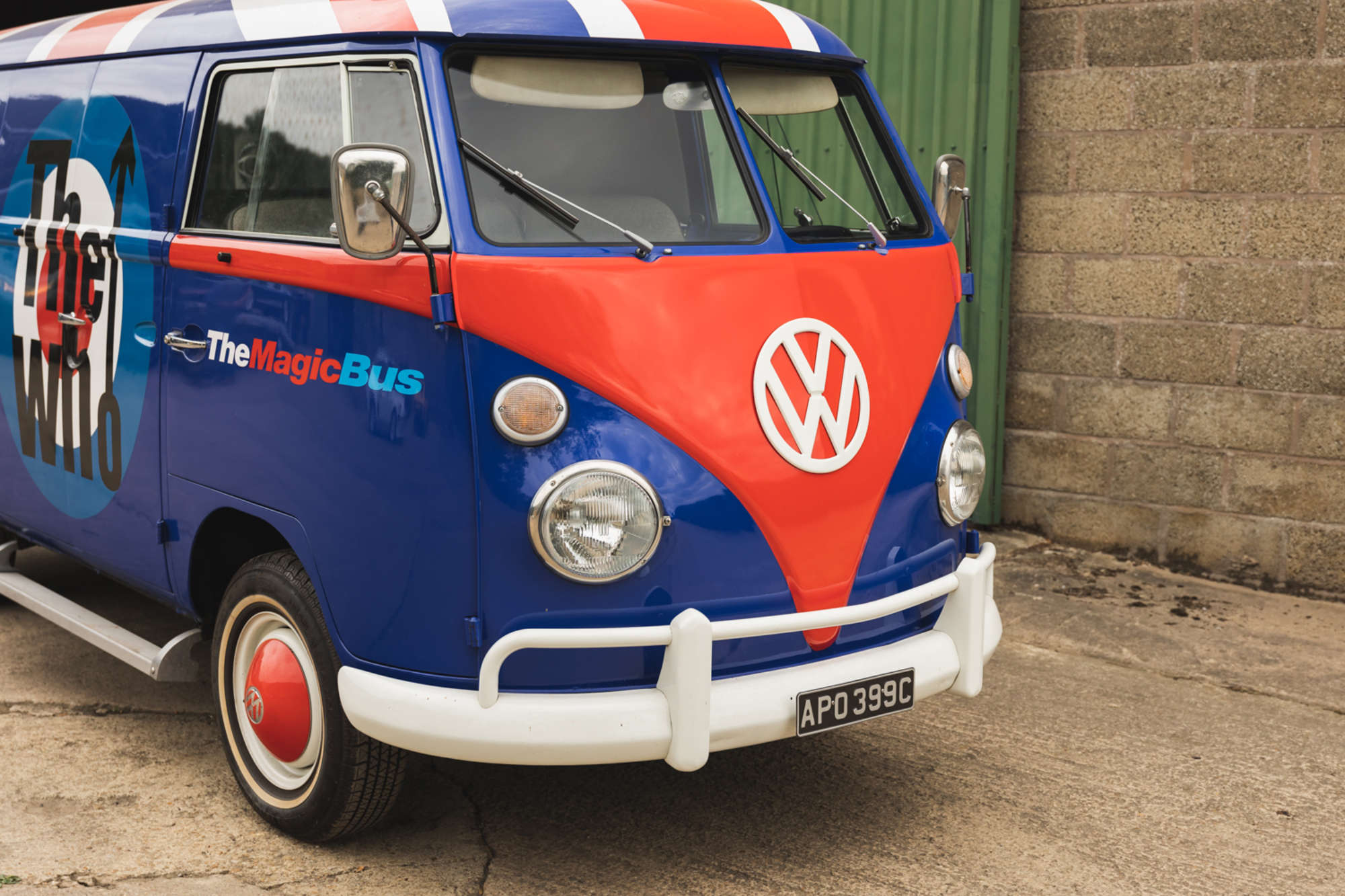
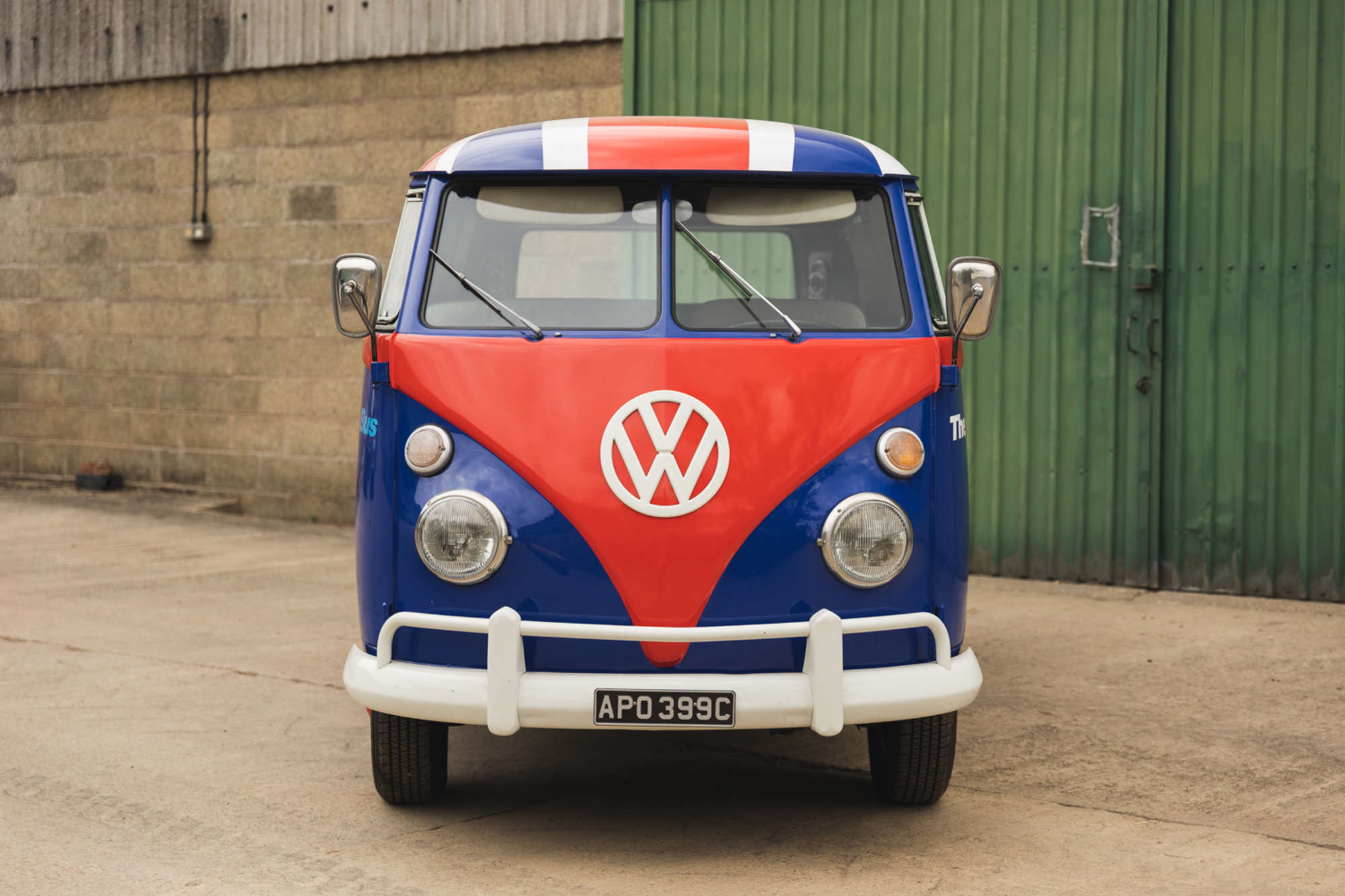
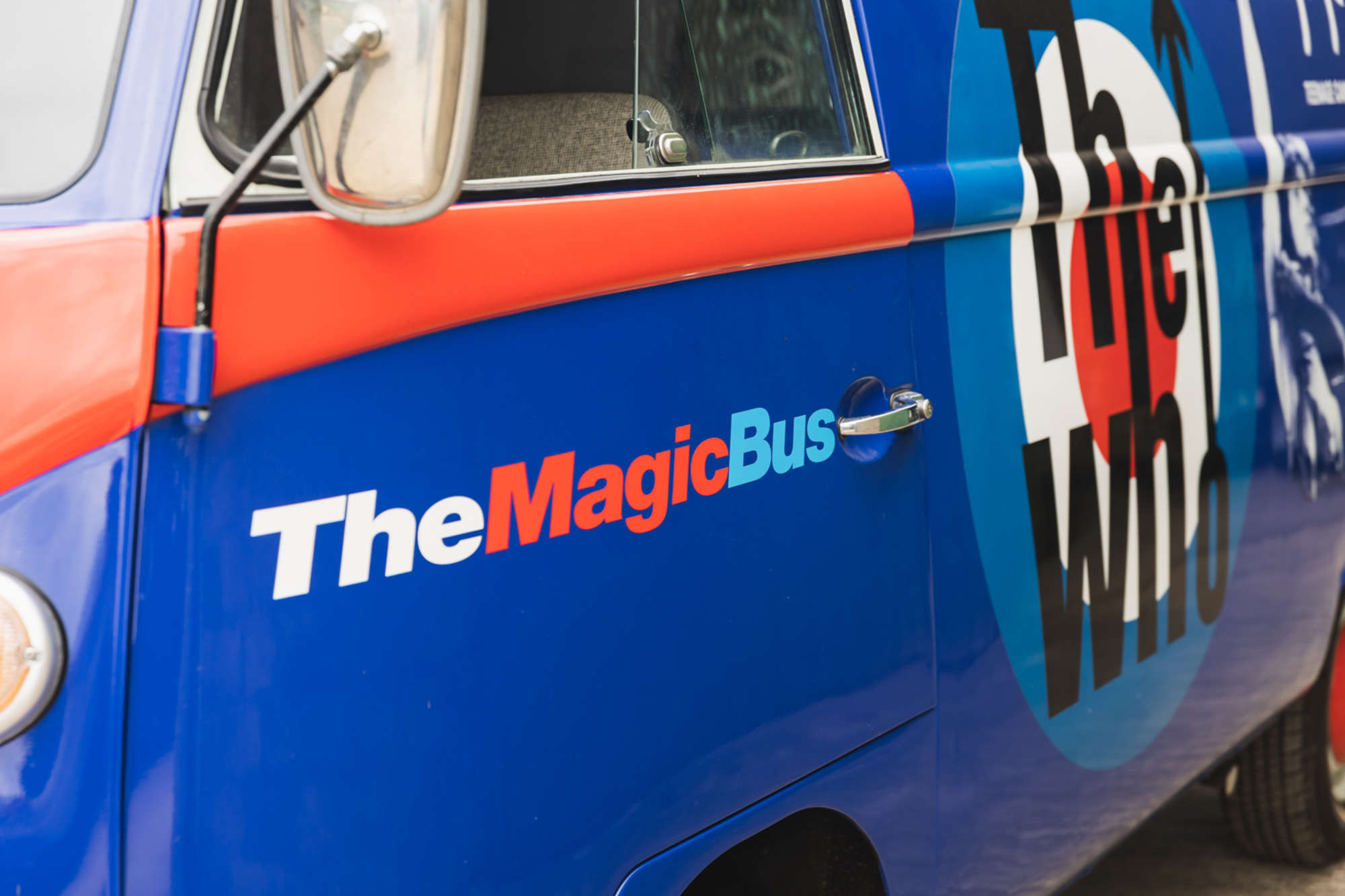
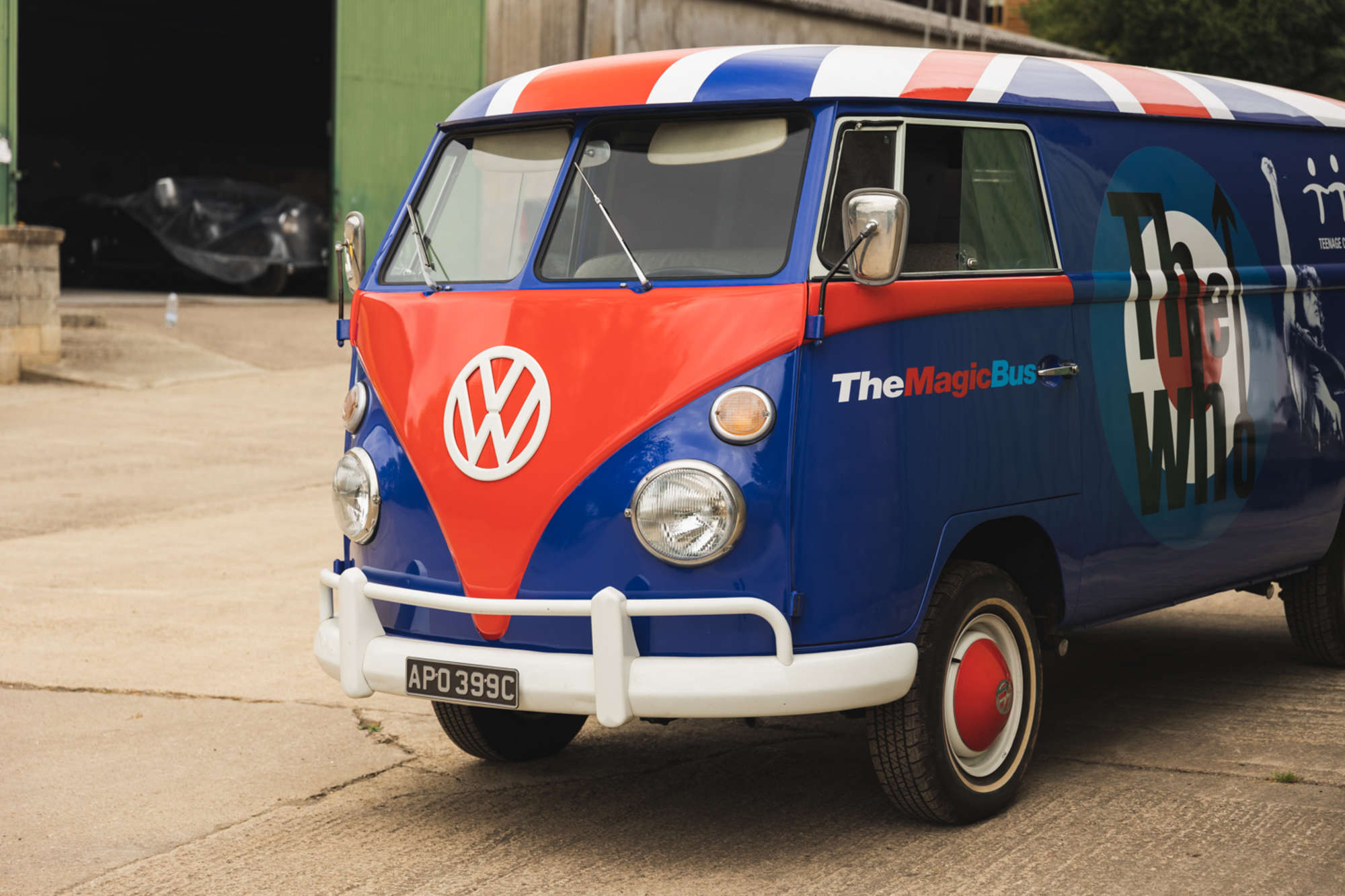
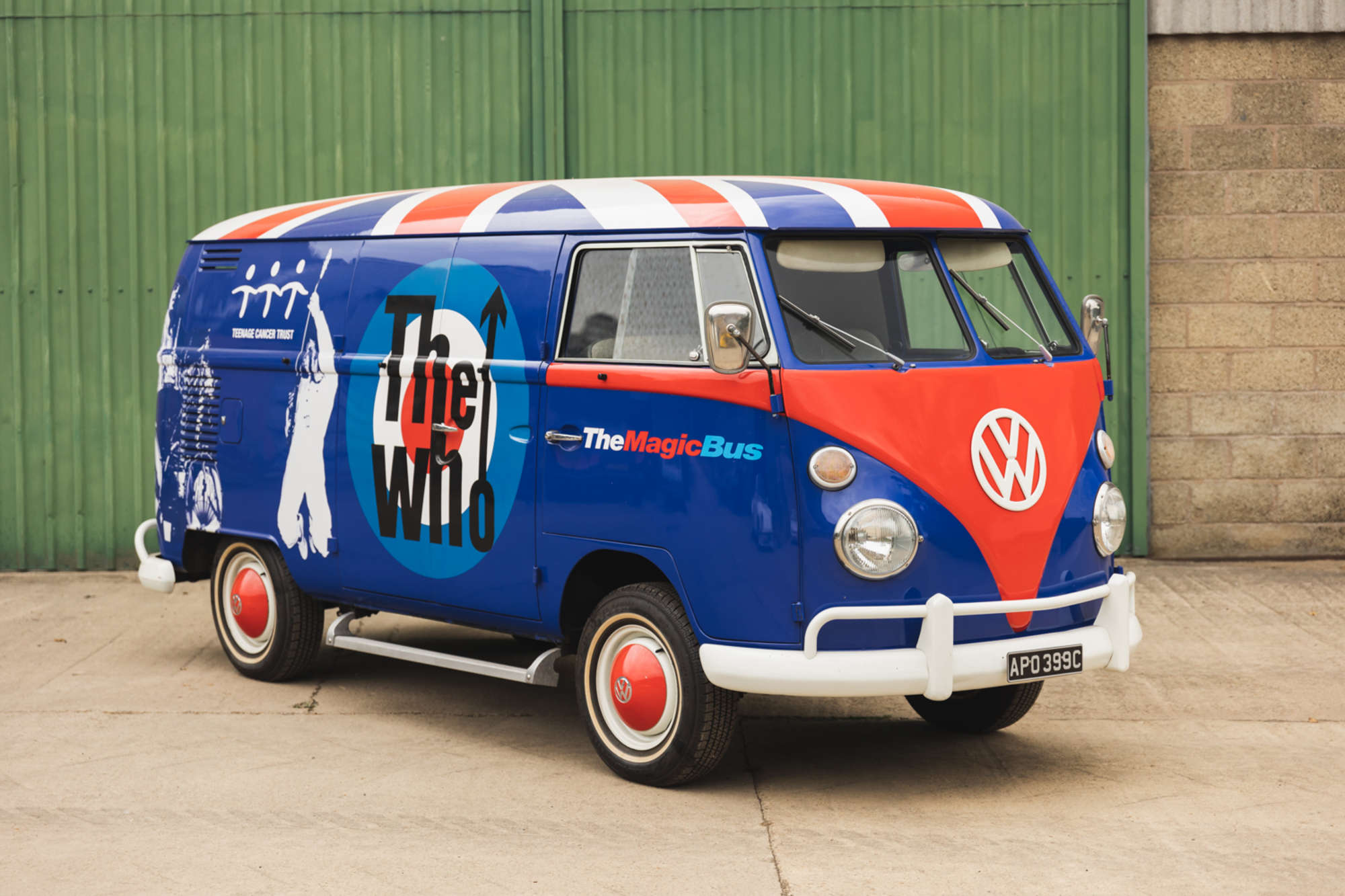
Known as “The Who’s Magic Bus,” this 1965 Volkswagen Type 2 Panel Van was conceived of by Roger Daltrey (lead singer of band) along with Volkswagen to raise money for the Teenage Cancer Trust.

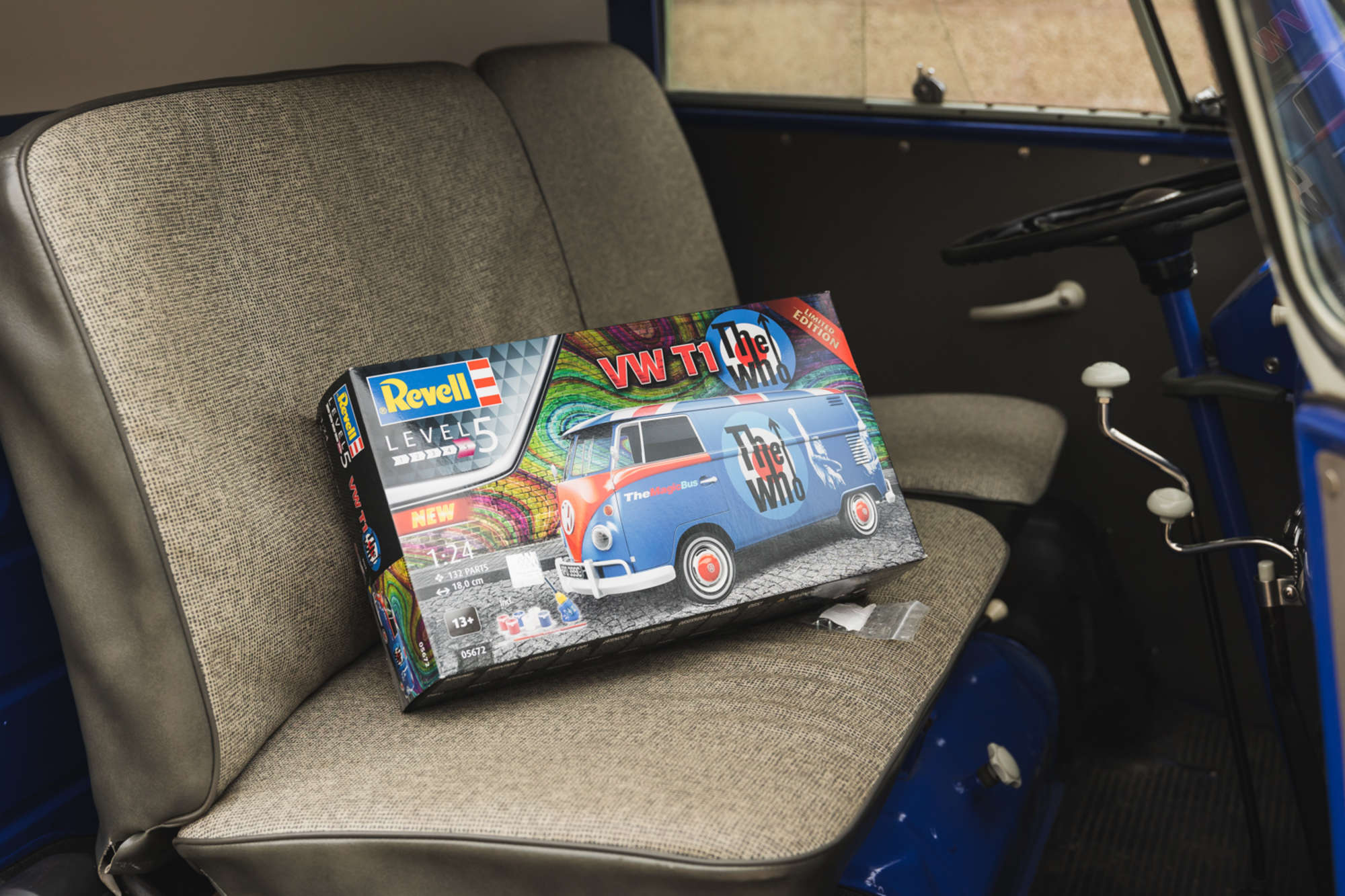
The concept was hashed out after the The Who performed at Volkswagen’s 60th Anniversary celebrations in Hanover. A period-correct VW Van was soured and converted into the “Magic Bus,” after the famous song of the same name by the legendary British rock band.

Fast Facts – “The Who’s Magic Bus”

  • This 1965 Volkswagen Type 2 was sourced by VW and then restored in their famous “Old Timer” workshop in Hanover, Germany.
  • Rather than restoring the van back to its original factory specification it was given a makeover, turning it into The Who’s Magic Bus – fully endorsed by the band.
  • Once completed the unusual VW Bus was raffled off to raise money for the Teenage Cancer Trust, a charity that Daltrey is a long standing patron of. Over £30,000 was successfully raised.
  • The Who’s Magic Bus is now due to roll across the auction block on the 27th of August with a price guide of £60,000 – £80,000, which works out to approximately $73,300 – $97,800 USD.

The Volkswagen Type 2

The Volkswagen Type 2 is perhaps the most logically named vehicle in world history, though being German that just what you might expect. The Type 2 was the second production vehicle made by VW after the Type 1 (better known as the Beetle) and as a result it was simply named the Type 2.

Above Video: This is The Who playing their hit song “Magic Bus” live in 1968. Though the song isn’t actually about the Type 2, it’s been adopted as an unofficial anthem by owners around the world.

The idea of building a van didn’t actually originate in a Volkswagen boardroom or drafting table, it was instead dreamt up by Dutch Volkswagen importer Ben Pon, who had seen a Plattenwagen in the VW factory in 1947 and realized it could be a brilliant production vehicle with some changes.

The Plattenwagen was essentially a highly-modified VW Beetle platform with a simple cargo carrier built in. Pon believed that giving such a vehicle a van body would create a cheap and easy to manufacture commercial vehicle with a broad range of potential uses.

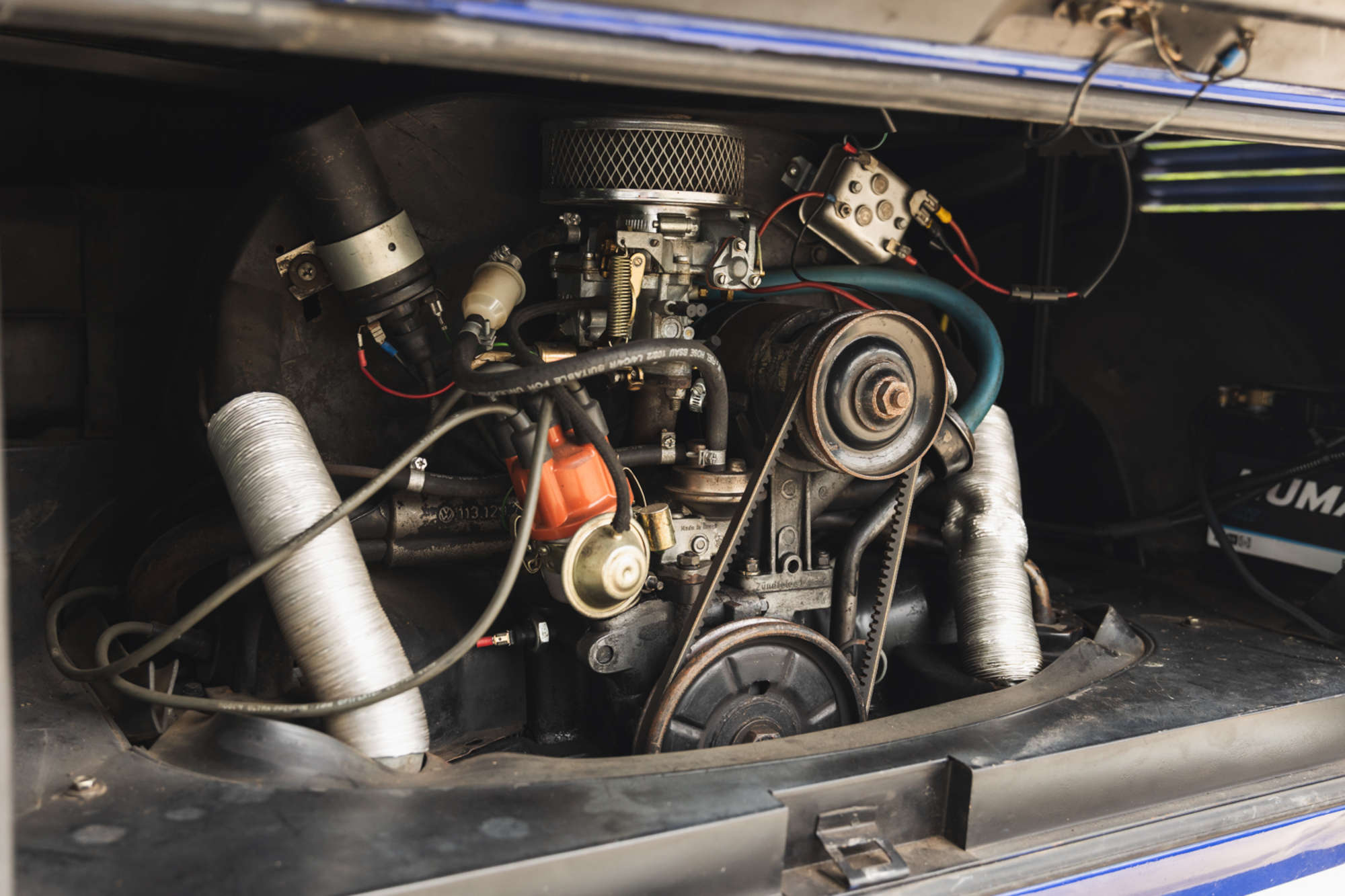
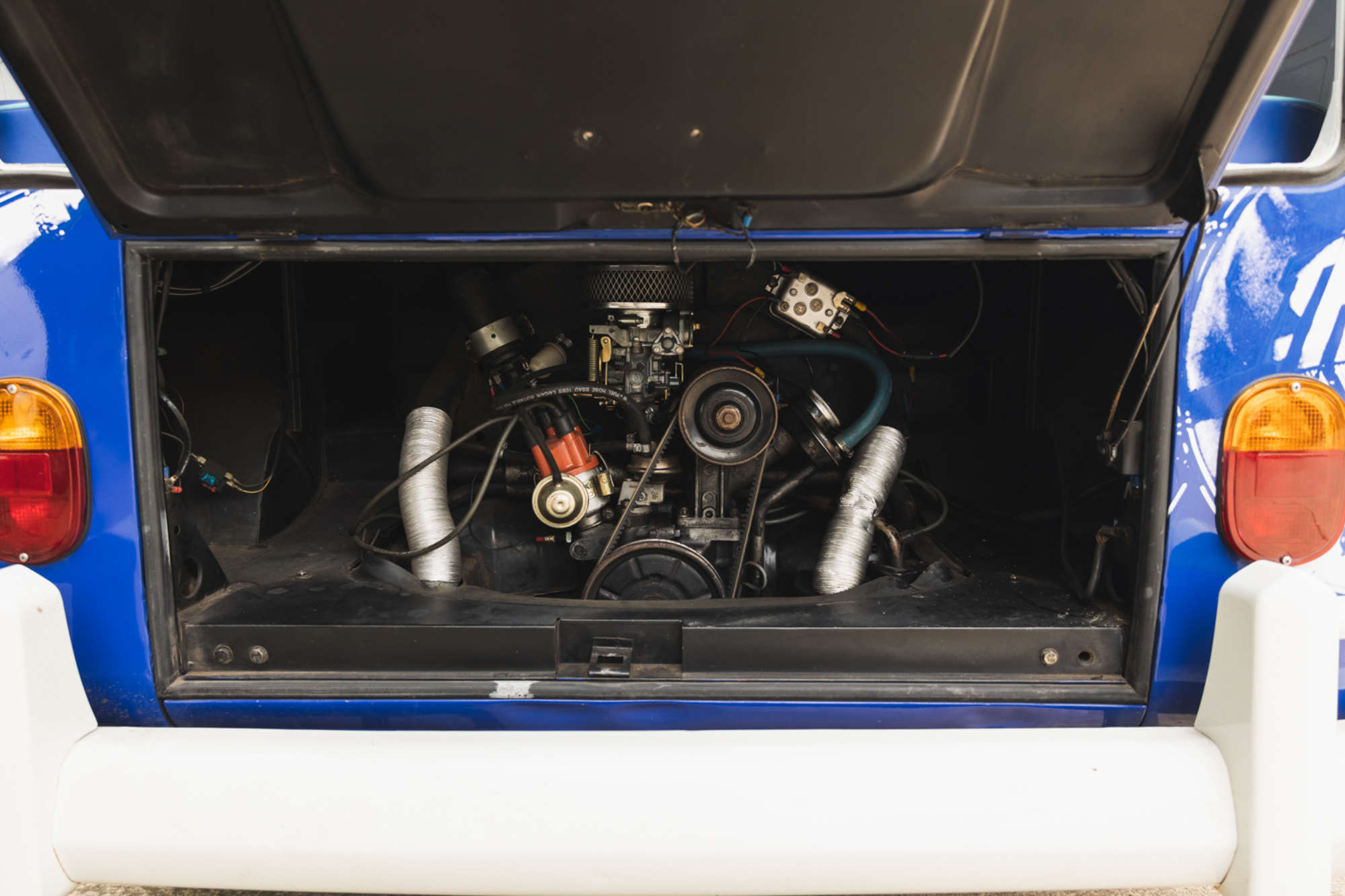
Volkwagen liked the idea and early prototypes used a Beetle chassis, this was deemed not string enough and so a new platform chassis was developed that still used many Beetle components for the sake of simplicity – like the rear-mounted engine and gearbox.

Production of the Type 2 began in late 1949 with the original “split window” design. Different body configurations were offered including the Transporter, Kombi, Panel Van, and Microbus. The Type was given different names in different world markets including Bulli (Germany), Bus (US), and Camper (UK).

The Who Magic Bus Volkswagen Type 2 Panel Van 21

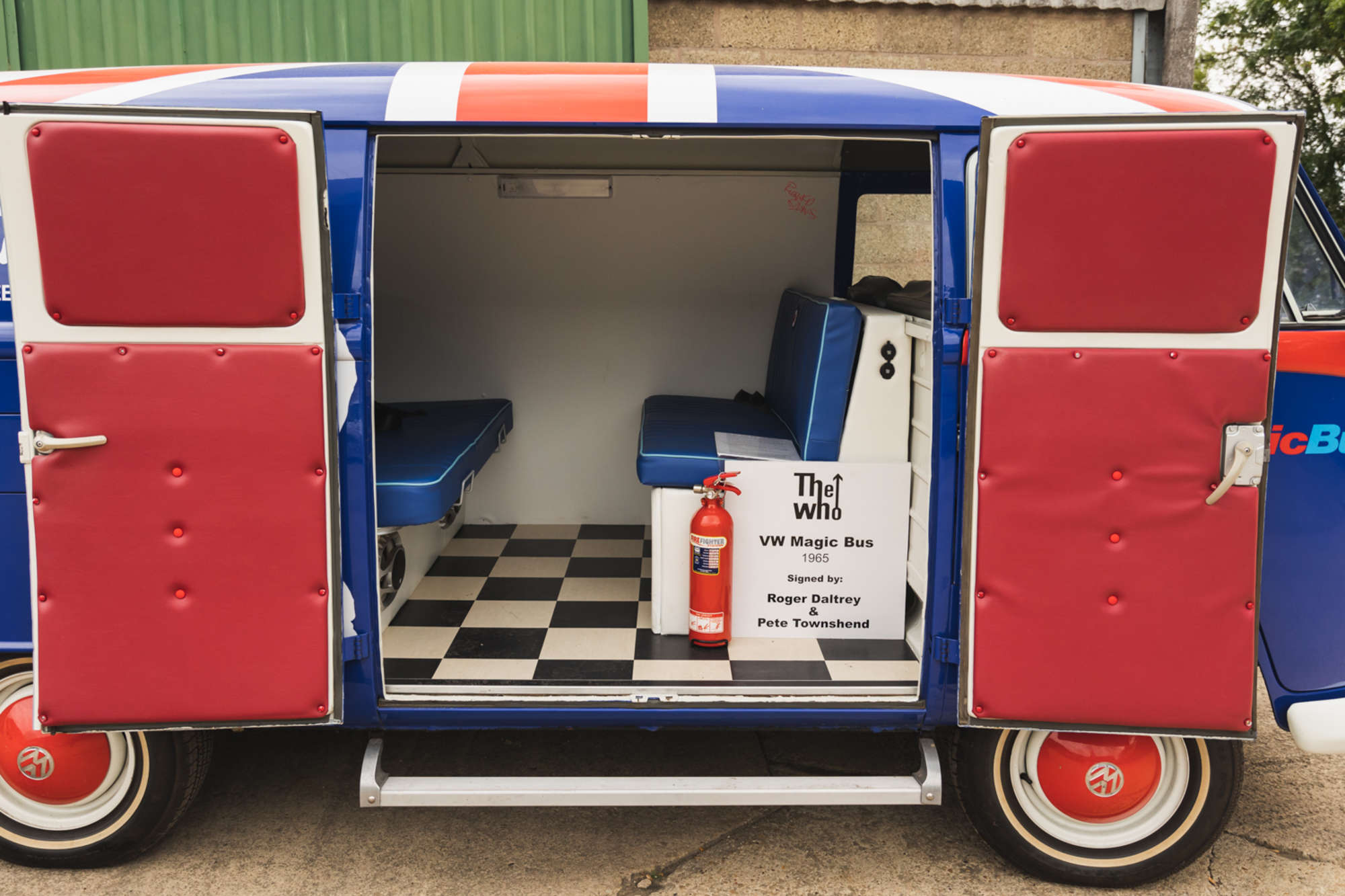
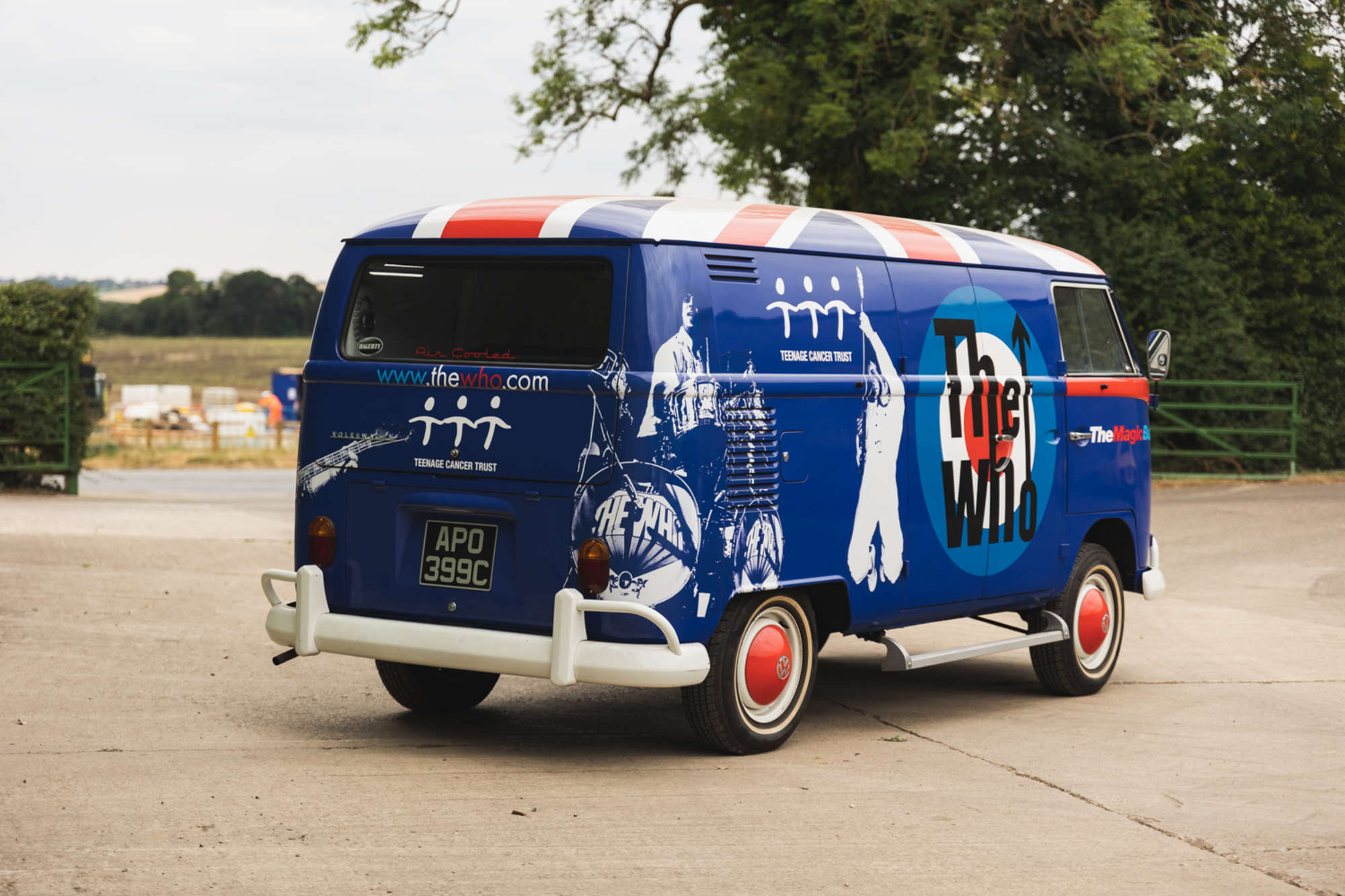
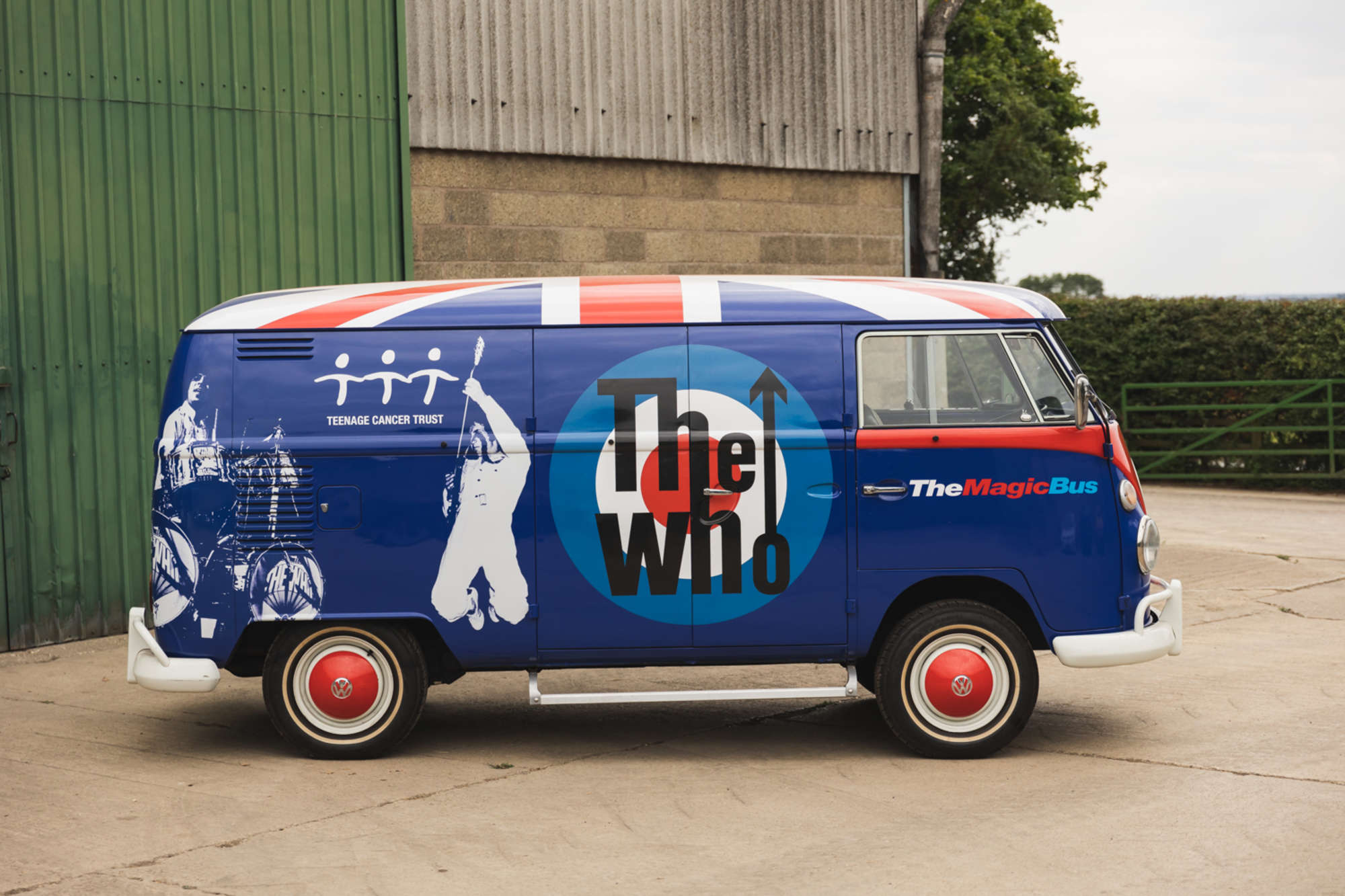
The artwork was all designed by Richard Evans, the same artist who has designed the band’s album covers and tour designs for over 40 years.

In 1967 the new second generation Type 2 was introduced, many of the earlier first generation models were now approaching 20 years old and as such they were relatively cheap on the second hand market.

Due to their low cost and the fact that you could sleep in the back, the Type 2 became a major fixture of the hippie movement in the United States in the 1960s. They would be painted with all manner of different designs and the van became an integral part of the zeitgeist of the swinging sixties.

The Who’s Magic Bus

Although it looks like it was designed in the 1960s the Type 2 you see here was actually created in the 2000s. The artwork was designed by Richard Evans – The Who’s art director who has worked closely with the band for over 40 years on album covers and tour designs.

The Who Magic Bus Volkswagen Type 2 Panel Van 15

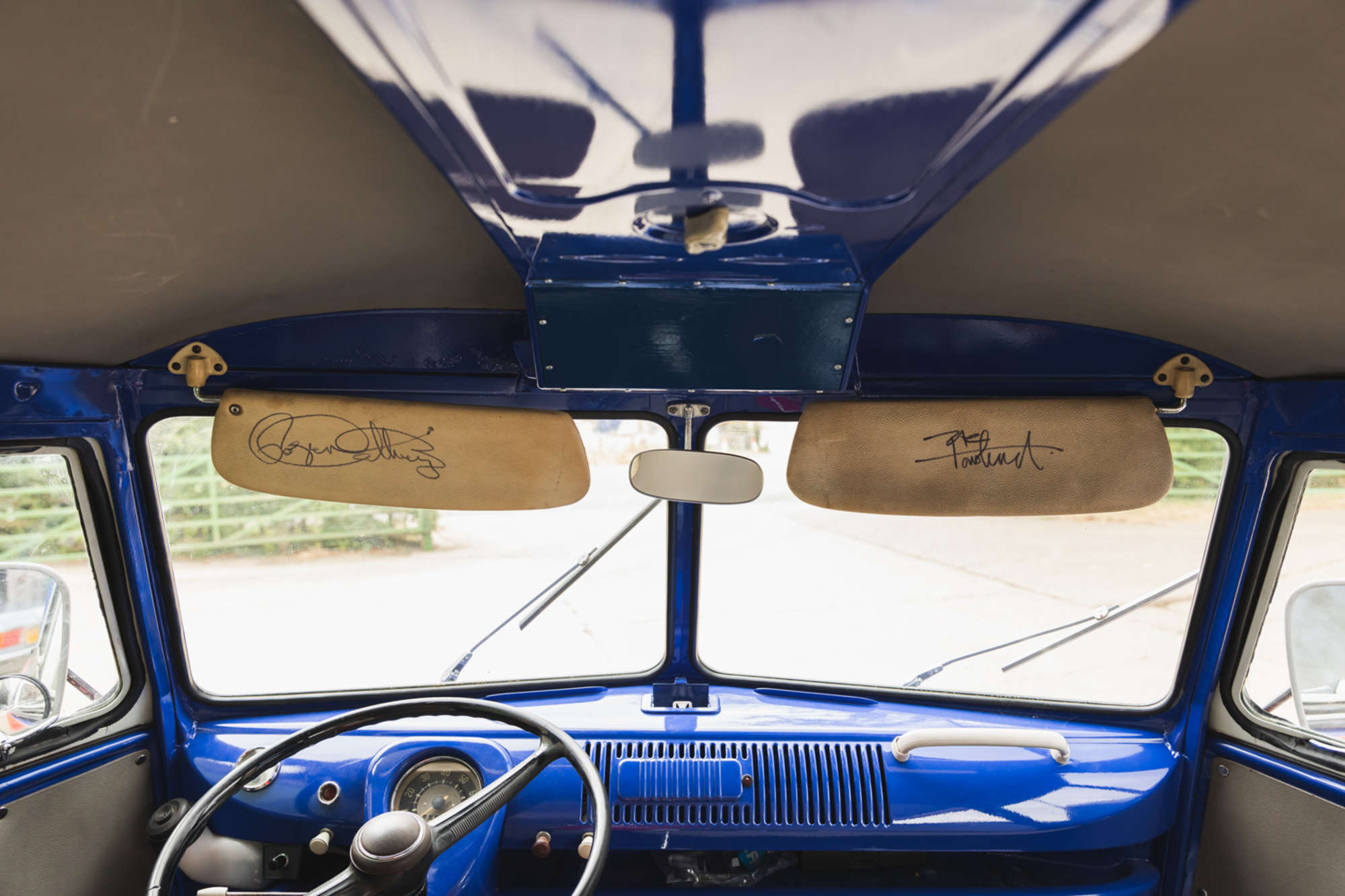
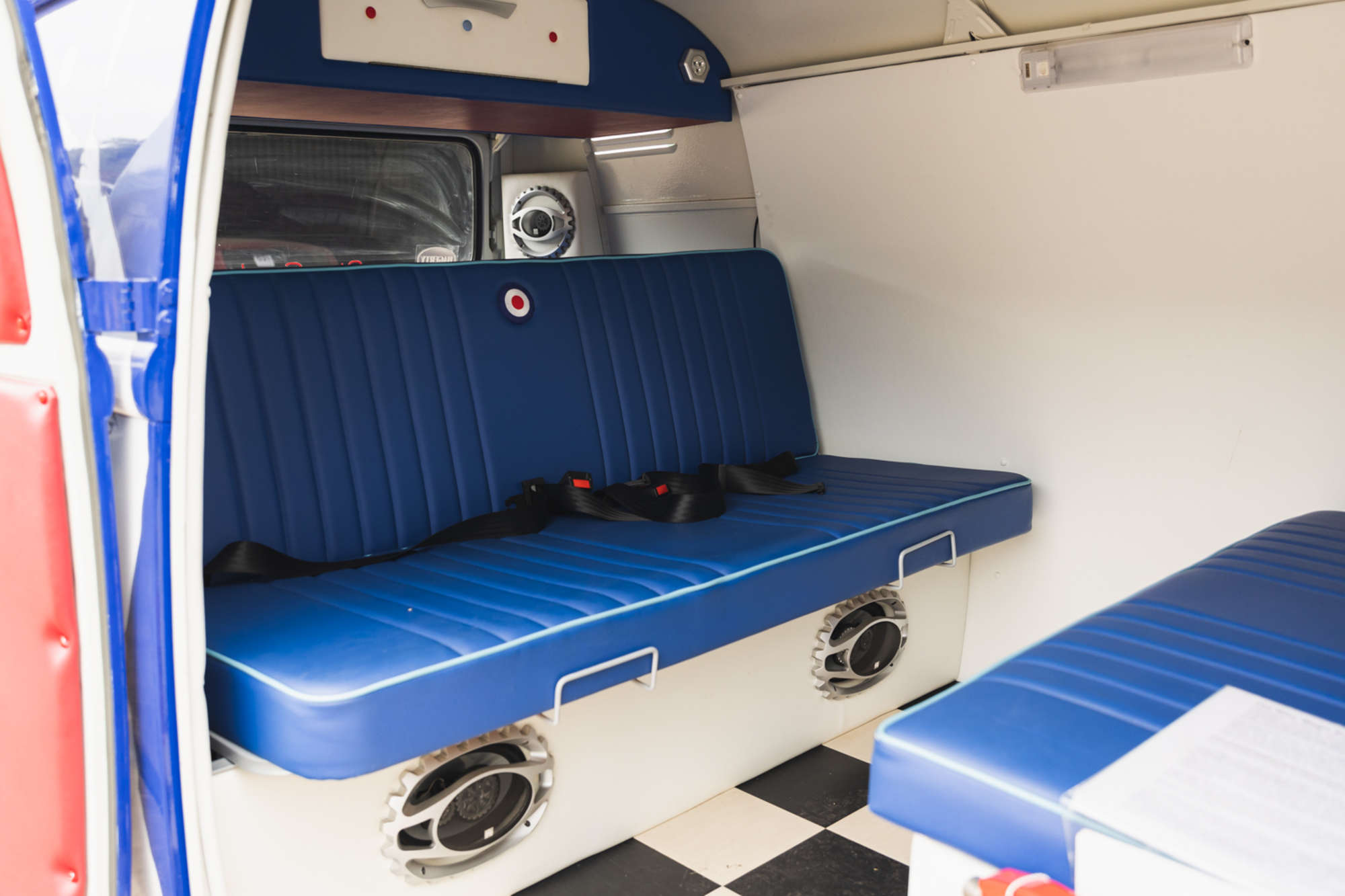
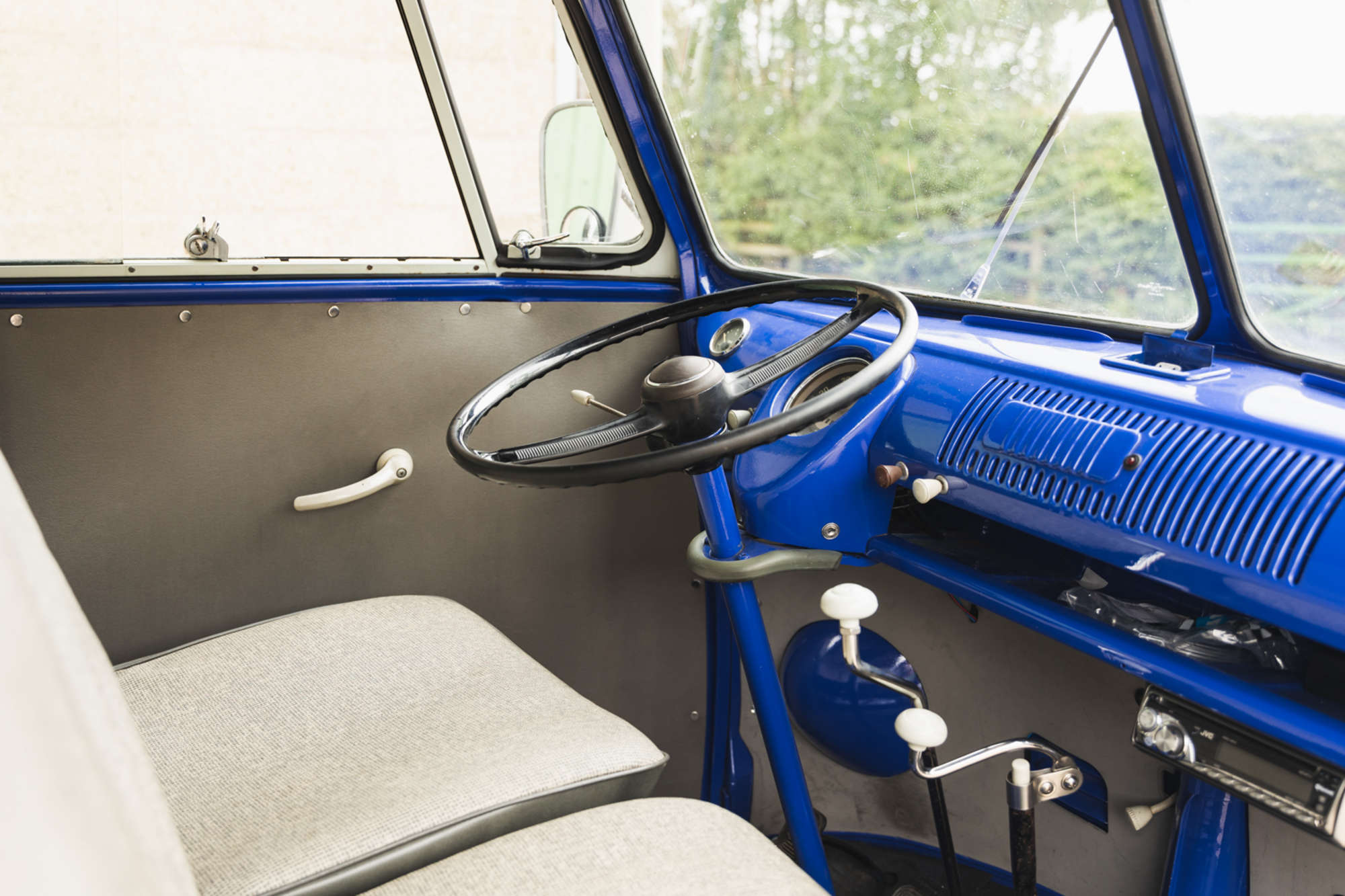
Here you can see the sun visors folded down, they’ve been autographed by lead singer Roger Daltrey and lead guitarist Pete Townshend.

A 1965 Type 2 T1 left-hand drive panel van was sourced from California and shipped to the “Old Timer” workshop in Hanover, Germany where it was painstakingly restored by Volkswagen.

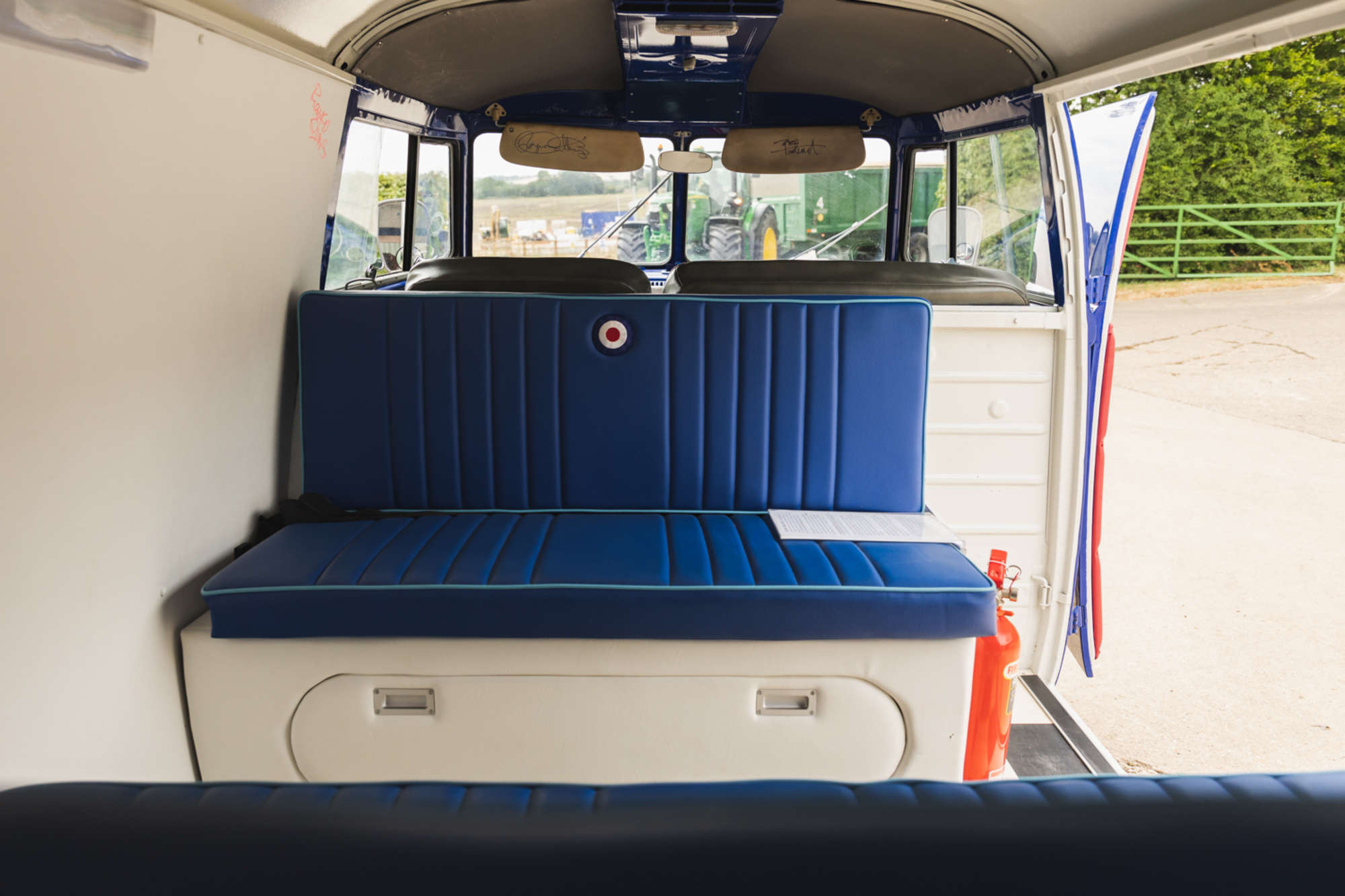
Once Richard Evans’ artwork had been applied Roger Daltrey and lead guitarist Pete Townshend autographed the sun visors. The van was then raffled off and raised over £30,000 for the Teenage Cancer Trust – a charity that Daltrey has been a patron of for many years.

The Magic Bus has now been in private ownership since 2012 and it’s now due to be offered for sale by Silverstone Auctions on the 27th of August with a price guide of £60,000 – £80,000 or approximately $73,300 – $97,800 USD.

If you’d like to read more about this history behind this unusual Type 2 or register to bid you can visit the listing here.

The Who Magic Bus Volkswagen Type 2 Panel Van 1 The Who Magic Bus Volkswagen Type 2 Panel Van 13 The Who Magic Bus Volkswagen Type 2 Panel Van 14 The Who Magic Bus Volkswagen Type 2 Panel Van 12 The Who Magic Bus Volkswagen Type 2 Panel Van 11 The Who Magic Bus Volkswagen Type 2 Panel Van 10 The Who Magic Bus Volkswagen Type 2 Panel Van 9 The Who Magic Bus Volkswagen Type 2 Panel Van 8 The Who Magic Bus Volkswagen Type 2 Panel Van 7 The Who Magic Bus Volkswagen Type 2 Panel Van 6 The Who Magic Bus Volkswagen Type 2 Panel Van 5 The Who Magic Bus Volkswagen Type 2 Panel Van 4 The Who Magic Bus Volkswagen Type 2 Panel Van 3 The Who Magic Bus Volkswagen Type 2 Panel Van 2 The Who Magic Bus Volkswagen Type 2 Panel Van 23 The Who Magic Bus Volkswagen Type 2 Panel Van 22 The Who Magic Bus Volkswagen Type 2 Panel Van 21 The Who Magic Bus Volkswagen Type 2 Panel Van 20 The Who Magic Bus Volkswagen Type 2 Panel Van 19 The Who Magic Bus Volkswagen Type 2 Panel Van 18 The Who Magic Bus Volkswagen Type 2 Panel Van 17 The Who Magic Bus Volkswagen Type 2 Panel Van 16

Images courtesy of Silverstone Auctions

The Who Magic Bus Volkswagen Type 2 Panel Van

The post “The Who’s Magic Bus” – Volkswagen Type 2 Panel Van appeared first on Silodrome.


from Silodrome https://silodrome.com/the-whos-magic-bus-volkswagen-type-2/
via gqrds
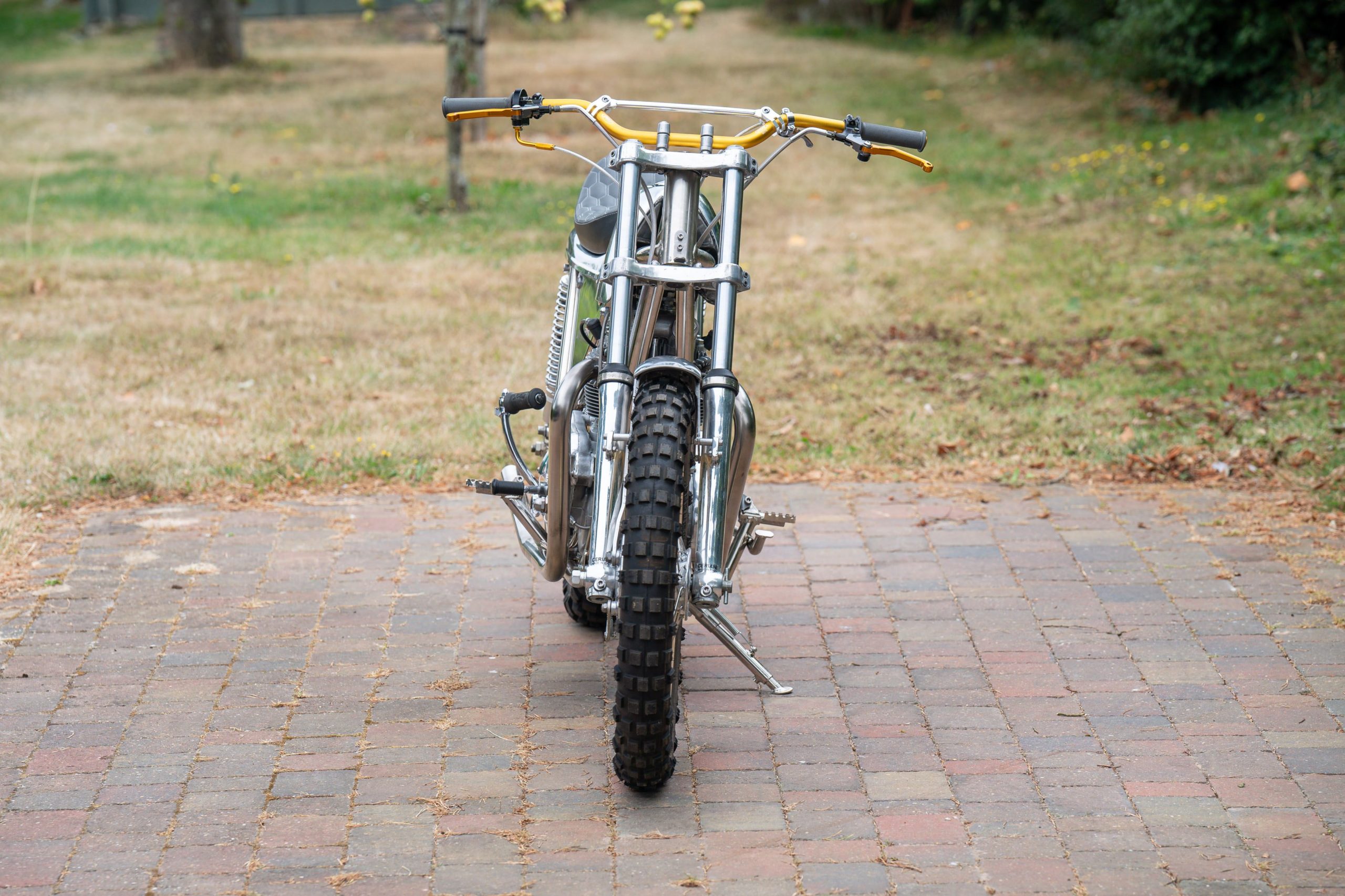
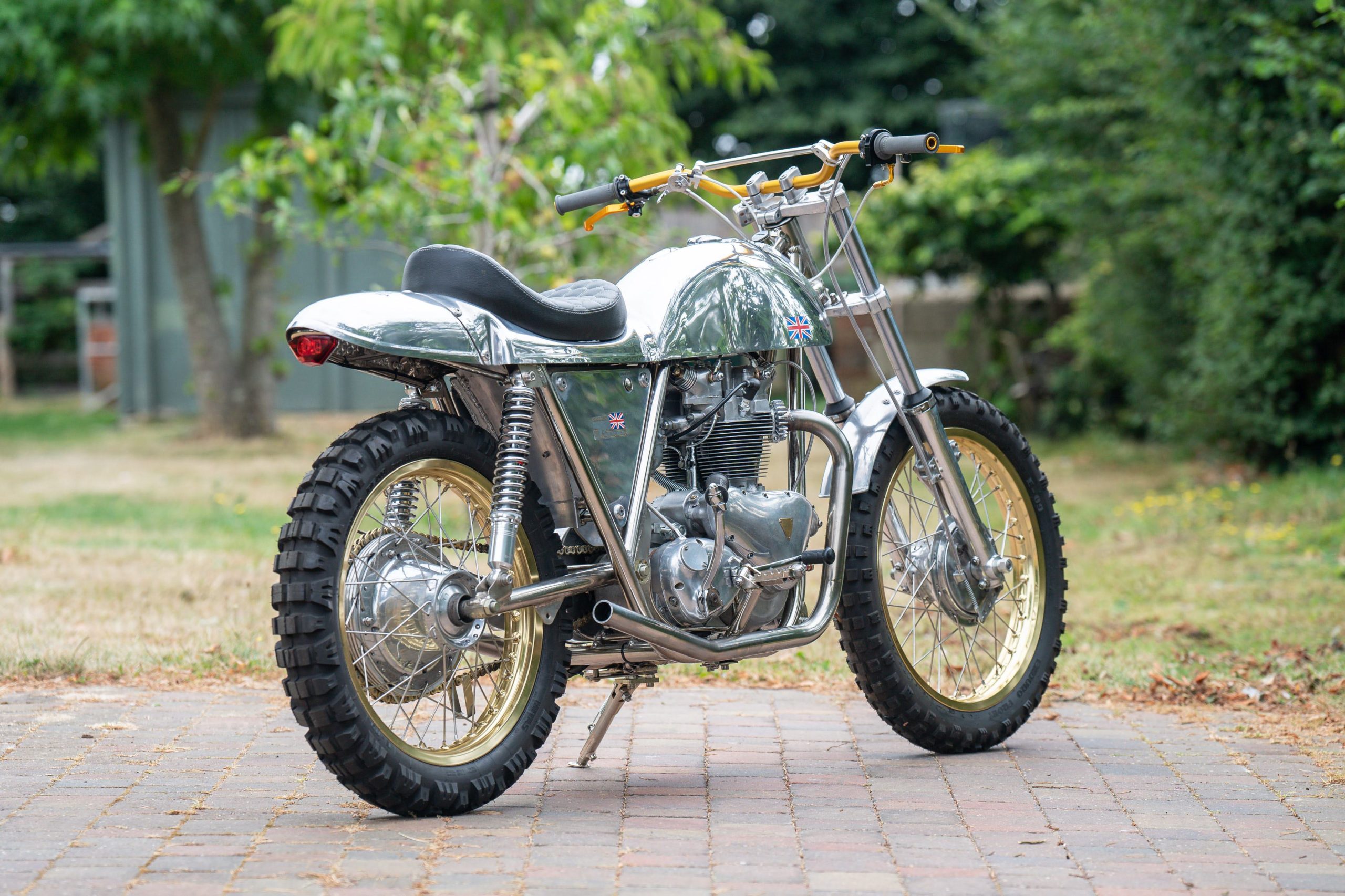
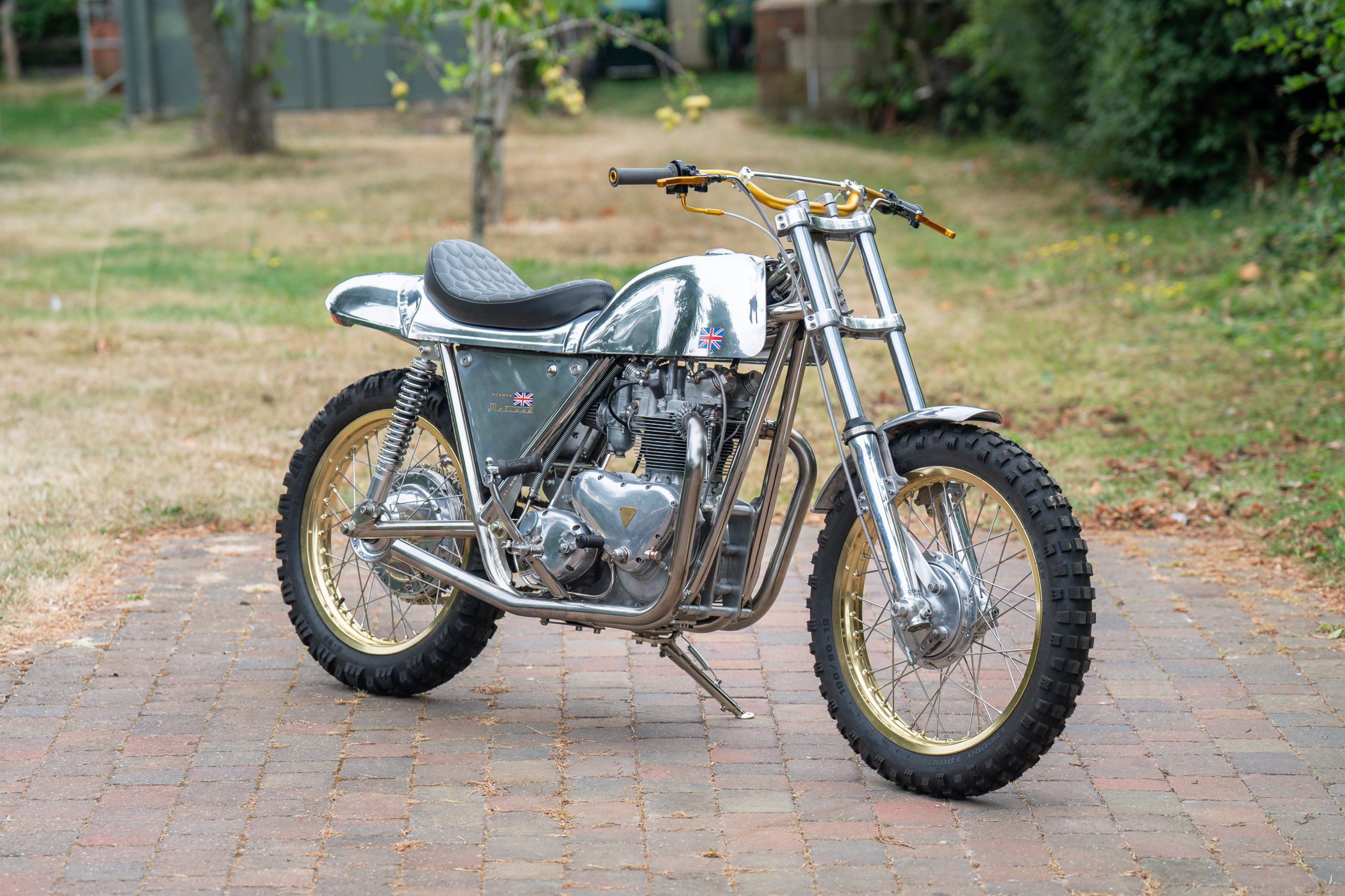
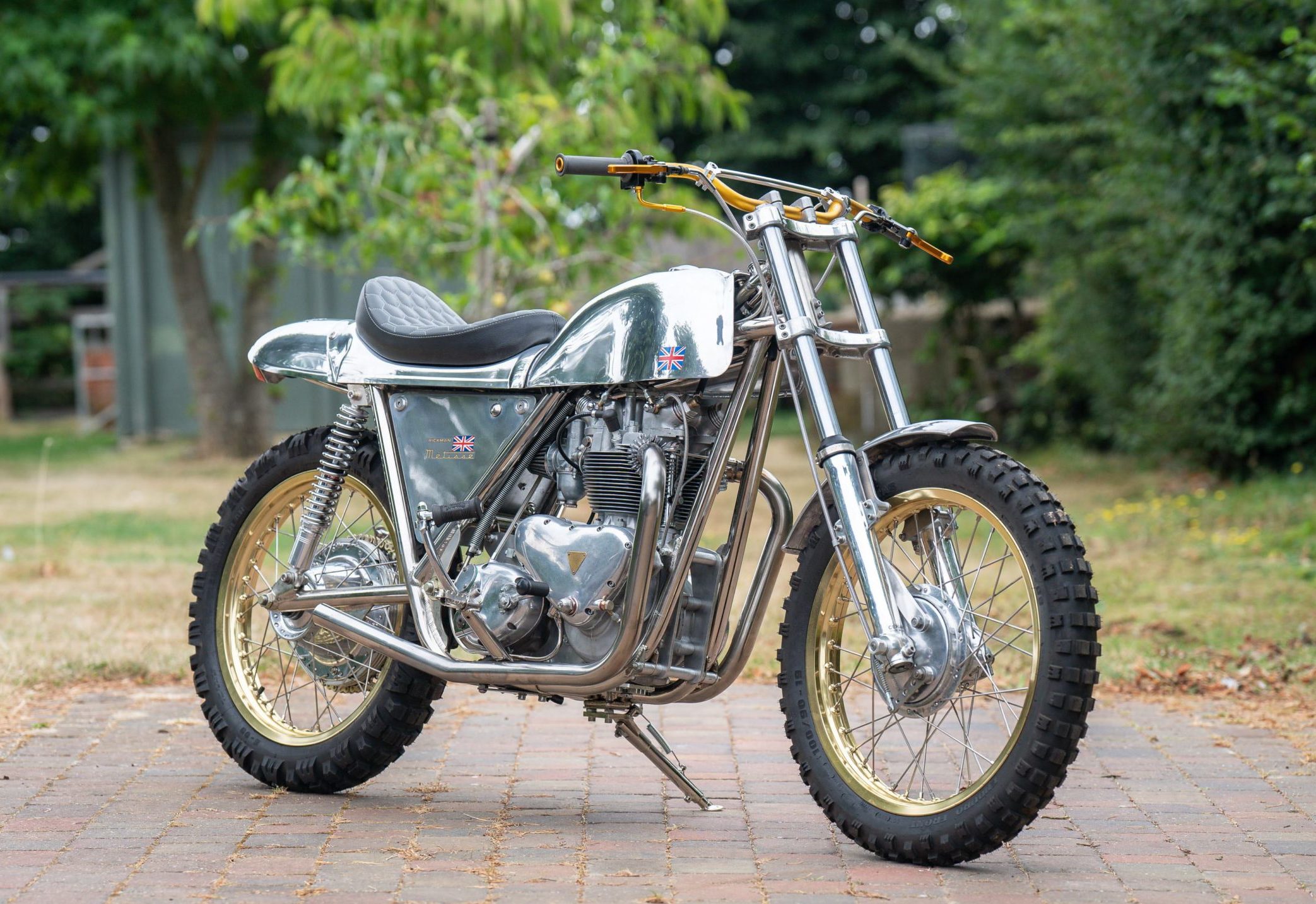
Brand New Classic: A Freshly-Built Rickman Metisse Triumph Scrambler

This Rickman Metisse Triumph Scrambler was built from new and/or reconditioned parts just a year ago, it’s not been ridden since it was completed, and it’s now being offered for sale.
Rickman Motorcycles was founded back in 1960 by brothers Derek and Don Rickman. Their motorcycle chassis designs were amount the best in the world for off-road riding at the time, so much so that Steve McQueen bought one and had it shipped to California for his desert racing endeavors.

Fast Facts – The Rickman Metisse

  • The Rickman Metisse became one of the most desirable off-road racing motorcycles in the world in the 1960s. It used a proprietary frame and fiberglass or alloy bodywork fitted with an engine, transmission, suspension, and brake sourced elsewhere.
  • This assortment of parts that made up each Rickman is where the name “Metisse” came from, the French word for mongrel or mixed-breed.
  • Brothers Derek and Don Rickman were successful off-road motorcycle racers themselves through the 1950s. They used this first-hand experience to produce their strong, lightweight frames that took the scrambles world by storm.
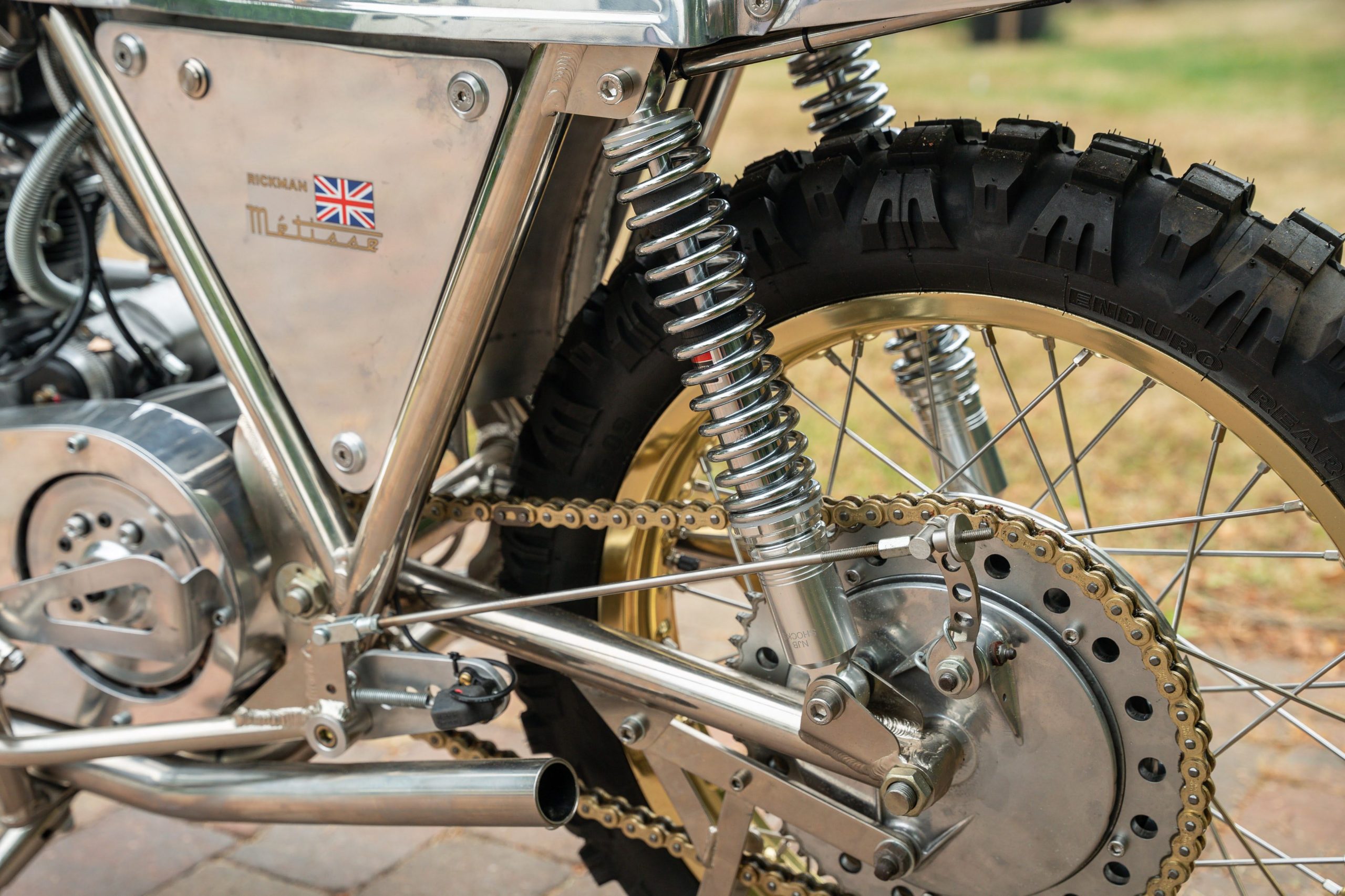
  • The motorcycle you see here was built in 2021 using a brand new Mk 3 nickel-plated frame, it has a period correct Triumph 500cc engine, Ceriani forks, a Bob Newby Racing belt drive and clutch, and a bespoke Holt Works seat.

Rickman Motorcycles

The story of Rickman Motorcycles is remarkable a tale of survival, the company started out building scrambles racing motorcycle frames and would quickly grow into a behemoth bringing in over £1 million in sales each year by the 1970s.

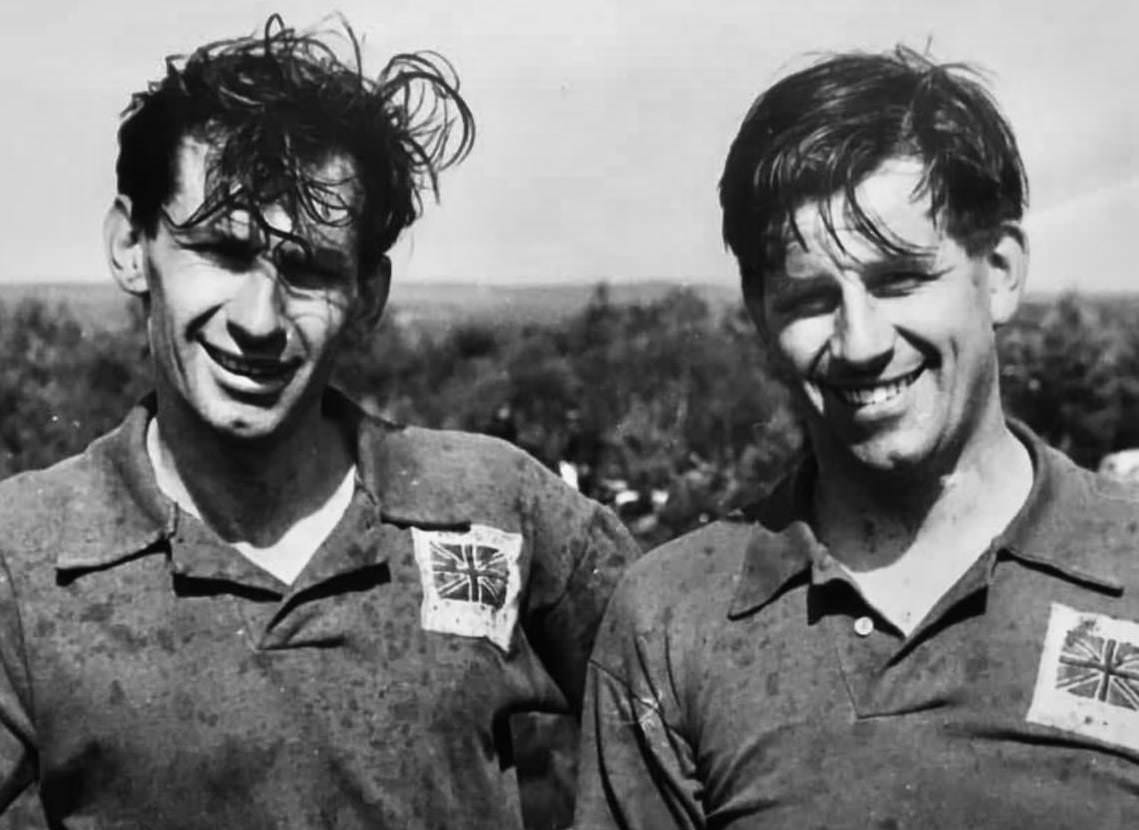
Derek and Don Rickman

This is Derek and Don Rickman, they were successful off-road motorcycle racers before they put their hands-on experience to work building their own frames.

Early Rickman frames were largely designed for British engines, mostly from Triumph, BSA, and Matchless. These first Rickmans were designed for off-road racing, typically scrambles and enduro-type events in England.

The company diversified into road racing frames in the mid-1960s and then by the early 1970s when the British motorcycle industry was in decline, Rickman began focussing much of their efforts on building frames for Japanese engines – like the Honda CB750 and Kawasaki Z1.

As the 1970s progressed Rickman continued focussing on the powerful superbike engines coming out of Japan, creating frames and kits to accommodate engines from the Kawasaki Z1/Z900, the Kawasaki Z1000, the Suzuki GS1000, and the Honda Bol d’Or.

As the 1970s became the 1980s the company once again pivoted, this time into automobile production. They began building the fiberglass-bodied Rickman Ranger, these were produced in Britain and then later under license in Russia.

Rickman Metisse Triumph Scrambler 16

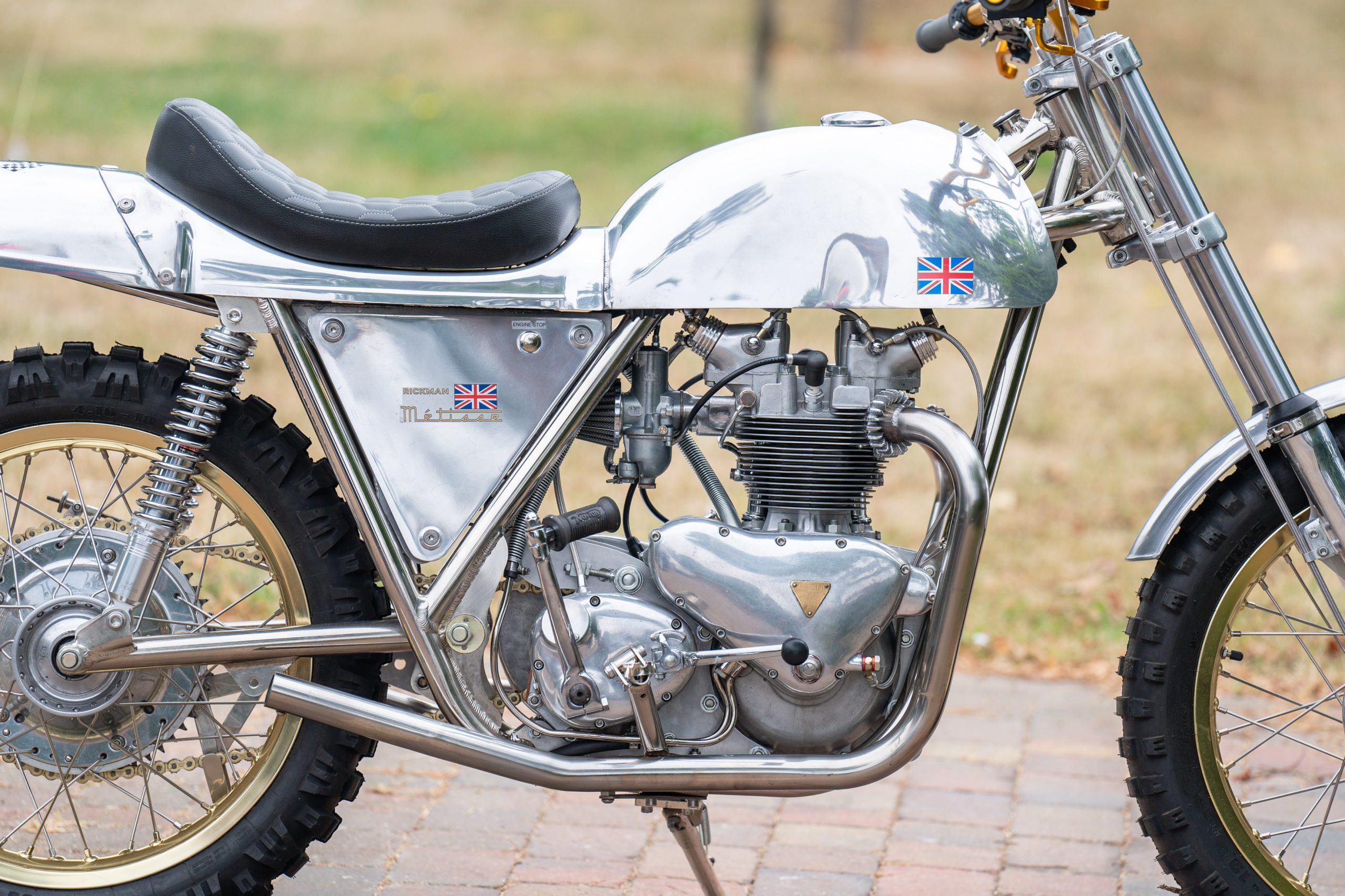
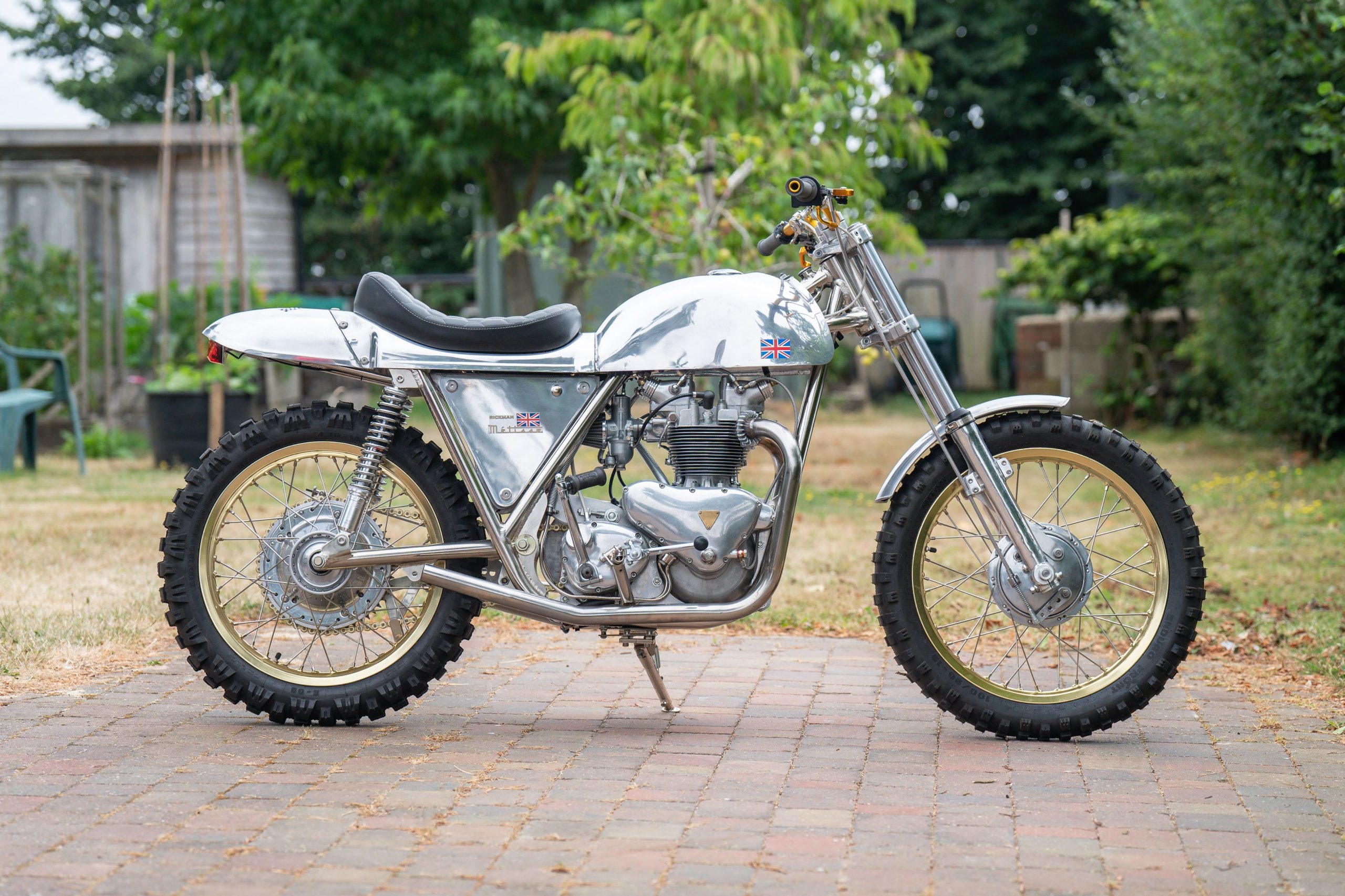
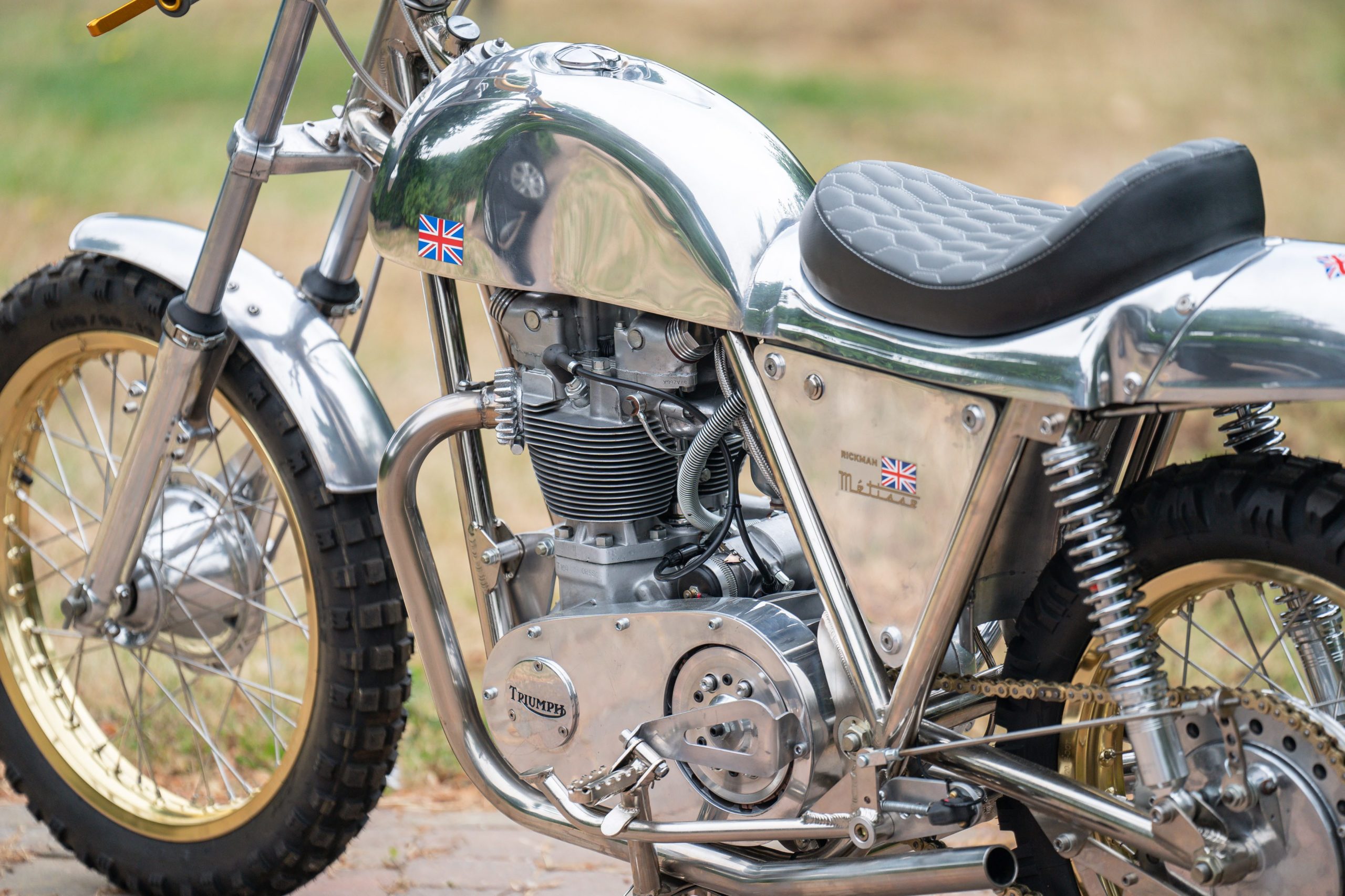
This Rickman Metisse is powered by a rebuilt Triumph 500cc parallel twin mated to a Norton 4-speed gearbox.

Company founders Derek and Don Rickman were inducted into the AMA Motorcycle Hall of Fame in 2007 and amazingly their designs are still in production today – you can buy both the off-road and road racing frames and kits and build your own Rickman using an assortment of engine options.

The Rickman Metisse Triumph Scrambler Shown Here

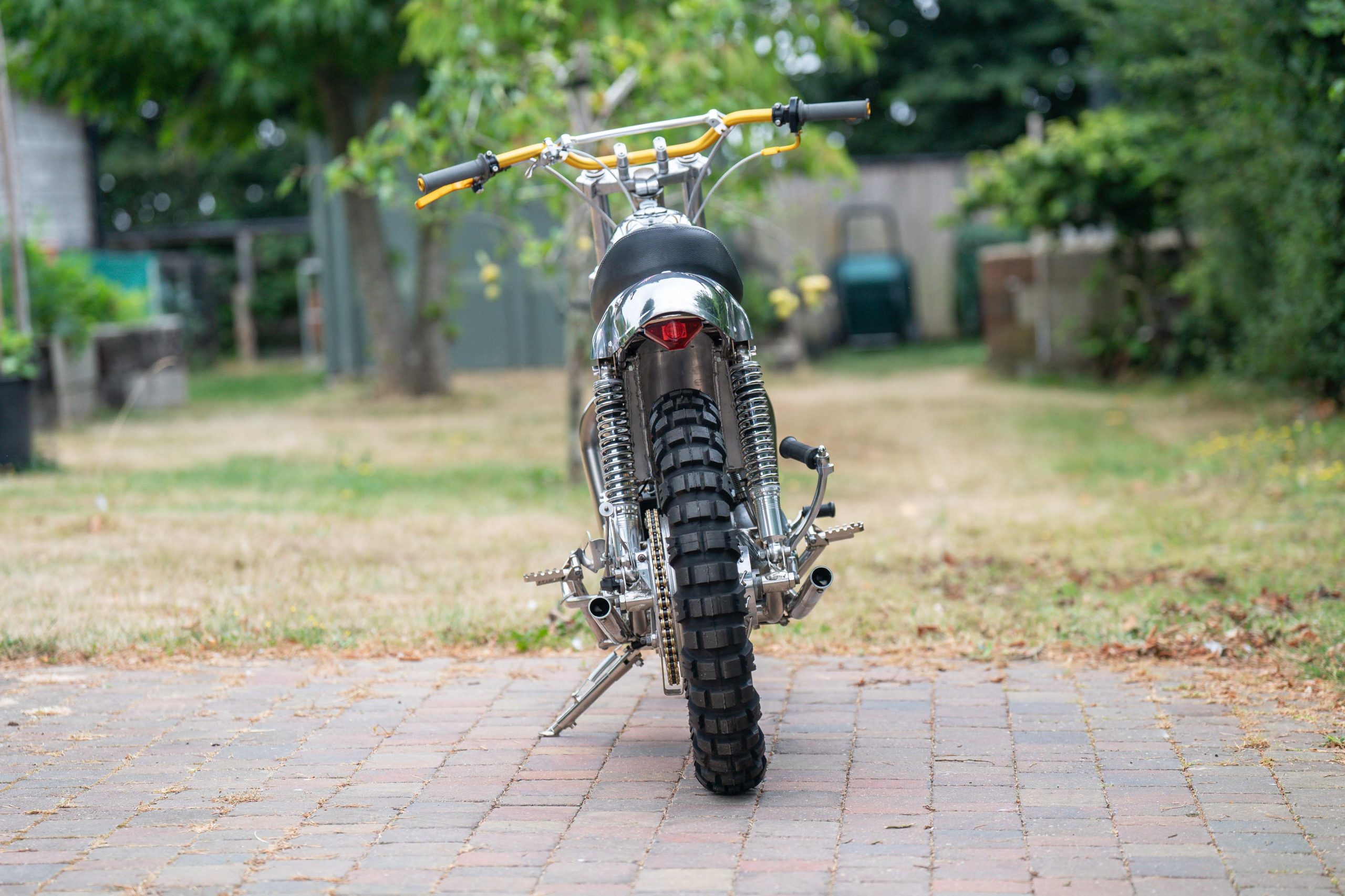
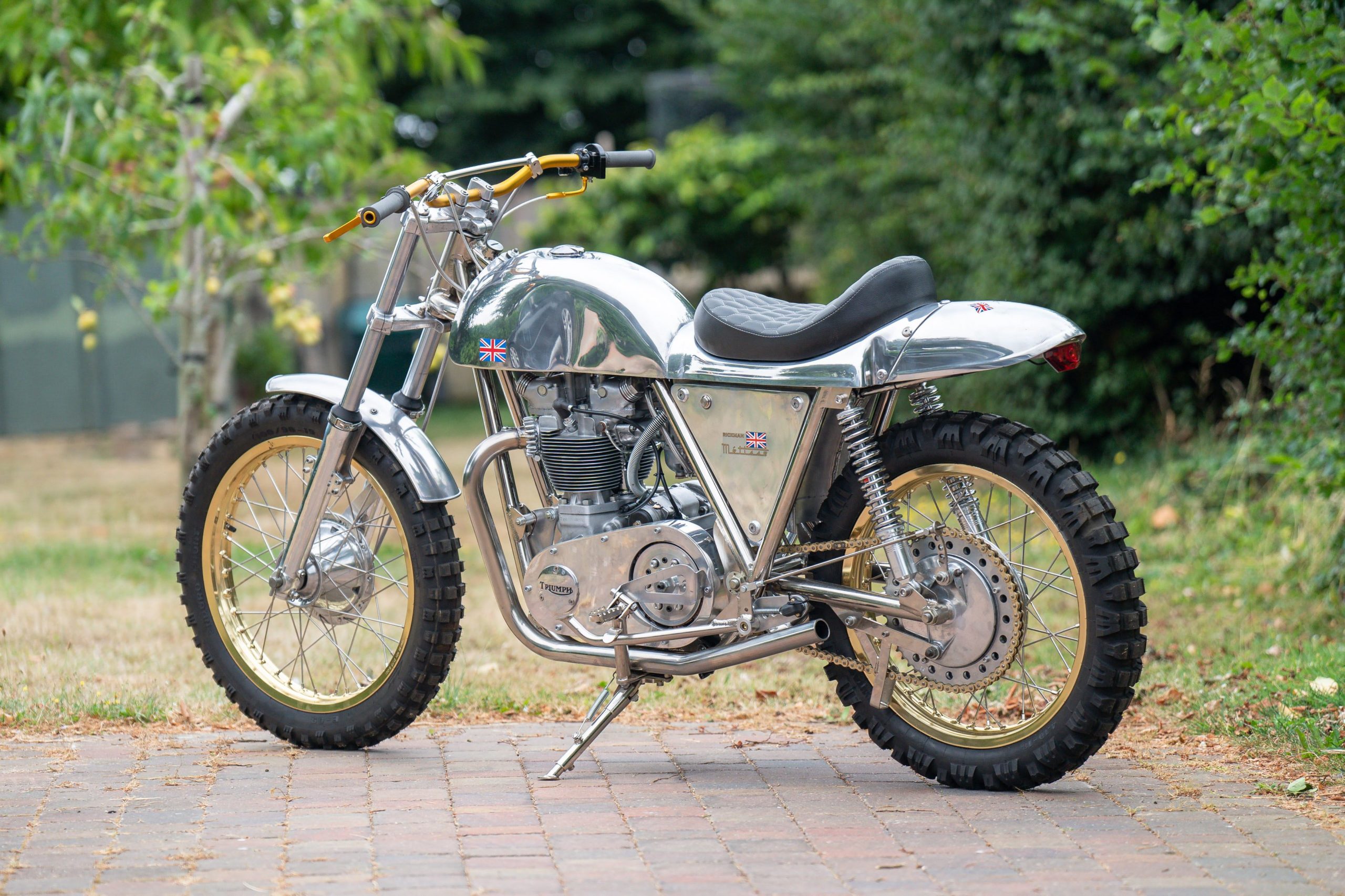
The motorcycle you see here is a Rickman Metisse Triumph Scrambler, as noted further up it was built just a year ago in 2021 and it’s not been ridden since – showing 0 miles on the odometer.

Triumph engines were always common choices for Rickman motorcycle builds, the torquey parallel twins also powered the famous Triumph TR6C Desert Sled. Back on the asphalt it was a Triumph engine that was installed into a Norton Featherbed frame to create the timeless Triton.

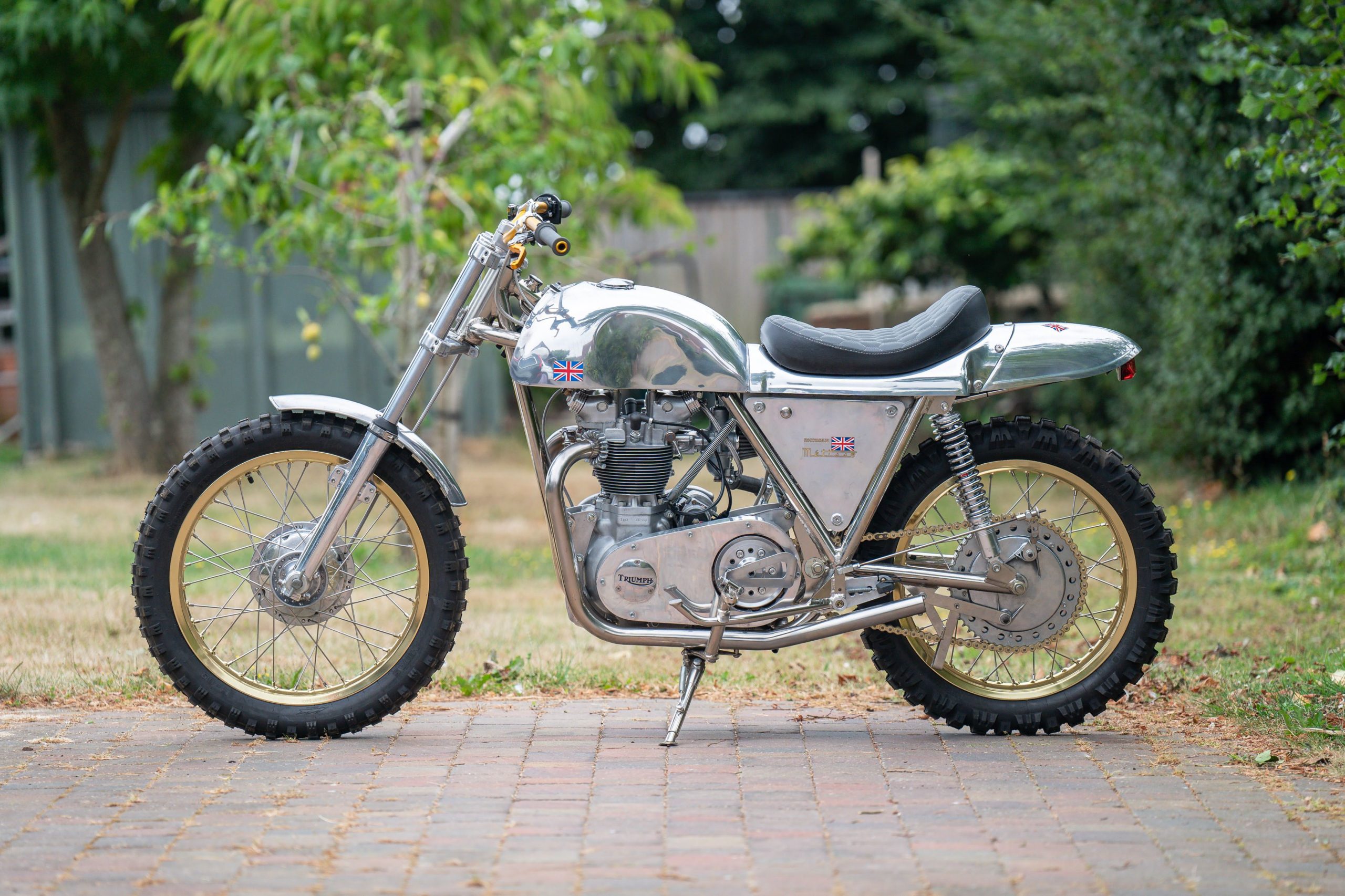
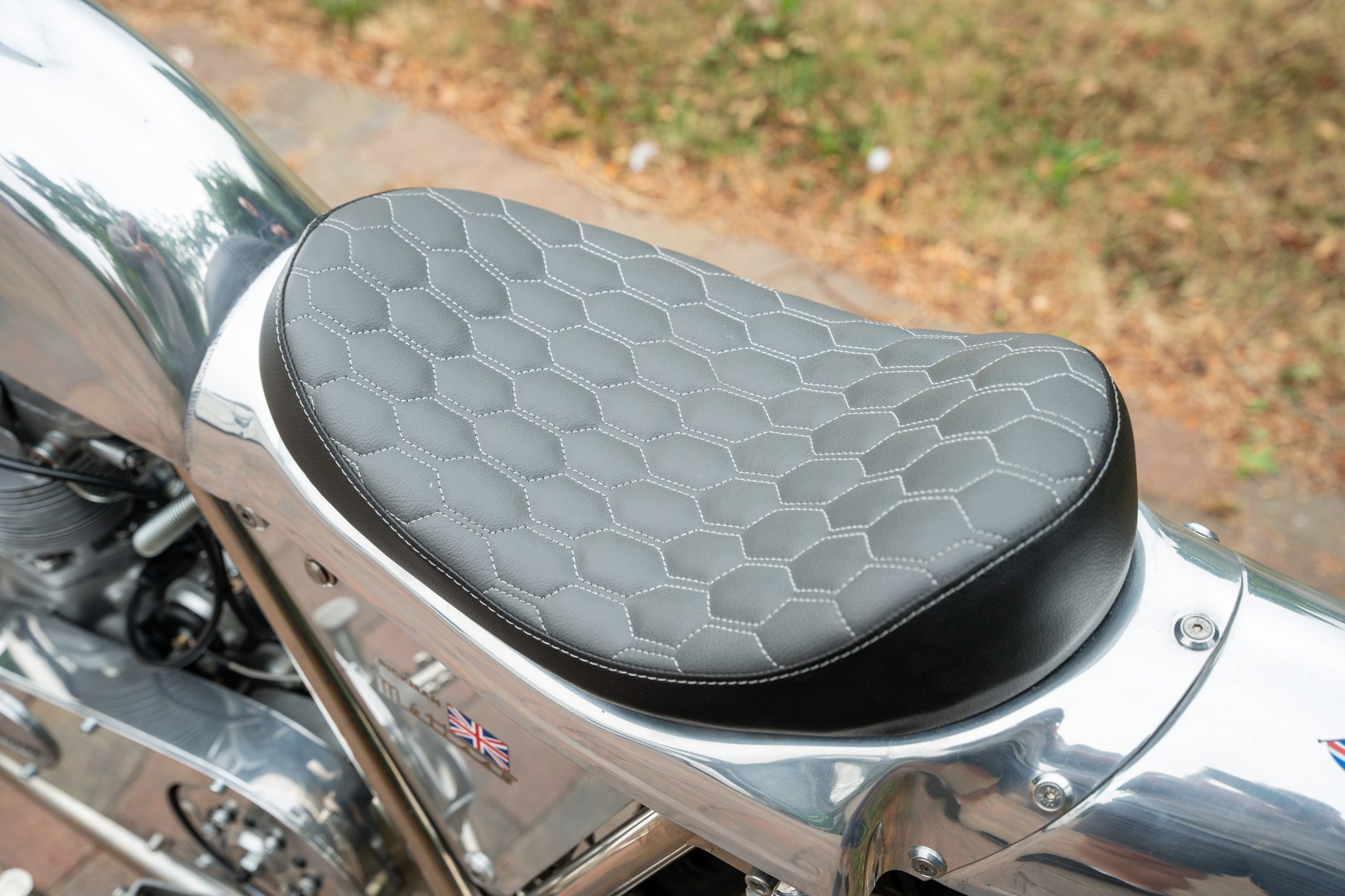
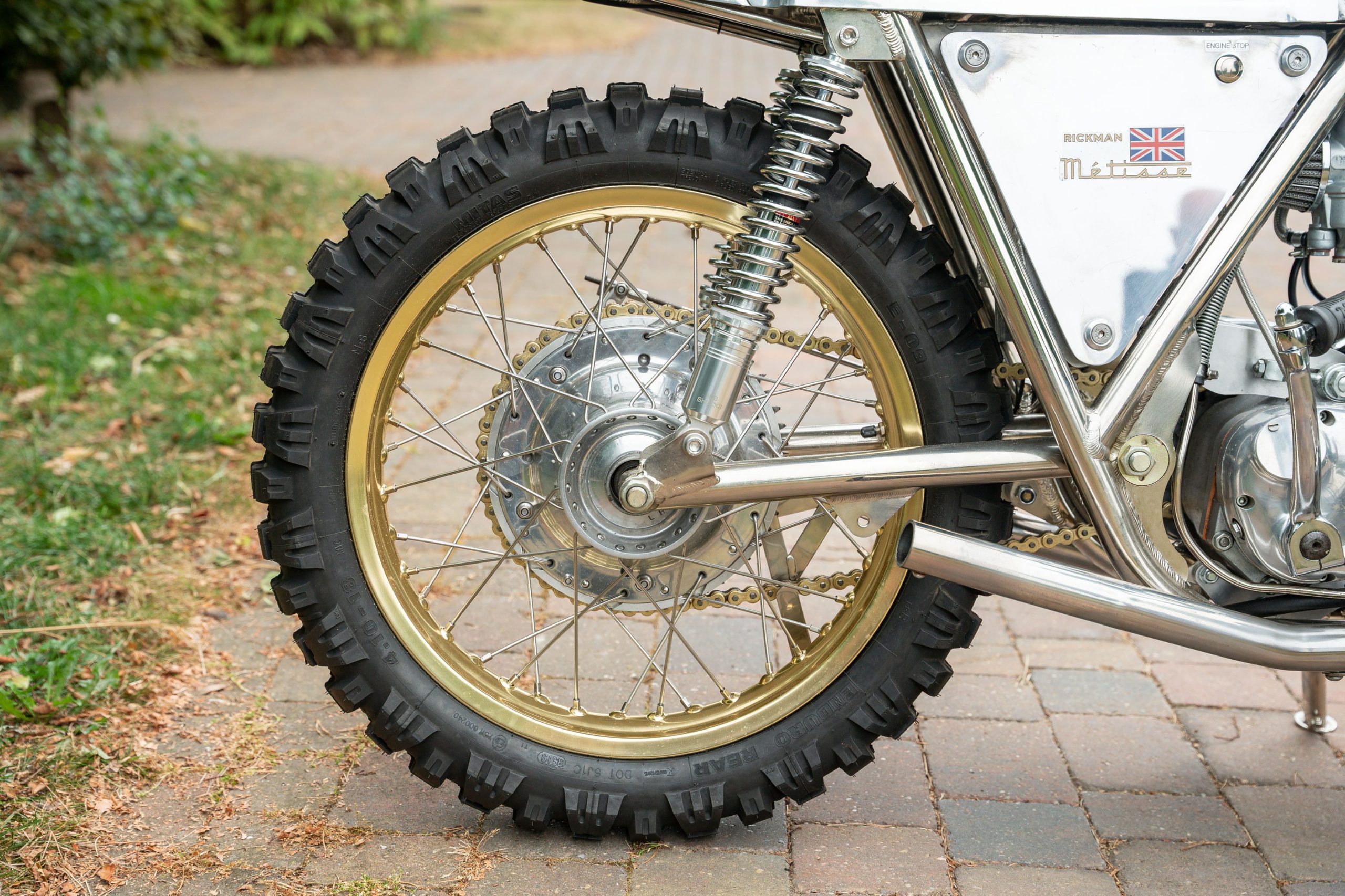
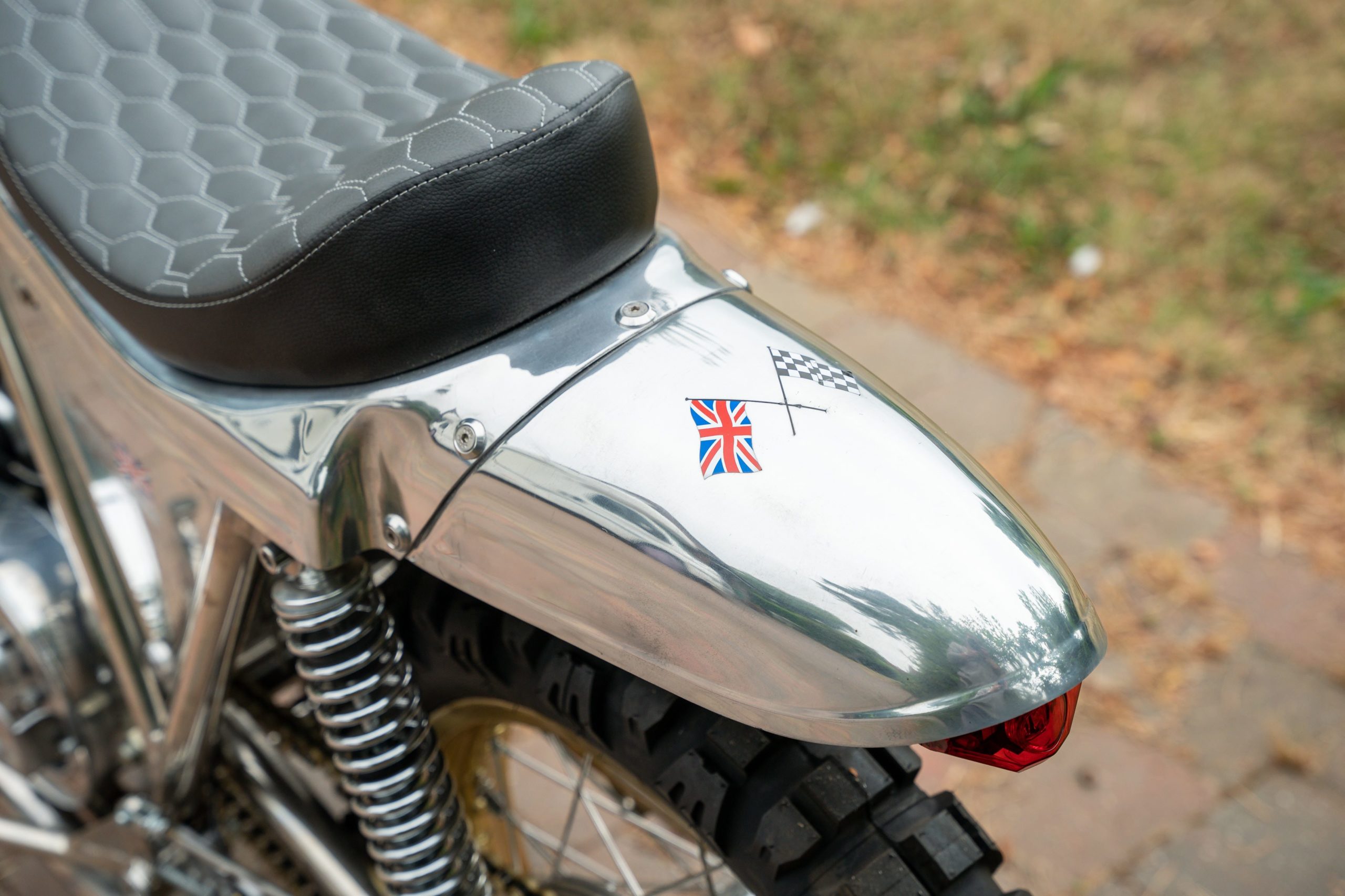
The 500cc engine used in this Metisse was a popular choice back in the 1960s, this specific engine is a pre-unit example from 1956 and it’s been mated to a 1958 Norton gearbox. The nickel-plated Rickman frame is fitted with an alloy fuel tank, rear cowl, and sides, and a bespoke Holt Works seat helps keep things comfortable.

Rickman Metisse Triumph Scrambler 12

Rickman like this were among the most competitive scramblers in the world in the early to mid 1960s, even Steve McQueen had one.

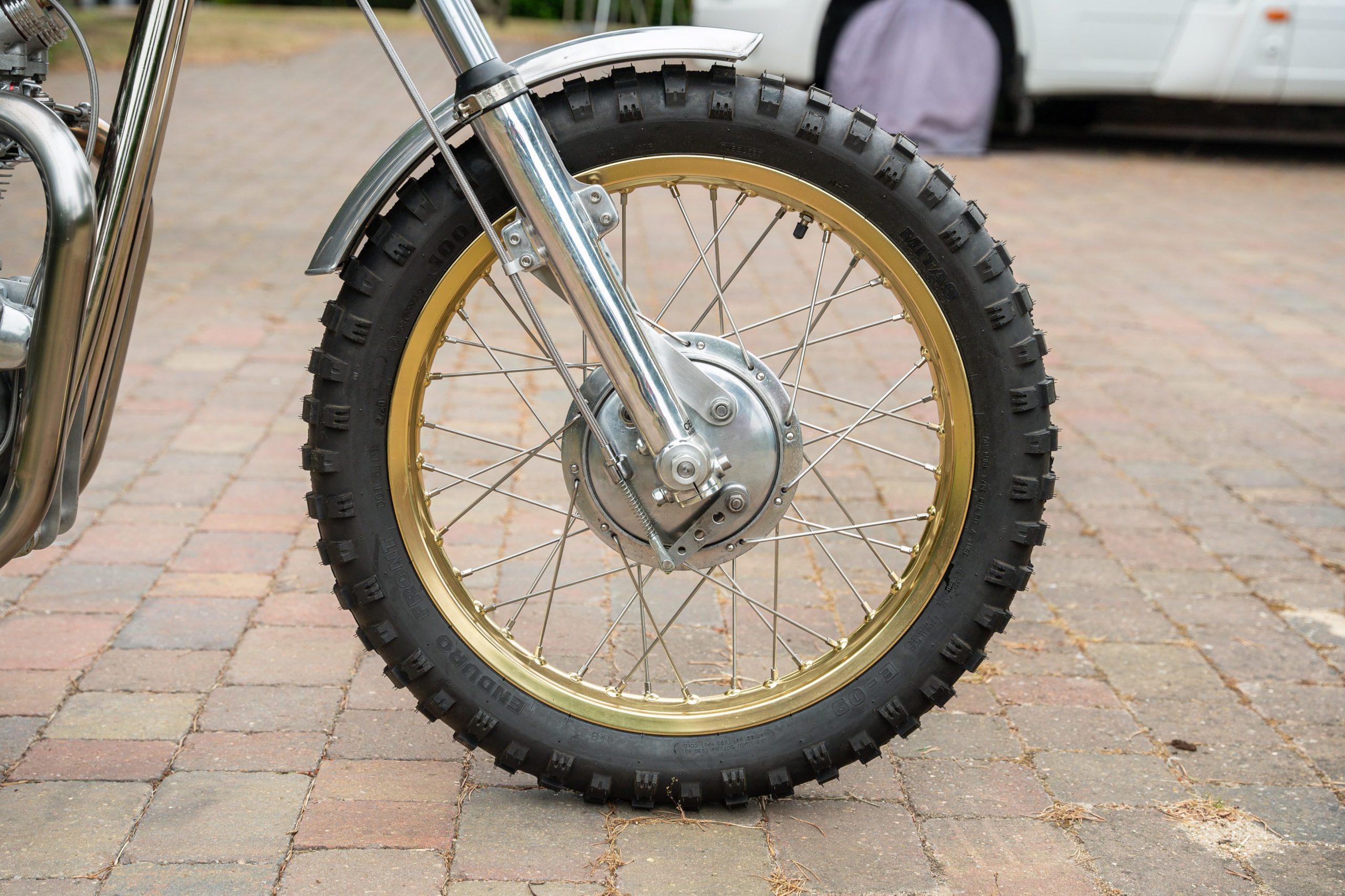
As you might expect the bike has front and rear drum brakes as well as Ceriani forks and a 19″ wheel up front with an 18″ unit on the back – both fitted with knobby tires.

During the rebuild the engine was fitted with 9:1 compression ratio pistons in a standard bore, it has high-lift camshafts and E-3134 ‘R’ cam followers, a big bearing crankshaft, new bronze valve guides, new British-made G.S. valves, and a new Amal Premium carburetor.

The bike is now being offered for sale out of Worthing, West Sussex, in the United Kingdom on Collecting Cars. If you’d like to read more about it or place a bid you can visit the listing here.

Rickman Metisse Triumph Scrambler 19 Rickman Metisse Triumph Scrambler 18 Rickman Metisse Triumph Scrambler 14 Rickman Metisse Triumph Scrambler 11 Rickman Metisse Triumph Scrambler 10 Rickman Metisse Triumph Scrambler 9 Rickman Metisse Triumph Scrambler 7 Rickman Metisse Triumph Scrambler 6 Rickman Metisse Triumph Scrambler 5 Rickman Metisse Triumph Scrambler 4 Rickman Metisse Triumph Scrambler 3 Rickman Metisse Triumph Scrambler 2 Rickman Metisse Triumph Scrambler 1

Images courtesy of Collecting Cars

Rickman Metisse Triumph Scrambler

The post Brand New Classic: A Freshly-Built Rickman Metisse Triumph Scrambler appeared first on Silodrome.


from Silodrome https://silodrome.com/rickman-metisse-triumph-scrambler/
via gqrds