For Sale: Stephen Hawking’s Volkswagen Caravelle

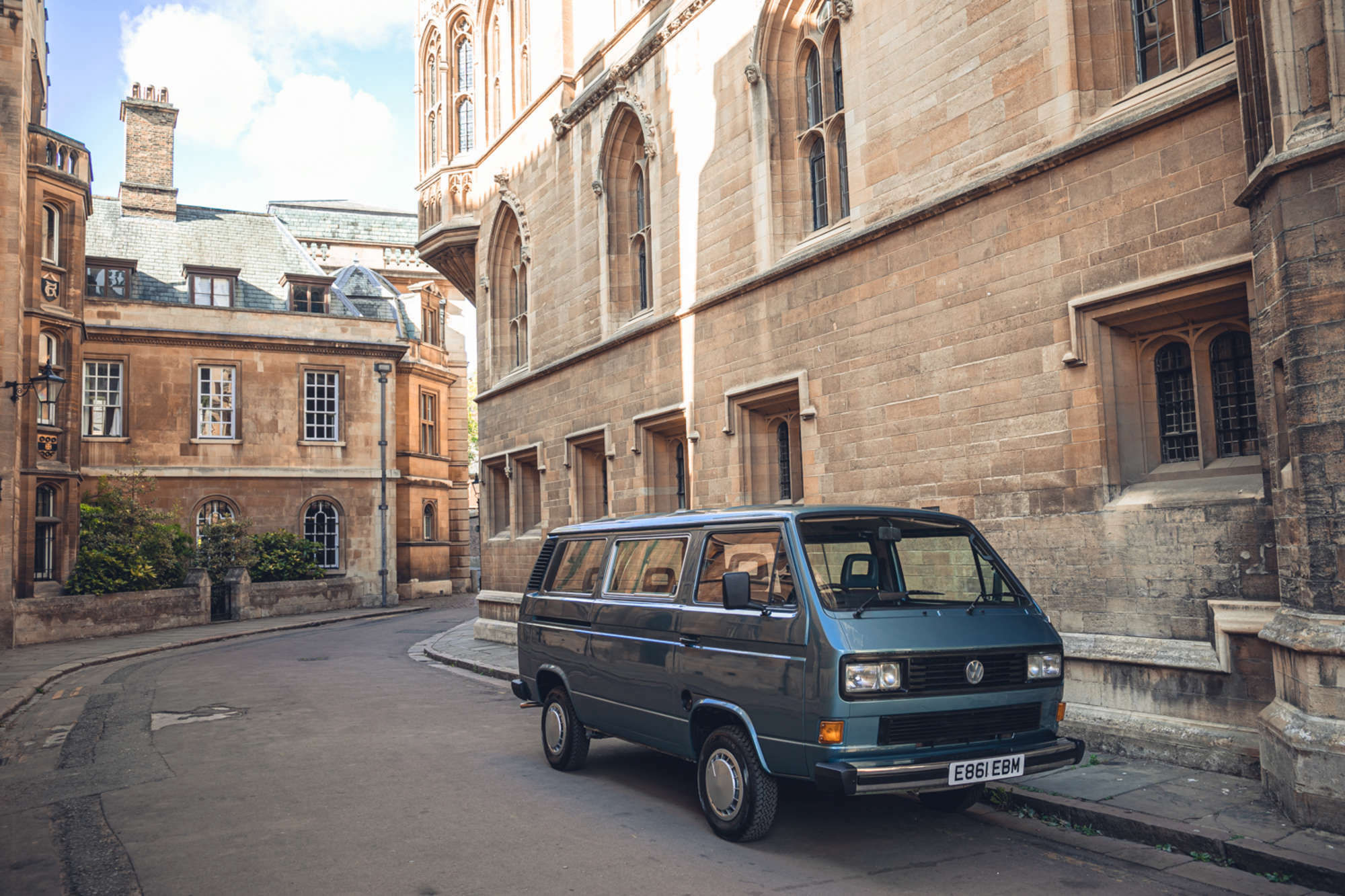
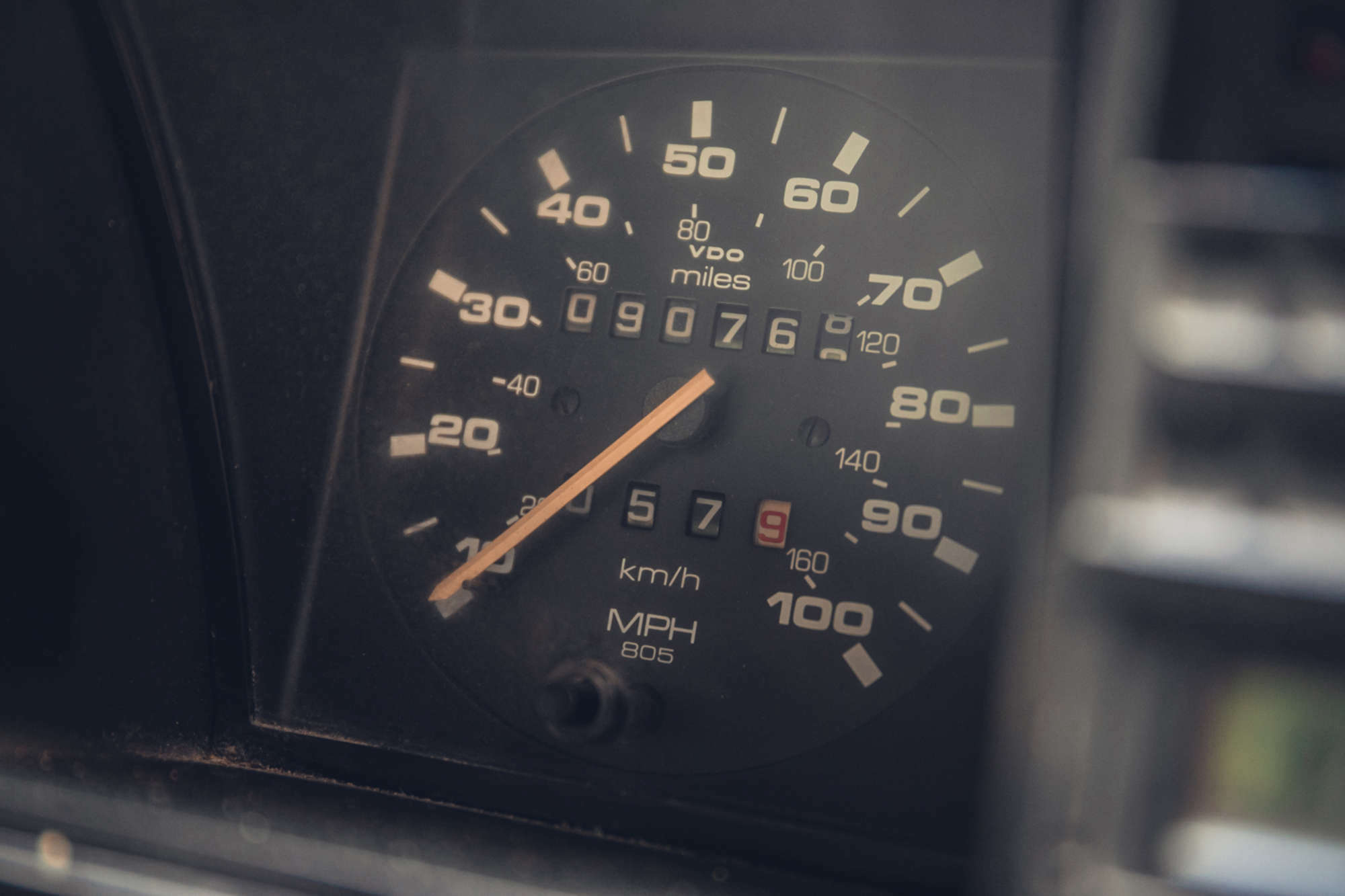
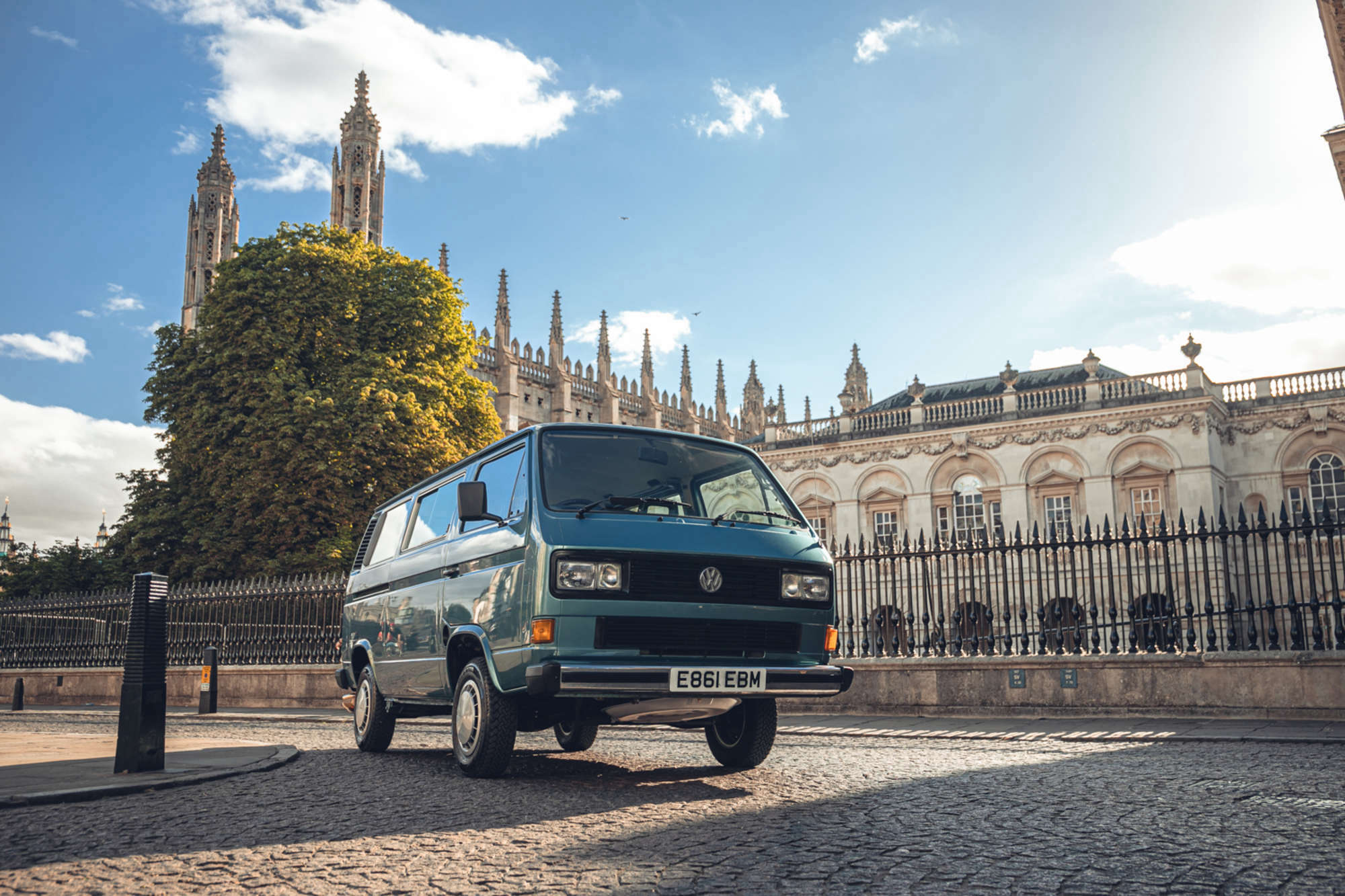
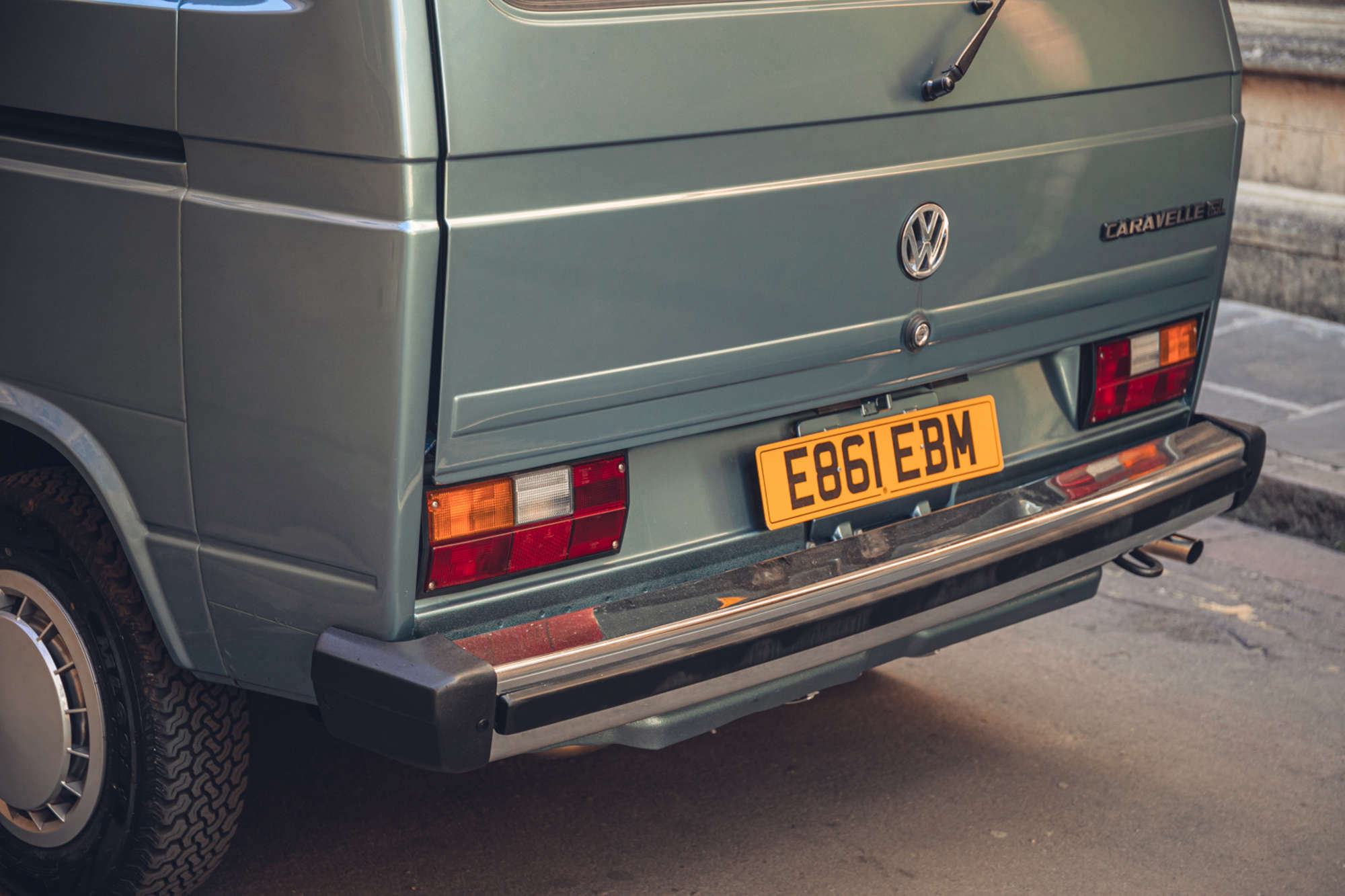
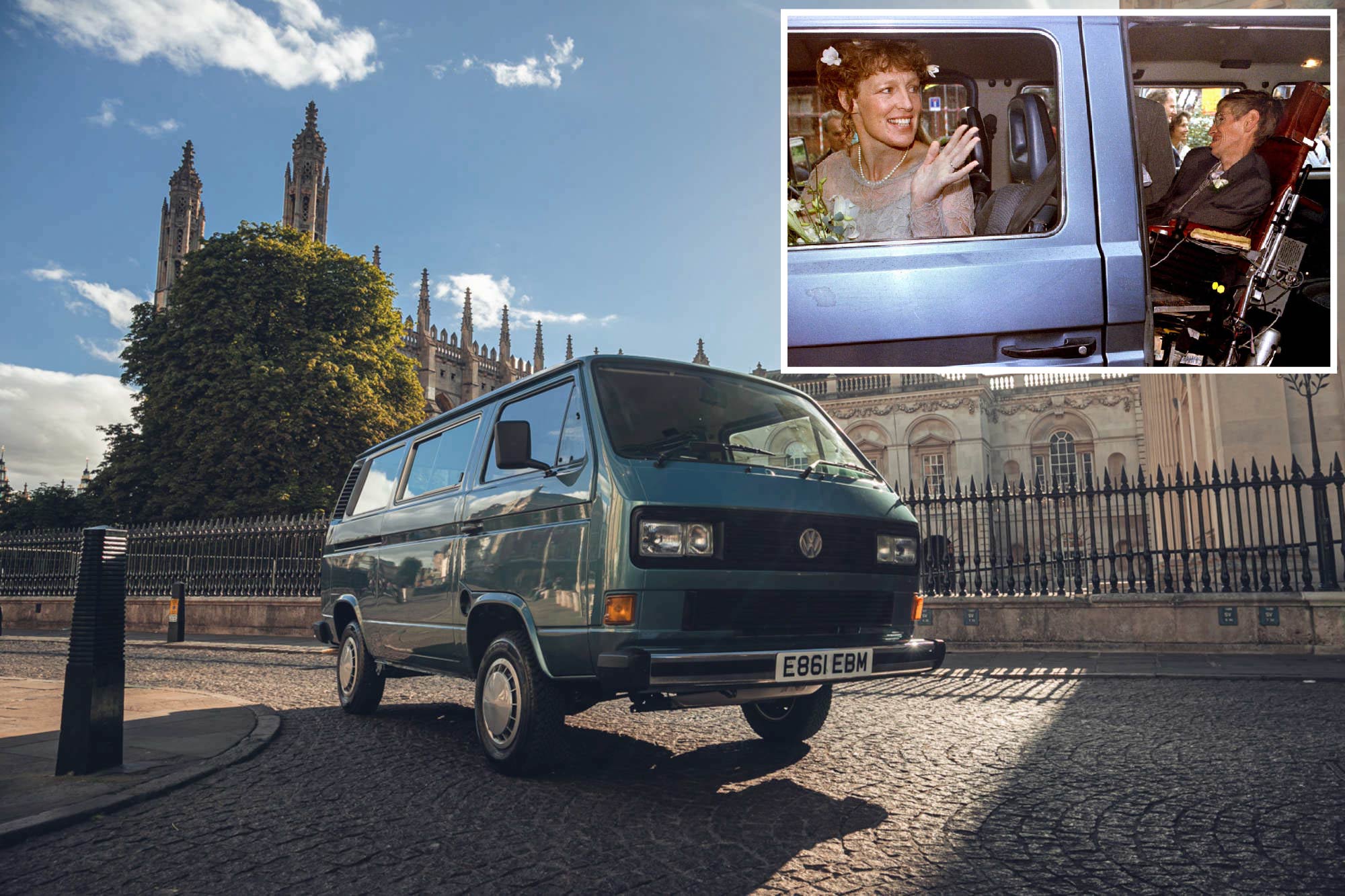
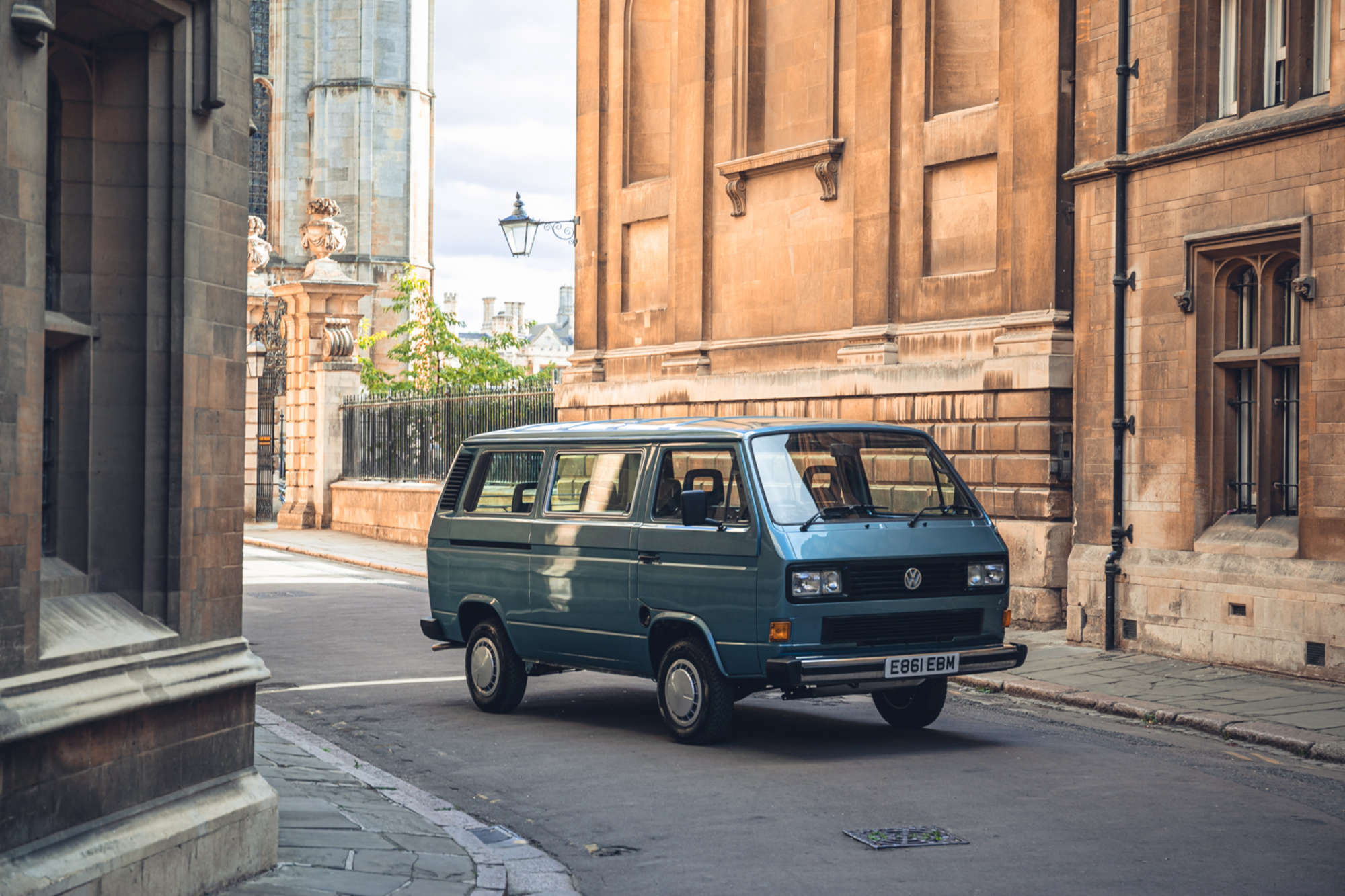
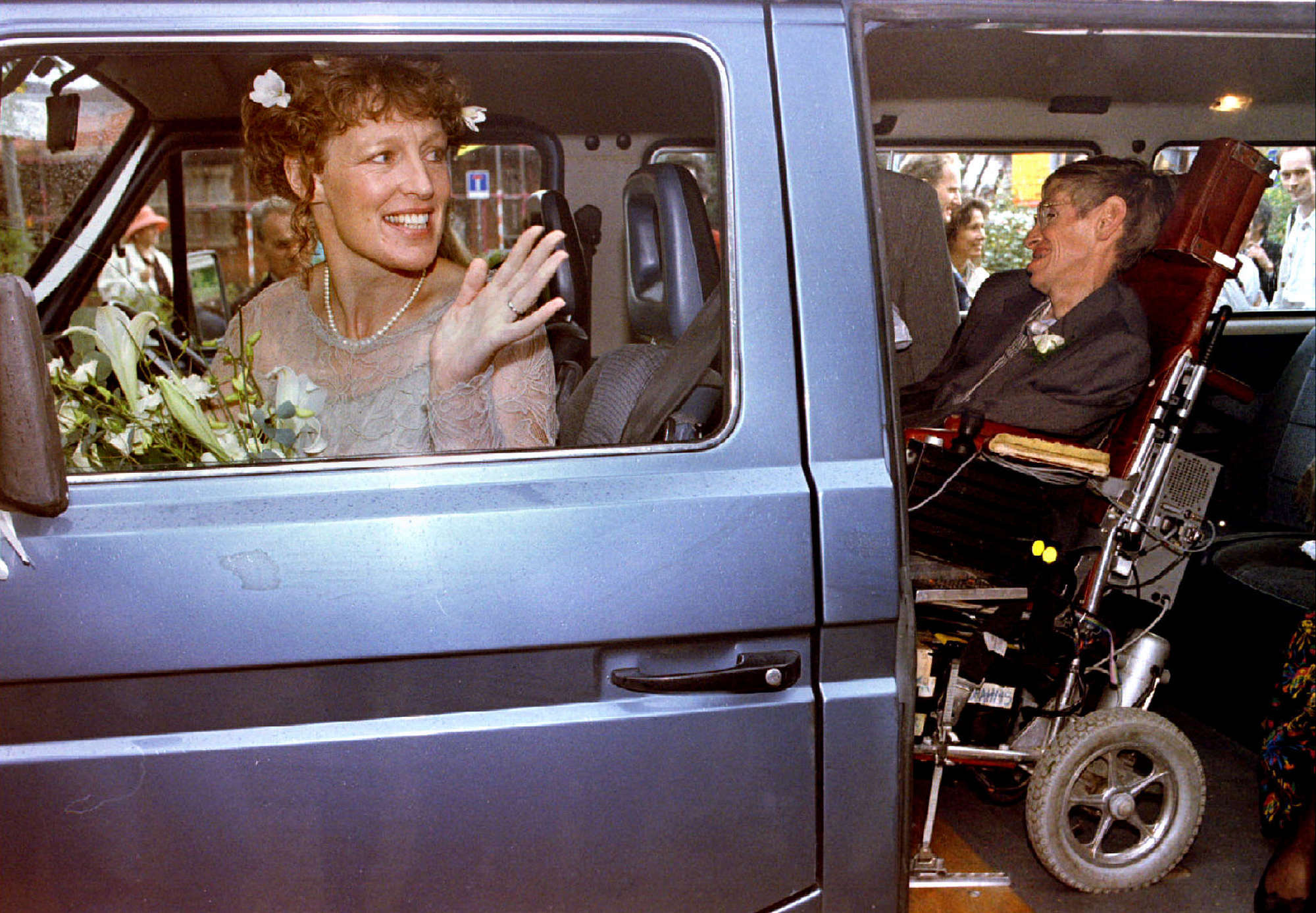
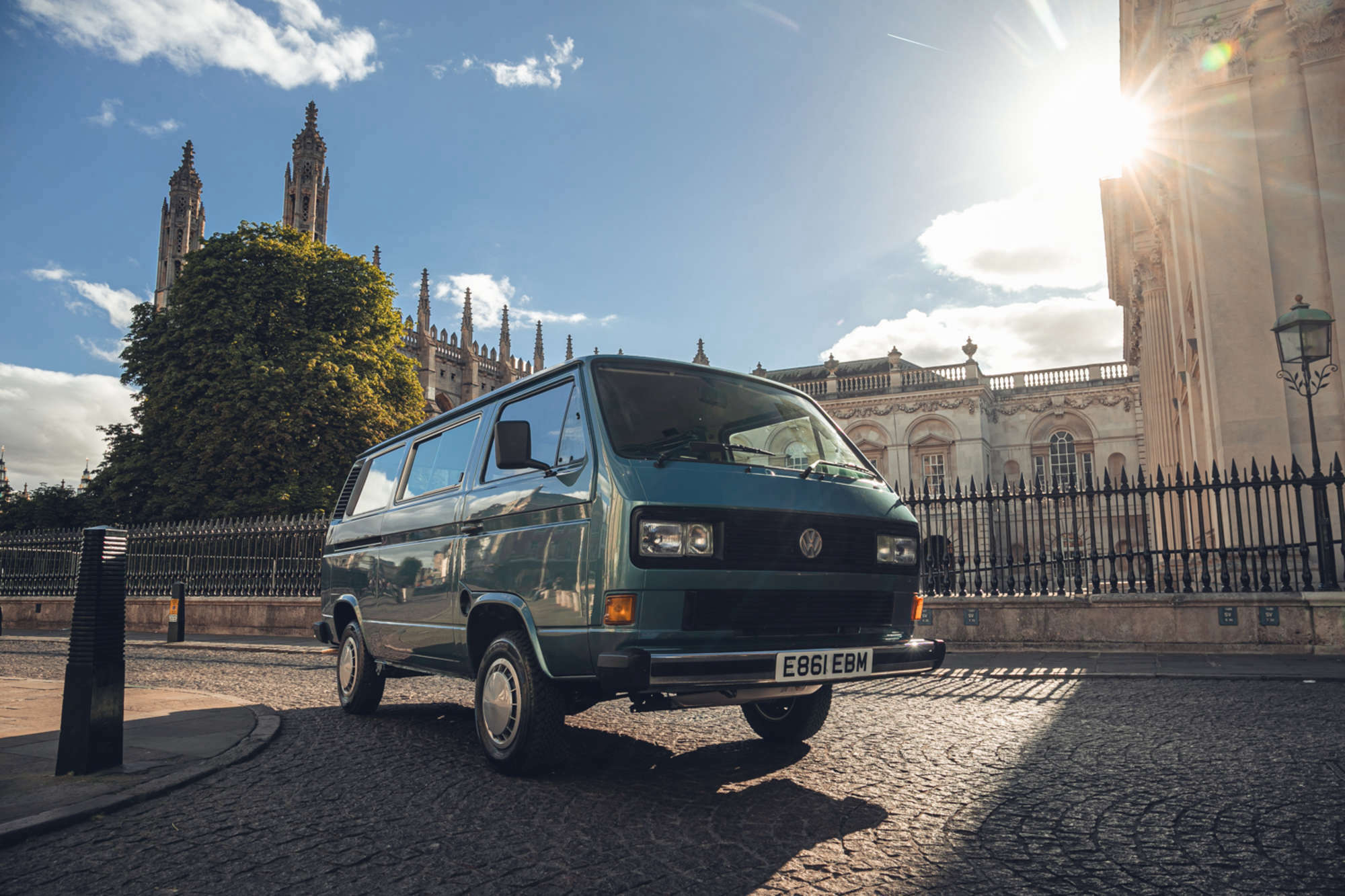
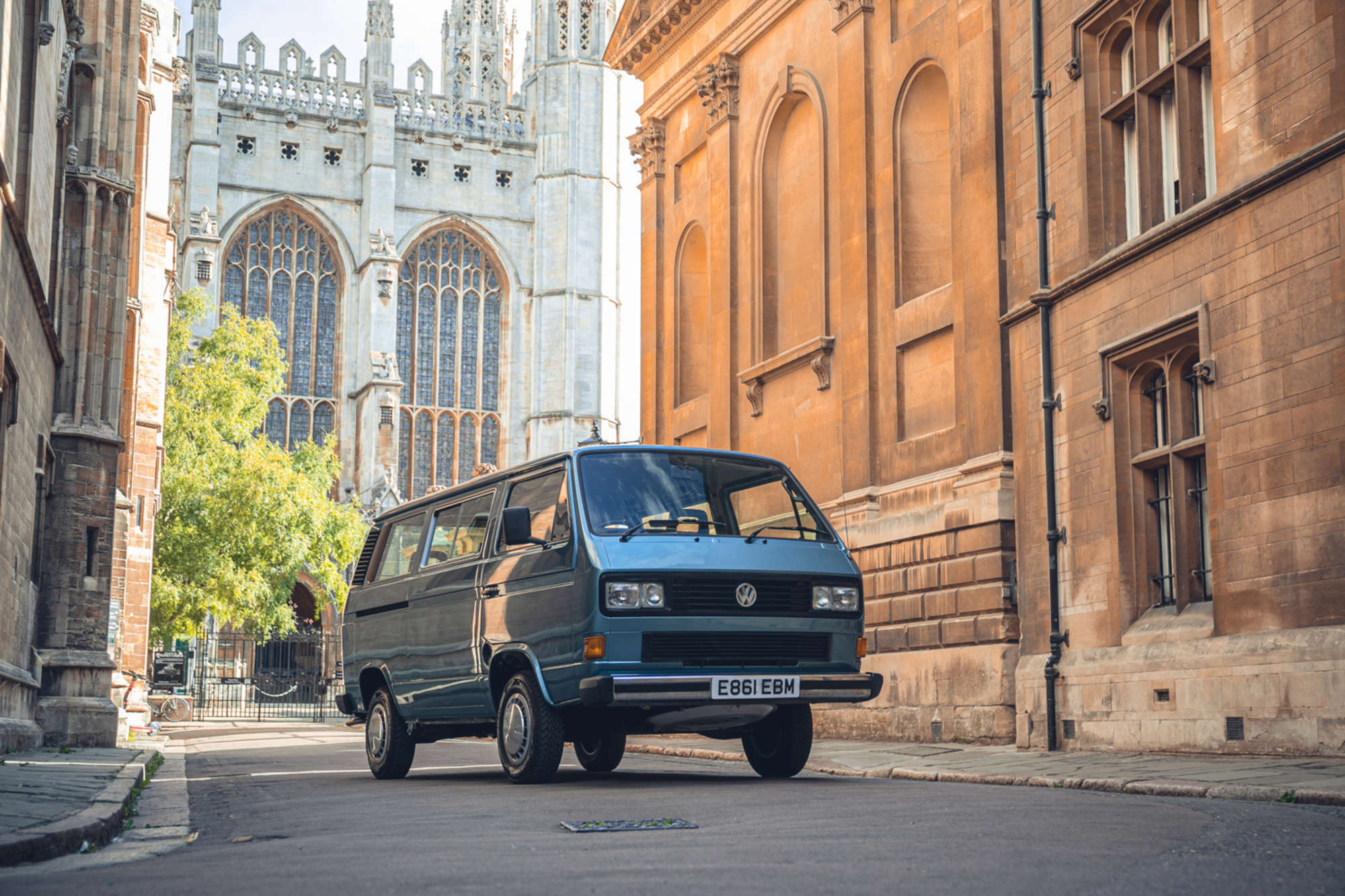
This is the 1988 Volkswagen Caravelle that was owned by Stephen Hawking and used by him for personal transportation for over 10 years. The van was modified to accommodate his wheelchair, and it was used as his wedding car for his 1995 nuptials with Elaine Mason.

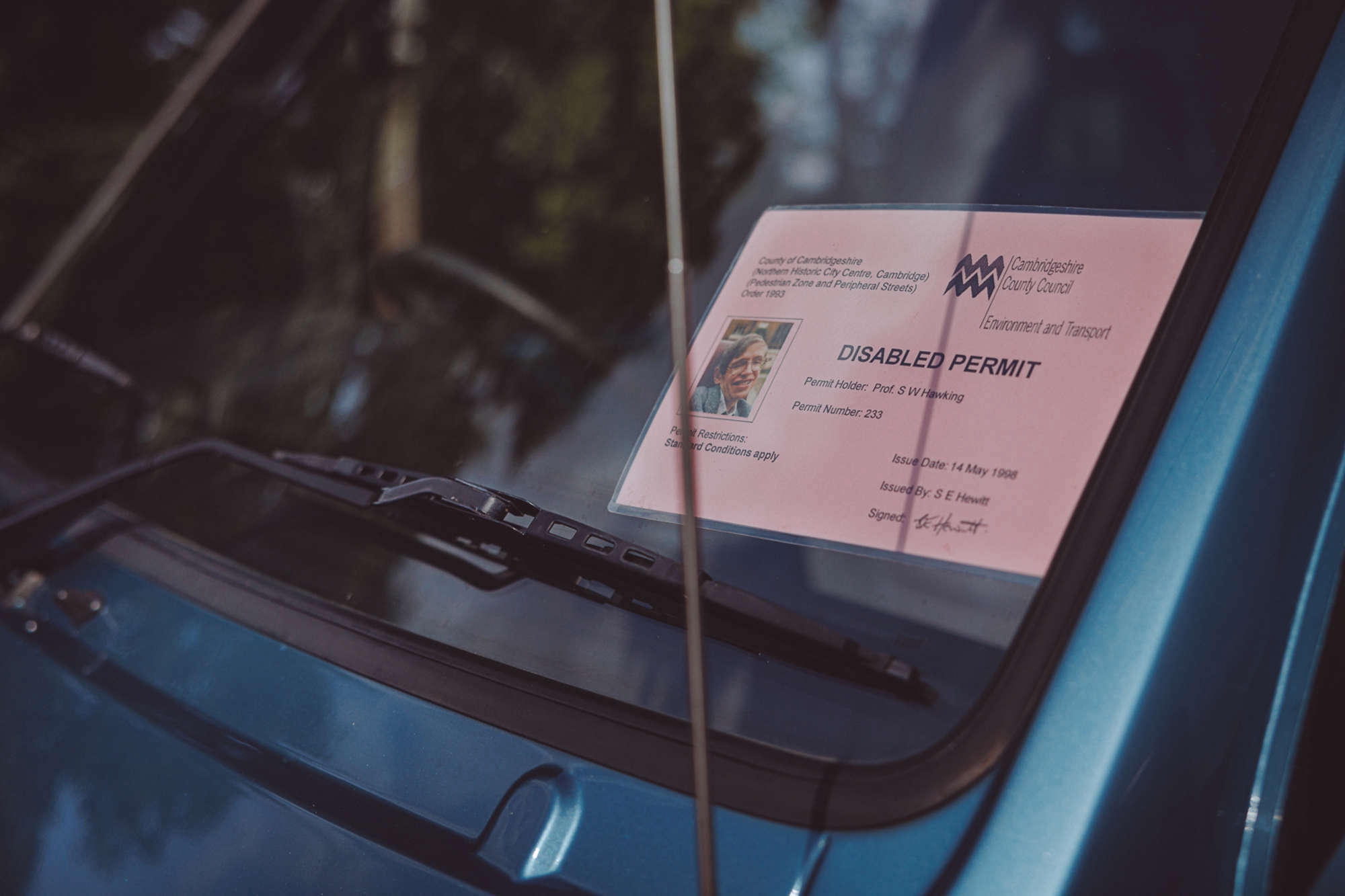
Hawking bought the van in 1998 and it became a well-known sight on the streets of Cambridge where he was a professor at the university, the locals would often wave and smile as he went past.

Fast Facts – Stephen Hawking’s Volkswagen Caravelle

  • There are few if any modern scientists with the widespread public name recognition of Stephen Hawking. His book “A Brief History Of The Universe” became a critically acclaimed best-seller and over 25 million copies have so far been sold.
  • Hawking’s work on on gravitational singularity theorems in the framework of general relativity was critically important, and his theoretical prediction that black holes emit radiation (now called Hawking Radiation) was revolutionary.
  • I don’t know what any of the things in that second bulletpoint mean, but hopefully you do.
  • Hawking bought this Volkswagen Caravelle in 1988, the same year that “A Brief History Of The Universe” was published. He kept it for a decade until the progression of his motor neurone disease required a new wheelchair for which this van wasn’t equipped.

The Volkswagen Caravelle

The Volkswagen Caravelle (T3) was the third generation of the iconic VW Van that had first been released back in 1949. It was given different names in different regions, in the USA it was called the Vanagon, in South Africa it was the Microbus, and in Europe it was the Caravelle.
Stephen Hawking Volkwagen Caravelle Van 3

The Volkswagen Caravelle (T3) was the third generation of the VW Van, as with earlier models it has a stamped steel body and a rear-mounted engine driving the rear wheels.

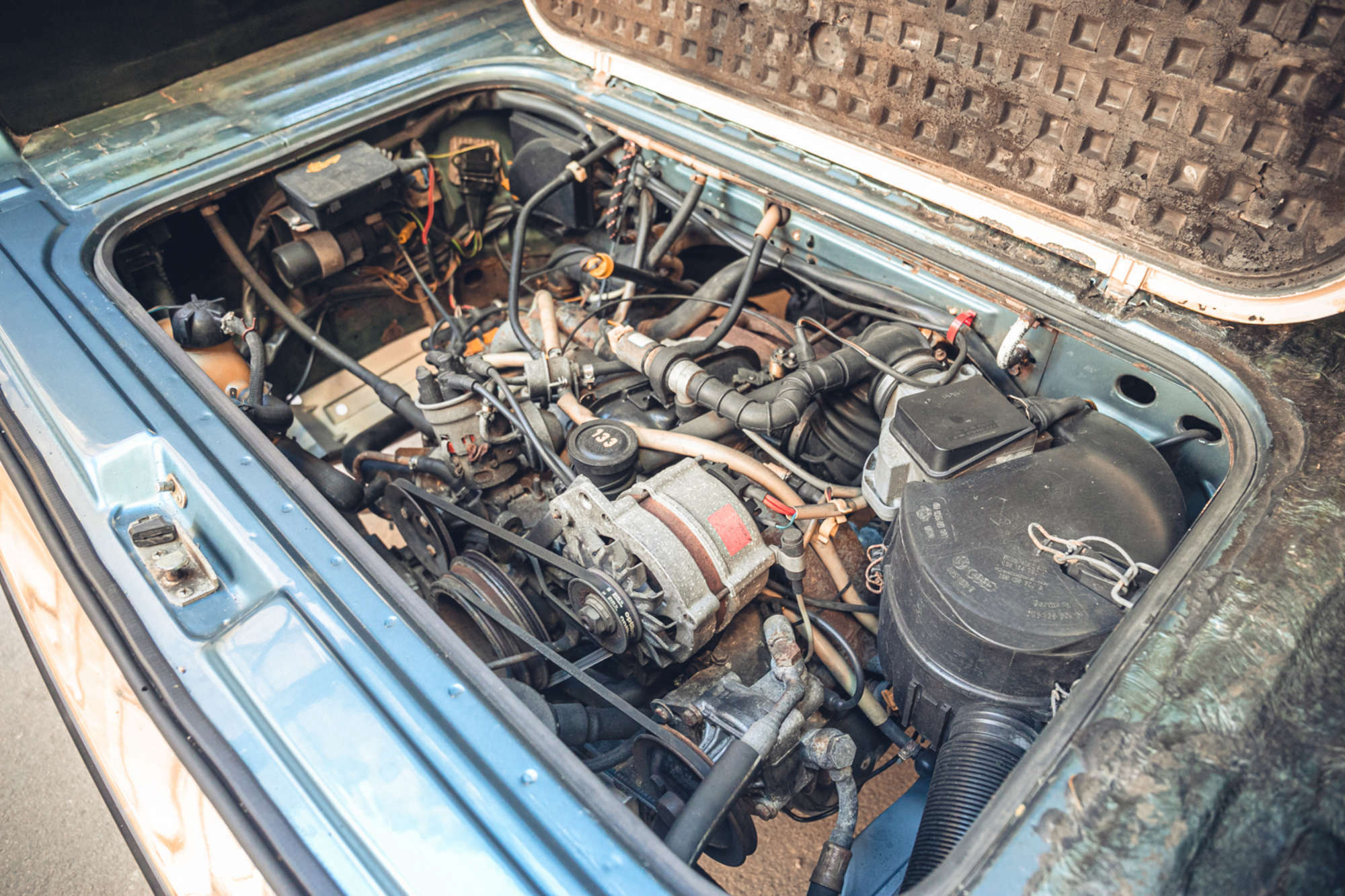
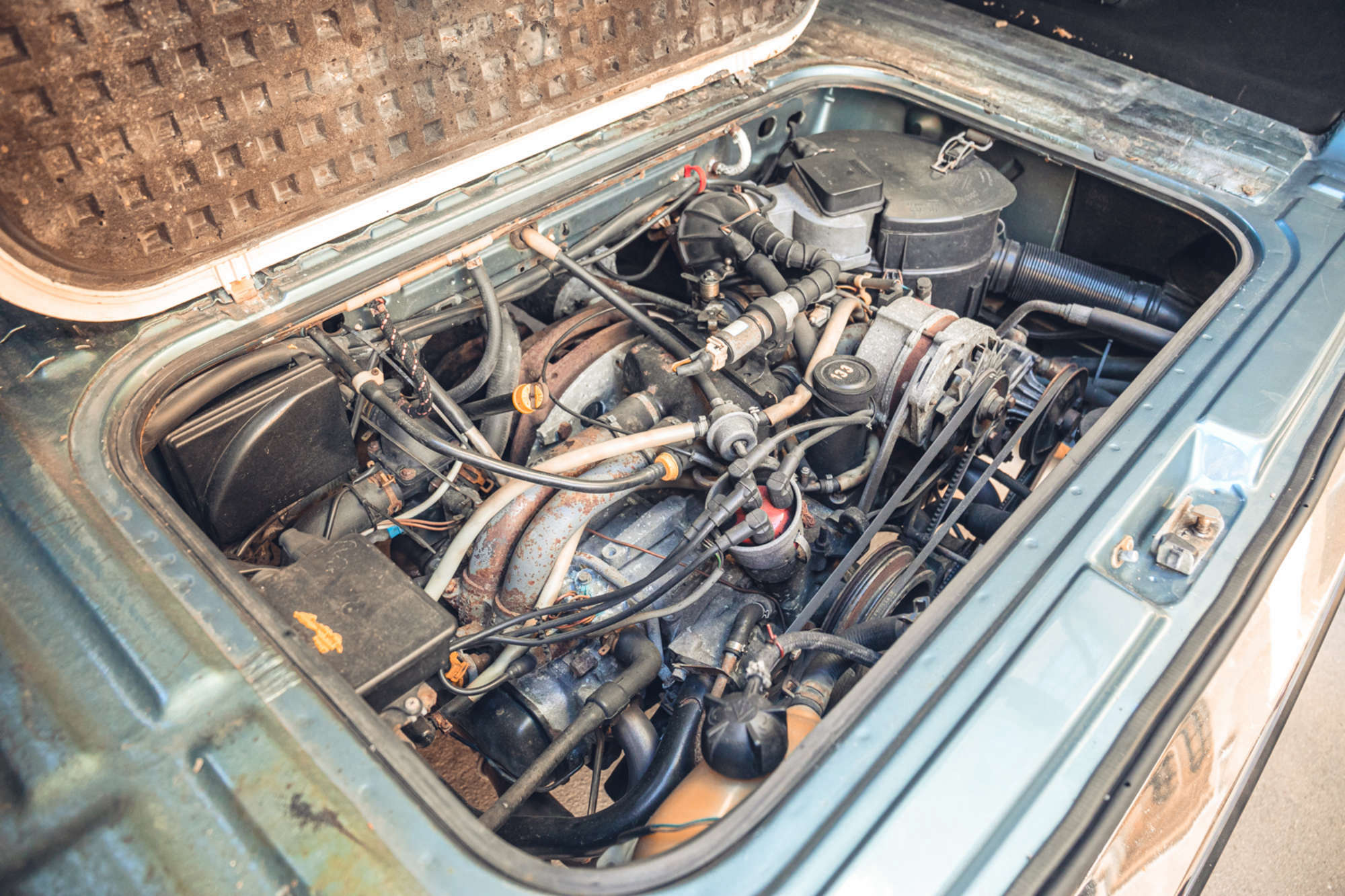
Much like the earlier two generations of the VW Van, the T3 was originally fitted with air-cooled engines, these would be replaced with more modern liquid-cooled engines later in the model’s production run.

A wide variety of body styles would be offered including a pickup truck like utility version, cargo van versions, minibus versions, and even highly specialized campers built by Westfalia.

As with the earlier generations, the third generation was powered by a rear-mounted engine driving the rear wheels. Both petrol and diesel engines were offered in sizes ranging from 1.6 liters to 2.6 liters, and buyers could choose from a 4 or 5-speed manual transmission or a 3-speed automatic.

A special version of the T3 was offered with four-wheel drive, it was called the Vanagon Syncro in the North American market. It was fitted with elevated suspension and a center differential to send power forward and back.
Stephen Hawking Volkwagen Caravelle Van

This picture from 1995 shows Hawking in the back of this van, with his new wife Elaine Mason in the front seat.

The Volkswagen T3 would remain in production from 1979 until 2002, with assembly taking place in Germany, Austria, and South Africa.

It’s now typically the most affordable of the “classic” VW Vans and as a result its found favor with a new generation, many of whom are converting them into campers and joining the vanlife movement.

Stephen Hawking’s Volkswagen Caravelle

Stephen Hawking had been diagnosed with motor neurone disease (MND) in 1963. It was a crushing blow to the athletic young Oxford University student and avid member of the college’s famous rowing team.

Doctors initially gave him just two years to live but he shocked them all, and eventually outlived most of them. By the 1960s he had been confined to a motorized chair but he soon became notorious for the wildness of his wheelchair driving, people quickly learned to leap out of the way when they saw him racing to various lecture halls.
Stephen Hawking Volkwagen Caravelle Van 4

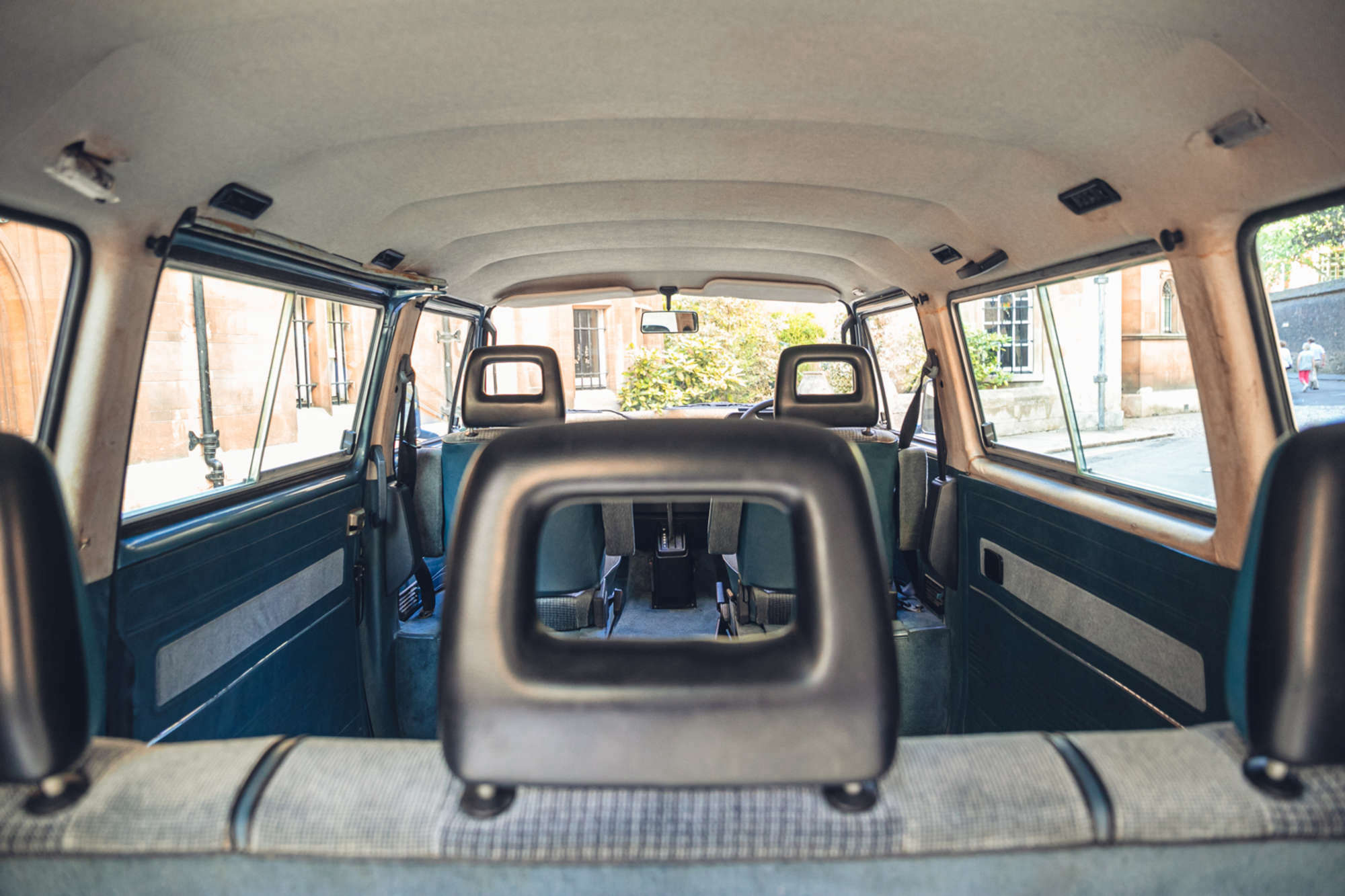
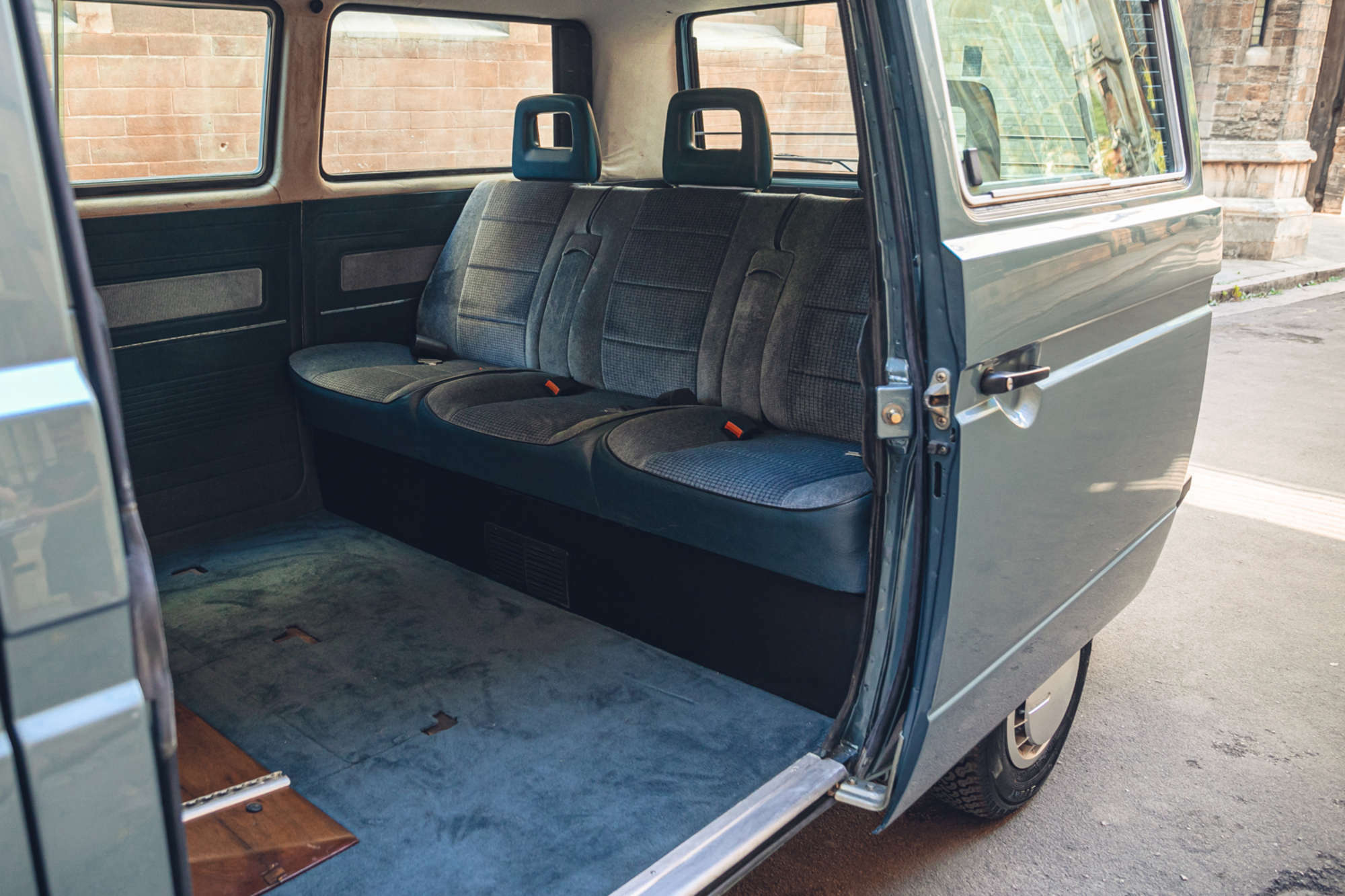
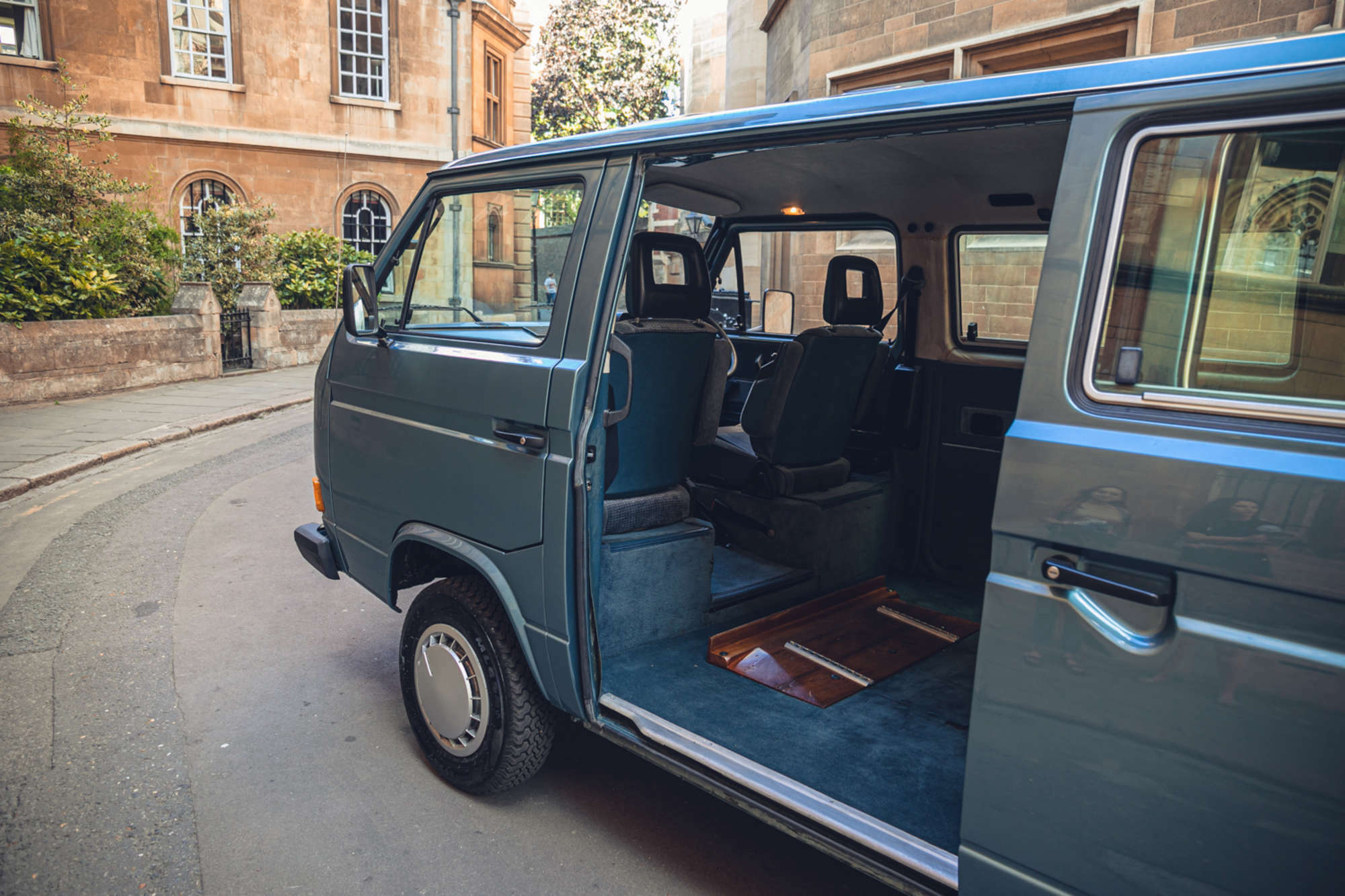
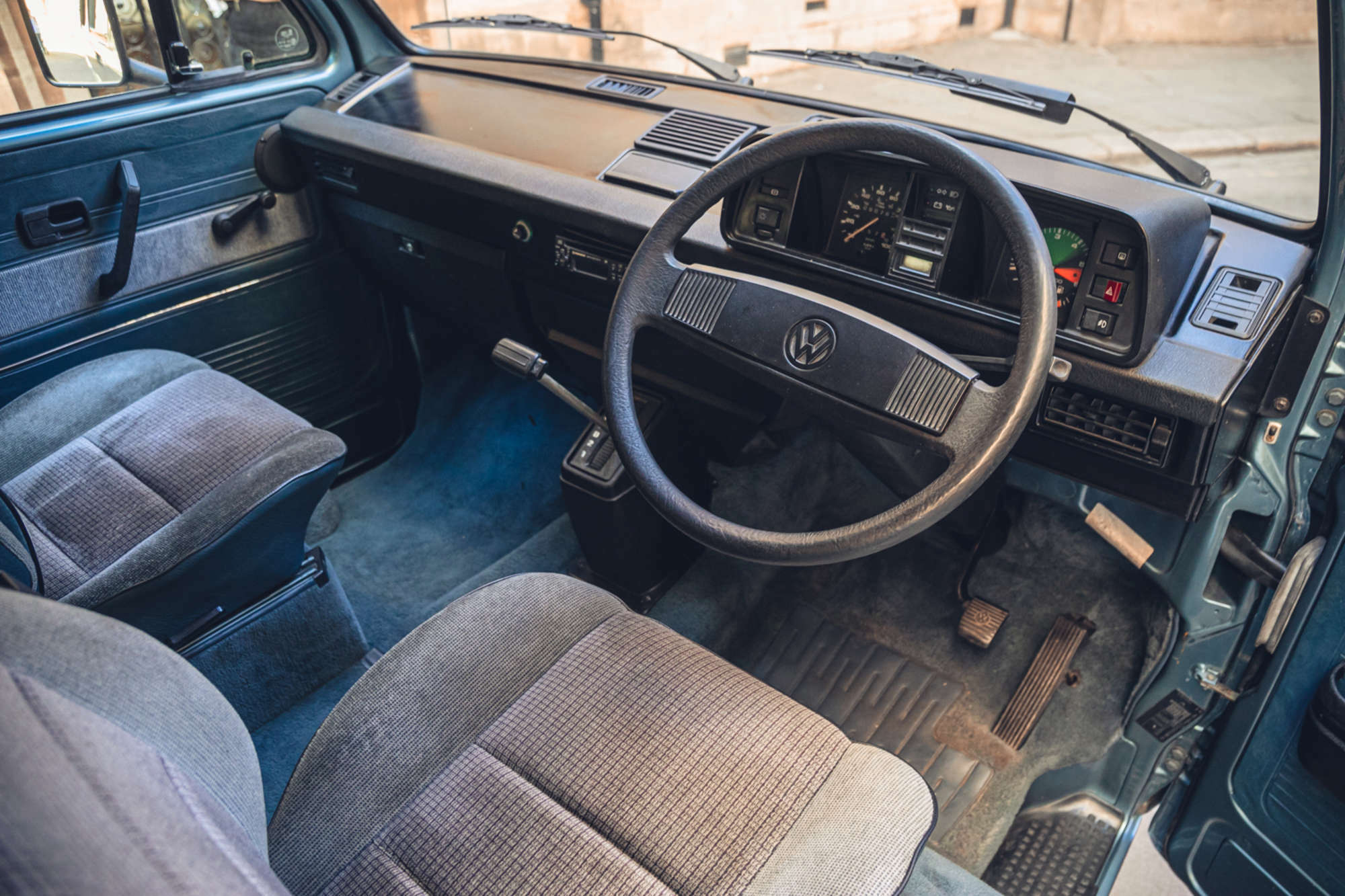
This van is fitted with the 3-speed automatic transmission, to make it as easy to drive as possible for Hawking’s nurses, carers, and family members.

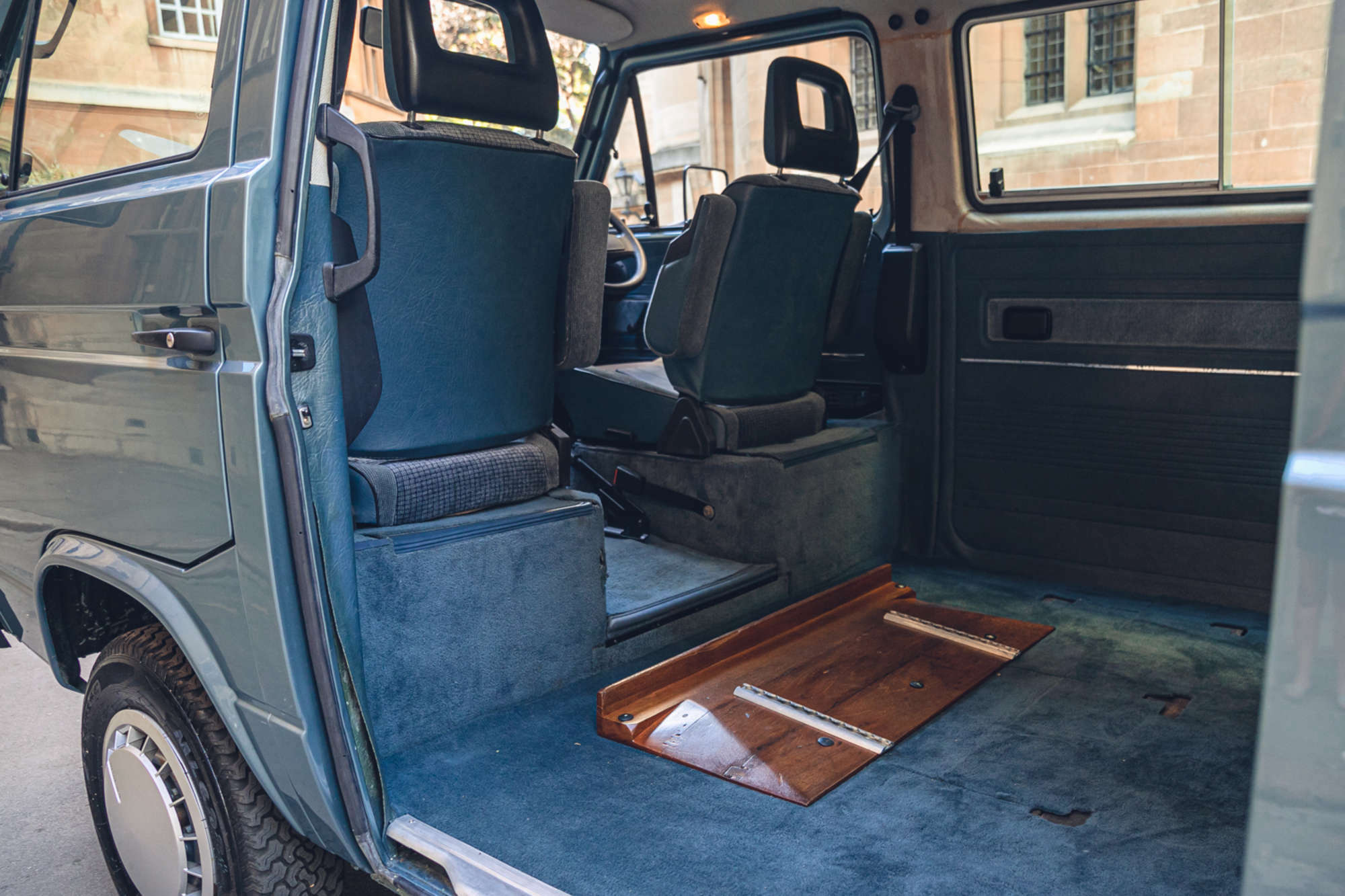
In order to accommodate Hawking on his wheelchair specially modified vehicles were required and in 1988 he bought a new van – the blue Volkswagen Caravelle shown here. It was given the requisite modifications to allow his wheelchair to get in and out, and to be securely fastened to the floor for safety when underway.

This distinctive can became a common sight on the streets of Cambridge where he lived and lectured, as mentioned in the introduction the locals would often wave as he went past. In 1995 this van was his wedding car when he got married to his longtime nurse Elaine Mason.

Sadly due to the progression of his MND Hawking was eventually forced into a larger more complex wheelchair. His trusty VW wasn’t suitable for it and so a new van was bought. He kept this one and passed it onto his nephew who owned it for many years, and who is now offering it for sale directly from uninterrupted Hawking family ownership.

The van is due to cross the auction block with Silverstone Auctions on the 27th of August with no reserve set. If you’d like to read more about it or register to bid you can visit the listing here.
Stephen Hawking Volkwagen Caravelle Van 9 Stephen Hawking Volkwagen Caravelle Van 19 Stephen Hawking Volkwagen Caravelle Van 18 Stephen Hawking Volkwagen Caravelle Van 16 Stephen Hawking Volkwagen Caravelle Van 15 Stephen Hawking Volkwagen Caravelle Van 14 Stephen Hawking Volkwagen Caravelle Van 13 Stephen Hawking Volkwagen Caravelle Van 12 Stephen Hawking Volkwagen Caravelle Van 11 Stephen Hawking Volkwagen Caravelle Van 10 Stephen Hawking Volkwagen Caravelle Van 8 Stephen Hawking Volkwagen Caravelle Van 7 Stephen Hawking Volkwagen Caravelle Van 6 Stephen Hawking Volkwagen Caravelle Van 5 Stephen Hawking Volkwagen Caravelle Van 2 Stephen Hawking Volkwagen Caravelle Van 1

Images courtesy of Silverstone Auctions

Stephen Hawking Volkwagen Caravelle Van Hero

The post For Sale: Stephen Hawking’s Volkswagen Caravelle appeared first on Silodrome.


from Silodrome https://silodrome.com/stephen-hawking-volkswagen-caravelle/
via gqrds

The Miller 91 Supercharged Front Drive “Perfect Circle” Indianapolis

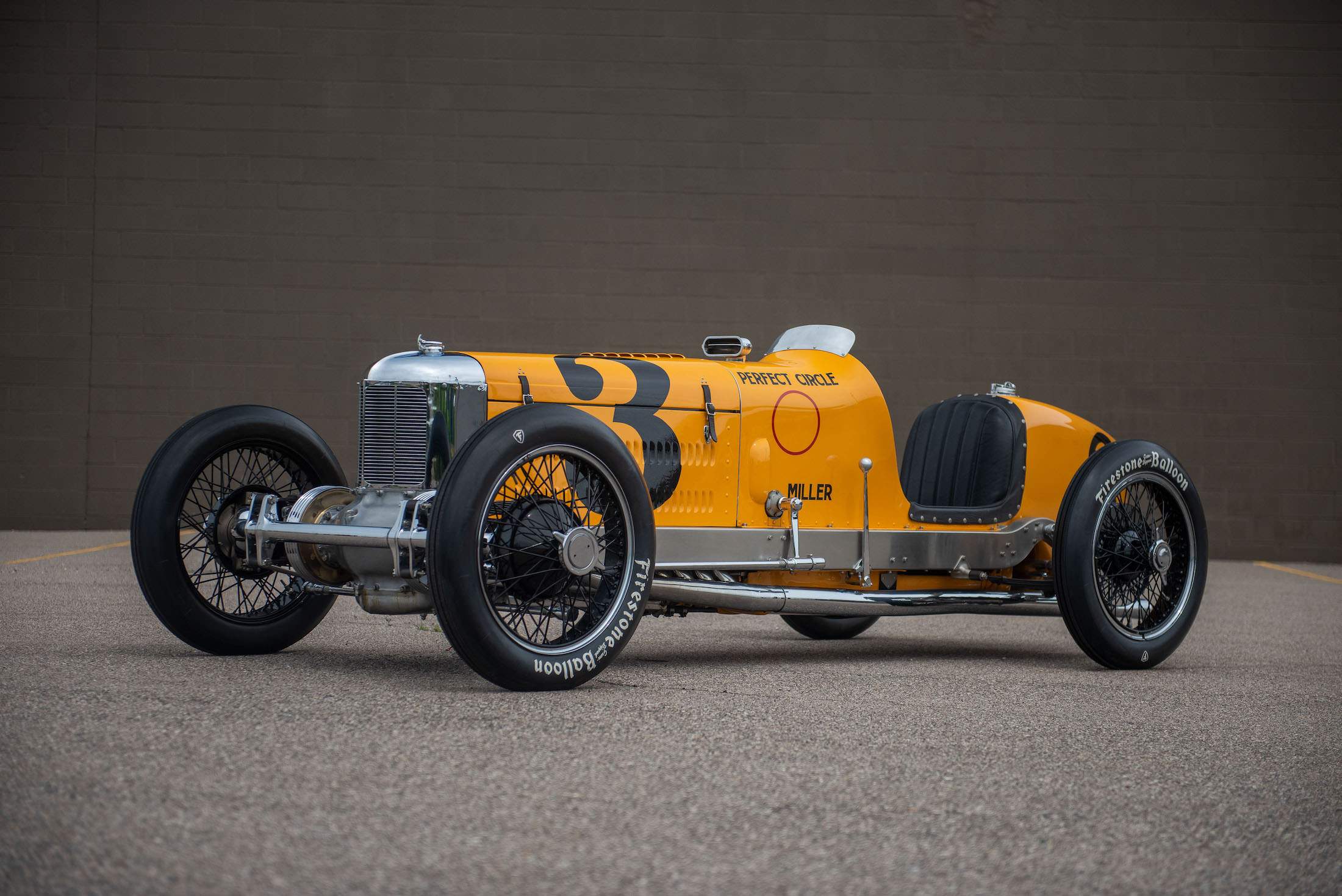
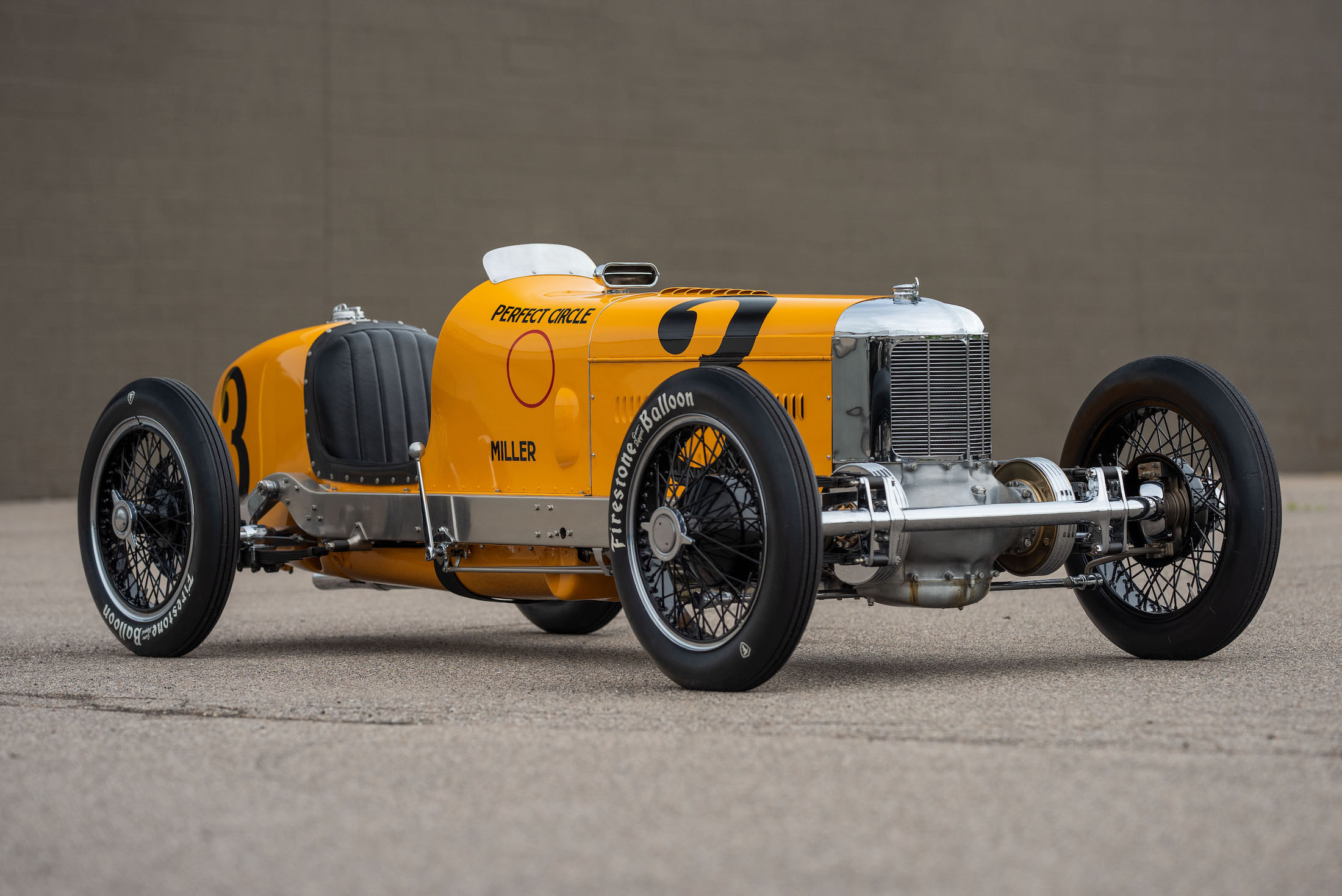
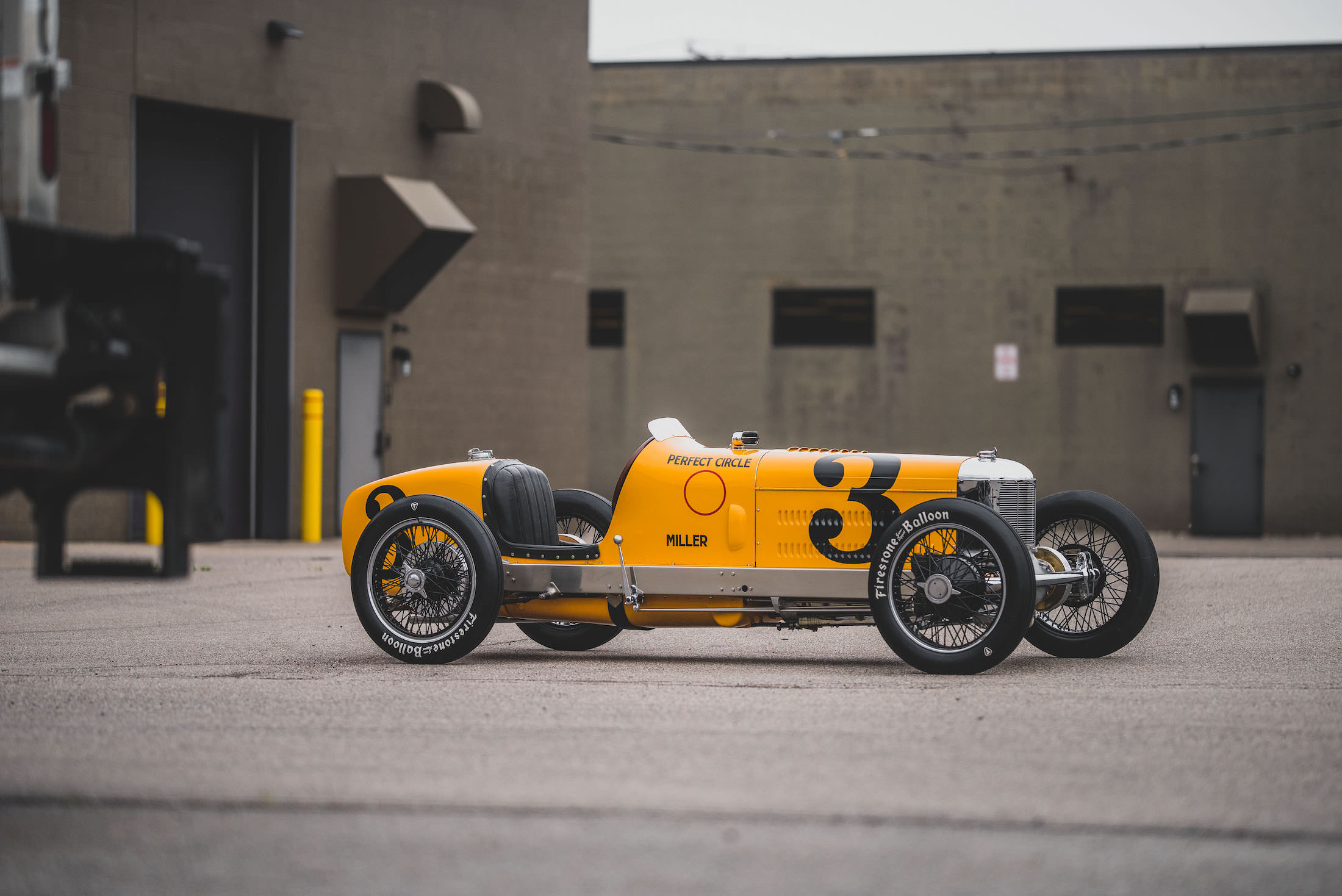
This is the Miller 91 Supercharged Front Drive “Perfect Circle” Indianapolis, an extraordinary vehicle developed by Harry Miller – a man now widely regarded as the greatest American race car designer of the 20th century.

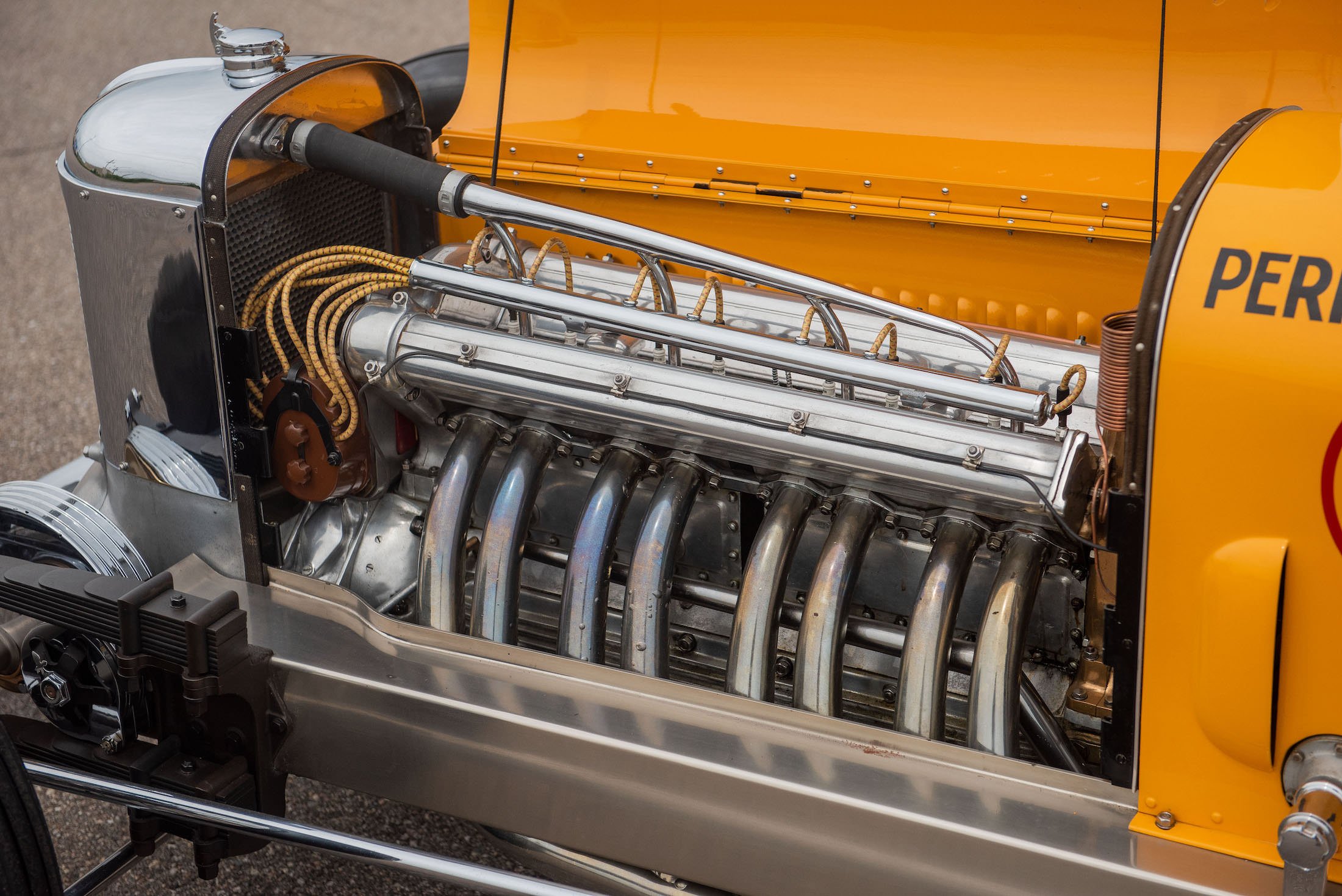
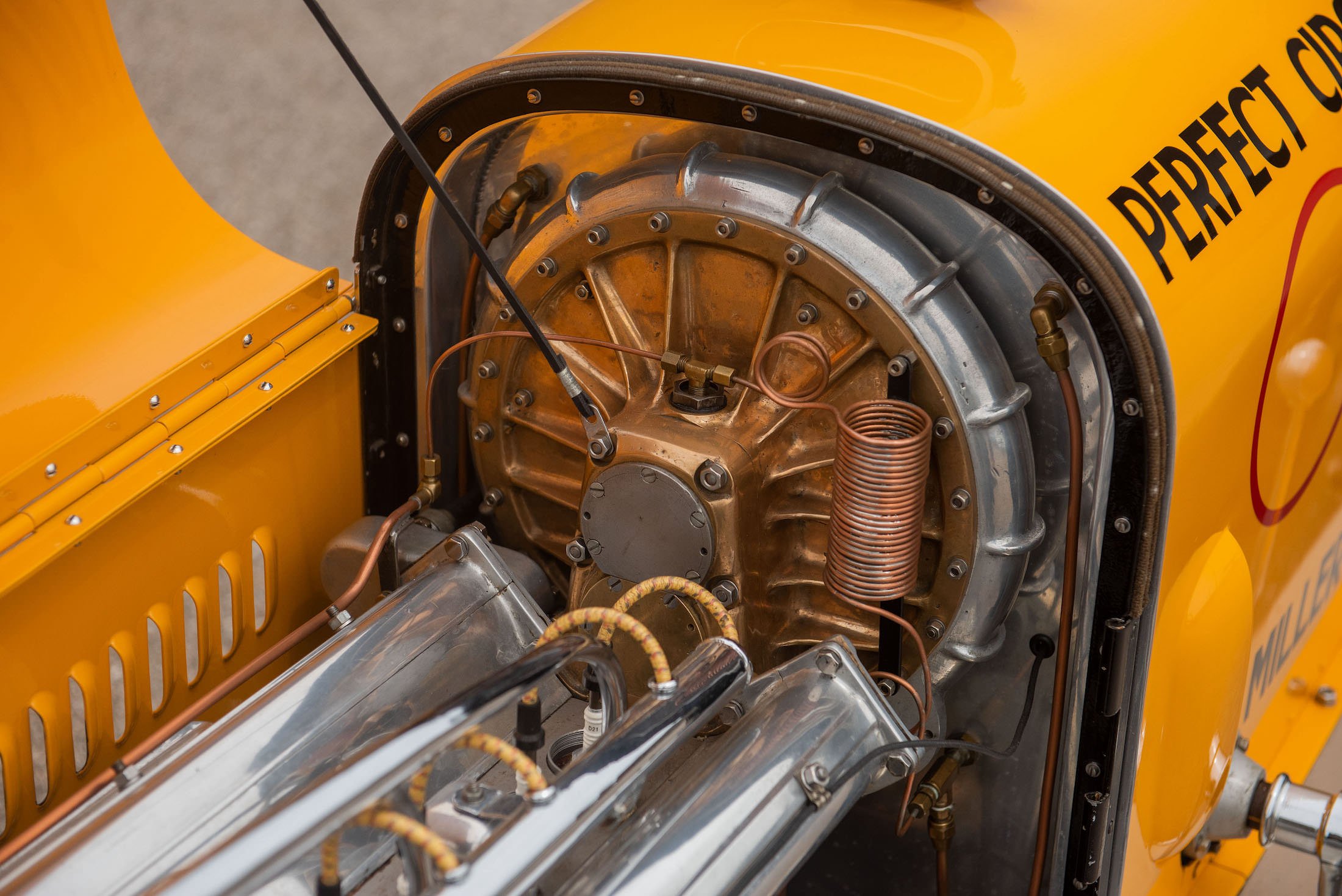
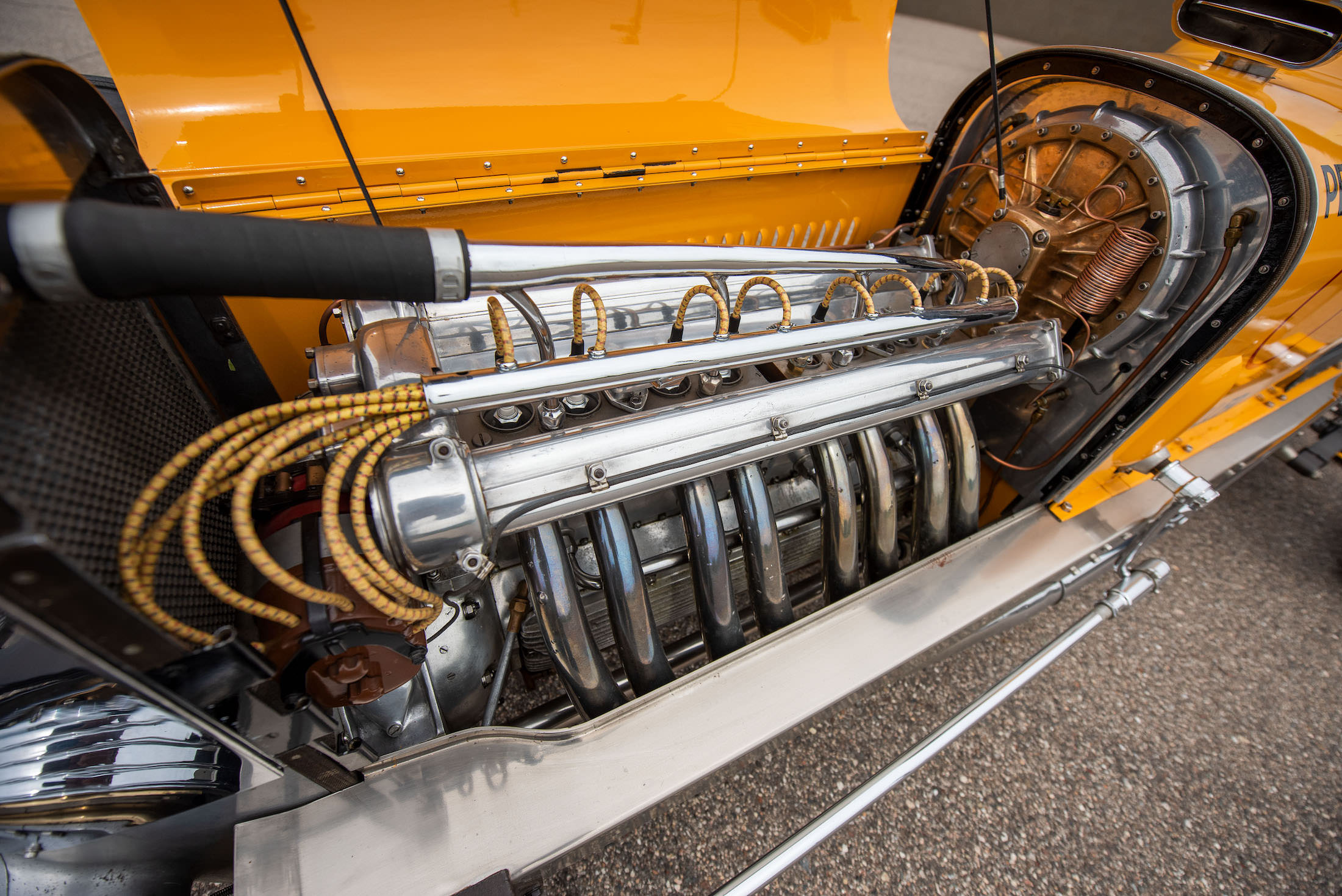
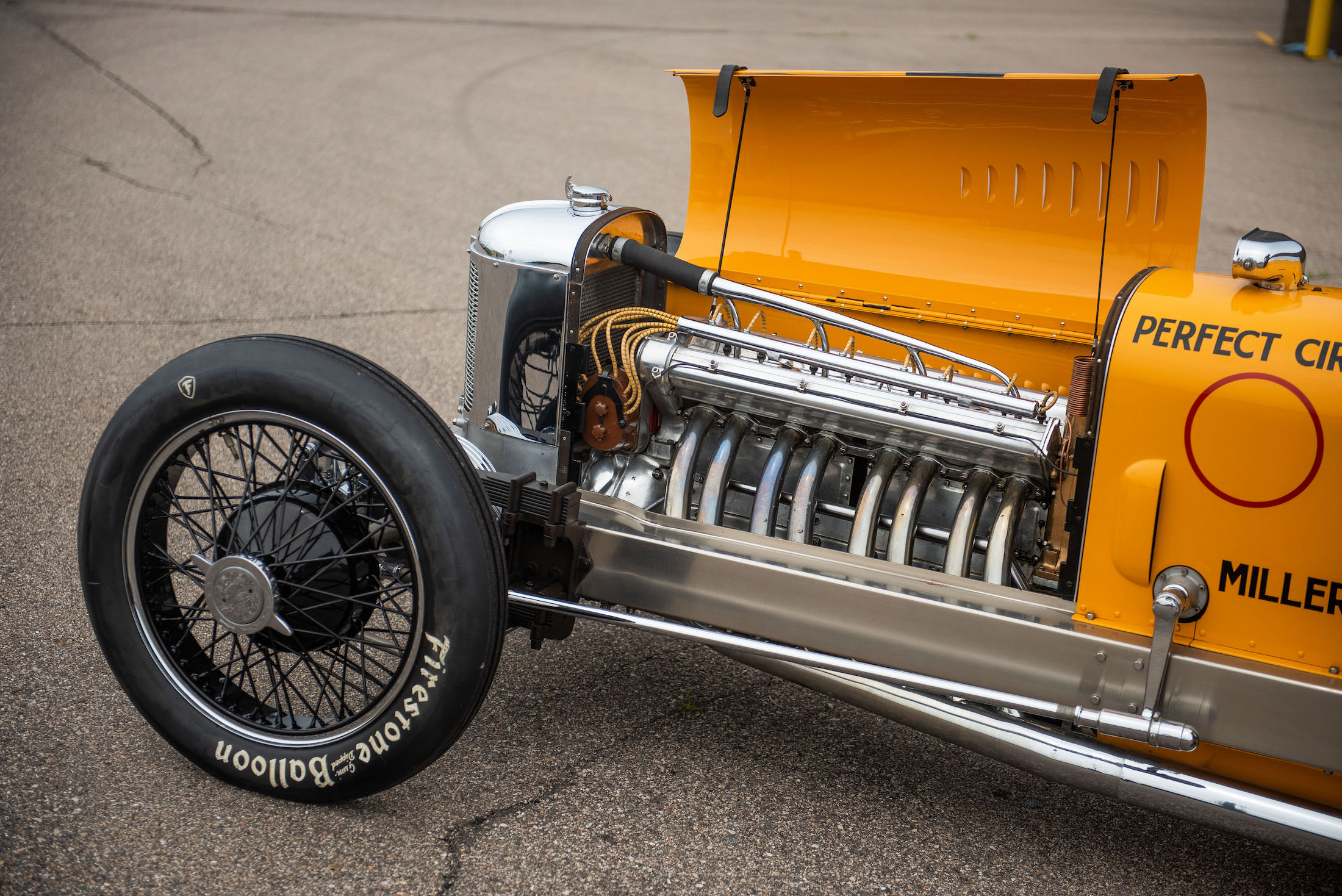
The Miller 91 is powered by an advanced double overhead cam inline-eight cylinder engine with a supercharger that’s capable of 250 bhp at 8,000 rpm – astonishing figures by the standards of the 1920s.

Fast Facts – The Miller 91 Front Drive

  • Harry Miller left school early and never received formal engineering training, despite this he became one of the most influential and successful American racing car and racing engine designers of the 20th century.
  • Cars designed by Miller and his team won the Indianapolis 500 10 times, other cars that were powered by Miller (or Miller-based Offenhauser) engines won the race another 29 times. On top of that Miller cars won 43 National Championships.
  • The Miller 91 was developed from an almost blank slate to meet the new 91.5 cubic inch (1.5 liter) engine displacement limit for 1926. The straight-eight engine has DOHC, a supercharger, up to 250 bhp at 8,000 rpm and both front and rear wheel drive versions were built.
  • The front-wheel drive Miller 91 you see here is powered by the 1927 AAA National Championship-winning 91 engine, and it would go on to win the Indianapolis 500 in 1930 with Billy Arnold at the wheel.

Harry Miller – An American Eccentric Genius

Griffith Borgeson called Harry Miller “The greatest creative figure in the history of the American racing car” – while that may initially seem like hyperbole, the more you learn about Miller the more sensible the quote becomes.

Harry Miller

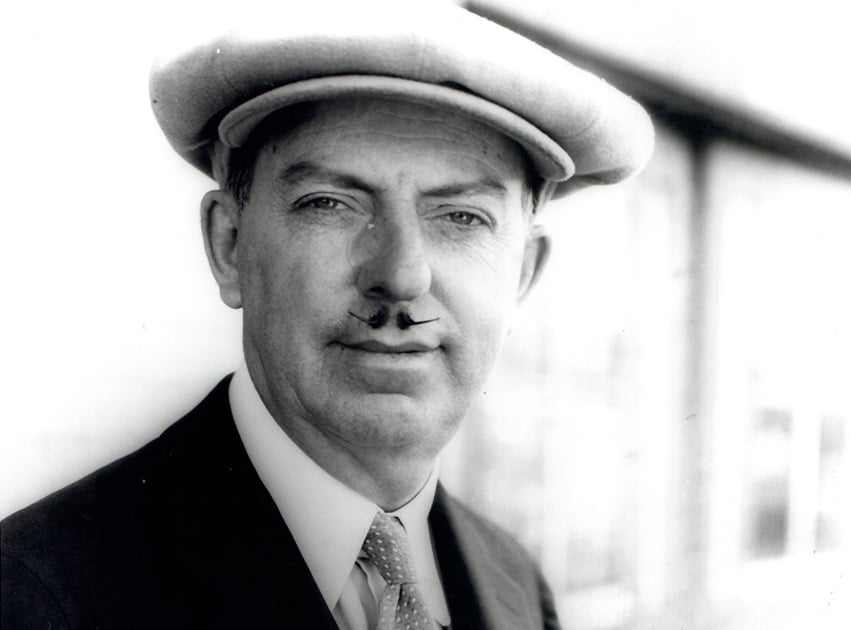
With his distinctive moustache Harry Miller was one of the most enduring characters in the automotive world of the 1920s and 1930s.

Harry Miller was born Harold Arminius Miller in 1875 Menomonie, Wisconsin. He left school as soon as he could and pursued his passion for the brand new world of automobiles. Within a few short years he was living in California running his own carburetor manufacturing company, and in this capacity he developed a number of carburetor-related patents.

By the 1910s Miller’s shop had expanded its operations to working on race cars, including those built by Duesenberg and Peugeot. It was here that he’s said to have developed an intimate understanding of advanced overhead cam engine design – something that would greatly influence his own engine designs in the future.

Over the course of the 1910s and 1920s Harry Miller would design a number of remarkable, race winning engines working side-by-side with chief machinist Fred Offenhauser and talented draughtsman Leo Goosen.

By the 1920s Miller’s engines were utterly dominant in American racing, so much so that the rules were changed more than once in the hopes of giving other manufacturers a chance to win, or at least place in the top 10.

Once such rule change occurred in 1926 when the engine displacement limit was changed to 91.5 cubic inches or 1.5 liters. Miller developed a new straight-eight engine with double overhead cams, hemispherical combustion chambers, a supercharger, and all alloy construction for low weight.

Miller 91 Race Car 10

The all-alloy engine developed for the Miller 91 is a straight-eight with double overhead cams, a supercharger, 250 bhp at 8,000 rpm and a top speed of 171 mph.

This 1.5 engine was as intricate as any Swiss watch, early versions developed 150 bhp but later examples are said to have exceeded 250 bhp at 8,000 rpm.

Miller-developed cars won the Indianapolis 500 a total of 10 times, other cars that were powered by Miller (or Miller-based Offenhauser) engines won the race another 29 times on top of that. Miller cars also won a total of 43 National Championships.

In the 1930s Miller partnered with an up and coming automotive designer named Preston Tucker. The two men worked together on Indianapolis 500 race cars and on an unusual vehicle called the Tucker Combat Car that was intended for military use.

Miller died in 1943, leaving behind a legacy that few in automotive history could ever hope to match – on either side of the Atlantic.

The Miller 91 “Front Drive”

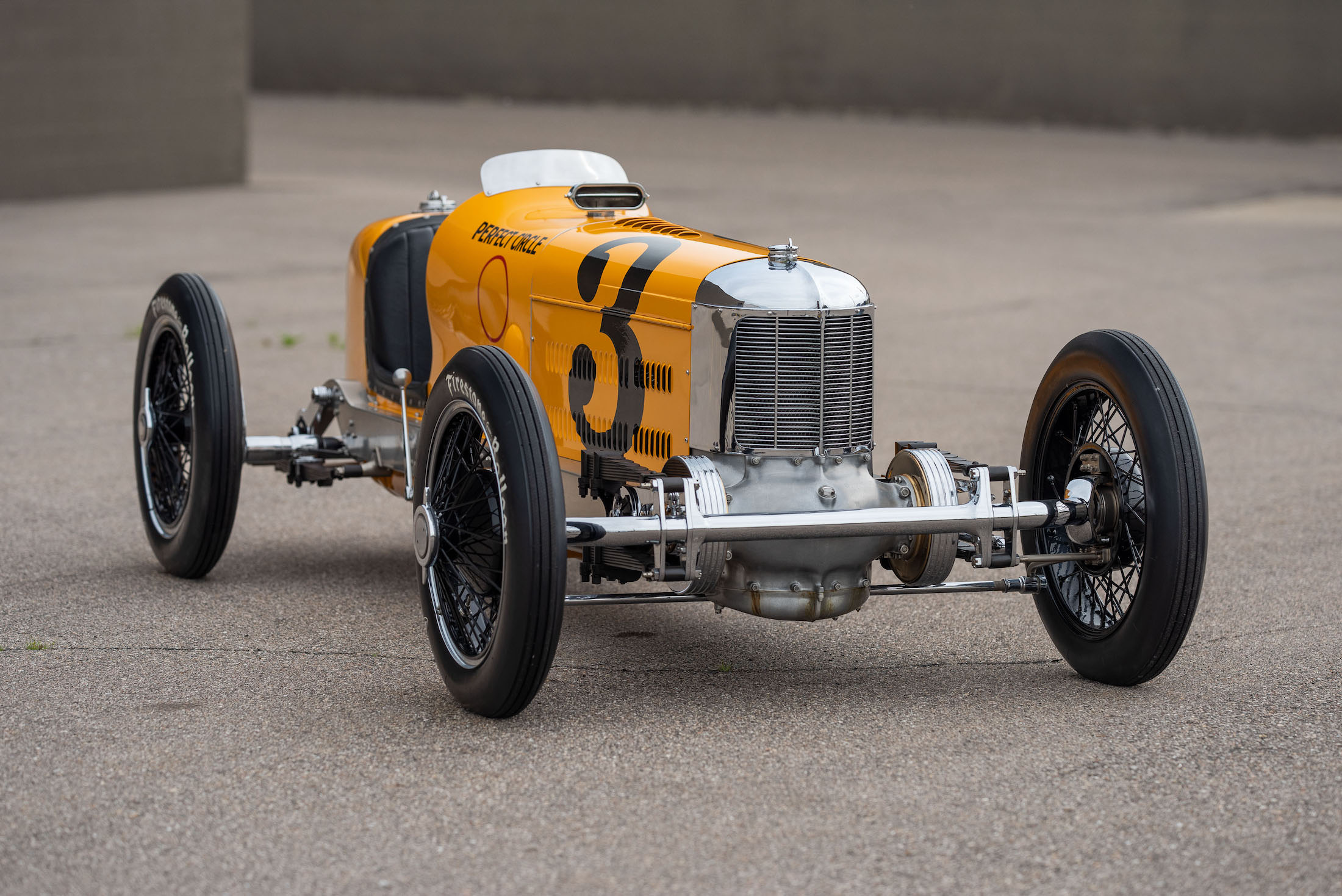
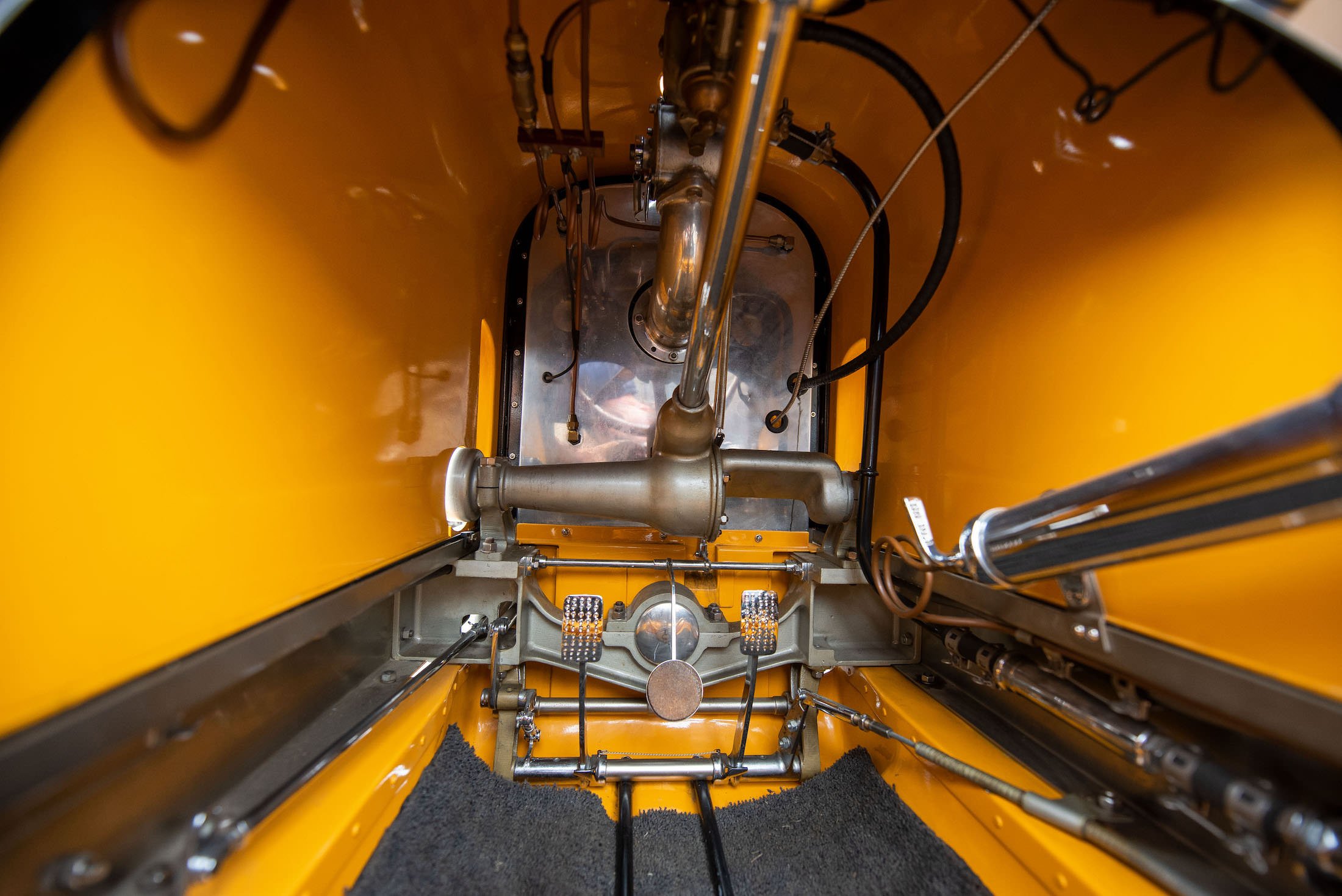
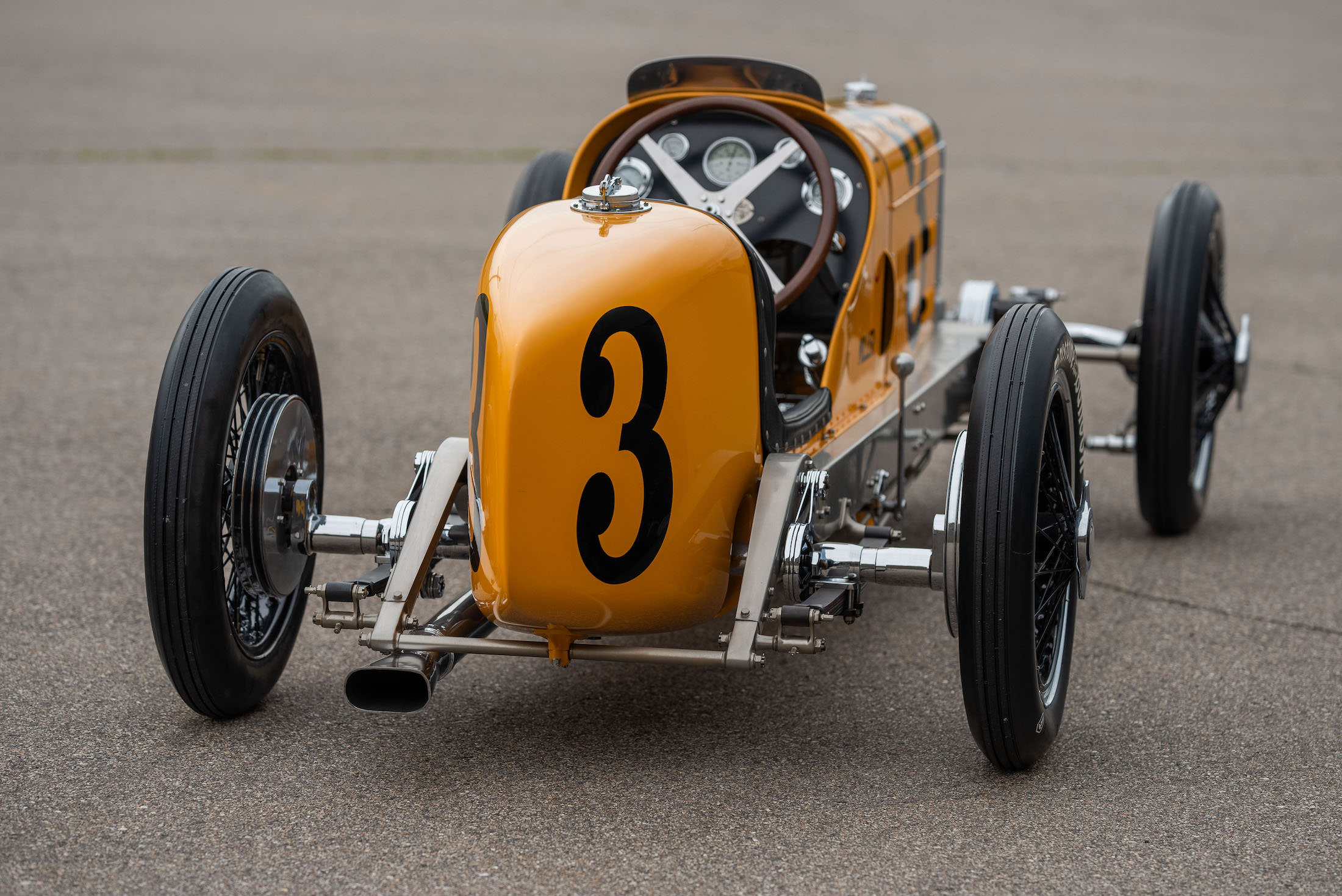
The Miller 91 was designed from the outset to have both front and rear wheel drive versions. Miller was a big fan of front wheel drive as is allowed the car to be significantly lower, as there was no driveshaft running under the driver to the rear axle.

Miller 91 Race Car 7

Here you can see the front differential on the front axle, in the front wheel drive versions of the Miller 91 the engine was essentially installed backwards with the gearbox at the front.

He also believed that front wheel drive helped with high speed cornering on oval tracks and he may have been onto something, as his cars took the top step on the podium at the Indianapolis 500 a number of times.

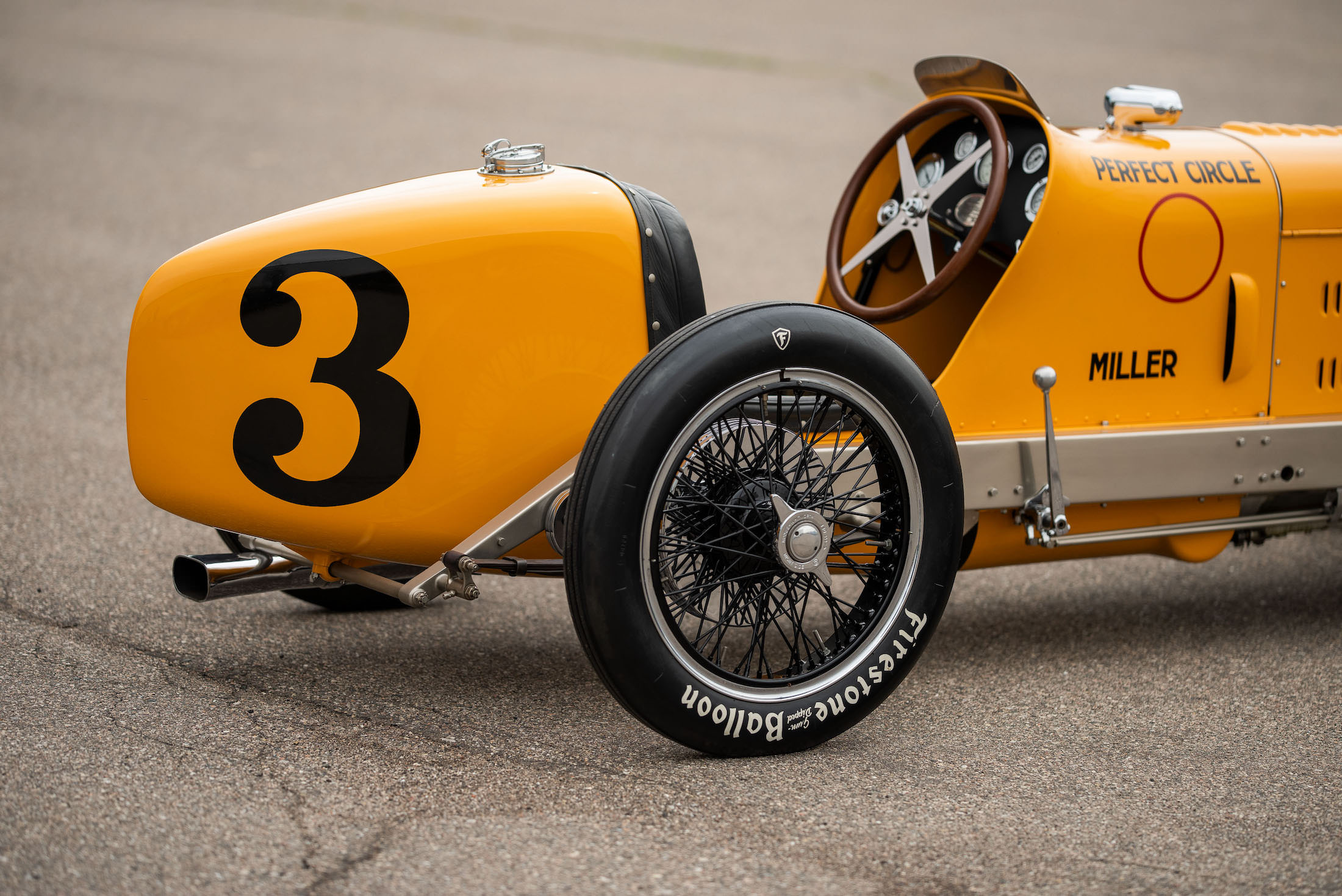
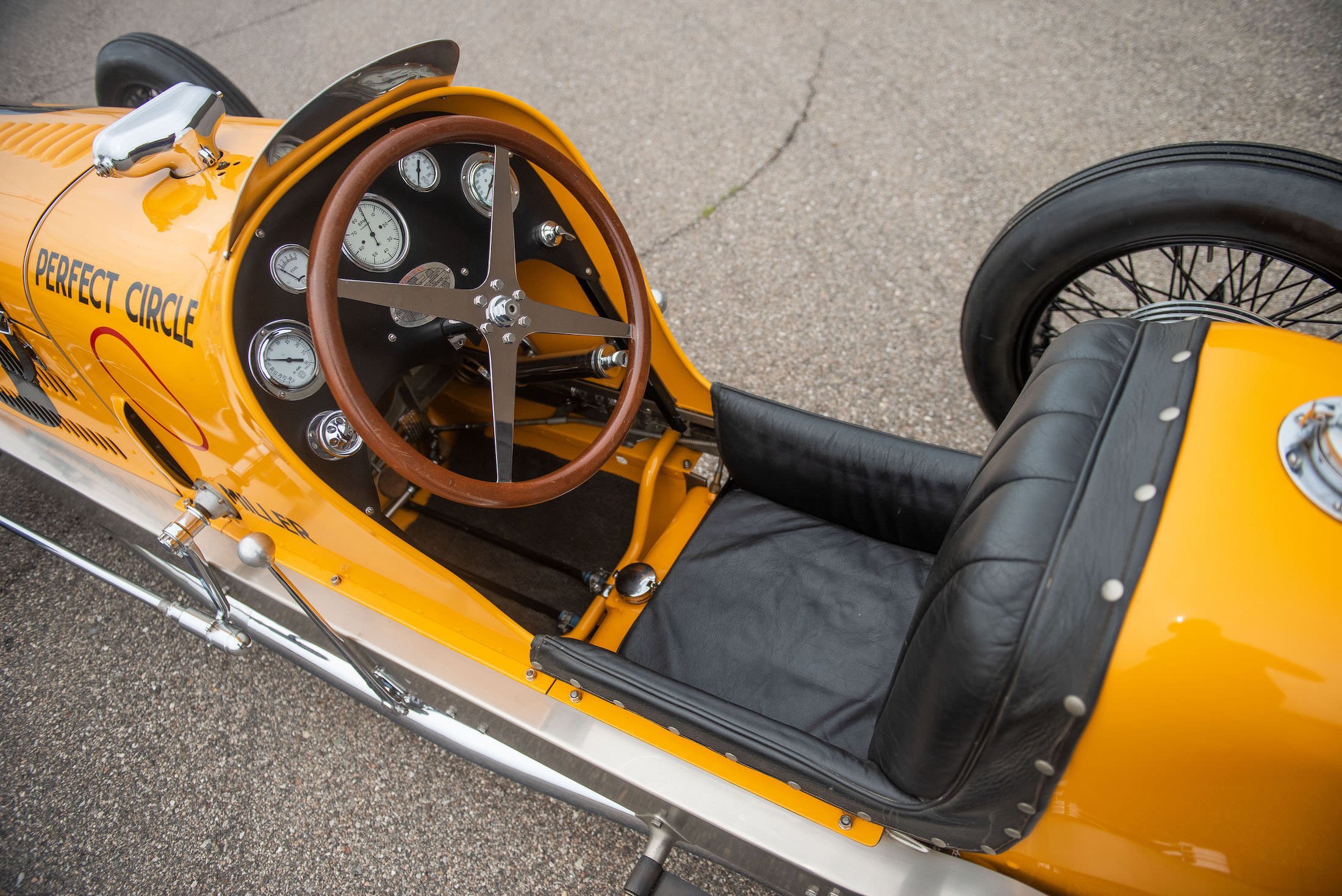
The Miller 91 is fitted with a large rear fuel tank directly behind the driver, the seat is just 18 inches wide so driver size and weight was a significant factor, and both versions of the car had a front mounted 1.5 liter Miller straight-eight.

The front wheel drive version essentially had the engine installed backwards, with the gearbox at the front sending power into the front differential.

The few surviving examples of the Miller 91 are now almost all in museums, there’s one in the Smithsonian and another in the Indianapolis Motor Speedway Hall of Fame Museum. It’s exceedingly rare to see them come up for sale on the open market and when they do they typically change hands for the better part of $750,000 USD.

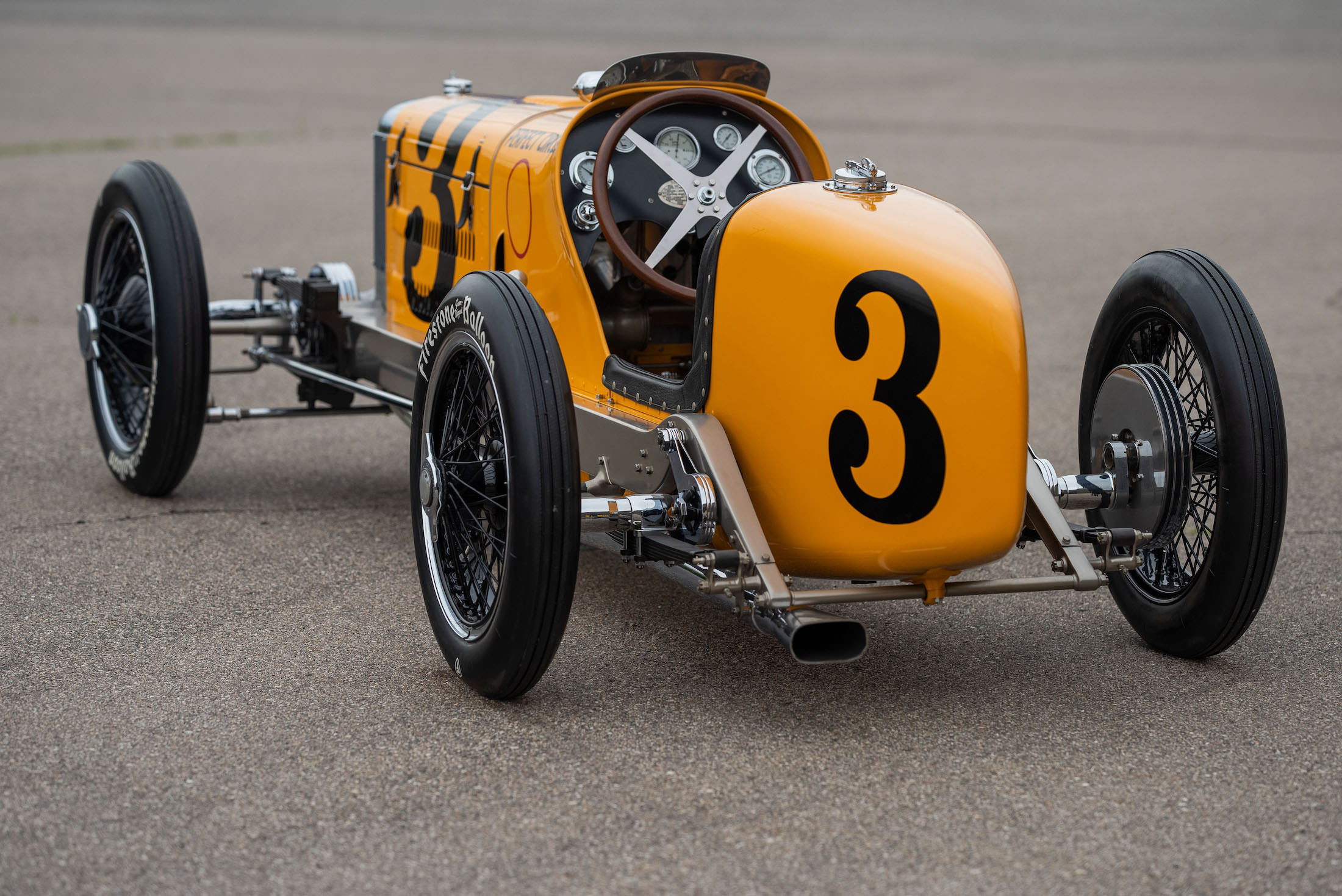
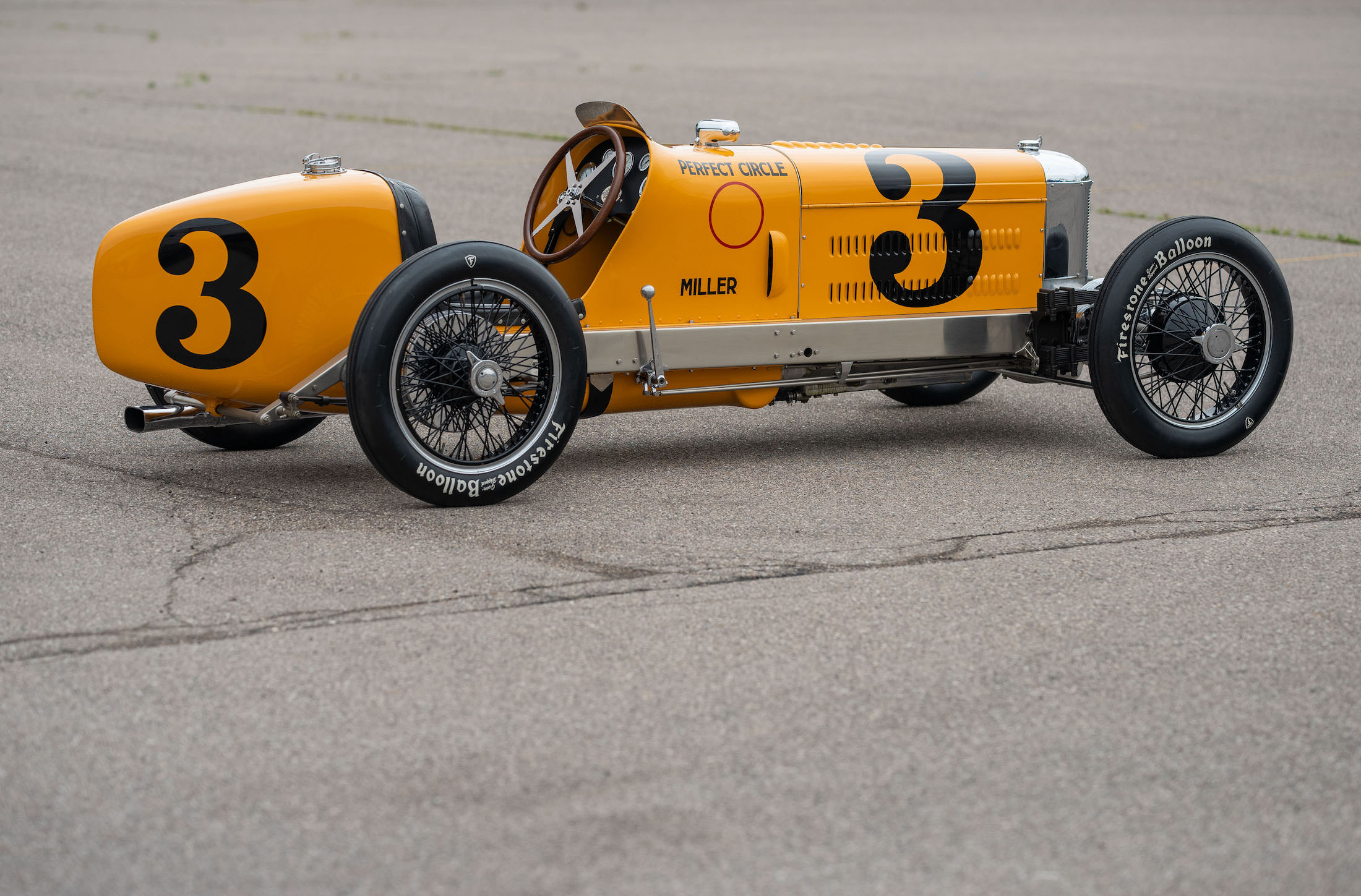
The Miller 91 “Perfect Circle” Shown Here

The car you see here is a significant Miller 91 for a number of reasons, it was originally bought by the legendary Pete DePaolo in 1927 who promptly won the 1927 AAA National Championship with it.

Miller 91 Race Car 11

For aerodynamics the Miller 91 was very narrow, drivers had to be under 18 inches wide or they simply wouldn’t fit in the seat.

It was later sold on and modified to meet the new regulations, including the fitment of a new Miller 122 engine, bored out to 151 cubic inches. Billy Arnold drove this car to a win in the Indianapolis 500 in 1930 and won the National Championship with it in the same year.

The car suffered a couple of on track mishaps requiring repairs but it was still racing at Indianapolis into the late 1930s, finishing on the podium in 3rd place in 1937. The car was retired in 1939 and its history may have ended there but for the fact that avid Miller collector and historian Chuck Davis acquired it.

Over many years Davis was able to secure a slew of important parts for the car including the original engine as raced by DePaolo in 1927. The car has now been restored back to its 1927 specification and it’s now due to roll across the auction block with RM Sotheby’s later in August with a price guide of $700,000 – $850,000 USD.

If you’d like to read more about this Miller 91’s extraordinary history or register to bid you can visit the listing here.

Miller 91 Supercharger Miller 91 Race Car Miller 91 Race Car 12 Miller 91 Race Car 9 Miller 91 Race Car 8 Miller 91 Race Car 6 Miller 91 Race Car 5 Miller 91 Race Car 4 Miller 91 Race Car 3 Miller 91 Race Car 2 Miller 91 Race Car 1 Miller 91 Engine Miller 91 Engine 1

Images courtesy of RM Sotheby’s

Miller 91 Race Car 5

The post The Miller 91 Supercharged Front Drive “Perfect Circle” Indianapolis appeared first on Silodrome.


from Silodrome https://silodrome.com/miller-91-race-car/
via gqrds

A “Sleeper” Classic 4×4: 1986 Jeep Grand Wagoneer With A 330 BHP Hemi V8

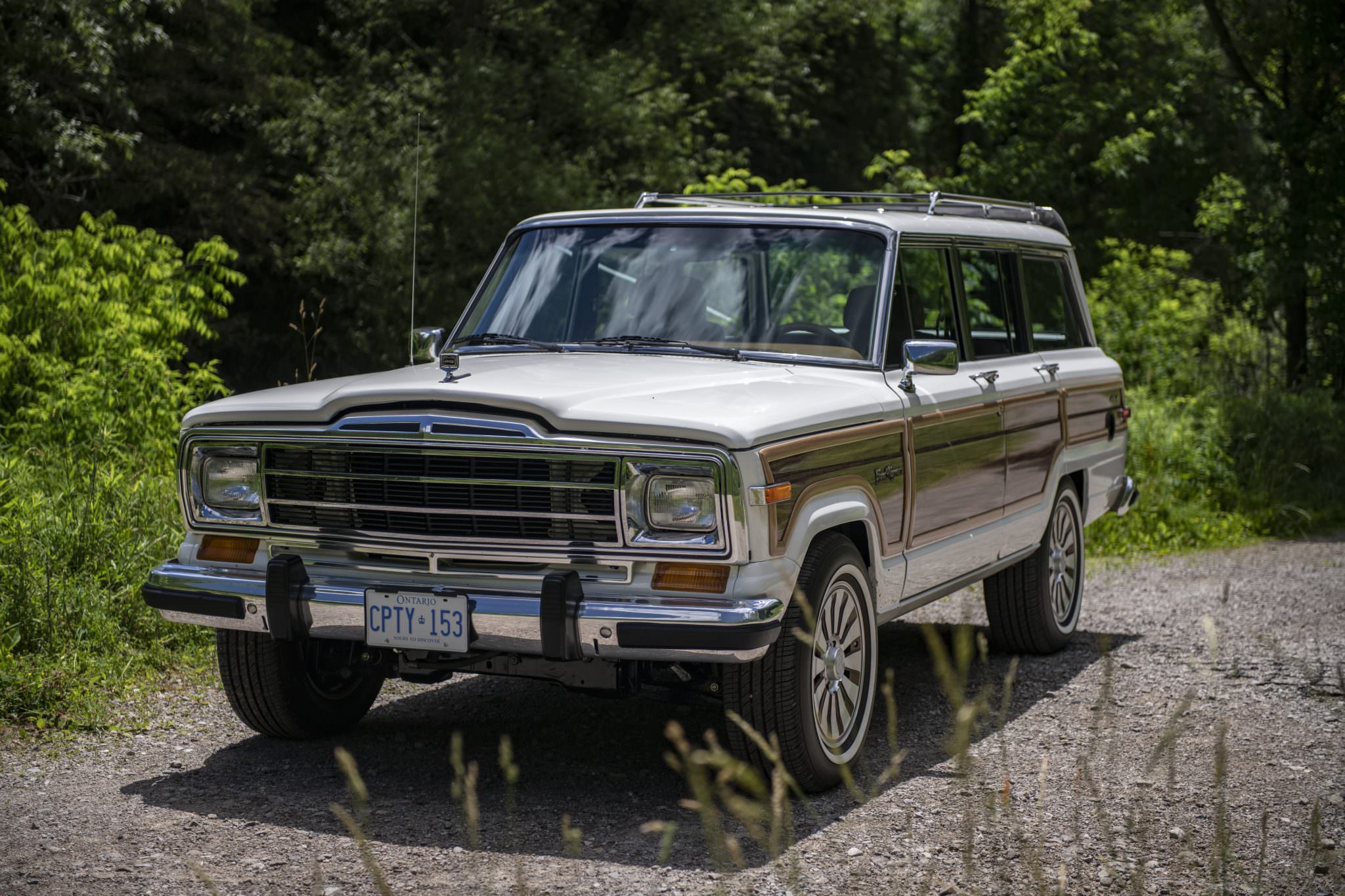
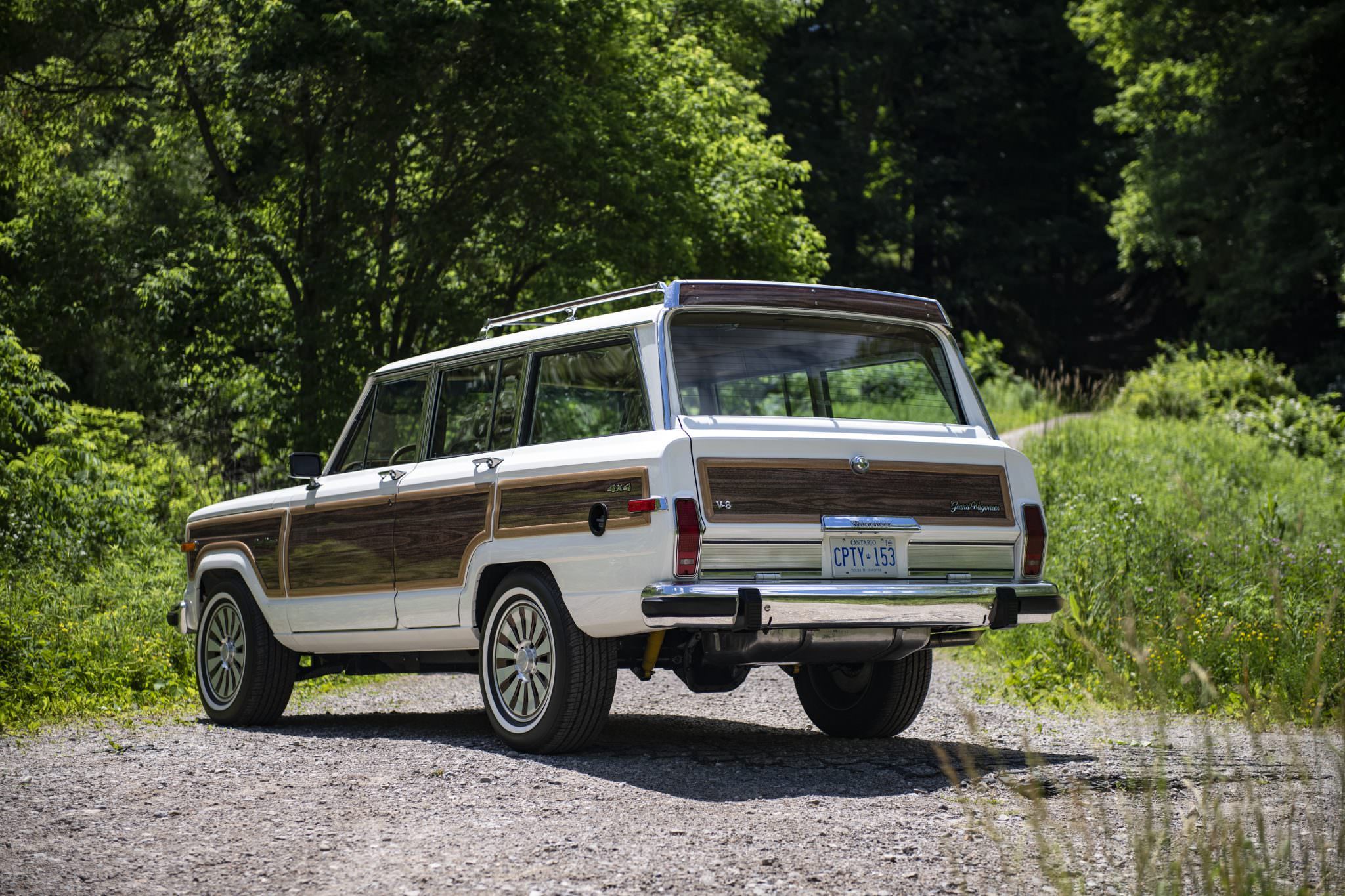
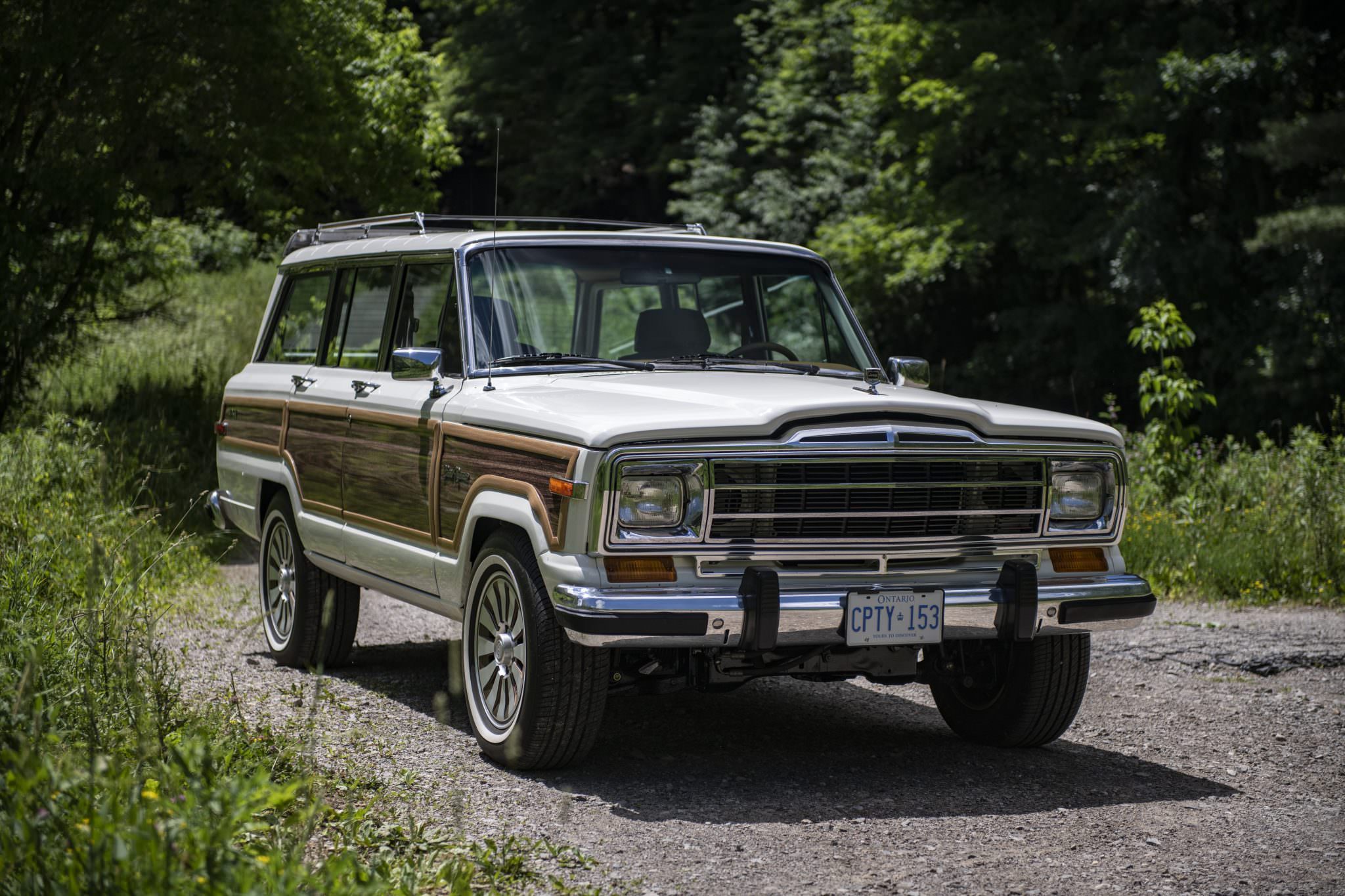
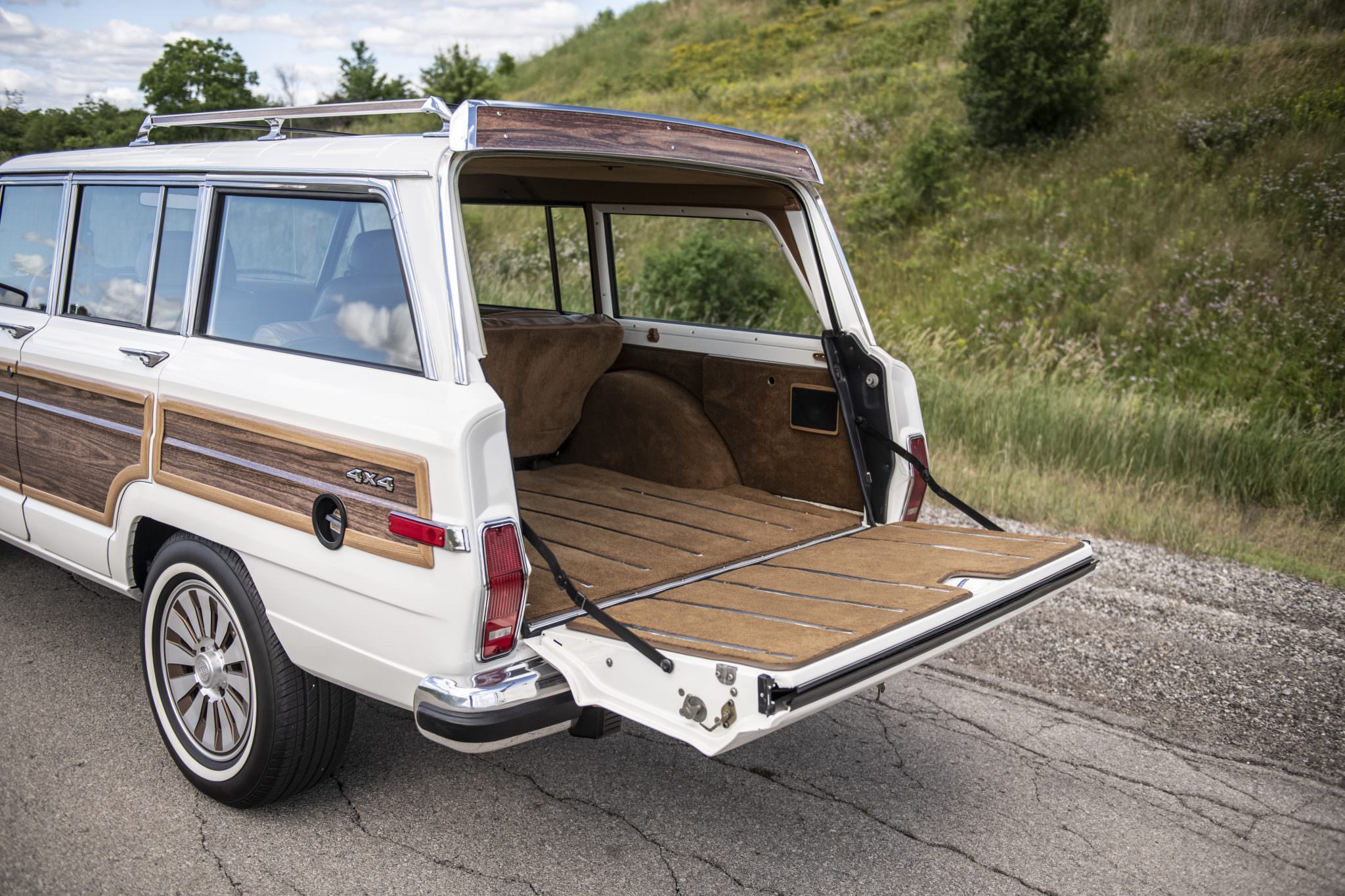
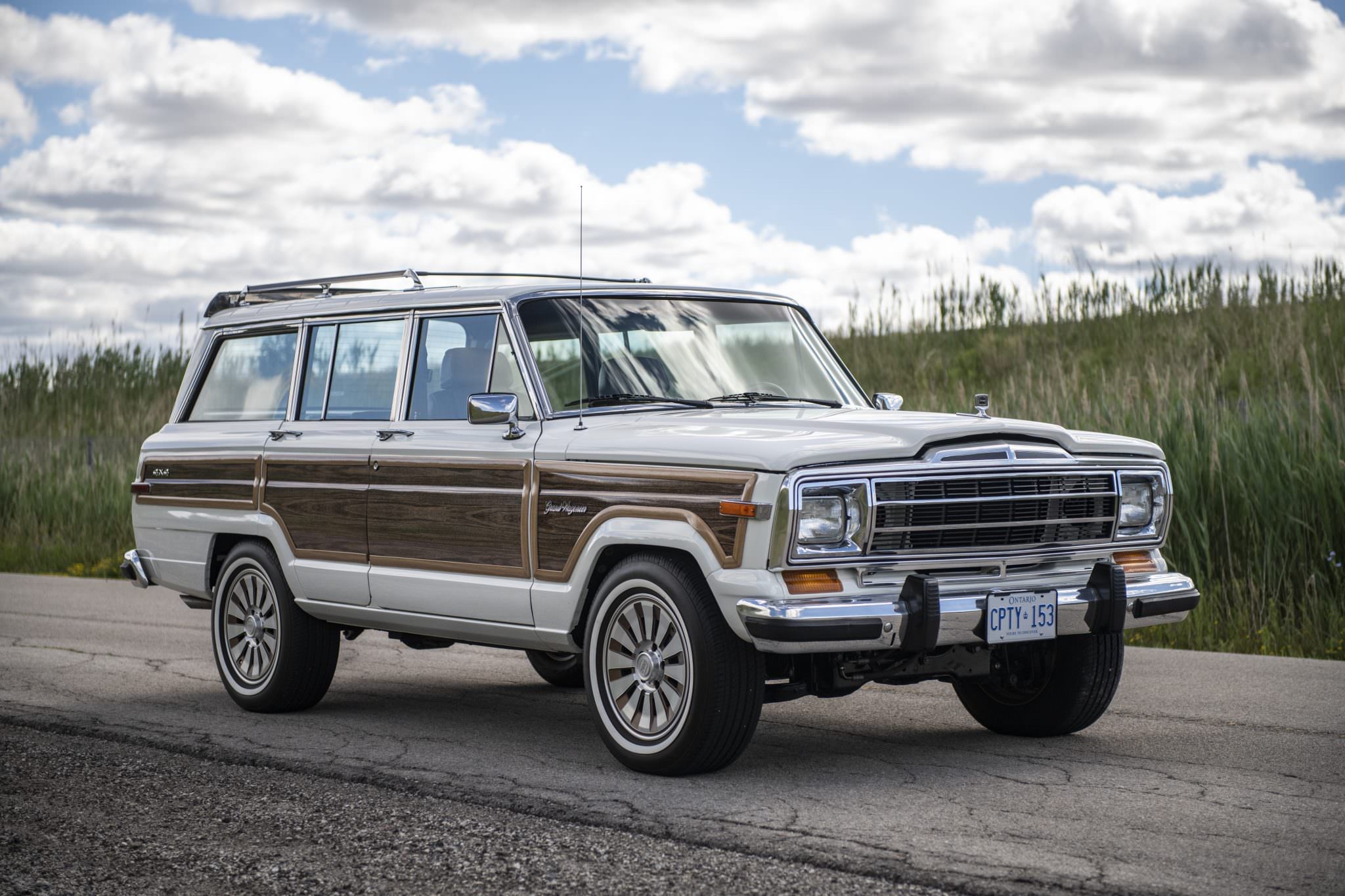
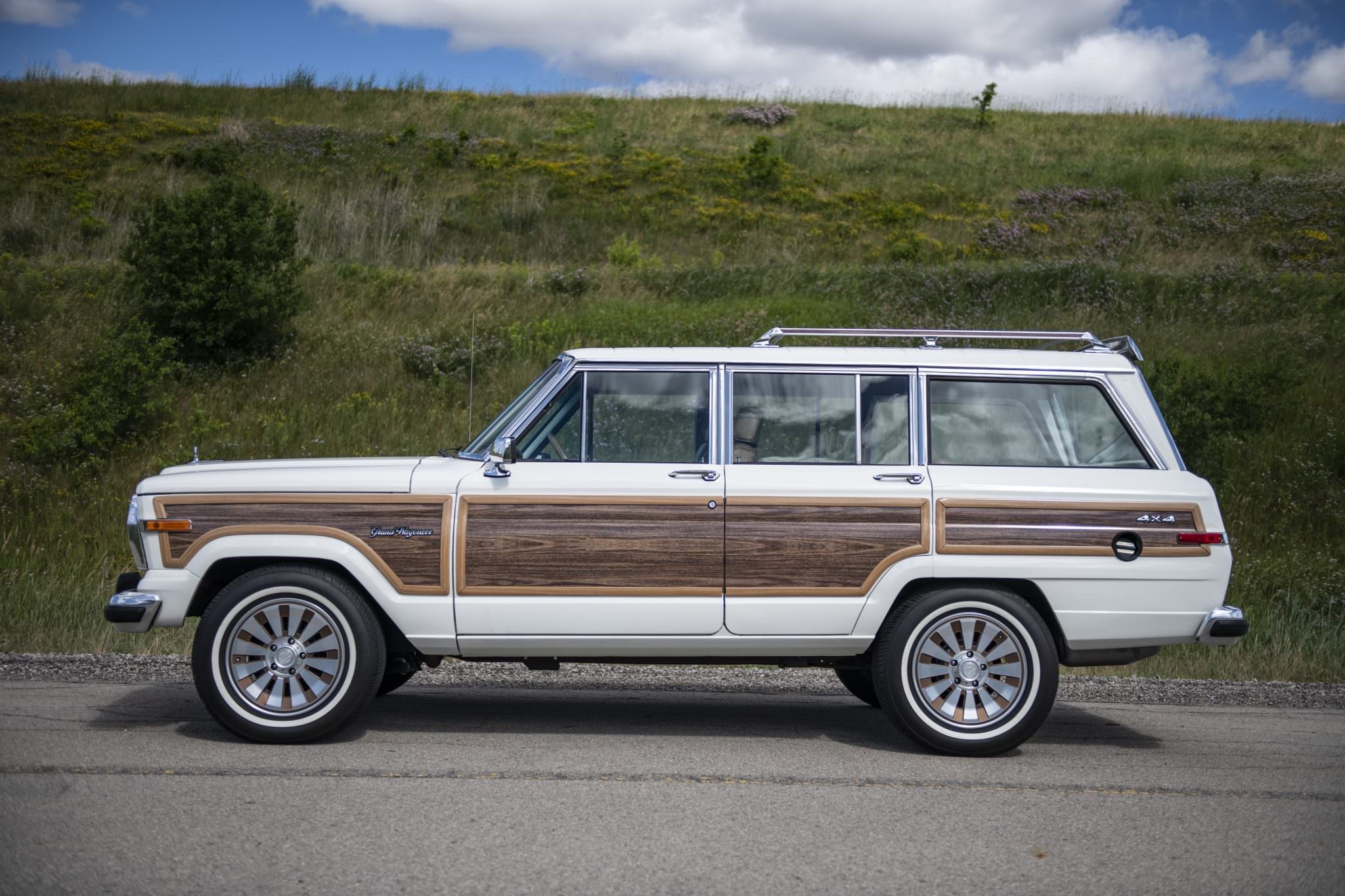
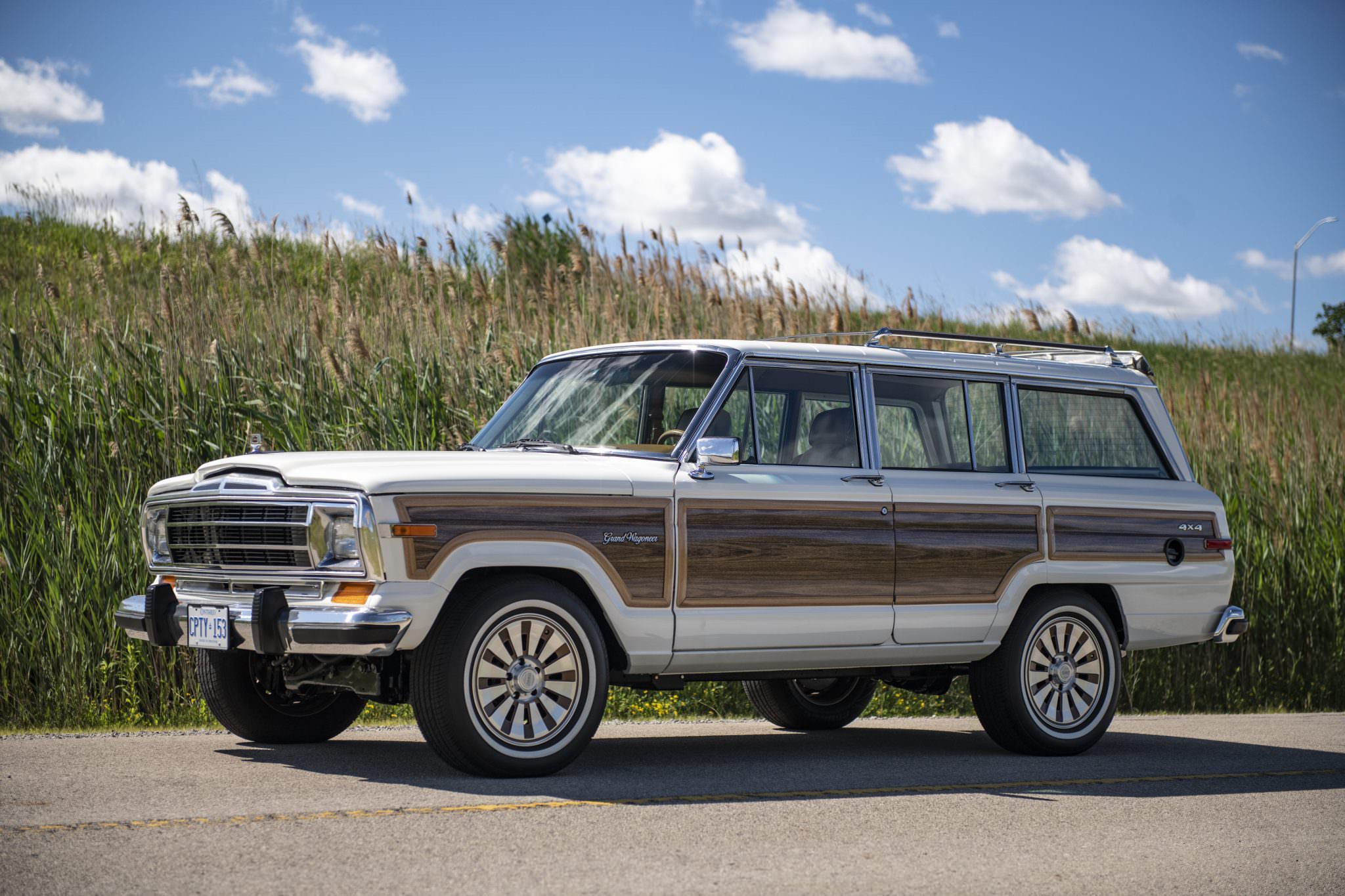
This 1986 Jeep Grand Wagoneer looks largely stock from the outside, the only real clue that it has been modified are the upgraded 17″ alloy wheels in place of the original 15″ units.

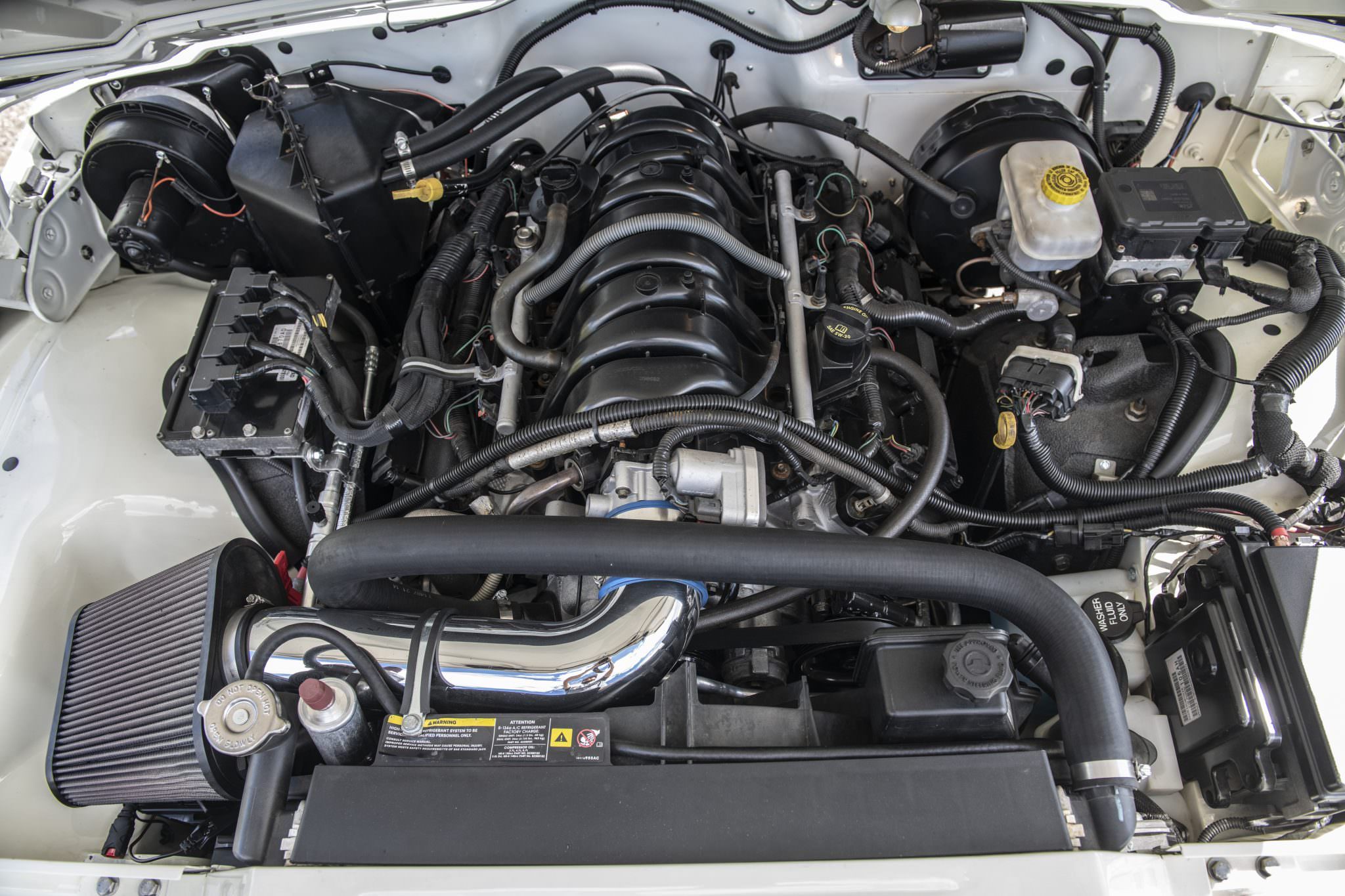
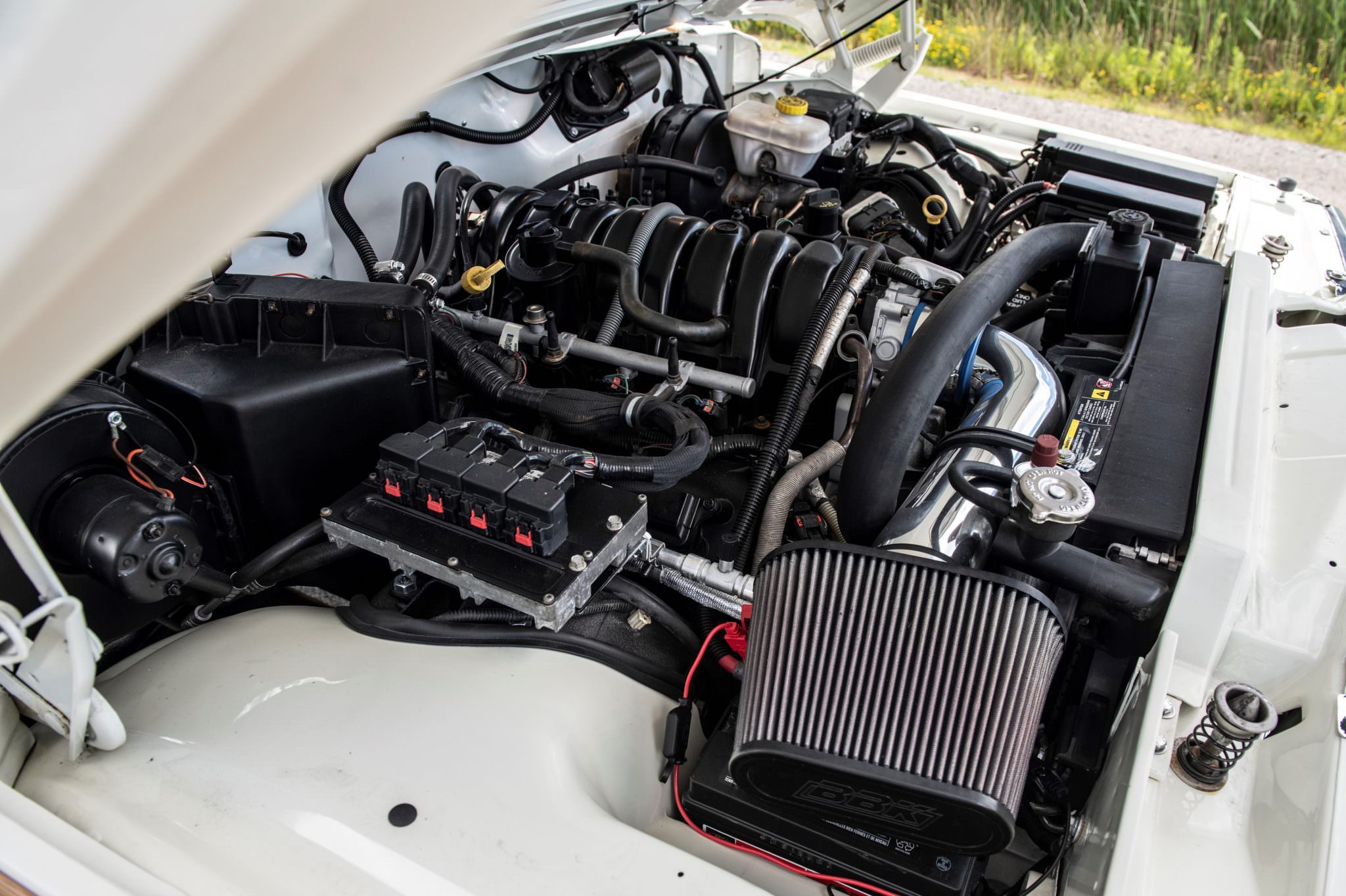
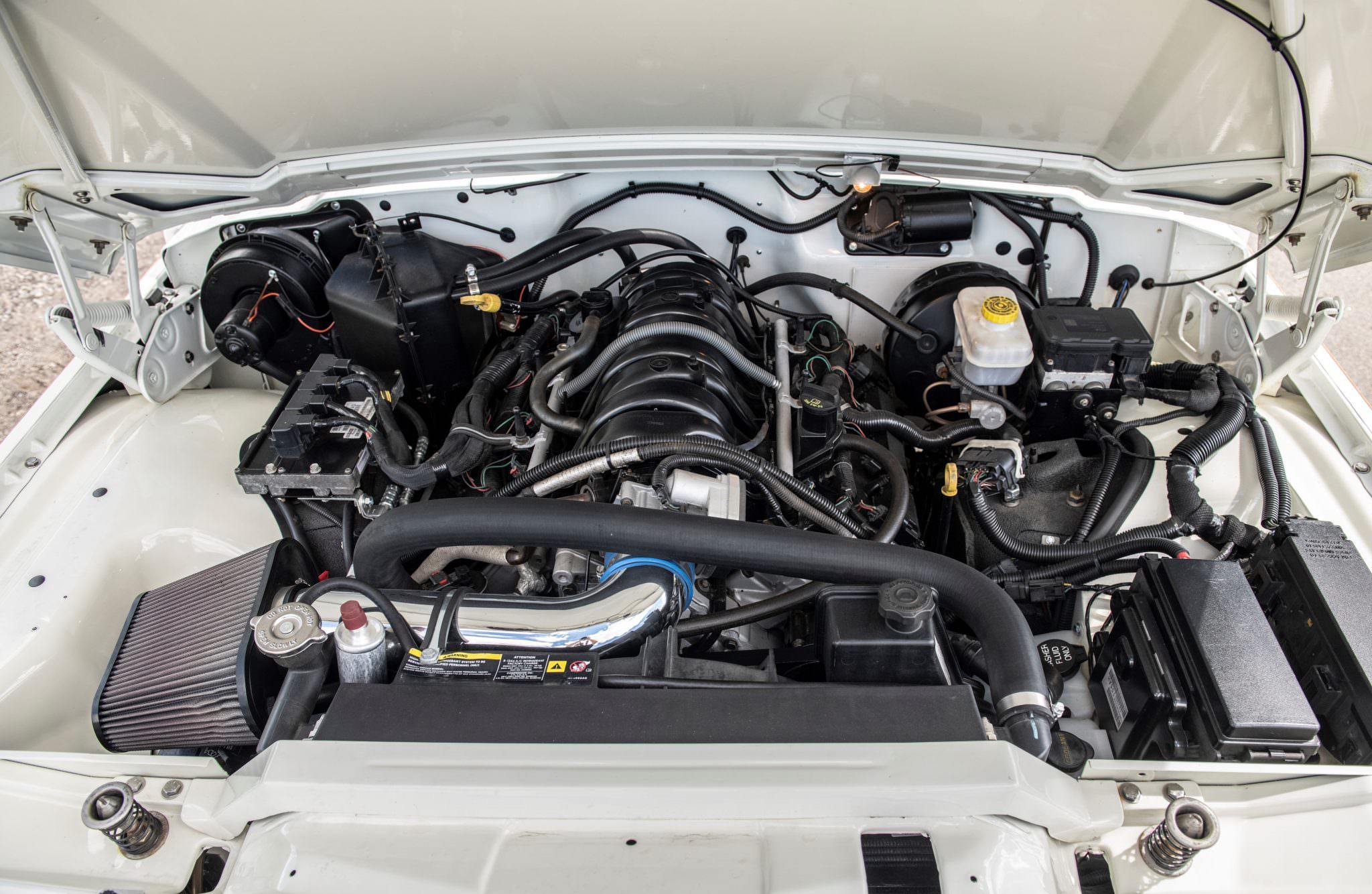
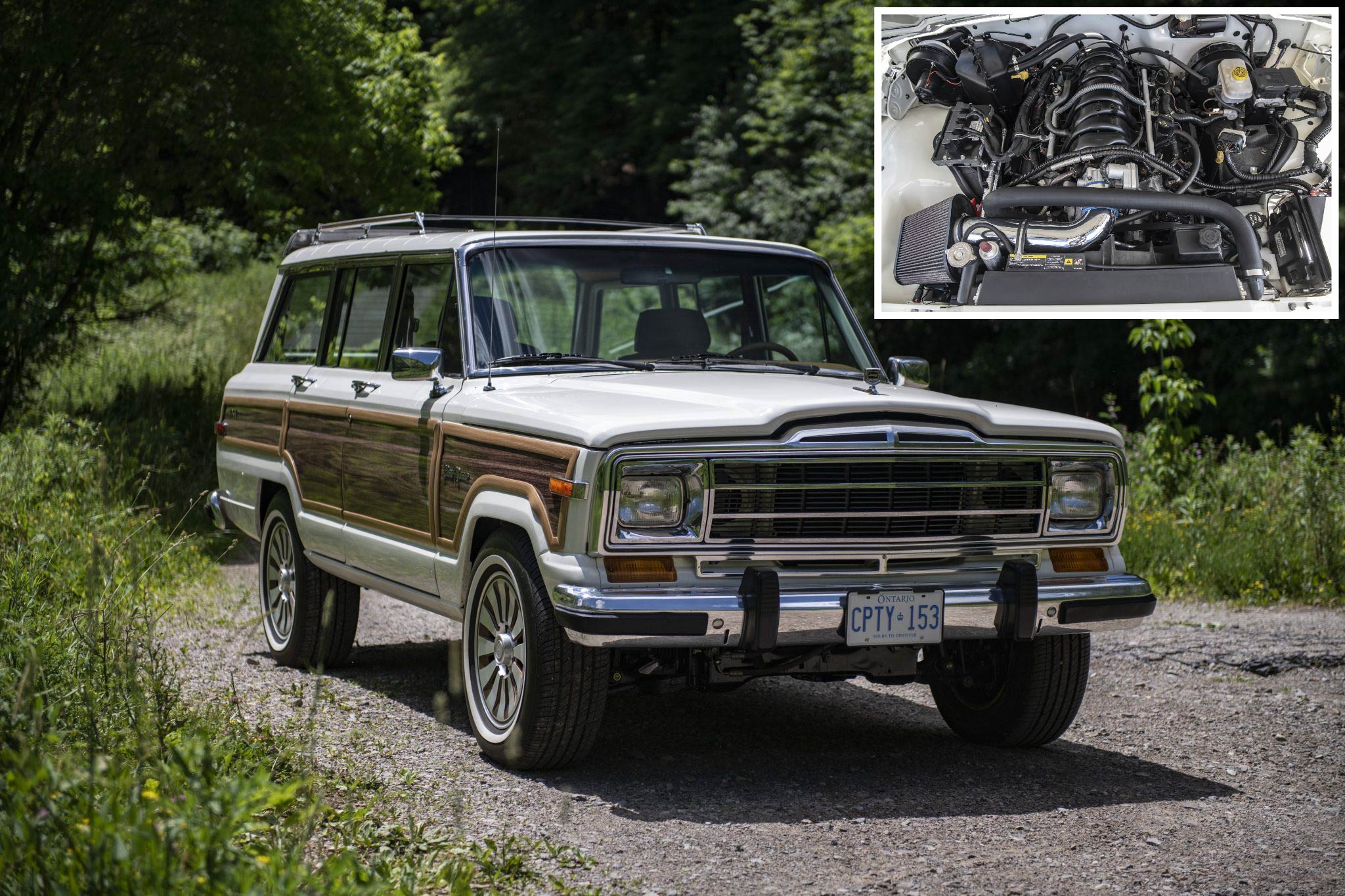
Once you open the hood and see the 330 bhp 5.7 liter Hemi V8 it becomes clear that this Wagoneer has had a lot of work done under the surface, it now produces twice as much power as it did when new and the suspension, brakes, transmission, and axles have been upgraded to match.

Fast Facts – A Jeep Grand Wagoneer Sleeper

  • The Wagoneer model family was released by Kaiser Jeep back in 1962, many have pointed to it as the first true “luxury” SUV and there can be little doubt that it’s one of the most influential 4x4s in history.
  • The Jeep Grand Wagoneer was released in 1984 as the top of the line Wagoneer model, it was called the “the gold standard of the SUV market” and it remained in production until the 1991 model year.
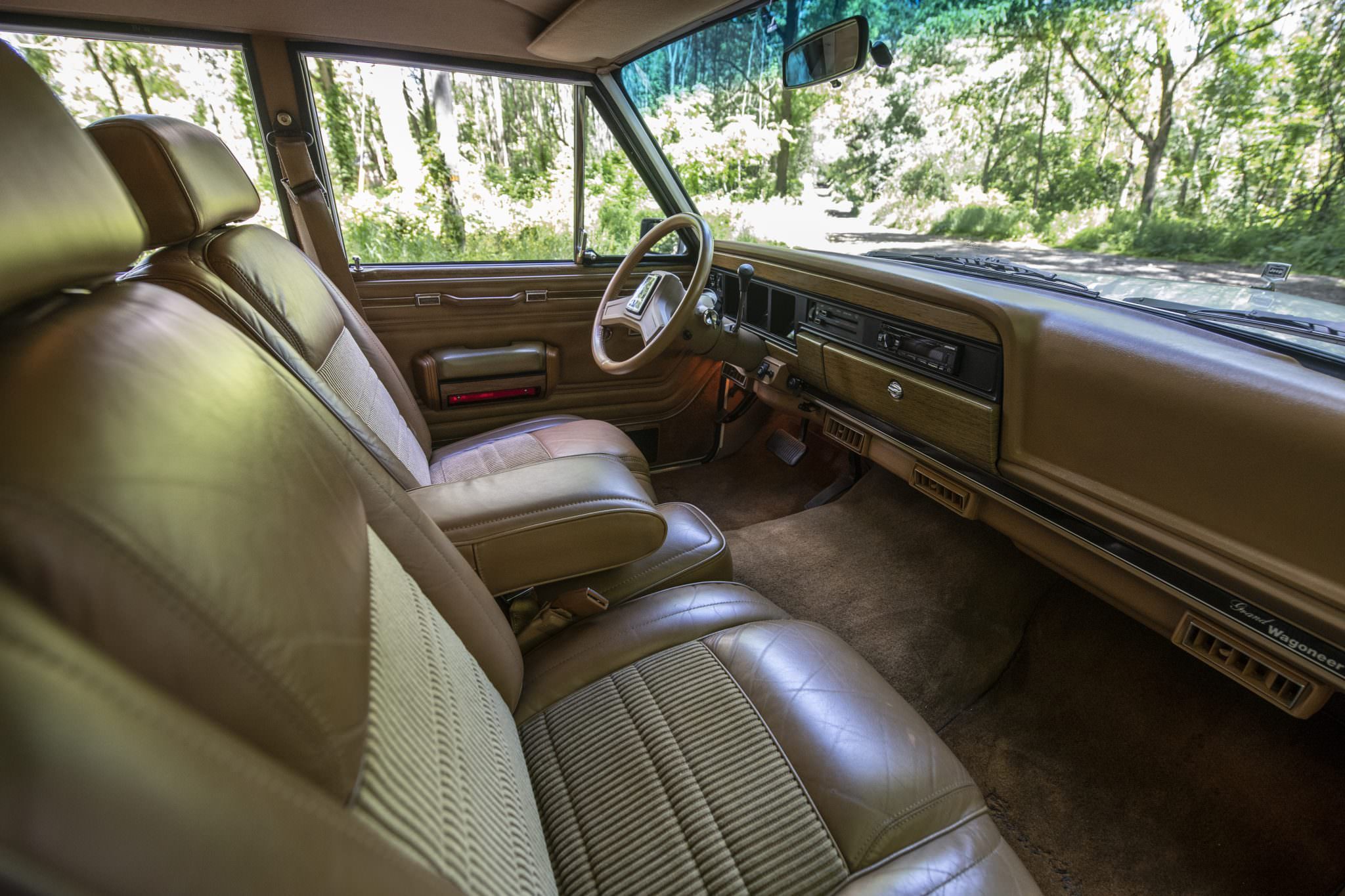
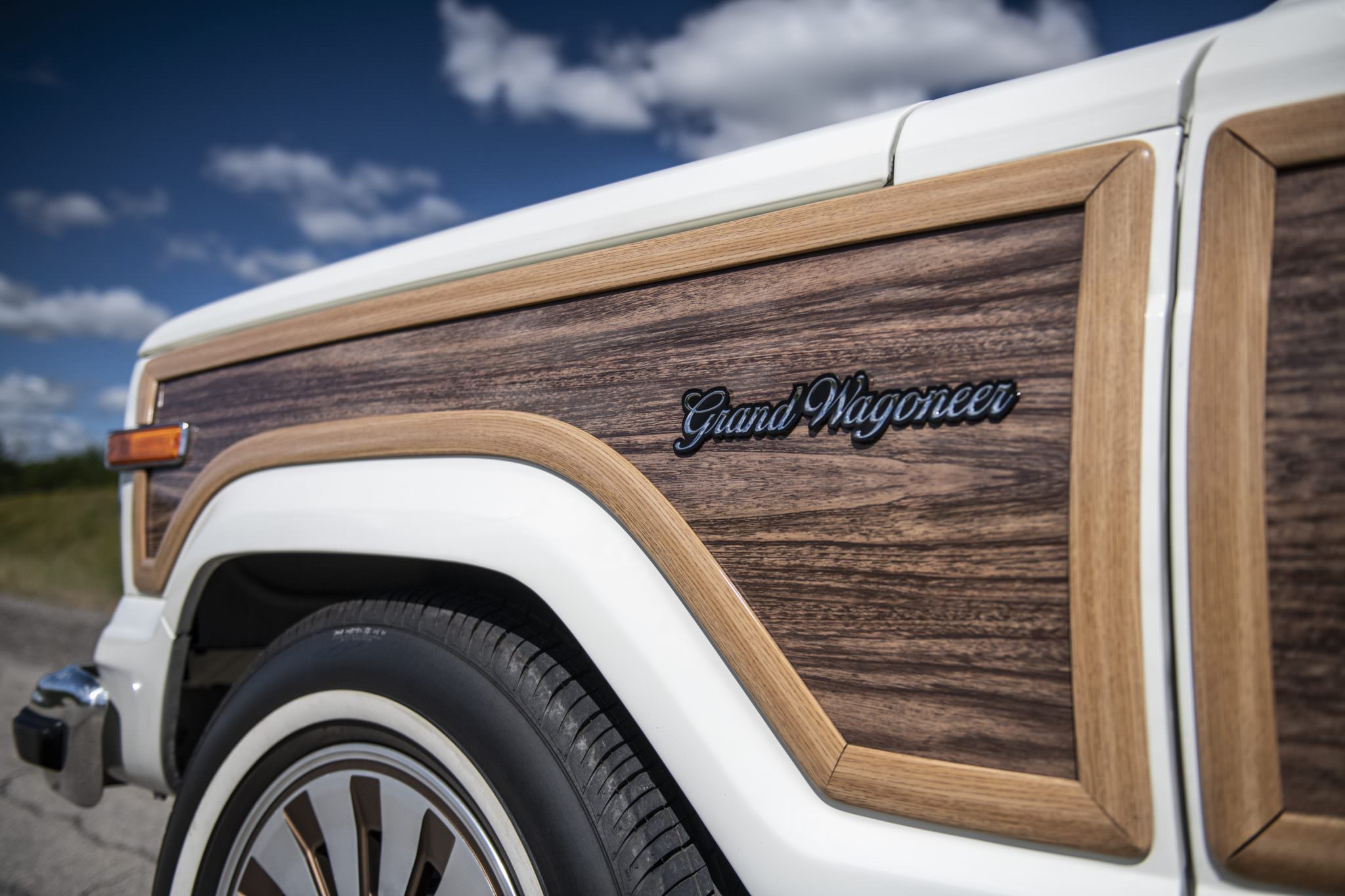
  • A slew of standard options were offered on the Grand Wagoneer including alloy wheels, air conditioning, dual front power bucket seats, power windows and power door locks, a power rear hatch window, faux wood body side vinyl wood appliques, a leather-wrapped two-spoke steering wheel, and plenty more.
  • The Grand Wagoneer you see here has been significantly modified, it’s now powered by a 5.7 liter Hemi V8 mated to a 5-speed automatic transmission, upgraded suspension and brakes, and axles from a 2007 Jeep Commander.

The Jeep Grand Wagoneer

The original Wagoneer was first released in 1962, it was designed by Brooks Stevens to be a luxurious (by the standards of the era) full-sized four wheel drive with all the comforts of a standard family station wagon.

Jeep Grand Wagoneer 14

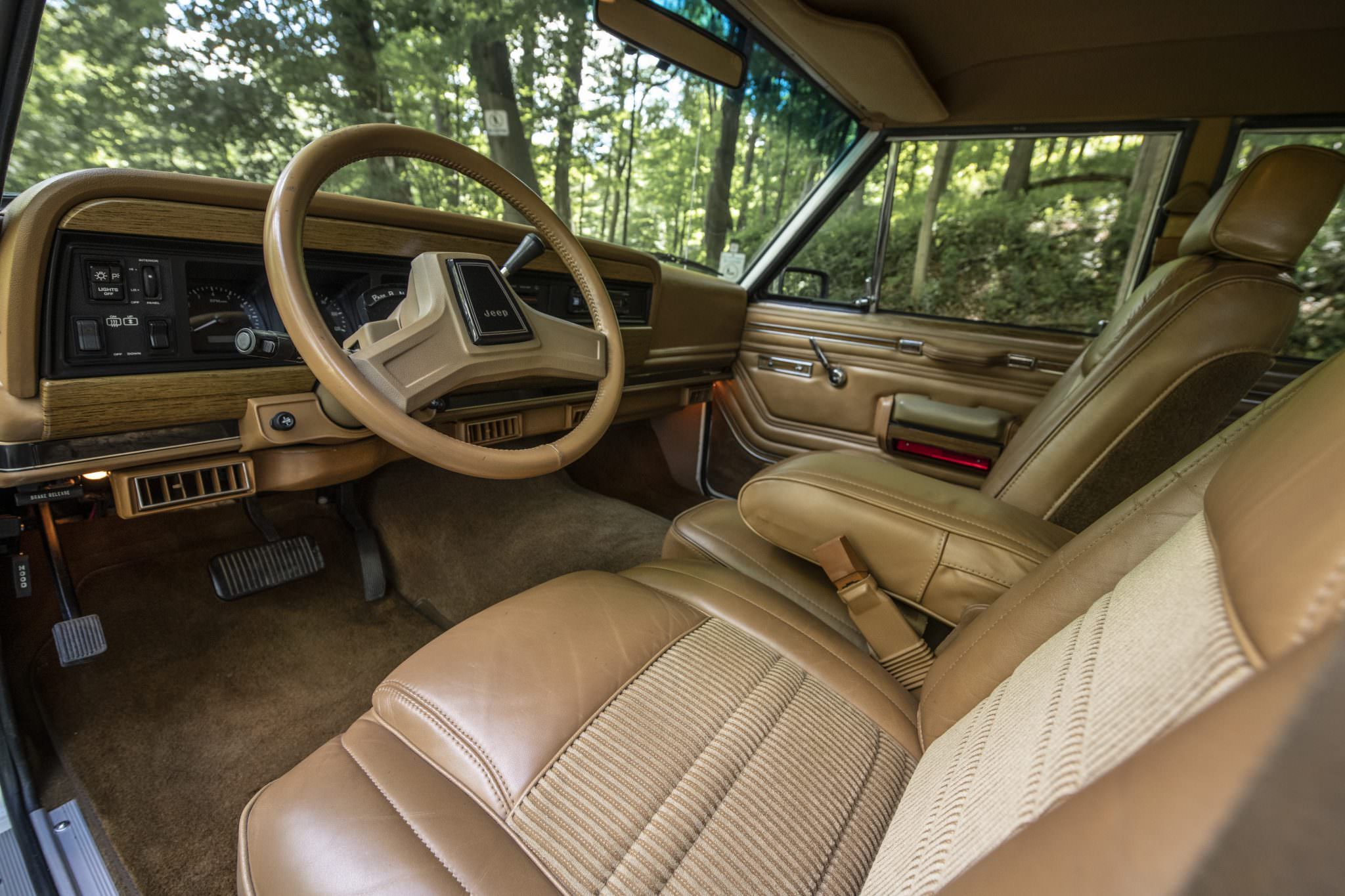
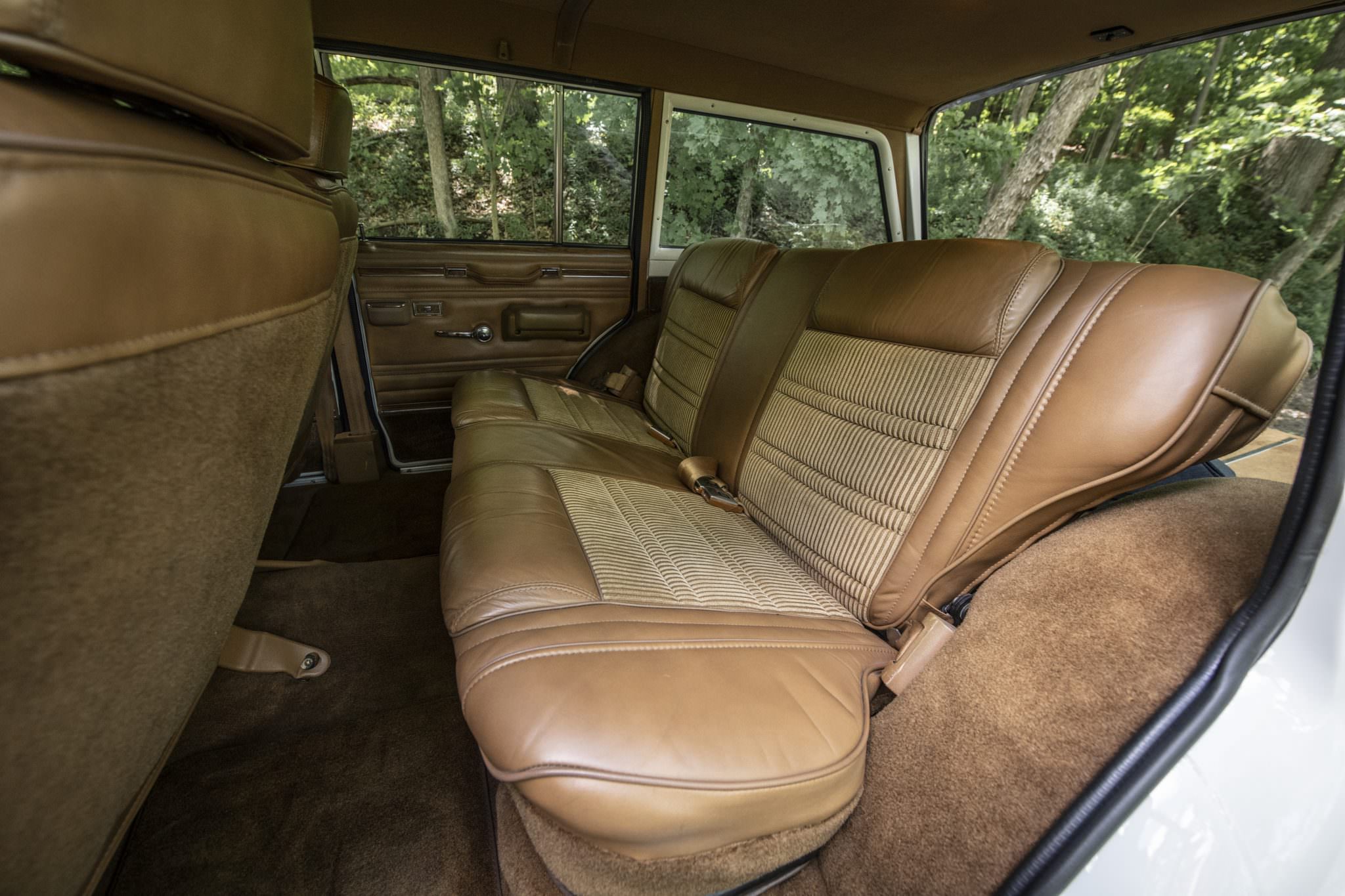
The interior of the Grand Wagoneer is beautifully appointed by the standards of its time and with its power steering, power brakes, power windows, power seats, and air conditioning it’s not bad by modern standards.

In the years since the release of the Wagoneer many have pointed to it as being the original “modern” SUV – one of thew most popular vehicle genres of the modern world.

This wasn’t the first time Jeep had broken new ground, the WWII-era Jeeps had been one of the most important vehicles of the war on either side of the conflict, and it introduced an entire generation of young men to the capabilities of four-wheel drive vehicles.

After the war the Jeep design was civilianized, becoming the Jeep CJ, and helping to spur on the adoption of 4x4s with the wider American market. In 1946, just a year after WWII ended the Willys Jeep Station Wagon was released, a hardtop station wagon four-wheel drive that was arguably one of the first production SUVs in history.

With the arrival of competitors like the International Harvester Travelall 4×4 and the Chevrolet Suburban 4×4 in the 1950s Jeep needed to release something new, and so the project to develop the next-generation Jeep Station Wagon was launched.

Jeep Grand Wagoneer 12

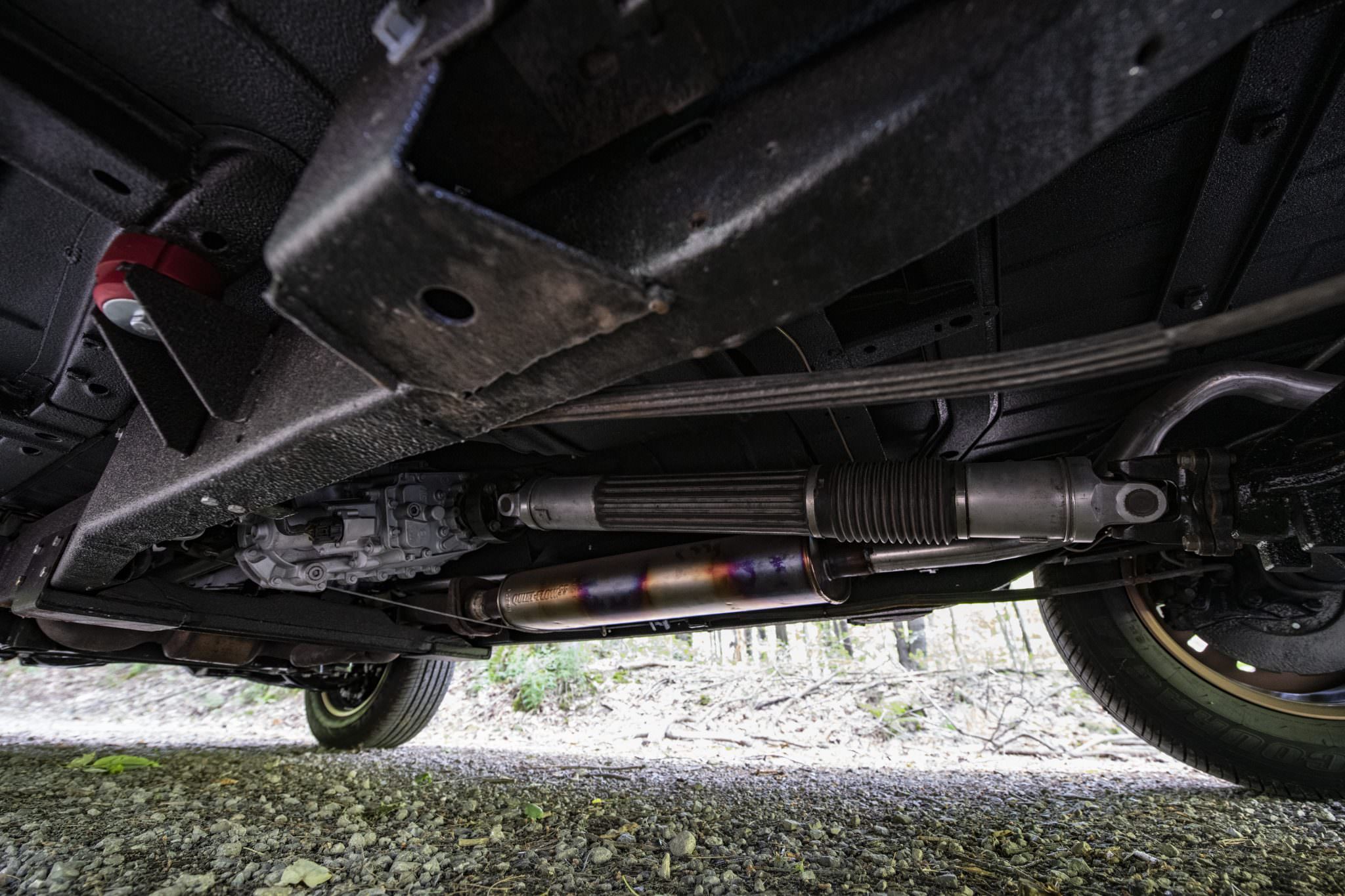
This 330 bhp 5.7 liter Hemi V8 with 375 lb ft of torque sends power back through a 5-speed automatic transmission through a dual-range transfer case to all four wheels.

The project was led by industrial and automotive designer Brooks Stevens, a founding member of the Industrial Designers Society of America, and the designer of the 1949 Hydra-Glide Harley-Davidson, the Studebaker Gran Turismo Hawk, the Miller Brewing logo, and interestingly, the Oscar Mayer Wienermobile.

Stevens developed a large station wagon design based on a steel ladder frame chassis with a 4×4 drivetrain. The new vehicle, named the Wagoneer, had all the comforts of a normal road going family station wagon with the added benefit of genuine off-road capability.

The extraordinary success of the design would see it stay in production, largely unchanged, for 29 years from 1963 to 1991 making it the 3rd longest-produced single-generation car in American automotive history.

The Jeep Grand Wagoneer was released in 1984 as the top of the line Wagoneer model, it came with a slew of formerly optional luxury items as standard, and it was a period competitor for that other famous luxury SUV – the Range Rover.

Jeep Grand Wagoneer 19

The Wagoneer design would remain in production almost entirely unchanged for almost 30 years from 1962 to 1991.

The Jeep Grand Wagoneer Sleeper Shown Here

The Jeep Grand Wagoneer you see here has been carefully modified to retain all of its original Brooks Stevens charm. Once you look under the hood however it becomes quickly apparently that a lot of work has gone into getting it to perform much better than it ever could have in stock trim.

The original V8 has been replaced with a 330 bhp 5.7 liter Hemi V8 with 375 lb ft of torque that was sourced from a 2007 Jeep Commander along with the 5-speed automatic transmission. A replacement fuel tank sourced from a 1992 Jeep Cherokee has also been installed.

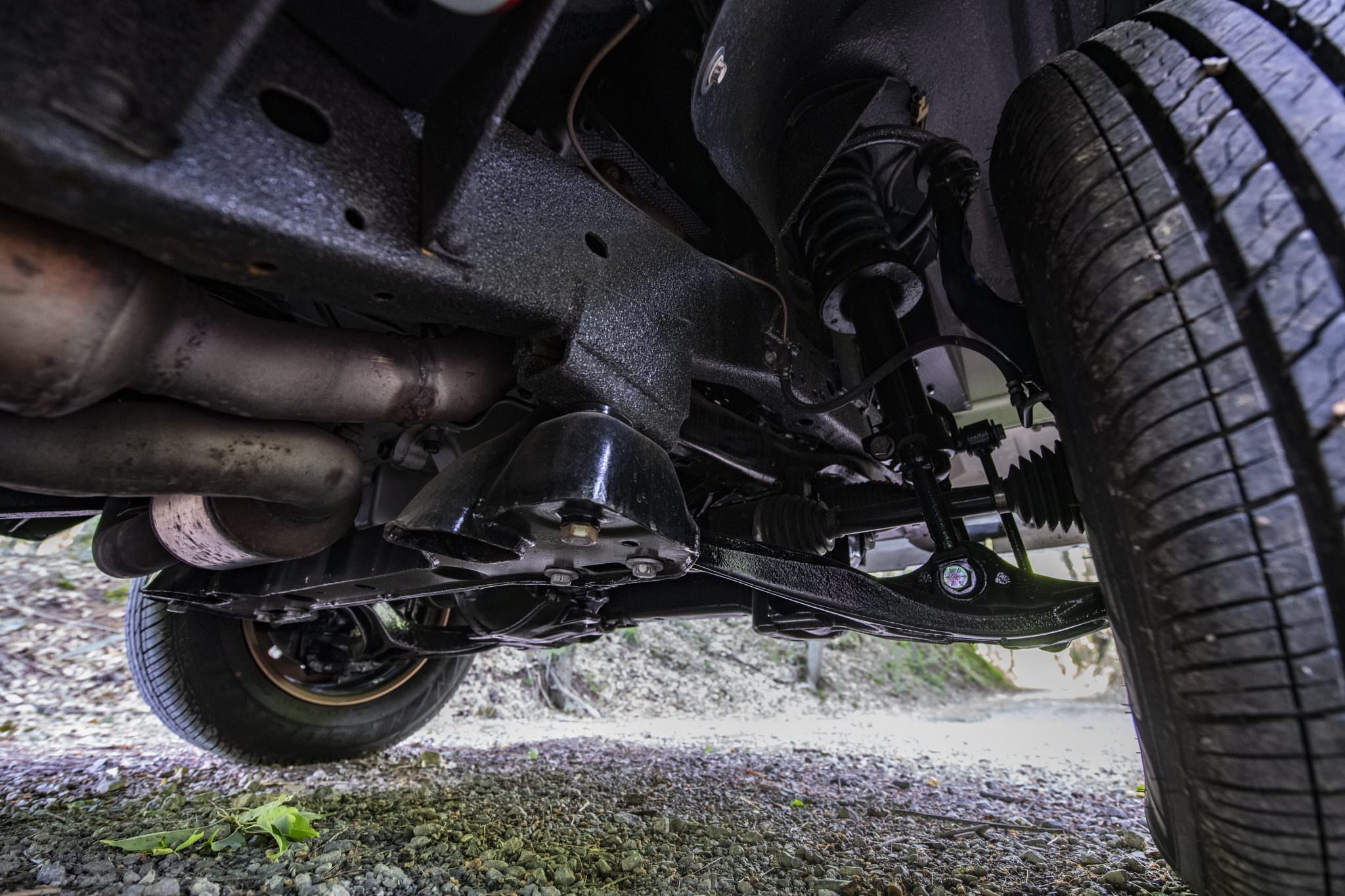
Uprated suspension, disc brakes, and axle components were also sourced from the same Jeep Commander, along with Moog adjustable upper ball joints.

The fitment of modern dis brakes meant that there wasn’t clearance to run the original 15″ wheels, so a new 17″ set was made by Augment Wheel Company in a similar style to the originals.

The completed vehicle now presents in good condition throughout and it’s being offered for sale on Bring A Trailer out of Ontario, Canada. If you’d like to read more about it or place a bid you can visit the listing here.
Jeep Grand Wagoneer 22 Jeep Grand Wagoneer 18 Jeep Grand Wagoneer 17 Jeep Grand Wagoneer 16 Jeep Grand Wagoneer 15 Jeep Grand Wagoneer 13 Jeep Grand Wagoneer 11 Jeep Grand Wagoneer 10 Jeep Grand Wagoneer 9 Jeep Grand Wagoneer 8 Jeep Grand Wagoneer 7 Jeep Grand Wagoneer 6 Jeep Grand Wagoneer 5 Jeep Grand Wagoneer 4 Jeep Grand Wagoneer 3 Jeep Grand Wagoneer 2 Jeep Grand Wagoneer 25 Jeep Grand Wagoneer 23 Jeep Grand Wagoneer 24

Images courtesy of Bring A Trailer
Jeep Grand Wagoneer Sleeper

The post A “Sleeper” Classic 4×4: 1986 Jeep Grand Wagoneer With A 330 BHP Hemi V8 appeared first on Silodrome.


from Silodrome https://silodrome.com/jeep-grand-wagoneer-sleeper/
via gqrds