The Long Lost RA63 “TC3”: The First Toyota Celica To Win A WRC Event

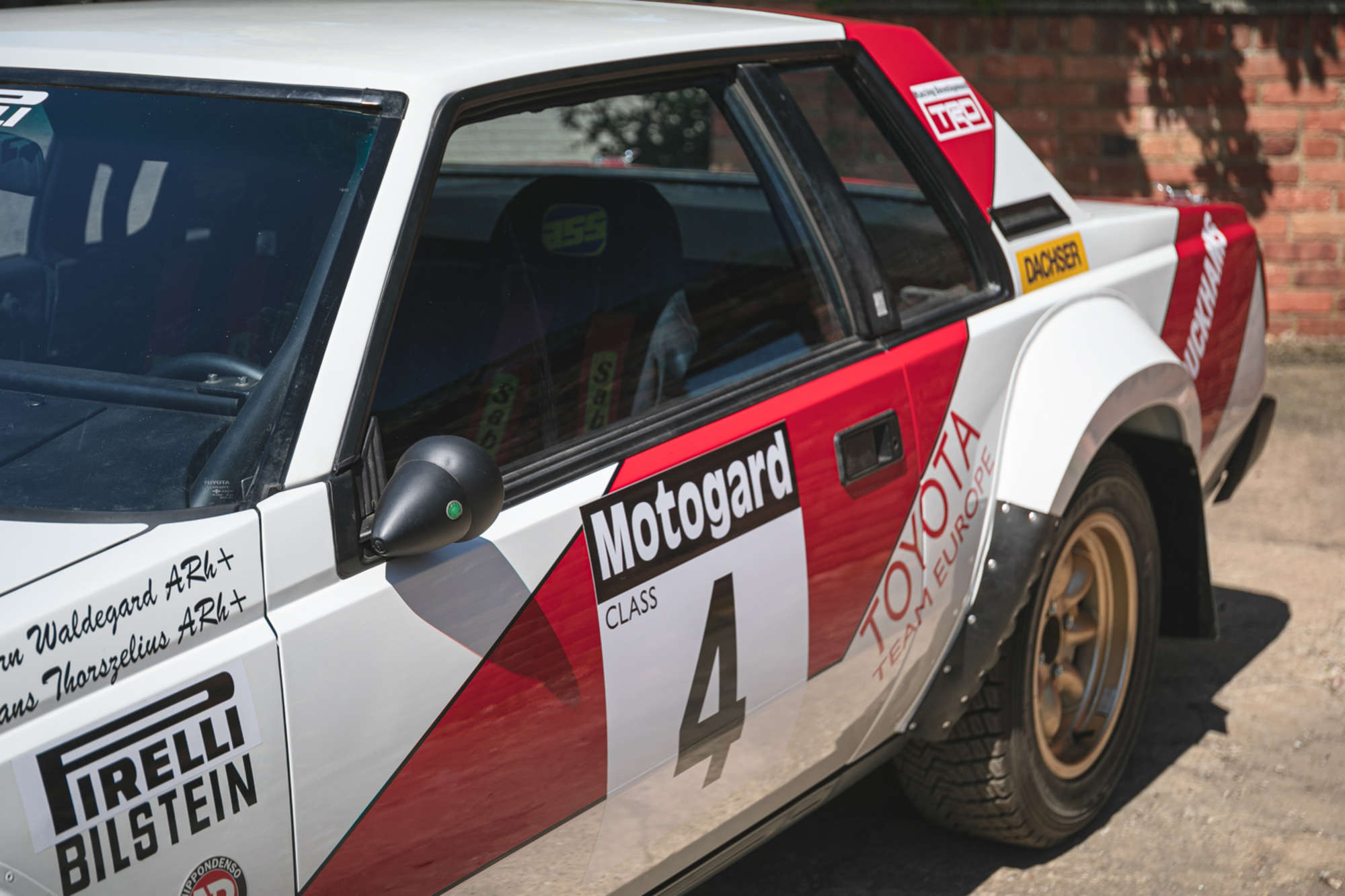
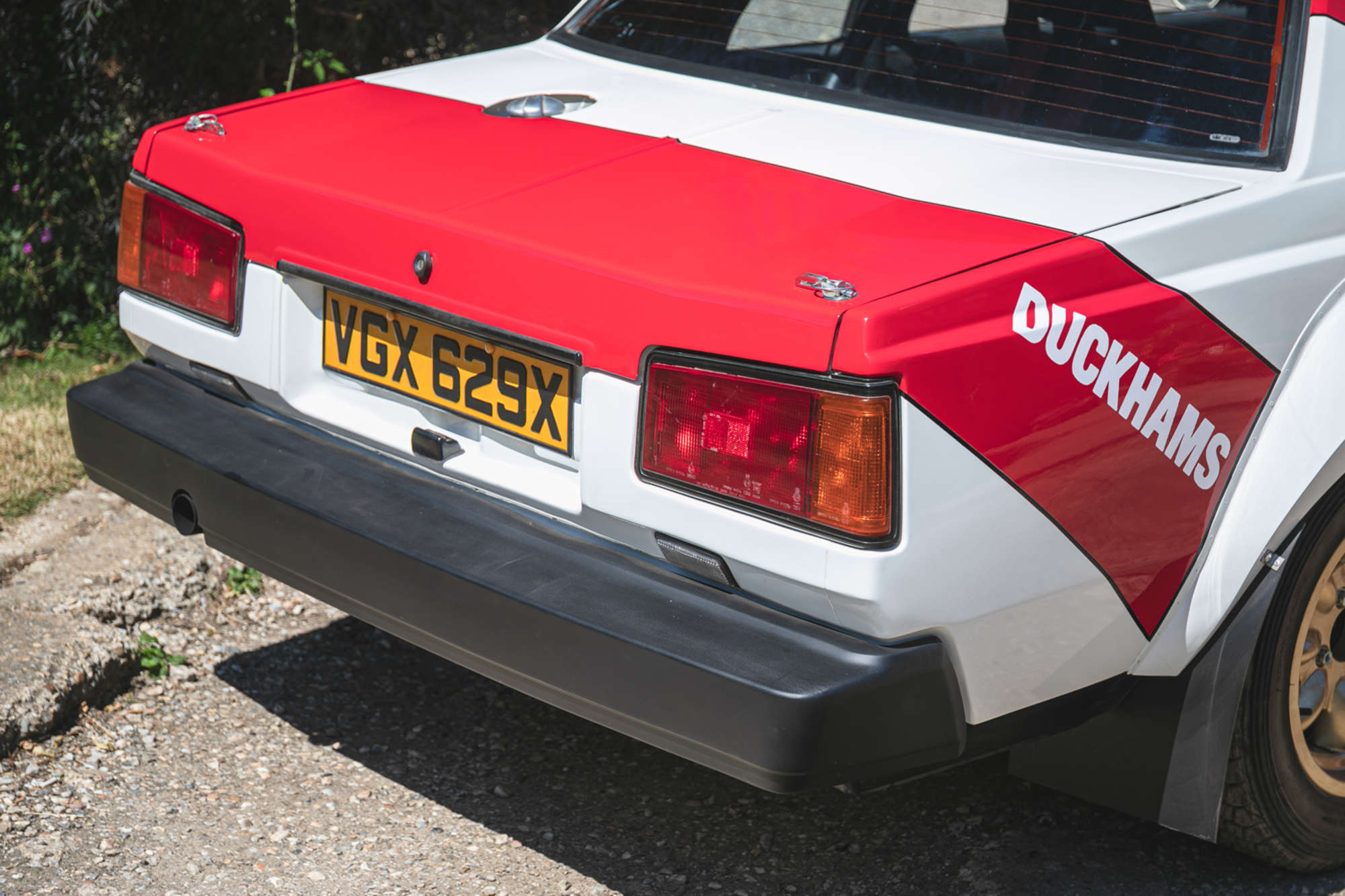
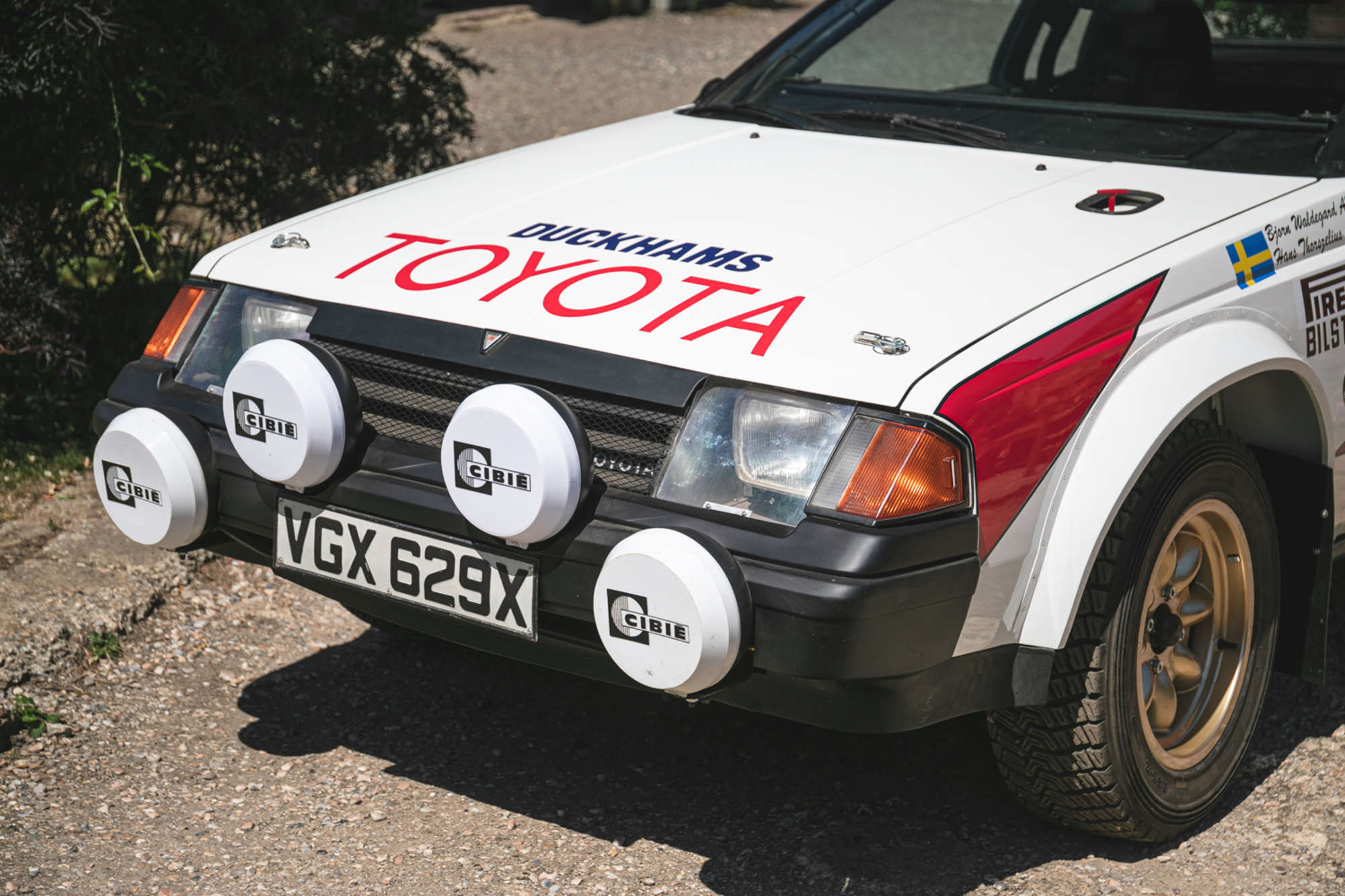
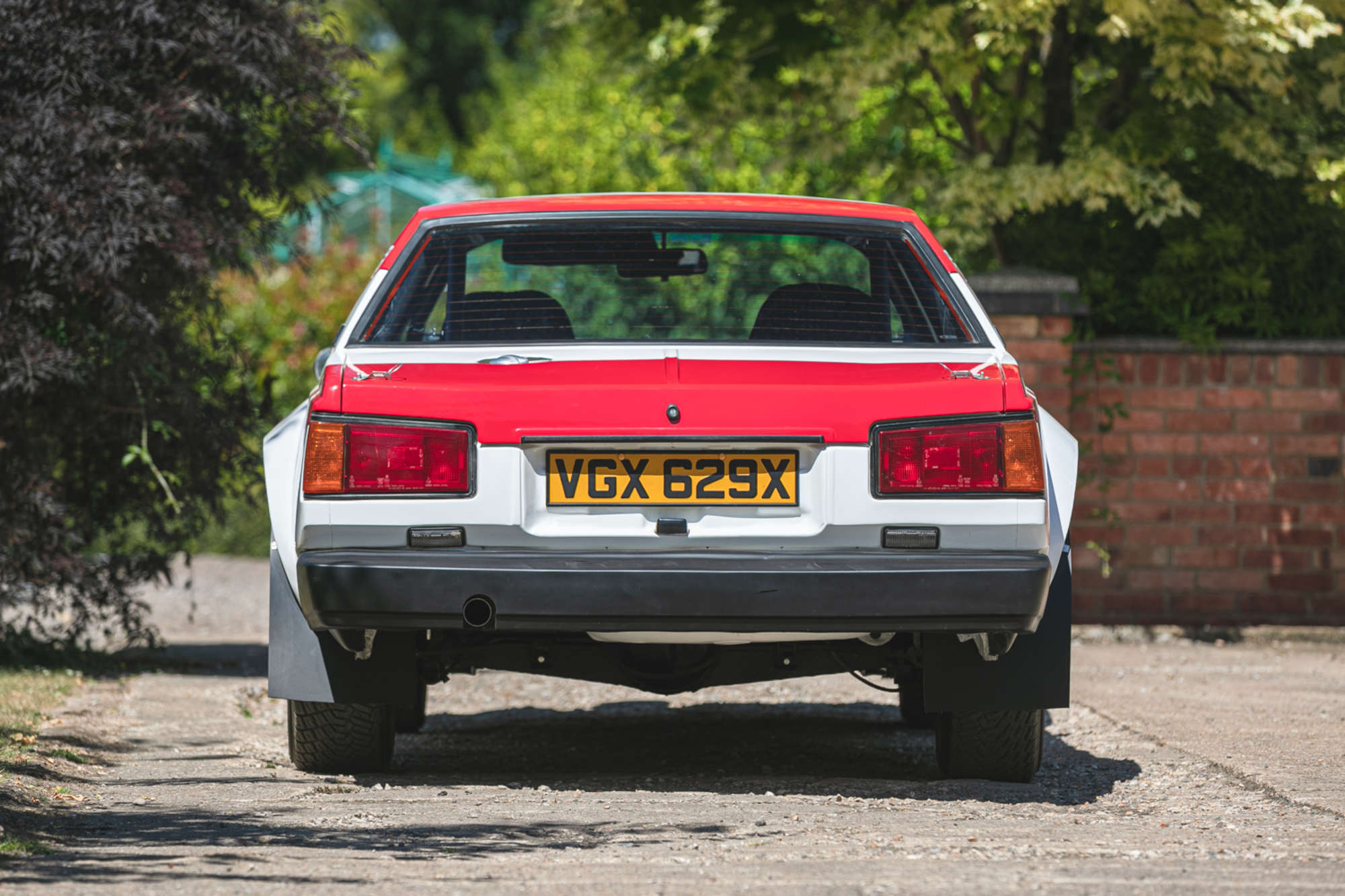
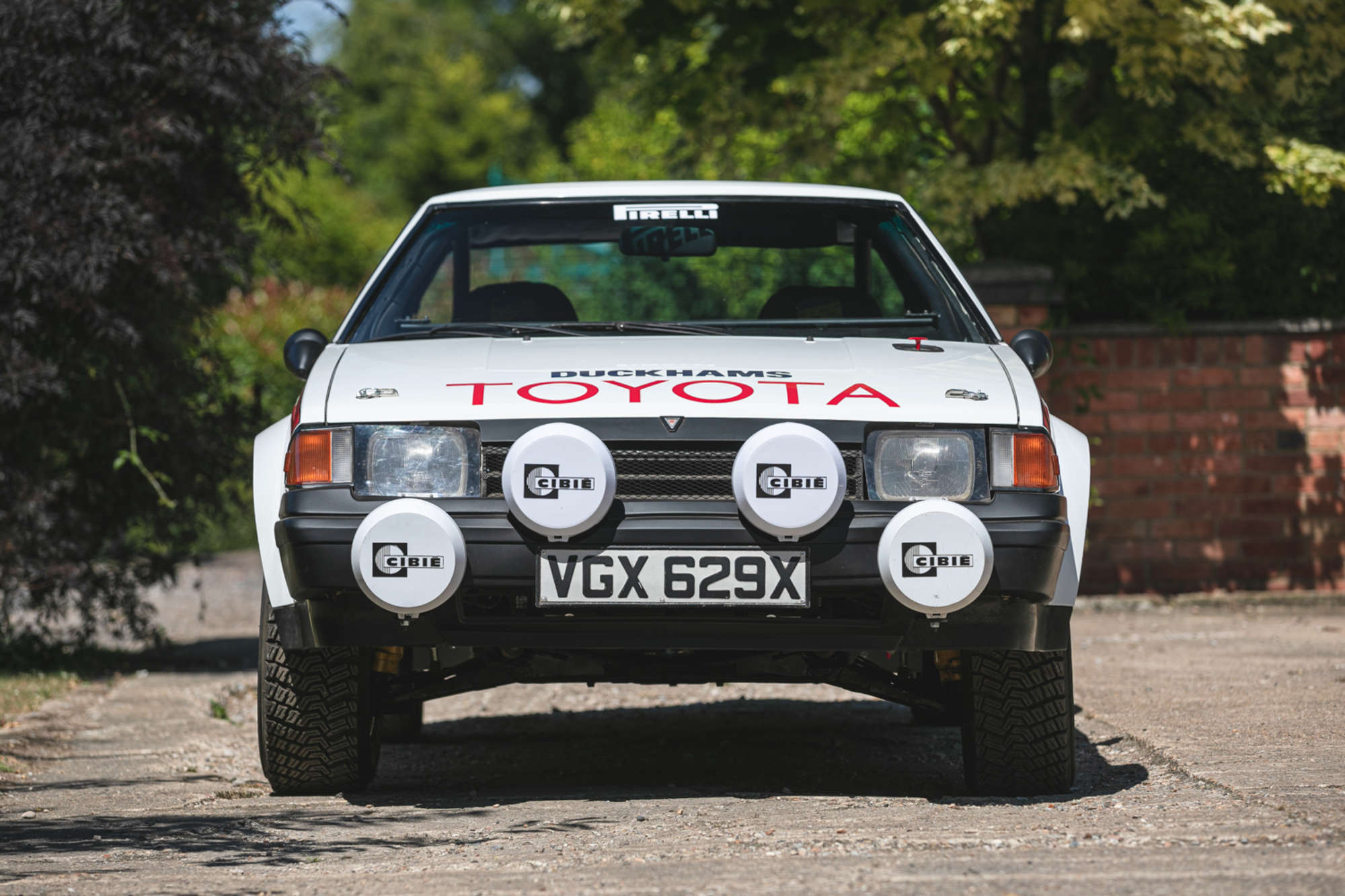
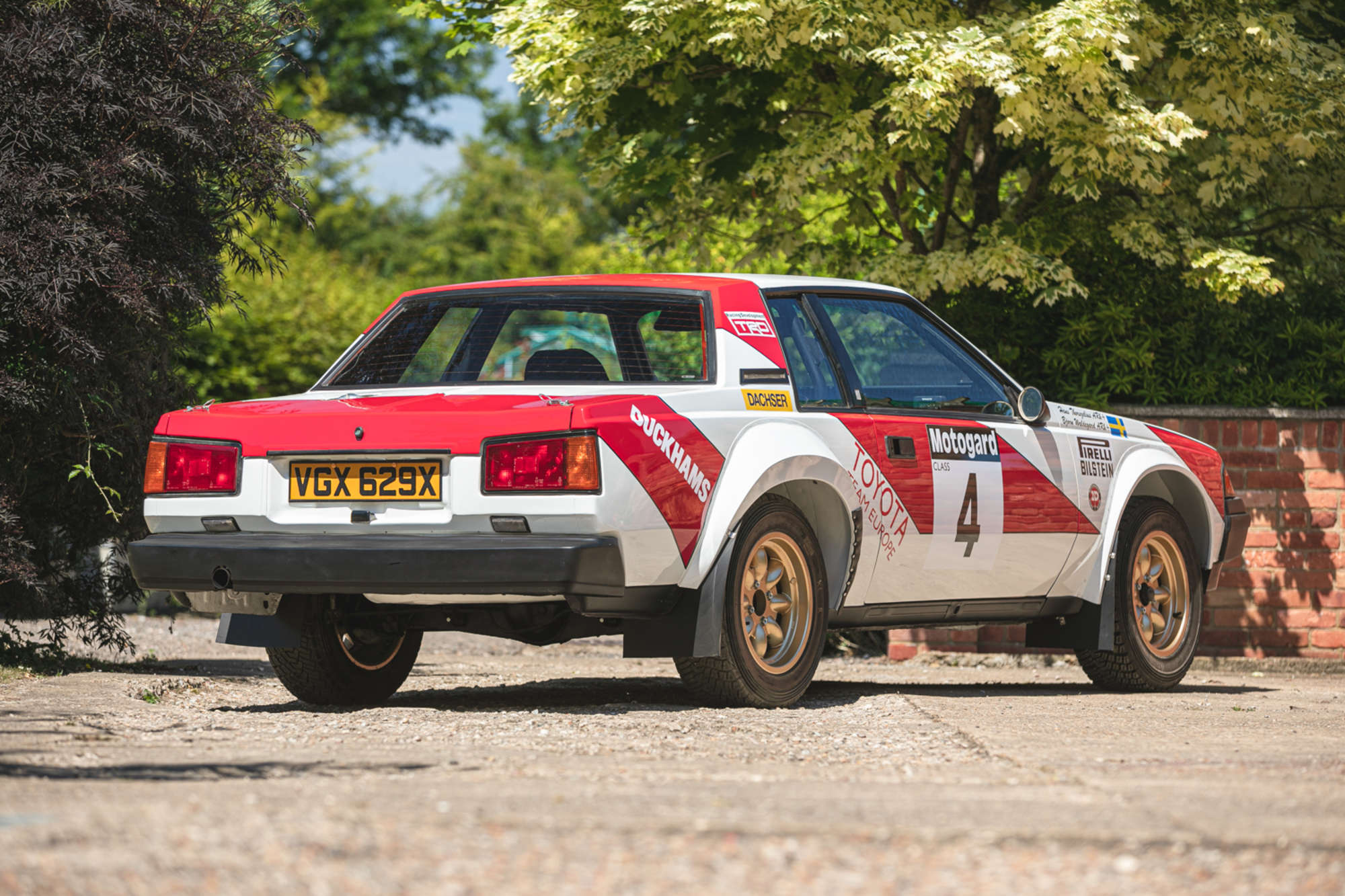
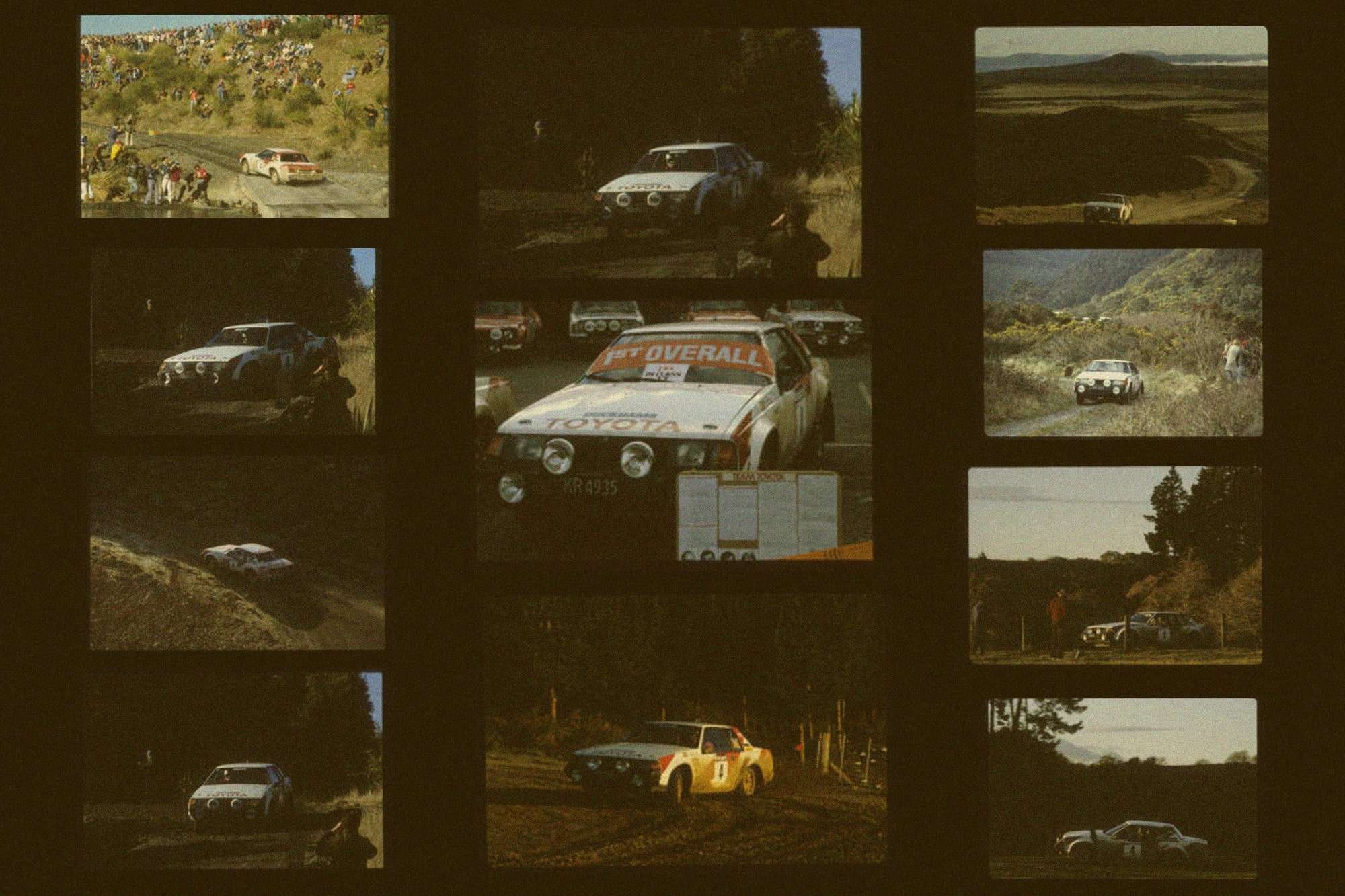
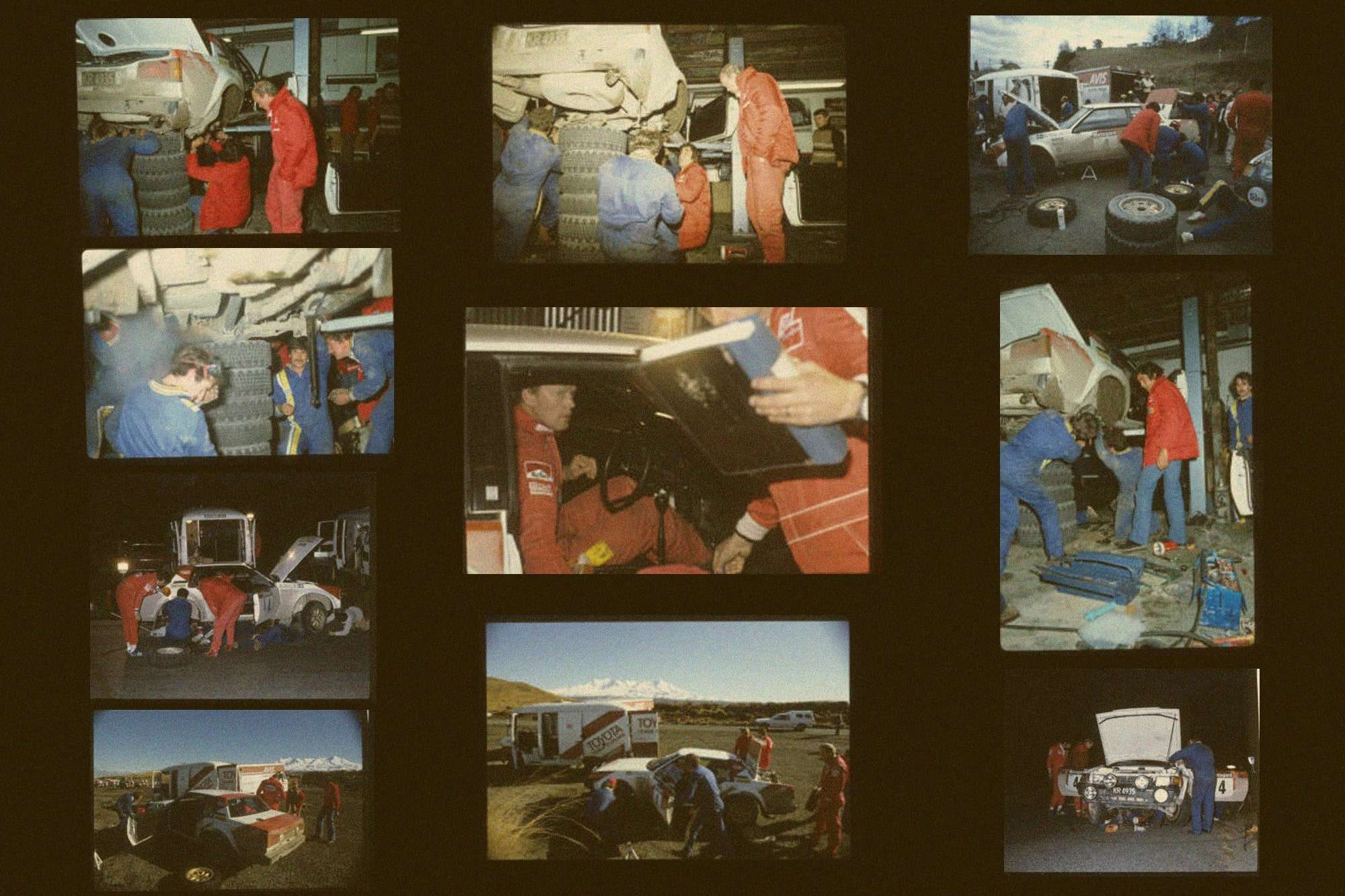
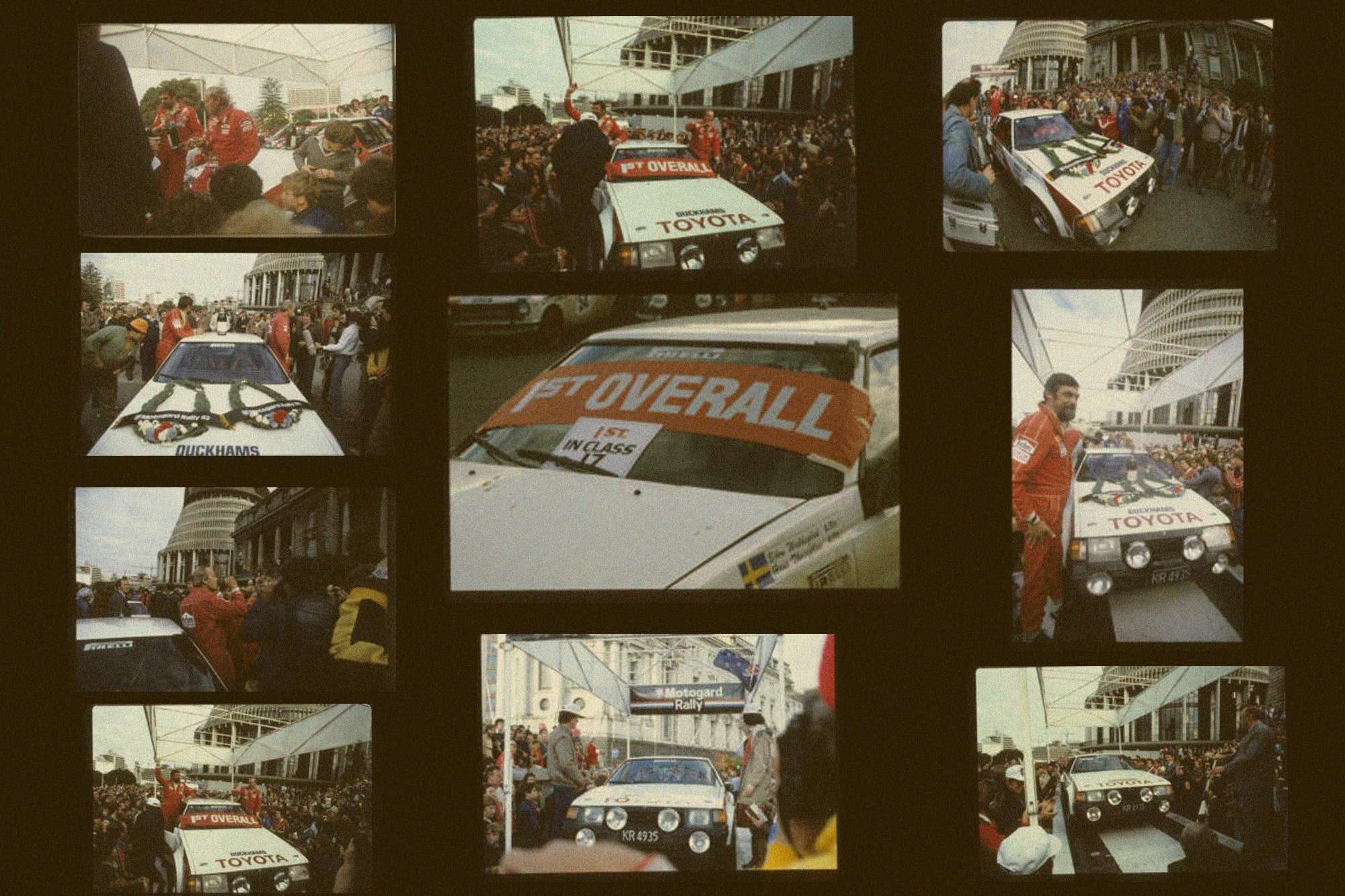
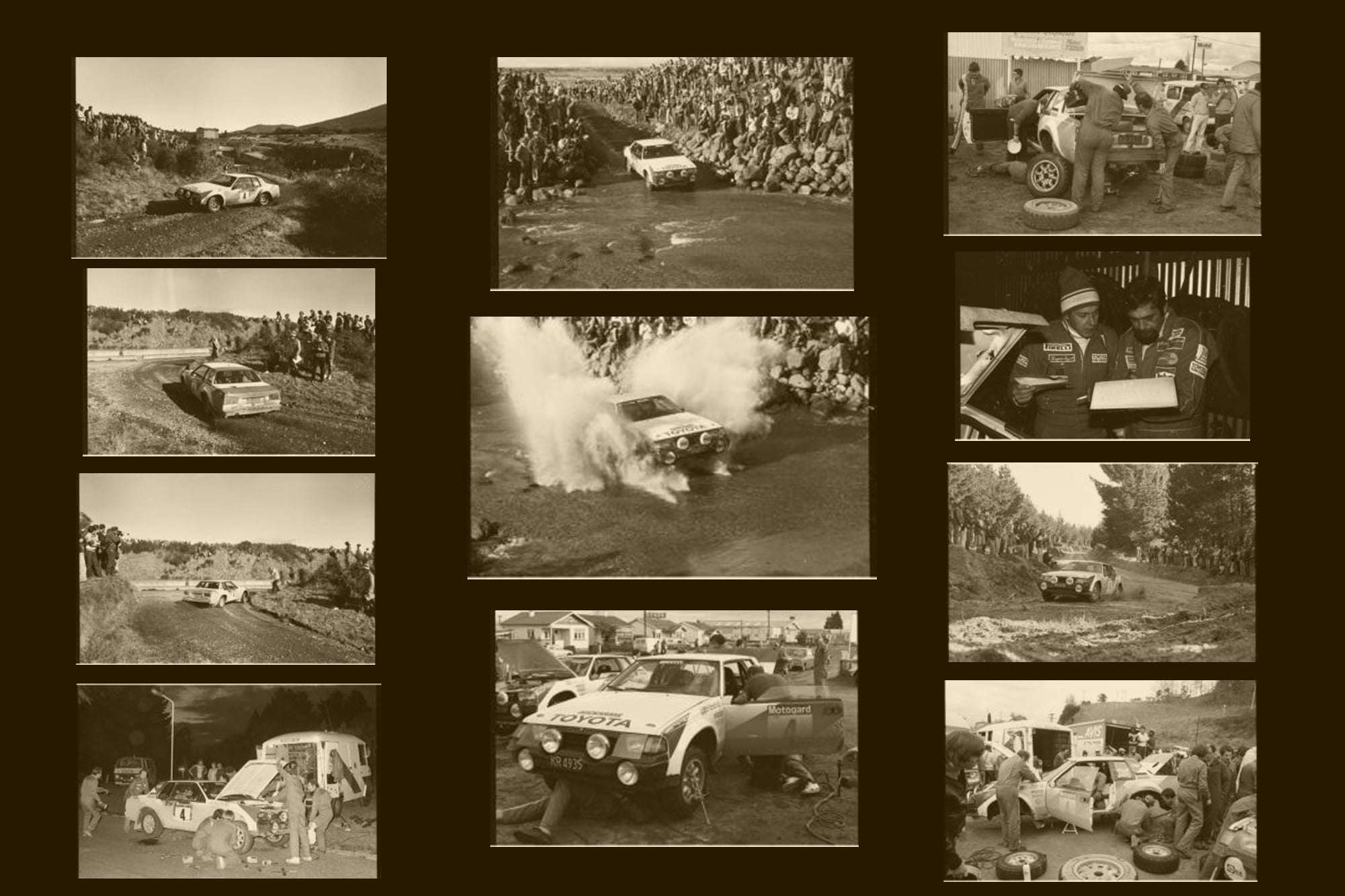
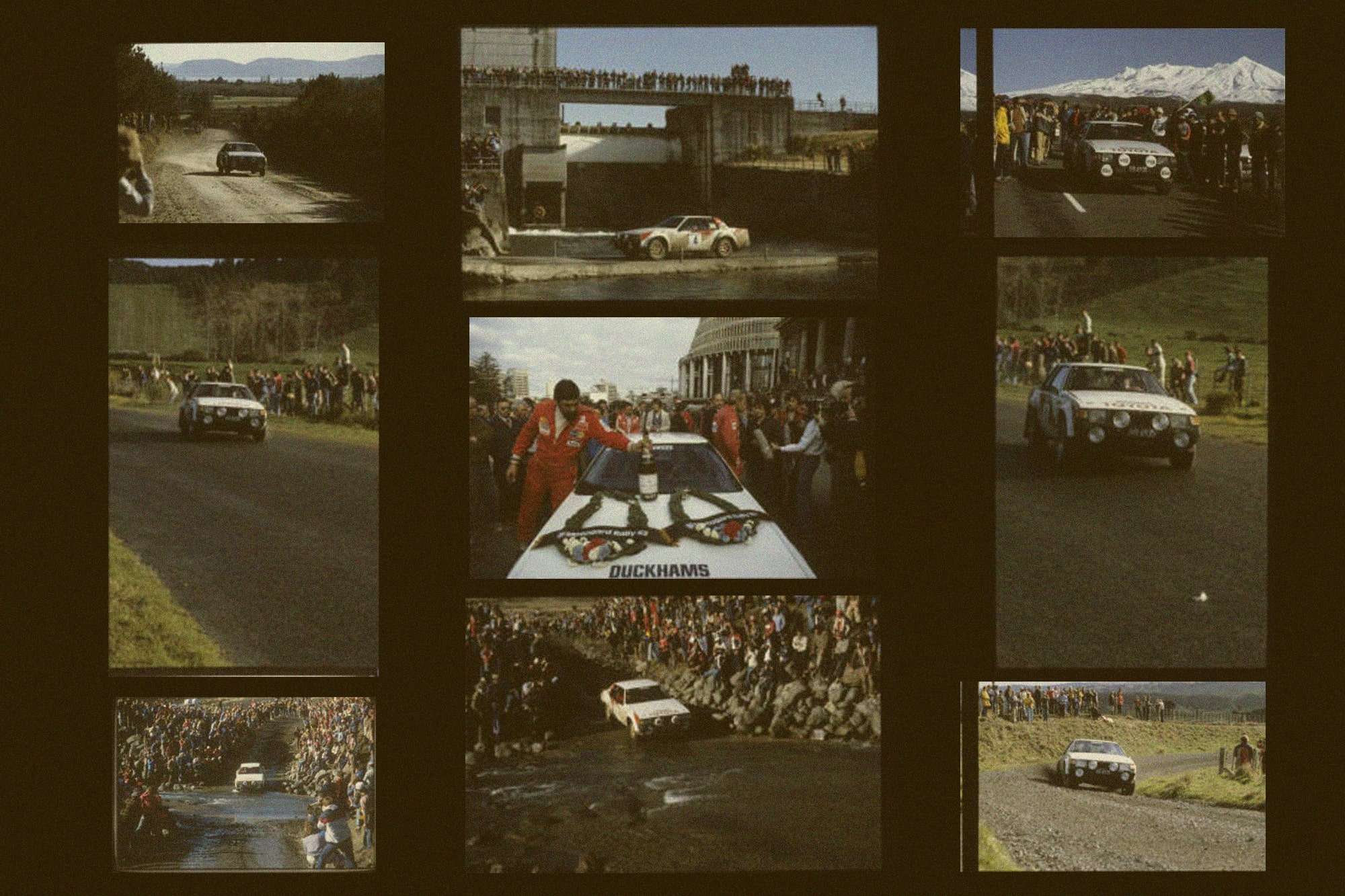
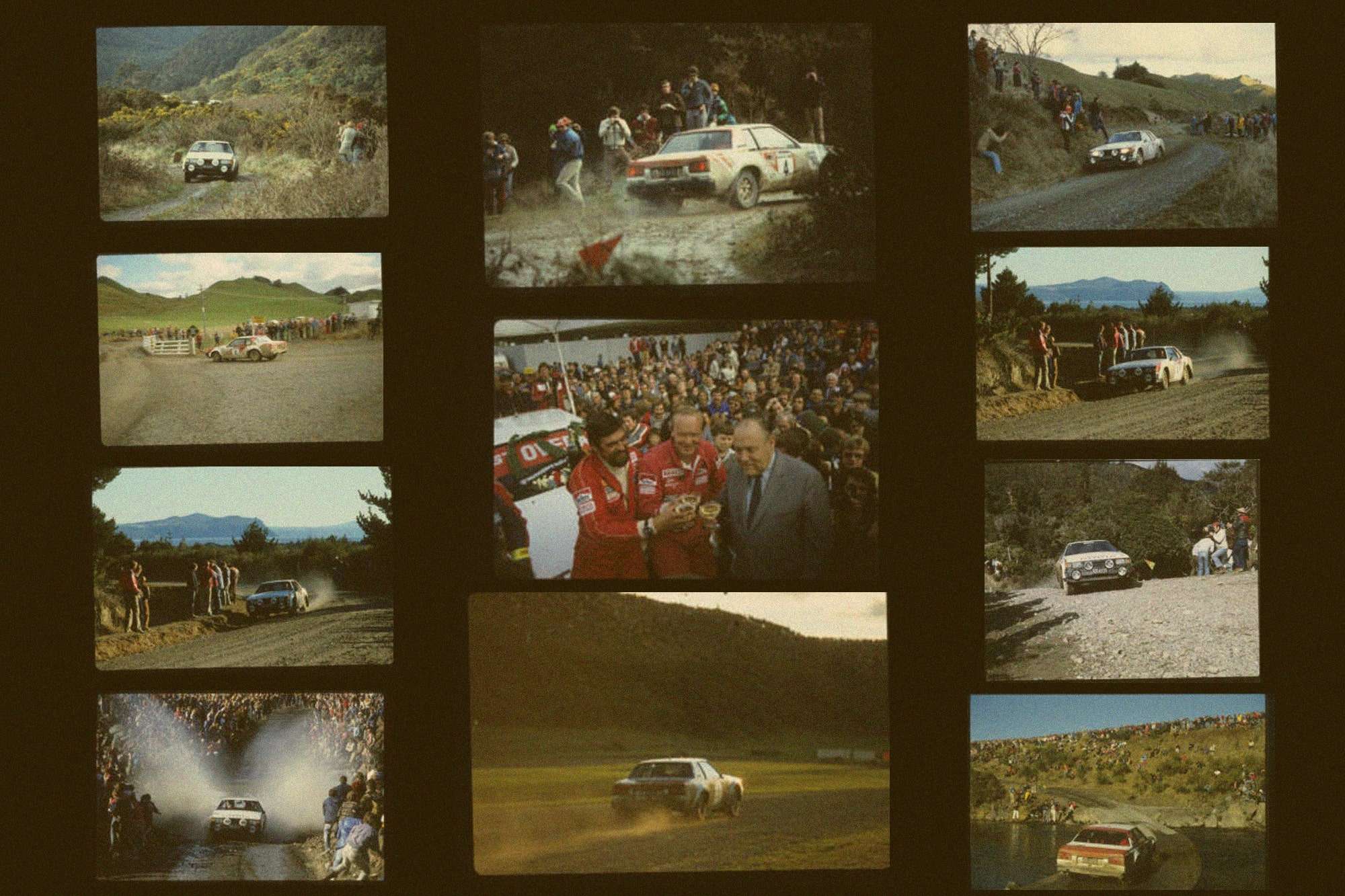
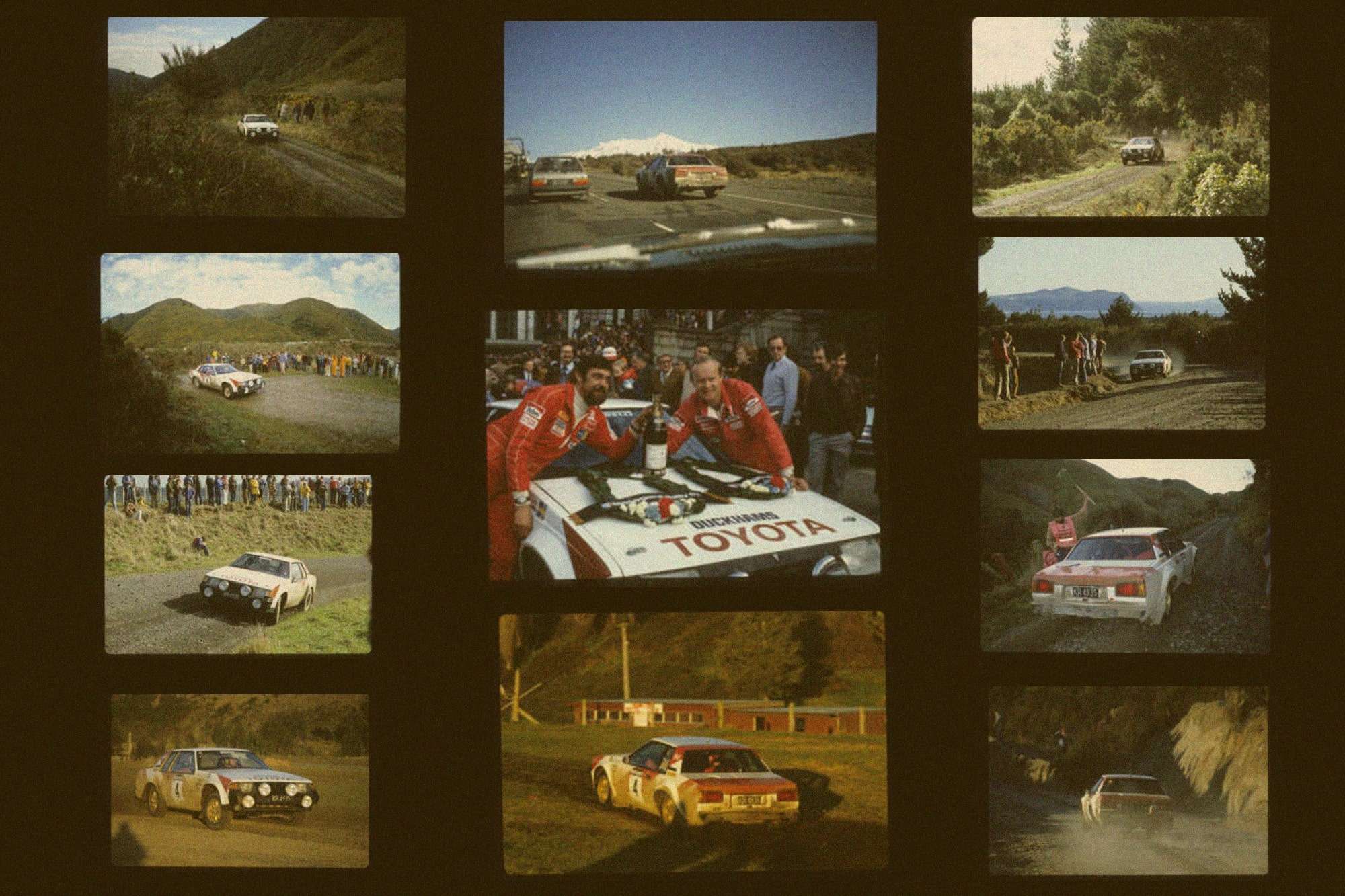
This is the long-lost 1982 Toyota Celica RA63 “TC3” that Bjorn Waldegard and co-driver Hans Thorszelious piloted to a win in the 1982 Motogard Rally of New Zealand. In so doing it became the first Celica to ever win a World Rally Championship (WRC) event.

Internally codenamed “TC3” by TTE (Toyota Team Europe), this car was lost to history for decades, even Toyota had given up on it. In recent years it was rediscovered in longterm storage in the UK and restored back to its original 1982 rally-winning livery.

Fast Facts – Toyota Celica RA63

  • The Toyota Celica RA63 is a member of the A60 third generation Celica family that was introduced in 1981 and sold until 1985.
  • The RA63 cars were fitted with the 2.0 liter inline four with double overhead cams with manual or automatic transmissions and rear wheel drive. The A60 was notably more modern and angular in design than the second generation model it replaced (the A40/A50).
  • TTE (Toyota Team Europe) built a series of special racing versions of the RA63 Celica in the early 1980s to compete in rally, while the new turbocharged Toyota Celica was being developed by TTE at its base in Cologne, Germany.
  • The car you see here is the Celica that shocked the world, competing against turbo and all-wheel drive cars it managed to take a win at the 1982 Motogard Rally of New Zealand–becoming the first Celica to win a WRC event.

The Third Generation Toyota Celica “A60”

In 1981 the third generation Toyota Celica was unveiled to the world, internally codenamed A60, the new two-door sports car was offered in both notchback or liftback styles, it had semi-retractable “rise-up” headlights, and sharper body styling than its predecessor.

Above Video: Thanks to the team at VHS Rallies on YouTube you can now watch the complete 1982 Motogard Rally of New Zealand.

The A60 Celica was significantly upgraded over its production life, it started with a live axle rear end but this was upgraded to independent suspension with semi trailing arms on some models in 1983.

The rise-up headlights were also changed for proper pop-up headlights, and there were a number of additional minor body modifications made.

There were a number of engine options for the A60, all were inline-fours and the displacement ranged from 1.6 liters on the lower end up to 2.4 liters on the higher end – interestingly this 2.4 liter engine was the largest four-cylinder engine offered in any Celica before or since.

Both manual and automatic transmissions were offered, the 5-speed manual was the most popular thanks to its more sporting nature but the 4-speed automatic was a regularly ticked option box for those who preferred them.
Toyota Celica Rally Car 19

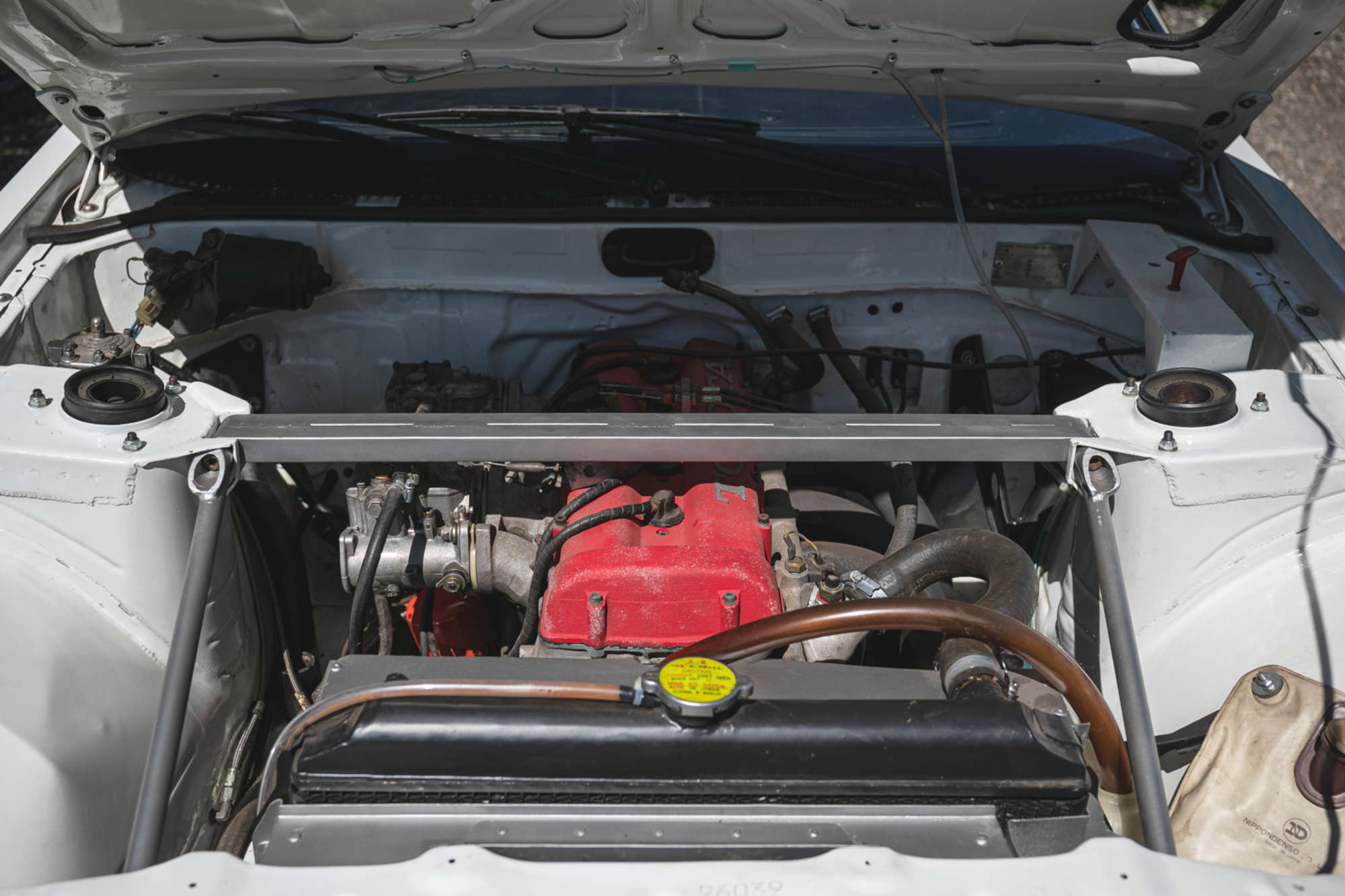
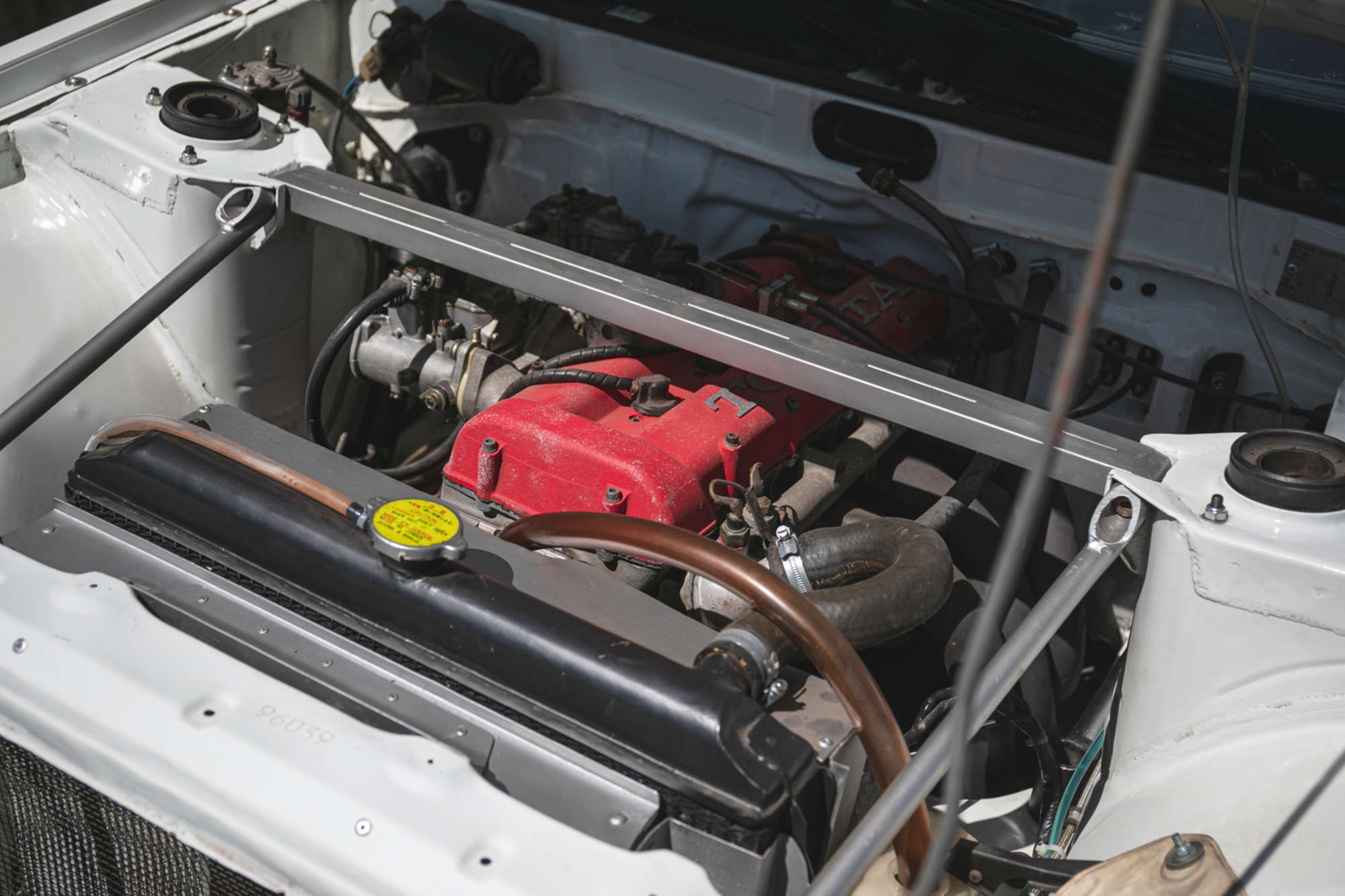
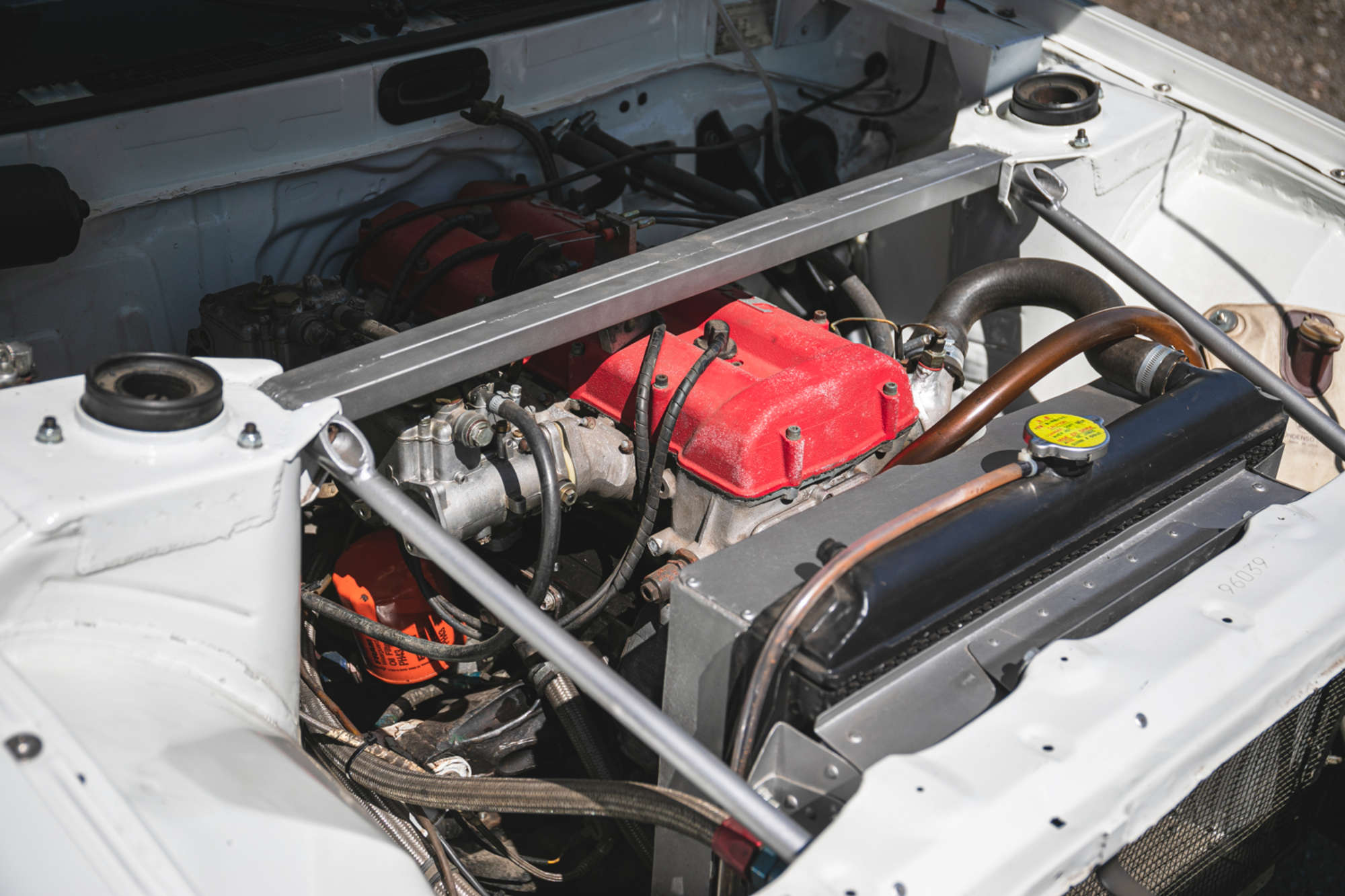
This is the highly tuned, naturally aspirated 2.0 liter inline-four that powered the car to victory – quite the coup over its turbocharged competition.

With its stiff unibody shell, sporting handling, and solid engine choices the A60 Celica sold well and it proved popular as a race and rally car both for privateers and Toyota factory teams.

The A60 would be replaced by the Y160 Celica in 1985, a car that borrowed heavily from its styling cues but softened the edges a little.

The 1982 Toyota Celica RA63 “TC3” Shown Here

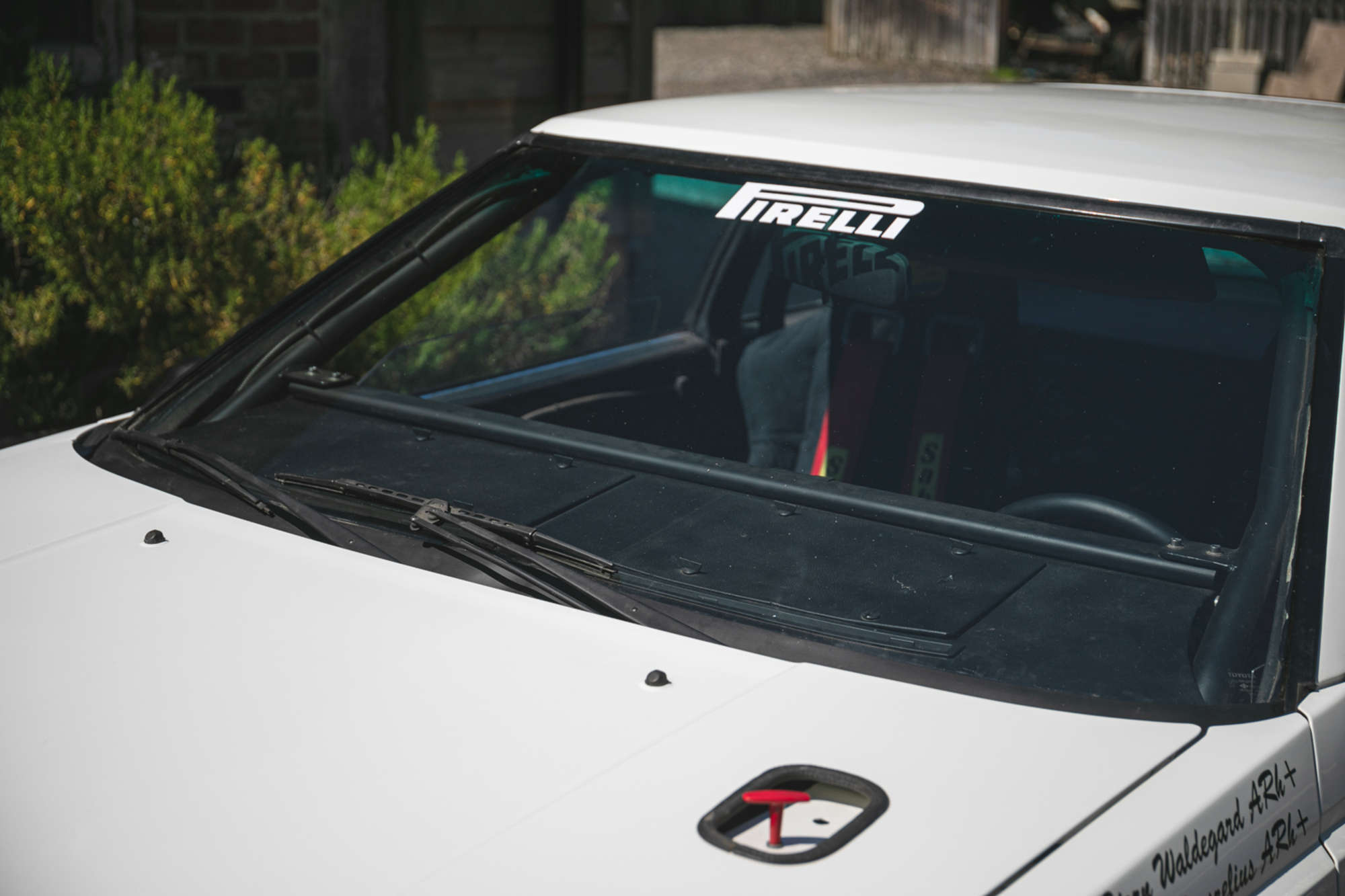
The car you see here is a significant piece of Toyota motorsport history and arguably the most important Celica rally car of its era – it’s TC3, the car that won the 1982 Motogard Rally of New Zealand. As mentioned further up, this makes it the first Celica to ever win a WRC event.

Earlier in 1982 two examples of the RA63 Celica 2000GT that had been modified for racing by Toyota Team Europe in Germany shocked many in the rally fraternity when they finished 2nd and 3rd overall in the 1982 South Swedish Rally.

This was a surprise for many as the naturally-aspirated rear-wheel drive car seemed to be a relic of the past compared to some of the newer turbocharged and/or all-wheel drive rally cars that were appearing on the scene.
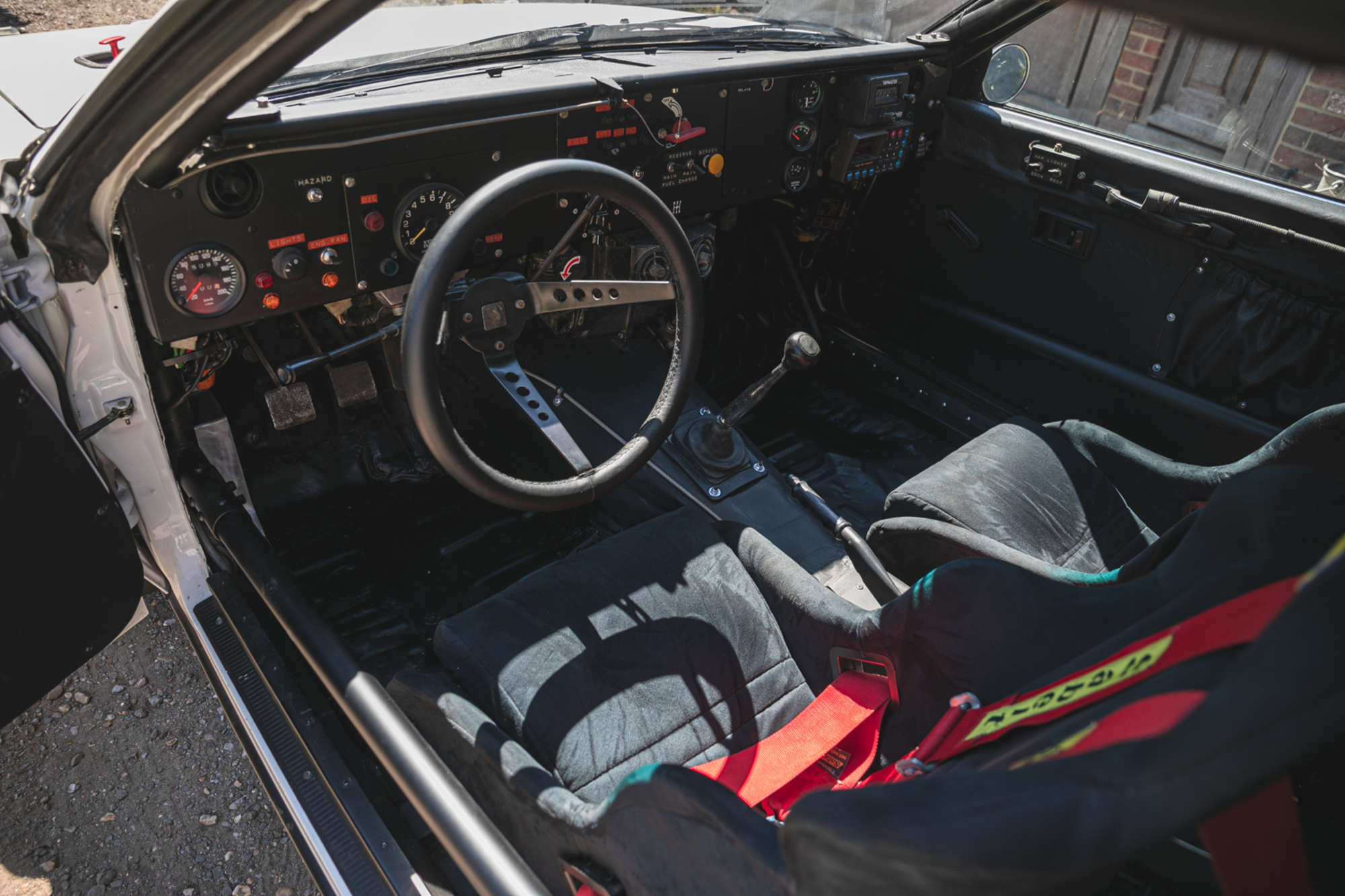
Toyota Celica Rally Car 1

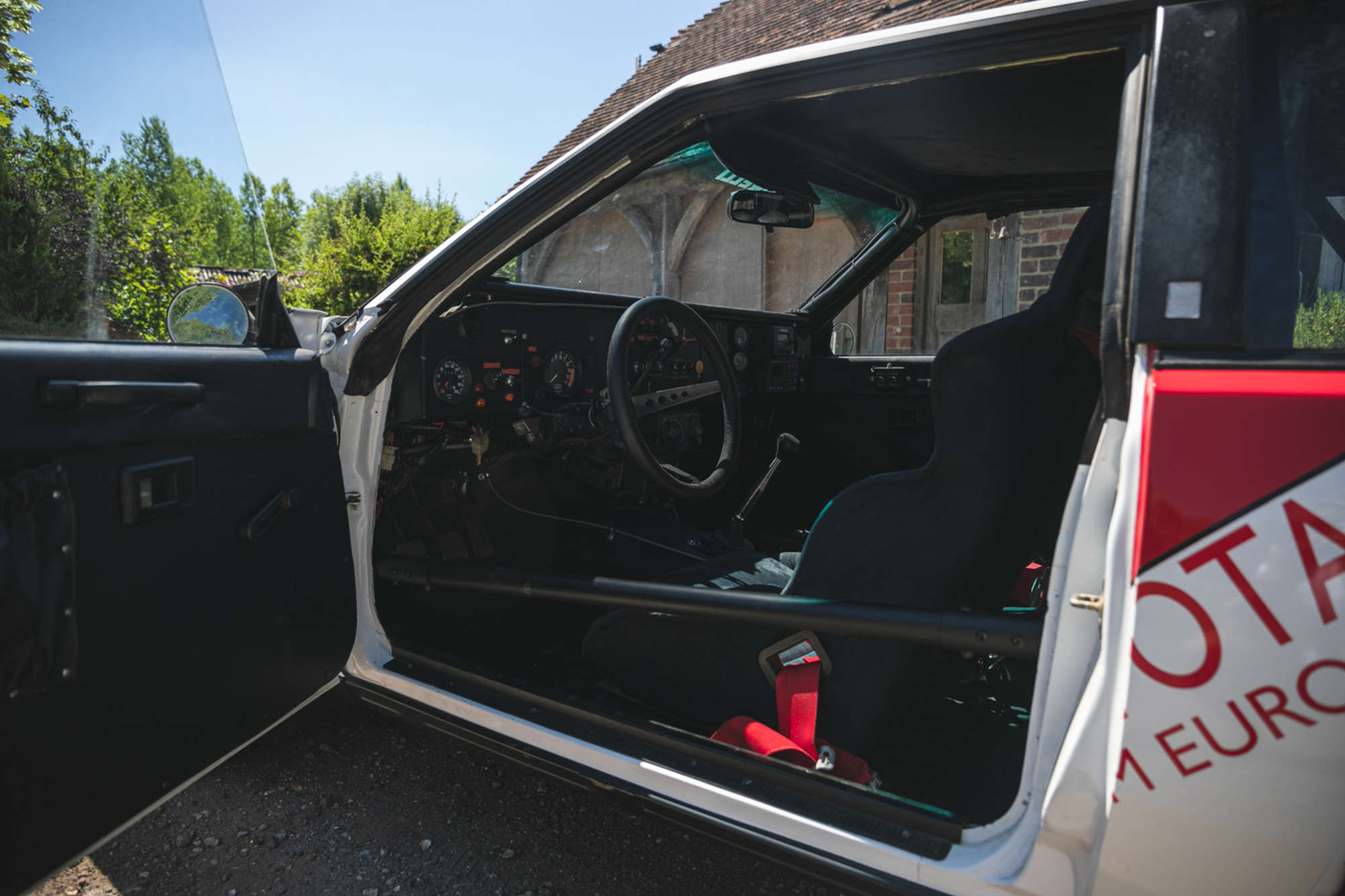
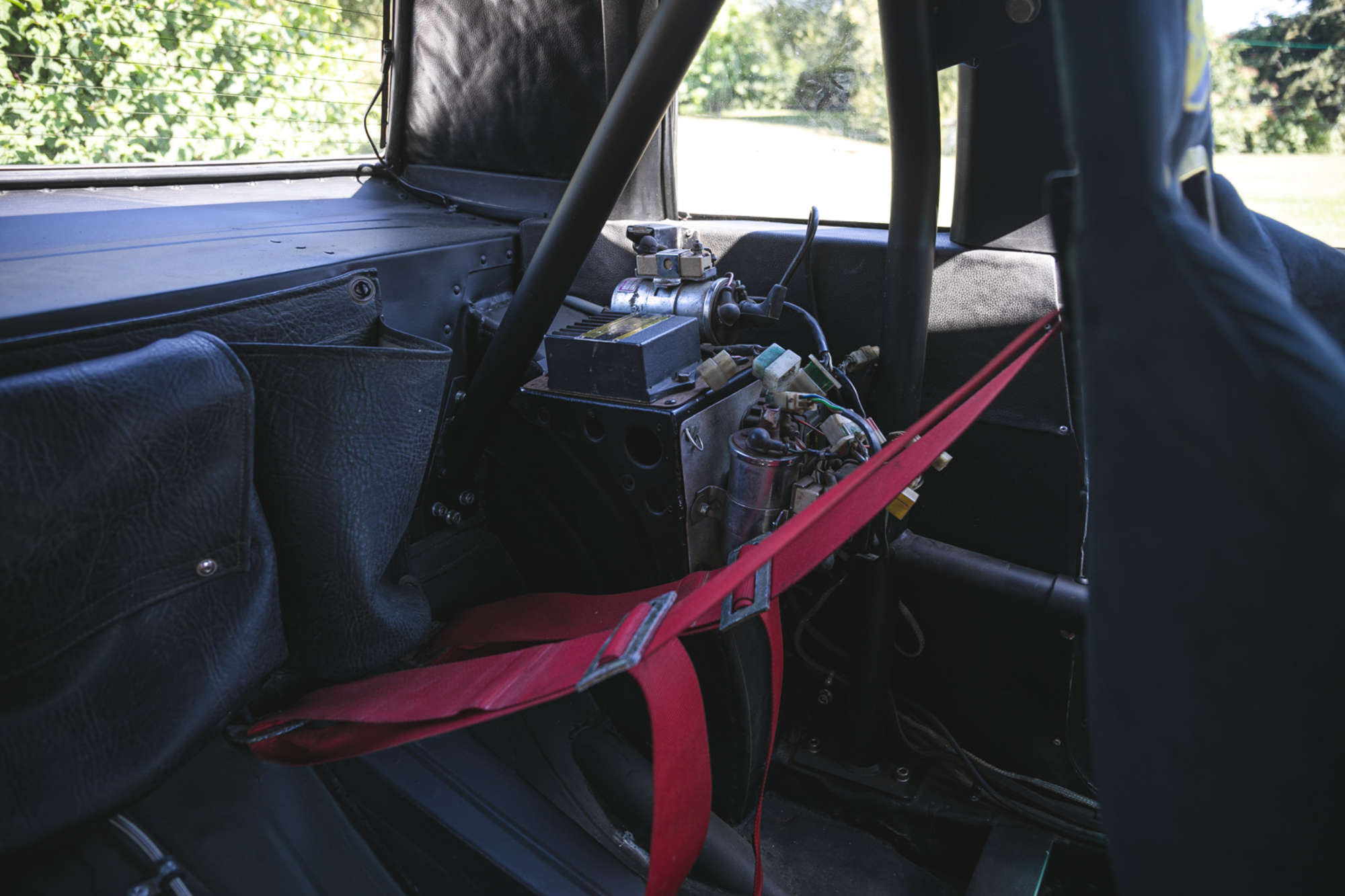
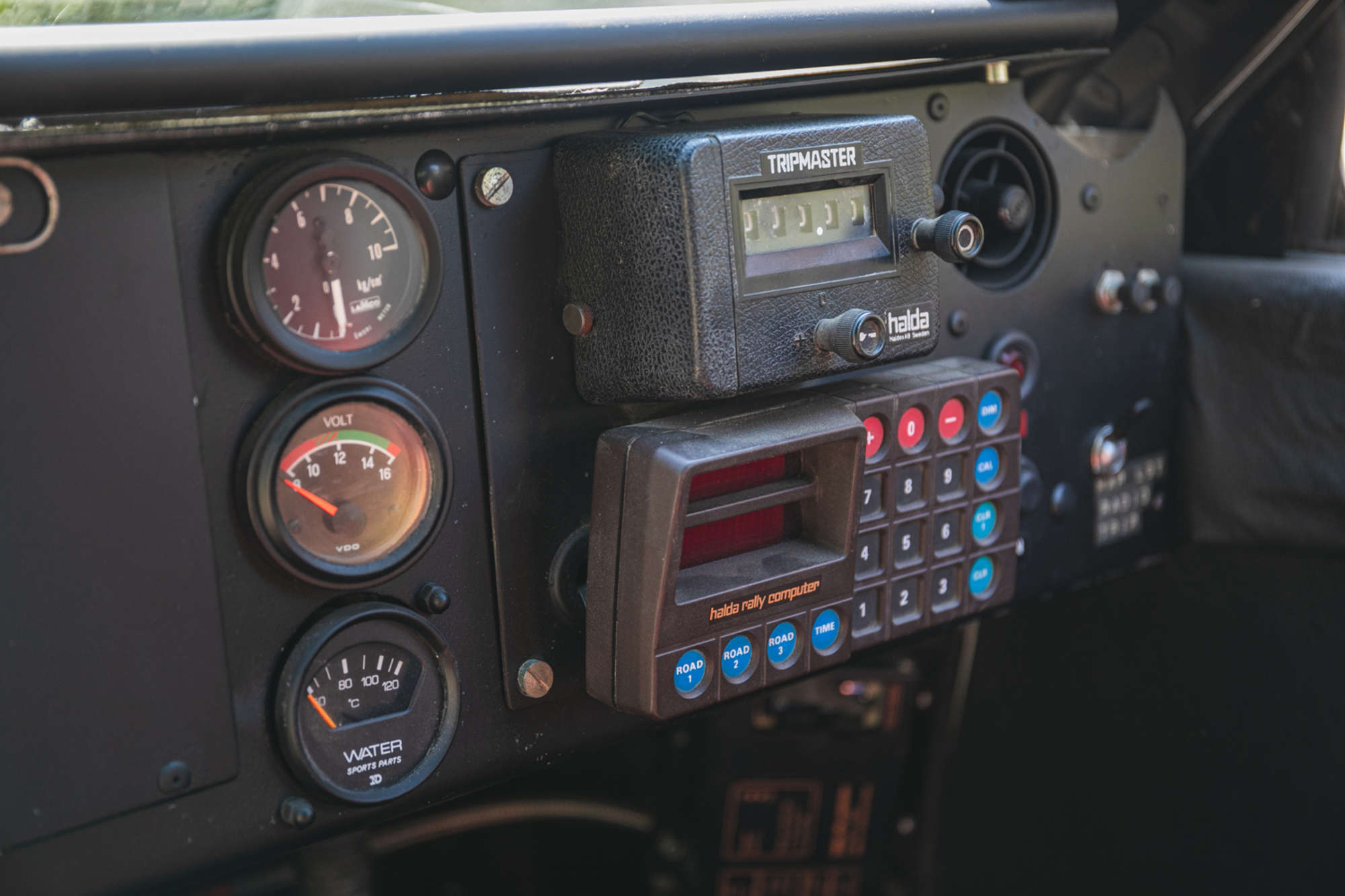
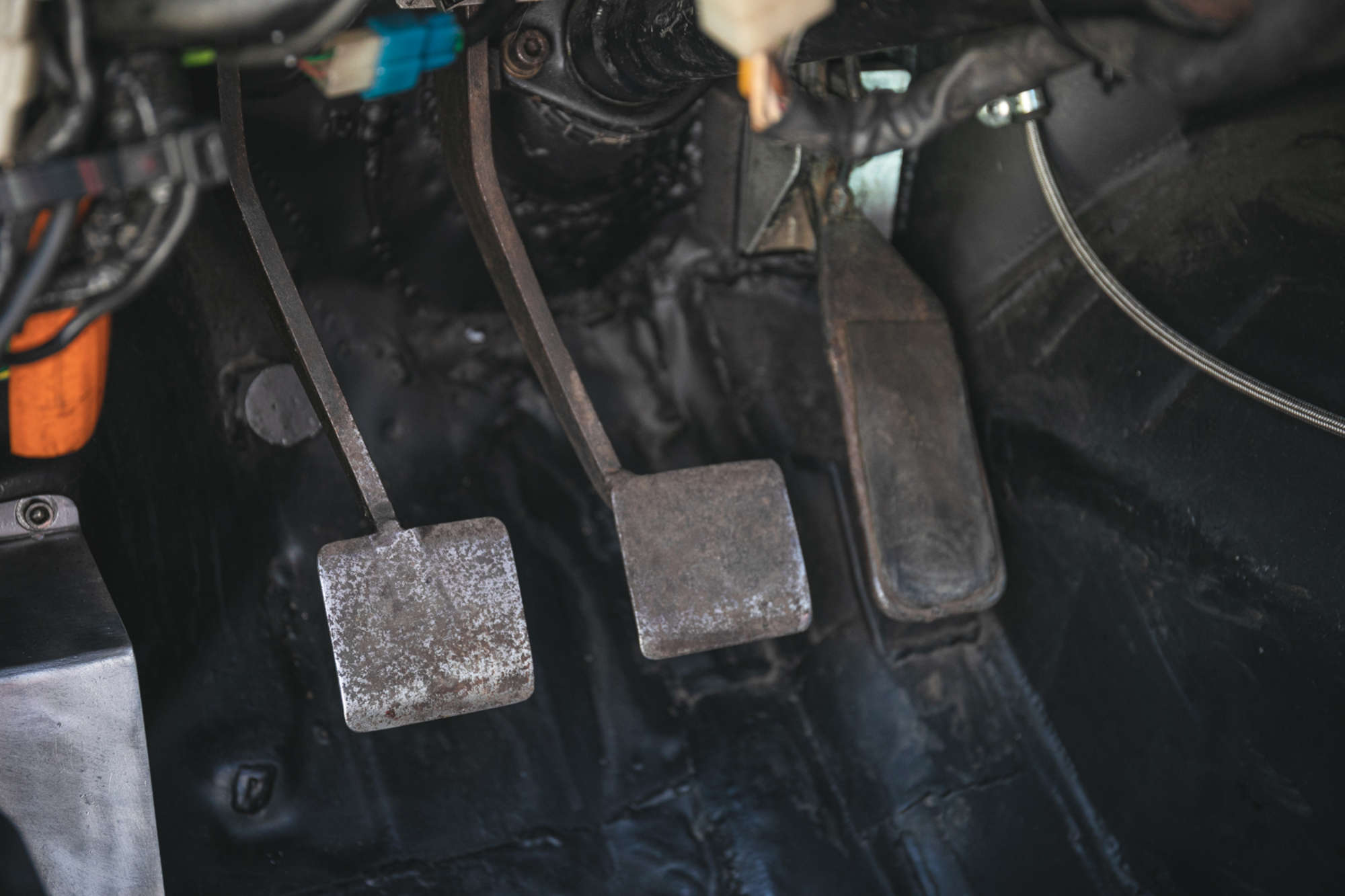
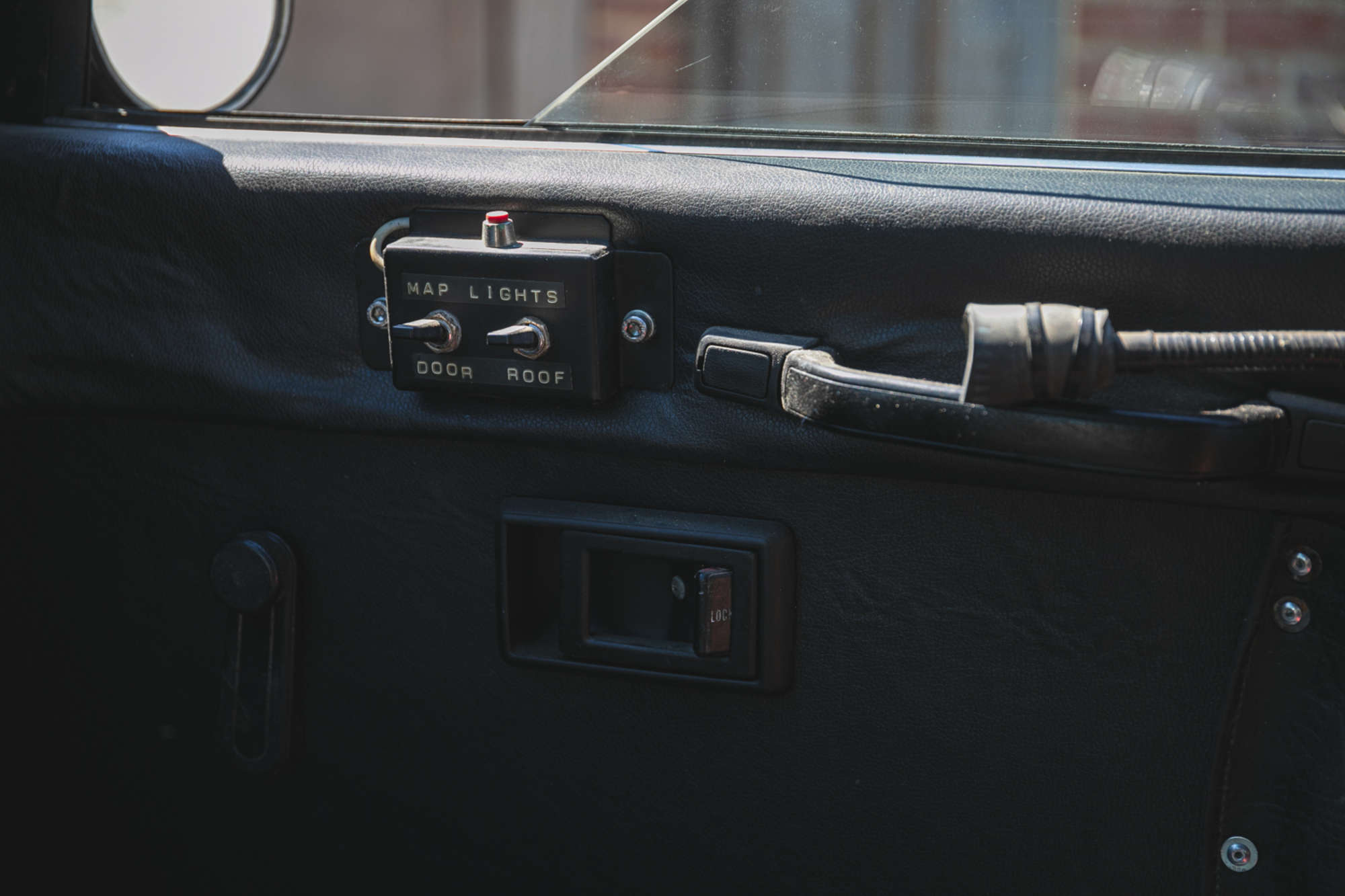
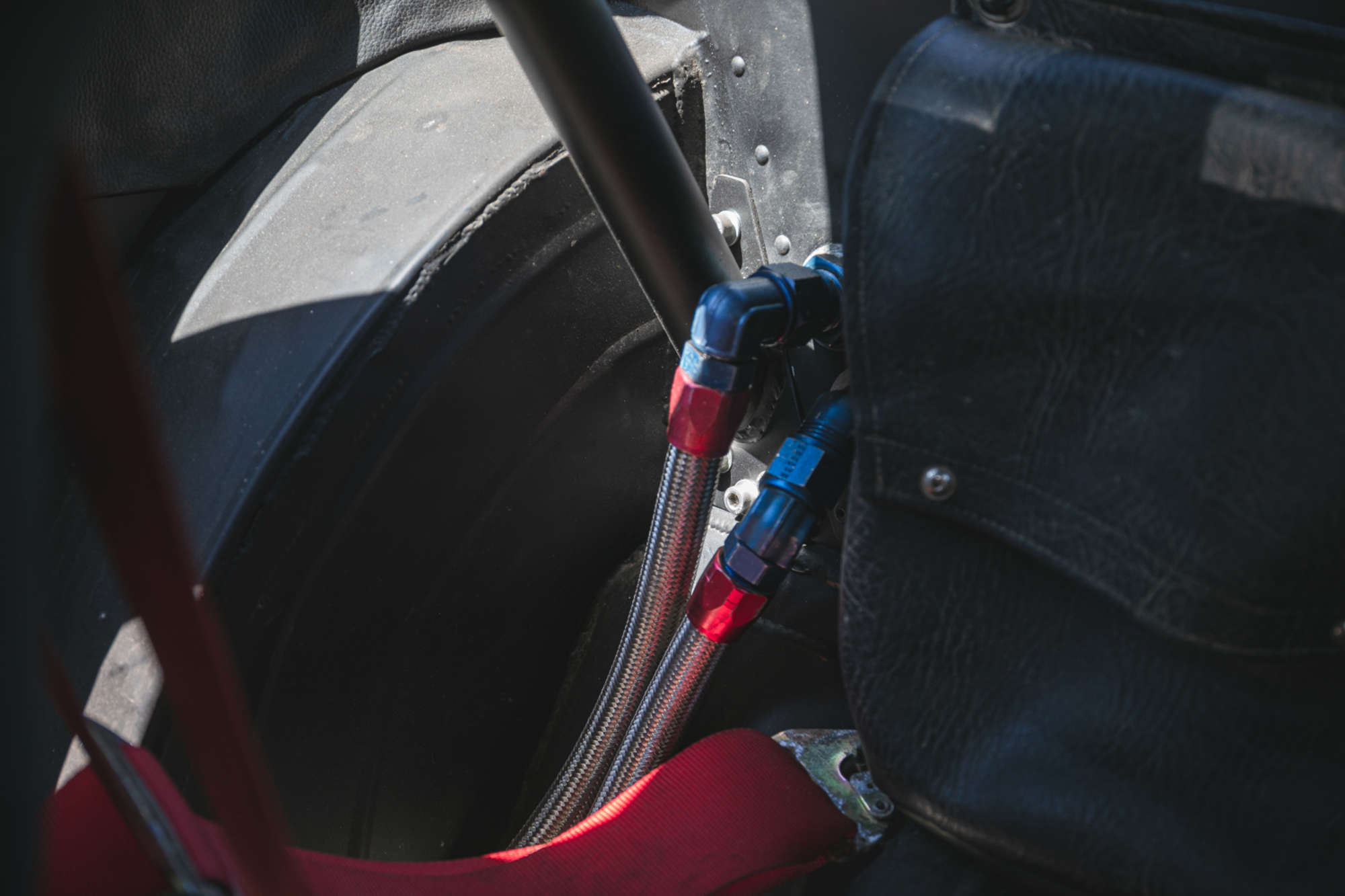
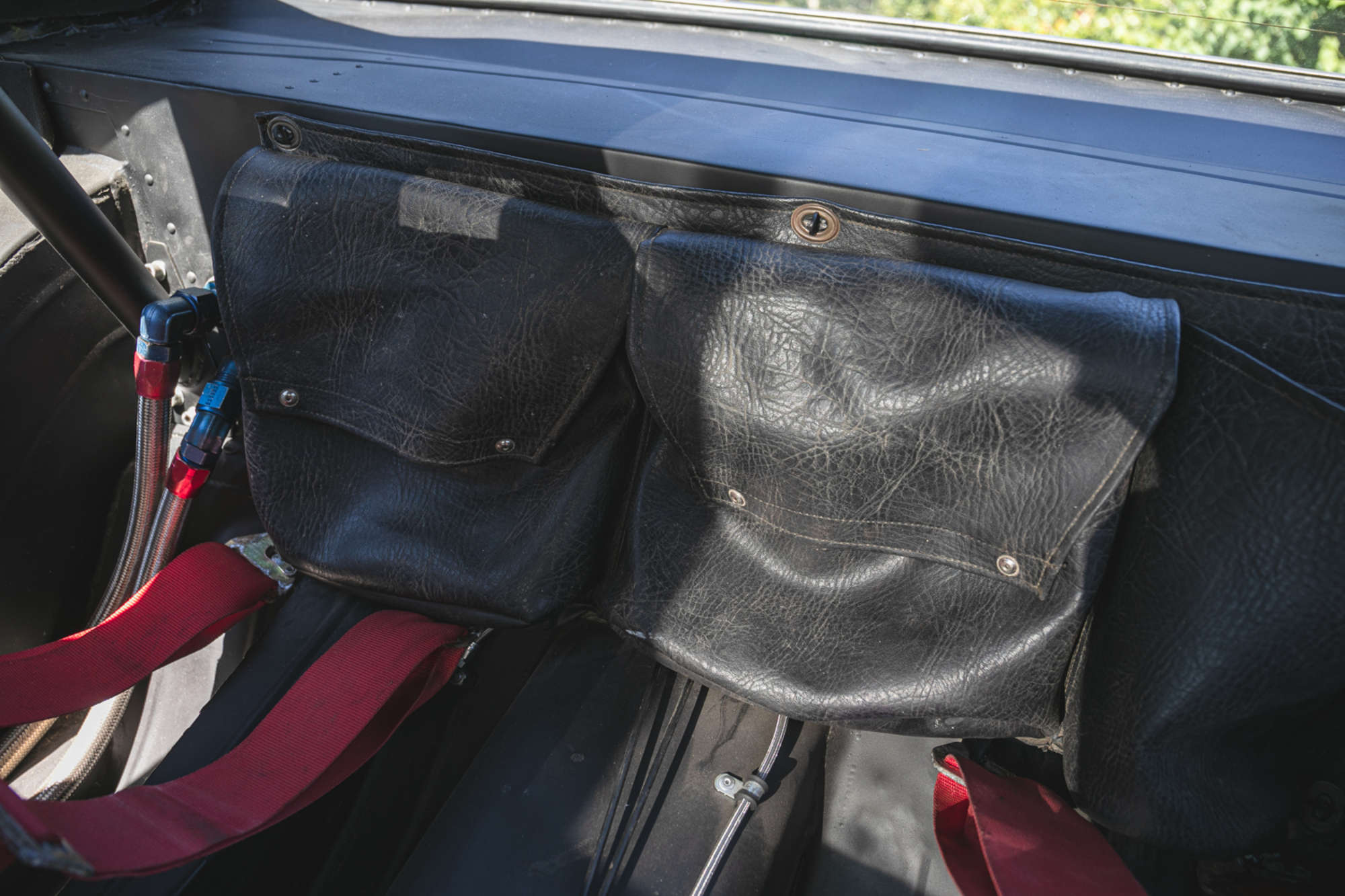
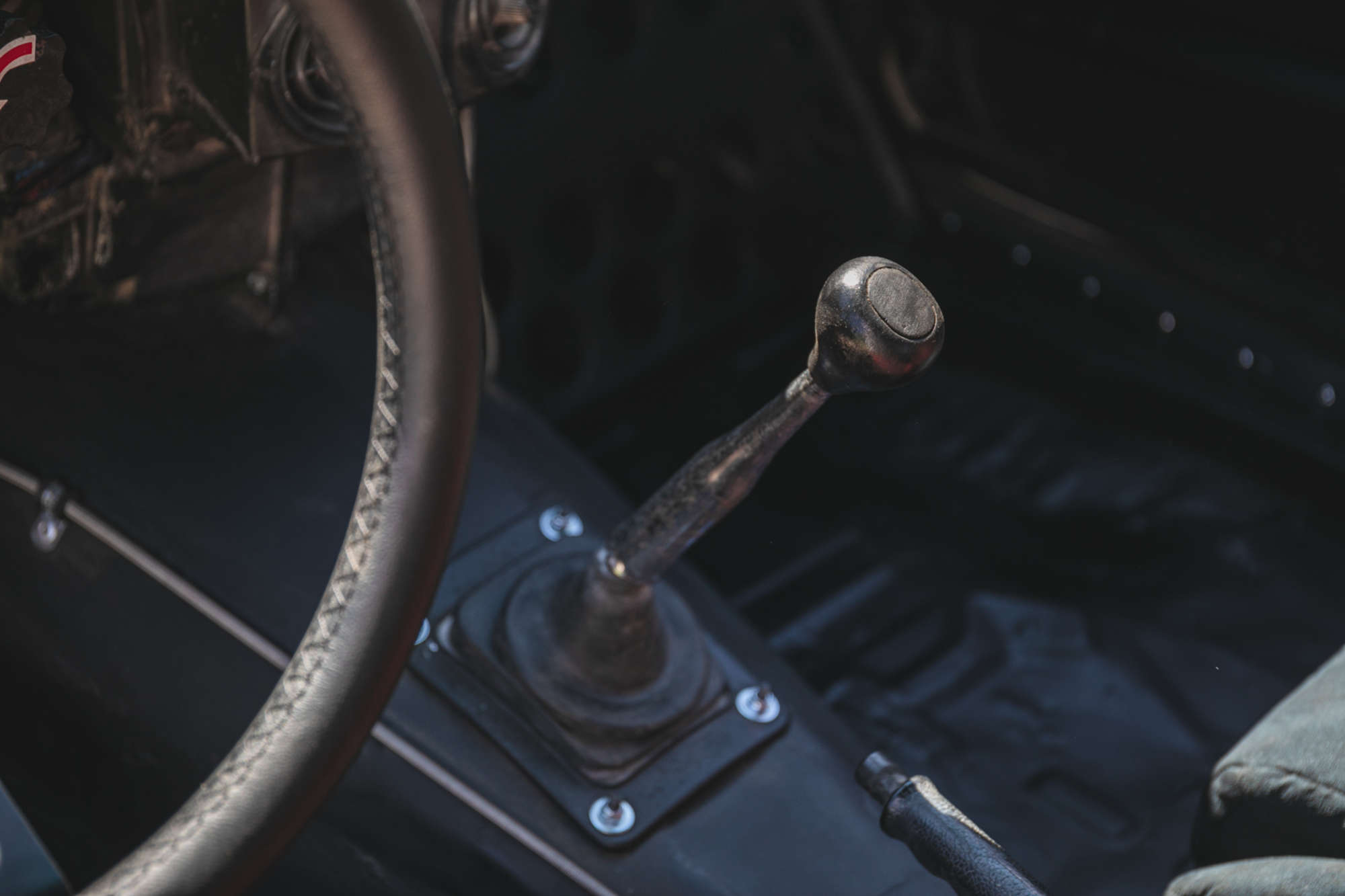
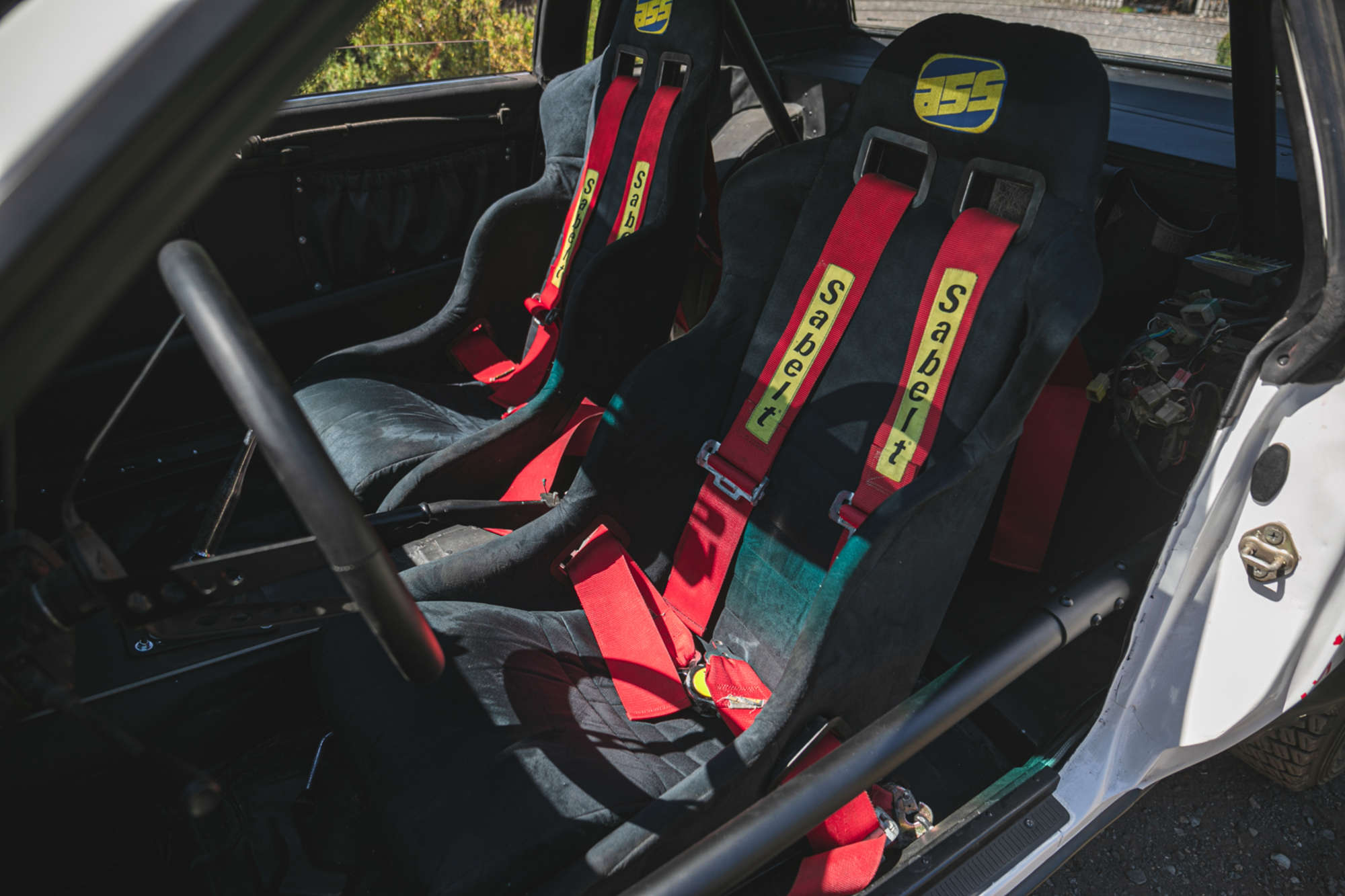
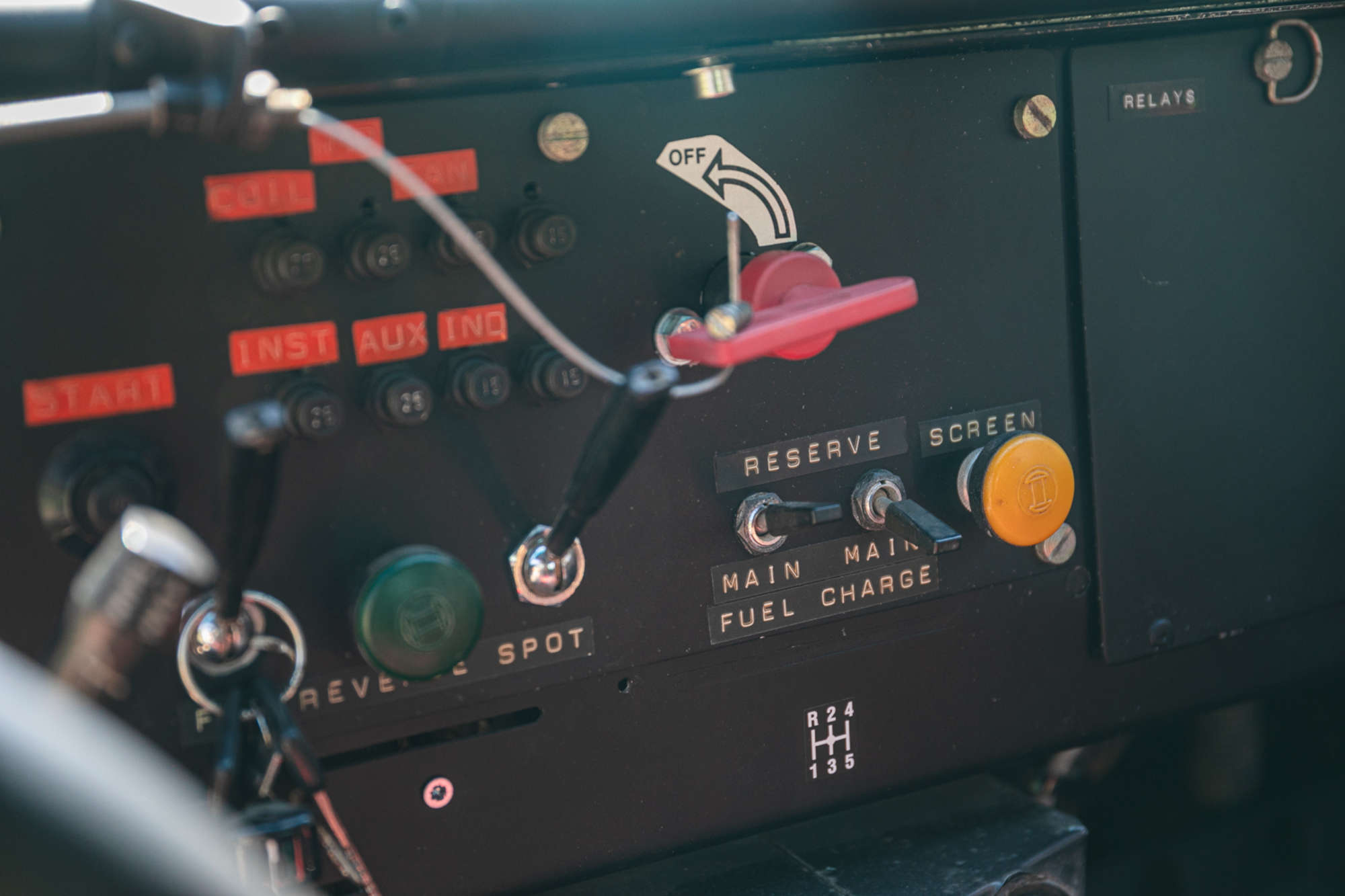
The interior is largely the same as it was back in 1982 when Bjorn Waldegard and Hans Thorszelious were in the seats.

A little later in the year another TTE-prepared RA63 Celica would show it wasn’t a fluke with its unlikely win in New Zealand.

Not long after this the car was sold into private hands and rallied a little more, then it came into the possession of a British owner who raced it for a short time before putting it into storage where it would remain for decades.

It wasn’t until the current owner bought it out of storage and sent off the VIN, engine number and some photographs to Toyota Team Europe that it’s true identity as the first WRC rally winning Celica was established without a doubt.

In carefully restored condition the car is now due to roll across the auction block with Silverstone Auctions on the 27th of August with a price guide of £140,000 – £175,000, which works out to approximately $169,000 – $211,000 USD.

If you’d like to read more about it or register to bid you can visit the listing here.

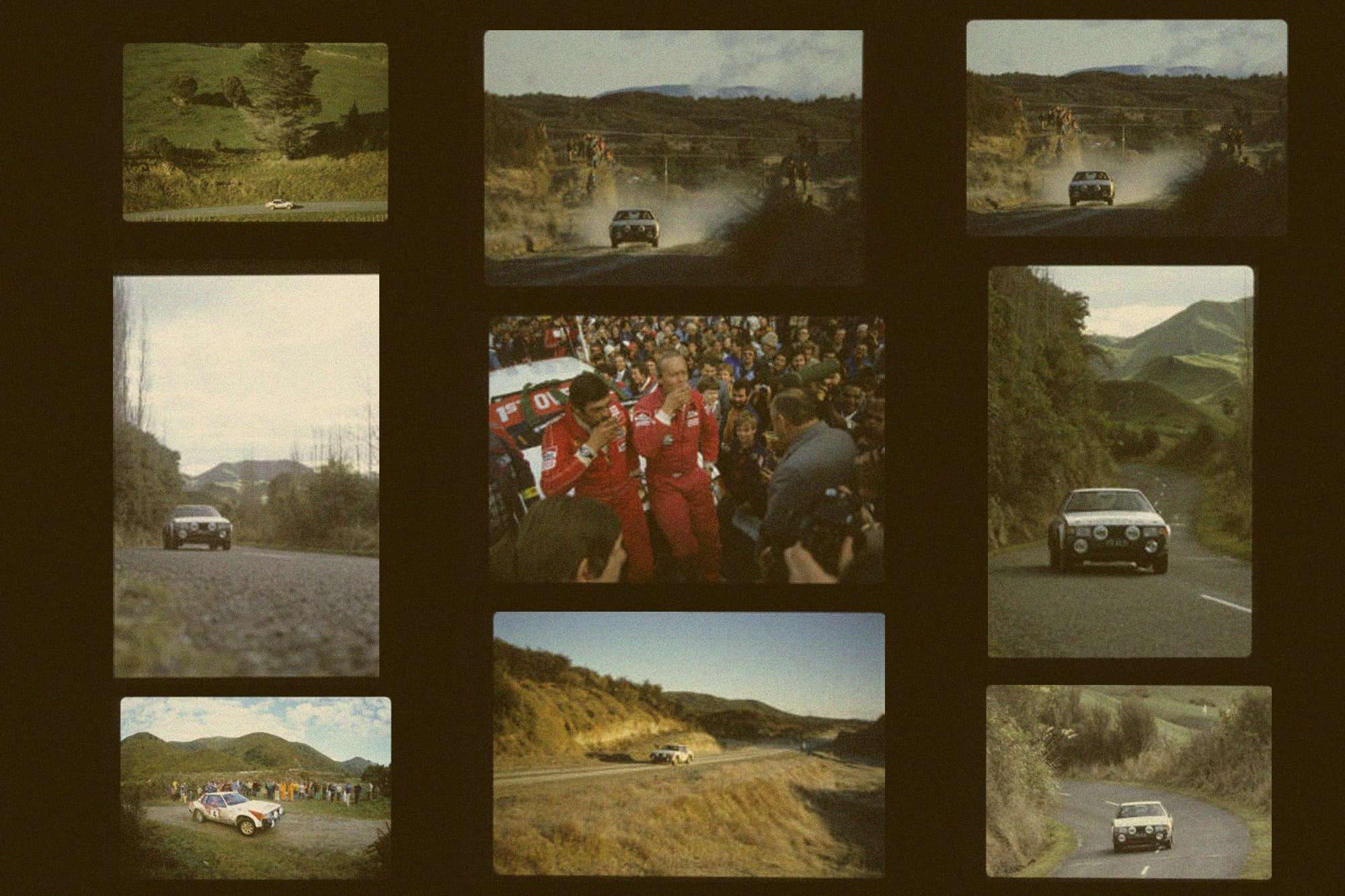
Editor’s Note: Scroll down to see an original gallery of images of Bjorn Waldegard and Hans Thorszelious with this car in the 1982 Motogard Rally of New Zealand.
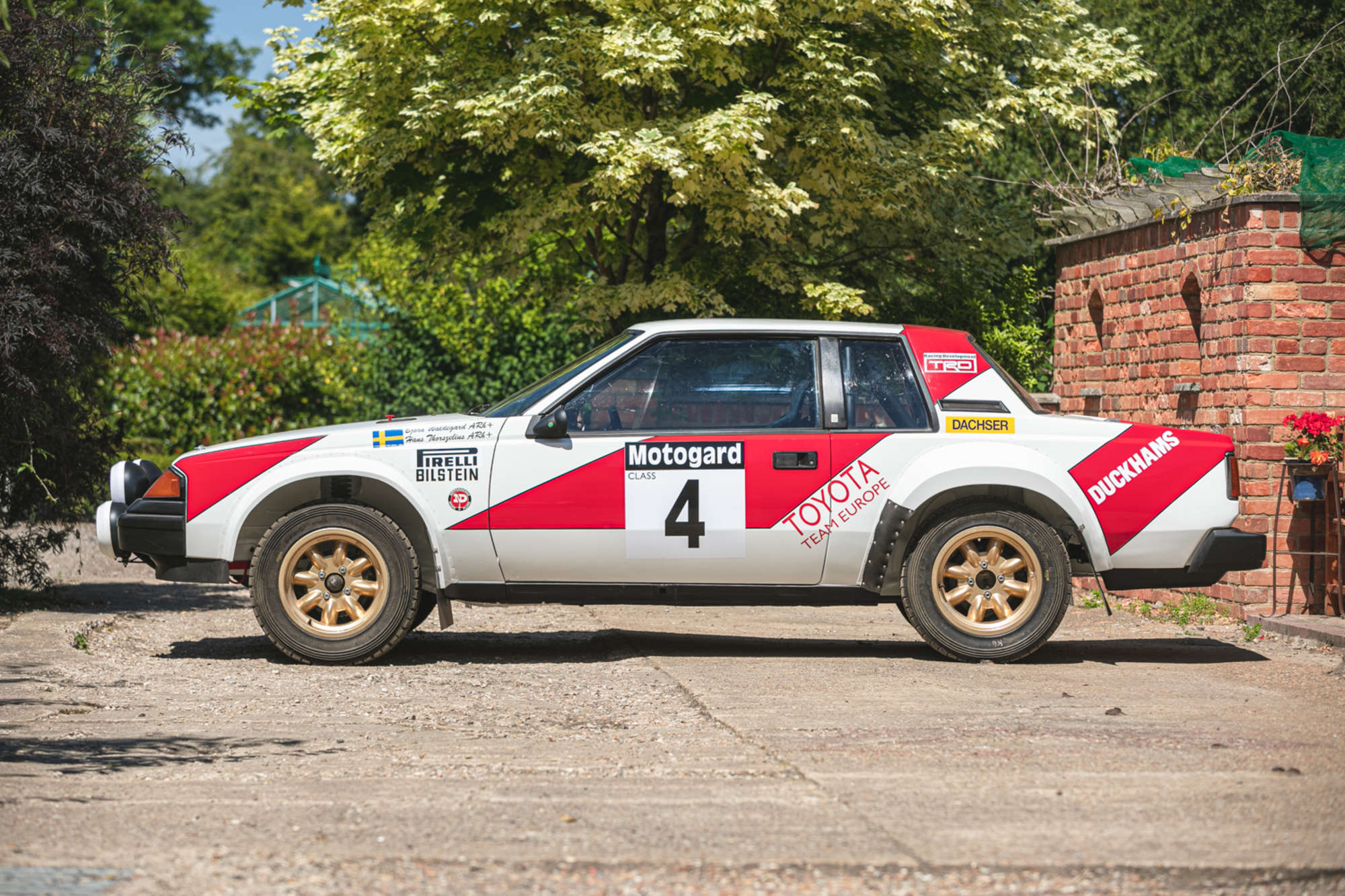
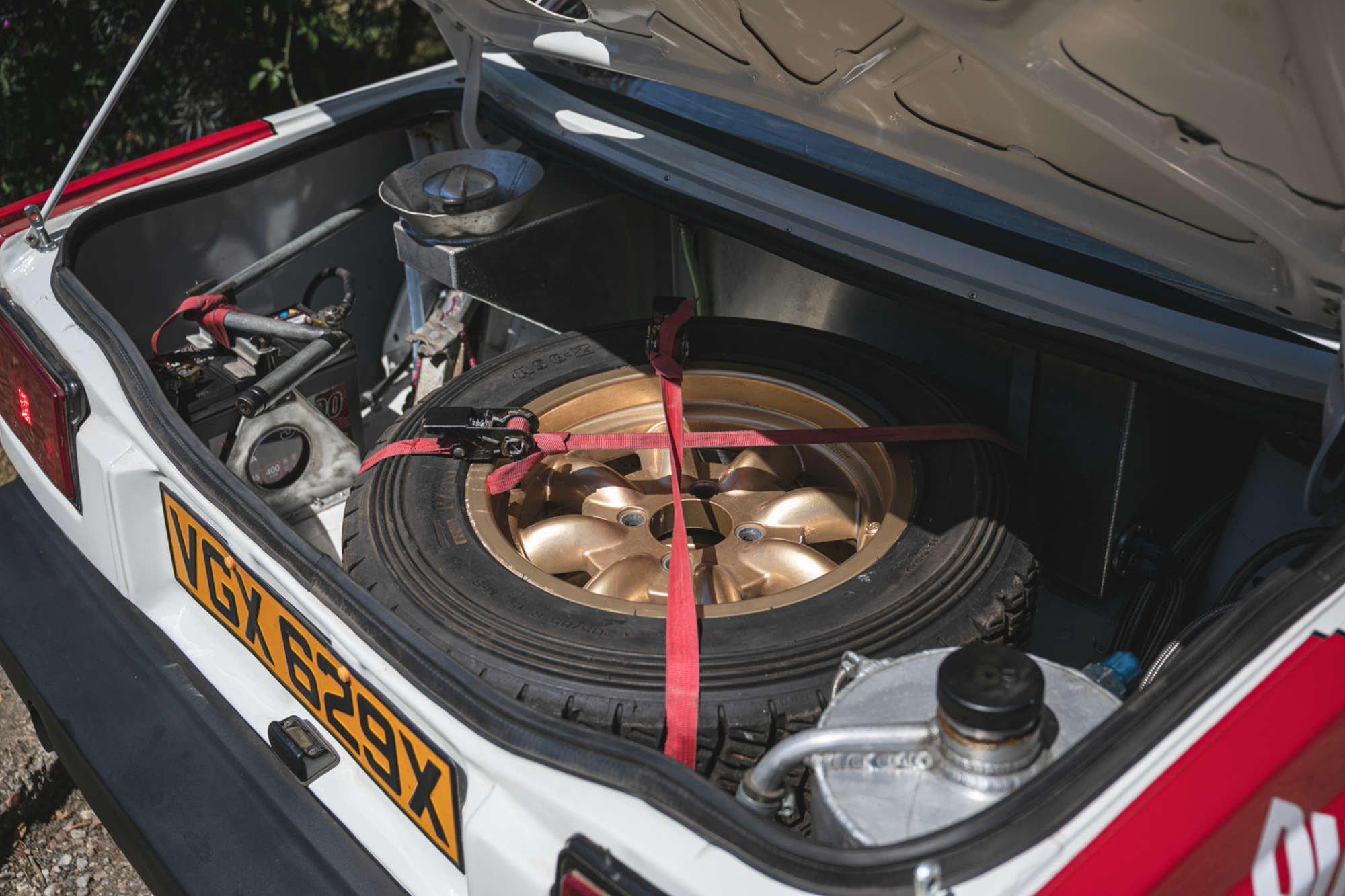
Toyota Celica Rally Car 5 Toyota Celica Rally Car 29 Toyota Celica Rally Car 28 Toyota Celica Rally Car 27 Toyota Celica Rally Car 26 Toyota Celica Rally Car 25 Toyota Celica Rally Car 24 Toyota Celica Rally Car 23 Toyota Celica Rally Car 21 Toyota Celica Rally Car 20 Toyota Celica Rally Car 17 Toyota Celica Rally Car 16 Toyota Celica Rally Car 15 Toyota Celica Rally Car 14 Toyota Celica Rally Car 13 Toyota Celica Rally Car 12 Toyota Celica Rally Car 11 Toyota Celica Rally Car 10 Toyota Celica Rally Car 9 Toyota Celica Rally Car 8 Toyota Celica Rally Car 7 Toyota Celica Rally Car 6 Toyota Celica Rally Car 3 Toyota Celica Rally Car 2 Toyota Celica Rally Car 22 1982 Motogard Rally of New Zealand 1982 Motogard Rally of New Zealand 9 1982 Motogard Rally of New Zealand 8 1982 Motogard Rally of New Zealand 7 1982 Motogard Rally of New Zealand 6 1982 Motogard Rally of New Zealand 5 1982 Motogard Rally of New Zealand 4 1982 Motogard Rally of New Zealand 3 1982 Motogard Rally of New Zealand 2

Images courtesy of Silverstone Auctions
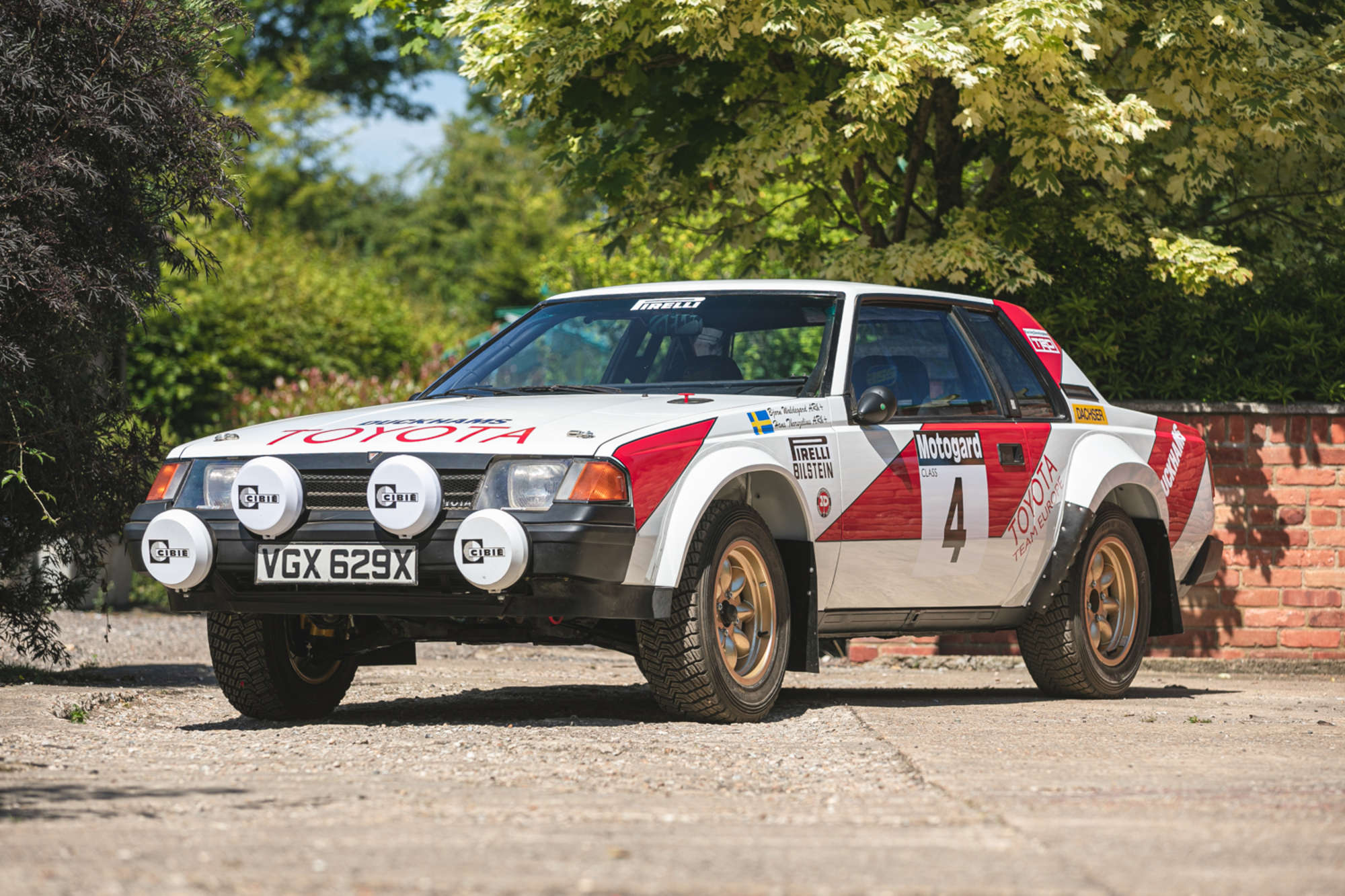
Toyota Celica Rally Car

The post The Long Lost RA63 “TC3”: The First Toyota Celica To Win A WRC Event appeared first on Silodrome.


from Silodrome https://silodrome.com/toyota-celica-rally-car/
via gqrds

For Sale: A Cosworth CA Formula 1 Engine 915 BHP At 20,000 RPM

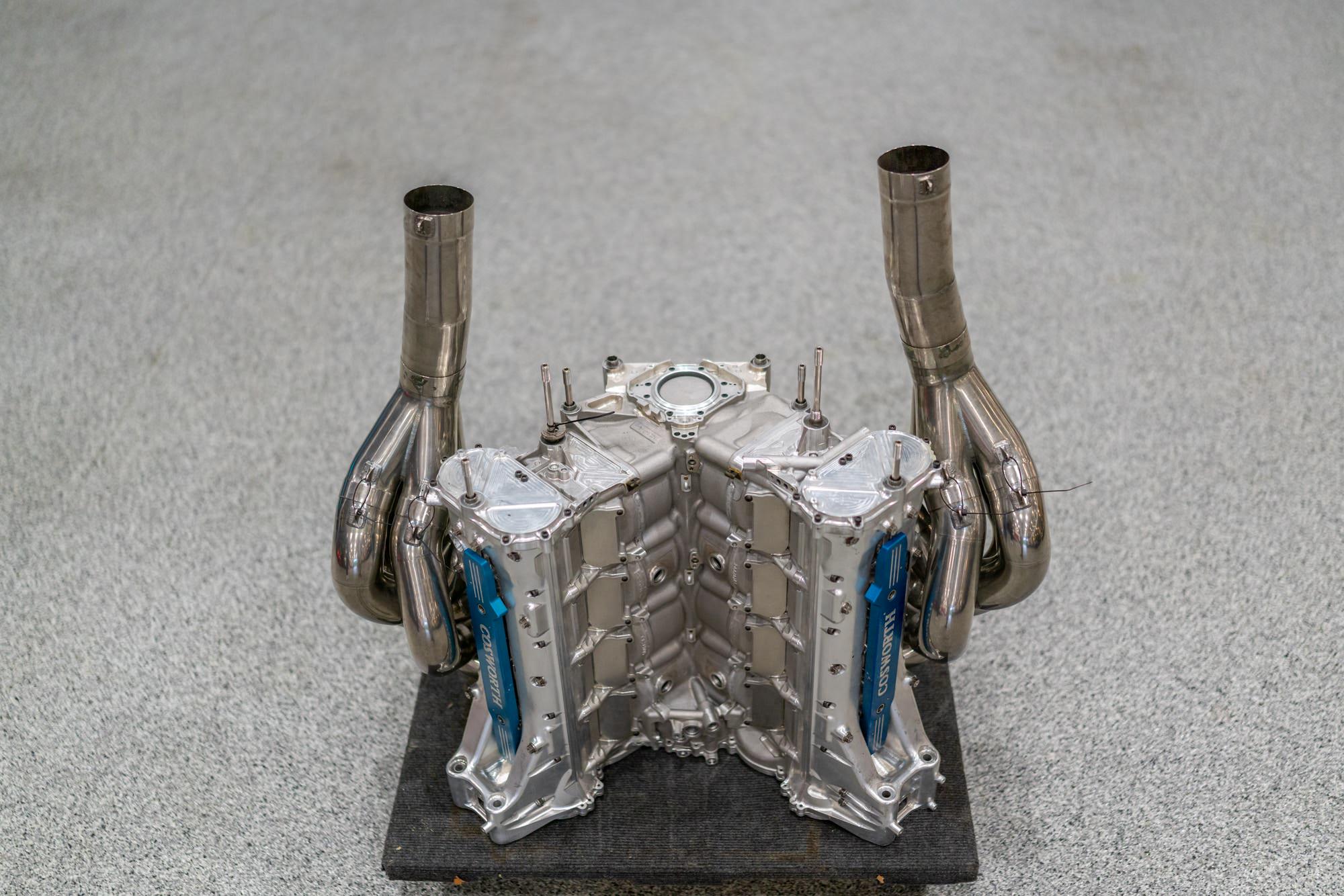
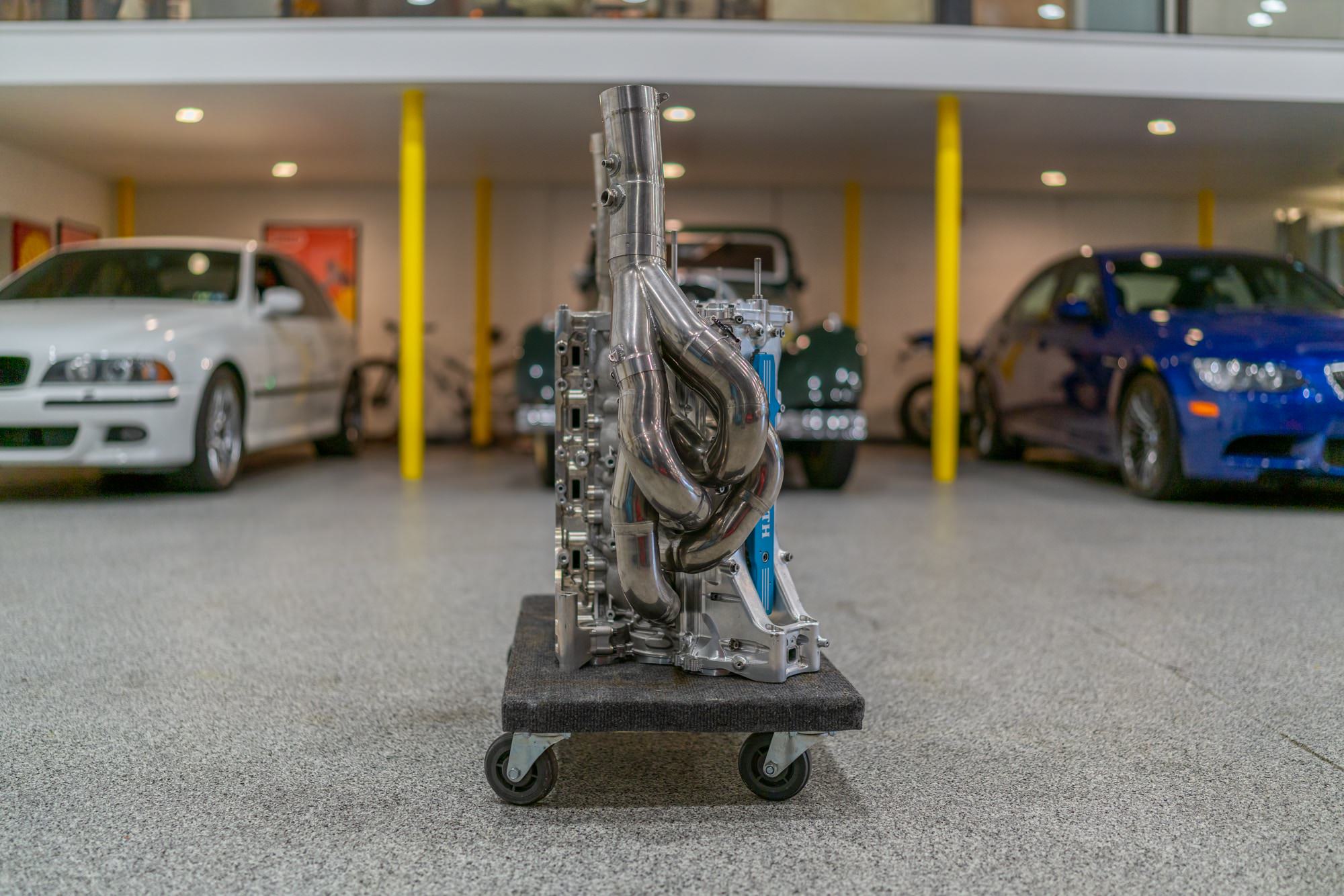
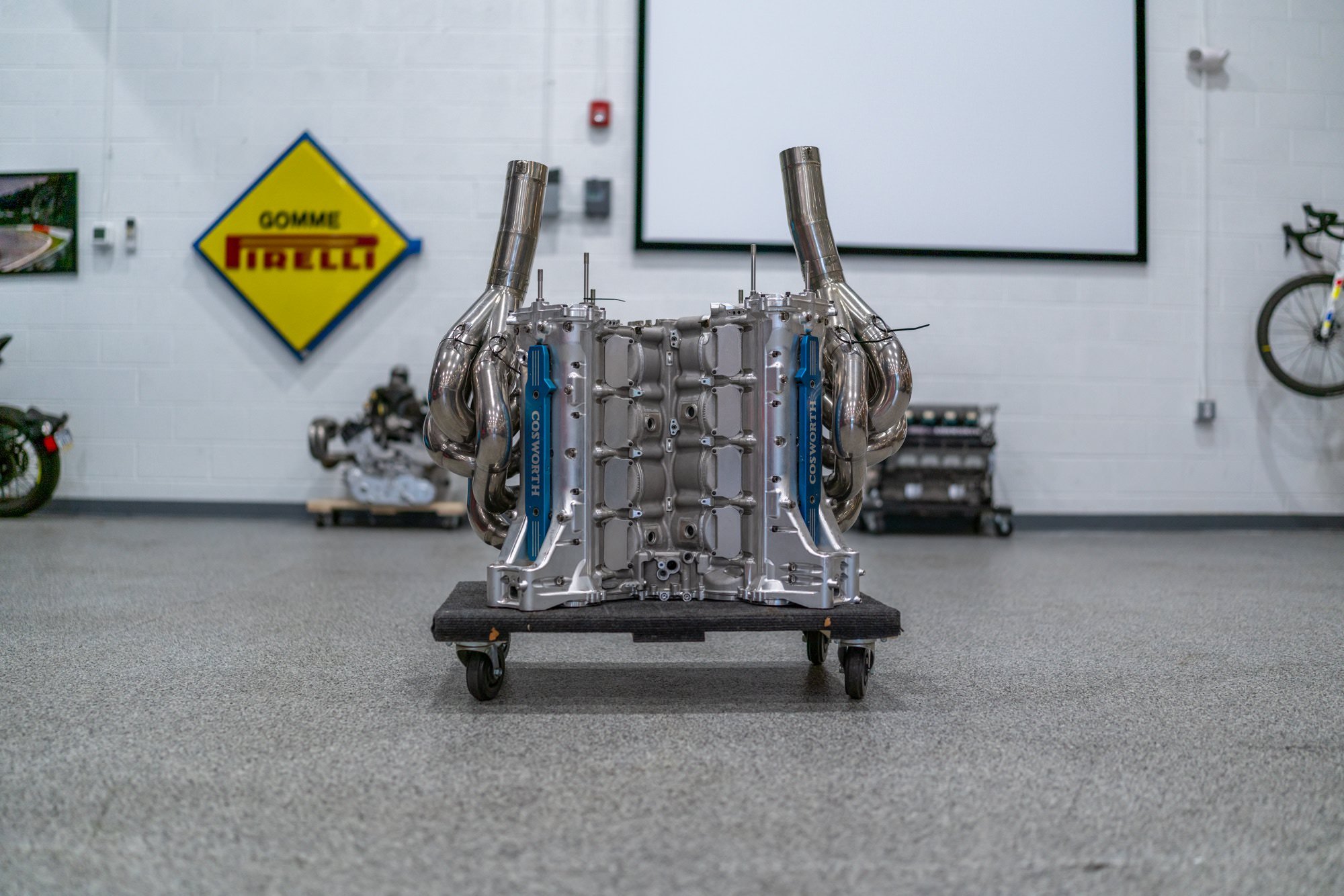
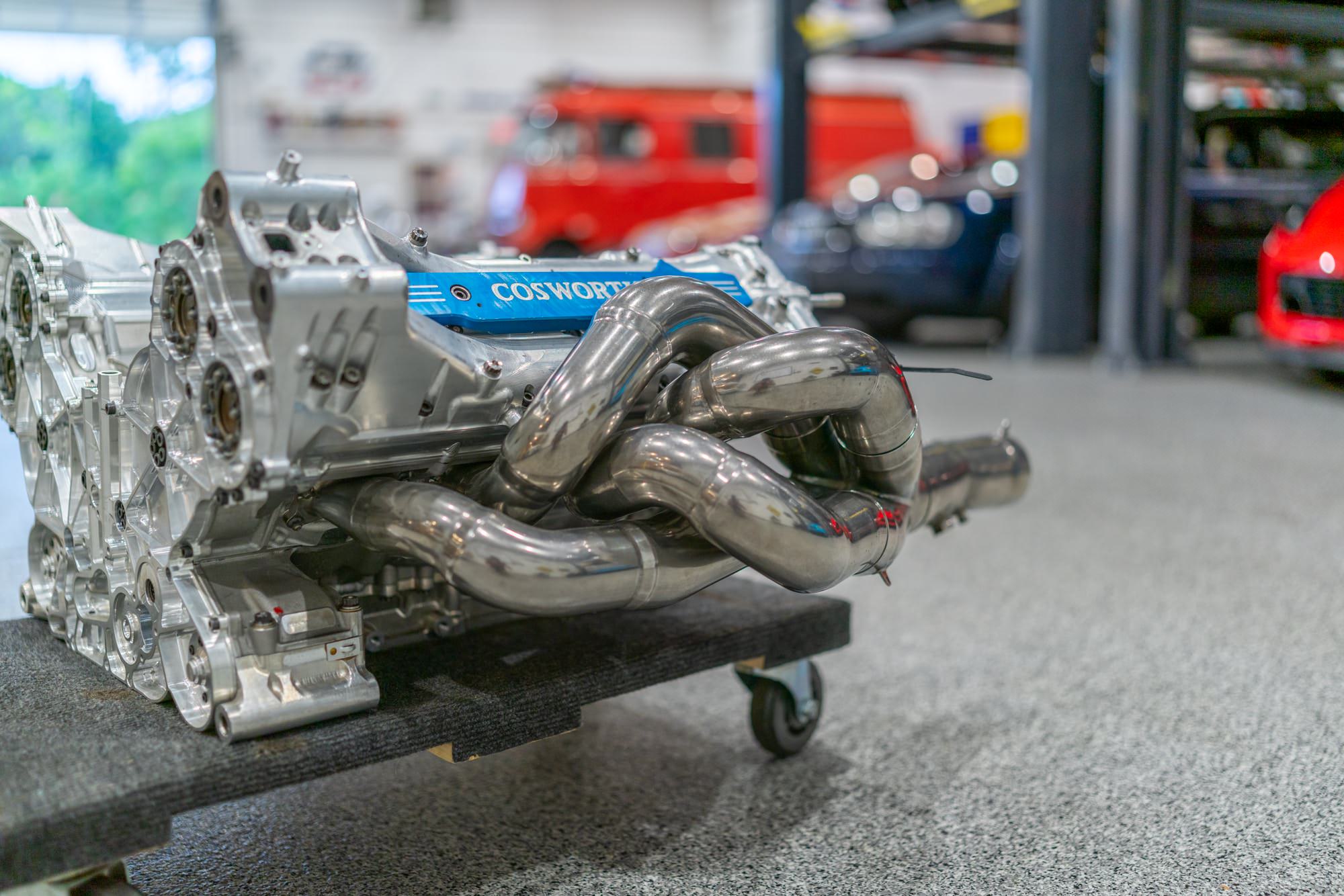
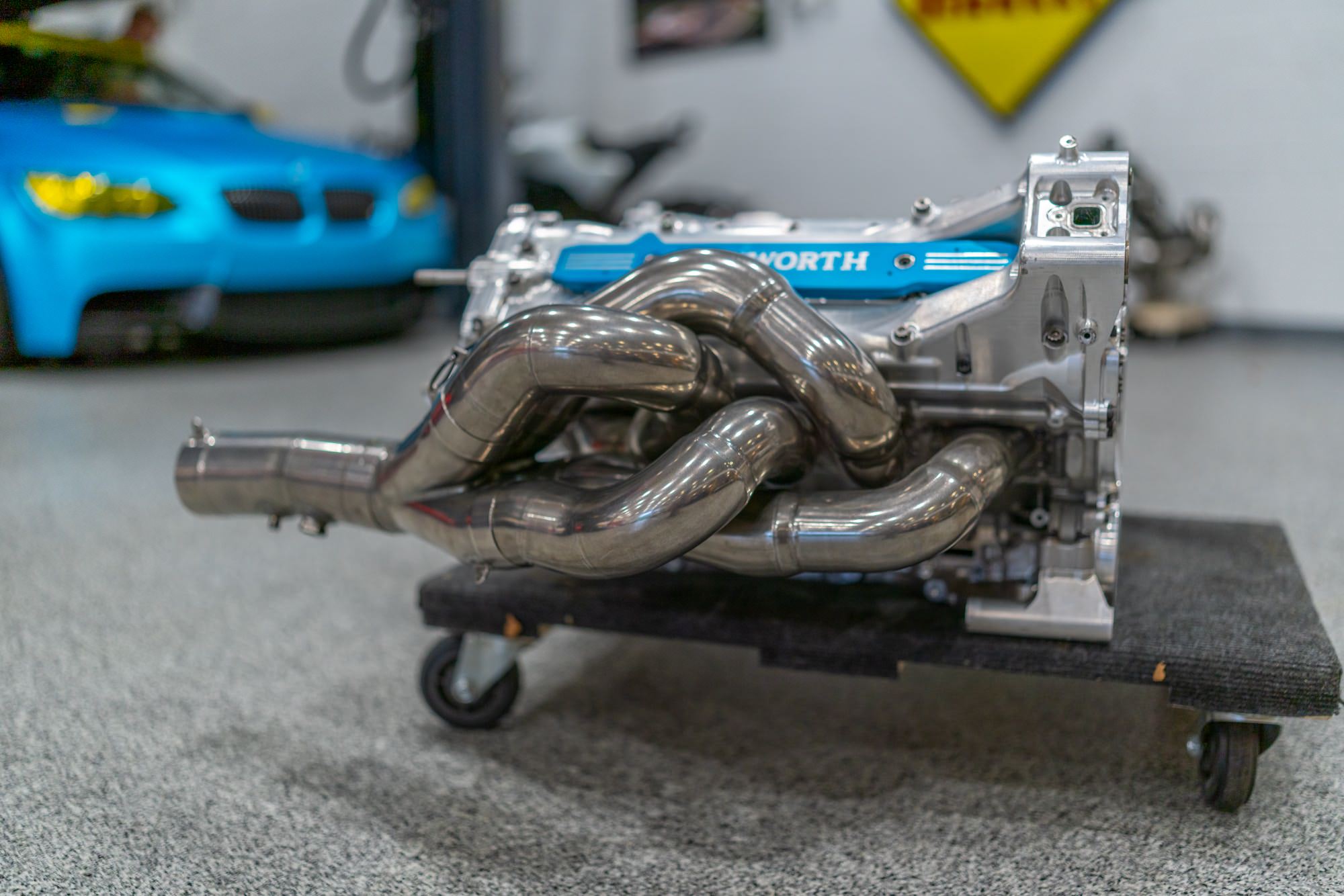
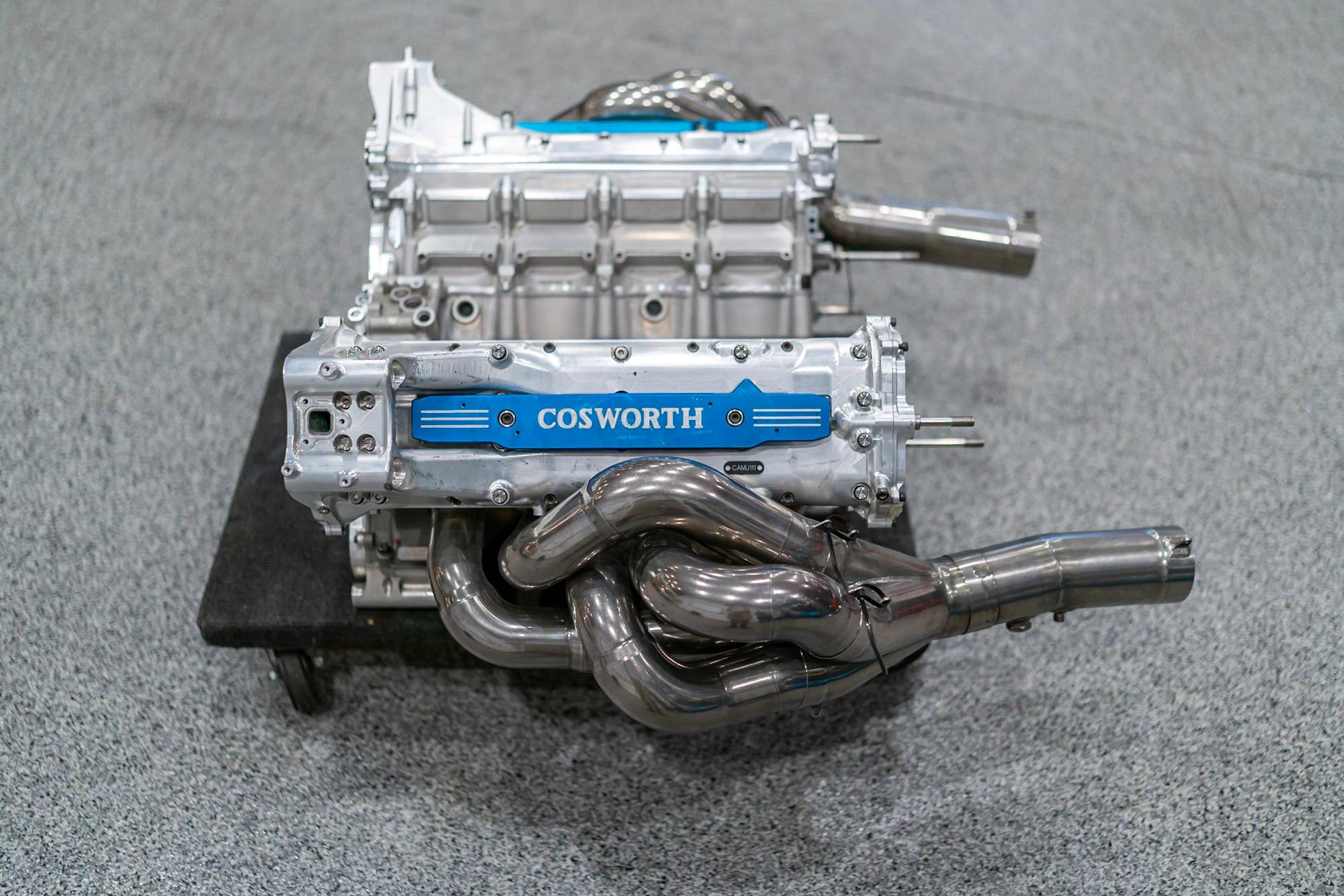
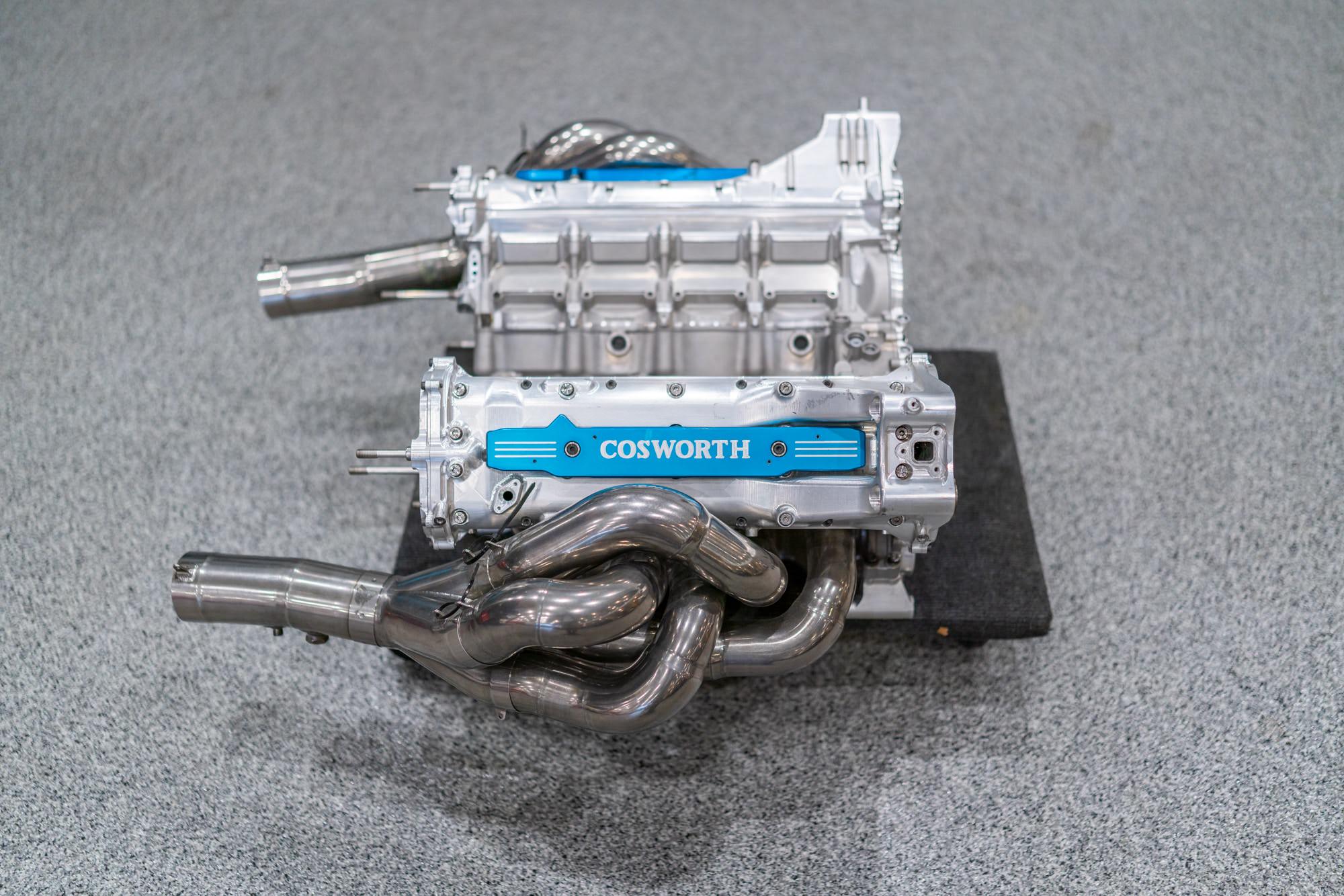
This is an original Cosworth CA Formula 1 engine, though it may not be as famous as the British company’s legendary DFV V8 it is historically important for one key reason – it’s believed to have been the first F1 engine to exceed 20,000 rpm.

Cosworth was founded back in 1958, it’s now widely regarded to be one of the most important racing engine development and manufacturing companies in the world.

Impressively, Cosworth engines have powered drivers to 176 wins in Formula 1, with 10 Constructors’ Championships, and 13 Drivers’ Championships.

Cosworth CA Formula 1 Engine 10

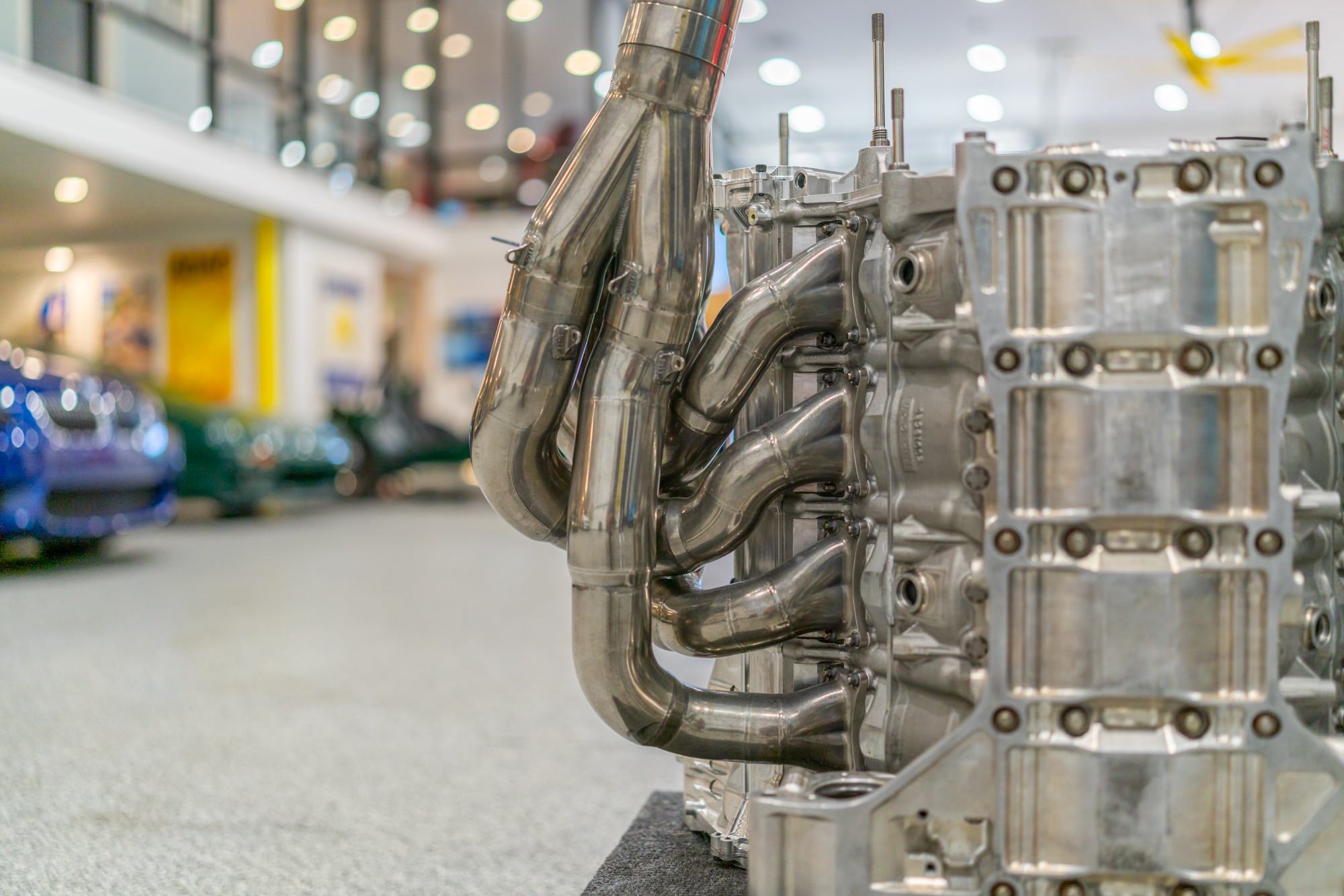
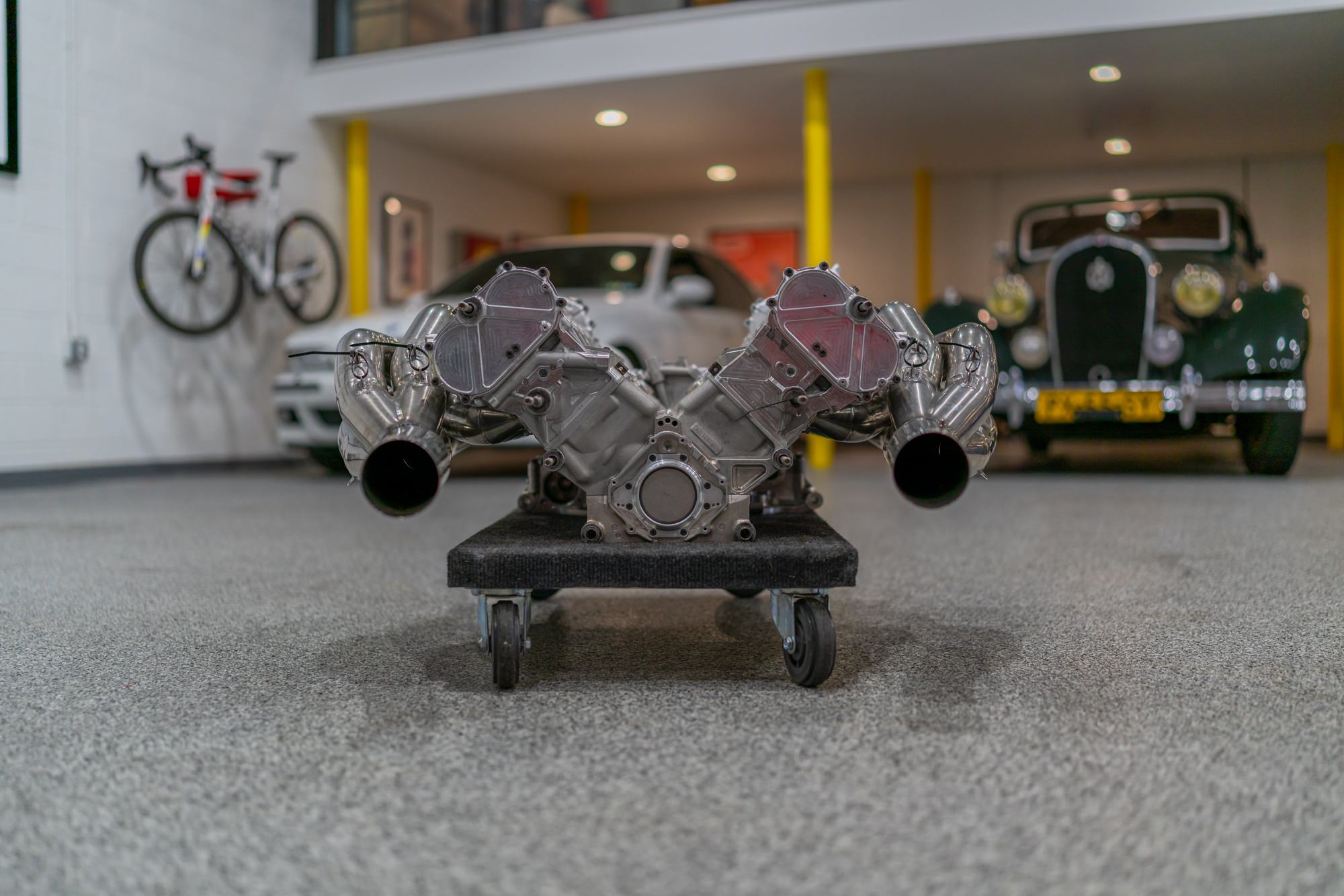
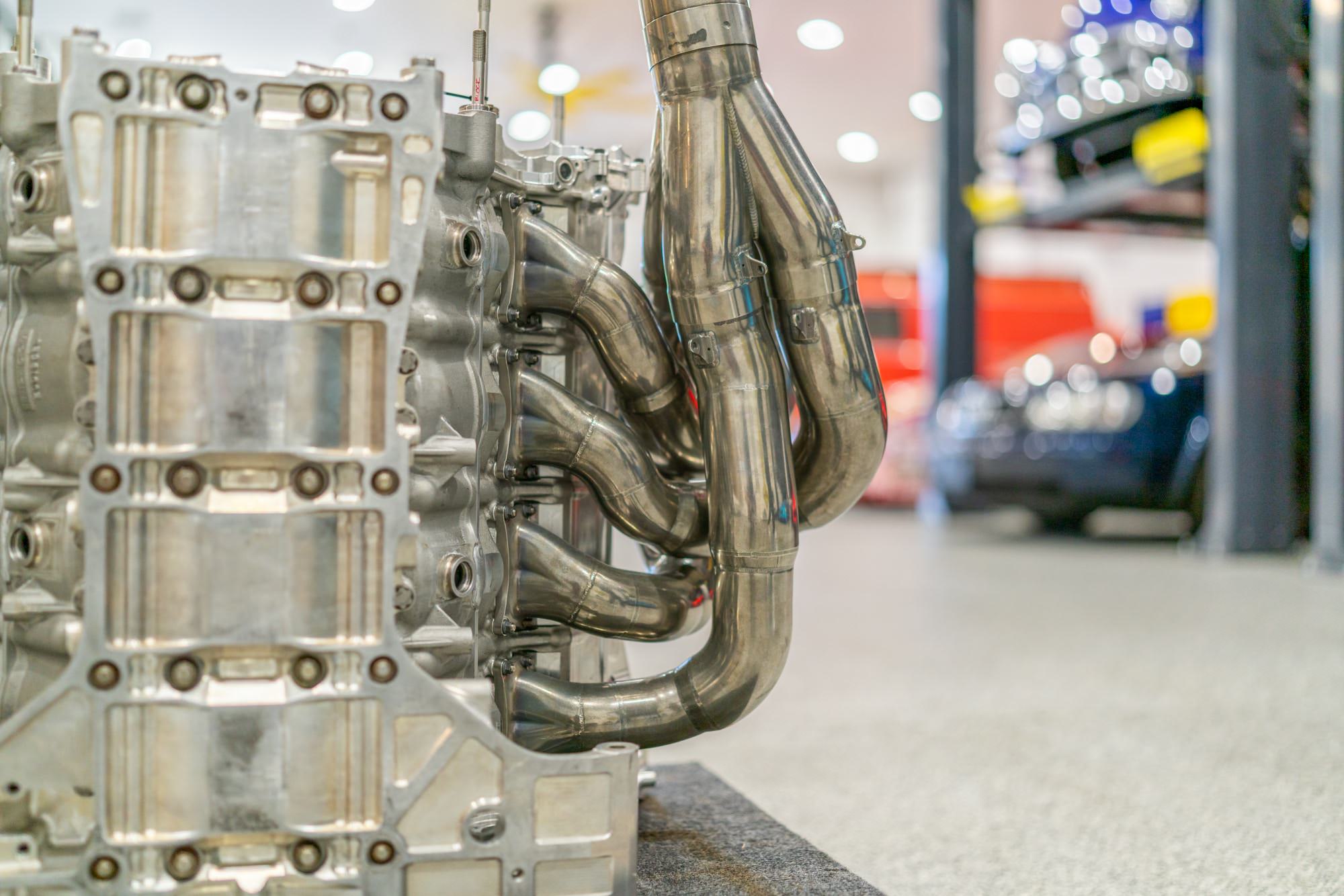
This CA Coswroth F1 engine still has its exhaust headers attached, they’re an impressive feat of engineering all on their own.

The Cosworth CA engine was racing in Formula 1 between 2005 and 2013, it was used by a variety of teams including Red Bull, Toro Rosso, Williams, Lotus, HRT, Virgin, Minardi, and Marussia.

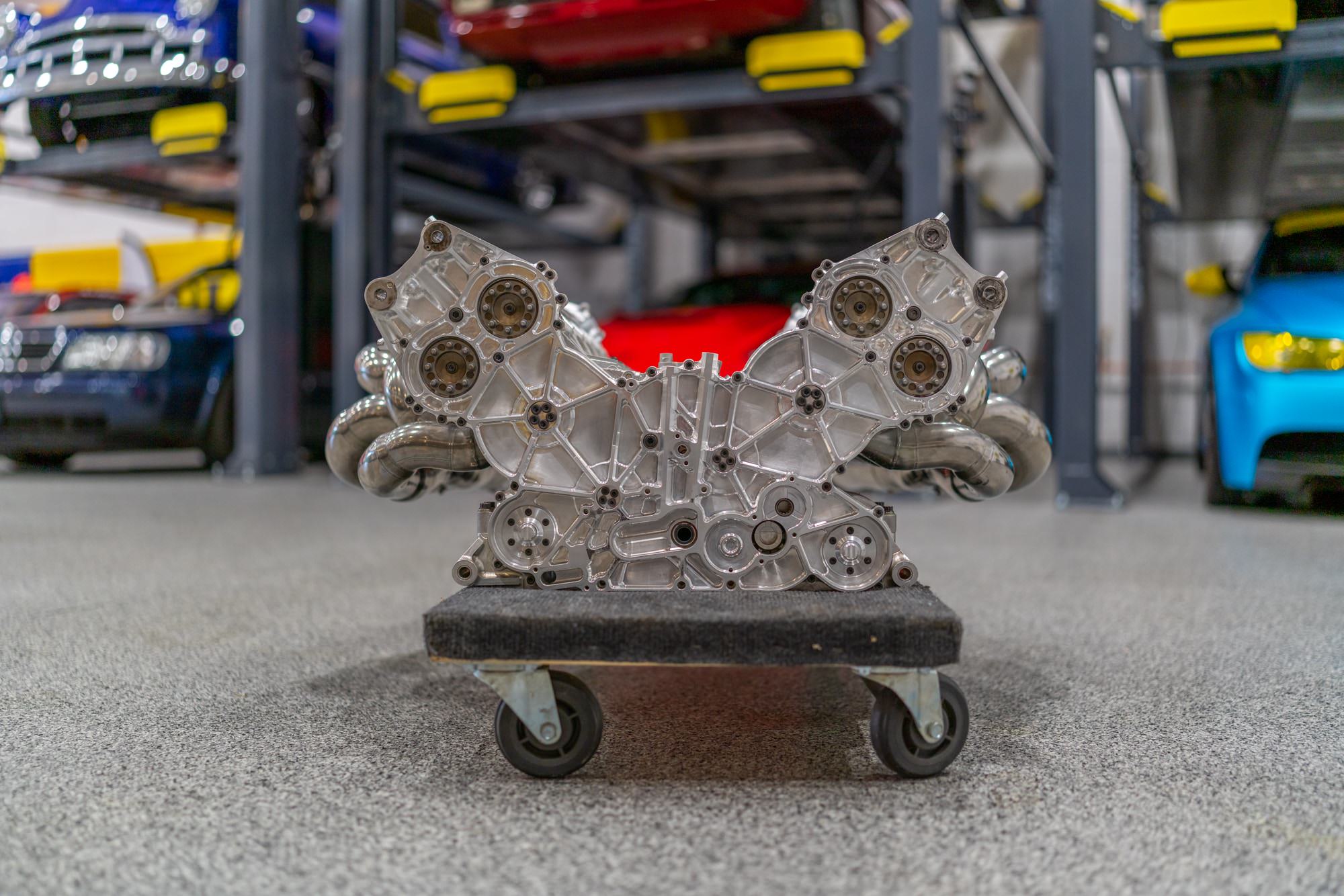
The engine is a 90º V8 with an aluminum alloy block and heads, multi-point electronic fuel injection, and it has four valves per cylinder that are operated by a high-pressure pneumatic system – the only reason the engine was able to surpass 20,000 rpm without valve float becoming an issue.

Amazingly at speeds above 20,000 rpm each piston experiences 10,616 Gs and the load on each crank pin reaches 5,937 kilograms (13,089 pounds).

Cosworth CA Formula 1 Engine 9

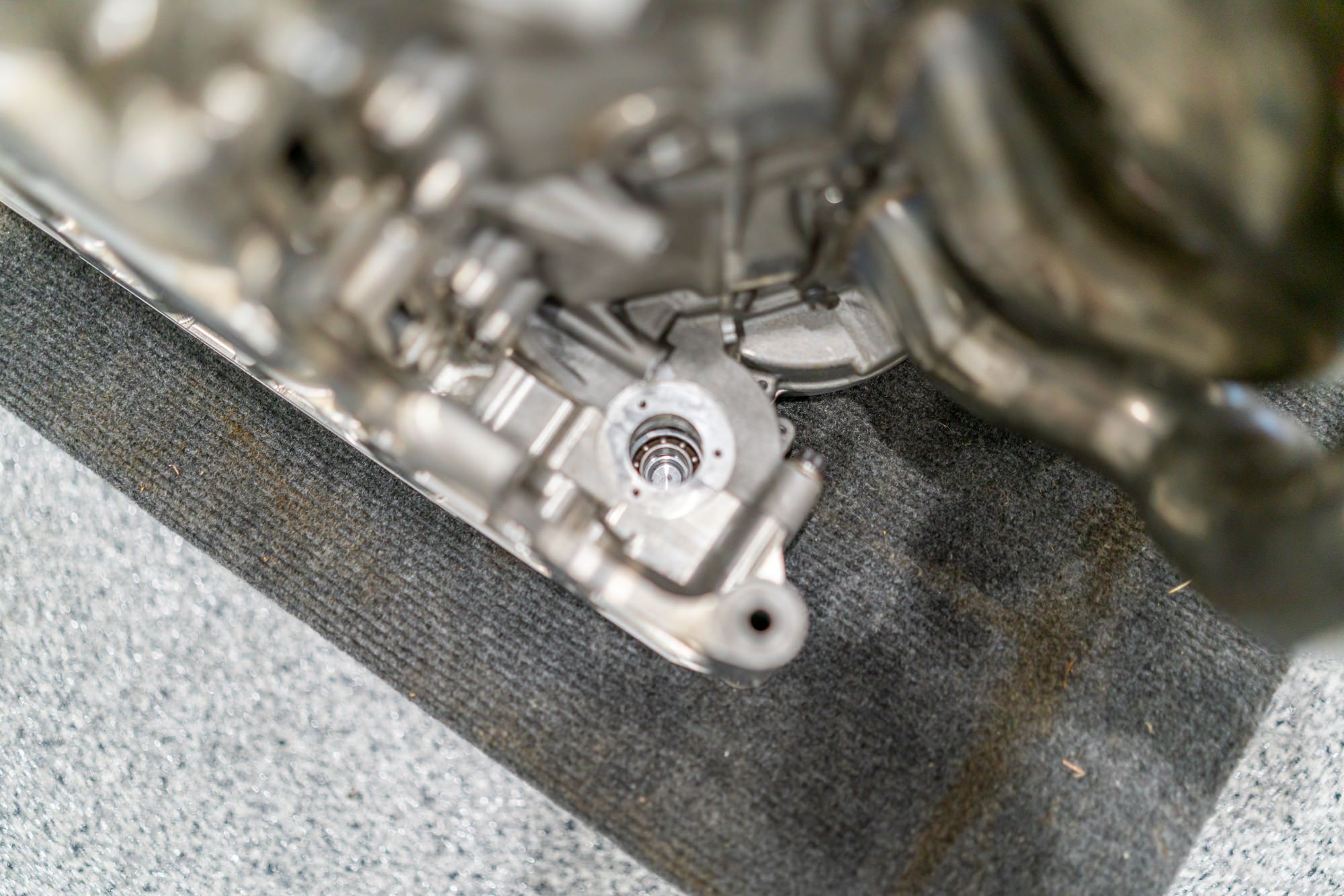
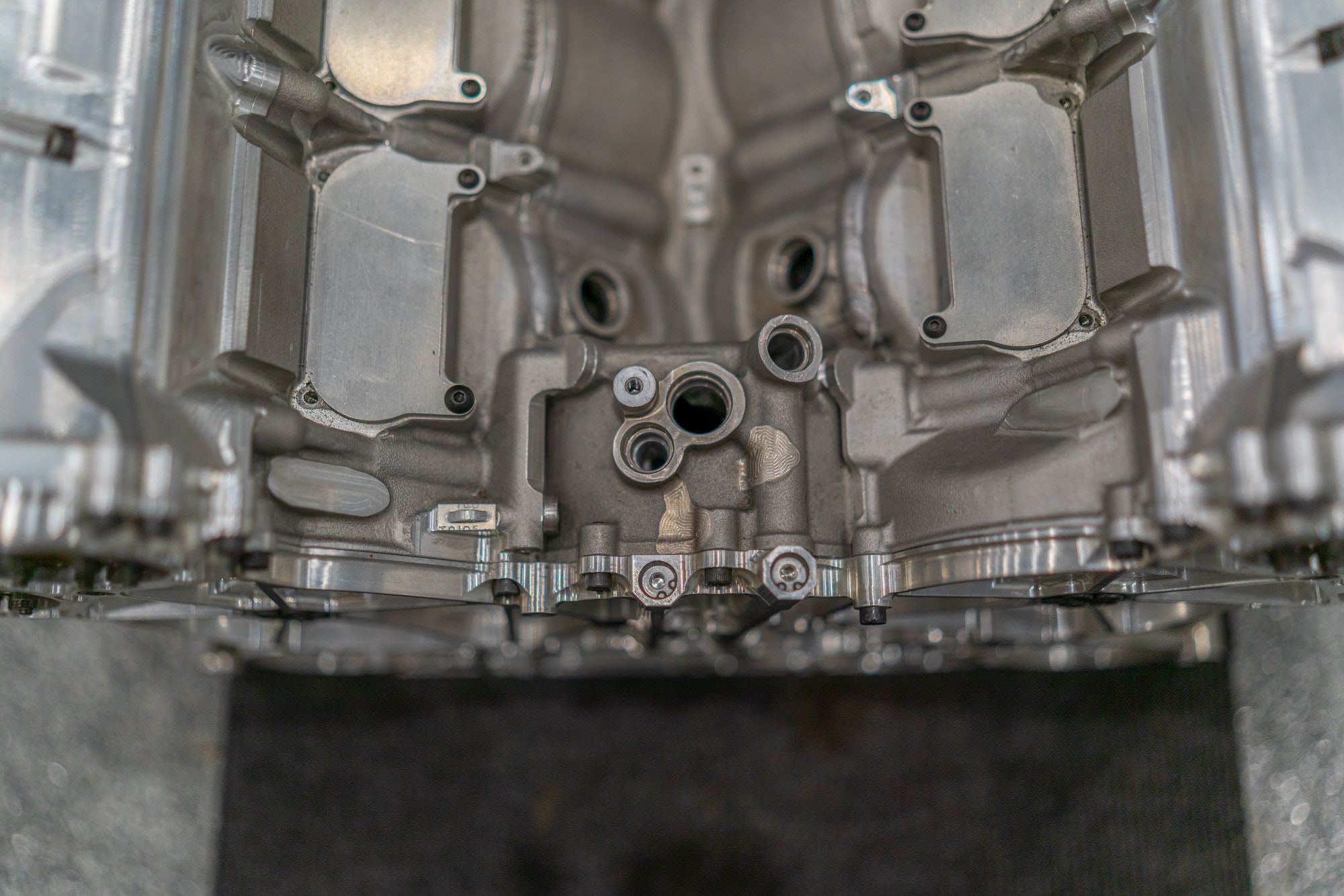
The seller doesn’t know if this engine still has its internals in place, so more research will be needed by anyone who wants to get it running and usable.

Early in the engine’s development it was capable of 720 bhp and 220 lb ft of torque. As development continued power increased, eventually reaching 915 bhp and 300 lb ft of torque – impressive figures for an engine that weighs just 100 or so kilograms (220 lbs).

The Cosworth CA engine you see here is being offered with its exhaust headers still attached but without its intake manifold. The seller notes that they don’t know if it still has its internals, so if you plan on using it further investigation may be required.

It’s currently being offered for sale out of Huntingdon Valley in Pennsylvania by Collecting Cars in a live online auction. If you’d like to read more about it or register to bid you can visit the listing here.

Cosworth CA Formula 1 Engine 13 Cosworth CA Formula 1 Engine 12 Cosworth CA Formula 1 Engine 11 Cosworth CA Formula 1 Engine 8 Cosworth CA Formula 1 Engine 7 Cosworth CA Formula 1 Engine 5 Cosworth CA Formula 1 Engine 4 Cosworth CA Formula 1 Engine 3 Cosworth CA Formula 1 Engine 2 Cosworth CA Formula 1 Engine 1

Images courtesy of Collecting Cars

Cosworth CA Formula 1 Engine

The post For Sale: A Cosworth CA Formula 1 Engine 915 BHP At 20,000 RPM appeared first on Silodrome.


from Silodrome https://silodrome.com/cosworth-ca-formula-1-engine/
via gqrds
A Fully-Functional Driving School Car Model By Hohm

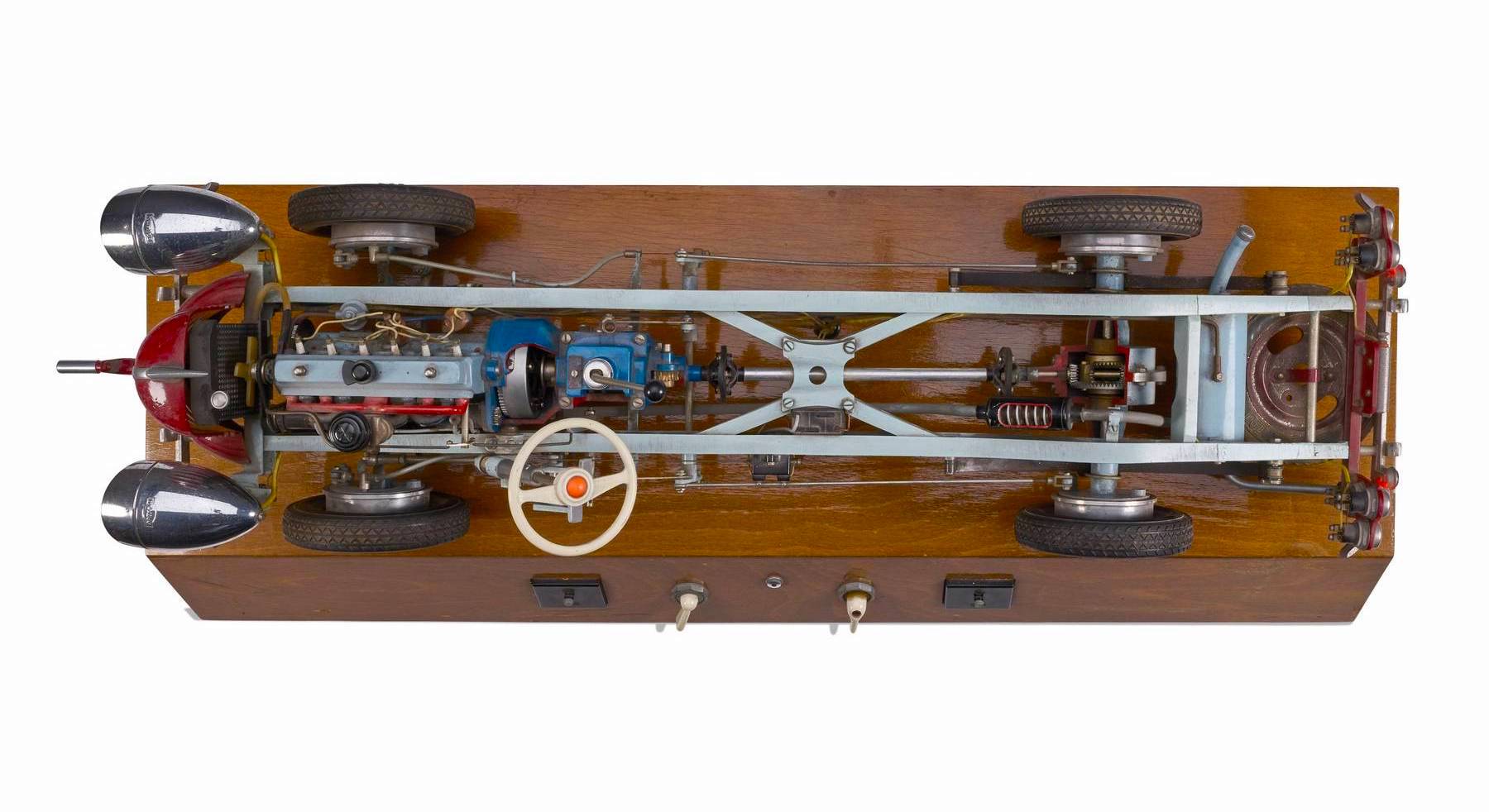
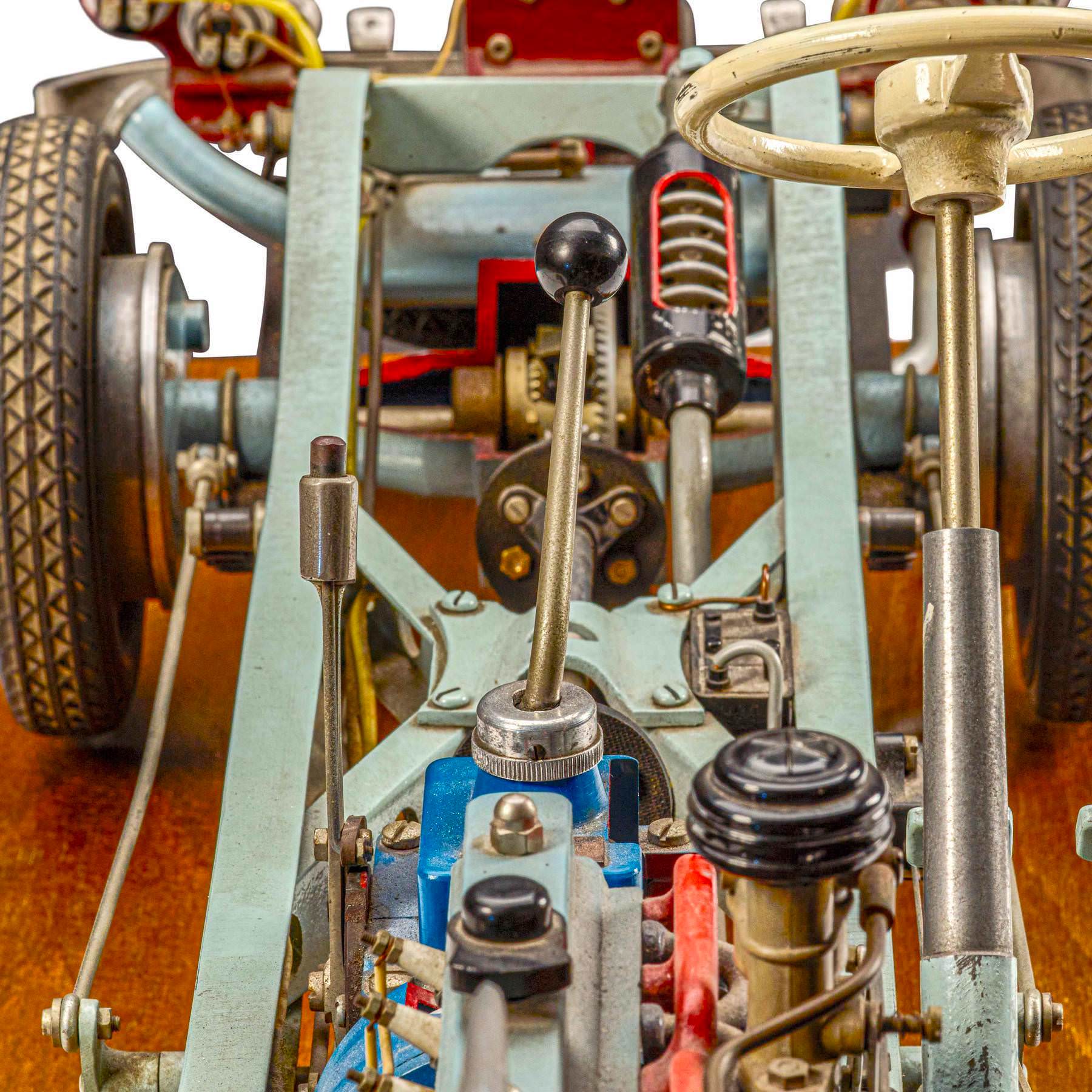
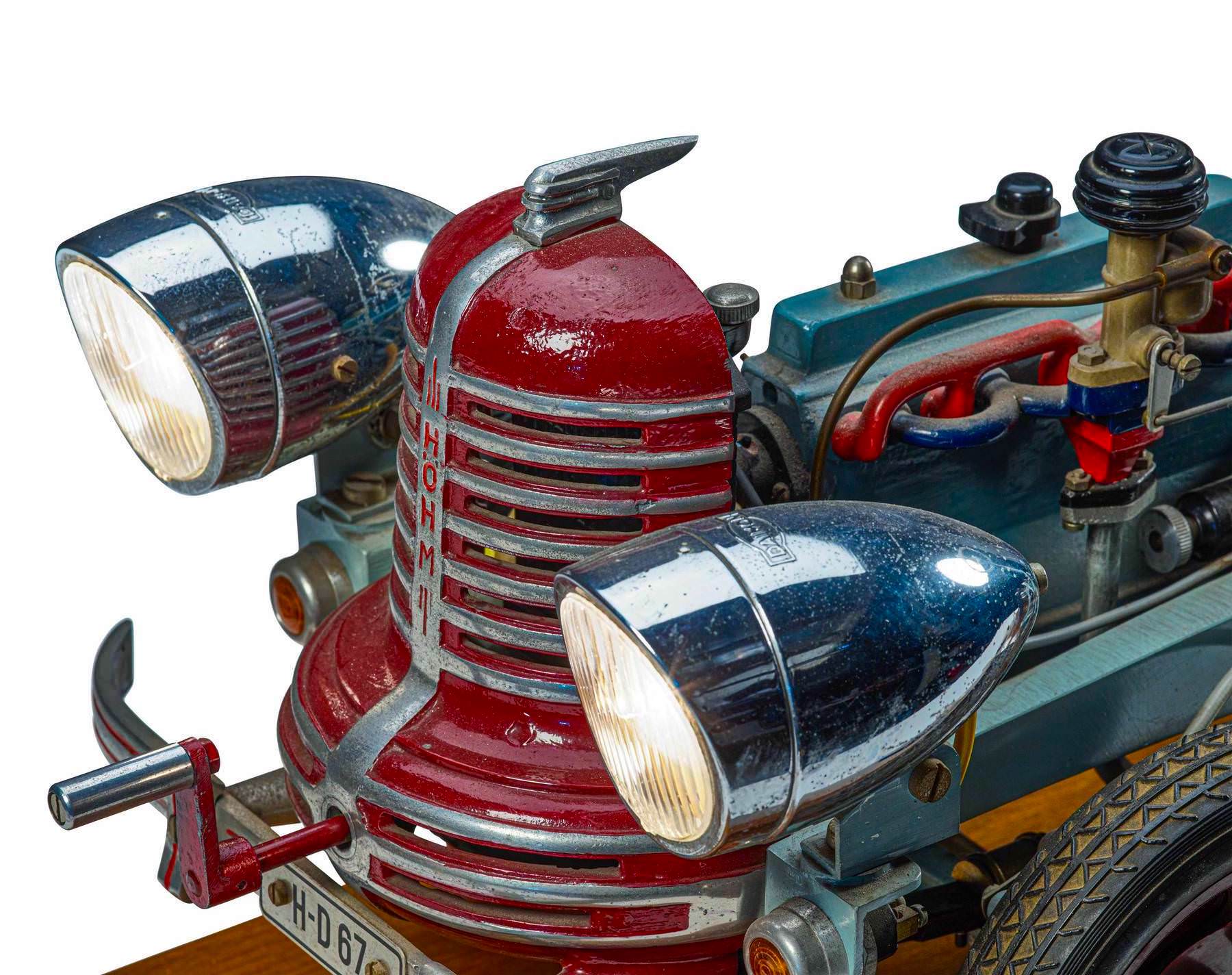
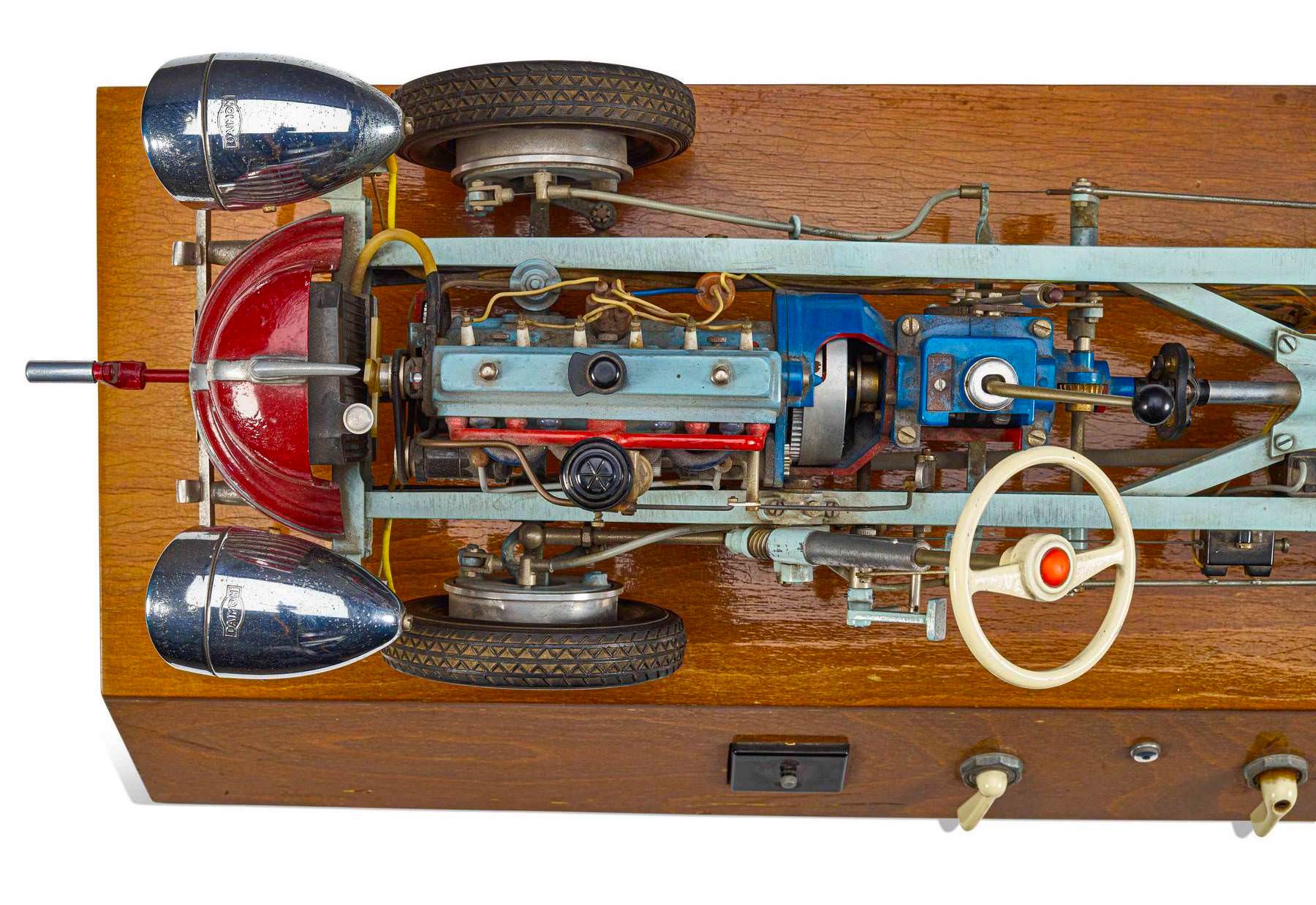
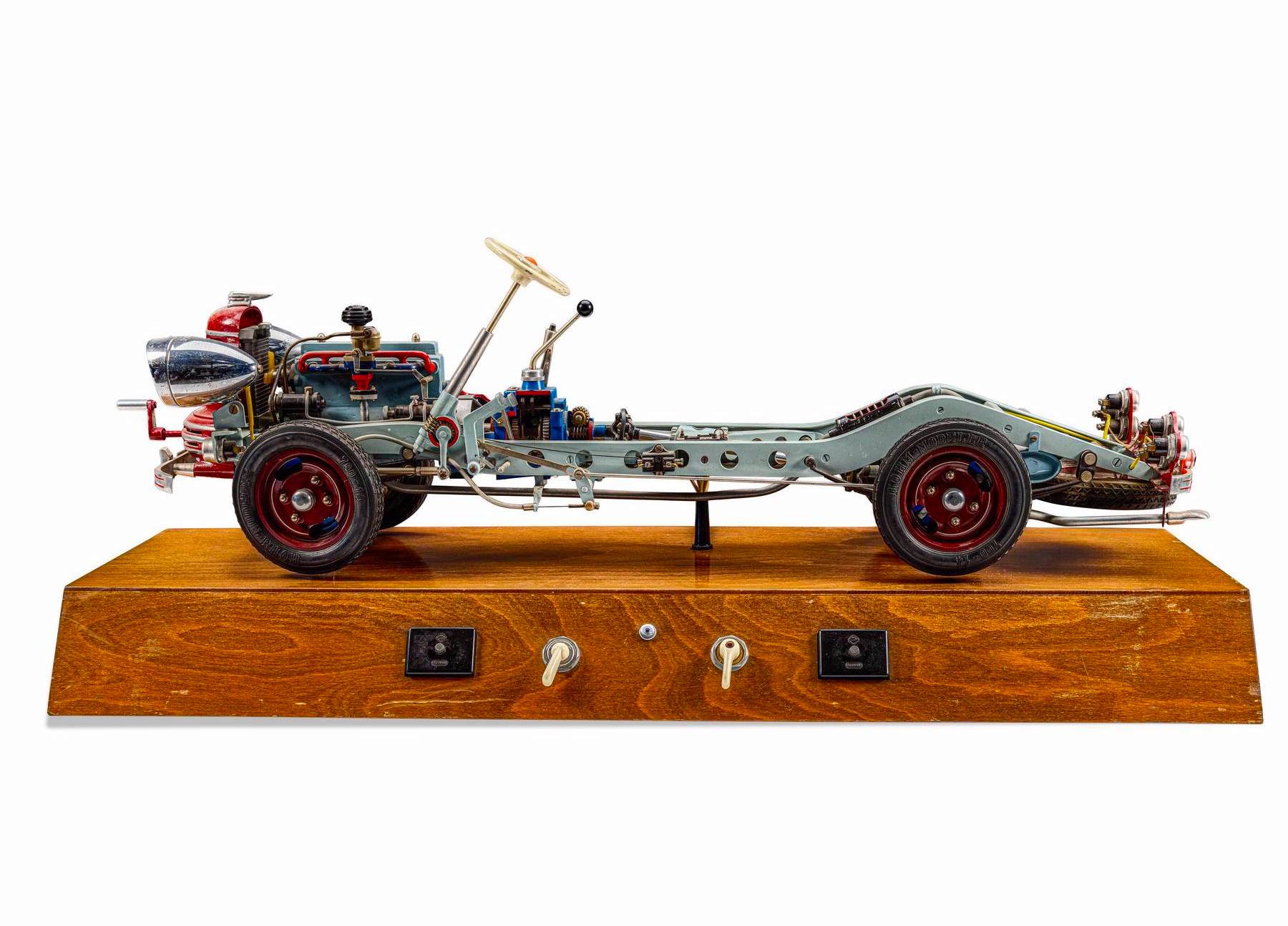
This cutaway model is an educational display piece from German company Hohm Modelle, it was developed to show learner drivers how each of the key mechanical components of an automobile works.

Hohm Modelle was conceived by Emil Hohm in 1934, an Opel dealer in Germany, and Werner Degener, a driving instruction-manual publisher. Their first scale model was an Opel Admiral, a popular car in Germany at the time and it was first publicly shown at the 1939 Automobile Exhibition in Berlin.

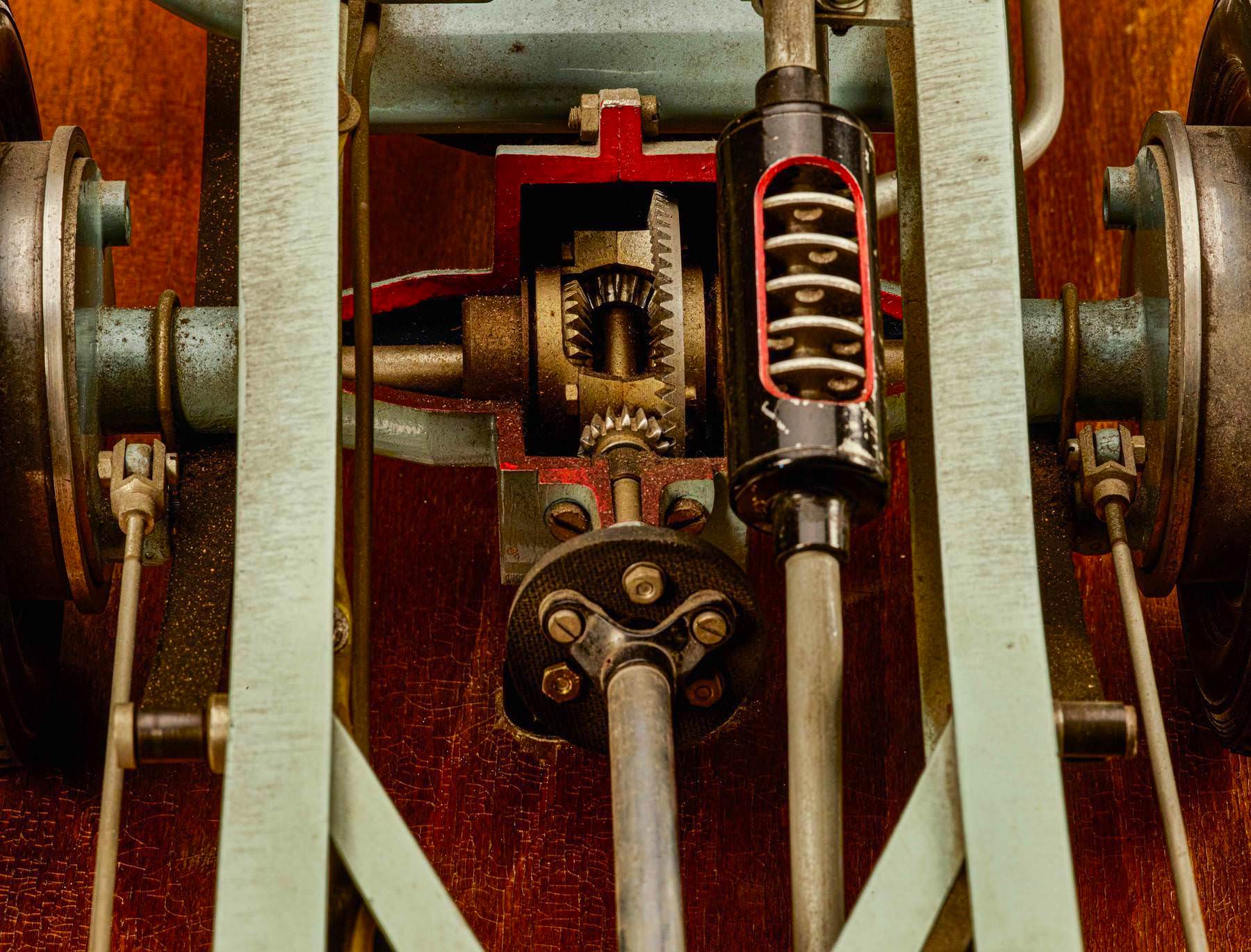
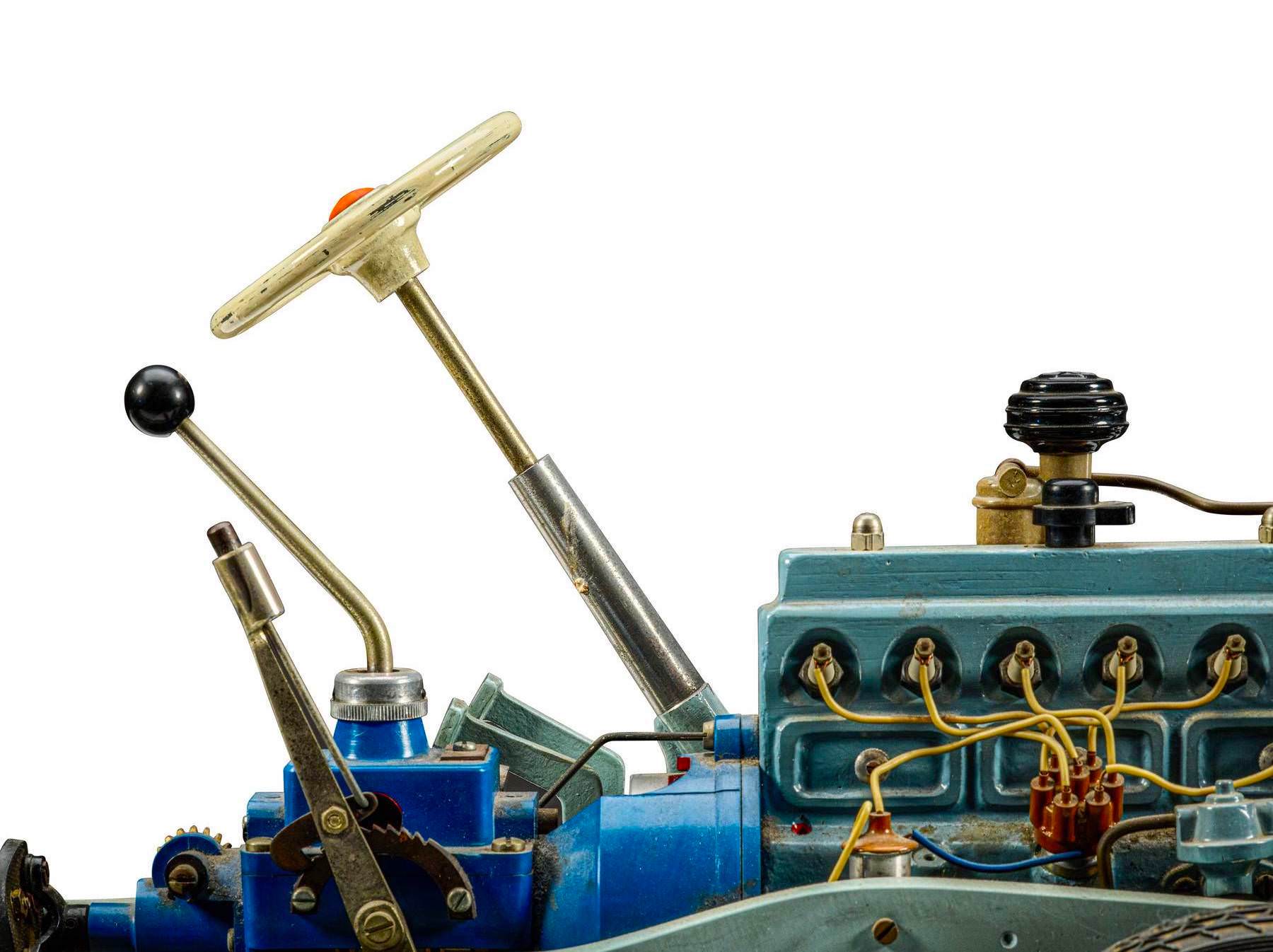
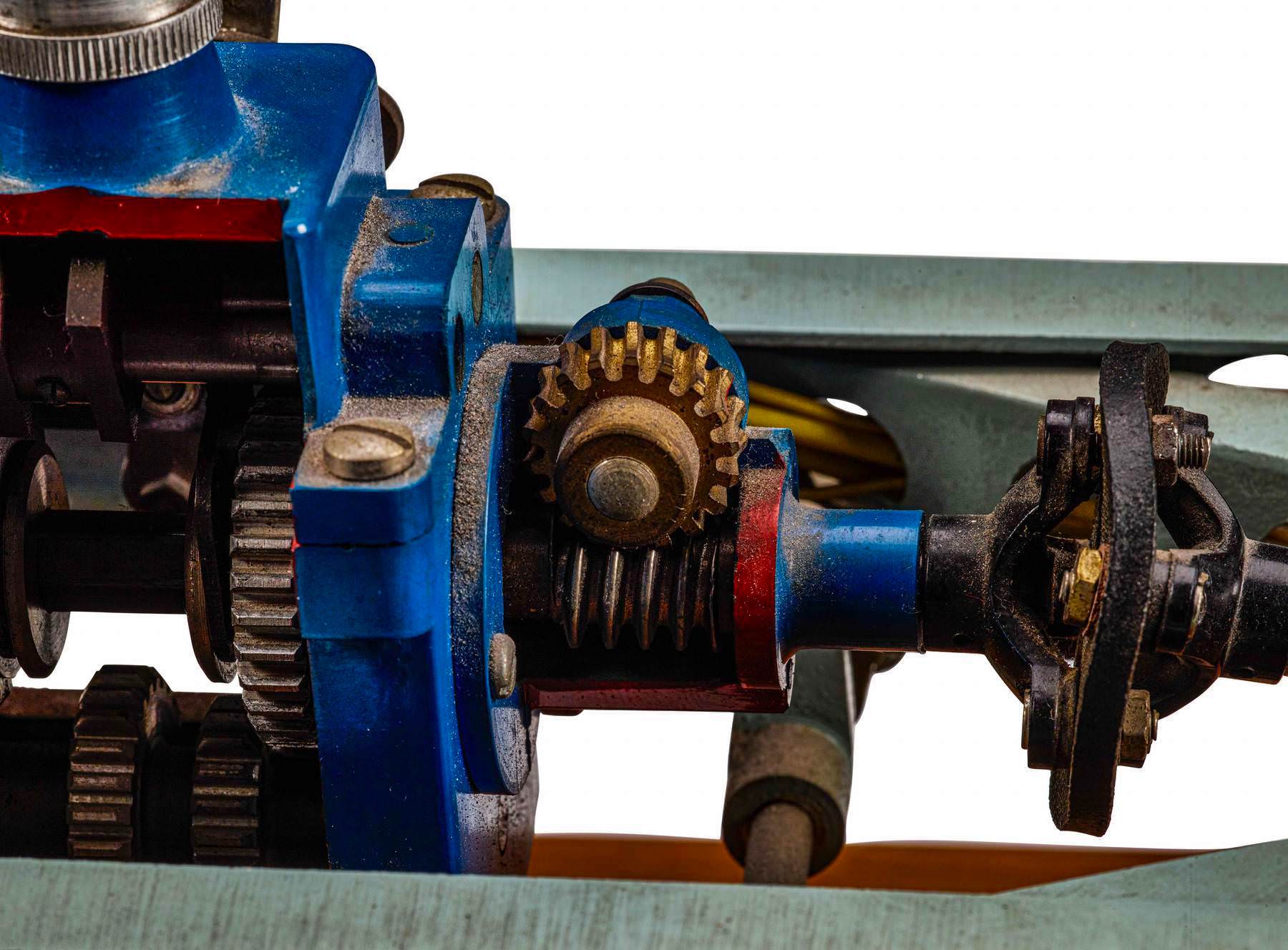
The model included a slew of carefully cast metal pieces along with many precision cut parts like gears for the transmission, steering, and differential. The headlights, brake lights, and indicators all work as they should – as do the brakes and suspension.

Hohm Car Model 4

Here you can see the incredible detail inside the (working) differential, and inside the exhaust muffler next to it.

An electric motor is incorporated into the model which turns the engine over sending power back through a working clutch into the gearbox, from there it goes back through a driveshaft into the differential and out to the wheels.

The model was used extensively when teaching people the finer points of automotive engineering, this was back in an era before the widespread use of automatic transmissions, so anyone who wanted to drive had to learn to use a clutch and gearbox.

The Hohm model you see here is one of the earlier examples, with designs being updated over the years to better reflect the cars that were predominantly being driven at the time. Later models featured more modern designs, in total the company is said to have produced over 7,000 of them.

Hohm Car Model 3

The oversized headlights are functioning, along with the other lights on the car. The model allows students to see power being transmitted back from the clutch through the gearbox, into the differential, and out to the rear wheels.

With the mass-production of inexpensive cars like the VW Beetle the popularity of the personal automobile skyrocketed in Germany after WWII. Driving schools sprang up across the country and Hohm models had the market cornered – supplying almost 70% of them.

The surviving examples of these models are now highly collectible, particularly if they’re still functioning correctly. The model you see here is one such working example, it measures in at 41 inches or 1.04 meters long and it’s due to be offered for online auction by The Market by Bonhams.

If you’d like to read more about this unusual Hohm model you can visit the listing here. It’s being offered out of Los Angeles, California, with a price guide of $1,000 – $1,500 USD.

Hohm Car Model 7 Hohm Car Model 6 Hohm Car Model 5 Hohm Car Model 2 Hohm Car Model 1

Images courtesy of The Market by Bonhams

Hohm Car Model

The post A Fully-Functional Driving School Car Model By Hohm appeared first on Silodrome.


from Silodrome https://silodrome.com/driving-school-car-model-hohm/
via gqrds
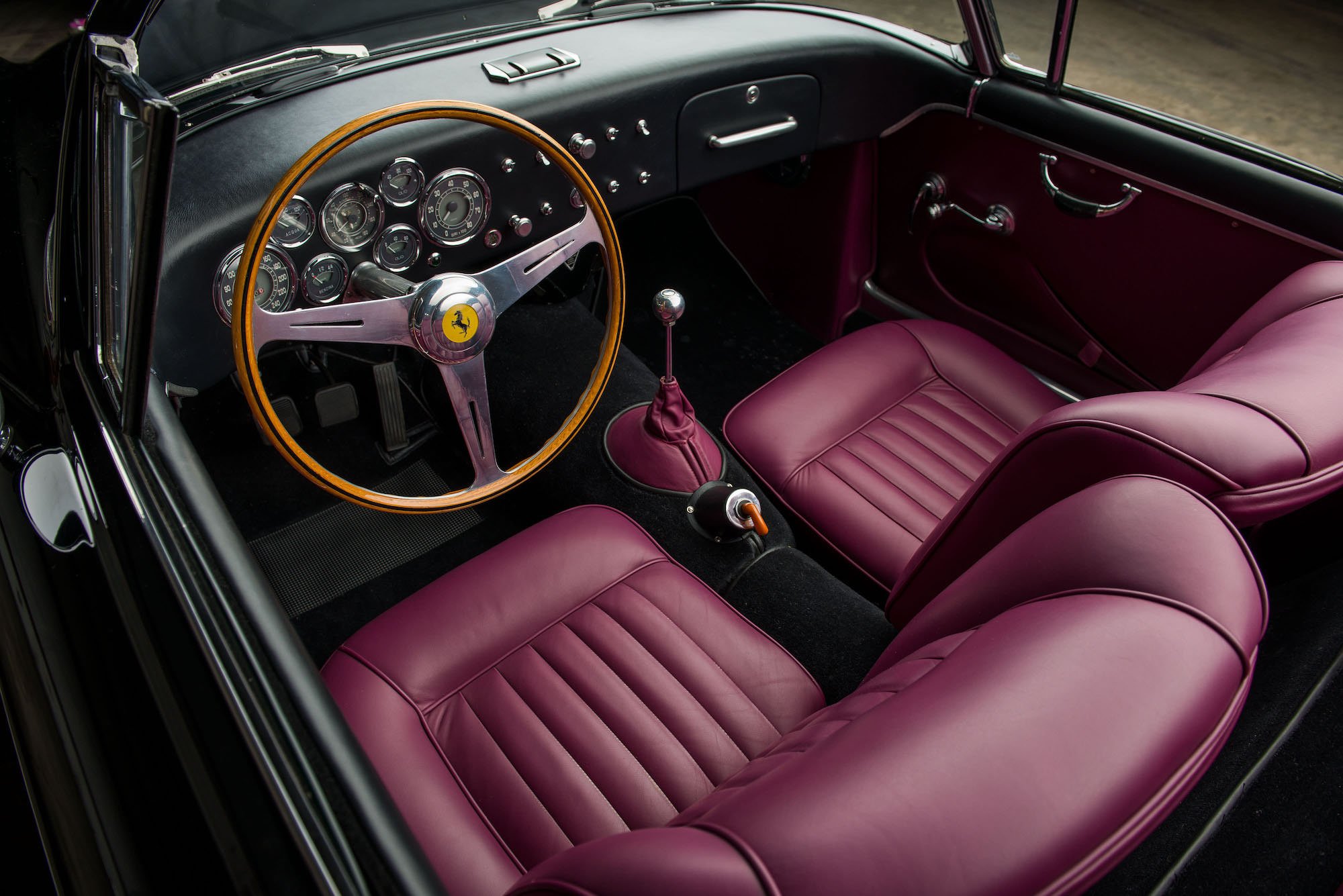
This Is The Only Ferrari 375 America Vignale Cabriolet Ever Made

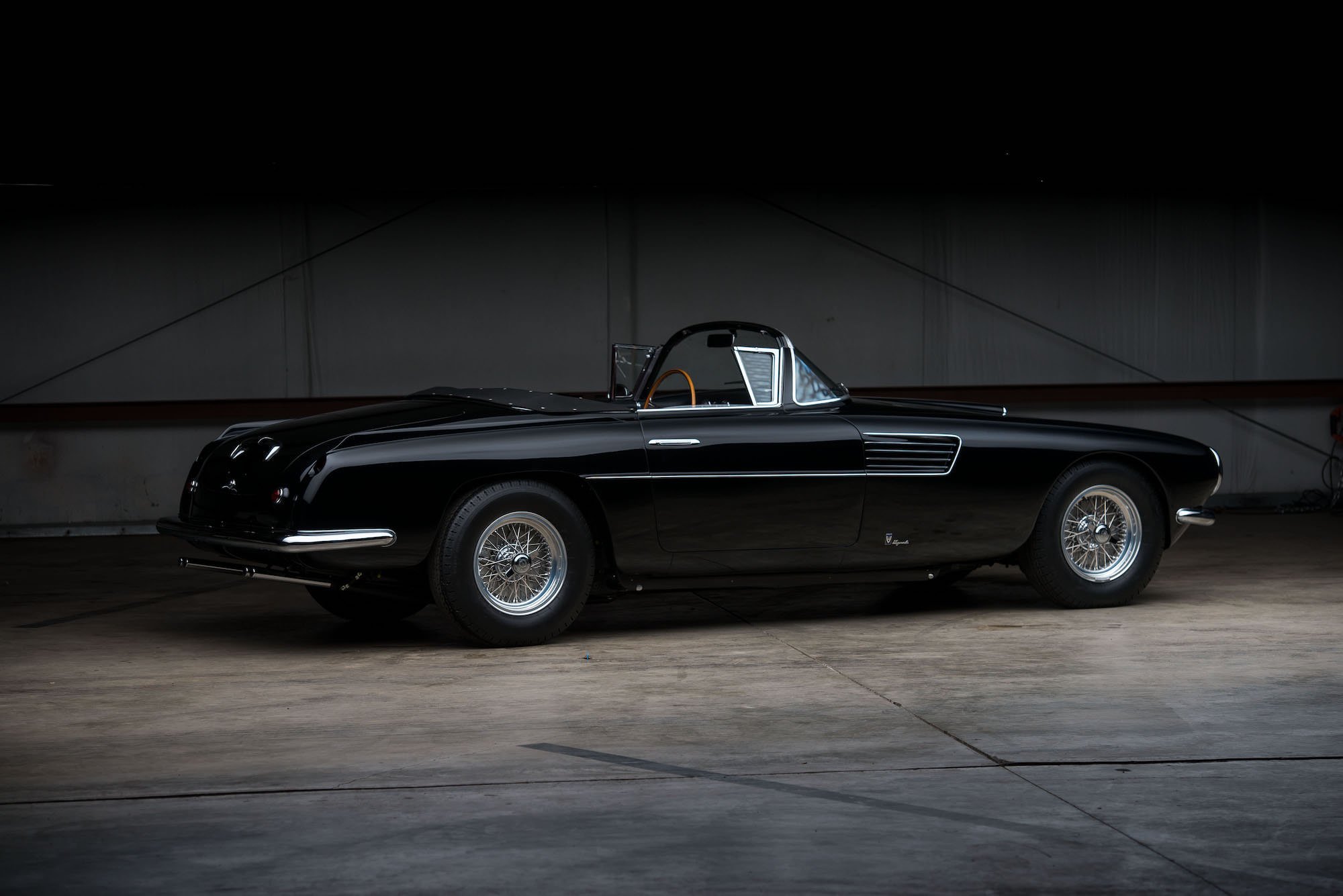
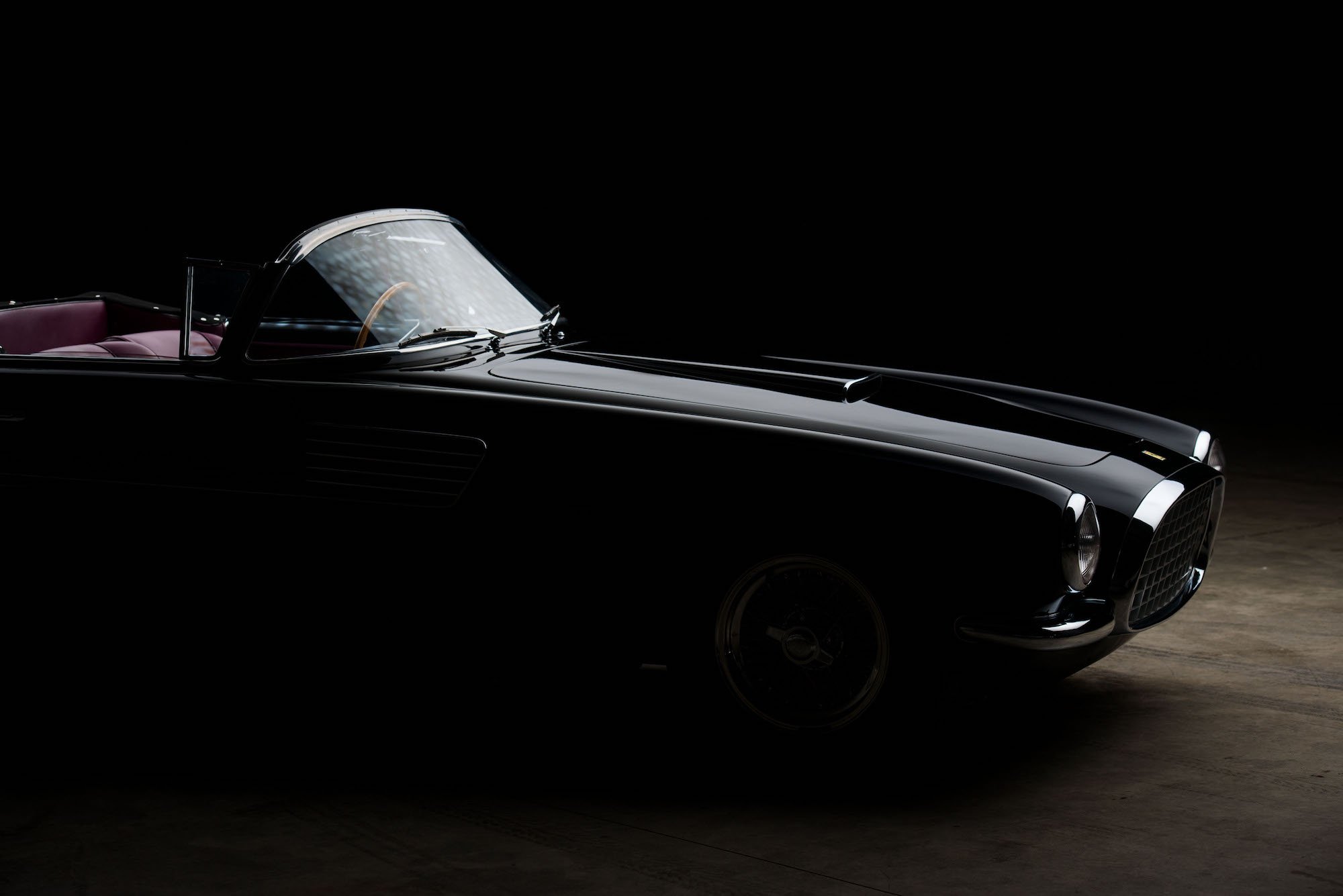
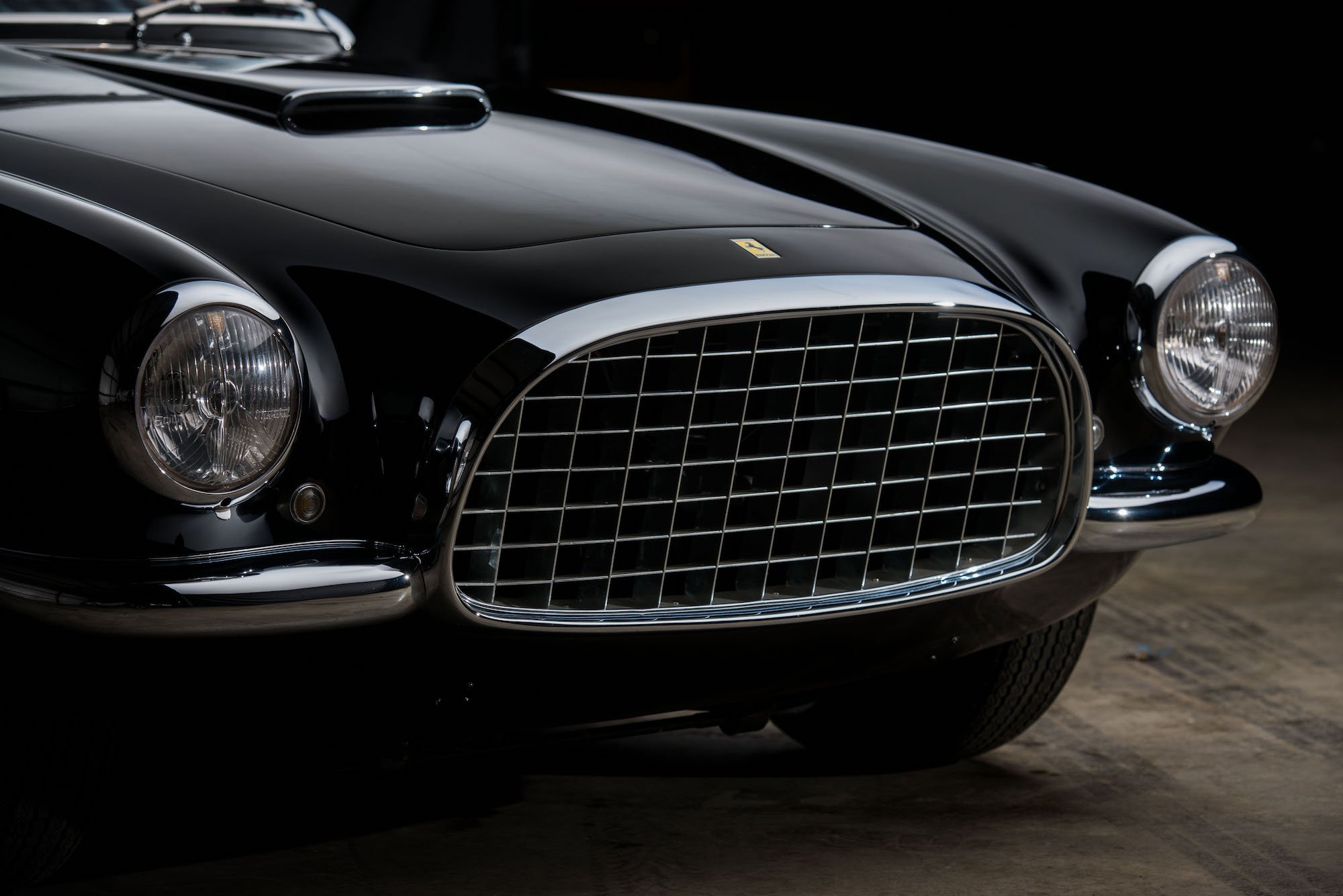
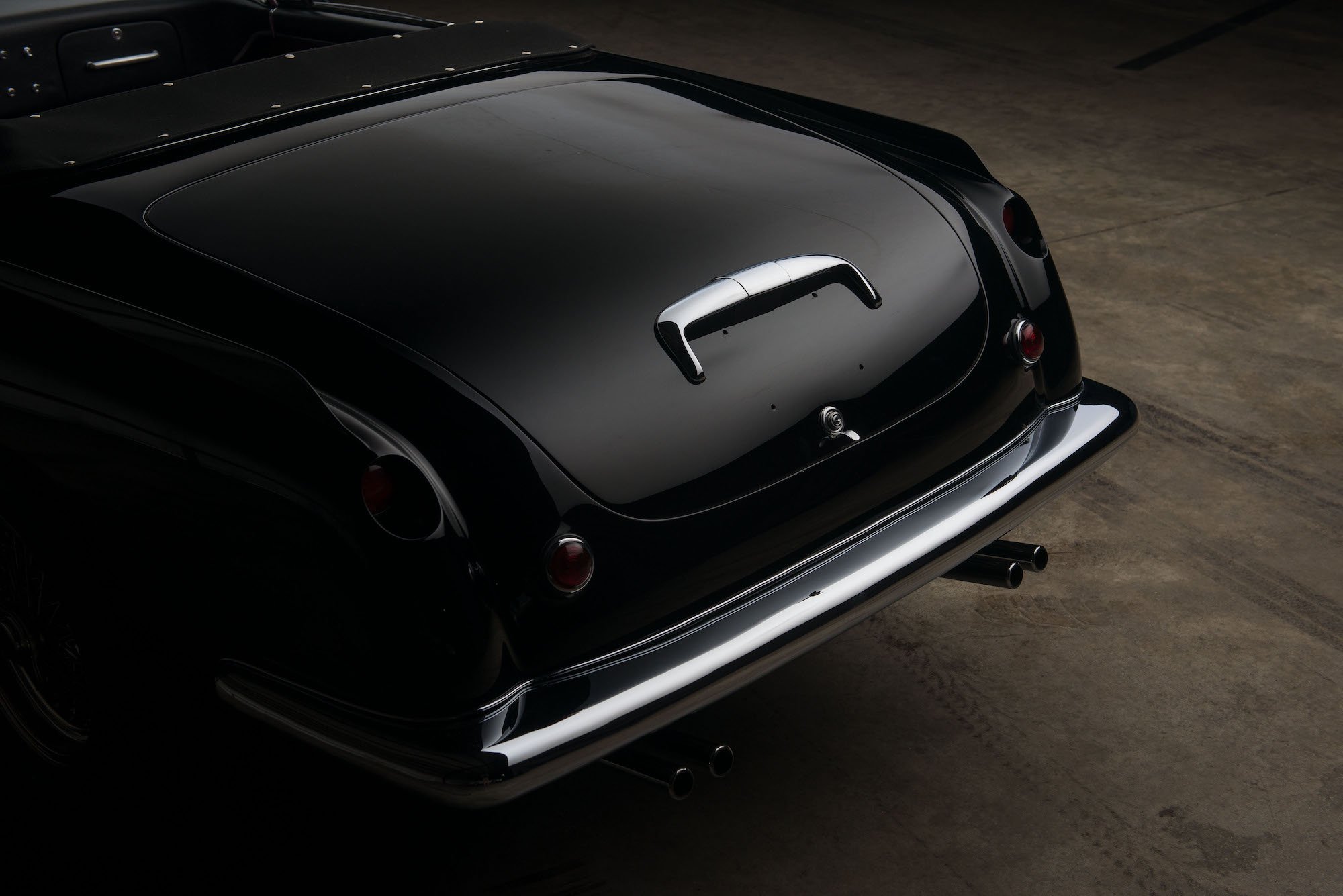
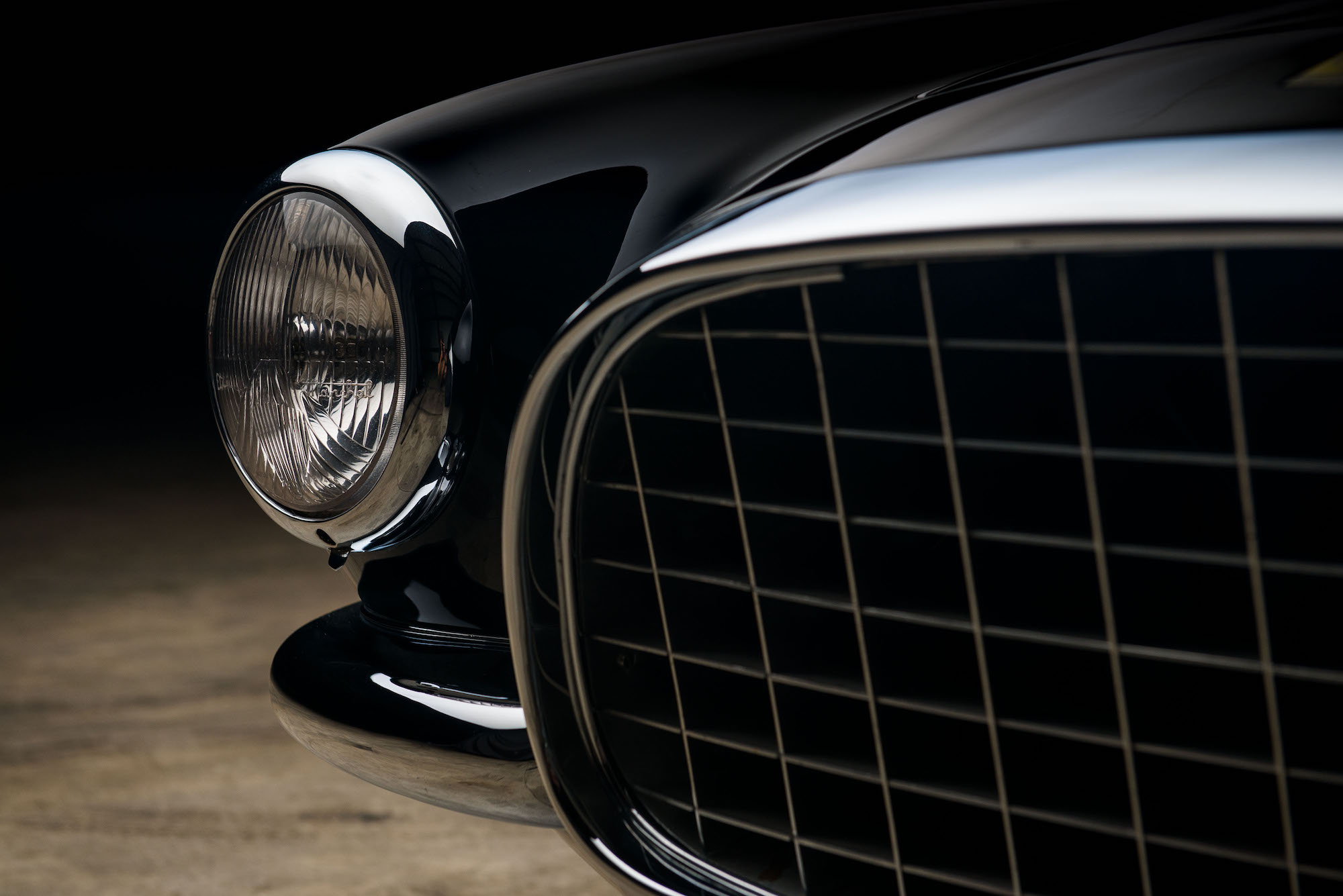
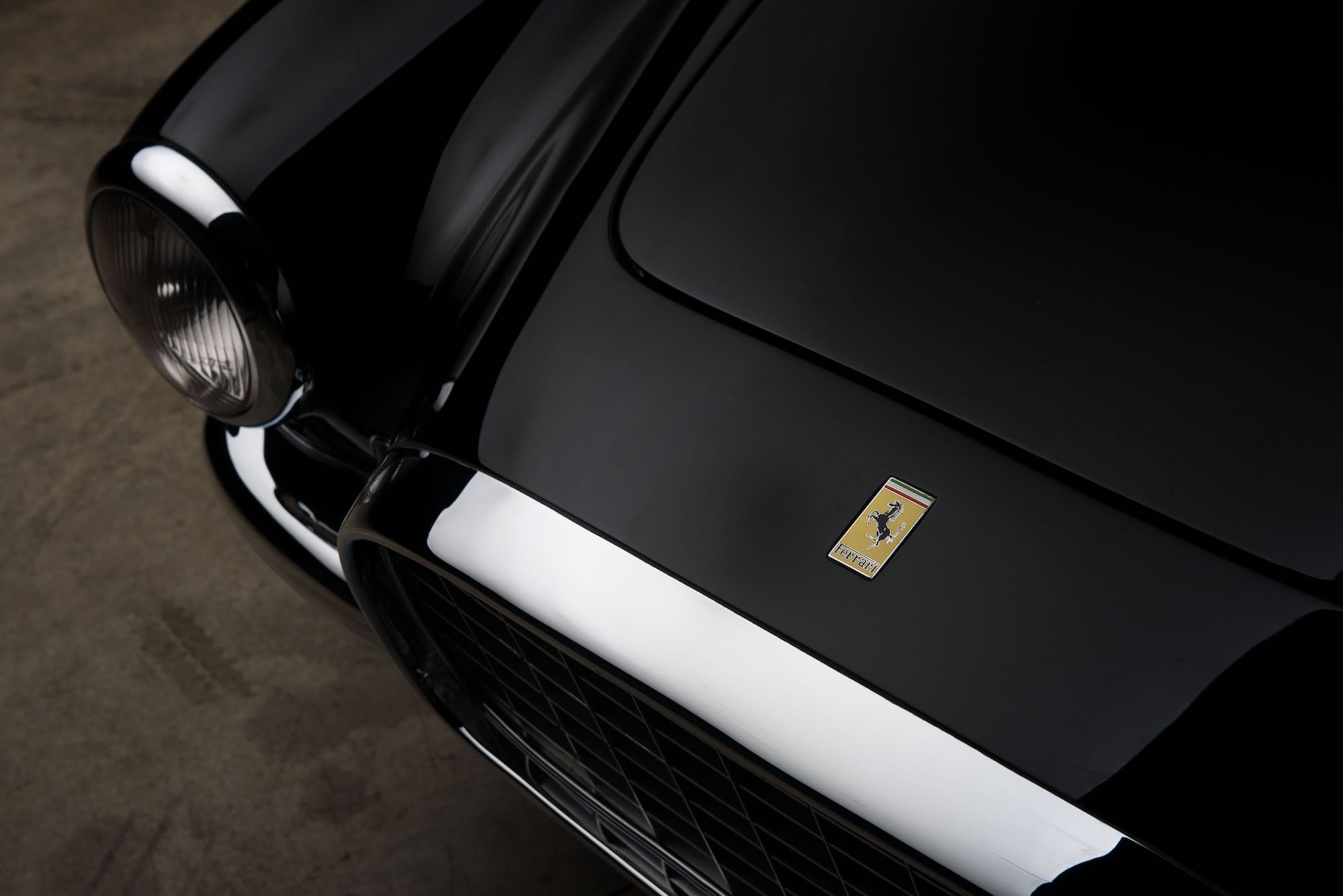
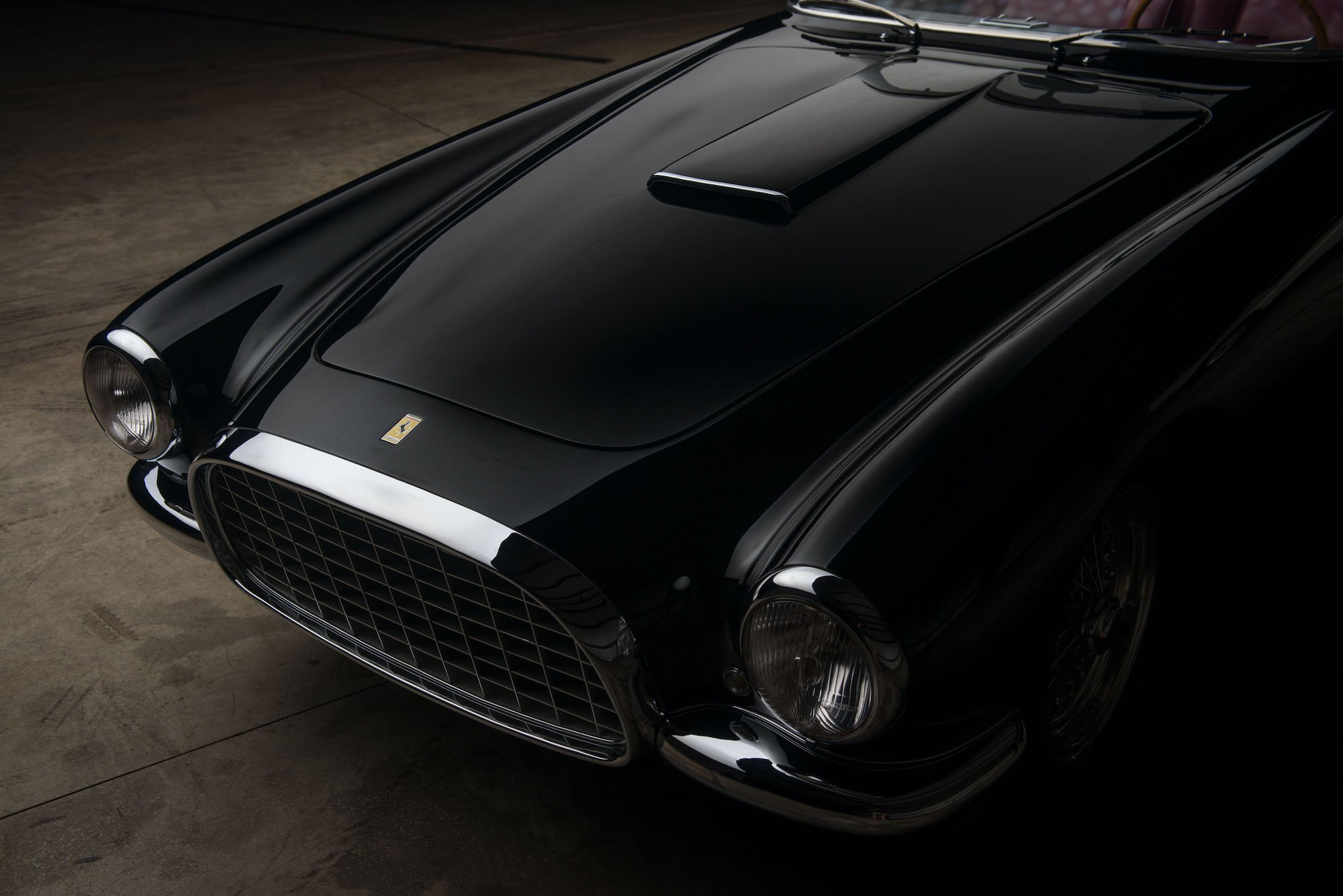
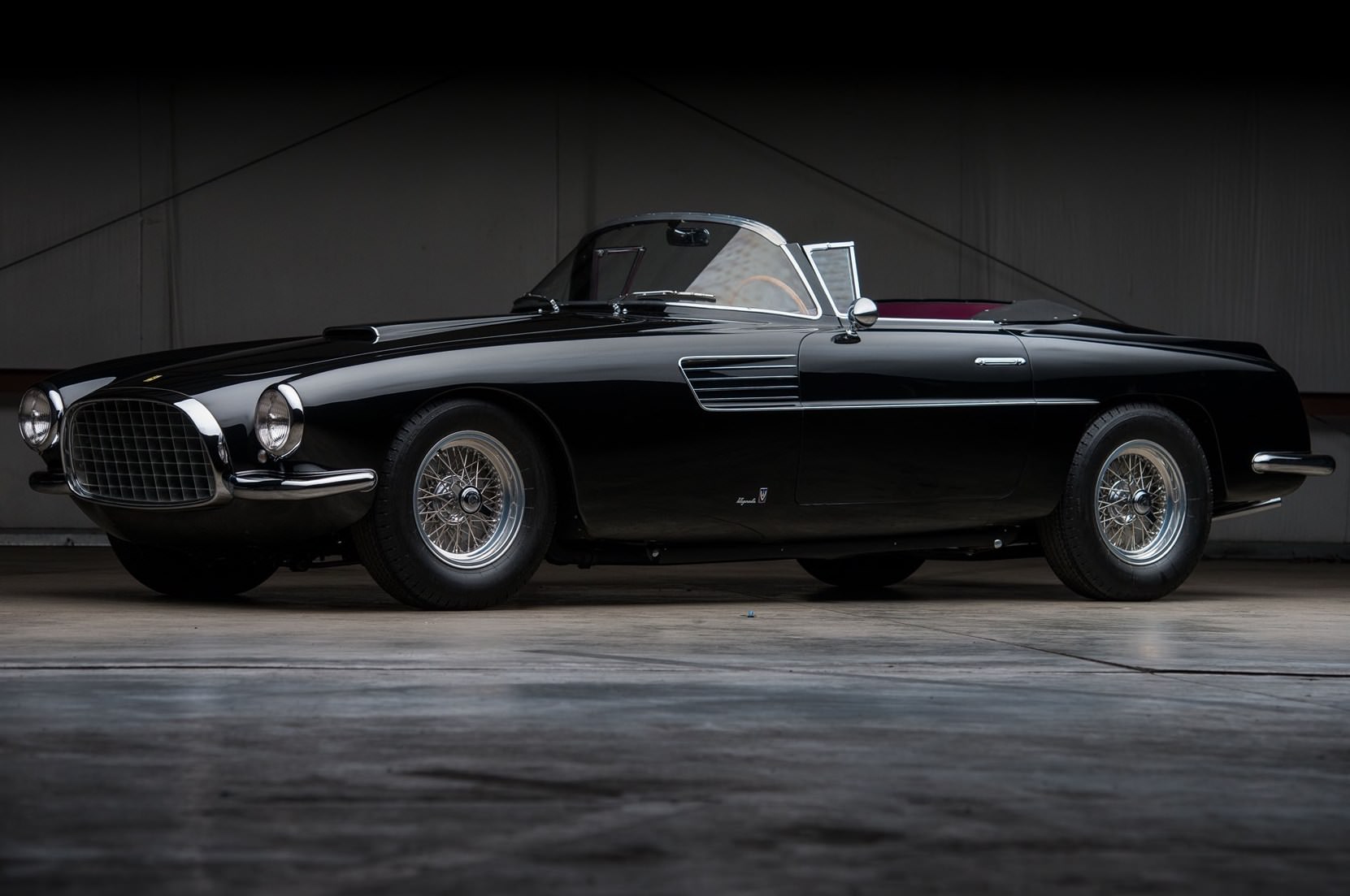
This is the only Ferrari 375 America Vignale cabriolet that was ever made. It’s powered by the “big block” Lampredi V12 engine that was used in various states of tune for both Ferrrai’s Formula 1 cars and their higher-end road cars.

The Ferrari America series of cars were among the fastest and most powerful Ferrari road cars of the 1950s. The Ferrari 375 America was capable of 160 mph and had a 0 – 60 mph time of under 7 seconds – both remarkable performance stats by the standards of the era.
Fast Facts – The Ferrari 375 America Vignale Cabriolet
  • 12 examples of the Ferrari 375 America series were built, eight were coupes bodied by Pinin Farina (later named Pininfarina), and an additional three coupes wore bodies from Vignale.
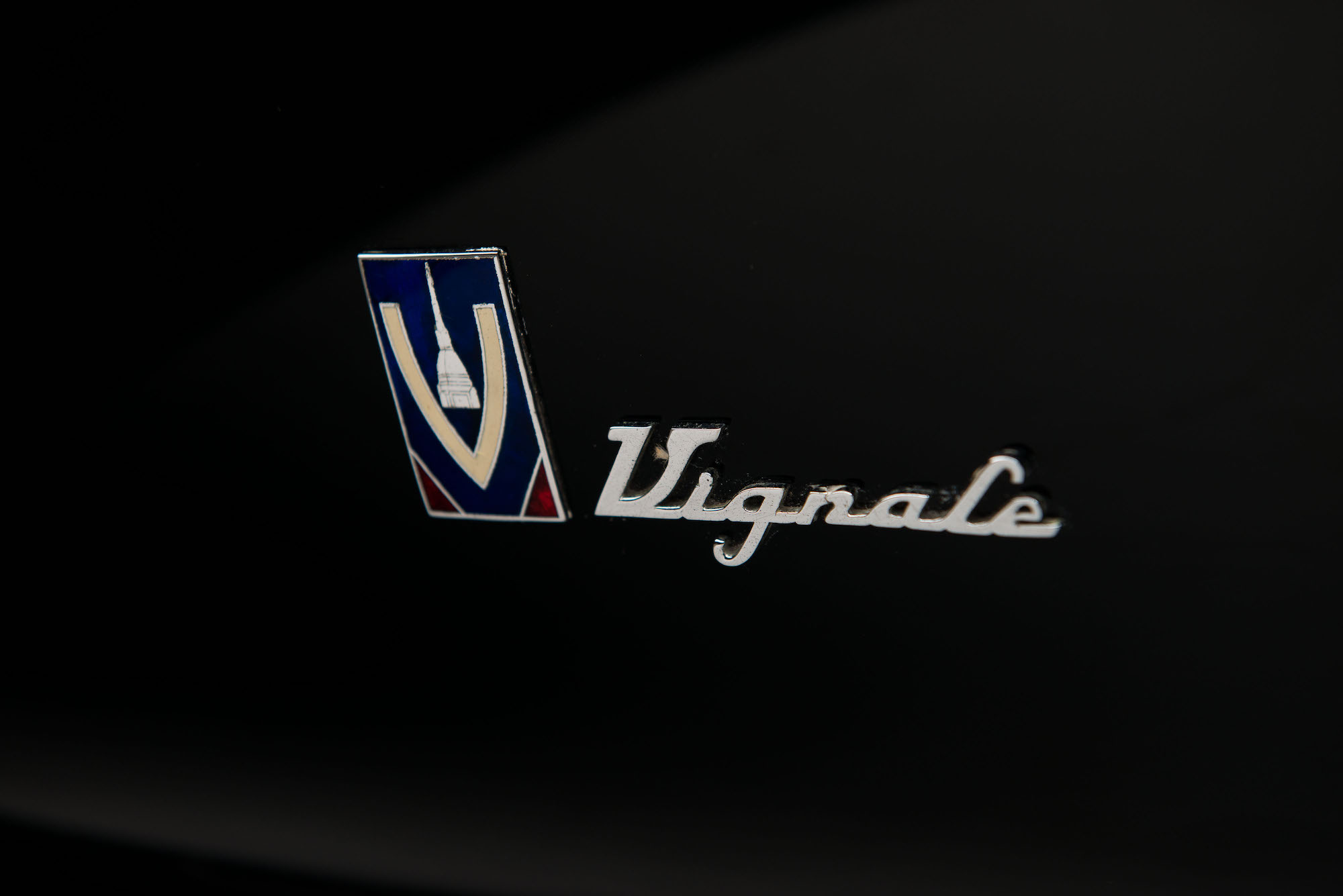
  • Vignale would also build a single cabriolet, the car shown here, which was personally sold by Enzo Ferrari to Mrs Bianca Colizzi, the daughter of famous Italian film director Giuseppe Colizzi.
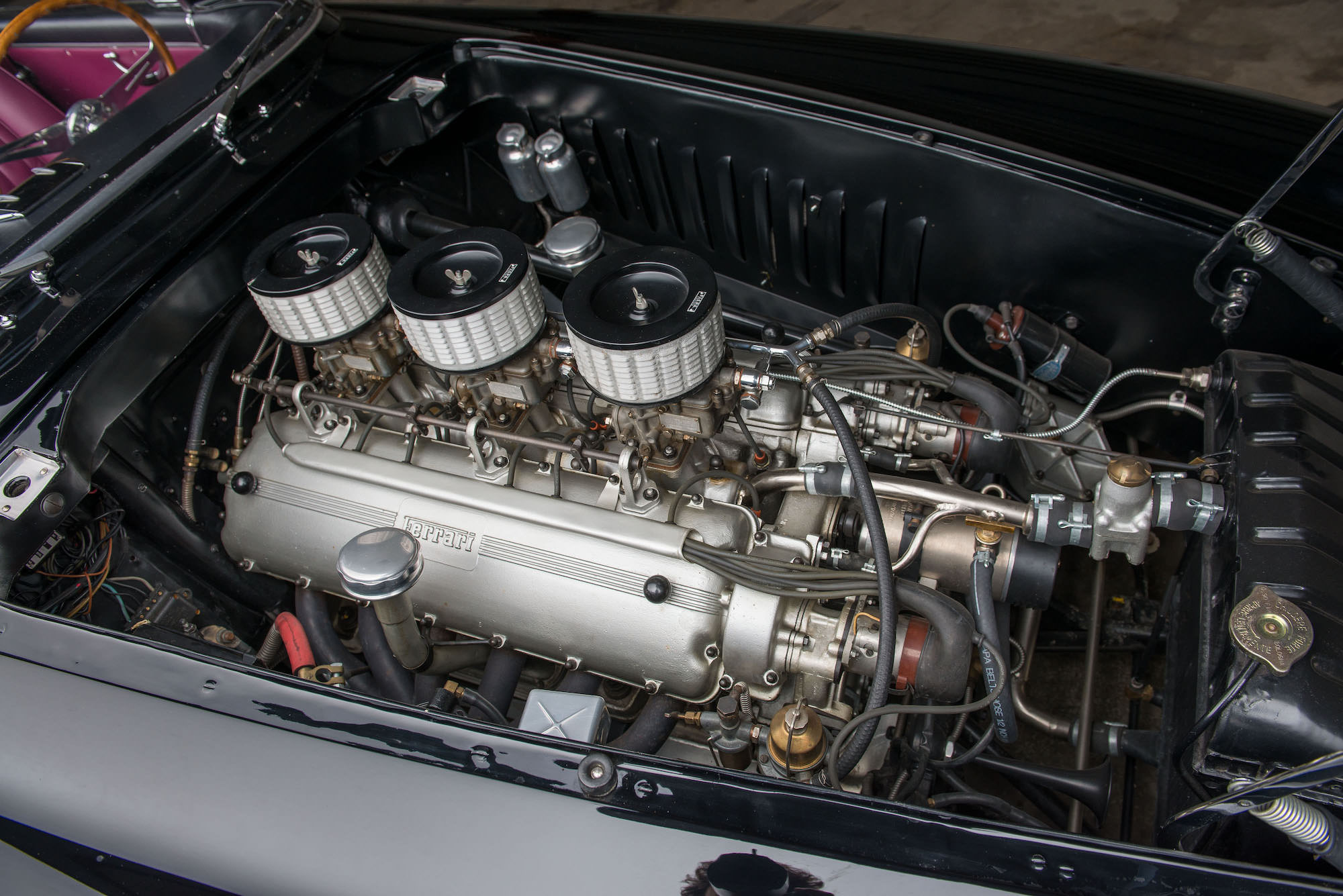
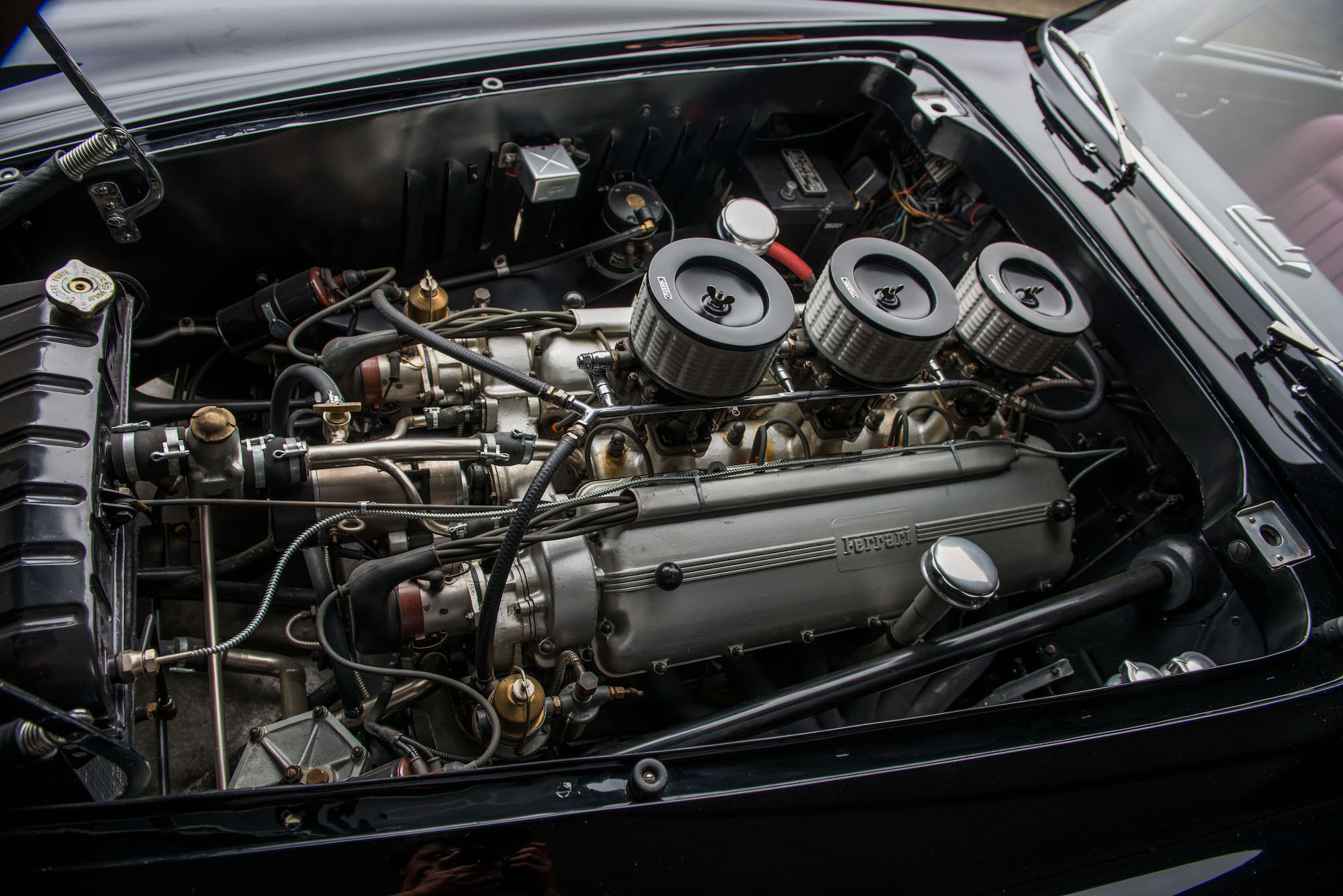
  • This car is powered by a 4.5 liter Lampredi V12 producing 300 bhp at 6,300 rpm – an astonishing figure for the time.
  • The second owner of this car would be Harry Chambers, at the time a TWA executive living in Milan who would later go on to become the GM of NASA’s Kennedy Space Center in Cape Canaveral, Florida.

The Ferrari America Series

As the name suggests, the Ferrari America series of high-end grand tourers was developed by the still-young Italian automaker to appeal to the American market. In the 1950s Americans tended to prefer large vehicles with prodigious engines and jet age styling – so that’s what Enzo gave them.

Ferrari 375 America Vignale Cabriolet 26

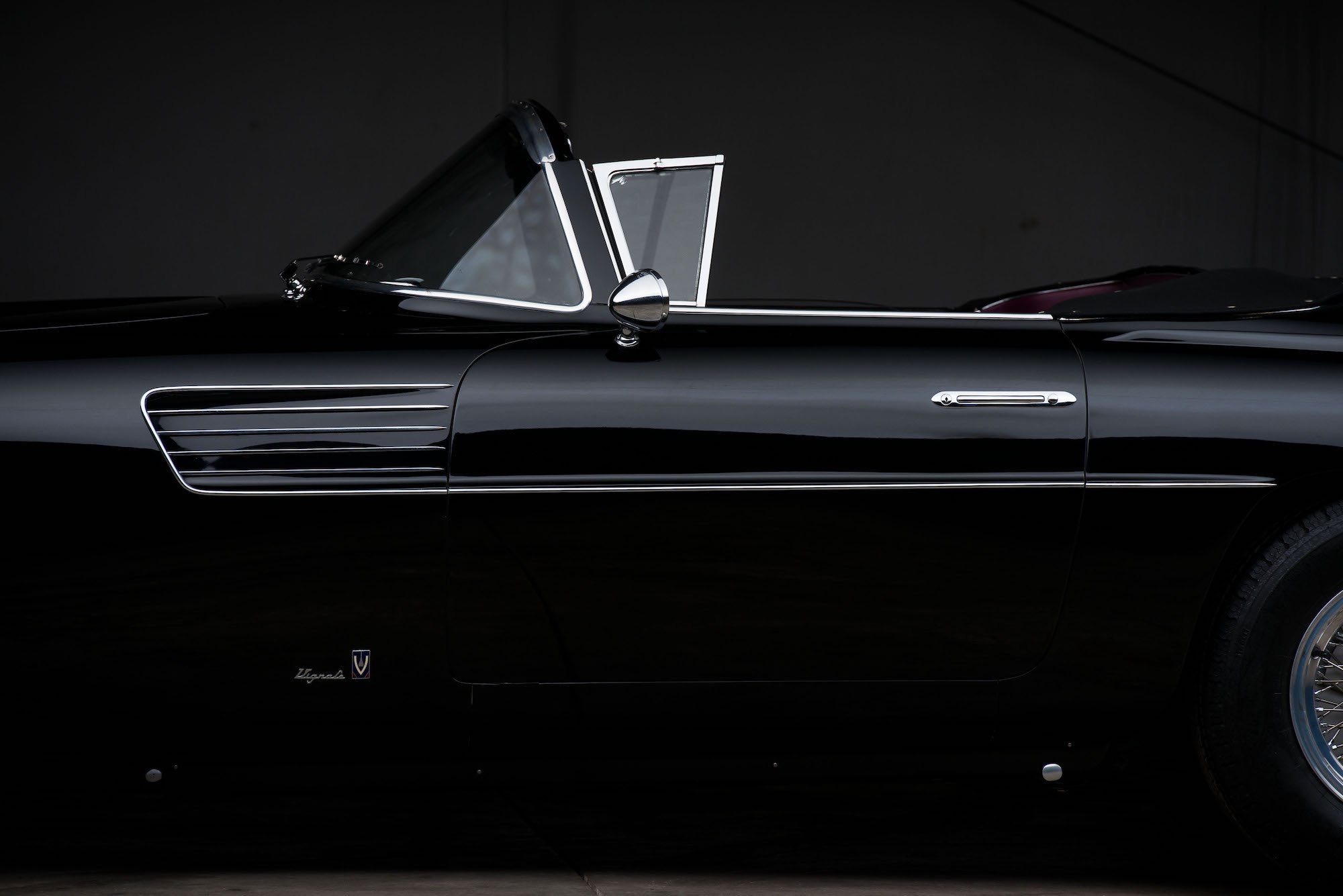
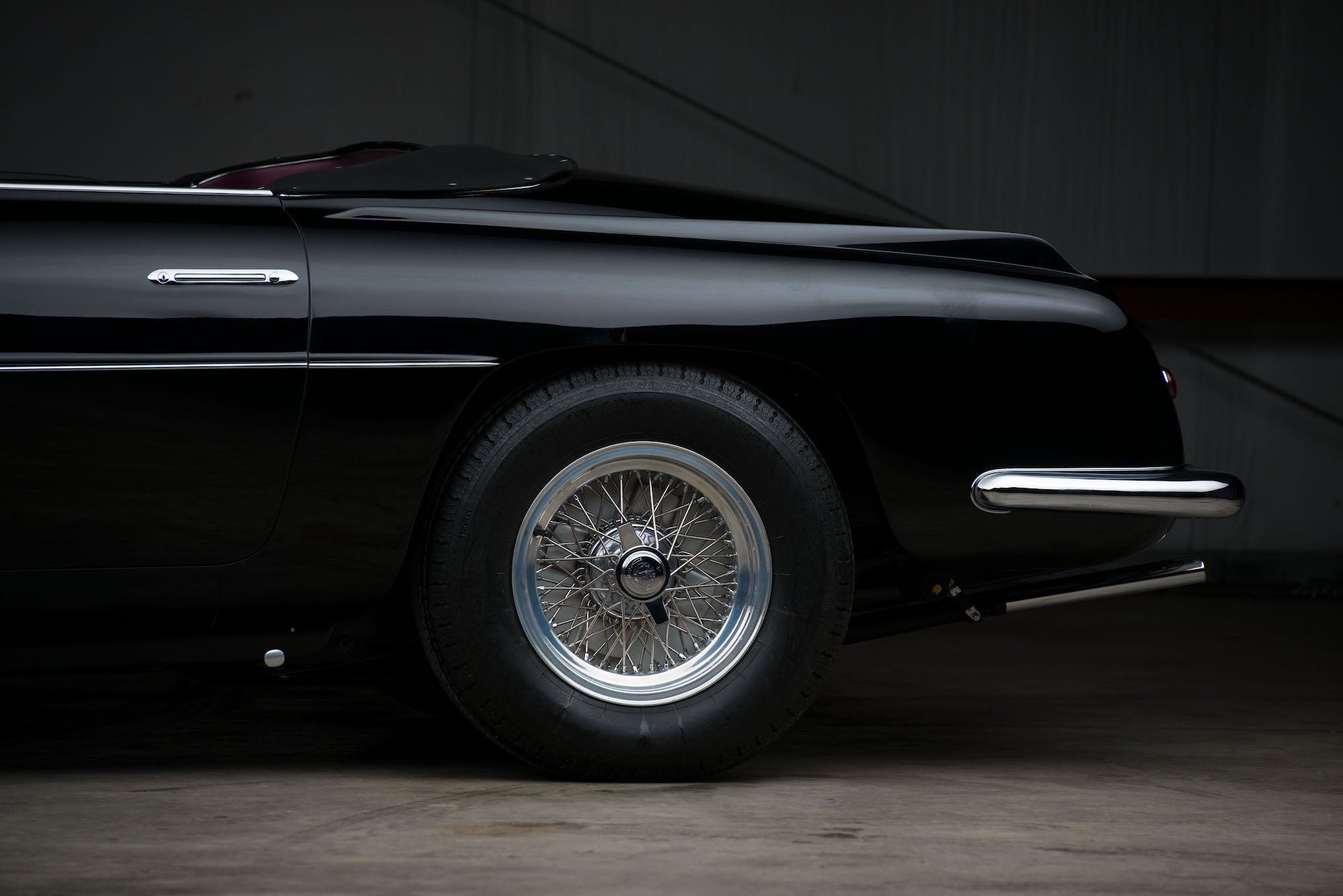
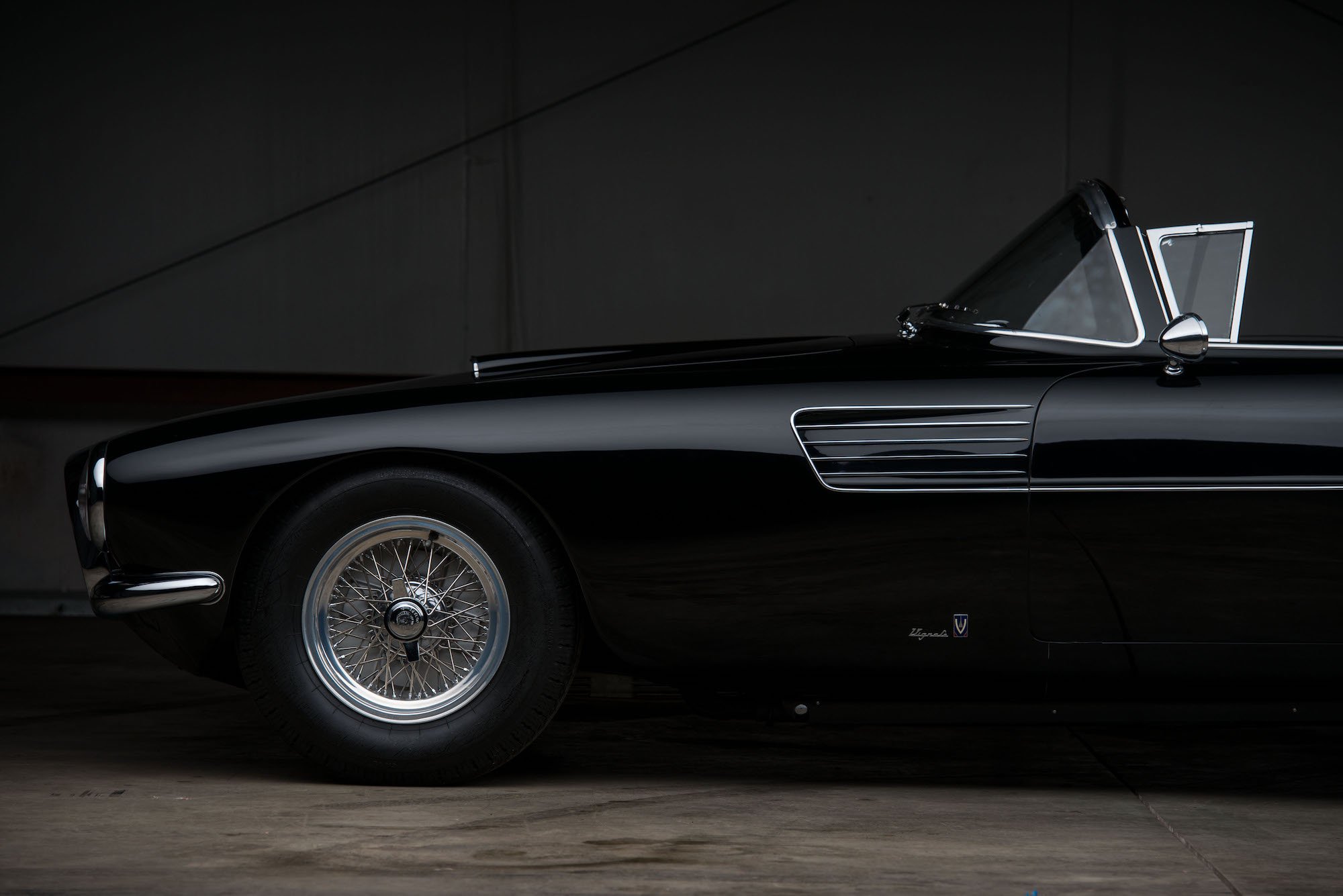
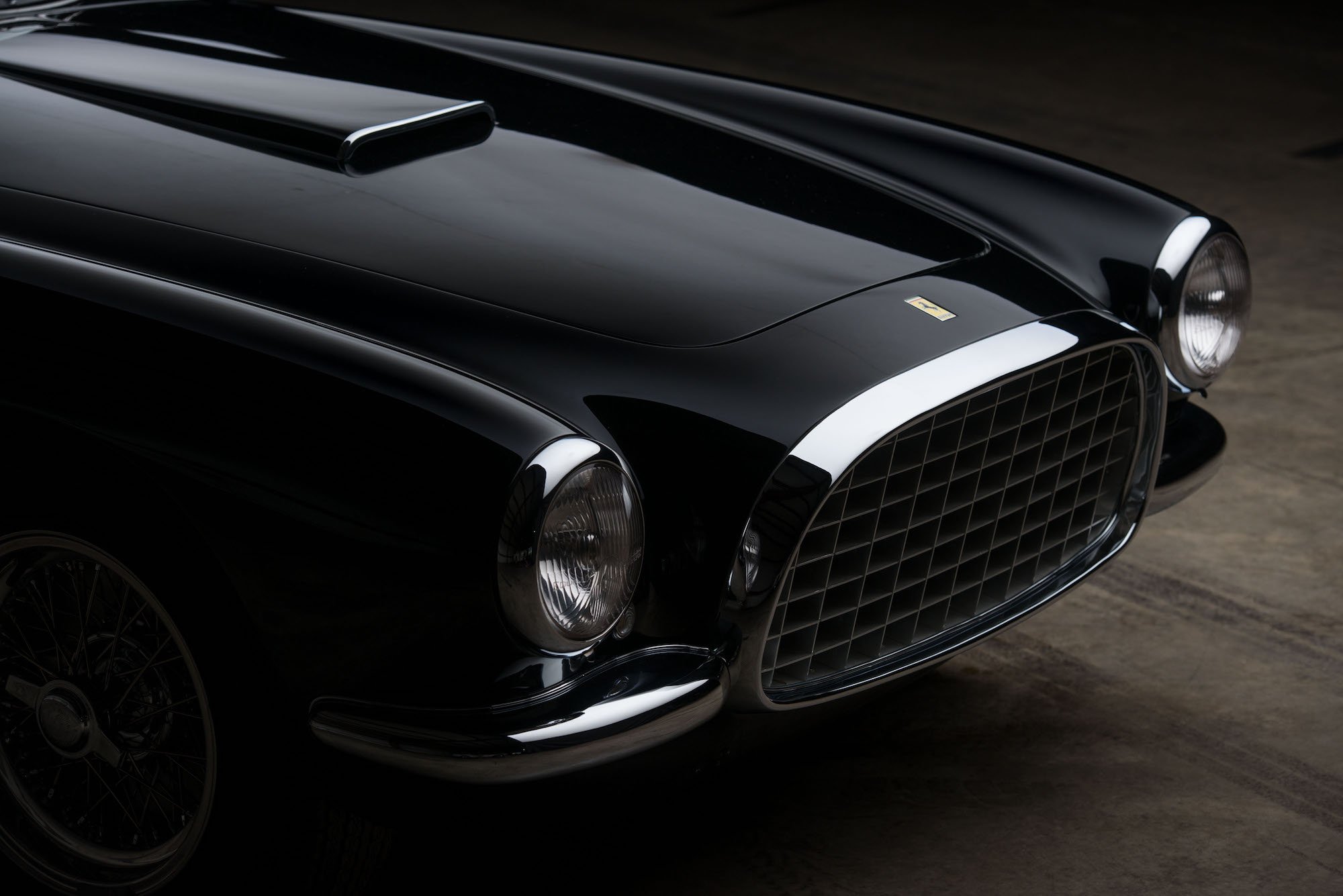
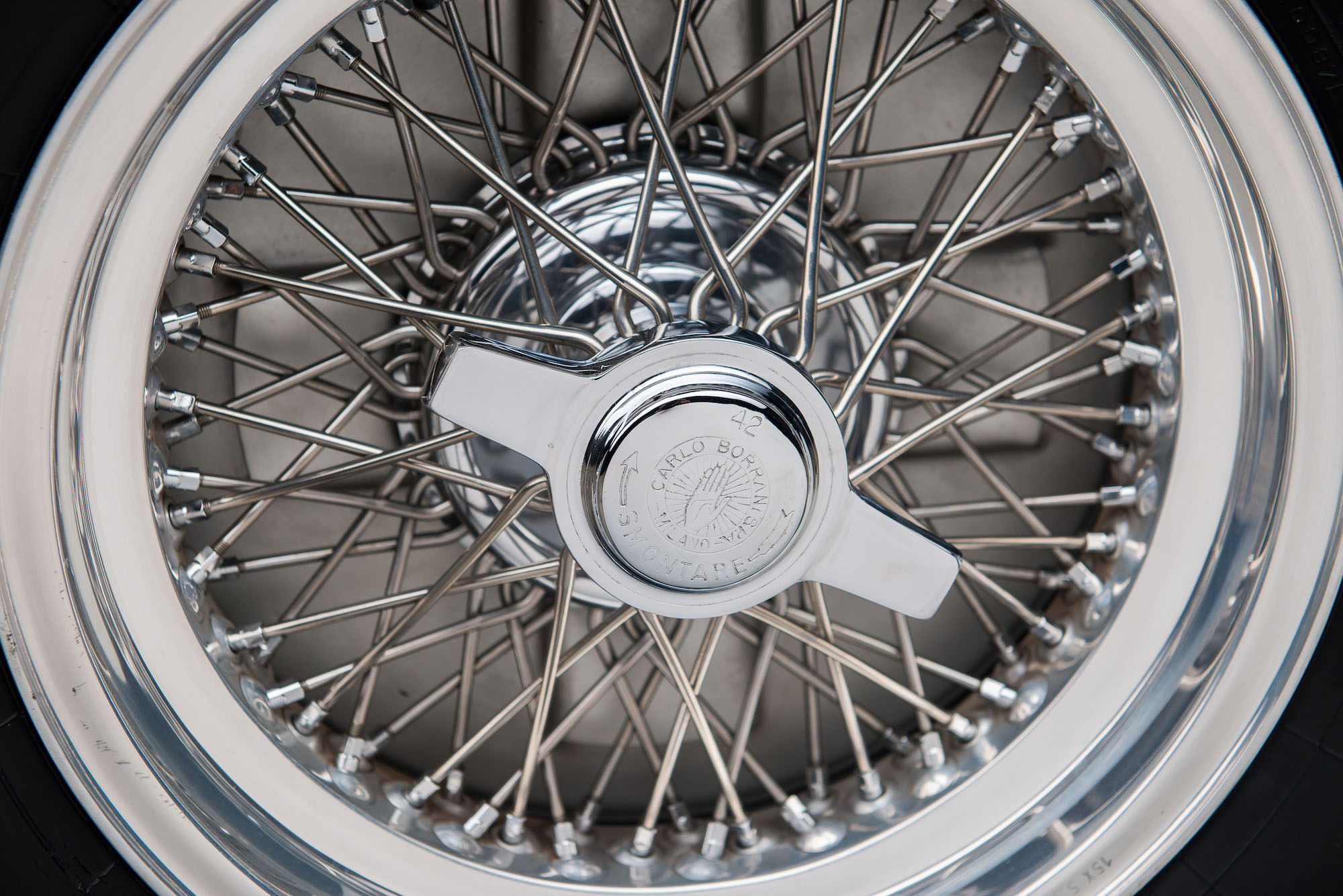
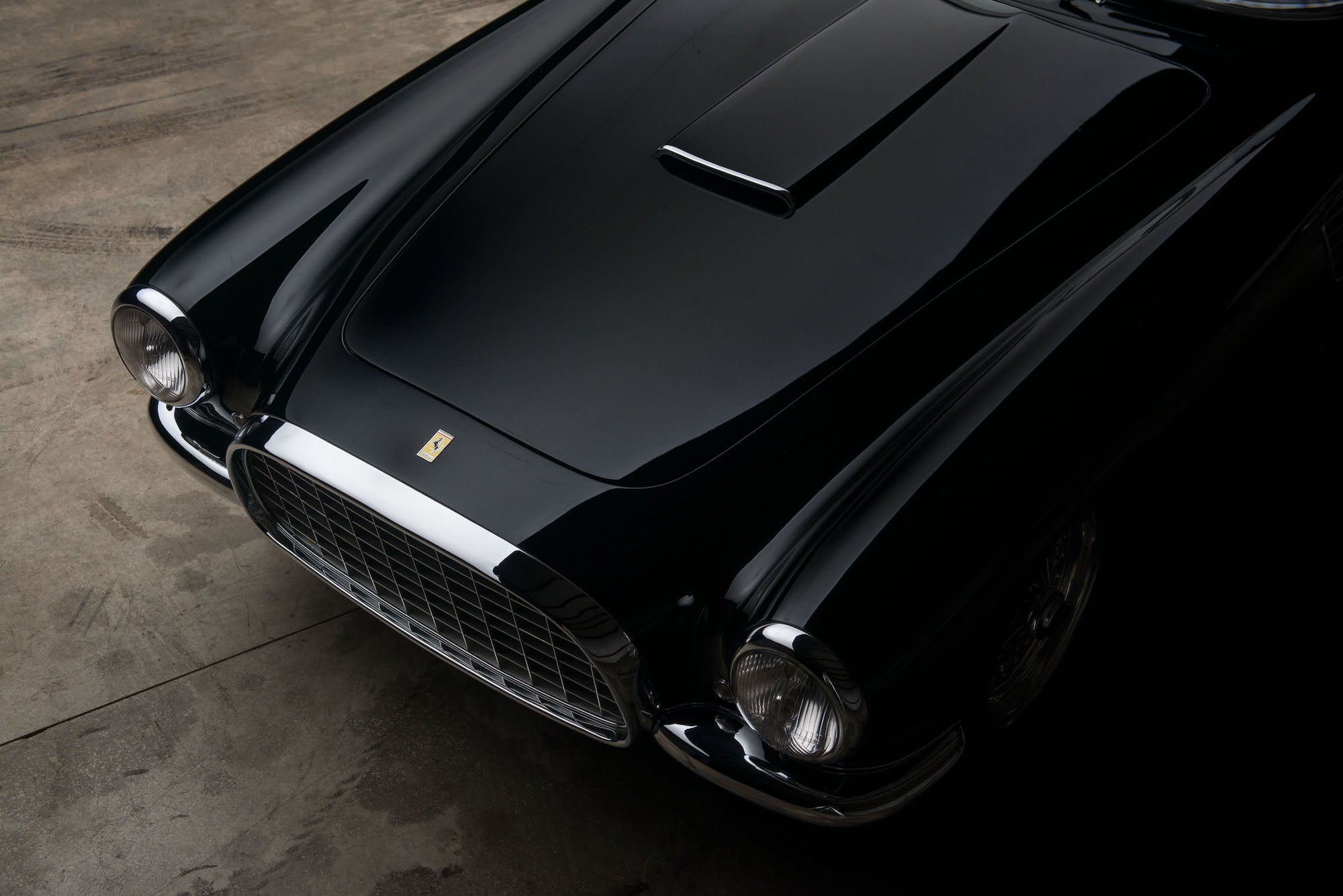
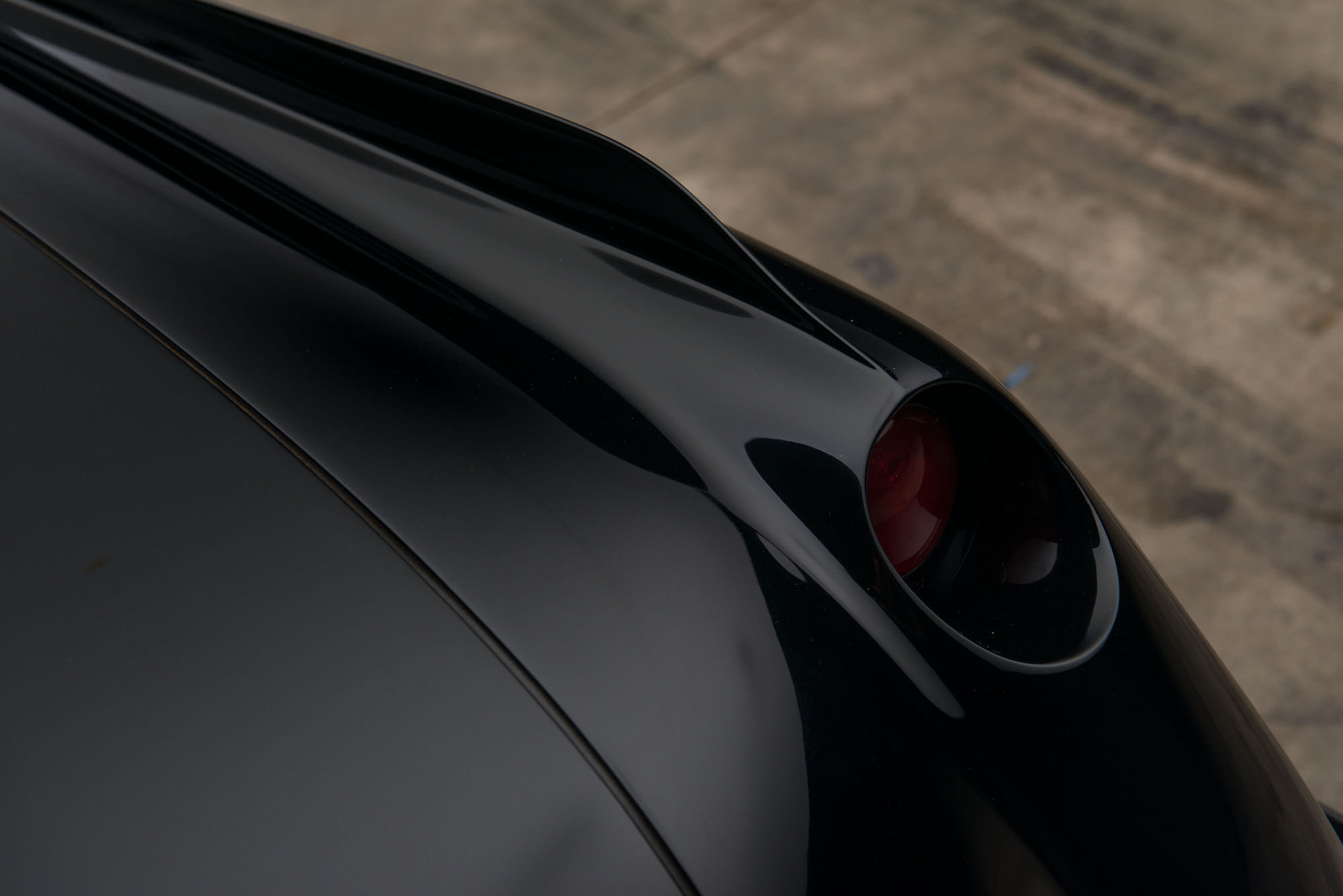
The lines of the Ferrari 375 America Vignale cabriolet have been admired for decades, this is the only example that was ever made and it’s spent much of its life in the country it was named after.

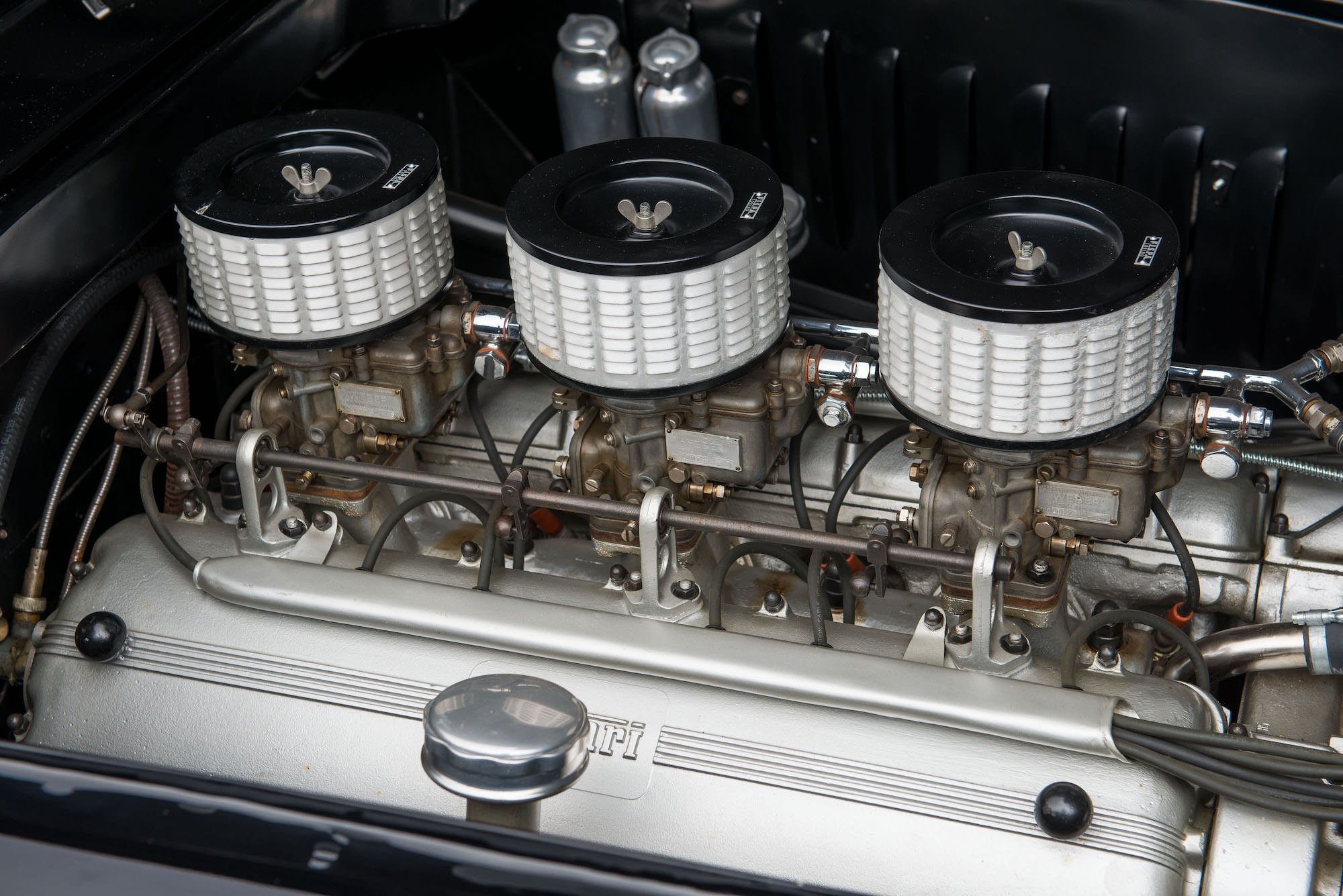
Each Ferrari America 375 was powered by a road-going version of the Lampredi designed “long block” V12 with a displacement of 4522cc. This engine was fitted with a bank of Weber carburetors, a twin coil and distributor ignition, and power was sent to the live axle rear end through an all-synchromesh manual transmission.

Upon ordering their car people could choose from a variety of final drive ratios depending on whether they wanted searing acceleration or more relaxed highway cruising at lower RPMs. As was common with Ferrari naming conventions the 375 was named for the displacement of a single cylinder – though in this case it was rounded down slightly from 376.8cc to 375.

The Ferrari America series would begin with the 340 America released in 1950 and sold until 1952 in very limited numbers. This would be followed by the 342 America in 1952, which was then succeeded by the America 375 in 1953.

The America 375 was one of the high points of the series, along with its successor the 410 Superamerica, which was followed by the 400 Superamerica, the 500 Superfast, and finally, the 365 California.

Ferrari 375 America Vignale Cabriolet 2

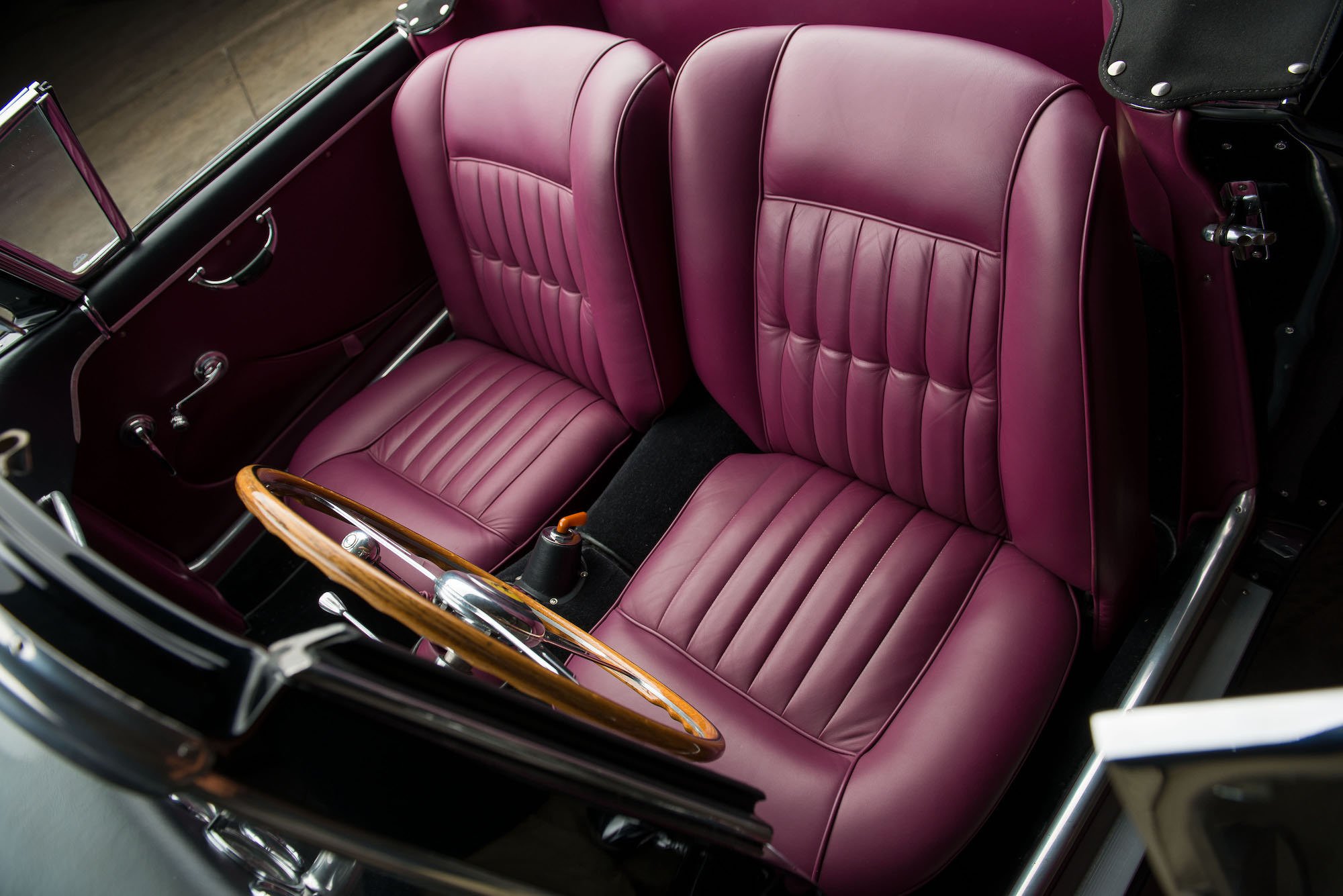
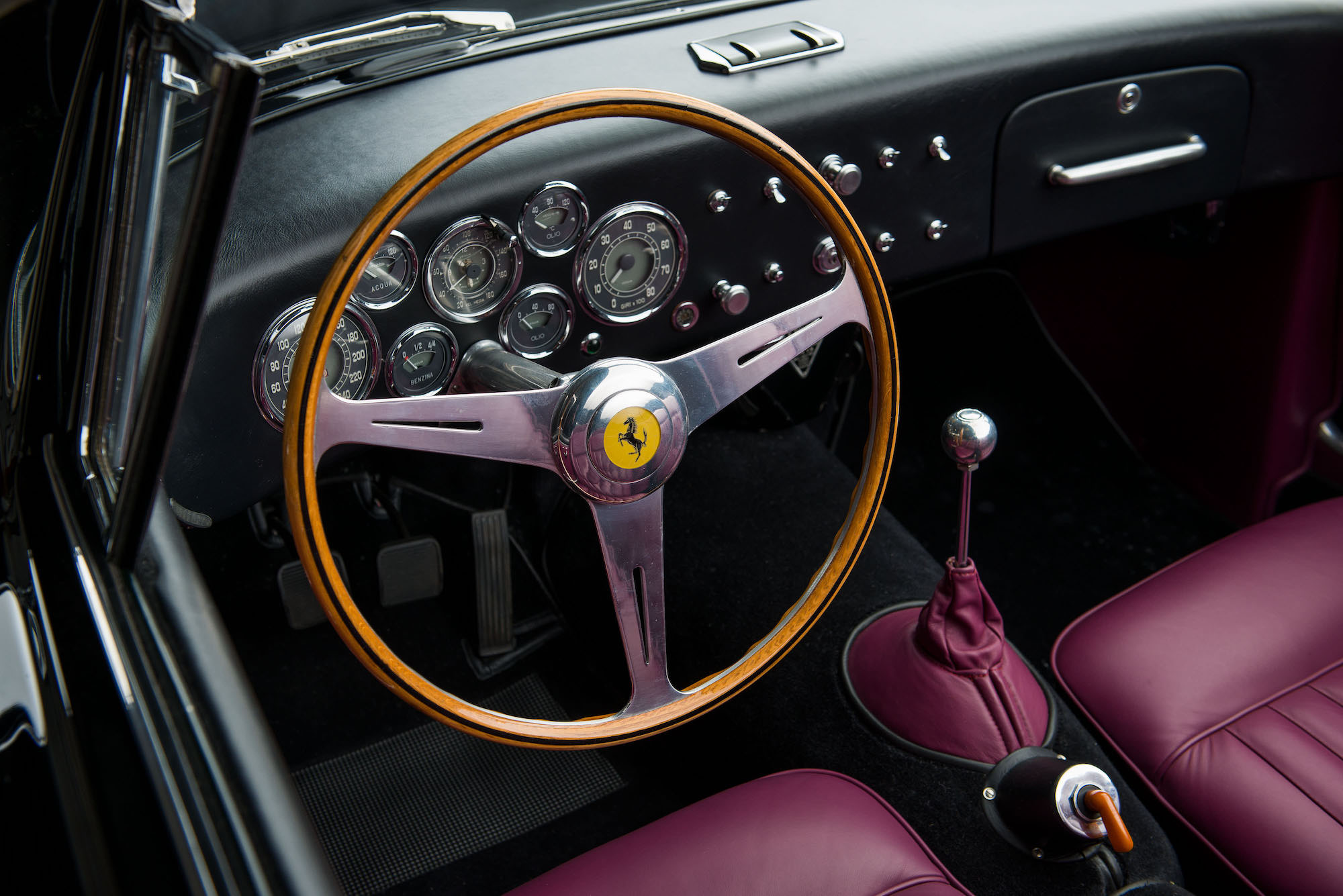
The car originally left the factory finished in black paint over a black interior with a tan soft top, in more recent years the paint has been returned to black and the interior reupholstered in purple leather.

Lampredi V12s were used in all the cars up until the 400 Superamerica in 1959 at which point the lower displacement Colombo V12 was used. This would be the V12 that would power many of Ferrari’s most important cars through the 1960s and beyond, but there’s no denying the Lampredi engine was the king of the 1950s.

The Ferrari 375 America Vignale Cabriolet Shown Here

The car you see here is the Ferrari 375 America Vignale cabriolet from 1954 and as mentioned further up, it’s both the only 375 cabriolet that was ever made and one of just three big-block cabriolets with 4.5 liter or larger engines built by Ferrari in the 1950s.

Enzo Ferrari sold this car to its first owner, Mrs Bianca Colizzi, the daughter of famous Italian film director Giuseppe Colizzi. For reasons lost to history it was parked up in storage a year later where it was seen by Luigi Musso, the future Scuderia Ferrari factory driver.

Musso mentioned the existence of the car to an American acquaintance named Harry Chambers, a TWA executive who had been sent to Italy to open the airline’s Milan division. Chambers was able to track down the Ferrari and buy it, he enjoyed driving it in Italy for two years, even visiting the Monza circuit on at least one occasion.

Ferrari 375 America Vignale Cabriolet 20

The 4.5 liter Lampredi V12 engine produces 300 bhp at 6,300 rpm. It’s a street version of the race-winning Ferrari Formula 1 engine that was in use in the era.

Chambers was later knighted by the Italian government, and went on to become the general manager of NASA’s Kennedy Space Center in Cape Canaveral, Florida.

In 1958 he sold the 375 America to his friend and fellow TWA employee Joseph Fitch who imported the car back to California later that same year where he would keep it for many years. In 1974 he sold it on to Ferrari enthusiast Wayne Golomb who commissioned a comprehensive restoration.

In 1995 it was sold to Dennis Machul, then in 1998 it was sold to its current owner who kept it for over 20 years and who has now decided to offer it for sale.

As the only one of its kind the price guide on the alloy-bodied Vignale cabriolet is unsurprisingly in the seven figures, at $6,500,000 – $7,500,000 USD. If you’d like to read more about it or register to bid you can visit the listing here on RM Sotheby’s.

Ferrari 375 America Vignale Cabriolet Ferrari 375 America Vignale Cabriolet 25 Ferrari 375 America Vignale Cabriolet 24 Ferrari 375 America Vignale Cabriolet 23 Ferrari 375 America Vignale Cabriolet 21 Ferrari 375 America Vignale Cabriolet 19 Ferrari 375 America Vignale Cabriolet 18 Ferrari 375 America Vignale Cabriolet 17 Ferrari 375 America Vignale Cabriolet 15 Ferrari 375 America Vignale Cabriolet 16 Ferrari 375 America Vignale Cabriolet 14 Ferrari 375 America Vignale Cabriolet 13 Ferrari 375 America Vignale Cabriolet 12 Ferrari 375 America Vignale Cabriolet 11 Ferrari 375 America Vignale Cabriolet 10 Ferrari 375 America Vignale Cabriolet 9 Ferrari 375 America Vignale Cabriolet 8 Ferrari 375 America Vignale Cabriolet 7 Ferrari 375 America Vignale Cabriolet 6 Ferrari 375 America Vignale Cabriolet 5 Ferrari 375 America Vignale Cabriolet 4 Ferrari 375 America Vignale Cabriolet 1

Images courtesy of RM Sotheby’s

Ferrari 375 America Vignale Cabriolet

The post This Is The Only Ferrari 375 America Vignale Cabriolet Ever Made appeared first on Silodrome.


from Silodrome https://silodrome.com/ferrari-375-america-vignale-cabriolet/
via gqrds