Unusual Project Car: A Rare Bradley GTE Electric From 1980

Electric cars are now a mainstream reality, along with hybrids and plug-in hybrids. It wasn’t that long ago that electric cars were a fringe interest, and those who wanted one had to either build it themselves or find a niche manufacturer that made them.

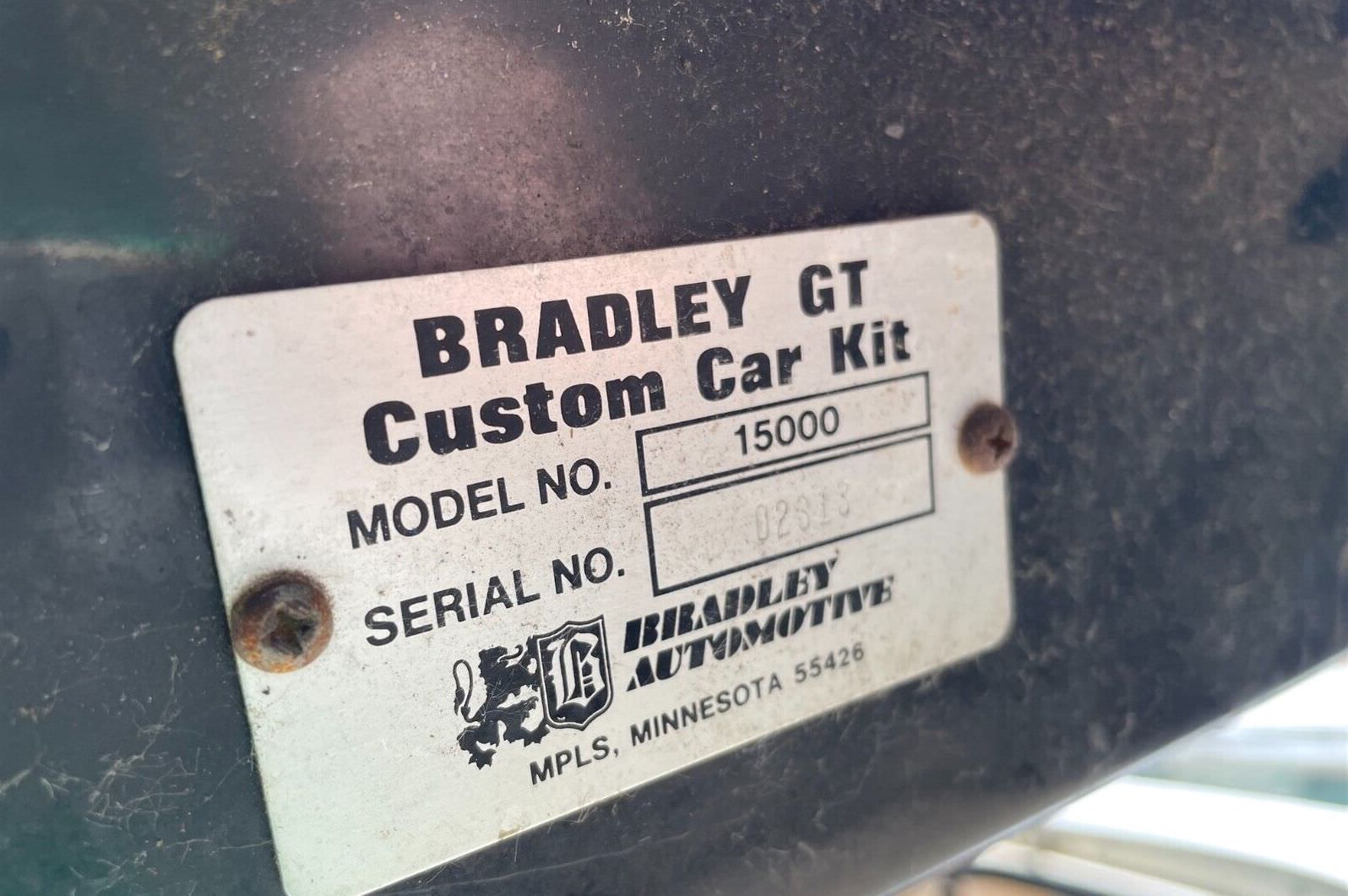
This Bradley GTE Electric was produced in limited volumes back in 1980, it rides on a VW Beetle chassis, and it makes use of bank of lead acid batteries and a large rear-mounted electric motor driving the rear wheels.

Fast Facts – The Bradley GT Electric

  • Bradley Automotive was founded in 1970, based on the earlier company Gary’s Bug Shop, a specialist fiberglass manufacturer that made a number of Meyers Manx-like dune buggy bodies.
  • The Bradley GT is a kit car that was first unveiled in 1970 and sold until 1981. The development process of the car is said to have cost just $2,000 USD, thanks largely to the fact that it’s made up of a fiberglass body on an unmodified VW Beetle floorpan.
  • Despite the humble beginnings of the Bradley GT it attracted a number of celebrity owners including Liberace, Barry Goldwater, Gaylord Perry, Ed Begley Jr., and Jeff Dunham.
  • After a period of financial instability Bradley Automotive changed their name to The Electric Vehicle Corporation (EVC) Bradley GTE Electric. It was closely based on the GT II kit car but made use of batteries and an electric motor rather than a VW Beetle engine.

Bradley Automotive

The story of Bradley Automotive is a tale of a fast moving automotive start up that had revenues of over $6,000,000 USD just 7 years after it was founded in 1970. It was a seat-of-the-pants corporation that sold kit cars to people who sent in $1 for a brochure after seeing an ad in the back of a magazine.
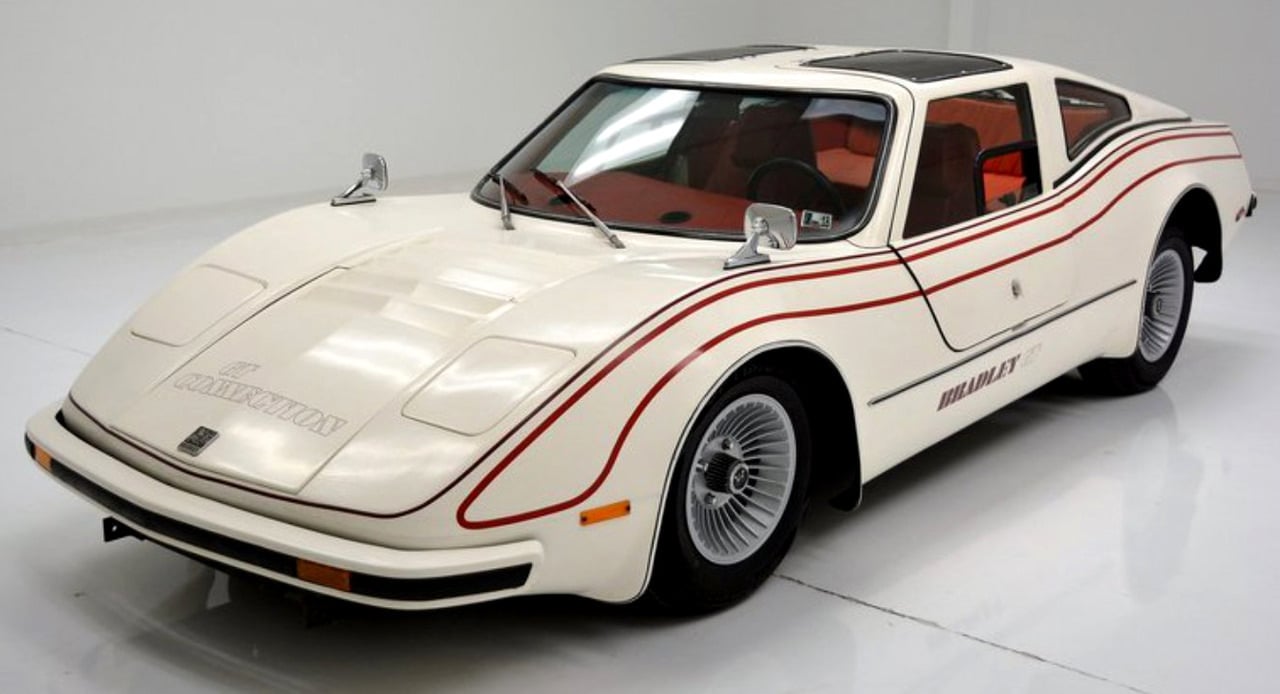
Bradley GT II

This is how the Bradley GT II looked when new. It could be ordered as either a kit car that owners built themselves on a Beetle chassis, or as a turnkey production car.

Funnily enough, when Bradley Automotive first ran ads asking people to send them $1 to receive their brochure for the Bradley GT kit car there actually was no car, and there were no brochures.

These two issues were quickly resolved, a fiberglass body with gullwing doors was designed and moulds were created. The car was to be based on a VW Beetle chassis which significantly reduced the R&D that was required, as company co-founder David Bradley Fuller had plenty of prior experience building Beetle-based dune buggies.

The Bradley GT

The company’s first car was the Bradley GT, and as soon as they finished getting the brochures printed they started sending them out to all the people who had mailed them a dollar.
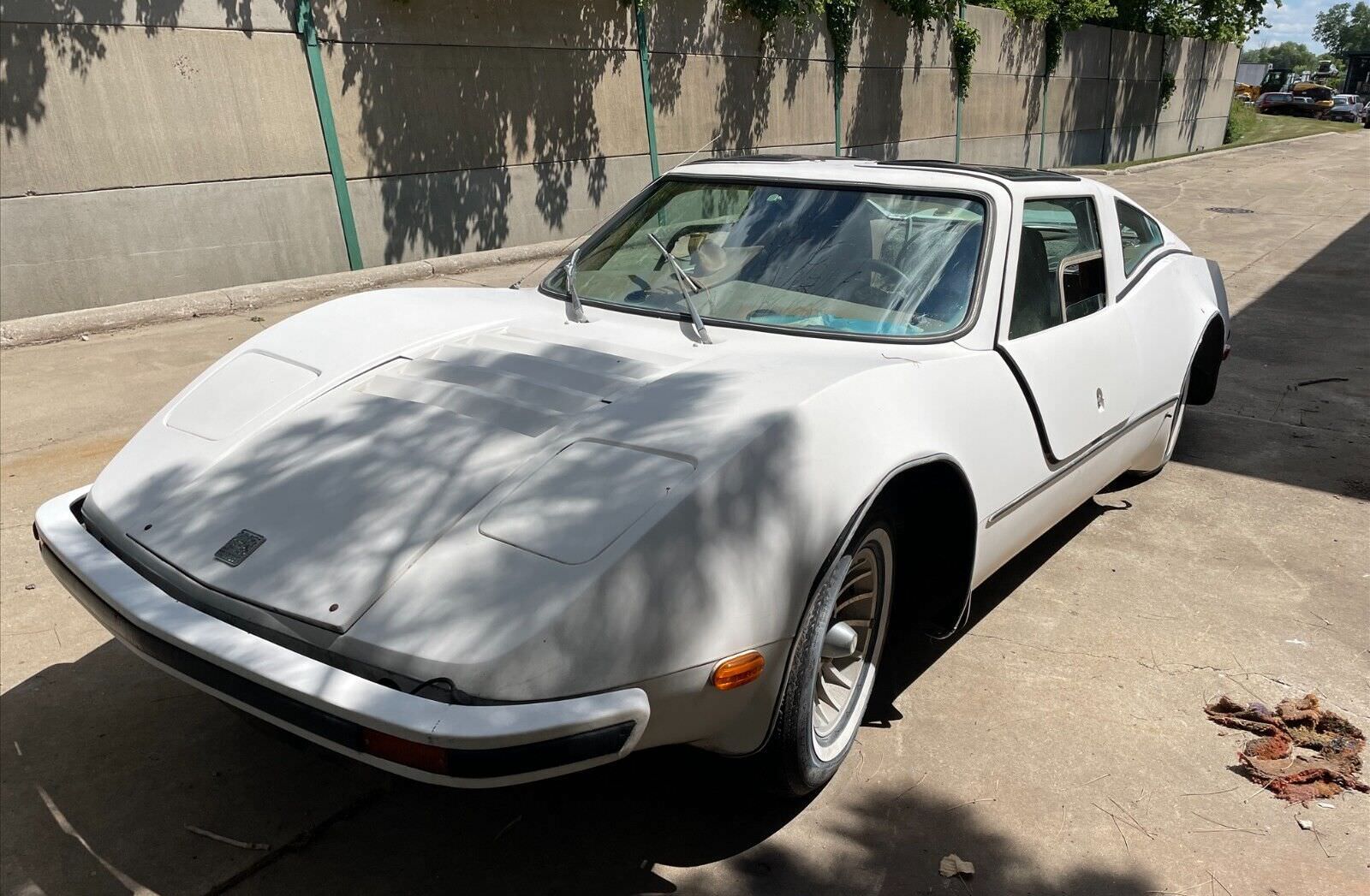
Bradley GTE Electric Car 1

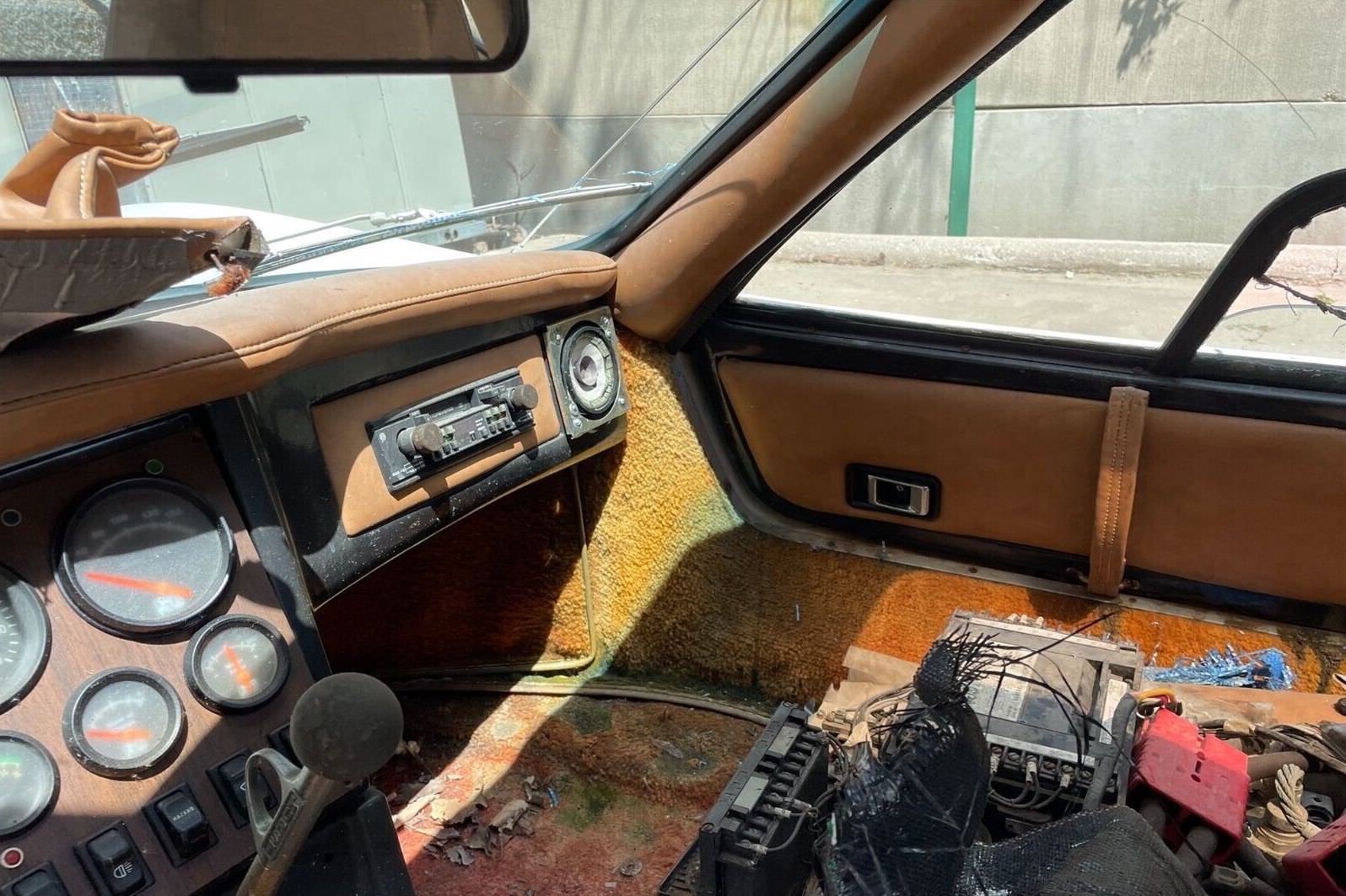
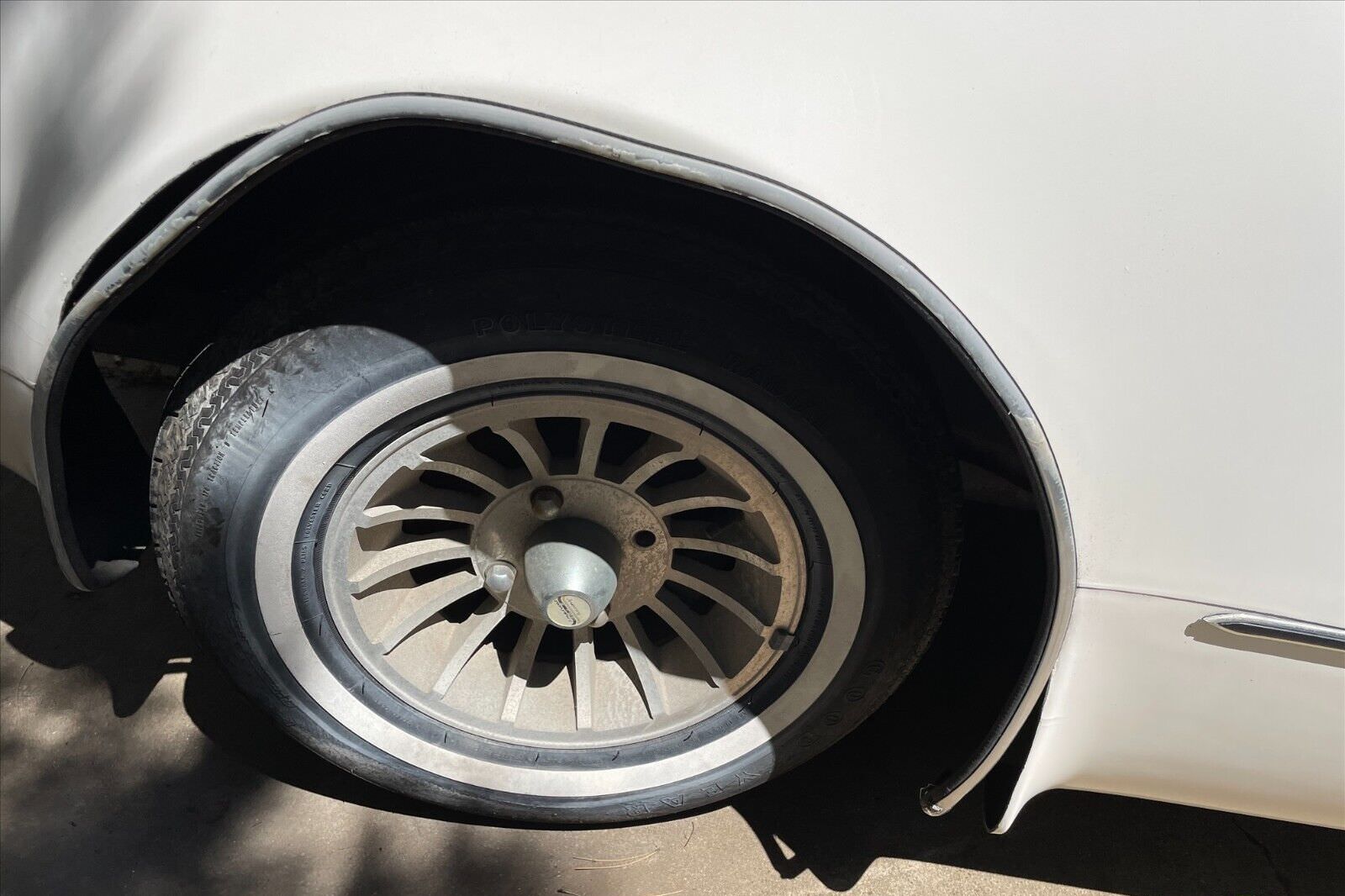
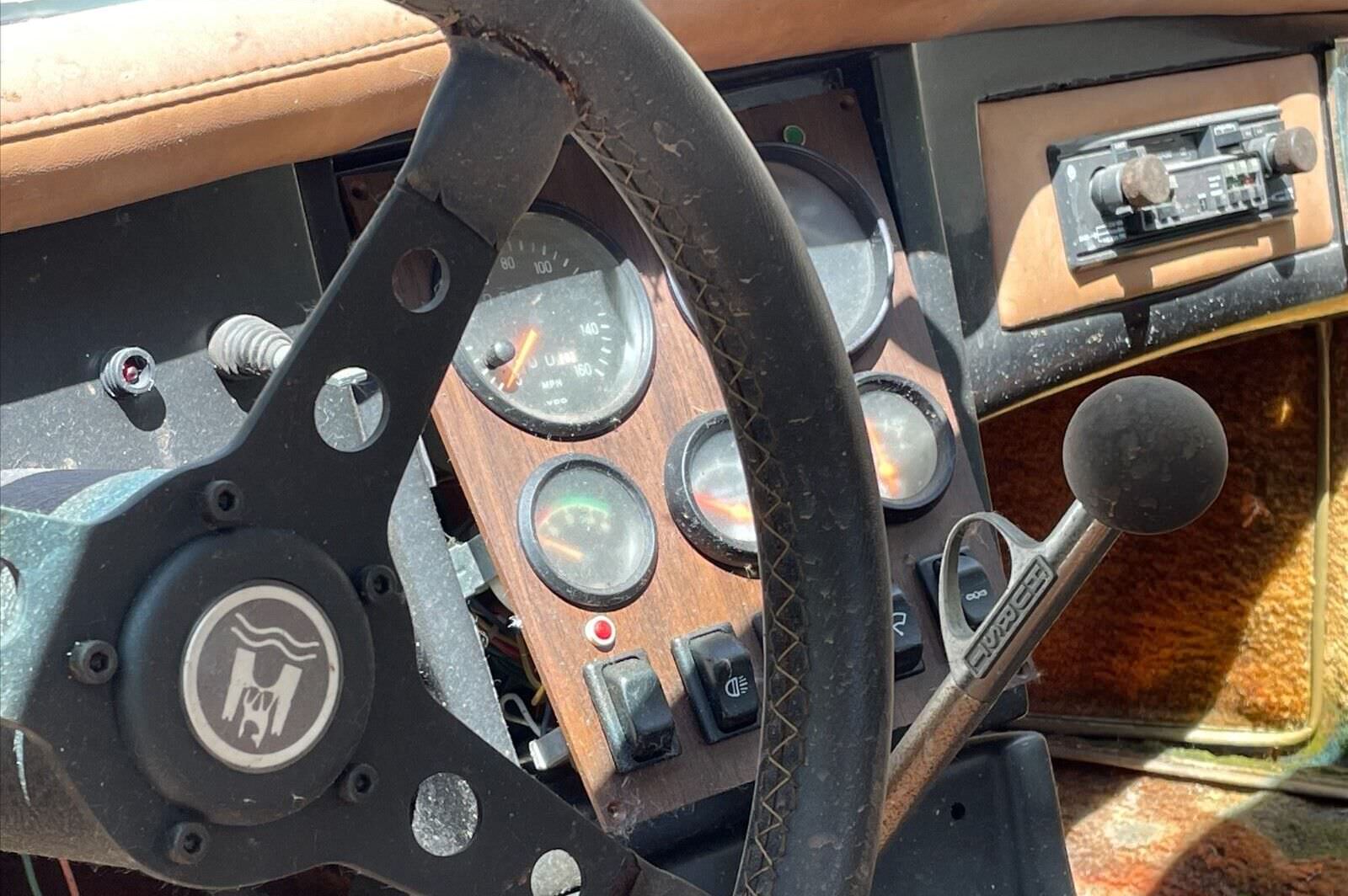
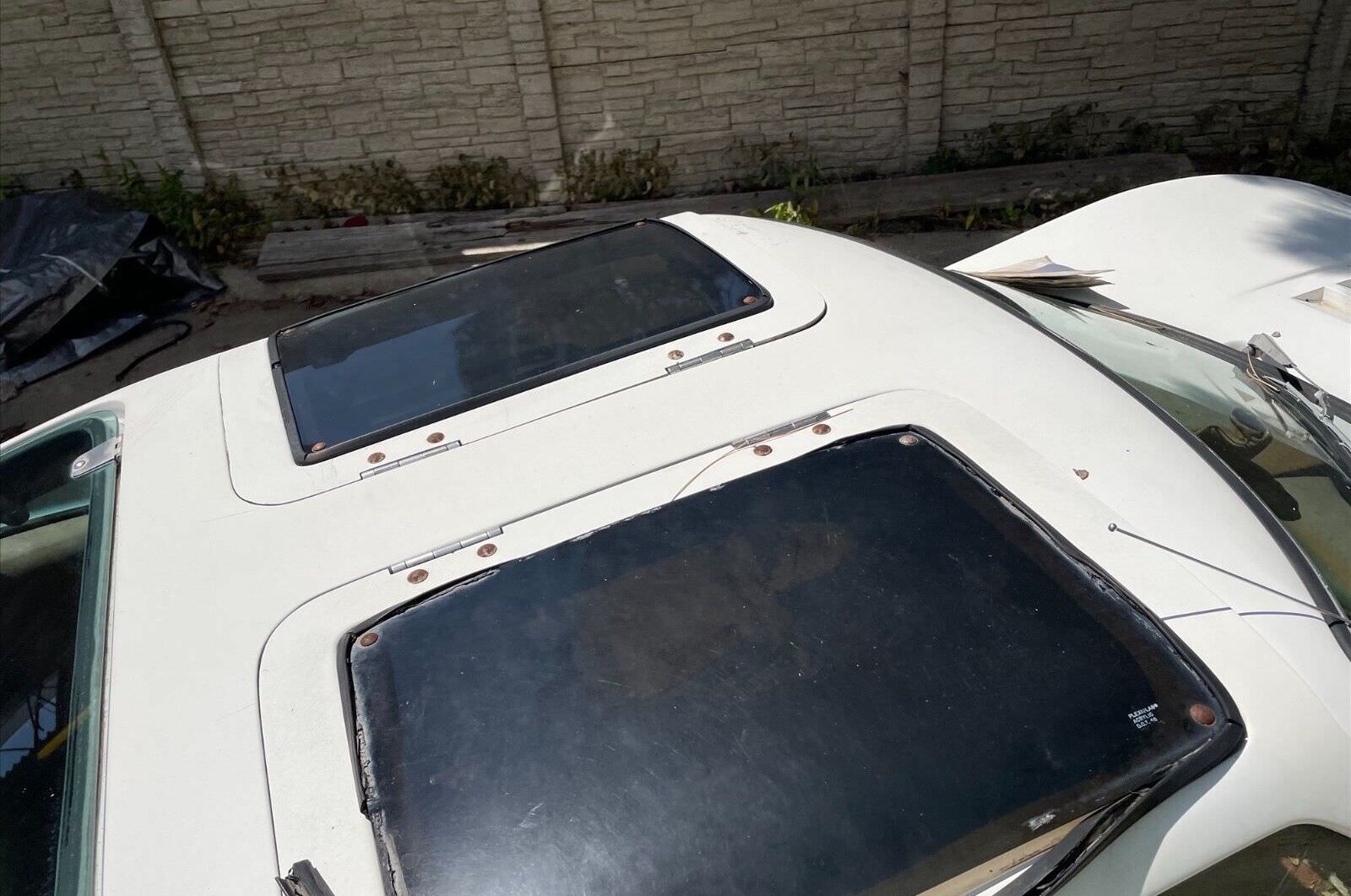
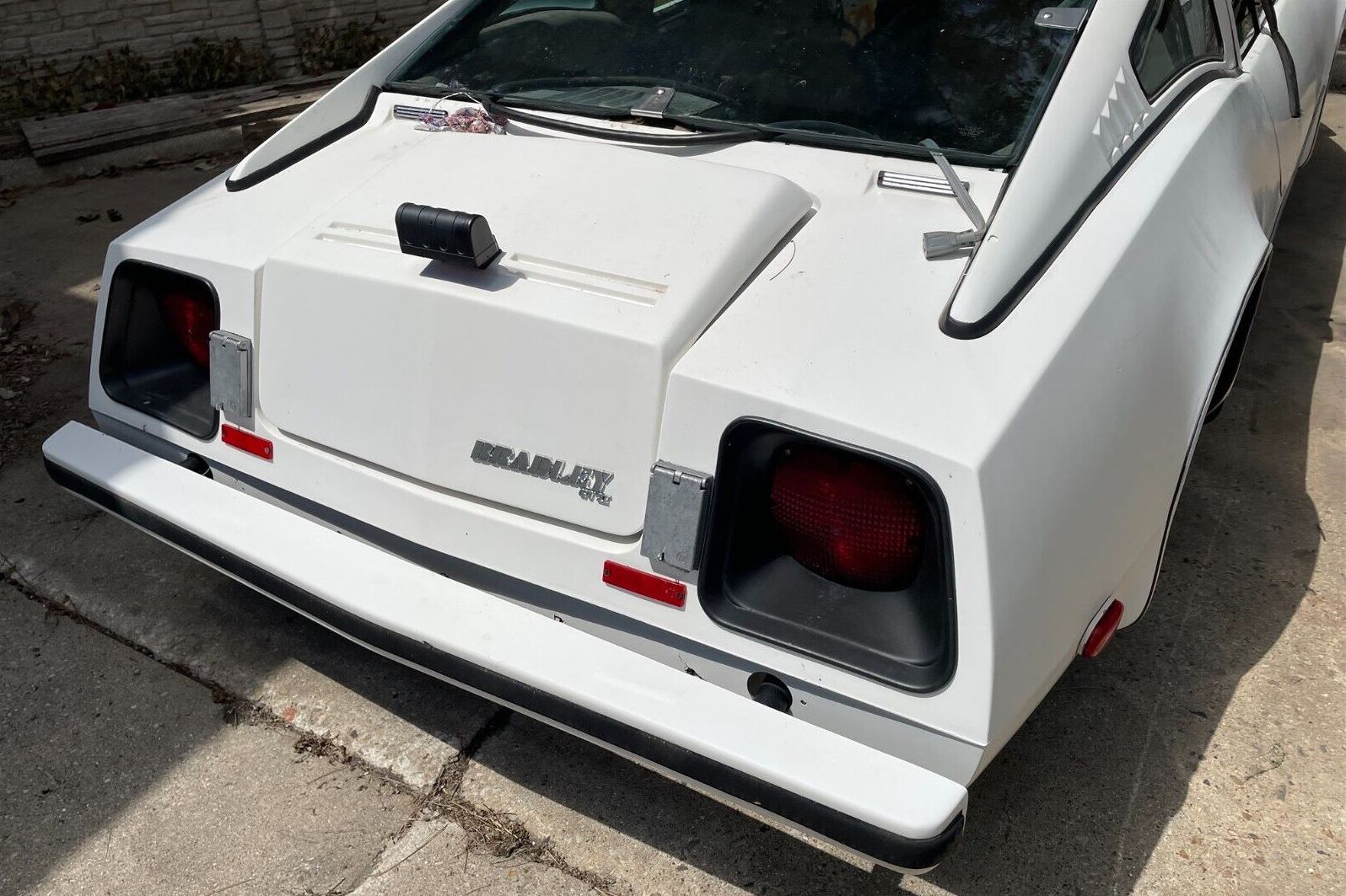
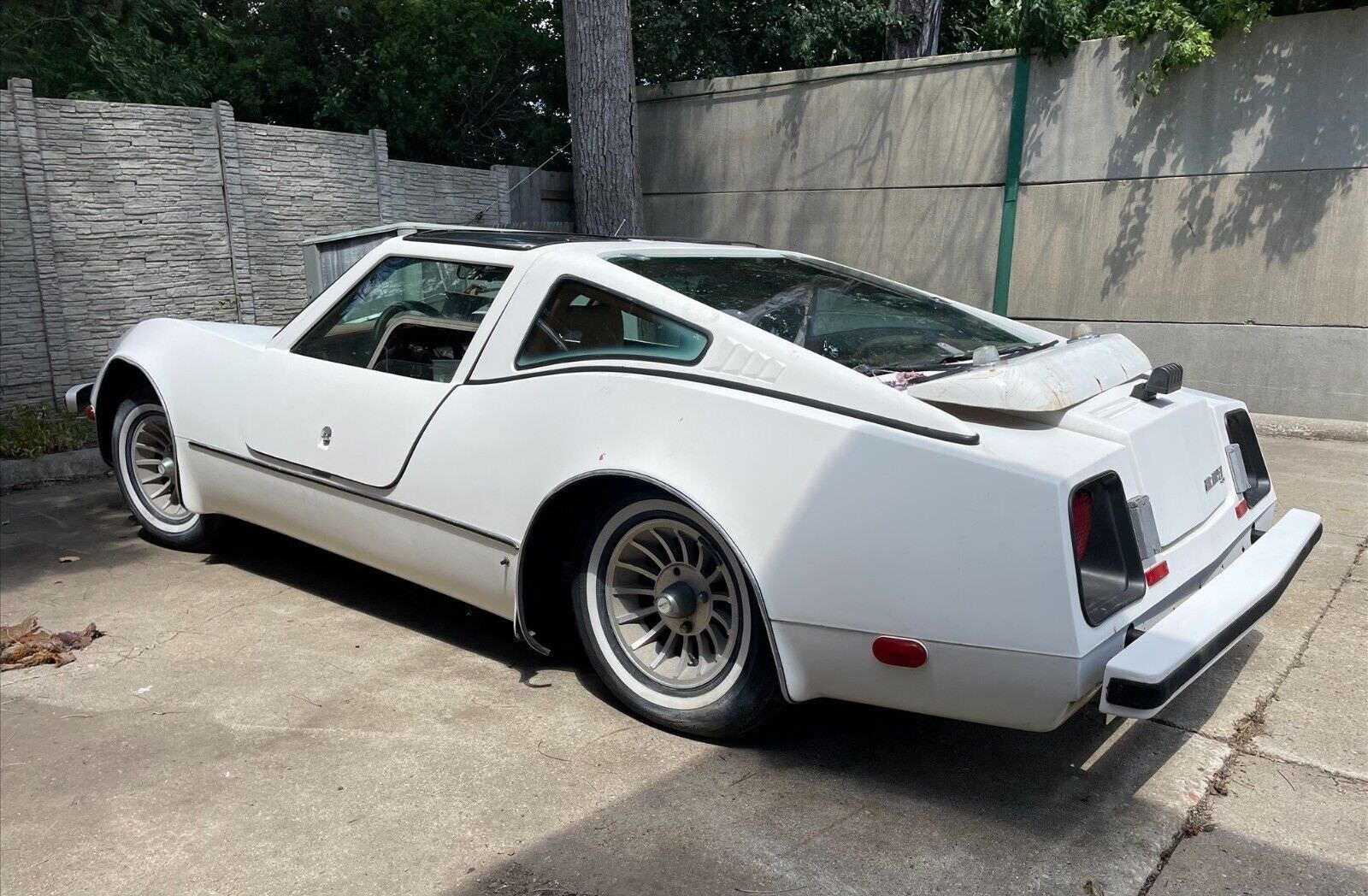
It’s clear that this Bradley GTE Electric will need a full, comprehensive restoration. Once it’s restored it’ll make a popular car at shows for people who want a glimpse into the history of electric car design.

Perhaps surprisingly the Bradley GT sold quite well, in fact by kit car standards it was a best seller. Celebrities owners included Liberace, Barry Goldwater, Gaylord Perry, Ed Begley Jr., and Jeff Dunham.

The appeal of the car was largely down to its sleek supercar looks, the fact that it looked expensive to many, and perhaps most importantly, the fact that it was cheap to build. The performance of the GT was somewhat lackluster due to the Beetle underpinnings, but it was more than adequate for summer boulevarde cruising.

Some owners did rework their cars to make them faster, different engines were fitted including bored-out Beetle engines, Corvair engines, and there are rumors that some cars even received old Porsche engines. One owner went so far as to rebuild his car around a gas turbine jet engine, creating what was probably the fastest Bradley ever made.

In 1975 a largely redesigned car named the Bradley GT II was released, it had been designed by industrial designer and former Shelby American employee John Chun. The GT II featured gullwing doors and vastly improved fit and finish throughout, the development costs were said to be over $1,000,000 USD.

By 1977 Bradley Automotive had six-figure net profits of over $6 million dollars however there were clouds looming on the horizon. A significant number of employees left to work for arch rivals Fiberfab, quality control issues began to grow in number, and by the late 1970s the company had filed for bankruptcy.
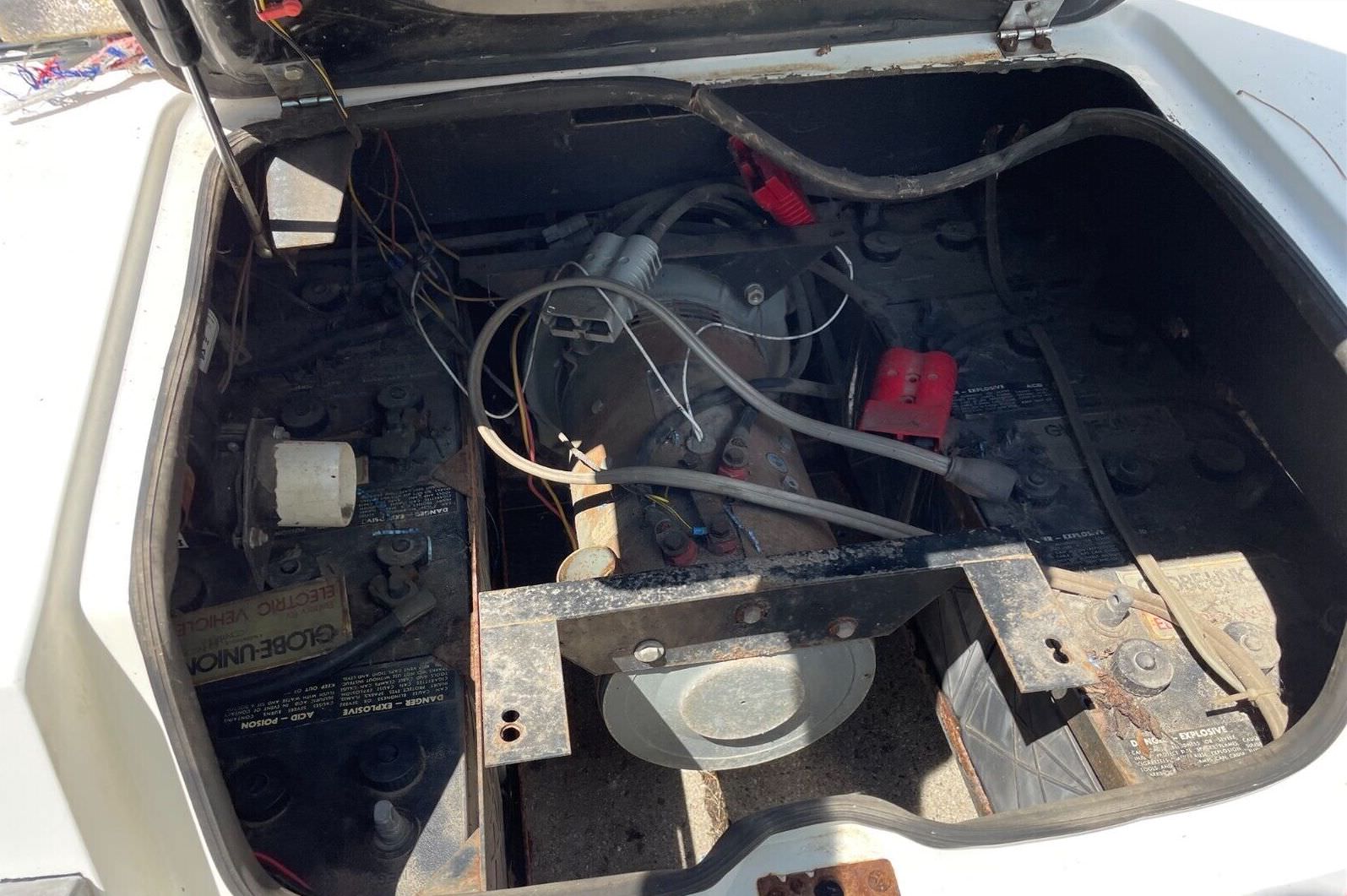
Bradley GTE Electric Car 7

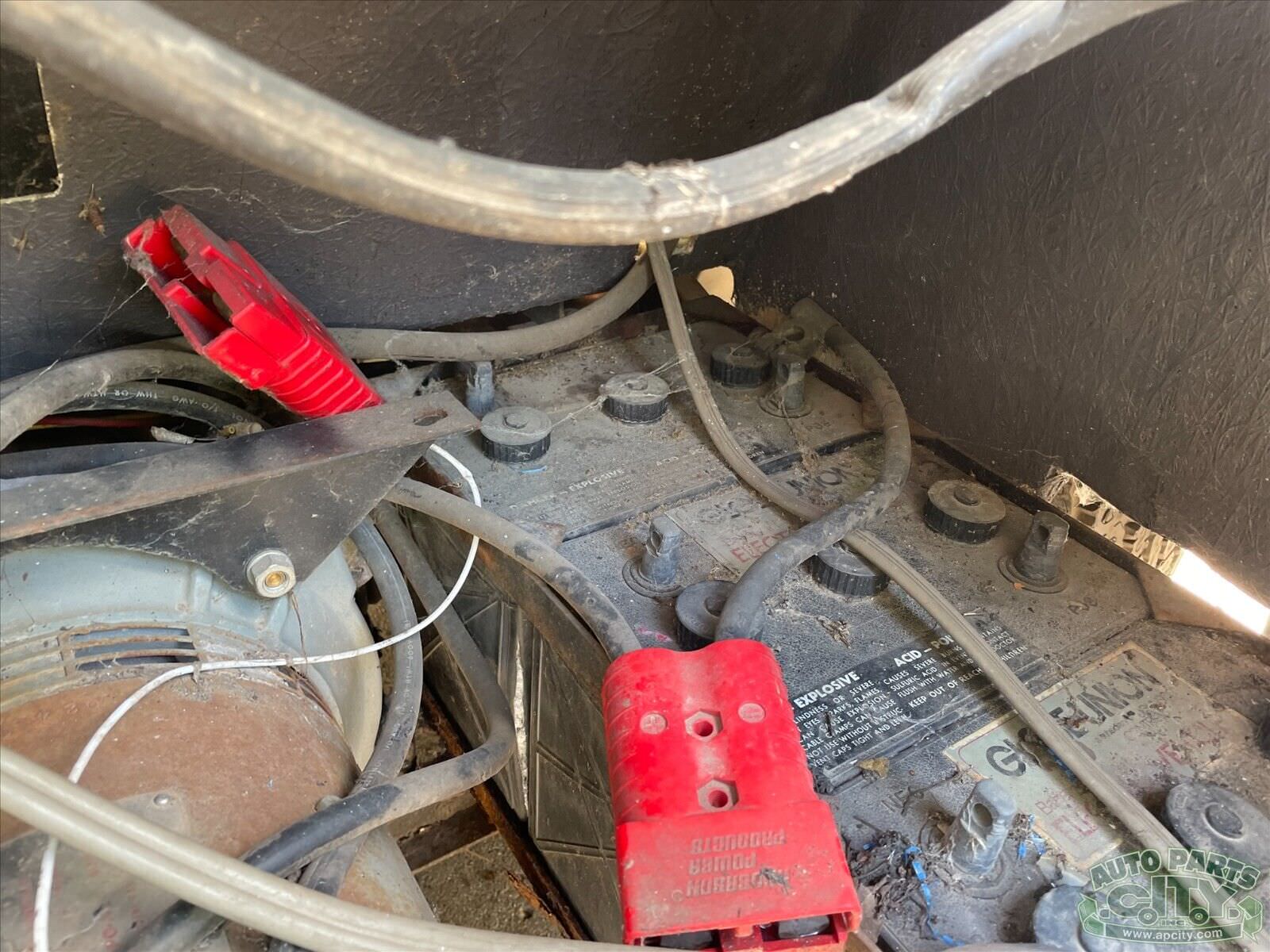
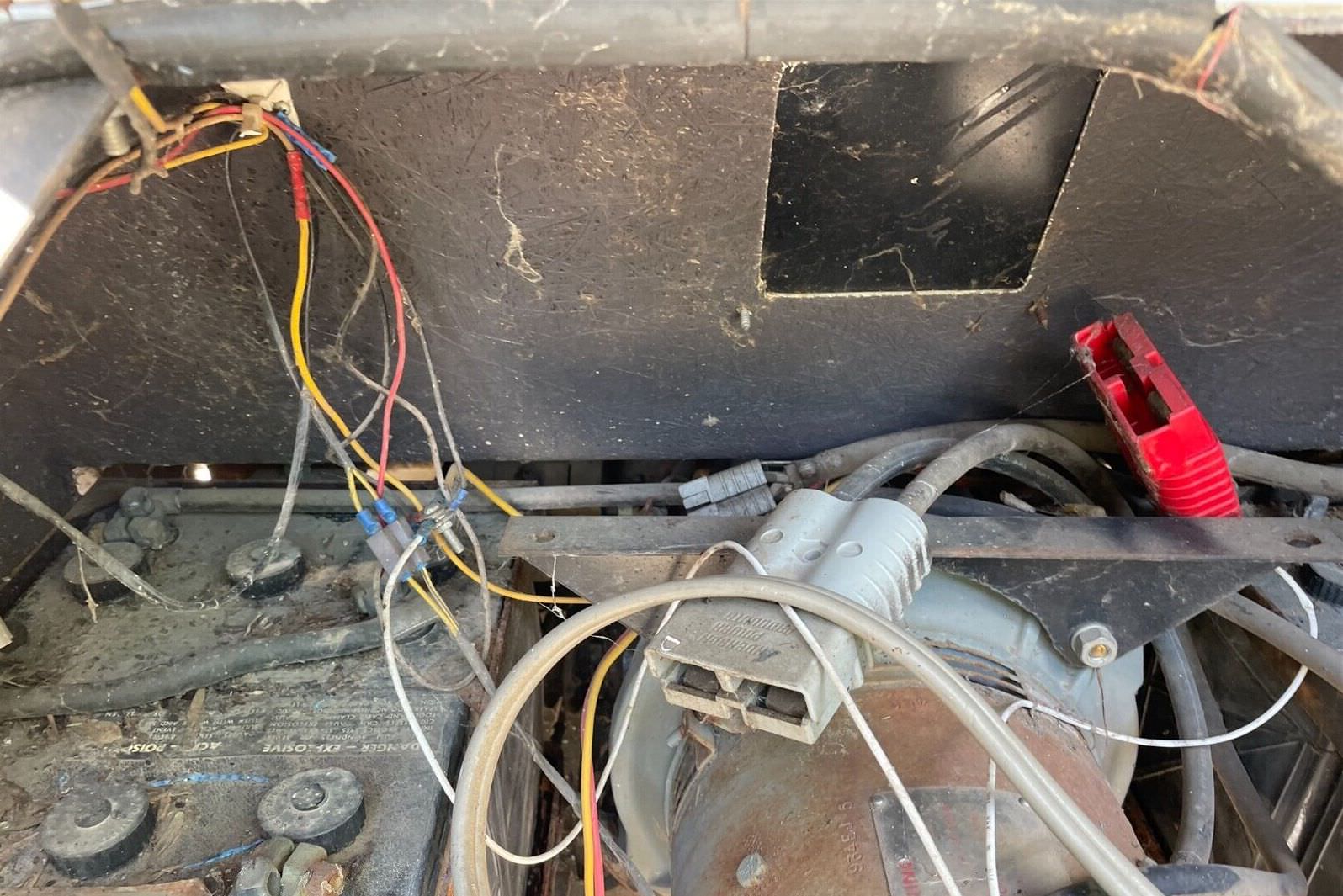
In the rear you can see batteries on either side connected in series, the General Electric Tracer I direct-traction motor is in the middle there where the VW Beetle engine would have been in the gas-powered cars.

This might have been the end of the story for Bradley, but the company still had one remarkably interesting car to come – the Bradley GTE Electric.

The Bradley GTE Electric

In 1980 while still operating under Chapter 11 from their earlier bankruptcy, Bradley announced a new model – the Bradley GTE Electric.

It was actually called the GTElectric at first, this was changed to GTE Electric, GTE II, and then to GTE, but for the sake of simplicity that middle name is now the most common.

The name changes weren’t limited to just the car, due to bad press Bradley Automotive changed its name to the Classic Electric Car Corporation, followed shortly by another name change to The Electric Vehicle Corporation (EVC).

The GTE Electric was based closely on the GT II, it kept the same body and VW Beetle chassis/running gear but in place of the original German flat-four you’d find a General Electric Tracer I direct-traction motor and a GM EV-1 motor controller.

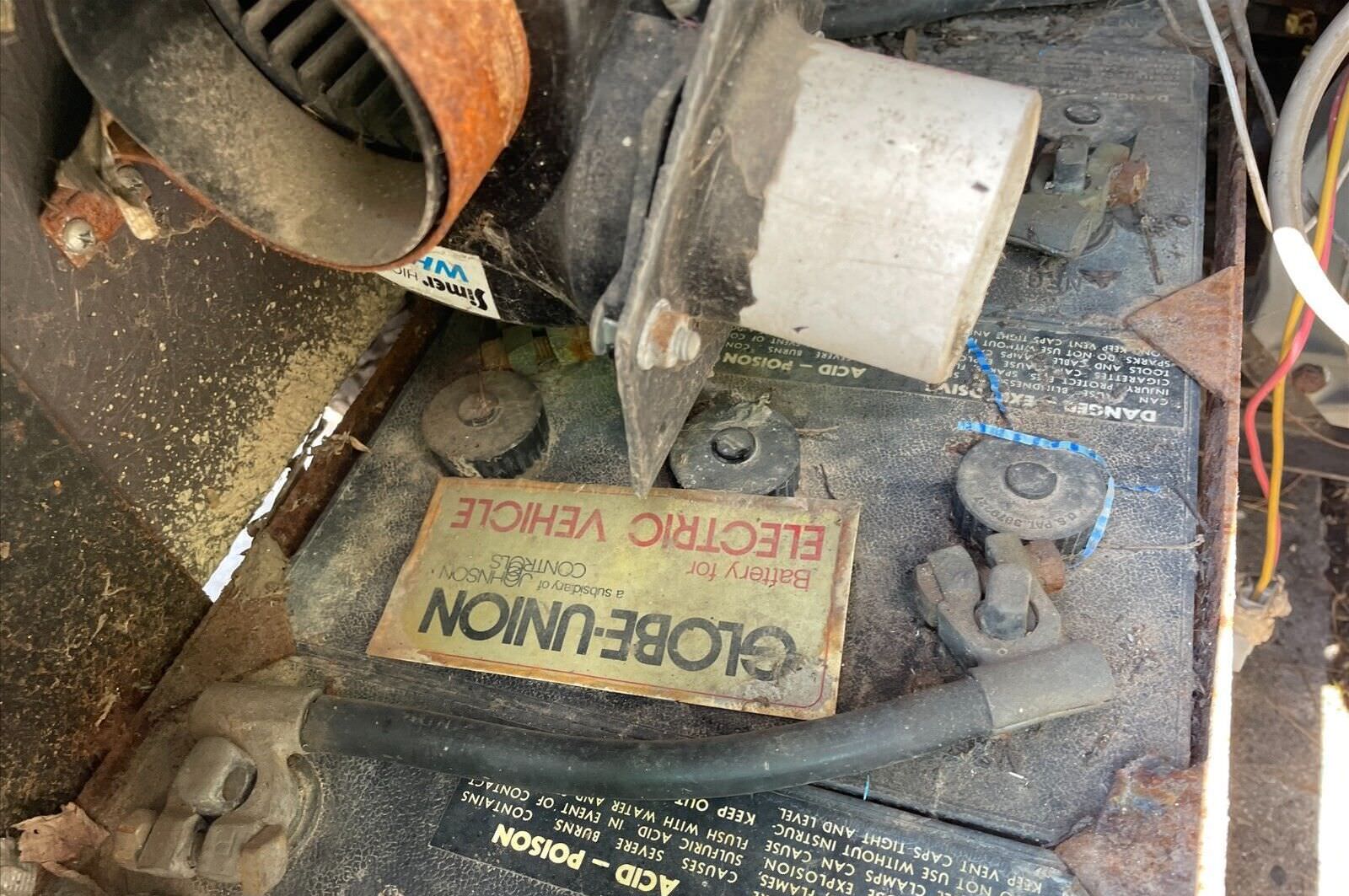
Electricity was provided by a bank of 16 x 6 volt batteries which were connected in series for a total of 96 volts. Inside the car the driver could select either “Boost” mode or “Cruise” mode, Boost gave them the full 96 volts and Cruise provided 48 volts – less power but more range.

According to period advertisements (shown below) the batteries could be fully recharged in 7 to 8 hours at a cost (in the early 1980s) of approximately 40 cents. There is no mention of the car’s range, though that was likely a deliberate omission.
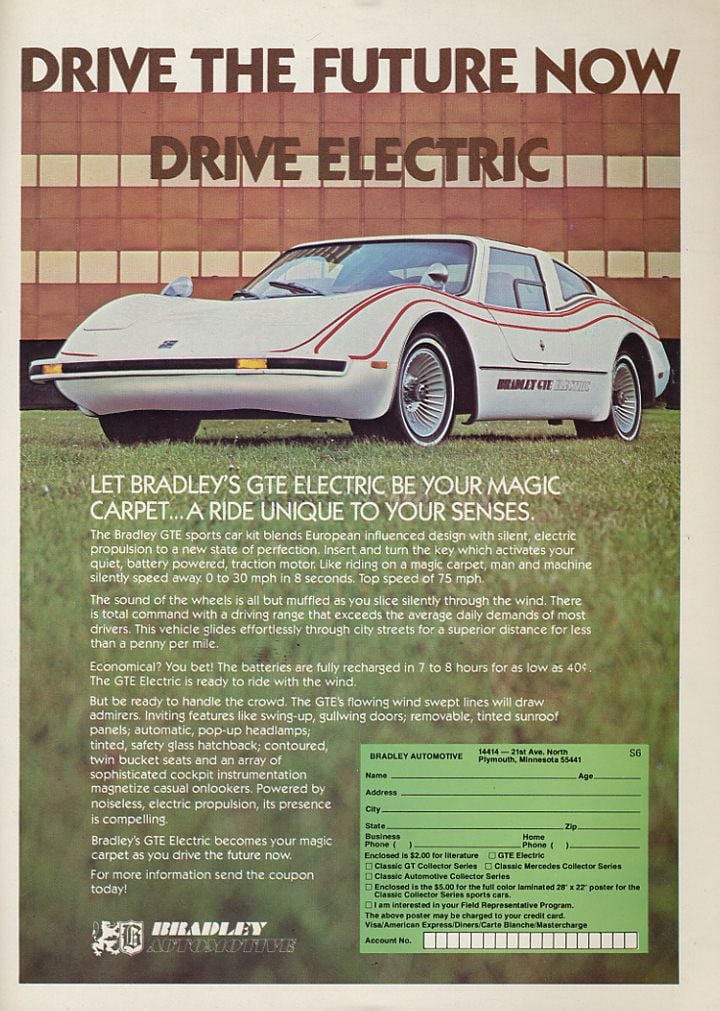
Bradley GTE Electric Car Brochure

This is a period magazine advertisement from the early 1980s, it shows you how the car would have looked when brand new and extolls its virtues.

The car contained an additional battery, the 17th, but it was a more standard 12 volt car battery used to run all the car’s electrical needs, things like headlights, indicators, brake lights, windscreen wipers, etc.

Power from the GE motor wasn’t breathtaking, it produced just 15.4 kW or 20.7 horsepower in 96 volt Boost mode, but the low weight of the GTE Electric resulted in a claimed top speed of 75 mph (120.7 km/h).

In all it’s believed that just 50 examples of the GTE Electric were made in total, no one knows how many have survived but it can’t be many – the example we’re showing in this article is the only one we’ve ever seen for sale.

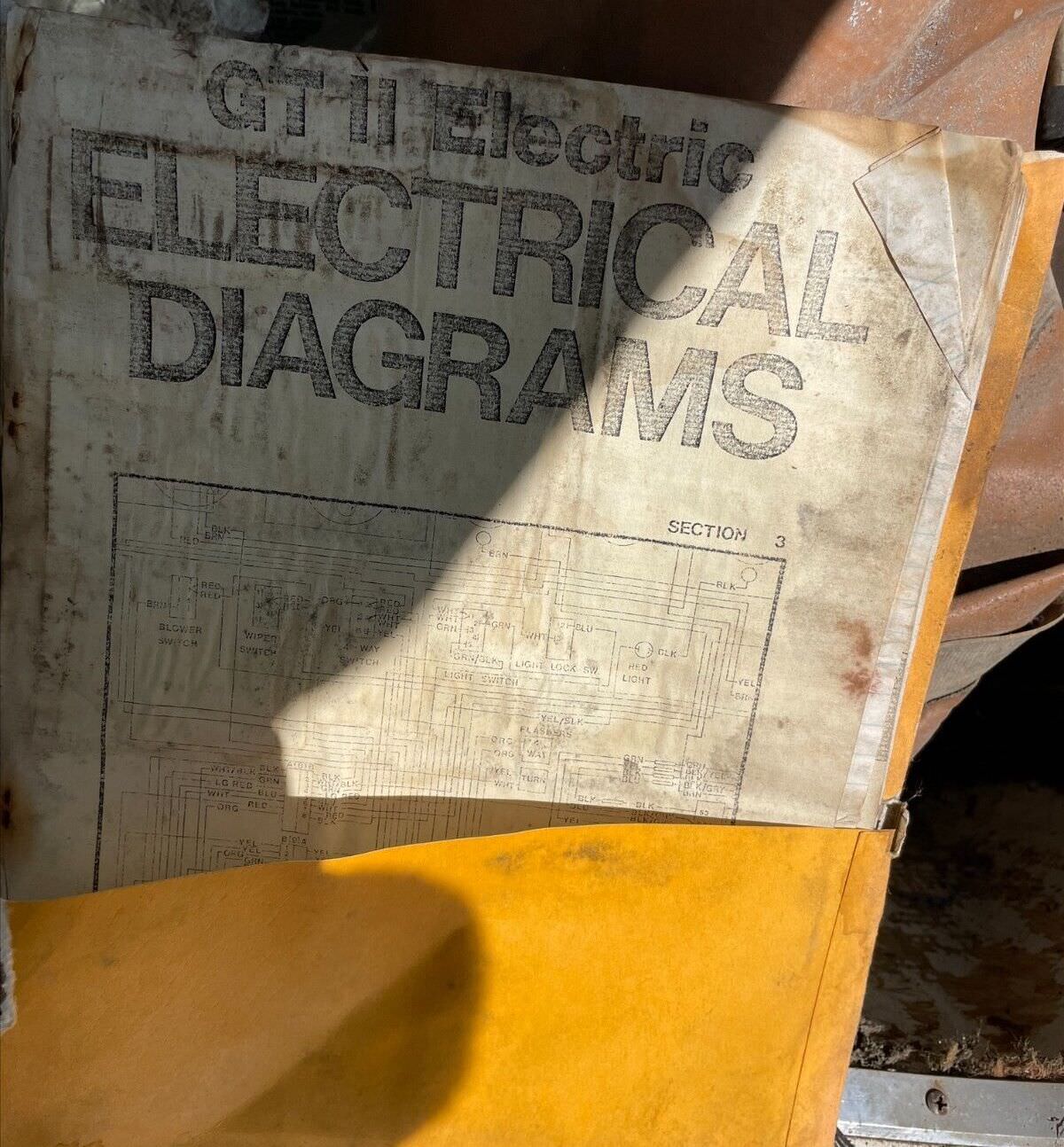
It’s clear that this is a project car, all the major parts do appear to be accounted for including the electric motor and batteries – though of course they’ll need replacing by now as it’s been 42 years since the car was made.

In the coming years it’ll be interesting to see if unusual low-volume electric production cars like this begin to become desirable, as electric cars become more and more mainstream and general interest in their forebears grows.

If you’d like to read more about the car or make an offer you can visit the listing here. It’s being sold out of Gurnee, Illinois with a Buy It Now price of $4,900 USD.
Bradley GTE Electric Car 2

The styling of the GT II body was hugely popular when it was released in the 1970s. It gave everyone the chance to own a gullwing sports car, though of course the performance was a little on the slow side.
Bradley GTE Electric Car 13 Bradley GTE Electric Car 12 Bradley GTE Electric Car 11 Bradley GTE Electric Car 10 Bradley GTE Electric Car 9 Bradley GTE Electric Car 8 Bradley GTE Electric Car 6 Bradley GTE Electric Car 4 Bradley GTE Electric Car 3 Bradley GTE Electric Car 18 Bradley GTE Electric Car 17 Bradley GTE Electric Car 16 Bradley GTE Electric Car 15 Bradley GTE Electric Car 14

Images courtesy of AP City Inc.
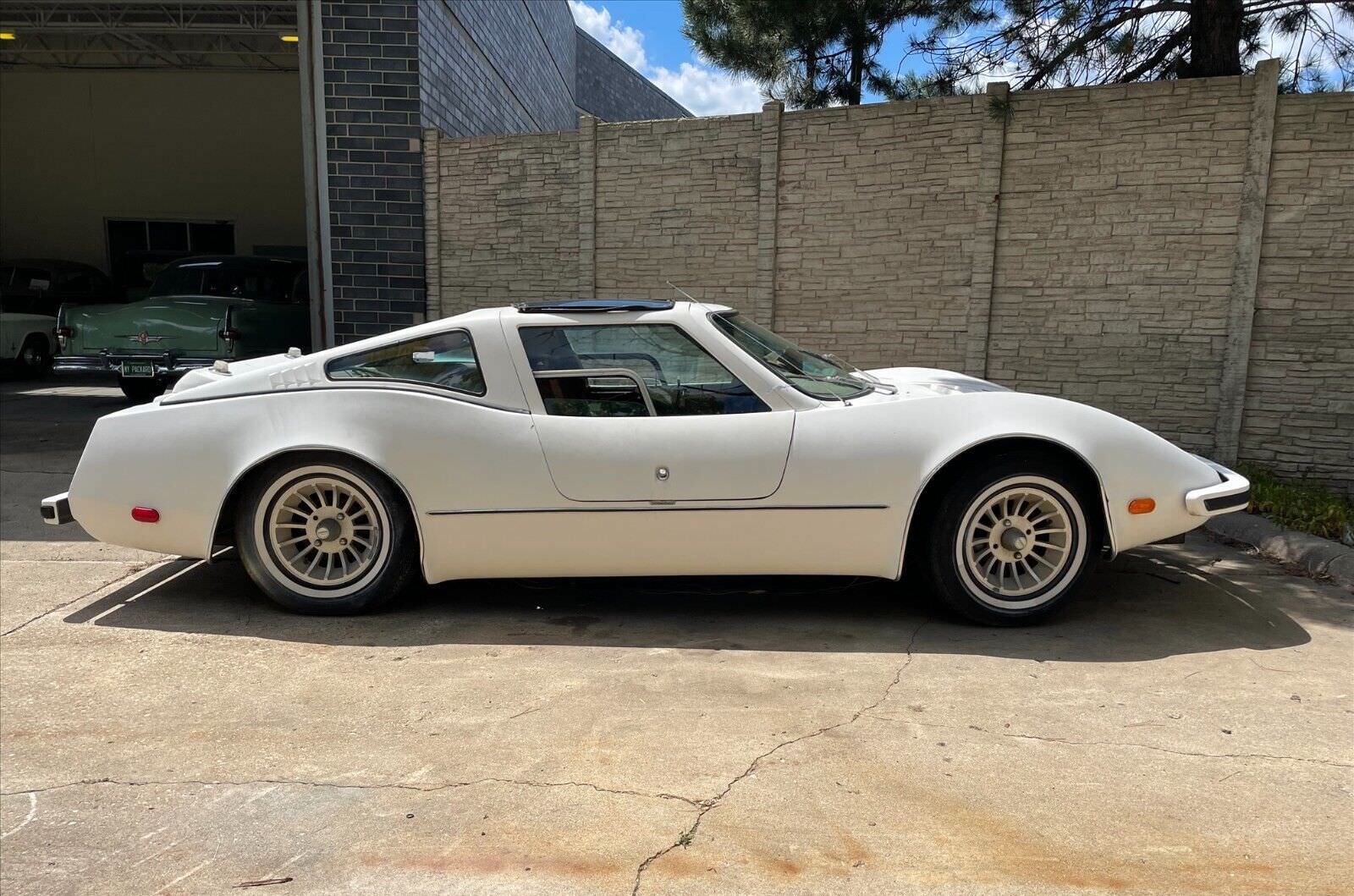
Bradley GTE Electric Car

The post Unusual Project Car: A Rare Bradley GTE Electric From 1980 appeared first on Silodrome.


from Silodrome https://silodrome.com/bradley-gte-electric-car/
via gqrds

A Restored David Bradley “Sport Kart” From 1959

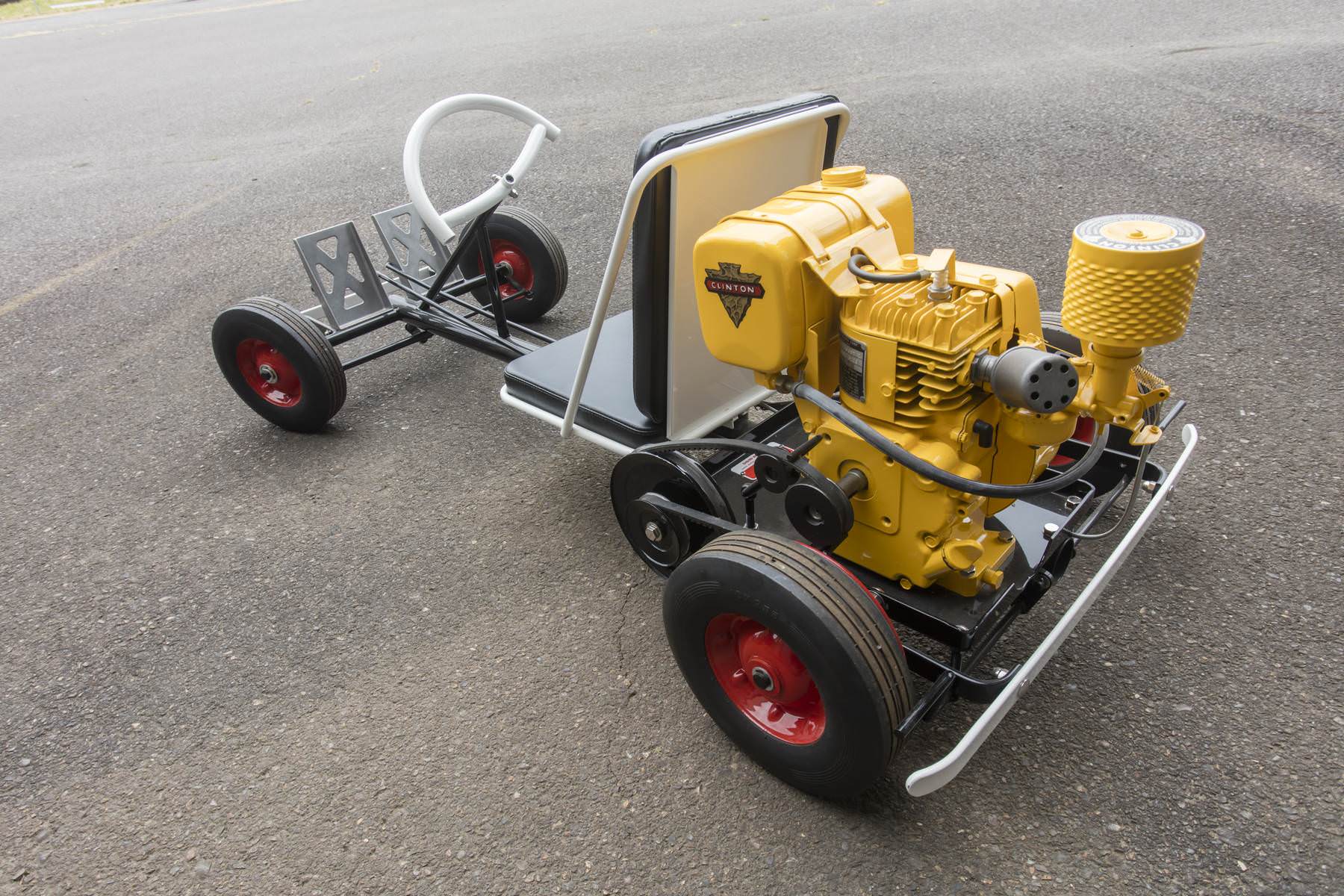
This is an original David Bradley “Sport Kart” from 1959, it was created just three years after the go kart had first been invented by Art Ingels in Los Angeles in 1956.

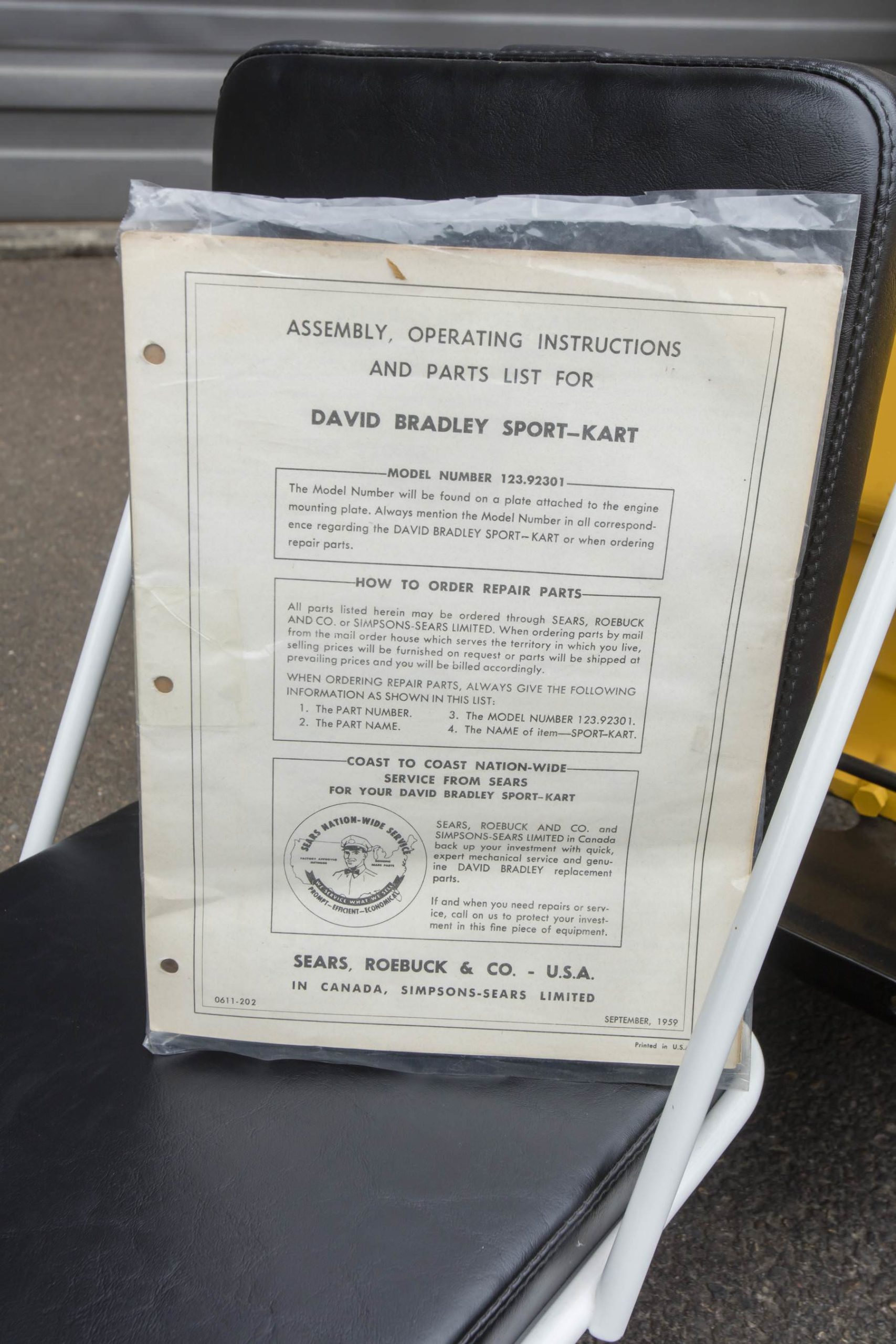
With the advent of the go kart Sears wasted no time in selling their own version designed and built by their wholly-owned subsidiary David Bradley, they made it available for nationwide delivery through their catalogue.

Fast Facts – The David Bradley “Sport Kart”

  • The David Bradley Manufacturing Company was founded in 1884 by David Bradley and Conrad Furst , it was originally called Furst and Bradley however the Bradley family bought out Furst sometime later and changed the name.
  • The company became one of the largest manufacturers of farming and gardening equipment in the country, they would later become famous for their ride on mowers and their walk-behind, two-wheel garden tractors.
  • In 1910 the company was bought out by Sears, after which their products began appearing in the nationally famous Sears catalogue.
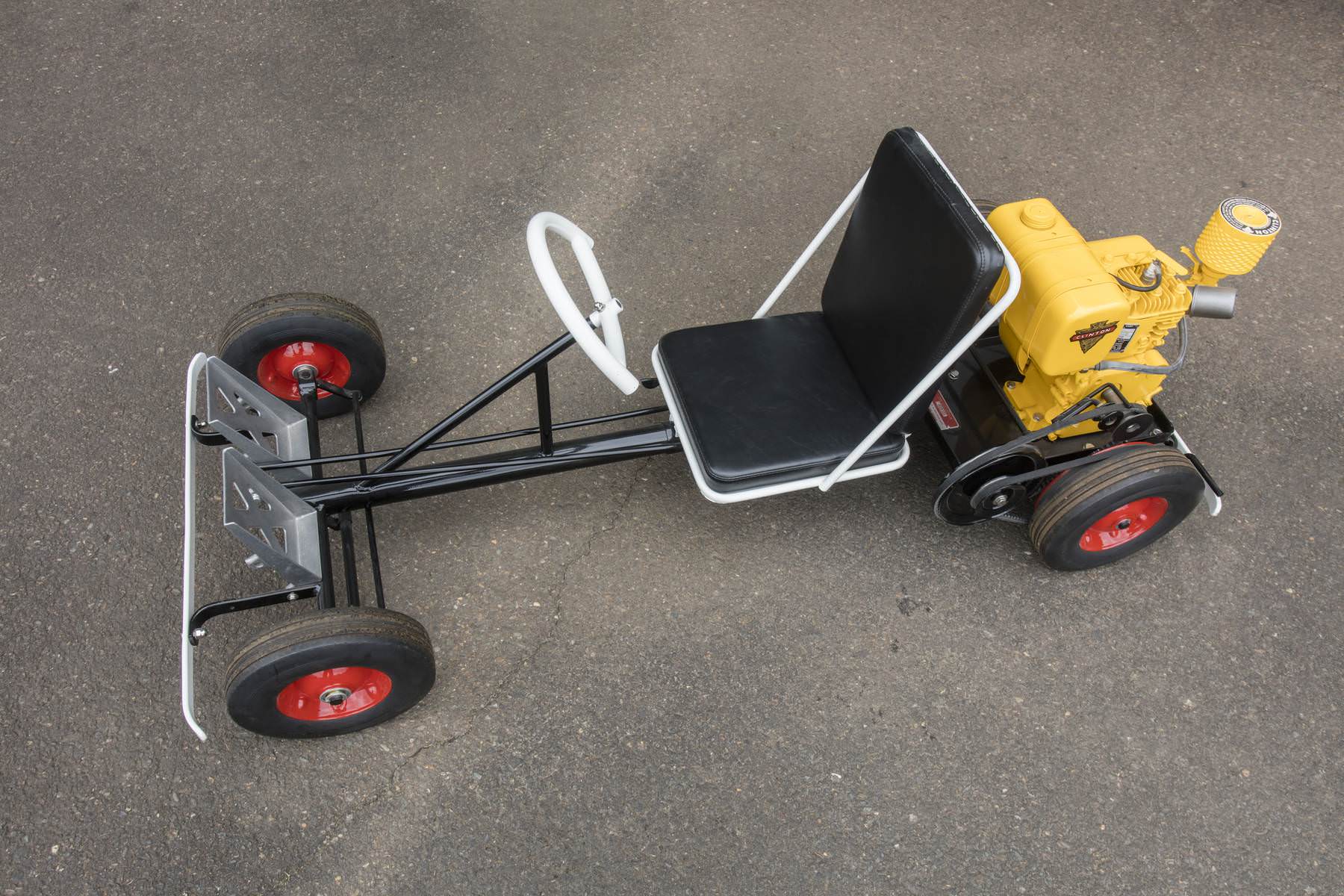
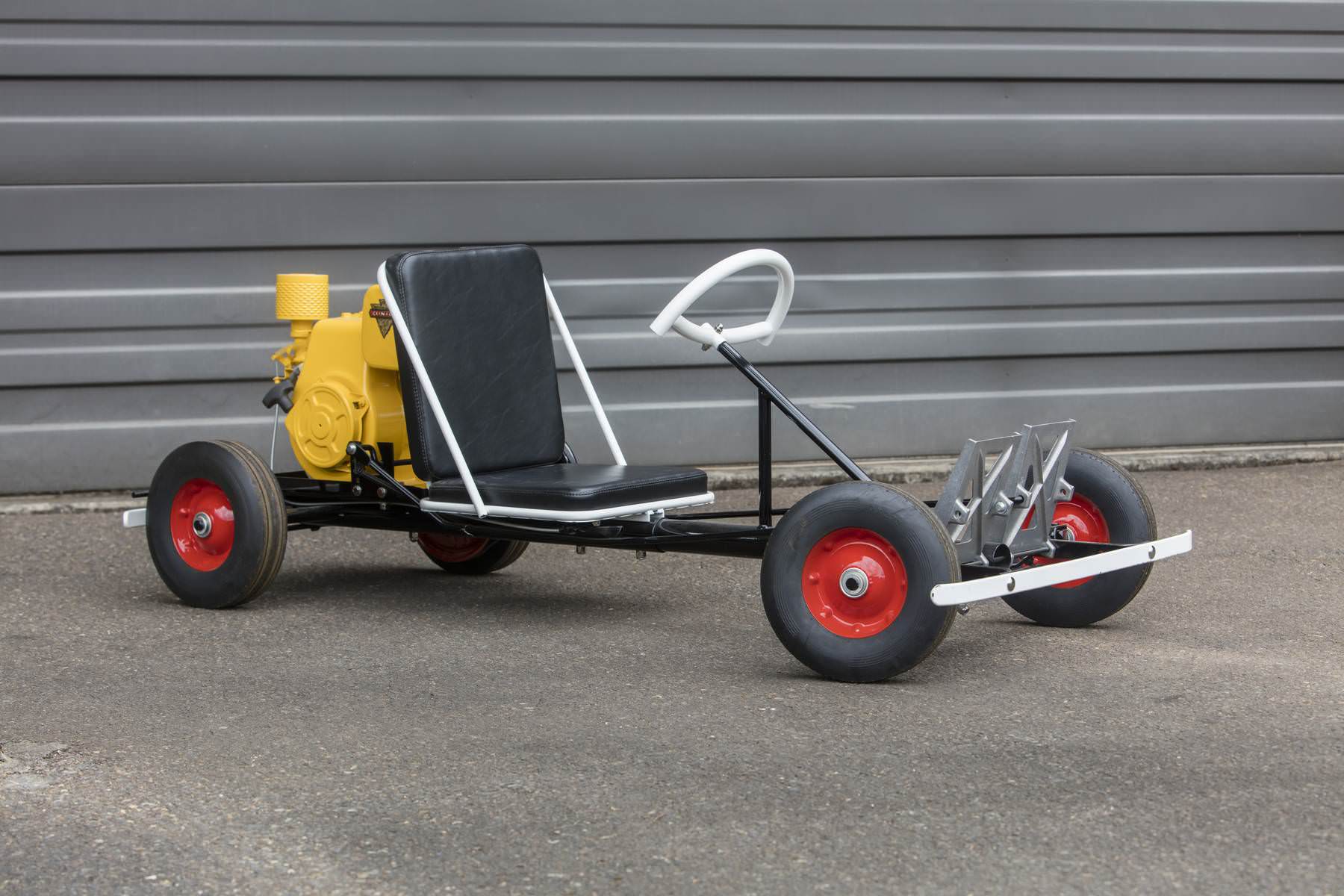
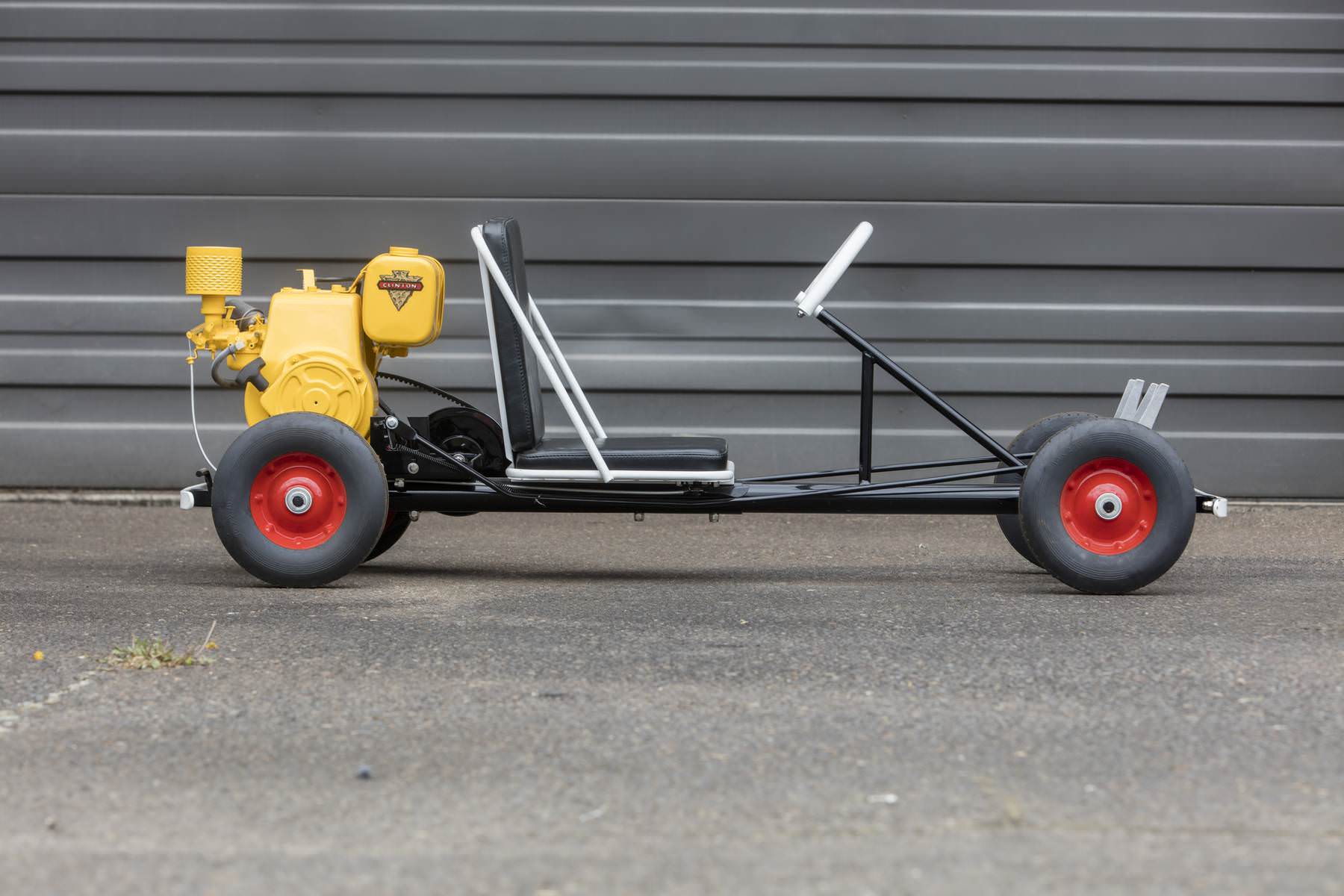
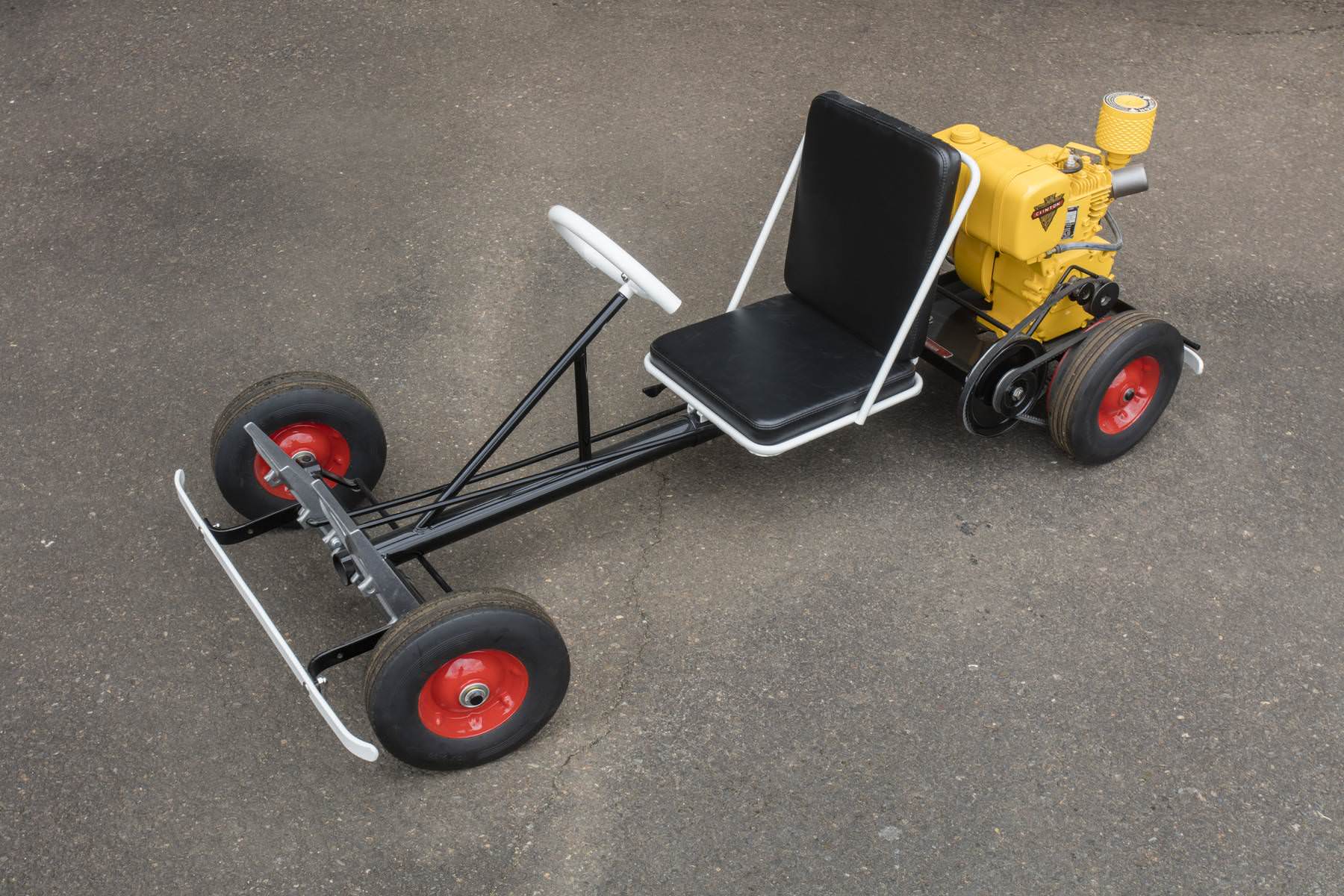
  • David Bradley developed their own version of the go kart in the late 1950s and sold it through the catalogue. It was powered by a simple Clinton single-cylinder engine with power sent to the rear wheels via a belt drive.

The Arrival Of The Go Kart

The genius of Art Ingels go kart design lay mainly in its simplicity. Anyone with basic welding ability could create one, and many of the parts needed could be sourced from pre-existing machinery – like lawn mowers which often supplied the engines.

David Bradley Sport Kart Vintage Go Kart 7

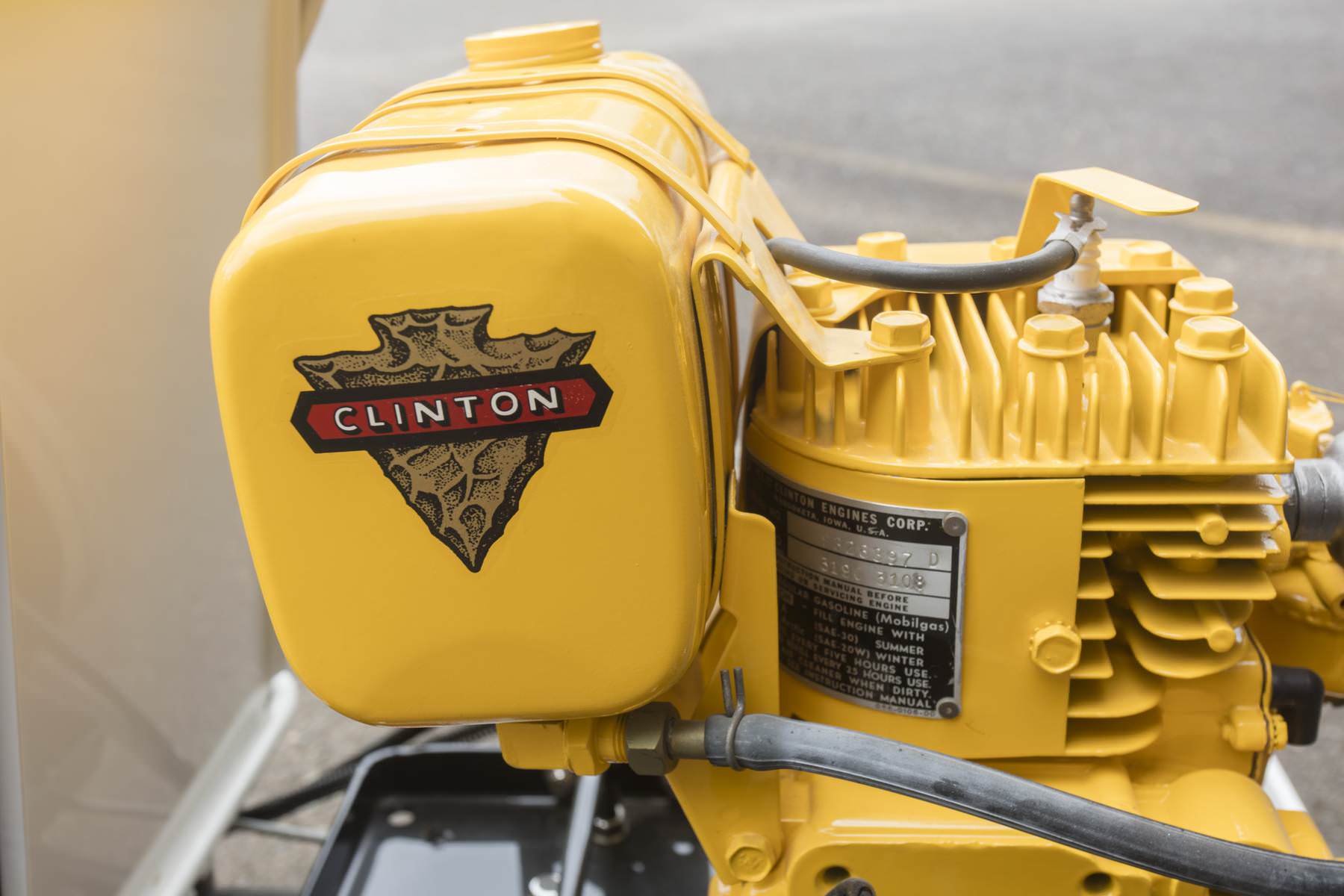
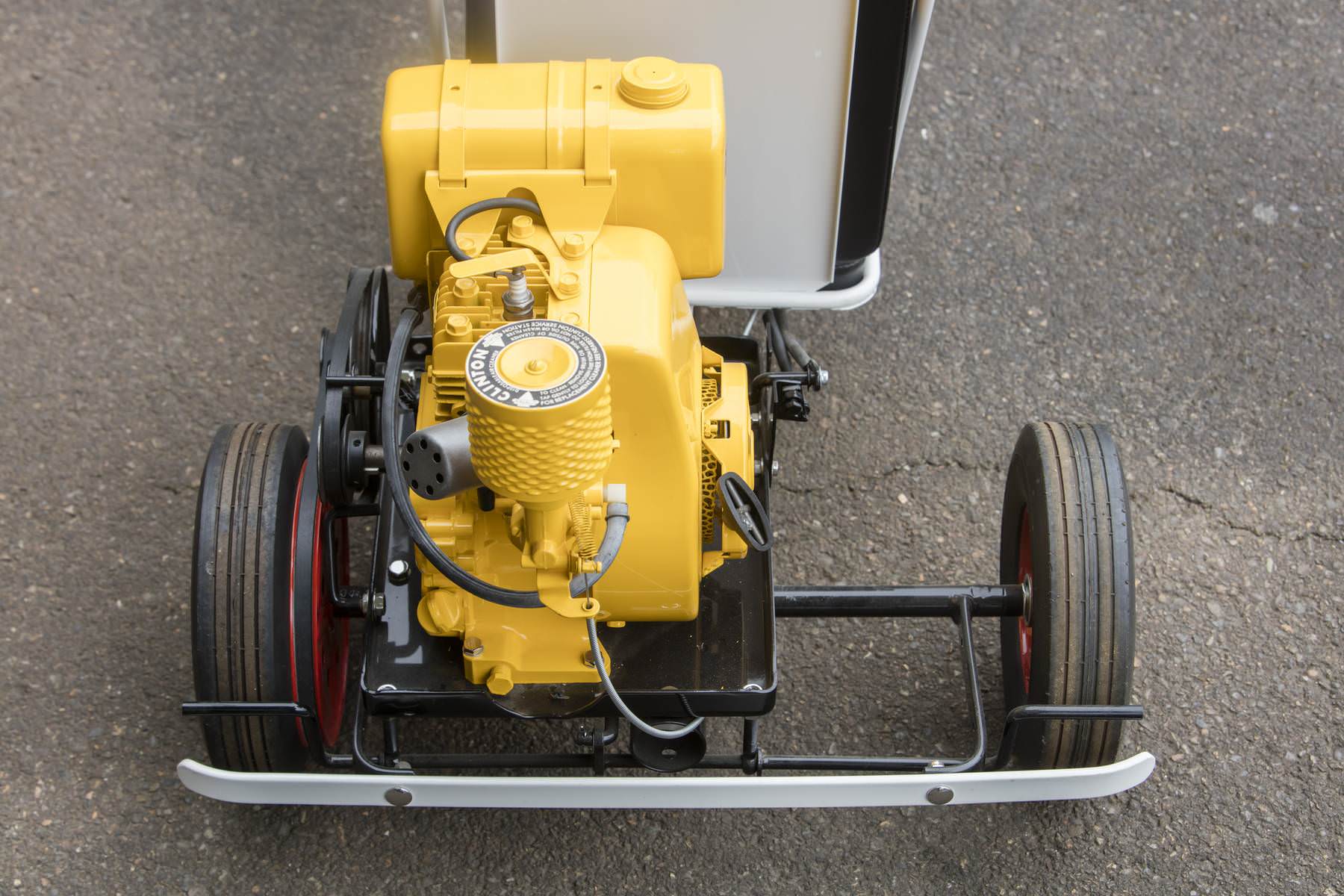
The kart is powered by an original Clinton engine from the 1950s. Clinton was one of the biggest small engine manufacturers in the country at the time.

The popularity of the go kart took off like wildfire, first on the West Coast and then nationwide with the first official race taking place in the parking lot of the Rose Bowl in Pasadena, California with several dozen home-built go karts of various shapes and sizes taking part.

Before long there were local, state, and national racine leagues, followed by international championships that are still running today.

The key thing that holds many people back from getting into motorsport is the high costs that are typically involved. Go karts suddenly removed this barrier due to their extremely low costs to buy, race, and maintain.

As a result many generations of world champion racing drivers started their careers in karting.

The David Bradley Sport Kart

The David Bradley Sport Kart was one of the first mass-produced go karts in the world, it was designed and built by the David Bradley Manufacturing Company which had been acquired by Sears, Roebuck and Company in 1910.

David Bradley Sport Kart Vintage Go Kart 2

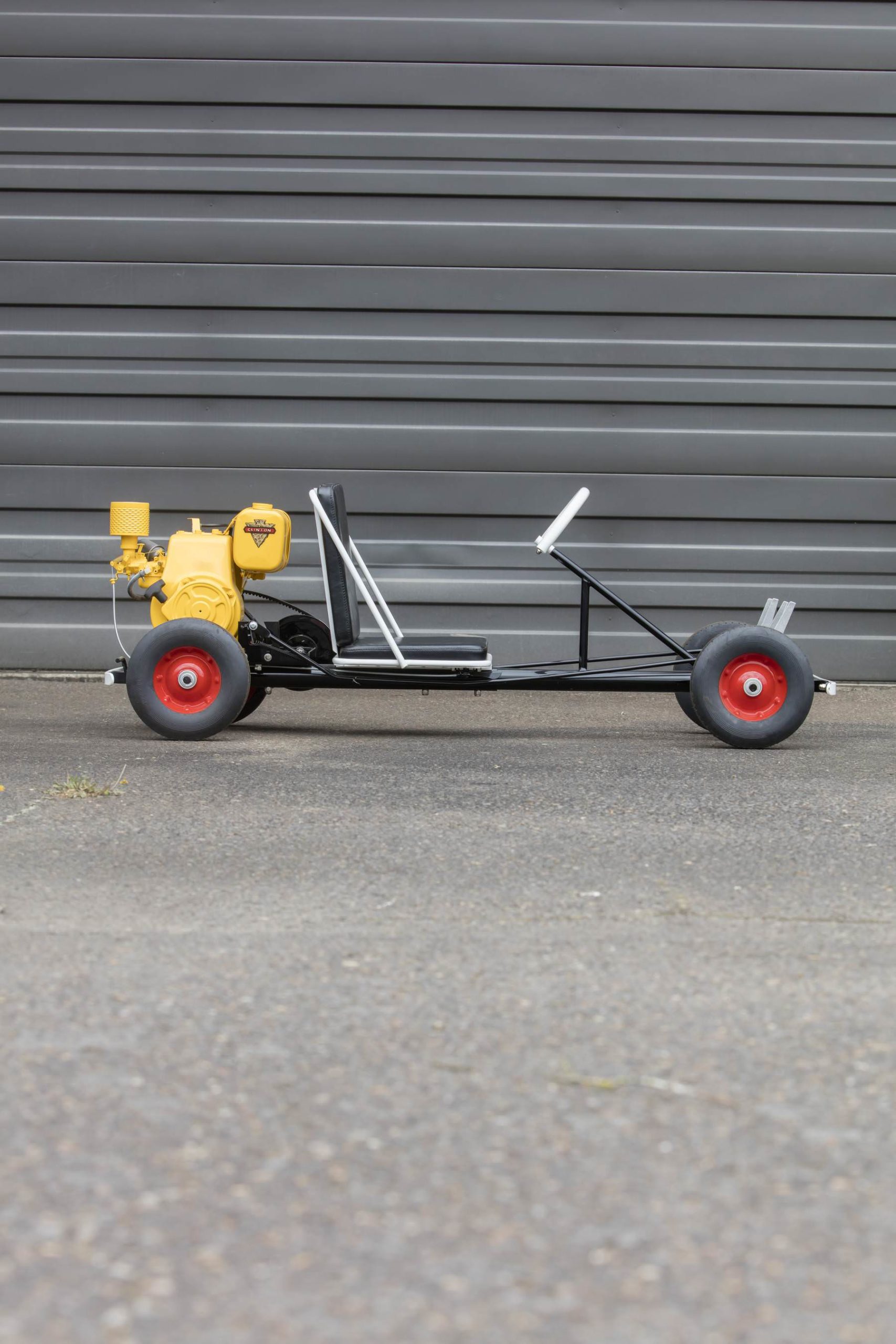
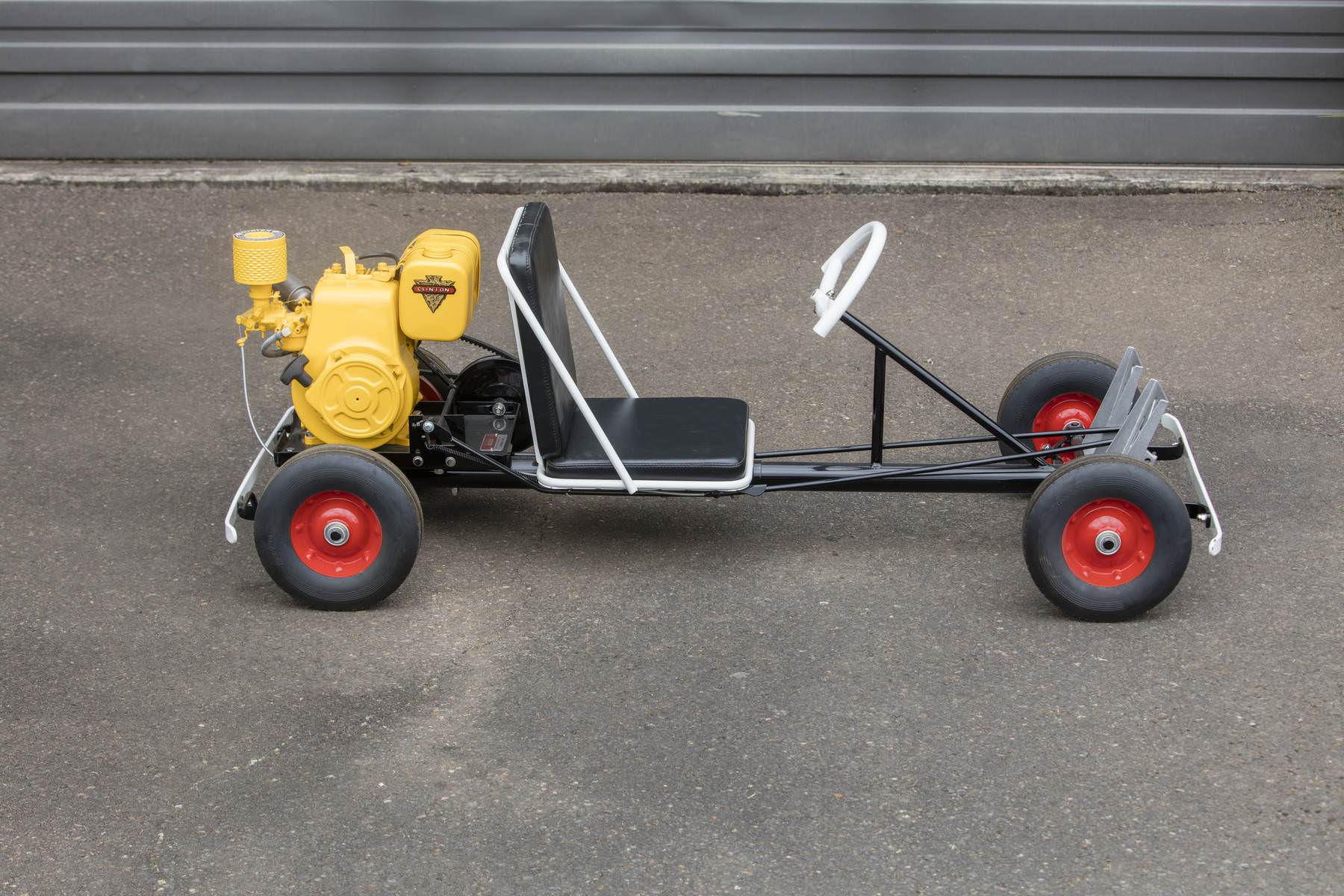
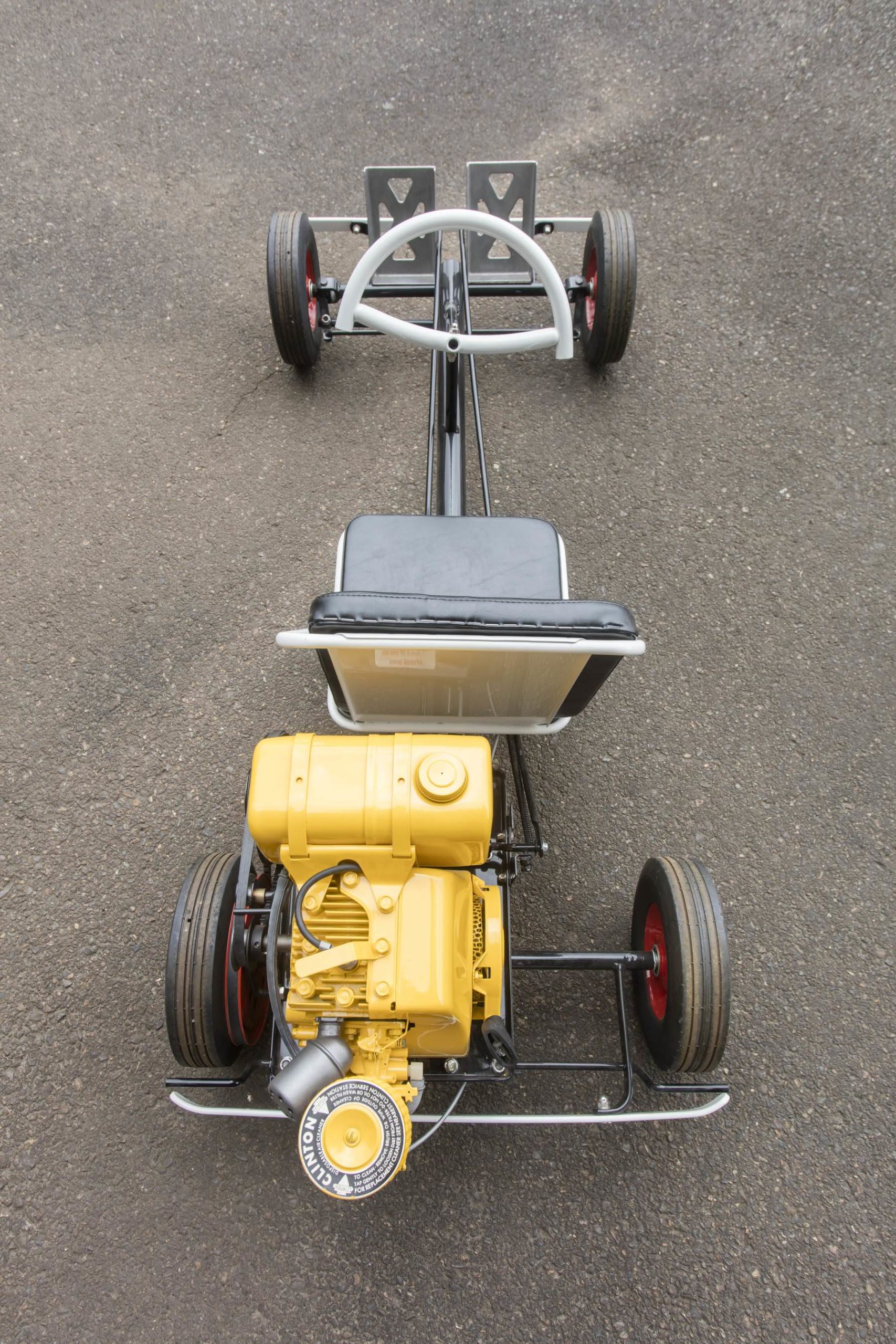
Unlike modern go karts, this one has just a single tubular steel backbone connecting the front and back ends.

After the purchase company’s garden machinery including the famous “Garden Riding Tractor” were sold through the wildly popular Sears catalogue.

With the advent of the go kart in the mid-1950s the Sears catalogue wasted no time in selling their own version built by David Bradley. It was about as simple as a go kart could possibly be, with just a single steel tube forming the backbone chassis.

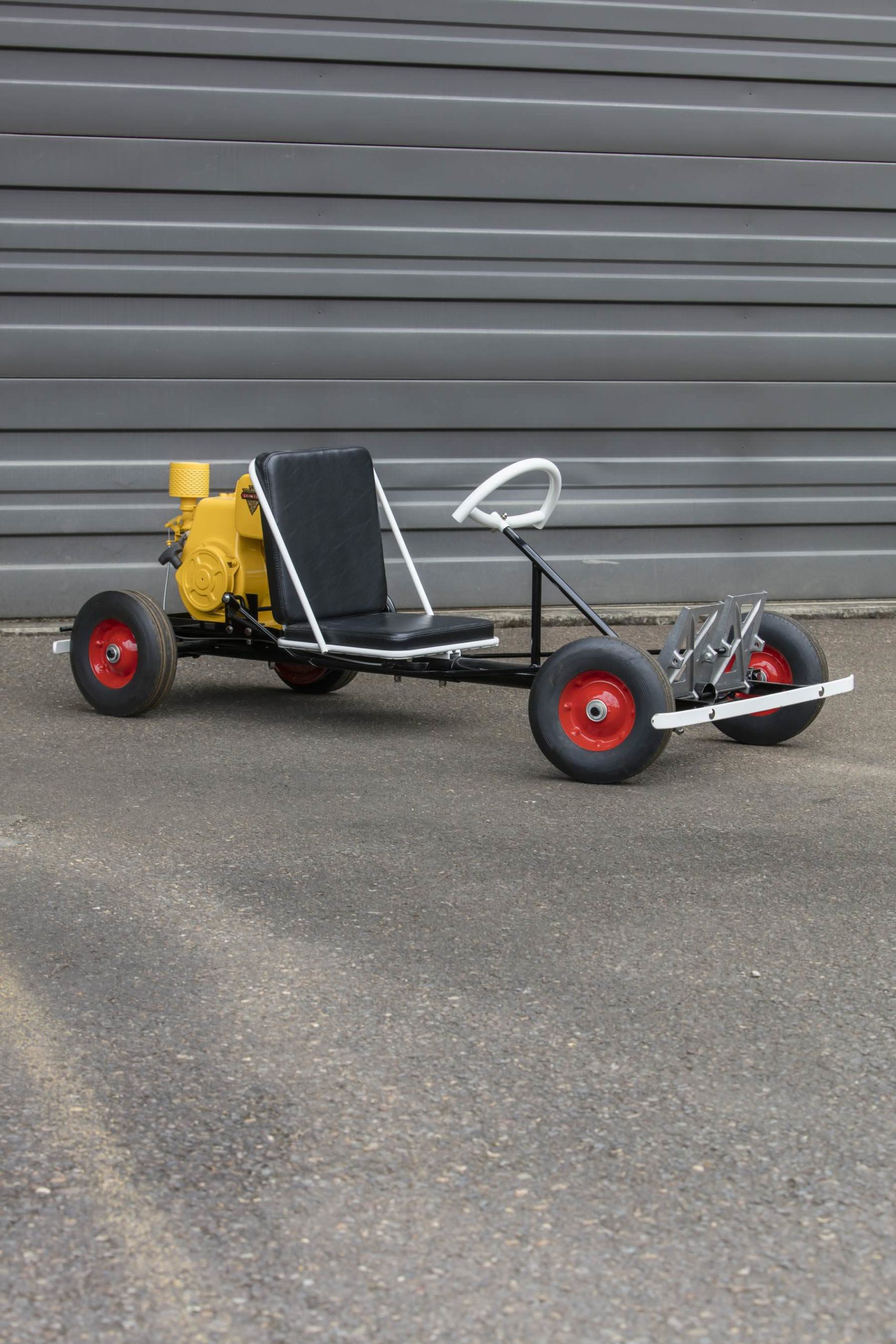
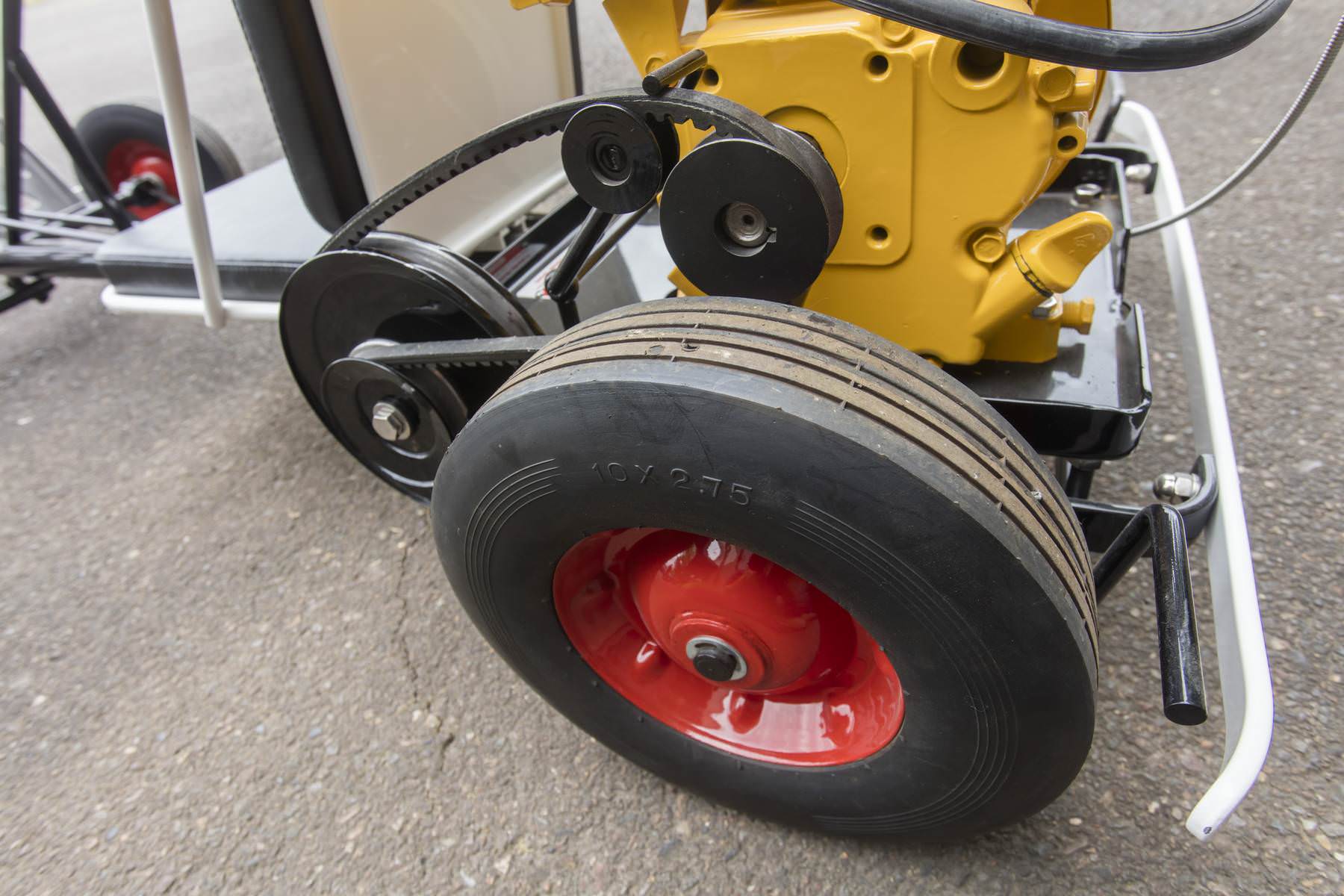
There are red steel wheels at each corner fitted with solid rubber tires (non-pneumatic), riding on solid axles. Simple bumpers are fitted front and back, and the singe-cylinder engine was sourced from Clinton – one of the biggest industrial engine manufacturers in the country at the time.

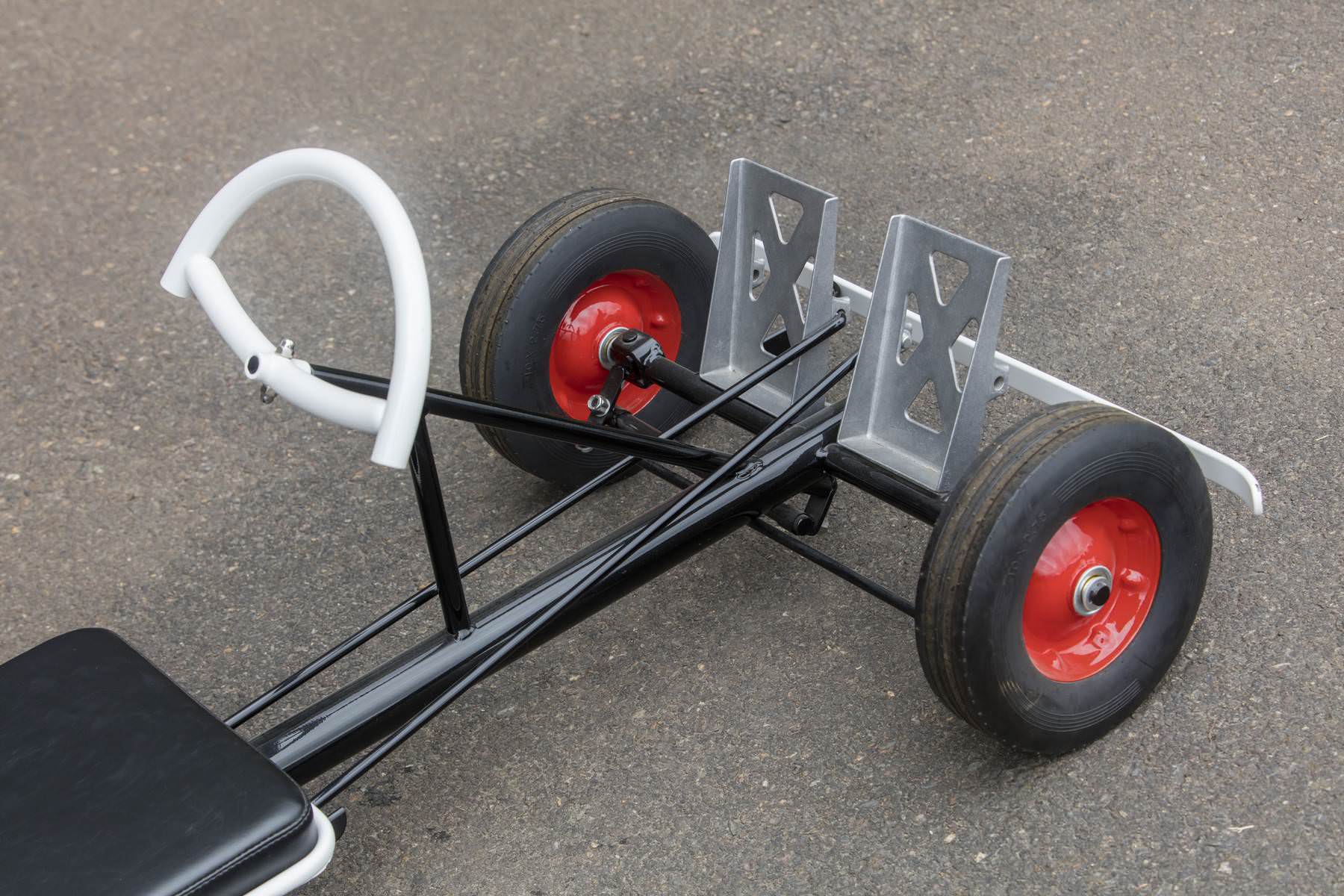
A simple padded seat is fitted behind a semi-circular steering wheel that was chosen to ensure the driver would have clearance to get their legs under it when sitting down. Up front you’ll find two large pedals, one to go and one to stop.

David Bradley Sport Kart Vintage Go Kart 9

The driver’s feet sit in the large almost aircraft-like pedals and the yoke-style steering wheel was chosen to ensure plenty of room underneath.

Exact sales figures of the David Bradley Sport Kart aren’t known, though we do see them come up for sale from time to time in varying states of preservation or restoration.

The 1959 David Bradley Sport Kart Shown Here

The David Bradley Sport Kart you see here benefits from an extensive restoration that appears to have returned it to as-new condition throughout – right down to the engine and chassis ID plates.

As you would expect it’s powered by a Clinton single-cylinder engine that powers the rear axle via a belt drive system. The seat, steering yoke, pedals, and wheels all look to be in excellent shape, and the chassis is too.

If you’d like to read more about this unusual historic go kart you can visit the listing here on The Market by Bonhams. It’s being auctioned out of Newburg, Oregon with a price guide of $1,000 – $1,500 USD.

David Bradley Sport Kart Vintage Go Kart 13 David Bradley Sport Kart Vintage Go Kart 12 David Bradley Sport Kart Vintage Go Kart 11 David Bradley Sport Kart Vintage Go Kart 10 David Bradley Sport Kart Vintage Go Kart 8 David Bradley Sport Kart Vintage Go Kart 6 David Bradley Sport Kart Vintage Go Kart 5 David Bradley Sport Kart Vintage Go Kart 4 David Bradley Sport Kart Vintage Go Kart 3 David Bradley Sport Kart Vintage Go Kart 1

Images courtesy of The Market by Bonhams

David Bradley Sport Kart Vintage Go Kart

The post A Restored David Bradley “Sport Kart” From 1959 appeared first on Silodrome.


from Silodrome https://silodrome.com/david-bradley-sport-kart-vintage-go-kart/
via gqrds

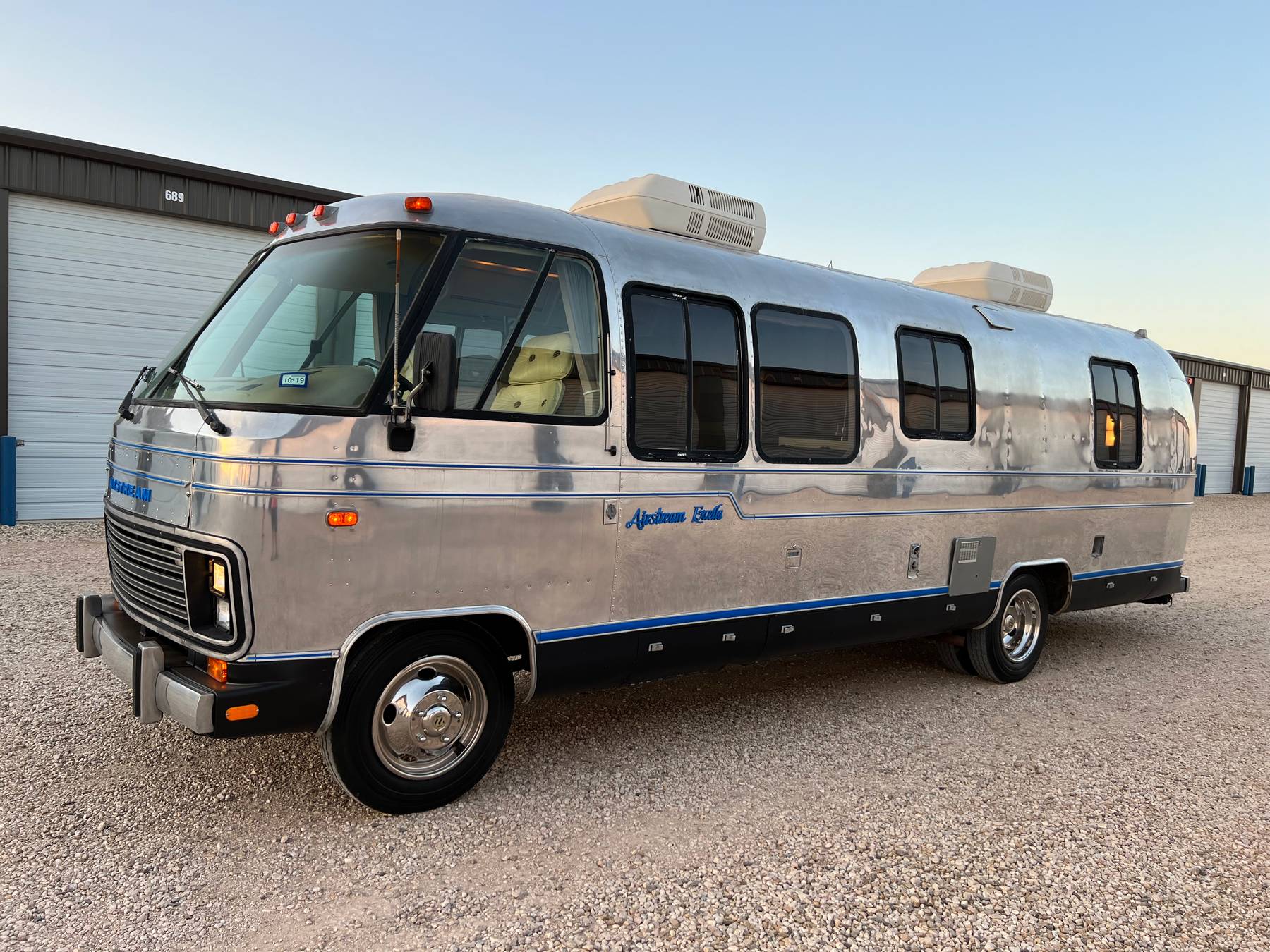
For Sale: A Retro 1982 Airstream Excella Motorhome

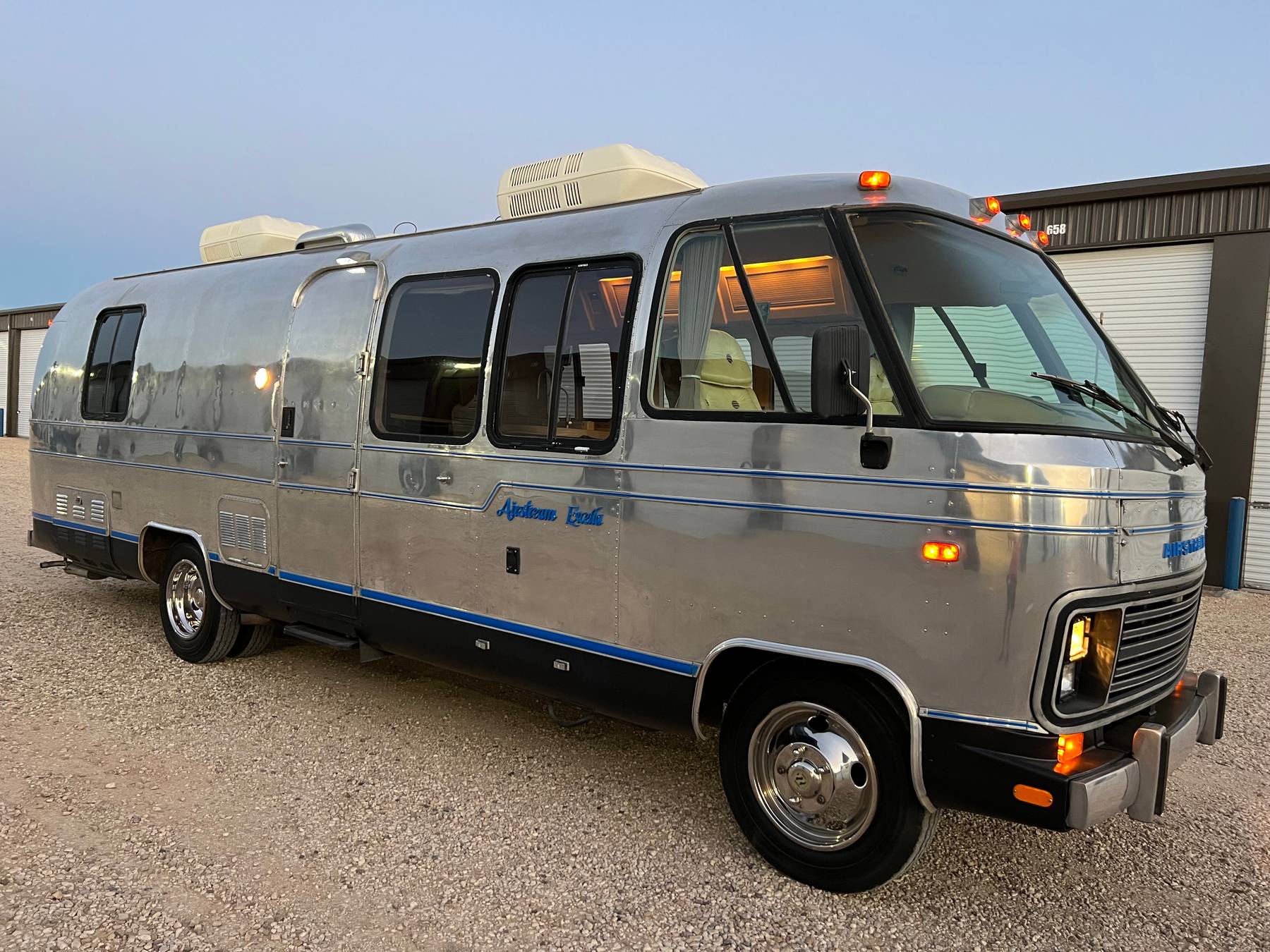
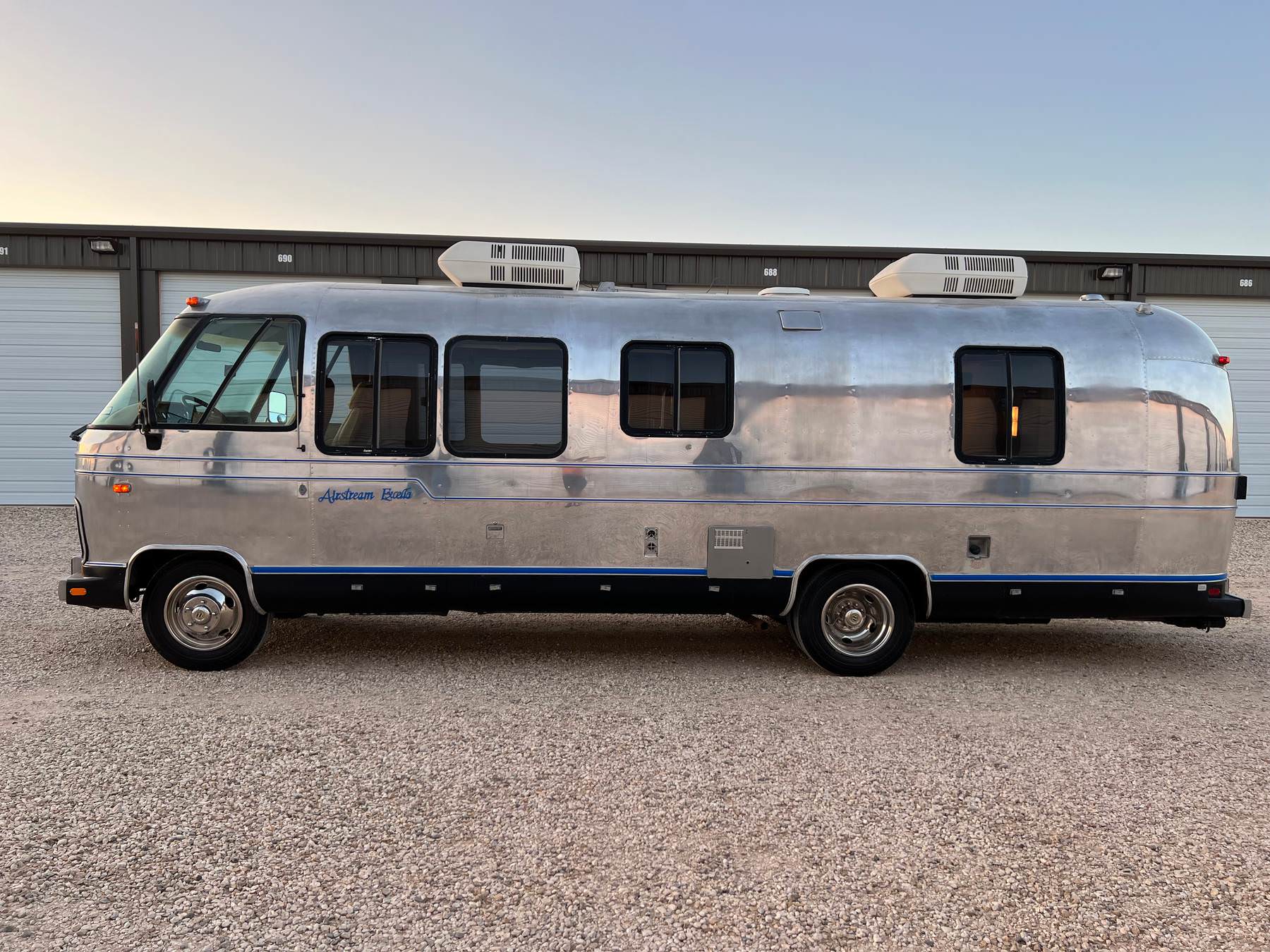
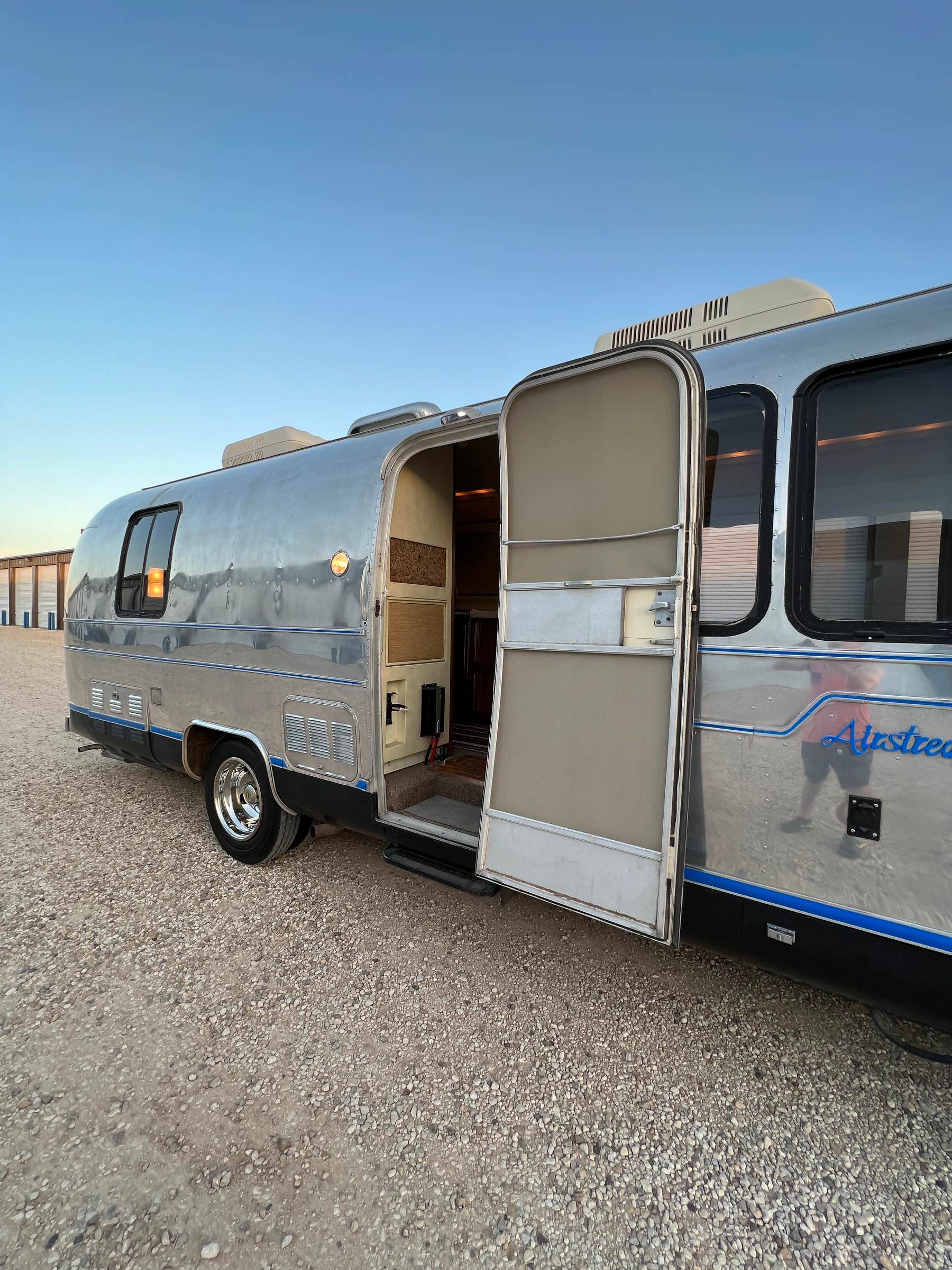
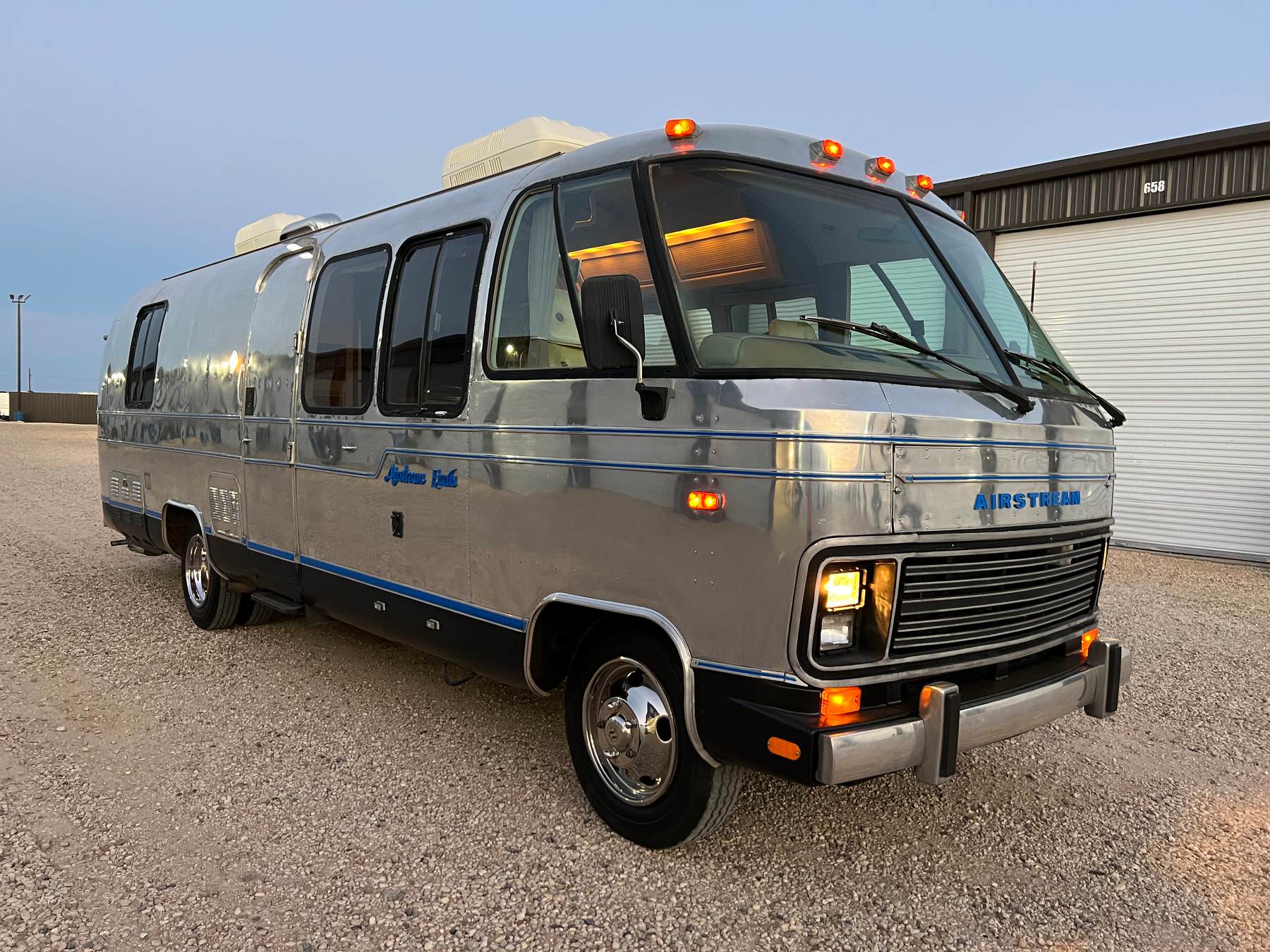
This is a Airstream Excella from 1982, it’s a 28 foot long motorhome that contains a bedroom, bathroom with a toilet and shower, a kitchenette, and a living area with a pull-out sofa bed.

The Airstream Excella became famous in the 1980s after NASA bought one to use for quarantining astronauts returning from space – it was named the “Astrovan.”

Fast Facts – The Airstream Excella Motorhome

  • The Airstream Excella was released in the early 1970s as a combination of the famous riveted aluminum body travel trailer and a modern motorhome.
  • This combination proved highly popular and it became a best-selling model for the American company.
  • The styling of the Excella was leagues ahead of the competition, and thanks to the corrosion resistance of aluminium many of them are still being used today.
  • The Excella motorhome was based on many General Motors components, which made sourcing spares easy for owners.

The Invention Of The Airstream

Airstream was founded back in the 1930s to build what was then the most cutting edge design for travel trailers: a riveted monocoque aluminum body over internal aluminum ribs, a concept taken directly from the world of aircraft manufacturing.

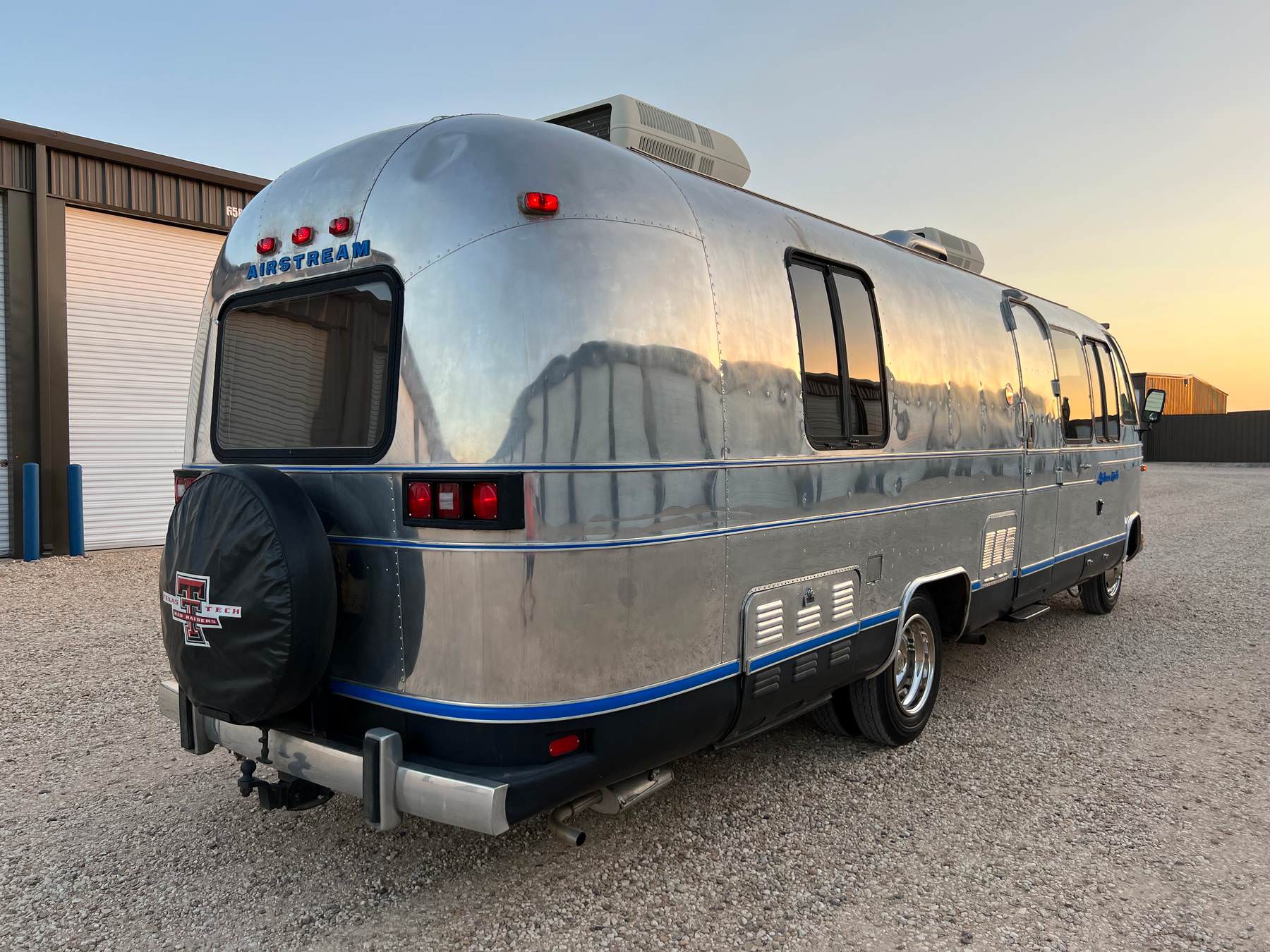
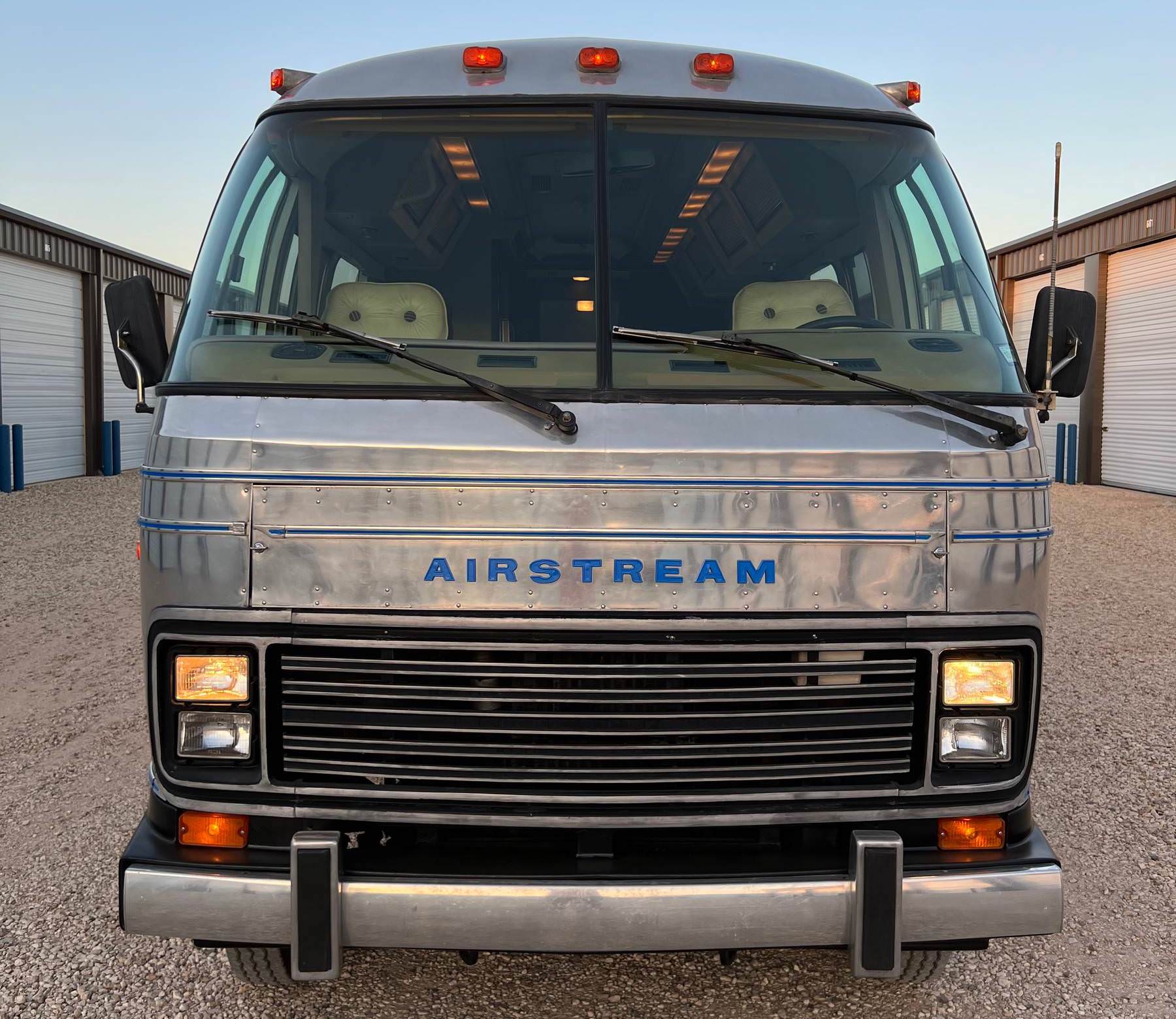
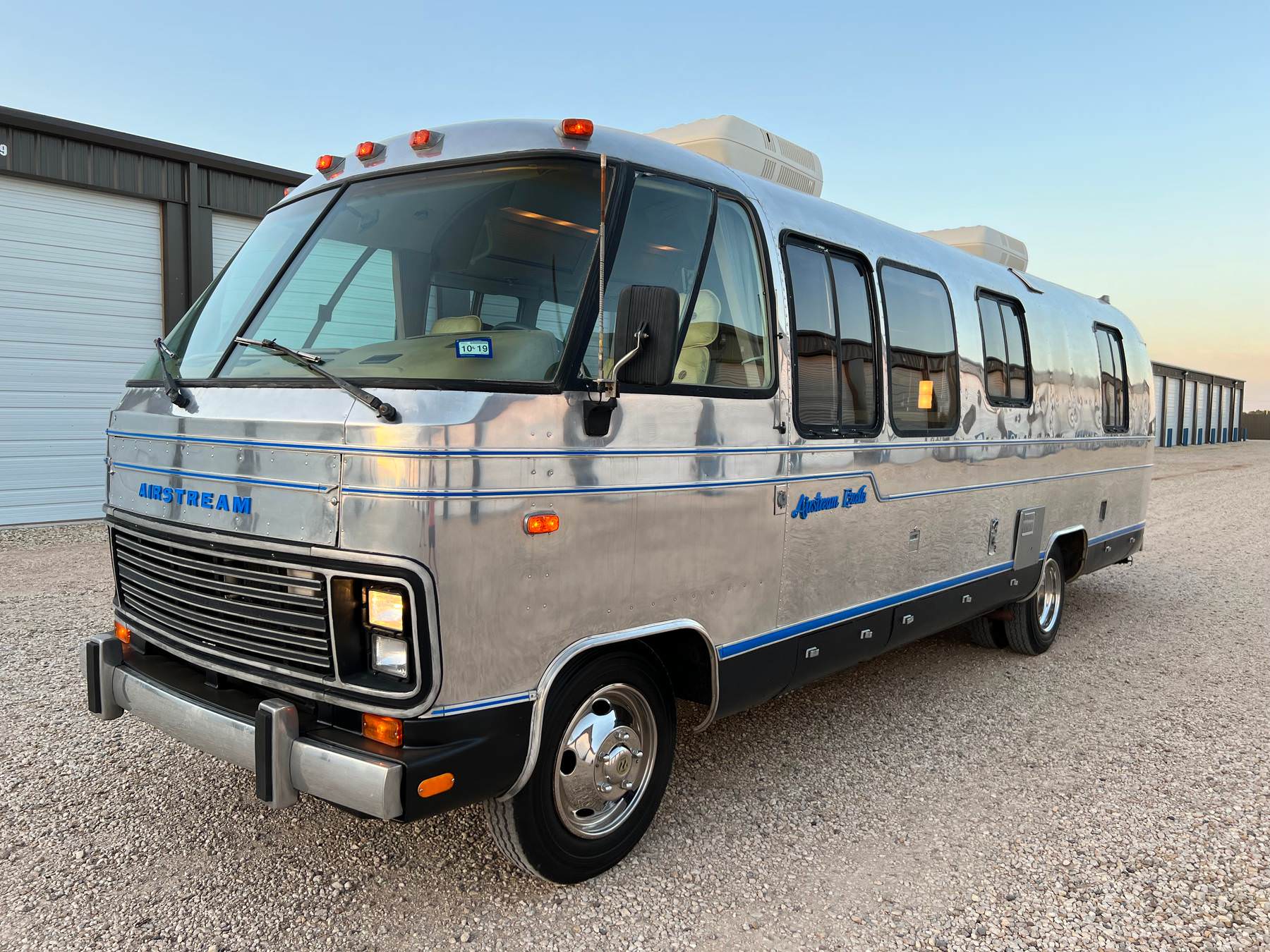
Airstream Excella Motorhome

Their beautiful and aerodynamic aluminum bodies have been winning over new fans to the Airstream marque for almost 100 years now.

The idea of building travel trailers in this way was first conceived of by aircraft designer Hawley Bowlus, he was the Superintendent of Construction on Charles Lindbergh’s aircraft the Spirit of St. Louis.

Bowlus took aircraft design principles, including both the aerodynamics and the aluminum construction and created the Bowlus Road Chief – the first aluminum travel trailer of its type.

The Road Chief triggered a revolution in the travel trailer market, the design was improved upon soon after by Airstream founder Wally Byam and today the company is still turning out gleaming alloy trailers for use in the USA and around the world.

The Airstream Excella Motorhome

The Airstream Excella Motorhome was first offered for sale in the 1970s, over time a number of different versions were offered, with different lengths and interior set ups.

Airstream Excella Motorhome 15

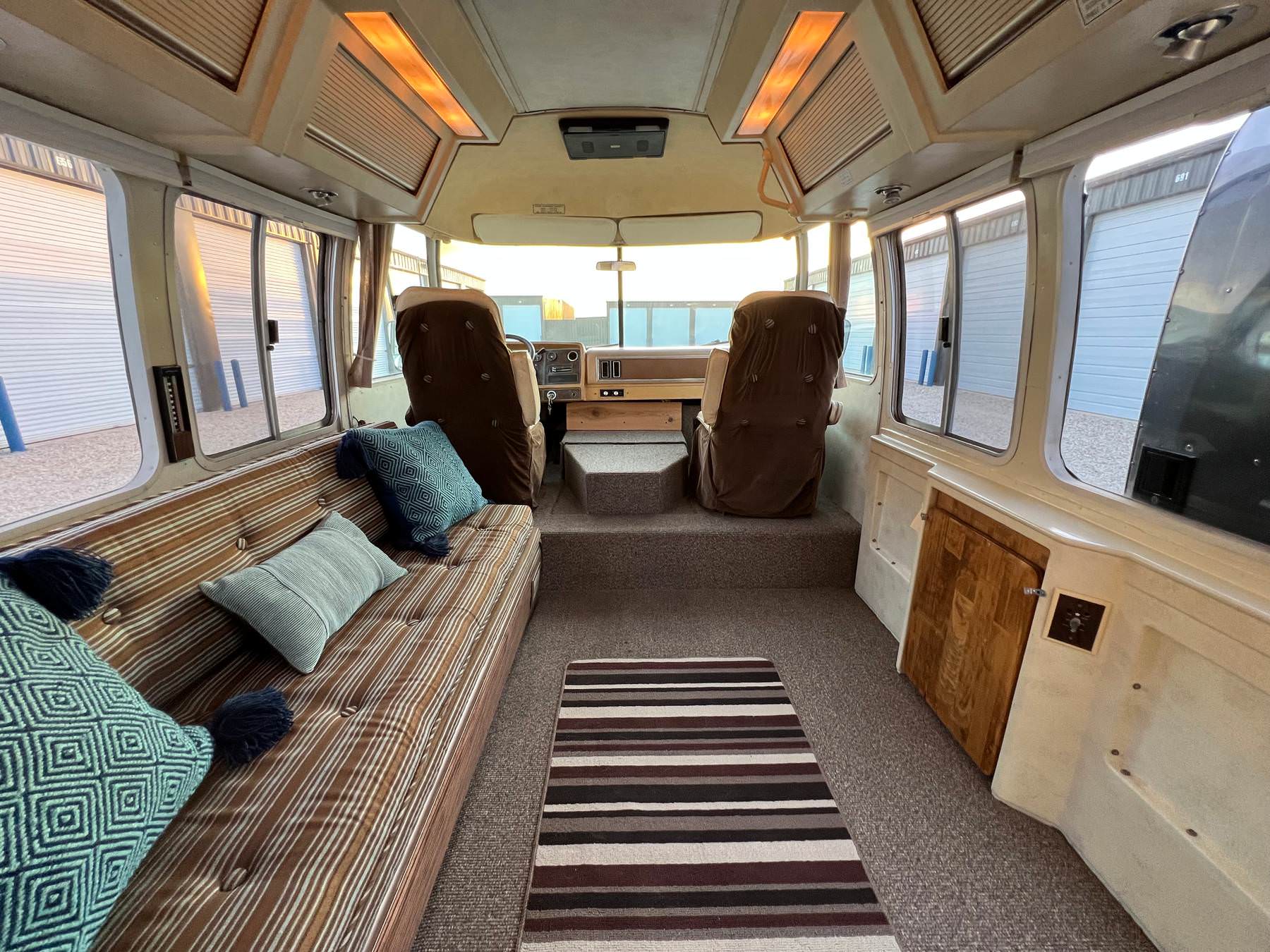
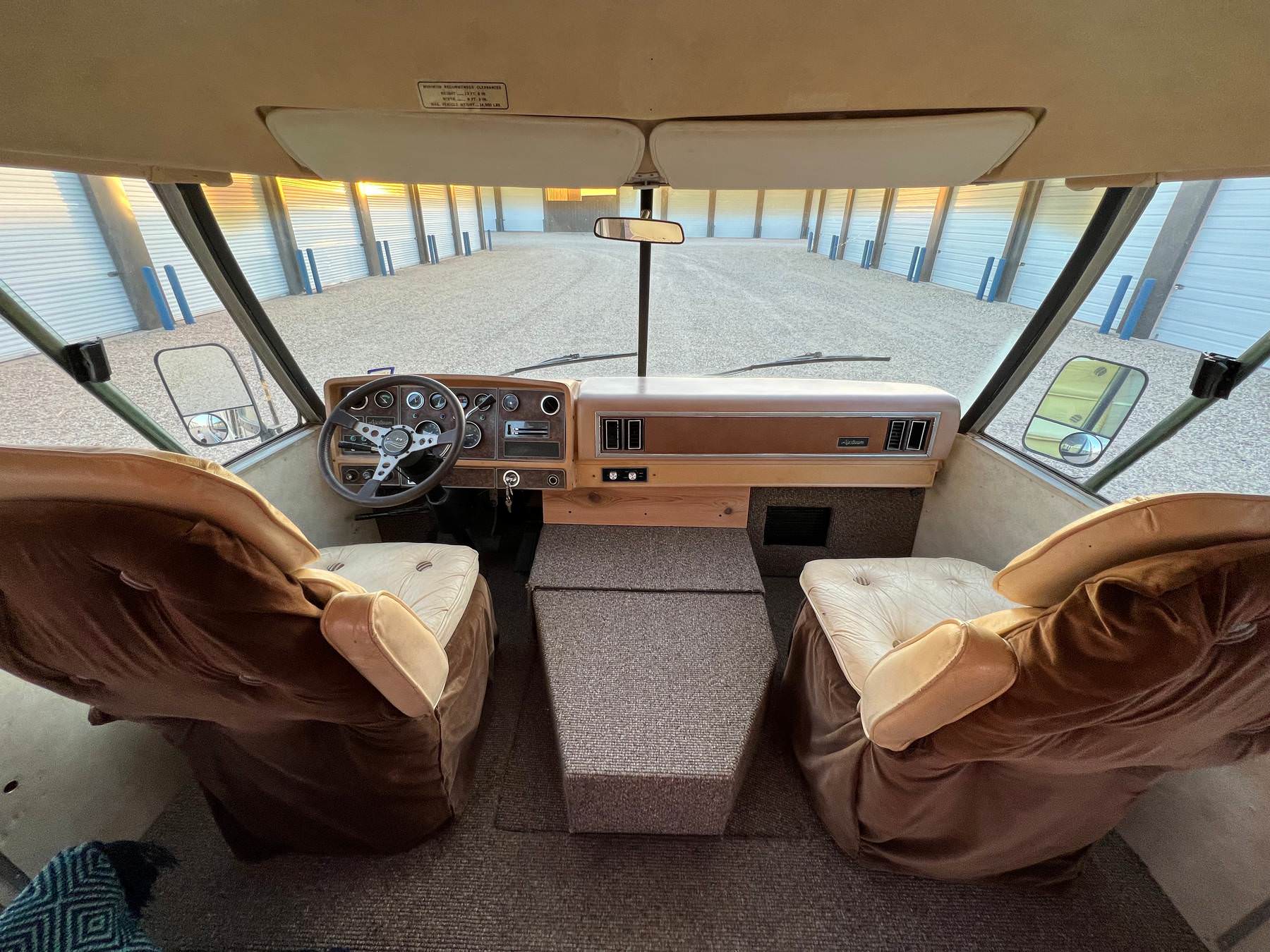
There is a pull-out sofa bed and two swivelling captian’s chairs up front with expansive views out of the panoramic windscreen.

The Excella Motorhomes were largely based on General Motors components from the chassis down, with Airstream building everything from the chassis up – including that riveted aluminum alloy body of course.

NASA had started using specially modified Airstreams to quarantine astronauts returning from the moon – including the Apollo 11, Apollo 12, and Apollo 13 crews. At the time there was a very real fear that they would bring deadly lunar pathogens back with them, an idea perhaps inspired by the book The War of the Worlds by H. G. Wells.

By the 1980s the quarantine and transport trailers had been upgraded to the Airstream Excella, the NASA-modified version was called the Astrovan and it was used throughout the entire Space Shuttle program.

Even today NASA still uses an Airstream motorhome for transporting astronauts to the launch pad, it’s called the Astrovan II and it’s a modified Airstream Atlas.

The 1982 Airstream Excella Shown Here

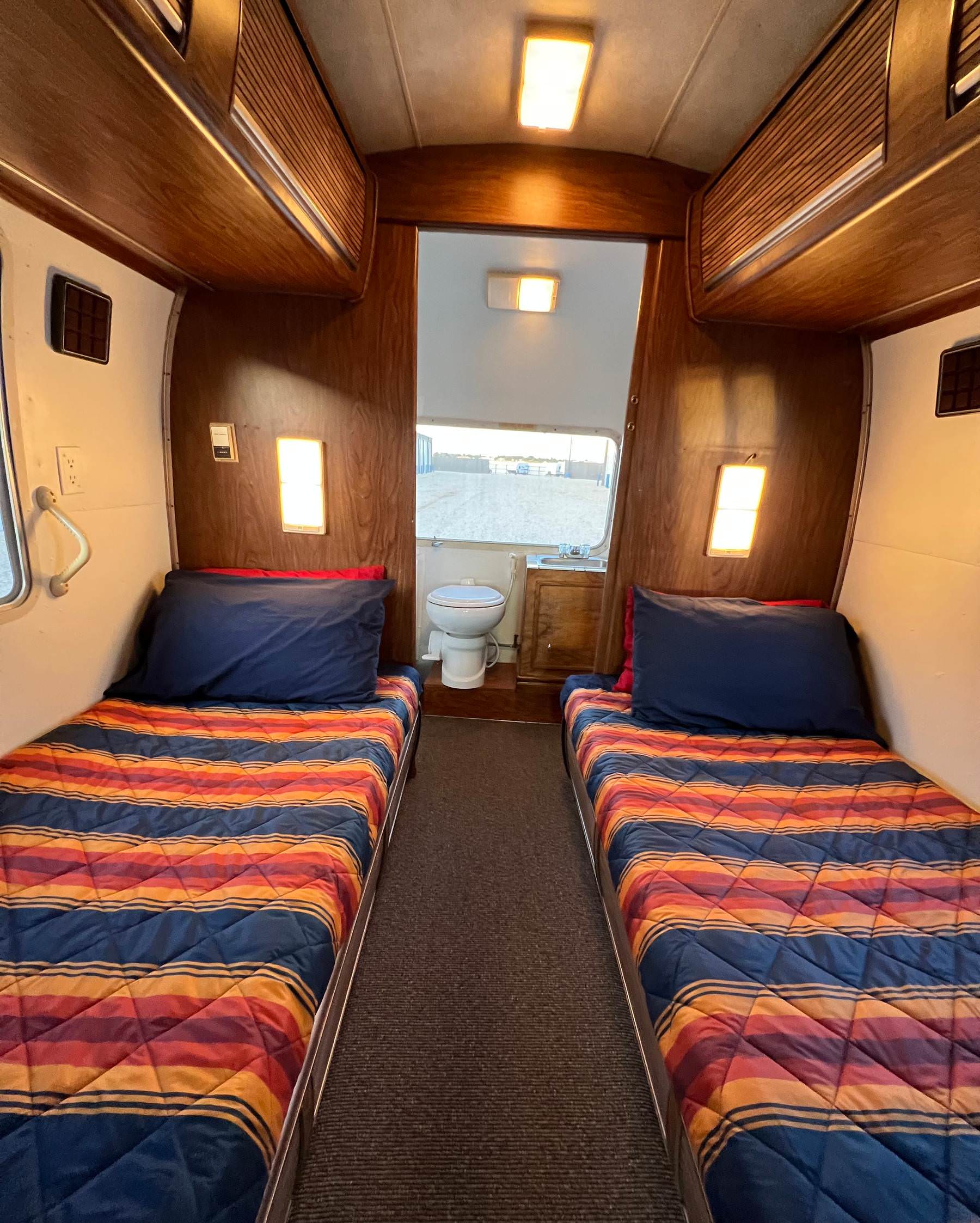
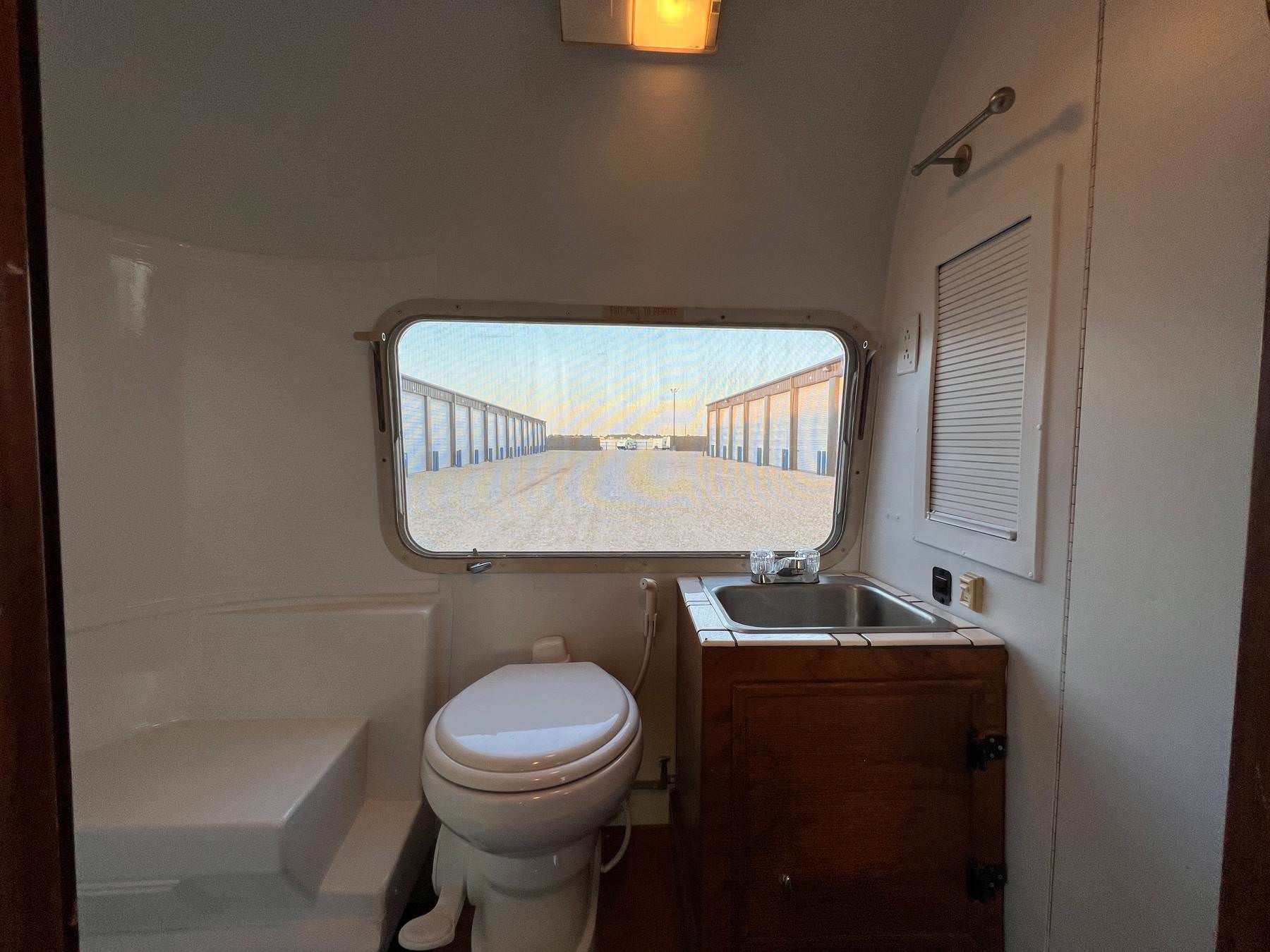
The 1982 Airstream Excella you see here has been preserved remarkably well in all of its retro 80s glory. It has a bedroom with twin beds, a fully equipped bathroom with hot and cold water, a shower, and toilet.

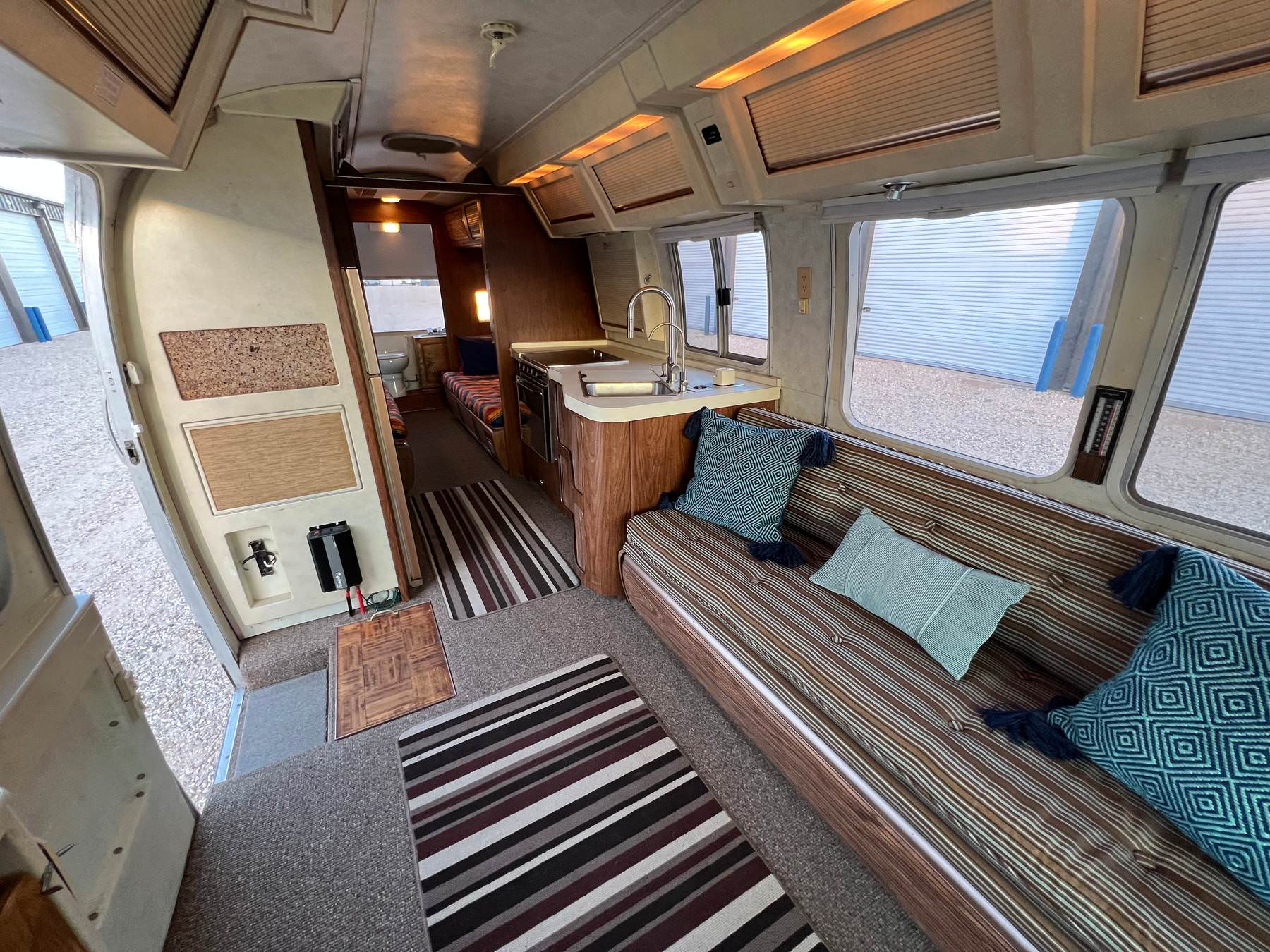
Airstream Excella Motorhome 9

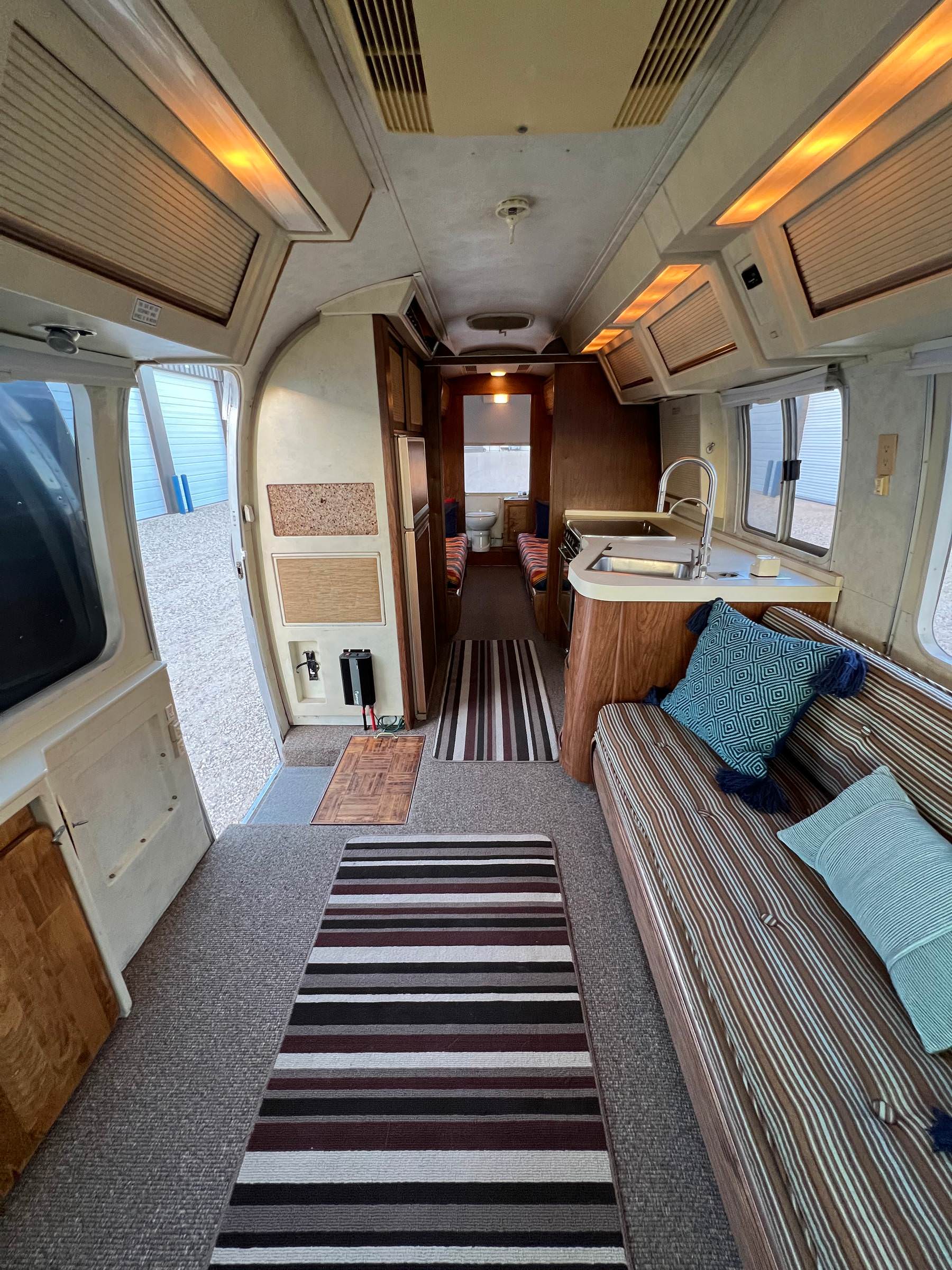
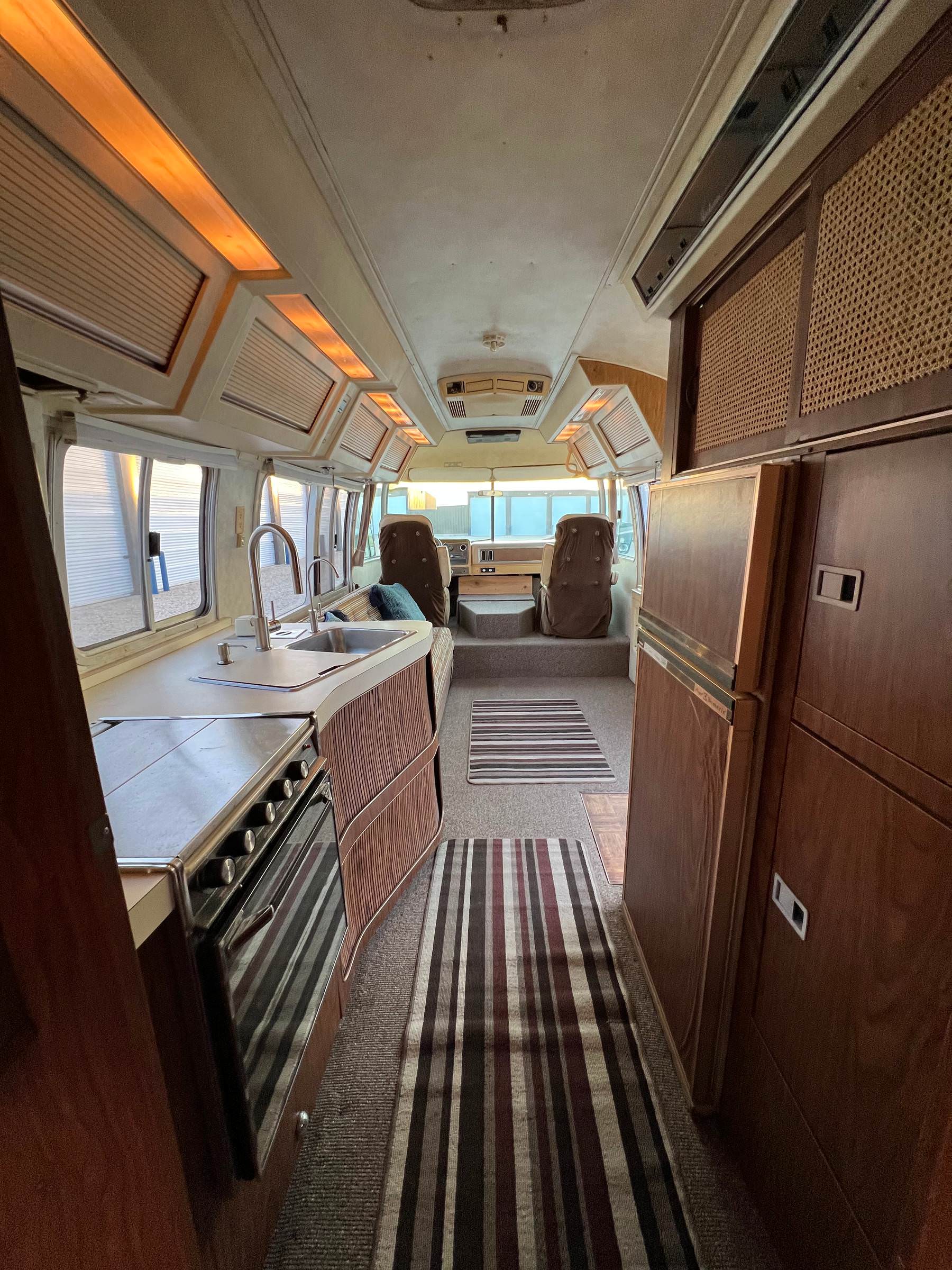
Further back you’ll find a fully equipped kitchen, a bedroom with two single beds, and a bathroom that has a shower with hot and cold running water, a sink, and a toilet.

Further along you’ll find the kitchenette with a dual sink, a pantry, refrigerator, freezer, and oven with four gas burners on the stovetop.

Up front there’s a living area with a pull-out sofa bed for when you have guests and right at the front you’ll find the expansive cockpit with two swiveling captain’s chairs.

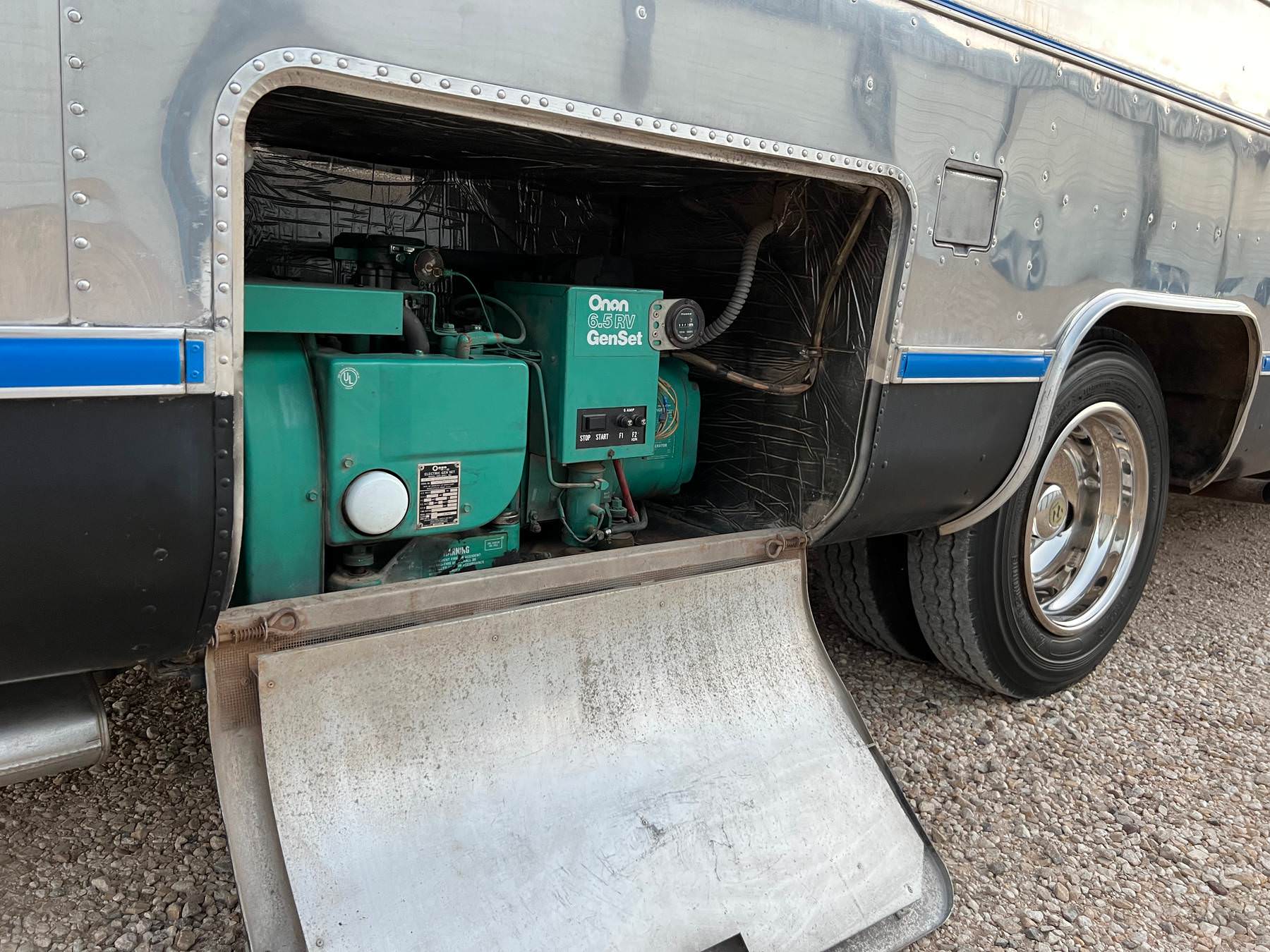
The eagle-eyed will have already noticed the two air-conditioning units on top, these provide both heating and cooling as it’s needed, with power provided by the onboard battery bank and 6.5 Kw generator.

Motive power is provided by a prodigious 454 cubic inch (7.4 liter) GM-sourced V8 mated to an automatic transmission. The description notes that it provides more than enough power to comfortably sustain highway speeds of 65+ mph.

This Airstream is currently being offered for sale out of Lubbock, Texas with a price guide of $50,000 – $75,000 USD. If you’d like to read more about it or register to bid you can visit the listing here.

Airstream Excella Motorhome 11 Airstream Excella Motorhome 19 Airstream Excella Motorhome 18 Airstream Excella Motorhome 17 Airstream Excella Motorhome 16 Airstream Excella Motorhome 13 Airstream Excella Motorhome 12 Airstream Excella Motorhome 10 Airstream Excella Motorhome 9 Airstream Excella Motorhome 8 Airstream Excella Motorhome 6 Airstream Excella Motorhome 5 Airstream Excella Motorhome 4 Airstream Excella Motorhome 3 Airstream Excella Motorhome 2 Airstream Excella Motorhome 1

Images courtesy of The Market by Bonhams

Airstream Excella Motorhome 7

The post For Sale: A Retro 1982 Airstream Excella Motorhome appeared first on Silodrome.


from Silodrome https://silodrome.com/airstream-excella-motorhome/
via gqrds