For Sale: The California Highway Patrol Chevrolet Camaro From “The Junkman”

The Junkman is an action film that was released in 1982 by H. B. Halicki, it was the second part of his trilogy that started with the original Gone in 60 Seconds and was then followed by Deadline Auto Theft.

While filming The Junkman over 150 cars, trucks, motorcycles, and planes were wrecked, today the movie still holds the Guinness World Record for the most vehicles destroyed in a single film.

Fast Facts – The Camaro From The Junkman

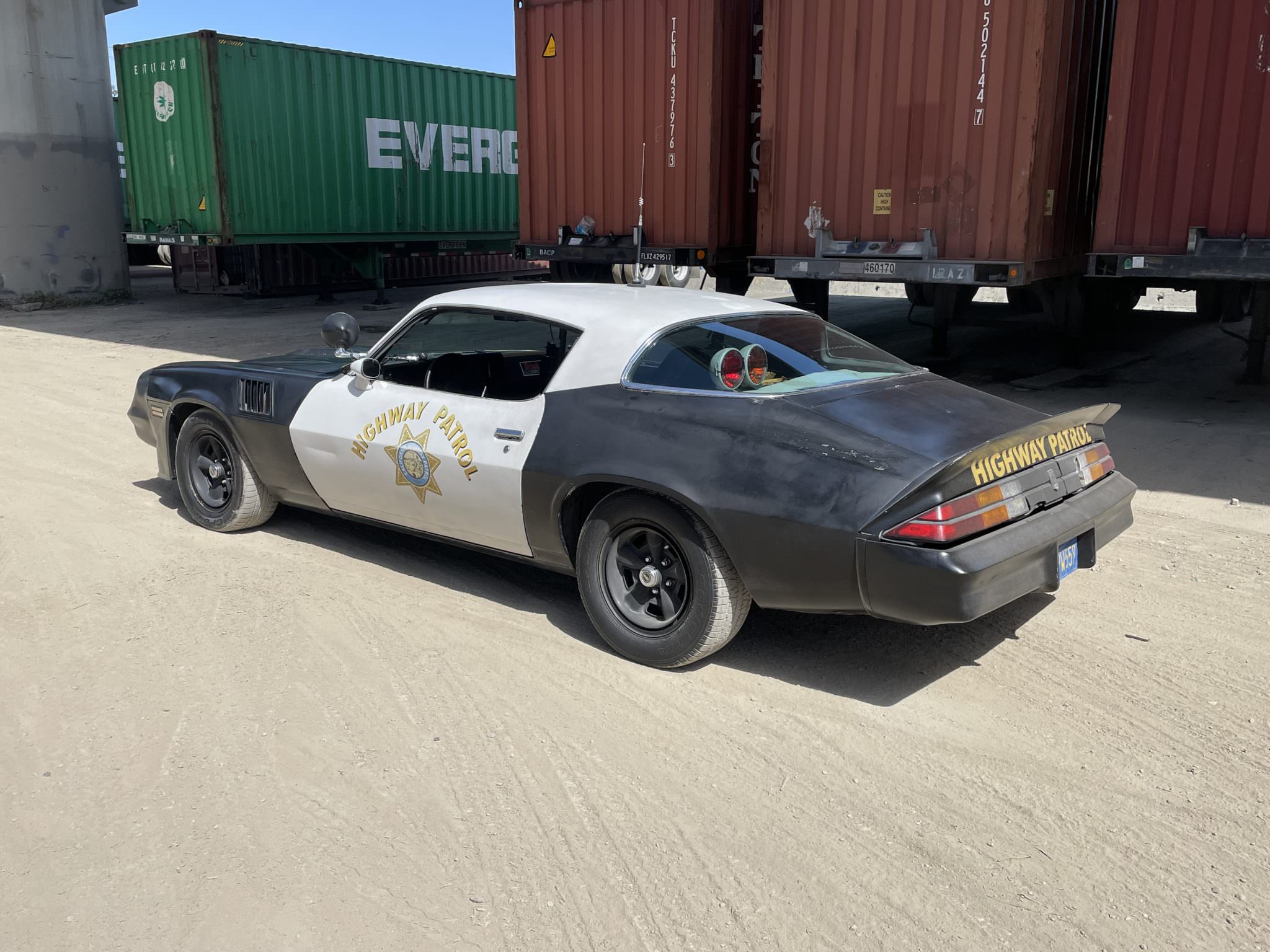
  • This 1979 Chevrolet Camaro was one of over 200 cars used while filming “The Junkman,” however most of the vehicles didn’t make it to the end of the film, with over 150 being wrecked in total.
  • Many of the sheriff deputies and police officers that appeared in the film weren’t professional actors, they were real law enforcement personnel that had been hired, mostly from San Luis Obispo County, Paso Robles, and Atascadero.
  • After the film was released, this 1979 Chevrolet Camaro was acquired by the California Highway Patrol Museum where it would remain on display for decades, only recently passing into private hands for the first time.
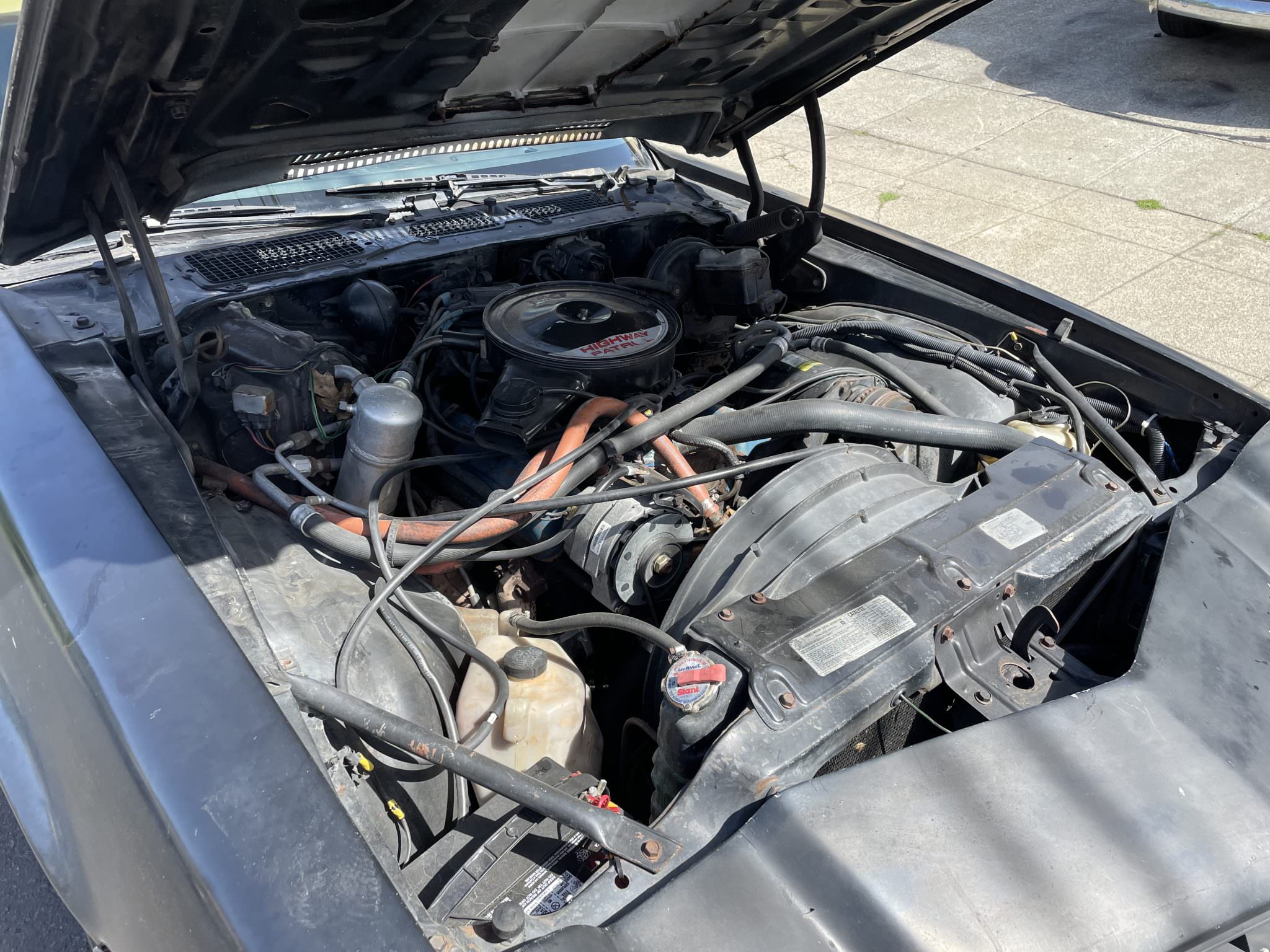
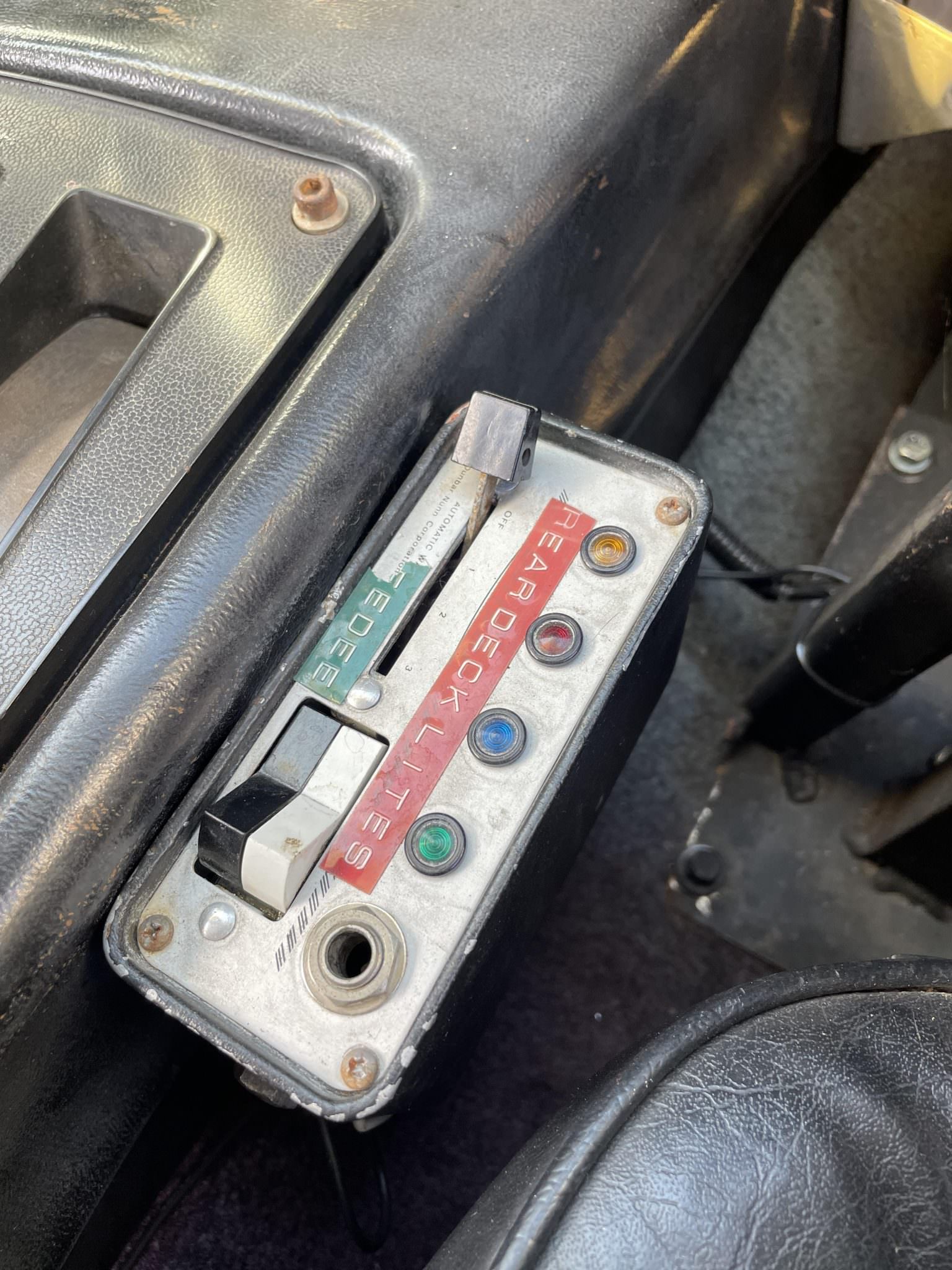
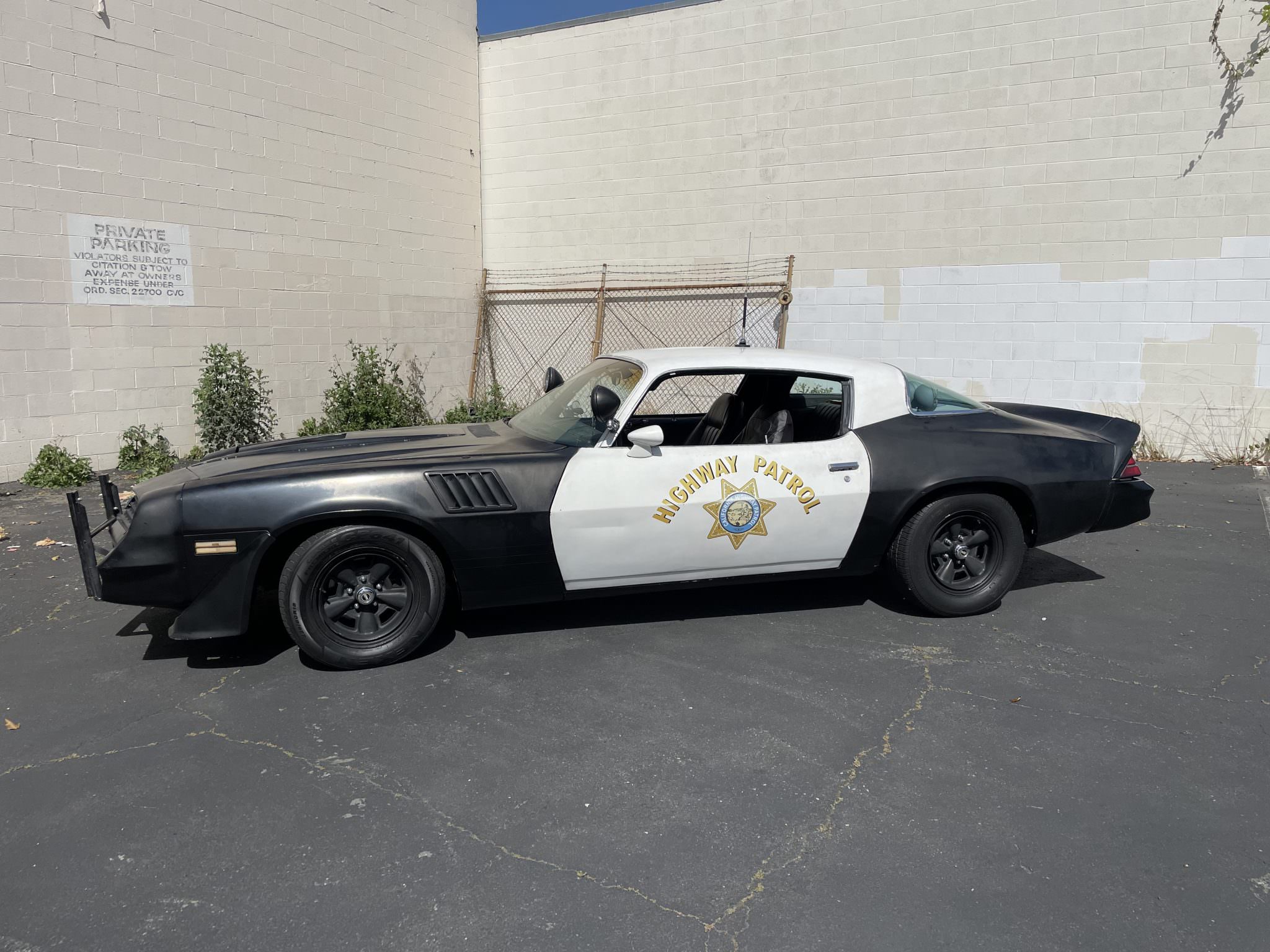
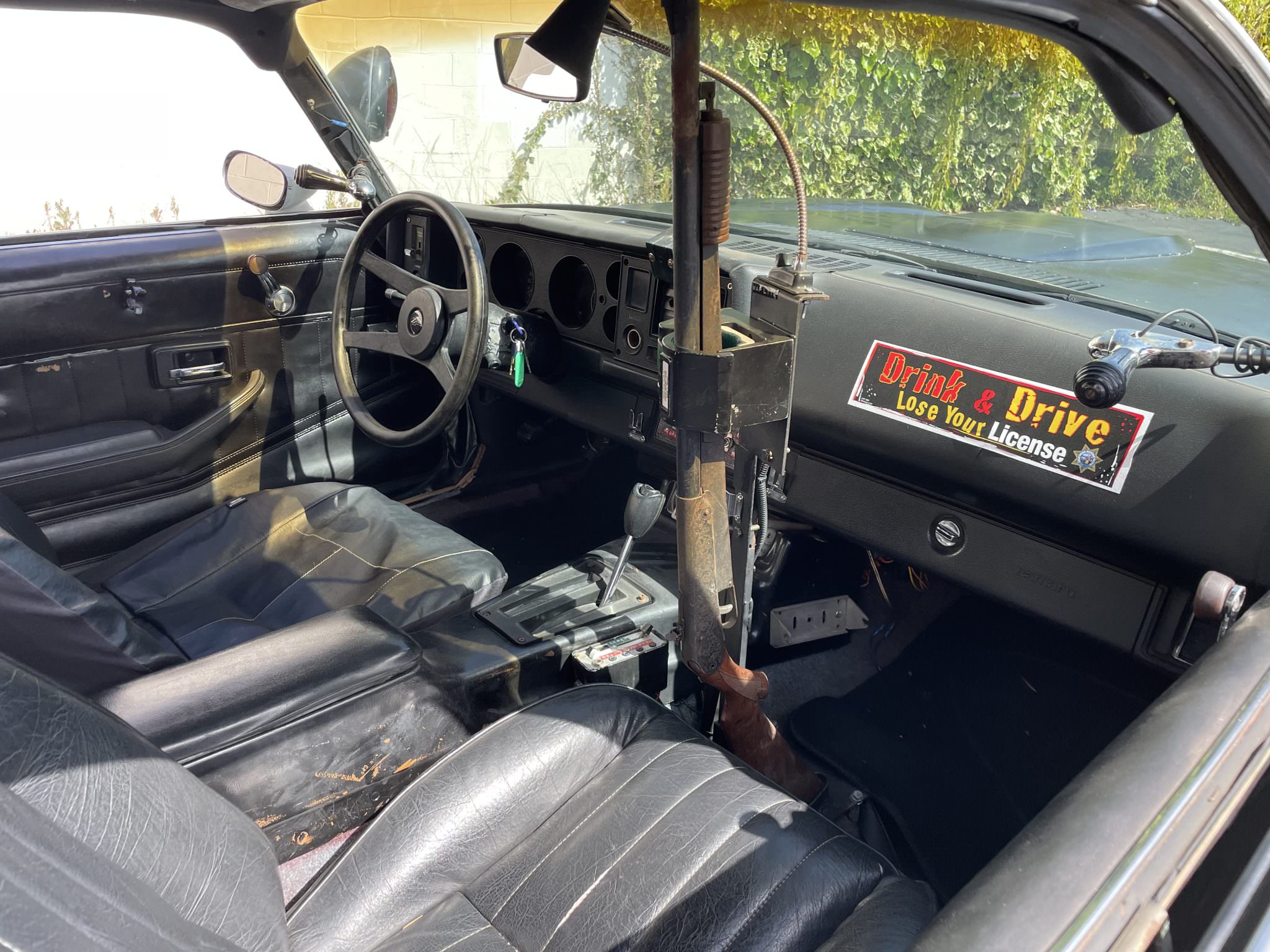
  • This car is fitted with the 305 cubic inch V8 paired with a 3-speed automatic transmission, it has 15″ wheels, bucket seats, sirens, spotlights, period-style communication equipment, and California Highway Patrol livery.

H. B. Halicki And “Gone In 60 Seconds”

Henry Blight “Toby” Halicki, better known as H. B. Halicki, was an American director, writer, stunt driver, actor, and filmmaker of Polish ancestry who started out working on vehicles as mechanic before starting his own impound and towing business in California.

Above Video: This is the original trailer for The Junkman, the full film is also available to watch on YouTube.

In 1974 Halicki wrote, directed, produced, and starred in the film Gone in 60 Seconds, it became a cult classic that was loved for its unusual style and its extensive chase scenes.

During filming he would end up with 10 compacted vertebrae after performing the film’s 128 foot long (39 meter) jump finale, it left him with a limp for the rest of his life.

Halicki’s next film would be The Junkman in 1982, he wrote, directed, produced, and starred in the film, it took place in the same cinematic universe as Gone in 60 Seconds, and the earlier film was referenced in the plot.

A year later in 1983 Halicki released the third film in the trilogy, Deadline Auto Theft, which he also starred in, wrote, produced, and directed.

Tragically, Halicki was killed in a stunt while filming Gone in 60 Seconds 2 in 1989. He was preparing for the film’s main stunt sequence in which a 160 foot tall (49 meter) water tower was going to collapse, however a stabilizing cable attached to the water tower snapped unexpectedly, sheering off a telephone pole that fell and killed Halicki instantly.
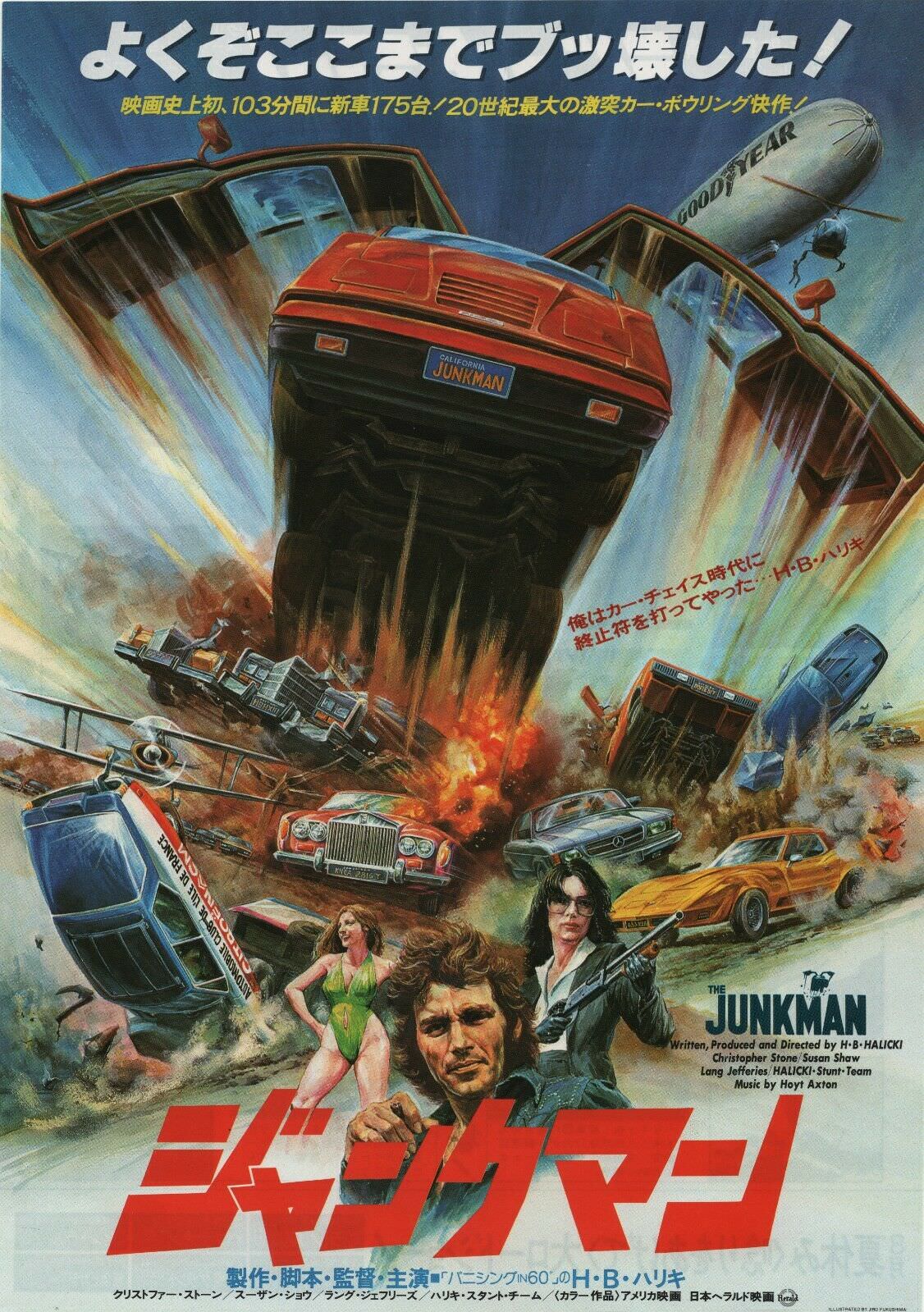
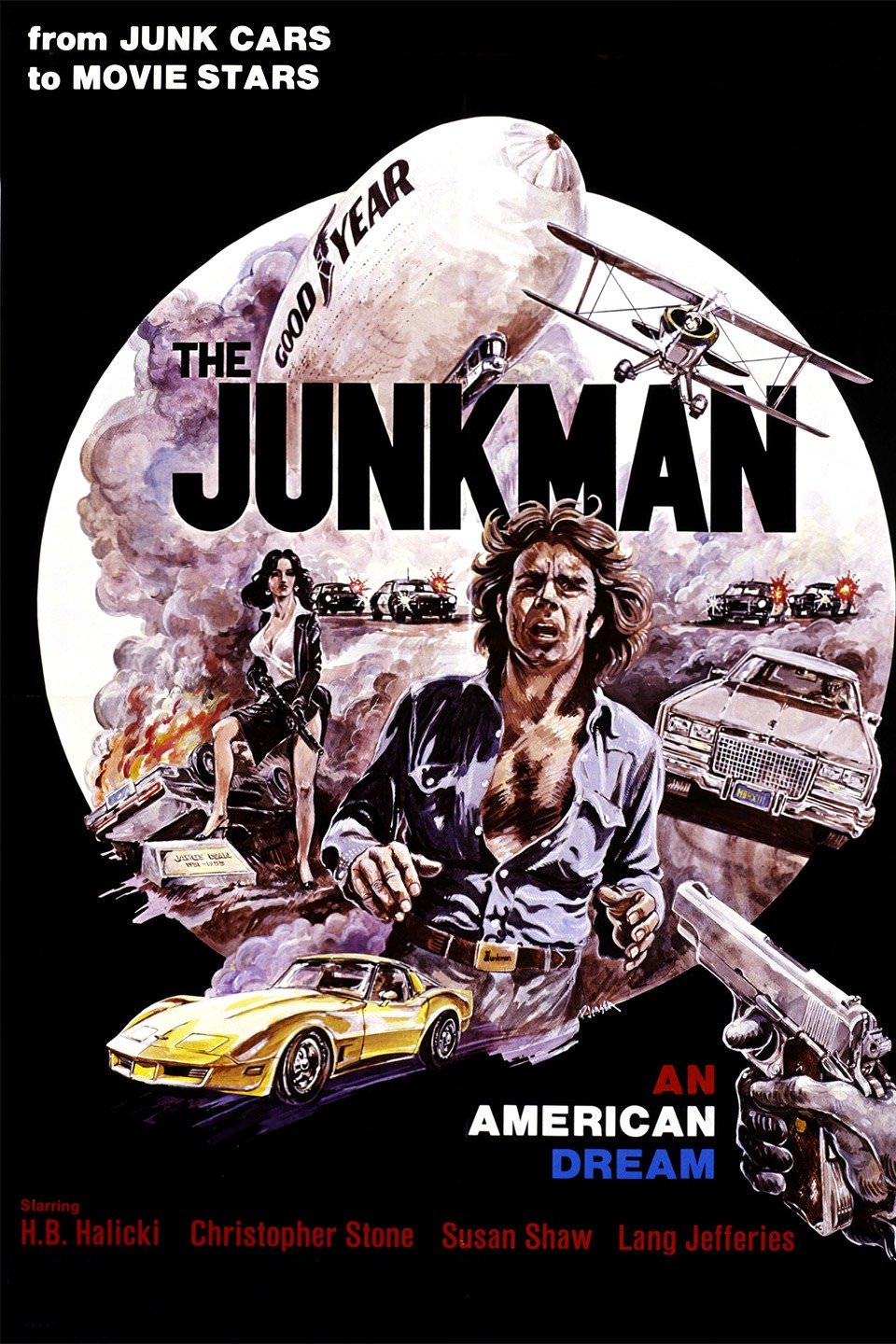
The Junkman Movie Poster – Japan

This is the original Japanese movie poster for The Junkman, it highlights the 1974 Bricklin SV-1 and the Goodyear blimp, which both appear prominently in the film.

The 2000 “Gone In 60 Seconds” Remake

Six year later in 1995 Halicki’s widow, Denice Halicki, began working with Jerry Bruckheimer and the team Touchstone Pictures to produce a remake of Gone In 60 Seconds.

The film was released in the year 2000, it starred Nicolas Cage, Angelina Jolie, Giovanni Ribisi, Robert Duvall, and Vinnie Jones – it would go on to make almost a quarter of a billion dollars at the global box office.

Years after his death, Denice Halicki began dating Robert Kardashian, best known for representing O. J. Simpson and for being the father of Kourtney, Kim, Khloé, and Rob Kardashian.

The CHP Chevrolet Camaro Shown Here

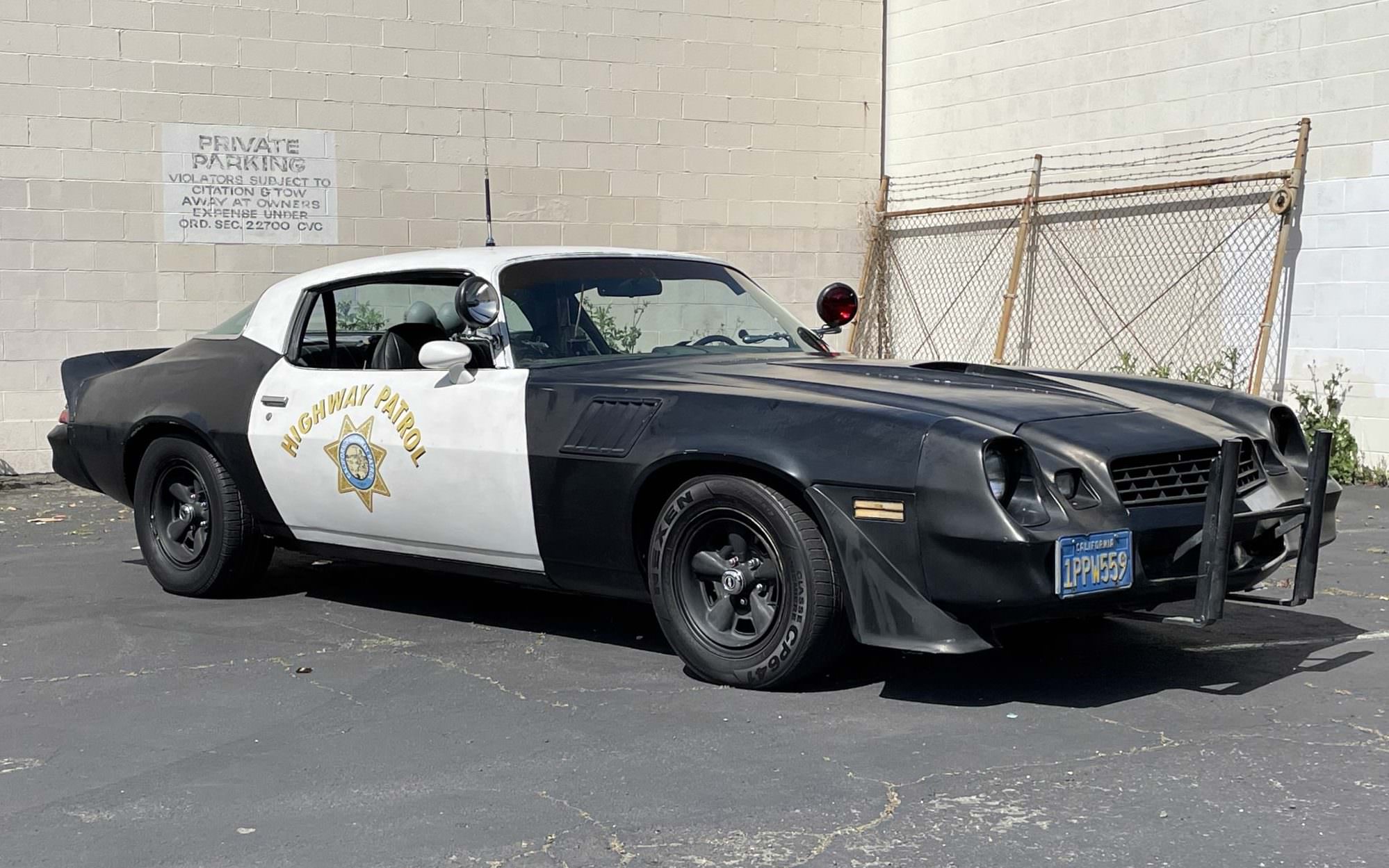
The 1979 Chevrolet Camaro was one of over 200 cars that were used while filming The Junkman, the vast majority wouldn’t survive, with over 150 being wrecked before filming wrapped.
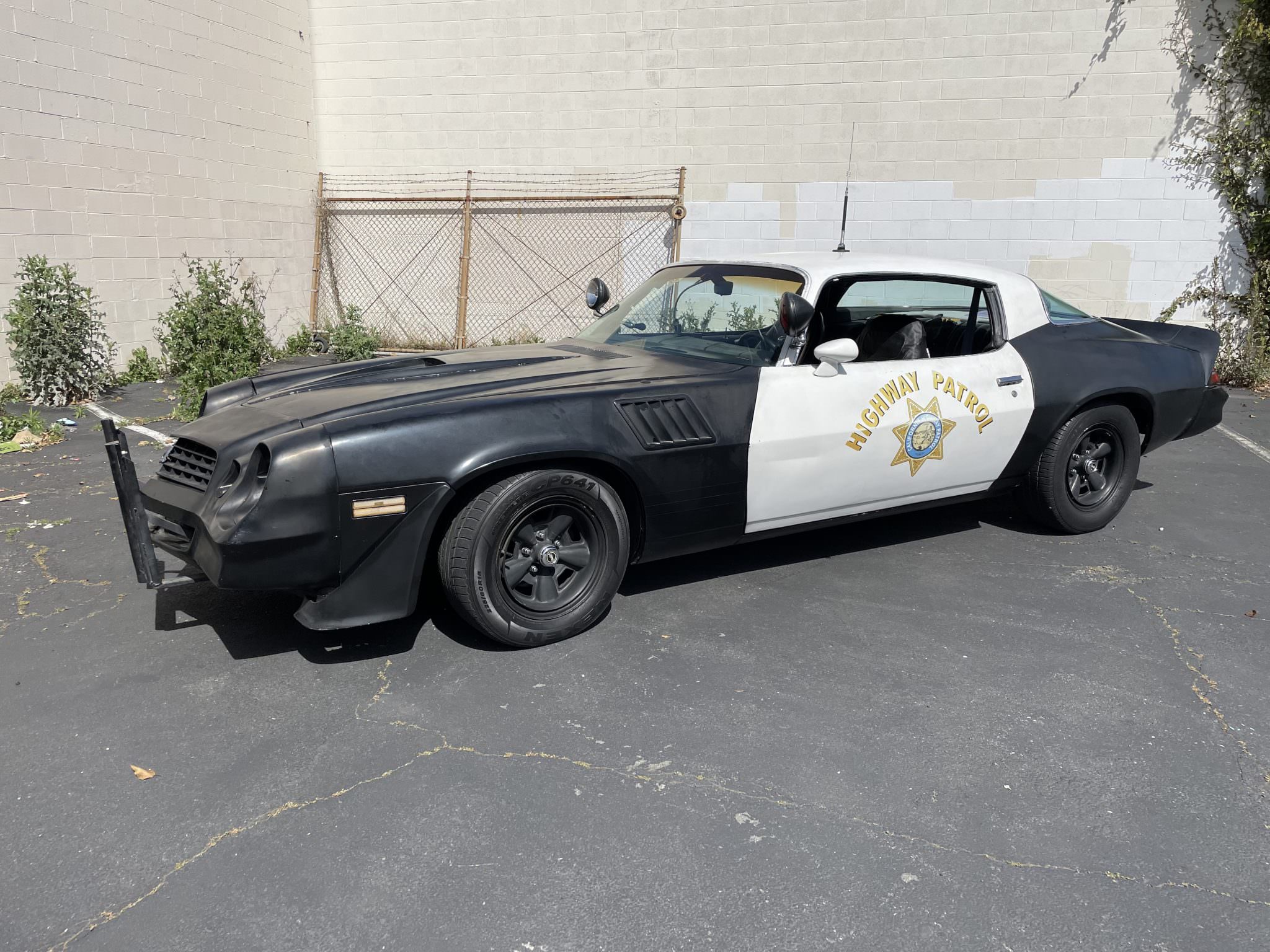
California Highway Patrol Chevrolet Camaro From The Junkman 4

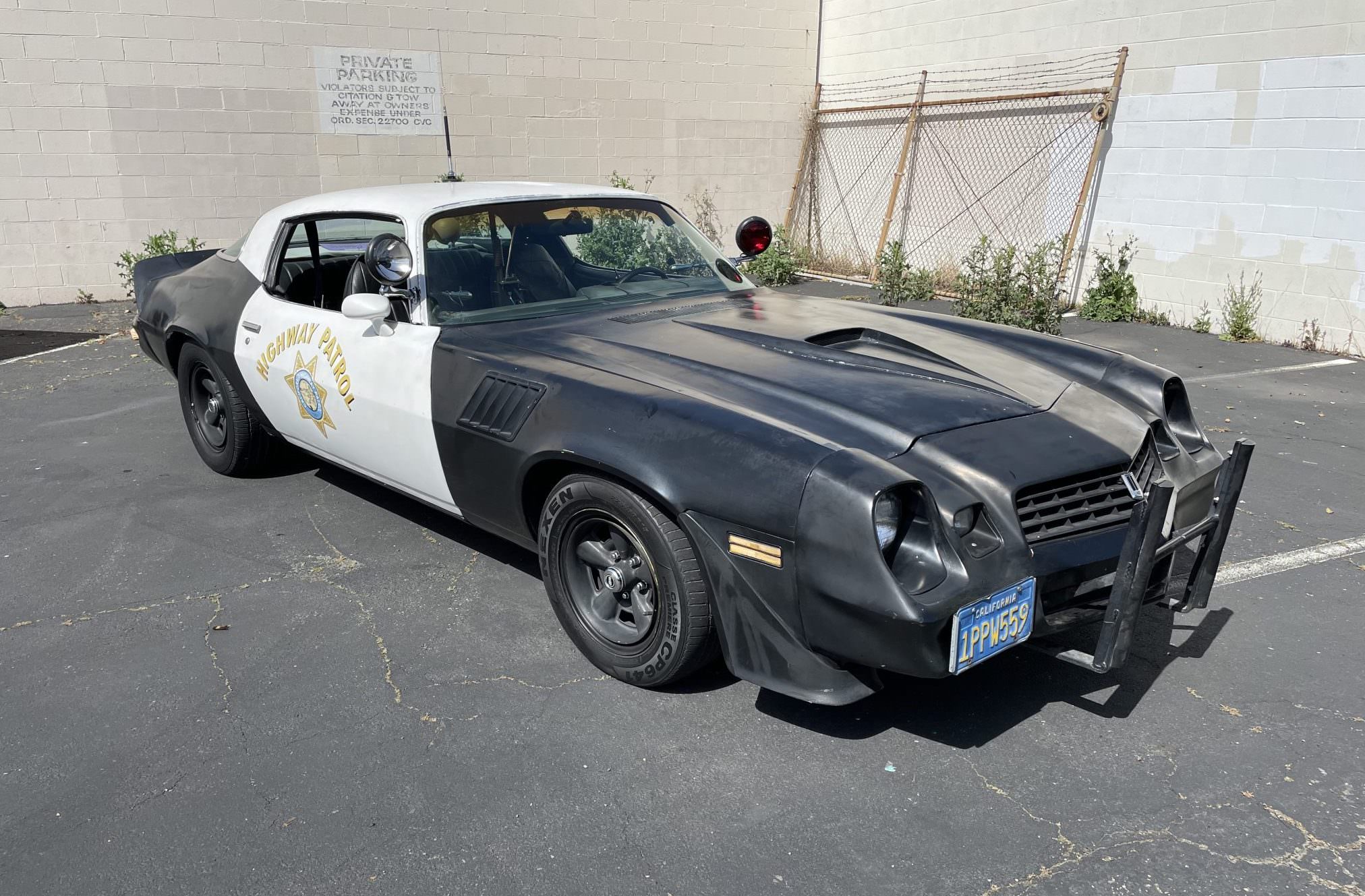
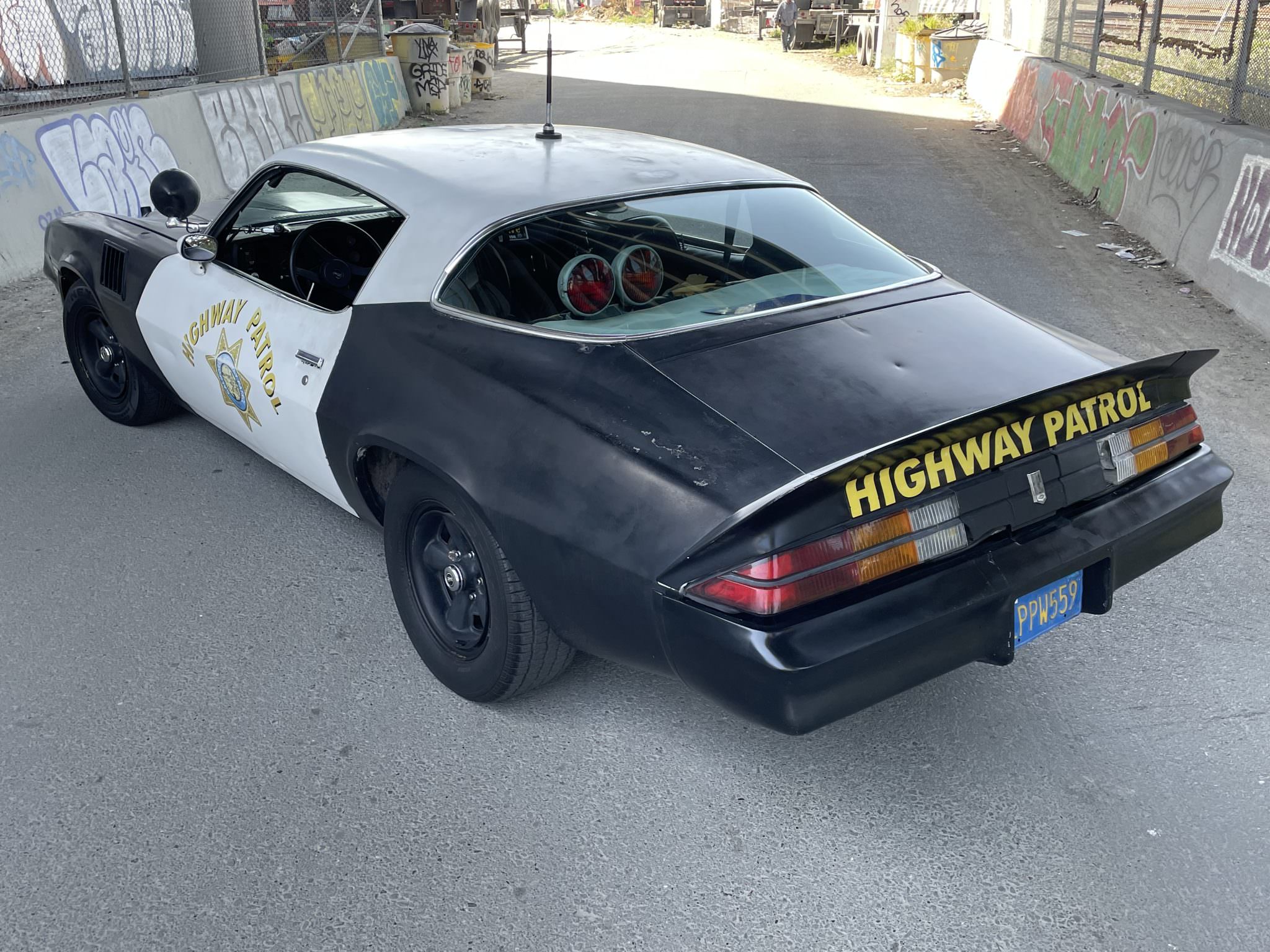
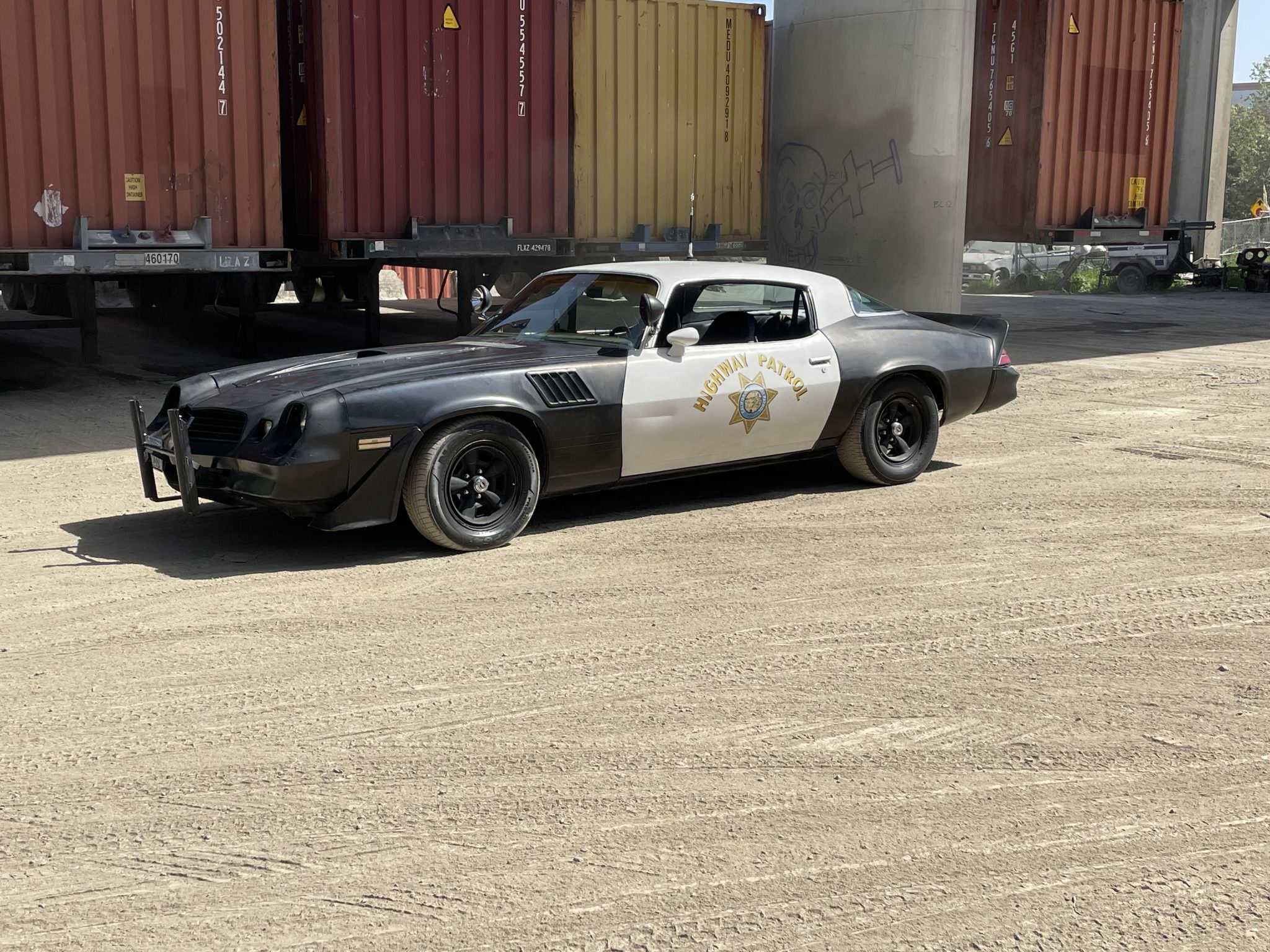
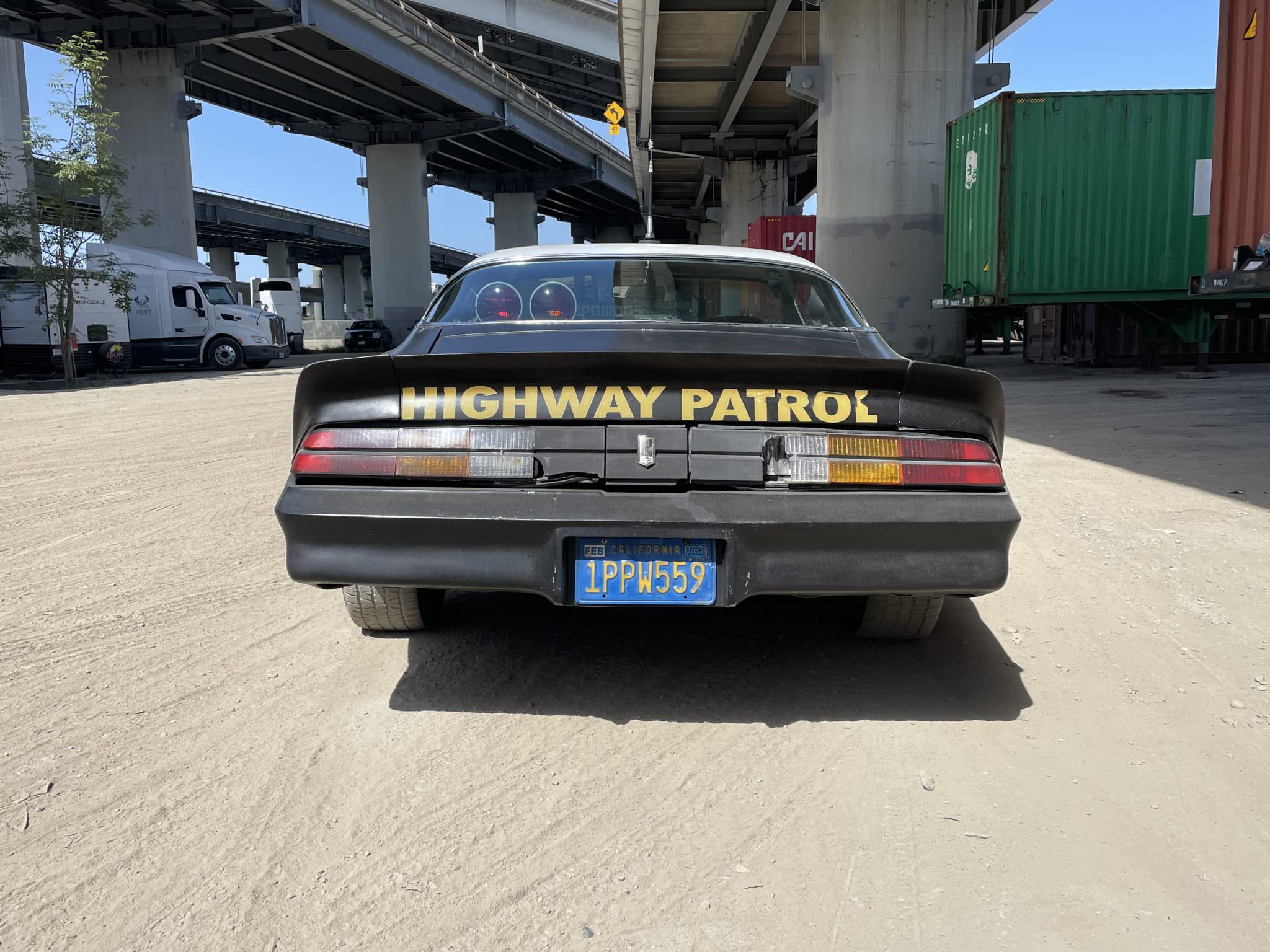
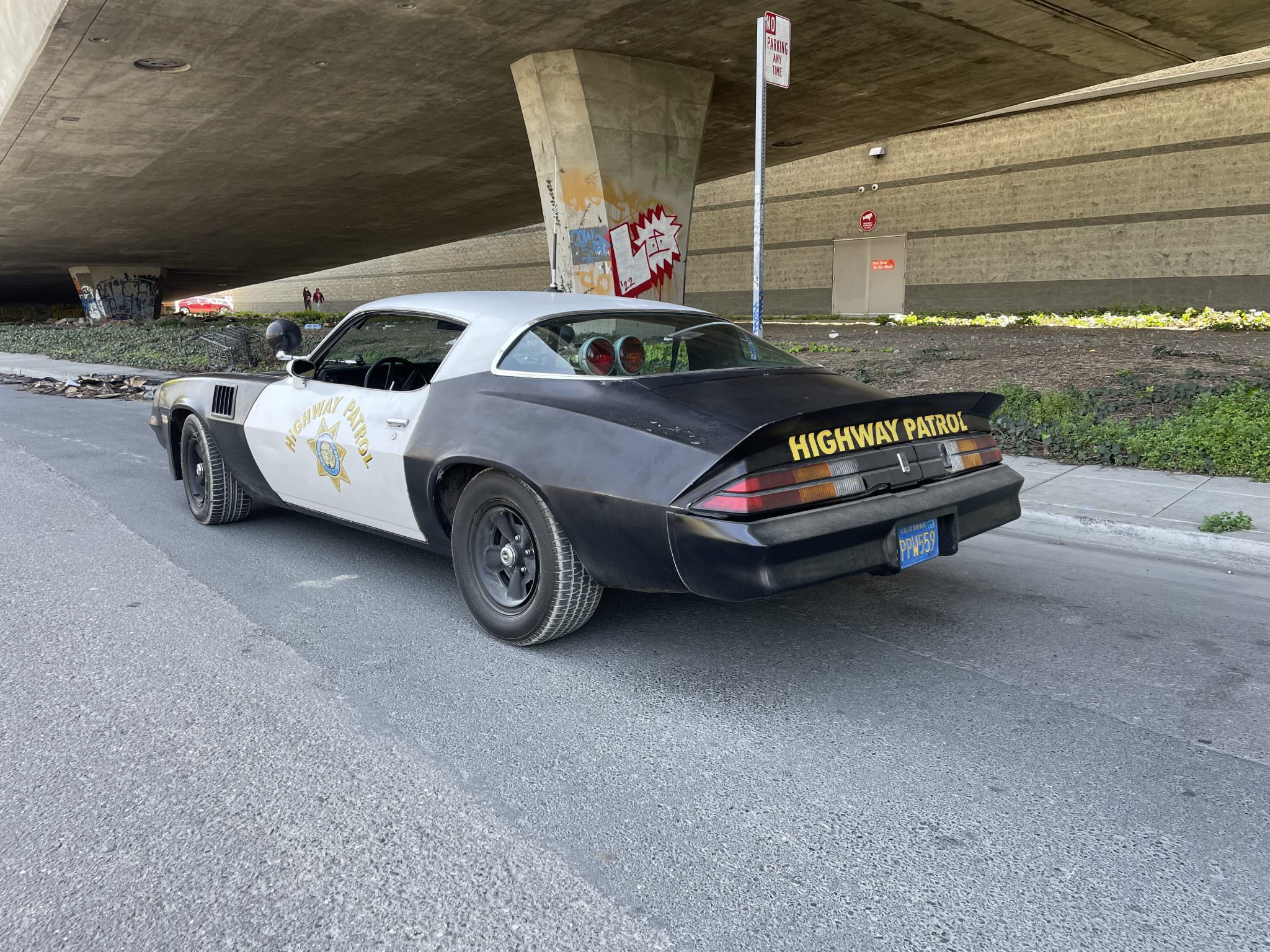
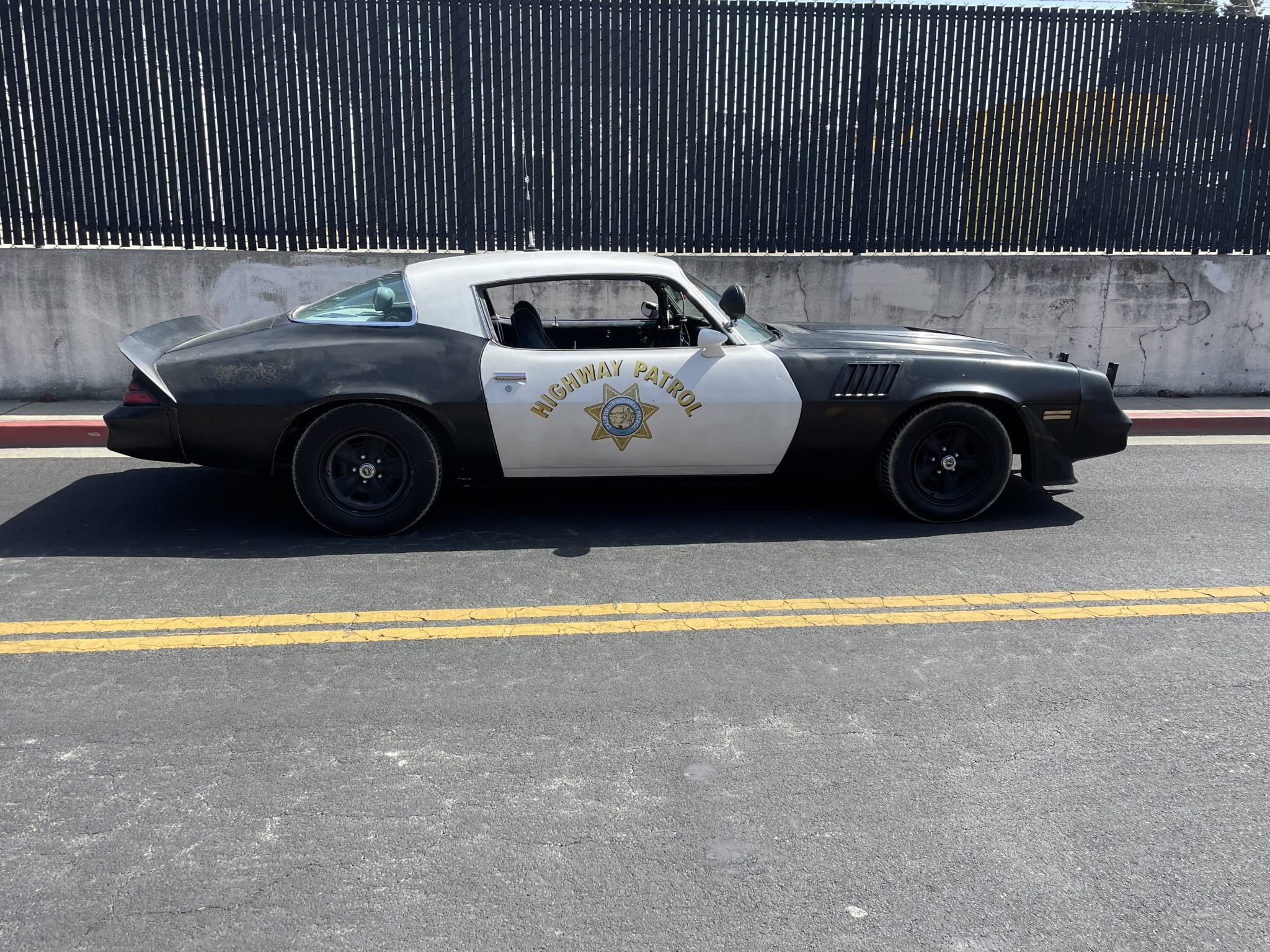
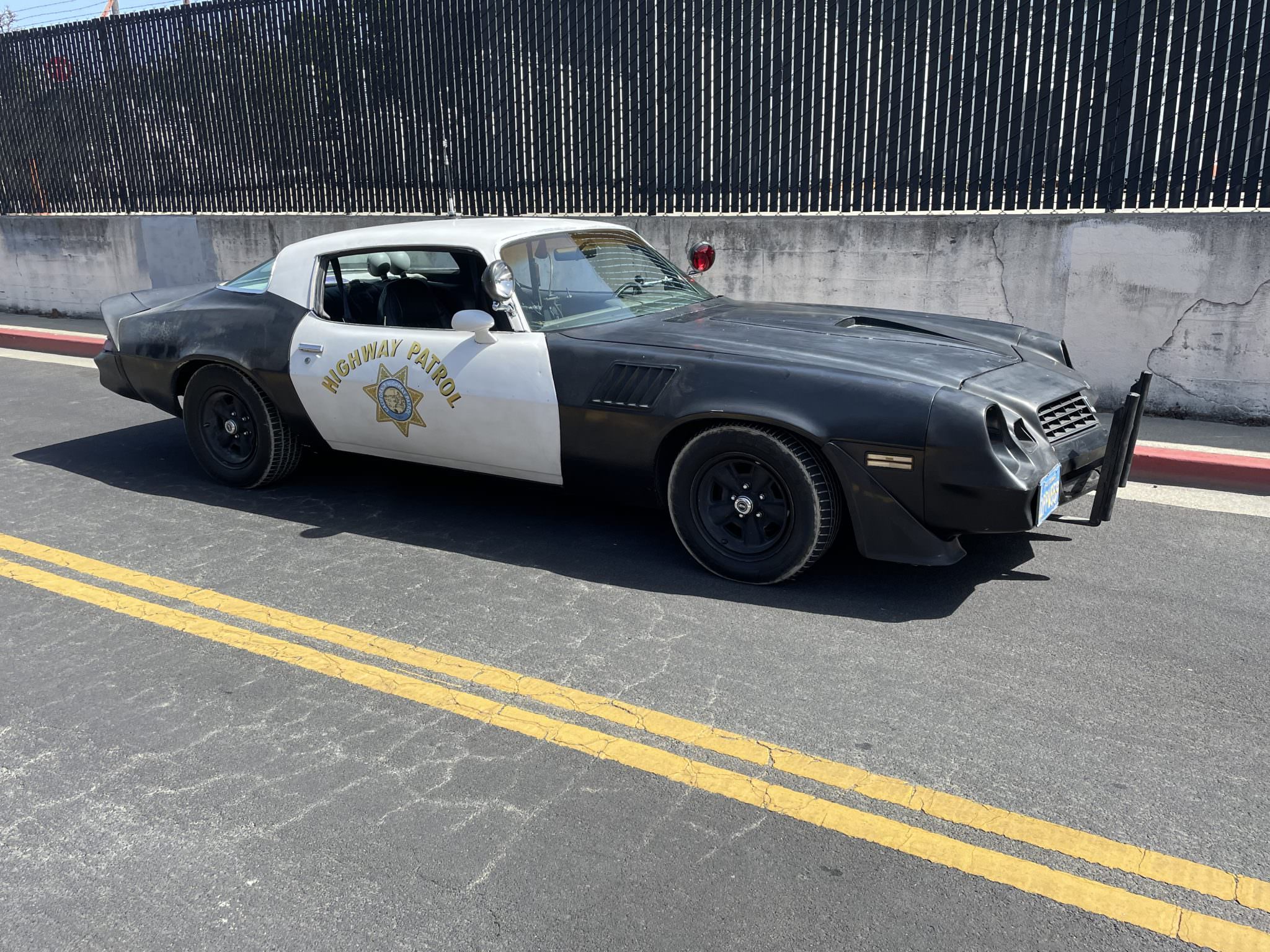
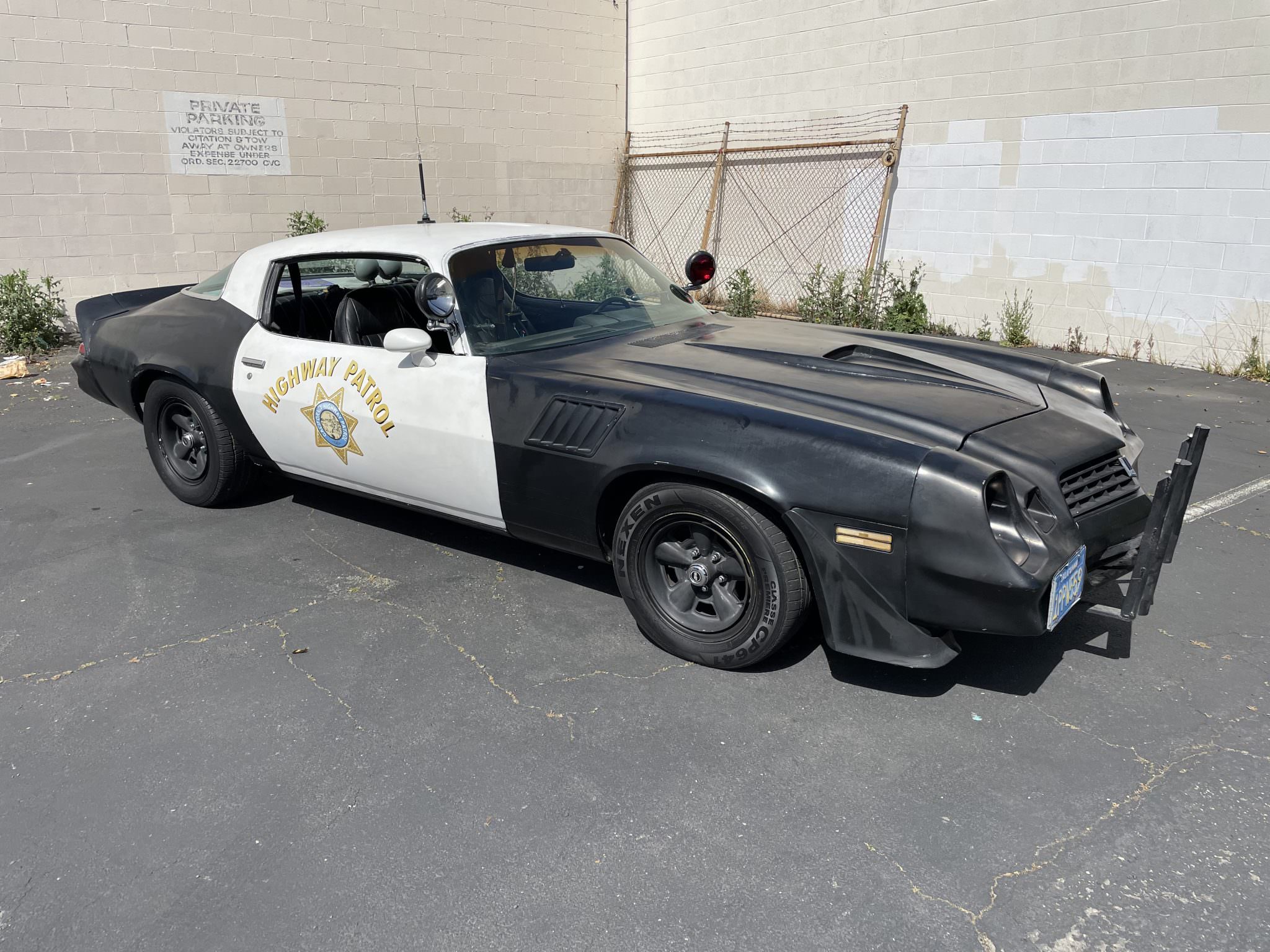
This 1979 Chevrolet Camaro was given period-correct California Highway Patrol livery, as well as a front nudge bar, lights, sirens, and a radio aerial.

Once the production of the film was completed, this car found its way into the California Highway Patrol Museum where it would remain on display for decades.

The car was modified for filming with a new white and back paint scheme to replicate CHP livery, “Highway Patrol” emblems were added to each door and it was also added in script form along the rear spoiler. Red and white A-pillar mounted spotlights were fitted, as well as a front nudge bar, and a large radio aerial.

Given this car’s history as a member of the Gone In 60 Seconds cinematic universe it’s likely to attract a fair amount of attention now that it’s being offered for sale on Bring A Trailer out of Emeryville, California.

If you’d like to read more about it or register to bid you can click here to visit the listing.
California Highway Patrol Chevrolet Camaro From The Junkman 2 The Junkman Movie Poster California Highway Patrol Chevrolet Camaro From The Junkman California Highway Patrol Chevrolet Camaro From The Junkman 20 California Highway Patrol Chevrolet Camaro From The Junkman 19 California Highway Patrol Chevrolet Camaro From The Junkman 18 California Highway Patrol Chevrolet Camaro From The Junkman 16 California Highway Patrol Chevrolet Camaro From The Junkman 15 California Highway Patrol Chevrolet Camaro From The Junkman 14 California Highway Patrol Chevrolet Camaro From The Junkman 13 California Highway Patrol Chevrolet Camaro From The Junkman 12 California Highway Patrol Chevrolet Camaro From The Junkman 10 California Highway Patrol Chevrolet Camaro From The Junkman 9 California Highway Patrol Chevrolet Camaro From The Junkman 7 California Highway Patrol Chevrolet Camaro From The Junkman 5 California Highway Patrol Chevrolet Camaro From The Junkman 3 California Highway Patrol Chevrolet Camaro From The Junkman 1

Images courtesy of Bring A Trailer.
California Highway Patrol Chevrolet Camaro From The Junkman 21

The post For Sale: The California Highway Patrol Chevrolet Camaro From “The Junkman” appeared first on Silodrome.


from Silodrome https://silodrome.com/chevrolet-camaro-the-junkman/
via gqrds

The Weird & Wonderful Bristol 412

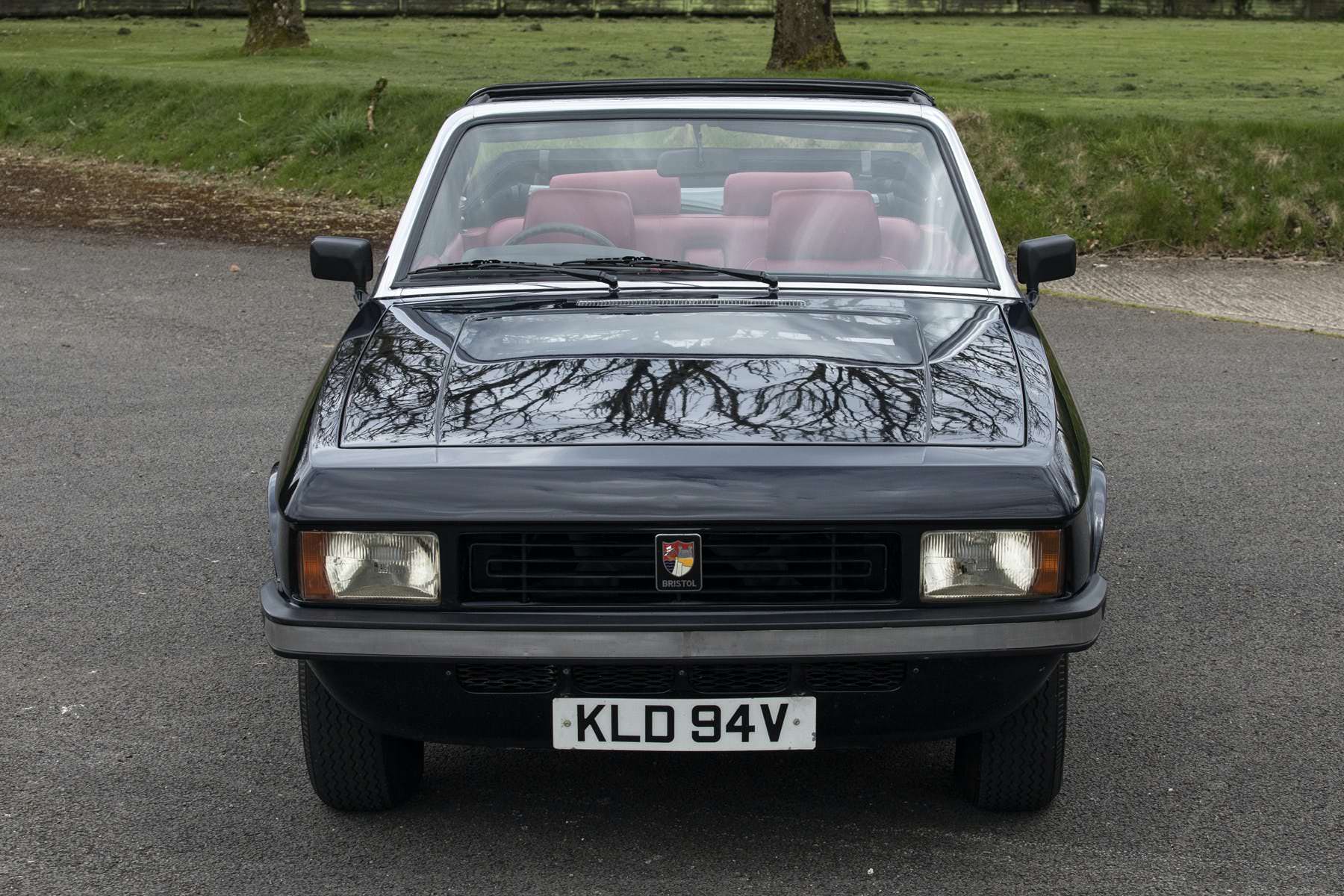
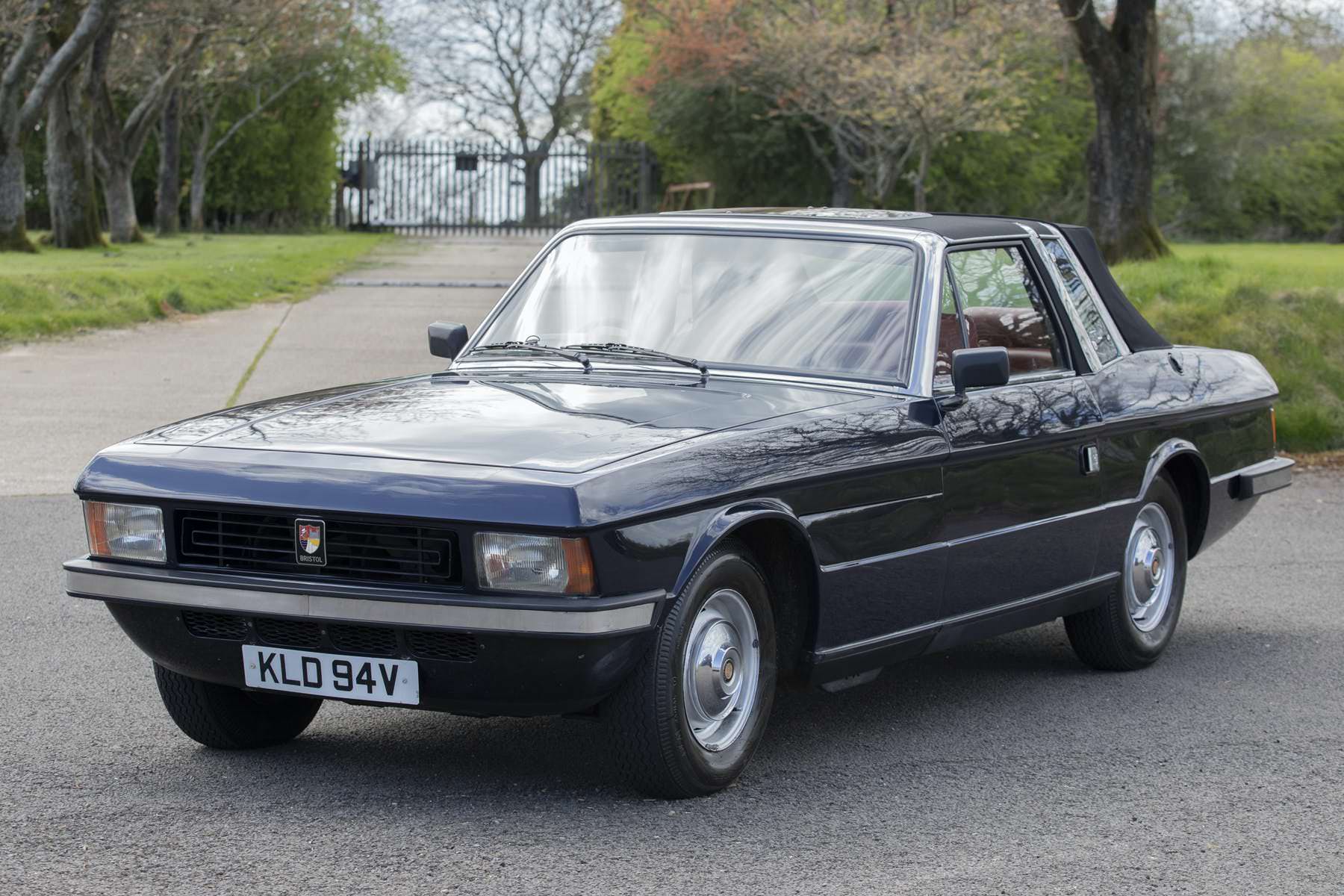
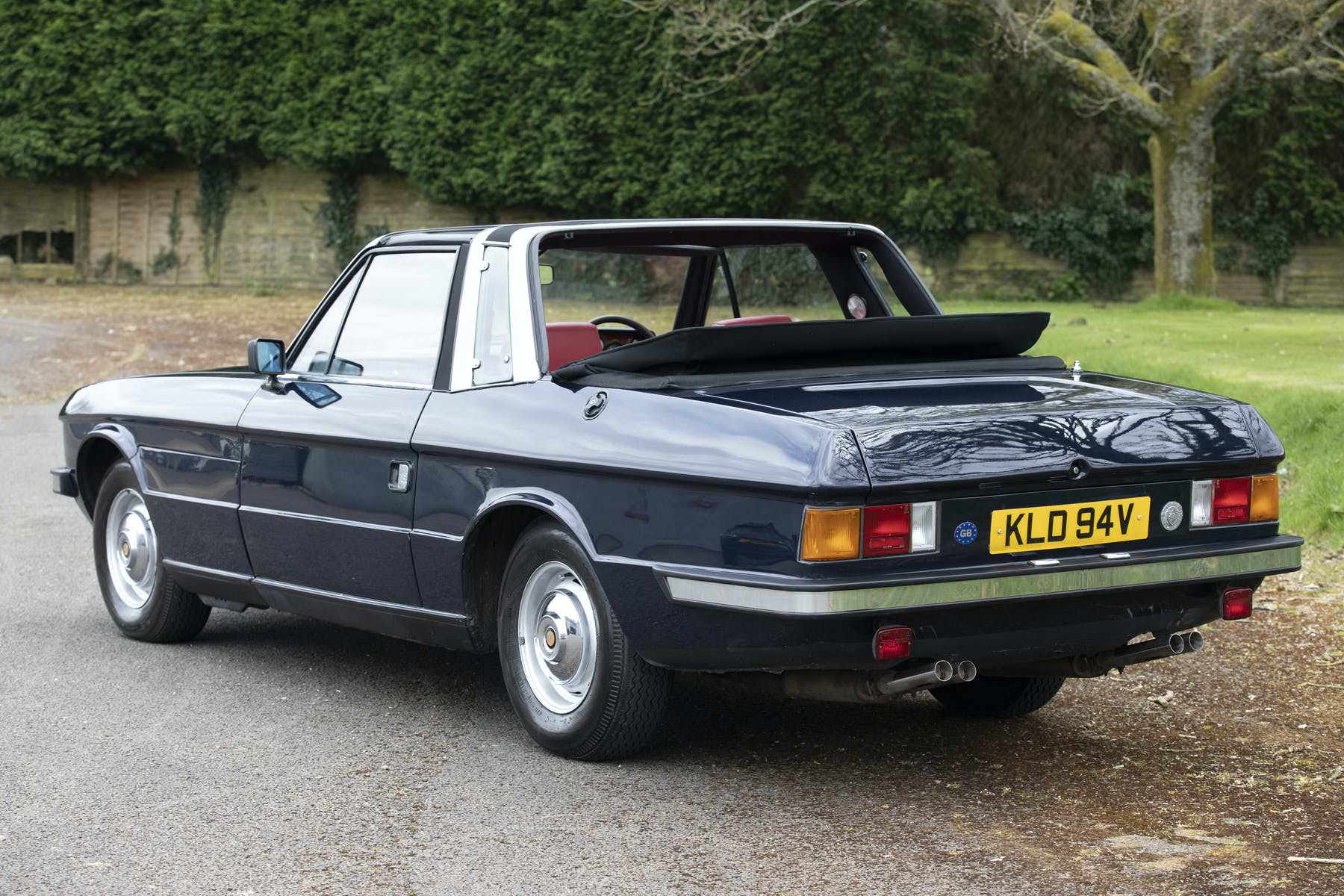
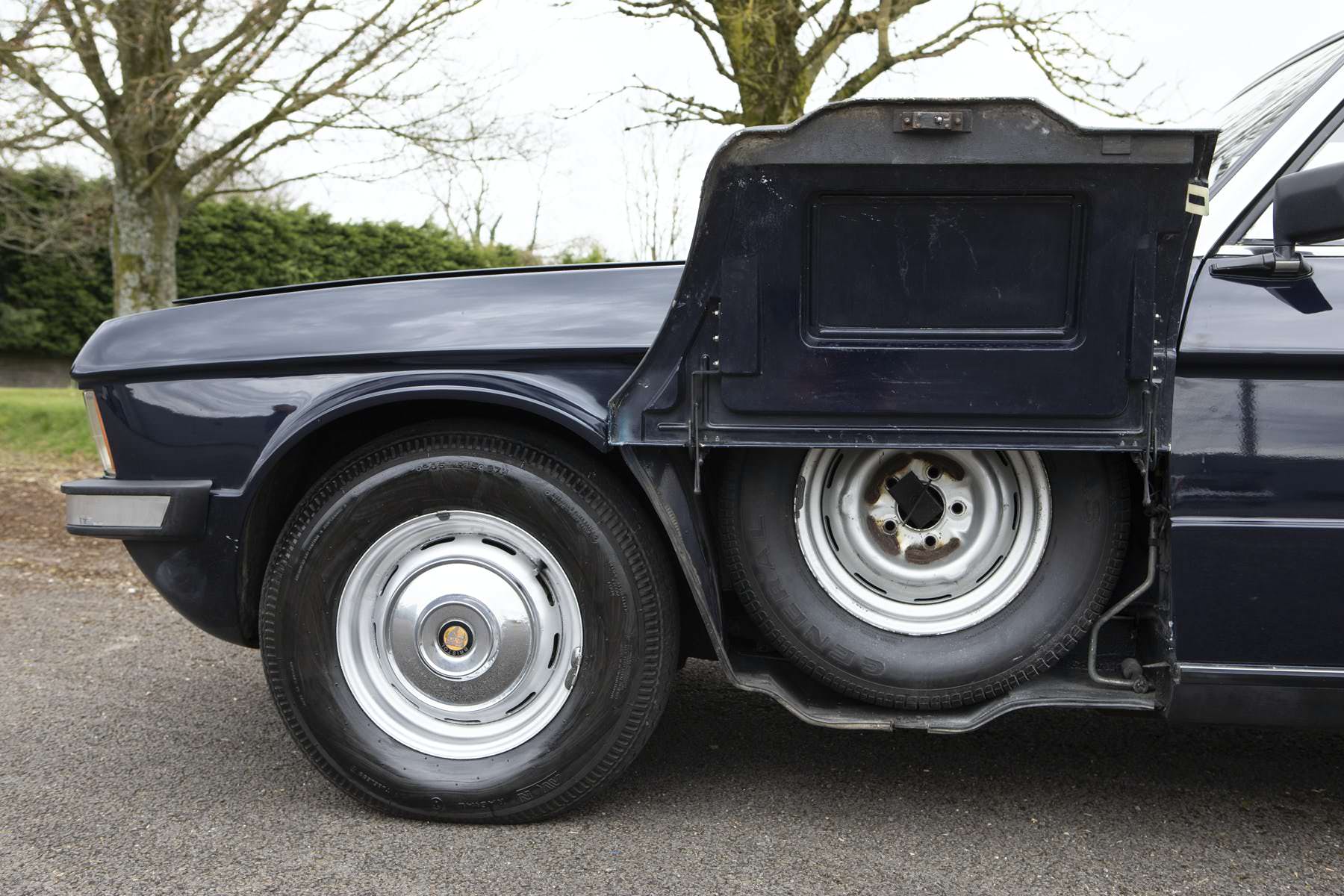
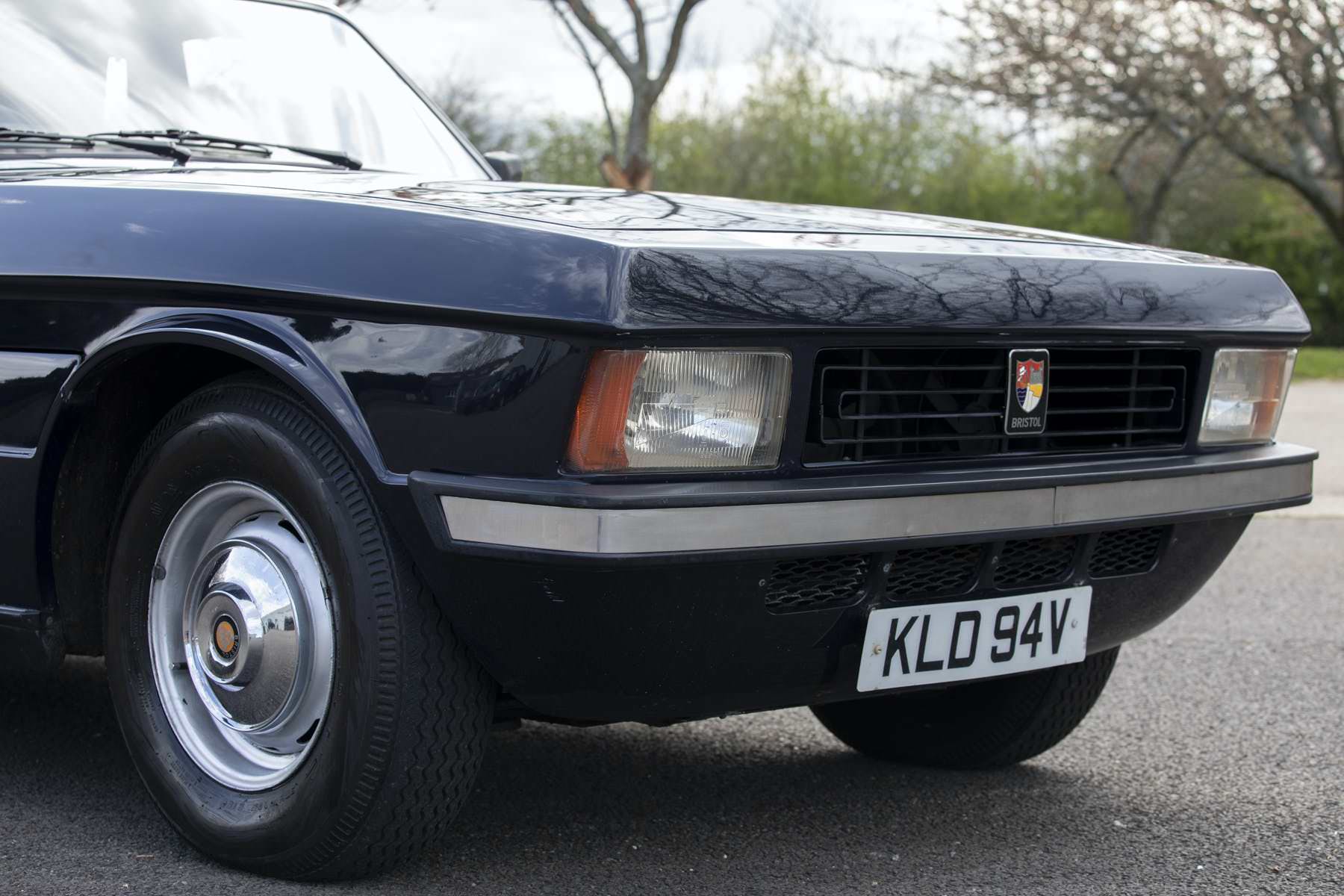
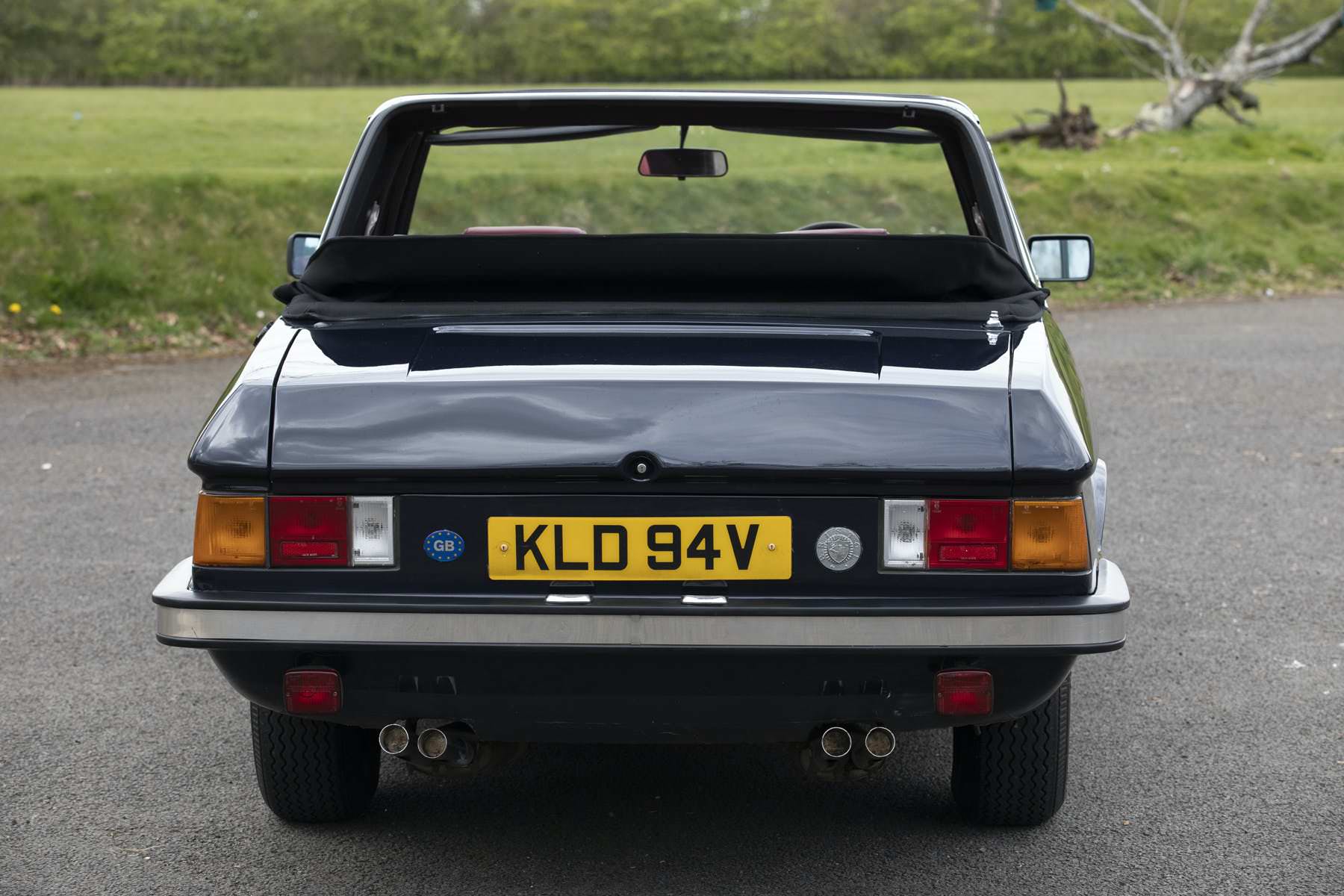
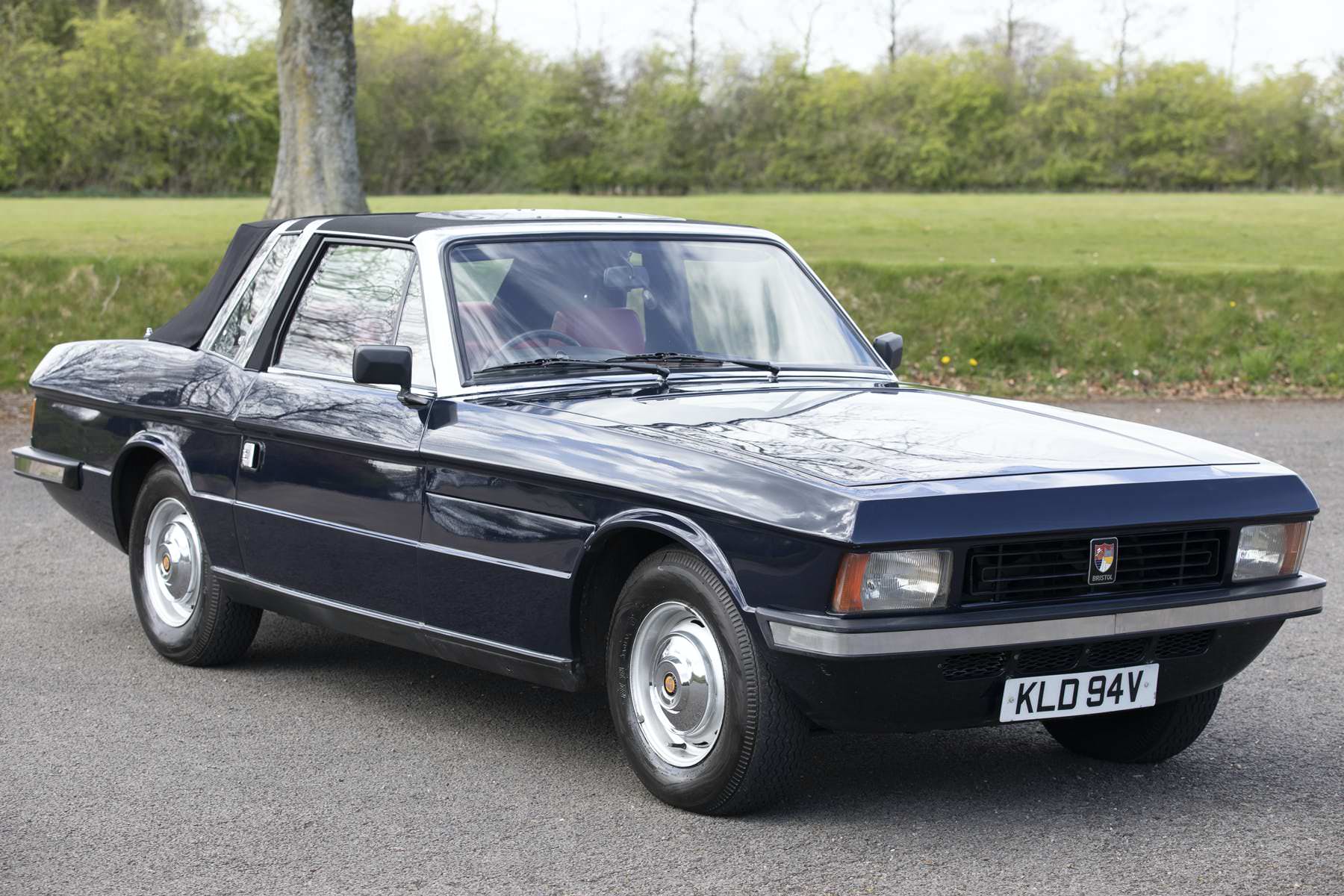
This is a Bristol 412, it’s a classic GT car that many haven’t seen before, even in Britain where it was originally built. The body was designed in Italy, the engine was sourced from the USA, and the cars were built at the Bristol factory in southern England.

Bristol was one of those unusual British automakers, a little like Morgan, Lister, Caterham, Marcos, or TVR, that produced vehicles in very limited numbers for a very specific clientele.

Fast Facts – The Bristol 412

  • Bristol Cars appeared in the years immediately after WWII to provide work for the employees of the Bristol Aeroplane Company. The post-wartime demand for aircraft plummeted but demand for automobiles was high.
  • Bristol became known as a builder of high-quality luxury cars that were favored by the upper class, the company had a single showroom, positioned on the corner of Kensington High Street and Holland Road in London.
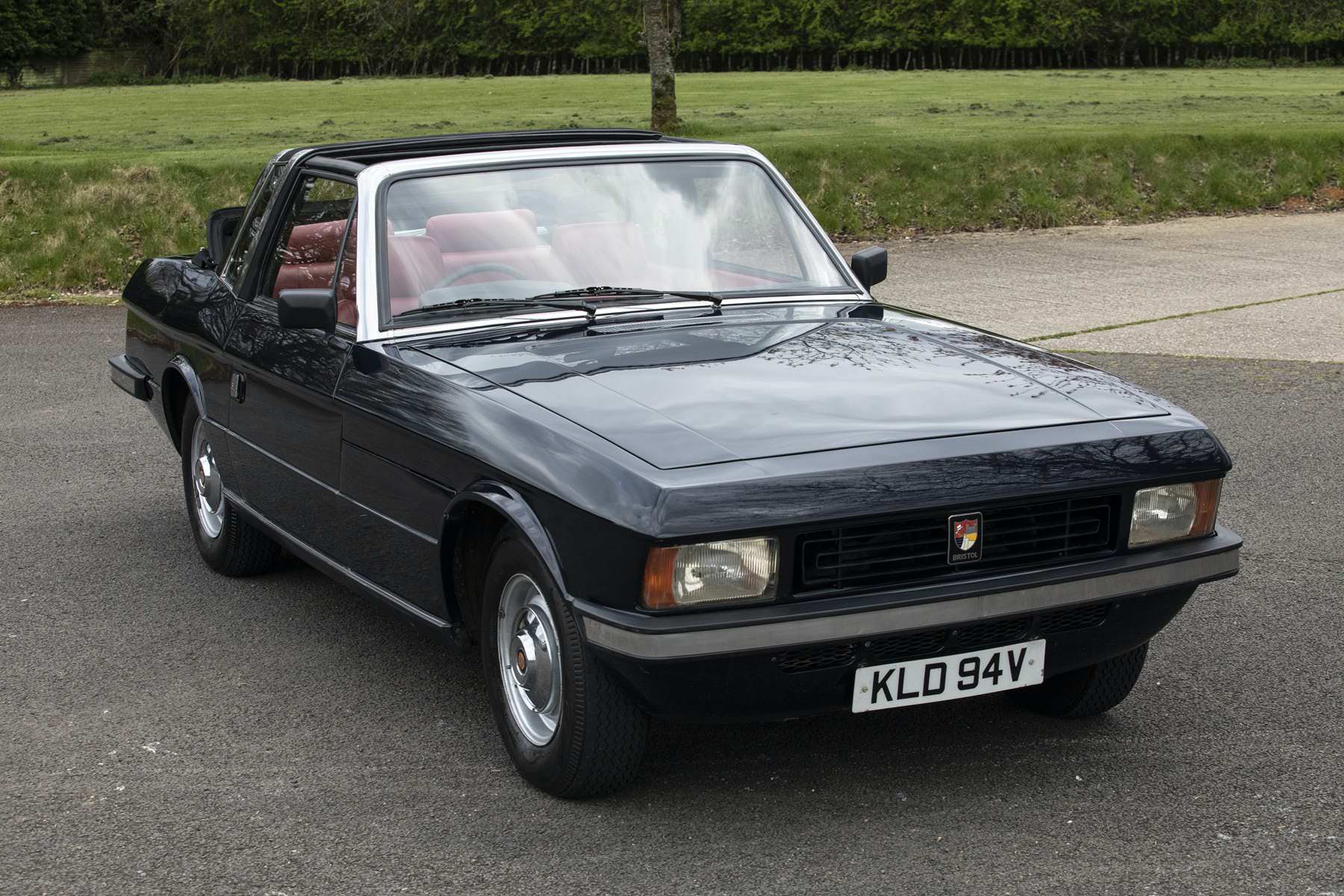
  • The Bristol 412 was introduced in 1975 as the replacement for the Bristol 411, it featured a new more angular body designed by the team at Zagato in Italy with an American V8-based drivetrain, and a classically luxurious Bristol interior.
  • Just 98 examples of the Bristol 412 were built at a starting price of £14,584, the approximate equivalent of £130,200 or $170,100 USD in 2022.

The Bristol Aeroplane Company

During the Second World War the Bristol Aeroplane Company was absolutely critical for the Allied war effort.

Bristol 156 Beaufighter Plane

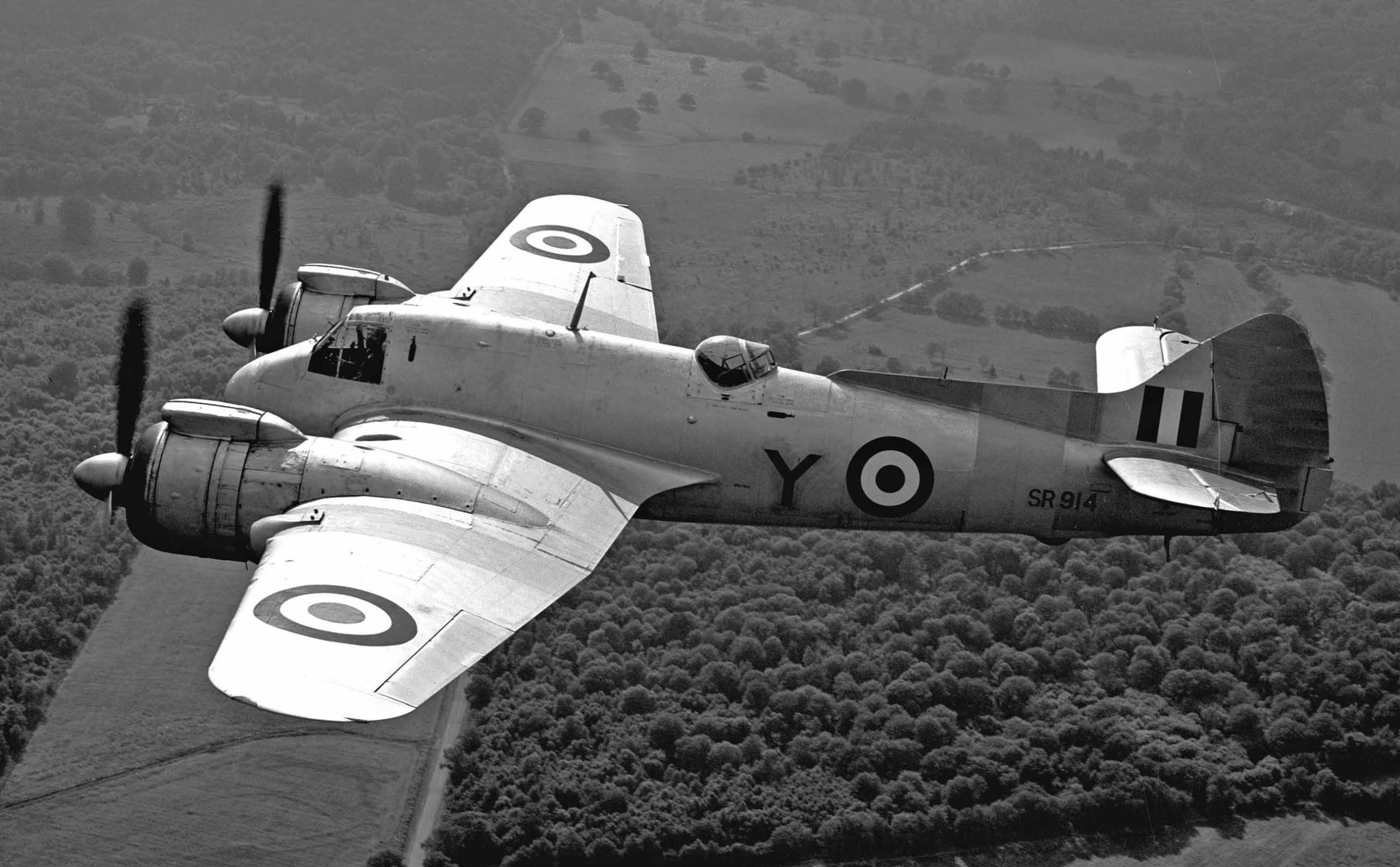
An air to air photograph of Bristol 156 Beaufighter toward the end of the type’s RAF service. Image courtesy of BAE Systems.

The British company built a number of aircraft that were heavily relied upon, perhaps none more so than the Bristol Beaufighter, a multirole aircraft, a long-range fighter, night fighter, ground attack aircraft, and torpedo bomber.

The company had been founded in 1910 after a chance meeting between Sir George White, chairman of the Bristol Tramways and Carriage Company, and American aviation pioneer Wilbur Wright in France in 1909.

Sir White quickly realized the potential of the aviation sector, particularly given the fact that many aircraft manufacturers at the time were run by enthusiasts with little business training.

He established the Bristol Aeroplane Company as an entirely professional endeavor, run by experienced businessmen, with a working capital of £25,000 – a king’s ransom at the time.

Bristol rose to become one of the most important aircraft manufacturers in the country, supplying military aircraft for World War I and World War II. In 1959 the company was joined with English Electric, Hunting Aircraft, and Vickers-Armstrongs to form the British Aircraft Corporation (BAC).

Bristol 412 3

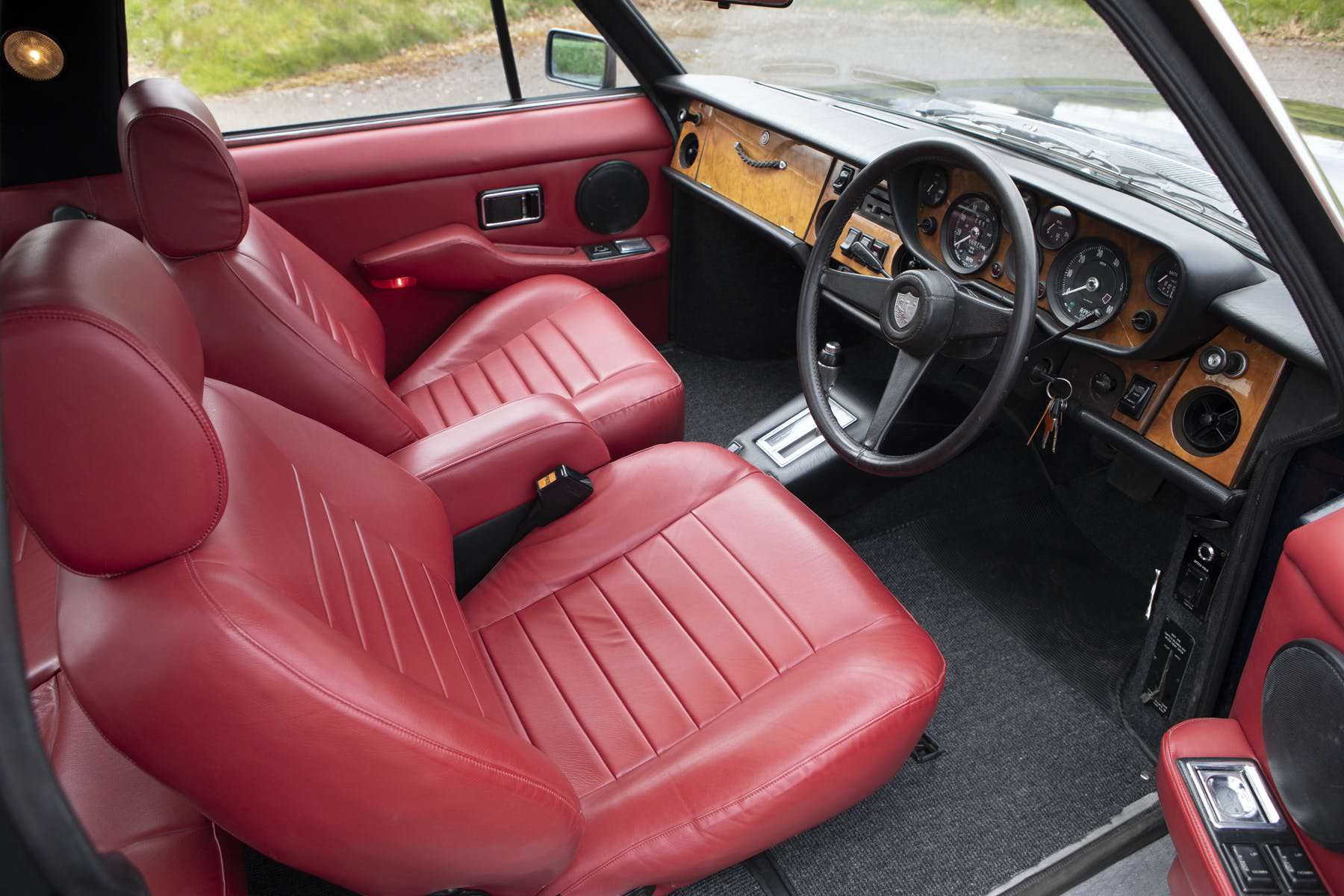
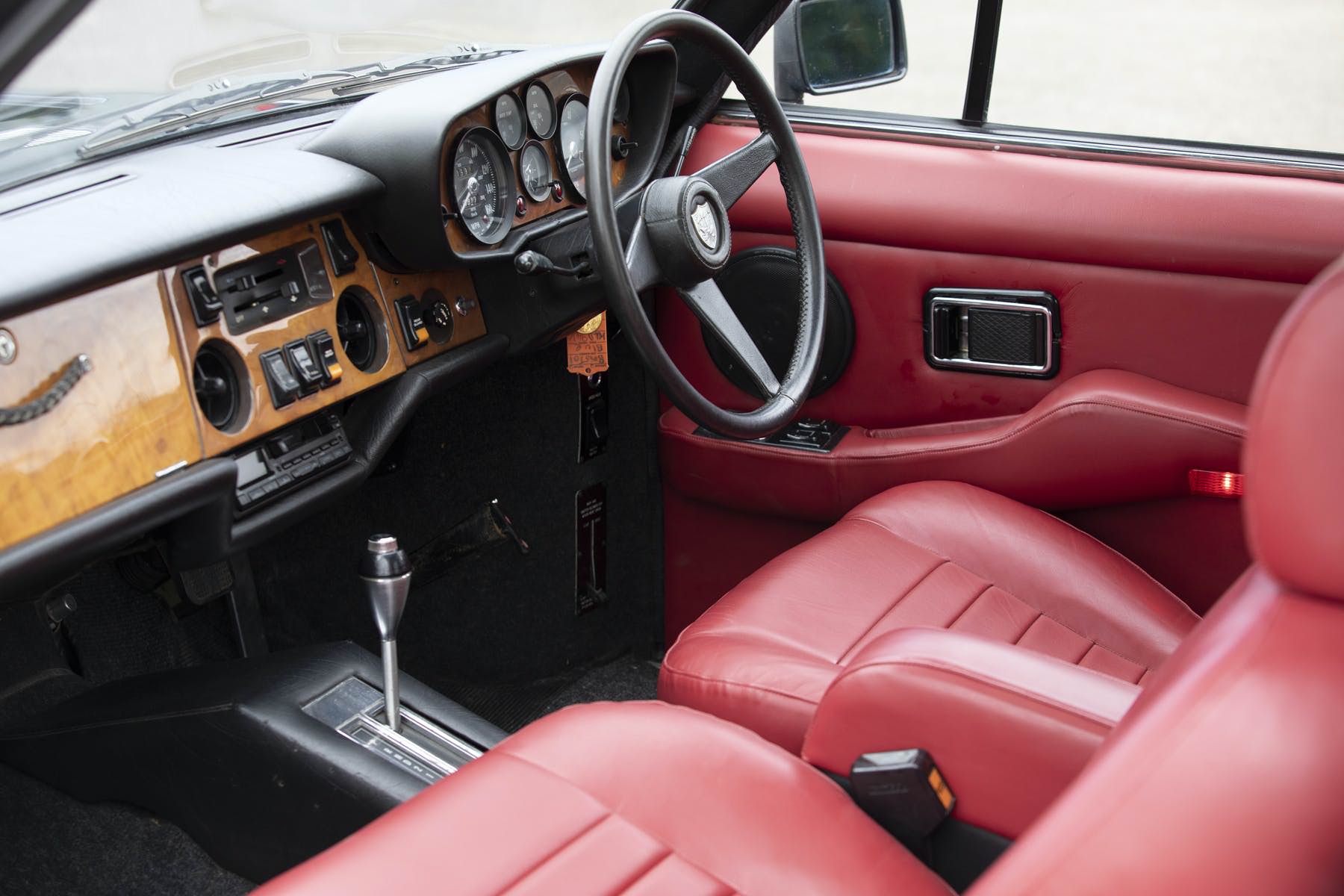
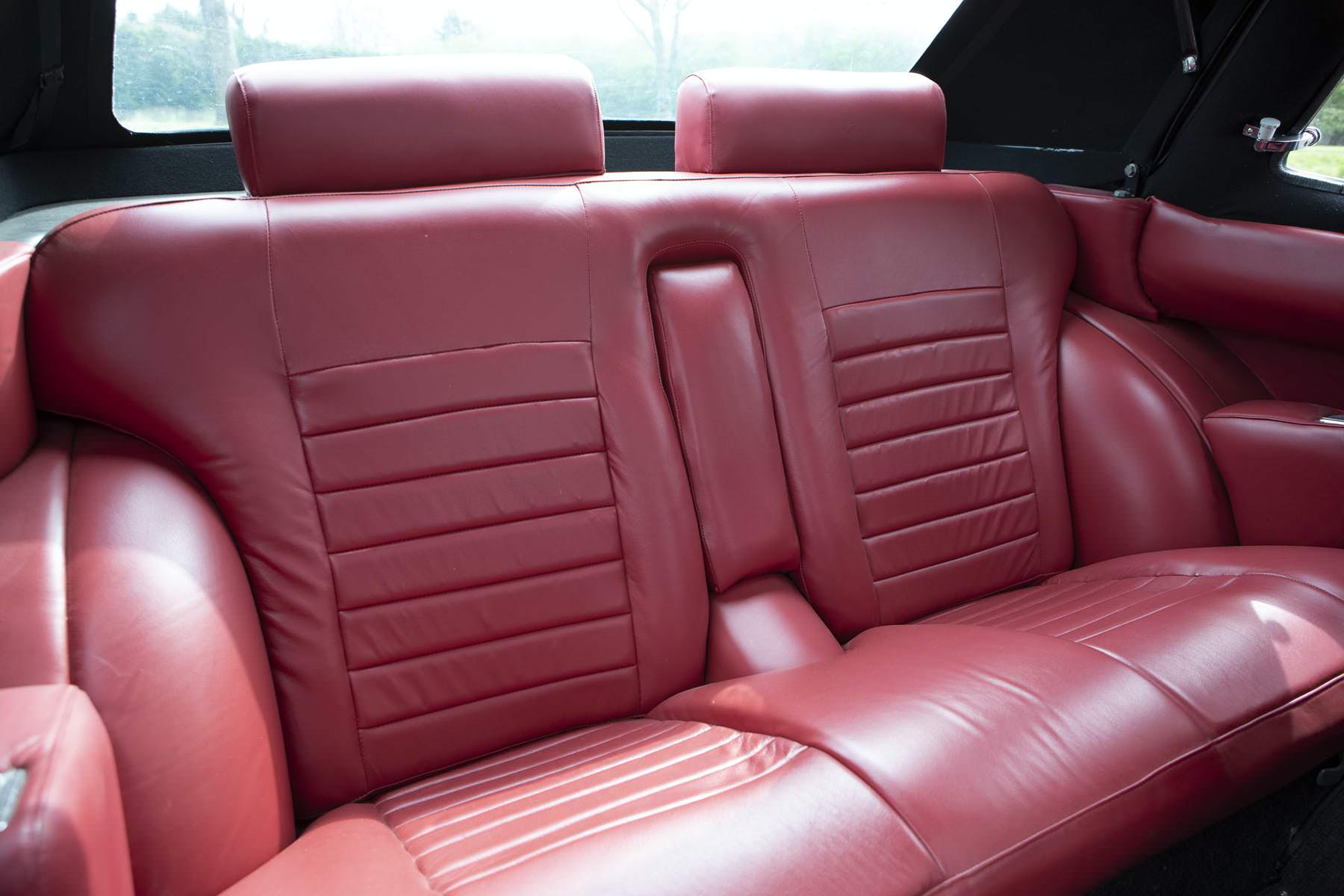
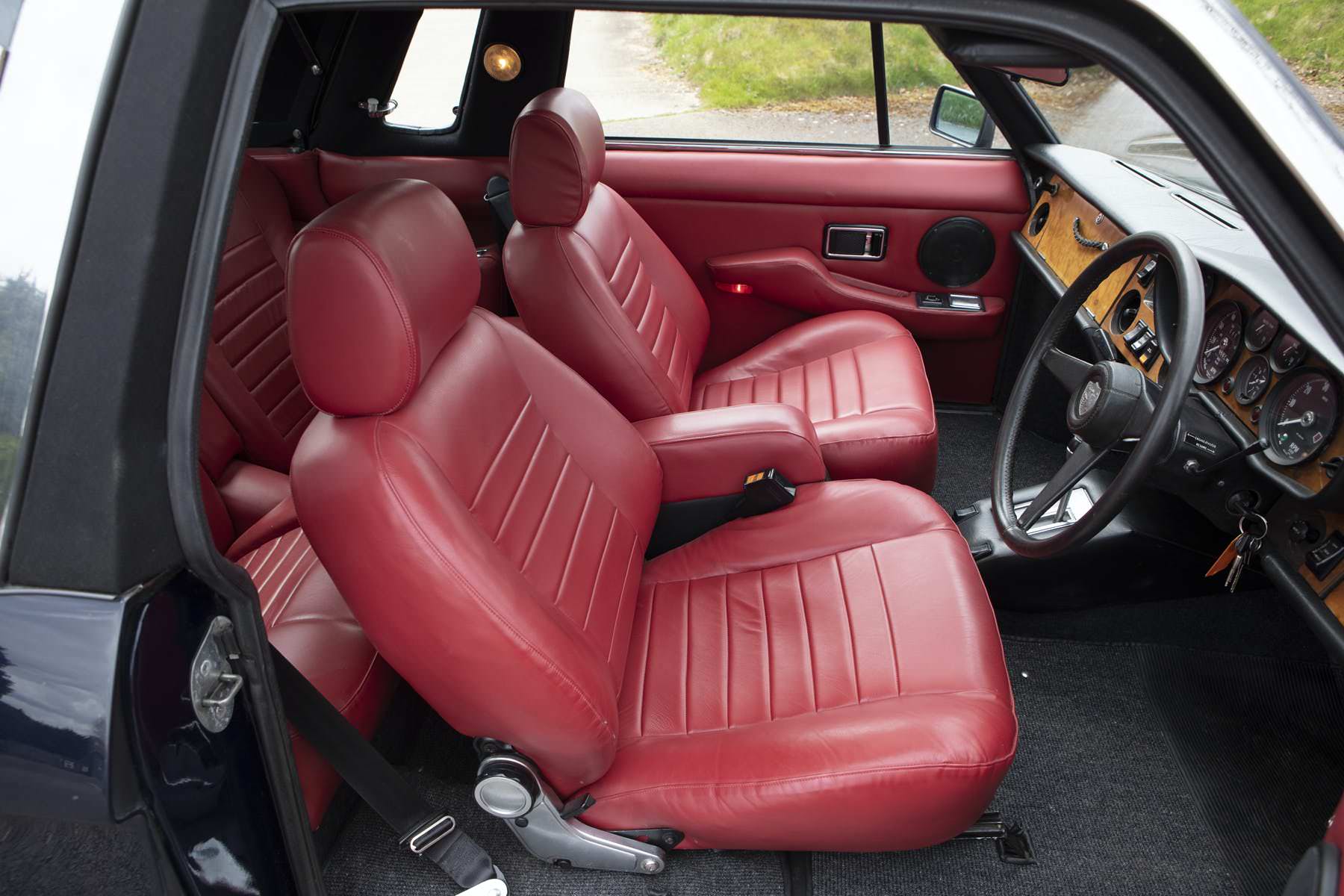
The Bristol 412 was designed as a luxury grand tourer, the interior was upholstered with leather, the dashboard had walnut woodgrain trim, and all four seats were very comfortable.

BAC was then nationalized along with Scottish Aviation and Hawker Siddeley to form British Aerospace, which then became BAE Systems – now the largest defense contractor in Europe.

The Bristol 412

During WWII the team at Bristol were already formulating plans to enter automobile production in earnest after the war. They would eventually enter into a short-lived agreement with Frazer Nash to build a new car based on BMW underpinnings which had been licensed as war reparations.

This new car would be named the Bristol 400, it was an elegant two-door luxury car powered by a modified version of the BMW 328 engine sitting on a version of the BMW 326 chassis with a new body built by Bristol.

The 400 series Bristols would continue and by 1961 with the release of the Bristol 407 the company had switched to using American V8s from Chrysler. In 1975 Bristol released a new design with a radically different body from the team at Zagato in Italy, it was called the Bristol 412 and it would remain in production for almost 20 years.

Bristol 412 4

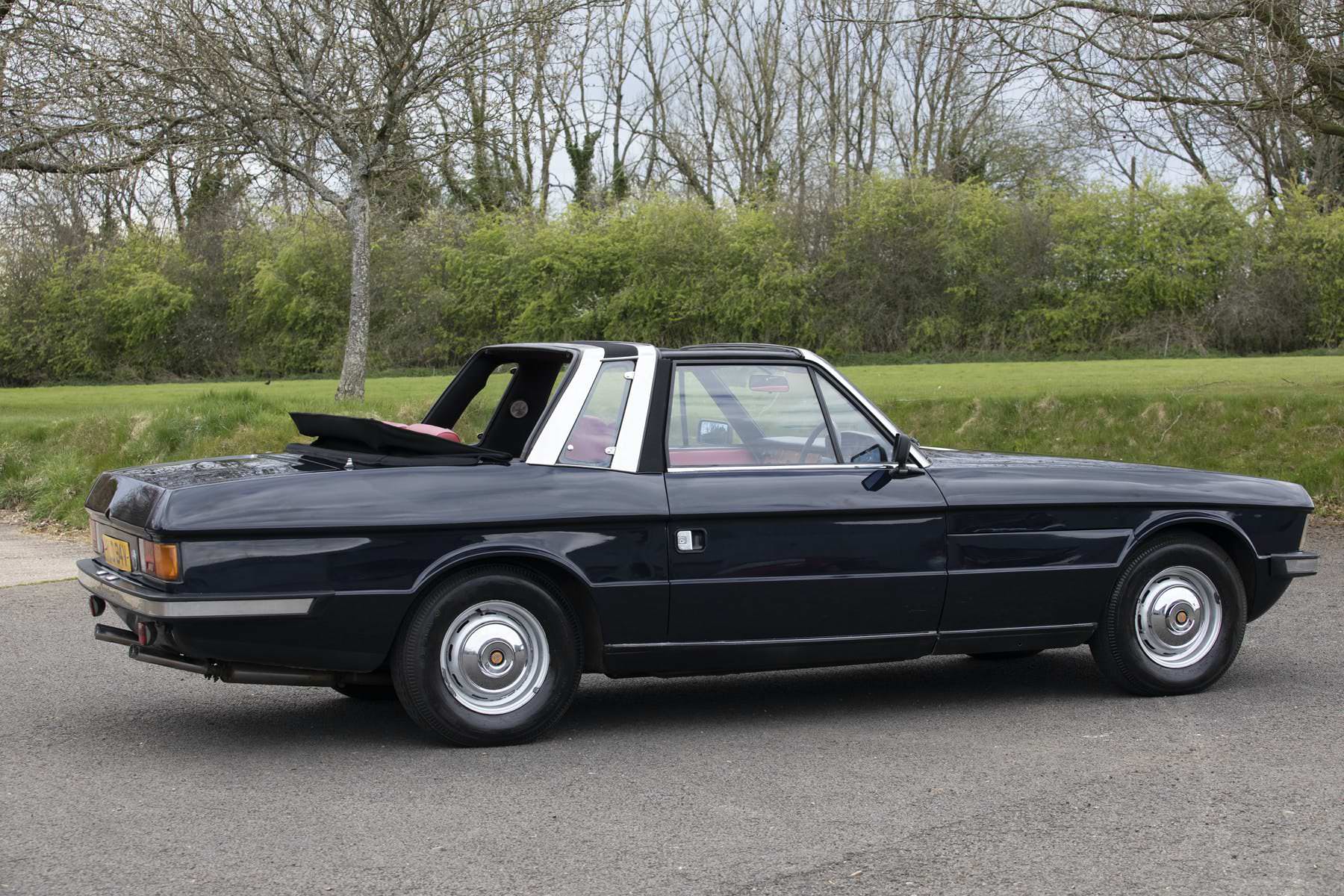
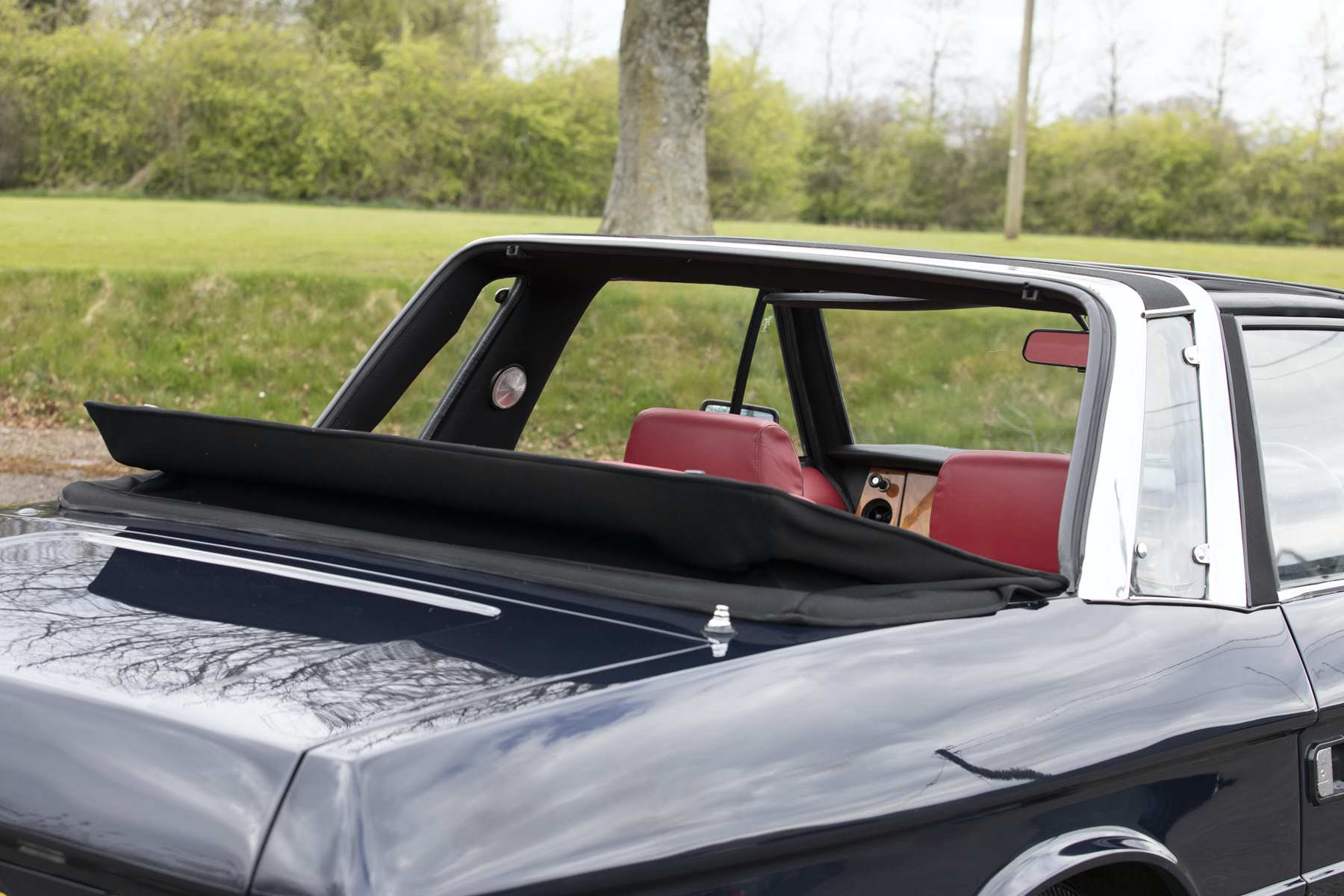
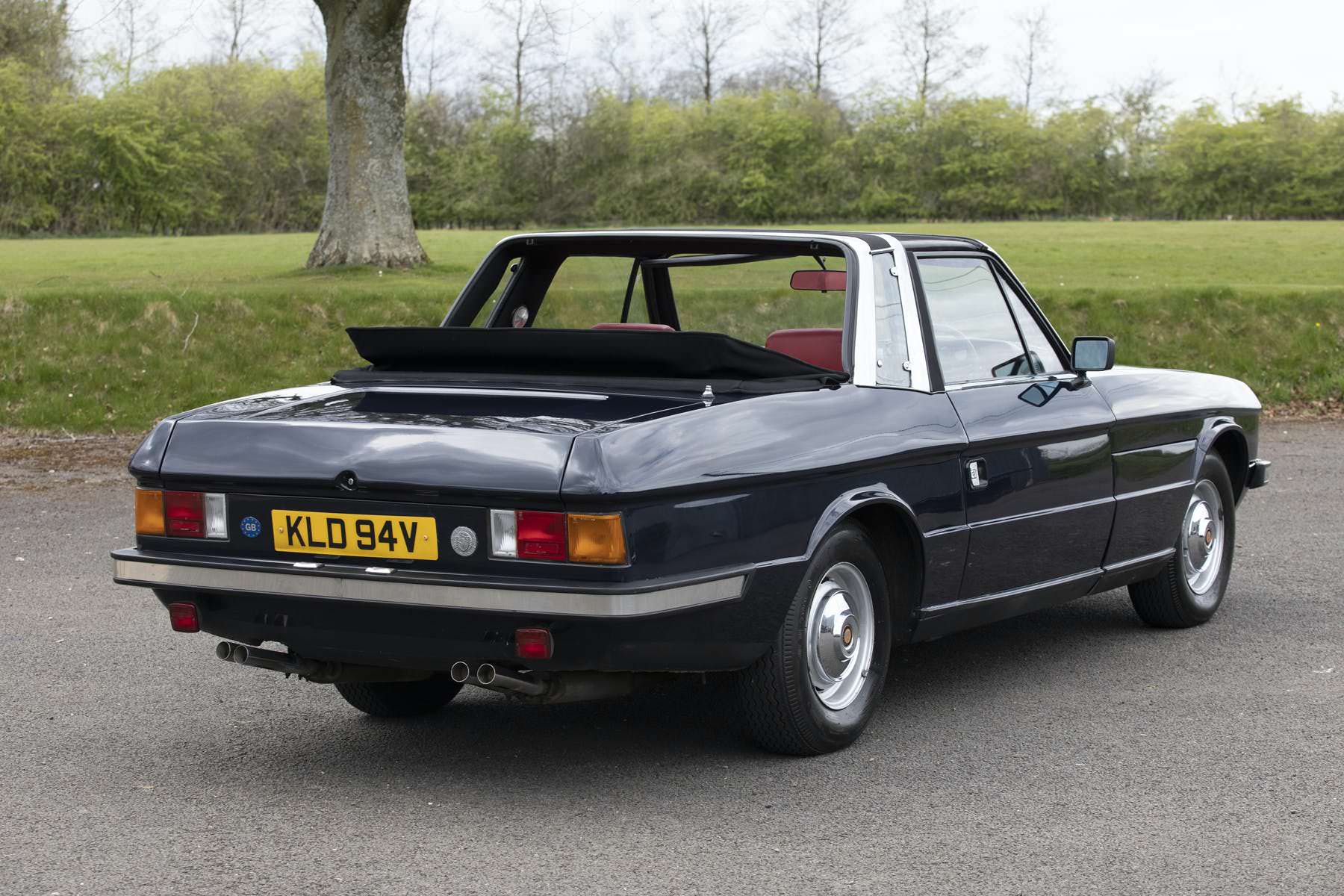
The targa-typwe roof incorporates a removable hardtop that can stow in the trunk, it has a fold down rear section, and the main roof section includes a roll bar for safety.

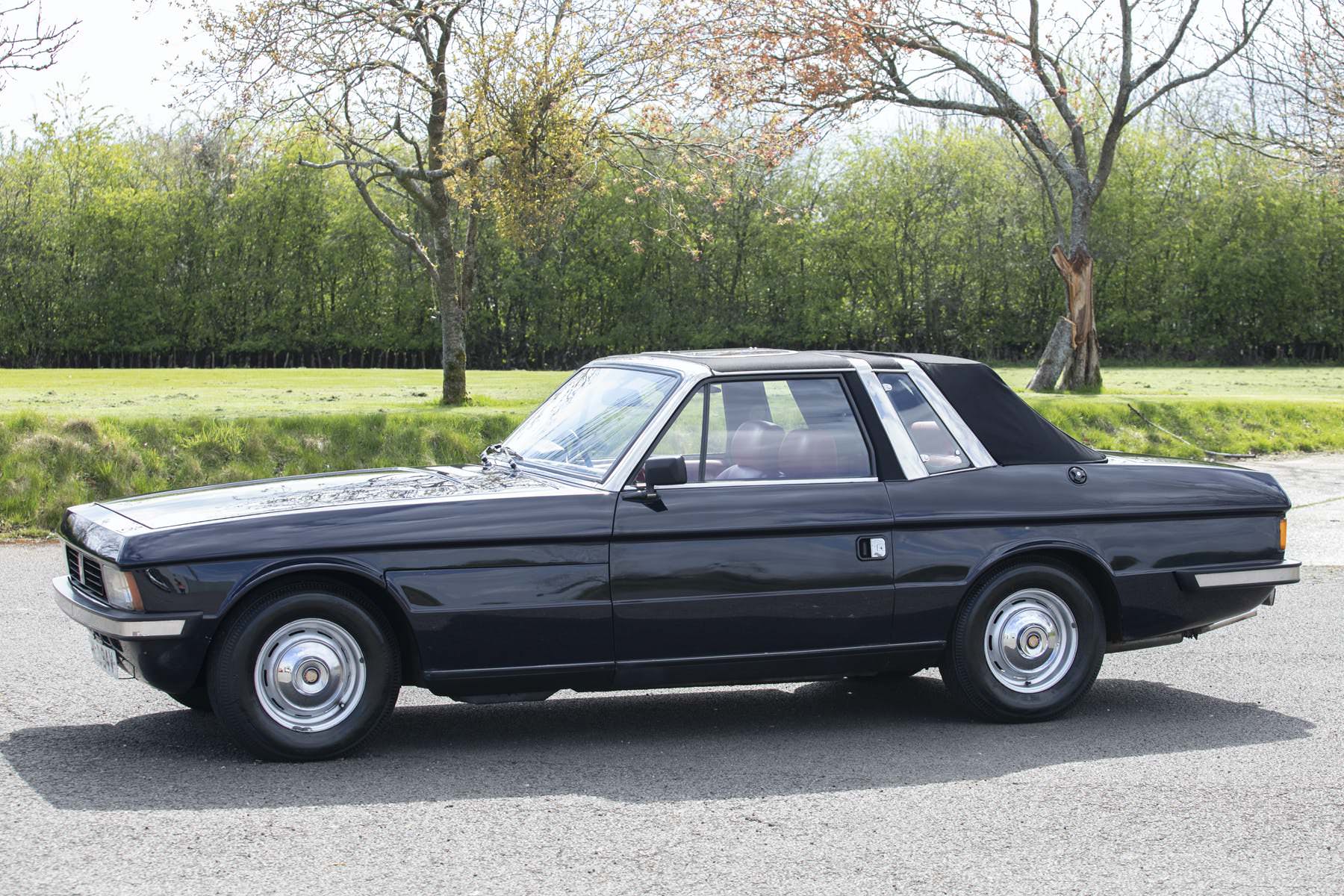
The styling of the Bristol 412 has long been controversial. It’s very much a car that people either love or hate, with little room in the middle. The 412 was produced over two series with two primary variants produced, the Bristol Beaufighter and the Bristol Beaufort – both named for WWII-era Bristol aircraft.

Bristol 412 – Engines & Transmissions

When it was first released the 412 was powered by Chrysler B series gasoline engines with a displacement of 6,277cc (383 cubic inches). Power was sent to the rear wheels via a Chrysler Torqueflite automatic transmission and no manual option was ever offered – these were intended as luxurious grand tourers not sports cars.

From 1977 onwards the 412 was powered by the 5,899 cc (360 cubic inch) Chrysler V8, and the front suspension was modified to account for the lower weight of the engine.

The unusual squared-off bodywork was accompanied by a targa style roof. The roof panel could be quickly removed and stored in the trunk when required, the roof also incorporated a hefty roll bar for safety.

Inside the cabin you’ll find a luxuriously appointed interior with leather upholstery and a woodgrain dashboard. Interestingly the heating and ventilation system was designed by the same engineers who designed the ventilation system for the Concorde.

Bristol 412 11

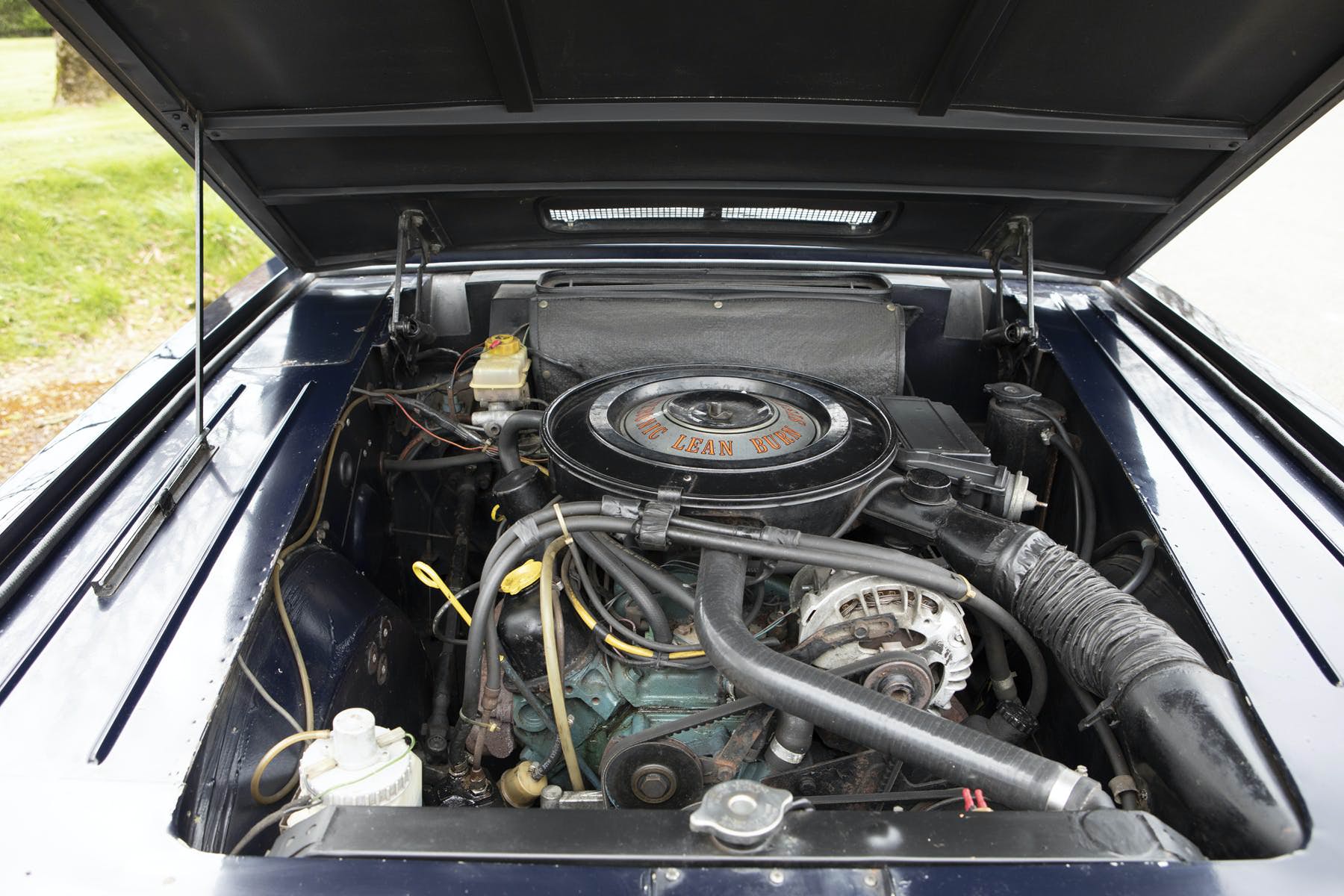
The engine fitted to this Bristol at the factory was the 5.9 liter Chrysler Pentastar V8, a powerful and reliable unit for which spares are easy to find.

There is comfortable seating for four and the suspension is tuned for comfort rather than sharp handling.

Between 1975 and 1993 there would be 98 examples of the Bristol 412 built, many of which still survive and are sought after by collectors and enthusiasts. As with all Bristols they still command relatively strong prices, typically around the £40,000 to £50,000 mark.

The 1980 Bristol 412 Shown Here

The Bristol 42 you see here benefits from much recent work including a newly upholstered interior in red leather, new carpets, a new folding roof, new seat belts and a restored targa top.

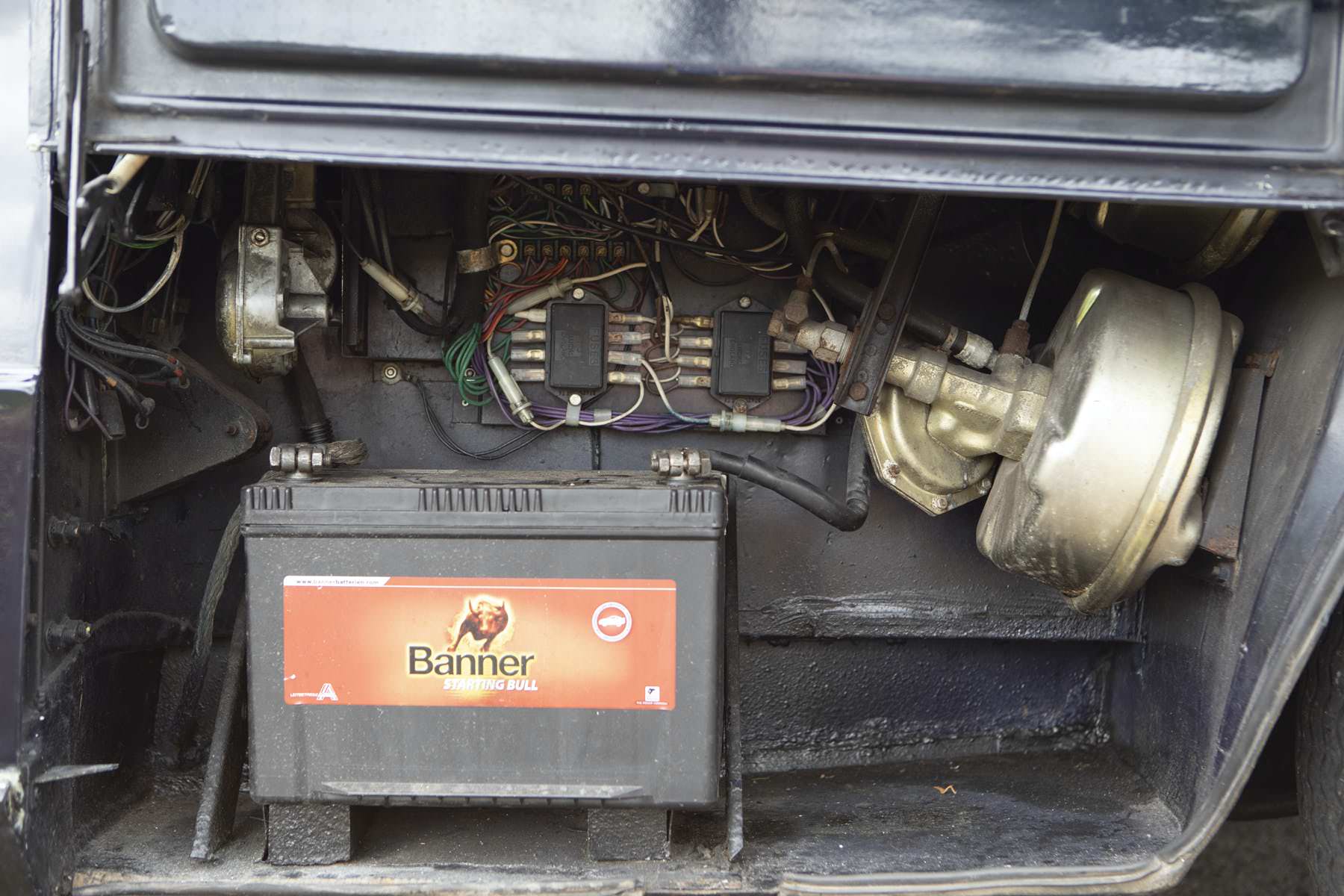
The steel chassis is reportedly in good condition as are the original alloy body panels, the paint is also original and the wheels are in overall good condition.

This car is powered by the later 5.9 liter Chrysler Pentastar V8 with power sent back through a Torqueflite automatic transmission, this all means that spare parts for the drivetrain are both inexpensive and easy to come by.

This Bristol is now being auctioned live online with Car & Classic, if you’d like to visit the listing to read more or register to bid you can click here.

Bristol 412 20 Bristol 412 19 Bristol 412 18 Bristol 412 17 Bristol 412 16 Bristol 412 15 Bristol 412 14 Bristol 412 13 Bristol 412 10 Bristol 412 9 Bristol 412 8 Bristol 412 7 Bristol 412 6 Bristol 412 5 Bristol 412 2 Bristol 412 1

Images courtesy of Car & Classic

Bristol 412

The post The Weird & Wonderful Bristol 412 appeared first on Silodrome.


from Silodrome https://silodrome.com/bristol-412-car/
via gqrds
The Skoda S110R: The “Porsche Of The East”

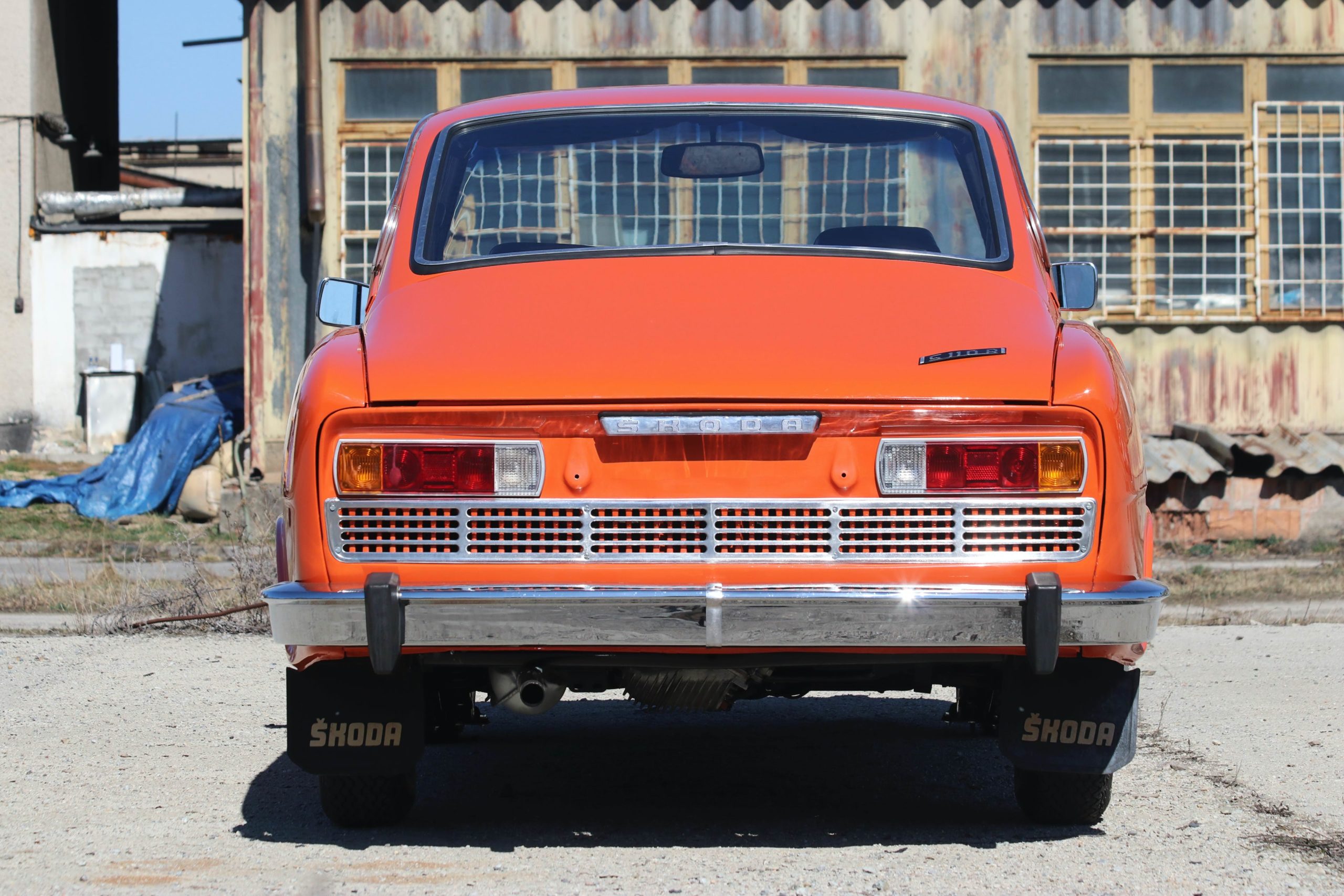
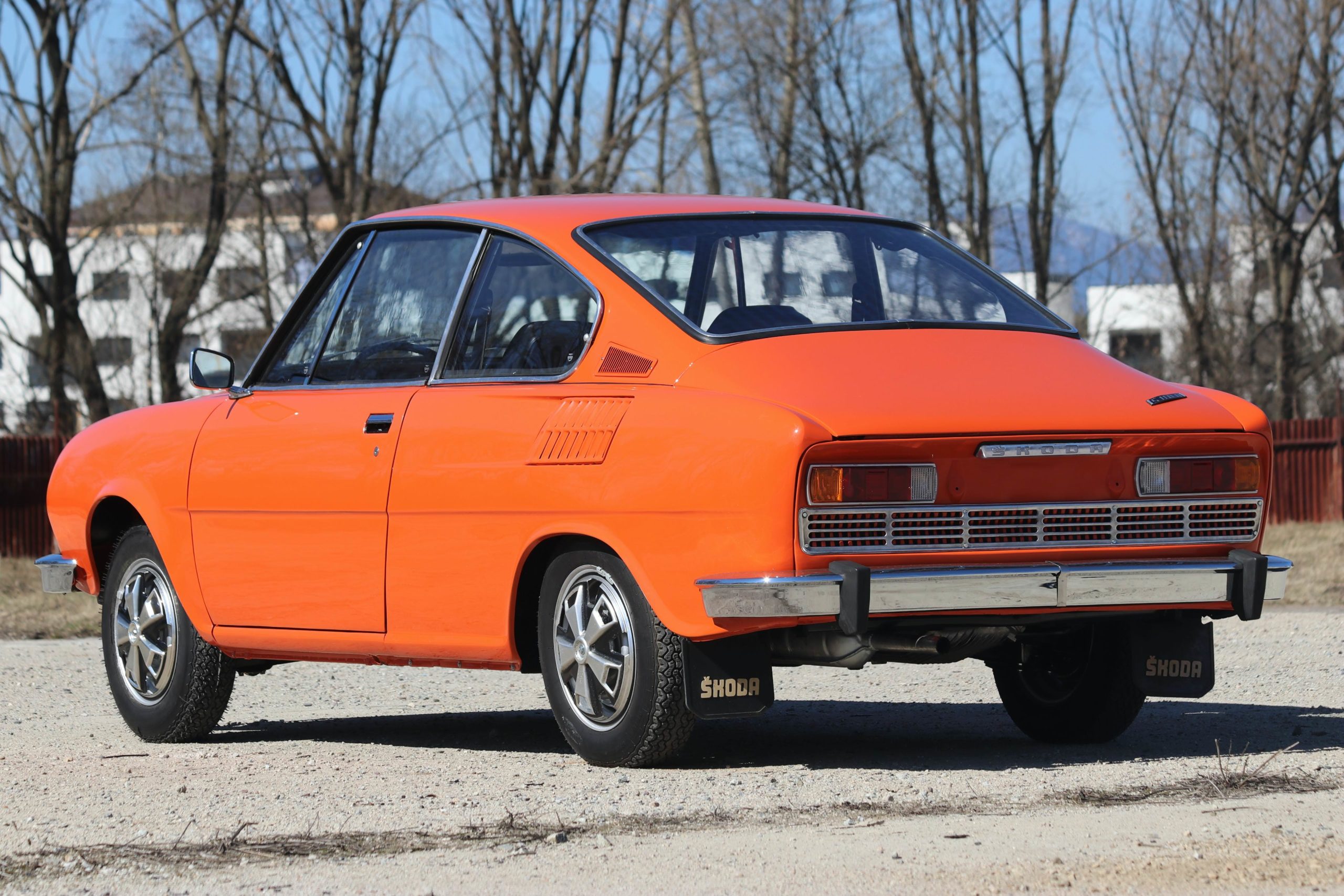
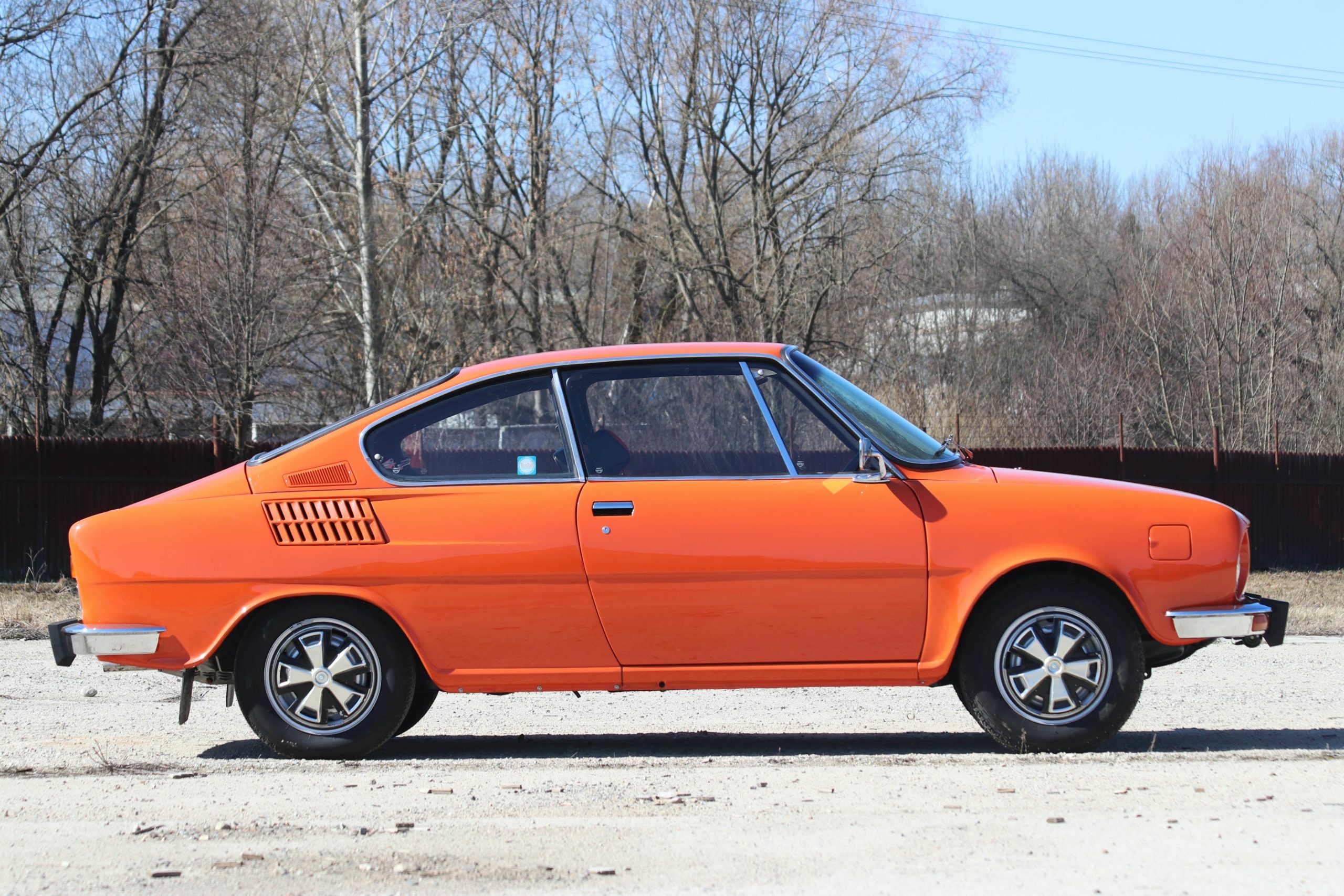
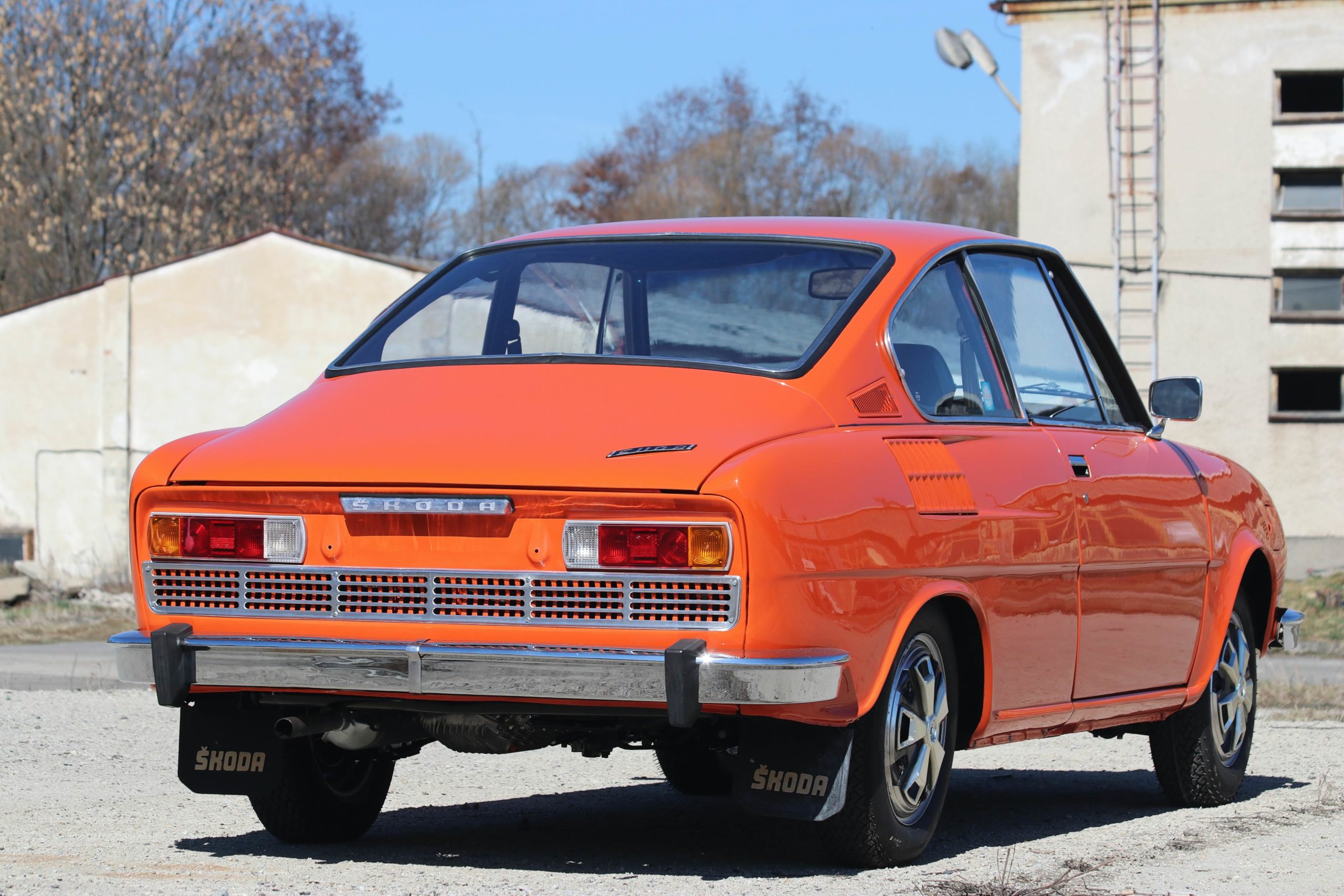
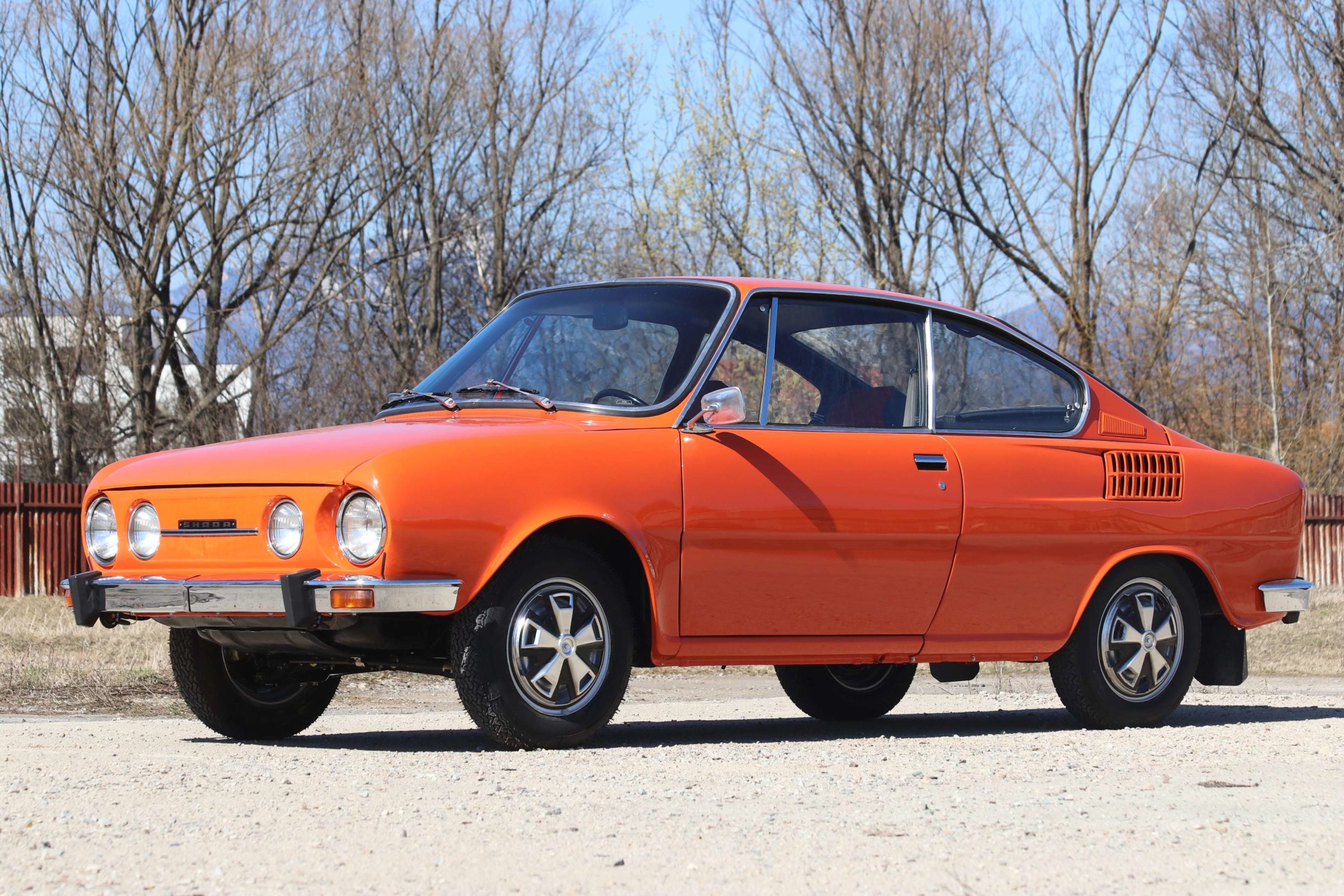
This is a Skoda S110R, affectionally known as the “Porsche 911 of the east” by many of its owners due to the fact that it’s a rear engined, rear wheel drive, two-door coupe 2+2 with a fastback rear end.

Of course, this comparison is perhaps a little generous, however it’s important to remember that back in the 1970s behind the Iron Curtain there were very few sports cars being made – so vehicles like the Skoda S110R were the stuff of legend.

Fast Facts – The Skoda S110R

  • The Skoda S110R was released in 1970, it was essentially a shortened coupe version of the Skoda 1100 sedan sharing the same engine, transmission, suspension, and brakes.
  • Despite its humble origins the racing version of the Skoda S110R, the 130RS, would prove surprisingly successful in competition, winning its class in the Monte Carlo Rally in 1977 alongside a slew of other wins in rallies across Europe.
  • While Skoda itself had a somewhat questionable reputation before it was acquired by Volkswagen in the year 2000, the Skoda S110R has always remained popular, largely due to its rally victories, engaging driving characteristics, and affordable price tag.
  • The Skoda S110R has a steel unibody chassis, a rear-mounted 720-type OHV four-cylinder 1.1 liter engine producing 62 bhp, independent front and rear suspension, and a 2+2 seating arrangement.

Škoda: From Bicycles To Automobiles

Although many of us may mot realize it, in recent years Skoda has grown to become a highly respected automaker with a profit margin second only to Porsche within the Volkswagen AG group of companies.

Skoda Founders Photograph

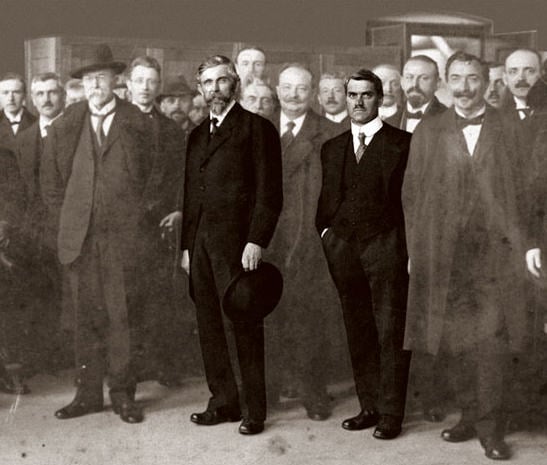
Václav Klement (left) and Václav Laurin (right), founders of Czech automobile manufacturer Laurin & Klement, which later became Škoda. Image courtesy of the Skoda Auto Archive.

The company had humble origins as a bicycle manufacturer, originally named Laurin & Klement, based in Turnov in the modern day Czech Republic. After bicycle production began in 1896 the company soon began developing motorized bicycles and motorcycles, releasing their first automobile in 1905.

Interestingly this makes Skoda the fifth oldest continuously operating automaker in the world, after Daimler, Opel, Peugeot, and Tatra.

During the difficult years of the Soviet Union the company, then known as AZNP, produced inexpensive and simple automobiles to suit life behind the Iron Curtain. By Western standards they were typically a few years behind then times, and the difficultly faced by the company in sourcing parts and materials showed through in the final product.
Many Skodas were exported to Western European countries however they developed a reputation for inferior quality that followed the company for decades.

Above Video: This footage from the 1977 Monte Carlo Rally shows the Skoda 130RS racing alongside cars like the Porsche 911 and the Lancia Stratos. The humble Skoda would take a class win.

Volkswagen began acquiring a significant stake in Skoda in the early 1990s, by the year 2000 they owned 100% of the company. In the years since this takeover Skoda has become a respected automaker once more, now worth billions of dollars and manufacturing hundreds of thousands of cars each year.
The Skoda S110R

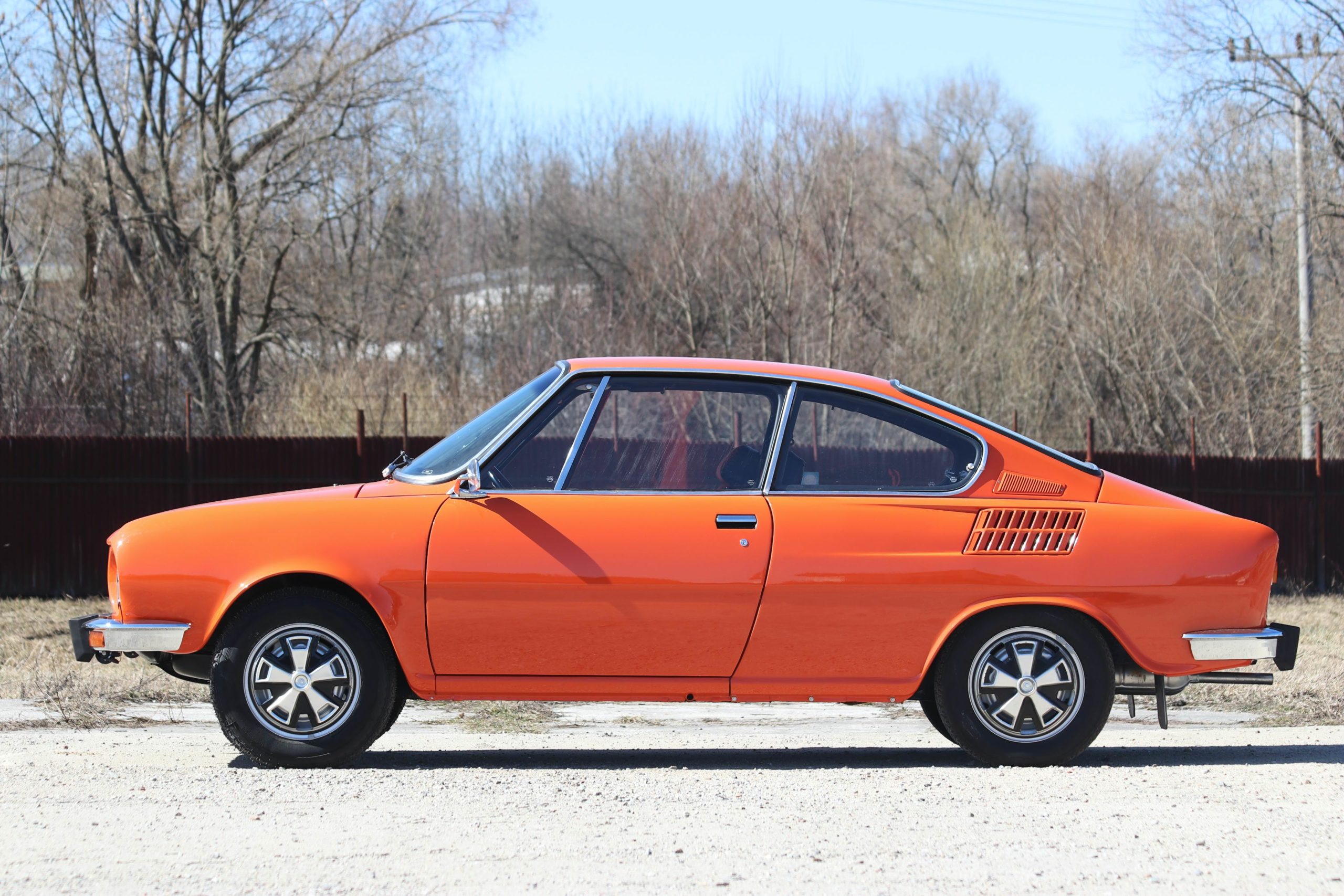
The Skoda S110R was developed in the late 1960s on the Skoda 1100 sedan unibody platform. It was shortened and given a new fastback style roof, however much of the car was mechanically either similar or identical to its four-door sibling.

There were relatively few sports cars being built behind the Iron Curtain, certainly far fewer than were being made in western Europe, so cars like the S110R developed a cult following and tended to enjoy local levels of desirability on par with western rivals like Porsche, Jaguar, or Alfa Romeo.

Skoda S110R 14

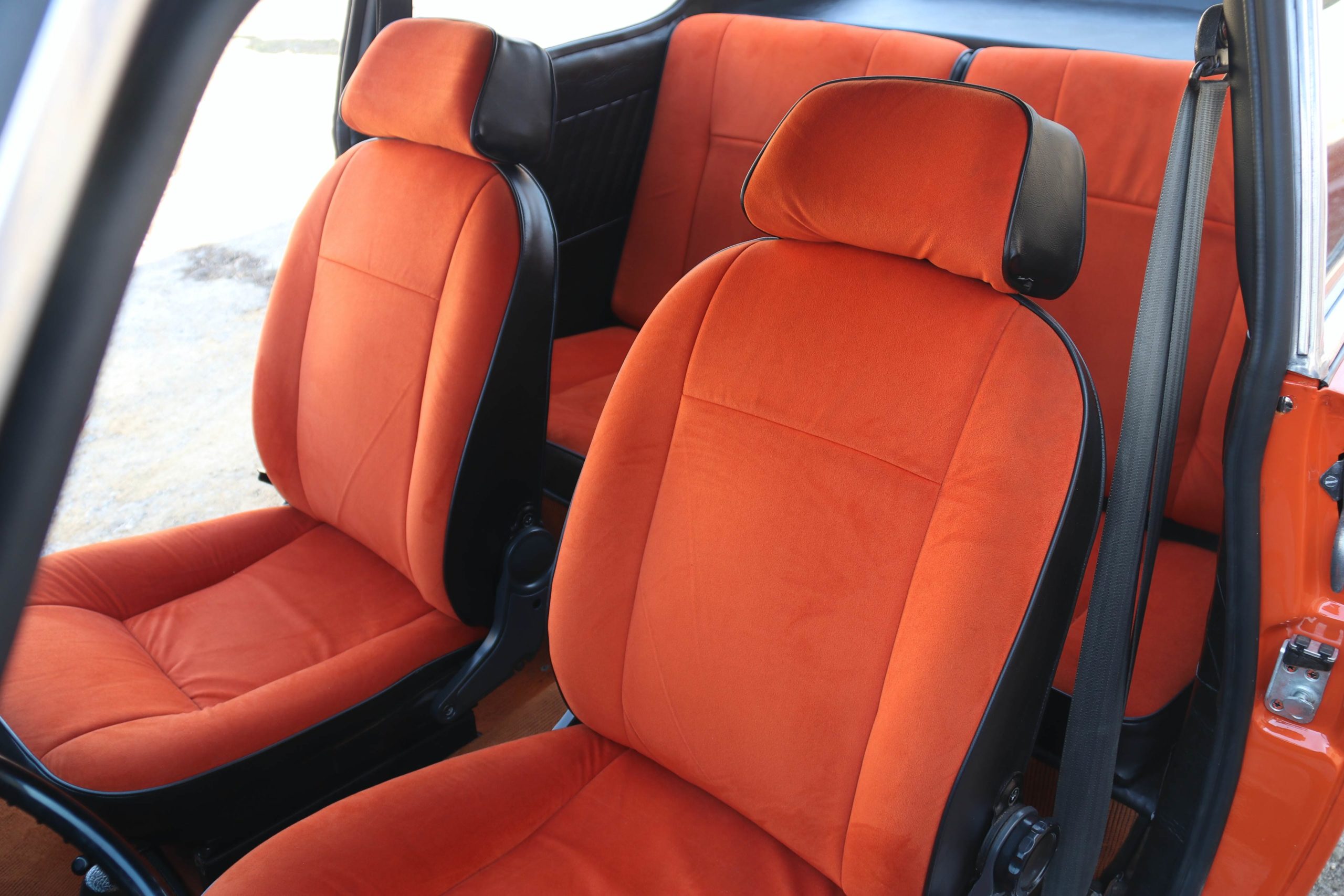
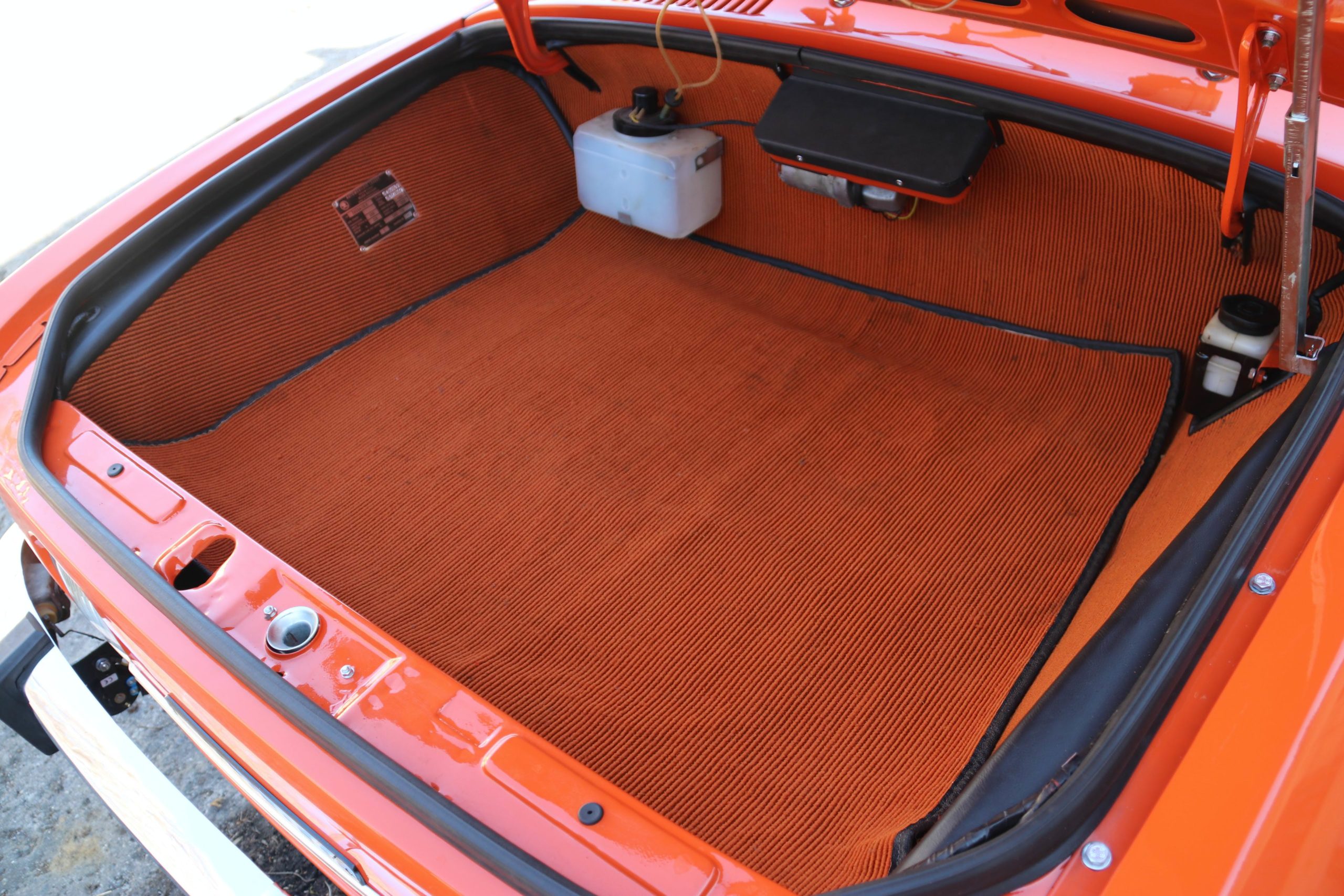
The interior has been returned to original specification, with orange and black seats, black door cards and orange carpet – all the rage in the 1970s.

The steel unibody chassis of the S110R was fitted with independent front and rear suspension, and a rear-mounted 720-type OHV four-cylinder 1.1 liter engine producing 62 bhp. Power was sent to the rear wheels via a 4-speed manual transmission, and the car had front disc brakes with rear drums.

Though not particularly powerful the car tipped the scales at just 880 kgs (1,940 lbs), so performance was acceptable by the standards of the era (and region).

The S110R had a top speed of 145 km/h (90 mph) and a 0 – 100 km/h (62 mph) time of 18.5 seconds. Fuel consumption was 8.5 liters per 100 kms or approximately 28 mpg.

Skoda released the S110R in 1970 and sold them for a decade before replacing the model with the Skoda Garde in 1981. It enjoyed strong sales with almost 57,000 sold through the decade, a number of which were exported for valuable foreign currency.

Skoda S110R Restoration

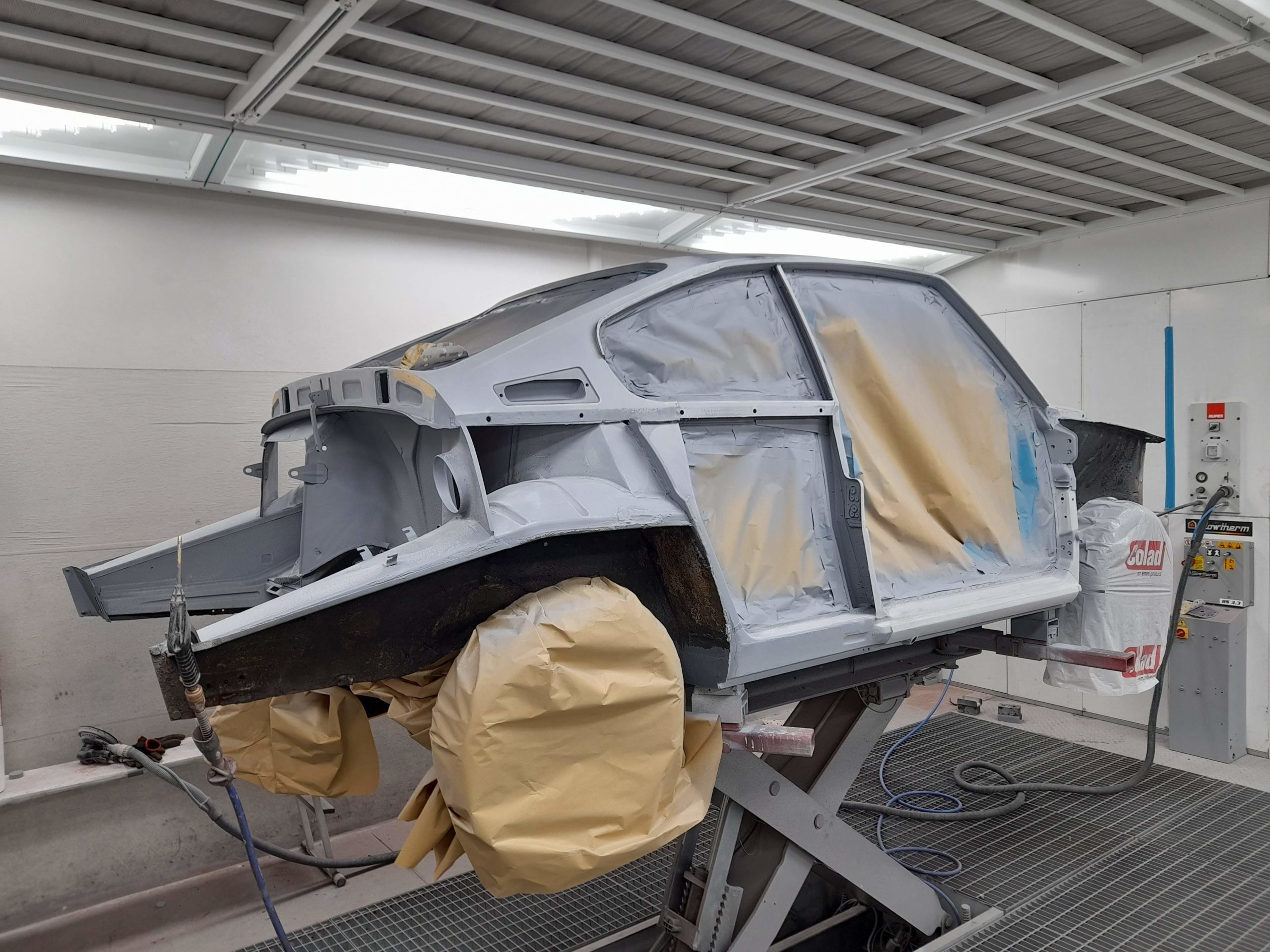
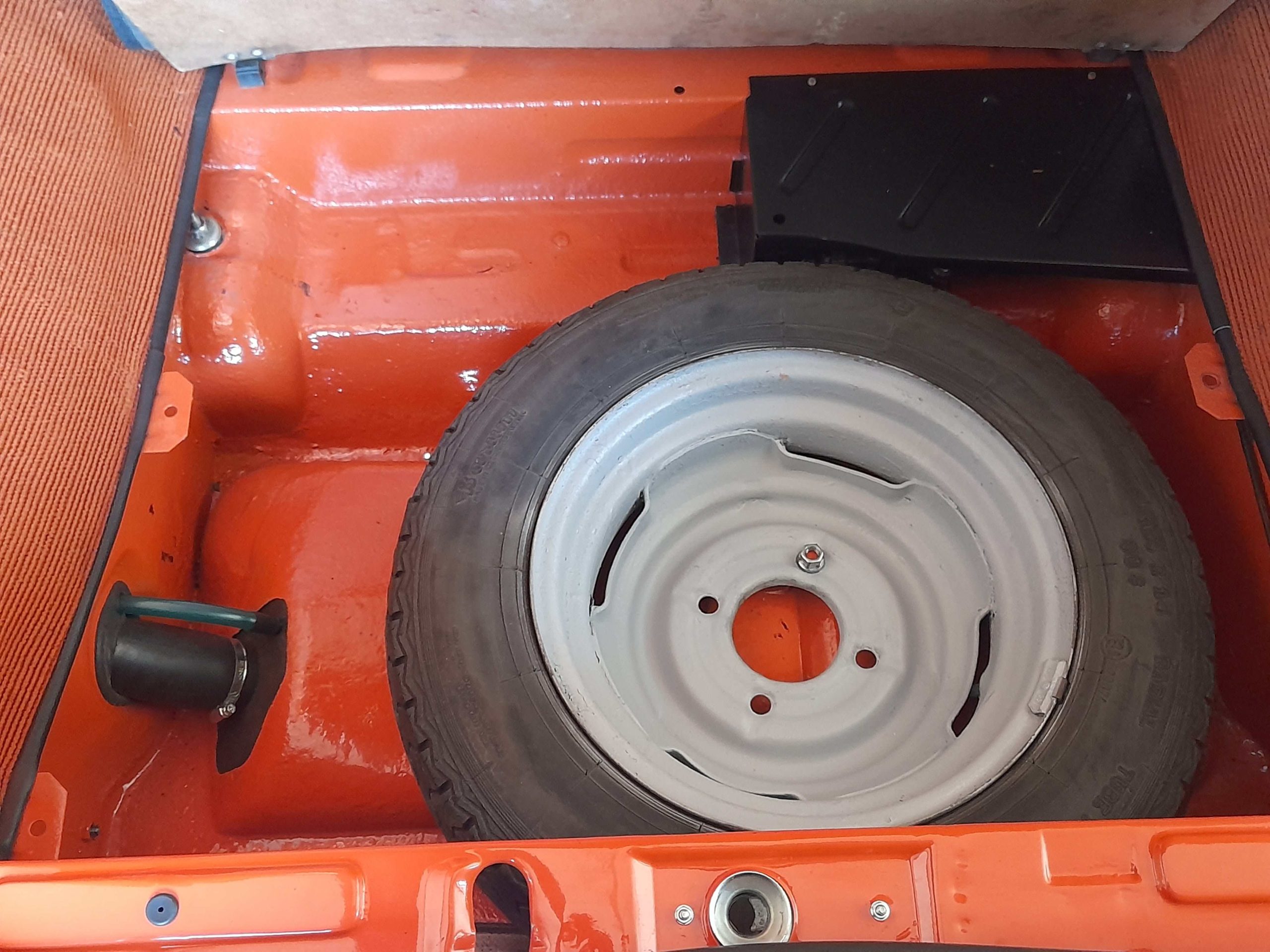
This car benefits from a full bare metal restoration, the engine has also been rebuilt, and the car returned to original factory specifications throughout.

Today the car is considerably more rare due to the fact that many were lost to rust, and after the fall of the Soviet Union cars like the S110R were considered vastly less desirable than vehicles built west of the Berlin Wall.

The 1975 Skoda S110R Shown Here

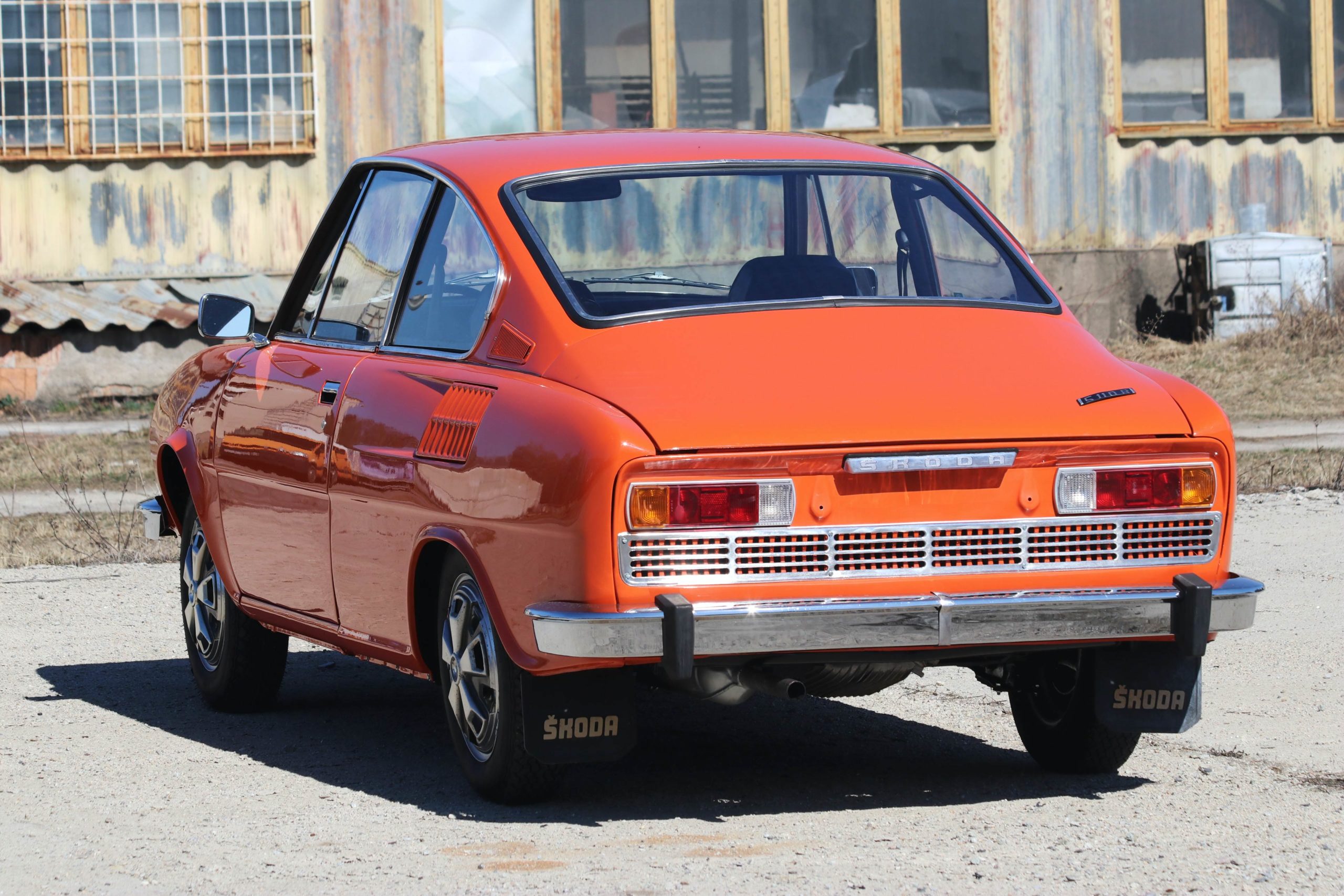
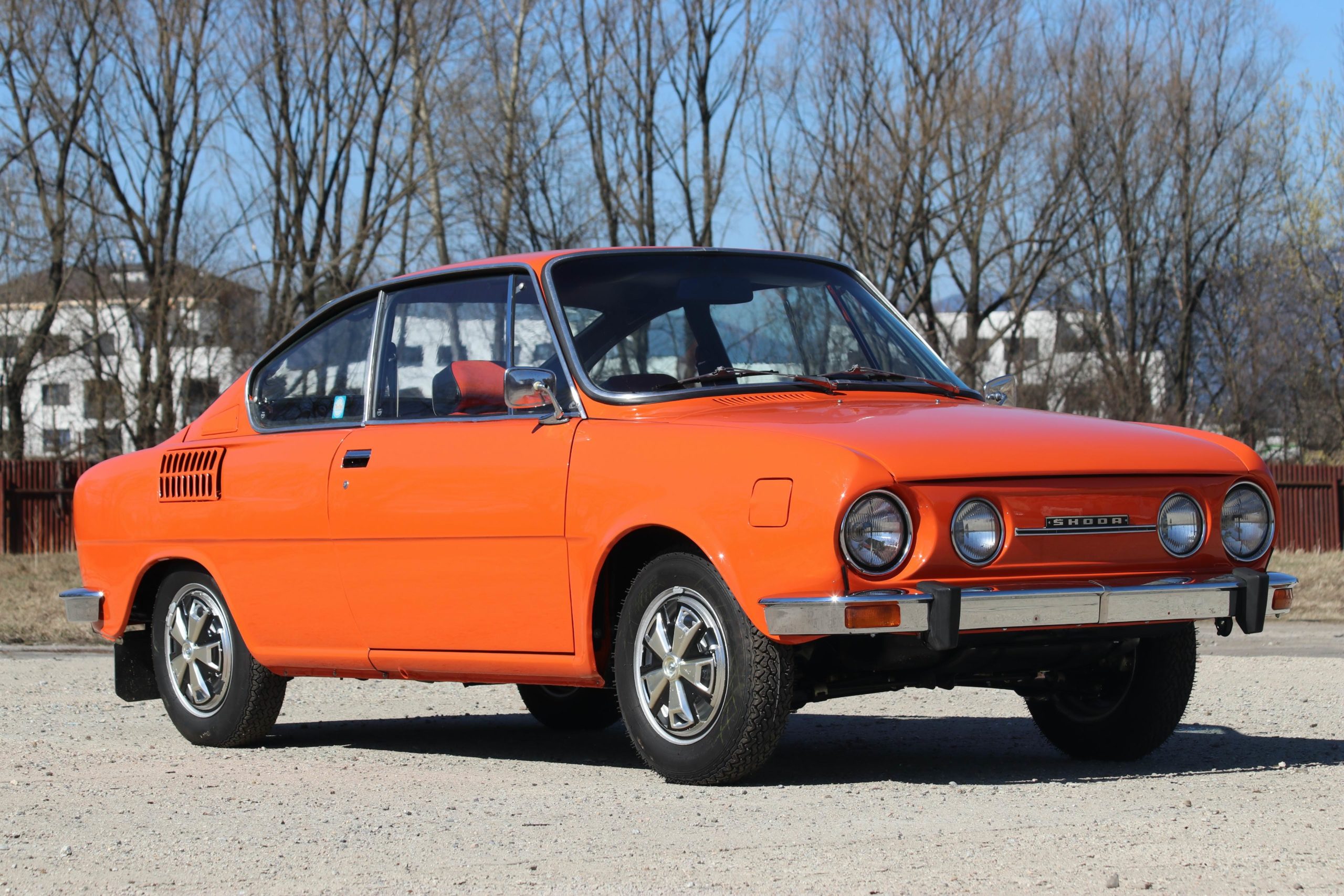
The S110R you see here was sold new to Finland in 1975, the current owner bought it from Finland years later and exported it to Slovakia where it has been given a bare metal restoration to original specification, including a full engine rebuild.

It’s finished in bright orange with an orange and black interior, the seats are velour covered with deeply contoured bases and headrests for sporting driving.

This is easily the nicest vintage Skoda we’ve ever had on Silodrome, it’s interesting to note that as former Eastern Bloc countries continue to grow economically the residents have increasing buying power to finally acquire the dream cars of their youth – many will have lusted after a nicely sorted S110R back in the 1970s.

Editor’s Note: The listing for this car seems to have been deleted since this story was written, we’ll update the link if it’s re-listed.

If you’d like to read more about this car or register to bid you can click here to visit the listing on Car & Classic. It’s currently being auctioned live online and it’s based in Slovakia.

Skoda S110R 9 Skoda S110R 16 Skoda S110R 15 Skoda S110R 13 Skoda S110R 12 Skoda S110R 10 Skoda S110R 8 Skoda S110R 6 Skoda S110R 5 Skoda S110R 4 Skoda S110R 3 Skoda S110R 2 Skoda S110R 1

Images courtesy of Car & Classic


Skoda S110R

The post The Skoda S110R: The “Porsche Of The East” appeared first on Silodrome.


from Silodrome https://silodrome.com/skoda-s110r-car/
via gqrds