Chitty Chitty Bang Bang Is For Sale

There are few movie and theater cars more beloved than Chitty Chitty Bang Bang, it formed the backbone of a rags to riches tale of adventure, intrigue, and daring that became one of the most popular children’s stories of all time.

There’s a good argument to be made that two of the most famous cinema cars of all time are the modified Aston Martin DB5 from James Bond, and Chitty Chitty Bang Bang from the movie of the same name. Both were the work of Ian Fleming, who had written the original 007 books and the novel Chitty Chitty Bang Bang.

Fast Facts – Chitty Chitty Bang Bang

  • The original Chitty Chitty Bang Bang film was released in 1968, it was based on the book by the same name by Ian Fleming.
  • The screenplay was written by Roald Dahl and the musical score was composed by the Sherman Brothers – the same team who wrote the music for Mary Poppins, The Jungle Book, Bedknobs and Broomsticks, Charlotte’s Web, and countless other films.
  • In the film six different cars were used to showcase Chitty Chitty Bang Bang’s various functions. The later Broadway musical made do with a single car that had all the functions incorporated into it using hydraulics and electronics.
  • The car you see here is the original Broadway car, the musical started in 2005 and ran for 34 previews and 285 regular performances before embarking on a nationwide tour in 2008.

Ian Fleming, James Bond, And The Flying Car

Ian Fleming famously first told the Chitty Chitty Bang Bang stories to his infant son at bedtime, after he suffered a heart attack in 1961 he sat down to write the stories into novel form, so his son could still enjoy it even if Fleming himself died.

Above Film: This is the trailer for the 1968 film “Chitty Chitty Bang Bang,” based on the Ian Fleming novel of the same name.

Sadly this is exactly what happened, Fleming would die in 1964 after finishing the book but before it was published. Interestingly he had written the entire book by hand because his wife had confiscated his typewriter in a futile attempt to force him to rest.

Fleming had worked for Britain’s Naval Intelligence Division during the Second World War, in this role he had been deeply involved in various top secret missions, many of which he had personally conceived.

He would write his first James Bond novel, Casino Royale, in 1952. The book proved so popular that three back-to-back print runs were ordered in an attempt to meet demand.

Fleming would write 11 Bond novels and two collections of short stories between 1953 and the time of his death in 1964, two of his novels would be published posthumously.
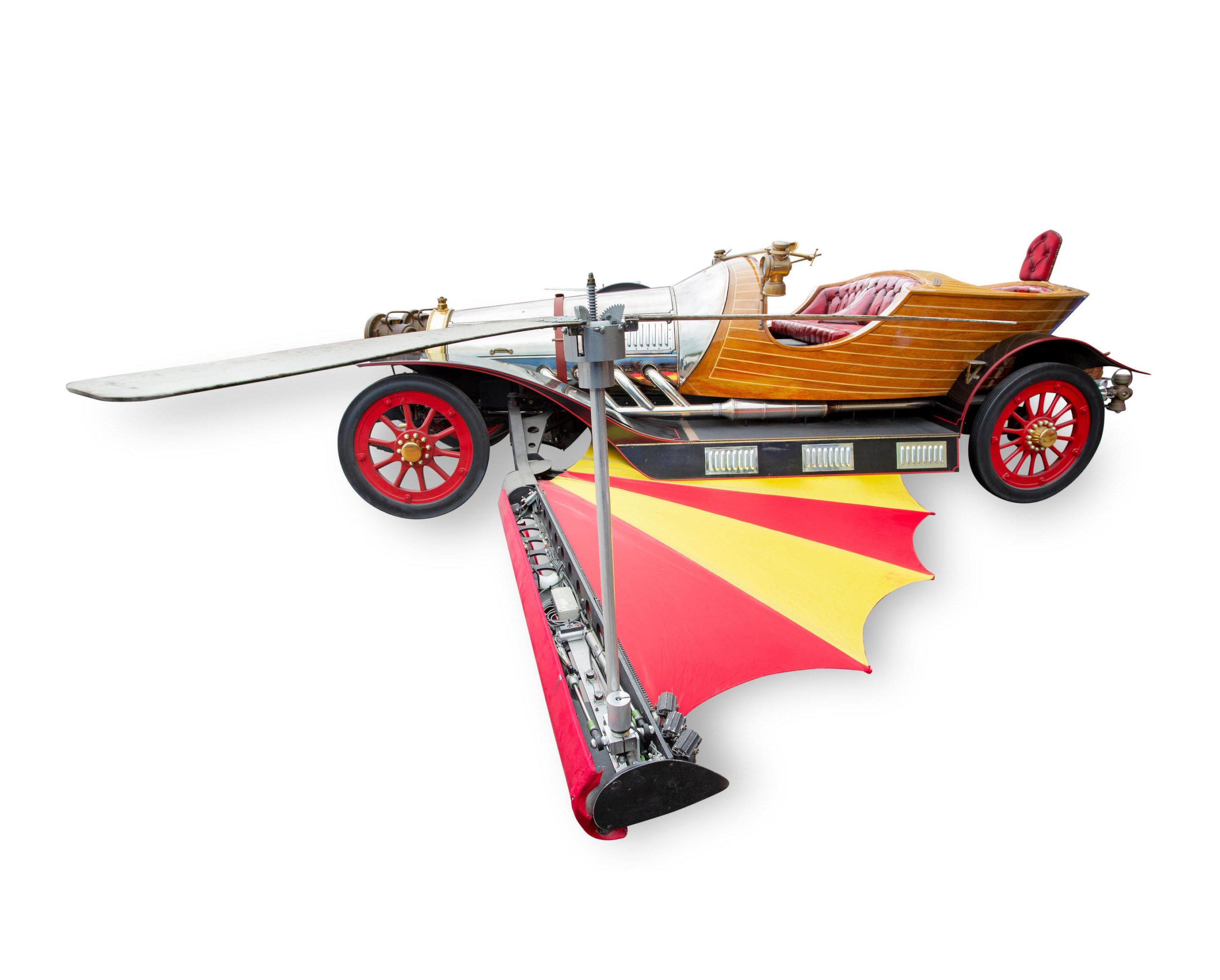
Chitty Chitty Bang Bang Car 3

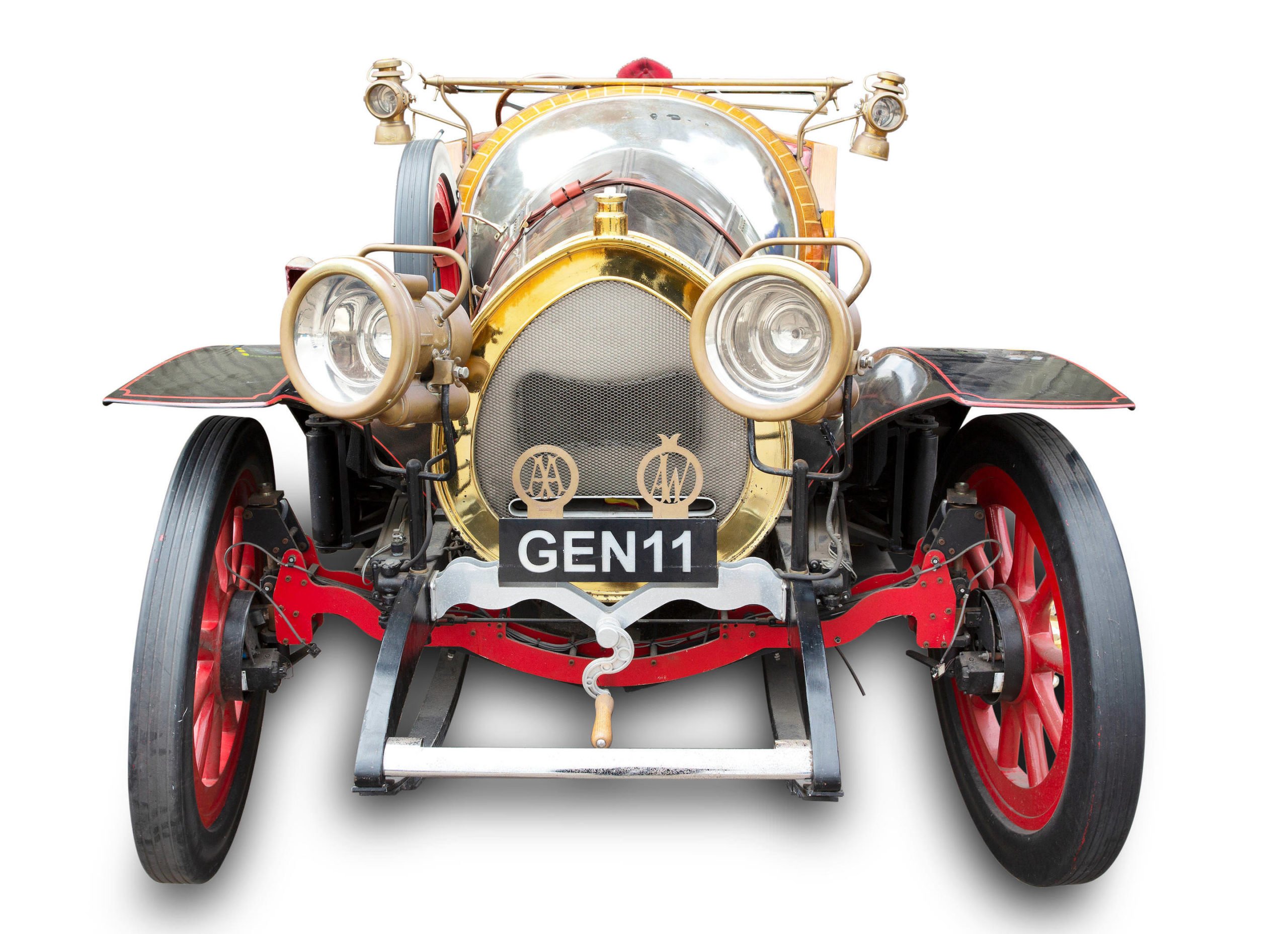
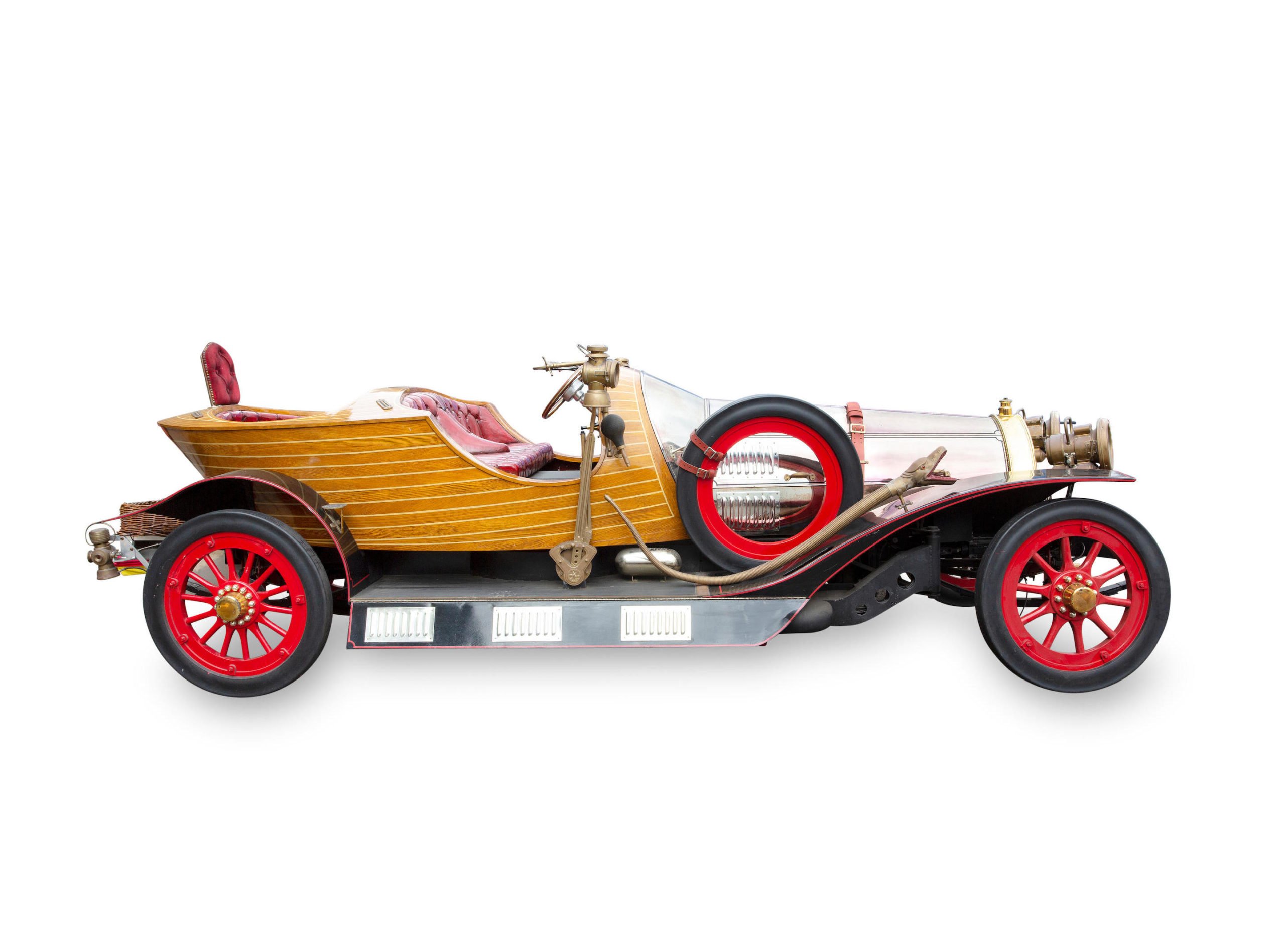
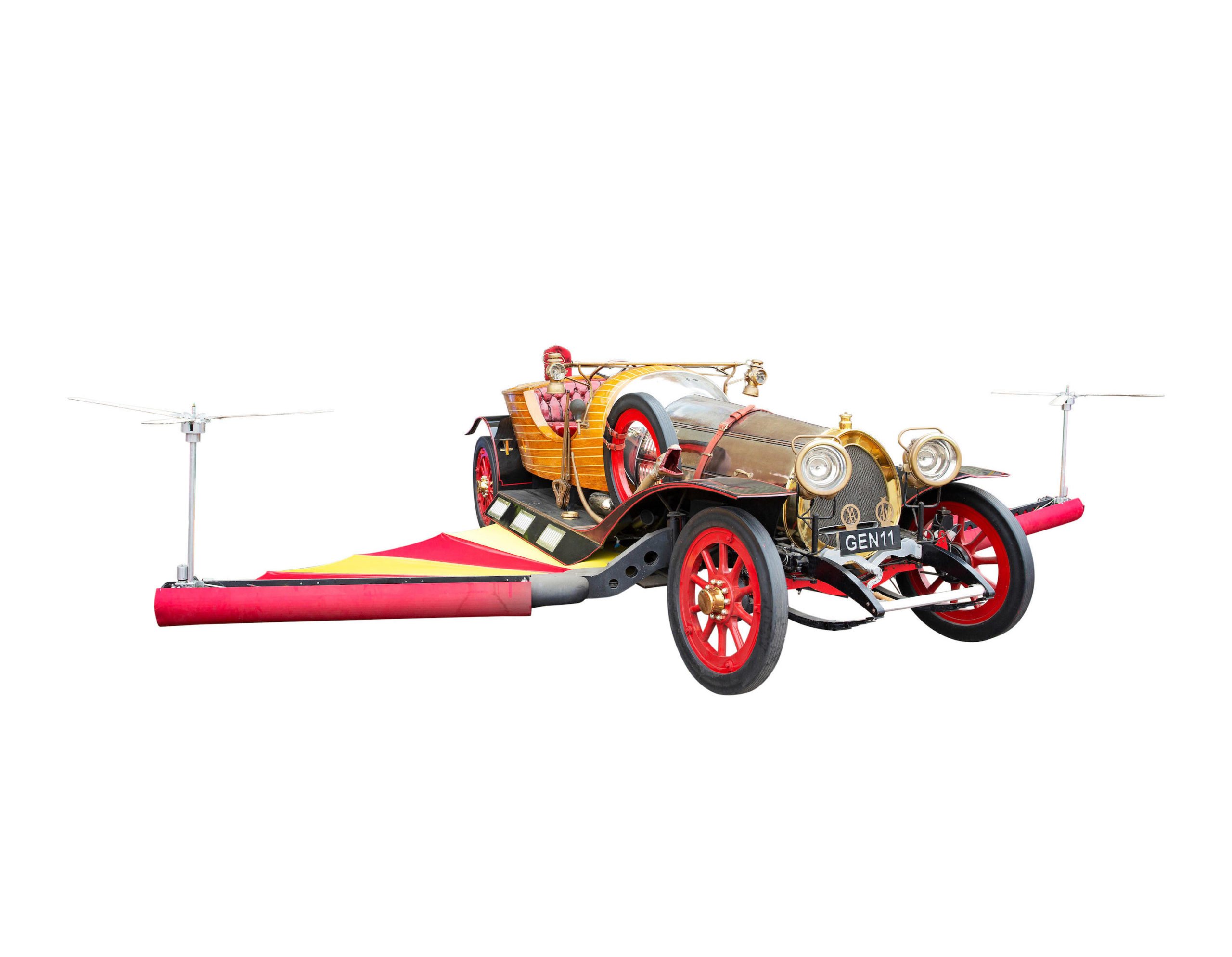
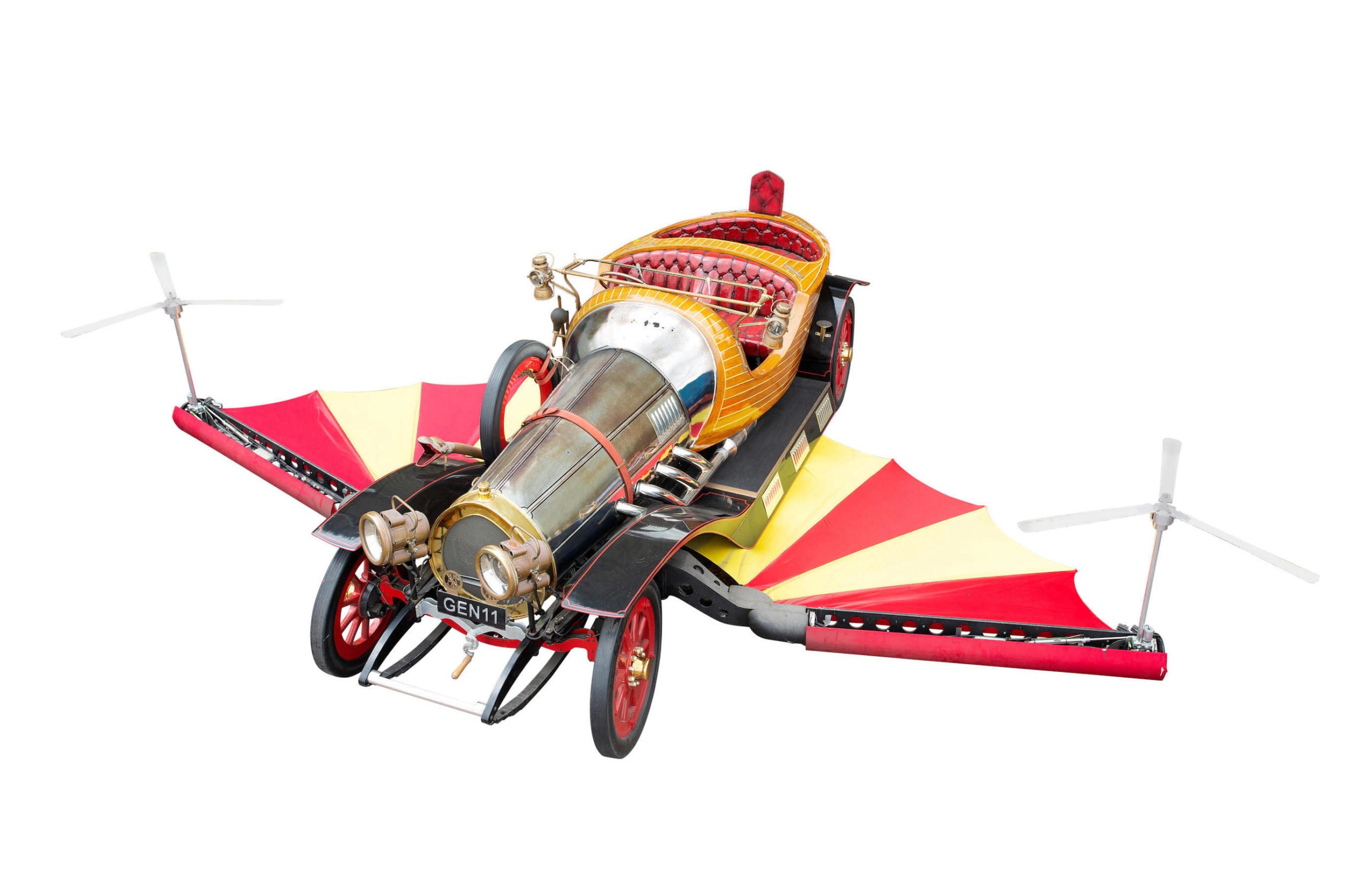
The Broadway car was had all of its various functions built into it, including both the wings and rotors for flight and wheels that fold in.

Among adults his most famous works are his 007 novels, but among children the stores surrounding Chitty Chitty Bang Bang are legendary. The the subsequent film’s soundtrack by the Sherman Brothers forms an integral part of the soundtrack of many young people’s lives even today, 54 years after the film was first released.

Chitty Chitty Bang Bang: The Film Cars

A number of “official” Chitty Chitty Bang Bang cars have been built over the years, the most famous being those that were used in the film, and the one used in the Broadway musical that later toured the United States.

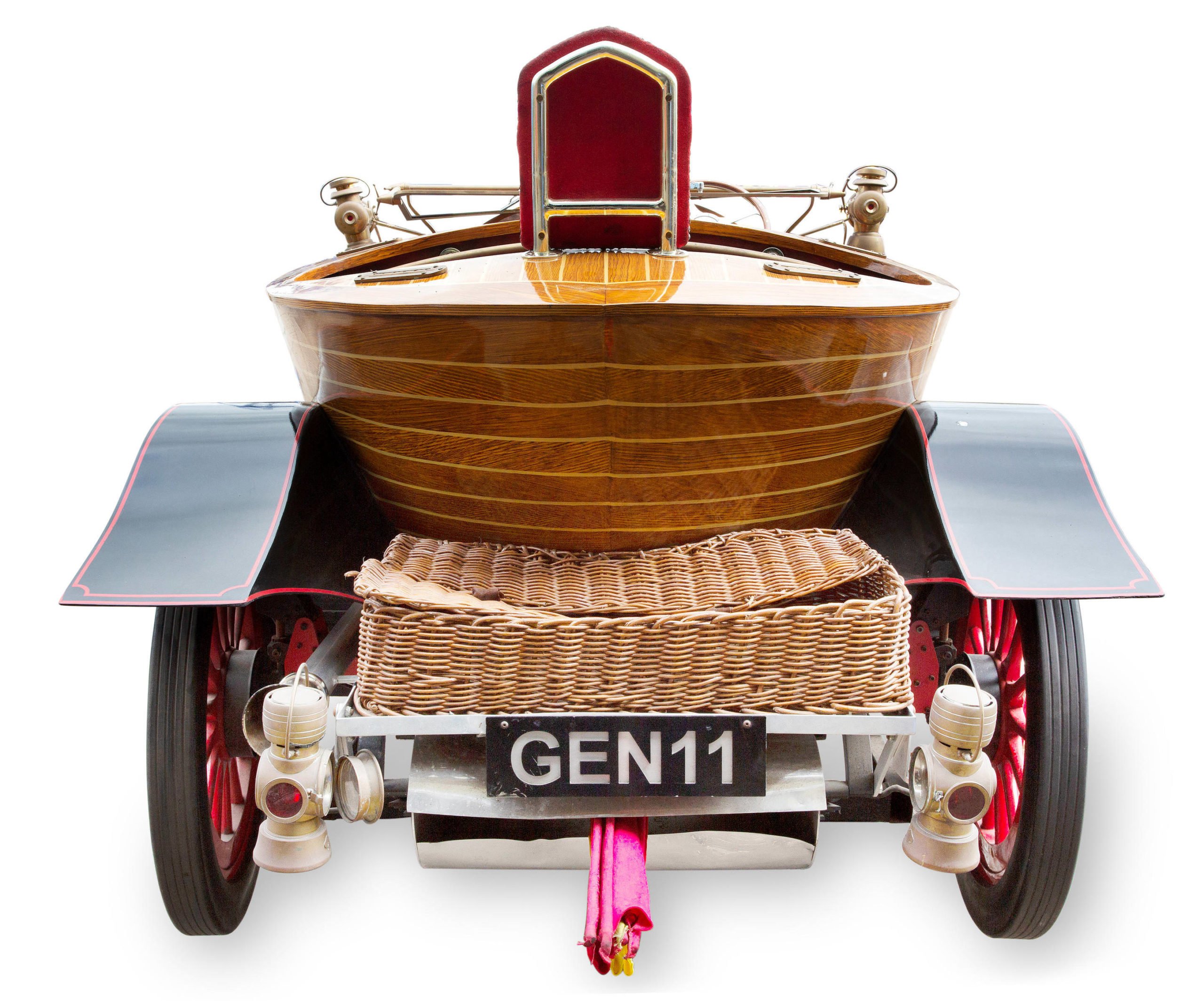
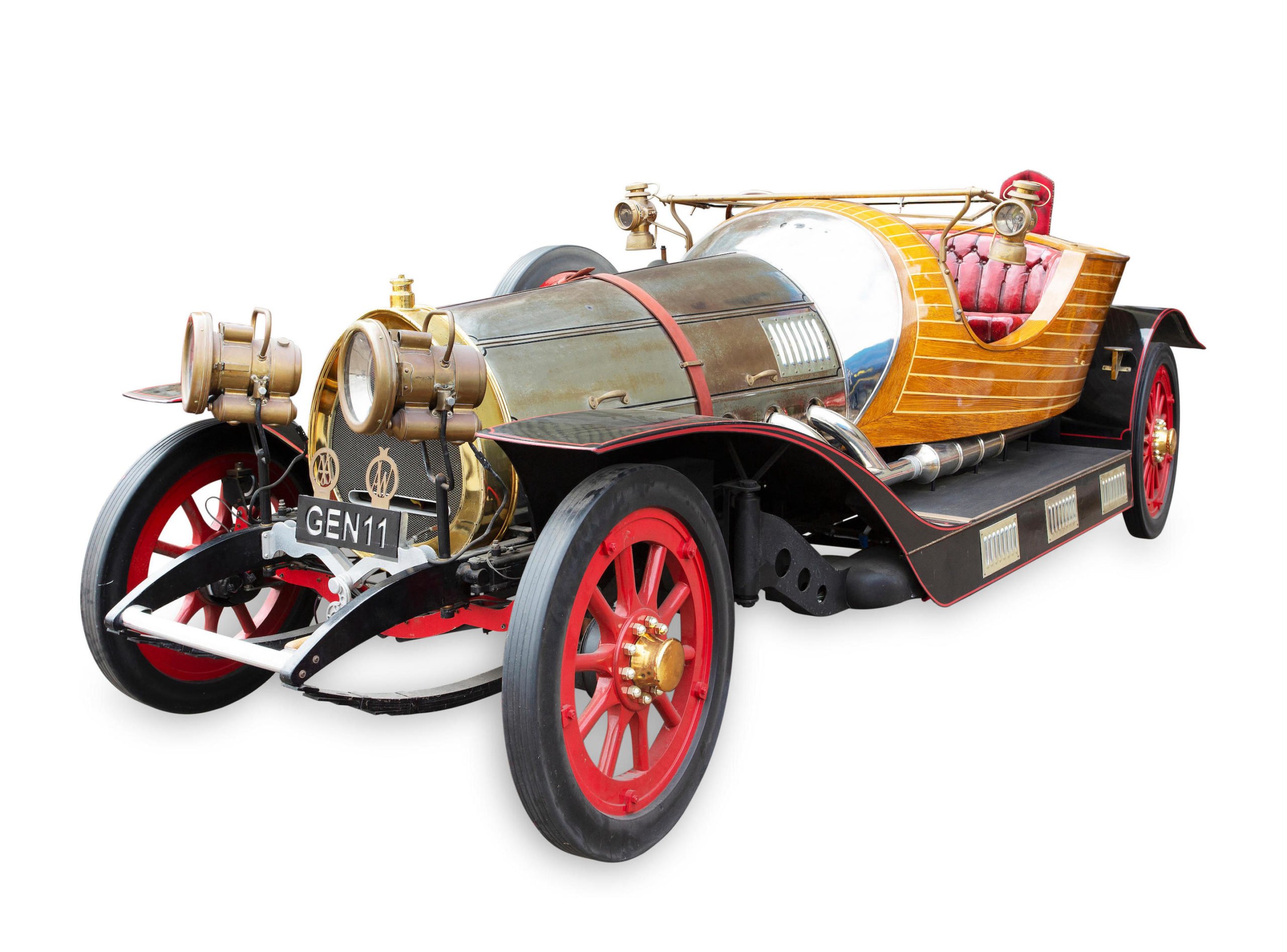
The first Chitty Chitty Bang Bang cars were designed by Ken Adam, to follow the descriptions given in the book and subsequent screenplay. They feature a wooden boattail rear end, a highly polished alloy front, and many brass fittings and fixtures throughout.

Six cars were actually made for filming, only one of which was actually drivable. This many cars were needed in order to allow for all of the functions of the car, including the flying and hovercraft modes.
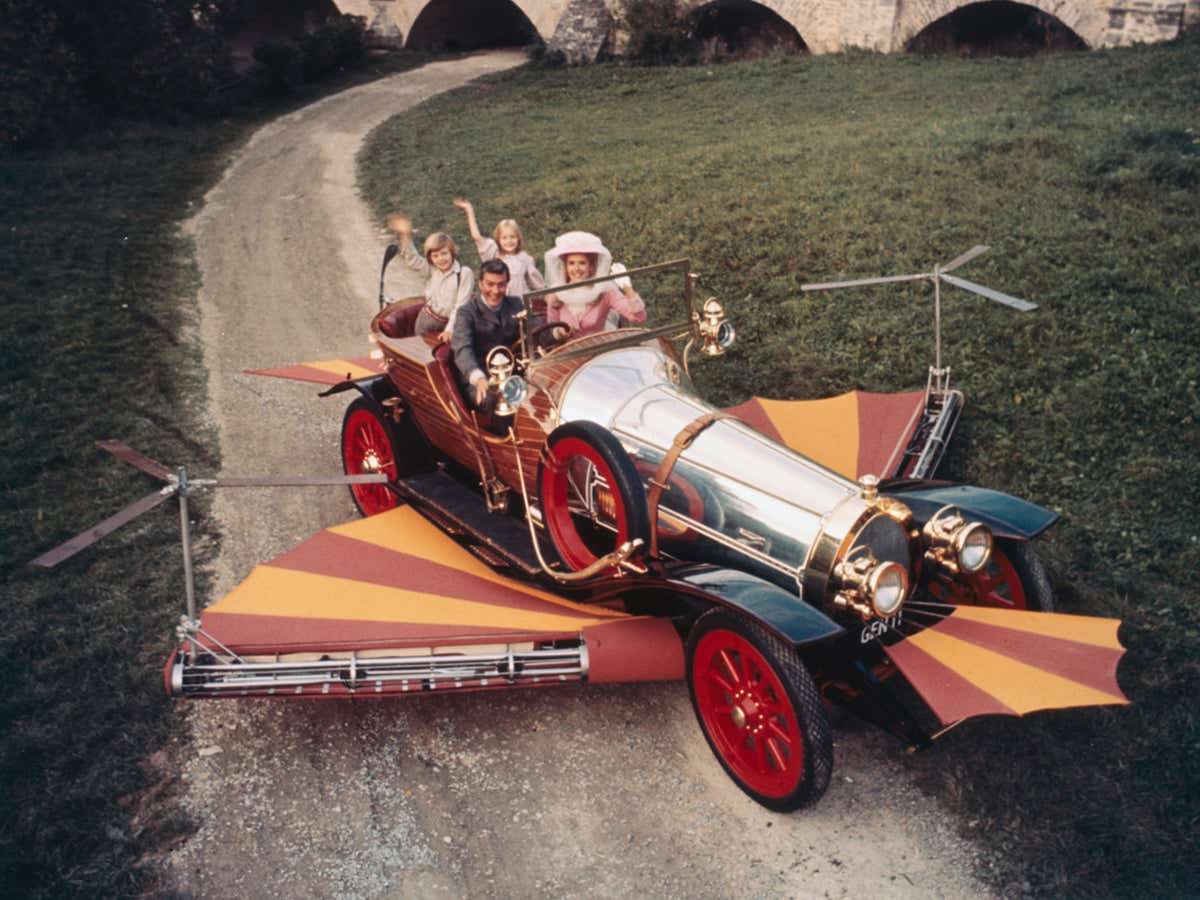
Chitty Chitty Bang Bang Movie

The film car and the Broadway car are clearly very similar, in fact it would likely be difficult to pick them apart.

Interestingly, that one drivable car was bought at auction in 2011 by New Zealand film director Sir Peter Jackson for $805,000 USD and added to his private collection where it remains today.

Chitty Chitty Bang Bang: The Broadway Car

The car you see here was built many years after the book was first published and after the film was first released. It was handbuilt in the early 2000s as part of a multi-million dollar investment to bring the Chitty Chitty Bang Bang story to the stage on Broadway in New York.

Whereas the film had six cars the musical could have just one, and it needed to have all of the functionality built in, it also needed to be capable of being suspended from the ceiling on wires to simulate the flying scenes.

The car would be used in all 34 previews and 285 regular performances on Broadway before embarking on a national tour with the show.

It’s now being offered for sale with a price guide of £30,000 – £50,000, which works out to approximately $37,800 – $61,100 USD. The car comes with a Playbill and a theater program from the production, the car measures in at 16 ft 5 in long x 66 in wide x 76 in high (500 cm x 167.5 cm x 193 cm), overall each wing is 98 in (249 cm) wide.

If you’d like to read more about it or register to bid you can click here to visit the listing, it’s due to roll across the auction block with Bonhams on the 4th of May in London.

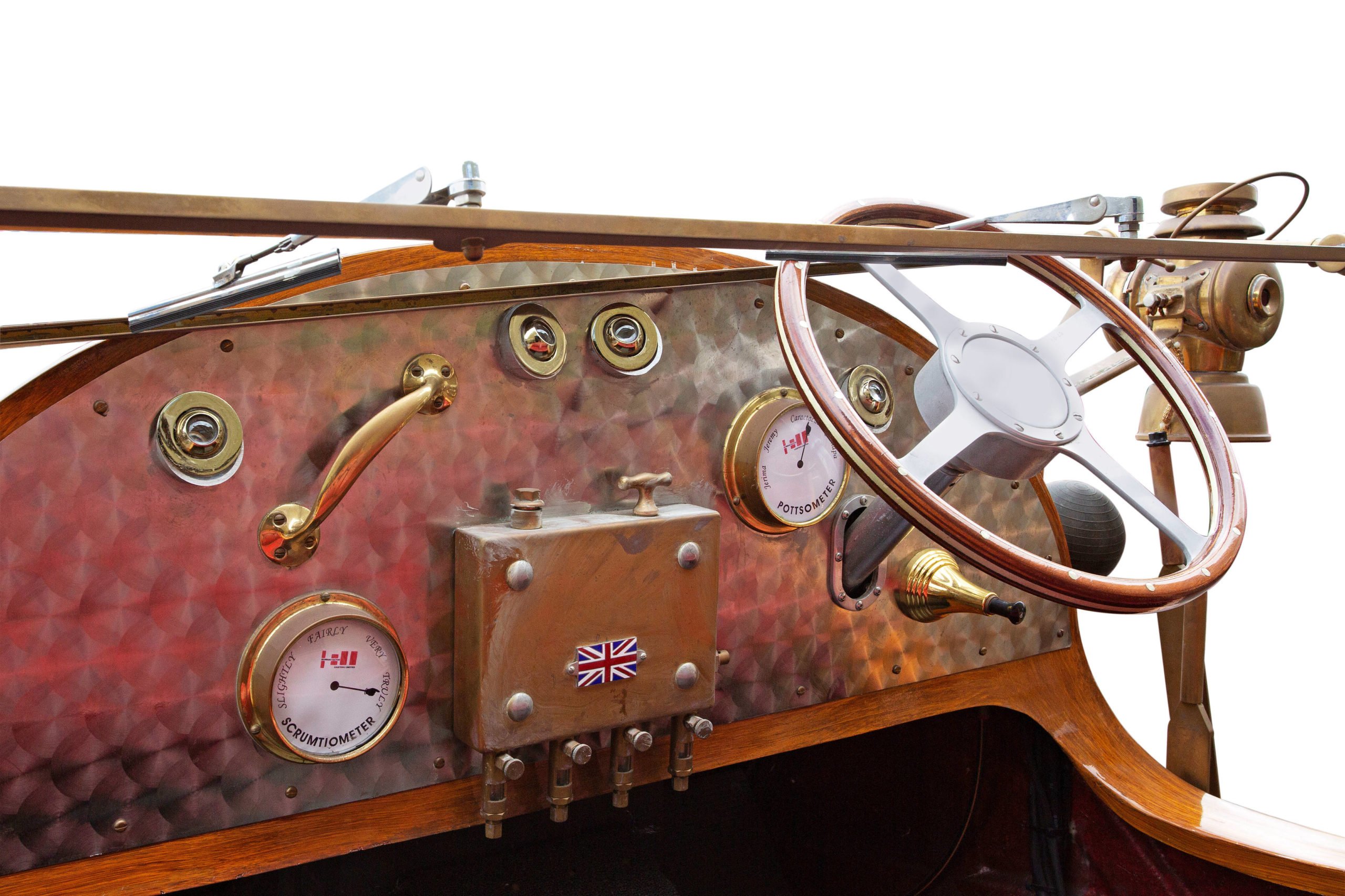
Chitty Chitty Bang Bang Broadway Playbill Chitty Chitty Bang Bang Car 2 Chitty Chitty Bang Bang Car 8 Chitty Chitty Bang Bang Car 7 Chitty Chitty Bang Bang Car 6 Chitty Chitty Bang Bang Car 5 Chitty Chitty Bang Bang Car 4 Chitty Chitty Bang Bang Car 2 Chitty Chitty Bang Bang Car 1

Images courtesy of Bonhams

Chitty Chitty Bang Bang Car

The post Chitty Chitty Bang Bang Is For Sale appeared first on Silodrome.


from Silodrome https://silodrome.com/chitty-chitty-bang-bang-car-for-sale/
via gqrds

A 1969 “Lotus Cortina” Ford Transit Mark I Camper Van

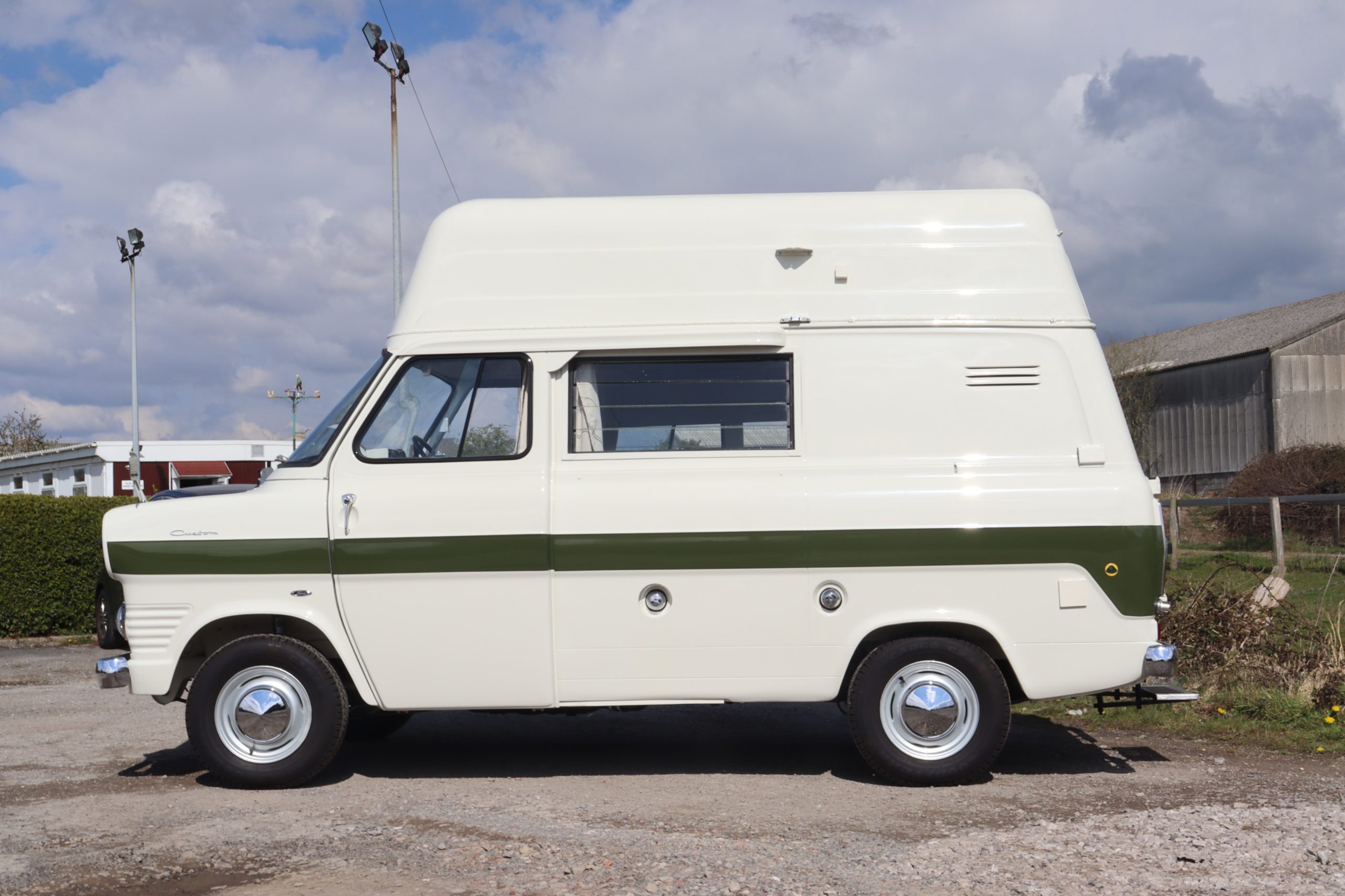
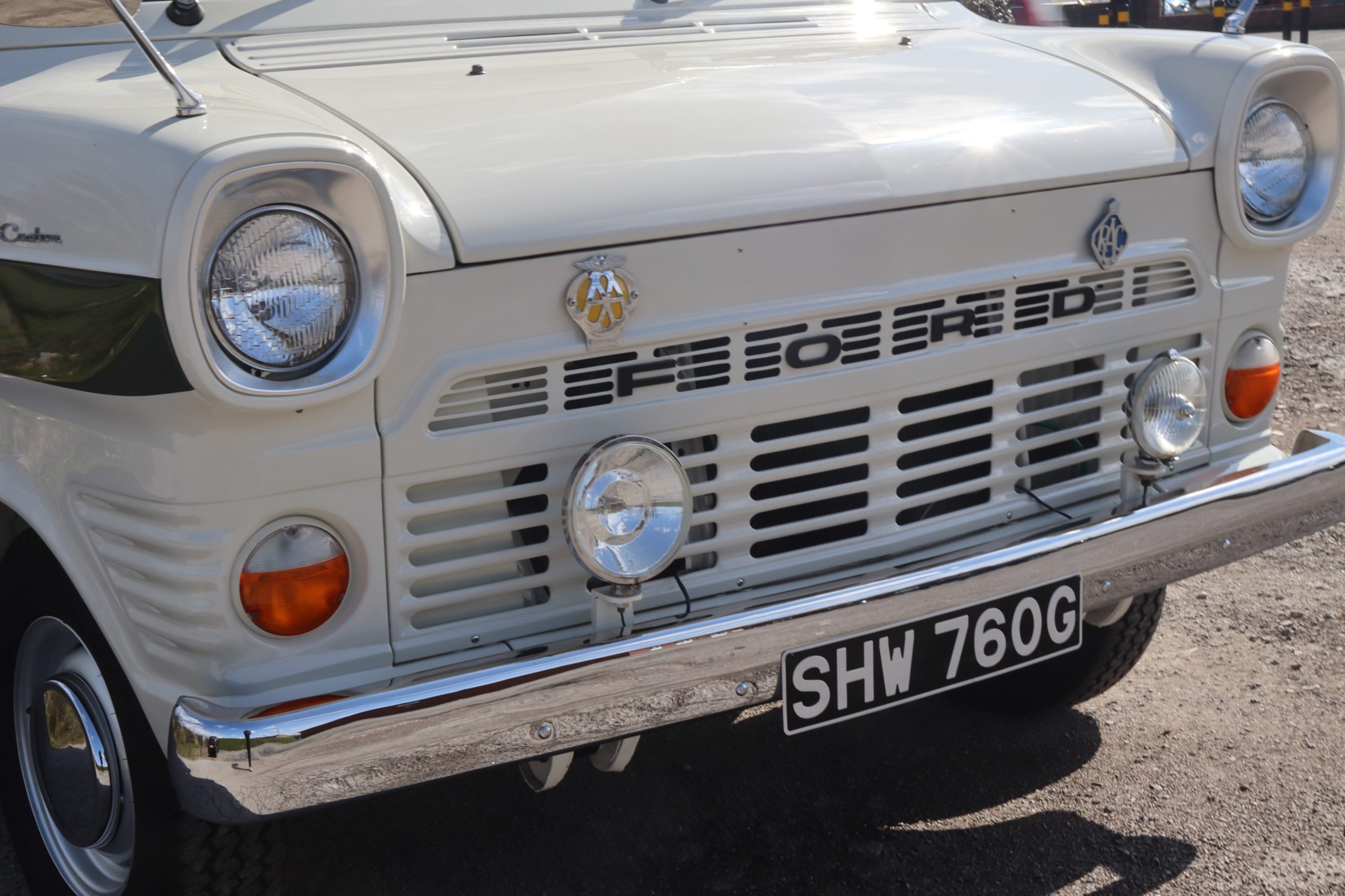
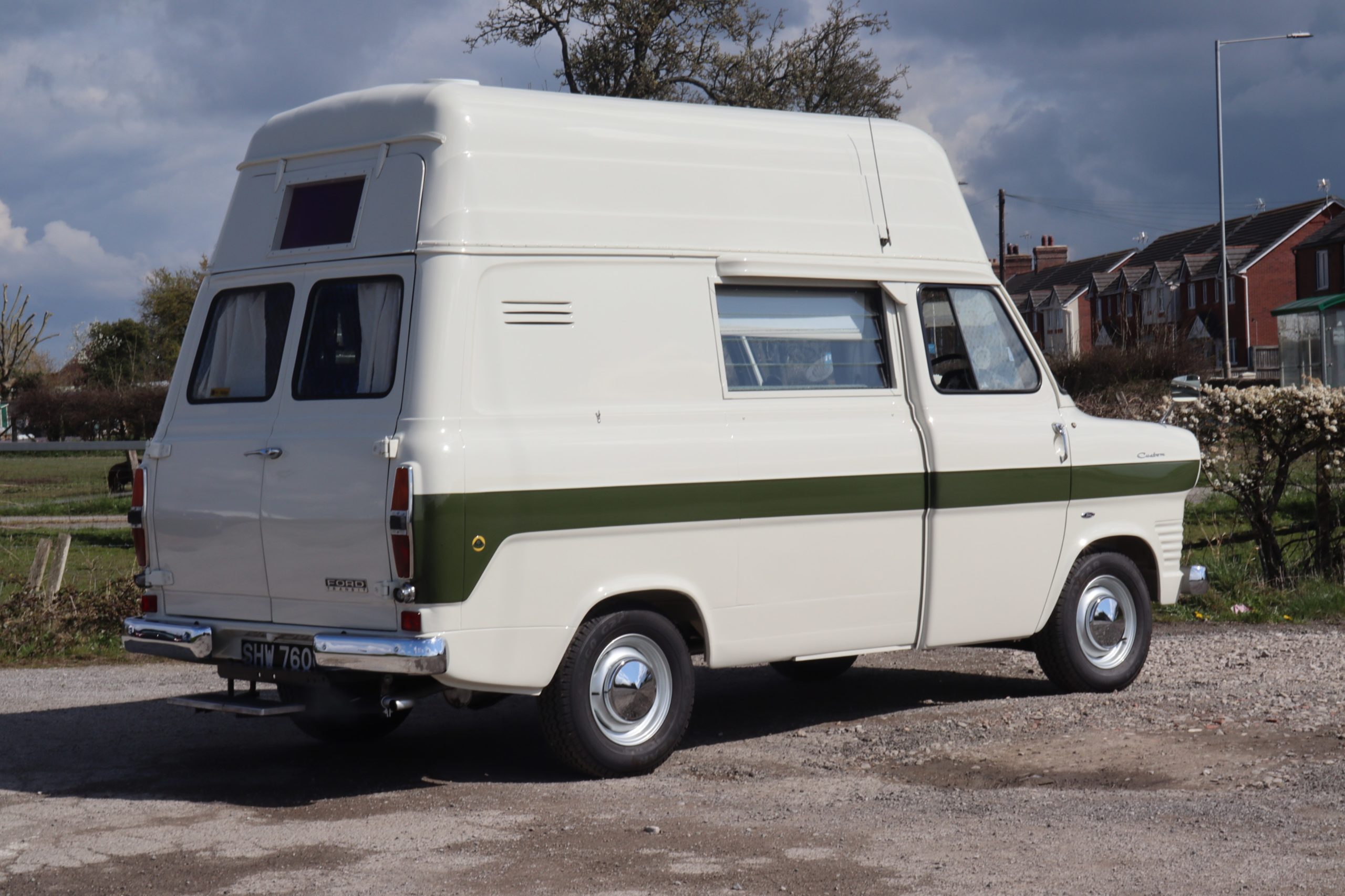
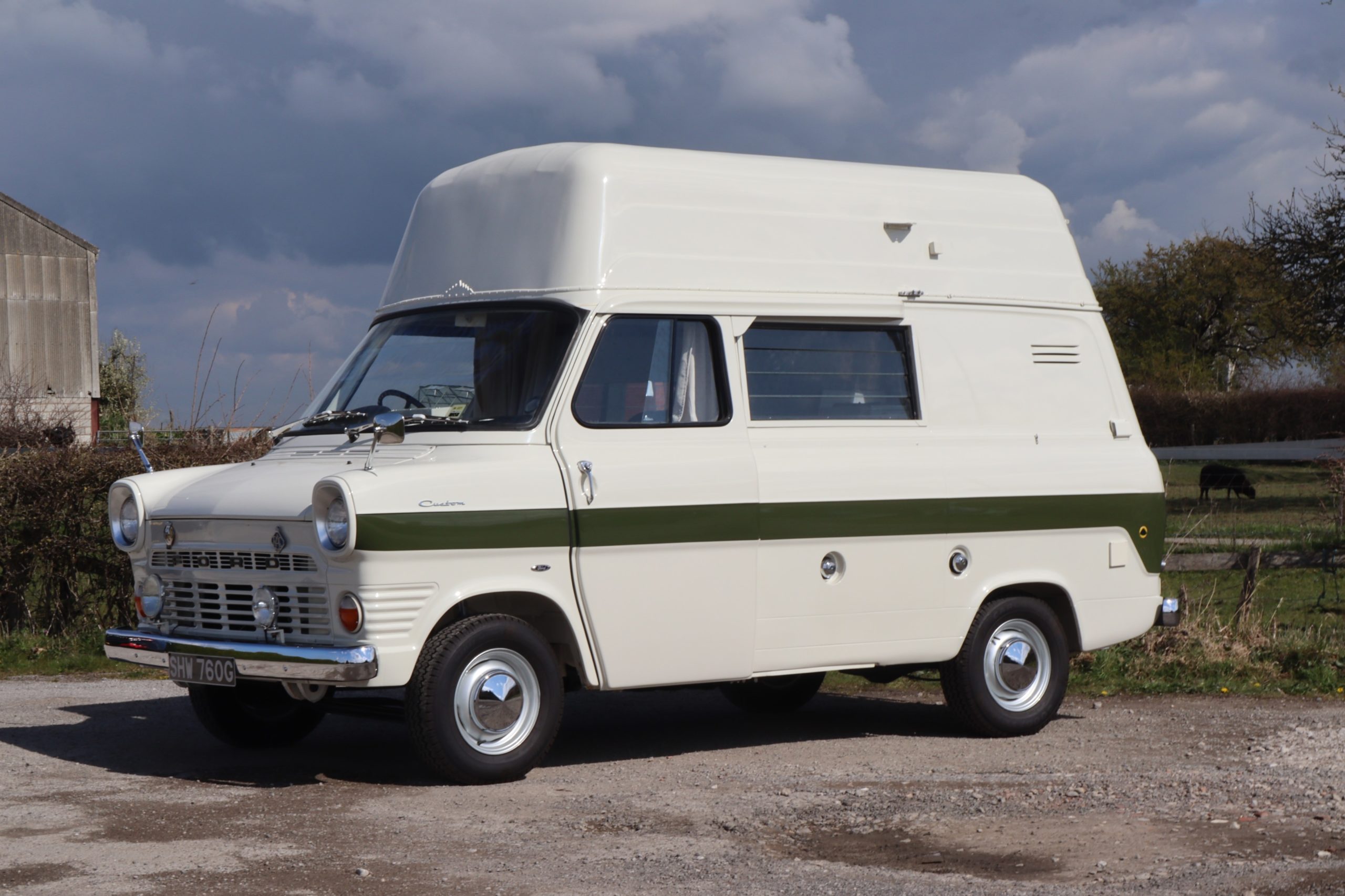
This is a freshly restored Ford Transit Mark I Camper Van from 1969 that’s been given the Lotus Cortina treatment – as a tongue-in-cheek homage to the classic little compact car that proved so successful on the race tracks of Britain back in the 1960s.

The Ford Transit Mark I made a popular starting point for camper conversions in the UK, they were relatively inexpensive to buy and operate, and they had plenty of room in the back for all the essential items you need for holidays on the go.

Fast Facts – Ford Transit Mark I Camper Van

  • Since it was introduced in 1965 over 8 million examples of the Ford Transit van have been built across four generations, making it the third best selling van of all time.
  • The first generation Ford Transit, known as the Mark I, was introduced in October of 1965 and it proved immediately popular thanks to its large size, reliable V4 engine, and excellent cargo capacity.
  • Fords Transits have been used for everything from ambulances to police paddy wagons, most were used for commercial purposes and some were modified to become pick-up trucks, minibuses, crew-cabs, and more.
  • Ultimately Ford would keep the first generation Transit in production for over 20 years, it became a staple cargo vehicle in Britain and further afield in places like Australia, New Zealand, and South Africa.

The Mighty Transit

When it was first released in the mid 1960s the Ford Transit had a tough road ahead of it, it was developed to replace the aging Thames 400E van which had been losing marketshare to the likes of Bedford and to Volkswagen with their Type 2 van.

Ford Transit Mark I Camper Van 10

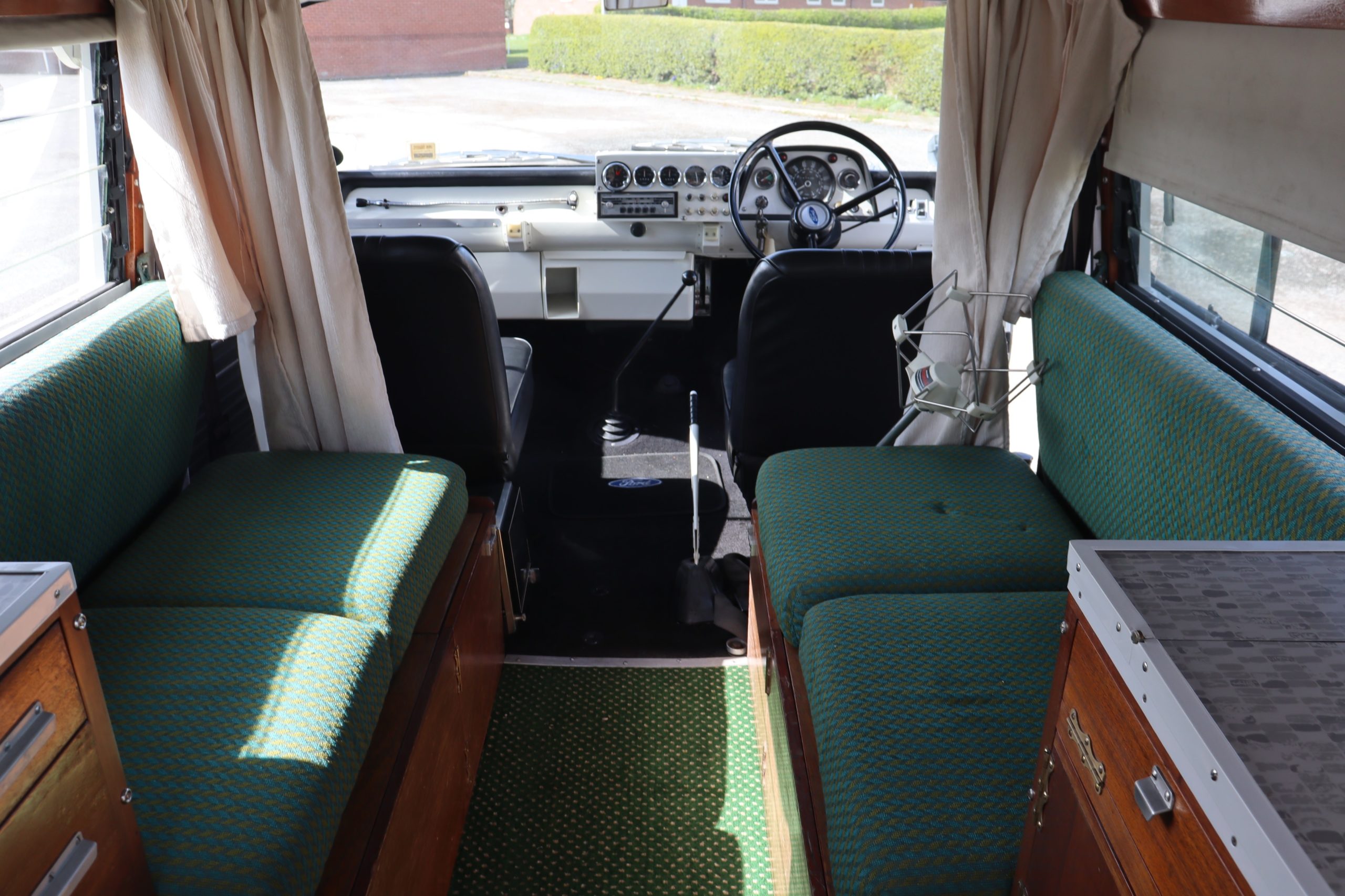
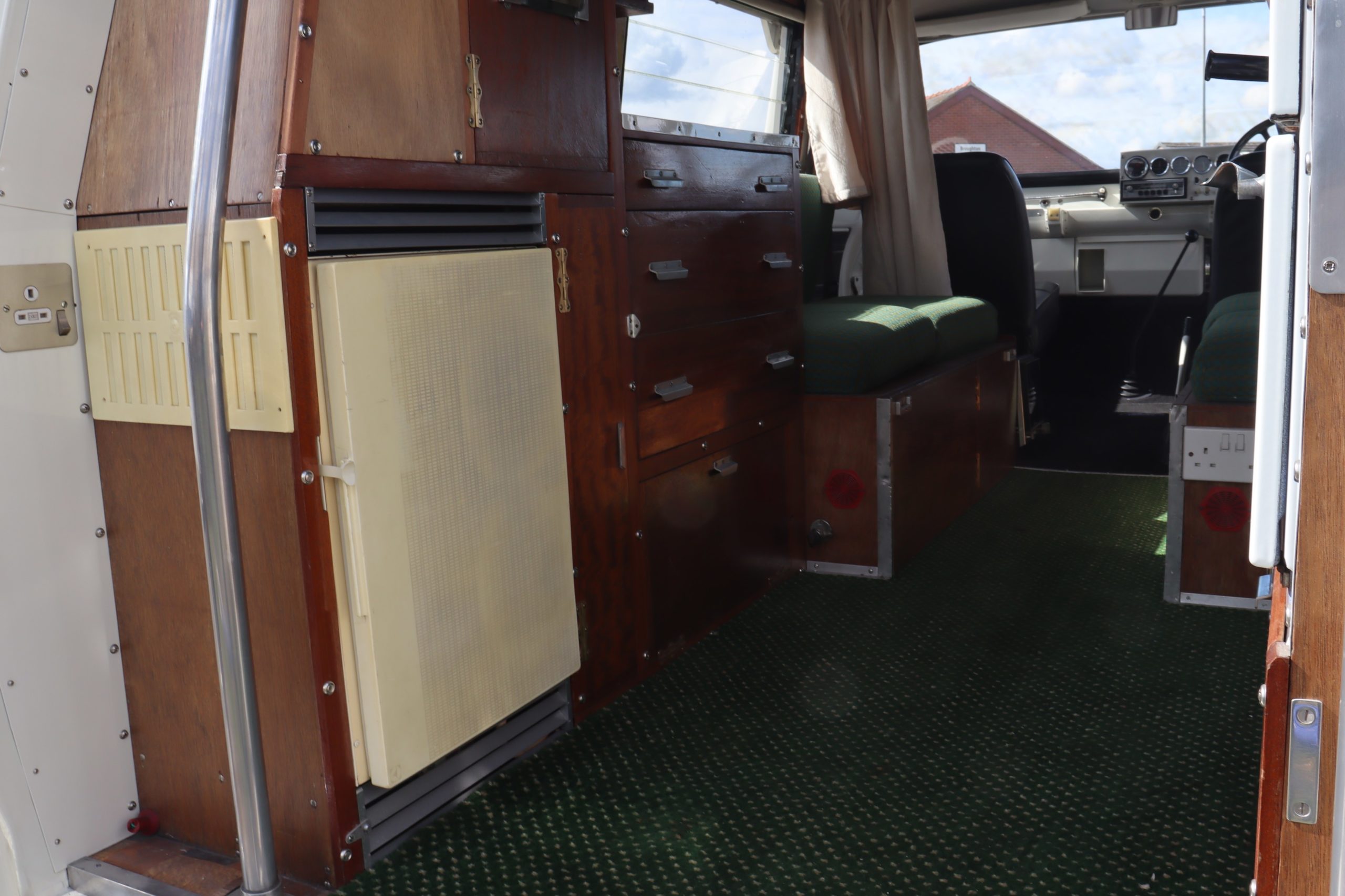
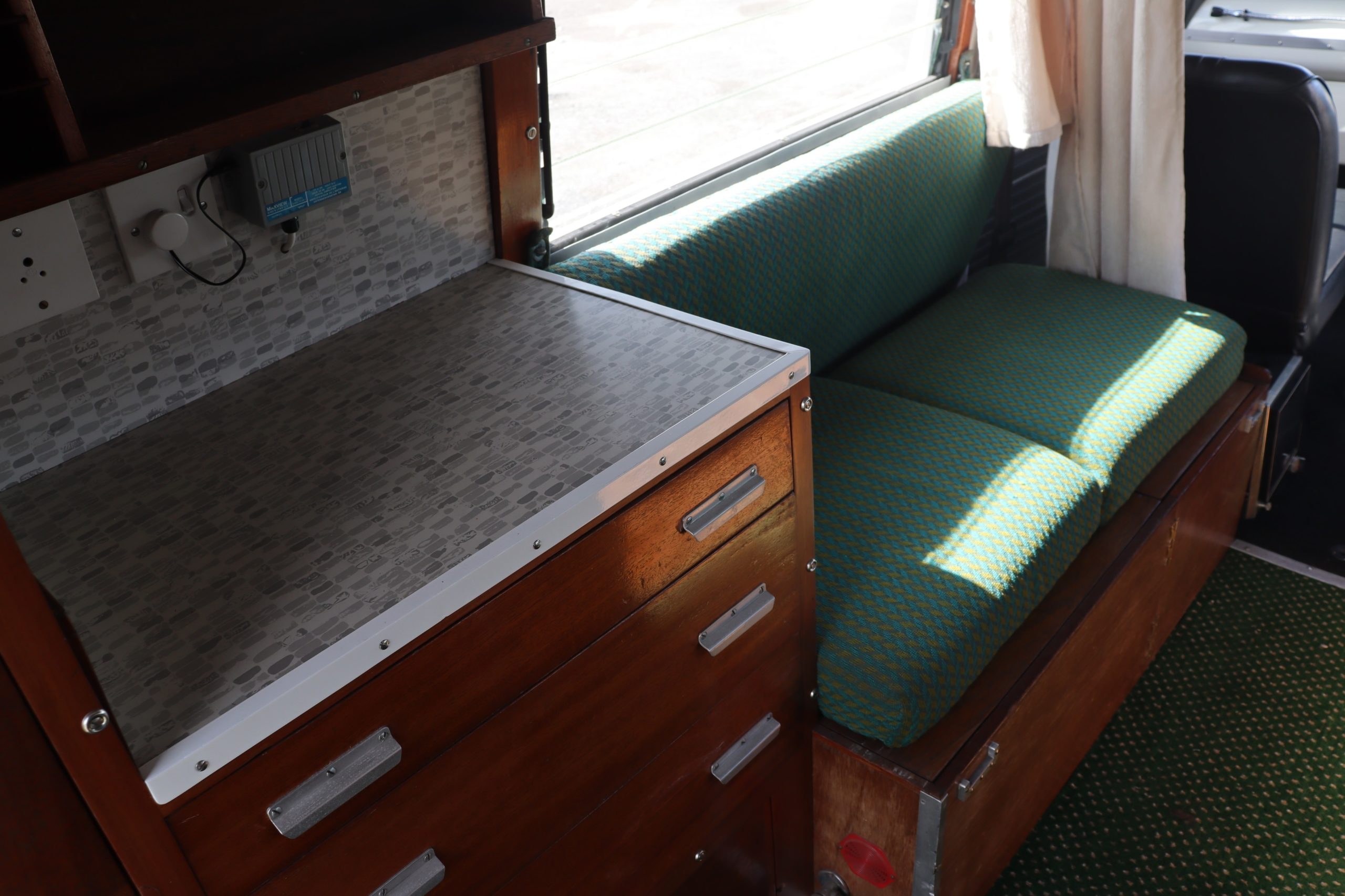
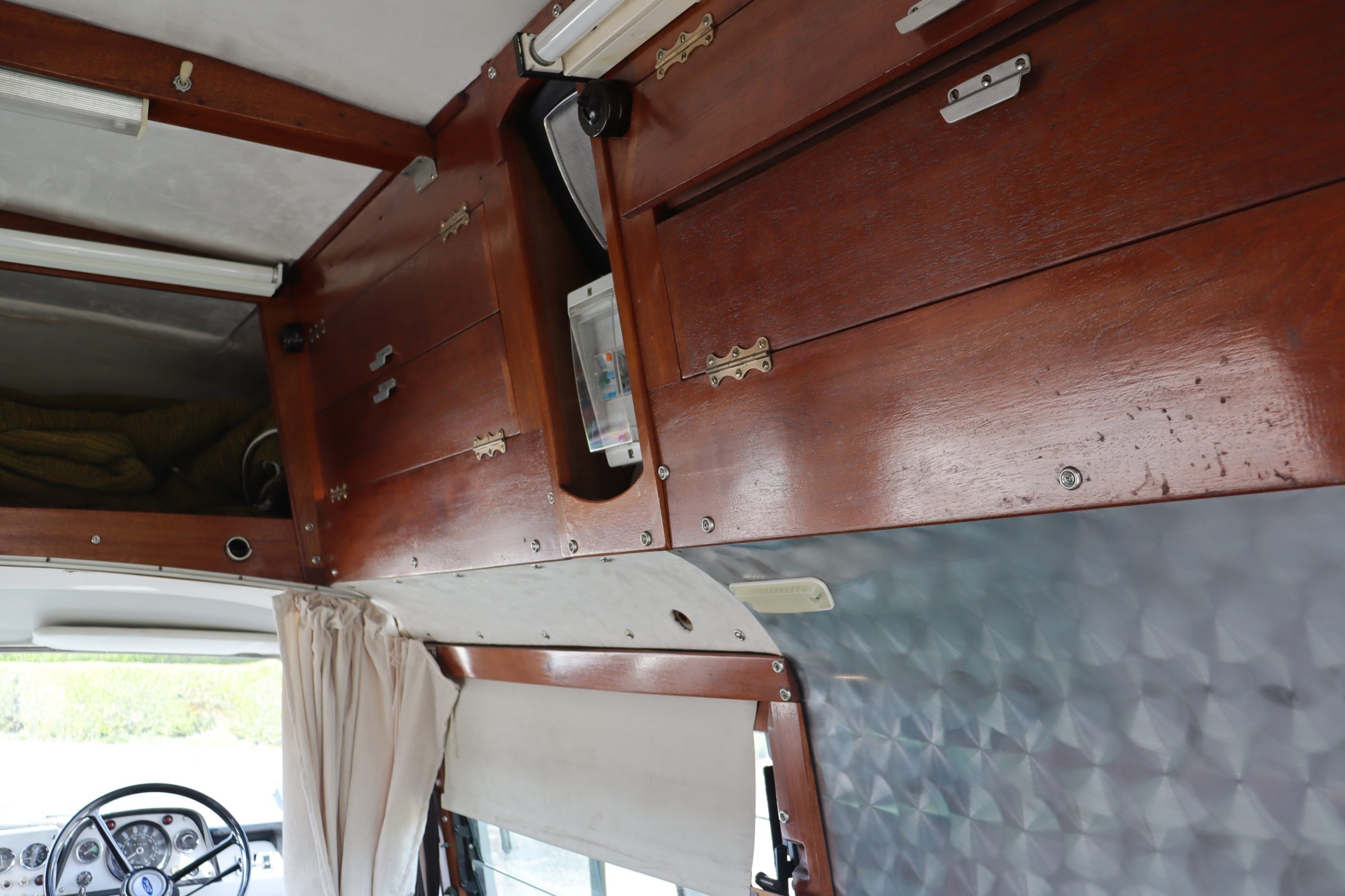
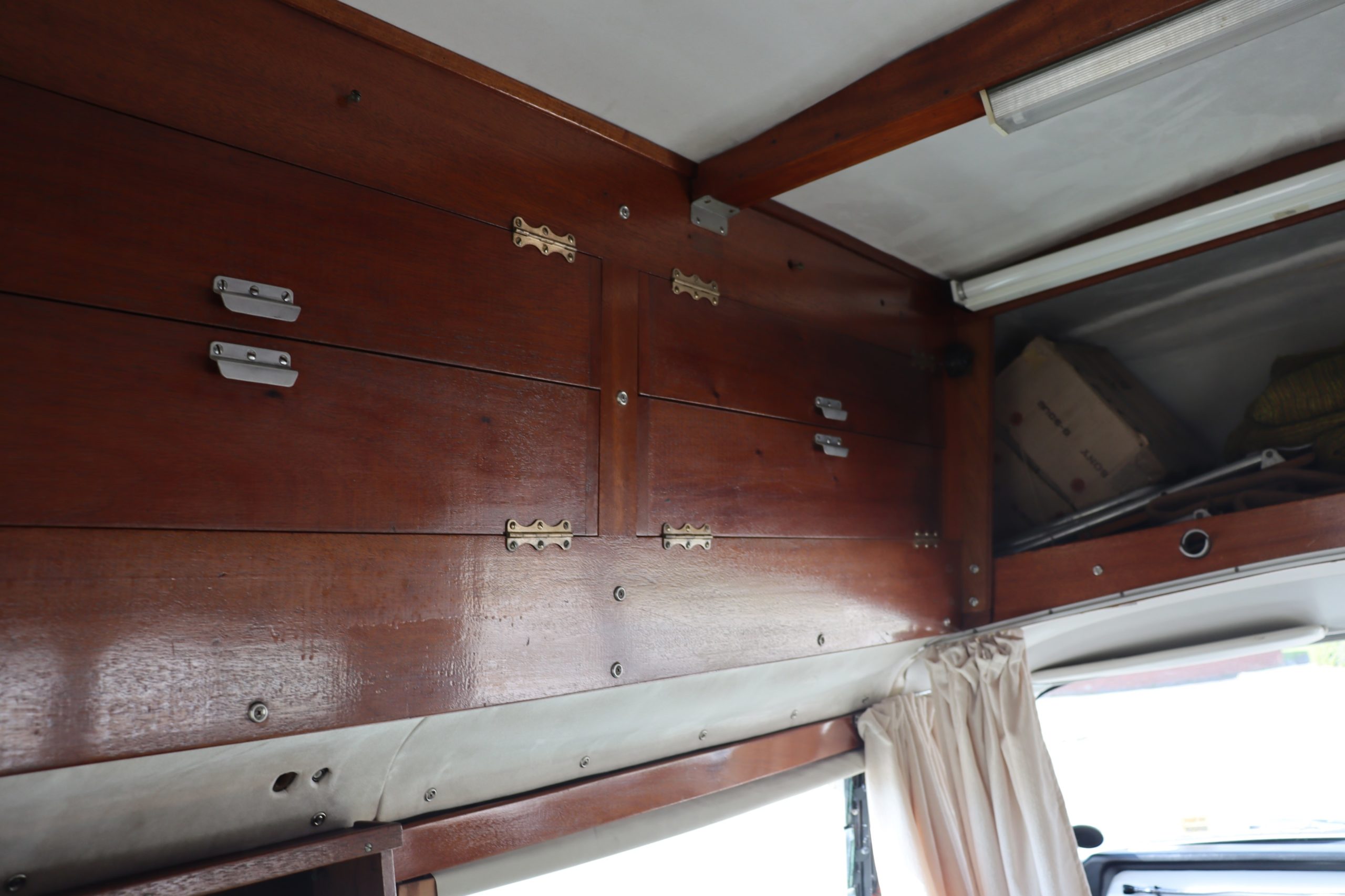
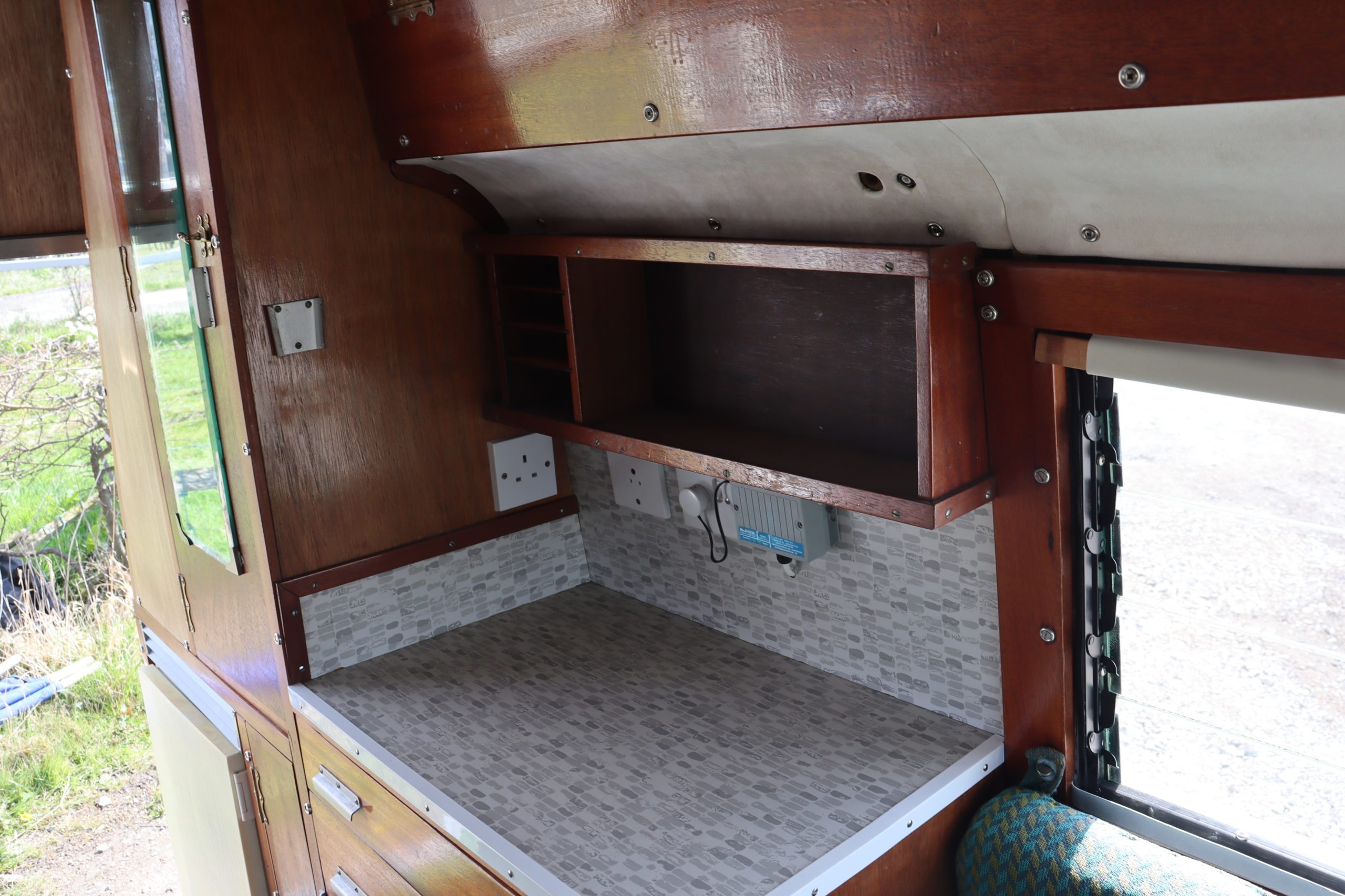
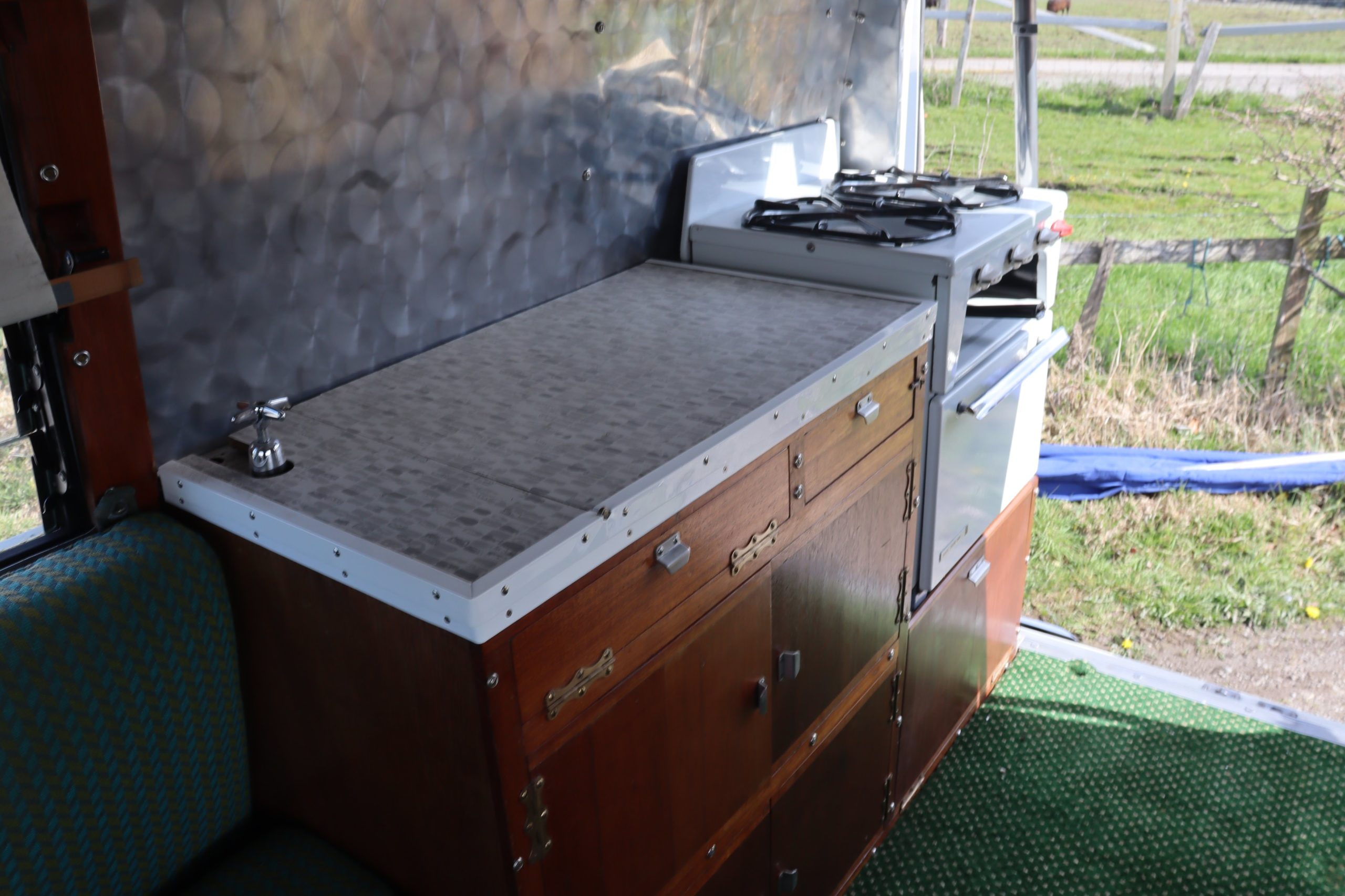
This Transit was restored in 2017 into a period correct camper van, with many original fixtures and fittings.

The design team behind the Transit started with a blank slate. They knew the new van had to be wider and longer than the Thames 400E, it had to be capable of carrying as much or more cargo than its competitors, and it needed to have a front engined, rear wheel drive layout.

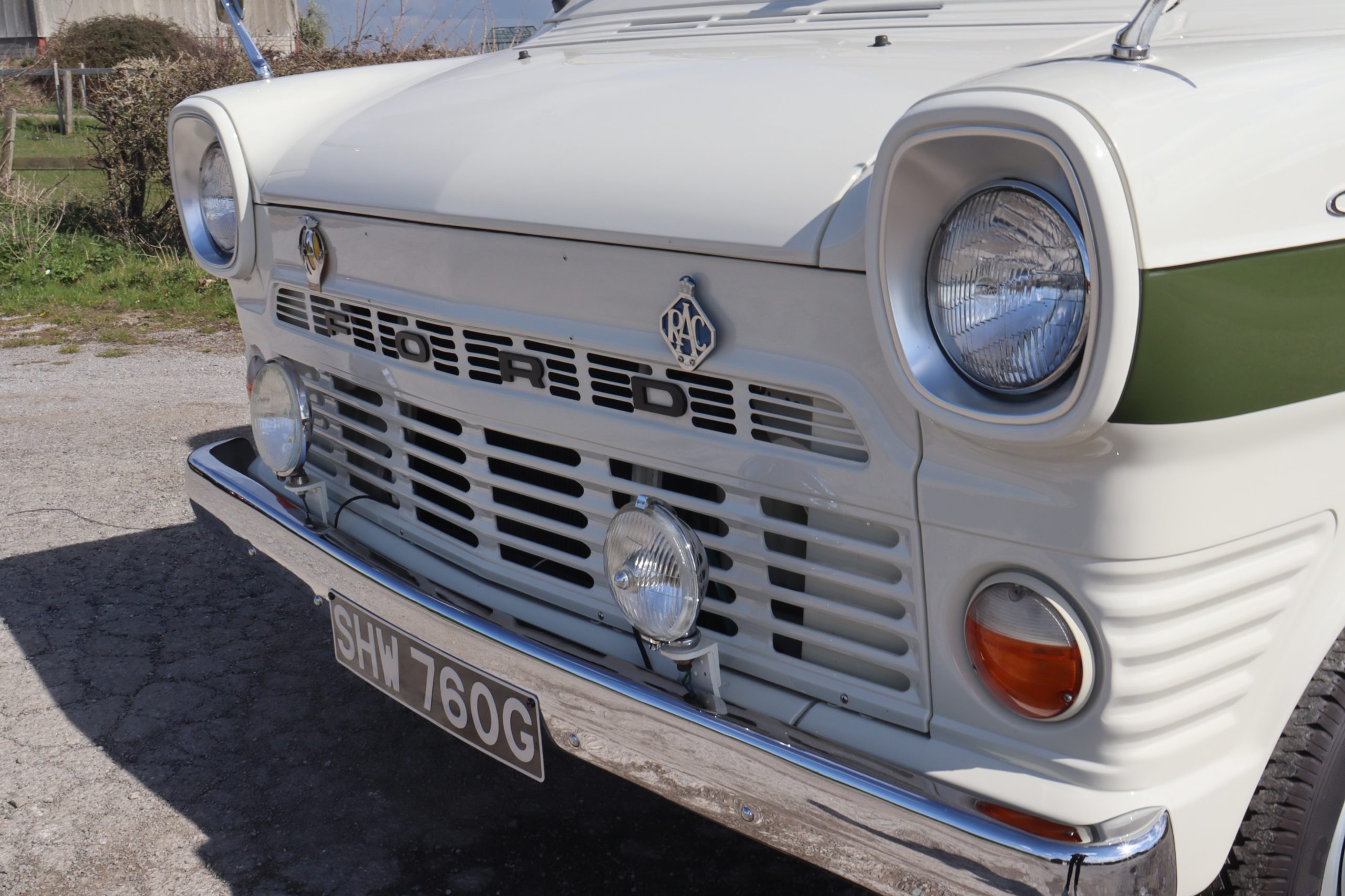
Ford’s pre-existing V4 engine was a perfect fit for the new Transit as it was shorter than an inline four, fitting neatly into the compact front engine bay. Later versions of the Transit would offer a variety of different engines, some requiring the front of the van to be extended outward – earning them the nickname “pig snout.”

Power was sent back through a manual transmission to the rear wheels, and the large cargo space in the rear made the Transit highly versatile. Many were used as ambulances and police paddy wagons, others were converted into pick-up trucks, minibuses, crew-cabs, and more.

Ford Transit Mark I Camper Van 20

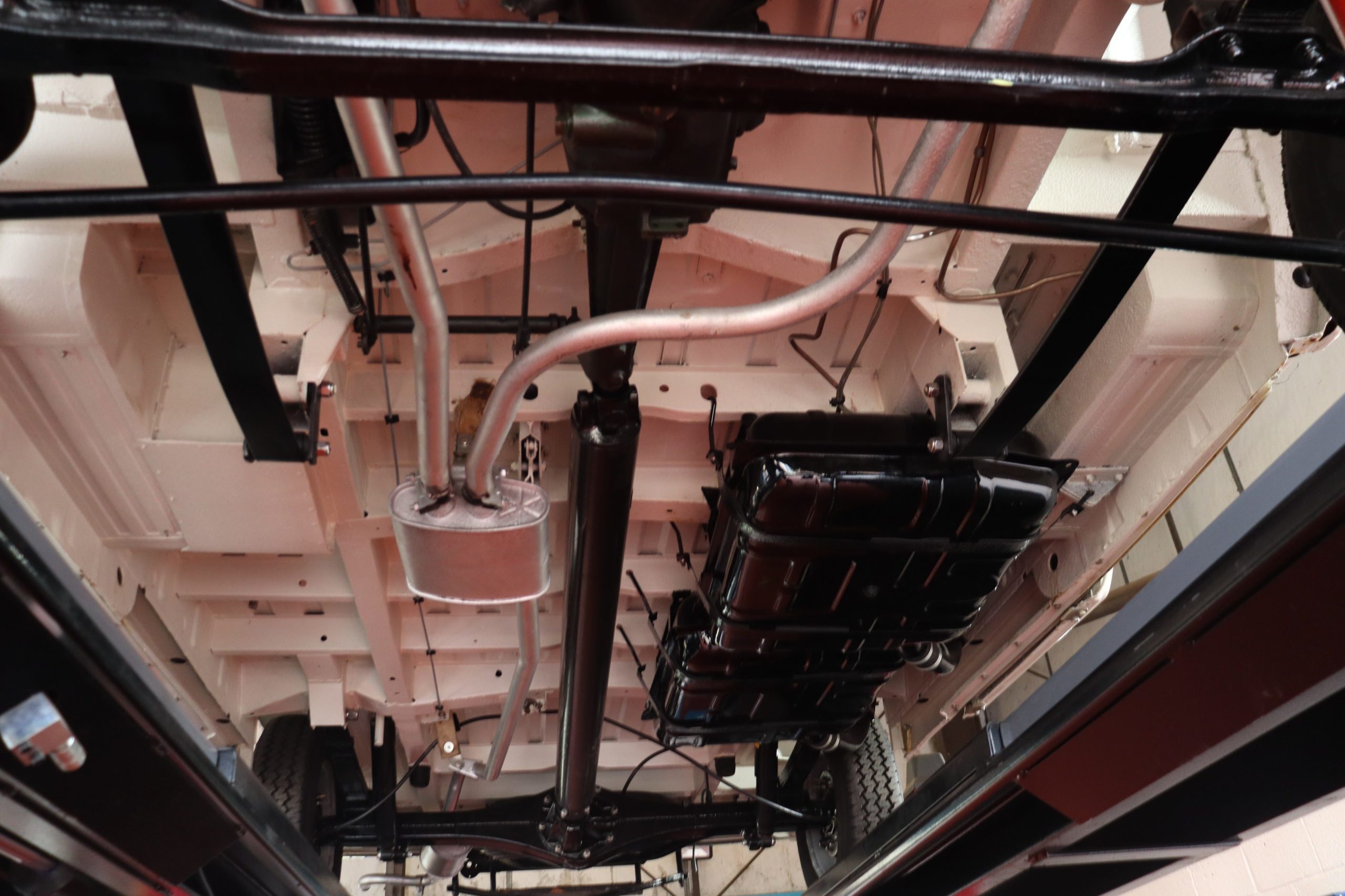
The restoration was comprehensive, as this shot of the underside clearly shows.

One use of the Transit van that none of the original designers saw coming was “bank robber getaway vehicle.” The new Ford van became a popular getaway car as they could accommodate a gang of men, a large amount of stolen goods, and the Transit was so common on the streets of England that no one noticed them.

In 1972 a Scotland Yard spokesman explained that “Ford Transits are used in 95 percent of bank raids. With the performance of a car, and space for 1.75 tonnes of loot, the Transit is proving to be the perfect getaway vehicle”, describing it as “Britain’s most wanted van.”

The Mark I Transit would be replaced by the Mark II in 1977, the two vans were almost the same save for a few modifications including a modernized front end and dashboard.

Collectors and enthusiasts have started discovering the Ford Transit Mark I in earnest in recent years. They’re now starting to see their values rise and high-end restorations are being undertaken worth tends of thousands of pounds.

Ford Transit Mark I Camper Van 18

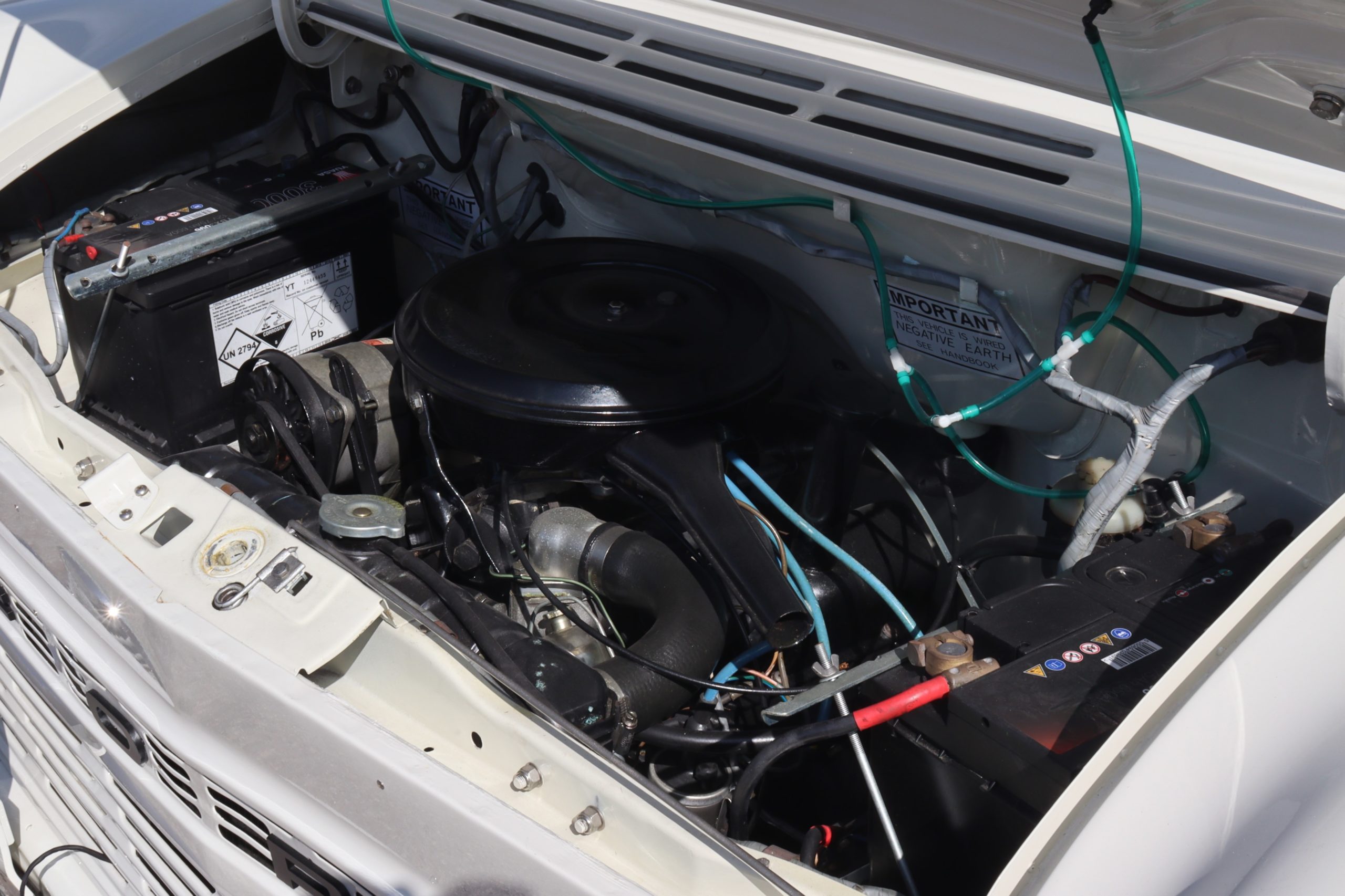
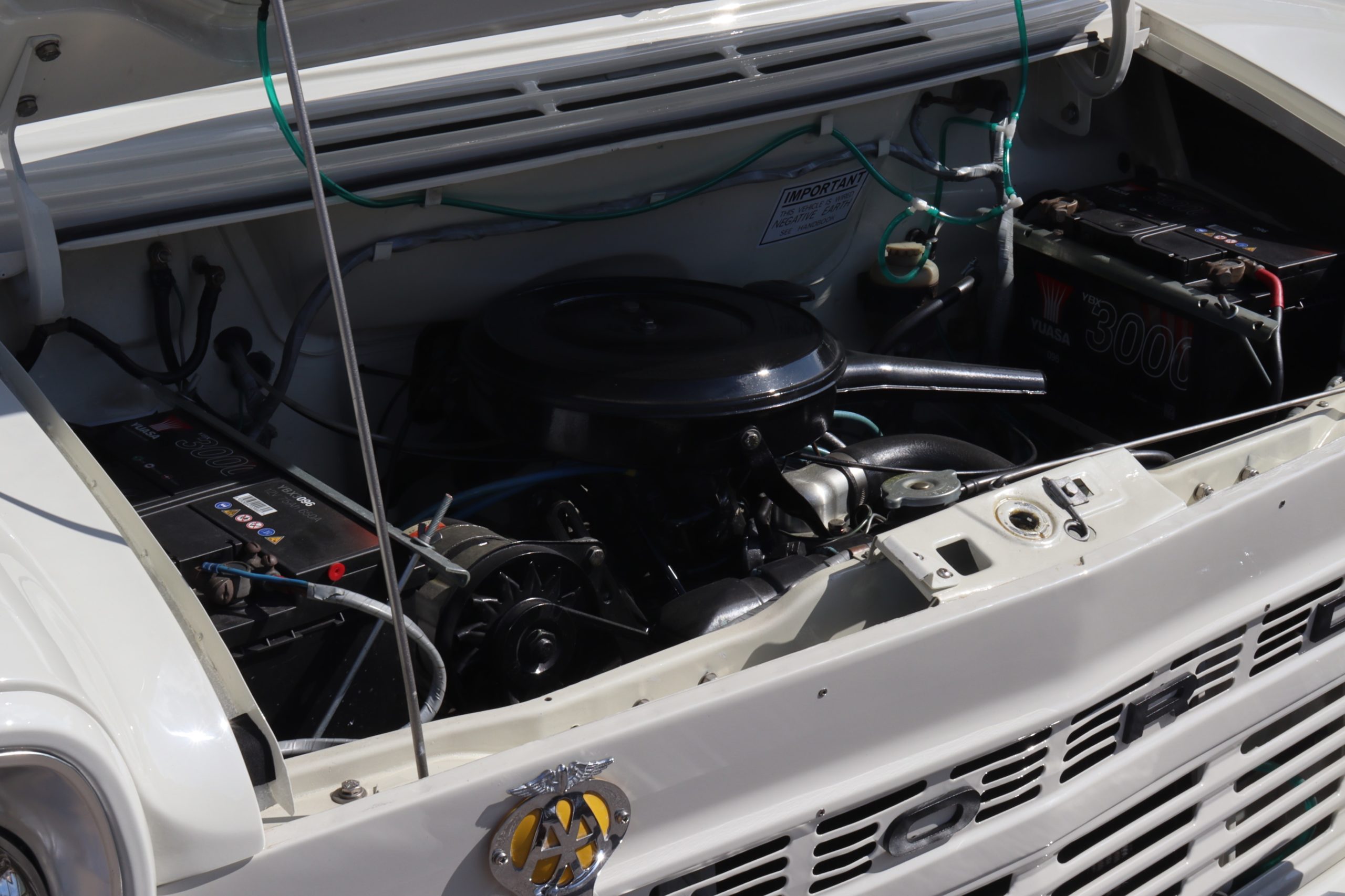
This van is powered by the Ford V4 engine, chosen due to its compact size which made it ideal for the small engine bay on the Transit.

The “Lotus Cortina” Ford Transit Mark I Shown Here

The Mark I Transit you see here has been restored to “Lotus Cortina” specification – turning it into a special edition van that never actually exited in period.

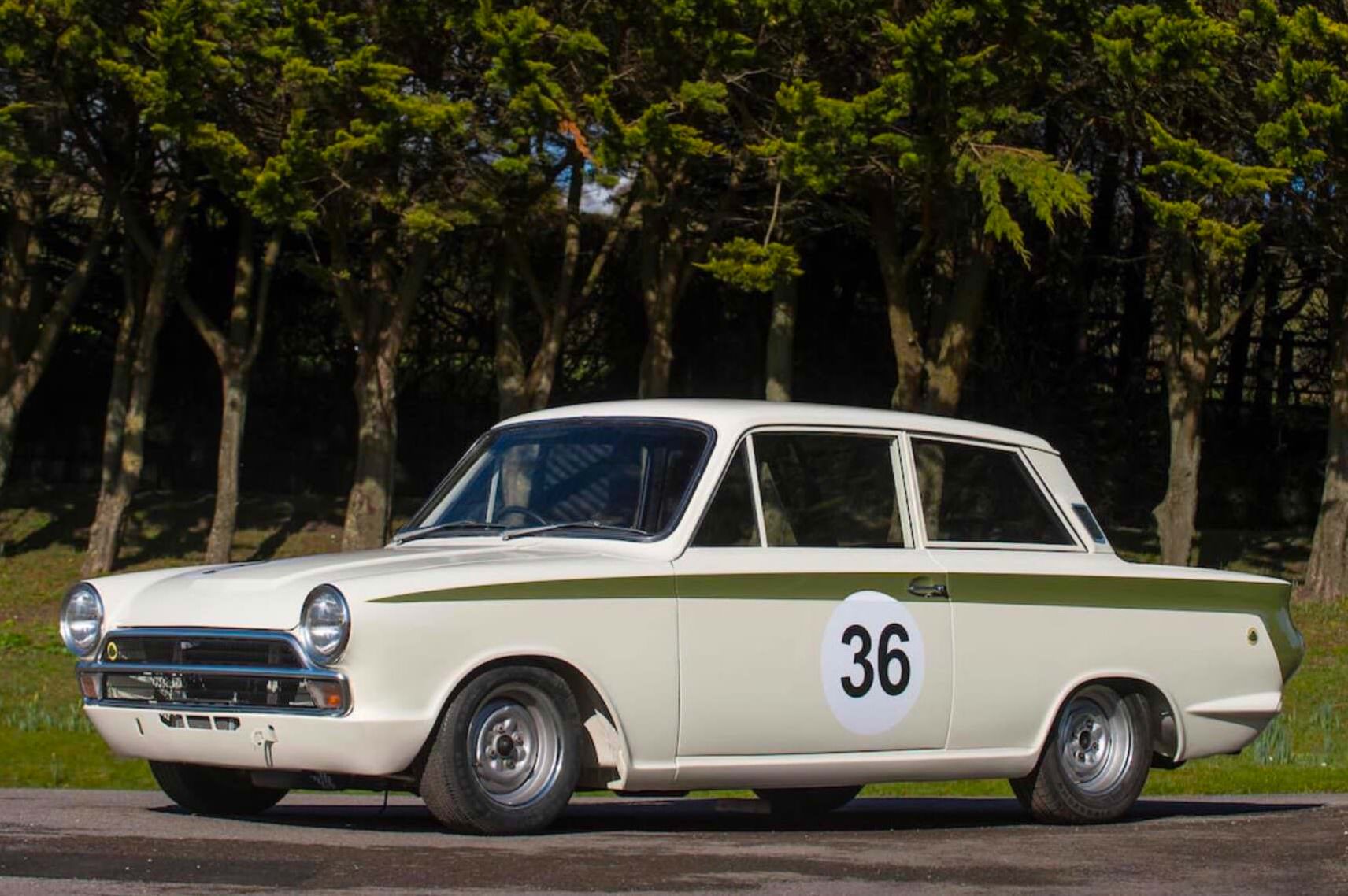
The original Lotus Cortina was a modified version of the standard Ford Cortina road car, Lotus engineers reworked it for better performance and they succeeded admirably – creating a little two-door sporting sedan with impressive racing potential.

This potential was soon realized with Jim Clark winning the 1964 British Saloon Car Championship, Jackie Stewart and Mike Beck then won the Marlboro 12 Hour, Alan Mann Racing took a 1-2 finish in the “Motor” Six Hour International Touring Car Race at Brands Hatch.

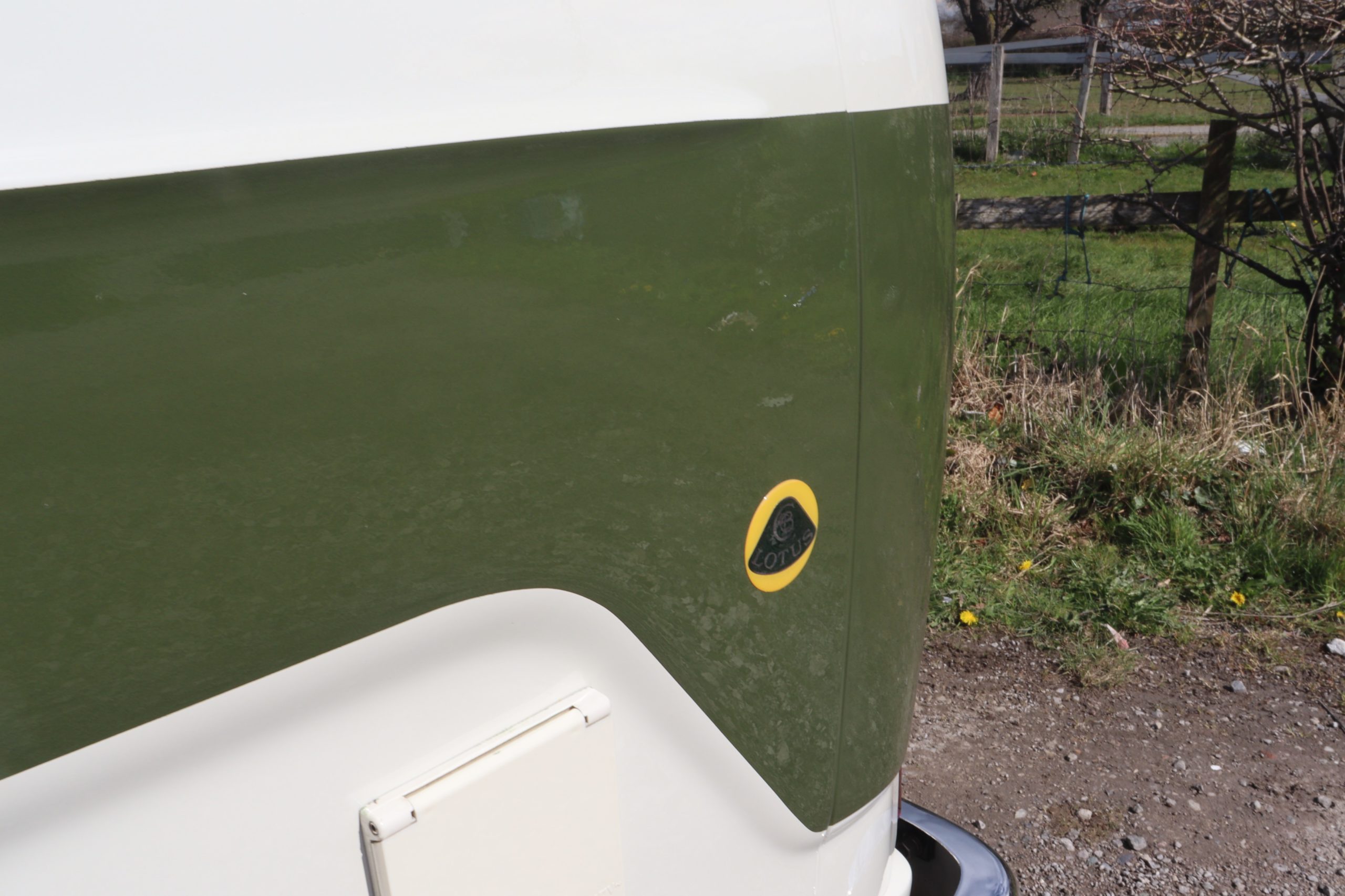
A slew of other race wins would follow, firmly cementing the Lotus Cortina as one of the most popular blue collar performance cars of its day. The most distinctive exterior visual difference between the Lotus Cortina and the regular Ford Cortina was the green stripe down the side, finished off with a Lotus badge.

Lotus-Cortina-Mk1

This is a Lotus Cortina (Mk1). Each started as a standard Cortina before being sent to Lotus who fitted one of their own Twin Cam engines, and a slew of suspension (and other) upgrades.

During its restoration this Transit has received this same stripe and Lotus logo, showing us what a Lotus Transit might have looked like in period, even though the very idea of it is as preposterous as it is amusing.

This Transit started out as a standard Ford Transit Mark I from 1965, it has continuous known history from new with 58,702 miles on the odometer.

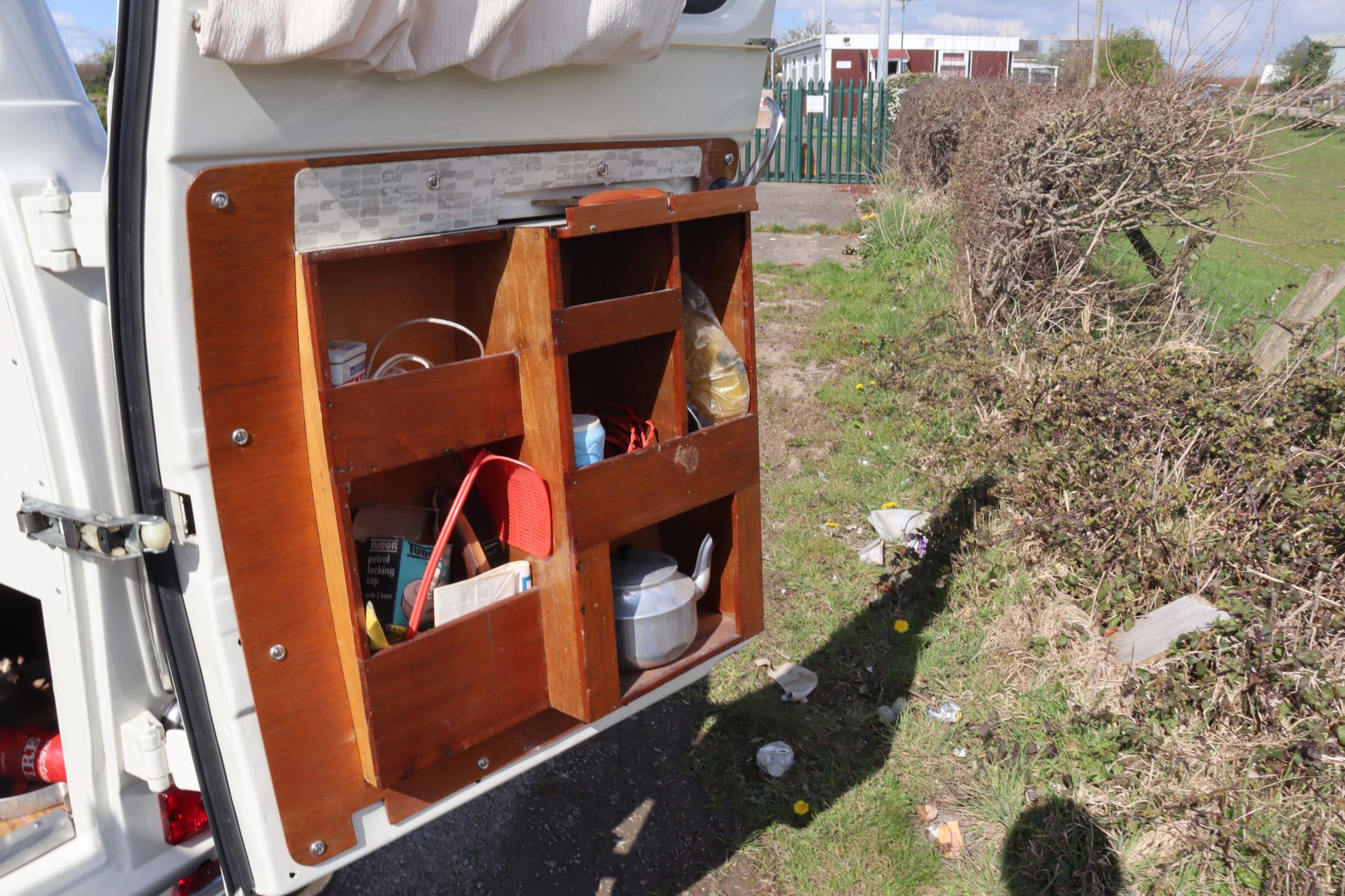
In 2017 it was professionally restored to vintage camper specification, it has many rare and original fittings including utensils, appliances and fittings, along with a TV and a few other modern upgrades to make it more usable in the 21st century.

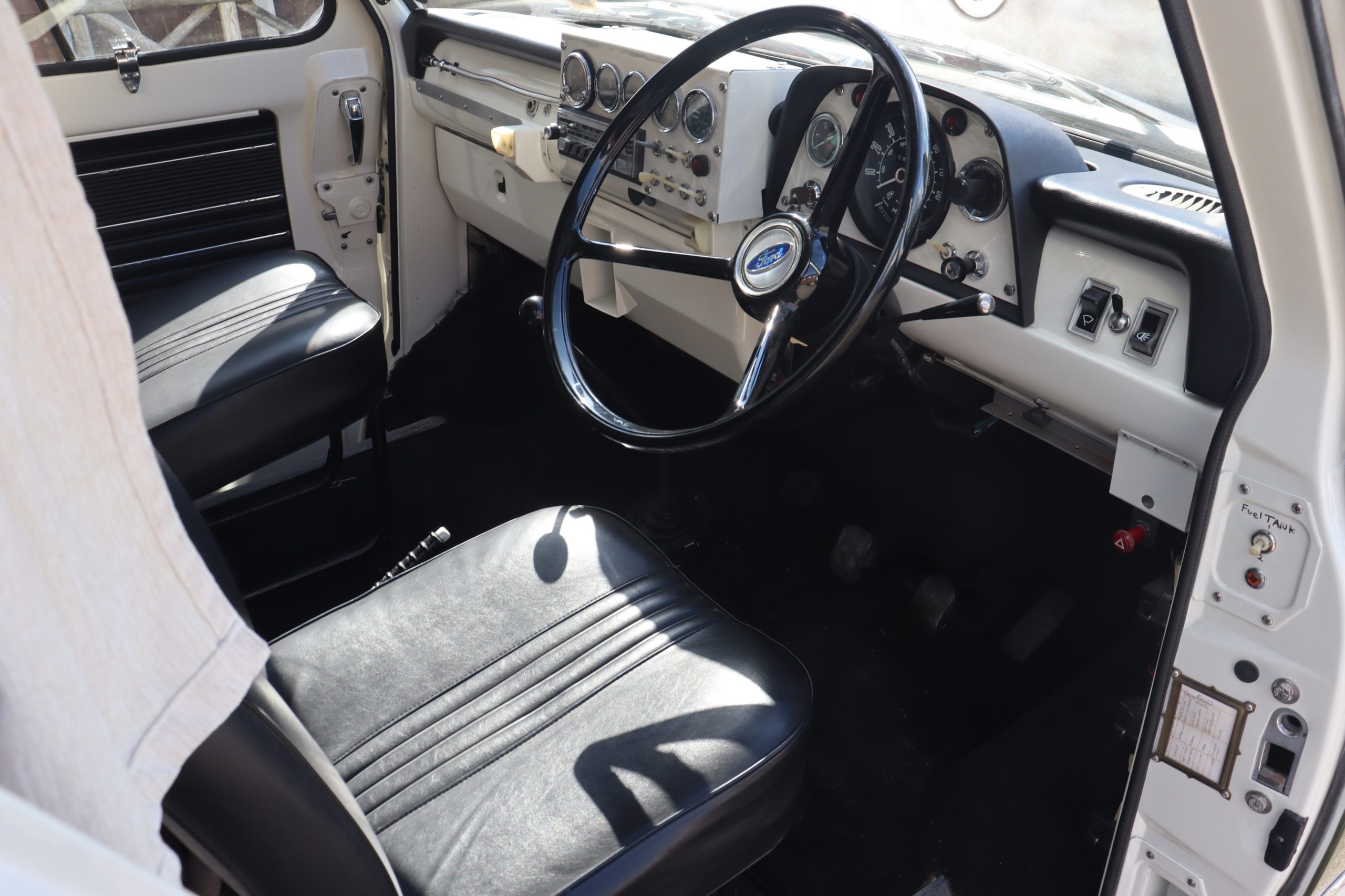
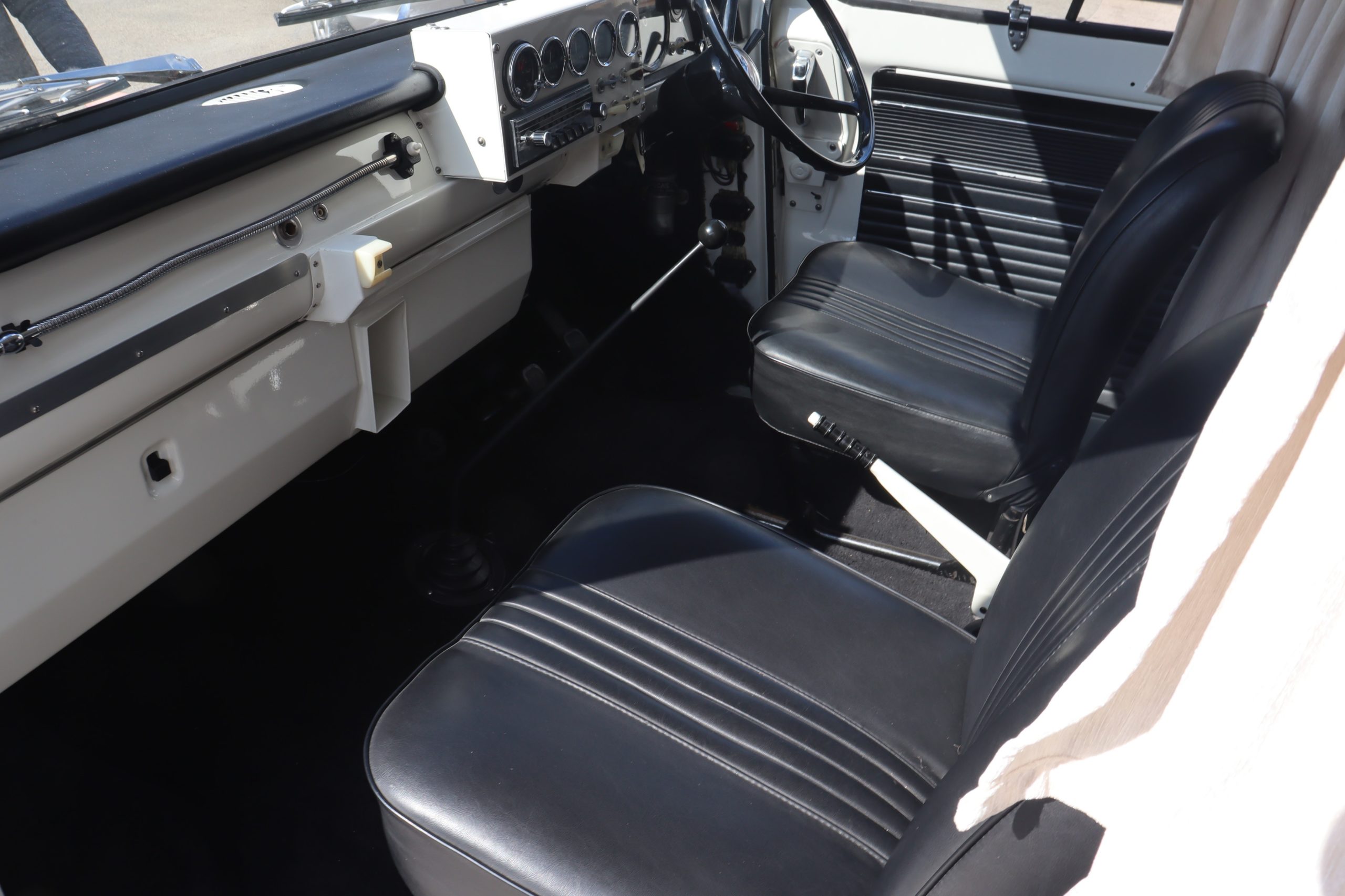
As a further hat tip to the Lotus Cortina, this Transit now has a custom dashboard box that contains a rally-style instrument panel with gauges, switches, and a period push-button radio.

The van is now due to roll across the auction block with H&H Auctions on the 27th of April with a price guide of £20,000 – £30,000, which works out ton approximately $26,000 – $39,100 USD. If you’d like to read more about it or register to bid you can click here to visit the listing.

Ford Transit Mark I Camper Van 7 Ford Transit Mark I Camper Van 19 Ford Transit Mark I Camper Van 17 Ford Transit Mark I Camper Van 16 Ford Transit Mark I Camper Van 15 Ford Transit Mark I Camper Van 14 Ford Transit Mark I Camper Van 13 Ford Transit Mark I Camper Van 12 Ford Transit Mark I Camper Van 11 Ford Transit Mark I Camper Van 9 Ford Transit Mark I Camper Van 8 Ford Transit Mark I Camper Van 6 Ford Transit Mark I Camper Van 5 Ford Transit Mark I Camper Van 4 Ford Transit Mark I Camper Van 3 Ford Transit Mark I Camper Van 2 Ford Transit Mark I Camper Van 1

Images courtesy of H&H Auctions

Ford Transit Mark I Camper Van

The post A 1969 “Lotus Cortina” Ford Transit Mark I Camper Van appeared first on Silodrome.


from Silodrome https://silodrome.com/lotus-cortina-ford-transit-mark-i-camper-van/
via gqrds
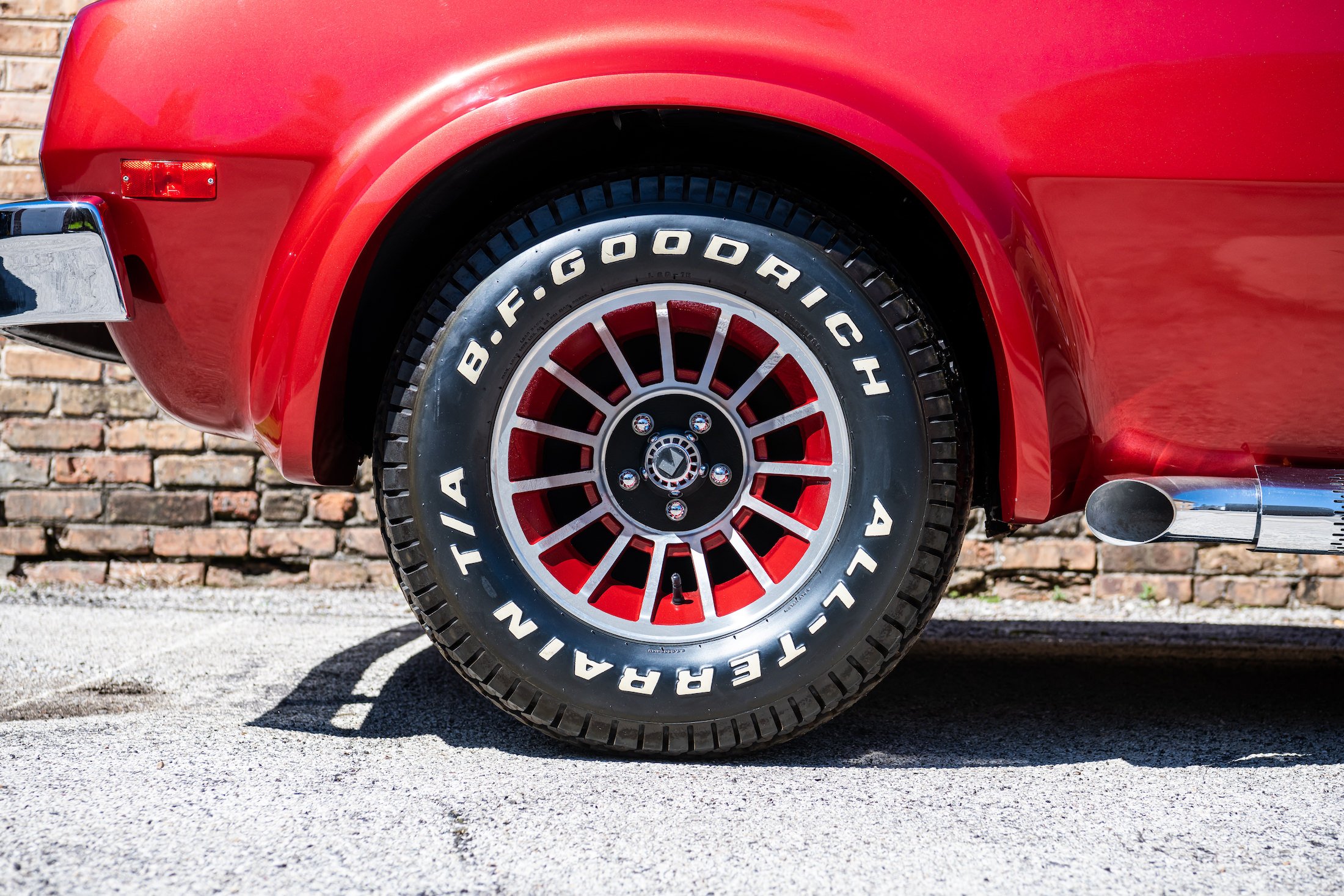
For Sale: The Original 1977 AMC AM Van 4×4 Concept Vehicle

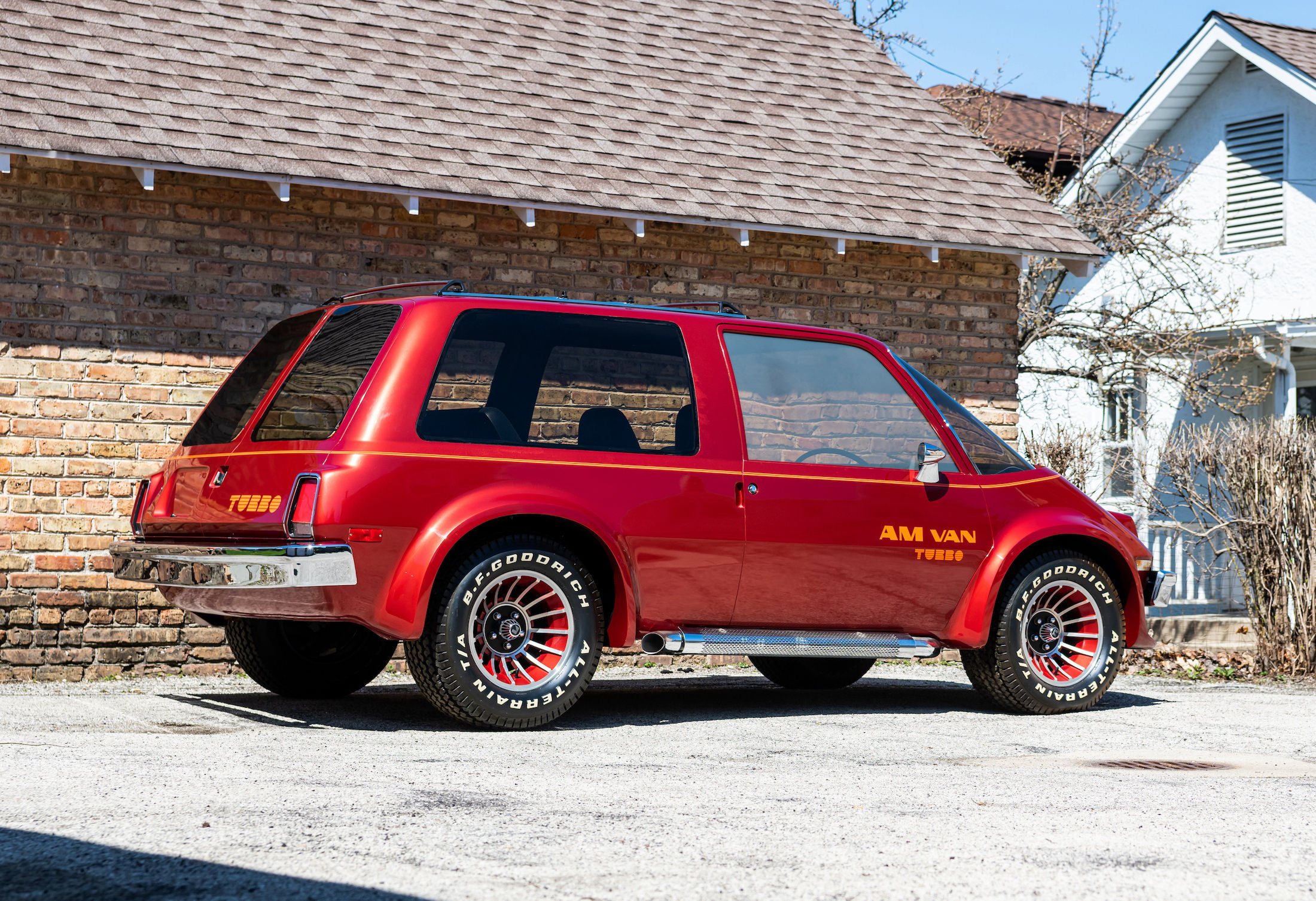
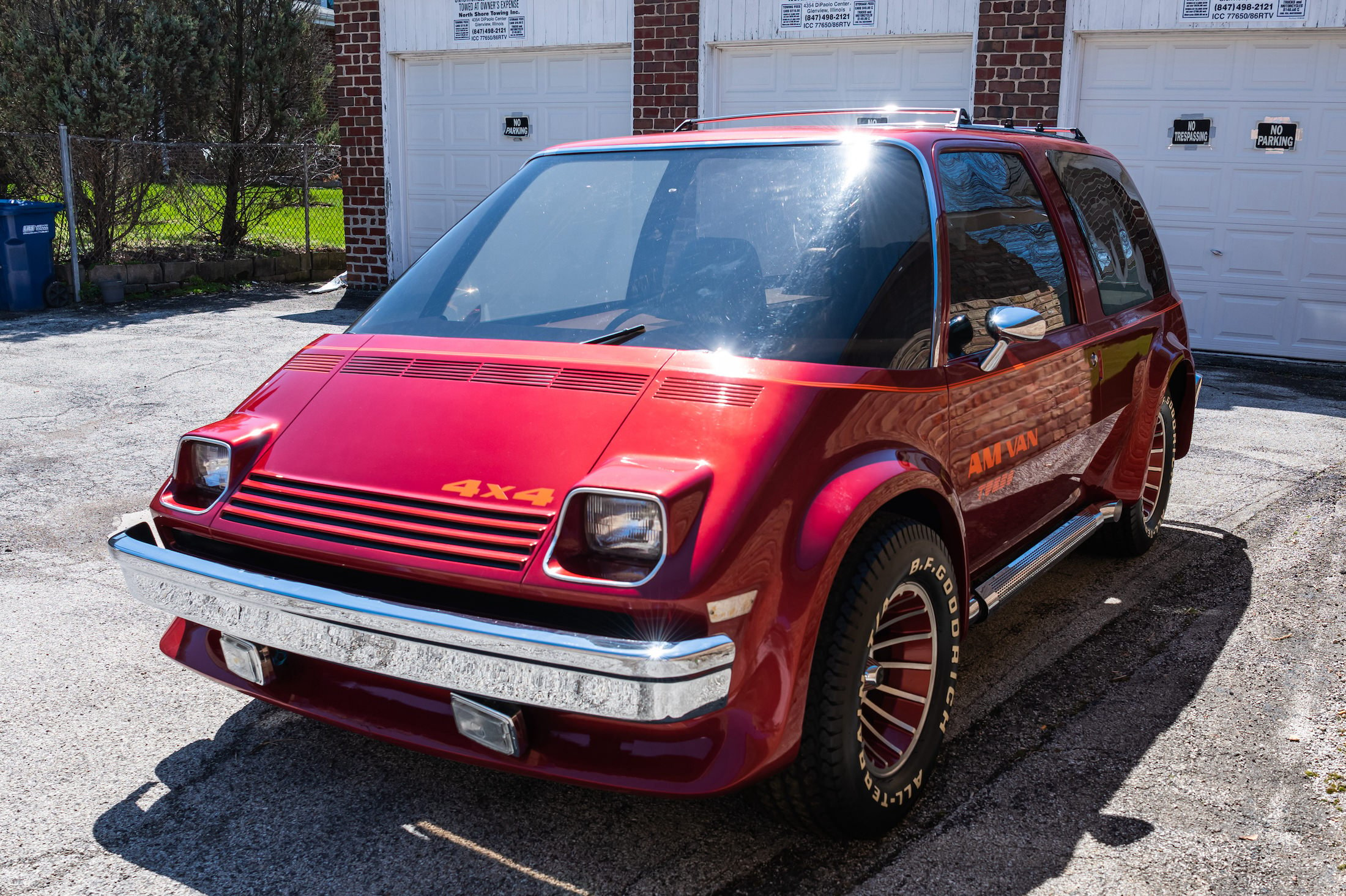
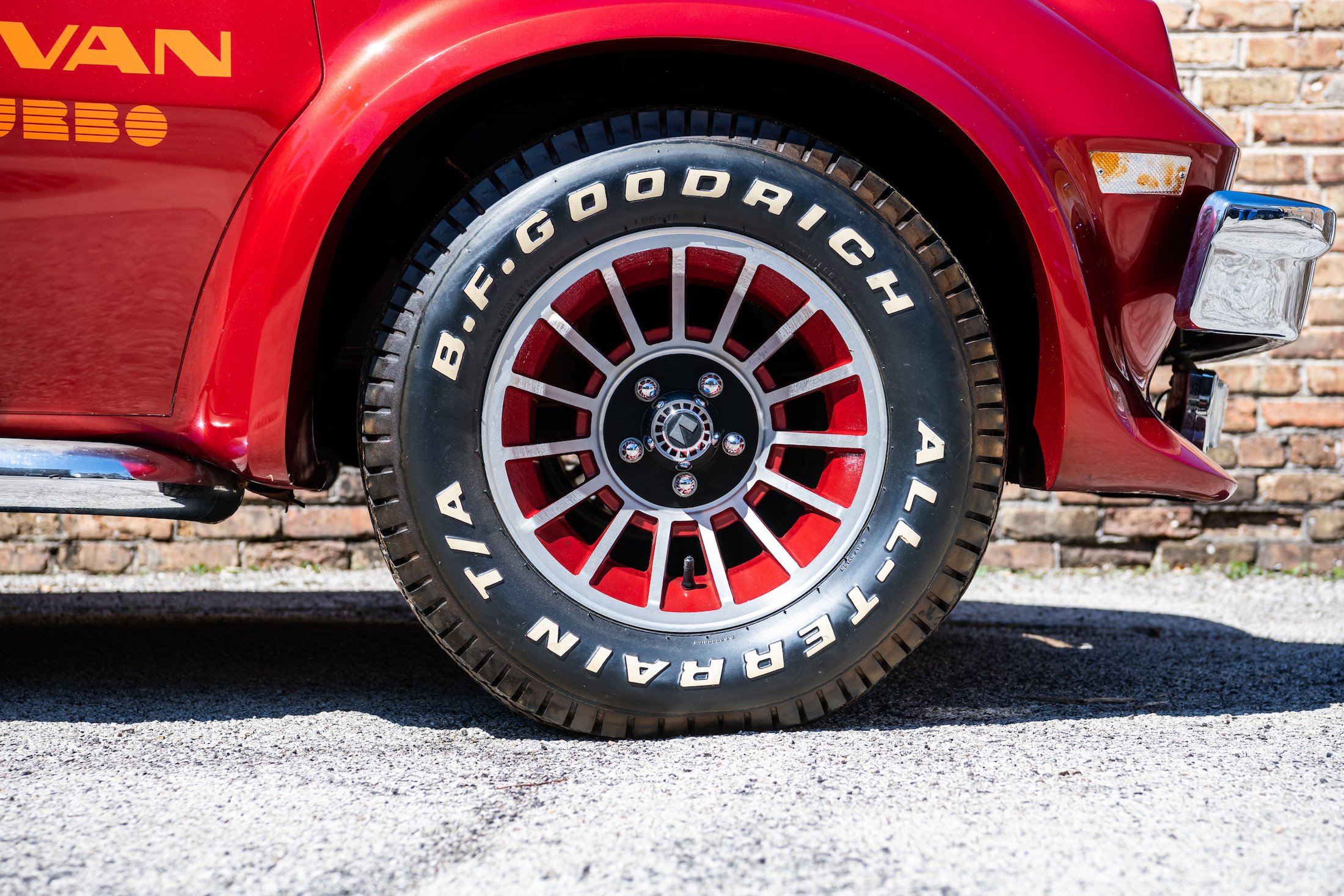
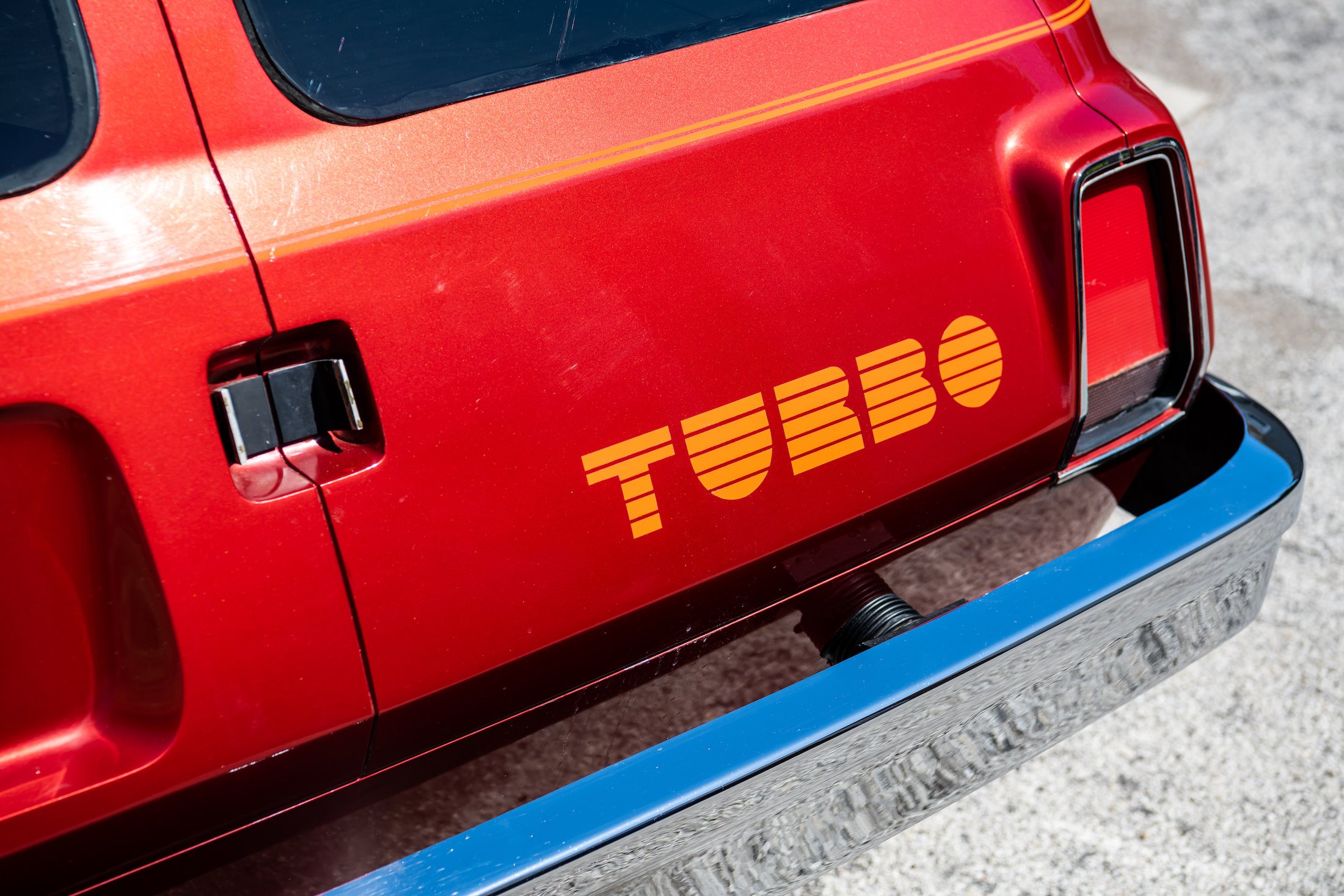
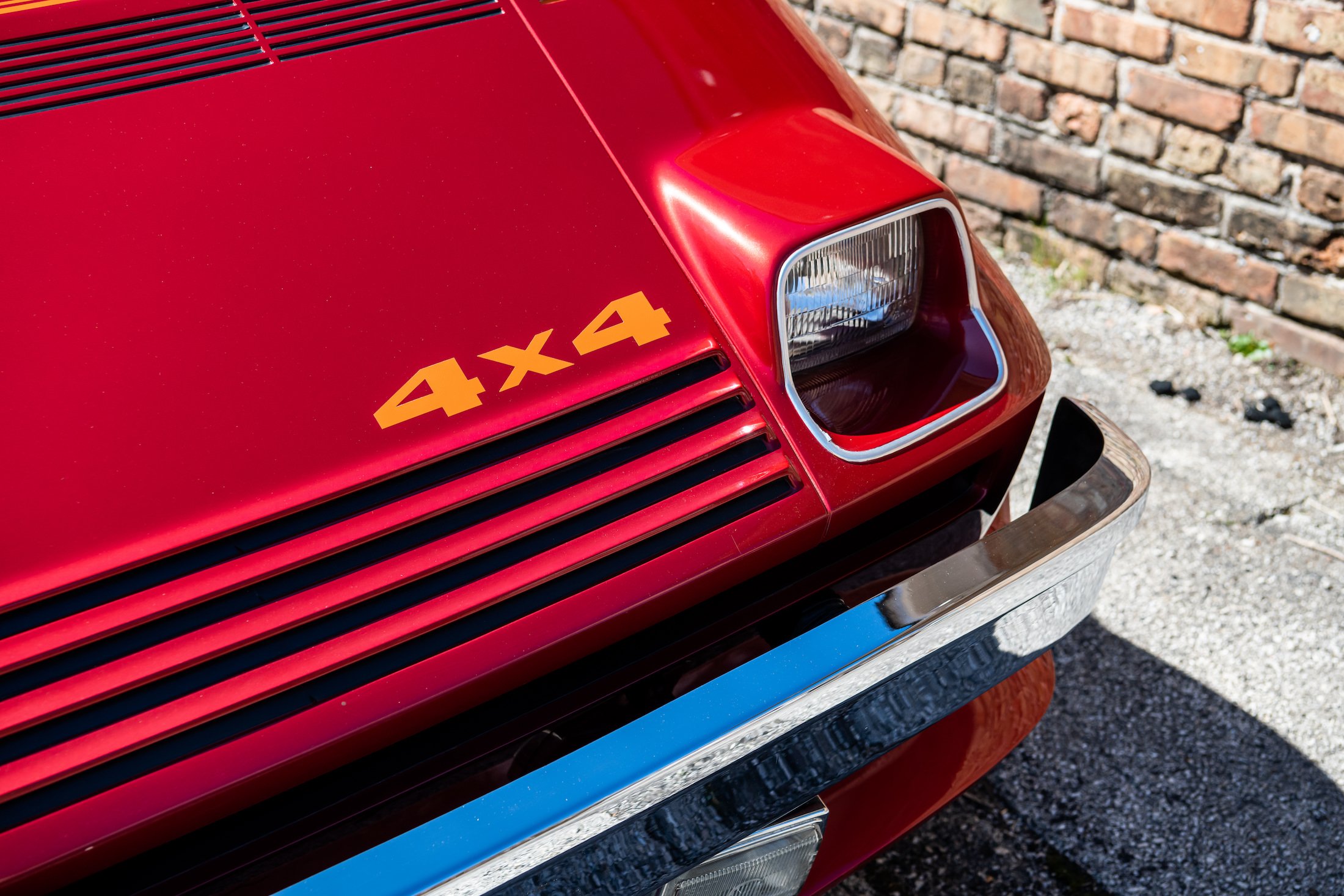
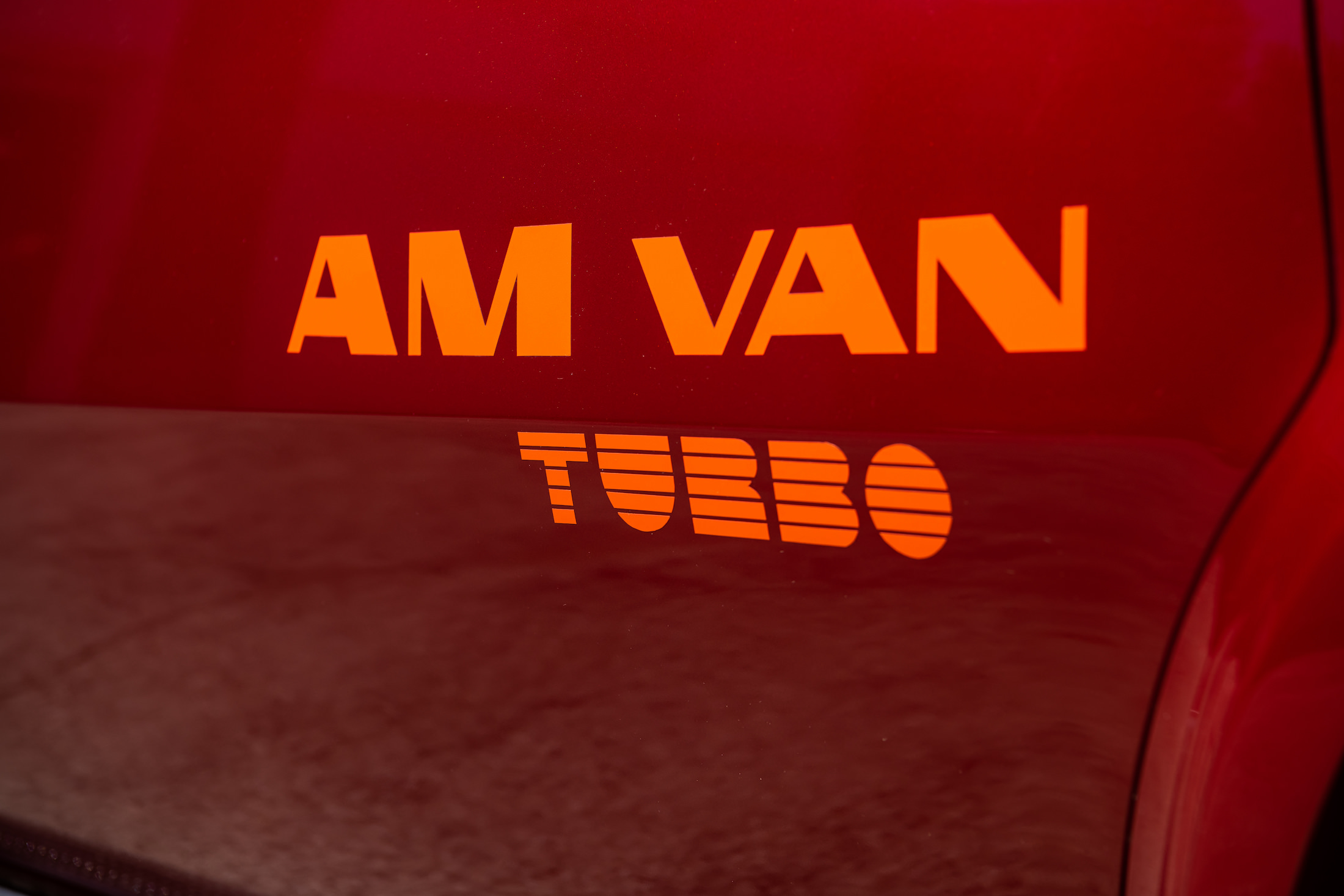
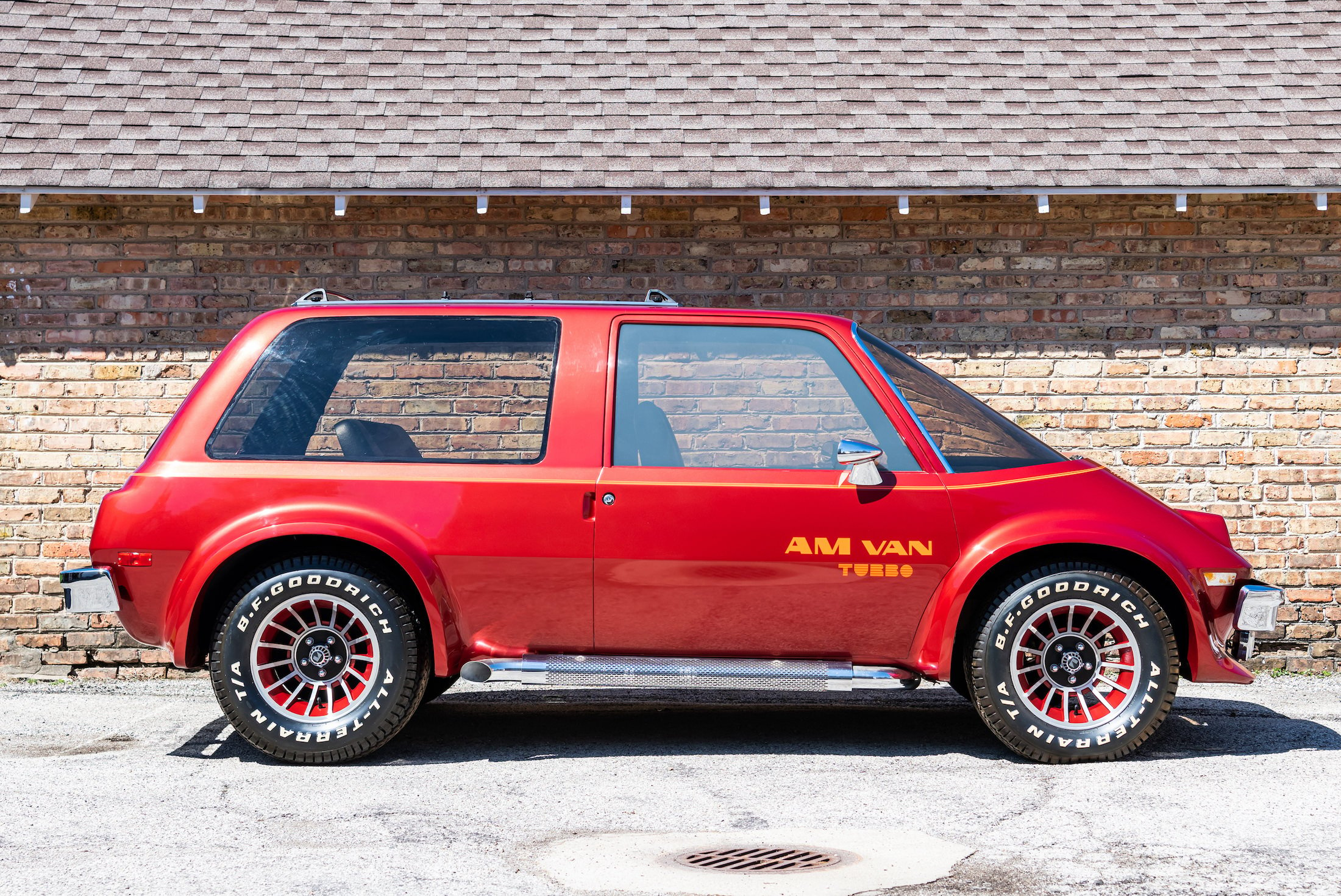
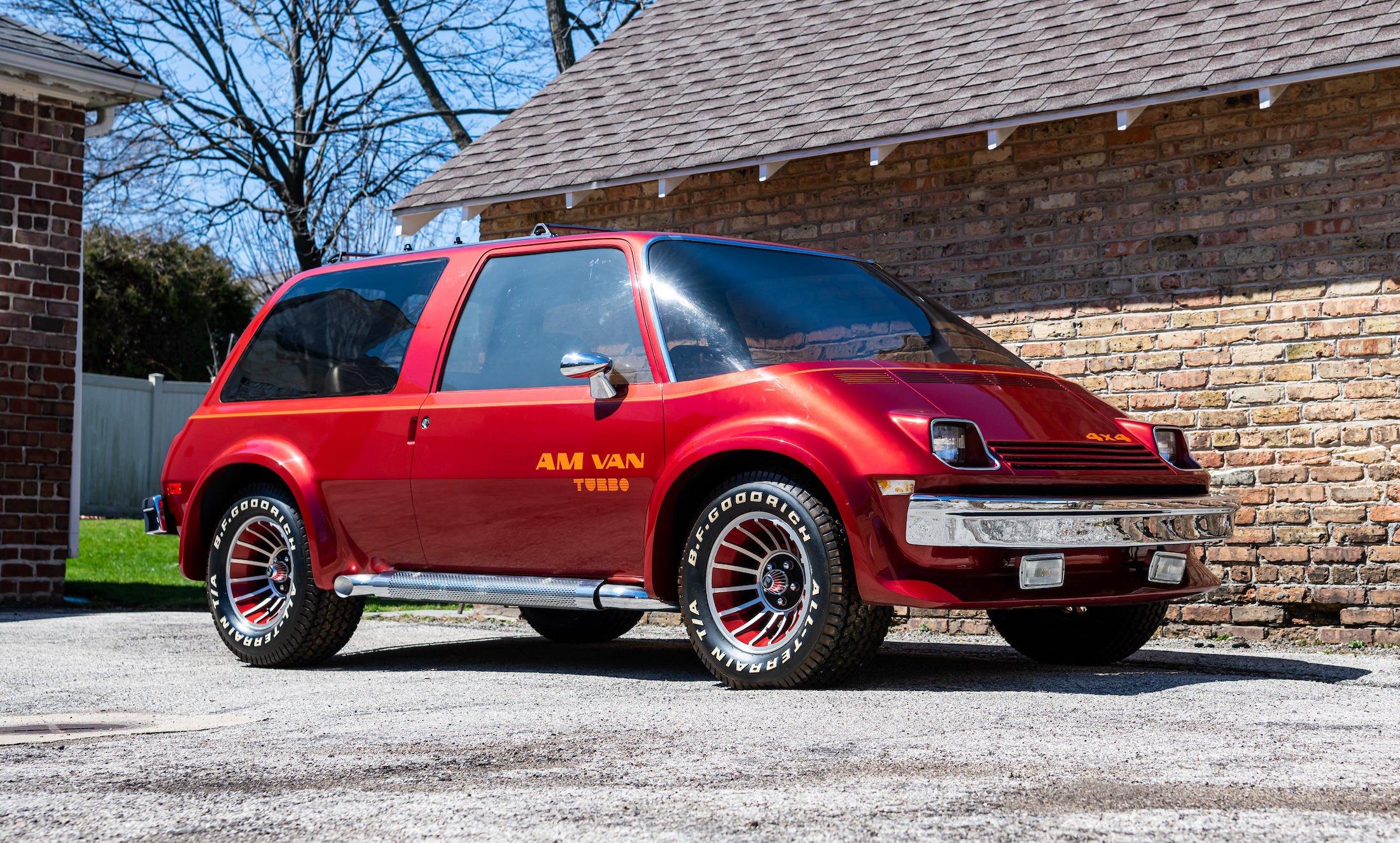
This is the 1977 AMC AM Van, a concept vehicle that was planned to have a four-wheel drive powertrain headed by a turbocharged engine – both quite novel ideas for a production car in the 1970s.

This van was part of AMC’s seven car “Concept 80” traveling motor show, intended to showcase to the American public their vision for the future of the automobile. The AMC AM Van was by far the most popular vehicle in the show, resoundingly winning the public vote everywhere it was shown.

Fast Facts – The 1977 AMC AM Van

  • The 1977 AMC AM Van was penned by legendary automotive stylist Richard Teague, the creator of the AMX, Javelin, Jeep Cherokee and a slew of other designs.
  • AMC was known for unusual and oftentimes quite prescient vehicle designs, including the likes of the Gremlin, the Eagle 4×4, and the SX/4 4×4.
  • Had it been approved for production the AMC AM Van would likely have sold well, the 1970s were a time when vans were king, and with the included turbocharged engine and 4×4 drivetrain the van would have ticked a lot of boxes for a lot of consumers.
  • Sadly the van didn’t get the green light for production, and now just this single fiberglass bodied concept vehicle remains to show the world what might have been.

The AMC “Concept 80” Traveling Motor Show

The AMC Concept 80 traveling motor show was unveiled in 1977 and sent on a seven city tour of the United States, to showcase the future direction of the American Motors Corporation.

AMC Concept 80 Show Cars

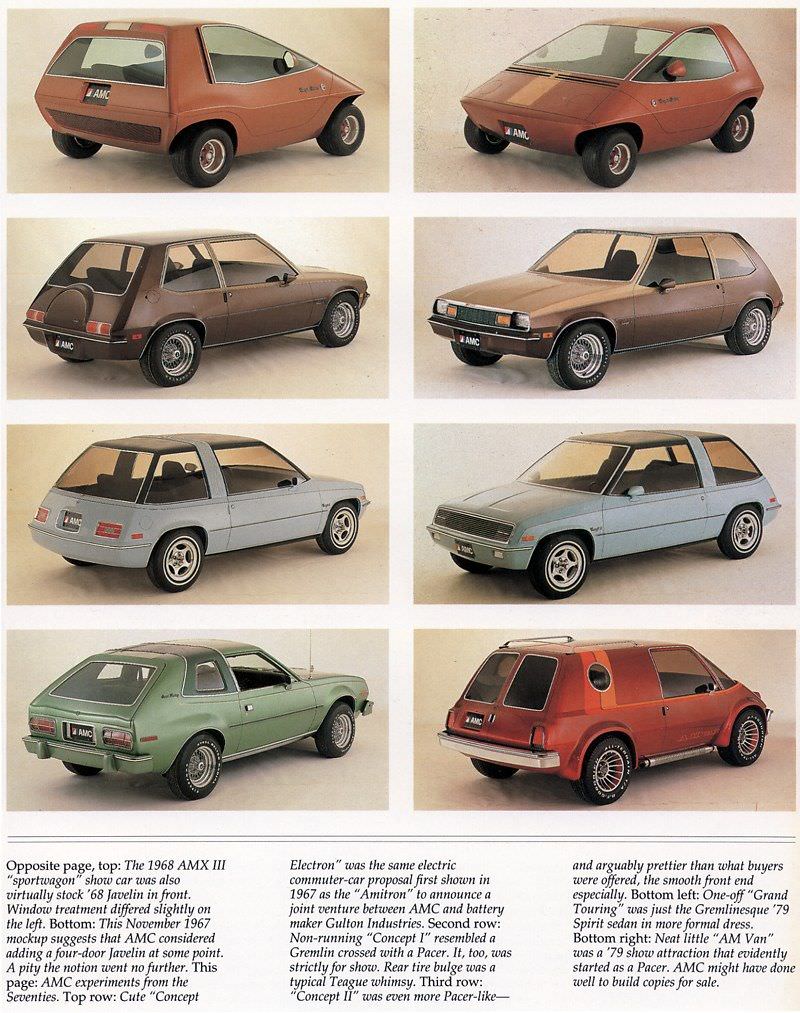
These are four of the seven vehicles that were used in the AMC Concept 80 traveling motor show. The Concept Electron and the AM Van (top and bottom right respectively) were the most popular.

The tour included seven vehicles including the “Concept Electron,” a small electric vehicle with wedge-shaped styling built  as a joint venture between AMC and battery manufacturer Gulton Industries.

Other vehicles in the show were perhaps a little more subdued, the “Concept I” was essentially a Gremlin crossed with a Pacer, and was arguably better looking than either of them. The “Concept II” was even more Pacer like, and again it was more aesthetically pleasing than the actual production car.

The green “Grand Touring” was very much a child of the 1970s, with styling cues from both the Gremlin and the Spirit sedan.

The final car in the show wasn’t really a car at all, the AMC AM Van was a precursor to the modern minivan and the modern SUV in a single package.

It was a two-door coupe with seating for three abreast and a cargo space in the rear, period advertising materials explained that it was planned to have a four-wheel drive powertrain and a turbocharged engine – both unusual on a mass-production road car in the 1970s.

1977 AMC AM Van Concept 1

The styling of the AM Van is clearly the work of AMC designer Richard Teague, the father of the Gremlin, Pacer, AMX, Javelin, and the Jeep Cherokee to name but a few.

Ultimately, none of the vehicles in the AMC Concept 80 made it int production. At each location show goers were asked to vote for their favorite and the AMC AM Van was the resounding winner, typically claiming almost 1/3 of the vote.

The 1977 AMC AM Van Concept

When it was first published in the American motoring media people didn’t really need the captions to know that this new design came from AMC.

The styling cues were there for all the world to see, the headlights and front end were reminiscent of the AMC Pacer and the rear end was clearly influenced by the AMC Gremlin. The 4×4 system was likely somewhat influenced by the Jeep, which AMC had bought in 1970.

AMC stylist Richard Teague had a marked influence on the cars built by the company during this era, and the AMC AM Van was a greatest hits album of his aesthetic design principles in many respects.

It’s not known exactly what four-wheel drive powertrain was intended for the Van concept, though it was likely a version of the system that would be used on the upcoming AMC Eagle crossover 4×4 and the AMC SX/4 that were released a short while later.

AMC Van Concept Car Newspaper Clipping

The van is now being sold from the Bortz Auto Collection, of which it’s been a member for over 35 years. It was most recently displayed at the Kenosha County Historical Society.

It’s similarly a mystery as to what engine would have been used, whether AMC was planning on turbocharging an engine they already had in production or if they intended to harness some of Renault’s turbo engineering chops, as the two companies were closely linked at the time.

Despite the bid popularity of the AMC AM Van concept it didn’t get approved for production, likely as AMC was going through a period of financial difficulty and belt tightening at the time.

As it stands today the only surviving testament to the design is this non-functional concept vehicle from the 1977 “Concept 80” show. It’s a fiberglass bodied 1:1 scale model with a wooden internal structure, it has a partial interior and it can be rolled around on its wheels.

The AM Van ended up in private hands, joining the famous Joe Bortz collection and remaining part of it for over 35 years. It’s been lent out to multiple museums over the years, including the Gilmore Museum and the popular AMC display at the Kenosha County Historical Society.

The AMC AM Van is now due to cross the auction block with RM Sotheby’s in late May, if you would like to read more about it or register to bid you can click here to visit the listing.

1977 AMC AM Van Concept 4 1977 AMC AM Van Concept 10 1977 AMC AM Van Concept 9 1977 AMC AM Van Concept 8 1977 AMC AM Van Concept 7 1977 AMC AM Van Concept 6 1977 AMC AM Van Concept 5 1977 AMC AM Van Concept 3 1977 AMC AM Van Concept 2

Images courtesy of RM Sotheby’s

1977 AMC AM Van Concept

The post For Sale: The Original 1977 AMC AM Van 4×4 Concept Vehicle appeared first on Silodrome.


from Silodrome https://silodrome.com/1977-amc-am-van/
via gqrds

For Sale: A Ferrari 360 “Tipo F131” V8 Engine

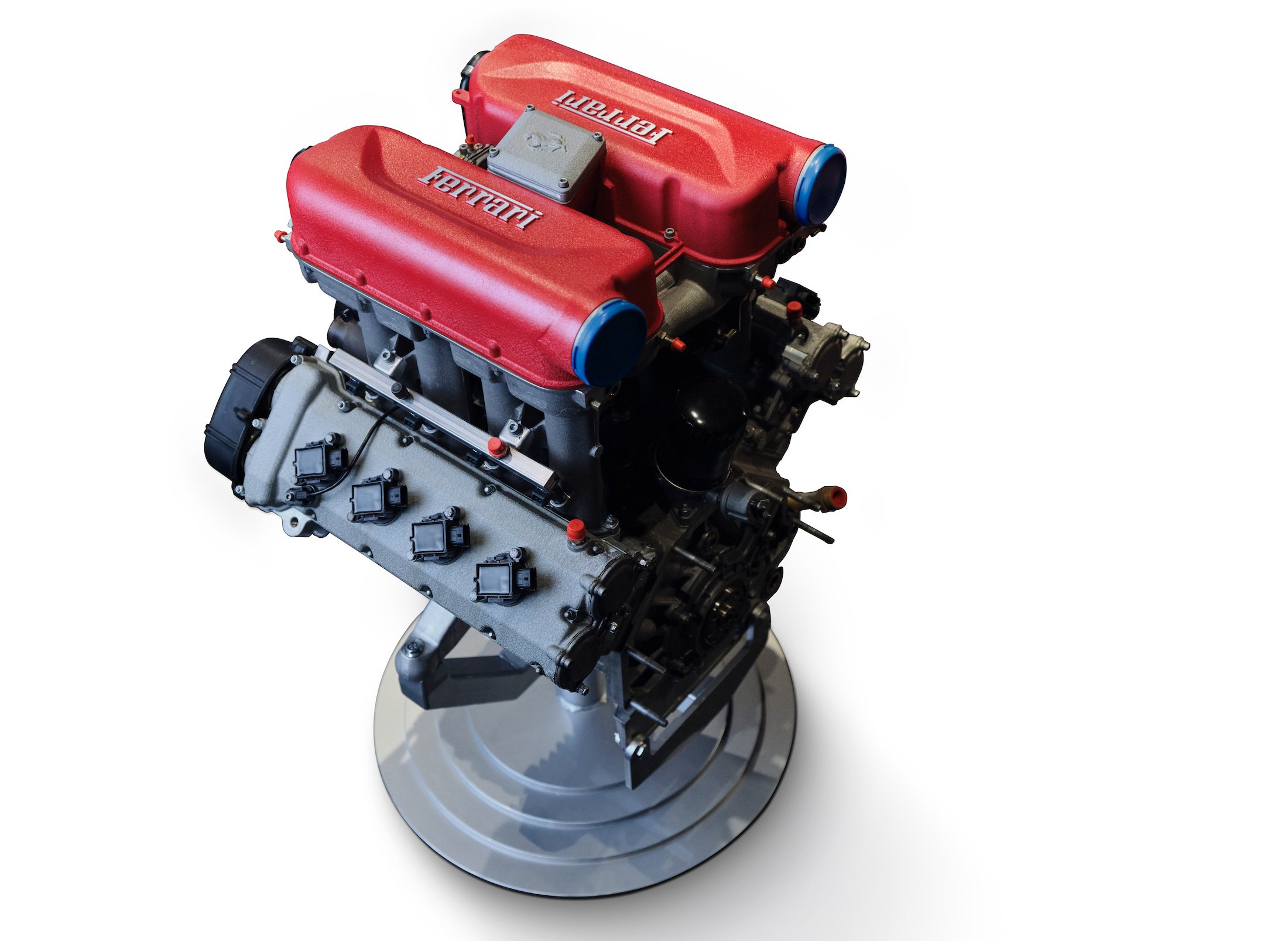
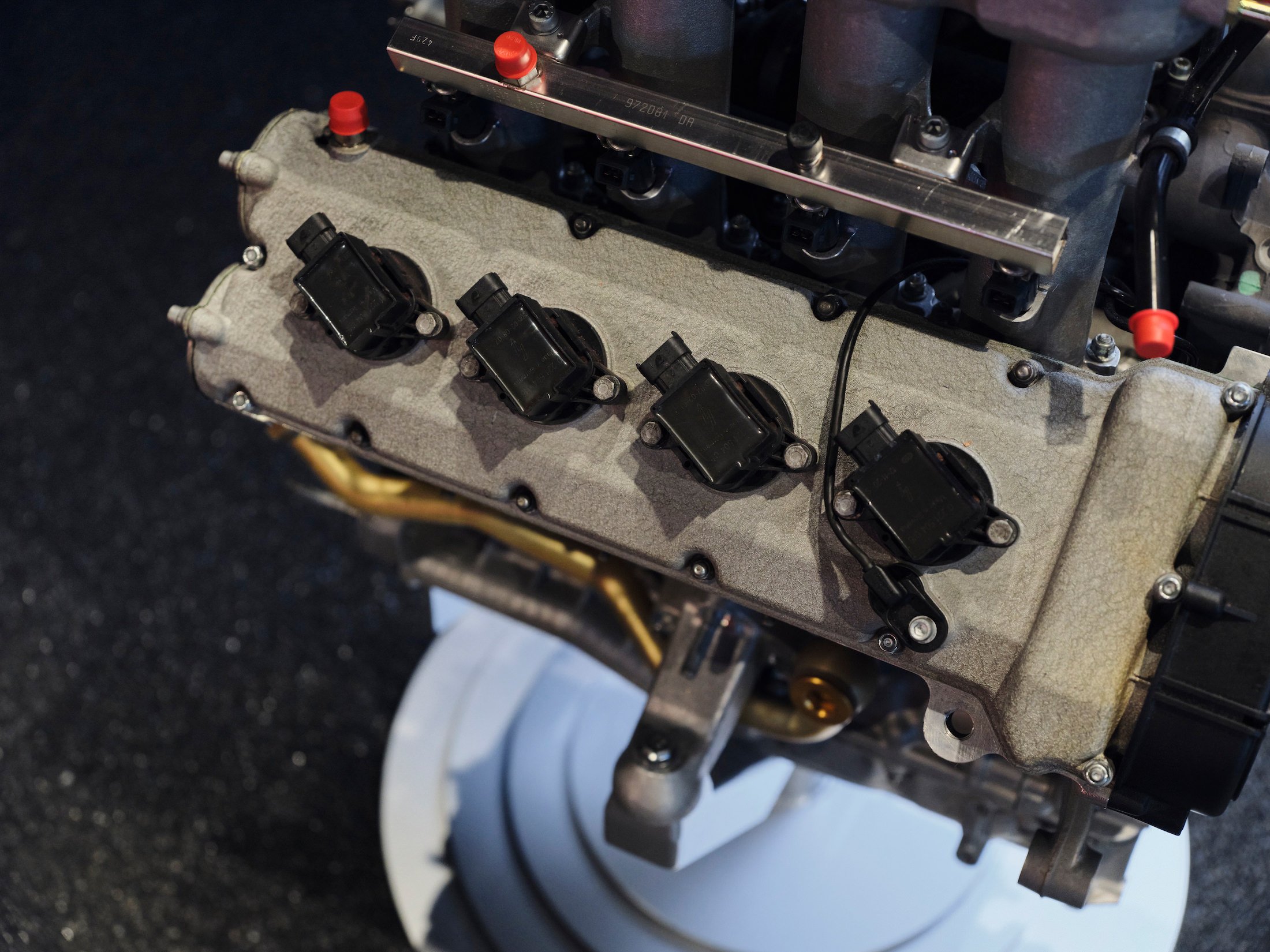
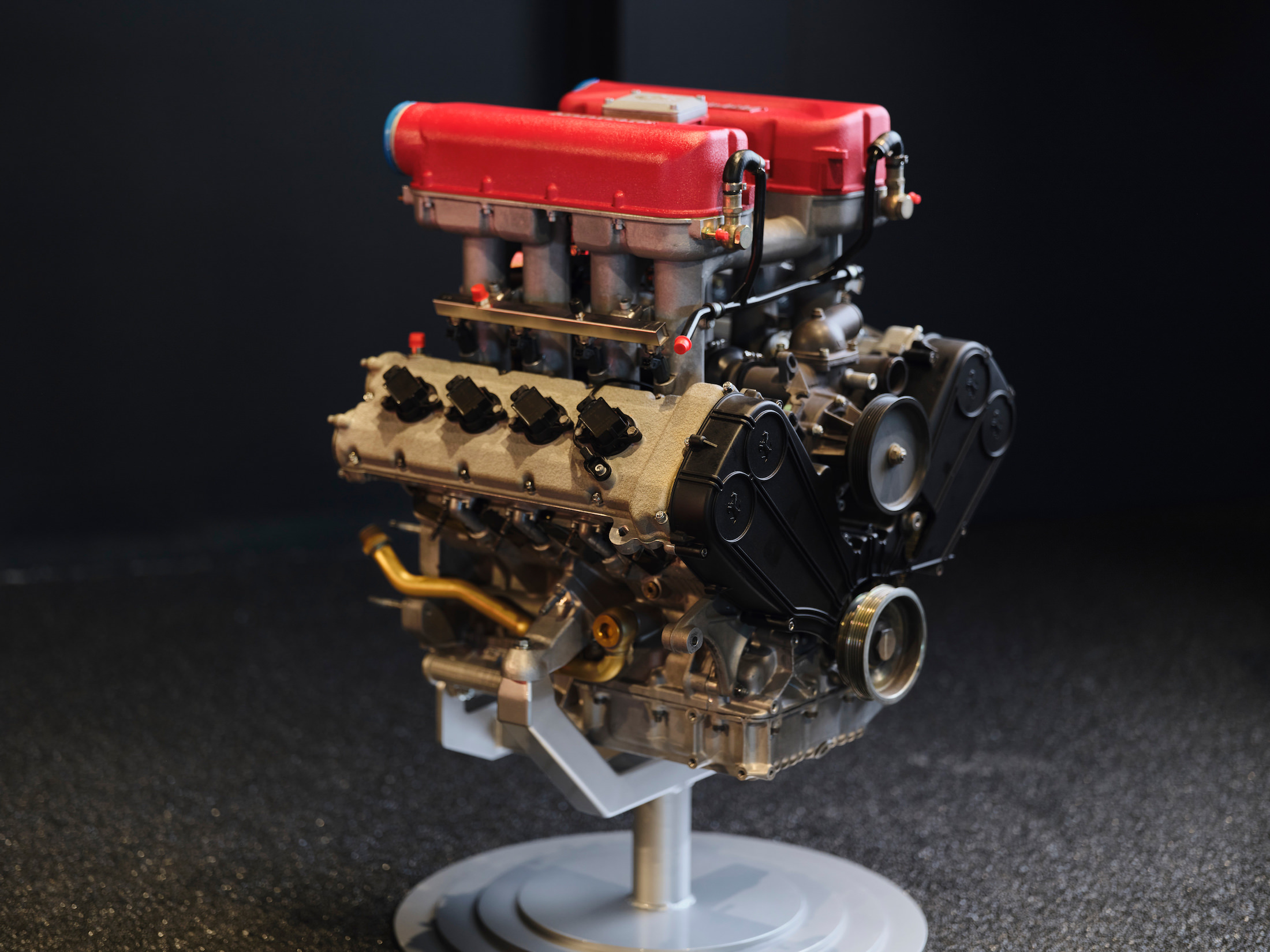
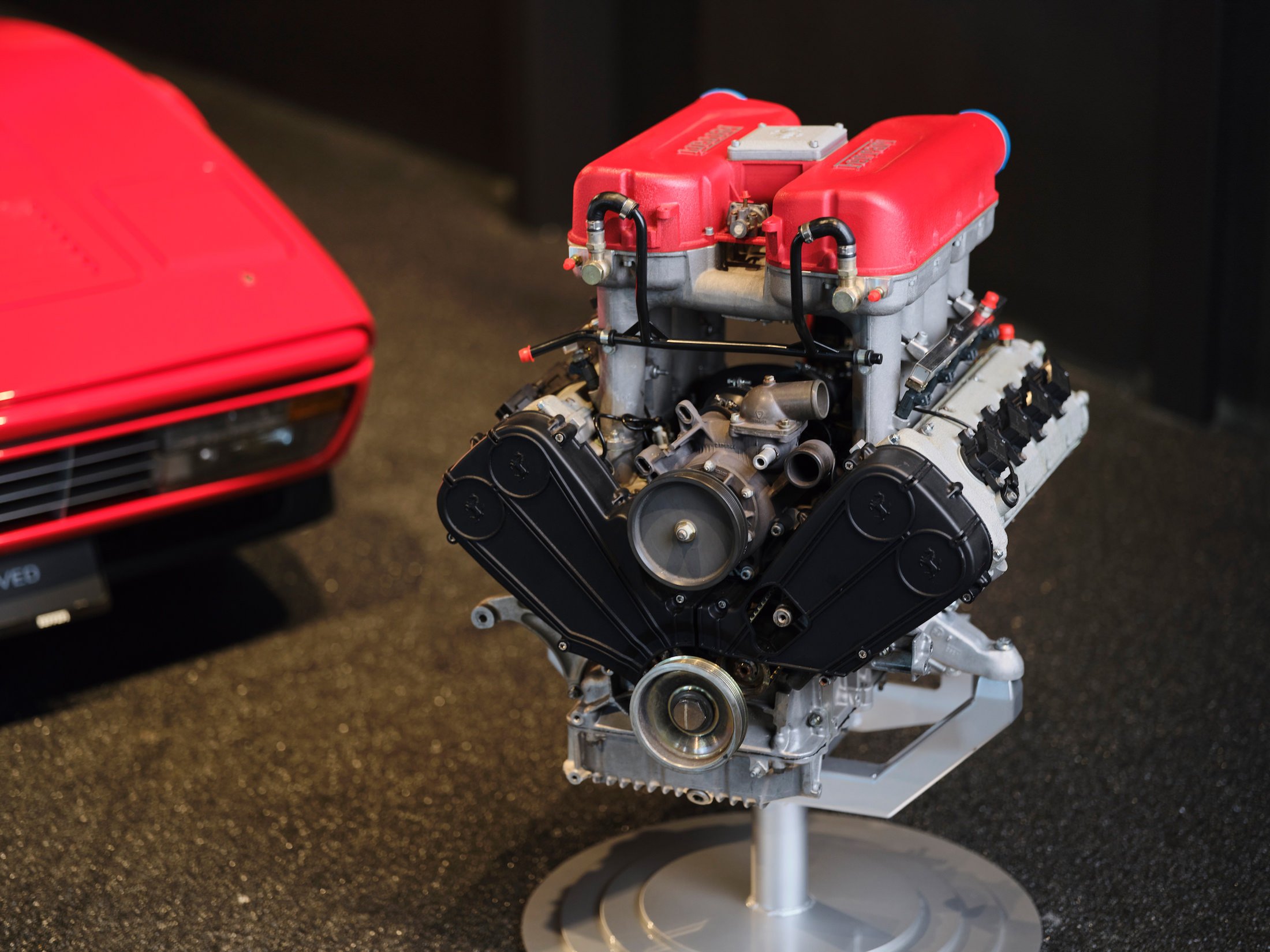
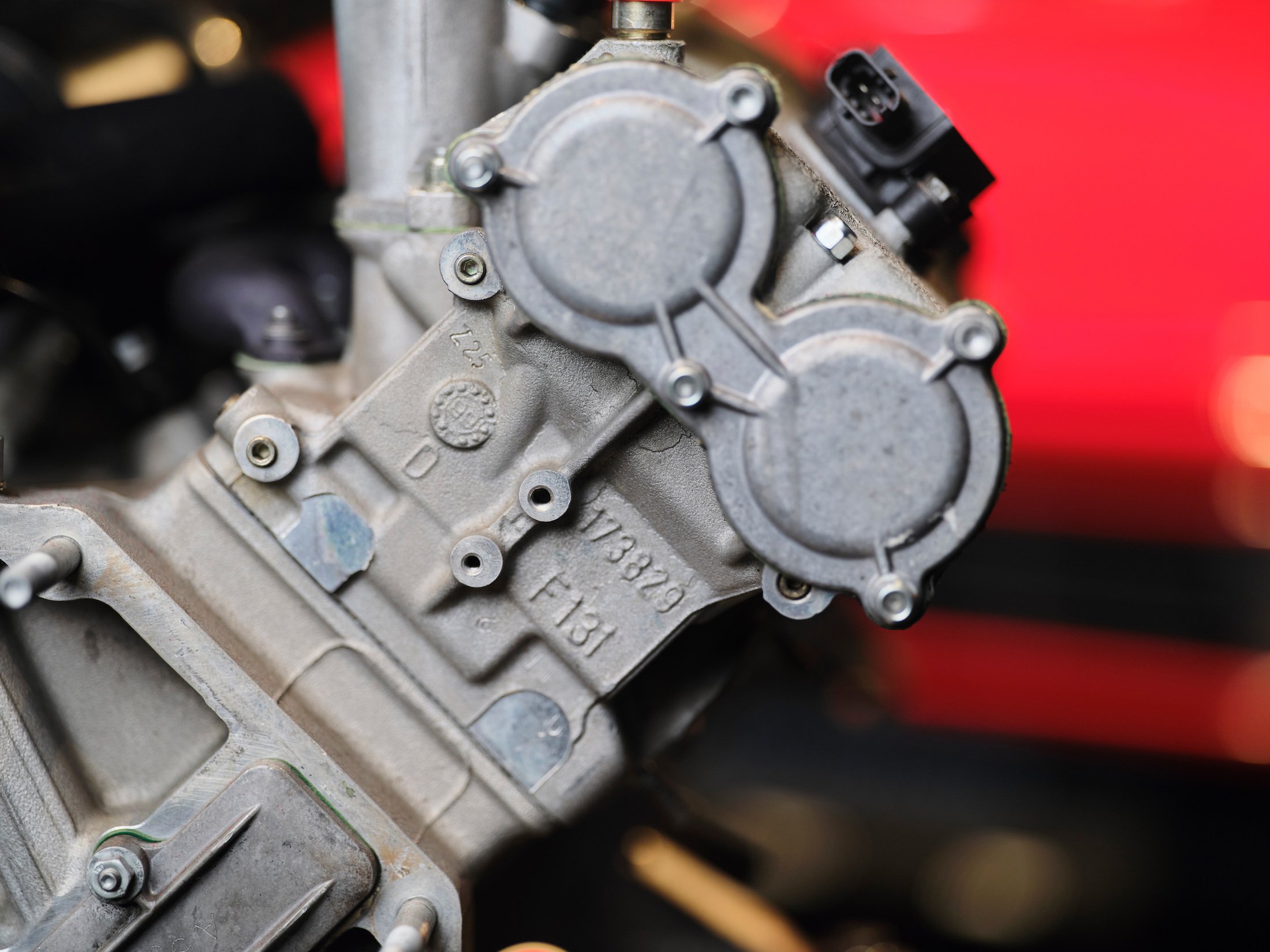
This is a Ferrari 360 engine, officially known as the Tipo F131. It’s the 3586cc V8 that was fitted to the Ferrari 360 and all of its variants during the 1999 to 2004 production run.

The Ferrari 360 has been called the first modern Ferrari by some, it represented a major technological shift forwards as a replacement for the F355.
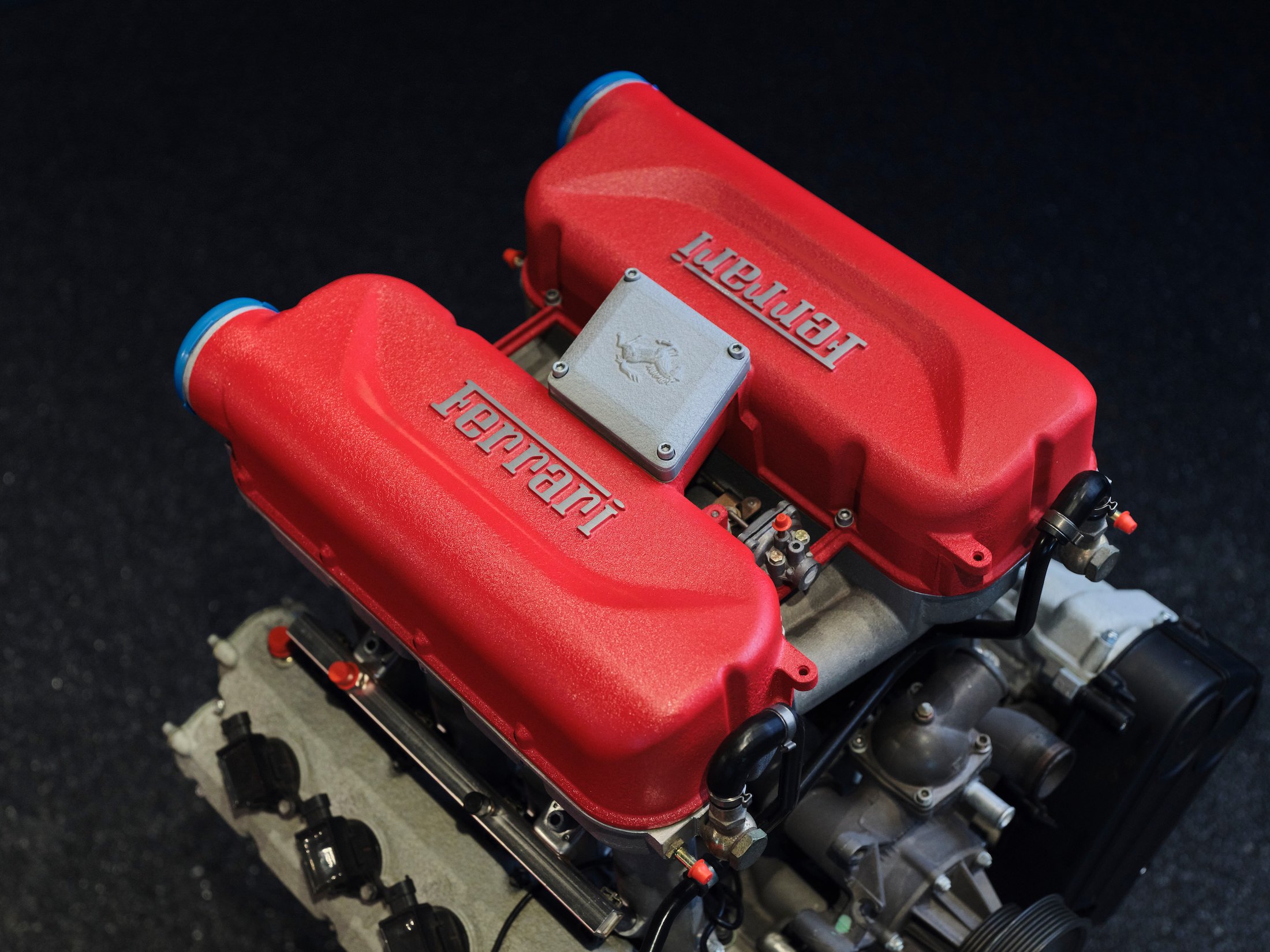
As the first new Ferrari for both a new century and a new millennium, the Italian supercar maker went all out with the 360.

They developed a new aluminium space-frame chassis that resulted in a larger and more roomy car that was 40% stiffer than its predecessor with little in the way of a weight penalty.

Ferrari 360 Tipo F131 V8 Engine 4

The F131 engine was significantly revised over its predecessor for use in the 360. A new intake system was devised along with a slew of other changes both internal and external.

This new alloy chassis was only 40 kilograms heavier than the steel chassis used on the F355, and it did away with concerns about rust, particularly the rust that could affect the rear subframe of the F355 that you needed to remove the engine to see clearly.

The Tipo F131 engine was so named because it produced 131 bhp per liter. It was a significantly revised version of the V8 used on the earlier F355, with its displacement increased from 3.5 to 3.6 liters and the power increased from 375 bhp to 395 bhp.

The biggest improvements to the engine aren’t immediately apparent in those numbers however, Ferrari engineers had improved torque output from 268 ft lbs to 275 ft lbs and brought peak torque in lower in the rev range – giving the engine the illusion of considerably more power and better throttle response.

Ferrari 360 Tipo F131 V8 Engine 1

This engine comes on a display stand ready to be showcased in a home or garage, or in among a collection of Ferraris of course.

Among the many improvements that the engineers rolled into the new engine were titanium connecting rods, revised cam profiles, and a slight stroke from 85mm to 87mm. They also optimized airflow in and out of the engine, and added eight more throttle trumpets.

Many consider the Ferrari 360 to be one of the best value propositions in the modern classic Ferrari market at the moment, made all the more alluring by the fact that the cam belts can be changed without needing to remove the engine from the car – saving a chunk of change on servicing.

This Tip F131 engine is due to roll cross the auction block with RM Sotheby’s on the 14th of May in Monte Carlo and you can click here if you’d like to read more.

It comes on its own display stand and it’ll likely sell to someone who wants a spare engine for their 360, though it may be snapped up by someone wanting it for a interesting engine swap.

Ferrari 360 Tipo F131 V8 Engine 7 Ferrari 360 Tipo F131 V8 Engine 6 Ferrari 360 Tipo F131 V8 Engine 5 Ferrari 360 Tipo F131 V8 Engine 2

Images courtesy of RM Sotheby’s

Ferrari 360 Tipo F131 V8 Engine

The post For Sale: A Ferrari 360 “Tipo F131” V8 Engine appeared first on Silodrome.


from Silodrome https://silodrome.com/ferrari-360-tipo-f131-v8-engine/
via gqrds