For Sale: A 1967 Shelby GT500 – “Police Interceptor” V8

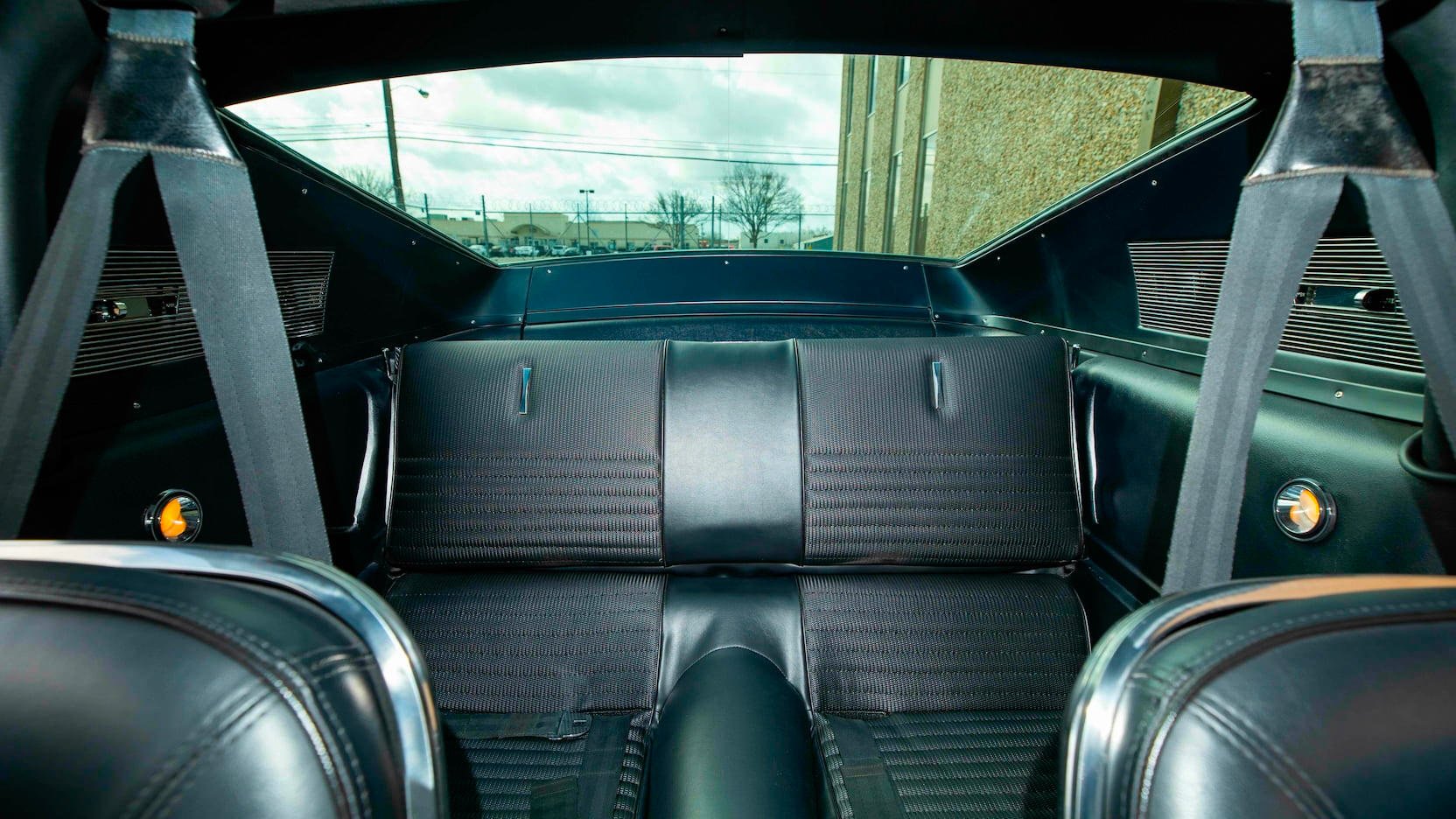
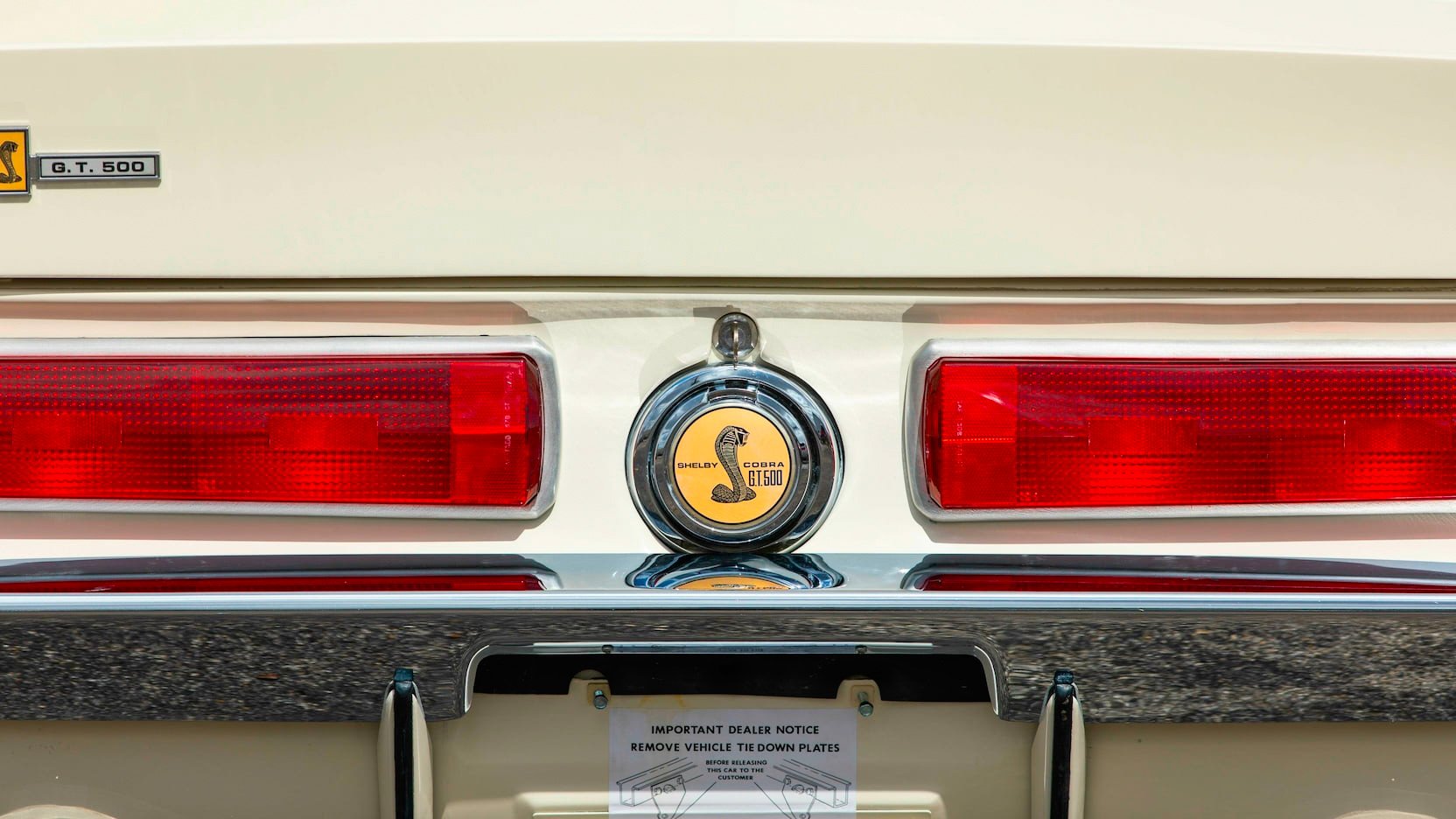
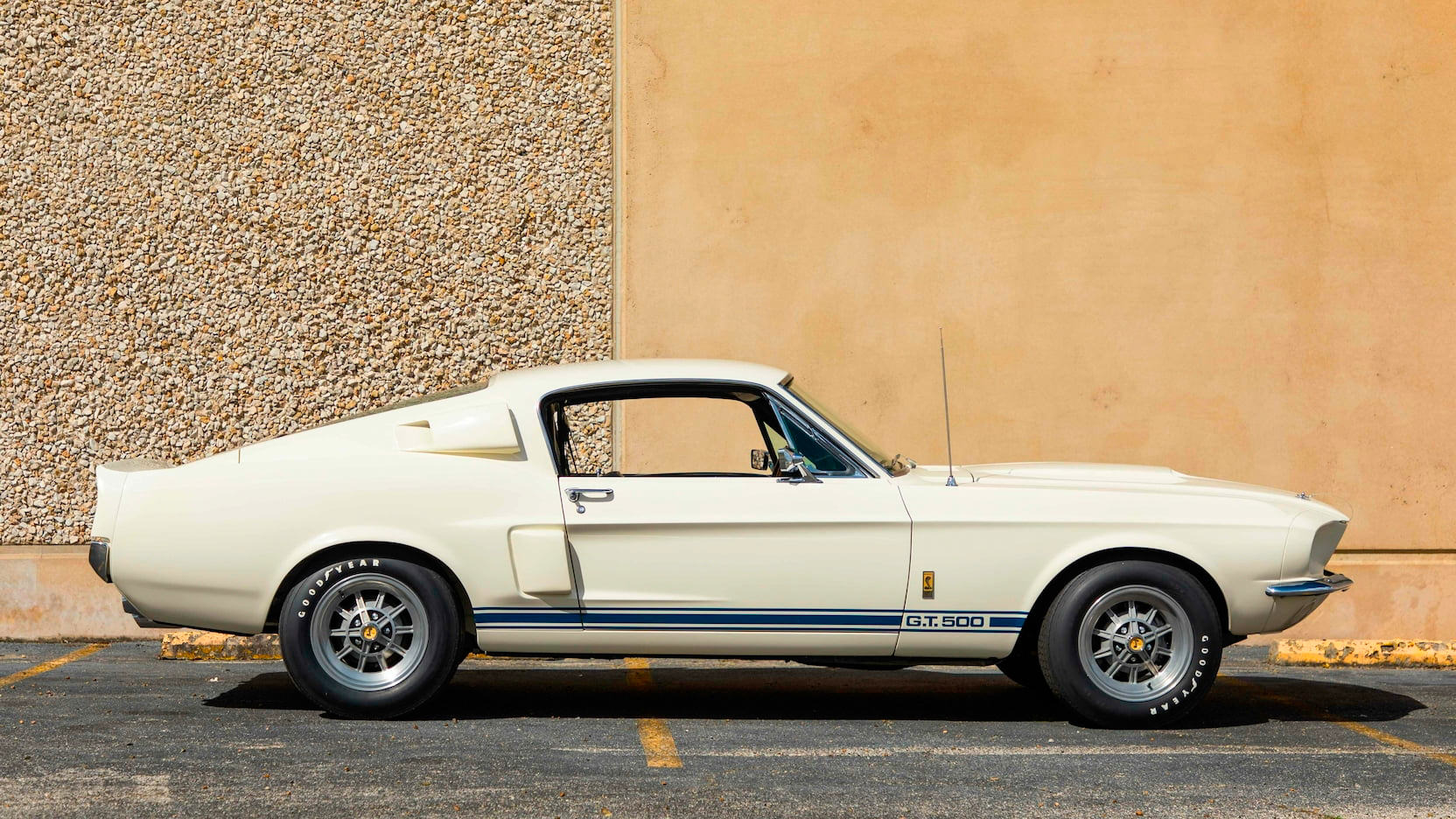
This is a 1967 Shelby GT500, it’s from the first year of Shelby Mustang production that the GT500 was offered, and it was powered by the 428 Ford FE V8 “Police Interceptor” engine capable of 355 bhp.

The Shelby Mustangs are still the most famous special variant of the original pony car, the first was introduced almost 50 years ago in 1965 and Ford is still building modern versions of them today.

Fast Facts – The 1967 Shelby GT500

  • When the Mustang was first introduced in 1964 it proved immediately popular, but Ford Division General Manager Lee Iacocca realized it was missing one critical thing – racing pedigree. He approached Carroll Shelby and the two men hashed out a plan to build a race-winning version to compete in the SCCA B Production Class.
  • A former racing driver and Le Mans winner, Shelby knew his way around a racing car. With his team he developed a stripped back, higher performance Mustang and called it the Shelby Cobra GT350.
  • Competing against the likes of the Corvette, Jaguar E-Type, Sunbeam Tiger, and others, the new GT350 dominated the field and won the 1965 SCCA B Production National Championship.
  • In 1967 Carroll Shelby introduced a new model, the GT500. It was fitted with a larger, more powerful 428 Ford FE V8 “Police Interceptor” engine with 355 bhp.

Race Cars Or Chicken Farming

Former racing driver Carroll Shelby had hung up his racing boots after winning the 1959 24 Hours Of Le Mans alongside British co-driver Roy Salvadori.

Shelby had a serious heart condition, and was known to chew his heart medication while racing to alleviate his chest pain, this forced him into an earlier retirement than he might have otherwise liked.
Shelby GT500 3

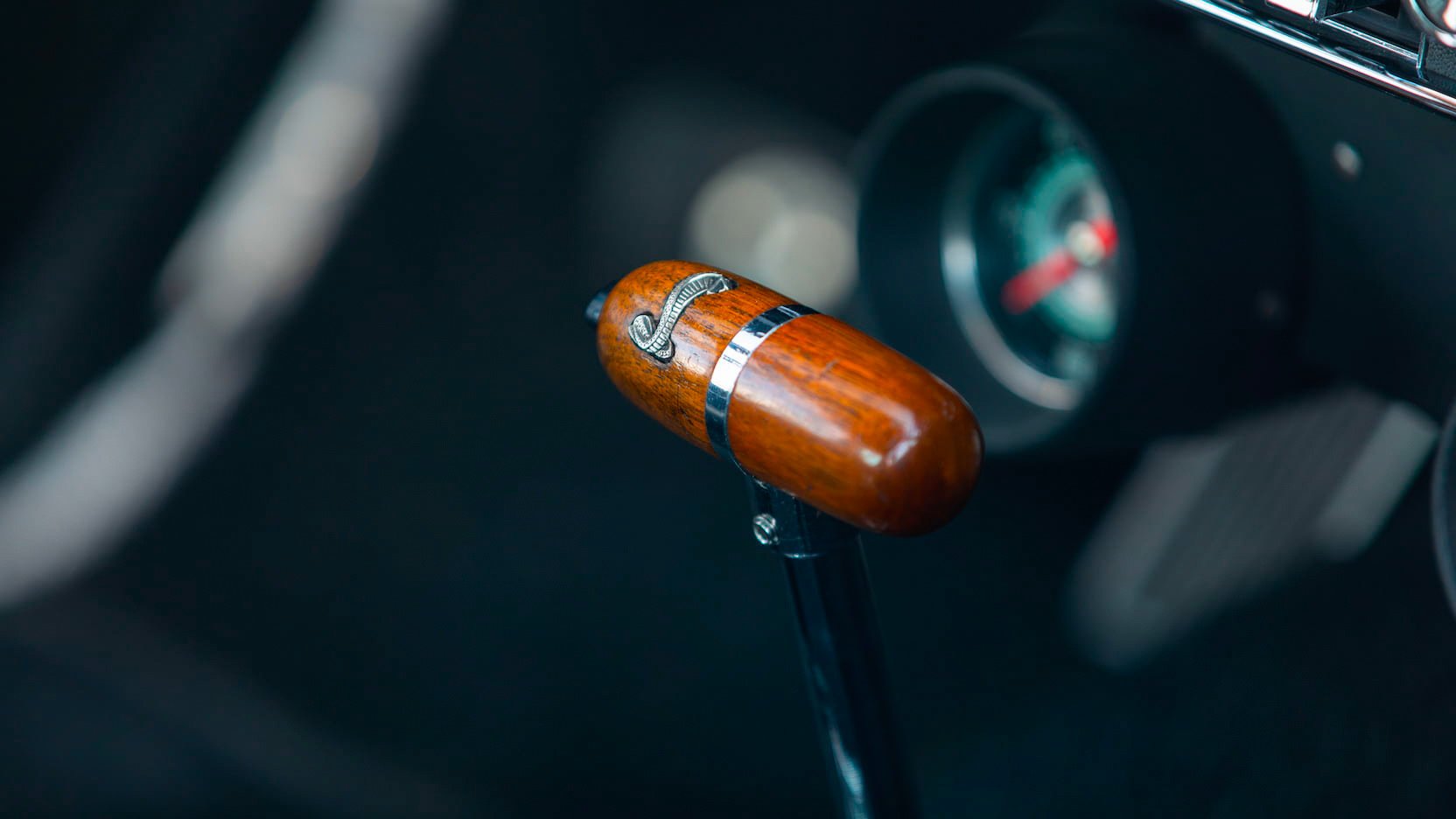
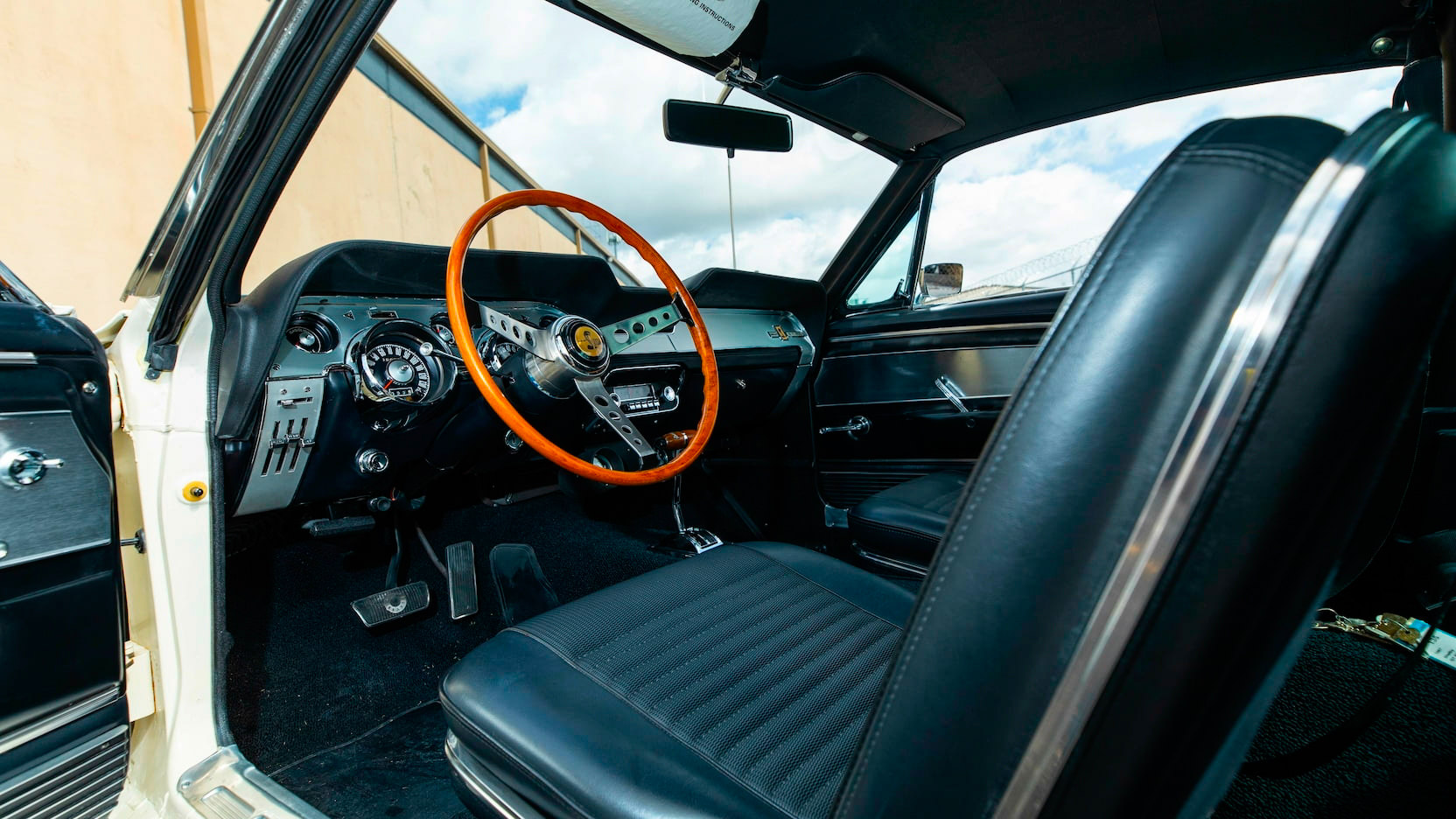
The interior of the car features a number of additions to let you know you’re driving something special, including the wood rimmed steering wheel with the yellow “Shelby Cobra GT500” center cap.

Earlier in his career he had raced a British-built Allard sports car that was fitted with a powerful American V8 engine, it was an experience that stuck with him and would eventually result in the creation of one of the most loved sports cars in history – the Shelby Cobra.

After retiring from racing, Shelby needed to find something to do. As a former chicken farmer he really only had two choices: Go back to farming chickens or find something to do in the world of motor racing.

He chose that second option.

The Shelby Cobra

After having seen the good-looking though perhaps underpowered AC Ace roadster in the Le Mans paddock in 1959 Shelby began to formulate a plan.

If he could source an engineless Ace and fit a powerful American V8 he knew he would have a highly competitive sports car on his hands.
Shelby GT500 5

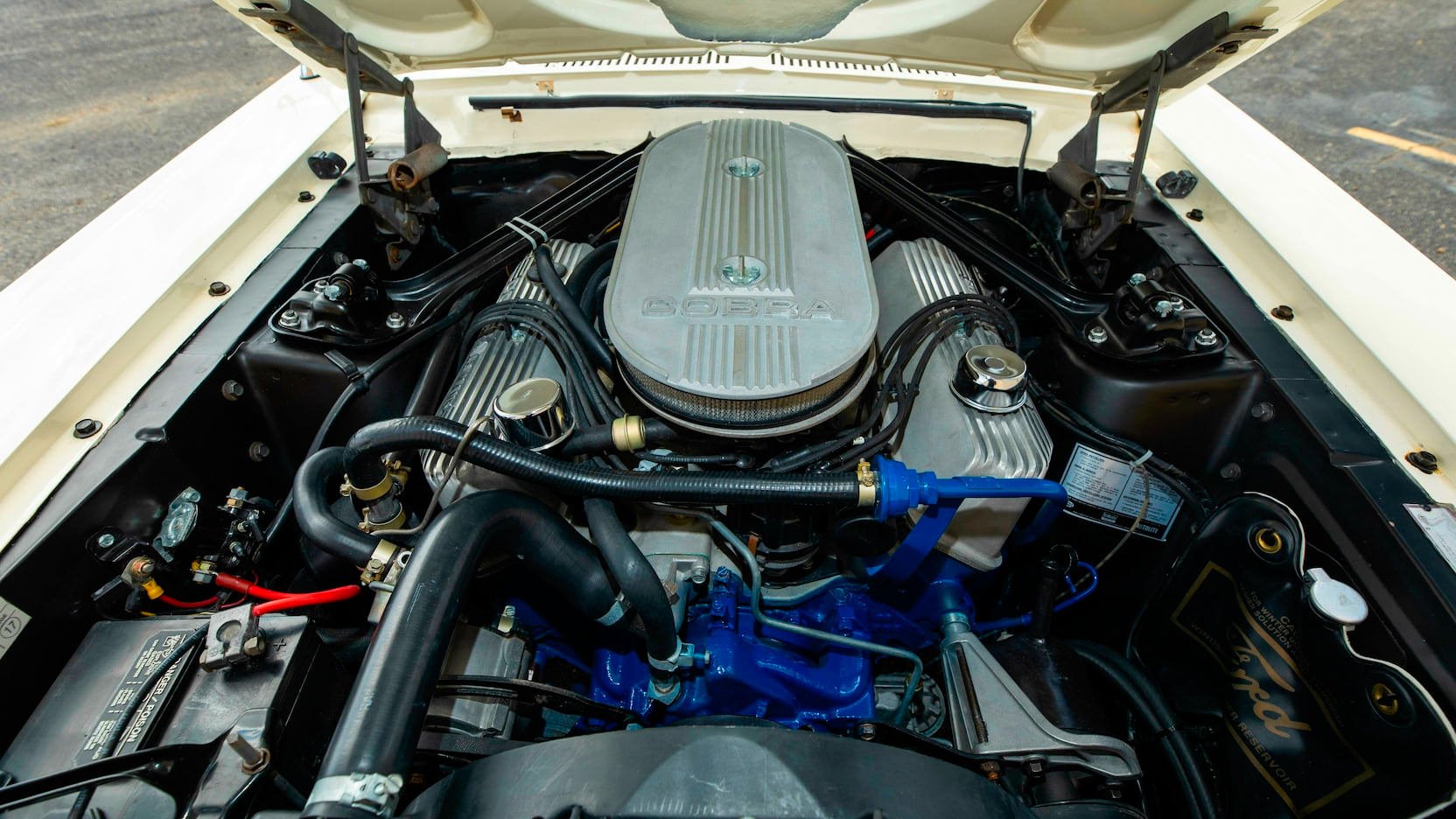
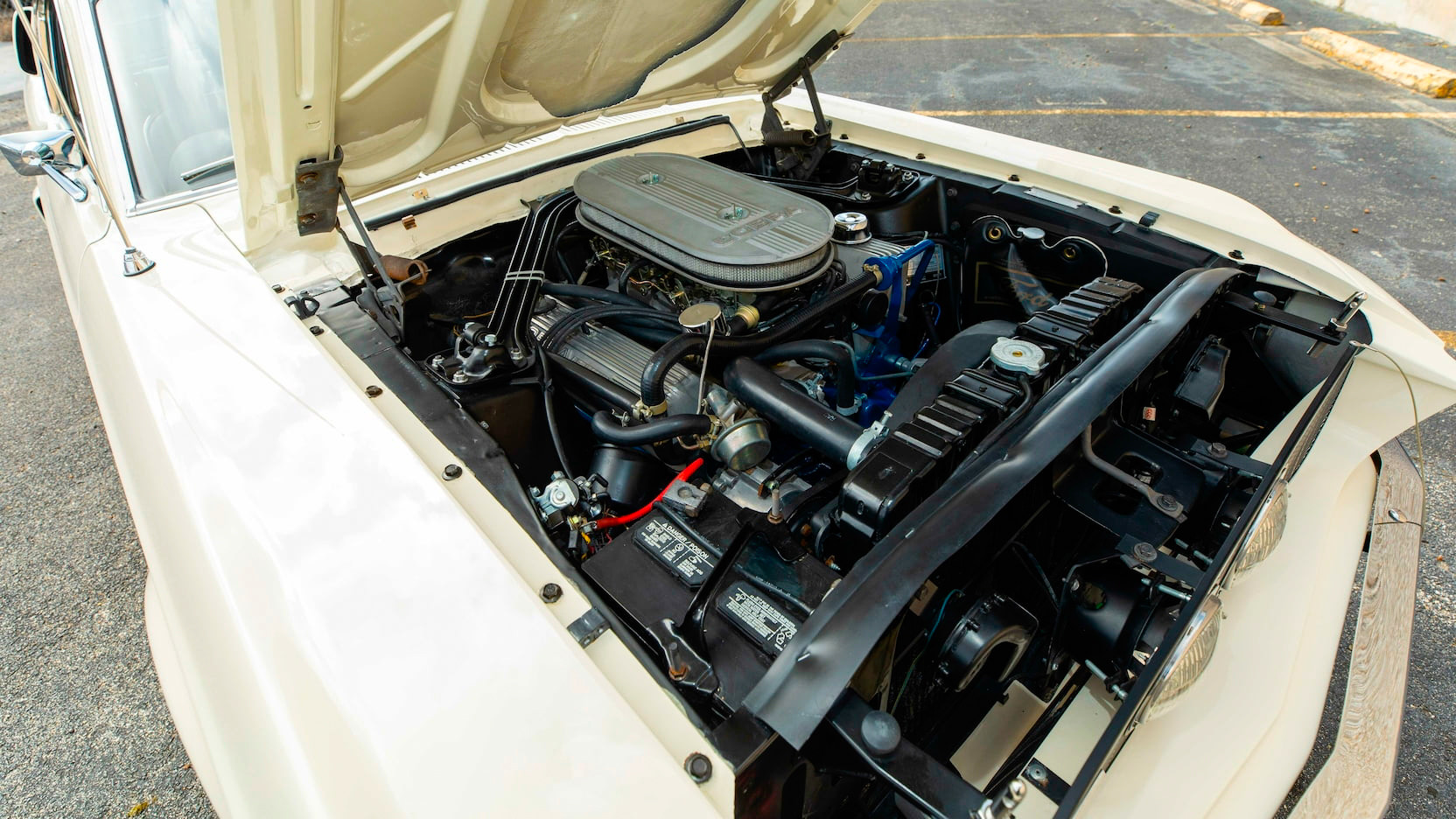
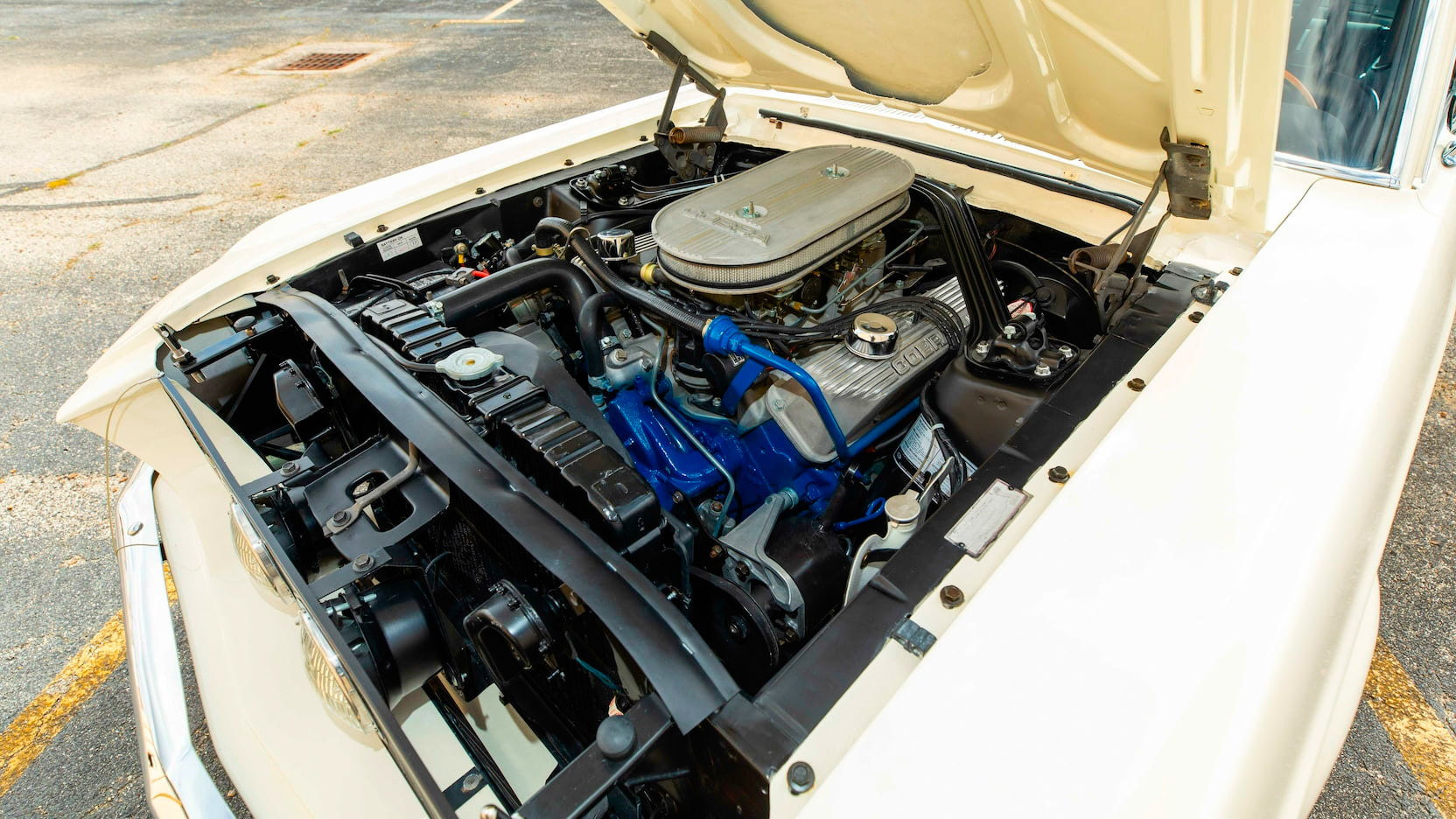
This is the 428 Ford FE V8 “Police Interceptor” engine capable of 355 bhp and 420 ft lbs of torque.

To cut a long story short, that’s exactly what he did. In the early 1960s he had an AC Ace sent over from England, he worked out a deal with Ford to supply engines, and working with a small team he built the car and dubbed it the “Shelby Cobra.”

These cars were initially powered by the Ford 260 V8 which was later changed to the Ford 289 V8. The Shelby Cobra would prove dominant on race tracks across the United States, and the car helped earn Carroll Shelby the title of racing car manufacturer – not just former racing driver.

Ford, Iacocca, And The New Mustang

When Lee Iacocca, Ford Division General Manager, oversaw the release of the new Ford Mustang in 1964 there was one thing that concerned him – as a new sports car the Mustang had no racing pedigree.

Iacocca already knew Shelby and he’d seen the success he’d had with the Shelby Cobra – a car that was powered by the same Ford 289 V8 that was used in the Mustang.
Shelby GT500 1

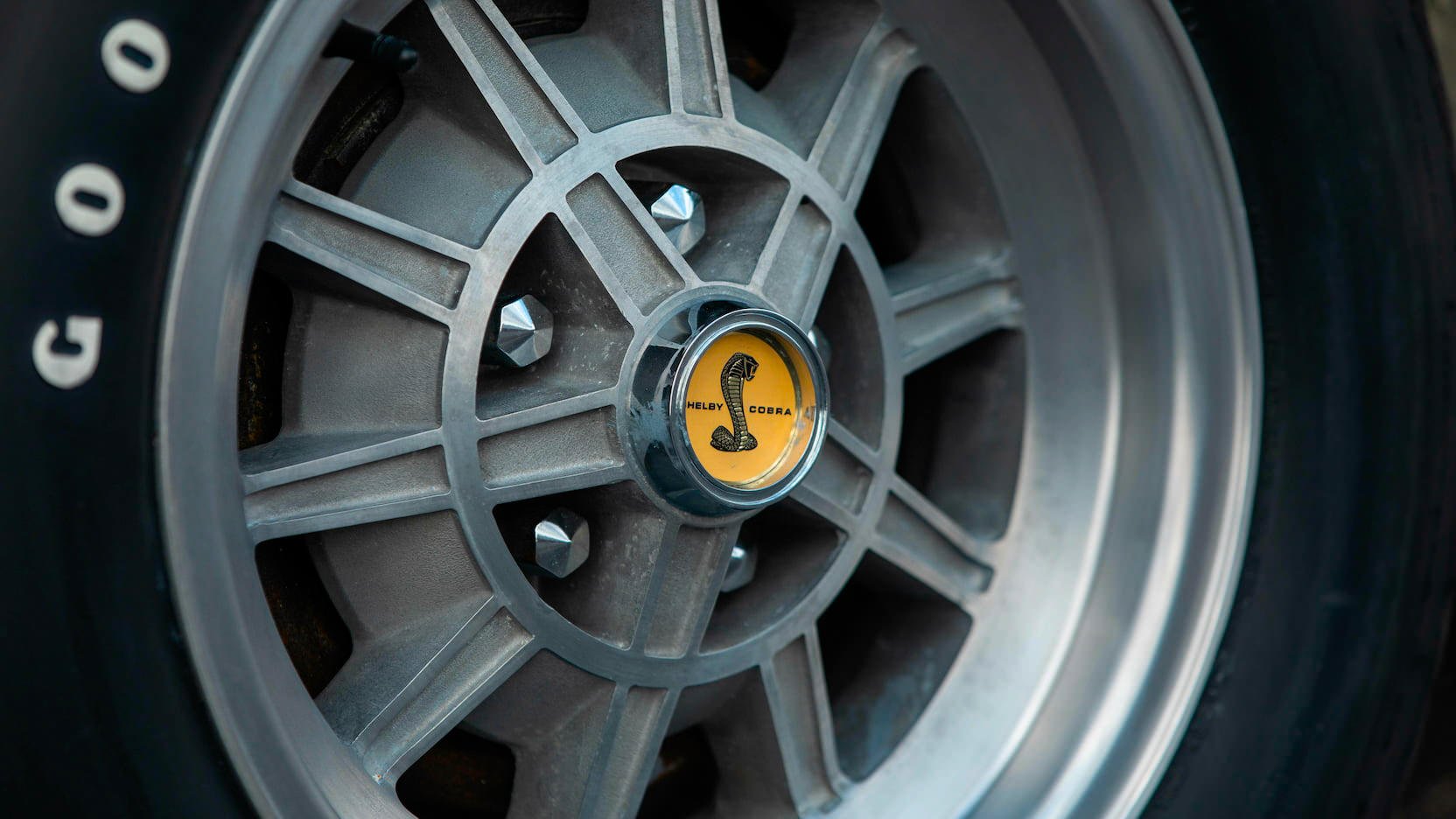
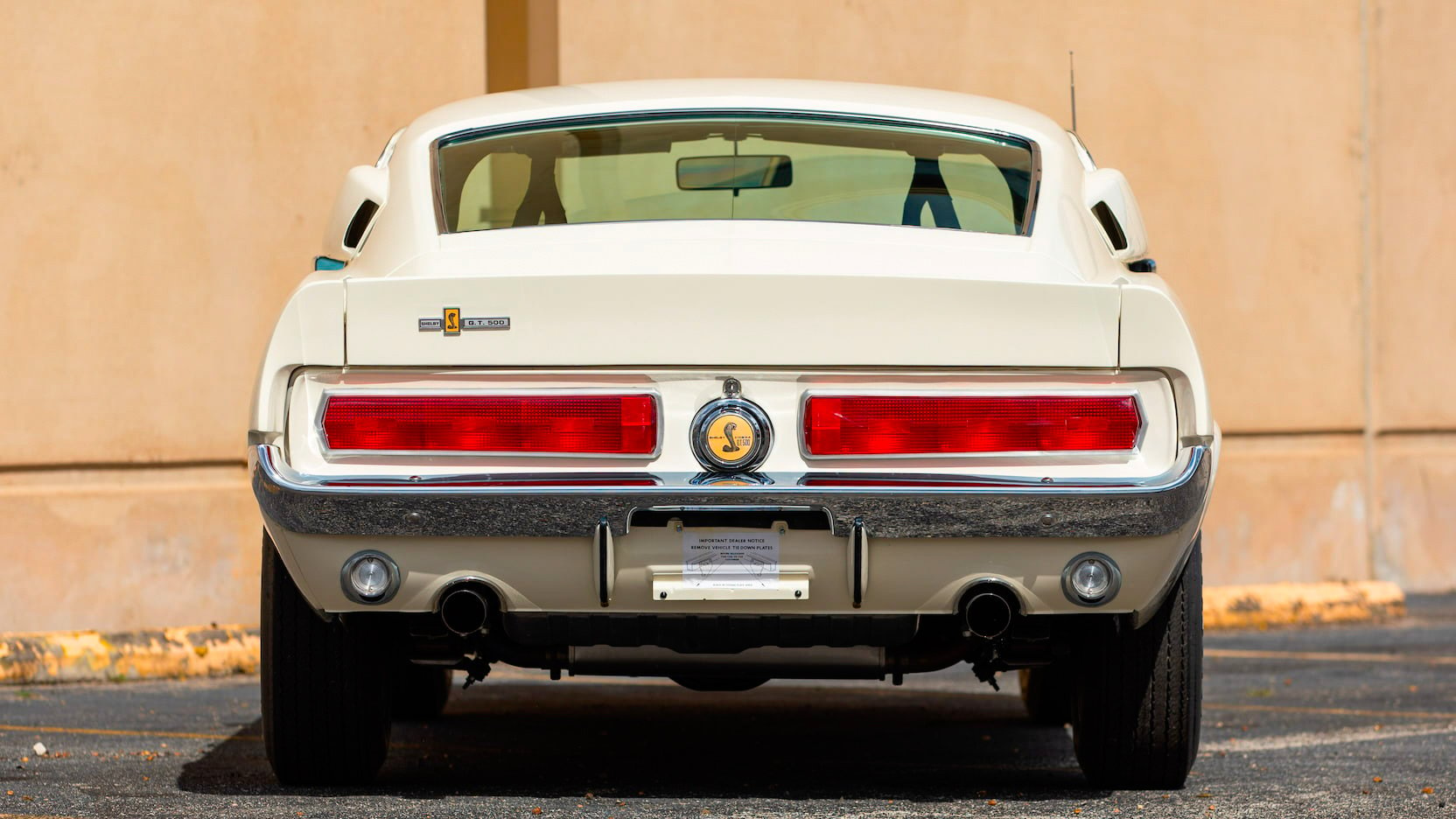
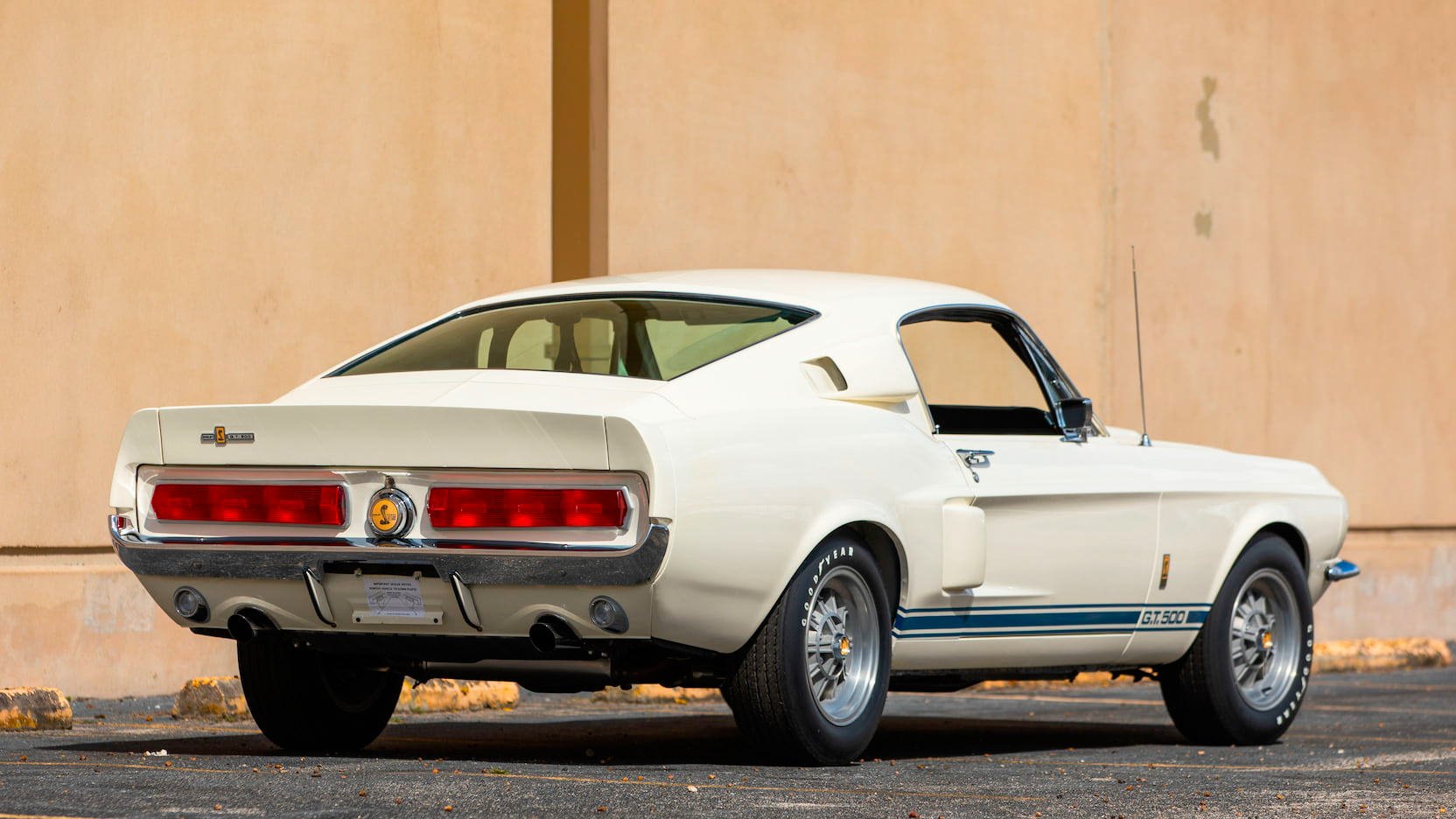
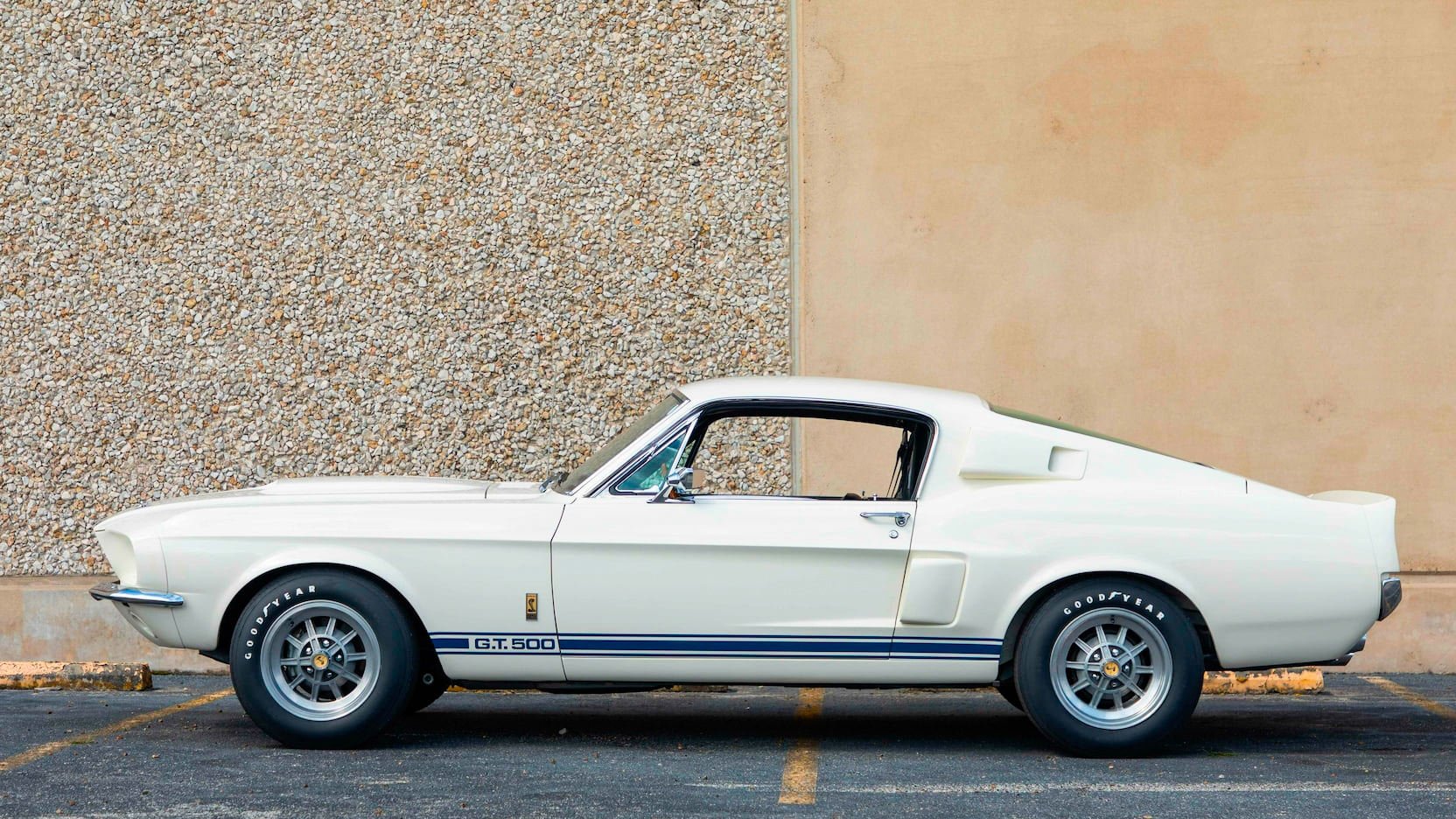
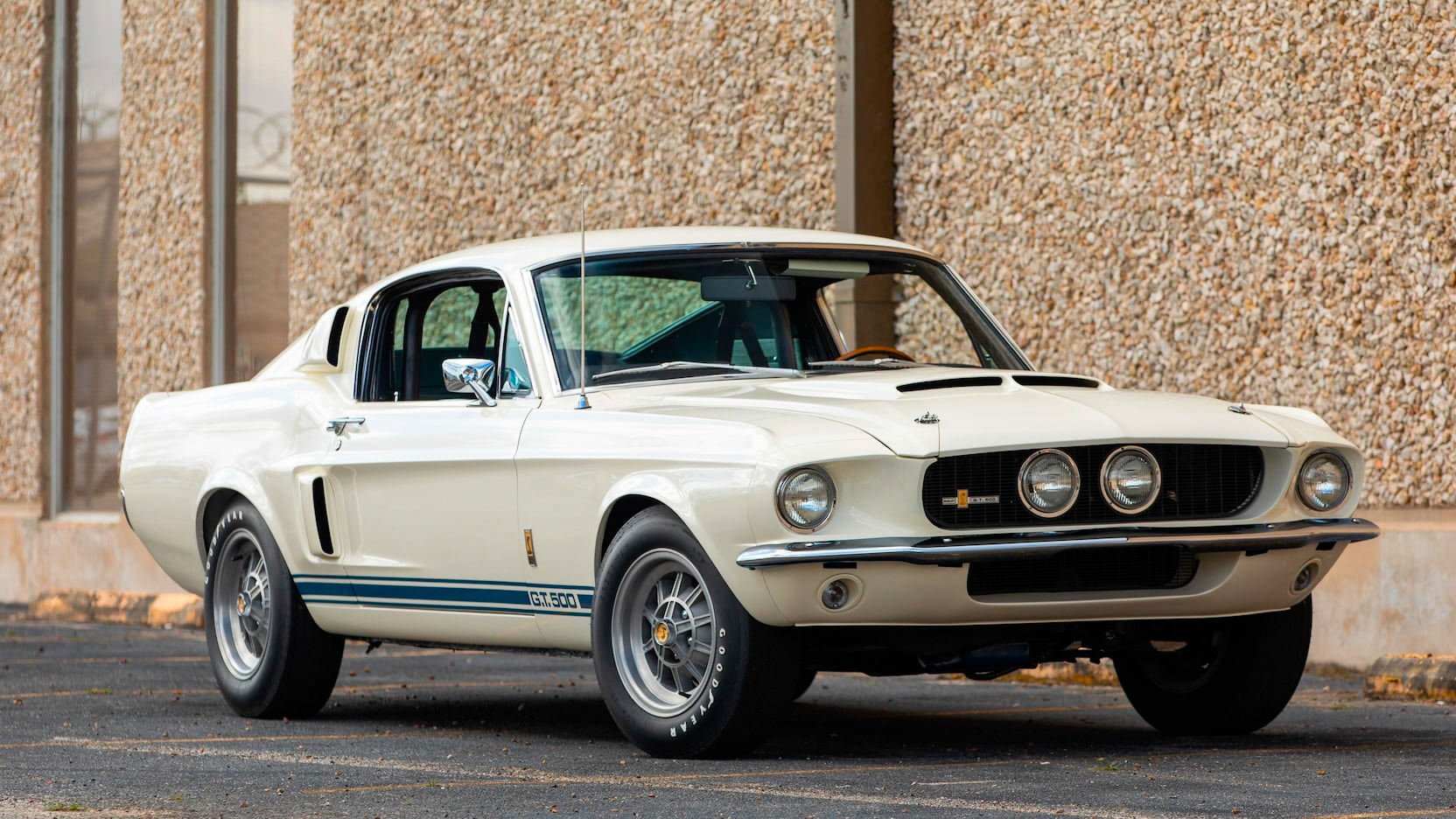
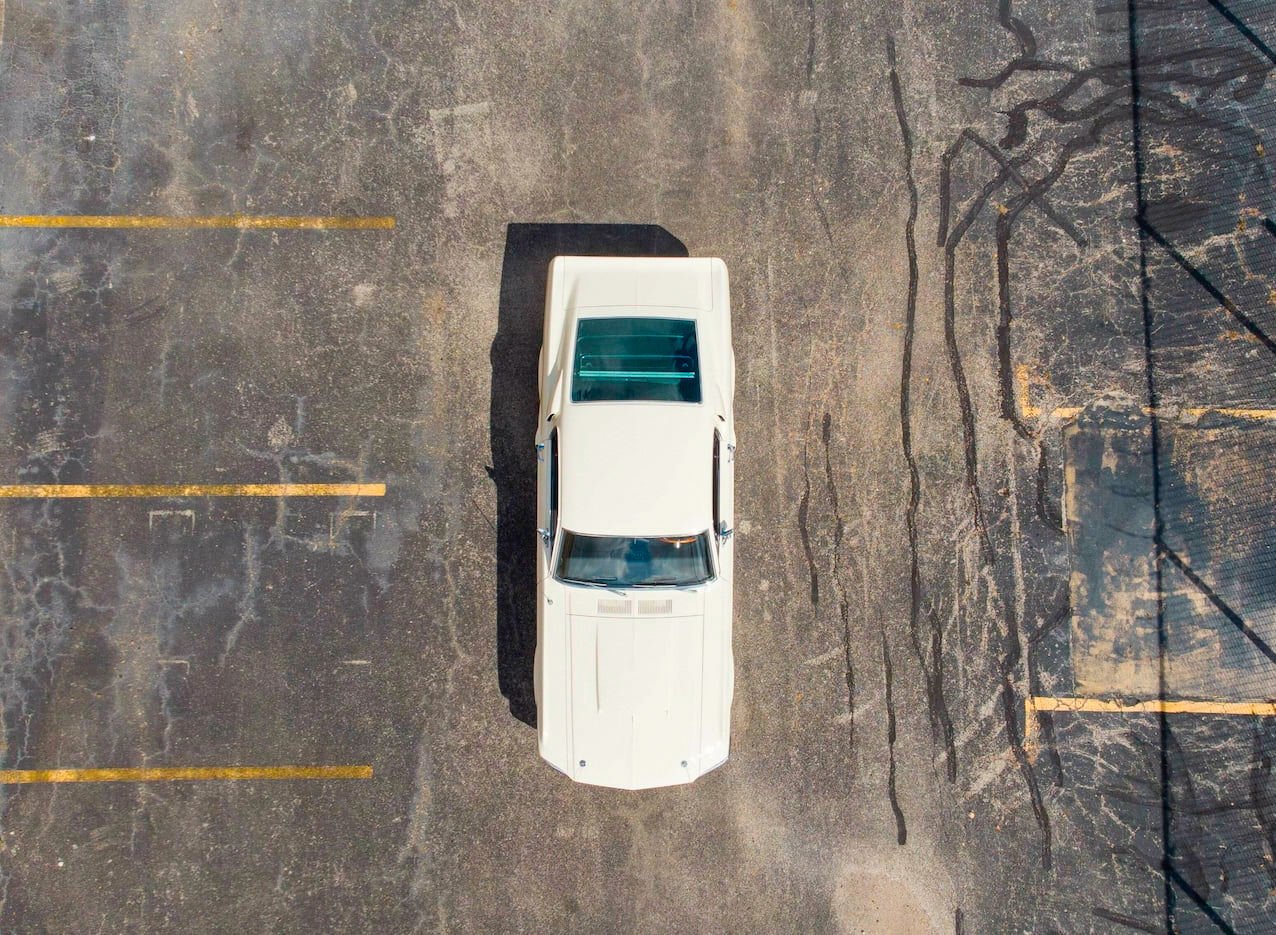
The car was differentiated from the regular Mustang with a new fiberglass front and rear fascia, a fiberglass hood, special alloy wheels, and a decal and badge package.

The two men got to talking and struck a deal for Shelby and his team to build a road legal racing version of the new Mustang with the target of winning as many races and championships as possible – to give the new car the racing heritage it so needed.

The new Shelby GT350 was released in 1965, it featured a slew of go-faster modifications and despite the fact that it was the car’s first full year of racing, it went on to dominate the 1965 SCCA B Production Class winning the championship that year – perhaps most importantly of all, it beat the Corvettes.

Ford had estimated they might sell 100,000 Mustangs a year, but they would actually shift over 1,000,000 in the first two years.

The car would likely still have been popular without Carroll and his winning Shelby GT350, but it certainly didn’t harm the sales figures.

The 1967 Shelby Mustang GT500

By 1967 something new was needed to spice things up. Shelby and his team set about fitting the 428 Ford FE V8 “Police Interceptor” engine into a 1967 Mustang.
Shelby GT500 13

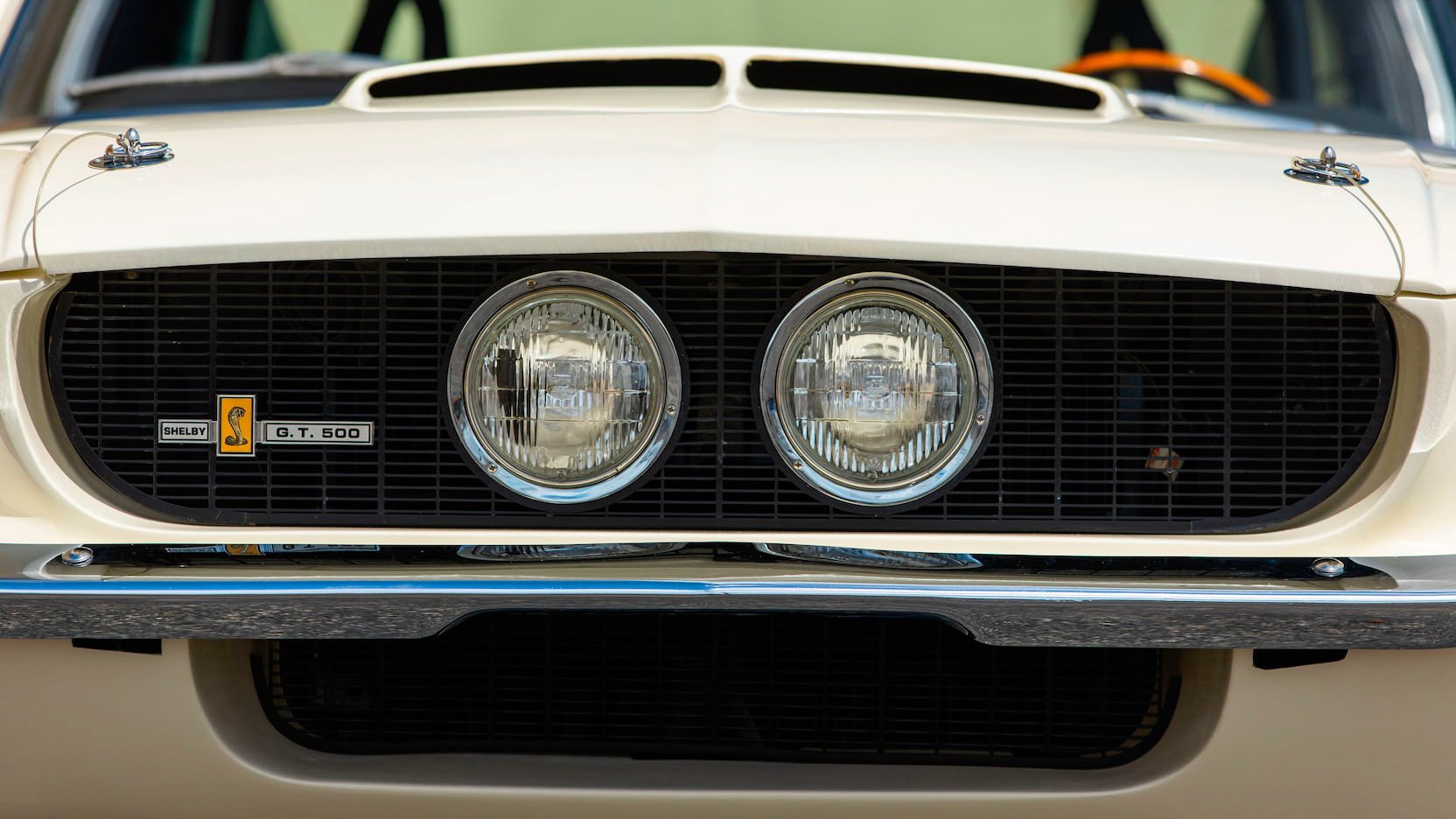
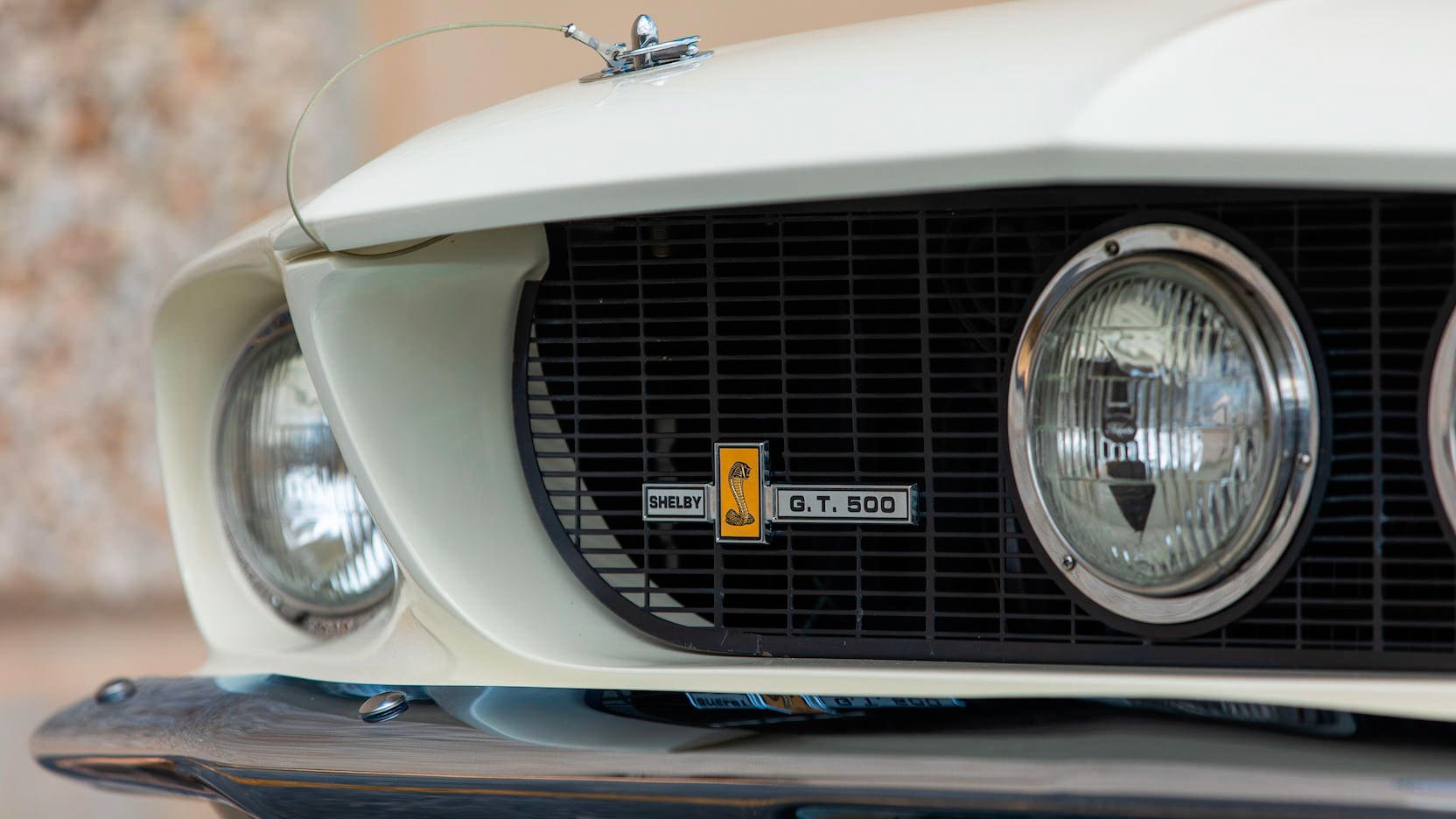
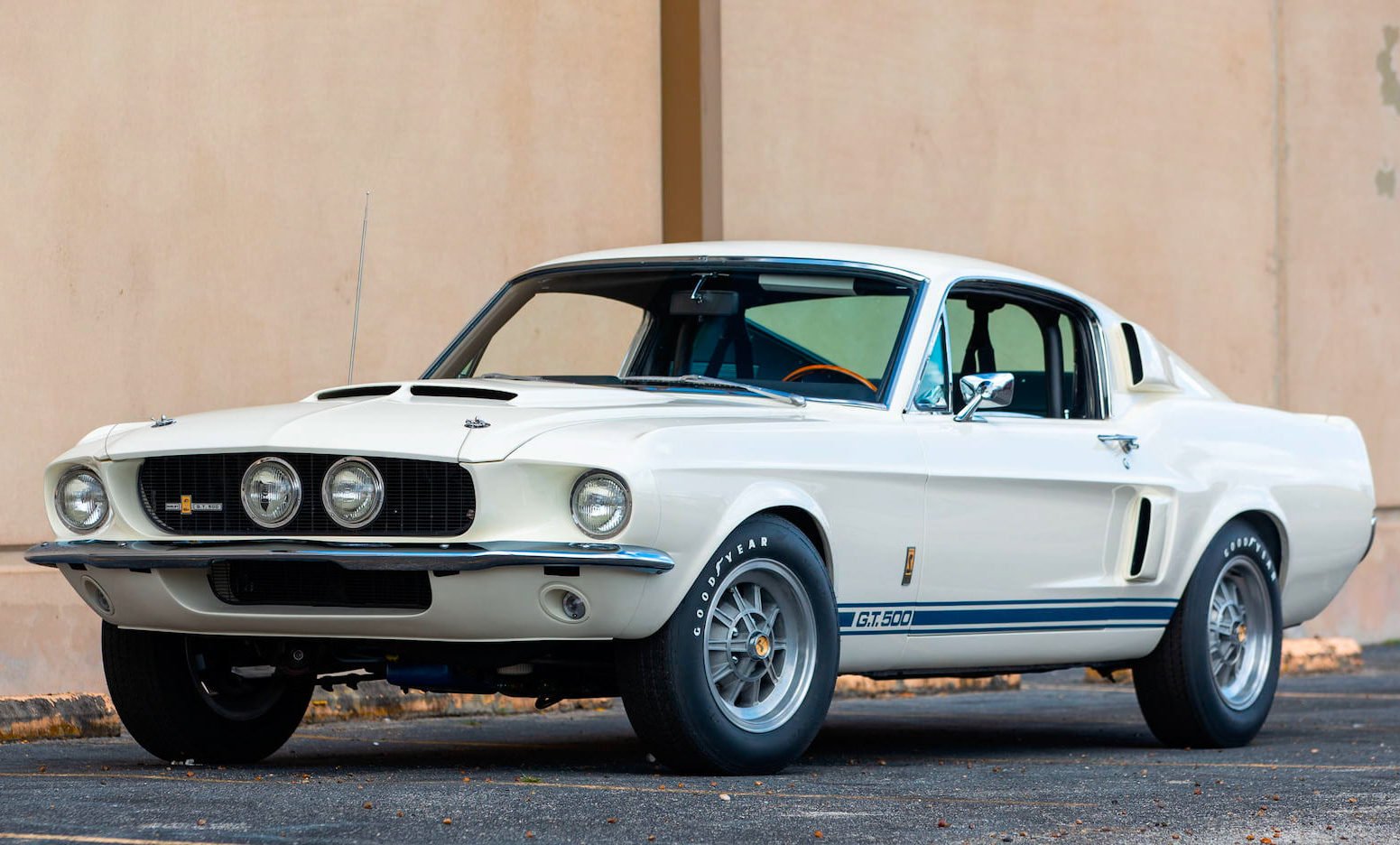
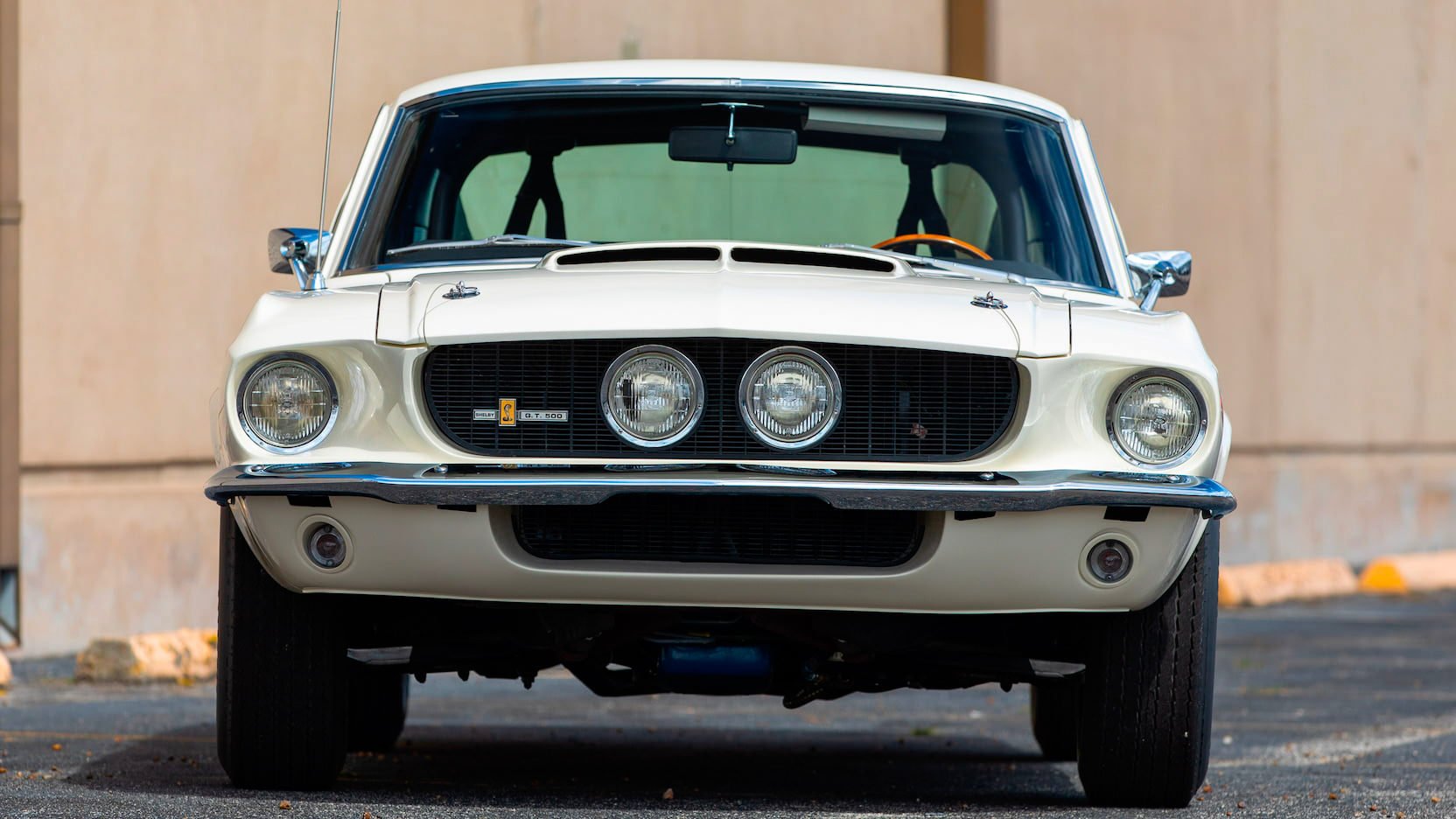
The two inset spotlights became a distinctive feature of this car, a version of this look was used on the 1967 Mustang from “Gone In 60 Seconds” starring Nicholas Cage.

The engine was topped with two 600 CFM Holley four-barrel carburetors on a mid-rise aluminum intake manifold. The car was given a longer fiberglass hood, new front and rear fascias, and a pair of high-beam headlamps inset into the grille.

With 355 bhp at 5,400 rpm and 420 lb ft of torque at 3,200 rpm the GT500 was a quick car, despite the fact that it was larger and heavier than the preceding version.

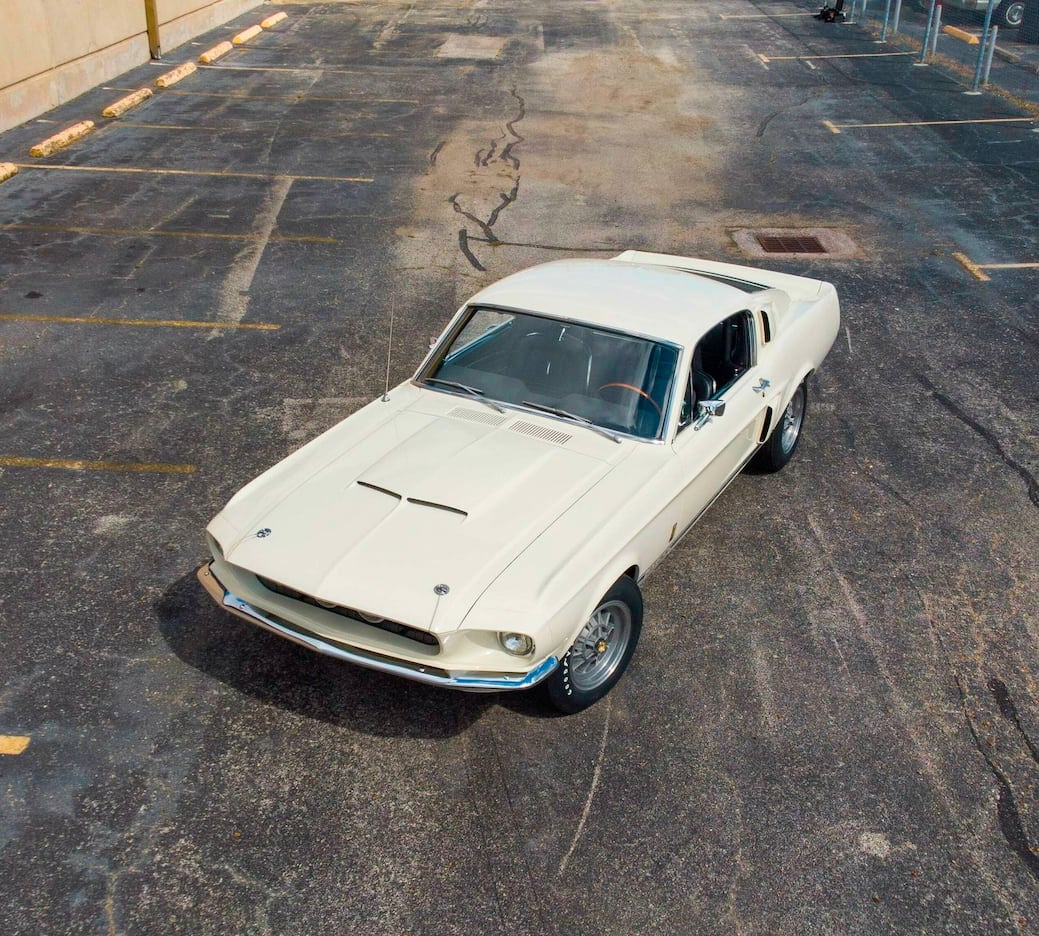
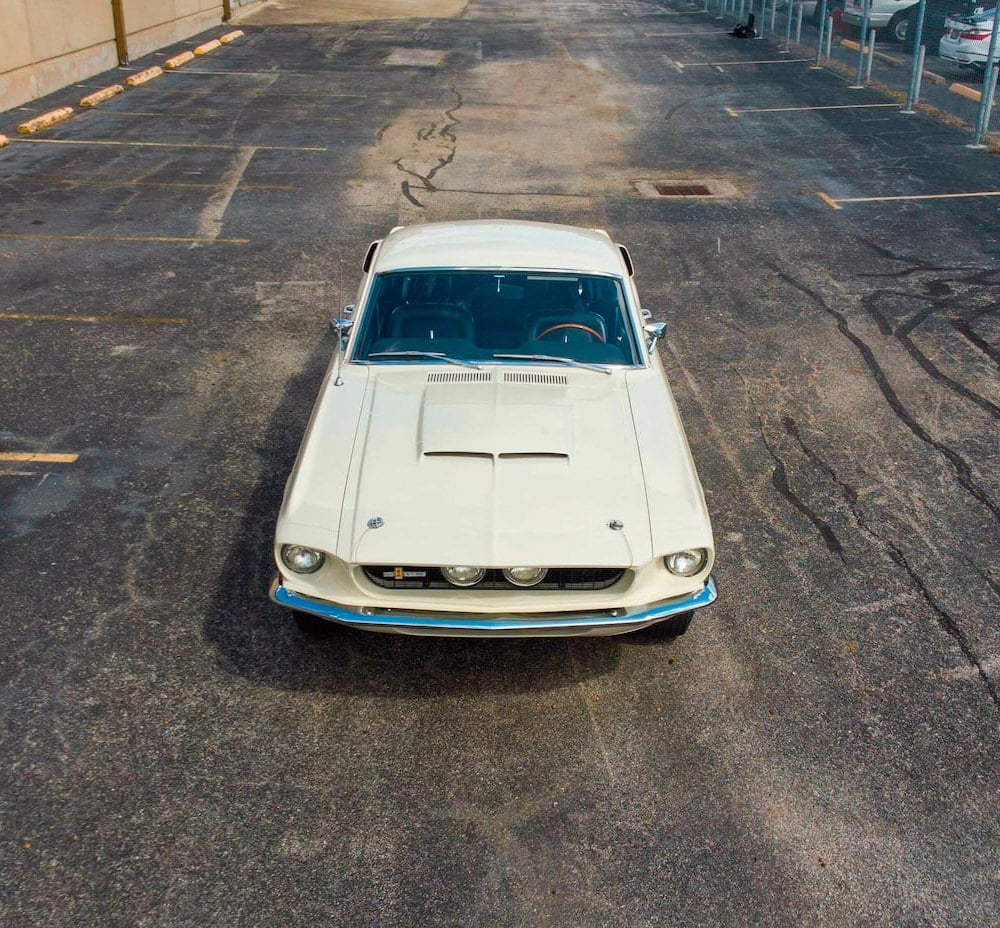
The 1967 GT500 you see here is Shelby no. 00586, it was shipped new to High Performance Motors, Inc. in Los Angeles, California and it’s particularly notable as it’s an early production example with inboard fog lamps.

A full restoration was completed two years ago and the car is now for sale through Mecum, if you’d like to read more about it or register to bid you can click here to visit the listing.
Shelby GT500 25 Shelby GT500 24 Shelby GT500 23 Shelby GT500 22 Shelby GT500 21 Shelby GT500 20 Shelby GT500 19 Shelby GT500 18 Shelby GT500 17 Shelby GT500 16 Shelby GT500 15 Shelby GT500 14 Shelby GT500 12 Shelby GT500 11 Shelby GT500 10 Shelby GT500 8 Shelby GT500 7 Shelby GT500 6 Shelby GT500 4 Shelby GT500 2 Shelby GT500 9

Images courtesy of Mecum

Shelby GT500

The post For Sale: A 1967 Shelby GT500 – “Police Interceptor” V8 appeared first on Silodrome.


from Silodrome https://silodrome.com/1967-shelby-gt500/
via gqrds

The Callaway C12 – A Rare American-German Supercar Capable Of 200+ MPH

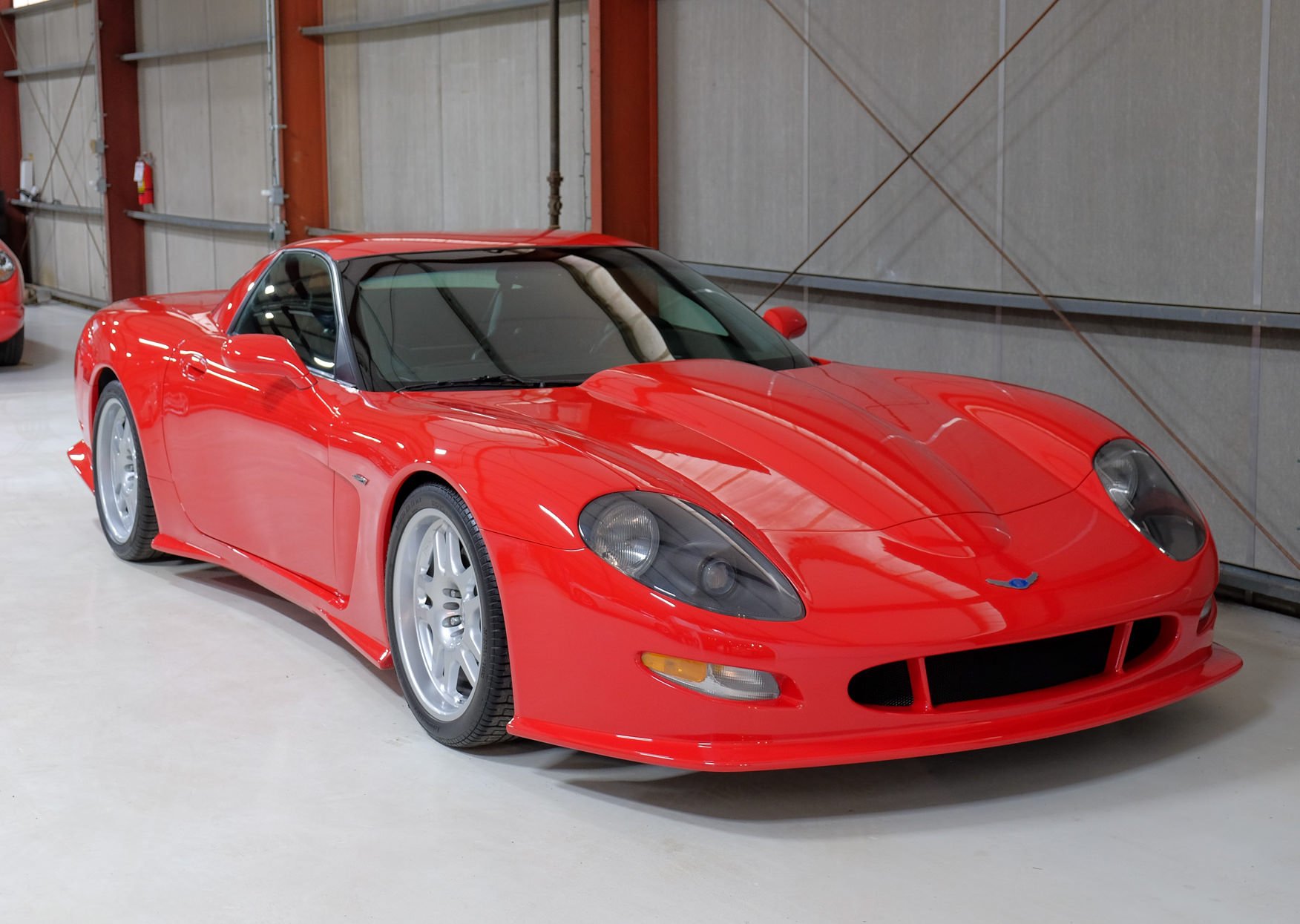
The Callaway C12 was developed in the late 1990s by American and German engineers with a single goal in mind – to compete against the likes of Ferrari and Porsche at the 24 Hours of Le Mans.

The car was co-developed by Callaway and IVM Automotive in Germany, it measures in a two meters wide to take advantage of Le Mans regulations, it’s powered by a 440 bhp SuperNatural 5.7 liter LS1 V8, and it has a top speed of almost 200 mph.

Fast Facts – The Callaway C12

  • The Callaway C12 was based on the C5 Corvette platform, however relatively few parts were carried over. The C12 has a full custom carbon Kevlar body, a new drivetrain, new suspension and brakes, and a significantly modified chassis.
  • Just 25 examples of the Callaway C12 would be built, they were designed to be road-legal versions of the successful Le Mans GT2 race car and they were titled as Callaways, not Corvettes.
  • The racing version of the car, named the C12.R, enjoyed some prestige after taking a class pole position at the 2001 24 Hours of Le Mans, beating its LMGT class competitors mostly driving the Porsche 911 GT3-RS.
  • The C12 was fitted with a 440 bhp SuperNatural 5.7 liter LS1 V8 built by Callaway, power was sent back to a 6-speed manual transaxle, and the top speed hovered around 200 mph depending on specification.

Reeves Callaway And The World’s Fastest Corvette

In the early 1970s Reeves Callaway was a talented young racing driver who, like many others, struggled to afford to keep racing. As a result he took a job as an instructor at the famous Bob Bondurant Racing School.

Callaway C12 5

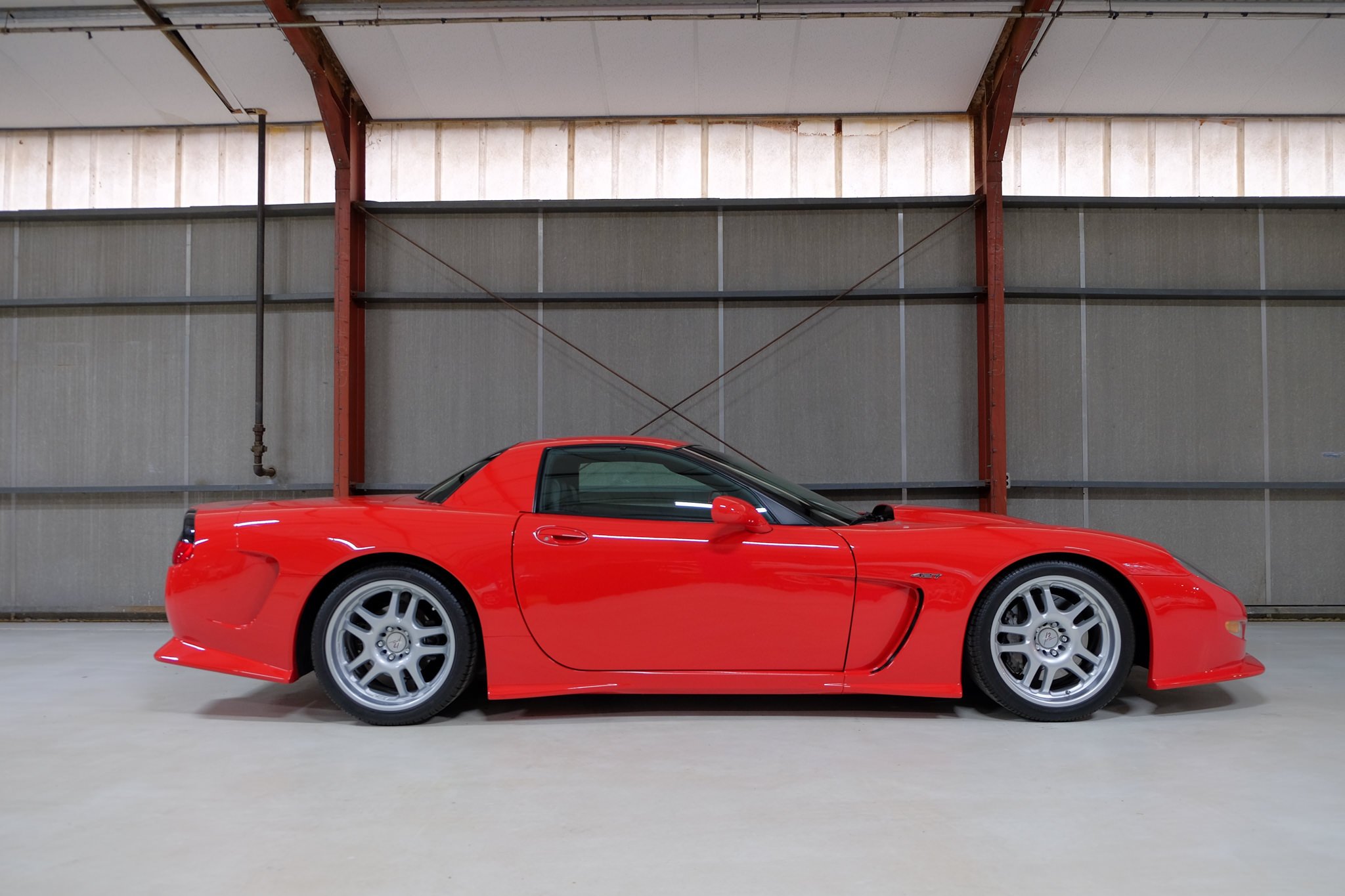
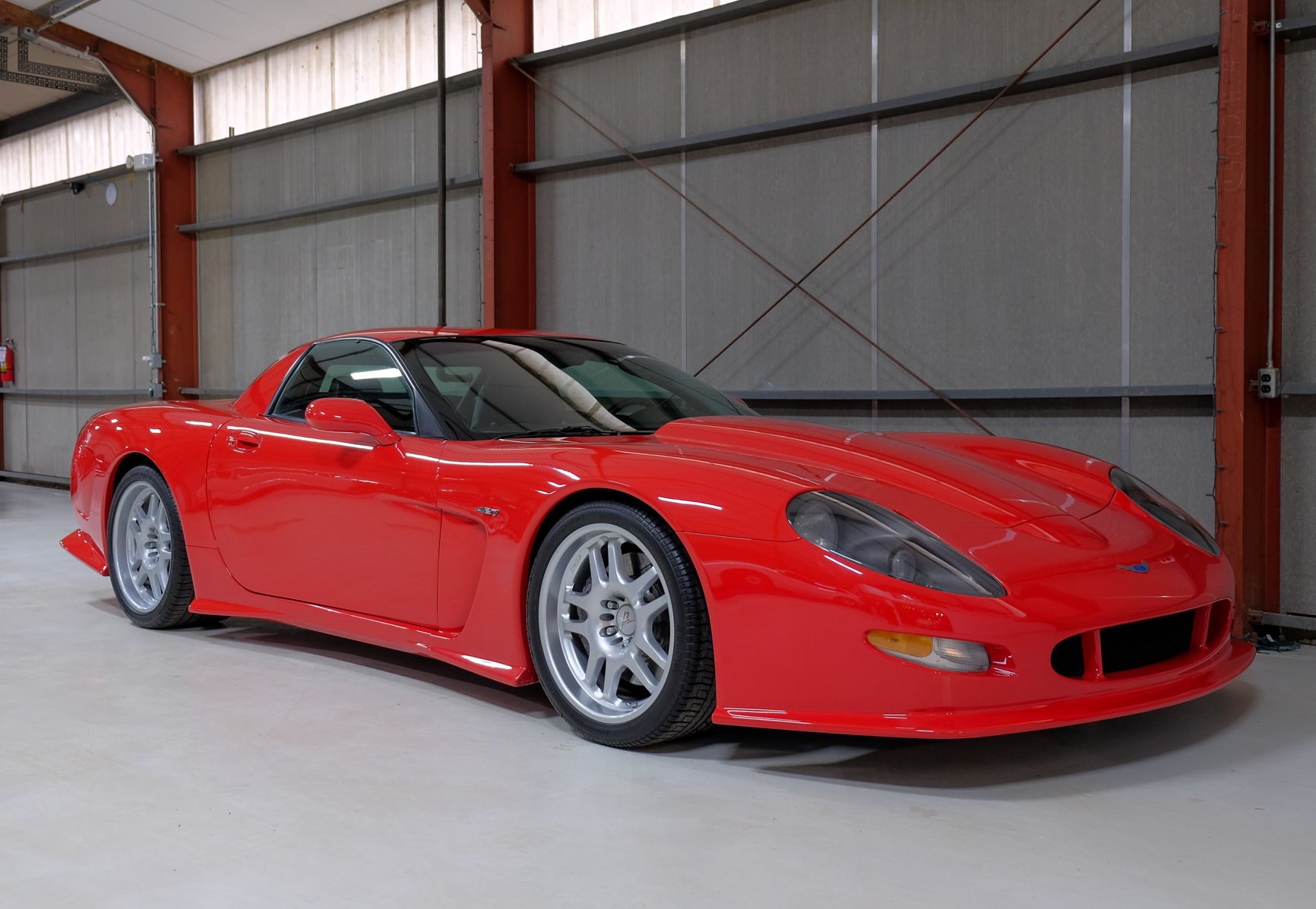
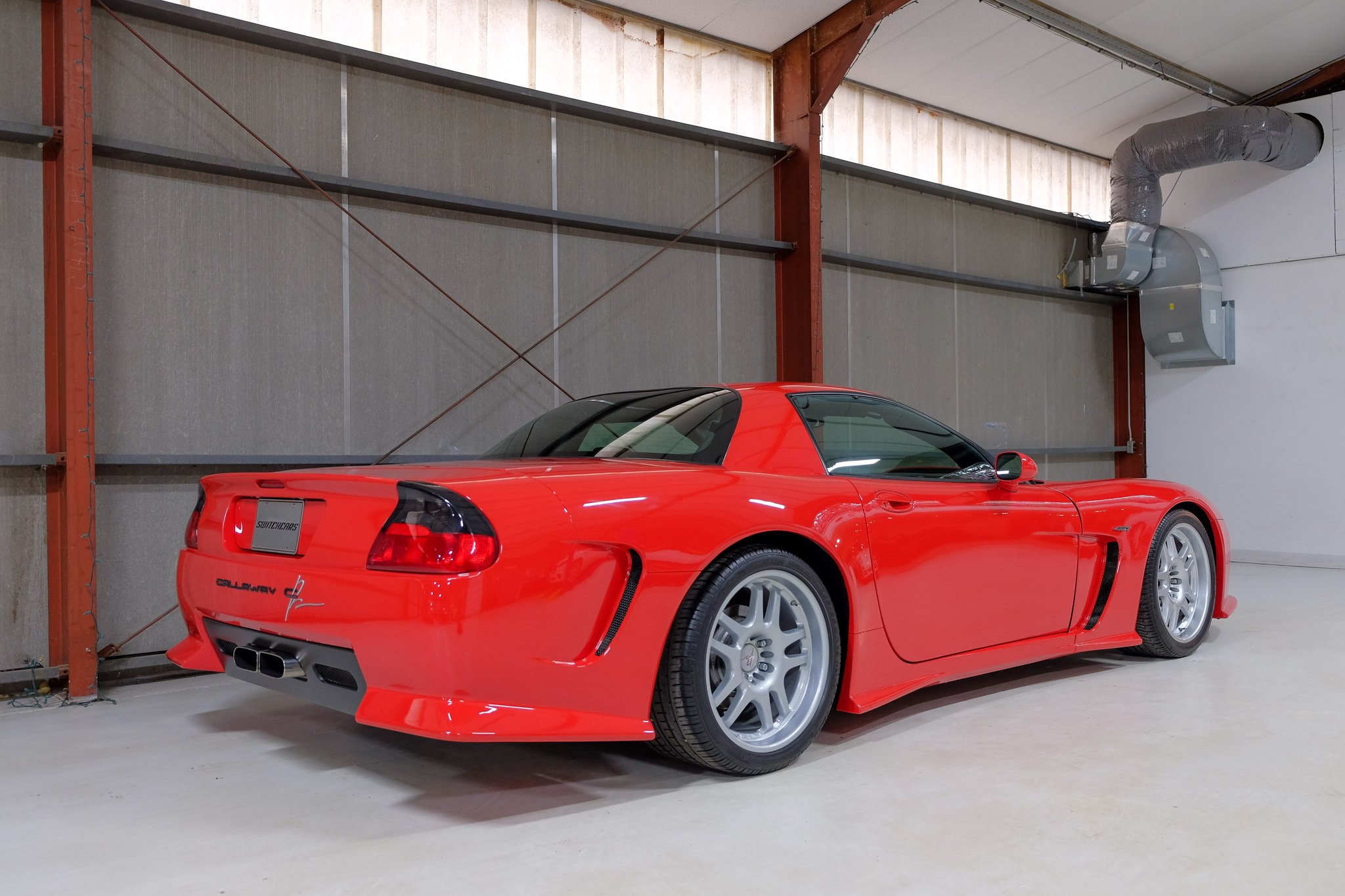
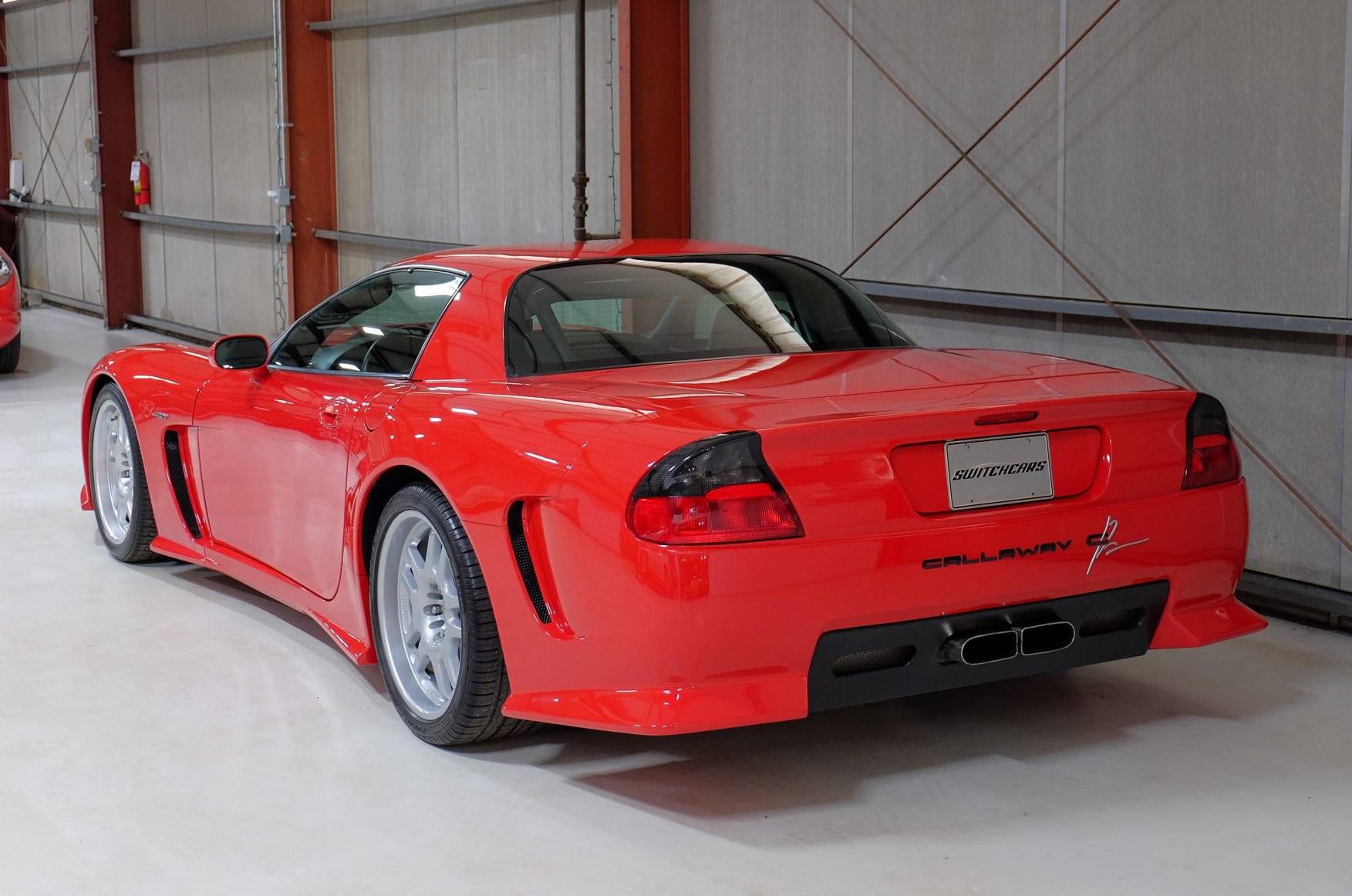
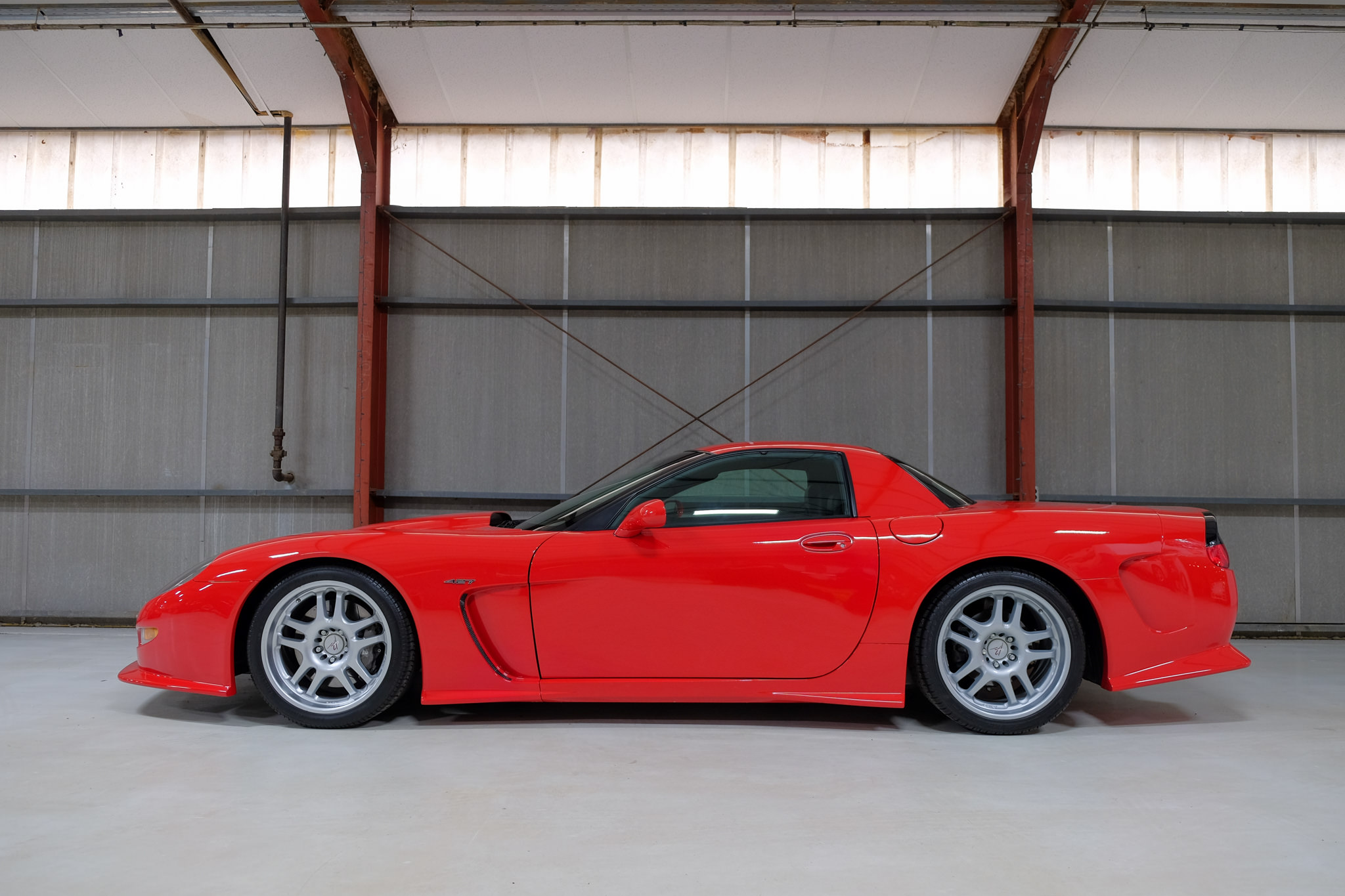
At just a hair under 2.0 meters wide, the C12 was designed to take full advantage of Le Mans regulations.

While working there he became familiar with the BMW 320i model as it was being used as a school car. He realized it had the potential for a lot more speed, and so he developed a turbocharger kit for it and then turned it over to Car and Driver journalist Don Sherman for feedback.

Sherman wrote a glowing article about the transformed BMW, and in so doing changed the course of Callaway’s life. Within a few short years Reeves was building turbo kits for a wide range of cars including BMW, Volkswagen, Porsche, Audi, Alfa Romeo, and Mercedes-Benz.

The Arrival Of The Callaway Corvette

In 1987 he released the Callaway Twin Turbo Corvette, a highly modified C4 Corvette with dual turbochargers that were sold through Chevrolet dealerships. The name Callaway became closely associated with Corvettes, Chevrolets, and GM vehicles through the 1980s and 1990s.

In the late 1990s they released the Callaway Sledgehammer Corvette, a car that held the World Street Legal speed record of 254.76 mph (410.00 km/h) until 1999.

Callaway C12 10

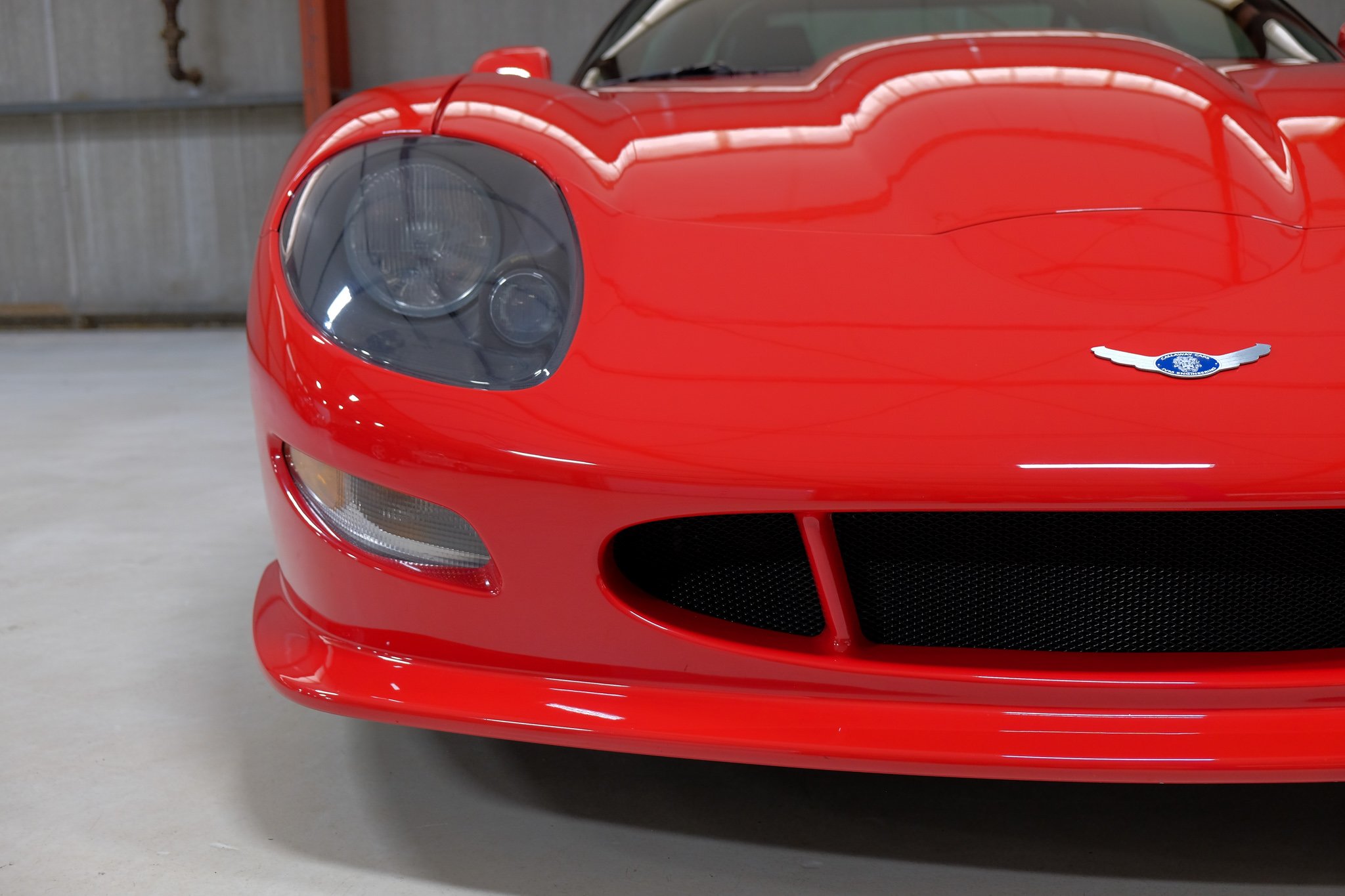
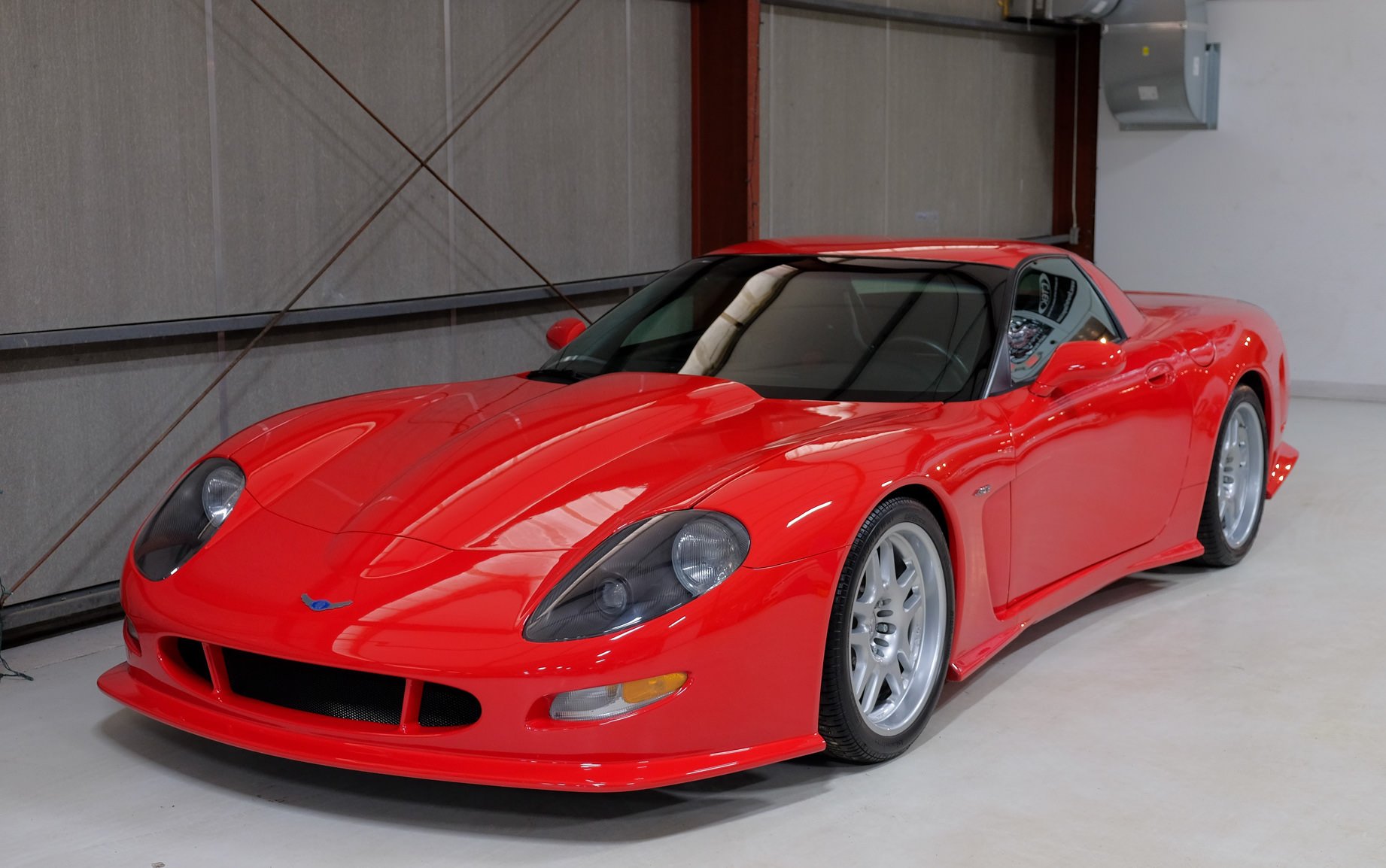
The carbon Kevlar body is longer, wider, and lighter than the original C5 body.

The Callaway C12

Though it was based on the fifth generation Corvette the Callaway C12 was an almost entirely rebuilt car.

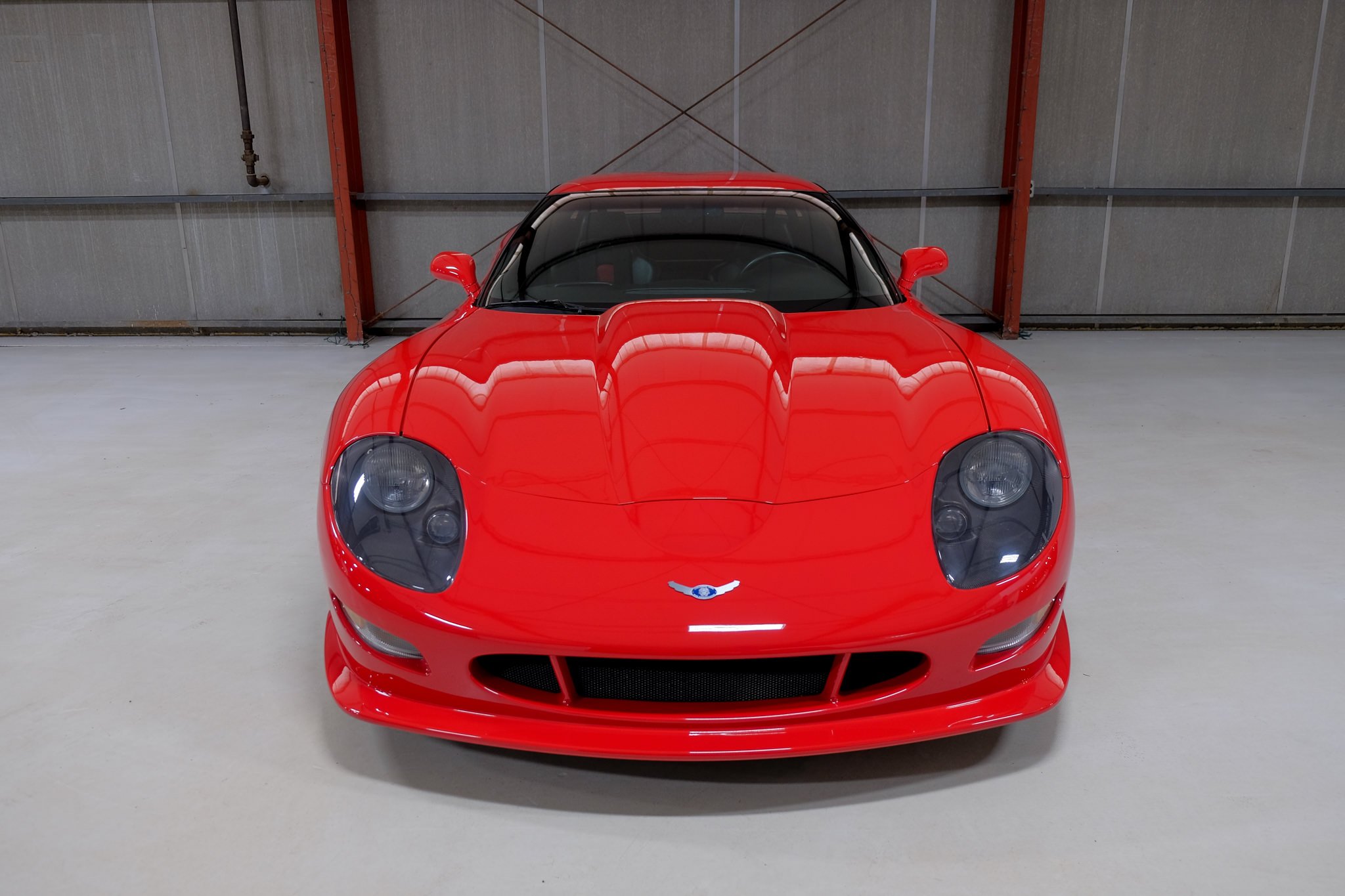
No panels from the Corvette body were carried over, the new body was made from carbon Kevlar and it was considerably wider than the original – now measuring in at 1998mm wide or a whisker under 2.0 meters to stay within Le Mans regulations.

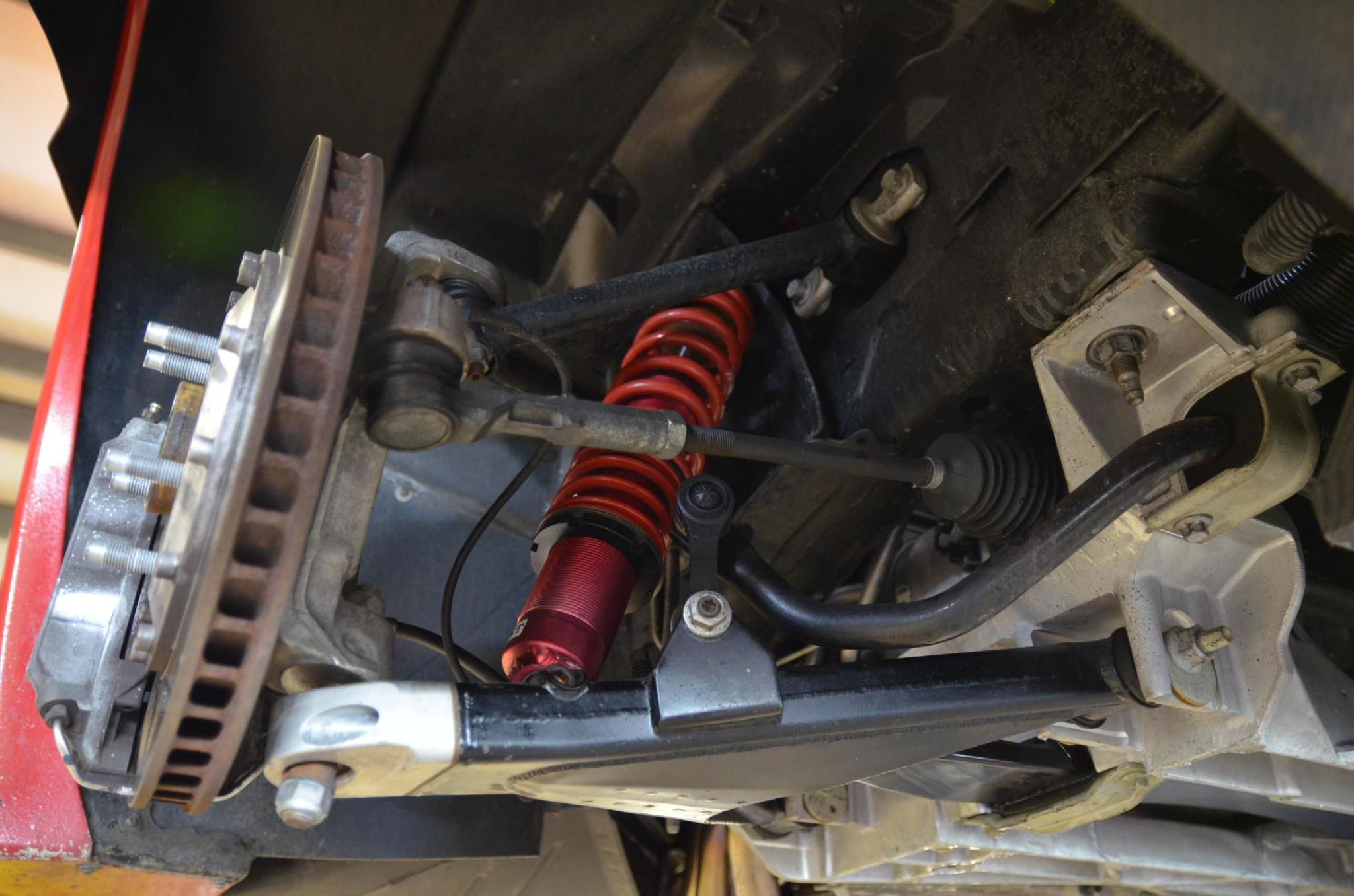
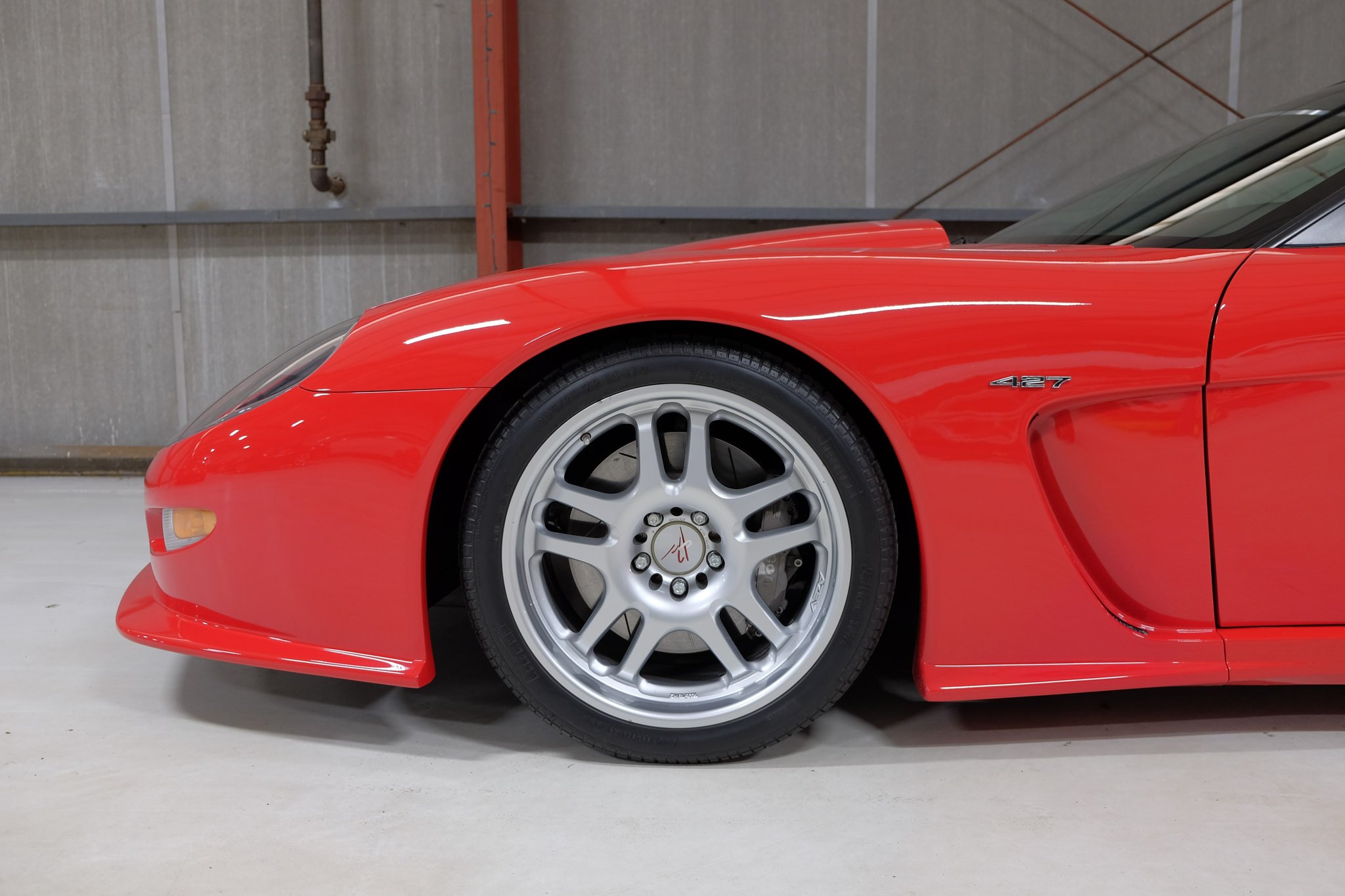
The chassis was modified and the suspension almost completely rebuilt, with Callaway adjustable coilovers and stainless-steel upper-and-lower suspension arms.

As you would expect the brakes have been significantly upgraded, the car is fitted with 14 inch ventilated metal matrix rotors and four-piston Alcon calipers – to provide the stopping power you need when coming to the end of the Mulsanne Straight at ~200 mph.

Callaway C12 17

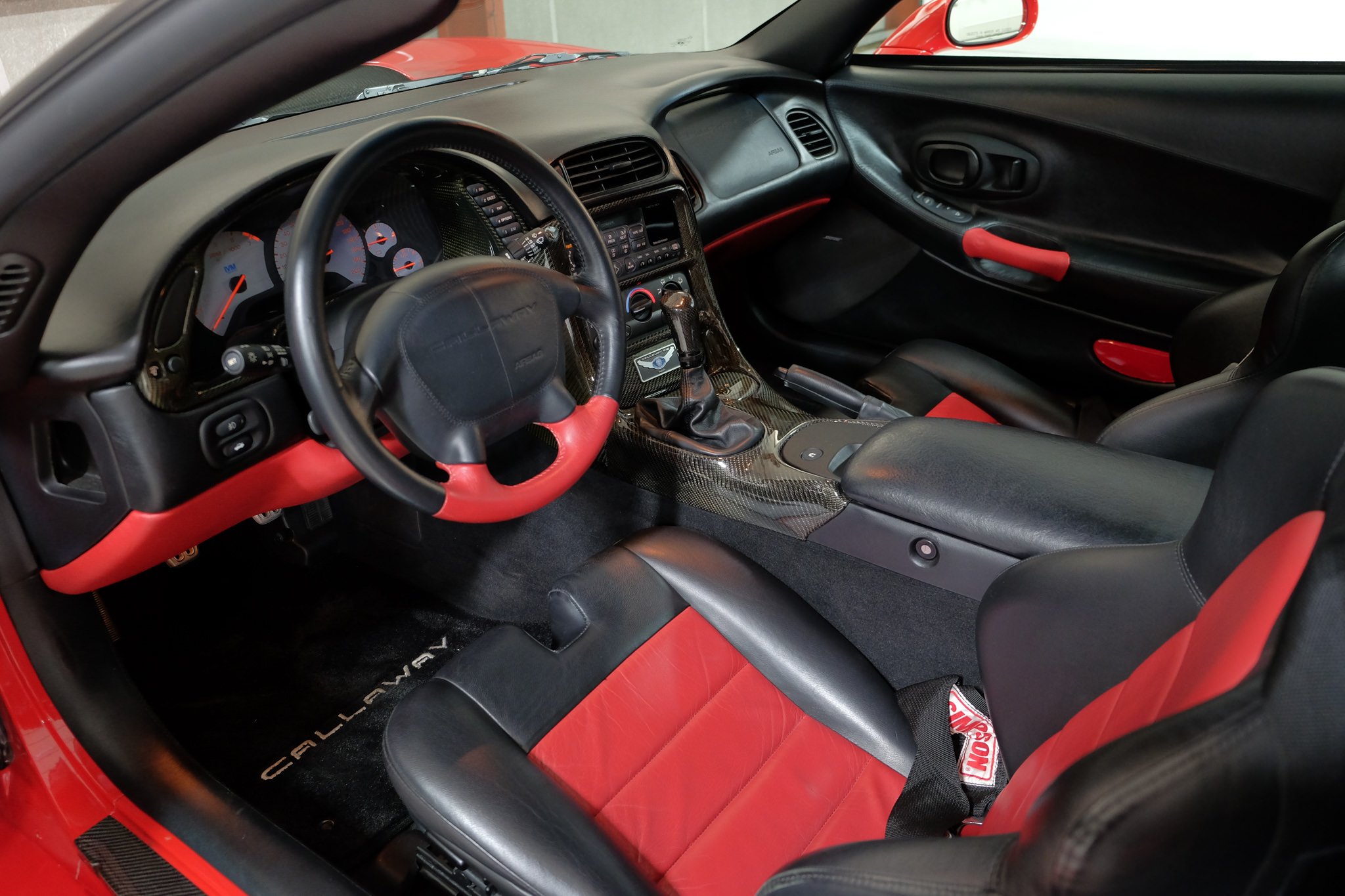
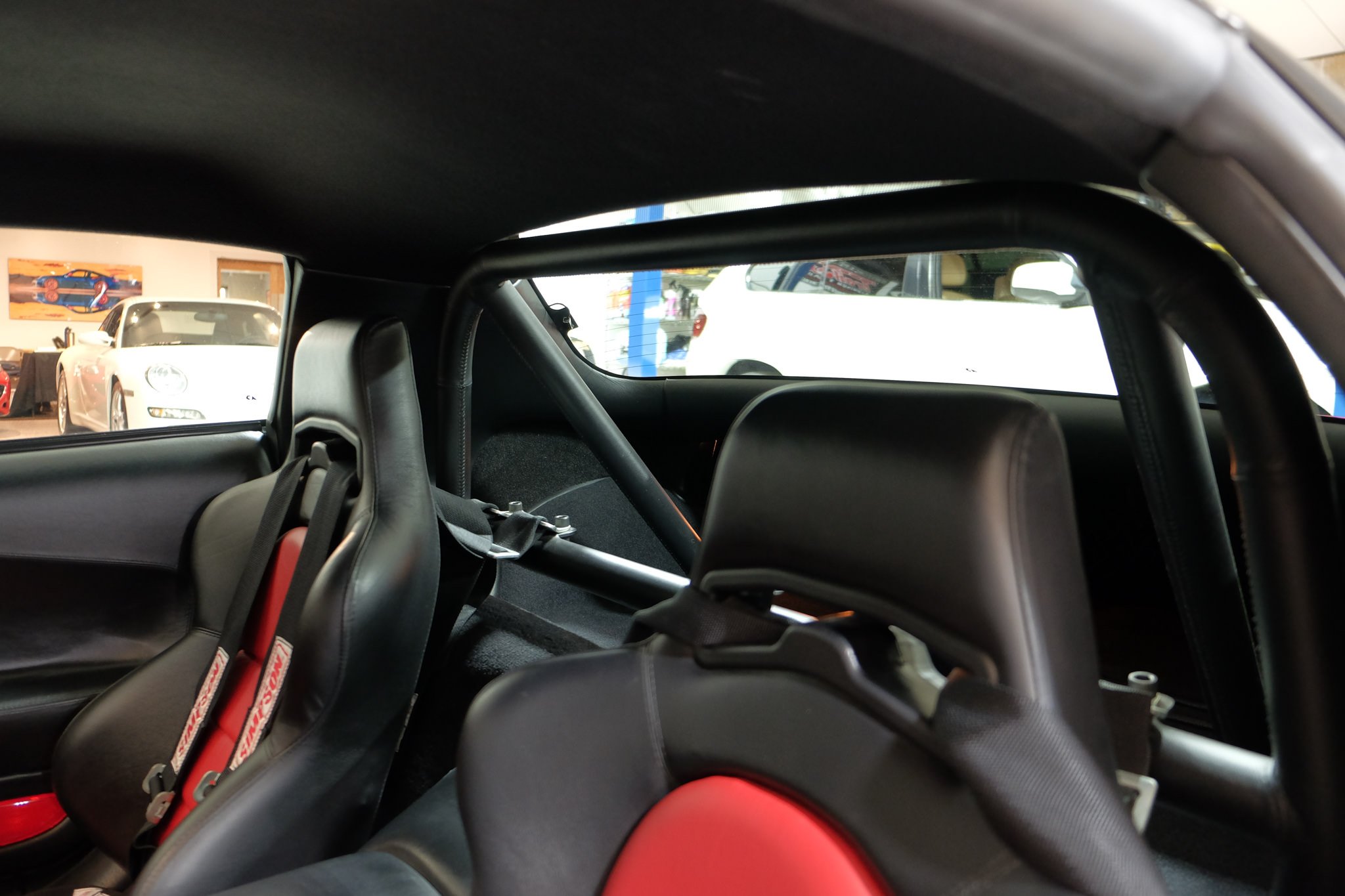
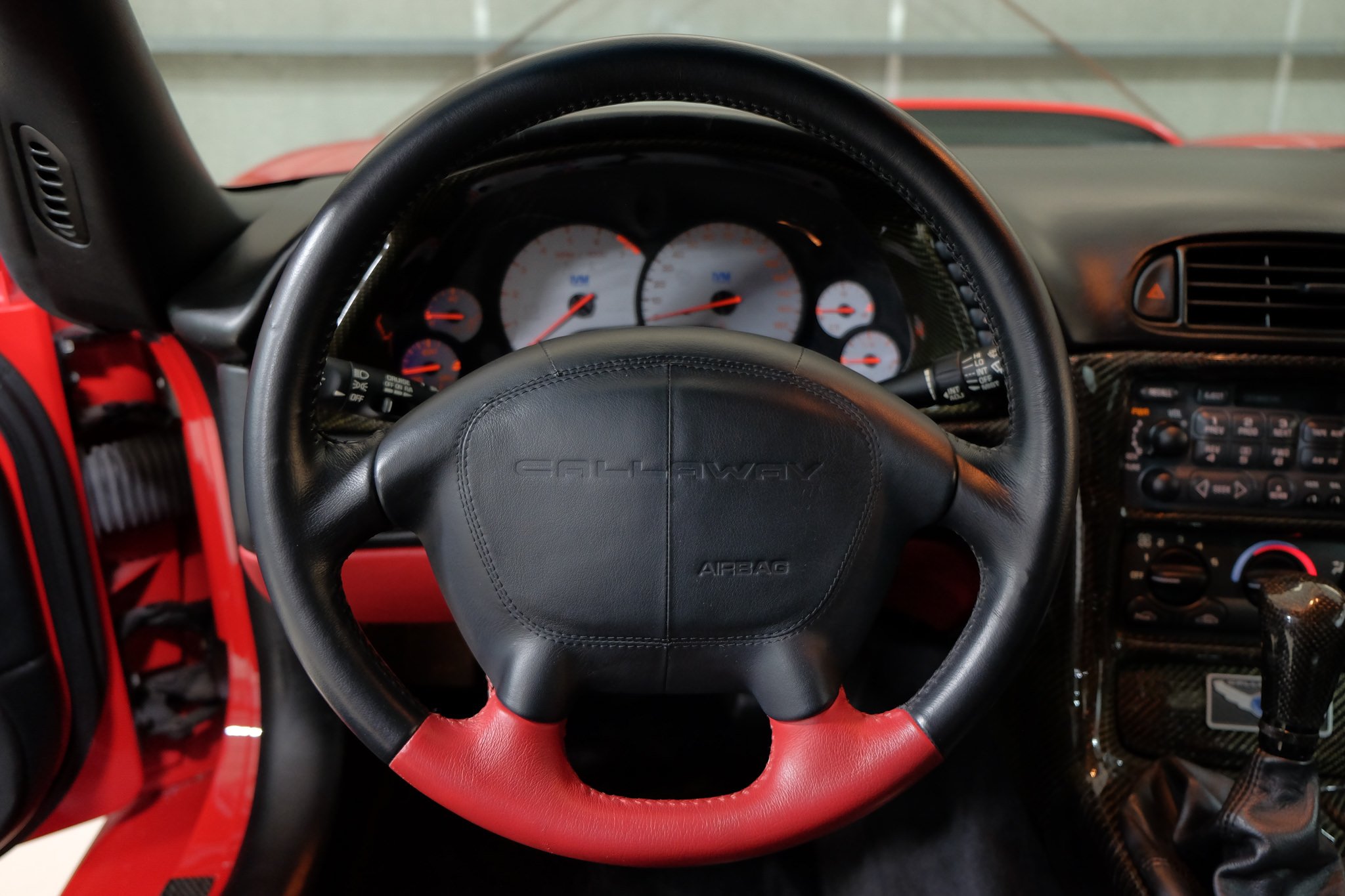
The interior of the car will be immediately familiar to anyone familiar with the C5, though it has been upgraded with some carbon parts, new upholstery, and a modified dashboard display.

The glass and door handles from the C5 are carried over, as is some of the interior, but viewing the car from the outside only a small number of people will be able to pick the familial similarities.

The Callaway C12 “SuperNatural” Engine

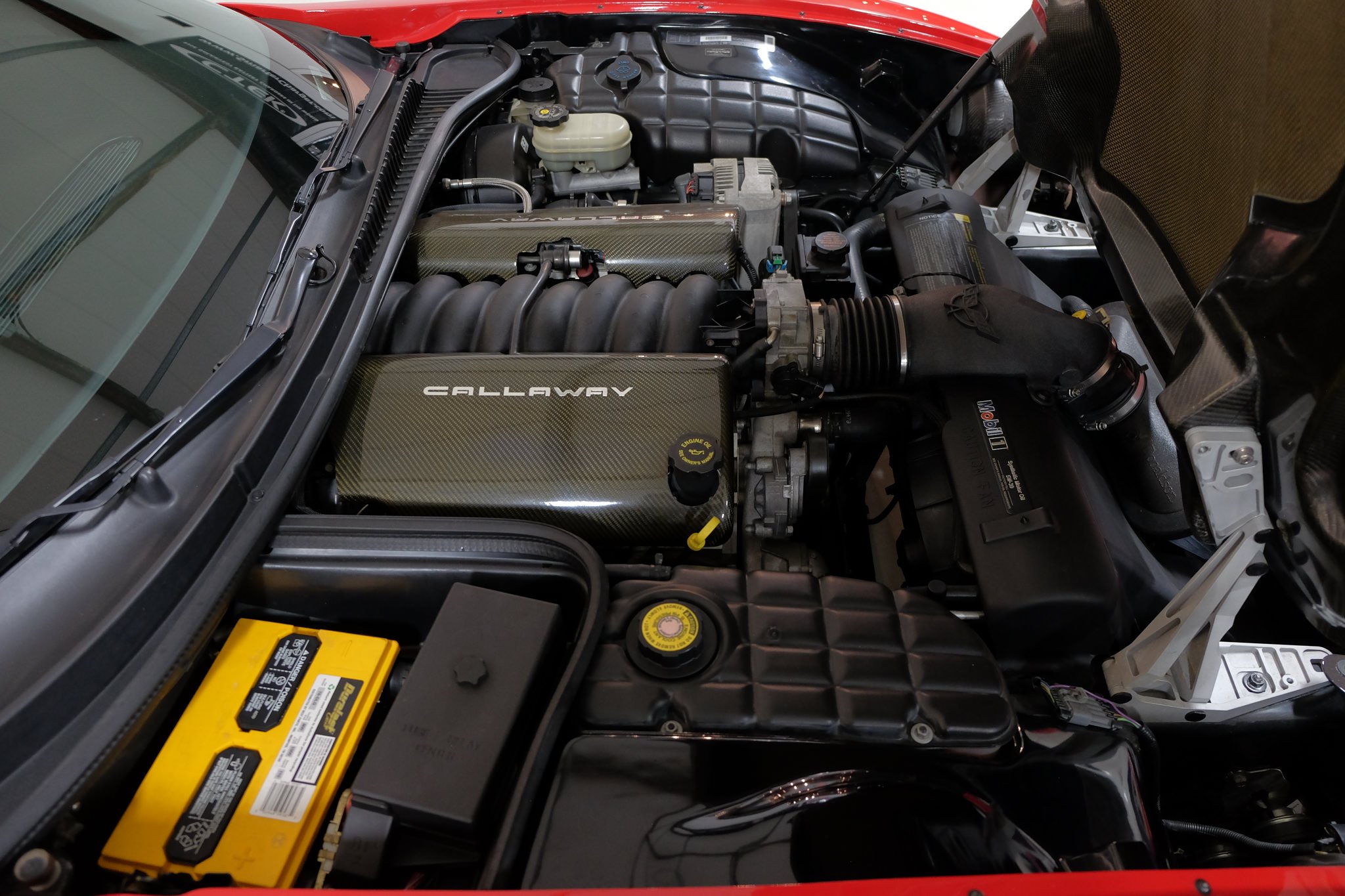
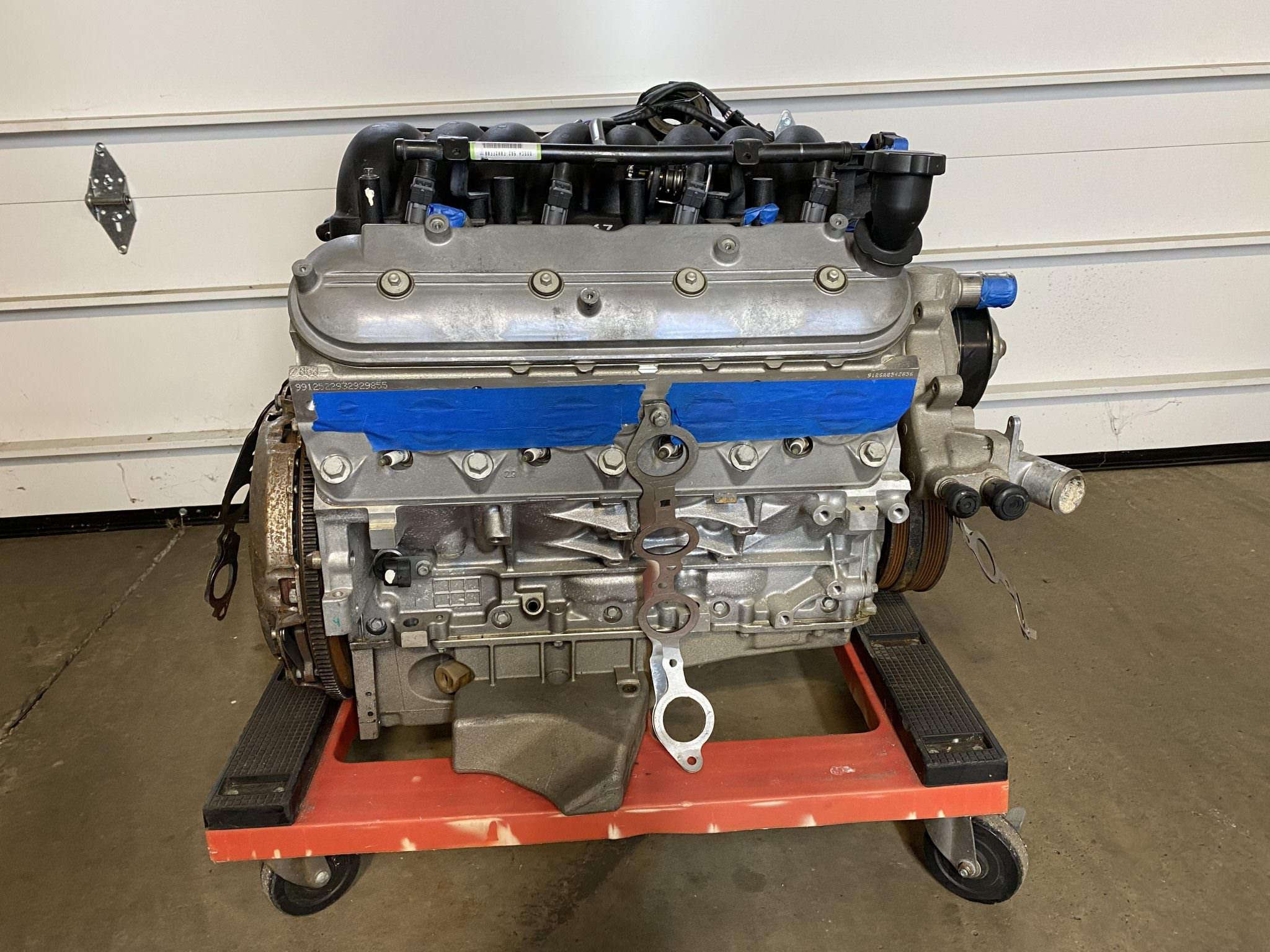
The car is fitted with the 5.7 liter, all-aluminum SuperNatural 5.7 liter V8 from Callaway. This engine was developed to produce its power reliably and not be too highly strung, it’s a naturally aspirated LS1-based motor producing 440 bhp at 6,300 rpm and 395 ft lbs at 4,400 rpm.

When they were being sold new, the Callaway C12 retailed for approximately $200,000 USD, a number that could climb considerably depending on how liberal the buyer was with the options list.

Over the course of the production run just 25 examples of the C12 where built by Callaway. Today they’re sought after by collectors both for their Le Mans heritage and for their excellent on-road performance.

Callaway C12 8

This C12 is capable of over 200 mph as it’s been fitted with a 550+ bhp 7.0 liter V8 sourced from Lingenfelter Performance Engineering. The original engine still comes with the car.

The 1999 Callaway C12 Shown Here

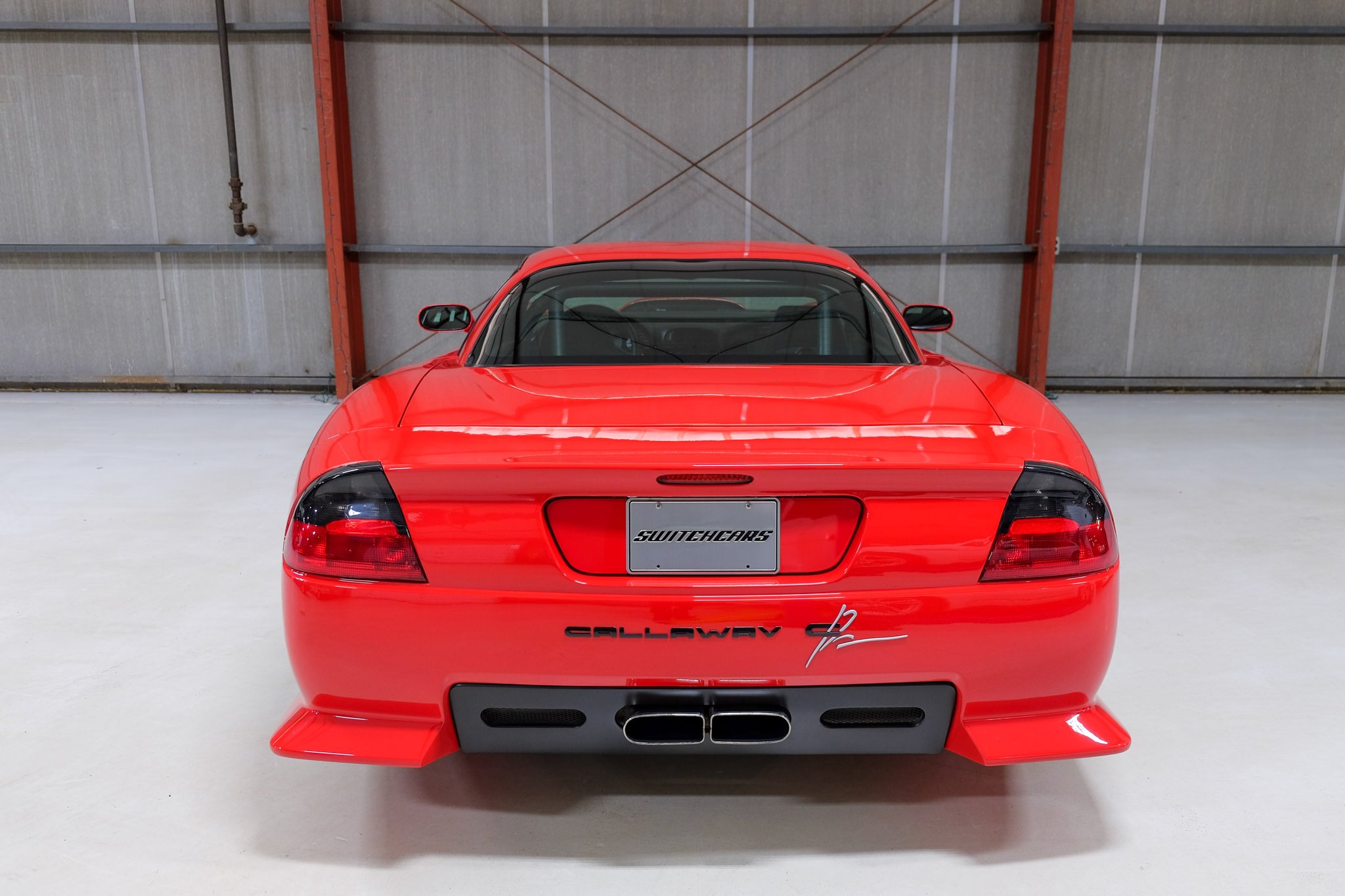
The Callaway C12 you see here is finished in Corsa Red over two-tone leather upholstery.

The original engine has been removed and replaced with a 550+ bhp 7.0 liter V8 sourced from Lingenfelter Performance Engineering – the original engine still accompanies the car.

This increase in power from 440 bhp to over 550 bhp has nudged the top speed of this C12 beyond the 200 mph mark, making it once of the fastest examples of its breed.

This car was featured in Corvette Fever magazine back in January of 2007, where the story of its modifications is laid out in detail. A copy of this magazine now accompanies the car.

This unusual American supercar is now for sale with Bring A Trailer out of Twinsburg in Ohio, it’s being offered in a live online action and you can click here to visit the listing.
Callaway C12 12 Callaway C12 21 Callaway C12 20 Callaway C12 19 Callaway C12 18 Callaway C12 16 Callaway C12 15 Callaway C12 14 Callaway C12 13 Callaway C12 11 Callaway C12 9 Callaway C12 7 Callaway C12 6 Callaway C12 4 Callaway C12 3 Callaway C12 2 Callaway C12 1

Images courtesy of Bring A Trailer

Callaway C12

The post The Callaway C12 – A Rare American-German Supercar Capable Of 200+ MPH appeared first on Silodrome.


from Silodrome https://silodrome.com/callaway-c12-supercar/
via gqrds

For Sale: An Original Ferrari 275 GTB Tool Kit

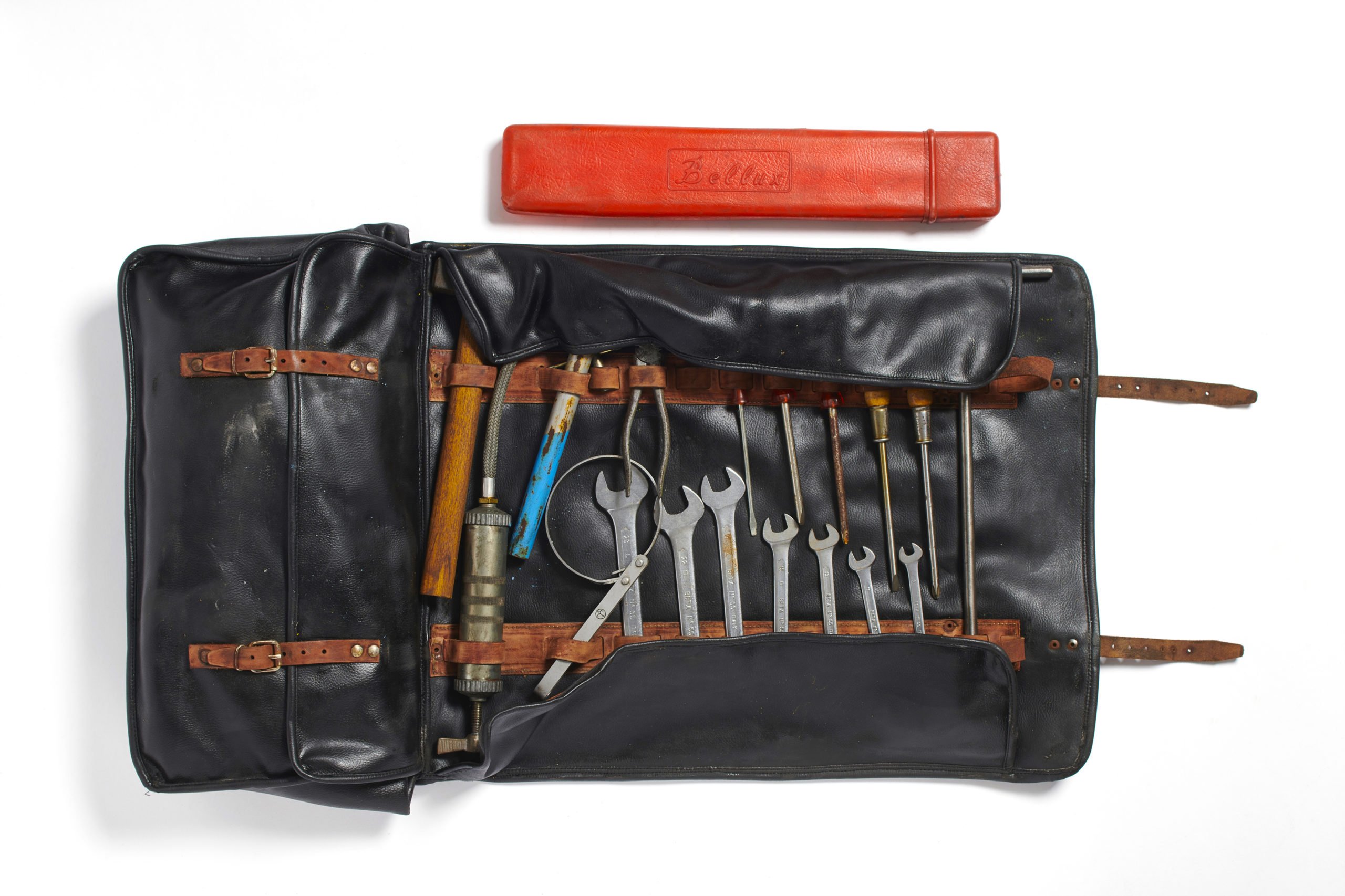
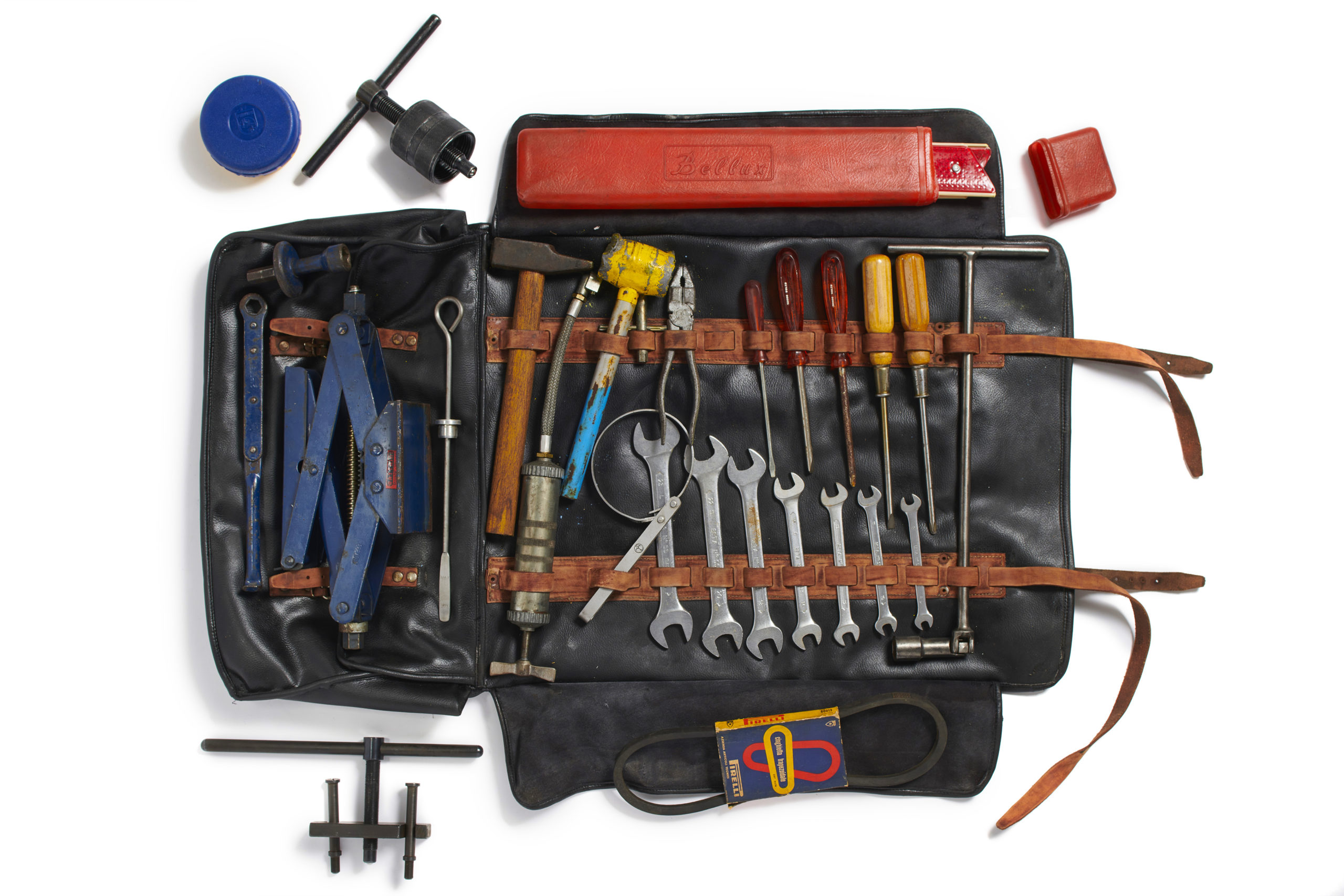
This is an original factory-supplied tool kit for a Ferrari 275 GTB, from back in a long-gone era when manufacturers expected you to do some of the maintenance on your car yourself.

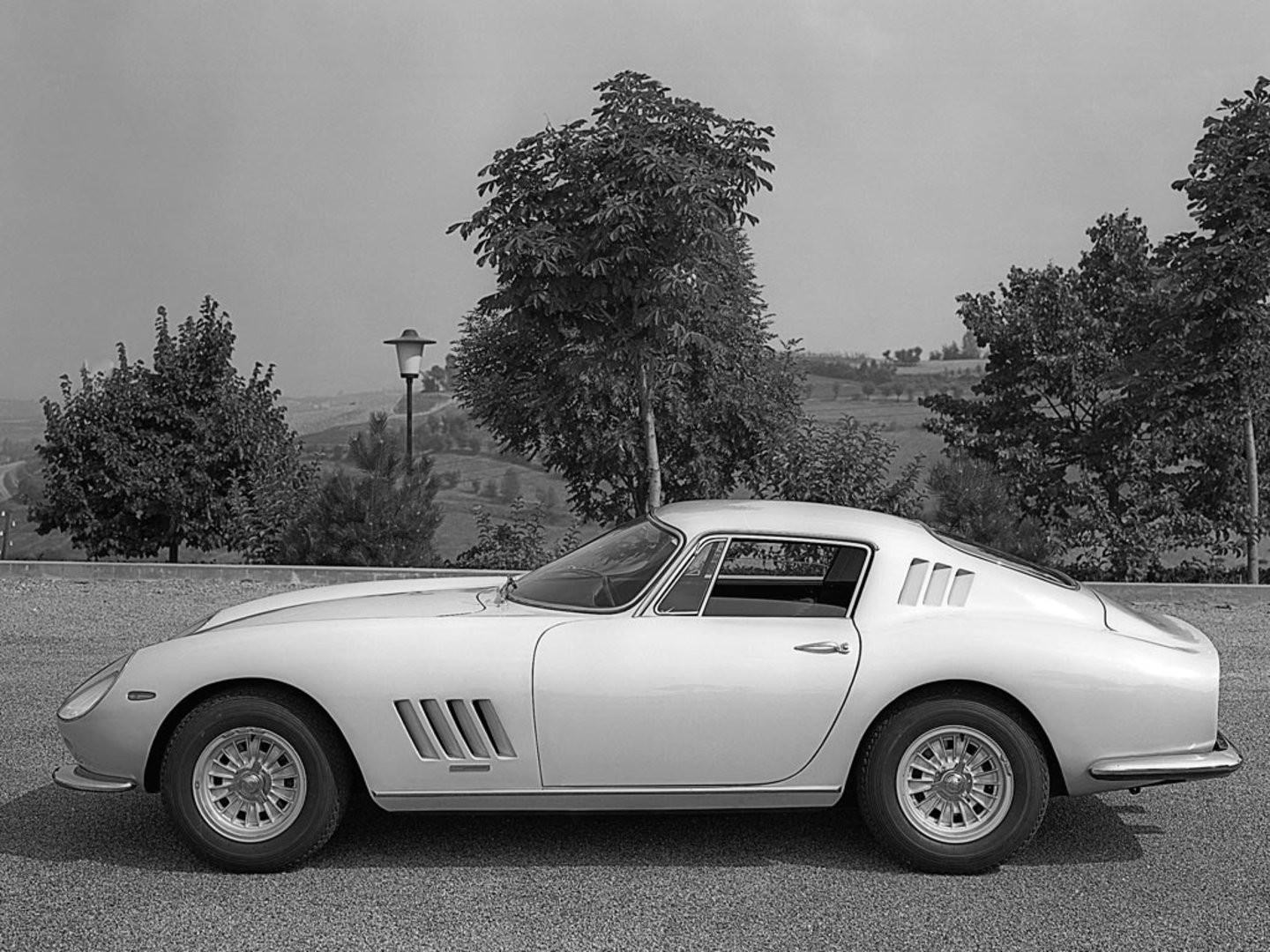
The Ferrari 275 GTB had impossibly large shoes to fill when it was released in 1964. It was the replacement for the outgoing Ferrari 250 GT series of vehicles, which to this day was arguably the most important model line in Ferrari history.

The engineers at Ferrari were careful to keep the elements from the 250 GT cars that had made them so popular, but to update them where needed to keep up with advancing automotive technology.

Vintage Tool Roll

Once rolled up, a tool roll is a great way to carry tool around, and when needed it’s simply unrolled by the side of the road to give easy access to all your tools.

The live axle of the 250 GT cars was now gone, replaced with an independent rear suspension to match the front. The traditional gearbox was also gone, replaced with a rear transaxle to help give the car better weight distribution.

An elegant new aerodynamic body was designed by the team at Pininfarina and the bodywork was built by Scaglietti – with both steel and aluminum bodied versions being made.

Power was provided by the venerable Colombo 60° V12 Ferrari engine, with a displacement of 3.3 liters and upwards of 330 bhp available.

Ferrari 275 GTB

The Ferrari 275 GTB had a body designed by the team at Pininfarina, it was clearly related to the earlier 250 GT cars but it was more modern, and more aerodynamic. Image courtesy of Ferrari.

The Ferrari 275 GTB would be manufactured from 1964 until 1968, after which it was replaced by the Ferrari 365 GTB/4, better known today as the Ferrari Daytona.

Tool rolls like this are still commonly used by many owners of vintage cars and motorcycles. They allow you to carry only the tools and spares you need, they roll up into a small package, and when you need them you can unroll them out on the roadside for easy access.

This toll roll comes equipped with a multitude of items you may need to get your hands on when driving a 275 GTB including a hammer for the knock off wheels, an air pump for the tires, a jack and handle, various screw drivers and wrenches, spare bulbs, and a spark plug puller.

If you’d like to read more about this Ferrari tool kit or register to bid you can click here to visit the listing on RM Sotheby’s. It’s due to cross the auction block on the 14th of May in Monaco.

Ferrari 275 GTB Tool Roll Ferrari 275 GTB Car


Images: Paolo Carlini ©2022 Courtesy of RM Sotheby’s

Ferrari 275 GTB Tool Kit

The post For Sale: An Original Ferrari 275 GTB Tool Kit appeared first on Silodrome.


from Silodrome https://silodrome.com/ferrari-275-gtb-tool-kit/
via gqrds

There’s An Ex-Steve McQueen “Sandcast” 1969 Honda CB750 For Sale

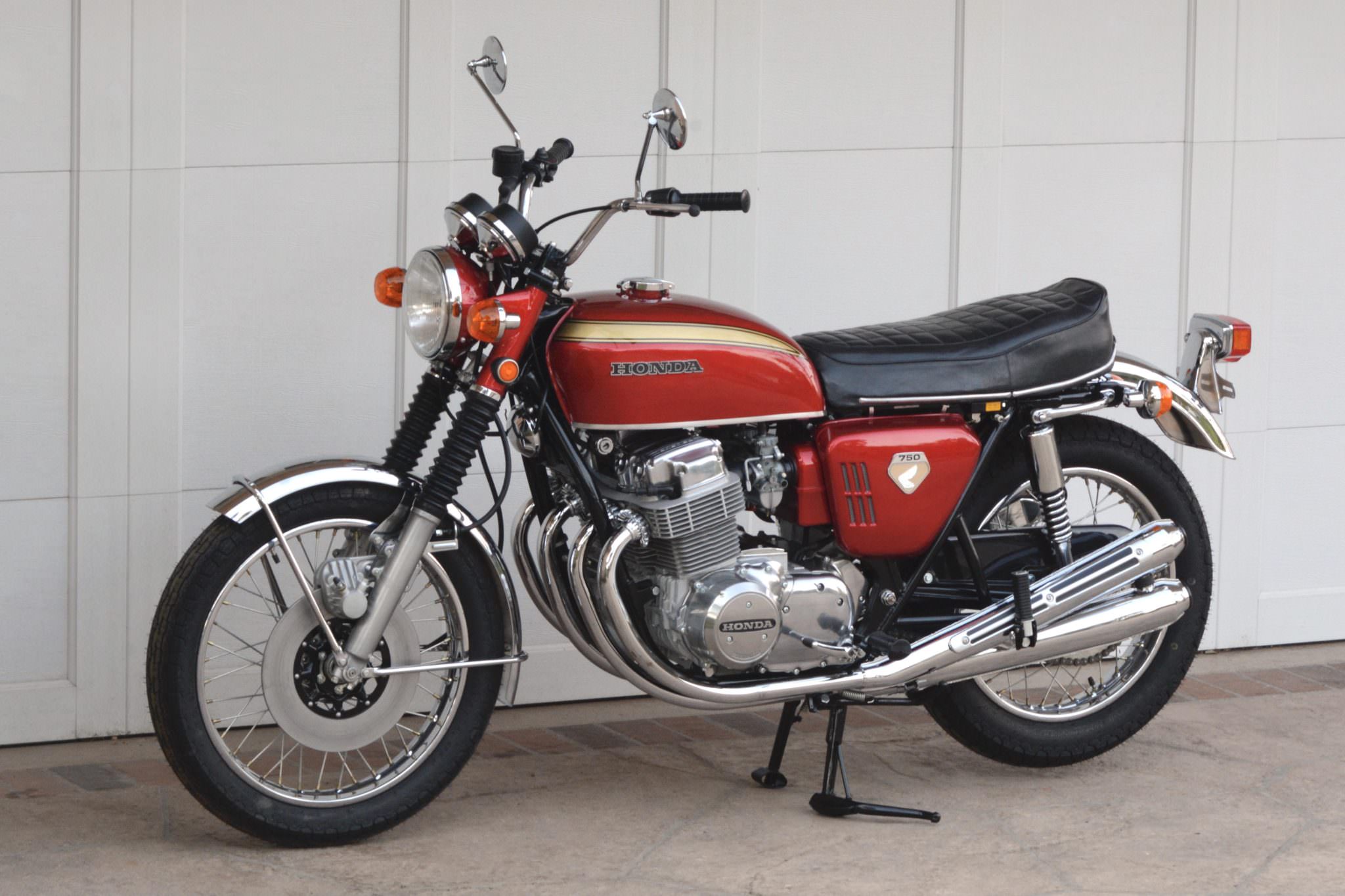
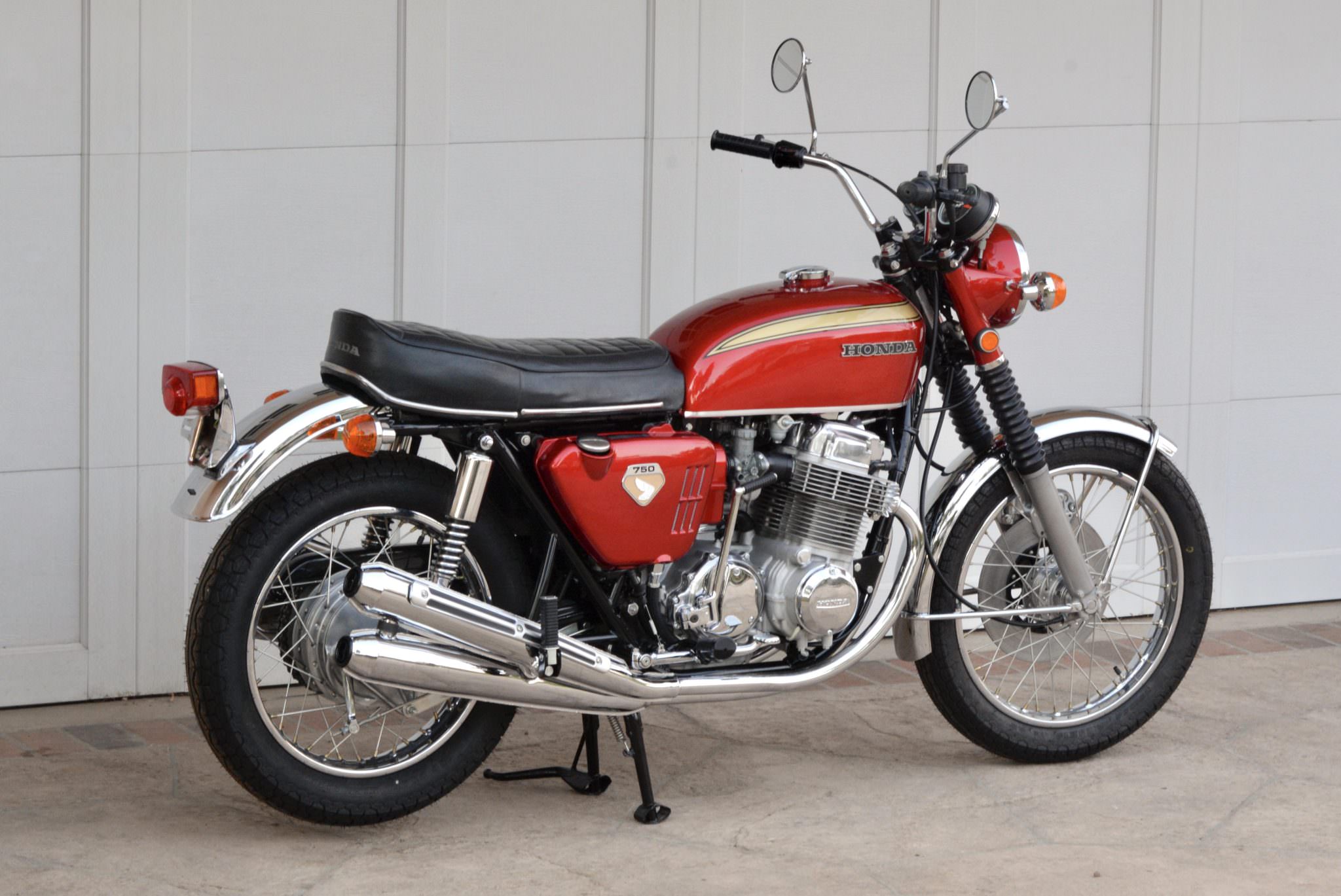
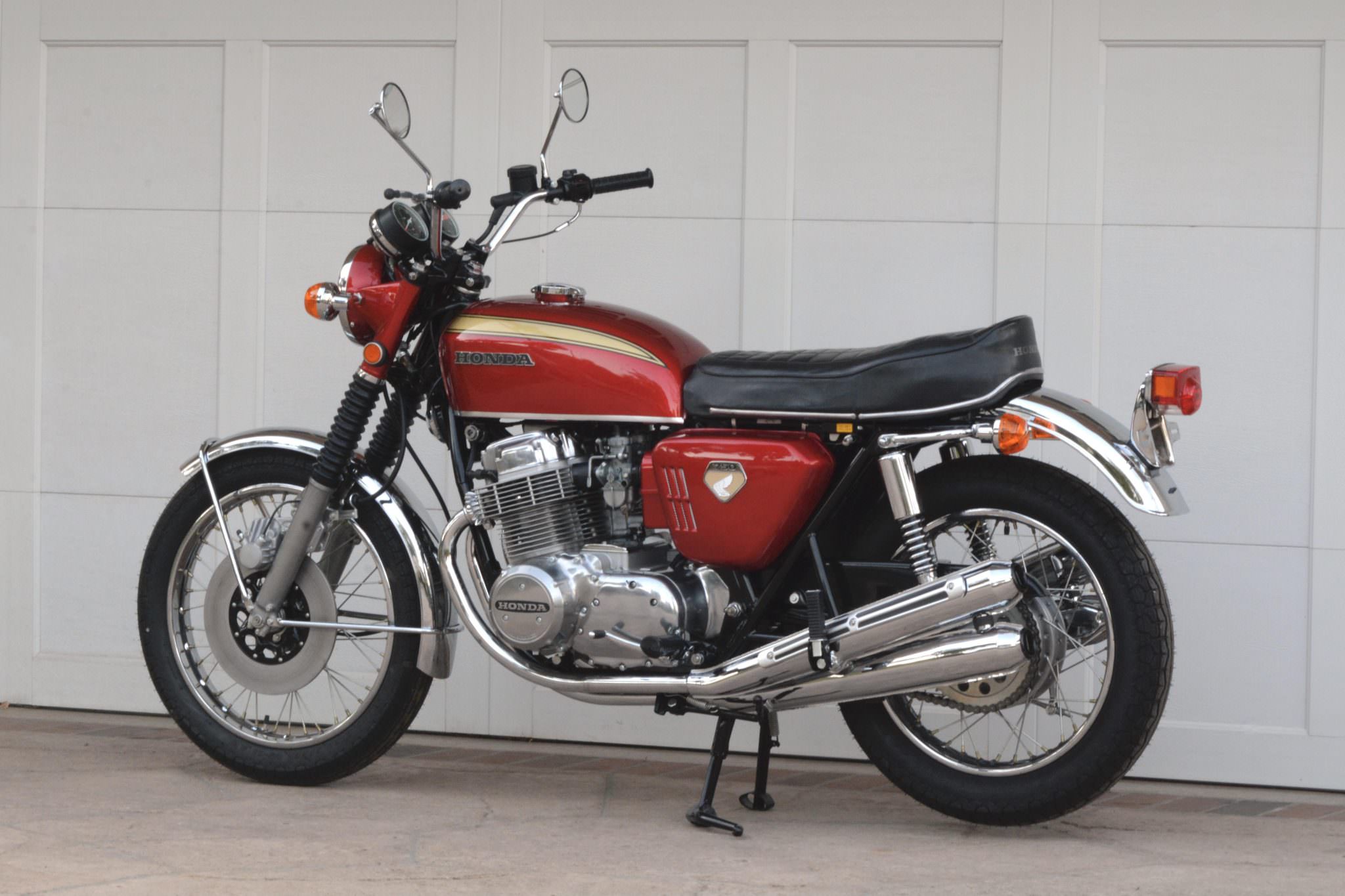
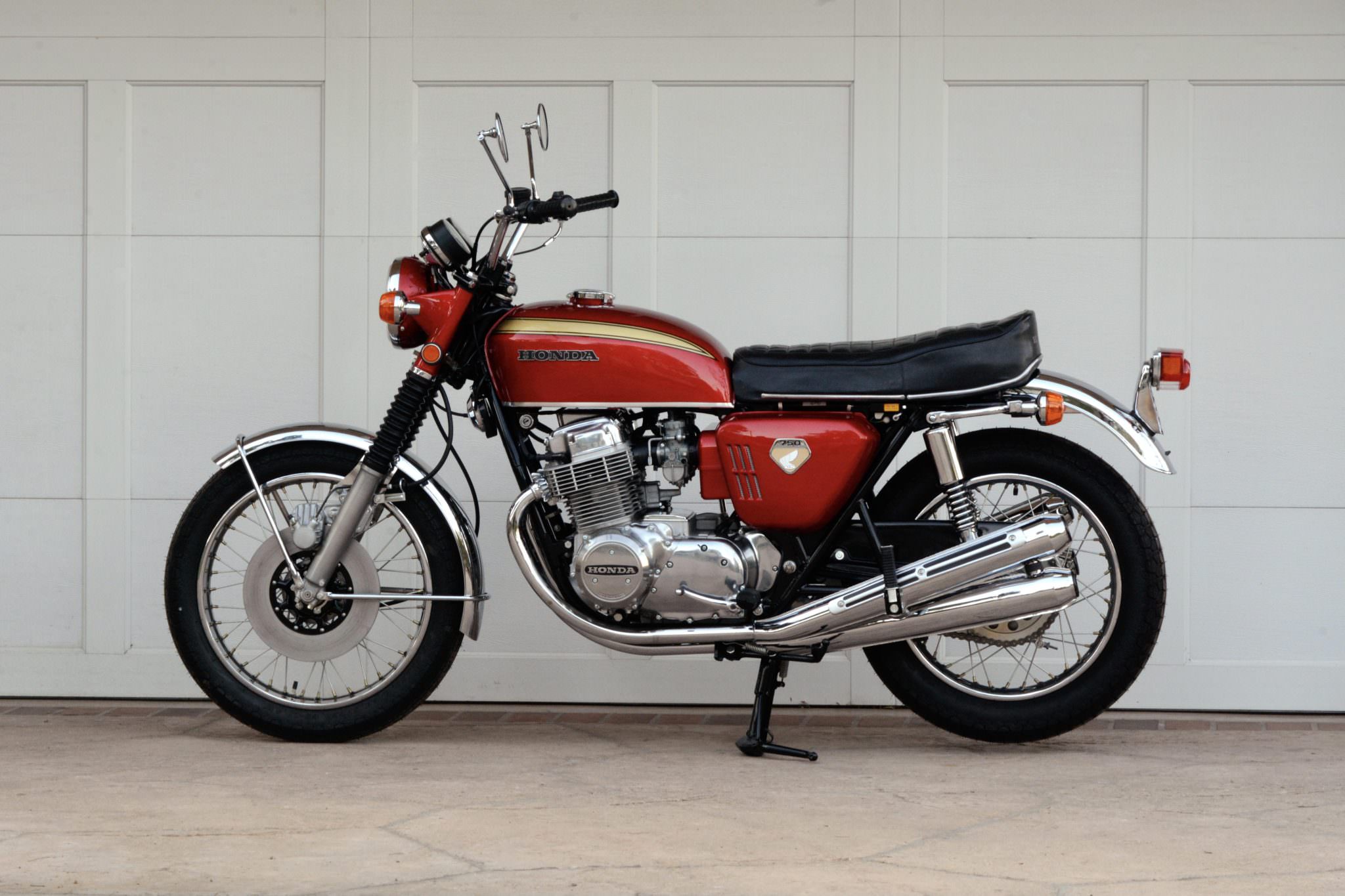
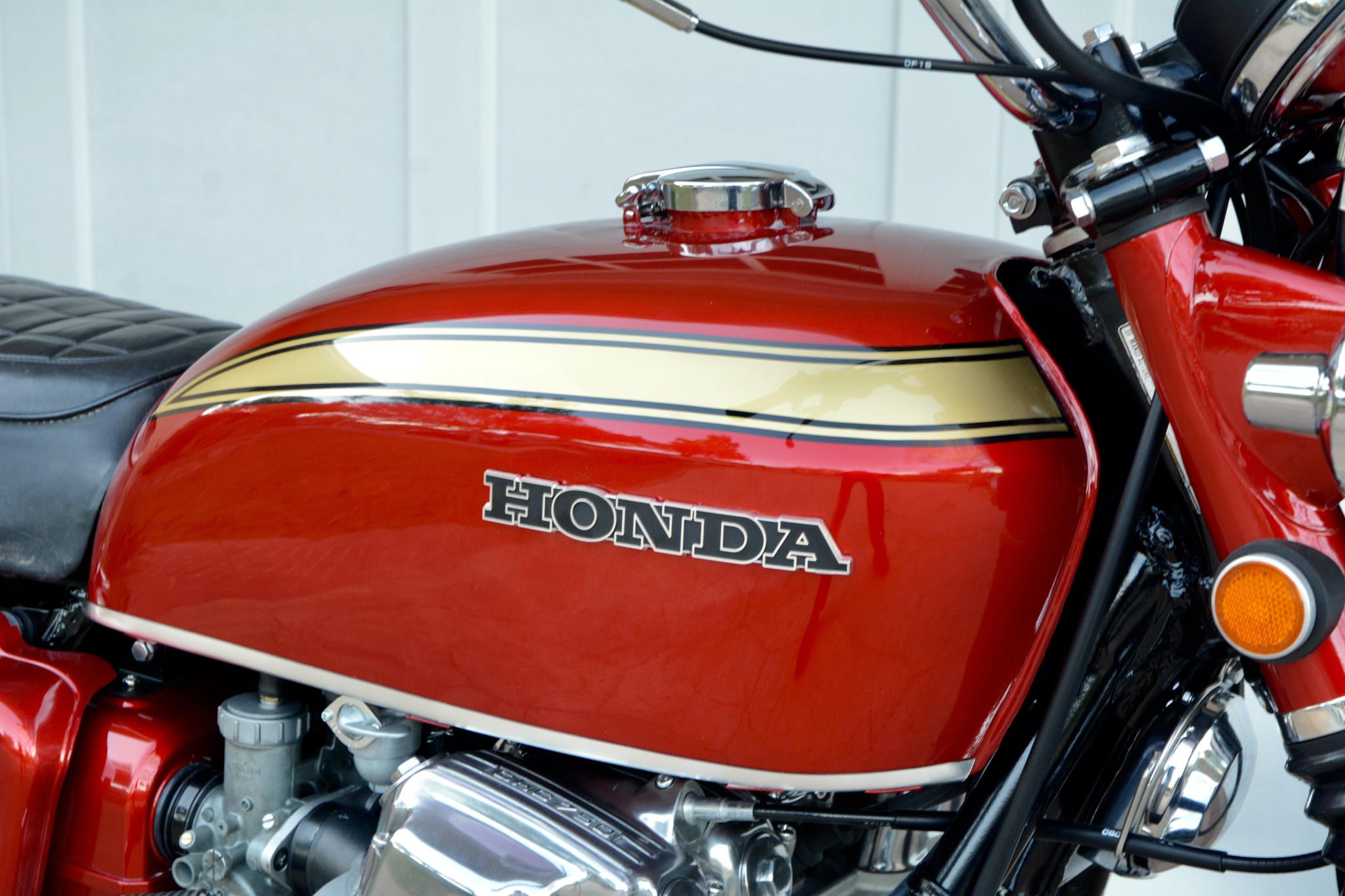
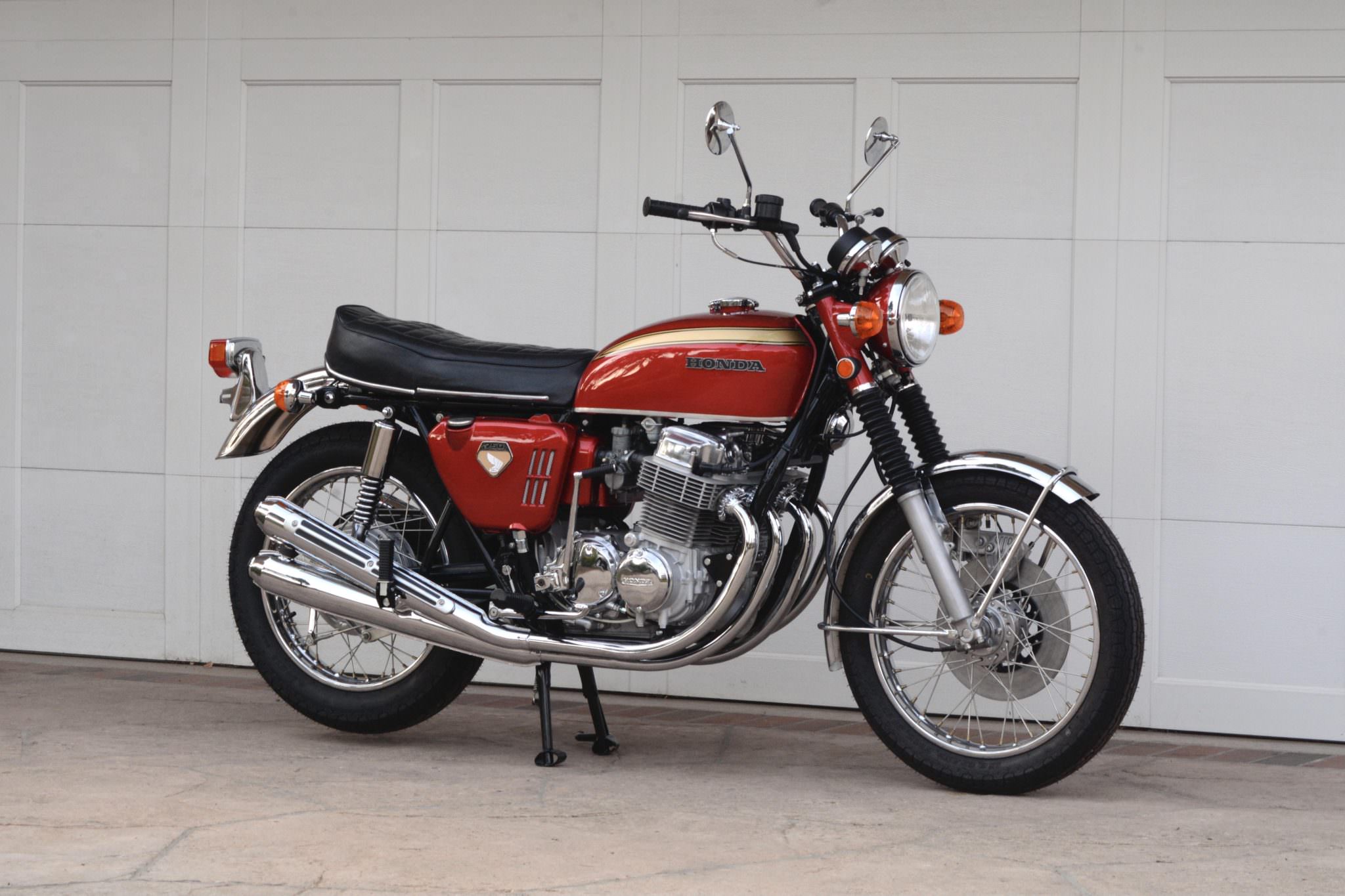
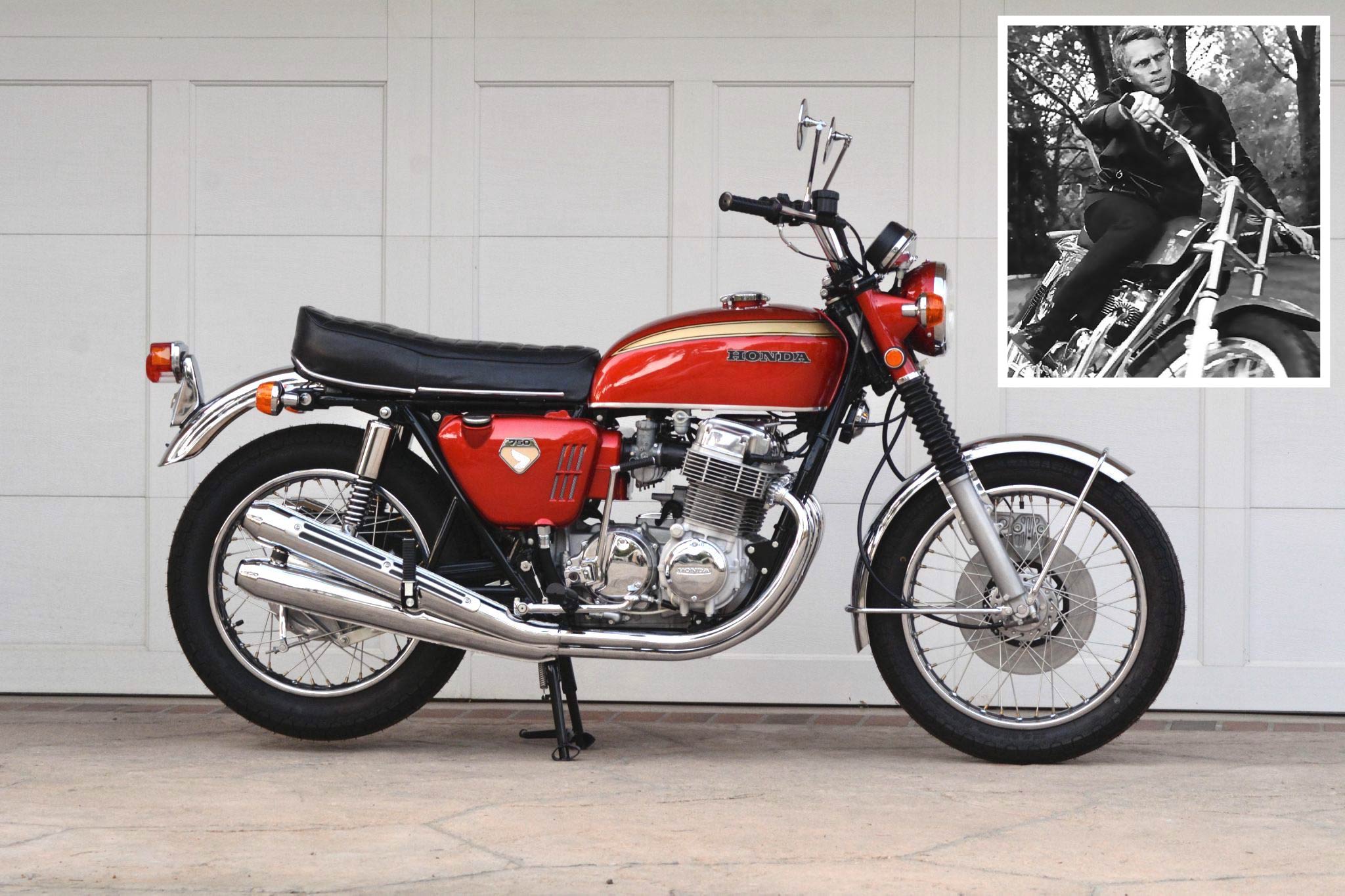
This is a rare “Sandcast” 1969 Honda CB750 “Sandcast” that’s historically significant for two reasons, firstly it was the world’s first “superbike” and secondly it was bought new by Steve McQueen through his production company Solar Productions.

Though there were many motorcycles before the CB750 that have had the term superbike retroactively applied to them, like the Brough Superior SS100 and the Vincent Black Shadow, the Honda CB750 was the motorcycle for which the term was first used.

Fast Facts – The Honda CB750 “Sandcast”

  • The Honda CB750 was developed in the late 1960s and released in 1969 to meet a request from American motorcycle dealers for a larger capacity motorcycle that would better compete with the likes of Harley-Davidson, Norton, Triumph, and BSA.
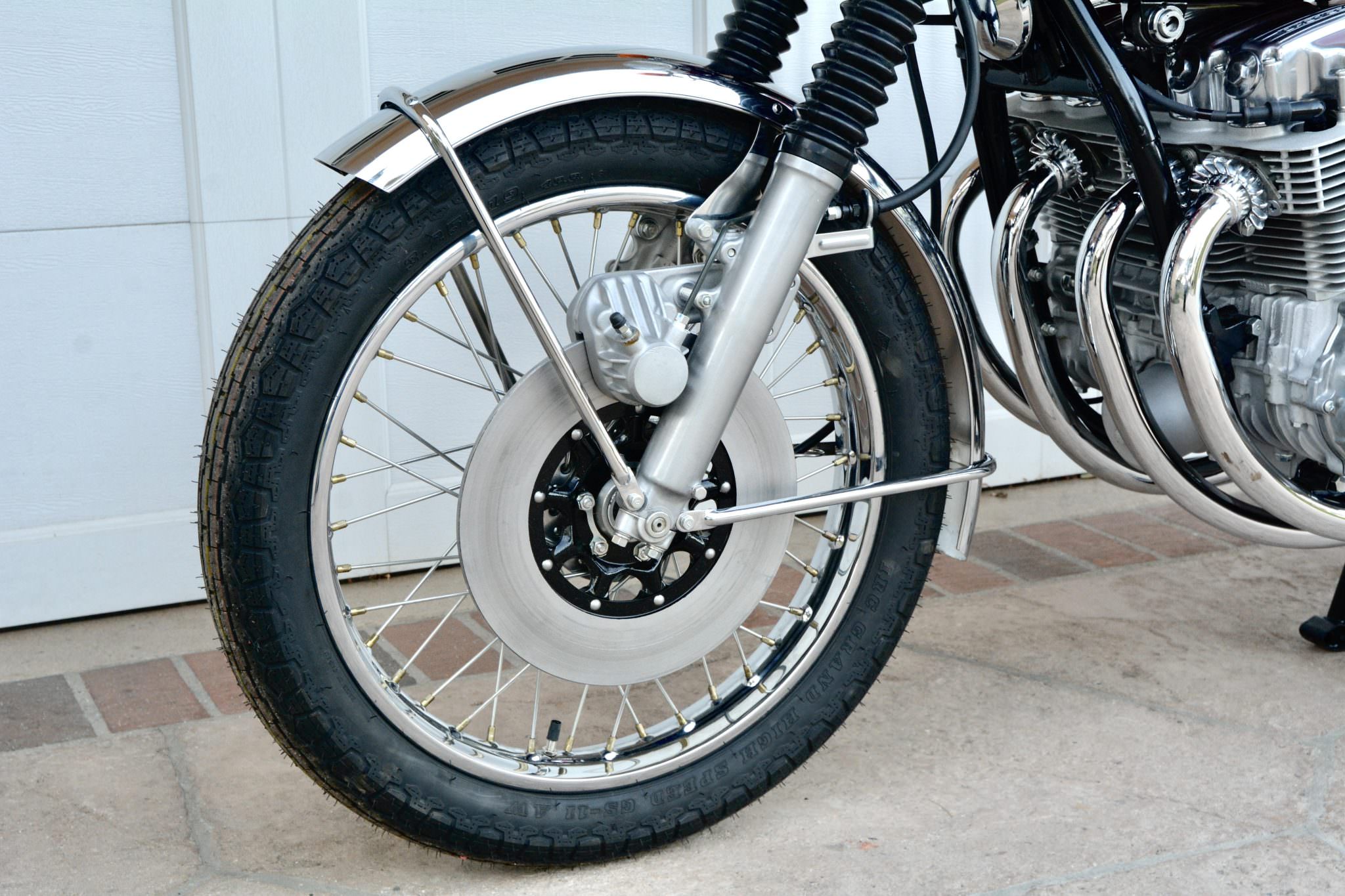
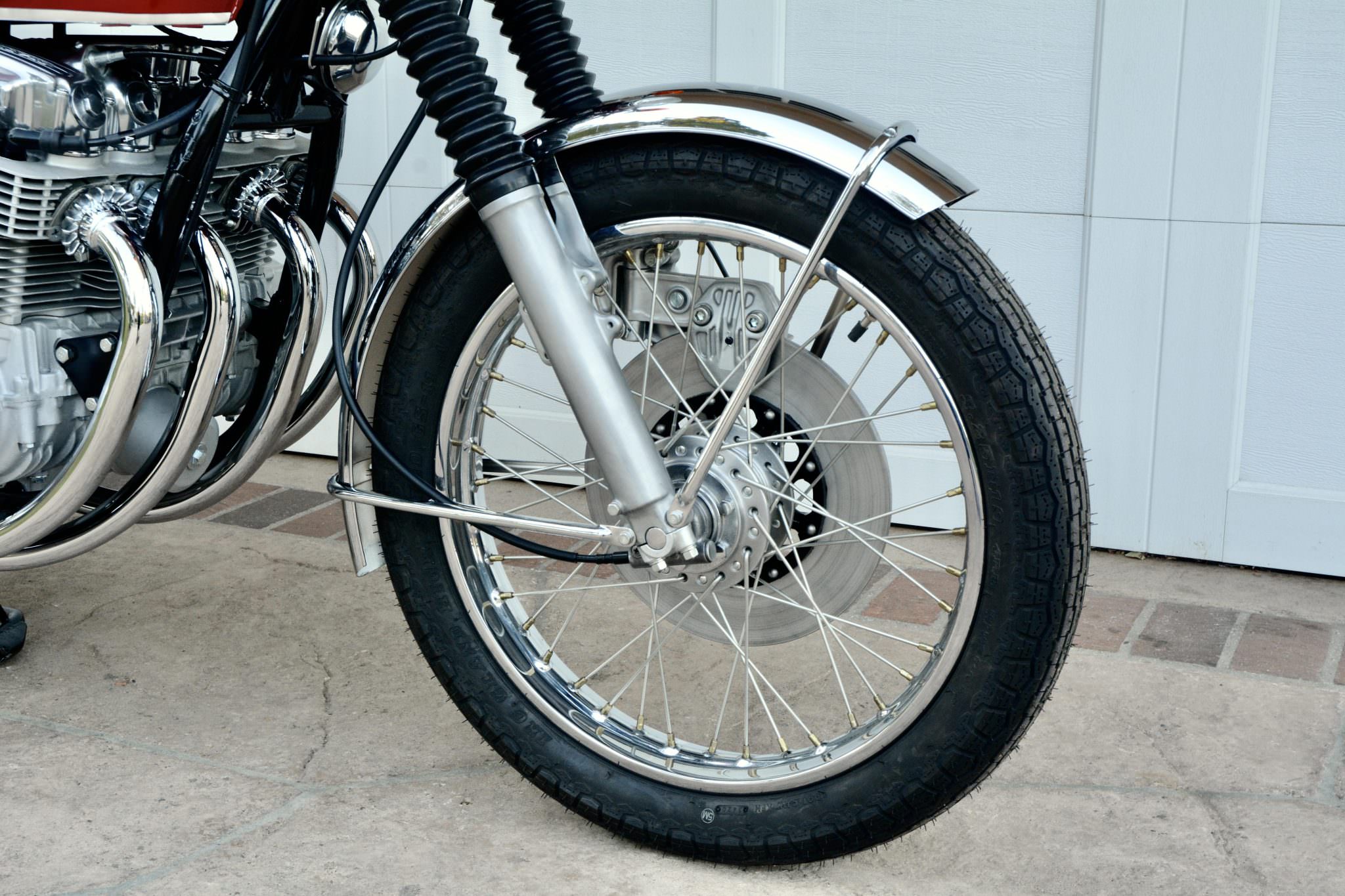
  • With its 750cc inline-four cylinder SOHC engine, four carburetors, built-in 5-speed gearbox, front disc brake, electric starter, excellent reliability, and zero oil leaks, the CB750 was a generational shift in motorcycle design. And it was affordable.
  • Honda executives had initially been skeptical that the bike would sell in numbers, and so instead of tooling up for mass production they initially relied on sandcasting for the crankcase. These early “sandcast” bikes are now highly collectible.
  •  The CB750 you see here was bought new by Steve McQueen’s Solar Productions, the company he used for much of his film making, and the entity through which he bought many of his cars and motorcycles.

The UJM: A Paradigm Shift In Motorcycle Design

The transverse four-cylinder engine with the cam up top, featuring unit construction and a quartet of carburetors had been done on production motorcycles before of course, most famously by the Italians over at MV Augusta.

Honda CB750 Sandcast 7

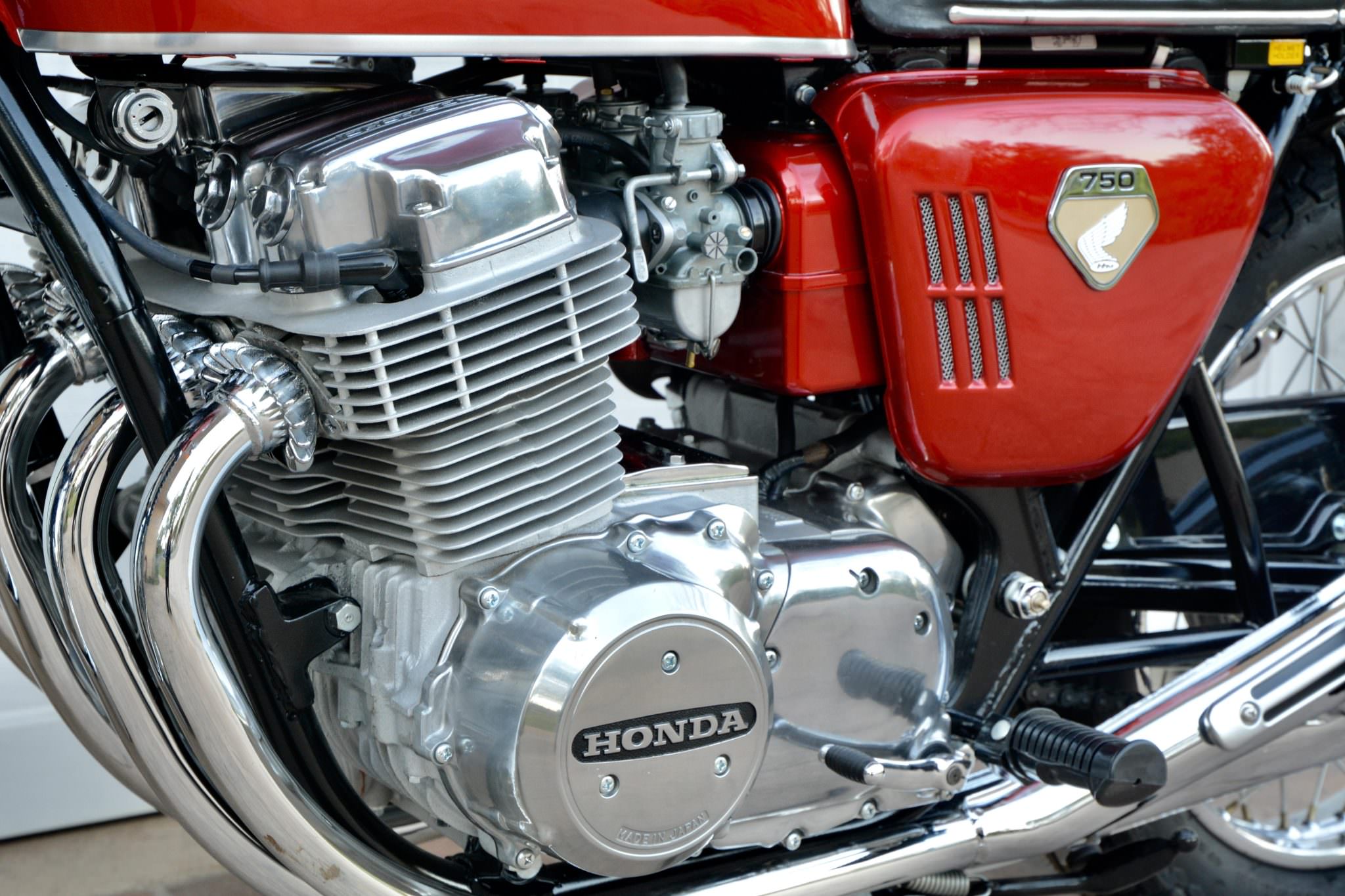
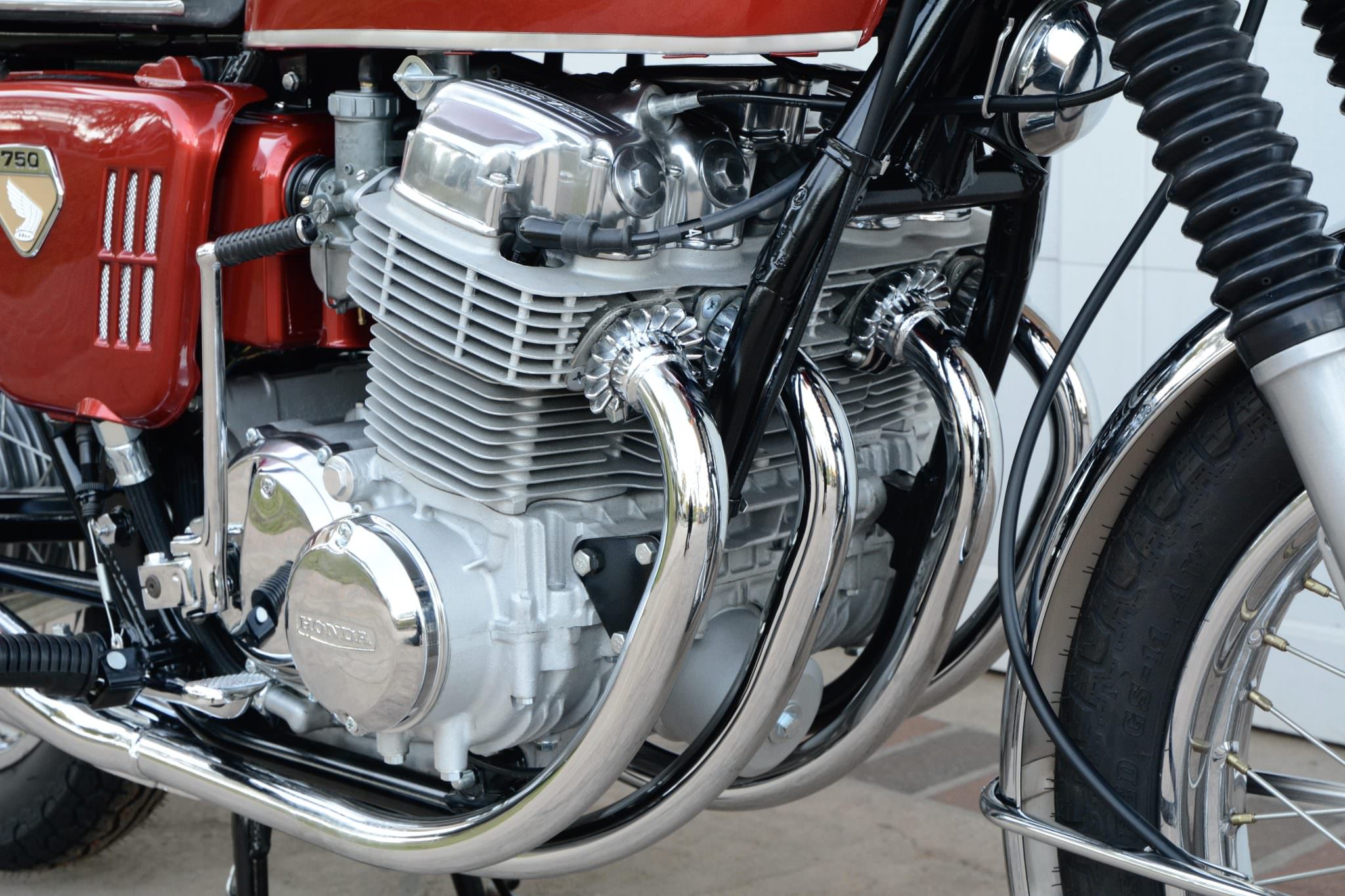
Built with unit construction, this inline-four cylinder engine with its SOHC and four carburetors would revolutionize the motorcycle industry.

What Honda did was produce a similar engine that was affordable to the average Joe, and it revolutionized the motorcycle world.

The other large Japanese motorcycle manufacturers soon copied the transverse-four design and released their own superbikes, namely Kawasaki, Suzuki, and Yamaha. These motorcycles became known as “Universal Japanese Motorcycles” or “UJM” for short.

The transverse four-cylinder engine became a de facto standard for many Japanese superbikes and this trend continues to the current day.

The Honda CB750

In the late 1960s Honda’s American motorcycle dealers were clamoring for a large-capacity motorcycle to compete with the likes of Harley-Davidson, Triumph, Norton, and the other popular British motorcycle marques that were selling tens of thousands of bikes each year in the USA.

Honda CB750 Sandcast 6

Unlike many of its contemporaries, the CB750 had an electric starter, no oil leaks, and excellent reliability. This all made it a very easy bike to live with day to day.

Honda was a little skeptical about the concept but they agreed to it regardless, and began development of an all new motorcycle.

Honda engineers, who had years of grand prix motorcycle design experience under their belts, designed a new inline-four cylinder engine that would be mounted transversely in the frame. It was built with unit construction and it had an electric starter, a 5-speed gearbox, no oil leaks, and excellent reliability.

Despite their original skepticism Honda was initially unable to build enough to meet demand, the CB750 became one of the best selling large capacity motorcycles of its time, and it very nearly killed off the British and American motorcycle industries in the process.

The Ex-Steve McQueen 1969 Honda CB750 Shown Here

This Honda CB750 is a little more special than most, it was bought new by legendary Hollywood actor Steve McQueen through his production company.

Honda CB750 Sandcast 8

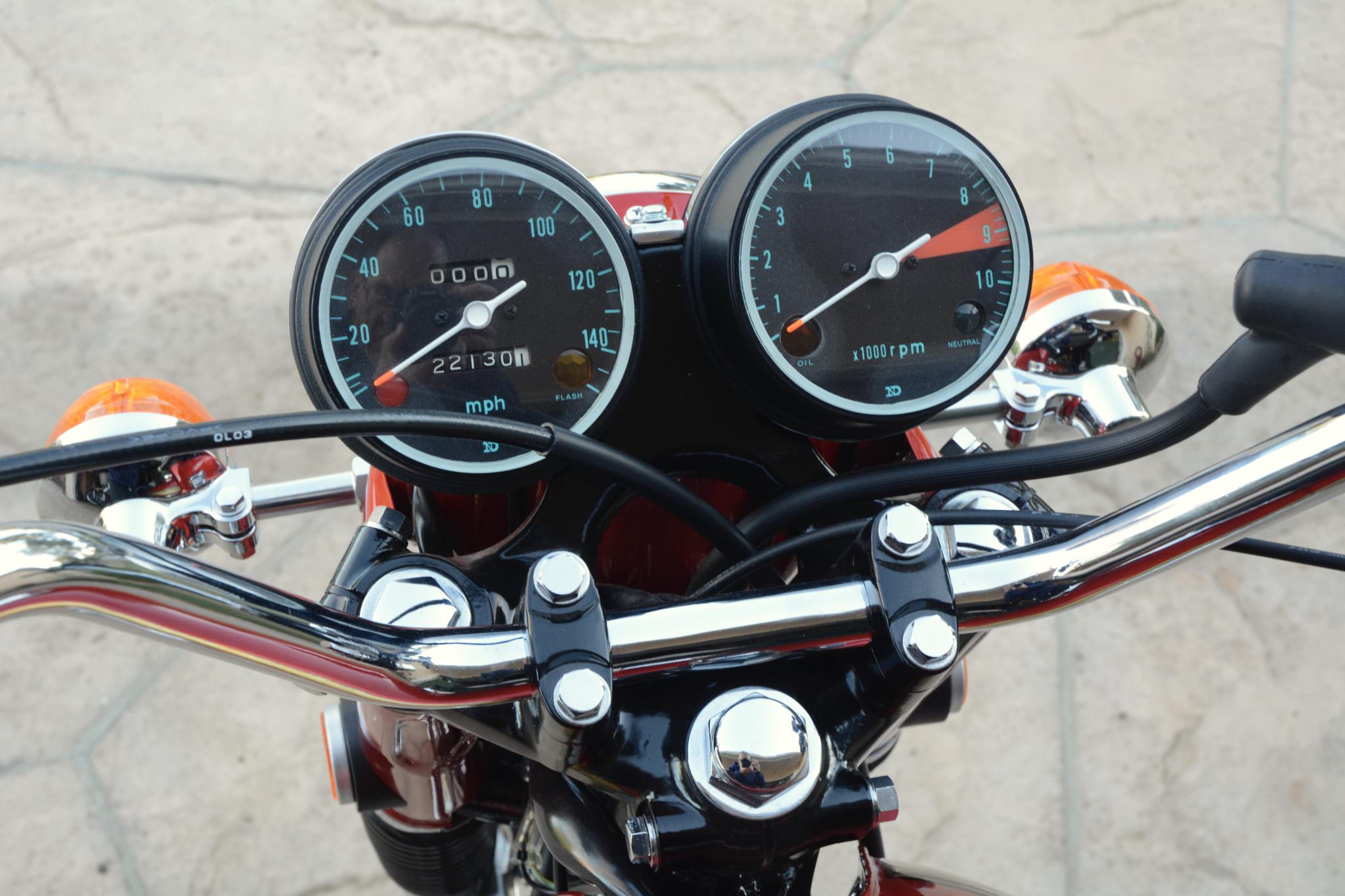
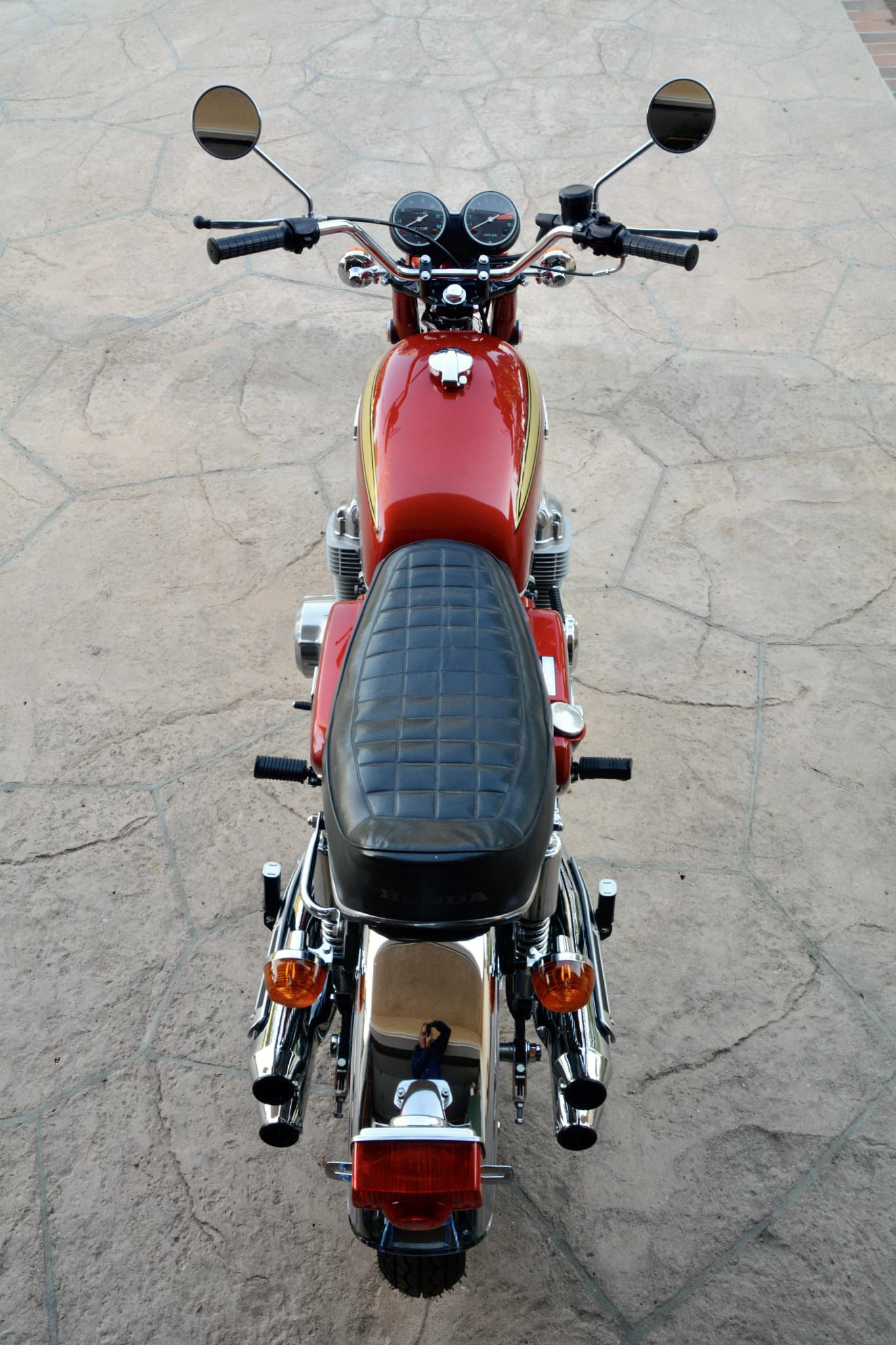
This now-restored CB750 was bought new by Steve McQueen through his production company.

McQueen was famous for being a petrolhead of the highest order, collecting cars, motorcycles, planes, four-wheel drives, and just about anything else that moved and made noise.

This bike is from the first year of production, making it a desirable “sandcast” model. During the first year that the CB750 was being built Honda relied on sandcasting for the crankcases, later models would use mass-production techniques.

For the first 45 years of its life this bike had just two owners, the first being Steve McQueen and the second being a long term owner who was careful to preserve the bike.

It just recently finished a two year restoration which was completed in February of 2022 and it’s now being offered for sale on Bring A Trailer.

If you’d like to read more about it or register to bid you can click here to visit the listing.
The bike is accompanied by original sales documentation, a letter from Honda Motor Company, a copy of an invoice from American Honda, refurbishment records, a Honda tool kit, a yellow-on-black California license plate, and a clean California title in the seller’s name.

Honda CB750 Sandcast 11 Honda CB750 Sandcast 17 Honda CB750 Sandcast 16 Honda CB750 Sandcast 14 Honda CB750 Sandcast 13 Honda CB750 Sandcast 12 Honda CB750 Sandcast 10 Honda CB750 Sandcast 9 Honda CB750 Sandcast 5 Honda CB750 Sandcast 4 Honda CB750 Sandcast 3 Honda CB750 Sandcast 2

Images courtesy of Bring A Trailer

Honda CB750 Sandcast Steve McQueen

The post There’s An Ex-Steve McQueen “Sandcast” 1969 Honda CB750 For Sale appeared first on Silodrome.


from Silodrome https://silodrome.com/steve-mcqueen-honda-cb750-sandcast/
via gqrds