For Sale: An Ex-Singaporean Military Mercedes-Benz G240 “Wolf”

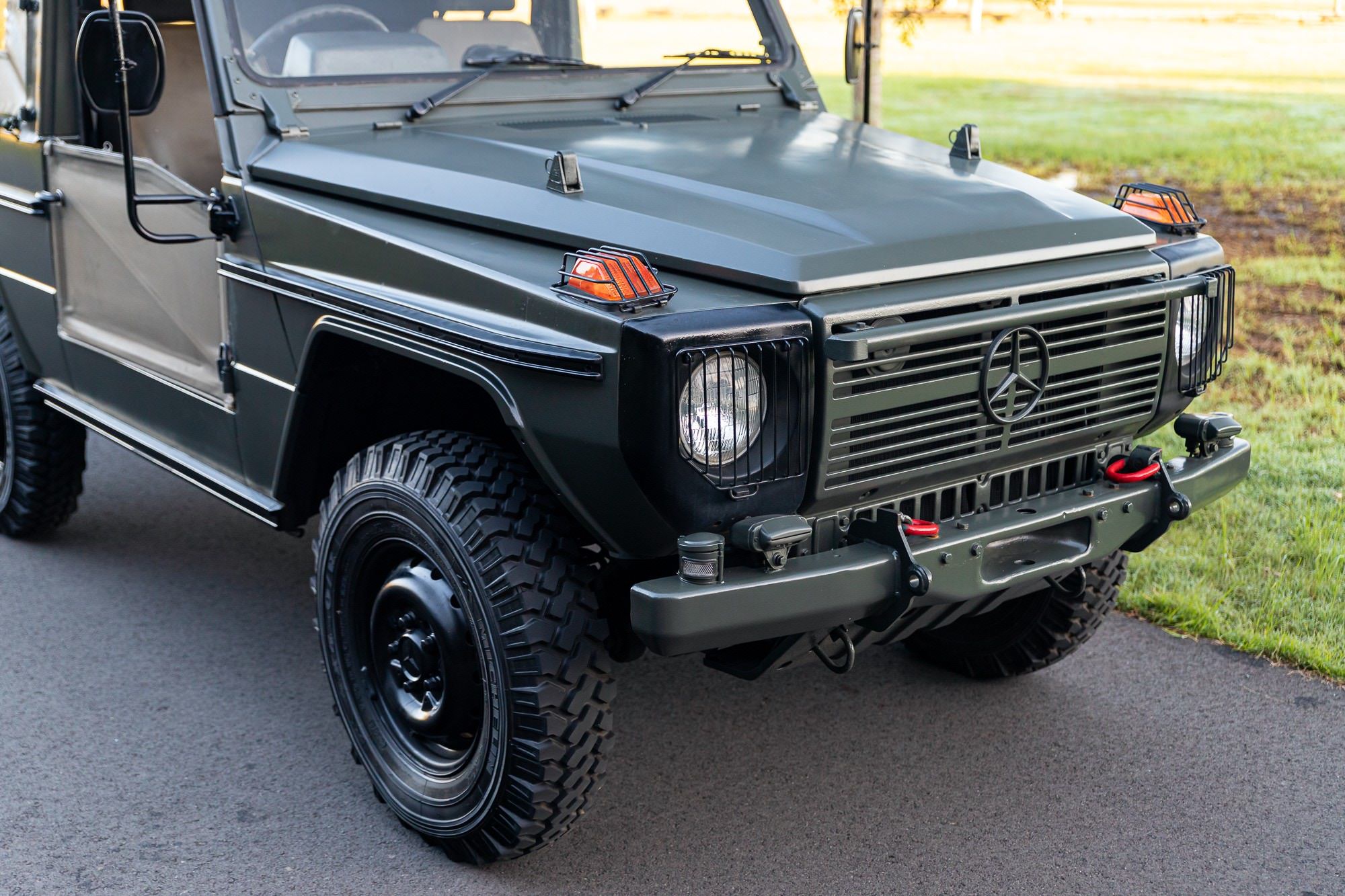
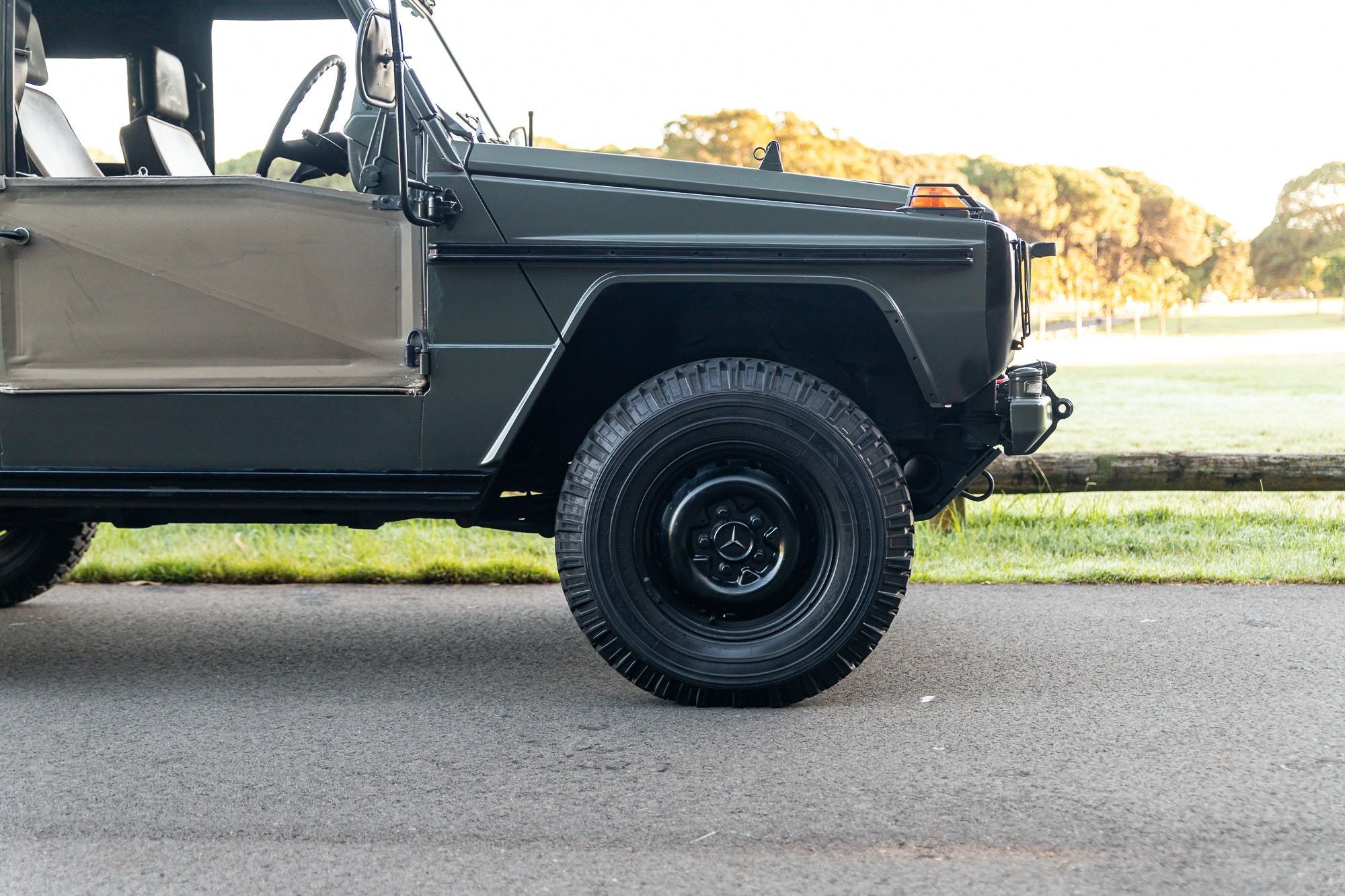
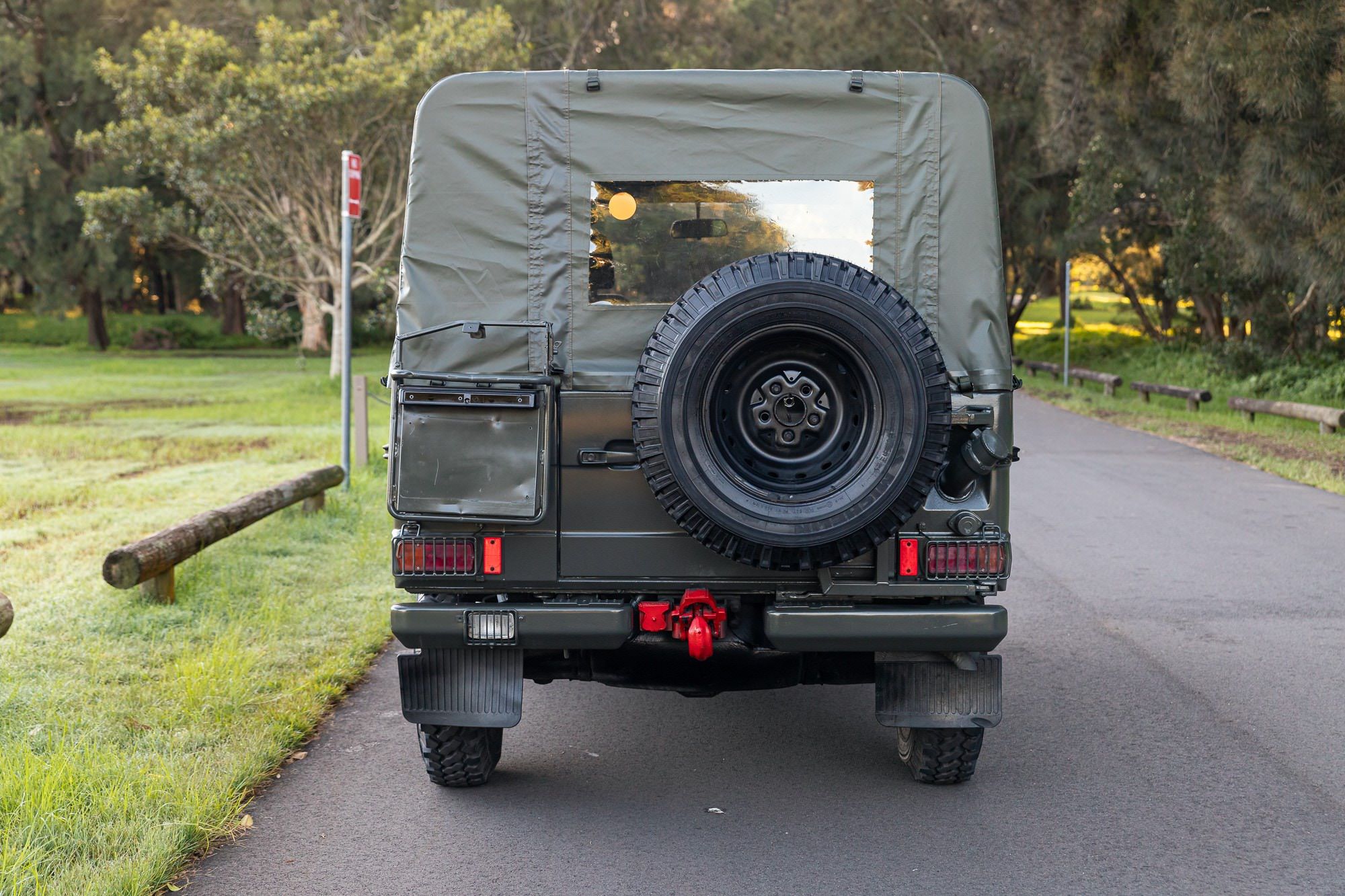
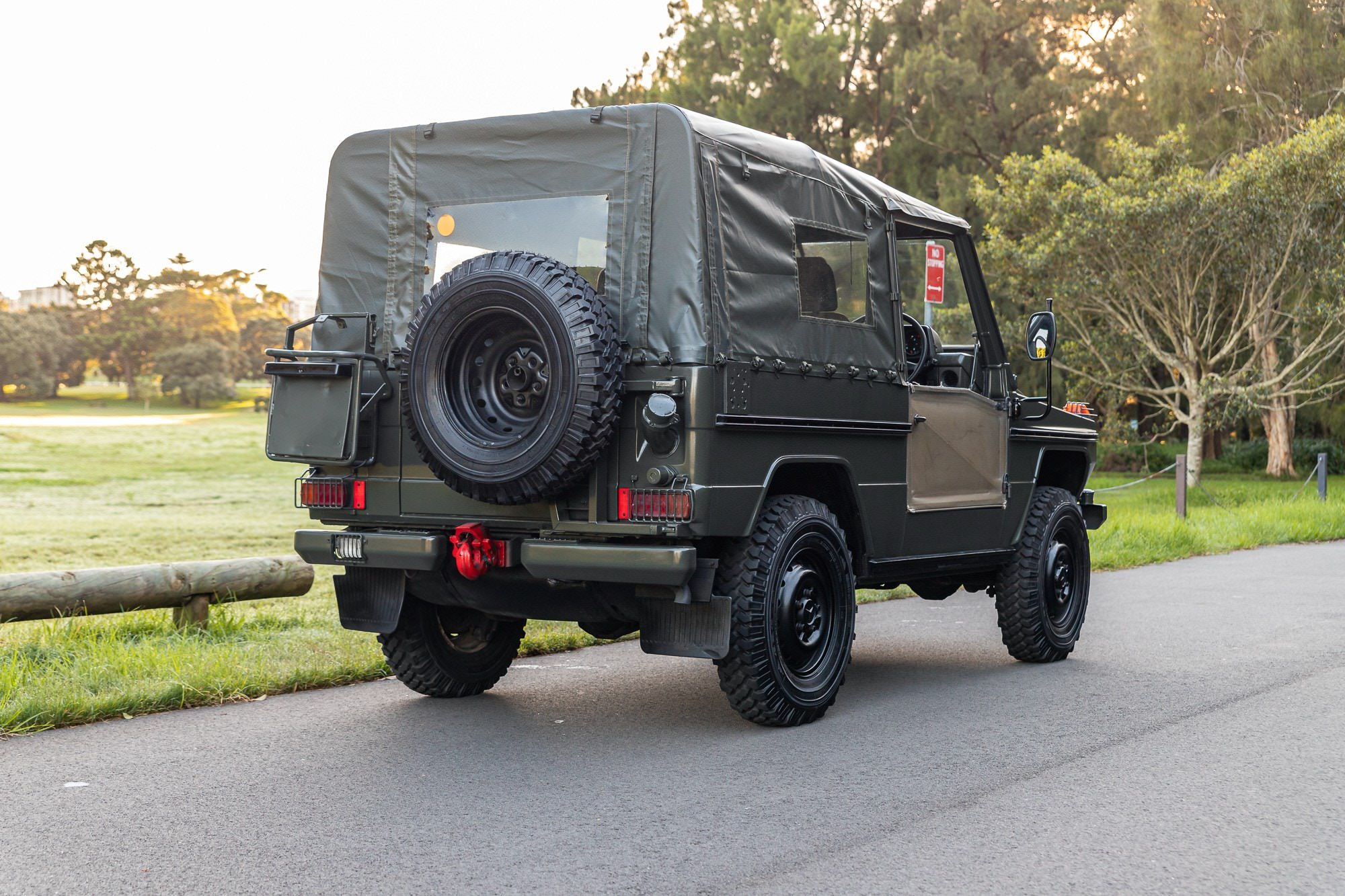
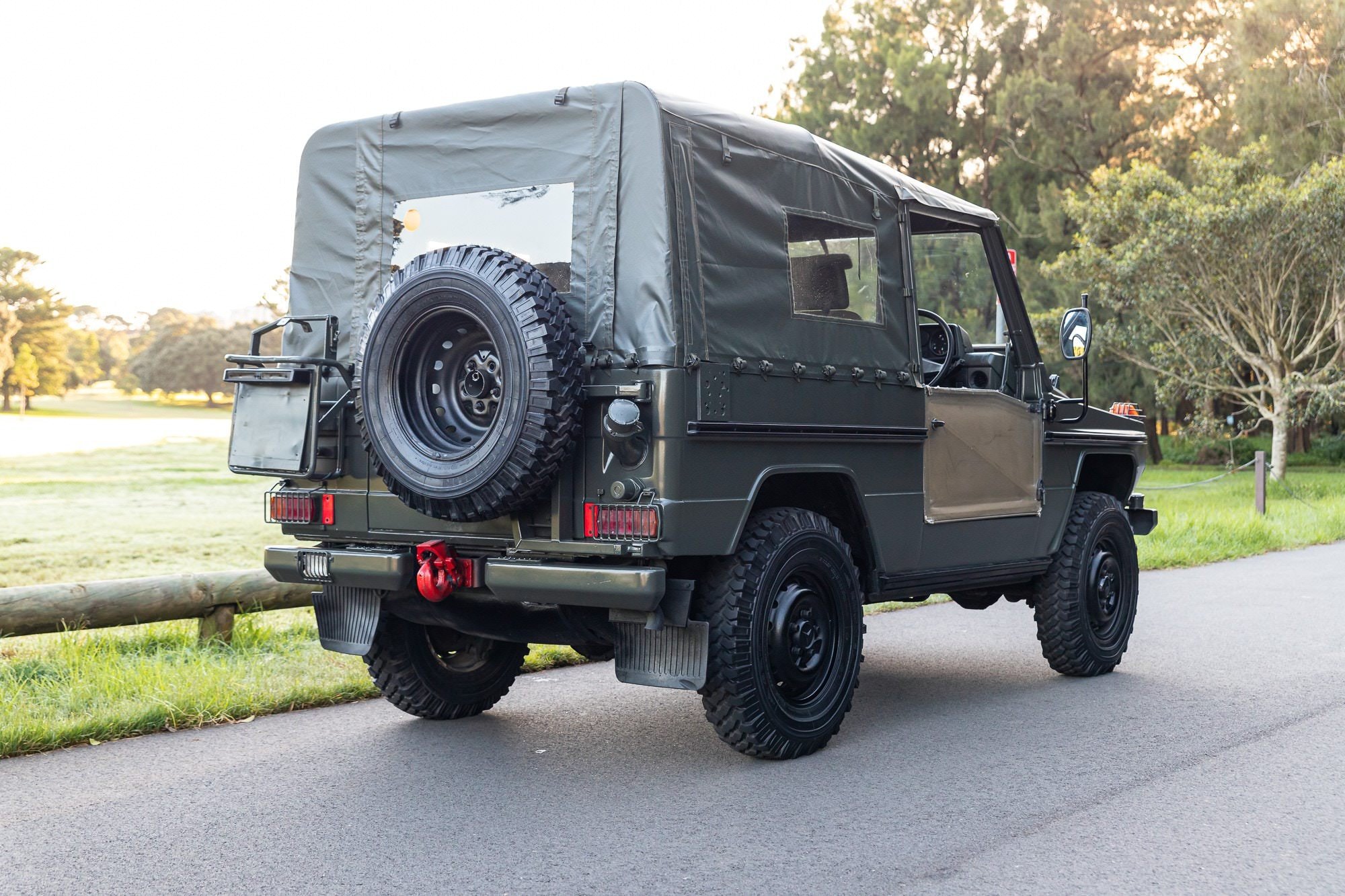
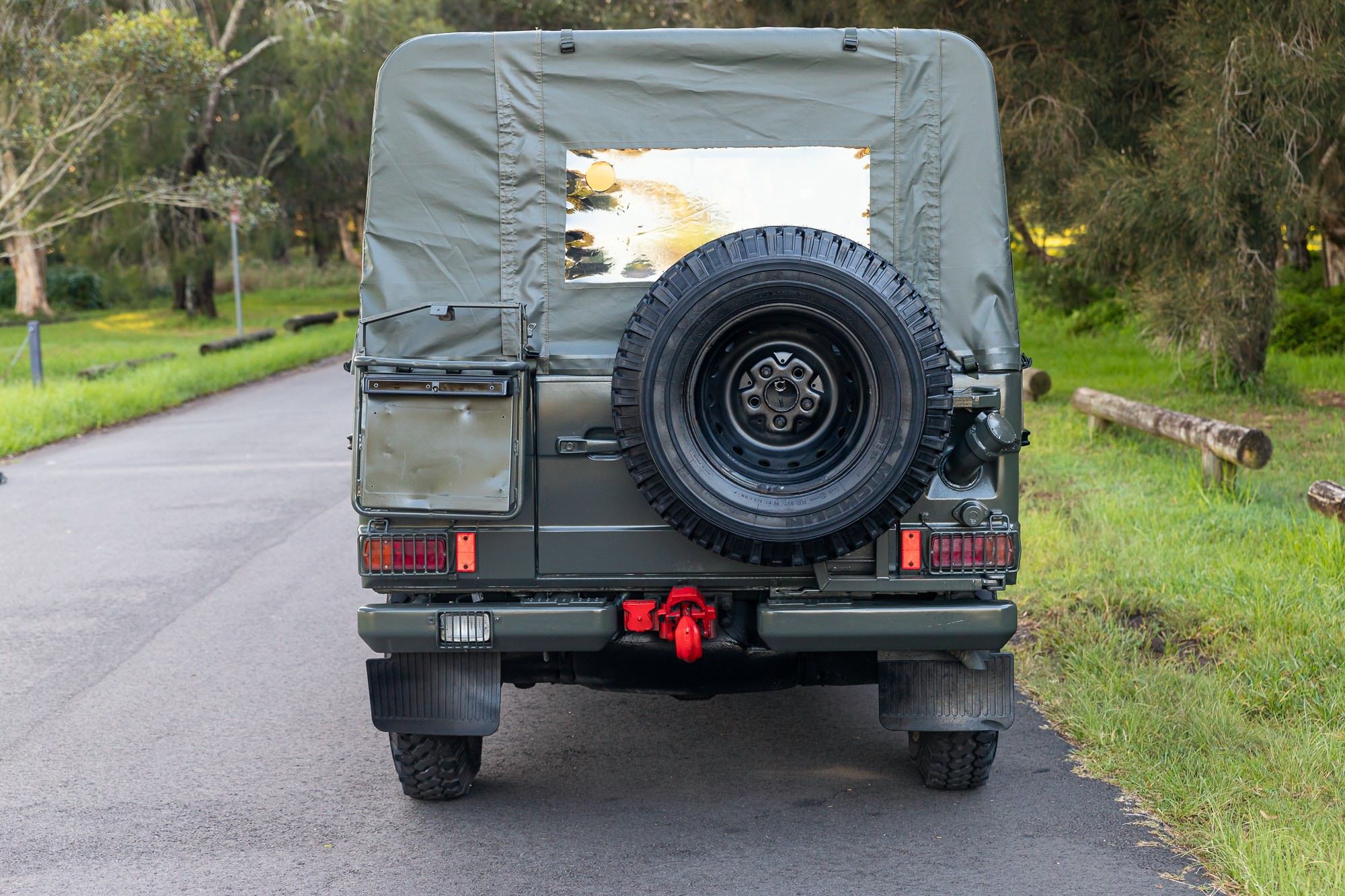
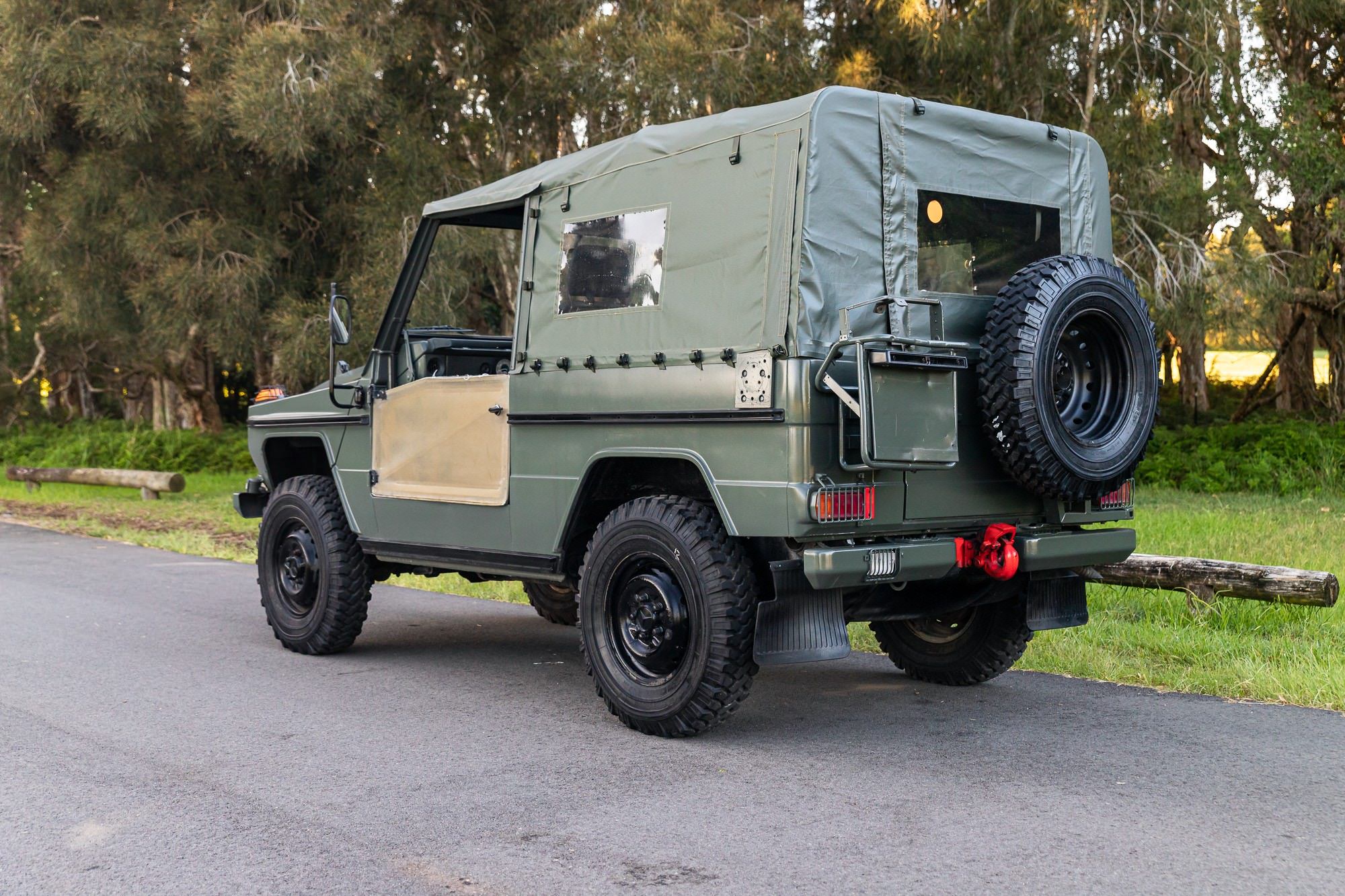
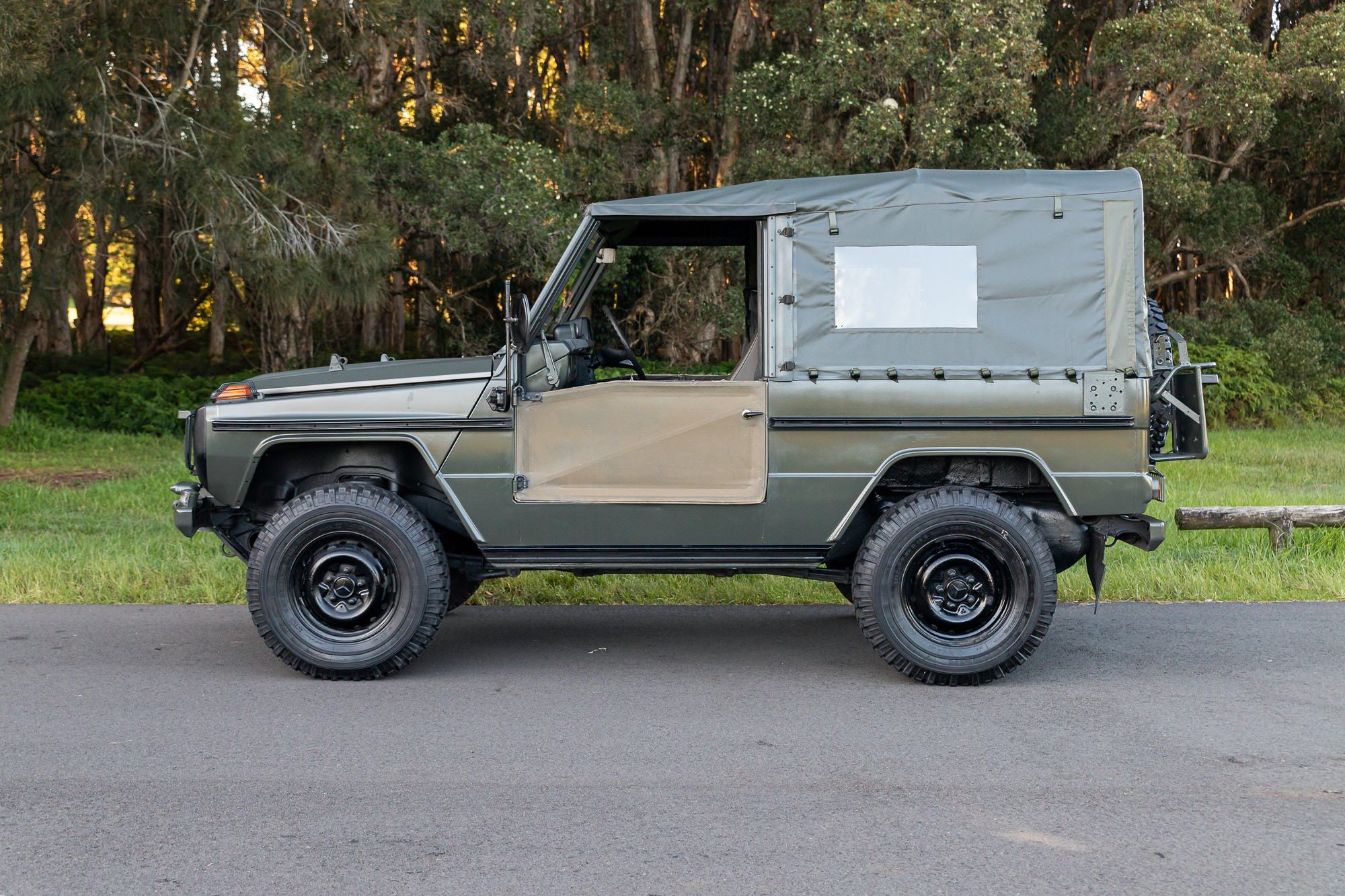
This Mercedes-Benz G240 is the military-specification “Wolf” version of the G Wagon, better known nowadays as the G Class. This vehicle was used by the Singaporean Armed Forces and is now in civilian hands.

The Mercedes G Class has undergone a transformation over the past couple of decades, modern examples are typically high-end luxury SUVs, their rough-and-ready 4×4 forebears but a distant memory.

Fast Facts – The Mercedes-Benz G240 Wolf

  • Interestingly the idea to build the G Wagon came not from within Mercedes-Benz, but from the Shah of Iran – a major Mercedes shareholder at the time.
  • Development of the G Wagon began in the early 1970s, prototypes were tested in the Sahara Desert, the Arctic Circle, and the German coalfields.
  • The primary competitors for the new 4×4 Mercedes were seen as the long-established Land Rover and Jeep, as well as Japanese off-roaders like the Toyota Land Cruiser and Nissan Patrol.
  • The “Wolf” version of the G Wagon was developed specifically for military use, they have now been deployed by over 45 nations including the United States, Australia, Canada, the United Kingdom, and Singapore.

Mercedes’ Answer To The Land Rover

All things considered, the Mercedes-Benz G Wagon was a little late to the party. The Willys Jeep had established the usefulness of a rugged four-wheel drive design during the Second World War.
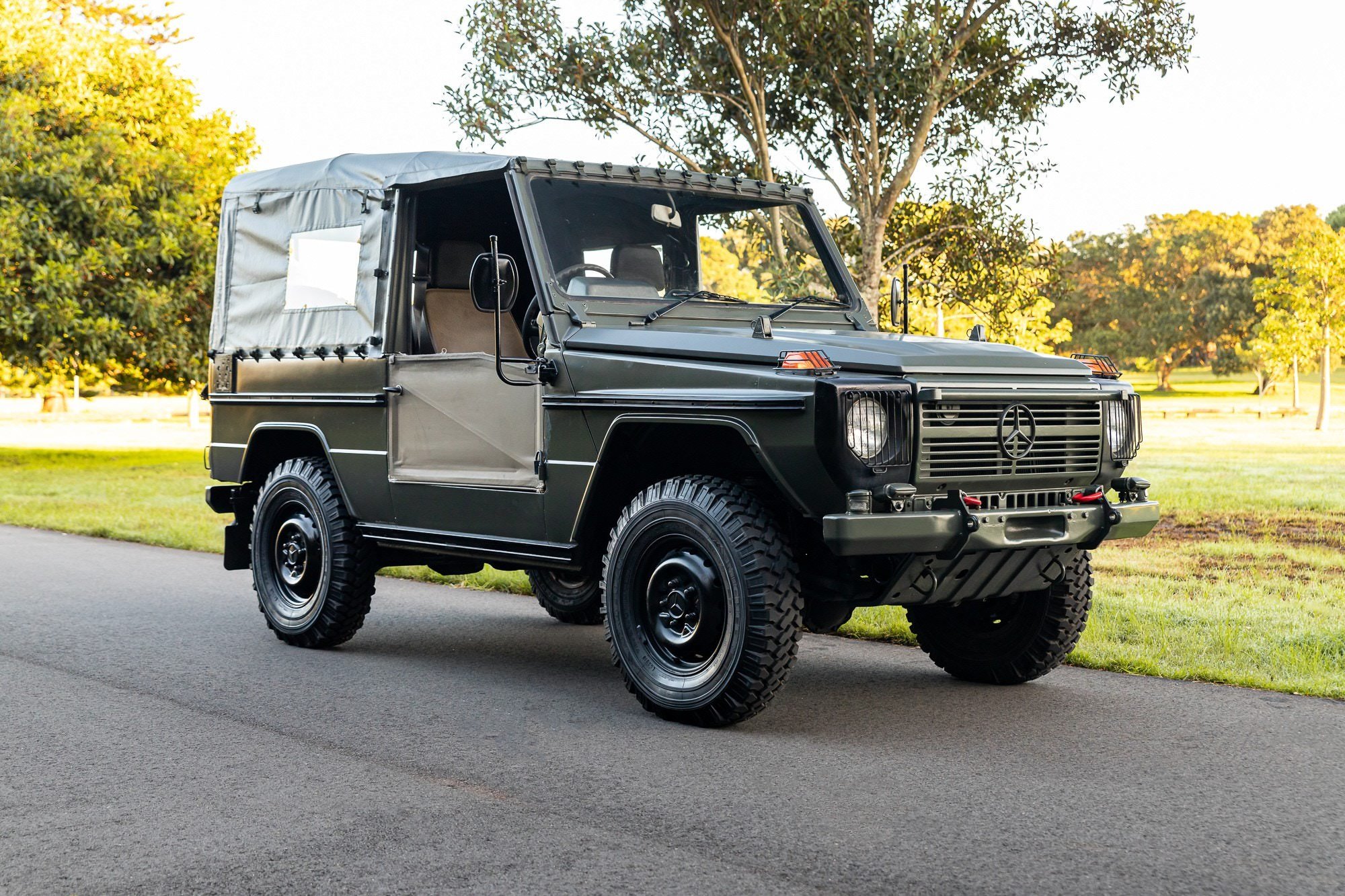
Mercedes-Benz G240 Wolf G Wagon

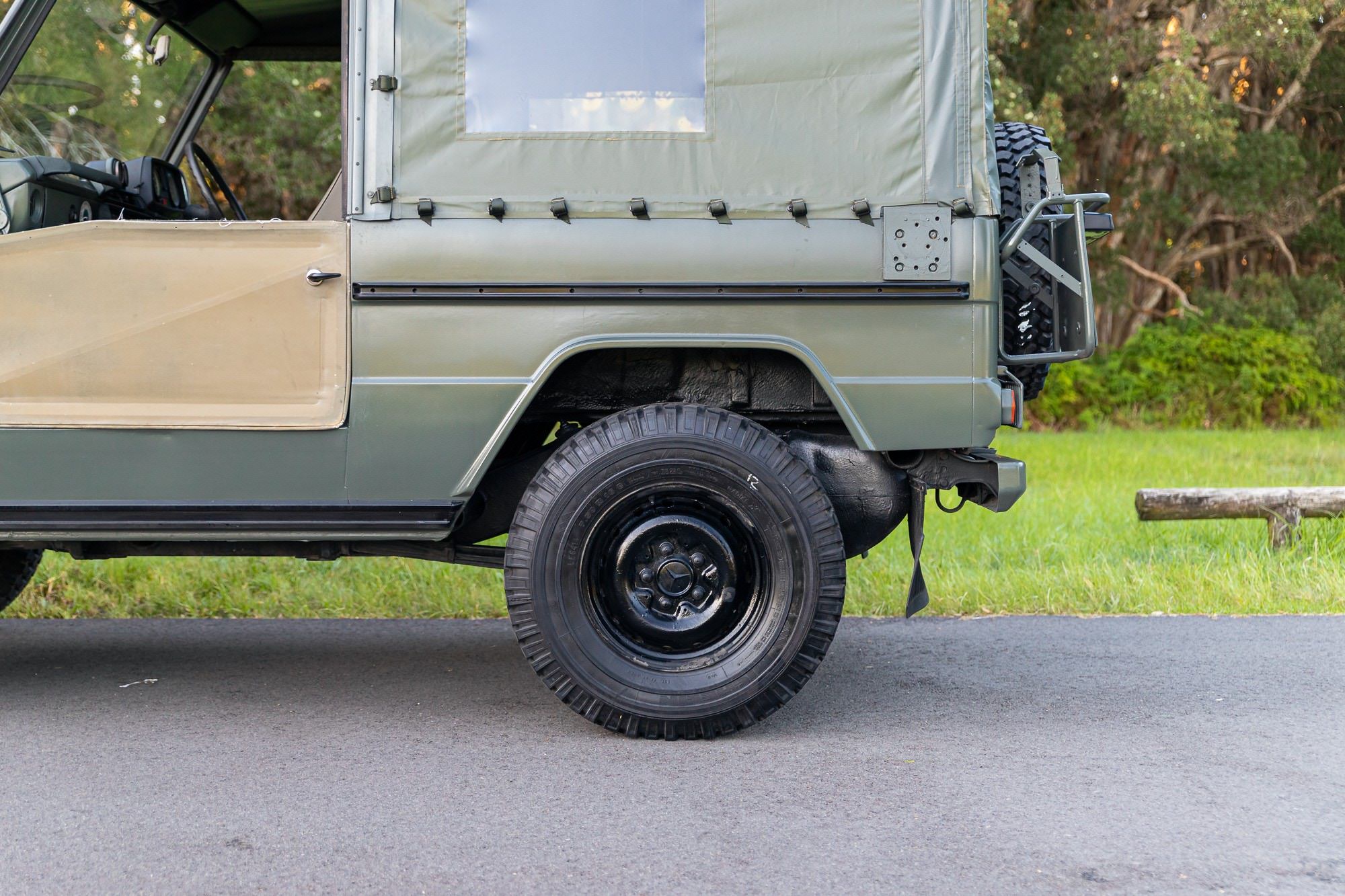
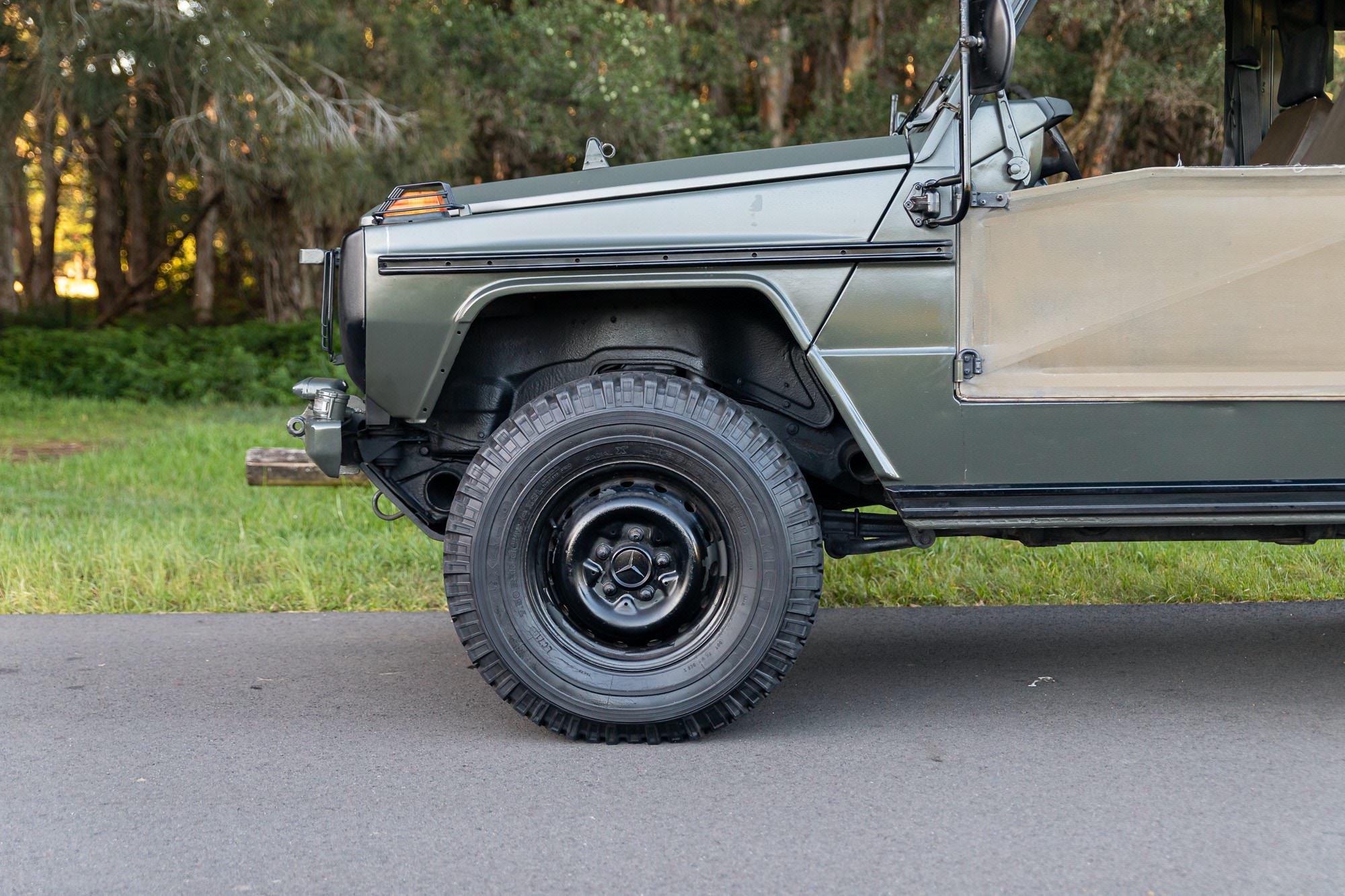
The utilitarian styling of the early G Wagons has been winning them fans for decades. The Wolf versions typically come with soft tops and they’re offered in a wide variety of versions to meet the requirements of different roles.

After the war vehicles like the Land Rover appeared to improve on the original Jeep design, followed by vehicles like the Toyota Land Cruiser, International Scout, Ford Bronco, Jeep Wagoneer, Range Rover, Nissan Patrol, and countless others.

It’s possible that Mercedes felt they didn’t need a competitor in the niche as they were focussed more on the luxury road-car end of the market. It’s also possible that they felt the Unimog, which they had taken over manufacturing for in 1951, was already enough to compete in the off-road genre.

Whatever their reasoning it took the Shah of Iran, a major Mercedes shareholder at the time, to convince them they needed a Land Rover-equivalent vehicle in their line up.

Development for the G Wagon began in 1972, by the mid-1970s Mercedes had prototypes being tested in some of the world’s most extreme environments both locally in Germany in the coalfields and further afield.

Cold weather testing was done above the Arctic Circle and warm weather testing was done in the Sahara.

Production began in 1979, the design and development was done by Daimler-Benz working with Steyr-Daimler-Puch, final production would take place at the Steyr-Daimler-Puch facilities in Graz, Austria.
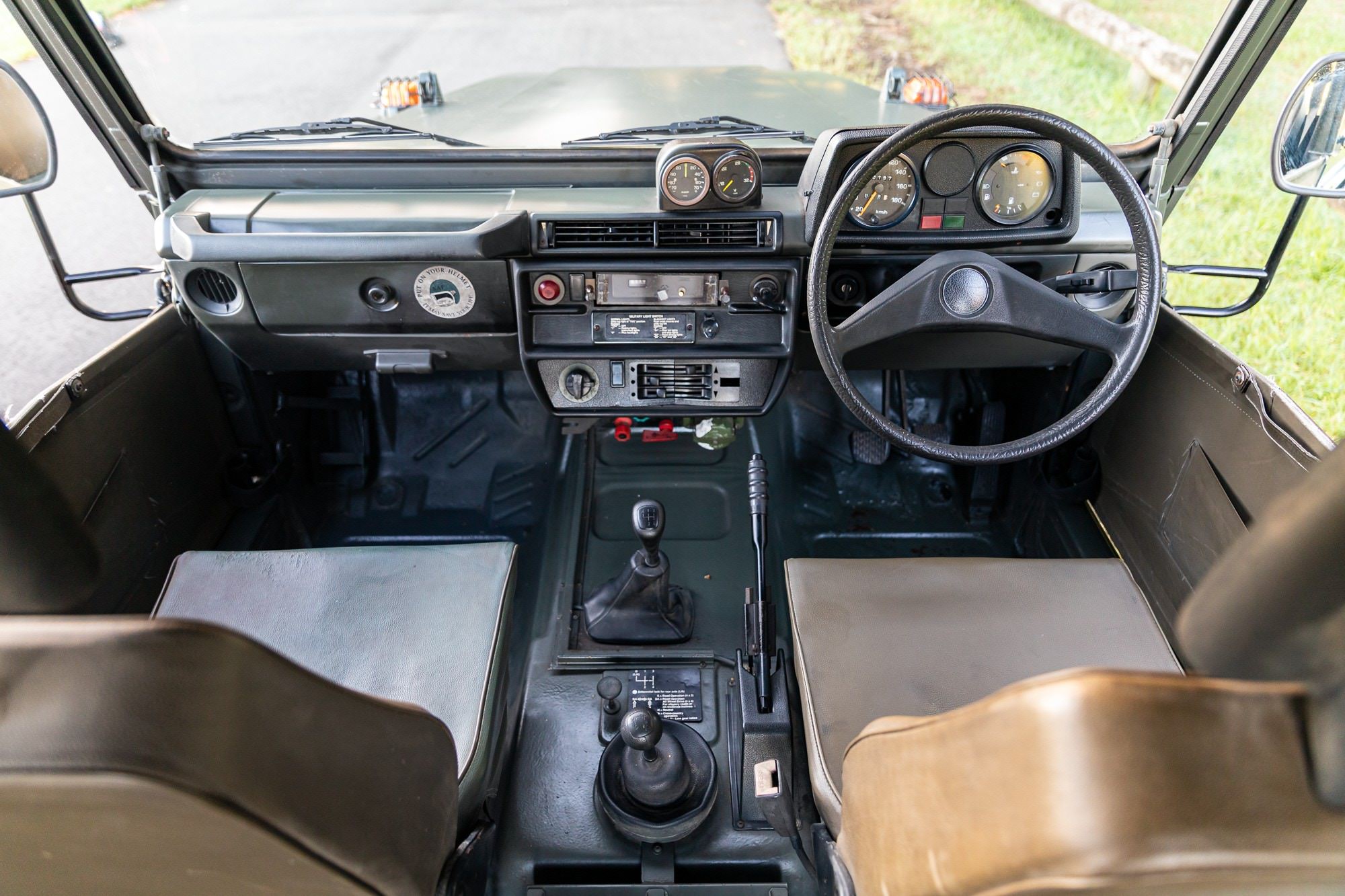
Mercedes-Benz G240 Wolf G Wagon 18

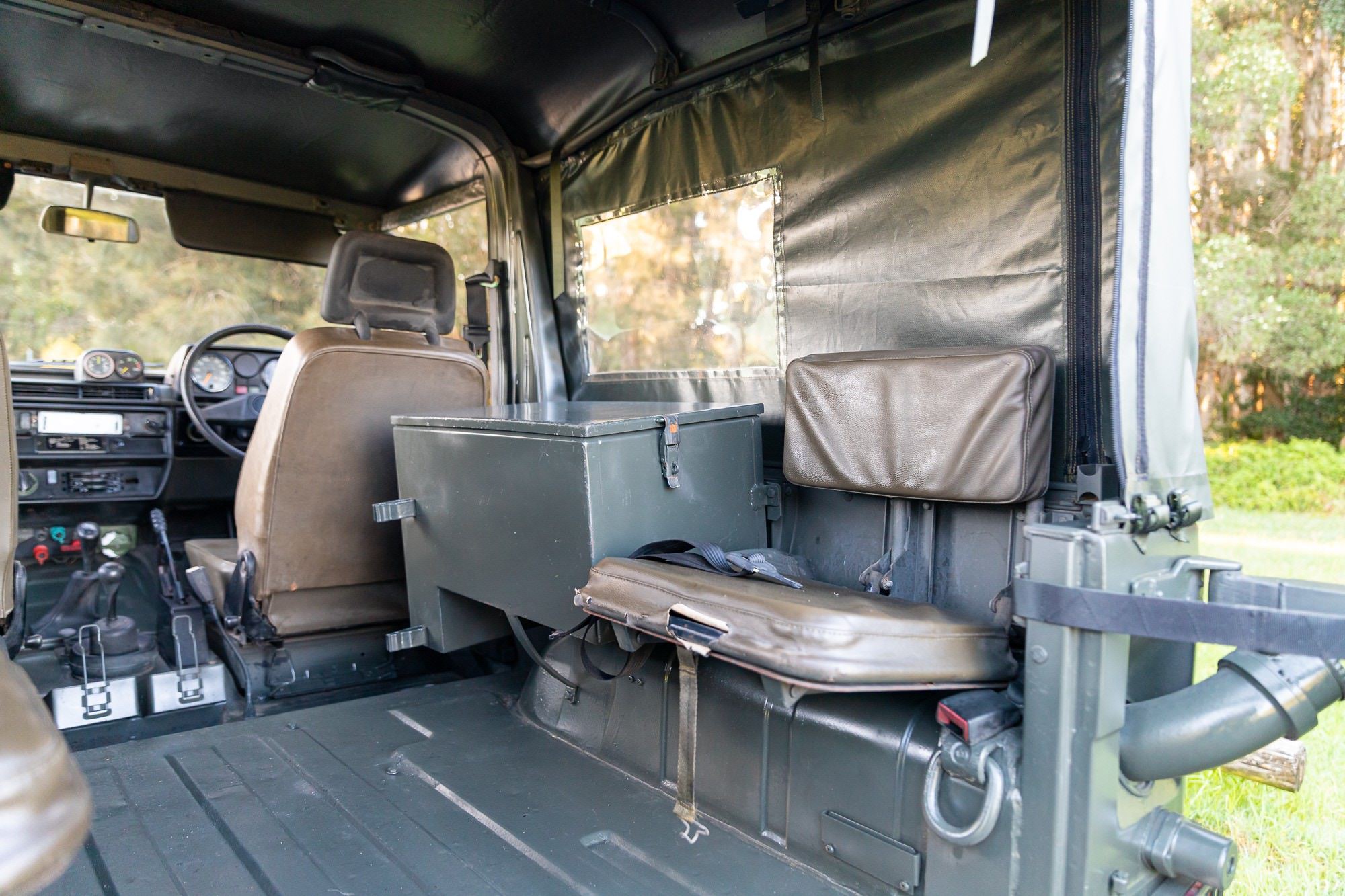
Civilian versions of the G Wagon, now called the G Class, have been getting more and more luxurious over time. The Wolf sits at the opposite end of the scale, it’s a purely functional vehicle designed for rough military use.

The first few years of production saw the G Wagon remain a relatively rugged four-wheel drive vehicle, perhaps more similar to the Range Rover than the Land Rover.

The Wolf military version was released and quickly adopted by the militaries of many nations, it remains one of the most popular military 4x4s in the world today, in operation with over 45 nations world wide.

Mercedes-Benz G240 “Wolf” Specifications

Mercedes-Benz G240 Wolf is powered by a naturally aspirated 2.4 liter inline-four cylinder diesel engine, power is sent to all four wheels via a two-speed transfer case and a four-speed manual transmission.

That two-speed transfer case gives the G240 both high and low range, a concept that’ll be immediately familiar to those of you with off-road driving experience. In short, the high range option is chosen for higher speed driving, on a highway for example. The low speed option is chosen for challenging, low speed off-road terrain.

Many of the naturally aspirated diesel engines used by Mercedes in the Wolf series were relatively low on power as longevity and reliability was prioritized over everything else. It’s said that a Wolf can run for a million miles at a minimum with just standard maintenance.
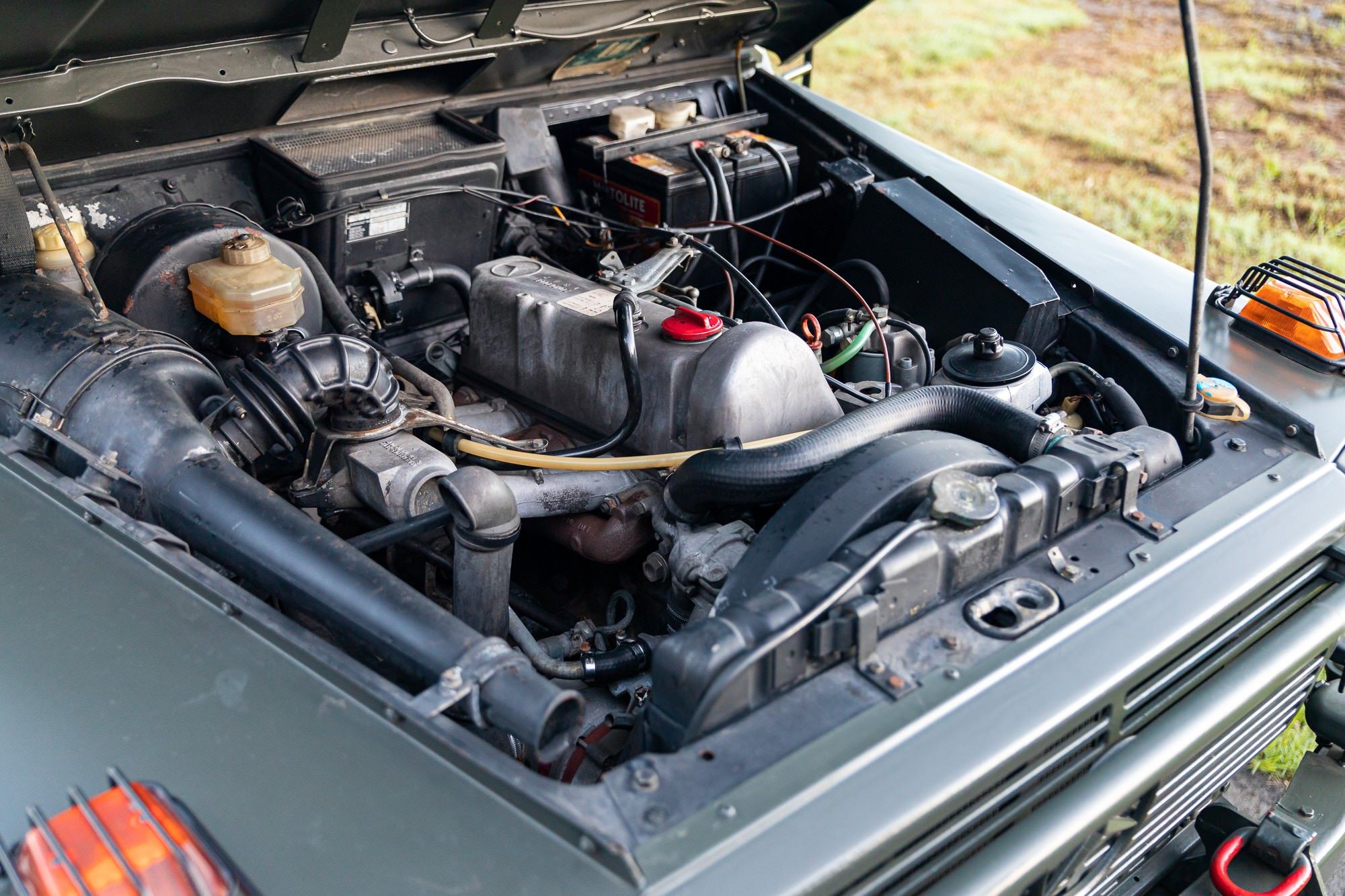
Mercedes-Benz G240 Wolf G Wagon 12

The 2.4 liter diesel engine fitted to the G240 may not be powerful, but they are said to be capable of over a million miles or more with just standard maintenance.

The 2.4 liter engine in the G240 produces 71 bhp and 101 lb ft of torque, it’s proven itself in military use for well over 30 years right around the world, and on the plus side it’ll never let you get a speeding ticket.

As with all first generation G Wagons, the G240 has body-on-chassis construction, with live axles front and rear riding on coil springs, with transverse links and telescopic shock-absorbers front and back.

The 1990 Mercedes-Benz G240 “Wolf” Shown Here

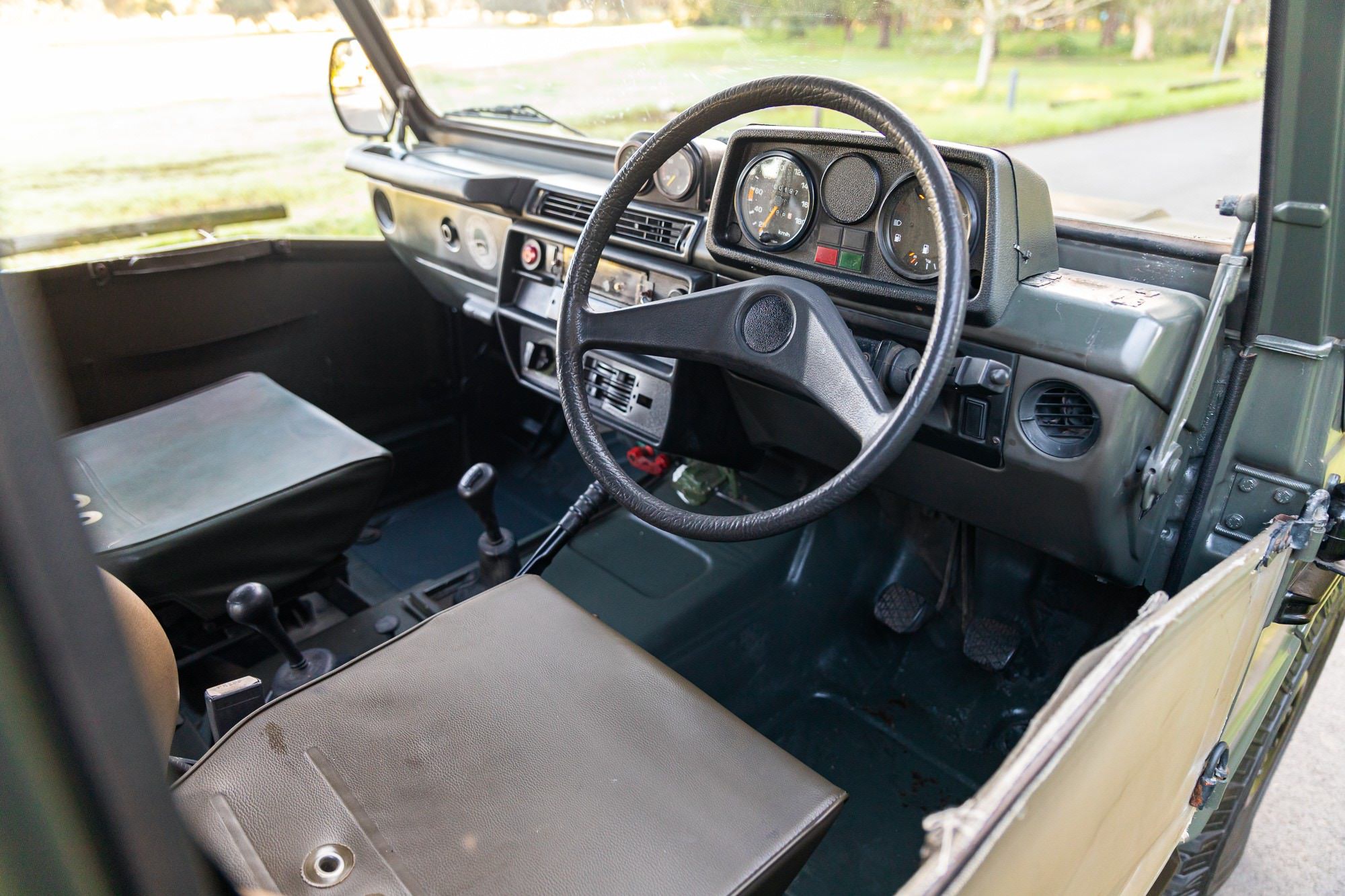
The G240 Wolf you see here is a particularly interesting example, it was originally used by the Singapore Armed Forces and after being sold off it was imported into Australia.

Singapore has a famously meticulous military that is well armed and well trained. As a small city state with a population of just 5.7 million, the country rose from third world to first world status in a single generation – creating a road map for others to follow in the process.

Former Singapore military vehicles are in demand with collectors due to the excellent maintenance and limited use they typically see. The vehicle you see here has just 201 kilometers on the odometer, however there’s no way to know if this has been swapped out at some point.

This G240 is currently being offered for sale by Collecting Cars out of Bondi in Sydney, on the east coast of Australia. If you’d like to read more about it or register to bid you can click here to visit the listing.

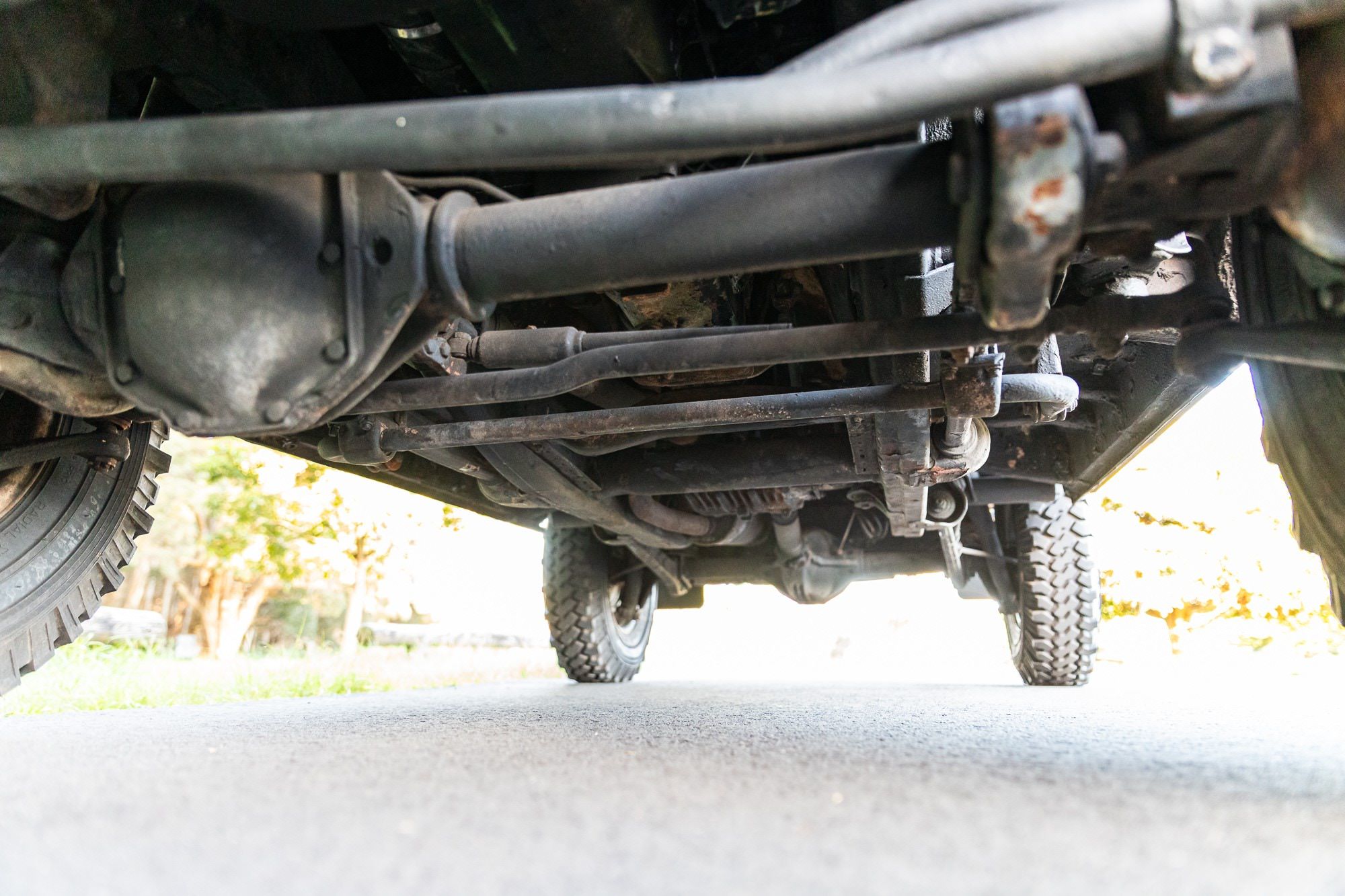
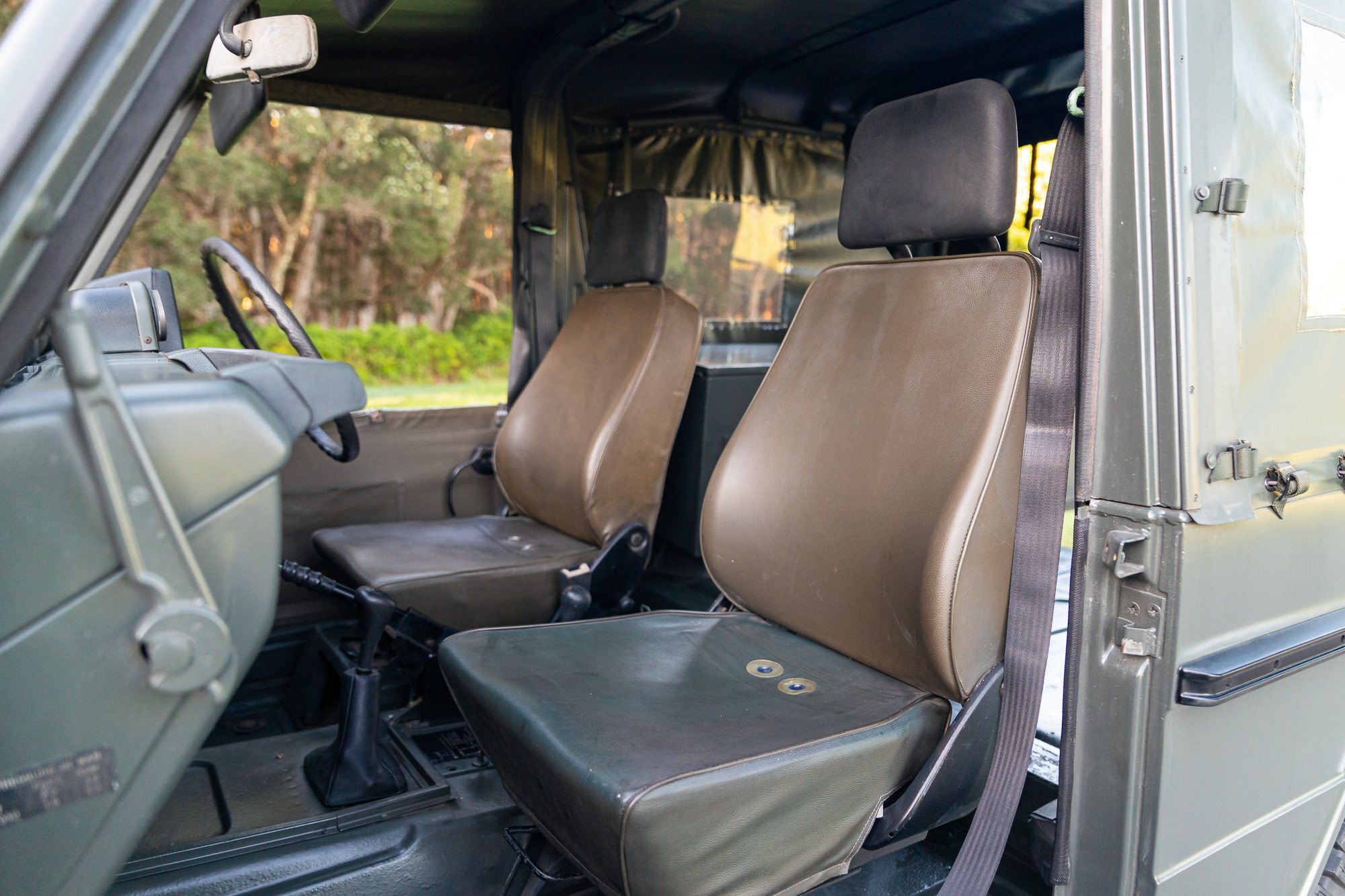
Mercedes-Benz G240 Wolf G Wagon 7 Mercedes-Benz G240 Wolf G Wagon 22 Mercedes-Benz G240 Wolf G Wagon 21 Mercedes-Benz G240 Wolf G Wagon 20 Mercedes-Benz G240 Wolf G Wagon 19 Mercedes-Benz G240 Wolf G Wagon 16 Mercedes-Benz G240 Wolf G Wagon 15 Mercedes-Benz G240 Wolf G Wagon 13 Mercedes-Benz G240 Wolf G Wagon 11 Mercedes-Benz G240 Wolf G Wagon 10 Mercedes-Benz G240 Wolf G Wagon 9 Mercedes-Benz G240 Wolf G Wagon 8 Mercedes-Benz G240 Wolf G Wagon 6 Mercedes-Benz G240 Wolf G Wagon 5 Mercedes-Benz G240 Wolf G Wagon 4 Mercedes-Benz G240 Wolf G Wagon 3 Mercedes-Benz G240 Wolf G Wagon 1

Images courtesy of Collecting Cars

Mercedes-Benz G240 Wolf G Wagon 14

The post For Sale: An Ex-Singaporean Military Mercedes-Benz G240 “Wolf” appeared first on Silodrome.


from Silodrome https://silodrome.com/mercedes-benz-wolf-g-wagon-g240/
via gqrds

Full Documentary: The Thrill Driver’s Choice – Circa 1956

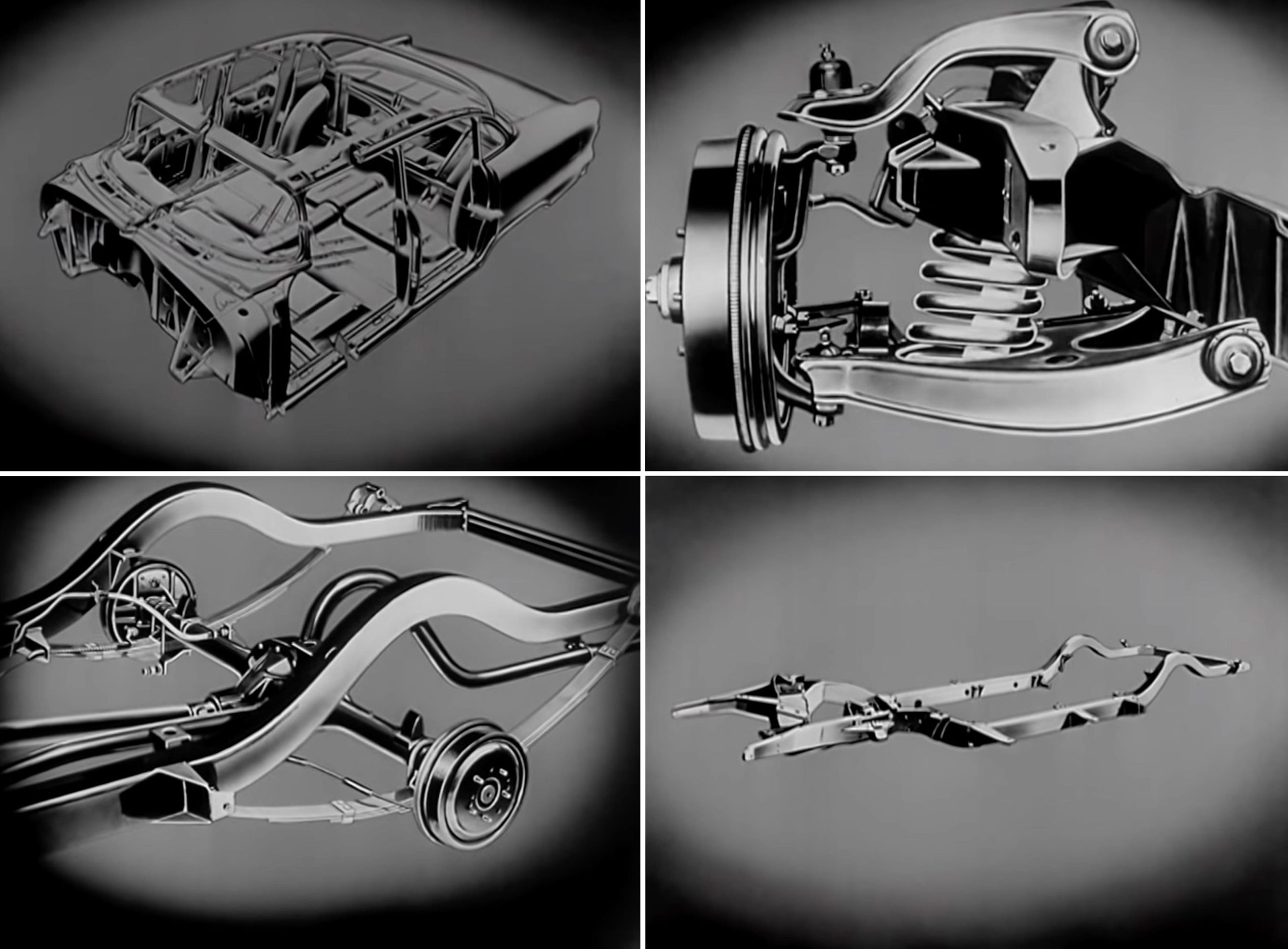
The Thrill Driver’s Choice is a film that was made by Chevrolet to showcase the engineering that went into their 1956 model year vehicles.

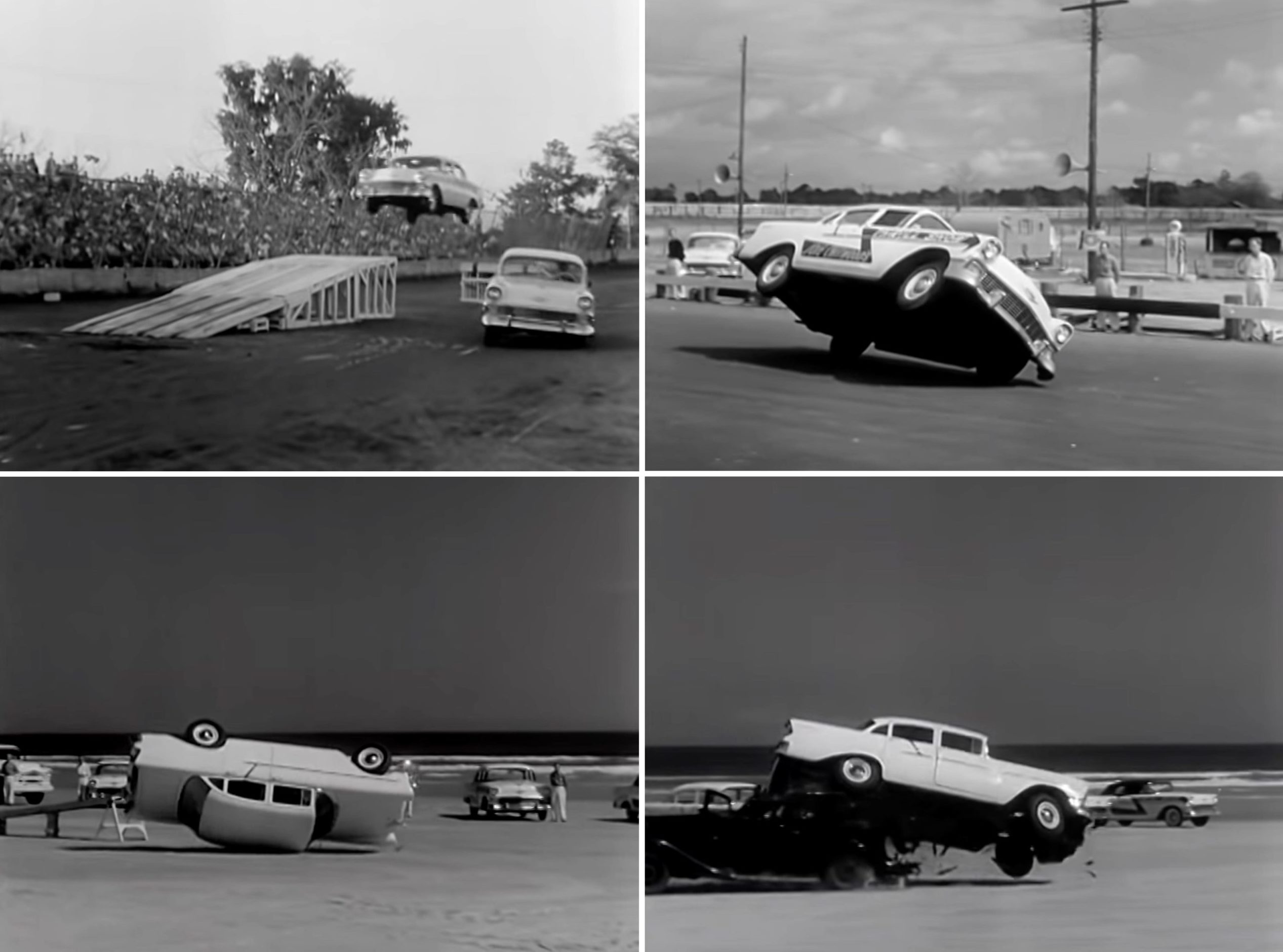
The film centers around Joie Chitwood and the famous Joie Chitwood “Hell Drivers” Thrill Show. Chitwood would personally crash over 3,000 cars (on purpose) over the course of his career, becoming a national legend in the process.

During the death defying performances of Chitwood and his Hell Drivers, standard Chevrolet vehicles were used. This was by design as it was a marketing gold mine for the automaker – they could extoll the engineering and toughness inherent to their designs to hundreds of thousands of show-goers each year.

Joie Chitwood Hell Drivers Thrill Show

Joie Chitwood is said to have personally crashed over 3,000 cars over the course of his career. Later in life he became a car safety consultant, intentionally crashing vehicles for subsequent investigation.

This 10 minute film from Chevrolet was created with Joie Chitwood, it includes plenty of footage from his shows in the mid-1950s, and plenty of discussion about why he chose Chevrolets.

Interestingly during one of the Hell Driver shows in Butte, Montana a young man named Robert Knievel was in the audience. He was so impressed with the show that he vowed to become a professional dare devil himself.

He would grow up to be Evel Knievel, the most famous dare devil in history.

Chevrolet Engineering

The film goes into detail about the benefits of Chevrolet engineering and why the cars were ideal for use by the Hell Drivers. There’s some exaggeration of course, it is marketing after all.

Over the course of his career Joie Chitwood performed thousands of shows across North America. He also doubled as a Hollywood stunt driver and coordinator, appearing in over 60 feature films starting with the 1950 film To Please a Lady starring Clark Gable and Barbara Stanwyck.

He would later perform the driving stunts in James Bond’s Live and Let Die, he also had a minor speaking role in the film.

Chitwood was inducted into the Motorsports Hall of Fame of America in 2010, he had earlier been added to the National Sprint Car Hall of Fame in 1993, The Eastern Auto Racing Club Old Timers Club inducted him in 1979, and he was the President of the 100 Mile An Hour Club at Indianapolis in 1967.

Read more about Joie Chitwood and his Hell Drivers here.

Joie Chitwood Hell Drivers Thrill Show 1 Joie Chitwood Hell Drivers Thrill Show

The post Full Documentary: The Thrill Driver’s Choice – Circa 1956 appeared first on Silodrome.


from Silodrome https://silodrome.com/thrill-drivers-choice-documentary/
via gqrds

Bizarre Project Car: An ETV “Extra Terrestrial Vehicle” – $10,400+ USD

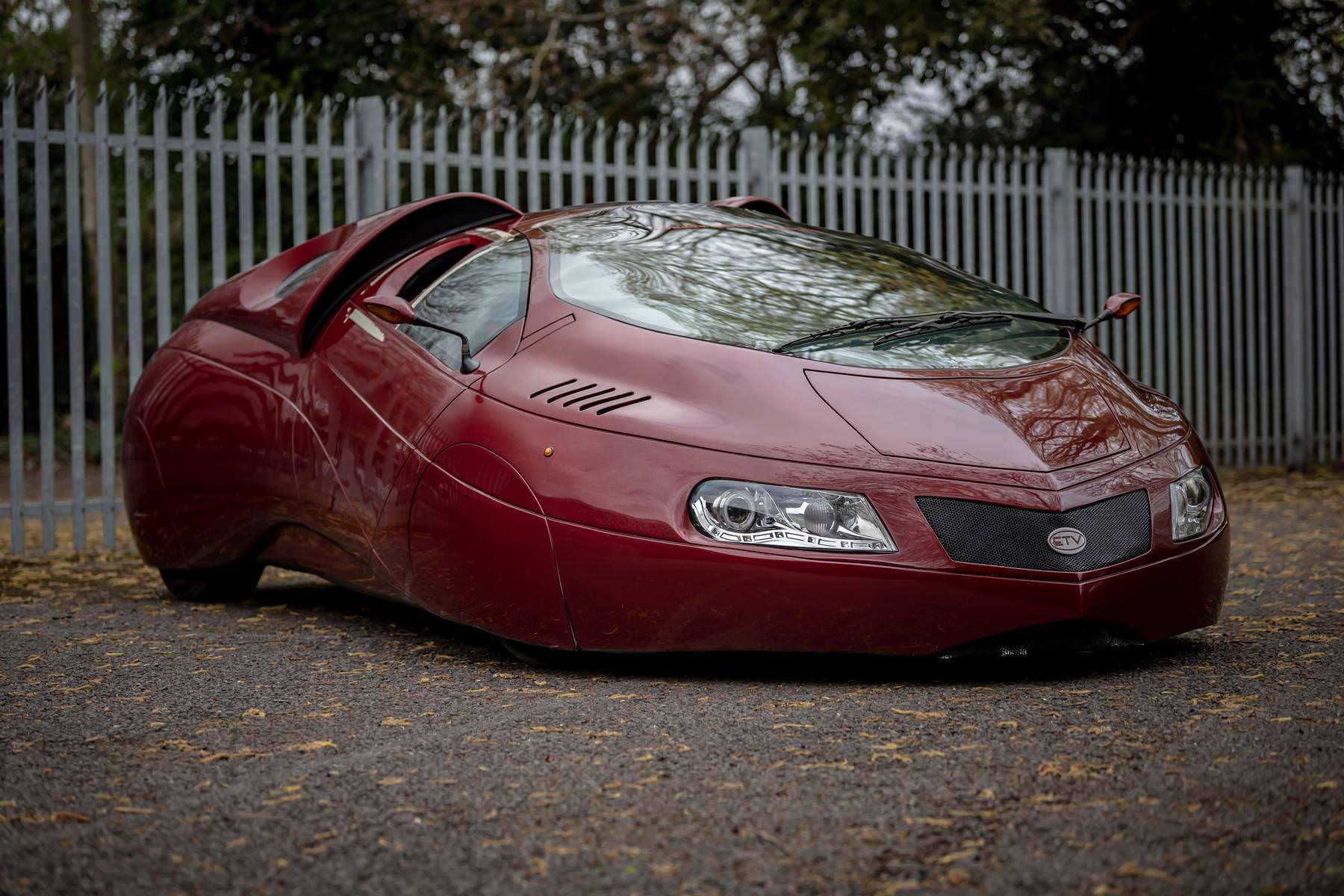
Dubbed the ETV by its creator as an acronym for “Extra Terrestrial Vehicle,” this unusual looking car was developed and built in Florida as part of a limited production run.

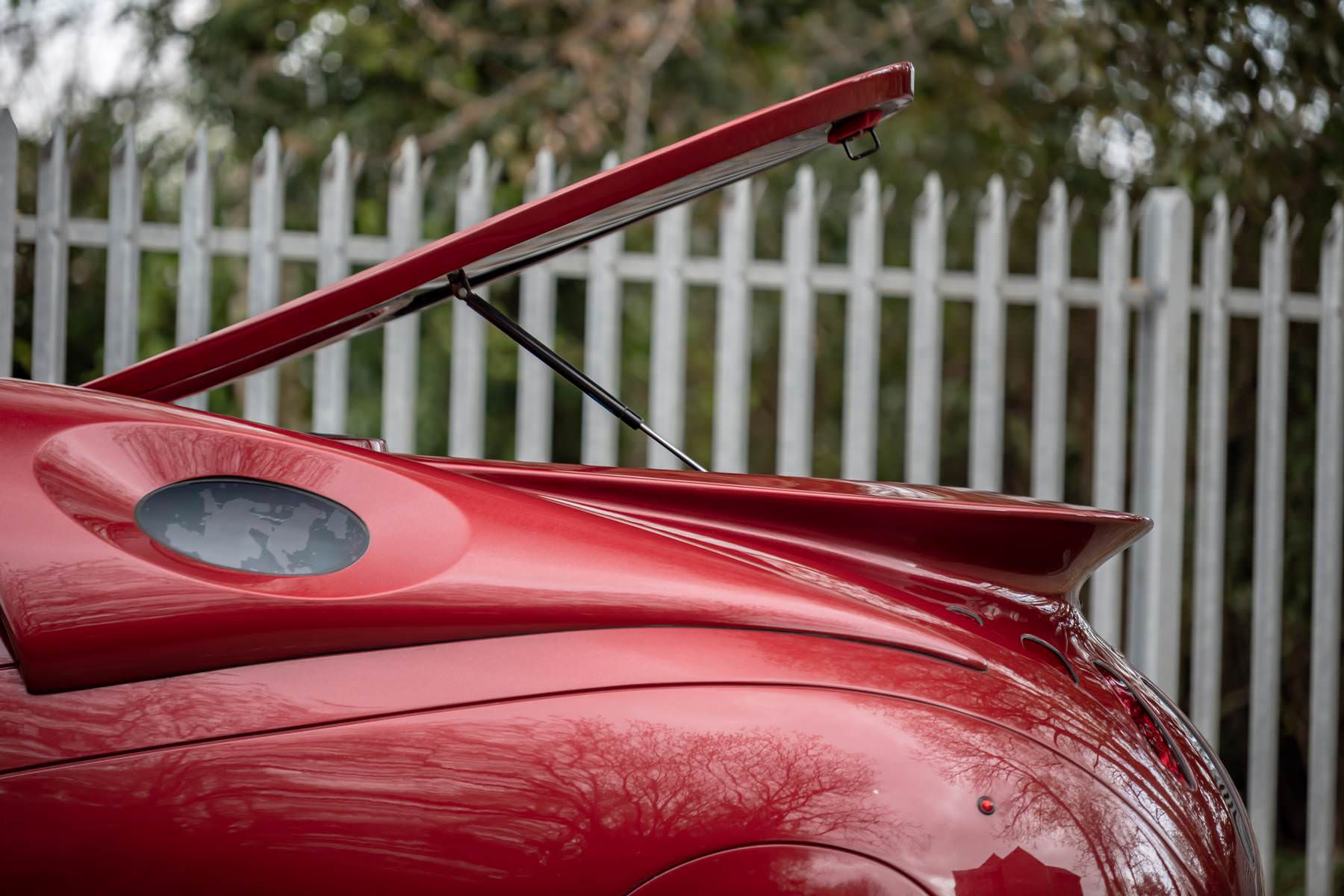
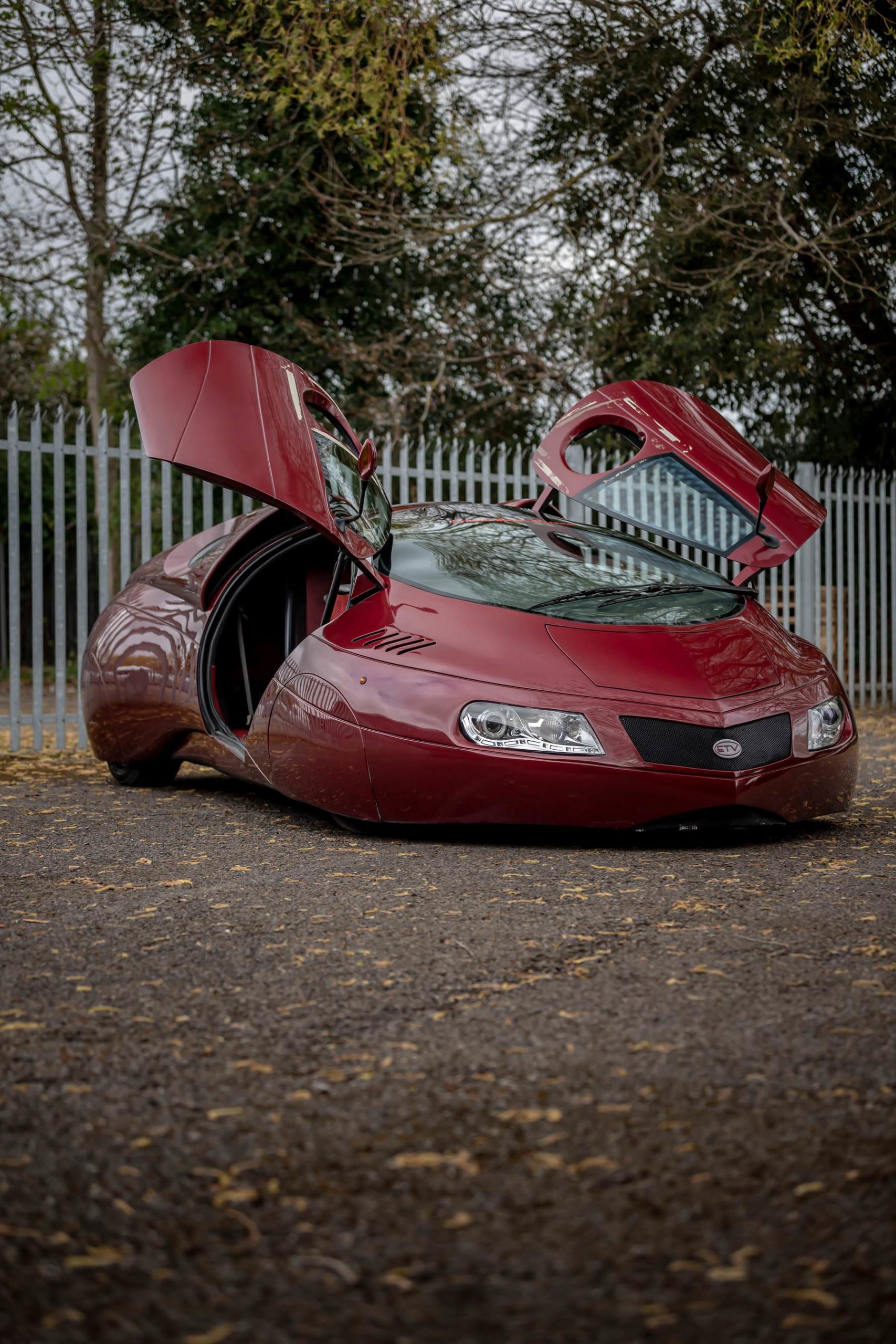
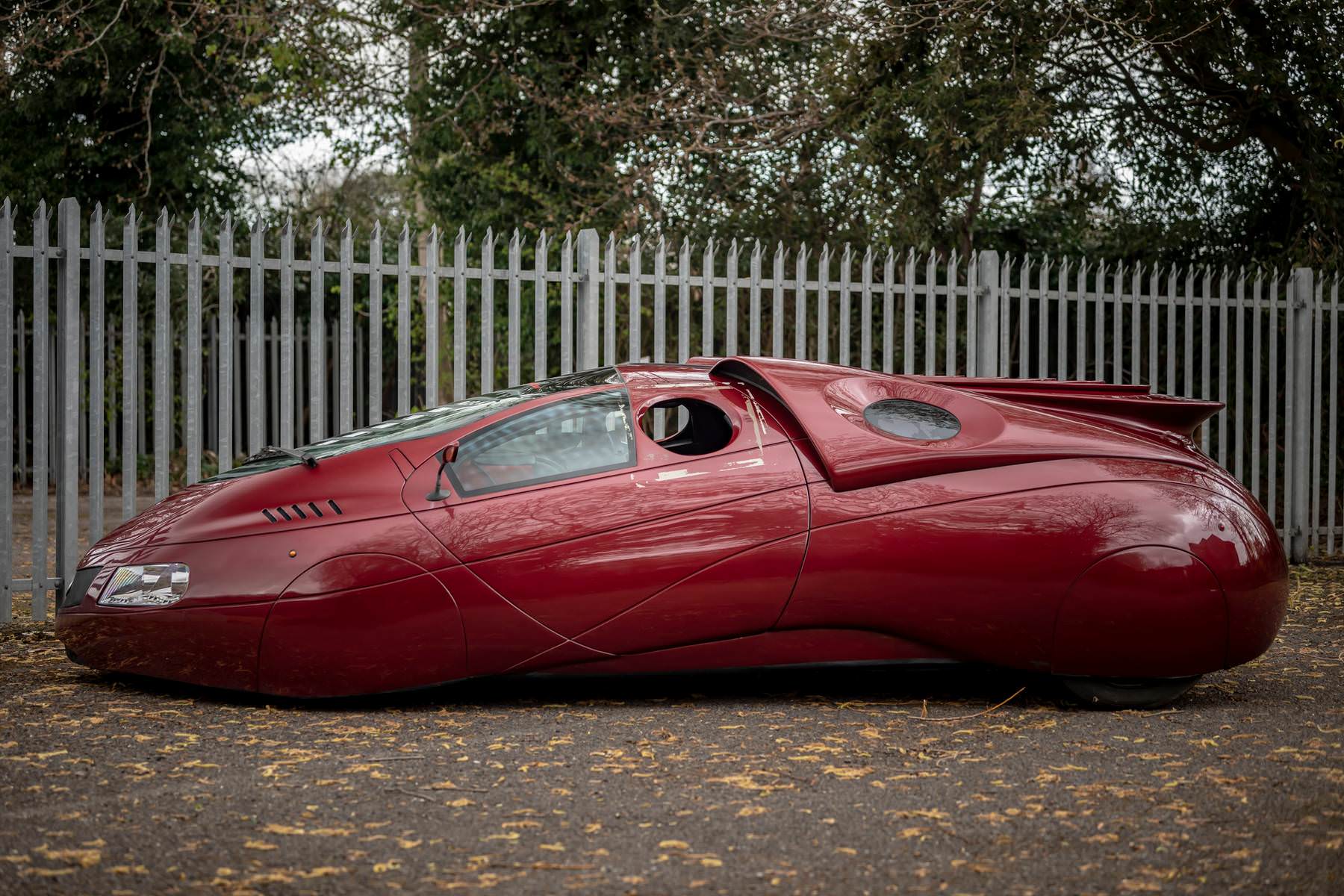
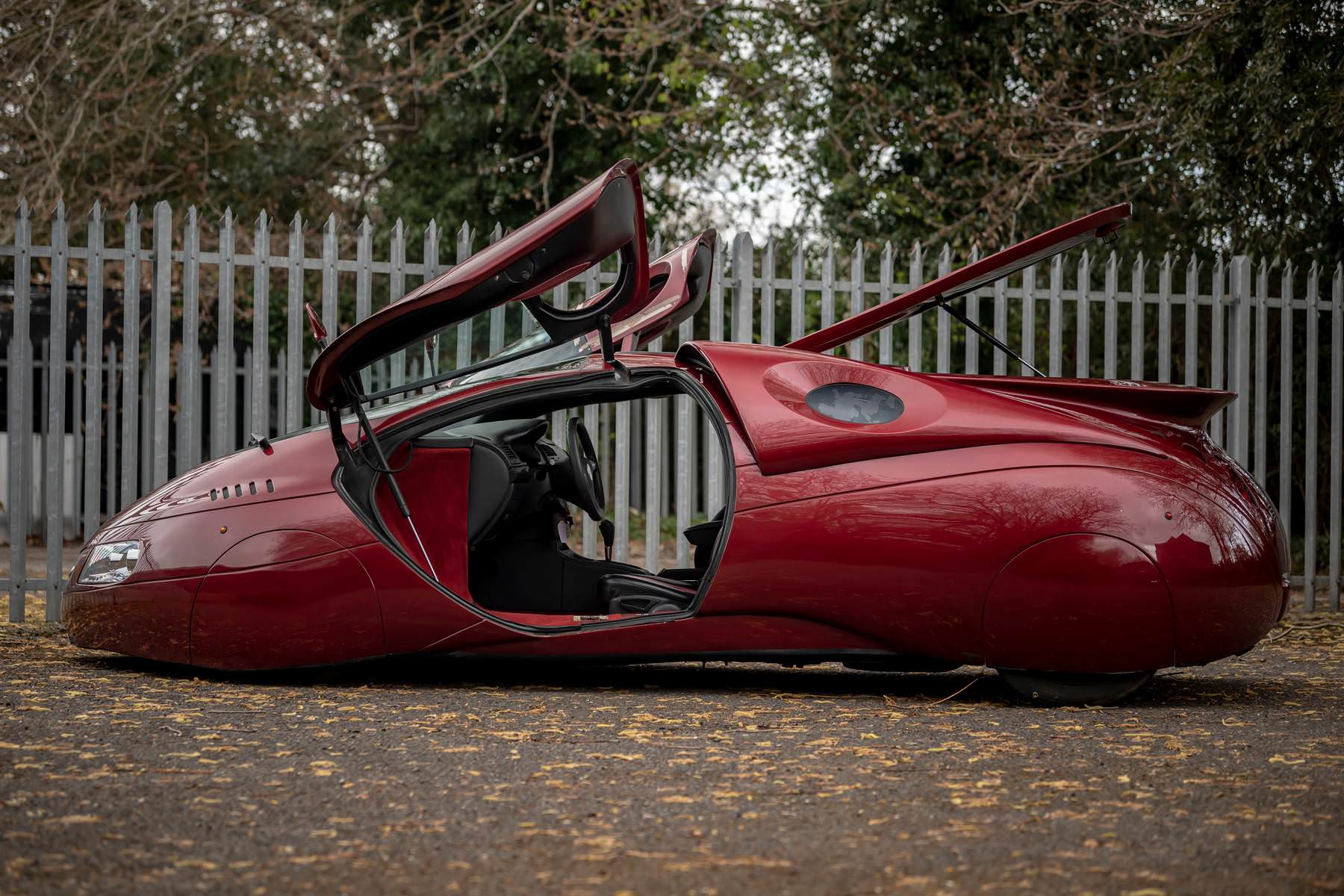
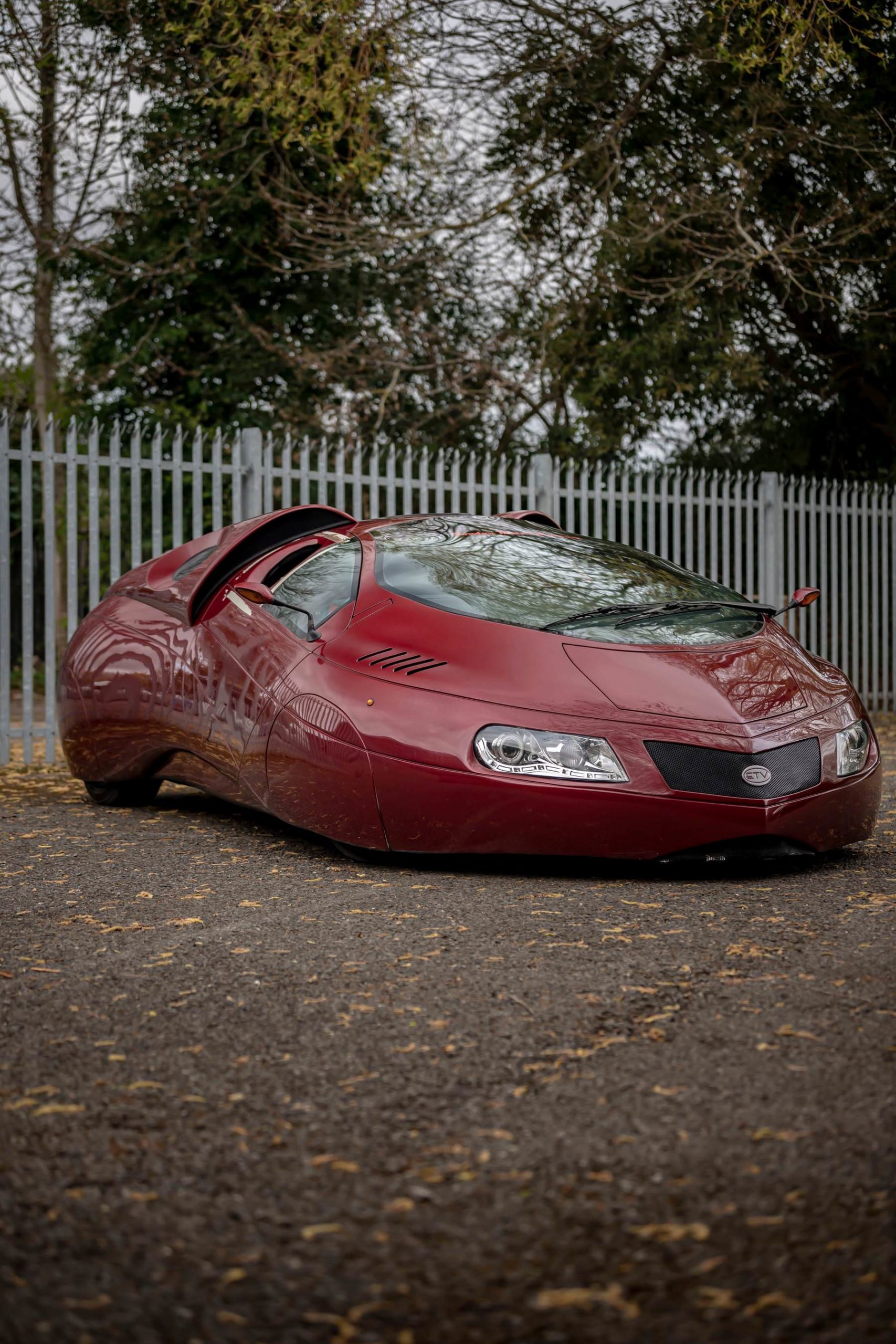
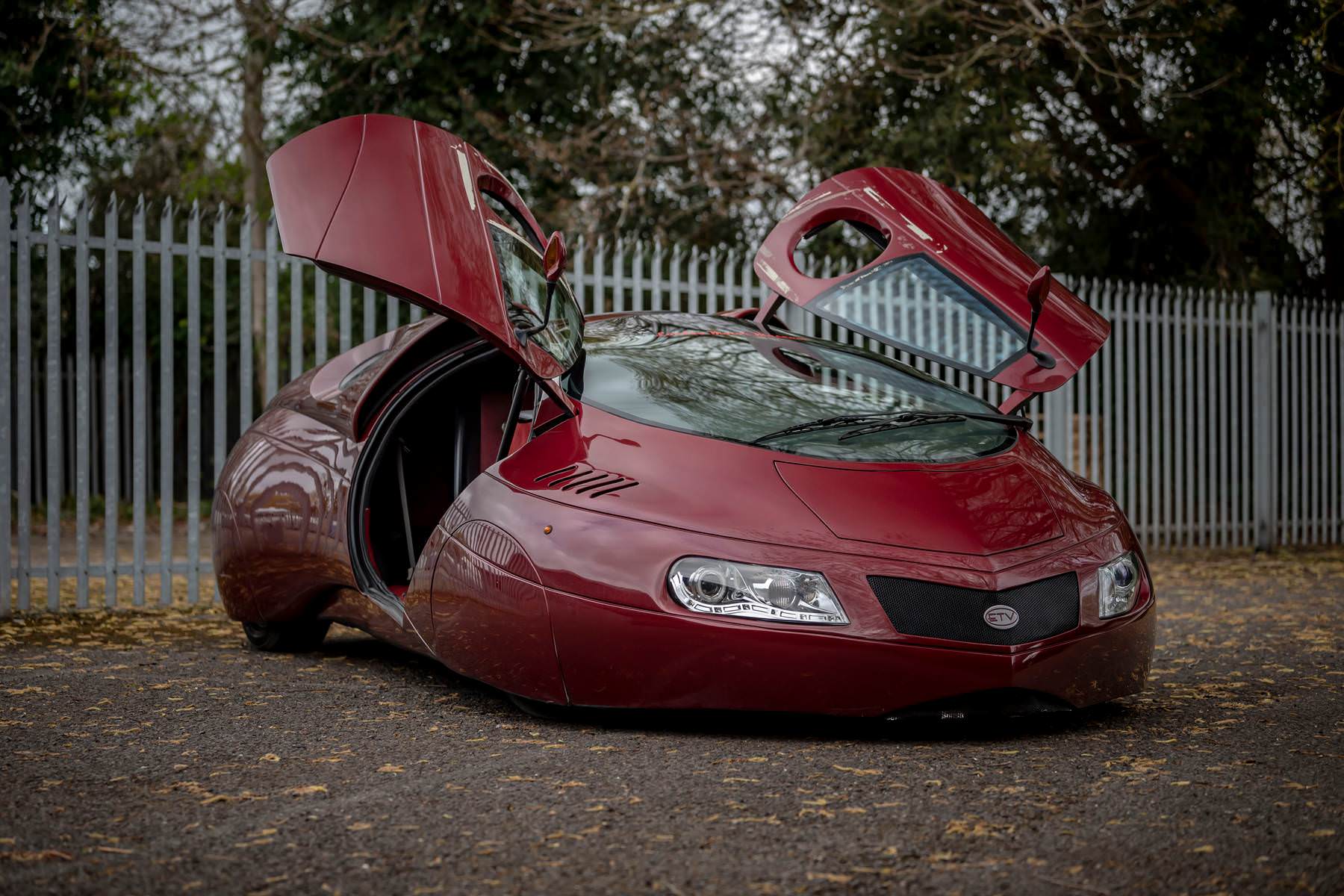
Although it looks like it was created by the props department for a film set in the future, the ETV is 100% road legal, it has remote opening gullwing doors, seating for two, and they say it gets over 40 mpg thanks to its slippery aerodynamics.

Fast Facts – Mike Vetter’s Unusual ETV

  • Former Burger King employee Mike Vetter has become a self-made millionaire by designing and building some of the most unusual cars in the world.
  • Vetter started out building Ferrari and Lamborghini kit cars on the Pontiac Fiero platform, but after repeated legal threats from the Italian automakers he decided to design his own cars from scratch.
  • The first ETV was built over 14 years ago and a number of others have been built since, the cars have been made using a number of donor cars including the Chevrolet Aveo, Chevrolet Cobalt SS, Toyota Echo, and even a Porsche Boxster.
  • Vetter now builds his creations in Florida under the company name “The Car Factory,” and he offers clients the ability to work with him to design their own car from scratch if they like.

Creating The ETV – “Extra Terrestrial Vehicle”

The ETV is a car that most of us have seen before, typically floating around as a grainy jpeg image in the dark recesses of the internet with people arguing in the comments section about what it actually is.

Above Video: This clip from Barcoft Cars shows Mike Vetter discussing the ETV, its design, and how it all gets built.

Some insist its a prop vehicle from a sci-fi film, some think its an as-yet unreleased production car, and some claim its a kit car made by a guy in Florida.

Though it’s not technically a kit car, it’s that latter group of commenters who are the closest to being right. Dubbed the “Extra Terrestrial Vehicle,” the ETV was developed by former kit car builder Mike Vetter who founded the company The Car Factory to build and sell entirely unique automotive creations.

As the story goes, the project to create the ETV began when Vetter had a daughter and realized he didn’t have space for her in his sports car. He began modifying the car, one thing led to another, and mission creep being what it is he ended up building an entirely new vehicle.

ETV: Specifications + Design

Vetter takes pride in explaining to people that he can build an ETV on a wide variety of platforms, the Chevrolet Aveo and Chevrolet Cobalt SS are the most common but they’ve been build using other donor cars including the Toyota Echo and a Porsche Boxster.

ETV Extra Terrestrial Vehicle 4

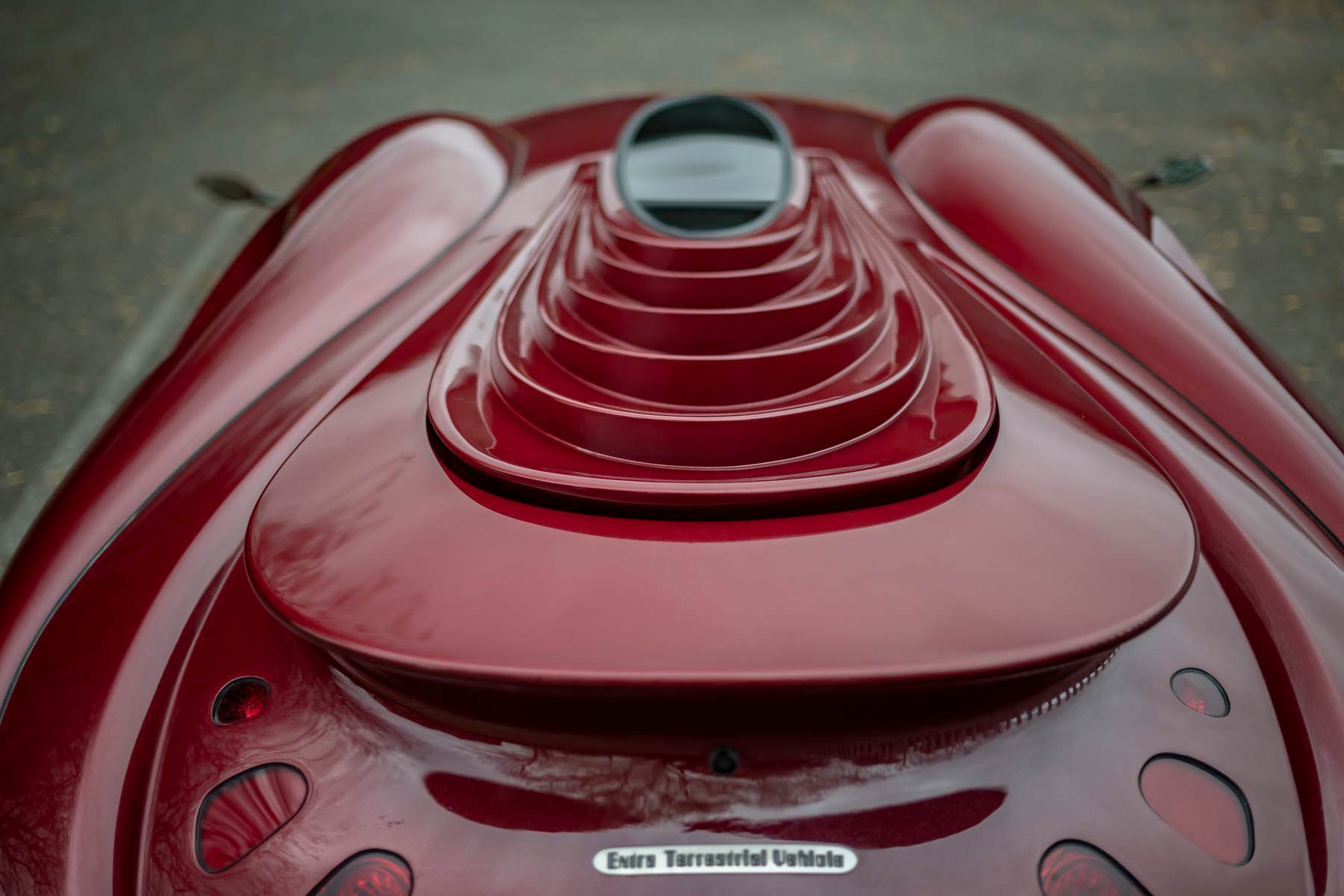
The unique styling of the ETV is unlike another vehicle on the road even today, well over 14 years since the first one was made.

The body is largely made from fiberglass, it has an unusual windshield that measures in at 4.5 feet wide by 5 feet long – it took Vetter years to find a company who would make it, even settling on a manufacturer in Peru of all places.

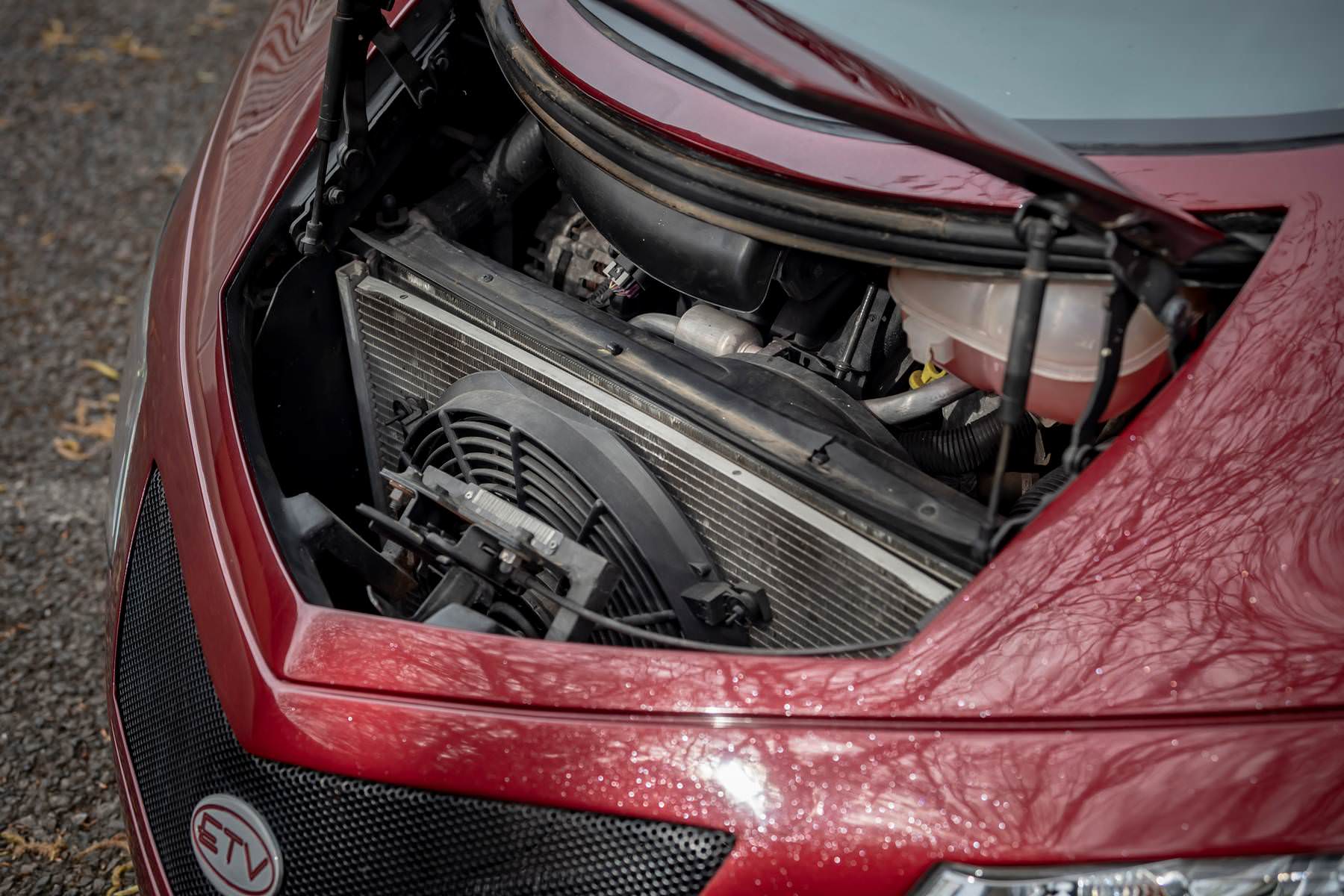
Though the ETV looks like it’s mid-engined it’s most frequently built in a front engined, front wheel drive specification on the Cobalt platform. This means that performance is somewhat limited but mileage is typically quite good, listed as 40+ mpg.

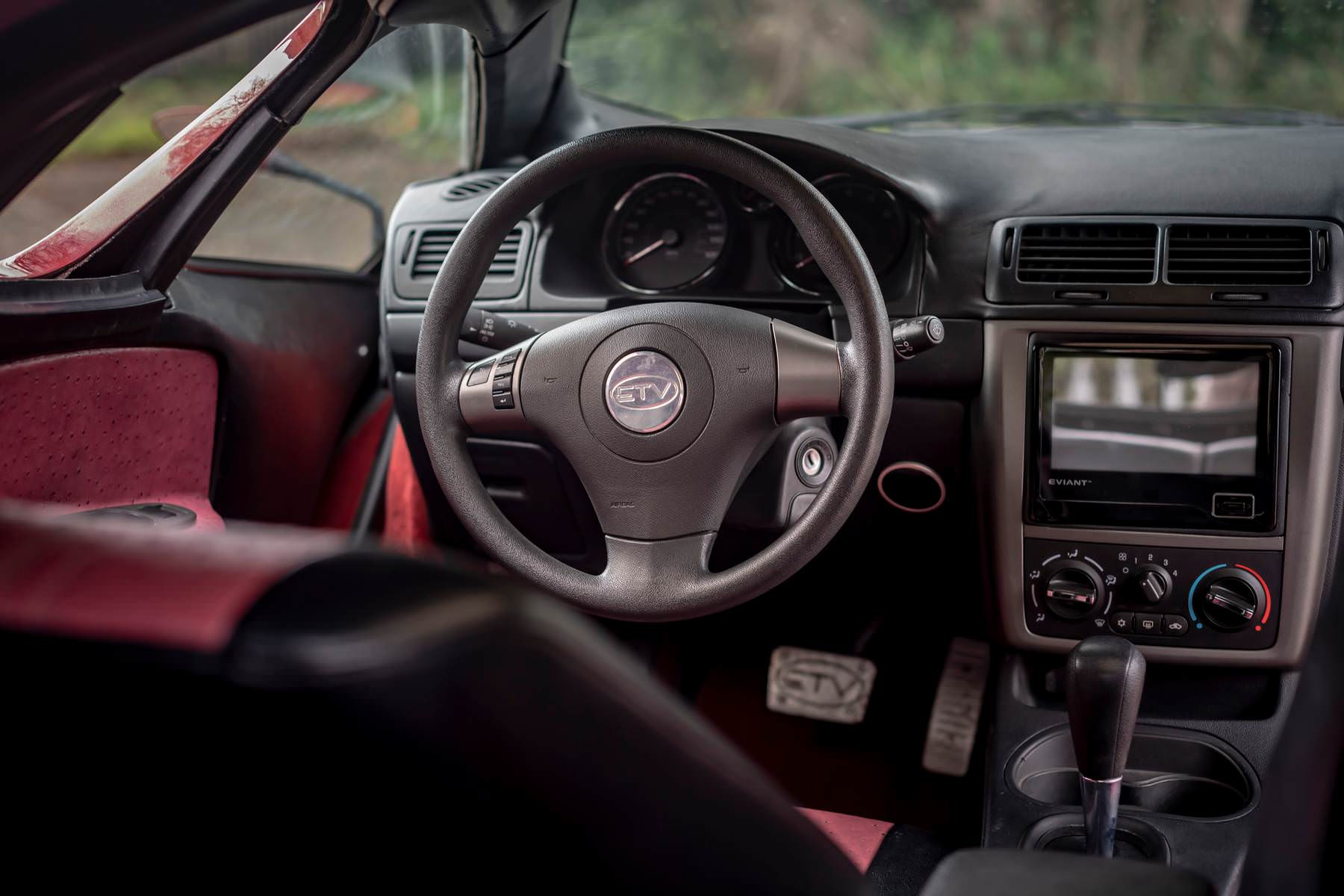
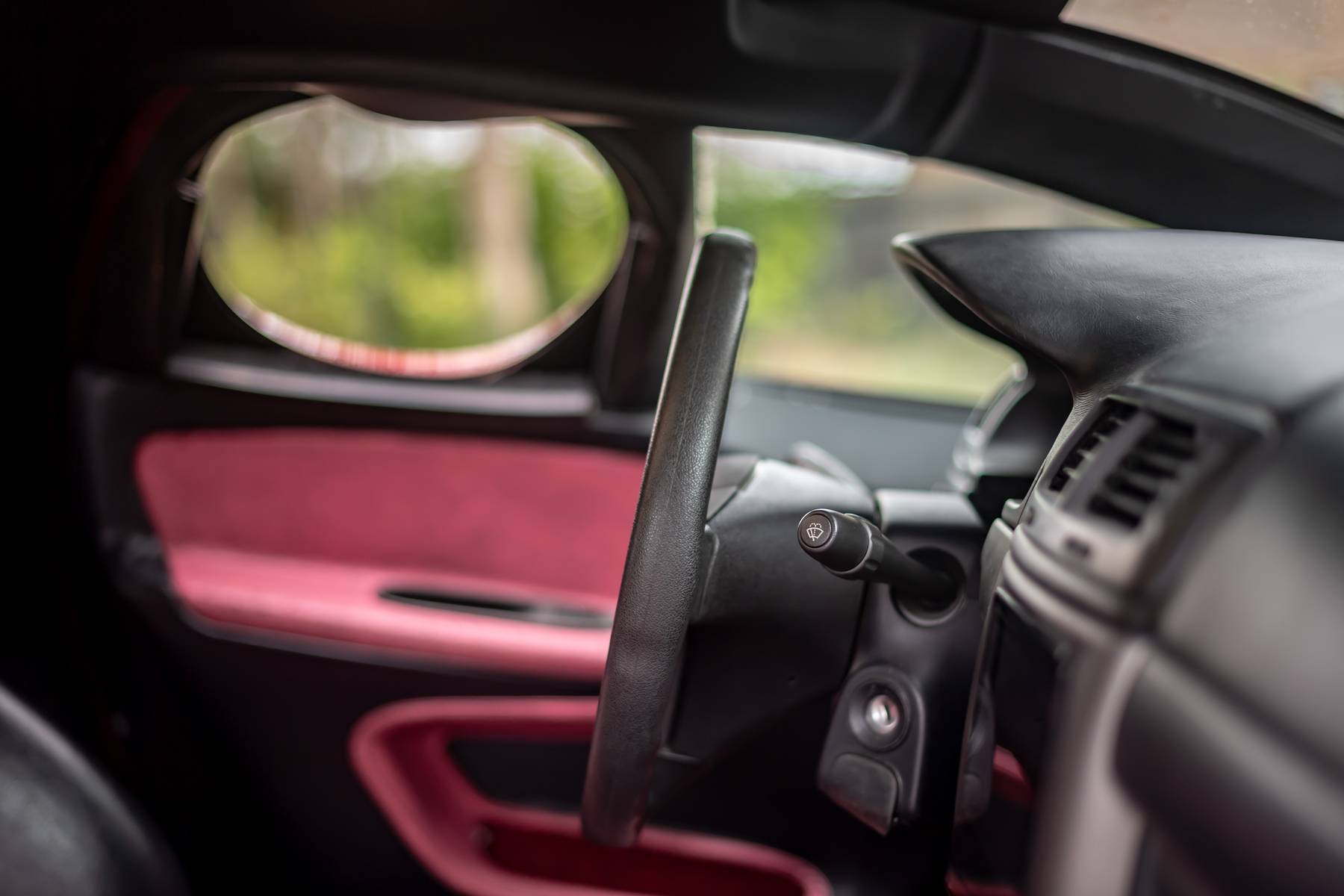
Inside the car you’ll find two standard bucket seats up front, and smaller 2+2-style seating in the rear. The rear seats are well-suited for children but the headroom and legroom is too limited to accommodate adults.

Gullwing doors on either side provide plenty of space for getting in and out. There’s a hatch in the rear that opens for access to the trunk, and up front there’s a small hood that provides limited access to the engine bay.

All four wheels are tucked in behind their own aerodynamic doors that can be opened when you need to change a tire.

Some versions of the ETV came with no windshield wiper and no sider mirrors, instead relying on cameras, however this example has both fitted already.

ETV Extra Terrestrial Vehicle 3

The interior of the car is largely borrowed from the original donor car, as is the engine, transmission, suspension, and braking systems.

The futuristic, aerodynamic body of the ETV is known for drawing crowds wherever it’s parked and it’s certainly not a car that’s suitable for use by someone who doesn’t like a lot of attention.

The ETV Project Car Shown Here

The ETV you see here is a project car that’s clearly going to need some work to get it back into roadworthy condition.

Its current situation is complicated, it was on display at the London Motor Museum for many years but due to Covid and other factors the museum has now been shuttered and its cars are being offered for sale on instruction of a high court ruling.

This means that the specification sheet of this specific car is a little hazy, it’s believed that it’s based on the Chevrolet Aveo platform with a 1.6 liter engine, however it may have a 2.2 liter Ecotec engine.

If you’d like to read more about it or register to bid you can click here to visit the listing on The Market by Bonhams.

It’s currently being offered for sale in a live online auction, and the price guide is £8,000 – £12,000 or approximately $10,400 – $15,600 USD.

ETV Extra Terrestrial Vehicle 2 ETV Extra Terrestrial Vehicle 14 ETV Extra Terrestrial Vehicle 12 ETV Extra Terrestrial Vehicle 11 ETV Extra Terrestrial Vehicle 9 ETV Extra Terrestrial Vehicle 8 ETV Extra Terrestrial Vehicle 7 ETV Extra Terrestrial Vehicle 6 ETV Extra Terrestrial Vehicle 5 ETV Extra Terrestrial Vehicle 1

Images courtesy of The Market by Bonhams

ETV Extra Terrestrial Vehicle

The post Bizarre Project Car: An ETV “Extra Terrestrial Vehicle” – $10,400+ USD appeared first on Silodrome.


from Silodrome https://silodrome.com/etv-extra-terrestrial-vehicle/
via gqrds

A 1968 Fuji Go-Devil: The Folding Motorcycle That Fits In A Suitcase

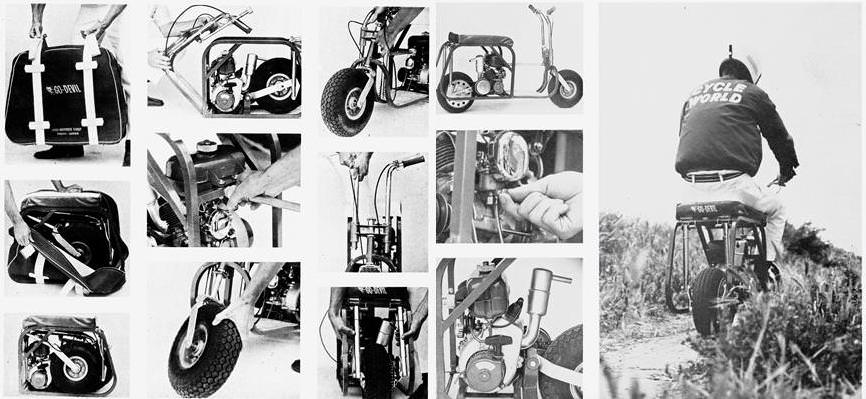
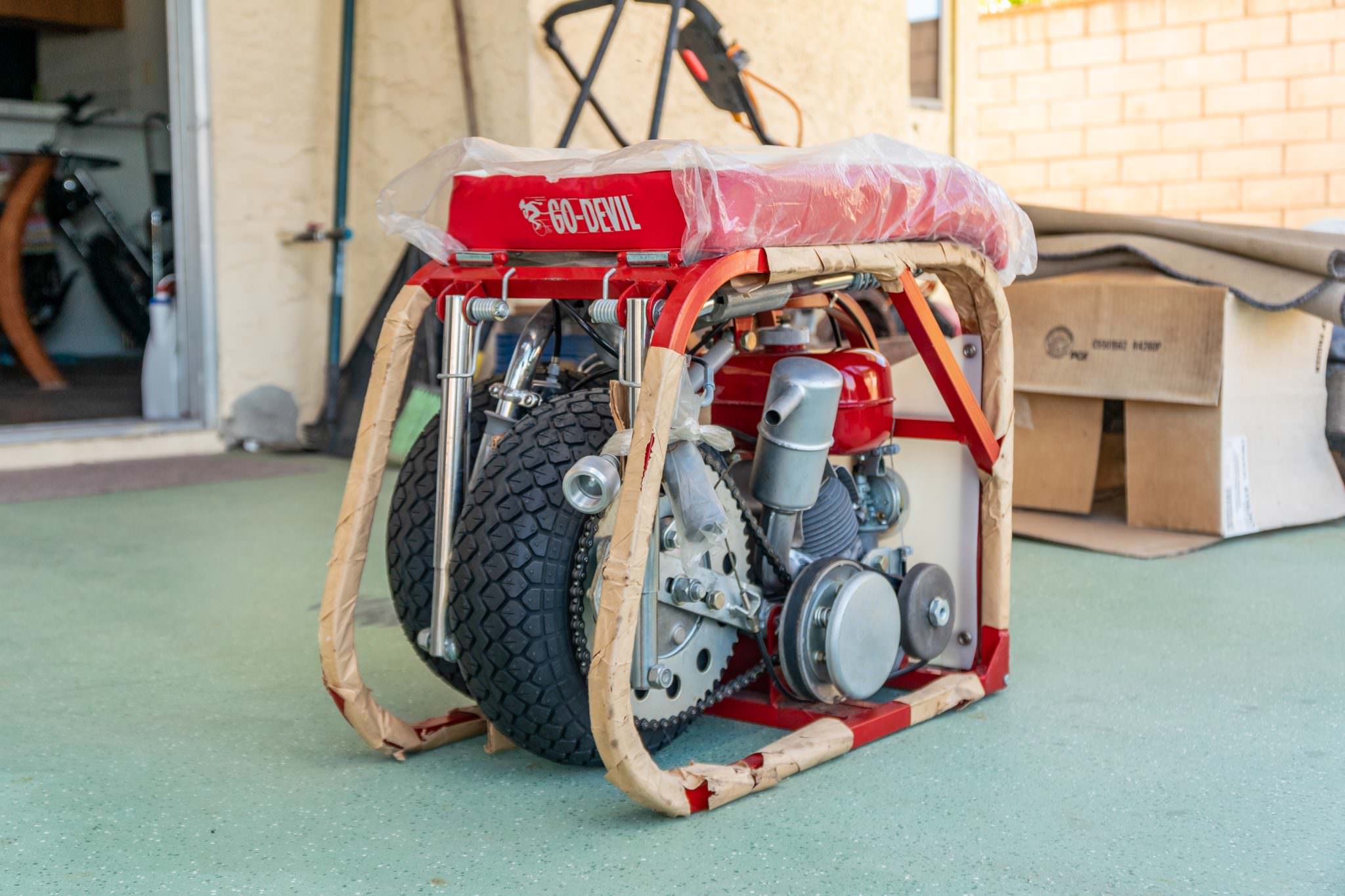
This is the Fuji Go-Devil scooter, it’s a small folding motorcycle that was designed to fit neatly into a suitcase or the supplied carry bag – making it easy to transport and simple to set up and use when needed.

Folding scooters and motorcycles were nothing when the Fuji Go-Devil was released of course, the concept has existed since at least the 1910s. The most famous is likely the WWII-era Welbike, a folding scooter that was parachuted in behind enemy lines to give troops motorized transport when on the ground.

Fast Facts – The Fuji Go-Devil

  • The Fuji Go-Devil was developed by Fuji Heavy Industries out of Japan and sold between 1964 and 1967. The same company would later become famous for their line of AWD cars under the Subaru brand name.
  • Weighing in at just 73 lbs (33 kilograms), the Fuji Go-Devil could be folded out ready to ride in two minutes or less.
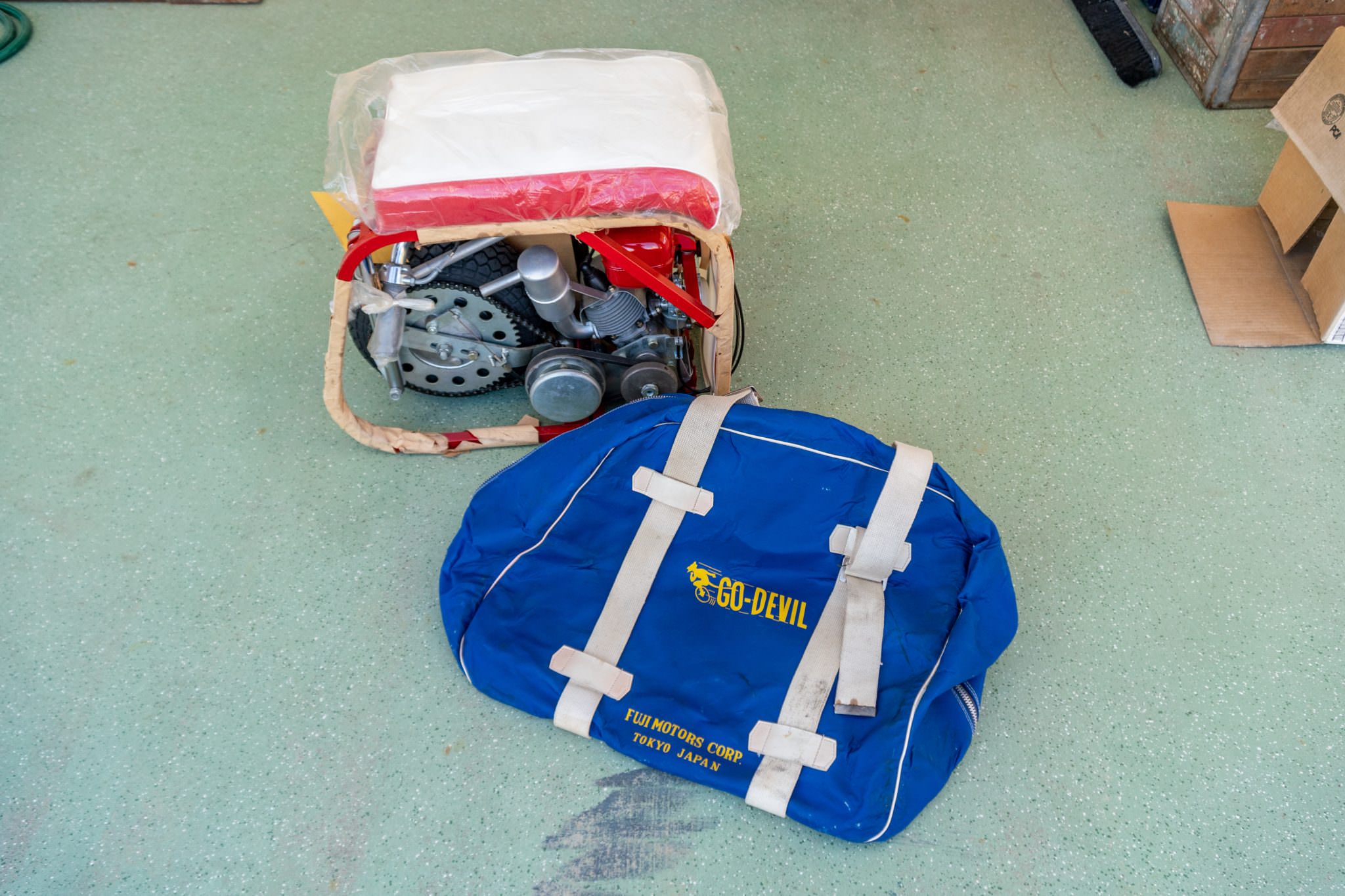
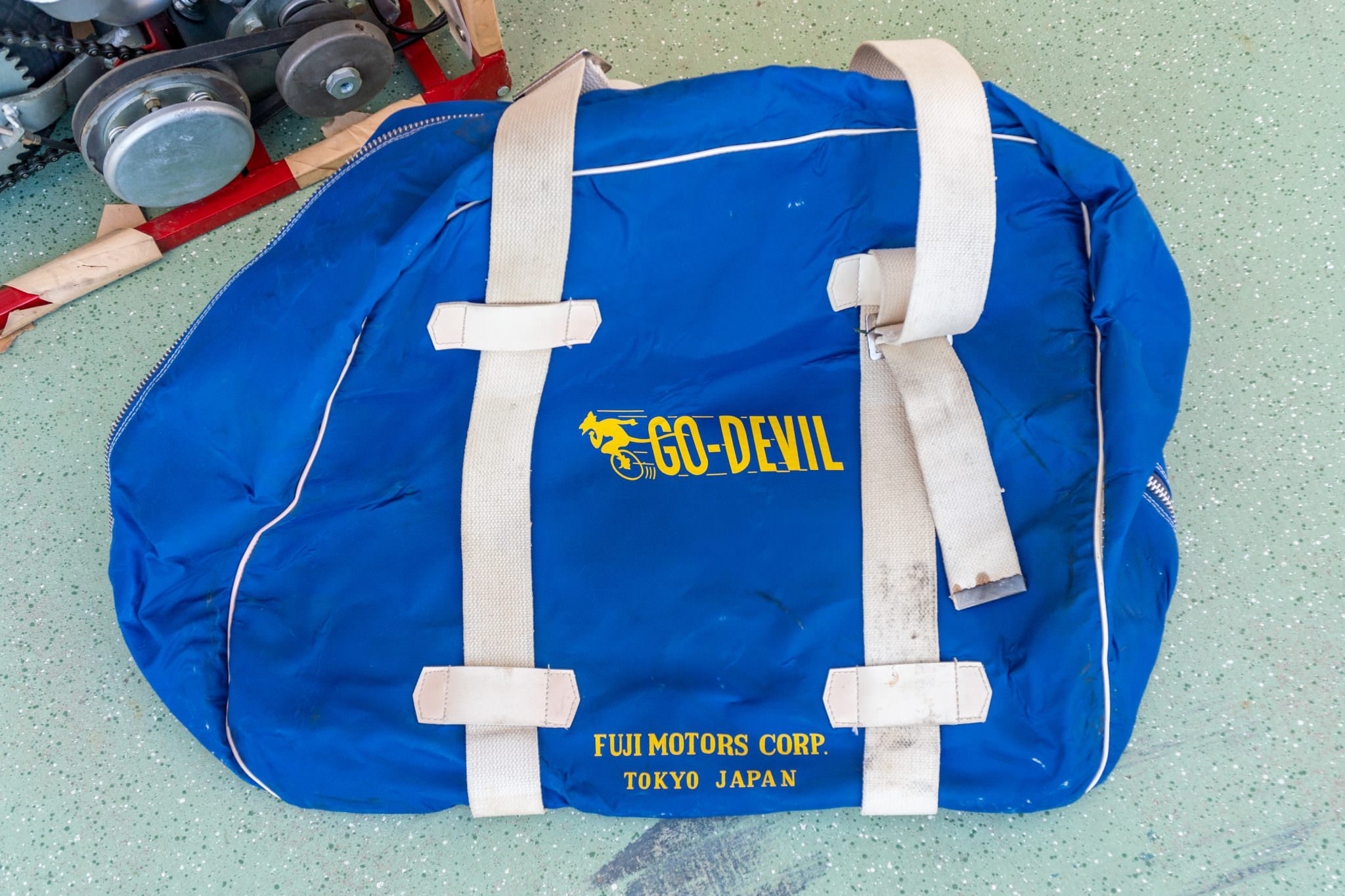
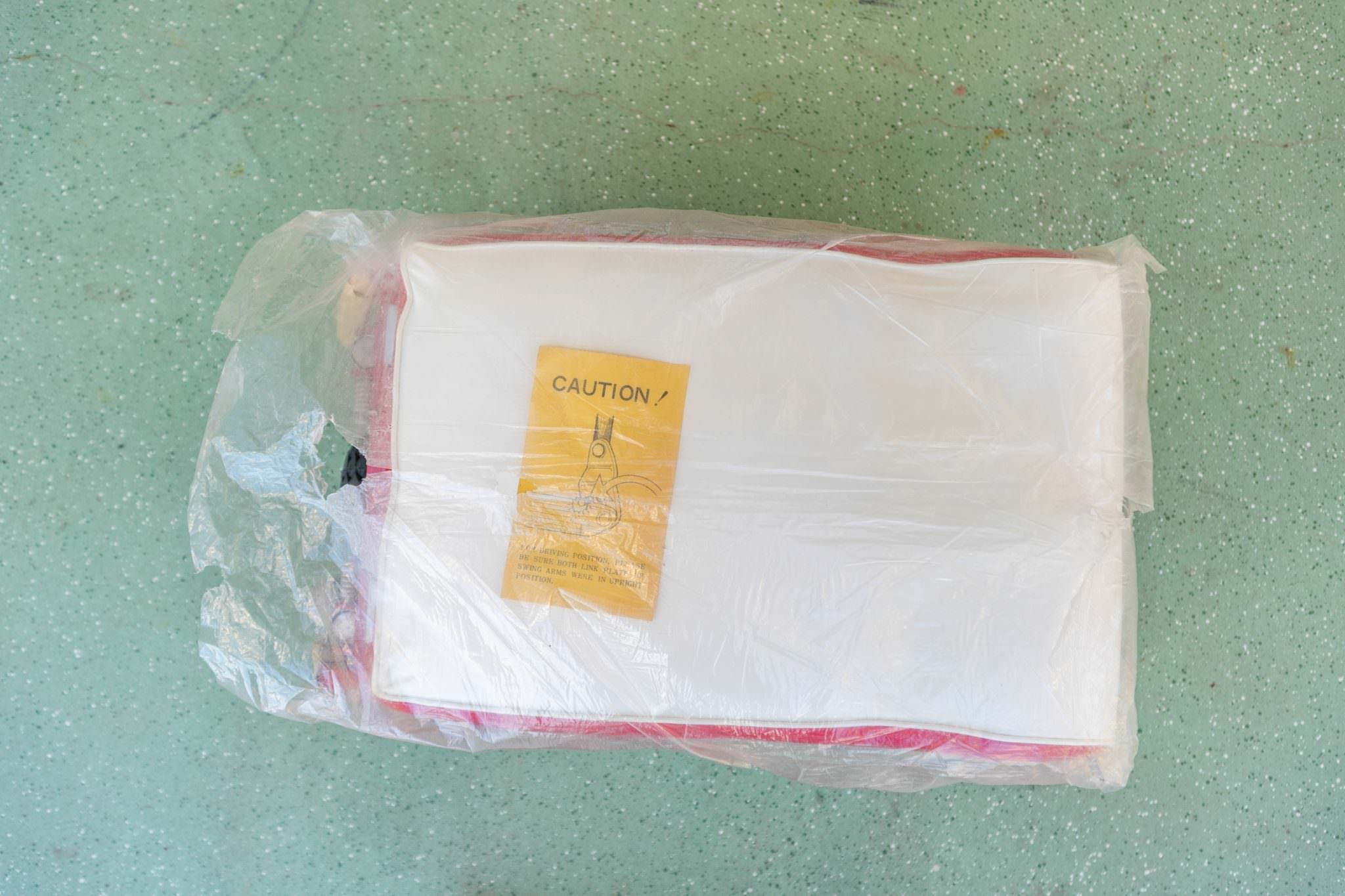
  • Each scooter came with its own carry bag for easy transport, theoretically you could check your Go Devil in as luggage on your flight, and then have motorized transport instantly upon leaving the airport.
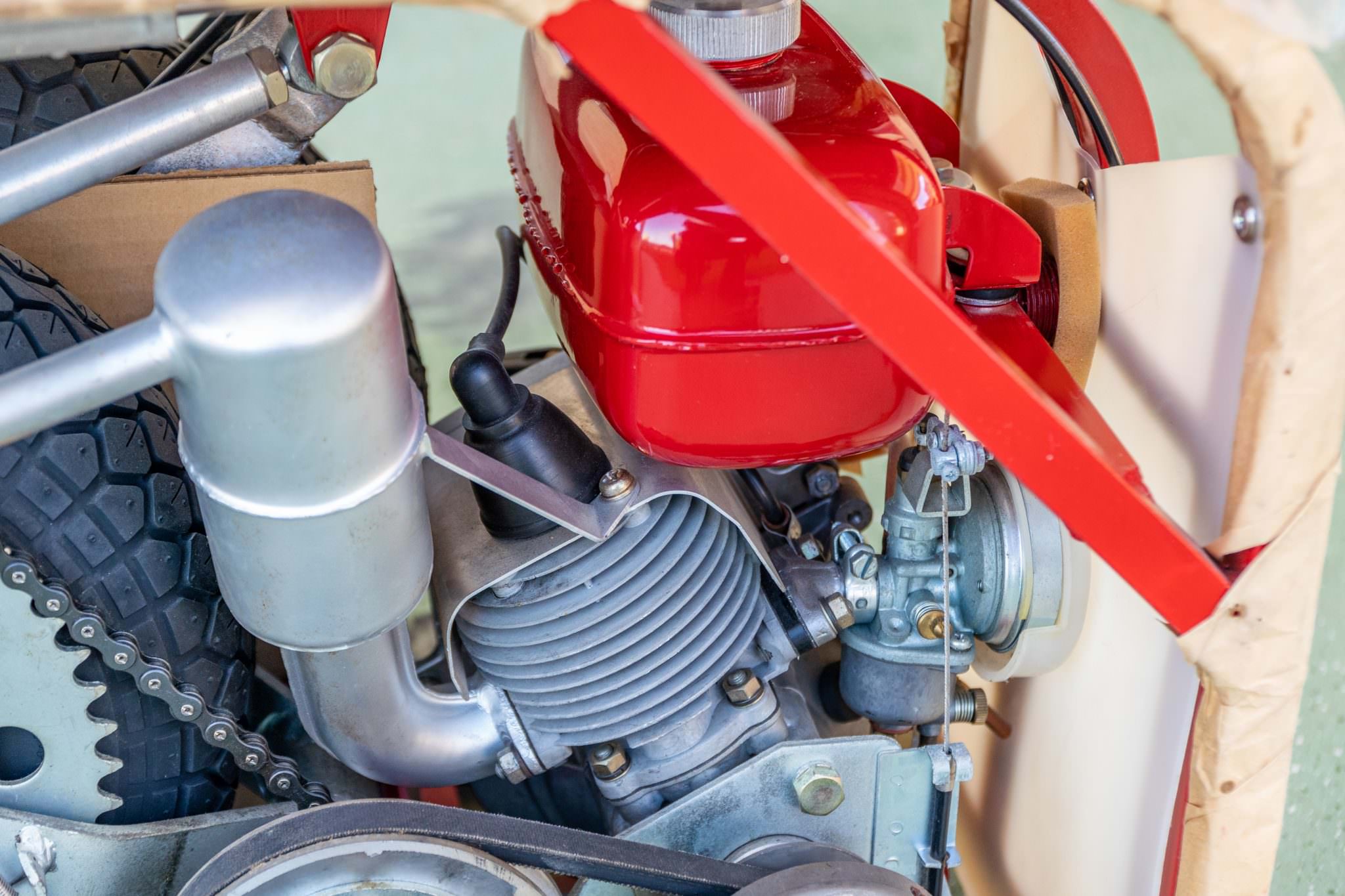
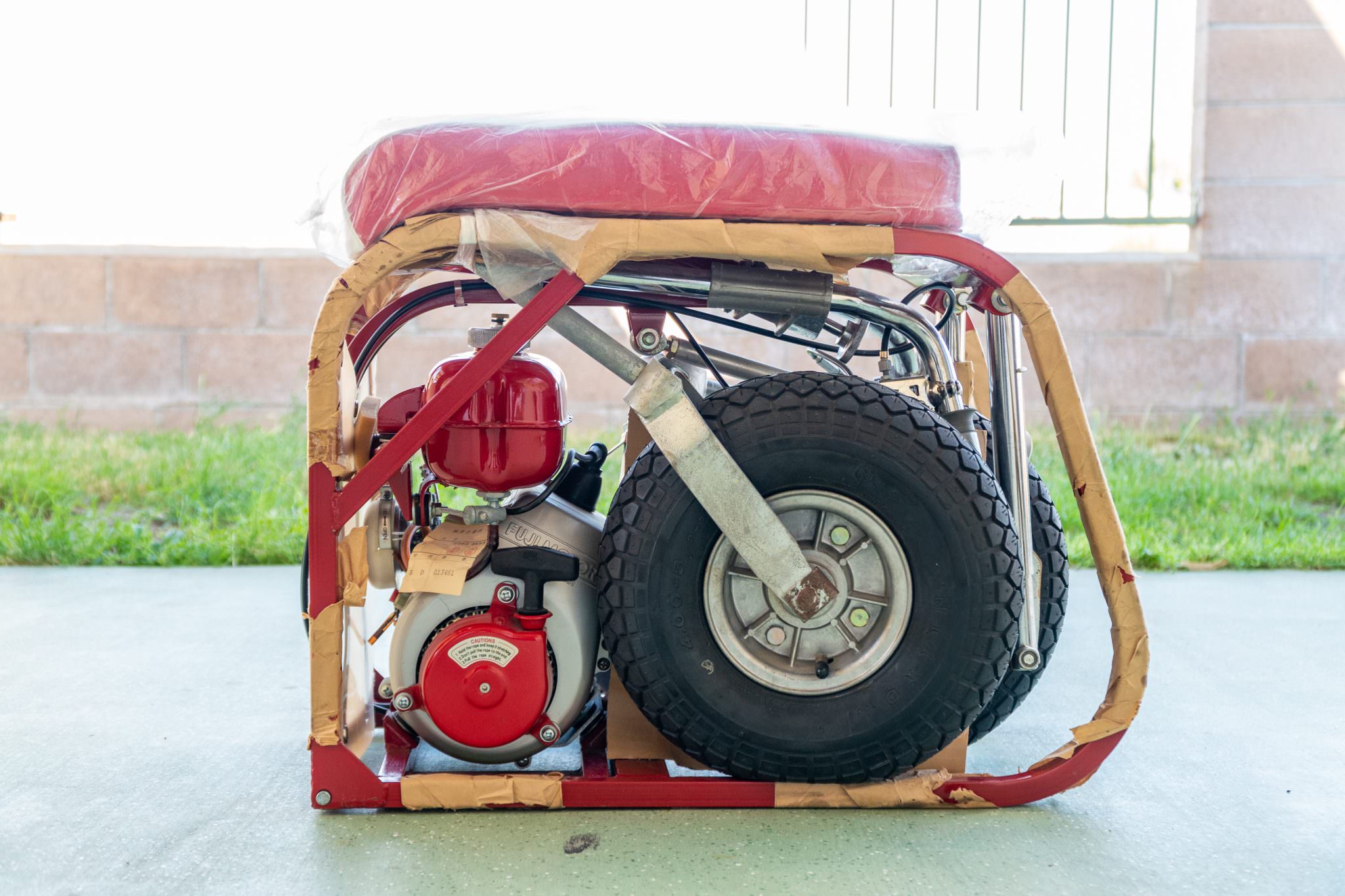
  • The Go-Devil has a tubular steel frame, a 53cc two-stroke, single-cylinder engine, a centrifugal clutch, front and rear suspension, and a top speed of 24 mph.

Fuji Heavy Industries

Fuji Heavy Industries was officially formed in 1953 when five Japanese companies joined to form one of the country’s largest manufacturers of transportation machinery.

Fuji Go-Devil

This period image from Cycle World Magazine shows the Go-Devil being unfolded and ridden.

Interestingly, the company can directly trace its roots back to the Nakajima Aircraft Company which was a key supplier of aircraft to the Japanese government during World War II.

The company began selling vehicles under the “Subaru” brandname in 1954 with the release of the Subaru 1500 in Japan. The first car they exported to the United States was the Subaru 360 in 1968, a car that was marketed as being “cheap and ugly.”

The car that would define the future of the brand was released in 1972, it was the Subaru Leone Wagon with its unusual Subaru SAWD system – an acronym for “Symmetrical All-Wheel Drive.”

Today of course, Subaru is one of the world’s pre-eminent manufacturers of all-wheel drive cars and it has a long history of motorsport success – particularly in the world of rally.

The Fuji Go-Devil “Suitcase Scooter”

The Fuji Go-Devil was introduced in the mid-1960s as an innovative new folding scooter. The Honda Cub had been released in 1958 and had proven popular in the United States, as it was cheap to buy, cheap to run, and reliable.

Above Video: This short video shows a Fuji Go Devil being removed from a bag, unfolded and assembled, started, and then ridden.

Engineers over at Fuji Heavy Industries developed a folding motorized scooter with a 53cc single-cylinder, two-stroke engine with a centrifugal clutch operating together with a variable ratio pulley.

It’s possible that they were inspired by the Brockhouse Corgi, the civilianized version of the WWII-era folding Welbike scooter, though other folding scooters had been developed over the years.

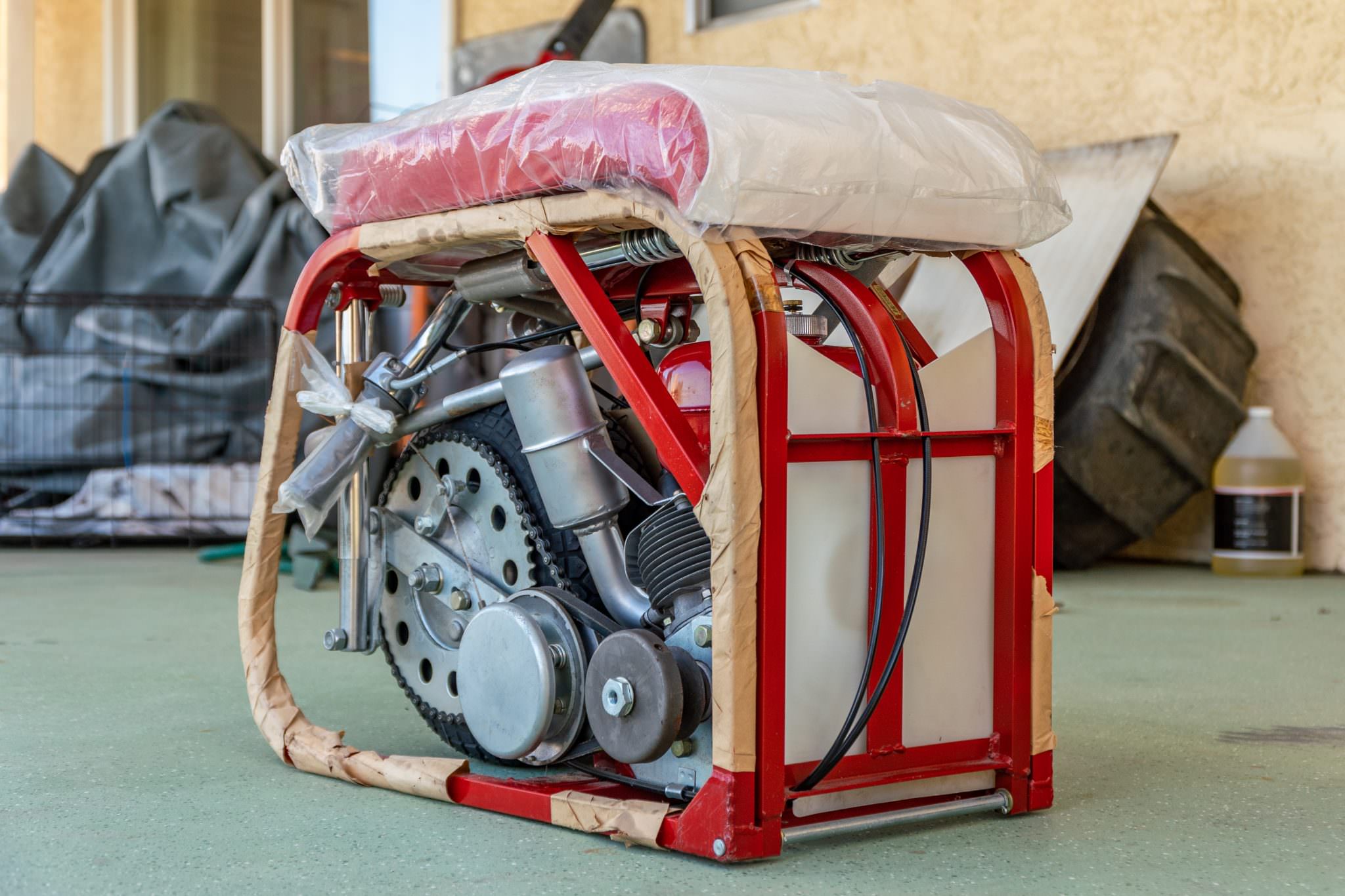
Whatever their reasoning they developed one of the most well-designed folding scooter designs in history. It has a tubular steel duplex cradle frame with a centrally-mounted engine and transmission.

Unusually for a motorcycle of this type it has swing arm rear suspension and telescopic forks up front, offering a more comfortable ride that the competition.

When new the Fuji Go-Devil sold for $239.50 plus tax in the United States, each came with its own carry bag and a simple instructional manual on how to fold and unfold the bike, and start the engine.

Fuji Go-Devil 6

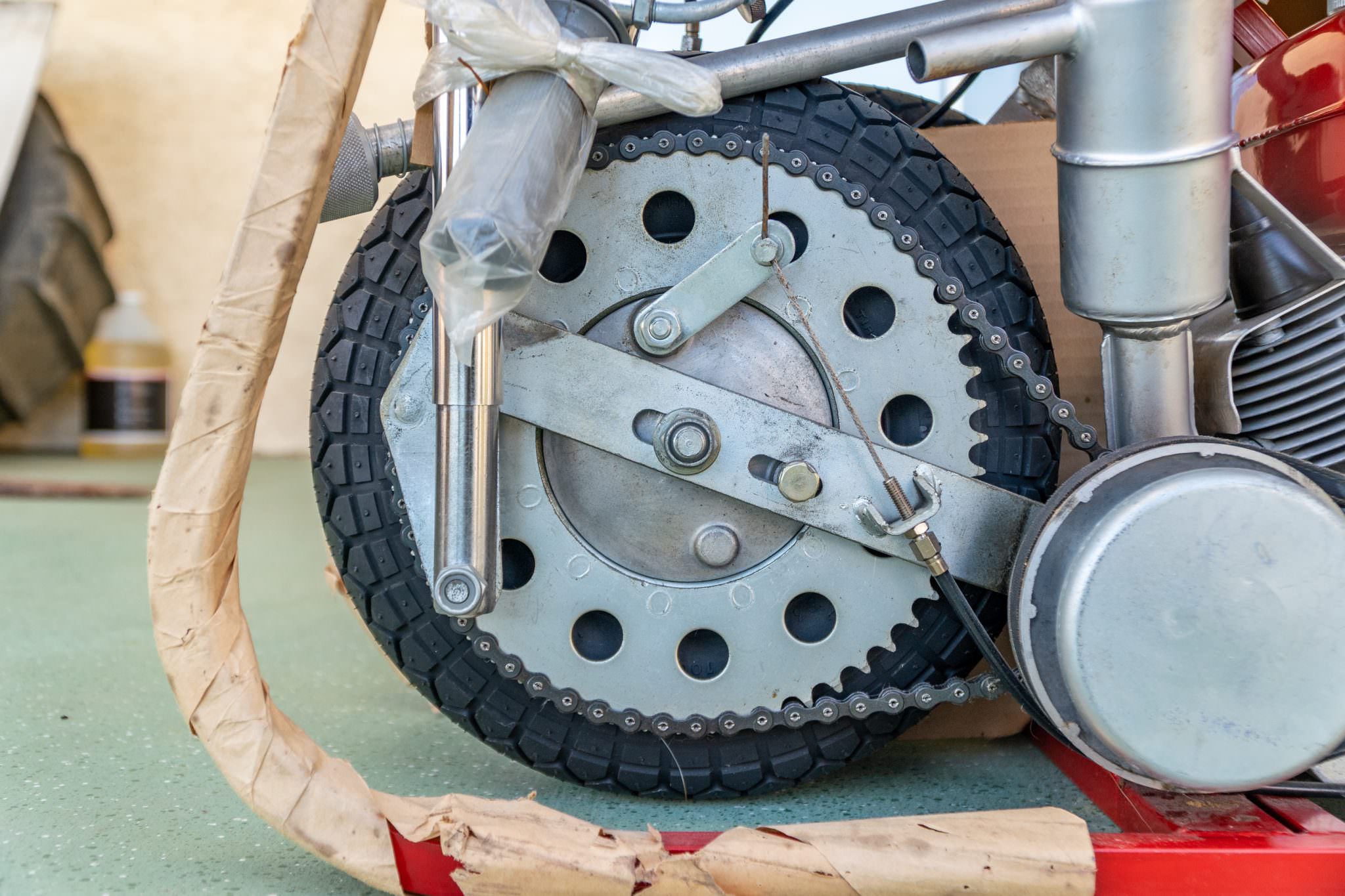
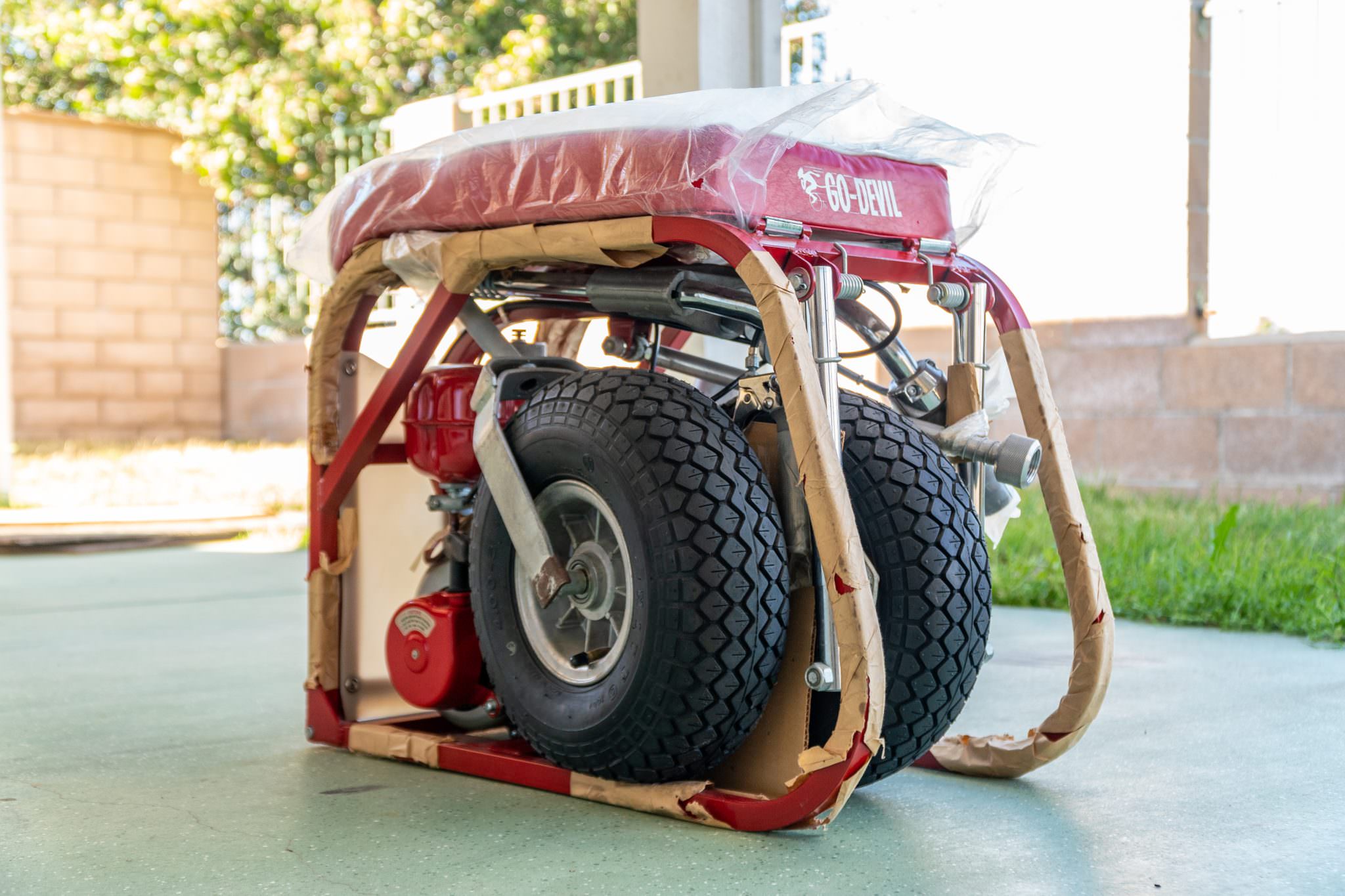
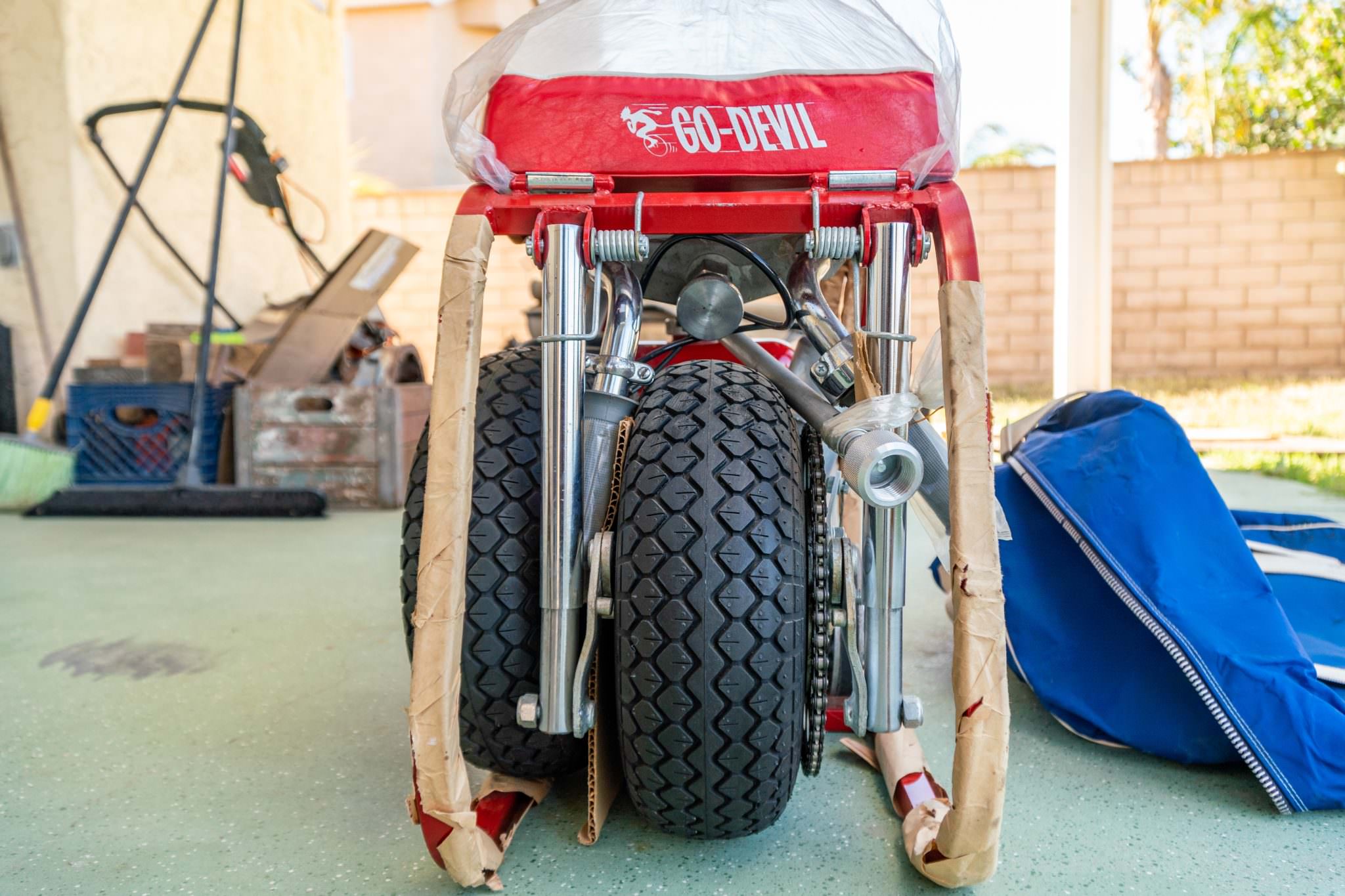
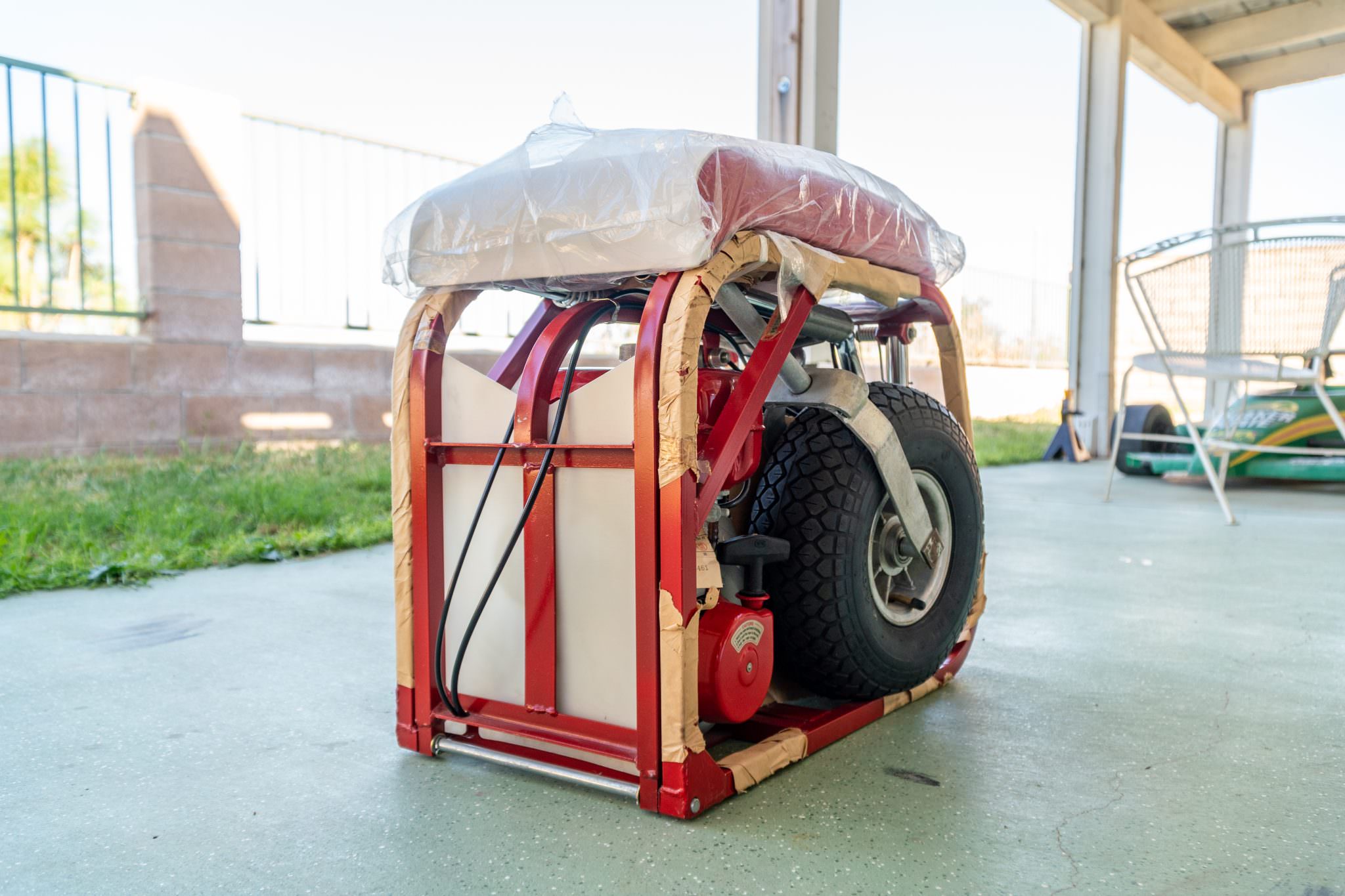
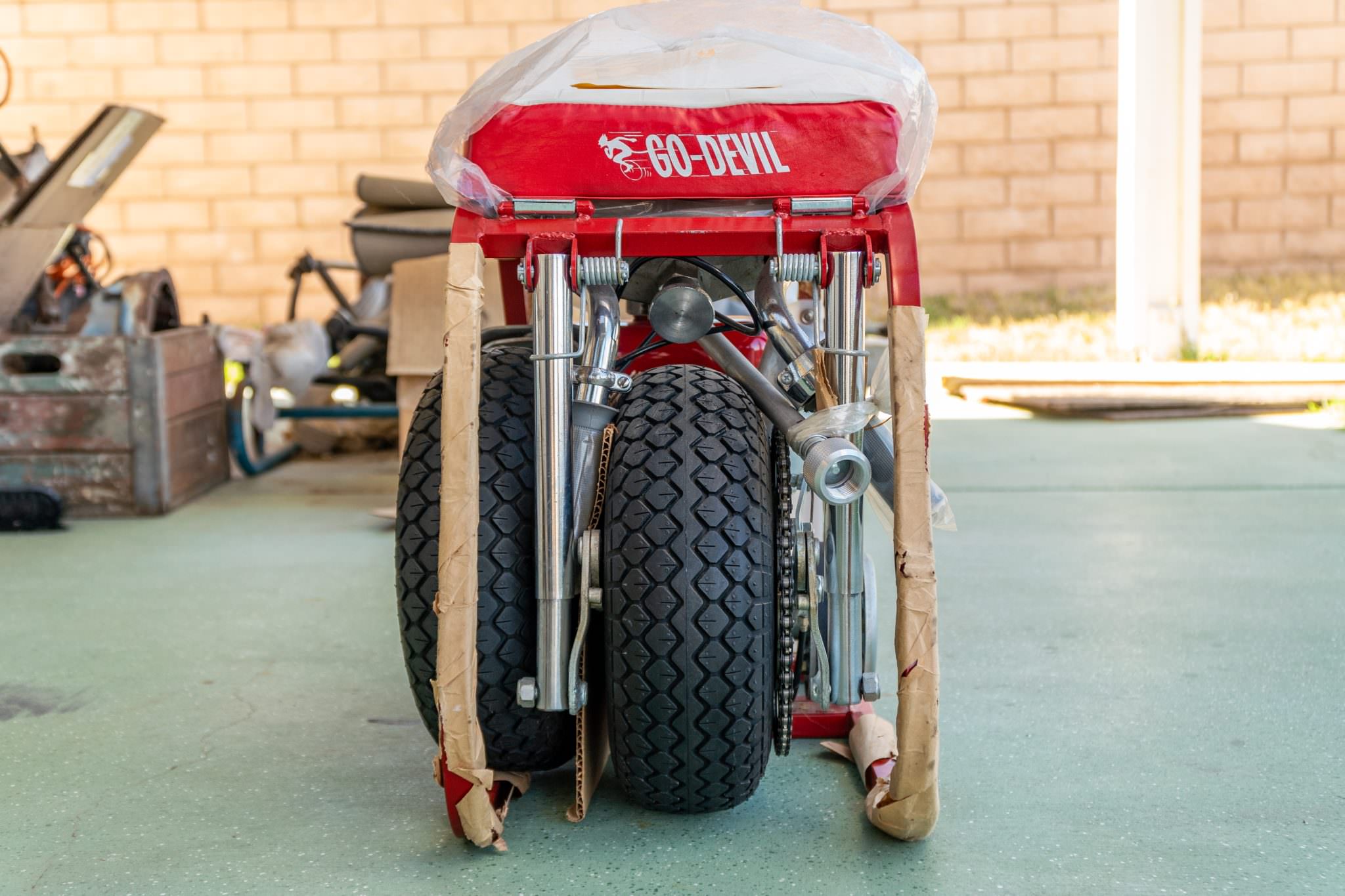
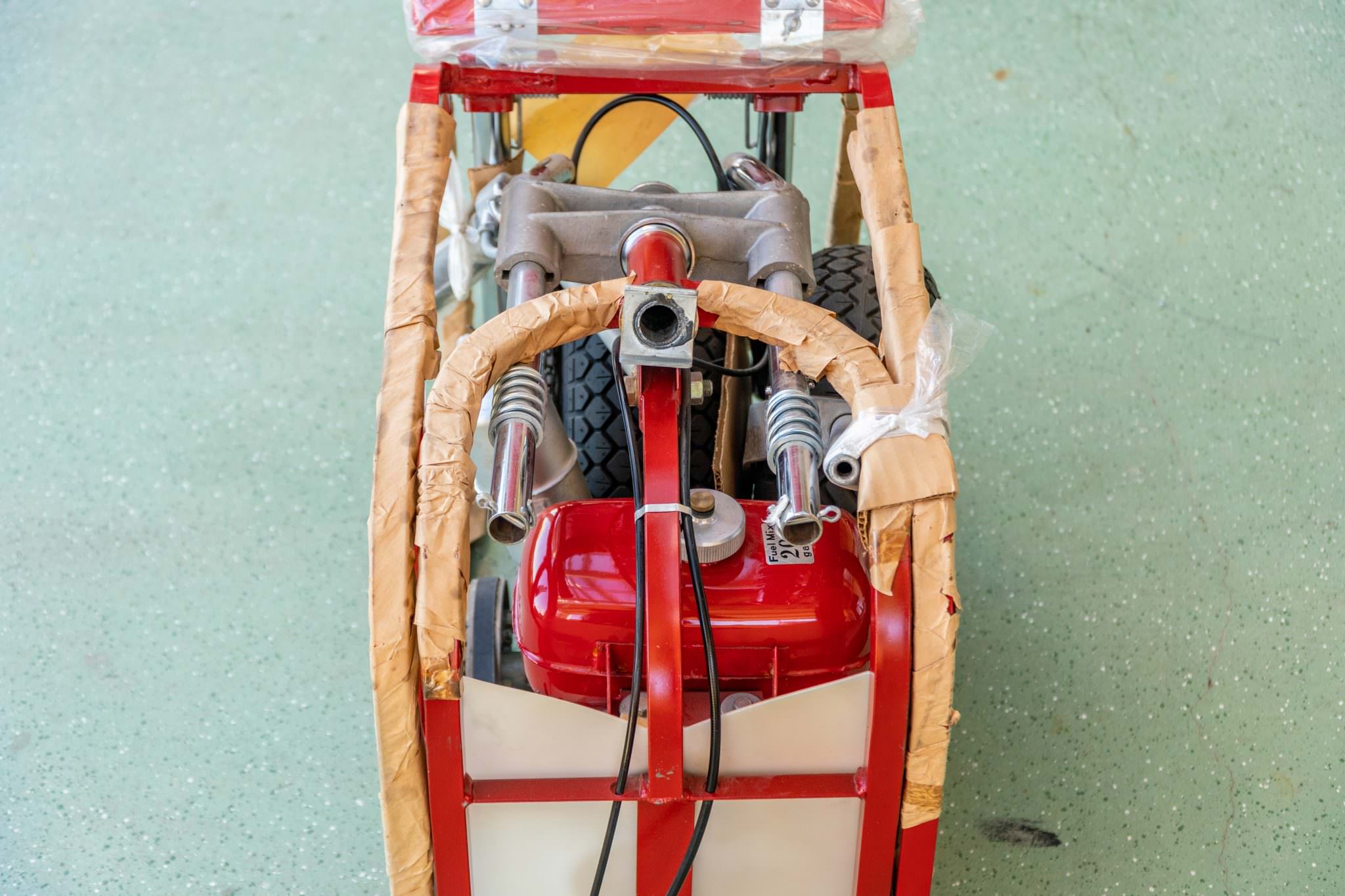
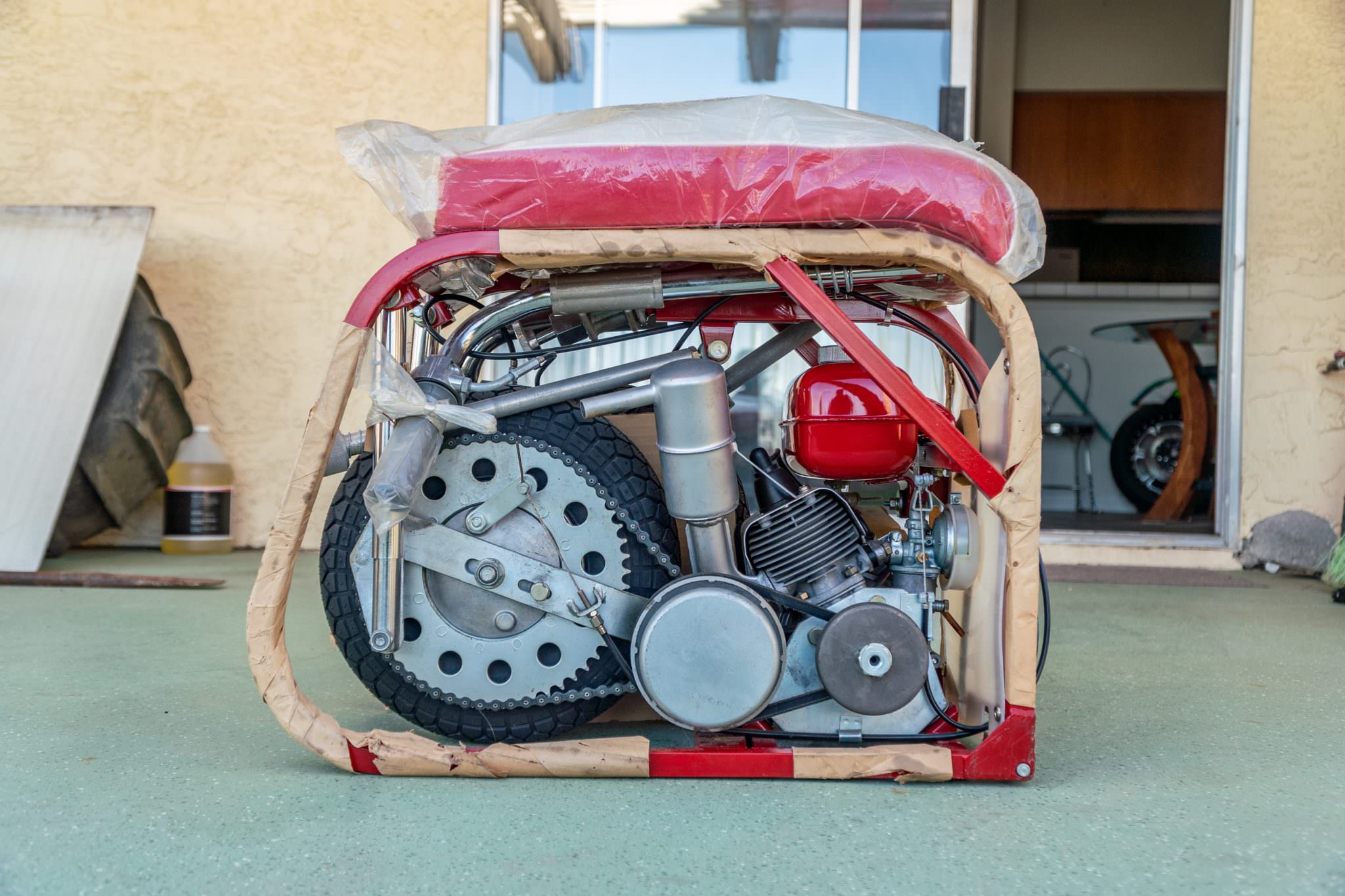
This example comes with the original blue carry bag and it’s still wrapped in protective plastic and cardboard.

It’s not known exactly how many were made, they only come up for sale relatively rarely and the example pictured here is the most well-preserved Go-Devil we’ve seen in recent memory.

The 1968 Fuji Go-Devil Shown Here

The Fuji Go-Devil you see here is from 1967, the 1968 model year and the last year of production.

Although the listing isn’t clear it does appear that this Go Devil has been preserved in its current condition, it looks new throughout and the protective cardboard is still wrapped around the frame tubes.

The process of folding and unfolding the bike takes an experienced owner approximately two minutes, and the engine is started with a simple pull cord like a lawn mower.

This Go Devil is currently for sale over on Bring A Trailer out of Lake Elsinore in California, if you’d like to read more about it or register to bid you can click here to visit the listing.
Fuji Go-Devil 8 Fuji Go-Devil 17 Fuji Go-Devil 16 Fuji Go-Devil 14 Fuji Go-Devil 13 Fuji Go-Devil 12 Fuji Go-Devil 11 Fuji Go-Devil 9 Fuji Go-Devil 8 Fuji Go-Devil 7 Fuji Go-Devil 5 Fuji Go-Devil 4 Fuji Go-Devil 3 Fuji Go-Devil 2 Fuji Go-Devil 10

Images courtesy of Bring A Trailer

Fuji Go-Devil 1

The post A 1968 Fuji Go-Devil: The Folding Motorcycle That Fits In A Suitcase appeared first on Silodrome.


from Silodrome https://silodrome.com/fuji-go-devil-scooter/
via gqrds