The Impossibly Beautiful Delahaye 135M

The Delahaye 135 was one of the most important French performance cars from the 1930s. In racing trim the 135 won the illustrious Monte Carlo Rally in 1937 and the 24 Hours of Le Mans in 1938, taking a slew of other wins and podium places in races as far away as Australia.

As was common at the time, Delahaye made the powered rolling chassis for the 135, it was then sent out to have a body fitted. The companies who built 135 bodies are a veritable who’s who of French coachbuilding – names like Figoni & Falaschi, Marcel Pourtout, Jacques Saoutchik, Henri Chapron, Faget-Varnay, and many more.

Fast Facts – The Delahaye 135

  • The Delahaye 135 was conceived along with the Type 134 and Type 138 in the hopes of reviving the French automaker’s flagging fortunes.
  • First released in 1935, the Delahaye 135 was powered by a 3.2 liter straight-six with overhead valves and a four-bearing crankshaft. Depending on the state of tune, this engine could produce well over 100 hp for racing applications, and 95 bhp in road trim.
  • The 135 was developed with a steel chassis, independent front suspension and a live axle rear, with a front-mounted engine powering the rear wheels. The transmission was either a partially synchronized four-speed manual or a four-speed Cotal pre-selector unit.
  • The Delahaye 135 would become the canvas upon which many of the greatest coachbuilders in France would work their magic, creating some of the most beautiful cars in history.

Émile Delahaye

Delahaye was founded back in the early days of the automobile in 1894 in the city of Tours in central France. The company was named for its founder, Émile Delahaye, a French engineer who had a particular interest in automobile racing.
Delahaye 135M 3

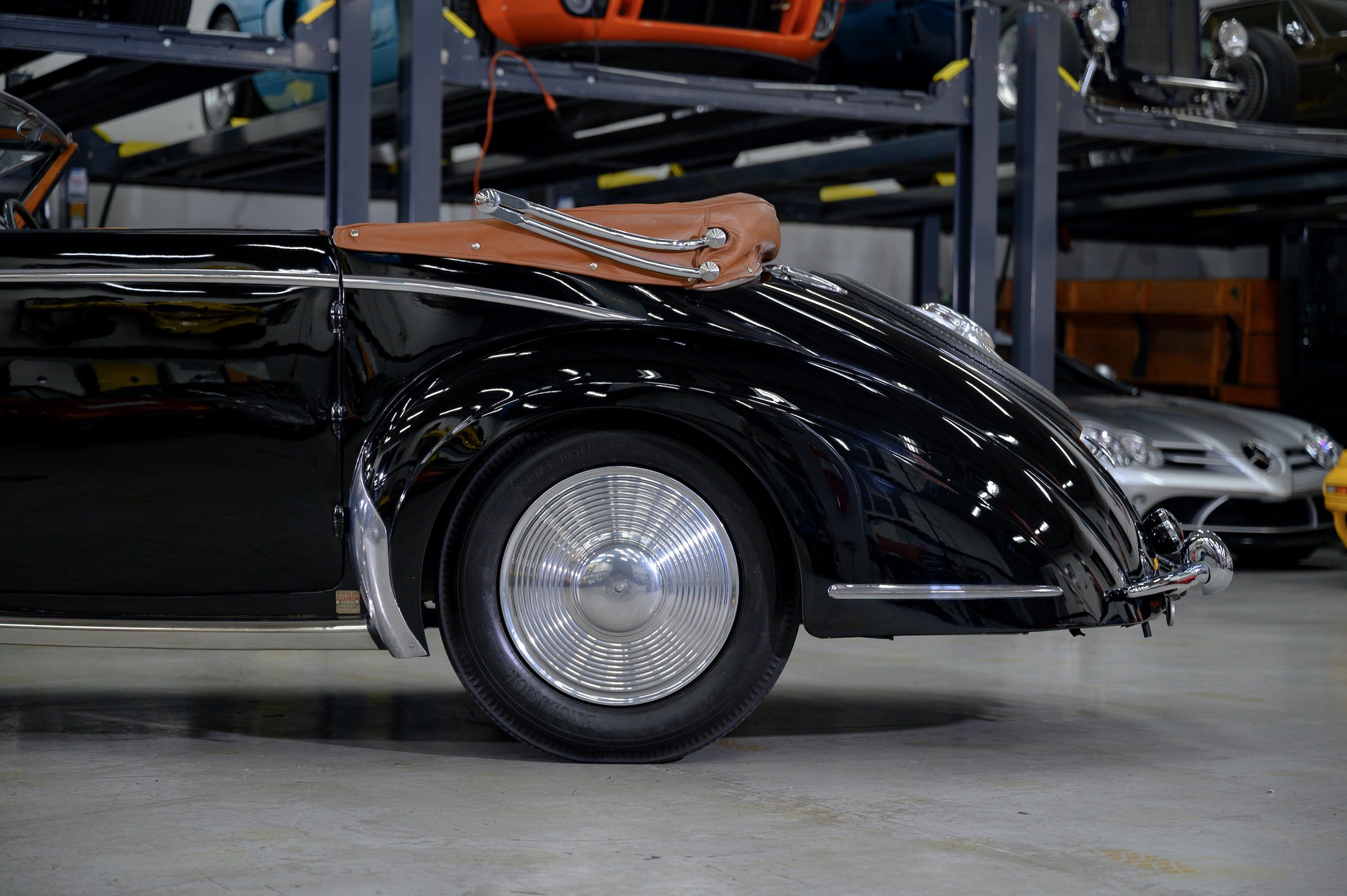
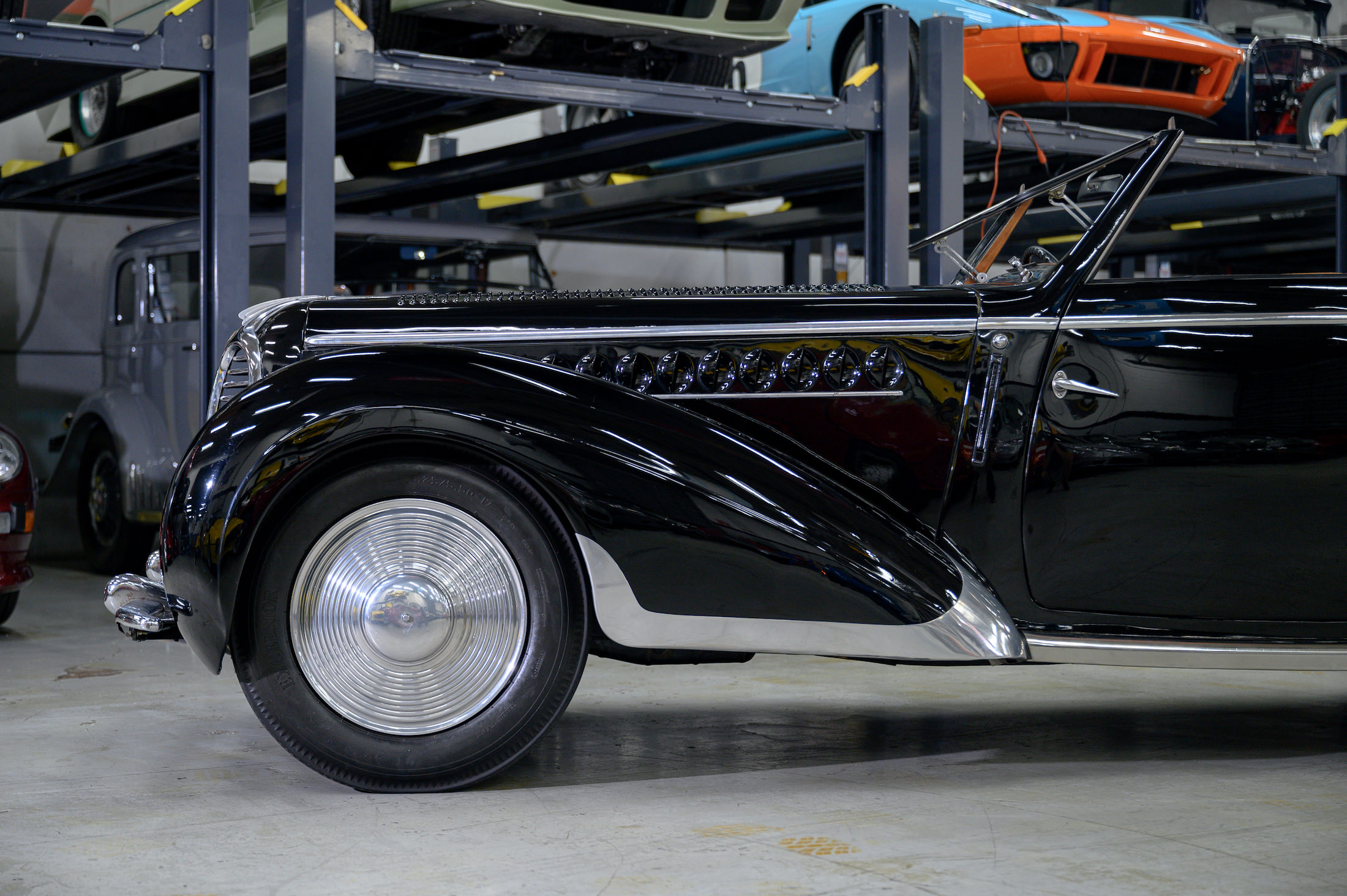
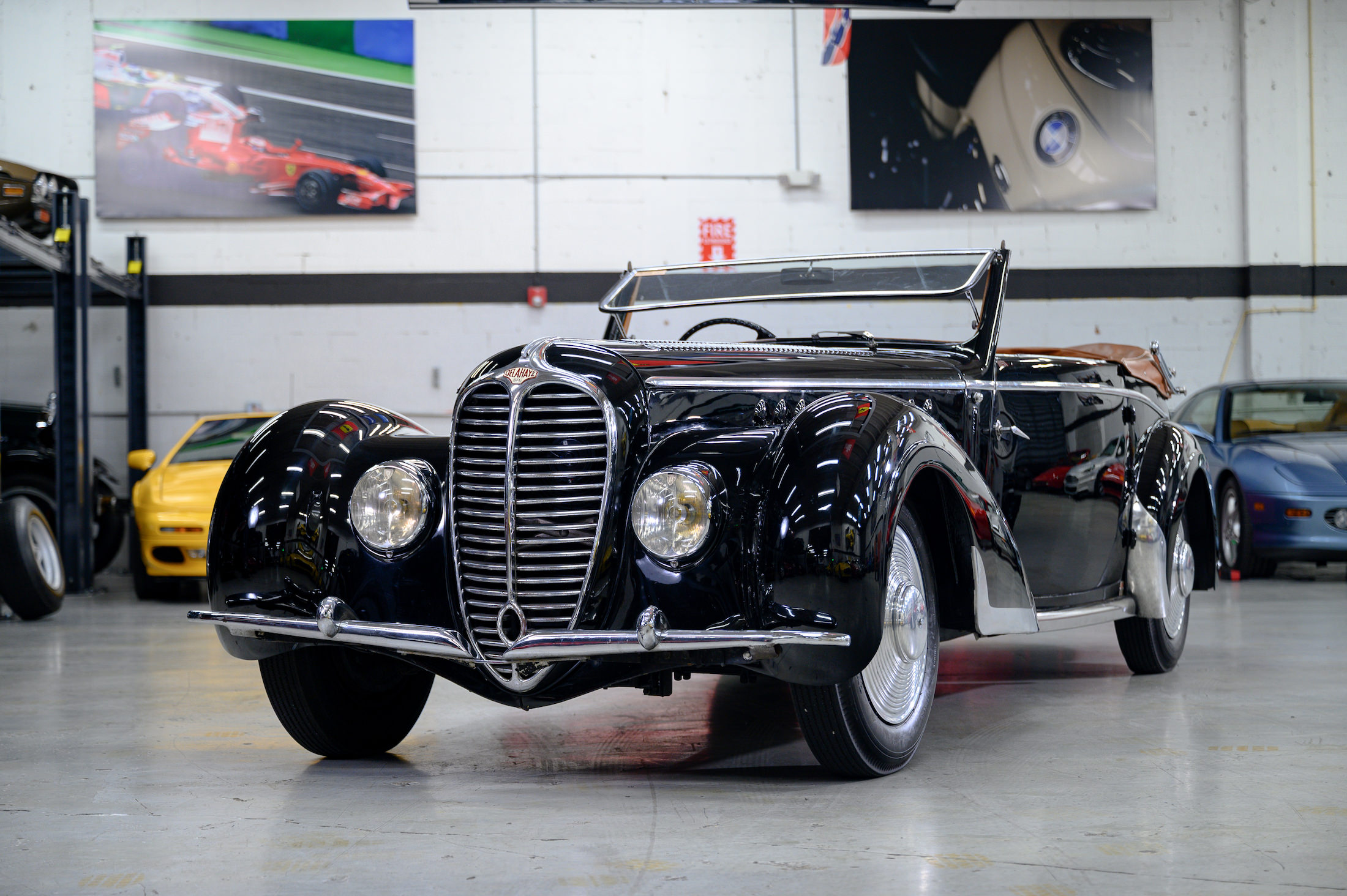
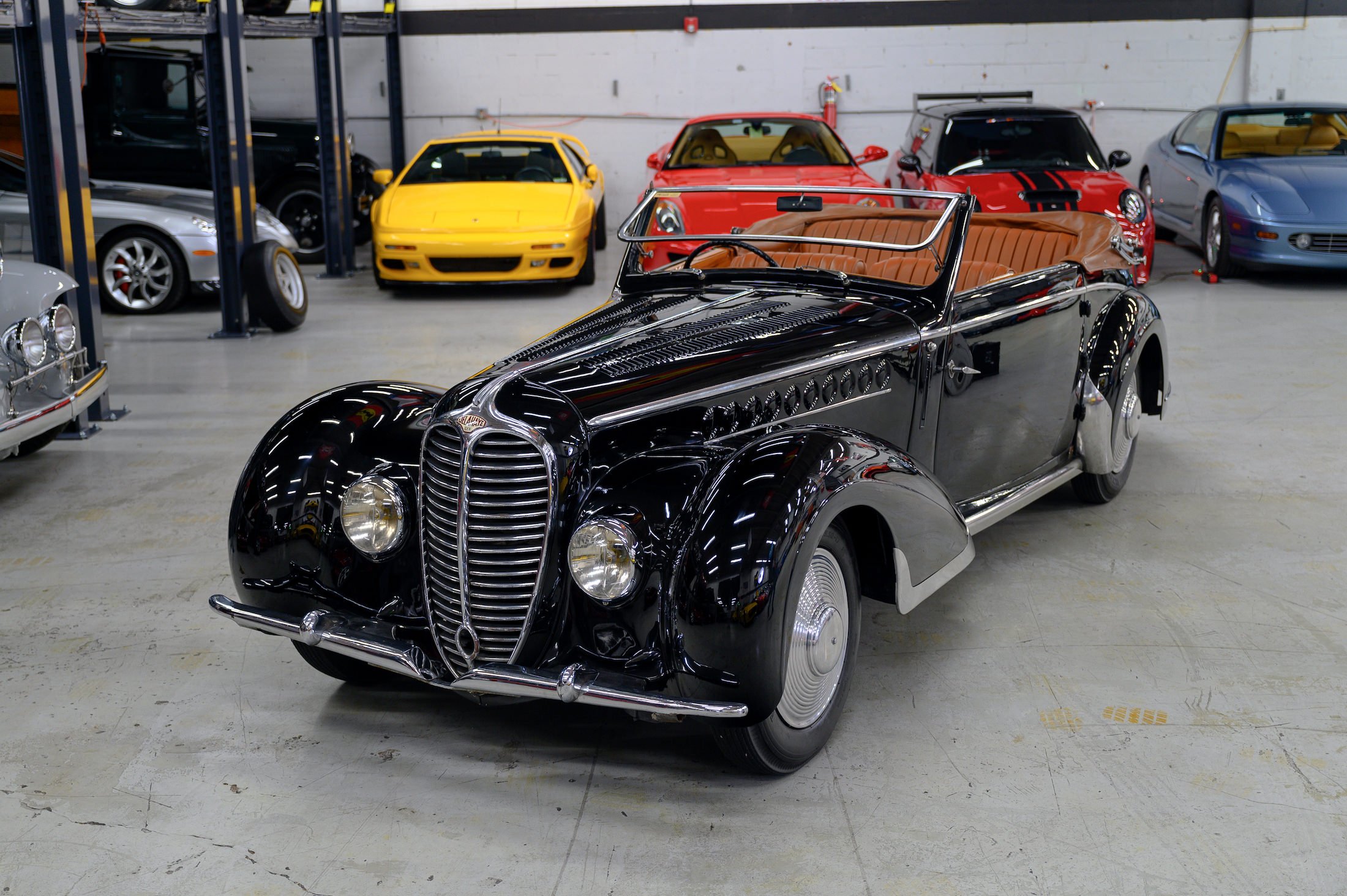
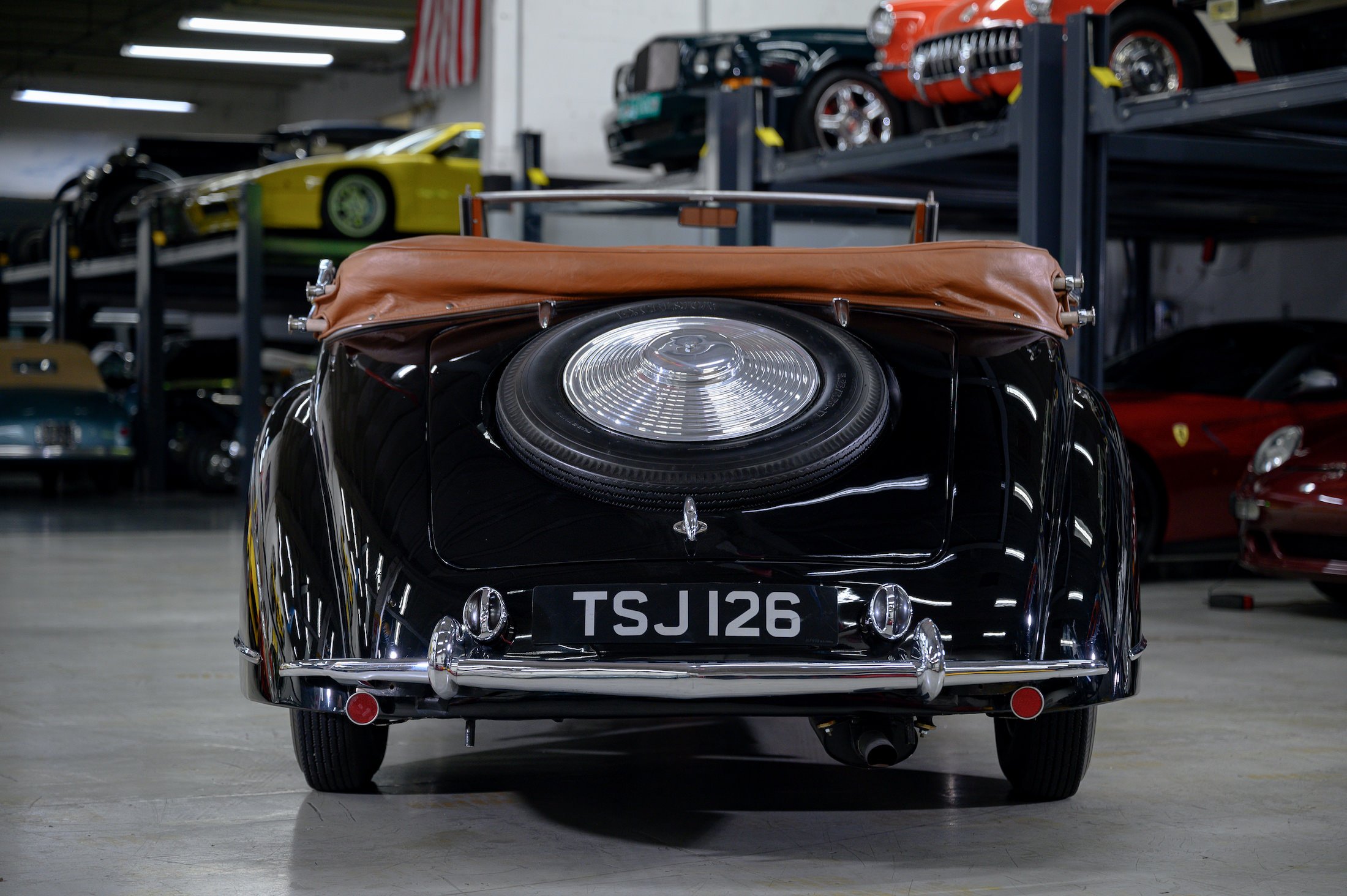
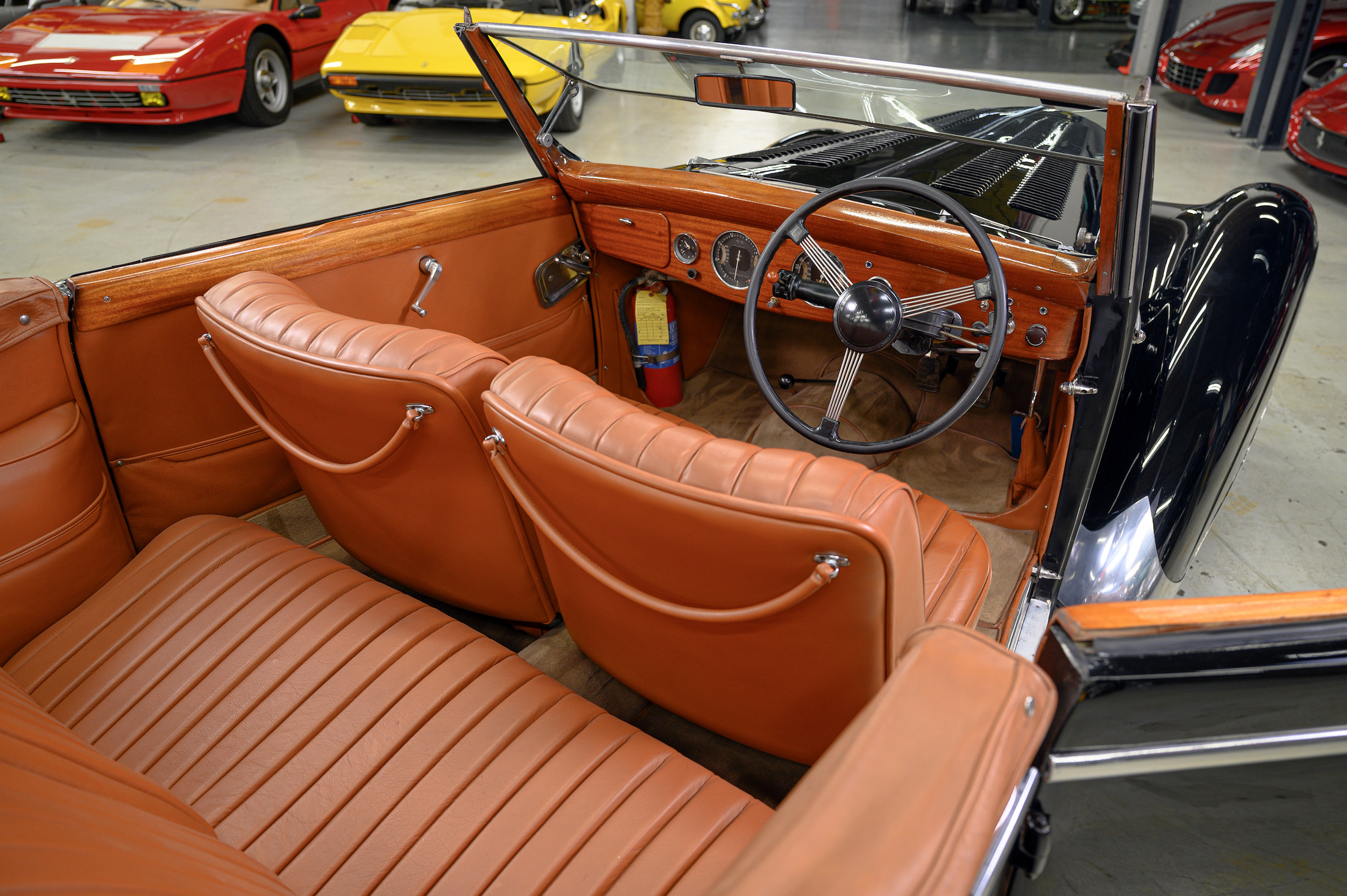
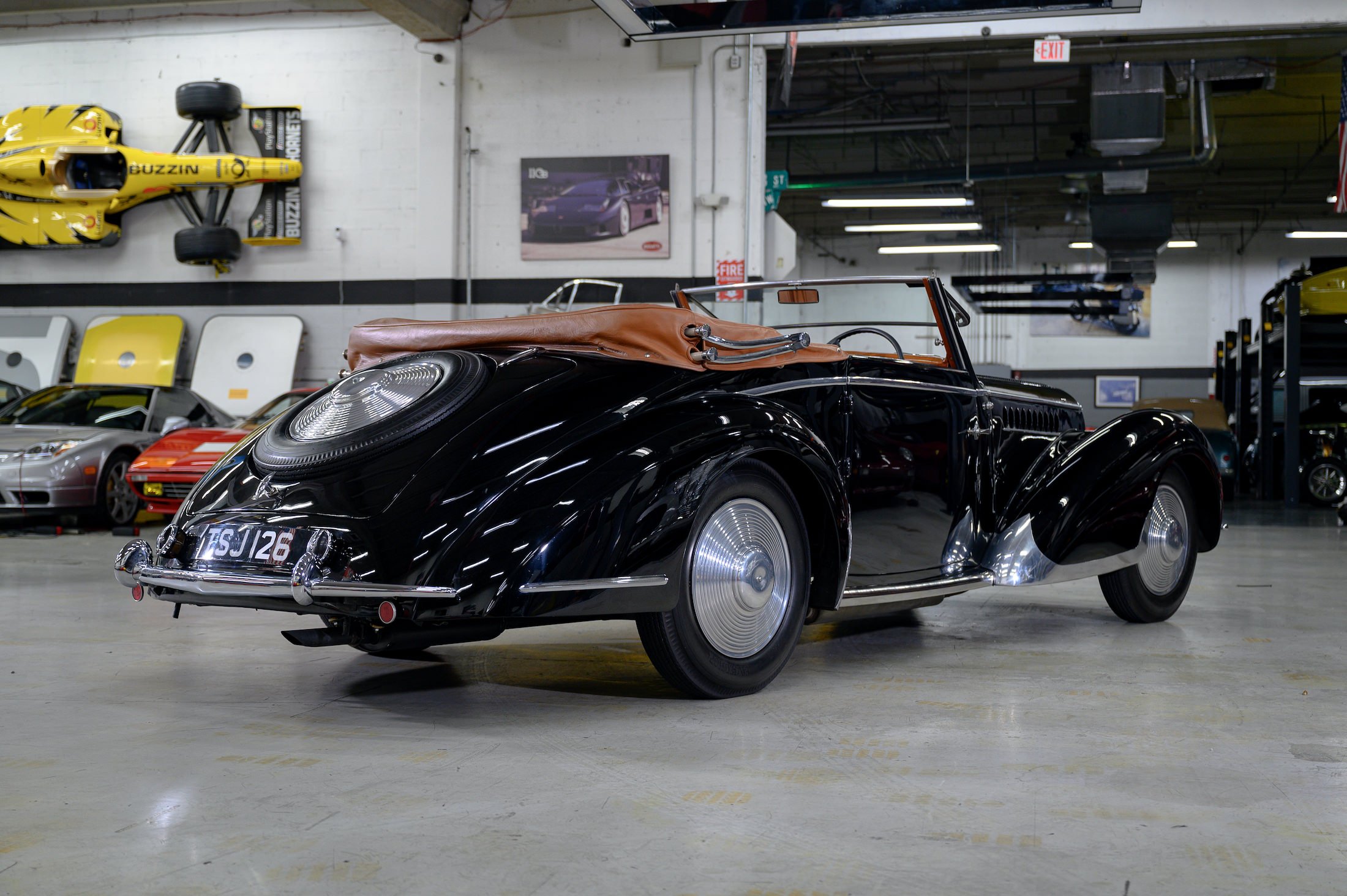
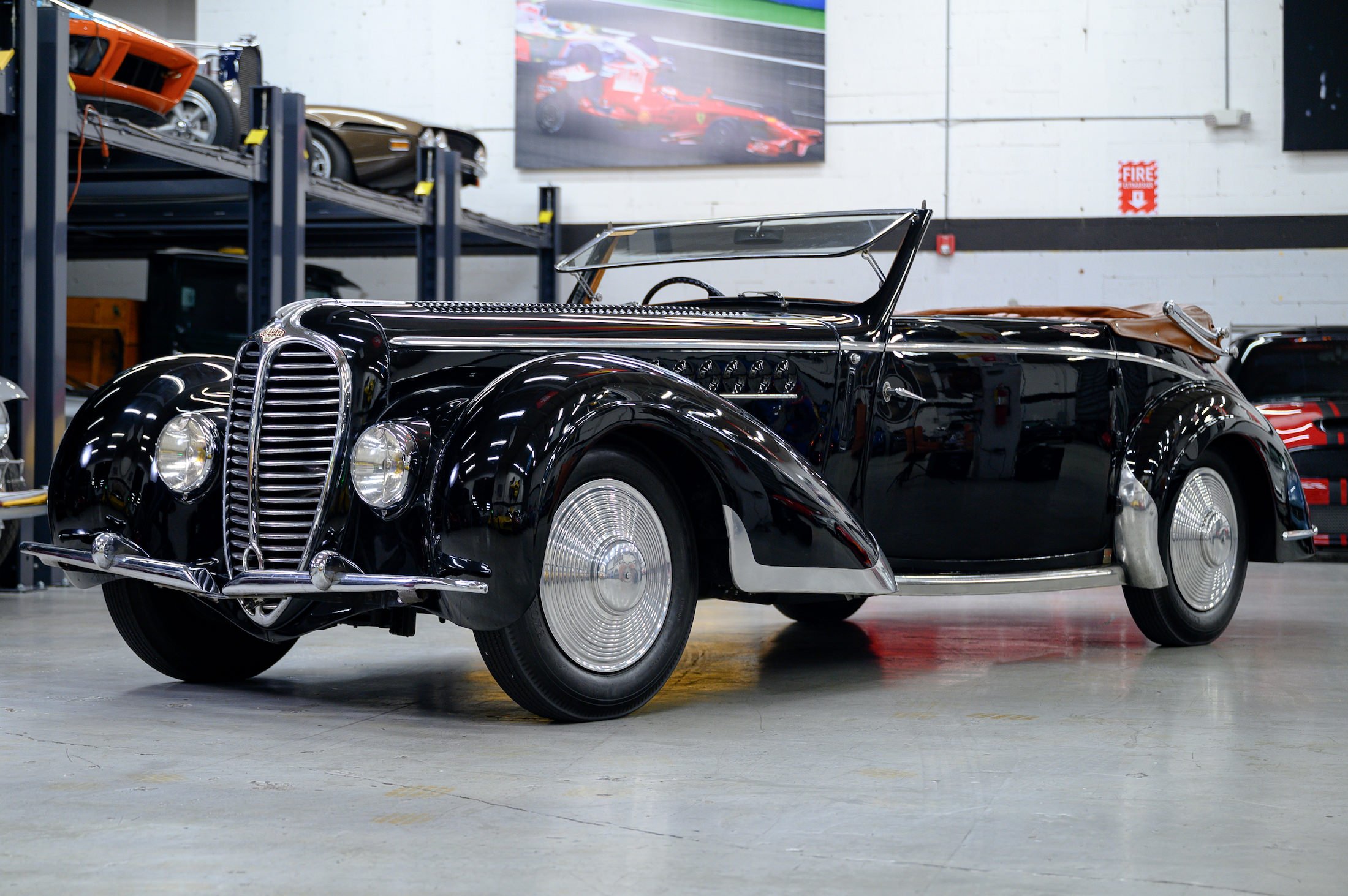
This 135M is finished in black with a cognac interior and a brown folding cabriolet top.

The formative years of the company were focussed largely on racing, Émile Delahaye entered his four-wheeled creations into early events like the 1896 Paris–Marseille–Paris race, the 1897 Paris–Dieppe race, the 1898 by the Marseilles–Nice rally, the Course de Perigeux, and the Paris–Amsterdam–Paris race.

Within a few years the company moved their manufacturing operations to Paris, and released a number of production automobiles, early examples of which featured rear-mounted engines and tiller steering.

Émile Delahaye retired in 1901, selling his shares in the company that carried his name. It was around this time that the company left the world of racing behind and chose to instead focus on the manufacturing of heavy duty commercial vehicles like trucks, along with a limited number of automobile chassis.

By the early 1930s Delahaye was in dire financial straights, they embarked on a return to their racing roots with the development of a new line of cars – let by the Delahaye 135.
Delahaye 135M 14

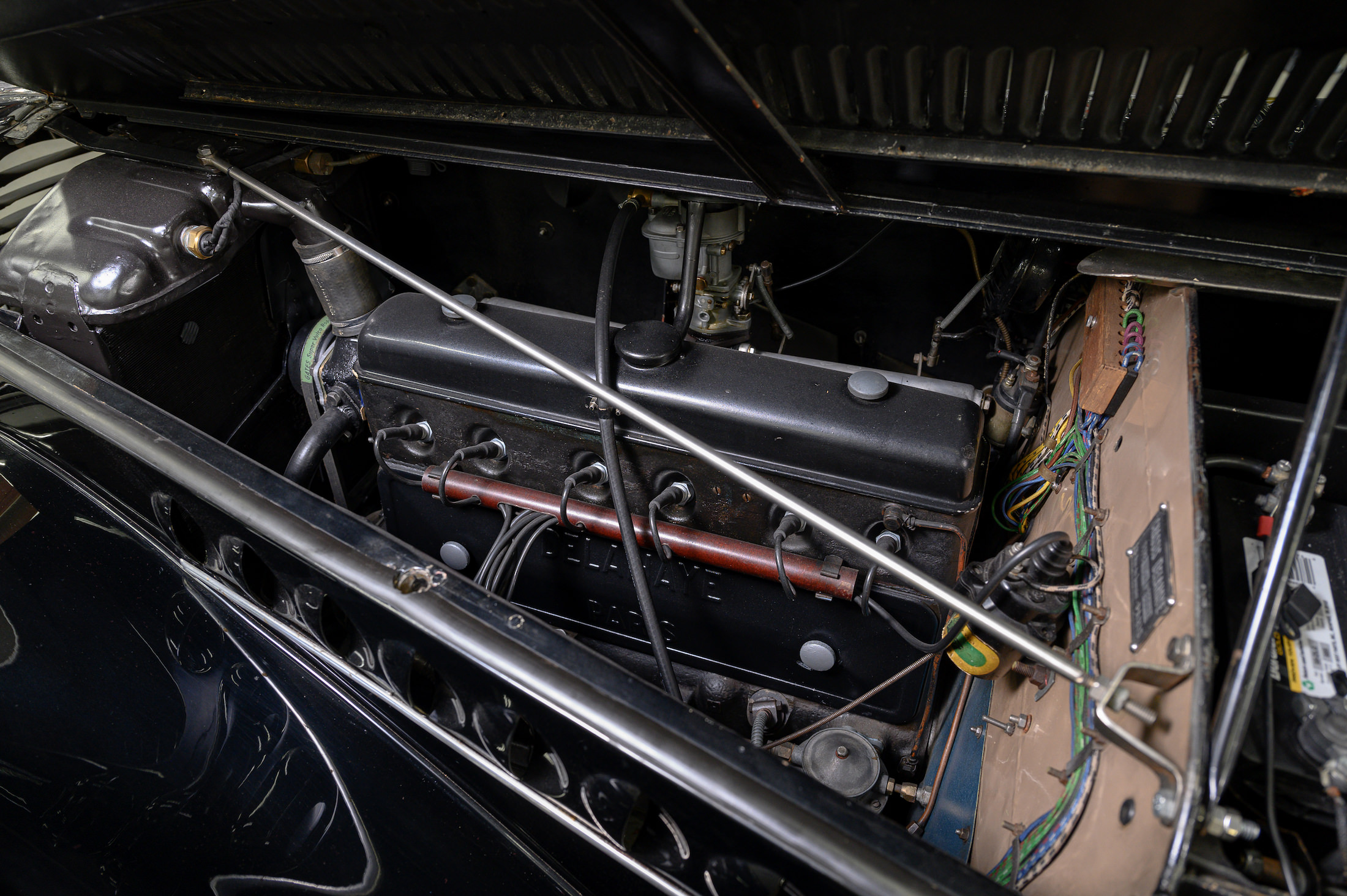
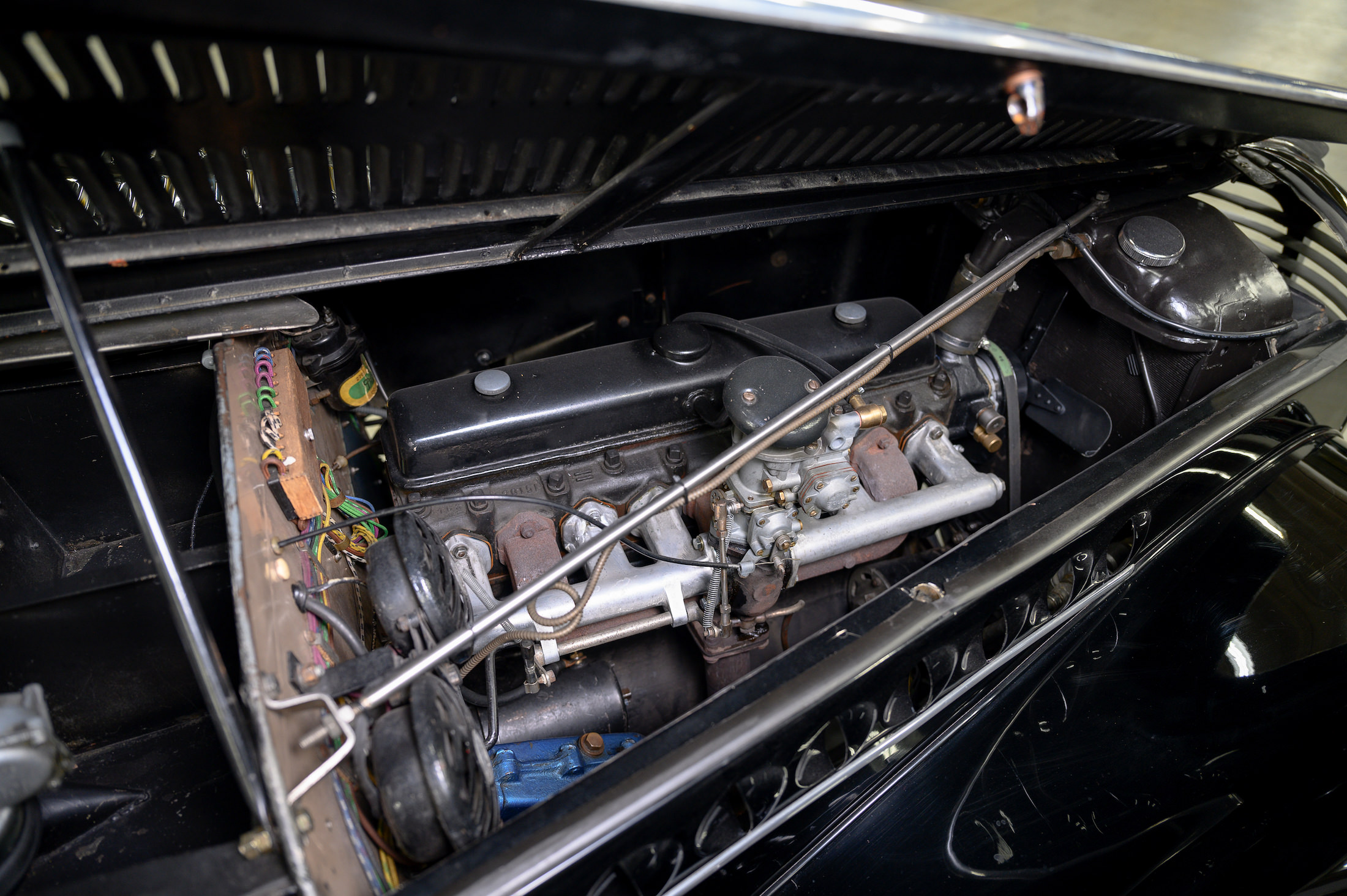
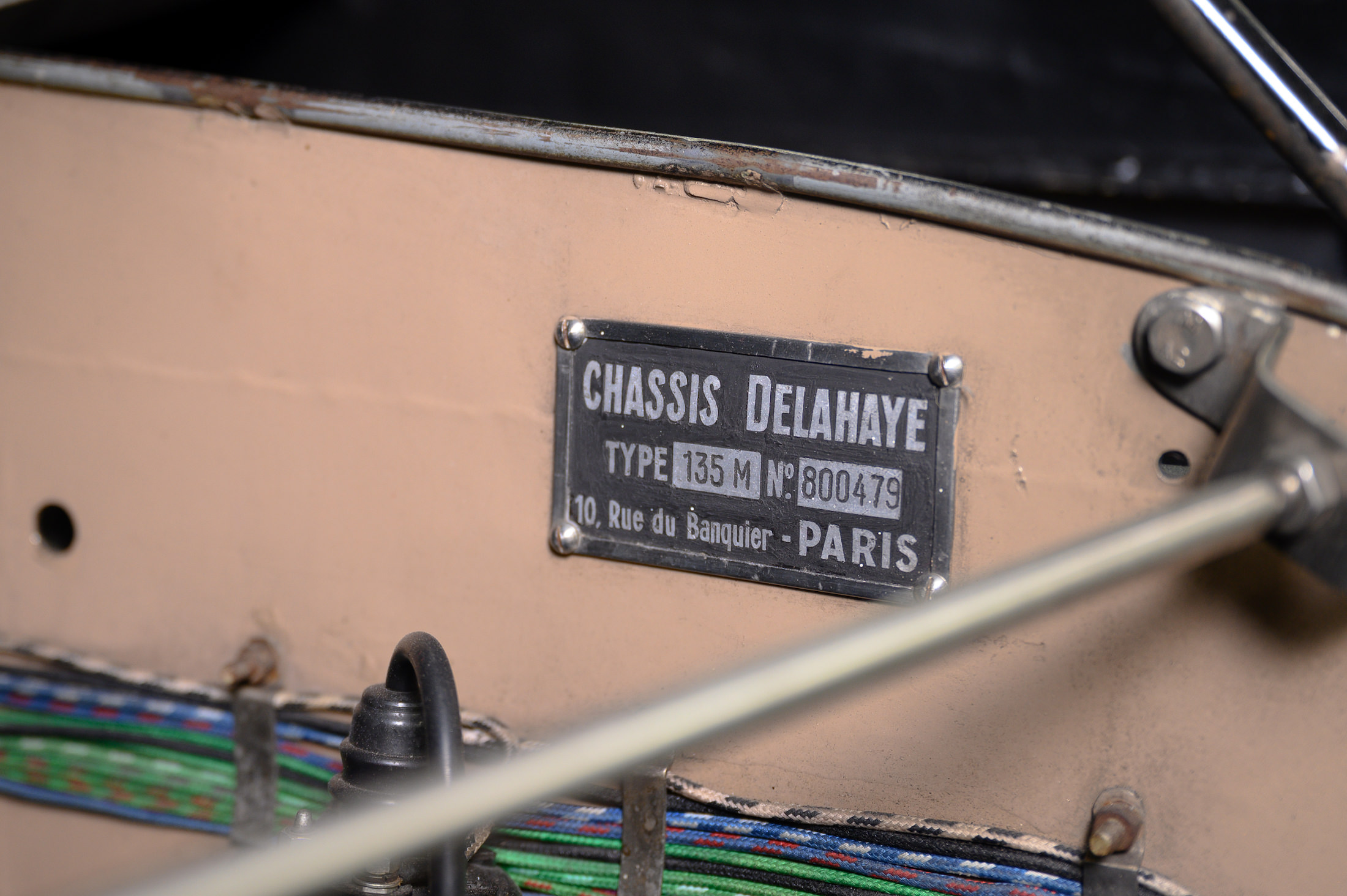
The engine is the more powerful 135M specification inline-six, with overhead valves, a four bearing crankshaft, and a displacement of 3.6 liters.

The Delahaye 135

When the Delahaye 135 was released in 1935 it proved immediately successful, and it helped to launch Delahaye back to the forefront of the performance motoring world.

Both racing and road-going versions of the 135 were offered, and buyers could choose from a long list of iconic coachbuilders to create bodies for their new cars to their own specifications.

The engineering that went into the Delahaye 135 wasn’t particularly groundbreaking and yet the car managed to become more than just the sum of its parts. The company’s experience building heavy duty trucks resulted in over-engineered powertrains that were remarkably reliable, making them particularly well-suited to endurance events like the 24 Hours of Le Mans.

The first Delahaye 135 from 1935 was powered by an inline-six cylinder engine with overhead valves, a four bearing crankshaft, and either a four-speed manual transmission with partial synchronization, or a four-speed Cotal pre-selector unit.
Delahaye 135M 1

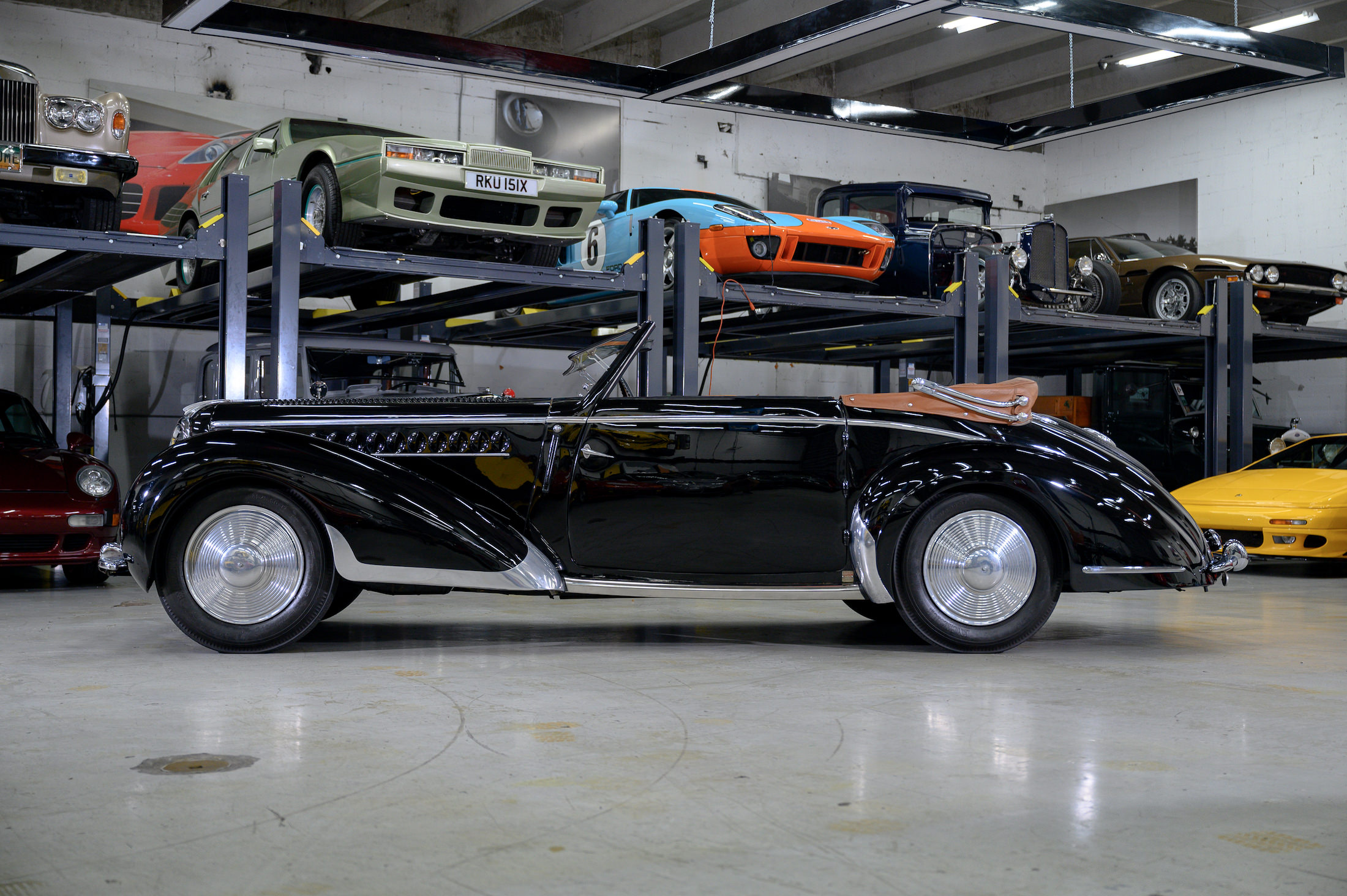
The body was created by famed French coachbuilder Henri Chapron, it’s a great example of the kinds of beautiful bodies that French coachbuilders were turning out at the time.

The 135 used a steel chassis with independent front suspension on leaf springs and a live axle on leaf springs in the rear. Brakes were cable operated drums fitted at each wheel.

The car would be quickly nicknamed the “Coupe des Alpes” after its success in the Alpine Rally, it also enjoyed wins in the Monte Carlo Rally in 1937, the 24 Hours of Le Mans in 1938, the 1949 Australian Grand Prix, and a slew of other races.

Production ceased during WWII, it was restarted after the war and continued until 1954. Approximately 2,000 examples of the 135 (and its related models) were built and today they’re highly-prized among collectors.

The 1947 Delahaye 135M Shown Here

The car you see here is a desirable post-WWII 1947 Delahaye 135M, it’s fitted with a cabriolet body that was built by legendary French coachbuilder Henri Chapron.
Delahaye 135M 6

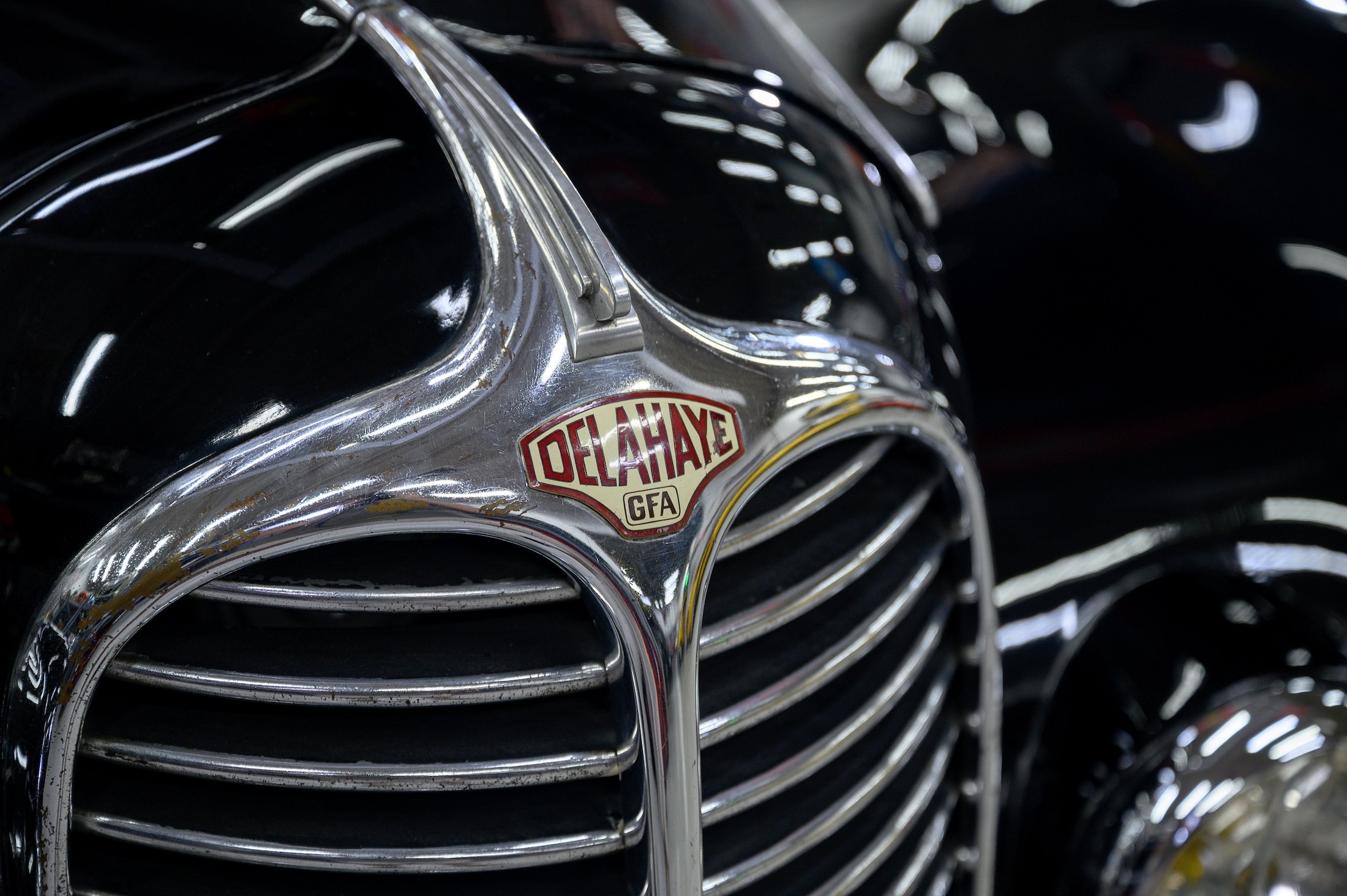
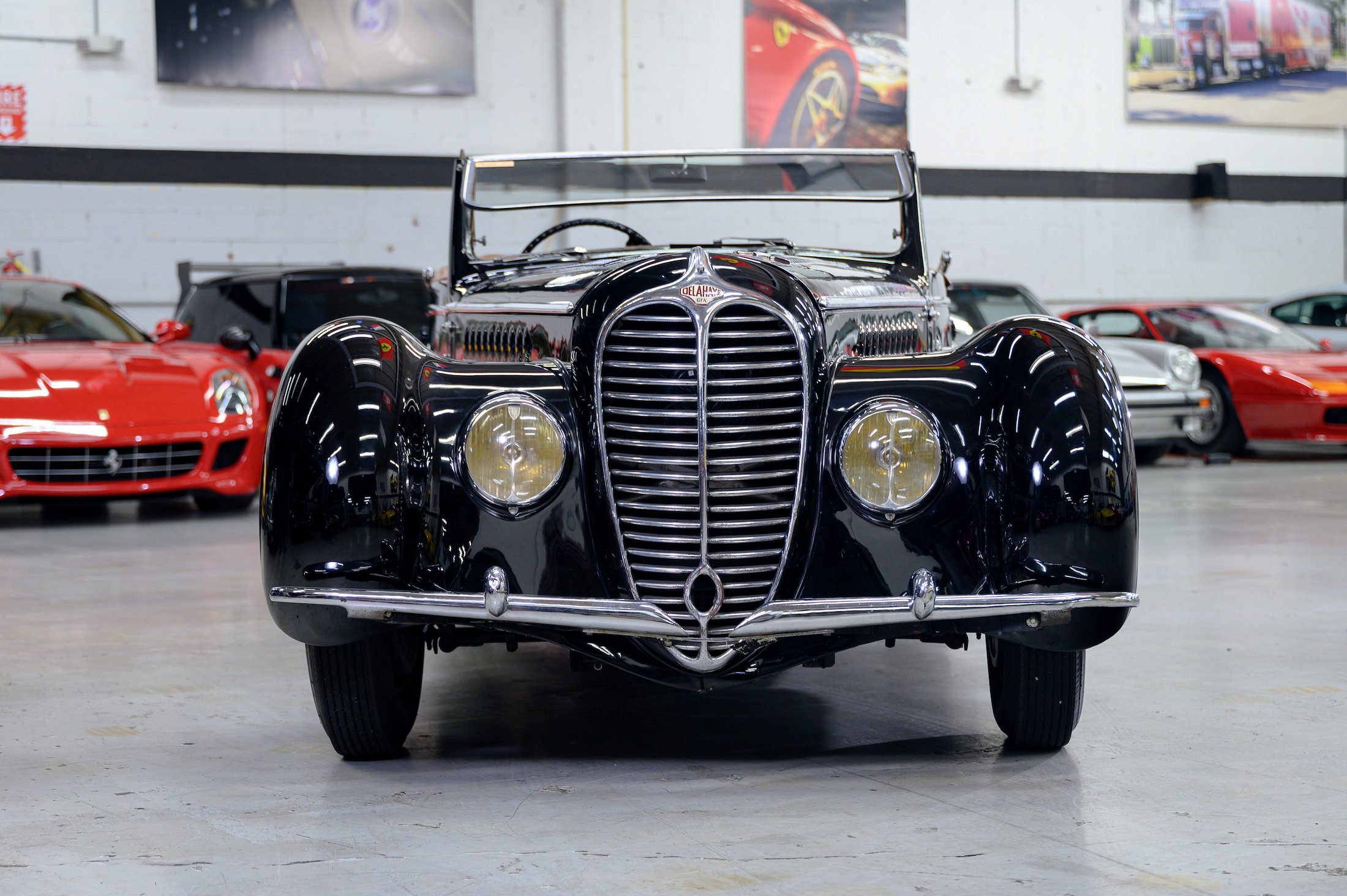
The shape of the front grille is a distinctive Delahaye trademark, making them easy to identify from across a concours lawn regardless of who the coachbuilder was.

Little is known about this car’s early history, it was exported from Europe to the United States 20+ years ago and it’s wearing an older restoration now that is showing come signs of light patina.

The original engine is long gone, replaced instead by a single-carbureted version of the same 3.6 liter 135M engine which had been offered from 1936 onwards as an upgrade over the original 3.2 liter unit. Power is sent to the rear live axle by way of a four-speed Cotal preselector gearbox.

This Delahaye is scheduled to roll across the auction block with RM Sotheby’s on the 26th of March with a price guide of $225,000 – $275,000 USD.

If you’d like to read more about it or register to bid you can click here to visit the listing.
Delahaye 135M 13 Delahaye 135M 12 Delahaye 135M 11 Delahaye 135M 10 Delahaye 135M 9 Delahaye 135M 8 Delahaye 135M 7 Delahaye 135M 5 Delahaye 135M 4 Delahaye 135M 2

Images: Jasen Delgado ©2022 Courtesy of RM Auctions
Delahaye 135M

The post The Impossibly Beautiful Delahaye 135M appeared first on Silodrome.


from Silodrome https://silodrome.com/delahaye-135m-car/
via gqrds

A Giant 1:3 Scale R/C Scammell Pioneer Artillery Tractor

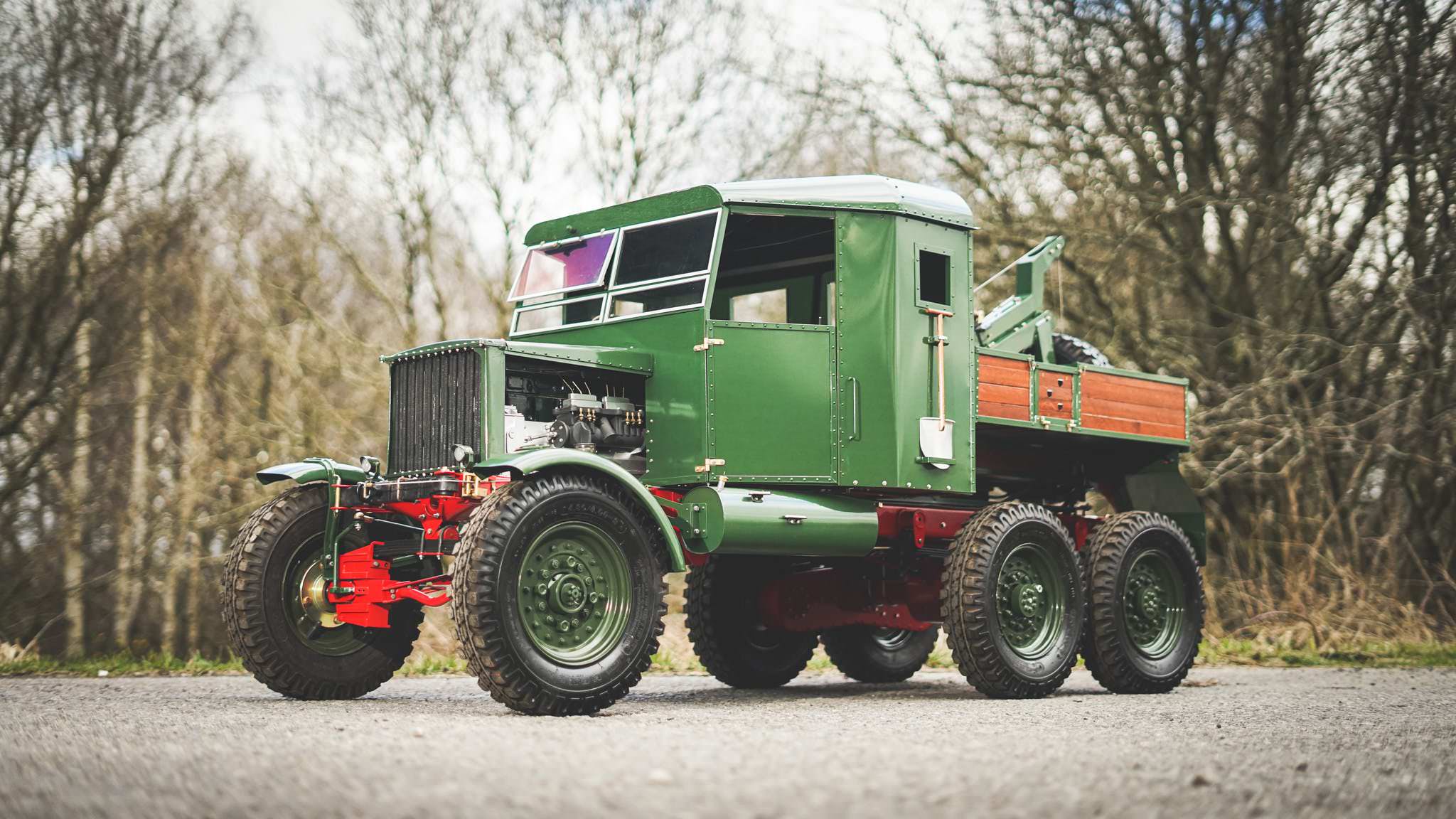
The Scammell Pioneer is a 6×4 truck designed released in 1927 as an artillery tractor, recovery vehicle, and tank transporter. It was developed long before the Willys Jeep or the Land Rover as an early solution to mechanized off-road mobility.

As World War II erupted across Europe in 1939 vehicles like the Scammell Pioneer suddenly became invaluable. Before the war the British War Office had only purchased one, but by the end of the conflict they had bought almost 2,000.

Fast Facts – A Remote Control 1:3 Scale Scammell Pioneer

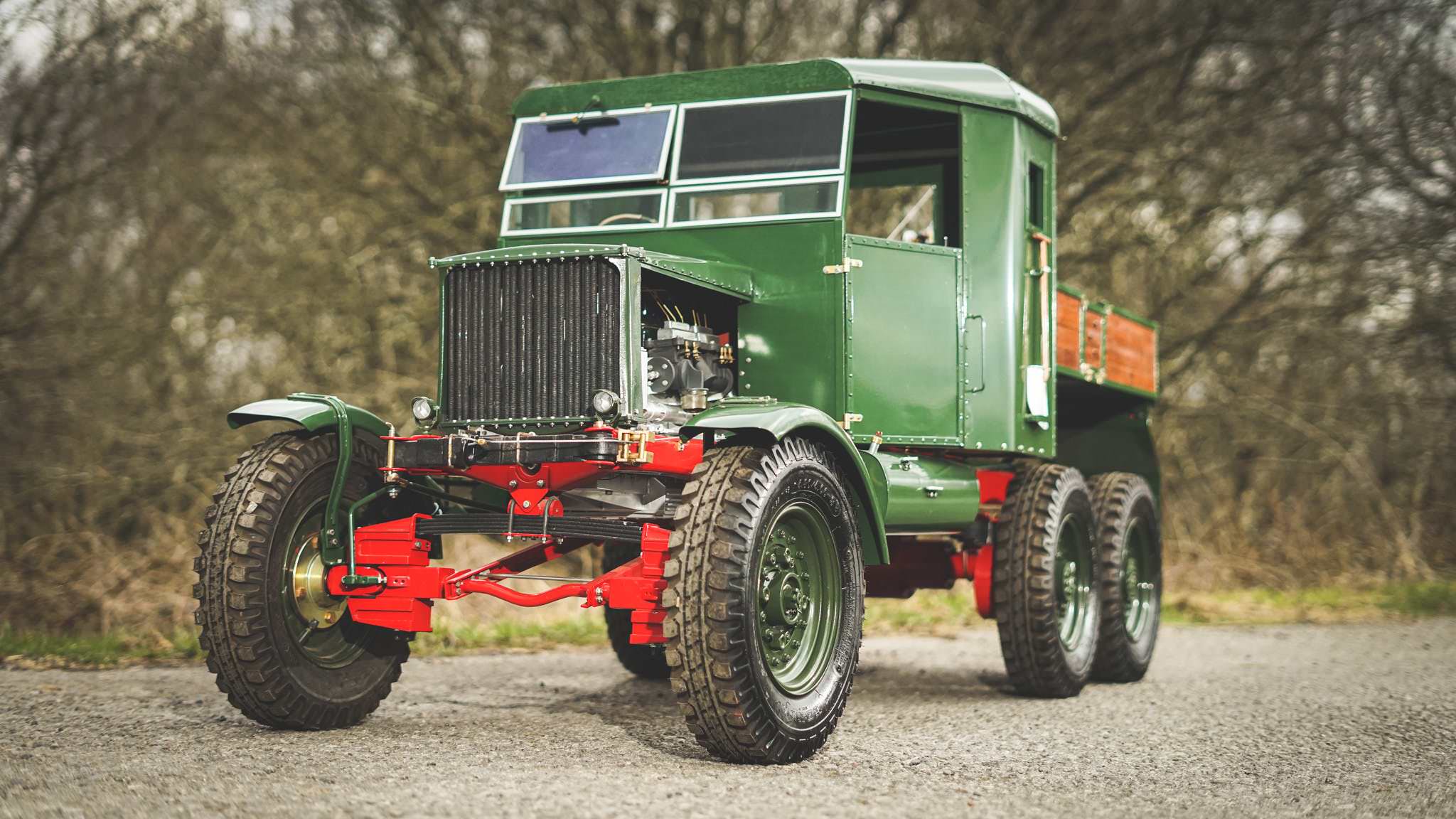
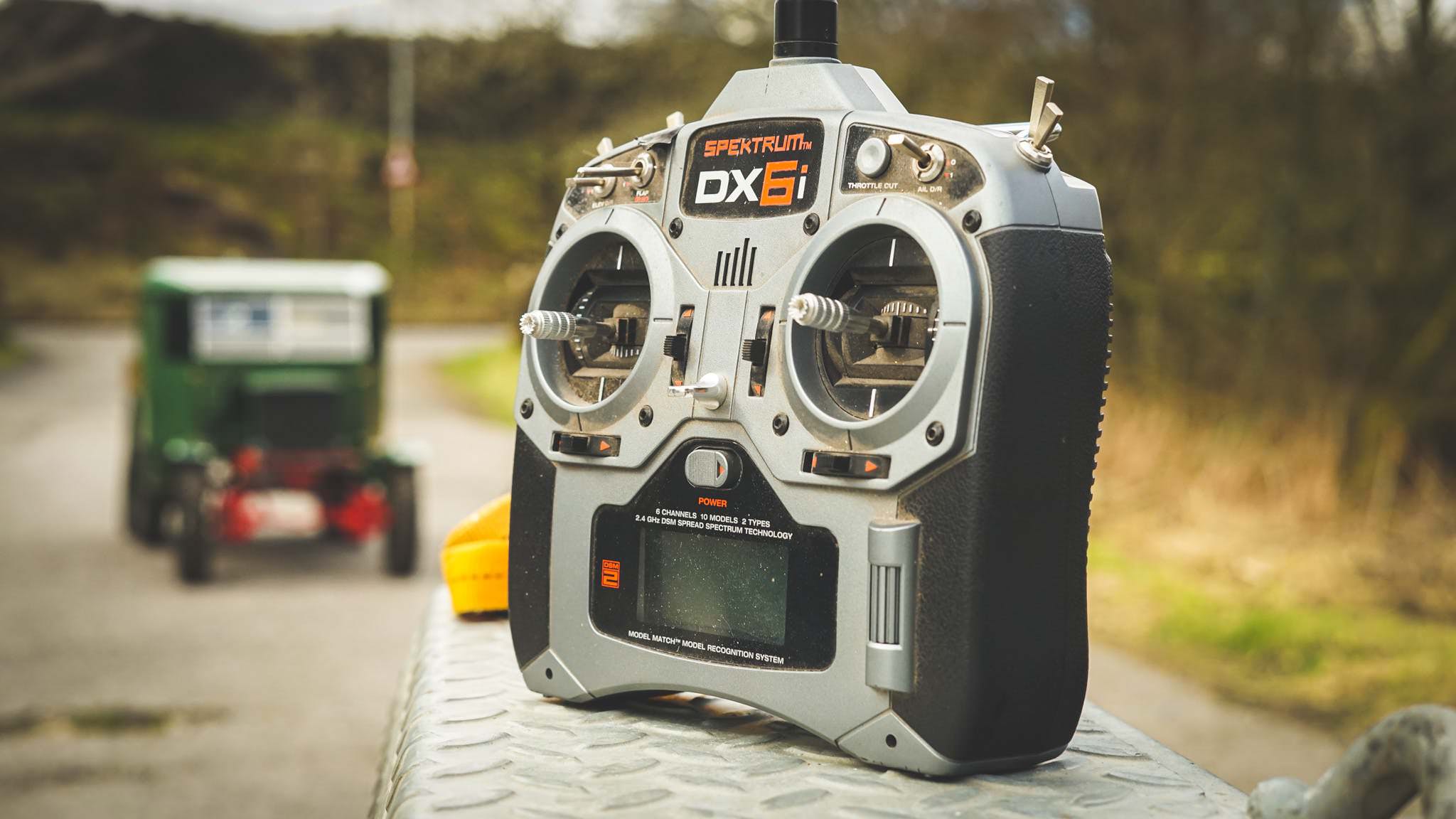
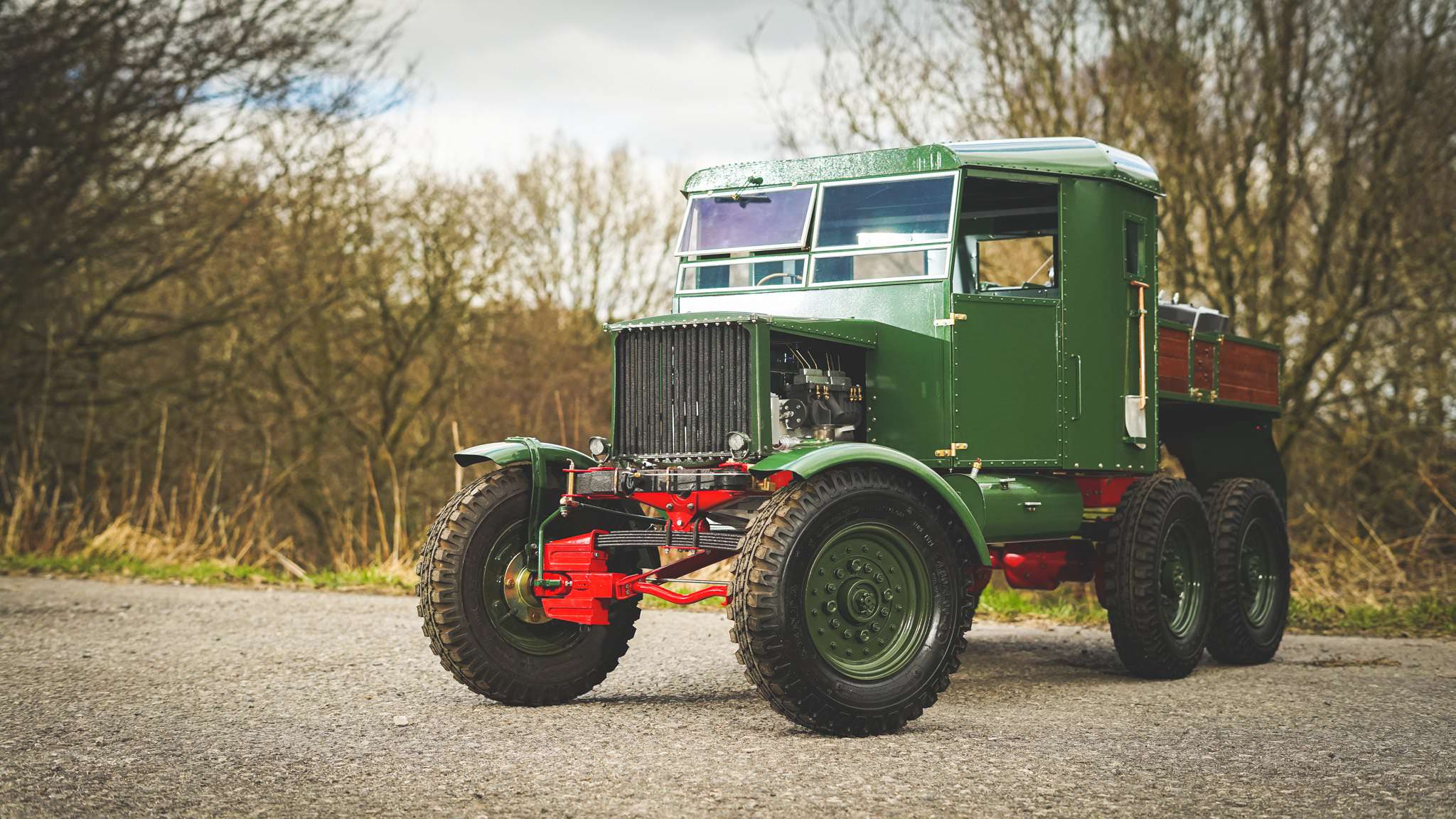
  • This is a remotely controlled 1:3 scale Scammell Pioneer was built from scratch over a period of eight years, it shows remarkable attention to detail throughout and it comes with the R/C controller which allows it to be driven around at shows and events.
  • The original Scammell Pioneer was first produced in 1927, it remained in production through WWII and became an invaluable logistics tool for recovering vehicles, transporting tanks, delivering fuel, and towing artillery.
  • The rear four wheels of the Scammell Pioneer were driven, making it a 6×4 drive vehicle. Both petrol and diesel versions were built and they were fitted with a power take-off driving a Scammell winch.
  • The one-off Scammell Pioneer scale model you see here is now for sale, providing a unique opportunity to buy a functional 1:3 scale Scammell for shows and exhibitions.

“You Can Take A Scammell Almost Anywhere”

When the Scammell Pioneer was released the company marketed it by saying “You can take a Scammell almost anywhere,” and they weren’t wrong. The Pioneer was one of the most capable off-road trucks in the world at the time, years before the release of Willys Jeep, Land Rover, Unimog, or Land Cruiser.

Scammell Pioneer

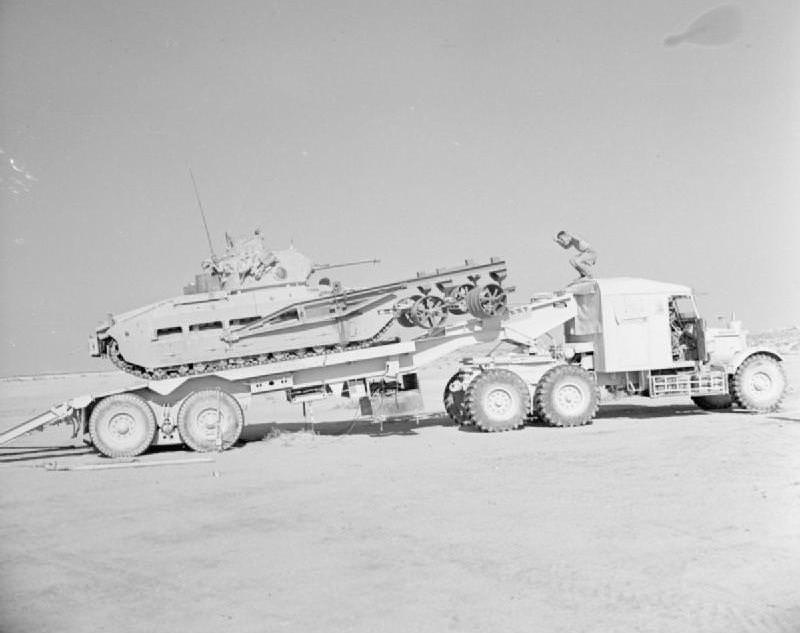
A Matilda tank equipped with AMRA Mk 1a (Anti-Mine Roller Attachment) being loaded onto a transporter, 28 August 1942. Image courtesy of the British Imperial War Museum.

The Pioneer was originally developed by engineers at Scammell for use in Britain’s colonies and overseas territories where roads often didn’t exist, or were frequently impassable to normal vehicles.

Despite the proven off-road prowess of the Pioneer the British War Office ordered just one of them for evaluation. By the time the Second World War broke out it became clear that the Scammmell was going to be invaluable, and the War Office was placing orders for them hand over fist.

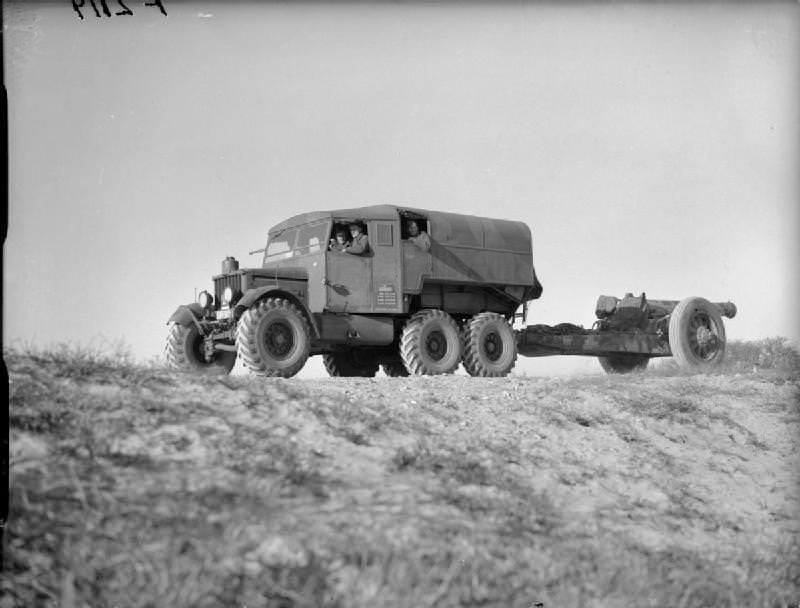
During the conflict the Scammell Pioneer was used mostly in Europe, its roles varied but it was most commonly used as an artillery tractor, pulling the 60 pounder, 6 inch Howitzer, 4.5 inch gun, and the 5.5 inch Howitzer.

Other uses included tank transporting, some versions of the Pioneer had a tank trailer permanently attached and they were used frequently in this role. They could also recover damaged and broken down tanks thanks to their winch.

Above Image: This is a period instructional film on the Scammell Pioneer, it was used to instruct recruits on all of the major functions of the vehicle including the use of the winch and power take-off.

By the end of the war in 1945 Scammell had built almost 2,000 examples of the Pioneer. Very few of them remain today, there are a few in museums and private collections, but the vast majority are lost to history.

The R/C 1:3 Scale Scammell Pioneer Shown Here

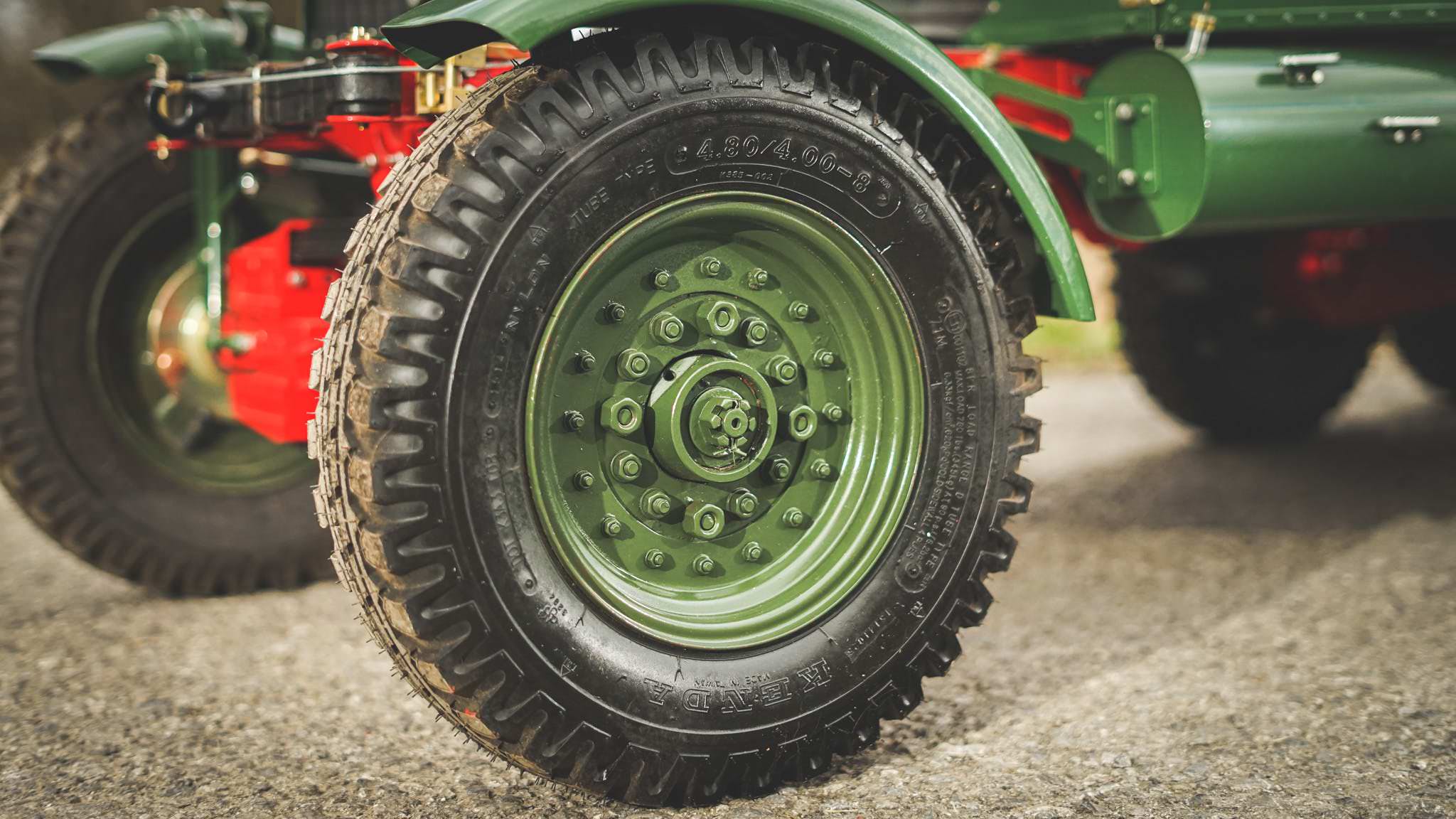
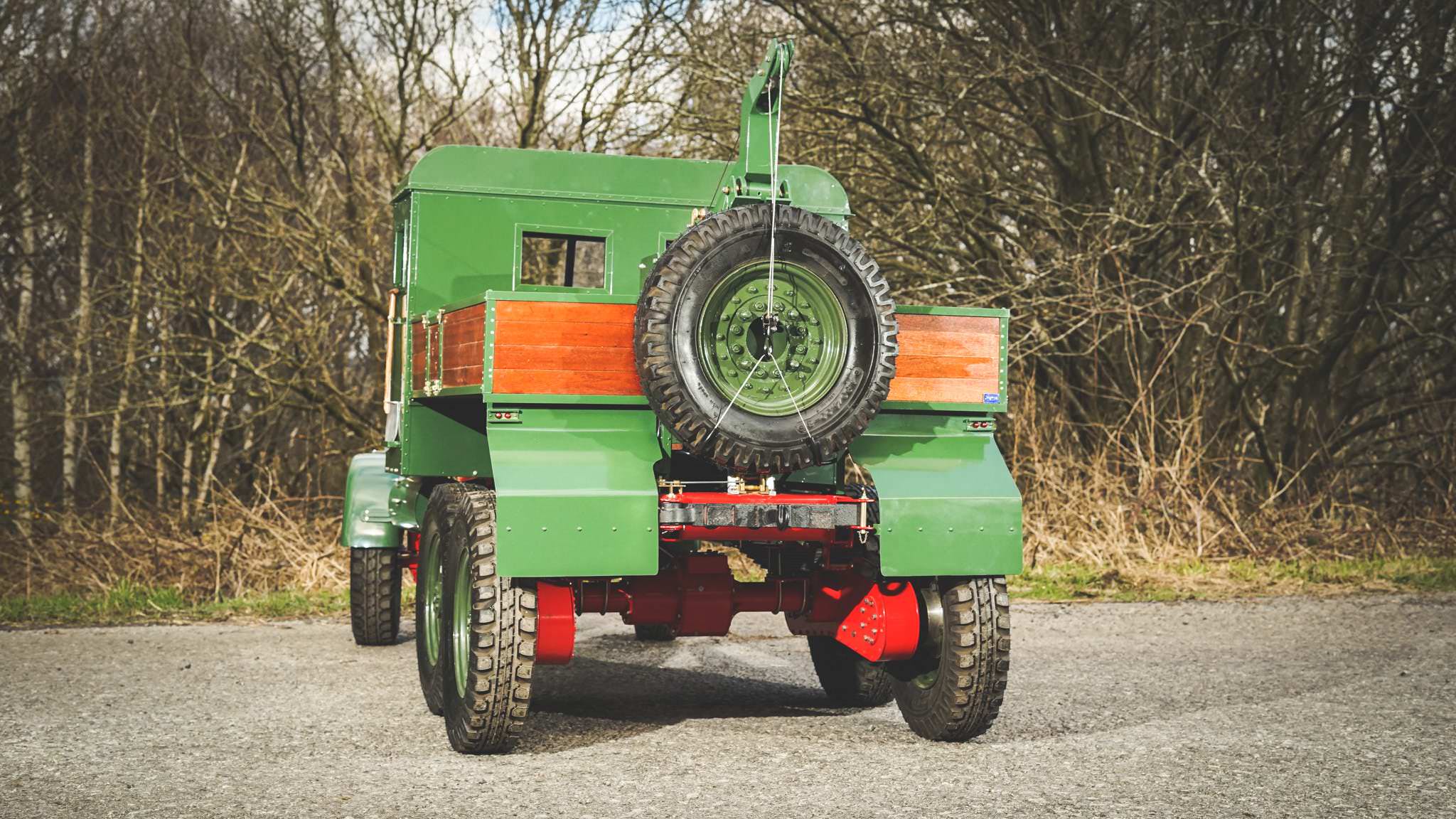
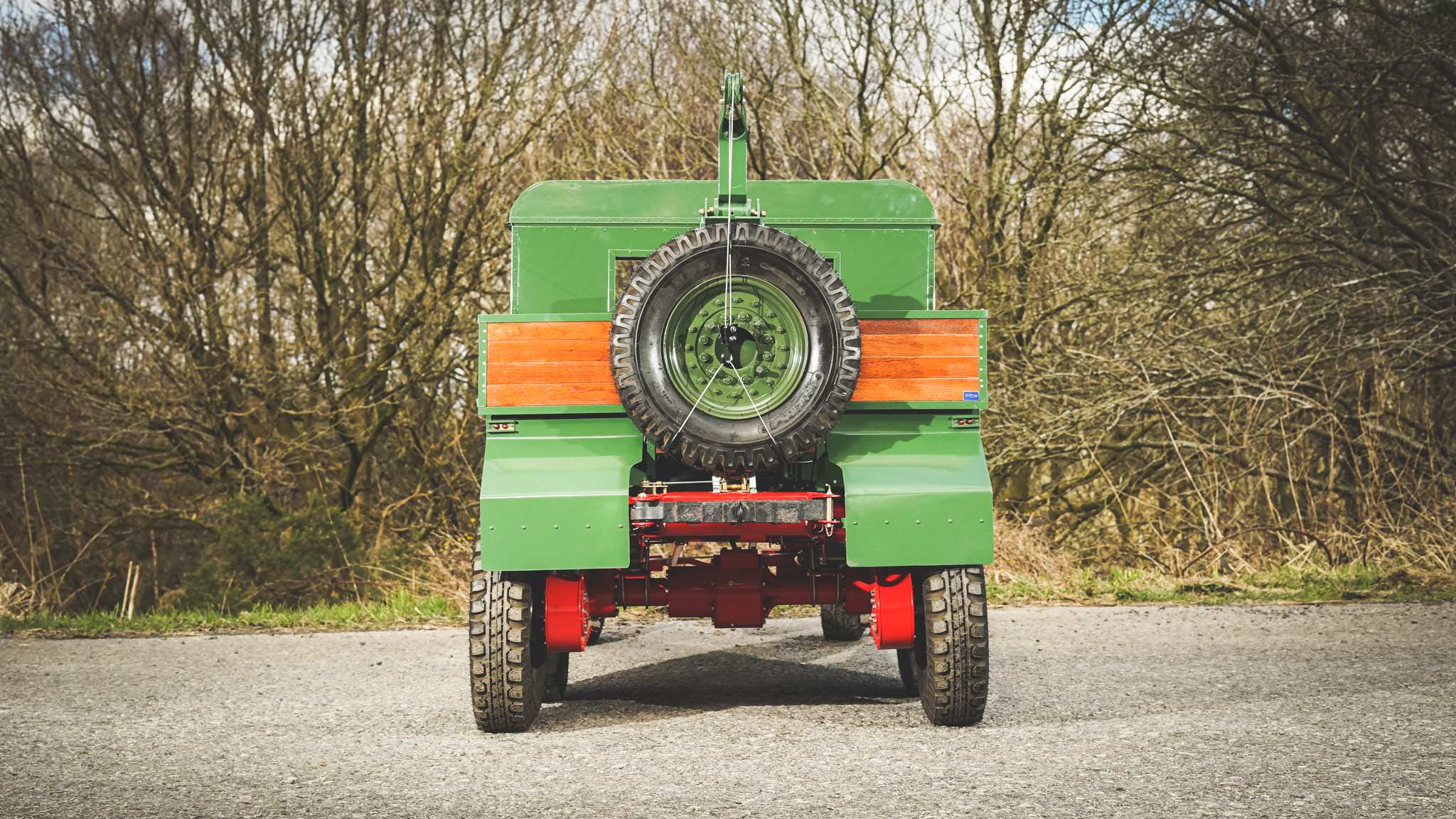
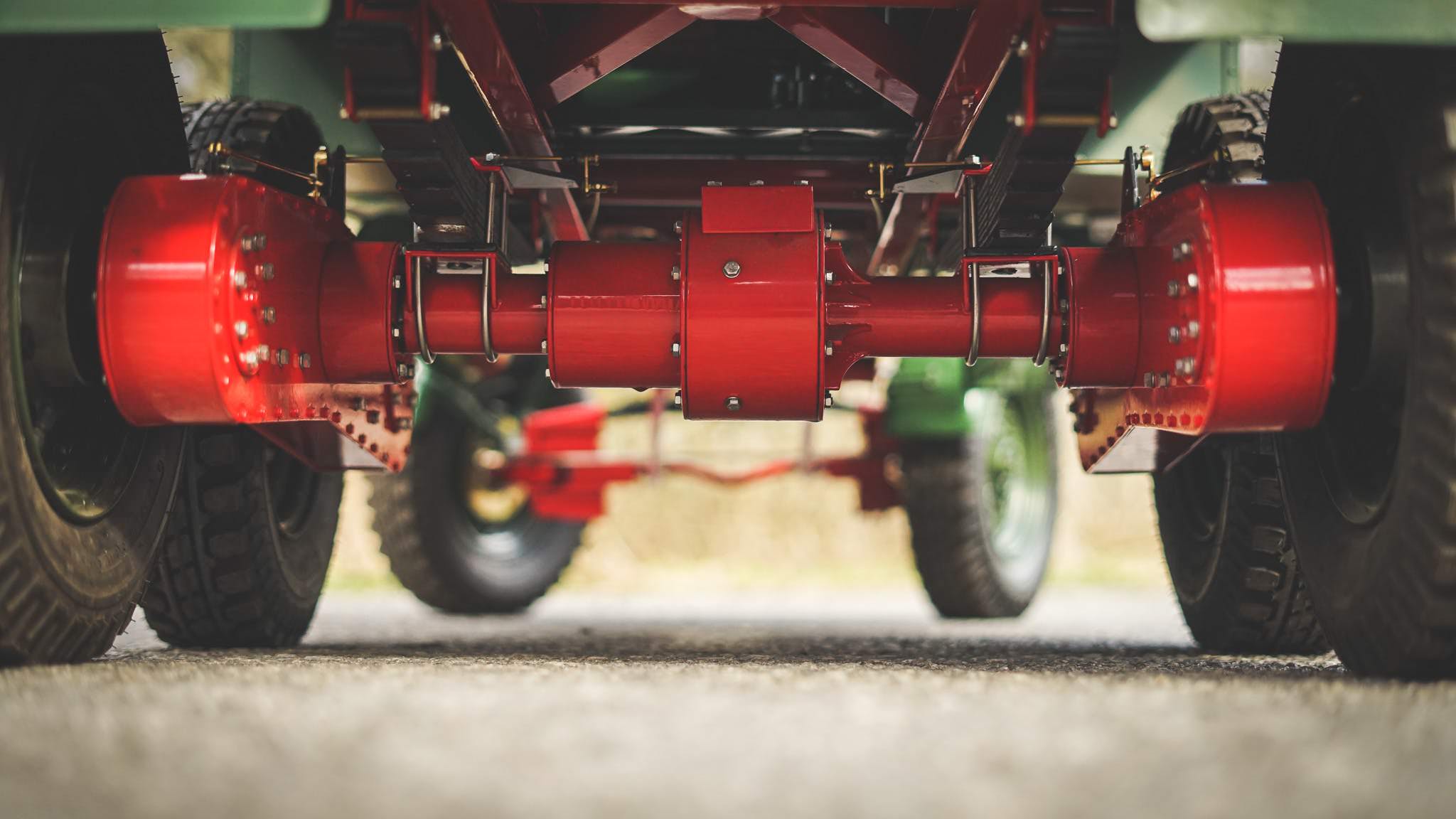
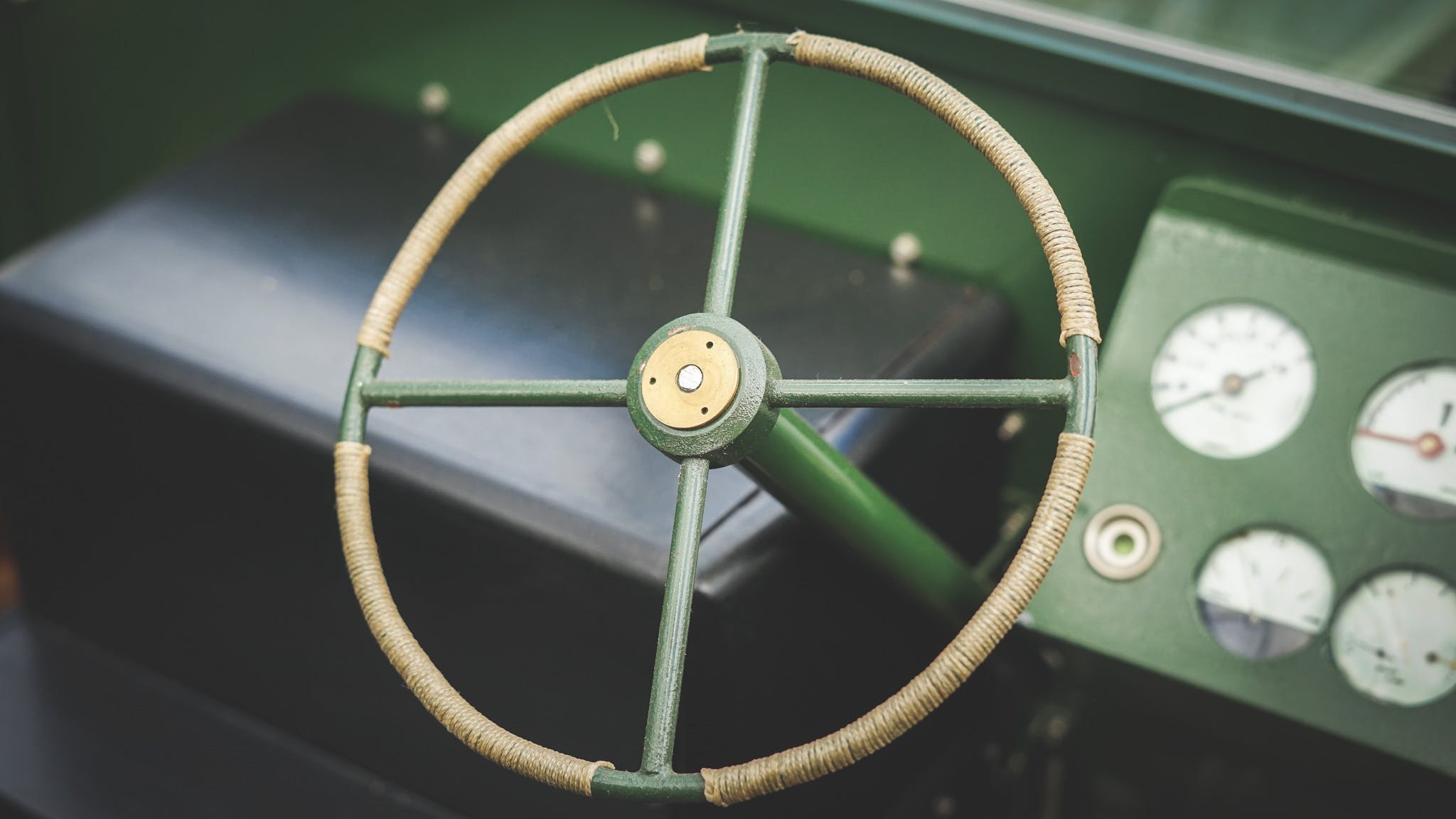
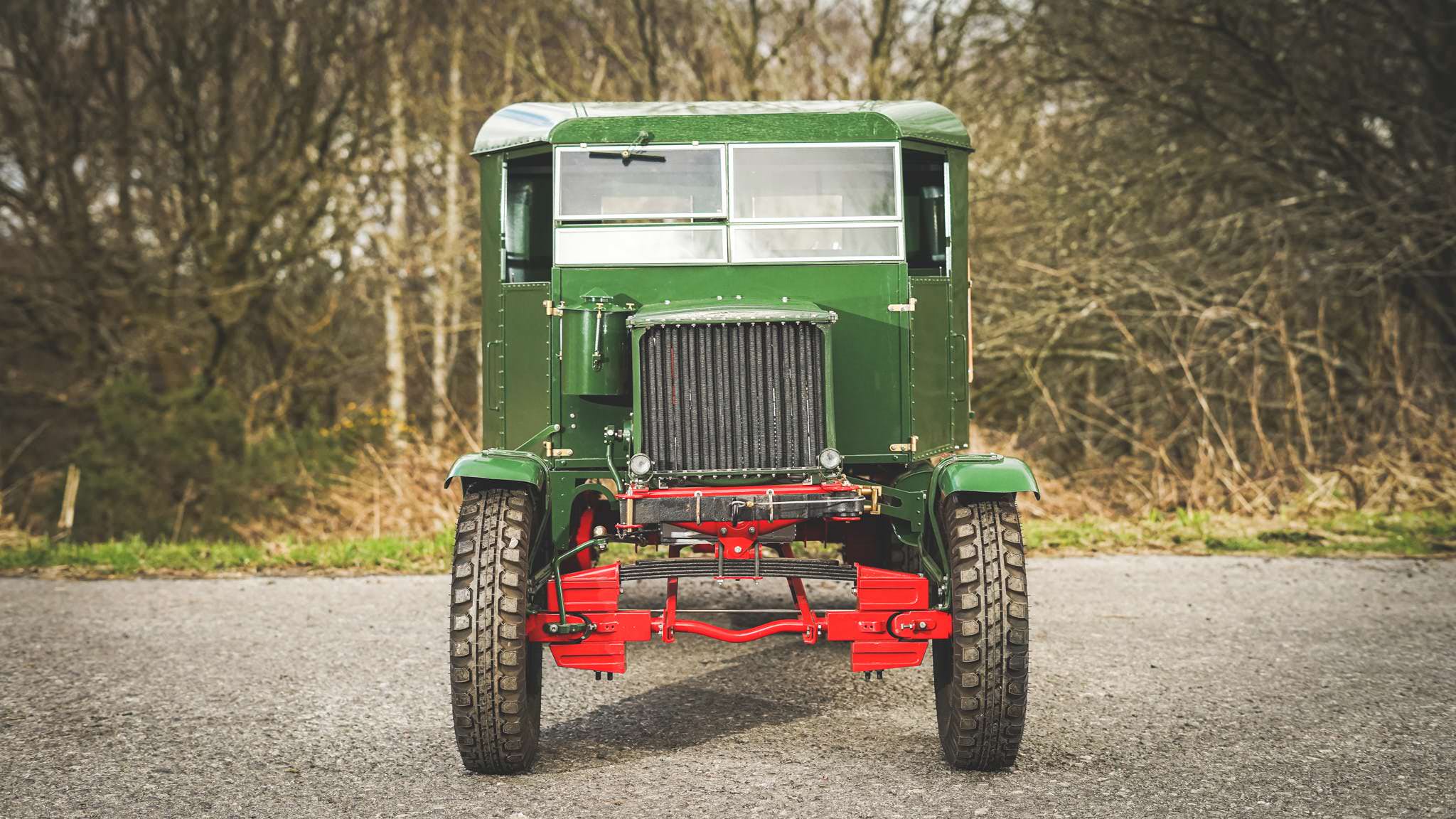
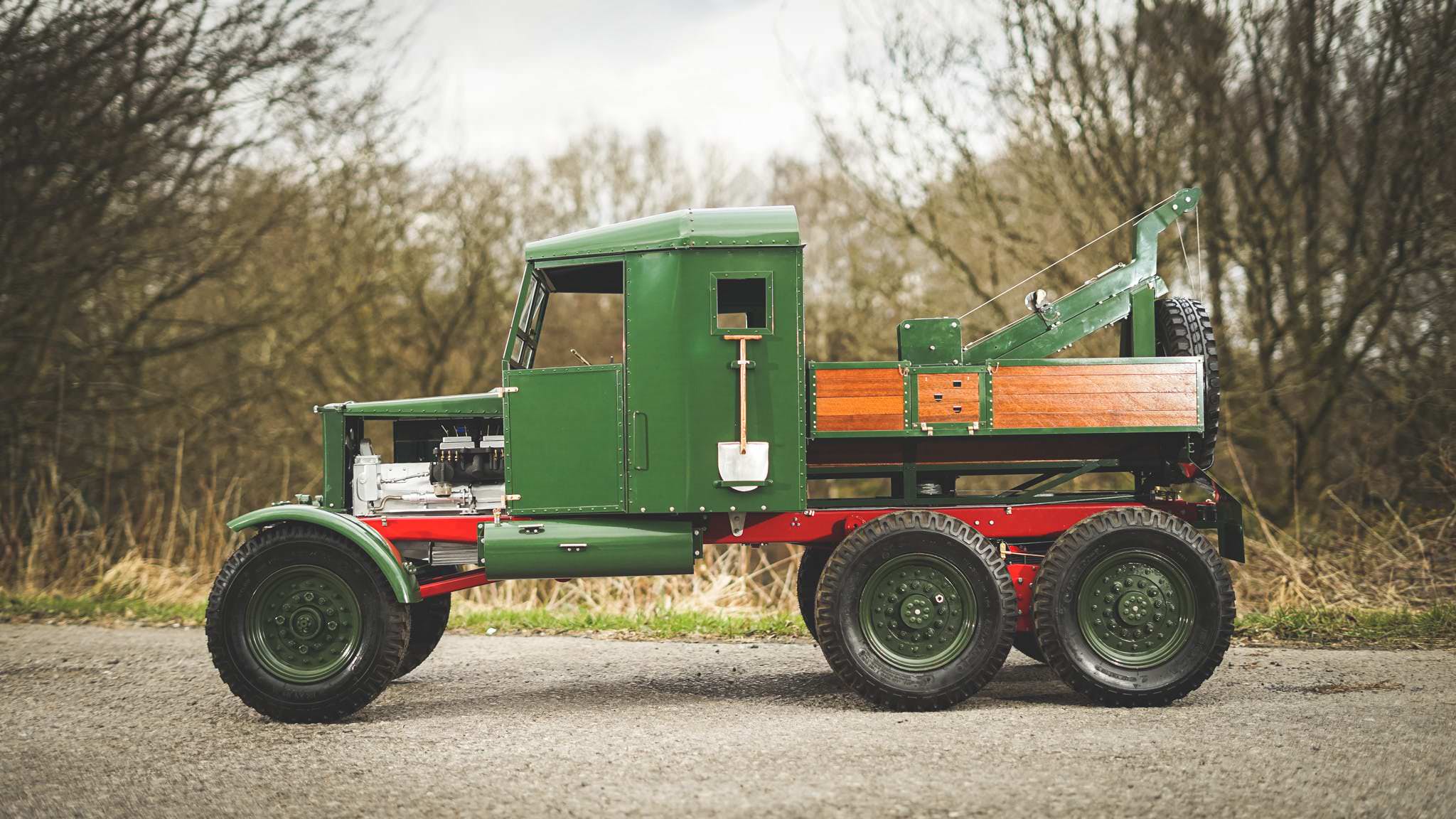
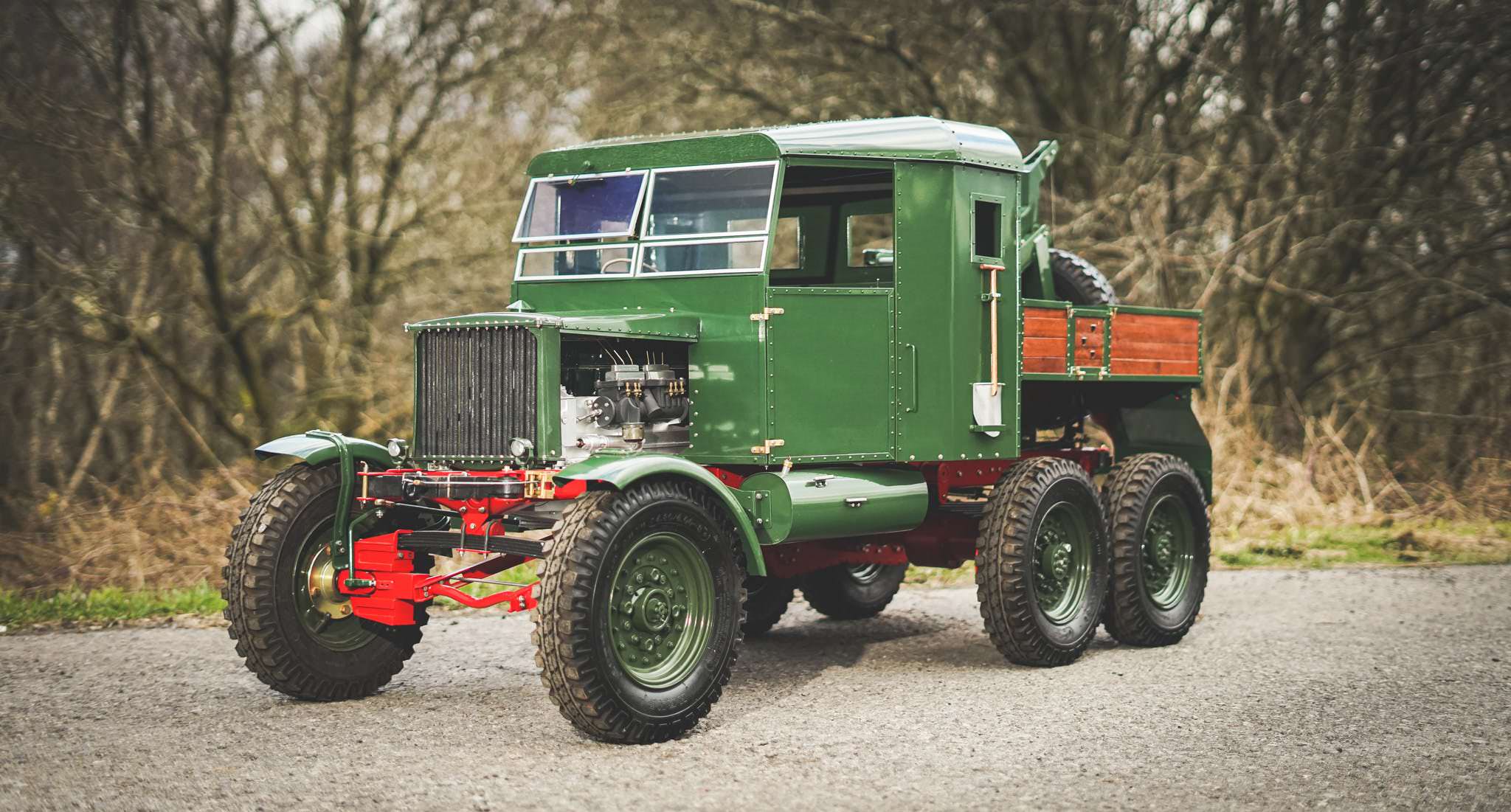
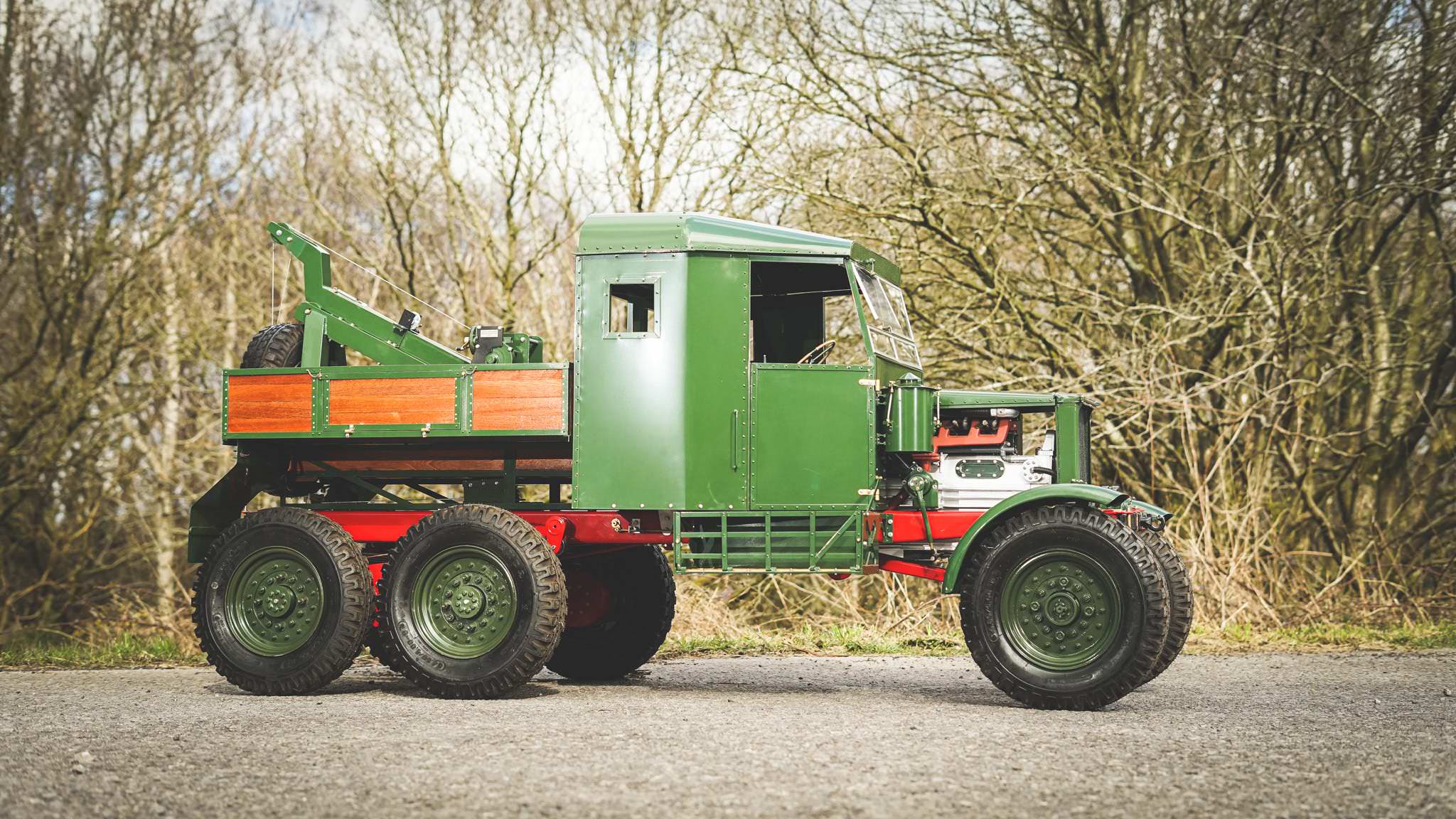
The Pioneer you see here looks like the real thing at first, but it’s actually an incredibly detailed 1:3rd scale model that was built from scratch – not from a kit as no kit in this scale has ever existed.

The project took the builder over eight years to complete, the final product has electric motors and onboard batteries, allow it to be driven remotely.

Due to its size it needs to be transported in a trailer or truck bed, however it can be driven up and down the loading ramps, making it relatively easy to load and unload.

If you’d like to read more about this unusual remotely controlled vehicle you can click here to visit the listing on Car and Classic. It’s being offered in a live online auction and at the time of writing there are still a few days left to bid.

Scammell Pioneer

A Scammell Pioneer tows an 8-inch howitzer of 1st Heavy Regiment, near Calais. Image courtesy of Davies (Lt), War Office official photographer.

Scammell Pioneer

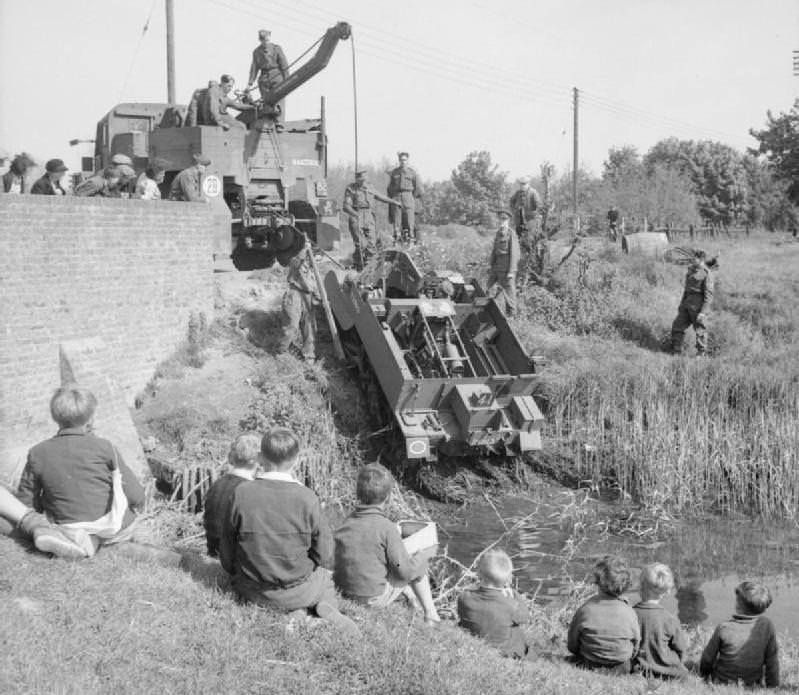
A Universal carrier of 53rd Division being hauled out of a stream by a Scammell breakdown lorry of No.2 Recovery Section, Royal Army Ordnance Corps, near Ore in Sussex, 3 June 1941. A gaggle of small boys watches with interest from the bank. Image courtesy of the British Imperial War Museum.

Scammell Pioneer 16 Scammell Pioneer 14 Scammell Pioneer 13 Scammell Pioneer 12 Scammell Pioneer 11 Scammell Pioneer 10 Scammell Pioneer 9 Scammell Pioneer 8 Scammell Pioneer 7 Scammell Pioneer 6 Scammell Pioneer 5 Scammell Pioneer 4 Scammell Pioneer 3 Scammell Pioneer 2 Scammell Pioneer 1

Images courtesy of Car and Classic.

Scammell Pioneer

The post A Giant 1:3 Scale R/C Scammell Pioneer Artillery Tractor appeared first on Silodrome.


from Silodrome https://silodrome.com/scammell-pioneer-artillery-tractor/
via gqrds
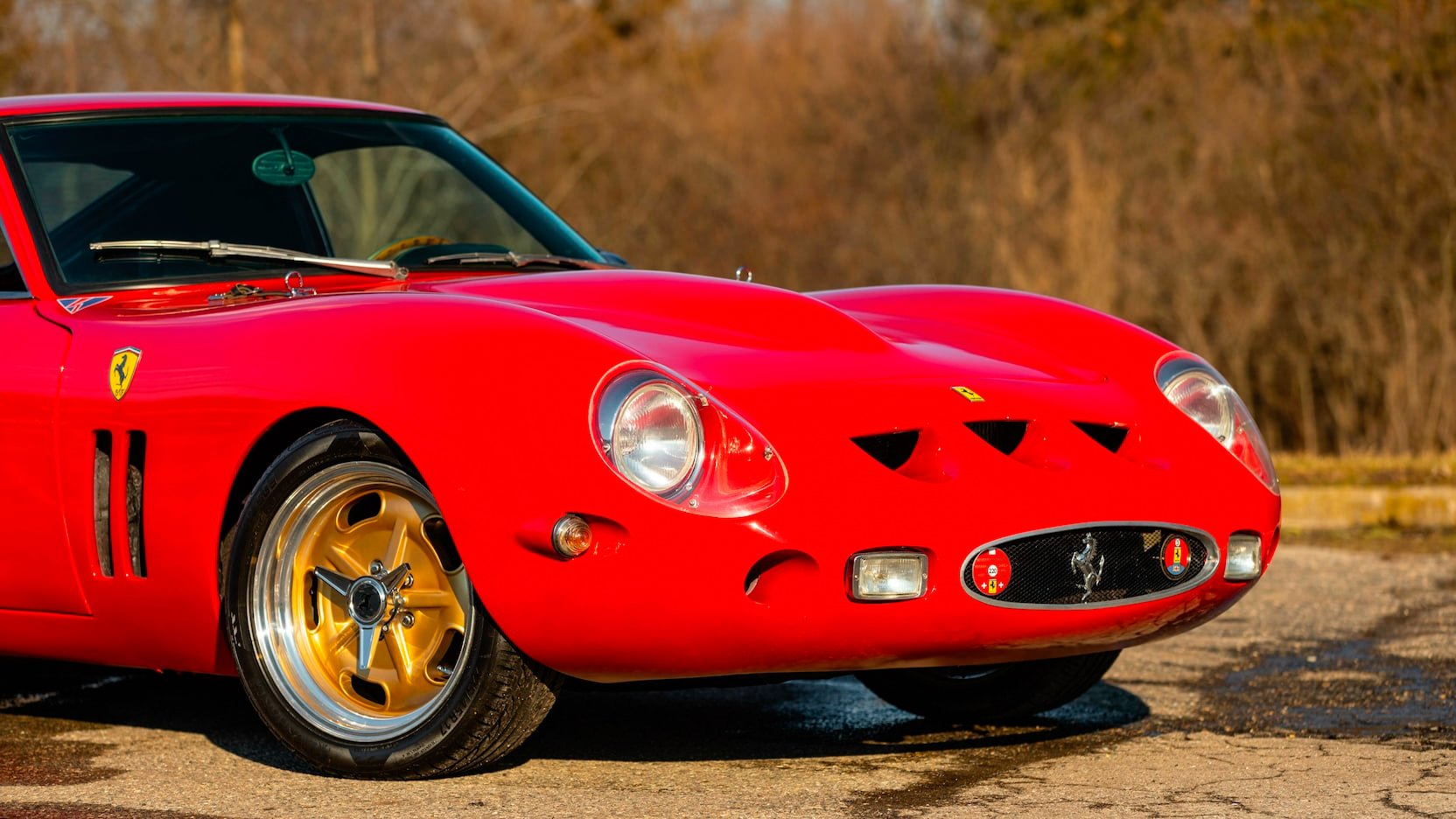
For Sale: A Ferrari 250 GTO Replica That Appeared In “The Italian Job” + “Ford v Ferrari”

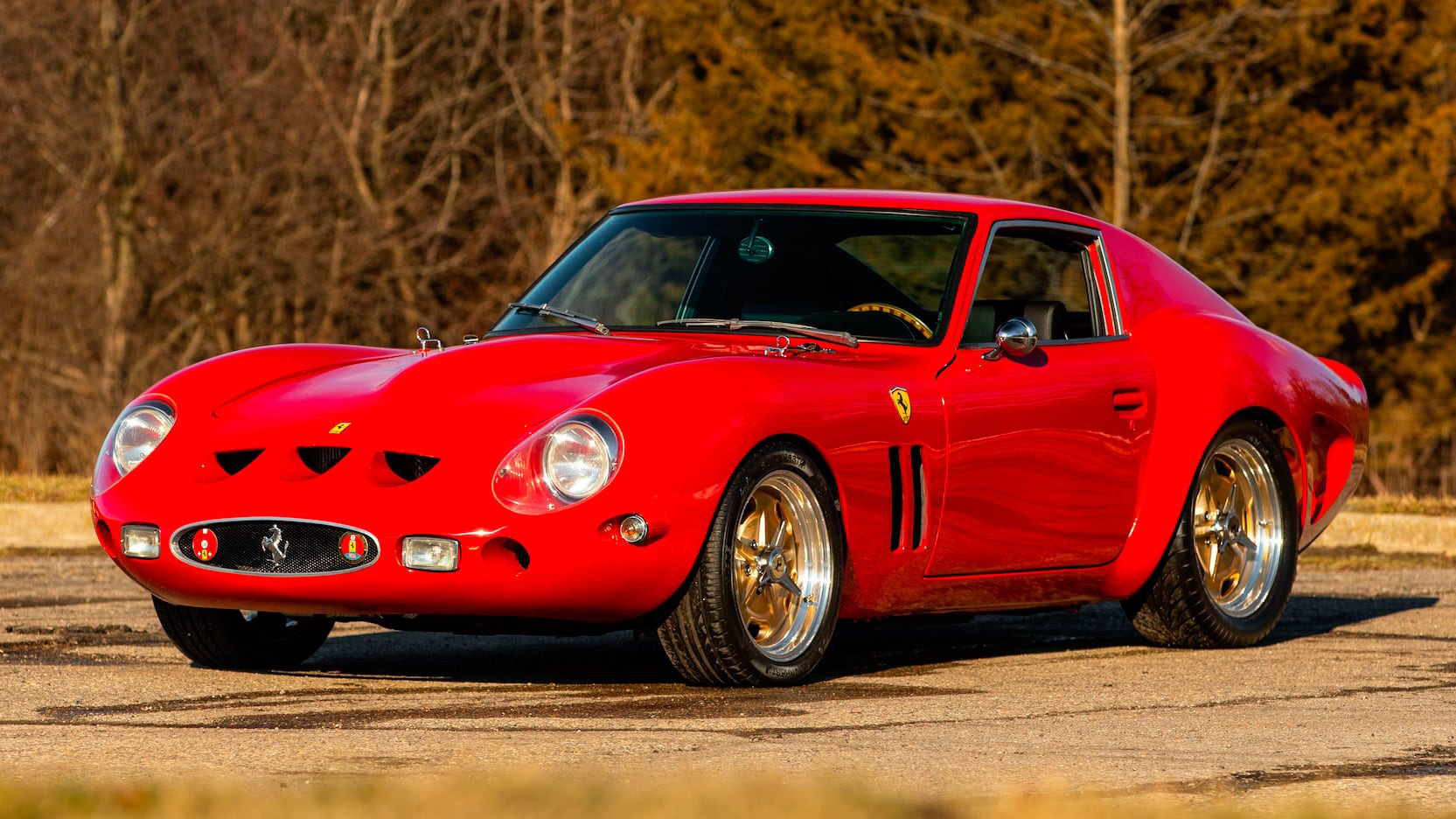
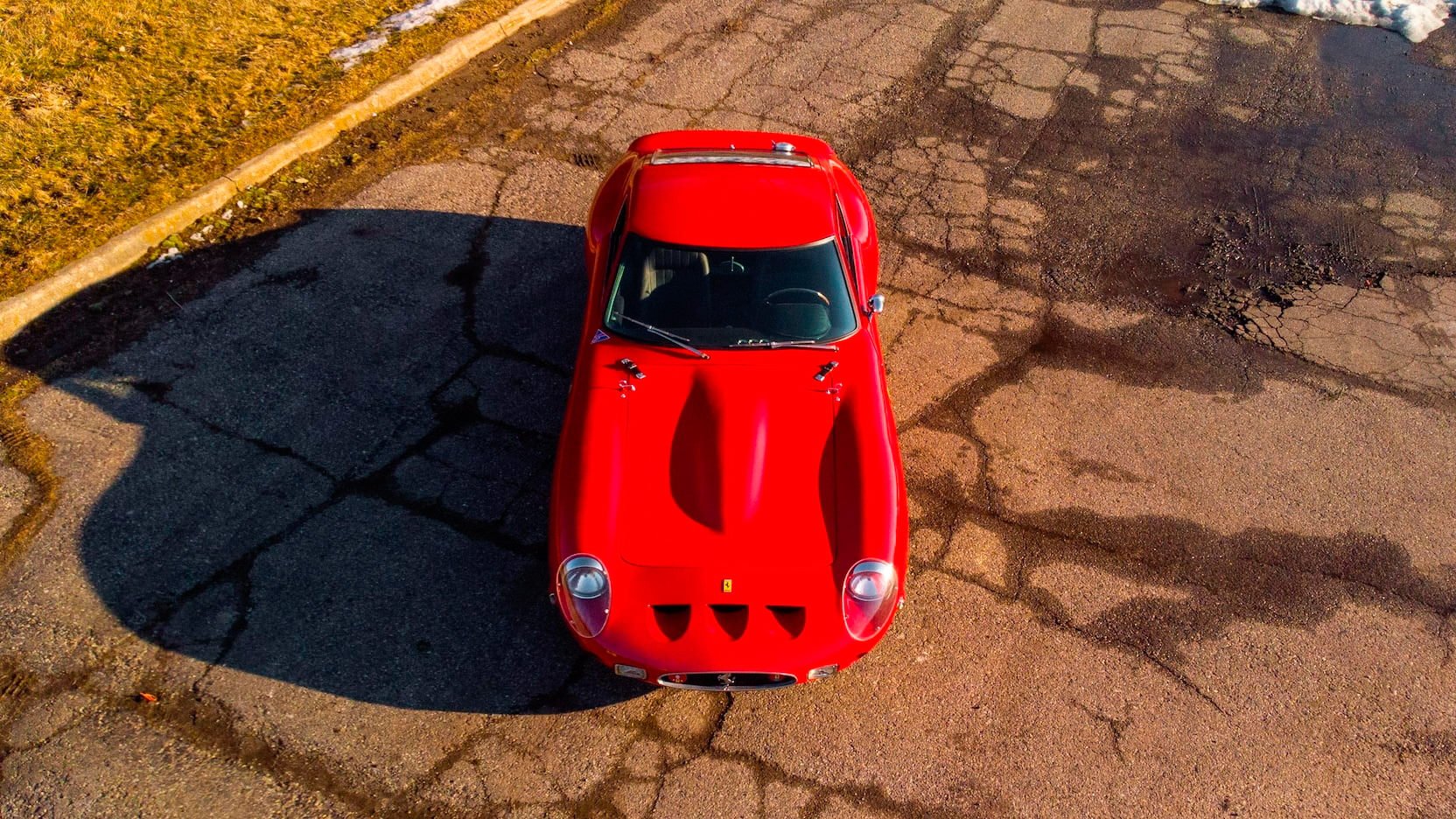
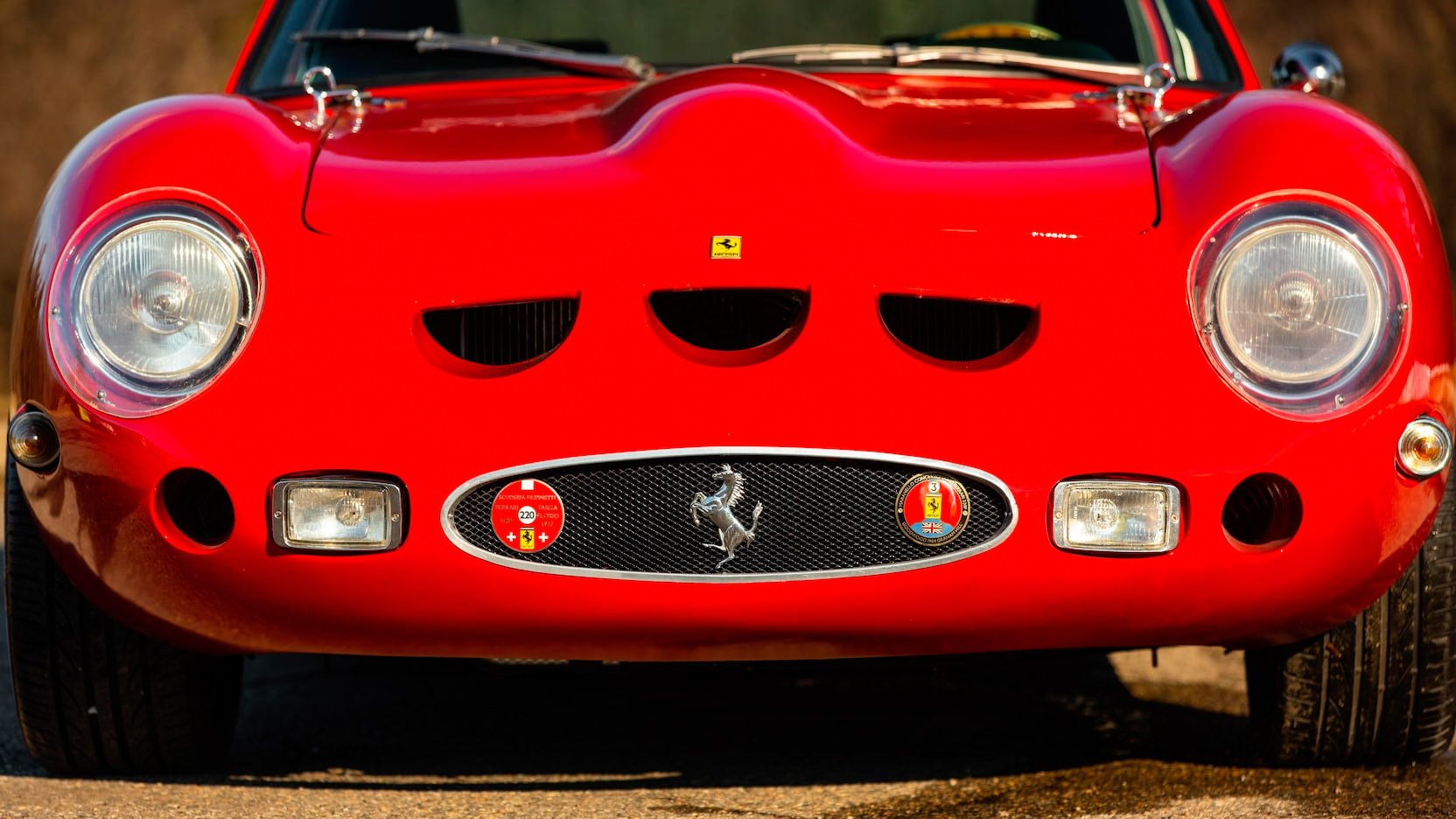
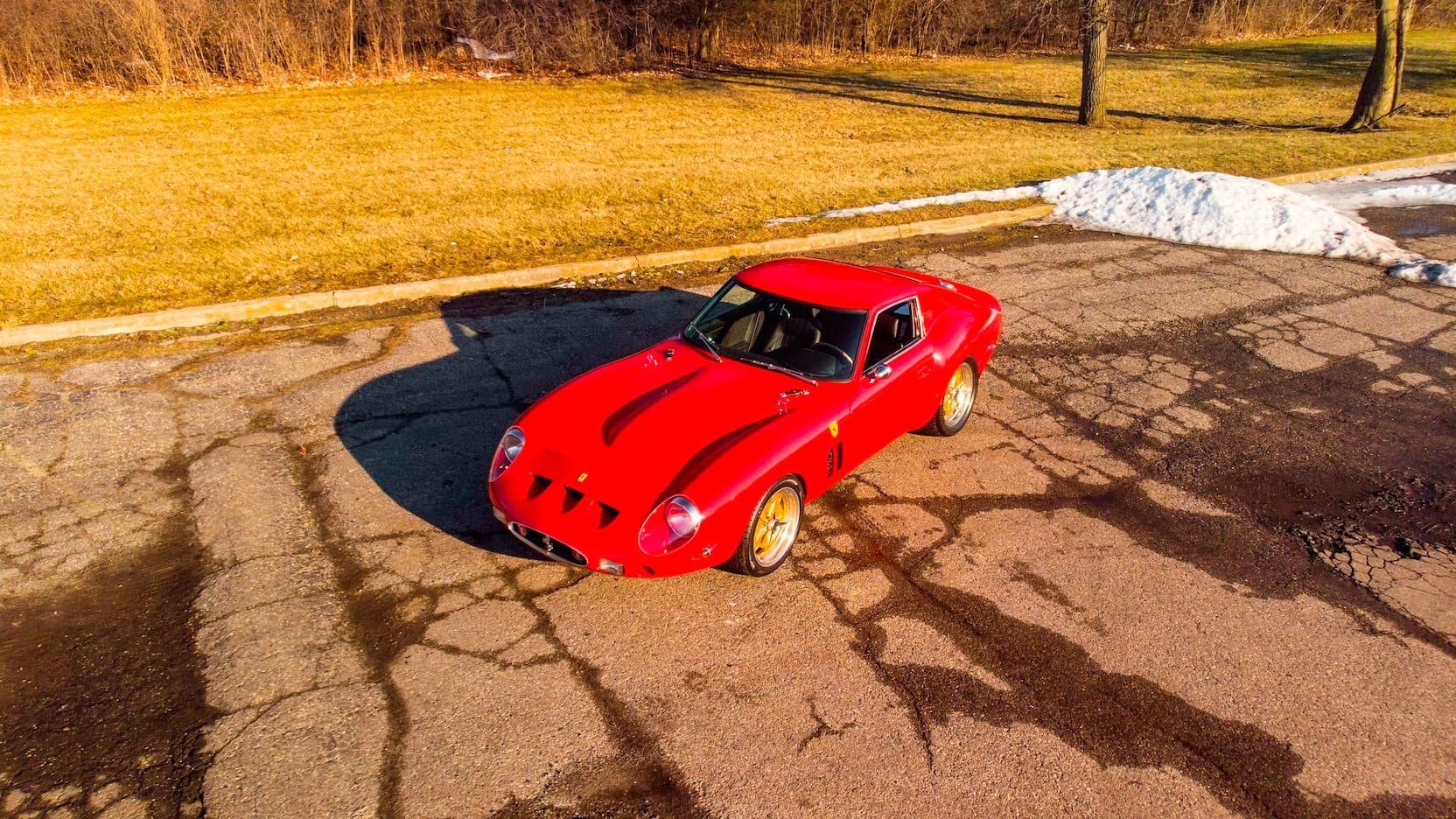
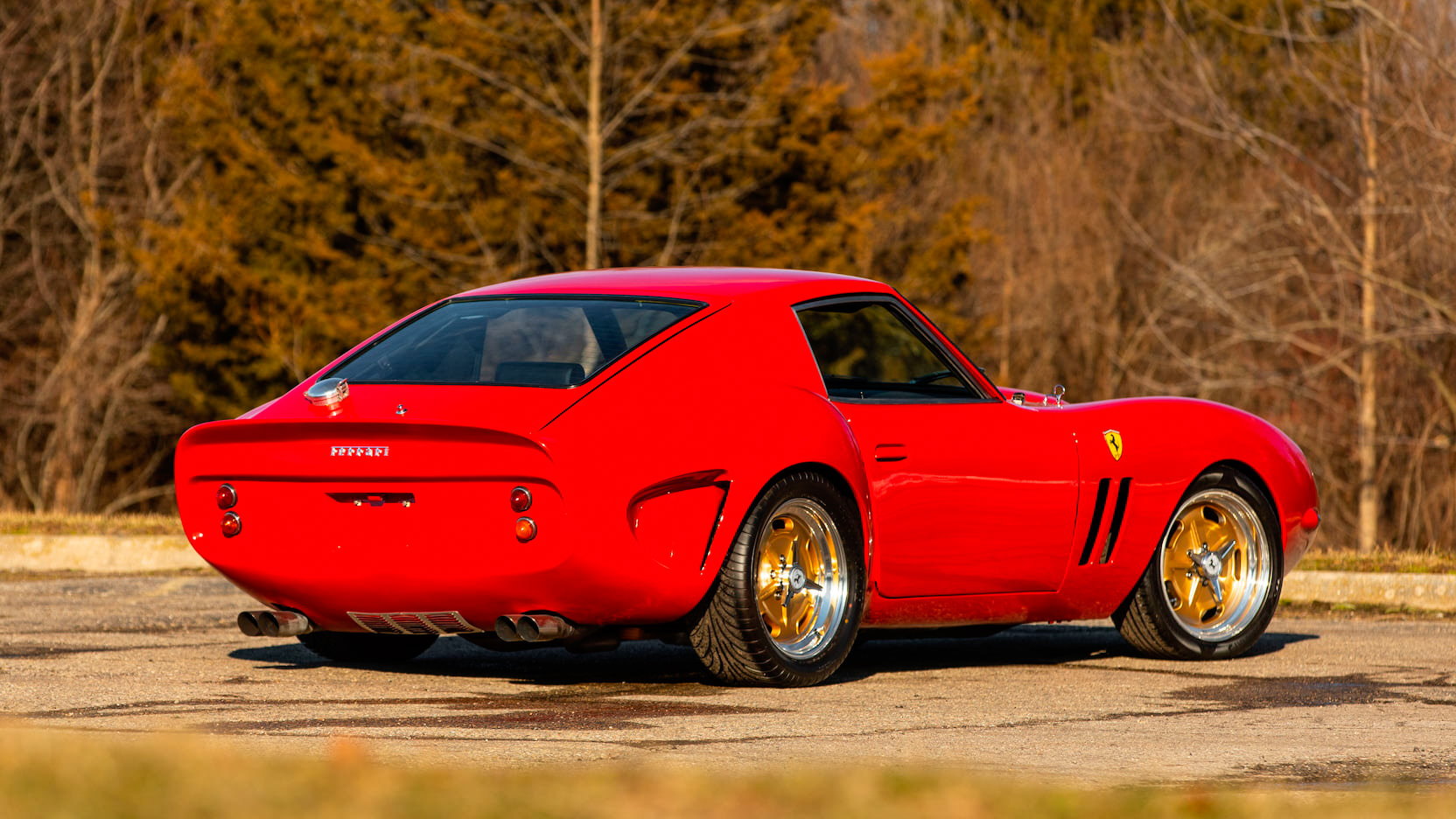
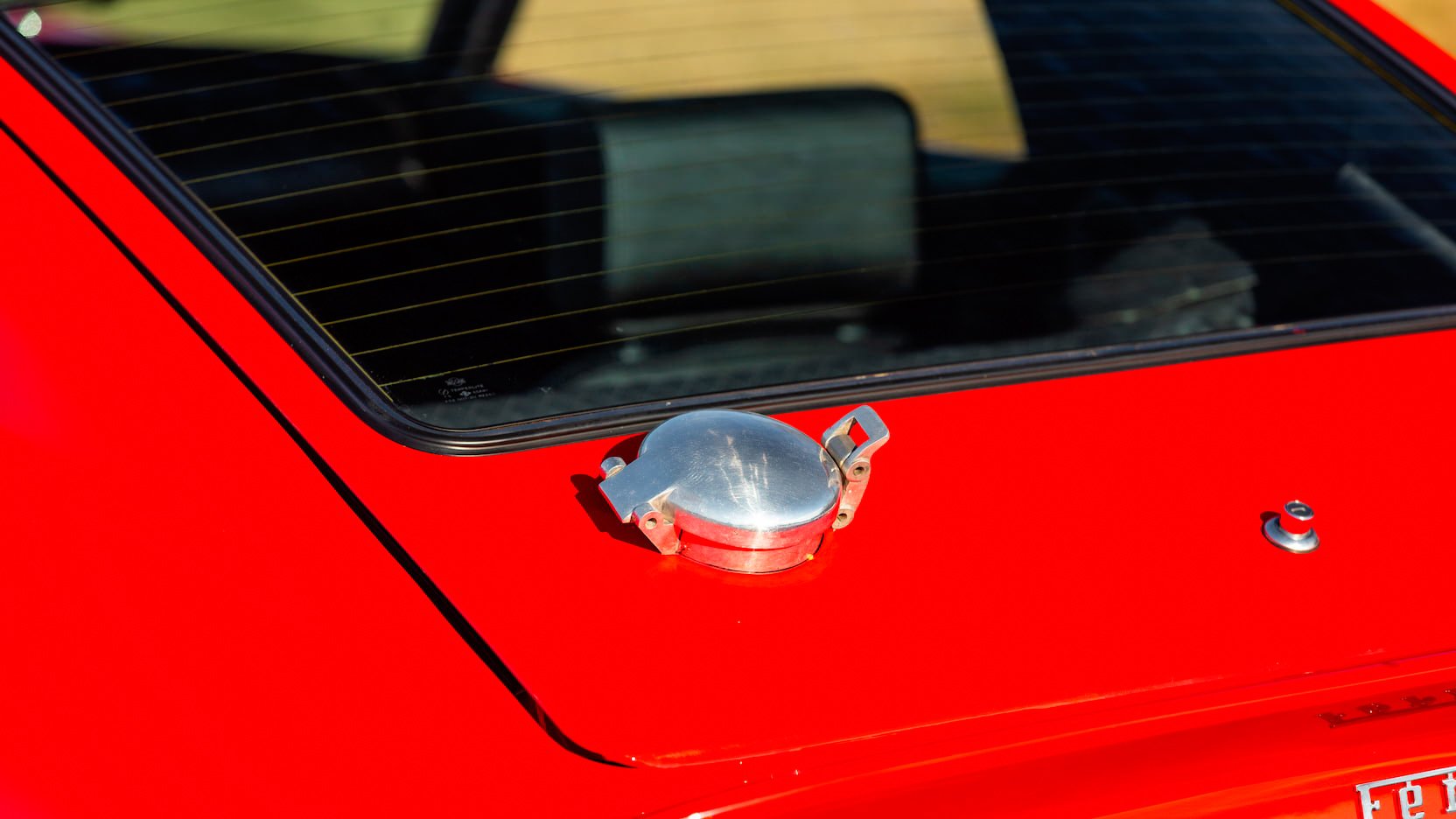
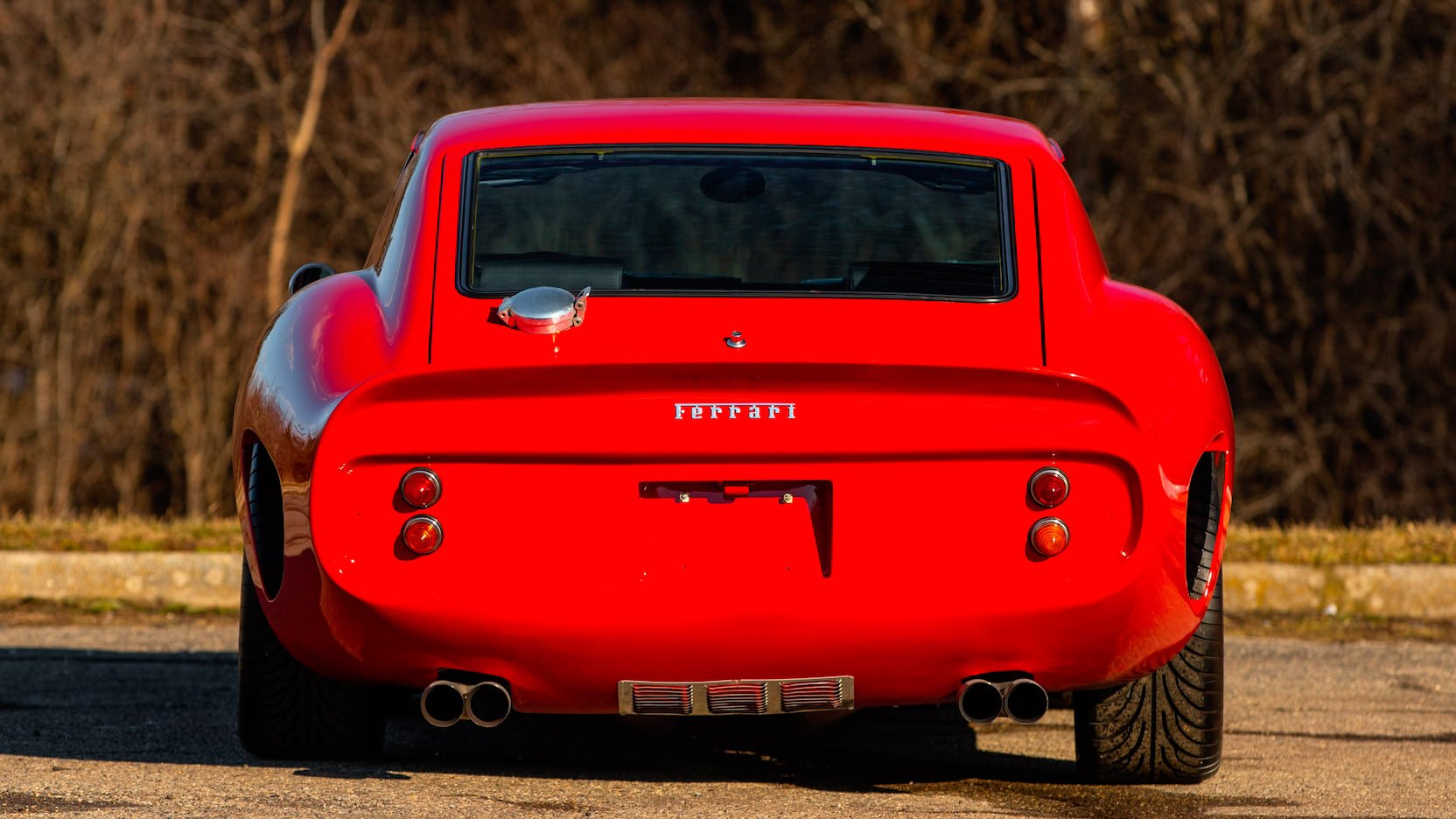
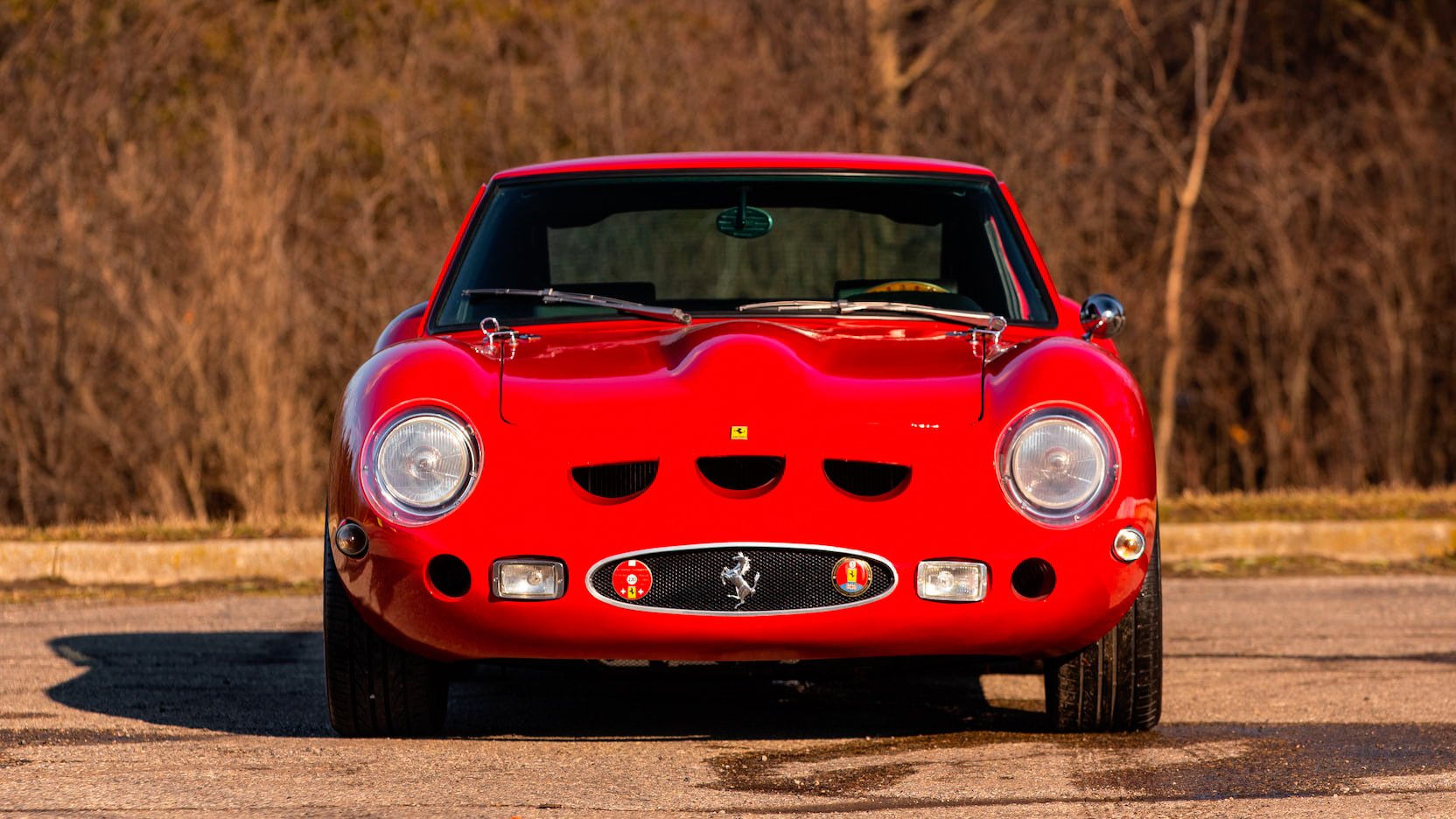
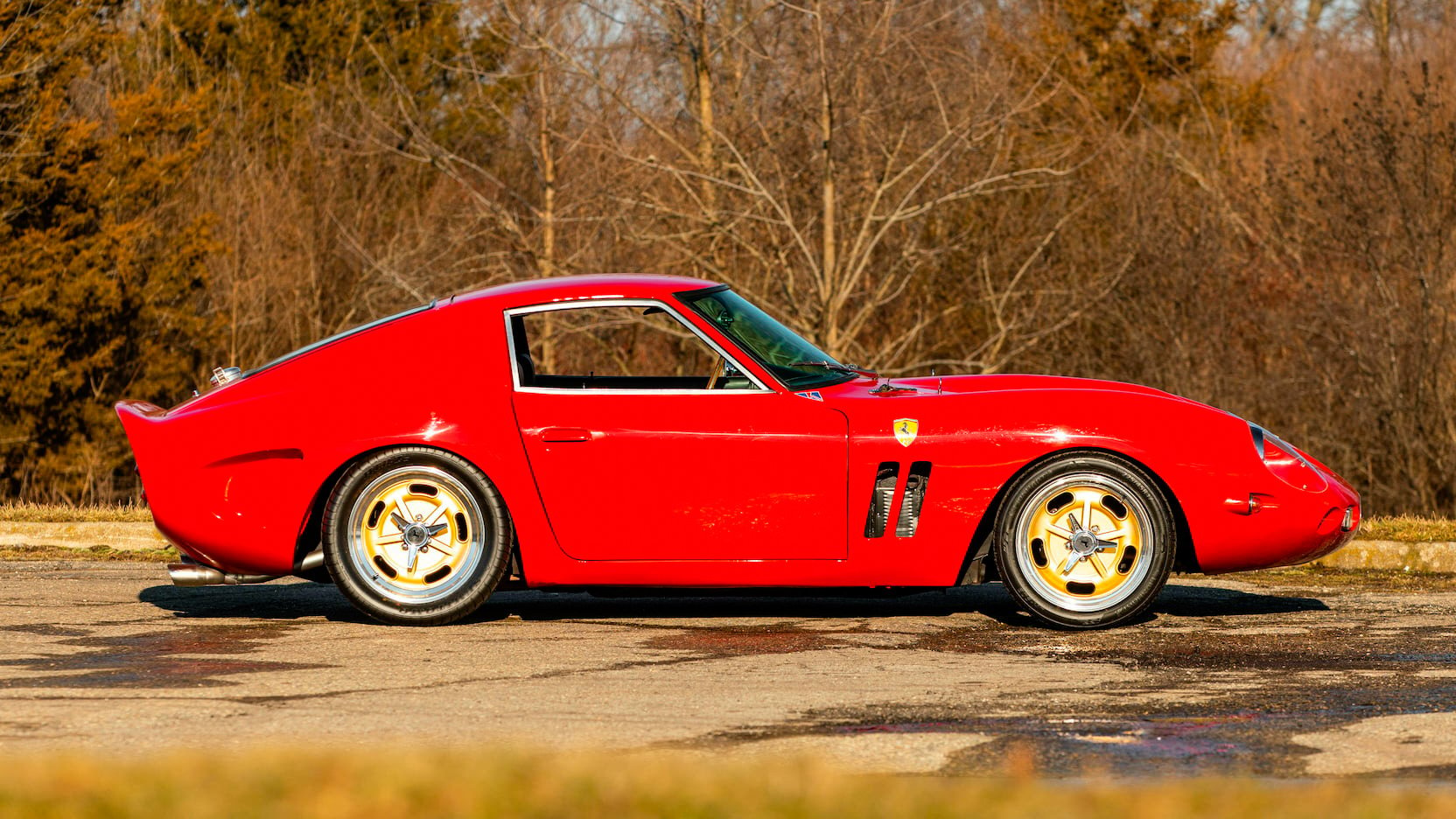
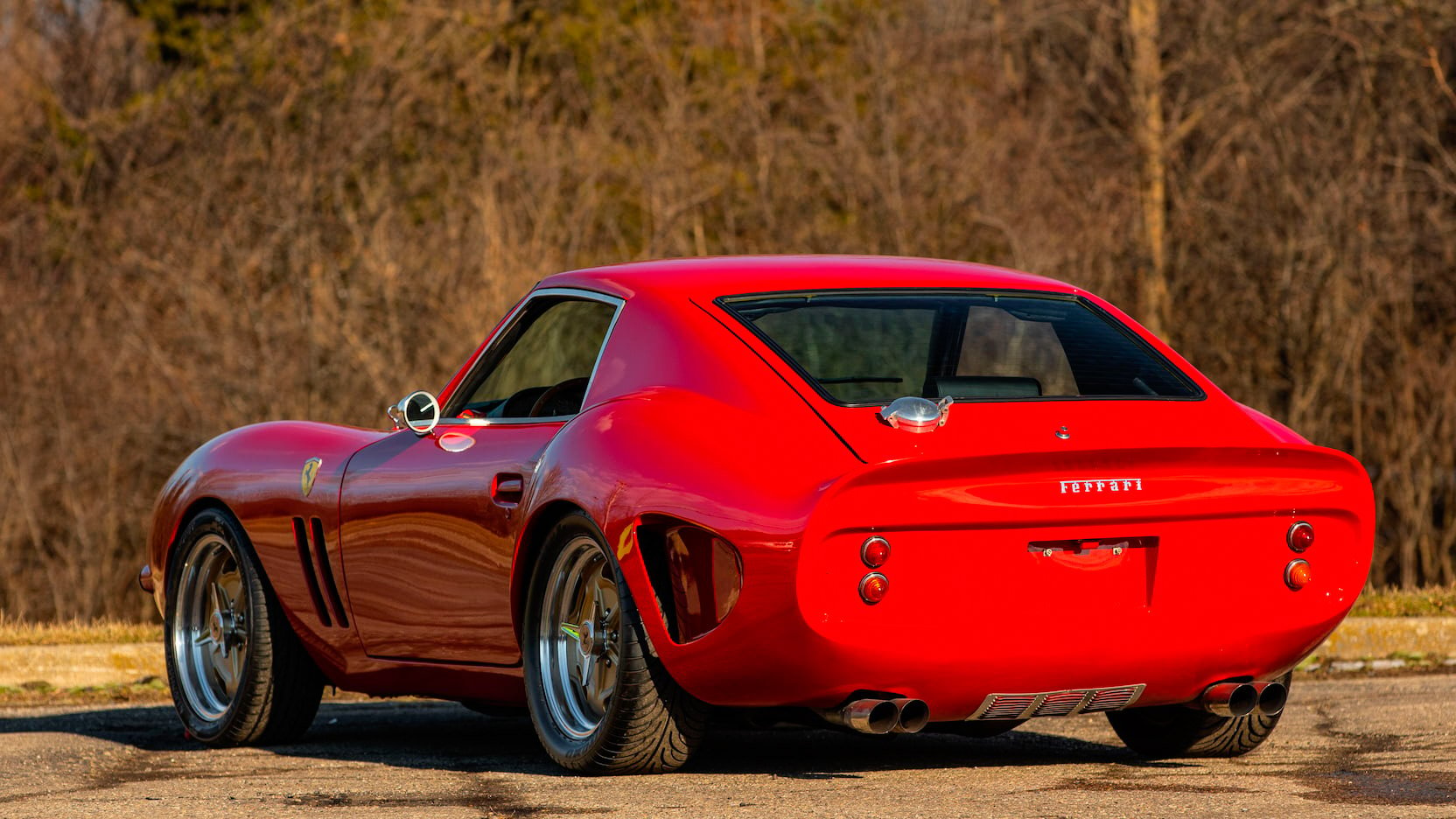
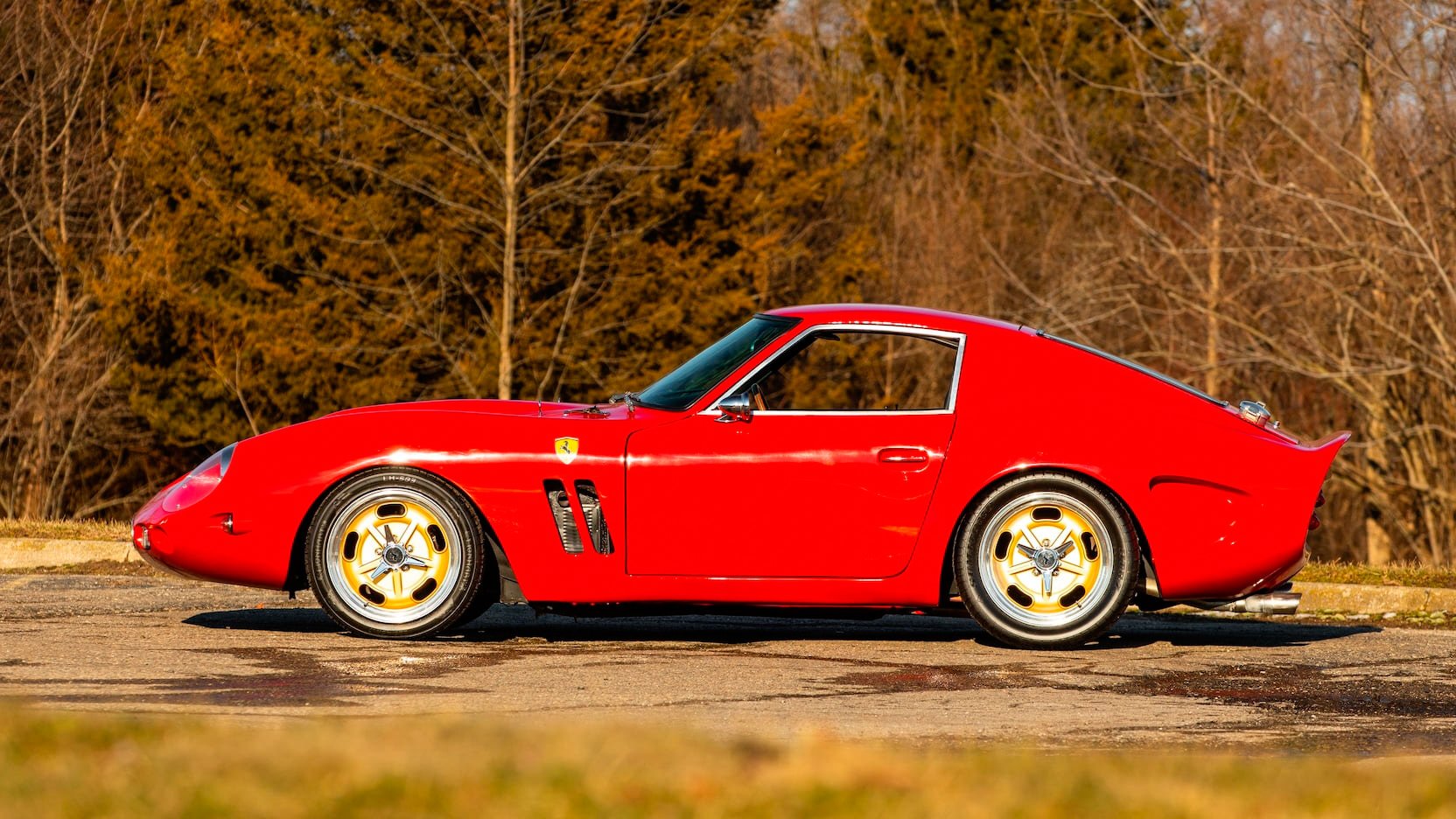
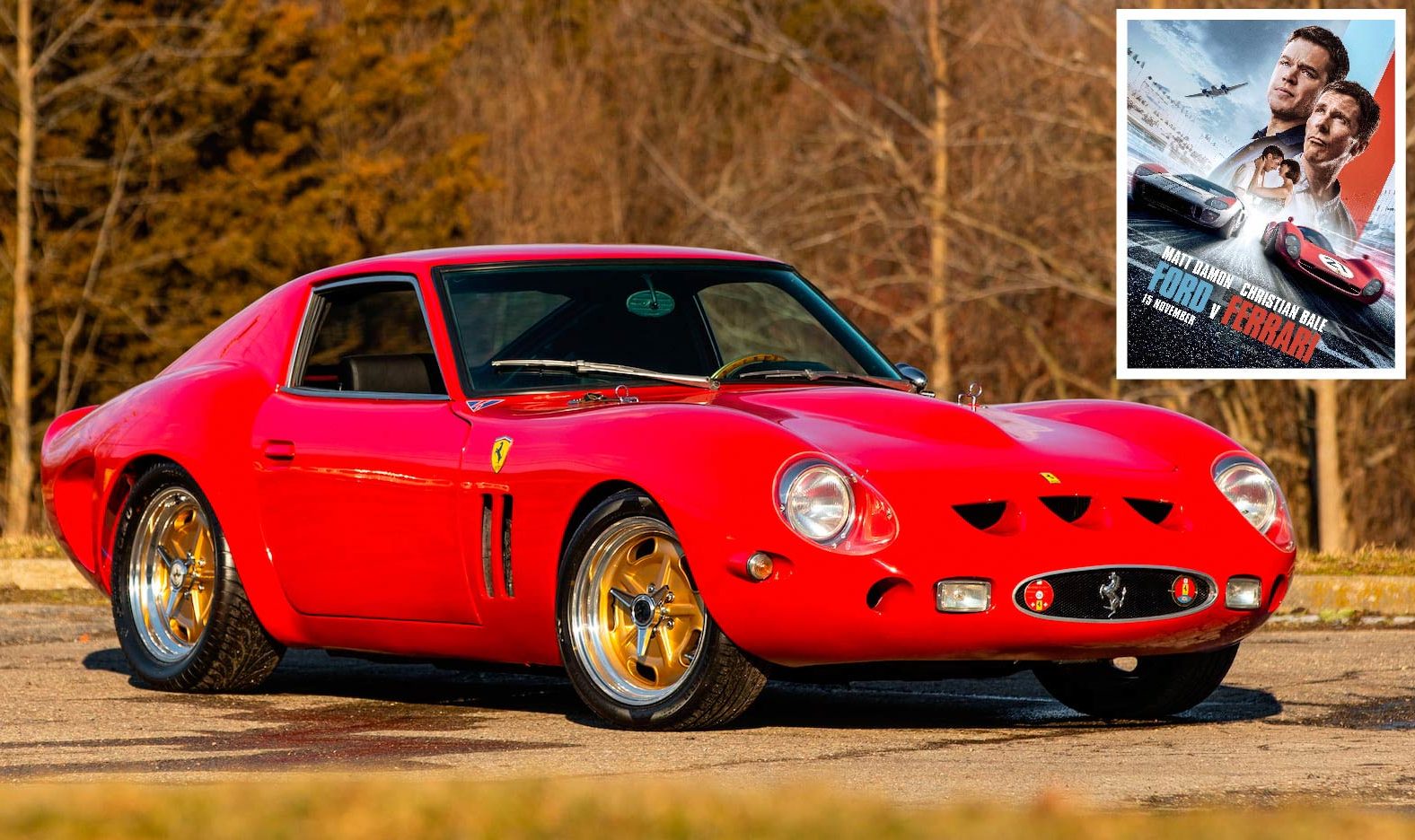
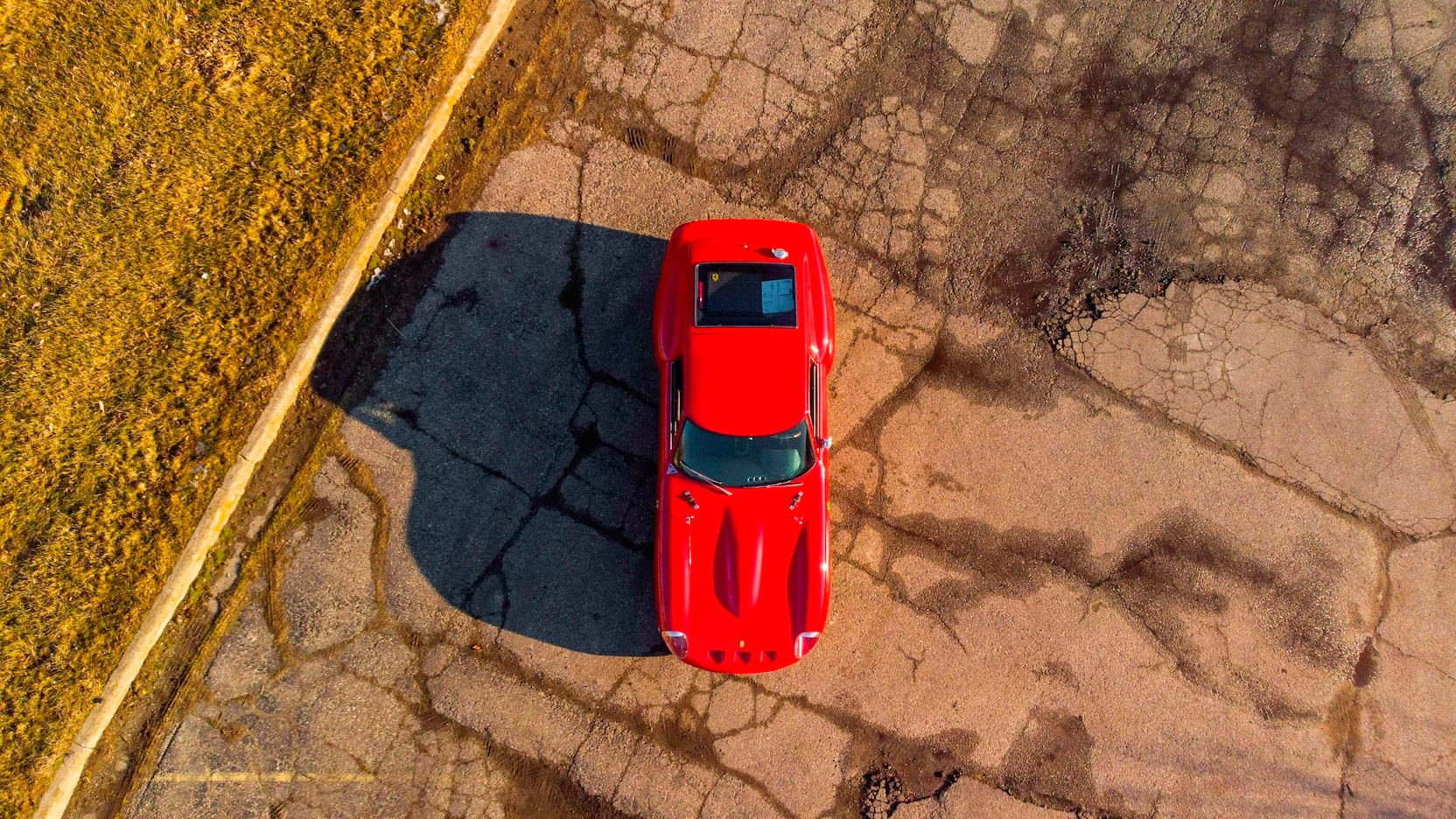
This car is titled as a 1962 Ferrari 250 GTO but it’s never actually been to Italy, it’s actually a replica built by McBurnie Coachcraft using a Datsun 280Z as a donor car.

The team at McBurnie Coachcraft also built the Ferrari Daytona replica that was used in Miami Vice before legal action from Ferrari shut down their operations. They would later design the “RIOT car” that was used on the television series Baywatch.

Fast Facts – A Ferrari 250 GTO By McBurnie Coachcraft

  • McBurnie Coachcraft was founded in the United States by Tom McBurnie to build replicas of Ferraris like the 250 GTO and the Daytona.
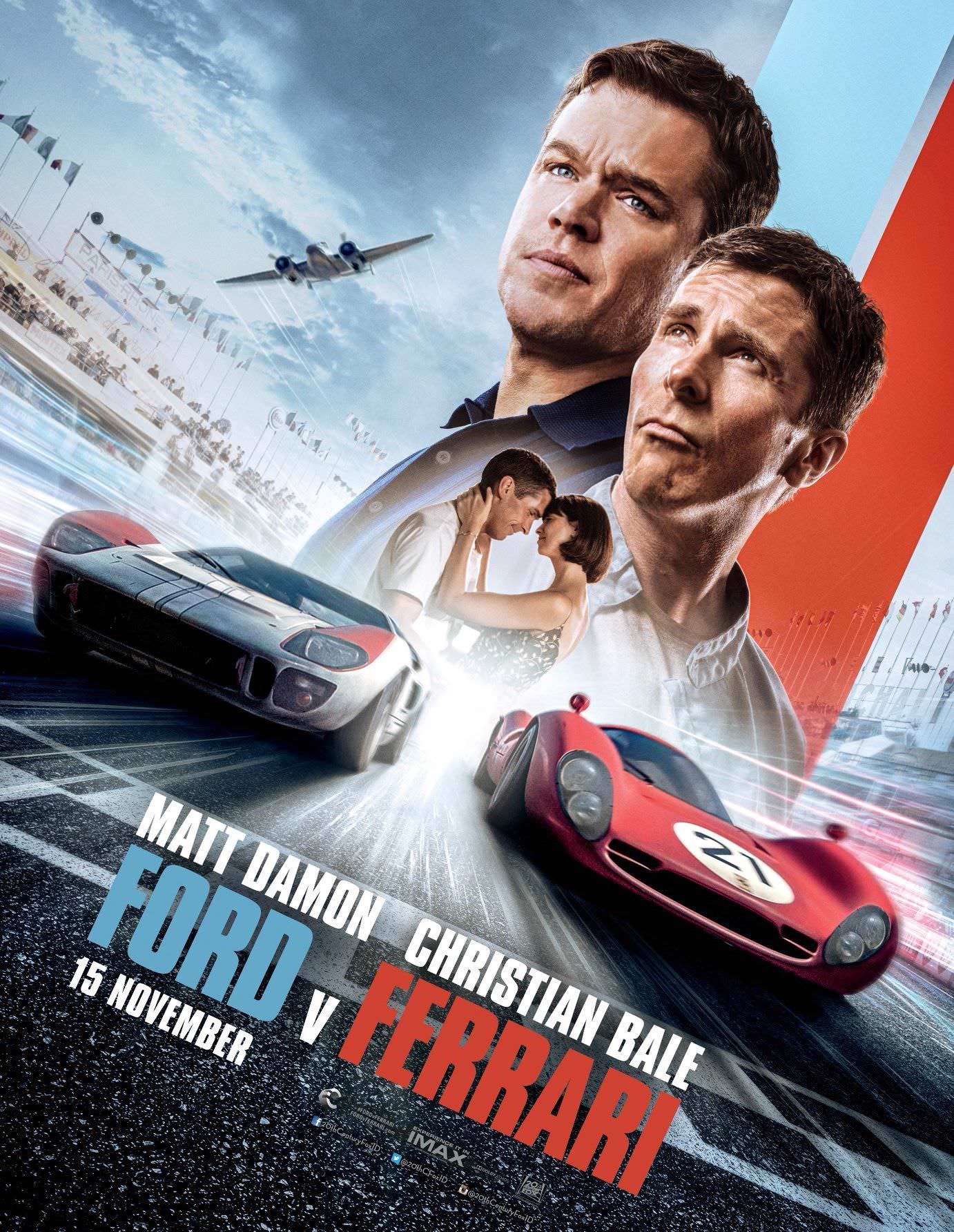
  • Cars built by McBurnie featured in TV series like “Miami Vice” and “Baywatch,” as well as feature films like “The Italian Job,” “Ford v Ferrari,” and “Overdrive.” Using replicas in films is typically far less expensive, and easier to insure.
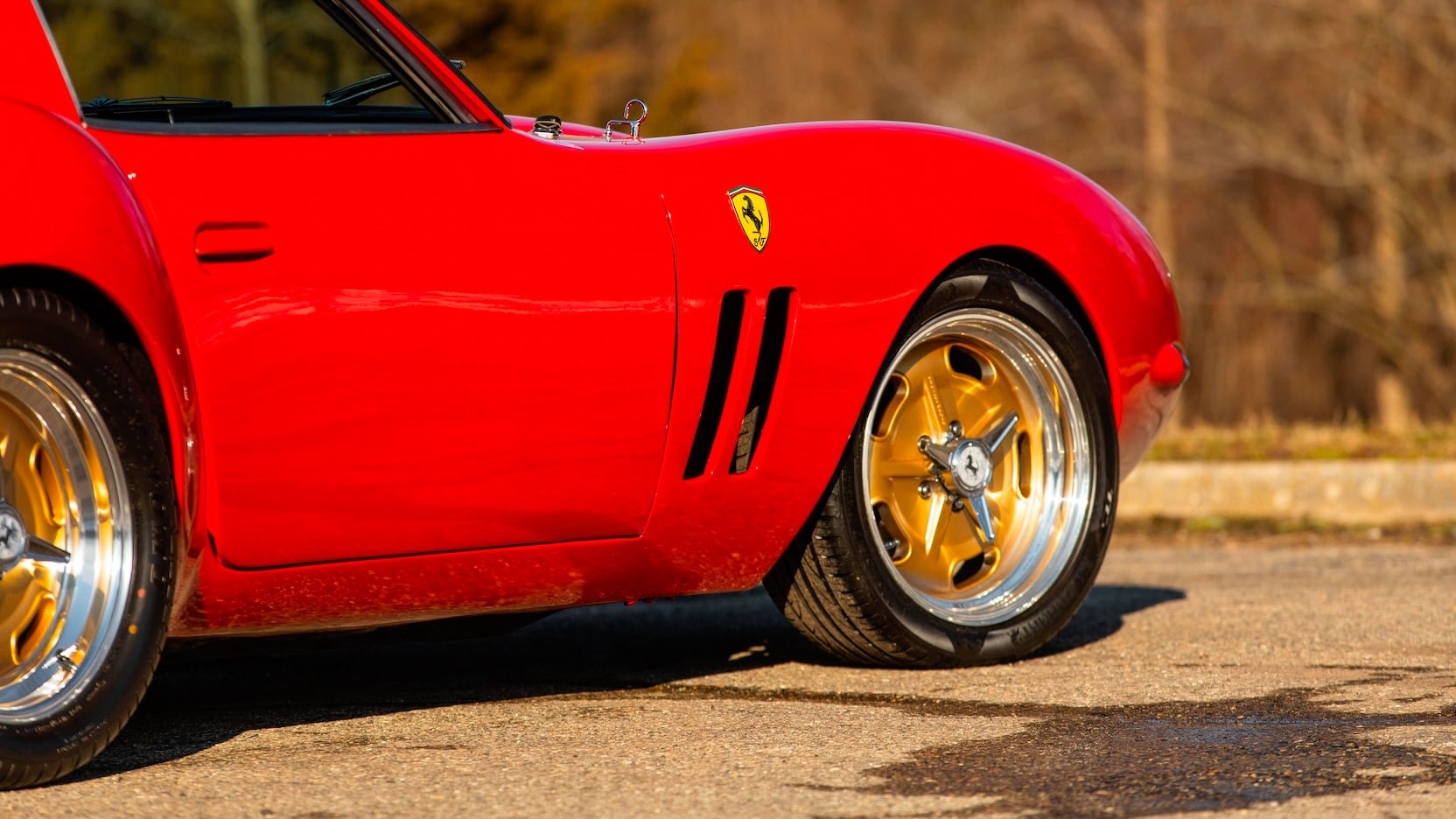
  • The 1962 Ferrari 250 GTO you see here is actually a Datsun 280Z with a new fiberglass body, it has a few other changes too like new wheels and a Ferrari valve cover on the inline-six.
  • This car has appeared in a number of major feature films as well as a Gucci photoshoot, it comes with movie scripts and storyboards, as well as movie documentation to prove its identity.

The McBurnie Coachcraft Ferraris

The two most famous cars developed by McBurnie Coachcraft included a Ferrari 365 GTB/4 Daytona based on the C3 Corvette platform, and the car you see here, a Ferrari 250 GTO replica based on the Datsun 240Z family of vehicles.

Ferrari 250 GTO Replica 3

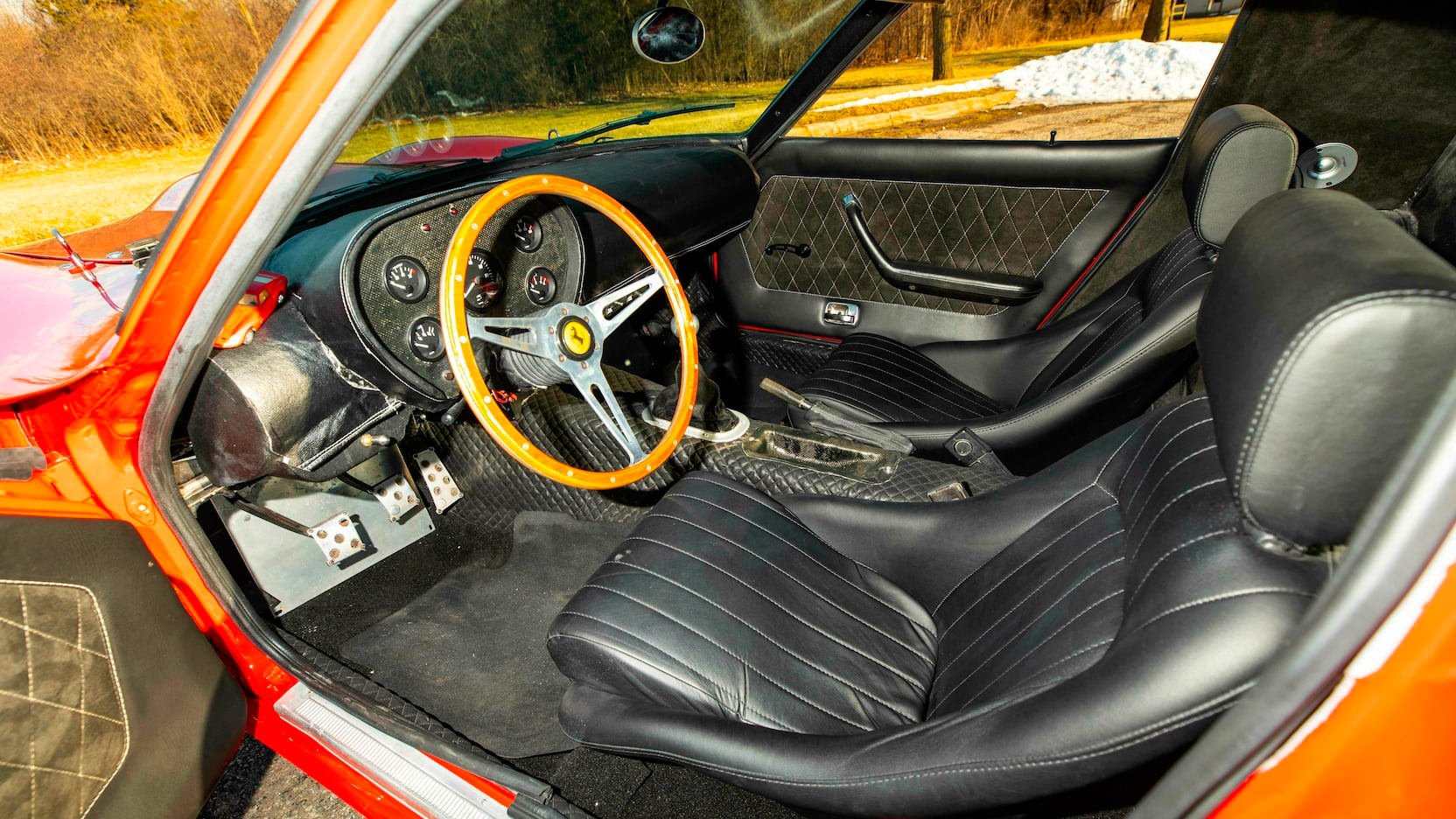
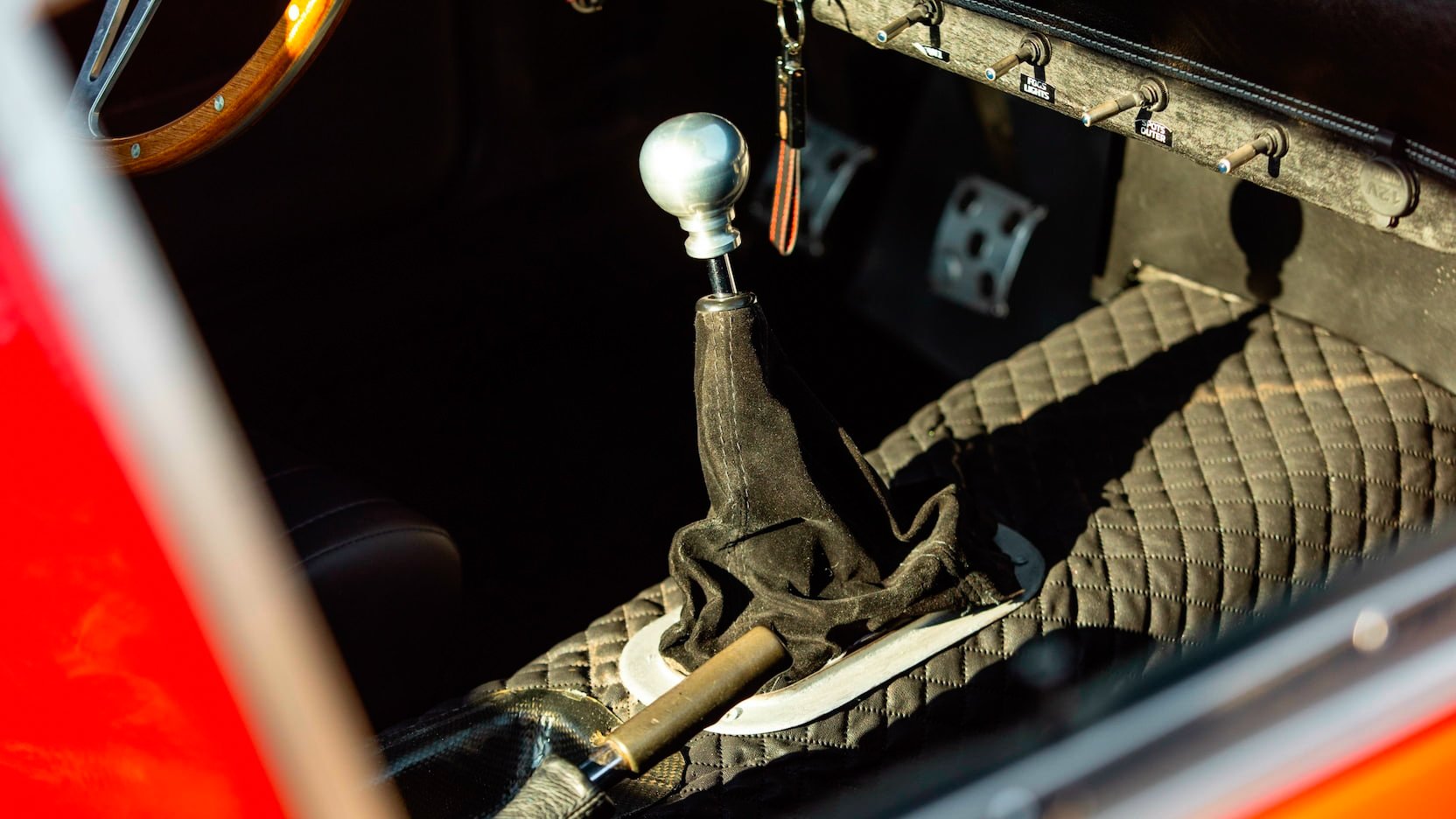
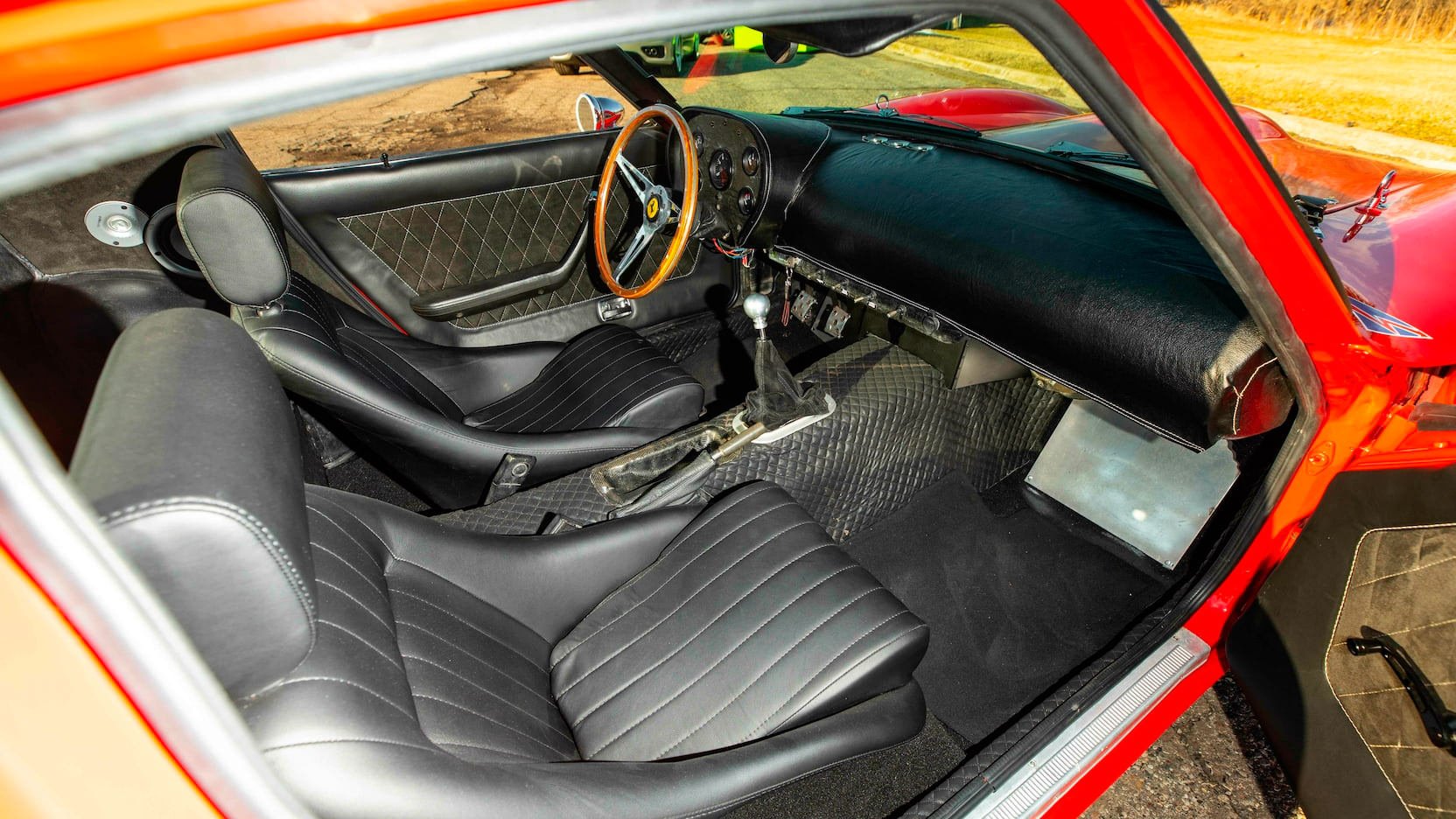
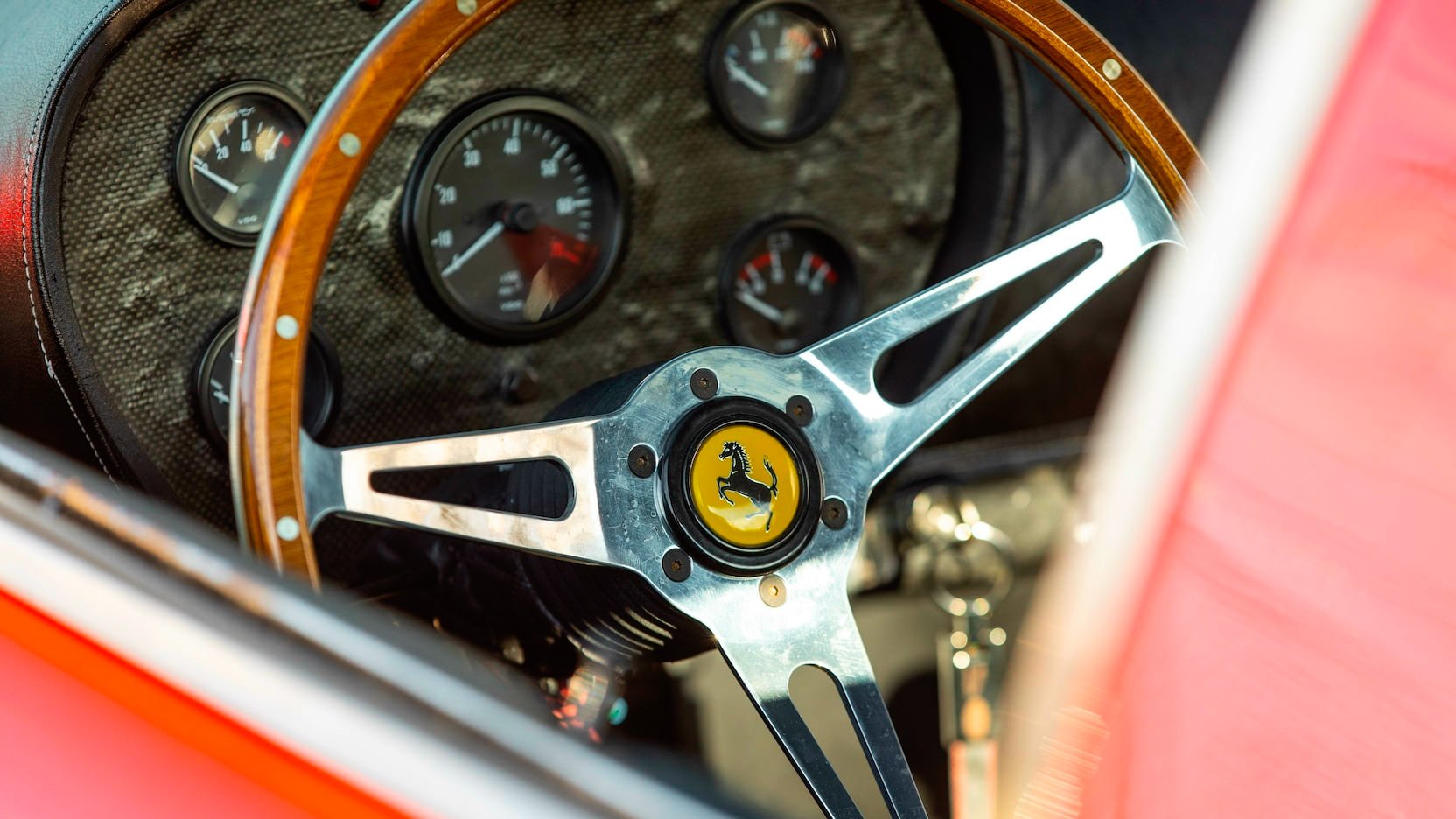
The interior of the car has been significantly modified to make it look more like an authentic Ferrari 250 GTO. The seats, dashboard, center console, steering wheel, and door trim has all been changed.

Both of these cars were reasonably good facsimiles, certainly by the standards of the replica car industry, and they were deemed good enough to appear in a slew of TV series and feature films in place of the originals.
These on-screen appearances would eventually lead to the downfall of the company, the Ferrari Daytona replicas that were appearing in Miami Vice in the 1980s attracted the attention of Ferrari.

The Italian automaker filed a lawsuit against McBurnie Coachcraft, and the next season of the TV series would feature an authentic Ferrari Testarossa that had been donated by Ferrari.

The End And A New Beginning

Shortly after the Ferrari lawsuit, McBurnie Coachcraft was burned to the ground late one night in an act of arson – no one has ever been brought to justice for the crime, and it stopped the company from producing any more replicas as they had lost their fiberglass body moulds.

The company would later reform as Thunder Ranch, selling replicas of the Porsche 550 and Porsche 356 Speedster, as well as a hot rod kit called ″34 Lightning.″ McBurnie eventually sold the company to Carrera Coachwerks in 2012.

Ferrari 250 GTO Replica 6

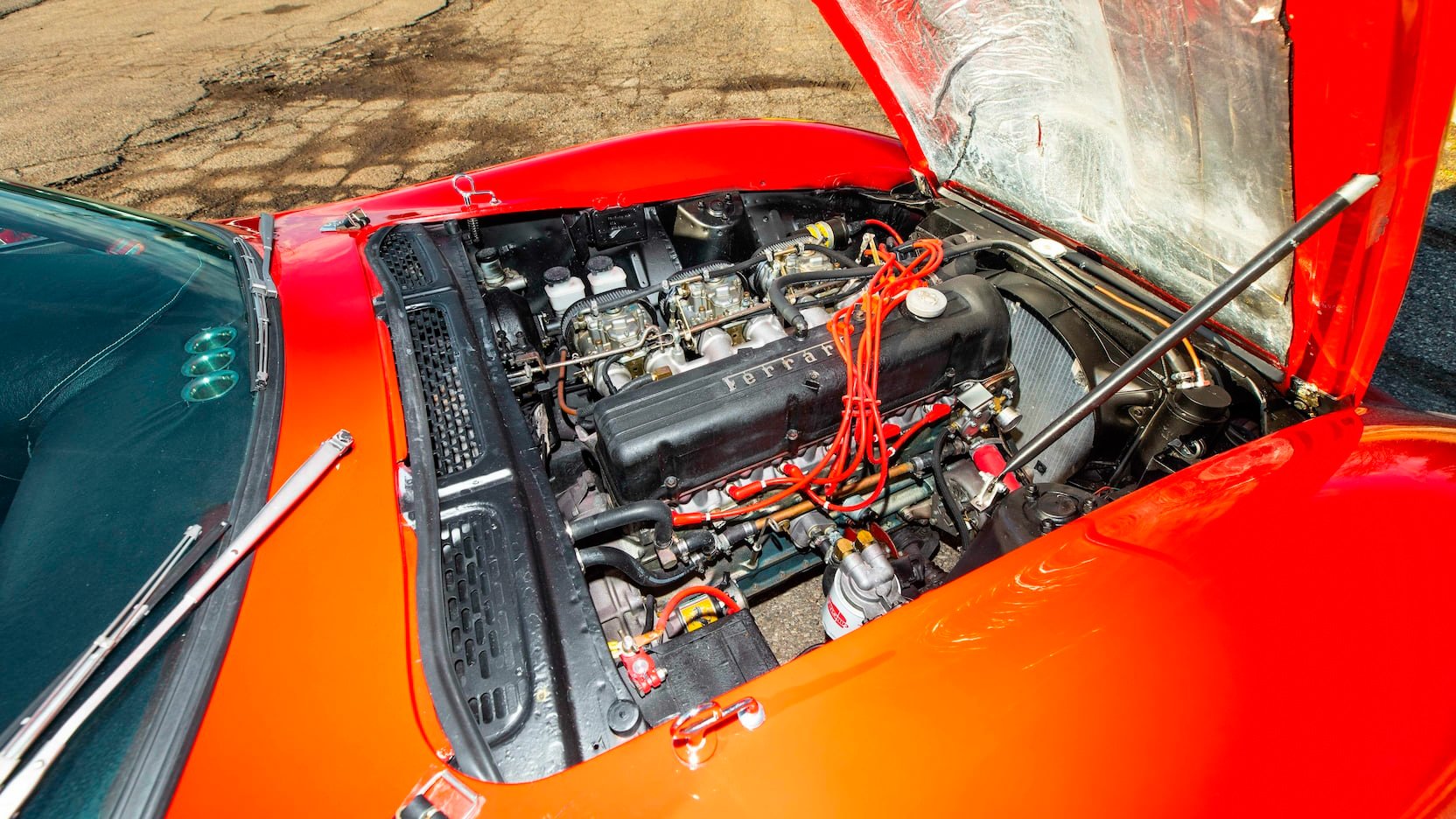
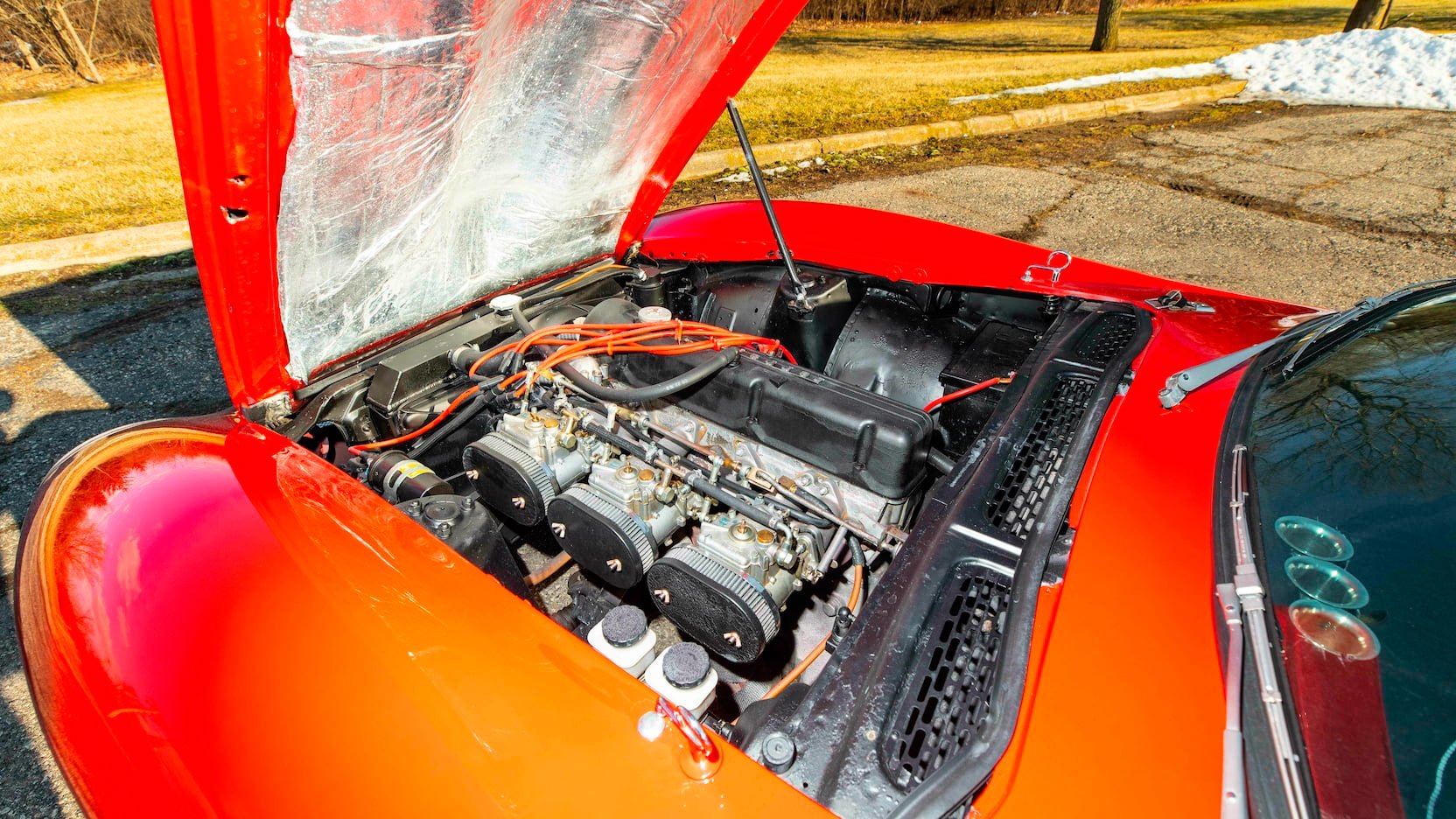
The engine is a Datsun straight-six, it’s been fitted with triple Weber carburetors and a “Ferrari” cam cover.

Ferrari 250 GTO Replica Shown Here

The car you see here actually started life as a Datsun 280Z before being converted into a “Fauxrrari” by McBurnie and his team.

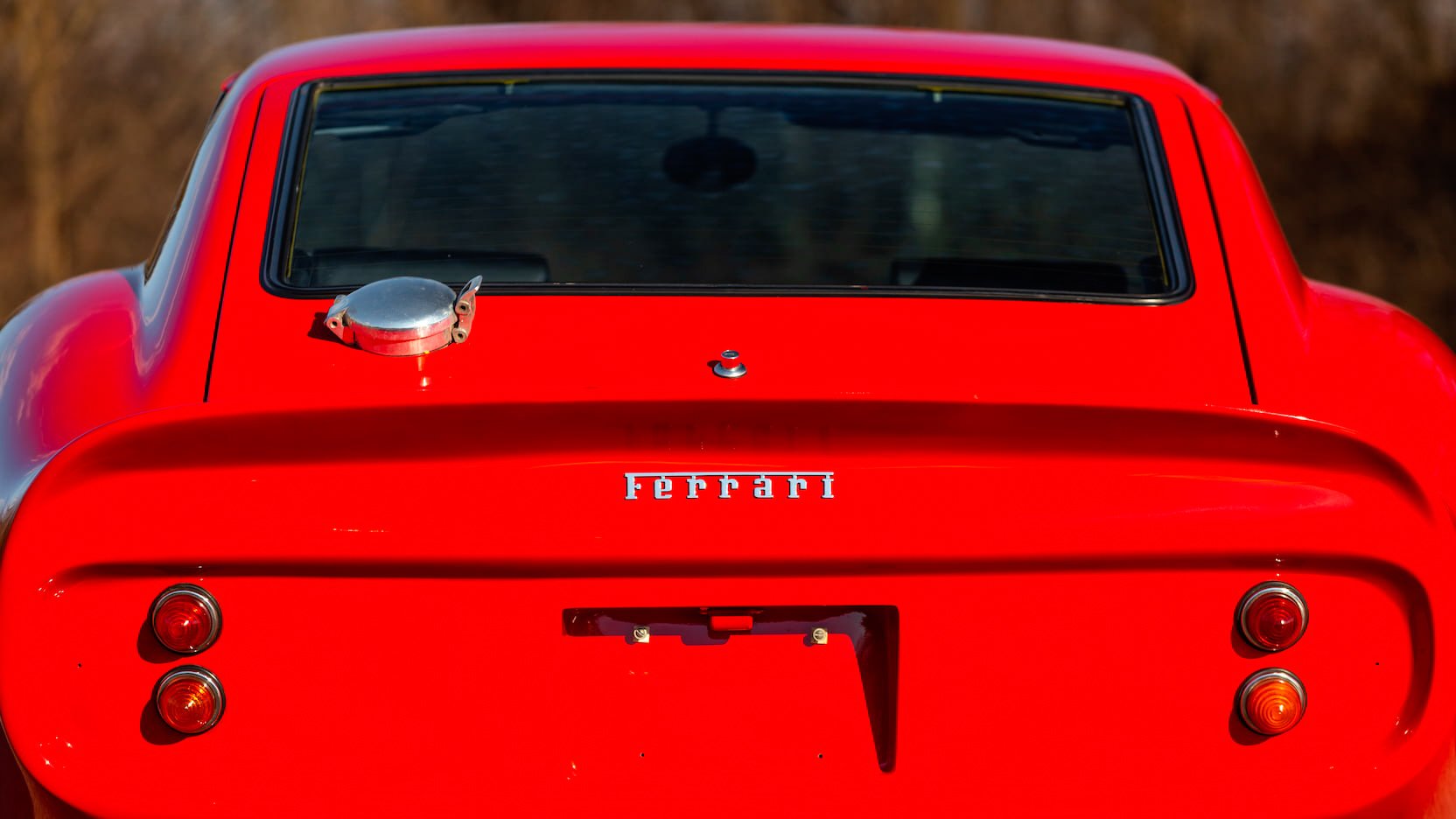
The conversion included the fitment of many new fiberglass body panels, new seats were added along with a new dashboard, steering wheels, gear knob, and other interior parts to make the car look a little less Japanese and a little more Italian.

Under the hood you’ll find the original 280Z inline-six cylinder engine rather than a Ferrari V12, though a Ferrari branded valve cover has been fitted that’ll fool only the most unobservant of onlookers.

While most replicas will be relegated to the less frequented corners of eBay, the car you see here is likely to be a little more popular thanks to its multiple brushes with fame. This car appeared in Ford v Ferrari, The Italian Job, and Overdrive, as well as a Gucci photoshoot – and it comes with all the documentation to prove it.

Ferrari 250 GTO Replica

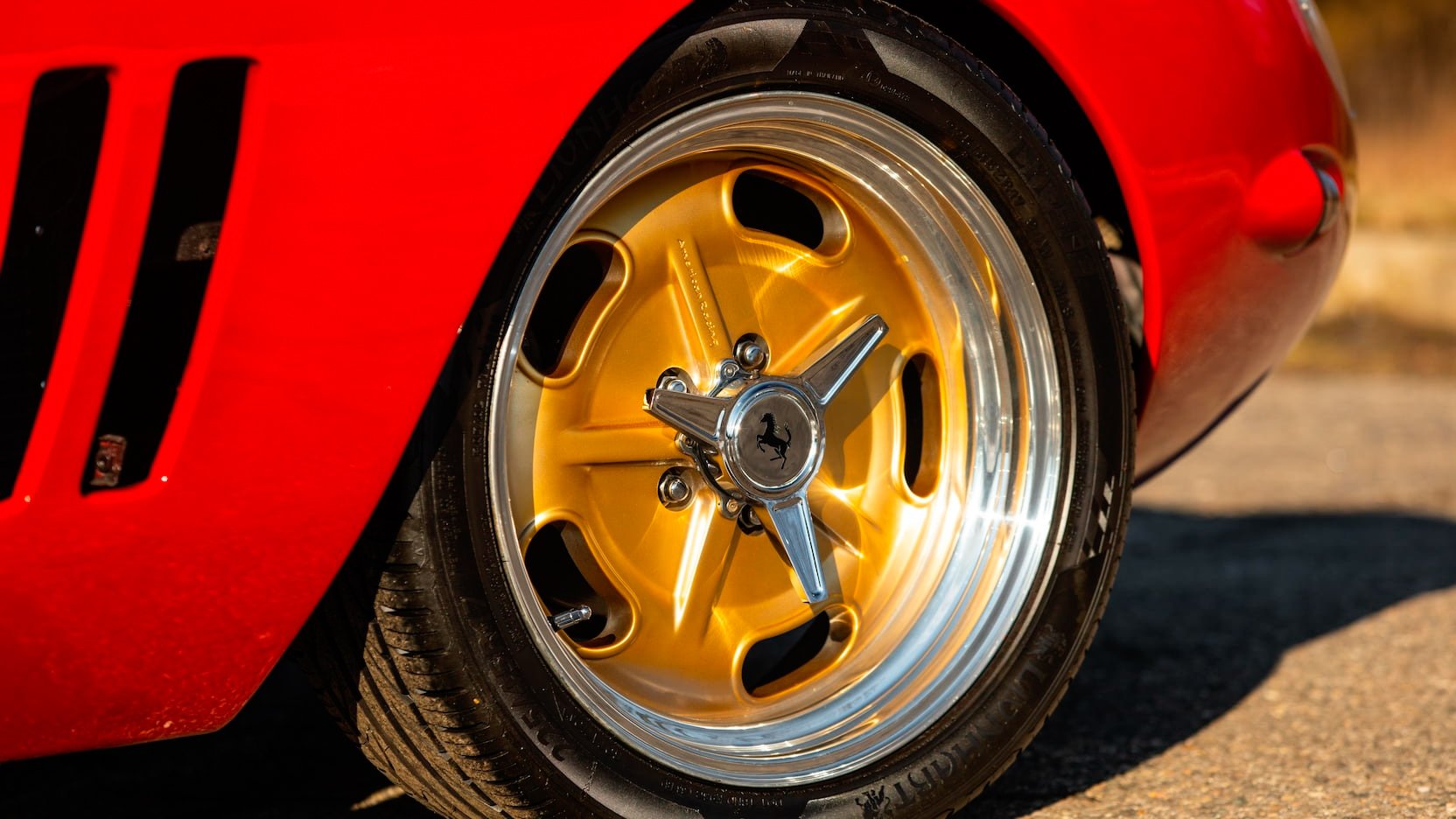
The car is currently fitted with American Racing 17 inch wheels, these are probably the most glaring indication that the car isn’t original and the new owner may want to swap them out for something a little more period correct.

The car was built by McBurnie Coachcraft directly, it wasn’t a kit bought and built by an amateur at home. It’s powered by the Datsun inline-six fitted with triple Weber carburetors, a tuned exhaust system, and of course, that Ferrari valve cover.

Power is sent to the rear wheels via a 5-speed manual transmission and the car has a Rosso Corsa exterior, a black interior with bucket seats, American Racing 17-inch wheels, and Lionhart tires.

It comes with the movie scripts and storyboards included, all of its cinema documentation, and a Bob Bondurant signed poster.
If you’d like to read more about it or register to bid you can click here to visit the listing on Mecum. It’s due to cross the auction block in mid-May.

Ford v Ferrari Movie Poster Ferrari 250 GTO Replica 23 Ferrari 250 GTO Replica 22 Ferrari 250 GTO Replica 21 Ferrari 250 GTO Replica 20 Ferrari 250 GTO Replica 19 Ferrari 250 GTO Replica 18 Ferrari 250 GTO Replica 17 Ferrari 250 GTO Replica 16 Ferrari 250 GTO Replica 15 Ferrari 250 GTO Replica 14 Ferrari 250 GTO Replica 13 Ferrari 250 GTO Replica 12 Ferrari 250 GTO Replica 11 Ferrari 250 GTO Replica 9 Ferrari 250 GTO Replica 8 Ferrari 250 GTO Replica 7 Ferrari 250 GTO Replica 5 Ferrari 250 GTO Replica 4 Ferrari 250 GTO Replica 2 Ferrari 250 GTO Replica 1

Images courtesy of Mecum

Ferrari 250 GTO Replica Car

The post For Sale: A Ferrari 250 GTO Replica That Appeared In “The Italian Job” + “Ford v Ferrari” appeared first on Silodrome.


from Silodrome https://silodrome.com/ferrari-250-gto-replica/
via gqrds