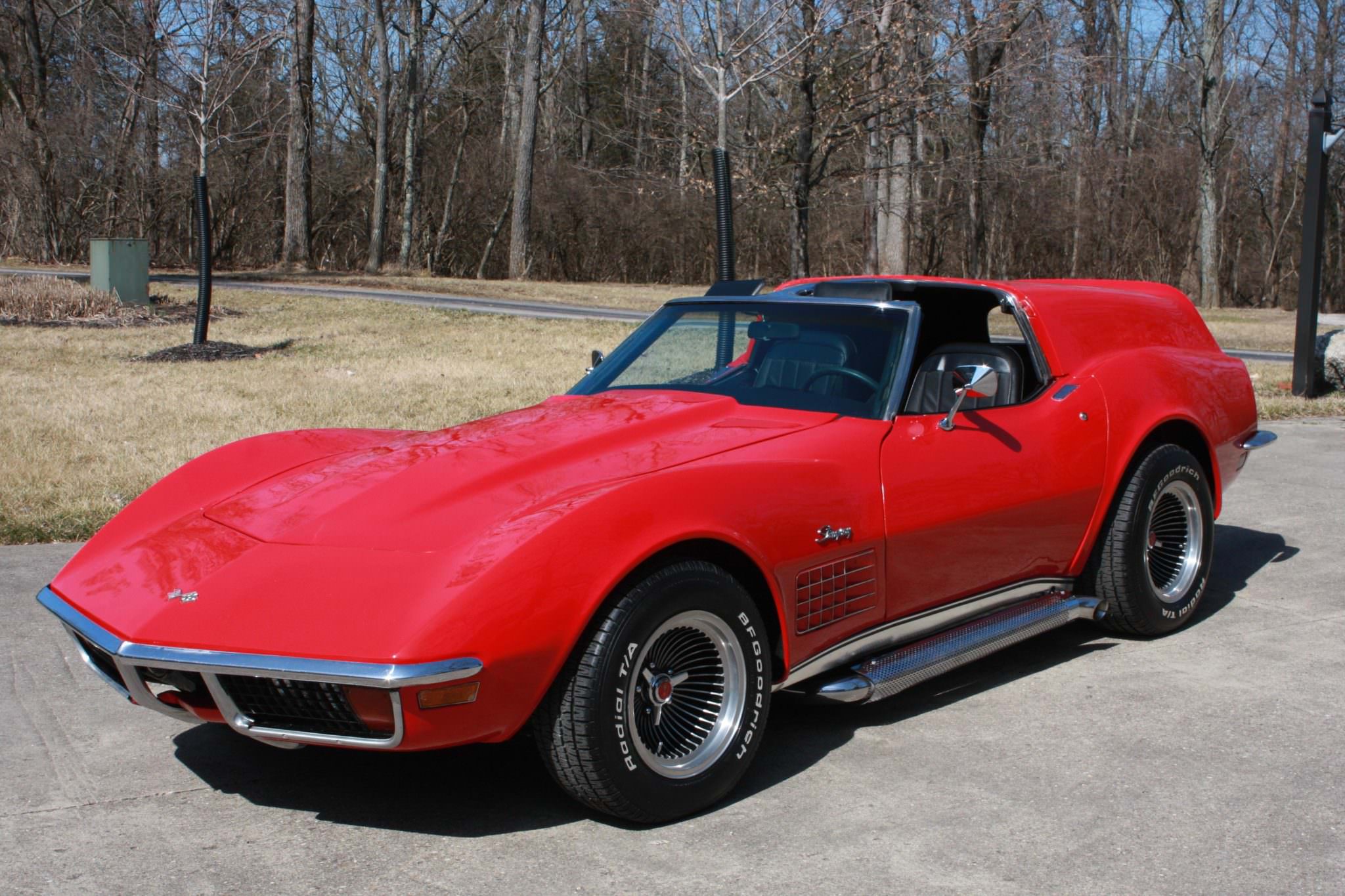
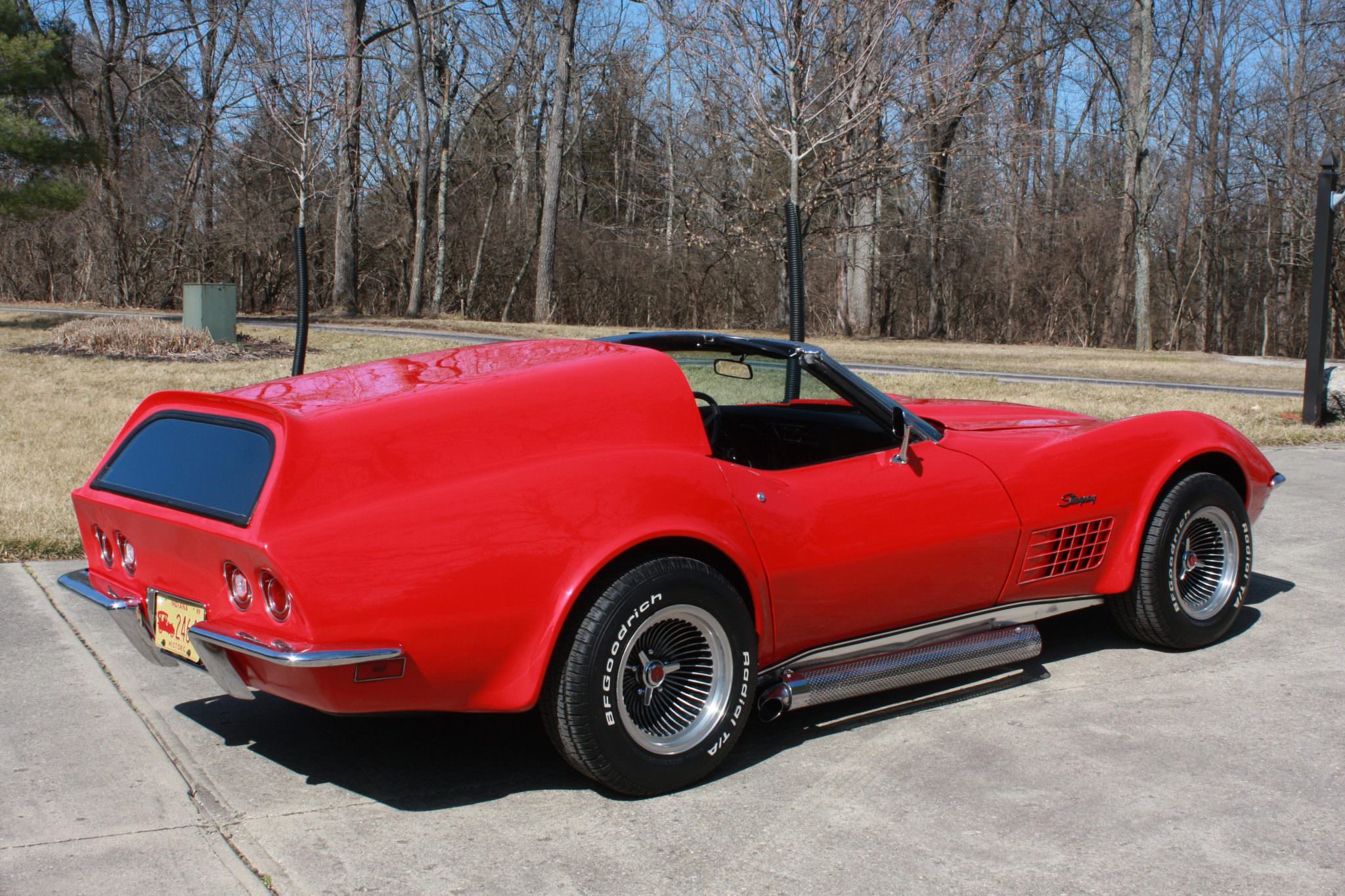
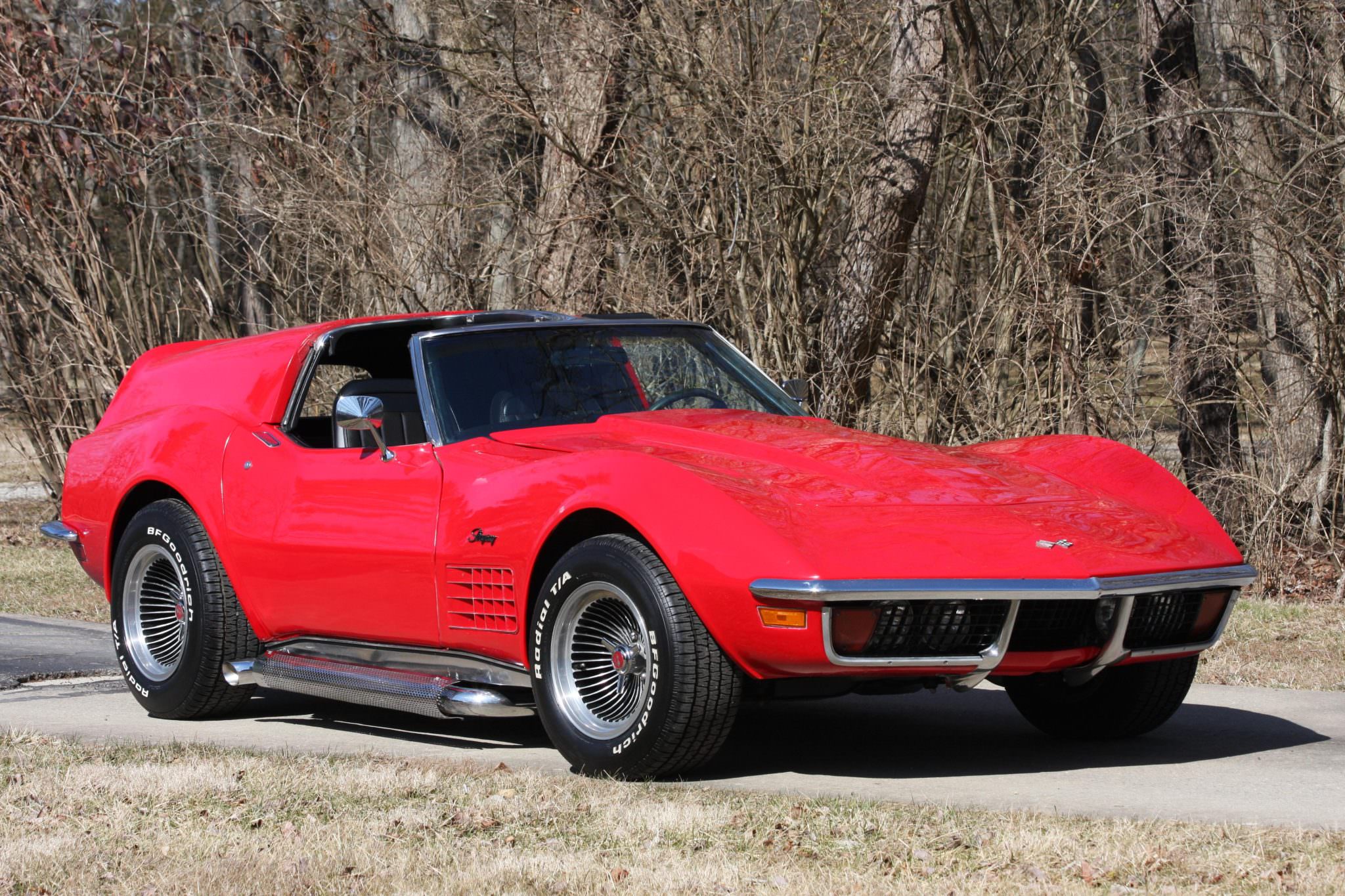
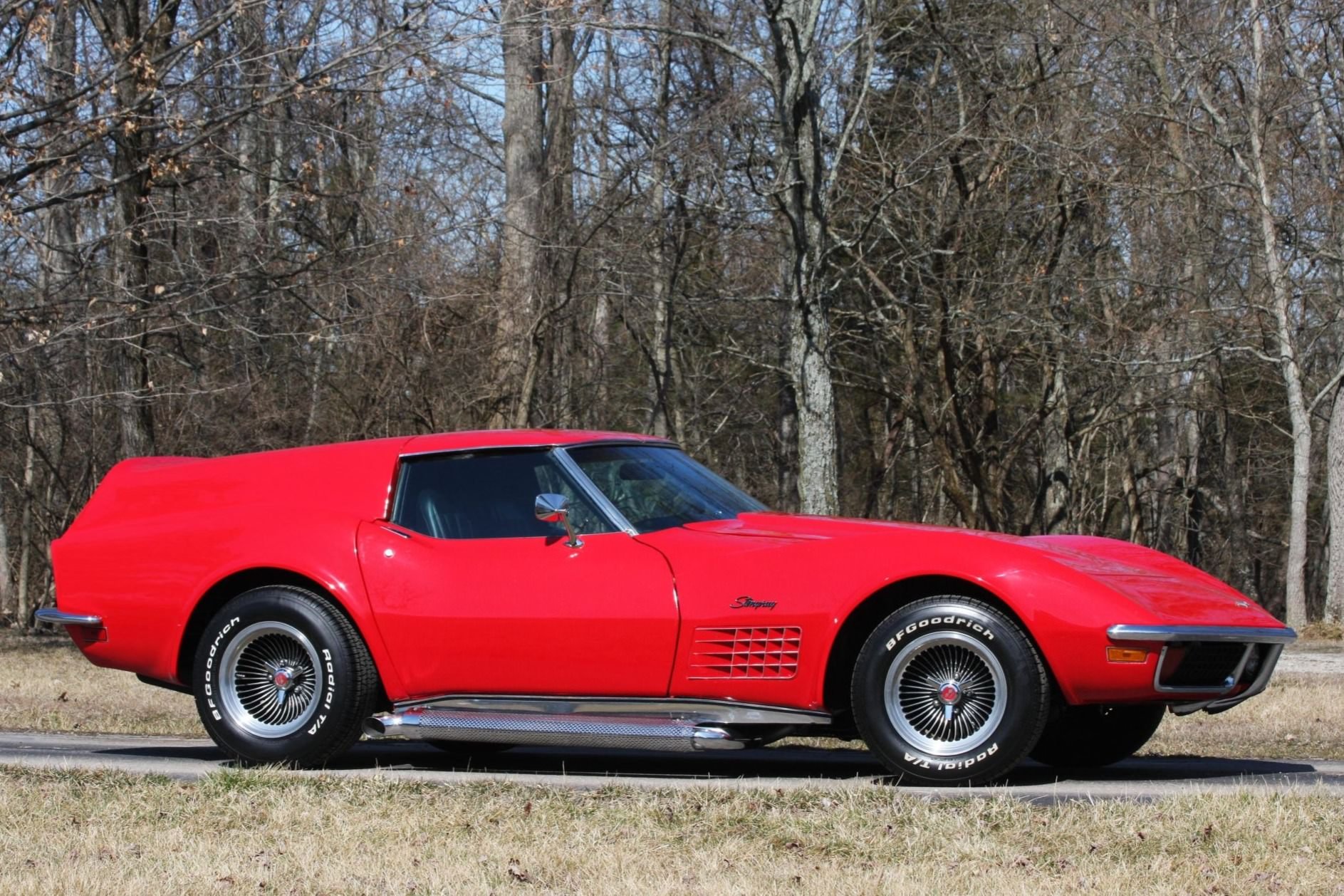
For Sale: A Rare 1969 Chevrolet Corvette Sportwagon

The Chevrolet Corvette Sportwagon was never actually built by Chevrolet, it was an aftermarket kit developed for the C3 Corvette that solved its single biggest problem – the total lack of useable trunk space.

When the third generation Corvette was released in 1967 it proved popular thanks to its shark-inspired styling. The one key drawback was the fact that there was no trunk lid, and the small trunk area was only accessible through the interior of the car behind the seats.

Fast Facts – The Chevrolet Corvette Sportwagon

  • The Chevrolet Corvette Sportwagon was built using a kit supplied by a small number of manufacturers in the United States, primarily supplied by Chuck Miller, then by John Greenwood in redesigned form.
  • The Sportwagon kit included a new fiberglass rear roof section that turned the C3 Corvette into a shooting brake (two-door station wagon), vastly increasing the rear cargo area.
  • It’s said that the first Sportwagon design was created for a drummer in a rock ‘n roll band who had a Corvette and wanted to be able to fit his drums in the back.
  • It’s not known exactly how many Sportwagons were built as they were sold as kits for homebuilders, most estimate that just a few dozen were completed.

The Sportwagon – An American Shooting Brake

The “Shooting Brake” automotive body style that can be best described as a two-door coupe station wagon. It is believed to have been invented by the Brits, with the long rear cargo area being used for laying out guns and other equipment while on a hunt – hence the name shooting brake.
Greenwood Sportwagon Corvette

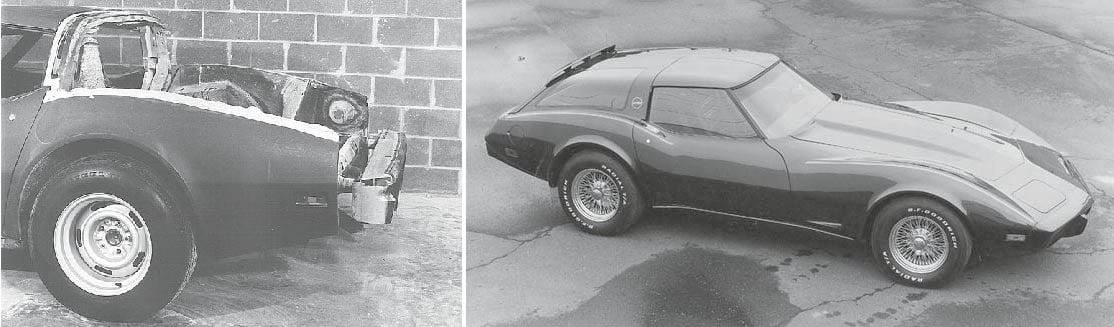
These two images show the cutting requited to fit a (Greenwood) Sportwagon roof to a standard C3 Corvette, the finished car is shown on the right.

Relatively few shooting brakes have been made by major manufacturers, the exceptions being cars like the Volvo 1800ES, Reliant Scimitar GTE, Chevrolet Nomad, BMW Z3 Coupé, Ferrari GTC4 Lusso, and the rare Aston Martin DB5 Shooting Brake.

Many shooting brakes were build by coachbuilders, dating back to the early days of the 20th century. More recently companies like Greenwood developed their own kits for cars like the C3 Corvette specifically to add practicality to the model by increasing cargo space.

The Chevrolet Corvette Sportwagon

The Chevrolet Corvette Sportwagon conversion kit was developed in two stages by two individuals, the idea was conceived by Chuck Miller when he was approached by a drummer in a rock band who wanted to be able to fit his drum kit into his C3 Corvette.

Miller developed a new fiberglas rear roof section that would turn the car into a station wagon, or shooting brake as the body style is classically known.

The Corvette has had a fiberglass body since the C1 was first introduced in 1953, this made the fabrication process far easier as it was just a matter of cutting out the rear trunk top section of the body and bonding the new fiberglass roof section.
Chevrolet Corvette Sportwagon 2

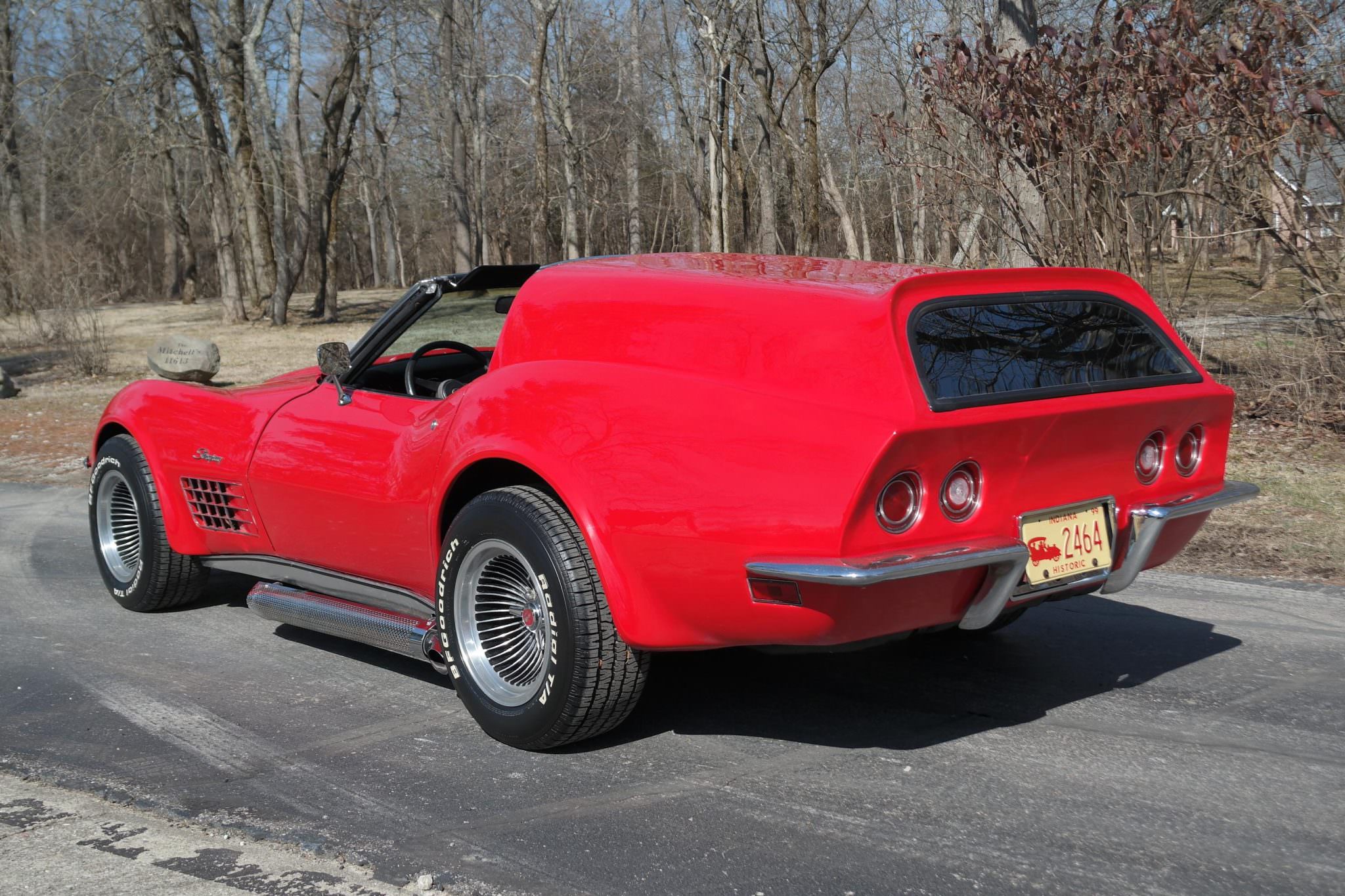
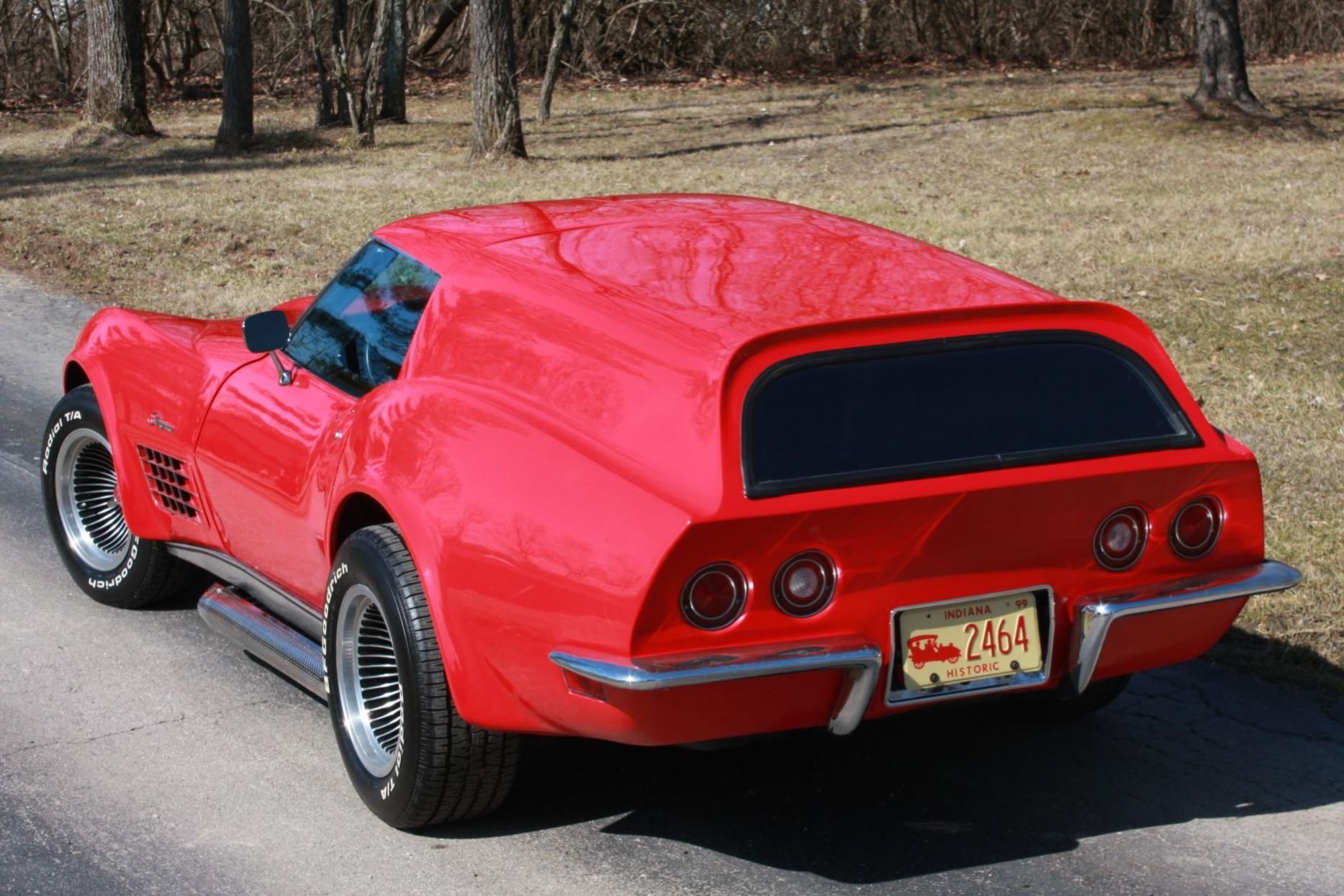
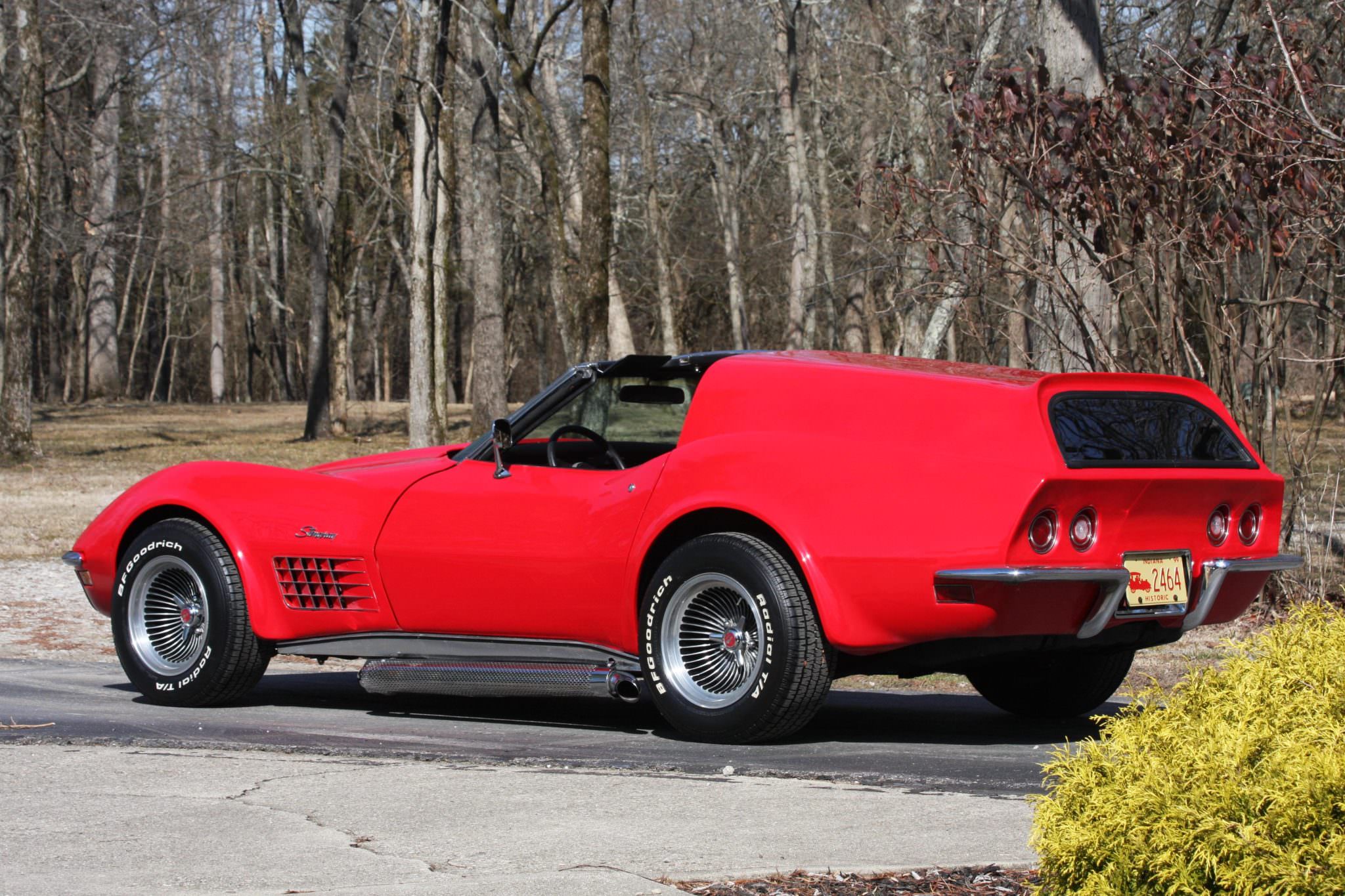
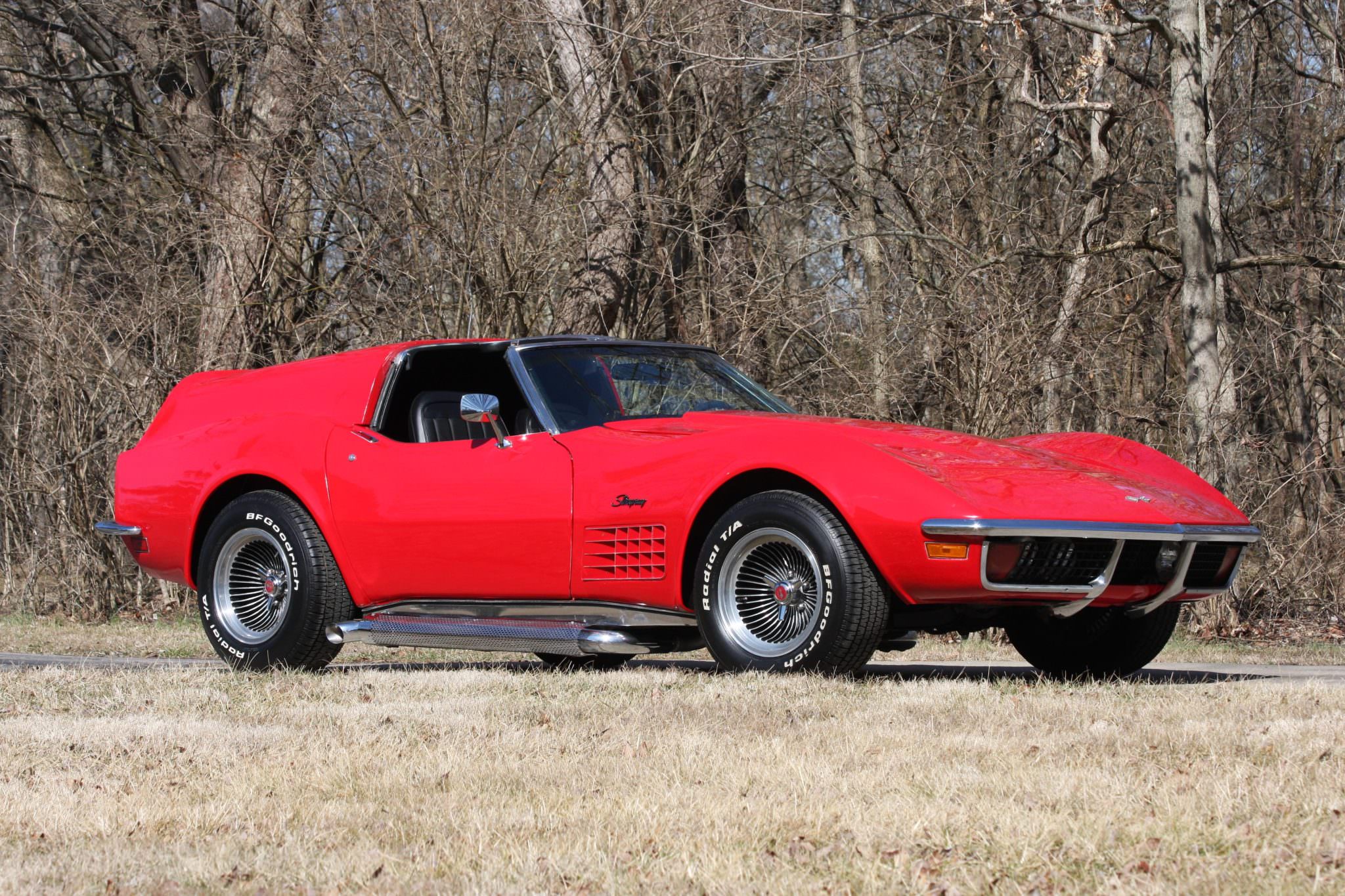
The design of the Sportwagon roof was well done, it blends in very well with the lines of the original car and looks like it could have been factory made.

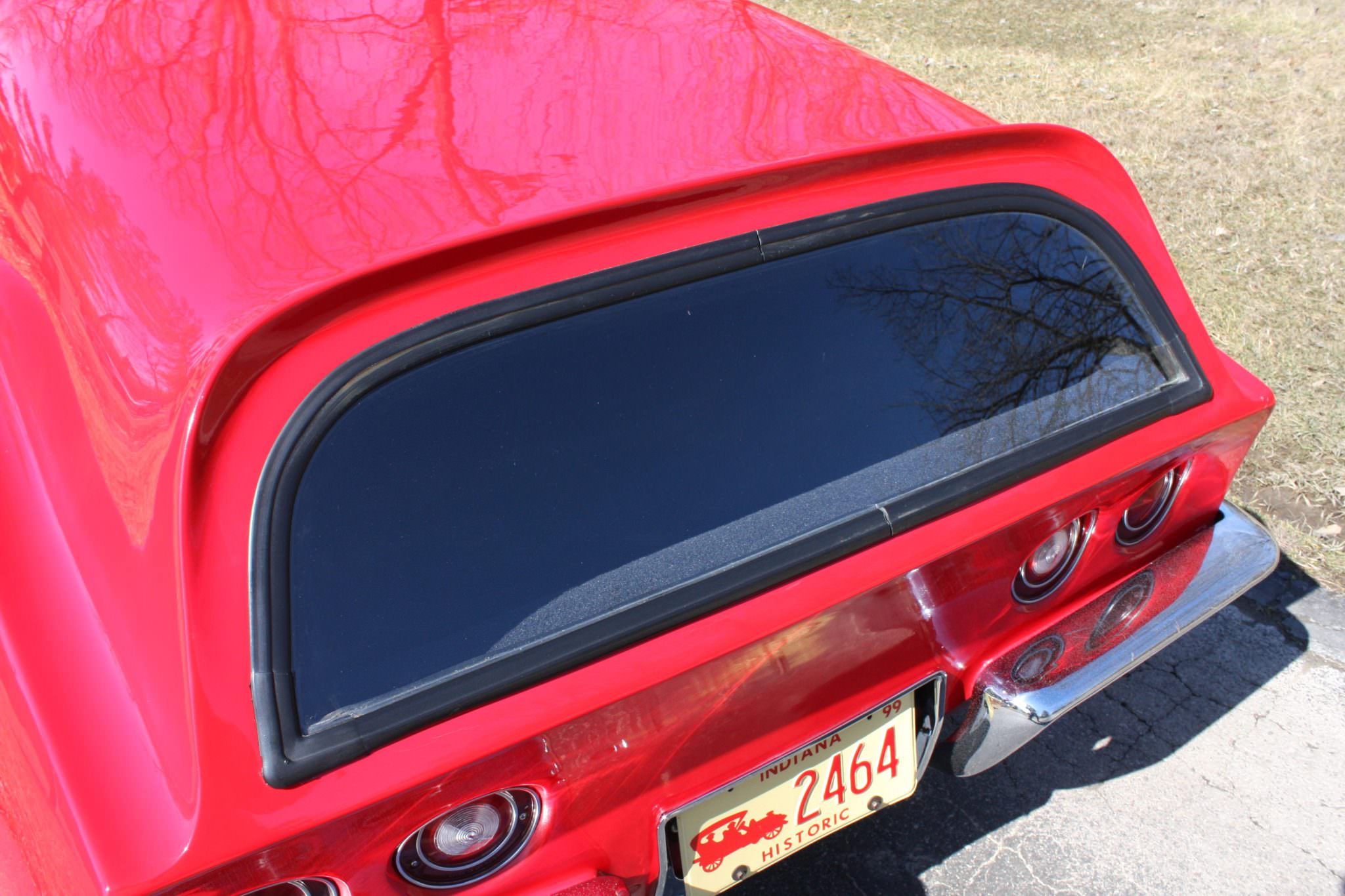
The original design by Miller was undeniably attractive, but it lacked a little in the practicality department as the rear window was fixed in place and not openable, this required all the cargo to be loaded through the interior over the folded down seat backs.

A second design was developed later in the 1970s by John Greenwood, Greenwood’s design included an opening rear window and a number of other refinements, significantly improving the overall practicality of the concept.

The Greenwood Sportwagon was first shown at SEMA in 1976 where many orders were taken, it was then produced by Greenwood for a number of years as a kit for homebuilders to fit to their own C3 Corvettes.

There are relatively few surviving examples of the Chevrolet Corvette Sportwagon in existence, no one knows exactly how many where made, so they’re highly sought after by collectors.

The 1969 Chevrolet Corvette Sportwagon Shown Here

The car you see here is a 1969 Chevrolet Corvette Sportwagon that uses one of the rare original kits developed by Chuck Miller. Unlike many of the later Sportwagon conversions this one has no side windows, it was called the “Panelwagon,” and the rear window doesn’t open.
Chevrolet Corvette Sportwagon 8

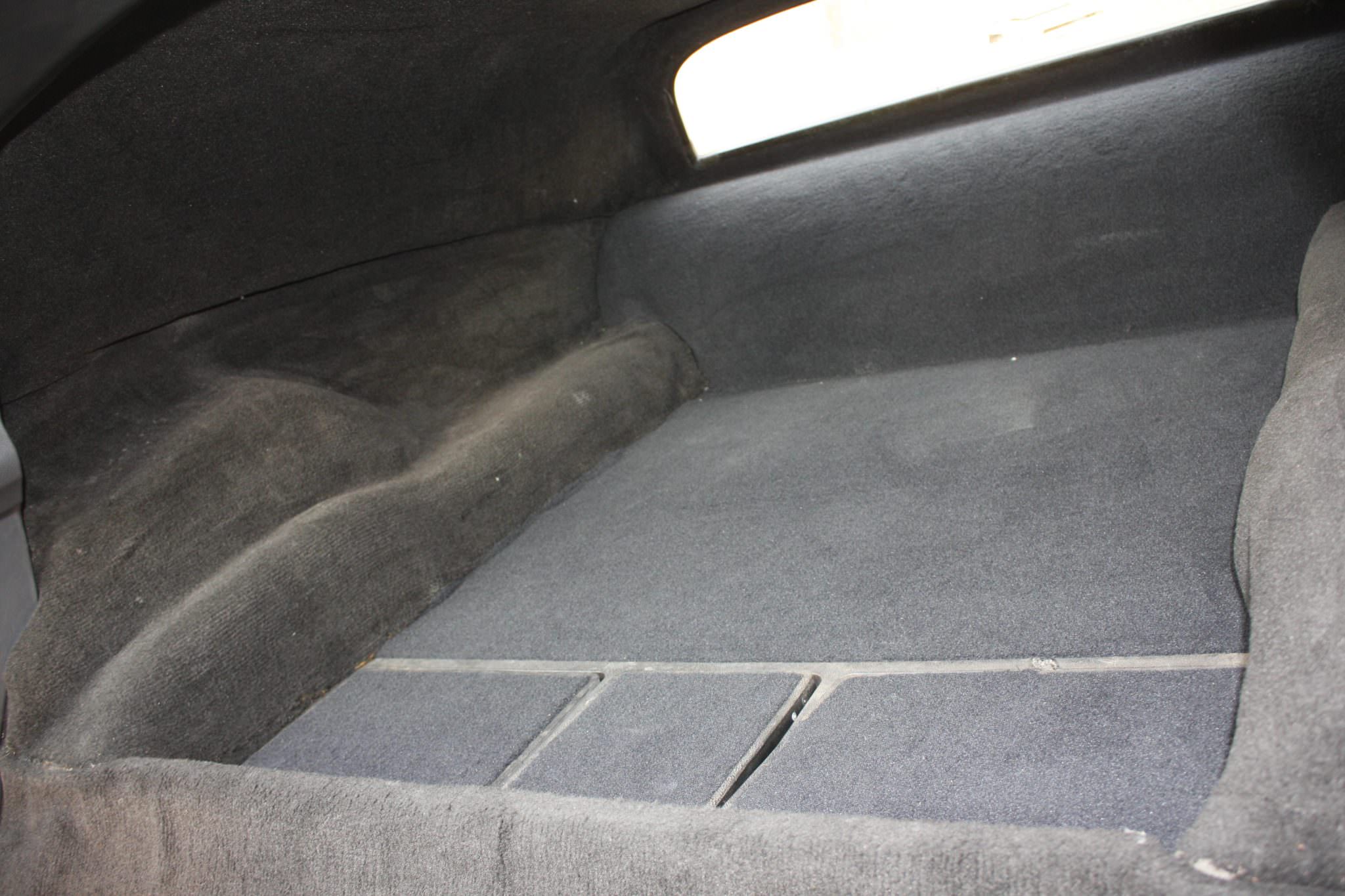
The space in the rear of the Sportwagon is vastly increased, making the car much more practical than the original C3 Corvette if you need to carry luggage or other cargo.

The cargo space is accessed through the interior of the car, you open the door and then lean the seat forwards to put things in and take them out.

This car has a number of other custom touches, the pop-up headlights have been removed to give the front of the car a smoother finish, new headlights were then installed behind the black grille up front.

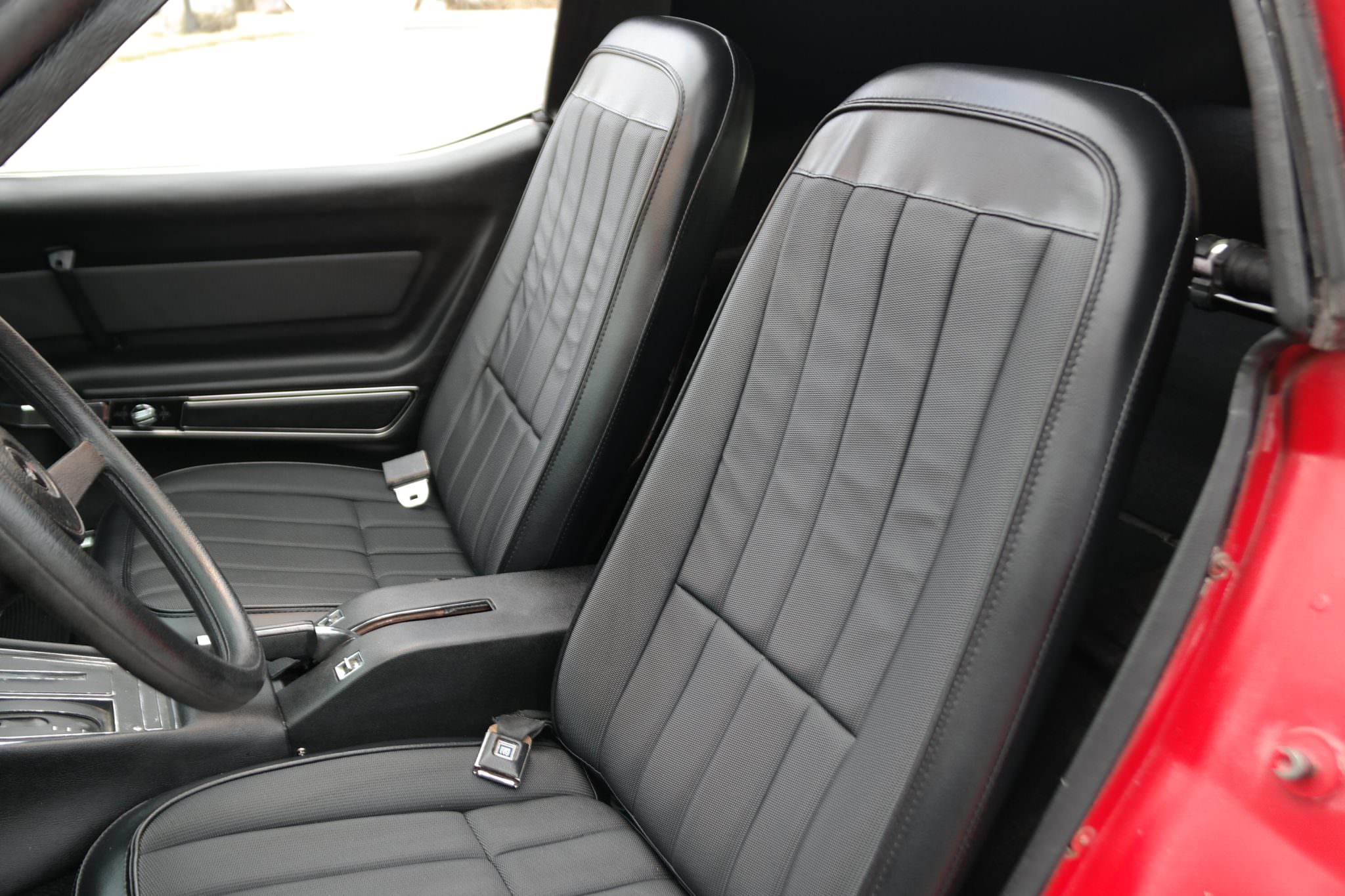
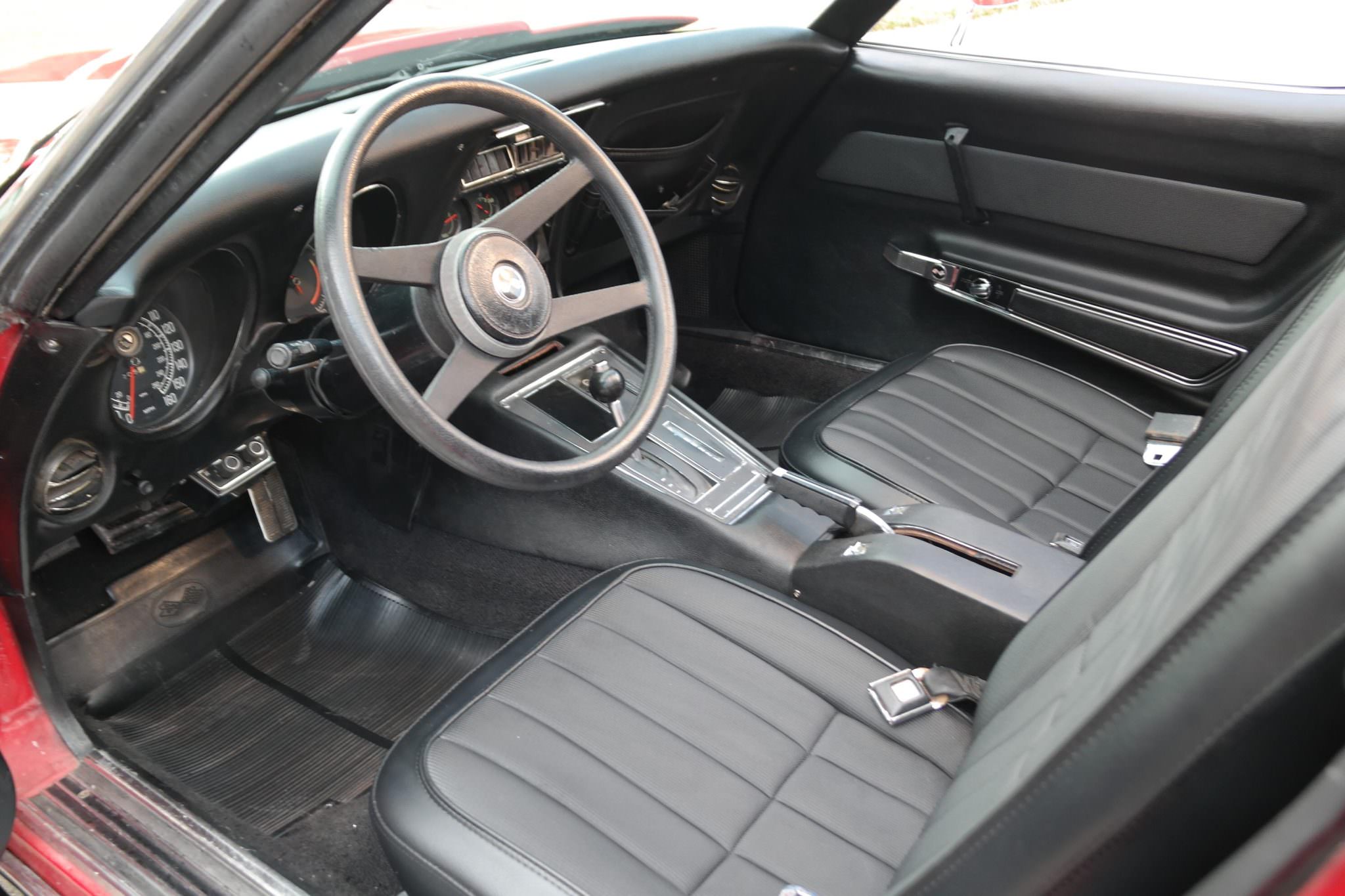
The car is fitted with 15” turbine-style wheels fitted with BFGoodrich Radial T/A white-letter tires, and it has power-assisted four-wheel disc brakes. The interior was reupholstered in black vinyl sourced from Al Knoch Interiors in 2021.

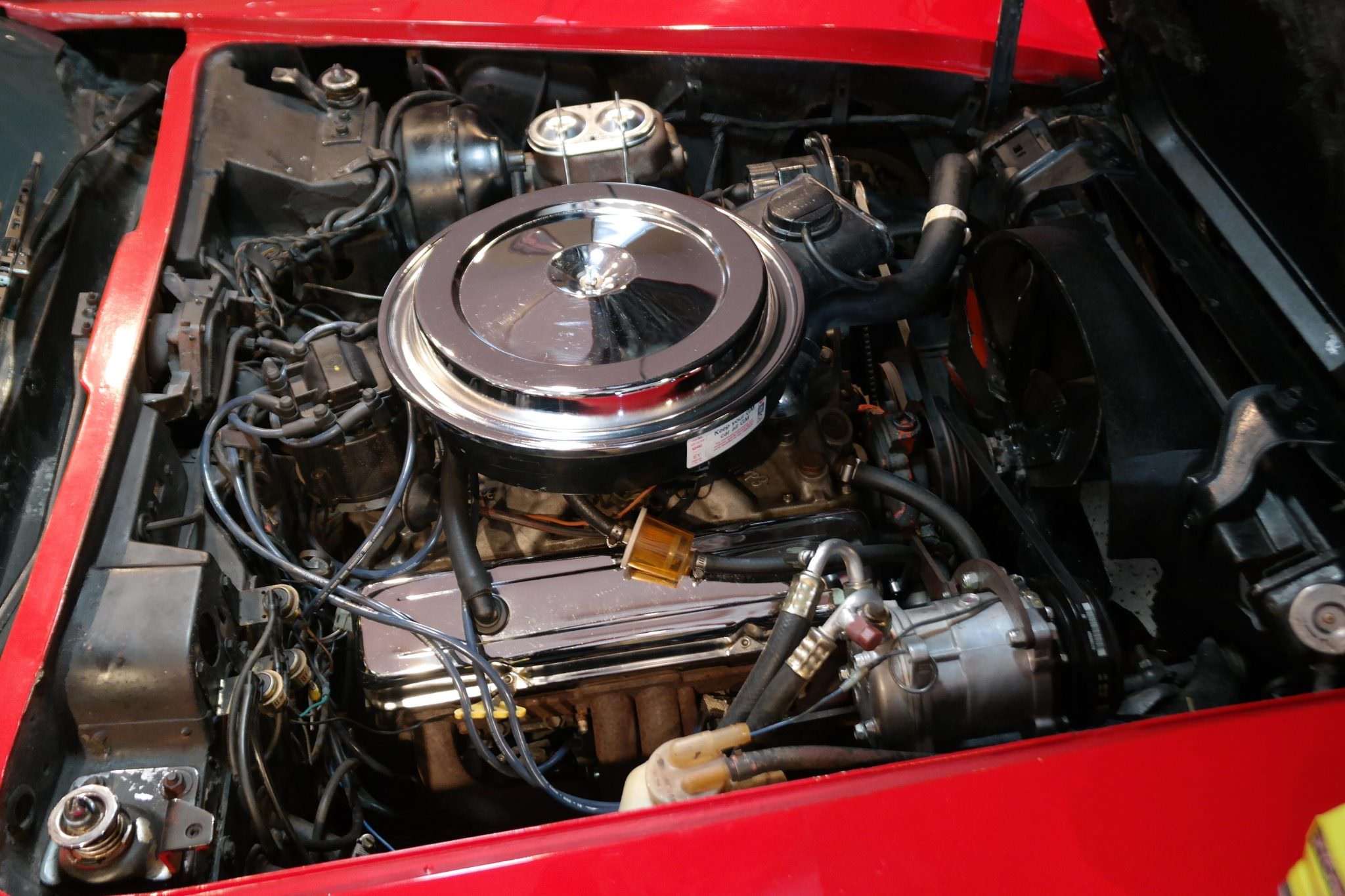
Power is provided by a 350 cubic inch V8 crate engine featuring a single Edelbrock carburetor mounted to a Torker II intake manifold and an HEI distributor.

The car is currently being offered in a live online auction on Bring A Trailer out of West Harrison, Indiana. At the time of writing there are still a few days left to bid and you can click here to visit the listing.
Chevrolet Corvette Sportwagon Chevrolet Corvette Sportwagon 13 Chevrolet Corvette Sportwagon 12 Chevrolet Corvette Sportwagon 11 Chevrolet Corvette Sportwagon 10 Chevrolet Corvette Sportwagon 9 Chevrolet Corvette Sportwagon 6 Chevrolet Corvette Sportwagon 5 Chevrolet Corvette Sportwagon 4 Chevrolet Corvette Sportwagon 3 Chevrolet Corvette Sportwagon 2 Chevrolet Corvette Sportwagon 1

Images courtesy of Bring A Trailer

Chevrolet Corvette Sportwagon 7

The post For Sale: A Rare 1969 Chevrolet Corvette Sportwagon appeared first on Silodrome.


from Silodrome https://silodrome.com/chevrolet-corvette-sportwagon/
via gqrds

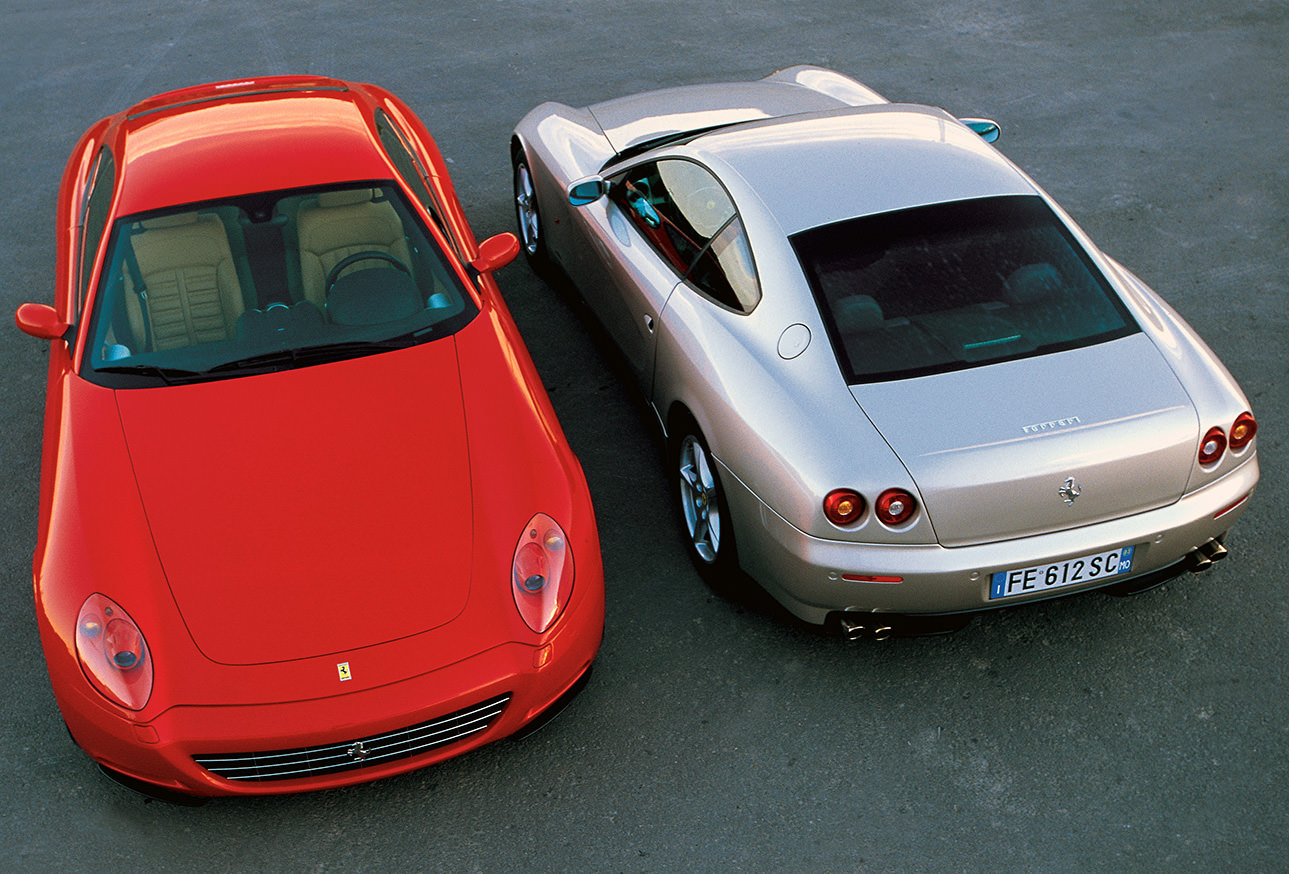
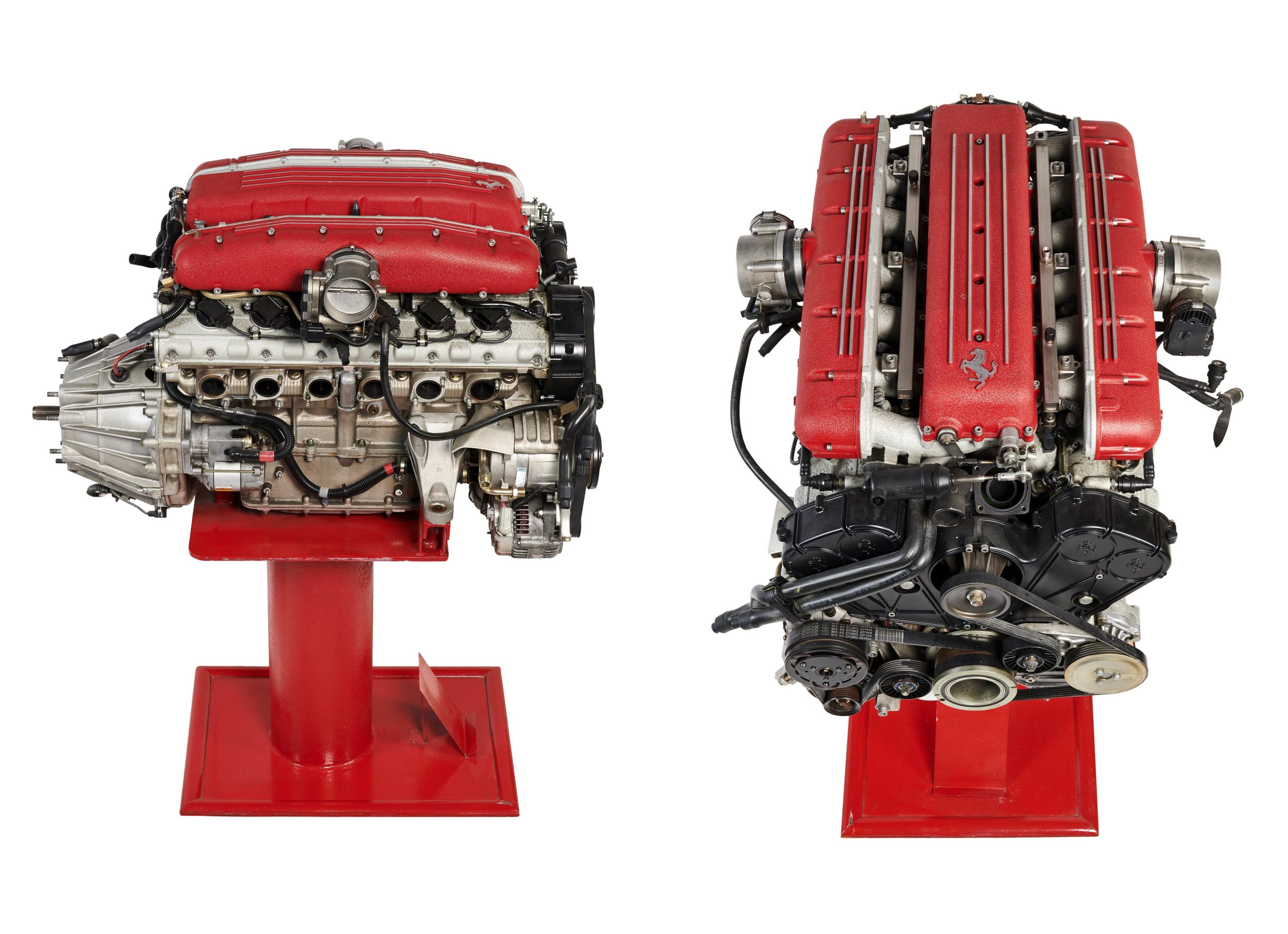
Engine Swap Potential: You Can Buy This Ferrari 612 Scaglietti V12

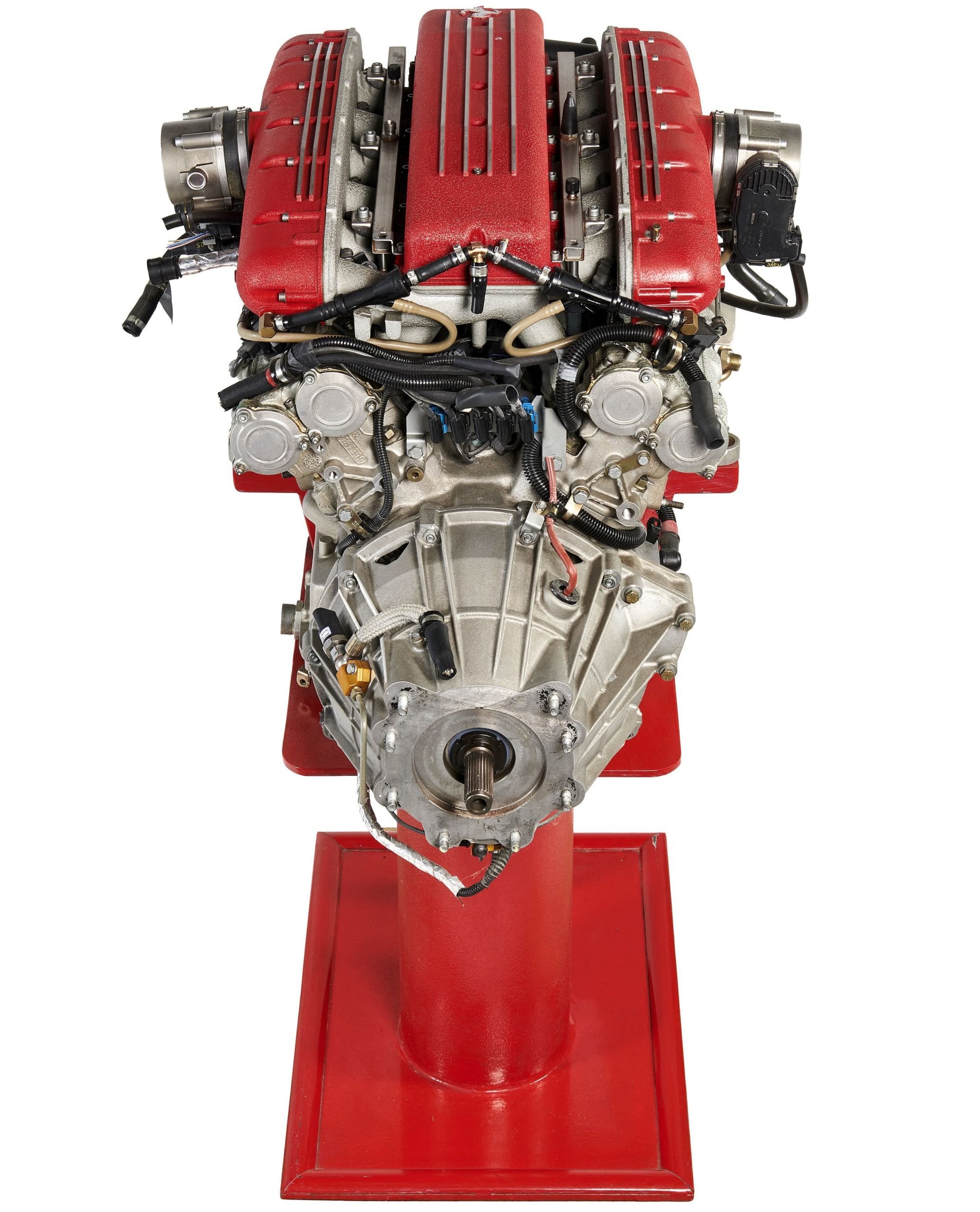
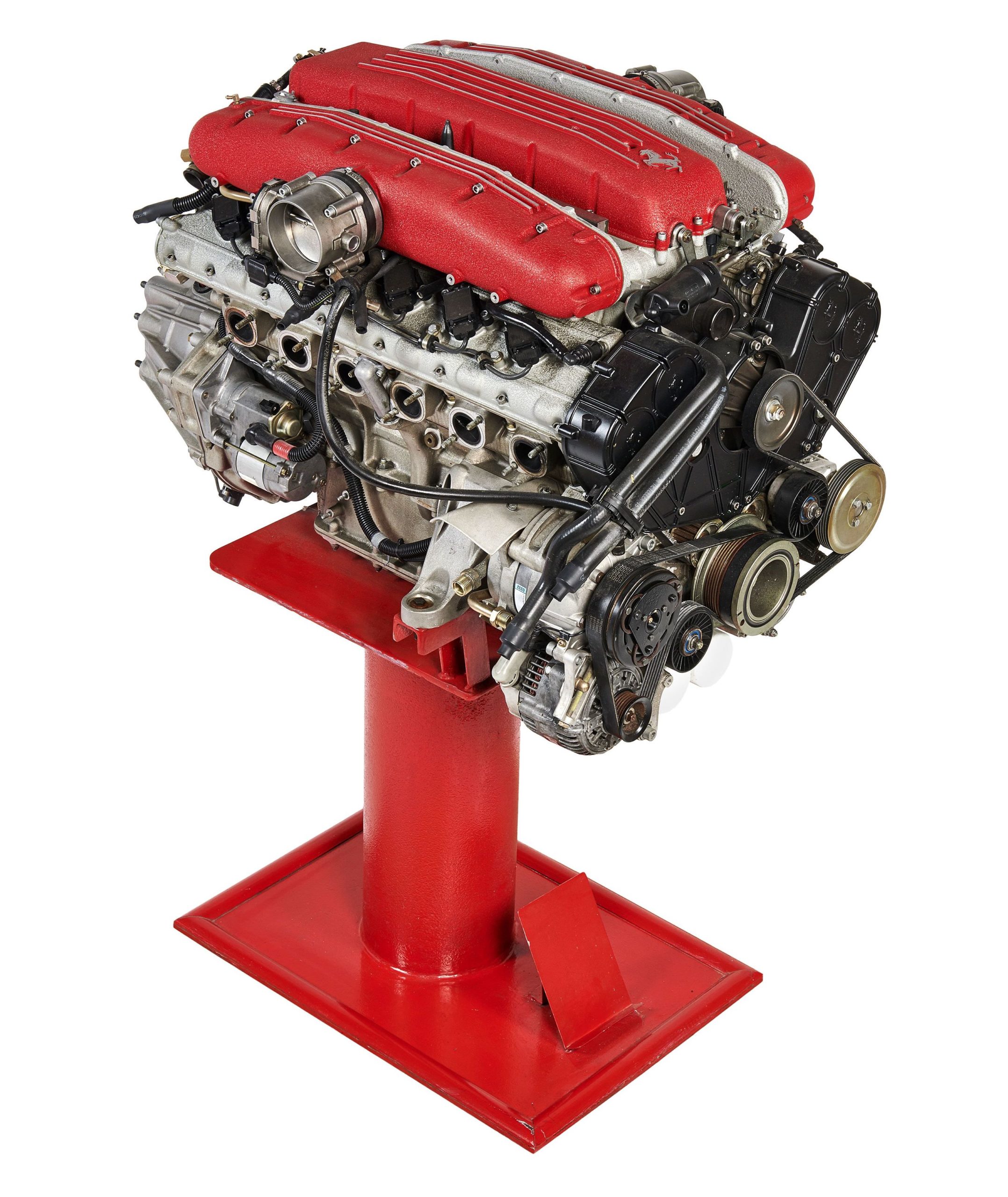
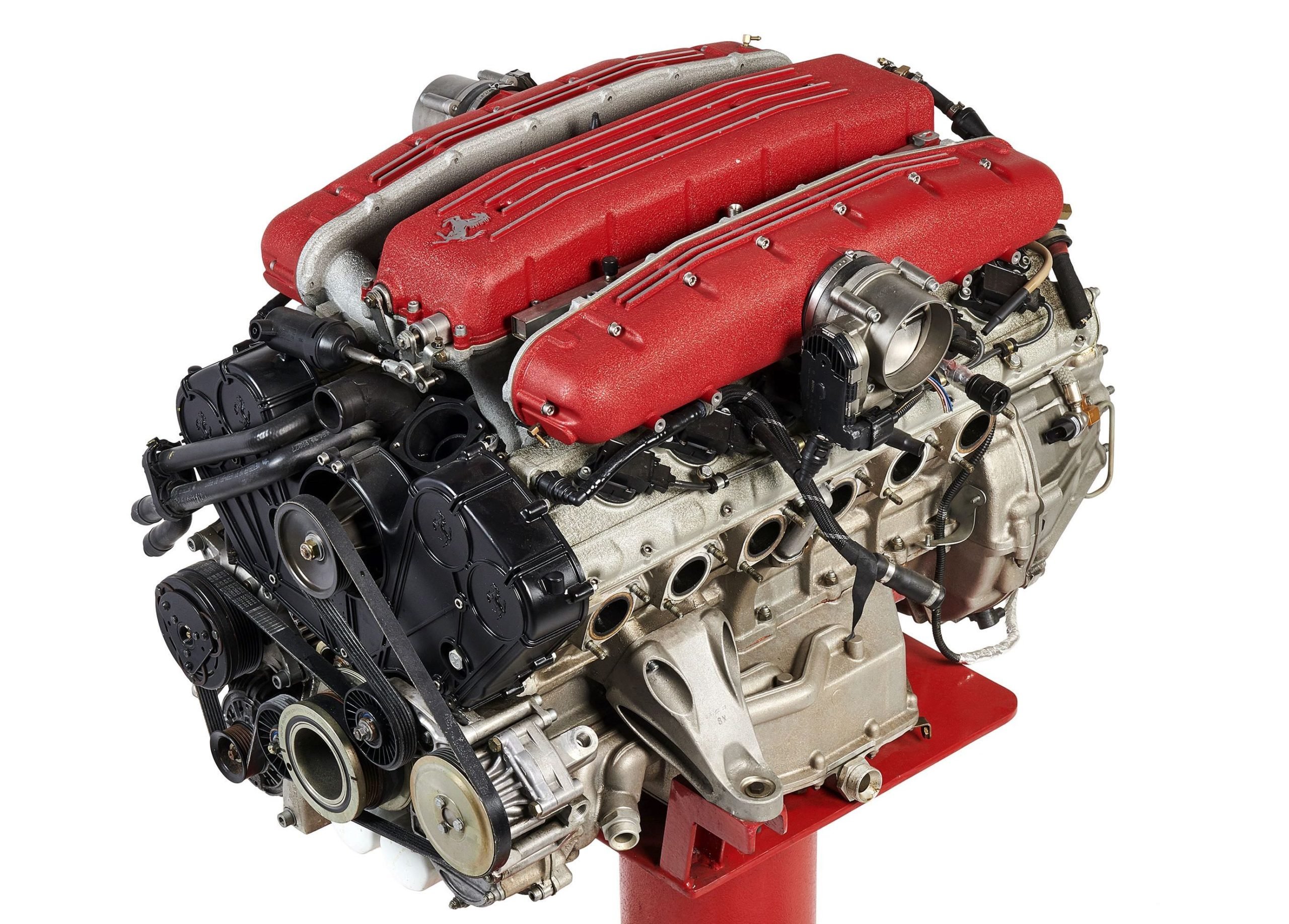
This is a 65º V12 engine from a Ferrari 612 Scaglietti, once fitted into a car it produces 533 bhp at 7,250 rpm and 434 lb ft of torque at 5,250 rpm.

As with all Ferrari engines, the V12 from the 612 Scaglietti is a work of art. It has double overhead cams operating four valves per cylinder and a displacement of 5,748cc (351 cubic inches).

The compression ratio is 11.2:1, it has a bore x stroke of 3.50″ x 3.03″, and the engine makes use of an aluminum alloy block and heads to help reduce weight.

Ferrari engineers developed the 612 Scaglietti as the company’s second all-aluminum vehicle after the 360 Modena. It has an alloy spaceframe that was developed in conjunction with Alcoa, the body was then welded into place over the top for increased rigidity.

Ferrari 612 Scaglietti

The front and rear views of the Ferrari 612 Scaglietti. Image courtesy of Ferrari.

From the outset the 612 Scaglietti was designed to comfortably accommodate four adults in a 2+2 seating configuration, with enough head and leg room for the rear passengers.

The car also has a trunk with more room than you might be used to in a Ferrari, though despite all of this extra room the car is still capable of almost touching 200 mph.

The engine you see here is due to be sold by Artcurial on the 20th of March with a price guide of $5,500 – $8,800 USD. The listing is a little light on details but we do know it comes on a red display pedestal and it looks to be largely complete.

It will probably end up on display in a Ferrari collection somewhere, however there’s also a possibility that it’ll end up being dropped into a 612 Scaglietti that needs a new engine, it might be pulled apart for parts, or it might (hopefully) get installed into something ridiculous like an AMC Gremlin.

If you’d like to read more about it or register to bid you can click here to visit the listing.
Ferrari 612 Scaglietti V12 Engine Ferrari 612 Scaglietti V12 Engine 2 Ferrari 612 Scaglietti V12 Engine 1 Ferrari 612 Scaglietti V12 Engine For Sale

The post Engine Swap Potential: You Can Buy This Ferrari 612 Scaglietti V12 appeared first on Silodrome.


from Silodrome https://silodrome.com/ferrari-612-scaglietti-engine/
via gqrds

The AMC Eagle SX/4 – An American 4×4 Sports Car That Was Ahead Of Its Time

The AMC Eagle SX/4 was a car decades ahead of its time, it offered a sports car body with increased ground clearance and a four-wheel drive powertrain, creating an entirely new automotive genre overnight.

The larger but closely related AMC Eagle had been released in 1979, it’s widely regarded as the first American “Crossover” vehicle that combined road car comfort and handling with a four-wheel drive system and increased ground clearance for the occasional off-road excursion.

Fast Facts – The AMC Eagle SX/4

  • The AMC Eagle SX/4 was one of the world’s first four-wheel drive sports crossover vehicles, it combined the body of the AMC Spirit with a 4×4 drivetrain and increased ground clearance.
  • AMC introduced the Eagle SX/4 in 1981 to accompany the larger AMC Eagle line of 4×4 vehicles that had been introduced in 1979.
  • The series proved immediately popular for AMC, and helped keep the company afloat as their Jeep line of 4x4s suffered waning popularity during the 1979 Oil Crisis due to their poor mileage.
  • The AMC Eagle SX/4 was powered by either the Iron Duke 2.5 liter inline-four or the 4.2 liter inline-six cylinder engines, the automatic transmission came as standard, and cars either had full time four-wheel drive or switchable 2×4 / 4×4 systems.

The Sports Car That Doesn’t Always Need A Road

Period reviews for the AMC Eagle SX/4 were overwhelmingly positive, albeit often a little bemused by the unusual nature of this new sports car with higher ground clearance and a four-wheel drive system. The usefulness of such a vehicle was undeniable – particularly for those who live through long snowy, icy winters.

Above Image: This is a period advertisement for the AMC Eagle SX/4, these cars became popular in northern latitudes with regular heavy snowfalls, as the four-wheel drive system made them much easier to handle in slippery conditions.

Magazine reviews from the likes of Popular Mechanics and Car and Driver lauded the capabilities of the quirky new crossover, with the Popular Mechanics review coinciding with a particularly snowy Detroit winter.

At the time, passenger cars with four-wheel drive systems were largely unheard of. The Jensen FF two-door four-wheel drive GT car had been released in England back in the late 1960s of course, but the AMC Eagle pre-dated the Audi Quattro and the many 4×4 passenger cars that were to come.

AMC had hired the company behind the Jensen FF who had developed an all-wheel drive system designed for passenger cars, “FF” stands for “Ferguson Formula,” the name chosen for the system by Ferguson Research Ltd.

The Eagle SX/4 had been created by taking the AMC Spirit, a fastback unibody sports car coupe, and adding a variant of the four-wheel drive system used on the full-size AMC Eagle, which had been co-developed by AMC and Ferguson Research.

The AMC Eagle predated the SX/4 by two years, and it had been developed by taking the AMC Concord, offered in station wagon, coupe, and four-door sedan versions, and adding elevated suspension and a four-wheel drive powertrain.

AMC Eagle 4x4

This is a period ad for the AMC Eagle, the larger 4×4 four-door station wagon in the model line that used the body from the AMC Concord.

On its release in 1981, AMC billed the Eagle SX/4 as “The Sports Car That Doesn’t Always Need A Road,” and while this may have been leaning a little towards hyperbole it does clearly demonstrate their intentions for the model.

The End Of AMC

Ultimately the innovative Eagle and Eagle SX/4 wouldn’t be enough to save AMC, the company suffered serious financial losses in the mid-1980s and it was eventually sold out to Chrysler in 1987.

Chrysler were mainly interested in the Jeep brand that was owned by AMC, as well as their factories and expansive nationwide dealership network.

The AMX Eagle and SX/4 would remain in production until 1988 when they were axed by Chrysler. Today the cars are looked back on has historically important given their innovative nature, but they haven’t yet become collectors items outside of their own niche enthusiast group.

AMC Eagle SX4 Car

This is an original ad for the AMC Eagle SX/4, the smaller 4×4 sports car coupe that was based on the AMC Spirit body.

The AMC Eagle SX/4 Shown Here

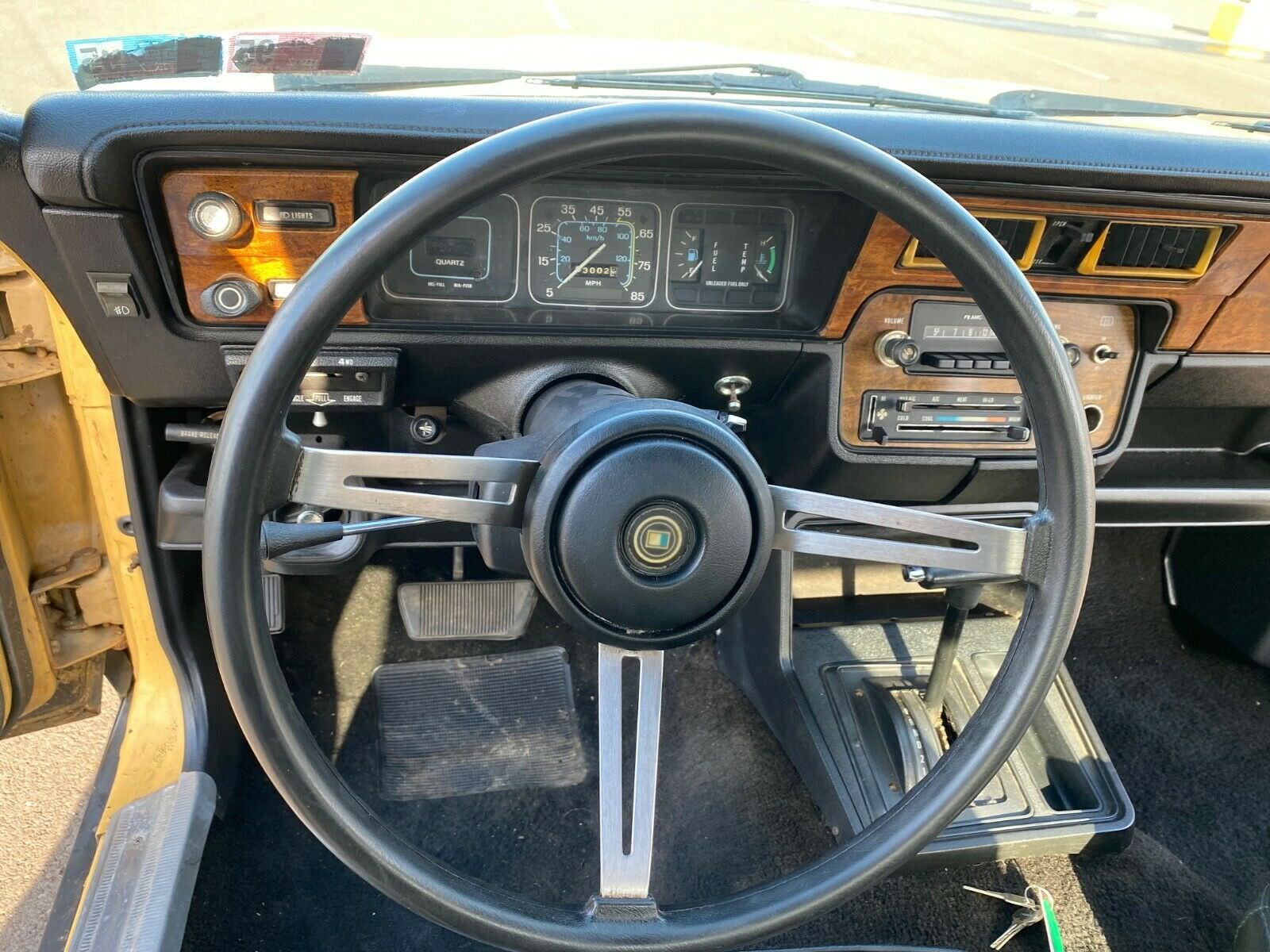
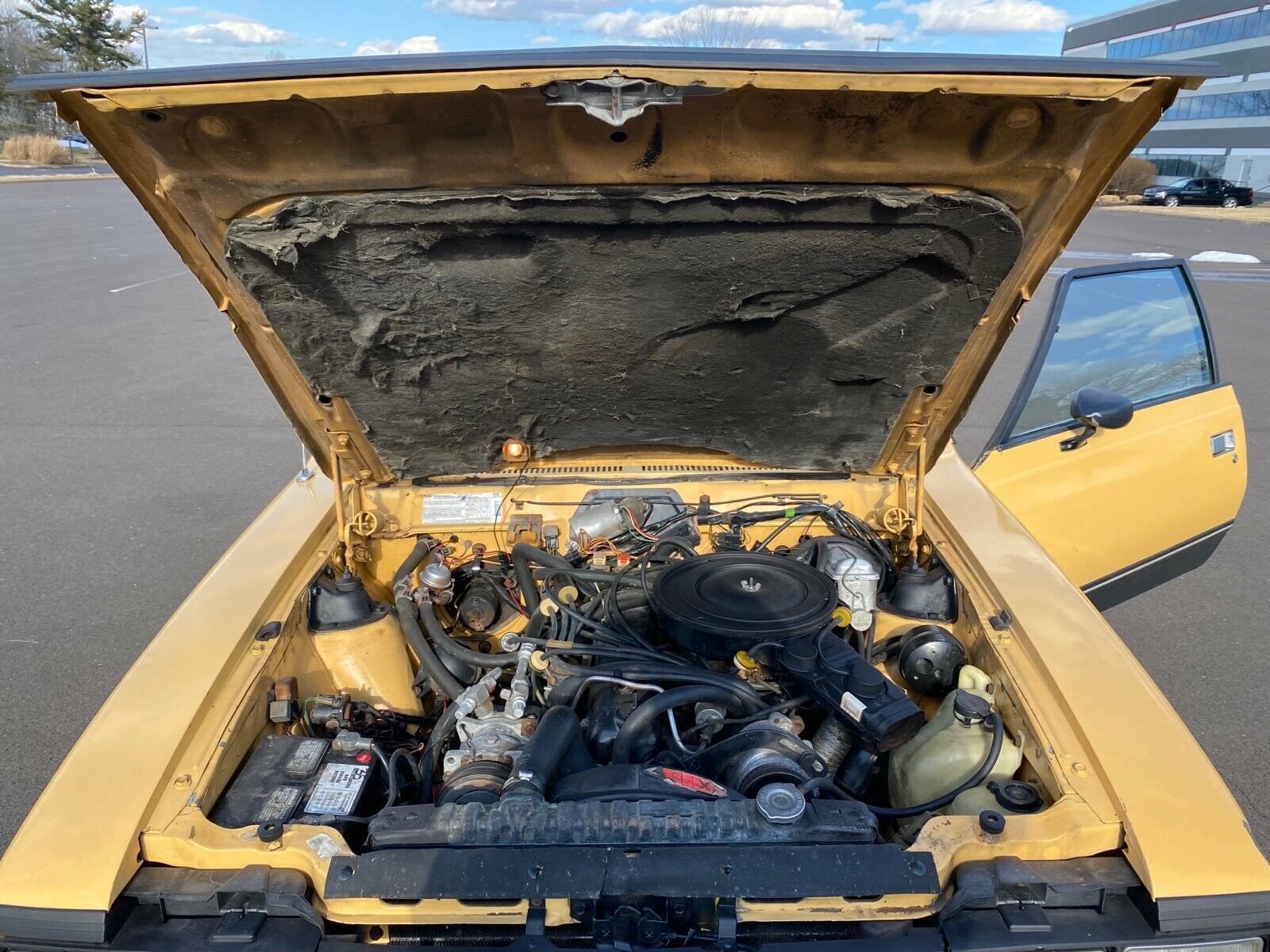
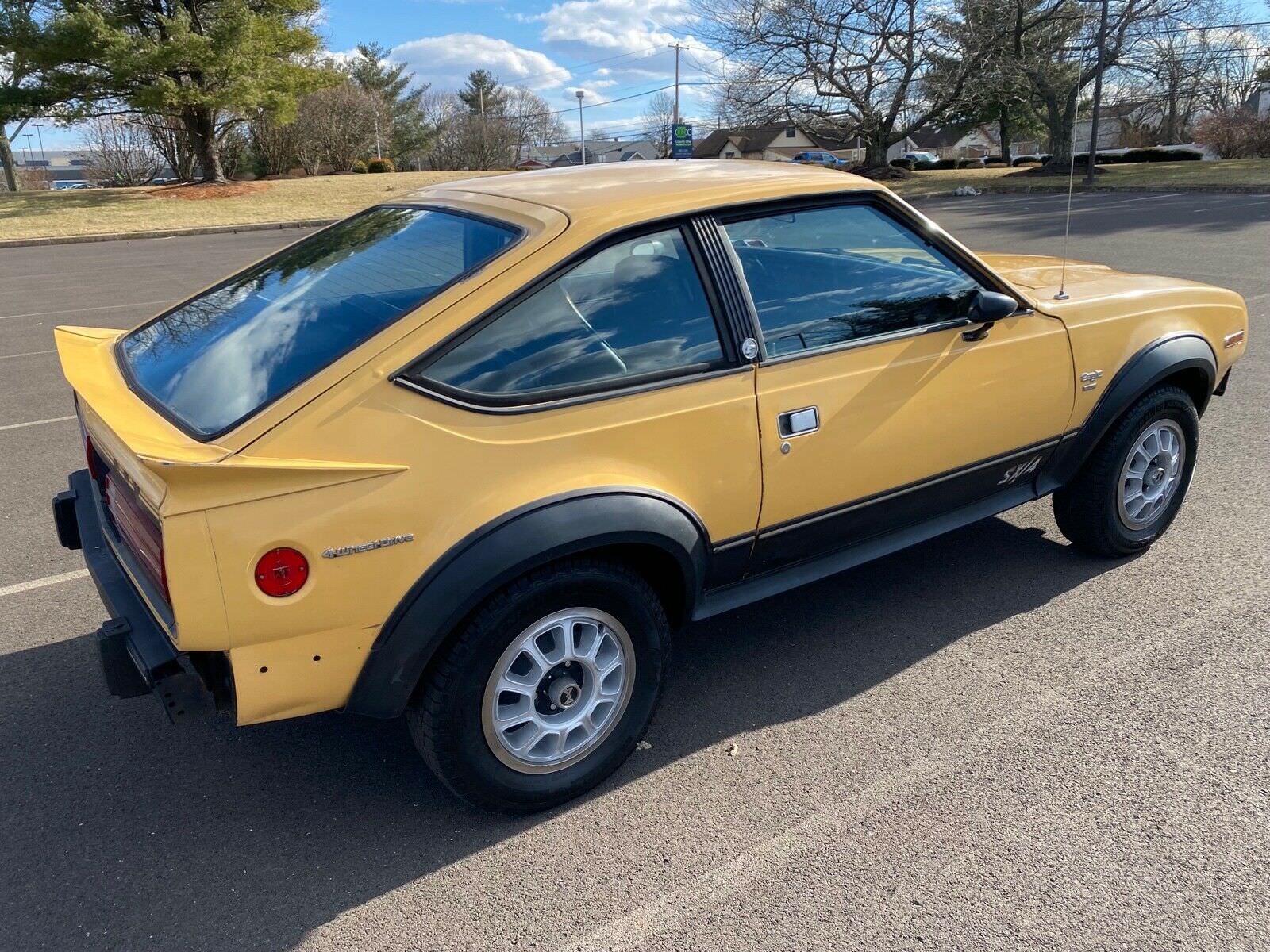
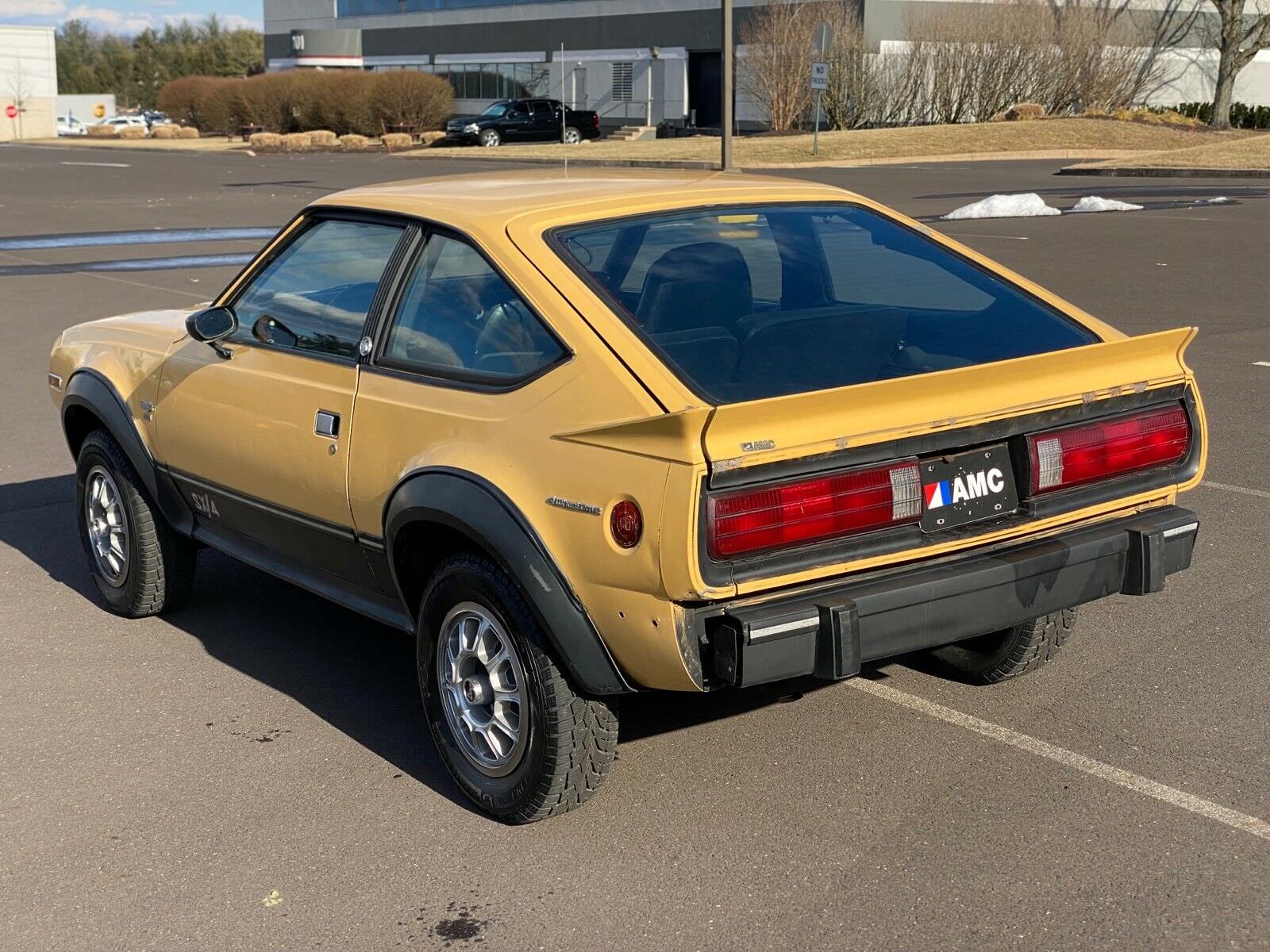
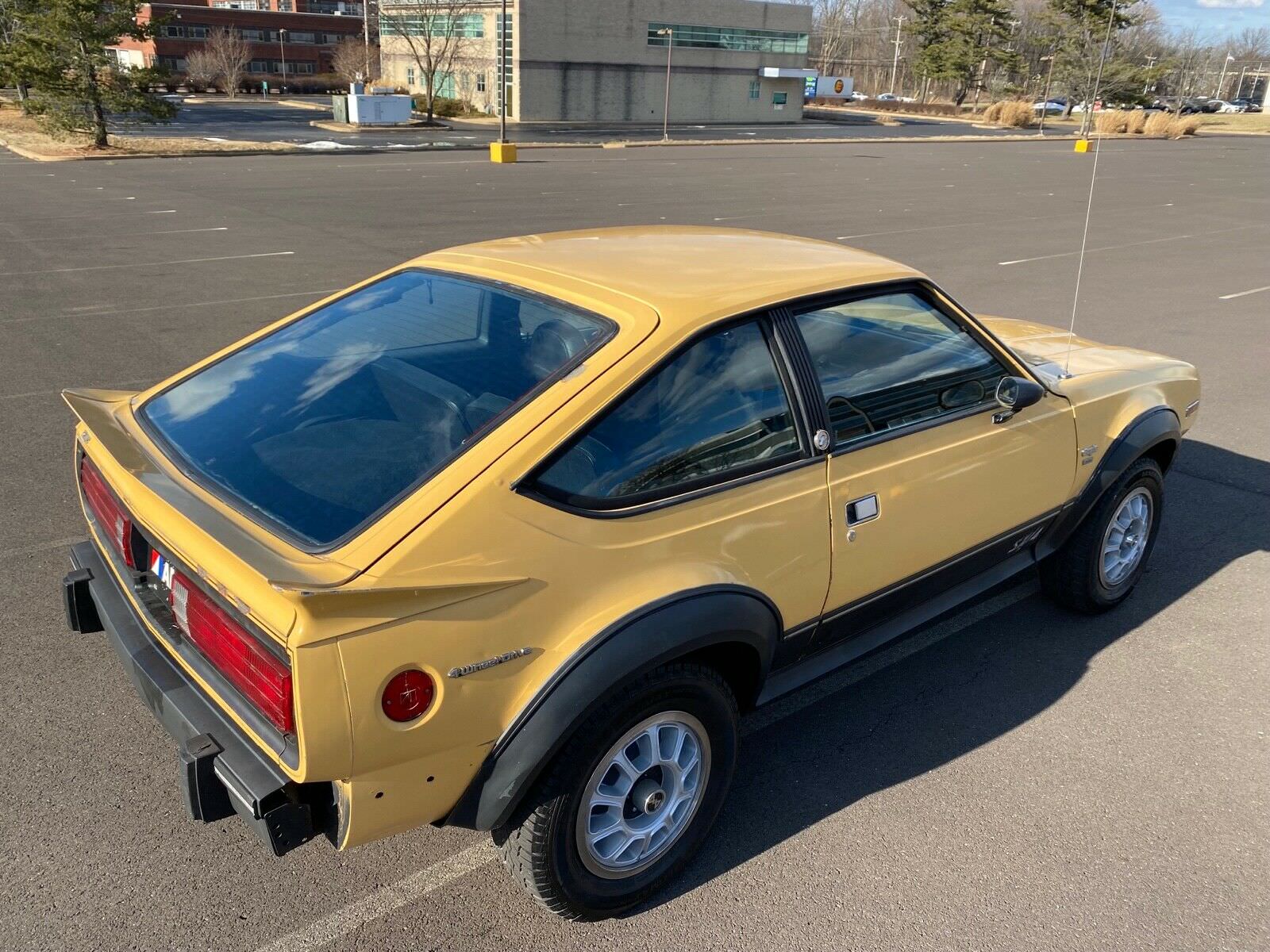
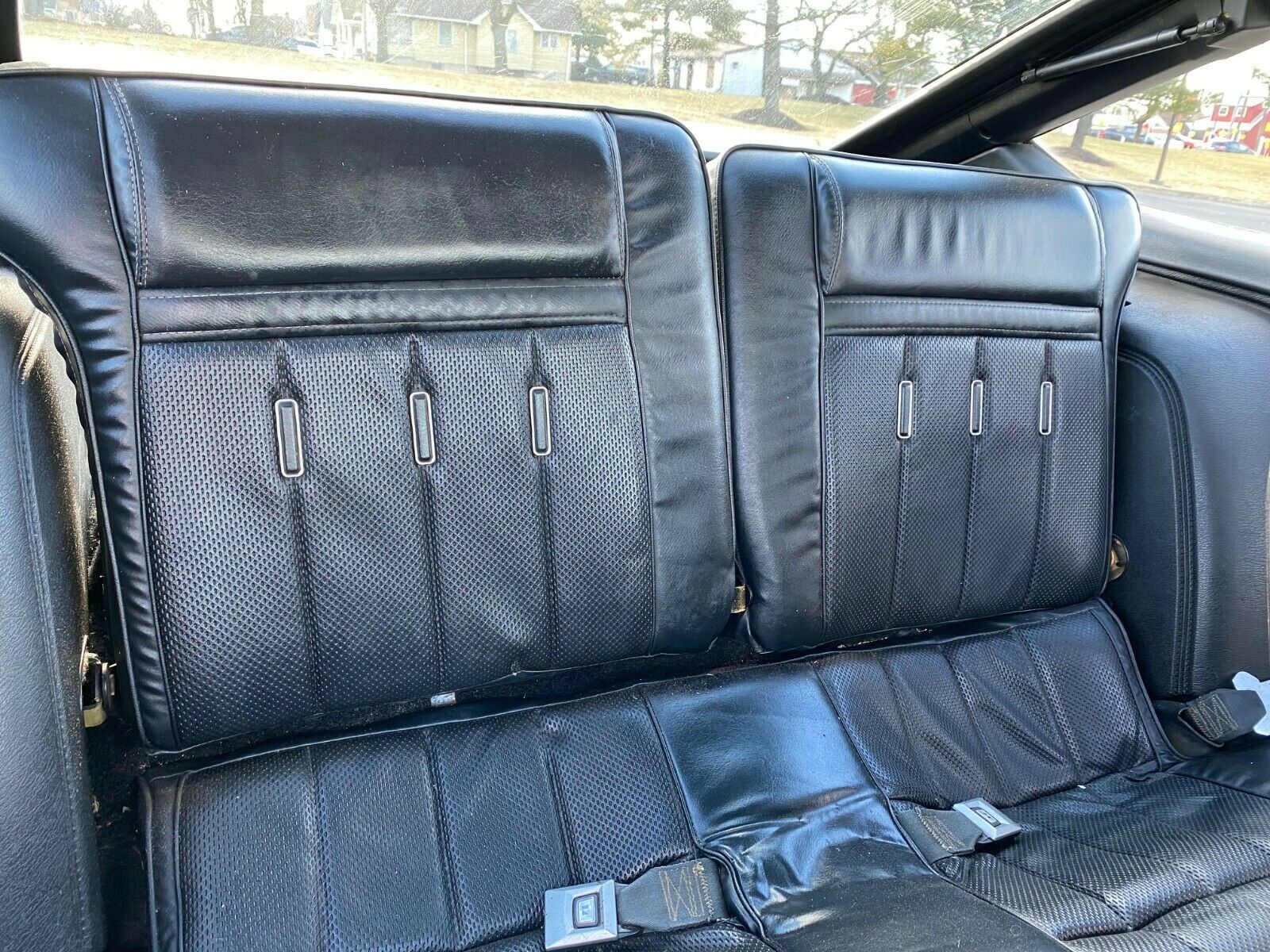
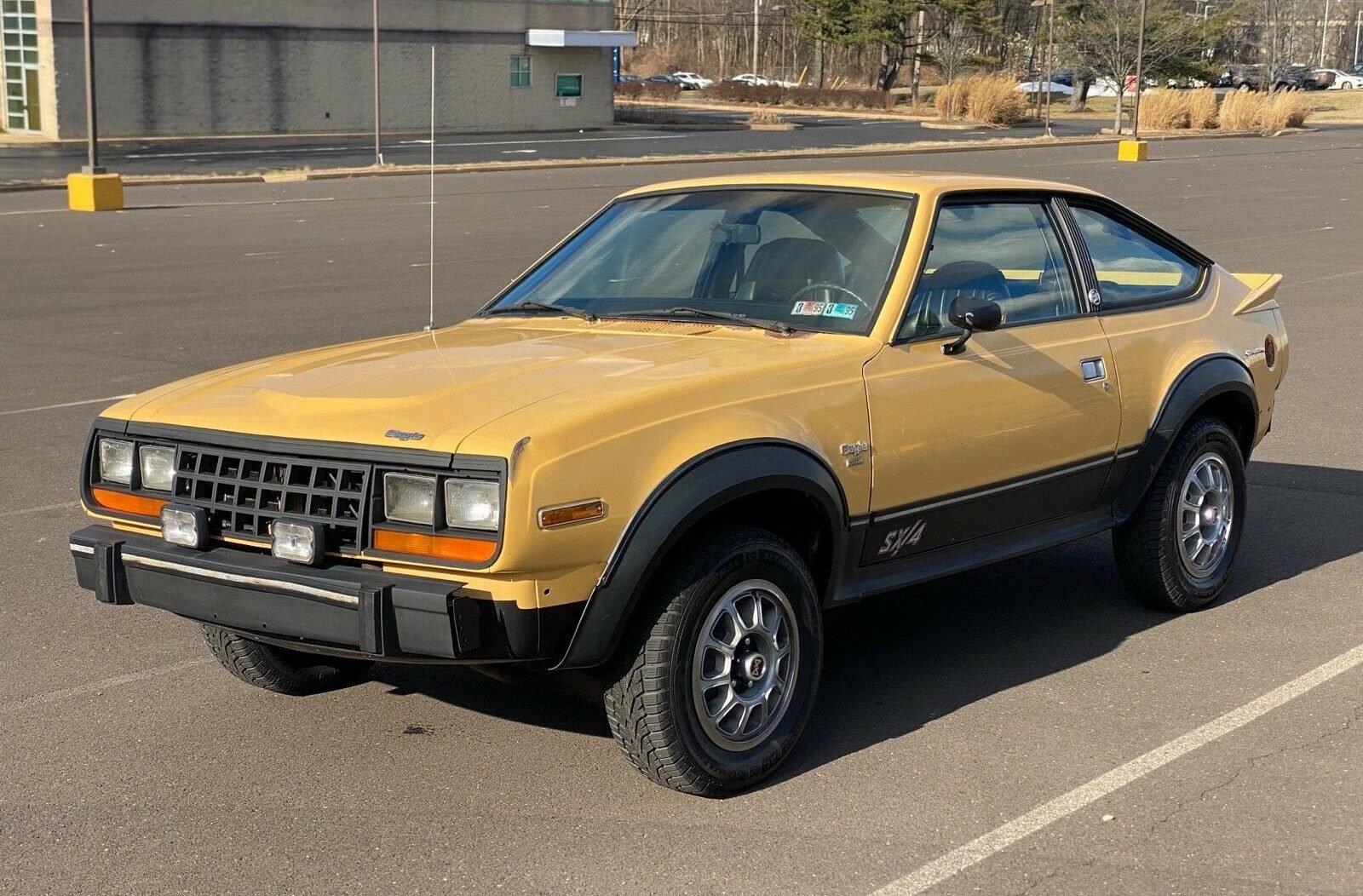
The car you see here is a one-owner, six-cylinder 1982 AMC Eagle SX/4 that is said to have been sitting unused since 1995.

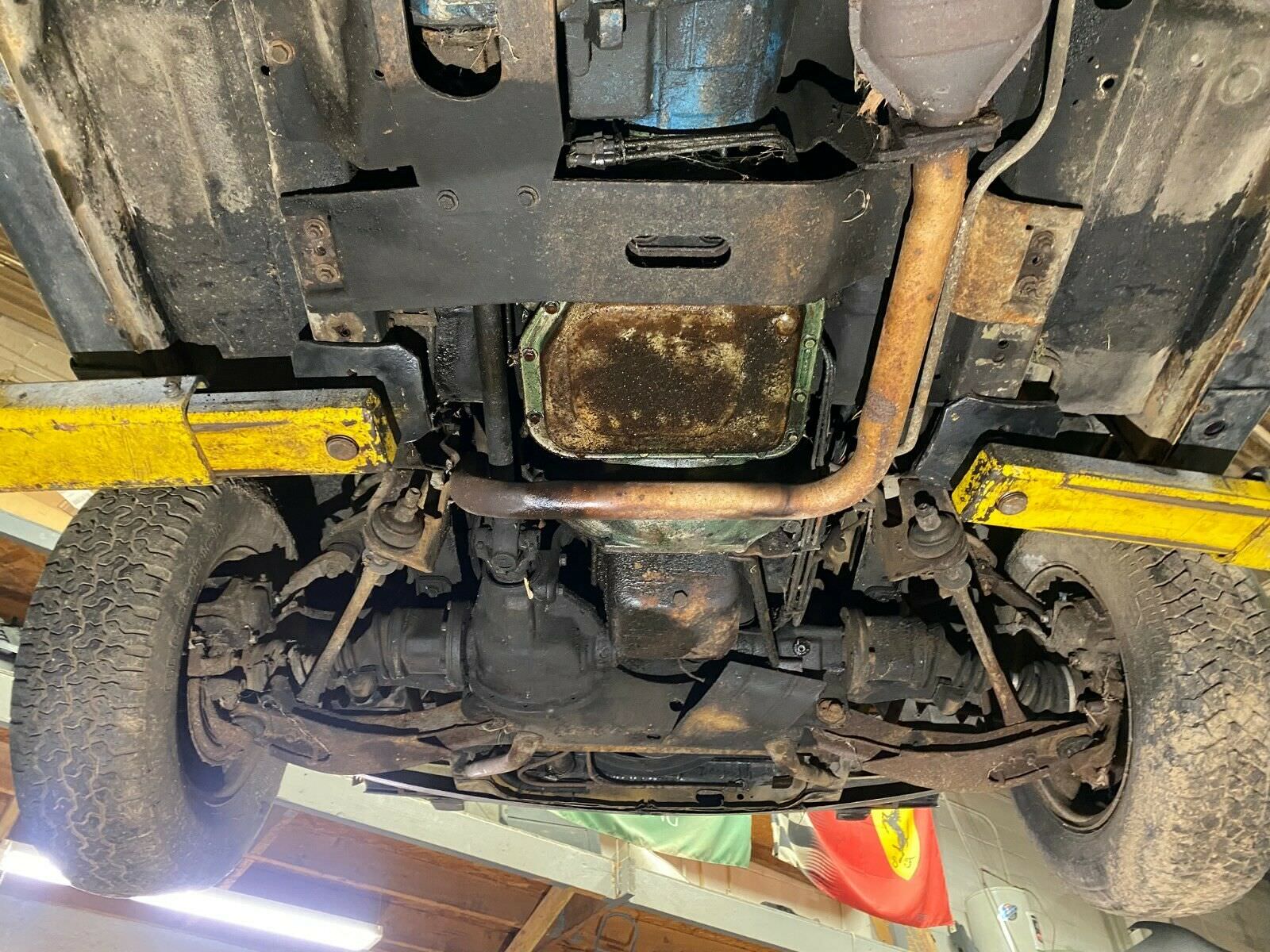
The seller spent some time getting the car back into running and driving condition, the car is now operational and the 2×4/4×4 switch is working, however it’s clear that plenty more work needs to be done to get the car back into proper road worthy condition.

There is a highly active AMC Eagle community online that specializes in sourcing parts and helping to keep the cars on the road, and given the unique nature of the cars it seems only a matter of time before the wider classic car community rediscovers them

If you’d like to take the project on you can click here to visit the eBay listing, it’s being offered out of Hatboro, Pennsylvania and at the time of writing there are a few days left to bid.

AMC-Eagle-4x4-Drivetrain

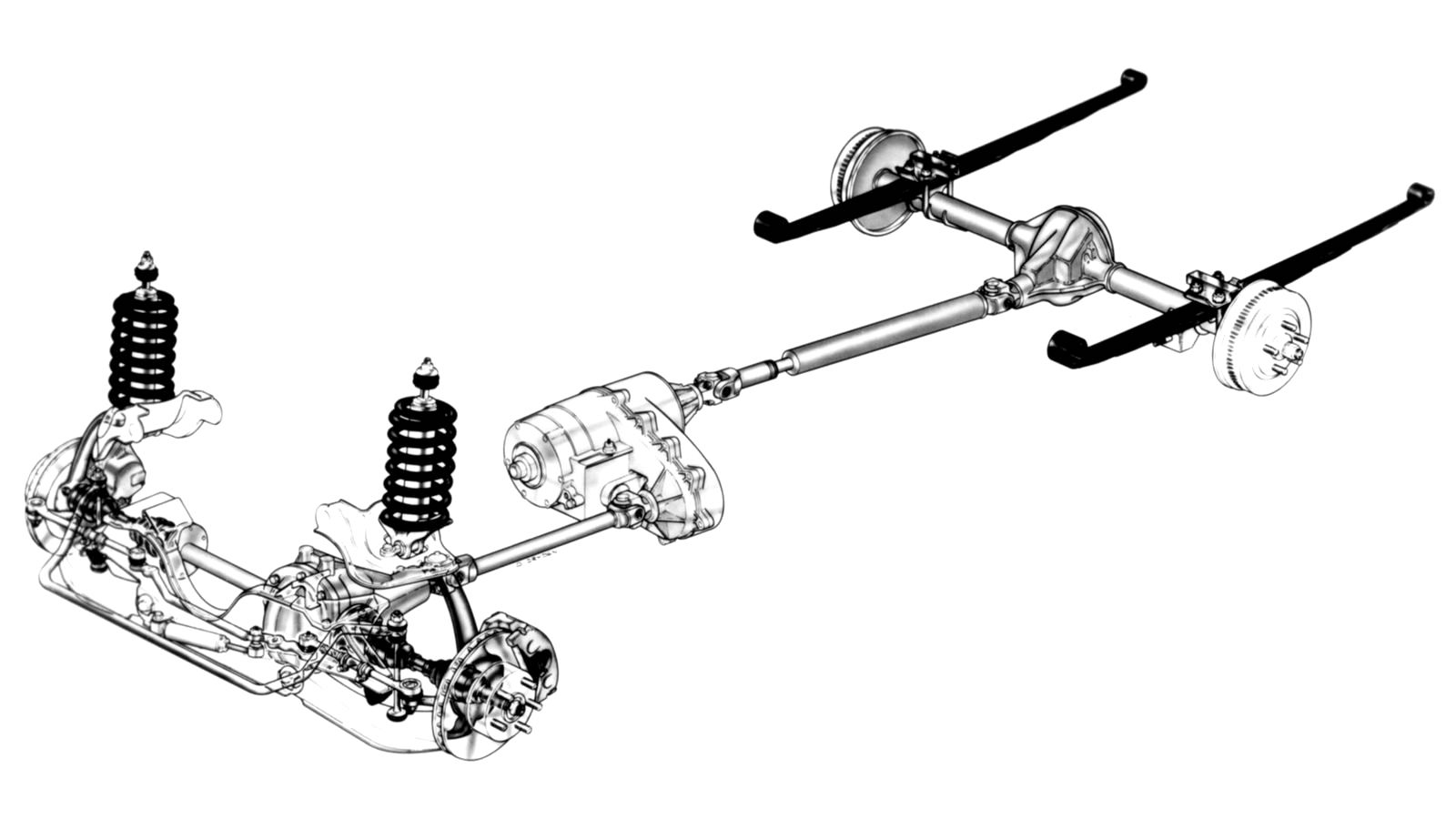
This is the drivetrain of the AMC Eagle and Eagle SX/4 cars, it utilizes a live axle rear on leaf springs, with independent suspension on coil springs up front.

AMC Eagle SX4 7 AMC Eagle SX4 6 AMC Eagle SX4 5 AMC Eagle SX4 4 AMC Eagle SX4 3 AMC Eagle SX4 1 AMC Eagle SX4 10 AMC Eagle SX4 9 AMC Eagle SX4 8

Images courtesy of eBay Motors

AMC Eagle SX4

The post The AMC Eagle SX/4 – An American 4×4 Sports Car That Was Ahead Of Its Time appeared first on Silodrome.


from Silodrome https://silodrome.com/amc-eagle-sx-4/
via gqrds
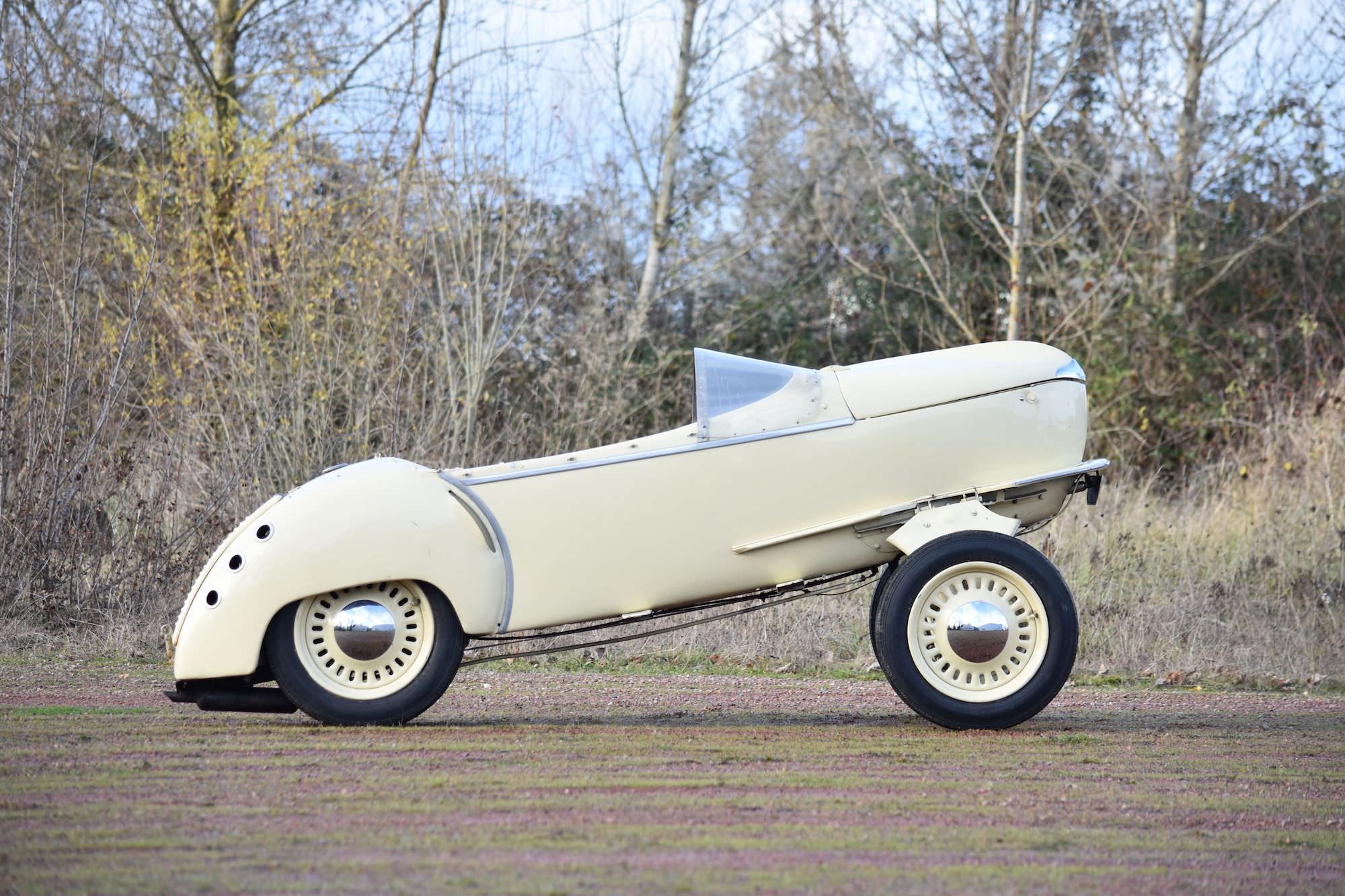
The Weird & Wonderful Reyonnah 175 Prototype N°1 From 1951

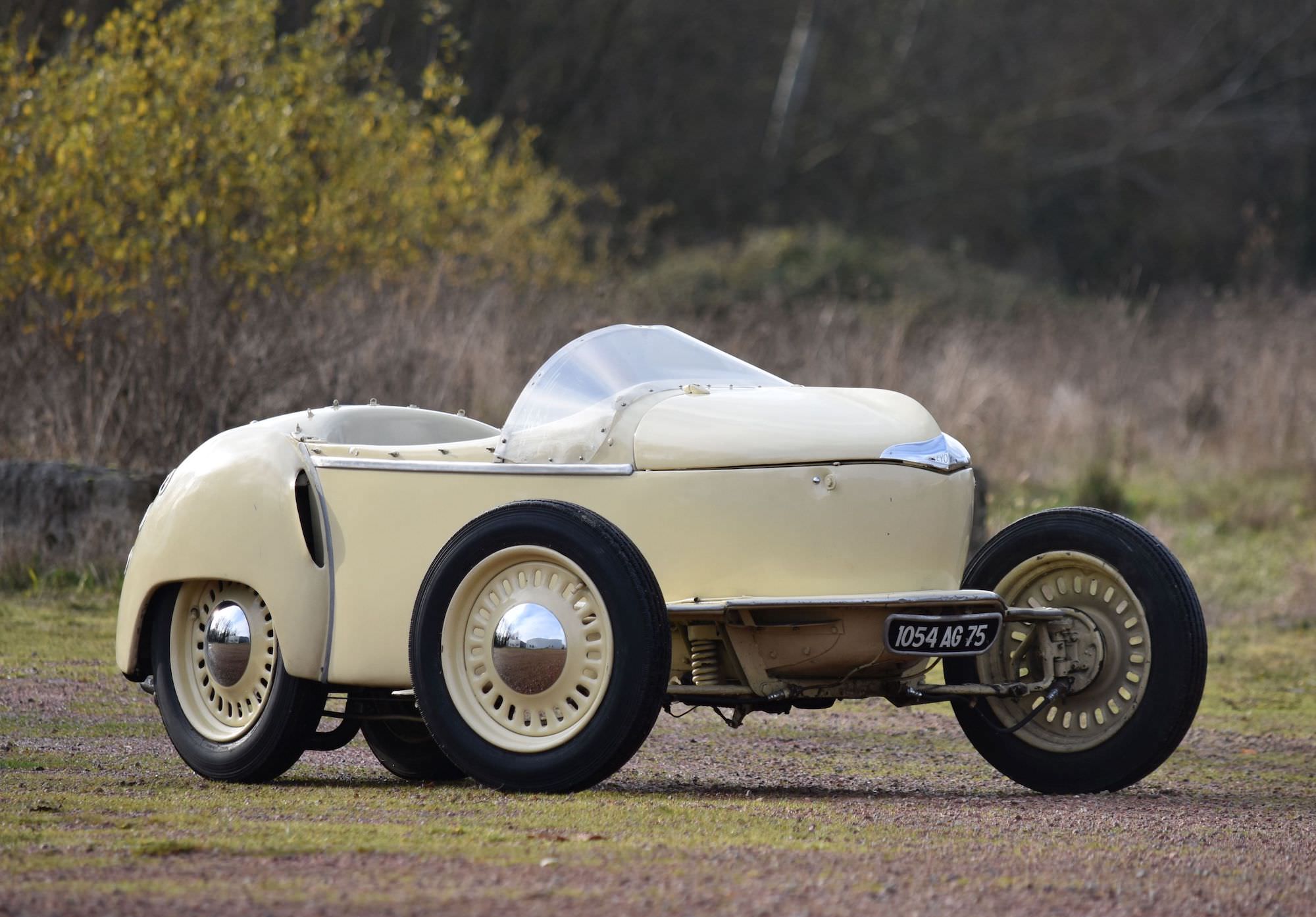
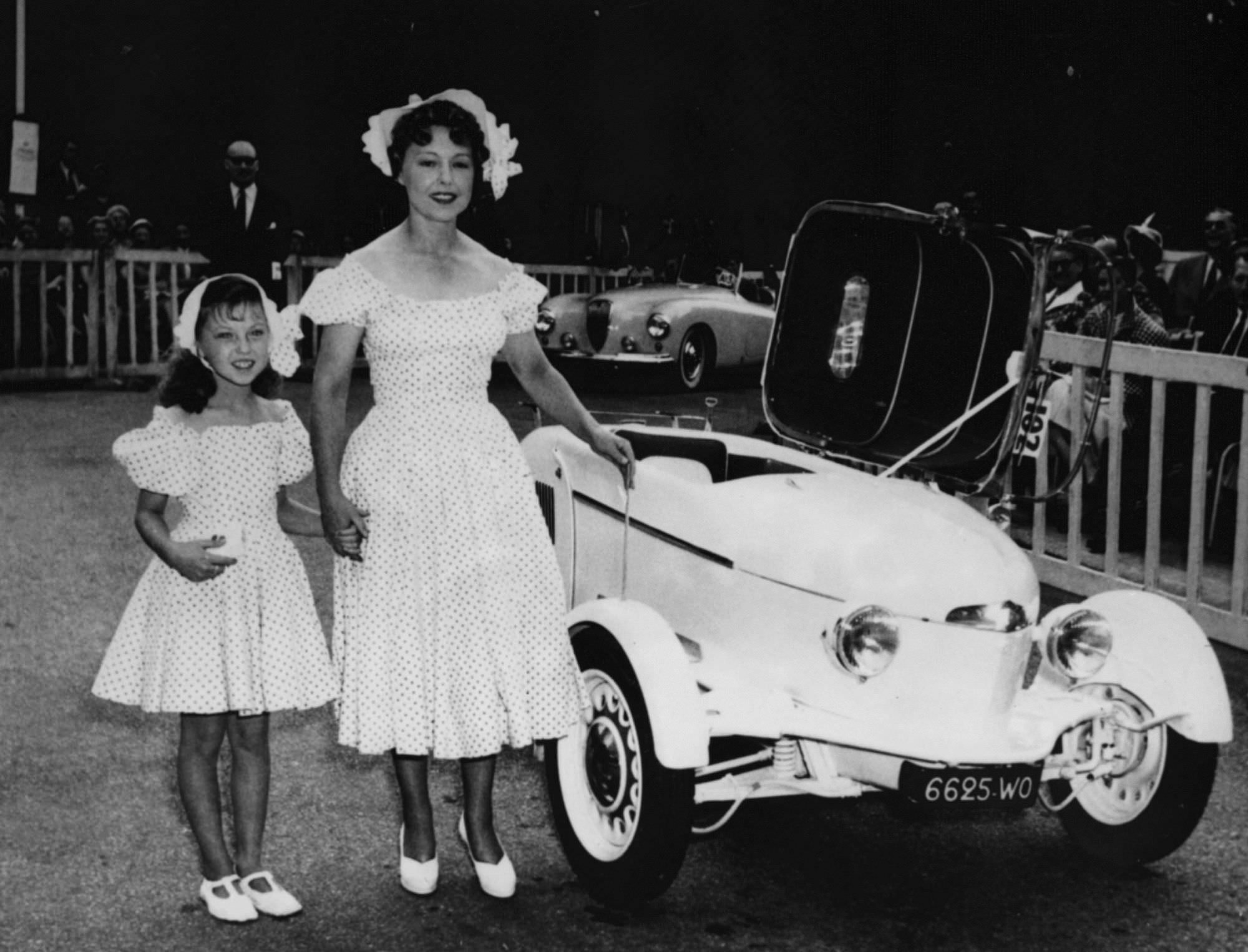
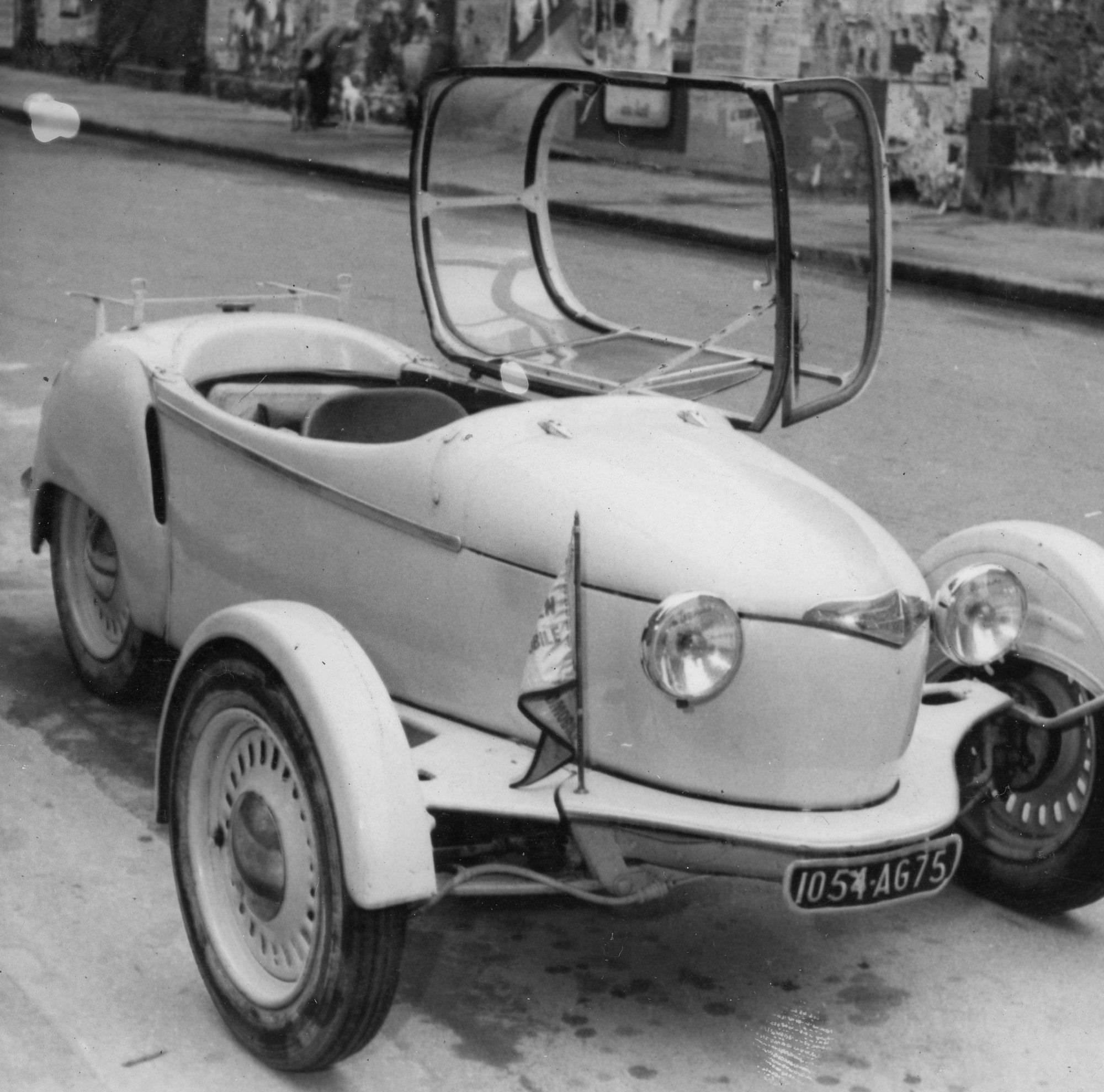
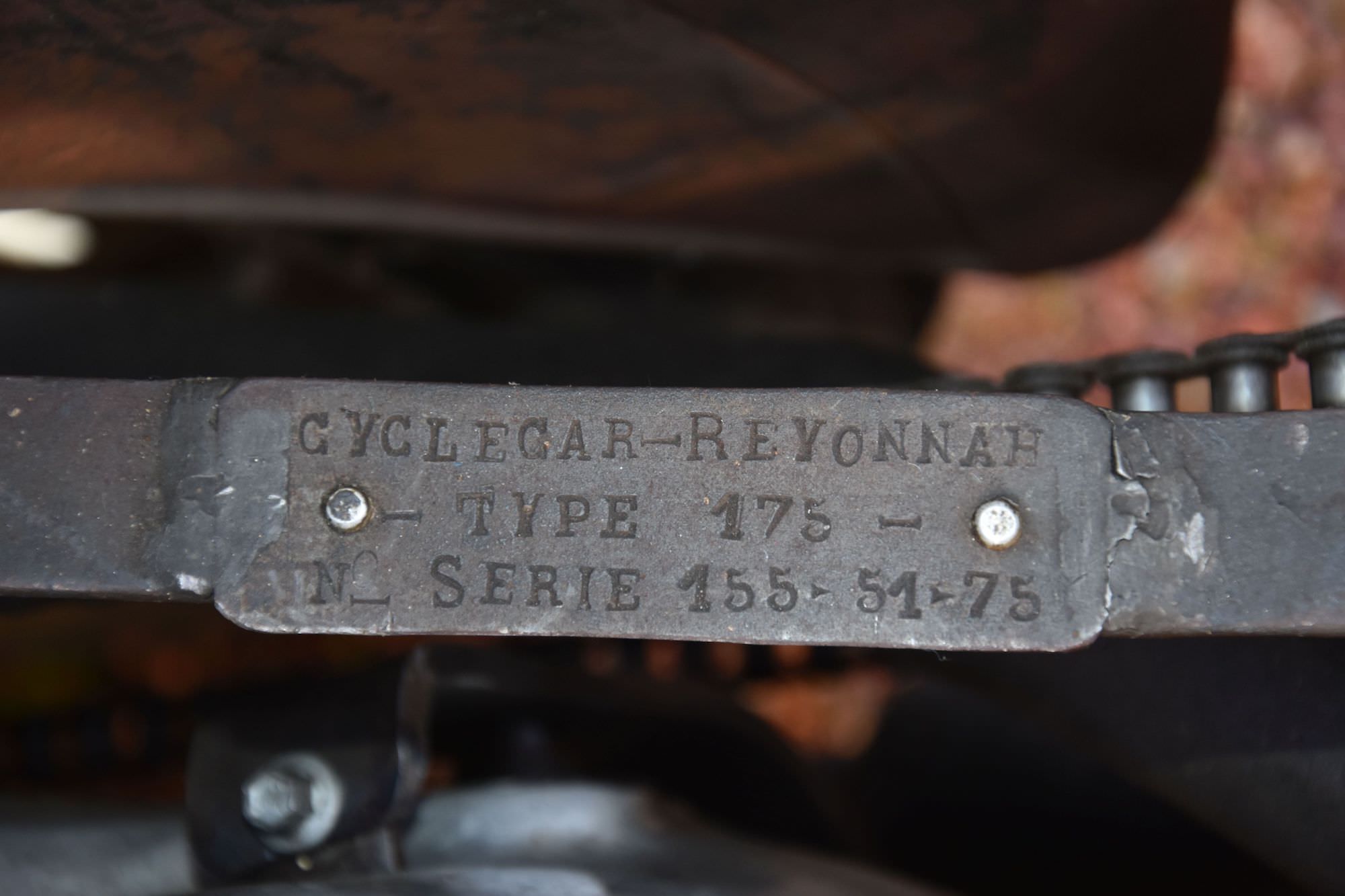
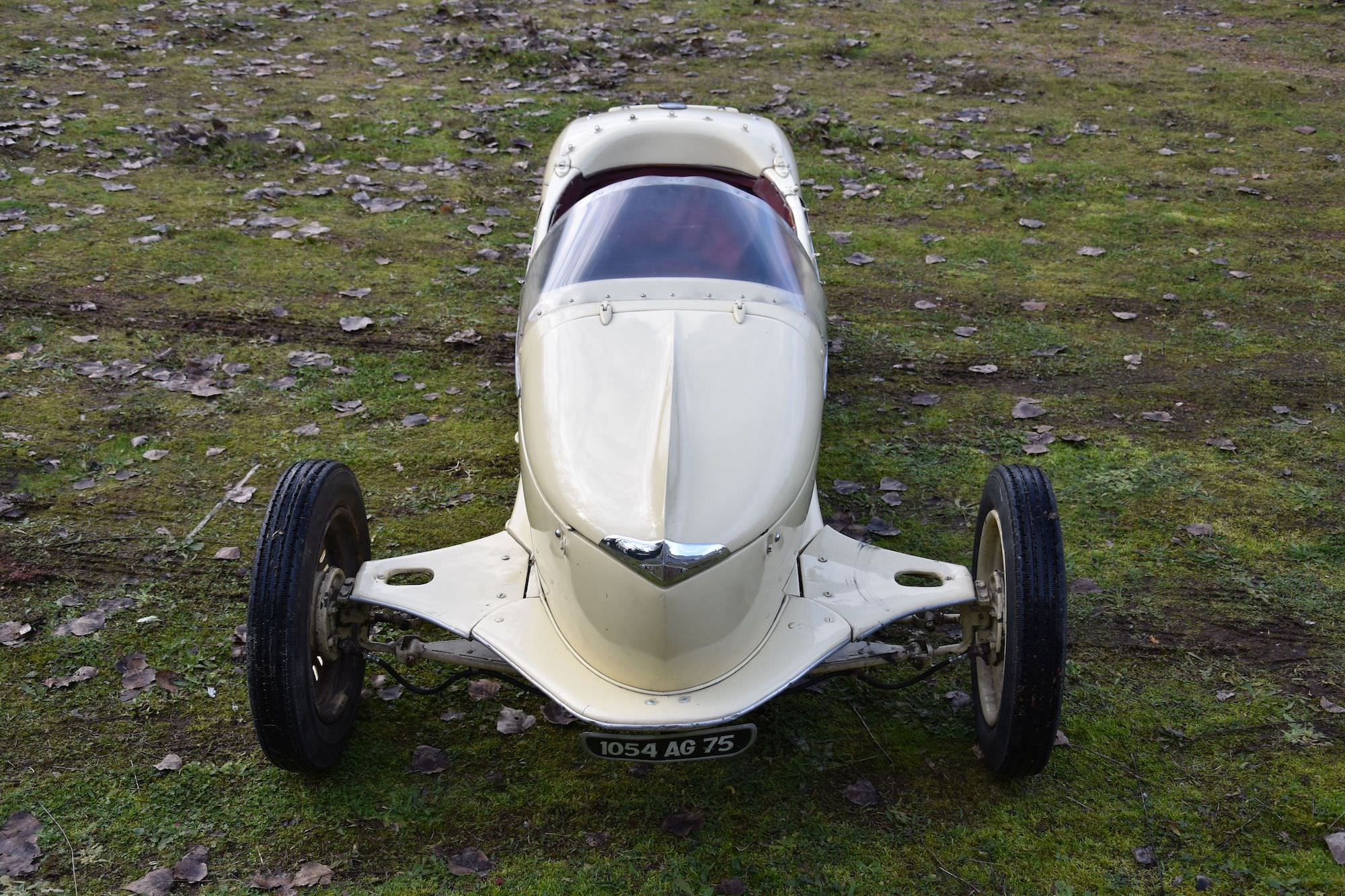
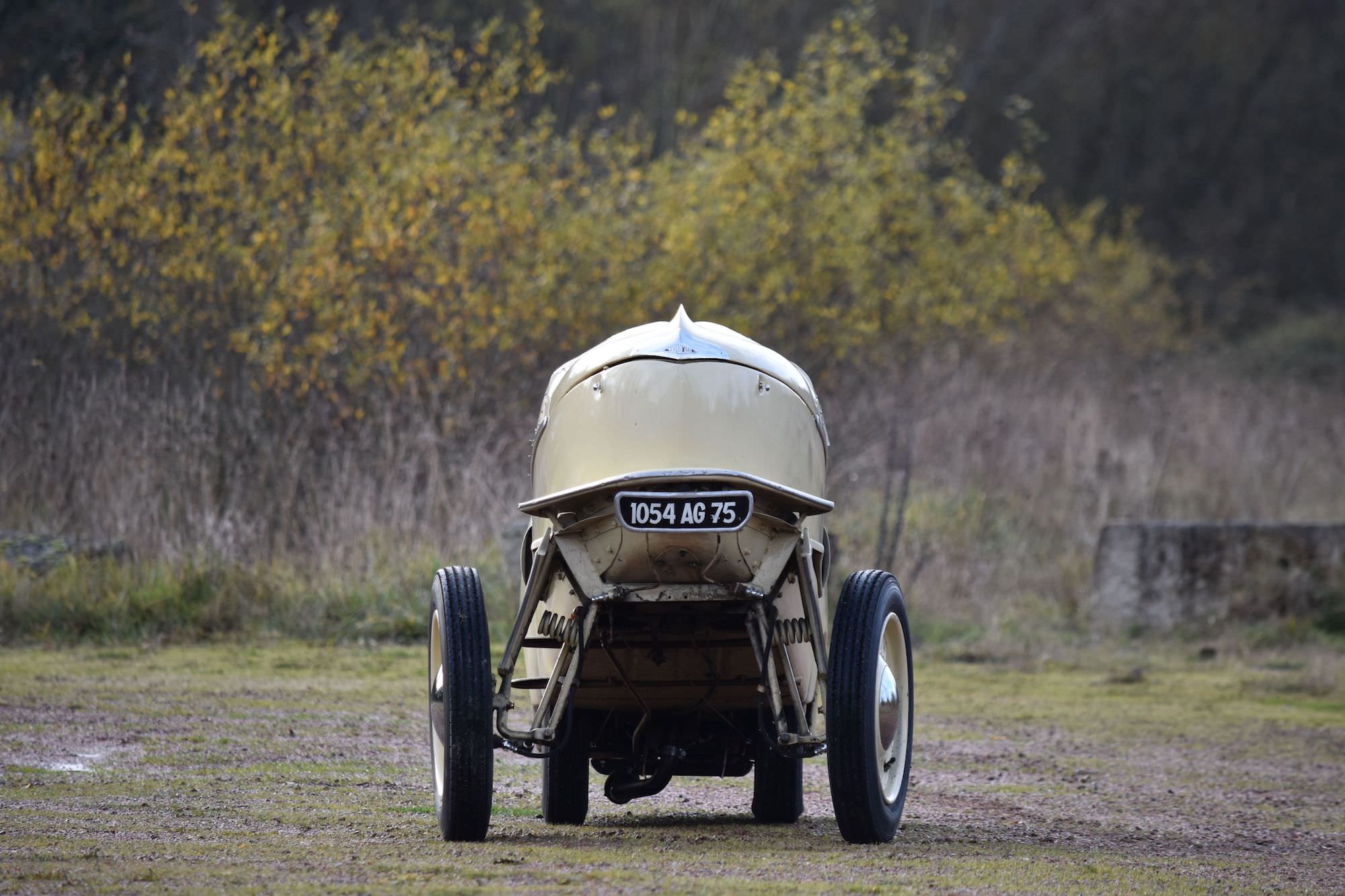
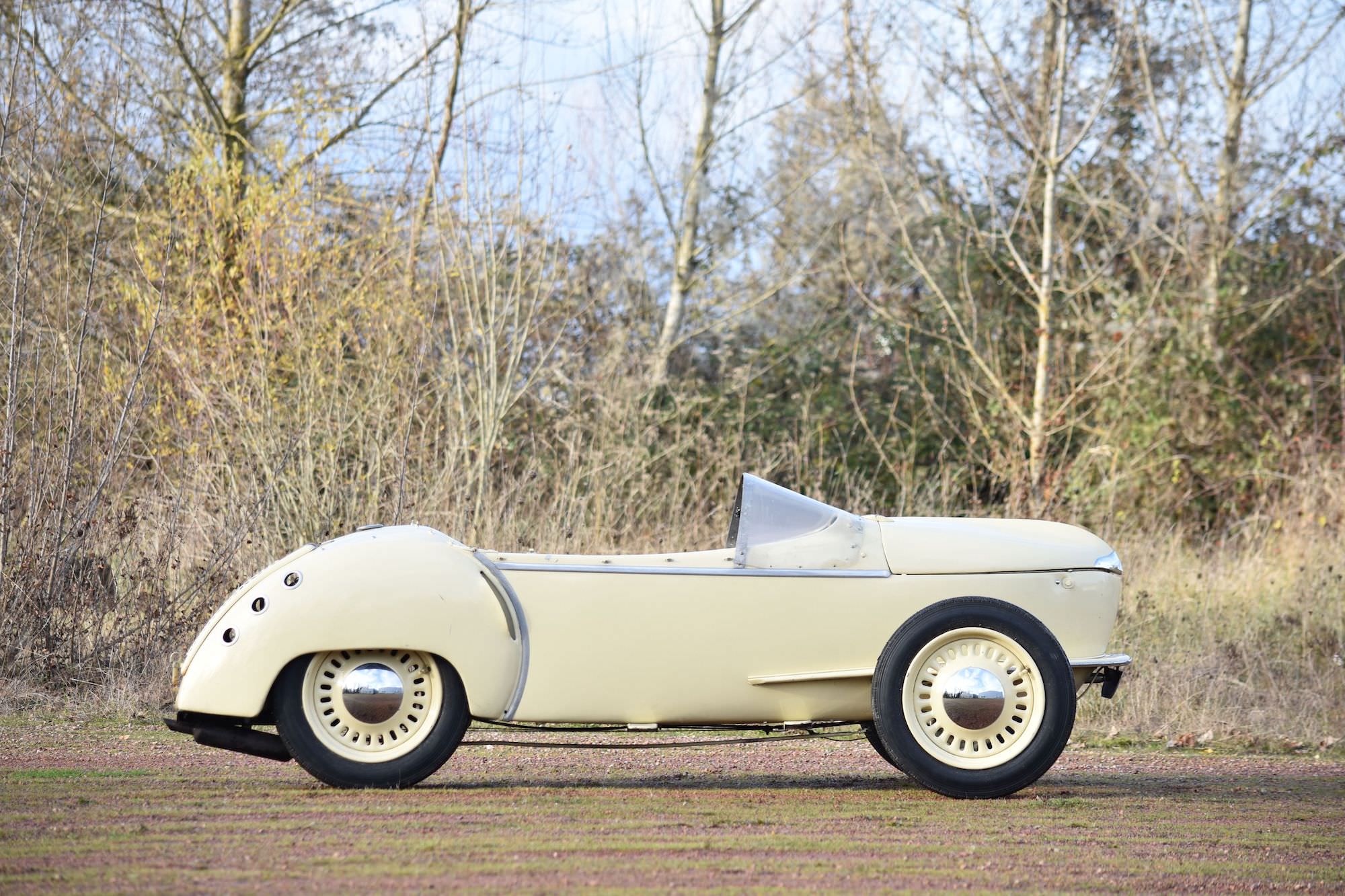
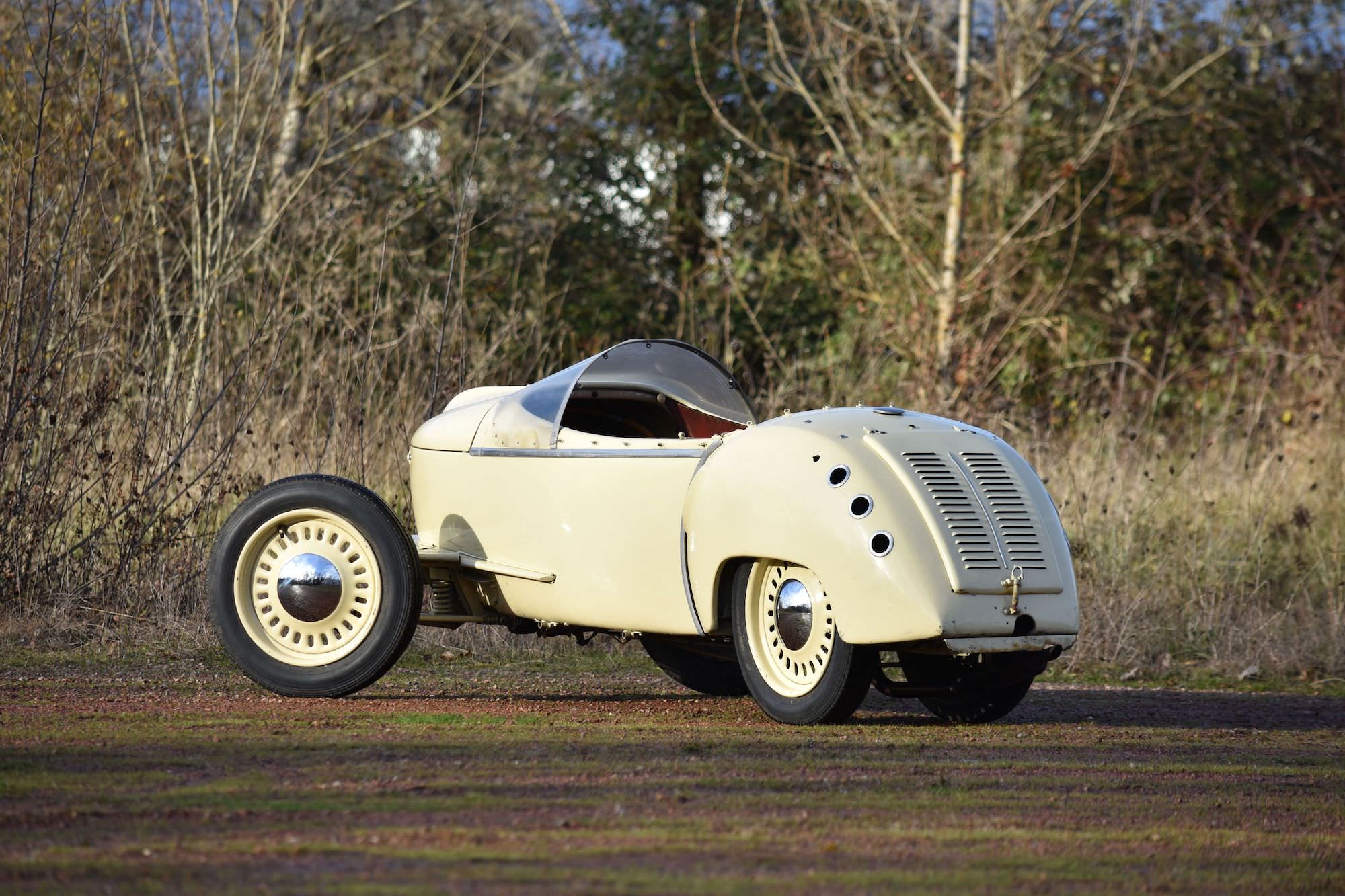
This is the Reyonnah 175 Prototype N°1, as the name suggests it’s the first Reyonnah 175 prototype and had French automotive history played out slightly differently, this car could have been just as famous as microcars like the Brütsch Mopetta, the Peel P50, and the Messerschmitt KR200.

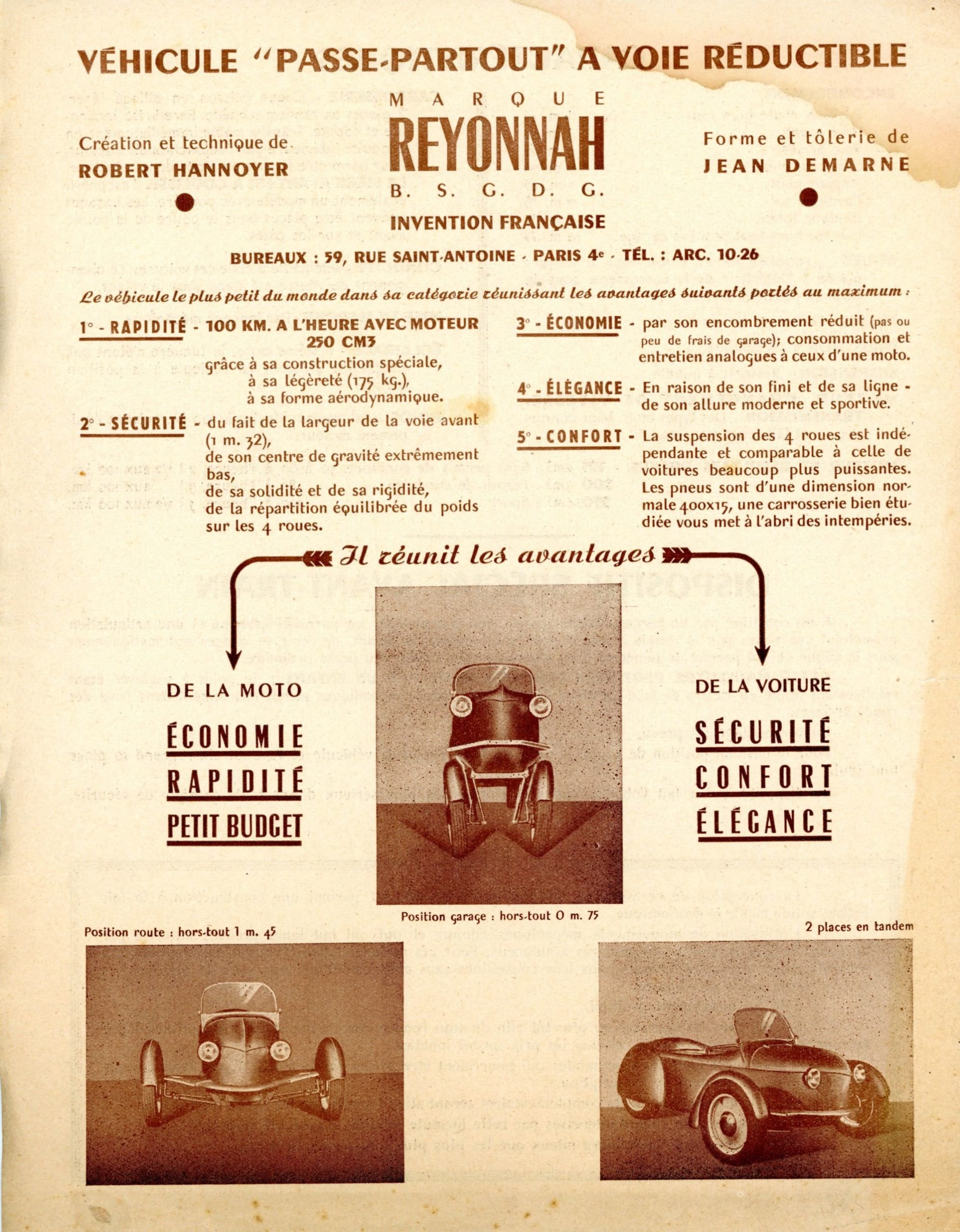
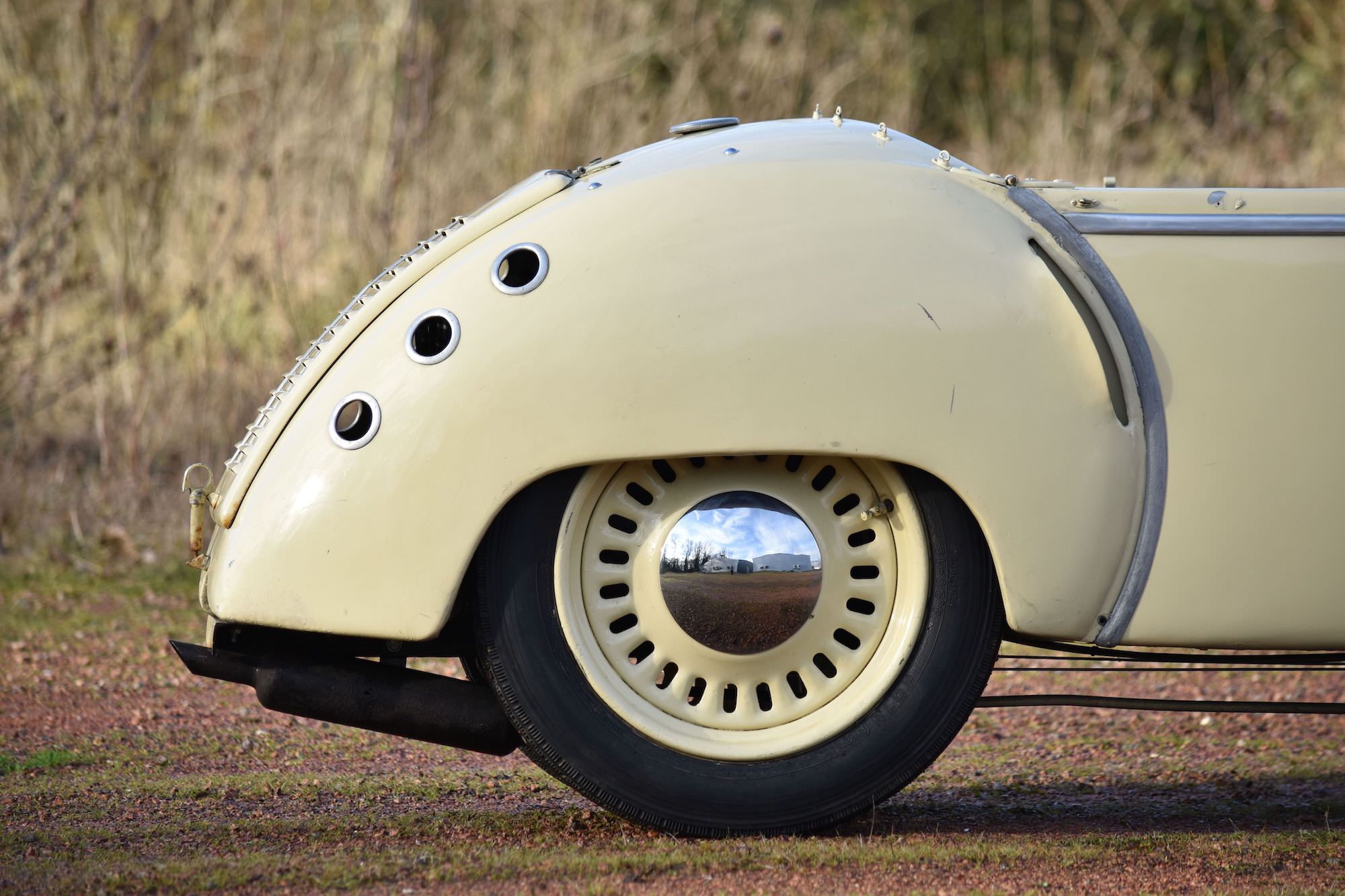
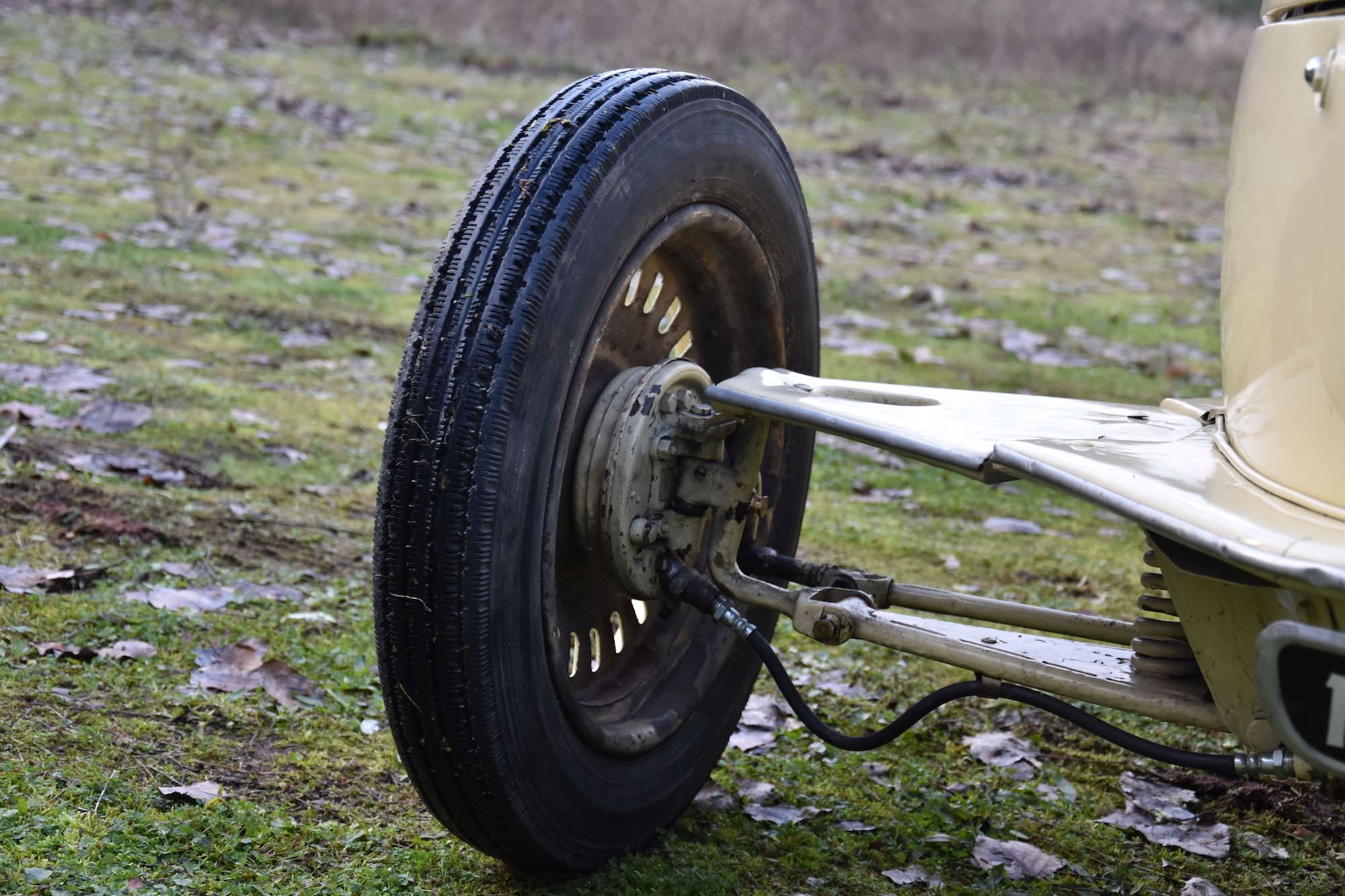
Perhaps the single best feature of the Reyonnah 175 is the fold-in front wheels, when parking this allows the driver to lift the front of the car, the front wheels fold in, and the car can be rolled into a motorcycle parking space.

Fast Facts – Reyonnah 175 Microcar

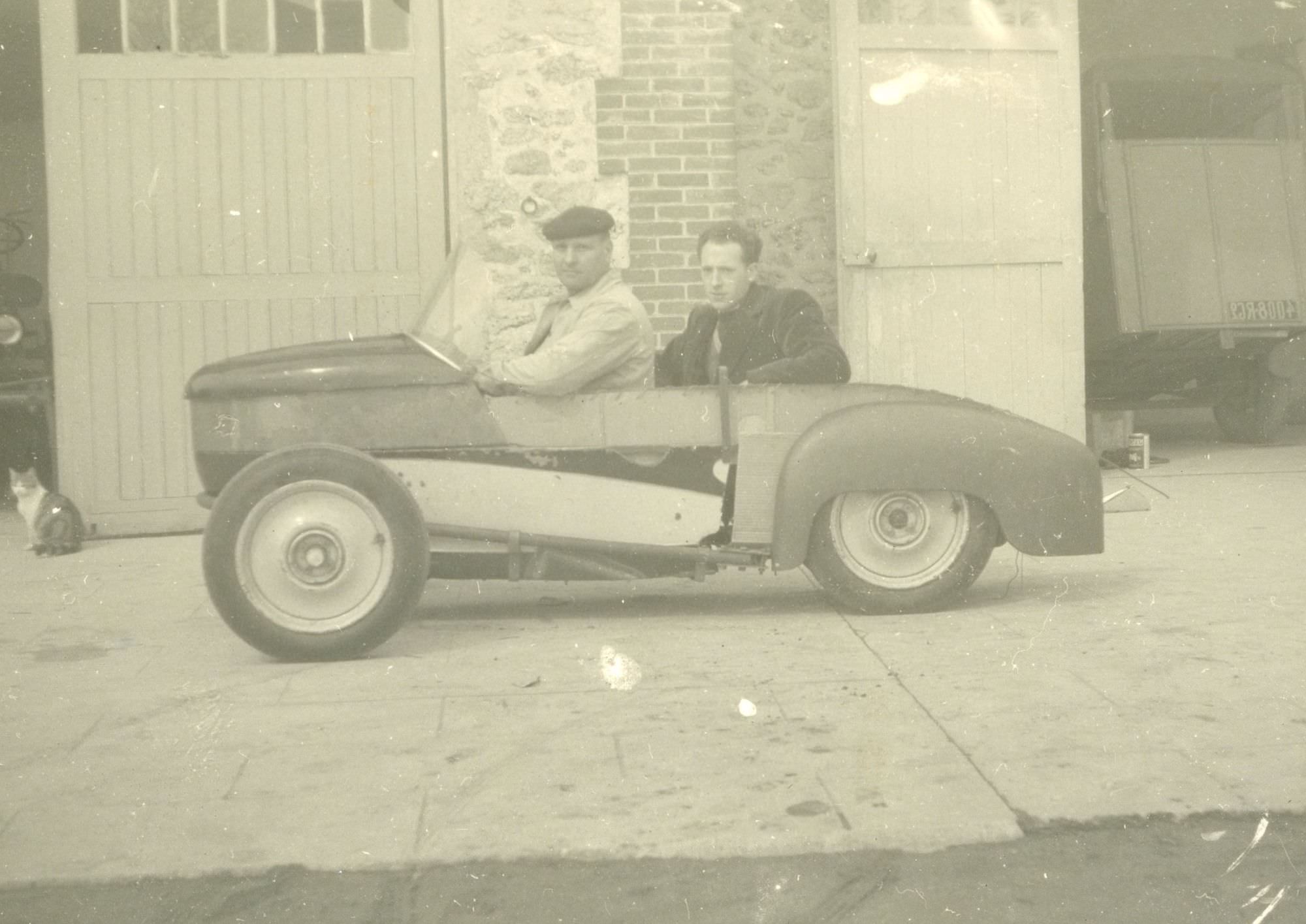
  • The Reyonnah 175 was the brainchild of Frenchman Robert Hannoyer, the name of the car is Hannoyer’s surname in reverse (an ananym), and he developed it out the back of his wife’s store over a period of three years in the late 1940s.
  • The post-WWII period in Europe was a time of strict austerity, gasoline and raw materials were in short supply, as a result small motorcycles, motor scooters, and microcars became popular forms of transportation for millions of Europeans.
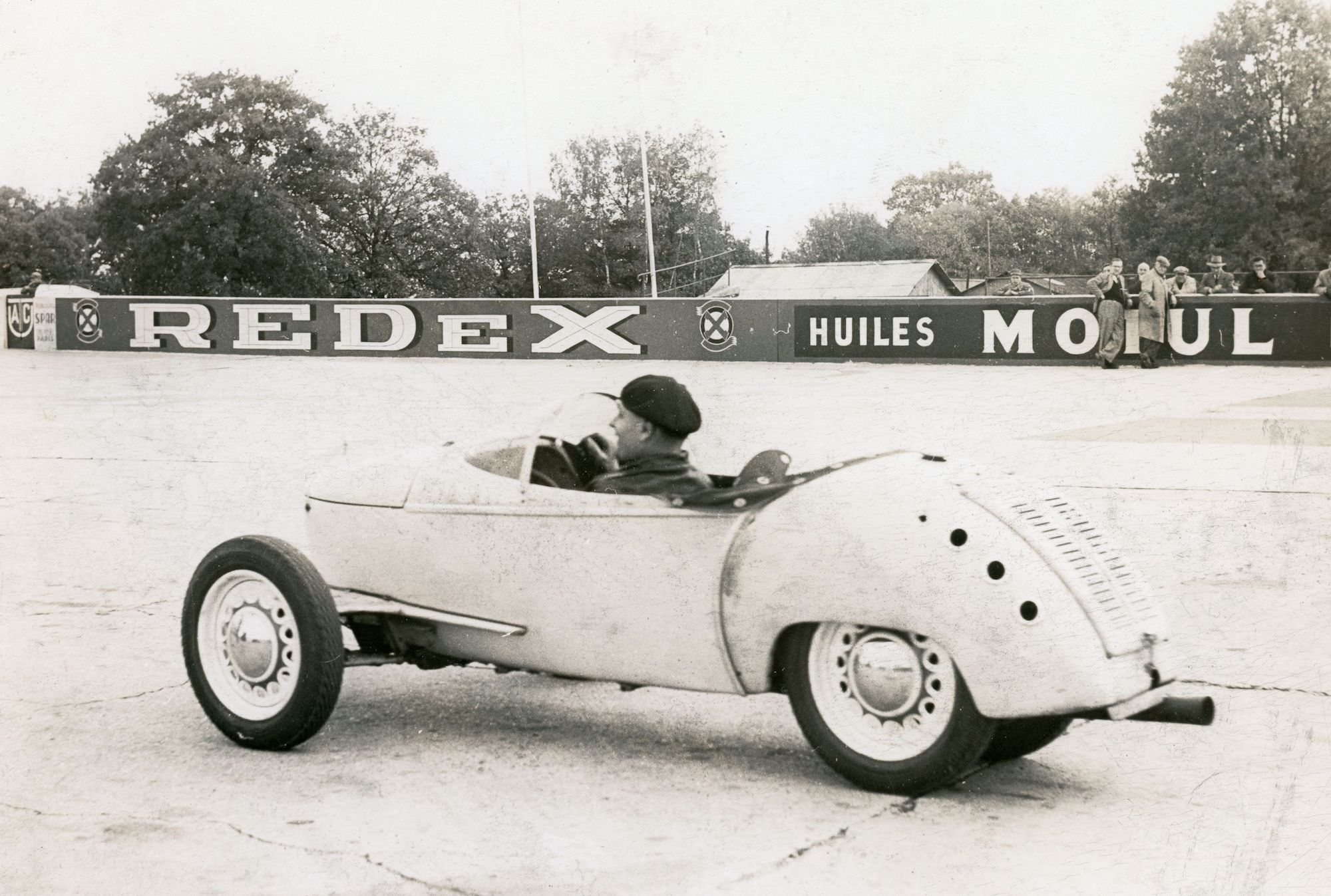
  • Robert Hannoyer’s Reyonnah microcar has seating for two in tandem, a folding roof, a rear mounted engine, small windscreen, and four wheels. The two rear wheels have a narrow track and the two front wheels have a wide track for stability, but they can be folded in for easy parking.
  • The car was first shown at the 1950 Paris Auto Show where many orders were taken, the car caused a buzz and demand was strong, but mass-production required a major automaker to come onboard and none were forthcoming. Just 16 are thought to have been made.

The French And Their Fabulous Machines

Since the invention of the automobile, France has been responsible for many of the motoring world’s most unusual cars. Vehicles like the Citroën 2CV and its four-wheel drive sibling the Citroën 2CV 4×4 Sahara, the Helicron, Citroën Méhari, Matra Djet, Renault 4, Citroën DS, Bugatti Type 32 “Tank Car,” the Panhard CD, and countless others.

This phenomenon may be explained by the fact that the French like to drink at lunch on workdays. Whatever the reason, it’s given the car world some variety and innovation that it would never have seen otherwise.

Above Video: This film shows the Reyonnah 175 in action, with its creator showing you around the vehicle and tailing about its history. It’s in French however YouTube does offer auto-translated closed captions, if you click the gear icon in the lower right of the screen and select “Subtitles/CC.”

Robert Hannoyer’s Unusual Reyonnah 175

The Reyonnah microcar started life somewhat humbly, as a hand-built prototype built by a Parisian man named Robert Hannoyer out behind his wife’s shop in the late 1940s.

He spent three years on the design and development immediately after WWII, when raw materials and gasoline were in very short supply. Hannoyer realized that the vast majority of cars on the streets of Europe contained just one person, perhaps two.

The Reyonnah was first shown to the world at the 1950 Paris Auto Show where it attracted quite a response, including many orders from people who wanted one for themselves. Hannoyer also took the car to a number of other shows and concours events – it never failed to draw a crowd though sadly no major automakers took interest in the project.

Reyonnah 175 Microcar

With the front lifted the two front wheels fold inwards, giving the Reyonnah a narrower track and allowing it to fit into a motorcycle parking bay. Lifting the front is made easy by the fact that the weight of the engine is in the rear.

Hannoyer built approximately 16 of them in total before the project was shut down for good. The clever design of the Reyonnah and its ability to park in such a small space made it a better solution for many prospective microcar buyers, and it would likely have been successful if it had been produced in volume.

Reyonnah 175 Microcar Specifications

Hannoyer designed a car that could carry up to two people while using as little fuel and requiring the least amount of raw materials possible. His first prototype, the car you see here, was powered by a rear-mounted 175cc single-cylinder AMC engine with a three-speed gearbox powering the rear wheels.

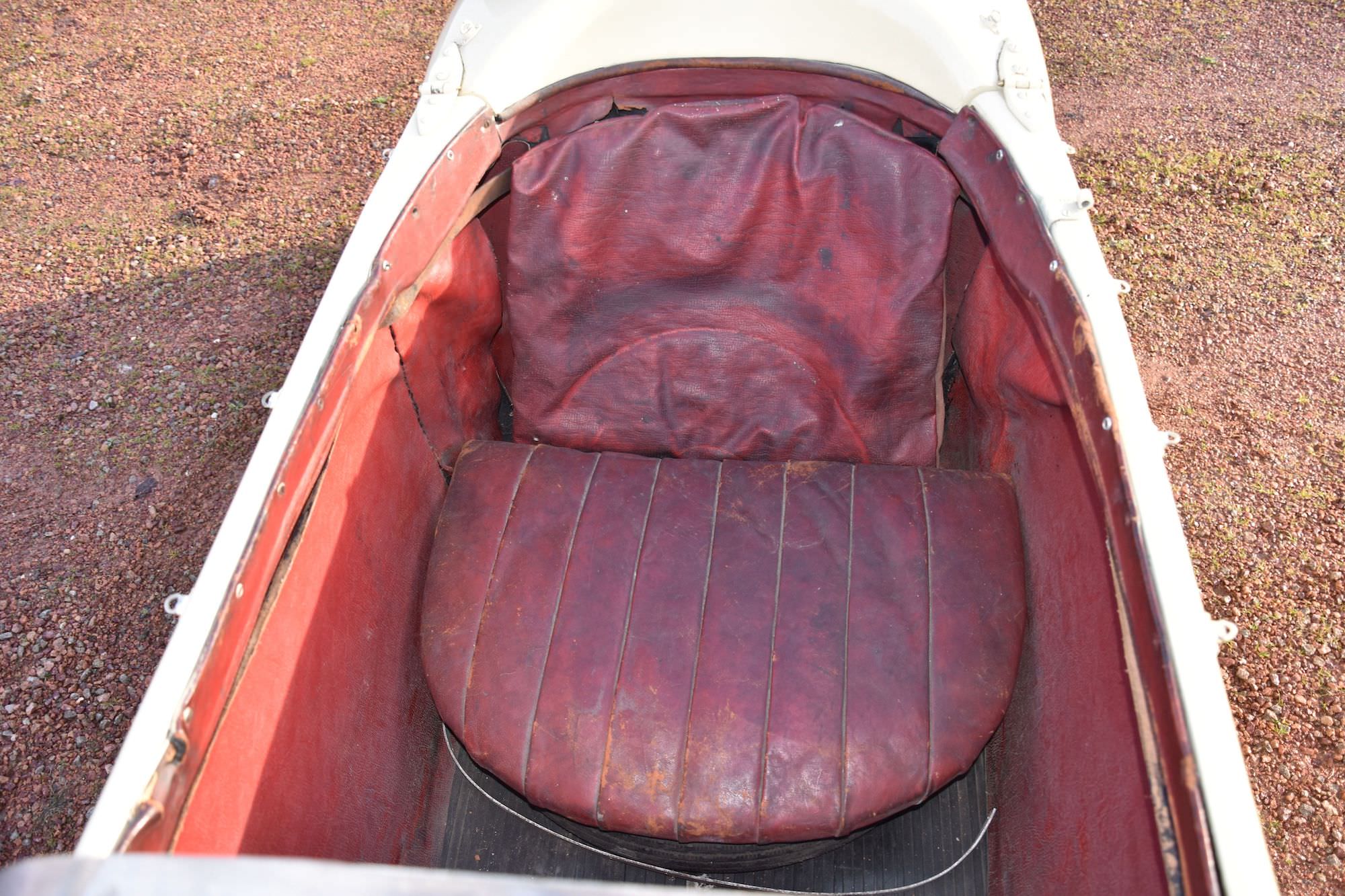
The car can accommodate two people sitting in tandem, and unlike its three-wheeled contemporaries, the Reyonnah microcar has excellent stability due to its four-wheels. The rear two wheels are closer together and the front two are wider apart, however if you lift the front of the car the two front wheels fold inwards – meaning you can use a motorcycle parking bay.
Reyonnah 175 Microcar 10

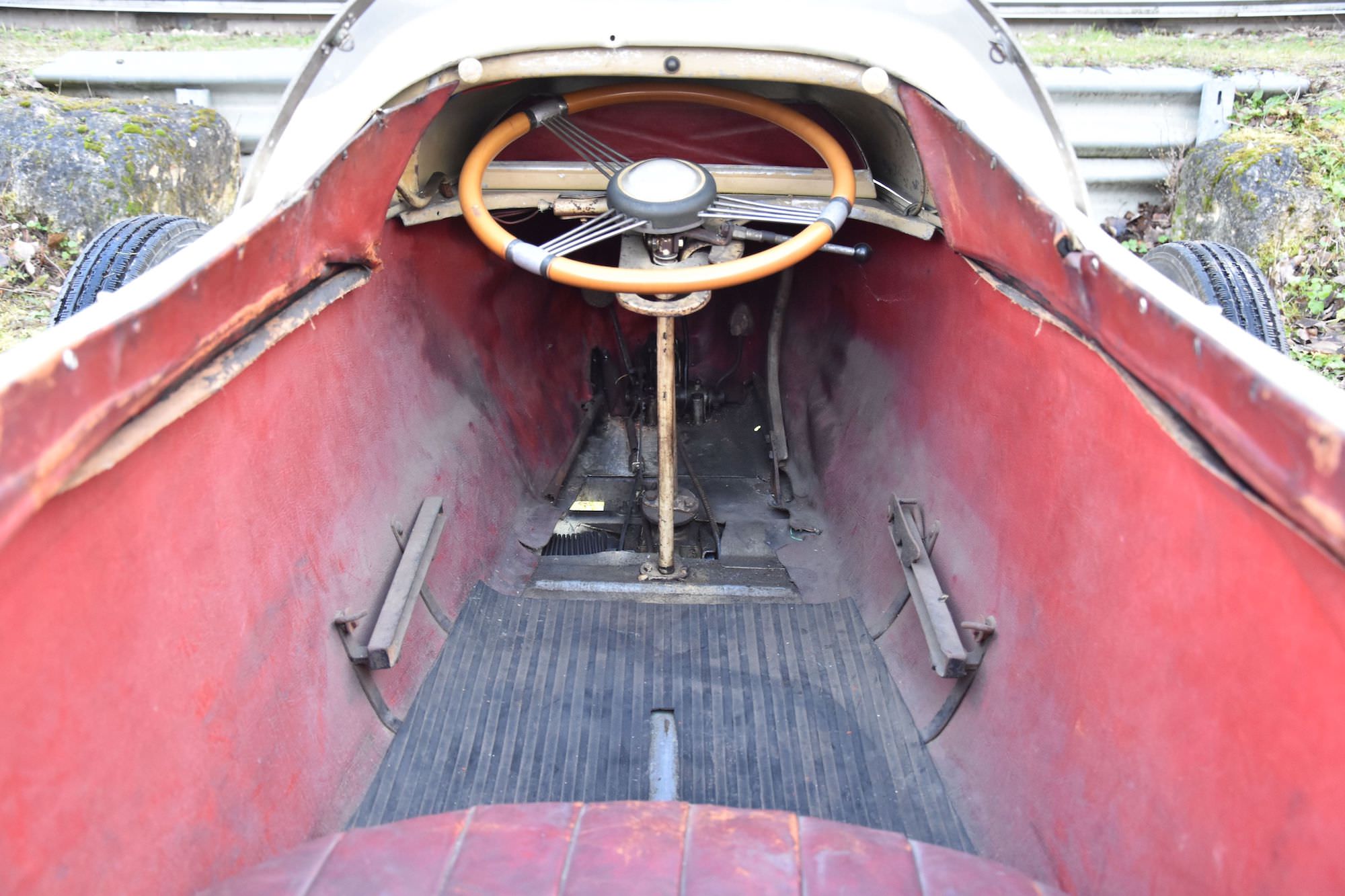
As with a normal sized car, the Reyonnah has a steering wheel, three pedals, and a shift lever mounted to the right of the steering column.
For practicality Hannoyer designed the car with a windscreen and a folding top, later versions also had headlights and indicators.

The 1951 Reyonnah 175 Prototype N°1 Shown Here

The car you see here is the first of the Reyonnahs, prototype number one. This is the car that was taken by the Automobile Club de France (ACF) for testing where it traveled 50 km at an average of more than 95 km/h at the Montlhéry autodrome.

This car also took part in the 1951 Paris-Chartres-Paris, and it participated in several concours d’elegance, including Enghien-les-Bains with actress Paulette Dubost.

Robert Hannoyer kept this car for many years, and after his passing it remained with his family for sentimental reasons, though they have now decided to part with it so it can receive the care it needs. It requires a restoration or a recommissioning, though some work has already been done and the car is running and driving.

If you’d like to read more about this unusual microcar or register to bid you can click here. It’s due to cross the auction block in Paris on the 18th of March with a price guide of $67,900 – $90,500 USD.

Reyonnah 175 Microcar 21 Reyonnah 175 Microcar 20 Reyonnah 175 Microcar 23 Reyonnah 175 Microcar 22 Reyonnah 175 Microcar 24 Reyonnah 175 Microcar 19 Reyonnah 175 Microcar 12 Reyonnah 175 Microcar 18 Reyonnah 175 Microcar 17 Reyonnah 175 Microcar 16 Reyonnah 175 Microcar 15 Reyonnah 175 Microcar 14 Reyonnah 175 Microcar 13 Reyonnah 175 Microcar 11 Reyonnah 175 Microcar 10 Reyonnah 175 Microcar 9 Reyonnah 175 Microcar 8 Reyonnah 175 Microcar 7 Reyonnah 175 Microcar 6 Reyonnah 175 Microcar 5 Reyonnah 175 Microcar 3 Reyonnah 175 Microcar 2 Reyonnah 175 Microcar 1

Images courtesy of Artcurial

Reyonnah 175 Microcar 4

The post The Weird & Wonderful Reyonnah 175 Prototype N°1 From 1951 appeared first on Silodrome.


from Silodrome https://silodrome.com/reyonnah-175-car/
via gqrds