A Project Car For The Ambitious: 1963 AC Ace 2.6 Roadster

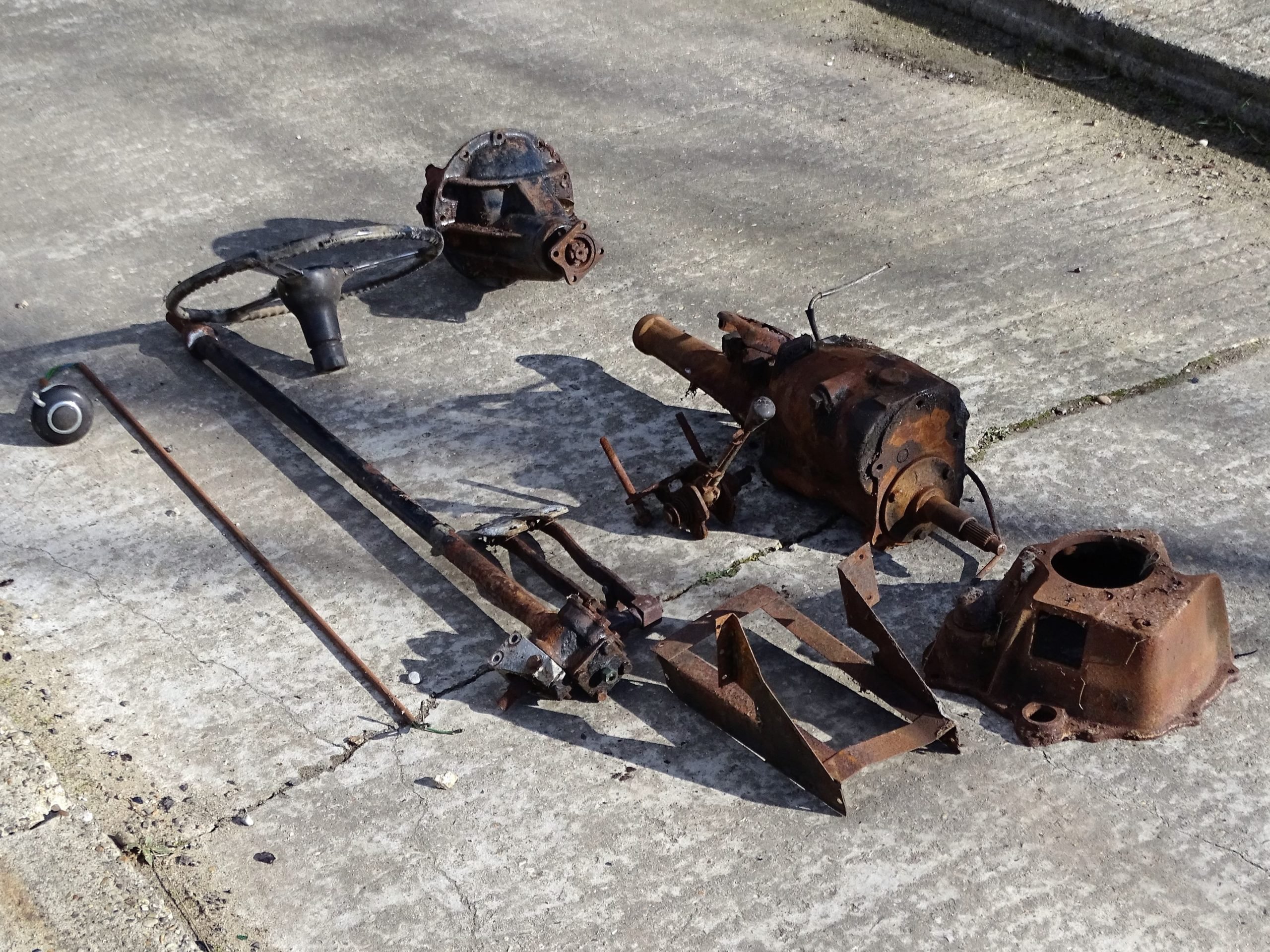
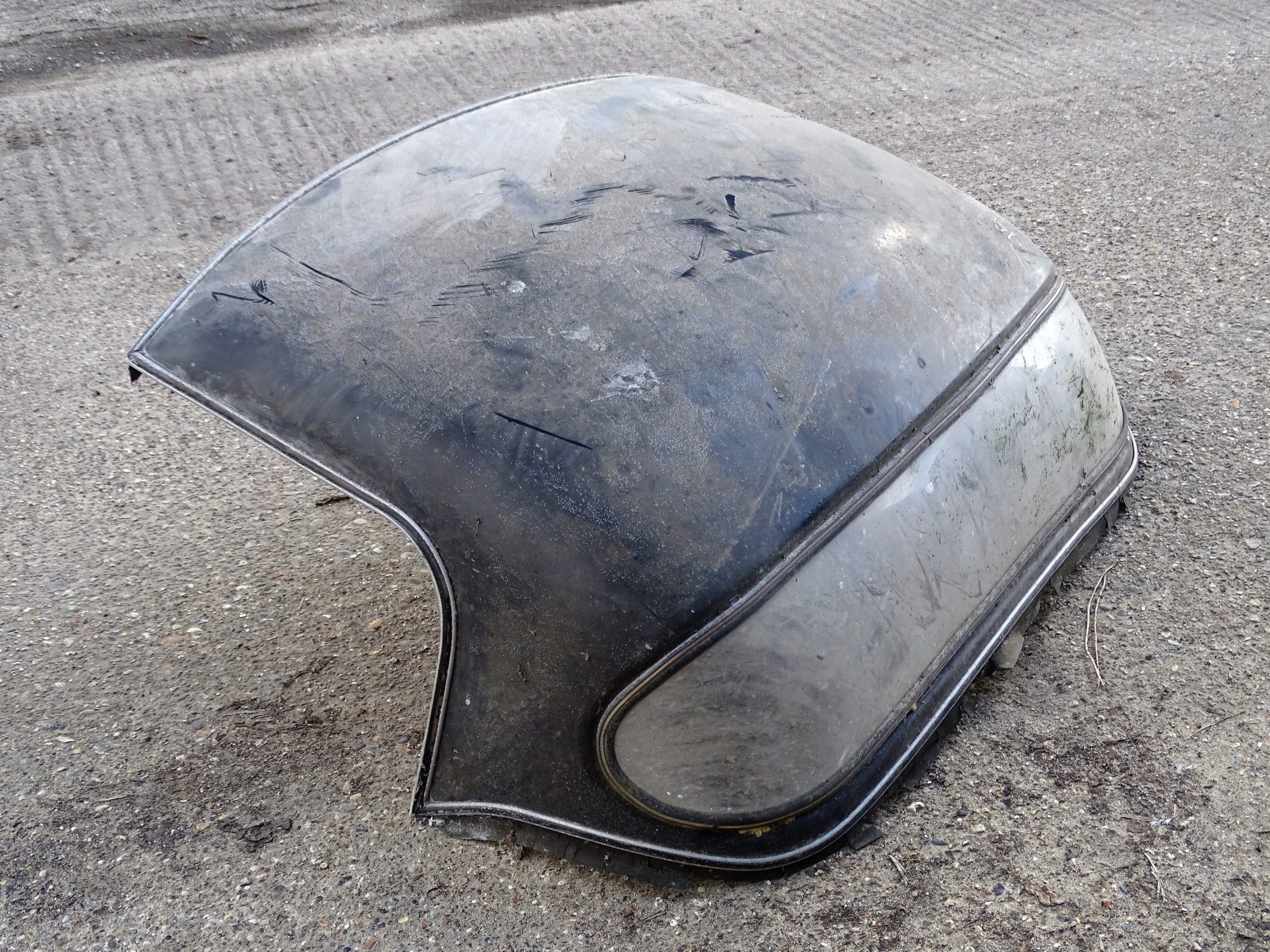
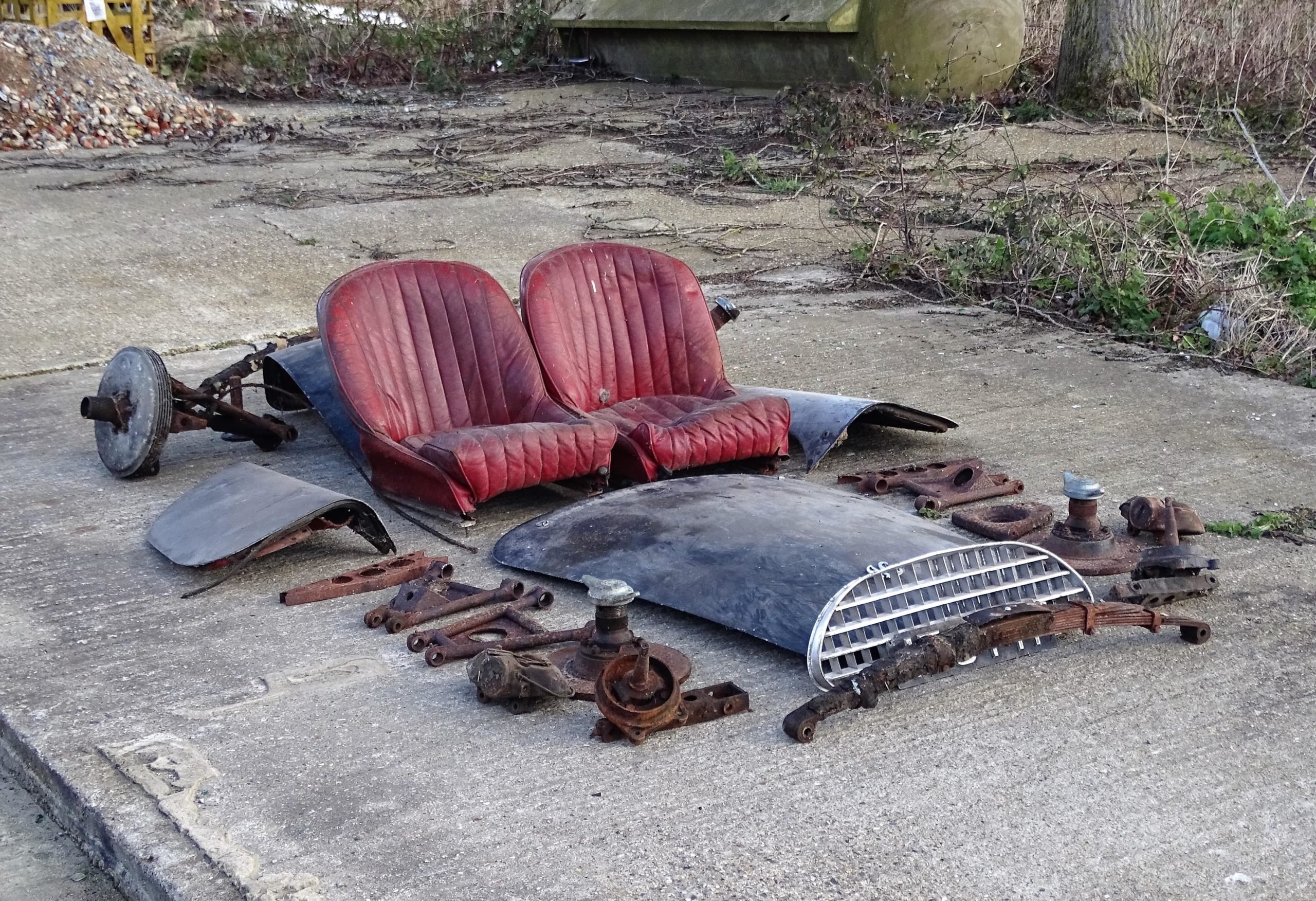
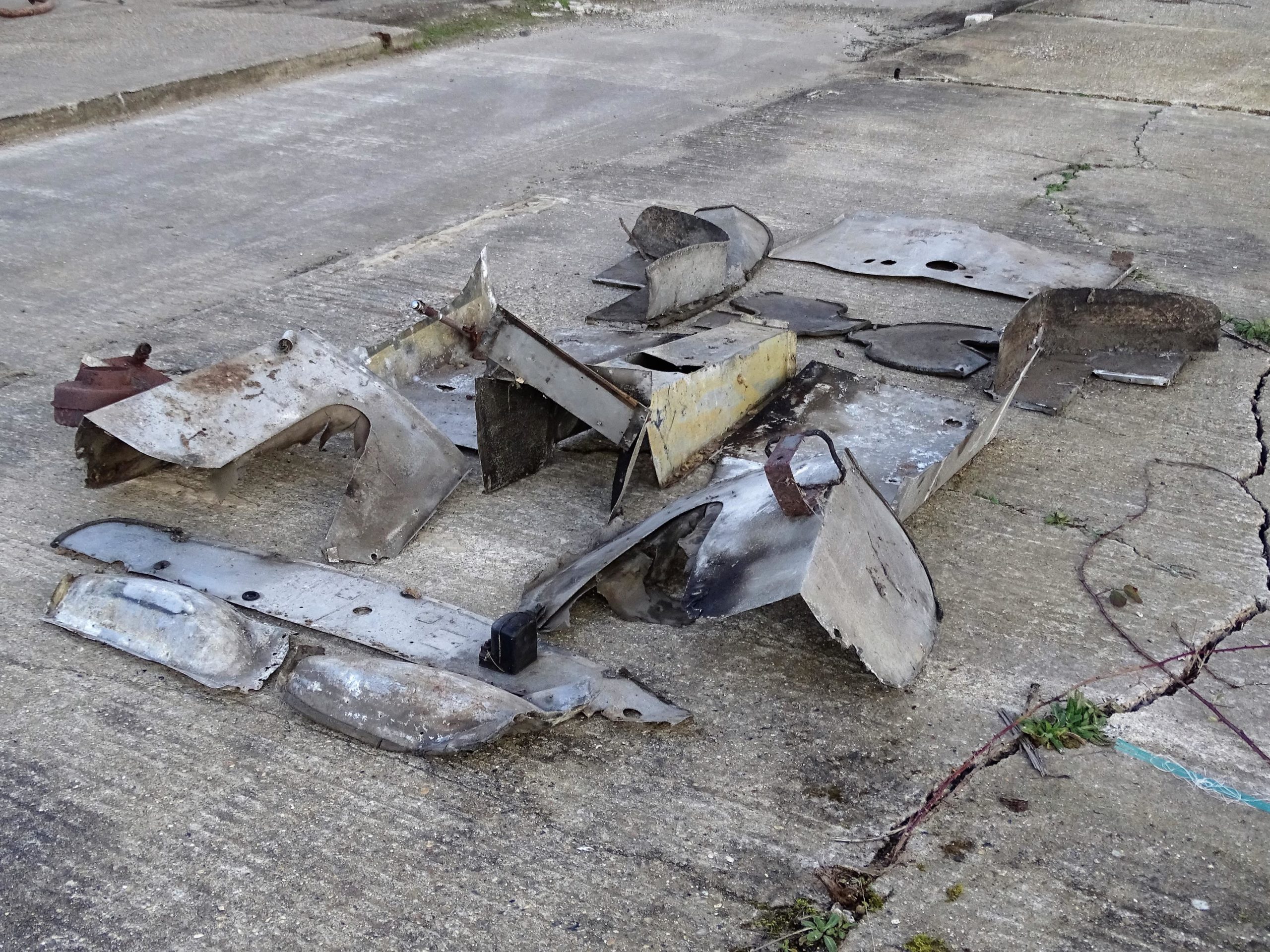
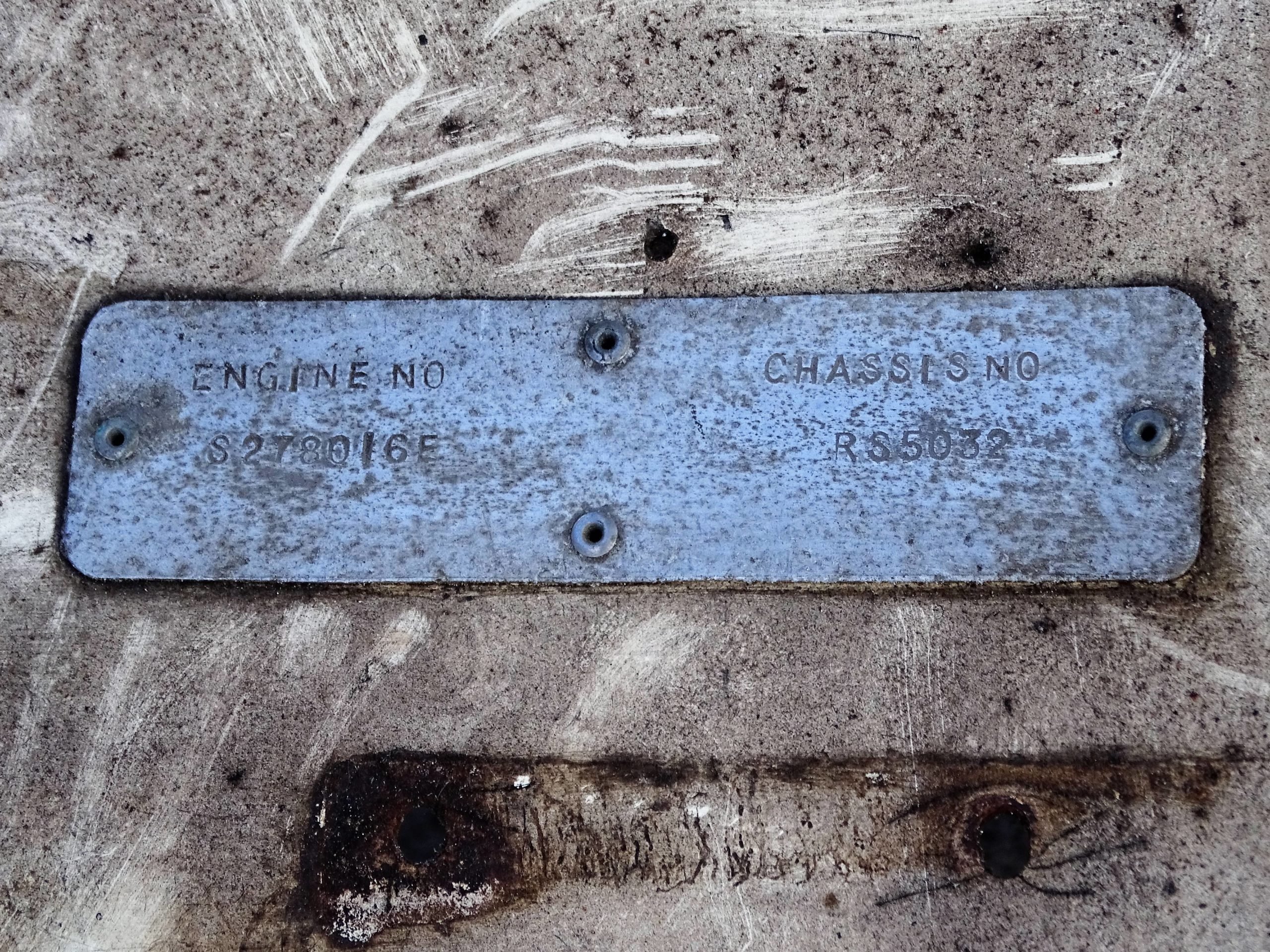
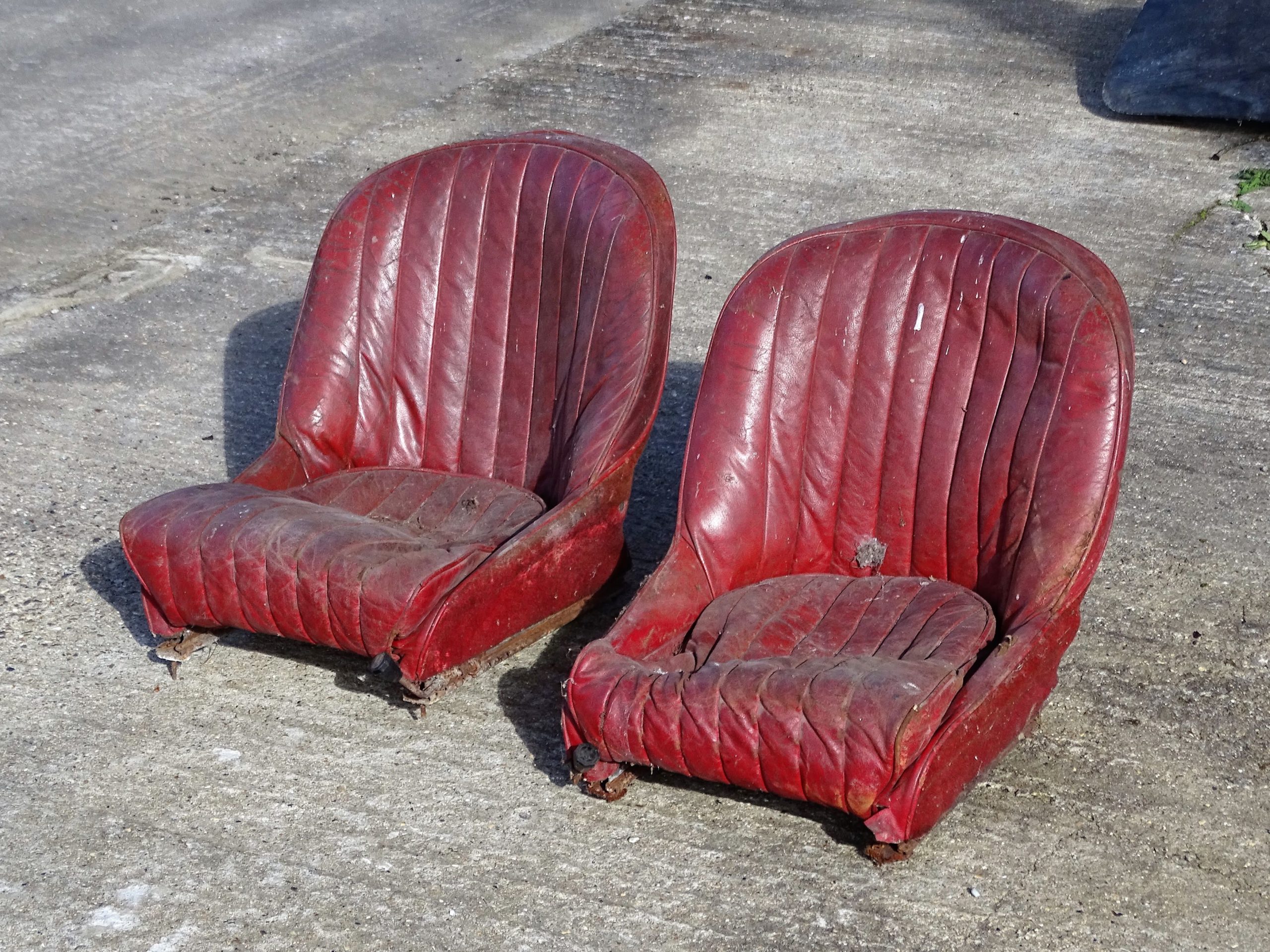
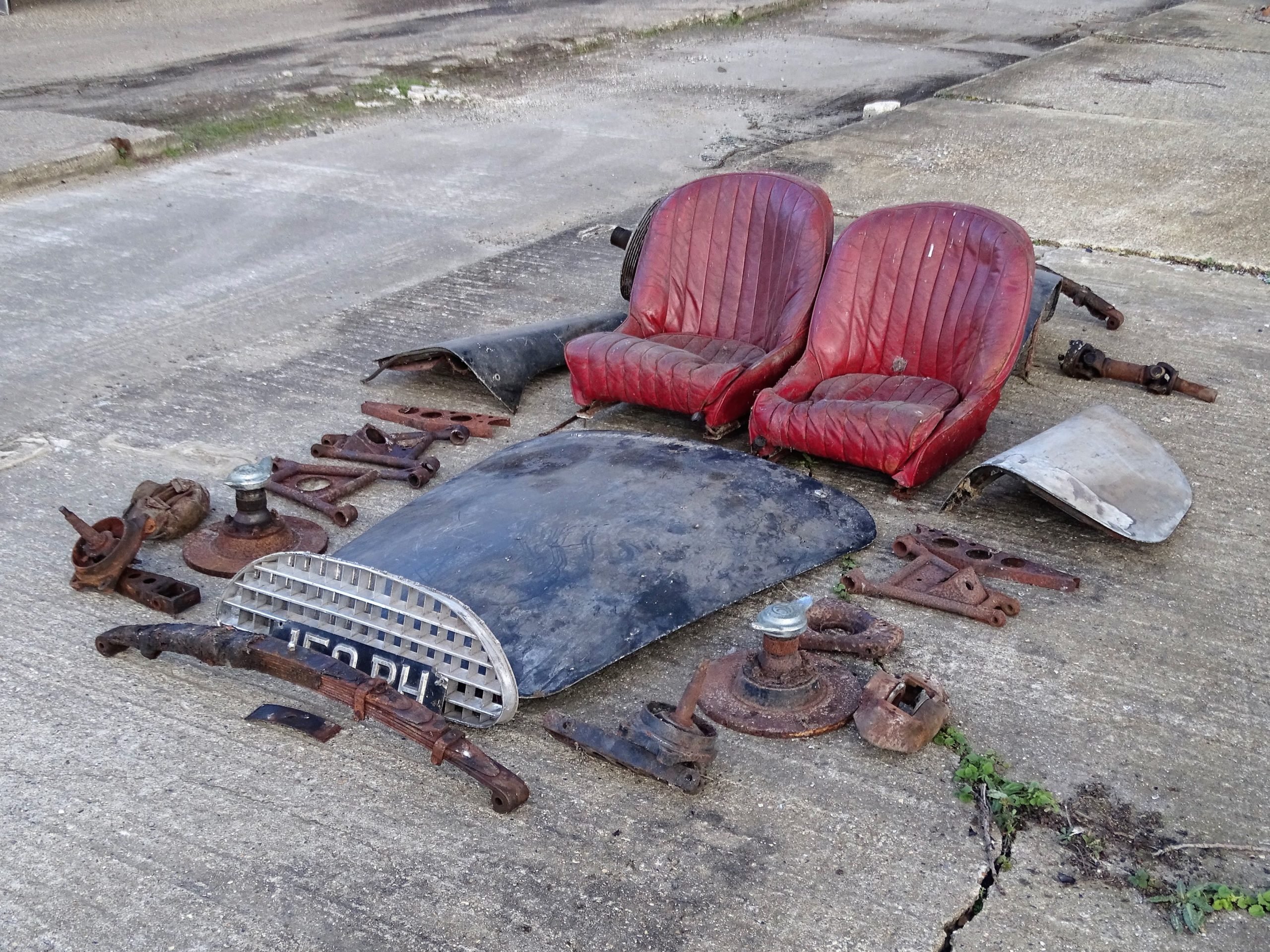
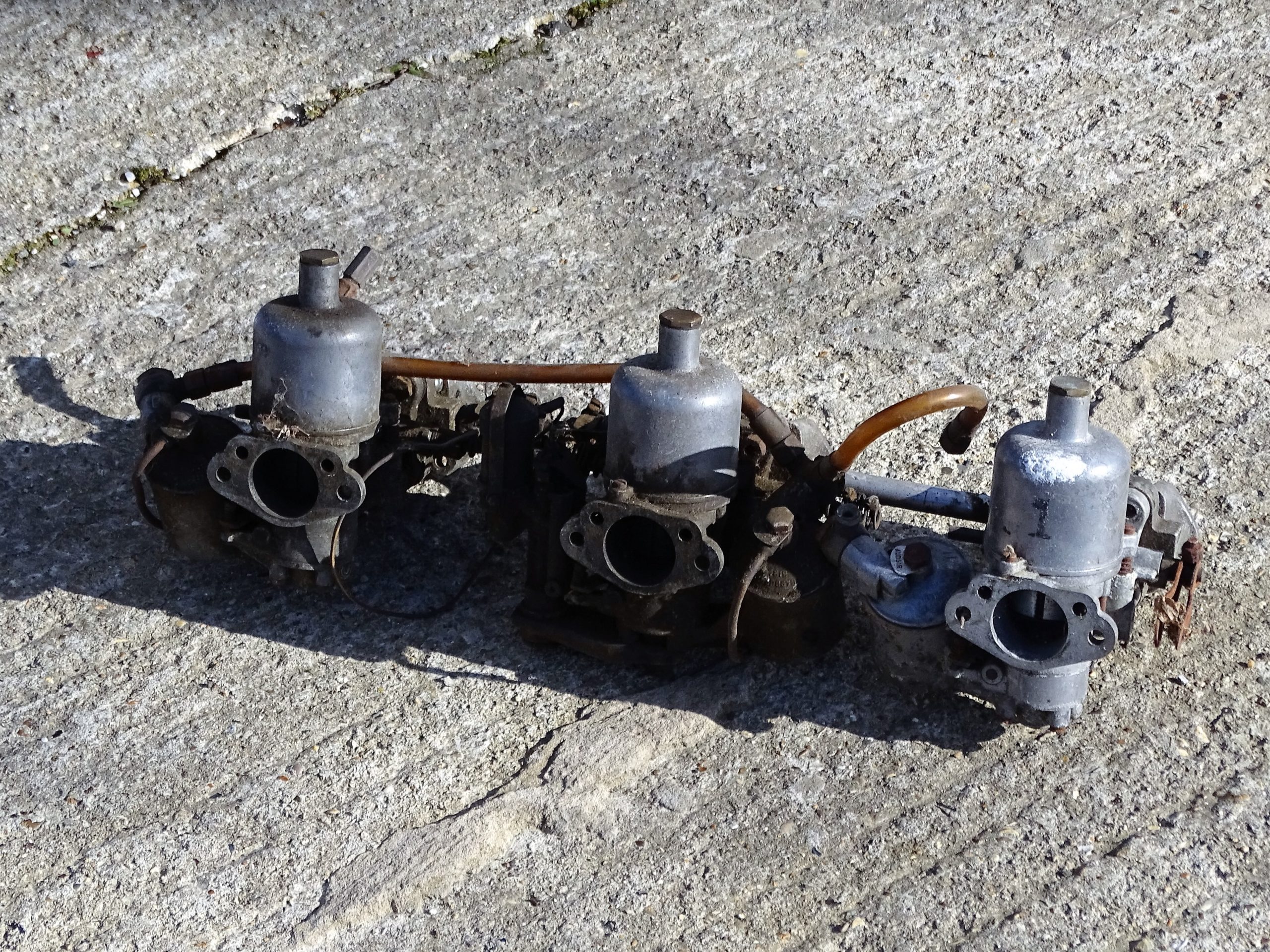
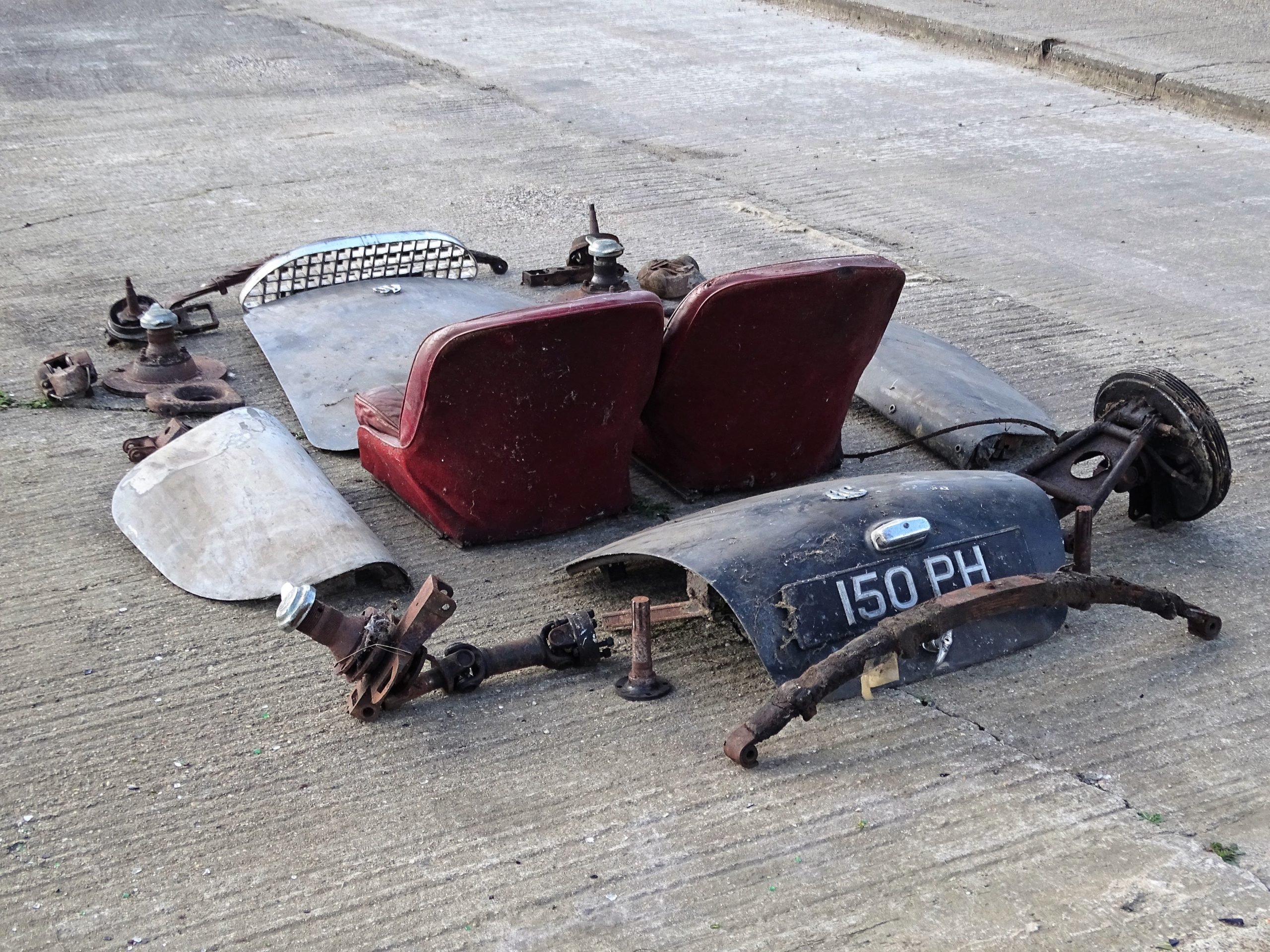
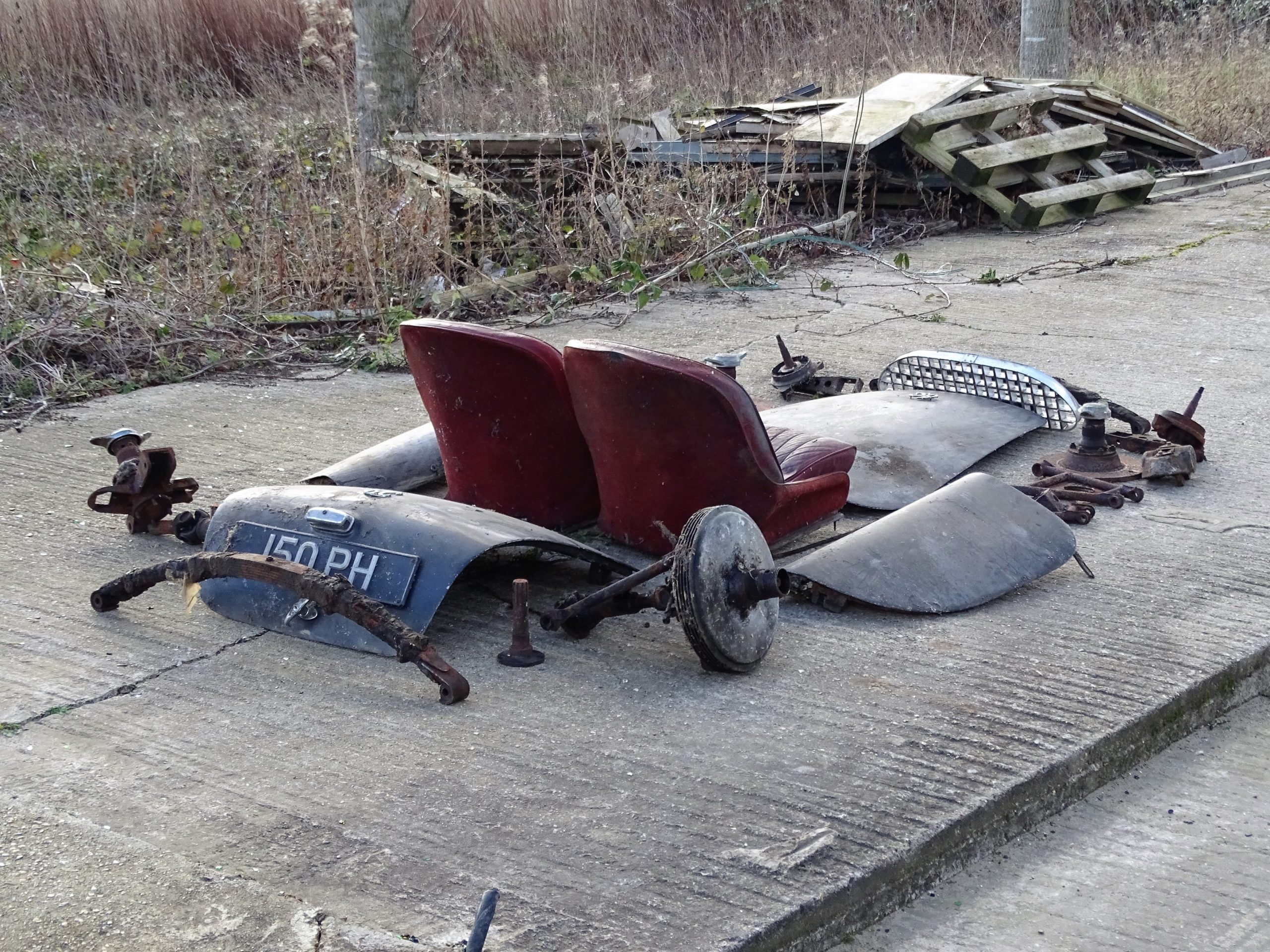
This is all that remains of 1963 AC Ace 2.6 chassis #RS5032, it’s now being offered for sale as a restoration project, albeit an ambitious restoration candidate that will require a substantial amount of work.

The AC Ace is a car that you may never have encountered before but it formed the foundation of one of the most famous sports cars of all time – the Shelby Cobra. Carroll Shelby bought engineless AC Aces and had them shipped to the USA where he fitted Ford V8s to them.

Fast Facts – The AC Ace 2.6

  • The AC Ace first appeared in 1953 and it was sold until 1963. The car is most famous for being the platform chosen by Carroll Shelby to build his Shelby Cobra (also called the AC Cobra ), but the Ace was a successful sports car in its own right.
  • The AC Ace was developed by influential car designer John Tojeiro, it has a lightweight aluminum alloy body, independent front and rear suspension, and it performed well in period competition, winning its class at Le Mans in 1959.
  • A number of different engines were offered over the production life of the Ace, starting with the 2.0 liter AC straight six producing 100 bhp. This was followed by the Bristol straight six producing 120 bhp, and the Ford Zephyr straight six producing up to 170 bhp.
  • Today the AC Ace remains a popular classic, though it will probably always be considerably less famous than its V8-engined American cousin built by Shelby and his team.

AC Cars

AC Cars was originally founded as Auto Carriers Ltd in West Norwood, London, in 1901. The company offered a number of both closed and open top cars from 1903 onwards, starting with the AC 20 HP Touring.
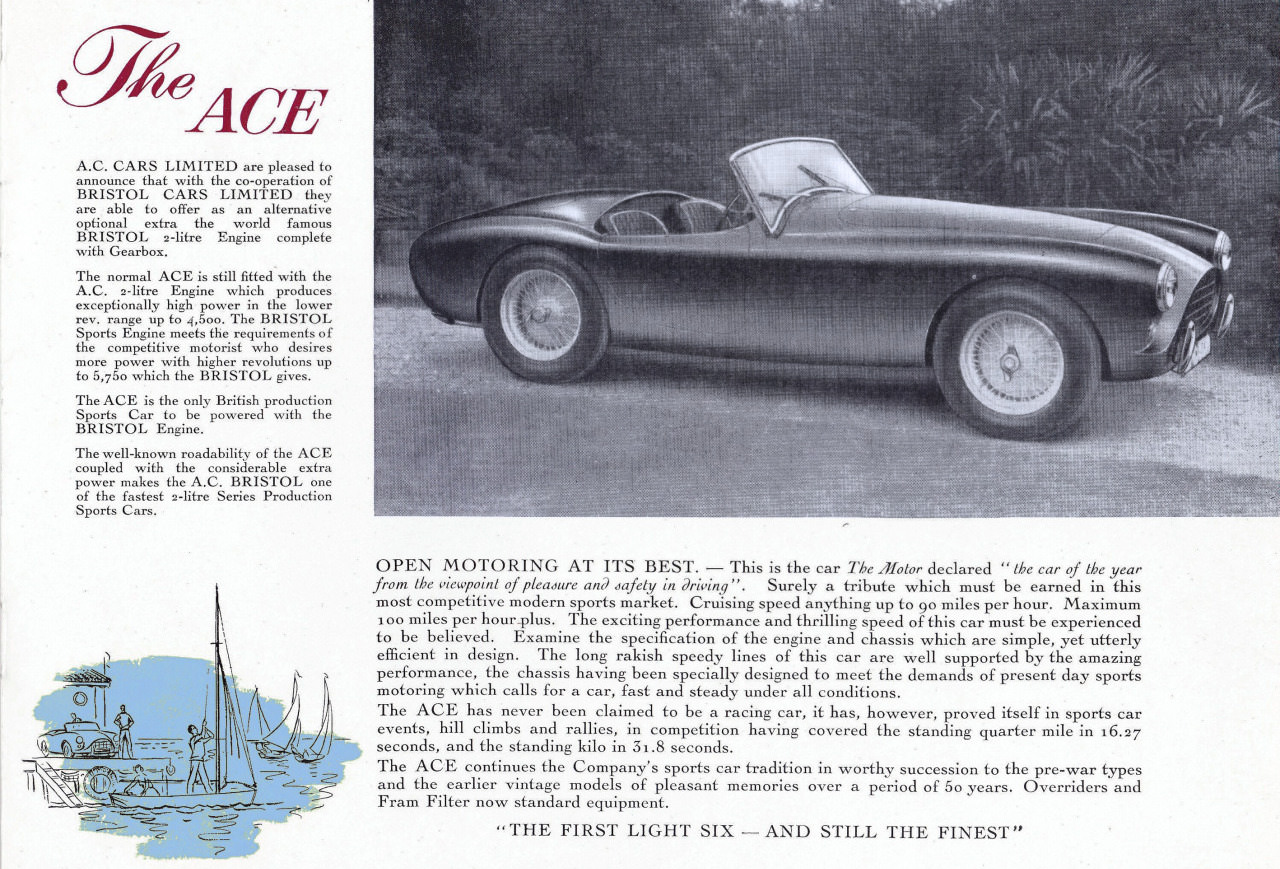
AC Ace Car

This is a page from a period brochure for the AC Ace, showing what the car looks like when it’s fully assembled. Image courtesy of AC Cars.

AC enjoyed some early successes in the early years of the automobile but by the late 1920s they were struggling, and the market crash of 1929 was the death knell for the company. Car production started again in 1932 with a new range of cars, they fewer than 100 were produced each year.

During WWII the factory was 100% focused on war production and so no cars were made. In the years immediately after WWII the company introduced the Thundersley Invacar Type 57, it was called an “invalid carriage” as it was designed to give mobility back to people who had been injured in the war.

The AC Ace

The AC Ace was introduced in 1953, it was a small, lightweight sports car with an aluminum body, a tubular steel ladder frame chassis, independent front and rear suspension, and a front-mounted 2.0 liter 100 bhp AC engine.

Later engines would offer more power and speed culminating in the 2.6 liter Ford Zephyr straight six producing up to 170 bhp.
AC Ace Project Car 15

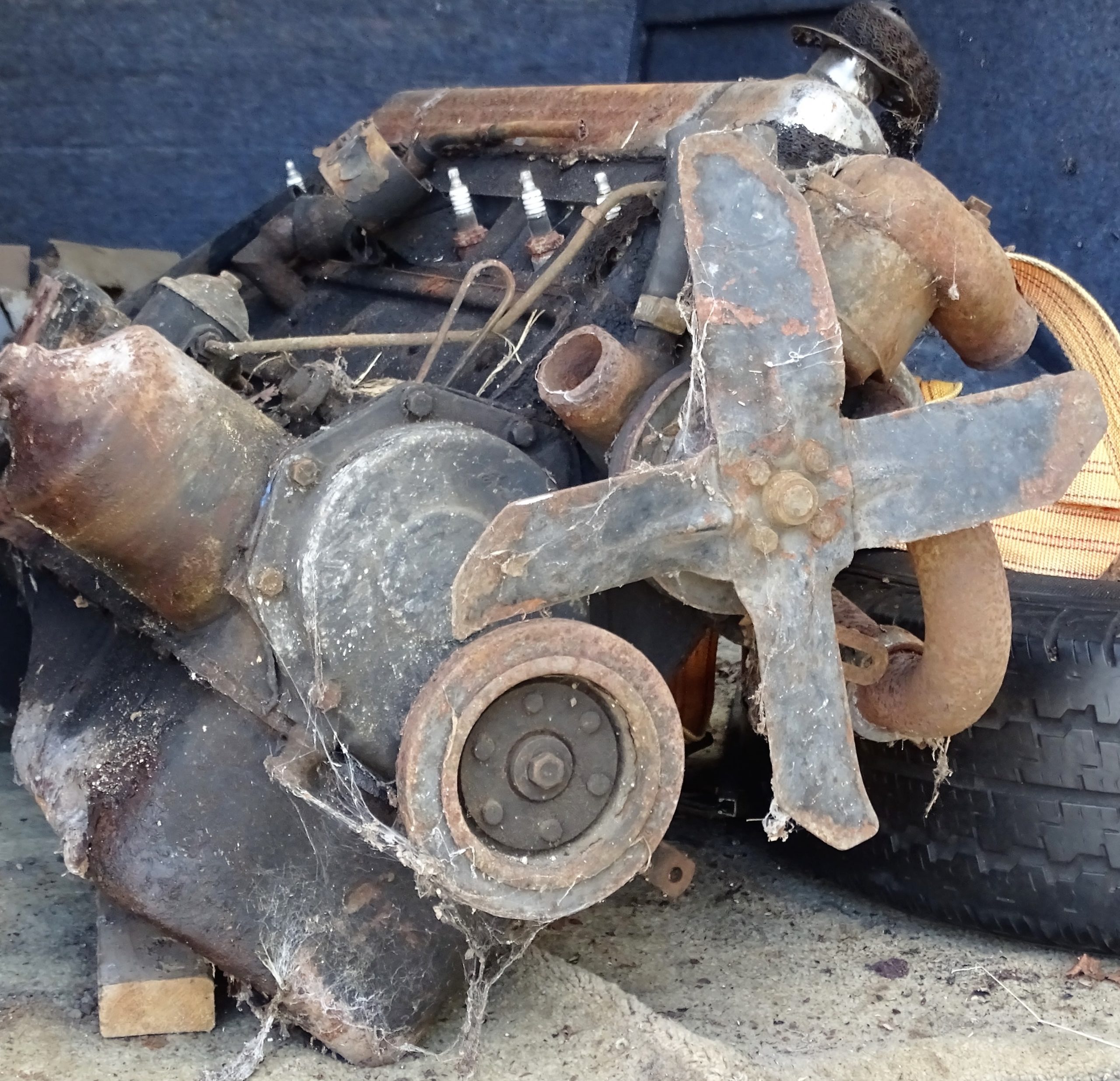
It’s important to note that the parts shown here aren’t all that remains, there is also an engine, gearbox, differential, and a number of other body parts.

The company passed through a number of hands over the following decades, impressively the company is still in production today, building and selling the AC Cobra Series 1 Electric – a 100% battery electric car based on the design of the AC Ace.

The AC Ace Project Car Shown Here

The car you see here is probably the single most ambitious restoration candidate we’ve ever shown on Silodrome.

Interestingly the listing explains that the original chassis was scrapped due to an unfortunate sequence of events – but if offers no more information as to exactly what happened.

The good news is that the original engine, gearbox, differential, bonnet, boot, doors, dashboard, keys, hardtop, and seats all remain, as well as many important internal body panels.

A new chassis will be required of course as well as a number of other new parts, and it’ll be interesting to see what the lot sells for when it crosses the auction block.

If you’re up for the challenge you can click here to visit the listing on H&H Classics. The car is due to be offered on the 16th of March at the Imperial War Museum, in Duxford, England.
AC Ace Project Car 10 AC Ace Project Car 2 AC Ace Project Car 11 AC Ace Project Car 9 AC Ace Project Car AC Ace Project Car 8 AC Ace Project Car 7 AC Ace Project Car 15 AC Ace Project Car 6 AC Ace Project Car 5 AC Ace Project Car 4 AC Ace Project Car 14 AC Ace Project Car 13 AC Ace Project Car 12

Images courtesy of H&H Classics

AC Ace Project Car 3

The post A Project Car For The Ambitious: 1963 AC Ace 2.6 Roadster appeared first on Silodrome.


from Silodrome https://silodrome.com/ac-ace-project-car/
via gqrds

(via The Cunningham C-3 – A Rare American Homologation Special)


(via The Cunningham C-3 – A Rare American Homologation Special)


from Tumblr https://somar78.tumblr.com/post/678017340654403584

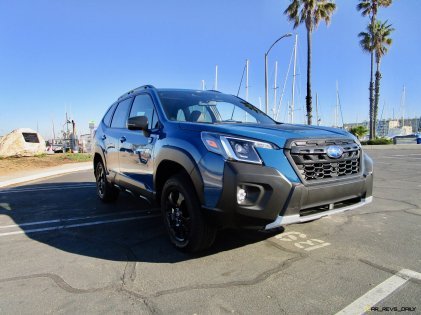
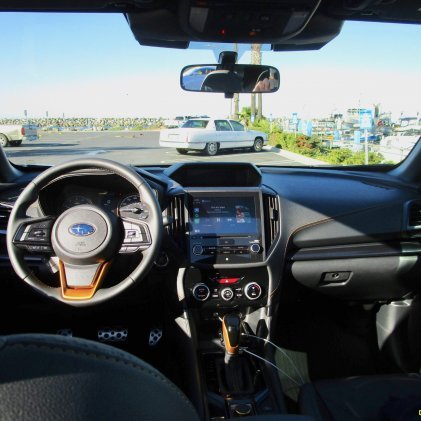
(via 2022 Subaru Forester Wilderness Review by Ben Lewis » ROAD...


(via 2022 Subaru Forester Wilderness Review by Ben Lewis » ROAD TEST REVIEWS » Car-Revs-Daily.com)


from Tumblr https://somar78.tumblr.com/post/677994647075831809

utwo:3th Century Monastery in the hills of DeiĆ”, Mallorca Spain©...


utwo:

3th Century Monastery in the hills of DeiĆ”, Mallorca Spain

© Finca Son Ru


from Tumblr https://somar78.tumblr.com/post/677971986026283008

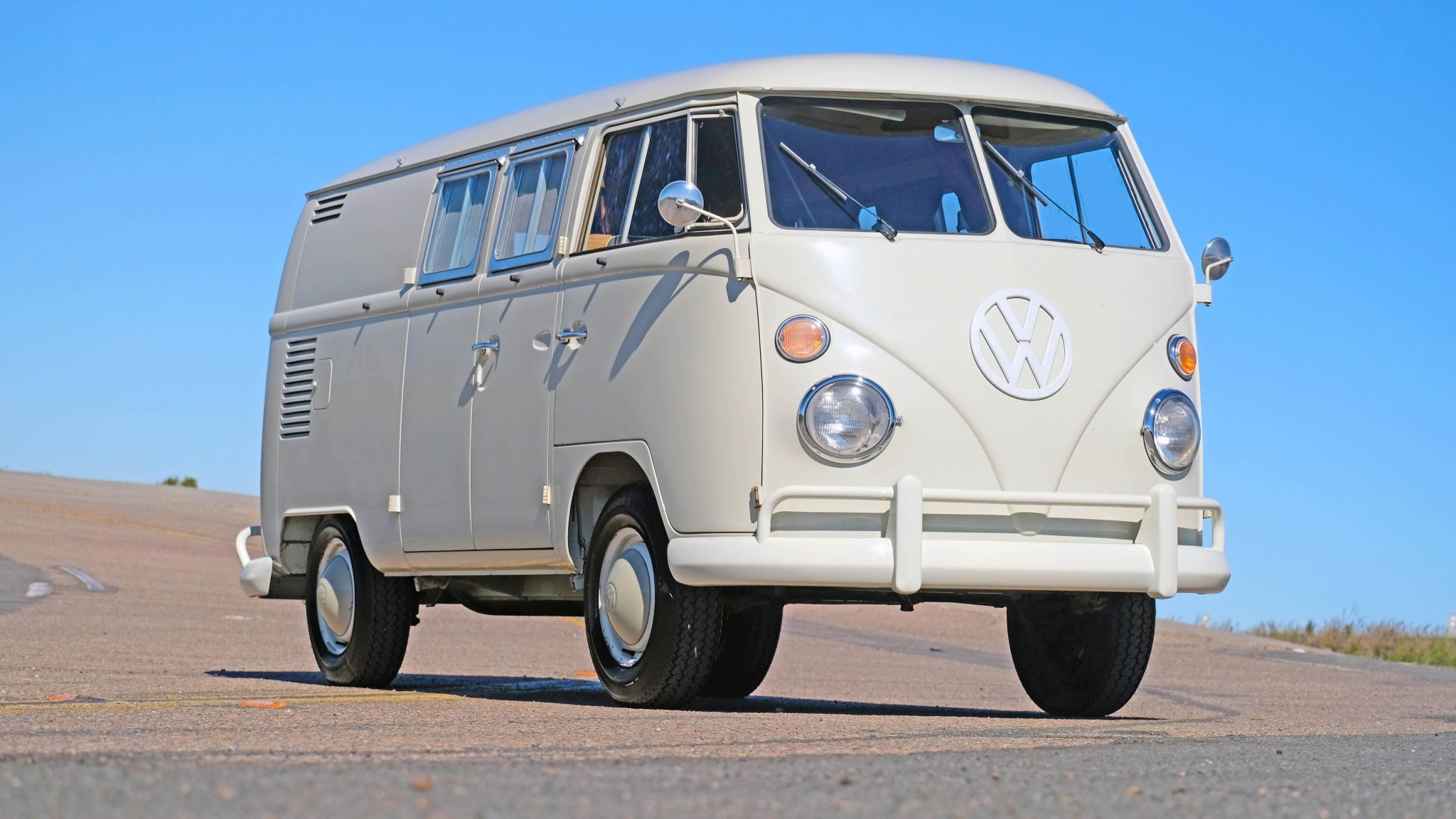
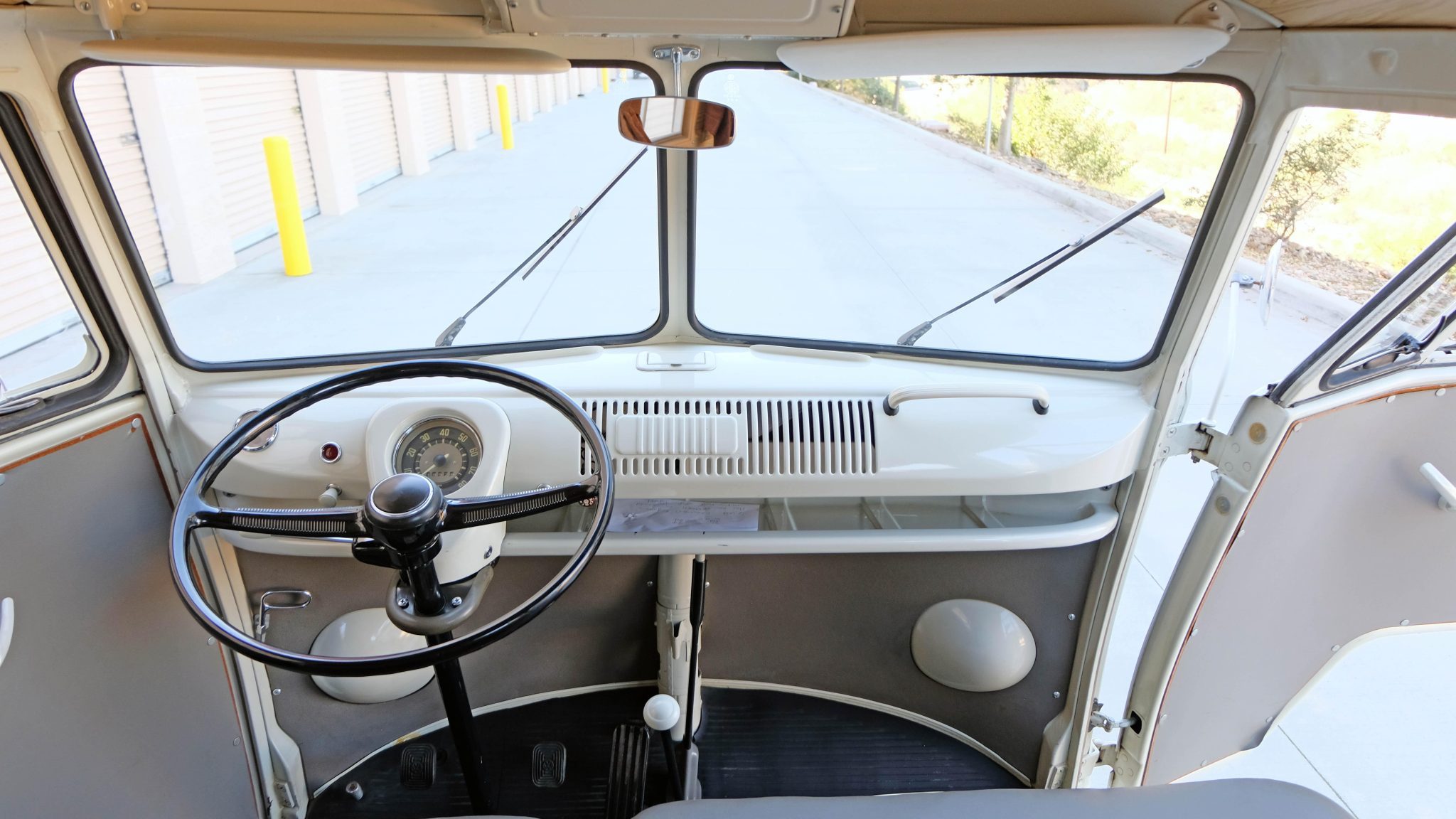
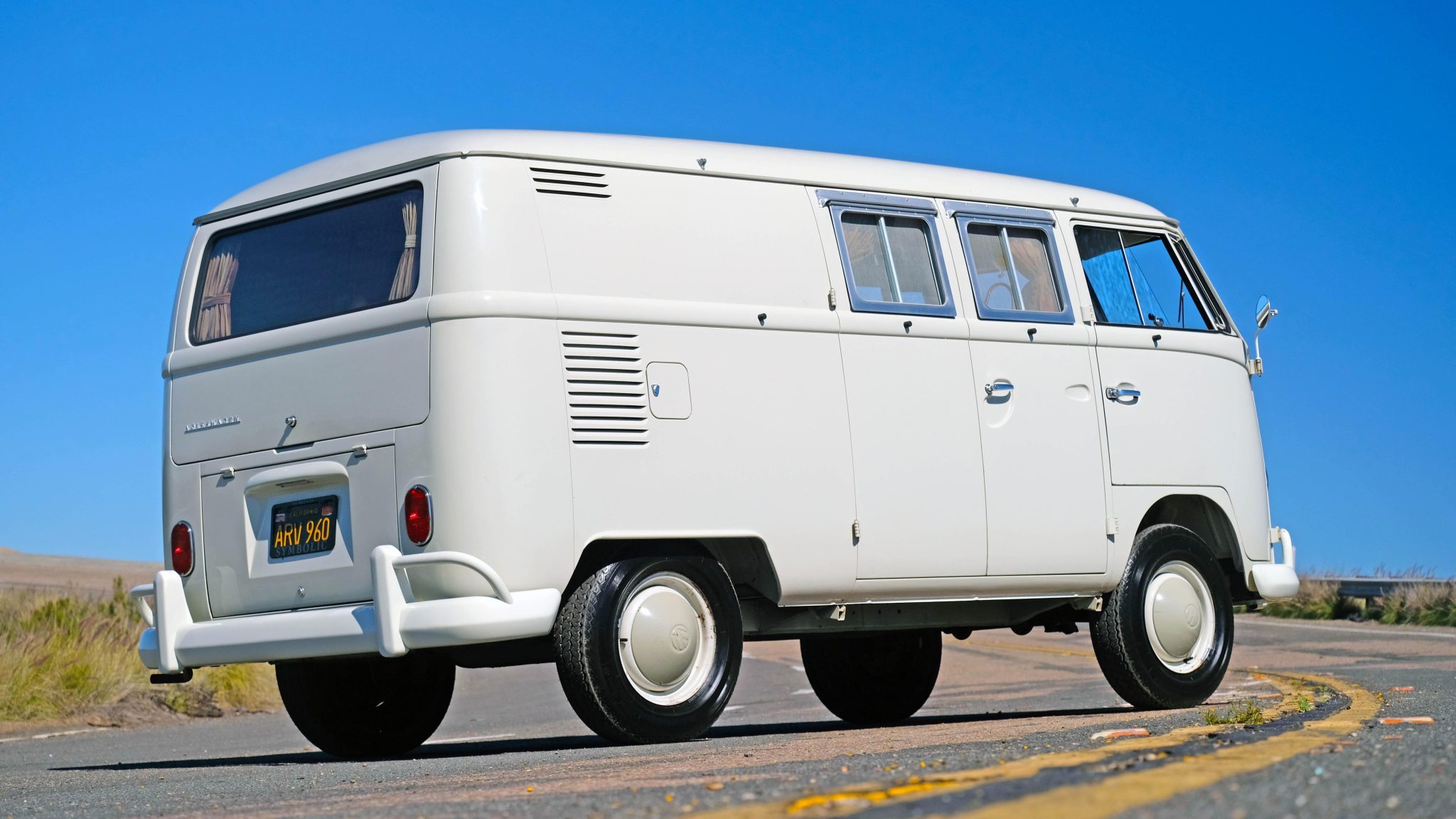
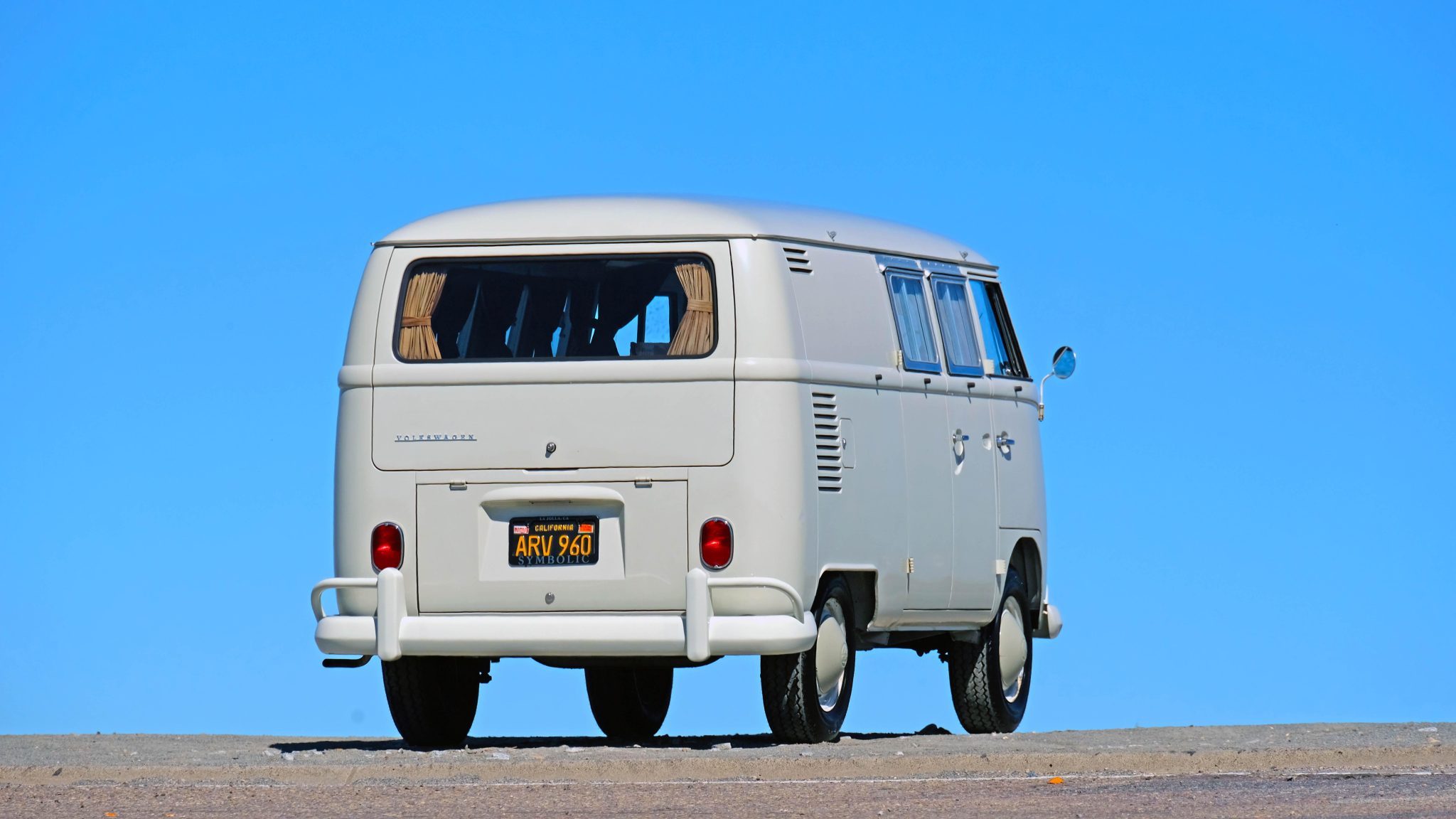
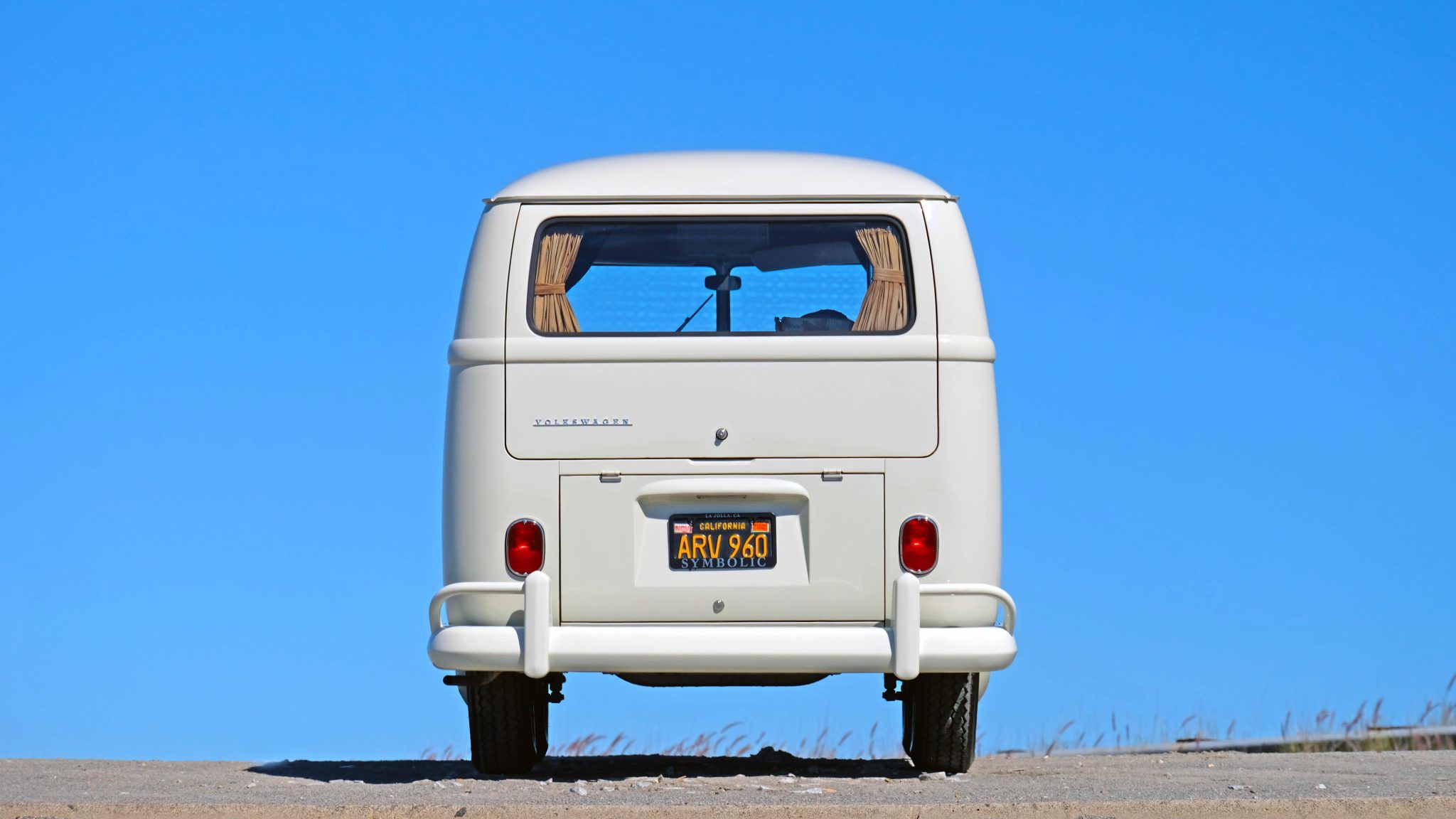
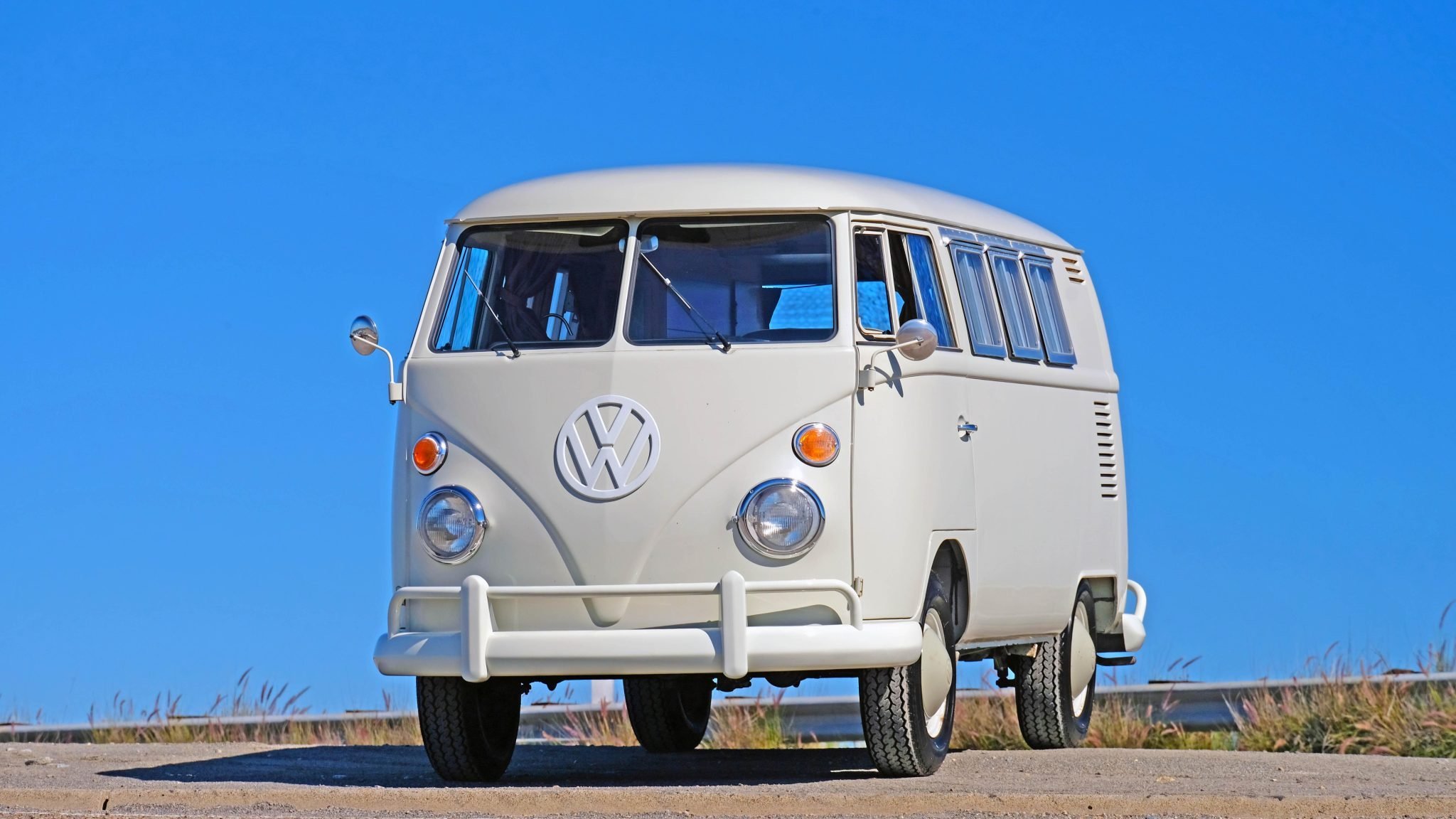
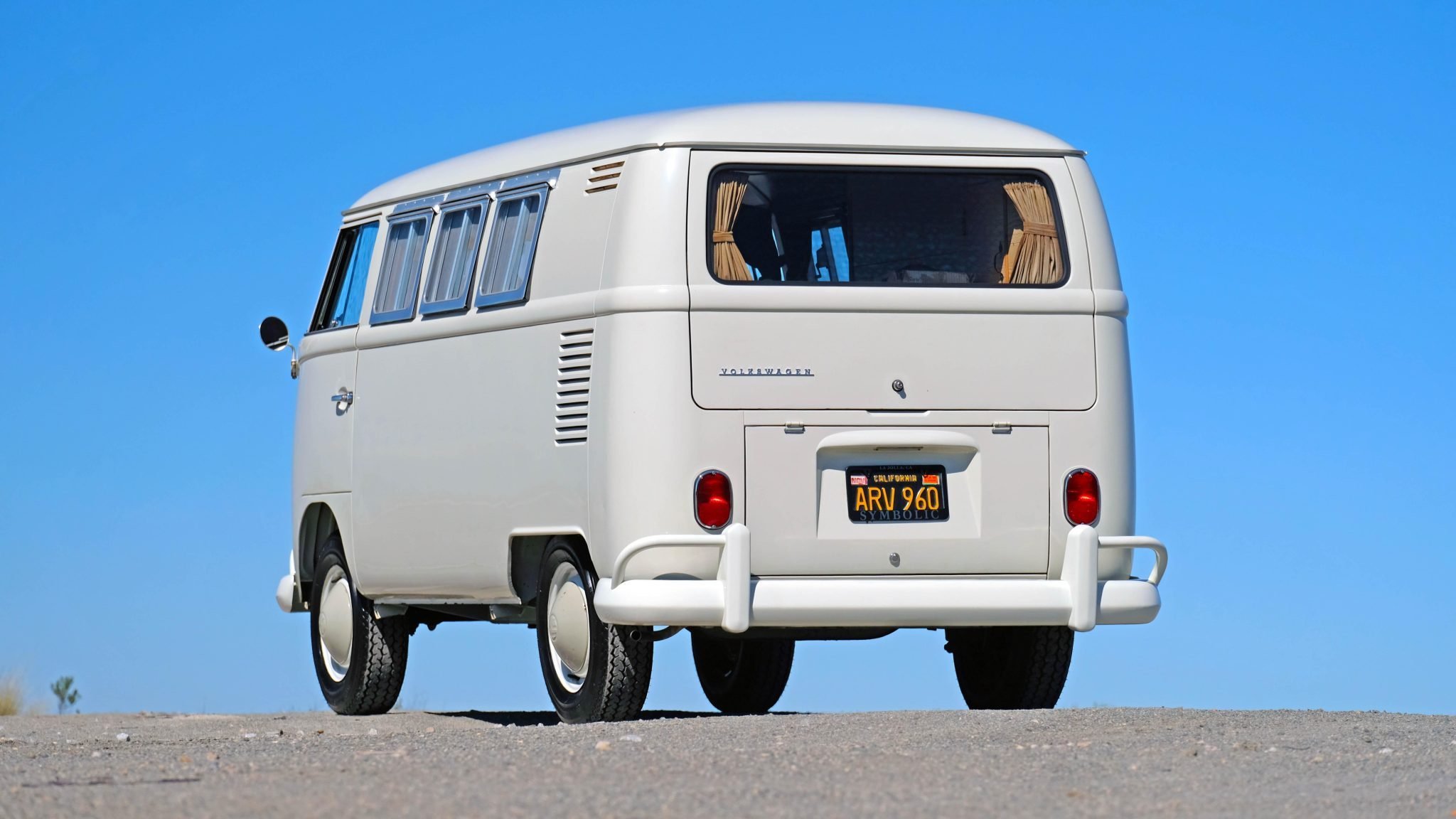
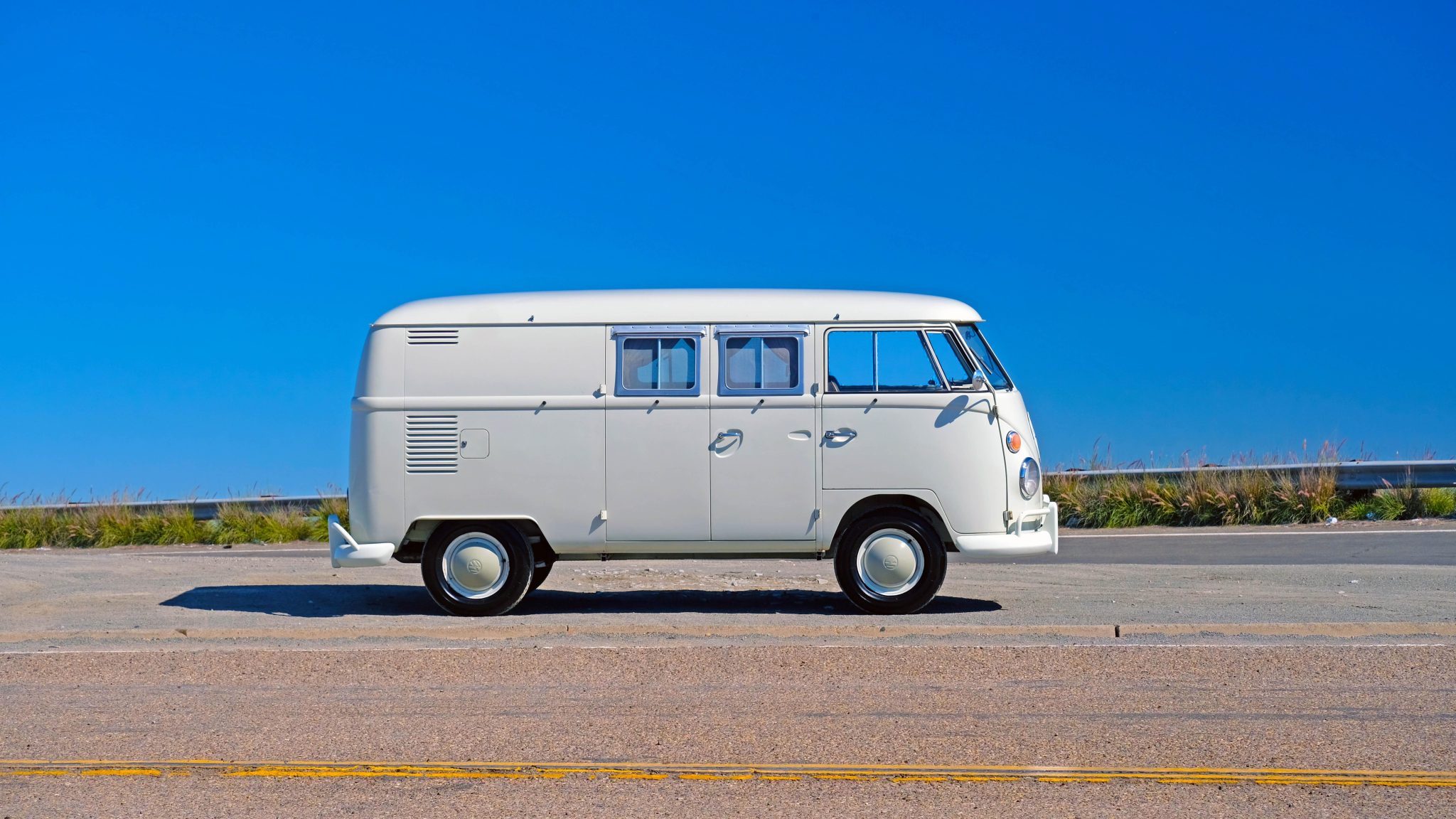
For Sale: Jerry Seinfeld’s 1964 Volkswagen Type 2 EZ Camper

Actor and comedian Jerry Seinfeld is well-known for his love of Porsches, but his passion for air-cooled motoring extends further than that – he’s owned a number of Volkawagens including an unrestored 1960 Beetle that sold for a new world record price of $121,000 USD in 2016.

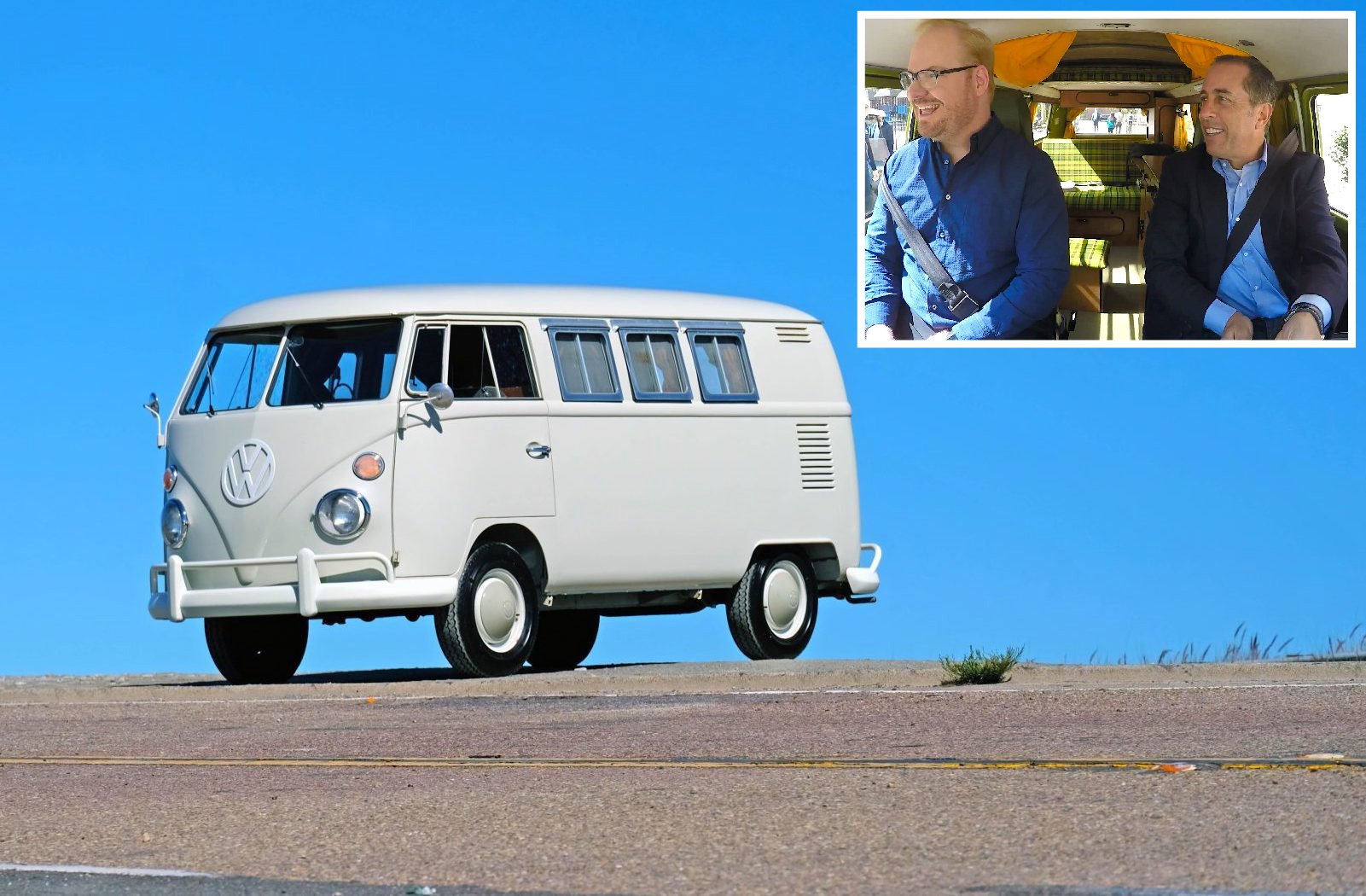
The 1964 Volkswagen Type 2 EZ Camper you see here was owned by Seinfeld for a number of years, there’s no word on whether he went camping in it, though he did feature a later model Type 2 camper in an episode of Comedians In Cars Getting Coffee with Jim Gaffigan.

Fast Facts – Jerry Seinfeld’s VW Type 2 EZ Camper

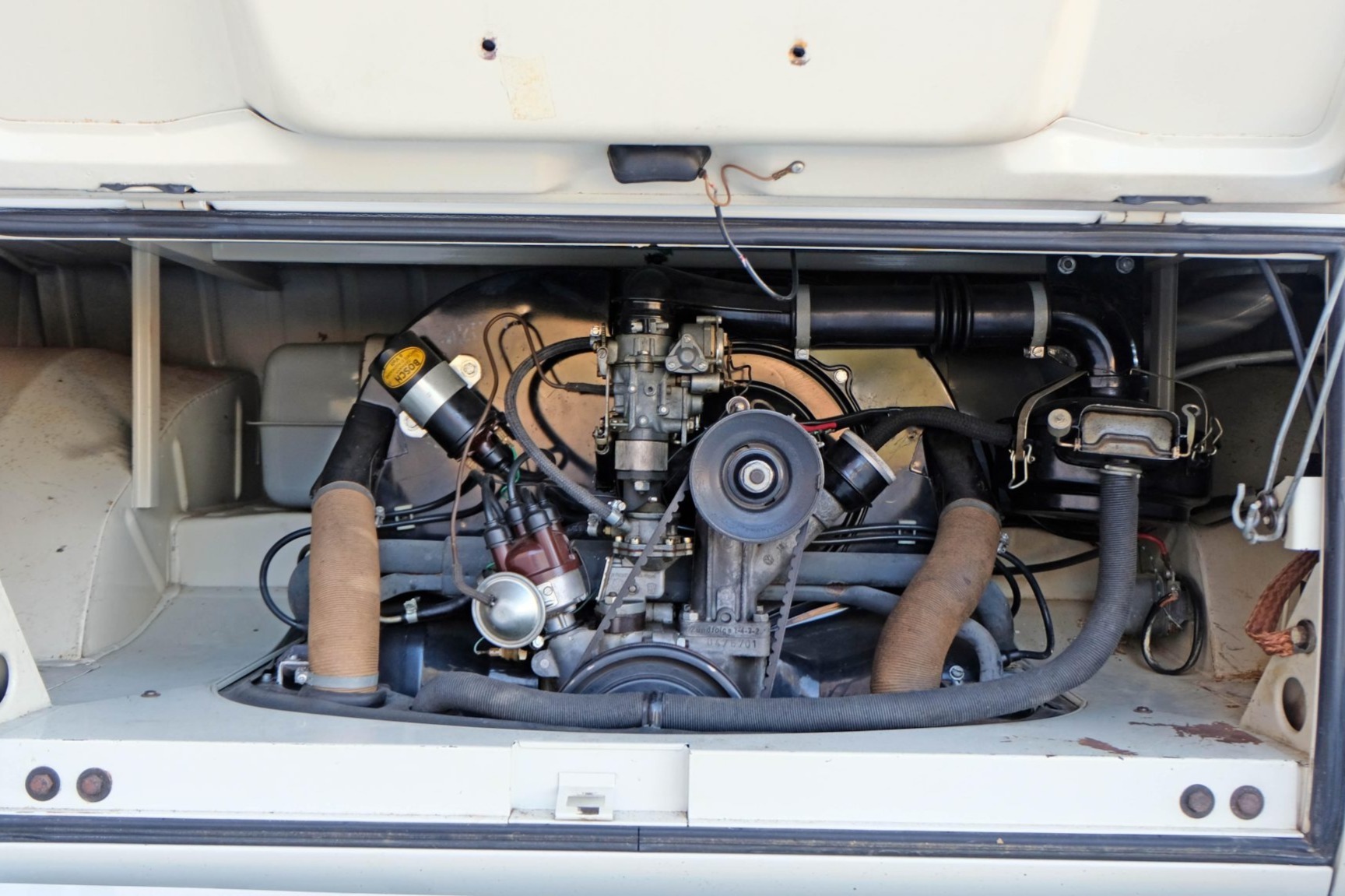
  • This is a first generation Volkswagen Type 2 that has been converted to camper specification by EZ Camper of America in Littlerock, California.
  • The VW Type 2 is better known as the Bus, Microbus, Kombi, or Bulli, depending on where you’re from. It was released by the German automaker to accompany their earlier production model named the Type 1 – better known as the VW Beetle.
  • The Type 2 was released over six generations from 1950 to the present day, the most desirable are there first generation “split window” Type 2s however the second generation Kombis also have a strong enthusiast base.
  • The first generation Type 2 has a steel ladder frame chassis and a stamped steel body, it’s powered by a rear mounted flat-four engine mated to a manual transmission driving the rear wheels. Van, minivan, truck, ambulance, and many other sub-variants were built, some of which are now worth over $100,000 USD.

The Volkswagen Type 2 “Kombi” Van

The Volkswagen Type 2 was originally conceived by Dutch Volkswagen importer Ben Pon when he visited the factory in 1946.

He saw a simple open topped transporter they had built on the Beetle platform which gave him an idea – he sketched out a van design based on the transporter which set the wheels in motion for the creation of one of the most beloved vans of all time.

Jerry Seinfeld Volkswagen Type 2 EZ Camper 1

This is s 1960 VW Type 2 making it a first generation “split window” example that is highly desirable to collectors and enthusiasts.

Over the course of its history this van would be built over six generations and counting from 1950 to the present day. Of course there are no interchangeable parts between the modern vans and their early predecessors, but their family heritage is unbroken.

The Type 2 would become most famous as the vehicle of choice for many members of the hippie movement of the 1960s. The vans would double as both transportation and accommodation, pre-dating the modern “Van Life” trend by over 50 years.

For many years the first generation Type 2s had low values and many were scrapped or rusted into oblivion, surviving examples can now fetch sums in the low six figures depending on variant and there’s a global enthusiast community dedicated to keeping them on the road.

The Ex-Jerry Seinfeld Volkswagen Type 2 EZ Camper Shown Here

Comedian and actor Jerry Seinfeld is well-known in the classic car community for his love of air-cooled German vehicles, though they’re typically from Stuttgart rather than Wolfsburg and carry Porsche badging rather than Volkswagen.

That said, Seinfeld has owned a number of fascinating non-Porsches over the years including a BMW 300 Isetta microcar, a Fiat 500, a Morgan Plus 4, a Cadillac Eldorado Seville, a Ferrari 365 GTB/4 Daytona, a Austin-Healey 3000, and a number of others.

Above Video: A clip from season eight, episode six of Seinfeld titled “The Mom & Pop Store” in which the act of buying a vehicle because of its celebrity former owner is lampooned.

Seinfeld bought the 1964 Volkswagen Type 2 EZ Camper you see here back in 2010 to add it to his collection, he kept it until 2016 when it was sold at auction. There’s no word on whether he went camping in it but as mentioned above, he did do an episode of Comedians In Cars Getting Coffee with Jim Gaffigan driving a second generation Type 2.

Celebrity former owners can have a significant impact on the valuation of classic vehicles when they come up for auction, a fact that was famously lampooned by the Seinfeld TV series in episode eight of season six, titled “The Mom & Pop Store.” George ends up buying a 1989 LeBaron convertible because it formerly belonged to Jon Voight (see the clip above).

This van was acquired by the current owner six years ago who is now offering it for sale on Bring A Trailer. Under their ownership they have given the vehicle compression and leakdown tests, a brake fluid flush, clutch adjustment, carburetor cleaning, they replaced the battery, a fuel line, and all four tires.

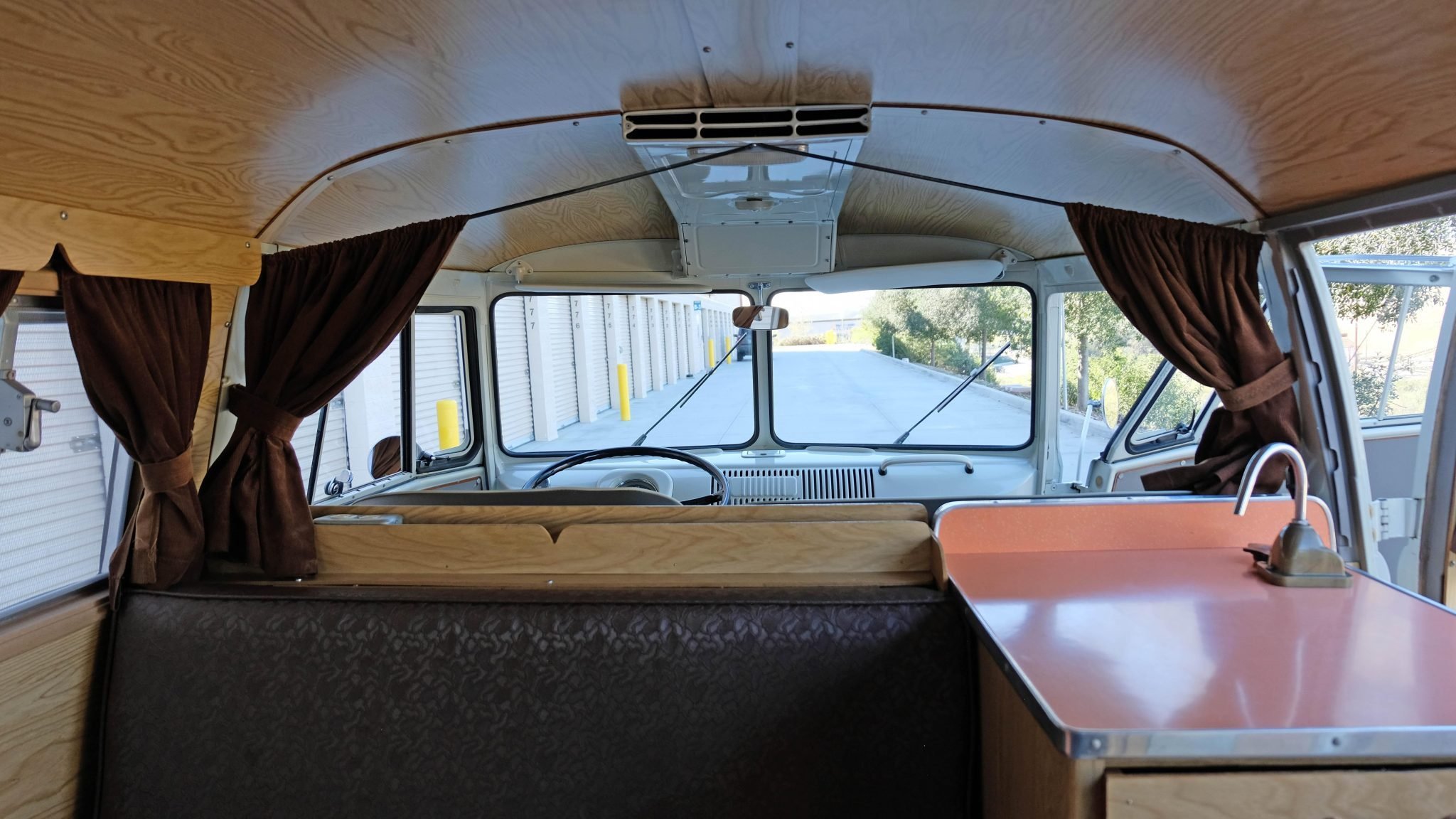
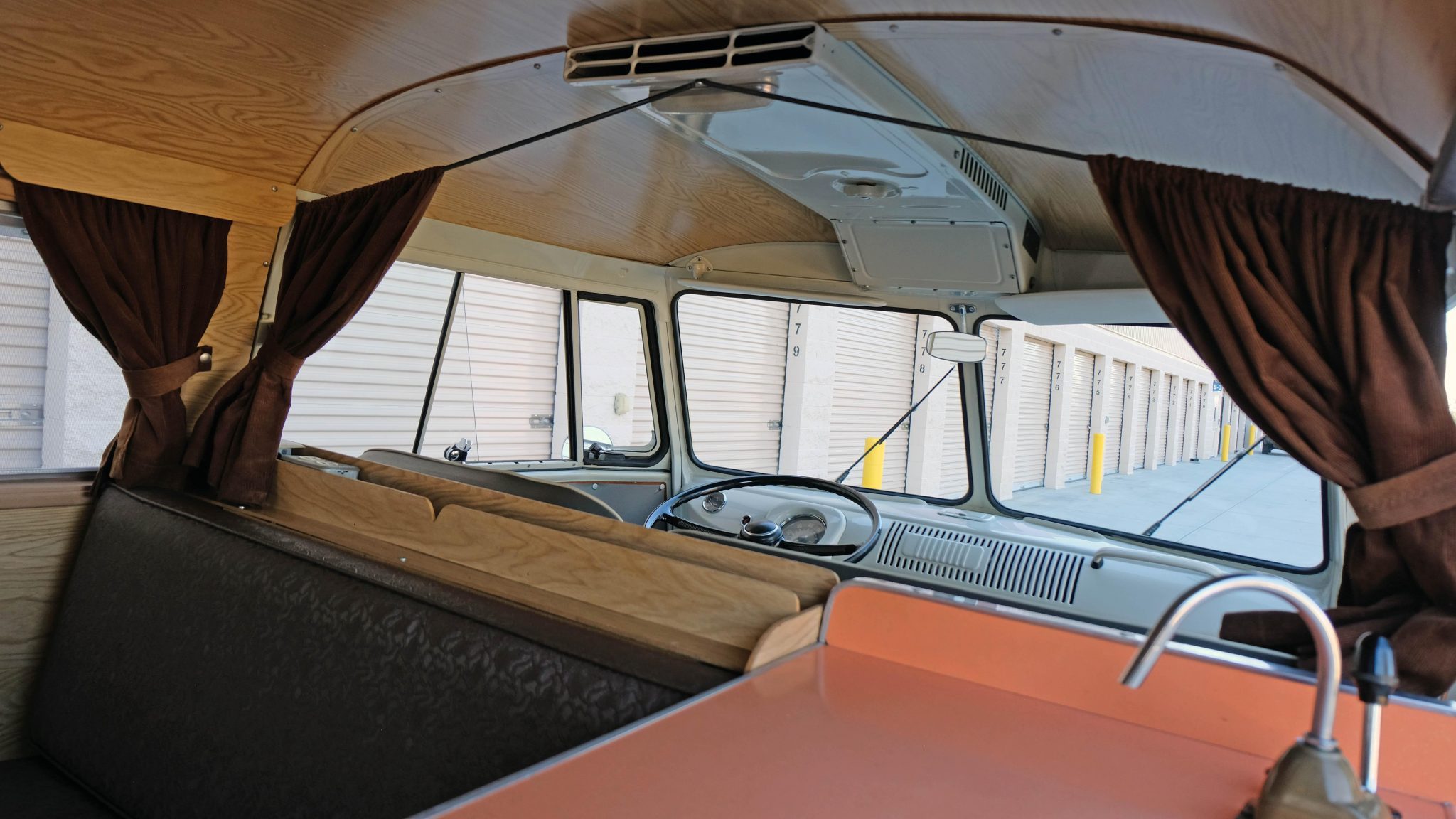
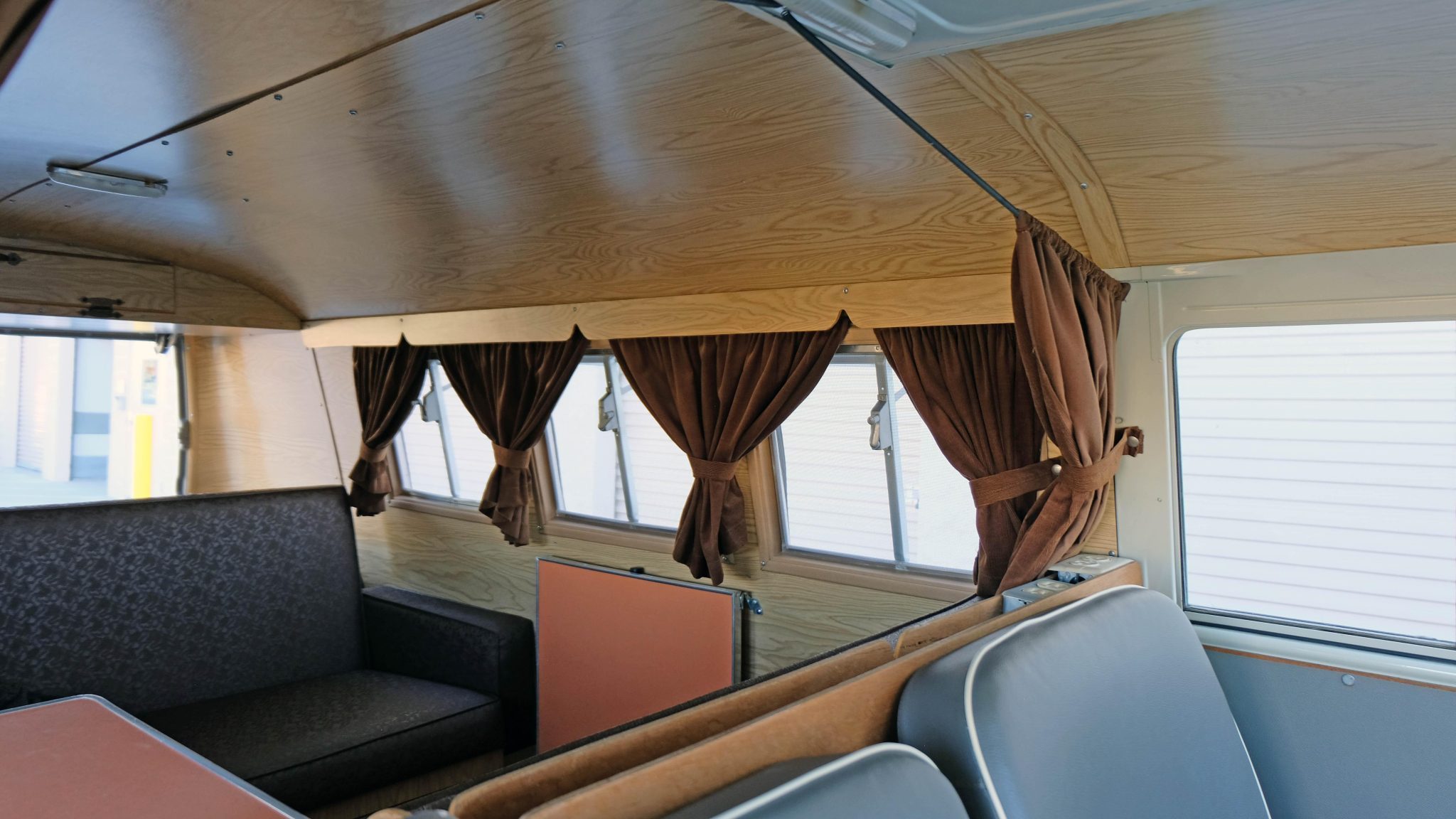
The accommodation in the rear of the van includes a Mobilaire ice chest, a sink, three fold-away tables, storage cabinets, two electrical outlets, folding bench seats trimmed in patterned brown vinyl, a fire extinguisher, a tiled floor with a rug, and wood paneling on the roof, door panels, and sides.

If you’d like to read more about this well-presented Type 2 with its A-List former owner you can click here to visit the listing on Bring A Trailer.

Jerry Seinfeld Volkswagen Type 2 EZ Camper 21 Jerry Seinfeld Volkswagen Type 2 EZ Camper 16 Jerry Seinfeld Volkswagen Type 2 EZ Camper 23 Jerry Seinfeld Volkswagen Type 2 EZ Camper 22 Jerry Seinfeld Volkswagen Type 2 EZ Camper 20 Jerry Seinfeld Volkswagen Type 2 EZ Camper 19 Jerry Seinfeld Volkswagen Type 2 EZ Camper 17 Jerry Seinfeld Volkswagen Type 2 EZ Camper 15 Jerry Seinfeld Volkswagen Type 2 EZ Camper 14 Jerry Seinfeld Volkswagen Type 2 EZ Camper 13 Jerry Seinfeld Volkswagen Type 2 EZ Camper 11 Jerry Seinfeld Volkswagen Type 2 EZ Camper 10 Jerry Seinfeld Volkswagen Type 2 EZ Camper 6 Jerry Seinfeld Volkswagen Type 2 EZ Camper 5 Jerry Seinfeld Volkswagen Type 2 EZ Camper 3 Jerry Seinfeld Volkswagen Type 2 EZ Camper 2

Images courtesy of Bring A Trailer

Jerry Seinfeld Volkswagen Type 2 EZ Camper

The post For Sale: Jerry Seinfeld’s 1964 Volkswagen Type 2 EZ Camper appeared first on Silodrome.


from Silodrome https://silodrome.com/jerry-seinfeld-volkswagen-type-2-ez-camper/
via gqrds

Full Documentary: The History Of Land Rover

This documentary tells the story of the humble Land Rover, from its origins immediately after WWII as a four-wheel drive farm tractor replacement right up until the late 1990s with the release of the latest and greatest Range Rover.

The first Land Rover was built using many pre-existing parts from the Rover Car Company, it was never intended to be a long term production model, but rather a limited production vehicle to fill a need in post-war Britain for a tough Jeep-like vehicle with a power takeoff (PTO) that would be able to fill in as a tractor.

The Land Rover was given a simple steel ladder frame chassis, a four-cylinder engine, and a body made almost entirely out of aluminum – steel was in short supply but there was an oversupply of alloy sheeting that had been used for making bombers and fighters.

Land Rover History Documentary

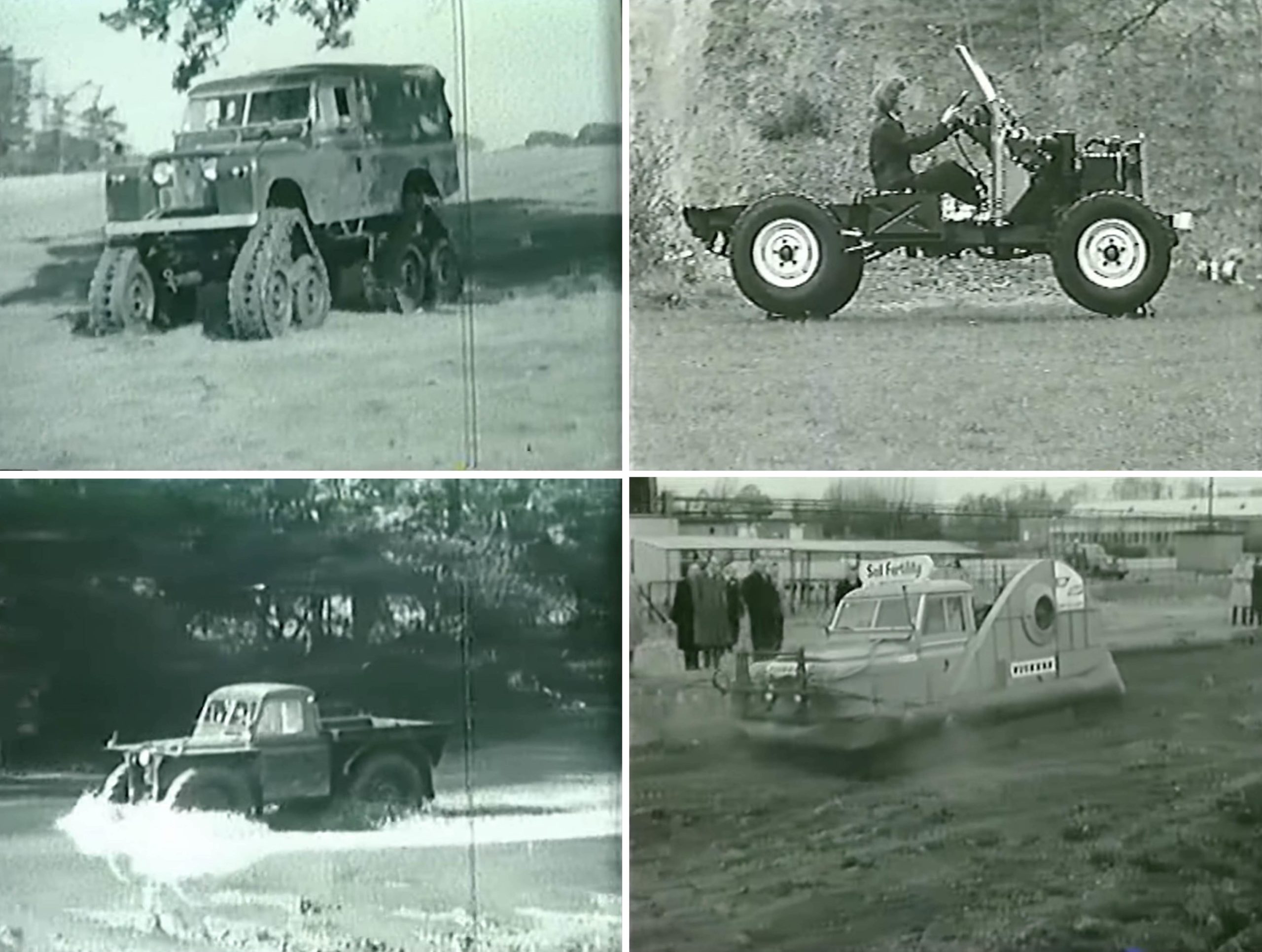
A wide array of unusual Land Rovers were built over the years including tracked examples, a Land Rover hovercraft, and all manner of other off-beat creations.

Much to the surprise of Rover, the Land Rover became a major sales success not just in Britain but around the world. At one point in history it was estimated that for more than half the world’s population, the first car they ever saw was a Land Rover.

Today the Land Rover nameplate builds a slew of four-wheel drives, accompanied by the closely related and more luxurious vehicles from Range Rover.
The above film gives a great introduction into Land Rover history, if you’d like to read more about the fascinating history of the first Land Rovers you can click here.

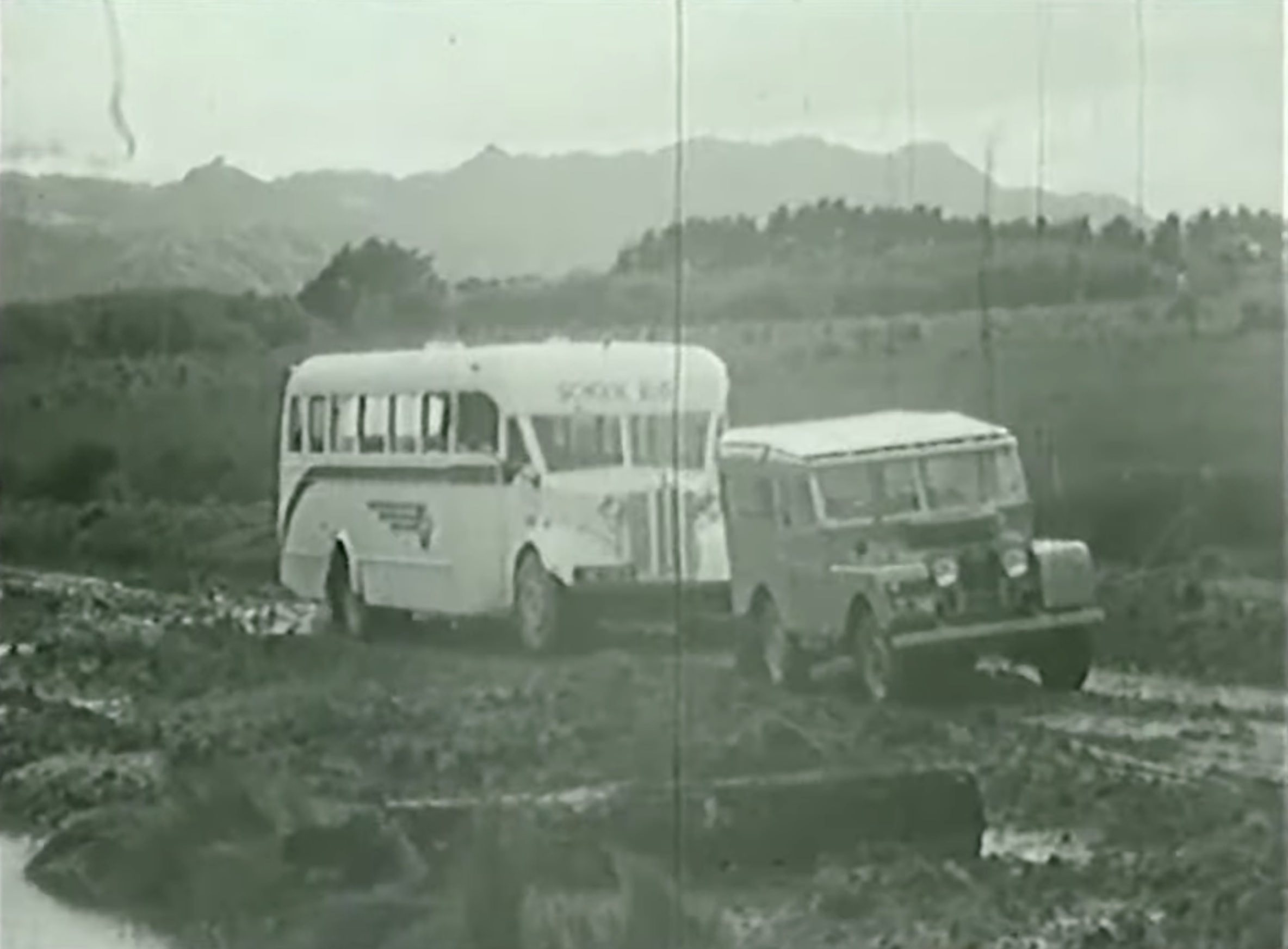
Land Rover Towing Bus

Thanks to the choice between low and high range gearing, even the relatively small Series I Land Rover could pull a bus through mud – albeit slowly.

Land Rover History Documentary

The post Full Documentary: The History Of Land Rover appeared first on Silodrome.


from Silodrome https://silodrome.com/documentary-history-land-rover/
via gqrds