Barn Find: A Rare Lotus Elan +2 130S/5 “John Player Special”

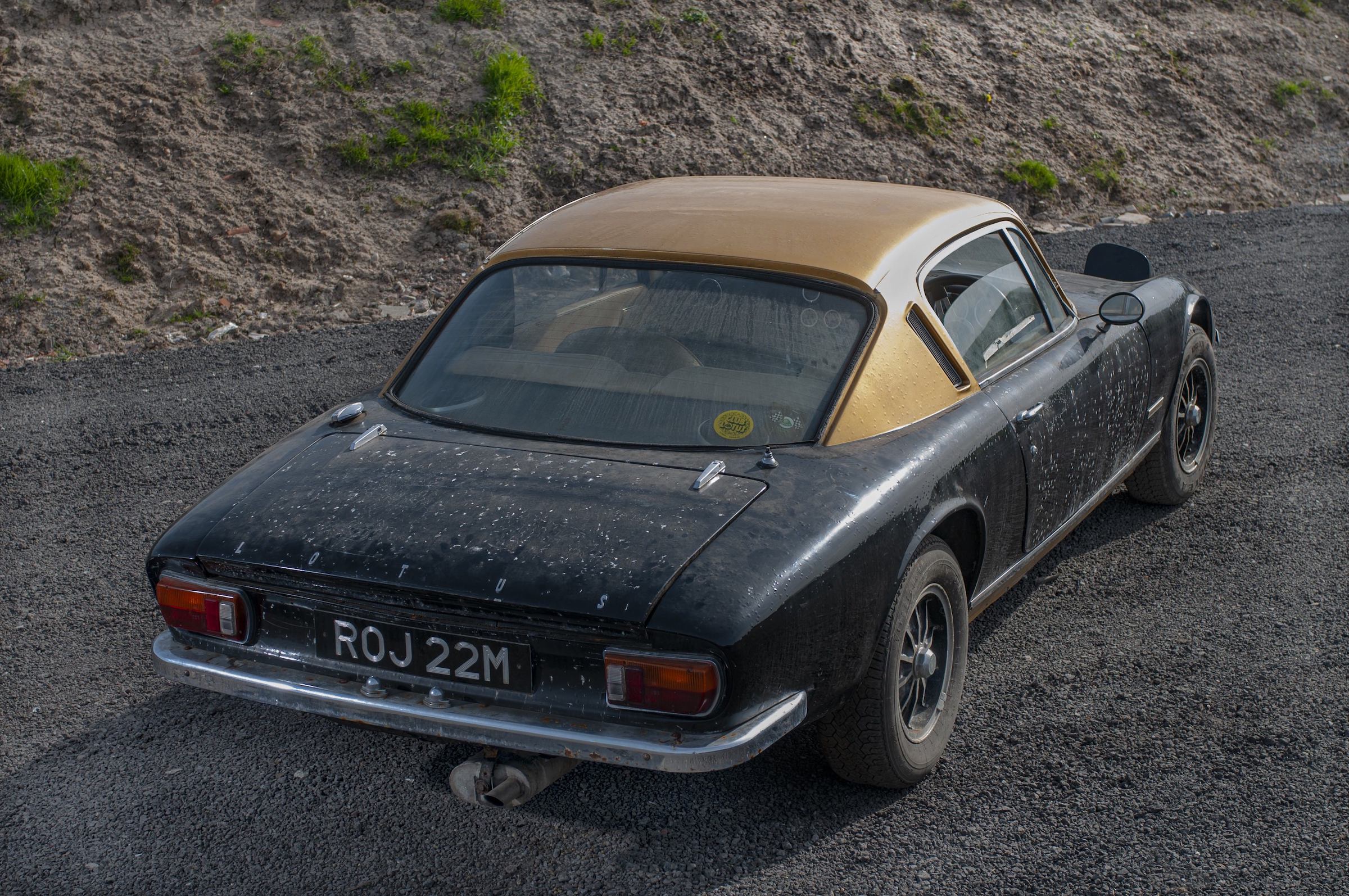
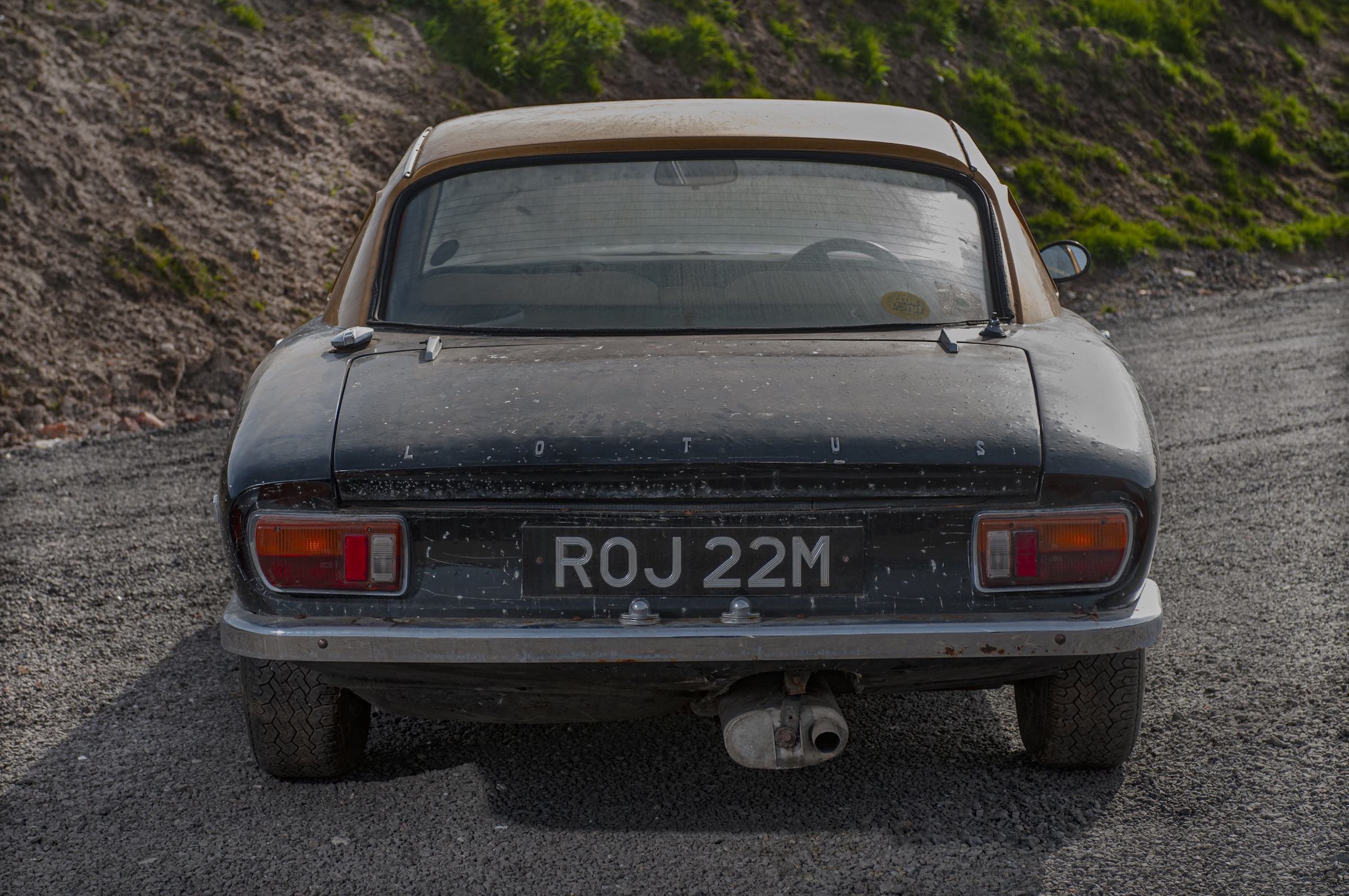
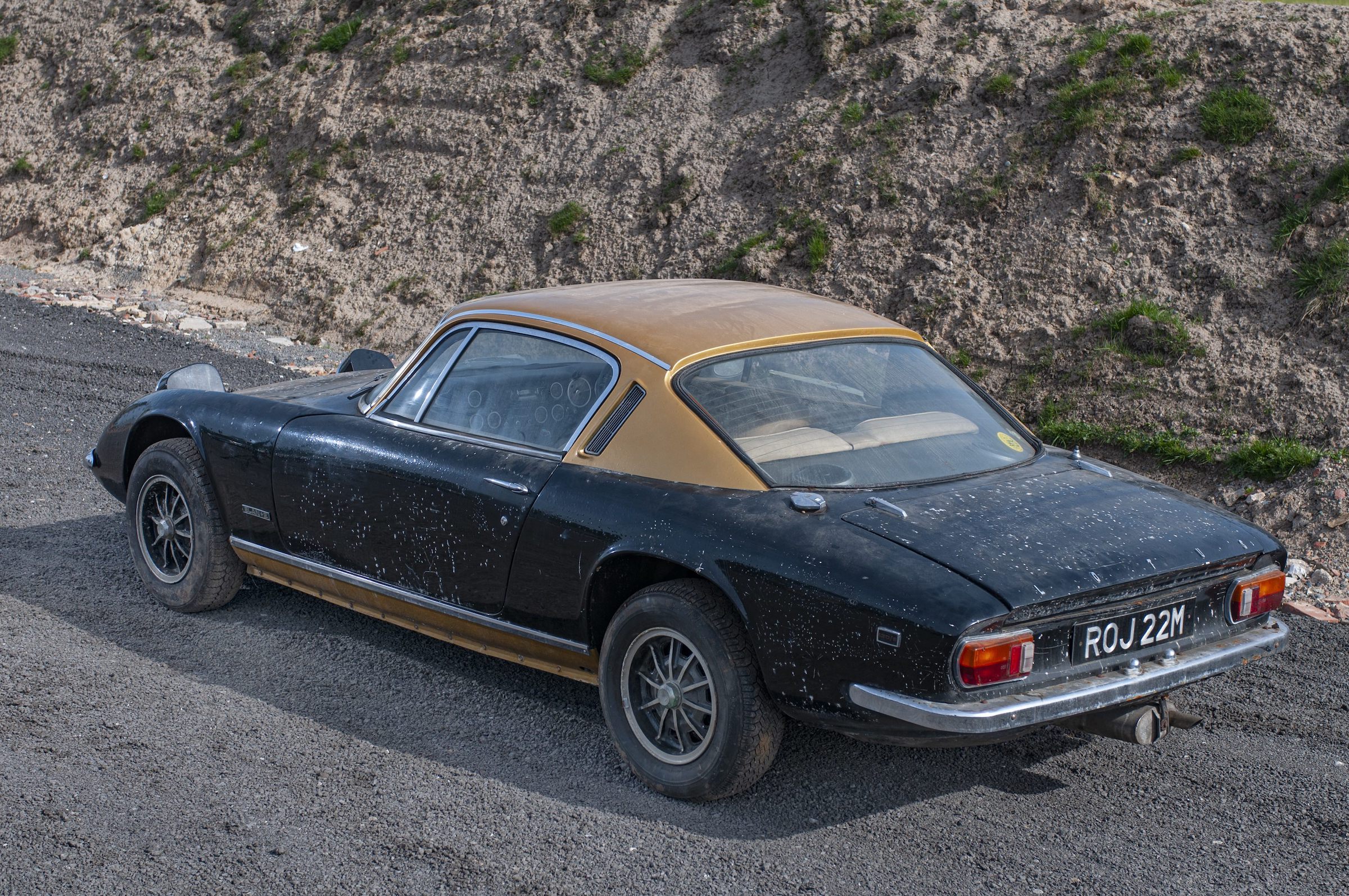
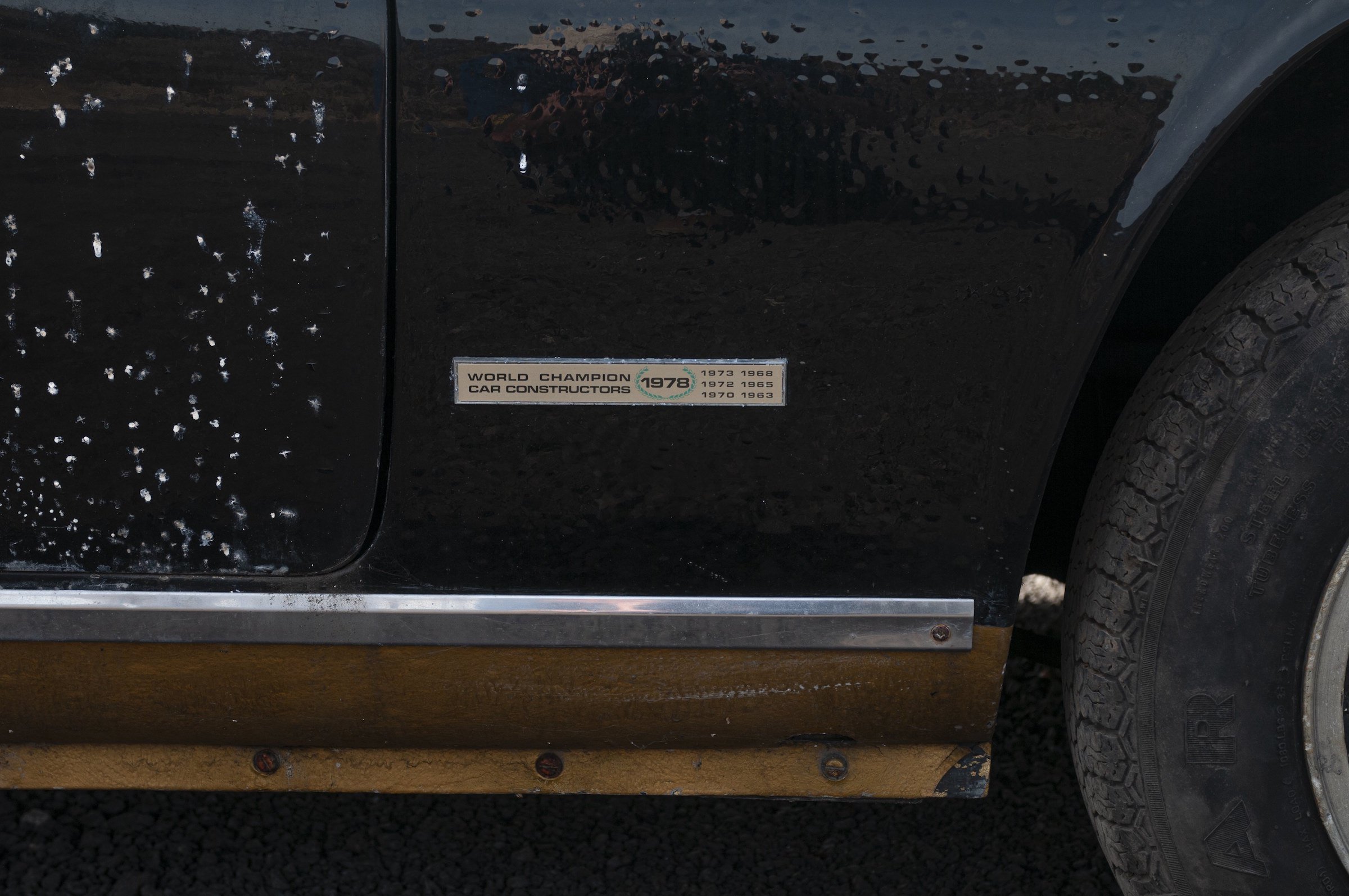
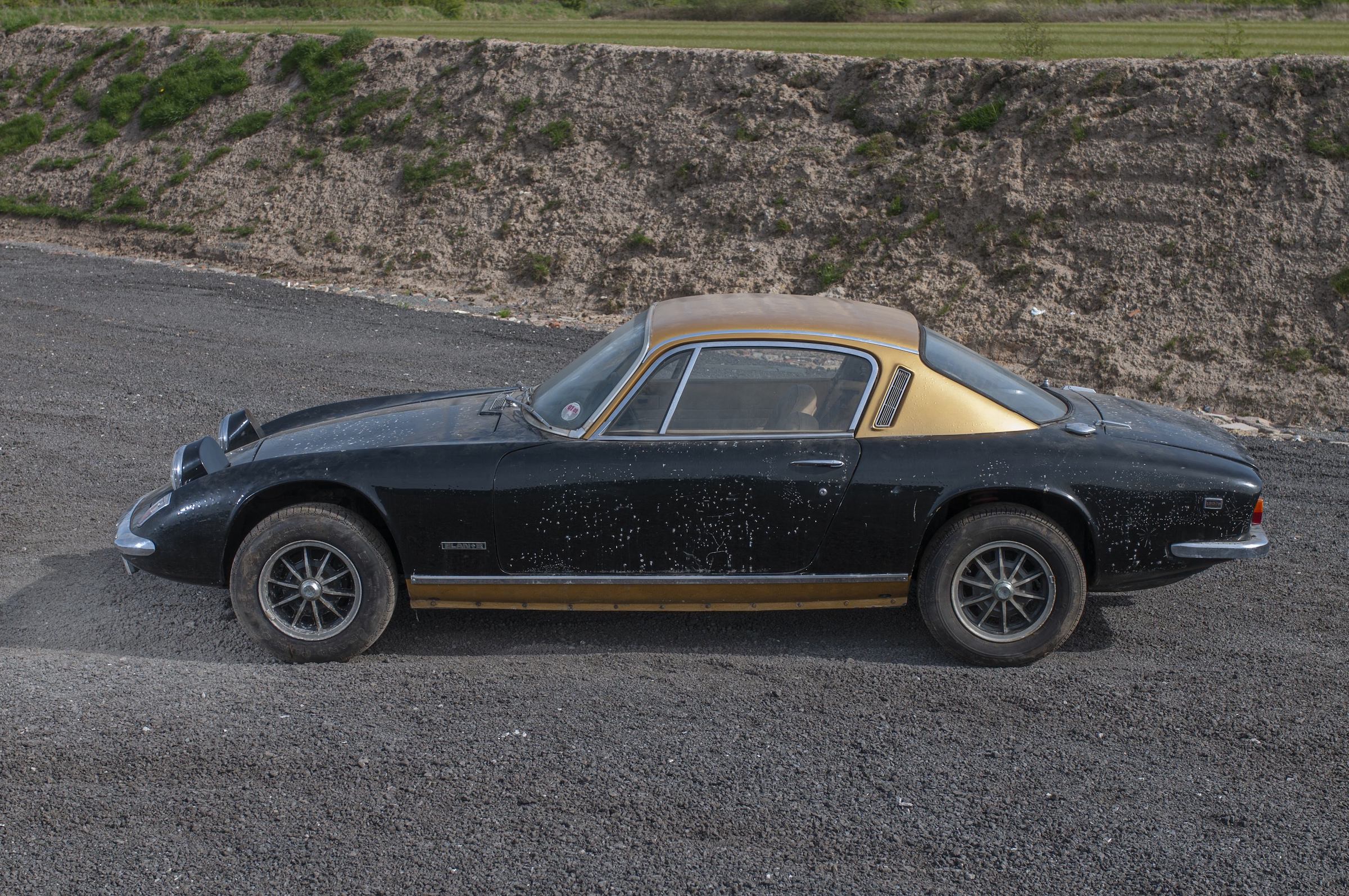
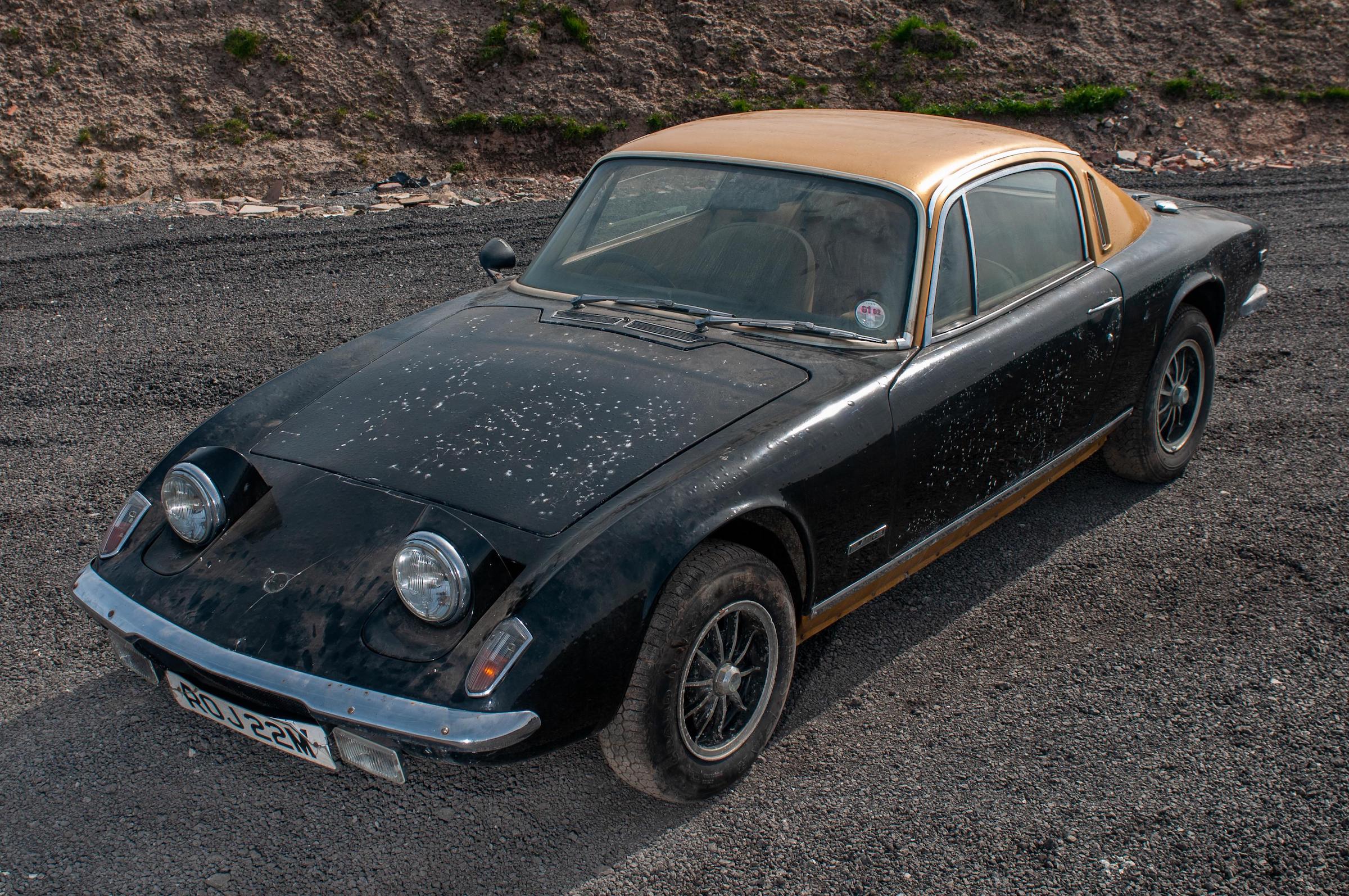
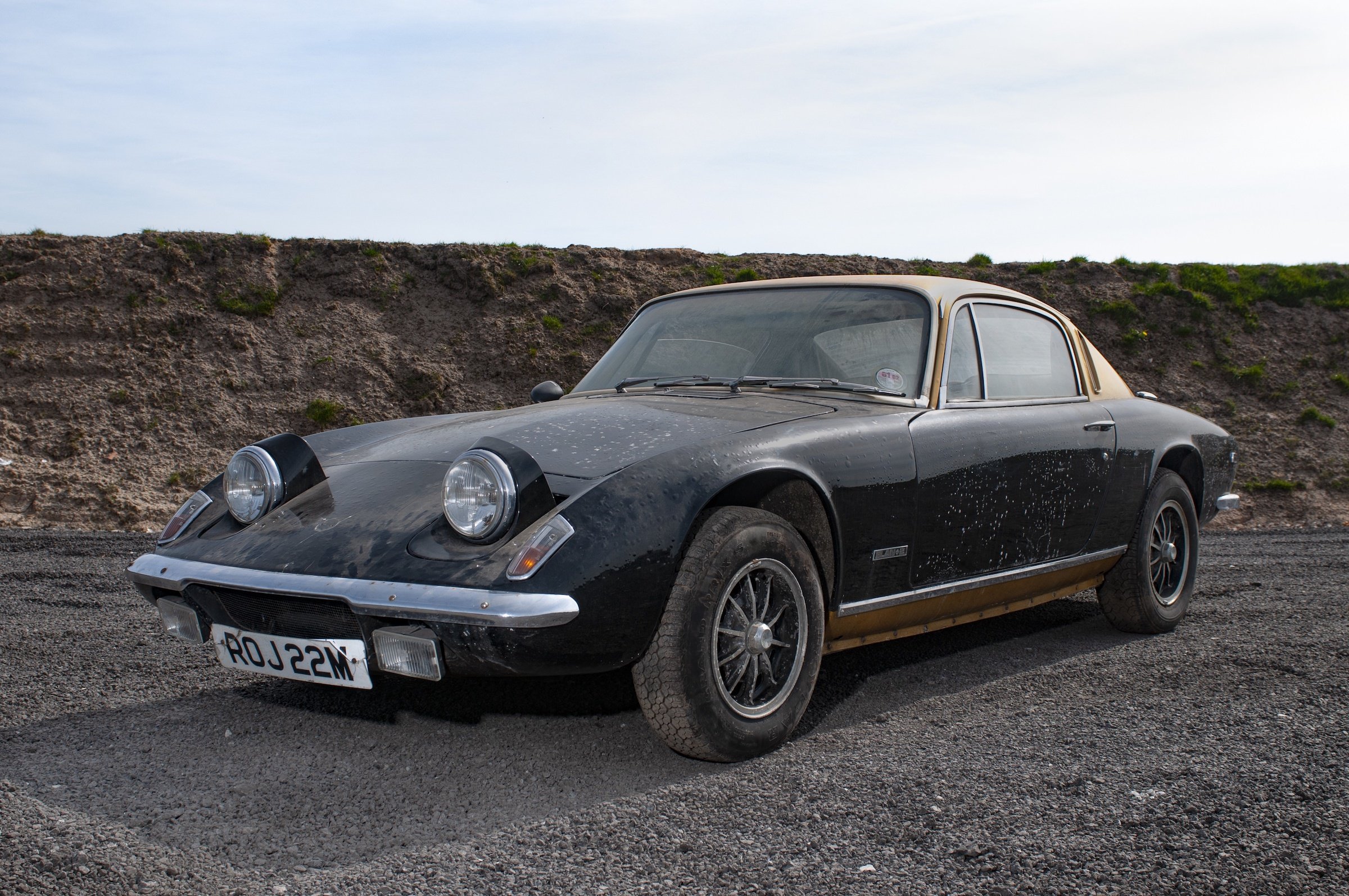
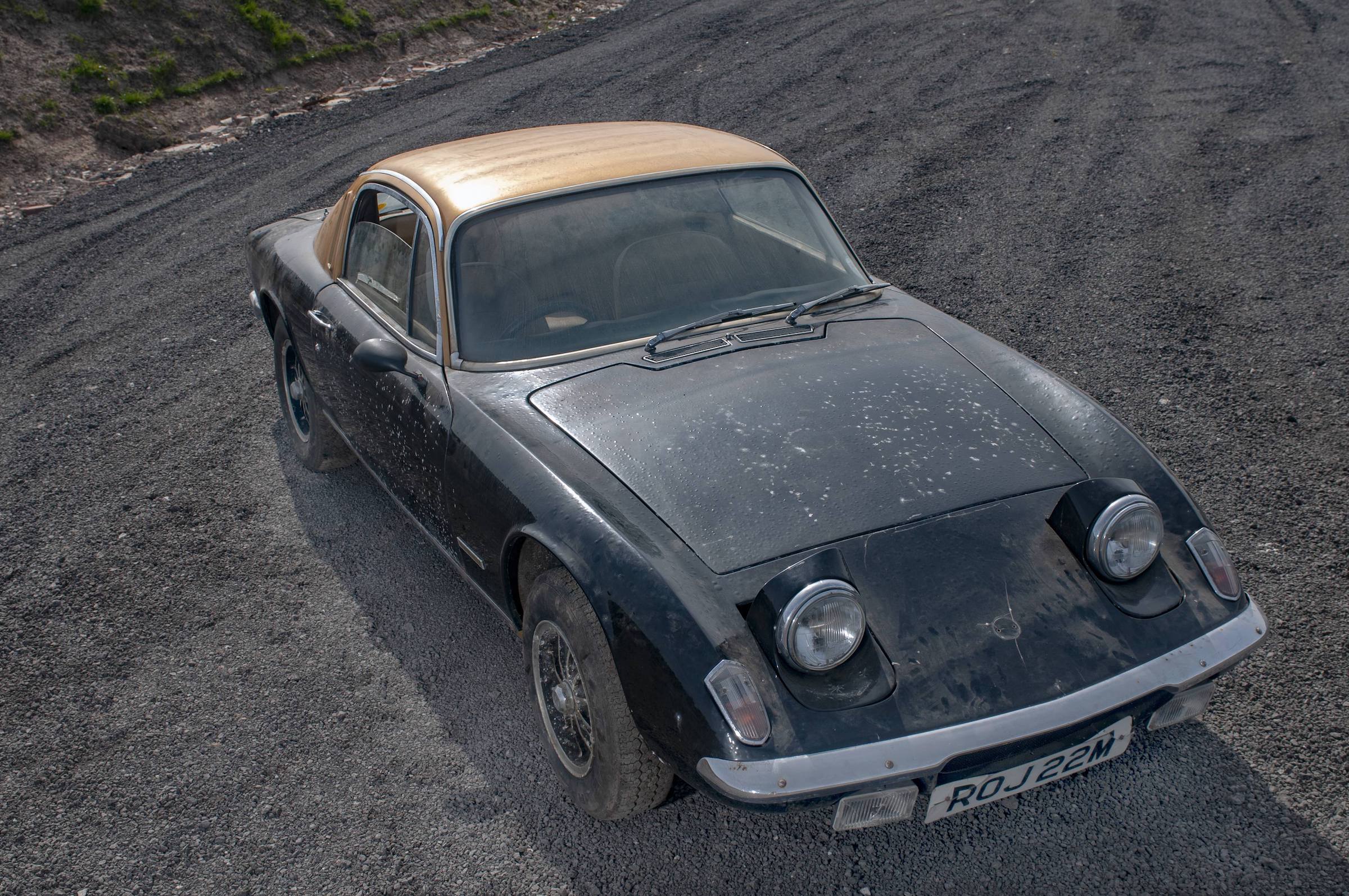
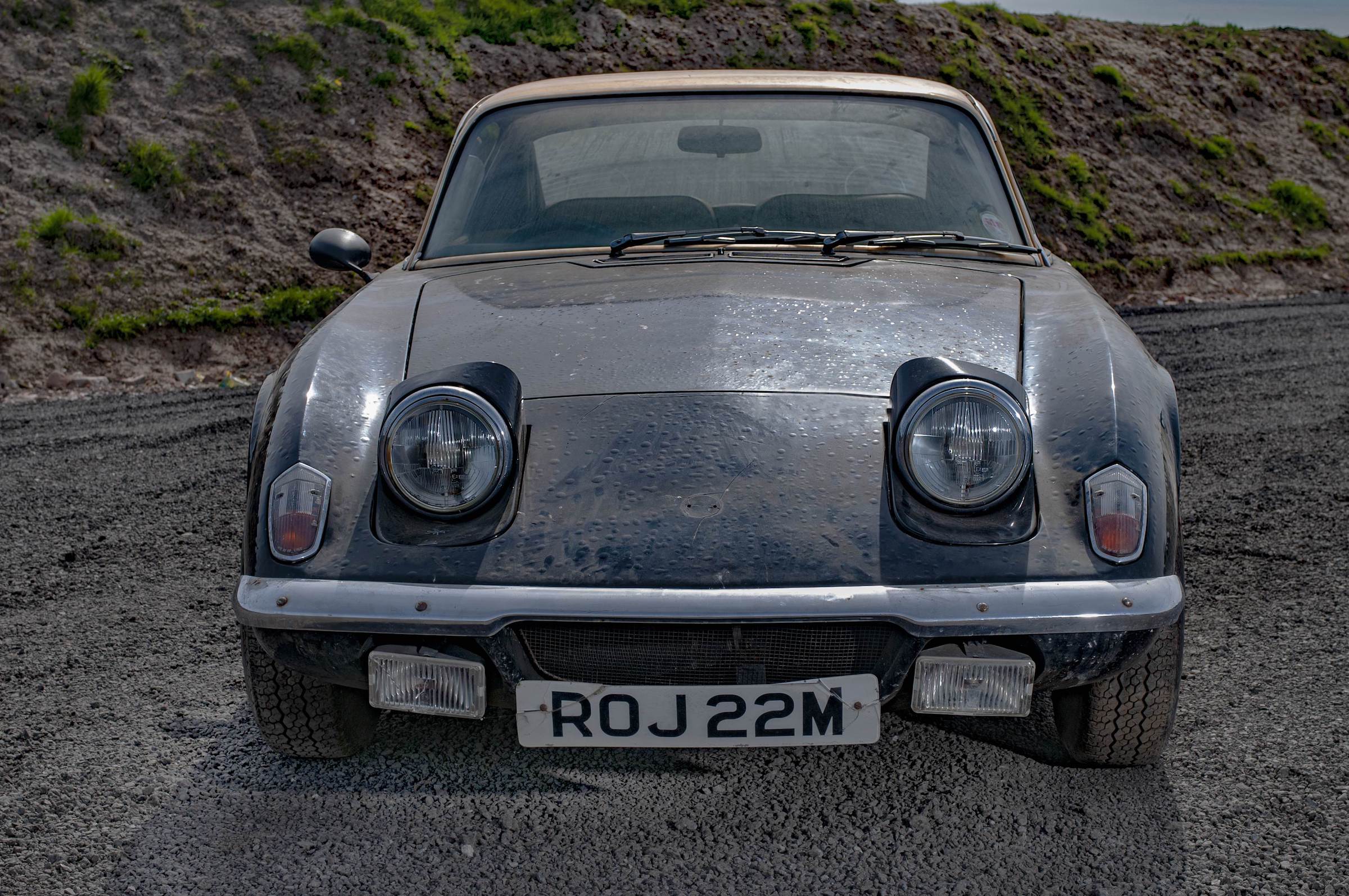
This is one of just 115 examples of the “John Player Special” version of the Lotus Elan +2 130S/5 that were finished in the same black and gold “JPS” livery as the Lotus Formula 1 cars of the period, which were being driven by the likes of Emerson Fittipaldi and Mario Andretti.

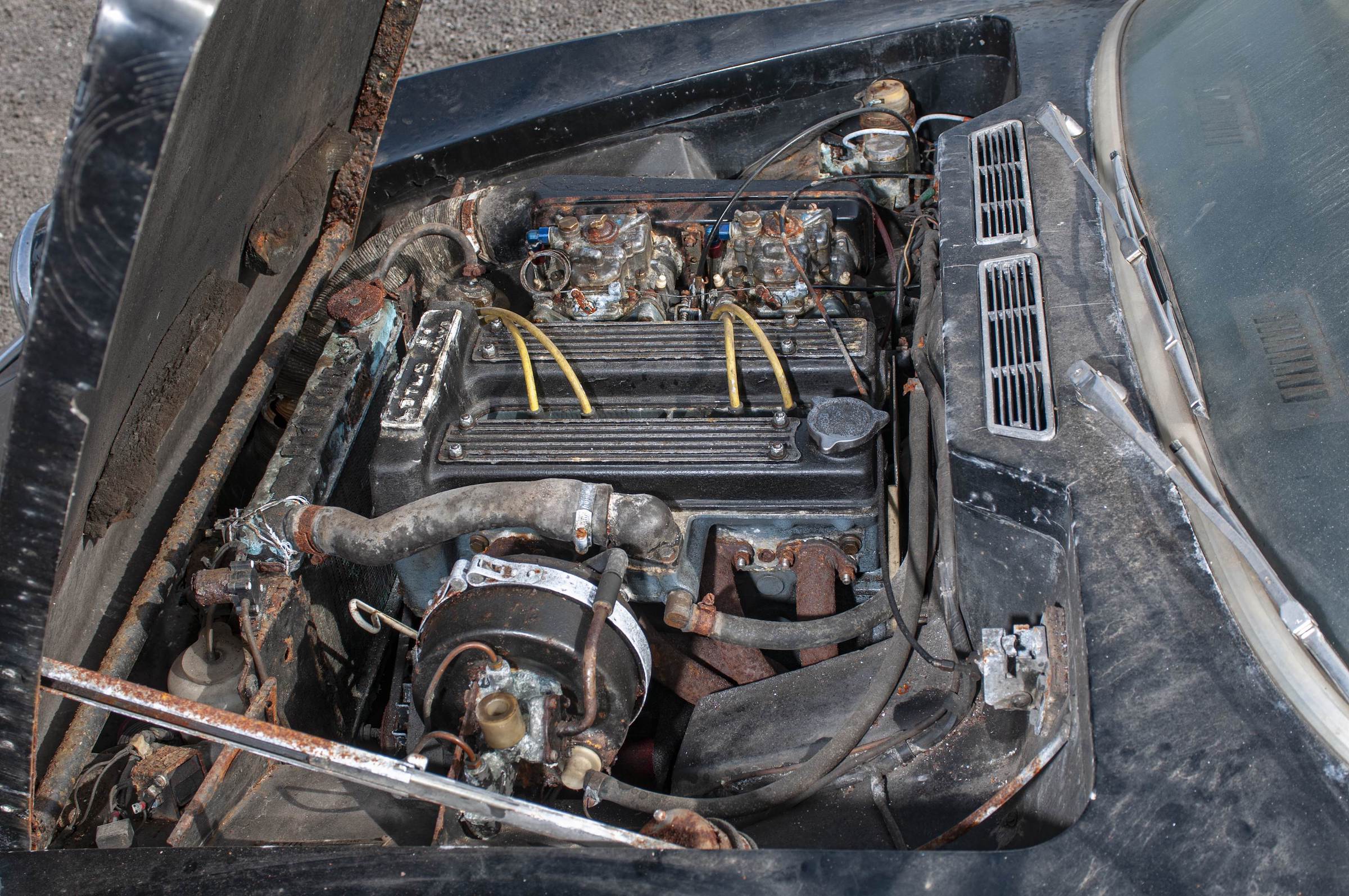
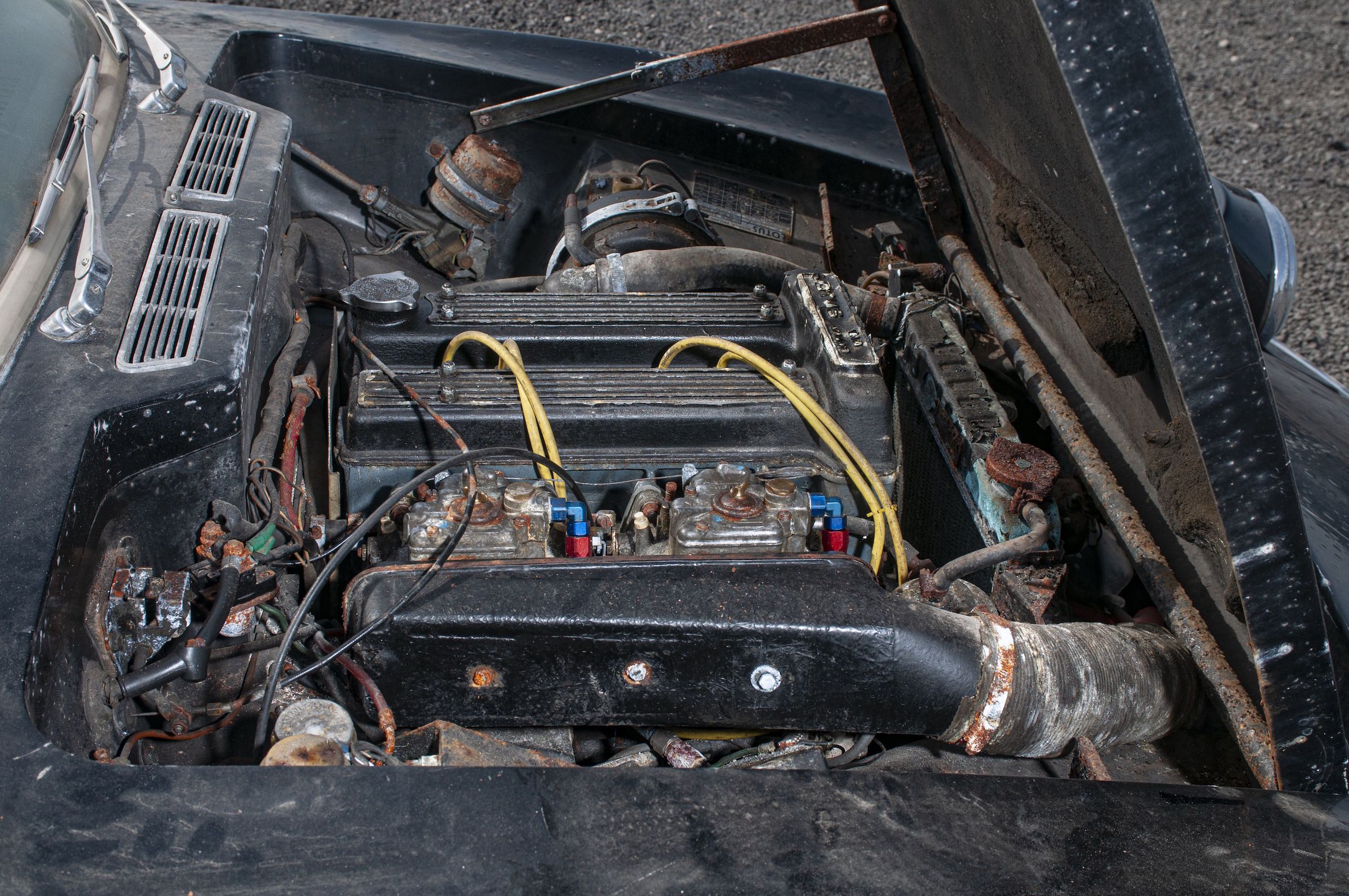
Of all the versions of the Elan +2, the 130S/5 is generally considered to be the best thanks to the fact it’s fitted wth a highway-friendly 5-speed gearbox and the “Big Valve” version of the Lotus Twin Cam engine producing 126 bhp. This means it’s the fastest of the Elan +2s wth a top speed of over 120 mph (193 km/h) and a 0 to 60 mph time of approximately 7.7 seconds.

The Lotus Elan +2

The Lotus Elan +2 was designed with an almost impossible task laid out before it. Colin Chapman wanted to create a larger version of the legendary Elan sports car that would be capable of accommodating two adults, two children, and some luggage in the trunk.

Of course with the original two-seater Elan this would have been impossible, so a new car was designed that was 12 inches longer and seven inches wider. Now the original Elan had become a legend in its own lifetime for its exceptional handling and its remarkable steering feel – so much so that decades later Gordon Murray would be quoted as saying that his only regret with the McLaren F1 supercar was that it didn’t quite have the perfect steering of the Lotus Elan.

When it came time to design the Lotus Elan +2 Colin Chapman and his team of engineers used the same fundamental architecture as the regular Elan – a steel backbone chassis with a fiberglass body, a front mounted twin cam engine, independent suspension on all four corners, and disc brakes front and back.
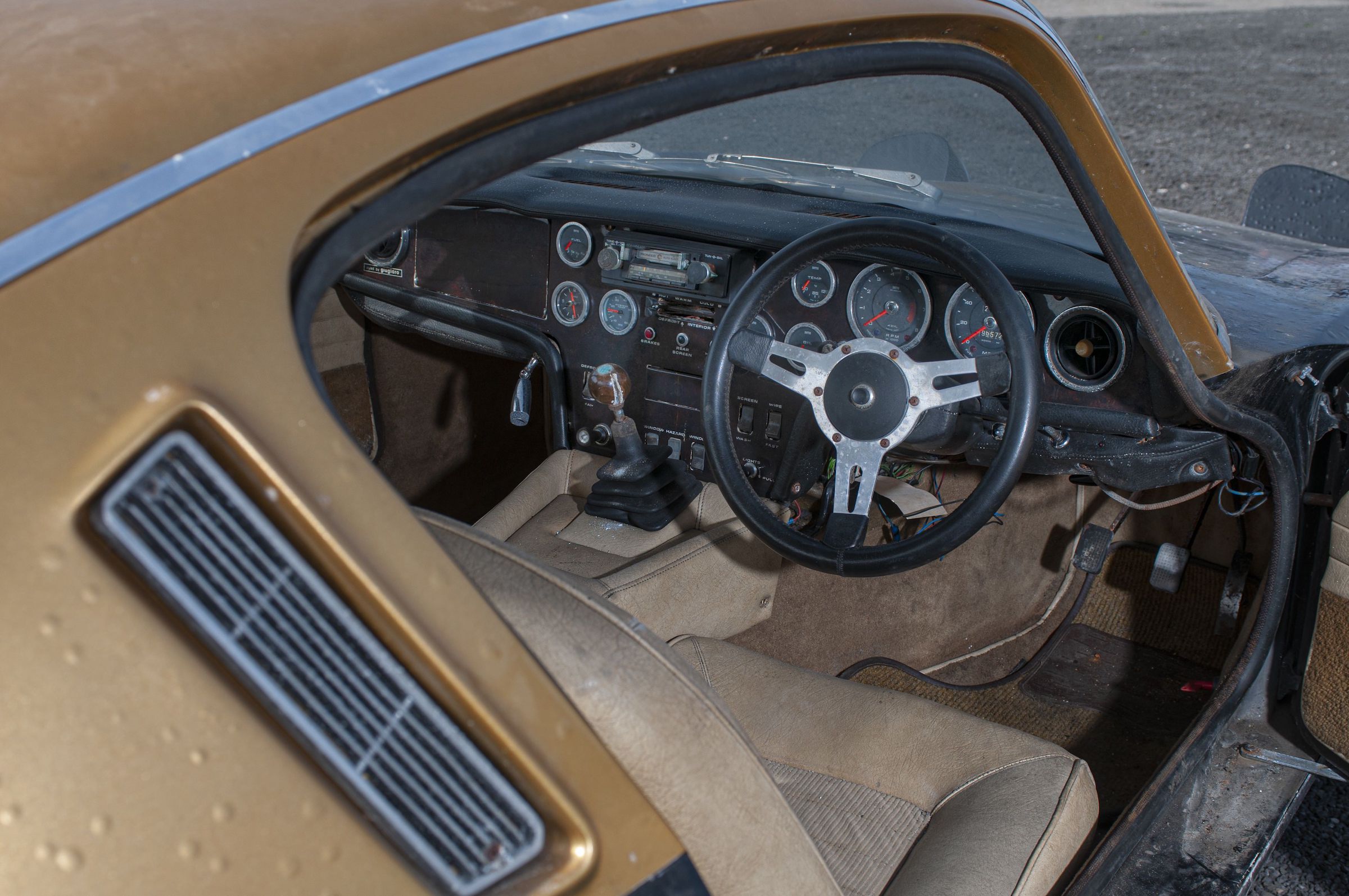
Lotus Elan +2 12

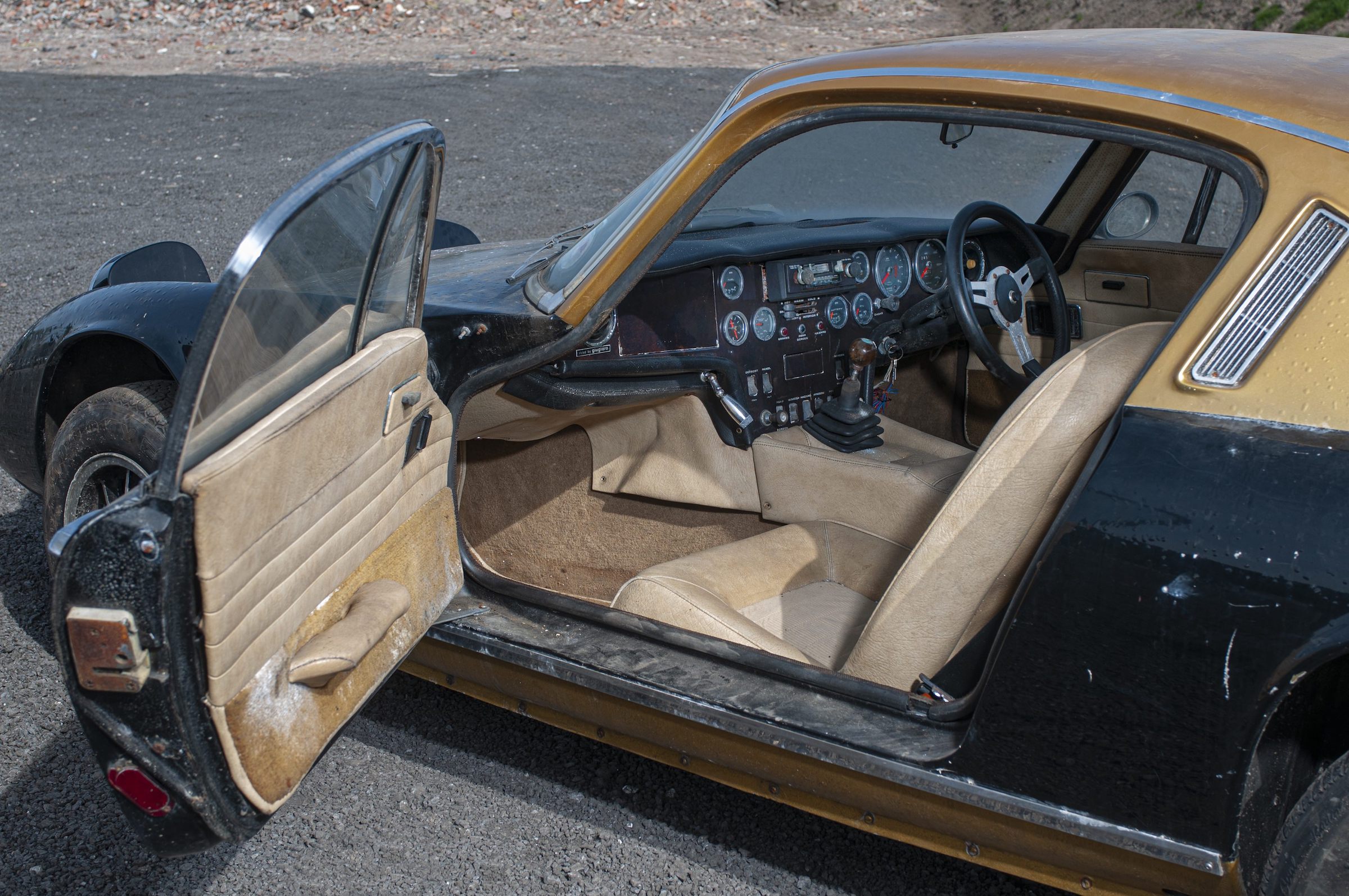
Above Image: The interior of the +2 has seating for two adults up front with two small seats for children in the rear.

The design of the body was updated significantly to better suit the new car’s proportions, and unlike the two-seater Elan, the +2 would only be offered as a coupe. There are some who think the +2 is the  better looking of the two early Elans, though no one can deny that both cars are beautifully styled.

Power for the new +2 would be provided by the same 1,558cc Lotus Twin Cam engine as the first Elan. This engine was based on the Ford Kent (pre-Crossflow) 4-cylinder 1,498cc engine. It included a number of modifications, the most significant of which was the Harry Mundy-designed alloy double overhead cam head. Ford would be so impressed with this engine they would later buy the rights to it and rename it the “Lotus-Ford Twin Cam.”

The reviews received by the +2 when it was released were glowing, some even preferred it to the smaller, narrower Elan two-seater. Although the regular Elan is preferred by many collectors there is a strong community of +2 aficionados in the UK, US, and as far afield as Australia and New Zealand.

Interestingly, no one actually knows how many Lotus Elan +2s were built. There are a few numbers out there that rely on different sources however Lotus record keeping being what it was, it’s likely that we’ll never have a solid number – the best guesses are between 3,300 and 5,200.

The Rare John Player Special Elan +2 130S/5 Shown Here

The car you see here is arguably the most desirable of any of the +2 cars built thanks to its combination of a 5-speed gearbox, more powerful “Big Valve” Lotus Twin Cam engine, and its beautiful John Player Special livery taken from the Lotus F1 cars.

This vehicle was rediscovered recently after having been tucked away and dry stored since 2002 – almost 20 years ago. Although it remains complete the car is clearly going to need a frame-off restoration to bring it back to its former glory. The good news is that it still has its matching numbers engine, and there are a number of Lotus specialists in Britain who are more than capable of doing the work.

If you’d like to read more or register to bid you can click here to visit the listing on H&H Classics, it’s due to roll across the auction block on the 26th of May and it’s being offered with no reserve.
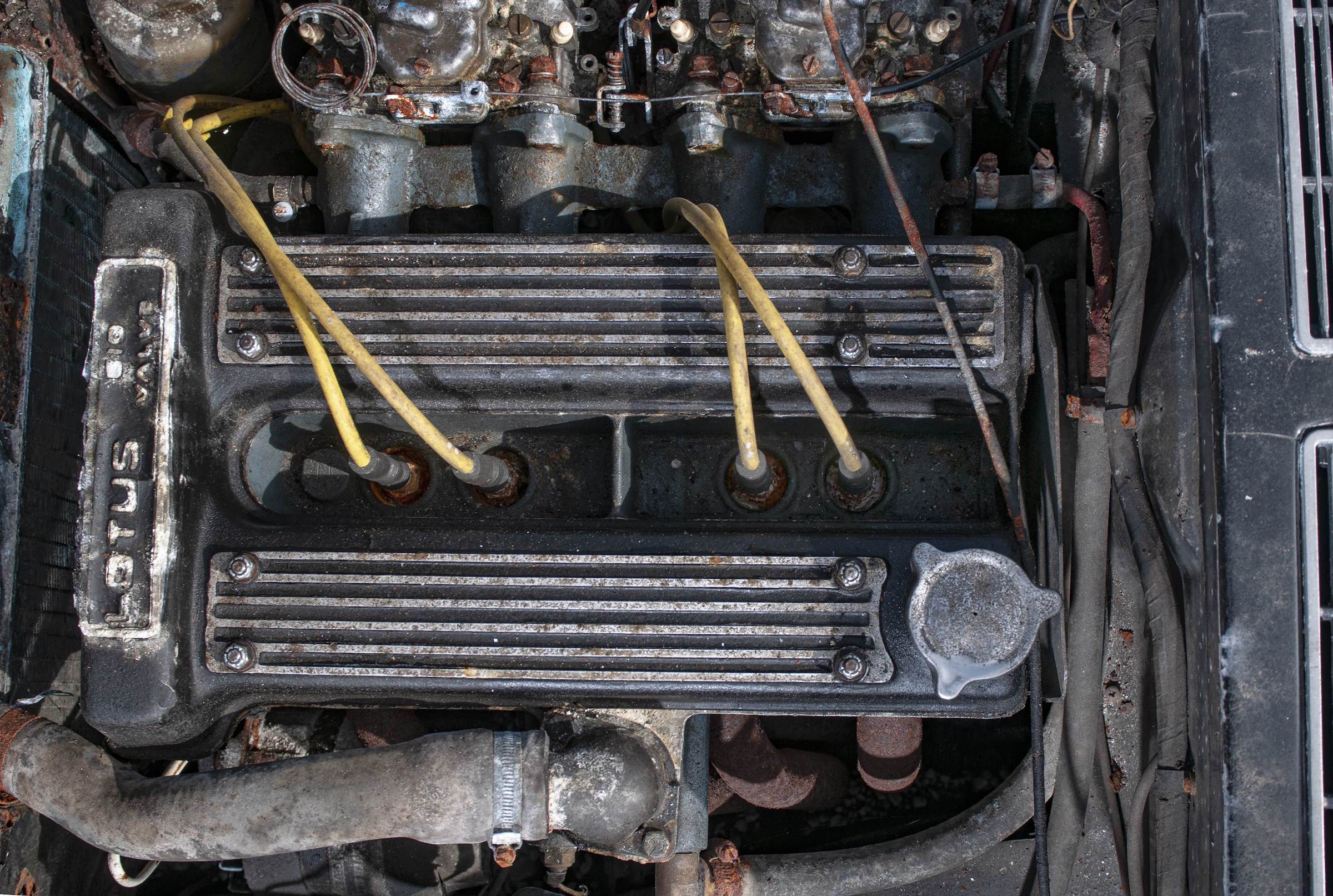
Lotus Twin Cam Engine

Lotus Elan +2 1

Lotus Elan +2 20

Lotus Elan +2 19

Lotus Elan +2 17

Lotus Elan +2 16

Lotus Elan +2 14

Lotus Elan +2 13

Lotus Elan +2 12

Lotus Elan +2 11

Lotus Elan +2 10

Lotus Elan +2 9

Lotus Elan +2 7

Lotus Elan +2 6

Lotus Elan +2 5

Lotus Elan +2 3

Lotus Elan +2 2

Lotus Elan +2

Images courtesy of H&H Classics

The post Barn Find: A Rare Lotus Elan +2 130S/5 “John Player Special” appeared first on Silodrome.


from Silodrome https://silodrome.com/lotus-elan-2-john-player-special/
via gqrds

For Sale: The First Lancia Rally 037 Group B Prototype

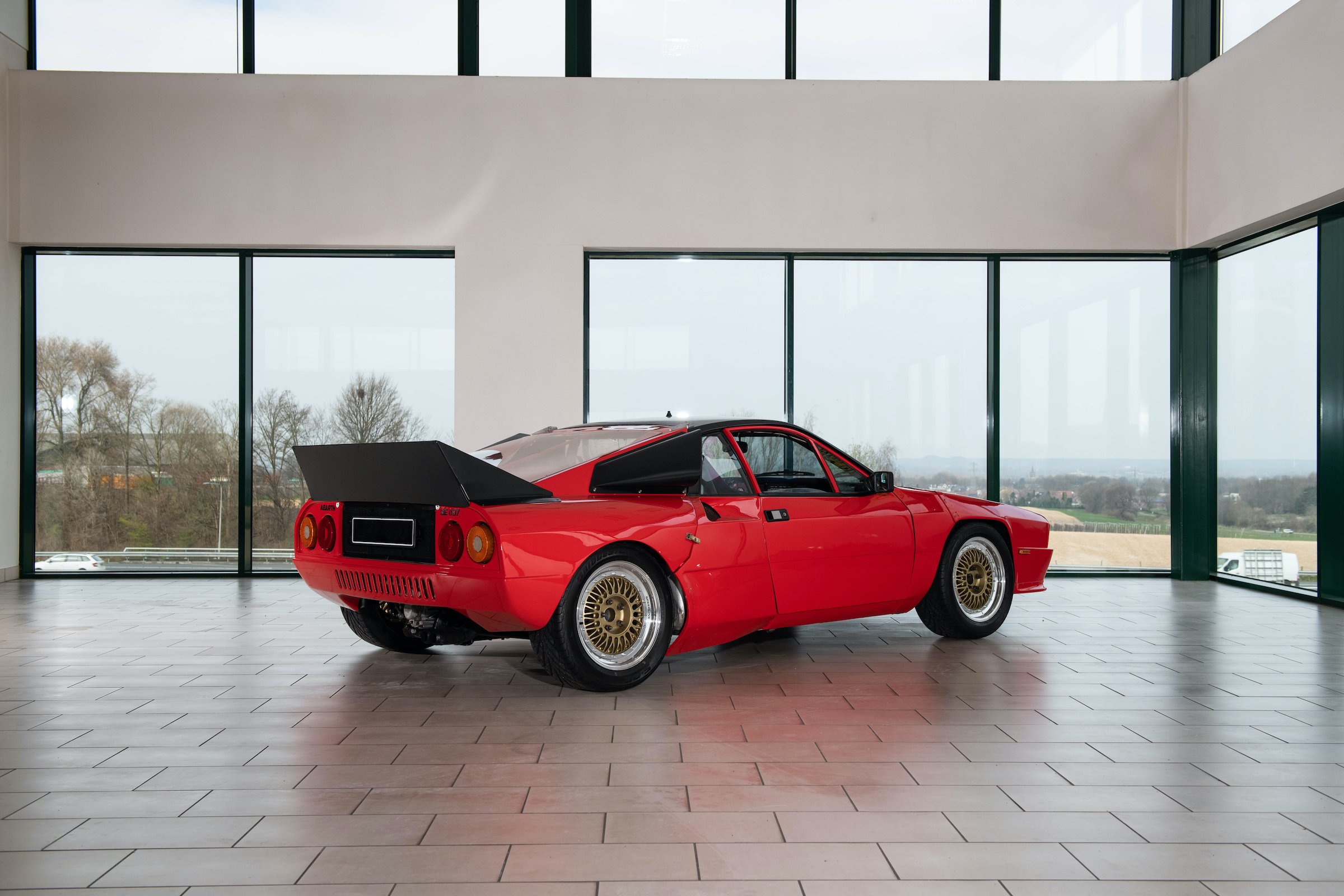
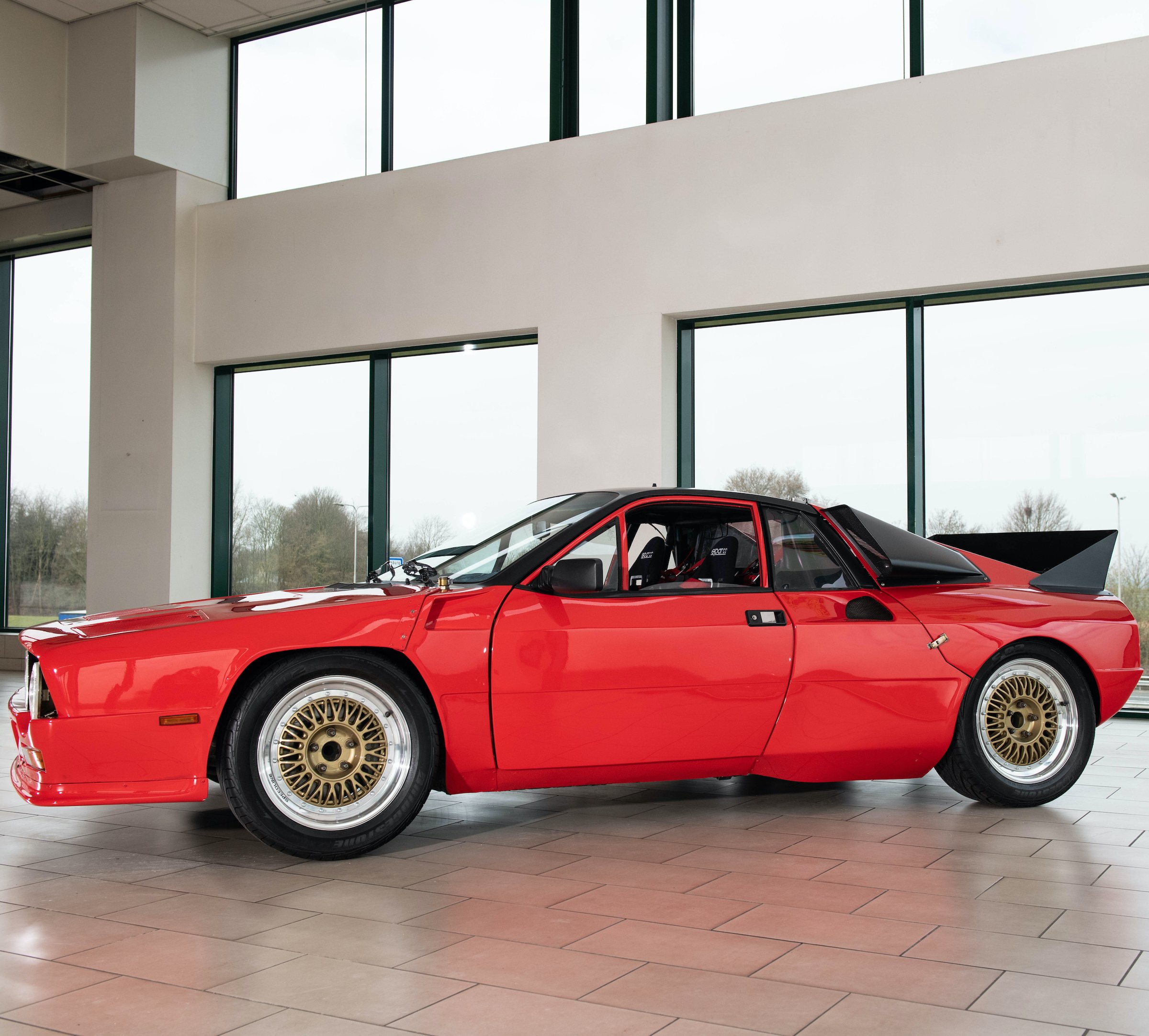
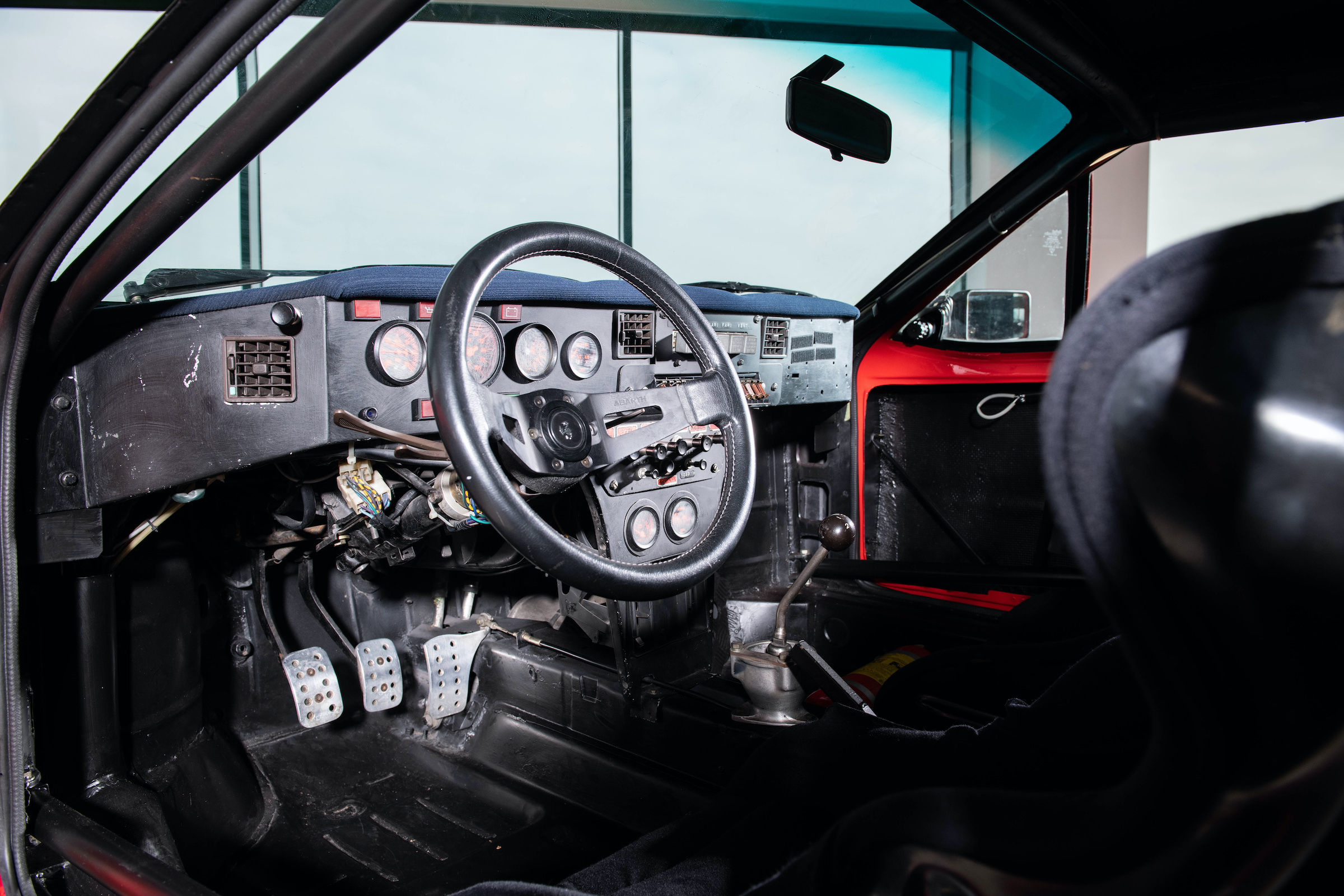
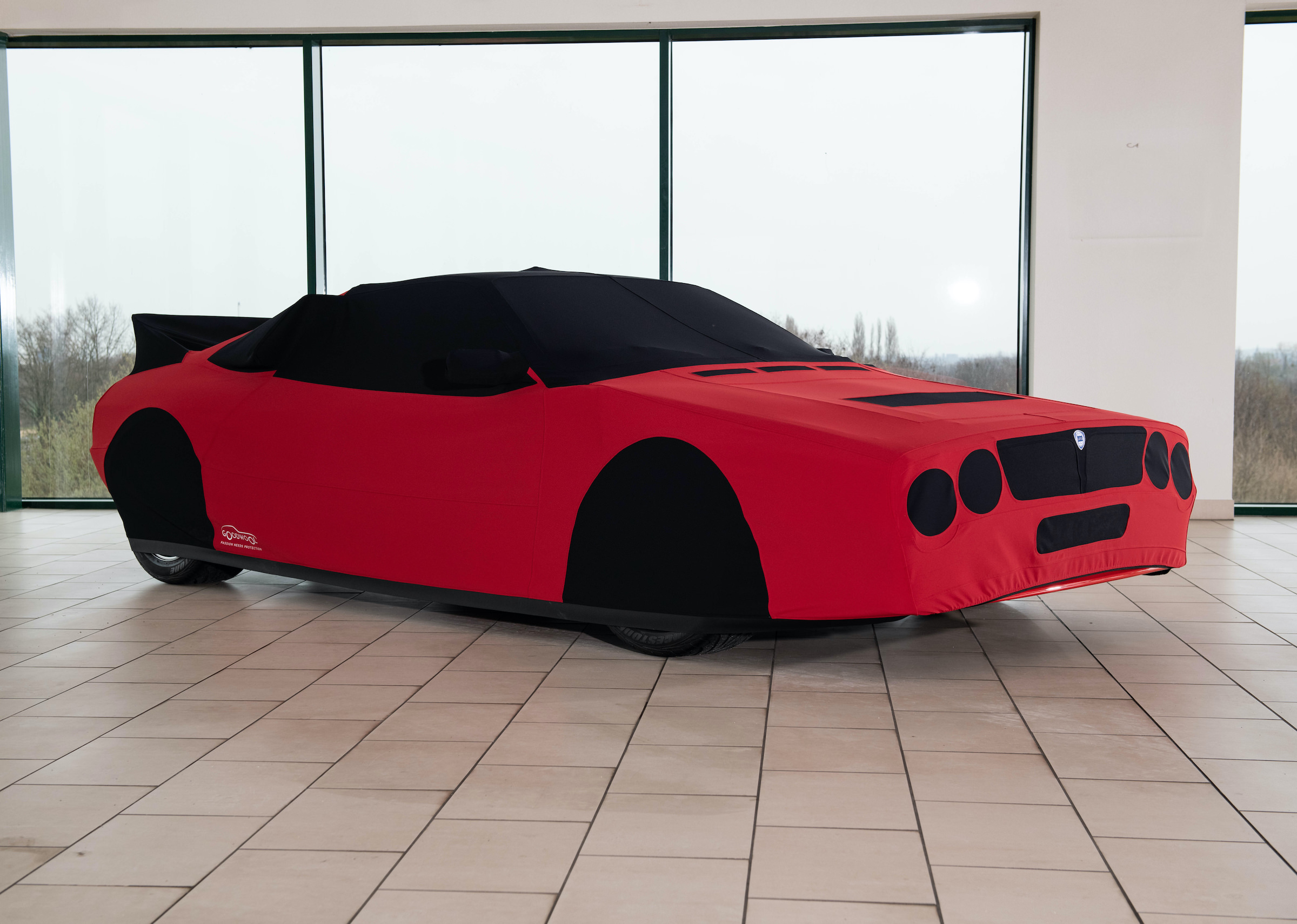
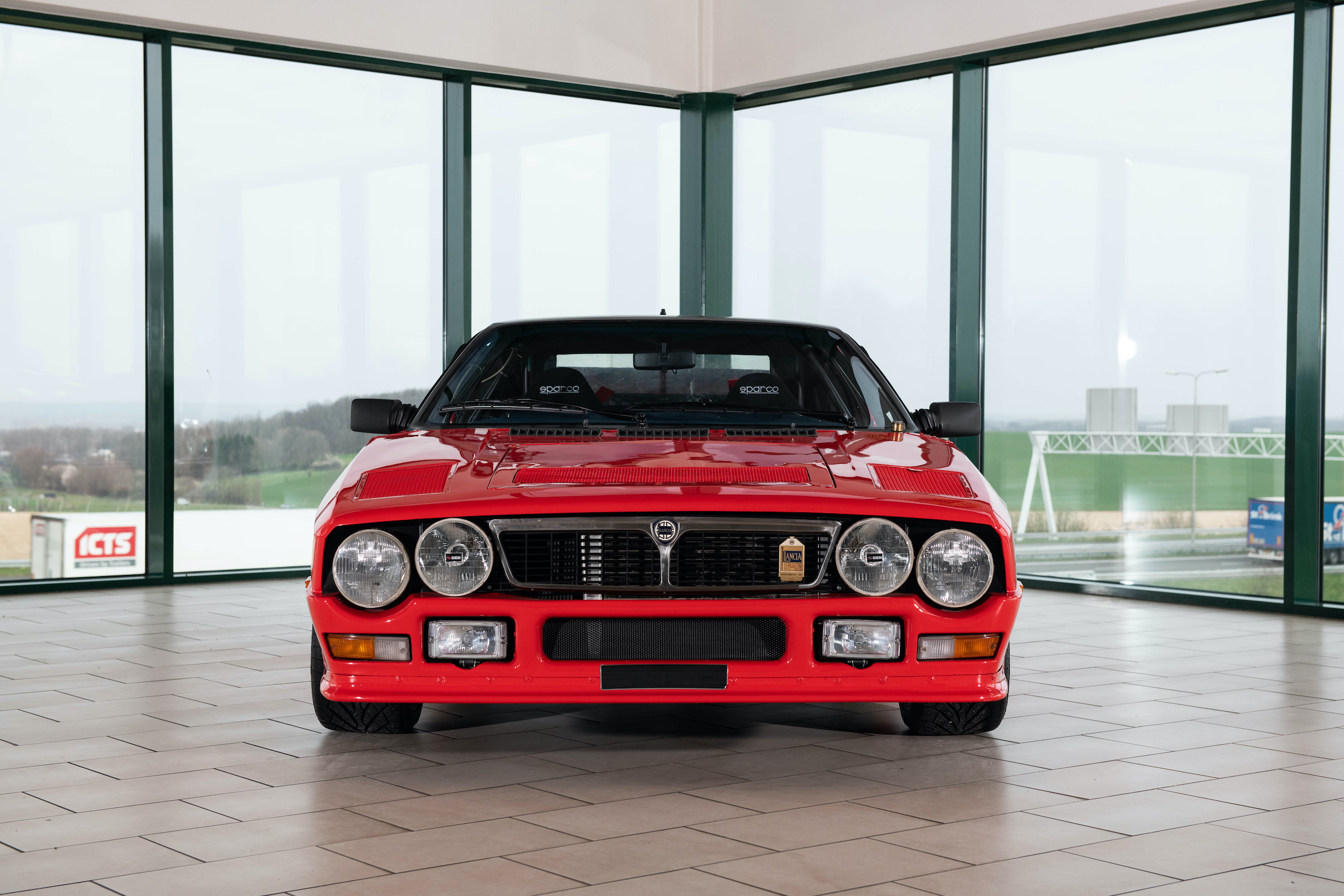
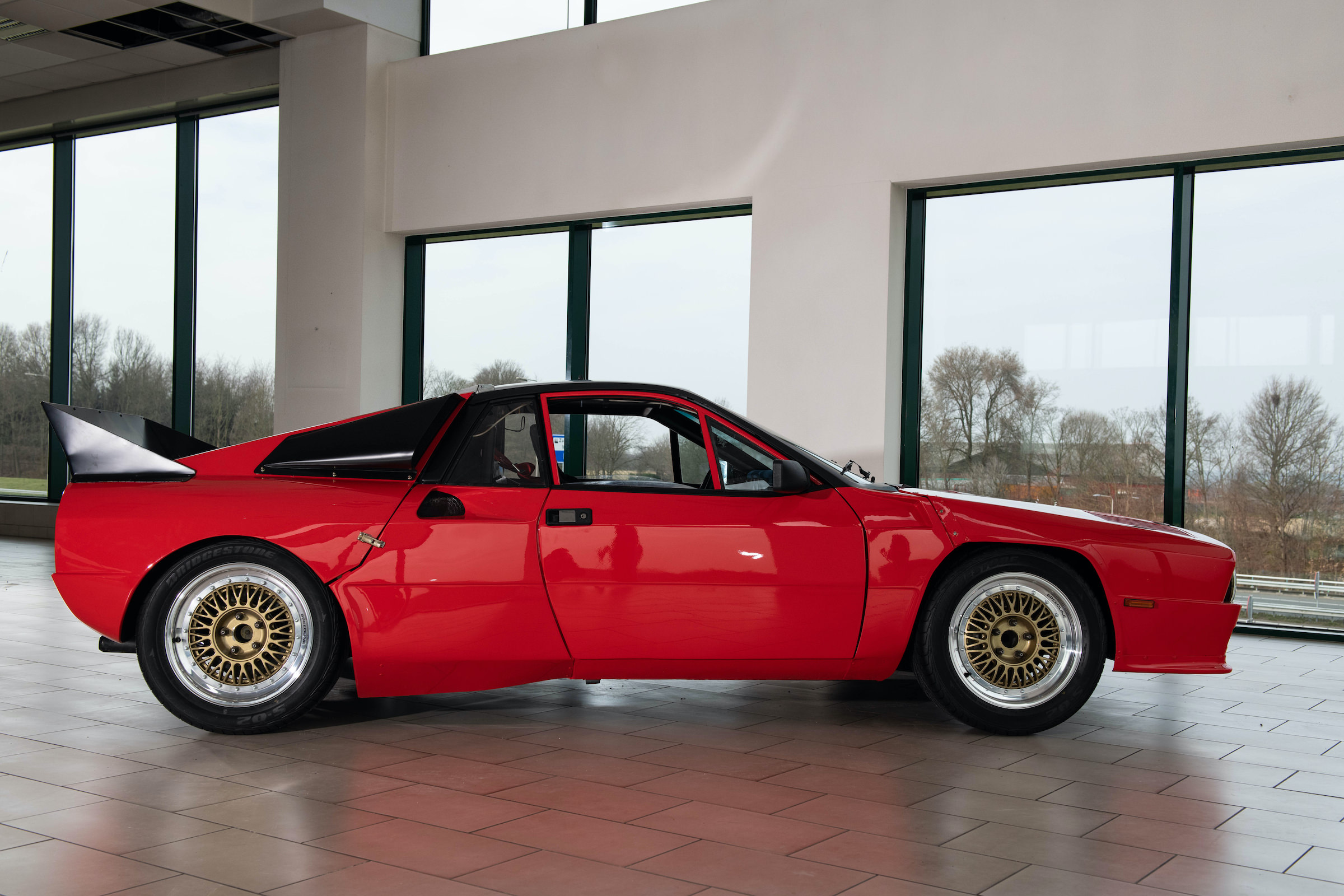
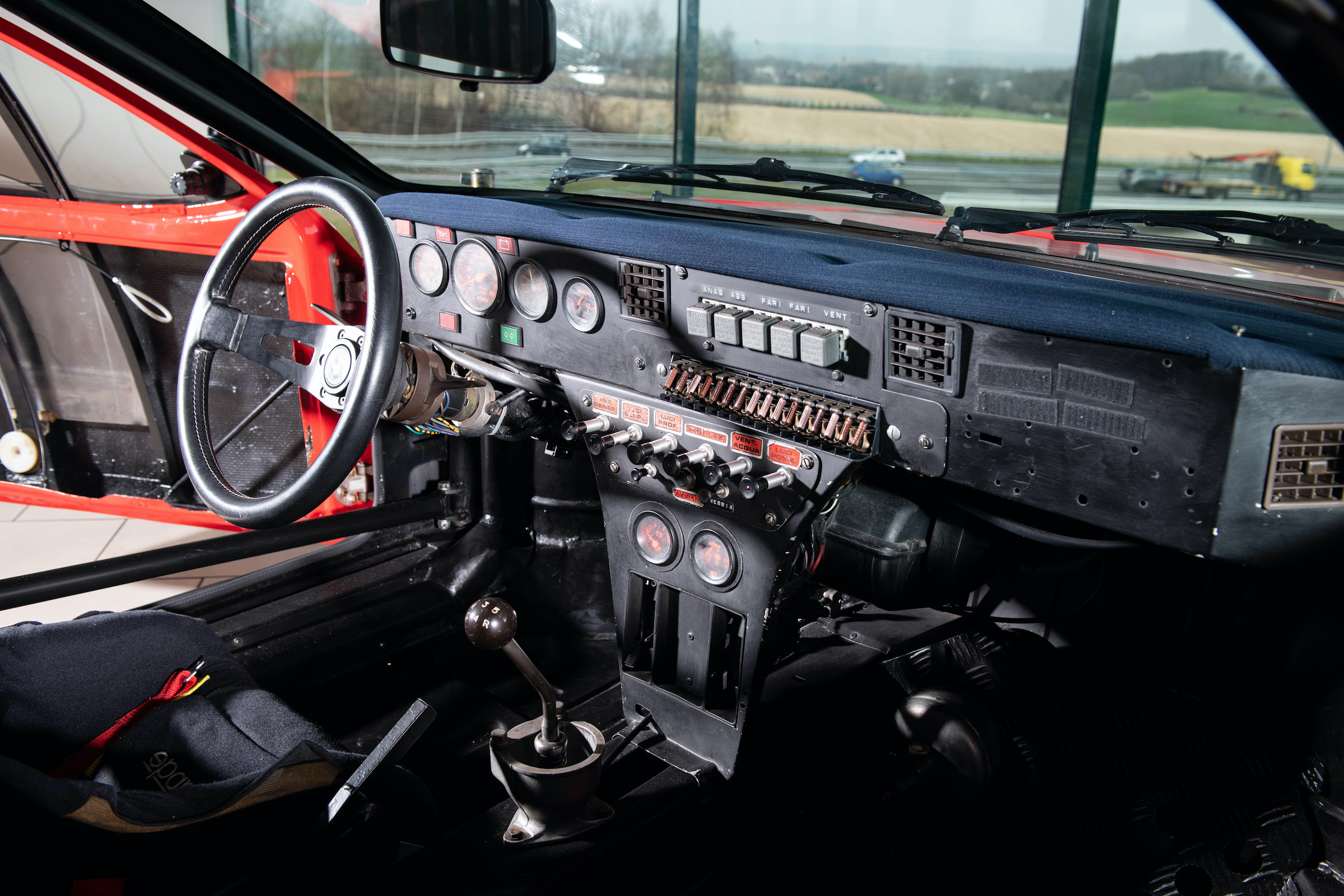
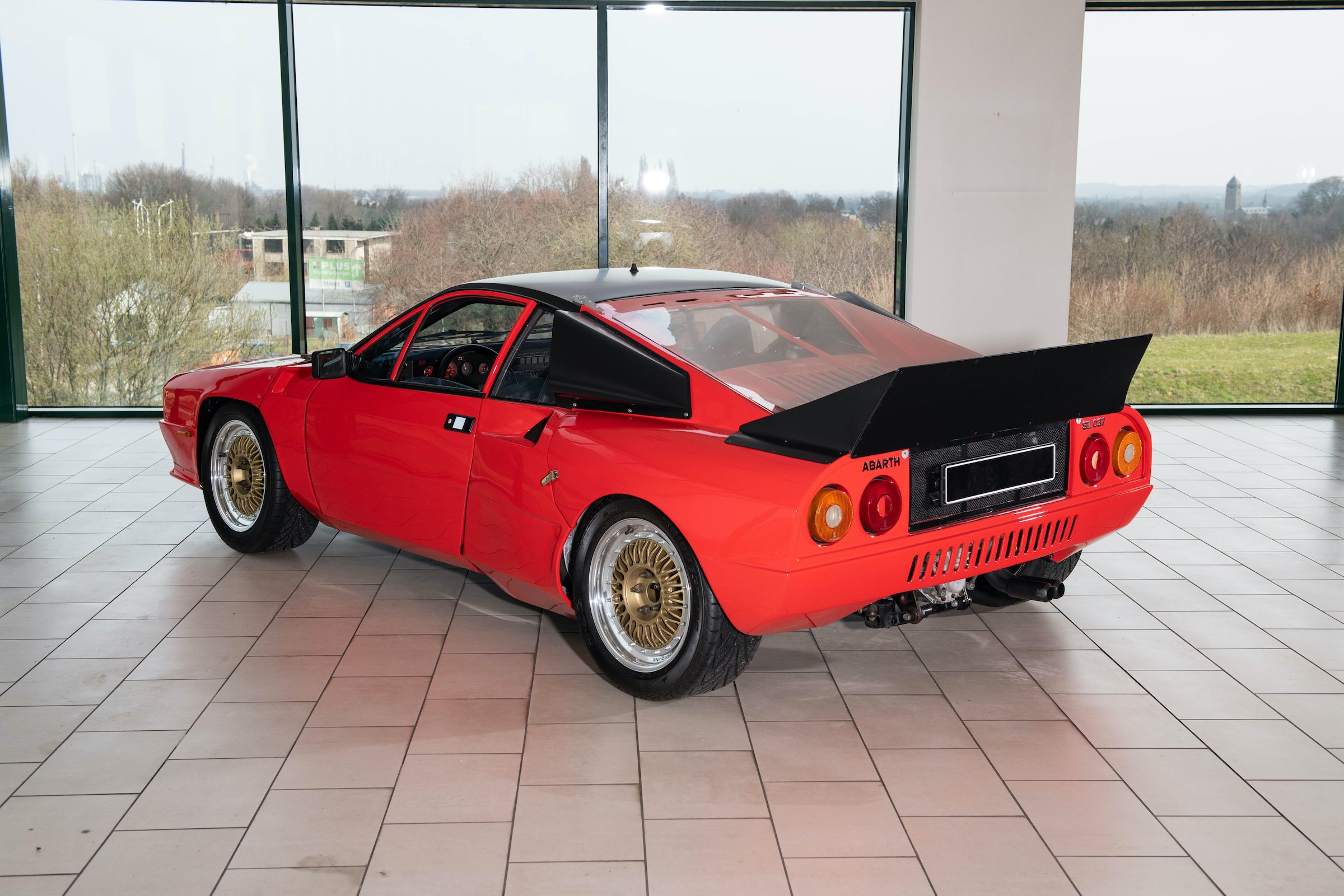
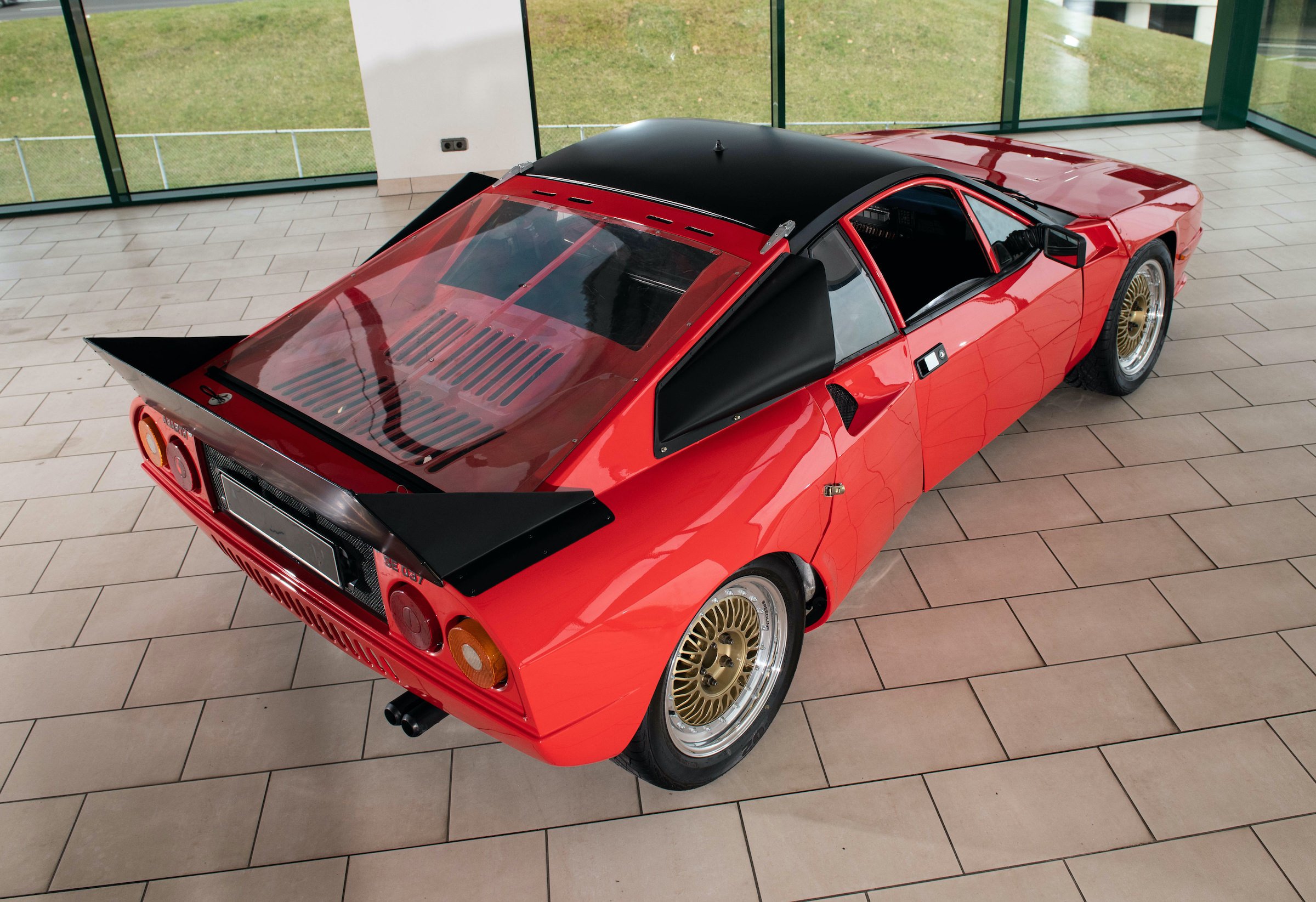
The car you see here was the first and most significant prototype made for the Lancia Rally 037, a vehicle with significant historic significance due to the fact that it was the first car to win the World Rally Championship under the then-new Group B rules, and was the last two-wheel drive car to ever win the WRC title.

The 037 was the first car to begin development to take advantage of the upcoming Group B regulations that stripped away many restrictions and allowed engineers to develop what would become the fastest and most powerful rally cars in history up until that point.

The project to build this car was a joint effort between three of Italy’s biggest automotive names – Lancia, Abarth, and Pininfarina. Due to the relatively tight development schedule it was decided to base their new car on the shell/frame of a pre-existing design – the Lancia Beta Montecarlo which would go on to win the World Championship for Makes in Group 5 silhouette form in 1980 and 1981.

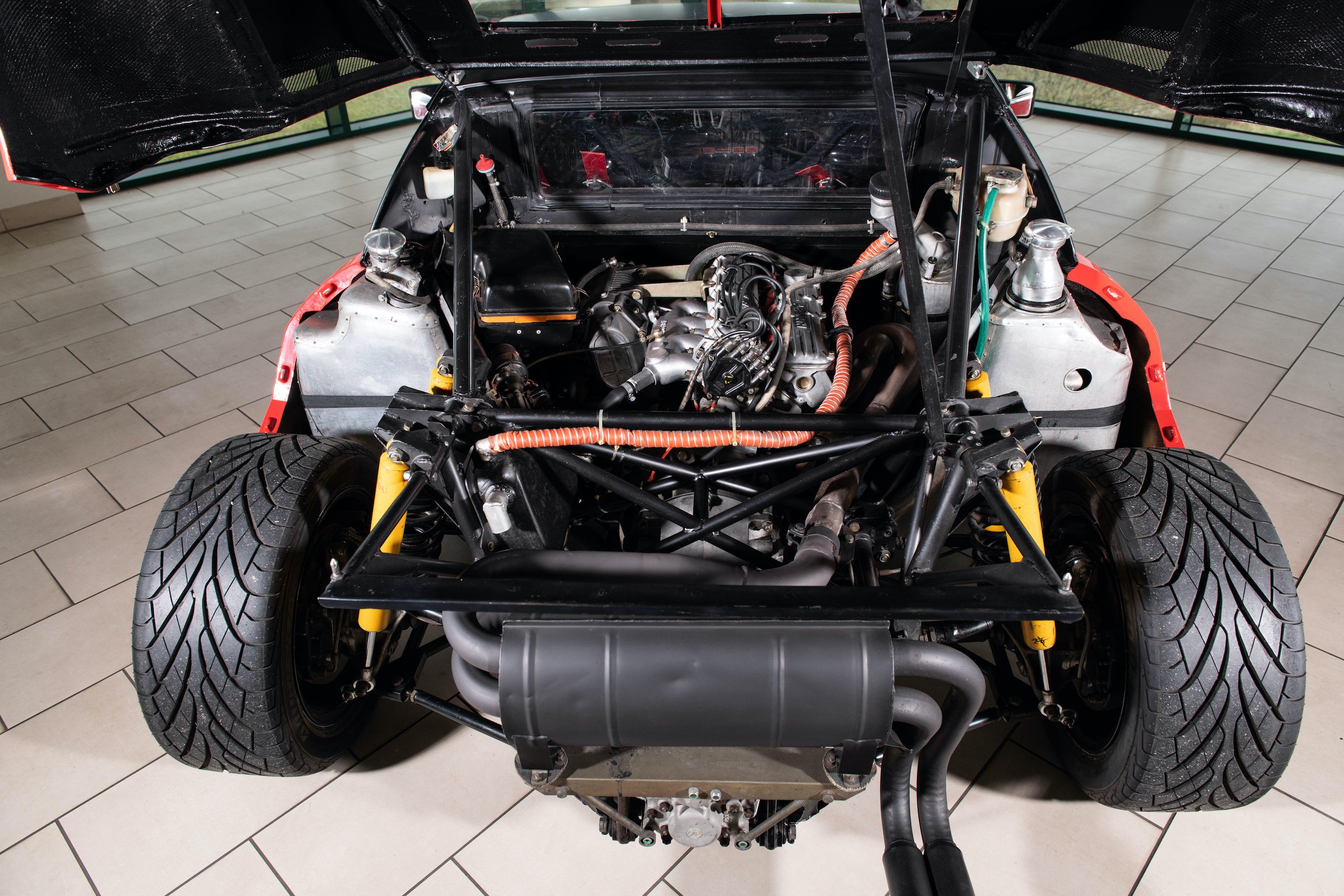
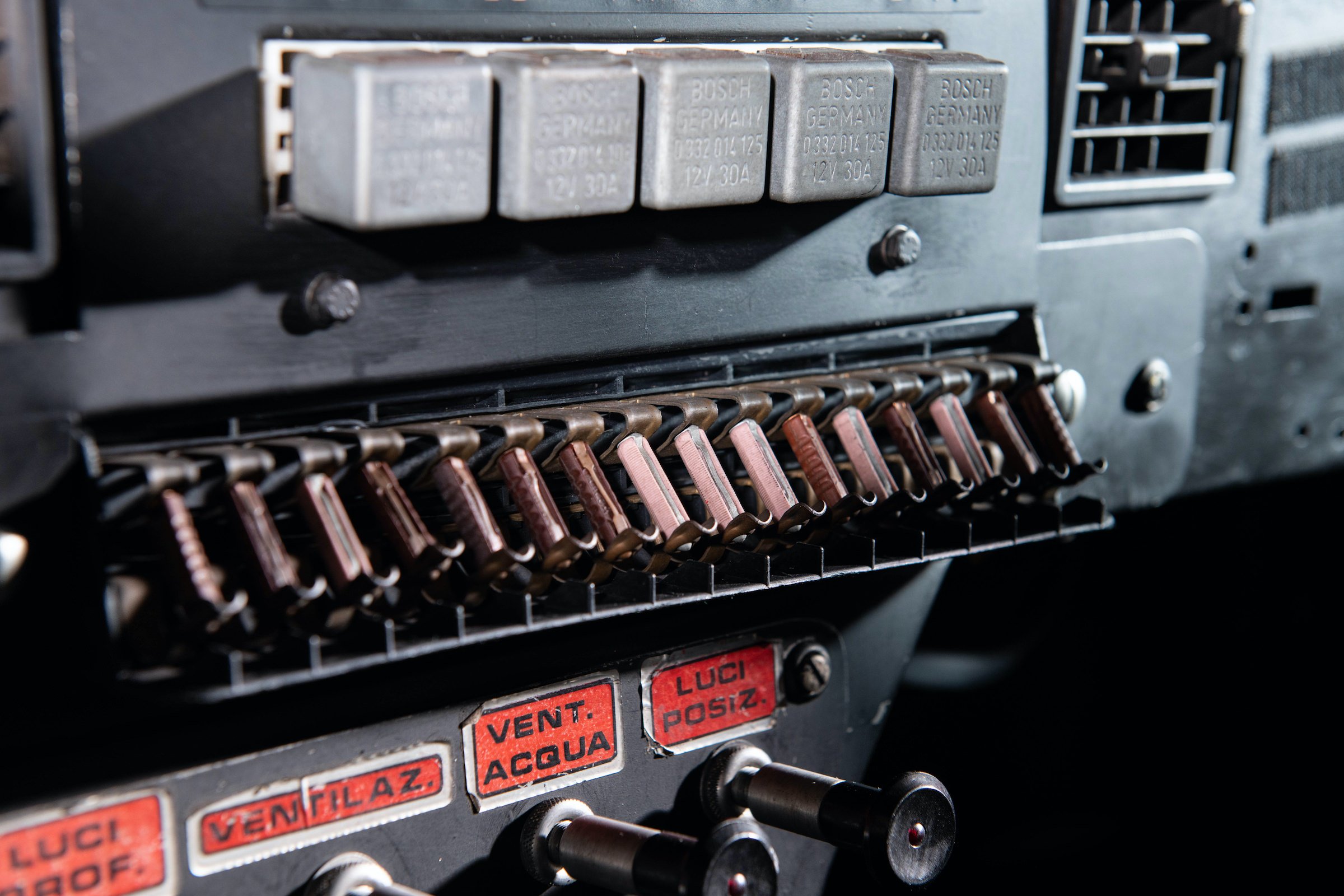
This central monocoque section from the Montecarlo would then have new tubular steel sub frames added front and back which would accommodate the suspension, wheels, and ancillaries. The first one of these to be built for testing was the car you see pictured here chassis, SE037-001.

From the outset the Rally 037 was designed to take full advantage of the flexibility offered by the new Group B class, just 200 road-legal homologation cars had to be built which allowed much more creativity in the development process.

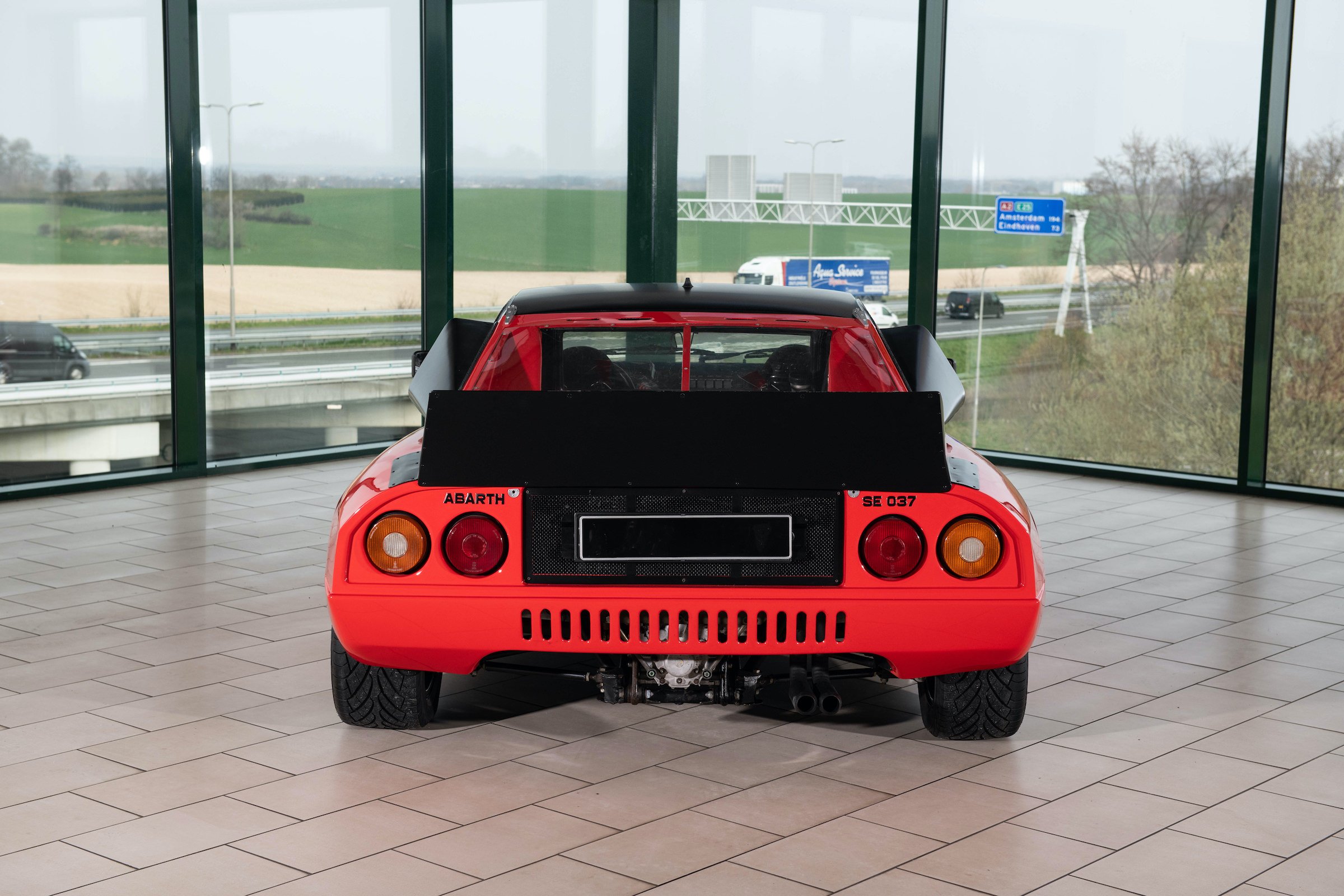
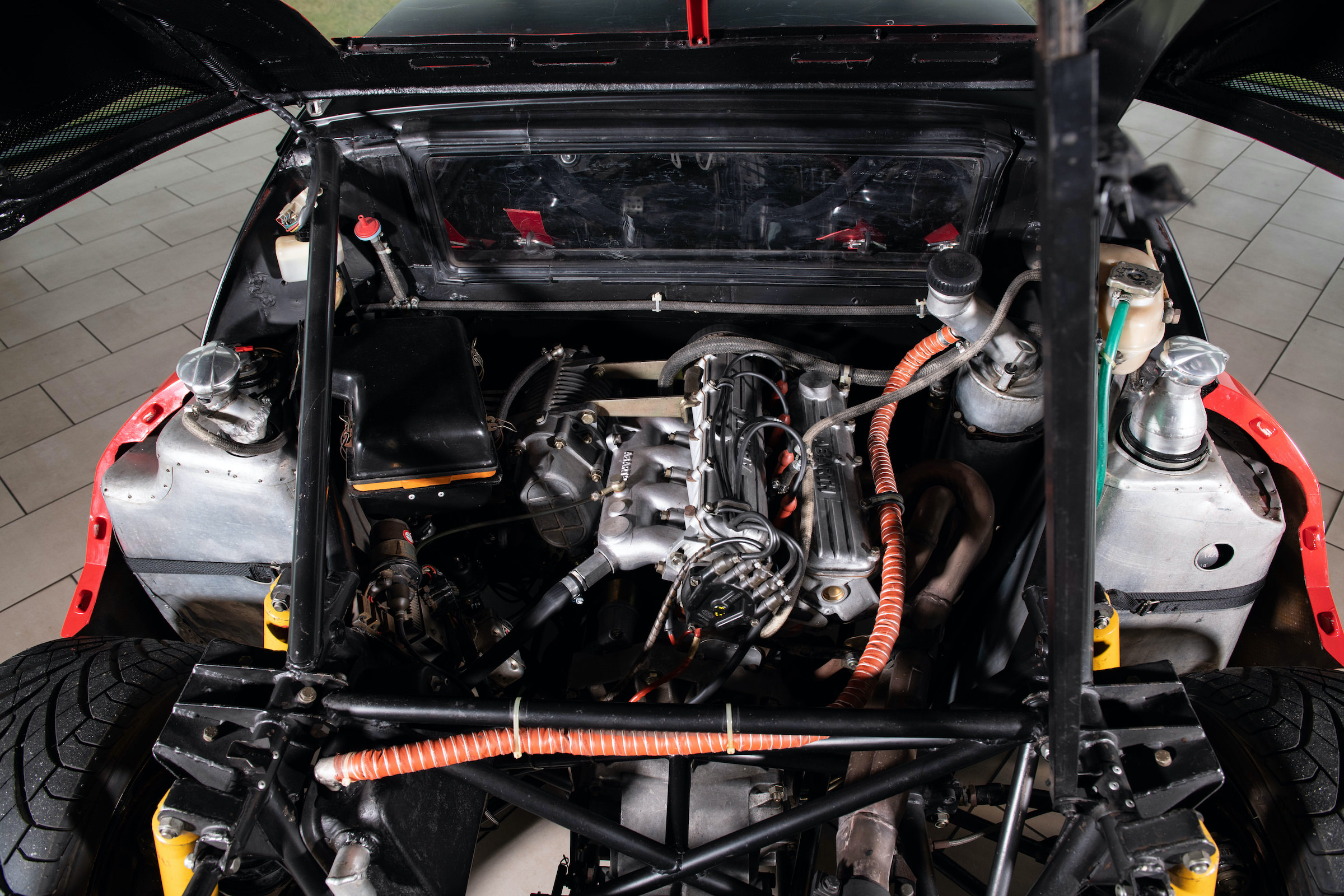
The subframes of the 037 were fitted with double wishbone suspension front and back with coil springs, a single tubular shock absorber was used on each side up front with twin shock absorbers used on each side at the back. The front and rear bodywork is all lightweight fiberglass that was designed to get up and out of the way, giving engineers and mechanics unfettered access to the suspension, engine, brakes, and gearbox – a vitally important feature for any Group B car.

Lancia Rally 037 Prototype

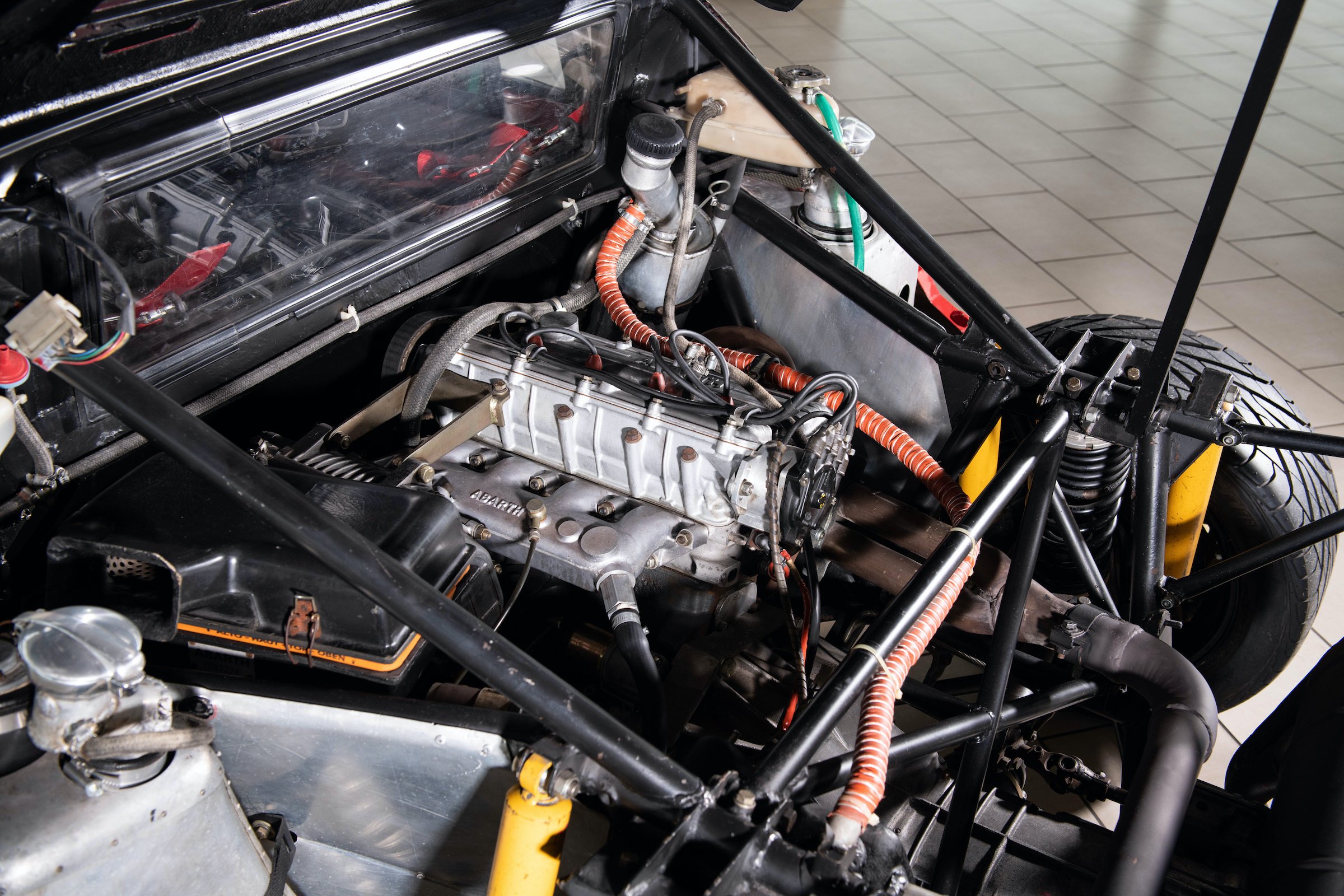
There had been some debate about which engine to use in the 037, some had even suggested a Ferrari V8 should be used, however in the end they settled on the simple, lightweight inline-four cylinder engine from the Lancia Trevi – an engine originally designed by legendary engineer Aurelio Lampredi.

It was clear that the 2.0 litre, 16 valve engine was going to require forced induction to reach the required power levels. The engineering team made the unusual decision to use a supercharger rather than a turbocharger, resulting in no lag and instant power – a critical advantage that helped the 037 win the 1983 World Rally Championship for Manufacturers.

Thanks to the work of the German engineers over at Audi it was quickly becoming clear in the early 1980s that all-wheel drive cars were going to dominate Group B racing. That said, the 037 put up one of the most valiant and memorable efforts in the short history of Group B to take a slew of wins as well as that 1983 championship against the hard charging Audis.

Today the Lancia Rally 037 is looked back upon as one of the most beloved rally cars of the Group B era and as the last hurrah of the tail-happy, rear-wheel drive cars that had enjoyed so much success in rally racing before the arrival of the AWD cars.

As the first and most important prototype of the 037 this car has immeasurable historic significance. Interestingly it was originally destined to be scrapped however it was saved by its original designer, Sergio Limone, who bought the car from Abarth directly before embarking on a meticulous restoration to return the car to its 1981 development prototype configuration.

The car is now due to be offered for sale by RM Sotheby’s in Milan on the 15th of June, if you’d like to read more about it or register to bid you can click here to visit the listing.

Lancia Rally 037 Prototype 16

Lancia Rally 037 Prototype 15

Lancia Rally 037 Prototype 12

Lancia Rally 037 Prototype 11

Lancia Rally 037 Prototype 10

Lancia Rally 037 Prototype 9

Lancia Rally 037 Prototype 8

Lancia Rally 037 Prototype 7

Lancia Rally 037 Prototype 6

Lancia Rally 037 Prototype 5

Lancia Rally 037 Prototype 4

Lancia Rally 037 Prototype 3

Lancia Rally 037 Prototype 2

Lancia Rally 037 Prototype 1

Lancia Rally 037 Prototype Back

Images: Dirk de Jager ©2021 Courtesy of RM Sotheby’s

The post For Sale: The First Lancia Rally 037 Group B Prototype appeared first on Silodrome.


from Silodrome https://silodrome.com/lancia-rally-037-prototype/
via gqrds
Affordable Time Machine – A DeLorean DMC-12 With Just 6,000 Miles On The Odometer

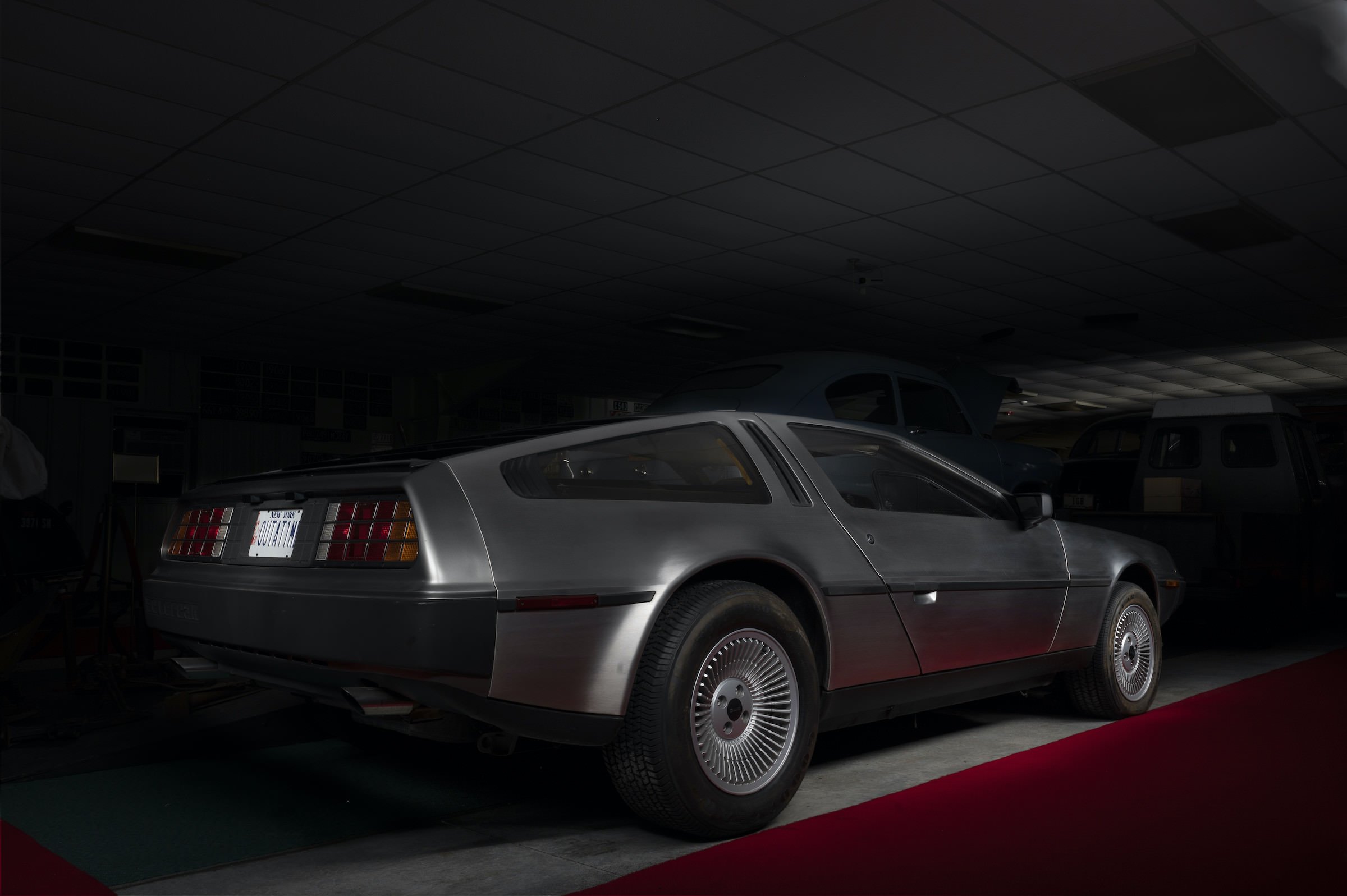
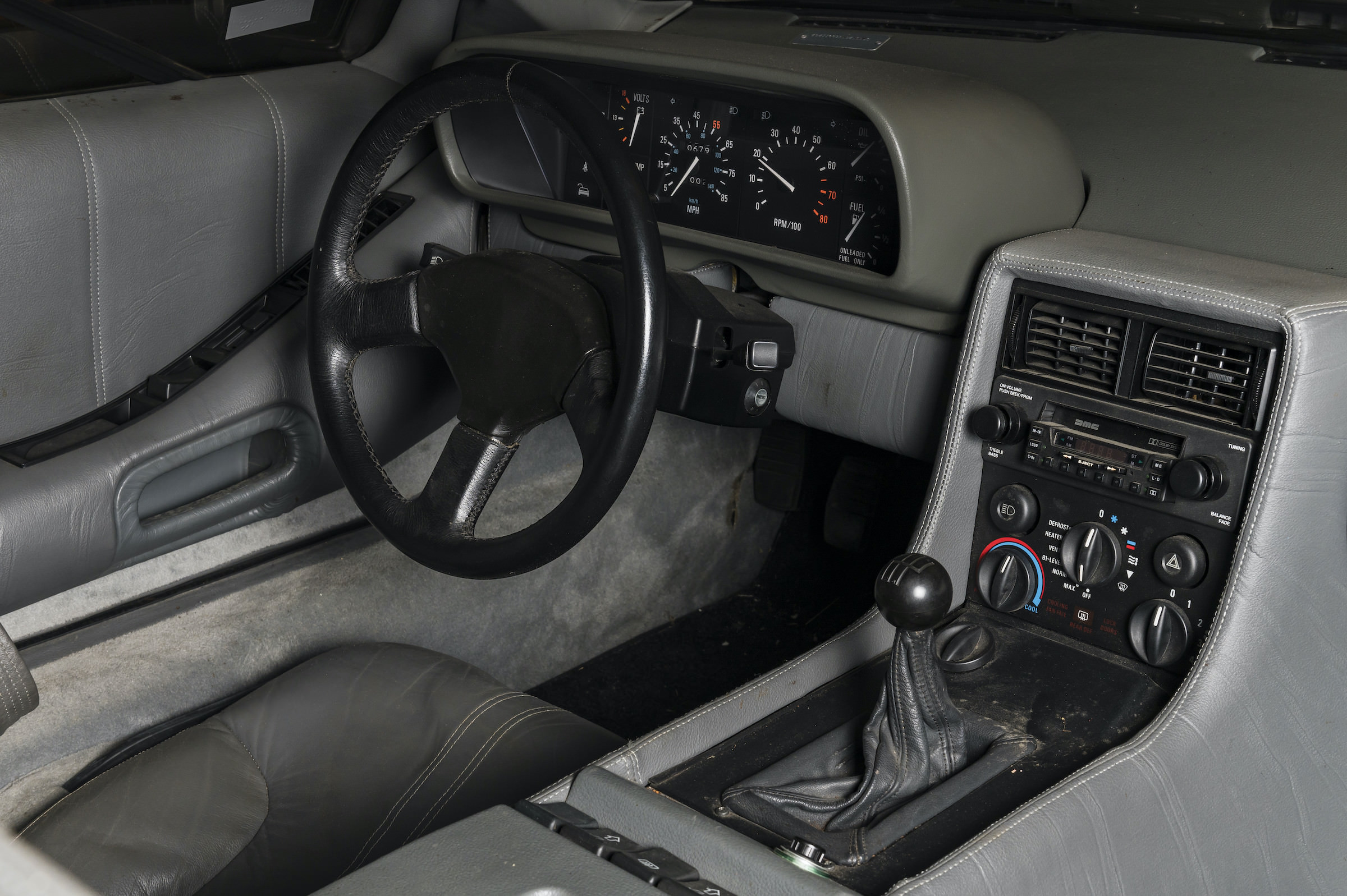
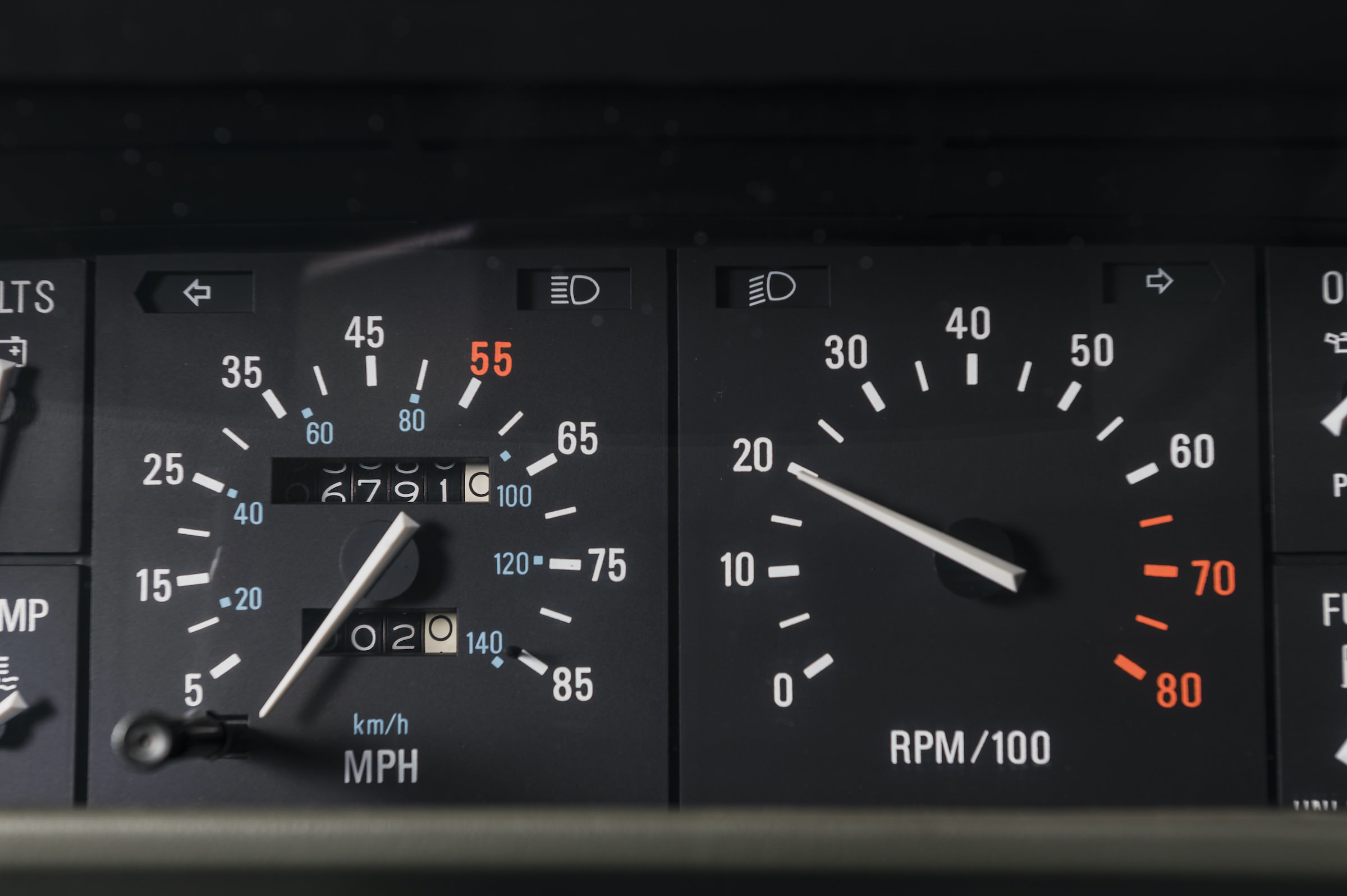
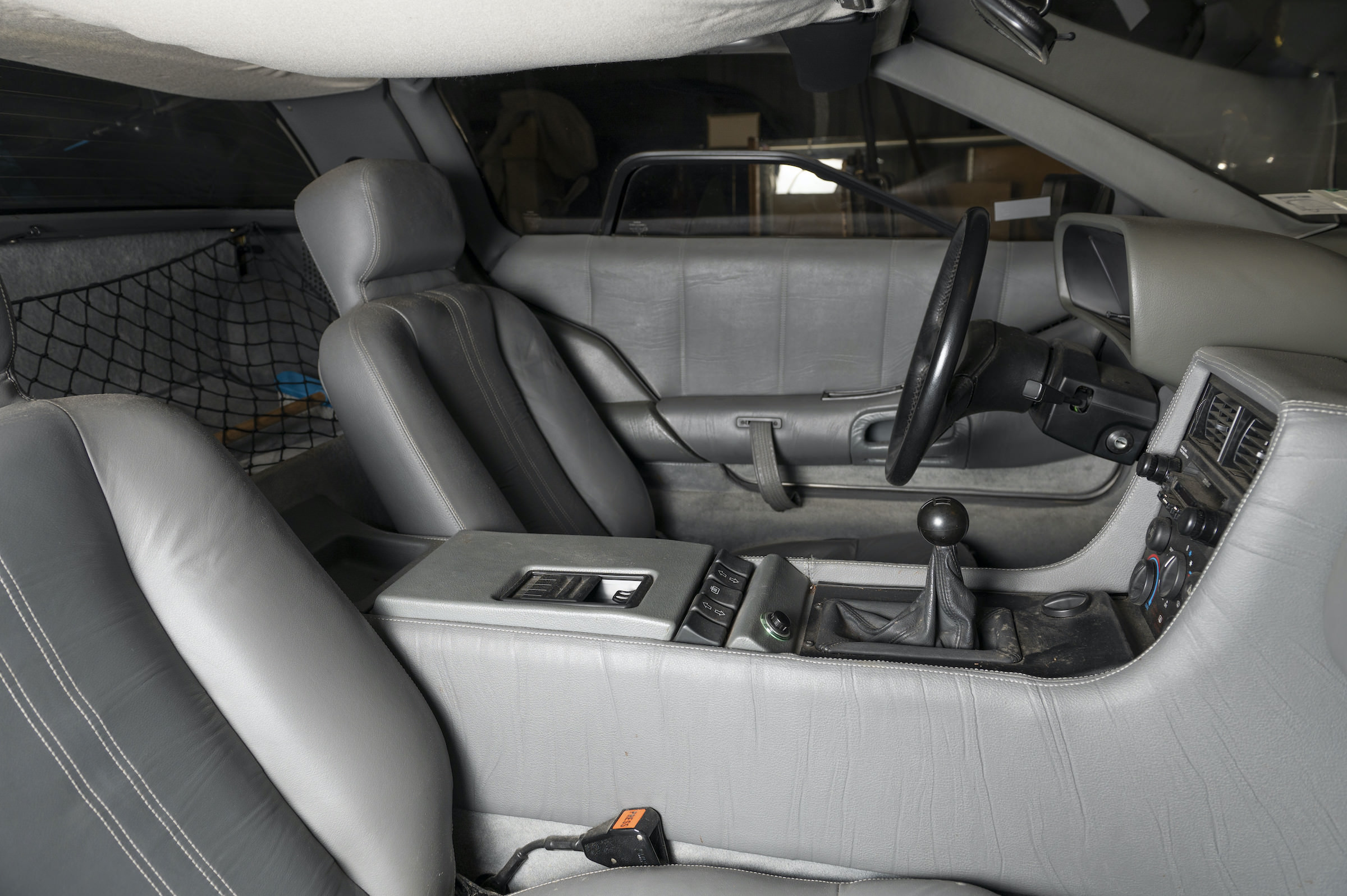
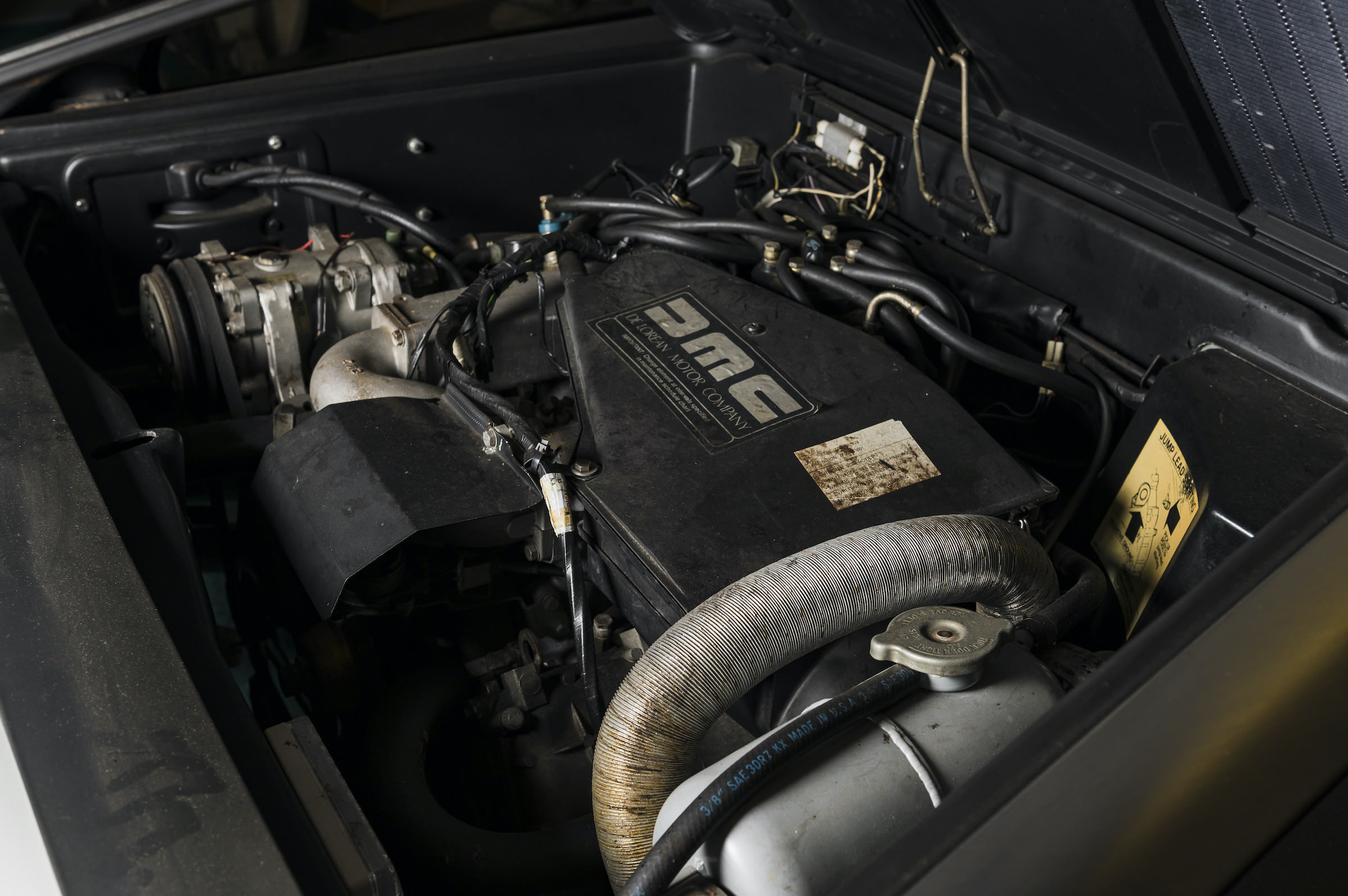
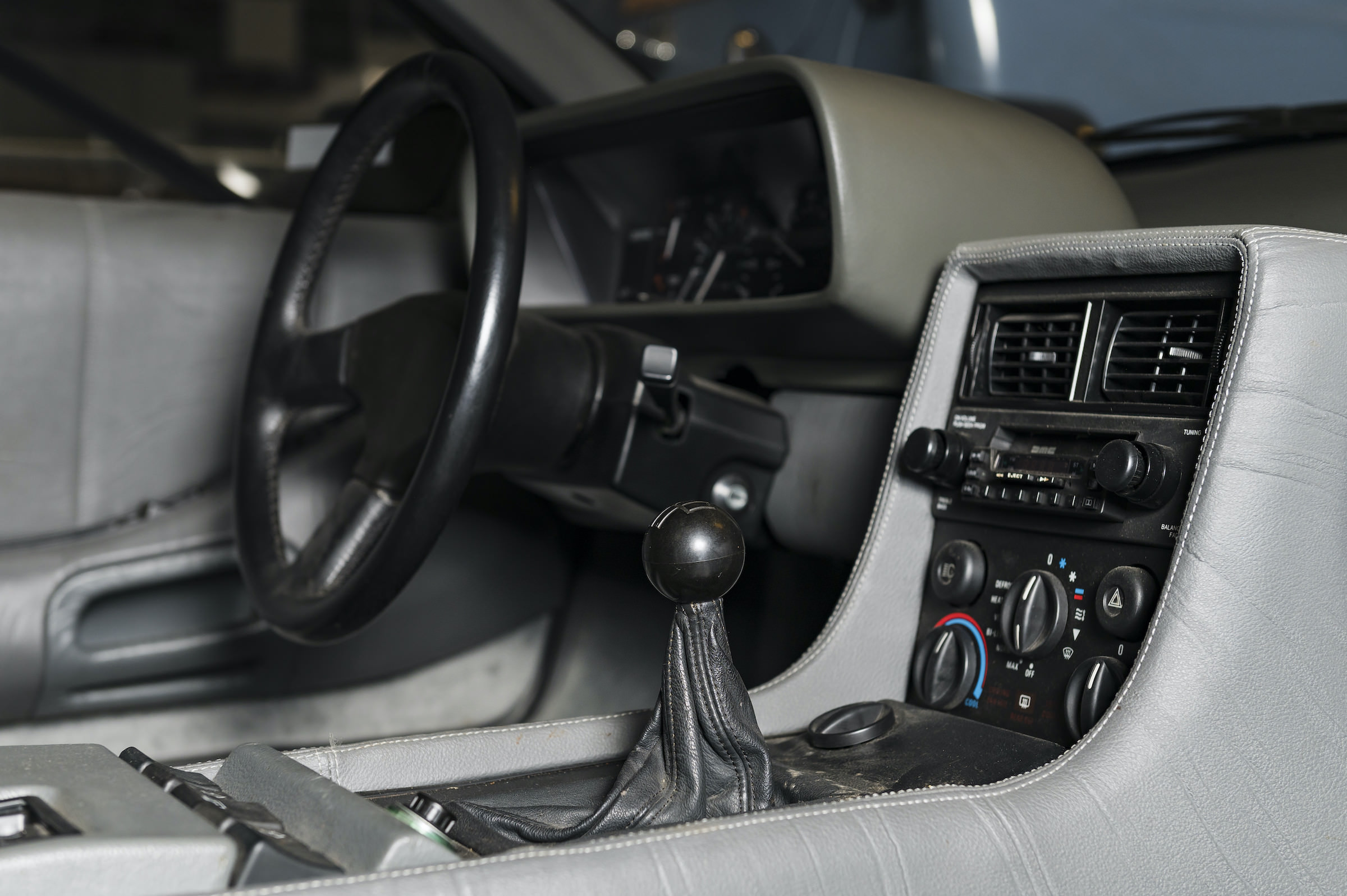
This is an original 1982 DeLorean DMC-12, it’s fitted with the desirable 5-speed manual transmission and amazingly it has accumulated just 6,000 miles since new. It’s being offered for sale with a price guide of $25,000 to $35,000 USD putting it firmly into affordable territory for many.

There are two key reasons that this DMC-12 remains so well preserved, firstly it was originally bought by a Manhattan couple who kept the car at their parents suburban home – New York city parking being what it is. As a result they only drove the car sparingly on special occasions and the mileage remained low.

The second reason is that this same couple donated the car to Glenn Gould so it could be put on display at his museum in the mid-1990s. Since this time the car has been seen by countless tens of thousands of people, and it has been preserved in remarkably original condition throughout.

Cocaine, Private Jets, And The DeLorean DMC-12

The DeLorean DMC-12 is a car that became famous for two key reasons, firstly it was built by an American automotive icon who was bankrupted by the car and then arrested after an FBI sting operation that involved a private jet loaded with cocaine.

The second reason was the inclusion of the car in the iconic 1980s-era Back To The Future film series, in which the car played a central role. This is the reason most people remember the car today, and as each new generation discovers the films they also discover the DMC-12 – often for the first time.

The story behind how the car came to be is extraordinary, it was founded by John DeLorean, an automotive whizz kid who had been the youngest division head in General Motors history – he also oversaw the development of the Pontiac GTO, Pontiac Firebird, Pontiac Grand Prix, Chevrolet Cosworth Vega, and a number of other important cars.

DeLorean DMC-12 1

Above Image: The unmistakable styling of the DMC-12 was penned by Giorgetto Giugiaro, arguably the greatest automotive designer of the 20th century.

DeLorean’s original plan had been to develop and advanced “safety car” with a strong focus on the well-being of its passengers. The first model was the DMC-12 which was designed by the great Giorgetto Giugiaro at Italdesign, it uses the wedge styling so popular during the 1970s coupled with gullwing doors and a stainless steel outer body.

Much of the underlying development of the car was done by Colin Chapman and the engineers at Lotus, and the DMC-12 bares some resemblance to the Lotus Esprit, particularly when you look under the outer skin at the fiberglass body, steel backbone chassis, and mid-mounted engine.

Sadly due to a litany of compromises the DeLorean DMC-12 would ultimately be a failure, it was given an underpowered engine and there were extensive quality control issues that would relegate the car to the history books after just two years in production – 1981 to 1982 with approximately 9,200 built.

That would likely have been the end of the story and the unusual car would have become an interesting piece of historic automotive trivia if it wasn’t for the 1985 release of the box office hit film Back To The Future which uses a DMC-12 as a time machine.

Suddenly the car became cool again and it has remained highly desirable in the decades since. A new DeLorean Motor Company was established in Texas in 1995, it acquired the remaining parts for the DMC-12 and became a central hub for DeLorean owners worldwide. In recent years the company announced plans to release a new 100% electric version of the DMC-12, so it’s clear that the car’s unusual legacy isn’t over just yet.

As mentioned above this low-mileage DMC-12 has spend years garaged and was thereafter on display at a museum. It will now required a recommissioning before any driving is attempted but with only 6,000 miles on the clock and the sought-after 5-speed manual transmission it’s a car that will attract a lot of attention.

The car is now due to roll across the auction block on the 20th of May with Bonhams, if you’d like to read more or register to bid you can click here to visit the listing.

DeLorean DMC-12 3

DeLorean DMC-12 9

DeLorean DMC-12 8

DeLorean DMC-12 7

DeLorean DMC-12 6

DeLorean DMC-12 5

DeLorean DMC-12 4

DeLorean DMC-12 2

DeLorean DMC-12 VIN

Images courtesy of Bonhams

The post Affordable Time Machine – A DeLorean DMC-12 With Just 6,000 Miles On The Odometer appeared first on Silodrome.


from Silodrome https://silodrome.com/delorean-dmc-12-car/
via gqrds
For Sale: Wrecked Body Panels From The Colin McRae 2001 Ford Focus RS WRC

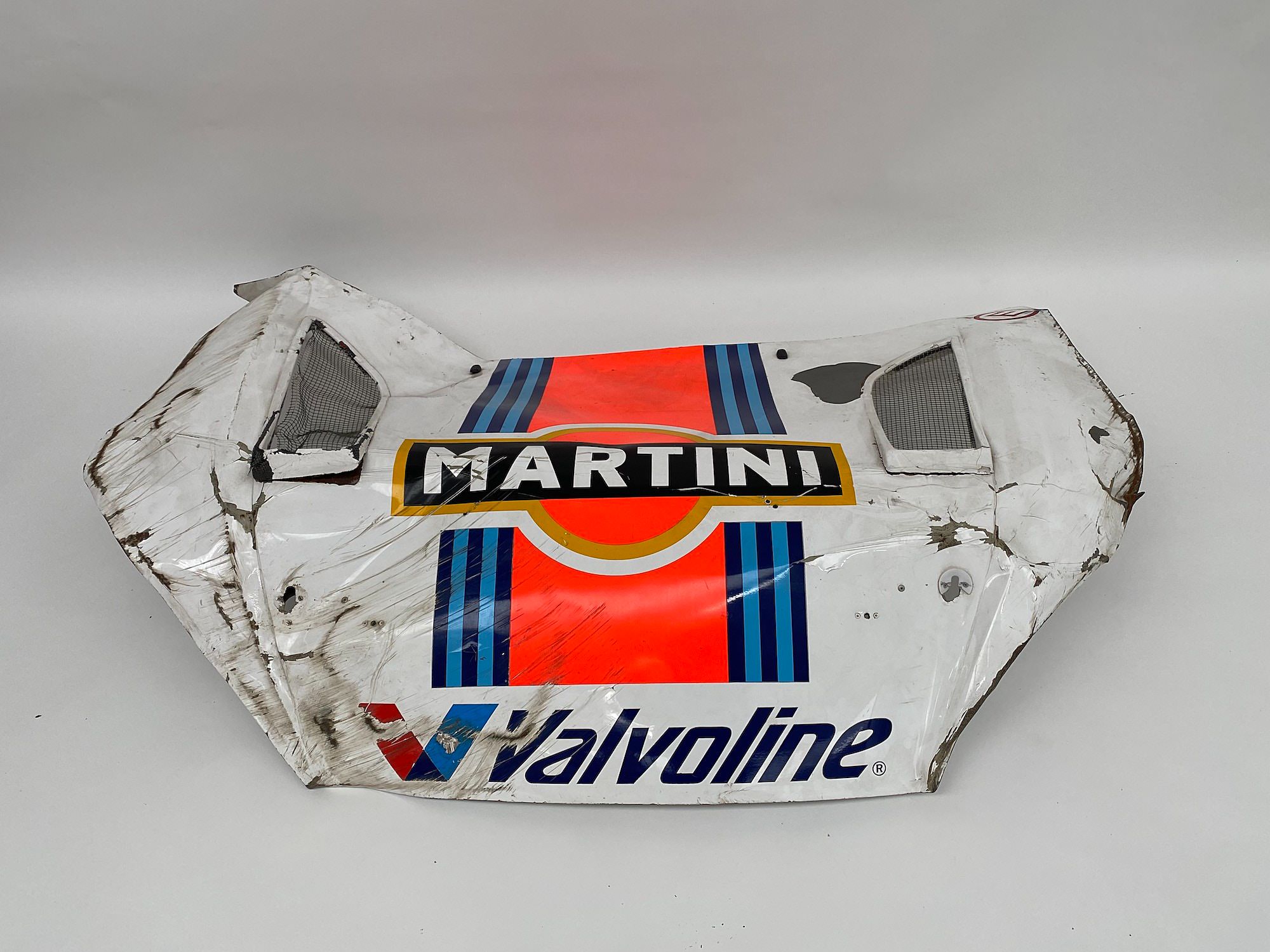
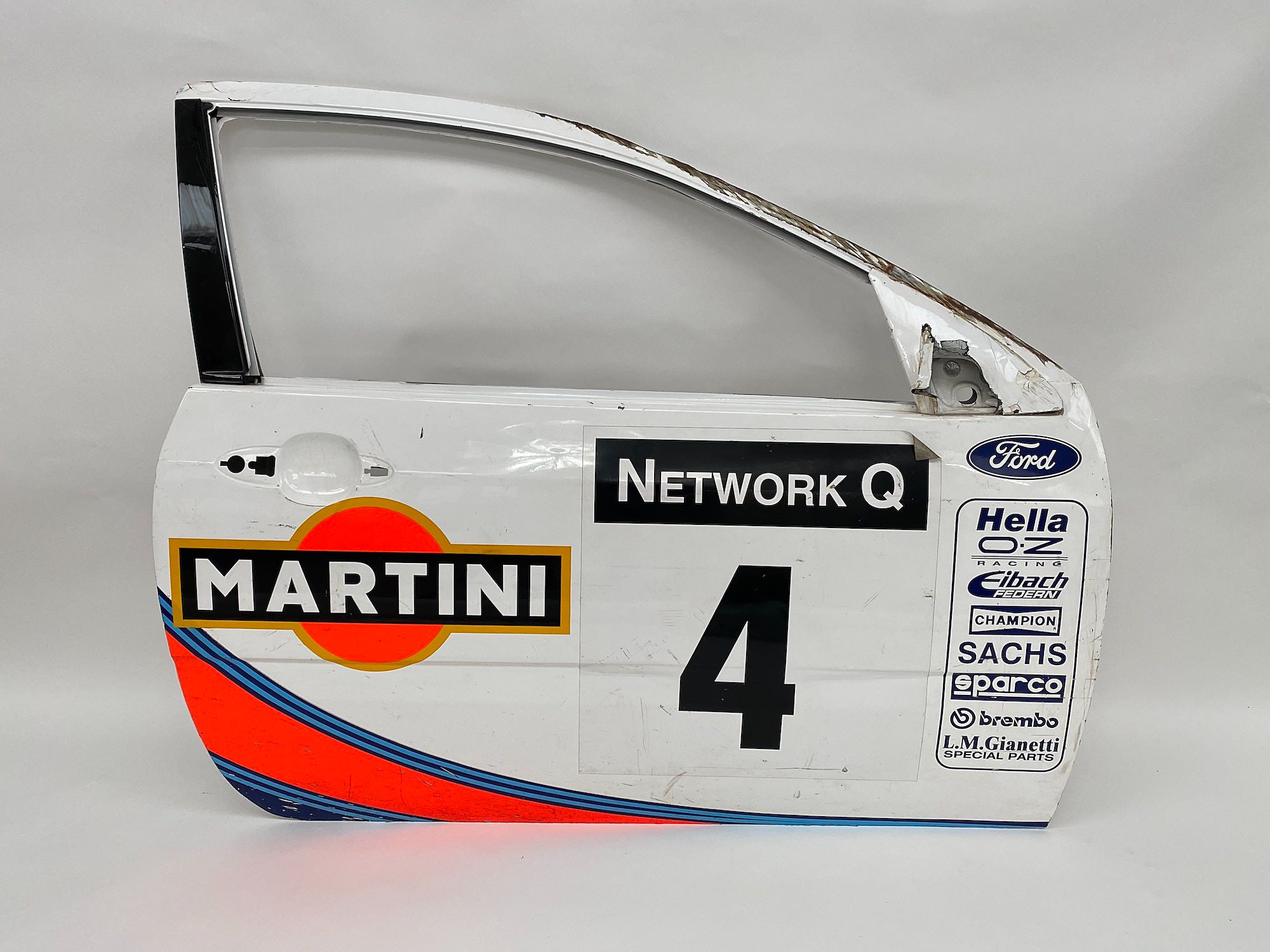
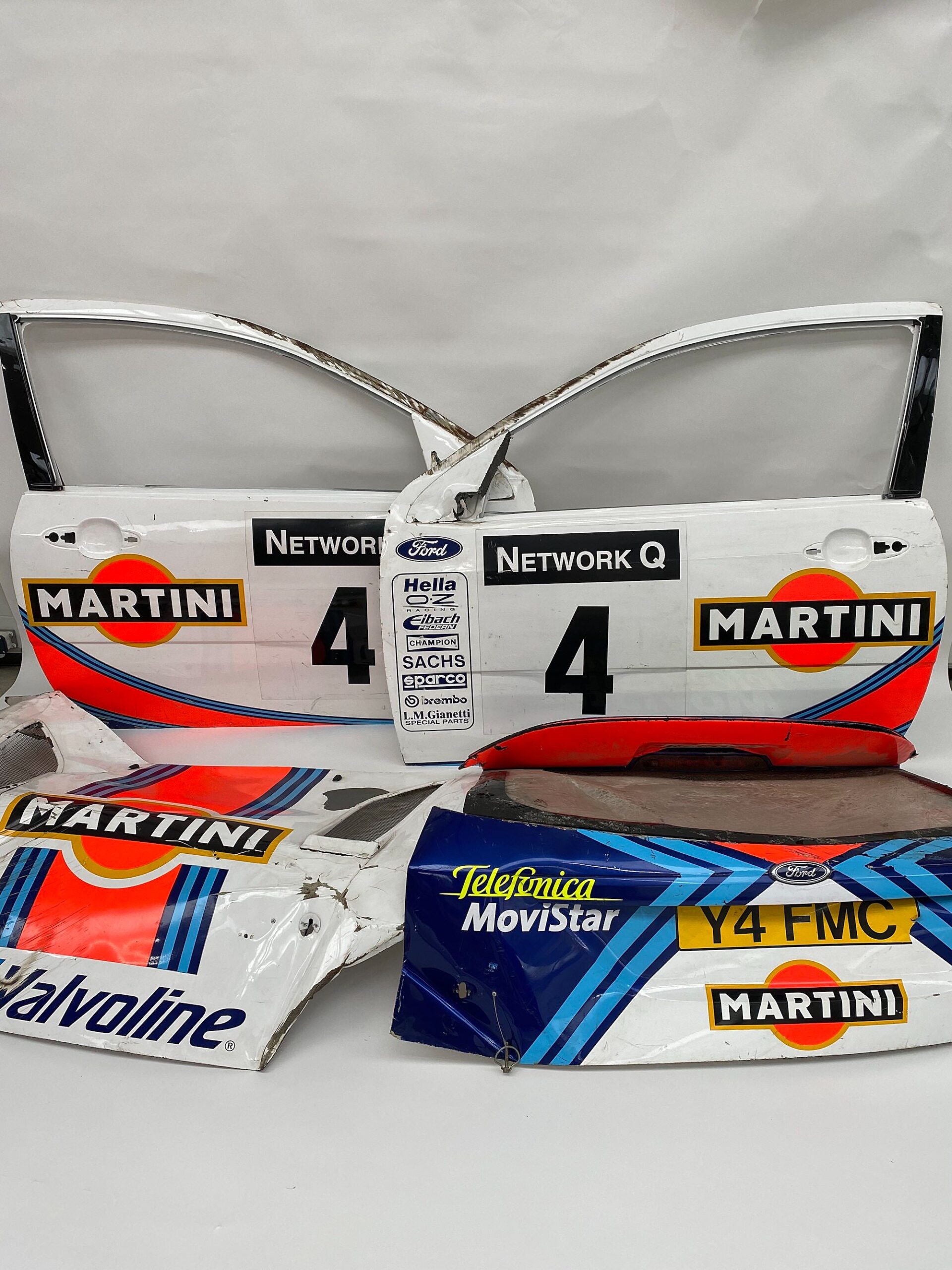
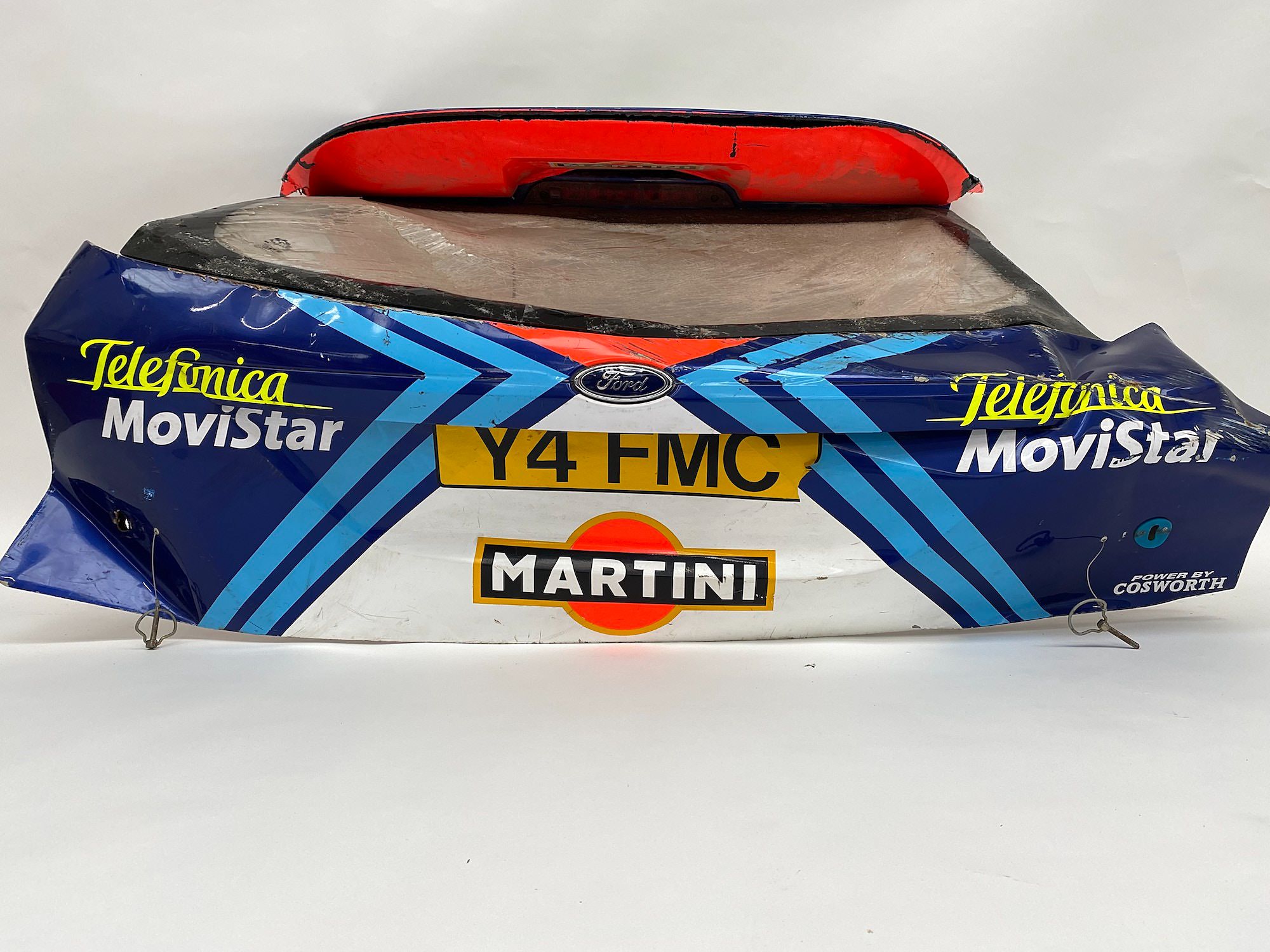
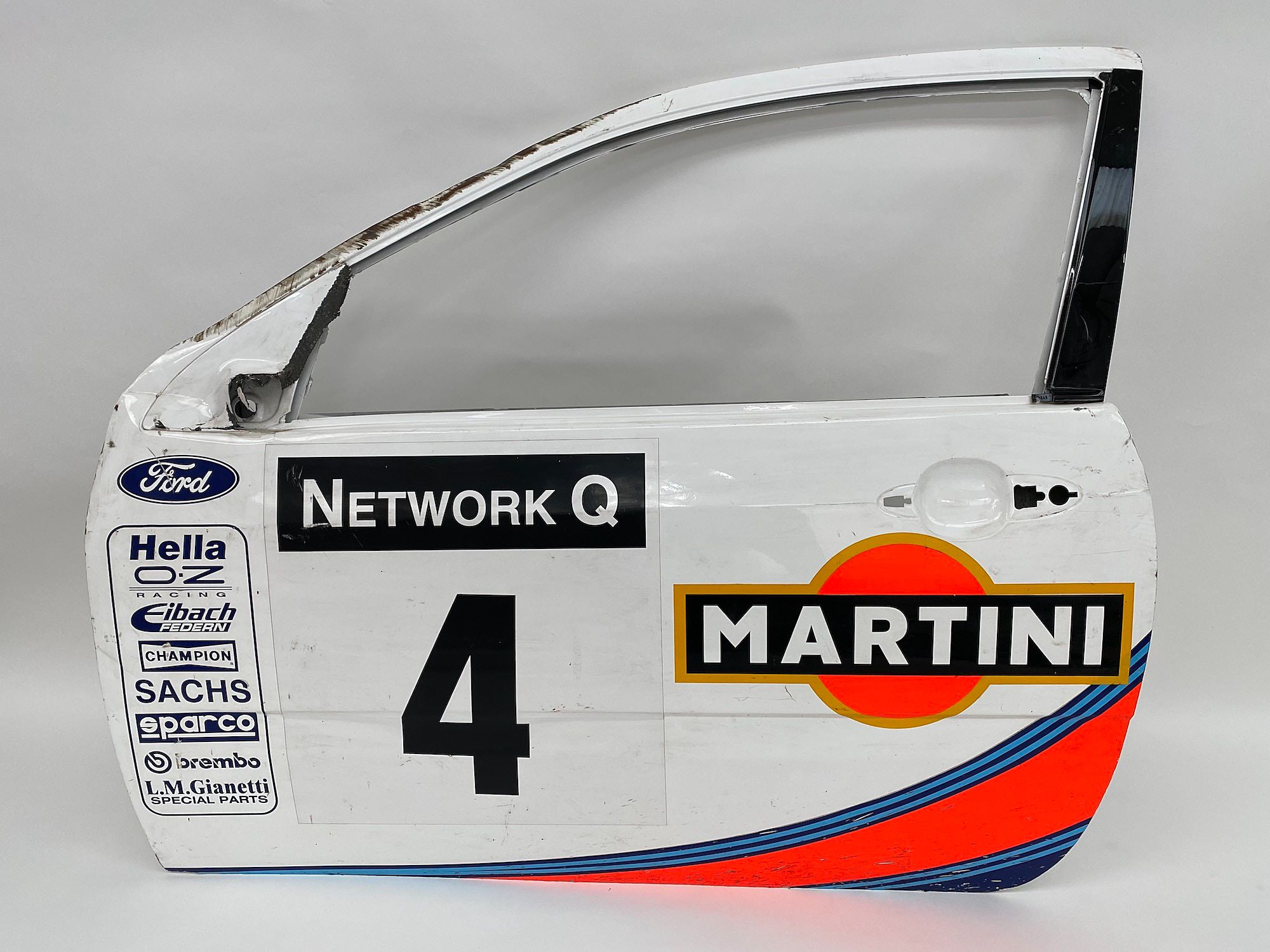
The damage sustained to these Ford Focus RS WRC body panels tells the story of Colin McRae and Nicky Grist’s near win in the 2001 World Rally Championship. The two men went into the final rally of the year, the Rally of Great Britain, exceedingly close to Richard Burns in the points table – McRae and Grist just needed to finish ahead of Burns to win the title.

As you can probably tell by the condition of these four panels, a slight misjudgment sent McRae and Grist cartwheeling across the Welsh landscape in their Ford Focus and out of contention for the title. Grist kept the panels for decades as a reminder of their near win, however he’s now decided to downsize his collection and little and has placed the panels up for auction with Collecting Cars.

If you’d like to read more about this unusual piece of automotive history or register to bid you can click here to visit the listing. We’ve included Nicky Grist’s recollections of the events below as it makes great reading and it shows just how close they came to winning – in the end it came down to just two points, Burns on 44 and McRae on 42.

Ford Focus RS WRC Body Panels 4

Nicky Grist Tells The Story Of Four Panels And A World Championship

At the time of the incident we were chasing the World Championship and it was just a case of finishing in front of Richard Burns to win the title. We were fastest on the super special stage the night before in Cardiff Bay. The next morning we were fastest on the opening test of the day, beating Burns comfortably. On the next stage we were beaten by Marcus Gronholm, but again finished in front of Burns.

The fateful stage started uphill and by the time we climbed to the level section of the stage, some low clouds moved over this section. We knew we had lost some time on this very section with such bad visibility, so when we exited the fog we set off at the correct pace. Colin was driving really well and was using all the road and carrying as much speed as possible – not easy on a wet loose gravel and mud surface – and after a few miles we entered a very fast section with a series of very fast corners, 6s in Colin’s notes, which was top gear and flat out!

The pace notes came out like bullets from a machine gun, such was the speed we were travelling: six right, six left, six right, into five right plus, and six left minus over crest cut. As we entered the five right plus, Colin had set the car in the grass at the edge of the road, slightly cutting the corner. He could have adjusted his line but decided it was good – but it wasn’t! What he could not see in the grass was a hole on the inside with a bank on the other side of it. We slammed into the bank that caused the car to fly up and literally corkscrew through the air. This then set us into a series of rolls. Looking through the windscreen I was seeing sky, trees, ground; sky, trees, ground – over and over again.

We eventually stopped on the right hand side of the road, facing the direction we came from. With steam pouring out of the front of the car and the bonnet crumpled up we knew that was the end of the rally and we were out. Richard Burns still had to finish the event, but with us out of the running his job was much easier. While we did not win the World Championship, we were delighted that a fellow Brit did.

Given its significance to the World Championship title, this was one of the most publicised accidents of its time; and it would turn out to be the last chance we had of winning the WRC, as the remaining years for Colin did not go anywhere near as well. While I have cherished these items as a reminder of that fateful day, I am now offering them to another enthusiast, as a significant piece of rally memorabilia from a very memorable season.

Words by Nicky Grist

Ford Focus RS WRC Body Panels 5

Ford Focus RS WRC Body Panels 1

Ford Focus RS WRC Body Panels 6

Ford Focus RS WRC Body Panels 3

Images courtesy of Collecting Cars

The post For Sale: Wrecked Body Panels From The Colin McRae 2001 Ford Focus RS WRC appeared first on Silodrome.


from Silodrome https://silodrome.com/colin-mcrae-ford-focus-rs-wrc/
via gqrds