The Fiat Dino – A Fiat With A Ferrari Formula 2 Engine

The story behind the Fiat Dino is legendary. It’s a car that only exists because of a rule change for Formula 2 racing in the late 1960s, which after much wheeling and dealing with Enzo Ferrari, resulted in a handsome Fiat grand tourer fitted with a modified version of the Ferrari-designed engine from the company’s Formula 2 race car.

This rule change required F2 engines to have no more than six cylinders, and they needed to be based on a road-car engine with a minimum of 500 produced in any given year. This homologation requirement was beyond Ferrari’s production capabilities at the time and so Enzo Ferrari went looking for a solution.

The solution to this dilemma would be Fiat, the famous Italian automaker who needed a new halo car at the top of its model range. A deal was struck that included Ferrari engineers designing a version of the F2 engine for road use, this engine would then be built by Fiat and used in both the Fiat Dino and the Ferrari Dino.

Now some will be quick to point out that the original Ferrari Dino was in fact never called the Ferrari Dino, it was just called the Dino. Many enthusiasts and motoring history buffs refer to it as the Ferrari Dino for the simple fact that it was built by Ferrari, and this name helps to differentiate it from the other car to share its engine – the Fiat Dino.

By the mid-1960s Enzo Ferrari had noticed the popularity of the then-new Porsche 911 – a rear-engined six-cylinder sports car that was priced well below a Ferrari and which was selling in significant numbers. Enzo wanted to develop a competitor for the 911 but he didn’t want to dilute the Ferrari brand name, so instead he created a new marque named Dino in memory of his son who had died in 1956.

The Dino that the team at Ferrari designed would have the engine behind the driver just like the 911, though in a mid-engined position rather than rear-engined, it would also have six cylinders, it would sell for considerably less than a Ferrari, and it would prove slightly faster than its rival from Stuttgart.
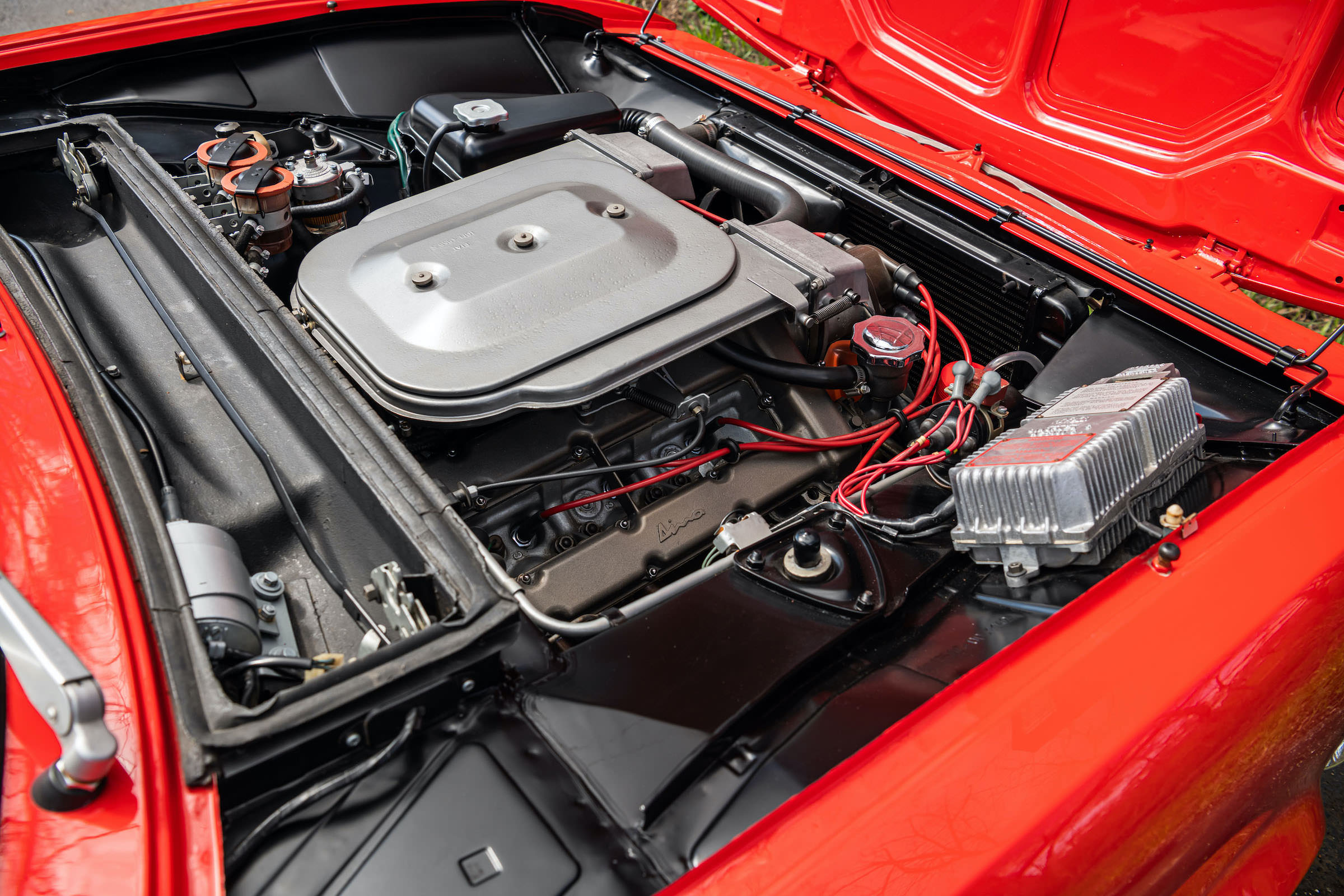
Fiat Dino 20

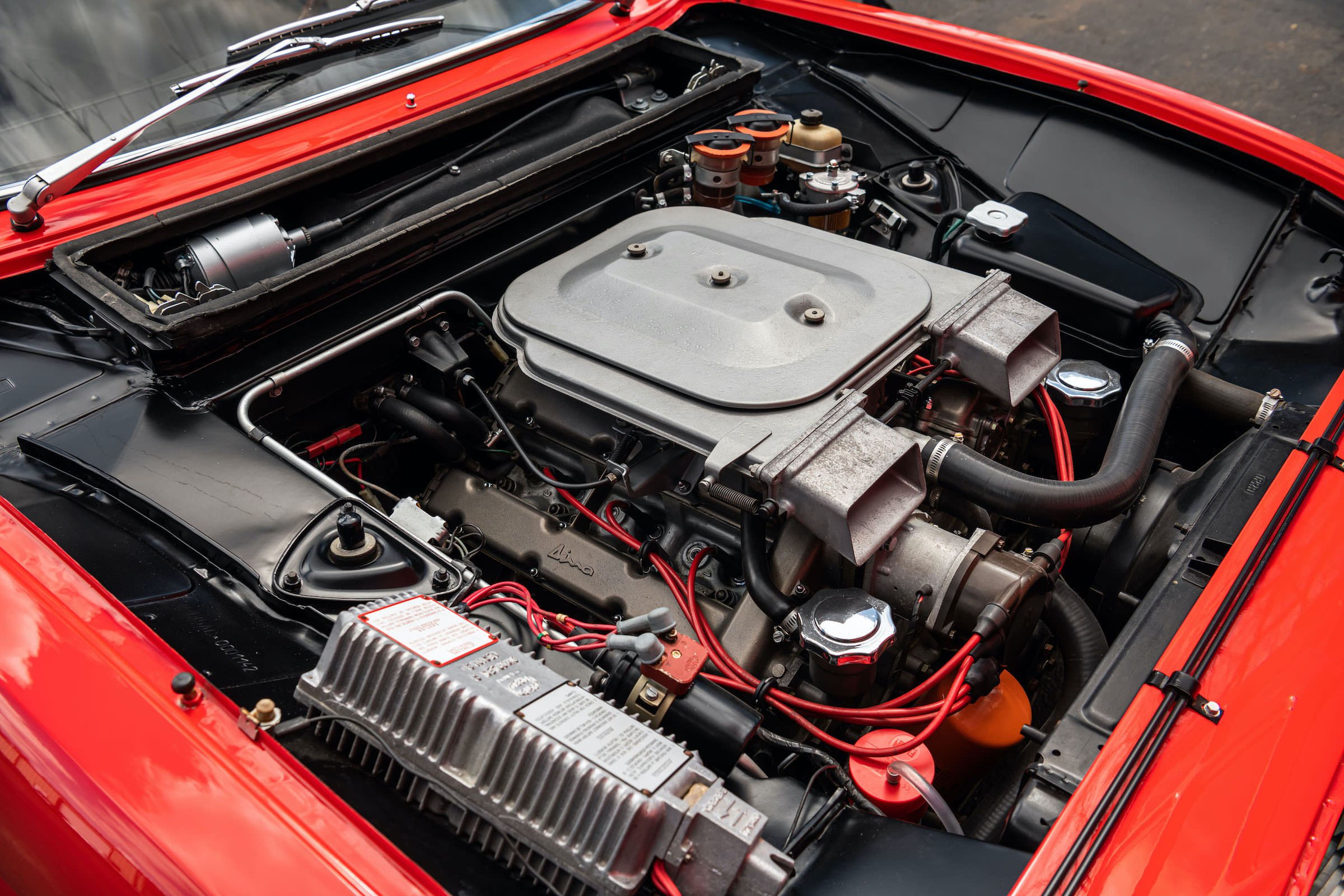
Above Image: The engine that powered both the Fiat and Ferrari Dino, a lightweight all-alloy 2.0 litre V6.

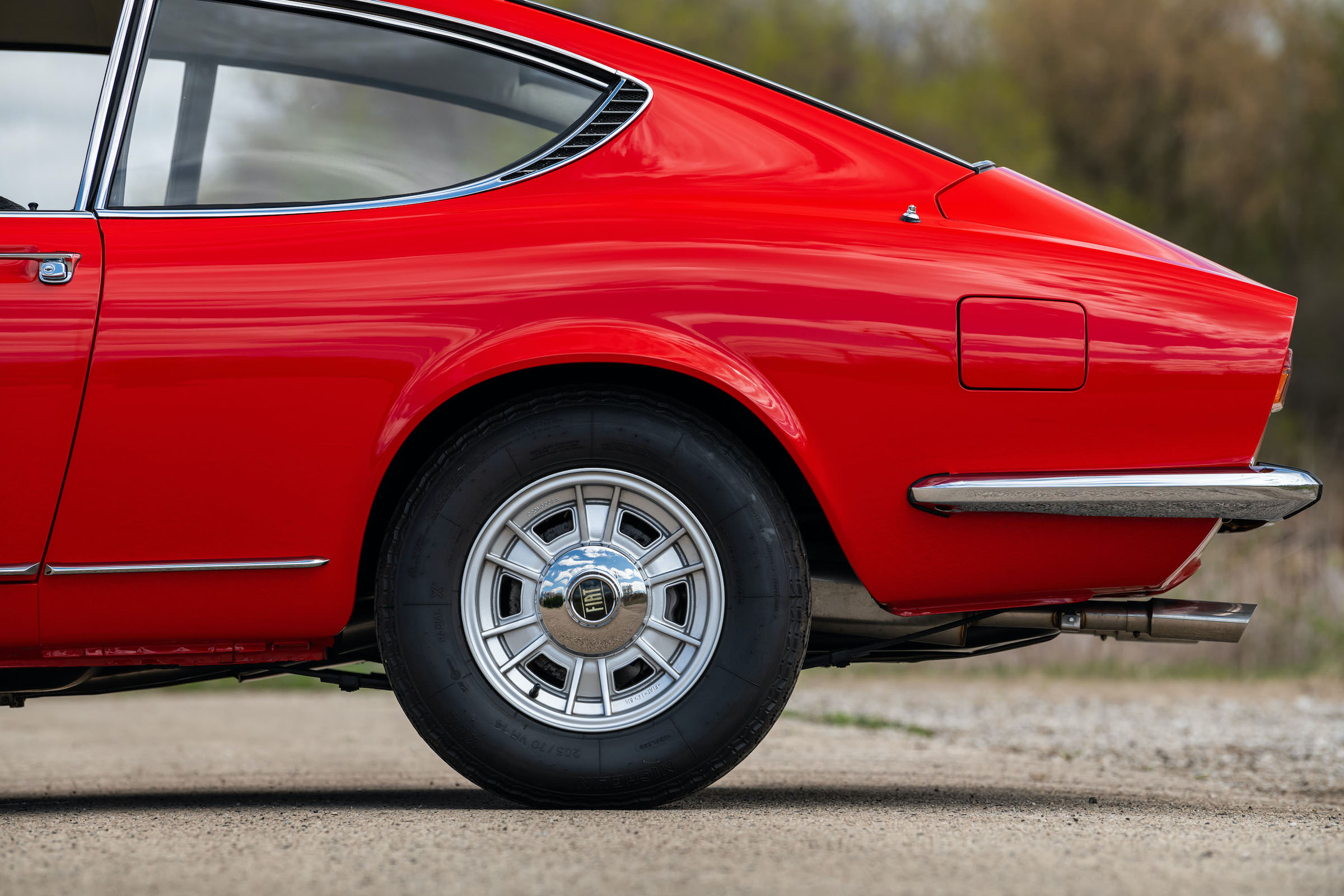
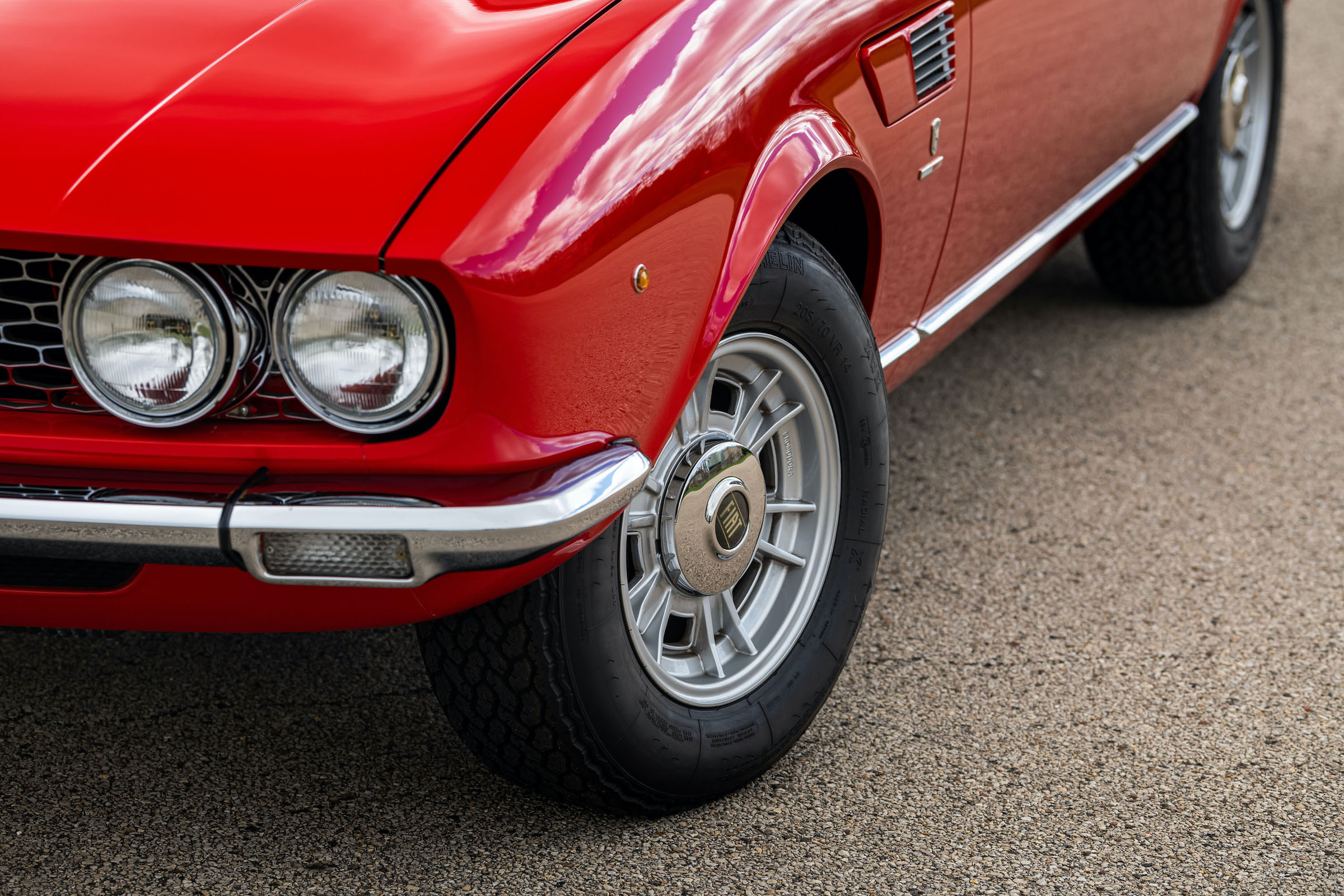
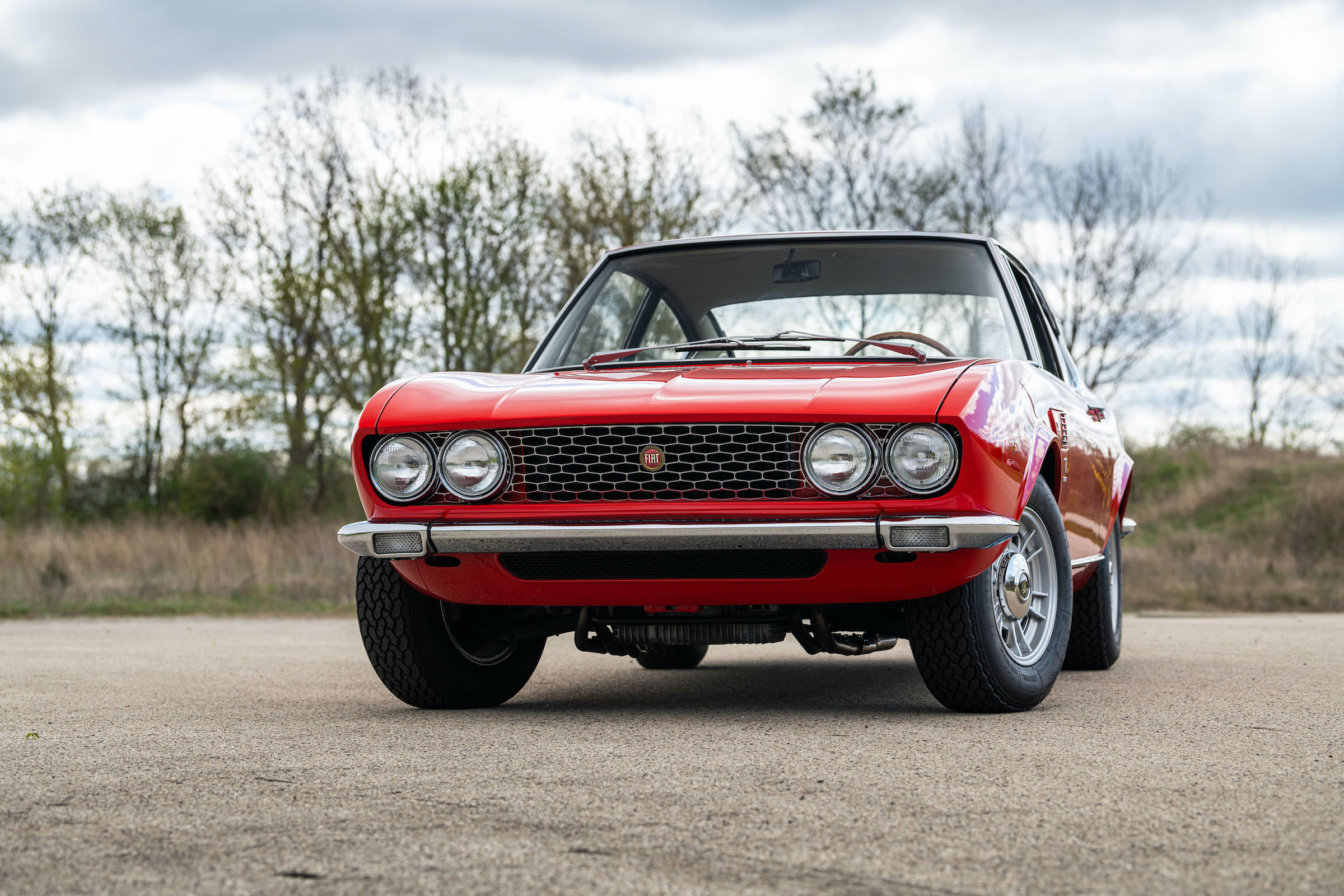
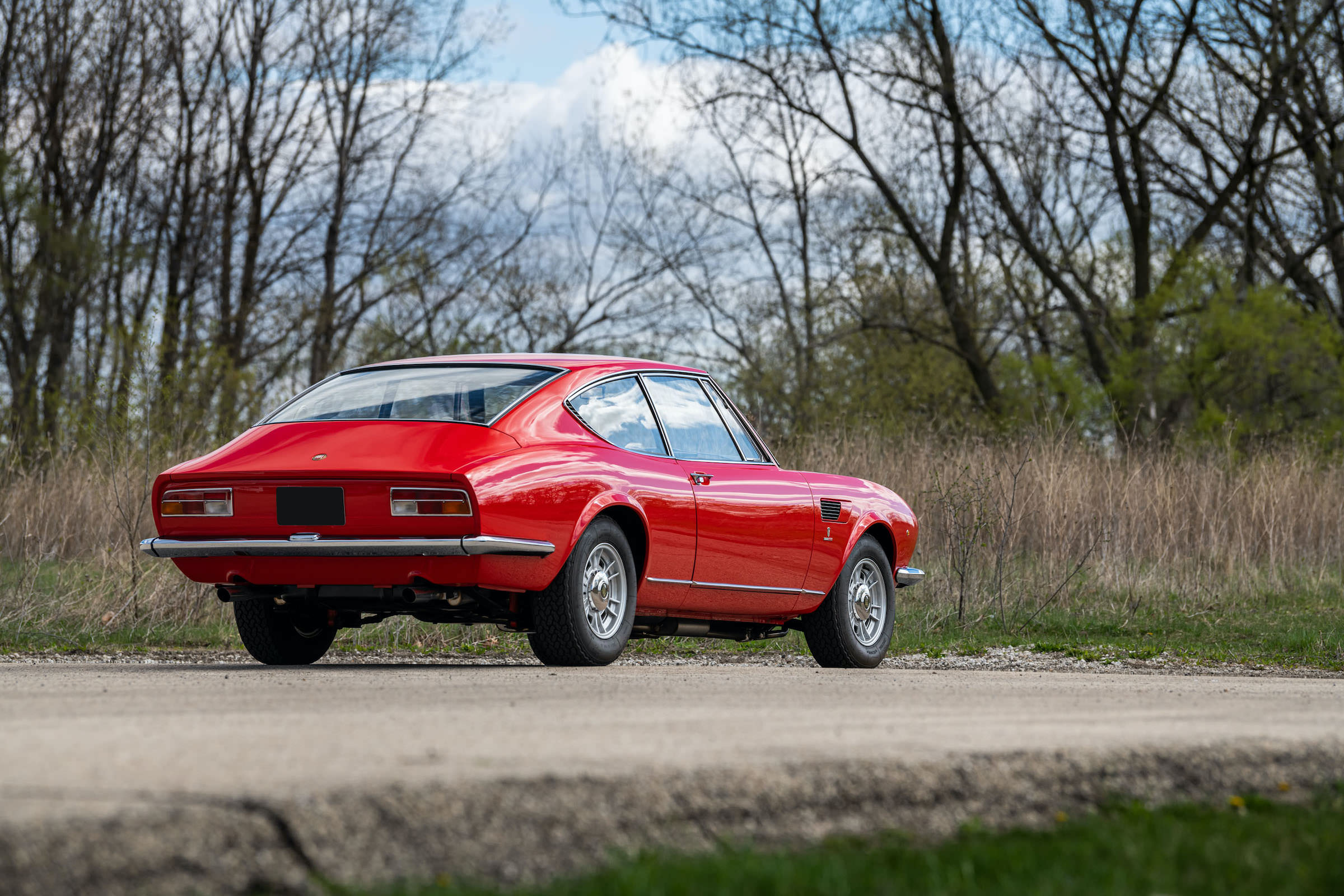
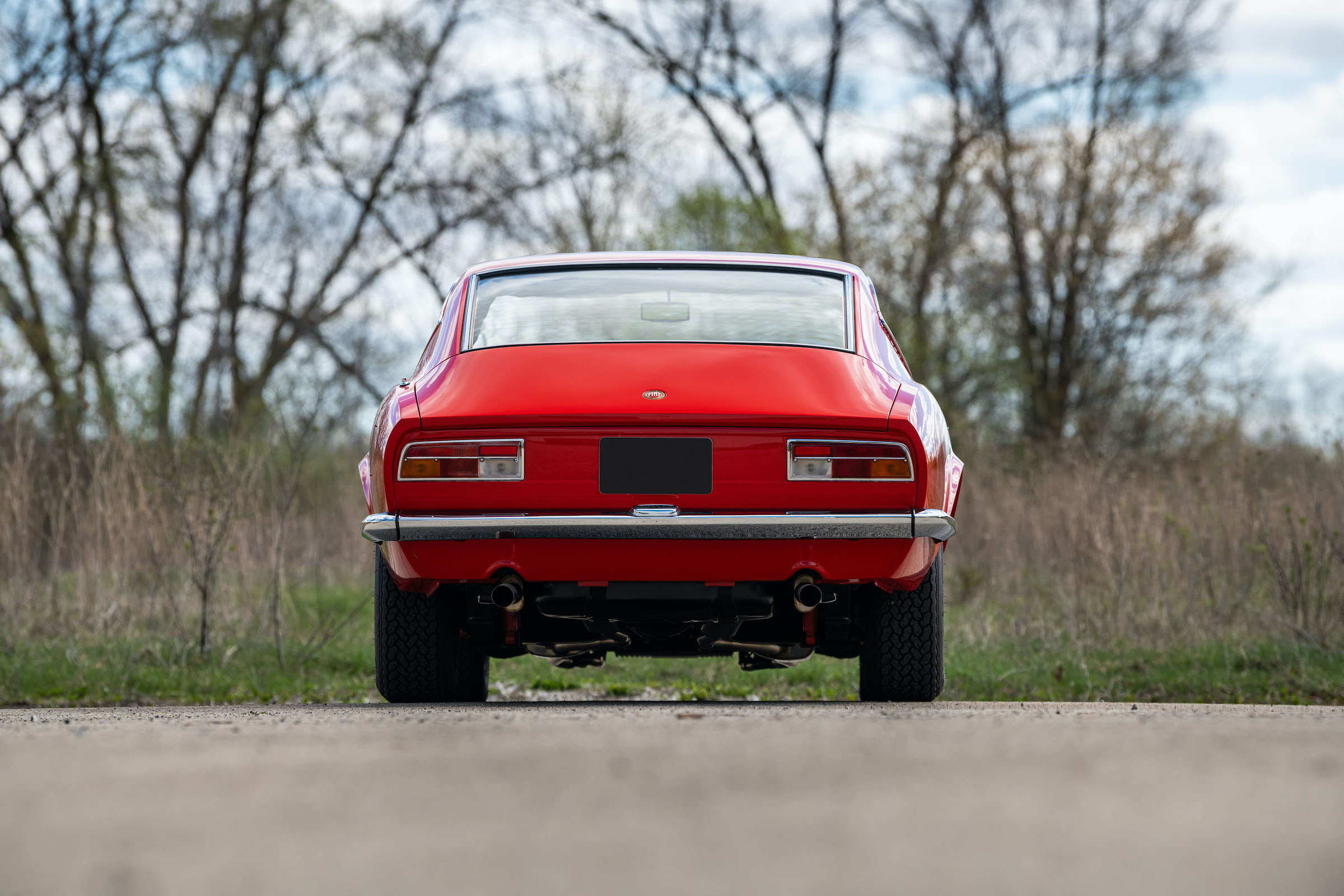
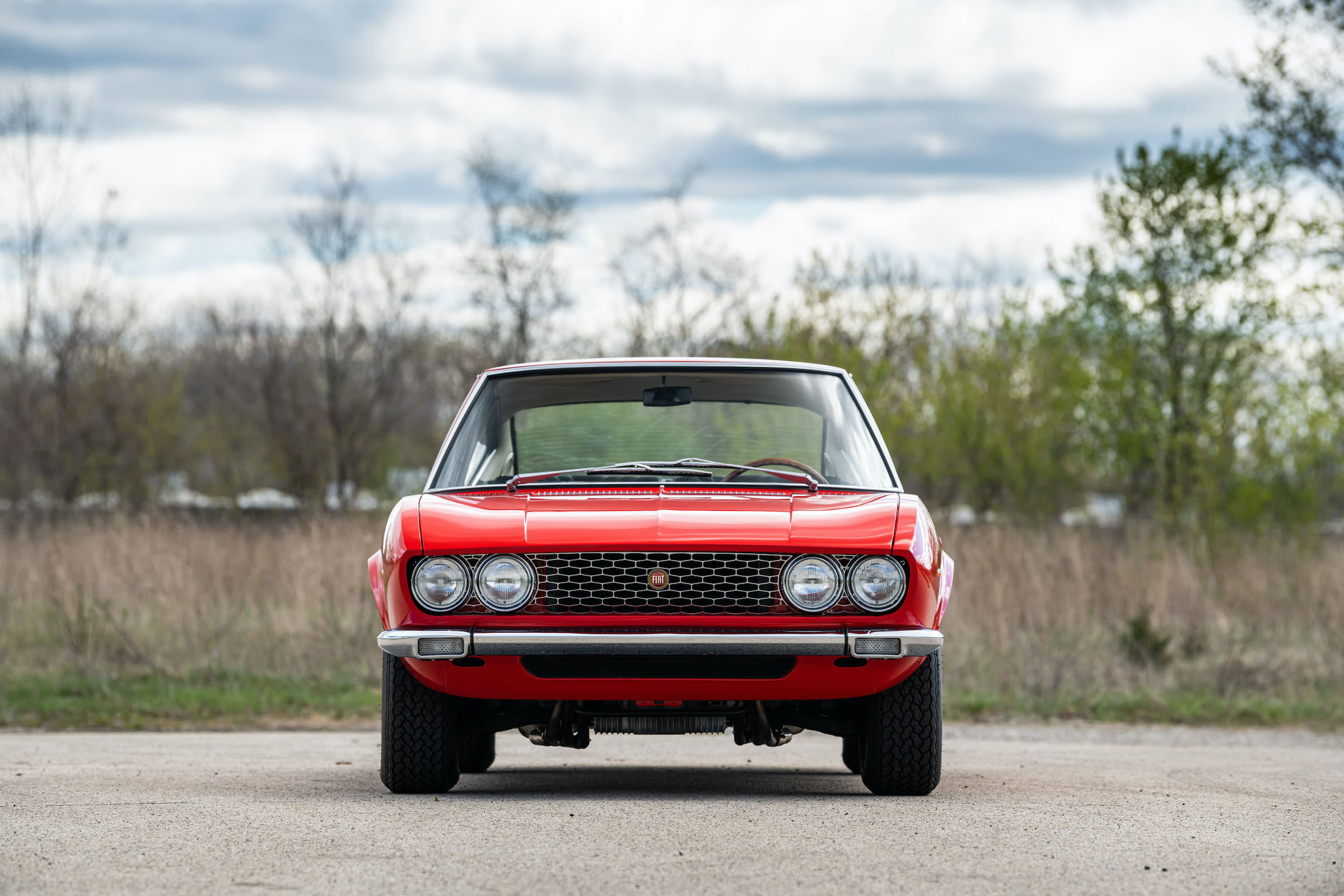
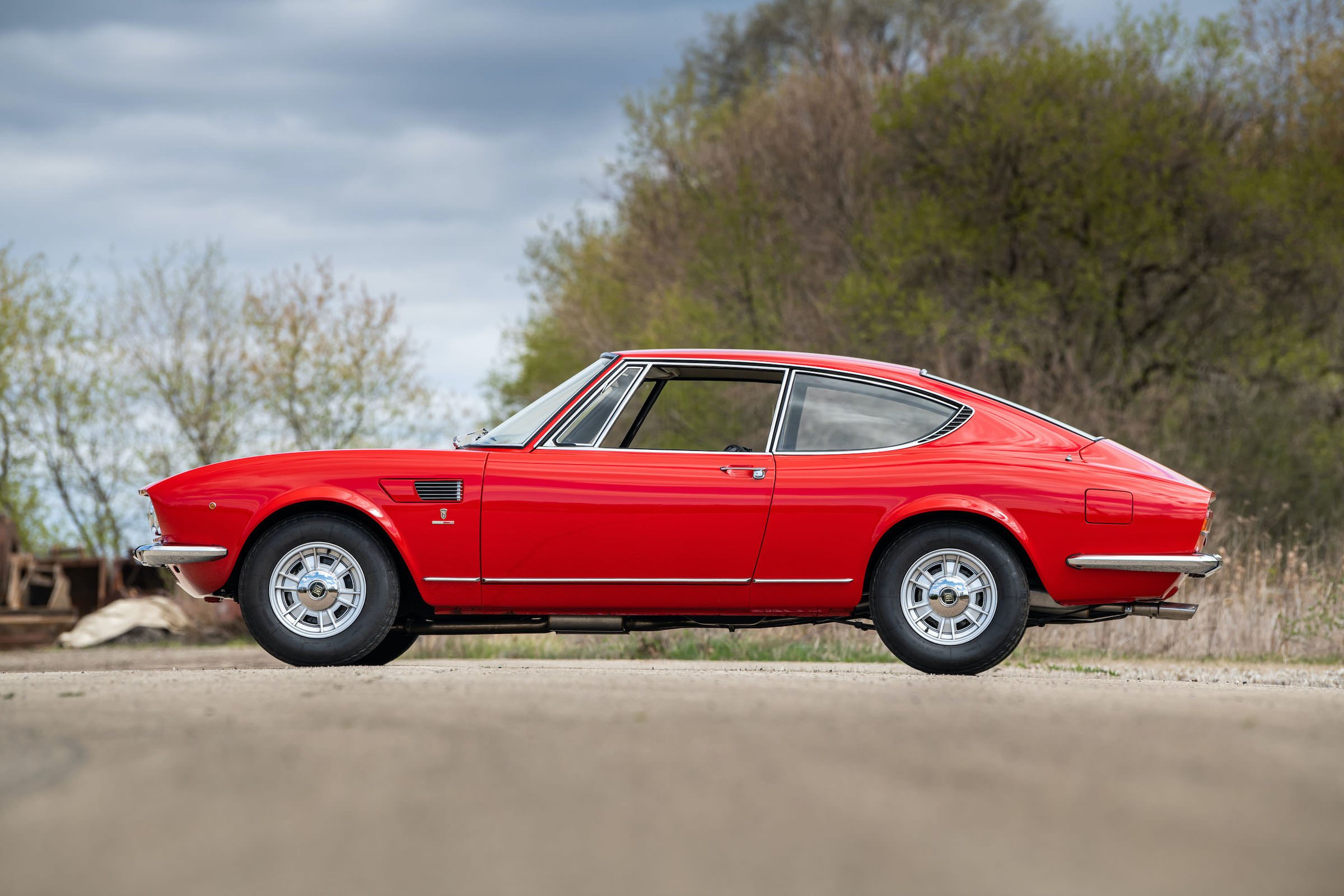
The Fiat Dino was designed by Giorgetto Giugiaro at Bertone, it looked nothing like its Ferrari-built sibling with its engine instead mounted up front and a passenger cabin that could accommodate four people, with space for luggage in the trunk.

Of course the centerpiece of the Fiat Dino is its engine, its design is said to be somewhat related to a V6 Formula 2 engine designed by Alfredo Ferrari in the 1950s before his death, though the Dino engine used in this application was a newer design by Vittorio Jano.

This V6 has a swept capacity of 1,987 cc, a 65ยบ bank angle between the cylinders, double overhead cams per bank, an alloy block and heads, and hemispherical combustion chambers. It would later be offered in more powerful 2.4 litre form, however in its original 2.0 litre form it was capable of 180 bhp at 6,600 rpm and 120 lb ft of torque at 6,000 rpm. This power was sent back through a five-speed gearbox to a limited-slip differential.

The Fiat Dino has steel unibody construction, double wishbone independent front suspension, a live axle on leaf springs in the rear, and it has four wheel disc brakes. The performance and comfort of the Fiat Dino ensured it was a popular car when it was released, despite the fact that only 500 needed to be made for homologation Fiat would sell 1,133 of the first generation and 424 of the second generation.

The 1967 Fiat Dino Shown Here

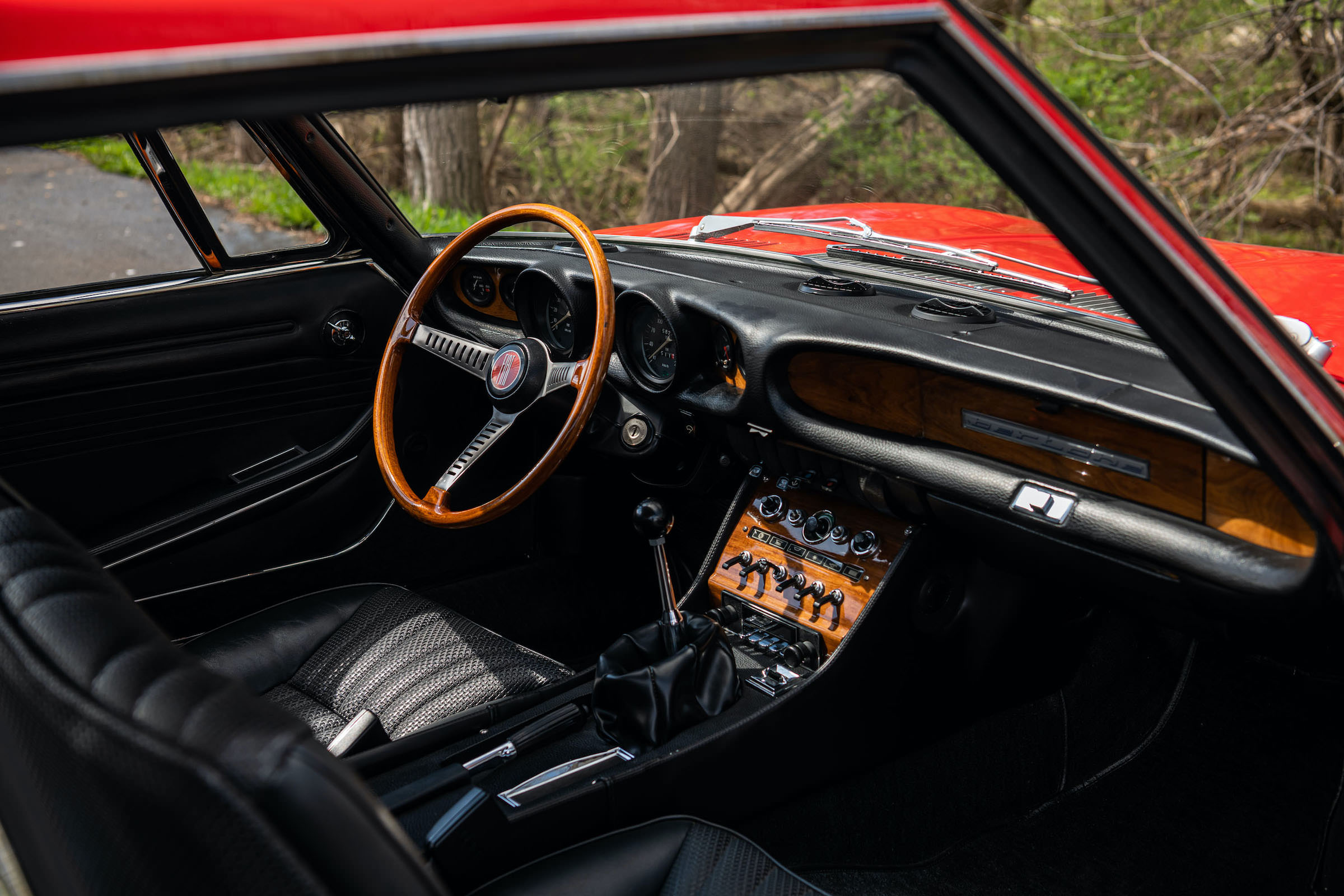
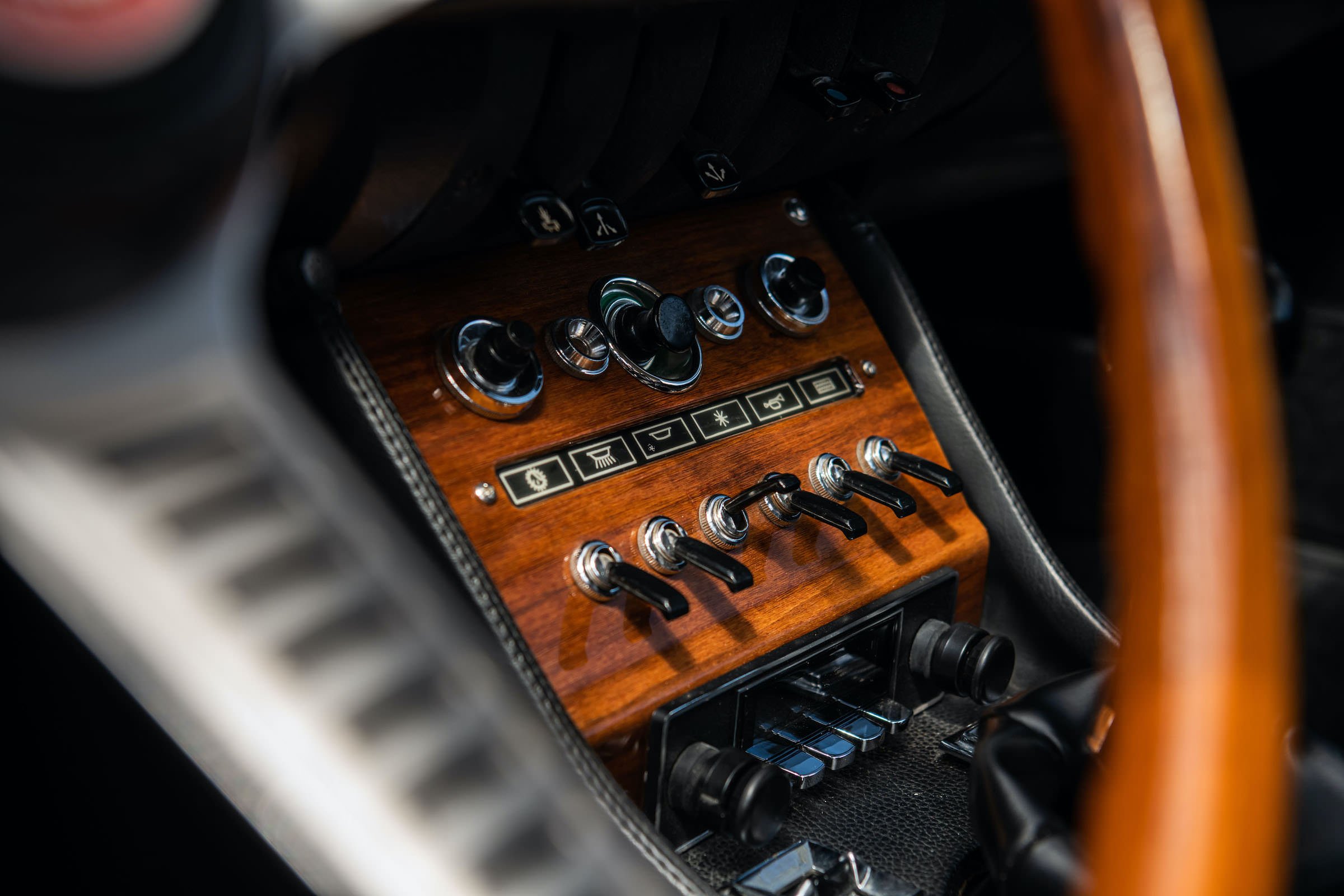
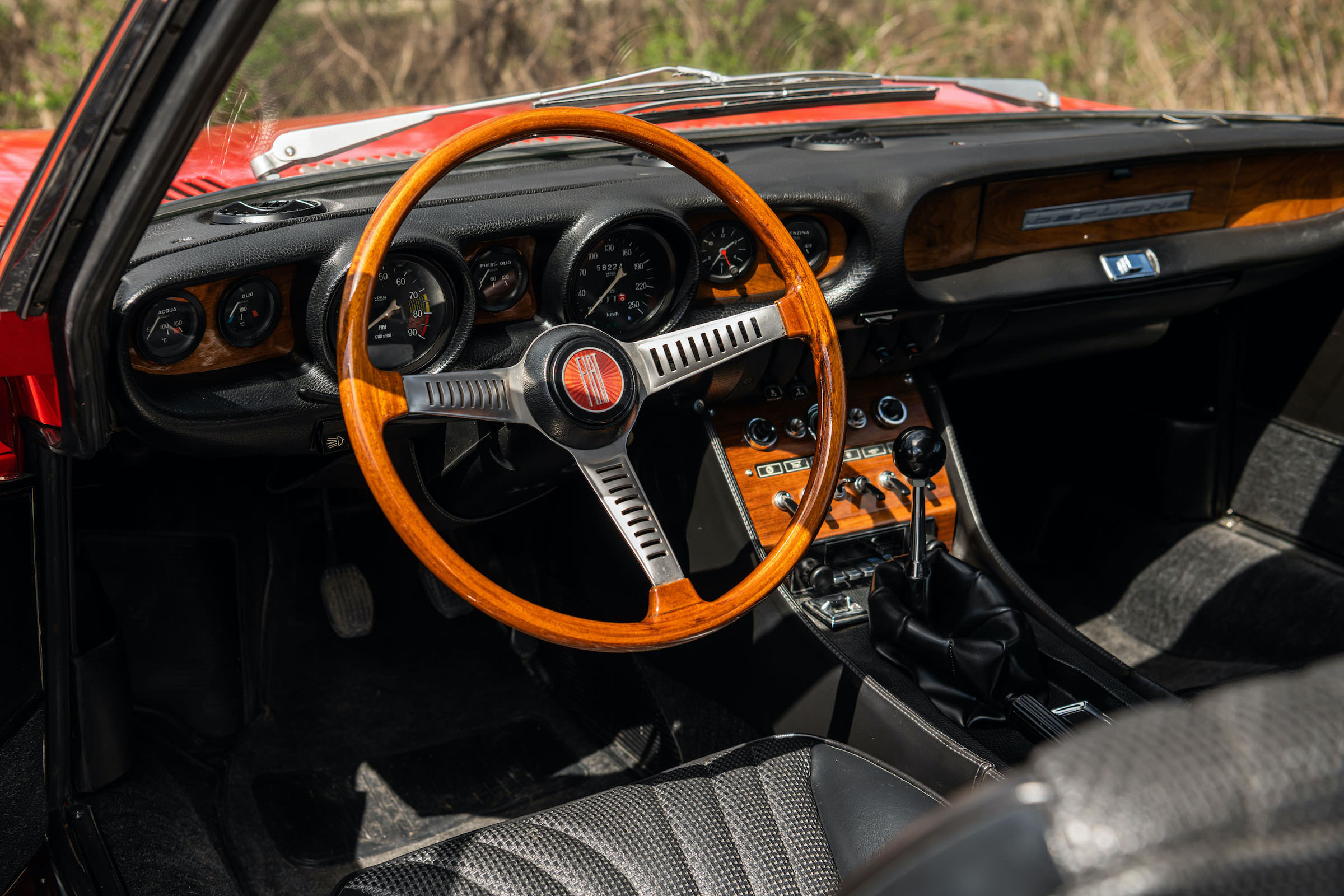
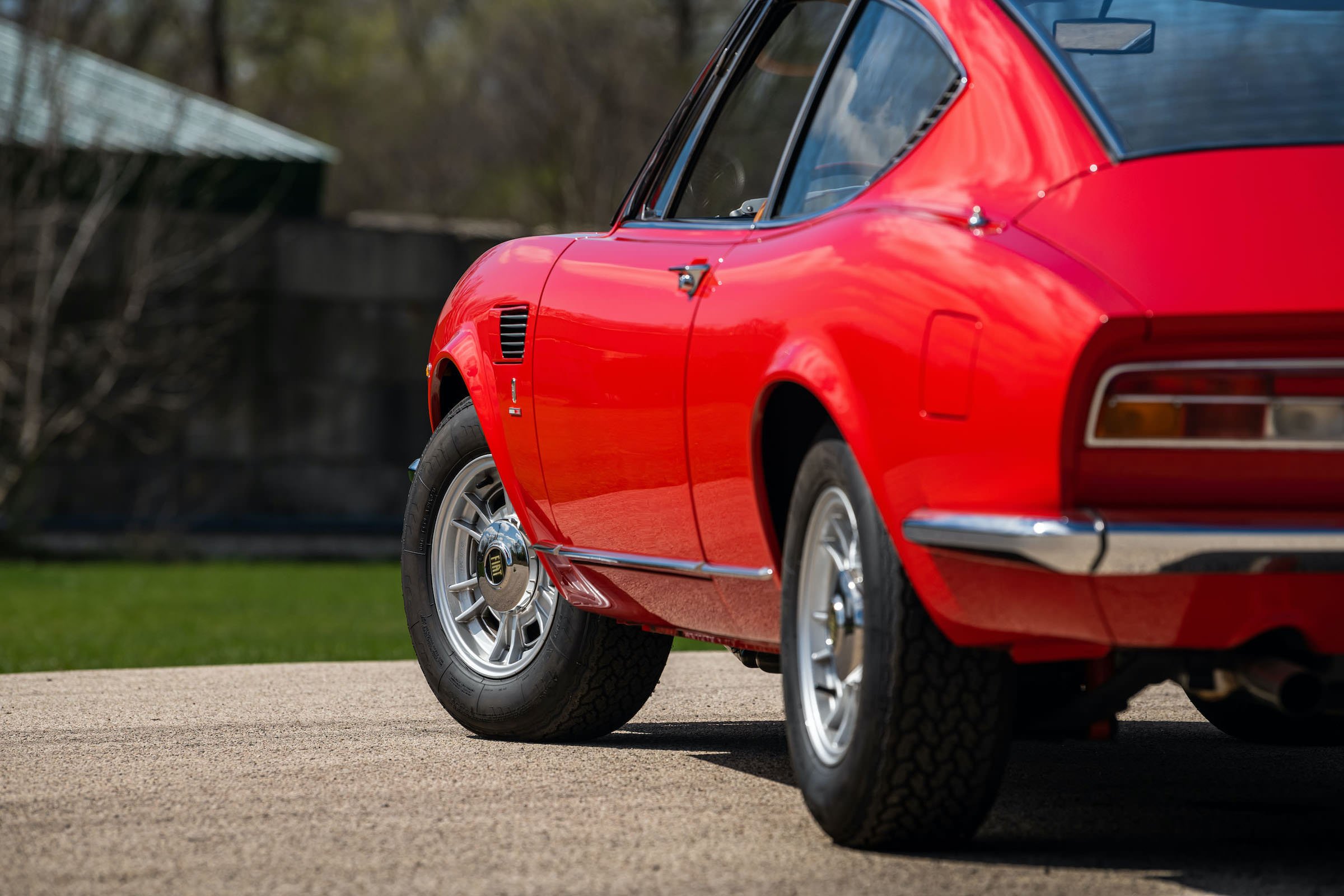
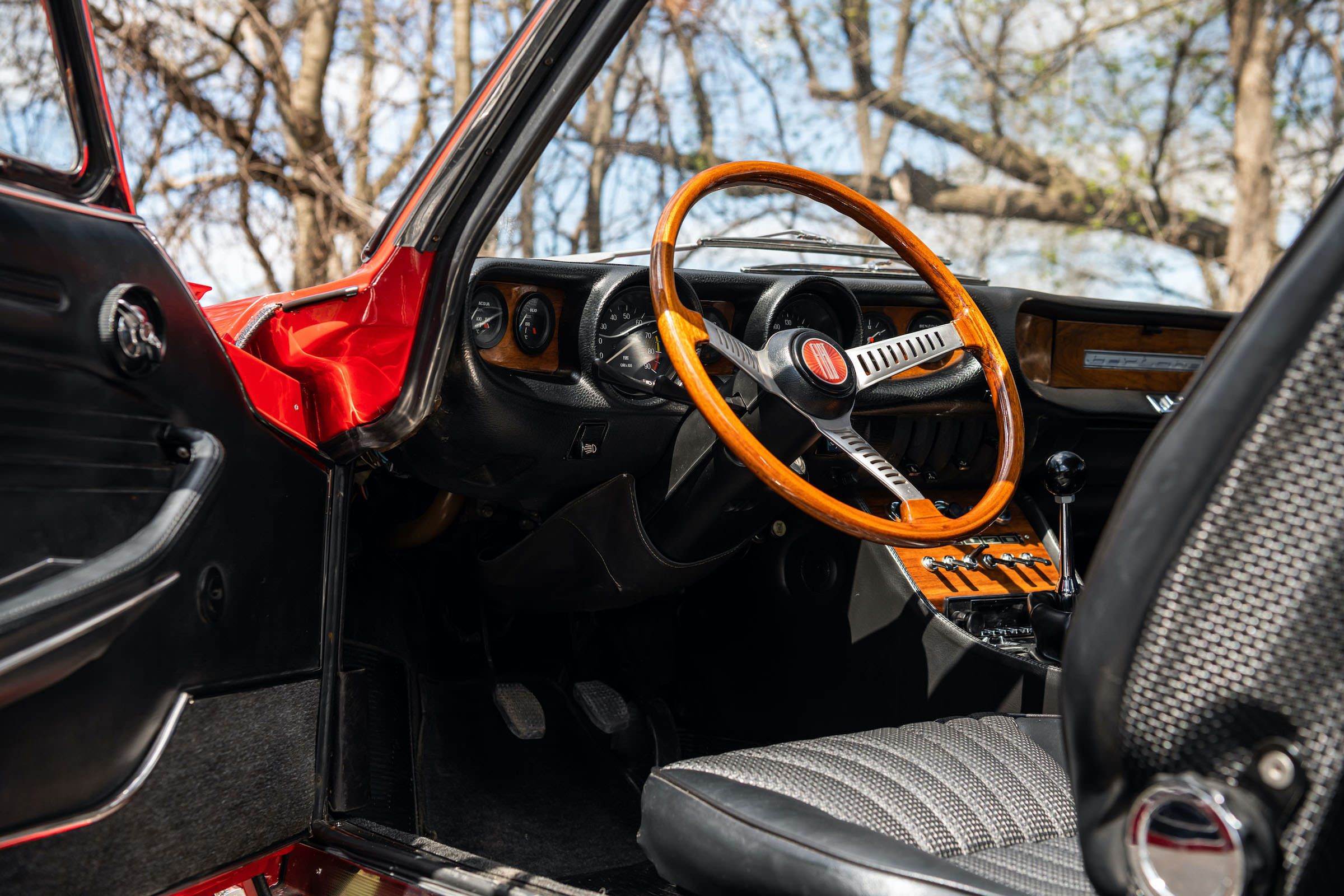
The car you see here is a 1967 Fiat Dino that is presented in what is arguably the best color for the model – bright red. With just 25 miles on the odometer after a comprehensive restoration, this Dino is doubtless one of the best in the world and it’s about as close as anyone can possibly come to buying a brand new car.

During the restoration the car was fully disassembled and taken back to bare metal, the engine was rebuilt along with the transmission, and the completed car is now presented in immaculate condition throughout.

If you’d like to read more about it or register to bid you can click here to visit the listing on RM Sotheby’s. It’s due to roll across the auction block on the 22nd of May with a price estimate of $60,000 to $80,000 USD.

Fiat Dino 1

Fiat Dino 21

Fiat Dino 19

Fiat Dino 18

Fiat Dino 17

Fiat Dino 16

Fiat Dino 15

Fiat Dino 14

Fiat Dino 13

Fiat Dino 12

Fiat Dino 11

Fiat Dino 10

Fiat Dino 9

Fiat Dino 8

Fiat Dino 7

Fiat Dino 6

Fiat Dino 5

Fiat Dino 4

Fiat Dino 3

Fiat Dino 2

Fiat Dino 1

Images: Jeremy Cliff ©2021 Courtesy of RM Sotheby’s

The post The Fiat Dino – A Fiat With A Ferrari Formula 2 Engine appeared first on Silodrome.


from Silodrome https://silodrome.com/fiat-dino/
via gqrds

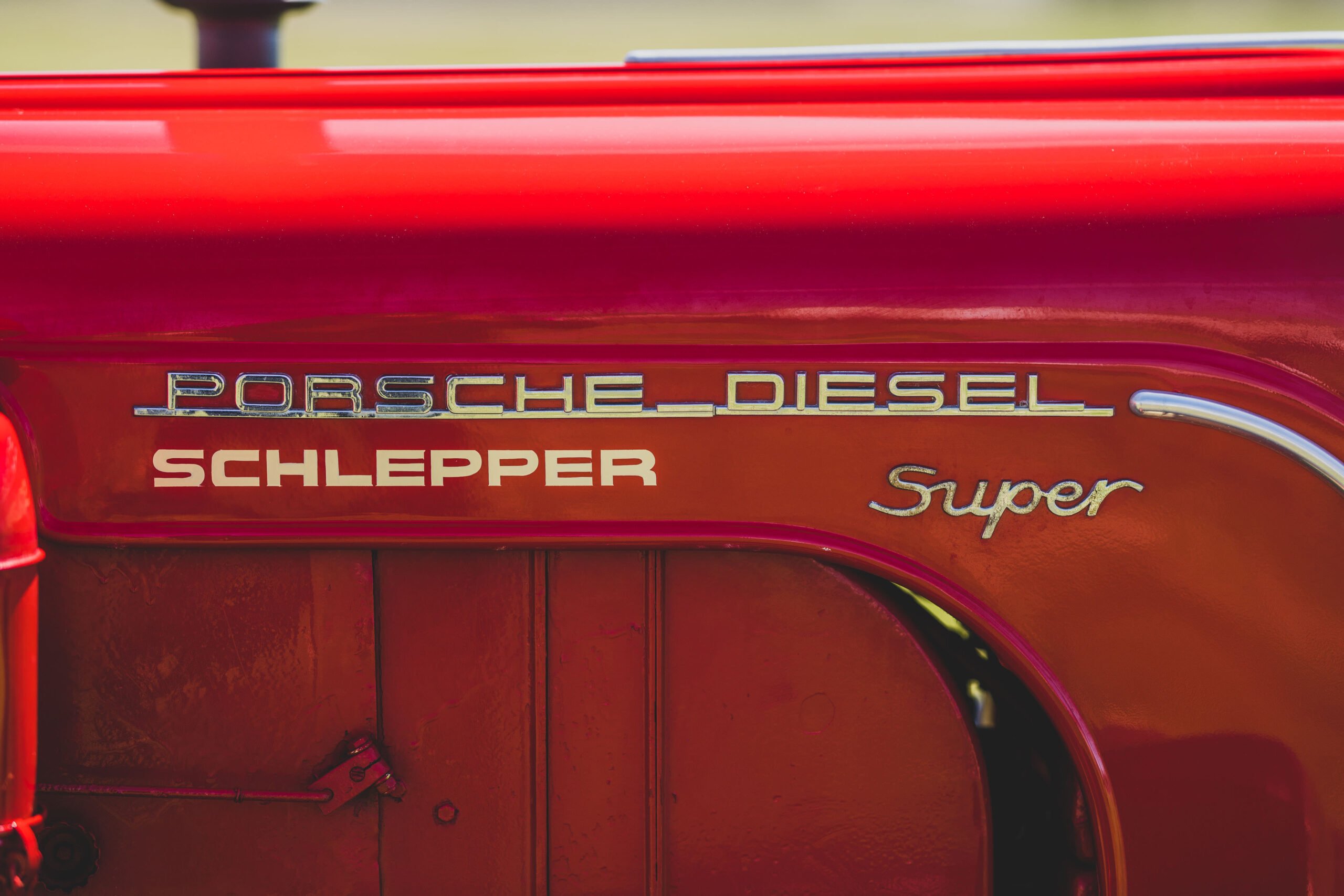
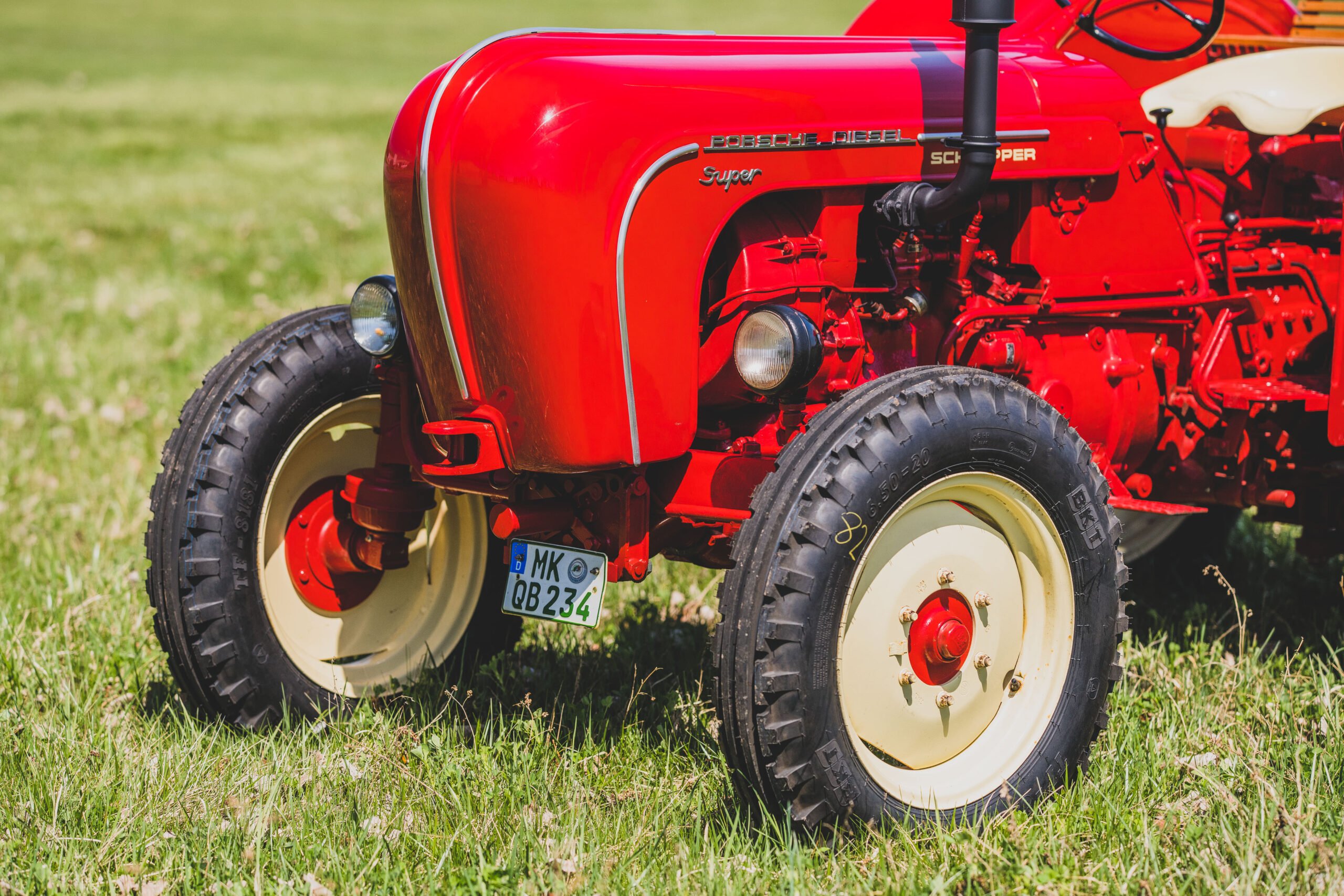
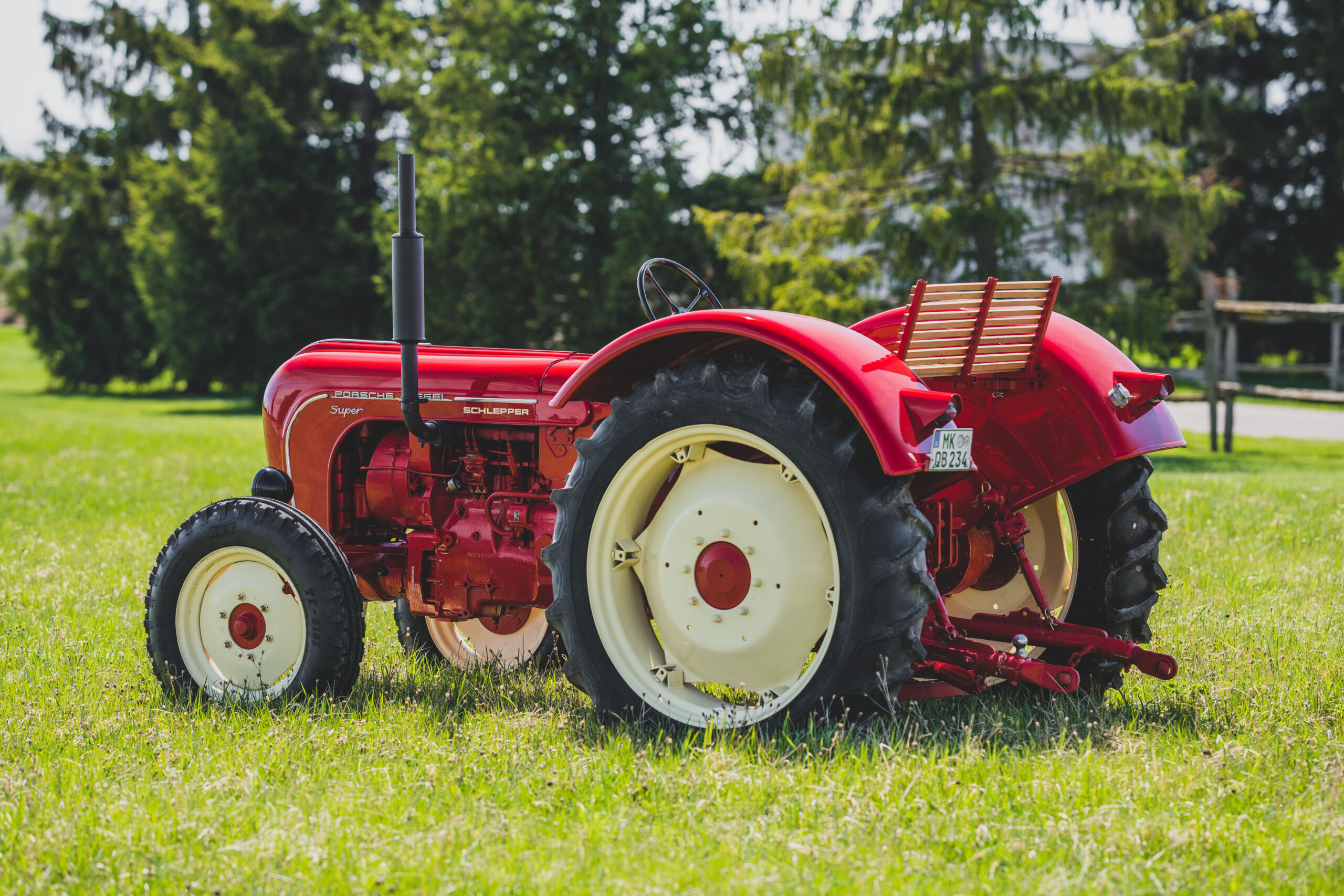
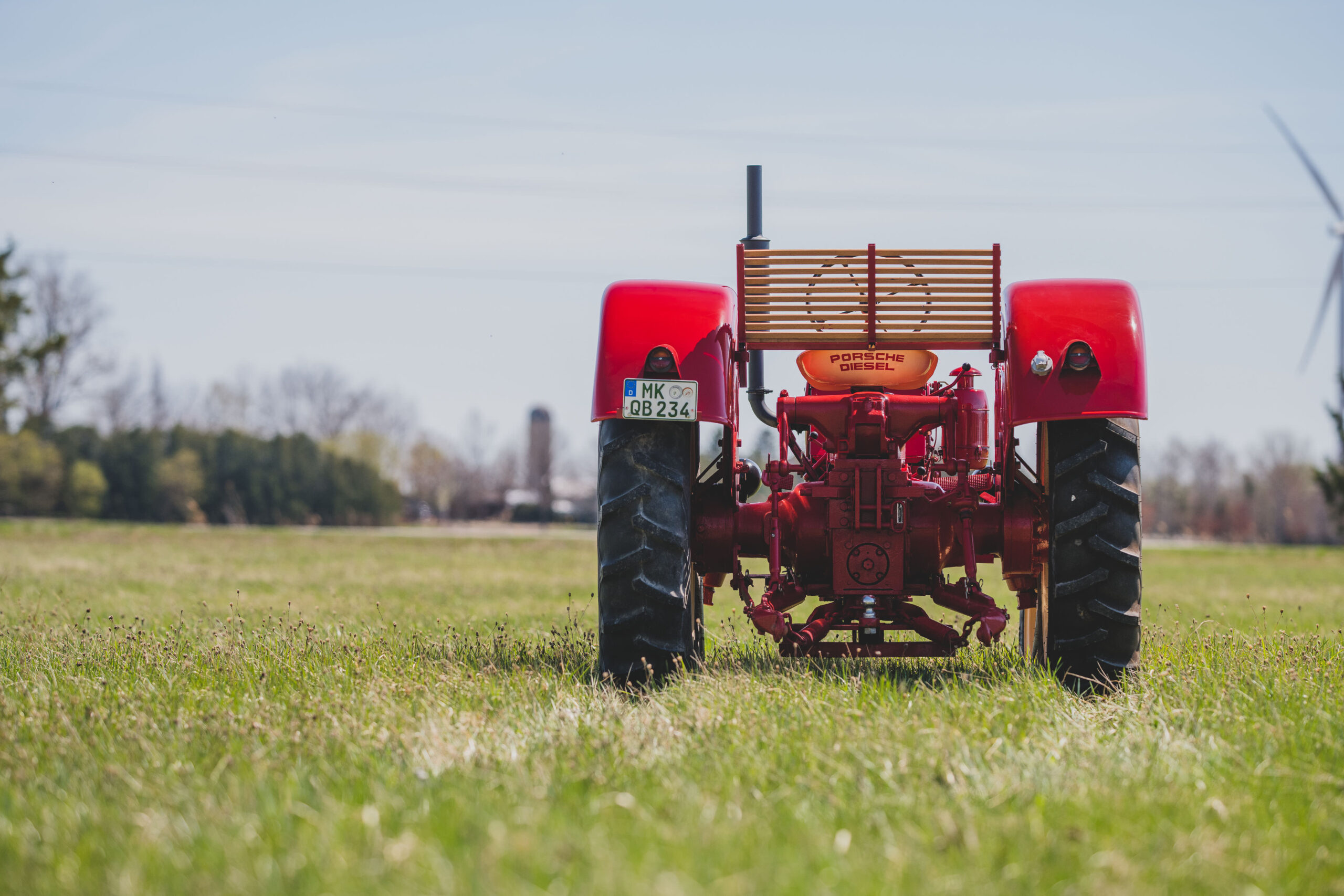
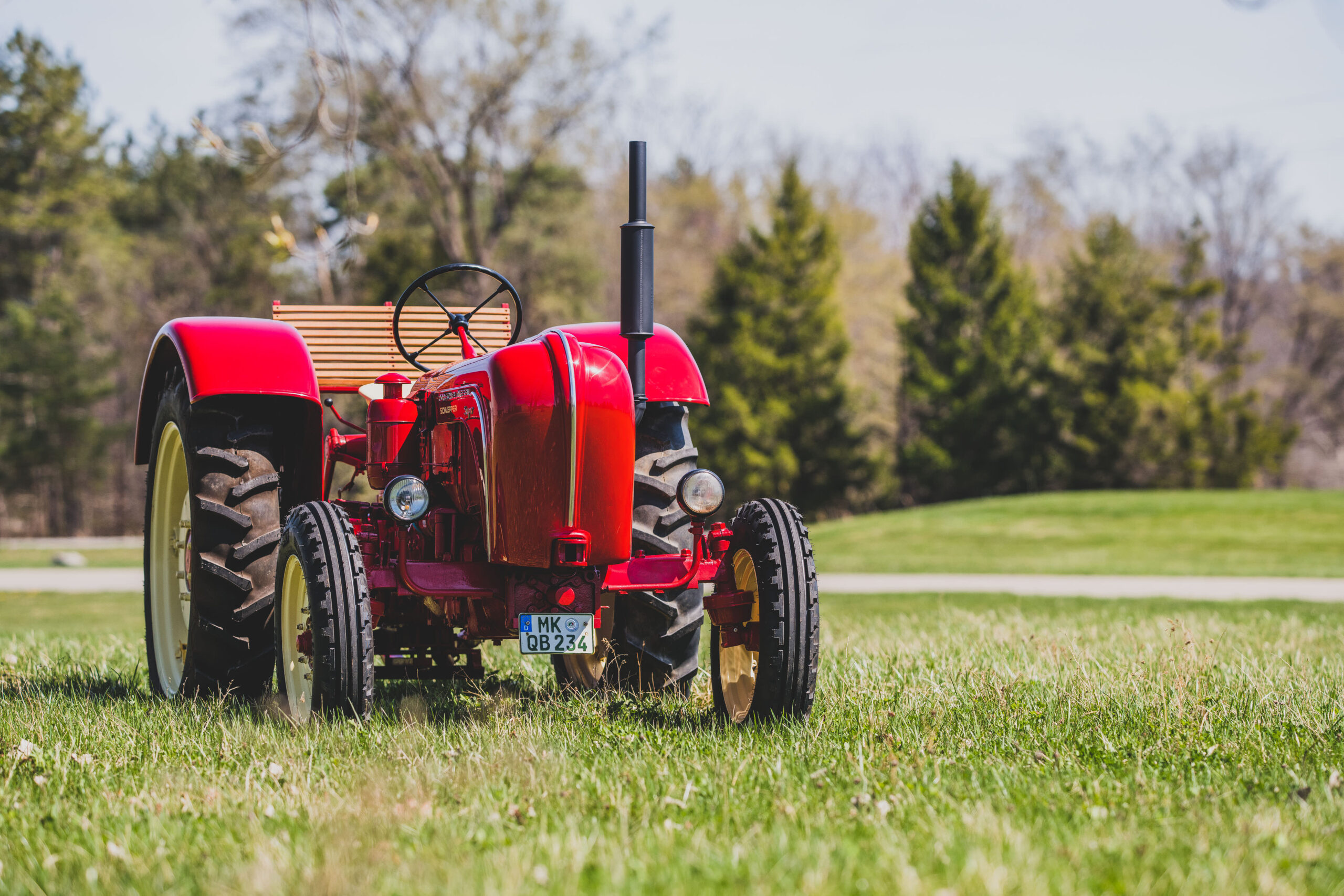
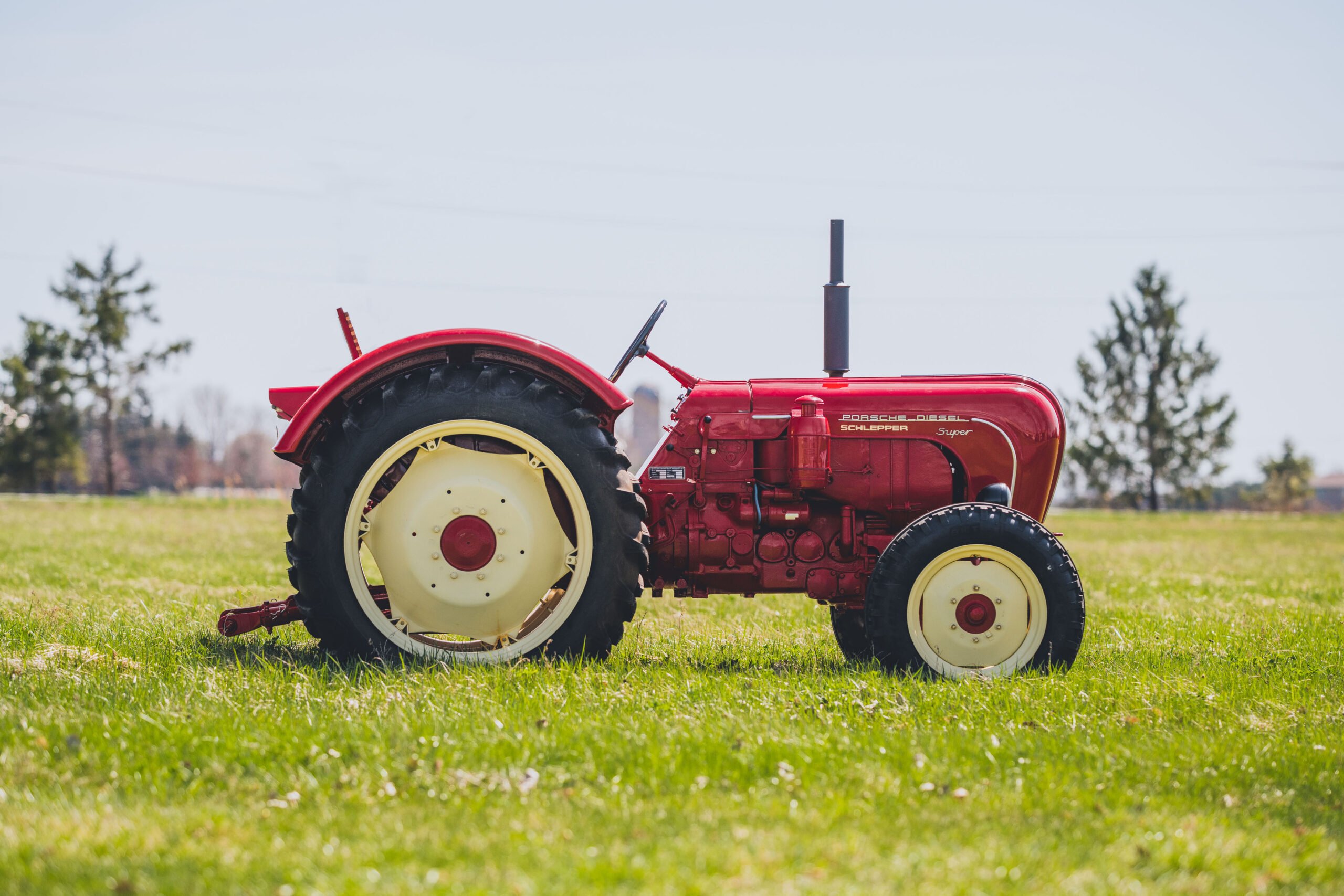
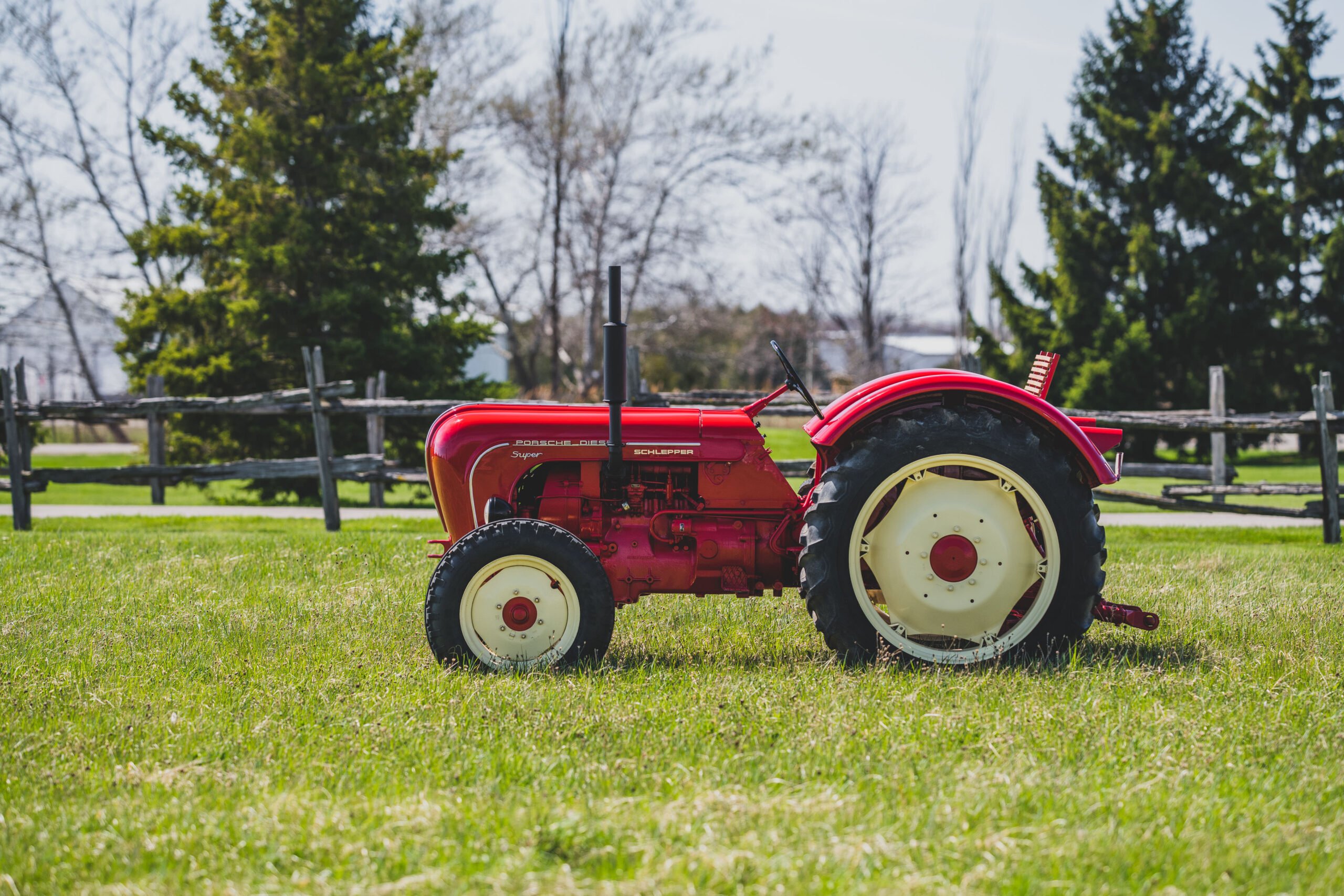
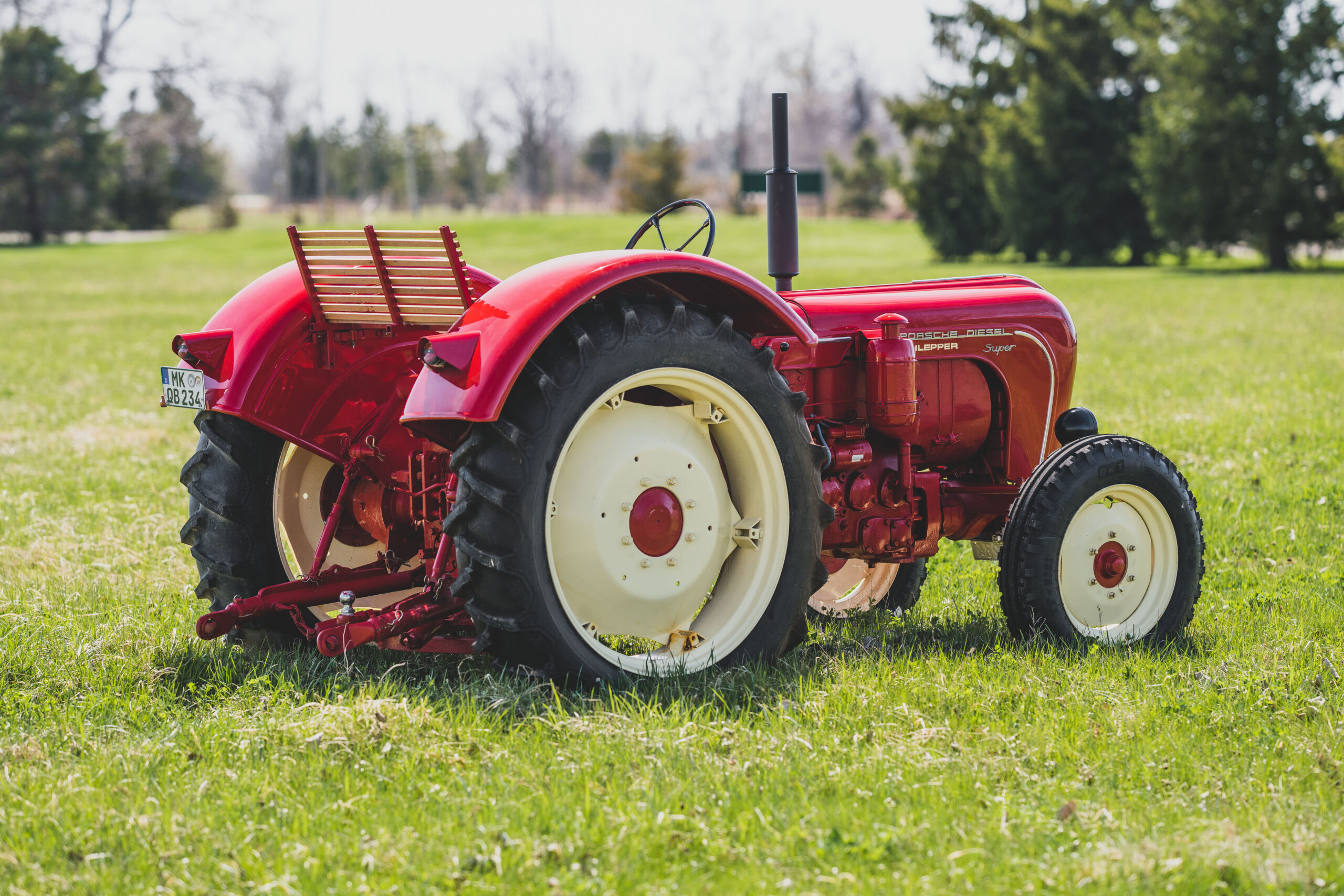
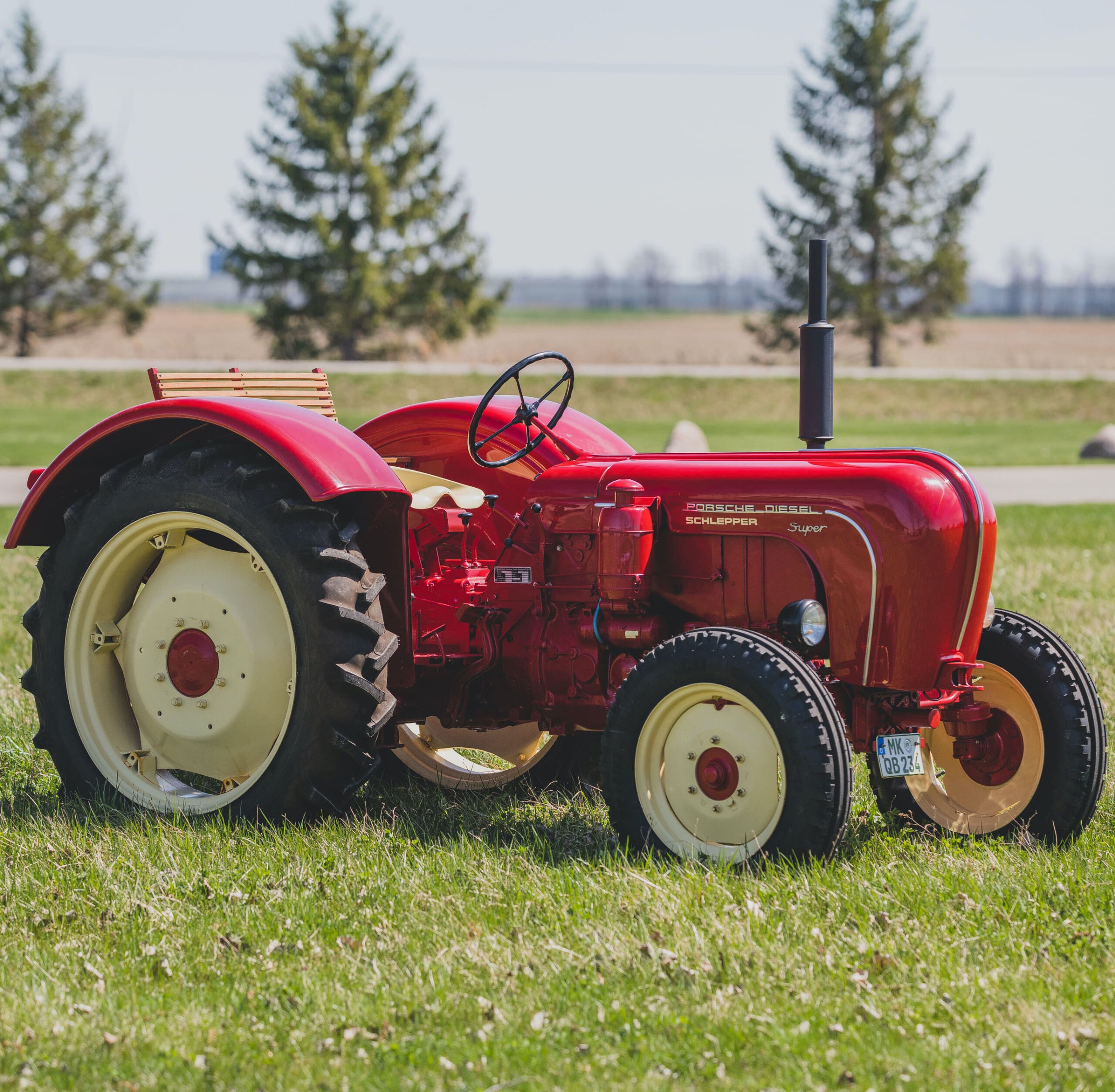
A Porsche-Diesel Super 319 “Volks Schlepper” Tractor – $20,000 to $30,000 USD

Finding a restored 1960s-era Porsche for sale with a projected price of between $20,000 and $30,000 USD isn’t something we’ve typically seen for decades, not since the popularity of older air-cooled cars from Stuttgart took off like a rocket.

The only vehicles carrying Porsche badges from this era that fall anywhere near the affordable range now are mostly tractors, with diesel powered air-cooled engines and gleaming bright red paintwork.

Most members of the classic car world are well acquainted with the fact that Ferruccio Lamborghini built tractors long before he began building supercars, but many don’t know that Ferdinand Porsche designed a slew of tractors himself – some of which remain in service on farms and vineyards to this day.

The Porsche-Diesel Super was built between 1956 and 1963 but the design work on the first Porsche tractors had begun all the way back in the early 1930s alongside the car that would become known as the Volkswagen Beetle.

The connection between the Beetle as the “folk’s wagon” or “people’s car” and the Nazis have been well documented, but many don’t know that Ferdinand Porsche was also designing a “volks schlepper” or “people’s tractor” right alongside it.

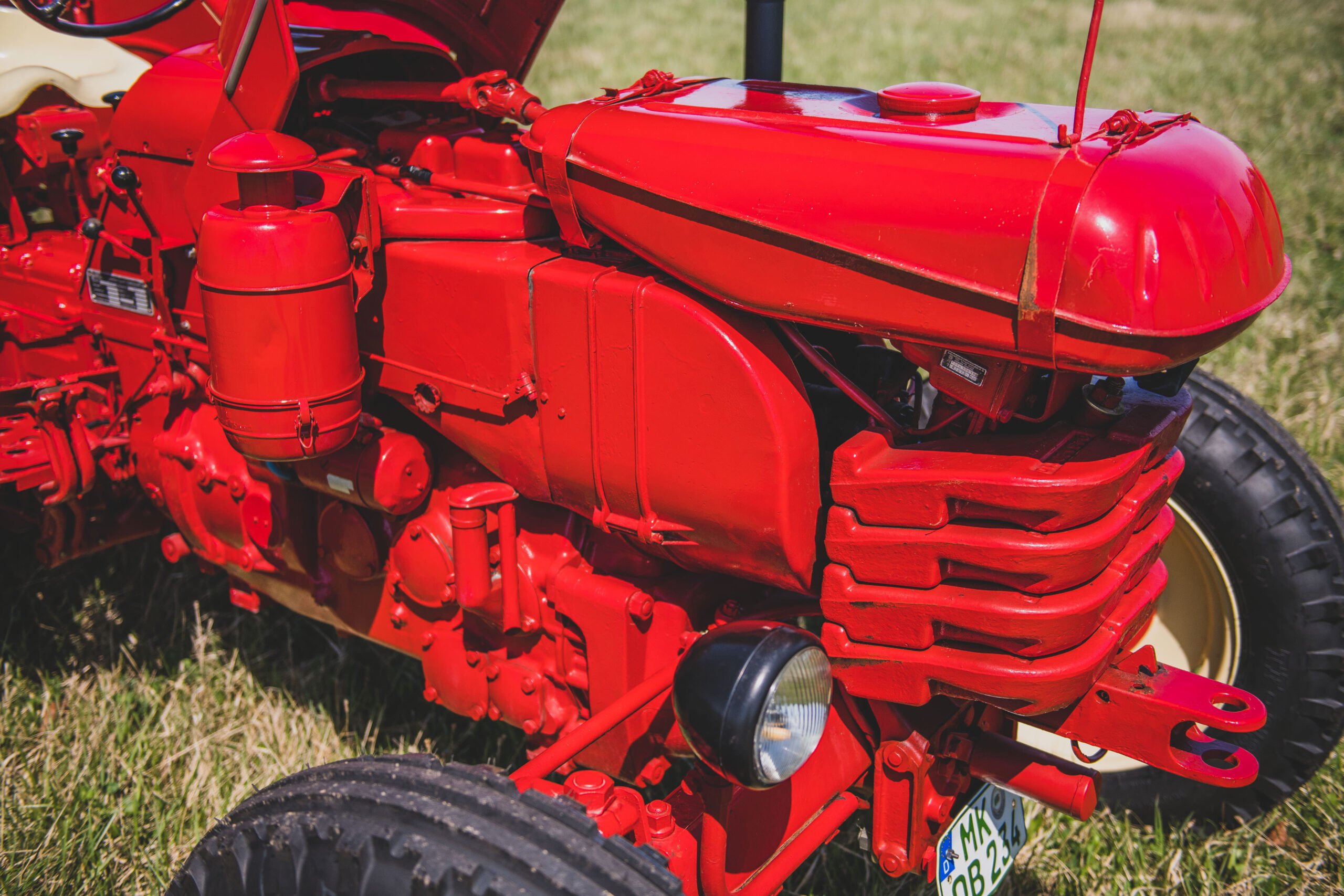
Much like the Beetle these Porsche tractors were designed to be as mechanically simple and reliable as possible, they were also designed with a hydraulic coupling between the engine and transmission – to make them easy to drive and eliminate the chance of the driver burning out the clutch.

Porsche tractors were offered with 1, 2, 3, or 4 cylinder diesel engines – these engines were designed to be as tough as possible and unusually it was possible to remove each cylinder and its head individually. This helped simplify the process of working on them considerably and it meant a single person could perform extensive work on an engine without needing additional help to lift long cylinder heads and other heavy parts.

Porsche-Diesel Super Tractor 3

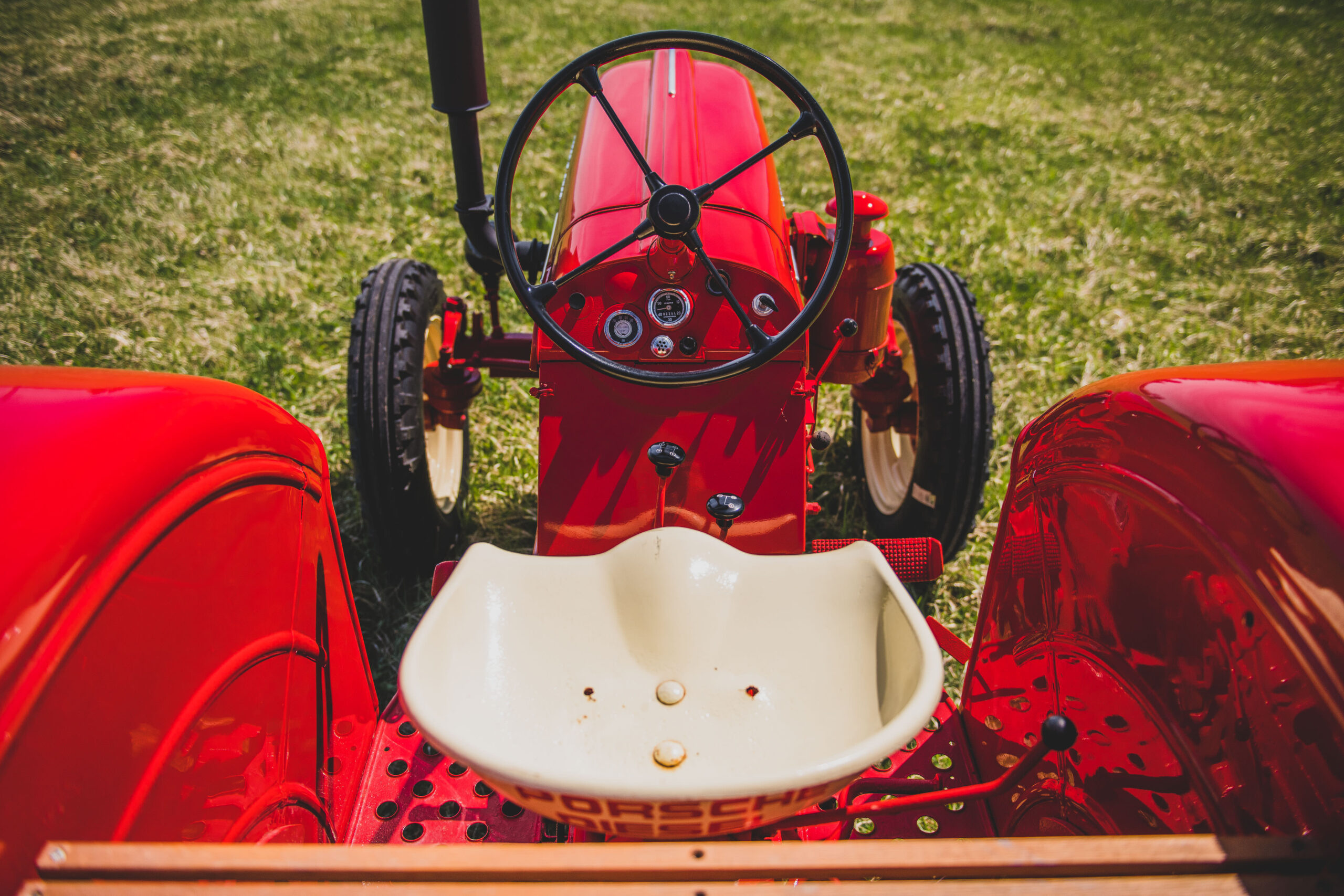
Above Image: The transmission levers are positioned between the legs, one is for changing gear and the other for changing between the two transmission ratios.

Despite the fact that the Porsche tractor designs were advanced they couldn’t be put into production immediately after the war as only companies that already had experience building tractors were permitted to start building them once again – due to tight restrictions on materials.

As a result of this, Porsche licensed his designs to two companies to build them under contract, one German company and one Austrian. This all changed in 1956 when Mannesmann AG bought the rights to the engine and tractor design, putting them into mass production in Germany in a former Zeppelin factory. From 1956 until 1963 this factory built over 125,000 Porsche-Diesel tractors and exported many of them around the world.

During the years of production only 1,000 or so Porsche-Diesel tractors were sold in North America, locally built tractors were far more affordable and at this time the Porsche brandname wasn’t yet quite as famous as it is today.

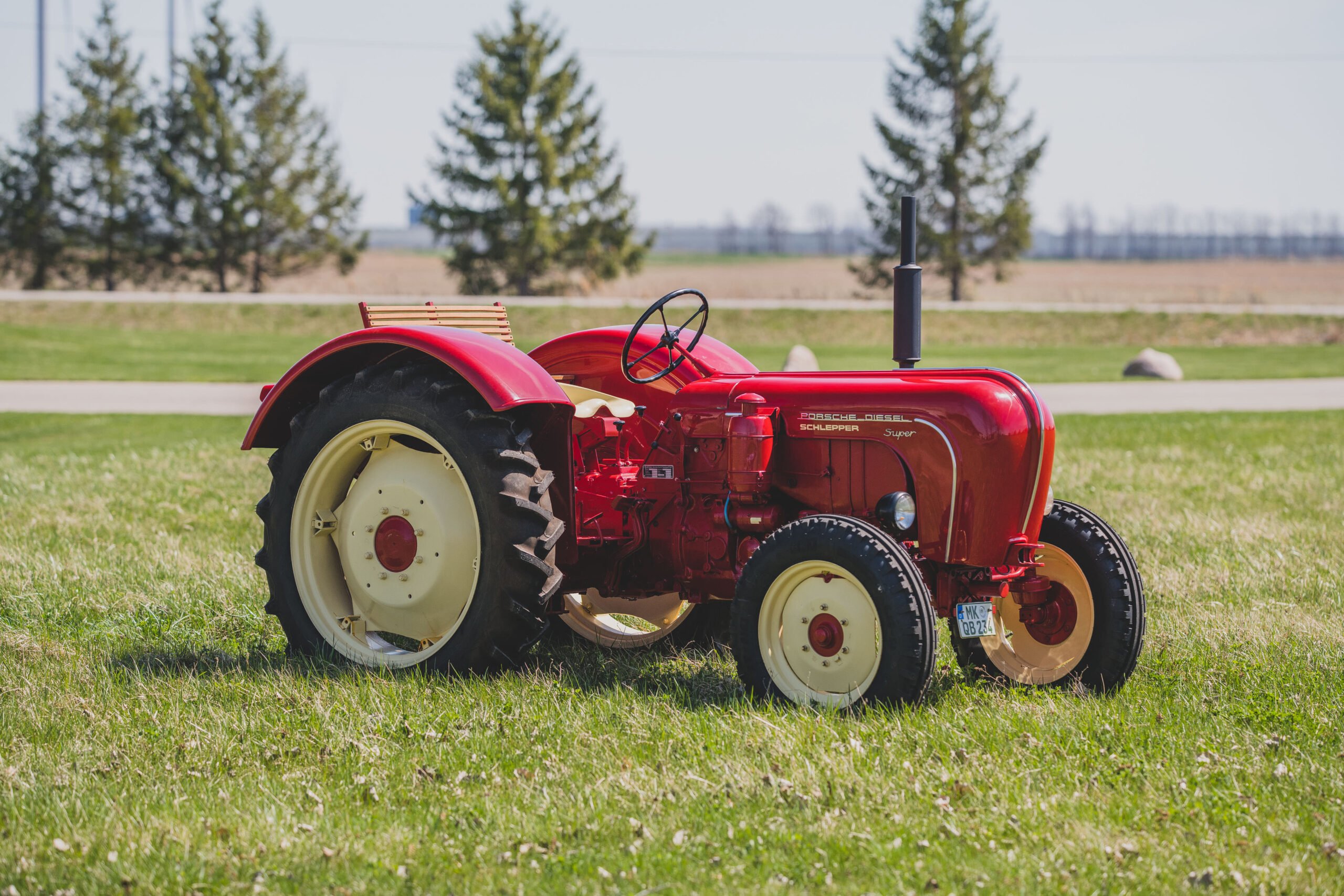
The top of the line Porsche tractor was the Porsche-Diesel Super, it’s powered by an air-cooled, four-stroke diesel engine with a swept capacity of 2,466cc. Power is sent to the rear wheels via a 4-speed dual-ratio transmission and there’s a power takeoff for powering farm machinery and ancillaries.

The demand for restored Porsche tractors has been shooting up in recent years and as a result we’re seeing more and more of them come to market. There are clubs dedicated to keeping them on the road and helping to source parts, and they’re warmly welcomed at both car shows and rural shows for display.

The restored Porsche-Diesel Super you see here benefits from a full restoration, it’s accompanied by owner’s manuals and restoration invoices, and it’s being offered with a price guide of $20,000 to $30,000 USD. If you’d like to read more about it or register to bid you can click here to visit the listing on RM Sotheby’s.

Porsche-Diesel Super Tractor 8

Porsche-Diesel Super Tractor 13

Porsche-Diesel Super Tractor 12

Porsche-Diesel Super Tractor 11

Porsche-Diesel Super Tractor 9

Porsche-Diesel Super Tractor 7

Porsche-Diesel Super Tractor 6

Porsche-Diesel Super Tractor 5

Porsche-Diesel Super Tractor 4

Porsche-Diesel Super Tractor 2

Porsche-Diesel Super Tractor 1

Porsche-Diesel Super Tractor Tall

Images: Darin Schnabel ©2021 Courtesy of RM Sotheby’s

The post A Porsche-Diesel Super 319 “Volks Schlepper” Tractor – $20,000 to $30,000 USD appeared first on Silodrome.


from Silodrome https://silodrome.com/porsche-diesel-super-tractor-volks-schlepper/
via gqrds
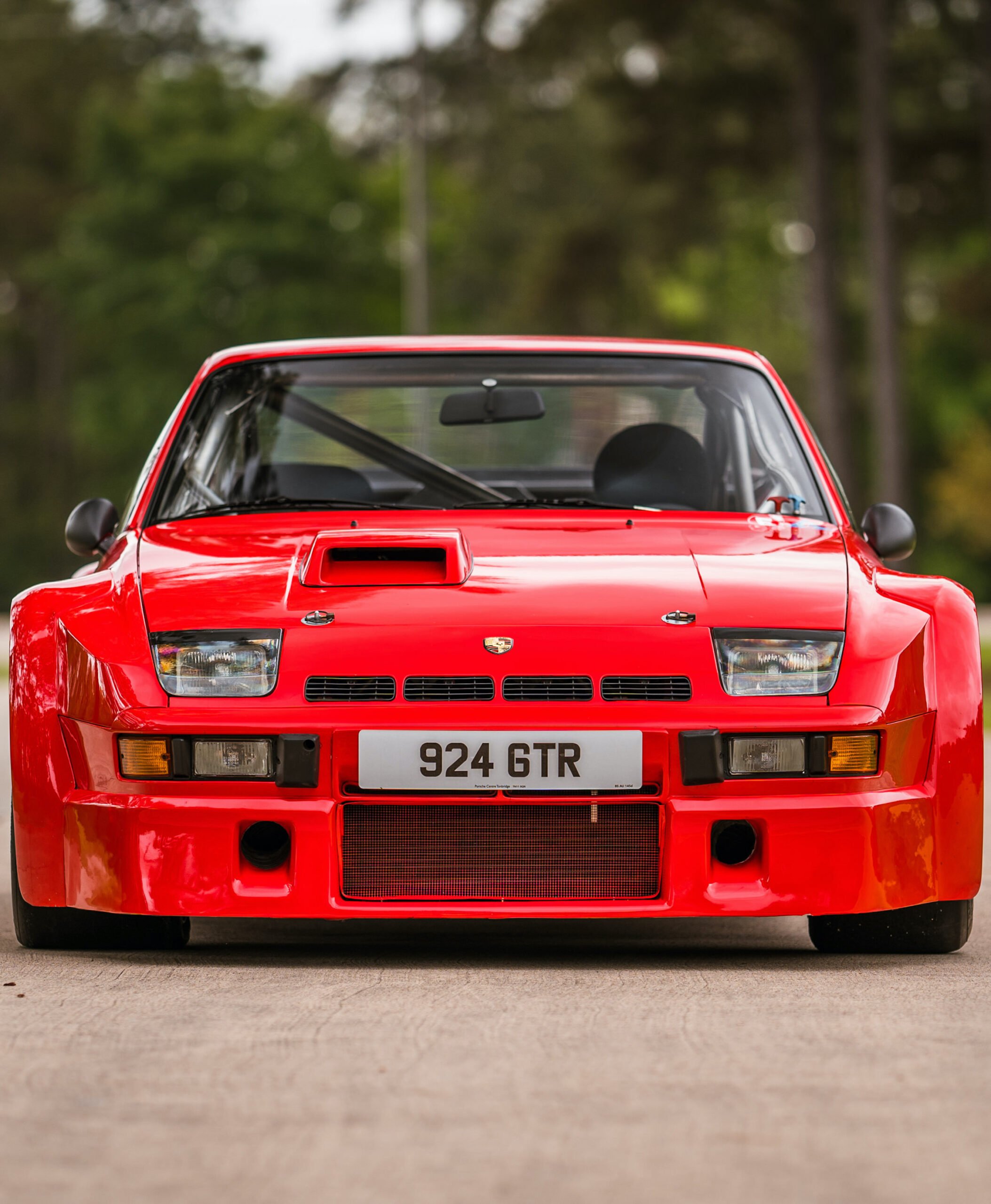
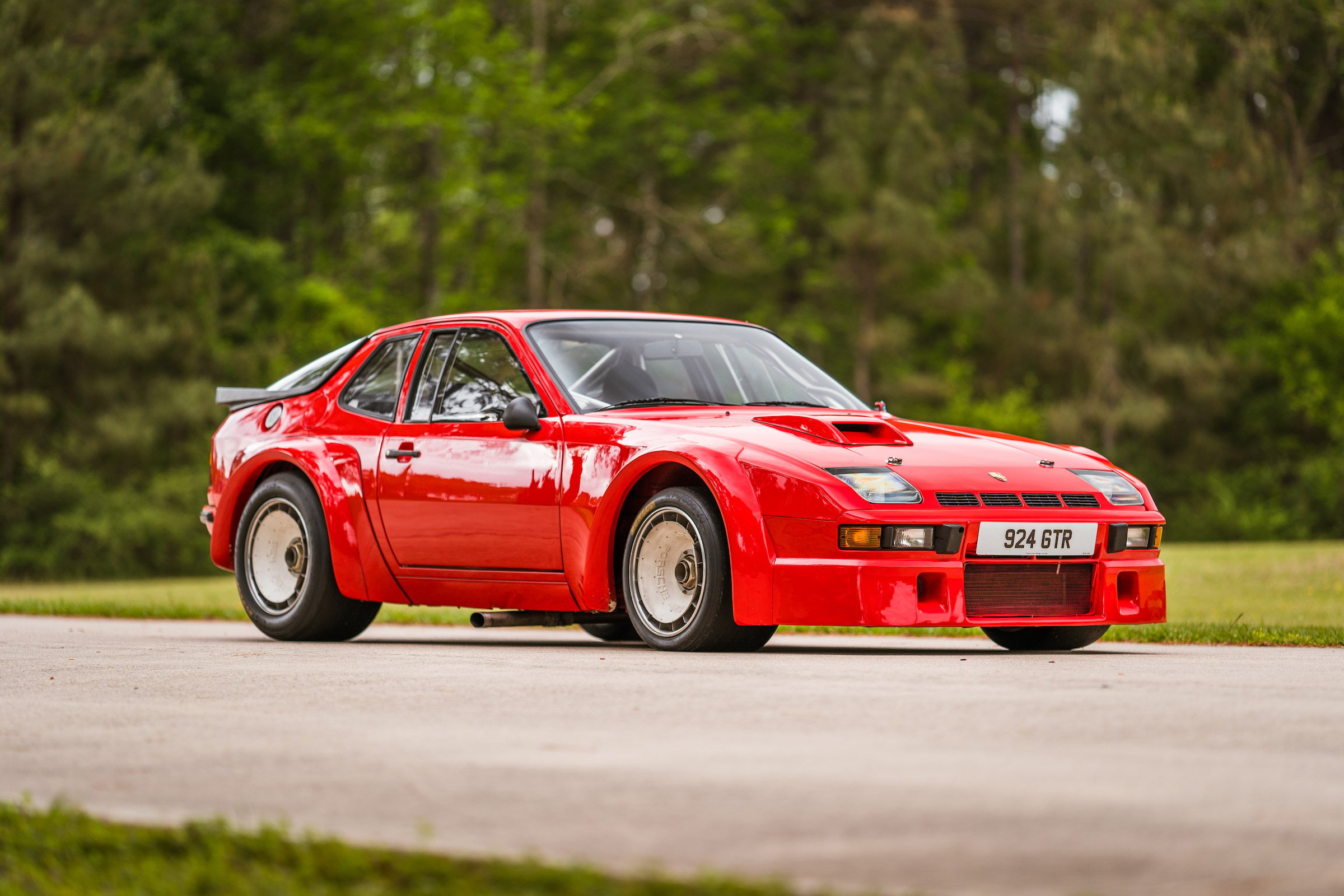
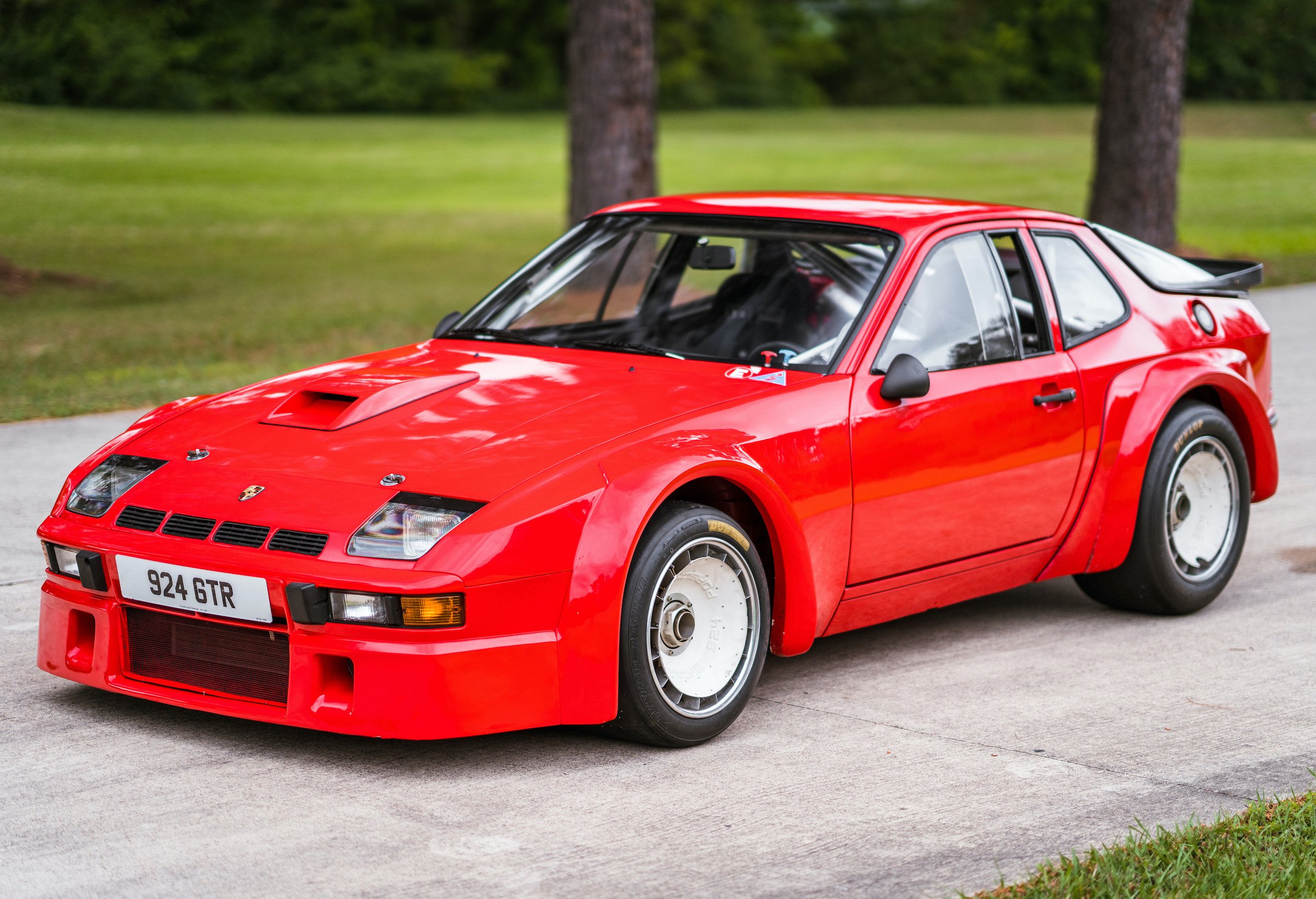
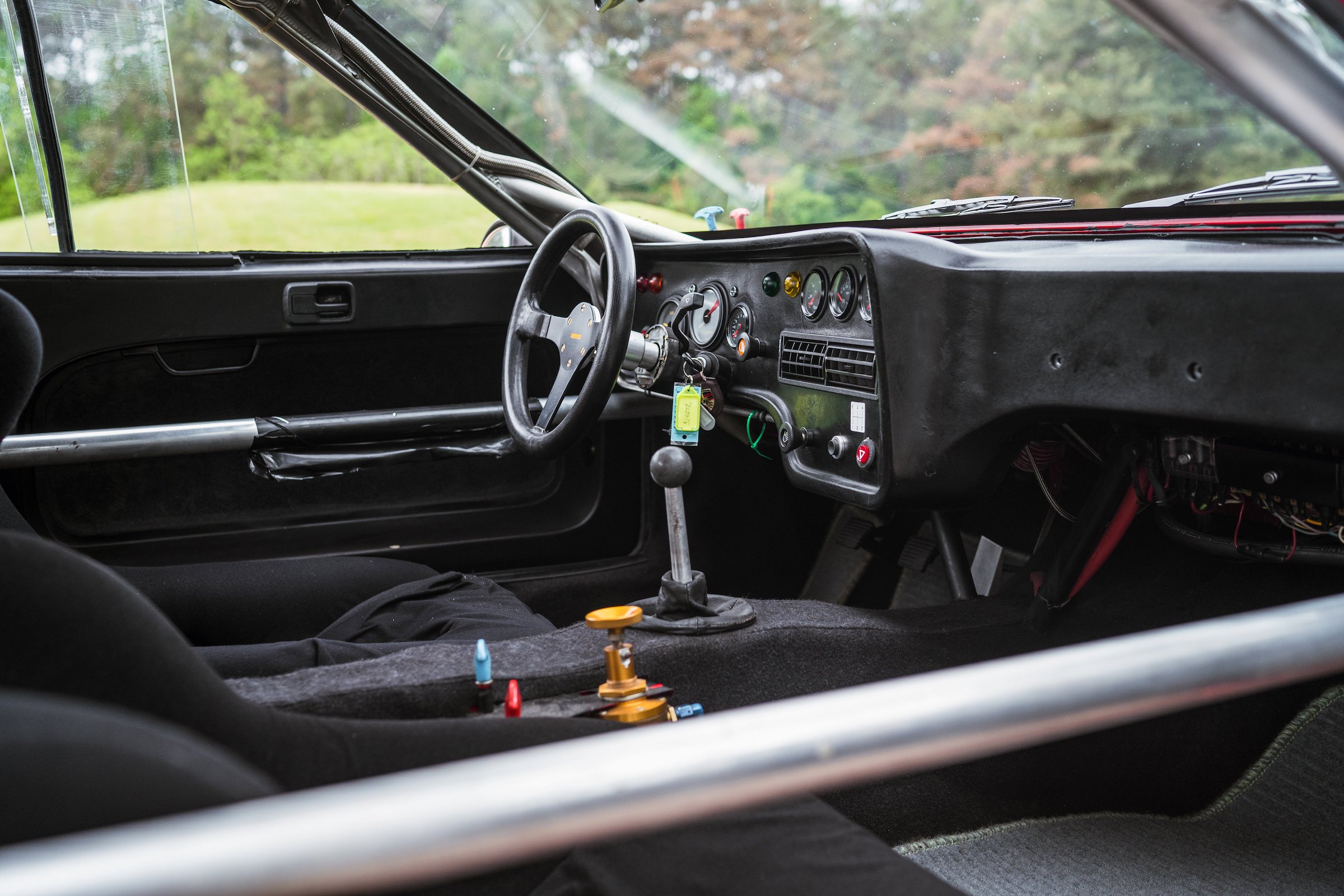
Porsche 924 Carrera GTR – 1 Of 17 Factory-Built Examples

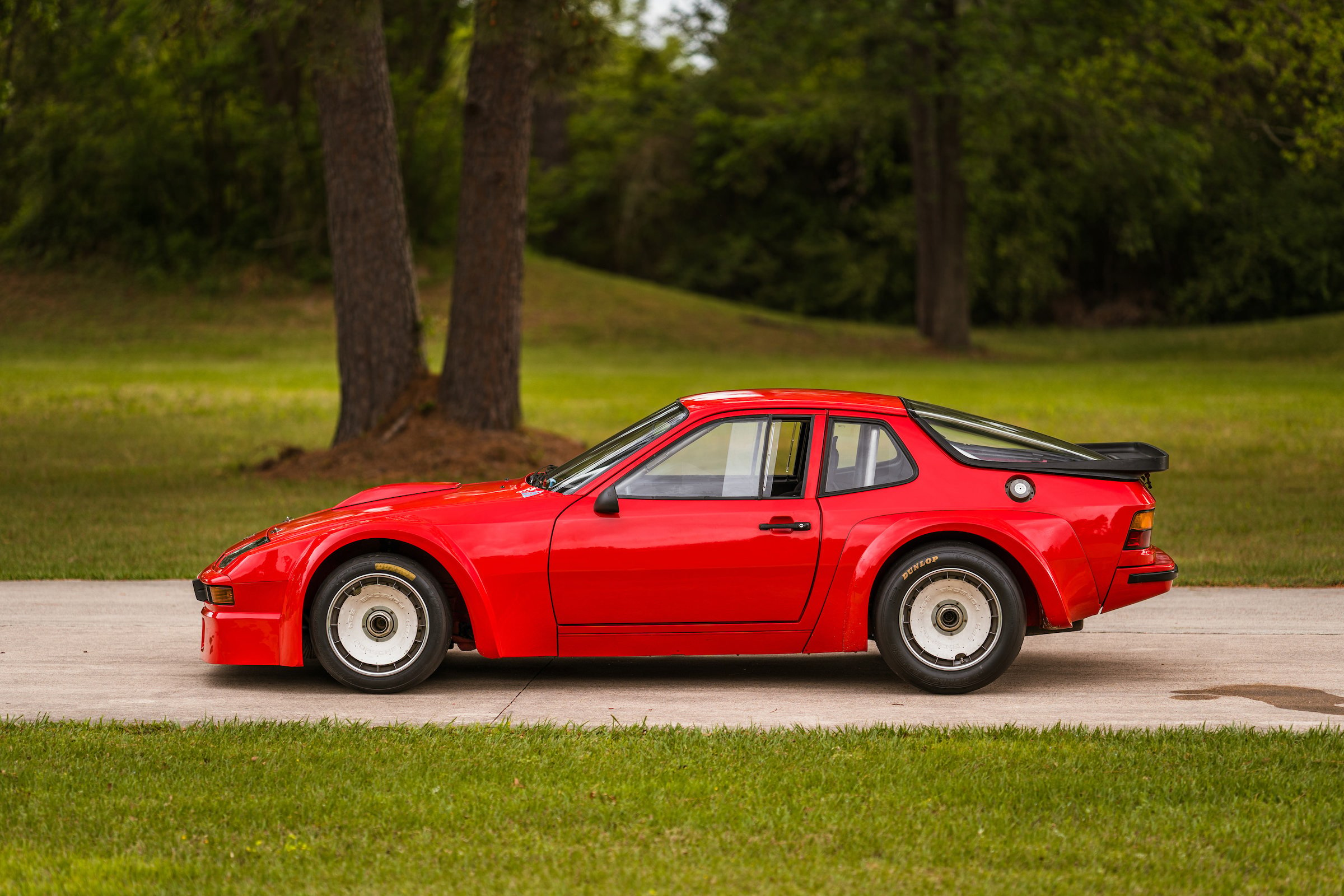
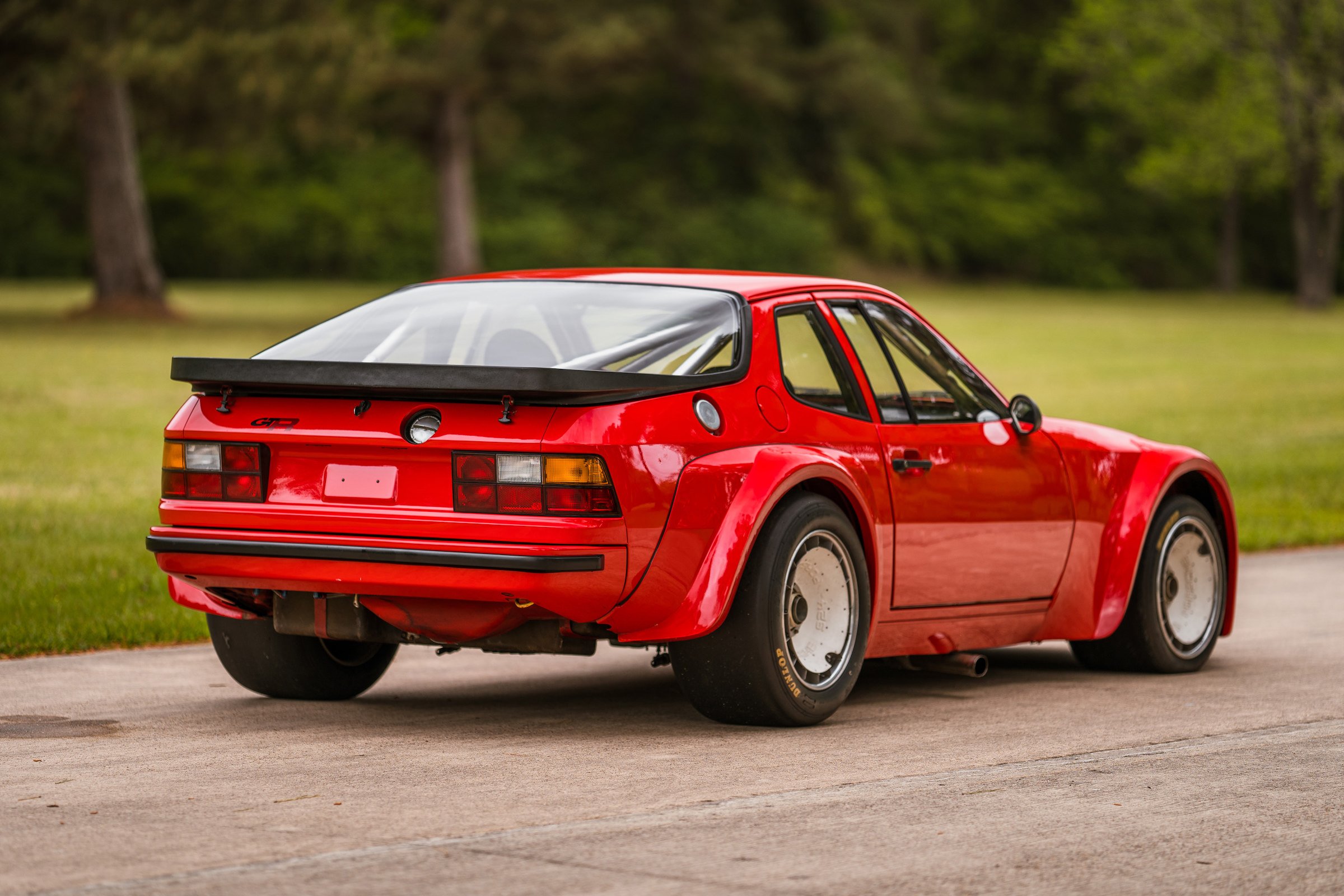
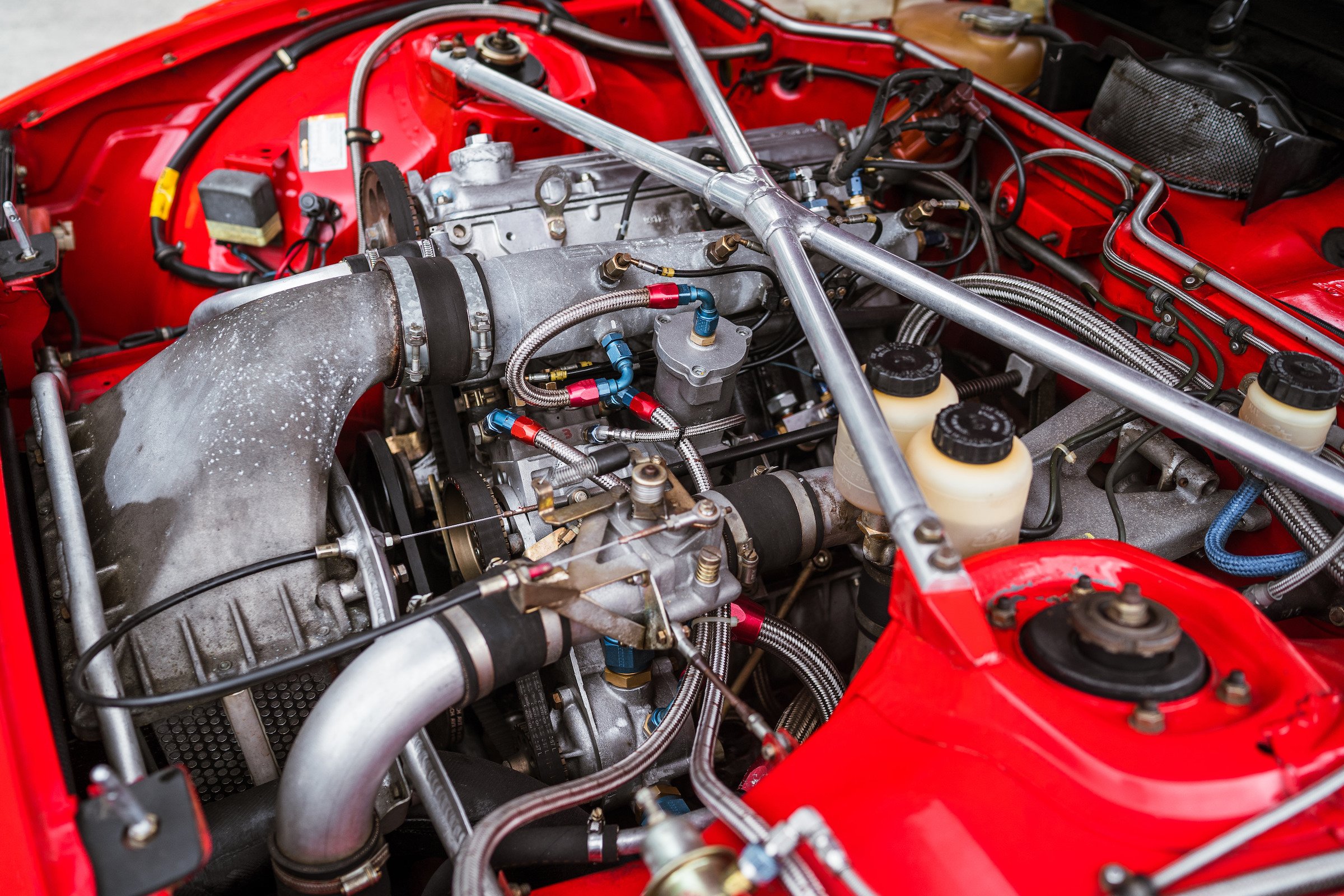
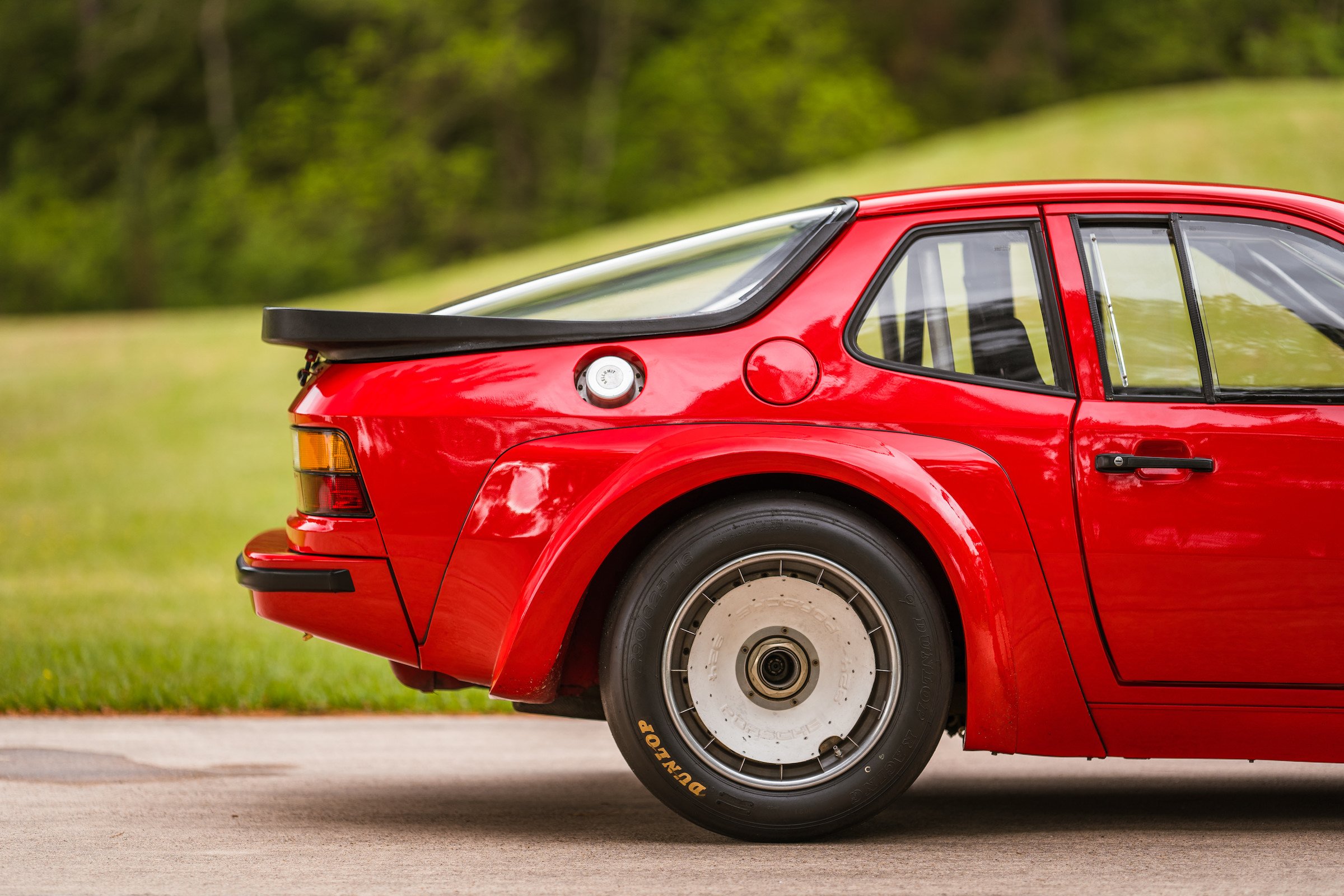
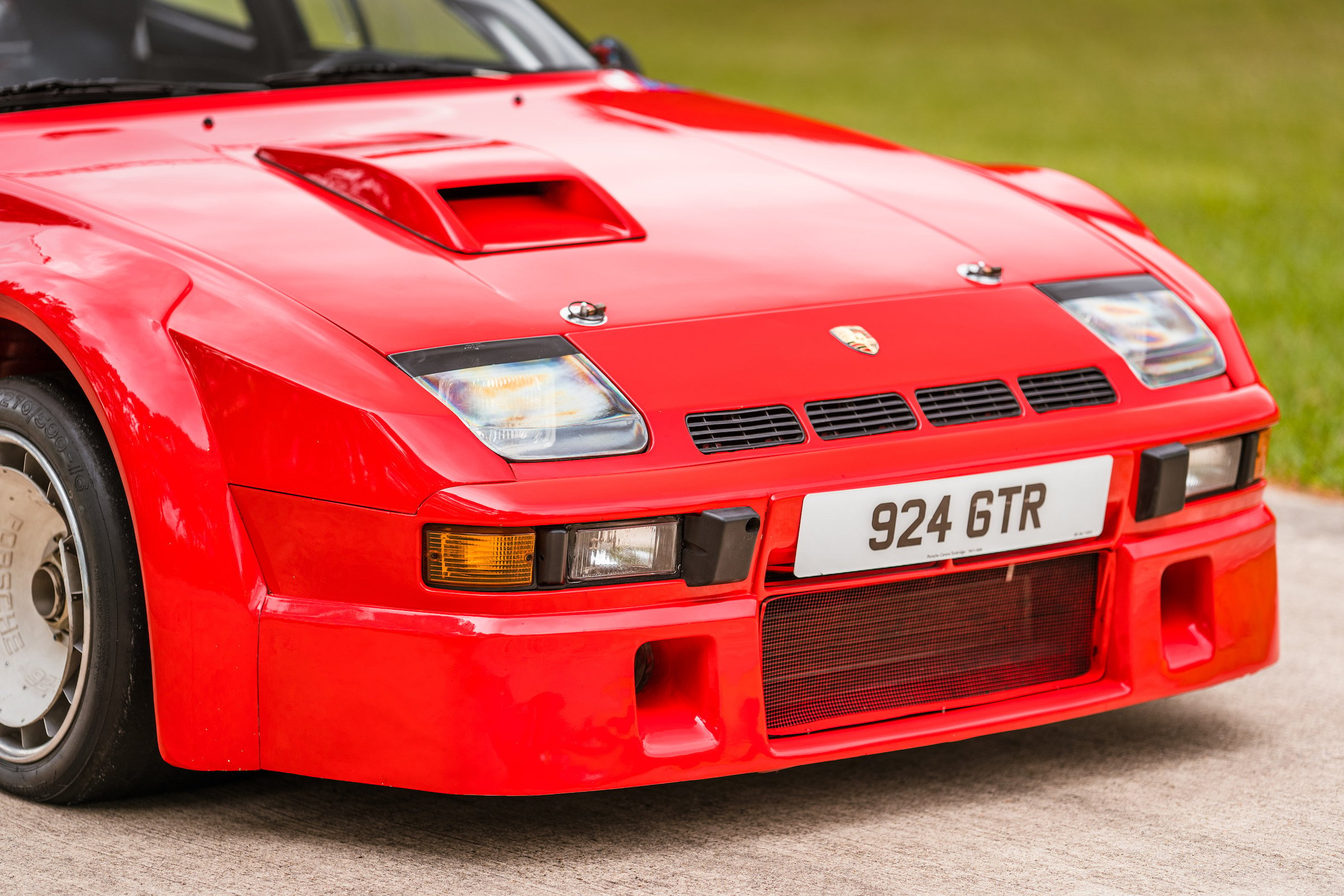
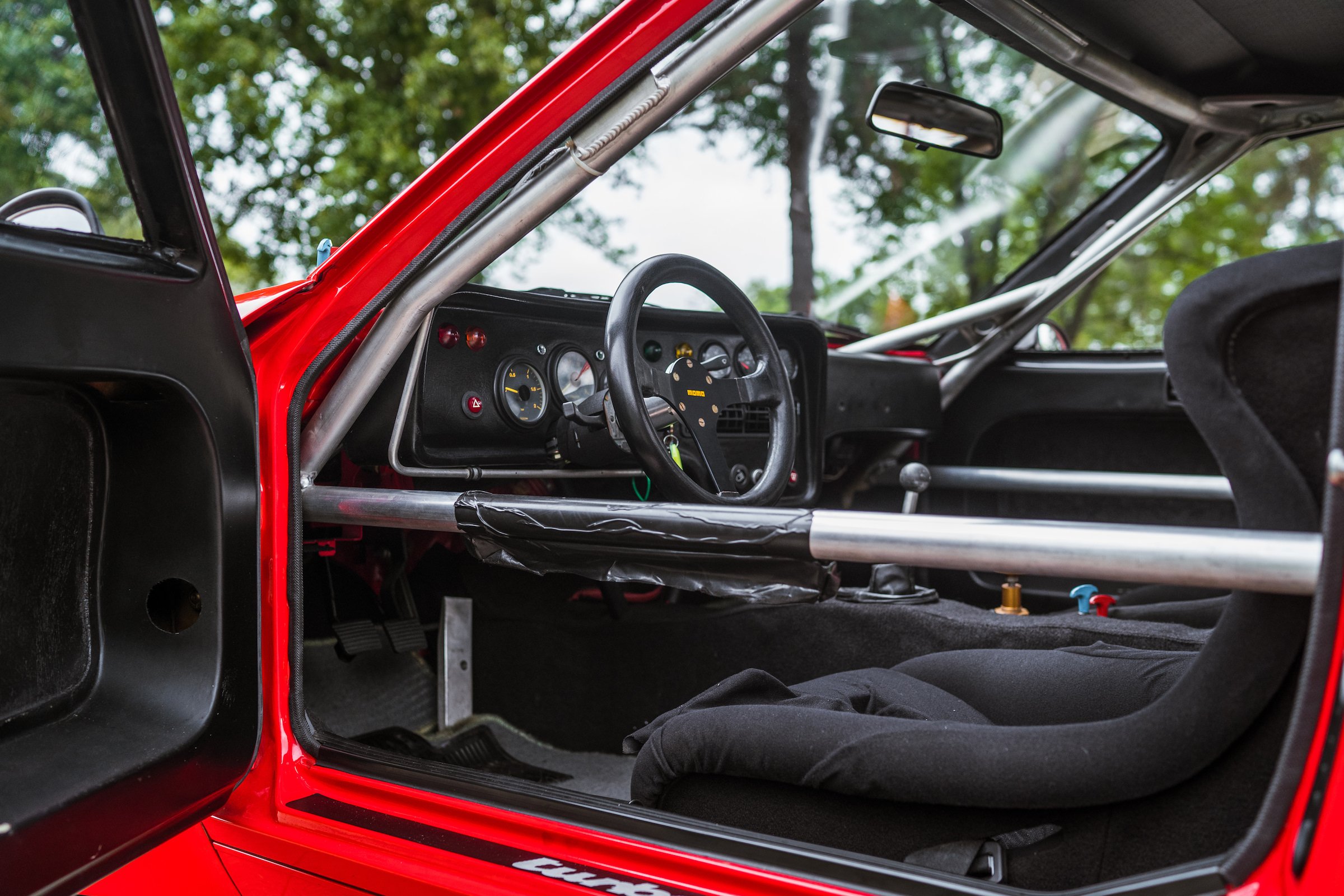
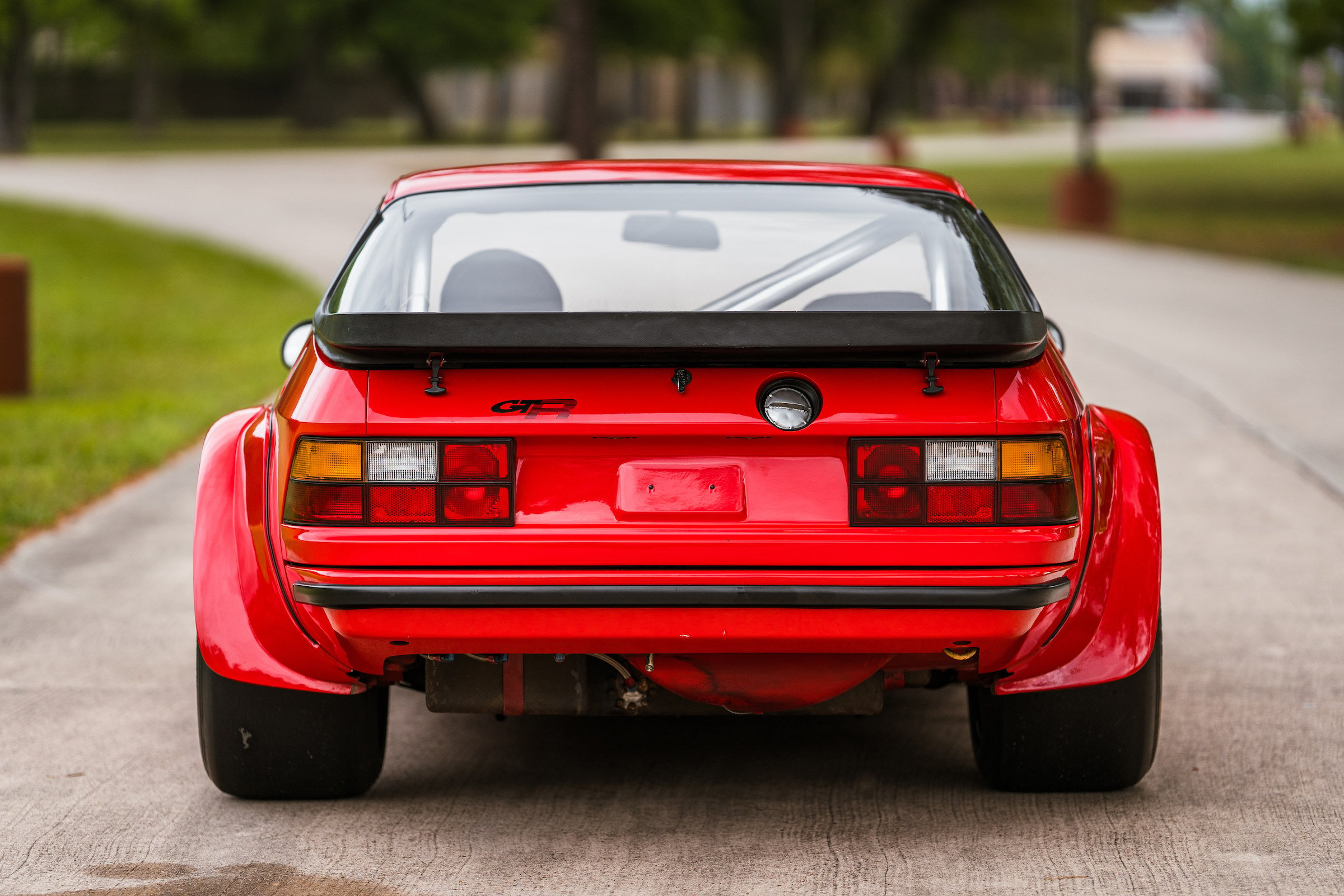
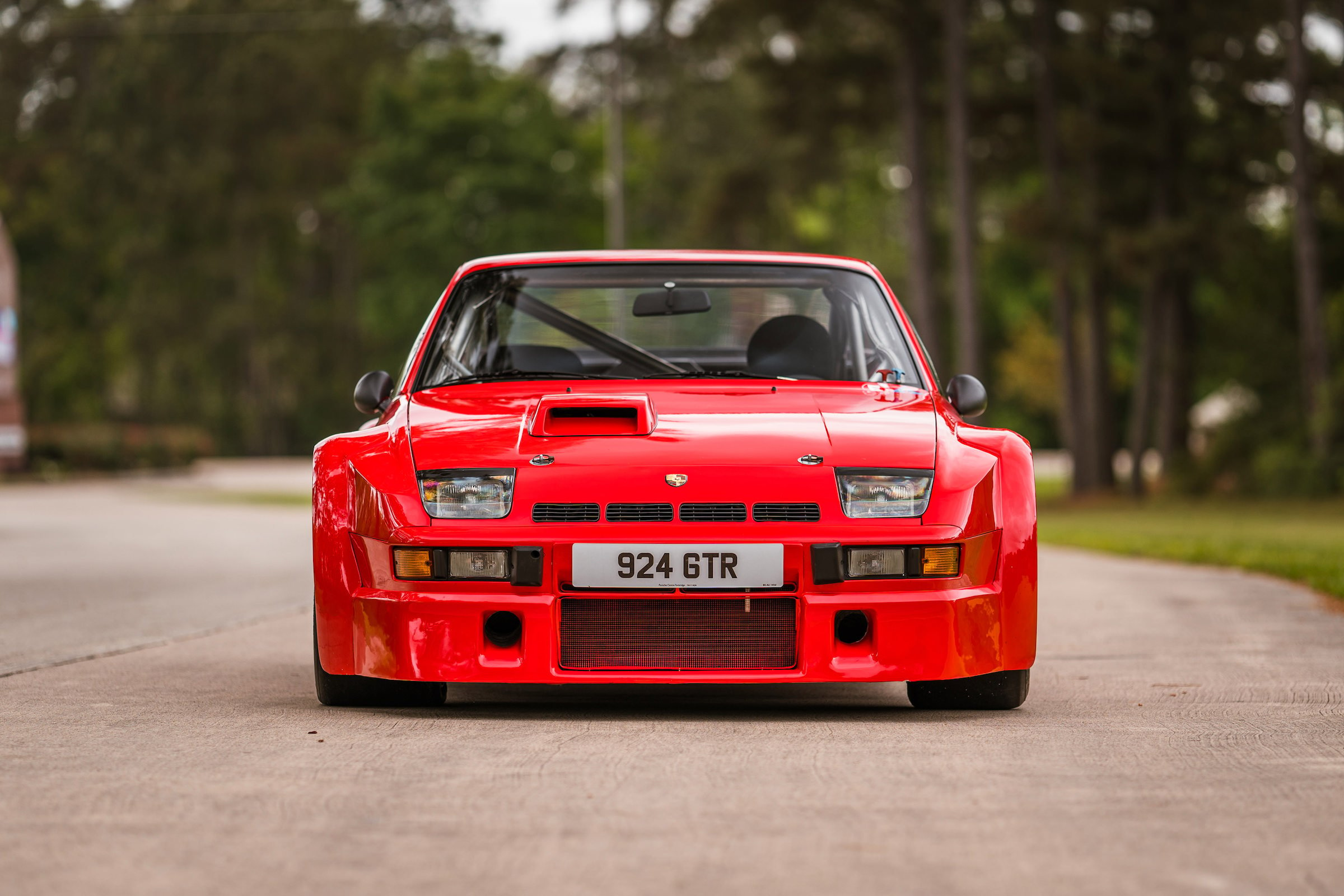
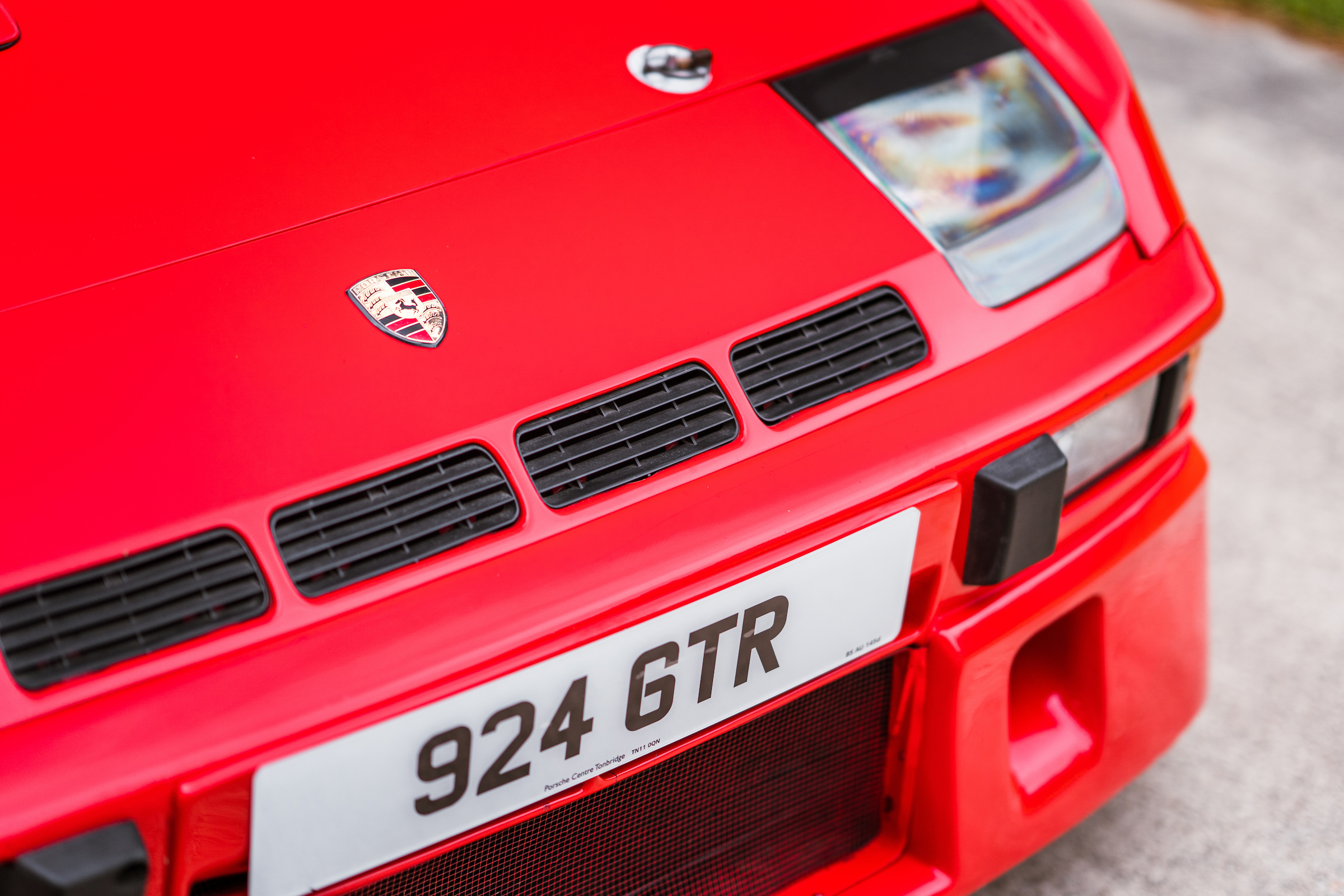
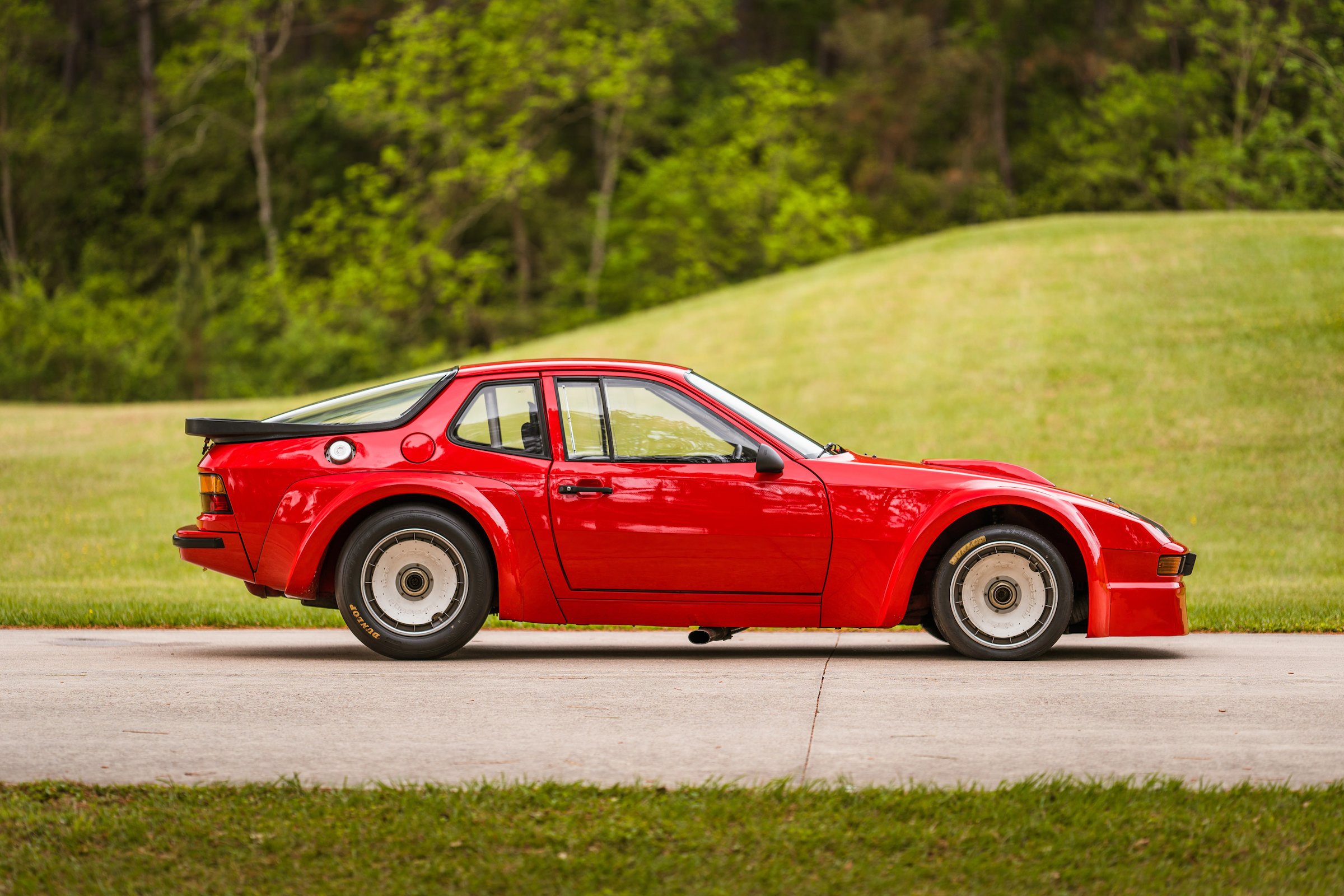
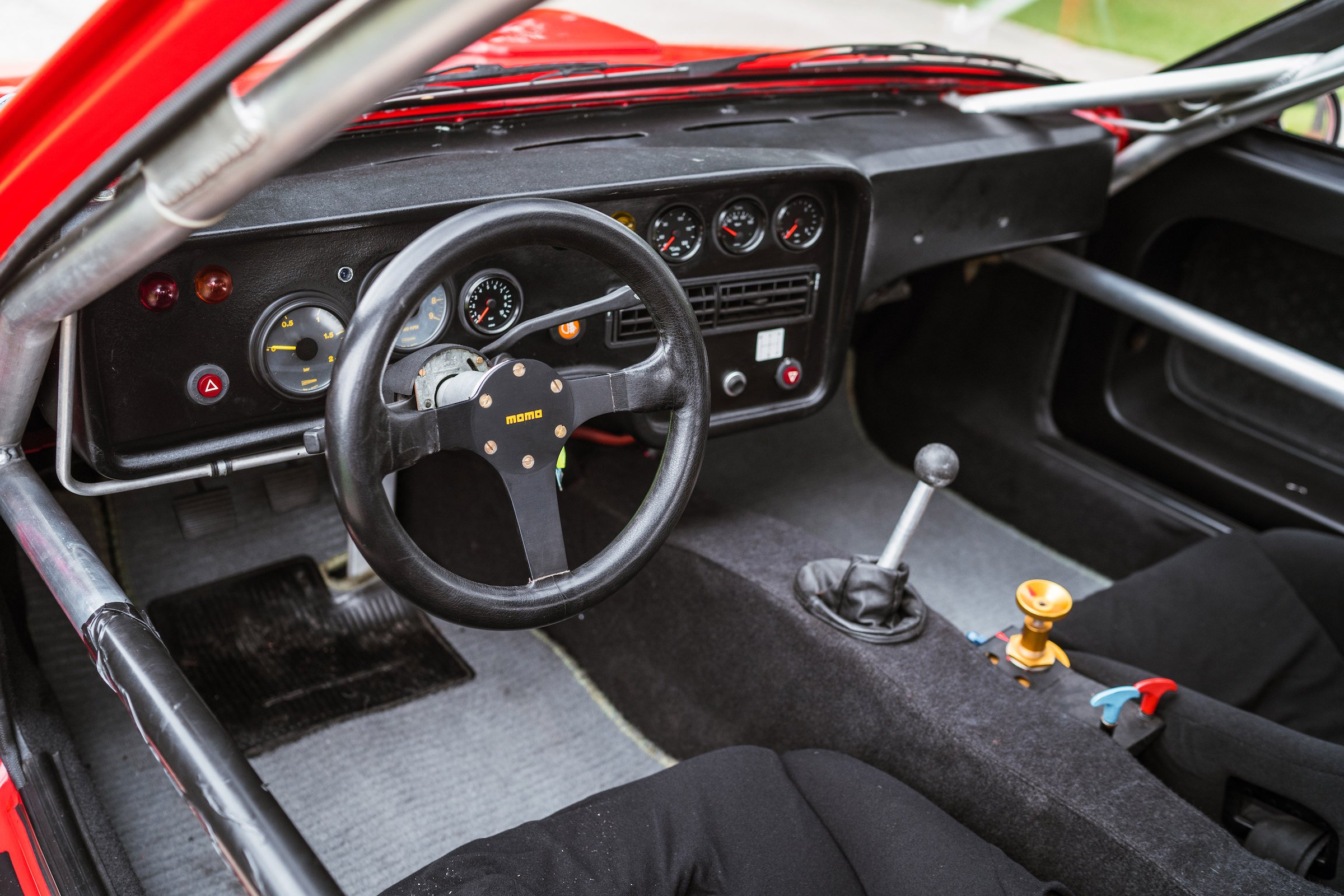
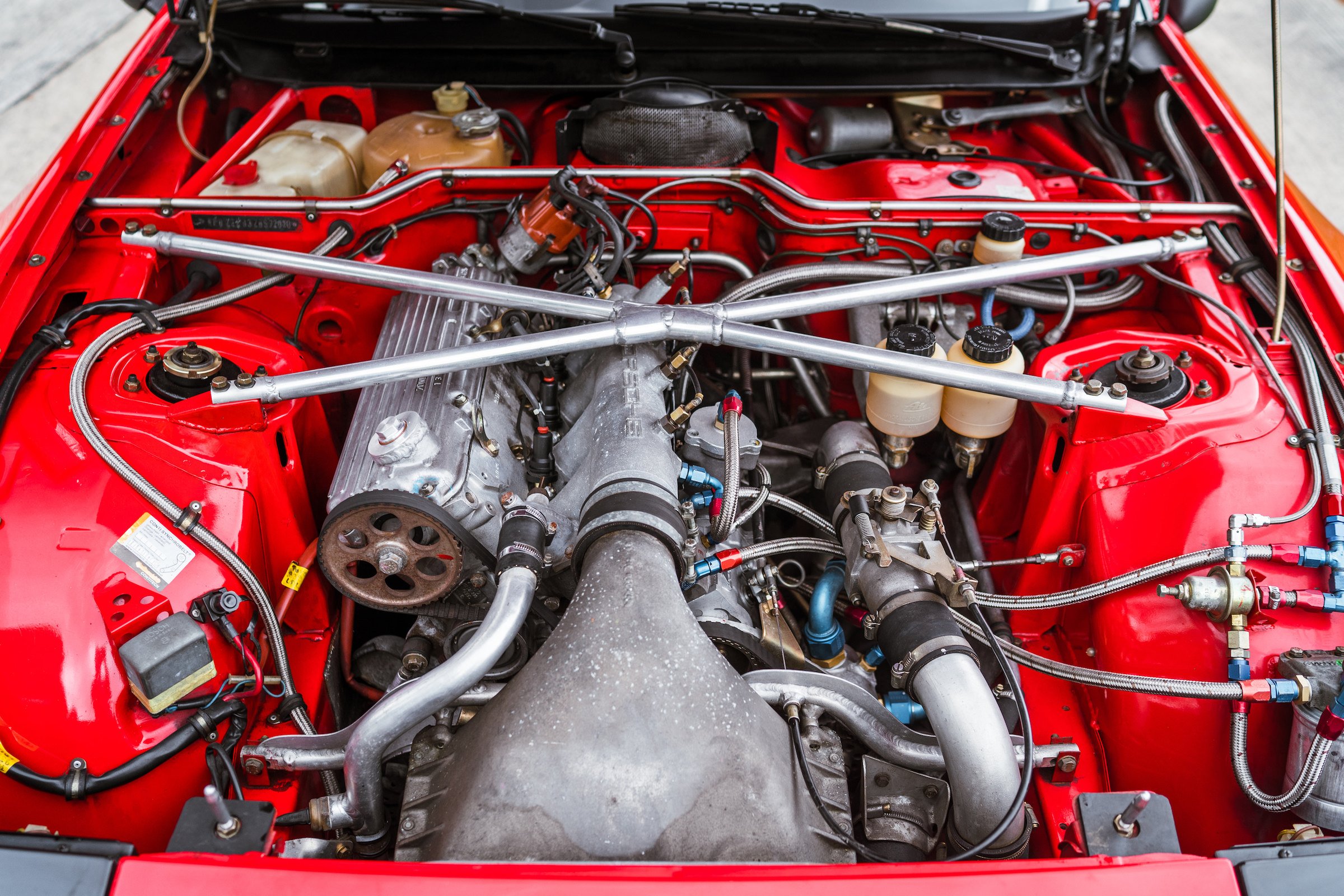
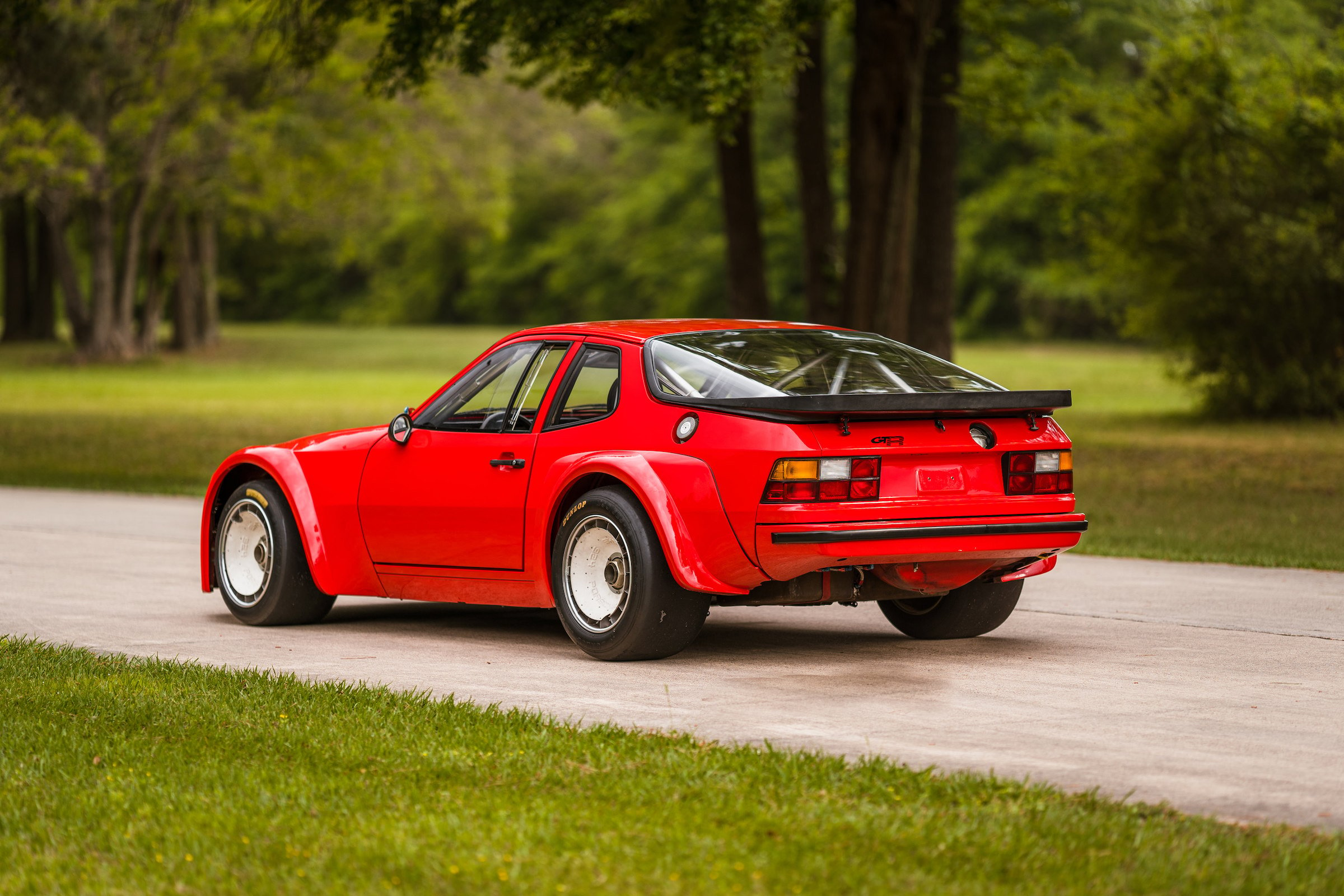
The Porsche 924 Carrera GTR is remembered today as the ultimate iteration of the 924 thanks to its turbocharged inline-four cylinder engine that was turning out 375 bhp in race trim – enough to give the car a top speed of 180 mph and a 0 to 60 mph time of just 4.7 seconds. Not bad for a 2.0 litre.

As the model name suggests, the 924 Carrera GTR was developed for racing. Porsche would enter the model into a number of world class events, the most famous of which was the 24 Hours of Le Mans.

Endurance racing typically rewards reliability and fuel economy as both of these factors mean cars spend less time in the pits and more time out on track. With its 2.0 turbo the 924 GTR proved remarkably reliable despite the engine’s high state of tune, and it was less thirsty than its naturally aspirated rivals – in fact it spent the least time out of any other car in the pits.

The GTR was based on the regular road going Porsche 924, a car that had sold well for Porsche but received mixed reviews from the motoring press. The project to build the 924 had originally been a joint effort between Volkswagen and Porsche, two companies with history going back decades.

Originally dubbed “Project 425” the plan had been for Porsche to design the car using an existing VW/Audi inline-four engine, the car would then be sold by both VW and Porsche, with Porsche using it as their entry level model to replace the aging Porsche 914.

Due to the 1973 Oil Crisis VW pulled out of the deal, Porsche bought the rights to it and continued on their own, and the car would become the German automakers first production car with a front engine, rear wheel drive configuration.

The design of the 924 was sleek and it won the car many admirers, it’s been suggest that these admirers included the design team of the first generation Mazda RX7 which was released in 1978 and bares more than a passing resemblance to the 924.

Porsche 924 Carrera GTR 2

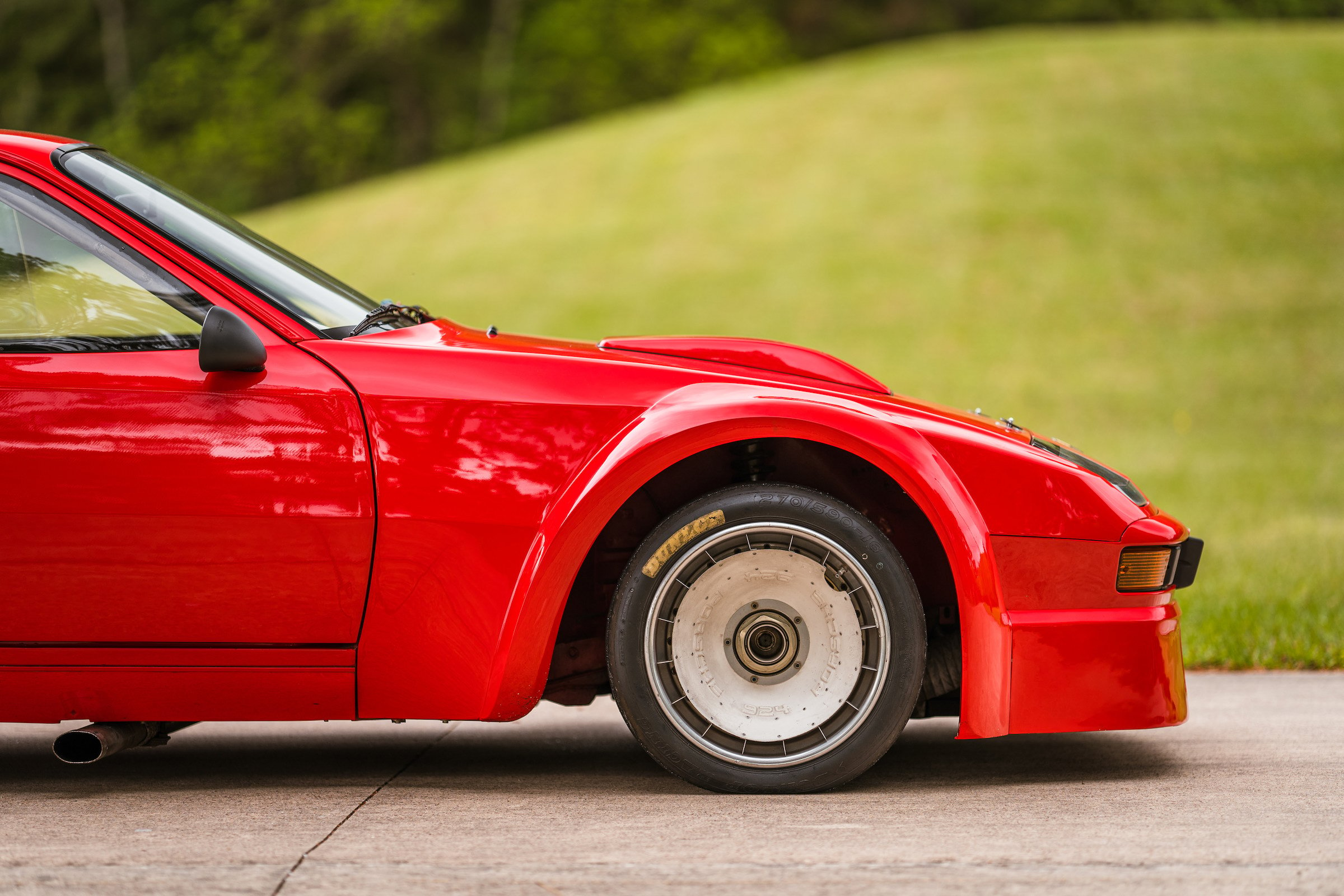
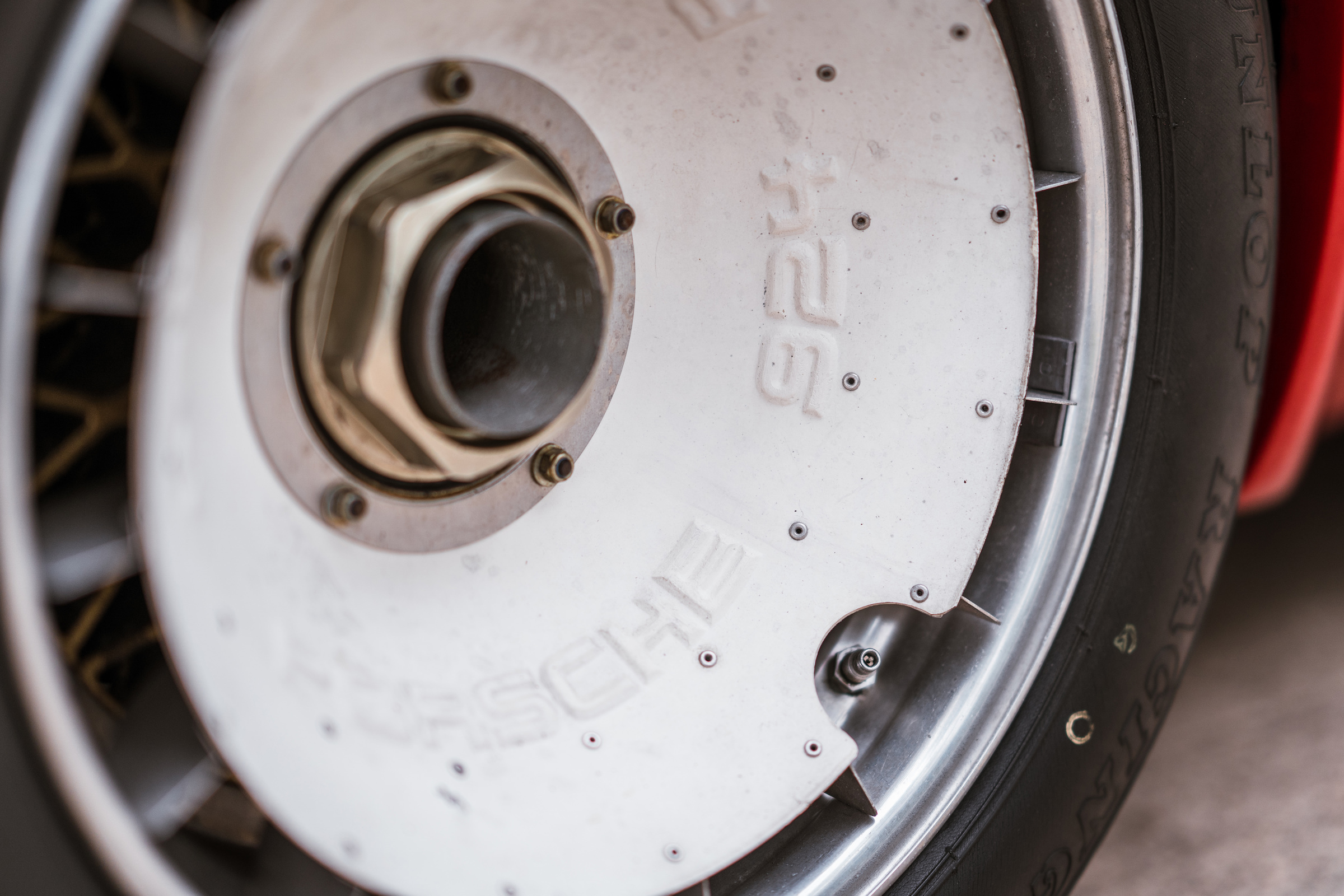
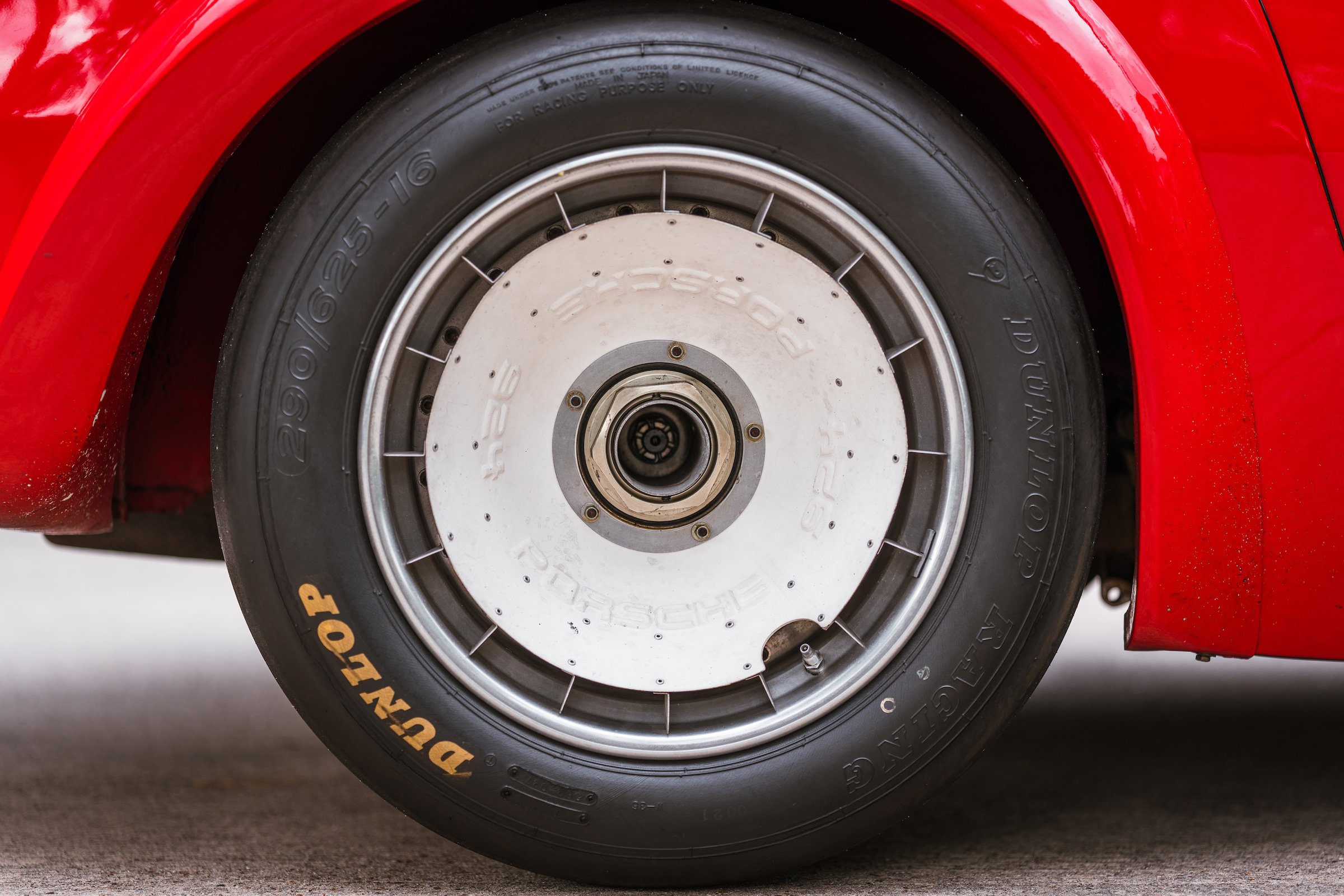
Above Image: The car is fitted with 16 inch centerlock BBS alloy wheels fitted with internally-finned turbine covers to improve brake cooling.

Porsche engineers took an Audi four-speed manual transmission to use in the 924, it was originally a front-wheel drive transmission but Porsche engineers modified it and used it as a rear-mounted transaxle to help give the car better weight distribution.

As an “affordable” entry level sports car carrying the famous Porsche badge, the 924 sold well, in fact it helped keep Porsche alive for a few critical years. A small number of higher performance versions of the model were released including the Porsche 924 Turbo, the Porsche Carrera GT, and the car you see here, the Porsche 924 Carrera GTR.

It would be the Carrera GTR that would provide the stylistic basis for what the Porsche 944 would become, a model that shared largely the same underpinnings as its predecessor. By the time the Porsche 924 left production in 1988 over 150,000 had been built and Porsche was on much firmer financial ground.

The Porsche 924 Carrera GTR Shown Here

The Porsche 924 Carrera GTR you see here is one of few that were never raced in period, the car was bought by a Japanese owner who kept the car fastidiously well-maintained.

It is believed that he drove it a few times at Suzuka and Fuji however it’s thought that the car was never raced competitively, and as a result it remains in remarkable condition throughout thanks to regular annual servicing by Porsche specialists.

As one of just 17 factory-built customer cars this 924 Carrera GTR will be high on the wish list for any Porsche collector, and the opportunity to buy one this well preserved is rare.

RM Sotheby’s will be offering the car at the Amelia Island auction on the 22nd of May with a price guide of $375,000 to $450,000 USD, if you’d like to read more about it or register to bid you can click here to visit the listing.

Porsche 924 Carrera GTR

Porsche 924 Carrera GTR 20

Porsche 924 Carrera GTR 19

Porsche 924 Carrera GTR 18

Porsche 924 Carrera GTR 17

Porsche 924 Carrera GTR 16

Porsche 924 Carrera GTR 15

Porsche 924 Carrera GTR 14

Porsche 924 Carrera GTR 13

Porsche 924 Carrera GTR 12

Porsche 924 Carrera GTR 11

Porsche 924 Carrera GTR 9

Porsche 924 Carrera GTR 8

Porsche 924 Carrera GTR 8 copy

Porsche 924 Carrera GTR 7

Porsche 924 Carrera GTR 6

Porsche 924 Carrera GTR 5

Porsche 924 Carrera GTR 4

Porsche 924 Carrera GTR 3

Porsche 924 Carrera GTR 10

Images: Khiem Pham ©2021 Courtesy of RM Sotheby’s

The post Porsche 924 Carrera GTR – 1 Of 17 Factory-Built Examples appeared first on Silodrome.


from Silodrome https://silodrome.com/porsche-924-carrera-gtr/
via gqrds