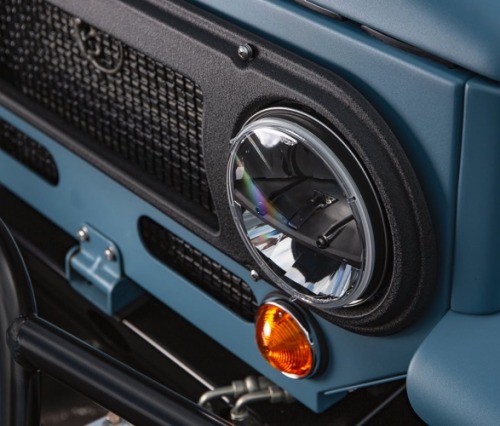
1969 Ford Mustang by Chad Horwedel https://flic.kr/p/2k7MFaz
from Tumblr https://somar78.tumblr.com/post/636705064021606400
1969 Ford Mustang by Chad Horwedel https://flic.kr/p/2k7MFaz


1973 Ford Mustang by Chad Horwedel https://flic.kr/p/2k7RrKo

1970 Oldsmobile 442 by Chad Horwedel https://flic.kr/p/2k7S2Cz
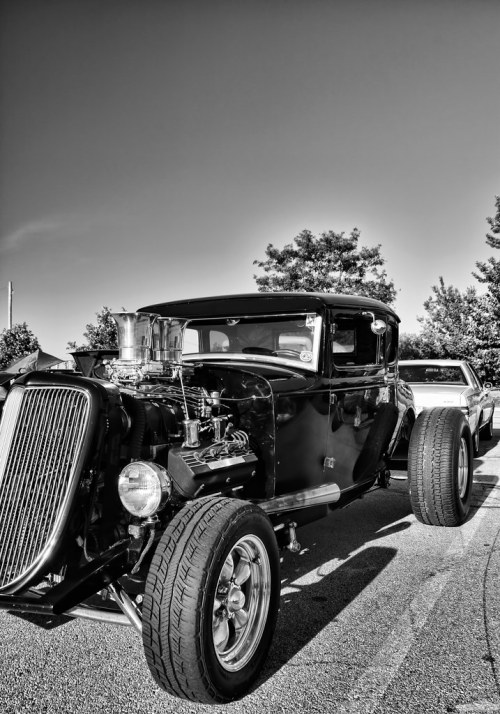
1930 Ford Model A by Chad Horwedel https://flic.kr/p/2k7RrSN
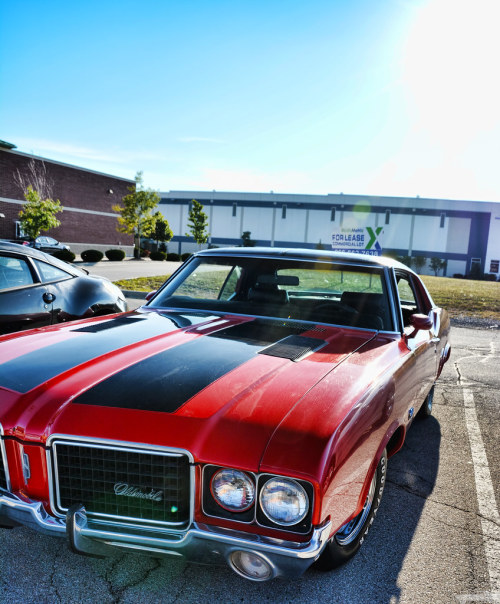
1972 Oldsmobile Cutlass Supreme by Chad Horwedel https://flic.kr/p/2k7S2ak
The Chevrolet El Camino SS was the high performance version of the standard El Camino – a car that had been released in the 1959 model year to compete with the successful Ford Ranchero pickup.
Arguably the El Camino would go on to the the more famous of the two, and the most famous of the American coupe utility vehicles.
Chevrolet sold five generations of the El Camino between 1959 and 1987, and they all shared the same basic characteristics: they were based on a road car platform with a front engine, rear wheel drive layout, they had two doors and a pickup bed in the back with a fold down tailgate.
There were a number of benefits to this design – the key advantage is the improved handling over a regular pickup truck, and that these vehicles frequently have all the creature comforts of their road car siblings.
Coupe utility vehicles, known as “utes” in Australia, have been a popular choice for people who need to carry loads but don’t want a traditional pickup. These vehicles became major cultural touchstones in the United States and in Australia, though they’ve largely fallen from favour in recent years.
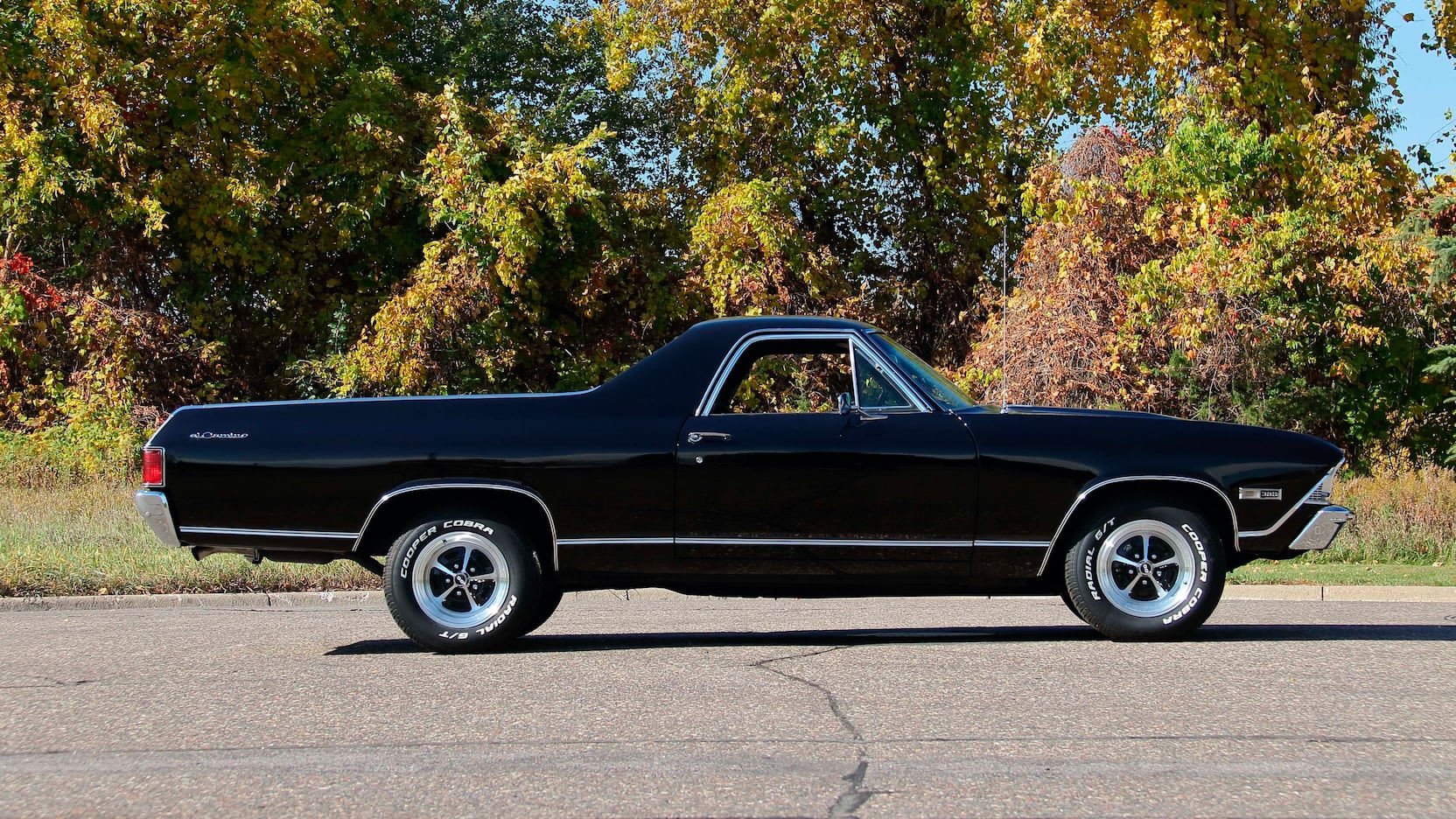
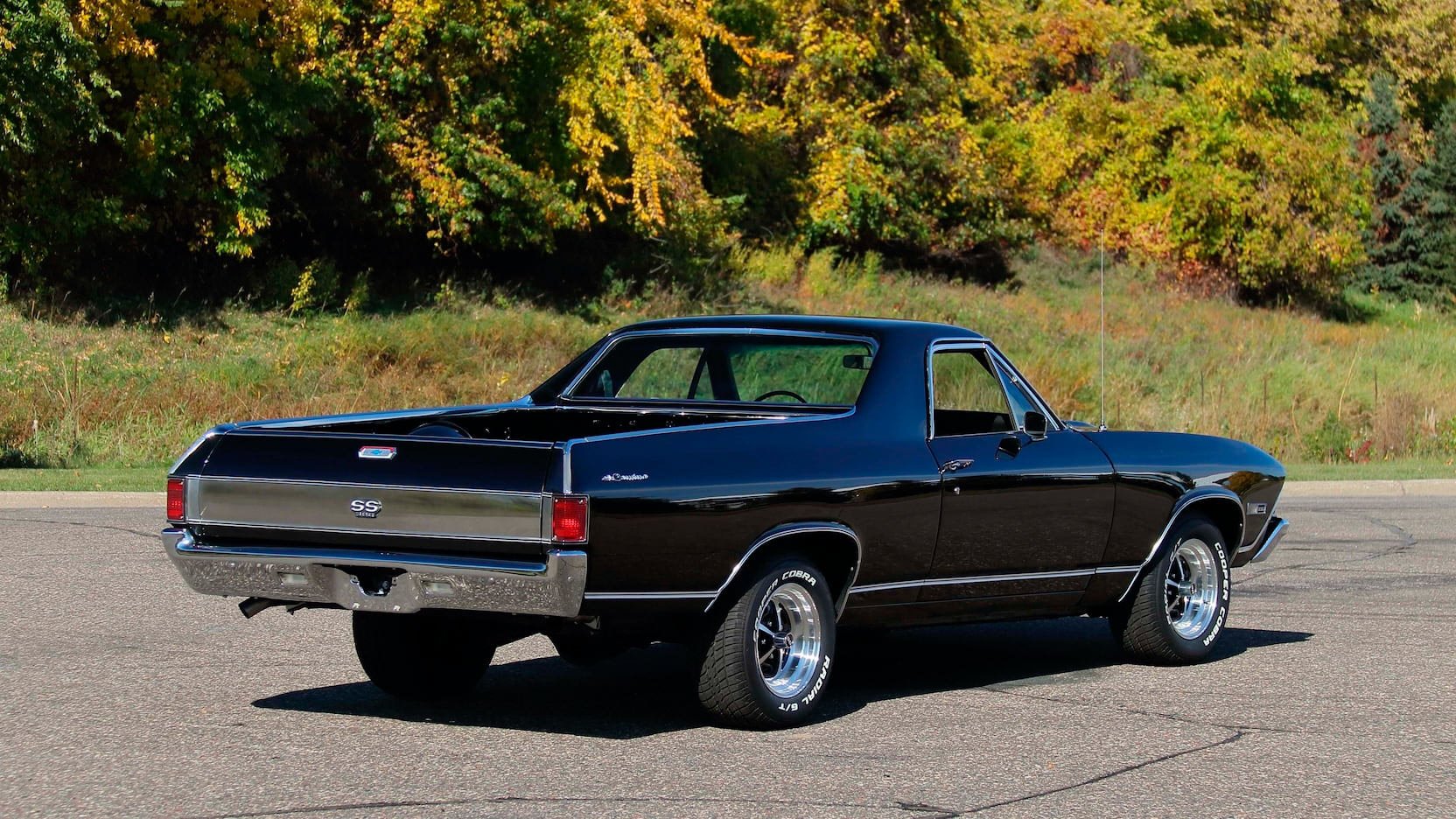
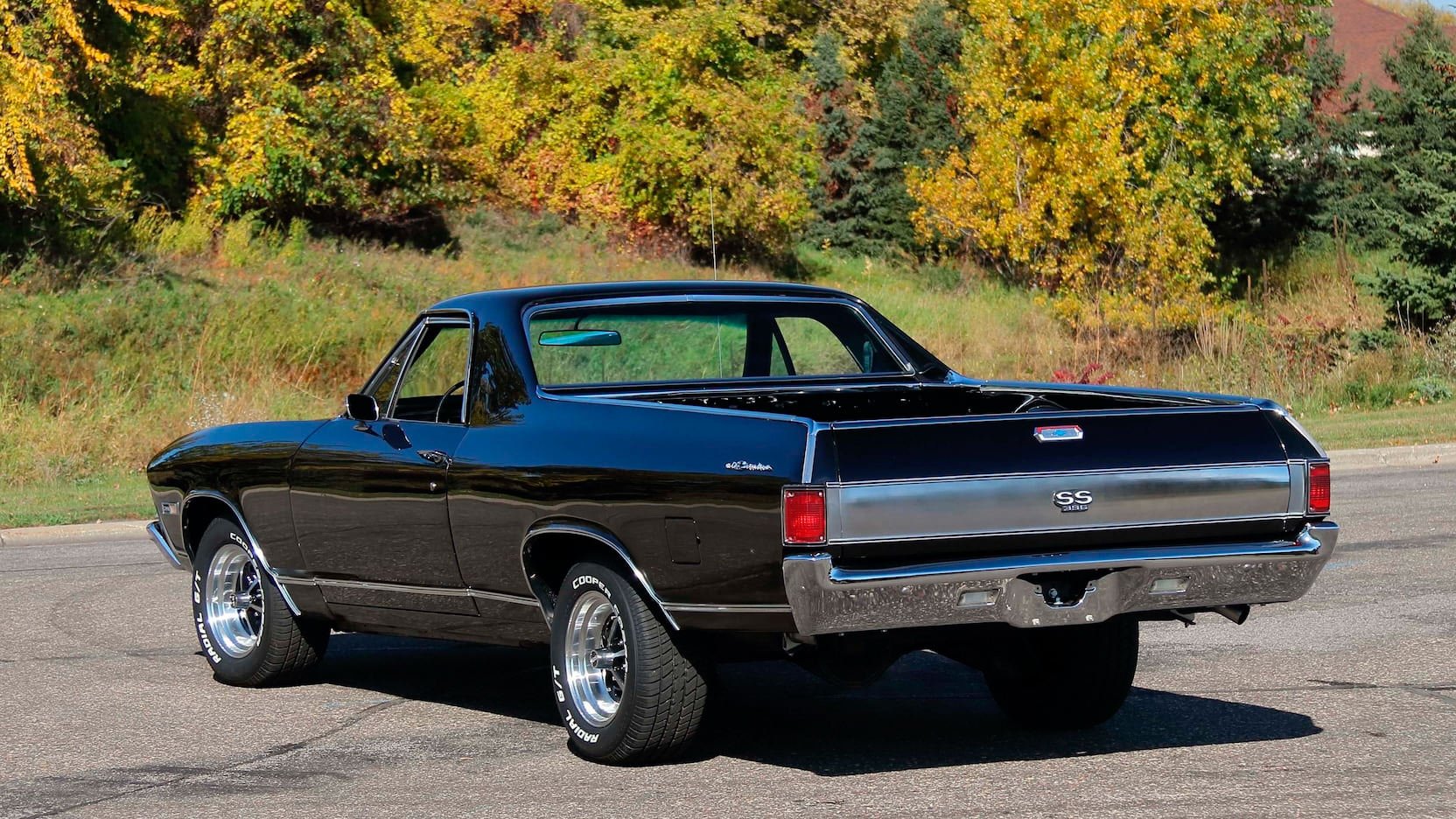
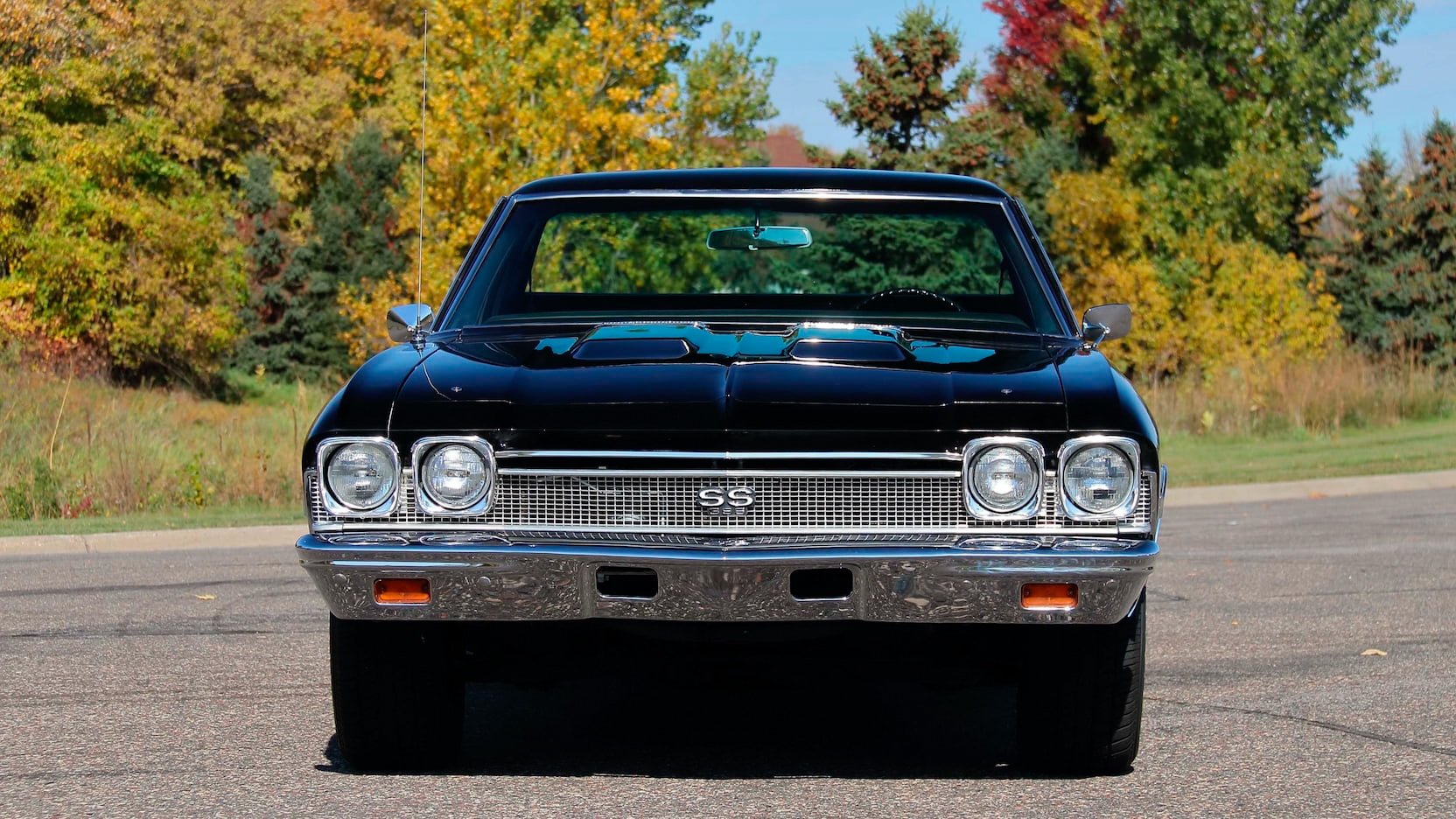
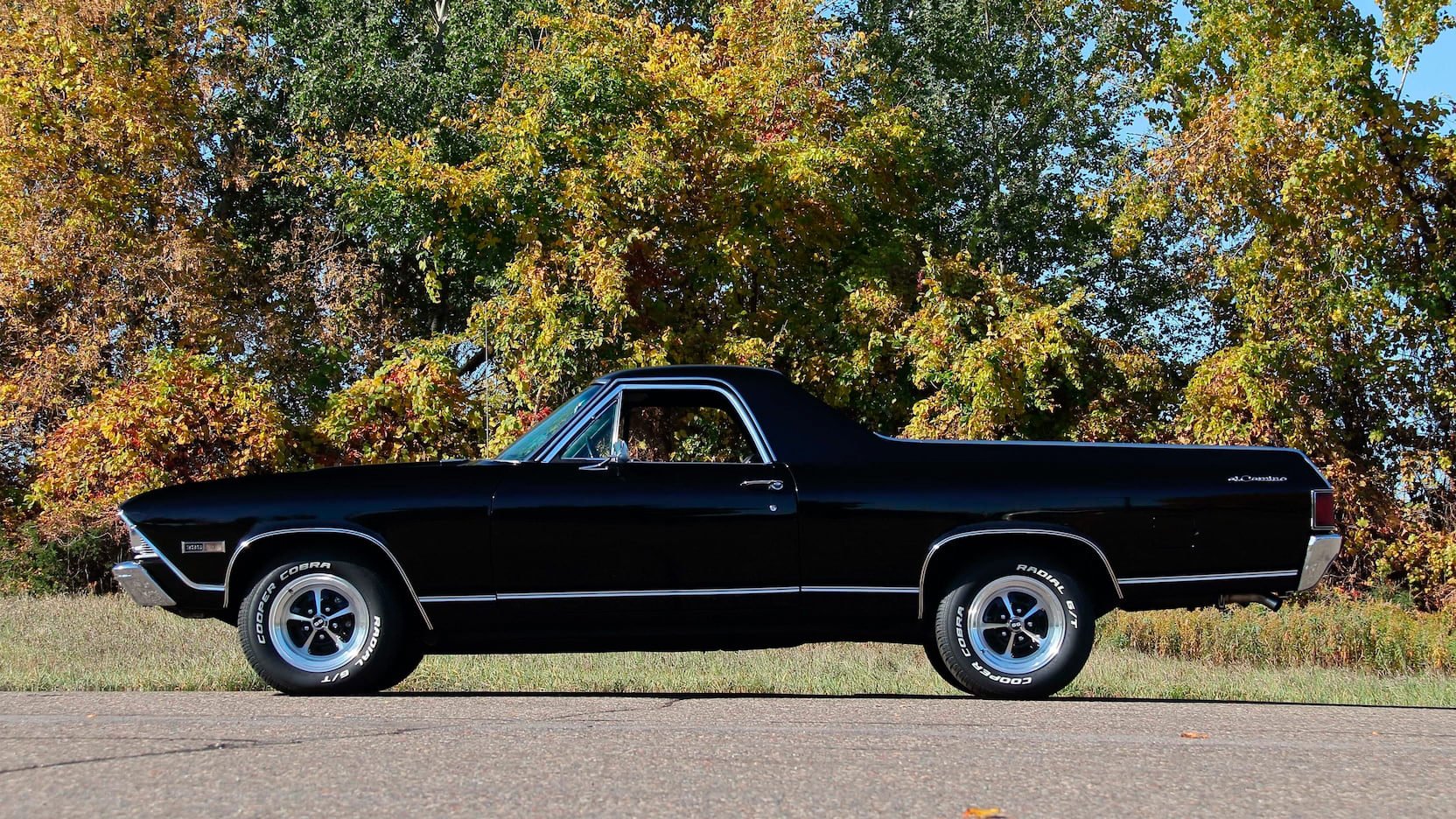
The 1968 Chevrolet El Camino SS you see here was part of the third generation of the El Camino, the SS was the highest performance version and was fitted with a Turbo-Jet 396 cu. in. V8 producing 325 bhp. This engine was built with solid lifters, big-port heads, and an 800 cfm Holley four-barrel carburettor on a low-rise aluminum intake manifold.
The standard El Camino SS came with a three-speed manual transmission however buyers could opt for either a four-speed or an automatic. The significant power output of the engine did catch more than a few El Camino SS drivers by surprise, the front-weight bias of the cars (with an empty rear tray of course) combined with the rear-wheel drive made it startlingly easy to spin the rear tires – much to the delight of any fan of burnouts.
Chevrolet built the third generation El Camino on the Chevelle station wagon/four-door sedan platform, and it also shared some Chevelle Malibu exterior and interior trim. Strato bucket seats, a center console, power front disc brakes, and the Positraction rear end were optional extras.
The styling and performance of the third generation El Camino remains popular with collectors and enthusiasts today and they typically fetch a price premium over the more recent models.
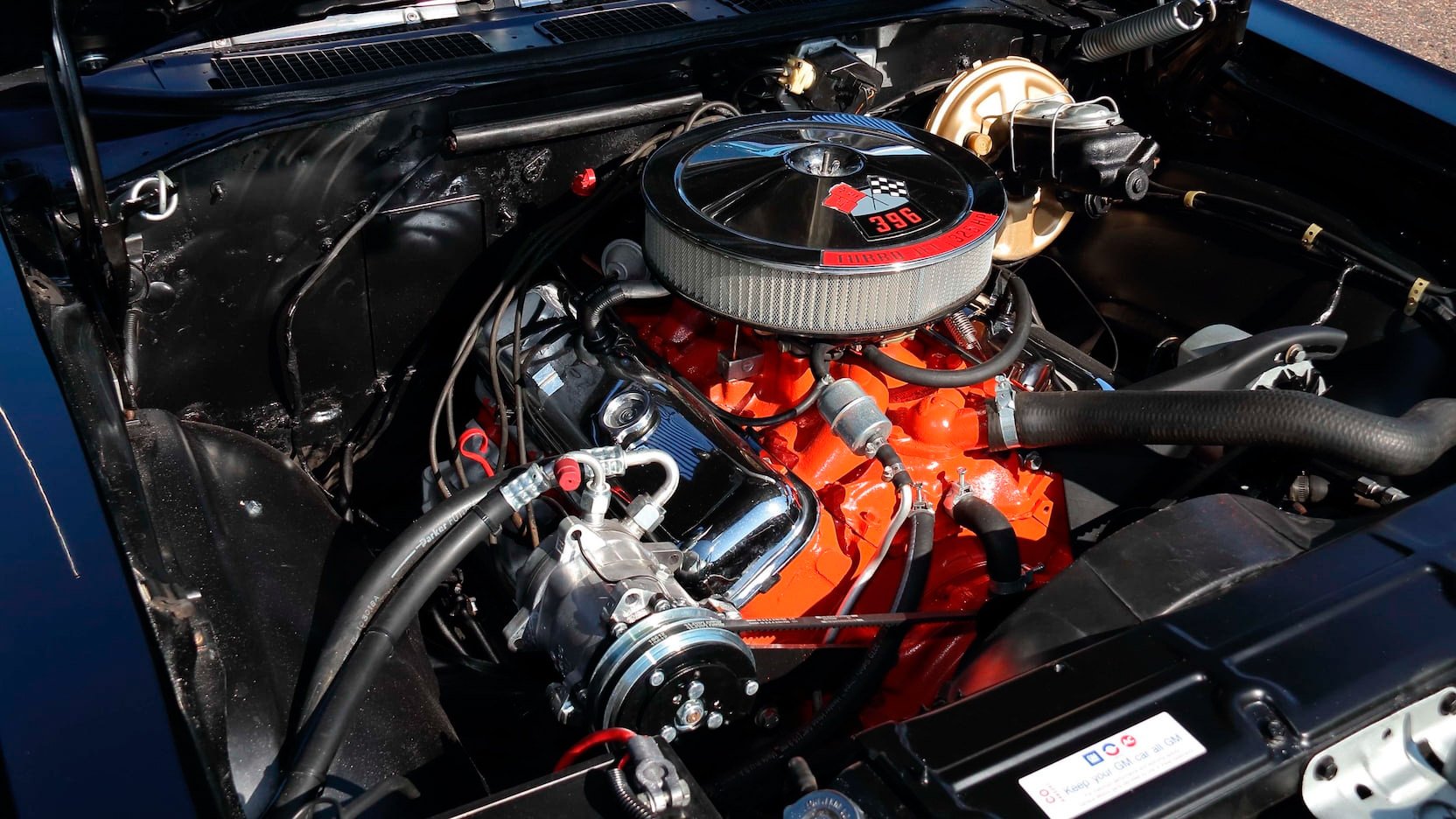
The 1968 Chevrolet El Camino SS you see here benefits from a complete frame-up rebuild, it still has its original numbers-matching 396/325 hp engine and power is sent back through an upgraded 200R4 transmission with overdrive.
It has a 12 bolt rear axle, a new dual chamber exhaust, bucket seats, and a console restored to factory style black vinyl.
During the restoration the car was fitted with new glass (with weather stripe and gaskets), it also now has an upgraded stereo, a new Vintage Air air conditioning system, new power disc brakes, and one-piece Scott Drake wheels with raised letter tires.
If you’d like to read more about it or register to bid you can click here to visit the listing on Mecum.





Images courtesy of Mecum
The post The Chevrolet El Camino SS – A 325 hp American Icon appeared first on Silodrome.
This is the Suzuki GSX750S Katana 1:12 scale kit from Tamiya, it faithfully replicates one of the most important Suzuki motorcycles of all time – right down to the flip-up headlight.
When the Katana prototype was first shown to the public in 1980 it caused a sensation, it was common knowledge in the motorcycle world that Hans Muth’s new company Target Design had been hired by Suzuki – Muth was the former head designer of the BMW motorcycle division. What wasn’t common knowledge was just how important this collaboration would be.
The 1970s and 1980s were a time of revolutionary new designs in the automotive world, sharply angled wedge-shaped cars were dominant with designers like Giorgetto Giugiaro and Marcello Gandini leading the way. Hans Muth was already one of the world’s top motorcycle designers by the end of the 1970s, and so as the 1980s dawned he chose to take Suzuki in an entirely new direction.
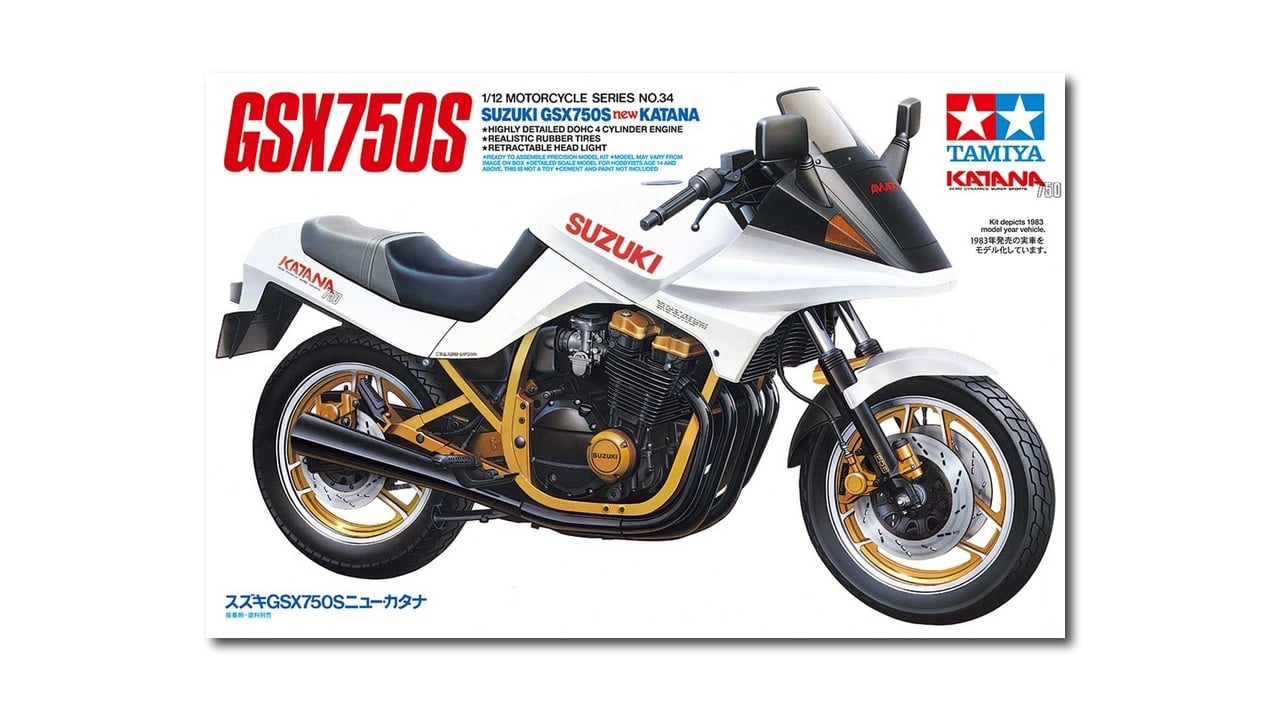
Muth’s new Katana design took no small amount of inspiration from the legendary Japanese sword, with its flowing lines, gentle curves, and sharp edges. The Katana remains one of the most famous and beloved motorcycles ever released by Suzuki – so much so that they released a new version of the model that was released in 2019.
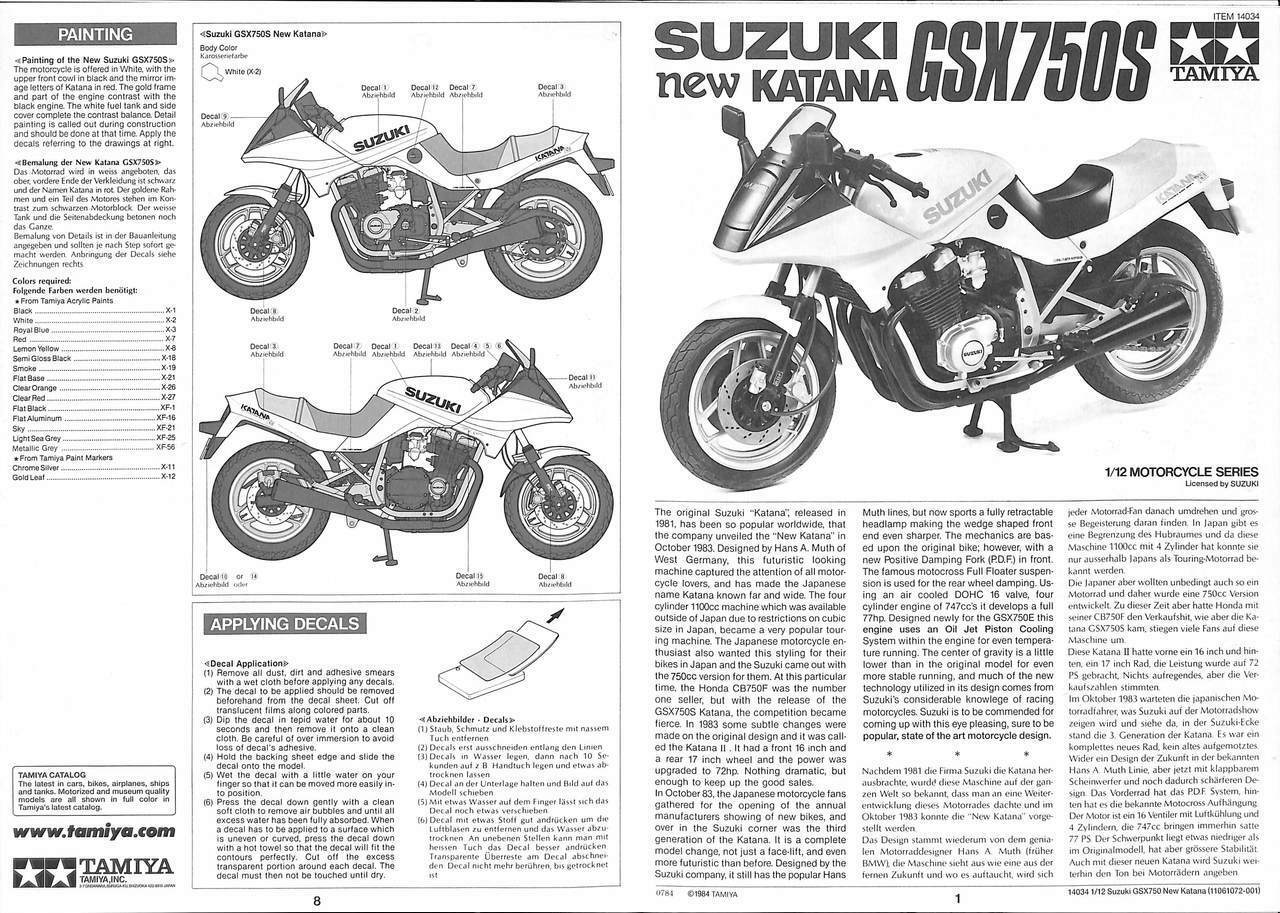
This Tamiya kit measures in at 182mm, 63mm wide, and 96mm high. It has a highly-detailed inline 4-cylinder DOHC engine with its distinctive cooling fins in place, and it uses vinyl tubing to replicate parts like the throttle cable and brake lines.
As with all Tamiya kits it requires assembly and painting, but this is the part that model builders love the most.
The post The 1:12 Scale Suzuki GSX750S Katana Kit by Tamiya appeared first on Silodrome.
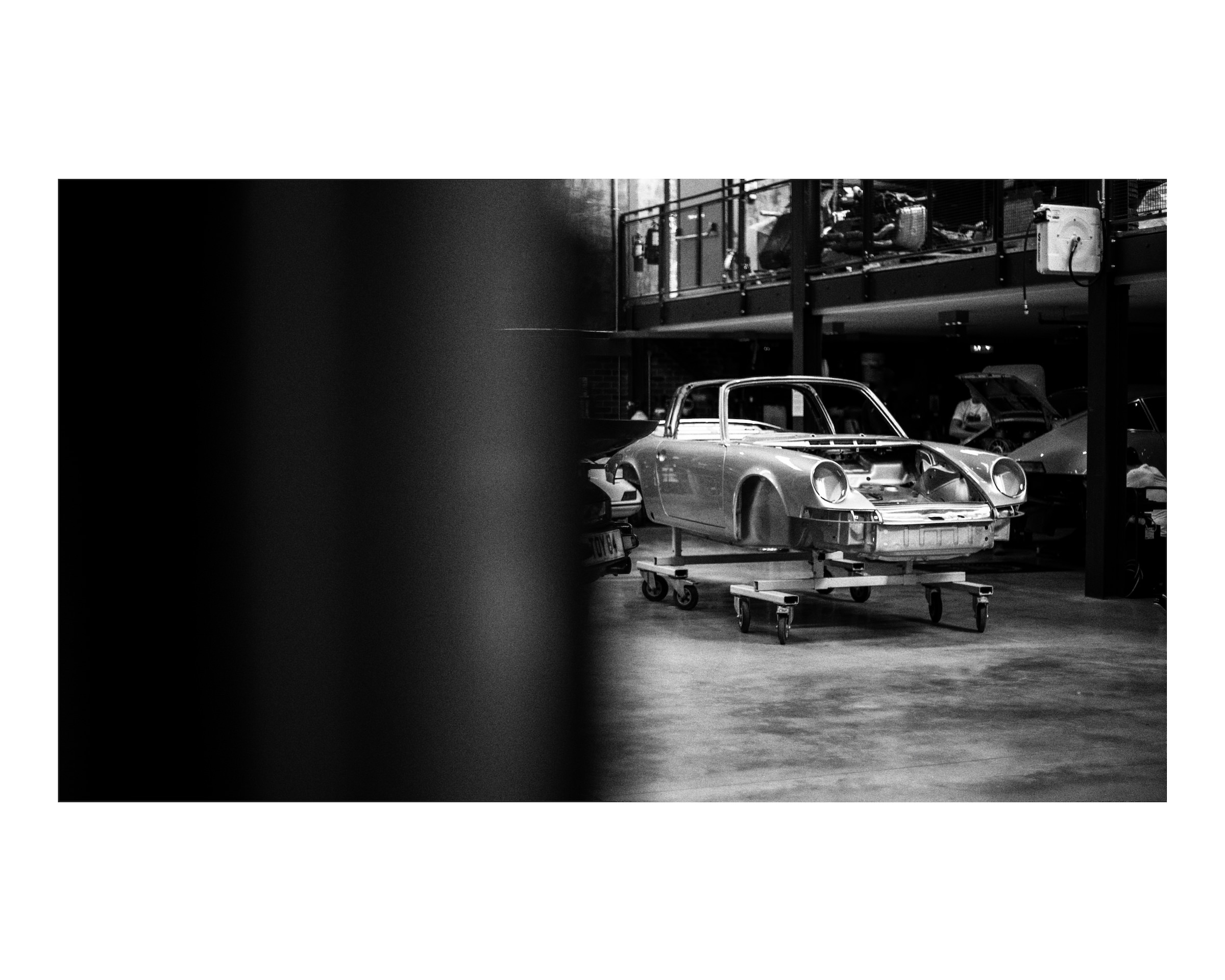
Freddie Mycock is a talented film photographer and automotive design student based just outside of London in England. He’s been photographing cars for years and he’s a well-known member of Britain’s highly-active automotive photography scene.
What sets Freddie apart from many of his contemporaries is his focus on classic and vintage vehicles rather than modern supercars and other exotics – he’s good at finding unusual angles and non-traditional scenes to showcase his four-wheeled subjects.
Due to popular demand he’s now established his first store in conjunction with Fine Art America to sell his works as poster prints. Sizing varies based on which image you choose, and whether it’s in portrait or landscape orientation.

When ordering a print you can choose to have it on canvas, art paper, regular poster paper, wood, acrylic, or metal. Art paper is typically the most popular choice however the other materials all have their own benefits.
The images we’ve shown here represent a selection of his work, if you’d like to see all of it you can click the red button below to visit the listing on Fine Art America, pricing starts at $38 USD and it goes up from there depending on size and the primary material used.
We’ll be keeping in touch with Freddie and featuring his future work on Silodrome, if you’d like to follow him on Instagram you can click here.
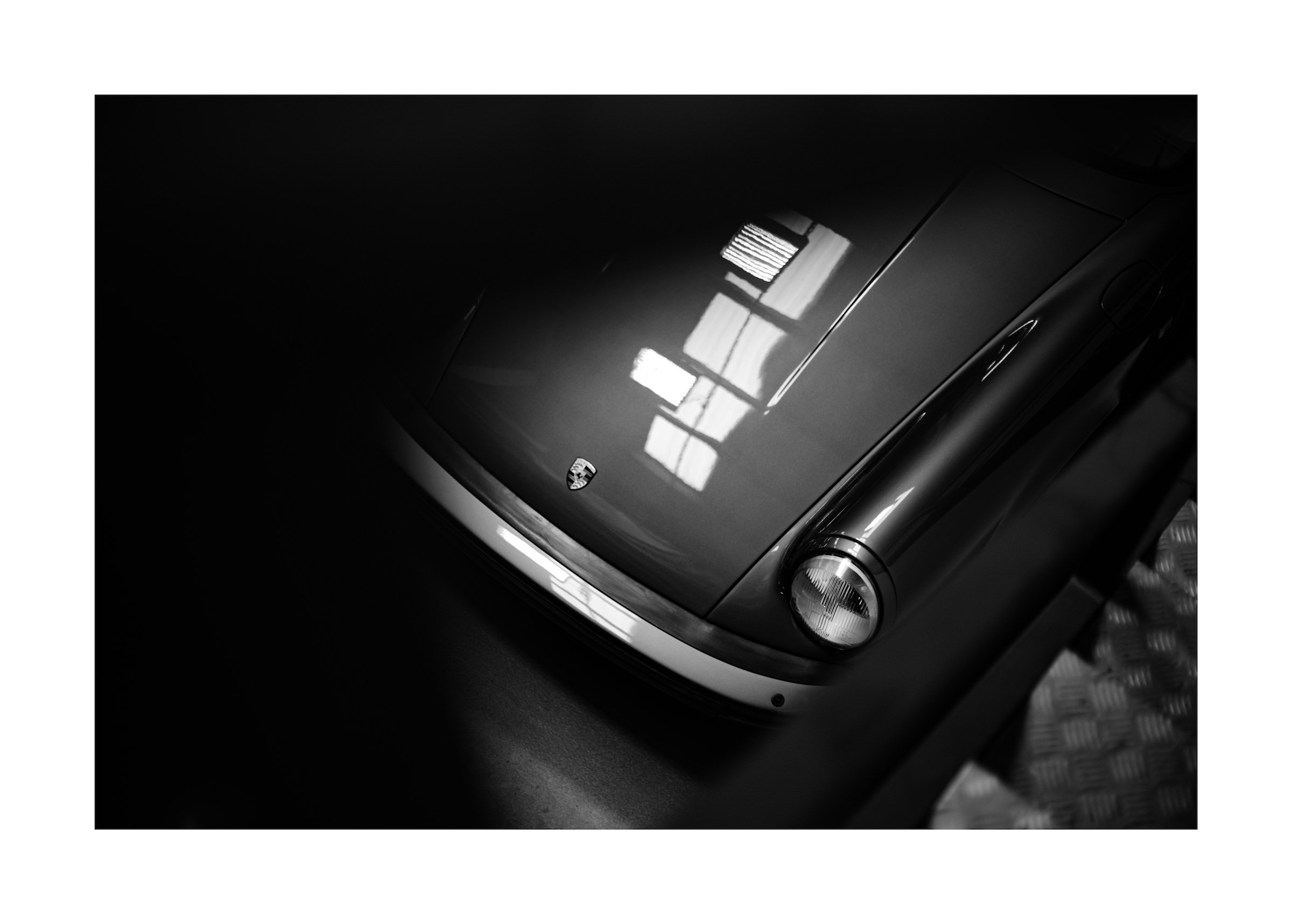
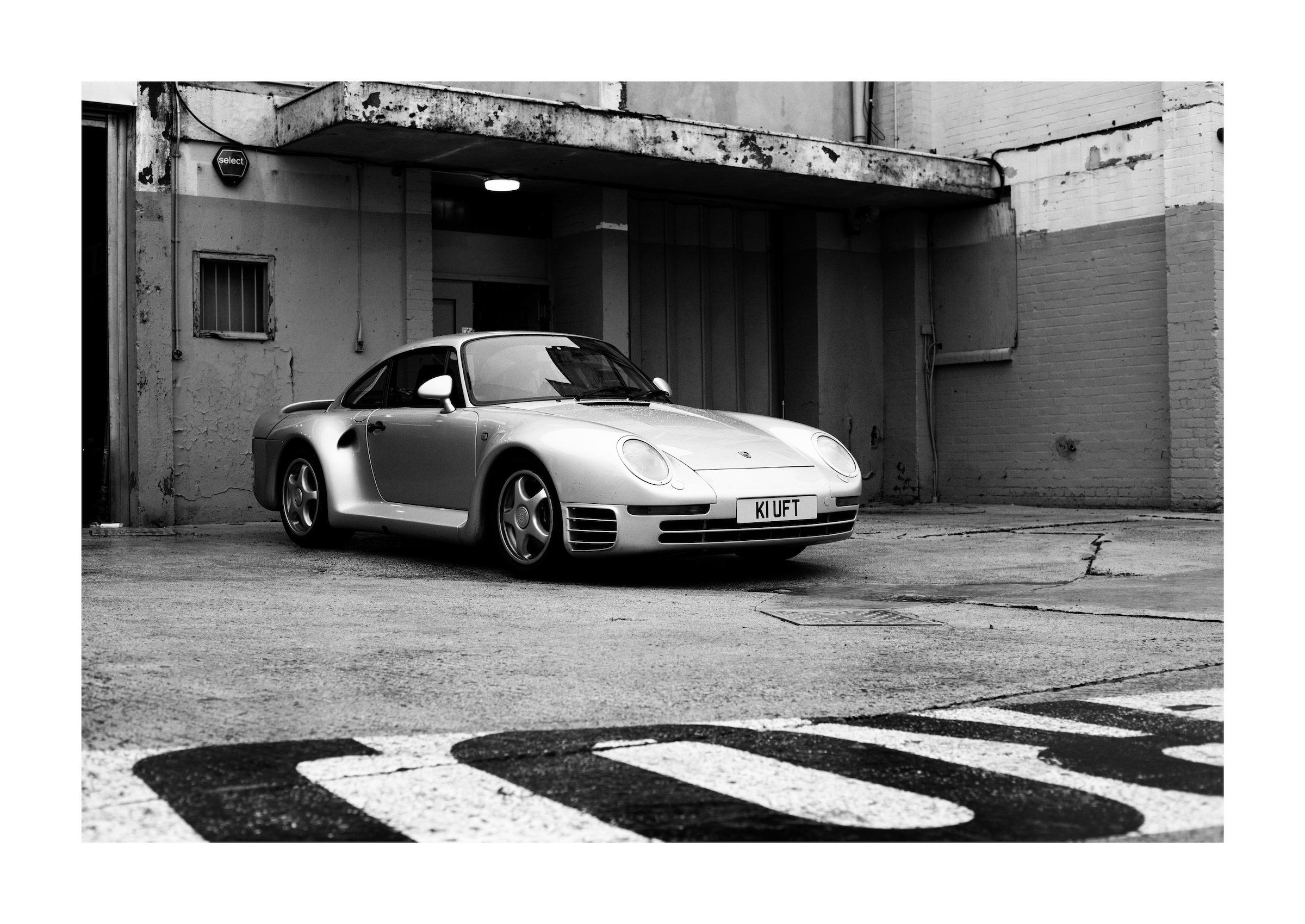
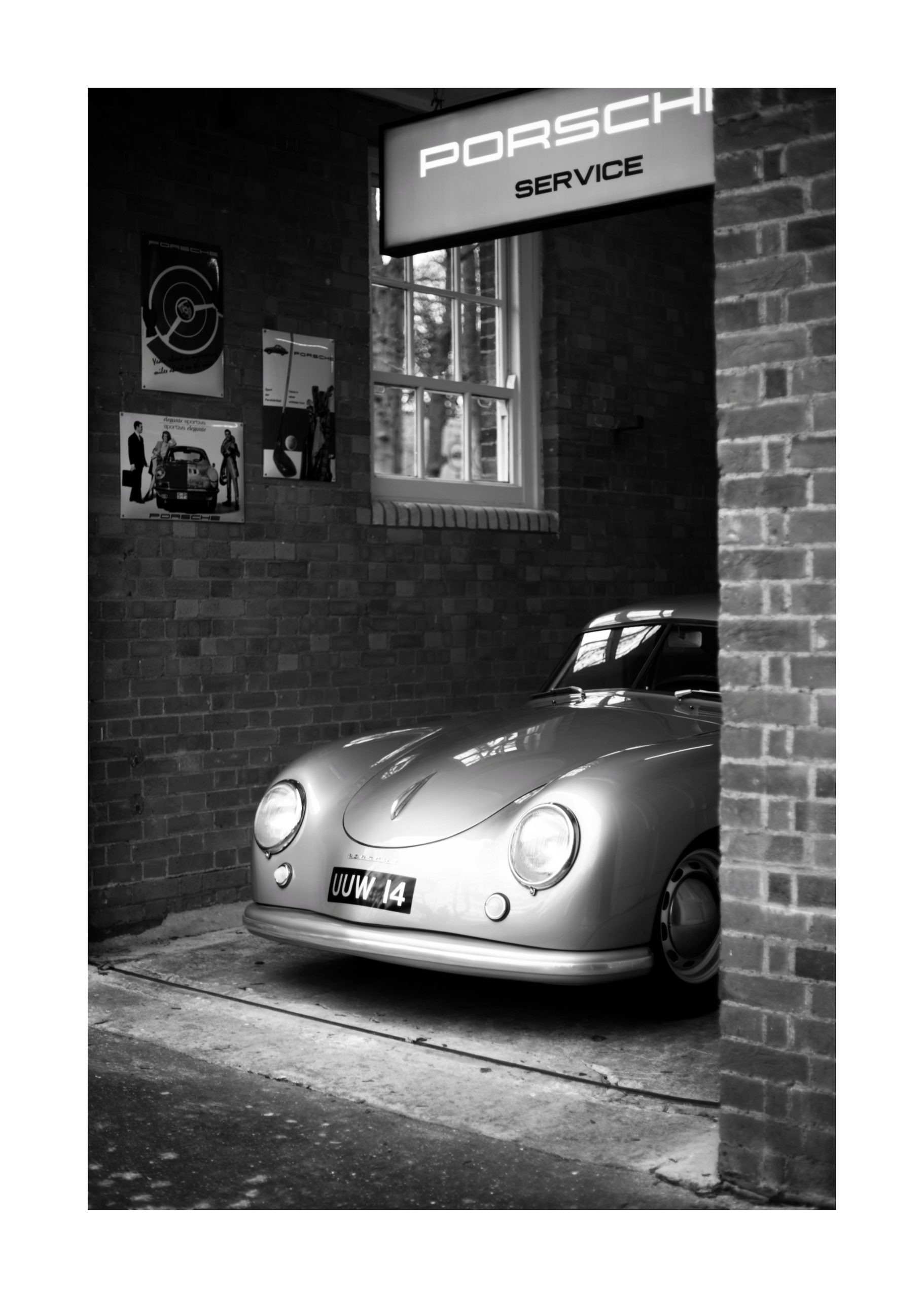
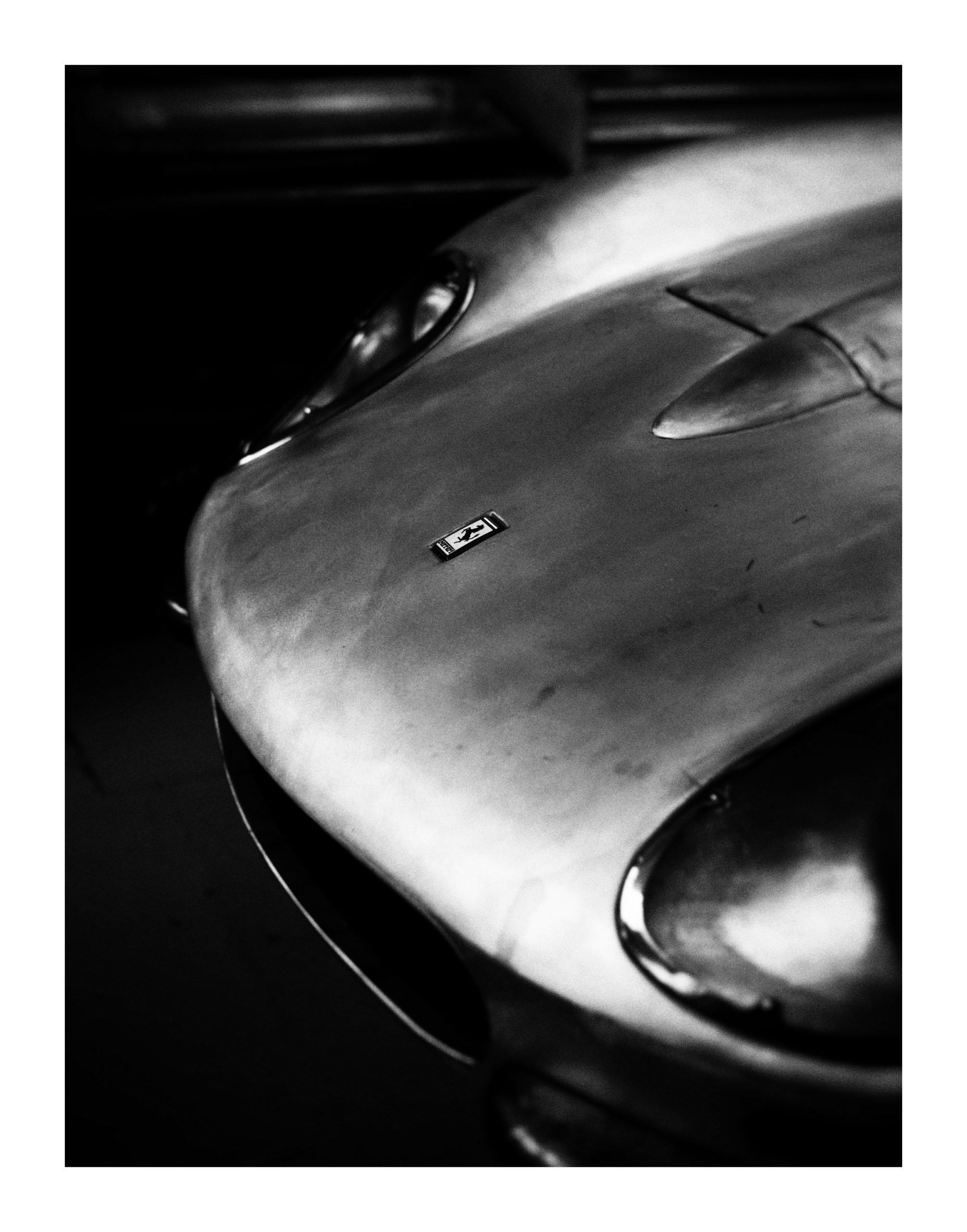
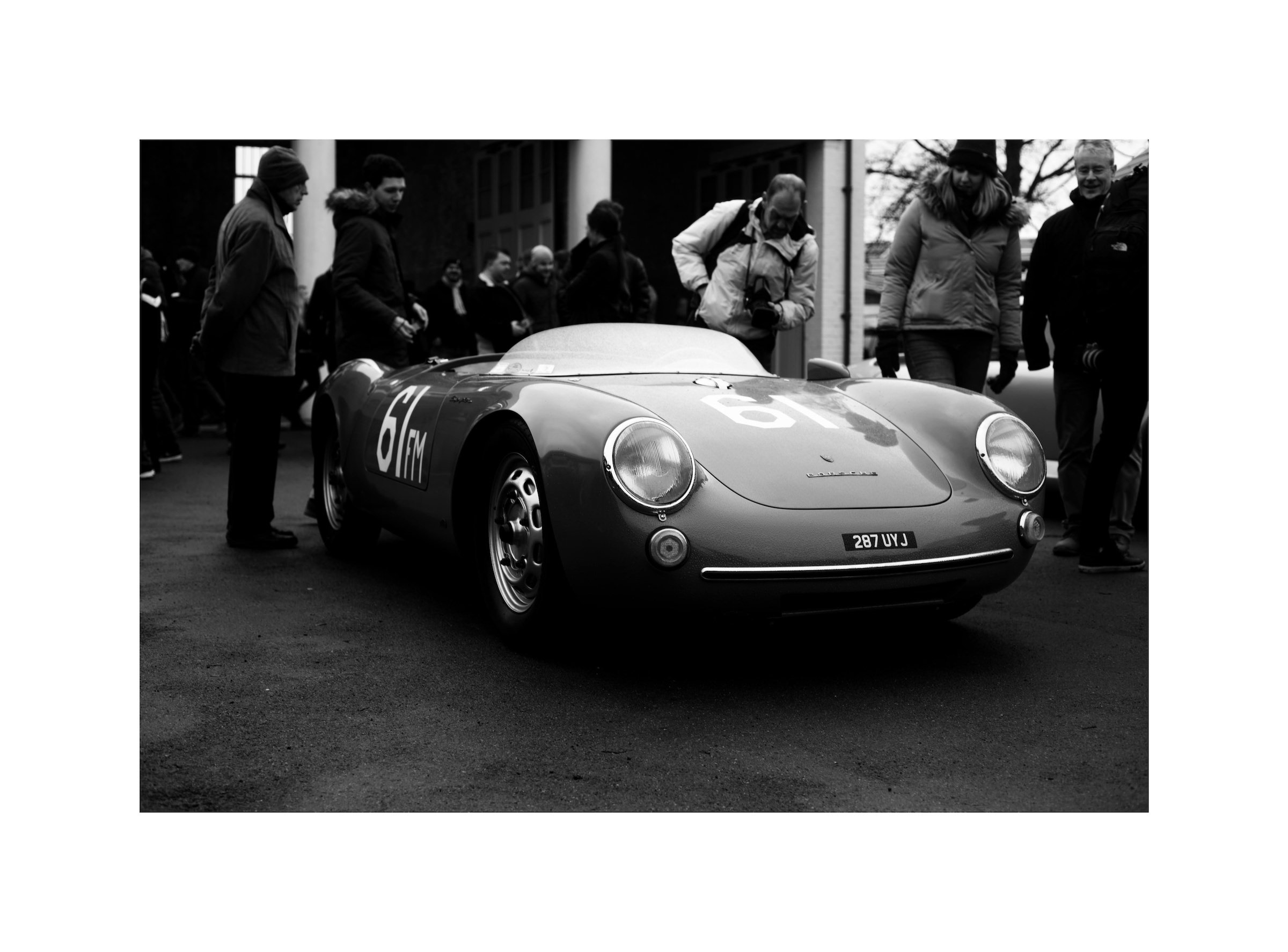
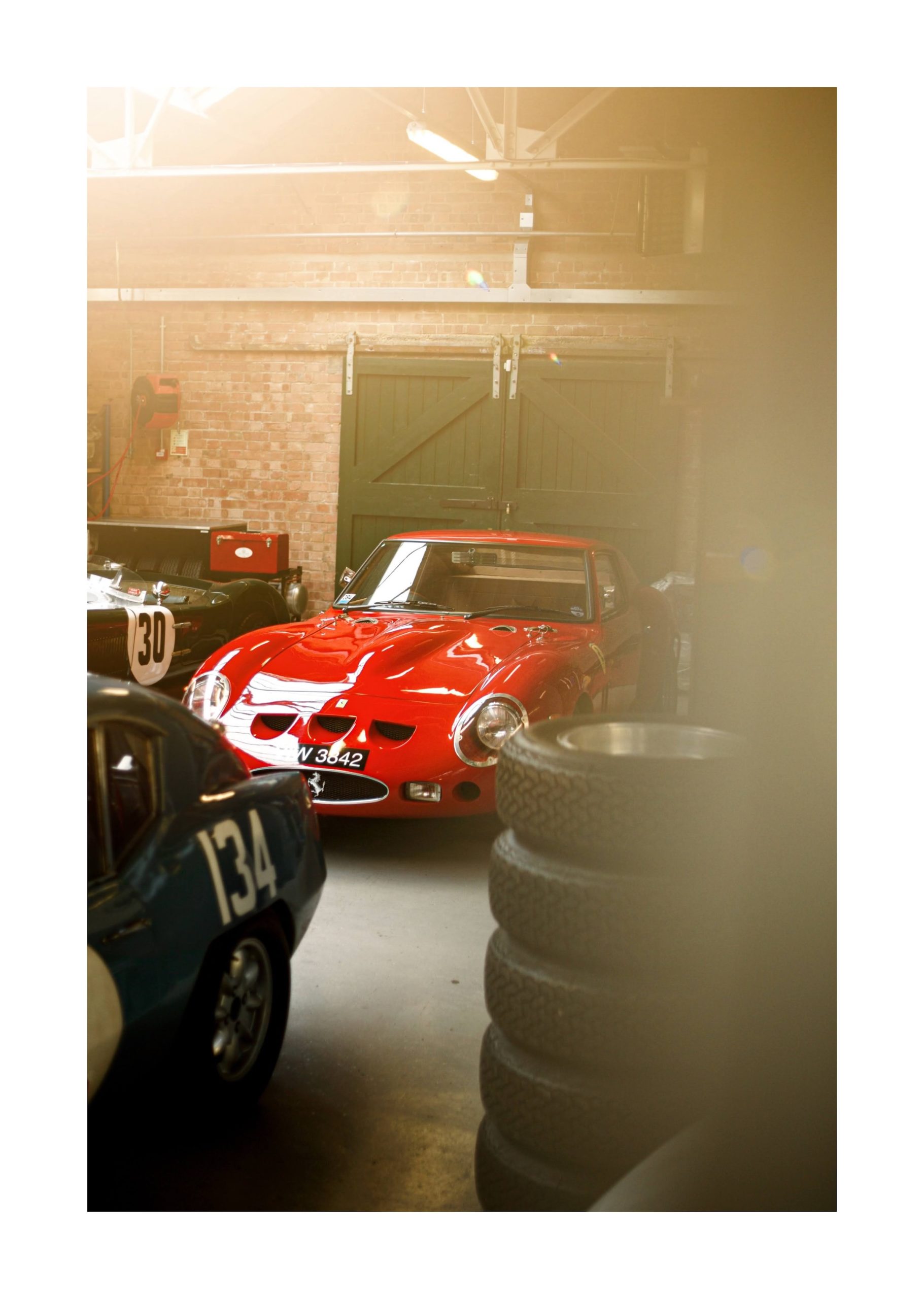
Images: Copyright 2020© Freddie Mycock
The post Classic Car Photographic Poster Prints by Freddie Mycock appeared first on Silodrome.